
Stellantis-backed Chinese company Leapmotor has introduced a new over-the-air update for its C10 electric and range-extender hybrid mid-size SUV. Aimed at improving the driving experience through refinement for safety systems, the latest update to the Leapmotor C10 is free-of-charge and cars must be connected to wifi to download it.
The C10’s software update makes key refinements to the much-criticised active safety features. According to Leapmotor, drivers can now operate most ADAS switches in any gear, while adaptive cruise control and adaptive lane guidance sensors have been refined.
The C10’s lane keeping assist has been enhanced for better sensitivity and performance, and fault icons for the driver attention monitoring systems have been relocated to the cluster display. There is also a new memory setting that allows drivers to save presets for selected ADAS and driving modes, which can be activated via a customisable steering wheel button.
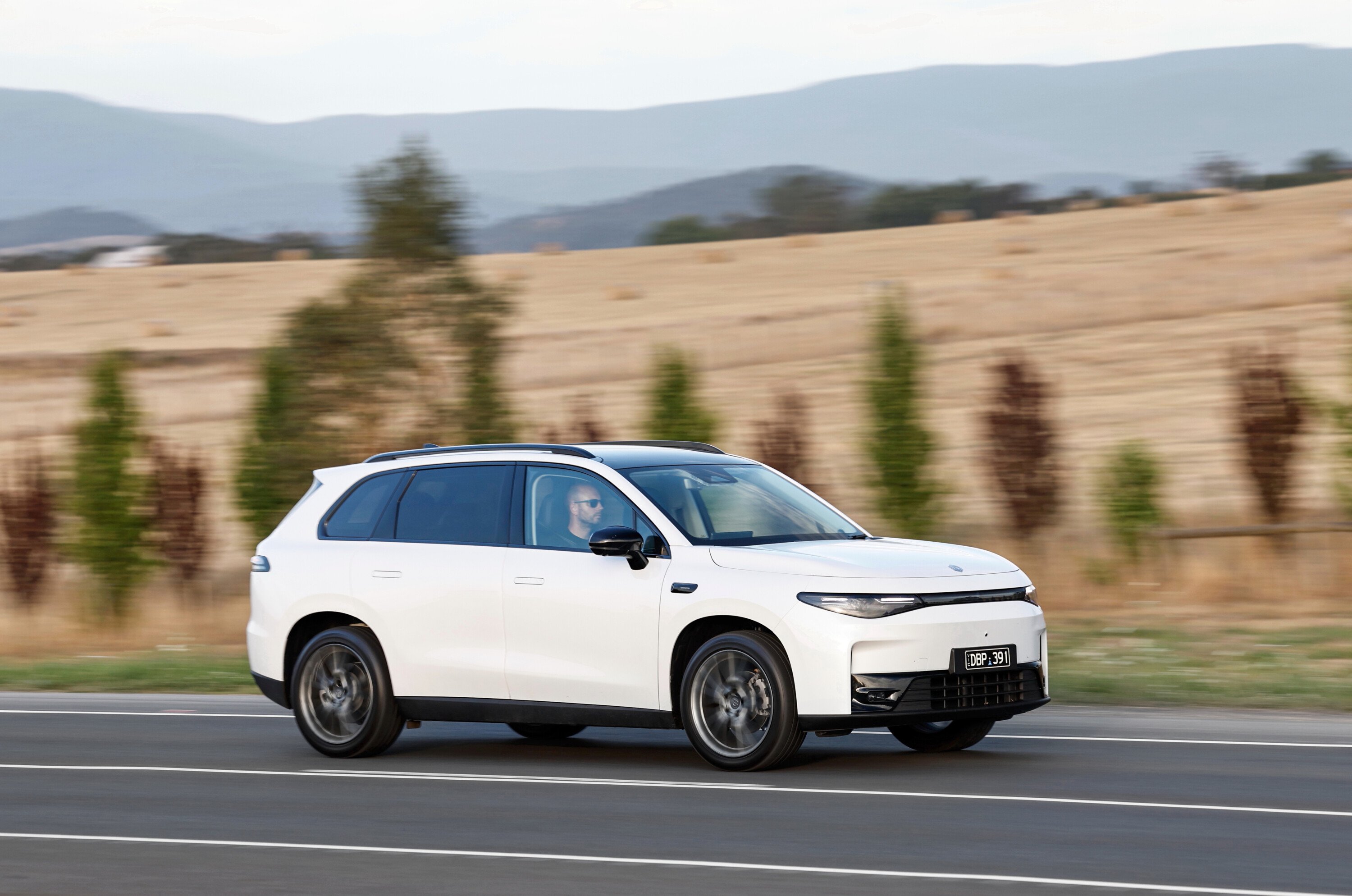
Leapmotor has also added a new 360-degree dashcam recorder that operates while the vehicle is running, using the C10’s surround view cameras and saves footage to a USB stick. There’s also a new ‘QDLink’ screen projection from Android devices, and ‘Radioline’, a global radio streaming service.
Other smaller changes to the C10’s infotainment includes a new avoid-tolls option for navigation, improved 3D route visibility and clearer location names for addresses sent from mobile devices. The C10’s user interface has undergone further refinement, expanding voice recognition capabilities and introducing new commands such as searching by song or artist name. The dock bar now includes passenger climate zone and mirror heating controls.
The Leapmotor smartphone app has also been improved to include digital key sharing amongst family and friends who also have a registered Leapmotor app account.
Notably for some owners, however, the Leapmotor C10 range still doesn’t feature Apple CarPlay and Android Auto smartphone mirroring tech.
The latest over-the-air update for the Leapmotor C10 has been available since September 19.
Audi Australia has announced pricing and specifications for new variants to the Q5 mid-size SUV range, including a 270kW plug-in ‘e-hybrid’ and a new 200kW version of the 2.0-litre turbo-petrol engine. Like the recently released A5 mid-sizer, the Audi Q5 e-hybrid and 200kW petrol variants are priced at parity from $96,900 plus on-road costs despite the e-hybrid including more standard equipment.
Filling the space between the 150kW Q5 and 270kW SQ5 variants already on sale, the new Q5 200kW and e-hybrid variants use a turbocharged 2.0-litre turbo-petrol engine with a seven-speed dual-clutch transmission. The petrol variant makes 200kW of power and 400Nm of torque, up from 150kW/340Nm in the entry-level petrol Q5.
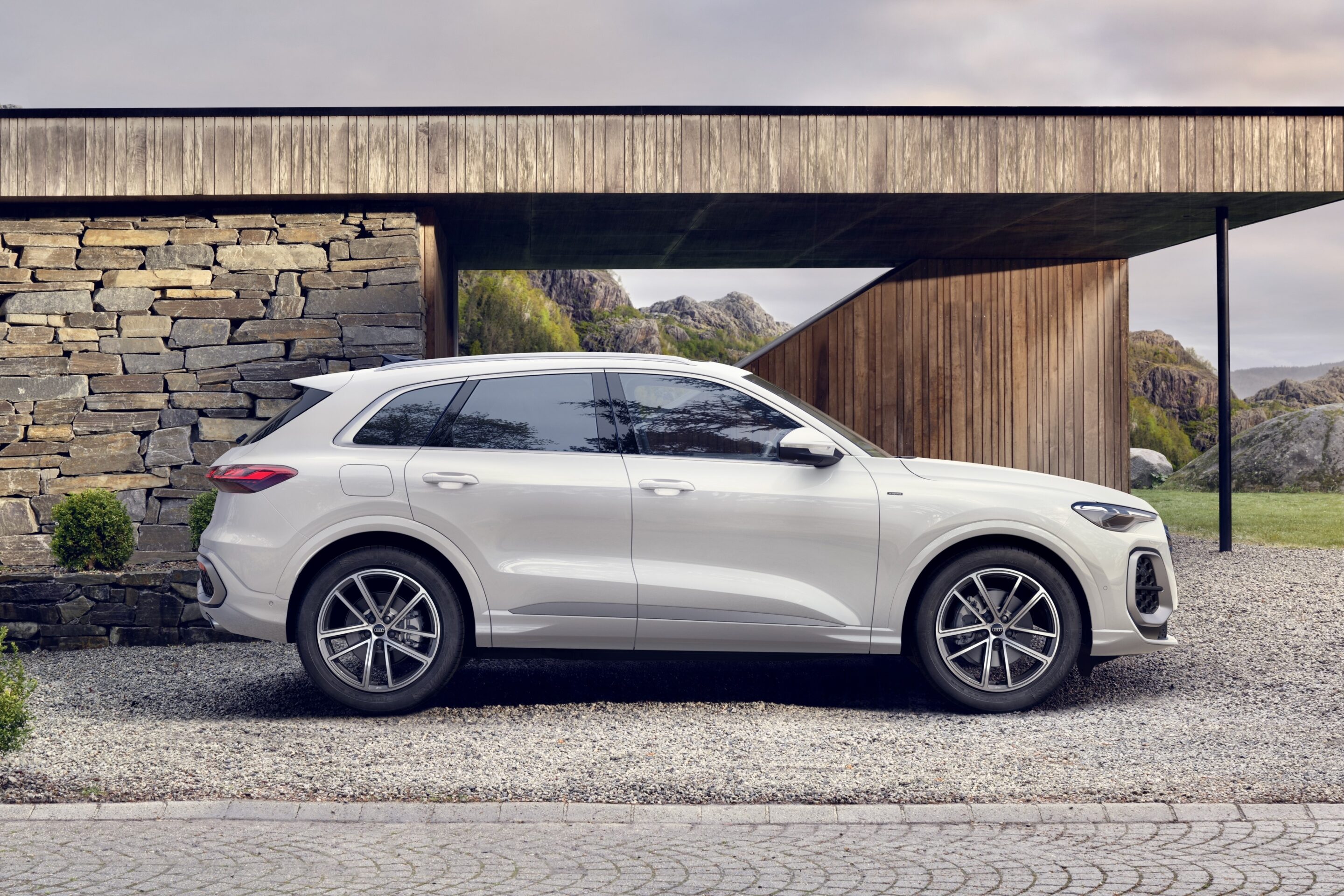
Meanwhile, the Q5 e-hybrid adds an electric motor for 270kW/500Nm outputs and draws power from a 20.7kWh battery for up to 82km of electric driving range (WLTP). The Q5 e-hybrid sprints to 100km/h in 5.1 seconds, which is 0.6 seconds behind the SQ5 that sits above it in the line-up. Audi claims the Q5 e-hybrid uses 2.6L/100km of fuel – if fully charged – and its claimed CO2 emissions are rated at 60g/km. It can be AC charged at up to 11kW – but not DC fast charged.
For equipment, the Q5 200kW TFSI quattro and its Sportback coupe sibling share the Q5 2.0 TDI quattro’s features, including 20-inch alloy wheels, a panoramic sunroof, sports front seats, leather upholstery, a 14.5-inch touchscreen and a full suite of active safety features.
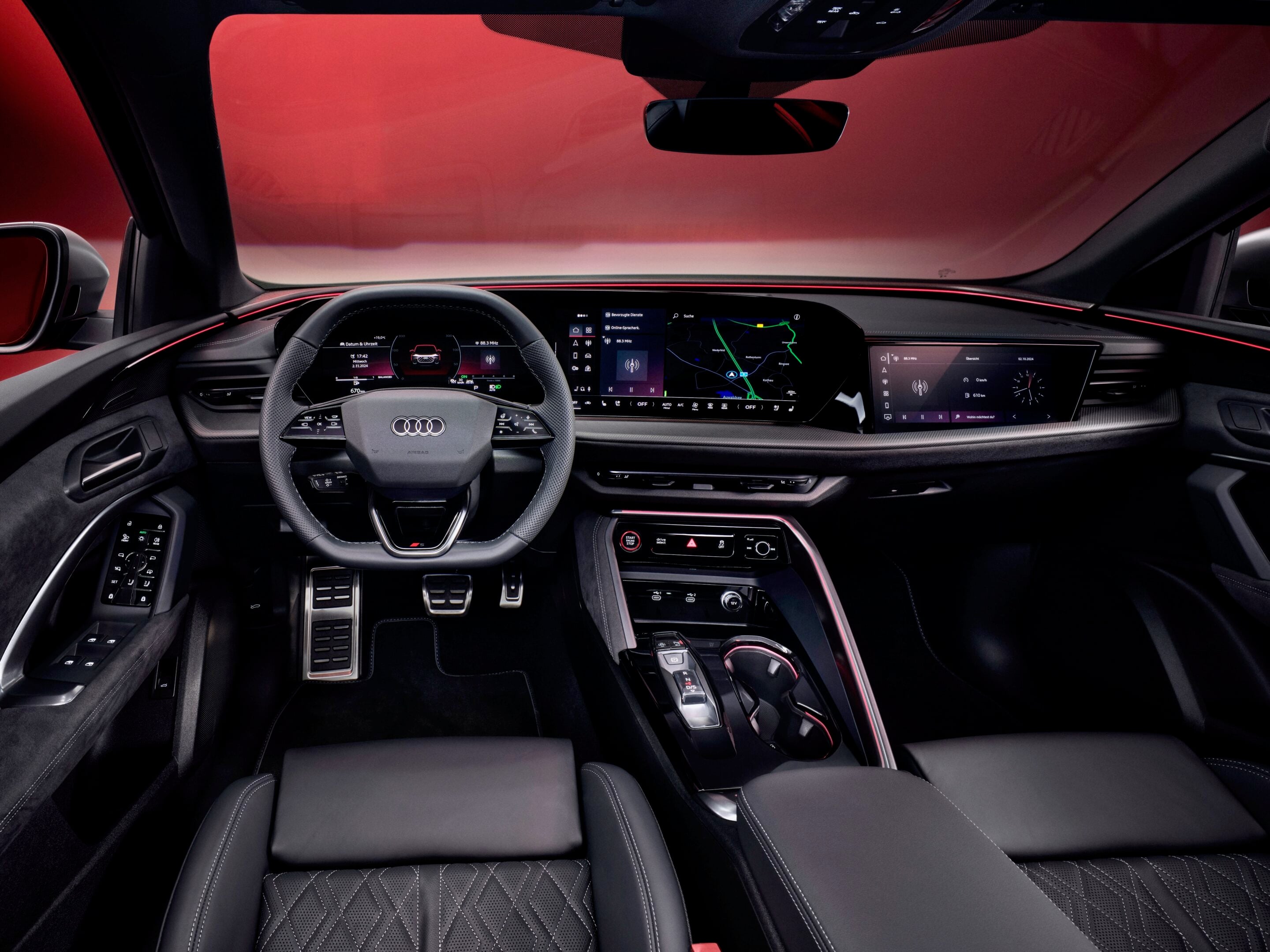
Yet despite its price parity, the Q5 e-hybrid adds extra features, including unique wheels, sports suspension, red brake calipers, black exterior styling, rear privacy glass and auxiliary air conditioning.
2026 Audi Q5 pricing (plus on-road costs):
| Q5 TFSI 150kW turbo-petrol | $81,000 |
|---|---|
| Q5 Sportback TFSI 150kW turbo-petrol | $84,500 |
| Q5 TDI quattro 150kW turbo-diesel | $87,600 |
| Q5 Sportback TDI quattro 150kW turbo-diesel | $91,100 |
| Q5 TDI quattro Sport 150kW turbo-diesel | $94,100 |
| Q5 Sportback TDI quattro Sport 150kW turbo-diesel | $97,600 |
| Q5 TFSI quattro Sport 200kW turbo-petrol | $96,900 (new) |
| Q5 Sportback TFSI quattro Sport 200kW turbo-petrol | $100,400 (new) |
| Q5 e-hybrid quattro 270kW PHEV | $96,900 (new) |
| Q5 Sportback e-hybrid quattro 270kW PHEV | $100,400 (new) |
| SQ5 TFSI 270kW Edition One | $106,400 |
| SQ5 Sportback TFSI 270kW Edition One | $109,900 |
| SQ5 TFSI 270kW | $122,400 |
| SQ5 Sportback TFSI 270kW | $125,900 |
The Audi Q5 TFSI quattro and Q5 e-hybrid quattro variants will begin arriving in Australian showrooms from Q1 2026.
Toyota Australia has announced that the slow-selling Fortuner large off-road SUV will not be renewed locally when the next generation of the vehicle is launched next year.
Announced at the reveal of the ninth-generation HiLux, which the next Fortuner will be based on, the Toyota Fortuner is currently being outsold eight to one by its larger and more expensive LandCruiser Prado sibling.
Shifting buyer preferences is behind the move, according to Toyota Australia, with consumers moving towards other SUVs like the aforementioned Prado and its LandCruiser 300 Series sibling.
Launched in Australia in 2015 and priced from $47,990 plus on-road costs, the Fortuner was pitched by Toyota as a diesel four-wheel drive alternative to the Kluger. It uses the same underpinnings as the HiLux ute, including its platform and 2.8-litre turbo-diesel engine.

The Fortuner’s best sales year in Australia was 2022 when 4614 units were shifted, but even then, the Prado sold four times as many.
In 2025 so far, the Fortuner has sold 2928 units to the end of October – versus 23,298 Prados, 21,915 Ford Everests, 12,499 Isuzu MU-Xs and 5015 Mitsubishi Pajero Sports, the latter of which is no longer available to order in Australia.
The Toyota Fortuner will exit from Australian showrooms in mid-2026, at the same time a new model will enter production. Next year is shaping up to be a big one for Toyota Australia with models such as a new RAV4, updated GR Corolla and LandCruiser 300 Series Hybrid all set to launch.
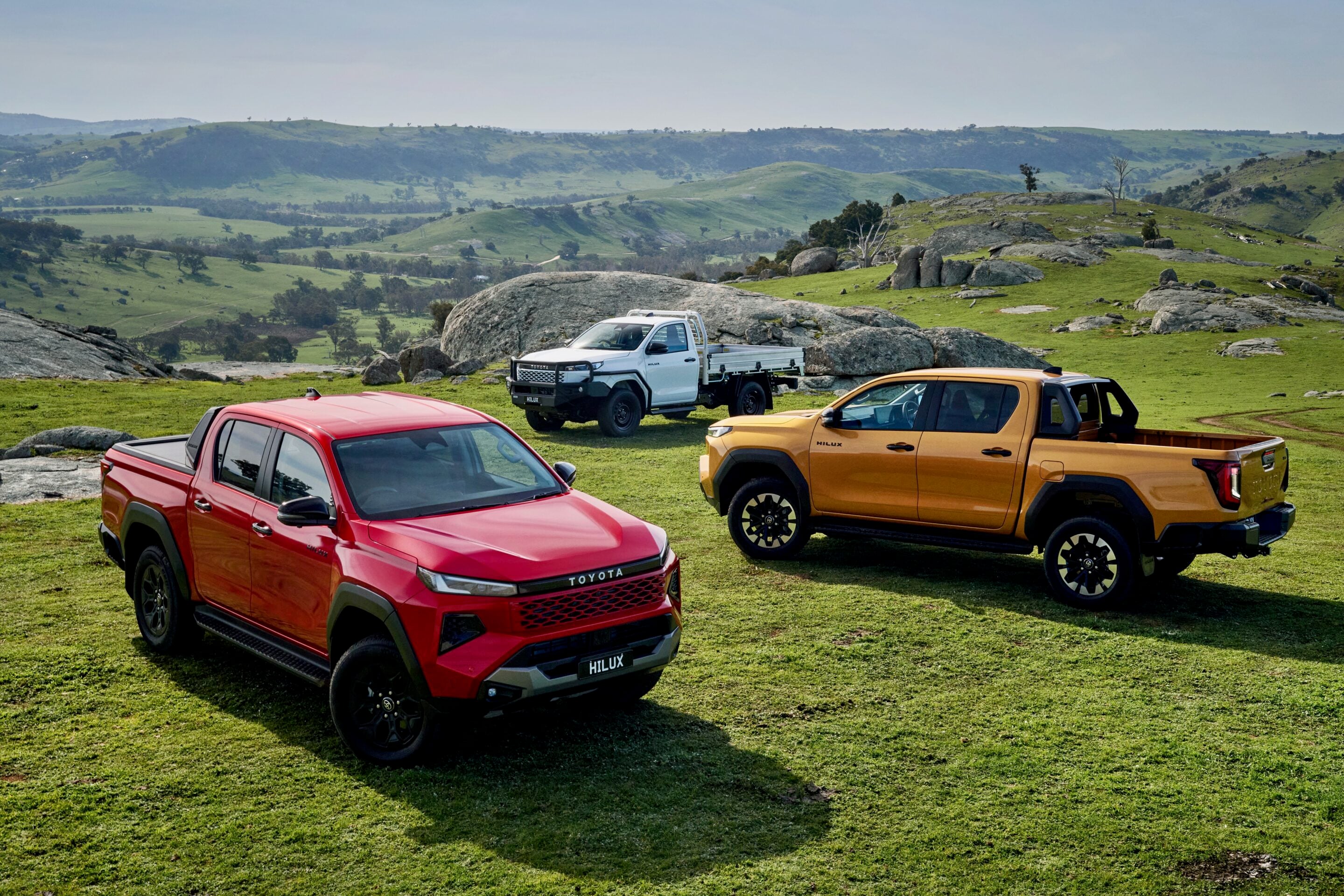
Ahead of an on-sale date next month, the new 2026 Toyota HiLux has finally been fully revealed. A heavy facelift instead of an all-new product, the ninth-generation HiLux was styled by a team from Toyota’s Australian design studio and is “the most Australian HiLux ever”, according to the brand.
As before, three bodystyles will be offered, though only one drivetrain choice for now but that will expand to include electric power in 2026 and fuel-cell hydrogen in 2028.
Using a “digital sumo” design theme, the new HiLux is more aggressively styled than before with a sharp new front end with angular LED headlights, pumped up bumpers, new alloy wheels and – on models with a pick-up tray – a modern new LED tail-light design.
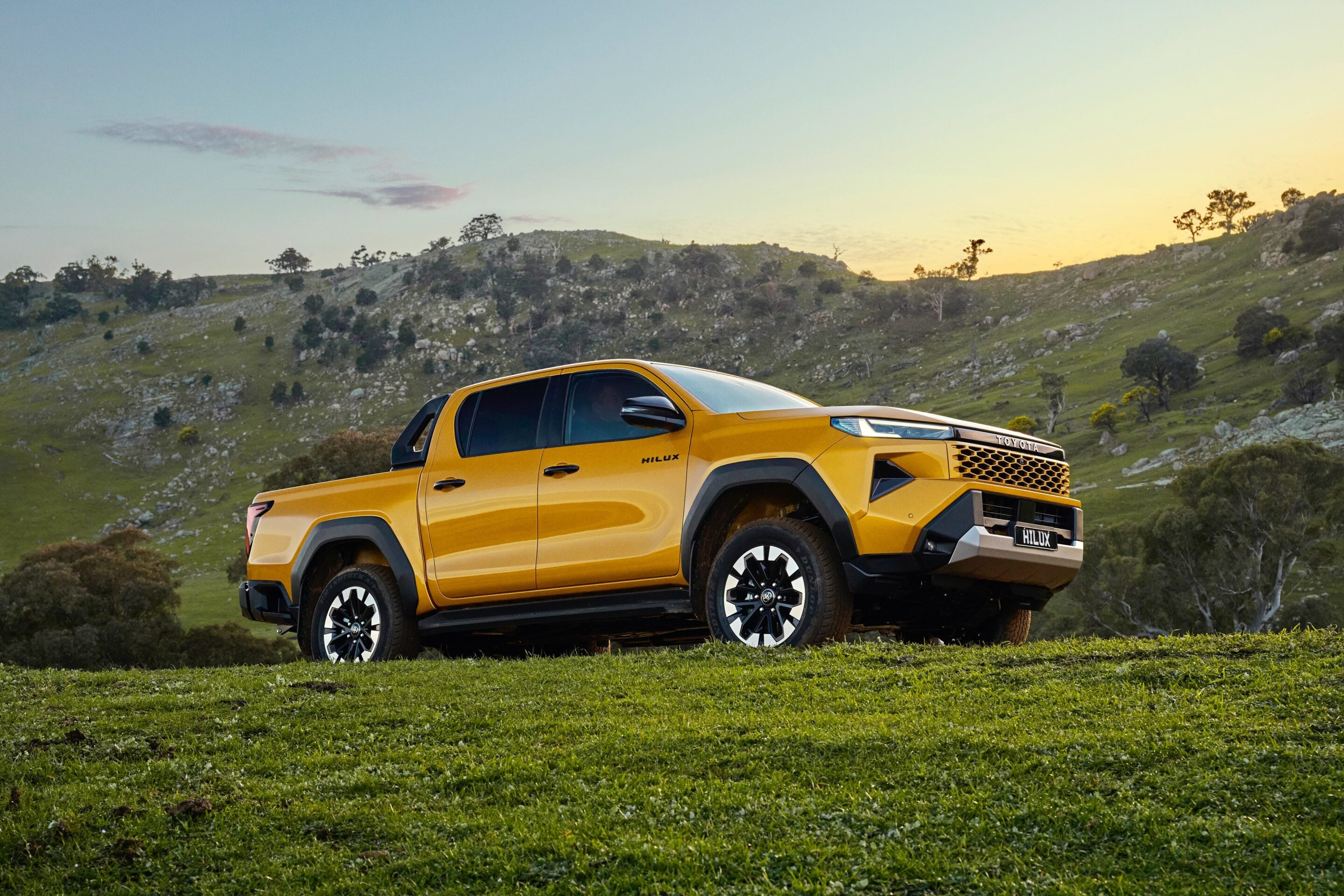
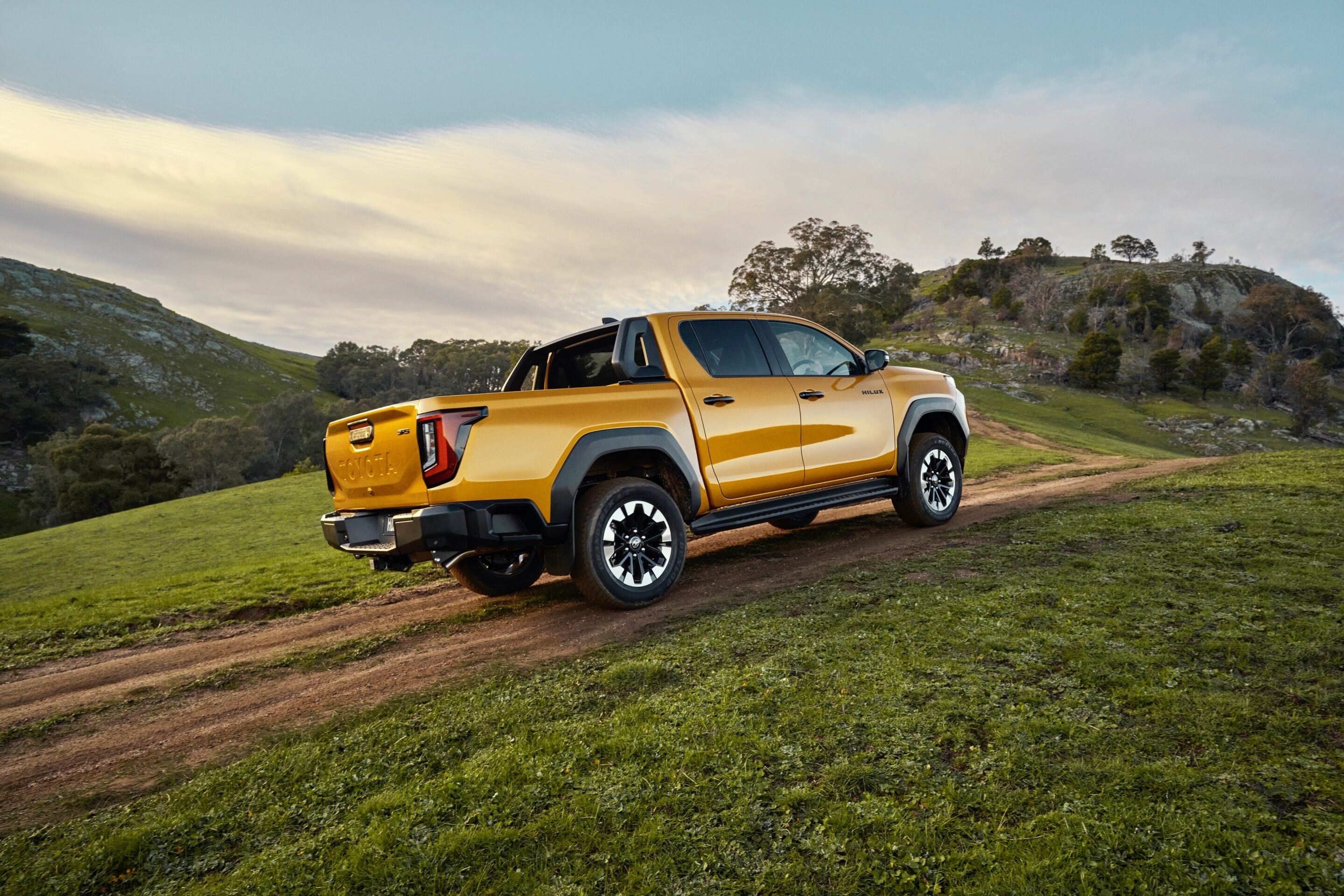
On the inside of the 2026 Toyota HiLux are more changes, such as an all-new dashboard layout and a lot more available technology. The layout is more modern than before and appears higher-quality as well, using a lot of shared parts from other Toyota products like the LandCruiser Prado.
Under the bonnet of the entire 2026 Toyota HiLux range is the same 2.8-litre four-cylinder turbo-diesel engine as the previous model, making the same 150kW/500Nm outputs for the six-speed automatic (150kW/420Nm for the six-speed manual). There’s no hybrid HiLux model for this generation yet, though Toyota’s 48-volt mild-hybrid tech is standard on the SR and above when fitted with the automatic transmission.
In 2026, the first electric HiLux sold in Australia will be added to the range too. Toyota is yet to confirm details, other than it will be a dual-motor drivetrain available on the SR and SR5 models, but it will be joined by a hydrogen fuel-cell drivetrain in 2028 as well.
While the platform and mechanicals are the same as the previous HiLux, other significant changes include new electric power steering, revised suspension and enhancements to the four-wheel drive system to make it even more capable off-road.
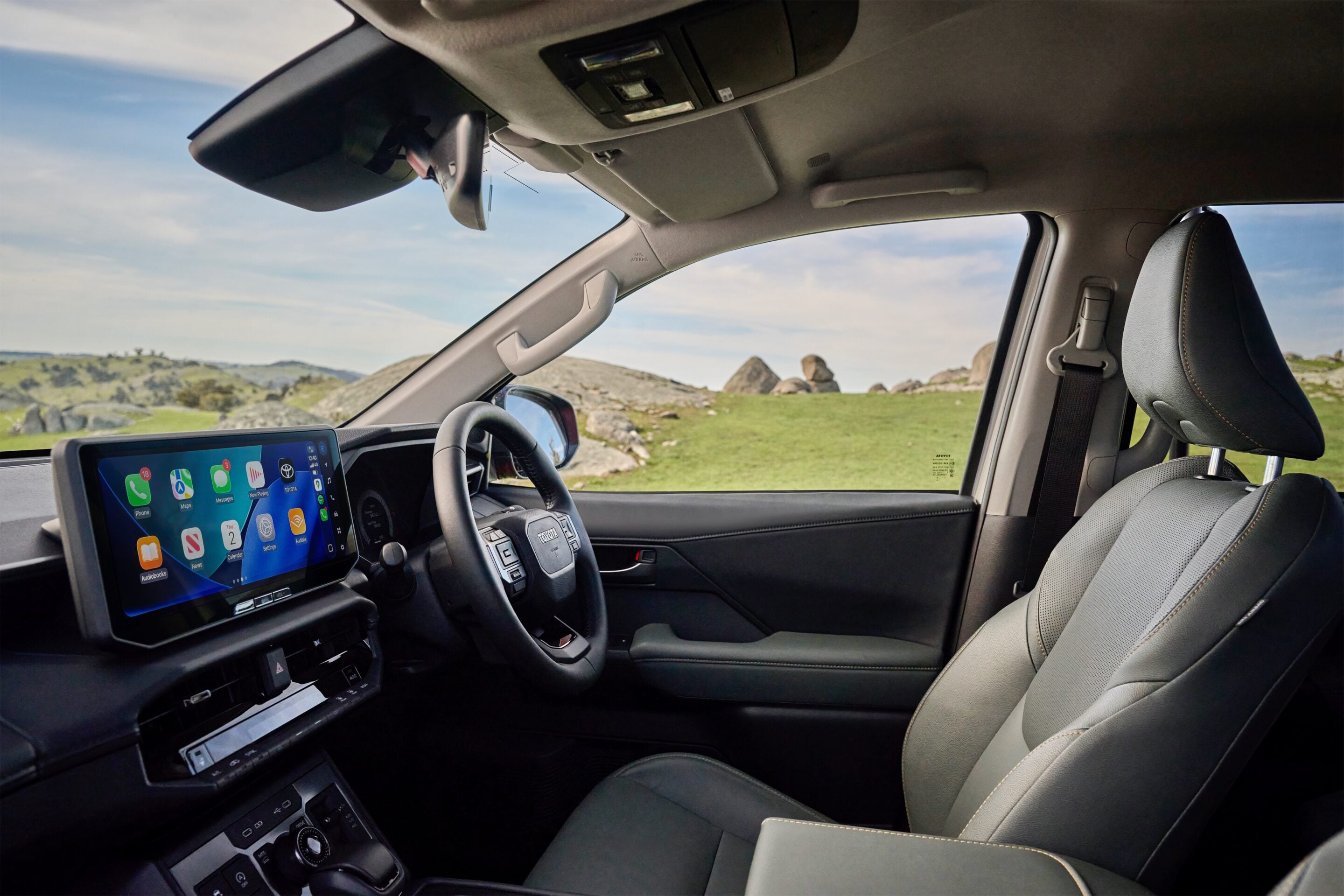
Available features have been improved across the whole HiLux range, with a new 12.3-inch touchscreen featuring live services and wireless Apple CarPlay and Android Auto as standard equipment, as well as a 7.0-inch digital driver’s display with a larger 12.3-inch unit available on upper-spec models.
Safety features have also been improved, with lane-keeping assistance, blind-spot monitoring, rear cross-traffic alert, safe exit assist and a reversing camera as standard equipment across the range. On pick-up models, front and rear parking sensors have been added, too.
Toyota Australia Vice President Sales, Marketing and Franchise Operations Sean Hanley said the new HiLux would continue the iconic story of the rugged pick-up in Australia. “The new HiLux delivers a wide range of improvements to on and off-road driveability, safety and comfort, along with a new interior design and features, and new exterior design, which we are proud to say was developed right here in Australia.
Toyota will release pricing and specifications for the 2026 Toyota HiLux soon ahead of its December 2025 on-sale date.
How much driving range do you really need?
Snapshot
- Most EVs already provide more than enough range for typical daily needs today
- Real-world driving range depends on a variety of factors
- Longer range mainly provides more confidence
Range anxiety is often cited as a key concern when considering a switch to a pure-electric vehicle, but the situation has evolved very rapidly.
While those regularly travelling long highway distances may find range – and the relative lack of public fast-charging infrastructure – an issue, the reality is that most new electric vehicles will have plenty enough range for a week’s worth of commuting for most Australians.
How is electric driving range calculated?
Just as fuel is measured in litres, battery size is measured in kiloWatt-hours. Therefore, just as fuel use is expressed in litres per 100km, energy consumption is typically expressed in kiloWatt hours per 100km.
However, how those numbers are calculated is a little more complicated. The figure you need to look for is the World Harmonised Light Vehicle Test Procedure, usually written as WLTP for short.
This is a tougher test that will be more indicative of real-world use compared to the New European Driving Cycle (NEDC) or China Light-Duty Vehicle Test Cycle (CLTC), which are sometimes quoted because they can give a substantially higher number.
Real world figures can vary dramatically depending on your use case, but remember that EVs are typically the opposite of internal combustion vehicles. Whereas they tend to be more efficient at constant speeds, even at 100km/h, EVs do their best work in town, so in urban traffic you may well exceed your vehicle’s combined claim.
Cold weather also does batteries no favours, with some vehicles losing 20-30 per cent of their range in single-digit temperatures, while some manufacturers’ recommendation to only charge the battery to a maximum of 80 per cent on a regular basis obviously also has a large impact on range.
Top 10 longest range EVs in Australia
These are currently the 10 electric vehicles with the longest ranges on sale in Australia, albeit with a couple of caveats. There are a few cars that technically belong on this list, such as the BMW i7 xDrive 60 and Mercedes-Maybach EQS 580 SUV, which have been excluded as they are hugely expensive and sell in tiny numbers.
It’s also worth noting that this list will change rapidly, with the likes of the forthcoming BMW iX3 and Mercedes-Benz CLA promising more than 800km of WLTP range.
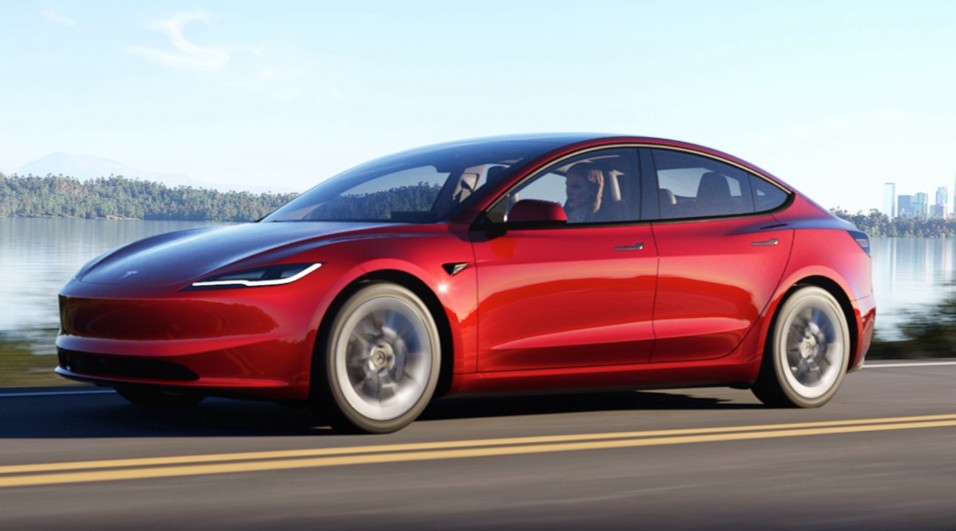
1. Tesla Model 3 RWD Long Range – 750km
2. Polestar 3 Long Range Single Motor – 706km

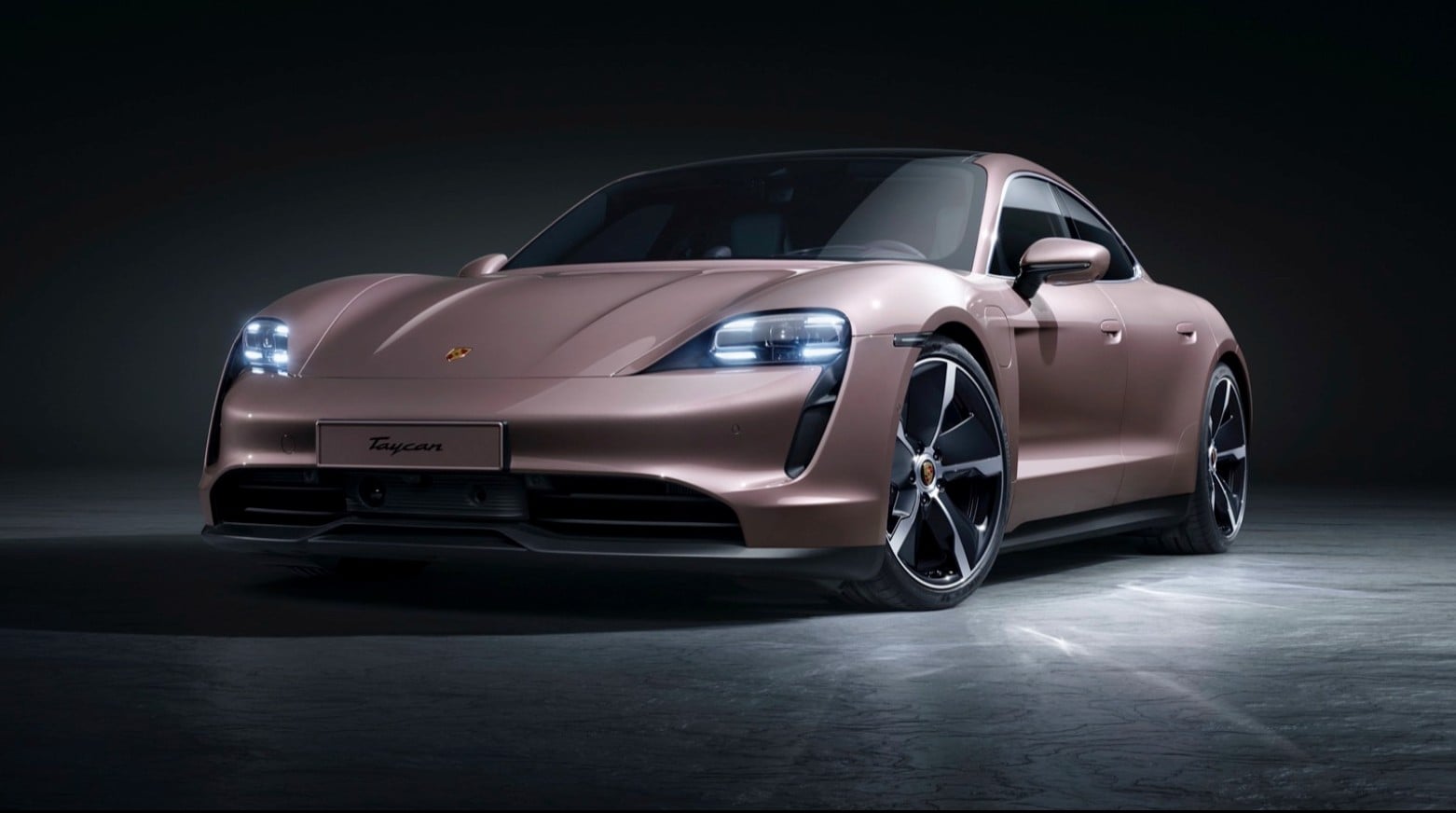
3. Porsche Taycan (w/Performance Battery Plus) – 678km
4. Polestar 2 Long Range Single Motor – 659km

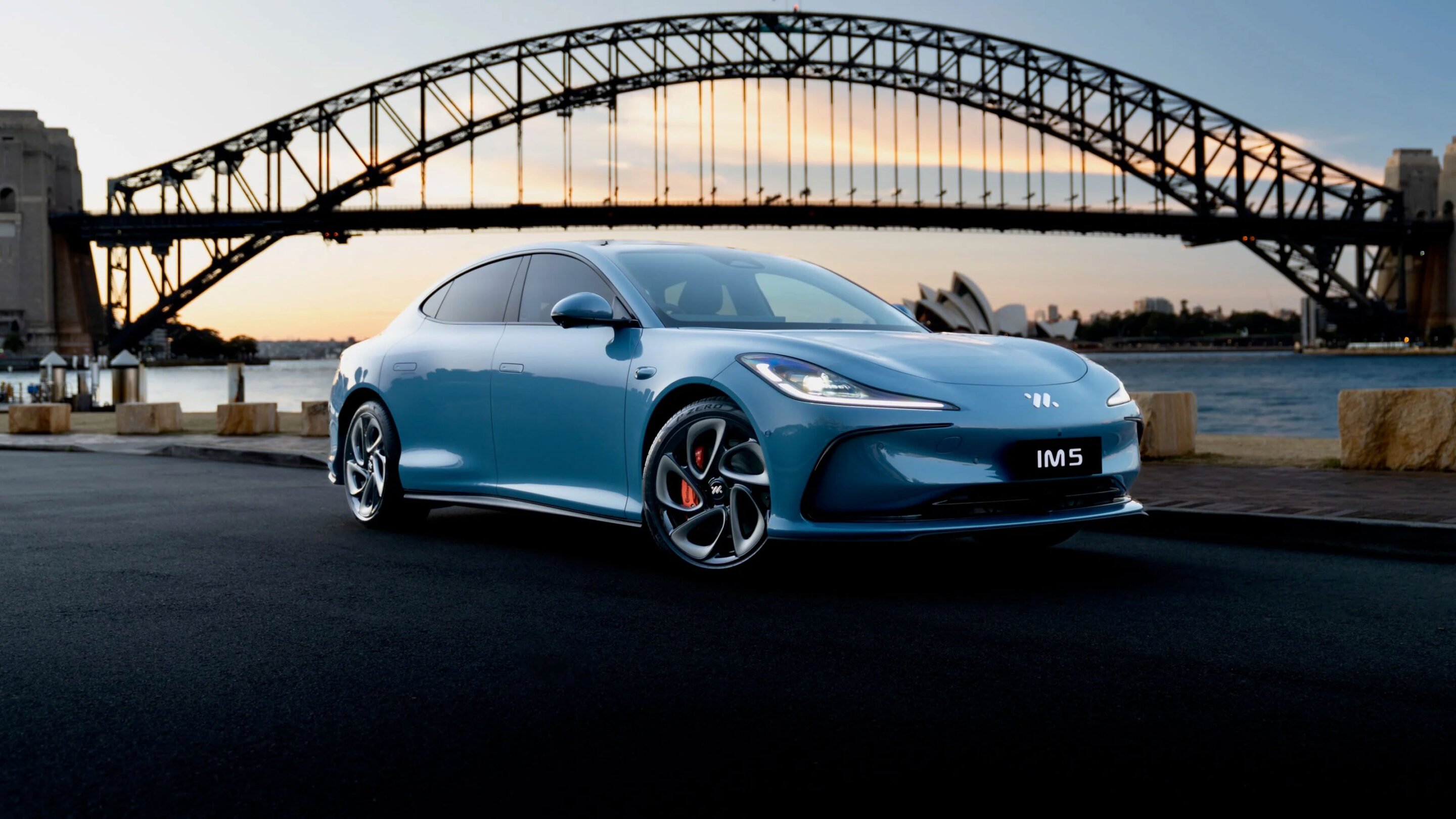
5. IM Presented by MG IM5 Platinum – 655km
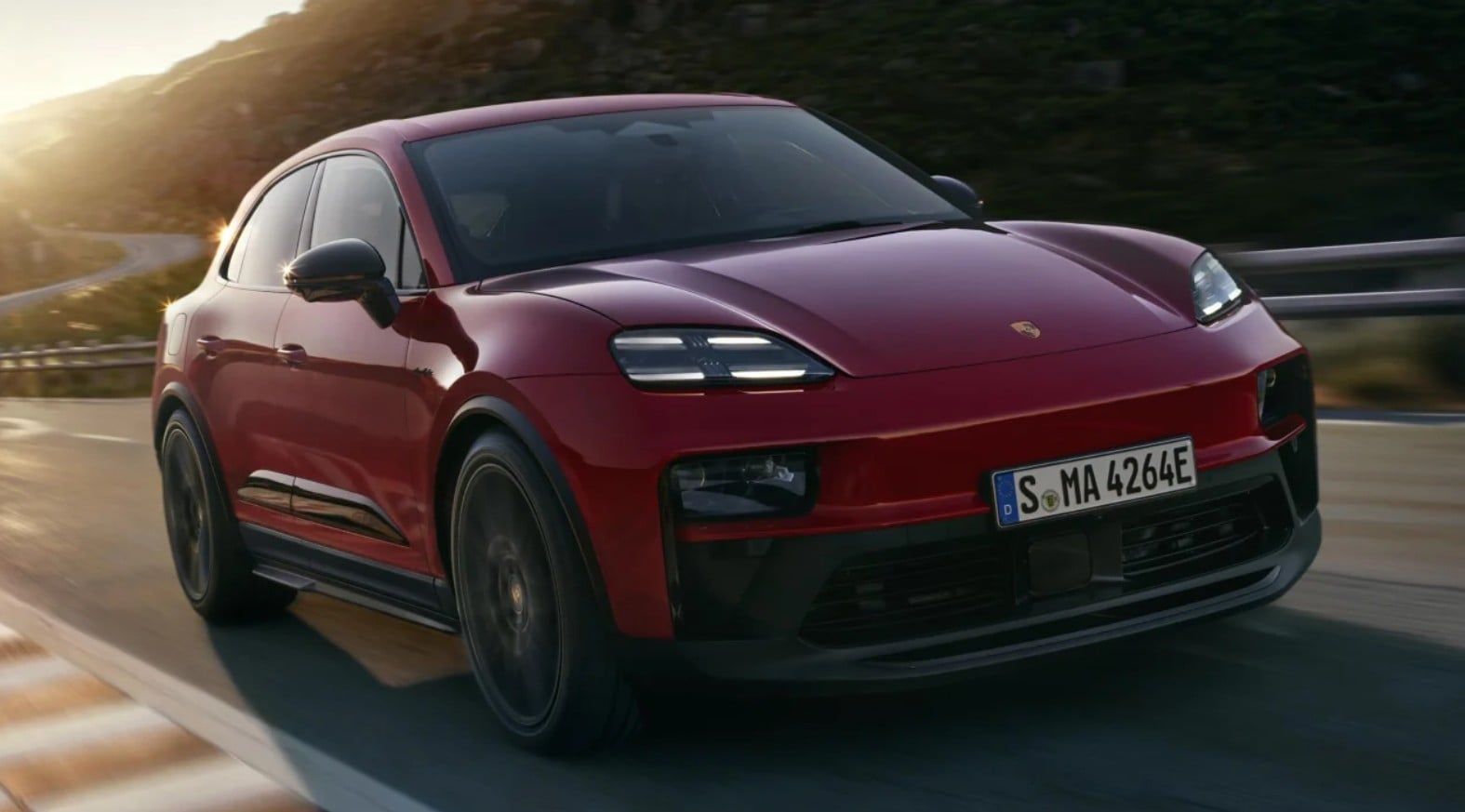
6. Porsche Macan – 640km
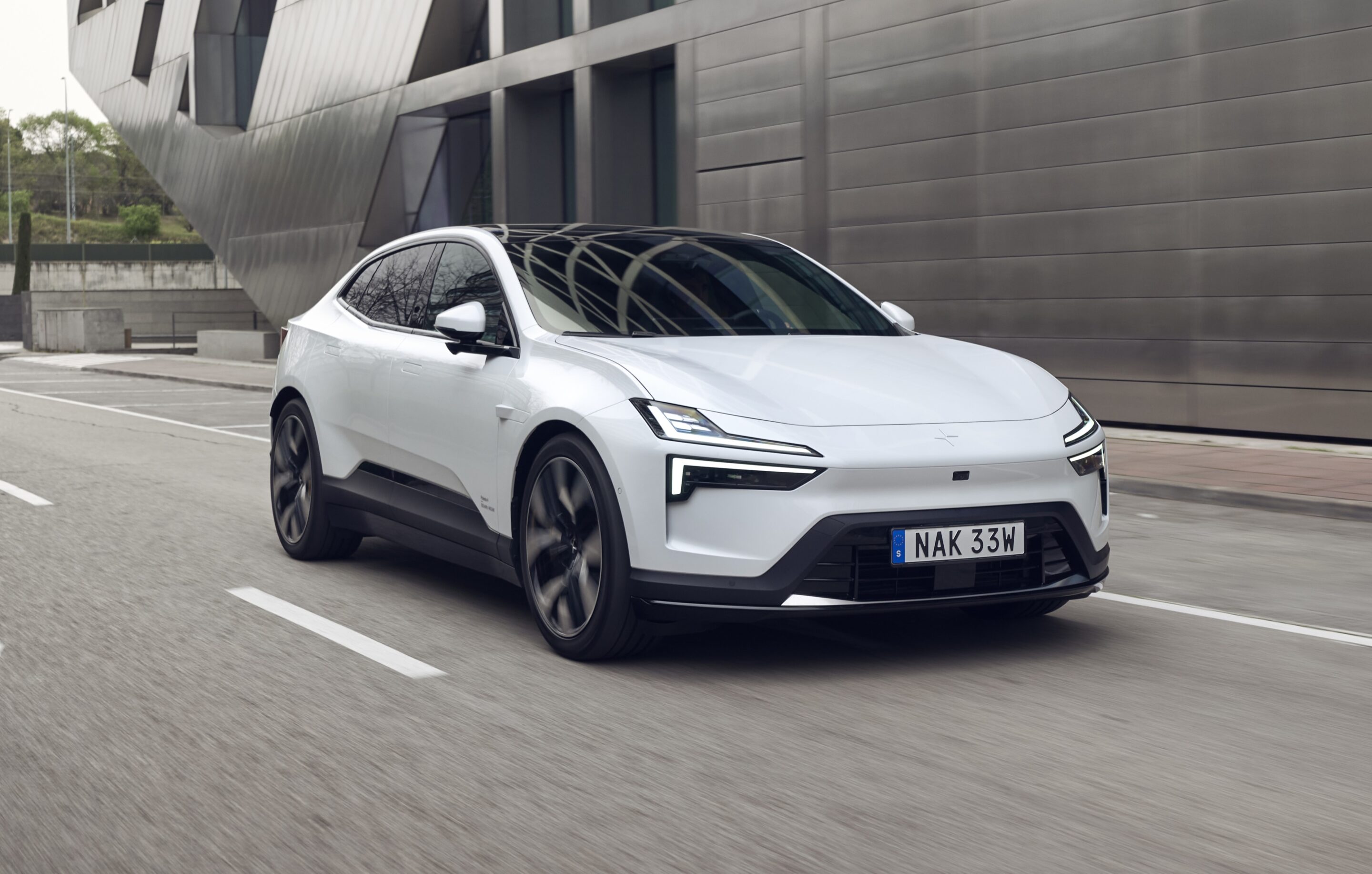
7. Polestar 4 Long Range Single Motor – 620km
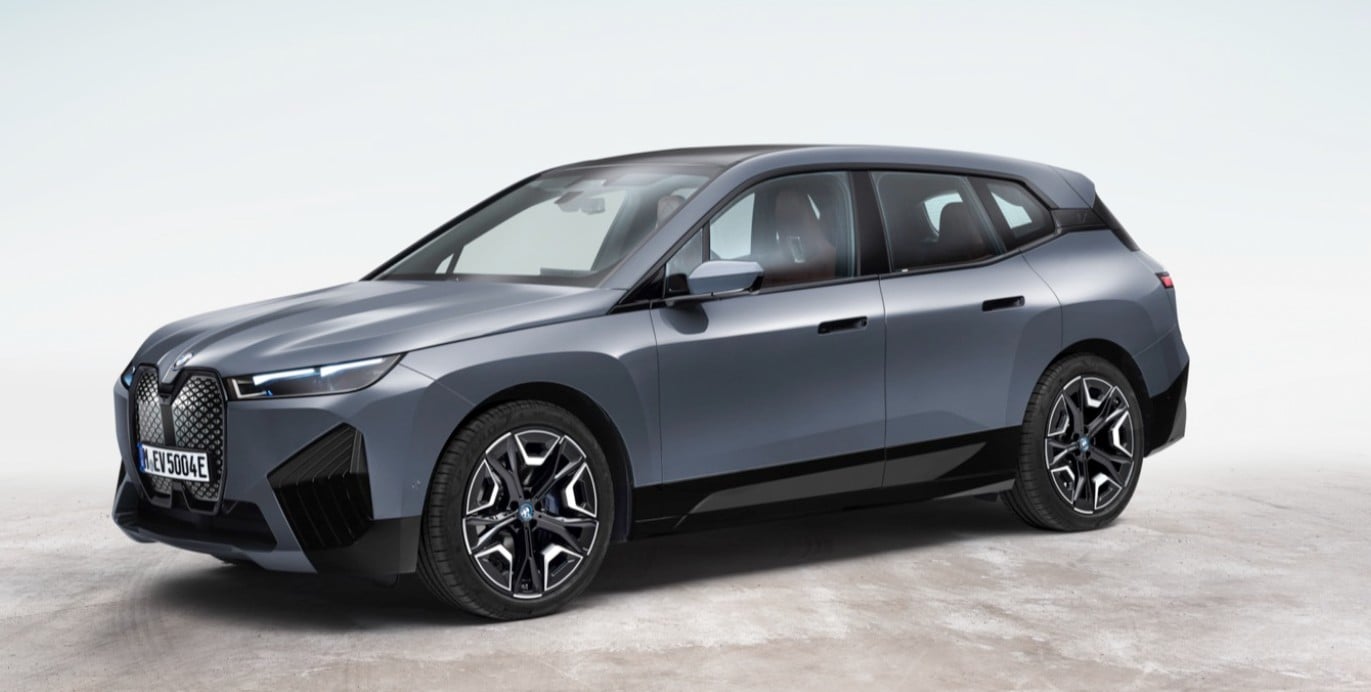
8. BMW iX xDrive50 – 616km
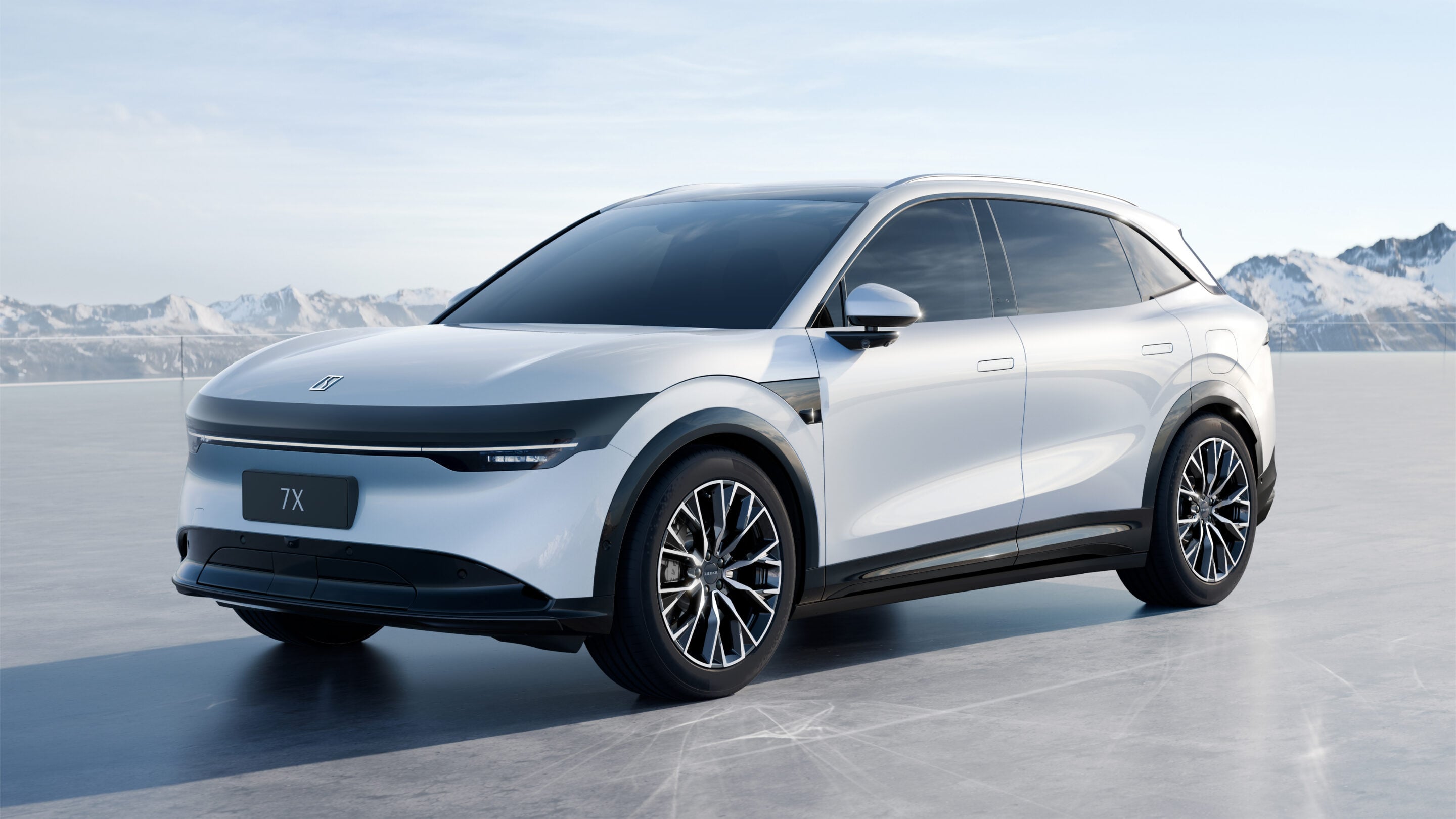
9. Zeekr 7X Long Range RWD – 615km
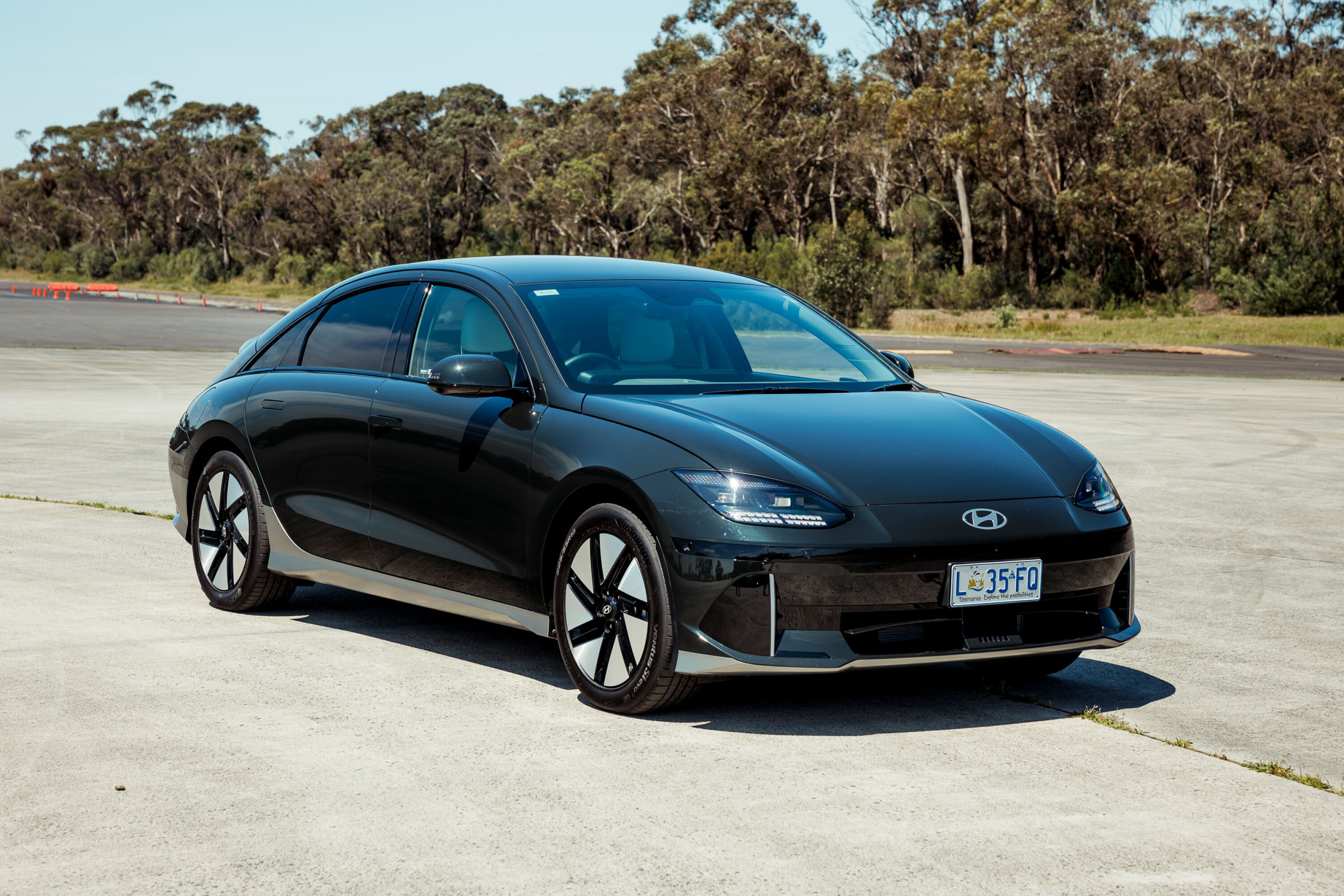
10. Hyundai IONIQ6 RWD Dynamiq Extended Range – 614km
What determines driving range?
There are two factors that determine driving range, the net (or usable) capacity of the battery and the energy consumption. Note that the list above is determined by outright range, not efficiency.
Many of the cars on the list are long range variants or have optional larger batteries, but while smaller or cheaper cars may not have the outright ranges due to their smaller batteries (helping keep the cost down), they may be more efficient.
For example, Polestar 3 Long Range Single Motor in second place manages 706km from an 111kWh (gross) battery, the Kia EV3 Air – which just missed the cut – extracts 604km from an 81.4kWh (gross) battery.
Is it time to buy an electric car?
Whether an electric car is suitable for you is a deeply personal question, but the rapid evolution of the technology means that range anxiety is increasingly a non-issue, especially for those that can charge at home.
The other good news is that as battery efficiency improves, cars will be able to use smaller batteries, making them cheaper, lighter and even more efficient.
Volvo’s Cross Country badge has been around since 1997, identifying its high-riding off-road variants such as the XC70 Cross Country. Traditionally, the Cross Country badge has only been applied to ICE products but now it introduces its first electric model: the Volvo EX30 Cross Country, promising more capability for the smallest Volvo on the market.
Priced at $69,990 plus on-road costs (that’s around $79,000 drive away, depending on location), the Cross Country sits at top of the EX30 tree in Australia, above the regular EX30 models. The least expensive EX30 is priced from $59,990 +ORC, but the Cross Country adopts the equipment from the upper-spec Ultra ($66,290 +ORC).
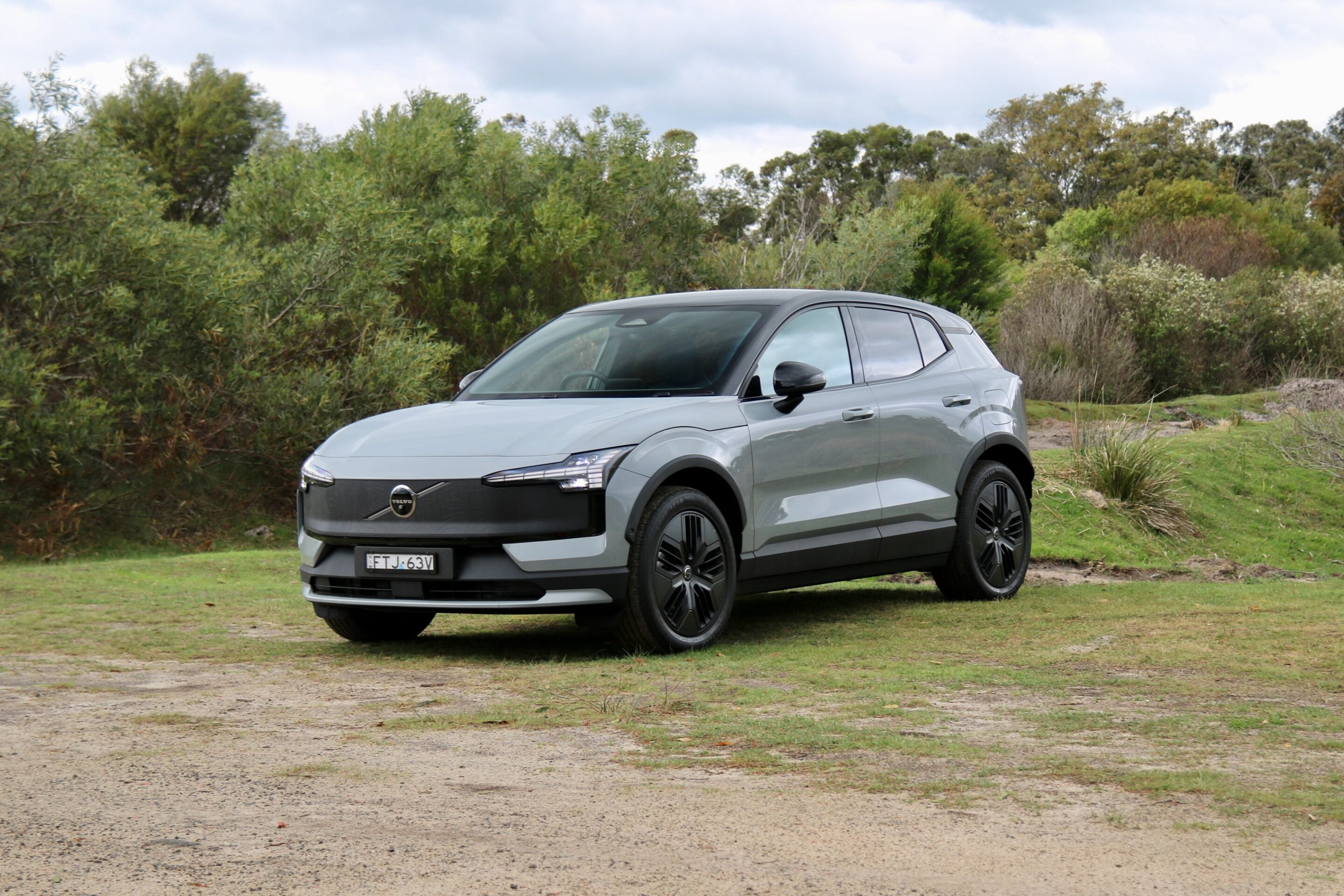
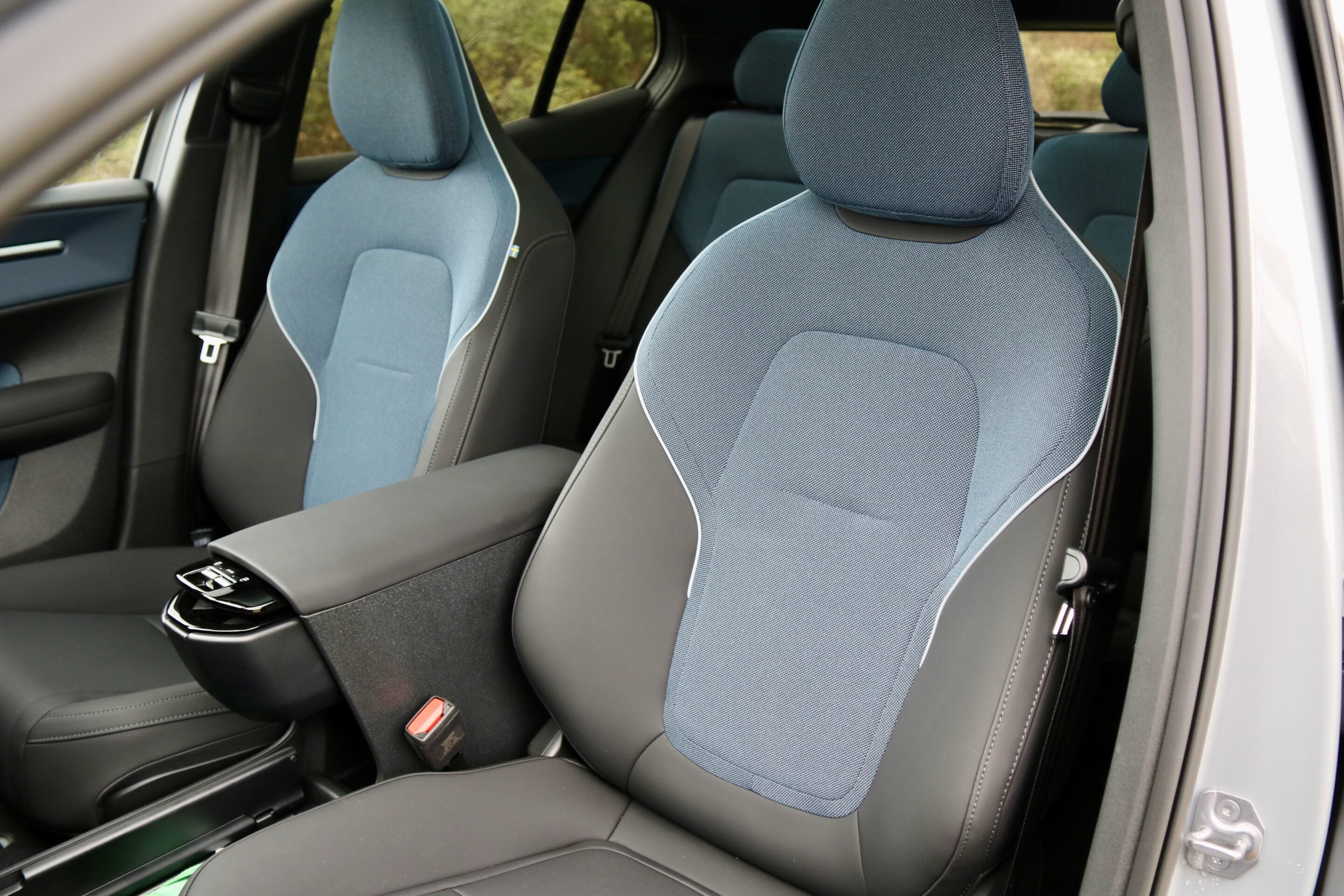
Equipment gracing the EX30 Ultra includes 19-inch alloy wheels, automatic LED lighting, rain-sensing wipers, a panoramic glass roof, dual-zone climate control, textile and synthetic leather upholstery, heated and electric front seats, a heated steering wheel, a 12.3-inch touchscreen with inbuilt 5G, Google integration for Google Maps and access to the Play Store to download apps, wireless Apple CarPlay and Android Auto, a 1040W Harman Kardon sound system and all the safety features you’d expect from a Volvo.
For $3700 above the Ultra, the Cross Country then adds off-road styling features such as the black plastic front and wheel arch mouldings, front and rear skid plates, a dual-motor all-wheel drive drivetrain and 19mm-raised suspension. Fun fact: the front plastic panel is a topographical map of the Kebnekaise mountain range in Arctic Sweden. Cool!
The regular EX30 is a really fun thing to punt around. It’s got a tight chassis and nimble handling, though can be a bit firm around town. So how do the off-road changes affect the Cross Country? In good news, it’s actually better to drive. The slightly softer suspension for off-road duty has made the EX30 more comfortable, but it’s still fun to drive. The steering doesn’t give much feel, but its body control is tight.
How about the extra 18mm of ground clearance? Well, 190mm in total is hardly going to send the Volvo EX30 Cross Country over the Himalayas, but it’s enough for its intended missions on gravel road, snow and light off-roading. We drove it over gravel, mud and below-average roads and it didn’t have any trouble, though those wanting more serious off-road chops will need to look elsewhere.
For its arrival, Volvo Cars Australia has tweaked the EX30 line-up so that the Cross Country is now the only variant available with the dual-motor all-wheel system. Where the standard single-motor EX30 makes a still-strong 200kW, the dual-motor adds a second front axle motor for a frankly ridiculous 315kW of power and 543Nm of torque, enough for an insane 3.7-second 0-100km/h time.
The Volvo EX30 Cross Country uses a 69kWh battery for a claimed 427km WLTP range, which is around 30km less than the equivalent non-Cross Country EX30. The battery charging is impressive for a 400-volt architecture at a maximum of 175kW. A 10-80 per cent charge takes around 28 minutes or fast enough to be done during a quick lunch break before returning to the road. In our test, we achieved 20.6kWh/100km for energy consumption, which is a big improvement on electric Volvos of the past, but could still be better.
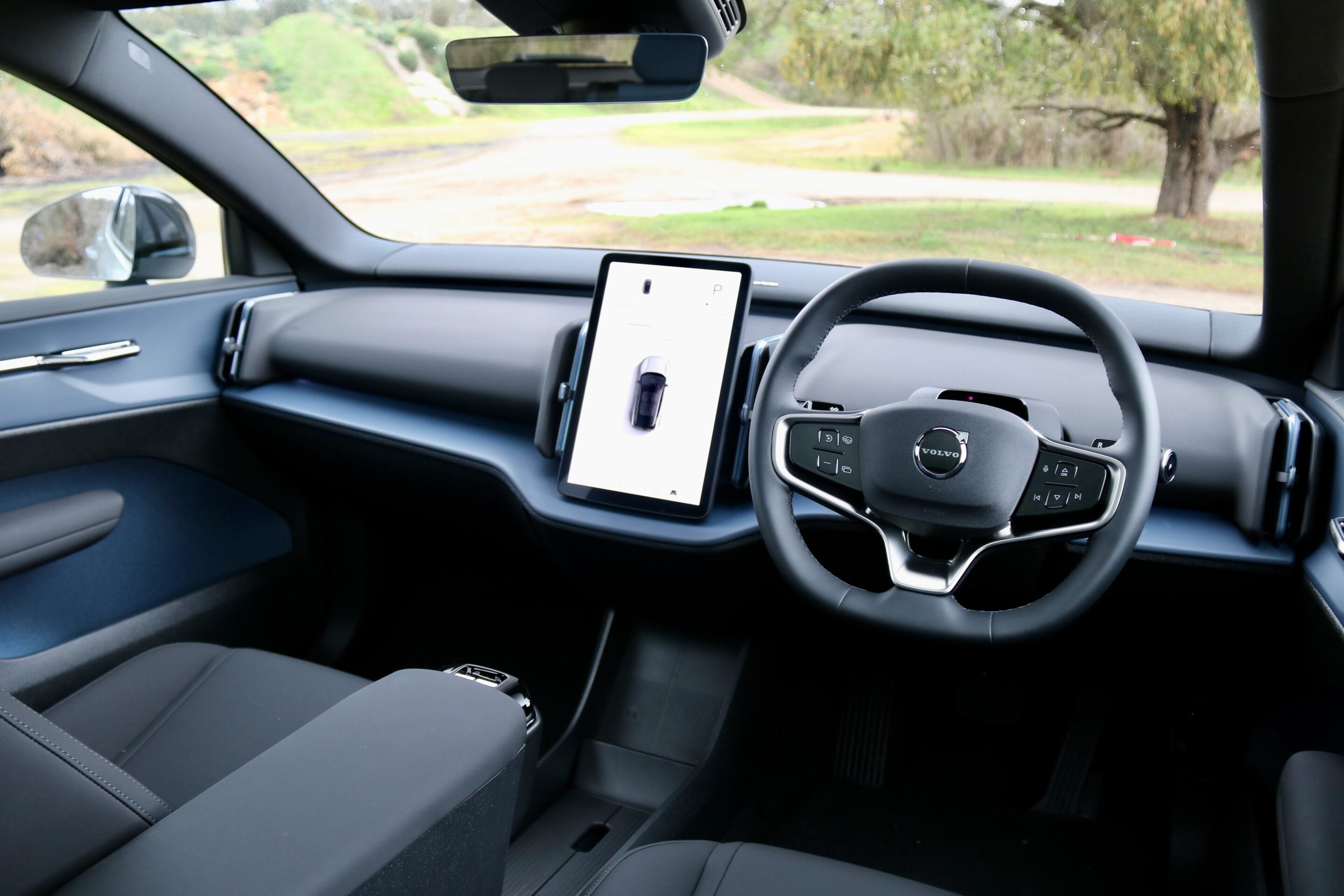
The cabin of the EX30 is distinctly un-Volvo in many ways. For starters, in a very Tesla move, there’s no speedometer in front of the driver. Secondly, the minimalist interior appears to be a cost-saving move – there are no buttons on the inside of the doors, for example, and the window controls are in the centre console. And then there’s the touchscreen…
It’s a 12.3-inch unit with 5G connectivity and runs Google software, including Google Maps for the sat-nav and the Google Play Store to download apps such as Spotify and YouTube. It also has wireless Apple CarPlay and Android Auto, and its graphics are crisp and bright as well. A good start, then.
But almost every feature in the EX30 Cross Country is controlled through the touchscreen, including the headlights, safety systems, seat settings, mirror adjustment, climate control and 360-degree camera.
Plus, look at it for more than five seconds while driving – which you need to do in order to use it – and the driver monitoring system blares at you to look ahead. For the company that’s known for Swedish sensibility, it’s a big shock to the system. Sure, once you learn it and everything is set to your preferences, it’s fine, but should there be the learning curve? We’re not sure.
In better news, the materials in the EX30’s cabin are partly recycled, the storage is excellent, as is front seat comfort, and the punchy Harman Kardon sound system is unique in that it only uses a soundbar underneath the windscreen and there are no other speakers inside the car. Pretty cool stuff, in our view.
The EX30 Cross Country does lose some marks for practicality. Sure, it’s quite a small car and the company has definitely carved out as much space as possible, but it should be a little bigger considering its asking price. Rear seat room is tight for six-footers, while the 318-litre boot is also pretty small. It opens up to a more useful 1000L with the rear seat folded, plus the small six-litre front boot, but small families are better off with the larger EX40 or competitors such as the Skoda Elroq.
In some ways, the Volvo EX30 Cross Country is one of the best small electric SUVs around thanks to its strong performance, fun driving dynamics, good quality interior and long list of standard equipment. The Cross Country adds some more appeal in that you can cover rougher terrain, while the ride quality is more comfortable than the regular EX30 and the off-road design cues add more character. It’s also now the only variant offering the super quick dual-motor set up in the EX30 range.
Volvo EX30 Cross Country specifications:
| Price | $69,990 plus on-road costs |
|---|---|
| Peak power | 315kW |
| Peak torque | 543Nm |
| Transmission | Single-speed, dual-motor all-wheel drive |
| 0-100km/h | 3.7 seconds |
| Top speed | 180km/h |
| Battery | 69kWh lithium-ion |
| WLTP claimed range | 427km |
| Efficiency (as tested) | 20.6kWh/100km |
| Peak DC charging speed | 175kW |
| 10-80% peak charge time | 28 minutes |
| Dimensions (length/width/height/wheelbase) | 4233/1850/1567/2650mm |
| Kerb weight | 1910kg |
| Boot (seats up/seats folded) | 318 litres/1000 litres + 6L front boot |
| Warranty | Five-year/unlimited km with eight years of roadside assistance |
| On sale | Now |
EX30 Cross Country rivals:
Governments could soon face pressure to tighten vehicle lighting standards as new research reveals growing public frustration with dangerously bright headlights – a problem increasingly echoed by Australian motorists.
A study commissioned by the UK Department for Transport found that 97 per cent of drivers are “regularly or sometimes” distracted by glare from oncoming vehicles, while 96 per cent believe many headlights are simply too bright. The research, led by the Transport Research Laboratory (TRL), combined driver surveys with in-car light measurements to understand how glare affects visibility and reaction times.
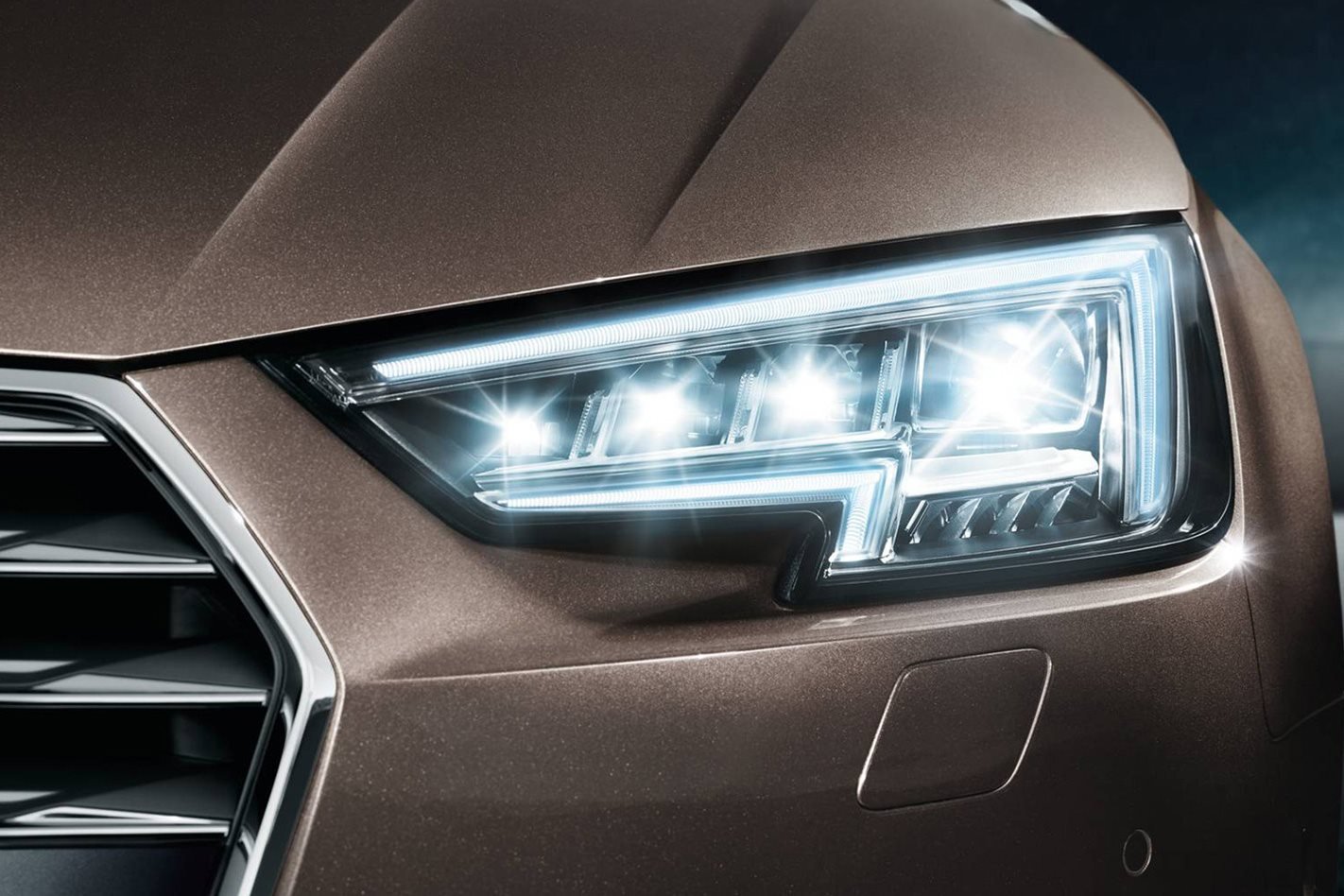
Investigators found that factors such as road angle, vehicle ride height, and headlight type – particularly high-intensity LEDs – significantly increase the dazzle effect at night. More than half of respondents said they had cut back or stopped driving at night due to headlight glare.
The findings are expected to shape a new UK Road Safety Strategy, which could include tougher lighting regulations and public awareness campaigns. A government spokesperson said the results confirm that glare is “a frustrating and genuine issue for many drivers,” adding that future vehicle-based studies will help inform international lighting standards.
While the research focused on British roads, the issue is striking a chord with Australian drivers. According to a recent news.com.au poll, a large majority of respondents said headlight glare has become a growing hazard on Australian roads, particularly with the spread of modern LED and xenon lighting. Many claimed they had to avert their eyes or slow down when facing oncoming traffic at night – a potential risk on rural highways and unlit suburban streets.
Experts warn that the problem is not merely perception. Dr Shaun Helman of the TRL said the study offered “compelling evidence” that glare can be objectively measured and linked to real-world conditions. “By combining scientific data with driver experience, we’ve moved beyond anecdotal complaints to measurable proof of the problem,” he said.
In Australia, motoring and safety groups have voiced similar concerns. The Australian Automobile Association has urged state governments to review lighting standards and step up enforcement against illegally modified headlights, which can dazzle other motorists if not properly aligned.
In the UK, authorities are already targeting illegal retrofitted LED and xenon bulbs. The Driver and Vehicle Standards Agency (DVSA) has ramped up efforts to intercept unlawful products, warning that offenders could face fines of up to A$2000.
Road-safety campaigners acknowledge that brighter headlights improve visibility for drivers, but say regulators must strike a balance between illumination and safety. “Some modern headlights are simply too powerful for real-world use,” said RAC policy officer Rod Dennis, who welcomed the new findings. “We need lighting that helps drivers see – not blinds the ones coming the other way.”
For now, both UK and Australian authorities appear aligned on one thing: the road ahead must be better lit – but not at the expense of safety.
October 2025’s VFACTS data on new car registrations made for some interesting reading. According to the results, 99,588 cars were registered in Australia in October 2025, a modest 1.2 per cent increase on the same month in 2024.
The most notable development for the month was the growth of hybrid and plug-in hybrid (PHEV) models, making up 17.8 per cent of total sales and signalling a continued shift toward electrified powertrains. The Toyota HiLux was – once again – the best-selling vehicle in Australia with 4444 units registered, while Chinese-built vehicles increased their sales by 40 per cent and four Chinese brands now feature in the top 10 best-sellers.
A lot of that information is not big news to us, so how about more interesting results that will surprise car enthusiasts and new car buyers alike? Here are five that caught our eye:
Nissan Z: 136 sales YTD; Porsche 911: 585 sales YTD
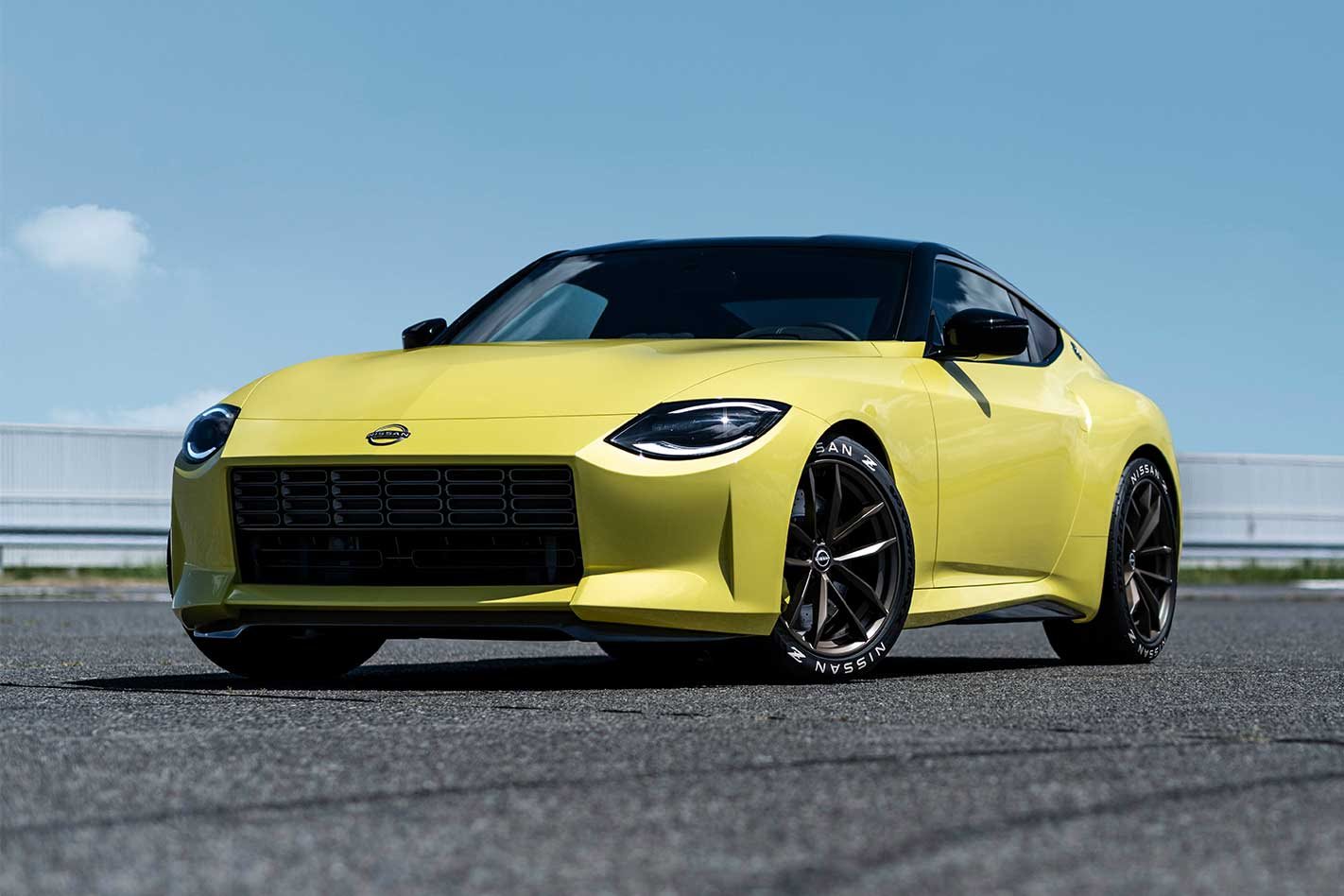
The massive hype behind the Nissan Z hasn’t as yet resulted in strong sales, with only 136 sold in Australia to the end of October, 2025. Priced from $76,160 plus on-road costs, the Z should be selling better with its 298kW/475Nm 3.0-litre twin-turbo V6 engine and six-speed manual or nine-speed automatic transmission options.
Yet, sports car buyers clearly disagree because the Porsche 911 has sold more than four times the Z at 585 units over the same time period – a pretty amazing result considering the 911 range starts at $296,700 +ORC (and plus an endless options list that can push up the price considerably very quickly). Clearly, the Porsche badge means a lot in some circles.
Peugeot: 1168 sales YTD; Porsche: 4560 sales YTD
More evidence of the weight of the Porsche badge is obvious with its 4560 sales result to the end of October, which is actually a 22.4 per cent decrease over 2024. Yet it’s still almost four times that of Peugeot, which is having a worse year than Porsche with just 1168 sales recorded for a 31.2 per cent decline compared with 2024. That’s despite offering new SUV products such as the 3008 and 5008, as well as a range of new hybrid cars like the 2008.
McLaren: 60 sales YTD; MG Cyberster: 47 sales YTD
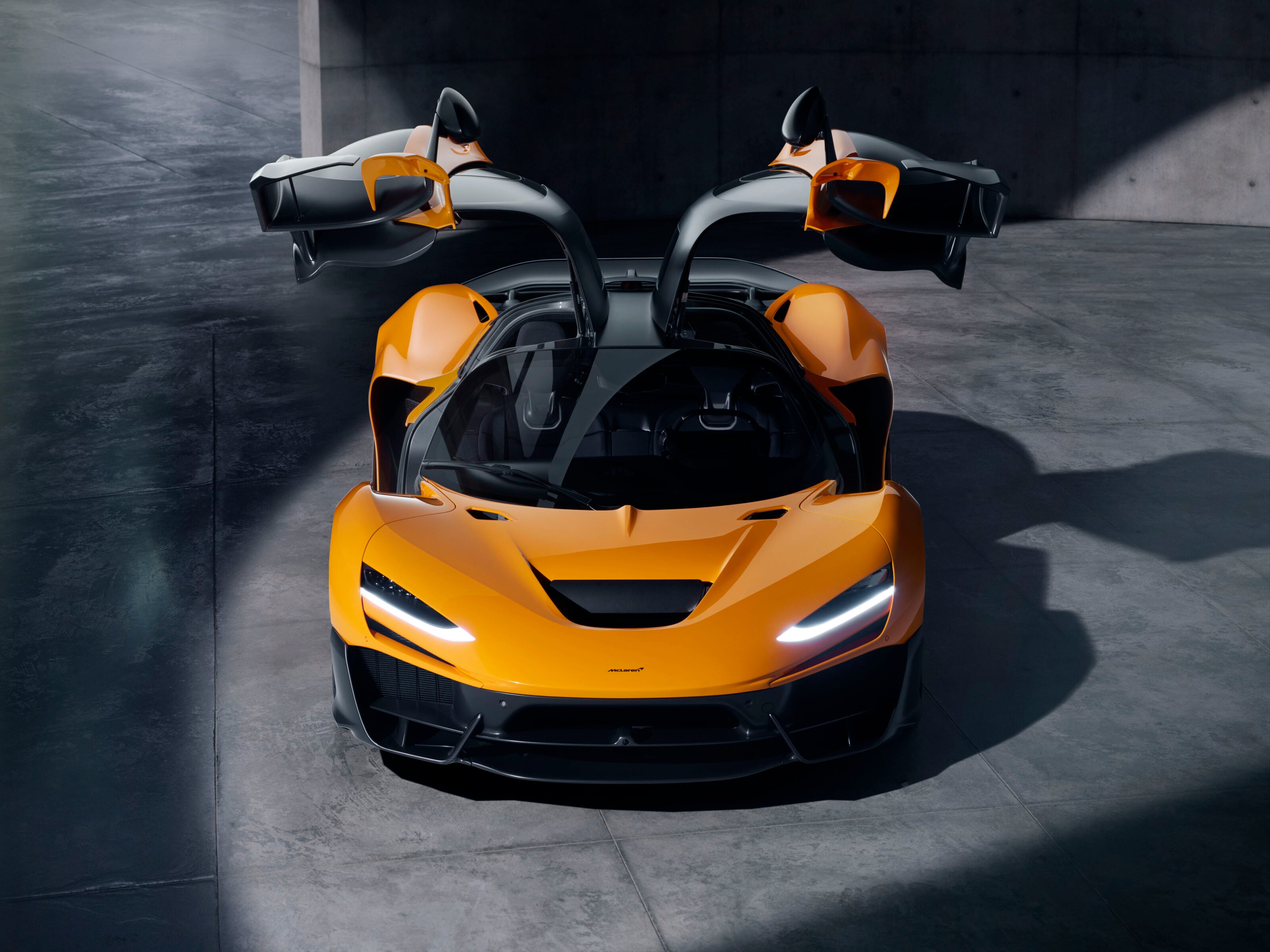
MG turned a new page in its product expansion when it launched the Cyberster electric roadster in late 2024, having moved past its cheap and cheerful image and into a more serious era. Unfortunately for the brand, however, buyers have largely ignored the Cyberster and only 47 of them have been sold so far this year.
McLaren has actually sold more cars in Australia so far this year at 60 units, which is surprising given than the least expensive McLaren product starts at $436,615 +ORC – or $336,715 more than the least expensive Cyberster available. The MG Cyberster was meant to re-write the rulebook on what an electrified sports car could do, but that hasn’t resulted just yet.
Peugeot 308: 79 sales YTD; Mazda3: 8763 sales YTD
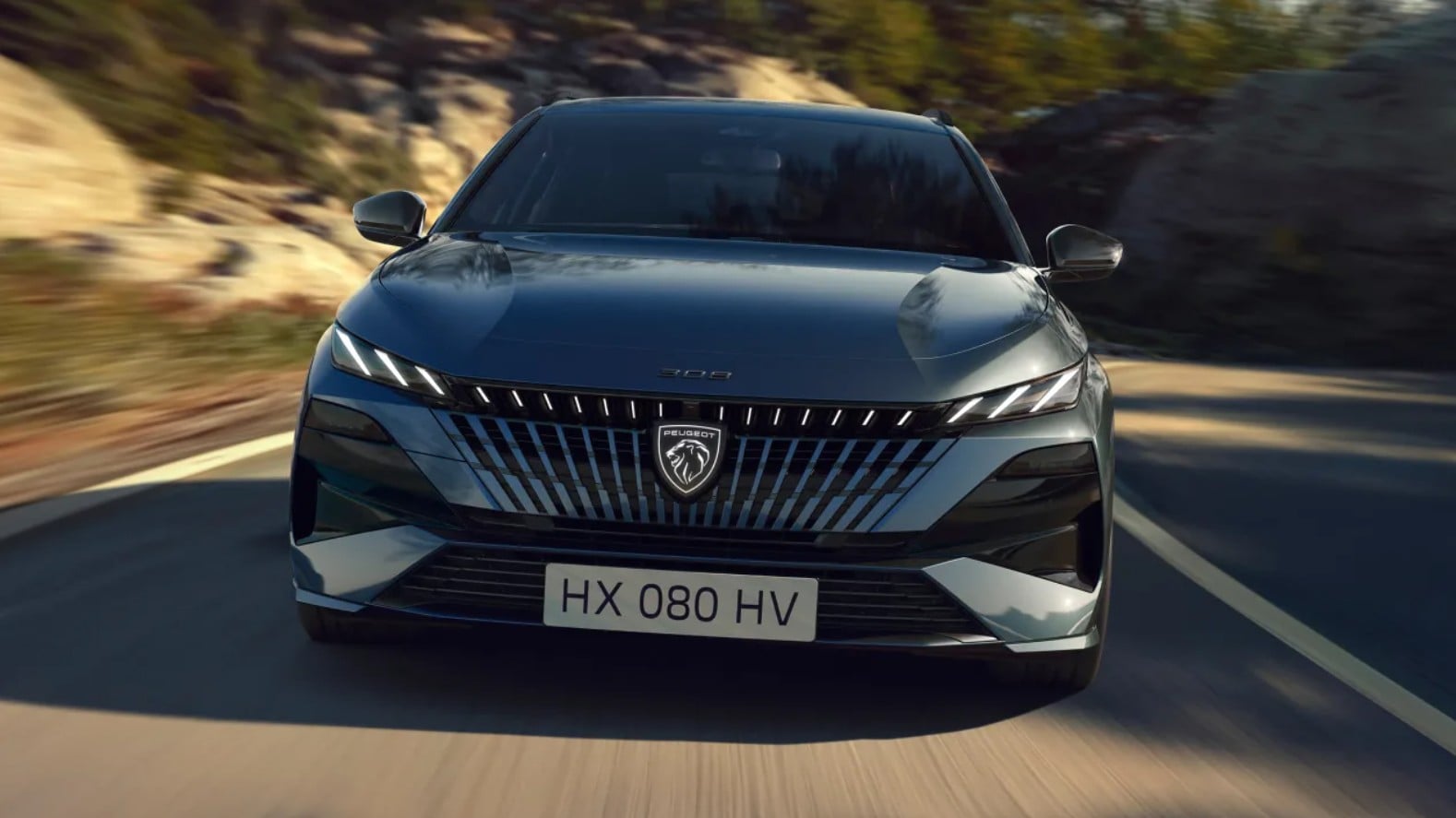
Peugeot returns to this list with the wonderful 308 small hatchback, which was recently upgraded with a new 1.2-litre turbo-petrol hybrid drivetrain. Yet, with just 79 registrations under its belt, the 308 is the worst-selling hatchback in the $45k+ segment – in fact, Honda sold eight times as many Civics in October 2025 alone.
One of the 308’s biggest competitors – and not even the segment-topping Toyota Corolla – the Mazda3, has sold 8763 units by comparison.
LDV Mifa 9: 3 sales YTD; Lexus LM: 209 sales YTD
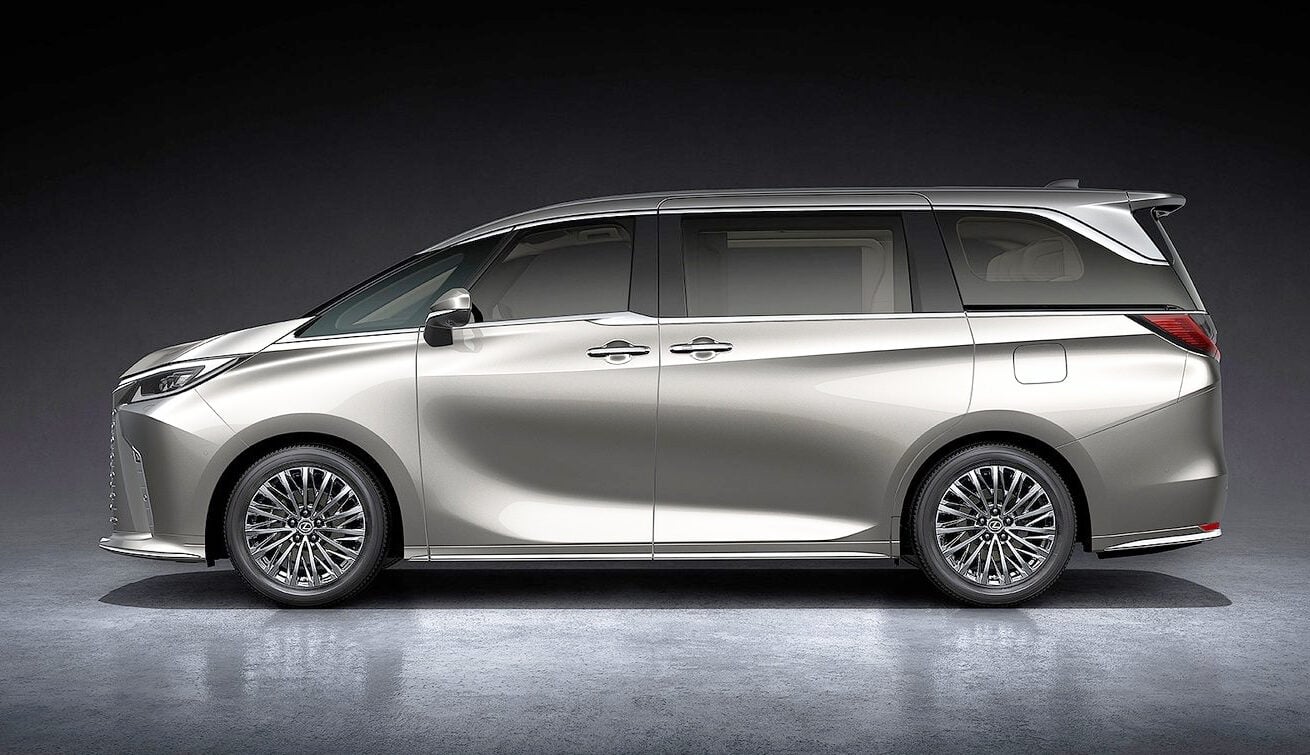
You may be surprised but on the topic of electrified MPVs is an interesting sales fact. So far in 2025, LDV has sold precisely three units of its minimum-$104,000 +ORC Mifa 9 electric MPV. Adding the non-EV Mifa sales to the mix brings the total to 169.
And yet the Lexus LM – a product that starts at almost $180,000 once on-road costs are included in the price – is currently sitting at 206 units moved for the same time period.
BYD’s luxury offshoot Denza is gearing up to enter the Australian market with two large hybrid SUVs designed to rival established off-roaders such as the Land Rover Defender and Toyota Prado. The move marks another step in the Chinese carmaker’s rapid global expansion, as it pushes into the premium end of the electrified SUV market.
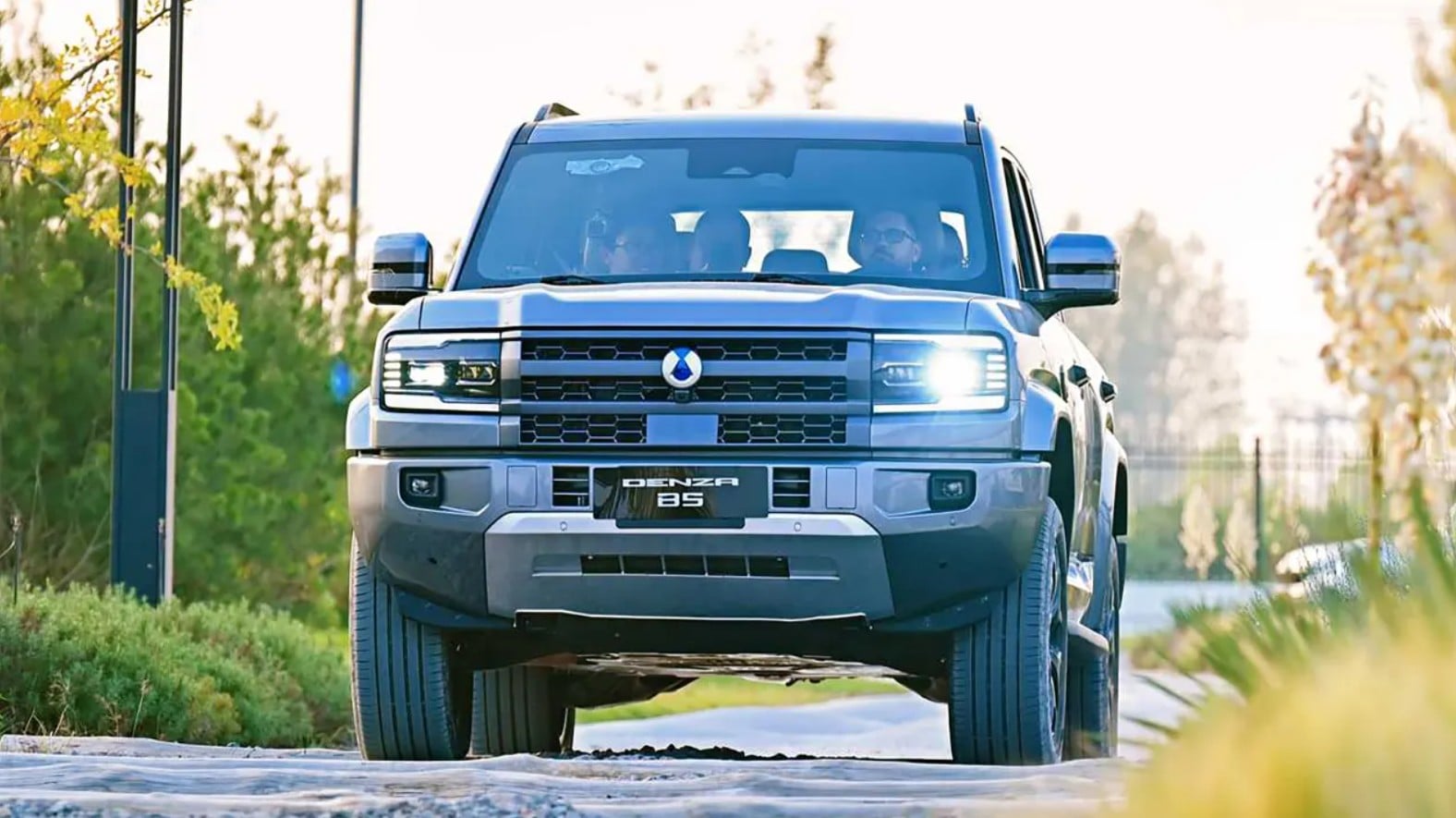
The first model, the Denza B5, is a plug-in hybrid that combines a 1.5-litre turbocharged petrol engine with a 31.8kWh battery and dual electric motors. The combined system produces 505kW and 761Nm, good for a claimed 0–100km/h time of 4.8 seconds. Electric-only range is expected to be around 100 kilometres, based on Chinese test figures.
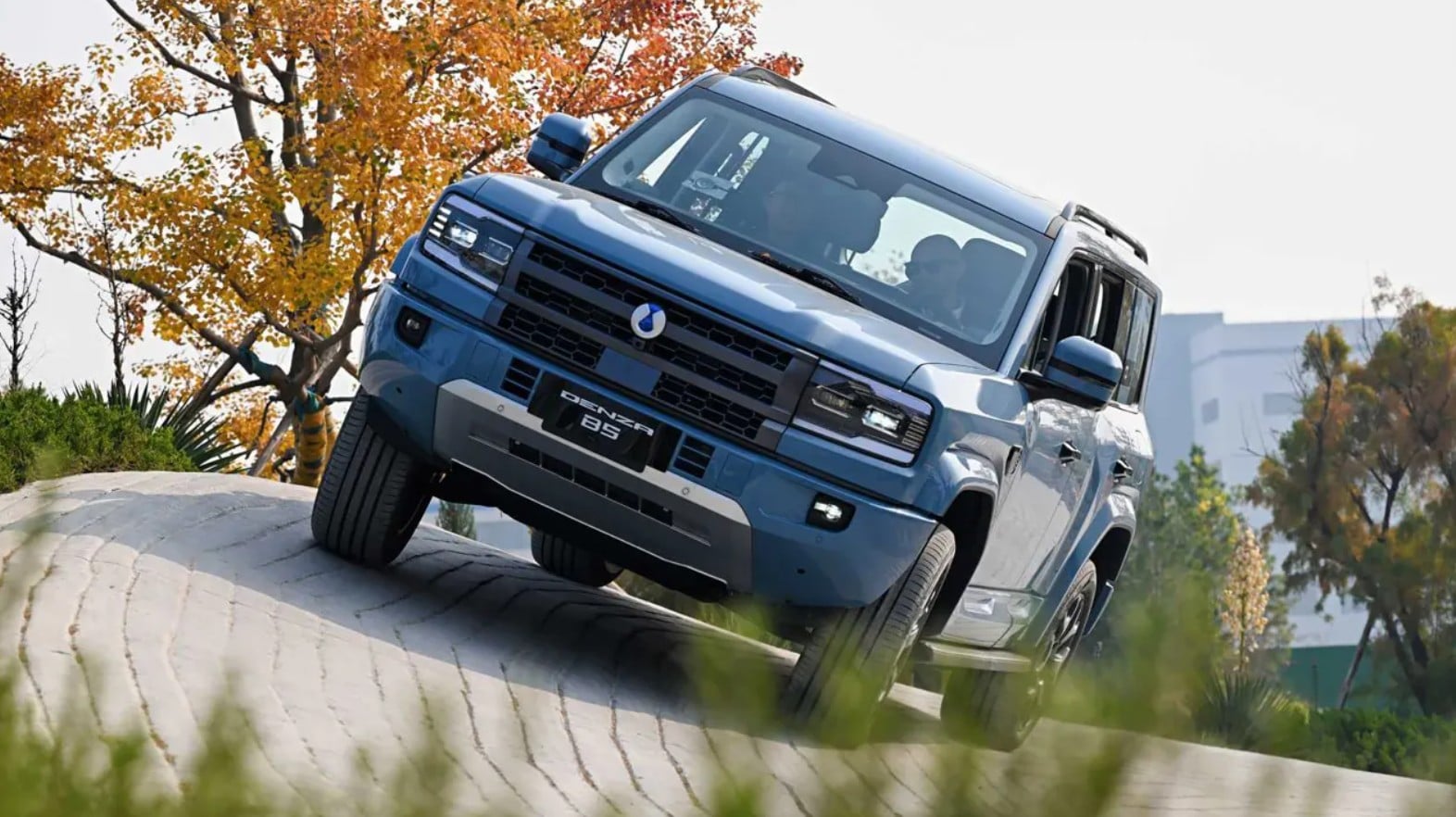
Denza’s engineers have clearly studied what makes a capable off-roader. During early testing at BYD’s new proving ground in Zhengzhou, China, the B5 tackled steep grades, mixed surfaces and water crossings with impressive composure. The track included tight turns, simulated sand dunes and a metal seesaw obstacle – designed to demonstrate suspension articulation and traction control.
On the move, the B5 felt sturdy and well-calibrated, with ample torque for off-road conditions. The ride was comfortable, and the interior showcased the kind of technology and refinement Denza hopes will appeal to Australian buyers accustomed to European brands. A 15.6-inch central touchscreen dominates the dash, backed by high-quality materials, generous cabin space and thoughtful storage.
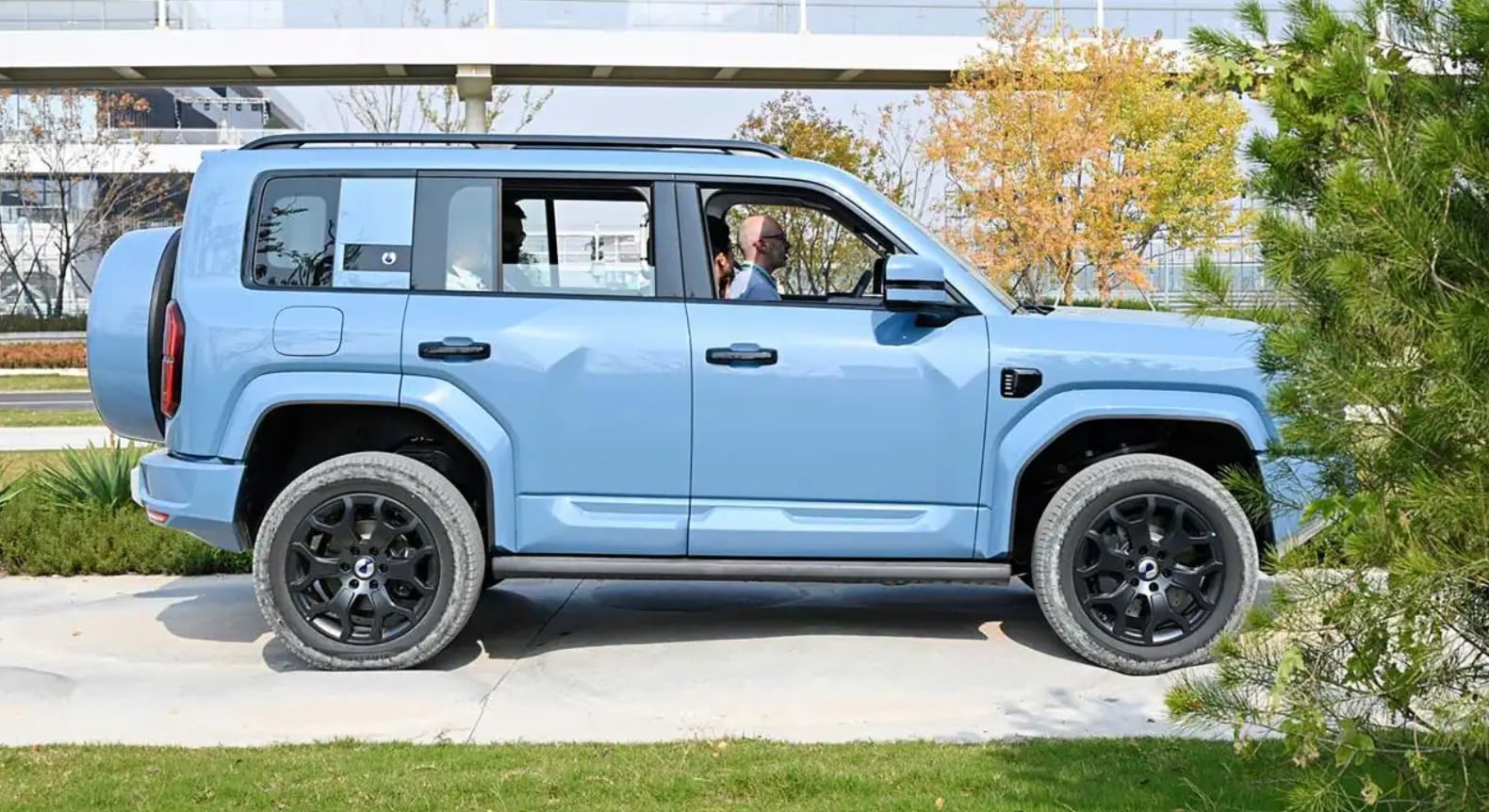
Visually, the B5 blends influences from both American SUVs and European off-roaders. At nearly 4.9 metres long and two metres wide, it has strong road presence, with bold lighting and muscular proportions.
Sitting above it, the Denza B8 will act as the flagship model. Offered in six- and seven-seat configurations, it features the same hybrid setup with 450kW, 760Nm of torque, and a 120kW DC fast-charging system. A 91-litre fuel tank and up to 3,500kg towing capacity enhance its touring credentials, while hydraulic suspension and front and rear differential locks boost off-road performance.
An advanced traction management system coordinates the petrol engine and electric motors to send torque instantly to the wheels with most grip, while hill-descent control and gradient braking made steep declines drama-free. Even when the track shifted to loose gravel and uneven rocks, the B5’s hybrid drivetrain responded quickly, distributing power seamlessly between front and rear axles.
The suspension, featuring adaptive dampers and a multi-link rear setup, soaked up most impacts well, though it occasionally transmitted jolts through the cabin over large ruts. Still, the vehicle’s solid chassis and responsive electric drive provided reassurance that it could handle more than the average soft-roader.
Inside, the B8 leans toward luxury, with heated, ventilated and massaging seats, soft-close doors, an 18-speaker Devialet audio system, and even a built-in cooler/hotbox for long trips.
Expressions of interest for Denza’s Australian range are open now, with orders expected by December and deliveries planned for 2025.
The brand’s arrival will add further pressure on established SUV makers, as Chinese automakers continue their push into Australia’s increasingly competitive electrified off-road segment.
The Subaru WRX has been a Wheels hero since its Australian introduction in 1994.
With Subaru Australia recently celebrating 70,000 local sales of the WRX and WRX STI and the Performance-B Concept suggesting the brand’s flagship performance icon is set for a return, now seems a good time to count down the Top 10 WRX and WRX variants.
We’re approaching this list thus: imagine you’re starting a dedicated collection; what are the 10 examples you absolutely must have?
10. 2000 Impreza S201 STI version
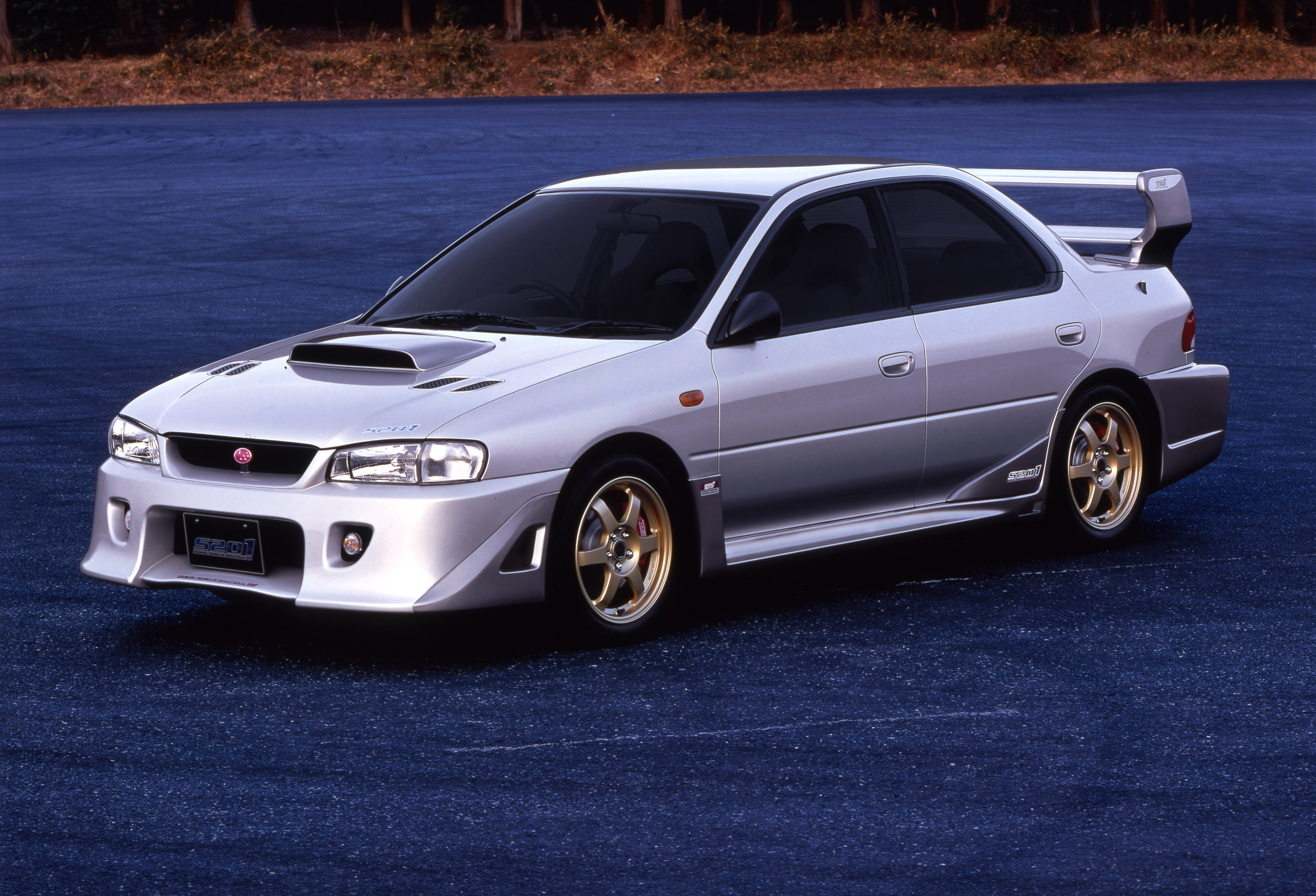
In terms of specification and rarity, the S201 deserves a higher ranking on this list but, well, it isn’t a looker, is it? The first of STI’s ‘Complete Car’ S models (more of which later), just 300 of these wild-looking sedans were built, with their bulging aero bumpers front and rear, aero mirrors, rear door spats and double-decker rear spoiler.
Outputs increased to 221kW/353Nm and a front LSD was added along with height-adjustable suspension, pillow-ball links and forged aluminium wheels.
9. 1997 Impreza WRX STI Version IV Wagon
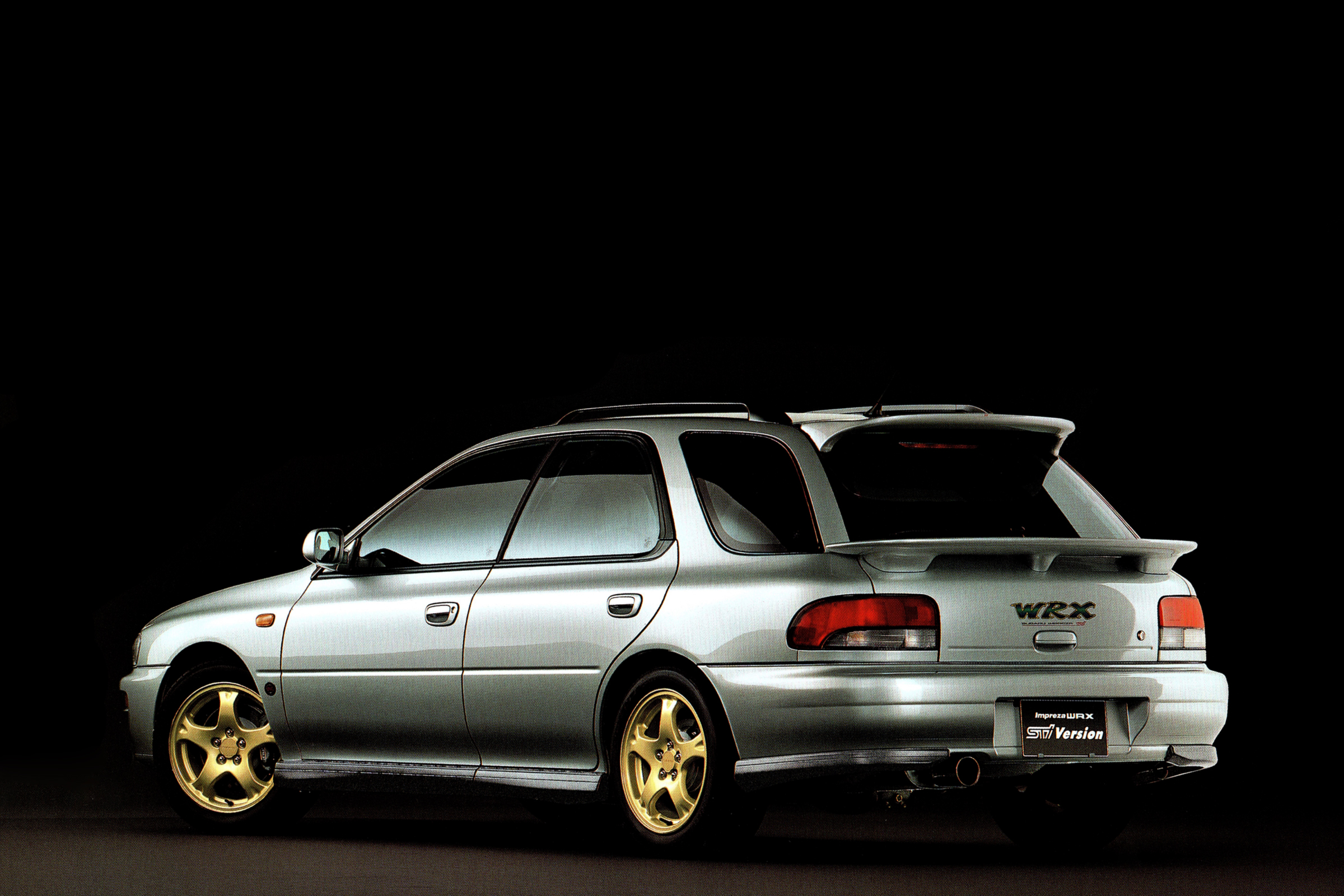
Though they were never sold here, Japanese buyers could choose from a five-door wagon version of the WRX STI. They weren’t the purist’s choice, being slightly heavier, not as rigid and with a narrower front track, but having rally-spec mechanicals in a family-friendly bodyshell makes up the difference in cool factor.
8. Impreza Turbo RB5
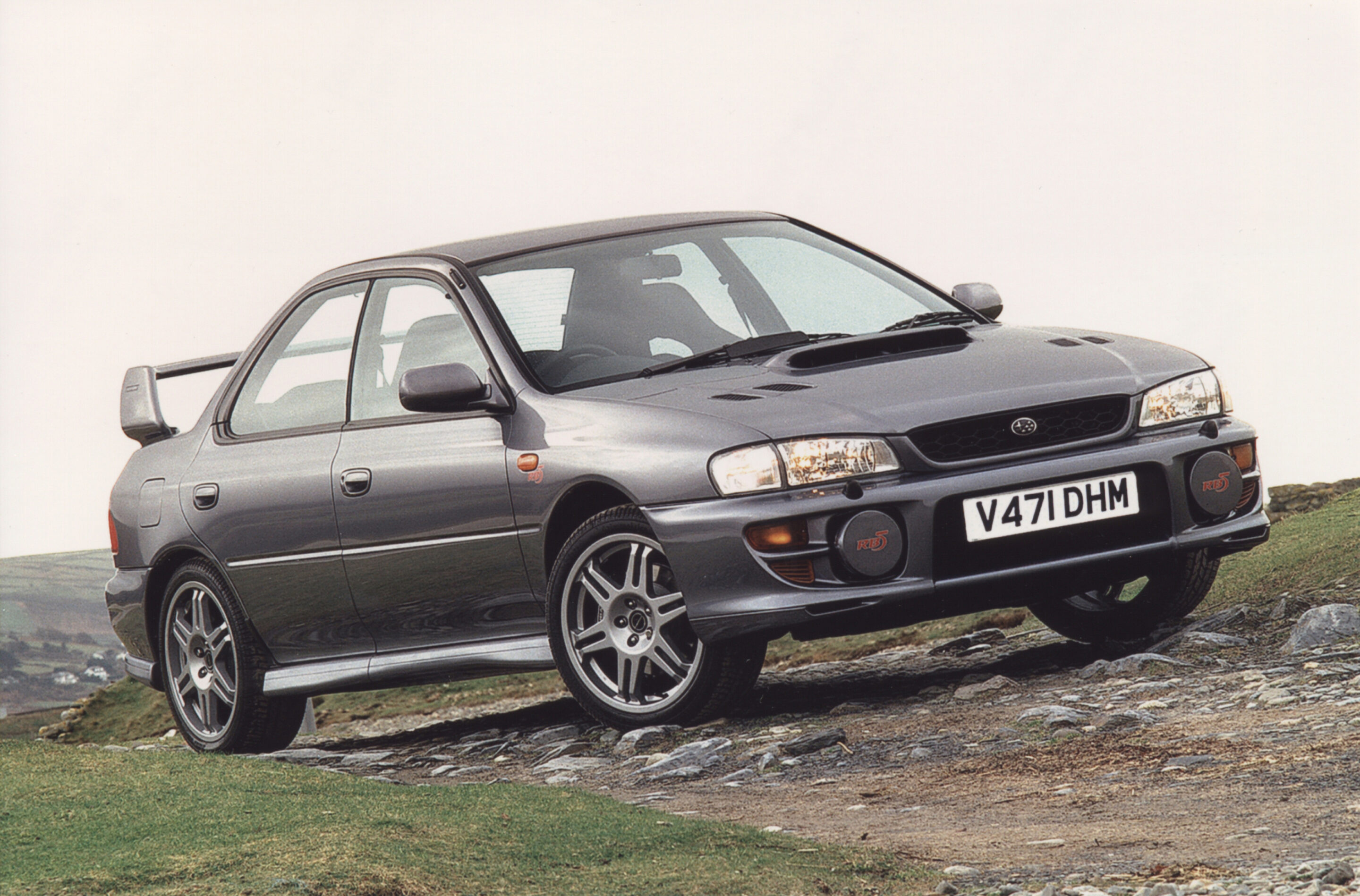
The Brits didn’t even call it a WRX, preferring ‘Impreza Turbo’ instead. The RB5 is viewed as one of the finest driving examples of the first-generation WRX…sorry, Impreza Turbo, thanks to some fettling by Prodrive, the folks who ran Subaru’s World Rally Championship program.
RB stood for Richard Burns, 444 examples of this special edition built to celebrate his return to the Subaru fold in 1999. There was a standard version with slightly wider rubber and a short-shift gearbox, but ticking the options boxes really made it sing, including the ‘WR Sport’ pack – which lifted outputs from 163kW/290Nm to 177kW/350Nm – and the Prodrive suspension package.
7. 2006 Impreza WRX STI
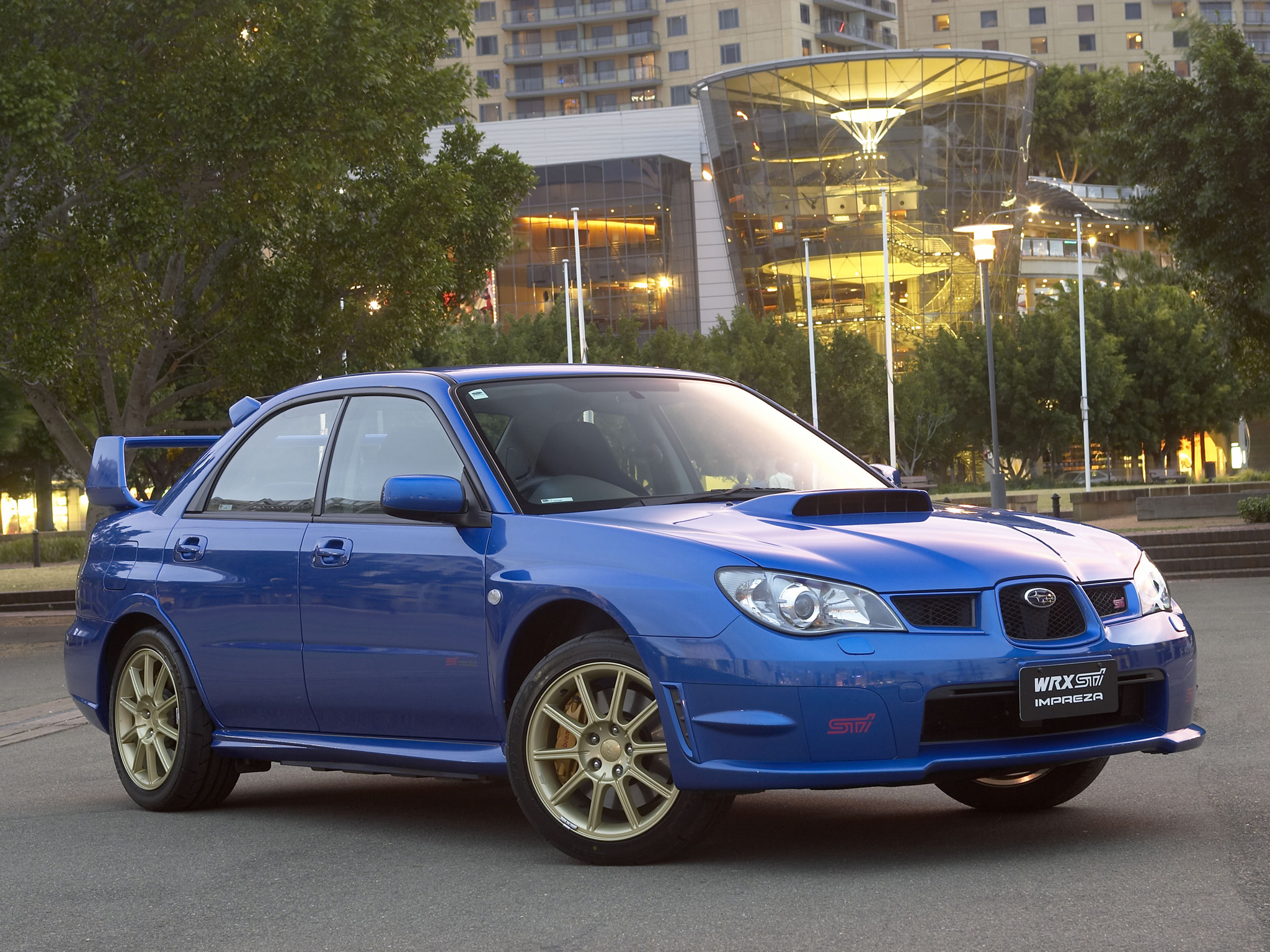
This is probably a good way to start an argument, but for our money the standard WRX STI peaked at the MY06 facelift. Subaru called it the GDB-F; enthusiasts dubbed it the ‘hawk eye’ if they were being kind or the ‘pig nose’ if they weren’t.
The larger 2.5-litre engine made it more flexible (if not faster against the clock) but the electronically controlled centre diff and semi-slick Bridgestone Potenza tyres made it more responsive, more adjustable and more potent.
6. 1992 Impreza WRX
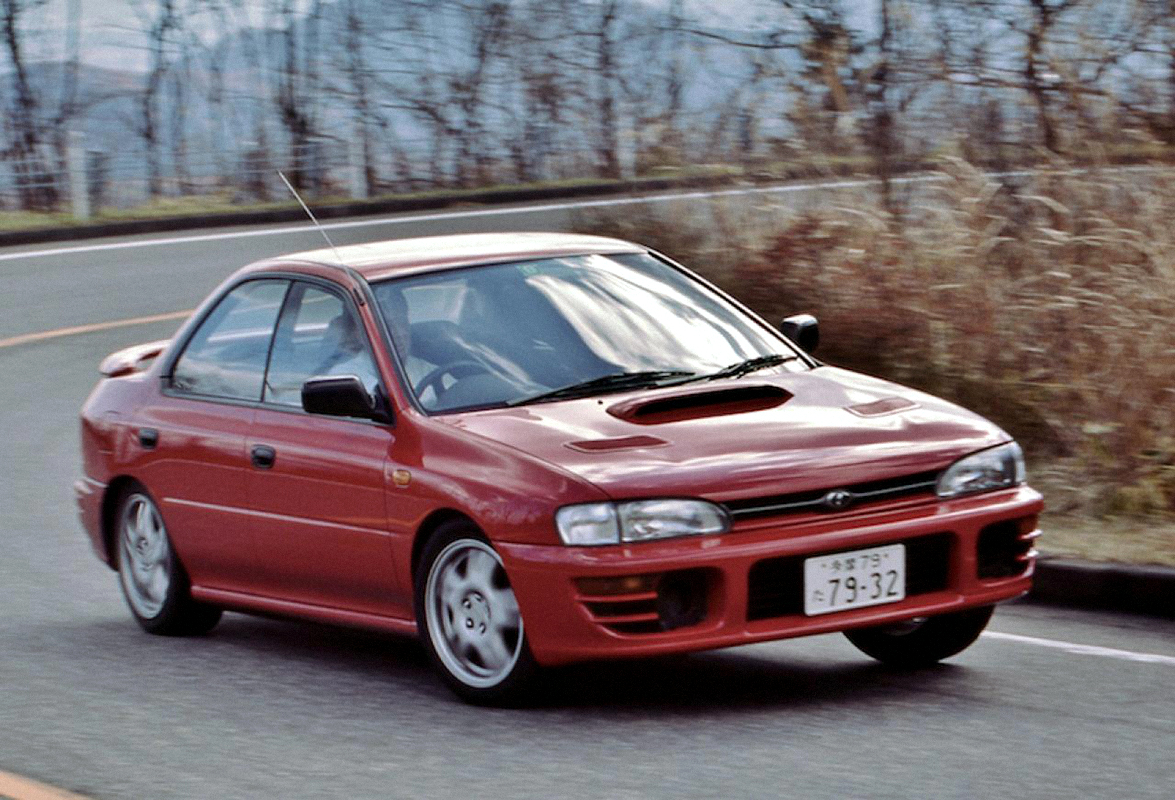
If you’re going to have a collection of the most important WRXs then you have to have an original. One of the first Australian-delivered cars from 1994 would be an option, but you might as well go right back to the start and score a 1992-build Japanese-spec example.
These had the wick turned up, producing 177kW/300Nm compared to the local car’s 155kW/270Nm, which is plenty when these early cars weighed just 1220kg! Viewed as a performance bargain in the day, it’s worth remembering that the original Aussie WRX’s $41,990 sticker is the equivalent of almost $100,000 today!
5. Impreza STI S202 version
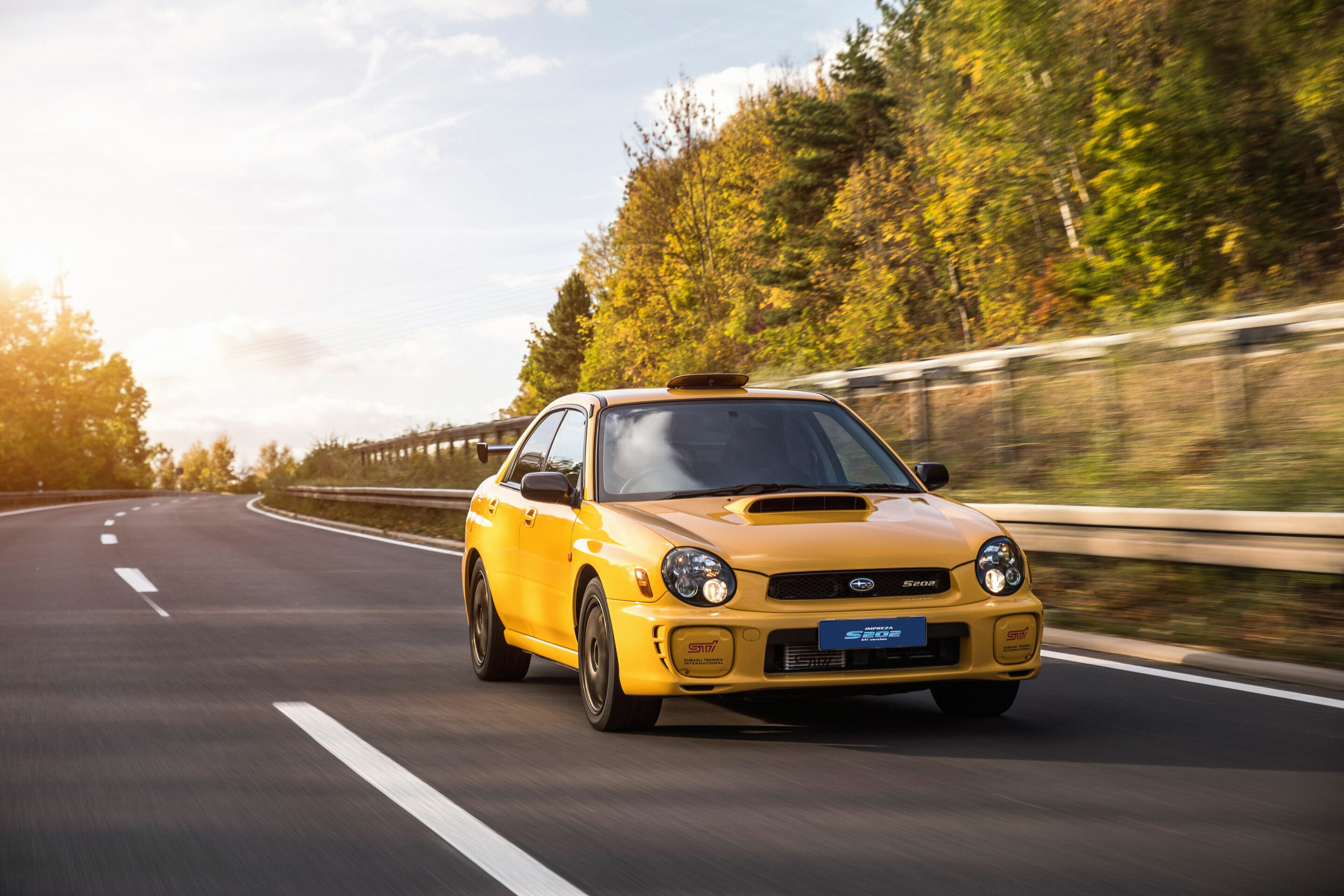
The second S car was a serious weapon, dripping with motorsport cool. Based on the already focused Spec C Type RA homologation car, the S202 scored a revised intake, titanium muffler and new ECU to produce 235kW/384Nm in a 1330kg car.
Add to this pillow ball linkages in the suspension, forged aluminium wheels and slotted brake discs and it’s little wonder that it knocked off the Porsches to win the 2004 Targa Tasmania.
4. WRX STI S208 NBR Challenge
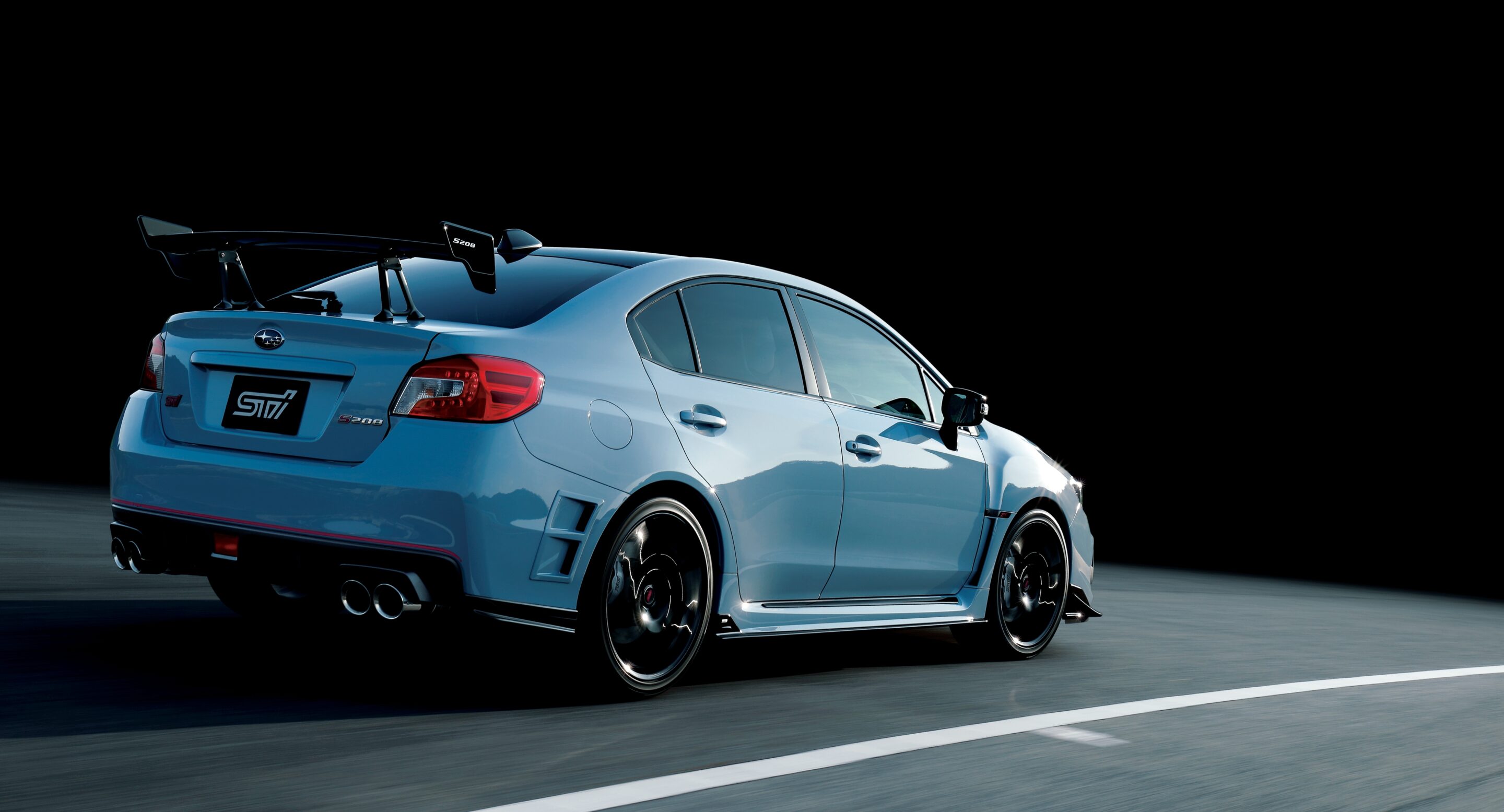
There aren’t too many later cars on this list; in fact, this is the only one. This doesn’t mean the base WRX and WRX STI aren’t still enjoyable performance machines, but they aren’t the icons the earlier versions are.
A succession of S variants peaked with the S208, which produces 242kW/432Nm, has quick-ratio steering, variable damping suspension, front and rear torque vectoring and BBS forged alloys wrapped in sticky tyres.
Choosing the NBR Challenge Package, celebrating the WRX STI’s success at the Nurburgring 24-Hour race, added a carbon roof and proper high flying rear spoiler.
3. 1996 WRX STi Type R Version III
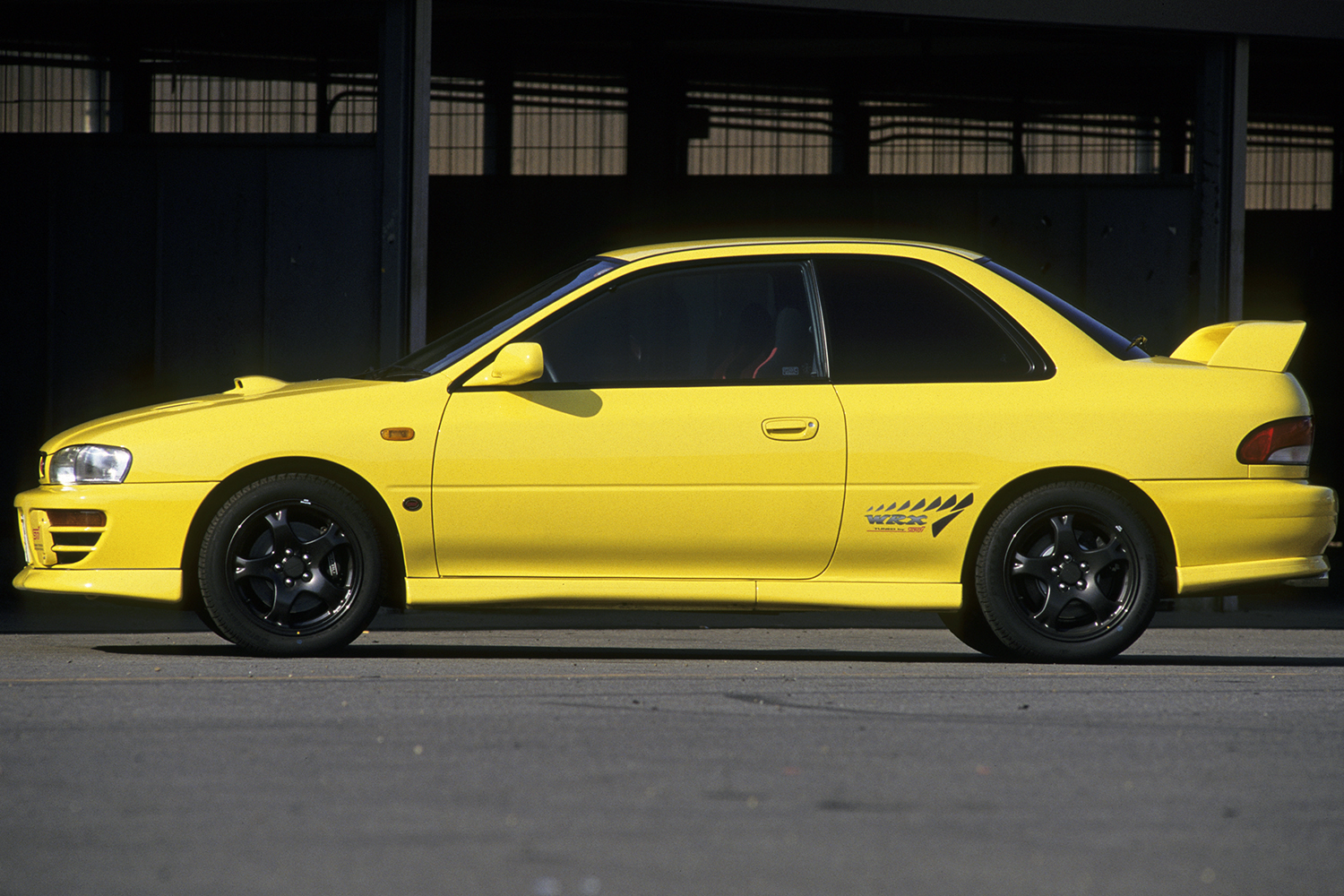
In 1996 a coupe version of the WRX STI was produced with a lighter, stiffer body shell stuffed with all the good bits. Close gear ratios, no ABS, intercooler water spray and, most importantly, the driver-controlled centre differential (DCCD), if it was a Porsche 911 it would’ve worn an RS badge.
This is the ultimate example of the early generations of WRX and if you really want a collector’s item, the pictured Chase Yellow is the one to, well, chase, as just 228 are reported to have been built.
2. 2004 WRX STi Spec C Type RA
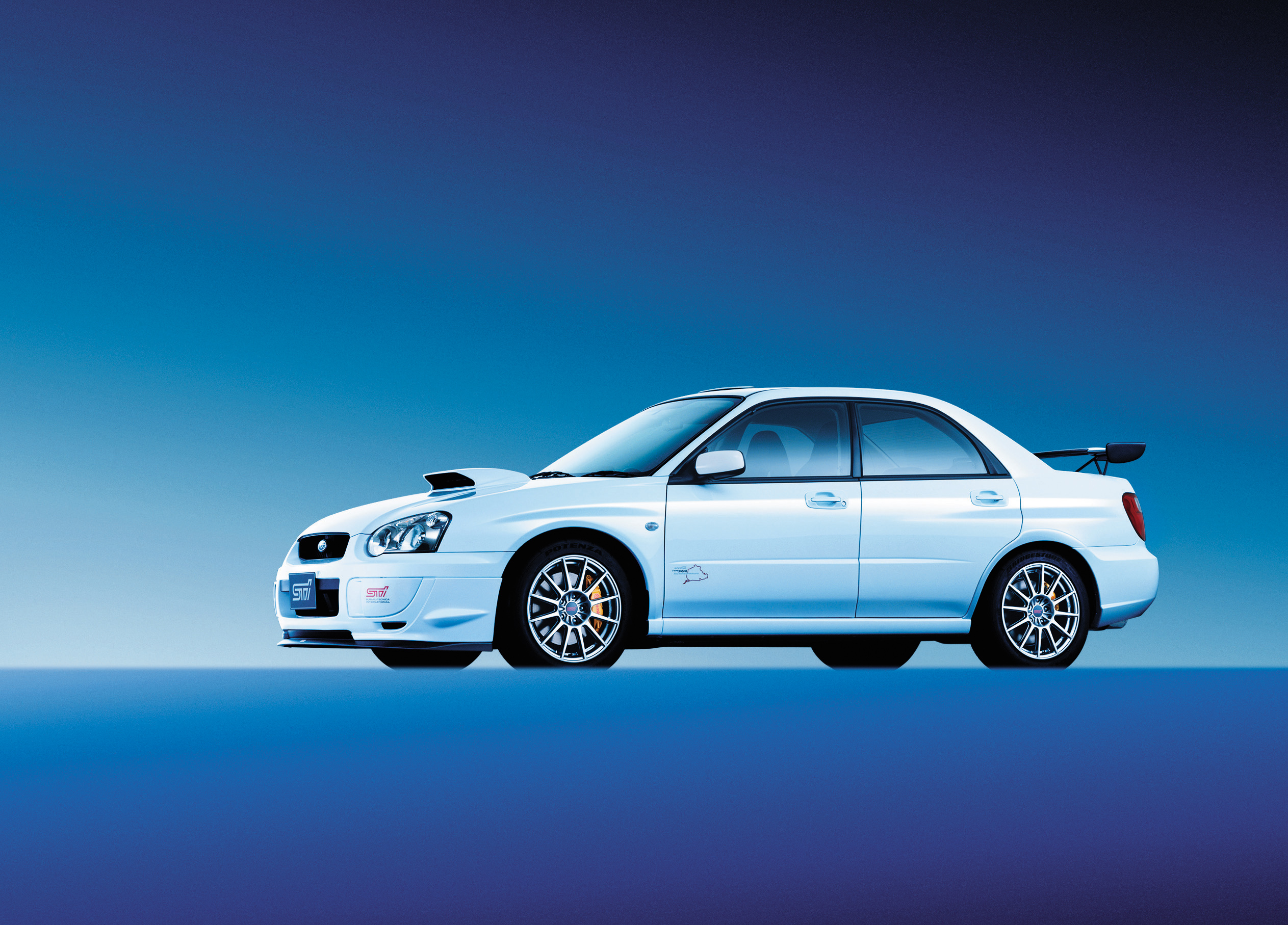
From its very inception Subaru was releasing homologation versions of the WRX in order to keep it competitive in rallying. Initially dubbed the Type RA, these were lighter thanks to reduced sound deadening, manual windows, no air-con or ABS and also had shorter gearing among other upgrades.
Each iteration introduced further improvements and there’s a case to be made that this is the ultimate driver’s WRX. Not as light and raw as early examples, perhaps, but incorporating all the knowledge Subaru had gleaned from the previous decade in terms of body stiffness and turbo technology and suspension geometry and more. It’s almost the greatest of the lot.
1. WRX STi 22B
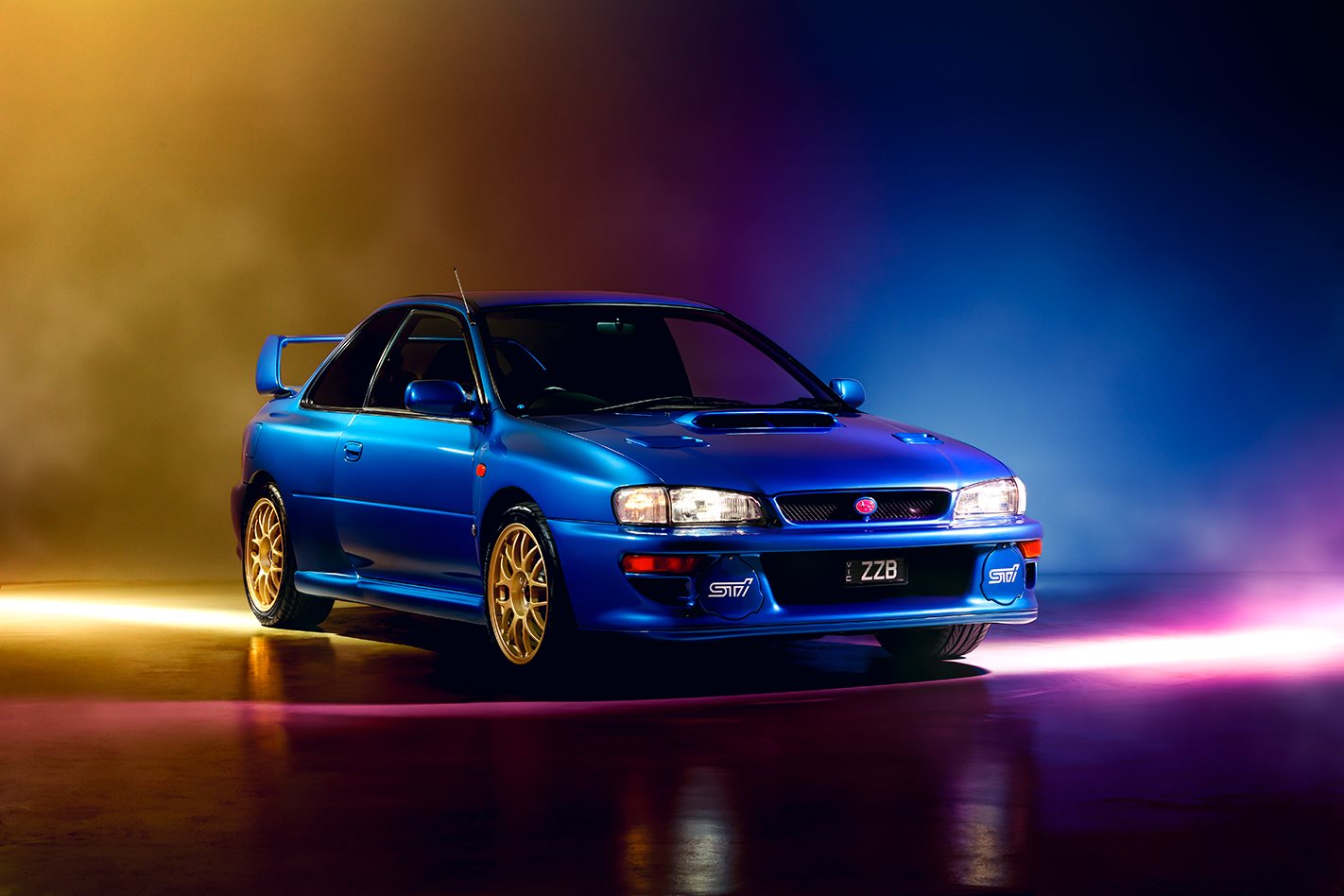
It was never going to be anything else, was it? Contrary to popular belief, the 22B was not a homologation car, despite its swollen bodywork making it look like a road-going World Rally Car.
This article isn’t the place to go through the substantial changes Subaru made to the powertrain, chassis and bodywork, but no stone was left unturned in creating one of the most special Japanese production cars ever.
Having been lucky enough to drive one, the whole is at least equal to the sum of the parts, with the feeling that this is a WRX STI turned up to 12. Values were static for many years but are starting to climb exponentially as the generational shift in the collector car market takes place.
