
What stands out?
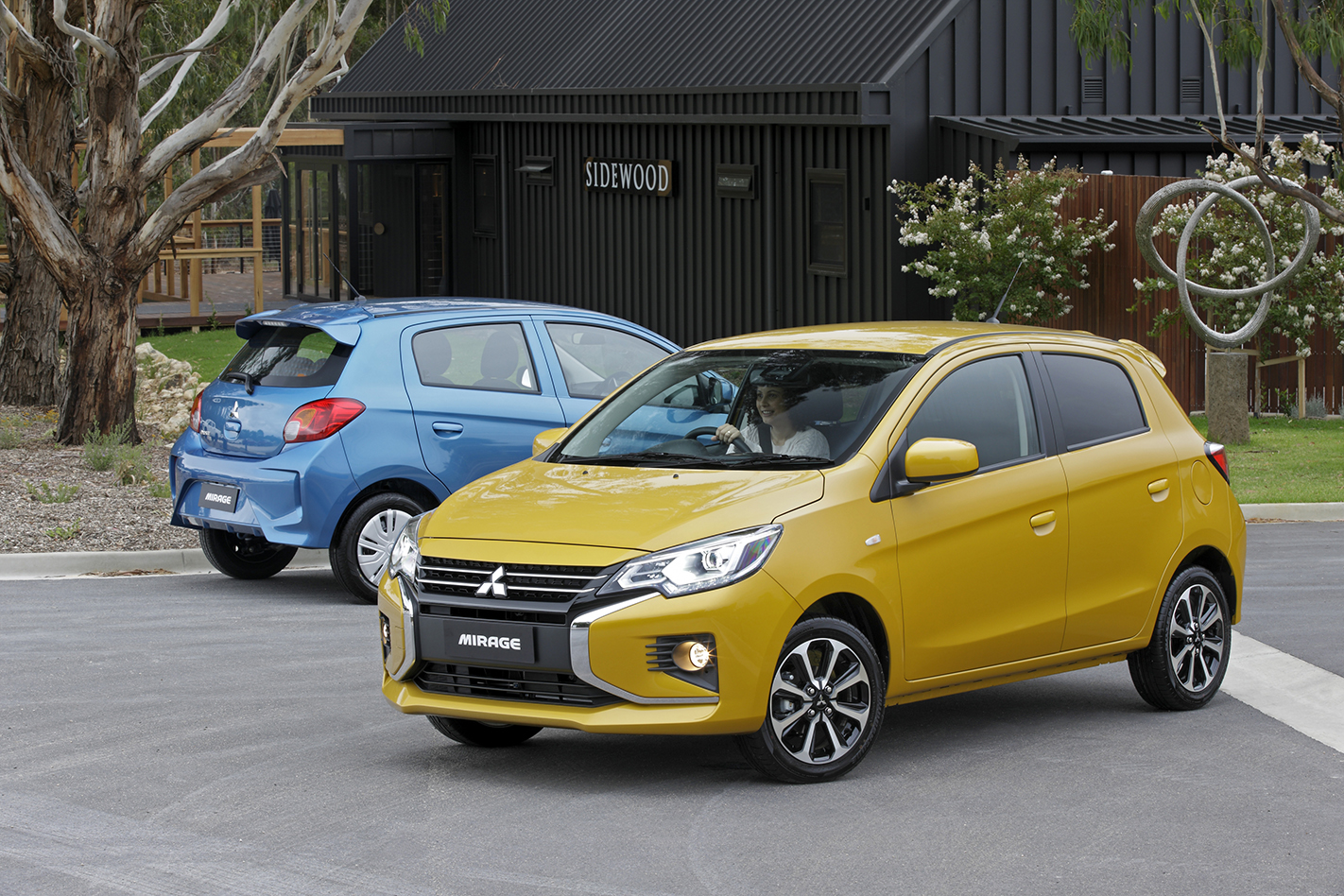
Mitsubishi’s last remaining passenger car in Australia is all about getting your motoring dollar further while being easy to drive and park. The Mirage is bigger inside than it looks, performance is plenty for driving around town, and the tiny engine does not need much fuel.
What might bug me?
How noisy the engine is, and at highway speeds how much tyre roar intrudes into the cabin.
In the manual model, the big gap between first gear and second. A low first gear makes it easy to get going from rest, but in slow traffic you wish you could hold it for longer.
What body styles are there?
Five-door hatchback only.(The Mirage was also sold in sedan form, and the sedan was a significantly bigger car than the hatchback. Mitsubishi ceased to sell the sedan about December 2016.)The Mirage drives its front wheels, and is classed as a micro car.
What features does every Mirage have?
- 7.0-inch touchscreen with reversing camera display.
- Android Auto/Apple CarPlay and Blutooth connectivity.
- Autonomous emergency braking.
- Air-conditioning, central locking, power windows front and rear (with auto up and down on the driver’s window), and power-adjustable mirrors.
- Hill-start assist helps you take off from rest on an uphill slope, by controlling the brakes automatically.
- Daytime running lamps.
- A Mirage has six air-bags, and electronic stability control – which can help you avoid a skid. For the placement of airbags, please open the Safety section below.
- All Mirages have a space-saver spare tyre.
- The Mirage carries a five-year/100,000km warranty.
Which engine uses least fuel, and why wouldn’t I choose it?
Mitsubishi has made this an easy one to answer: there’s only one engine fitted to the Mirage hatch and sedan.It’s a small – 1.2 litre – three-cylinder engine which keeps costs and fuel consumption to a minimum. The official fuel consumption figure is 4.6 litres/100km, which makes the engine a sipper in anybody’s language.You can expect to use significantly more than that in the real world, however, and especially in conditions that demand a lot from the engine – such as high speeds and hills.The least costly Mirage, the ES, comes standard with a five-speed manual transmission. A CVT transmission – which feels much like any automatic – is available at extra cost. On the more expensive Mirage LS, the CVT transmission is standard.
What key features do I get if I spend more?
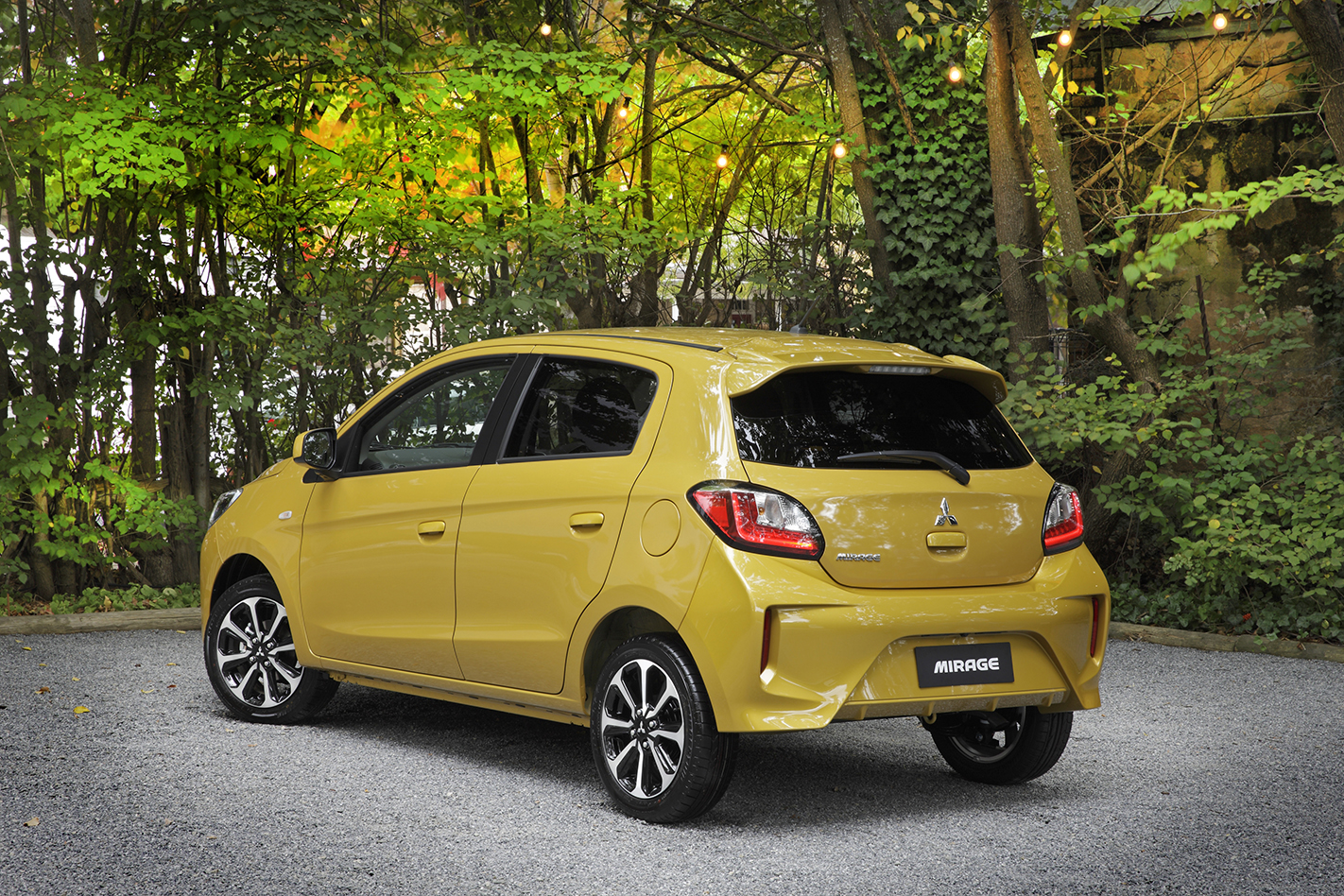
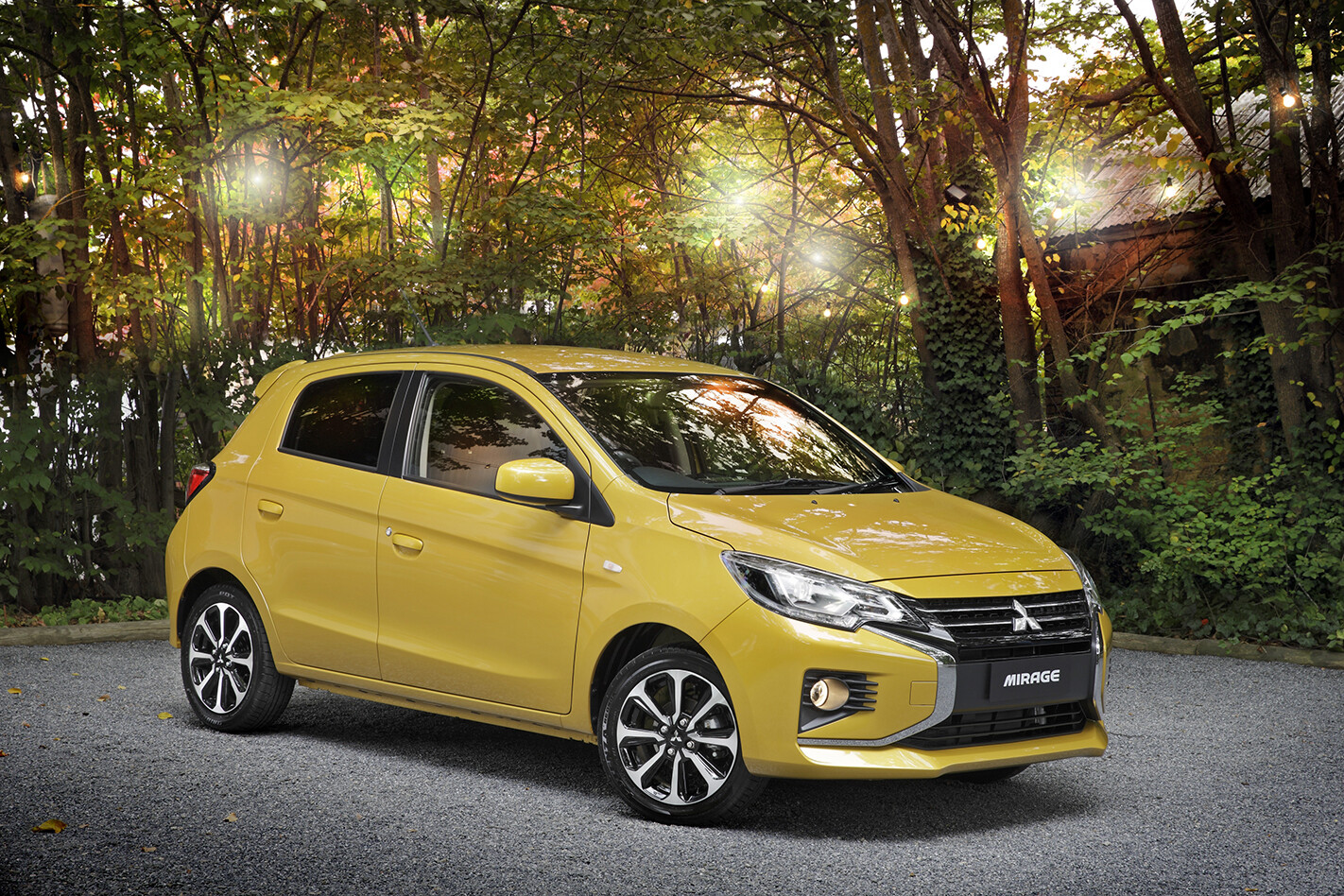
The least costly Mirage is the ES, which has cloth-covered seats (like all Mirages), manually controlled air-conditioning, and 14-inch steel wheels with plastic trim. Body-coloured front and rear bumpers help it avoid looking like a pizza delivery van. You can spend more for a Mirage ES with auto transmission.
Spending more again will get you a Mirage LS, which has auto transmission standard. The LS also brings you:
- Cruise control.
- 15-inch alloy wheels.
- Climate control air-conditioning – which maintains a set temperature.
- Contrasting cloth trim.
- Lane-departure warning.
- LED headlights with automatic high beam, LED daytime running lights, LED tail-lights, and fog-lamps.
- Roof spoiler.
Does any upgrade have a down side?
Not really. Opting for the top-shelf Mirage LS means you miss out on the chance to team the little engine with the five-speed manual gearbox and make the most of the limited urge it provides at highway speeds. But for suburban driving, the CVT makes much easier work of things.White is the only standard colour. Settling on any other colour will cost you several hundred dollars.
How comfortable is the Mitsubishi Mirage?
Let’s just say you won’t be nodding off to sleep on the run to work in a Mirage. It’s pretty noisy, despite changes over the model life that diminished the levels of noise and vibration through the cabin.The engine has a real throb to it at idle and when it’s working hardest. It is tuneful – and you might even find its note engaging, concluding that it endows your baby car with some character. But you never forget it is working away under the bonnet.
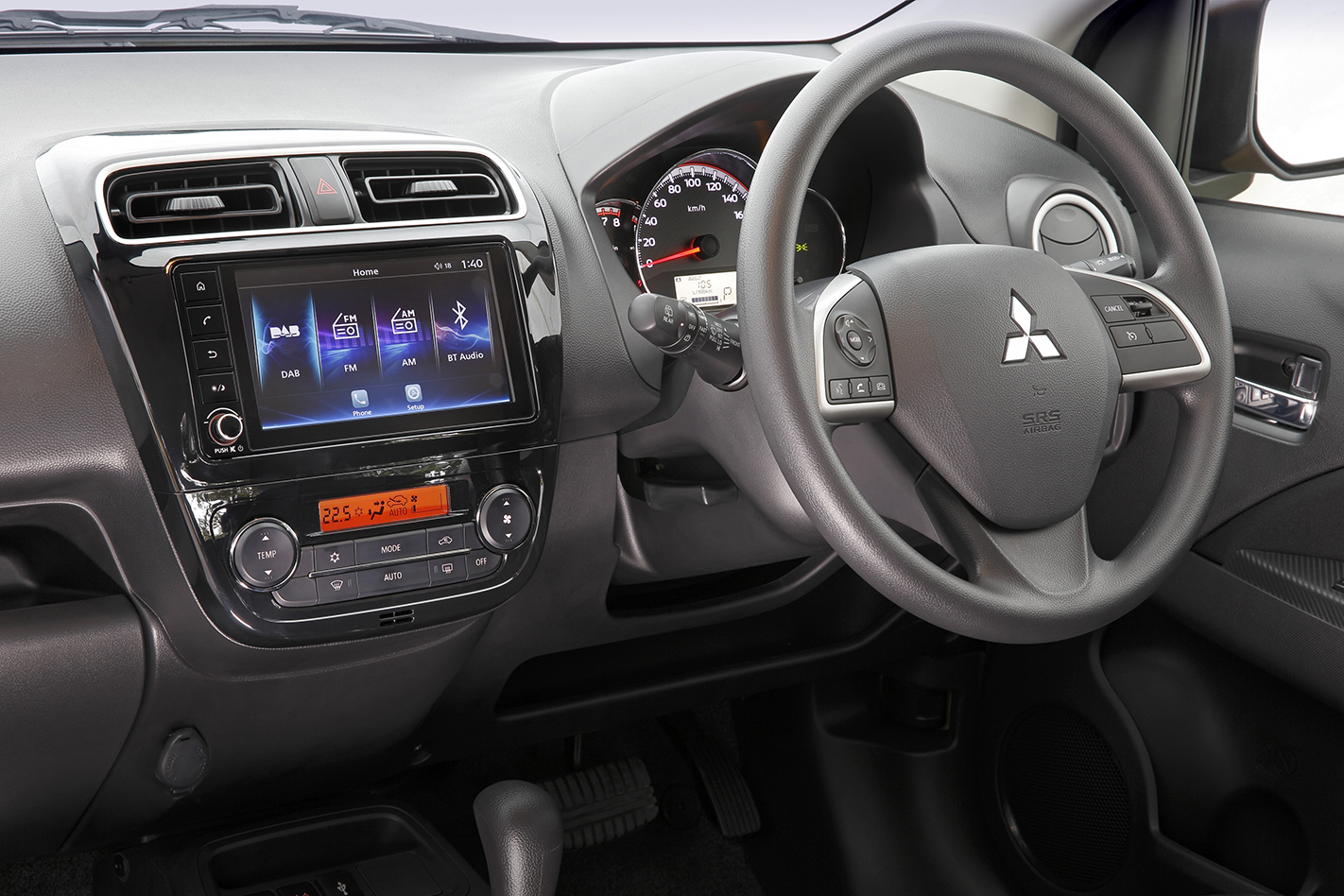
The current Mirage brings modern conveniences such as reversing camera smartphone pairing.
What about safety in a Mirage?
Every Mirage has anti-lock brakes and stability control, and six airbags. There are seatbelt reminders on the front seats only.
Two of the airbags are placed directly ahead of the front-seat occupants; two more protect front occupants from side impacts at chest level, and two curtain airbags protect occupants front and rear from side impacts at head level.
The facelifted Mirage finally added a reversing camera, and autonomous emergency braking – which uses sensors to scan the road ahead, and can apply the brakes automatically to save you from rear-ending a sharply slowing car in front. The pricier ES version also has lane departure warning, which alerts you should you stray out of your lane.
The Australasian New Car Assessment Program (ANCAP) rated the Mirage its maximum five stars for safety, in July 2014.
I like driving – will I enjoy this car?
Maybe. You will enjoy a Mirage built since about March 2016 more than those built beforehand. Mitsubishi has done some work on the steering, ride and CVT auto, and it shows.The auto is an excellent match for the engine in suburban driving. Steering feels smooth and quite accurate, and there is enough weight now to bring a sense of how well your front tyres are gripping the road.The body leans less in turns, also, while still riding quite comfortably. The Mirage is not a sports car but it responds precisely enough to the controls to be fun.You might hate the gravelly sound the engine makes when you ask it to work but you might also find it endearing. Yes it’s too loud. At times it sounds almost as though you have harnessed a powerful motorbike. Whether that’s tiresome or titillating will depend on your outlook – and possibly, on your mood.With either transmission, you will have no trouble keeping up with traffic. And the Mirage holds its own on the freeway, too.It will cope with an extended trip, but overtaking on country roads requires a fair bit of forward planning.
How is life in the rear seats?
Like most micro cars these days, the Mirage supplies back-seat passengers with their own doors – which makes getting in and out much easier than it would be in a three-door vehicle.Once you’re in, though, you’ll find you don’t have much leg room.(The discontinued sedan was longer, and gave rear passengers more space.)
How is it for carrying stuff?
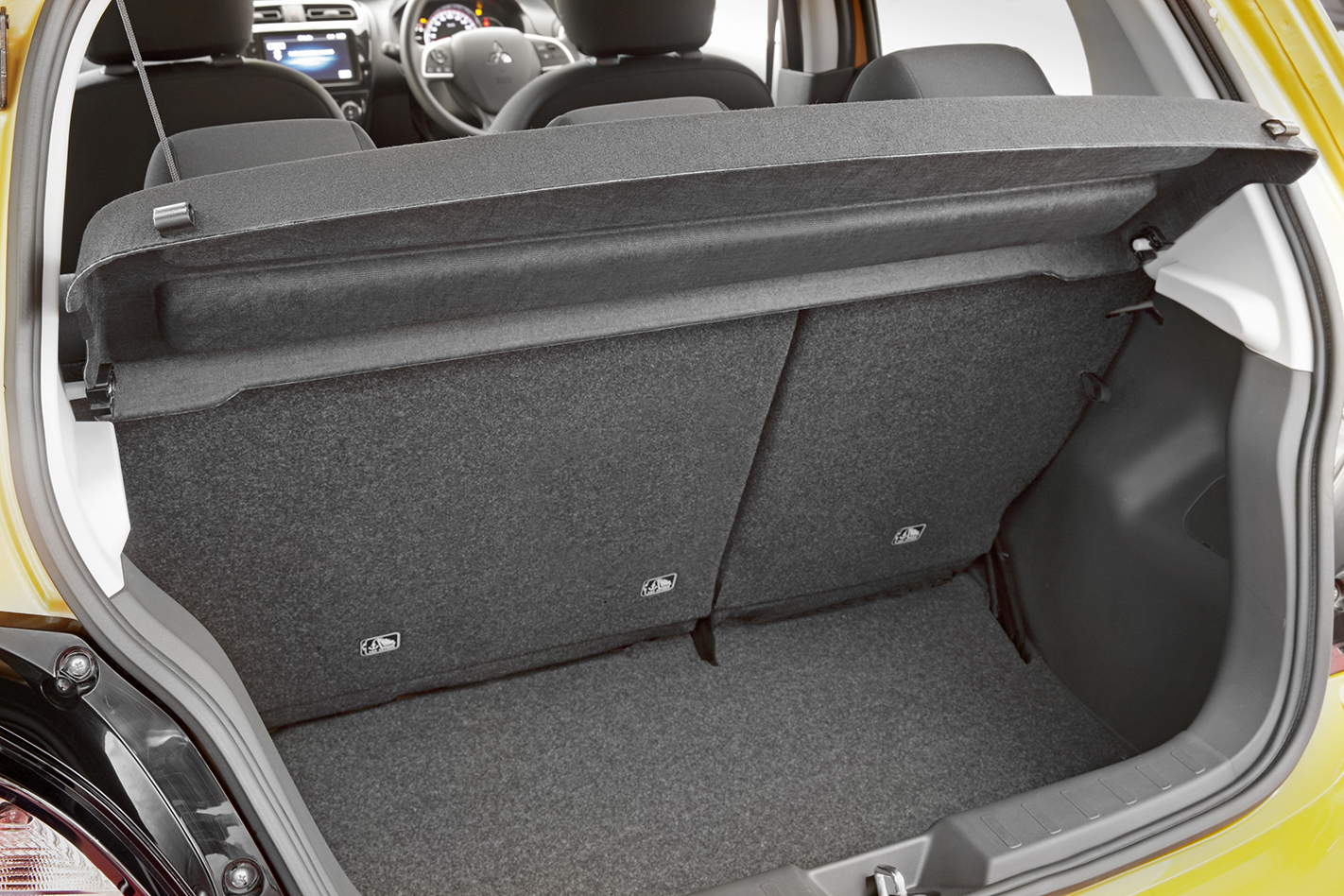
The rear seat folds 60:40, but even so the stubby tail of the hatch doesn’t allow for big loads. Nevertheless the boot space – Mitsubishi quotes 235 litres with the rear seatbacks upright – is only a little less than you would find in micro-alternatives or even in the externally bigger Mazda2 (250 litres).
Where does Mitsubishi make the Mirage?
The Mirage hatchback and sedan are built in Mitsubishi’s Thailand plant.
What might I miss that similar cars have?
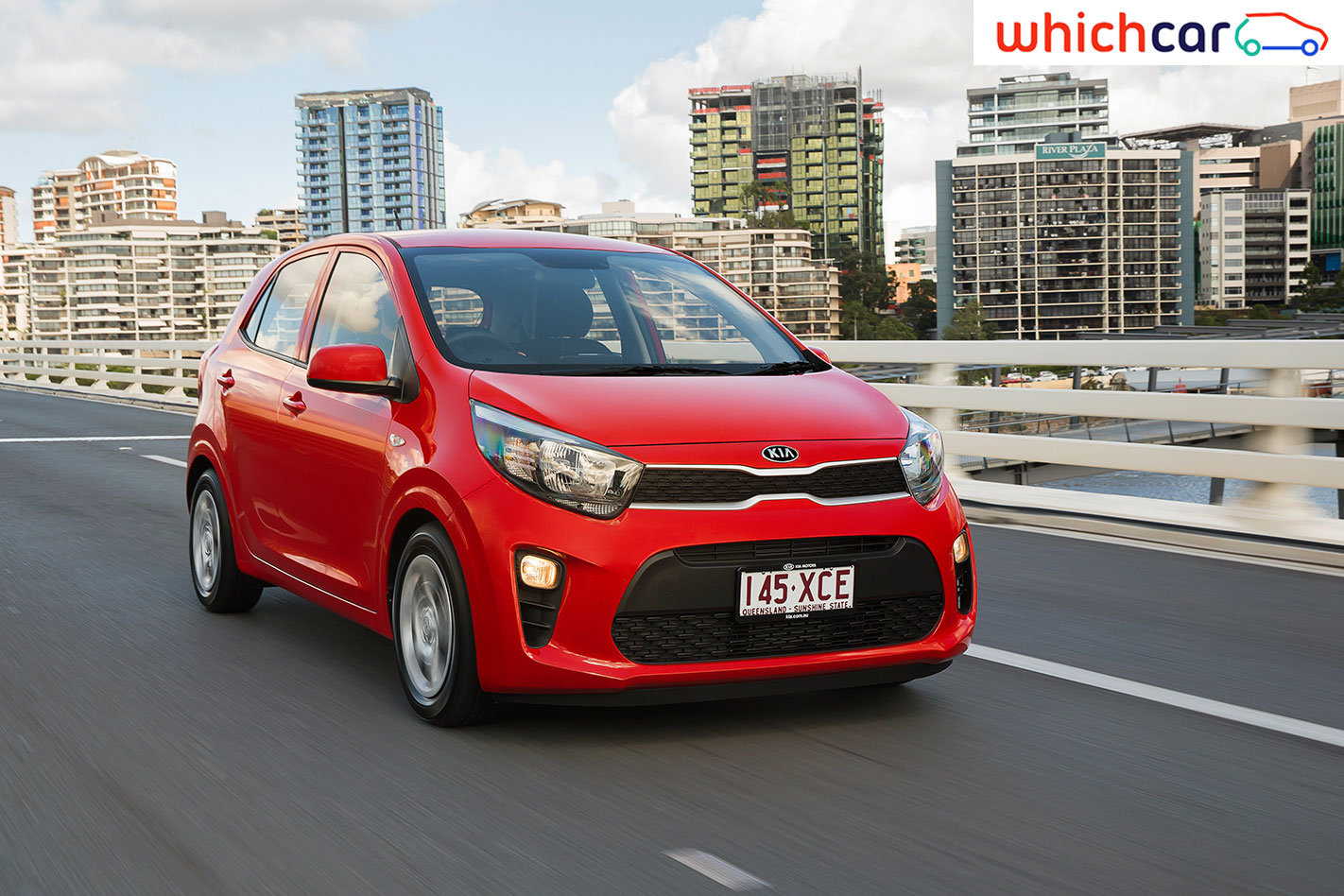
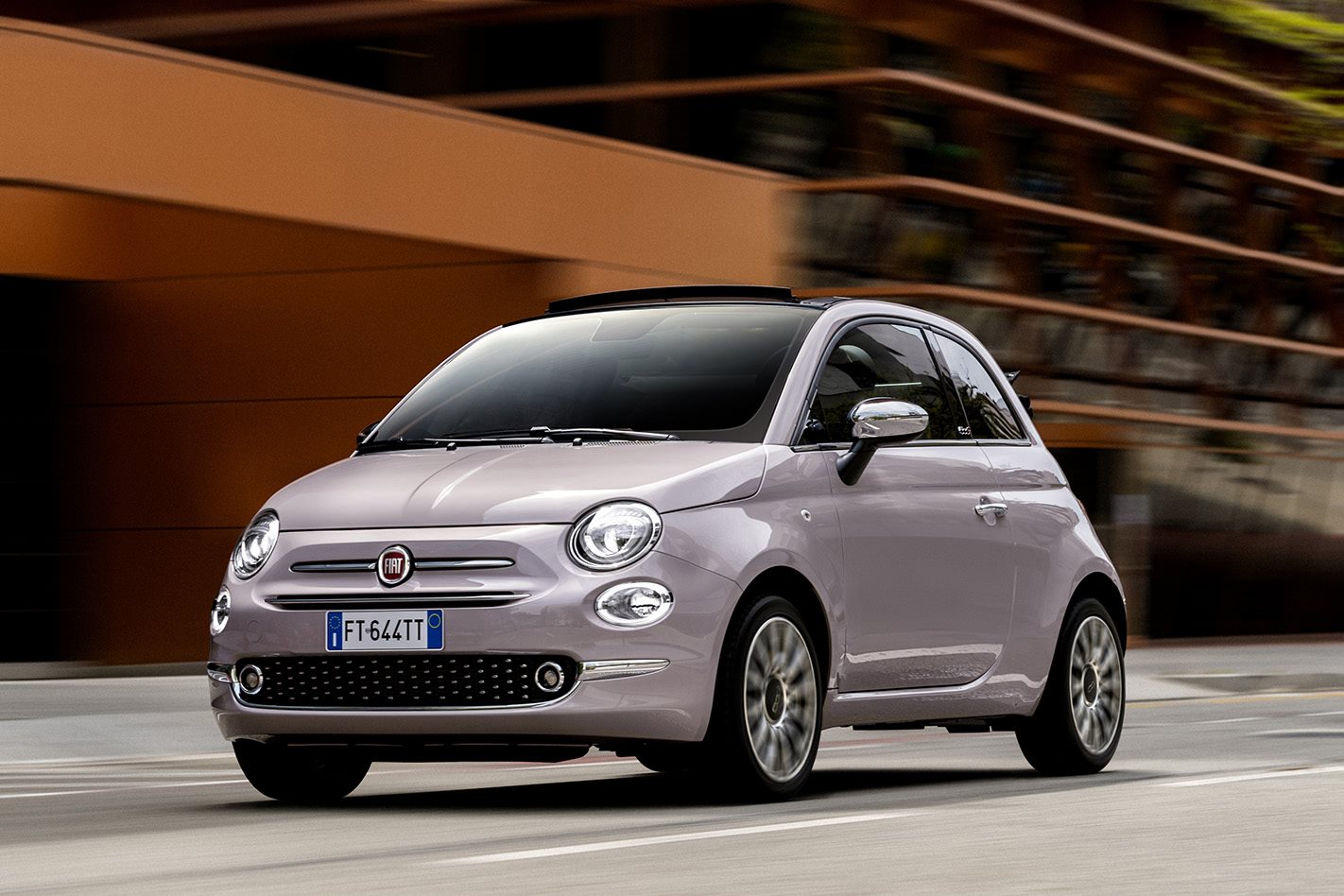
The Mirage only as two direct micro-hatch rivals on the Australian market, the Fiat 500 and Kia Picanto. It’s fair to say both are more stylish, and they each have more sportier versions should you like this size of car but want a bit more driving pleasure.
RIVAL REVIEWS:
Are there plans to update the Mirage soon?
This generation of the Mirage was released in 2013, and the Sedan didn’t arrive until 2014.
Late in March 2016, both body styles received a styling facelift and minor update. The update brought revised interior trim and seating, tweaks to the CVT auto transmission, better steering, and retuned suspension that improved the ride. Auto-on headlamps and auto windscreen wipers were dropped from the top-spec LS sedan, but unlike its hatch counterpart, it offered smart-key entry.
About the end of 2016 Mitsubishi ceased selling the sedans, while the Mirage hatches continued unchanged.
The current model arrived in April 2020 with a fresh look, enhanced interior, and 7.0-inch infotainment screen with Android Auto/Apple CarPlay and reversing camera.
I like this car, but I can’t choose which version. Can you help?
If you are looking for an easy to drive and park city-car, you will enjoy the Mirage a lot more if you get the CVT auto. That makes the Mirage LS Hatch, with auto as standard, climate-control, cruise control and alloy wheels, look like the best value in a Mirage. However, what you would spend for it – at Mitsubishi’s recommended price – brings you close to attractive alternatives.
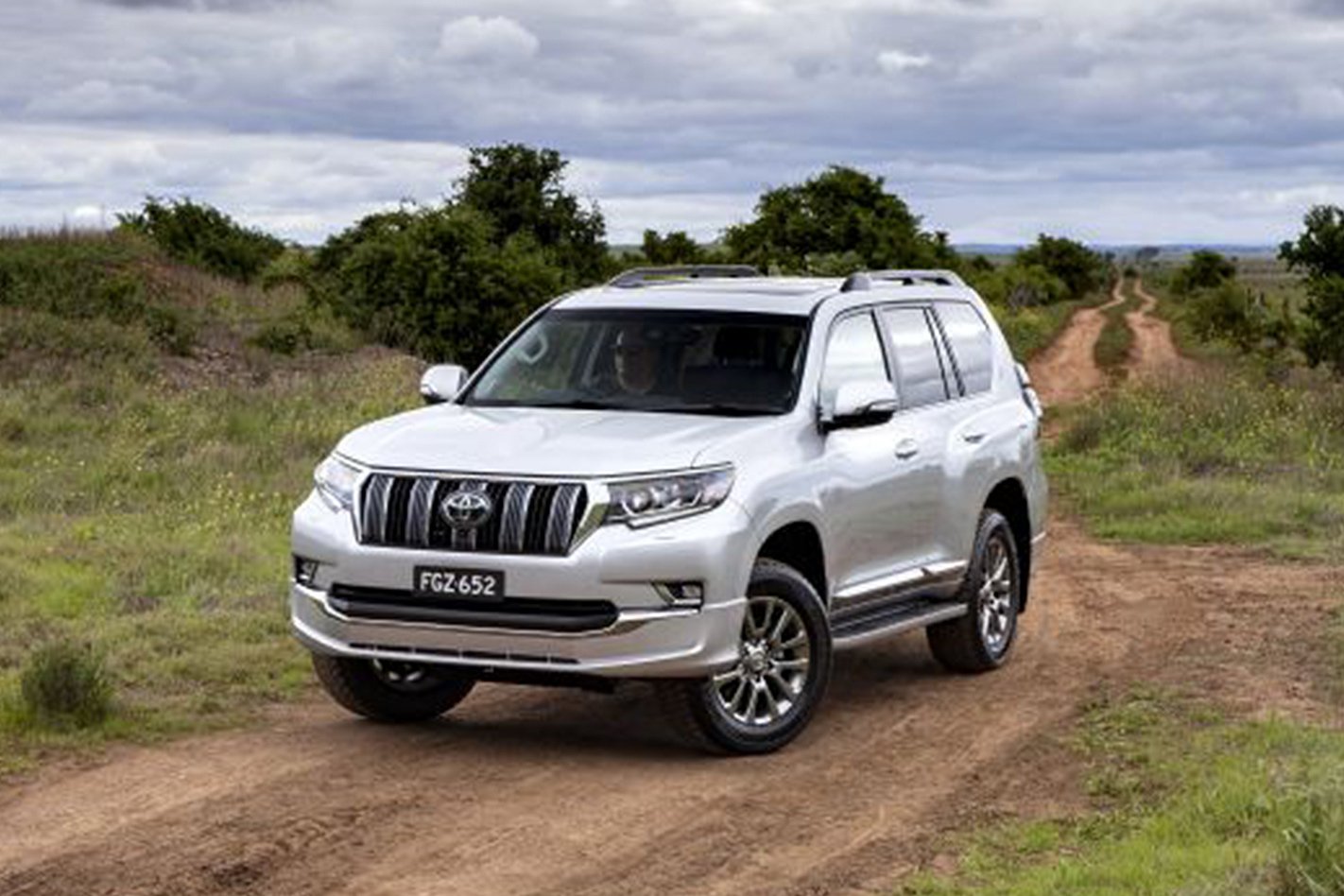
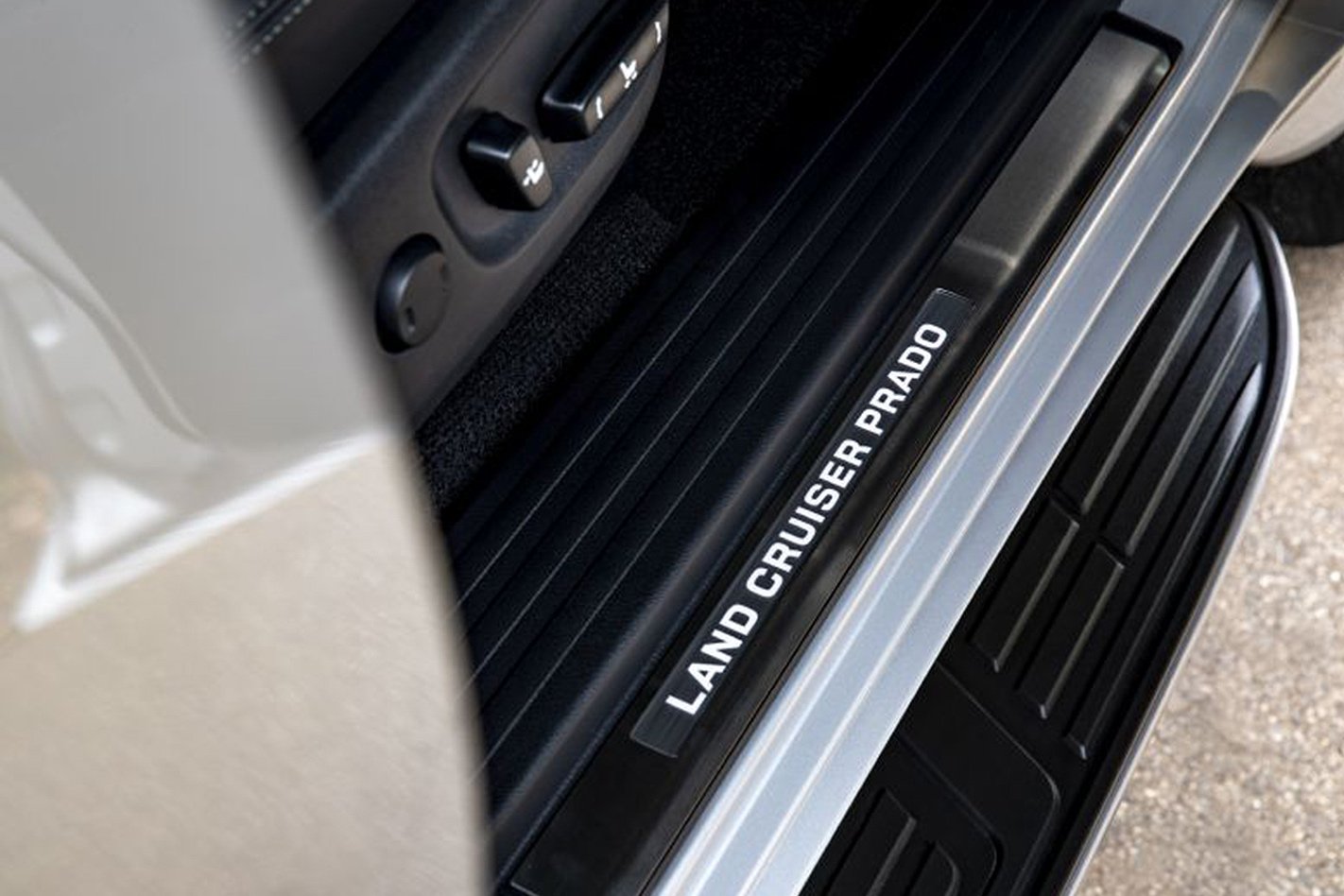
MORE power and torque, improved connectivity, and key additions to the safety suite – they’re the headline grabs for the updated Toyota Prado, due in Australian showrooms in October.
But along with upgrades and additions comes news from reliable sources (but not officially from Toyota Australia) that this country’s best-selling large SUV will drop the manual transmission option, making the existing six-speed automatic the default choice across the five-strong line-up.
This auto-only strategy will only impact a small percentage of buyers, as it’s currently offered on GX and GLX grades. For the majority, however, this update is all good news, as Prado gains the same upgrades to its 2.8-litre four-cylinder turbo-diesel engine as applied to the 2021 Hilux.
Then there’s the addition of Apple CarPlay and Android Auto, (but with the deletion of the CD player and auxiliary audio socket) along with significant safety upgrades. These include improved AEB which will be able to sense pedestrians at night and cyclists during the day, more effective lane-keeping, and speed sign recognition.
The improvements to the engine outputs are via more than just software tweaks. Changes to the block, pistons and turbocharger all contribute to the substantial gains to both power and torque, with the bump of 20kW and 50Nm bringing the respective totals to 150kW/500Nm.
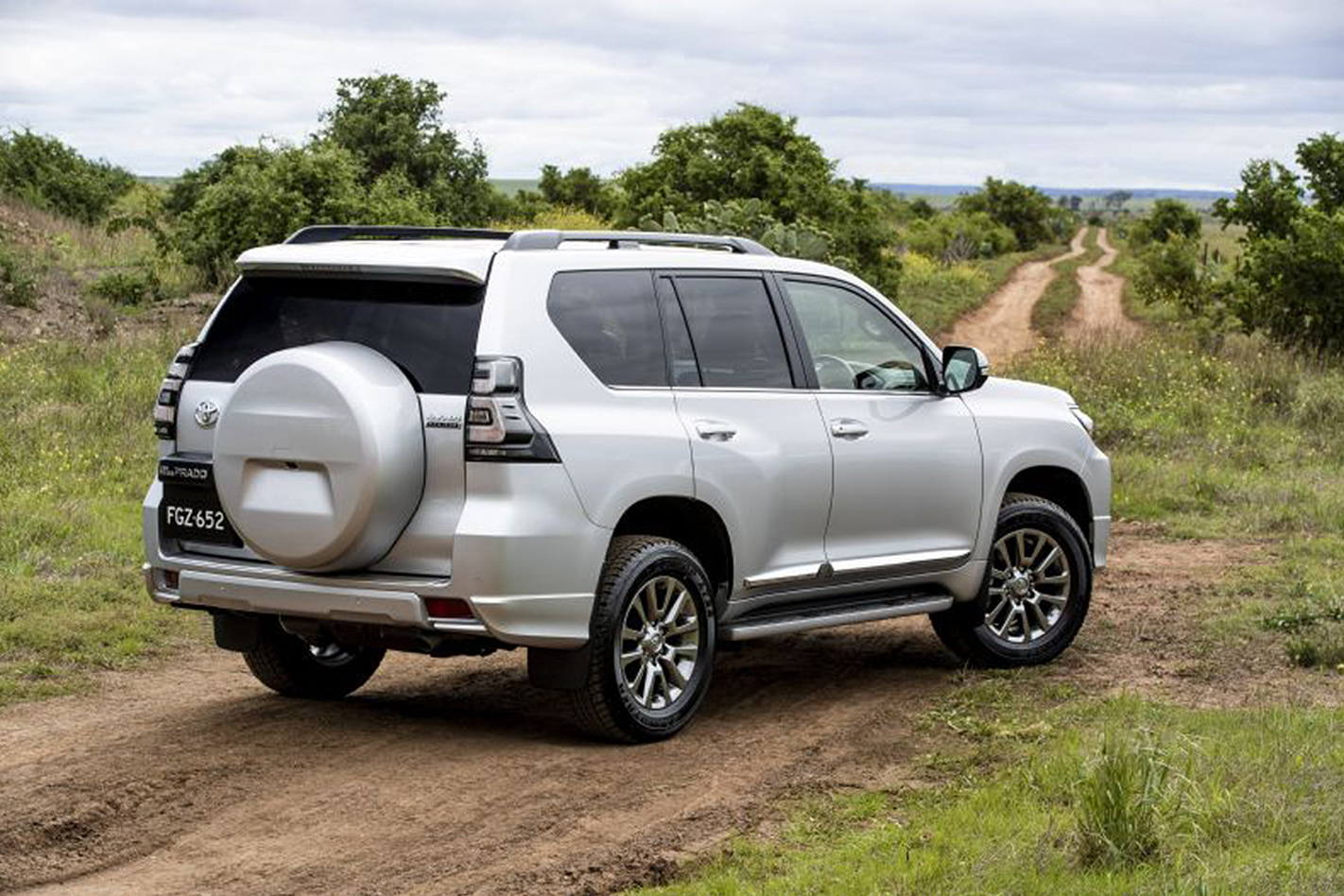
Toyota declined to comment on the updated Prado when contacted by Wheels, so it’s not clear at this stage whether the improved outputs from the new engine will raise the tow rating from the outgoing vehicle’s 3000kg.
CarAdvice first divulged details of the 2021 Prado last month, though Toyota is yet to confirm if the information, which was taken from leaked dealer documents, is correct for the Australian market.
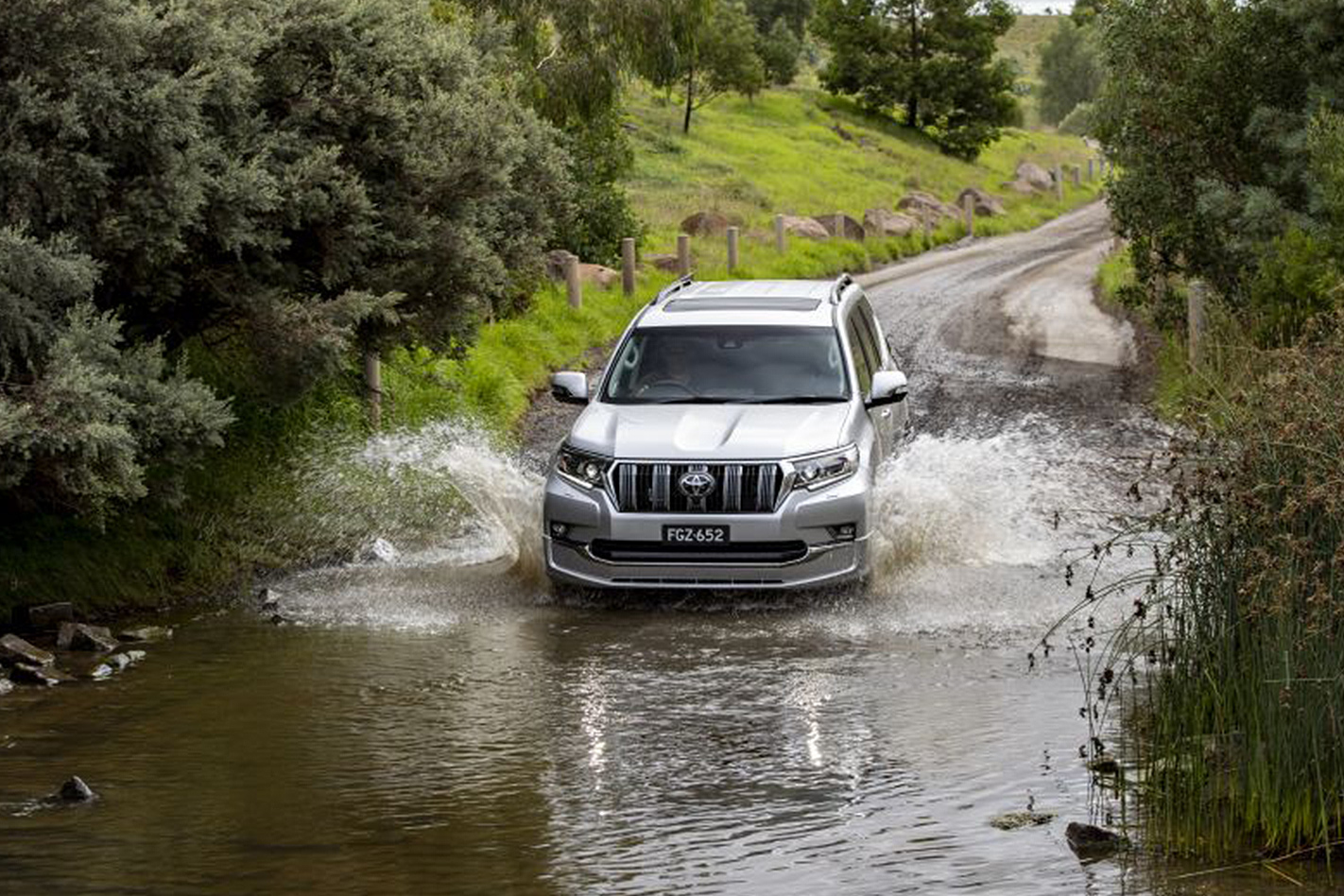
Also yet to be confirmed is pricing. The outgoing 2020 Prado starts at $56,990 for the base GX grade in automatic form and tops out at $88,890 for the range-topping Prado Kakadu Horizon. Given the engine upgrade, additional equipment, and the strength of the Japanese Yen against the Australian dollar, we’d expect those prices to increase by a few percent.
Stay tuned for official info as it comes to hand.
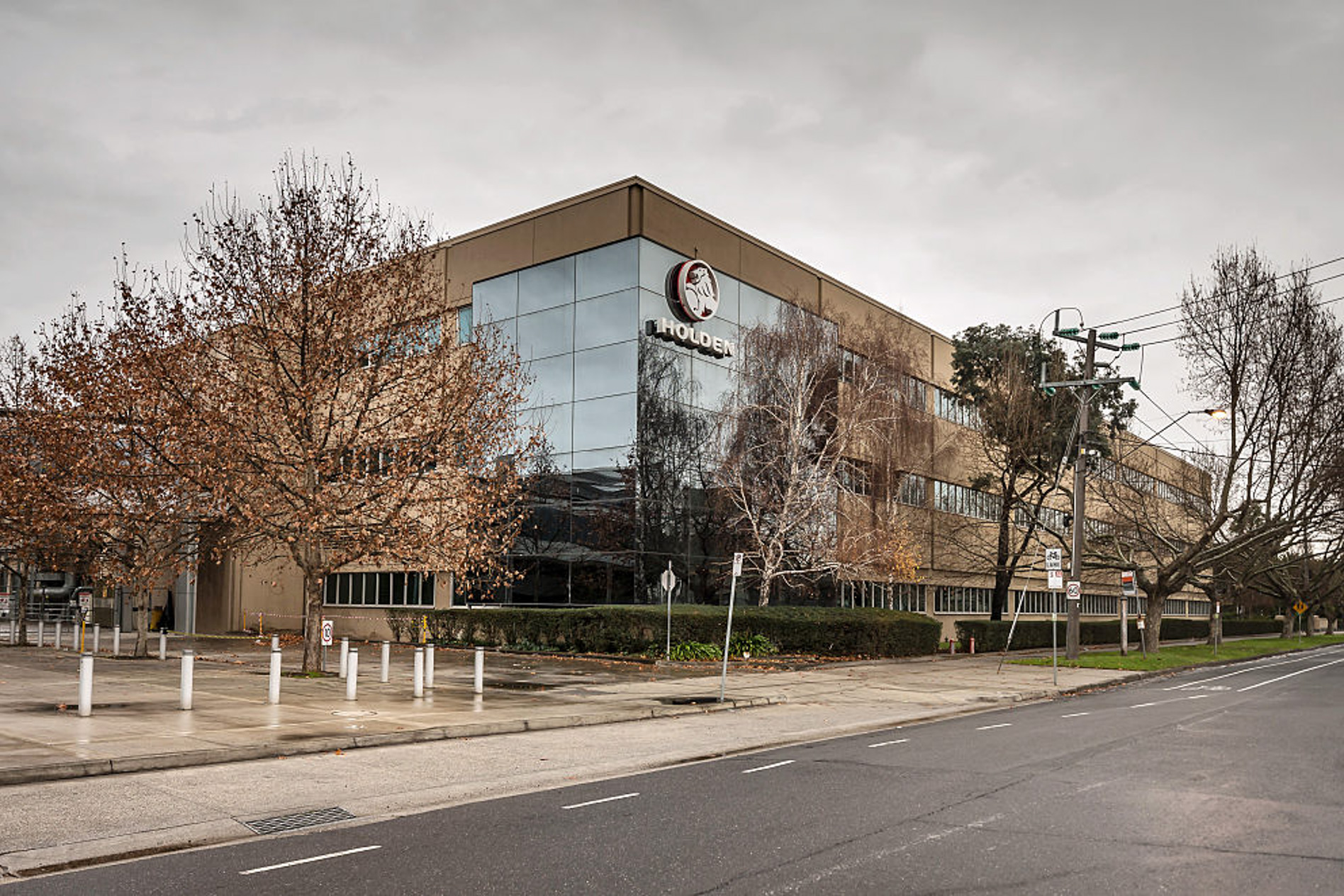
General Motors encouraged Holden dealers to continue with costly upgrades to their dealerships in the months leading to the iconic Australian brand’s closure, a Senate Inquiry into the company’s operations was told yesterday.
The Australian Automotive Dealers Association’s chief executive James Voortman told the inquiry that GM was “incredibly reckless” in allowing dealers to commit to such high levels of investment and subsequently refused to provide a fair compensation deal.
In his opening address, Voortman said: “General Motors seem to be a law unto themselves and are the epitome of a large powerful offshore multinational using its position of power to exploit the smaller businesses it deals with.”
“They have set a very dangerous precedent and in the process, they have emboldened other vehicle manufacturers to exploit the imbalance in power that exists between them and their dealers,” he continued.
GM Holden’s Australian chairman and managing director Kristian Aquilina denied that GM’s decision to close Holden was known well in advance of its shock announcement in February.
“I just want to put to bed this whole conspiracy theory that it’s been a long-held view from General Motors to unwind our operations right across south-east Asia and Australia,” he told the inquiry via video link.
Aquilina defended the compensation that the $1500 per vehicle that GM agreed to pay to Holden dealers, pointing out that 90 per cent of dealers had accepted it.
He also told the inquiry the company would continue to provide service and parts to Holden owners for the next 10 years.
“We know the overall package puts dealers in a better position than if they were to continue selling Holdens for the next two and a half years, irrespective of the economic situation that has emerged since that offer,” he said.
Voortman agreed that Holden customers would continue to be looked after in terms of parts and service, but called on GM to demonstrate what funds it had put aside to honour its commitments.
“GM does not have a good track record in this area,” he said.
The Senate Inquiry into Holden’s Operations is continuing.
NOW READ Lang Lang proving ground sale brochure leaked by real estate agent
Time is running out for car manufacturers to replace potentially lethal Takata airbags in more than 155,000 outstanding Australian cars.
While they’ve made significant progress in the past few months, there are only six months left on the clock for Australian dealerships to finish up.
The December 2020 deadline looms large, especially as Victorian car dealerships have been ordered to close due to coronavirus.
155,000 cars need to be found
The Australian Competition and Consumer Commission (ACCC) has again relayed the urgency this week, noting that 188,000 airbags (4.4 percent remaining of entire recall) fitted to 155,000 cars must be replaced as soon as possible.
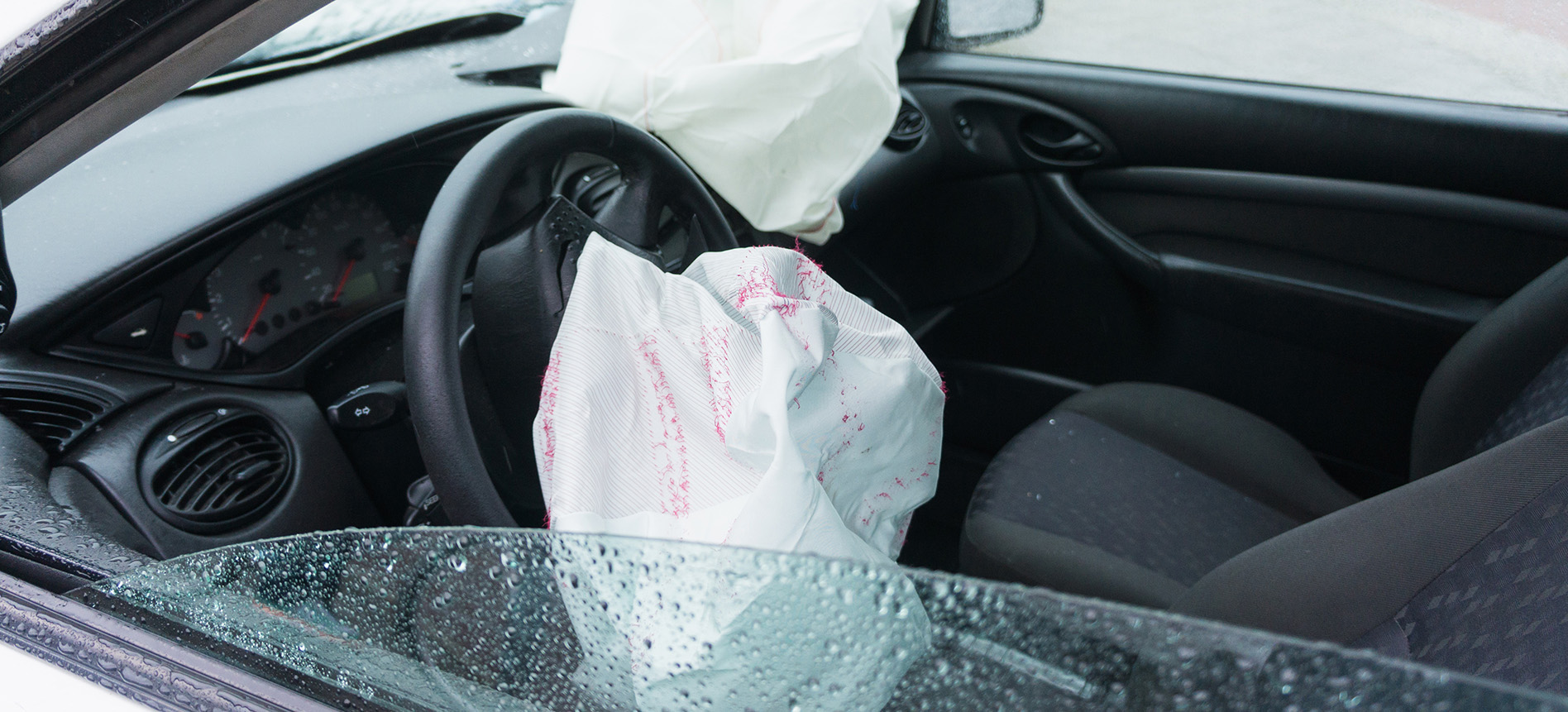
“These airbags are extremely dangerous and have the potential to misdeploy, sending sharp metal fragments into the vehicle cabin at high speed, with the potential to kill or seriously injure occupants,” said ACCC deputy chair Delia Rickard.
“It is essential that you do not ignore or delay responding to notices about the recalls from your manufacturer. If your vehicle is under active recall, please act now to arrange for a free replacement.”
6000 Takata cars now ‘critical’
According to the ACCC, at least 6000 of those cars are deemed so risky that they should not be driven at all as they contain ‘critical’ airbags.
Some states and territories are taking steps to stop renewing the registrations of cars with this type of airbag and are even looking at de-registering them.
Despite the difficulties surrounding the coronavirus pandemic lockdowns, over 40,000 cars have had their airbags replaced in the last quarter following a renewed advertising campaign from the Federal Chamber of Automotive Industries (FCAI).
The advertising campaign first hit social media in June, before expanding to television and digital across Australia over the past 60 days.
Recalled Takata airbags are unstable bombs
As a refresher, the propellant inside certain Takata airbags degrades over time and becomes unstable, to the point where metal shards could be fired into the cabin at lethal speeds in the event of a crash and the bag explode with enough force to break steel.
The Takata recall is the single largest automotive recall in the history of automobiles, affecting 100 million cars globally.
It’s also Australia’s largest product recall ever.
Car manufacturers have until December 2020 to hit their replacement obligations and while great progress is being made, the effort needs to be stepped up.
Vehicle owners should go to www.ismyairbagsafe.com.au and input their registration details to check, or text TAKATA to 0487 AIRBAG (247 224).
Check the Takata airbag in your car by clicking here
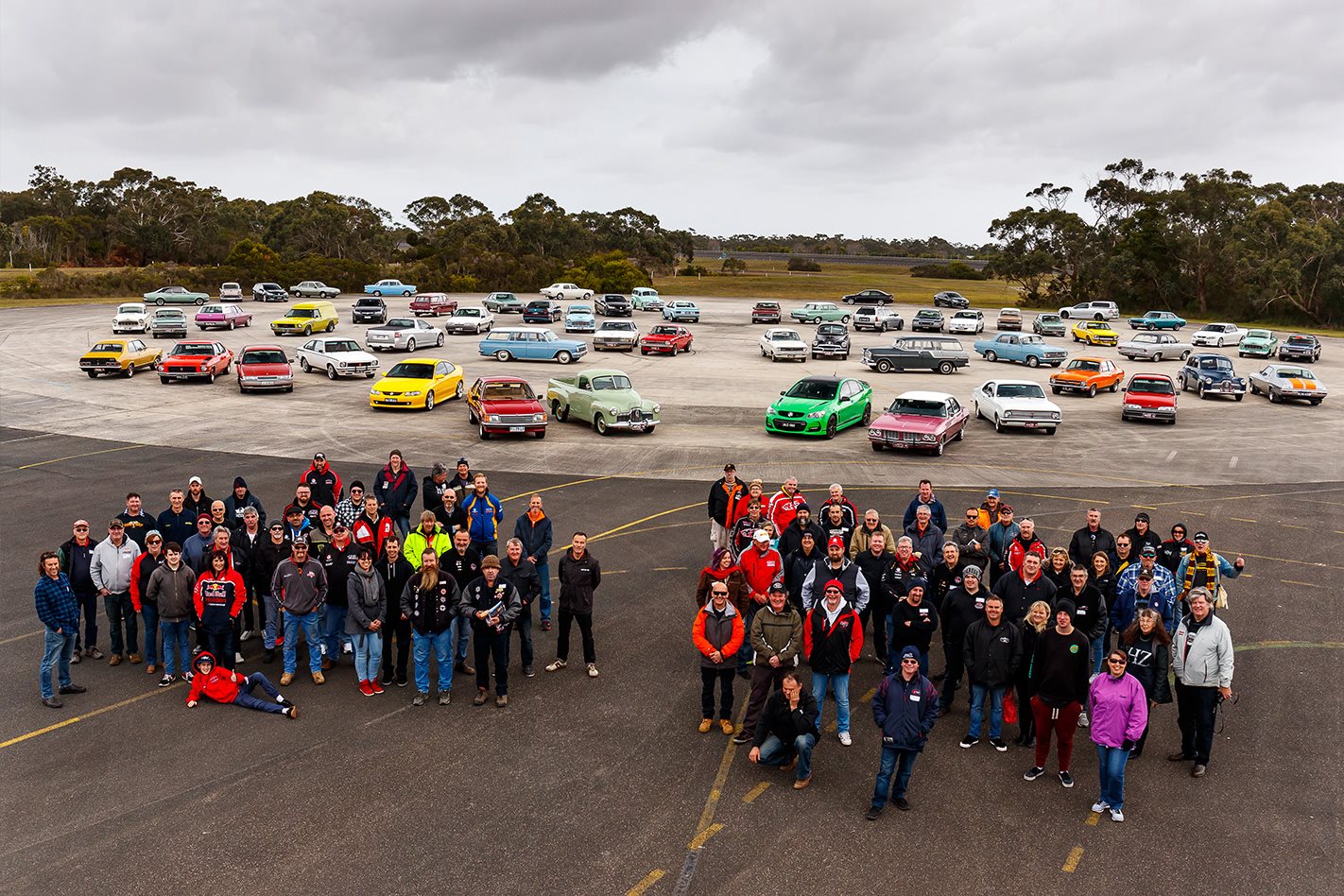
Storied Australian carmaker Holden is producing an epic three-volume commemorative book and it is inviting all current and past owners to be part of the process via a pre-released book.
As well as documenting the story about the iconic Australian carmaker’s history, Holden – The Final Chapter will have around 600 pages featuring images selected from the Holden archives, detailing everything from the design process through the decades to never-before-seen images of lif inside Holden – and, of course, the cars themselves.
Holden, whose spokesperson verified the offer’s bona fides with WhichCar, calls it “a definitive Collector’s Edition chronicle that details the history of Australia’s beloved Holden. Delving into the long history of the marques manufacturing excellence, including its fascinating journey from saddle-maker to automotive icon.”
It also comes with replica model badges, a replica build plate, a reproduced Holden employee handbook and two never-before-released posters.
But the highlight of this boxed collectors’ edition is that anyone who pre-purchases the book by September 13 2020 has an opportunity to have their own Holden featured in the book by uploading an image when they purchase the book-set online.
Owner pictures will be included in the third volume, titled Pride of the Lion, which will be at least 40 pages long.
Images will need to be of print resolution and no less than one megabyte in size (a pic straight off your smartphone should be fine) and of (obviously) a Holden vehicle.
Older photos will need to be scanned or photographed before submission to the pre-release project.
All pics will be subjected to vetting, and will appear in the order they were received, according to Holden.
You can upload one image per purchase, meaning this could also make this a great gift for any Holden lover. At $349 a pop, you’d probably want to love them just as much as they love their car, though the price does include free Australia-wide shipping of the 10kg box set.
Holden – The Final Chapter can be ordered via the company’s website, and will be shipped to buyers at the end of November.
When old mate Enzo Ferrari called the Jaguar E-Type the most beautiful car ever made, we figure this isn’t what he had in mind.
Unless of course, we missed half the quote and he actually went on to say “… as long as you wait 50 years for a car with different headlights to be created, then steal those.”
This 1968 Jaguar E-Type with Nissan 370Z headlights would fulfil our imagined Enzo quote, as a Brisbane man is selling his “tastefully modified” classic.
The most beautiful race cars… according to us
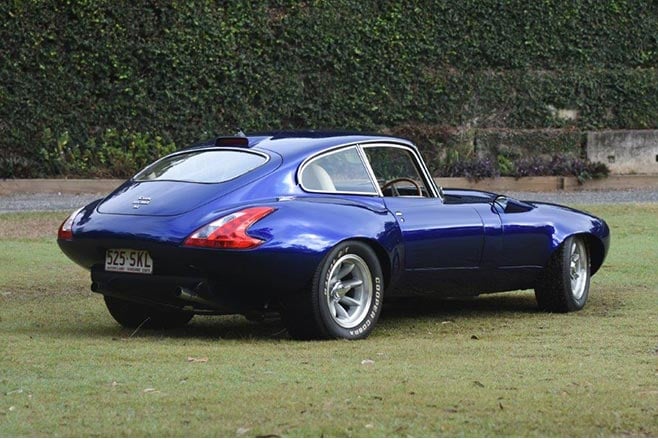
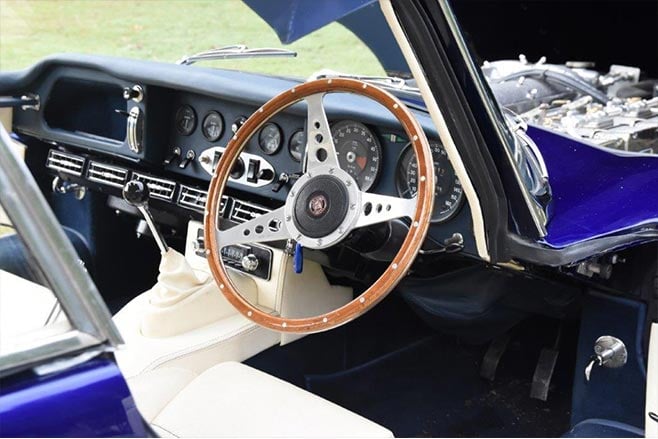
Mechanically, purists will be pleased to know the E-Type is mostly stock. It’s still sporting its 4.2-litre inline six with triple carbs and it’s running a manual gearbox, though it’s a modified 5-speed.
In addition to that there’s air conditioning, electric mirrors and windows, and central locking, plus the wheels. The Cobalt Blue paintwork is also a custom job.
The best and worst designs from Zagato
While the seller says the work has all been carried out by a hot rod specialist, we’re not sure it’s the quality of the work that most would be questioning.
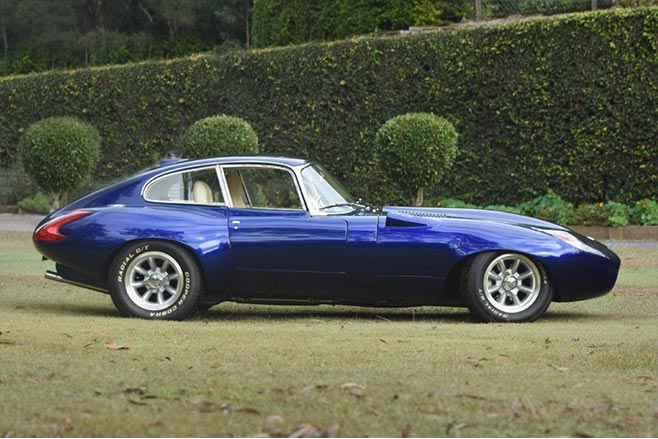
The addition of the headlights and taillights from a Nissan 370Z are sure to ruffle some classic car enthusiast feathers, as well as confuse the eyes of modern Zed car fans.
The car’s odometer is reportedly showing 84,478km on the clock, but given the modifications to the car that isn’t much help in determining whether the $225k asking price is fair.
It’s time for the MOTOR reader jury to have its say. Let us know in the comments below what you reckon!
You can check out the ad in the Just Cars classifieds here.
Get your free weekly MOTOR report!
The Audi RS6, BMW M5 Competition, and Mercedes-AMG E63 S are all ready to land in Australia (or have already landed in the case of the RS6).
These three German ’bahn-stormers pack some serious firepower, and have most supercar owners sweating at the traffic light grand prix.
But which of this all-wheel-drive turbo trio gets your V8 vote?
Let’s run through some key specs.
ENGINE
German power cake recipe: Take two turbos and eight cylinders, mix into a vee at skunkworks, slap into a sedan or wagon body. Enjoy!
- E63 S: 4.4-litre twin-turbo V8
- M5 Competition: 4.4-litre twin-turbo V8
- RS6: 4.0-litre twin-turbo V8, 48v mild-hybrid
OUTPUTS
BMW’s turbos spool quickest, with smaller peak torque figure arriving lowest in RPM range and spread across most revs. AMG has widest peak kW band.
- M5 Competition: 460kW / 750Nm
- E63 S: 450kW / 800Nm
- RS6: 441kW/800Nm
WEIGHT
Wagon-bodied RS6 is heaviest of the bunch. Complex all-wheel-drive systems bring bulk kegs, but lightweight Competition pack helps BMW shed heft
- M5 Competition: 1865kg
- E63 S: 1955kg
- RS6: 2150kg
0-100KM/H
BMW has a new habit of underquoting acceleration figures, so the difference here could be even larger. Munich easily wins the war of power-to-weight, too
- M5 Competition: 3.3 sec
- RS6: 3.4 sec
- E63 S: 3.6 sec
TOP SPEED
While the ‘slowest’ of the trio, AMG E63 S is the only one capable of reaching 300km/h without aid of an option pack
- RS6: 306km/h
- M5 Competition: 304km/h
- E63 S: 300km/h
ECONOMY
All three like a drink. Audi only car with a 48-volt mild-hybrid system to help reduce fuel consumption but can’t escape its extra weight
- E63 S: 9.3L/100km
- RS6: 9.7L/100km
- M5 Competition: 10.5L/100km
The guard at Ford Australia is changing once more, with incumbent Kay Hart set to depart after two years to take up a new role in Europe.
The 22-year veteran of Ford, who started her career with Ford at the carmaker’s New Zealand-based marketing team in 1998, will take up the role of enterprise product line manager (EPLM) of Van and Bus.
Before taking up the CEO role for Australia and New Zealand in 2018, Hart (below) was responsible for driving the transformation of Ford’s future customer experience across the globe, and she also worked as the digital experience manager for battery electric vehicles.
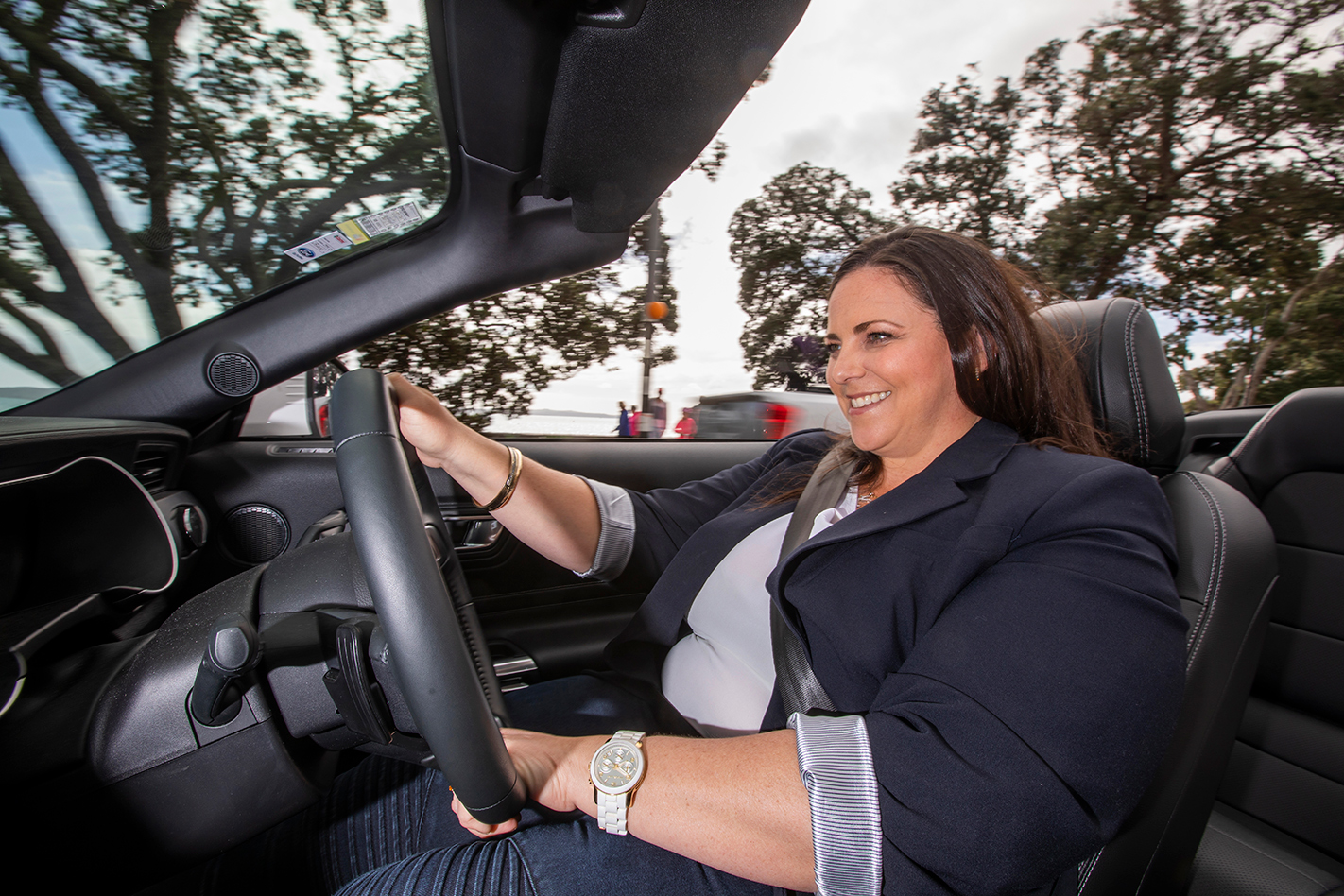
Between 2013 and 2015, she was also the managing director for Ford Philippines.
Andrew Birkic, who is currently the chief product marketer of Ranger and Everest, will replace her as president and CEO of Ford Australia and New Zealand, becoming the third CEO for the company since 2010.
Prior to his current role, Birkic spent three years in Detroit as the global advanced consumer experience platforms manager, and two and a half years in Shanghai as director of dealer development and consumer experience for Ford Asia Pacific.
He began his career in 1994 in the customer service division of Ford Australia.
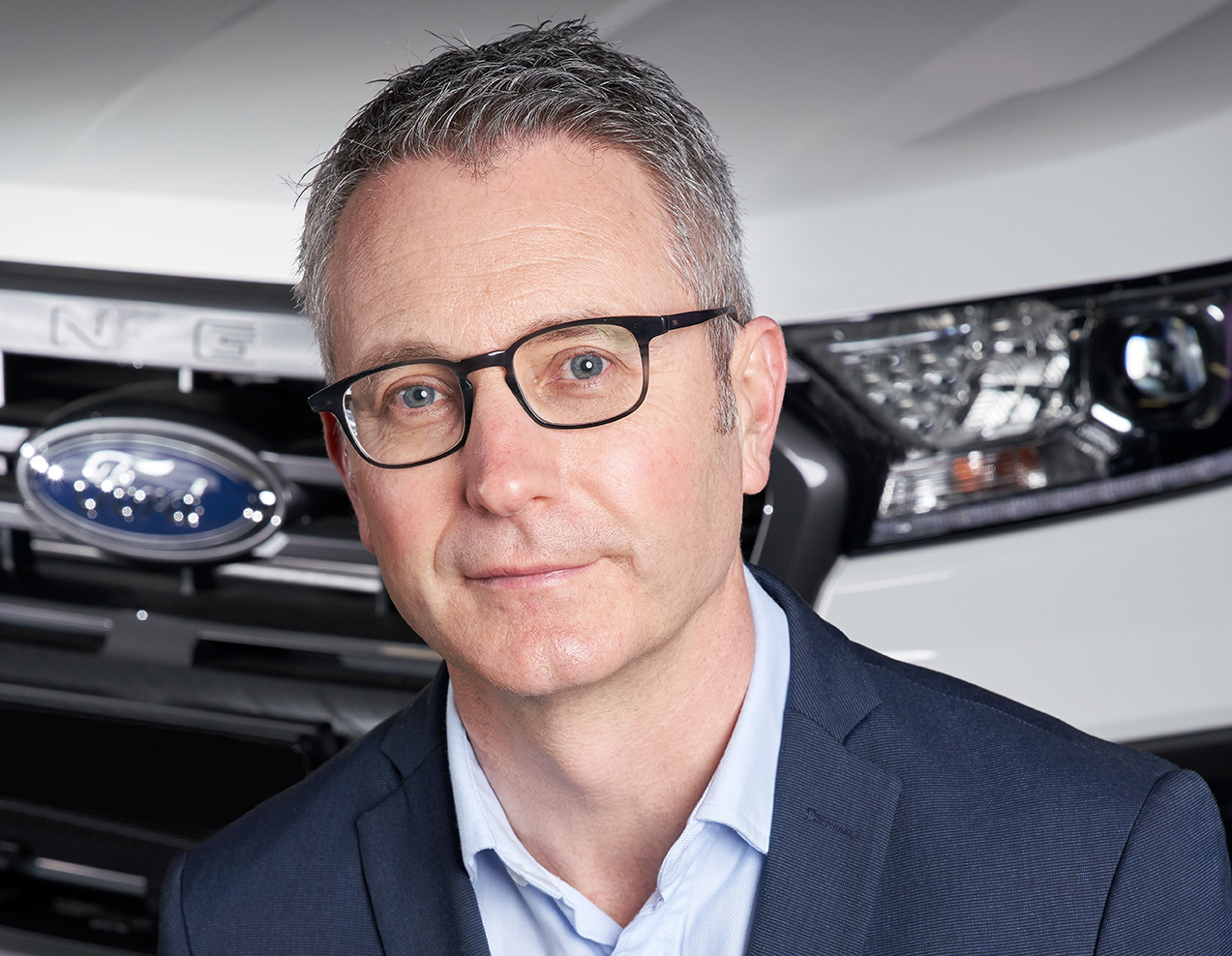
“I am thrilled to be re-joining the fantastic team in Australia and New Zealand,” said Birkic (above) in a statement.
“I know how passionate and accomplished the team is, having spent the past two years working with the Ranger and Everest development team to grow the brands across more than 180 markets.
“I look forward to working closely with our team and dealers to serve our customers.”
Hart’s tenure came after her predecessor, Graeme Whickman, oversaw the closure of Ford Australia’s final production lines, and she will leave just ahead of the launch of the arguably critical Escape mid-sized SUV and the revitalised Ranger/Everest pairing next year.
Birkic inherits a brand that is heavily dependant on the success of the Ranger, which currently constitutes more than 60 percent of all of its sales.
Its previous strong performer, the Mustang, is coming off the boil after years of against-the-odds sales success, while the Mondeo and EcoSport have been deleted from the local roster.
Ford Australia’s roster of CEOs
- Geoff Polites (1999-2004)
- Tom Gorman (2004-08)
- Bill Osborne (seven months in 2008)
- Marin Burela (2008-10)
- Bob Graziano (2010-15)
- Graeme Whickman (2015-18)
- Kay Hart (2018-2020)
Social distance restrictions have meant many of us are barely driving our cars. That raises the question; how can we save money on our cars while we’re in lockdown?
Do we have to still register our cars? Can we pause our car insurance? Will my tyres go flat? Is it bad for your car to not drive it? These are all legitimate questions in these confusing times.
Storing a car properly, for example, can be the difference between easily getting it back on the road when you need to drive it again or having to make costly repairs.
It becomes more important when leaving a car for long periods of time, too as the elements can wither it not just aesthetically, but also in more inconspicuous ways.
Here are some helpful car FAQs to help get you and your car through iso. If you have more questions, please feel free to ask them in the comments below.
Are car dealerships open in Melbourne?
Essential retail businesses including supermarkets, pharmacies and petrol stations will stay open, but car dealerships and automotive retail stores will be required to close from Wednesday until at least late September.
Government documents indicate that all retail activity not bounded by supermarkets, grocery shops, convenience stores, newsagents, fuel retailers, pharmacies, post offices, trade hardware and other specialty retailers (like maternity supplies and disability/health equipment, for example), are ‘all closed unless listed’.
There is one subsection in the government document which lists ‘motor vehicle parts for emergency repairs only Agricultural retailers (drive-through-only)’ which is listed as ‘open for on-site work’.
Are car yards open in Victoria?
Car company representatives contacted by WhichCar are still awaiting confirmation about the status of their metro Melbourne car dealerships, and it’s understood that the Federal Chamber of Automotive Industries (FCAI) has been involved in discussions with the Victorian government.
A spokesperson pointed to the premier’s remarks that suggested that there could be recourse to open negotiations with the Victorian government should dealerships be required to close.
Car dealers were considered essential services under level three lockdown provisions, but with large retailers like Harvey Norman and JB Hifi set to close under stage four, it looks likely that car dealerships – especially ones that aren’t equipped with service facilities – will have to close.
“If this happens, it will kill new car sales for this month,” said a company PR operative. “Six weeks with no new sales will be tough.”
Can I buy a new car online in Melbourne?
Some car companies are pivoting to a ‘click-to-buy’ online sales model, but real-world purchasing figures are still relatively low.
Delivery of a new car purchased outside metro Melbourne may be possible given that road transport and transport support services are still allowed.
Can I get my car serviced during lockdown?
Vehicle service centres are exempted under emergency provisions, given that emergency services, health workers and other essential workers will still need to drive and have cars repaired in metro Melbourne.
However, the ruling is not yet clear about vehicle service centres attached to car dealerships.
Petrol stations in Melbourne will remain open.
Vehicle repair, servicing and maintenance are allowed under stage four restrictions, as well as towing services and transport support services.
Likely to be affected, however, are distribution channels for car brands that are largely based in the metro Melbourne area, including FCA (Jeep, Chrysler, Alfa Romeo and Fiat), Holden and Ford.
Do I need to wear a mask while I’m driving a car?
If you’re driving your car by yourself, then it’s not necessary to wear a mask while you’re driving. If you are driving a car with passengers, then you will need to wear a mask.
If you are driving somewhere that will require you to leave your vehicle, then you will need to have a mask with you.
How do I store my car if I don’t have a garage?
A cool, dry garage is obviously the most ideal place to keep your car, but not everyone has access, especially if everyone’s at home.
If you have to store your car outside or under an open carport, consider covering it with a decent-quality car cover made from natural, breathable materials and check on it from time to time to ensure the cover hasn’t been ripped.
Car covers vary in cost and quality, and are sized to suit different shapes of cars. We’d recommend spending a little more to get a cover that has a soft inner lining and that fits your car as well as possible. This will help prevent wind lifting the cover off your car.
Pro tip – never unroll your cover on the ground before putting it on the car, because you’ll probably pick up small rocks and dust particles that will scratch your paint as the cover slides over it.
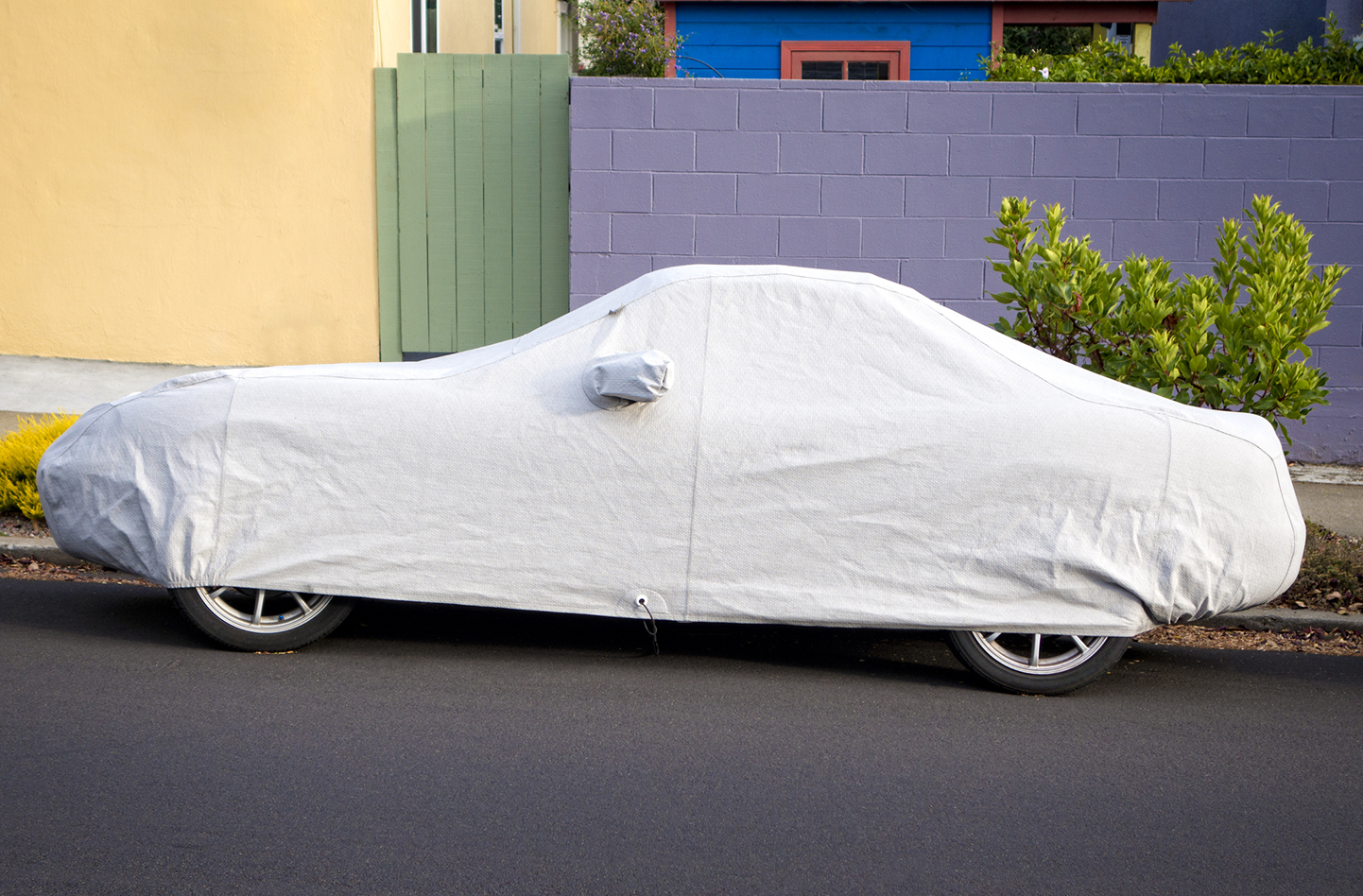
If you haven’t got access to a cover or a carport, avoid parking under trees as far as possible.
Bird poo and tree sap can do untold – and sometimes irreparable – damage to your paint, while falling leaves can collect and rot in your car’s crevices (especially below the windscreen), which can lead to premature rust problems.
If that’s is unavoidable, be sure to wash the car regularly to remove poo and sap, which will prolong the life of your paint.
Parking the car on level ground is best, keep it in Park (or in gear if it has a manual transmission). You can lightly apply the parking brake, but don’t really yank on it, as this will cause premature stretching of the cable that runs to the handbrake caliper.
Make sure your windows are closed, too.
If you’re in a regional area, it’s not a bad idea to plug crevices like exhaust pipes and air intakes with rags or plastic bags to avoid turning your car into a burrow for insects or small furrier friends.
Rats, possums and other pesky creatures have been known to turn cars into a nest and eat plastics, so keep entry points covered where you can.
Before driving again, of course, be sure to take any plugs off before driving and check that no creepy crawlies have settled in for the winter.
Should I wash my car if I’m not driving it?
Yes, as well as protecting the paint, it’s important to give it a thorough clean inside to avoid unpleasant interior smells, too. Time to ditch those frappe cups!
Can I get my car serviced during the COVID-19 lockdown?
Yes. At the time of writing, under the social distancing rules in place across Australia, motor mechanics are considered essential workers, as are car dealerships.
Workshops and service departments should have social distancing and vehicle sanitation measures in place, while some companies like Ford are offering a pick-up and drop-off service.
It’s worth noting, too, that companies like Hyundai are offering a 50 per cent discount to health care workers on scheduled servicing, so it’s a great idea to take care of your car while you’re not using it and it’s cheaper!
Should I get my car serviced if I’m not going to drive it?
There’s an old adage that it’s age that kills cars, not miles, so ensuring that your car has all of its vital fluids checked and changed regularly still applies, even if you’re not driving as much.
You should service your car after driving it a certain number of kilometres or after a particular time period, usually about 12 months.
If the latter is approaching, or you’ll soon need your car again after a prolonged period, it’s a good idea to get your car serviced to ensure fluids are topped up, the electrics all work and that things like rubber hoses, filters and brake pads haven’t begun to degrade.

It’s also a good idea to regularly check your oil and brake fluid yourself from time to time in case there are small leaks.
How long does petrol or diesel last before it goes off?
Petrol has a shelf-life of six months if stored in a sealed container – including your car’s fuel tank – at 20 degrees C, or just three months if kept at 30 degrees C.
If the container isn’t sealed it will last about half the time, so be sure your petrol cap is firmly screwed in place.
Diesel will last between six and 12 months before becoming ‘gummy’, which will likely lead to clogged filters and engine parts that will be quite expensive to fix.
How much petrol should I keep in my car’s tank?
This also depends on temperatures. If you’re in a cool climate, the tank should be reasonably full to reduce the risk of condensation that can result in water contamination or rust along the top part of a metal tank.
Conversely, if you’re in a hot climate you don’t want the tank to be too full as fuel expands in the heat, so you want some to leave some breathing space. C
Interestingly, an empty tank will allow air to expand in the heat and then contract again at night, drawing in condensation.
So for either climate, you’ll want to keep your tank about two-thirds full.
Should I run my car’s engine occasionally if I’m not driving?
Yes. Engines are designed to run regularly and components can dry out and even corrode if they remain idle too long.
It’s advisable to drive your car for 15 minutes to get it to its normal operating temperature.
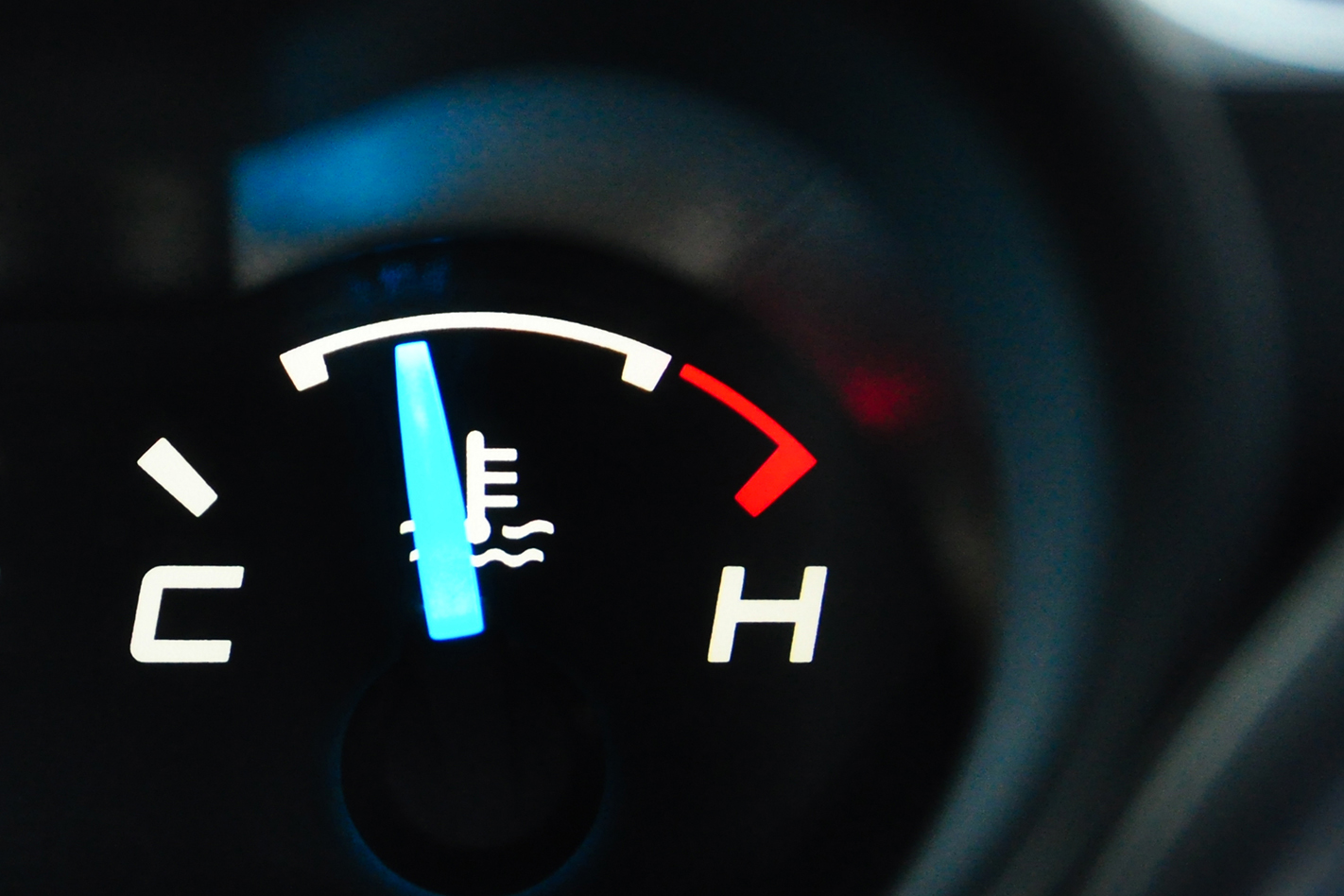
If that’s not possible, just let the engine run at idle until it’s sufficiently warm. If you can’t run the car outdoors, make sure you open the garage door and windows as the exhaust fumes can be deadly in a confined space.
While the engine is idling, press on the brake pedal, ratchet through the gears (and clutch if you have one) and turn the steering wheel. This will help keep the car’s organs lubricated.
Does running the engine charge a flat battery?
Running the engine will help maintain the battery’s charge, but contrary to popular belief you can’t charge a flat battery with the vehicle’s alternator by driving around or idling the engine.
The alternator doesn’t recharge a battery; it tops up what it uses, which is called surface charging. Surface-charging a weak battery will shorten its life.
Proper recharging must only be done with an appropriate multi-stage charger. A good charger costs a lot less than a new battery, so you’re already getting your money’s worth.
Will disconnecting the battery keep it charged?
If the car isn’t being driven for more than a few weeks, the battery will eventually start losing charge, but don’t disconnect it to save power.
Most cars now have clocks, alarm systems and trip computers that draw on the battery even when turned off, which could lead to dramas cranking your car over after a period of even just a couple of weeks.
You’re much better running the engine or going for a quick drive every couple of weeks while the battery is still charged.
The best way to maintain your battery’s health is to invest in a volt-meter and charger. This video shows how to use both.
What happens to my tyres if the car doesn’t move?
Tyres lose air over time, so check the pressure every couple of weeks and add some air when necessary – don’t forget to check the spare.
Driving or moving your car from time to time also benefits your tyres by preventing flat spots from being parked on the one spot for a long period.
Can I pay less for my car insurance if I’m not driving?
Some insurance companies will let you suspend your policy under certain circumstances, such as if you’re going overseas for a while, so it’s worth asking. If they won’t suspend it, you can always terminate the policy and get a refund for the time left on it.
But if you still own the car, there’s always a chance someone might steal or damage it, so you’re best hanging on to it while reducing the premium.
One way is to change your comprehensive insurance to third-party, fire and theft as the likelihood of you having an at-fault accident is considerably reduced.
If you don’t want to take that chance, you can bring the premium down by:
- Increasing your excess
- If your policy is partly based on the number of kilometres you drive each year, reduce that number based on your current situation
- Take any additional drivers off the policy if they too aren’t driving, especially if they’re under 25.
- Go over your insurance policy carefully and ask about removing any extras you don’t need such as roadside assistance, or a rental car for the time your vehicle is being prepared or replaced.
If money is a struggle and your annual insurance bill is due, try and opt for monthly or quarterly payments.
This is also a good time to shop around for a better deal or ask your insurer for a discount – it’s amazing what you can get if you ask.
Can I suspend my car registration?
Unfortunately, you can’t temporarily suspend your car’s registration, you have to cancel it. The only advantage of this is you’ll get a refund for the unused portion.
However, when it comes to re-registering the car you’ll have to get a roadworthy certificate and pay a licence plate fee on top of the registration fee.
And, in most places, you can’t legally leave an unregistered car parked on the street. It can be ticketed by local council and/or police as an abandoned vehicle.
If money is tight and your annual rego bill is due, check if your state offers an opportunity to pay every three or six months.
Can I suspend my car loan payments?
If you find yourself unable to make car-loan repayments, it’s best to get in touch with your bank as soon as possible and while you still have several options available.
Remember, it never hurts to ask. Any alternative loan repayment arrangements will depend on your personal circumstances and financial situation.
For more details, read: What if I can’t pay my car loan?
Do you have any questions about what do with your car if you can’t drive it? Feel free to ask us in the comments below.
