
The text message was delightfully pidgin-cryptic. It was 1998 and Bill Thomas, former editor of this august tome, was working with me on a never-to-be-launched car magazine in London. Bill showed me the screen of his phone. “Meet me in the midnight at Nur.” The sender was Nissan engineer Hiroshi Tamura, a man steeped in Skyline legend. Tamura had to be excited about something to summon a journalist to the Nürburgring in the middle of the night. There could be only one reason: to see something that was still hidden from the public at large.
That something was Nissan’s Skyline R34 GT-R, being readied ahead of release to the UK market, and Tamura was right to be proud. Although the R34 was produced in relatively small numbers, with a production run of 11,578 between January 1999 and August 2002, it represented more than just Nissan’s holding pattern ahead of the 2007 R35 GT-R introduction. It was the final iteration of the GT-R’s straight-six lineage, and today its valuation reflects its cachet with collectors.

No fewer than 14 separate versions of the car were built, informally broken down into a Series 1 from the start of 1999 through to July 2000 (7066 units) and a Series 2 from August 2000 through to August 2002 (4512 vehicles). All were powered by the RB26DETT straight-six driving all four wheels via a six-speed manual transmission.
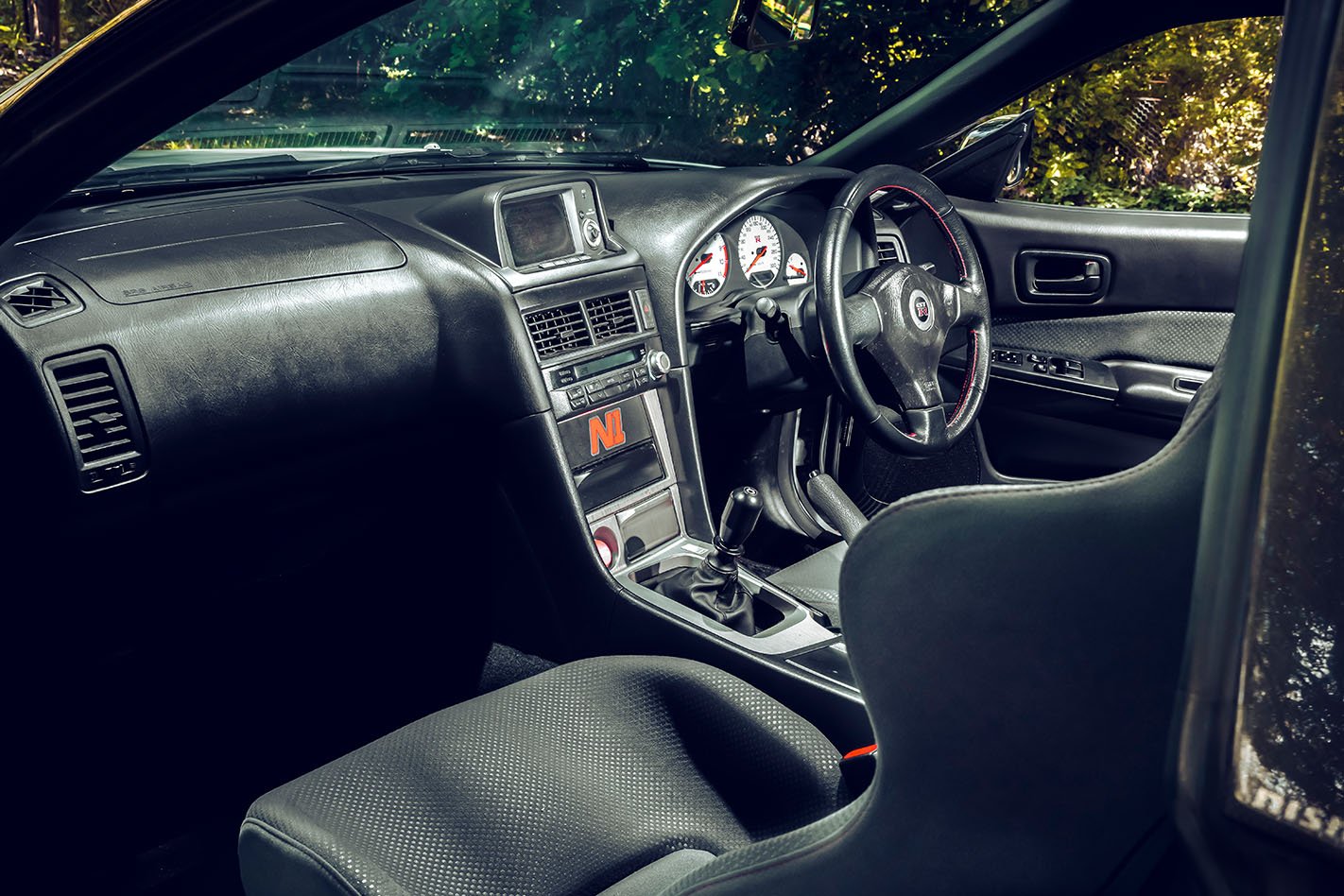
The car you see here is one of only 38 V-Spec N1 models. Effectively the factory lightweight, it’s the CSL of the R34 GT-R range, with any superfluous accoutrements plucked from it. Air-conditioning, radio, boot carpet, and rear wiper never made the team sheet, although the ABS system remained in situ. No colour choices were offered, just colour code QM1, imaginatively titled ‘White’.
In case you were wondering, QM1 is the most popular colour across the entire R34 GT-R spectrum, beating the iconic Bayside Blue into second place. Tamura had originally named this colour Wangan Blue after the Wangan Expressway, stamping ground of the infamous Mid Night Club. This was soon changed after a series of high-profile arrests and accidents, his little in-joke being that Bayside is almost a direct translation of Wangan. But back to the point.
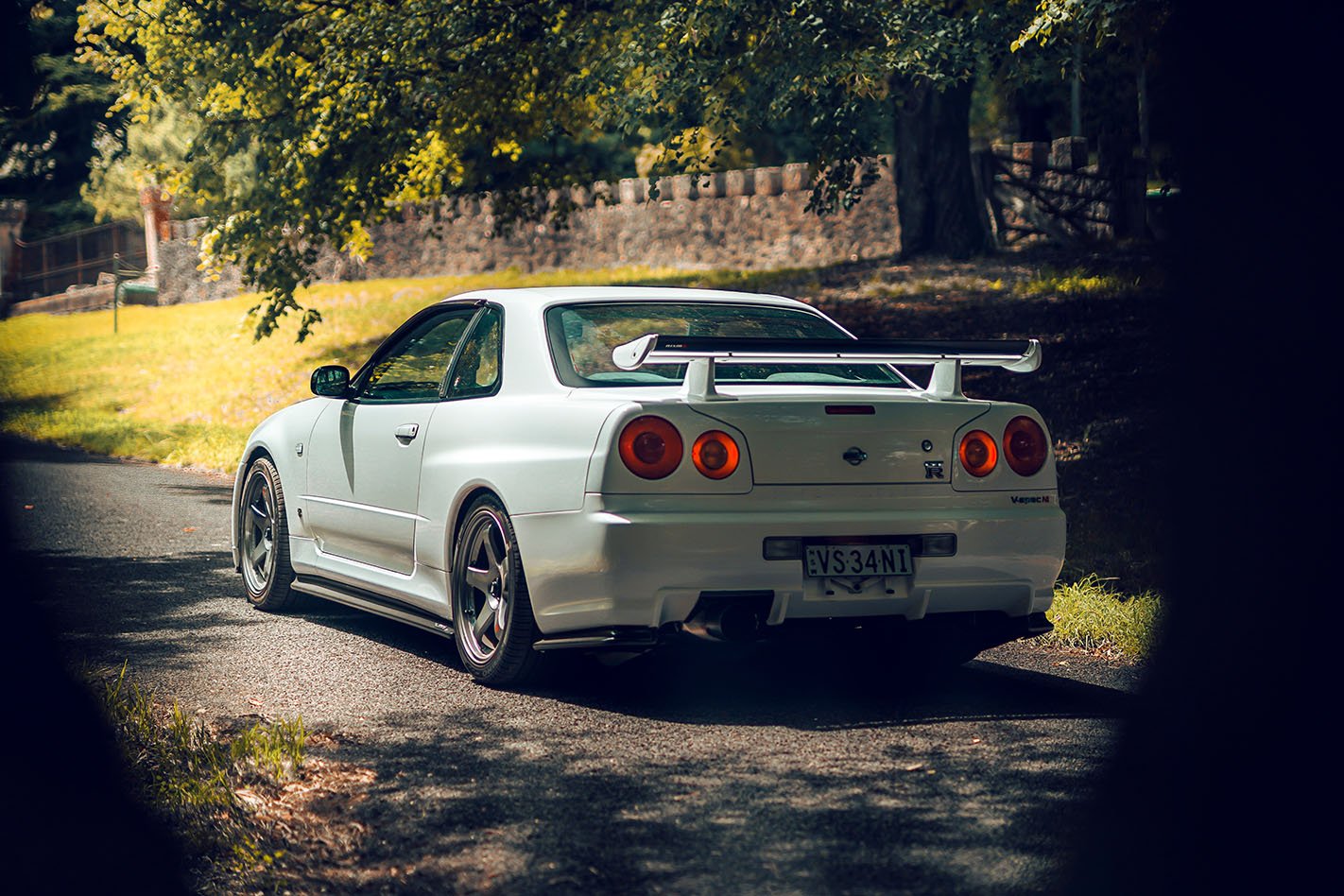
What Tamura knew and we didn’t was that the R34 GT-R had already clocked a time around the Nordschleife significantly quicker than the legendary 7m59s mark of its predecessor. Nissan claimed 30 seconds quicker, but independent testers were seeing times in the region of 7m52s. The company had a bit of form here. Dirk Schoysman, the man behind the wheel for the R33 lap, always used to just chuckle knowingly when asked exactly how standard that car was. In case you were wondering, it had a custom tune for the four-wheel steering and the ATTESA ETS-Pro 4WD system, so the handling balance was more neutral with better traction. The engine also enjoyed more boost.
Nevertheless, the R34 proved quicker despite being 10-20kg heavier model for model and – on paper at least – developing no more power. Put that speed down to a broader and deeper well of torque, better brakes, a freer-breathing exhaust, 100 percent better torsional rigidity, and aluminium front lower suspension arms that cut 2.6kg of unsprung weight a corner. Lateral stiffness was improved by 30 percent, and camber stiffness went up by 25 percent over the R33.
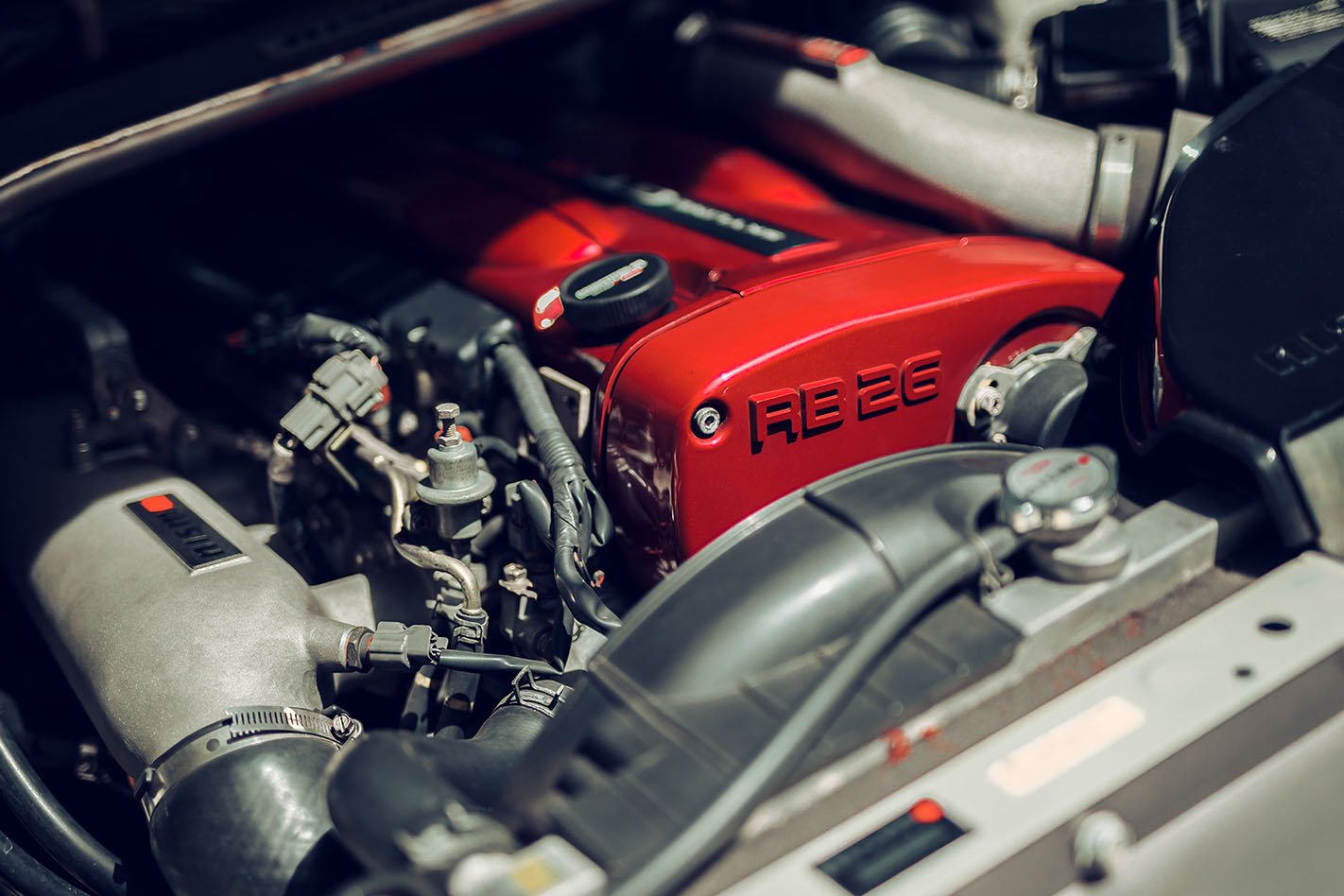
The RB26DETT lump got new cams, optimised valve timing and ceramic turbochargers. Aero was improved, with the R33’s notorious front lift at speed cancelled out thanks to a front undertray, while a revised air dam and skirt ahead of the front arches created a low pressure zone to suck air from the brakes and engine bay, generating up to 50°C peak delta in brake temperatures compared to the R33.
The big-ticket item that chief engineer Kazutoshi Mizuno wanted was struck out on budget grounds. Nissan – and Japan in general – was in the throes of a financial meltdown, having weathered seven years of what economists now call the Lost Decade, with the 1991 collapse of the Nikkei 225 and subsequent interest rate stagnation causing the company to refocus. Carlos Ghosn was brought in to slash costs in 1999, with only three of Nissan’s 46 models in its domestic market returning a profit. The R34 GT-R was not one of them.
Mizuno had, for some time, claimed that the RB26DETT engine was past its sell-by date and campaigned for an all-new, lighter and more efficient aluminium-block V6 for the R34 GT-R. Development of Nissan’s VQ series of V6 powerplants was already well under way, but developing a high-performance version of this engine for the R34 was deemed an unacceptable budget blowout. Engineer Mizuno eventually got his way, but he’d have to wait until 2007 with the introduction of the VR38DETT unit, itself a development of the VQ family, in the R35 GT-R.
Some recompense came in the way of a superior gearbox to the old R33. The six-speed Getrag V160 was a far tougher ‘box than the R33’s five-speed, and its closer ratios allowed the R34 driver to more easily keep the car in the sweet spot for torque; although Nissan claims peak torque arrives at 4400rpm, and ratios one to five were edged closer together with sixth made taller as an overdrive gear.
Wheels’ first drive in the R34 GT-R came courtesy of our man in Japan, Peter Nunn, back in April 1999. “For the most part, though, Godzilla acts like a good rear-driver,” said Nunn, a man with considerable experience of prior GT-R iterations. “Nissan has set the redline at 8000rpm again, but there is now a warning when you have 500rpm to go. In truth, you need to be pretty determined to seek out that final 1000rpm, because the engine is definitely happiest and does its best work between three and six grand.”

That car was the original V-Spec, and it would be another three years before we got another crack in an R34 GT-R when Nathan Ponchard lined up a V-Spec II N1 versus HSV’s GTS Coupe. The raciest factory Skyline ever built managed a 12.7 second 400m time, a figure that would nevertheless be half a second adrift of a current Mercedes-AMG A45.
The comparison, such as it was, proved a non-event. The GTS was battered by the Skyline both on the strip and on challenging roads, Ponch putting up with no air-con and a 39-degree day to revel in what he described as the best-handling car he’d ever driven. “The steering is telepathic – seemingly sensing your brain function before you’ve even decided to commit yourself to a corner. Turn-in is savage – courtesy of a scant 2.4 turns lock-to-lock – and feedback is so good the Skyline feels like a phantom limb with a sixth sense. Interaction and involvement are peerless. Balance and grip are superhuman,” he enthused.
On the dyno, we realised that the ‘gentleman’s agreement’ power figure of 206kW at 6800rpm was utter tosh. The N1 was generating 214kW at 7000rpm at the wheels in ambient temperatures of 35 degrees. Ponch reckoned the figure at the crank would have been closer to 300kW. This makes sense. The Porsche 996 Turbo weighed the same, delivered similar performance, and outputted 309kW. You be the judge.
While the R32 GT-R had the competition pedigree and the R33 scooped much of the Nordschleife kudos, the market has spoken and values of the R34 GT-R have scarcely been dented by the recent softening of classic performance car residuals. This is slightly strange, as so many products defined by their technology can rapidly date. The R34 GT-R’s torque-shuffling electronics now feel rather quaint and last-century, but the fact that this car marks an end-stop in a Skyline GT-R history that reached back to 1969 in many ways defines it and makes it an easily understandable proposition. Australia never received the R34 GT-R as an official import but grey/private channels existed where, if you were prepared to pay, you could source one. The V-Spec II N1 that Ponchard tested was listed at $150,000. It would be worth at least double that right now. A delivery mileage V-Spec II Nür saw the hammer fall at A$491,000 at auction in Japan at the start of 2018.
Looking after a GT-R isn’t a nightmare, as long as it’s an honest car. Try to avoid heavily modified examples, and check for rust (especially around suspension turrets and jacking points), as rustproofing from the factory was almost non-existent. Bayside Blue cars were finished with a tinted lacquer from the factory which is very hard to colour match. Fire up the engine and listen. Once the oil has warmed through, the engine should rev smoothly and then settle back to idle with a faint ticking noise from the injectors. The N1 seen here featured a different block design that resists the hairline cracking that can affect the RB26.
Does the R34 GT-R deserve its hallowed reputation? Sometimes its myths are hard to separate from reality. But perhaps that’s an integral part of its appeal. Hiroshi Tamura knew. Drive across Europe in the middle of the night to see a new Nissan? Sounds like time well spent to me.
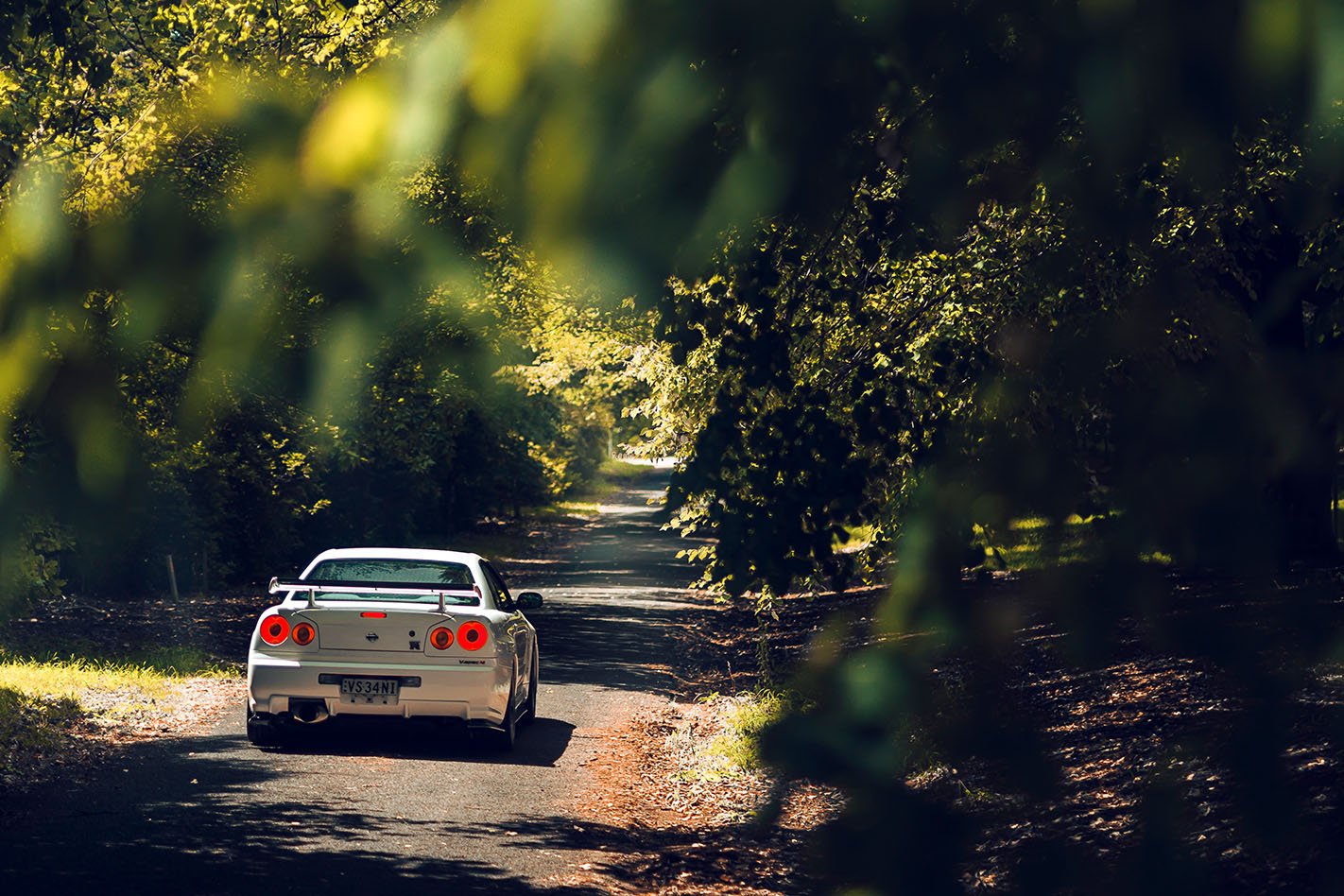
THE GOOD AND BAD OF A NISSAN SKYLINE R34 GT-R V-SPEC N1
Good: Distinctive styling; last-of-the-line credibility; interesting dynamics; appreciating in value; mechanically robust; broad choice of models
Bad: Can be hard to find ‘honest’ cars; never officially imported to Australia; can be outgunned by modern hot hatches; insurance rates can be scary
NISMO Z-TUNE: THE ULTIMATE R34?
Never ‘officially’ built by Nissan, the Z-Tune came about when Nismo was allowed to source 20 V-Spec cars with less than 18,000km on the clock. Their engines were bored to 2.8 litres and made 373kW/540Nm. The front panels – including a GT500-spec bonnet – were carbonfibre, as were the driveshaft and parts of the floorpan. Values today? Try A$800,000.
WHAT IS IT LIKE TO OWN? – TERRY TUNG-YEP, NSW
“I’ve owned R34 GT-Rs since 2007. I was an executive of Skylines Australia, NSW, modifying and racing at Wakefield Park. In 2011 I replaced my V-Spec II with this V-Spec N1. I asked how long I had to make a decision on buying the N1. The vendor said 36 hours. I was back in 12 with the money. It weighs less than an Evo IX and has been trouble-free. The N1 has no rear wiper, thinner paint, and when I had an alarm put on it, the guy said there wasn’t even a central locking motor in the driver’s door. I’m not planning to sell it in the short term, but these cars will be legal in the US in 2024, so maybe I’ll hold on for a huge offer!”
NISSAN SKYLINE R34 GT-R V-SPEC N1 SPECS
- Engine: 2568cc 6cyl, dohc, 24v, twin-turbo
- Max power: 206kW @ 6800rpm
- Max torque: 392Nm @ 4400rpm
- Transmission: 6-speed manual
- Weight: 1528kg
- 0-100km/h: 4.4sec
- Economy: 15.8L/100km
- Price: $275,000 (estimated)
Over several decades, the use of turbocharging has transformed massively, from being a feature on a few rare oddities, to boosting high-performance hair-raising monsters, to well, being fitted to nearly every car on sale today.
But what is the greatest turbo car of all time?
It’s a question we have gone some way to answering in our latest magazine, which goes on sale today!
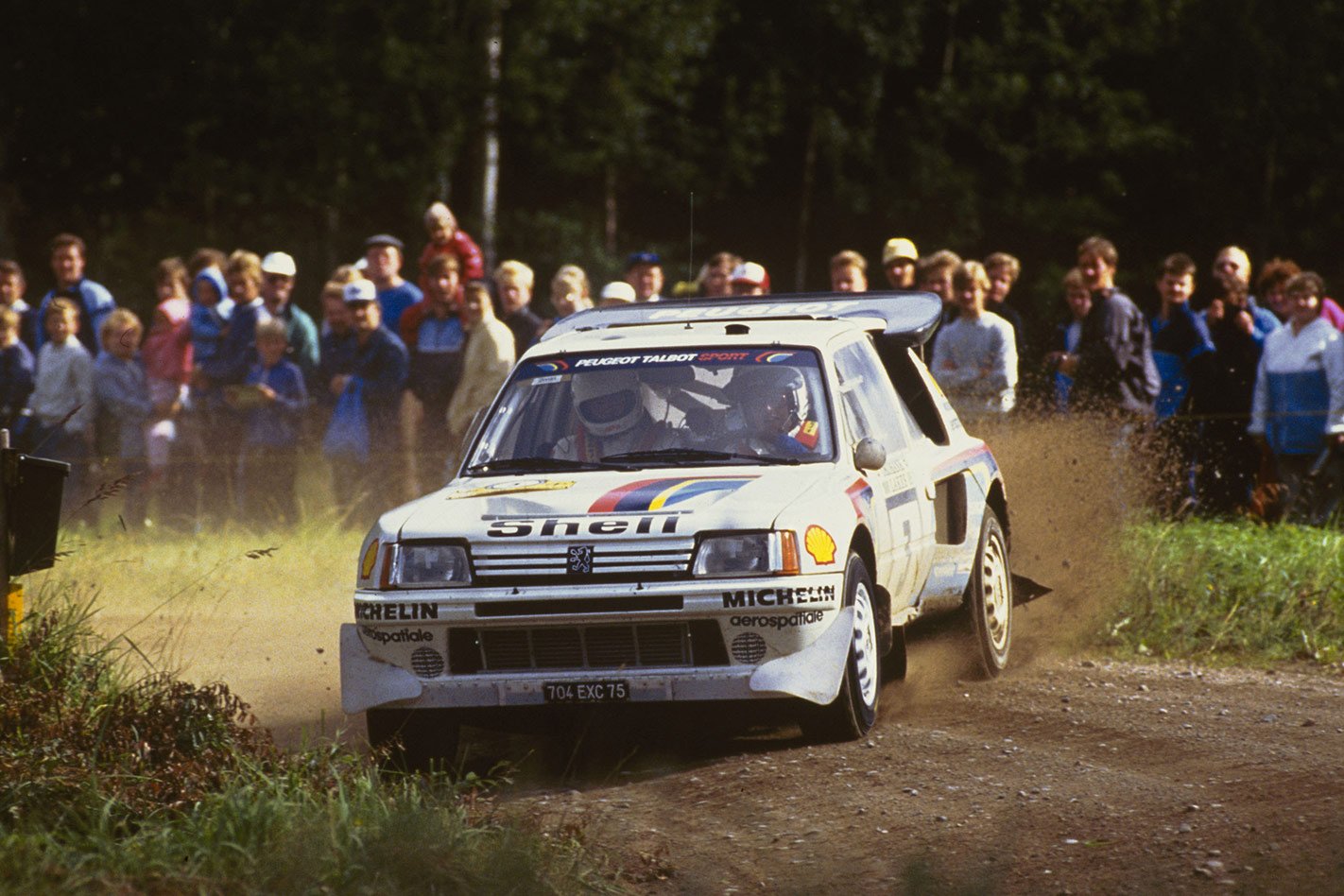
We picked five of our favourite boosted road cars, and delve into what made them so special, while also turning an eye to the track terrorising monsters of boost that dominated global motorsport.
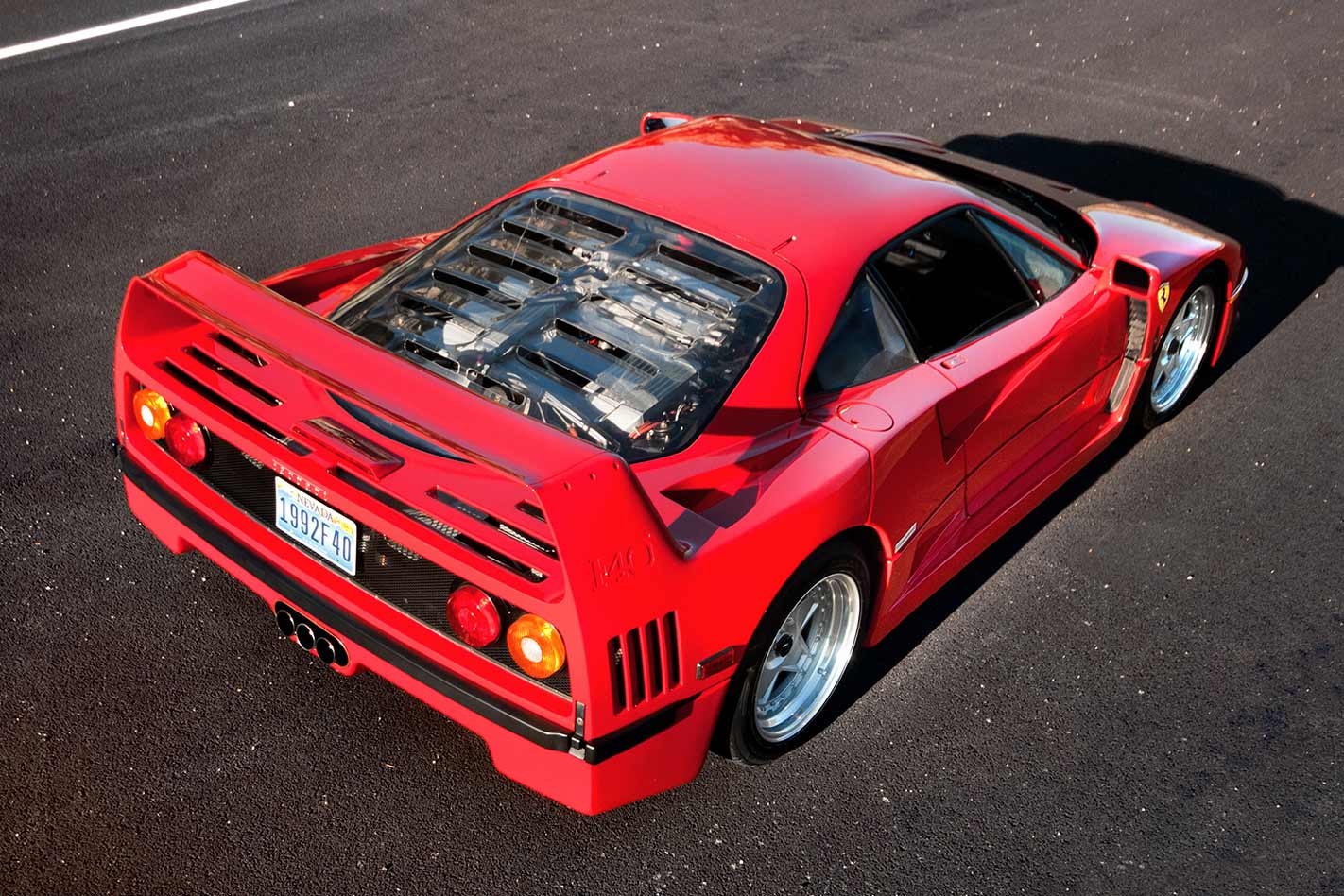
Our bible of boost is filled with everything you could ever want to know about turbocharging.
From its very beginnings, to new-age electric revolutions, we dive into the history of the turbocharger, as well as explaining the science of boost – and how it helps make such brilliant engines!
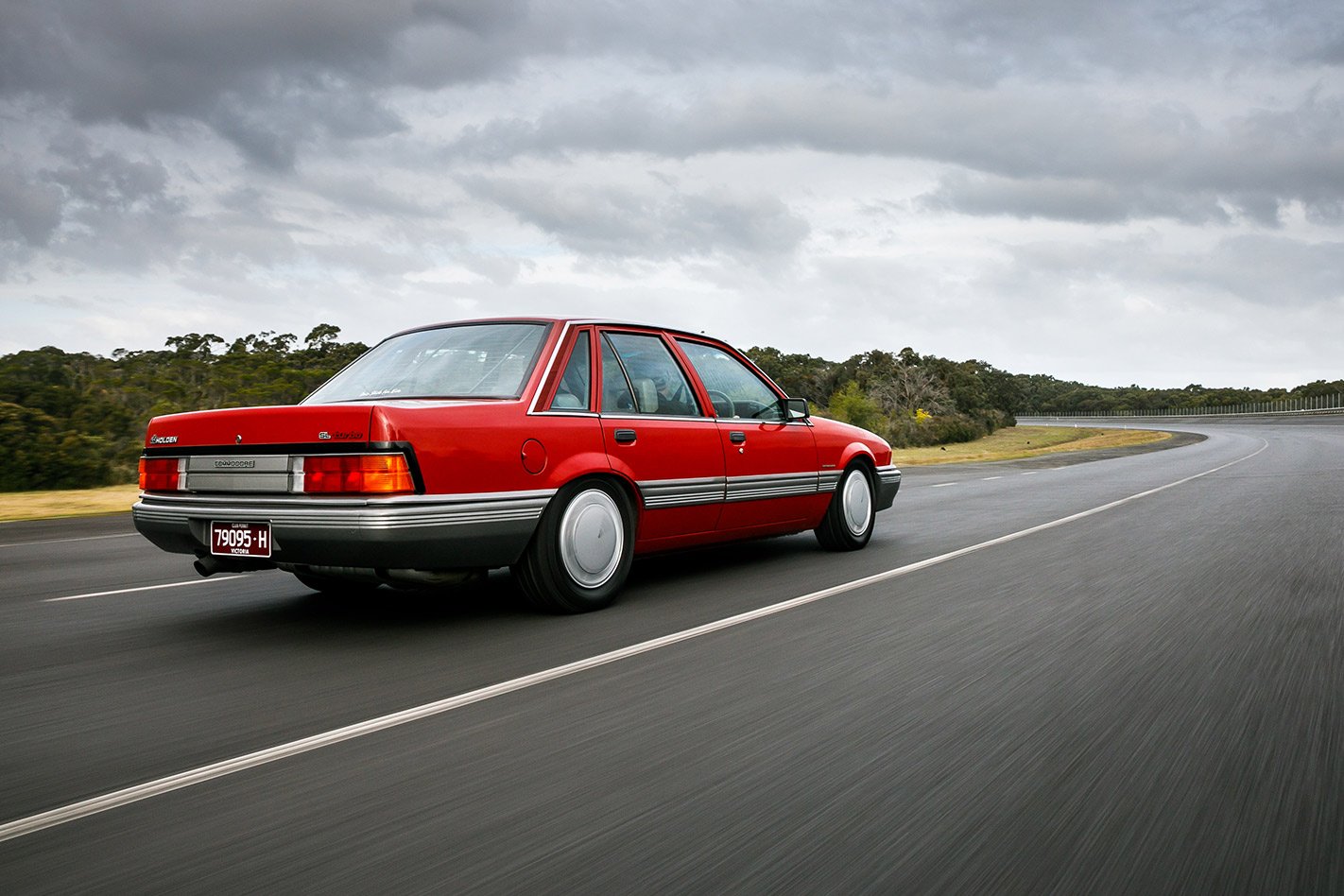
Got your eye on a VL Turbo or BA XR6 Turbo? We’ve got a boosted tribute to the turbo Aussie icons as well.
Showing how modern turbos are deployed with devastating abilities, we get behind the wheel of the brand-new Porsche 992 911 Turbo, and have our definition of fast changed forever.
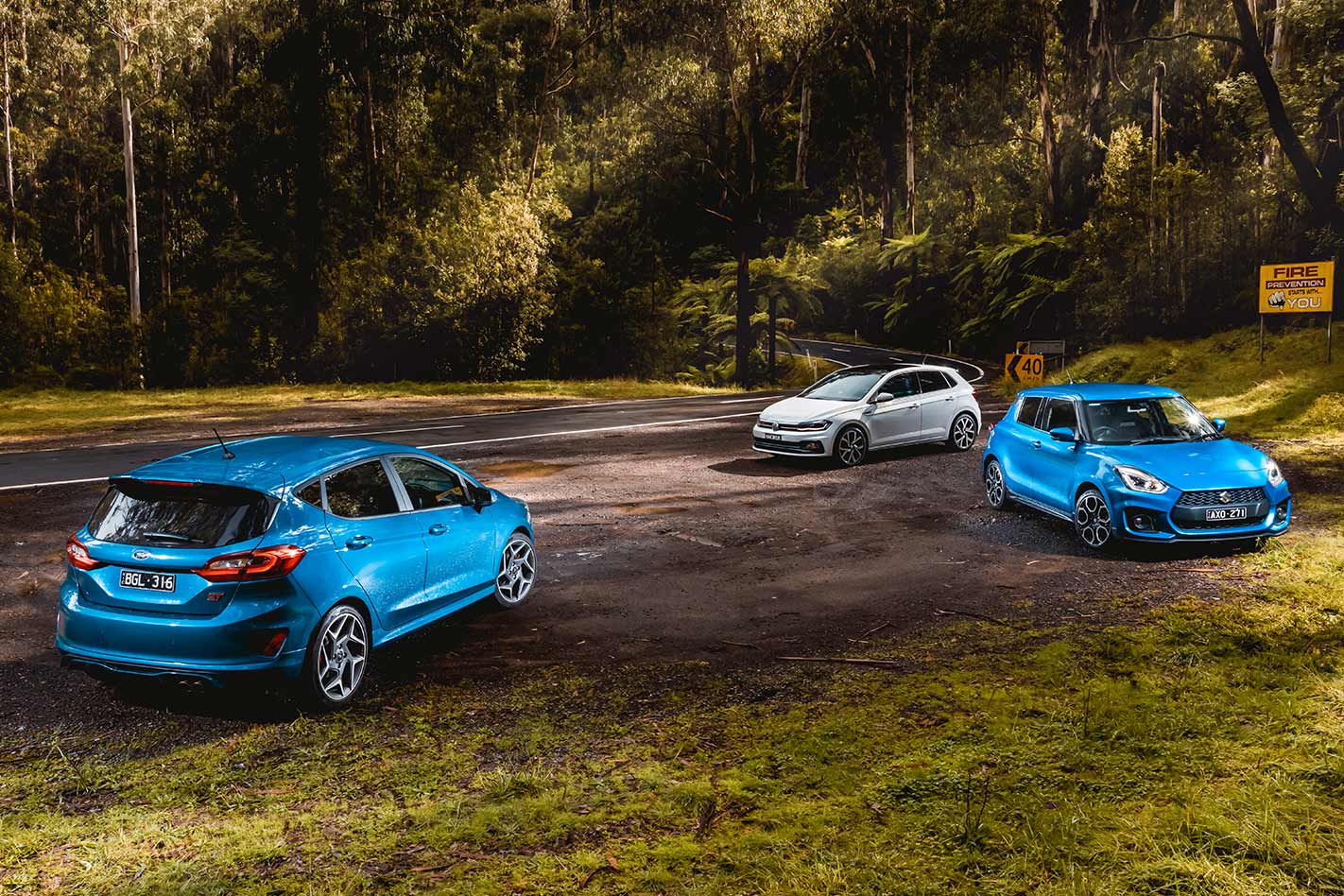
It’s not just turbo’s galore, with our regular helping of first drives, and news helping keep you informed on the what is going on around the automotive world – like how no one seems to be able to make a profit building an electric vehicle.
BMW’s retro roadster, the Z8, comes under the microscope as this month’s Modern Classic, and our subject for Driven to Extinction is Ford’s humble sedan, as we investigate who killed the Mondeo Man.
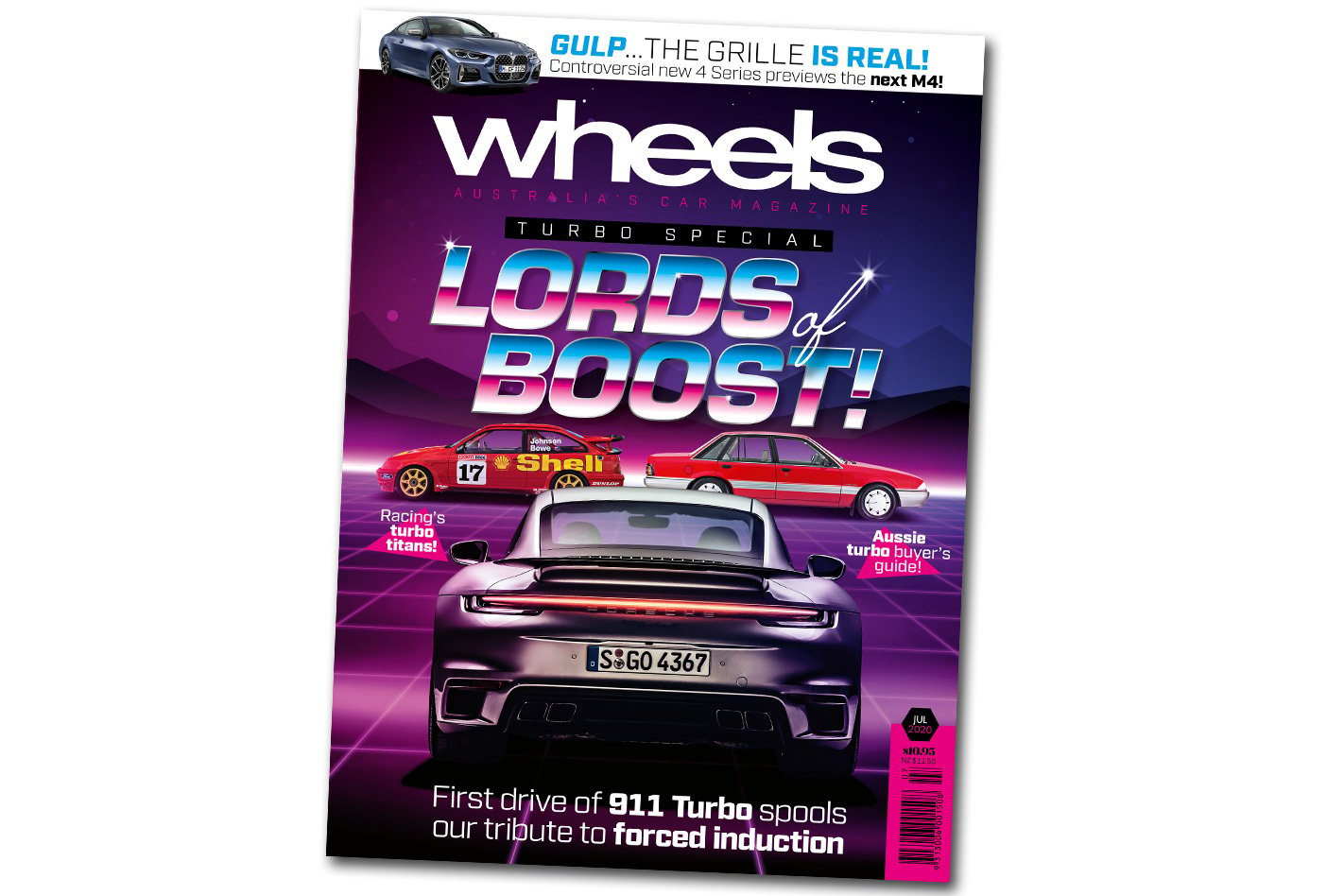
That’s just the start! Make sure to pick up a copy now to get your automotive fix.
- Introduction
- Update 1: Fear Factor
- Update 2: New Rivalry
- Update 3: Power Hungry
- Update 4: Brothers in Arms
- Update 5: Farewell
Introduction
When the GTS-R W1 sold out and signalled the Commodore’s time at HSV was up, it revealed something remarkable about Aussie buying habits. Specifically, we’d hand over significant sums of cash ($169K) when an HSV is cranking out 474kW and 815Nm.
Of course, earth-turning power wasn’t everything to it – those last-of-the-line serial numbers were pretty important too. But a GM-bred LS9 engine bolted into a rear-driver guaranteed a lot of appeal.
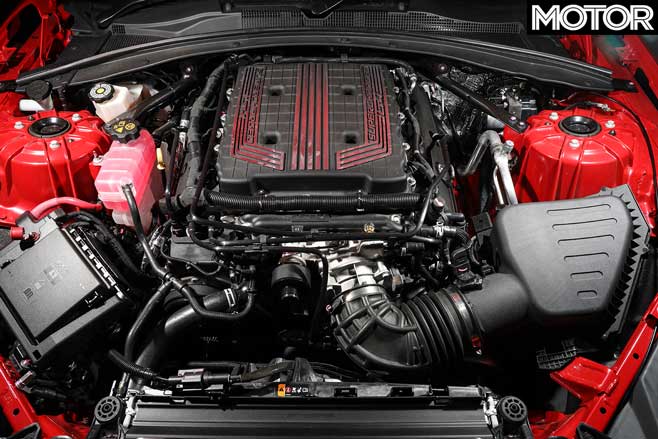
So it seemed good sense that when HSV secured the rights to re-engineer Chevrolet Camaros from left- to right-hand drive, it tried its best to nab something with close to the same grunt. Something like our newest long-termer, the Camaro ZL1.
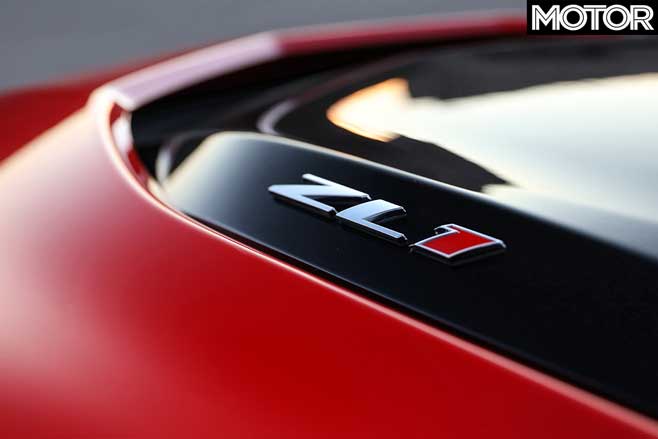
What’s a ZL1? Simply put, it’s the most powerful and fastest Camaro sold in the United States. It relies on an LT4 V8 for firepower, a 6.2-litre small-block that spins a 1.7-litre supercharger to produce 477kW and 881Nm.
Matched to GM’s 10-speed automatic transmission that, ironically, was co-developed with Ford, grunt is channelled to the rear wheels. There’s an electronic differential up back as well, along with fat 305mm tyres.
Chevrolet claims accelerating from zero to 97km/h takes just 3.4sec and the quarter-mile is dusted in 11.4sec. We haven’t come anywhere near that in our first few weeks together, but we look forward to trying.
You may have noticed we’ve driven this car previously. In fact, its 13,600km odo suggests that plenty of people have. Check out MOTOR August 2019, when it met the Mercedes-AMG C63 S Coupe and Ford Mustang Shelby Super Snake widebody. Sister magazine Street Machine even took it to the most recent Drag Challenge. Luckily, they didn’t chew through the set of Mickey Thompson drag radials they took along, so we’ll fit them to the ZL1 when we go to the strip.
But this is more than just some one-dimensional muscle cruiser hell-bent on quarter-mile times, as a ZL1 with an optional 1LE pack (only available in America) tore around the Nürburgring Nordschleife in 7min 16sec back in 2017. That’s faster than the Porsche 997.2 911 GT2 RS.
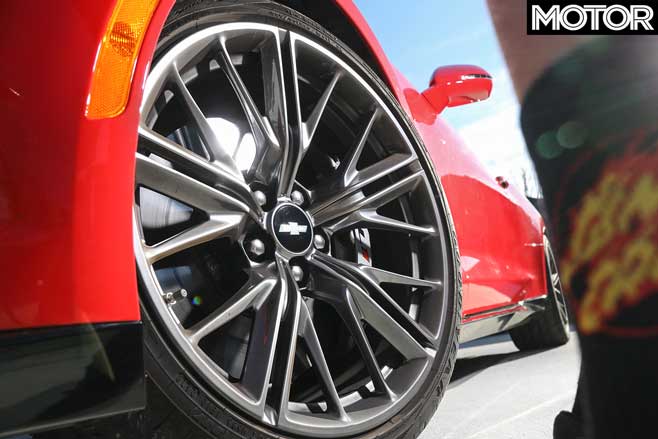
It has adaptive dampers, something unavailable and much needed on the $86,990 Camaro 2SS, while up front are massive six-piston Brembo brakes. Adjustable electric Recaro seats also feature. We don’t get the fearsome 1LE pack in Australia, but HSV does offer Goodyear Supercar Eagle 3 tyres as an option for $1000. They’re the tyres it’s meant to use but according to HSV they didn’t pass the ADR split-surface test, so it comes with Continental ContiSportContact Sport 5s instead.
You can bet I’ll see if the Continentals can handle its prodigious grunt. Maybe even sneak in a track session to try them back-to-back with the Goodyears. But our short time together so far suggests they’ll struggle. Do as much as breathe on the throttle and you’ll trigger the ESC.
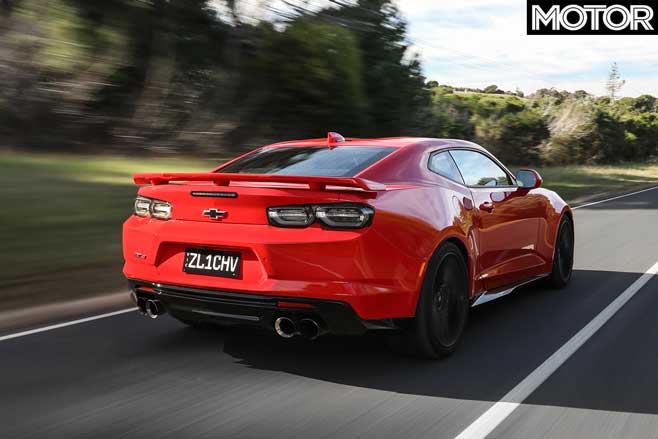
Other impressions so far? It’s a fairly stressful thing to potter around town. The car is 4831mm long, so half a ruler short of five metres, while WW2 machine-gun bunkers would boast better visibility. You sit low in what is an already low-riding car with a high beltline. I quickly gave up on darting traffic manoeuvres.
The doors are long, so it’s fairly difficult to get out of, and it could use some front parking sensors.
Then there’s its thirst. Its first fill came in at 17.1 litres per 100km and it hadn’t even come close to a track.
Or full throttle.
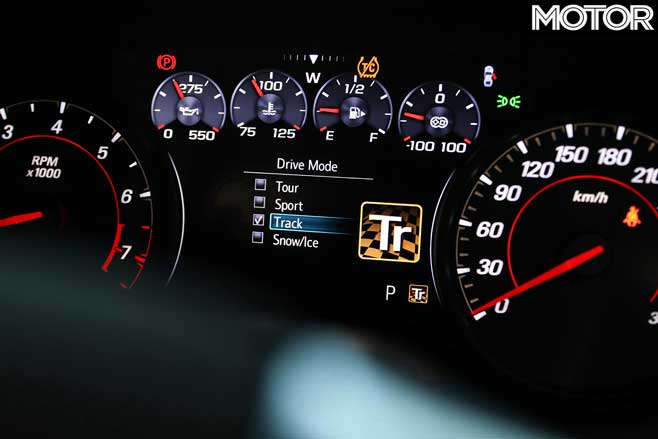
Yet you don’t need anywhere near that to sense the monster lurking just beneath the surface. That LT4’s strong bottom-end means it lazily closes gaps in traffic, and the supercharger whine chimes in to remind you of how many horses it can unleash on demand.
But it’s a smooth cruiser. And I’m impressed with how solid the interior looks and feels after all the hard, press-driven kilometres it’s endured. There’s not a squeak or rattle from the dash.
Ultimately, we’re hoping to discover whether this $163,100 muscle coupe is everything that price implies it’s cracked up to be.
No matter what the result, though, at the end of six months we know that this journey is at least going to be entertaining.
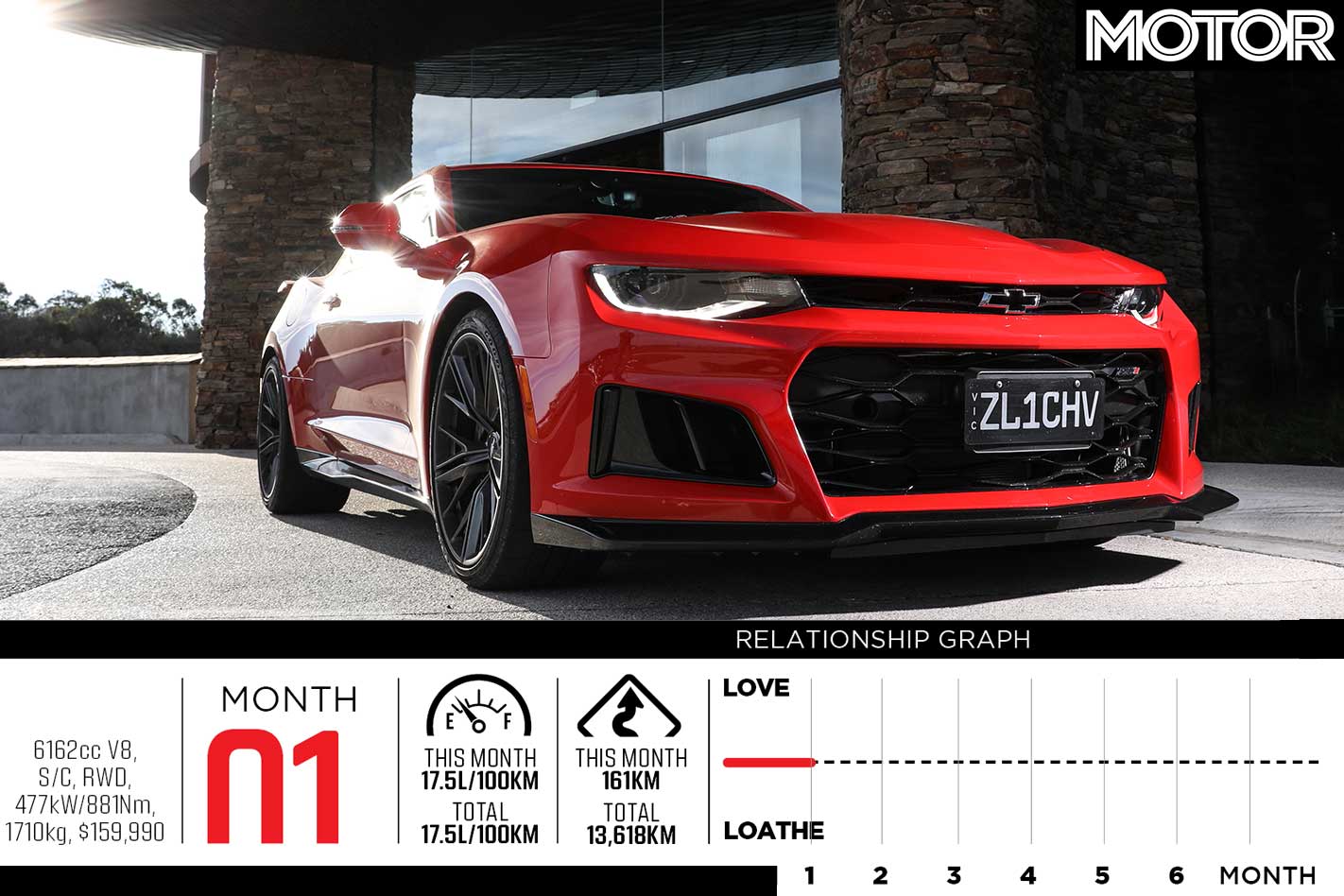
2019 Chevrolet Camaro ZL1 Pros & Cons
Things we love 1 – Seats 2 – Looks 3 – Blower whine
Things we loathe 1 – Visibility 2 – Thirst 3 – Size
*This article originally stated the LT4 V8 in the ZL1 used a 1.4-litre supercharger. That was incorrect, it uses a 1.7-litre unit.
Update 1: Fear Factor
Trying to turn 477kW and 881Nm into 10sec runs on a dusty strip
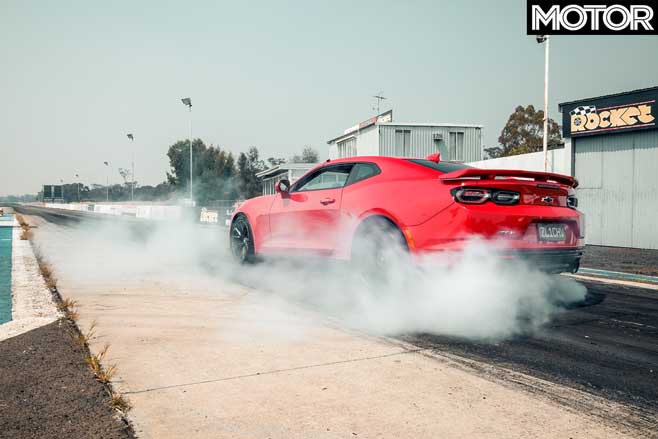
When word got out I had booked Heathcote Raceway for my next Camaro ZL1 update, Associate Editor Newman didn’t mince words: “Get into the 10s… or don’t come back at all.”
He was joking of course. But I understood. He’d achieved some respectable times at PCOTY, like a 3.9sec run to 100km/h from rest and a 11.7sec 400m pass, but they were still about half a second adrift from Chevrolet’s own figures. Now it was up to me to show everyone what the Chevrolet Camaro ZL1 can really do.
While the Yanks tend to apply one-foot roll-out for the lowest possible time, that would still leave a tenth or two on the table. Fortunately for us, sister mag Street Machine didn’t quite finish off a set of Mickey Thompson street drag radials at Drag Challenge, making them fair game. Newman’s challenge was on.
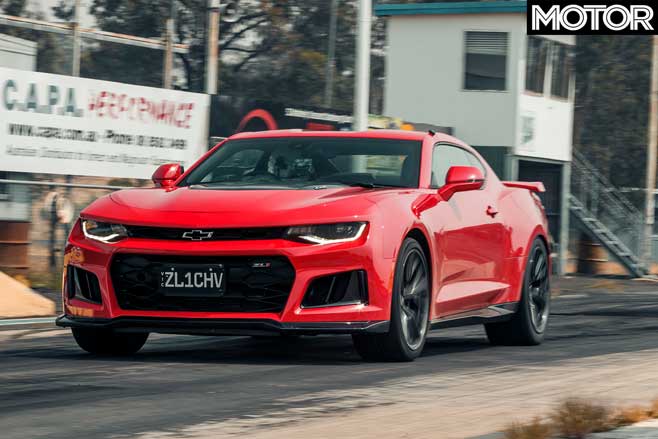
Why shoot for 10s though? While some supercars are good for 9sec runs these days, it’s still the benchmark achievement for a street car. And the Street Machine crew extracted an 11.2sec quarter-mile from the ZL1 at Calder Park Raceway (with roll-out applied) at 204km/h, so it felt like our duty to finish the job.
Then there’s the hardware bolted to the ZL1, implying such things are possible. Like the blown 6.2-litre V8, which will light up with 477kW at 6400rpm and 881Nm at 3600rpm. It’s hooked up to a special 10-speed auto and an electronically controlled rear locking diff. And a suite of electronic aids boast a tyre-frying line-lock feature, customisable launch control and a specialised ESC mode to help the ZL1 handle its massive grunt.
How I saw it panning out in my mind was rocking up to Heathcote, fitting the Mickey Thompsons, ripping a burnout, logging a 10.9sec run and then calling it a day. That goes to show how naive I was, because it panned out completely differently.
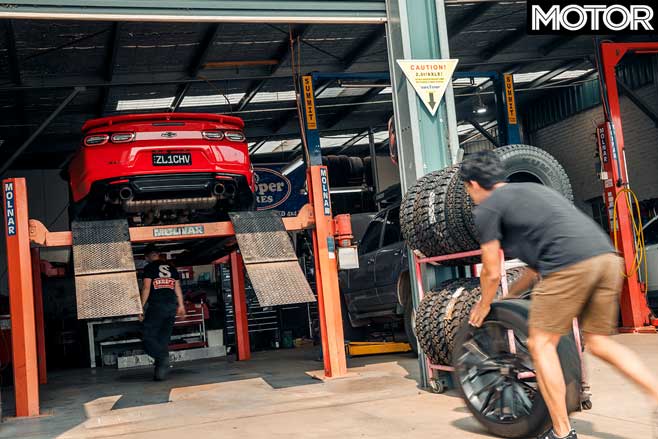
Let’s start with the tyres. Since the ZL1’s equipped with a can of tyre goo, HSV says there’s no need for regular jacking points. So to avoid any dramas I relied on Heathcote’s local tyre shop to help swap the rear wheels.
This pushed our start time from mid-morning into the middle of a Victorian summer day when the mercury crept into the mid-30s.
Once we arrived, though, it was clear temperatures were not going to be the biggest issue. Dry winds had coated the place in fine brown dust. Like the cocoa on a mousse cake.
I still had hope. The ZL1’s state-of-the-art launch control and line-lock feature would at least get the tyres sticky since it locks the front brakes, opens the rears, then lets you go nuts on the throttle for 15 seconds.
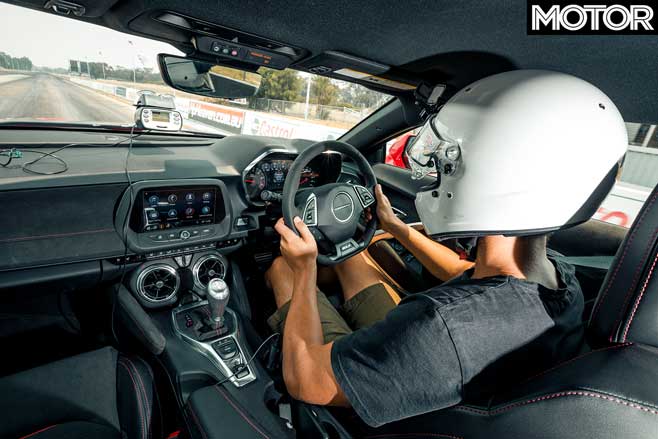
I switched off traction control, quickly tapped the ESC button twice to activate Stabilitrak mode (equivalent to HSV’s Competition Mode) and then rummaged through the Options menu on the cluster to engage Line Lock. Did it work? Well, let’s just say you probably could have seen the smoke from space.
You also have the option to walk the car forward and lay hot rubber strips to trace on your next run by pressing the buttons on each steering wheel keypad. But it wouldn’t have mattered, because the dust made the strip diabolically slippery.
The constant rev flares accompanying our maiden 4.6sec 0-100km/h run warned us something wasn’t right. Even playing around with the ZL1’s customisable launch control, where you can pre-set the launch rpm and slip target, couldn’t prevent the rpms from sporadically jumping at the redline over the first 100 metres. There was no grip. I’ll admit it was scary.
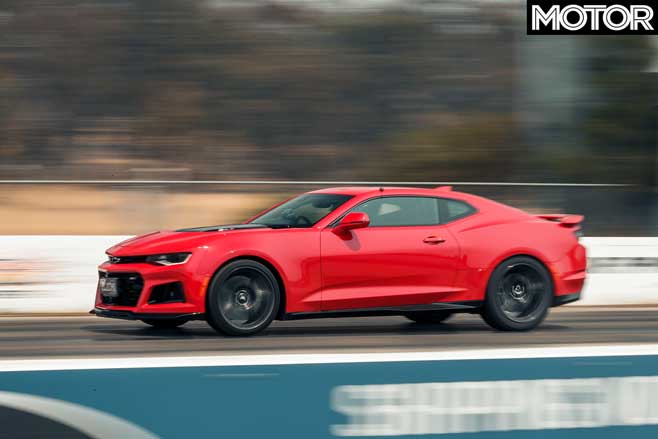
Meanwhile, trap speeds that varied between 191-197km/h with no link to quarter-mile times – for instance, a 12.2sec pass came with 191.4km/h, whereas a 12.6sec carried 195.6km/h – proved the ZL1’s normally relaxed ESC mode was working overtime over the whole distance. Forget about trying a run with it completely disabled.
In hindsight, the day was always going to be difficult. I later learned Mickey Thompson recommends keeping the tyres relatively cool on hot surfaces. So, you know, not literally smoking hot as we thought. It also says inconsistent times mean the tyres are on their way out, which might partly explain our results.
Next time, we’ll bring a tyre temp gauge, start at sparrow’s fart and, most importantly, wait for a clean, dry strip. But that’s racing. You learn from your mistakes. Maybe we’ll get another chance when we test a manual ZL1 in an upcoming update. Let’s just hope by then Newman has allowed me back in the office.
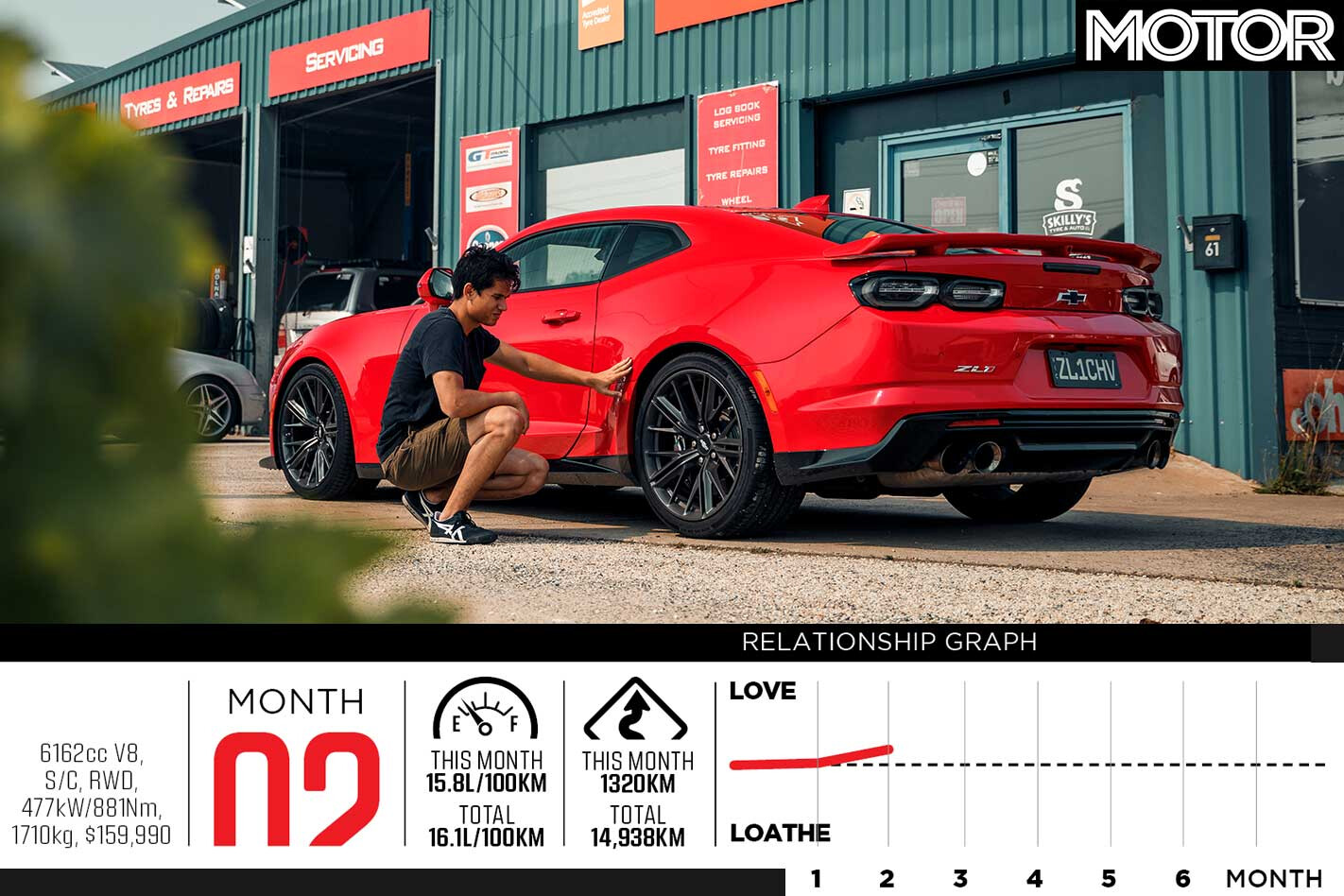
2019 Chevrolet Camaro ZL1 Pros & Cons
Things we’re falling for 1 – Line Lock 2 – Reliability 3 – Presence
Things we’re not fond of 1 – Two-wheel drive? 2 – Tricky jack points 3 – Not much else
Update 3: Power Hungry
How the big, bad ZL1 measures up on the dyno
It’s only been a couple months since we discovered our previous long-term Peugeot 308 GTi wasn’t the hot hatch lightweight it claimed to be.
After seeing for ourselves the Frenchie was carrying an extra 100kg around its belly than claimed, it left me somewhat cynical about manufacturer data. Especially when it’s impressive.
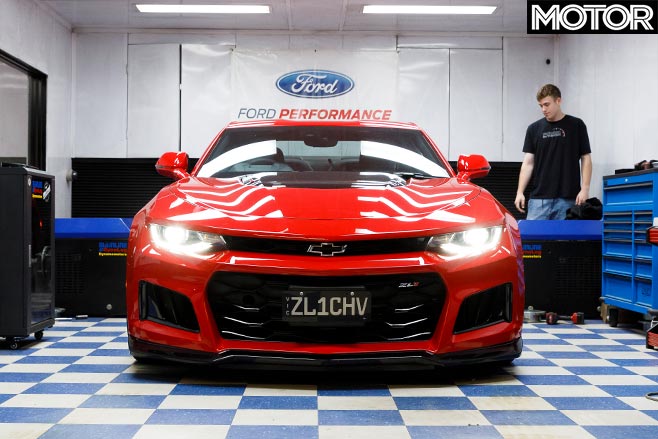
So this morning I’m parked outside Herrod Performance in Melbourne’s northern suburbs. After Peugeot-gate, I wanted the truth on the ZL1, and figured we would find it on the dyno. Besides, some have speculated that HSV outputs never feel as strong in the real world as they might suggest. And then there’s the fact Chevrolet claims the sixth-gen Camaro is significantly lighter than the fifth-gen – which its spec sheet confirms. But what’s the real story on these numbers?
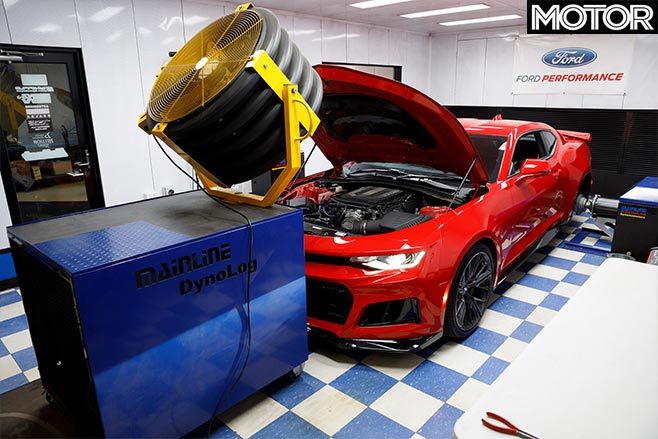
Herrod Performance’s hub dyno will start us off nicely. As described, it measures power at the rear hubs rather than the engine flywheel, so it’s inevitable the drivetrain will absorb some of the grunt that would otherwise count towards its outputs.
That said, the widely accepted drivetrain loss for a factory rear-drive car on a rolling dyno is around 20 per cent. And, given the hub dyno eliminates the inconsistencies a tyre introduces, the ZL1’s outputs should be closer to its claimed figures.
Speaking of which, local testing puts the ZL1’s LT4 blown V8 at 477kW and 881Nm. That’s 8kW less than the US-model ZL1, but that could be due to HSV’s European-based test (ECE-85,
if you’re curious) differing from Chevrolet’s SAE J1349 rules – which, from what we researched, mainly comes down to available fuels and fitted engine accessories.
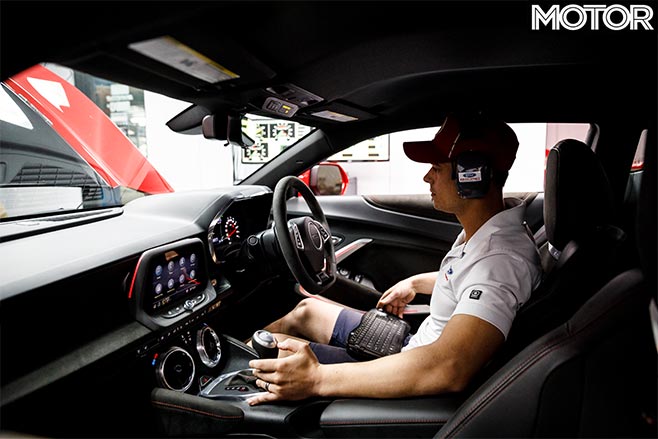
After removing the wheels, attaching hub packs and switching on fans, dyno operator Chris Herrod jumps in the ZL1 and runs the 10-speed auto through its gears to bring the engine to ‘boil’. He then shifts into seventh, which has a 1:1 gear ratio, and lets her rip.
The roar shared between the engine, dyno and cooling fans builds as Chris revs out the ZL1. He then goes again for good measure. Once it’s done and the place falls quiet, a mechanic from the workshop pops his head in. They’ve placed bets on the result.
“Four-eighteen on the first run,” I announce. They were all wrong, landing either side of that number.
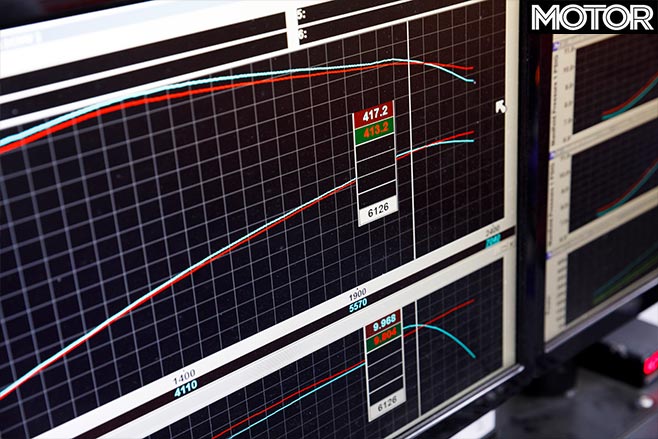
Chris wants another run once the ZL1 has had time to cool, just to be sure. But, while it’s more consistent on this next run, the ZL1 is no more powerful. It logs 417kW/777Nm and then 415kW/760Nm, which even Chris admits is good. I figure that’s about right, since 417kW (at 5905rpm) and 777Nm (at 3726rpm) is only 60kW and 105Nm shy of its 477kW and 881Nm claim, equalling about 12.6 and 11.8 per cent less respectively.
This means that, after the engine squeezes its power through the 10-speed ’box, down a prop shaft, into a rear electronically controlled LSD and outwards via half shafts, almost 90 per cent of its grunt still finds its way to the rear wheels on a warm day.
That’s impressive, but it won’t feel like it if the ZL1 is actually lugging around more flab than we thought. HSV quotes an official unladen mass of 1807kg for an automatic ZL1. And the BP service centre in Scoresby, just off the Eastlink freeway in eastern Melbourne, has scales to verify that.
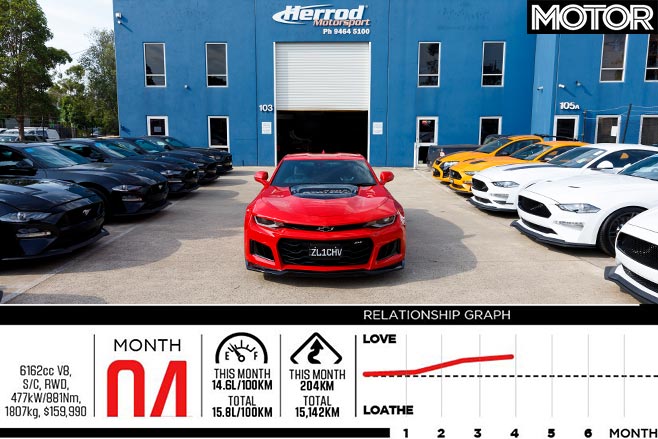
After leaving Herrod Performance I head there, brim the ZL1’s 72-litre tank and enter the weighbridge. The printout says 1.88 tonnes, suggesting the exact number lies somewhere between 1875 and 1884kg as I stand on the scales. Subtracting my weight (82kg) means the ZL1, while ‘wet’, actually weighs between 1793kg and 1802kg – or 5kg better than claimed.
This vindicates the work GM put into shedding weight from the new Camaro’s chassis, especially given the previous generation ZL1 weighed in at 1882kg. And I guess that might be why I smashed its claimed fuel consumption this month.
It wasn’t the most scientific attempt, but it did involve driving to Victoria’s Surf Coast while restraining from wide-open throttle, a hard task in a 477kW beast that’s so inviting when it’s most savage. In the end it sipped as little as 12.2 litres per 100km, proving its 10 speeds and almost imperceptible cylinder shutdown tech actually means you can beat the claimed 15.3L/100km if you’re committed enough.
It’s ironic a CO2-spewing muscle car restored my faith in claims. But I should never have doubted it.
2019 Chevrolet Camaro ZL1 Pros & Cons
Things we’re falling for
1 – Potential frugality 2 – Truthful specs 3 – Relatively light
Things we’re not fond of
1 – Tyre noise 2 – Cramped cabin 3 – Not much else
Update 4: Brothers in Arms
Manual ZL1 or auto? Comparing them in a pre-COVID blast
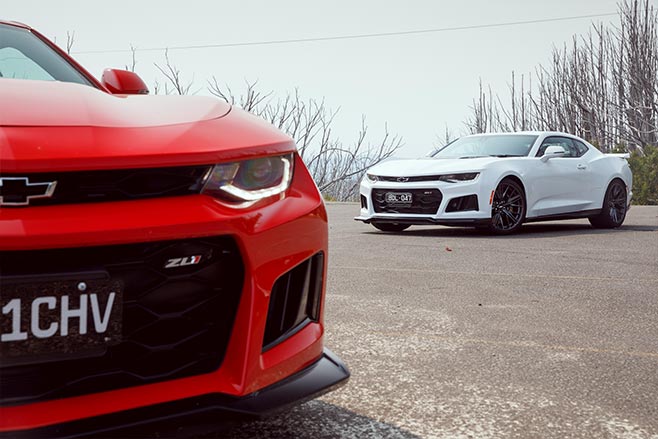
Let’s go back for a moment to when Corona was still known only as a beer. It was then that MOTOR needed to shoot a manual-equipped ZL1 for a run-of-the-mill road test.
With assigned tester Scott Newman unable to tag along, it was up to me who would bring the ‘camera car’ – my automatic ZL1 – which would enable me to refresh my memory on how it handles and sneak in a mini-comparison to answer a question in my head.
Does the ZL1’s monstrous LT4 obey Chevrolet’s 10-speed auto best? Or is it better mastered with the six-speed manual that eluded the range for a while until HSV added it to the build process? If the self-shifter’s anything like the unit in the 2SS, it’s going to be good. But it has to be.
A full (but individual) look at the manual ZL1!
GM is proud of its 10-speed automatic. It was launched with the ZL1 back in 2017, with the claim it was smoother, more efficient and faster than the eight-speed auto, and so far into this long-term journey we can attest it certainly feels that way.
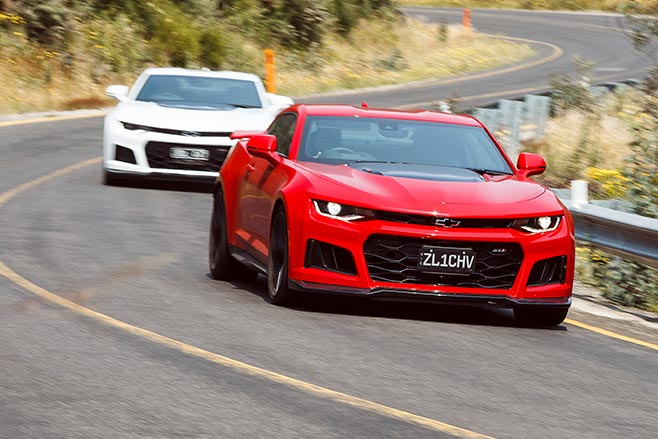
But out on Lake Mountain, our chosen photography location, we wanted to see if we could forge a closer connection to the ZL1 through a third pedal. We were lucky – the skies were clear, the weather warm and the eerie absence of any tourists welcoming; whatever traffic we did find, the sight of our 954kW/1762Nm convoy in their rear-view mirrors lit up indicator signals very quickly. Soon we breezed through the sleepy town of Marysville and got onto the Marysville-Woods Point Road, the beginning of this alpine blast.
I tackled it first in the manual. As Newman wrote last issue in the road test, it sports Tremec’s TR6060 MKJ transmission, and what struck me immediately were the loping gear ratios. Second stretches to a lofty 144km/h (!), so there was rarely a reason to shift, especially given the car’s torque-thick rev-range.
This in-gear feeling gave me some glimpse into what a single-gear Koeningsegg Regera might drive like, where you’re constantly surfing the engine’s mid-range to pull out of corners and then unfurling through the upper rpms to the rev limit on the really long stretches, but never feeling the need to grab another gear.
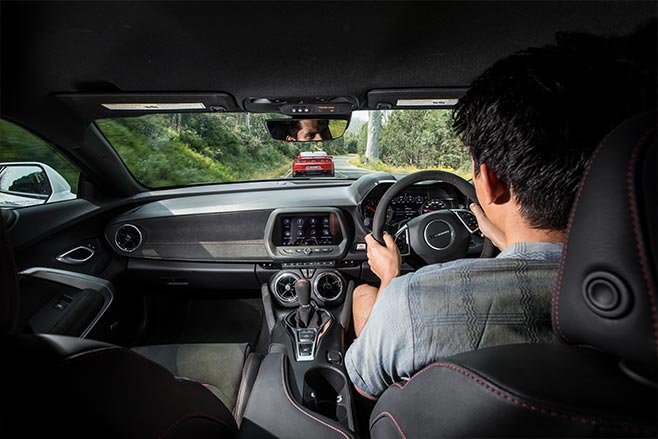
In ‘my’ auto ZL1, you’re usually a ratio higher, since second is geared to 100km/h and third 140km/h.
Given the auto’s smooth shifts, it rockets from bend to bend a fraction faster, getting up and into its higher revs more often. And the exhaust fires a pop on every shift with a visceral sound, offering a different aural experience to the manual, though they’re equally enjoyable. In the manual you’re left to revel in the LT4 V8’s hard-edged scream longer.
I also had no qualms with pedal placement, though the rev-match system, turned on and off by paddles behind the steering wheel, is there if you did. On feel, the clutch masks its strength with a light-but-firm action and forgiving bite point that’s only a problem if you’re trying to launch it.
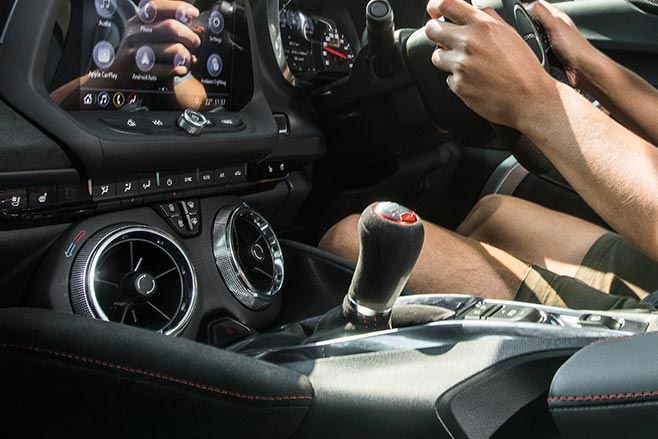
Meanwhile, the 10-speed auto is as quick and obedient. But it still lacks the crispness of a dual-clutch and tactility through its paddles. As a result, the manual’s slick and positive gate action is more involving and endearing.
The two cars handled Lake Mountain almost identically, with the manual still threatening to break into oversteer, even in third. Sometimes it seemed like I was braking too early and over-slowing the car, until a flare of revs when easing into the throttle confirmed I wasn’t. It demands respect.
Without the same innate chassis balance of something like, say, an M3, I had to settle each car’s mass early into a corner and then use weight transfer under throttle to maximise traction. It’s almost always wise to leave this monster’s ESC in Sport.
I have not fallen out of love with the auto, it was fantastic on this drive, but a part of me wishes I could swap it for the manual. I got a kick out of being able to wrangle 477kW/881Nm of muscle car through a small lever, like I was taming a lion with a stick. Its long gearing also better matches the engine’s ridiculous torque.
Yes, the manual would be more of a pain in traffic, but I’d be arranging my garage around the ZL1 as a Friday-to-Sunday car anyway – for reasons I’ll explain in my wrap-up next month.
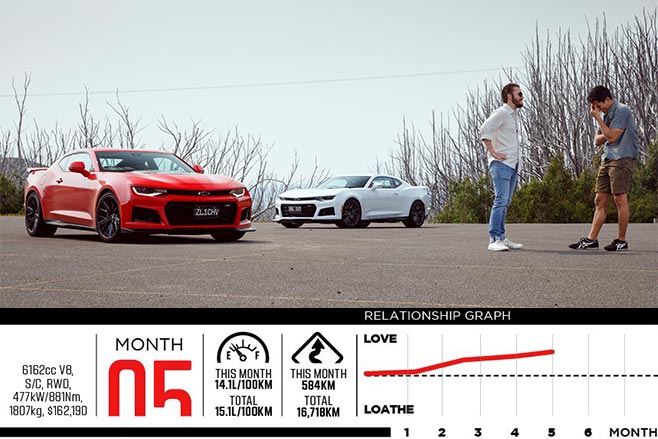
2019 Chevrolet Camaro ZL1 Pros & Cons
Things we’re falling for
1 – V8 scream 2 – Brakes 3 – Relative agility
Things we’re not fond of
1 – V8 scream 2 – Brakes 3 – Relative agility
Update 5: Farewell to the ZL1
It’s ten-four, good buddy, to our partner in crime
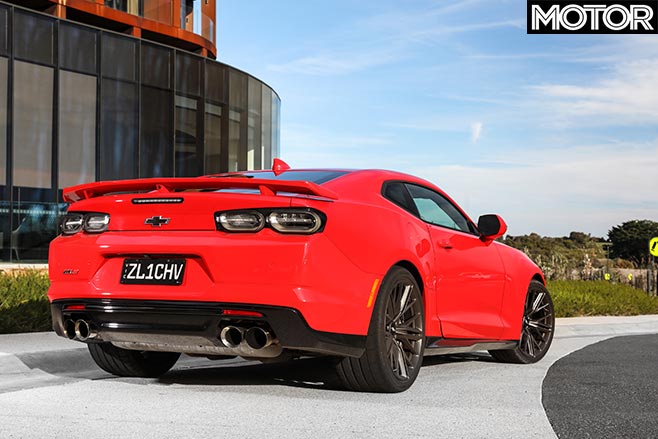
As far as long-termer goodbyes go, the Chevrolet Camaro ZL1’s farewell is more poignant than usual.
Holden announced earlier this year it was winding down for good, then a bloke in Wuhan ate a Pokemon and kneecapped the global economy, and to top it all off HSV also confirmed it would cease to exist. Local Camaro operations are kaput, leaving GM’s Aussie supply of big-power, rear-drive machinery wide open.
Luckily for us – possibly less so for HSV – supply for the ZL1 had been outstripping demand. Don’t tell anyone but you can pick up a dealer demo with around $30K lopped off the retail price, and lop off another $20K again if you’ll accept five figures on the odometer.
But whether it’s stealing a really low mileage demo for $130K or speccing your dream ZL1 with the new car smell for $162K, should you even consider Chevy’s monster 477kW supercharged boofhead at all?
Importing this thick slab of American muscle wasn’t easy for HSV, given the rebuild required to swap the steering wheel to the correct side and all the validation work that followed.
But save for a carried-over centre console (too expensive to change it they said, and so the cup holder is right where your elbow is when shifting a gear lever) the job is utterly seamless and possibly even better than the first time the interior was built. The only issue we had was some carpet that dislodged from the passenger side scuff plate.
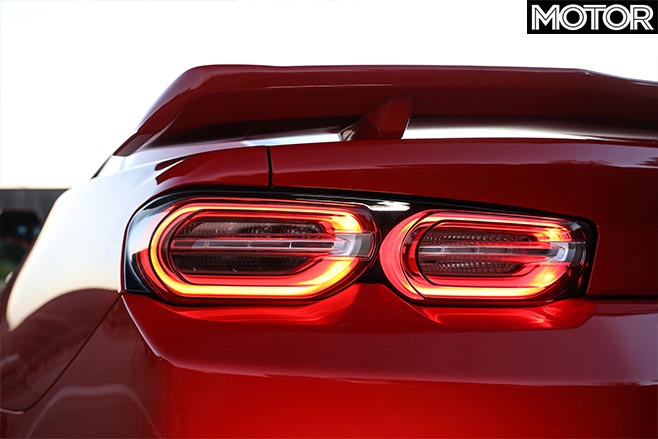
A bigger matter was just driving the thing around other cars, or town. While the FE4-spec Magneride suspension exclusive to ZL1s is a game changer for ride quality compared to the little bro SS’s passive setup, a bigger issue is, at 4.8 metres long and 1.9m wide, this low-slung coupe is not just a lane-filler but also quite tricky to see out of.
Get out on the open road and you’ll soon feel a bit more comfortable despite sitting on basically a four-wheeled tomahawk missile.
As said last month, the ZL1 compromises the daily drive to some degree to maximise its weekend-ability. Yes, there’s no doubt this car’s 6.2-litre LT4 V8 – packing enough power to corrupt a small democracy – is the star of the show, unrelenting, linear and giving a feeling of being bullet-proof.
There’s just no substitute for the ZL1’s blown V8 muscle car formula. Yes, there’s the $100K Ford Mustang R-Spec, but as we discovered, it can’t match the ZL1 for repeatability, winding the power back in hot weather to protect itself where the ZL1, very impressively, and with its glut of powertrain coolers, does not.
And how’s this for over-engineering? Even after 15,142 of rigorous journalistic testing kilometres on your behalf (ahem) including numerous circuit and drag strip spankings, the powertrain proved its health after winding a hub dyno up to 417kW and 777Nm.
And grab the US-standard Goodyear Eagle F1 Supercar 3 tyres if you can (HSV fits Continental ContiSportContact 5Ps to Aussie cars), because they translate all that mumbo into a 3.93sec 0-100km/h run and 11.73sec 400m sprint at 201km/h.
But if you’re throwing cheapies on the rear and just want to do something Tracy Grimshaw would disapprove of, the ZL1 will oblige, in a big way, thanks to the line-lock burnout function, left active in Aussie cars.
And when you’re done at Summernats and possibly heading back to the protect-you-from-you state, the ZL1’s chassis is good enough to tempt a stop at Winton and even a run over the mountains to swing back via Bairnsdale. Really.
Or just go the freeway and the ZL1 will run long distances and sip as little as 12.2 litres per 100km with ease, as its 10-speed auto hits snooze on the beast for 1400rpm at 100km/h. The auto, too, is smooth, responsive when it needs to be and even violently braps on full-noise upshifts, but it’s the manual’s long gearing that puts the focus back on the ZL1’s fearsome torque. And as such, the sweet-shifting, three-pedal six-speed is worth a look. The car in silver or black if you’re giving it to me.
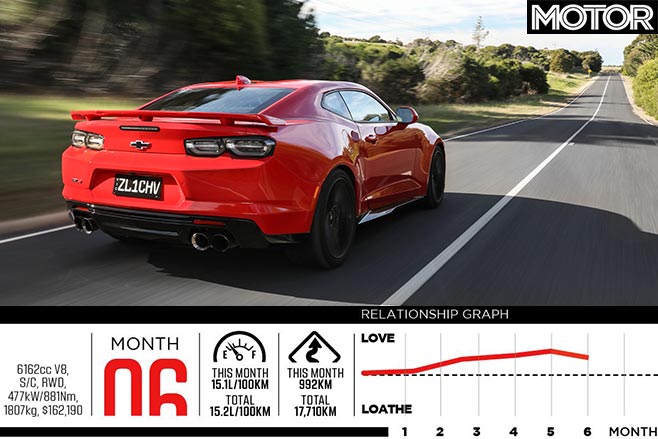
2019 Chevrolet Camaro ZL1 Pros & Cons
Yeah to:
- Didn’t break down
- Looks horn
- Abundant grunt
- Longer trips
- Thirsty gal
- Outward vision
The making of each segment for this series of WhichCar TV has been memorable in some way. Sometimes it’s because the car we were focusing on was exceptional, other times it was because the location left an indelible image in our minds, and sometimes it was the unexpected adventure that unfolded before us.
But when we shot the Nissan Navara N-Trek Warrior feature in December last year, it delivered all three.
For a start, the machine that I was meeting made some big promises. For the transformation, Nissan had given its Navara one-tonne to Premcar – a Melbourne-based automotive engineering specialist with a glittering portfolio.
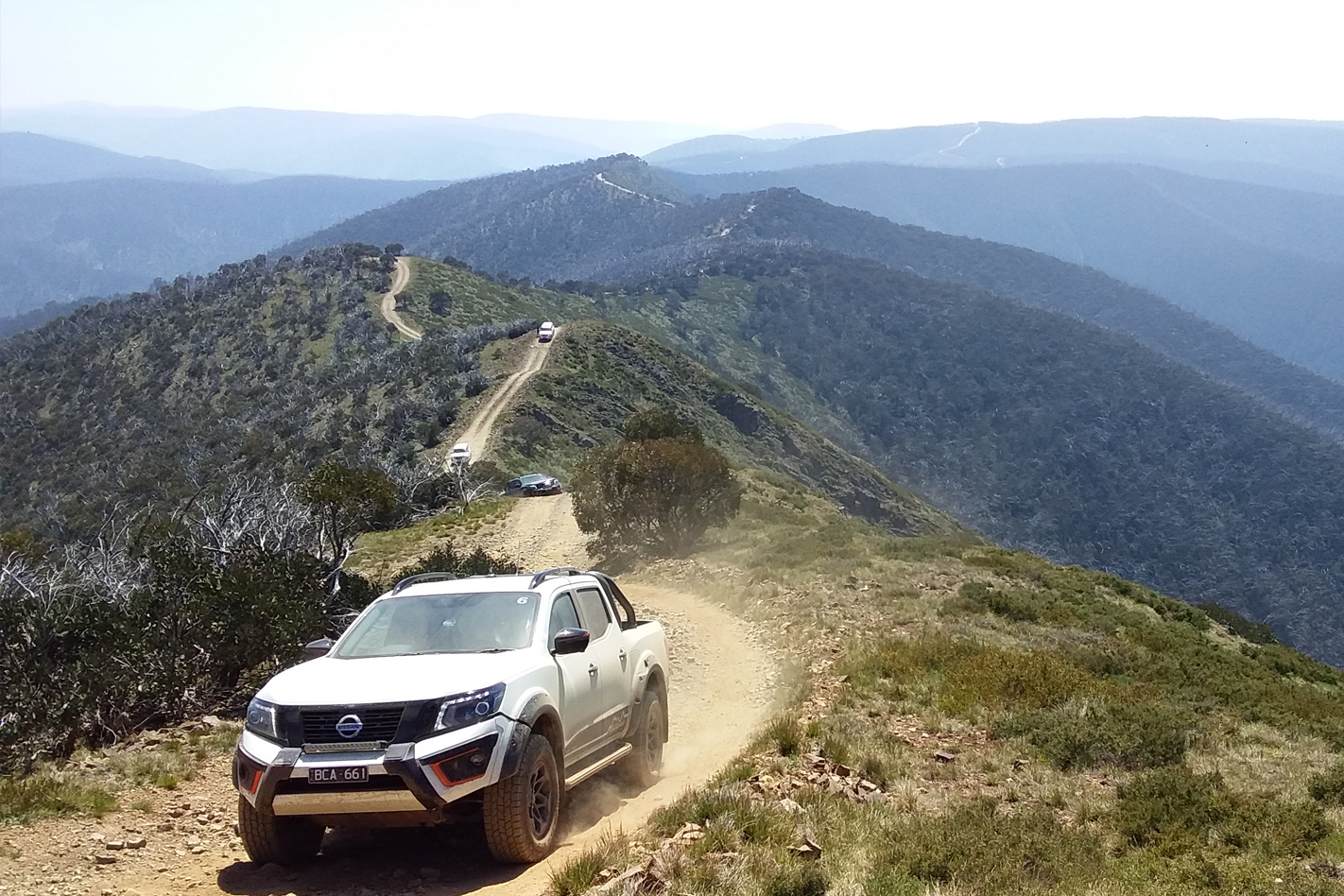
And this was no sticker-pack and chunky tyre tease because the Warrior shone from the start with manners and ability, unlike any Navara before it.
Then there was the location. The Victorian High Country is known and revered among 4×4 enthusiasts for its incredible views and challenging tracks, but the jewel in that crown would have to be the Blue Rag Range Track.
Splitting off the road not far from Mount Hotham’s summit, this rocky ribbon offers some of the most incredible panoramas of Australian country you can see without using a plane. Actually, we did that too.
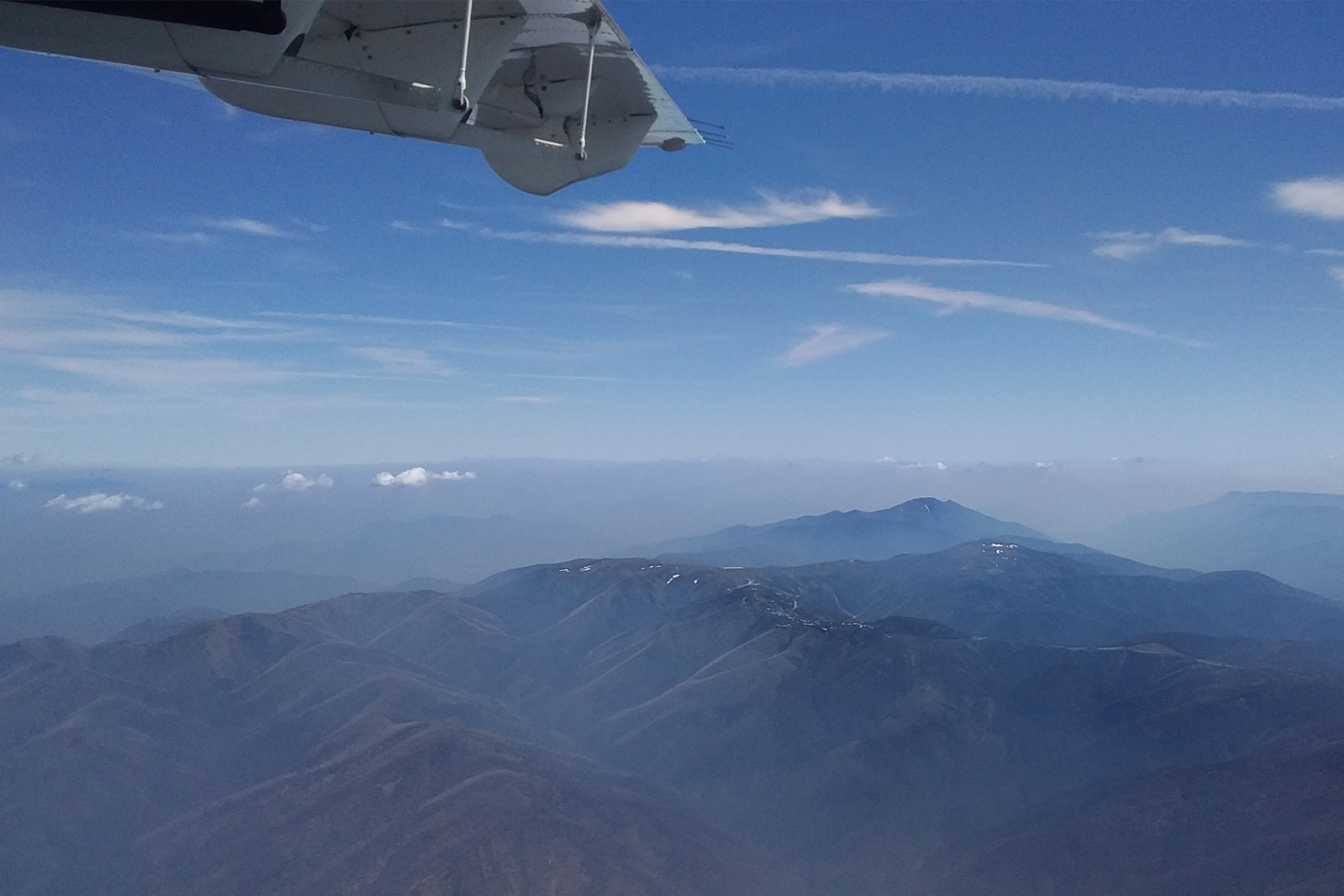
Rather than endure the five-hour drive out from Melbourne, we conveniently dropped in via the Hotham Airport just outside Dinner Plain and the views as we arrived were both beautiful and revealed the stunning countryside we were about to tackle.
Ominously, smoke from the terrible bush fires hung in the air and we were on red alert if the weather and conditions worsened but, thankfully, the disaster didn’t encroach on this particular event.
The Blue Rag Range track is not just a four-wheel-drive enthusiast’s dream, it’s pretty good for a camera crew too.
The light was amazing and at every point along its blade-like route, we could point the lens in any direction and capture stunning shots.
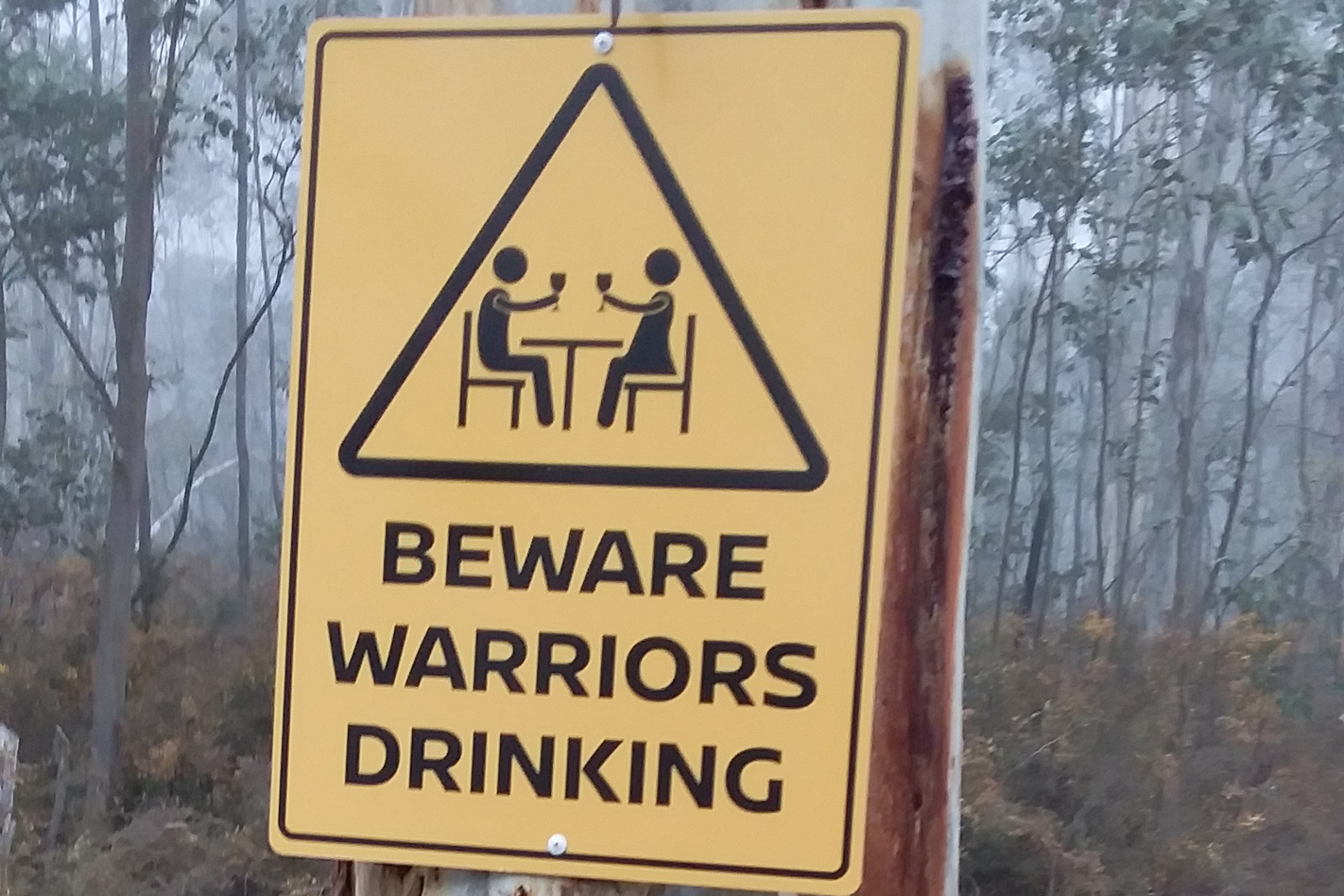
Timing is everything though. The trails are closed in the winter and largely covered in snow, bush fires nearly scratched them from our shoot, and the weather can change by the minute, so the chances of actually grabbing the scenery as we did are slim.
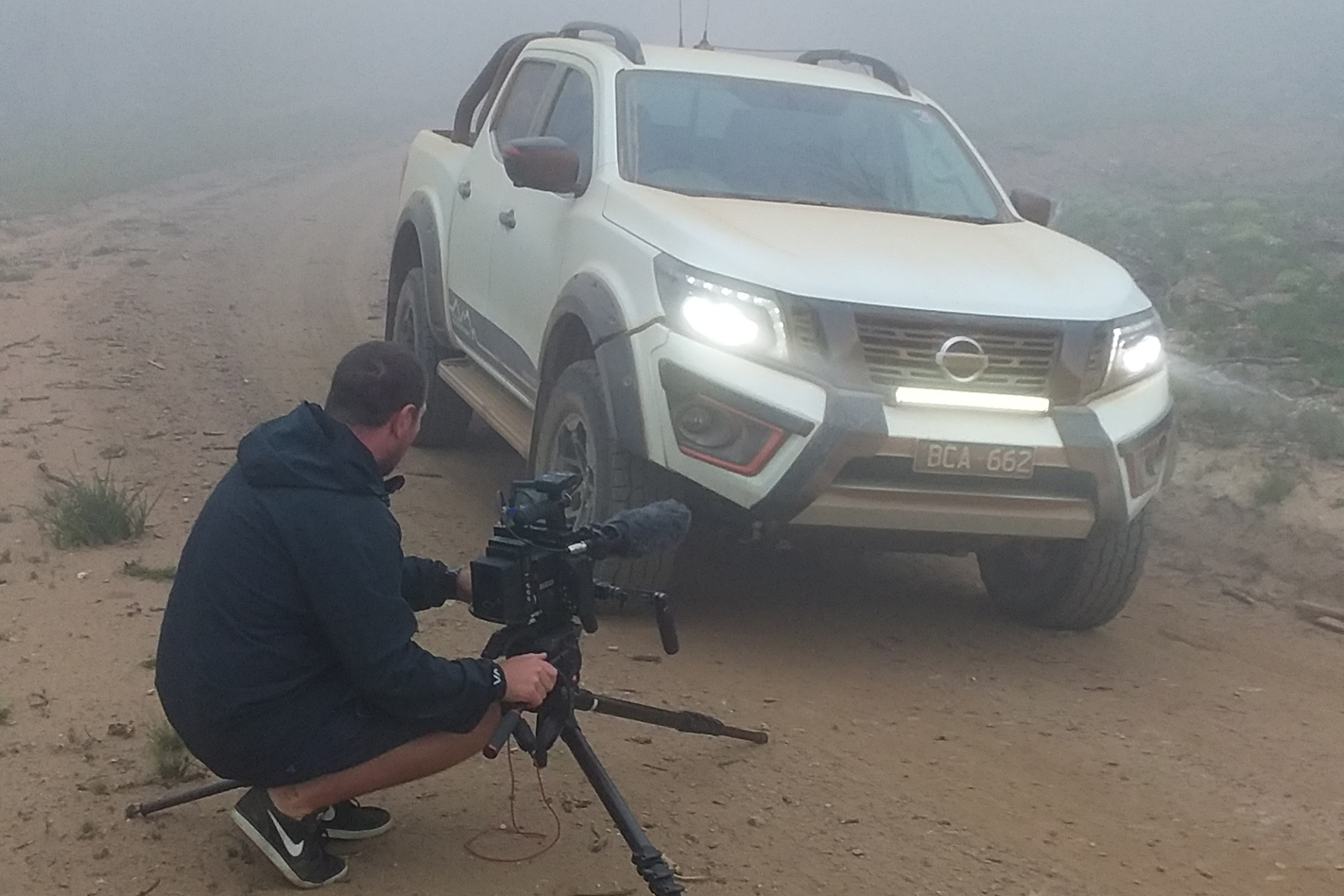
As you can see from the concluding scene, the weather decided to roll in unexpectedly and blanket the mountains in thick cloud.
This burnt-out forest was incredibly eerie with the blackened trunks peering through the thick fog and the Warrior’s headlights spearing white beams through it.
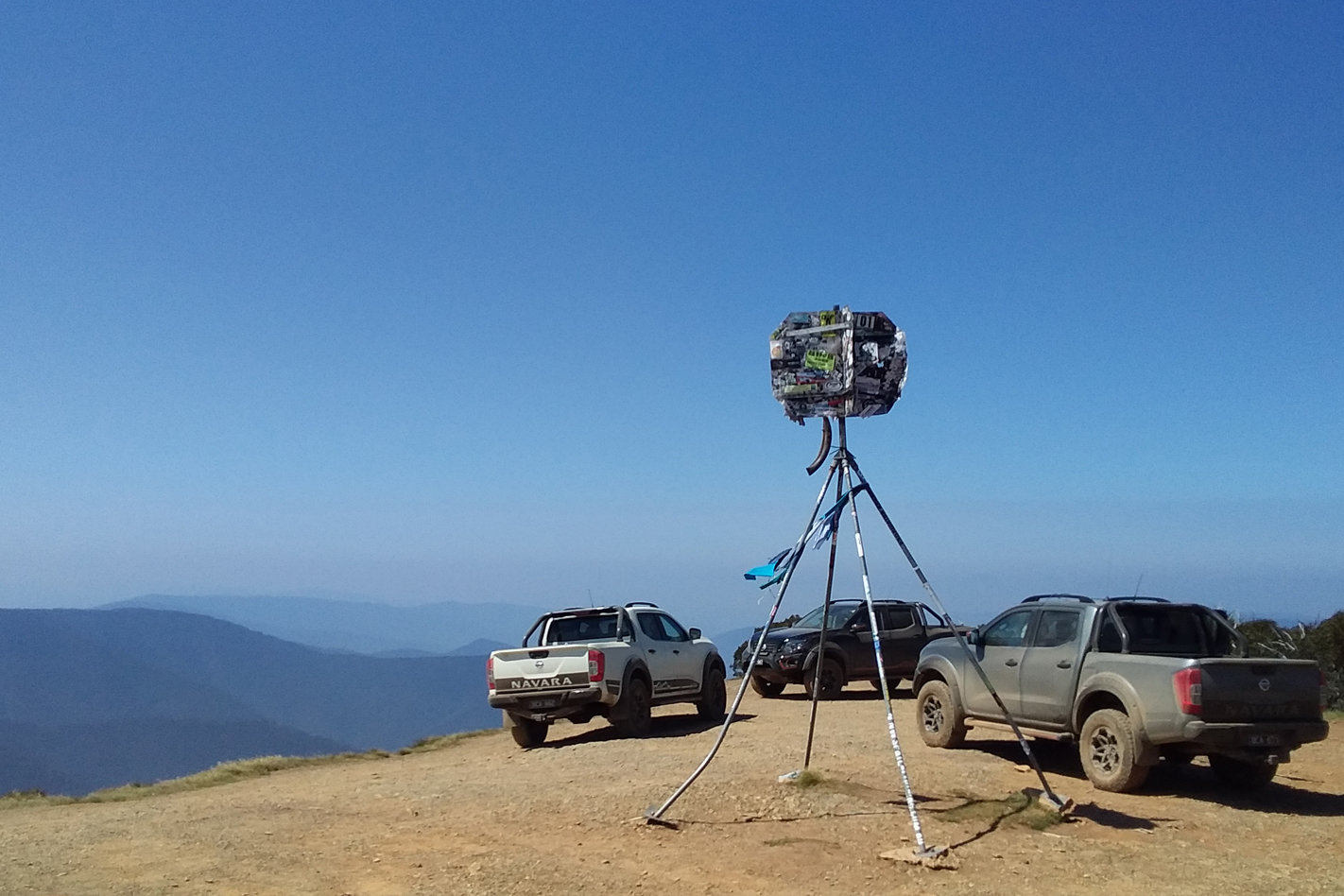
At the track’s highest point, a trig point marks the altitude at more than 1600 metres and a radar reflector that pinpoints the summit for passing aircraft has been completely veneered with stickers from previous visitors.
In fact, all along this magical trail, there are subtle signs of other adventurers that came before us, whether it’s a fallen tree expertly dissected and hauled out of the way, or a campfire extinguished but remade for the next visitor.
And if you look much further back to the gold rush, the history of this part of Australia becomes more bleak and grizzly. Armed with Nissan’s Warrior though, I managed to tackle this punishing trail with ease and comfort, even.
Victoria’s high country is as rugged and unforgiving as it is beautiful. Lucky we went into battle with the right team.
This article first appeared in Wheels’ May, 1996 issue.
This V12 doesn’t howl, it snarls. There’s a menacing basso boom in the exhaust note that’s barely diminished by the roar of the wind in my ears, and an edgy snap, crackle, pop on the overrun as I lift off the throttle for the corners.
The fat rimmed Nardi steering wheel squirms in my hands, the front end kart-darty quick as it dives for the apex.
It turns in just like that; no waiting, no delay, no roll. But get on the gas too early and the front end starts to push wide as that fabulous V12 grunts towards its torque peak of 549Nm at 5250rpm.
Max power is 340kW at 6100rpm, and the delivery is wonderfully smooth and linear up through the gears. It’s perhaps not quite as fluid as the superb flat 12 in Ferrari’s F512M, which develops a mere
328k W at 6750rpm and 498Nm at 5500rpm. But it’s not bad for a Ford…
That’s right, a Ford. The twin cam, 6.0-litre V12 in Ford’s radical Indigo concept car is basically two Taurus V6s joined end to end.
Sure, there’s a new block and heads, cast in aluminium by Cosworth Engineering, along with a new crank and camshafts. But the basic architecture, plus internals such as pistons, conrods, valves, etc, are straight from the Taurus’ Duratec V6.
Running on high octane unleaded, Ford says the Indigo’s engine delivers grunt enough to propel the car to 100km/h in less than 3.9 seconds, and cover the standing 400m in just 11.9.
For the record, the F512M is about a second slower on both counts.
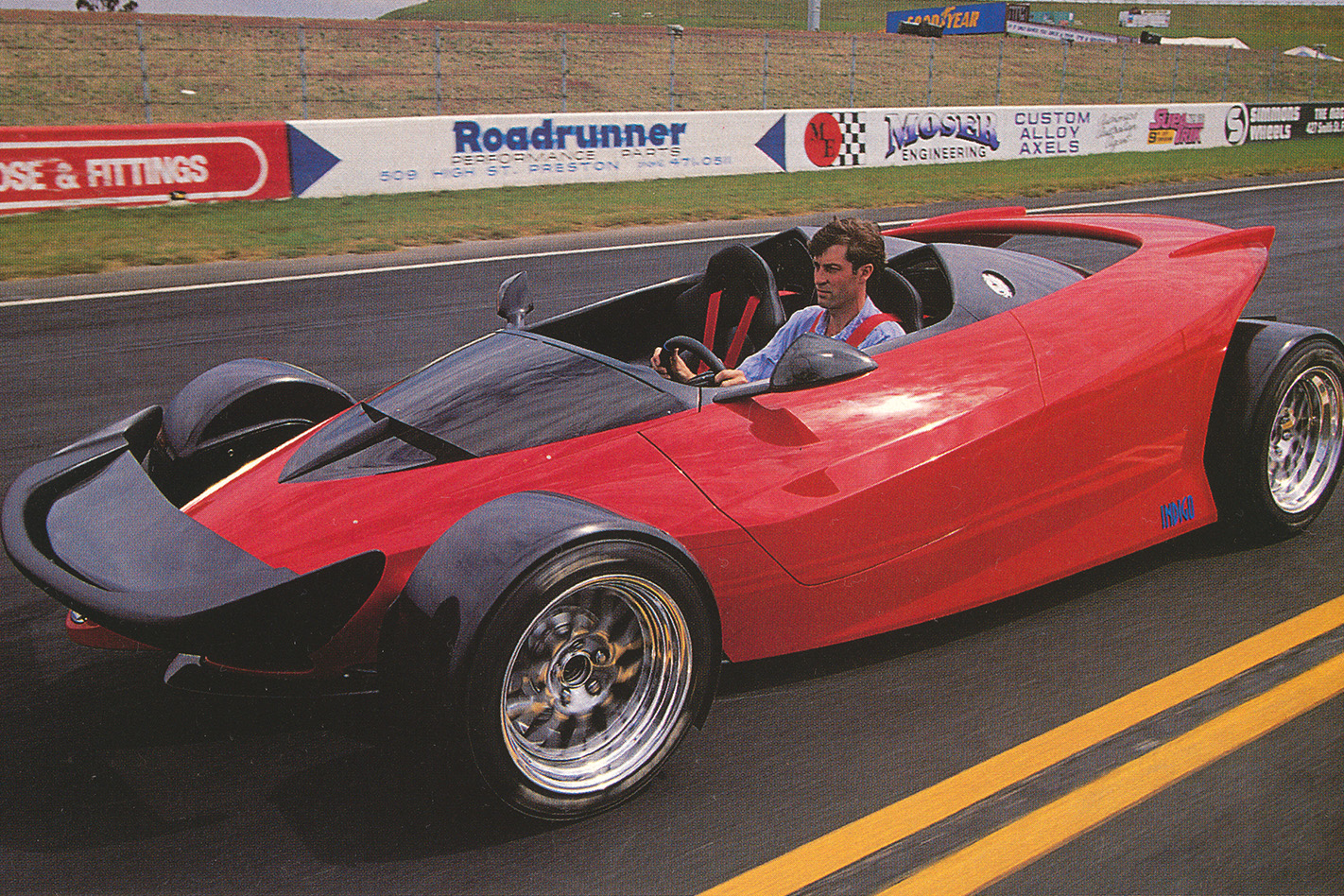
The Indigo’s engine is significant because it’s the one element of this wild F1 car for the road likely to end up as production reality.
Sources inside Ford engineering confirm the V12 is under development for use in the forthcoming Lagonda luxury car as well as a high performance Vantage version of the Aston Martin DB7 – critically important, as the standard DB with its 3.2 litre supercharged six is likely to be shaded by the newer, cheaper V8-powered Jaguar XK8.
The V12 program is being run by Ford Advanced Engine Engineering director Jim Clark, who has also visited Ford Australia three or four times in the past 18 months or so to check on development of the next generation Falcon engine (which will probably be another straight six).
At least five V12s have been built so far and, although it’s still very early in the development cycle, engineers are confident of achieving more than 370kW.
Indigo was originally conceived to steal Chrysler’s thunder at this year’s Detroit show. With cars like Viper and Prowler, plus a raft of innovative new generation production cars such as LH, Neon and the new Minivan, Chrysler has made Detroit, now arguably the world’s most important motor show, its own over the past few years.
Ford product chief Jae Nasser, among others, was determined not to let it happen again.
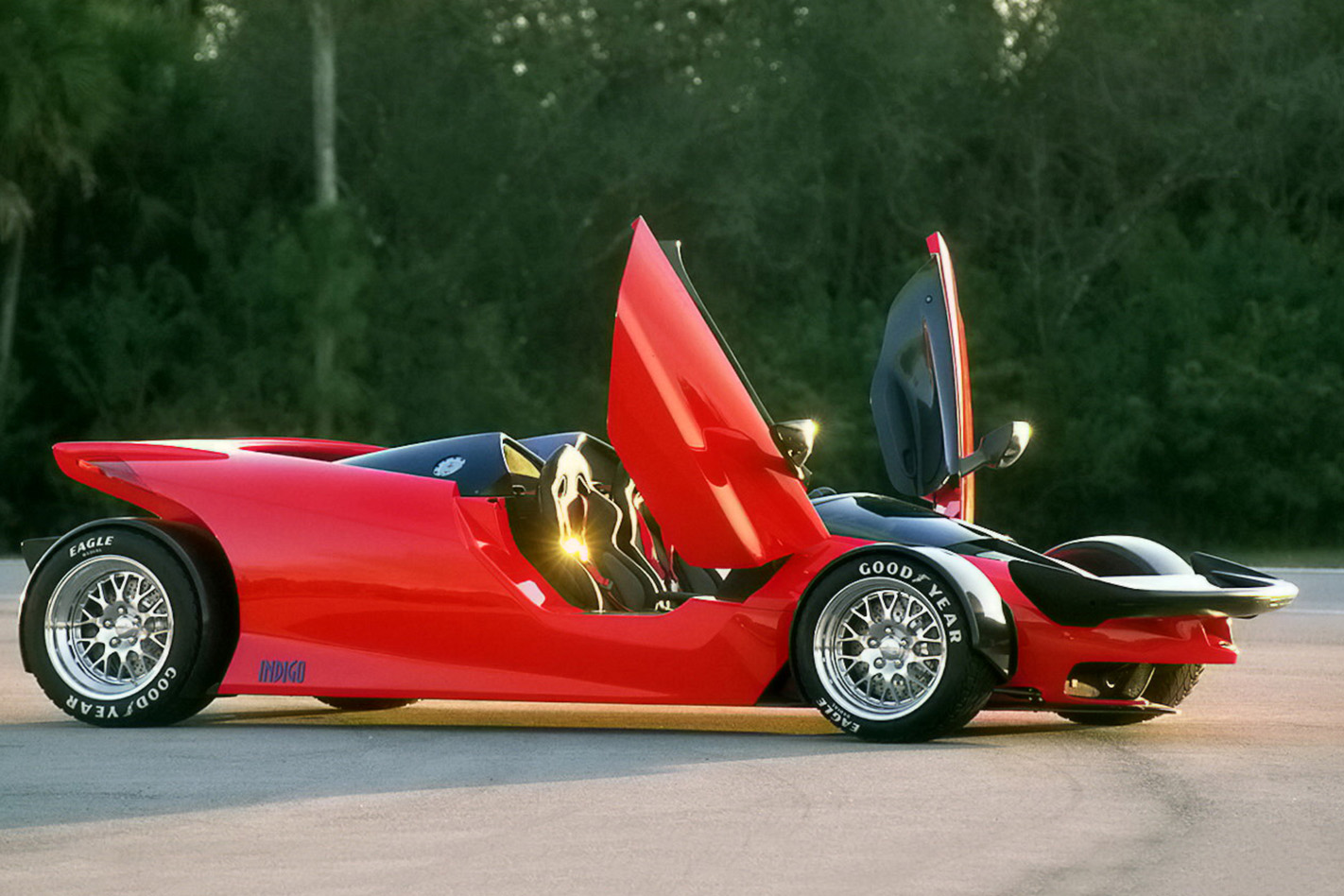
Indigo’s race car look is the work of a very small team: Mark Adams, who runs Ford’s advanced styling studio; John Hartnell, who penned the radical new Ka small car, one of the first of the Jae Nasser Fords to reach production; exterior designers Jeff Puppas and Jim Smith; and Australian Shareen Rapaport, who was responsible for colour and trim.
Right from the beginning, the Indigo program – originally known internally as TSC – was intended to showcase the V12.
“The first thing we worked on was a sports car project,” says Adams. “We drew big, hairy roadsters, coupes, supercars like the Diablo, but we weren’t getting anywhere. Then we watched Indy (won by Jacques Villeneuve in a Reynard-Ford) and- bingo! We had the idea.”
While Chrysler’s Prowler leaps back to the future with retro-rod styling, Indigo (Indy-go – geddit?), represents the first serious attempt to capture the flavour of a modem, open-wheeled race car on the street.
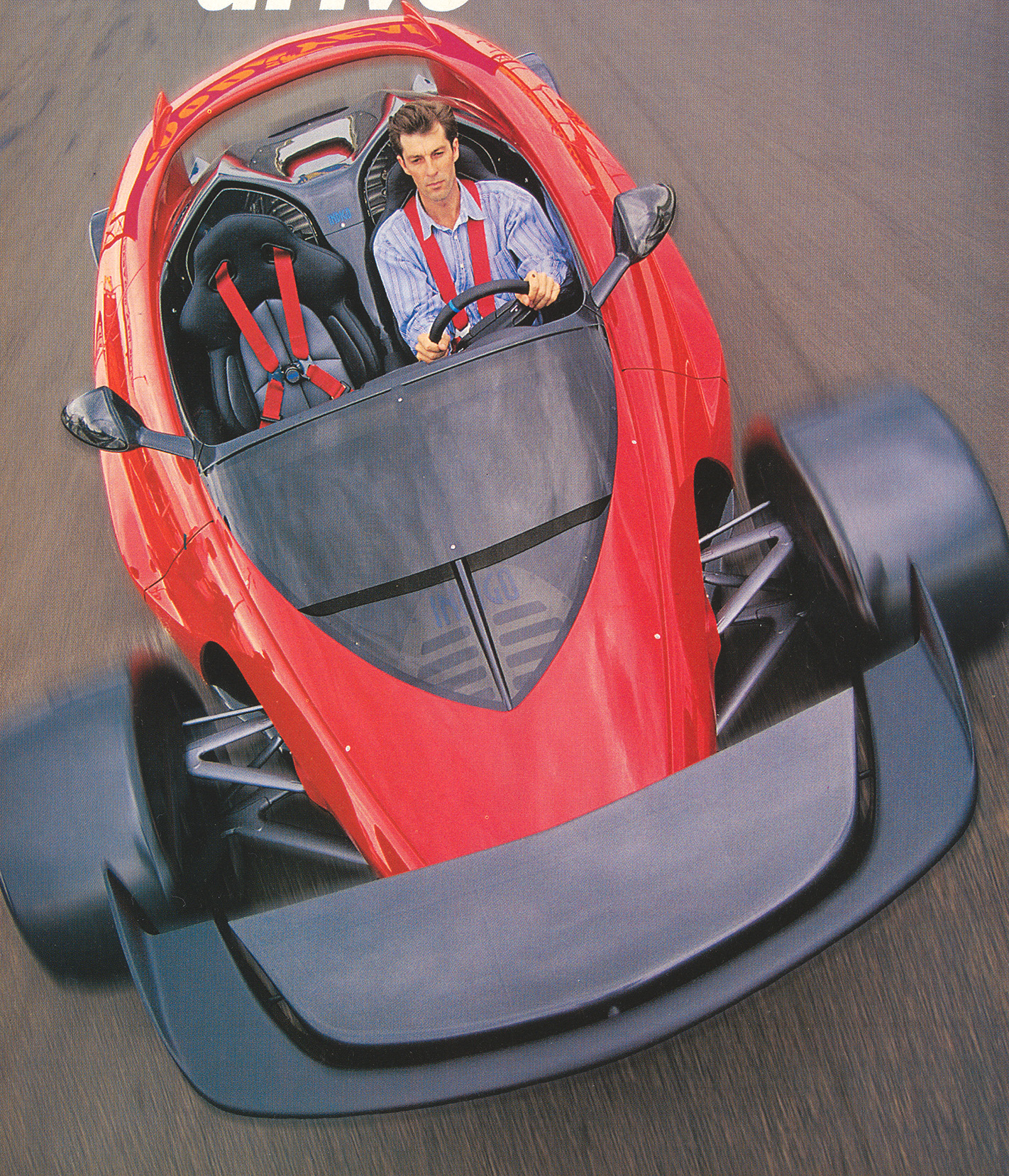
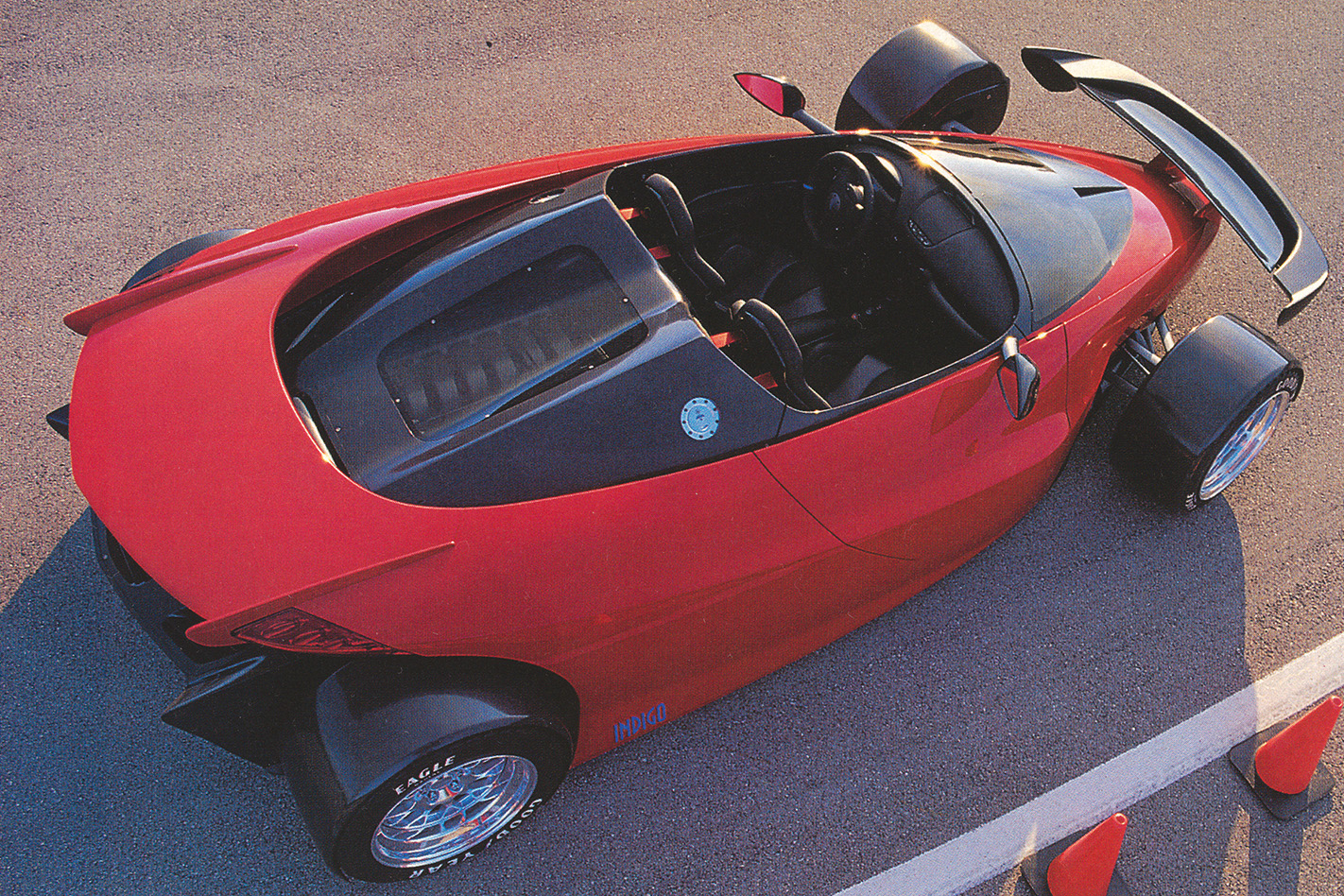
The red painted carbonfibre bodywork sweeps up and back from an aggressively chiselled nose into a freestanding wraparound rear wing with tail lights artfully integrated into the trailing edge. Carbonfibre engine cover and tyre hugging cycle guards enhance the impression of minimal bodywork.
The high mounted front wing, redolent of the one fitted to the 1971 March 701 grand prix racer, is the Indigo’s defining design statement; without it the car could just be another wedgy roadster.
It’s a cleverly multi-functional device, too, acting as a bumper and mounting point for the optical fibre spotlights and indicators. The headlights – which also use optical fibres to transfer light from the source box buried deep in the nose – are concealed in the external mirror housings.
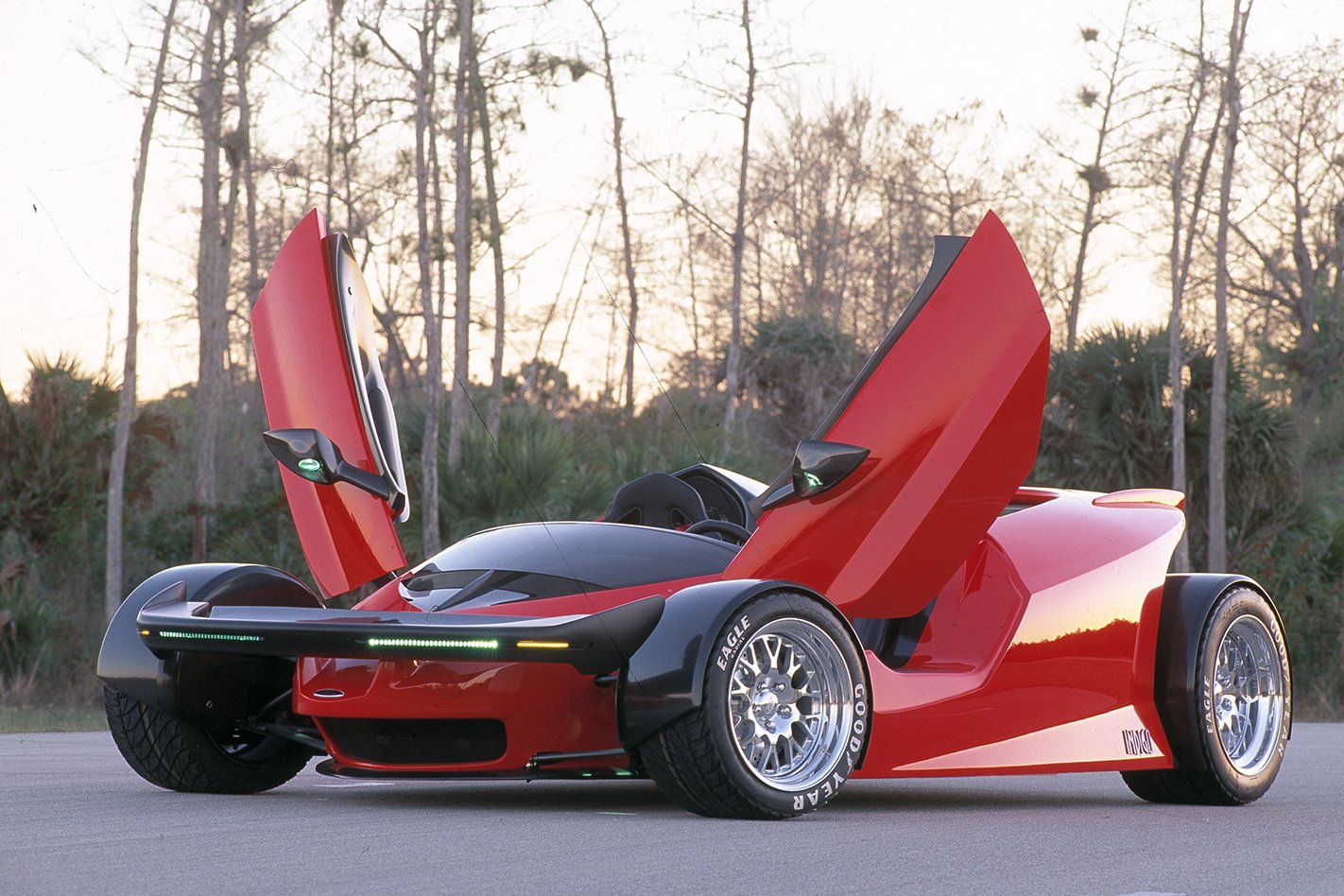
Ironically, the stuff which most closely links the Indigo to a modern open wheeler is all out of sight. There’s the carbon-fibre composite, aluminium honeycomb monocoque chassis, for example, designed and built by Reynard.
The suspension is pure IndyCar, with fabricated double wishbones front and rear and pushrod actuated coil-over shocks.
Attached to the hub carriers are massive vented and cross drilled Brembo discs, 335mm up front and 356mm at the rear.
The wheelbase – 2895mm – is about line ball with current IndyCar practice.
And like the new Zetec V10 fitted to the Sauber F1 cars, the Indigo V 12 is a stressed chassis member, being bolted directly to the monocoque and carrying all the rear suspension loads.
The gearbox is an Indycar Hewland sequential shift six-speed, modified to accept an F1-style steering wheel-mounted paddle shift system, although a manual clutch is retained.
Packaging two passengers while attempting to meet US side impact regulations makes the Indigo monstrous by F1 standards. It looks bulky — and it is. Being wider than a Falcon through the body section alone.
Add in the wide track and fat 355/30ZR18 rear tyres, and you’re occupying almost 2.1-metres of road.
Clamber across the huge sills and the interior is remarkably roomy and civilised. The hip-hugging seats feature power fore/aft adjustment, and there’s a mini-disc player hidden away under a flap in the dash.
An F1-style LCD panel developed by Ford Electronics gives a digital readout for gear position, speed and water temperature, plus a bar readout of engine revs. The tacho readout goes to 7000rpm. Ford says the redline is 6500.
The pedals are beautifully made alloy pieces, hinged at the bottom and perfectly placed for heel and toe downshifts. They look straight out o fa race car. They are, in fact, from a Reynard F3000.
The view from the driver’s seat is fantastic. You see the front wheels, just out there past the soles of your feet, jiggling slightly as the stiff suspension tracks over lumps and bumps, and turning instantly as you move the steering wheel.
With no bodywork to interrupt the view, the Indigo can be placed with millimetric accuracy in corners.
Unlike the Detroit show car, there’s no windscreen on this Indigo, which makes a full-face helmet mandatory for all but slow laps.
But the noise and the windrush, even when playing around in second and third gears, are intoxicating.
With a helmet on, it’s easy to imagine you’re Michael Schumacher. which is precisely how the Indigo team wants you to feel.
Ford talked at Detroit of putting the Indigo into limited production, as Chrysler did with Viper and Prowler. But despite the suggestion that 700 cars could be built over three years, hitting the market at $100,000 each — a bargain basement price for a car of this brazen eye appeal and shattering performance, given a Ferrari F512M retails for almost twice that — it now seems Ford lacks the courage of its convictions.
Where insiders close to the project once enthusiastically claimed Indigo had a 75 percent chance of being built, they now say that probability has dwindled to 20 percent.
All is not lost, however — while Indigo now seems almost certain to be consigned to the same Ford show car cul dc sac asthe quad-turbo GT90 shown at Detroit last year, that marvellous V12’s still looking good…
Laps of memory
Pungent, sticky oil was smeared all over the back of the Indigo’s shapely carbon-fibre rear end. “Don’t worry,” said Derek Fowler, the man responsible for fettling this priceless prototype,” it wouldn’t be a Hewland gearbox if it didn’t leak oil…”
Fowler knows his Hewlands. He also knows the Indigo. Which explains why he’s here at windswept Calder instead of back home in windswept Detroit.
Fowler was working in the NVH department of Ford’s Advanced Engineering when the Indigo was first rolled out for an in-house showing.
His experience of Hewlands in IndyCar racing — he worked for Chip Ganassi’s team and was part of the crew which helped Michael Andretti to victory in the rain-delayed IndyCar Grand Prix at Surfers Paradise in 1994 — soon earmarked him as caretaker of the Indigo, at least for its stint in Australia.
In a brave move, Ford’s Australian PR decided to also allow Sauber-Ford grand prix drivers Heinz-Harald Frentzen and Johnny Herbert, plus local Ford touring car aces Dick Johnson and John Bowe, to chauffeur journalists and company heavies around Calder’s short circuit.
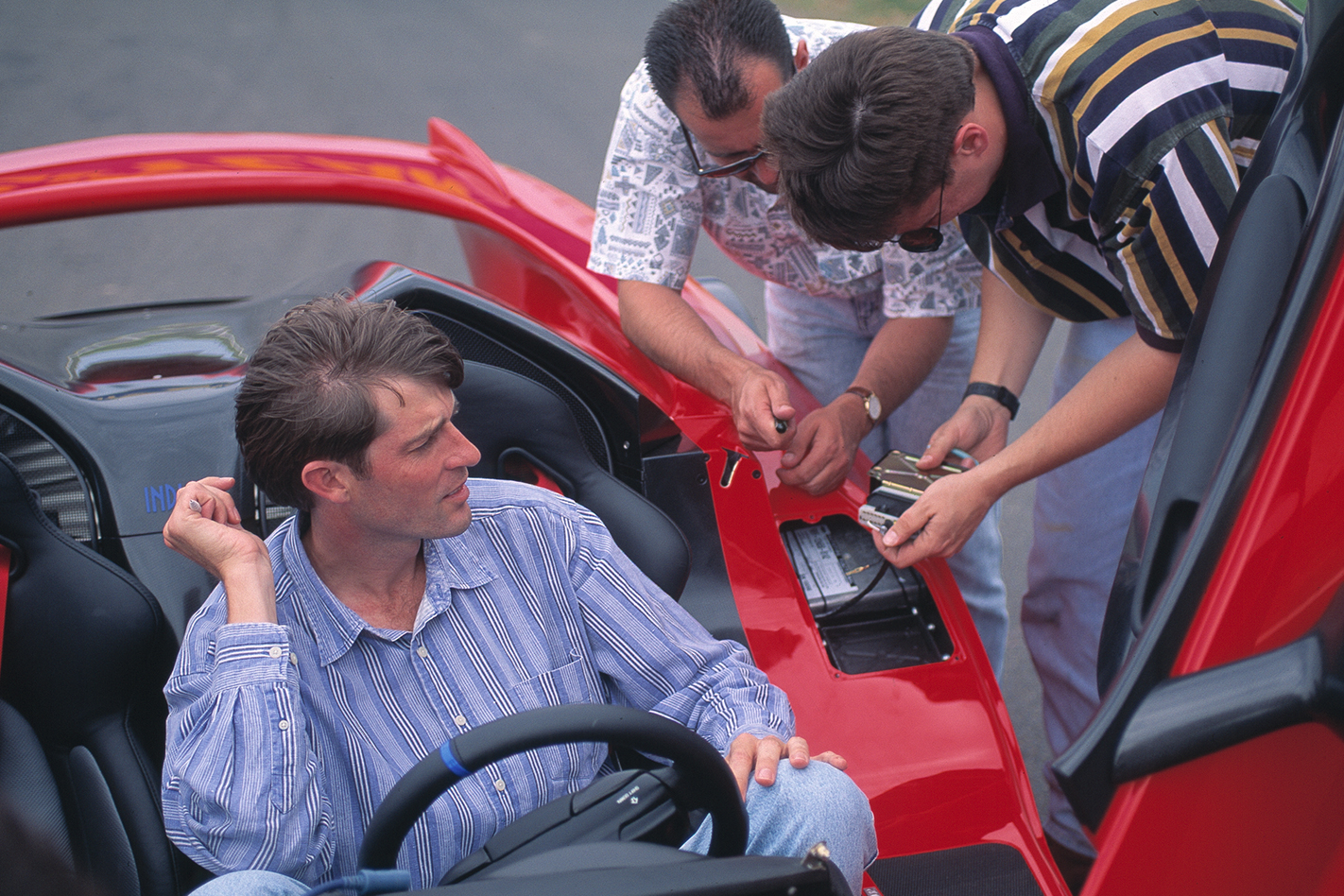
A leak in the nitrogen gas pressure accumulator which actuated the shift meant we had to use a temporary cable-operated lever instead of the steering wheel paddles. But apart from that glitch the Indigo ran perfectly for almost three hours solid, taking passengers for lap after rapid lap of the tight Calder track.
It was a remarkable performance for a car which had barely covered 50 kilometres before arriving in Australia.
By the time we were allowed in the cockpit for our exclusive drive, however, the Indigo was a bit tired.
The gearshift was spongier than ever, and both cooling fans had mysteriously died. With 12 cylinders and 6.0-litres, it didn’t take long for the engine to start overheating.
Our time in the car was therefore disappointingly brief. But unforgettable all the same.
The Virgin Australia Supercars Championship has been forced to amend its plans to extend the COVID-19 affected 2020 season into next year, culling a proposed second race at Bathurst’s Mt Panorama circuit and dumping The Bend Motorsport Park’s round in favour of a return to Sandown.
The revised calendar packs in nine rounds before the end of the year, with three in NSW (two at Sydney Motorsport Park and the traditional Bathurst 1000), two in Victoria (Winton and Sandown) and one each in Northern Territory (Hidden Valley), Queensland (Townsville), Tasmania (Symmons Plains) and Western Australia (Wanneroo).
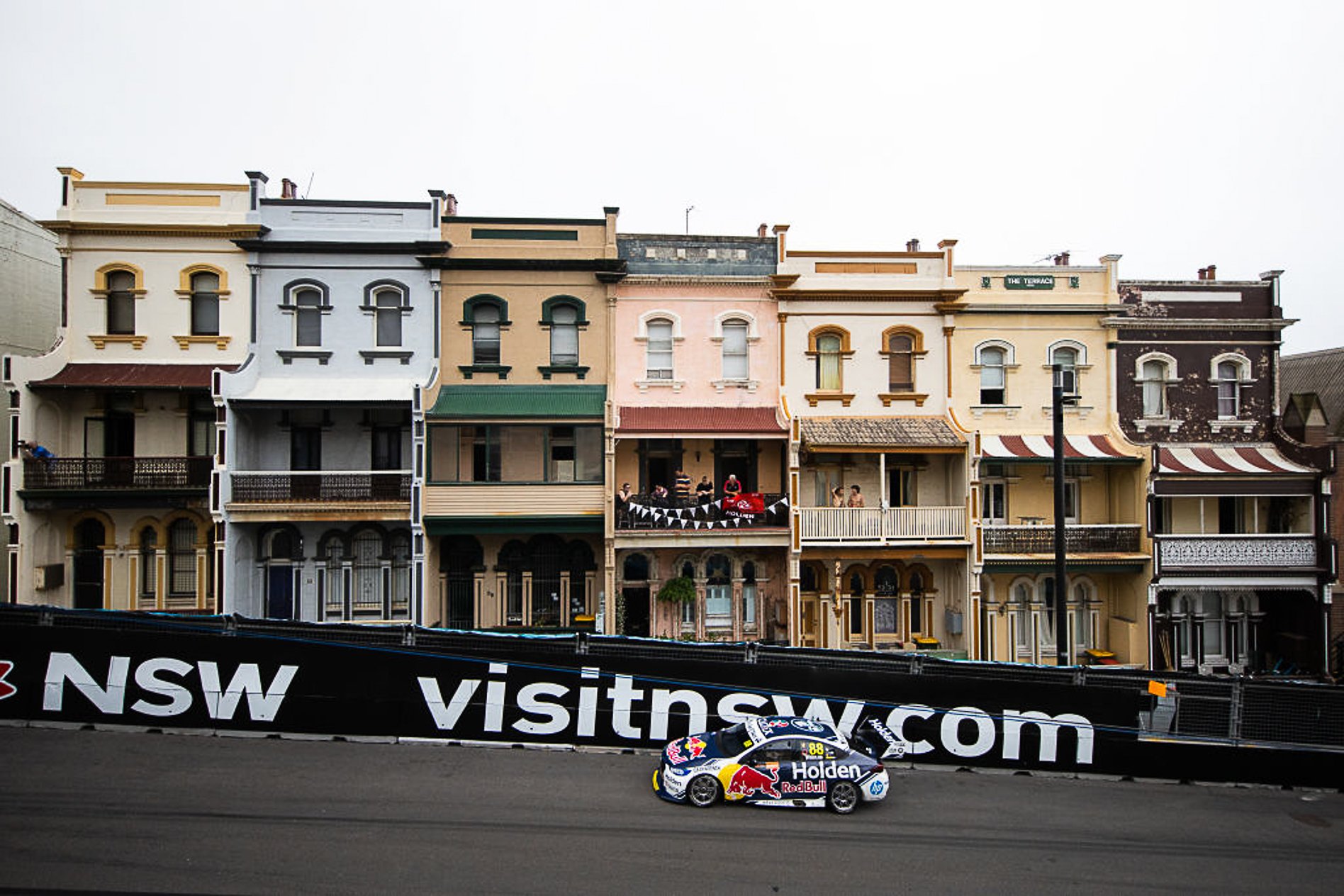
As expected, two of Supercars’ popular street tracks, Surfers Paradise and the former season-ending Newcastle race (above), will not feature.
“When the draft calendar was released four weeks ago, our primary objective was to ensure we returned to racing as soon as possible,” Supercars CEO Sean Seamer said in a statement.
“This allowed us to put a stake in the ground and ensure we returned to the track quickly following the COVID-19 shutdown.
“The calendar announced in May was based on the best information we had at the time.
“With an eye on 2021, teams and broadcast partners have agreed it is in all parties’ best interests commercially and competitively to finish this year’s campaign in December and start the new season in the New Year.”
It’s understood that teams weren’t in favour of the season running into 2021 as it affected existing sponsorship arrangements and driver switches. The series’ telecast partner Foxtel was also reportedly not keen to run into the new year.
Also disappearing from the provisional calendar is round in New Zealand and South Australia’s The Bend Motorsport Park.
The owner of Australia’s newest facility isn’t happy about the omission, either.
“Supercars owe a big apology to South Australia, and the many South Australian businesses and tourism operators that rely on event goers for their livelihoods, particularly at a time when their business has already been devastated by COVID restrictions,” said The Bend’s owner, Sam Shahin.
“Supercars do what’s best for Supercars. We have endeavoured for years to satisfy the great appetite for motorsport in SA. We’ve answered the calls with the best motorsport facility in the world but it seems the power of the Eastern States yet again wins the day, and SA misses out.”
The Bend would have actually been the second event in the state, after the season-opening Adelaide 500.
“I am greatly disappointed for the greater public of South Australia that have been sold out, sold short of the wonderful spectacle that was to unfold in September,” continued Shahin, who added the venue won an international award for Motorsport Venue of the Year in 2019.
Even with the switch from The Bend to Sandown, it’s almost a certainty that there will be only one endurance race in 2020 at Bathurst.
Most meetings will shrink to two-day formats to minimise personnel movements and to reduce cost, while the first round back next month in Sydney will be in front of empty stands.
With Victoria announcing a return of some COVID-19 restrictions, the next round in July at Winton looks to be spectator-free as well.
Travel restrictions to Queensland, Tasmania, Northern Territory and Western Australia will also have to be taken into account, while any Bathurst co-drivers who live overseas will have to make arrangements around 14-day isolation periods.
The season will end under lights at Sydney Motorsport Park (above), after a $13.4 million investment from the NSW Government in permanent lighting structures for the Eastern Creek track.
2020 Supercars season calender
| 1 | Adelaide Parklands Circuit | February 20-23 |
| 2 | Albert Park Grand Prix Circuit | March 12-15 |
| 3 | Sydney Motorsport Park | June 27-28 |
| 4 | Winton Motor Raceway | July 18-19 |
| 5 | Hidden Valley Raceway | August 8-9 |
| 6 | Reid Park Street Circuit | August 29-30 |
| 7 | Sandown | September 19-20 |
| 8 | Mount Panorama | October 8-11 |
| 9 | Wanneroo Raceway | Octoberu00a031-November 1 |
| 10 | Symmons Plains Raceway | November 21-22 |
| 11 | Sydney Motorsport Park | December 12-13 |
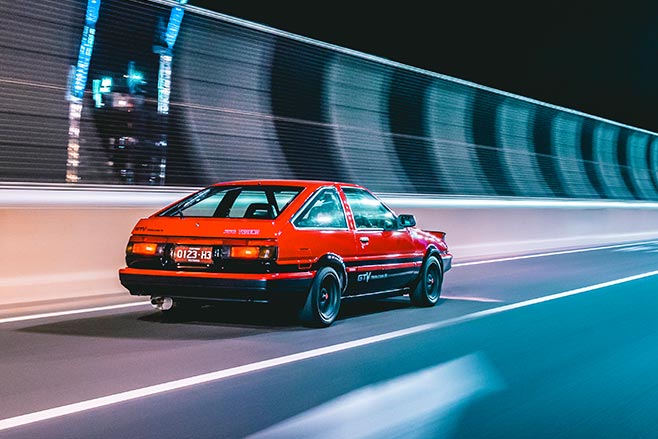
At 12.00am on Wednesday, May 13, I cranked over the 1.6-litre of my old, underpowered Toyota s**tbox, rolled up the garage door and drove out into a chilly Melbourne night.
The difference between 12.00am this day, and 11.59pm the day before, was potentially quite a hefty fine for doing what I was doing. At midnight, MOTOR’s home state Victoria aligned with the other states by lifting its Stage 3 restrictions which, among many things, forbid basically recreational driving.
And as you read this, save for the virus (I think unleashed by the dodgy sausage rolls at the Wuhan Wet Market canteen) ripping the Australian economy another one, you can go for a drive if the mood takes you.
Some would argue you should have been able to all along, but I’d disagree; if lawmakers considered the hobbies of every person prior to implementing restrictions, we’d be another Italy or America right now.
Instead, we’re merging on to the long road to recovery. The car market, locally and abroad, is getting back on its feet. (The Australian new car market was down 48.5 per cent in April.) Factories in Europe are restarting, cautiously.
Keep calm even as lockdowns ease
Supercars, F1 and other motorsports are making plans to get proper, real races underway (not to knock the e-sports thing, it’s been a fun distraction). Track day operators are figuring out how to proceed; people like you and me are all over Google Maps, or should be. As winter starts in Australia one of a different kind, ends.
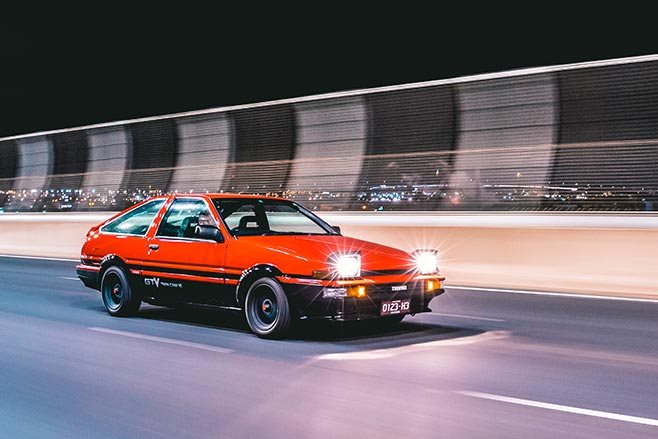
Without a doubt, damage has been done, and continues to be done. New models previously mooted will be cancelled (such as the next Ford Focus RS – boo; possibly also right-hand drive Corvette) or at least delayed and/or changed, and the trajectory of the performance car industry will be irrevocably altered.
What travel is allowed in Australia right now?
How exactly, will take a few years to know. The economic implications of the lockdowns are barely beginning to be understood, and the danger of the virus itself is also far from over.
But you can drive again. And as I cruised down an eerily empty Melbourne motorway (actually there were quite a few trucks out), I temporarily forgot the last two to three months. And that’s all the reason I needed.
Bigger is always better, right? For Swedish man Daniel Warner, ‘big’ simply was not going to be enough when he started scheming for his latest project.
A normal car engine wouldn’t do, so he opted for a 27-litre, V12 Meteor engine from a WWII era tank.
Given the sheer size and weight of such a thing, Daniel also had to carefully consider what car he was going to shoehorn it into – especially with eye watering goals of 1864kW (2500hp) and 321km/h (200mph).
An ex-Police Ford Crown Vic from California popped up at just the right moment, and given they are one of the few cars this side of the 20th century with a body on frame construction, it was the perfect choice.
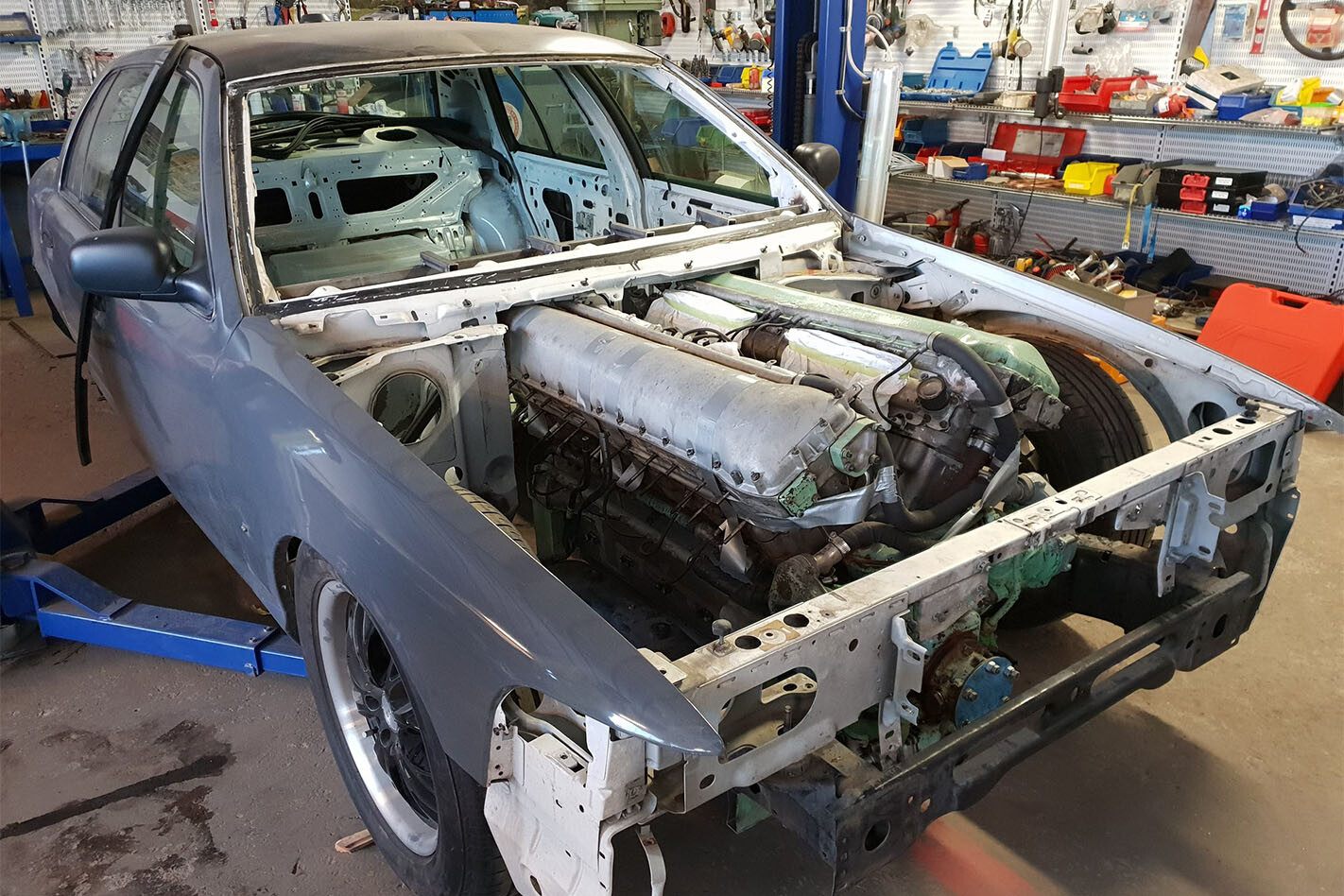
Even with that, the car has still had to go undergo extensive surgery to make the 27-litre monster fit.
A Chevy C10 truck front end has been grafted in to help with the weight, while a heavily modified TH400 transmission has the Herculean task of managing all the torque.
Because Sweden hasn’t had much need for military equipment for some time, finding a surplus tank engine wasn’t actually all that difficult. The Meteor V12’s are quoted to have made around 447kW (600hp) as is, but Daniel has still opted to strap two enormous turbos to the side of the engine along with an aftermarket ECU in place of the original magneto ignition.
That combined with a raised rev limit of 4000rpm should see him reach his goal of 1864kW.
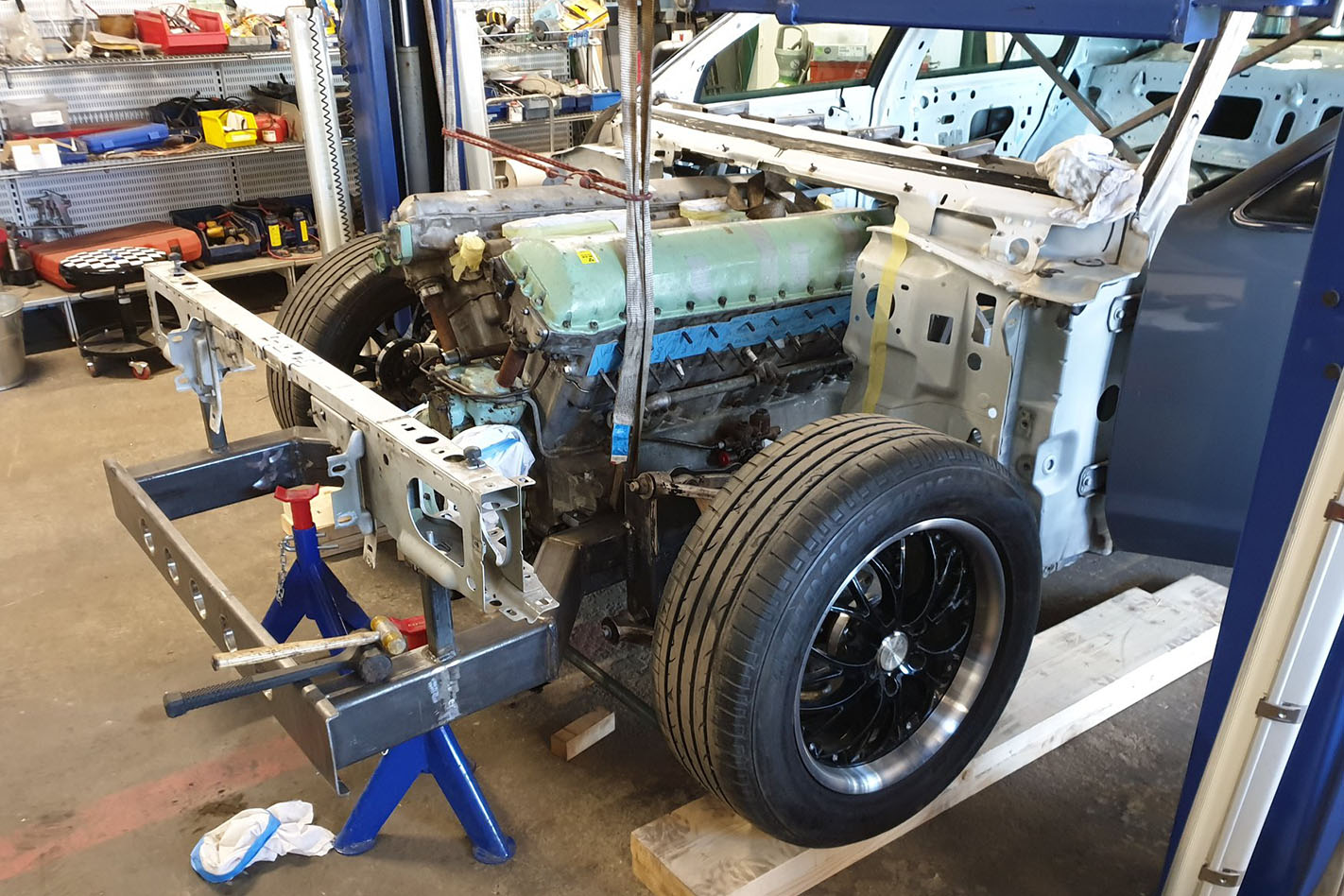
Daniel’s aim for the car is not to make a quarter mile drag racing machine, it just simply wouldn’t be feasible with so much brute force. Instead he hopes to chase speeds in the ballpark of 321km/h, which is even more terrifying.
“It’s not an intelligence choice of engine if you want to have 2500 horsepower and race,” Werner told Road & Track. “I wanted to do this out of passion,”
The car is still in the early stages of the build, so it’ll be interesting to see how much Crown Vic still remains once it’s completed. And of course, how fast it is.
A new era of the Cannonball Run is well and truly upon us.
In the seven months since Arne Toman and Doug Tabbut set a 27 hour and 25 minute benchmark in late 2019, the benchmark for crossing America in the fastest time possible has been getting lower and lower.
A recent flurry of record attempts has lowered the outright record time to under 26 hours.
Enter Fred Ashmore – who is either a legend or insane person depending on your worldview – who has obliterated the solo Cannonball Run record, and come close to setting an outright record, by crossing the United States of America in an alleged 25 hours and 55 minutes. Ashmore has not had his GPS data for the journey verified by a third party.
Where the team that broke the record in late 2019 meticulously prepared their Mercedes-AMG E63, this most recent run was entirely ad hoc in its preparation and execution, using a rented V8 Mustang with almost 500 litres of fuel strapped into the cabin, and one crazed lunatic driving solo the entire way.
According to Road & Track, the man behind the new solo record is Fred Ashmore, a 44-year-old veteran Cannonball participant from Maine. How he broke the solo record seems almost too insane to be real.
His chariot for the cross-country blast was a Ford Mustang GT… with a catch. Turns out Ashmore didn’t own the Mustang, instead deciding to rent the vehicle.
He then pulled out the passenger seats, spare tyre and jack, and any unnecessary interior pieces, and strapped in as many extra fuel tanks as he could manage.
All up, the Mustang had a fuel capacity of around 492 litres for the journey, allowing Ashmore to stop for fuel just once on his roughly 4507km run from the Red Ball garage in Manhattan to the Portofino Hotel & Marina in Redondo Beach.
To set his record time, with an average speed of 174km/h, Ashmore had to keep the 5.0-litre V8 Mustang near its maximum velocity as much as possible.
“The Mustang GT will not go any faster than 159 miles per hour [255km/h],” he told Road & Track. “Anyone who tells you otherwise is lying.”
According to Ashmore, the Mustang averaged 19.6L/100km on the journey. Putting his average distance per tank at just over 2500km.
However, to minimise time spent stationary, Ashmore co-ordinated with a mobile refuelling team.
Allowing him to avoid stopping at a gas station, the mobile team were driving pick-up with 567-litres of fuel in a tank, that was able to refuel the Mustang in eight minutes.
His only authority-dodging technology was a laser jammer system, a radar detector, a CB radio, and a tablet running Waze, Google Maps, and a timer. Despite not having a spotter, Ashmore claims he only had one close encounter with police.
All up, it is reported that Ashmore completed his run on a budget of less than A$4389 (US$3000).
According to Ashmore, he left New York at 6:00am Eastern Standard, and arrived in Los Angeles at 4:55am Pacific Standard.
It’s not the outright fastest time, with an unknown team that broke the record last month thought to have gone quicker.
Ashmore’s record has been described as “crazy” by former record holders, with Ed Bolian admiring the way the solo driver went about his Cannonball Run attempt.
“In general, the risks inherent in making a Cannonball record attempt have been managed by meticulous planning and strategy,” Bolian told Road & Track.
“We have always known that throwing caution to the wind and just going as fast as possible could be another route to success. Until now, no one has been crazy enough to accept the risk, and Fred went full send.”
Unless you’ve been stranded off-road with no phone signal, you’ll know the Land Rover Defender has just returned, very much modernised, after production of the old model ended at Solihull in 2016.
But the off-road icon’s updated design and monocoque construction aren’t the only radical shake-ups with which its loyal fanbase must grapple: the new model’s manufacturing also breaks with a tradition that dates back to 1948, as it switches from Solihull to Slovakia.
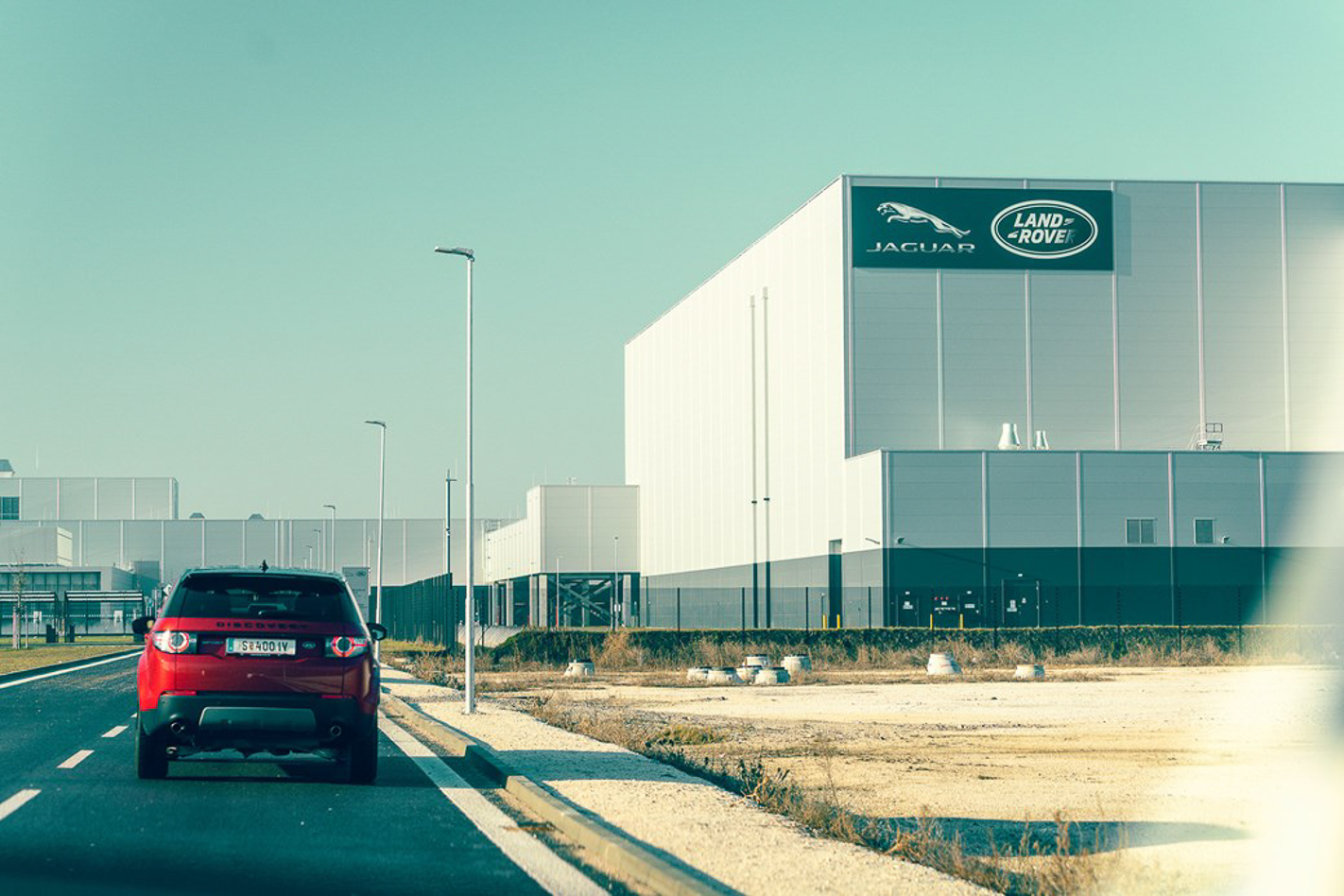
Solihull has not closed: it continues to produce the Jaguar F-Pace, and all Range Rovers bar the Evoque. Jaguar Land Rover has also invested in building ‘the next generation of flagship Range Rover and Land Rover models’ there. Still, removing all Defender production from the UK is a big deal.
We first had a go at the new Defender in Namibia at the start of the year but now we’ve also had a tour of the new facility that has been busy minting the first new Defenders.
MORE DEFENDER NEWS
The result of an ambitious billion-dollar investment, it’s located in Nitra, a city of 76,000 that lies 90 minutes’ drive east of Vienna, and from its freshly laid, thinly trafficked access roads to the space around its factory buildings, I’m reminded of those child’s town-centre play mats imprinted with a bird’s-eye view of roads and trees and buildings; there’s just so much blank-sheet space, order and simplicity here.“It wasn’t even a construction site when I first visited in March 2017,” remembers body shop director Christian Classon, previously of Ford and Tesla. The entire ground level was lifted by 1.5 metres on a bed of gravel to protect it from flooding. Then, after extreme cold weather briefly halted work on laying foundations, 27,000 steel piles were driven 10 metres in to the ground, the concrete laid and the facility officially opened in October 2018.
There are three main buildings: the body shop (90,000 square metres), paint shop (53,000 square metres), and the ‘trim and final’ area (134,000 square metres). The factory employs 2000 people, with a further 20,000 jobs created in the supply chain; next door, for instance, supplier Gestamp produces aluminium body pressings. Many components are locally sourced, including seats and wheels, though some, including the Ingenium engines, are shipped from the UK.
Nitra has the capacity to build around 150,000 cars annually over three shifts, and there’s space to expand, though the current two shifts peg that at 110,000 – around a quarter of total annual Land Rover production, and a far cry from Solihull’s capacity; it maxed out at around 120 Defenders daily on one shift as enthusiasts panic-bought the last of the previous generation.
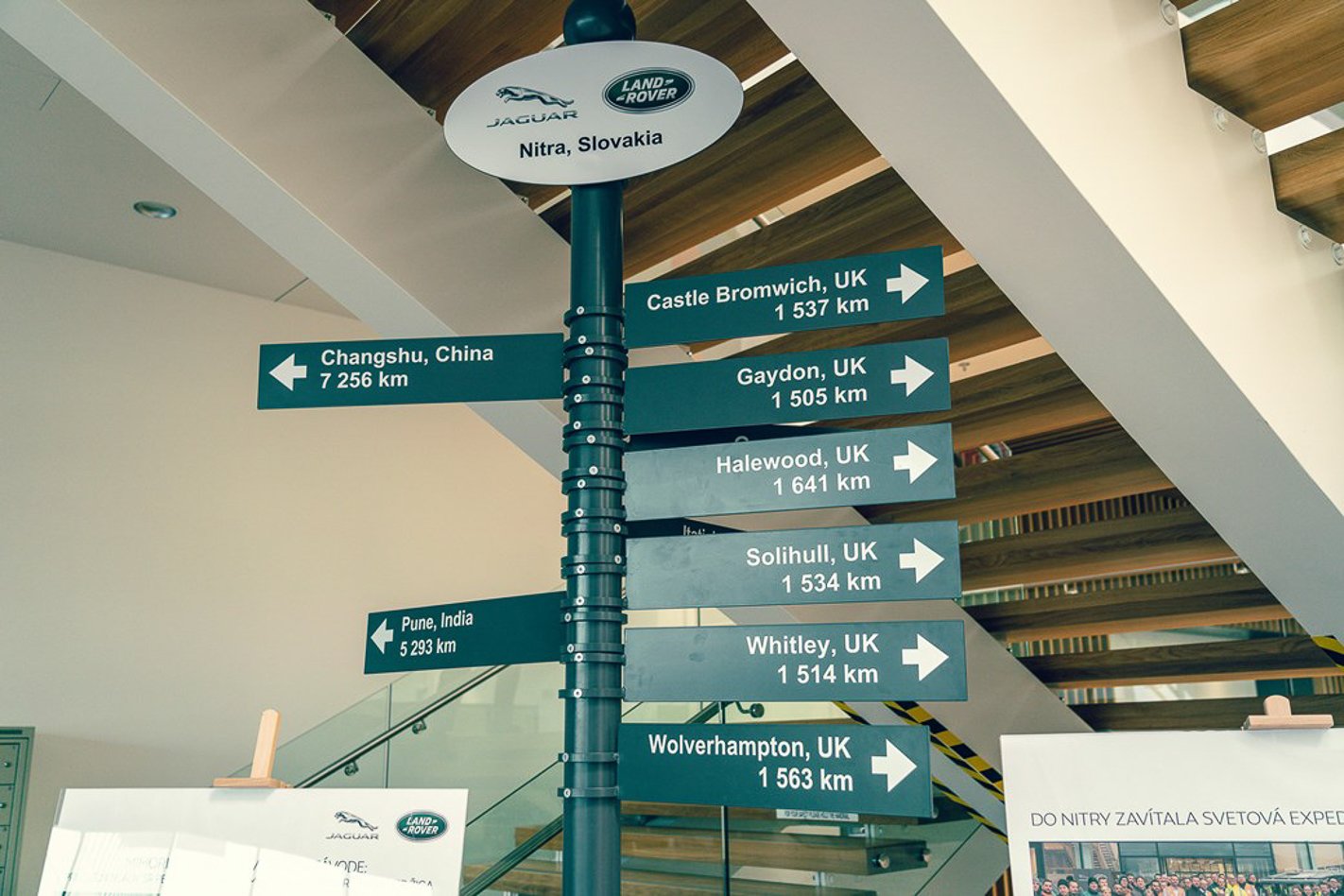
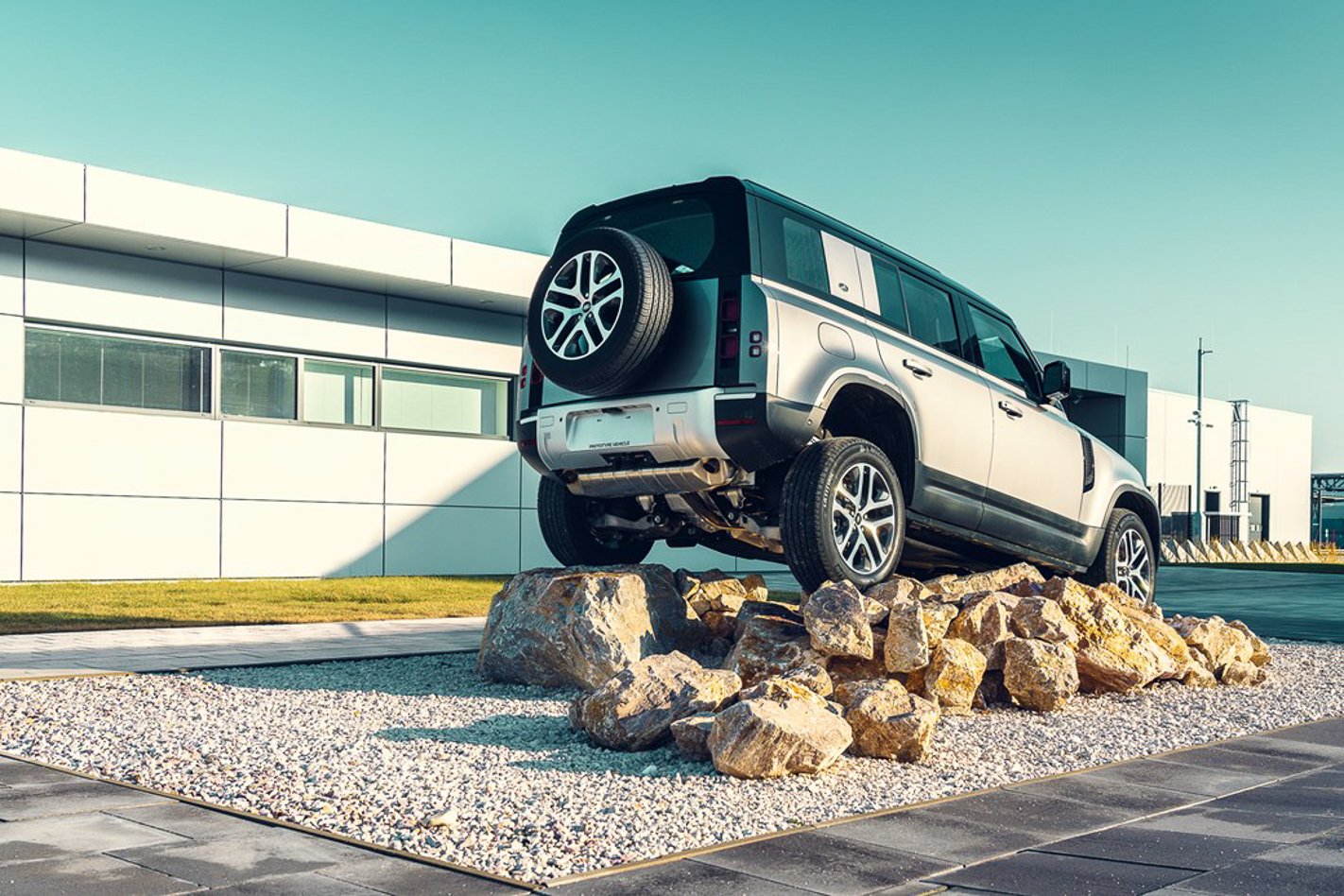
We’re visiting Nitra towards the end of the day’s first 6am to 2.15pm shift, so the lines of double-parked buses that disgorge the next shift (2.15pm to 10.30pm) and take the current workers away won’t be here for a couple of hours. For now only a few workers file through the security turnstiles, past a display Defender that straddles a rock garden, and into the large reception area. There are strong echoes of Land Rover’s Gaydon headquarters to the materials and layout inside, as well as a signpost listing the distance to JLR’s other global operations, including 1534km to Solihull, 1505km to Gaydon and 1514km to Whitley.
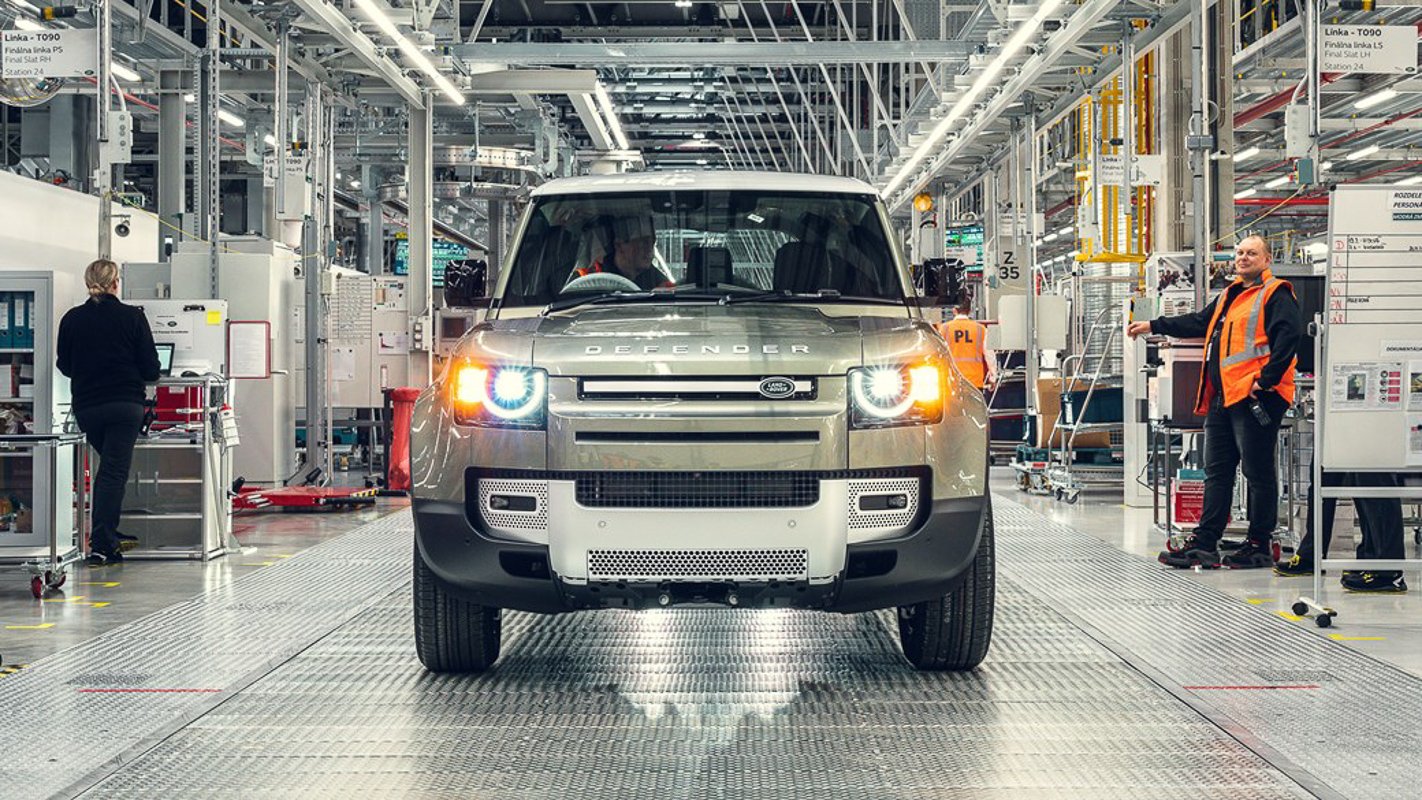
Also familiar is the Brummie accent of operations director Russ Leslie, who used to work on the Discovery 3 production line at Solihull after being made redundant from an accountancy job at a building firm in the early ’90s. Leslie has form with this kind of thing, most notably as planning and launch director for JLR’s Chinese plant in 2011. He’s as grounded, easy to chat with and likeably direct as his background suggests.
Leslie explains JLR wanted to continue to expand its global footprint, as it has done in recent times with its facilities in China, Brazil and India and contract manufacturing in Austria. A bigger footprint helps protect against currency fluctuations, and Slovakia was chosen over a highly competitive Mexican bid thanks to an affordable workforce and the breadth of existing infrastructure and suppliers. And €125 million (AUD$204 million) of government aid also helped – it was investigated by the European Commission before being declared okay by EU state-aid rules.
The country certainly has an impressive track record in automotive production: Slovakia became the world’s biggest producer of cars per capita in 2007, and last year this population of 5.4 million knocked out 1.1 million cars. PSA, Kia and the VW Group are already well established, the latter with premium Audi, Porsche and Bentley, a virtuous whirlpool that helped suck in JLR too. The decision to put down roots in Slovakia came in 2015, ahead of the Brexit vote, Dieselgate and the Chinese downturn, at a time when UK plants were at capacity.
The area around Nitra does not, however, have a long manufacturing tradition, being better known for food and agriculture. JLR’s arrival helped slash the unemployment rate from 11.2 percent to 2.1 percent, the lowest of any Slovakian region. Leslie has overseen the recruitment and training process, which includes a training academy, JLR’s only such facility outside the UK. “Some people were unemployed and needed re-training, others switched from other automotive roles in the region. It’s a six-stage training process that includes dexterity, muscle training and IPS, our integrated production system. It’s tough – not everyone made it.”
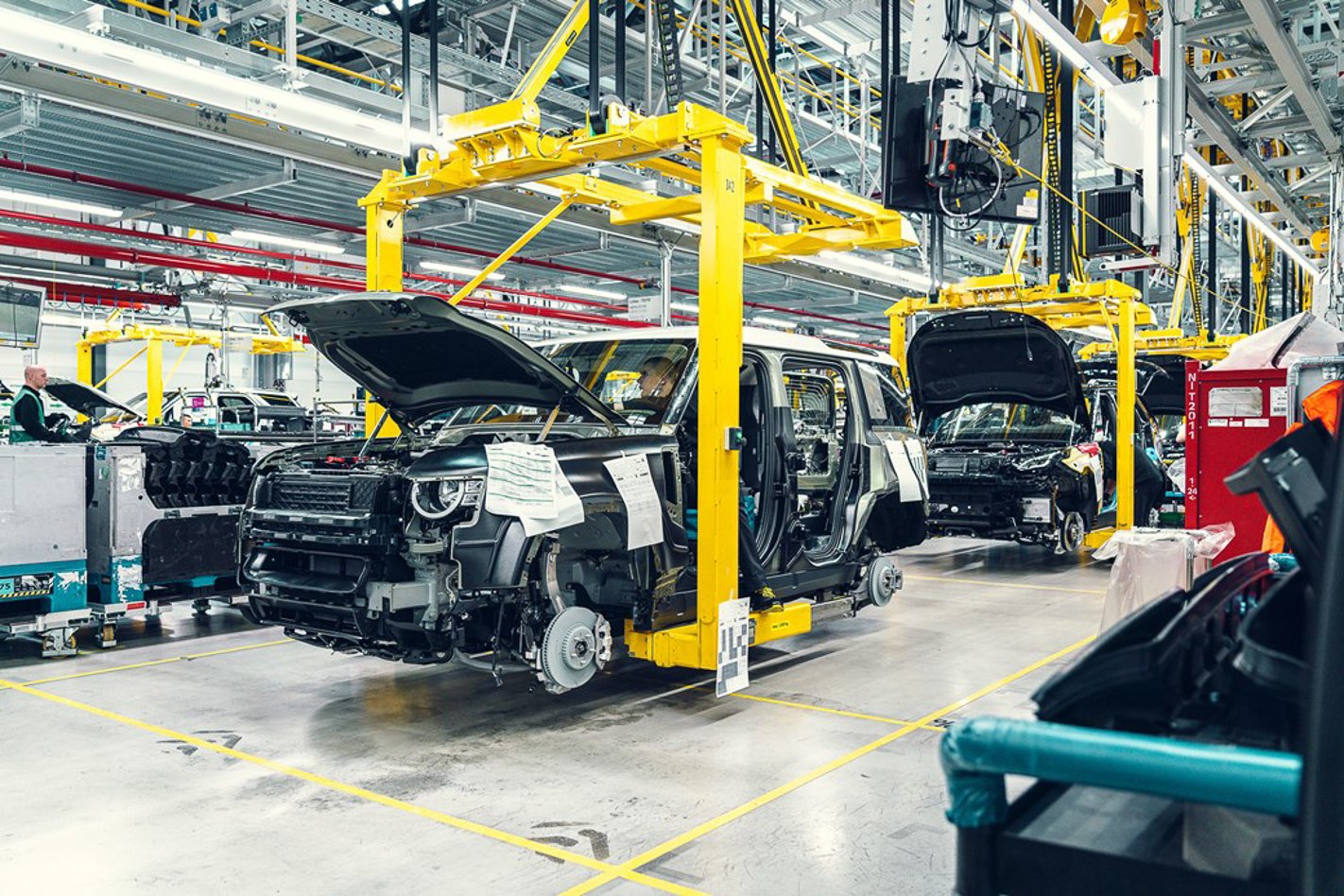
A naked aluminium Discovery 5 bodyshell sits in a wide corridor outside the body shop, the first ever produced at Nitra in September 2018 and scrawled with the signatures of employees. The Discovery gave Land Rover a known engineering quantity with which to get the all-new factory up and running; so far Nitra has built 36,000 of them; production ended at Solihull in 2018.
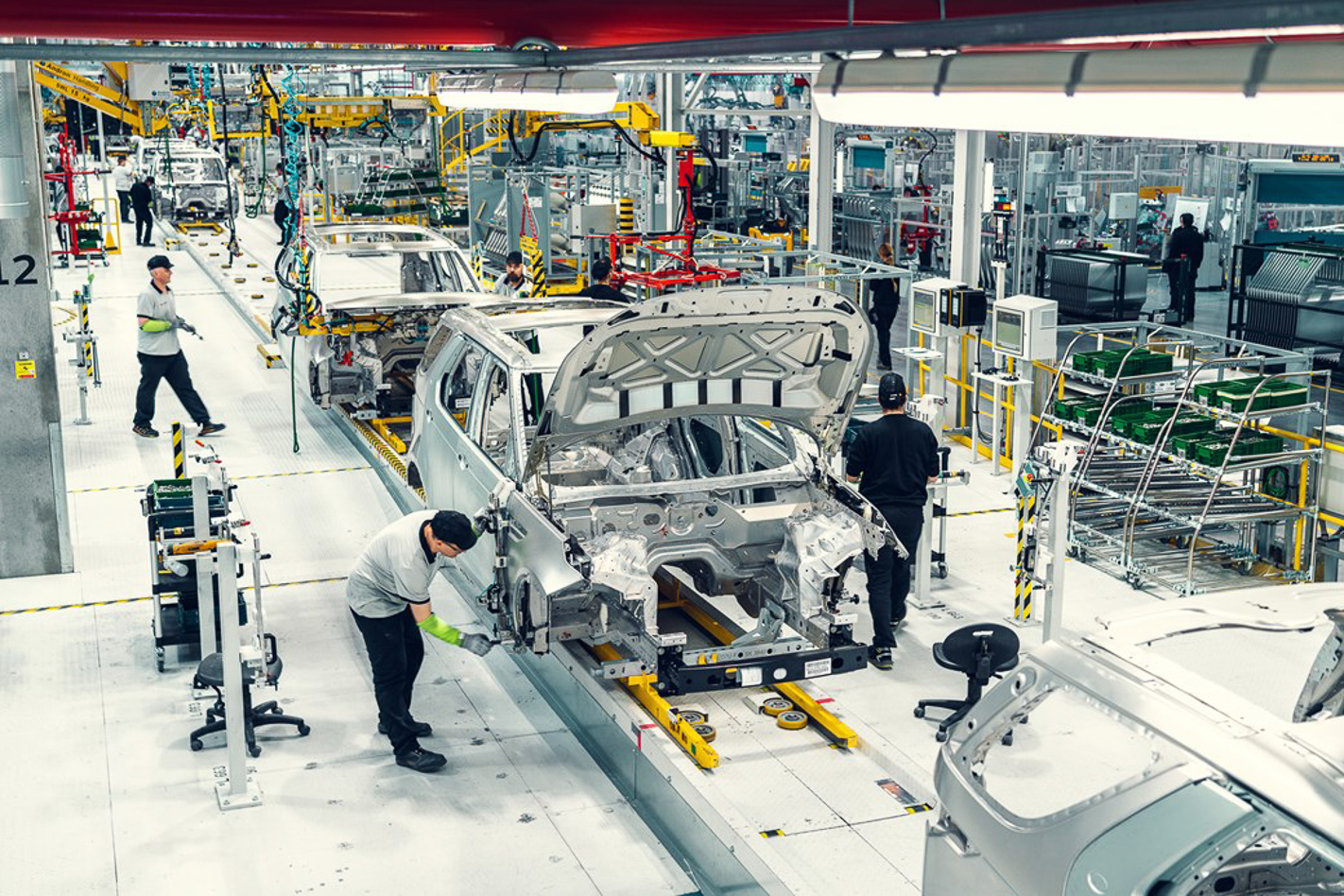
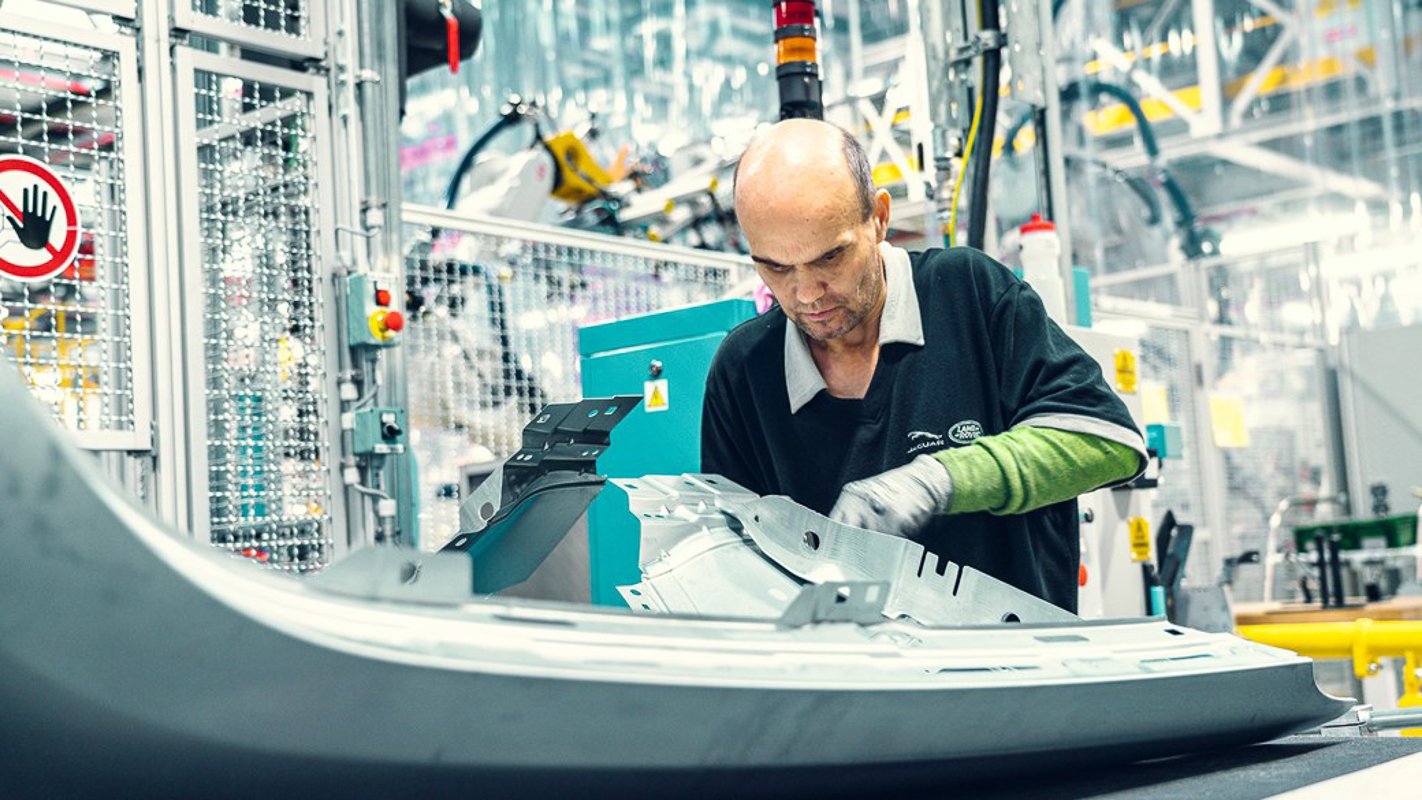
We see the next production run beginning in the body shop. Superficially it looks much like many other modern manufacturing facilities: a sterile environment with squeaky floors painted silver-grey, contrasting with the yellows and reds that demark where you can stand and what you should hold on to, and the structures that carry vehicles around. It’s an environment where you expect men and noise, so two things are striking: the number of women, and the lack of din.
Females make up 30 percent of the workforce, well up on the five percent typically employed by other premium car makers in the region. “The male population working in automotive was going to the bigger companies – VW, PSA – so we had to adapt to the situation and train people that worked in the supermarket into automotive people,” explains Classon.
The majority of employees are Slovaks, with an average age of 37, but their backgrounds are diverse: we meet Luca, a 36-year-old production leader, who worked at Honda in Swindon; and Jana, a 40-year-old group leader who was previously a manager at Tesco.
It’s comparatively hushed in here because manufacturing cars from aluminium is a quieter, cleaner process than steel, with rivets and adhesives used rather than welding. But Nitra is also quieter and cleaner than the more labour-intensive production of aluminium Defenders at Solihull. Workers there would wear earplugs and their overalls would often be coated with grime come shift’s end; it was more physical graft assisted by only 10 robots. Nitra has 624 robots in its body shop alone, most employees wear no earplugs and their uniforms – grey branded polo shirts or black jumpers, black cargo pants and black shoes – appear unmarked, even come clocking-off time.
Production begins with sub-assemblies and aluminium structures, and we see the familiar shapes of Defender body sides hung like shirts on a clothes rail, ready to join the production choreography. The parts feed down a Kuka Pulse production line, a system unique in Europe that’s 30 percent faster than equivalent systems and inspired by a rollercoaster at Cedar Point in the US. A central carbon fibre rail and magnetic fields move vehicles from station to station at speeds of up to 3.6 metres per second, covering 2.7 kilometres in total. The flexible process allows the Discovery and Defender to go down the same line in whatever percentages customer orders demand.
Each station on the production line has a ‘takt time’ of two minutes – manufacturing jargon for the allotted time before the line automatically moves to the next step – and employing 90 maintenance staff minimises downtime.
If aluminium is cleaner and quieter than steel, it is also less forgiving, and the Defender bodies must be aligned to within 0.5mm of accuracy as the bodyshell is formed into one piece. This process involves body sides, the underbody and roof being fixed together by 15 robots in an incredibly confined space at a framing station – again, in a maximum of two minutes.
By the time the bodyshell is complete, 3600 rivets of 36 different sizes, 1700 metres of adhesive beads and 400 individual parts have been used, many of them brought to the line by a large yellow autonomous HGV dubbed Zoltan. More people work on the cladding line, where the doors, bonnet, tailgate, bumpers and wings are added to the body. “This is the only process that is manual [in the body shop],” explains Classon. “It could have been automated, but it would have been too big an investment.”
Up to this stage, all Defenders are generic other than having either a 90 or 110 body, but subsequently a small grey box spits out the vehicle identification number – the birth certificate with which a Defender becomes an individual car, destined to have a certain colour, trim, wheels and powertrain.
With the bodyshell complete, each car will pass to the paint shop and its eight work stations. Bodies file through an electro-coating rotational dip system, where they rotate in baths for pre-treatment, before painting by a seven-axis set-up – a kind of Carlsberg system that allows the 64 robots to paint parts other robots cannot reach, and in a smaller spray booth too. Waste paint is absorbed in limestone, which later becomes concrete. So carefully has every detail been considered that you might as well look for a needle in a haystack as a stray bolt on the floor.
Most people are employed in the trim and final area – 1400 employees busy at about 250 assembly stations here, 50 percent of them female, all managed under the watchful eye of Ulas Bagci, a big, friendly, fast-talking man with a physical presence that encourages good behaviour. Bagci learnt the ropes for years at Ford Otosan in Turkey before starting at Nitra in January 2017. He says that if you walk all of ‘trim and final’, you’ll cover two kilometres, and that his team walks around 10km daily. “I sometimes ask them to show me their smartphone, and if they have walked less than me, they have a problem!” he jokes. Ha!
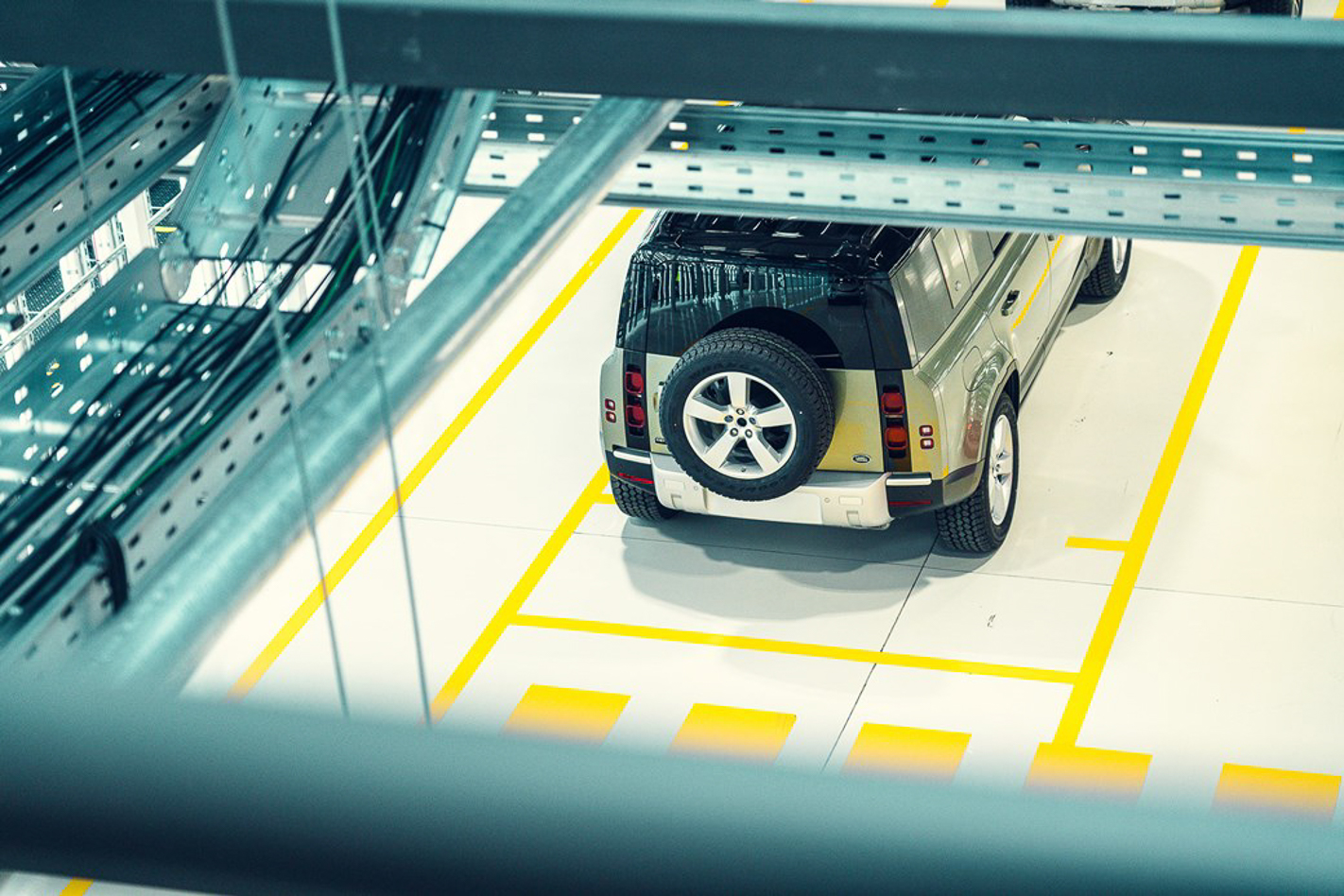
What was a collection of recognisable body parts quickly becomes a car here. A robot pauses to measure the glass and scan a part number of a panoramic roof, carefully applies sealant around its perimeter, and then suddenly swirls round and up, as if breakdancing, to fit the glass panel to a Defender’s roof. A powertrain complete with axle assemblies is hoisted up for the marriage of body and running gear, the moment a Defender gets its ‘soul’, says Bagci.
Near the very end of the line, workers add fixings to the underside of seats suspended in the air, before easing them in to interiors. Wheels are fed in from beneath each car on what looks like an airport luggage belt, the right size and style ready to meet the car as it arrives. Workers can pull a yellow cord for help if that two-minute deadline is likely to slip, and if they pull it three times the line stops. Bagci says the 80kg wiring harness is complex and probably the biggest bottleneck in production.
| 4×4 opinion: Bucket list – driving the Defender Heritage 90
It’s all a long way from Solihull, and not just the 930 miles. In every objective way, it seems, production of the Defender has improved, and many buyers will not care where their Defender is made, just as Triumph customers buy British motorcycles built in Thailand or BMW customers buy German SUVs made in South Carolina. And JLR, let’s not forget, remains committed to Britain, with its vast design and engineering base at Gaydon, and its plants at Halewood, Castle Bromwich, Solihull and Wolverhampton.
Personally, I find myself torn between the economic logic of Nitra and the emotional pull of Solihull, wondering if they shouldn’t have at least kept a Defender footprint in the UK, as they have with Evoque.
Then again, navigating new territory always has been a Defender forte.
This article was originally published at carmagazine.co.uk.
