
- RAV4 hybrid demand caught Toyota by surprise
- Some customers waiting for 12 months
- COVID-19 could delay RAV4 further
And thanks to the popularity of cars like the Corolla Hybrid, Camry Hybrid and the RAV4 Hybrid, Australia’s contribution of 27,800 cars last year is an all-time high for the Japanese brand – and for any brand for that matter.
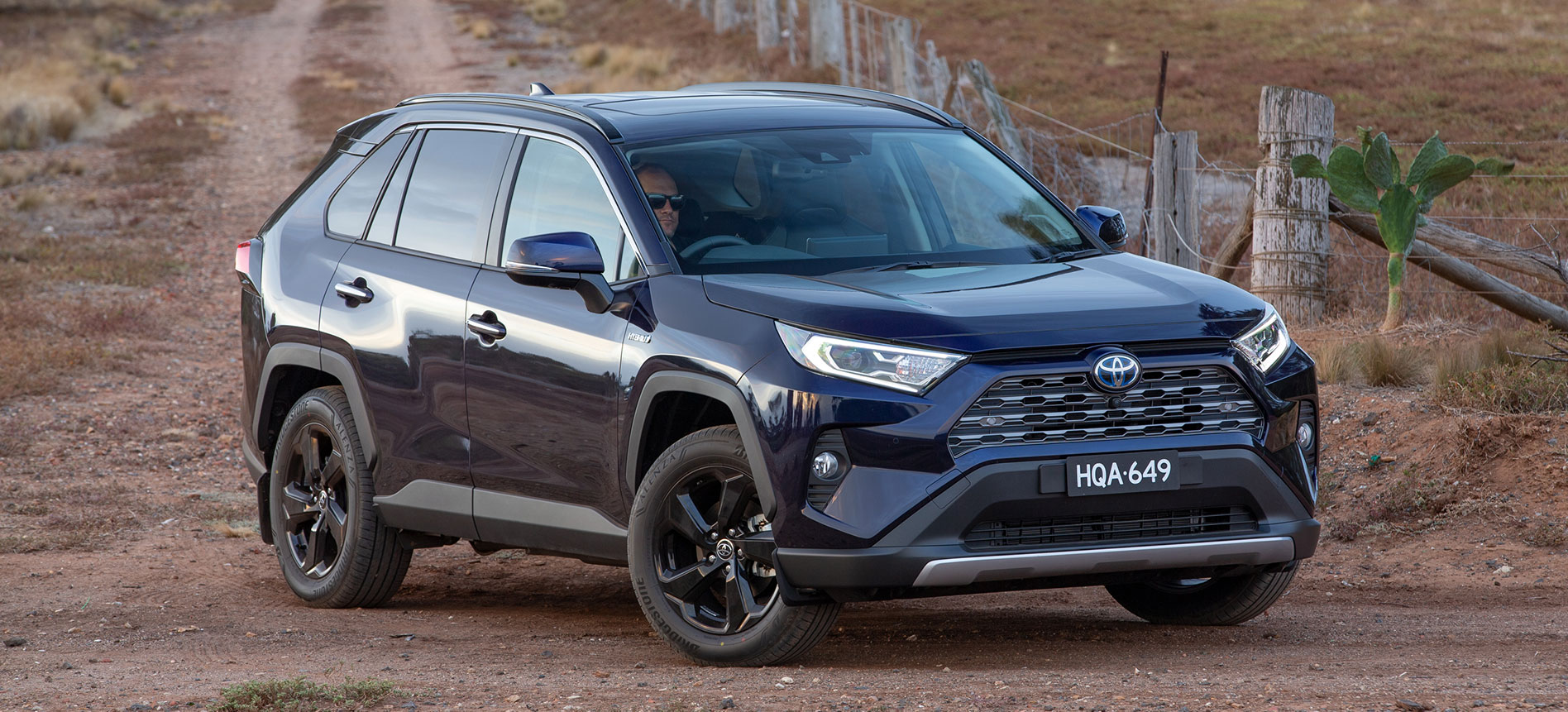
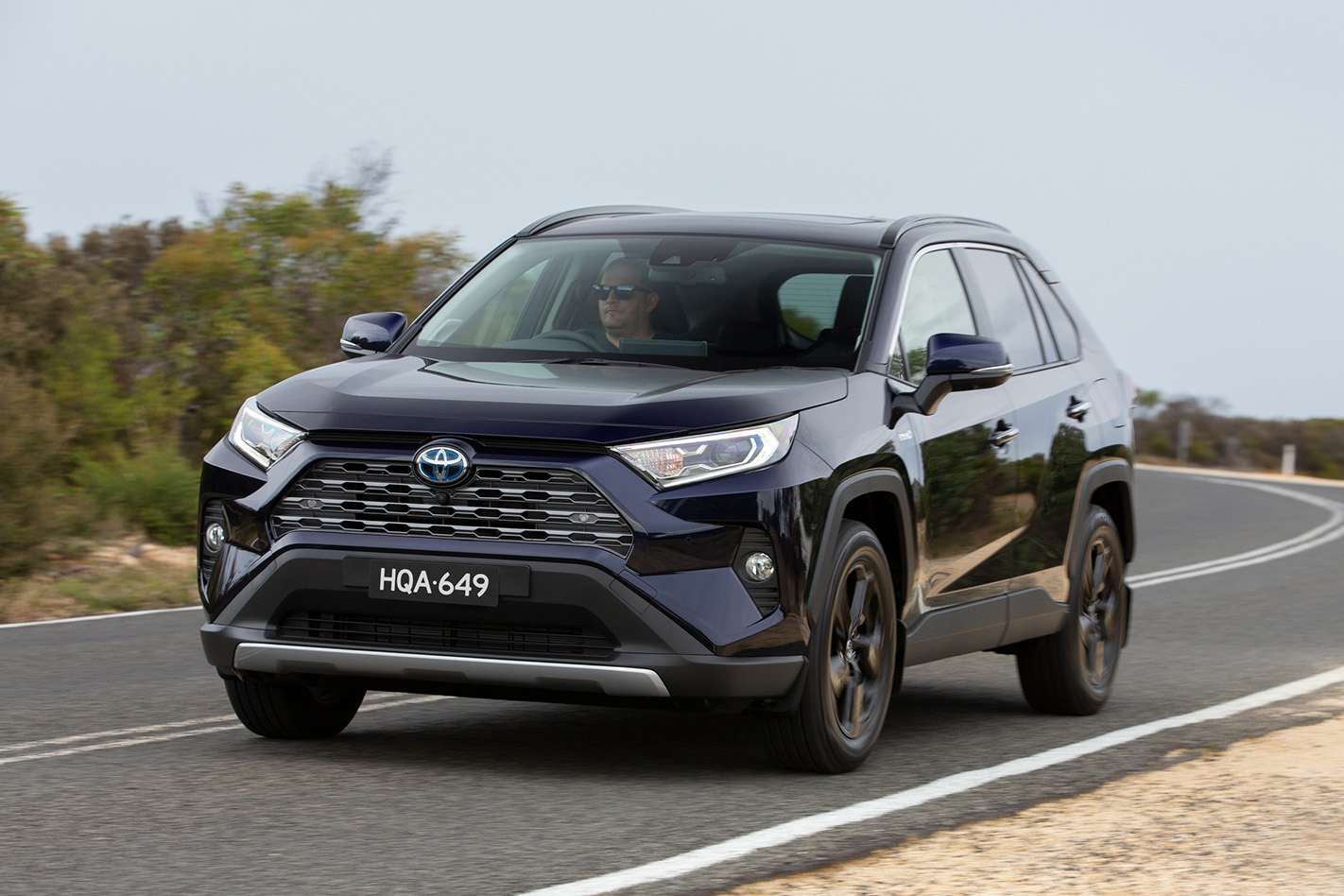
The release of the hybrid Toyota RAV4 has been a smash hit for Toyota, with more than 60 per cent of RAV4 sales in 2020 coming from its hybrid line-up.
Unfortunately, the demand has created a drama for Toyota, with some customers reporting waits of up to 12 months for the RAV4 hybrid of their choice.
In many ways, the Toyota RAV4 can be considered the grandparent of the SUV movement – and after just 26 years on sale, the ubiquitous RAV has topped 10 million worldwide sales, a feat that took the venerable LandCruiser 68 years to do.
However, the popularity of the fifth-generation RAV4 has some of its customer-base jumping in frustration, not joy.
Compounding the issue is a convoluted ordering system that doesn’t allocate cars on a first-come-first-serve basis, dealers that are allegedly prepared to allow a customer to ‘gazump’ another on price and delays caused by the worldwide slowdown of the car industry thanks to the novel coronavirus pandemic.
Such is the level of frustration, customers are creating public social media accounts to vent their anger.
One such customer said that he had been quoted a delivery time of between six and eight months after ordering in September 2019, but is now not set to receive his car until this September.
“Does anyone find a 12-month wait for ANY car completely insane?” he said.
Other customers have reported that they are being offered cars from allegedly cancelled orders that are not the same spec as their order and at a non-negotiable price.
A Toyota Australia spokesperson told WhichCar that the demand for RAV4 hybrids as been “extraordinary”.
“As of mid-March 2020, we have been able to fulfil more than 90 per cent of orders for RAV4 hybrids, since launch, within six months of ordering, with the average wait time being four to five months,” the spokesperson said.
“We are working to reduce the wait time for anyone who has waited more than six months by making minor adjustments to our systems to try to reduce delivery times by a variety of means.”
This adjustment will try and balance the order sheets between large fleet orders – which is essentially the reason a first-come-first-served order system can’t be applied to a car with high sales volumes – and private sales.
Against the run of play, Toyota has also secured additional supply of hybrid RAV4s, despite it initially building its planning model around a 35 per cent hybrid mix.
With demand that’s exceeded 50 per cent, renegotiating with Tokyo head office is a tricky business, given how far in advance car companies program their factories to produce cars.
“We have also successfully negotiated additional shipments of RAV4 hybrids that will arrive throughout 2020, which we hope will also contribute to reducing delivery times in the next few months and will continue negotiating for an even greater share of global production to further reduce wait times,” confirmed the spokesperson.
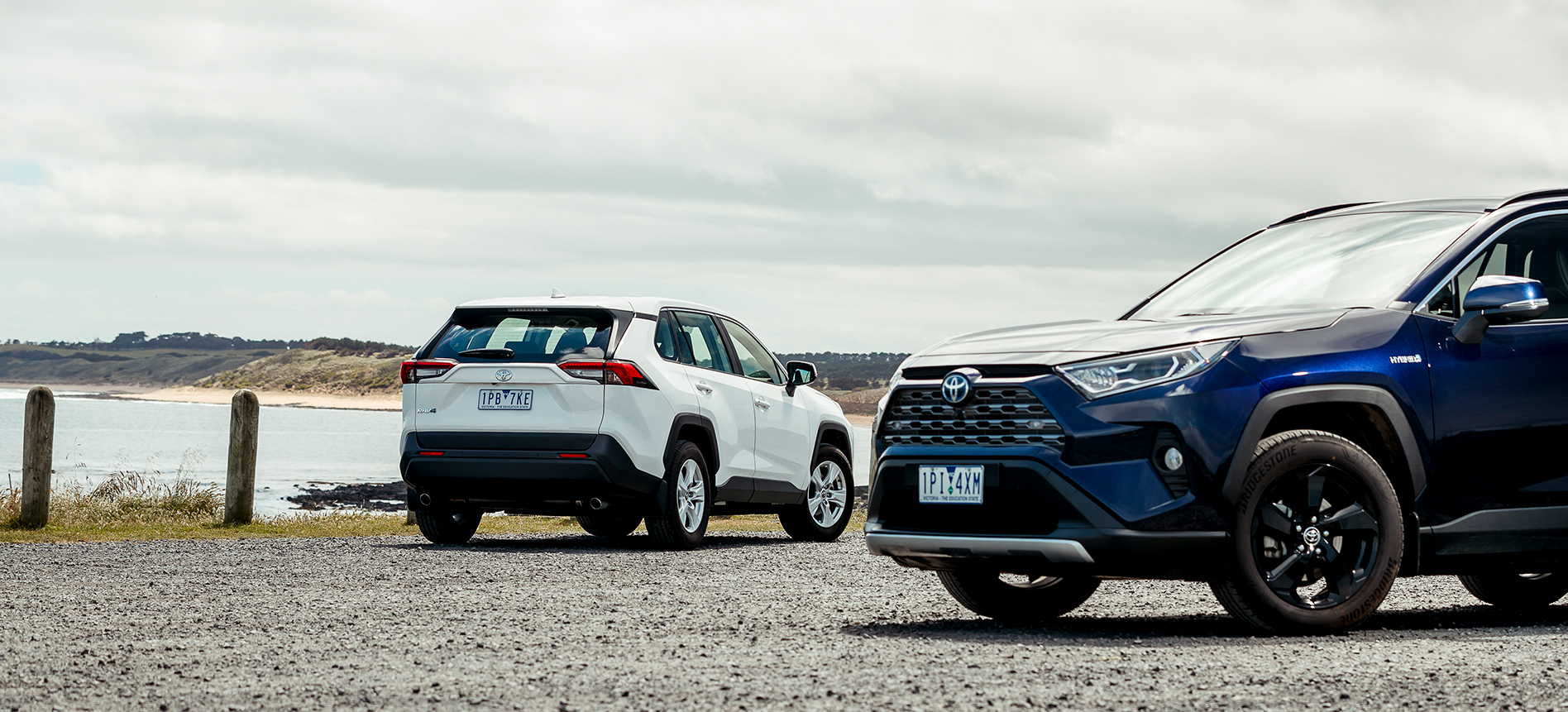
However, there is a dark cloud looming on the horizon for customers awaiting their new RAV4 hybrid. There have been documented delays at the Takaoka plant in Japan – home of the RAV4 and Corolla – after two cases of COVID-19 were reported, which is likely to affect output.
As well, a lock-down of industry and travel in a country that – somewhat ironically – is poorly set up for remote working will also present delays.
“RAV4 did have a very strong sales result in March, mainly as a result of pent up orders from previous months,” said the spokesperson. “The current COVID 19 situation will likely have a significant impact to delivery times of RAV4 Hybrids; however, it is too early to predict exactly what that will be.”
What stands out?
Honda’s biggest seller in Australia, the HR-V is an athletic-looking small SUV with lots of standard equipment. Its excellent interior has more passenger and cargo space than most alternatives, thanks in large part to the versatility of its ‘Magic’ rear seats. It feels smooth and easy to drive, and offers auto-braking and other advanced safety tech across the range.
What might bug me?
The parcel ‘shelf’ over the rear cargo area – it’s a flimsy mesh/cloth item that seems like a design afterthought.Keeping comfy on long drives: the front seat bases feel flat. Subtle sculpting of the cushion, which is the norm, would have improved thigh support.Driving under 80km/h on the space-saver spare until you can fix your full-sized flat tyre.
What body styles are there?
Five-door wagon only.The Honda HR-V drives its front wheels, and it is classed as a small SUV, lower priced.
What features does every Honda HR-V have?
Cruise control, a reversing camera with normal, wide and top-down view modes, and climate control air-conditioning (which can maintain a set temperature).A sound system with an AM/FM radio, a CD/MP3 player, two USB inputs, an HDMI port, and Bluetooth phone connectivity with audio streaming, operated from a 7.0-inch touchscreen that accepts swipe and pinch control.Support for Apple CarPlay and Android Auto, which allows you display apps from compatible smartphones on the touchscreen.Multi-angle reversing camera and satellite navigation.Height and reach adjustment for the steering wheel, which carries buttons for operating the cruise control, audio and Bluetooth.A multi-information display, which presents distance, speed, fuel consumption and outside temperature data, and offers two user-programmable speed alarms.Brake hold and hill-start assist functions integrated with the electric park brake. Remote keyless entry, and power windows that can be opened from the key fob.A tyre deflation warning system, indicator lights in the side mirrors, LED daytime running lights, and LED taillights.Brake hold and hill-start assist functions integrated with the electric park brake. Power windows that can be opened from the key fob.A tyre deflation warning system, indicator lights in the side mirrors, daytime running lights, and LED taillights.Aluminium alloy wheels, which are usually lighter and better looking than steel wheels, and a space-saver spare wheel.Six airbags: two directly in front of the driver and front passenger; one alongside each front occupant to protect the upper body; and a curtain airbag on each side to protect the heads of front and rear occupants.Electronic stability control, which can help the driver to control a skidding car. All new cars must have this feature.Every Honda HR-V carries a five-year warranty, with no limit on the distance travelled.
Which engine uses least fuel, and why wouldn’t I choose it?
There is only one engine in the HR-V, a 1.8-litre petrol four-cylinder. It uses the least fuel in the least expensive model, the HR-V VTi, because that is slightly lighter than the more lavishly equipped VTi-S and RS. The VTi uses 6.6 litres/100km on the official test (city and country combined), and the others use about 5 per cent more.A continuously variable automatic transmission (CVT) is the only gearbox available.
What key features do I get if I spend more?
Spending more to step up from the HR-V VTi to the VTi-S brings keyless entry and a start button that allow you to unlock and start the car with your key kept safely in a pocket or bag. Windscreen wipers operate automatically when it rains, and bright, very long-lasting LED headlamps turn on automatically when it’s getting dark.There is a leather wrapped steering wheel and gear lever handle, front foglights, and roof rails – which provide mounting points for roof racks.The wheel size rises from 16 inches to 17-inches, which makes the VTi-S smarter looking than the VTi. The left side exterior mirror tilts automatically when you are reversing so that you can see the gutter and avoid scratching your wheels.The VTi-S also gains Honda’s LaneWatch system, that providing the driver with an 80-degree view of the passenger side.Honda introduced a special edition VTi-L S +LUXE that added leather-appointed seats and front-seat heaters, plus premium paint as standard for an additional $2000 over the VTi-S.The HR-V RS replaced the VTi-L in August 2018 and has sportier exterior trim, with bigger 18-inch alloy sports wheels, black chrome front sports grille, black mirror caps, dark chrome door handles, honeycomb front lower grille and fog garnish, a piano black body kit, privacy glass on the rear doors and the RS badge.Performance is the same as the other HR-Vs, but handling is sharper thanks to a new variable gear ratio steering within the electric power steering.The interior gains leather-appointed seat trim across driver and all passenger seats, heated front seats, smooth sports leather steering wheel and leather gear knob and gear-shift pedals.The most expensive HR-V, the VTi-LX, provides a more sophisticated alternative to the RS and adds chrome door handles and a panoramic sunroof. It’s equipped with front and rear parking sensors, power window with automatic one touch functionality, LED Interior light and LED Map light, auto dimming rear view mirror and an eight-way power adjustable driver’s seat.The VTi-LX also comes standard with additional advanced driver assist features including forward collision warning, high-beam support system and lane departure warning.
Does any upgrade have a down side?
Metallic and pearlescent colours come at an extra cost of about $600. Of seven colours available, Taffeta White is the only non-metallic colour and therefore the only no-cost standard colour.
How comfortable is the Honda HR-V?
The Honda HR-V rides nicely over bumpy roads – perhaps not quite as well as the Mazda CX-3 and Renault Captur, but still very well.The fittings inside are also very good, with the exception of the front seat cushions. These are short and flat, which compromises comfort on long trips. We recommend test-driving an HR-V and making up your own mind, because the level of front seat support may vary for people of different sizes and statures.The bigger wheels and tyres worn by the VTi-S, RS and VTi-LX don’t detract much from comfort.Under way the HR-V interior is very quiet, and free from excessive wind, suspension and tyre noise. Perhaps because it is so well insulated most of the time, you do notice a rise in tyre noise on the coarse-chip surfaces found in many regional areas.The quality of the plastics, textiles and carpets in the cabin is high, and the presentation of the instruments and controls is attractive. The leather wrapped steering wheel contributes to the sense of luxury in the more expensive versions, but even the VTi (which has a plastic steering wheel finish) feels nice inside.
What about safety in an HR-V?
Six airbags, a multi-view reversing camera, a tyre pressure monitoring system, seatbelt reminders, and bright, fast-illuminating LED taillights are high points in an impressive safety package that is standard even on the HR-V VTi.City-speed automatic emergency braking (which will help you avoid rear-ending a car in front when distracted) was rolled out to all HR-Vs, with the updated model, in August 2018.The HR-V VTi-LX builds on this with a forward-collision warning (which will warn you, even at highway speeds, if you are in danger of colliding with a car in front), and a lane-departure warning (which will prod you if you have begun to drift distractedly out of your lane).The Australasian New Car Assessment Program (ANCAP) awarded the Honda HR-V five stars for safety, its maximum, in December 2015.
I like driving – will I enjoy this car?
The overall dynamic standard among small SUVs is surprisingly high, which means that while the Honda HR-V is about average for performance in corners, it is still an enjoyable car.The HR-V is not quite as capable during enthusiastic driving as the Mazda CX-3 and Holden Trax. However, the Honda’s user-friendliness in urban driving brings a different kind of pleasure.The HR-V’s steering is short on road feel, and the car turns into corners with less enthusiasm than the two alternatives mentioned above. Nevertheless, once the driver is used to the steering, the HR-V is easy and entertaining to drive along a twisty road.The engine is smooth and capable for most normal driving duties, even if it is not responsive enough to feel exciting. The Mazda CX-3, for example, has a bit more power and weighs about 10 per cent less than the Honda, and it performs with noticeably more oomph.For enthusiastic driving, the CVT transmission is not as much fun as a good conventional automatic, or a manual gearbox. The relationship between how far you press the accelerator and how hard the car goes feels less direct. The CVT is better in the RX, which gets manual gear shift paddles and artificial gear ratio steps that make it behave more like a normal automatic.
How is life in the rear seats?
The HR-V has a longer wheelbase than other small SUVs – there is more distance between the front and rear axles. This with its terrific interior packaging results in plentiful rear leg room.The swoopy, two-door-like look is a visual play, because the HR-V’s roofline doesn’t taper downwards excessively at the back. Head room in the rear seats is very good, as are foot and shoulder room.The rear seat cushion and backrest feel very comfortable and the seat is sited high, which affords back-seaters superb forward vision.
How is it for carrying stuff?
A fuel tank located in the middle of the car, beneath the floor, helps give the Honda HR-V a boot that, at 437 litres, is one of the biggest in a small SUV. It is large enough to make the HR-V an alternative to a bigger car for some buyers.The HR-V also offers more versatility in the cargo area than any other small SUV, thanks to the Honda brand’s clever ‘Magic’ rear seats. When the seatbacks are folded, the seat base also folds forward and down, to lie flat on the floor. The result is a taller load area than would be possible with a conventional folding backrest design.Usefully, the seatbacks can alternatively be left upright and the seat bases folded upwards, to liberate space for tall items in the rear seat area.
Where does Honda make the HR-V?
The Honda HR-V is manufactured in Thailand.
What might I miss that similar cars have?
All-wheel-drive, which is available on the Hyundai Kona, Kia Seltos, Mazda CX-3 and Subaru XV, for example. That would help the car feel more secure if you were driving on gravel roads or other slippery surfaces.More power, from a turbocharged engine. The Kona, Seltos, Suzuki Vitara, Fiat 500X and Jeep Renegade, Toyota C-HR offer this, for example.Among other cars you might consider are the Renault Kadjar, Nissan Qashqai and Mitsubishi ASX.
I like this car, but I can’t choose which version. Can you help?
It is difficult to arrive at just one sweet spot in the HR-V range, because all the versions have appeal. The VTi is attractively priced and temptingly equipped. And yet the VTi-L is loaded with equipment and seems expensive only for its size, and not for what it offers as a package.If you’re considering the VTi-L, it would be difficult not to choose the ADAS pack, because it brings some very desirable safety equipment for $1000.Perhaps the VTi-S offers the smartest balance of price and equipment. It looks better than the VTi, with its bigger wheels and fog-lights, and it feels a bit nicer inside.
Are there plans to update the HR-V soon?
The HR-V arrived about February 2015, and power adjustment for the driver’s seat was added to the HR-V VTi-L about March 2016.Satellite navigation was added to all HR-Vs in the second half of May 2017, and the CD player was dropped. The LaneWatch left-side blind-spot monitor on the VTi-S and VTi-L was also dropped. (LaneWatch was incompatible with the sat-nav; Honda said it would be reinstated on HR-Vs built after it had engineered a remedy.)An update in August 2018 brought a mild facelift, autonomous emergency braking as standard across the range, and the sporty RS version in place of the VTi-L.In February 2019 an special edition HR-V +LUXE was introduced that added leather appointed seats, and front-seat heaters to the VTi-S spec.In April 2020, the HR-V adopted the Honda Civic’s infotainment system with Apple CarPlay and Android Auto smartphone pairing.No major updates are expected until early 2021, though there may be equipment upgrades and more special editions.
The Virgin Australia Supercars Championship may have been put on pause months ago but Triple Eight Race Engineering is no less busy.
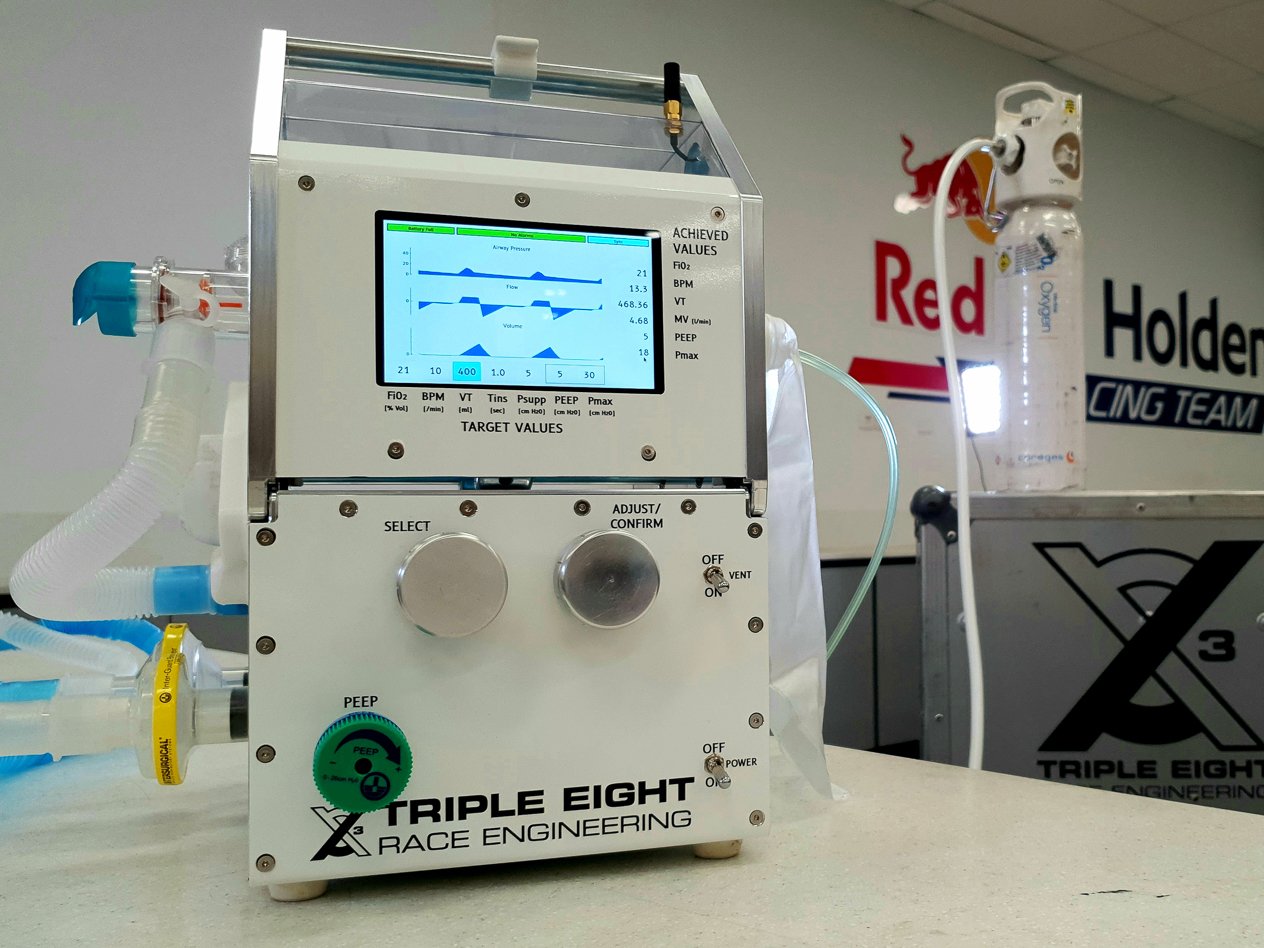
The race team based in Brisbane has pivoted on its axis to complete the all-encompassing challenge set by the Queensland government that saw Triple Eight develop a prototype breathing ventilator.
Dubbed the Conrod Project, the race team has documented the latest developments of the V2 ventilator in a behind-the-scenes documentary showing just how Triple Eight was able to make something so complex from scratch, while knowing nothing about it at all.
The government’s call to arms aimed squarely at industries like that of motor racing, and Triple Eight even went over and above the government’s guidelines to provide a more well-rounded device.
“The [Therapeutic Goods Administration] has put together a specification document which has a ‘required’ list and a ‘desired’ list for COVID-19 ventilators. Our ventilator is currently on track to satisfy both lists fully, but clearly would still need to be approved by the TGA if and when it goes into production,” said Mark Dutton, the team manager of Triple Eight.
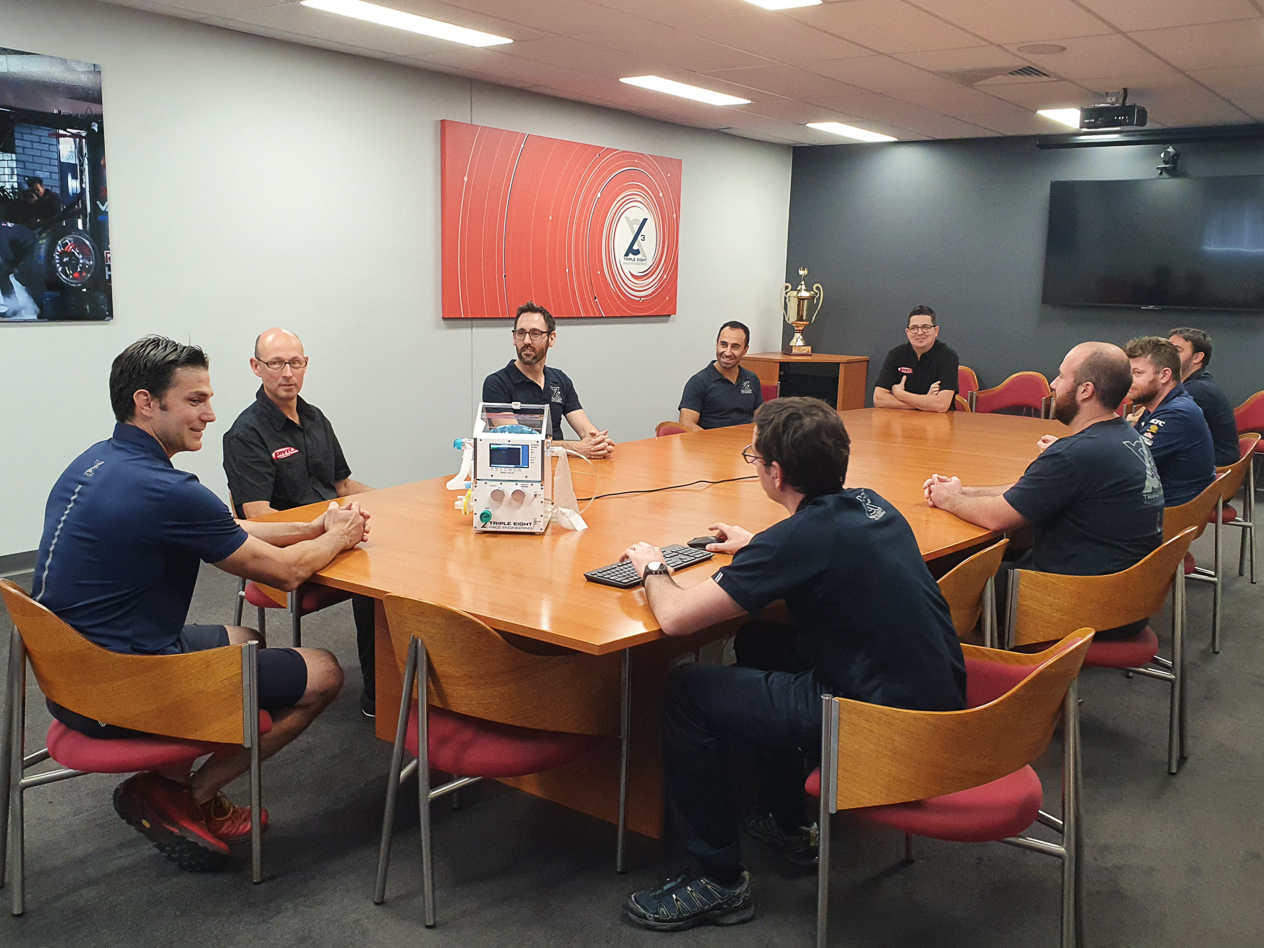
Such additions include screens that display vital information and 4G capability for medical staff to monitor patients remotely.
Triple Eight says hospitals are not just lacking ventilators, but the staff required to monitor patients on ventilators.
“We’ve tackled that by installing onboard telemetry, like the race cars, so that means one specialist can be monitoring as many patients as they feel comfortable, whether that’s 10, 50 or 100, and with the onboard alarms they can then direct the attention to the patient that needs it,” said Dutton.

Triple Eight has partnered up with cooling solutions manufacturer PWR (which is also based in Queensland) on the project.
“If a ventilator like this is required at some point, for use in sub-optimal conditions such as a field hospital, then PWR is equipped with world-class facilities right here in South East Queensland that could be available to start mass manufacturing very quickly,” Dutton added.
Usually when we at MOTOR come across listings online, it’s because we’ve been window shopping for cars. Normally cars that are a bad idea and will do awful things to our bank balances.
But sometimes we stumble upon listing that are actually financially sound. Those listings are usually houses. Is it even possible to lose money on a house? We’re not sure, we’re busy losing ours on old cars.
Anyway, the latest dream-garage-with-a-house-attached we’ve found is this inner-Canberra luxury property. With four bedrooms and plenty of living space, it already looks like somewhere you’d imagine only the wealthiest of non-celebrity folk could live – it’s tagged with an rough price of more than $3,350,000.
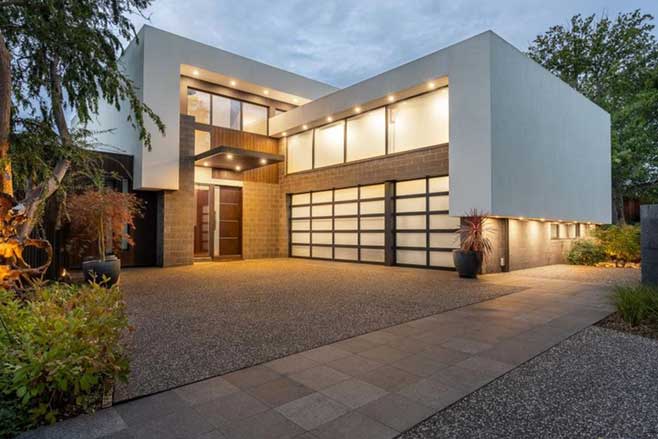
But the garage is what we care about. It’s only got space for five cars, which doesn’t make it the largest we’ve come across, but its layout is rather impressive.
With two hoists in the narrow space between the garage door and the back wall, there’s room to work on two cars with the aid of sunlight and a wall of tools nearby. The driveway is also big enough to be used for some The Castle-style shuffling of vehicles.
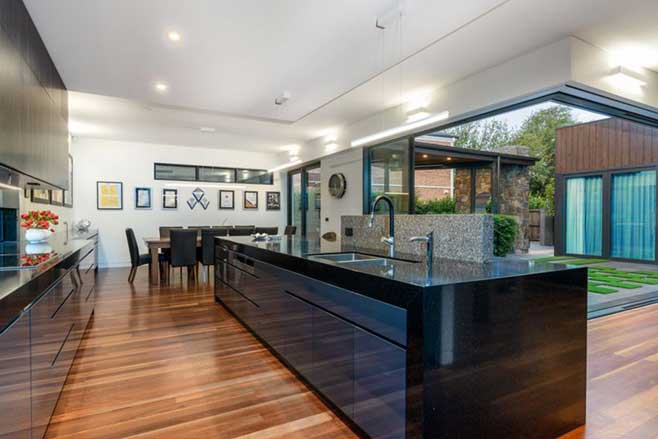
It’s refreshing to see a garage layout in which most vehicles are easily accessible quickly.
Clearly, the owner has a bit of a thing for Bentleys too. Not only is there a Continental in the garage, but there’s some framed Bentley memorabilia on the office wall.
You can check the listing out at RealEstate.com.au.
Up until now we’ve known very little about Hyundai’s Santa Cruz ute concept.
From what we’ve seen in development mules and computer-generated images, it’s a quirky take on the traditional ute for those with ‘active lifestyles’.
However, with Hyundai Australia stating it’s a US-only proposition, don’t expect to see the cool concept Down Under.

Sadly for us, the monocoque-based Santa Cruz is only intended for the left-hand-drive North American market, with its dimensions placing it below our familiar dual-cab offerings in terms of size.
American outlet Car and Driver revealed that the Santa Cruz will do battle with the likes of the Honda Ridgeline, with the choice of two petrol four-cylinder engines powering all four wheels.
Both powerplants are taken from the USA-spec Santa Fe: a naturally aspirated 2.4-litre four-cylinder offering 137kW/241Nm and a 2.0-litre turbo four producing 175kW/352Nm.
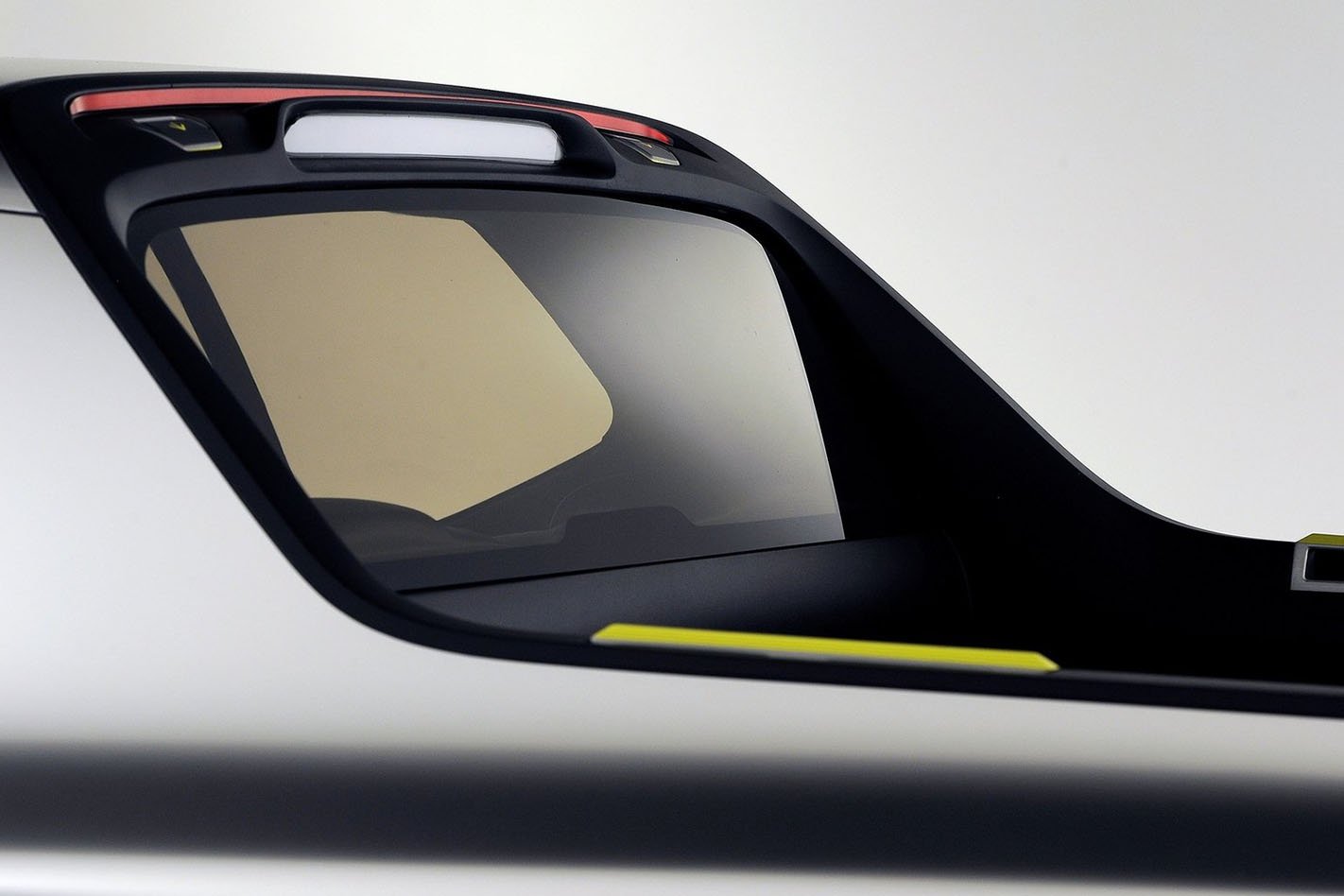
However, it’s not the only ute being developed by Hyundai, with a bigger, more workman-esque dual-cab also in the wings for the Korean group – and earmarked for Oz.
What is expected to arrive on our shores is a direct competitor for the likes of the chart-topping Toyota Hilux and Ford Ranger, one that is being co-developed with Kia.
Speaking with Wheels last year, Kia Australia Chief Operating Officer Damien Meredith could hardly contain his excitement for the project, which is a dual- and single-cab ute based on the Hyundai Motor Group’s new ladder-frame chassis.

Local tuning on Aussie roads should start next year, according to the company’s timeline.
“Work has begun. We’re talking about a pick-up, dual-cab and single-cab. What we’ve requested [for Australia] is the full gambit of a ute: double-cab, dual-cab, diesel and petrol,” Meredith said.
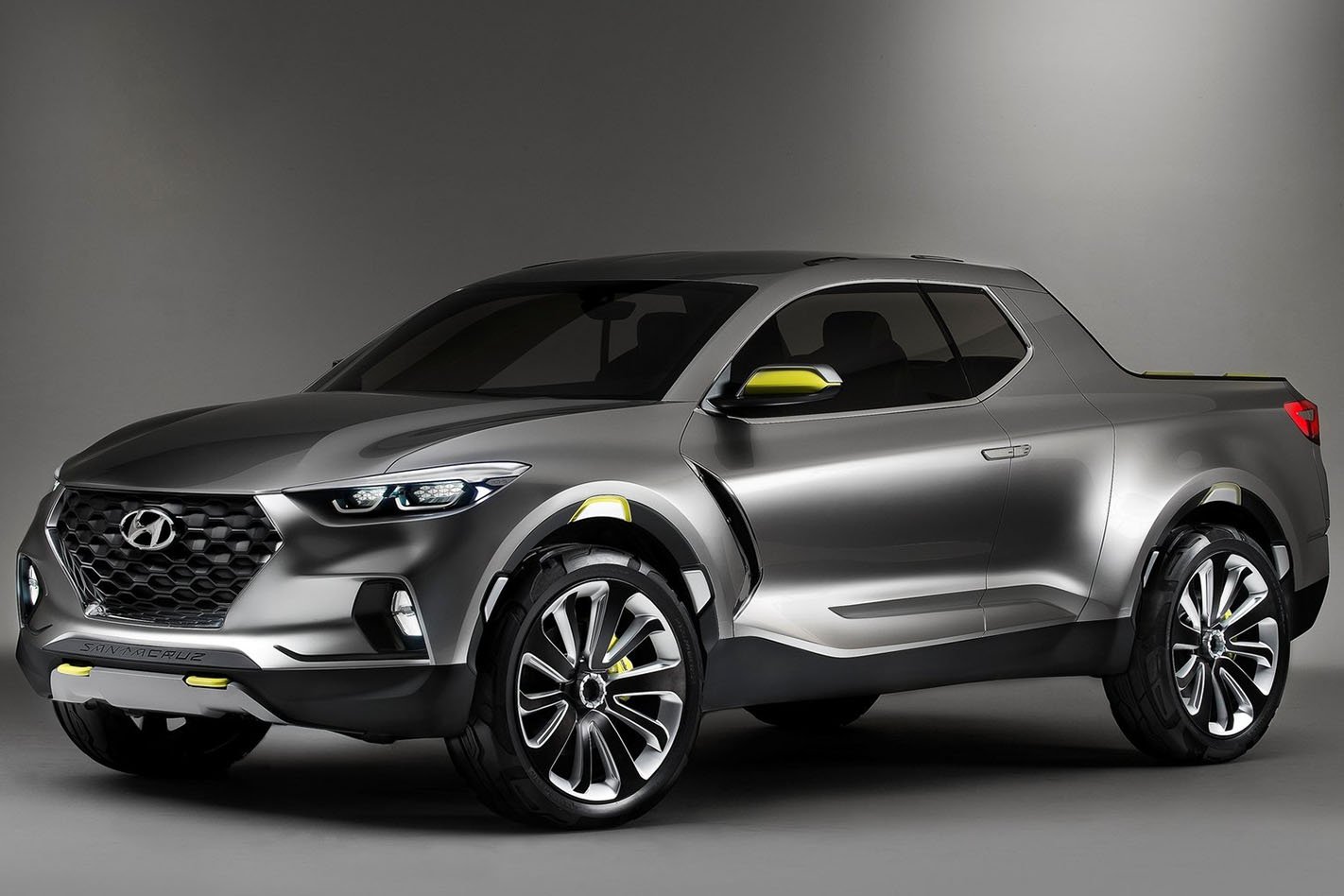
While Hyundai is tight-lipped on its dual-cab plans with the company’s ladder-frame platform, Meredith shed some light by stating that a player in that Aussie segment is “logical” for its parent company.
So while it looks as though we’ll miss out on the funky Santa Cruz, the dual-cab workhorse we really want is still on its way. Watch this space.
There’s probably something inexplicably familiar about this car to you. It could be that it’s been a while since you’ve seen a P1 GTR, but mor likely it’s that this car is an homage to a very famous race car.
But first, what is it? It’s the McLaren P1 GTR-18, a car built by McLaren race team turned workshop Lanzante, using a customer’s former P1 GTR race car to create a road-legal version.
Originally, it was P1 GTR chassis 011, and according to O’Gara, the exotic car retailer which worked with the owner and Lanzante to make the project happen, it had only really seen action in the P1 GTR Driving Program for the first two years of its life before being retired to storage.
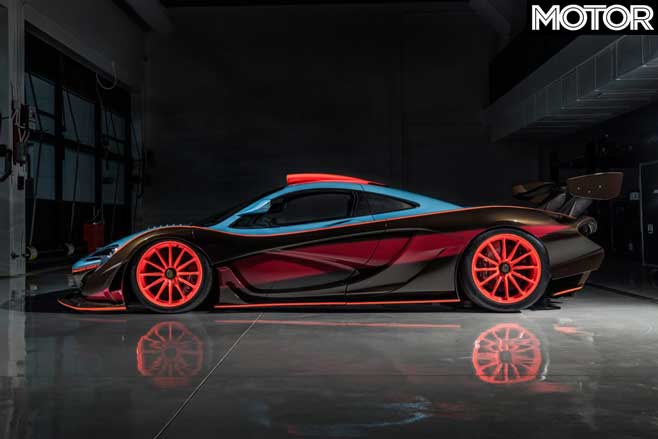
The owner relatively recently (the now-complete project began in 2018, hence the GTR-18 name) decided they’d like their P1 GTR to be a little more useable. Why not give it a complete makeover?
Enter Lanzante, the team famous for bringing McLaren its outright Le Mans win in 1995 with an F1 GTR. Lanzante was responsible for creating the road-legal F1 GTR, so who better to do the same with the P1?
The reason it will look familiar to so many is specifically its livery, known as the Gulf-Davidoff team livery, it was made famous at home on the 1997 F1 GTR Longtail Chassis 25 (or F1 GTR ’25R’). McLaren recently gave 25R a full rebuild as part of the launch of its McLaren F1 certification service.
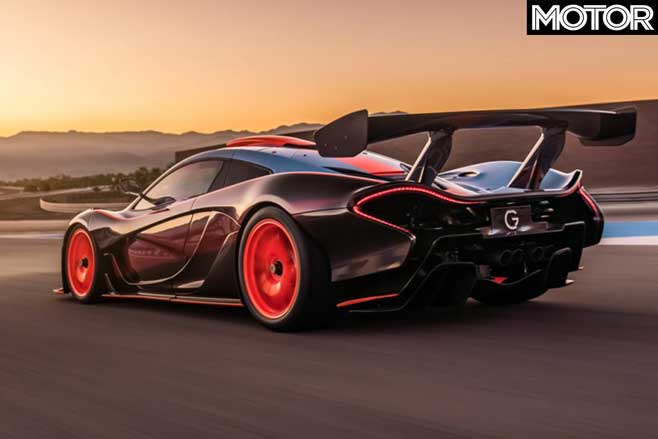
Lanzante is going to build six of them, this being the first and therefore ‘P1 GTR-18 chassis 01’. Each of the others will also pay homage to an F1 GTR Longtail livery. We may soon see a mostly black homage to ‘19R’, or a Parabolica-liveried homage to ‘27R’, or perhaps a Fina livery will adorn a P1 GTR?
Of course, the owner of P1 GTR-18 chassis 01 is “thrilled with the end result,” according to O-Gara. We can’t see why they wouldn’t be.
Snowrunner – the much-anticipated follow-up to the niche offroading sim Mudrunner – is finally out, and while the core experience of plugging through virtual mud is largely the same, there’s substantial innovation and improvement everywhere else that makes this more than just a rehash of the same ol’ game engine with new vehicles, textures and environments.
Per the title, a large part of your offroad adventures in Snowrunner take place in the frosty climes of Alaska, but that’s just one of the three enormous maps on offer in the game. Did you think Mudrunner was a bit too short, too one-dimensional or too spatially limited for your liking? Well, Snowrunner is the polar opposite.

WHAT YOU NEED TO PLAY SNOWRUNNER
Snowrunner is available on PC, Xbox One and Playstation 4, and can be played without a gaming wheel. An internet connection is required for its co-op multiplayer mode, as there is no two-player splitscreen.
HOW MUCH DOES SNOWRUNNER COST?
Right now, Snowrunner is available as a digital download for $77.95 on both the Playstation Store and Xbox Live. It’s also available in physical form at all your regular gaming retailers. Looking for the PC version? That’s digital-only for now via the Epic Games store, and costs US$39.99 (AU$62 at time of publishing).

WHAT’S SNOWRUNNER’S GAMEPLAY LIKE?
We’ll forgive you if you didn’t think much of Mudrunner. The vehicle selection was almost entirely made up of decommissioned Soviet military trucks – and not even officially licensed ones at that – almost every map resembled the worst kind of mosquito-infested Siberian swamp, and the only mission you could perform was delivering logs from a stockpile to a sawmill.
If Mudrunner were our only experience of Russia, we’d surmise that the country’s entire GDP came from turning tree trunks into planks. It was VERY log-centric.
But now we have Snowrunner, and after the bleak mud-scape of its predecessor it is a veritable breath of fresh air.

There are now three different environments to drive around in: Michigan, Alaska and – for those that miss the waterlogged landscapes and logging sites of Siberia – the Taymyr Peninsula. You’ll likely spend the bulk of your time in Michigan as it has the most missions available (a whopping 82), and it’s a good primer before you get into the slippery and treacherous Alaska map.
Alaska also has plenty to keep you busy with 74 missions in that map alone, while Taymyr follows up with 59 missions. On top of that, the playable area is simply gigantic. Mudrunner offered up 8.25 square kilometres of swampland for you to enjoy… Snowrunner delivers a huge 30 square kilometres. That’s not quite GTA5 levels of freeroam area (that title gives you an amazing 127sqkm), but it’s massive considering you’re never travelling quickly.

And then there are the missions. There’s now huge variety in what you can do with your vehicles, with eight distinct mission types from delivery, rescue, refuelling, repairing and more, with 21 different kinds of cargo. Is a town running out of food? A bridge needs repair? Oil workers need supplies? You can help them all, and the variety in the scenarios makes you feel like you’re not just alone in a big map, but that your actions have a positive effect on your environment.
You even have a physical influence on the map, depending on which missions you select. Landslides and downed bridges can be fixed with your assistance, which removes impediments to travel and opens up new areas of the map. For example, electing to clear a roadblock earlier in the game could mean that transport missions in the area can be done via a tarmac road instead of a muddy and rutted trail, so being strategic in your mission selection will make your life easier in the long run.

As for the driving, well, if you’re accustomed to cutting fast laps in your driving games then Snowrunner will definitely be a big change in pace. Is it not much of a challenge then, crawling around in low range? Well, actually yeah it is. In fact, this is one of the more challenging driving games around thanks to the game’s simulation of mud physics.
That’s right, the ground you roll across is far from solid. In fact, unless it’s a tarmac road then almost every surface can be deformed by your vehicle as you use it. Do you use a particular track a lot? You might notice it’s getting more and more rutted with each trip, and if it’s muddy you’ll see that surface move around your wheels and chassis in a realistic way.

Stop on soft ground for any length of time, and you’ll see your truck slowly start to sink up to its axles – faster, if you’re carrying heavy cargo. It’s mesmerising to watch the physics engine do its thing, and you’ll quickly learn that plowing head-first into mudholes is never a great idea, as is applying full power when stuck and just churning up the dirt into an even bigger mess.
You WILL get bogged. It’s only a matter of time. Thankfully you have your winch to help you out, and provided there’s a solid object to hook it to then it’s normally possible to extricate yourself. After a while you’ll get good at winching while moving to sustain your momentum, winching yourself from tree-to-tree like a Chevrolet-driving Spiderman.
Other times you’ll get horrifically stuck, but here’s the thing: you’re never really driving just one car. You can switch between every car you own on the map in an instant, meaning you can hop into another vehicle and drive it over to your stranded one. Attach your winch, yank it out and you’re back on your way without having to re-spawn in your garage – which could be a massive setback depending on where you need to deliver your cargo to.
Recovering stuck vehicles is hugely satisfying in itself, and akin to a solving a puzzle. Sometimes all you’ll need to do is switch into all-wheel drive, low range and activate diff locks to get out, but not every vehicle has that. In fact, the starter truck is just a 4×6 with open diffs, and it gets stuck a lot.

Replacing it won’t be a problem though. You’ll come across new vehicles around the map, which you can then add to your personal fleet after repairing or refuelling them, and if that’s not enough then there’s a full menu of 40 vehicles that you can buy – 18 of them officially licensed reproductions of real-world vehicles.
There are also plenty of modifications to make those cars and trucks your own. Some are cosmetic, but most change the capability of your vehicle substantially. Things like grippy mud tyres make a massive difference, as do differential lockers, snorkels, cranes, fuel tanks, bigger engines and more.

Spend a bit of money and you’ll soon have an unstoppable cargo-hauling rig, although every vehicle is at the mercy of fuel economy… which is universally terrible. Watch your fuel burn and be clever about the route you take, lest you run out of juice and have to respawn far from your objective.
Siphoning fuel from one vehicle to another is an option however. As always in Snowrunner, there’s no one ‘right way’ to complete a mission – it’s all down to your own ability to plan and execute. Couple that free-form ability to gameplay with the sheer volume of missions available to you, and Snowrunner should keep you occupied for months.

ARE THERE ANY DOWNSIDES TO SNOWRUNNER?
While the juicy graphics are generally lovely to look at when the sun is out, there does seem to be a slight framerate hit when panning the view to a previously un-rendered area, or looking out over large sections of terrain. Snowrunner should look fantastic on high-spec PCs though
Avid offroaders might also poke holes in some of the dynamic modelling, especially as jamming the brakes on while rolling down a mud-slick incline isn’t anywhere near as fraught with danger as it is in real life. On the flipside, it’s difficult enough keeping your offroader shiny-side up without having such ultra-realistic braking physics, and while the near-magical ability of your winch isn’t exactly accurate either the game would be a whole lot less fun if it was.

And besides, accurate physics matter not when you can’t use a wheel. Even though its predecessor Mudrunner allowed you to steer via a wheel, the pre-release version of Snowrunner we tested wouldn’t allow us to use our Logitech G920 – or even recognise that it was plugged in. The developer says the interruption of COVID to their testing schedule saw them unable to fully validate wheels ahead of launch, but that Thrustmaster’s T150, T-GT, T-300 and T80 should function.
We expect that more wheel support will come with the first batch of updates, but be warned that you might be restricted to a gamepad or keyboard initially.

That’s not great, especially as the steering input lag on the gamepad is pretty horrific and winding off lock after making a turn often amounts to guesswork. It also doesn’t help when driving on muddy or icy roads and the back suddenly steps out – best of luck catching a slide with the gamepad.
As for the gameplay itself, it does take a while to build up momentum – and we’re not just talking about motivating the heavier trucks in the game. A lot of vehicle upgrades like mud tyres, diff locks, more powerful engines and longer-reaching winches must be unlocked through levelling up, which means a lot of missions will need to be carried out first with the starter trucks and their frankly hopeless road tyres.
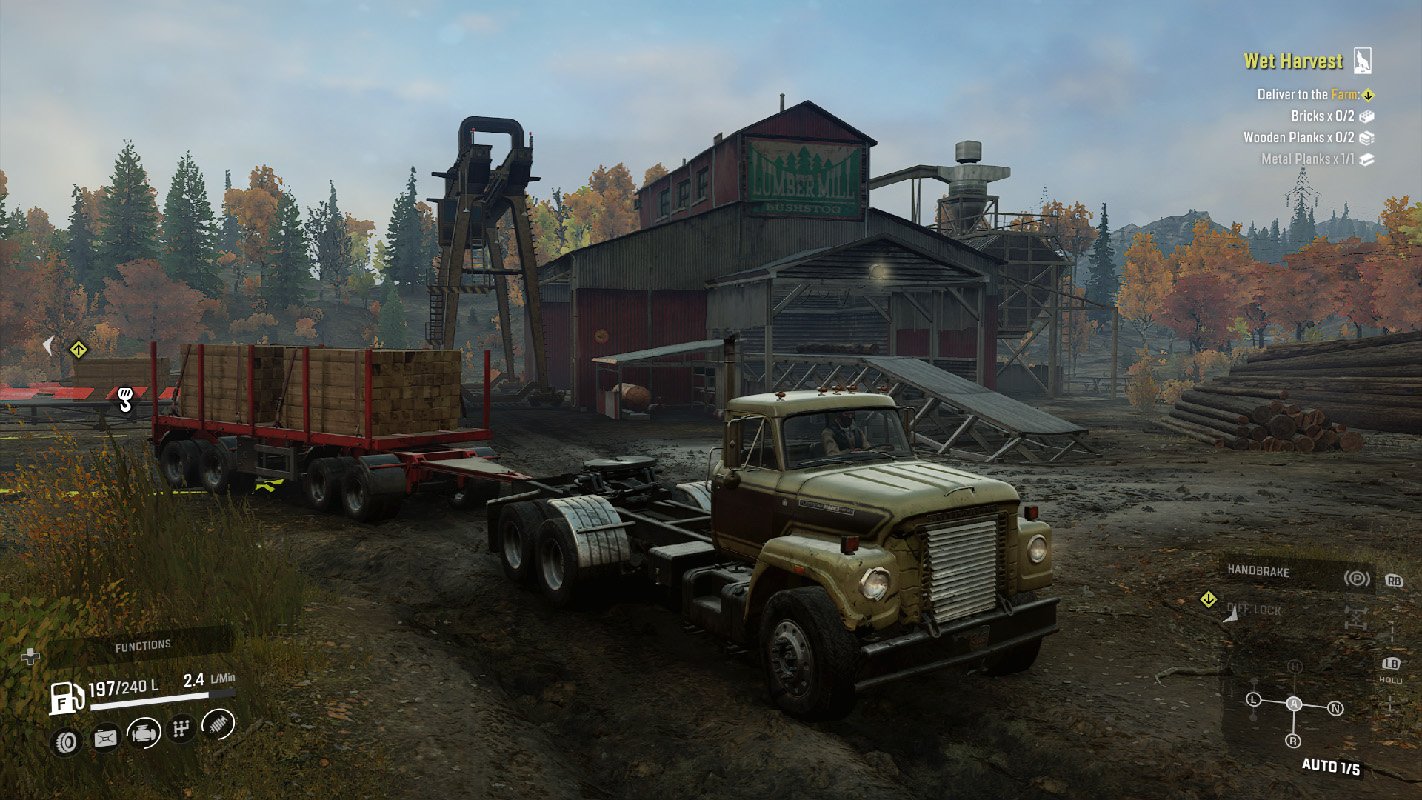
It’s a bit of a grind in the beginning, especially as most missions can take a solid half hour or more of play, but once you get the first few unlocks and a few more trucks in your fleet you’ll start to enjoy Snowrunner a lot more.
But like experience points, accruing in-game currency also takes a while. Smaller contract jobs only pay a couple of thousand, and with the bigger, more capable trucks and modifications costing tens or hundreds of thousands, you’ll need to knock over plenty of bigger contracts to put them in your garage.

VERDICT – 9/10
Snowrunner is an electronic sandbox with virtual Tonka trucks for grown-ups to play with, and despite the unbelievably slow pace it’s hugely addictive, engaging and challenging. You’ll want to keep exploring and keep hauling, while getting stuck won’t prompt you to throw your hands up and power-down your console, but rather adopt a more analytical approach to try and figure out how to extricate yourself in the simplest way possible.
The multi-vehicle aspect of the game is also fantastic, and we can’t wait to test out the co-op multiplayer mode as we suspect it’ll be even more fun messing around with mates – even if it’s only just winching each other out of trouble.
How fun can an offroading sim be? Even if you don’t identify as one of the 4×4 crowd, there’s a good chance you’ll find plenty to enjoy in Snowrunner. There’s a good chance you’ll get hooked, like a winch cable around a tree trunk.
First a disclaimer. We are in no way positioning the A45 S as a cut-price alternative to a Porsche 911.
No matter what numbers the VBOX data logger spat out at the end of Heathcote’s strip, we all know that’s never going to be the case.
One is the most respected sports coupe in the world with over half a century of heritage behind it, and the other is a hatchback with a big turbocharger under the bonnet.
Nevertheless, we were curious to see just how quick the apex of the A-Class range would be when compared with base 911, albeit fitted with the optional Sport Chrono package.
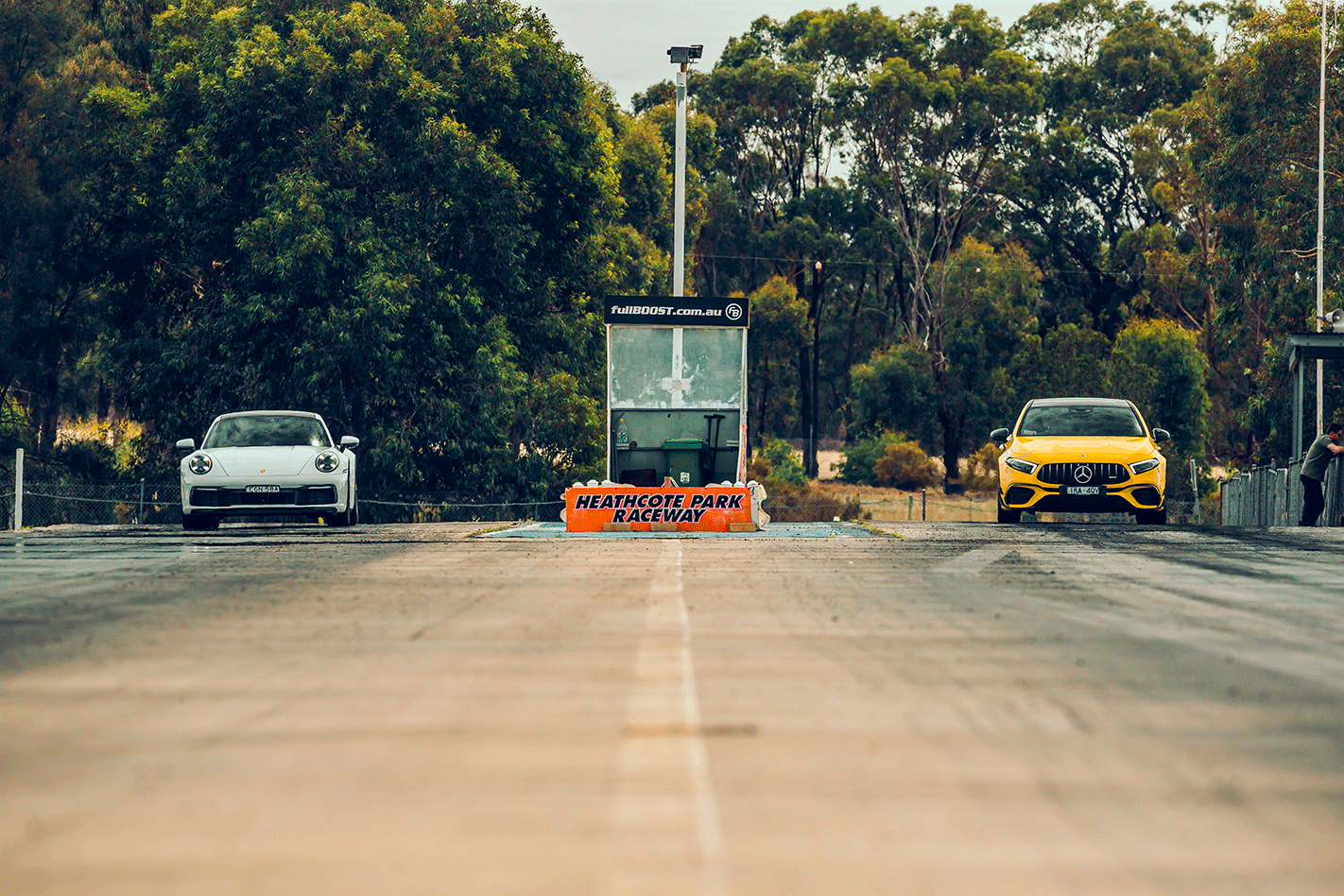
Launch control engaged, both cars fire off from a standing start (no ego-massaging rollout here), the all-wheel-drive AMG matching the rear-drive 911 through 100km/h, banging through its first two gears in ultra-quick time.
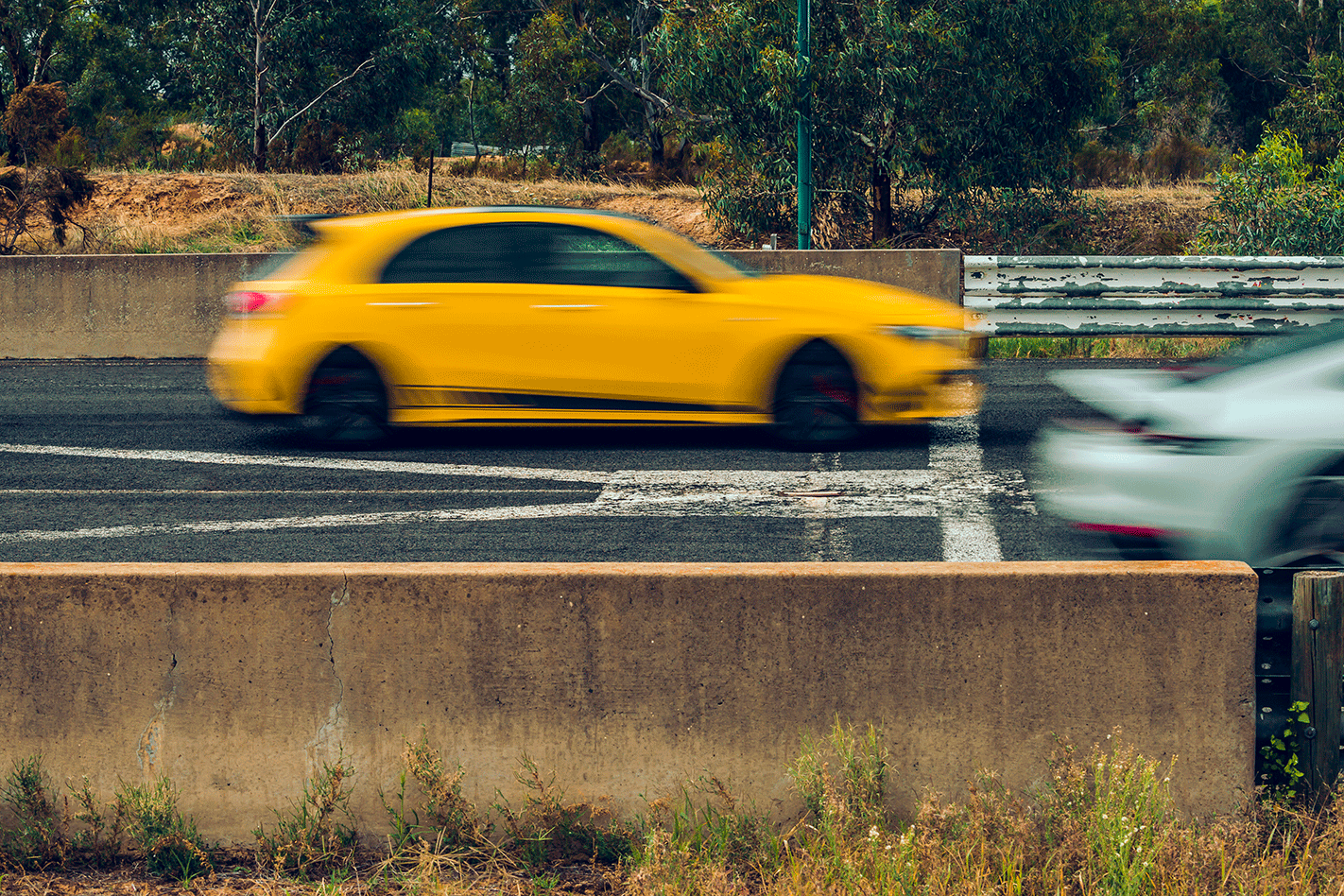
There’s still only a tenth in it to 170km/h whereupon the 911’s more slippery aerodynamics see it start to inch away.
We can put that down largely to aero, because the 911 is 27kW and 50Nm down on the car with the three-pointed star, albeit fractionally up on power-to-weight.
Time and again we repeated the sprints and the results were uncannily consistent. The first three runs for the AMG saw it hit 100km/h in 4.1, 4.0 and then 3.9 seconds. The results for the first trio of sprints for the 911? 4.1, 4.0 and 3.9 seconds.
None of the testers present had ever seen anything like it. At road legal speeds, at Heathcote on this day, the Porsche and the AMG were absolutely inseparable.
Over the longer 400m course, the Porsche tripped the beam in 12.1 seconds at 188.5km/h, while the A45 S came in a blink later at 12.2 seconds with 185.2km/h showing on the VBOX.
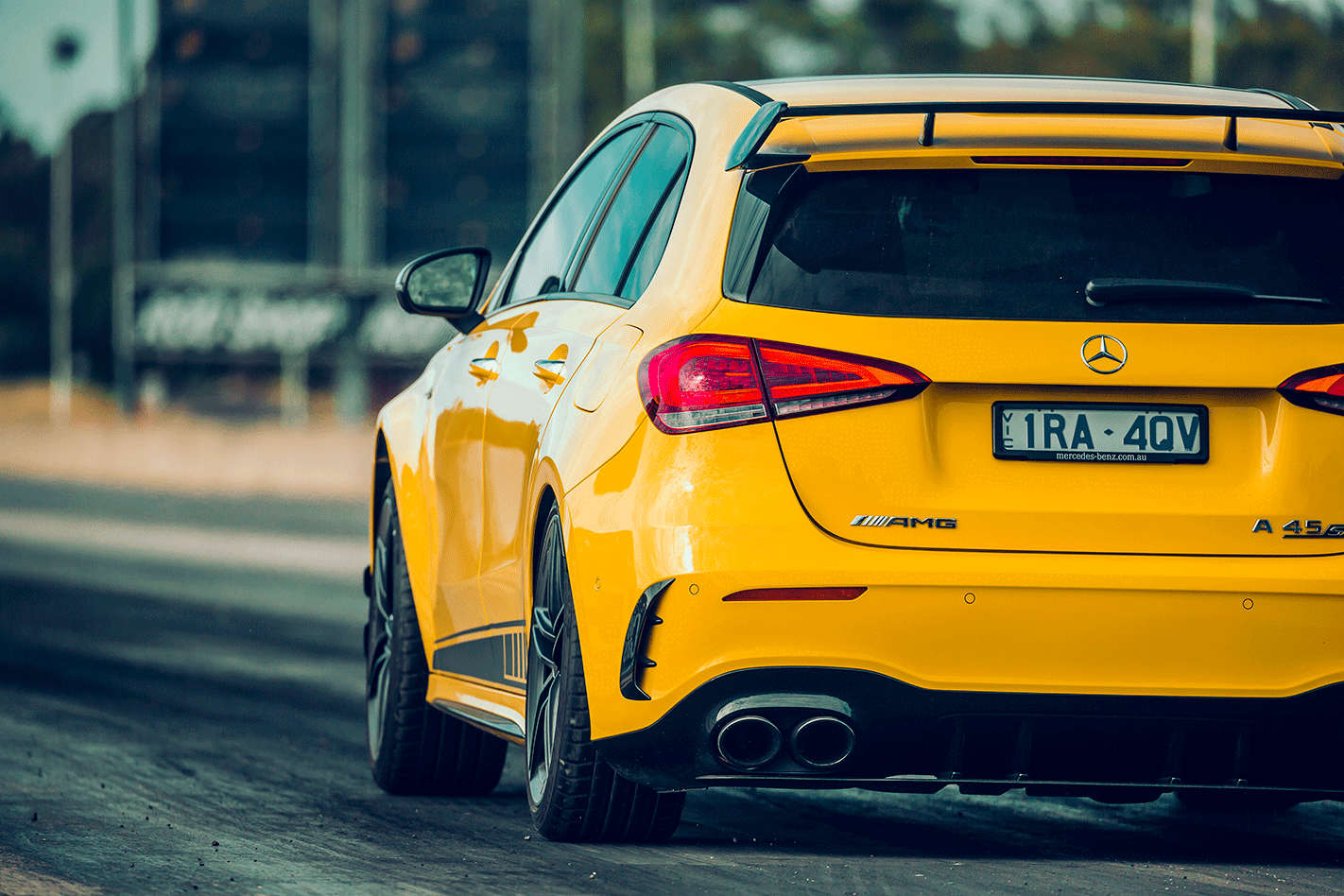
Looking at some test data on record, the AMG’s 400m time is more than a second and a half quicker than the sharpest of the mere mortal hot hatches, the Honda Civic Type R, but lineball with the Audi RS3.
One measure where the lighter Porsche did gap the A45 S was in pure braking power. While the AMG is clearly no 911, it’s hard not to be impressed with this level of performance.
Because the launch control system is so simple and durable, these are figures that owners ought to be able to easily repeat. There’s no particular skill required: just follow the instructions, keep your foot in and the steering straight and that’s about it.
This means that in terms of real-world performance, there isn’t a muscle car sold that will reliably get the jump on the A45 S away from a set of lights. Only a modern supercar with launch control or a hot EV would be confident of gapping it. It’s that rapid.
Overall, Porsche manages to salve its pride on this occasion, and there are plenty of other reasons why you’d pay a premium for the 911, but the A45 S puts on a fearsome demonstration of its capability. How does it stack up on the road though? Find out here.
How they compare:
| Performance data | Mercedes-AMG A45 S | Porsche 911 Carrera |
| 0-20km/h | 0.6sec | 0.6sec |
| 0-40km/h | 1.4sec | 1.3sec |
| 0-60km/h | 2.1sec | 2.0sec |
| 0-80km/h | 3.0sec | 2.9sec |
| 0-100km/h | 3.9sec | 3.9sec |
| 0-120km/h | 5.3sec | 5.3sec |
| 0-140km/h | 7.0sec | 6.9sec |
| 0-160km/h | 8.9sec | 8.8sec |
| 0-180km/h | 11.4sec | 11.0sec |
| 0-200km/h | 14.5sec | 13.9sec |
| 0-400m | 12.2sec @ 185.2km/h | 12.1sec @ 188.5km/h |
| 80-120km/h | 2.3sec | 2.4sec |
| 100km/h-0 | 35.0m | 32.5m |
| Power-to-weight | 185kW per tonne | 188kW per tonne |
| Redline/cut-out | 7000/7000rpm | 7500/7500rpm |
| Speed at indicated 100km/h | 97 | 96 |
A safety recall announced by Volvo Cars Australia is a stark reminder that electronics and technology are no substitute for vigilant and attentive drivers, as modern vehicles offer increasing levels of autonomous driving.
The Swedish car maker is asking keepers of 9205 vehicles to arrange remedial work for a fault that can prevent autonomous emergency braking (AEB) from functioning correctly, with all models in the current line-up impacted.
According to the Australian Competition and Consumer Commission (ACCC), the potential fault is not caused by a mechanical or component failure but a simple line of code missing from Volvo’s Active Safety Domain system software.
The absent software prevents automatic braking intervening if the car detects a collision but drivers of affected vehicles are likely to be unaware of the problem until it’s too late. The defect does not affect operation of collision warnings and normal braking is not affected.
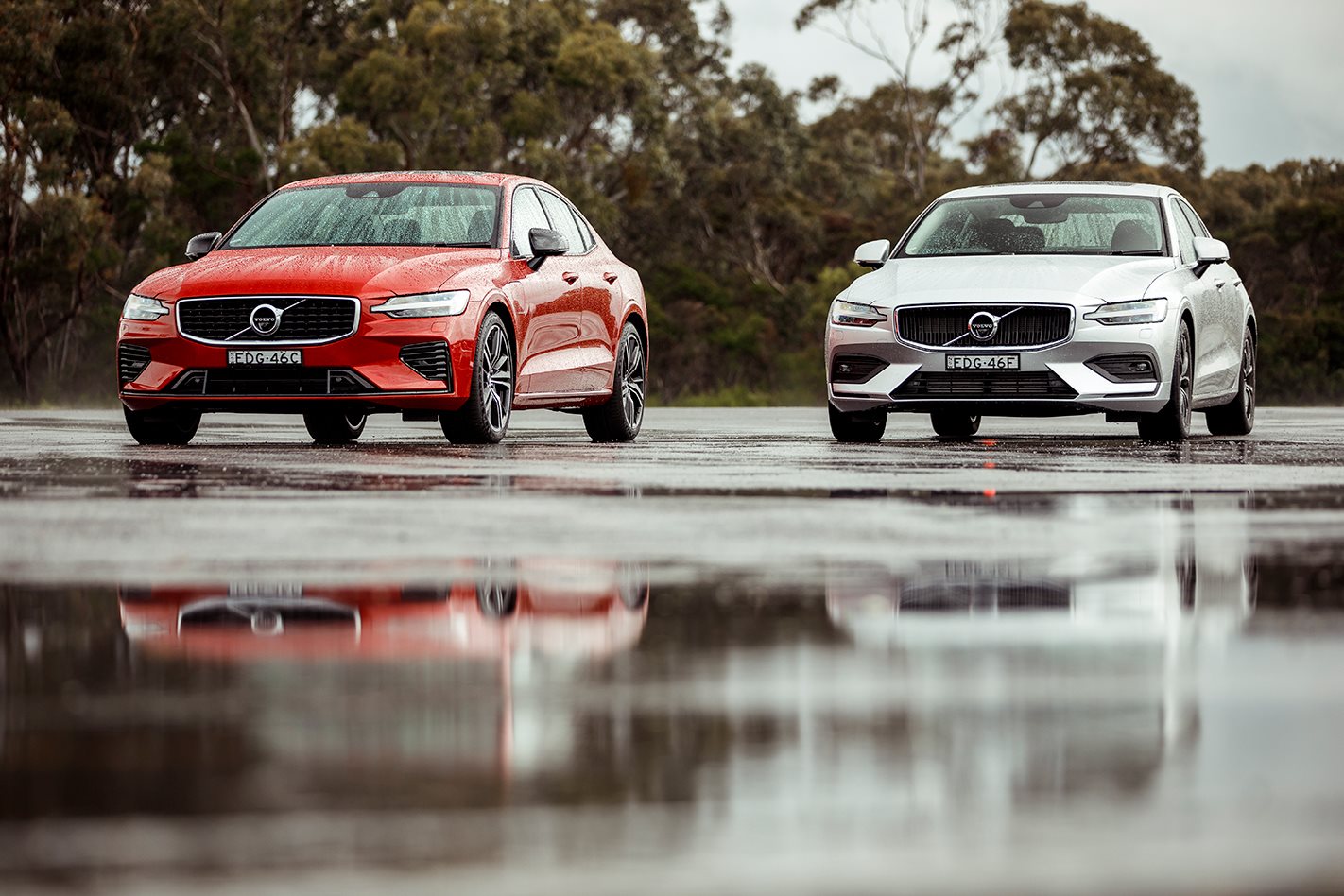
This latest recall should serve as a wake up call for complacent drivers who put too much faith in active safety and assistance systems, and that no technology is infallible – even the systems developed by safety authority Volvo.
Cutting edge autonomous braking, lane keeping assistance and cross traffic alerts can be extremely effective in preventing collisions but they should be the last line of defence, and attentive, observant driving with consideration of other road users should mean you never need them.
If you are the owner or registered keeper of a S60, V60, V90 Cross Country, XC40, XC60 or XC90 sold between 22 March 2019 and 17 March 2020, contact your local Volvo service centre to book a recall appointment.
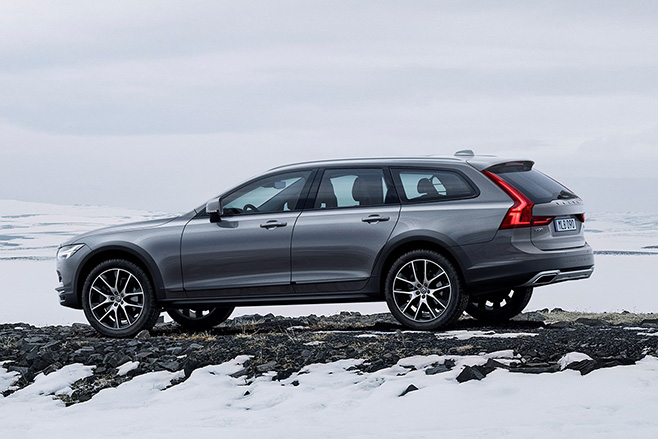
The fix for the identified AEB fault is a simple software update and customers will not be charged for the work.
A small number of XC40s have also been identified in a separate recall notice, with some vehicles missing brake servo bolts. Under heavy braking such as in an emergency, the ACCC reports that maximum braking force may be reduced.
As is the case with any recall, the attending dealership or service centre will have all the relevant recall campaign information relating to your vehicle, and any additional work can be identified in one visit.
For more information, customers can contact Volvo directly at volvocars.com/au or by visiting the ACCC Product Safety website at productsafety.gov.au. And it’s a good idea to have your VIN (vehicle identification number) ready.
Australians love adopting new tech, a fact highlighted by the massively high percentage of smartphone saturation in our nation compared to the rest of the world.
So it’s no surprise that smartphone mirroring has become prevalent in new cars, with the feature becoming a major selling point for many models, including some of the most affordable.
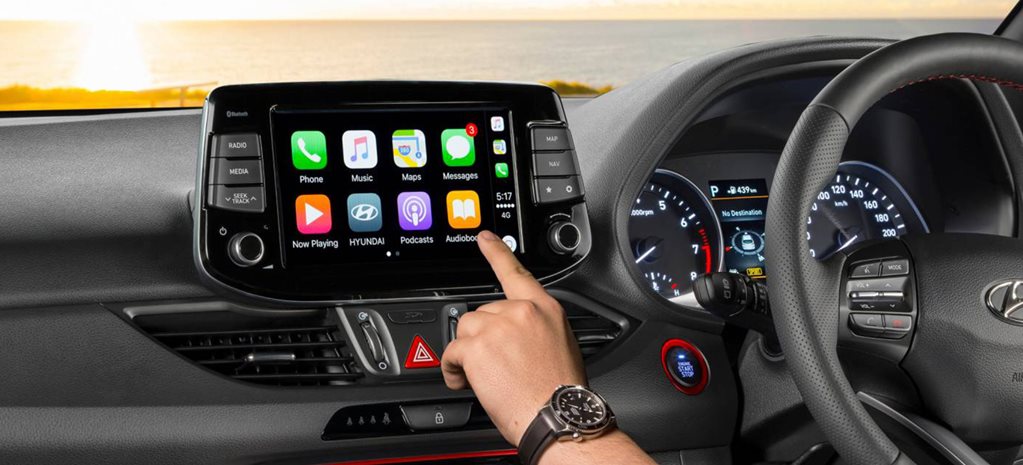
However, if you drive an older vehicle, you’d be forgiven for not understanding what smartphone mirroring is or why you’d want it – after all, using your phone while driving is illegal, right?
So, what does it do? The simple explanation is that it allows you to safely and legally access a number of smartphone apps while driving, using your vehicle’s infotainment system.
The two leading smartphone mirroring interfaces are Apple CarPlay and Android Auto, for Apple and Google Android devices respectively.
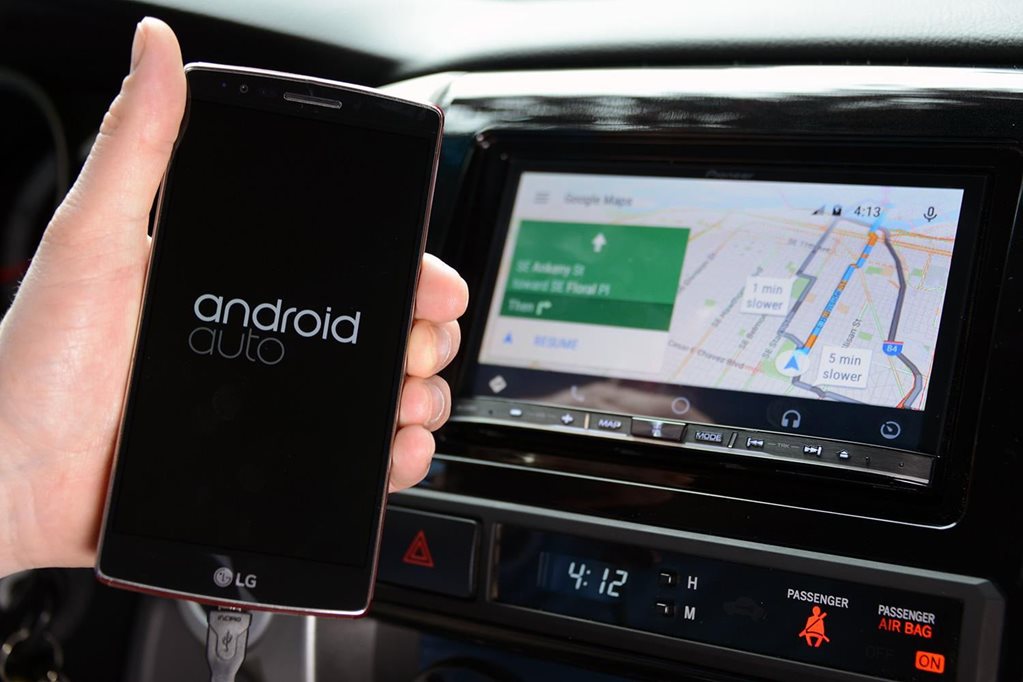
Text messaging, telephony, audio streaming, and mapping apps are the core uses for the technology.
For example, if you have an Android smartphone you can plug your phone into the car via a USB cable, or in some cases wirelessly using Bluetooth, boot up Android Auto, and select Google Maps to direct you to your destination while listening to a personal playlist on Spotify, and having the car read you any SMS or WhatsApp messages you receive all without having to touch your phone.
Both Apple CarPlay and Android Auto’s messaging functions are controlled verbally, with impressive accuracy.
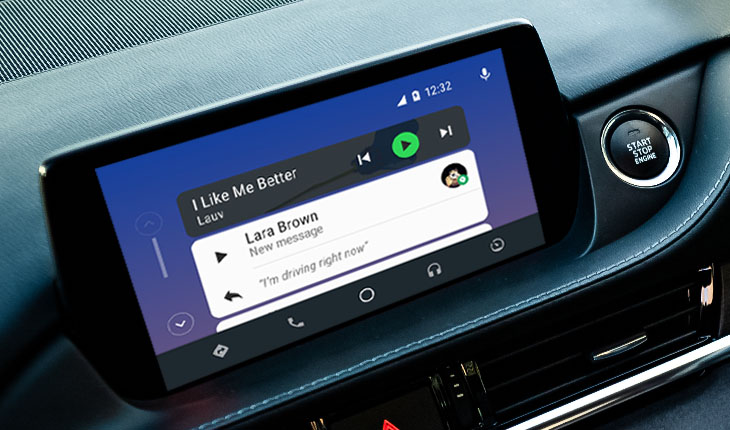
Simply say the name of the contact you wish to message, and what you want to say, and the program will generate the message – it’ll double-check with you before sending, to make sure everything is correct. You can respond by saying yes, or saying no and re-record your message.
Not every car has the capacity for smartphone mirroring, so it is important to check what models have the feature.
But, considering it is available in a $14,390 Kia Picanto, smartphone mirroring has become a feature consumers now expect to find in their new car.
MORE: How to add smartphone mirroring to older cars:
