
Victorian police officers have threatened to cease issuing speeding fines as pay negotiations between Police Association Victoria and the state government struggle to reach a conclusion.
Police Association Victoria is calling for an annual pay increase of four per cent along with a restructuring of its restoring, switching officers onto four 10-hour shifts rather than five eight-hour shifts.
Must Read
- SAPOL withdraws prize for “most fines issued”
- Exhaust ‘noise cameras’ are being fitted to existing speed cameras
- Man uses rego to trick cameras, plan backfires hilariously

The change is intended to reduce fatigue, with two hours of each shift being allocated to case administration, which Police Association Victoria secretary Wayne Gatt told media is leading to significant levels of overtime.
The Victorian Government has currently offered a two per cent annual pay increase with a six-month salary freeze, an offer that Gatt described as “unacceptable”.
If negotiations continue to stall, Gatt says members had not ruled out industrial action, including refusing to issue speeding fines and parking patrol vehicles next to mobile speed cameras with the lights flashing to alter motorists to their presence.
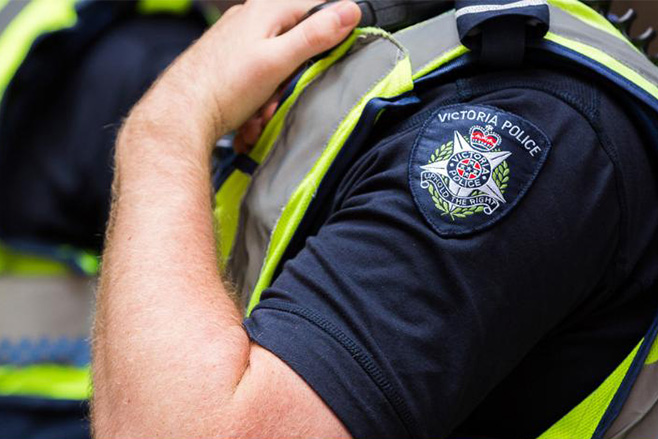
Speeding drivers are a lucrative source of income for the Victorian Government, fines totalling $338m in the 2017/18 financial year with that figure projected to soar to around $525m by 2022/23.
Gatt says negotiations are continuing in good faith, but “if negotiations break down, we will call on our members to vote on further action.” The association has 17,000 members.
In a statement, a spokesperson for the Andrews’ Governments Police Minister, Lisa Neville, said: “We don’t propose to conduct our negotiations through the media.”
If any car has ever hogged the limelight from another, it’s the GT-R taking attention away from the GTS-R. And we don’t mean the banana yellow Holden VS Commodore with the giant rear wing.
No, we mean the HR31 Skyline GTS-R, effectively the late-’80s, rear-drive, turbocharged straight-six precursor to the R32 GT-R. Made for the Japan market only, it has a special Aussie connection courtesy of Jim Richards, who raced one to win the 1990 Australian Touring Car Championship.
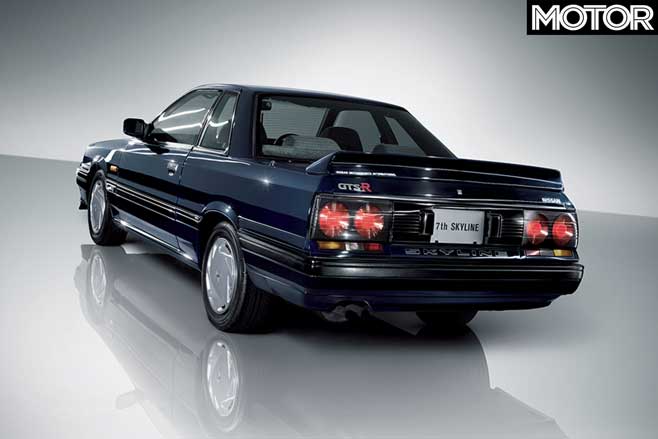
Motorsport is to thank for this car’s genesis. Nissan Australia had been campaigning its Skyline based on the Japan-only GTS and GTS-X Coupes, but in pursuit of more pace took advantage of the Group A homologation rules permitting lower-volume ‘evolution’ models for racing.
Enter the GTS-R. Power from a now six-cylinder 2.0-litre turbocharged engine was increased thanks to a larger throttle body, bigger Garrett turbocharger, larger intercooler and tweaked ECU. A lightened flywheel mated the ‘RB20DET-R’ inline-6 to a five-speed manual transmission and limited slip differential driving the rear wheels. There was also ‘HICAS’ all-wheel steering, as well as improved suspension geometry over its DR30 predecessor.
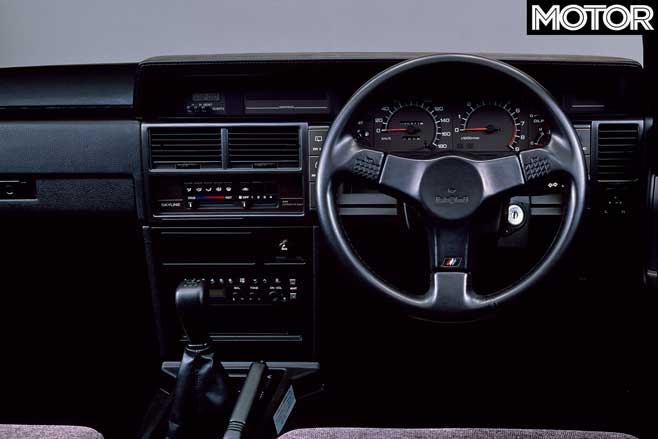
Production commenced in 1987. All were painted “Bluish Black” and came with fixed front and rear spoilers to overcome the DR30’s notorious aerodynamic instability at race speeds. BBS 15-inch wheels were available as an option, wearing 205/60 tyres.
Only 500 units had to be built to meet homologation requirements but 823 GTS-Rs ended up produced. All were sold on the first day of release. It is said the GTS-R contributed vitally to the R&D efforts of R32, the program that resurrected GT-R. And it’s in this car’s shadow the GTS-R continues to live, having never really outgrown its cult status, even though it more than deserves to.
1987 NISSAN HR31 SKYLINE GTS-R Engine: 1998cc inline-6, 24v, turbo Power: 154kW @ 6400rpm Torque: 245Nm @ 4800rpm 0-100km/h: 5.8sec (est.) Price: $40,000 (current value estimate)
Elise has been a journalist across the trifecta of TV, radio and print for more than twenty-five years. When not shackled to her computer or beloved kid, you’ll find this working mum indulging her other passions — skiing powder off piste or trying to catch a wave on her 8’ Mini Mal.
What is it?
There’s the Infinity Pool that offers envy-inducing Instagram snaps. The Infinity symbol that appears in the odd dodgy tattoo. Then there’s the Infiniti car, which is… what exactly?
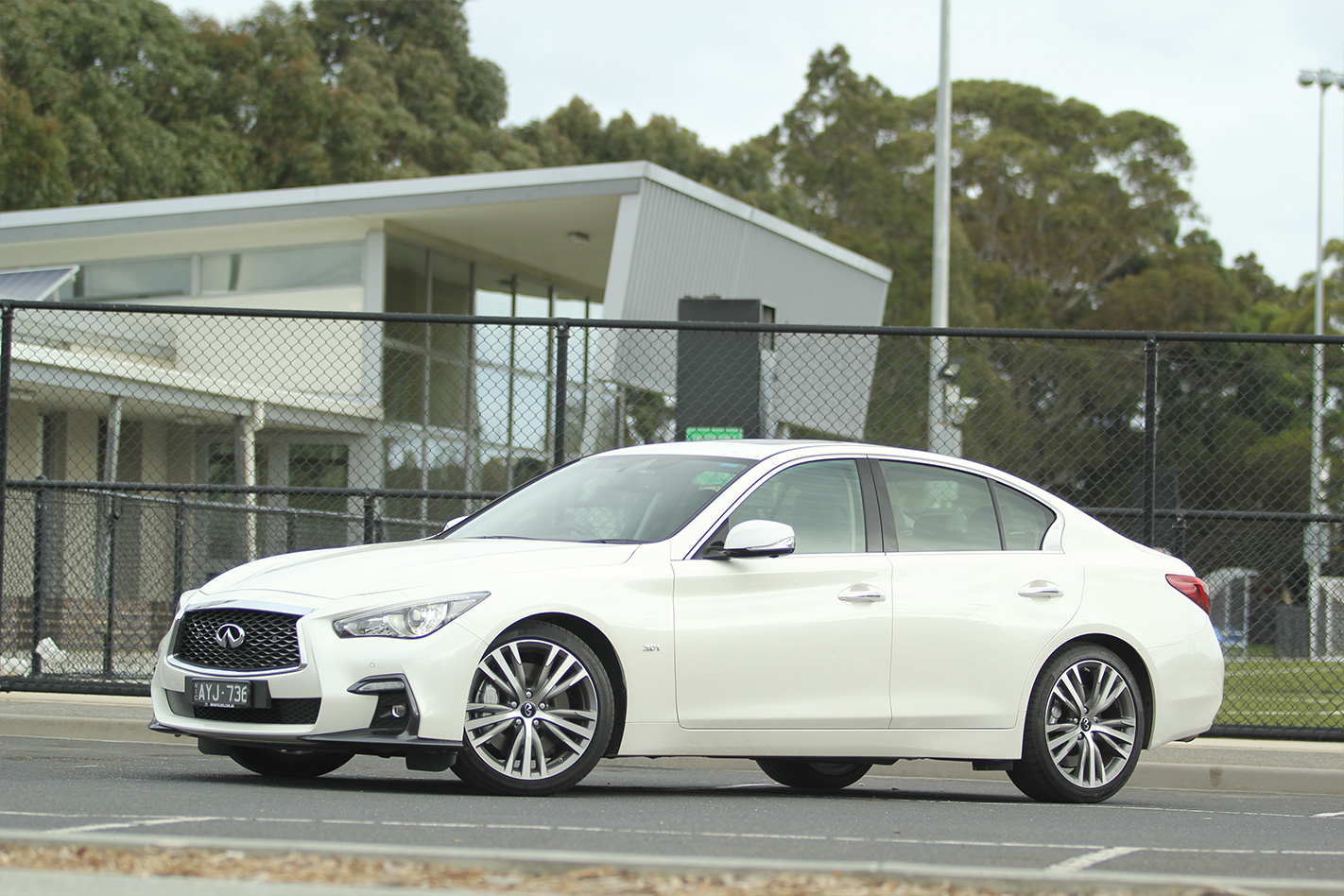
It’s the luxury vehicle division of Japanese automaker Nissan. Just like Lexus is the premium offering from Toyota. Or Versace is the posh version of diffusion line Versus. Dolce & Gabbana is to D&G. More on luxe labels later.
The Infiniti, however, suffers from an eternal lack of badge awareness. In a country awash with different car brands, the Infiniti is forever lost. Even the badge is obscure: A sort of pie with a slice taken out. God knows why Nissan didn’t opt for the infinitely more identifiable “∞” symbol.
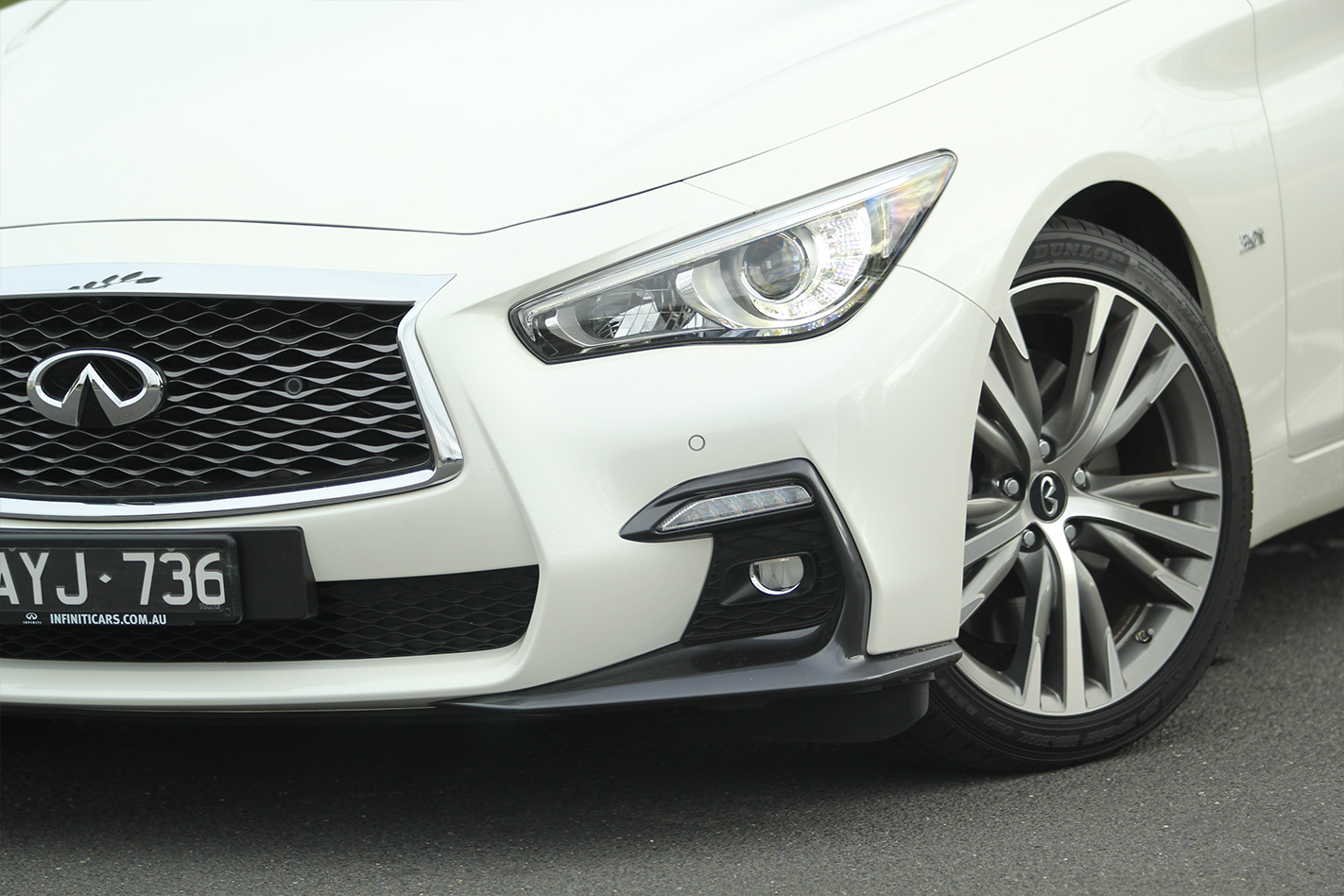
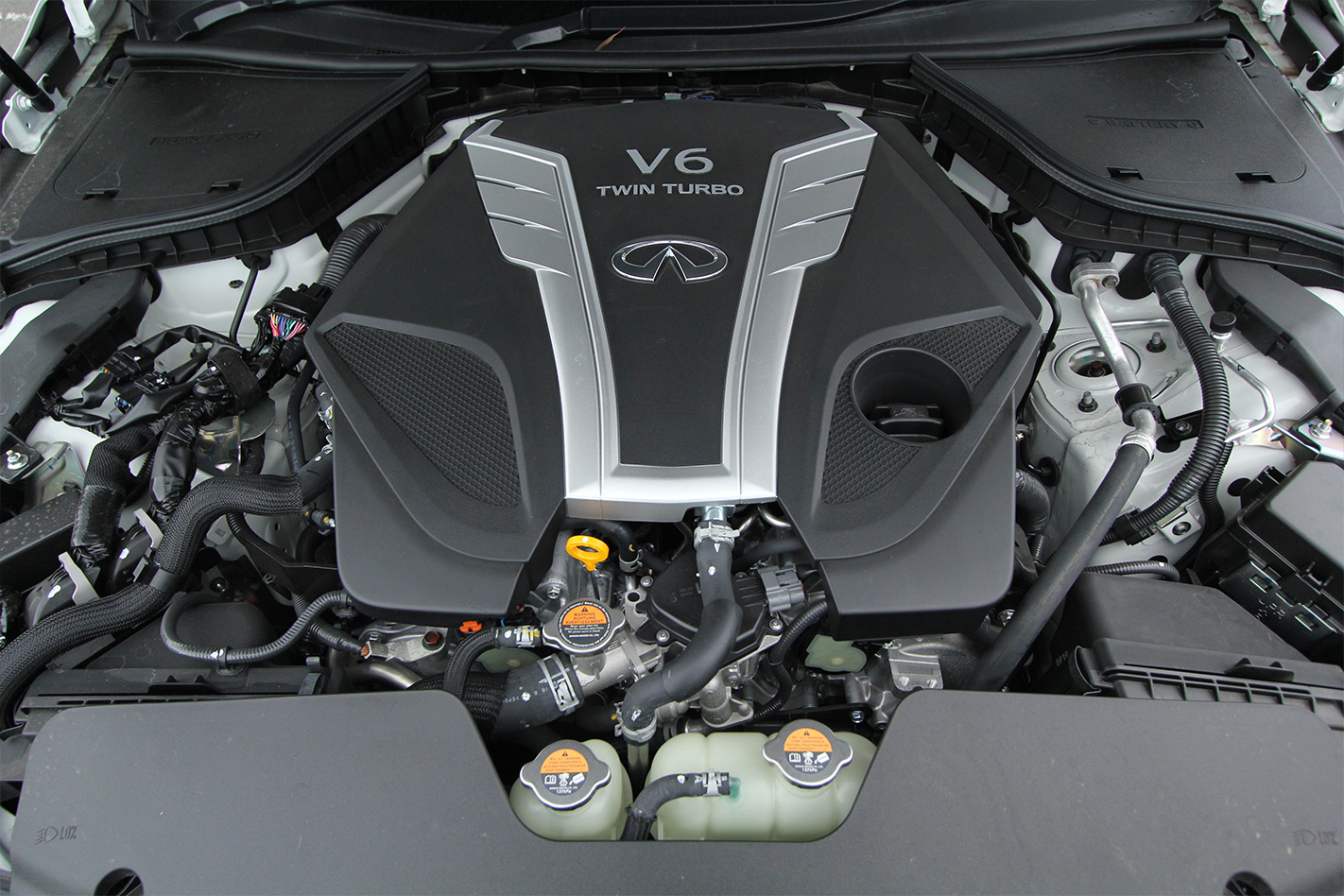
The Q50 is designed to compete with luxury mid-sized sedans like the Mercedes-Benz C-Class, BMW 3 Series, and Audi A4. At the time of writing it comes in five models, and we’re testing the middle sibling. This Q50 Sport is rear-wheel drive and comes with a 3.0-litre V6 petrol twin turbo and 7-speed automatic, all of which gives it an impressive amount of poke (but we’ll get to that shortly).
The manufacturer’s spiel describes the Q50 as “aggressive yet refined”. But because it’s expensive and lacks a badge, it needs to deliver something extra special. The question is: does the Infiniti deserve to be noticed?
What’s it like to drive?
The Q50 is a fast and powerful beast. This is a bonus as I’m racing to Tullamarine Airport and running hideously late for my flight. The engine feels punchy and produces a growly exhaust note and sharp acceleration. I manage to (accidentally) spin the wheels taking off from the lights, which does get the Infiniti noticed.
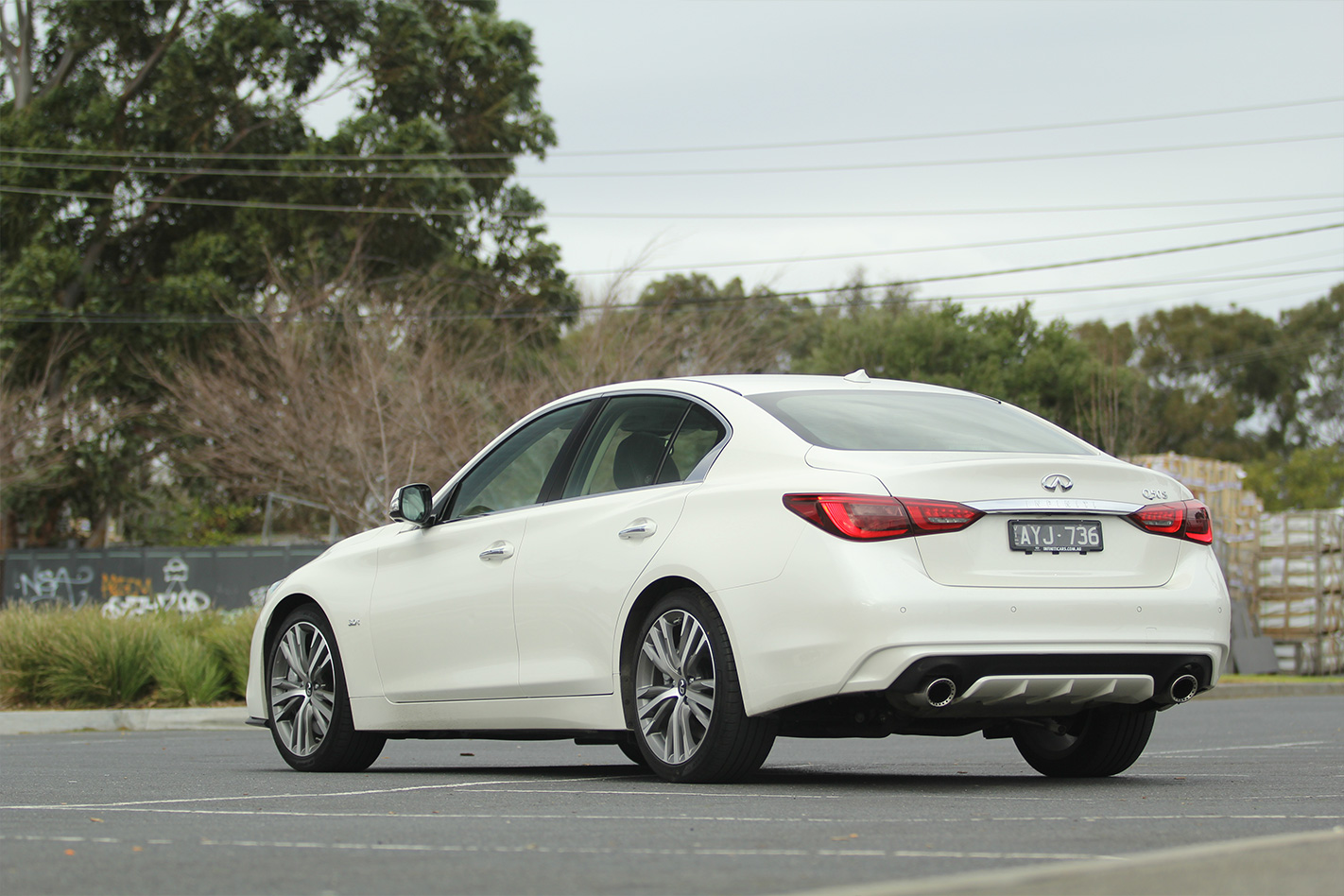
The easy-to-use Intelligent Cruise Control is a must as I run the risk of speeding on the M2 with its farrago of speed limits — ranging from 40 to 100km/h. My only quibble is the transmission which does tend to hunt around for the right ratio.
The low ride is great for aerodynamics out on the freeway. Which brings me to the overly firm suspension. Even on Standard Mode (as opposed to the stiffer Sport and Sport+ Modes) the vehicle seems to crash over imperfections in the road.
The chunky, crescent shaped C-pillars look speedy and elegant, but they obscure the rear view. Reversing under time-pressure into a tight spot on Level 4 of the airport car park means I have to really rely on the cameras, but they appear too busy, with orange and green graphics eclipsing the shot.
The push button start is a bonus but what’s with the old-fashioned foot brake? I’m not a fan of this.
What’s it like to live with?
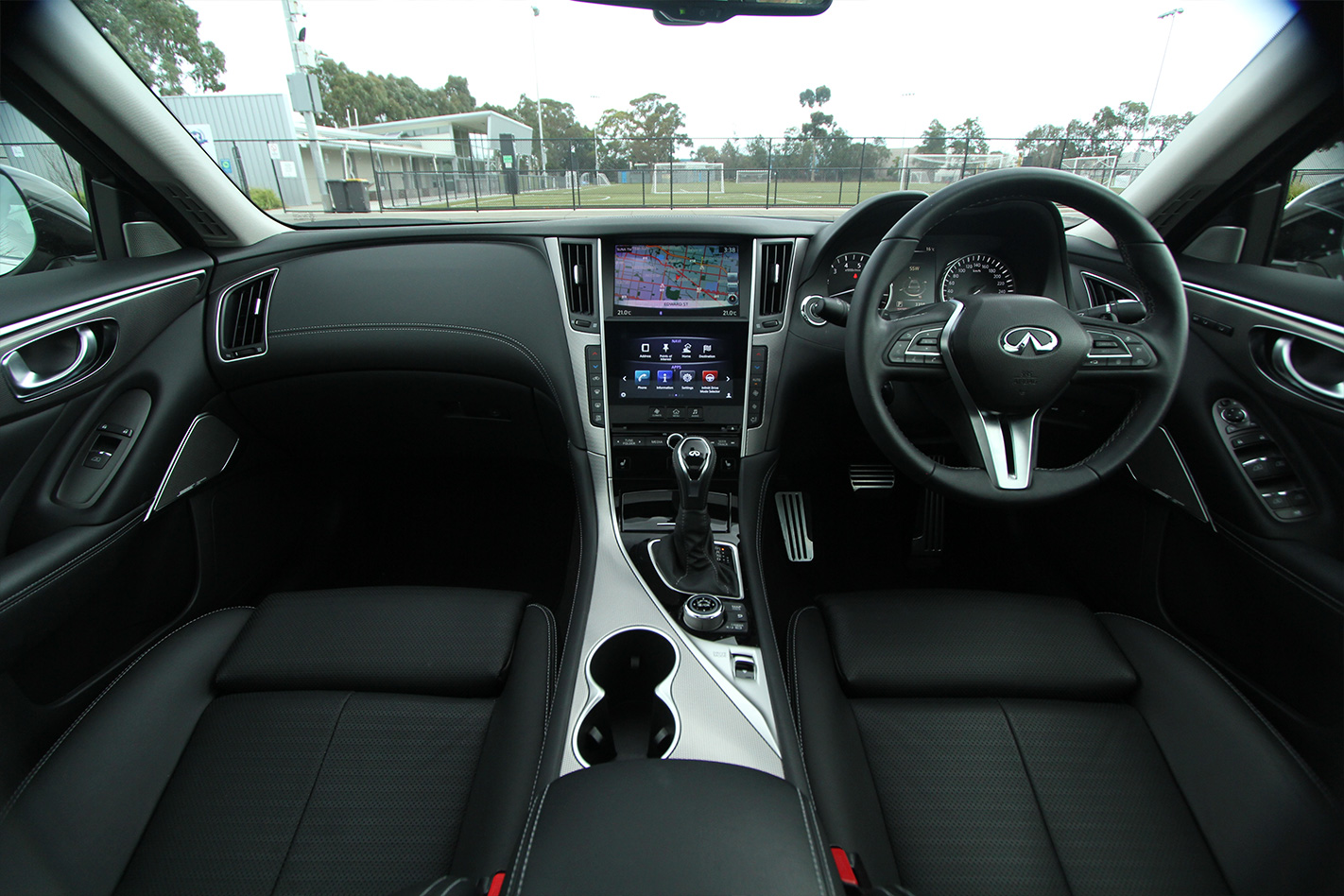
The Q50 looks muscular with its aggressive stance and 19-inch alloy wheels. Inside feels premium thanks to smart, comfortable leather seats featuring white stitching. In an almost chivalrous move, the driver’s seat automatically slides back allowing easy entry and exit, before settling into the driver’s preferred setting. The leather-wrapped steering wheel feels expensive.
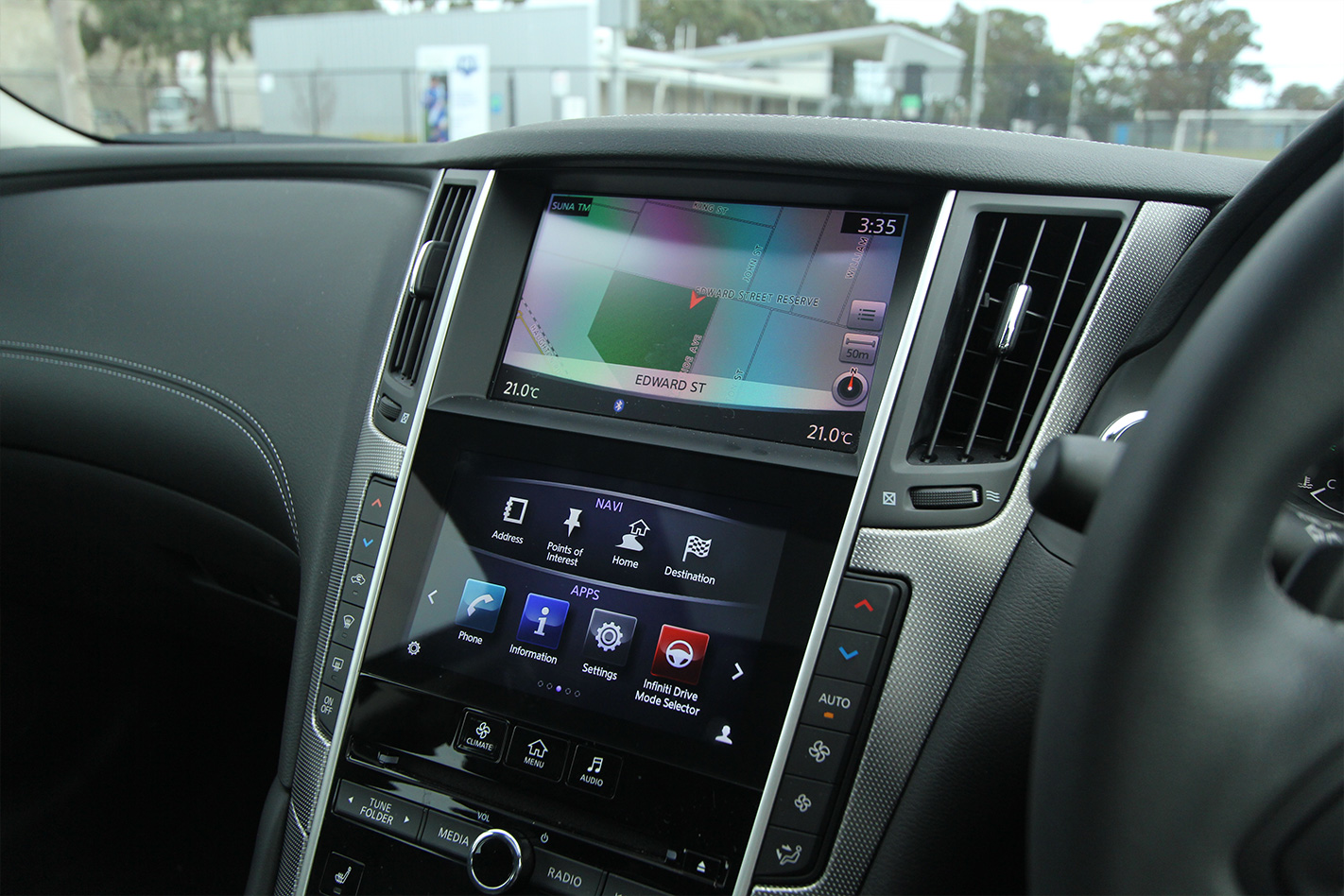
The dash, however, is busier than Concorde’s cockpit. There is a confounding array of switches, buttons and different sized knobs. Adding to the confusion there is not one but two screens dominating this space; the top one has all the driving and navigation information while the bottom screen features audio, phone and climate controls. The Infiniti InTouch system is supposed to be state-of-the art, yet is so complex it comes with its own thick manual.
On a more positive note the 16-speaker Bose premium audio system is epic.
Back in suburbia the low ride height means care must be taken to avoid scrapes over speed humps and sloping driveways. Chuck three kiddies, school bags and shopping in the back and I’m wincing a lot during urban driving.
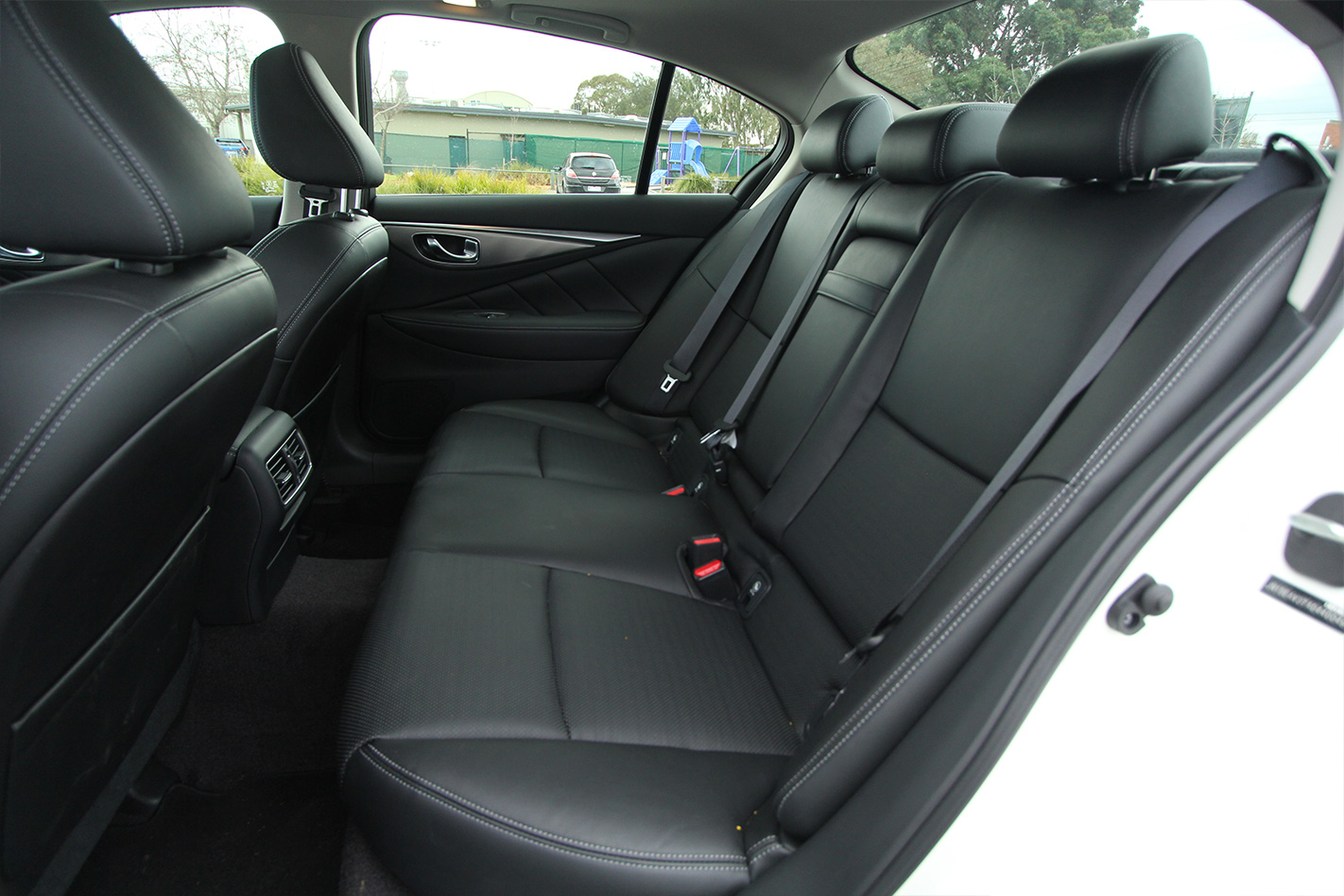
This ain’t no family wagon. While life in the rear is comfortable for two kids, the back middle seat is best suited to tiny tykes only.
Interior cargo space is also limited. The boot, while a generous 500L, is an odd shape thanks to the protruding rear wheel arches. Perfect for my carry-on luggage but not suited to school bags, instruments, sporting equipment and shopping. The boot lid also sounds disconcertingly tinny when you shut it.
Is it worth the money?
The Infiniti provides a great deal of luxury, comfort and performance for $64,900 (plus on road costs).
On the official fuel test the Q50 Sport consumes 9.2L/100km (combined). During a week of mostly freeway driving, however, a lower 8.6L/100km was reached.
The Q50 is impressive, and yes, “aggressive yet refined”. But it lacks that certain je ne sais quoi that would elevate it above its well-known German rivals.
Which brings me back to labels. If the Infiniti were a handbag, it would be a stylish number that adequately holds life’s accoutrements, but lacks the stamp of a recognised and respected brand. Are you going to buy this accessory — which may satisfy your needs, but fails to impress your friends — over the similarly priced Gucci or Prada number? As shallow as it sounds, in this label-loving land, the answer is probably no.
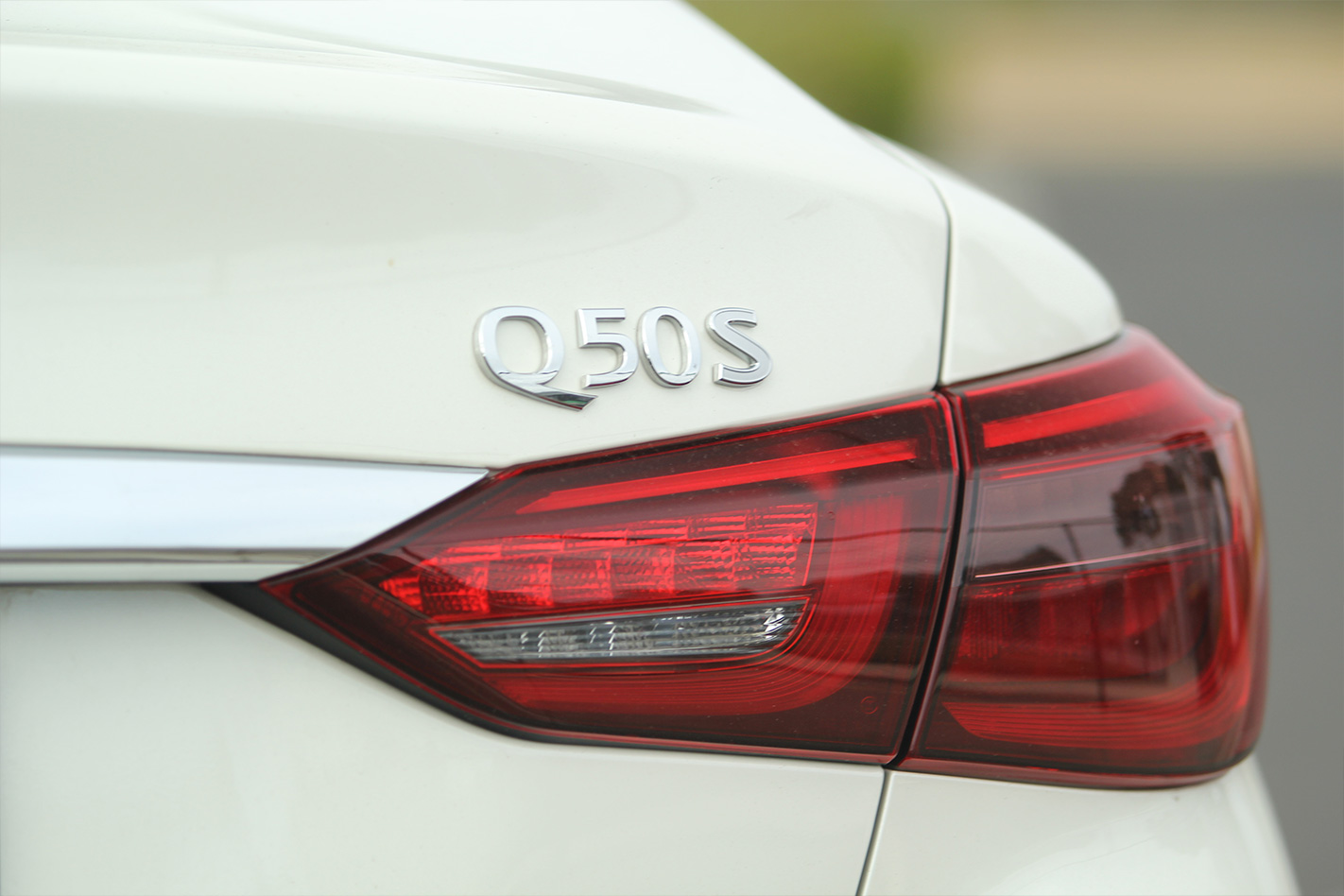
PROS: Punchy drivetrain; classy interior; curvy styling.
CONS: Confusing and complicated dash; cargo limitations; stiff suspension; lack of brand recognition.
On September 2, 2019, Infiniti Australia announced it will fully withdraw from the Australian market by the end of 2020. For more information, head here.
On my drive to work earlier this week a man walking his two dogs yelled at me. Actually, he abused and berated me so loudly I felt compelled to pull over and understand his issue. I wound my window down, and he came over.
“You know you’re supposed to give way to me,” he spat. “Cars have to give way to pedestrians.”
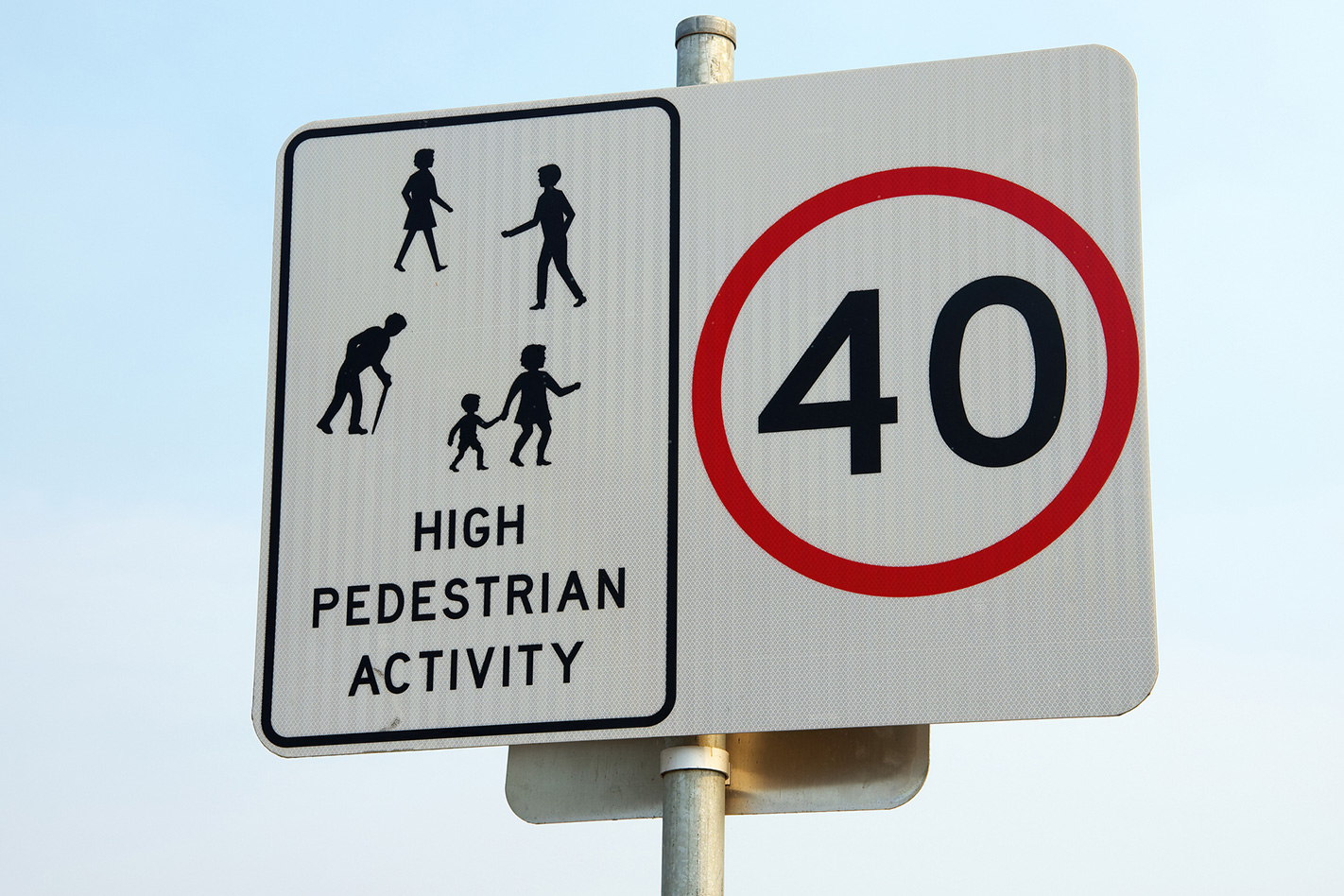
Let’s rewind 30 seconds and set the scene. I’m driving along a main road, and he’s walking his dogs along the footpath coming towards me. I want to turn right into a side road, the same side road which he must cross to continue his journey. There are no lights at this intersection, no pedestrian crossing, no signs indicating this is a shared zone… nothing beyond a stop sign on the side road for cars wanting to join the main road.
Who has right of way: The car or the pedestrian?
Our roadside conversation continued in more civil tones than it began, although it’s fair to say we did not reach agreement. I believed the car has right of way, and he refuted that the pedestrian has right of way. We both left the scene, probably hoping never to meet again. But I’d actually like to cross paths again, so I can tell him he’s wrong, and maybe save his life in future.

When I got to work I looked up the Australian Road Rules, and waded through its 339-page largesse. The section which lays out the “Rules for Pedestrians” starts on page 205, and on page 206 there’s a section titled “Crossing a road – general”.
A pedestrian crossing a road:
a) must cross by the shortest, safest route; and
b) must not stay on the road longer than necessary to cross the road safely
Not much help there. There are whole sections governing painted pedestrian crossings and traffic lights, but since the intersection in question had neither, these don’t apply. In fact, there’s no specific section dealing with “how to cross at a stop sign intersection”, which means the Rule 236 – the catchall rule – applies.
A pedestrian must not cause a traffic hazard by moving into the path of a driver.
Mr Dog Man would definitely have become a hazard to me if he’d crossed the road in front of my car thinking he had right of way.

Just to be sure, I checked the “how to make turns” section of the rules, which starts from page 29, in case there were requirements on cars entering side-roads to give way to pedestrians.
Neither left turns nor right turns make any mention of such.
So, not exactly the legalese slap-down I was hoping for, but a pretty clear result nonetheless. Wouldn’t it be great if some pedestrians in built-up areas like the CBD kept that mandate in mind when striding invincibly and irascibly onto the road in front of cars!
It’s not the first time I’ve been confronted by angry or aggressive pedestrians with God complexes. Personally, I blame Victoria’s overly emotive TAC ads. You know the ones where, if the driver had not been doing 65km/h in a 60km/h zone, the little child chasing his ball, or the mum pushing her pram, would not have been hit because the driver could have braked in time…
These dramatisations neatly sidestep the fact that the pedestrians were doing the wrong thing. They also undo decades of catchy TV jingles teaching our kids to take extra care when crossing roads. Hector the Cat would be horrified.
Today’s pedestrians are just as likely to be absorbed in their smartphone when approaching a road, or be listening to music. That inattention combined with the “pedestrians are always right” attitude make for a dangerous and deadly cocktail – assuming that every car will stop for you is a dangerous attitude to have. Does that give drivers the right to muscle past every pedestrian they encounter crossing the road? Certainly not, but there are often circumstances where drivers simply aren’t able to see foot traffic until it’s too late, a situation that wouldn’t happen if pedestrians made more conscious efforts to keep themselves out of harm’s way.
They, and all Australian road users, in fact, could do with a refresher course in what happens when a two-tonne car moving at 60km/h collides with a human body. A better appreciation for the outcome would surely prompt pedestrians to be more careful in future, and might even save lives.
In this case, Mr Dog Man was not in the right. But even if he was, what solace would it have been to him if he’d died?
The economy is like the weather – everyone’s got an opinion on it, but it’s hard to predict what’s going to happen in the weeks and months ahead.
Soft new car sales, in general, are a good indicator of a chilly economy – unless you’re buying a sports car, by the looks – and it looks like people are keener to keep money in their pockets at the moment than lash out for a new car.
If you’re feeling that need, then you might be eyeing off your trusty old rig in the driveway, wondering how you can stretch a bit more life from it before it becomes an absolute necessity to trade it in.
In most cases, the answers are pretty straightforward, but there are some pro tips to keeping your car going that aren’t especially expensive but make a big difference in how your car drives, and consequently how you feel about it.
We’ve recently gone through a similar experience with one of our cars, and it’s worked out well – but your experience may vary!
Above all else, we recommend that safety should be your first priority and that you find (and stick with!) a reputable mechanic.
Five easy steps to a shiny new(er) car
1 A proper service with full fluid change
We all know that we have to change oil at prescribed intervals, but most people aren’t aware that there are a few other fluids that need to be changed at prescribed intervals.
Key amongst those is transmission oil, brake fluid and differential oil, along with engine coolant.
If you’ve been following a maintenance schedule as laid out in your owner’s manual, then it should tell you exactly when those fluids are due, as well as what type of fluid suits your car.
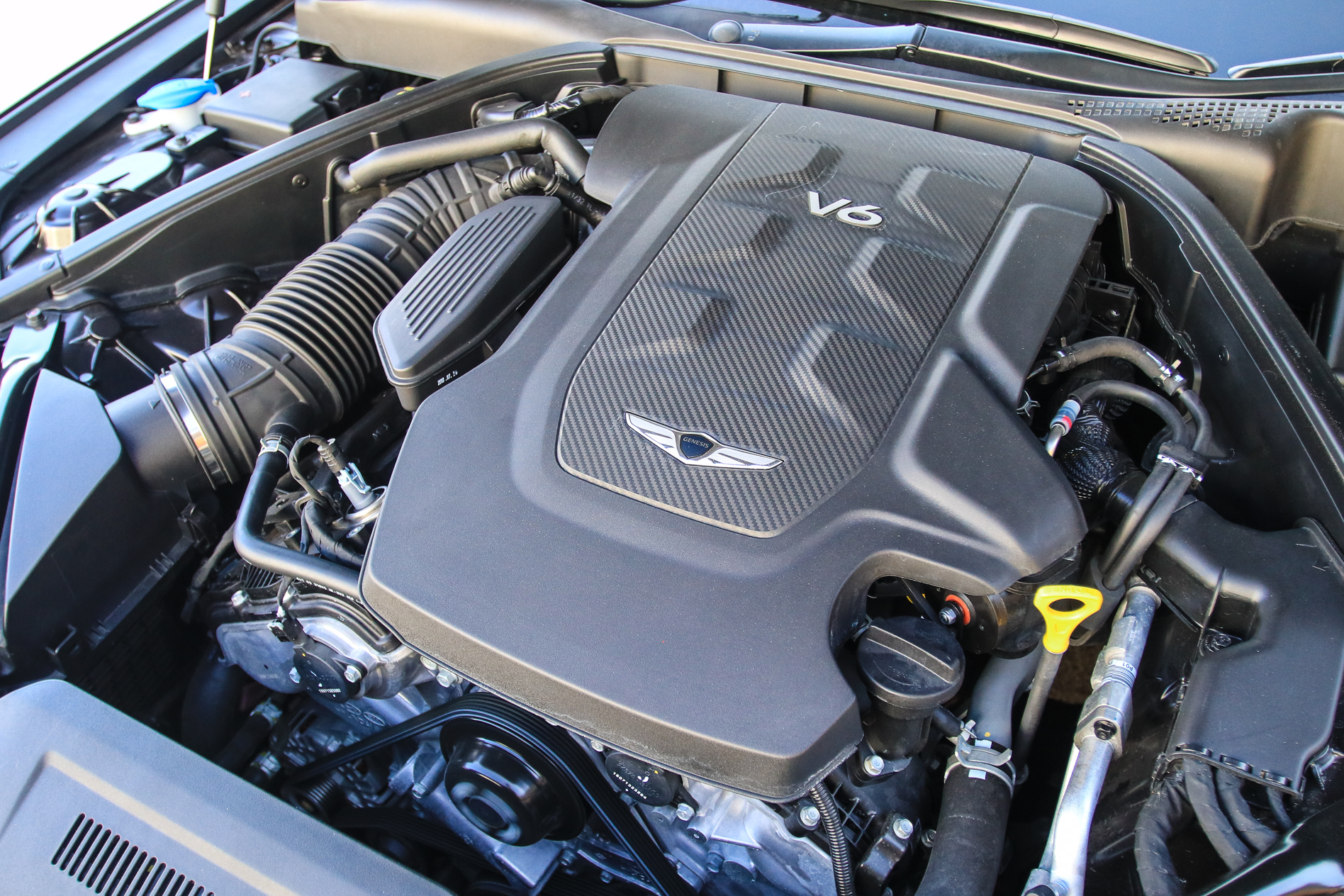
One trap here is the notion that newer transmissions don’t need their oil changed at all. The notion of ‘lifetime oil’ should be taken with a very large grain of salt.
If, for example, you tow regularly, drive in hilly terrain or over long distances in hot weather, we’d change the transmission oil every 100,000km at least, if not more frequently.
It’s not cheap – tranny oil is about three times the cost per litre than good engine oil – but it’s good insurance.
The colour of the oil in a transmission can also help a mechanic diagnose a problem before it becomes catastrophic – and expensive.
Likewise, flushing the coolant system and replacing the fluid can help trace small leaks in the system, while fresh brake fluid will give your car a nicer-feeling brake pedal.
A full fluid change will help your care run more quietly, run at lower operating temperatures and run for a longer period of time.
2 New tyres and wheel alignment
Even if you don’t drive vast distances, your tyres will feel worse the older they get. Just because your ten-year-old Mazda only has 25,000km on the clock doesn’t mean you don’t need to renew your rubber.
Tyres are still most made of rubber, which degrades over time with exposure to sunlight, chemicals and repeated heat cycles (ie your car driving on them). The rubber will harden, which will extend braking distances and reduce cornering and wet-weather grip.
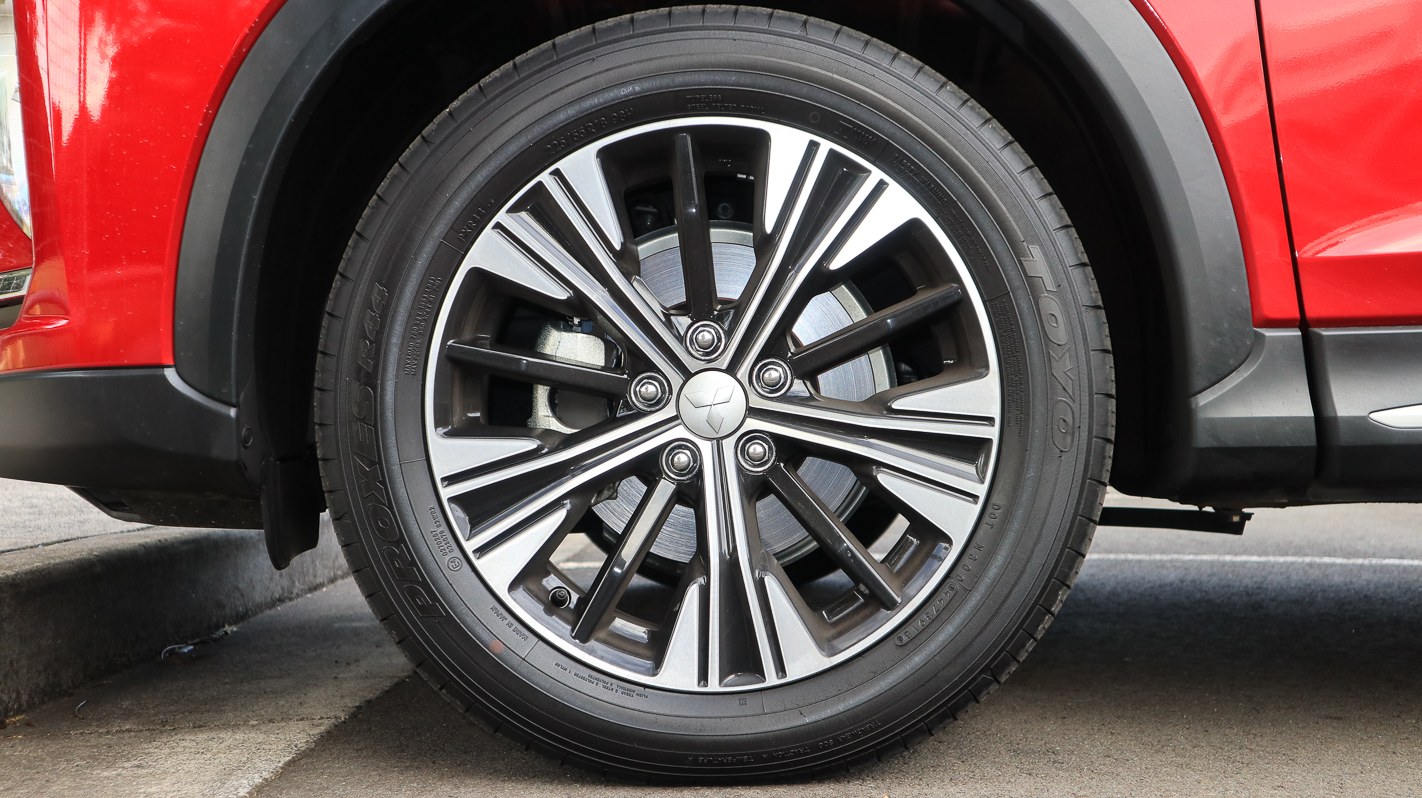
Even if the tread wear indicators – those little bridges of rubber spaced out in between the grooves of your tyre – aren’t indicating your tyres are worn out, older tyres should be replaced at least every five years.
And while you might think a wheel alignment is a tricky add-on designed to fleece you of cash at the tyre shop, you’d be wrong. Resetting the car’s castor, camber and toe angle figures means better handling and more even tyre wear – and it’ll feel like your car is its new self again.
3 New bushings
Another way to give your old car that new-car feeling is by replacing worn-out suspension bushes. A bush is a rubber bumper that is used throughout the underside of a car, and isolates pieces of metal from each other. These bushes are wear items, meaning that you will have to change them over the life of the car.
Worn bushings lead to knocking noises, uneven tyre wear and more noise coming into the car. While some bushes are a pain to change, most are surprisingly easy to sort.
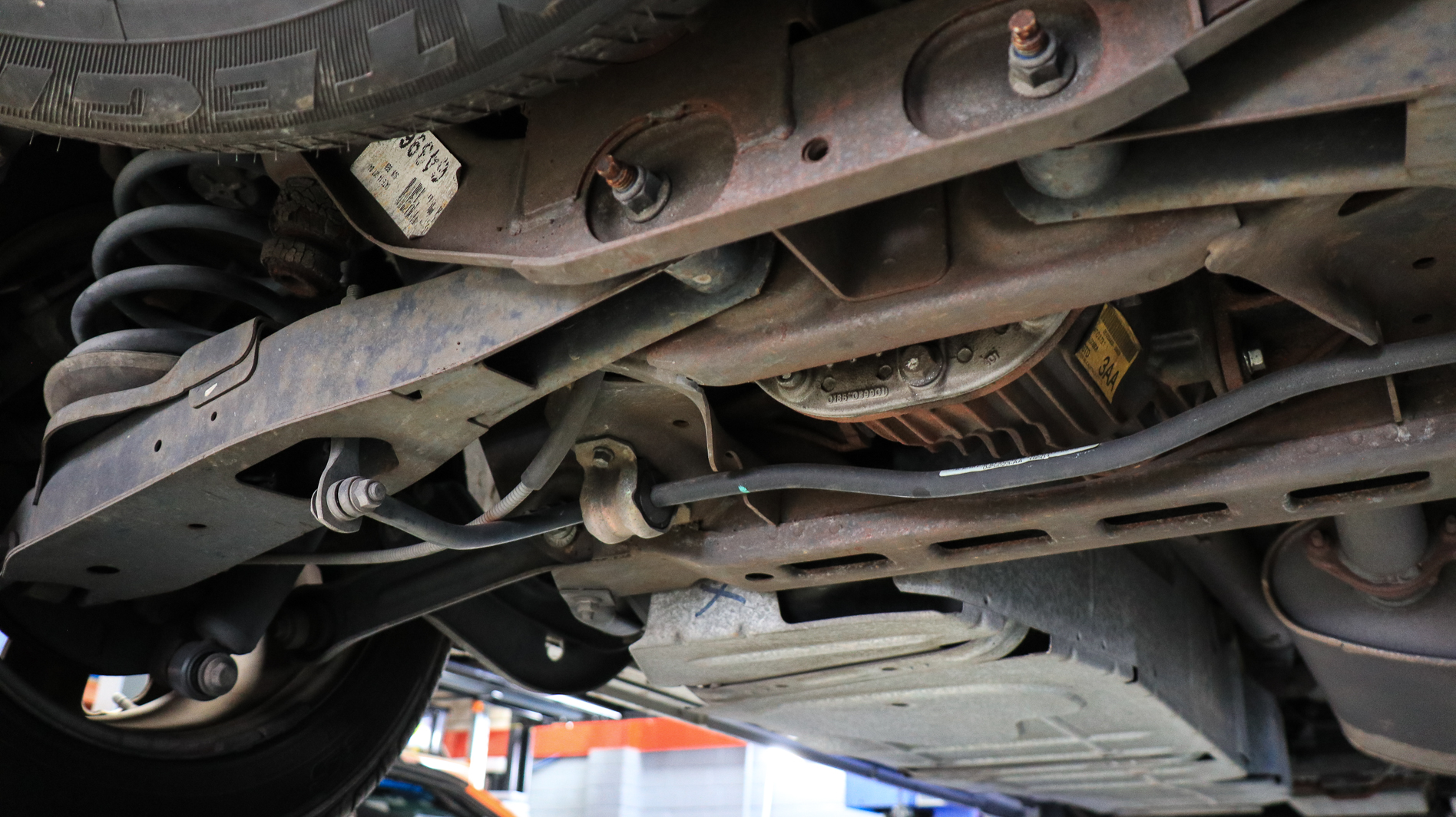
It’s also possible to change the original rubber items for polyurethane items for the same cost. The polyurethane ones will last a heck of a lot longer, and a fresh bushing overhaul is one of the easiest ways to make your car drive like a new one.
It’ll stop more quickly, handle more nicely and will filter out more of the road noise that was getting back into the cabin. Combine it with new tyres and you won’t believe the difference.
4 Give it a proper clean
Do yourself a favour, and give your car to a detailer for a once-in-a-lifetime clean. They can recondition your paint, clean your wheels properly, give the engine bay a tub and go right through the interior to get your car looking – and smelling – like a new one.
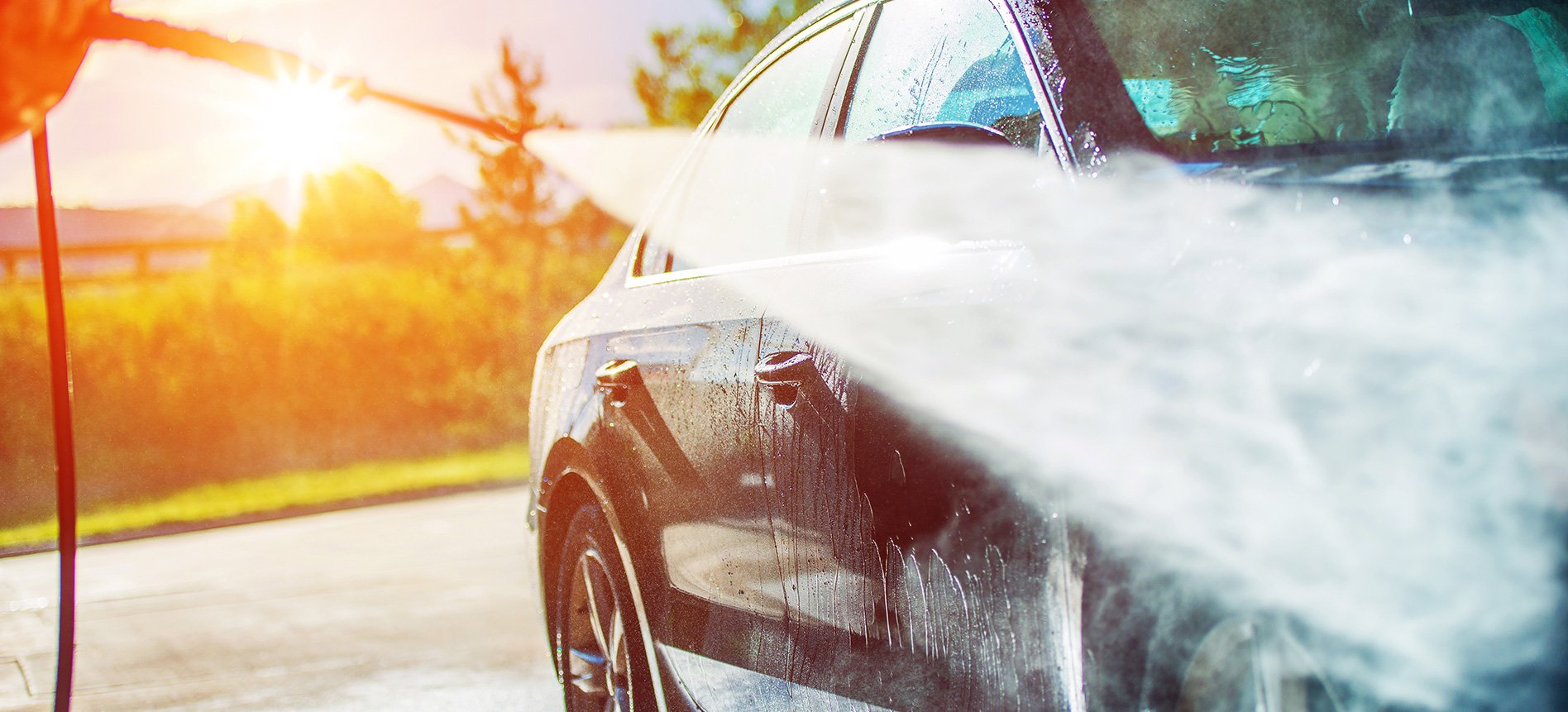
Don’t skimp on glass cleaning, either – you don’t realise how dirty the glass in your car is until it’s cleaned properly inside and out.
5 New Apple CarPlay/Android Auto head unit
Feel like you’re missing out on smartphone mirroring just because your car is a bit older? Worry no more!
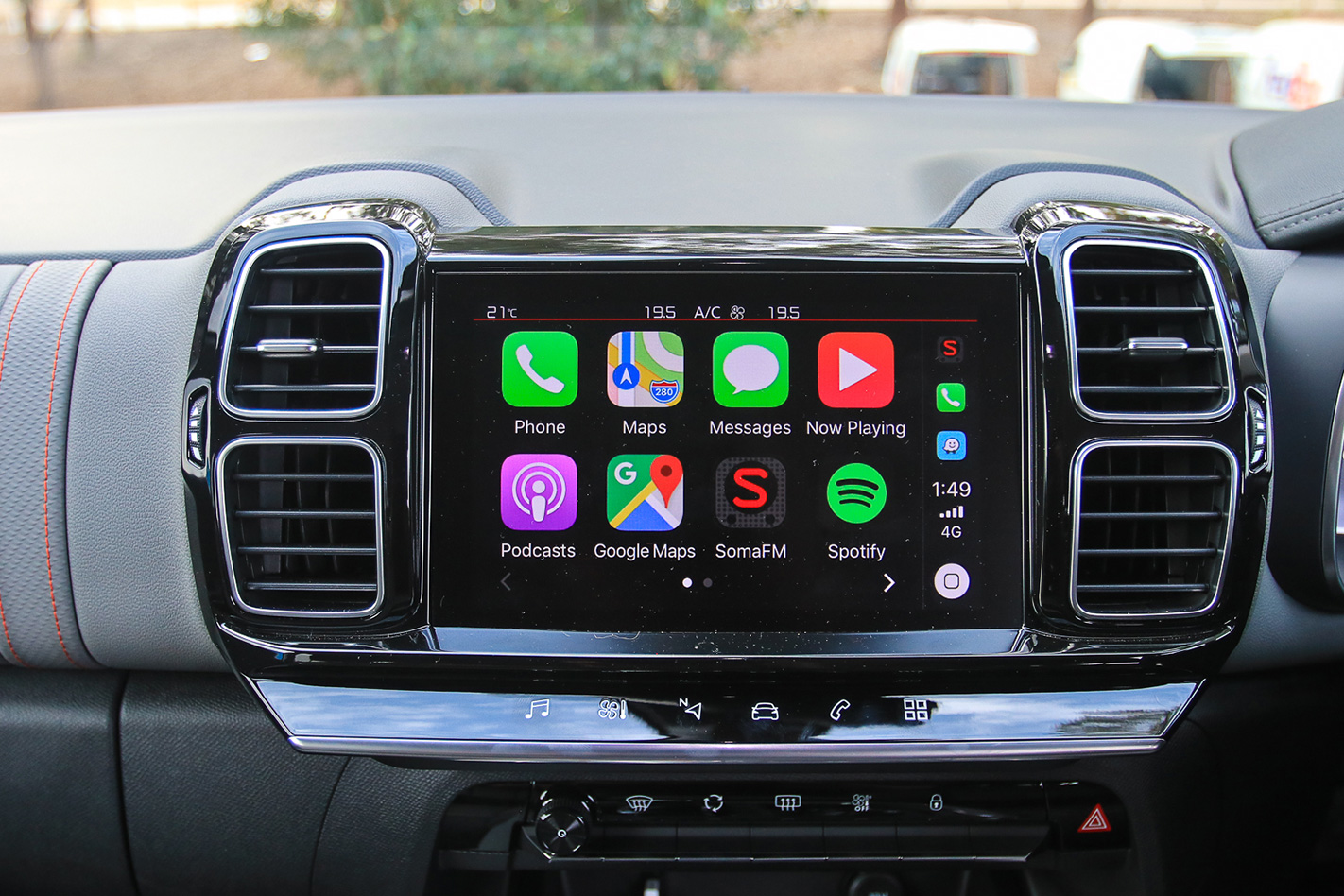
It’s possible to add a new head unit to the dash of pretty much any car that will allow you to plug in your smartphone for the full Apple CarPlay/Android Auto experience.
From around $600, you’ll get a nice touchscreen and the ability to stream music and access map apps that will give any older car a completely new perspective.
An R35 Nissan GT-R once felt bewilderingly digital and computerised to drive, but after 12 years on sale, compared to most rivals it now feels delightfully ‘analogue’.
It’s clearly time for a new-generation “R36” Nissan GT-R. But as much as we’d love to tell you a carbonfibre monocoque, twin-turbo 2.5-litre V6, twin-clutch, hybrid all-wheel-drive 911 Turbo fighter is secretly en route, all signs point towards that not being the case.
Nissan bigwigs and engineers are often asked about a new GT-R, and the answers are always that they ‘want to’. But the slightly different responses as to what it could be are not very indicative of a car actually being in the thick of R&D.
Sports cars often tumble down the priority list, too, when focus is required elsewhere in the company. Nissan needs to overhaul almost its entire global portfolio before it even thinks seriously about a new GT-R. In late July, Nissan reported a somewhat disastrous first fiscal quarter result, with global profits down a staggering 99 per cent.
It announced 12,500 jobs would be cut at 14 loss-making factories overseas by the end of March 2023, and that global production – and the model line-up – would be cut by 10 per cent by the end of fiscal 2022.
US sales are down, the portfolio is aging, the relationship with Renault is in need of repair and investors are questioning whether new CEO Hiroto Saikawa is the right man for the job. There have also been a series of scandals in the last two years, never mind the whole Carlos Ghosn thing… Plainly, things are a bit rocky at Nissan right now.

While this should be the moment Nissan announces its plans for reinvention as a leader in technology, it would probably be wise to focus on electrification, full autonomy, ride-sharing and other ‘mobility solutions’. Unfortunately, a new halo sports car is not quite the hero Nissan needs right now.
Instead, it sounds like the R35 will kick around for a few more years, judging by recent comments from GT-R Chief Product Specialist Hiroshi Tamura, the father of R35. Tamura-san said Nissan could develop a revised R35 for 2022 or 2023. And what might that look like?
If we had to guess, we’d say new front and rear bars, new wheels, more power and new infotainment. More carbonfibre, too, and further weight saving. Maybe a new ESP system, TFT instruments and, if we’re really lucky, rear-wheel steering. We’re just speculating, but that would mean the R35 would remain on sale until potentially 2025 or 2026. Which is just mind-boggling.
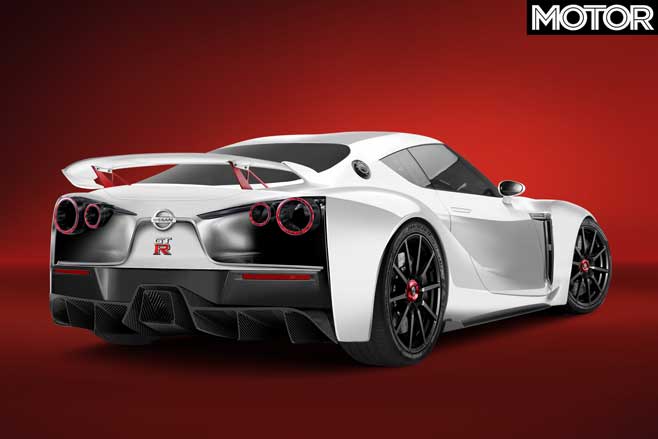
An R36 could be based on the R35, using the same powertrain, potentially mated to a hybrid system to bring the GT-R back to the cutting edge of tech again. But it could make even more sense to just skip the hybrid stage and go straight to full electric. Acceleration would be unbelievable – as would handling – if Nissan’s engineers harnessed the power of true torque vectoring possible with multiple electric motors.
If such a car does materialise, a concept could appear out of nowhere (much as the R35’s did), but keep in mind the first R35 concept was unveiled in 2001 and a production car not arrive until 2007.
A ballistic electric powertrain would transform the GT-R into a performance pioneer again, and elevate it to another plane of speed and ability. For most other sports cars, we wouldn’t quite like the sound of full electrification, but the GT-R has always been about pushing technology to its limits.
Sweet Dream: What could the Nissan R36 GT-R look like
R35 v2.0 Heavily restyle both ends. Fit an entirely new interior. Squeeze in some batteries and an electric motor. Gun for 500kW/750Nm.
Call it R36 For cost purposes, keep the existing powertrain (3.8-litre TT V6). R32, R33 and R34 may have all looked different, but underneath they all used basically the same powertrain.
Watch the weight The current R35 Nismo weighs 1720kg. Battery pack and electric motor might add 300kg. Weight is kept to 1800kg thanks to increased use of structural aluminium and carbonfibre, even if there is a cost.
High tech It’s gotta have all the latest stuff. Screens galore inside, active aero outside, electric-only PHEV range, rear-wheel steering, true torque vectoring. And, for relevance, it must debut Nissan’s latest autonomous driving kit.
We used to know what to expect from a BMW M car. Razor-sharp responses, an exotic hand-crafted powerplant and a level of handling genius beyond any of its immediate rivals. And then we didn’t. It’s not easy to pinpoint quite where the dilution in these brand values began, when we started to get overweight and underbaked M Cars, but it’s clear that the M division is delivering once again. The BMW M2 was a stunning return to form and the next-generation M3 and M4 twins could well put Garching back on the top step of the podium. What we know so far is indeed tantalising.
Frank van Meel, the ex-quattro boss who introduced all-wheel drive to M cars, is gone, replaced by Markus Flasch, the youngest person to head the division. You’d like Flasch. The 38-year-old Austrian might have inherited cars like the new X3 M, X4 M and upcoming M3/M4 from van Meel, but he’s determined to put his stamp on the next round of models. That includes the welcome return of an iconic badge.
“We will see more limited editions, special ones like the CS and you can also imagine a CSL,” said Flasch. “We won’t see the GTS sub-brand in future; there won’t be a GTS and a CSL,” he clarified. “CSL stands for light weight, racetrack ability and the purest M character that you can achieve in a car that’s still got licence plates on it.”
It’s likely that the Australian M3/M4 line-up will initially adopt three tiers: Pure, Competition and CS, kicking off with a rear-wheel-drive Pure model with a manual gearbox. Flasch stresses that development of these variants will be dependent on individual markets’ demand. “As you can imagine for M3 we were able to take over the entire drivetrain concept that we offer in the M5, and we were able to do a rear-wheel-drive version as well, plus manual transmission,” he said.
Expect power outputs to open at around 338kW for the Pure and 353kW for the all-wheel-drive Competition, while weight will drop by around 70kg for the rear-drive chassis. The M4 will be the likely recipient of the CSL badge in 2021, and there will also be an M4 convertible, ditching a folding hard-top for a lighter and simpler soft-top. There’s also likely to be different frontal air dam treatments for the tiered M models.
“We can do whatever the markets globally demand,” Flasch said when pressed on details. While he confirmed that the 3.0-litre twin-turbocharged S58 straight-six would form the basis of the next M3/M4, beyond that he wouldn’t be drawn. Asked whether there would be separate rear-drive and all-wheel-drive models, Flasch chuckled and said, “I can’t confirm it. But I’ve driven the cars.”
Contrary to certain expectations, the M3/M4 won’t be unveiled this year. “We’ve got enough models coming up this year for M,” Flasch said, namechecking the X3 M, X4 M, M8 Coupe, Convertible and Gran Coupe as well as the X5 and X6 M, and ruling out any chance of the M3/M4 appearing at the Frankfurt Show.
The trajectory of the current crop of M cars combined with the sensitivity to market demands only bodes well for the next M3 and M4. The Garching renaissance looks to be gathering pace.
It is incredible to think that the Nissan Skyline GT-R was practically unheard of in much of the world in the early-1990s.
Dominance of the Australian Touring Car Championship and its presence in the Gran Turismo driving simulator series might have done its fair share of waking the world to Nissan’s incredible creation, but we mustn’t forget the third factor, viral videos.
The Nissan GT-R owes much of its fame to the smorgasbord of viral videos that documented the various exploits of tuners, drag racers, and racing car drivers doing incredible things with the GT-Rs, some of which were made well before the advent of YouTube.
Here are five of the most iconic “Nissan GT-R” videos that contributed greatly to the “Godzilla” legend.
Motoharu Kurosawa “Gan-San” fangs the Hakosuka at Fuji Speedway
To the casual observer, the boxy-shape of the Nissan “Hakosuka” KPGC10 2000 GT-R looks a world away from the hunkered shapes of the Skyline GT-Rs that descended from the R32, but it is easy to forget that it was also a formidable race winner in its day.
Packing a 2-litre straight-six, in race-spec, the “Hakosuka” sounds a hard edged as its body styling, as Japanese racing veteran Motoharu Kurosawa – also known as Gan-San – demonstrates on the Fuji Speedway.
R32 Skyline GT-R drag cars doing 8 sec quarter miles
Though well known for its handling prowess, these snippets are proof that the R32 Skyline GT-R has all the right ingredients for that most cerebral of motorsports, drag racing.
Thanks to its robust mechanicals, it is unsurprising to see these examples being able to pull 8sec quarter mile times, though it is highly unlikely that much of the GT-R’s complex drivetrain remains.
Kazuhiko “Smokey” Nagata hits 205mph in a Tokyo tunnel
A key part of the Skyline GT-R’s popularity has to do with its tuning potential, with tuners being able to squeeze out power figures in excess of 400kW.
The most legendary of these tuners was Top Secret’s founder, Kazuhiko “Smokey” Nagata, who kindly demonstrated a staggering 205mph (328km/h) run with his 895kW R33 Skyline GT-R in a Tokyo tunnel.
Mine’s ‘Ultimate Response’ R34 GT-R impresses Best Motoring
Any denizen of the internet would be familiar with the Japanese motoring show, Best Motoring and its ensemble of presenters, some of whom are professional racing drivers and drifters as their day jobs.
For presenters of such caliber to get all boyishly excited and intimidated over Mine’s tuned ‘Ultimate Response’ R34 Skyline GT-R, that has to be something truly special.
Nissan R35 GT-R lays a 7min 26.7sec Nürburgring lap, starts a war
These days there seems to be a never-ending cavalcade of lap records titles being set at the Nürburgring, with Porsche often being the main culprit.
While the record is always being fought over, there is no doubt that Nissan fired the opening salvo with a 7min26.7sec time in the newly launched R35 GT-R in 2008. That record was hotly contested by Porsche over the intervening years, while the publicity that it generated attracted other companies to follow Nissan’s lead and used the Nürburgring as a performance benchmark.
In 1980, Audi launched the iconic Quattro. At the time, the only other four-wheel drive vehicles on the road were designed with off-road intent and certainly didn’t attempt to use their all-paw traction for the enhancement of on-road performance.
Critics said the Quattro’s leftfield five-cylinder engine wouldn’t balance and its all-wheel drive system was too heavy for anything beyond ploughing fields, but two consecutive years of complete rally domination silenced the naysayers once and for all. It was the same story in 1996 when the A4 Quattro cleaned up in touring car racing.
Nearly 40 years later, there isn’t a mainstream manufacturer that doesn’t have an all-wheel drive system of some description for its passenger models, and you’ll find no better example than Volkswagen, which offers at least one variant of each model with its proprietary 4Motion system.
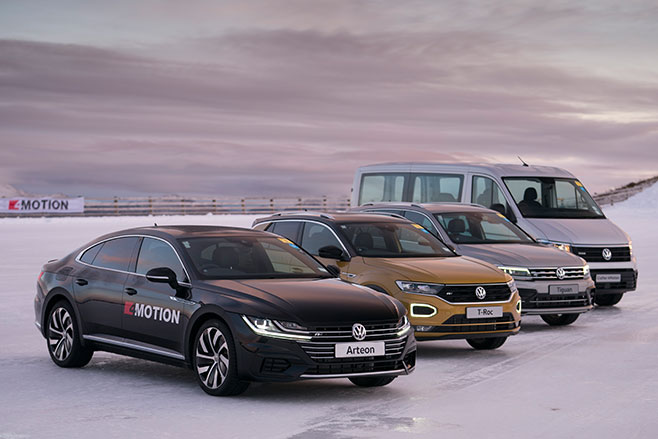
Officially, only the Polo compact hatchback misses out, but if you have about $330,000 to spend, Volkswagen will happily furnish you with a Polo R5 rally car. Let’s confidently say therefore, that the entire VW family is covered with at least one all-paw variant in each model line-up.
But while it’s easy to demonstrate the potential of four-wheel drive on a rally or race track, understanding day-to-day benefits of the 4Motion technology is harder. That’s why we headed to the top of a mountain in New Zealand’s Cardrona Ranges.
In Australia’s relatively warm and dry conditions, it takes a fair effort to find the limits of any all-wheel-drive system, especially on public roads.
But when you have the Southern Hemisphere Proving Ground – a 490-hectare playground of snow and ice testing facilities – at your disposal, the task of demonstrating all-wheel-drive advantages becomes a lot simpler.
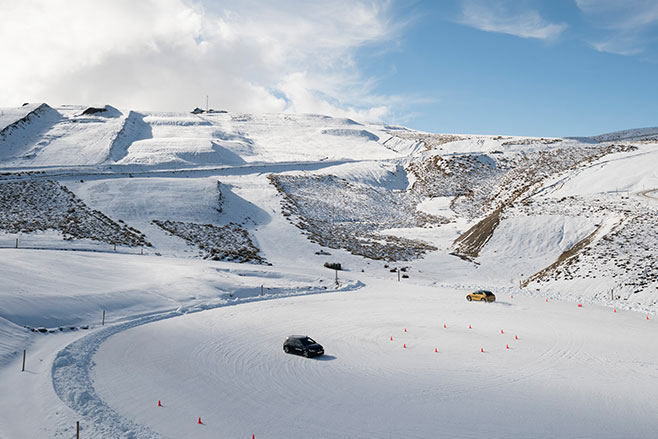
It goes without saying that each of the vehicles we tested is packed with a whole host of electronic stability systems that will intervene before most drivers overstep the limits of adhesion, regardless of the surface under tyre. To reveal the raw all-paw advantage unfiltered, however, we switched the various electronic systems to their least intrusive.
First up, we unleashed the Golf R hot hatch, Tiguan mid-sized SUV, load-lugging Passat Alltrack wagon and yet-to-be released T-Roc compact SUV for an attempt at the so-called Scandinavian Flick – a maneuver that involves turning the opposite direction before entering a corner. The flick deliberately unsettles the vehicle and forces it into a slide, which can be a much more effective way of negotiating a tighter turn.
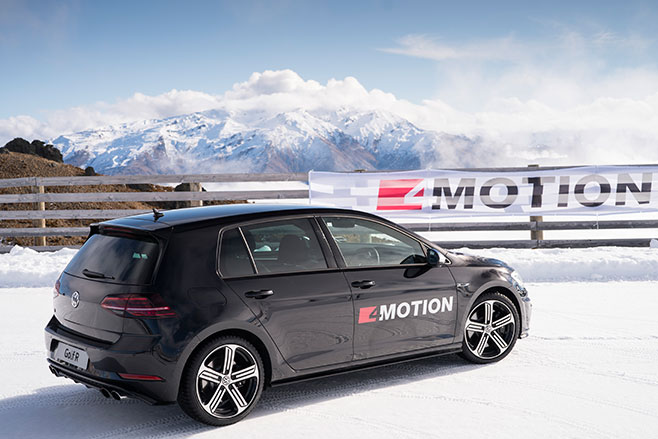
In such slippery conditions, all-wheel-drive vehicles may have a tendency to push straight ahead and slide out of the corner (understeer). Rear-wheel drives are much more likely to rotate on their central axis, especially with too much acceleration, which is known as oversteer.
But with careful application of power, counter-steering and a successful Scandinavian Flick, an all-wheel-drive can maintain a neutral slide through the corner. It takes some mastering but it’s incredibly satisfying and great to watch.
With lots of power, a short wheelbase, and a stability system that can be switched almost completely off, the Golf R was the true powerslide hero, but even the Passat, with its relatively long wheelbase, can be provoked into a slide.
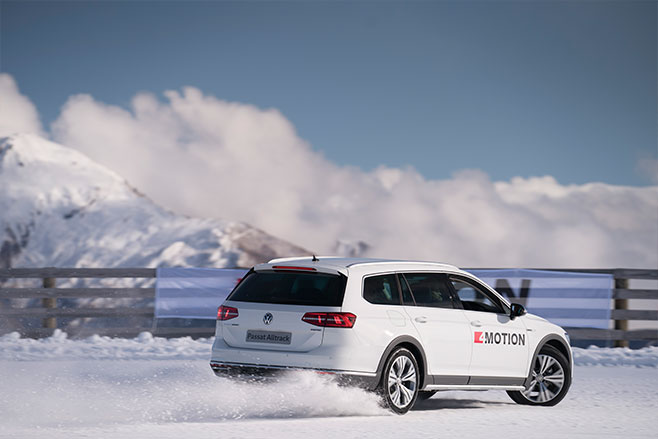
Without the grip of the 4Motion system, negotiating the 180-degree turn would be a much slower process – and a lot less fun, but the clever power distributing systems direct torque to the wheels that can use it most effectively.
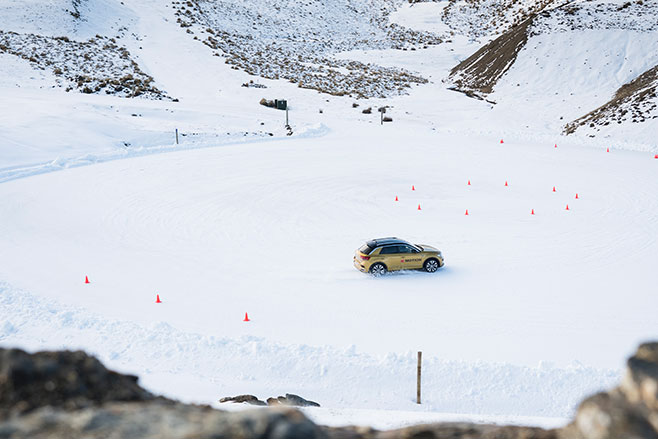
Next it was on to a large open expanse of beautifully groomed hard-packed snow where a slalom had been arranged. In dry conditions, a similar course would be negotiated fastest by maintaining a constant speed and narrowly passing each cone parallel to the direction of the course.
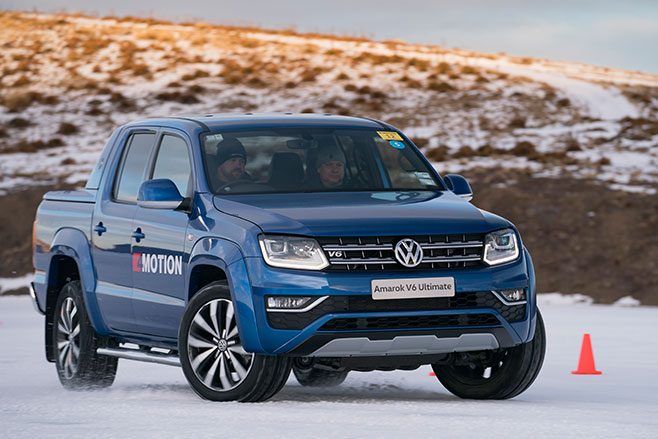
When the surface is incredibly slippery, however, the Scandinavian Flick can be used to again force the vehicle into a slide, passing behind each cone or almost 90-degrees to the direction of the course. This allows power to be applied as the cone is being passed and initiating the next slide.
Here, the Arteon, which uses the same 206kW engine as the Golf R was the star, using its slightly longer wheelbase to add stability as the speed increased. It conserved the most momentum out of the fleet and required the least amount of braking at each cone.
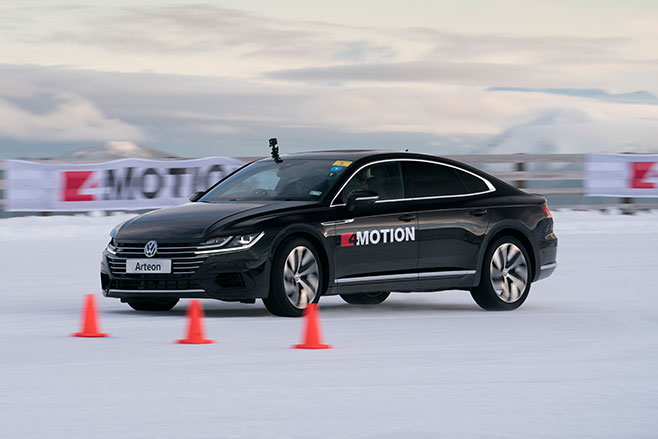
The faster challenge also highlights the consequences of too much speed and the importance of counter steering with the correct amount of power. Just as a satellite needs just the right velocity and angle to remain in orbit, the 4Motion system needs to send just the right amount of power to the snow, to maintain a slide. Without equilibrium, the car will either loop into a spin or push on straight ahead.
After a few laps, the course was expanded to include a few higher-speed chicanes and a wide-radius U-turn.
With their compact proportions, the Tiguan and T-Roc are an absolute delight to slide on snow, changing direction obediently and revving freely as you ask for more power. Another surprise was the pair’s Touareg larger SUV sibling, which was playful and nimble despite its size – just as it is on the road.
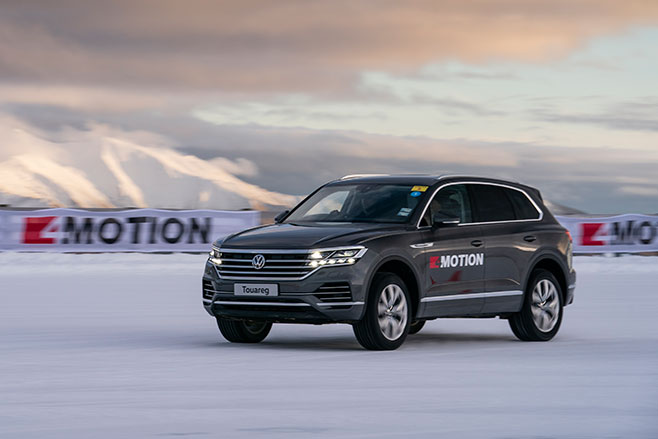
With a less relaxed stability control system, the Amarok struggled to let its hair down, but in a straight line, the 4Motion system found impressive amounts of grip and allowed the excellent V6 diesel engine to accelerate with an eagerness that defies the model’s size and weight.
And finally, the Crafter van might not have been the most balletic on the piste, but it too found an amazing amount of grip and refused to let its size spoil the party. Despite being a medium wheelbase variant with optional all-round glazing, the big VW threw its weight around like very few other vans could in similar conditions. If you have a package that has a destination above the snowline, there are few other commercials that can get it there as safely.
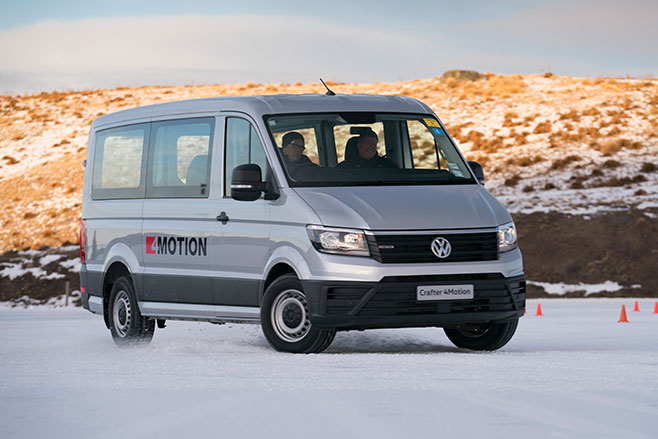
The purpose of this incredible event in the snow above Queenstown was not to critically appraise the driving dynamics or comfort features of any particular Volkswagen model – although the various character traits and how they manifest themselves in adverse conditions were fascinating.
Under the microscope was the 4Motion system and, beyond that, a broader insight into the advantages of all all-wheel drive systems.
In partnership with proper purpose-built winter tyres, the 4Motion technology really shines when you throw the very toughest environment at it, and offers a glimpse at what it is doing in slightly less extreme conditions.
In the ensuing years since the advent of road-focused adaptive all-wheel drive, the technology has evolved from an expensive luxury for diehard enthusiasts and specialist applications, to a sophisticated technology that compromises little and you’ll be glad is there, whether you know it or not.
Here’s a question for you: Have you tested your automotive knowledge with our inaugural Hump Day Quiz? If you like it we’ll run one each week giving you something to help you through the mid-week monotony and hopefully giving you bragging rights over your mates.
Here’s another: What turned 50 this week? If Nissan’s GT-R was a wedding anniversary it would be golden and if it was a person it would probably still be shaking off the hangover. We marked the birthday of a motoring icon with a whole week of celebrations and a look back at Nissan’s hero car milestones and half a century of high-performance stories.
Cars and their use were once again in the firing line this week. While Jaguar argued that hooning should be banned from all advertising, not just car ads, Greenpeace completely lost its mind and suggested that car advertising should be banned altogether. Hmmm.

While there is evidence to suggest electric cars are worse polluters than combustion power, but that won’t be the case as soon as our government gets its act together and starts supporting renewable energy.
Maybe the greenies should be focusing on the endeavours of the car industry to create clean zero-emissions cars like this cool Volkswagen concept, which is also actually green.
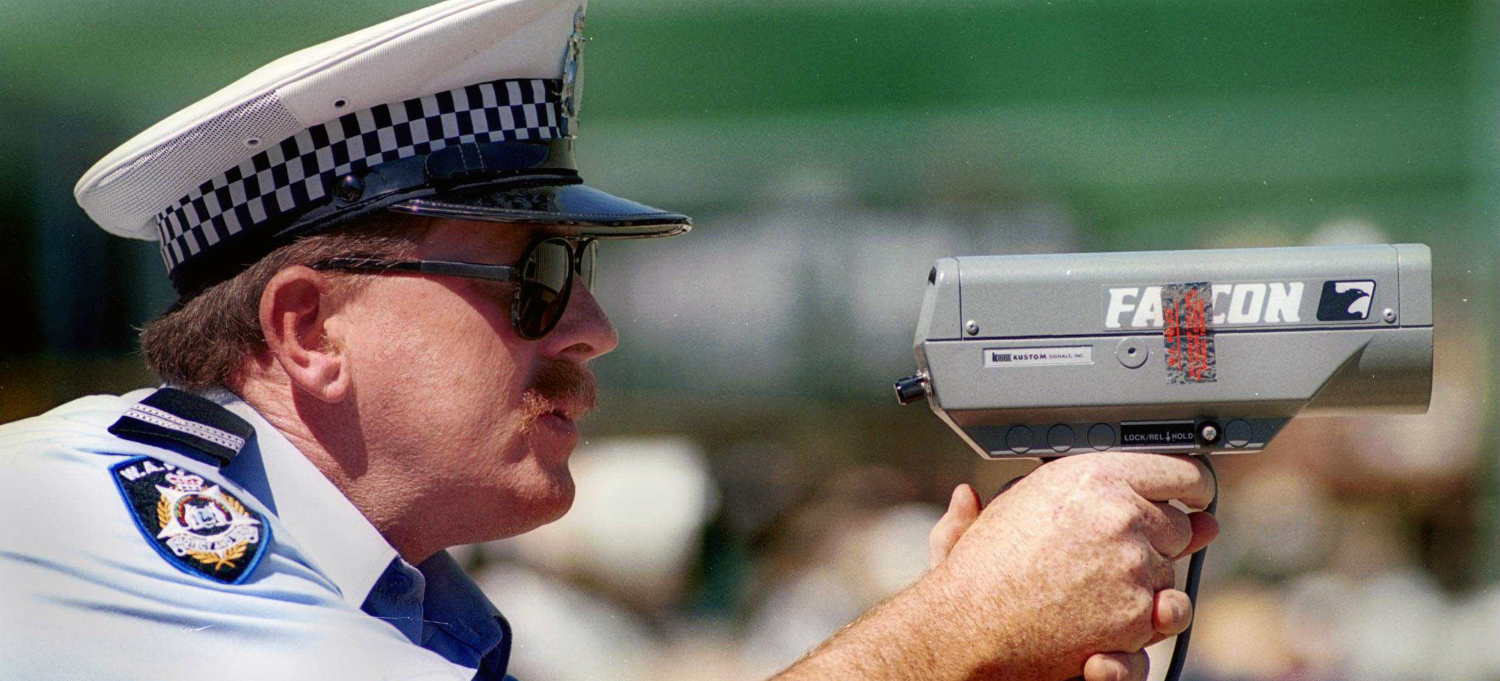
As if environmentalists implying cars are antisocial as cigarettes and alcohol wasn’t laughable enough, news came to light that the police really have been incentivising speeding ticket issuing after all. Perhaps now the police will turn their attention to preventing hippies climbing bridges? And where were they when this guy decided to go for a night drive!?
At least now we have a way of avoiding the temptation of using a phone while driving and the potential for more fines. Here’s how to retrofit Apple CarPlay to your car (or perhaps Android Auto) and Mazda will also now offer its own CarPlay upgrade for older models. It only costs a few hundred dollars but you may be surprised to find out how much the option has netted for the Japanese car maker.
Apple made the car news again when Porsche announced it was partnering with the tech giant to slot more than 50-million songs into its imminent Taycan electric high-performance model. If the Taycan is a little out of your price range, perhaps something like this is more manageable – it gives an entirely different meaning to car play.
If you wanted even more great advice, here’s our guide to the best baby-friendly cars. Or perhaps one to take the dog somewhere really, really fast. Here are some Audi RS6 facts that you might not have learned from all the straightforward media coverage.
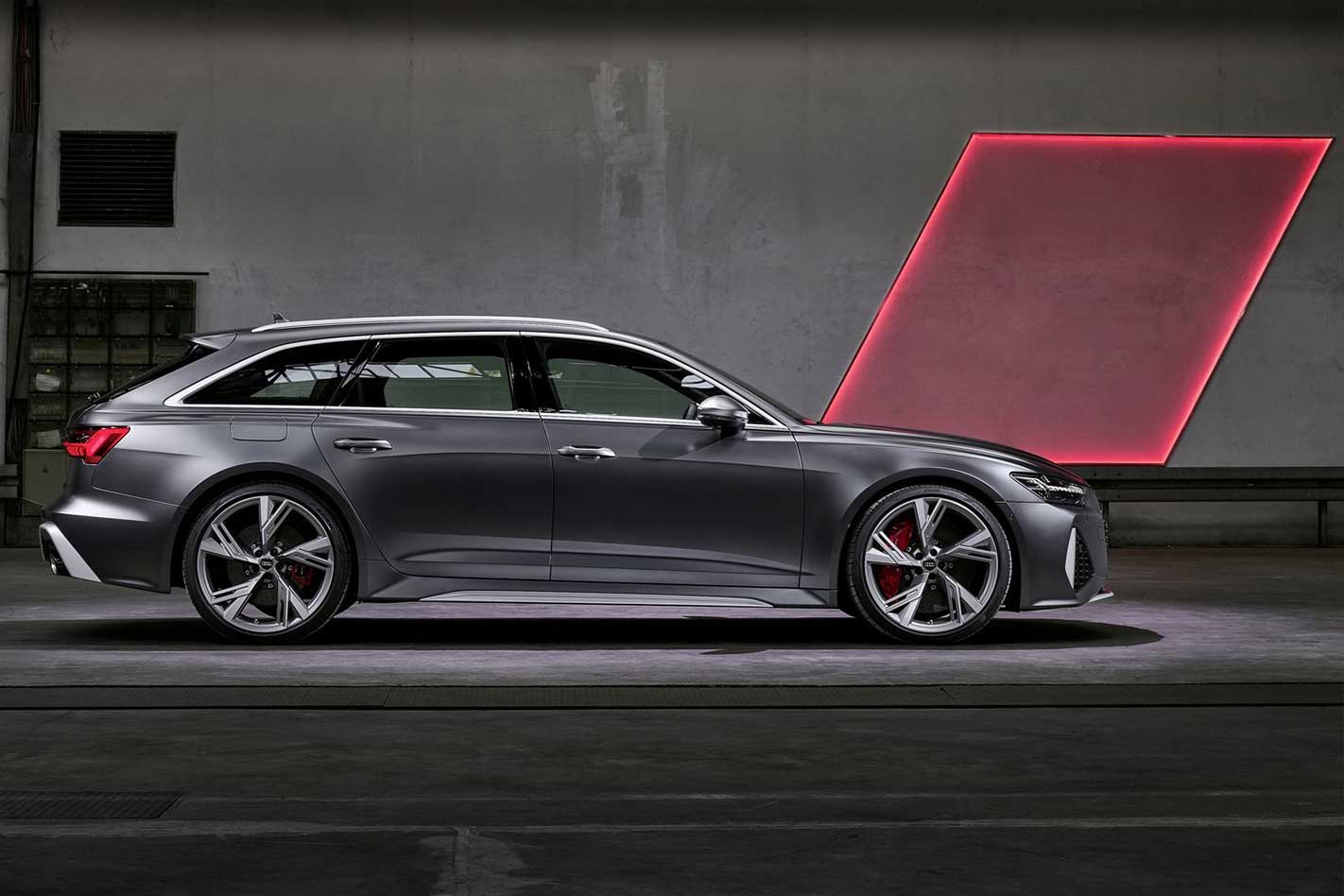
There was more good news for one-tonne ute fans, with Volkswagen confirming a manual V6 Amarok for Australia, as well as a pair of high-end variants. Ford is now offering two engine options for the returning FX4, and we get our hands on an off-road camper trailer that’s as quick as the Amarok V6.
SUV enthusiasts have also been well catered for this week too with Skoda’s Kodiaq RS arriving on local turf, we pitch the ‘standard’ Kodiaq against the excellent Octavia wagon to see why the high-rider is so much more popular, and BMW confirmed that its SUV lines will be expanding.
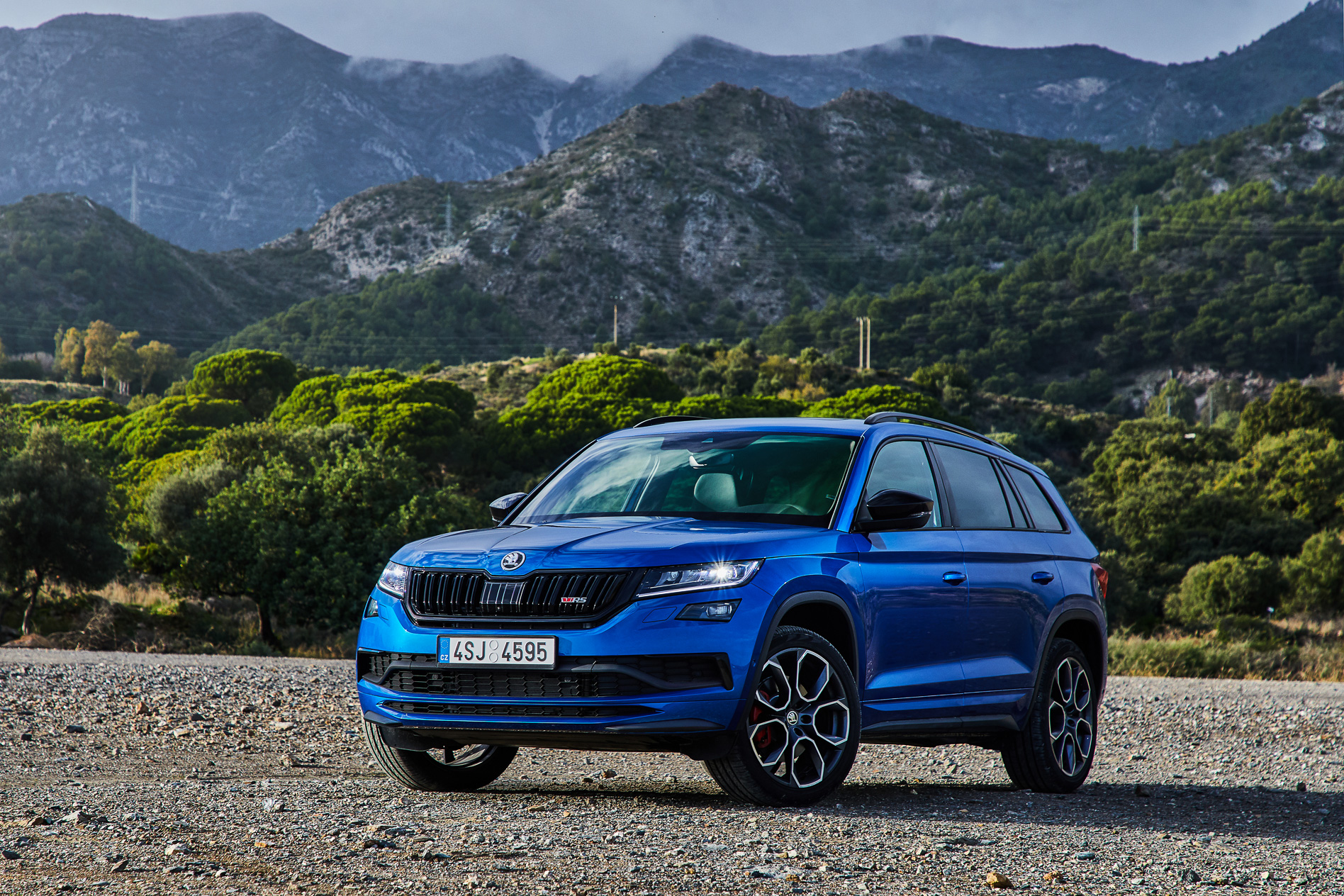
And of course, the last seven days have been punctuated with the steady flow of other reviews from our team of reviewers, including BMW’s 740Li, the Ford Ranger and Focus, and Nissan Qashqai.
Until next Friday, keep an eye on WhichCar – the best source of car information, entertainment and advice. There’s no question about that.
