
If you’re in the market for a 2019 Volkswagen Golf GTI, you’re in luck. The company has just announced that it’s bringing in the last of the current generation Golf GTI for $47,990 on the road until the end of March.
It’s not a huge reduction over the list price of $45,490 before on-road costs… but it’s better than nothing, right?
The five-seat, five-door Golf GTI is the last remaining survivor of a once-burgeoning Golf GTI line-up in Australia, and it’ll serve as Volkswagen’s hot hatch until the introduction of the next generation Golf.
It does battle with the likes of the Honda Civic Type R, Renault Megane RS and the Hyundai i30N.
Volkswagen had a torrid time with supply of the GTI in 2018, thanks to a combination of shipping dramas and the more stringent WLTP emissions requirements that came into force last year.
“For the first time since this GTI variant was introduced late last year, we will be in a position to meet demand,” said Ben Wilks, Volkswagen’s general manager of passenger vehicle sales.
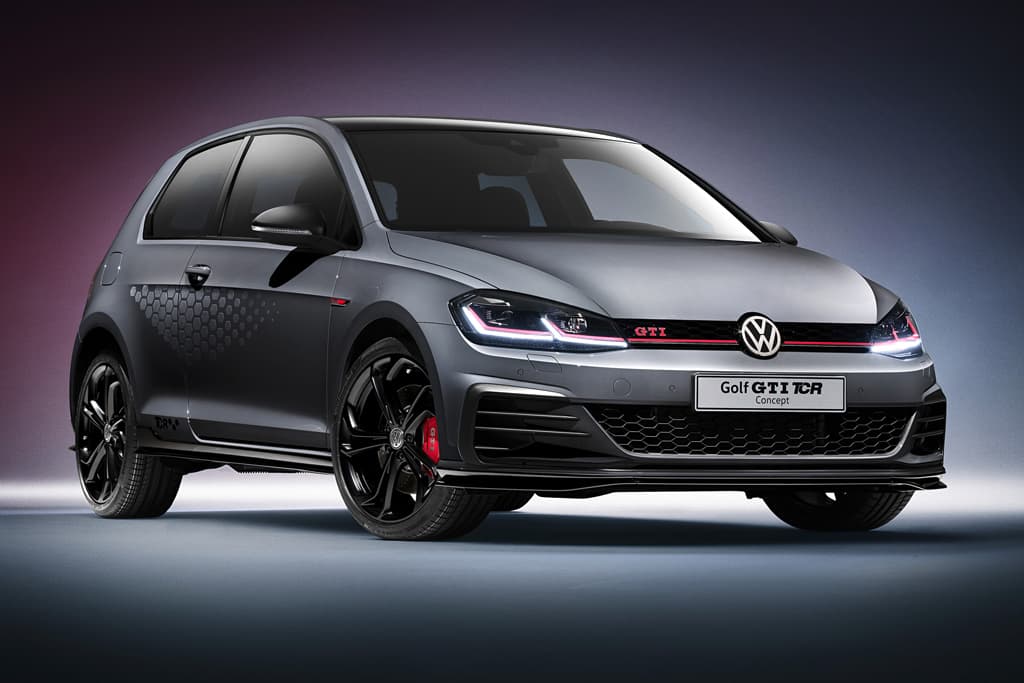
The five-door GTI shares the same specification as the brand’s limited-run Performance Edition One three-door from last year (below).
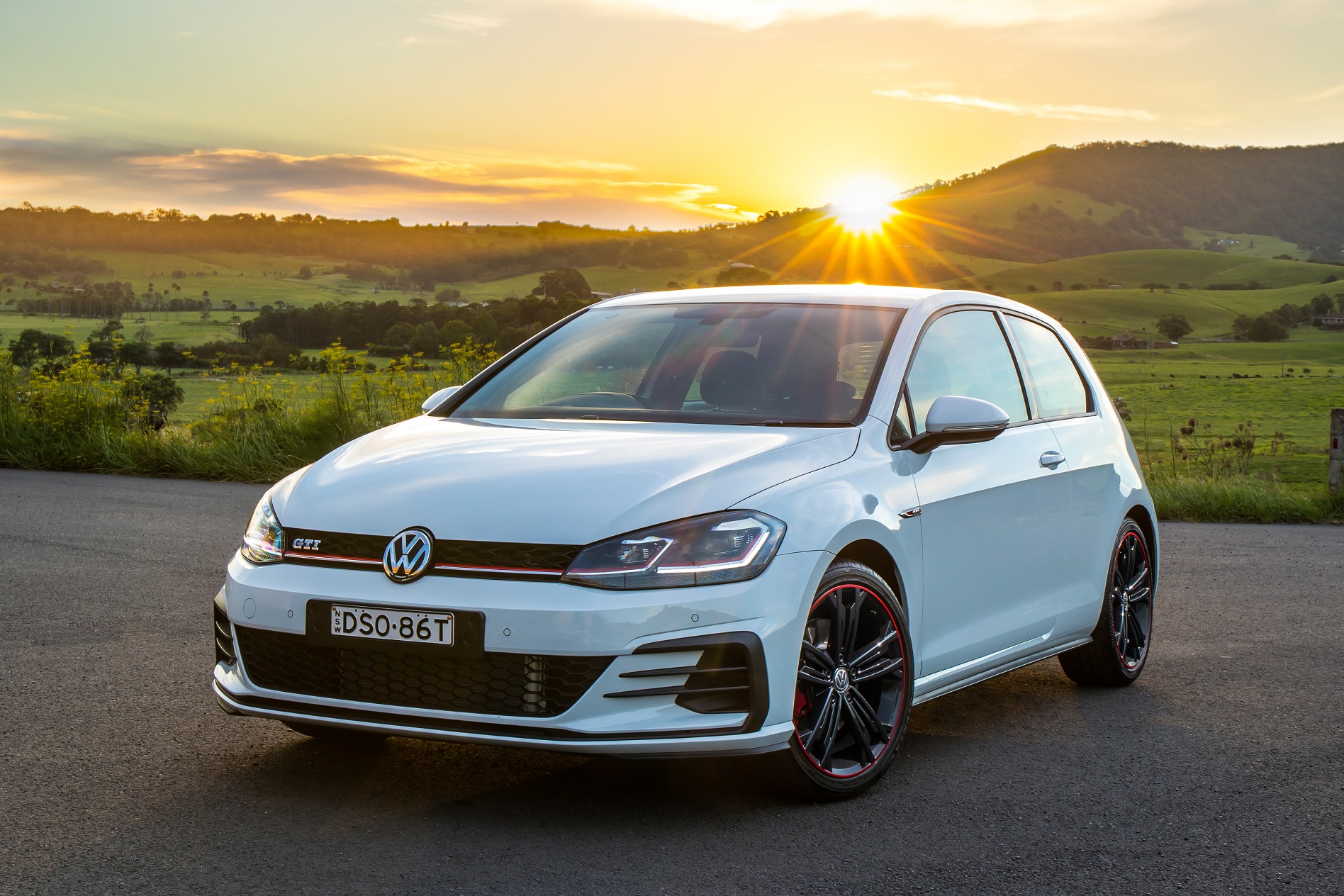
A 180kW, 350Nm version of Volkswagen’s EA888 2.0-litre turbocharged four-cylinder petrol engine is mated to a seven-speed dual-clutch transmission, while the GTI’s brakes and electronic front limited slip diff are sourced from the Golf R.
As well, the GTI scores VW’s digital dashboard, a full suite of driver aids including AEB, traffic jam assist and blind spot warning, satellite navigation, Apple CarPlay and Android Auto, keyless entry and start and a lot more besides.
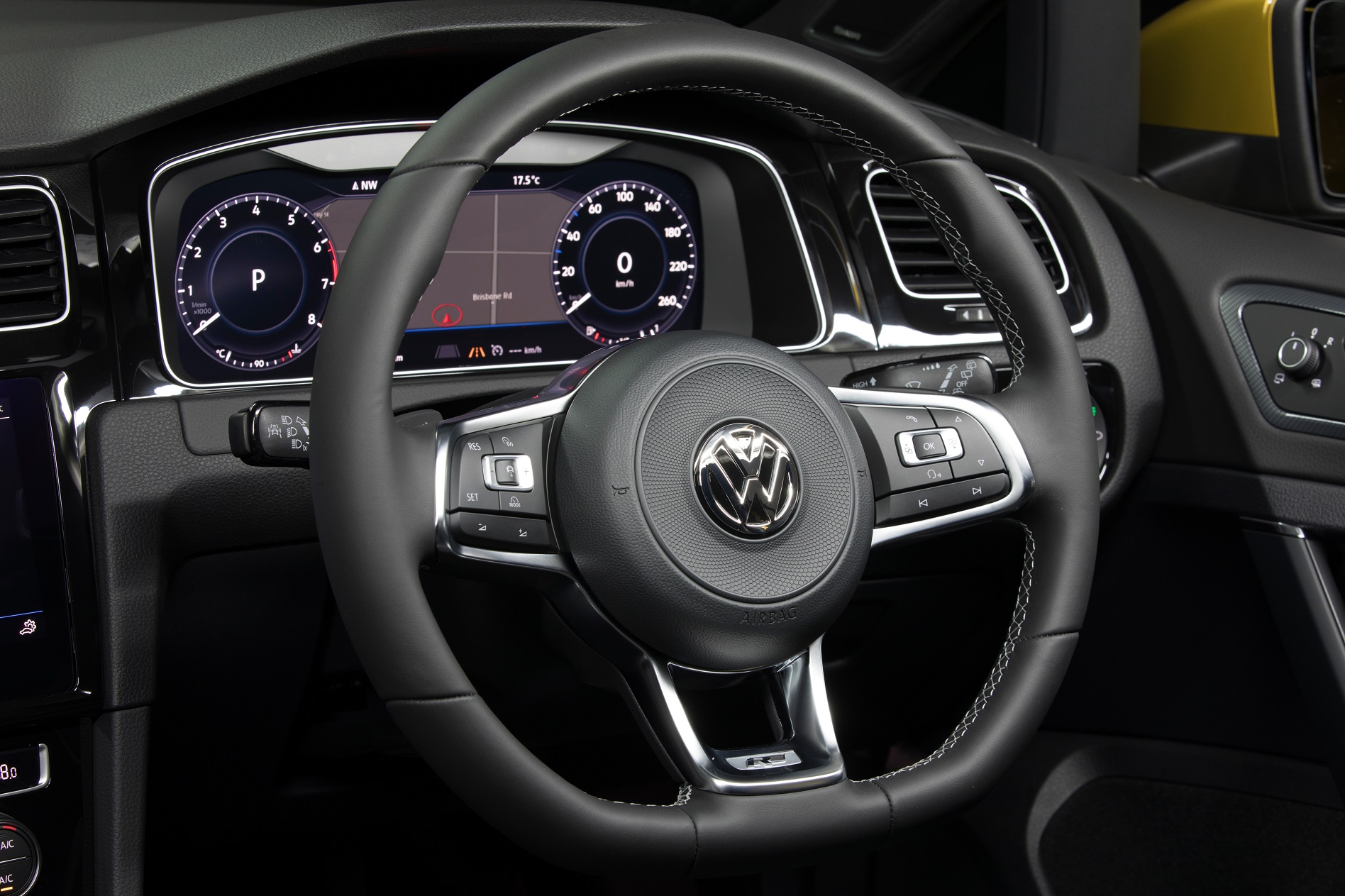
“The inclusion of this much standard equipment – items that were inevitably optioned by customers – coupled with the newly enhanced drivetrain, make this, in fact, the best value GTI since the Mark 7 was introduced in 2013,” said Mr Wilks.
You can also add Sound and Style ($2,300) and a Luxury ($3,900) packs to the GTI, as well as premium paint ($500).
What you can’t get, however, is a manual gearbox version. VW pronounced the death of the self-shifter last year, and corporate communications manager Paul Pottinger has reconfirmed it.
“The manual is the stuff of history in both the Golf GTI and the R, I’m afraid,” said Mr Pottinger. “The numbers buying it could be counted in a single figure percentage of overall sales; besides which there’s global pressure to reduce line-up complexity.
“What of the ‘enthusiast’? Well, is enthusiasm really defined within the strictures of three pedals and a stick shift? It’s reasonable to assume that Hyundai and Honda would if they could field a rival to our seven-speed wet clutch DSG. Unfortunately, they cannot.”
Mr Pottinger also suggested that while this version of the GTI will carry through to the introduction of the Mk VIII Golf next year, there is one more version to come.
“This is the standard GTI to carry Mark 7/7.5 to its conclusion, though we’ll see the limited edition GTI TCR edition toward the end of the year [below]. That will be hardest going production GTI to date,” he said.
TIMING is everything. Back in 2014, the brilliant i3 60Ah was the first EV to scoop COTY, bringing enigmatic and audacious design, packaging and engineering, while still encapsulating BMW dynamic appeal. Perhaps more so than many of its stablemates.
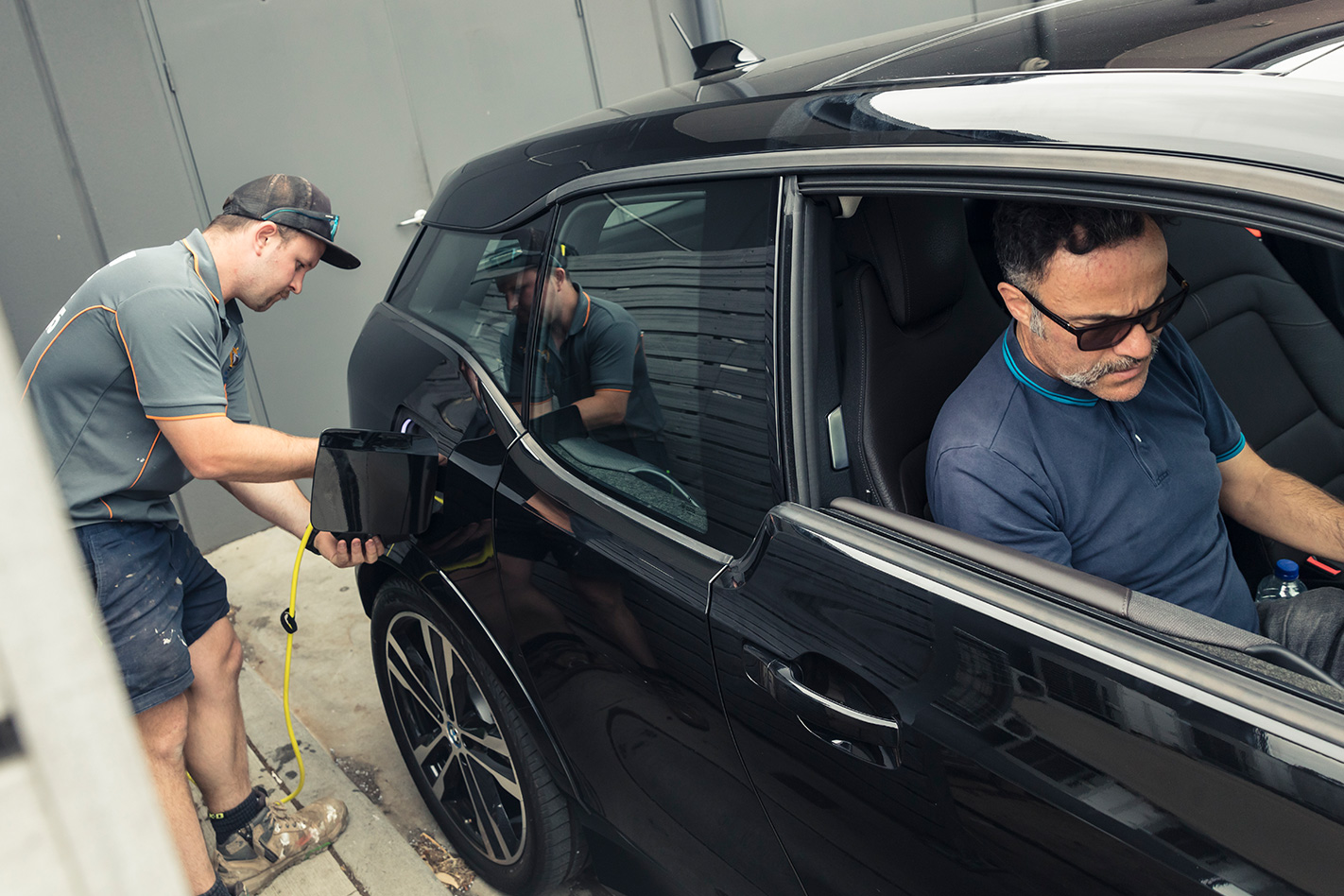
Created as a premium urban runabout, that early version’s circa-160km range was par for the course given its 22kWh battery capacity, though – for a price – Tesla’s Model S has easily doubled that. In the i3’s defence, it also offered a twin-cylinder generator in the $6K-pricier Range Extender (REx), adding up to 150km of range. Anxiety be damned!
With a 2016 battery upgrade to 33kWh boosting range to 200km and last year’s facelift bringing tech updates, let’s see if the i3’s virtues prevail today.
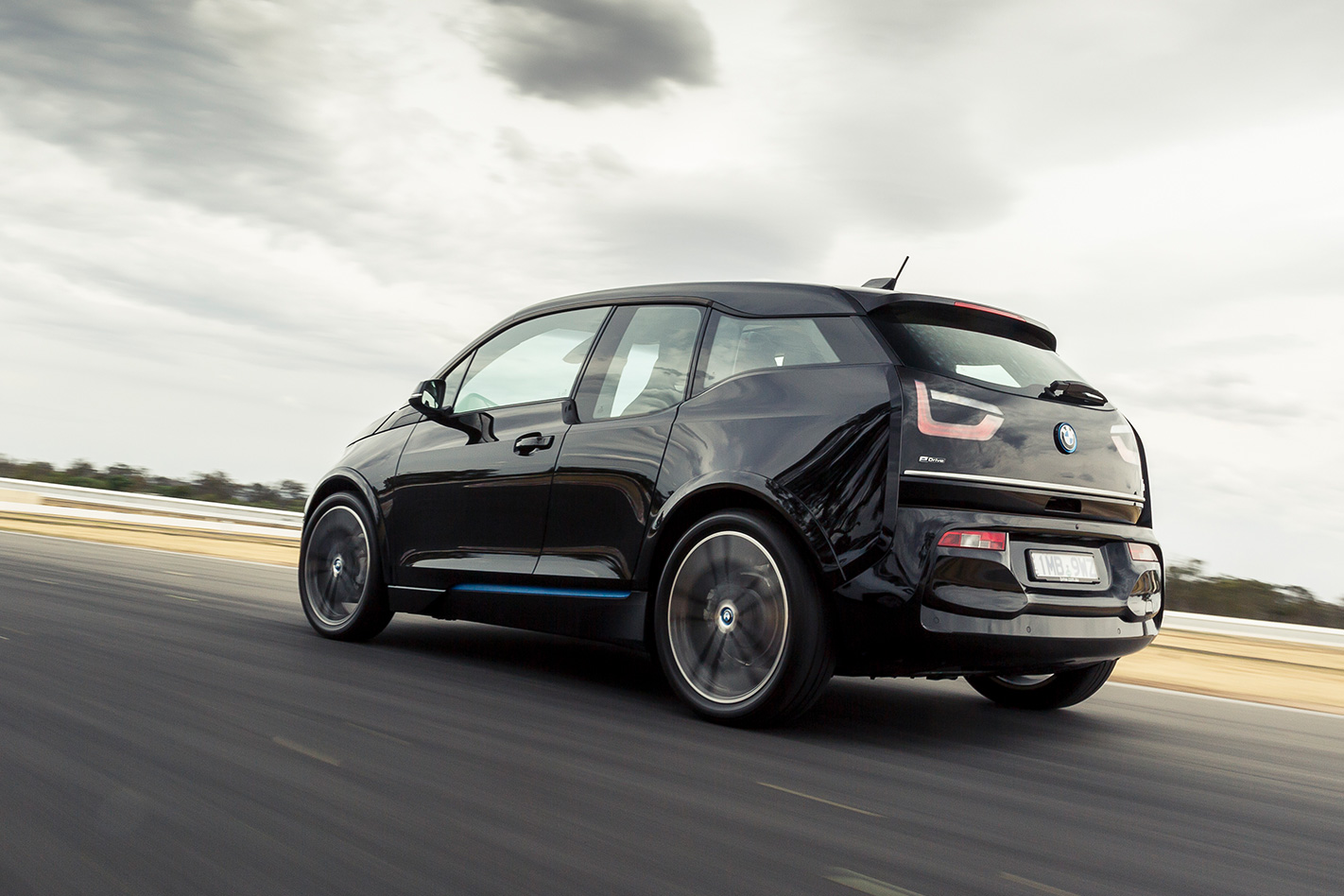
The Bavarian EV certainly hasn’t aged badly, retaining a commanding presence, while the deep glasshouse and its vision-enhancing airiness, dashboard minimalism, ergonomic simplicity, creative (and mostly recyclable) material deployment, lovely detailing and pillarless access continue to enrich an impressively roomy cabin.
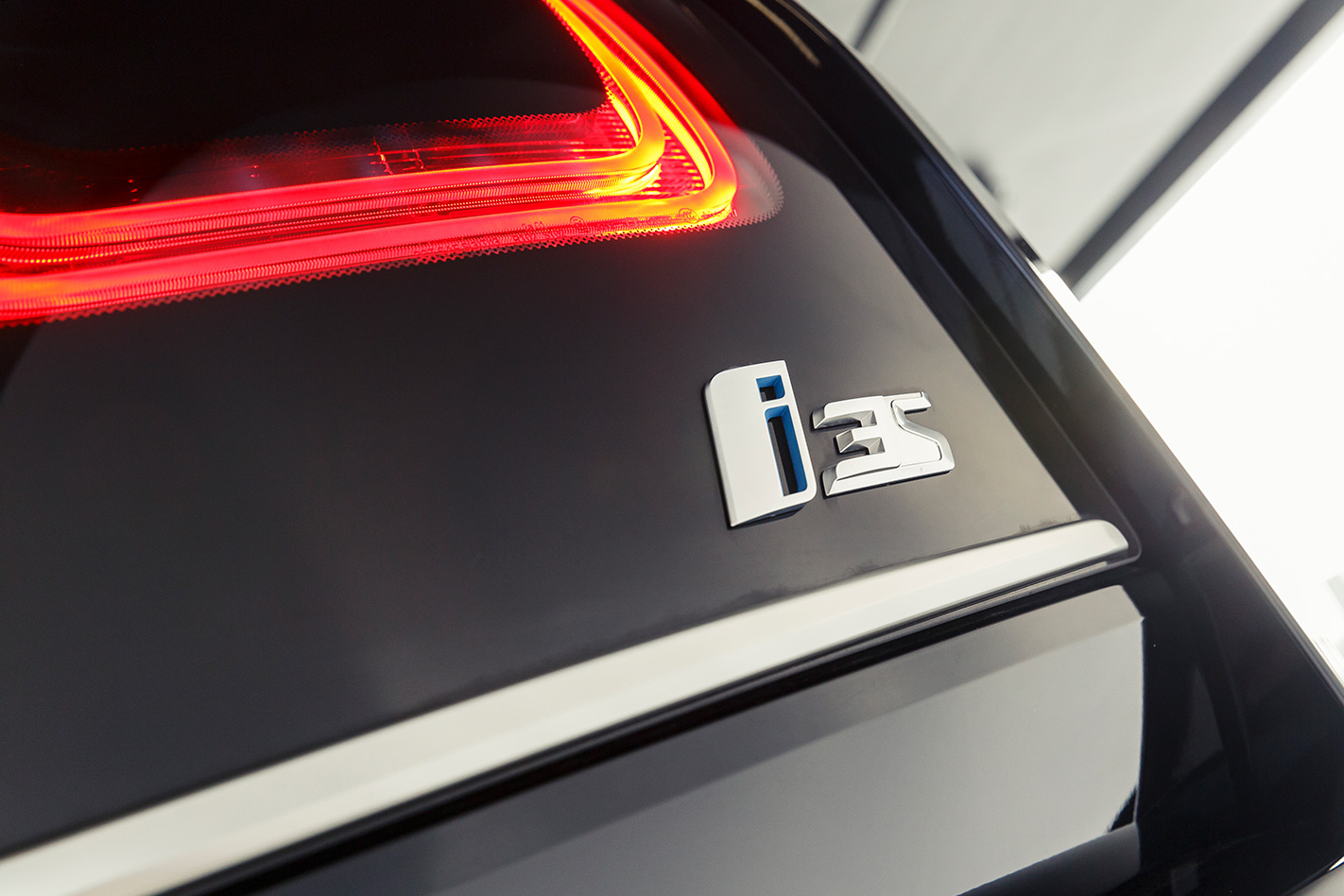
The driving experience, too, remains extraordinary. Perched high SUV-style yet sat back sports-car-style behind the achingly cool two-spoke wheel, the i3 is an enthusiast’s machine, whether leaping straight into action with startling speed in the regular default setting, or should the driver choose the efficiency-prioritising Eco Pro, gliding along with ample power in reserve. Whichever, the BMW’s acceleration always feels energetic. Opting for the 10kW/20Nm stronger 135kW/270Nm i3s (as tested) brings immediacy, oomph and a harder edge.
With the front wheels free to steer only (as in all great BMWs), the i3’s steering brings delicious, crisp, connected directness, though novices may find the i3s’s helm a tad nervous initially. Just hang in, folks, because the rear-drive chassis is actually profoundly planted due to its low centre of gravity and seamlessly nuanced electronic nanny smarts, to ensure this tall boy stays on course.
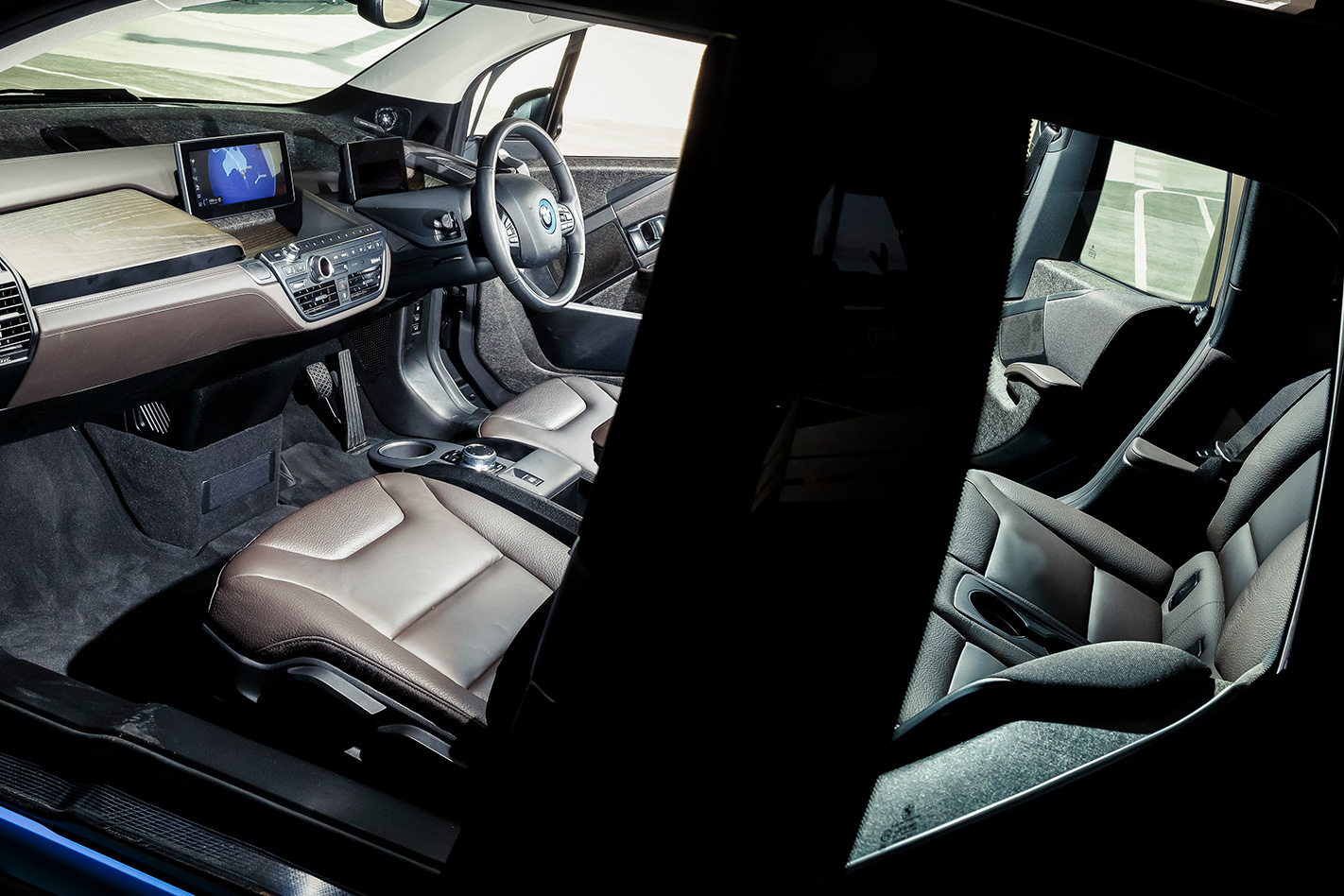
We’ve never been enamoured with the i3’s firm ride quality, however, but the 10mm-lowered i3s/20-inch wheel combo is harder and louder again – classic case of more equalling less. Stronger regenerative braking force for off-throttle stopping would be welcome, the clap-hand doors won’t allow the rears to open independently of the fronts, and then there’s the price… north of $70K before options. The ‘E’ in BMW’s EV equals expensive.
Happily, our biggest i3 bugbear – that off-the-pace 200km range – has just been addressed with the larger, 42kWh battery upgrade, out from February in the i3 120Ah, with 260km between charges. At no extra cost. Not before time.
2019 Electric Vehicle Megatest: Introduction
7/10
IF THIS is the future you can keep it. I’m watching punters pull up to the bowser at the Shell servo in Euroa, fill up and nip off. Meanwhile, I’m faced with a bank of out of commission chargers and a Jaguar I-Pace, a BMW i3, a Nissan Leaf and a Renault Zoe that need charging. Only one of the four DC chargers works. The high-capacity ABB chargers’ software won’t talk to the battery array. The Zoe can’t charge here at all because it needs AC power, not DC. Having just hypermiled up the Hume at 80km/h with no air con, both tolerance and deodorant have worn pretty thin. Using a borrowed charger and an uprated 15-amp power supply, we learn that the Zoe will take 17 hours to charge sufficiently to cover the distance back to Melbourne.
The Tesla Model X has already charged to 100 percent at the Supercharger in Euroa, making the travails of the other EVs look like the most unnecessary drama. To compound the issue, only two of the six plug-in hybrids were delivered with charge in their batteries and the Hyundai Nexo hydrogen fuel-cell car could only be fuelled to half pressure. Any potential owner taking these vehicles out of their cosy commuting milieu and out into the wild would find their patience taxed, and the first time they find themselves stranded at a dud charger could also be their last. This nation of vast distances, relatively cheap fuel, exorbitant electricity charges and little political will to change isn’t anywhere close to the forefront of the EV revolution.
As such, it’s difficult to recommend an EV right now as a genuine alternative to internal combustion. The fact remains that the people they suit best – namely those doing low-mileage urban/suburban commutes – are often low-involvement purchasers who won’t see the benefit in spending a good deal more on an electric vehicle. That’s compounded by the fact that many in urban high-density housing have no means to charge their vehicles at their place of residence.
The significant take-away from this test is that owning one requires you to modify your behaviour quite markedly to accommodate the car’s shortcomings. That will change fairly quickly, and the Tesla network is workable, but it was the opinion of most testers that were they spending their own money right now, they’d stick with the added utility of a plug-in hybrid. Compromise, it seems, isn’t always a dirty word.
Stay tuned over the next week to read more about Australia’s most comprehensive EV test
Sometimes we forget that inside our cars, as we belt them around racetracks or tip them into hairpin corners on mountain roads, is a finely tuned ecosystem of fluids and mechanical parts working in unison to create power that’s then sent to the tarmac.
A vital and little-celebrated part of this ecosystem is engine lubricant, or motor oil, which most enthusiasts have at least a basic understanding of. But oil has changed a lot in the past few decades, and even the past few years.

Primarily, he says the main driver of the way engine oil is composed, developed, and what its goal is depends on car technology and changing standards within industry and law. As someone working in the field of high-end oil, vehicle performance is also a major factor.
“Over the last 20-30 years, the main changes we’ve seen are the reduction in viscosity, and also around the introduction of after-treatment devices related to emissions and reducing the environmental footprint of vehicles,” Dr Green says.
“The devices we have now, whether it be three-way catalysts or diesel particulate filters, they bring some constraints that most people might not be aware of. The aim is to ensure those devices are not impacted more than necessary over their lifetime.
“There are certain things in lubricant that we’ve had to change. We’ve had to reduce the amount of SAPS, or sulphated ash, phosphorus, and sulphur. That’s one of the key changes, reducing the use of SAPS in order to ensure we have a lubricant that’s working well with the engine and with the after-treatment device.”
Dr Green says developing motor oil, or engine lubricant, often comes down to a balance between delivering the right level of durability for high-pressure turbocharged engines that are becoming more common, and allowing the engine to move without resistance from the oil.
It’s development like this that sets the high-end oil apart from the sort of oil you can pick up cheaply at the supermarket or automotive outlet.

“We put an awful lot of time and money into developing for these top-tier specifications. We go the extra mile to prove to OEMs that we can provide real-world benefits to the end user.
“The OEM who develops the car has an agenda from what they want, and that’s not always too dissimilar from what their customer wants. We demonstrate through various techniques that our customer is going to receive those benefits.
“We’ve done a lot of testing on a scientific level to show our titanium technology provides [better] fluid strength under [extreme] conditions… but then we’ve gone further than that and demonstrated it in real hardware as well.”
That ‘real hardware’ testing means that rather than relying solely on looking at the oil in a lab to determine its effectiveness as an engine lubricant, Castrol engineers and technicians will use real engines to ensure the oil performs in the real world rather than just on paper.
“The kind of programs I work on with Castrol Edge tend to encompass a huge amount of engine testing. That engine testing is with a range of gasoline engines and diesel engines. We have extensive co-engineering that goes on with companies such as Ford and Jaguar Land Rover and long-standing technology partnerships with Volkswagen and Audi.
“I think most people would be surprised at how exhaustive the testing is. There’s no stone left unturned in regards to which technical areas are looked at to receive these prestigious OEM approvals and the further work we conduct beyond that.
“We can really say by the time we get to the end of a development that these products have proved their performance in a range of tests. The tests are very severe – it would be extremely difficult for a customer to drive a car as hard on the road, and even on the track – as some of these engines are worked.”
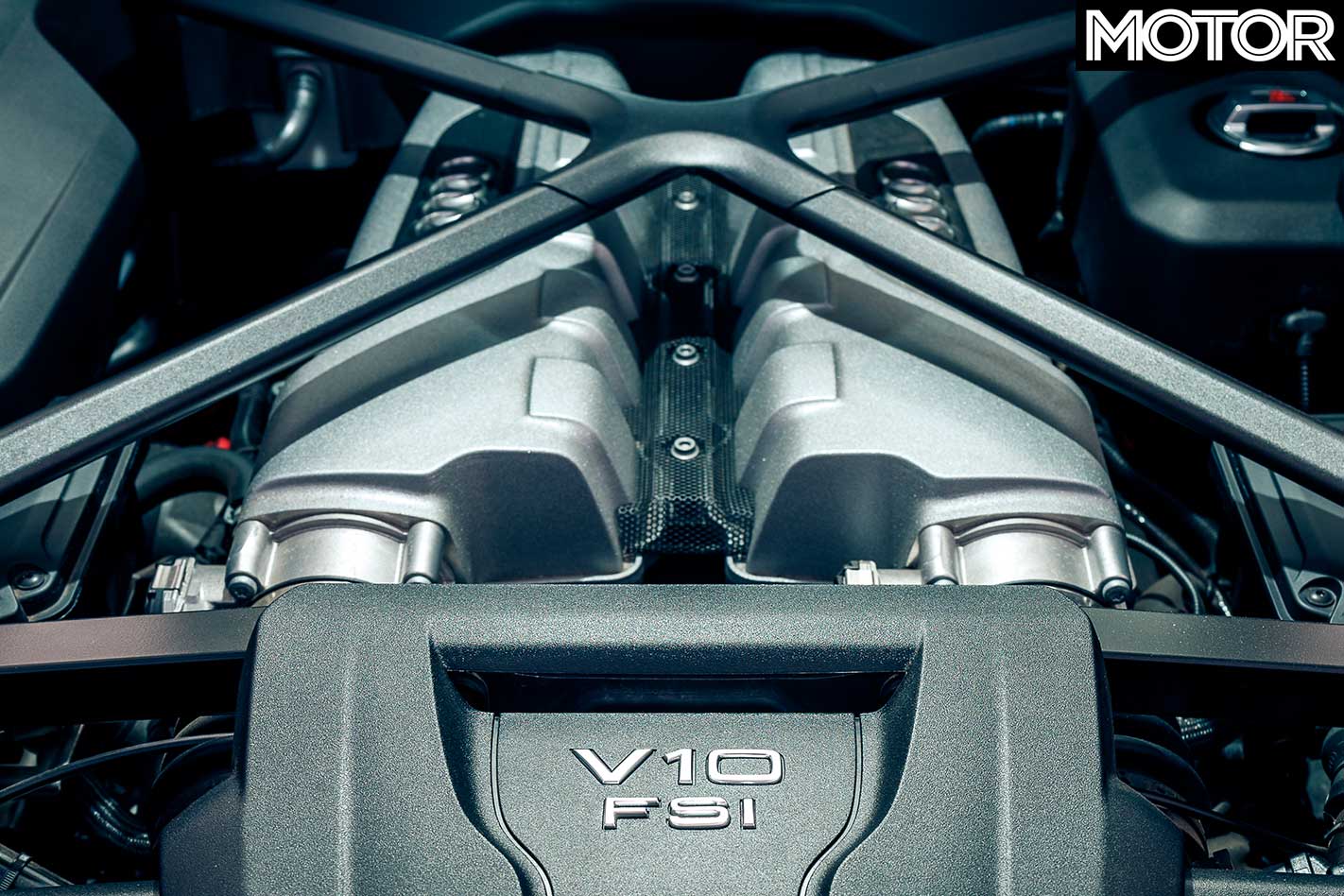
“We’ve run a V10 engine through simulating a whole season of a major single-seater race series, simulating every track as driven by a professional race driver and then gone on to simulate, with the same oil in the same engine, a key 24-hour endurance race series all on oil that’s just been topped up.
“Both the engine and oil made it to the end without any problems at all and in very good condition.
“This is not something that was required by the OEM at all, this is something we’ve done to push the limits when we asked ourselves ‘what’s the most severe thing we could do?’
“At the end of that the condition of the engine was amazing considering what it had been through. That’s far more severe than any consumer would ever subject their Audi R8 to.”
In terms of the near future of motor oil development, it’s very closely based on the development of new drivetrains. Mild hybrid and electrification is the latest trend to impact the way oil is designed and developed.
“As hybridisation levels increase there’s going to be a lot more running on just electric power with the engine only cutting in every so often. That’s something that’s very demanding of the lubricant and an area where we’ve focused a lot of work and now understand well.”
Modern Tweaks for Modern Engines
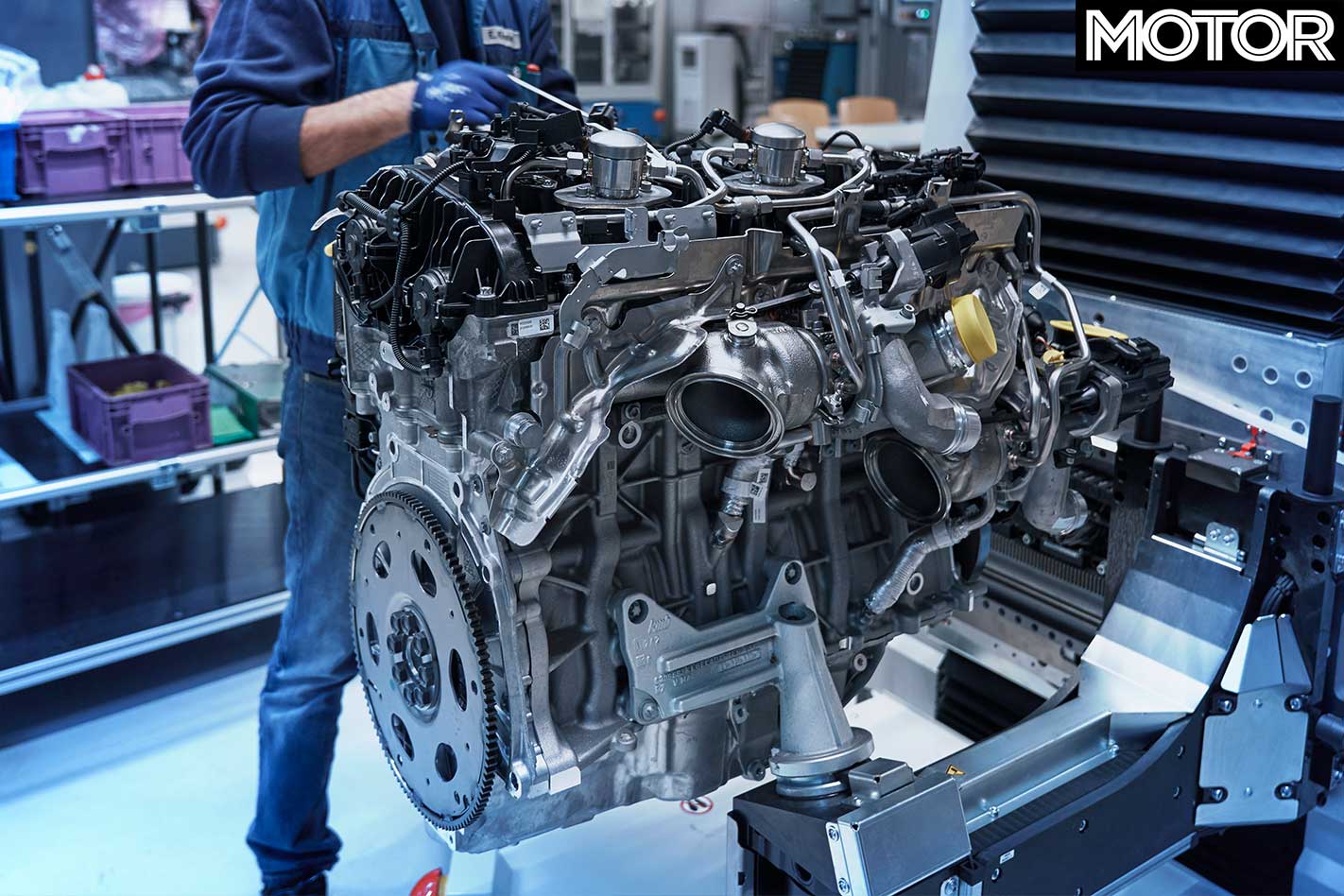
As engines change, so too have the formulation for engine lubricants been tweaked to meet the needs and operating envelope of these new powerplants. Here are a few developments that are taking place in engine oil development, according to Dr Green.
0W-what? Dr Green tells us lighter- and lower-viscosity oils are becoming more common, with levels like 0W-12 and even 0W-8 to be common in the not too distant future. Compare this to 10W/15W-40 being ‘the normal’ around 15 years ago.
Tongue twister Dr Green says one of the major changes in recent times has been a reduction in the use of an anti-wear additive called ZDDP, or zinc dialkyldithiophosphates. ZDDP can prematurely damage modern catalysts or particulate filters.
Under pressure A rise in downsizing and turbocharging has led to more common low-speed pre-ignition, or LSPI. High pressures in boosted motors can cause fuel to ignite early, which is something the right motor oil can help in reducing.
From concept to shop shelf Dr Green says some engine oil development programs can take up to three or four years, with the program taking up a lot of each work day for the teams. “It does become a pretty big process. A multi-year process is going to encompass a lot of wide-ranging testing.”
Holden officials have finally – if indirectly – denied that the company is set to change the way Holden cars are distributed in Australia.
According to a report on caradvice.com.au, Holden’s managing director David Buttner addressed a Holden dealer meeting in Melbourne late last week, telling them reports that parent company General Motors would withdraw from Australia and hand the Holden importing business to a third party were “pure scuttlebutt”.
“I did not join the company to close Holden,” the former head of Toyota Australia reportedly told the group, who were attending a planned 2019 strategy meeting.
Holden had steadfastly refused to make a public comment about the reports that circulated early last week. General Motors, the US company that owns Holden, had issued a single generalised statement saying it was committed to “building a strong Holden future.”
UK-based importer group Inchcape, meanwhile, chose not to shut down the Holden takeover rumour, instead pointing to its existing long-term strategy play known as ‘Ignite’.
“We will build and strengthen our working relationships with our OEM partners by investing time in understanding their needs, seeking greater opportunities for collaboration with the aim of becoming a consistent strategic business partner,” reads part of the company’s strategy document.
Inchcape employs 17,000 people in 29 countries and currently imports Subaru, Citroen and Peugeot into Australia. A report in the Australian Financial Review in early February pointed to Inchcape performing an analysis on taking Holden importation rights from General Motors.
Despite the denials, the relatively weak position of Holden – which will launch no new products in 2019 despite a stated plan to launch 24 new cars by 2020 – leaves it exposed. None of the brand’s key cars, including the Astra, Trax, Colorado (below) and Equinox, are performing as required against key rivals from Mazda, Ford and Toyota.
With a lull in new products coming from GM as the US giant transitions to new, leaner model line-ups, and uncertainty around the future of Holden’s Opel-sourced products including Astra and Commodore, Holden looks likely to struggle for sales into 2020.
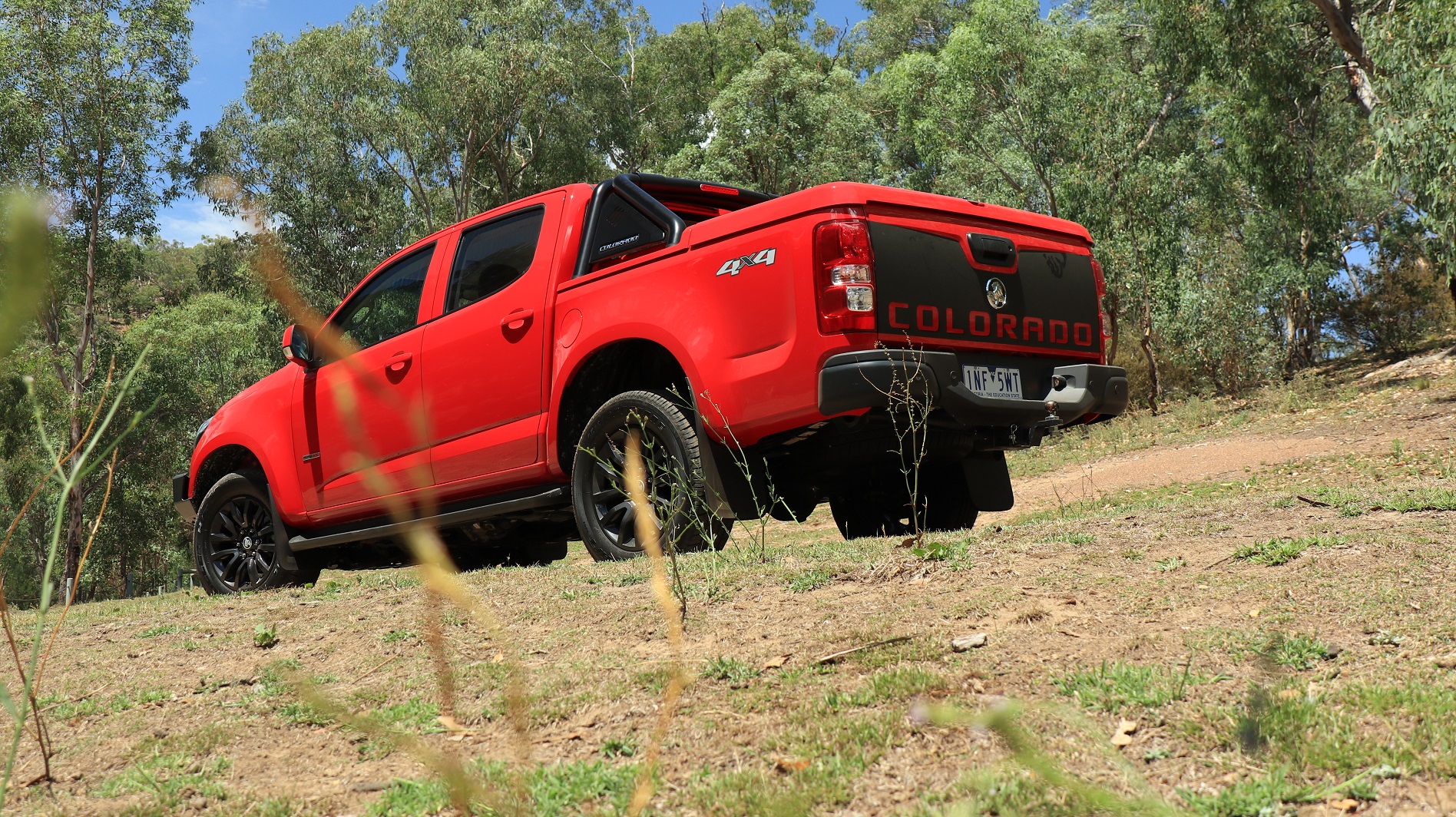
The brand shed 30,000 sales in 2018, a 30 percent fall from the year previous. In January this year sales dipped even further, with only the Astra hatchback and Colorado 4×4 recording positive growth. Even so, Astra and Colorado’s sales volumes are barely half of key competitors like the Mazda 3 and the Ford Ranger.
Mr Buttner (below) has experience when it comes to managing a company in the midst of direction change. He was at the helm of Toyota when the decision was made in Japan to close the Toyota’s local manufacturing arm in 2017, and was widely praised for his handling of the transition to a full-line importer.

He resigned from Toyota at the end of 2017, after a thirty-year career with the company.
The Range Rover Velar P380 HSE R-Dynamic loves to oversteer. That’s an unusual sentence to write, but a factually accurate one, nonetheless. It feels important to start with a simple statement, as in many ways the Velar is incredibly complex.
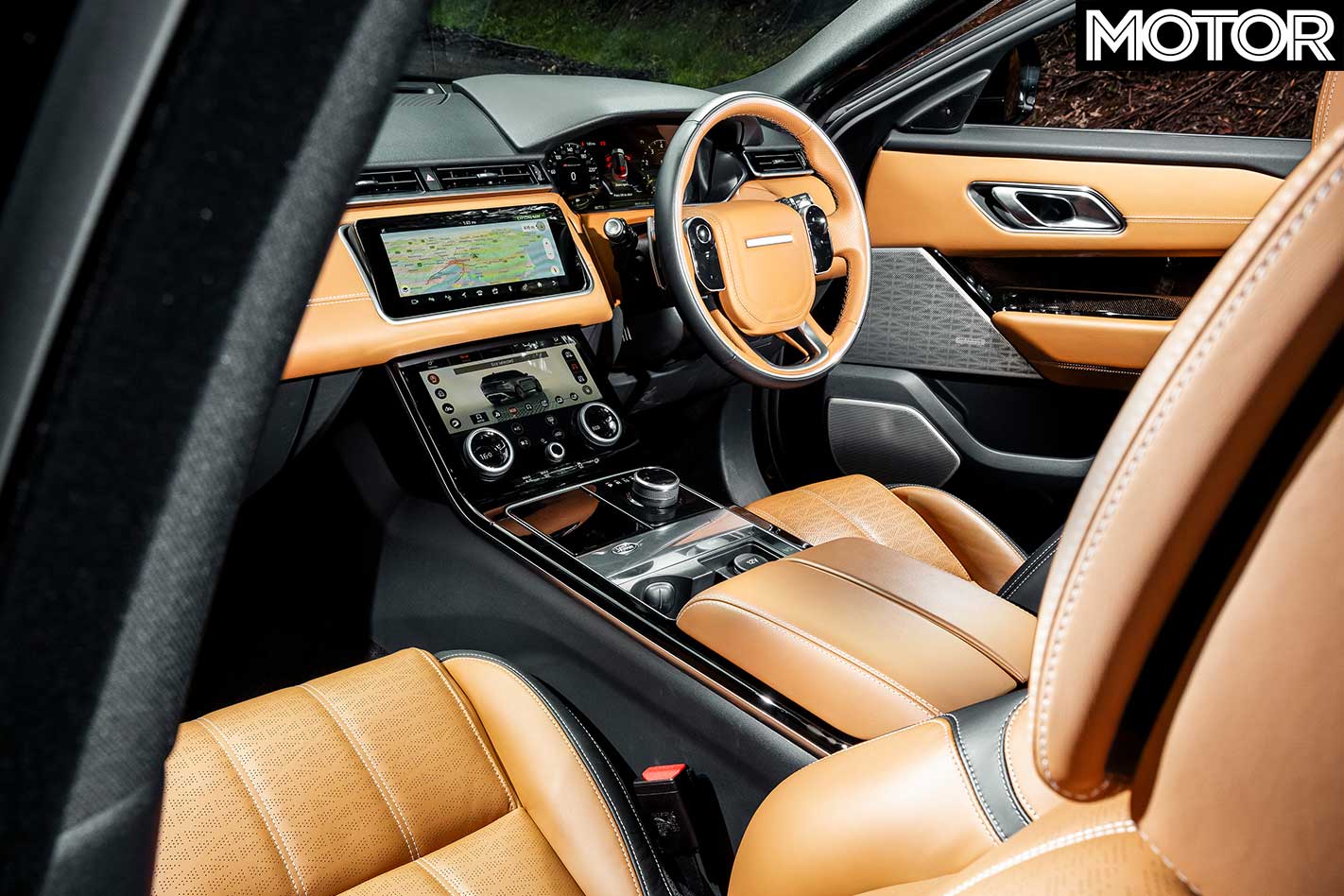
In essence it’s a mid-size SUV that slots between the Rangie Sport and Evoque for those who want plenty of style to go with their substance. It’s quite the looker as SUVs go, though the sombre black paintwork and 21-inch wheels lessen its visual impact.
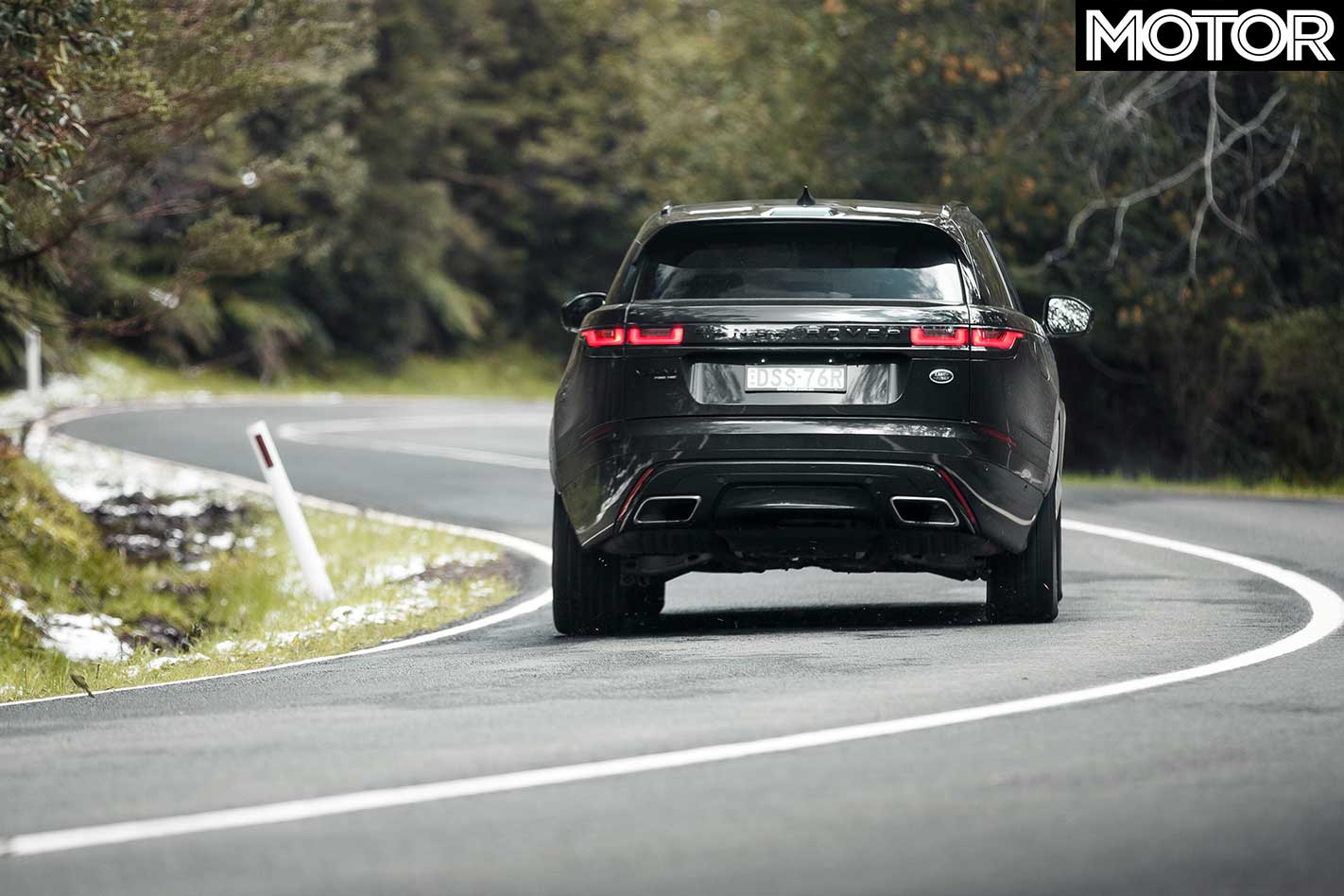
However, if you’re in the market for a Velar, be prepared to do some research. There are a mind-boggling 50 variants of Velar to choose from, with four engines in six states of tune all available in either base, S, SE, or HSE trim levels. From there you can tick the R-Dynamic box, which adds more aggressive styling, snazzier interior trim and a Dynamic drive mode.
As mentioned, our test car is a P380 HSE R-Dynamic, meaning it’s the sportiest looking model with the most kit and the biggest engine, a 280kW/450Nm 3.0-litre supercharged V6.
(Note: The 5.0-litre supercharged V8-powered Range Rover Velar SVAutobiography was announced after this review was first published in MOTOR Magazine.)
You can theoretically buy a Velar for $71,550, whereas this range-topper starts at $135,762. I say starts, because there is also the (not so) small matter of the JLR options. Somehow, our black test car with its standard wheels wears almost $30K worth of options, bringing the total to $163,842.
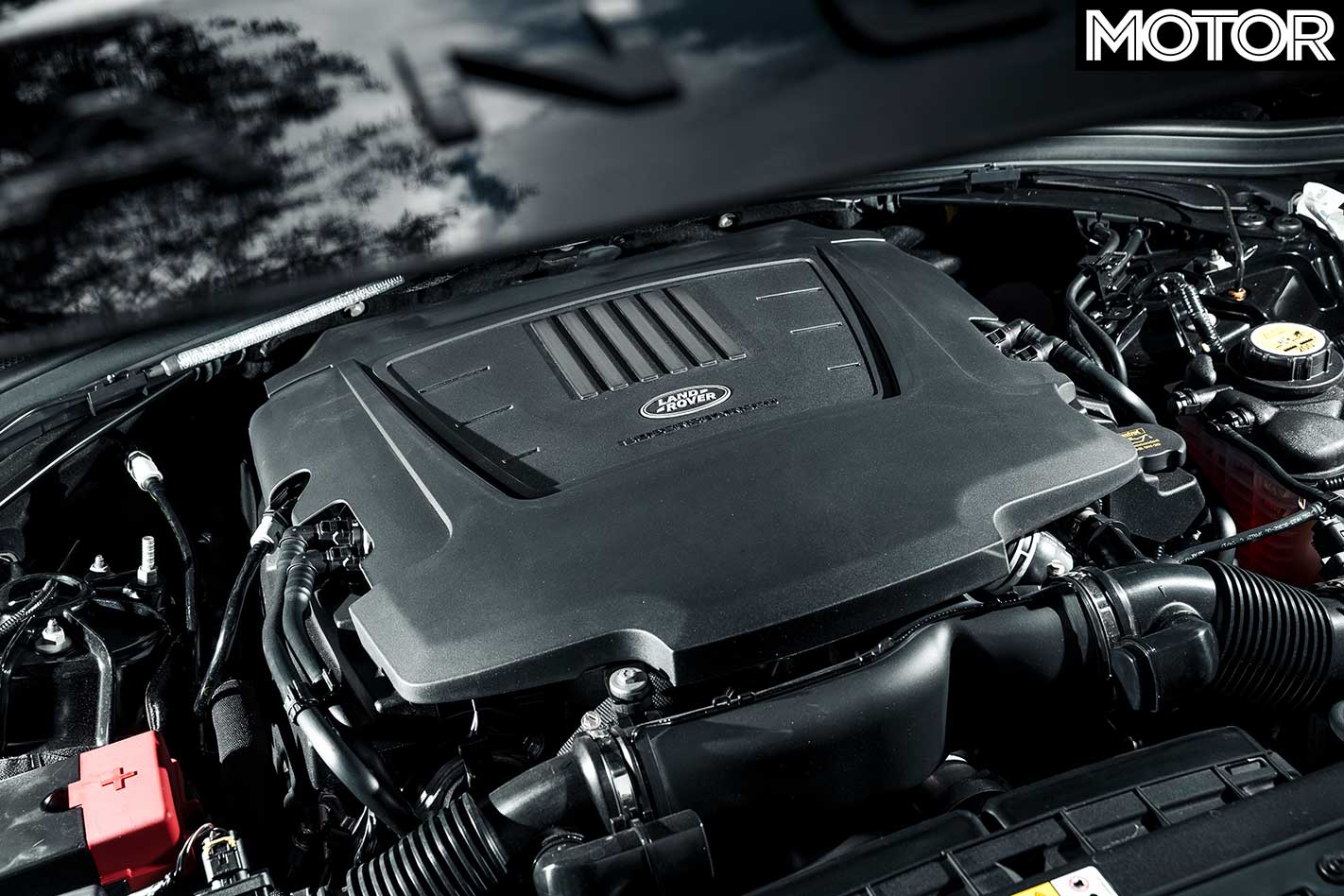
Just as well, then, that it’s enjoyable to drive. The engine is smooth, responsive and powerful, the outputs feeling nicely in tune with the amount of grunt the chassis can handle. It can be a little jerky during quick on-off throttle manoeuvres, but the biggest bugbear is the lack of noise. Uncorked, Jag’s blown V6 sounds magnificent, but here it’s more of a muted growl.
As you’d hope, it’s refined and comfortable, the standard air suspension smothering most, though not all, bumps. At 1884kg, the Velar isn’t particularly heavy, but the weight is up high and, combined with the soft setup, there is a reasonable amount of body roll to contend with. On the way into a corner, the Velar is remarkably playful, turning in under brakes easily provoking the rear end.
Pressing the throttle continues to involve the tail, the variable all-wheel drive system feeling to send a healthy dose of power to the outside rear tyre, sharply pivoting the car towards corner exit. The Velar’s dynamic talents are such that it deserves better tyres.
It’s impressively able. It just makes no sense at this money. A Range Rover Sport is little more, while the likes of the GLC63 AMG, forthcoming X3 M and Jaguar’s own F-Pace SVR offer much more performance for similar cash.
2019 RANGE ROVER VELAR P380 SPECS Engine: 2995cc V6, DOHC, 24v, supercharger Power: 280kW @ 6500rpm Torque: 450Nm @ 3500-5000rpm 0-100km/h: 5.7sec (claimed) Weight: 1884kg Price: $163,842 (tested)
Likes: Luxe interior; eye-catching exterior design; rear-biased handling; decent pace Dislikes: Lack of growl from the supercharged V6; options are very costly; poor tyre choice Rating: 3.5 out of 5 stars
5AM, Queenstown, in July. It’s too obvious to say it’s cold. Frigid is better. Arctic even closer. Sitting alone in the pre-dawn gloom, thin trails of vapour rising and twisting from its exhaust pipes, the Vantage seems to drink in the darkness. Black, with black and silver wheels and a black leather interior, it oozes an unexpected menace, the lazy, wet baritone of its AMG-sourced V8 a lumpy and unbroken bassline that cuts through the icy, still air.
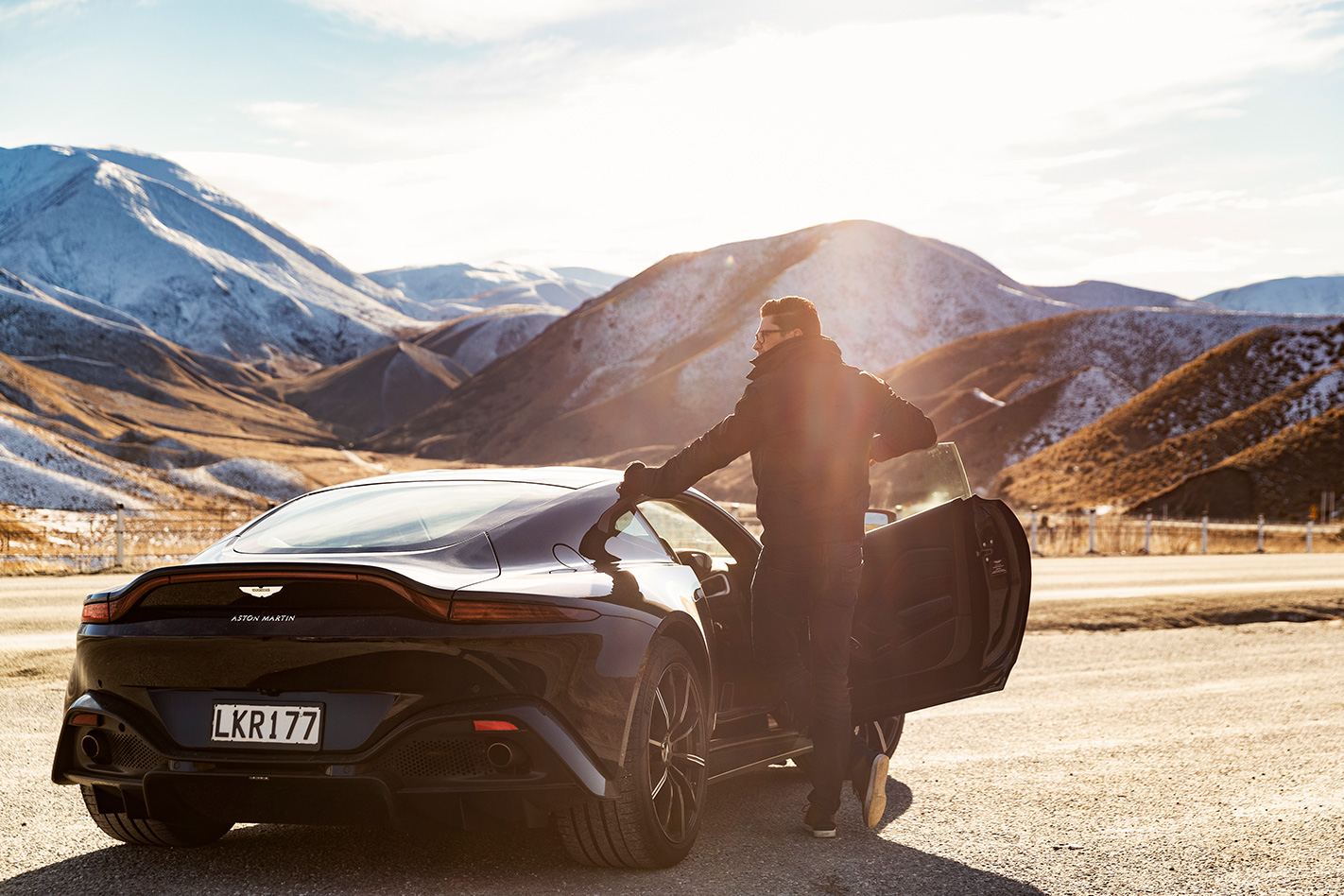
Strictly speaking, Queenstown at this time of year isn’t supercar territory. Aston has flown the Vantage to the Land of the Hobbit so that its customers, and the media, can drive it on ice and snow at a winter proving ground, but we’ve concocted a tougher challenge. One with less sideways buffoonery but greater real-world relevance: a day-long run on some of the best roads in the Southern Hemisphere, to the frozen tip of New Zealand’s tallest Peak, Mount Cook; a destination some 300km away in the Aoraki National Park.
There’s a real risk we won’t make it that far. Rear-wheel drive, 375kW and 295-section Pirellis don’t mix too well with sub-zero temperatures and black ice, though strangely, that didn’t seem so insurmountable when we were planning the route back in balmy Australia. It’s a proper concern now, though, and one hammered home by our Kiwi photographer who looms out of the inky darkness, his brow furrowed.
“It’s going to rain for most of the day,” is how he greets us. “And there’ll be snow on the pass I want to go to. Hopefully it’s just a light dusting. It could be a little sketchy…”
Treacherous conditions aside, our route isn’t going to be short of natural beauty, or, more crucially, of variety. Towering, postcard-worthy mountains are great, but the real magic of New Zealand’s south island lies in how quickly the scenery changes. Lush, open fields quickly give way to barren, rocky valleys as the main arterial rises and falls to leave Queenstown’s precarious bungy-jump bridges and jet-boat canyons behind, grit pinging in the wheel wells on our way towards Cromwell.
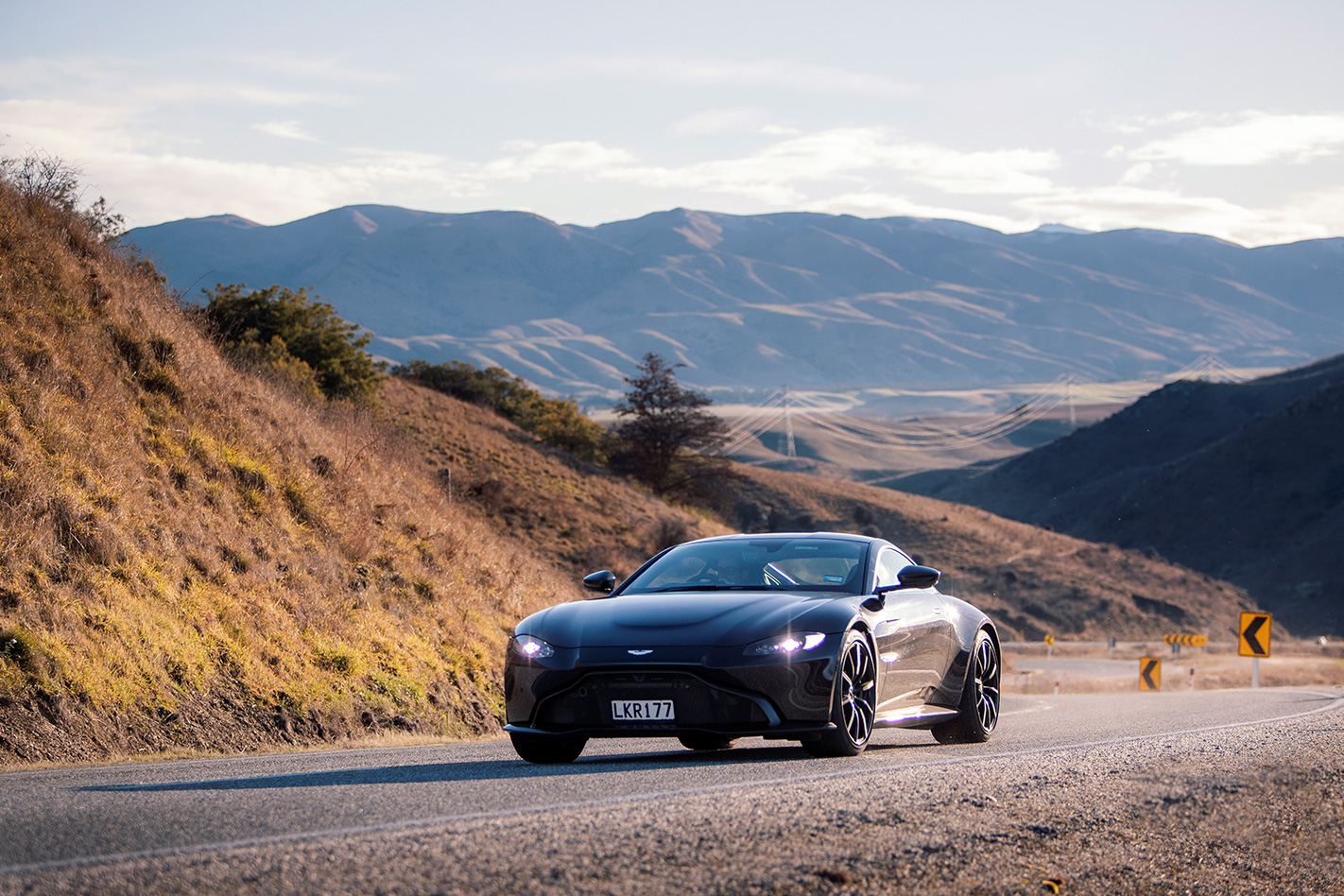
There’s more than a whiff of new beginning about this Vantage. It’s writ large in that gulping (and polarising) front grille, those pinched and sculpted hips, that raked rear diffuser. Aston wants to shift the badge; to transform its entry-level model from a sporty GT car into a genuine, hardnosed alternative to the likes of Porsche, AMG, and, now that its price tag reads $300K, even McLaren.
The result is a newfound sense of intent from the get-go. The default mode is Sport (there’s no Comfort setting to choose) and even in heavy traffic, easing the surprisingly long throttle to a third of its travel sees the big V8 hold gears to 4000rpm before the eight-speed auto slots home a higher cog. Adding to the sense of urgency are its dimensions. Total length and width have grown compared with the old car, but the Vantage is still 34mm shorter than a 911, despite riding on a significantly longer wheelbase (2704mm vs 2450). It feels compact, alert and right-sized, and because you sit smack bang in between the axles (not way out back like in an AMG GT), it’s a car that seems to be instantly on your side.
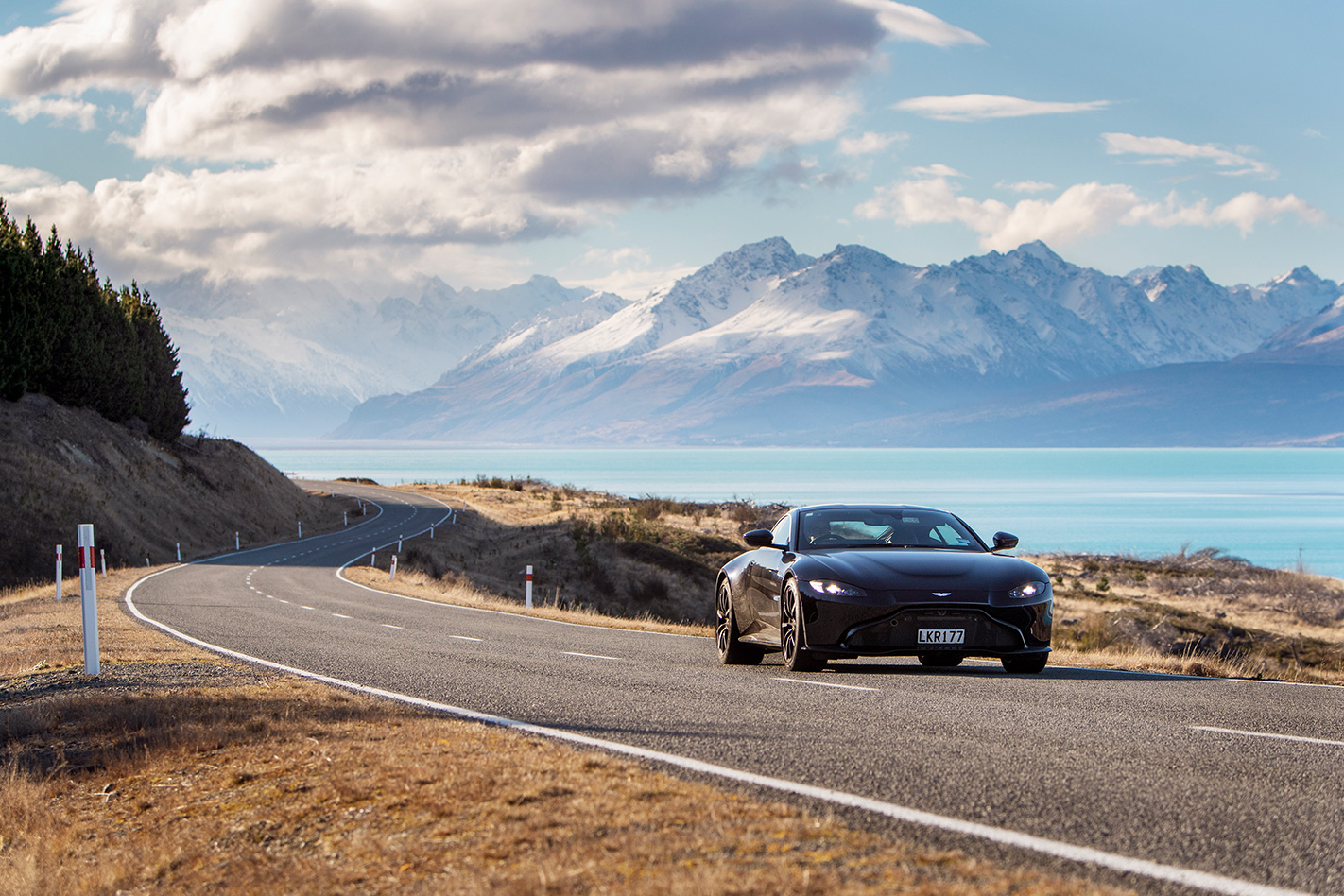
Next to me, videographer Dwight begins to make strange cooing sounds into his camera as the landscape continues to shift. From open flatlands peppered with wineries near Gibbston, the highway transitions into a rollercoaster of dark, dank tarmac that sweeps and turns as we plunge towards Roaring Meg near Kawarau Gorge. It’s an entertaining stretch of tarmac, heavily treed in on the left with staccato glimpses of an impossibly blue river to our right, but a stricken and abandoned Toyota Camry, its entire left side crumpled like a discarded beer can, is a sobering reminder of how treacherous these roads can be. With the Vantage’s dash suggesting the ambient temp is hovering around 1.0 degree and big, hard-to-spot wet patches lurking in the shadows, I wind back the aggression.
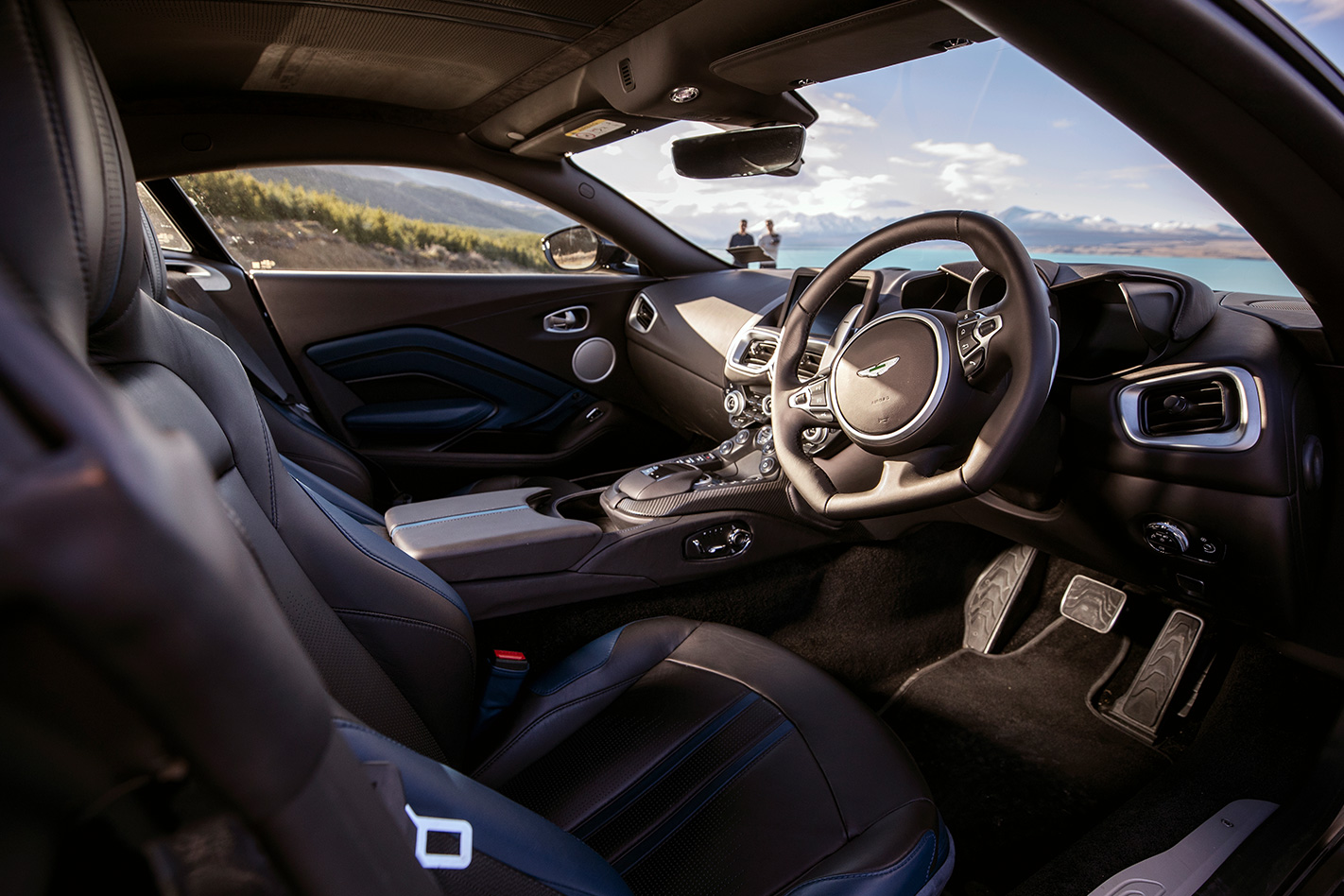
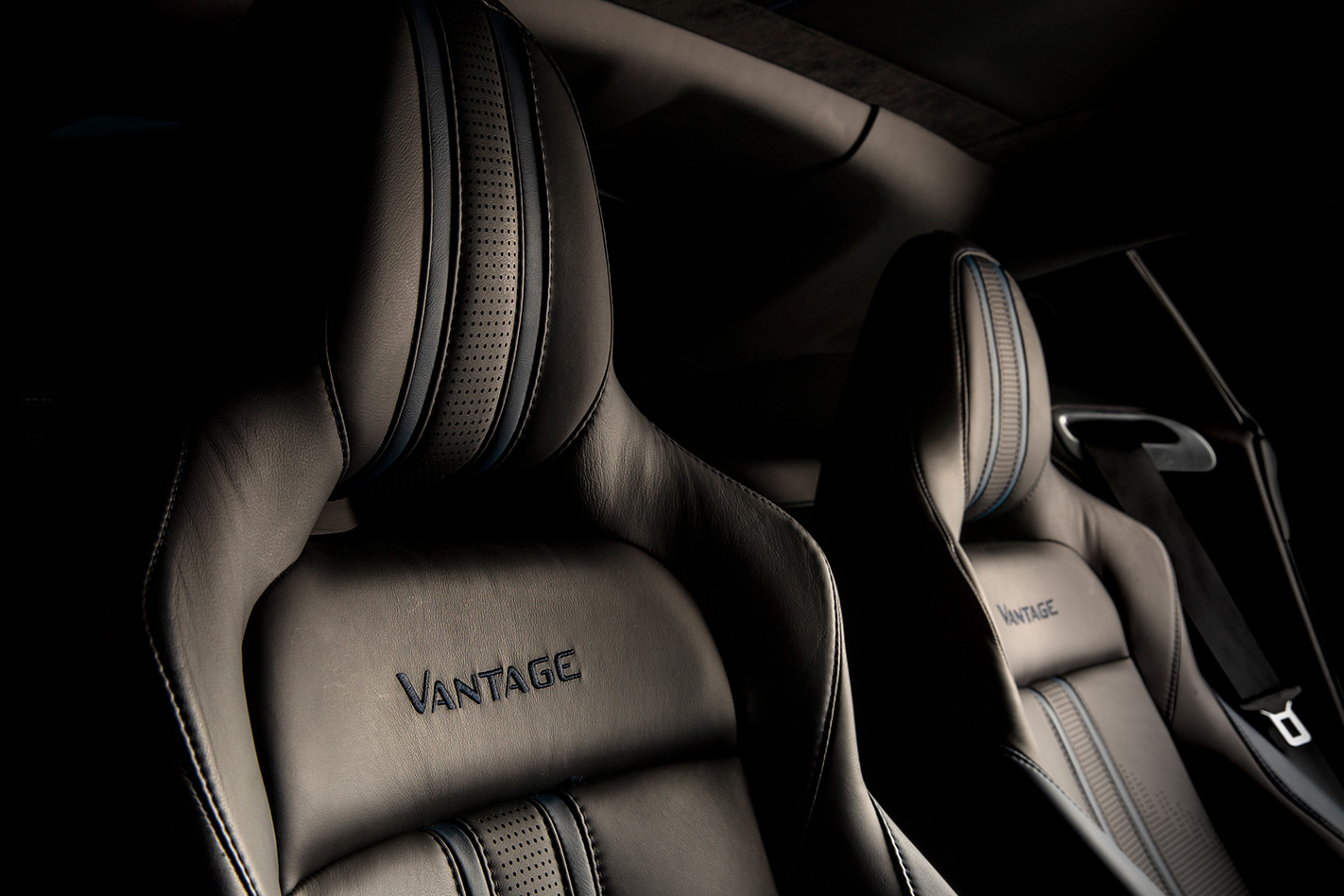
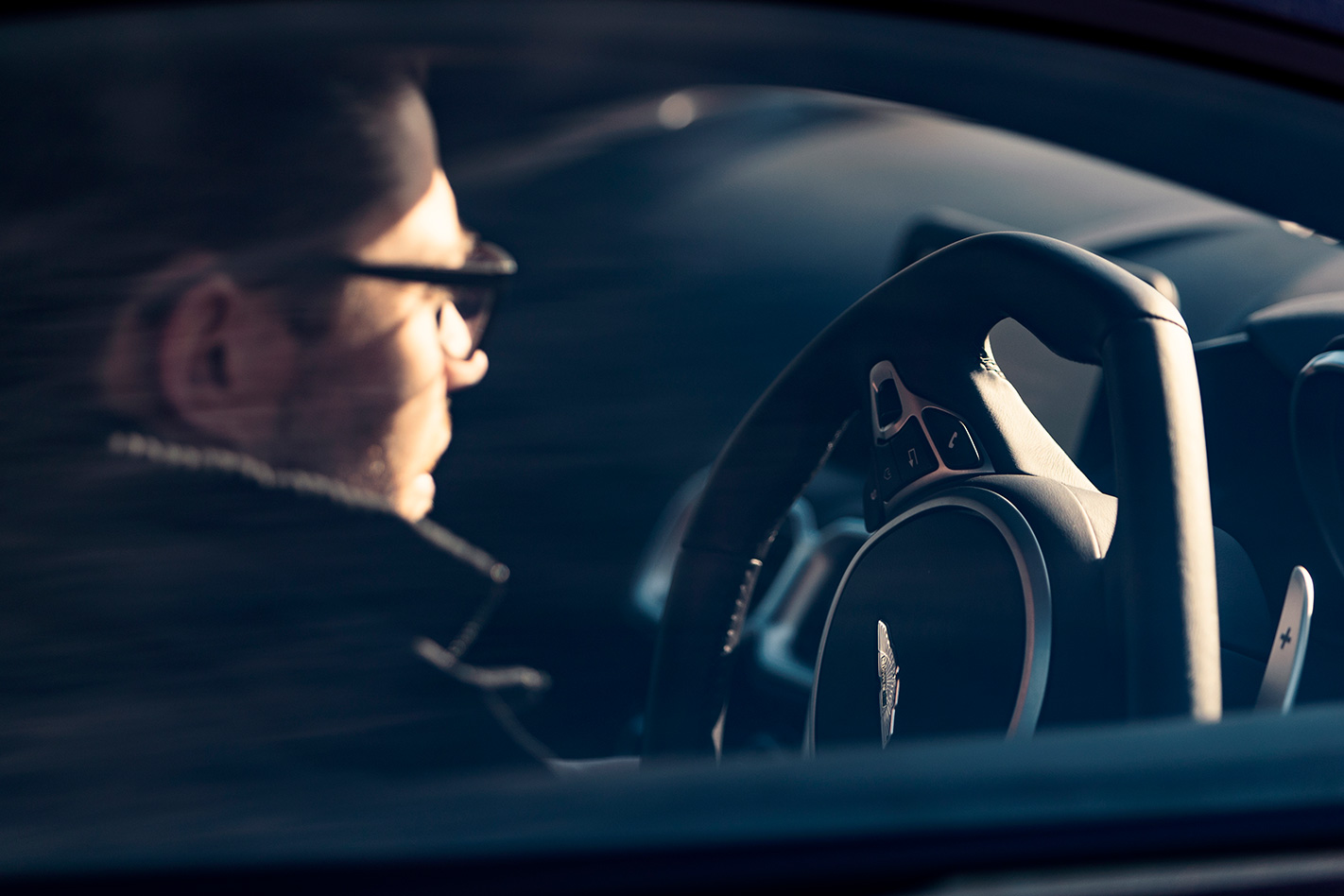
It’s an interesting one to drive at five-tenths. The engine is surprisingly quiet, the steering on the weighty side, and there’s a lot to like about the cabin. The seating position is low, the seats themselves a triumph of comfort and support, and there’s decent adjustment from the square steering wheel, which looks odd, but is pleasingly natural to hold. The ambience is great too, with vast expanses of expensive-smelling leather, and there’s a beautiful tactility to the long, blade-like shift paddles. There are some letdowns, however. The sheer number of buttons on the cluttered centre console is confronting at first (do we really need separate buttons to lock and unlock the central locking?), there’s no glovebox, and the graphics on the digital dash aren’t quite as crisp as you’d expect in a car of this calibre. Some of the cabin plastics aren’t up to scratch either, most notably the cheap-looking central air vents, and the switches on the steering wheel, which feel more Kia Rio than opulent British supercar. There’s also the constant bugbear of tyre roar on these coarse-chip roads, though the Vantage does cruise more quietly than a 911. Still, it’s hard to shake the feeling that the longer you spend in the cabin, the more the initial wow factor begins to fade.
At Cromwell we turn left onto Tarras-Cromwell road and instantly the traffic melts away. We’re the only car on the road as we sweep gently alongside Lake Dunstan, the main highway snaking along the water’s opposite shore, taking its choking mix of pick-ups and trucks with it. Alone at last, the scenery is breathtaking. Fog rises off clear, glassy water that reflects the snow-covered peaks that line the horizon and finally, Dwight can’t take it anymore. He wants to put the drone up to grab some footage in the soft morning light, giving me my first real opportunity to delve deep into the throttle as I drive back and forth. I dial up Sport+ and flatten it.
Lifting AMG’s M177 4.0-litre V8 rather than Aston building its own may have been a controversial decision, but there’s no arguing with the results. It’s a bombastic engine, all effortless torque, deep exhaust boom and potent V8 brawn, though Aston’s engineers have given it a personality all of its own in the Vantage. The ECU has been tweaked, the sump made slimmer and the oil pick-up moved farther back to allow the big unit to be housed well behind the front axle line. It’s not quite as guttural or as throaty low in the rev range as a C63 or AMG GT, but spin it beyond 4000rpm and the timbre changes, the cabin filling with a rich, luxurious howl as the needle rushes to the soft 7000rpm limiter. It’s addictive to wring out, the surge of muscle propelling you effortlessly, though the experience never feels as endorphin poppingly rapid as a GT3, or as savage as the hard-hitting McLaren 540. There’s a sense of balance to the Vantage, the realisation that it’s a package you can actually press into for more than a few adrenalin-soaked seconds as the rear skips and hunts for grip and your licence quivers.
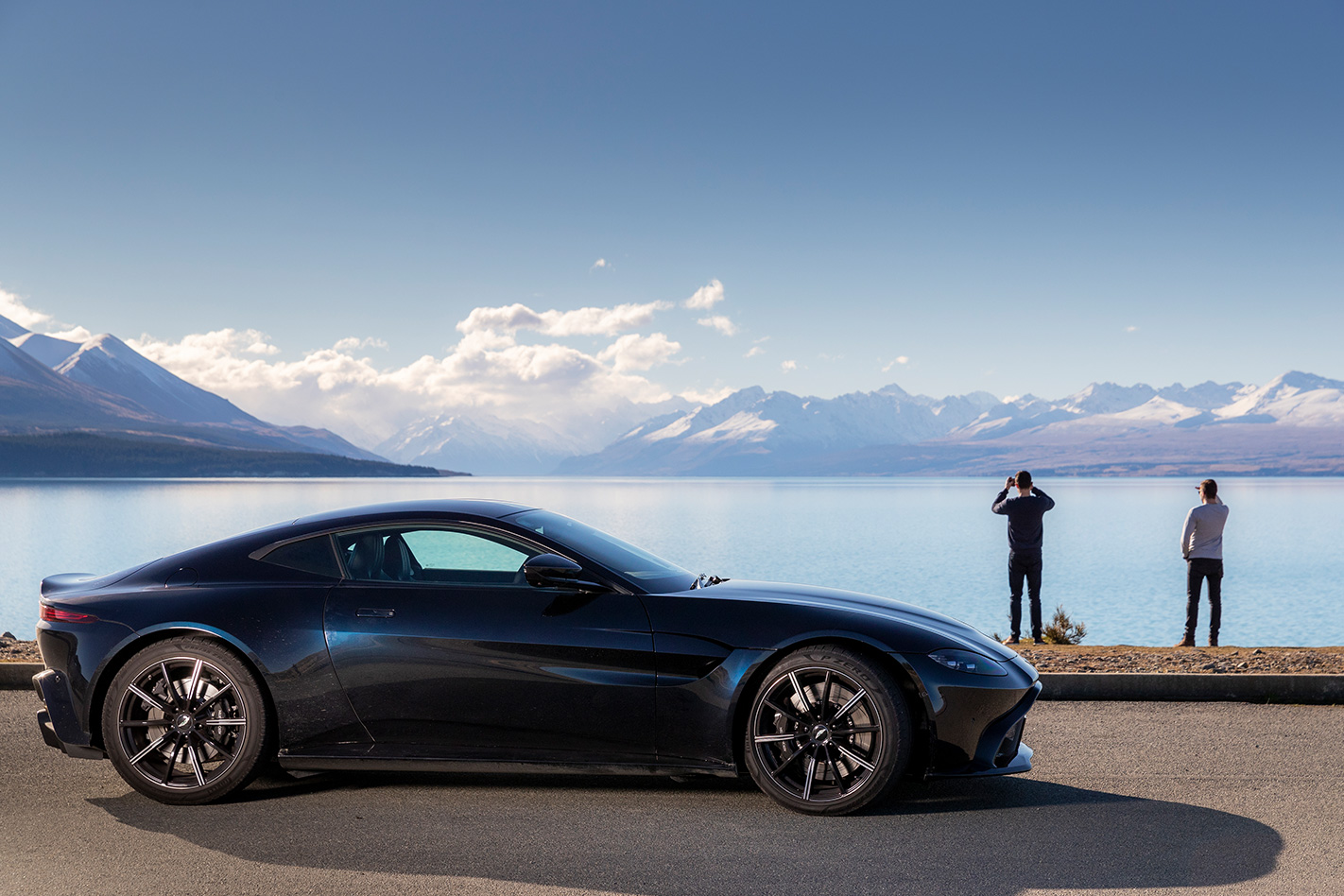
With Dwight satisfied (he returns slowly shaking his head at the beauty of it all), we leave the turquoise water behind and bolt for Lindis Pass. Almost at once the mountains are on us again, small at first, though gradually building until we sit atop a dirty brown gorge, sweeping hairpins of blacktop just visible as it snakes its way to the bottom.
Vaughan, our photographer, pulls over and unexcitedly indicates he wants to get some shots. “Just to have some in the bag, you know,” he drawls. “You wait until we get to Lindis. This is all a bit shit.” I begin to question his judgment. Even this road gazumps what is easily accessible in Oz, not just for its otherworldly juxtaposition of burnt brown earth and pristine snow, but for driving. This is big-consequence motoring. The corners have no guard rails and the temp has only crept to 2.0°C, but the Aston feels wieldy. I run from top to bottom several times, each time faster than the last as I lean further and further on the chassis. There’s more grip than I expect, the front Pirellis biting hard, not with alarming dartiness, but with a natural agility. The steering is sensibly geared at 2.4 turns lock-to-lock and it feels refreshingly intuitive, neatly sidestepping any front-end nervousness.
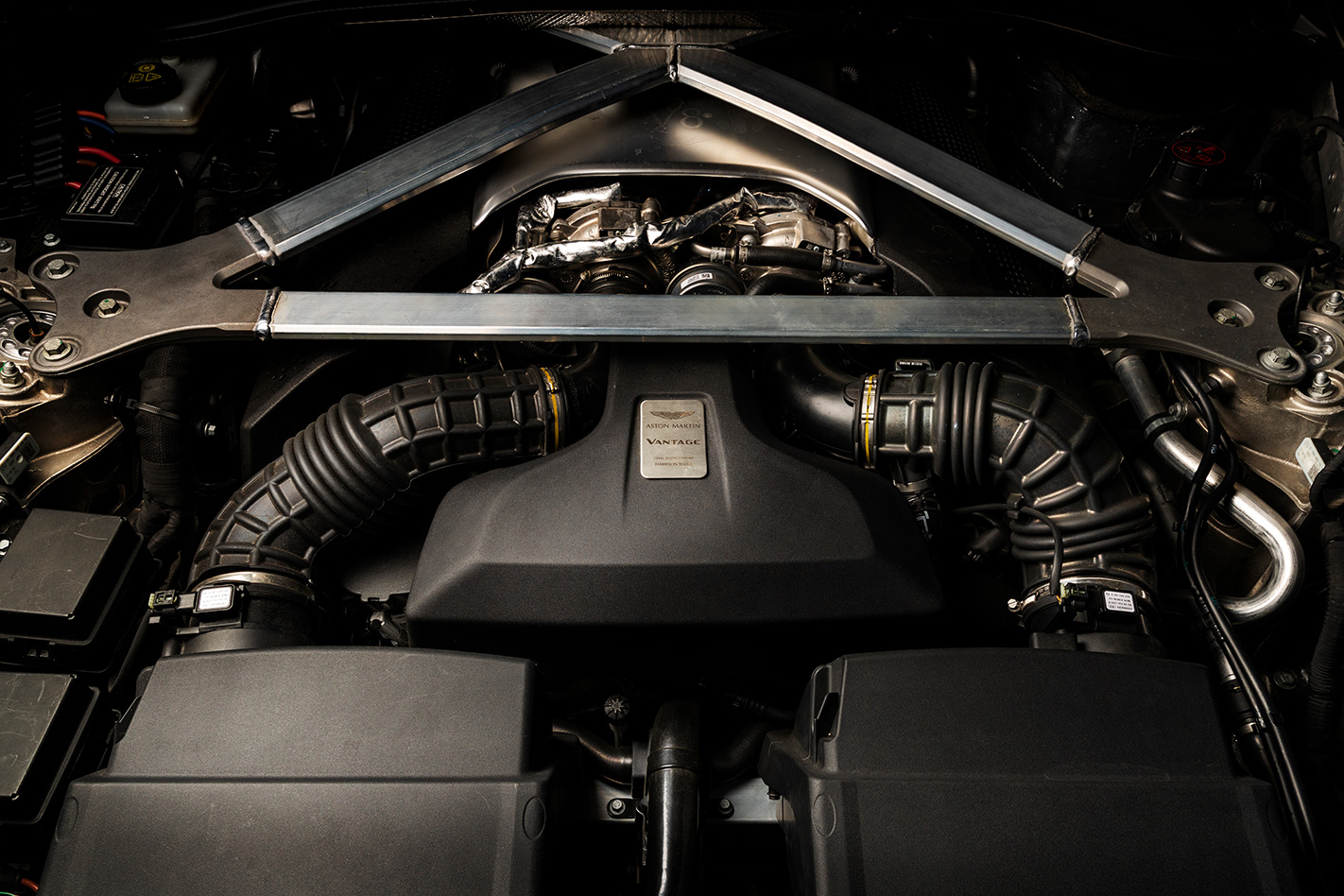
It’s a car that comes to you, the Vantage. One that seems to relish being driven hard, like a racehorse responding to the whip. It feels on its toes, but never rushed, grip levels communicated more through the seat of your pants than the steering wheel. There’s an inherent sense of balance to it, a soft window in the middle of the corner that you sink into as you pick up the throttle earlier and earlier, the e-diff tightening to provide small hints of yaw as I unwind lock and power out.
The road straightens as we rush past the sign that reads ‘Lindis Pass summit 9km’. It’s a gradual climb at first but as the noise of grit increases in the wheel arches so does the elevation and the tightness of the corners. Then suddenly the valley explodes, brilliant, blinding morning light streaming into a scoop in the earth’s surface that, if it weren’t for the sea of brown tussocks, you’d swear was European. We’re early enough to be alone, Vaughan’s camera the only sound, but before long, the tourists descend. Busses bobble into our vantage point, the only highlight delivered when a B-Double blasts the crowd with its horn, effectively communicating that standing in the middle of the road for a selfie isn’t very smart.
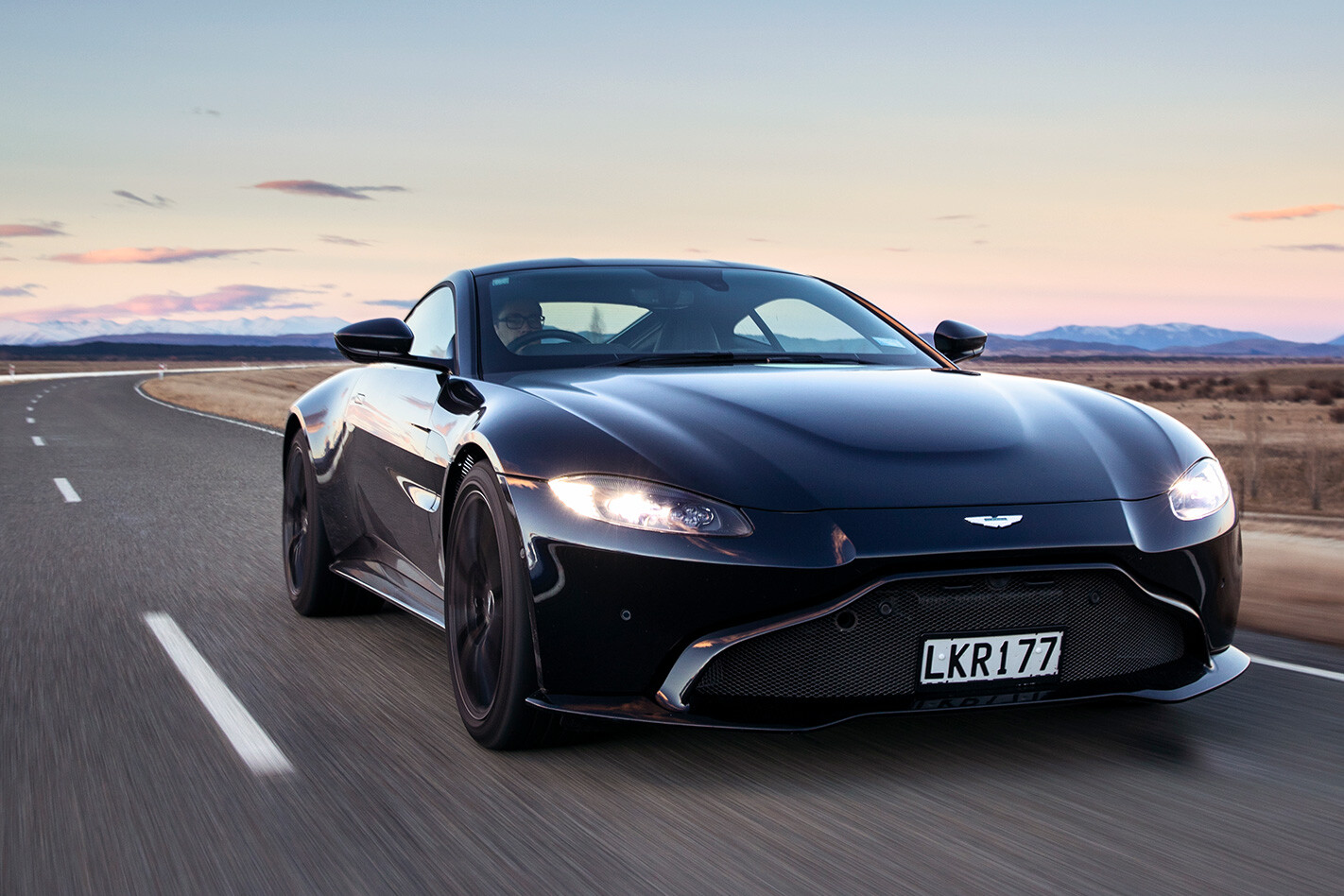
For all its heart-stopping natural beauty, Lindis is actually a drag to drive. There are too many trucks, too much salt grit to go quickly, too many erratic RVs, their progress haphazard and windows fogged as excited passengers barrage the driver to stop for a picture.
Over a lamb pie at the Wrinkly Ram in the sleepy town of Omarama, we take stock of the roads so far. They’ve been good, with flashes of brilliance, and mercifully the weather has held, but we need more room to play with. Less traffic. More corners. “I know a place,” says Vaughan. “Ohau road, just before the salmon farms.”
It’s one of those innocuous turns I’d have driven straight past. A left hander that splits from the main road at a right angle, its beginning arrow straight and flat as you drive headlong into the mountains on the horizon. It’s totally deserted and quickly becomes challenging, straight sections giving way to fast crests that unsettle the car and off-camber kinks that tighten unexpectedly. I cycle through the suspension modes, double wishbones up front and multi-links out back doing their best to absorb the bumpy surface. The damping is nicely judged in Sport. It doesn’t jiggle or jolt, though there’s no escaping the overarching sense of tautness. Track and Sport+ modes are too stiff here, the rear bucking and skipping on corner exit as I grab big armfuls of corrective lock. It’s quickly apparent the ideal set-up is Sport dampers, Track powertrain. The sense that this is a car that gets better the harder you drive returns; its grip on terra firma is vice-like, body control is kept neatly in check, the steering sensitive to load and meaty when you’re attacking. Does it have the Braille-like feel of a 911? Or the chassis precision, suspension subtlety and control?
Not quite, but Aston’s recruitment of some of the best chassis gurus in the business – people like ex-Lotus man Matt Becker, McLaren’s Chris Goodwin, and even a few tasty hires from Ferrari – is plain to feel.
We finish our detour as the daylight starts to fade, the craggy, cloud-cloaked peak of Mount Cook tantalisingly out of reach. Without enough time to make it to the top, we cruise slowly along the edges of the powder blue canals that line its base.
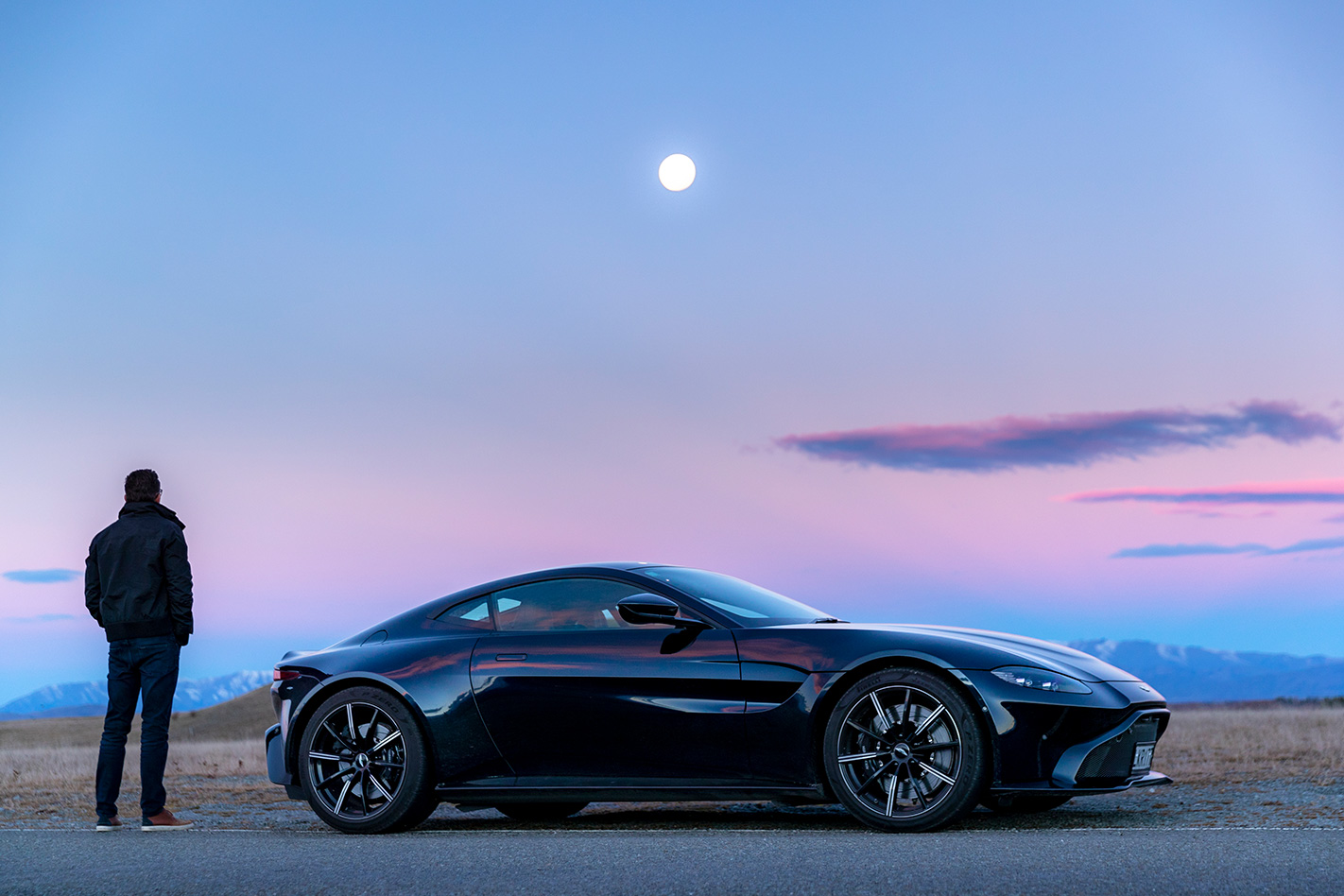
There’s a moment when the light goes soft, the sky turns pink and after setting the car up for a final static shot, all three of us stop. It’s eerily silent. No shuttering of Vaughan’s camera. No footsteps as Dwight rushes to get another angle. We all just stare.
Behind the Vantage a perfect full moon glows. The Aston’s colour, which has seemed to suck in all of the light around it all day, suddenly changes. It becomes liquid, lines and creases in the body that were hidden suddenly embellishing a shape that oozes visual drama.
The moment stretches like an eclipse until the dark night reclaims the bluey black paint and all that’s left is the thin, uninterrupted light signature that stretches across the Vantage’s wide rump.
I pause as I slip into the seat for the three-hour schlep back to Queenstown. It’s better than I was expecting, this steelier-eyed Vantage. Not perfect, and certainly not a giant killer, but bloody good, straight out of the box, which isn’t always the case with Astons. It feels special, somehow comfortable in its own skin, and just like the untapped potential of the roads that sweep up towards Mount Cook, there’s real promise in the reminder that for the reborn Vantage, this is just the beginning.
SPECS
Model Aston Martin Vantage Engine 3982cc V8 (90°), dohc, 32v, twin-turbo Max power 375kW @ 6000rpm Max torque 685Nm @ 2000-5000rpm Transmission 8-speed automatic L/W/H/WB 4465/1942/1273/2704mm Weight 1630kg 0-100km/h 3.6sec (claimed) Economy 10.5L/100km Price $299,950 On sale Now
Technological trick developed in Formula 1 allows the induction runners of Ferrari’s latest V12 engine to continuously change length. It’s simple but brilliantly effective.
Each of the 6.5-litre naturally aspirated V12’s cylinders has its own individual inlet trumpet just like pedigree race engines. The key difference, however, is that the cylindrical ports have sliding sections that extend and shorten like a telescope to adjust the length according to engine conditions.
At low rpm, the inlet is at maximum length to increase air turbulence which enhances fuel and air mixing and combustion efficiency. It also optimises a light supercharging effect which creates hotspots of dynamic pressure to force air into the cylinder. The effect requires precise inlet manifold tuning, which is why the tract is continuously variable.
At different engine speeds, including maximum rpm, the tract squats down to minimum length, reducing resistance and maximising cylinder filling. Interestingly, the length is not simply linear to engine speed and the tracts move to specific positions throughout the rev range.
Put simply, it’s all about volumetric efficiency.
High-revving atmo engines can struggle to match the beefy torque characteristics of turbocharged engines, but Ferrari’s clever system liberates 80 percent of the full 718Nm at just 3500rpm without sacrificing monstrous power at high revs. How does 588kW at 8500rpm sound?
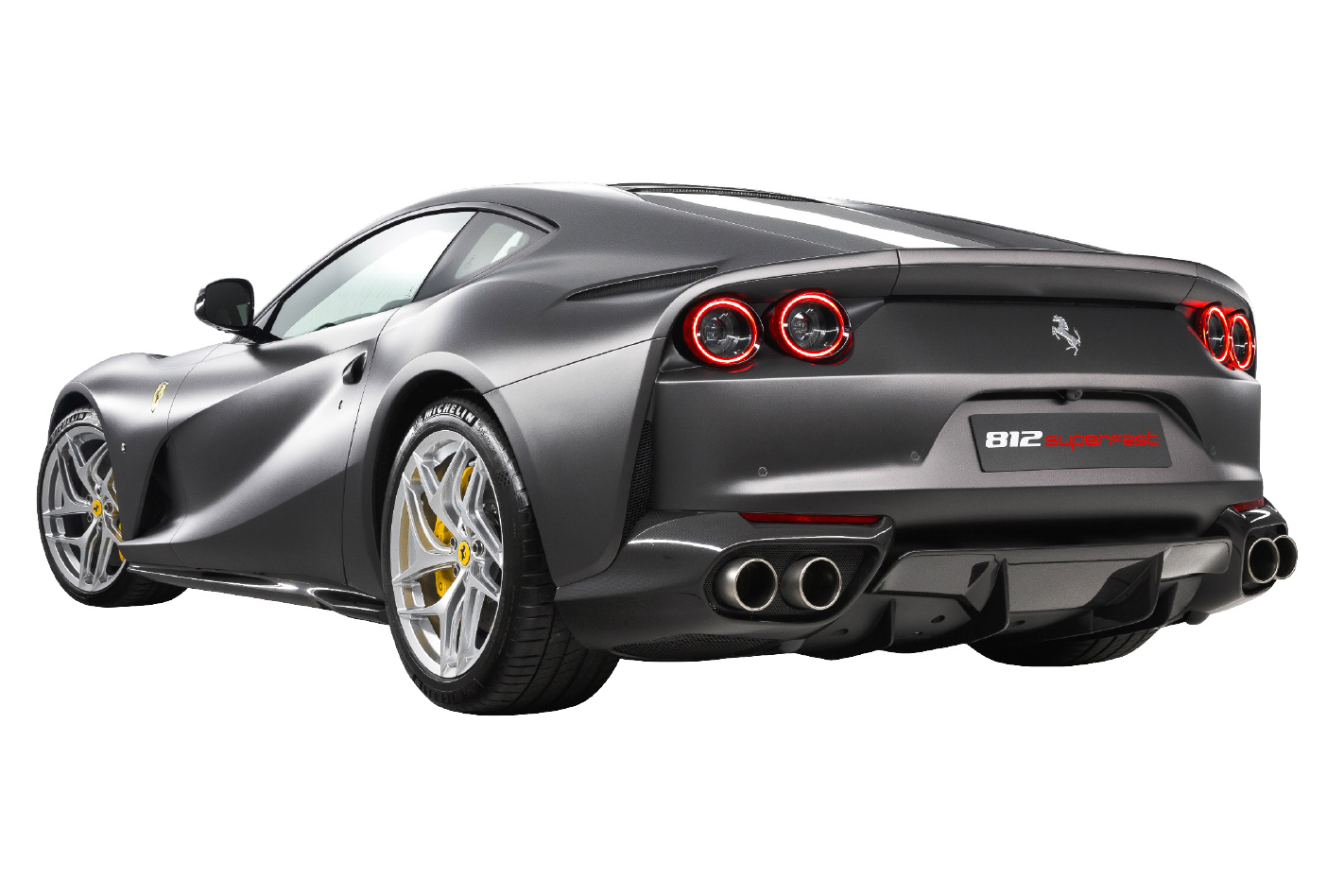
As the name suggests, it should come as no great surprise that the 812 Superfast is the most powerful Ferrari range model to date.
Banned practice
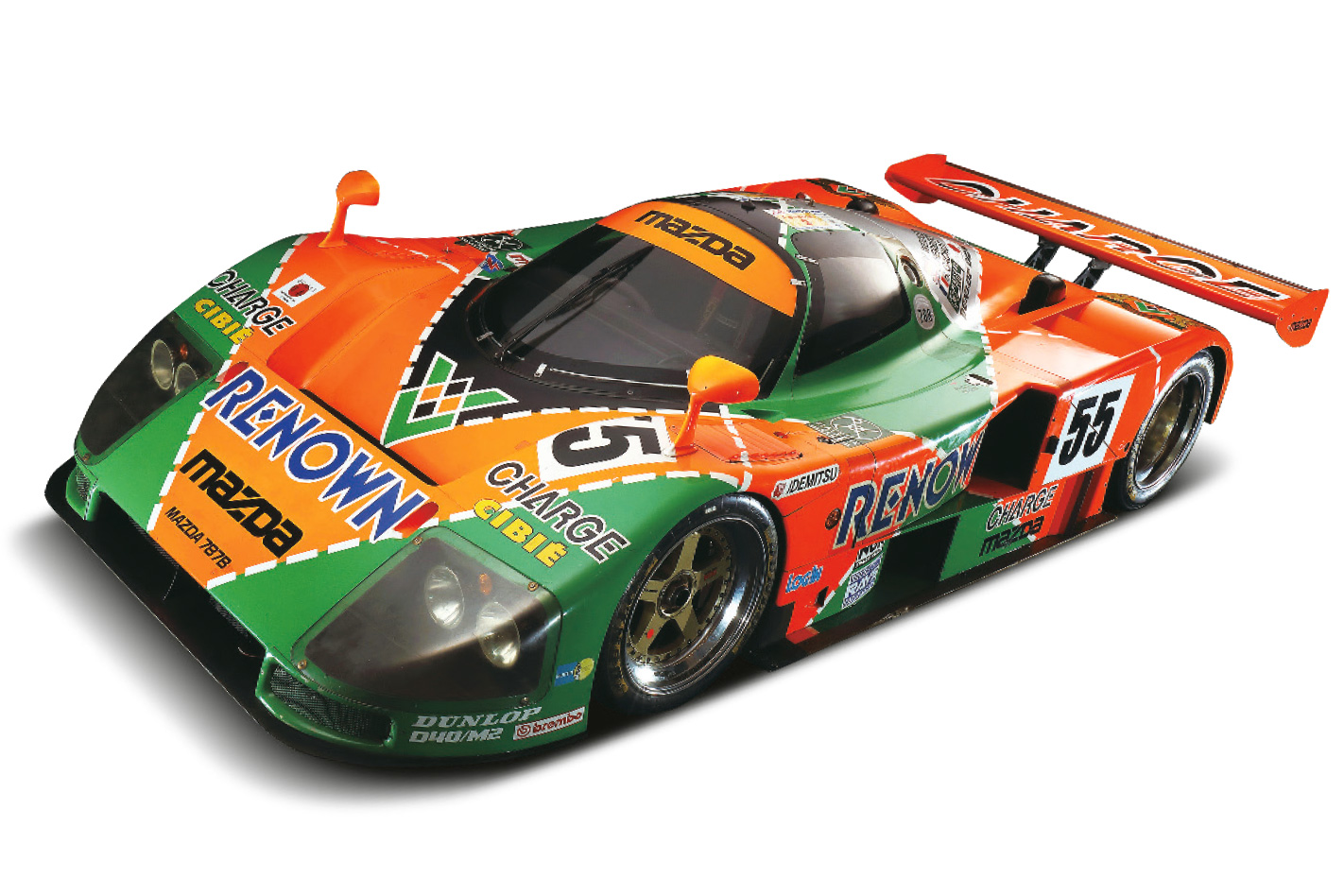
If changing the length of a tube seems like a lot of fuss for little gain, think again. So effective is the principle that the technology was banned from Formula 1. Before its appearance in F1, the idea had been applied to similarly great effect on other racers, including Mazda’s iconic 787B which smashed the opposition at Le Mans.
Same but different
Many combustion engines have previously used variable inlet tract length systems to boost efficiency but Ferrari’s is different. While simpler technology uses a basic valve to divert air through a longer section of the inlet manifold, the 812’s version has an infinitely adjustable length for optimum results at every engine speed and load.
Resonant evil
Resonant frequencies which occur within any tract – including exhausts and inlet manifolds – can be the bane of engine designers, causing unexpected flow anomalies at certain engine speeds, but Ferrari’s continuously variable inlet technology actually works in harmony with the extremely complex physics. The system required hundreds of development hours to produce the final engine management map.
When you walk across the forecourt of a car yard, you’re surrounded on all sides by new, shiny cars that have just rolled out of the factory. Not all of those factory-fresh cars are as new as you think, however.
Take Australia’s most popular small SUV, the Mitsubishi ASX. It’s been on sale in largely the same form since 2010, and it sells its socks off. Why? Based on even older Outlander underpinnings, the ASX is cheap to buy, cheap to run and cheap to service, and it’s roomier than a lot of its more modern competition to boot.
Sure, the cars on the forecourt are new in the sense that they have just been manufactured – the vehicle’s VIN plate will always tell you the truth – but there are more than a few cars that are older than others on the shop floor. Here are a few cars whose updated visages disguise their true age.
Toyota HiAce
Launch date – 2004
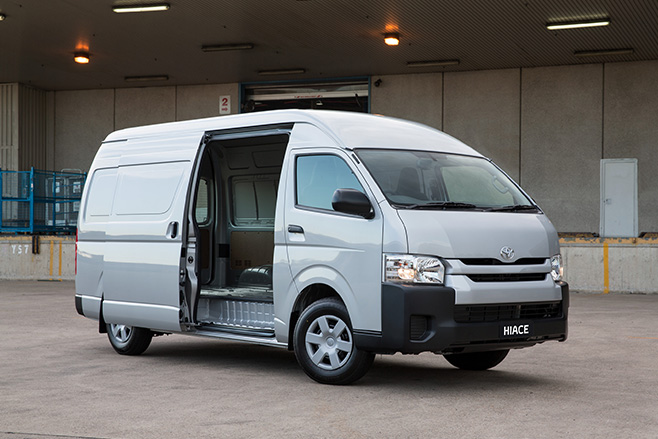
The inveterate workhorse of Australia’s cities and industrial estates, Toyota’s boxy HiAce has served in its current guise for 15 years… and thanks to the lack of strong competition, it still tops the sales charts.
Sure, its safety credentials aren’t terrific – your legs are the HiAce’s crumple zone, basically, but it goes forever and has an enviable reputation for reliability.
The HiAce will be replaced in 2020, we’re told, with a long-nose version that will likely be powered by the same 2.8-litre diesel four-cylinder engine that’s under the bonnet of the HiLux and Prado.
Honourable mention: Toyota Tarago (2006)
Mitsubishi Pajero
Launch date – 2006
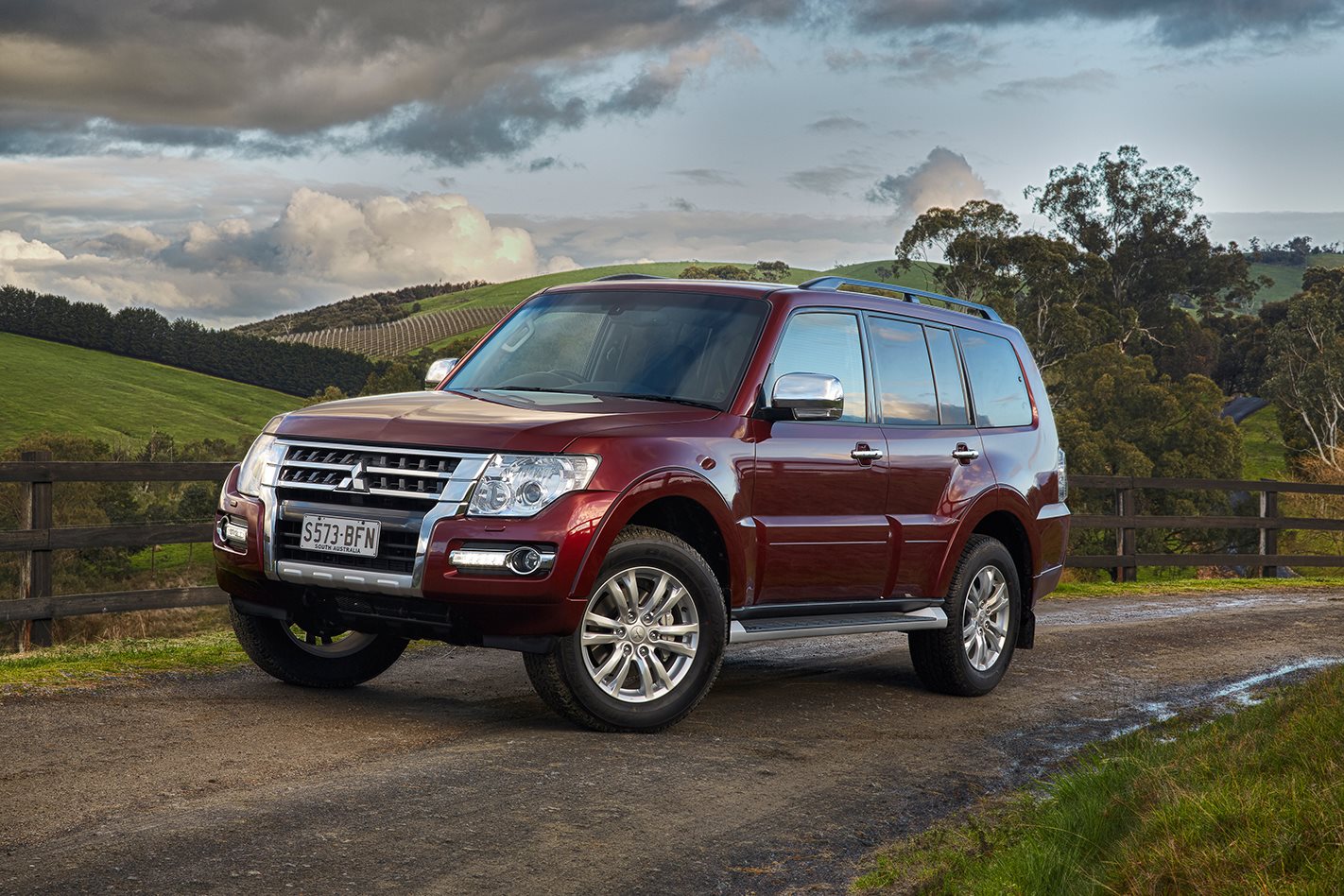
Park your 2018 Mitsubishi Pajero next to a model from the mid-naughties and from side on, you would be hard-pressed to tell the difference. Over the years, there have been superficial updates to elements like front bumpers and rear taillights, but the Pajero’s large boxy visage remains virtually untouched from its 2006 introduction.
It received a big engine update in 2012 in the form of an all-new 3.2-litre four-cylinder turbo diesel, but its basic structure has changed very little.
And it doesn’t really matter, either. The big Paj is plain and unassuming, but it’s capable, well equipped and very affordable.
Infiniti QX70
Launch date – 2008 (Australia 2012)
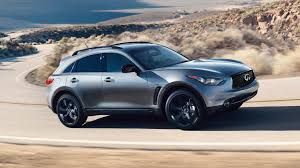
An unusual beast, the Infiniti QX70. Begat from the platform of a Nissan 370Z sports car – itself a contender for the pension – the QX70 has been nipped and tucked over the years, but has failed to fire sales wise for the underperforming luxury arm of Nissan.
In fact, we’d suggest that buying one at full retail from a dealer is akin to taking handfuls of hundred-dollar notes and putting them in the microwave for a couple of minutes.
Resale values are incredibly poor, and if you’re really after a sports car-based crossover that precludes safety features like AEB, then simply buy a lightly used one at half the price. Or buy a Porsche Macan.
Fiat 500
Launch date – 2007
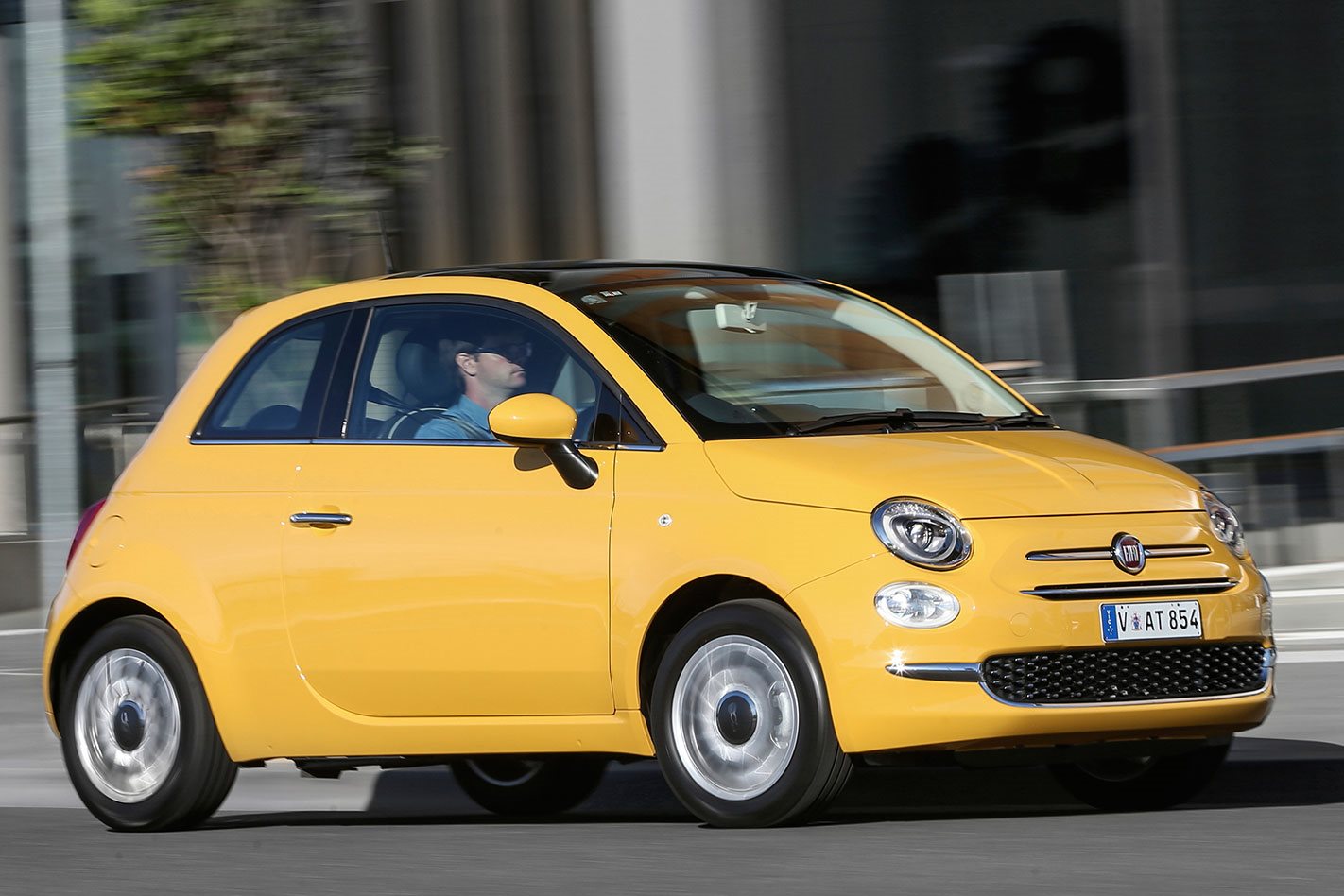
The retro thing was big with car makers in the mid-2000s, and the Fiat 500 is a great example. Rock-bottom pricing under an unsustainable management structure saw a good number sold early.
Unfortunately, what stands out more on the Fiat 500 is what it doesn’t come with. Auto lights and wipers, cruise control of any sort, driver aids including AEB and adaptive cruise… there’s not even a rear-view camera.
Fiat’s explanation that the car’s home market of Italy doesn’t see these inclusions as important doesn’t really translate well here, either.
Based on a platform that’s more than a decade old, the Fiat 500 has been left behind by its rivals in many ways, including basic ergonomics and value.
Nissan Juke
Launch date – 2010
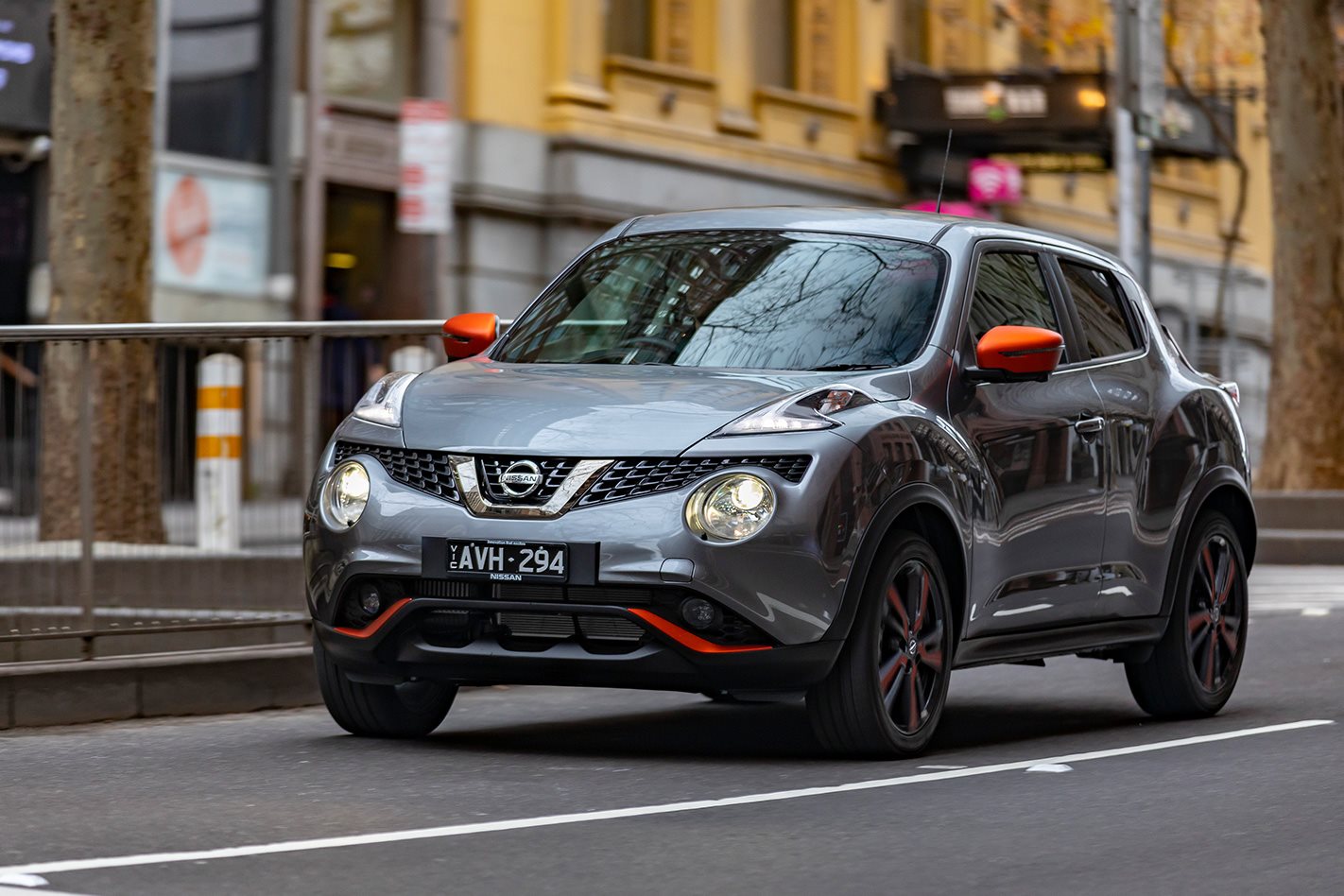
Nissan was actually one of the early adopters when it came to the notion of a small, funky SUV that might appeal to the yoof market, which resulted in the Nissan Juke. Certainly its bug-eyed visage is a take-it-or-leave-it proposition, while its diminutive size has also played against it.
It only sold some 600 units in 2018 – its younger stablemate, the Qashqai, sold 13,000 – so we’d suggest the Juke’s days are numbered.
Honourable mention – Nissan X-Trail (2013)
Subaru WRX
Launch date – 2013
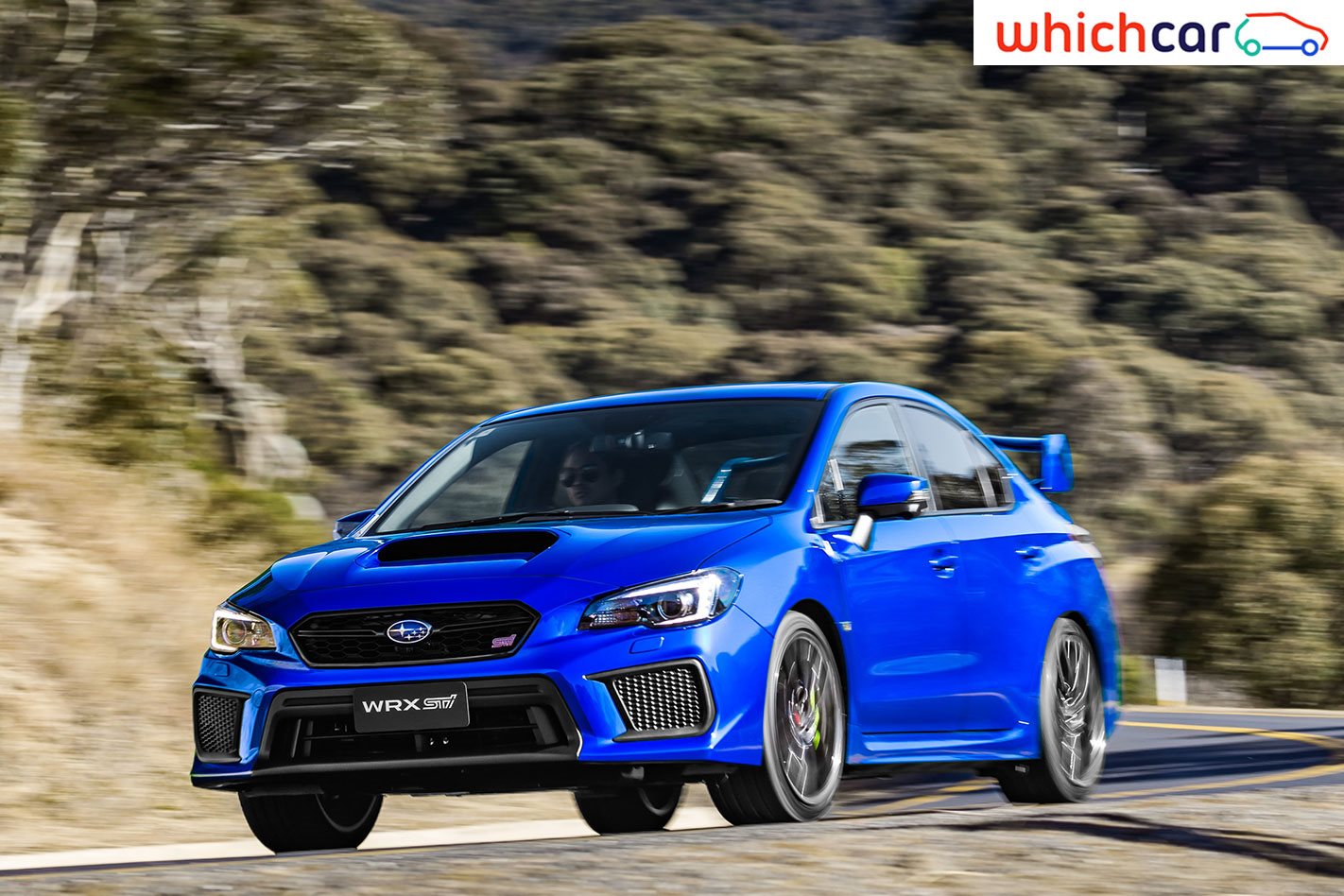
This is one we don’t quite understand. Subaru’s new product offensive has been running at full steam lately, thanks to the introduction of its new modular platform that sits under everything from the Impreza to the Forester and the XV.
However, the Subaru WRX, which is based on the last generation Impreza, doesn’t look likely to be renewed until 2020 – and even that’s not a certainty.
That’s a real problem for Subaru. The WRX is a car that helped to build a new audience for the diminutive Japanese company, but it’s been left to essentially wither on the vine as other affordable performance cars like the VW Golf R and even the Hyundai i30N pinch its mantel.
The next one may indeed be a hybridised performance monster, but it may well be too late.
Ever wanted to give your Ferrari 488 GTB some sort of magic potion that transforms it into a four-seater with something resembling a boot? Well, if you could, it might take a form not unlike that of the GTC4 Lusso T.
To create this car, Ferrari took a V12 GTC4 Lusso and swapped out the big, 6.3-litre atmo donk with a 3.8-litre twin-turbo V8 (relax, the V12 model still exists). Then it also did away with the V12’s alternative all-wheel drive system to make the V8 a rear-drive-only proposition.
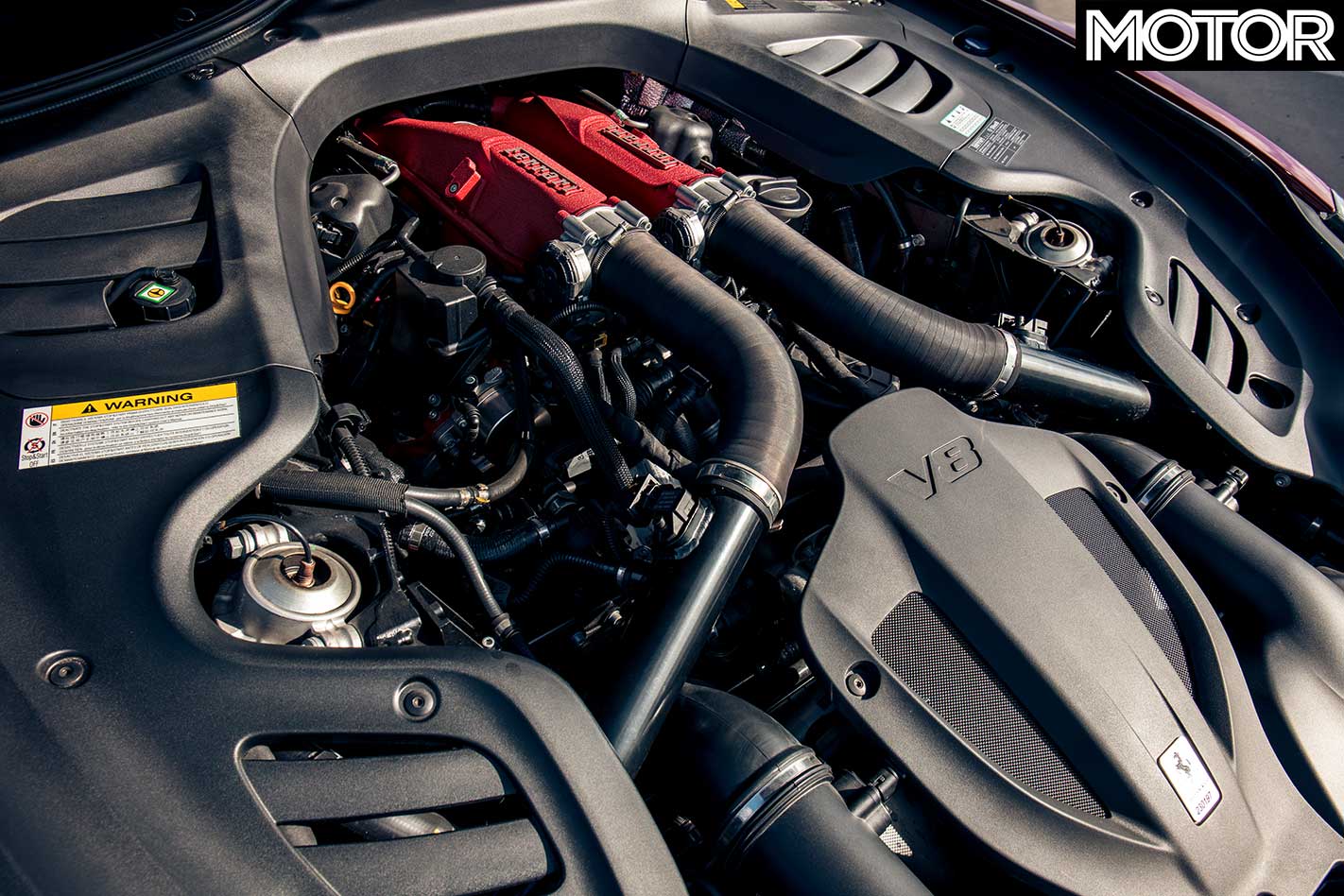
Weight has come down 55kg and in the process, shifted the distribution more rearward, now 46:54 front-to-rear versus 47:53 of the big twelve-potter. Ferrari has taken the opportunity to make the V8 a sportier drive with specific calibrations for the rear steering and adaptive dampers. Price is also down, $503K before options (and there will be options), a full $75K cheaper than the V12.
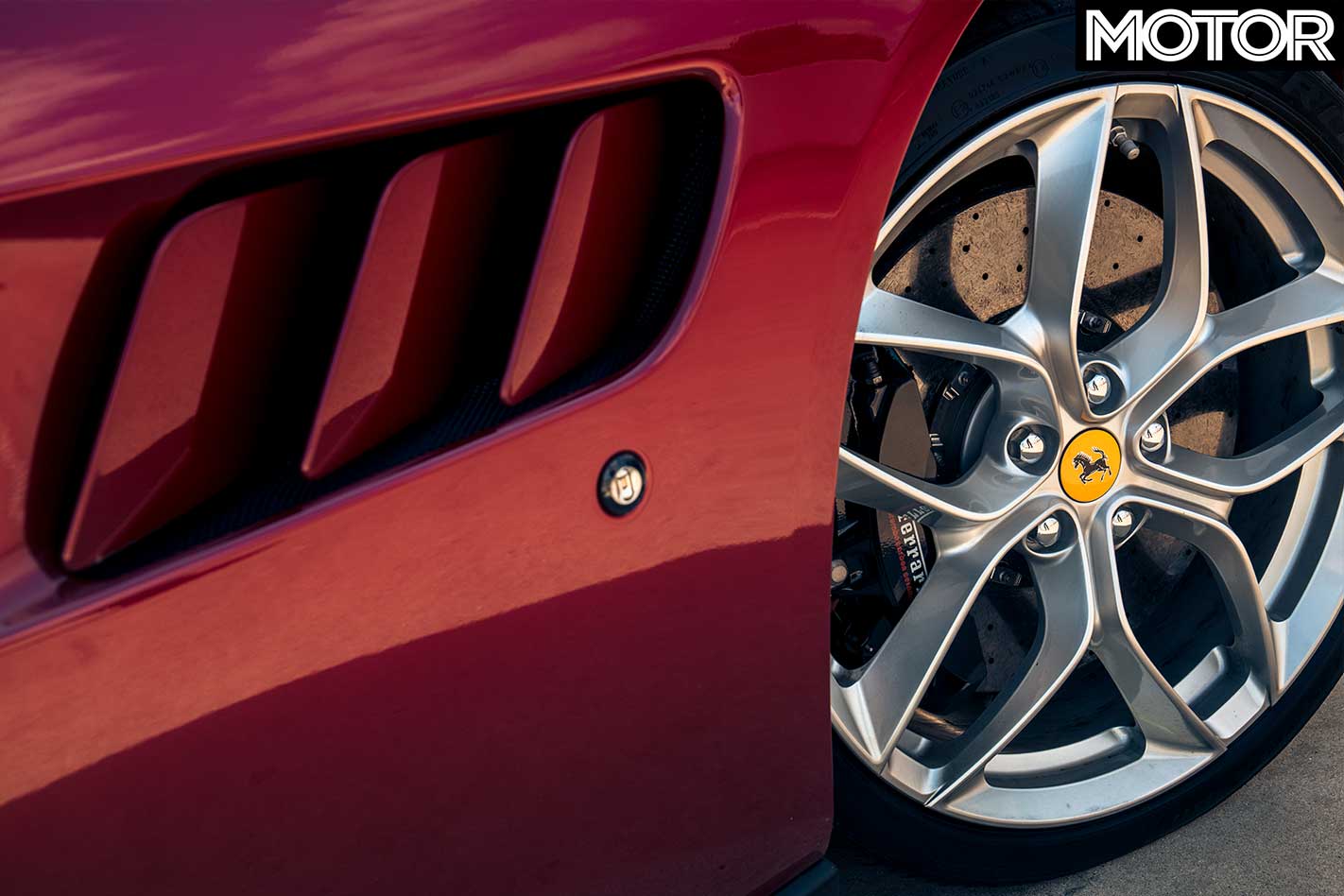
You might be tempted to think this car is the poorer sibling of the V12 model, but you’d be misled. With 449kW it’s hardly underpowered, and 760Nm is in fact 63Nm more than the V12 can muster. Ferrari claims 0-100km/h in 3.5sec and a 320km/h top speed, versus the V12’s 3.4sec and 335km/h. Meanwhile there’s a seven-speed twin-clutch gearbox between the rear wheels; an electronically locking differential; and stopping the whole show, huge 398mm/360mm carbon ceramic brakes.
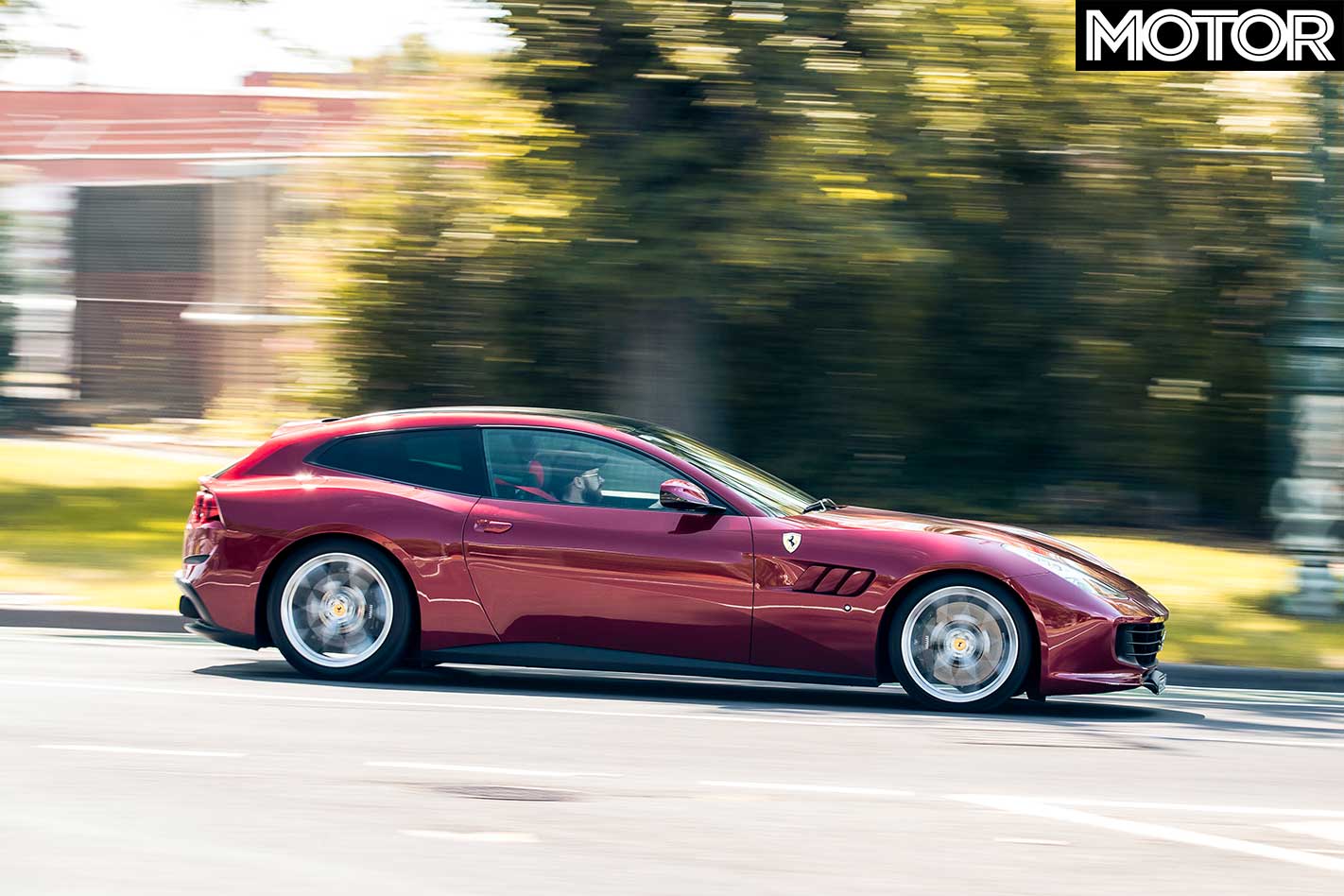
In the metal, the GTC4 is physically larger than you’d expect, wider and almost as long as a VF Commodore and with a bigger wheelbase. Photos don’t really do it justice – it grows on you over time, and turns plenty of heads. It’s got lots of presence.
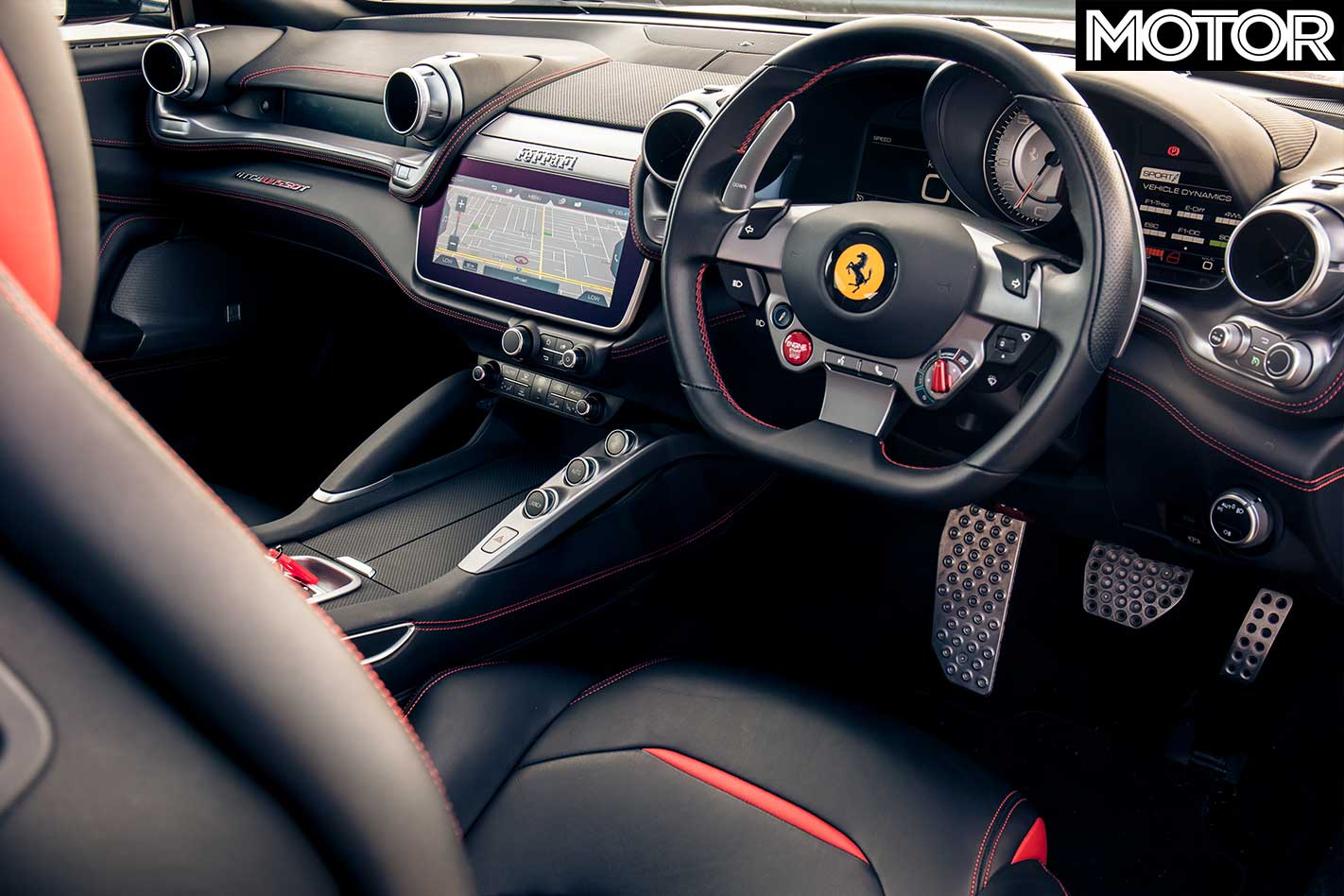
Ferrari interiors have also come a long way. The leathers feel as expensive as leathers get, soft and waxy, while you won’t find a cheap material anywhere inside, save for a few design solutions that feel a bit cheap for a $500K car, like the wobbly infotainment control knob or centre console lid.
Of course, you don’t buy a Ferrari for its interior, what you really want to do is mash that right pedal and experience that engine and that transmission – the highlights of the whole car. And when you do, the rear 295mm P-Zeros are quickly overwhelmed by that heavily turbocharged flat-plane-crank V8. Yet traction is strong enough, in the dry at least, that you wonder why they ever thought about all-wheel drive, the GTC4 hooking up after another little rear wriggle at the top of second gear.
Like other turbo models, Ferrari limits the torque in the lower gears, unleashing more with every new gear for acceleration that, in this car’s case, isn’t 488-spec, but would leave a BMW M4 or AMG C63 behind. And they are cars that blow people’s minds with their straight-line ability. The GTC4 Lusso T is seriously quick.
Get stuck into a few corners and you feel the big four-seater revealing an eagerness to corner like it’s remembering a time it weighed 1600kg before letting itself go. It’s ballistic down a winding road, the turbos hissing under load as you pile on speed at an incredible rate.
Does it sound good? Yes, and it’s pretty loud, although it’s mostly tailpipe and you do miss the V12’s crisp intake noise filling the entire cabin at any speed – in fairness it’s a very hard noise to beat.
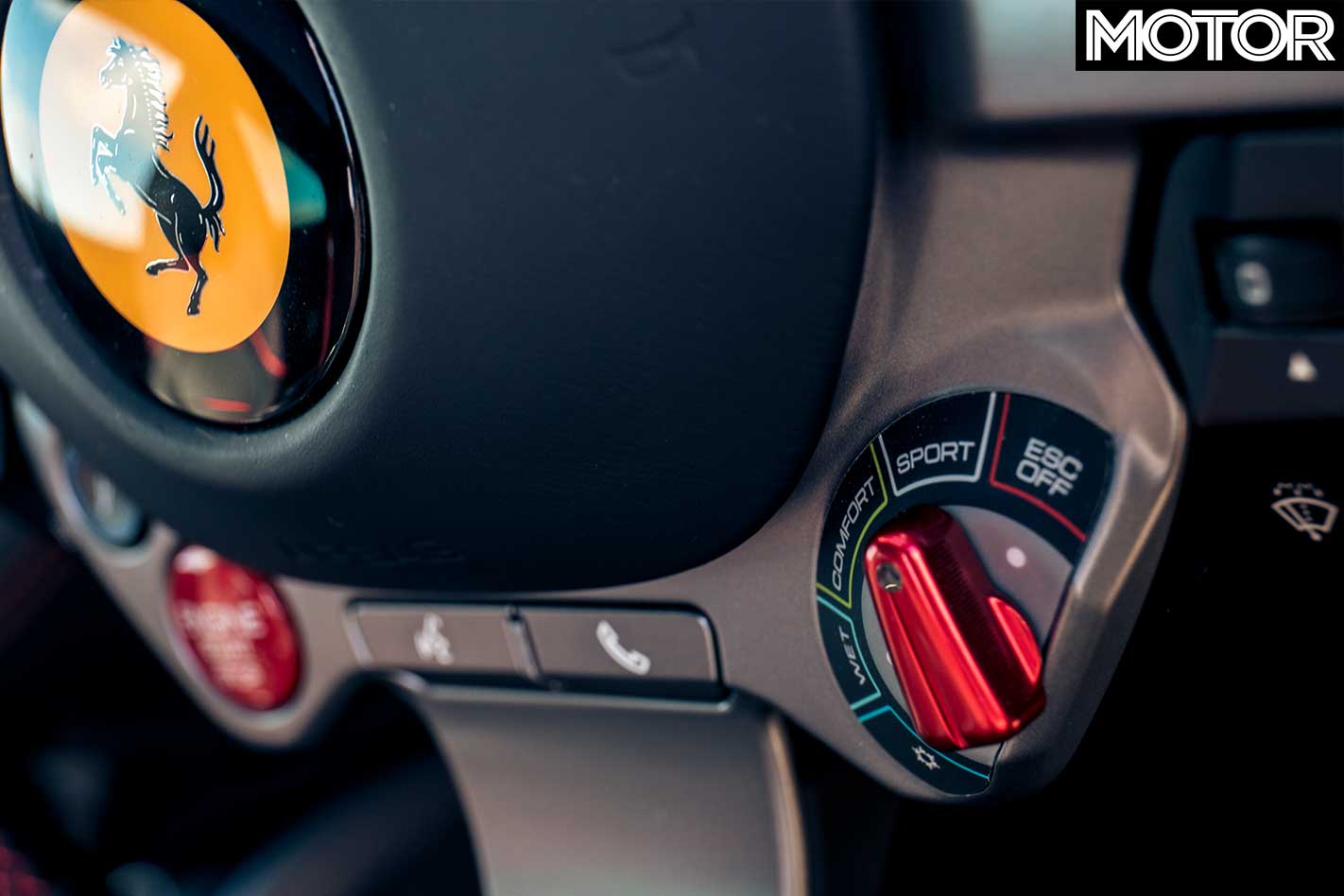
Despite razor-sharp, 488-esque steering and front-end, the GTC4 Lusso T is strangely tricky to place. We couldn’t quite figure it out until we flicked the manettino to ESC Off, which locks out the rear-steering, just to see what would happen. Suddenly the GTC4 Lusso T started handling like a car again, and the confidence returned.
The all-wheel steering is almost too aggressive in its calibration, causing the GTC4 to dart about a little too much for the speeds it is possible to carry. With fairly nannying TC and ESC, we also wish it had CT Off mode on the manettino so you can dance the rear around in safety – it’s a rear-drive Ferrari, for crying out aloud!
Still, you can have a lot of fun in this car. More than you’d think – more than the V12. As with many Ferrari models, the GTC4 Lusso T does not like the cold, harsh light of logic. Some might argue you can get a more comfortable car, still crazy fast, for a lot less money, like a Porsche Panamera Turbo.
But the big German can’t match the four-pew Ferrari for how it makes you feel when you drive it; there’s just something a bit special about a Ferrari. The big price ensures exclusivity – and that’s just the way many owners like it.
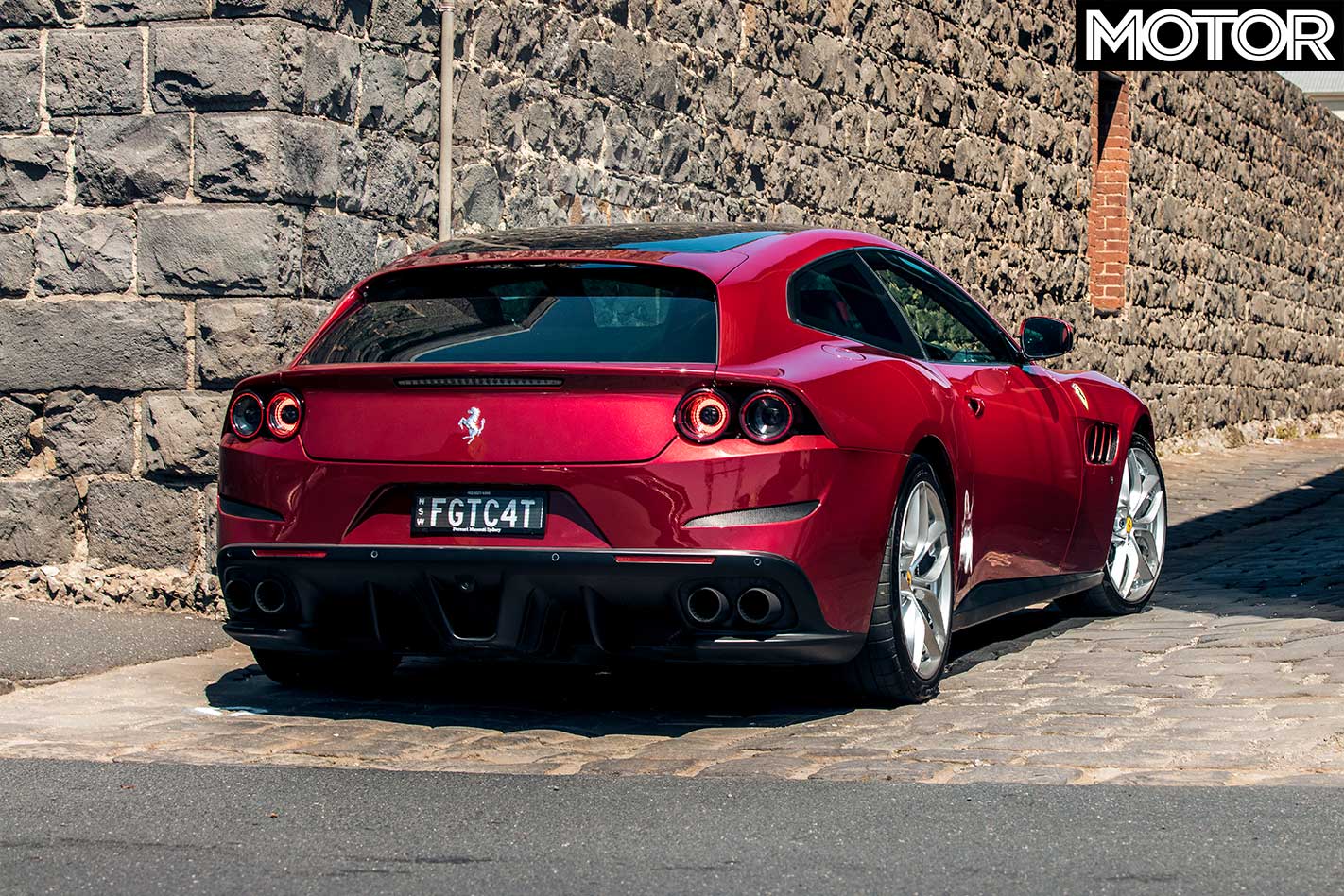
2019 FERRARI GTC4 LUSSO T SPECS Engine: 3855cc V8, DOHC, 32v, twin-turbo Power: 449kW @ 7500rpm Torque: 760Nm @ 3000-5250rpm 0-100km/h: 3.5sec (claimed) Kerb Weight: 1865kg Price: $503,888
Likes: Sensational powertrain; brutal acceleration; rear-drive fun; sense of occasion; ride Dislikes: Rear-steer system; conservative electronics; flat seats; build quality issues Rating: 4 out of 5 stars
