Back when the last-generation Cooper S was freshly unwrapped, MOTOR was privileged enough to score one on long-term loan – navy blue, white roof, 17s, but otherwise standard issue.
This review was originally published in MOTOR’s May 2007 issue
Then, several months into the S’s tenure, Mini upgraded it with a John Cooper Works kit for 29kW more power and a crackly, popping exhaust. At ten grand, the JCW kit was ludicrously overpriced, but it transformed the flawed Cooper S into a far more covetable device. And yet, somehow, the chunky little Mini continued to be overlooked in the scramble for keys on a Friday afternoon.
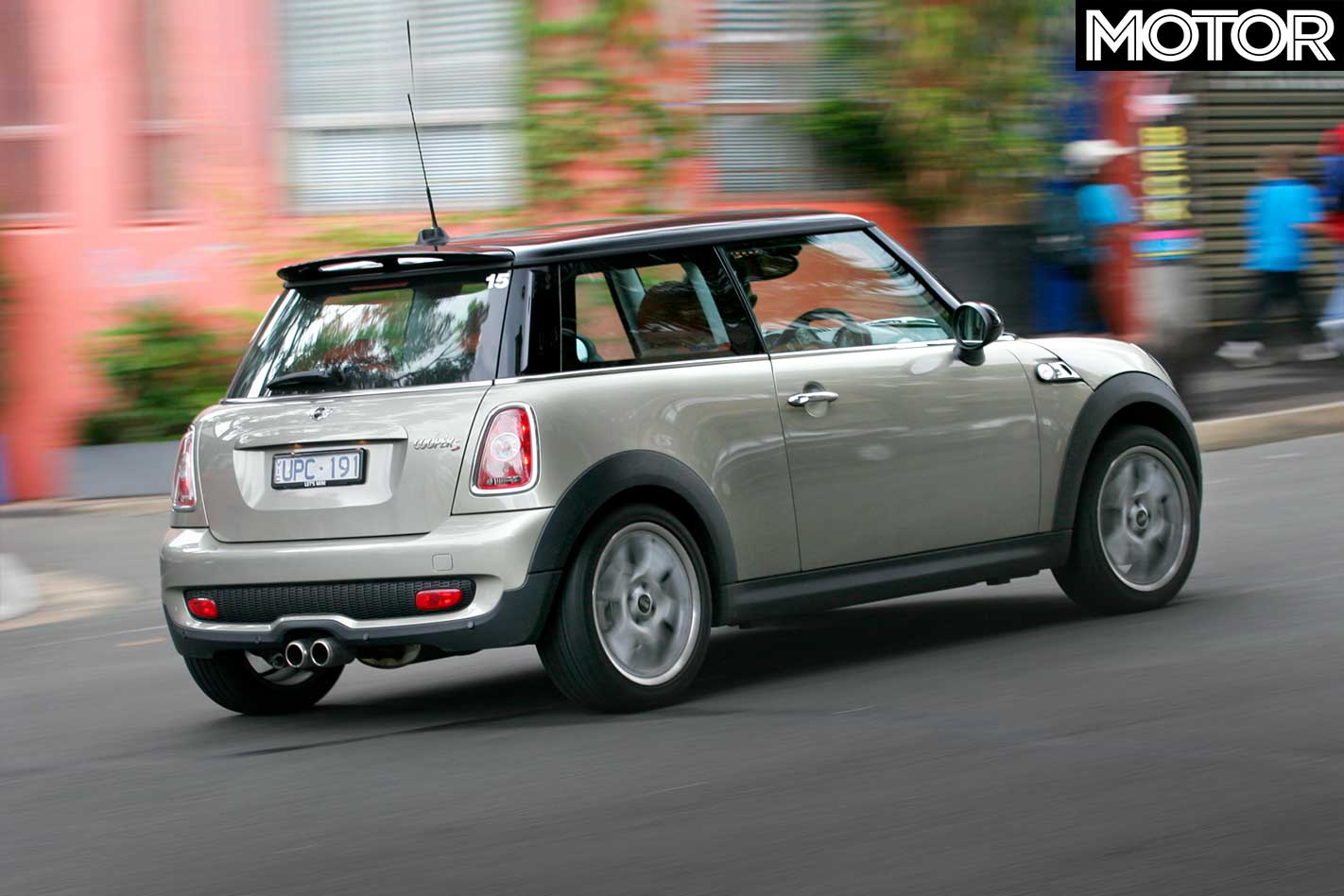
As a consequence, cars like Renault’s hugely talented Clio 182 put the Cooper S into painfully sharp focus. As an homage to retro design, it was brilliant, but as a well-rounded performance car, it was either too patchy (regular S) or too pricey (the JCW iteration).
Enter generation two – the ‘New’ New Mini. Ultimately, it really isn’t that different. It sits on the same 2467mm wheelbase, has virtually the same track widths, and even with its longer, chunkier nose (to meet pedestrian-impact regs), it’s barely 59mm longer. It has the same turning circle (10.7m) and, despite an all-new engine design, even the same bore and stroke.
Know where to look and the Mk2 Mini isn’t that hard to spot, but until you’ve trained yourself to look for the pointers, it remains a dead ringer for last year’s model. Progress? Apparently.
But the second-generation Mini really is a sizeable improvement. The irritating little things about the old car have been smoothed over, making it much more liveable than before. The Poms see that as a dilution of the Mini’s character, and to a mild degree, they’re right.
Its steering no longer whirrs, the S’s engine no longer whines, and the exhaust doesn’t pop anywhere near as often as it used to on overrun. But the fact we’d be happy to drive even a base Cooper auto on 175/65R15s says volumes about the latest Mini’s rise in the rankings.
Crucial in expanding the Cooper S’s repertoire is its all-new engine – a joint venture between BMW (Mini’s parent) and Peugeot-Citroen. Unlike the French versions, the Mini’s direct-injection 1.6-litre four is built in Hams Hall, England, and unlike before, the S engine is now turbocharged, not supercharged.
Power and torque peaks are little changed – 128kW versus 125, 240Nm versus 220 – and the Cooper S’s power-to-weight is up only slightly (113kW/tonne versus 110), but it’s the engine’s dead-flat torque curve (from 1600-5000rpm) that gives the game away. At virtually any moment in any gear, the turbocharged 1.6 is a stormer.
While it doesn’t quite have the character of the old JCW unit, and doesn’t quite rev as hard, either (cut-out is now six-six instead of seven grand), the S’s new engine is bursting with muscle. It’s very linear, disguising its forced-induction nature by limiting the boost from its twin-scroll turbo to 0.8bar (11.6psi) at 1400rpm, then ramping up quickly to its (unspecified) maximum.
There’s even an overboost function that increases torque briefly to a diesel-rivalling 260Nm from 1700-4500rpm, as well as a ‘Sport’ button just ahead of the gearshift that alters the S’s throttle response from alert to razor sharp. Not surprisingly, the overall combination is a winner.
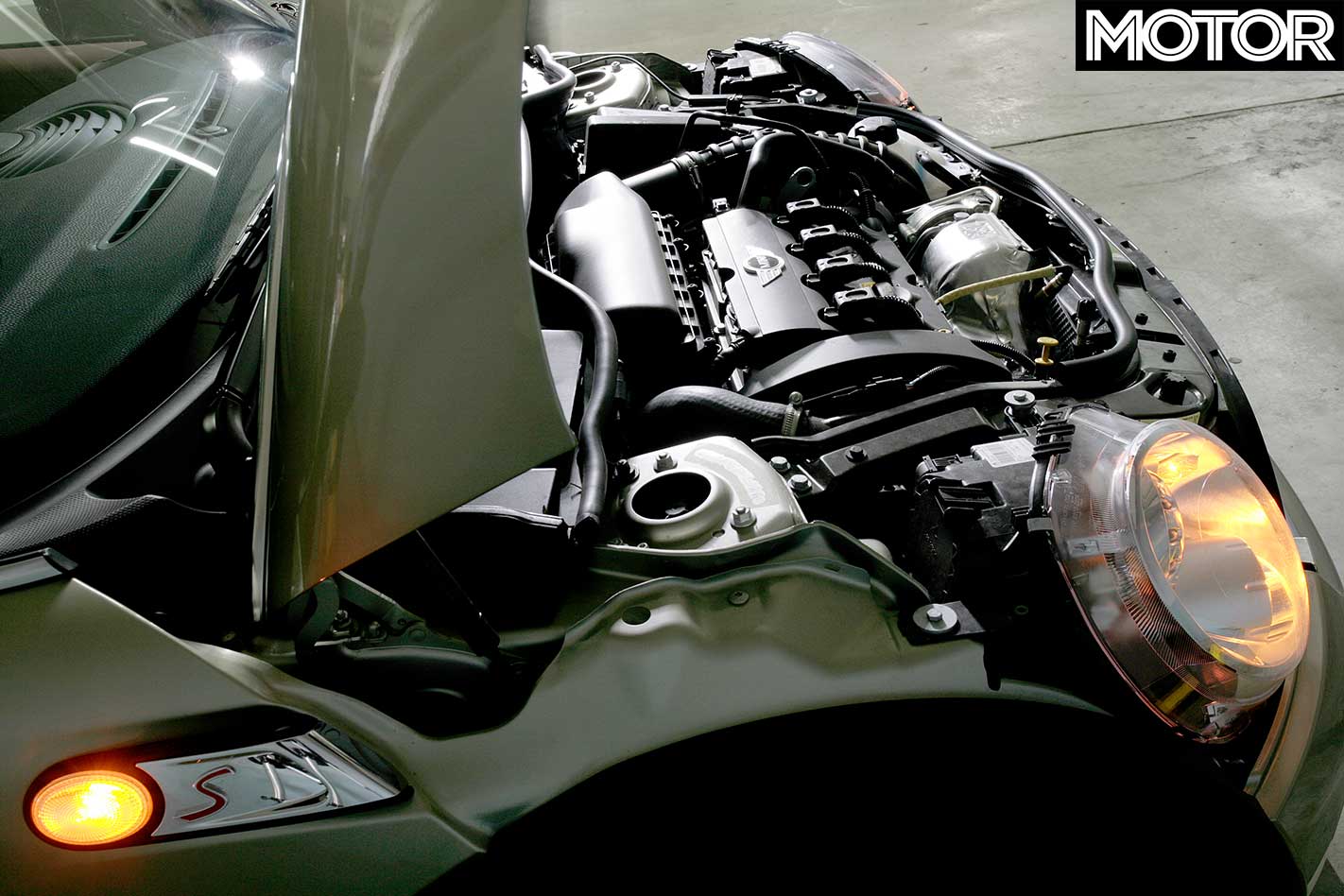
So chubby is the new Cooper S’s engine that first-third-fifth gearshifting becomes the norm rather than the exception. Not that there’s anything wrong with the Cooper S’s precise, fast-changing six-speed manual – it’s just that there’s so much torque to play with.
That said, putting the boot into the turbo 1.6 is a real pleasure. It’s impressively smooth, has some lush induction rort when hammering hard and still delivers a smidge of exhaust pop-and-crackle on overrun if the Mini is warm and in the right mood.
Needless to say, the new S is several tenths faster than the old one – clocking an easy 7.1sec to 100km/h (but with potential for a sub seven) and storming down the 400m in 15.1. That’s Golf GTI territory, as it should be for the price, and the numbers certainly bode well for Mini’s inevitable JCW version.
But not only is the direct-injection turbo great as a performance engine, it also cuts the mustard for Bob Brown types. It uses 20 percent less fuel than the blown 1.6 (and is even more economical than the old atmo Cooper) while pumping out 21-percent less carbon-dioxide into the atmosphere. Which means you can drive the Cooper S harder, for longer, for less.
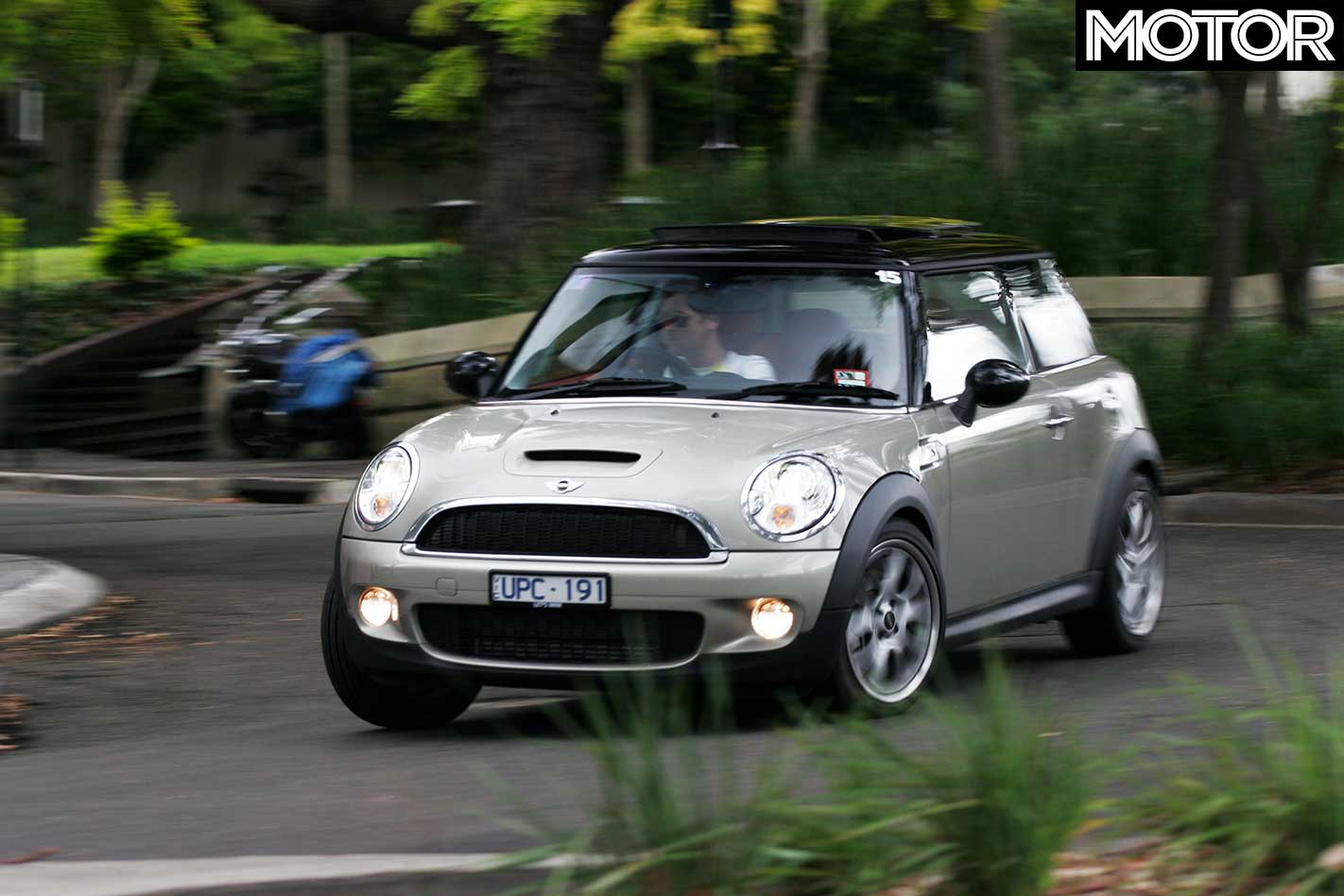
After tasting its polished dynamics, you’ll certainly want to. While the Mini’s ragged edges have been buffed clean, it remains a darty, well-balanced, super-keen handler.
Its new electric steering – two-mode as standard in the S – now has only 2.3 turns lock-to-lock (was 2.5) and manages to maintain all the feel and linearity of a good hydraulic set-up. The electric steering’s default mode is great for parking, but in the Sport setting, it’s so consistent and intelligently weighted, you’d be mad not to use it all the time. And you’d swear it was hydraulic.
Blending cohesively with the new steering is the Mini’s re-engineered suspension. The Cooper S runs the same set-up as the regular Cooper (a sports version is optional), meaning firmness has been wound back somewhat from the old car, and it’s all the better for it.
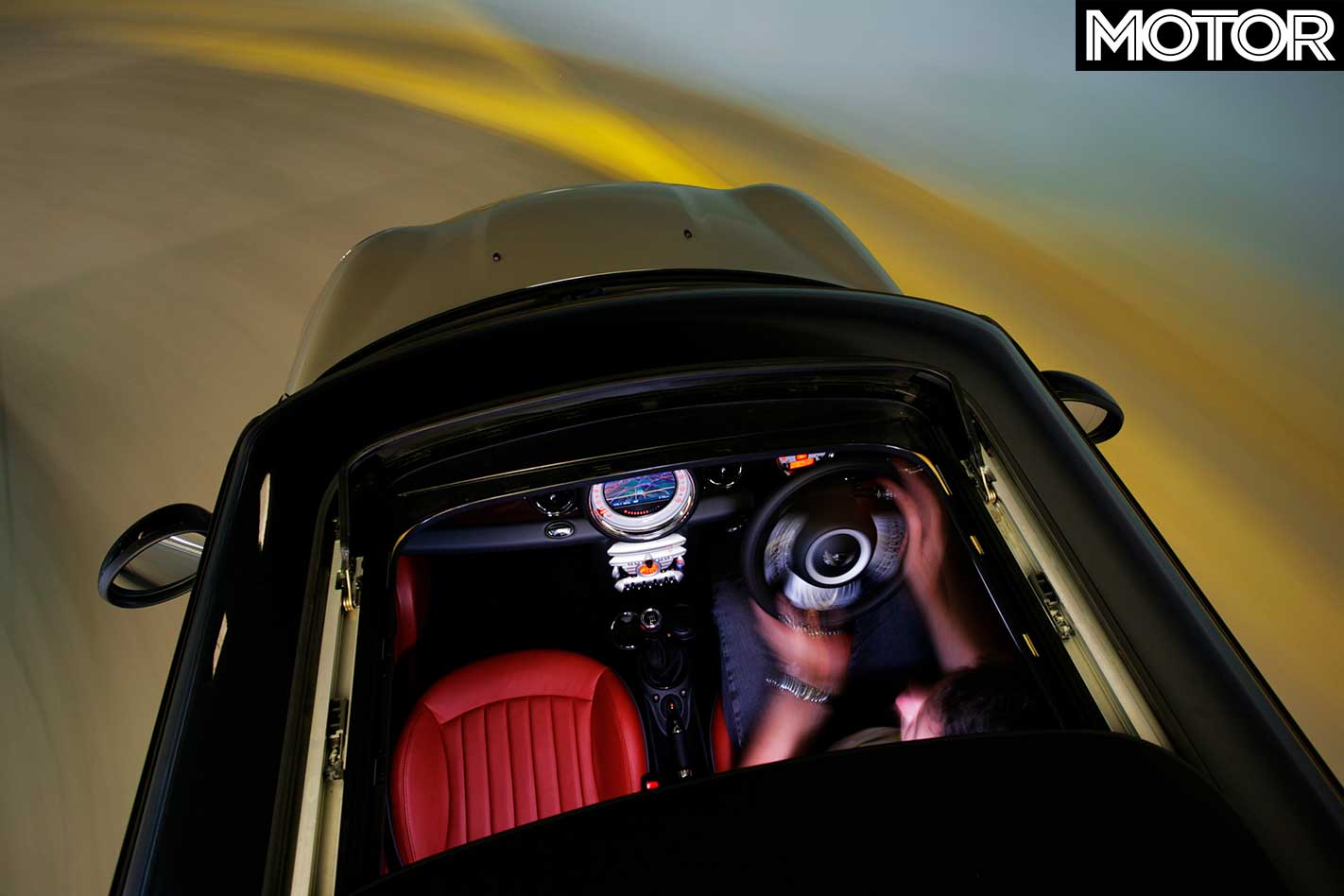
While the suspension is still firm and springboards from some bumps, it is absorbent enough to keep the Mini on line through bumpy corners and makes the car much more fluent to drive, while maintaining all the eagerness and balance the Mini was always known for.
There’s a tad more body roll, but somehow it serves to make the Mini feel less skittish. Tail-end adjustment has been reduced, which is a bit of a shame – a little more rear-end action would make the new Cooper S truly great – but you’d have to be dead, comatose or completely numb not to appreciate the new Mini’s supreme chuckability.
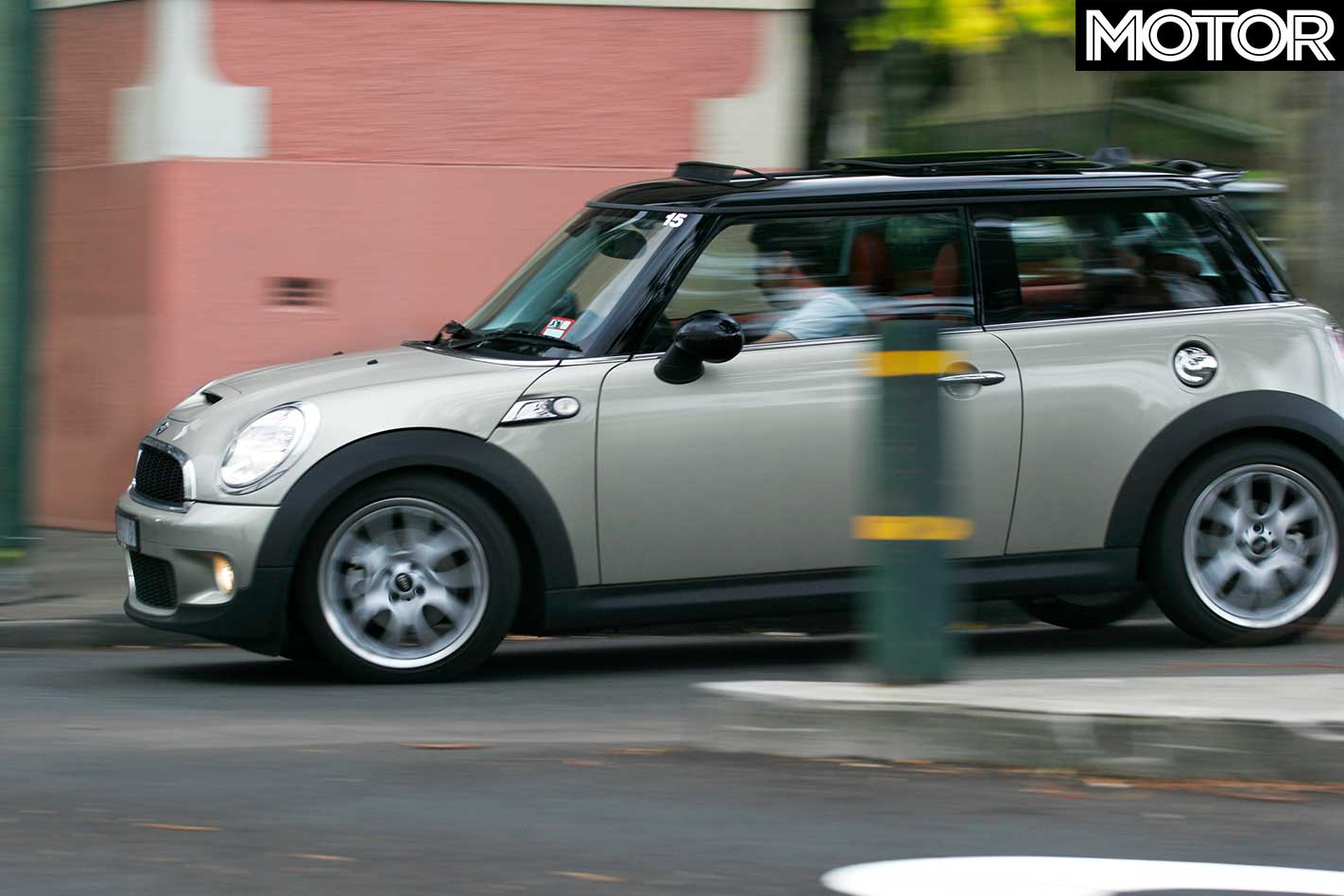
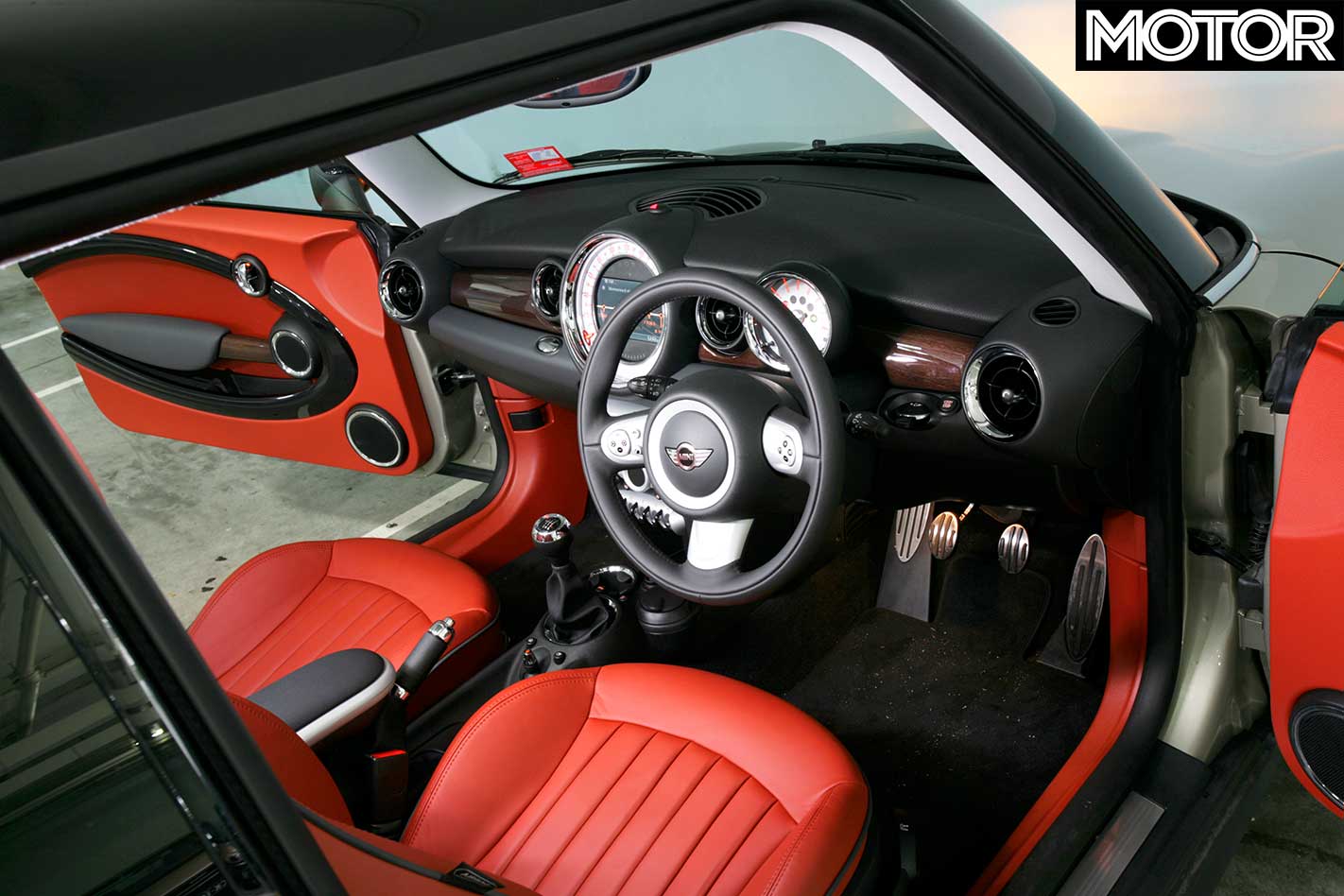
Back in showroom land, the Mini’s appeal is greater than ever, too. Variations on the now much-classier retro theme are near endless – you can choose from three different seats (all much softer and comfier than before) with nine upholstery options, and six dash and door finishes, not to mention 10 exterior colours (with stripe/roof/mirror variations) and 12 different wheels, as well as a tough John Cooper Works body package. Our car was a basic Cooper S manual ($39,900) with no less than 16 options, one of them no-cost. Total? $52,555, and counting.
So, as before, there’s a price for all the Mini’s visual flair and individuality. But this time, it has the depth of talent to make its exalted entry ticket that much more tempting. Yes, its back seat is still occasional and its boot is a joke, but the Mini no longer prefers princesses over purists.
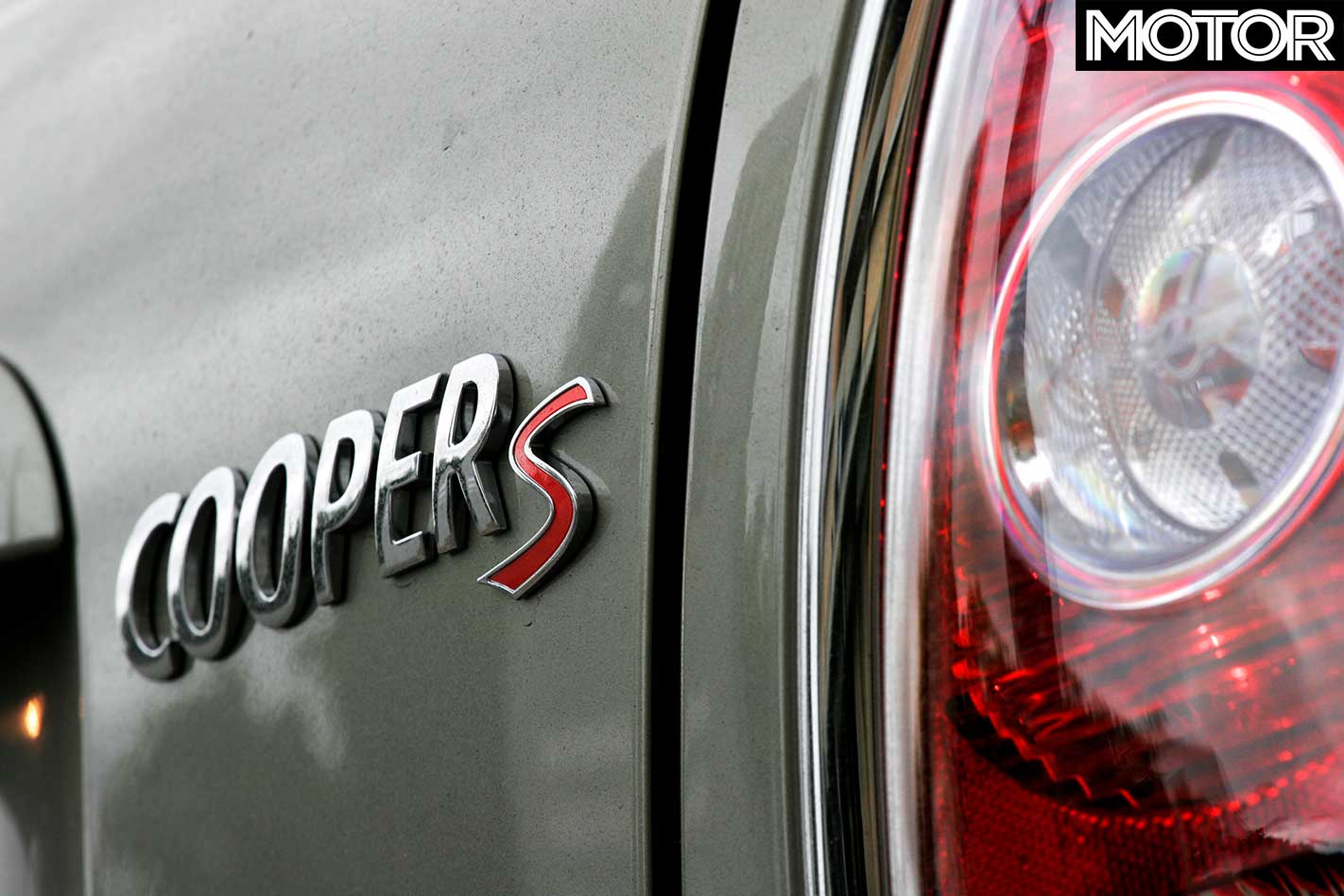
FAST FACTS 2007 MINI Cooper S
BODY: 3-door, 4-seat hatchback DRIVE: front-wheel ENGINE: 1598cc inline-4 DOHC 16v BORE/STROKE: 77.0mm x 85.8mm COMPRESSION: 10.5:1 POWER: 128kW @ 5500rpm TORQUE: 240Nm @ 1600-5000rpm WEIGHT: 1130kg POWER-TO-WEIGHT: 113kW/tonne TRANSMISSION: Six-speed manual 0-100KM/H: 7.1sec 0-400M: 15.1sec @ 155.0km/h SUSPENSION: struts, A-arms, anti-roll bar (f); multi-links, coil springs, anti-roll bar (r) L/W/h: 3714/1683/1407mm WHEELBASE: 2467mm TRACK: 1453mm (f); 1461mm (r) BRAKES: 294mm ventilated discs (f); 259mm solid discs (r) TYRES: Dunlop SP Sport 07 205/45R17 (f & r) PRICE: $52,555 (as tested)
LIKES: Better in virtually every way – steering, engine, ride, interior DISLIKES: Larger, but still far from roomy; handling not quite as adjustable RATING: 4 out of 5 stars
Cooper Junior – Base MINI now a bit of a goer, too
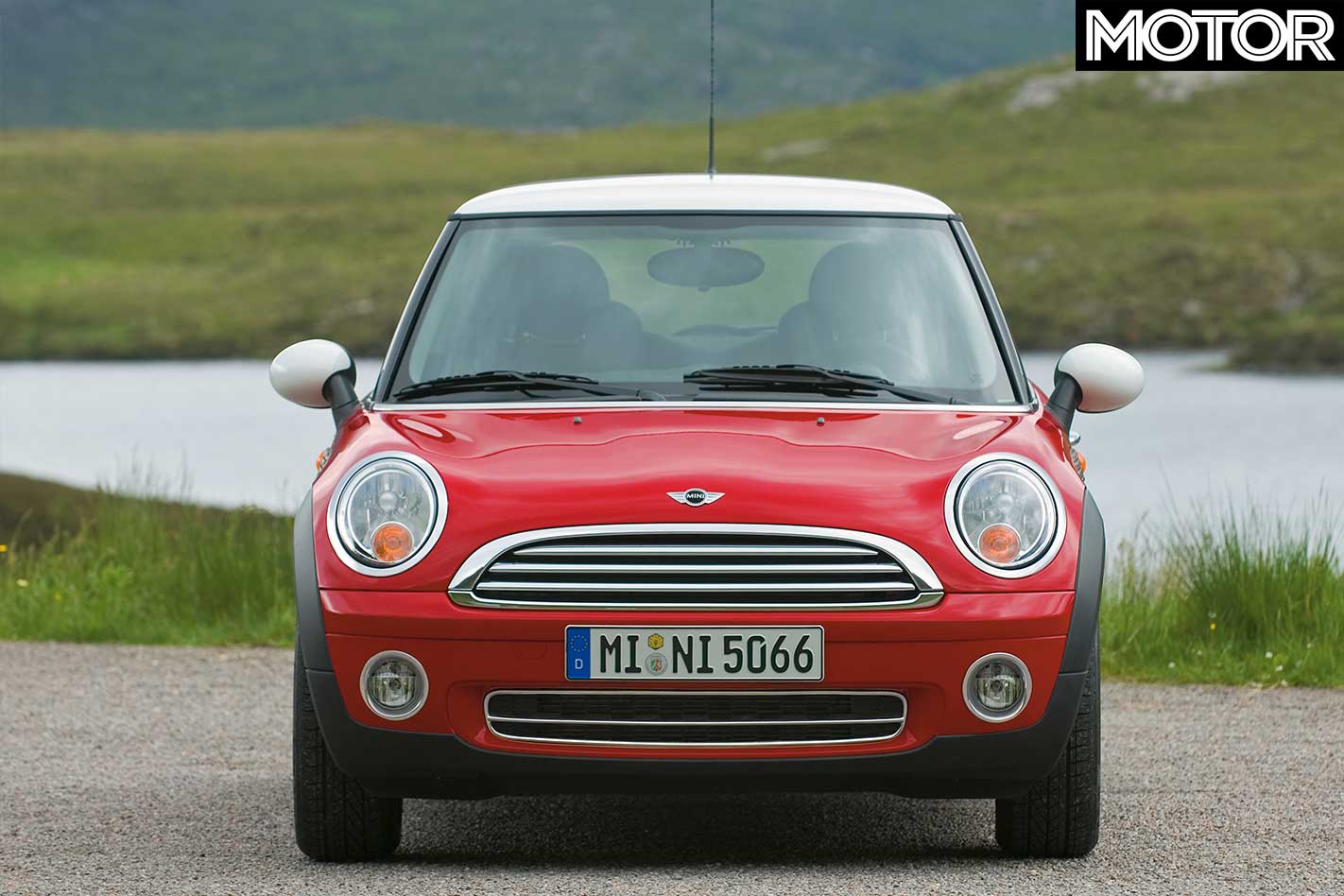
Frustrating car, the old Cooper – spoiled by cadaver-like throttle response and zero low-end grunt. On paper, the new Cooper doesn’t look much chop either, seeing its all-new Valvetronic 1.6 puts out barely 3kW and 10Nm more, but glory lies in the details.
Thanks to a greater use of aluminium, the new, larger Mini is down 10kg. And while the torque peak of its perky new engine is 160Nm at 4250rpm, there’s at least 150Nm available from 2500 to 5500rpm. The difference is dramatic. The new engine sounds throaty, is effortlessly punchy and even mates beautifully with the six-speed auto (replacing the woeful CVT), let alone the slick manual. Seriously, it’s good.
Fans of big, growly petrol engines, breathe easy… Mercedes-Benz isn’t getting rid of them. Well, yet.
The company’s head of group research and development, Ola Källenius, has told reporters at the Consumer Electronic Show reveal of the CLA that the company will continue to produce big-capacity petrol engines for the interim, confirming that the V12 is set to make a comeback in the next generation of SL roadster.
While he didn’t specify, we can safely assume he’s talking about the 463kW 6.0-litre twin-turbo brute currently used under the bonnet of the Mercedes-AMG SL65.
“The V12, the next S-Class that’s coming up soon, it will be there,” Källenius confirmed.
However, the former head of AMG was quick to point out that there are other performance options within the Mercedes portfolio at present, with more to come thanks to Formula One-style hybrid technology.
“Let’s not talk cylinders so much,” he said. “I mean, V8 will be there for many years to come, and the V12 is still there as well. What the customer wants is a level of performance. If you buy an AMG, depending on which one you get, you’re expecting a certain performance experience.
“How we deliver that performance experience I think is less and less relevant for the customer. We need to deliver performance experience. And that performance experience needs to be in the future less CO2. And we will find the best way to deliver that performance.”
Källenius also pointed to the 2.0-litre turbocharged four-cylinder engine in the A45 hatch – which may well exceed 300kW in its next iteration – as an example.
“AMG has most powerful four cylinder engine kilowatt-per-litre displacement in the world,” he said. “Combine it with, let’s say, a Formula One-style power hybrid to go with that, which could blow you away both on and off the track, [like] what you do today with a V8.”
He also confirmed that Mercedes-AMG would pursue the hybrid powertrain path as it chases both performance and emissions compliance.
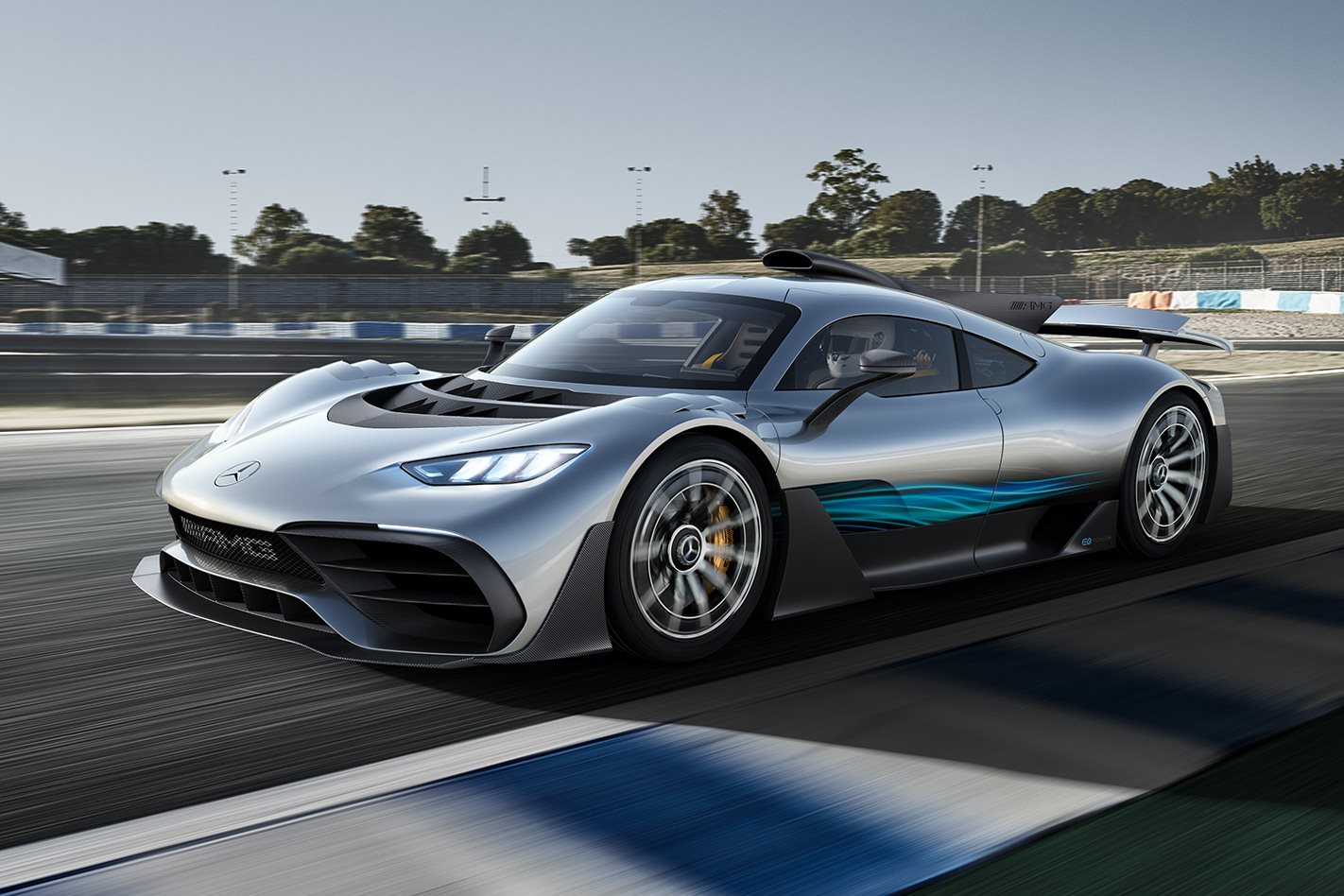
“AMG has said is that they are going to hybridise their portfolio, so that’s out there,” Källenius said. “And that’s not too far away when that starts, and of course the inspiration comes out of motor sports and the most extreme example is Project One.”
Mercedes-Benz is pushing ahead with its fully-autonomous mobility plans, despite experts in the field doubting if we’ll ever get to a state where steering wheels are redundant.
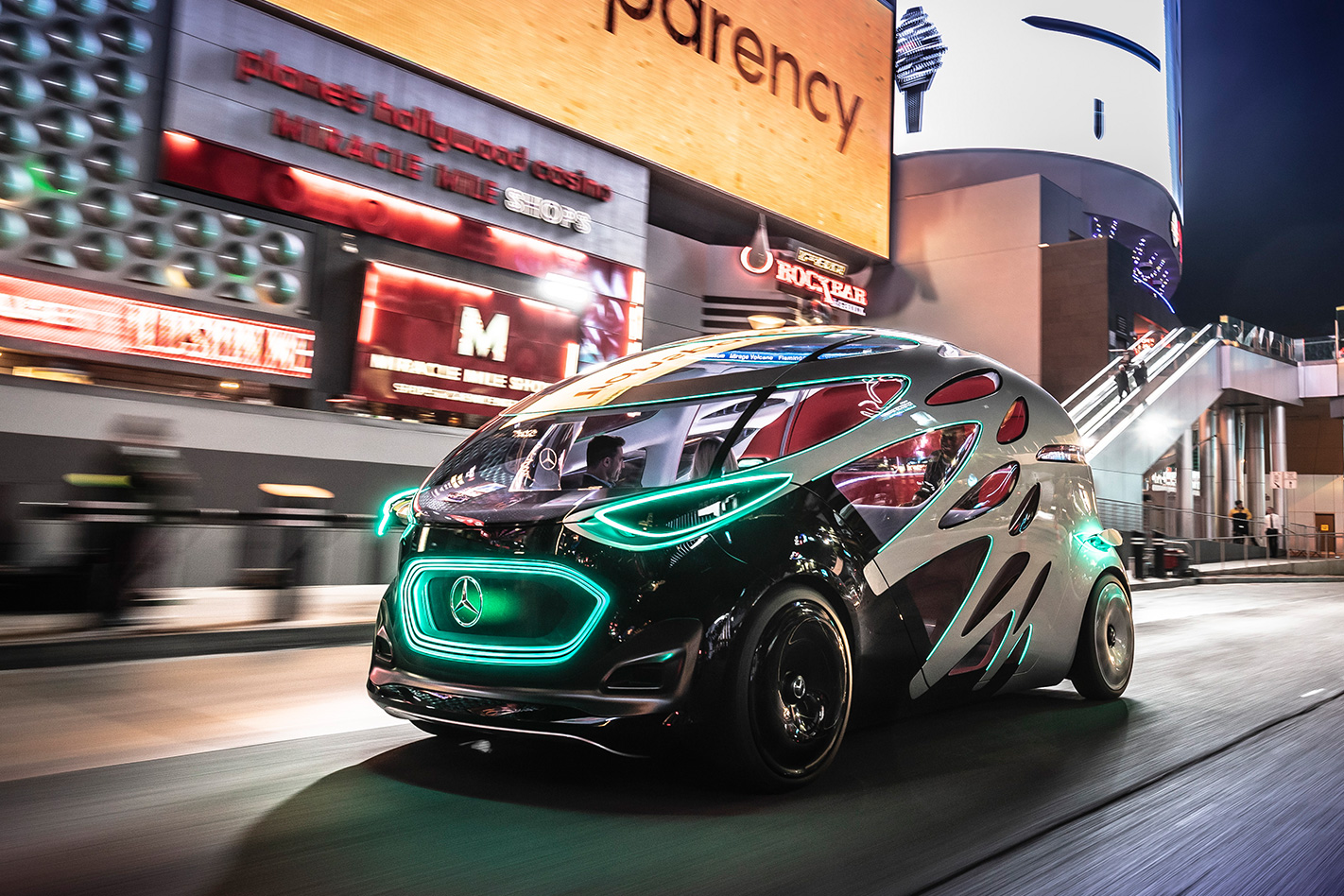
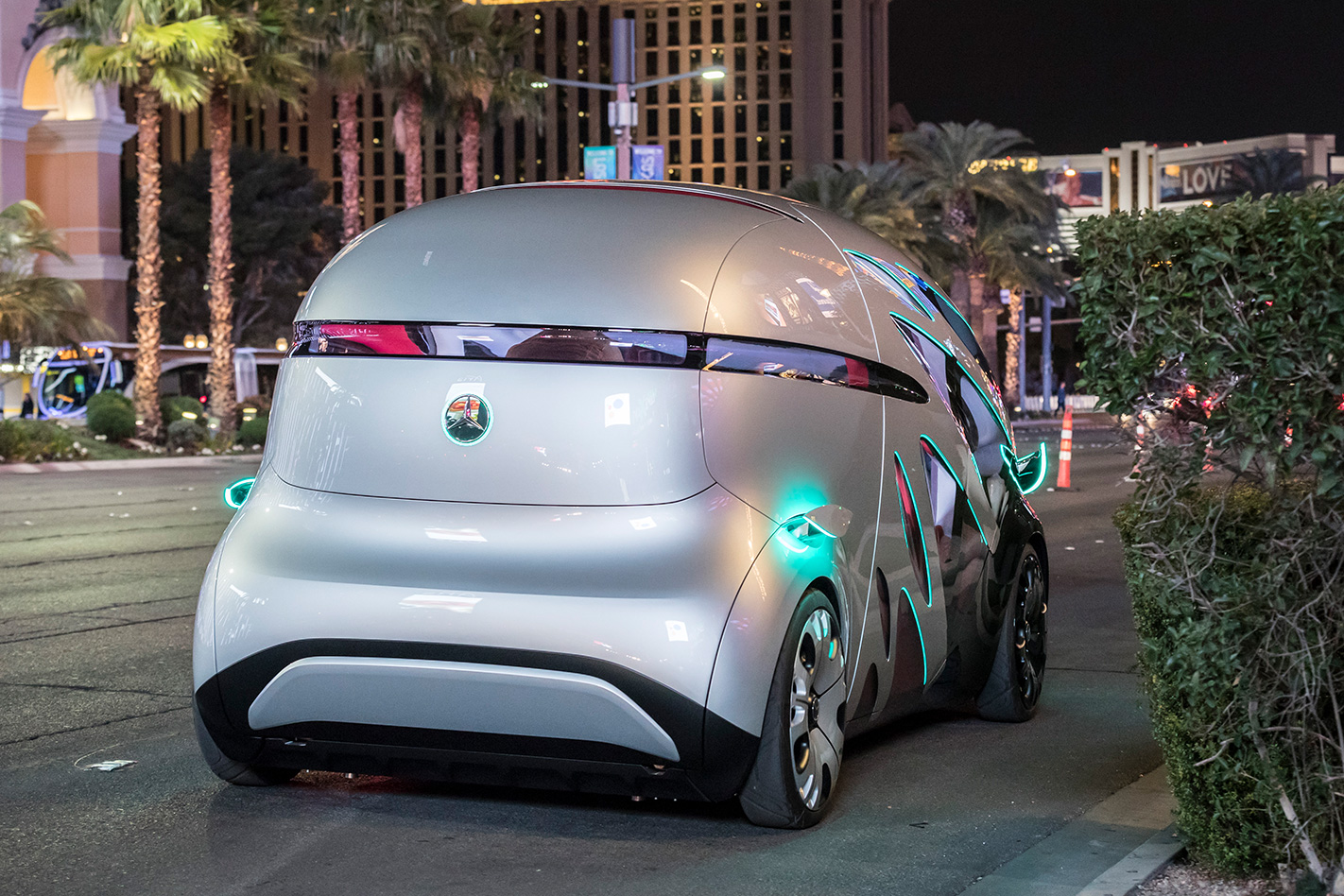
The German motoring giant revealed its latest self-driving concept at the Consumer Electronics Show (CES) in Las Vegas – an autonomous pod that doubles as a people mover and van called the Vision Urbanetic.
The futuristic vehicle is based on an autonomously driven, electrically-powered chassis and features a 5.14m body whose interior can be altered using cargo or people-mover modules, with the latter holding up to 12 people.
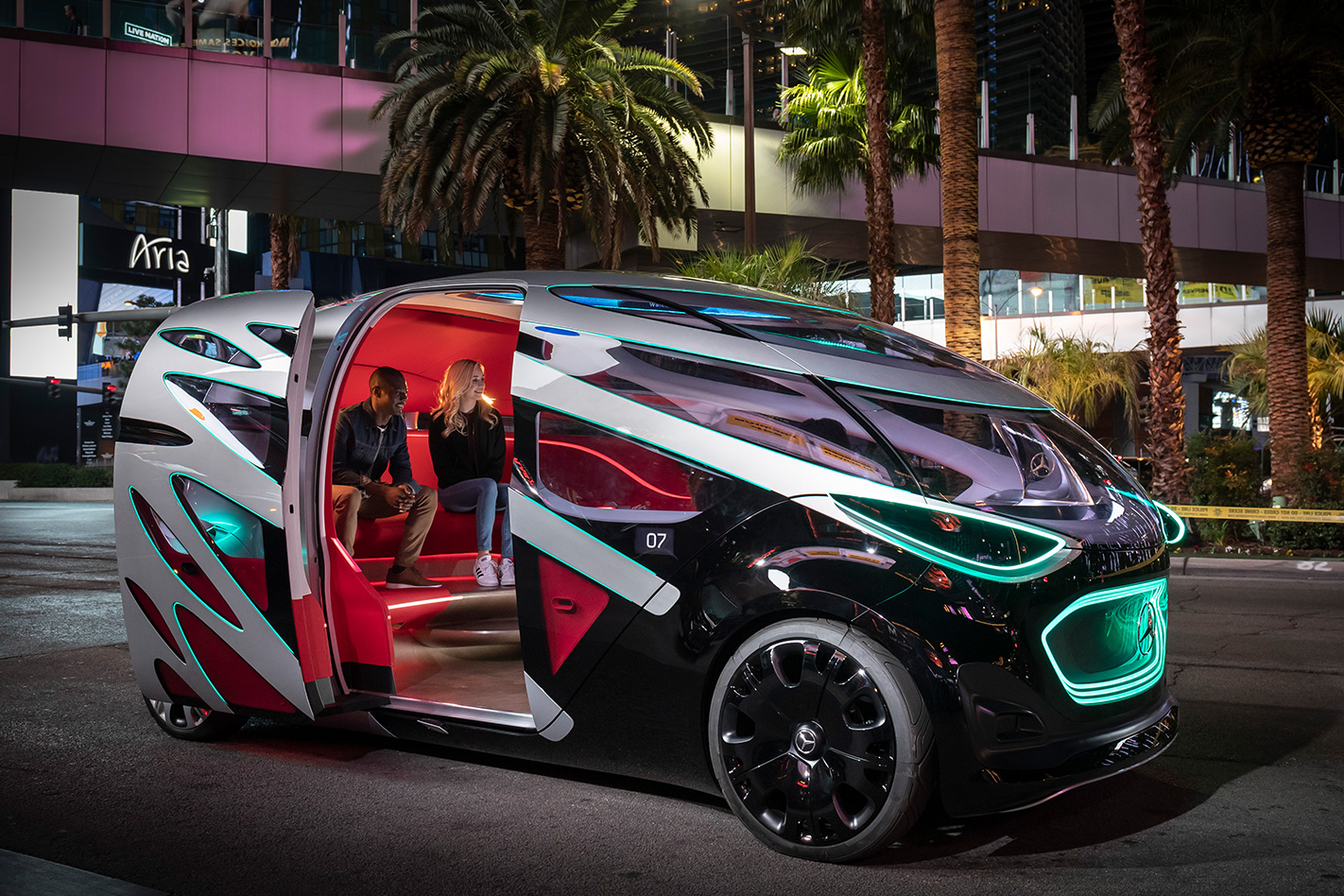
Benz has designed the Vision Urbanetic to “create a balance between people and technology”, which includes ensuring the vehicle constantly communicates with occupants and other road users – for example it uses LED projections to let users know it’s their vehicle coming to get them, and to reassure pedestrians that it sees them.
Users will be able to summon the vehicle and choose which interior configuration they require via a phone app, and once inside a 360-degree halo display on the ceiling that uses augmented reality will provide them visual information, such as stops or interesting facts about their surroundings.
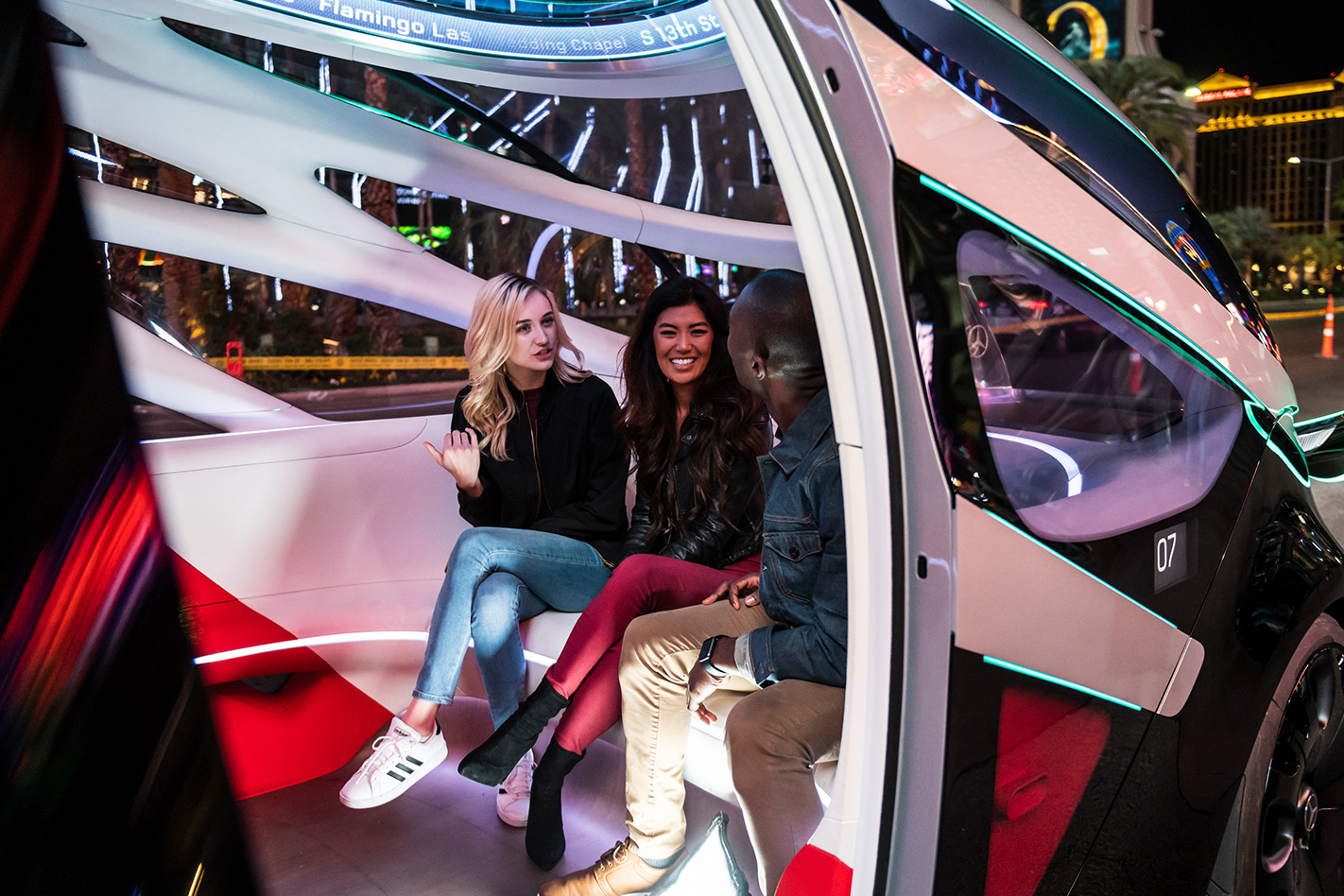
Mercedes-Benz says the ability to easily communicate with autonomous vehicles will help people overcome a degree of scepticism for the technology as well as insecurity surrounding the prospect of having little control.
Winning over the sceptics won’t just be a matter of changing public opinion though, with an increasing number of autonomous transport experts doubting if we’ll ever see Level 5 autonomy – where a vehicle can drive itself everywhere in all conditions without human intervention – at least in the foreseeable future.

One of these is John Krafcik, CEO of self-driving tech development firm Waymo, which is an offshoot of the Google Self-Driving Car project.
Krafcik recently told a Wall Street Journal conference that “autonomy will always have constraints”, due to infrastructure and environmental factors, and that it will take decades before we see self-driving cars on public roads.
Even then, he reckons, it’s unlikely that autonomous vehicles will be able to operate in all weather conditions, particularly rain or snow.
According to Krafcik, the constraints are becoming more and more apparent as companies like his push development further, as demonstrated by high-profile accidents involving self-driving vehicles in the US, including an UBER test vehicle that struck and killed a woman in Arizona.
“It’s really, really hard,” Krafcik said. “You don’t know what you don’t know until you’re actually in there and trying to do things.
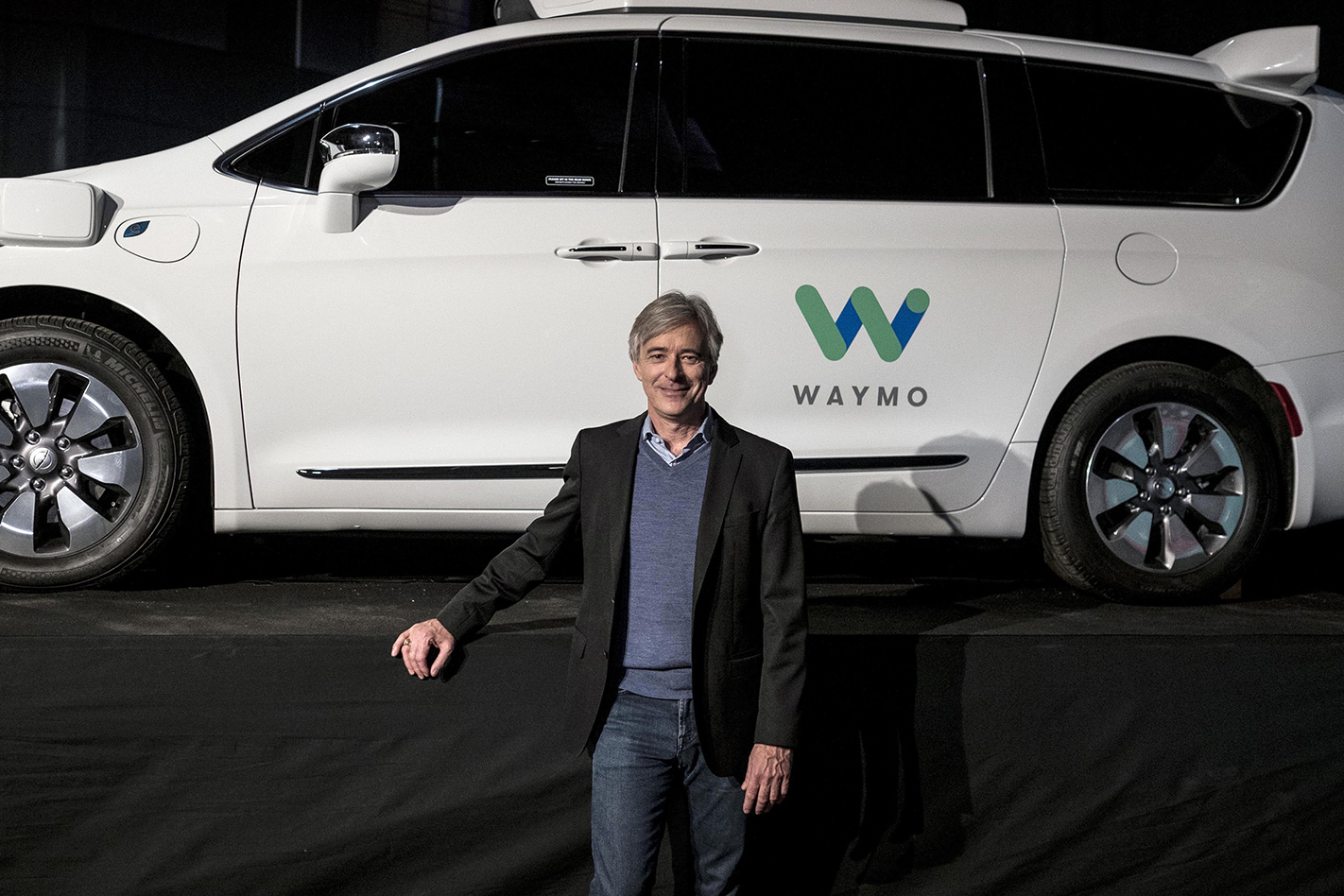
Waymo is still pushing ahead with driverless ride-sharing transport technology though, while trying to work within its limits.
“This is a very long journey, it’s a very challenging technology, and we’re going to take our time.”
Apple co-founder Steve Wozniak echoed Krafcik’s thoughts, telling CNBC: “I do not believe in auto driving cars … I don’t really believe it’s quite possible yet.”
Wozniak, whose company has its own self-driving vehicle program, says owning a Tesla has convinced him we’re nowhere near seeing steering wheels become redundant.
“Tesla makes so many mistakes. It really convinces me that auto piloting and auto steering car driving itself is not going to happen.”
Wozniak believes autonomous technology will be best used for “assistive driving” technology that can allow cars to avoid most of the kinds of accidents we see today.
Do you want full autonomy, and do you think we’ll ever see it on our roads? Join the discussion in the comments section below.
The countdown is on to the inaugural WhichCar TV episode one, with just days to go before we are beamed into your living rooms across the country.
Set your alarms for 4:00pm Sunday January 13 and have the set tuned to Channel Ten for an automotive extravaganza like nothing else on the air.
We have been frantically planning, filming and producing the first season of WhichCar over the last six months, to bring you a cross section of auto action, thrills and spills, reviews, adventures and sometimes just good-old fashioned four-wheeled fun – and you can enjoy it all from the comfort of your couch.
In episode one, you can look forward to a blast through the Grampians in something fast, German and drop-dead gorgeous, a dramatically improved Toyota Corolla is pitched against its arch rivals and a pair of plus-sized Yank utes hit the pasture in beautiful Gippsland.
And that’s just a 20th of the fun coming to your screens over the next five months. Tune in this Sunday and come along with us for the ride.
Have a look at our preview reel and see how many of the hot models you can identify from season one – and no, we aren’t talking about the presenters.
Here’s a quick sneak peek of season one
From near-750kW hypercars laden with Formula One tech to all-electric performance luxury coupes capable of cracking the 0-100km/h sprint in under 4 seconds with barely a whisper, 2019 looks set to be a watershed moment when all our wildest childhood dreams become reality.
Here are the 10 hotly anticipated cars of 2019.
01 – Aston Martin Valkyrie
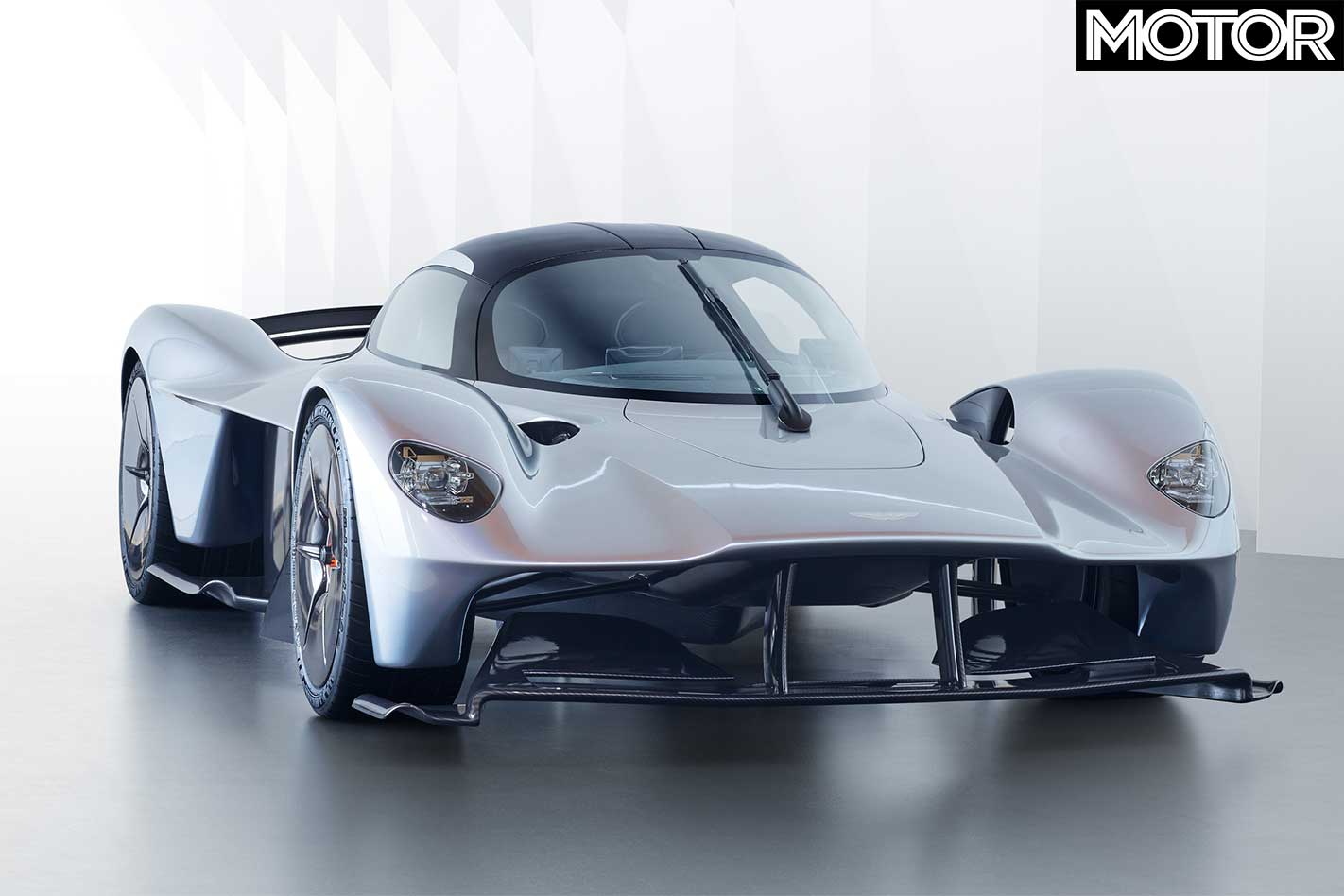
Launch Date: H2 2019 Spec: 746kW/740Nm Price: $4,500,000+ (base model)
Are we starting with the best on this list? If the numbers are anything to go by, possibly!
Aston Martin recently announced its Valkyrie will be powered by a naturally aspirated 6.5-litre V12 that revs to 11,100rpm and produces 746kW/740Nm. The Valkyrie’s internal combustion engine will also be working in tandem with a hybrid system that Aston Martin is yet to detail, so the hypercar’s total output is yet to be revealed.
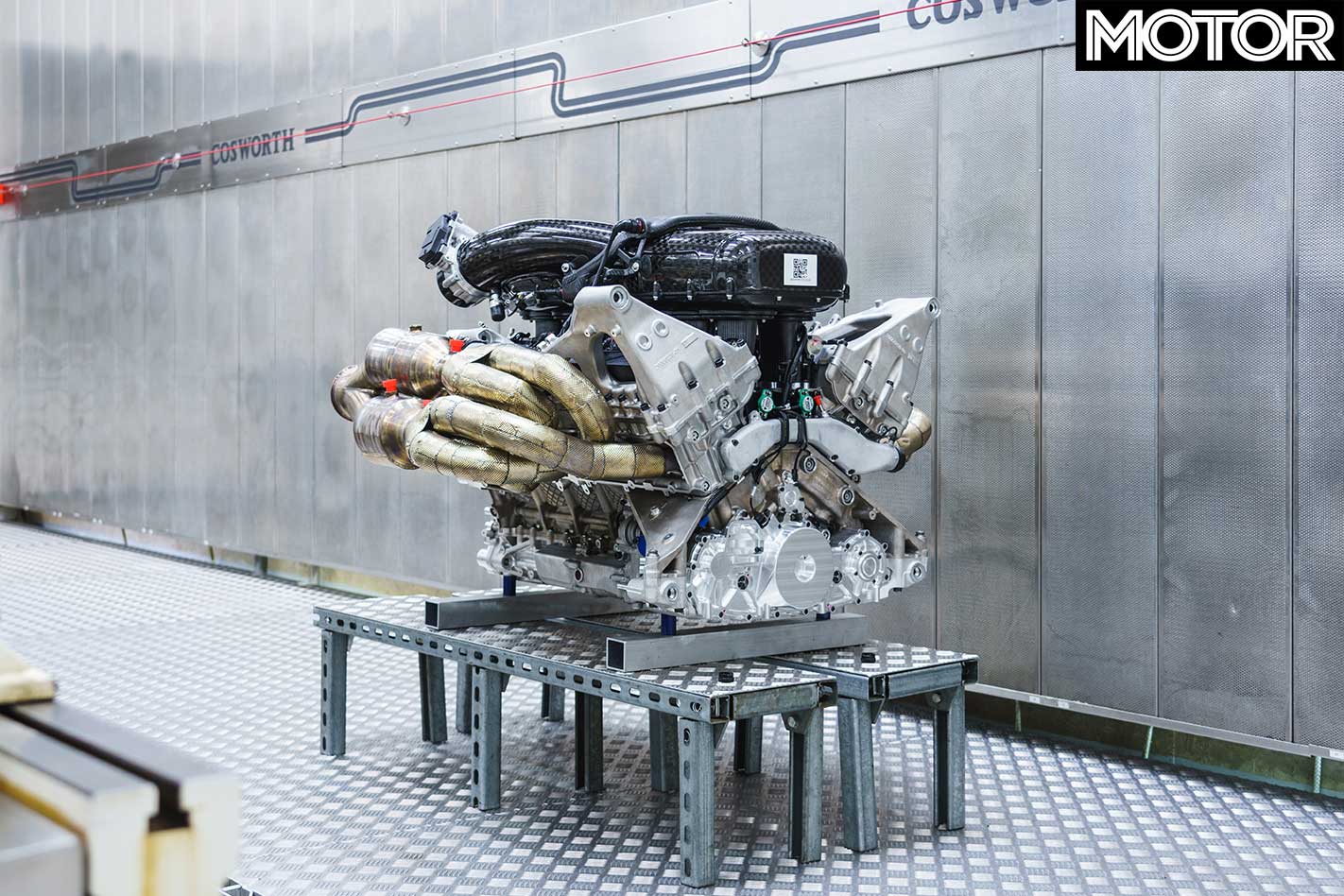
These figures are possible in part thanks to the cooperation of Cosworth and the Red Bull F1 team. Aston has also released a video of the engine at full pelt during testing. It’s almost a given that its performance will be out of this world, but will any of the 150 owners be able to drive it anywhere near its capabilities?
Aston Martin has saved a miniscule amount of weight by ensuring its badge is no more than 70 microns thick, or thinner than human hair. We think the Valkyrie’s abilities are going to be near-mythical.
02 – Porsche 992 911 Carrera S
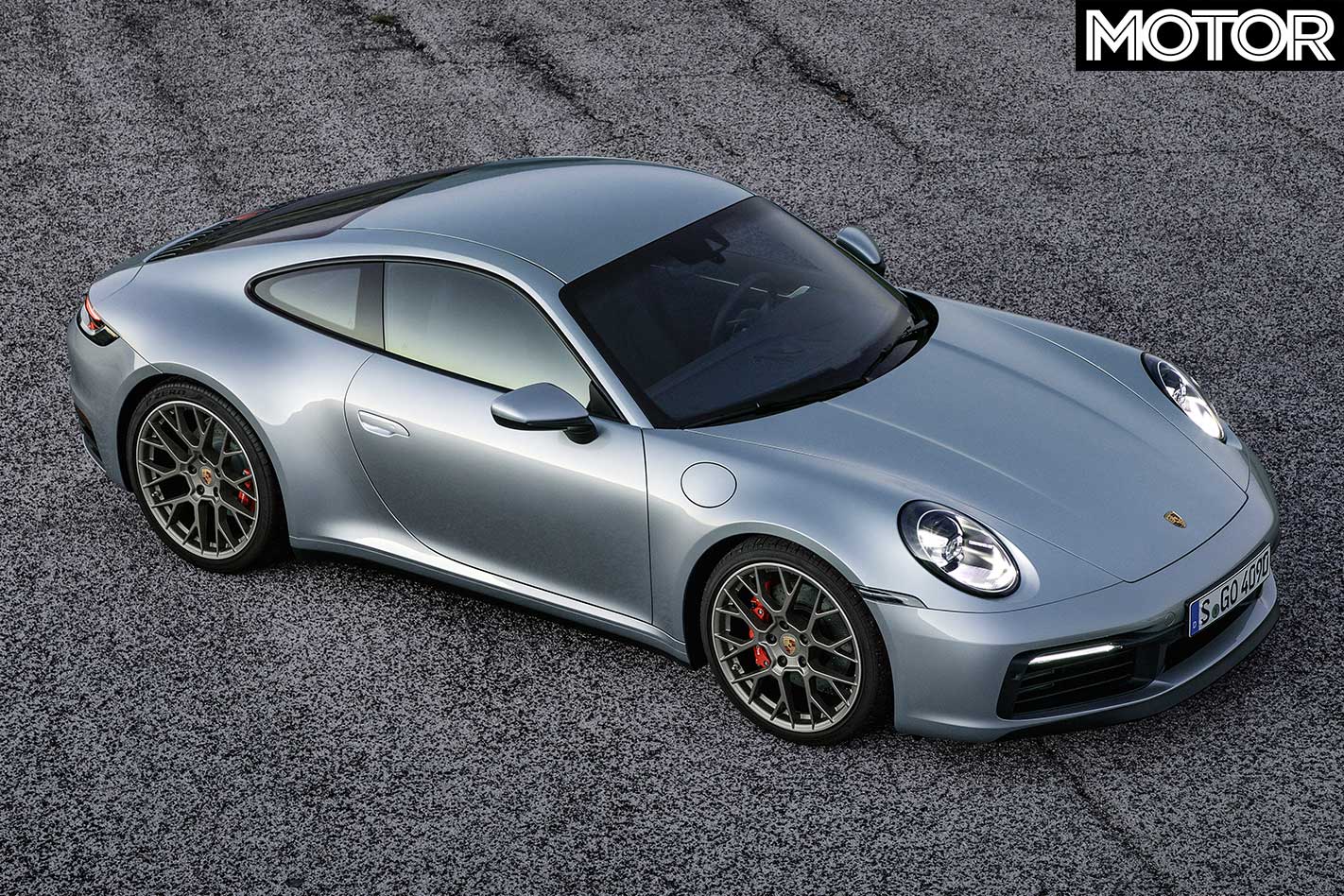
Launch Date: Q2 2019 Spec: 331kW/530Nm Price: $265,000
The current crop of Porsche 911s is still so good that you wonder why they need replacing. In a way, Porsche agreesbecause, despite moving to an all-new platform, it is evolution rather than revolution when it comes to the mechanical bits.
All retain the 3.0-litre twin-turbo flat-six, with the S models producing 331kW/530Nm, improvements of 22kW/30Nm over their predecessors.
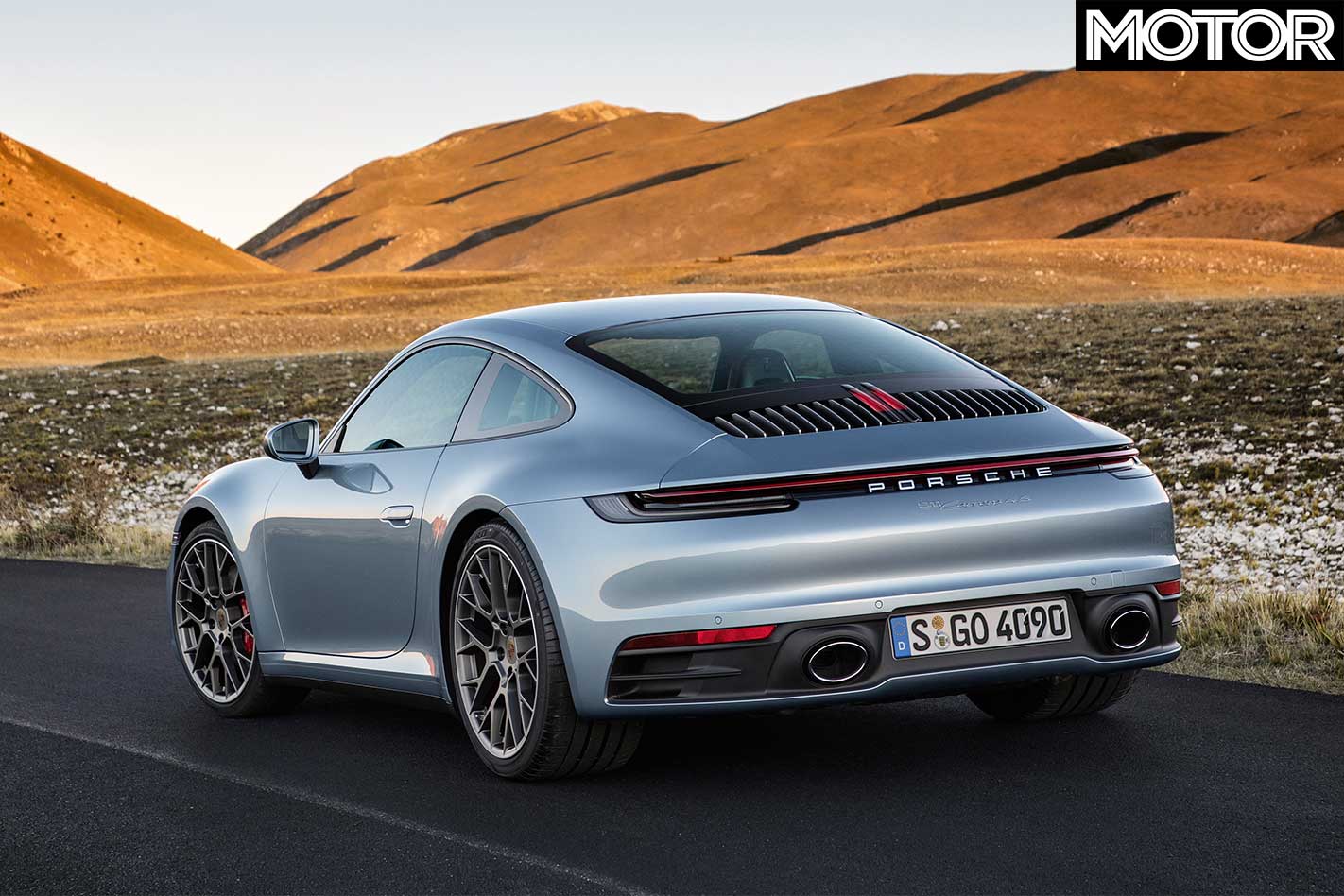
The standard dual-clutch now uses eight speeds, though a seven-speed manual will remain an option. Acceleration is improved, 0-100km/h takes 3.7sec for the rear-drive Carrera S with Sport Chrono, the all-wheel drive 4S another tenth faster.
The 992 update has mostly focused on bringing the 911 up to date in terms of technology, with a heavily revised interior and new driver assistance systems, which will be anathema to some 911 purists. Nonetheless, on past form it should still be utterly brilliant to drive. We’ll find out soon.
03 – McLaren 720S Spider
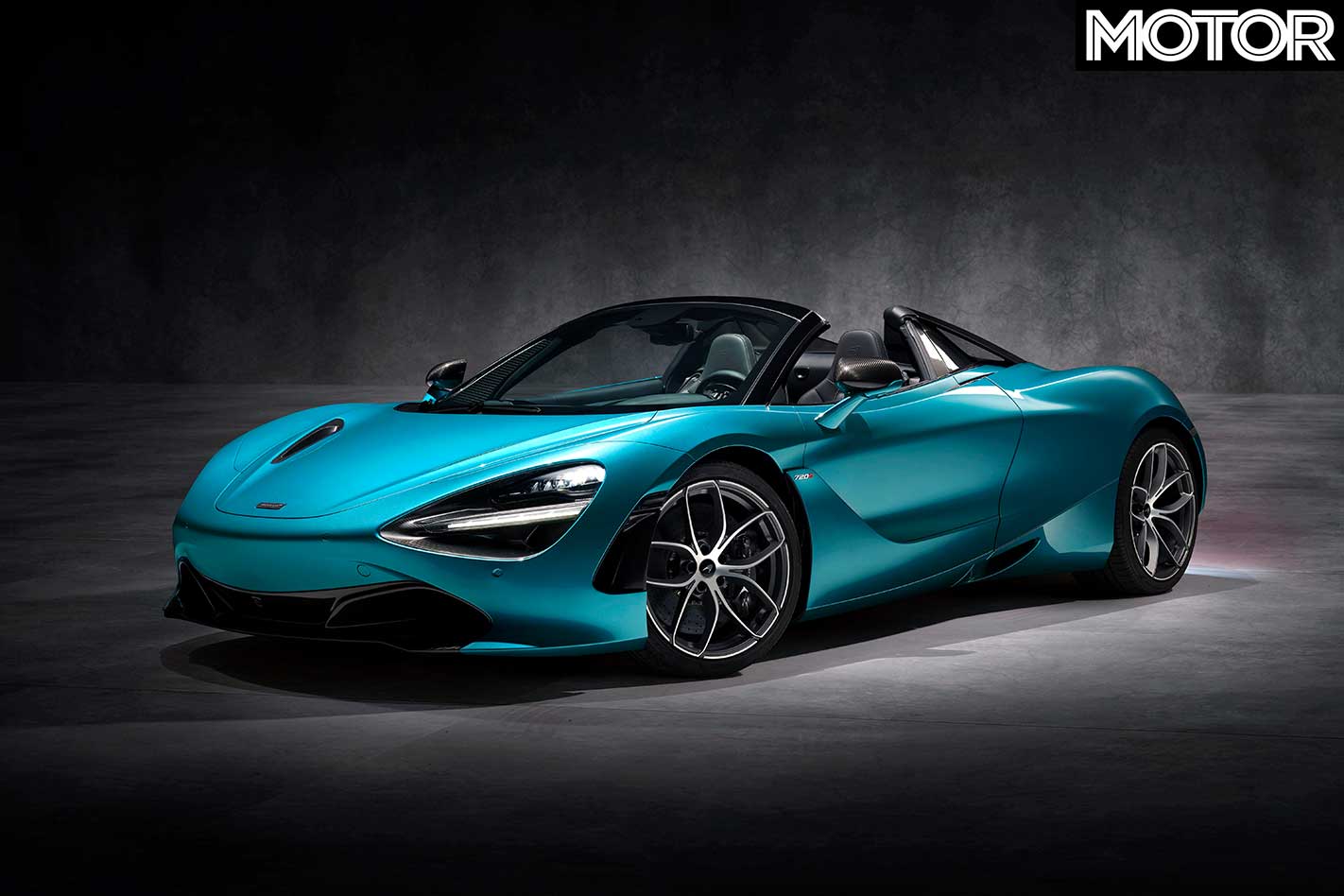
Launch Date: H2 2019 Spec: 530kW/770Nm Price: $550,000 (est)
Deleting the roof can have a surprisingly big effect on a car.
Being made from carbon, the McLaren 720S Spider should drive almost identically to its hardtop twin, for its weight gain is just 49kg, primarily down to the folding hardtop, and there’s little change in structural rigidity. The extra heft hasn’t affected its performance; 0-100km/h is claimed to still take just 2.9sec, with 200km/h flashing by just 5sec later.
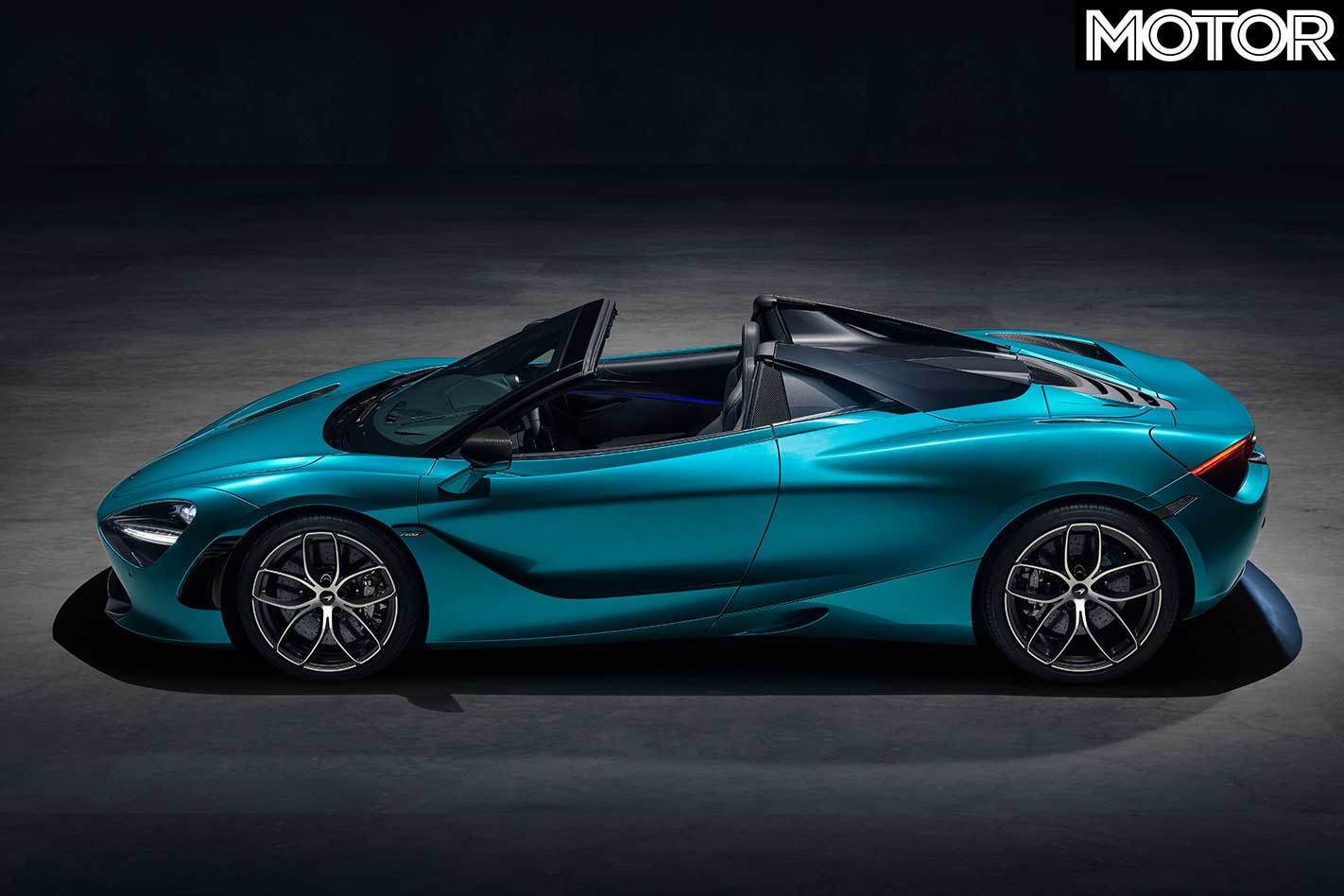
By any standards the 720S is ludicrously fast, especially with a 341km/h top speed, though that drops to a mere 325km/h with the roof down. However, the 720S could use a little more theatre, and the idea of having benchmark supercar performance with all the sights, sounds and smells of the outdoors flooding in is an appealing one.
It’ll land around mid-year costing about 10 per cent more than the coupe.
04 – Audi e-tron GT
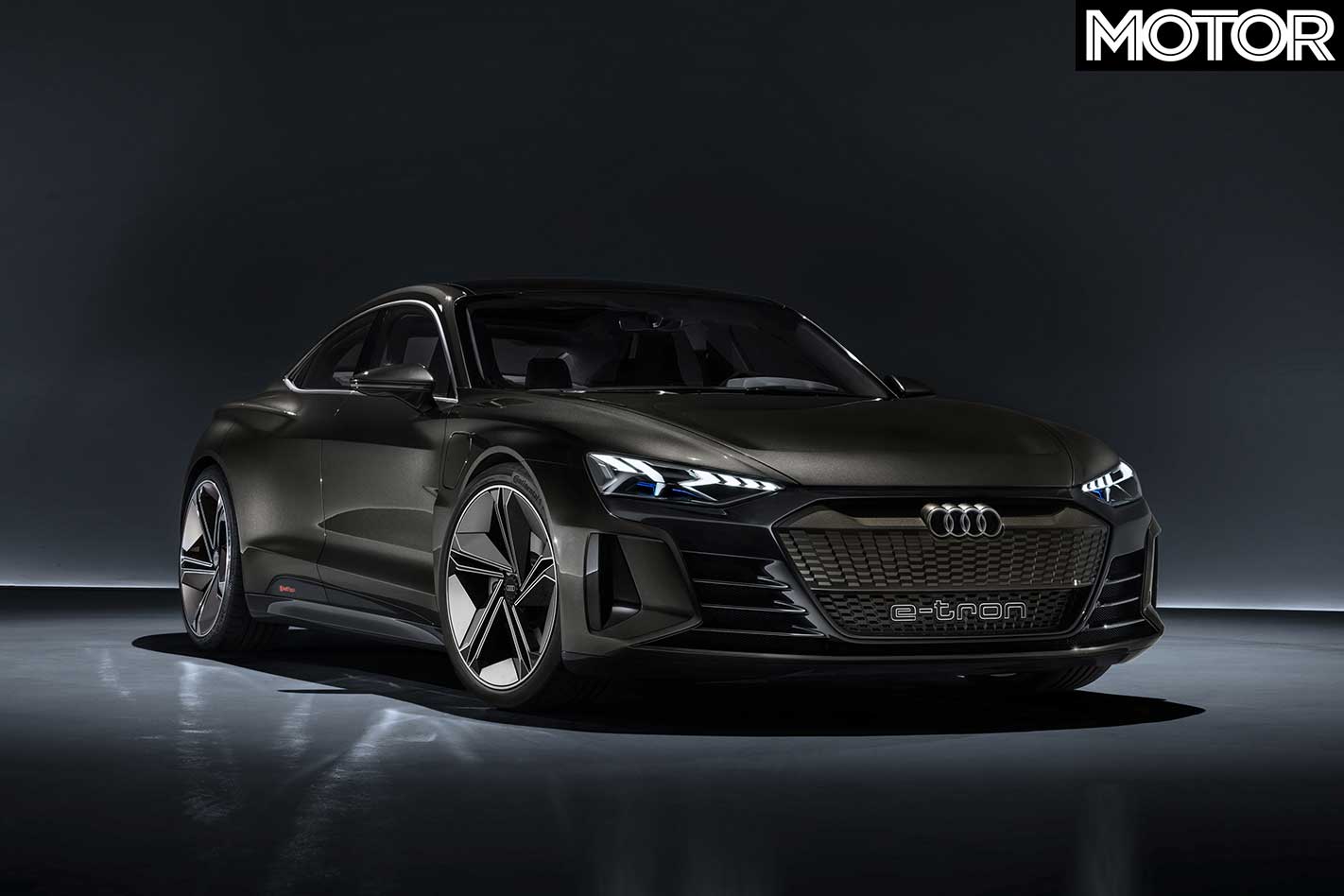
Launch Date: H2 2021 Spec: 434kW/0-100km/h in 3.5sec Price: $250,000 (est)
Look out, tesla. The US company has enjoyed a healthy head start when it comes to making electric vehicles, but it’s about to face an onslaught of competitors. Audi calls this e-tron GT a ‘Concept’ but it’s really a thinly disguised production car that shares its underpinnings with the forthcoming Porsche Taycan.
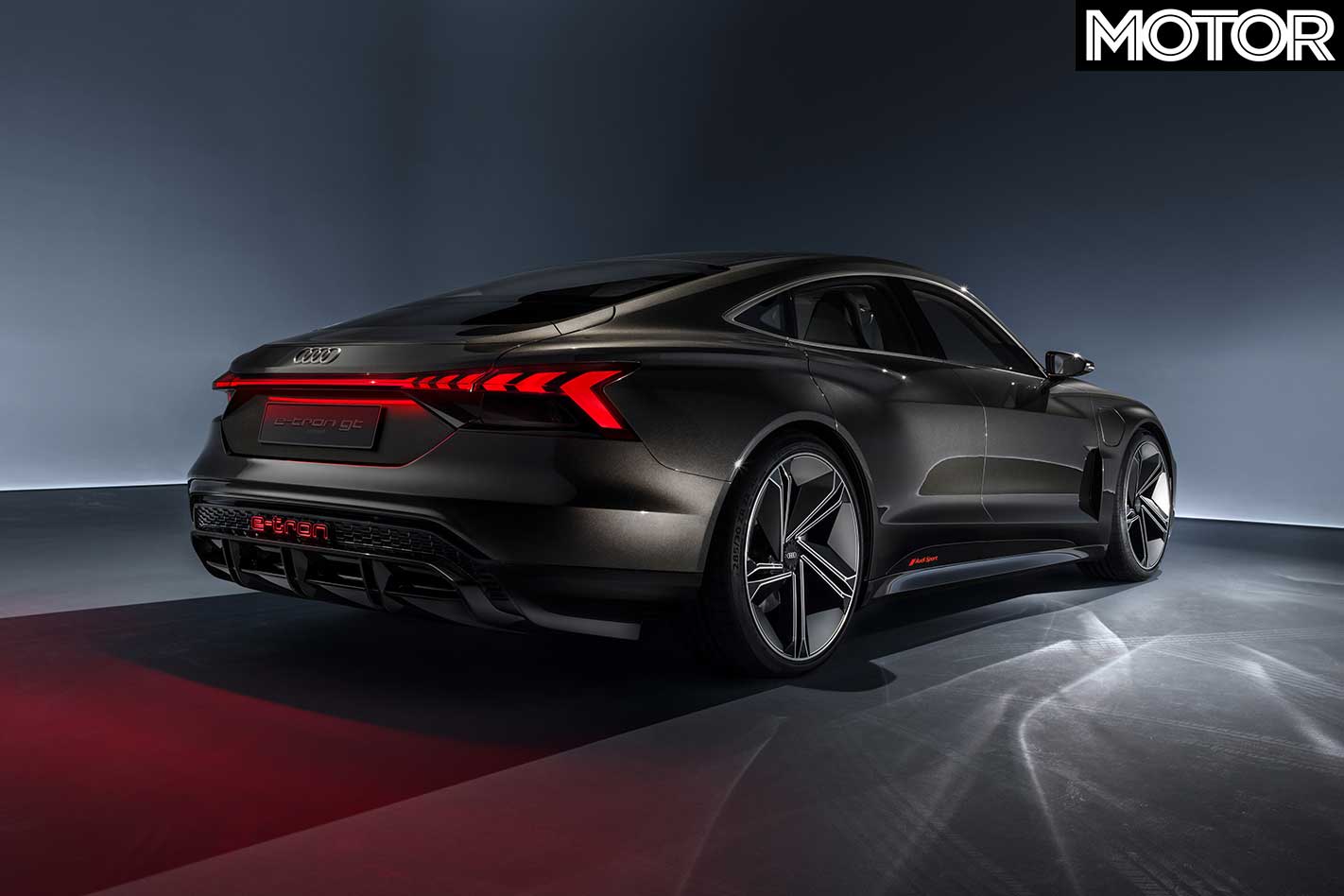
In its quickest guise, Audi claims the e-tron GT can bolt to 100km/h in just 3.5sec thanks to 434kW of electrical punch.
Cleverly, this new-age quattro is fitted with wireless charging. The car simply needs to be parked over the charging pad, which is connected to the power supply, and it can charge itself overnight. Alternatively, when plugged in to an 800V charger the battery can be replenished to 80 per cent in 20min.
05 – Mercedes-AMG One
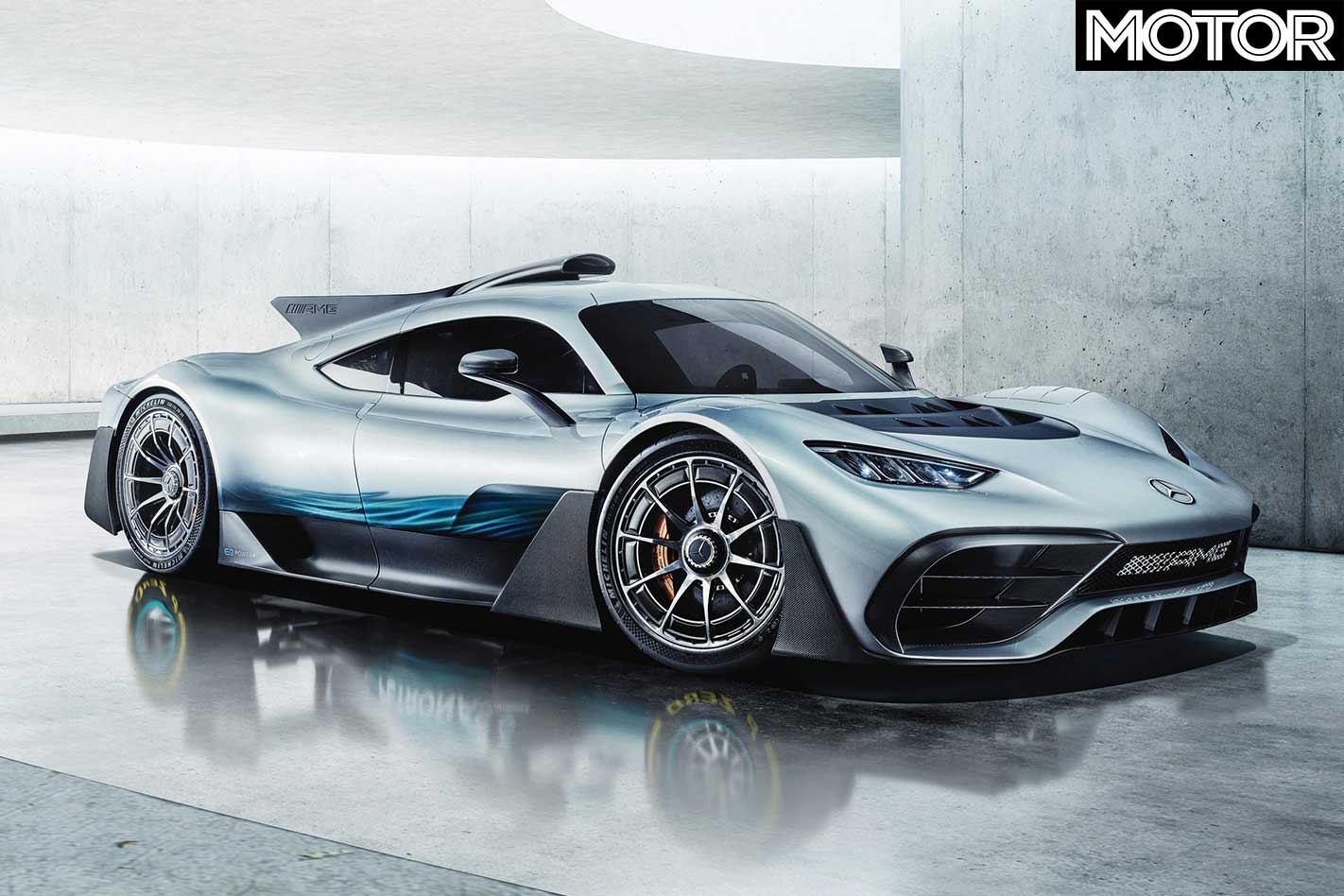
Launch Date: H2 2019 Spec: 750kW/0-200km/h in under 6sec Price: $3,800,000+
AMG’s Formula 1 race car for the road is scheduled to reach its first customers by the end of 2019. It’s packed with cutting-edge technology, with more than 1000bhp (746kW) promised from the combination of a 1.6-litre turbo V6 revving to 11,000rpm and four electric motors. All up, the numbers aren’t far from those of Lewis Hamilton’s car.
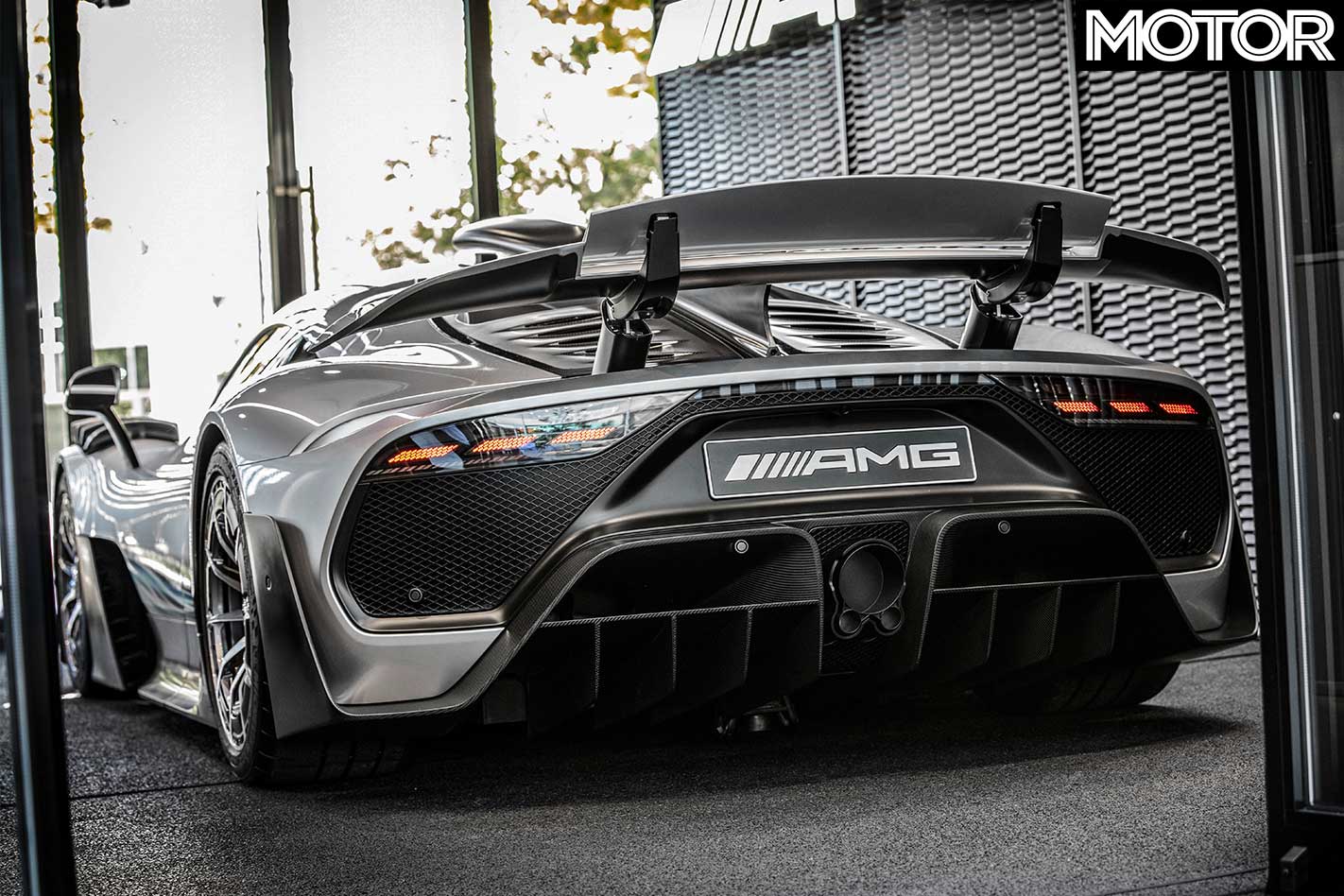
A lightweight frame comes thanks to extensive use of carbon fibre and, like in the Valkyrie, the engine is part of the One’s chassis structure. 200km/h arrives in less than six seconds, so it’s a brisk beast. The list of features we’ve yet to be clued in on is likely endless, but keep an eye out as its launch gets closer. One thing we’re quite sure isn’t included is a DRS function.
Seven Aussies have agreed to hand over $4 million for the privilege of owning one of the 275 planned cars.
06 – Porsche Taycan
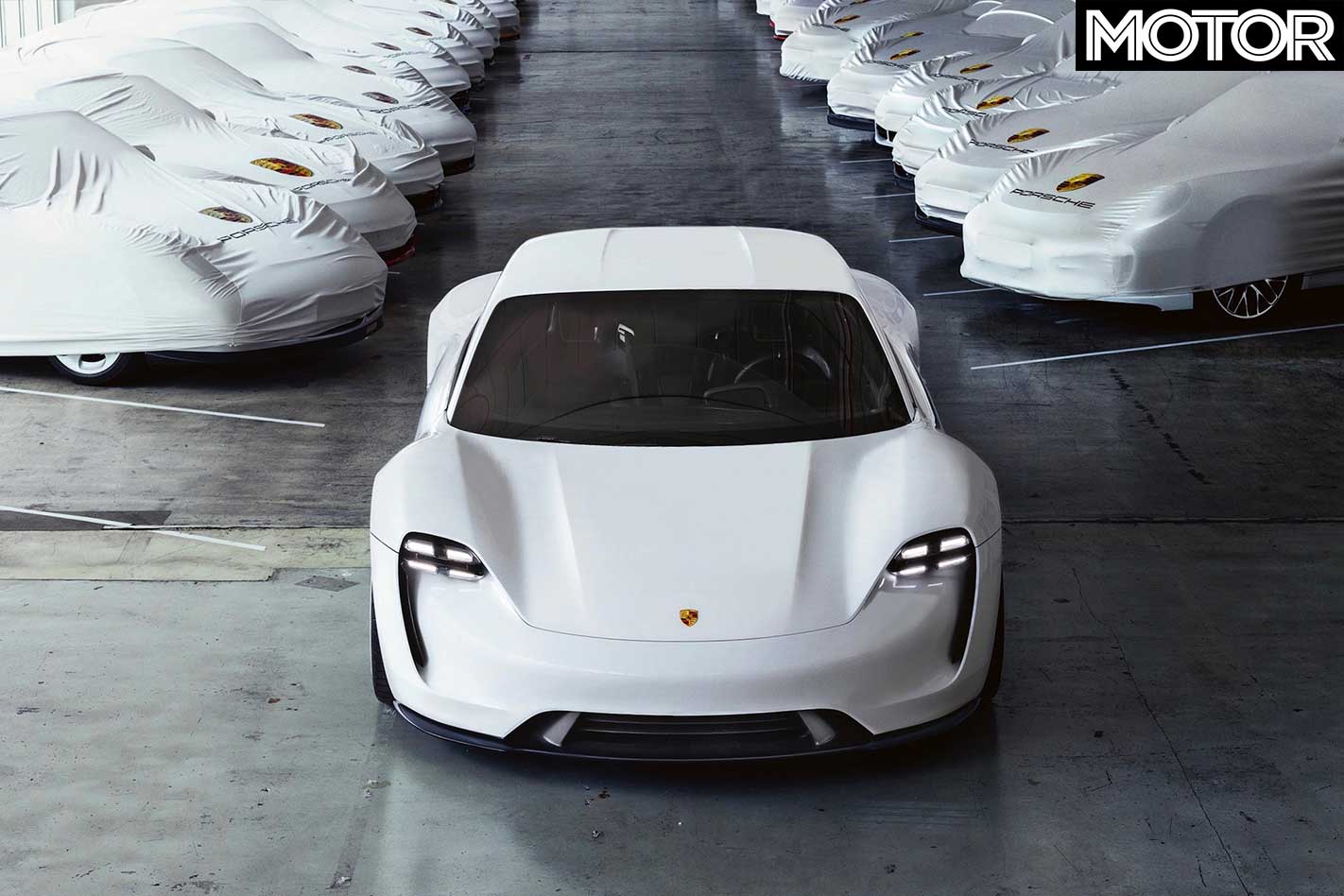
Launch Date: H1 2020 Spec: 445kW/0-100km/h in 3.5sec Price: $300,000 (est)
About a year before Audi’s e-tron GT arrives, the car it shares its platform with, the Porsche Taycan, should have touched down. A number of variants will be offered, the most powerful being all-wheel drive and producing more than 445kW for a 0-100km/h time of less than 3.5sec.
Porsche is on the record as stating Taycans should cost somewhere between a Cayenne and a Panamera, but the bigger question is, where are owners going to find an 800V charging station?
07 – Polestar 1
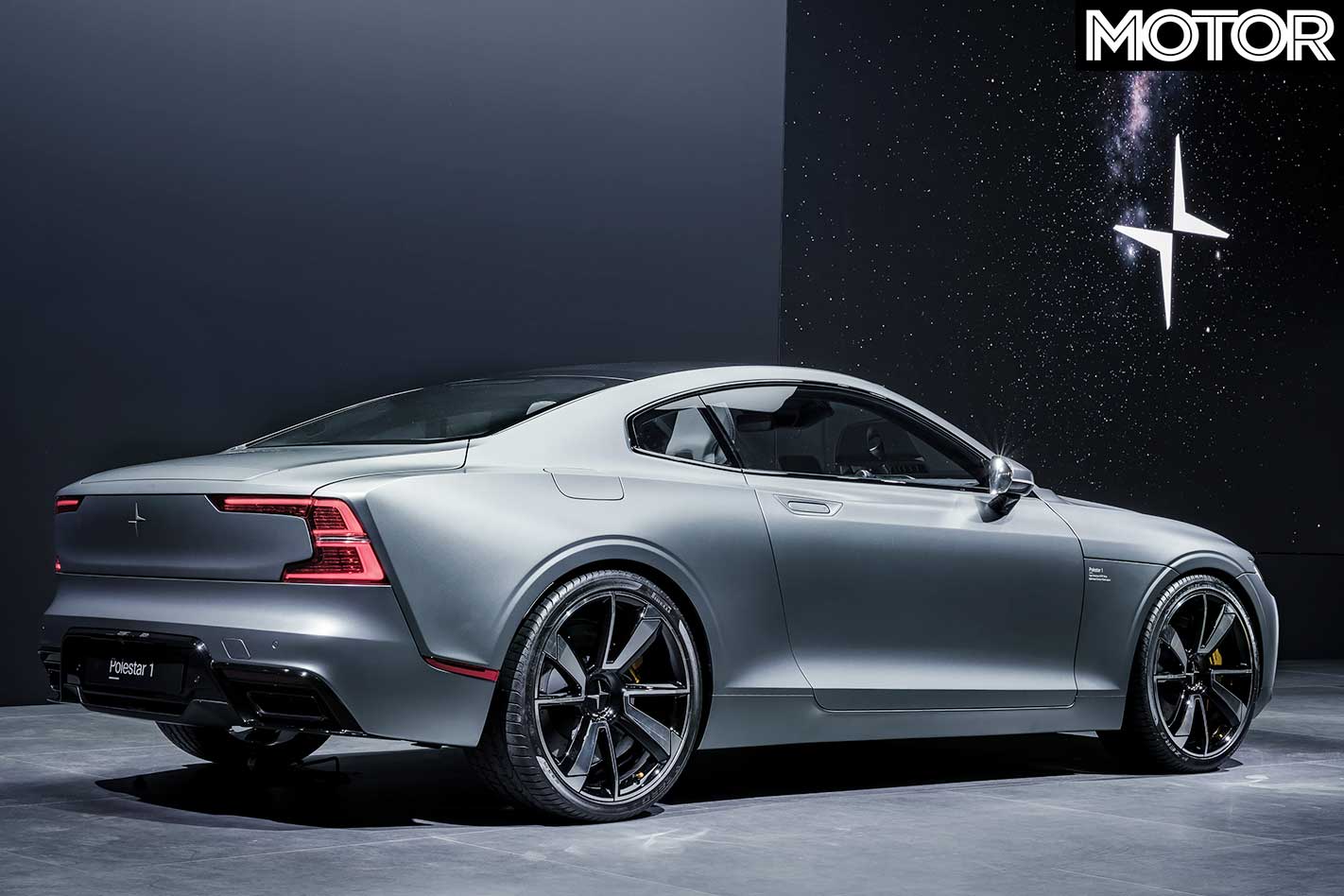
Launch Date: Q1 2019 Spec: 441kW/1000Nm Price: $250,000 (est)
Sadly, the Polestar 1 won’t be coming to Oz. Just 1500 will be built, all in left-hand drive, and delivered to just 18 markets globally.
Even so, it promises to be one of 2019’s most interesting performance cars, with a 2.0-litre twin-charge four-cylinder engine boosted by 220kW/630Nm of electrical assistance for a total of 441kW/1000Nm and (presumably) jet-like acceleration.
08 – Genesis G70
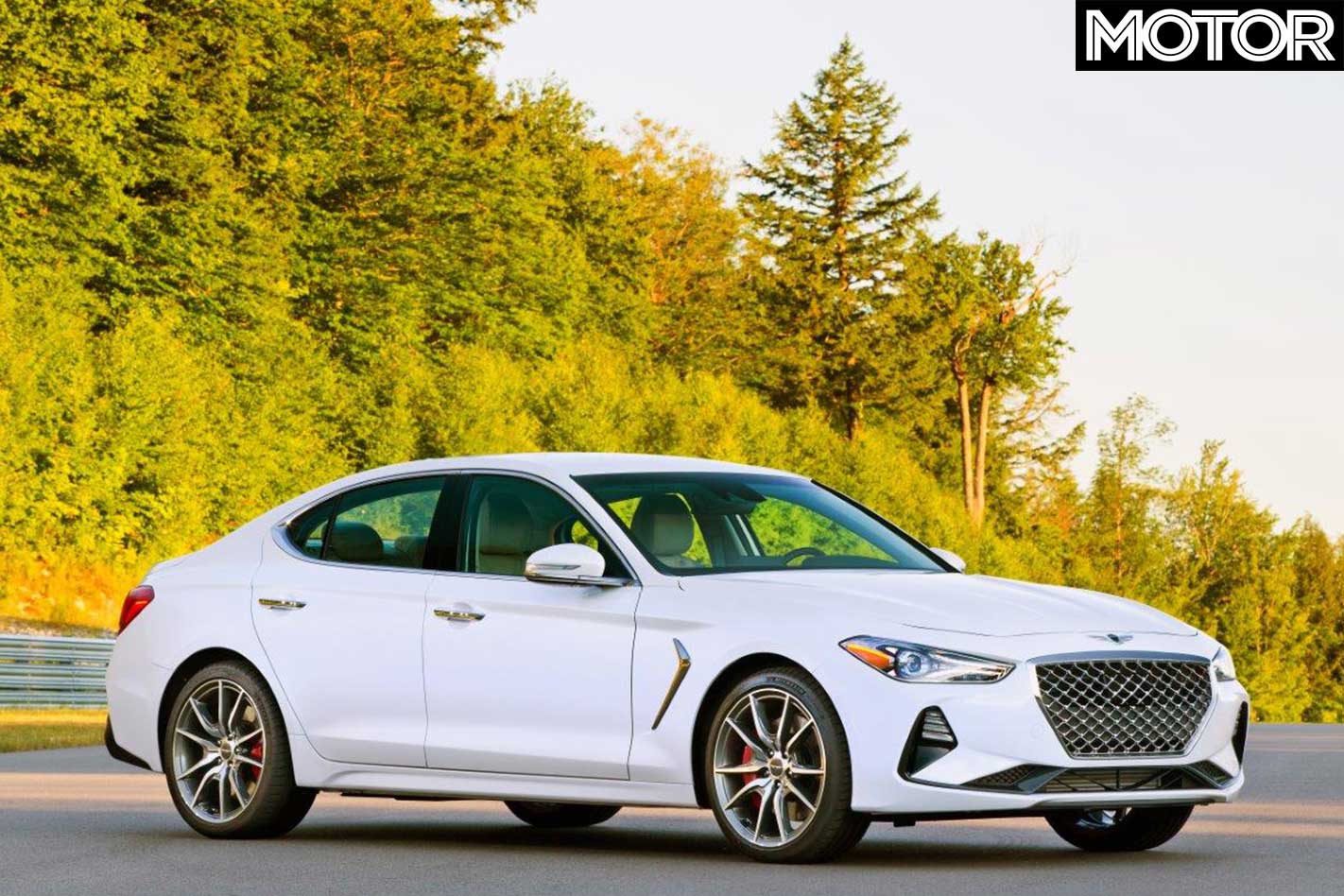
Launch Date: Q1 2019 Spec: 272kW/510Nm Price: $65,000 (est)
Whispers are that the Genesis G70 is a more entertaining, more resolved Kia Stinger, which suggests we will like it very much. Trouble is, Hyundai is taking forever to figure out its new retail sales method – hurry up!
09 – Mercedes-AMG GT R Pro
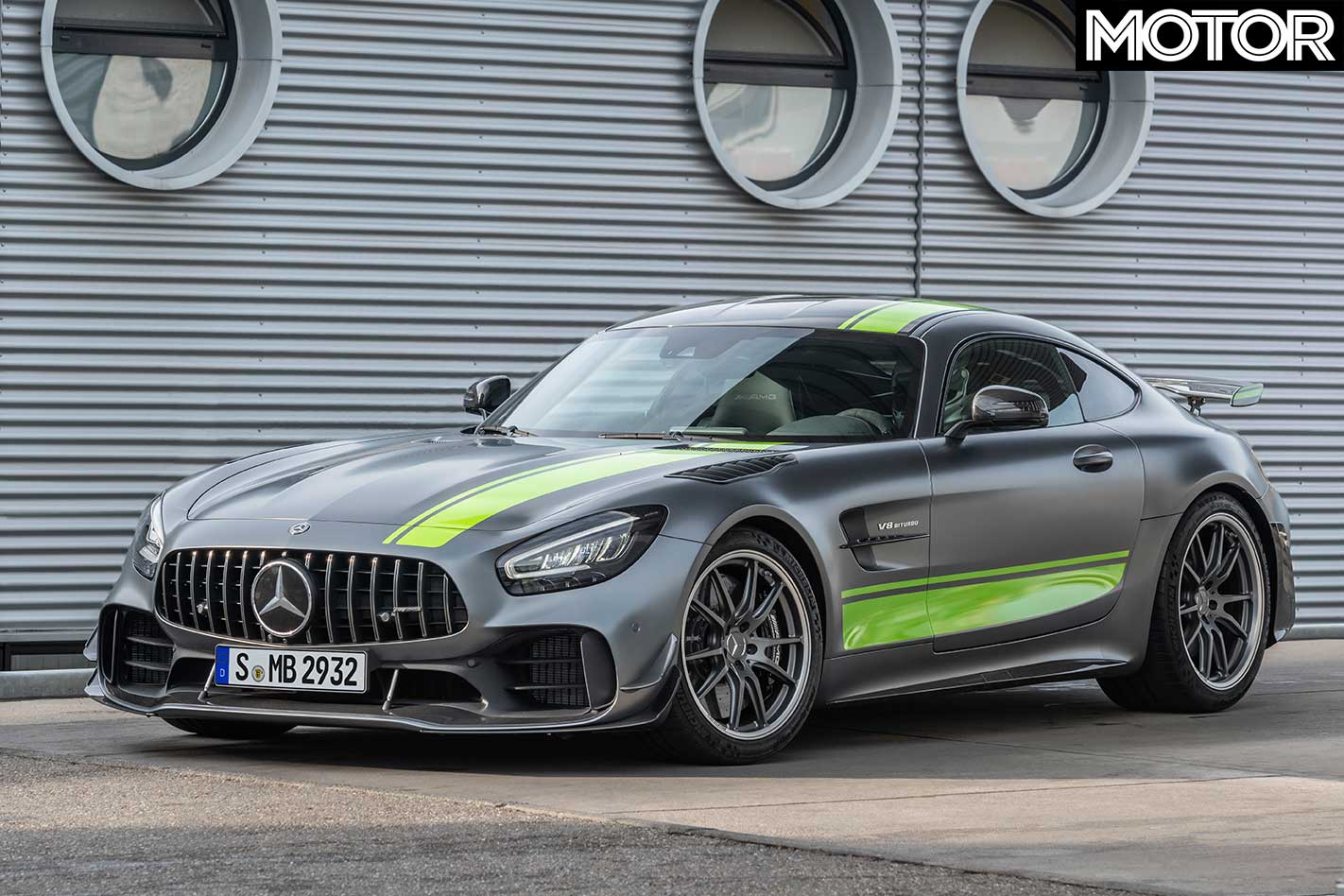
Launch Date: Q2 2019 Spec: 430kW/700Nm Price: $380,000 (est)
If the AMG GT R isn’t hard enough for you, try the ‘Pro’ on for size. Lighter and with more aero and suspension adjustability, this monster is currently under evaluation for Australia. Should be a no-brainer, we reckon.
10 – Ford Fiesta ST
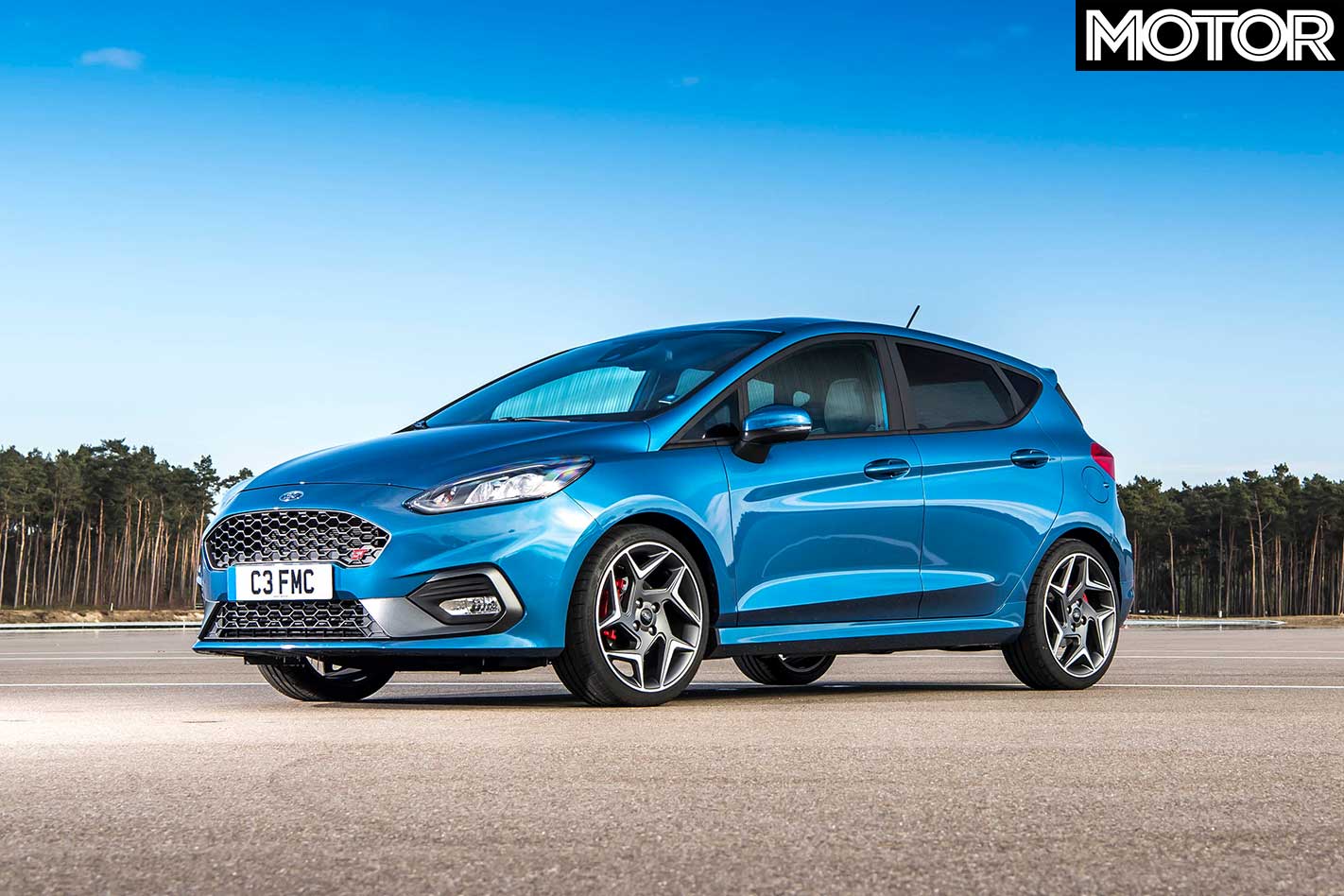
Launch Date: Q2 2019 Spec: 147kW/290Nm Price: $30,000 (est)
One of 2019’s cheapest performance cars may also be one of the best. Sadly, Ford’s Fiesta ST has been delayed over spec issues, but we can’t wait to sample its three-cylinder magic and playful handling.
PORSCHE has taken the wraps off its open-top 992-generation 911, with the manufacturer revealing the new Cabriolet six weeks after its hard-top counterpart debuted at the 2018 Los Angeles Auto show.
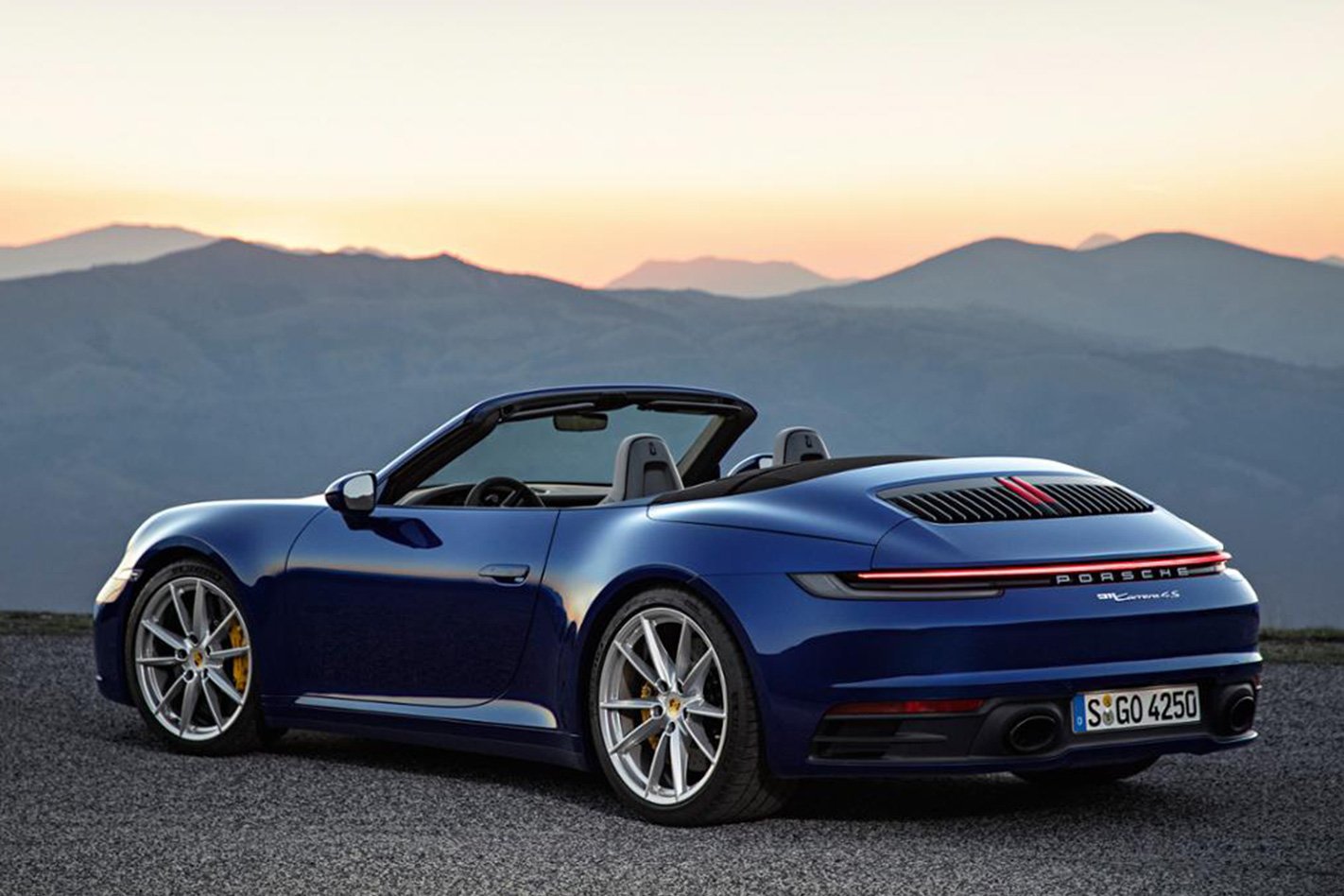
Echoing many of the styling cues found on the new Coupe, like the full-width rear tail light bar, wider body and LED headlights, the Cabriolet adds a fully-automatic retractable soft-top which will open in 12 seconds at speeds of up to 50km/h. An electrically extendable wind deflector also pops up to aid cabin ambience with the roof down.
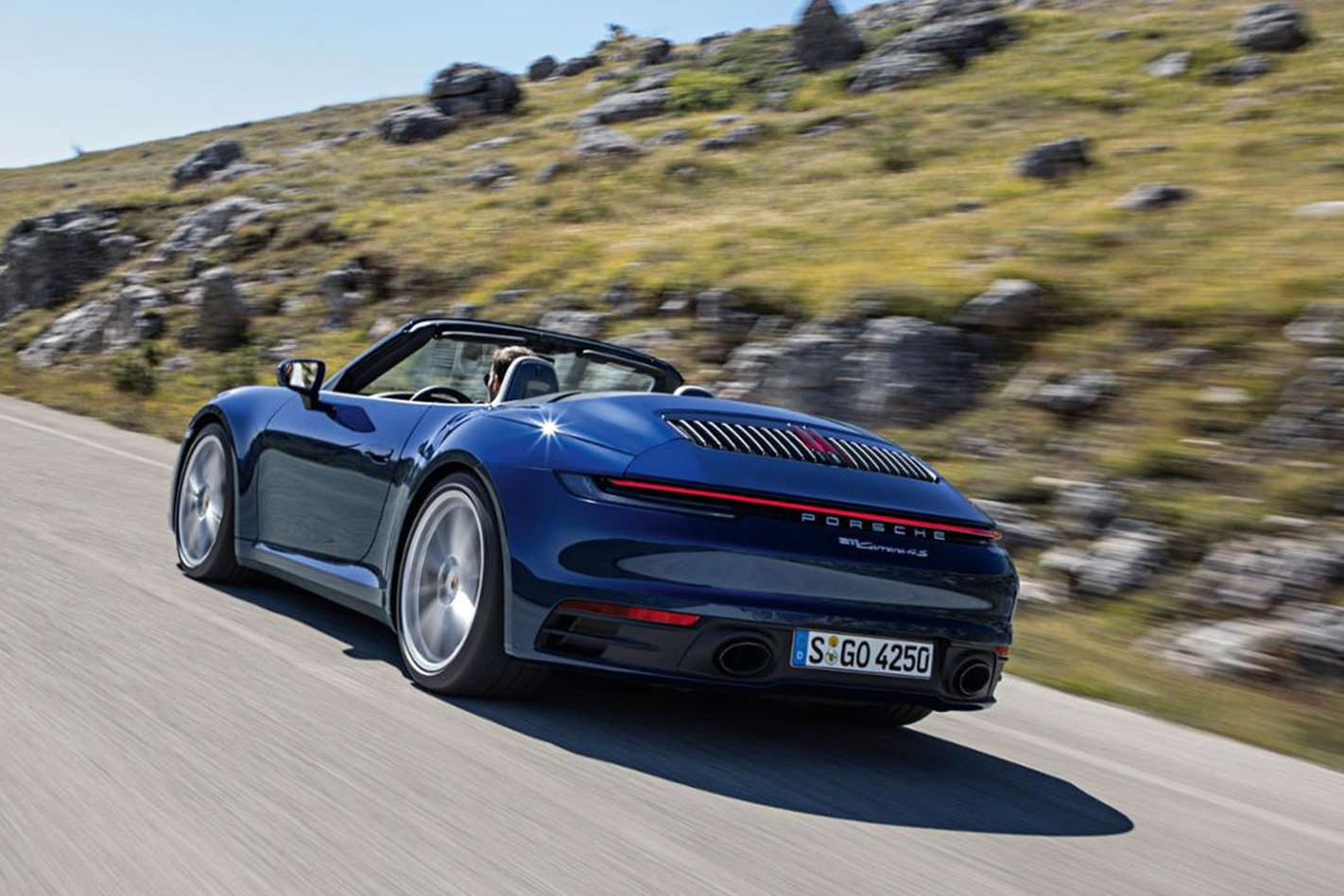
Like the Coupe, the only variants that are mentioned so far are the rear-wheel drive Carrera S and all-wheel drive Carrera 4S, with others to follow later this year. Both employ a turbocharged 3.0-litre six-cylinder engine that produces 331kW at 6500rpm and 530Nm of torque between 2300-5000rpm.
Owing to the addition of the folding roof mechanism, the Cabriolet is 0.2 seconds slower to hit 100km/h than the equivalent Coupe, with the run taking a still-brisk 3.9 seconds. A new eight-speed dual-clutch transmission is on offer for the 992-generation 911, and although there is no mention yet of a manual offering, we can expect to see a 7-speed self-shifter at some point.
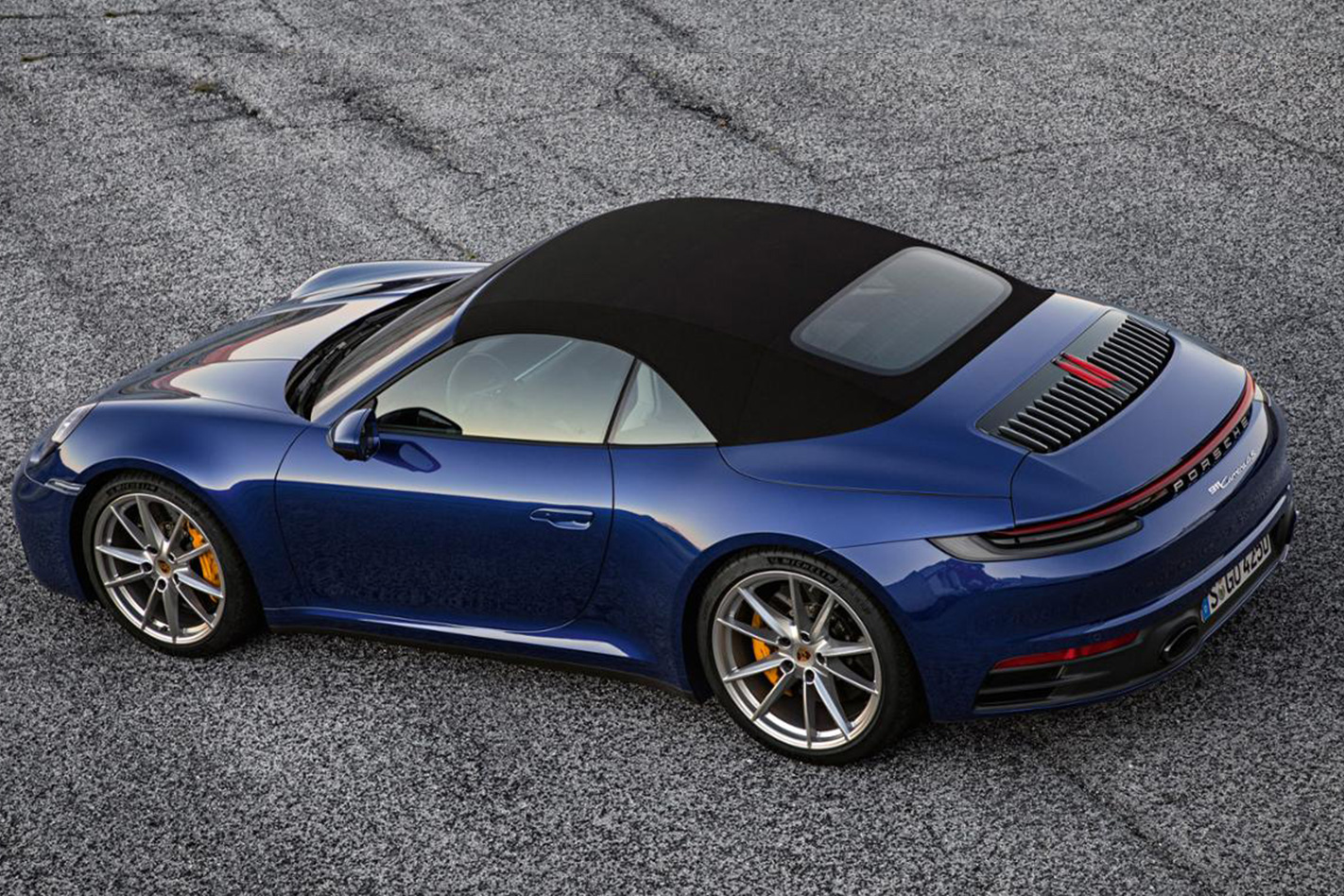
Another new debut for the 911 Cabriolet is Porsche’s optional Porsche Active Suspension Management (PASM) which was previously only on offer for hard-tops. A drop in ride height of ten millimetres combines with shorter and stiffer springs, more rigid front and rear anti-roll bars and an adjustable damping system to give the chassis a sportier tune.
Complementing the full-width rear light bar is an equally-wide active rear spoiler which gives the Cabriolet’s humpback more purpose. Another design element which has been reintroduced is the indented bonnet lines which hark back to the original 911’s.
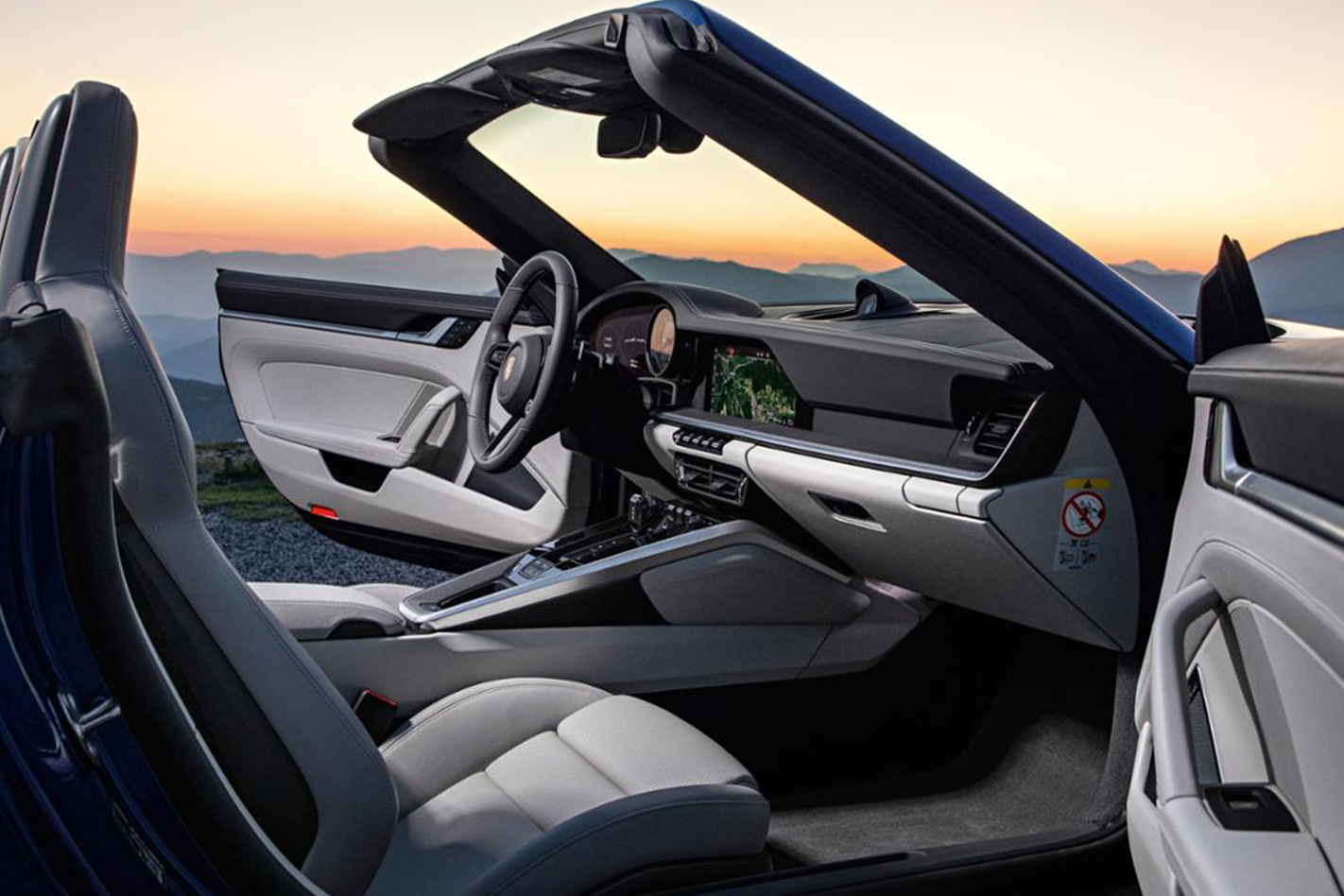
Stepping inside you’ll find a stand-out 10.9-inch centre display which integrates with a newly-designed centre console.
Porsche’s previous PDK gear shifter has been shelved in favour of a stout toggle which is flanked by touch-sensitive glass panels for different driving settings. The tachometer remains central in the instrument cluster, with digital displays showing driving information on either side.
The 911 Cabriolet will arrive in Australia later this year following deliveries of its Coupe-counterpart.
BY most accepted measures, 2018 was one heck of a year. Bumper new car sales, first drives of some mouthwatering gear like the RS versions of the 911 GT2 and GT3, the McLaren 600LT, Lamborghini’s Aventador SVJ and Ferrari’s 488 Pista. Toyota came good with the new Corolla, Holden finally glimpsed some light at the end of the tunnel with encouraging Acadia sales, HSV brought us the fantastic Camaro, Alpine revived itself with the delightful A110 and we had a whole onslaught of new plug-in hybrids.
What’s perhaps most interesting, however, are the things we didn’t see coming. Here’s our top ten.
1. The Ranger Raptor proved that 65kw/tonne could be fun
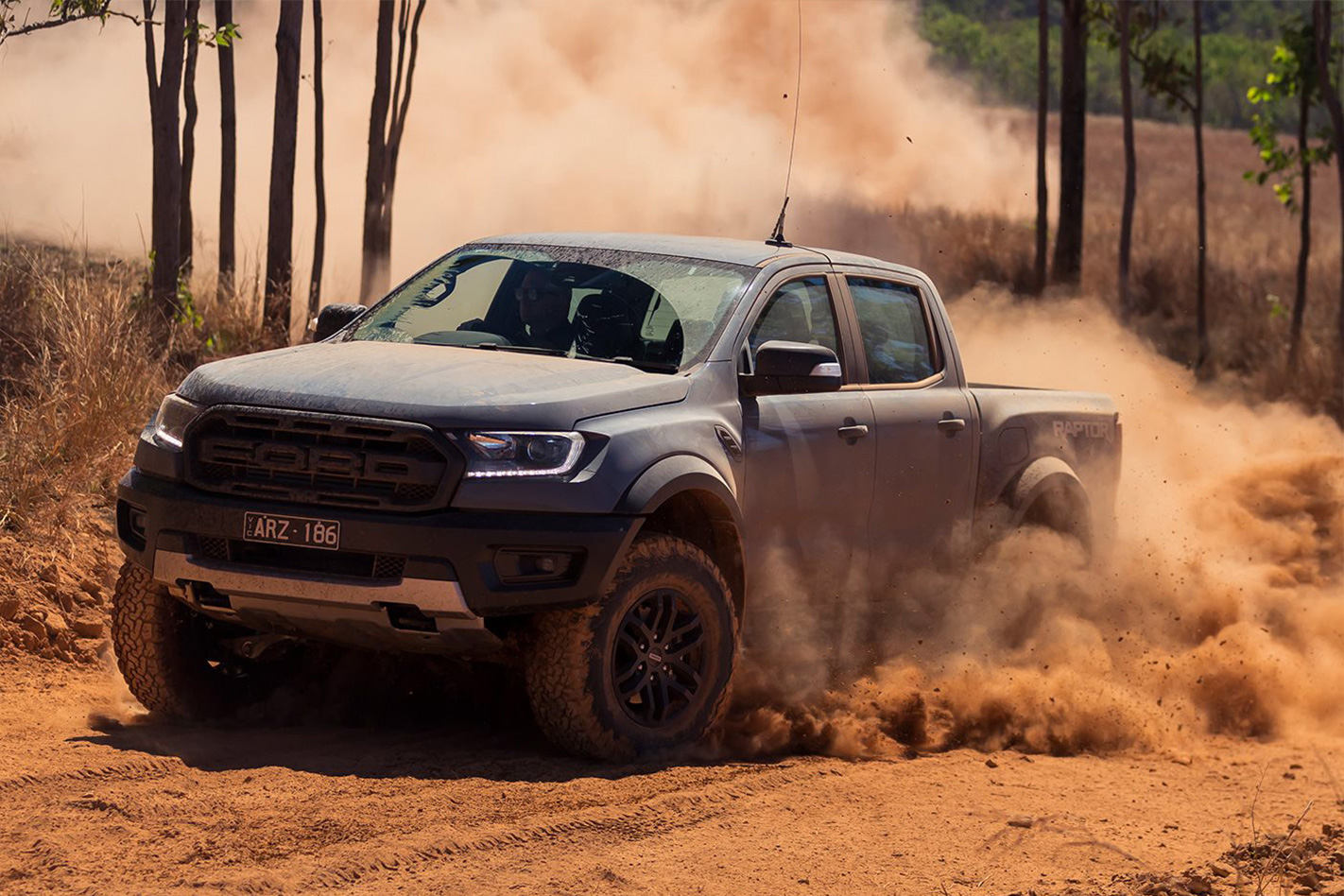
Yep. You read that right. The flagship of Ford Performance’s range in Australia generates a feebler power to weight ratio than an entry level Kia Picanto, a Land Cruiser 70 Series or a 2.4-litre atmo Hyundai Santa Fe. This merely goes to show that outright grunt is only marginally correlated to enjoyment because the Raptor might just have been the most fun car we tested last year. Okay, it needs some specific terrain to really shine, but doing jumps and 100km/h dirt drifts never really gets old.
2. Carlos Ghosn got a big reality check

You know how it works. The further up the greasy pole executives clamber, the more layers of insulation they build beneath them and then they arrive at that point where the regulations and social mores that most of us observe can become a fuzzy construct. Carlos Ghosn is but the latest senior car industry executive to spend time behind bars and while the case is ongoing and Mr Ghosn is stridently proclaiming his innocence, the welcome takeout from this affair and the rumbling Dieselgate fallout is that nobody’s untouchable.
3. Aussie car manufacturing isn’t dead
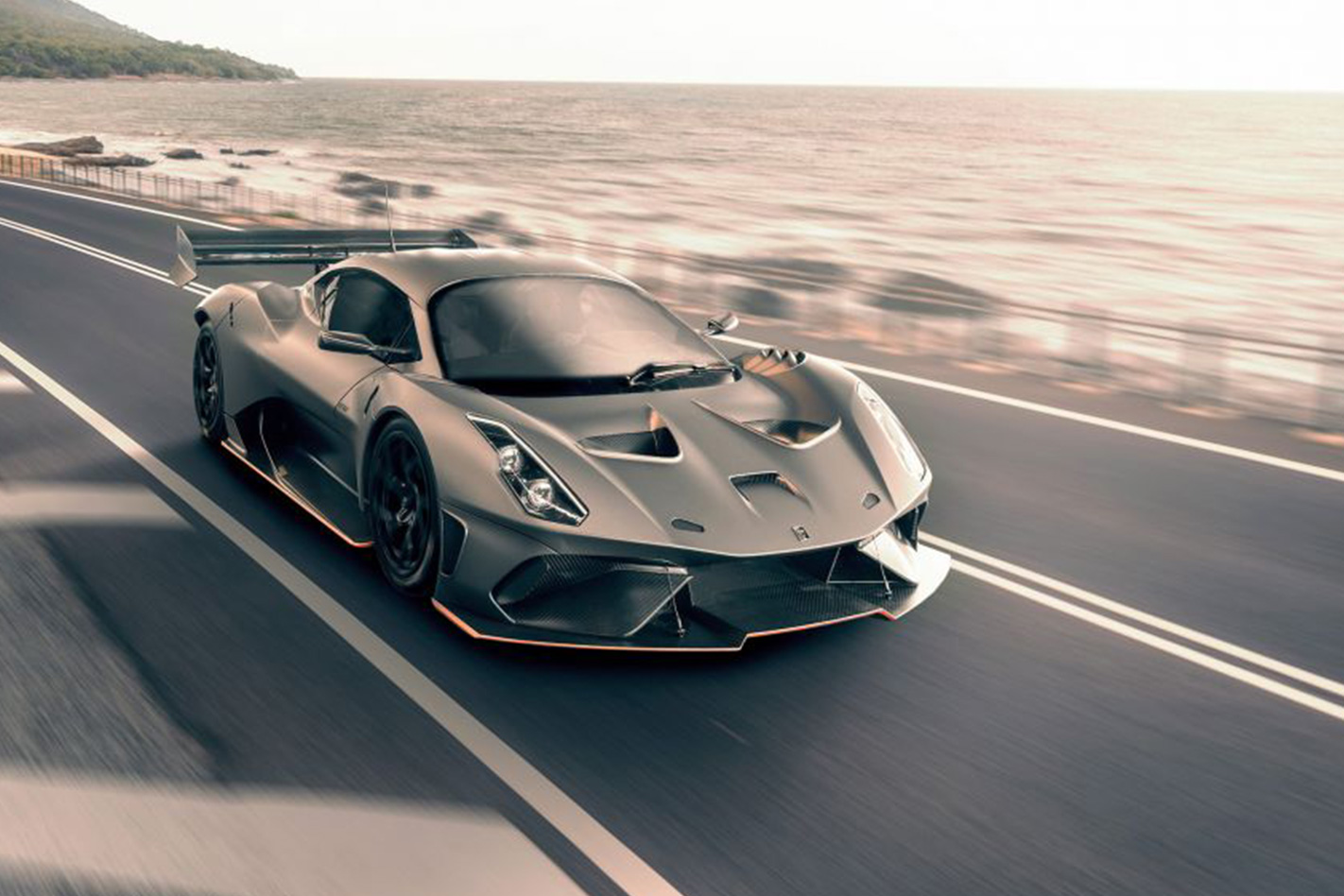
True, it’s not exactly in the rudest of health, but Brabham surprised us all in April of this year by revealing that its BT62 hypercar would be built in Adelaide. Since then, it’s gone on to develop a $200k road legalisation package for the $1.82m 522kW rocketship that makes it one of the very fastest road-legal cars available. Some idea as to how quick the BT62 is comes with an outright lap record of Phillip Island in testing, eclipsing the 18-year old 1:24.22 of Simon Wills in a Formula Holden. The V8 Supercars record is a yawning 1:32.21. Although Brabham’s only set to build 70 examples of the BT62, another Aussie company, Carbon Revolution based in Waurn Ponds is going from strength to strength, supplying carbon composite wheels to manufacturers such as Ford and Ferrari. A $100m expansion program is underway, with 500 workers added to the payroll and manufacturing facility expanded from 3000 to 7000 square metres.
4. The Jeep Grand Cherokee Trackhawk isn’t terrible
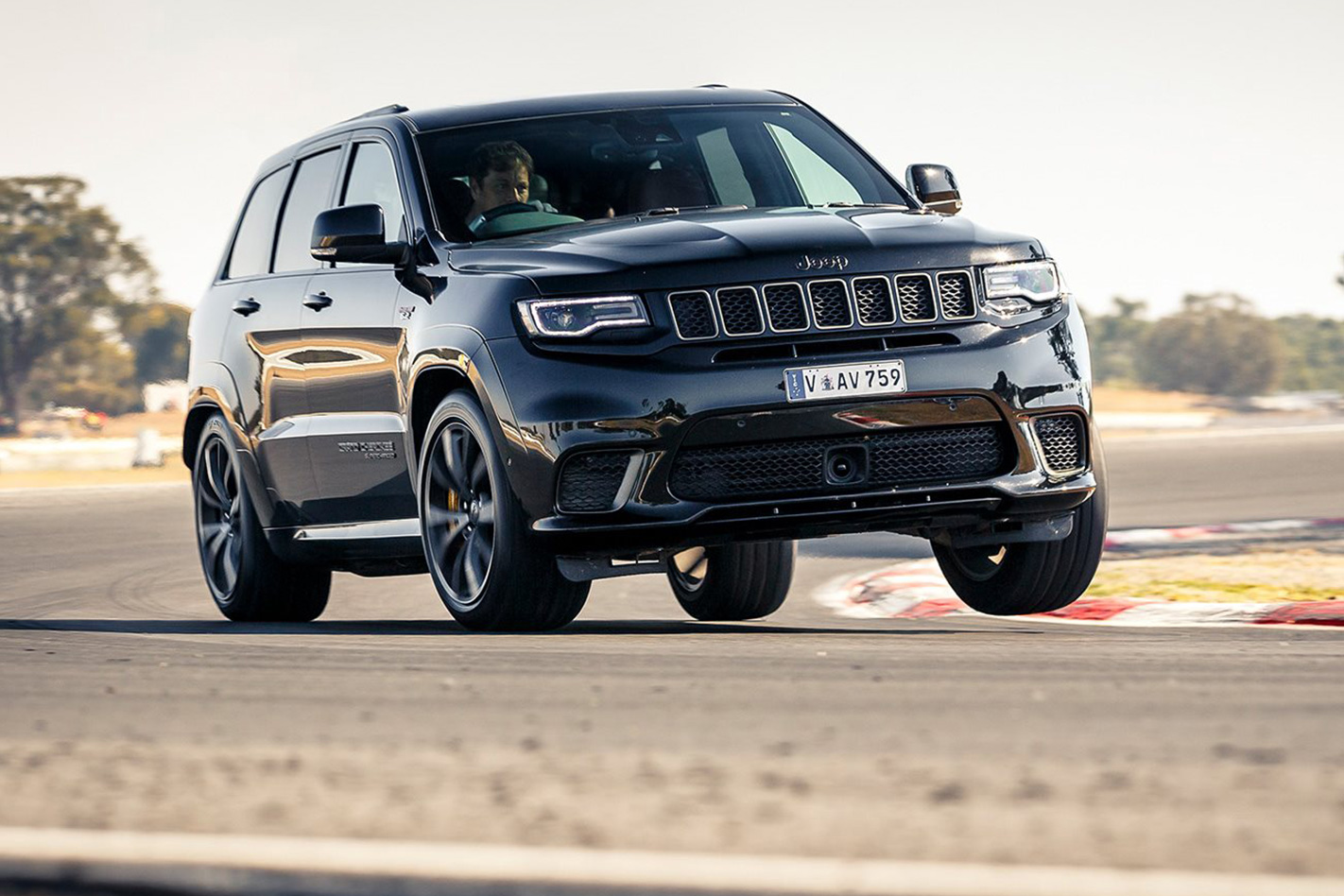
Whoever had the idea of planting a 522kW V8 into the front of a Jeep Grand Cherokee needs a pay rise. We all thought it would be dreadful but the gloriously deranged Trackhawk is one of those cars that will have you laughing like an idiot every time you plant the loud pedal. Unless you’re paying for the fuel, that is. We recorded 47L/100km at Winton, but if you can be a little more measured in your approach, it’s hard to beat the big-hearted Jeep in terms of bang for your buck. At $134,900 it generates more grunt than a $645k Porsche 911 GT2 RS and sounds better to boot.
5. Australia has a big say at GM
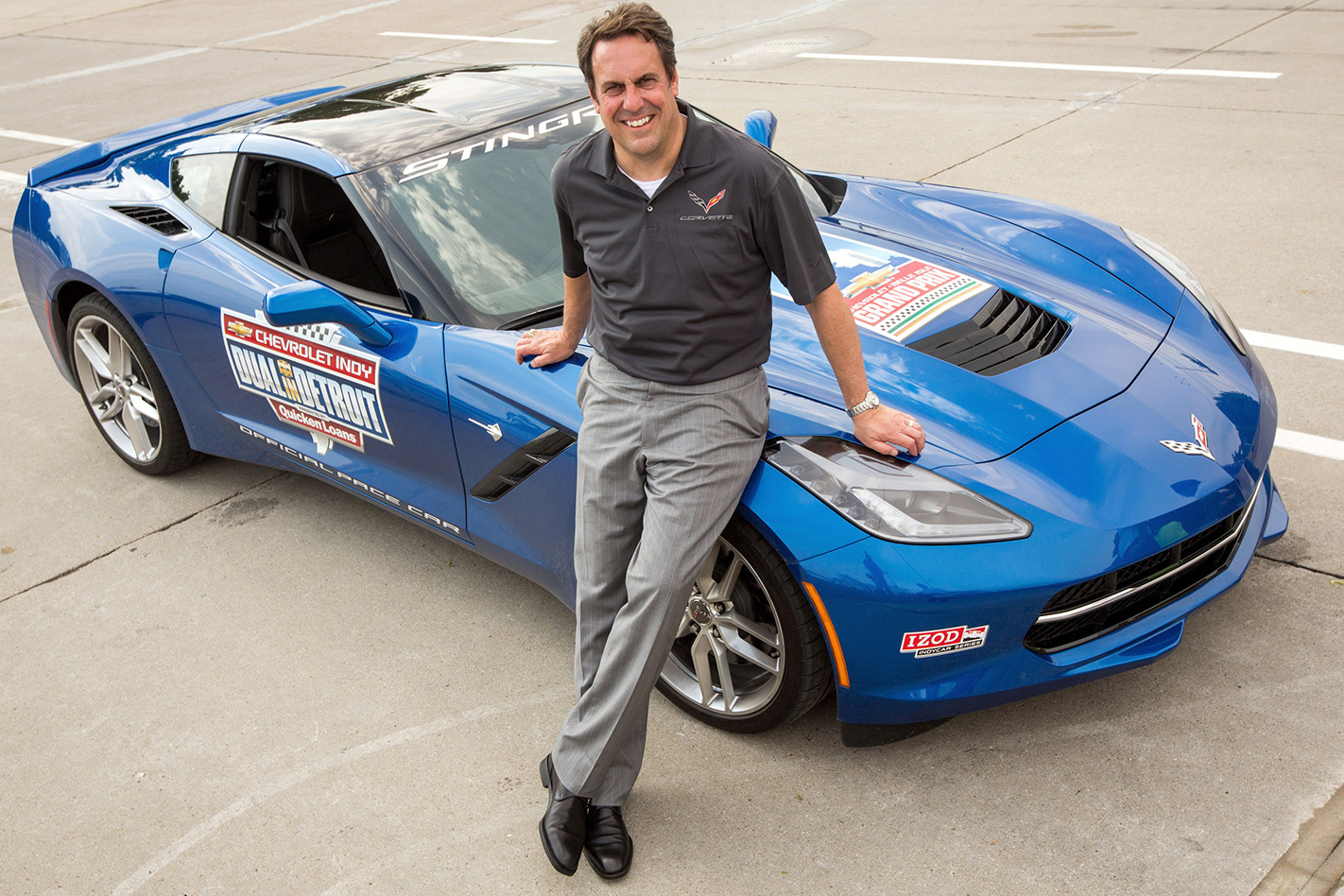
The appointment of former Holden boss Mark Reuss to president of General Motors was announced just after the New Year, but it’s indicative of a growing trend within the organisation to look after some stellar Aussie talent and, post-closure of local manufacturing, to assign new value to its Australian infrastructure. With talents like Mike Simcoe heading up GM’s design and Richard Ferlazzo’s design studio in Melbourne now employing 150 staff working flat-out on new concepts for Chevrolet, Buick, Cadillac and GMC, Australia punches above its weight in Detroit. What’s more, with ex-Holden men in these key positions, the direction of the future Holden portfolio looks to be in good hands.
6. Hyundai can build a top drawer hot hatch
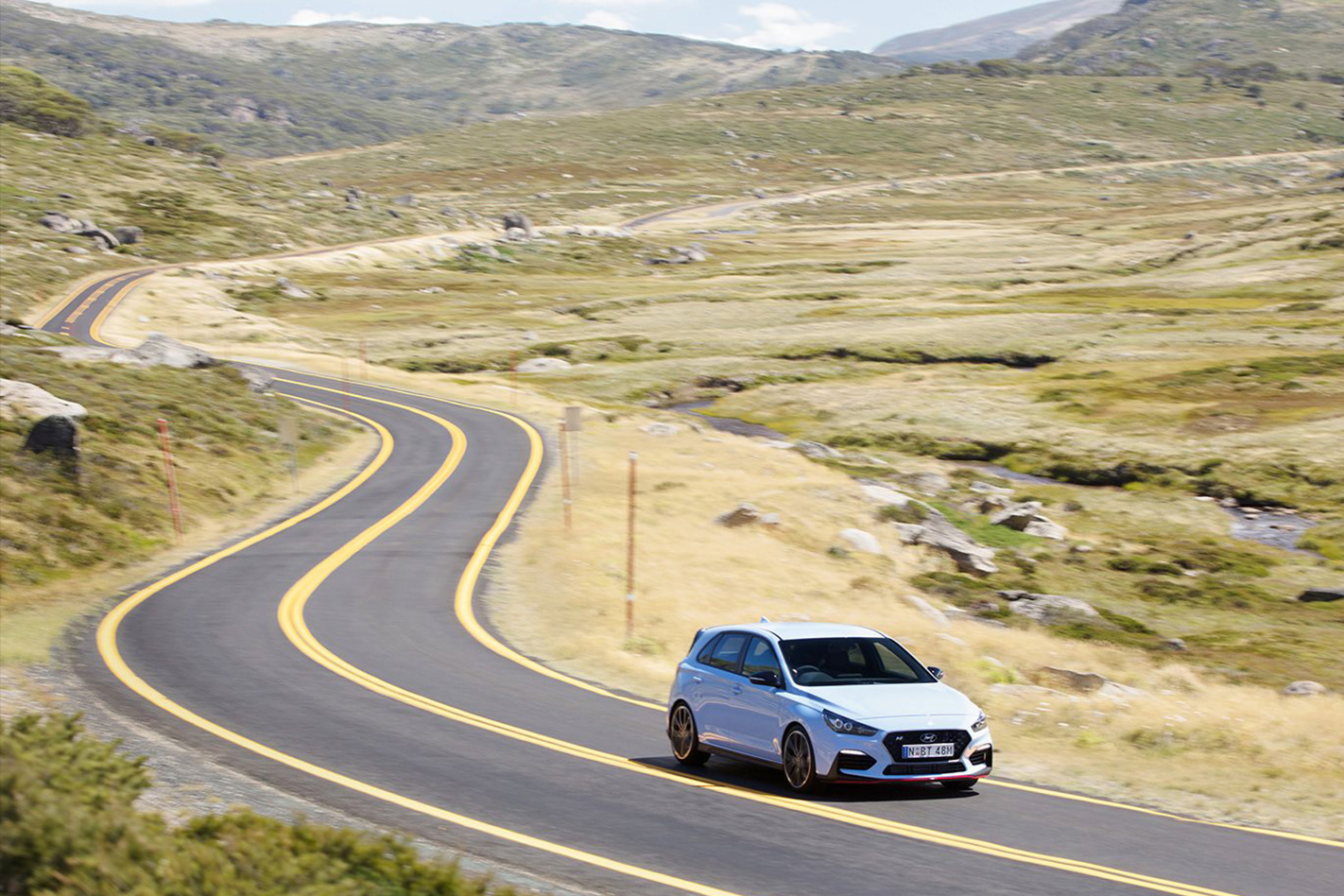
Can we talk about the Hyundai i30N? More specifically, can we talk about how terrible Hyundai performance models were before this car arrived? Let’s face it, they were nowhere. Hopeless. Proper damning with the faintest of praise awful. Then Albert Biermann arrived from BMW’s M division and out popped the i30N, a car that went straight to the top of the class. Now we can go back and forth on whether the i30N, the Golf R Grid or the Civic Type R is the best of the current crop of hot hatches and all three have a strong shout, but the fact that one is $8-10K cheaper than the other two pretty much seals the decision for us. That, and the fact that the Hyundai was quickest around Haunted Hills in our April edition shootout. We’d call that a slam dunk.
7. Premium manufacturers aren’t being shamed into offering longer warranties yet
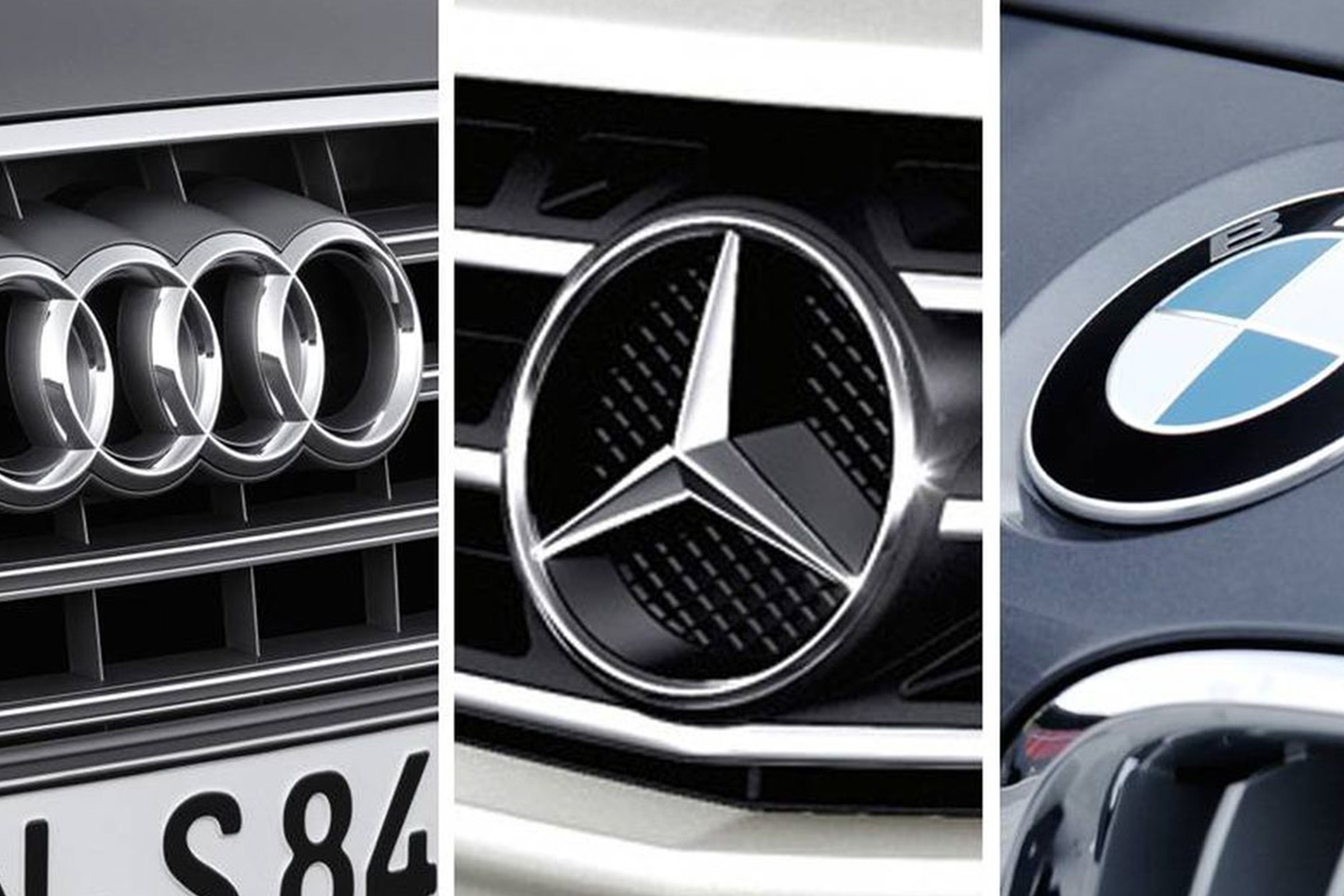
The trickle became a bit of a rush. With the Korean manufacturers long being the adherents for warranties longer than the three-year norm, it was only a matter of time before other car makers extended their warranties. We now see Citroen, Ford, Haval, Honda, Isuzu, Mazda, Mitsubishi, Peugeot, Proton, Renault, Skoda and Volkswagen all offering five-year warranties. Infiniti, Lexus and Rolls-Royce offer four-year deals, MG either six or seven, SsangYong a seven-year warranty and Tesla shaming everyone else with an eight-year deal. Toyota only budged in the first days of 2019. What’s most illuminating is how blithe many of the German premium brands are that a three-year arrangement is still sustainable.
8. The McLaren 720S is a psychopath
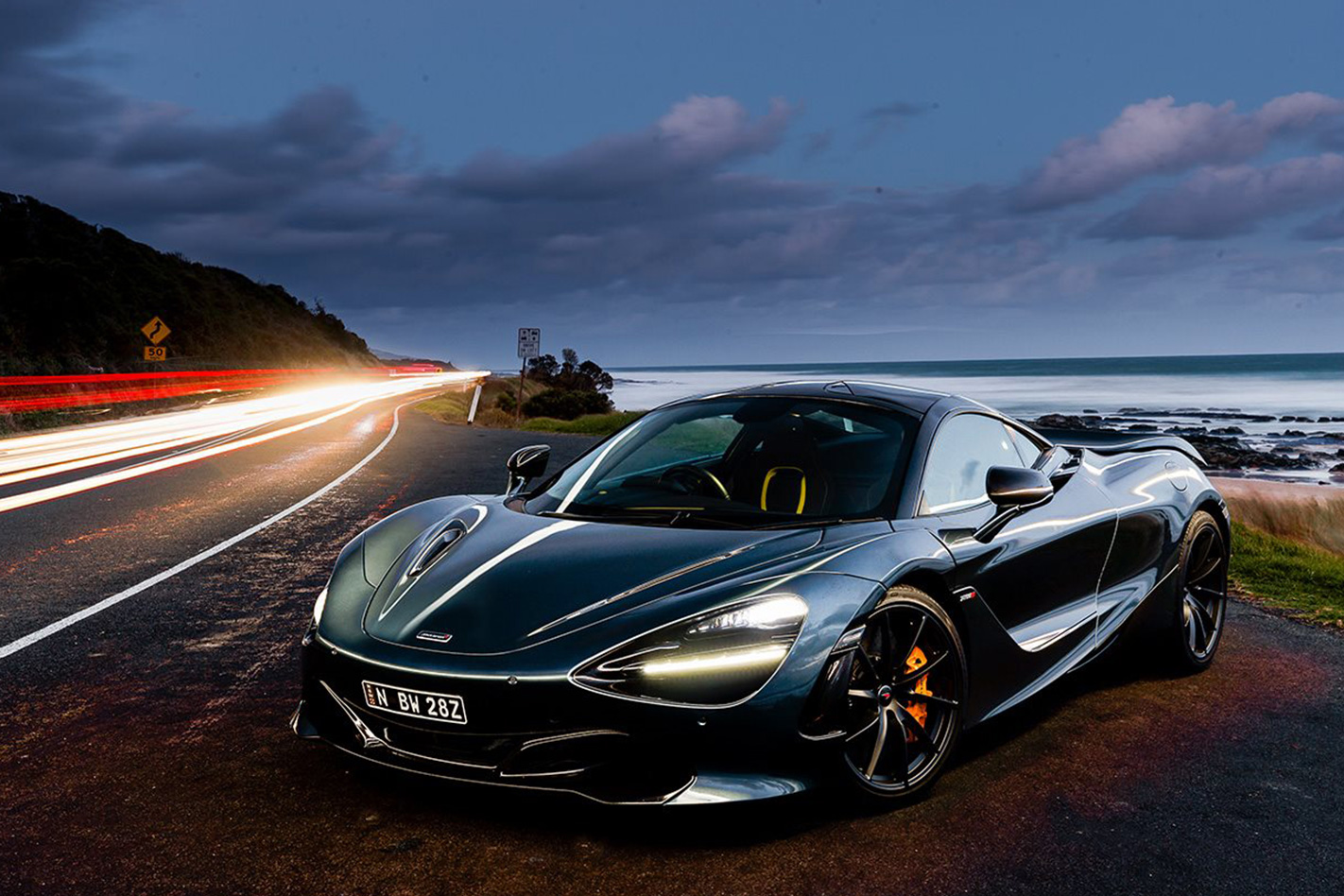
Woking really shook up the top end of town with its 720S. We got our hands on one for the July 2018 edition and straight off the bat it was clear we were driving a supercar with hypercar performance. This is a car that gets to 300km/h in 18.6 seconds. That’s half a second quicker than a Porsche 918 Spyder. It’s nine seconds quicker than a Lamborghini Huracan Performante and 3.4s swifter than a McLaren F1 or the latest 911 GT2 RS. It’s exactly as quick to the 150mph (241km/h) increment as a Bugatti Veyron. This is a level of performance we’ve never seen before in this sector and unleashing the McLaren on the Great Ocean Road at night was one of our driving highlights of the year.
9. The new Mazda3 looks set to be the most technically intriguing car on sale
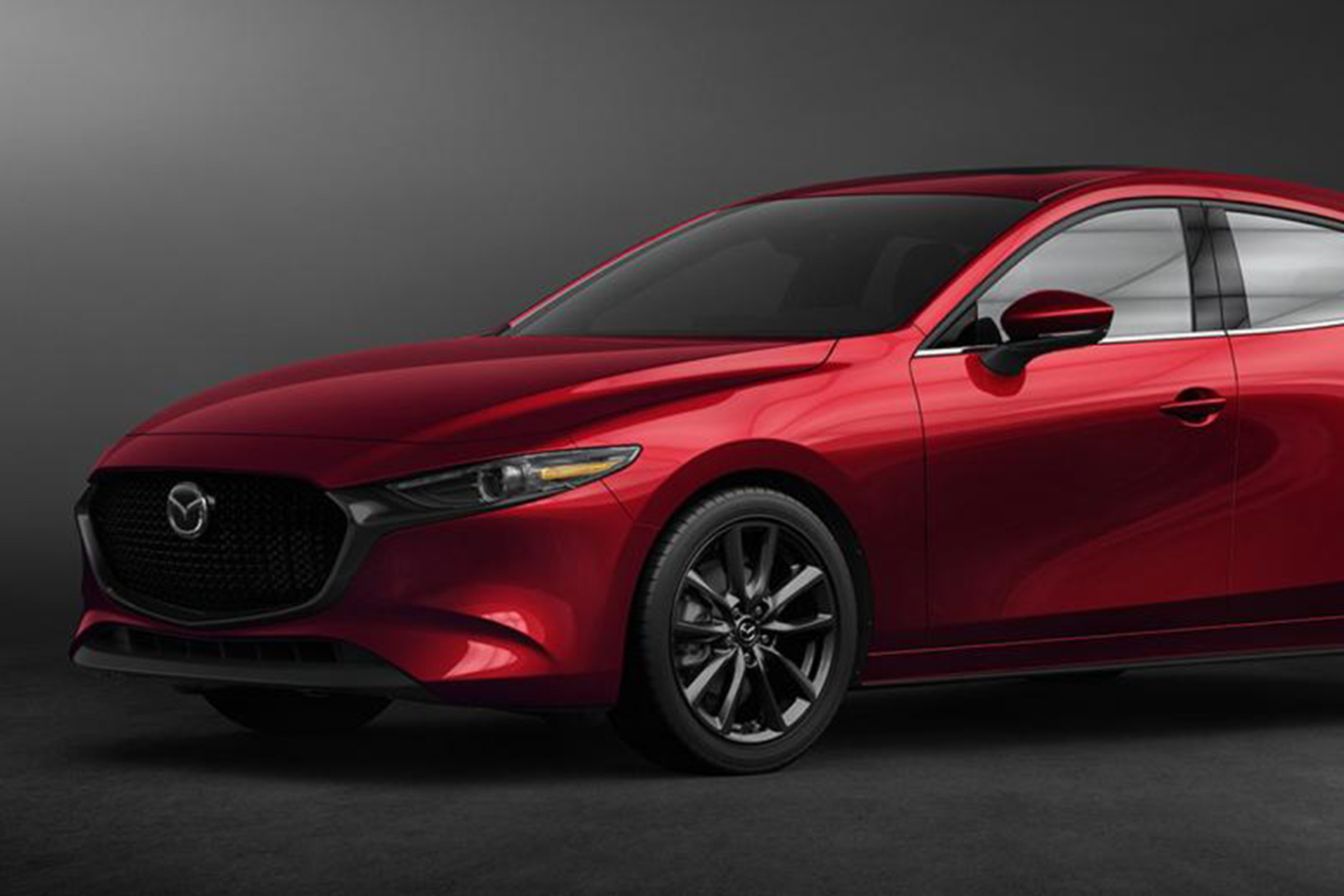
Mazda’s Skyactiv-X engine technology in the forthcoming 3 might seem a little dry but it could herald a revolution in the way we build engines. Hiroshima has attempted to incorporate the combustion process of a diesel engine, igniting the fuel by compressing it rather than lighting it with a spark plug as you would in a petrol engine. The engineering might of Mercedes has tried this before with no success, hoping for the refinement of a petrol engine with the economy of a diesel. Mazda looks to have cracked the problem and the all-new 3 is set to be the first car to get this tech. We’ve driven it in a prototype car but we’re looking forward to the car going on sale here later this year to see if the production version lives up to the early promise.
10. Australia isn’t ready for the electric car revolution yet
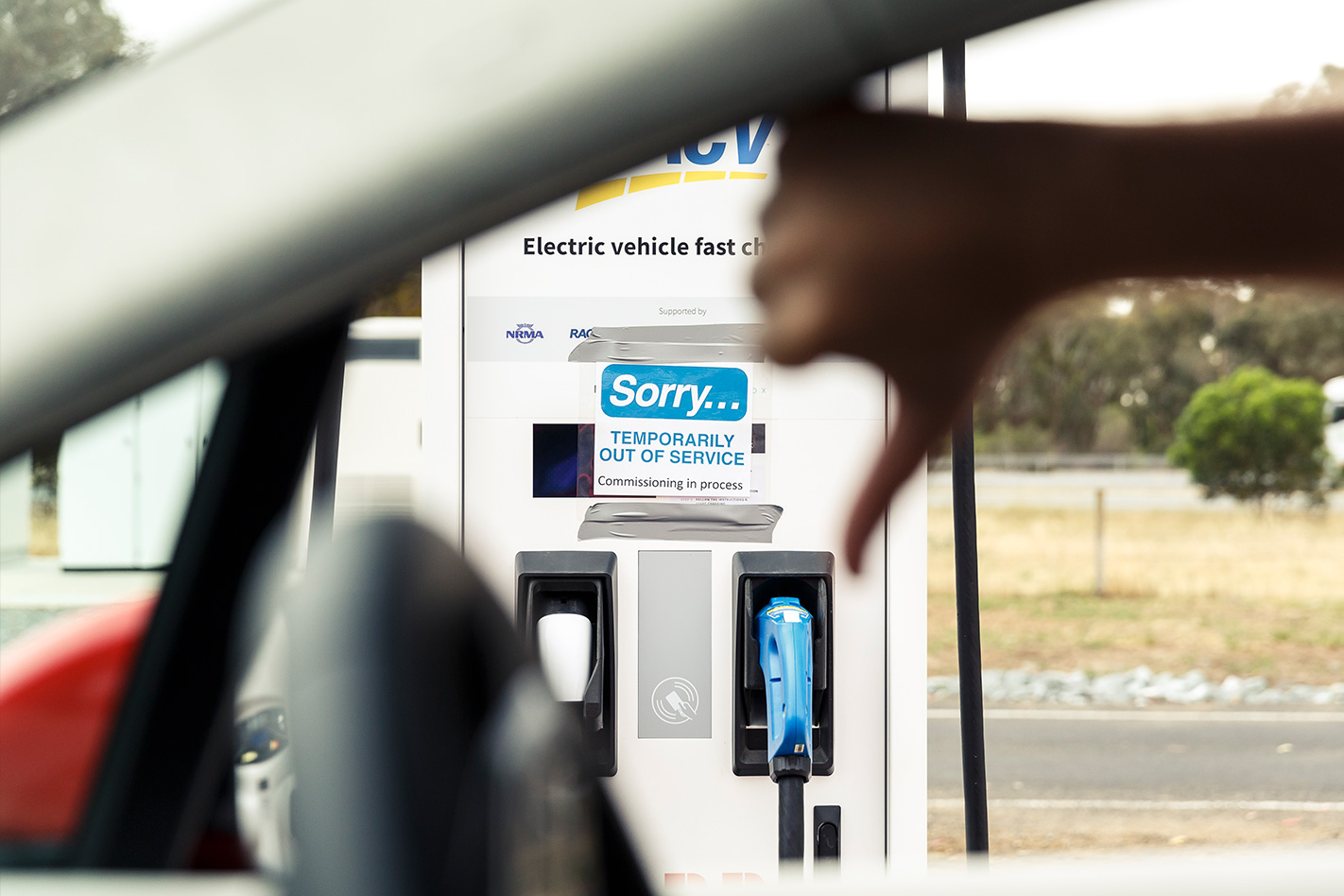
This saddens us a bit. In a country richly endowed with sun, wind and waves, Australia is still a long way from being at the forefront of renewable power creation for any forthcoming electric vehicle charging network. Our electric vehicle megatest at the tail end of 2018 only served to highlight the frustrations EV early adopters face with a patchy network of chargers that are frequently out of commission. Credit must go to Tesla, which has a head start and a workable network along certain key arterials, but for the rest of Aussies looking to embrace zero tailpipe emissions, a judiciously home-charged plug-in hybrid still looks to be the best option. That’ll change, but for the time being we’re not anywhere near the vanguard of EV infrastructure. And before you write in, yes, even the filthiest brown coal-fired power station still delivers cleaner power to your EV than an equivalent conventionally fuelled alternative.
THE WORLD’S tech heads have descended on Las Vegas for the annual Consumer Electronics Show (CES), to learn more about what our future will look like.
In recent years car manufacturers have shown an increase interest in the event, turning it into a de facto motor show for next-gen vehicle technologies.
This year is no different, and while there are some outlandish concepts like Hyundai’s ‘walking car’ and Airbus’s drone car, the show still provides valuable insights into what new technology will be coming to a showroom near you.
We’ve picked four trends or pieces of tech which you’ll be seeing on Aussie roads in the coming years.
More assistance, less autonomous – Toyota

Autonomous driving. It’s the topic on the tip of everyone’s tongue at CES. While there were plenty of self-driving pods at this year’s Las Vegas show, these won’t be on Aussie roads any time soon.
Instead, more advanced driver assistance systems are on their way, with Toyota revealing a new ‘Guardian’ tech suite.
Instead of completely replacing a driver’s responsibilities behind the wheel, Toyota Research Institute CEO Dr Gill Pratt says the system is designed to work alongside a human.
Guardian takes its inspiration from fighter pilot systems according to Pratt.
“Most of the time driver is in control, but when they reach the edge of a designated safety envelope, the car takes over and steers it back into this safety envelope,” he explained.
“It’s a seamless blend of human and machine working together as teammates.
Expect more manufacturers to go down the ‘driver assist’ tech route while fully autonomous systems are under development.
Screens, screens, and more screens – Byton
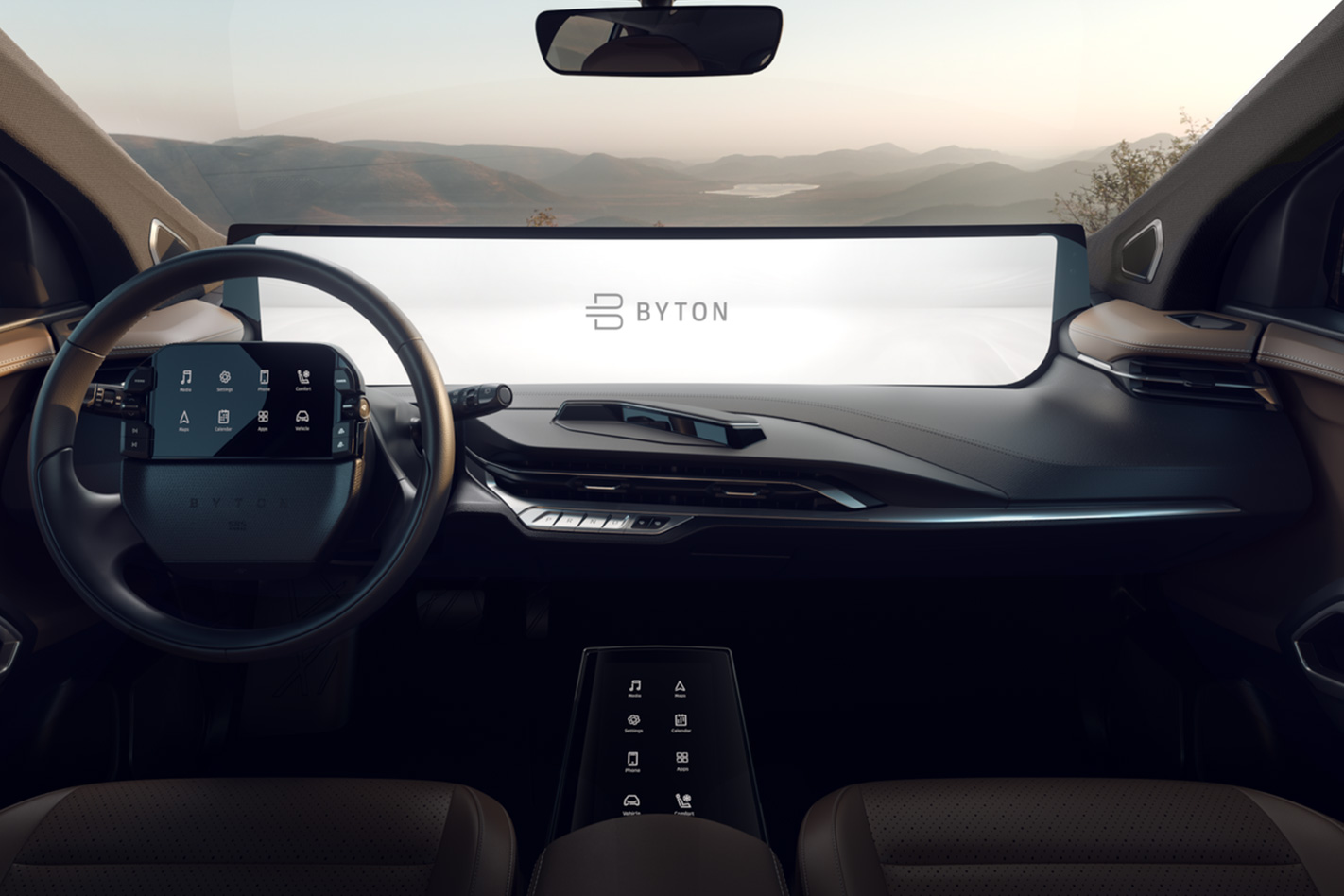
Car interiors without steering wheels and windows are a few ways off, but the judging from CES, new cars of the near future will feature increasingly large infotainment screens.
Chinese start-up Byton is a prime example, revealing what it claims is the largest in-car display ever fitted to a production car. The expansive screen is set to be fitted to the company’s upcoming fully-electric SUV, with the main unit measuring in at a whopping 49 inches.
There are also touchscreens fitted to the steering wheel, and centre console.
Who said driver distraction was an issue?
Self-parking to get a boost – Hyundai
Parking assist systems have been around for several years now, but Hyundai is working on new technology which can turn your car into a personal valet.
The Korean manufacturer has designed what it calls an Automated Valet Parking System (AVPS) for electrified vehicles. It’s a simple concept, drive to a parking station that is fitted with chargers, and hop out.
Hyundai claims the car will then drive itself to a recharge point, and when the batteries are replenished, find itself a parking spot to await the driver’s return.
Since the autonomous system doesn’t need to navigate public roads, its arrival in showrooms is likely to precede self-driving cars by a number of years.
Augmented reality is the new heads-up display – Nissan
The newest tech craze which car companies are adding to the feature suites is augmented reality. Mercedes-Benz is the first to put it into production, with the A-Class featuring AR navigation tech in Europe. The German manufacturer says similar technology will be available in Australia by the end of the year.

Nissan is getting on board in a big way, showcasing what it calls an Invisible-to-Visible (I2V) device. The system is designed to allow drivers to “see the invisible” by projecting a superimposed map of the surrounding area, which is built using information from on-board sensors, cameras, and data. This allows the car to communicate with other similarly-equipped vehicles and ‘see’ them coming, even if they’re behind buildings or around corners, projecting a ghost image onto the screen.
Enigma: a person or thing that is mysterious or difficult to understand. Example: the Mercedes-AMG GT.
The three-pointed star on the front suggests a luxurious grand tourer, but thanks to Tobias Moers and his merry men, the GT is rawer than a sashimi sandwich. Its price, positioning and nationality suggest a natural rival to the Porsche 911, but the two are so vastly different to drive it’s difficult to see a buyer seriously cross-shopping them.
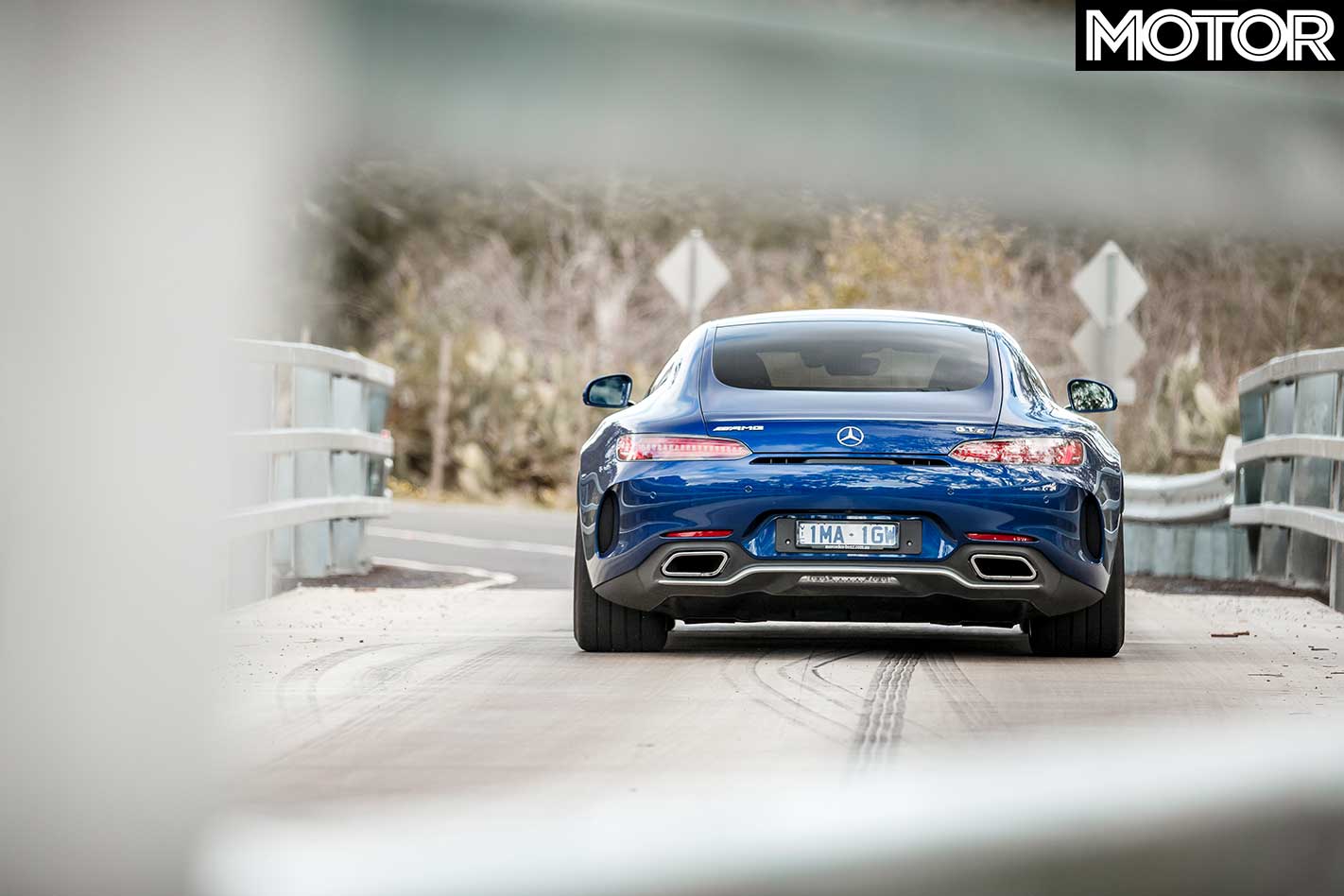
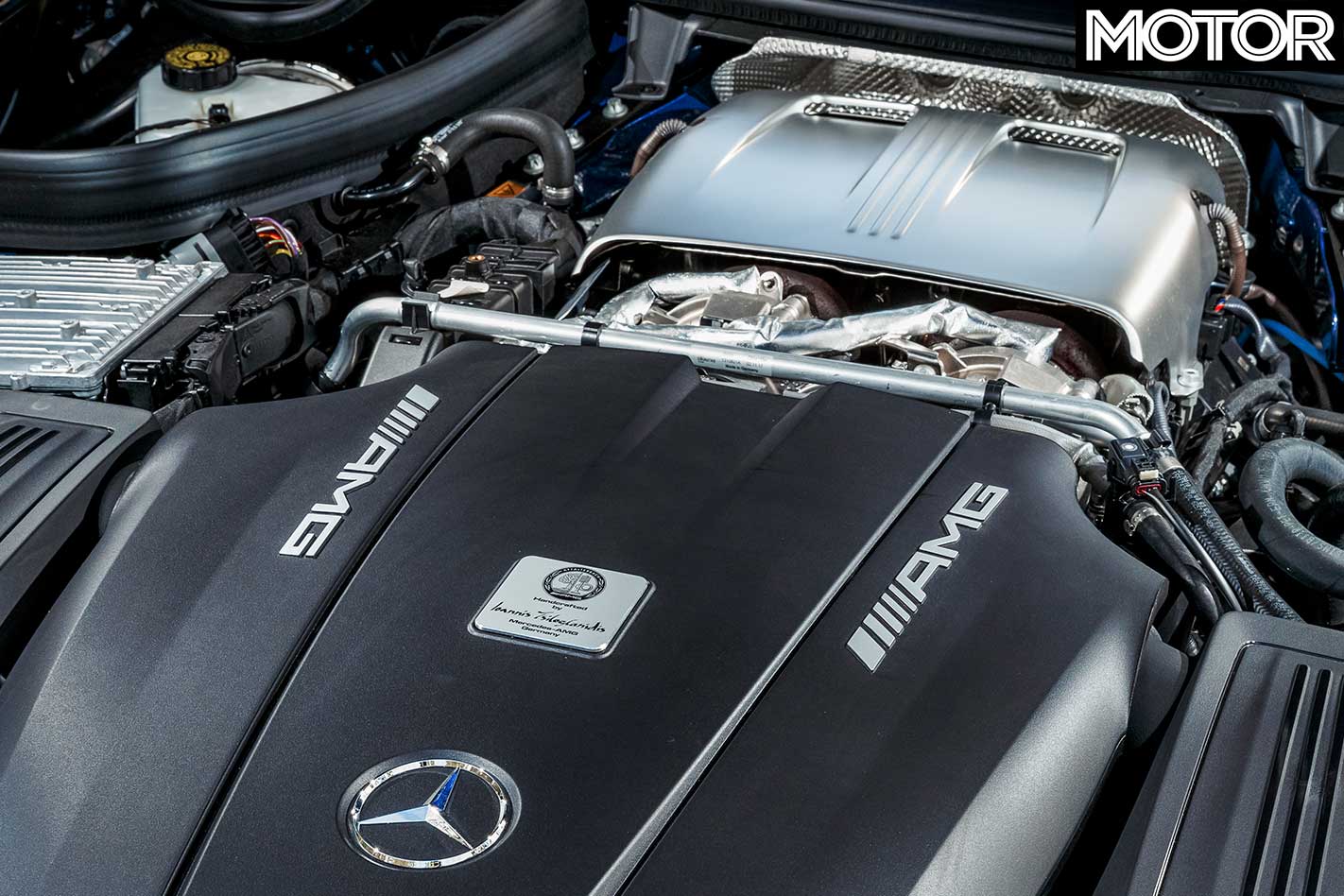
The newest member of AMG’s sports car family nestles neatly between the GT S and GT R, but given Mercedes forgot to leave itself a letter in between, it’s called the GT C. Outputs from the 4.0-litre twin-turbo V8 rise to 410kW/680Nm, 26kW/10Nm up on the S but 20kW/20Nm down on the R – like I said, neatly in the middle.
It’s a fearsome engine. AMG’s M178 might be increasingly ubiquitous, but each application has its own character. The GT’s is dry-sumped and mounted entirely aft of the front axle to aid handling, but it also makes a more organic noise. Make that noises, because depending on where you are in the rev range the GT C will bark, snarl, gurgle or roar, all at a very anti-social volume. It’s epic.
It may produce less power than the E63, but it also has 300 fewer kilograms to haul and as a result the GT C is loony fast. Any gear, any speed, it charges forward with virtually instant punch.
The seven-speed dual-clutch transaxle is excellent in cut-and-thrust driving, with seamless upshifts and crisp downshifts, but it stumbles, literally, in more restrained use. It’s possible to drive around the problem to a certain degree, but stop-start driving tends to be a series of unedifying jerks.
The GT C feels bored by such a mundane task. Even in Comfort the ride is restless; Sport doesn’t feel appreciably stiffer and has the added benefit of sharper throttle response. Personally I find it tiresome, but those who like a firmer ride may appreciate the closer connection with the road.
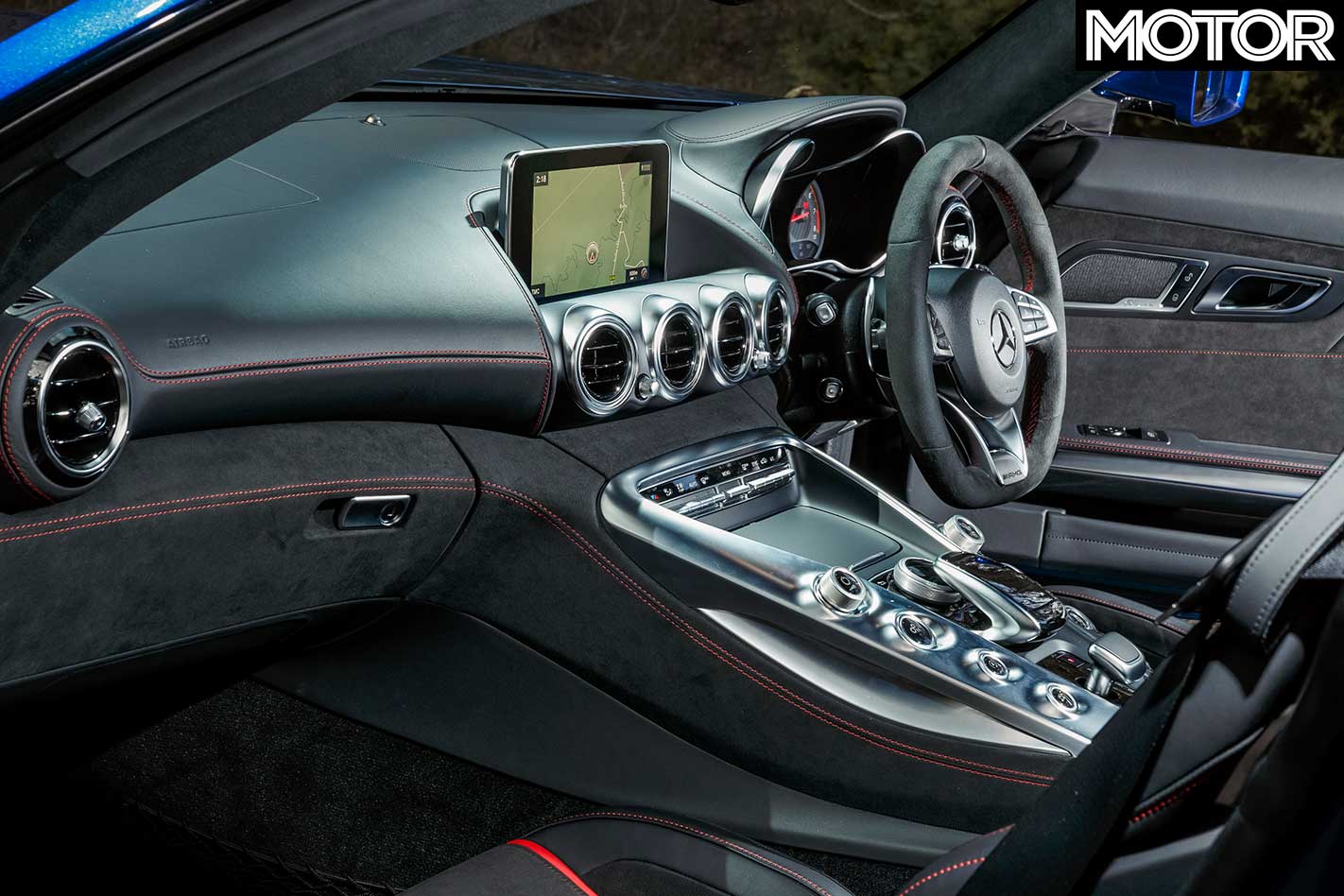
Day-to-day use also exposes the inferiority of the GT’s infotainment, which is a generation behind the updated system in the E63 et al, let alone that in the new A-Class.
But this is a sports car; it’s not built to cosset. A quick fiddle with the Dynamic Select programs has the powertrain at maximum attack, the dampers locked in Sport and the combination saved to the Individual mode.
So configured, the GT C displays incredible grip and traction. The steering is still light but without the nervousness of the original GT S, and it provides reasonable feedback, jiggling in response to bumps and cambers.
In addition to the rear-wheel steering and active airflow management systems from the GT R, the GT C scores an extra 57mm of rear track, inch-wider rear wheels and 305mm rear tyres (up 10mm).
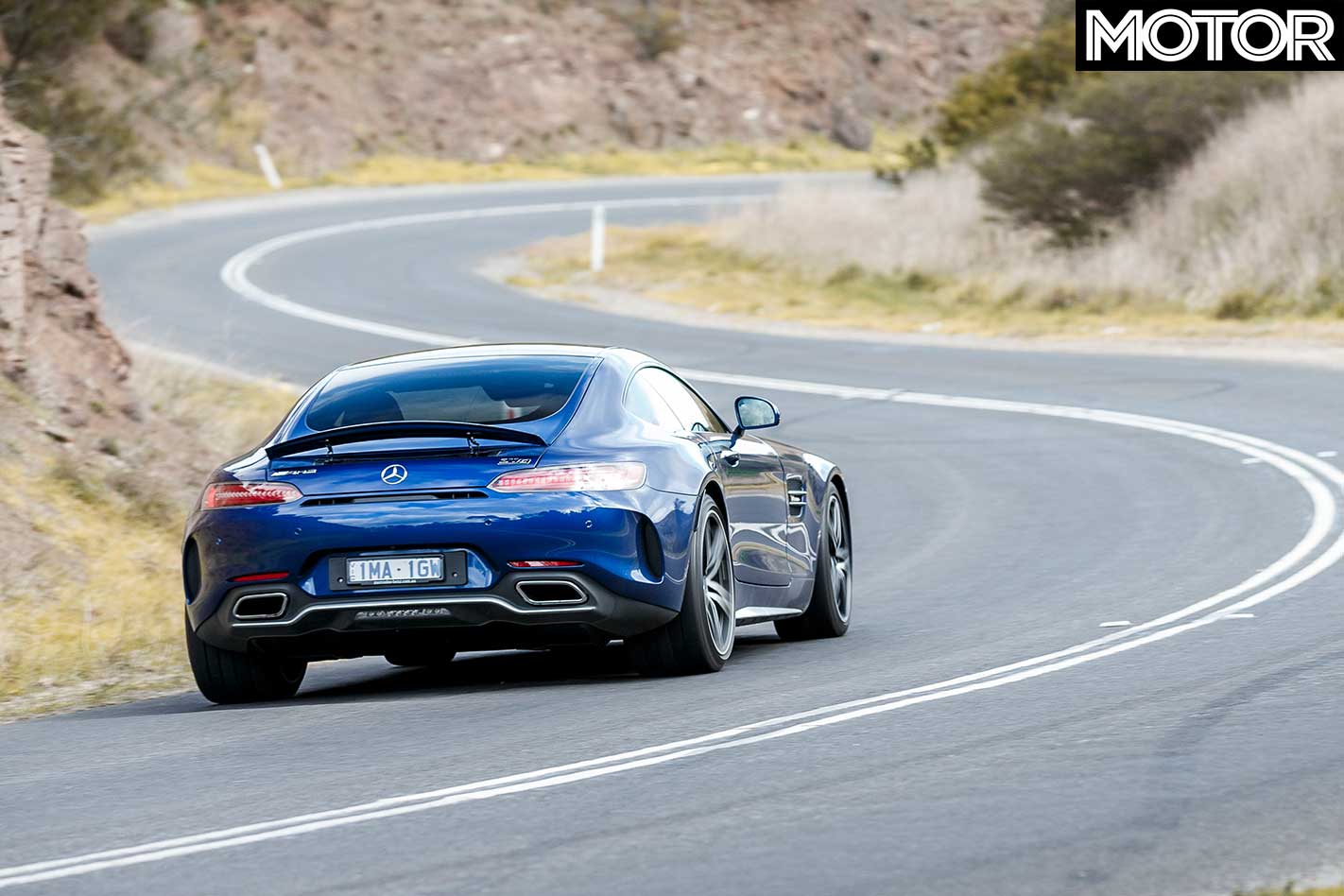
It takes a while to get used to a GT, as you sit directly over the rear axle and a long way from the front one, but it’s progressive at the limit and the rear-steer certainly helps rotate the car in tighter corners. A GT C in full flight is an involving and intoxicating experience.
A couple of issues remain, however. Our test car is fitted with optional carbon-ceramic brakes that lack progression, a top-of-pedal dead spot giving way to sudden response. This is unusual, as it’s not an issue we’ve had with any other carbon-equipped AMG.
Nonetheless, it exacerbates the second issue: mid-corner brake pressure elicits a sharp reaction from the rear, quickly recovered with no input from the driver, but a slight chink in the GT’s dynamic armour.
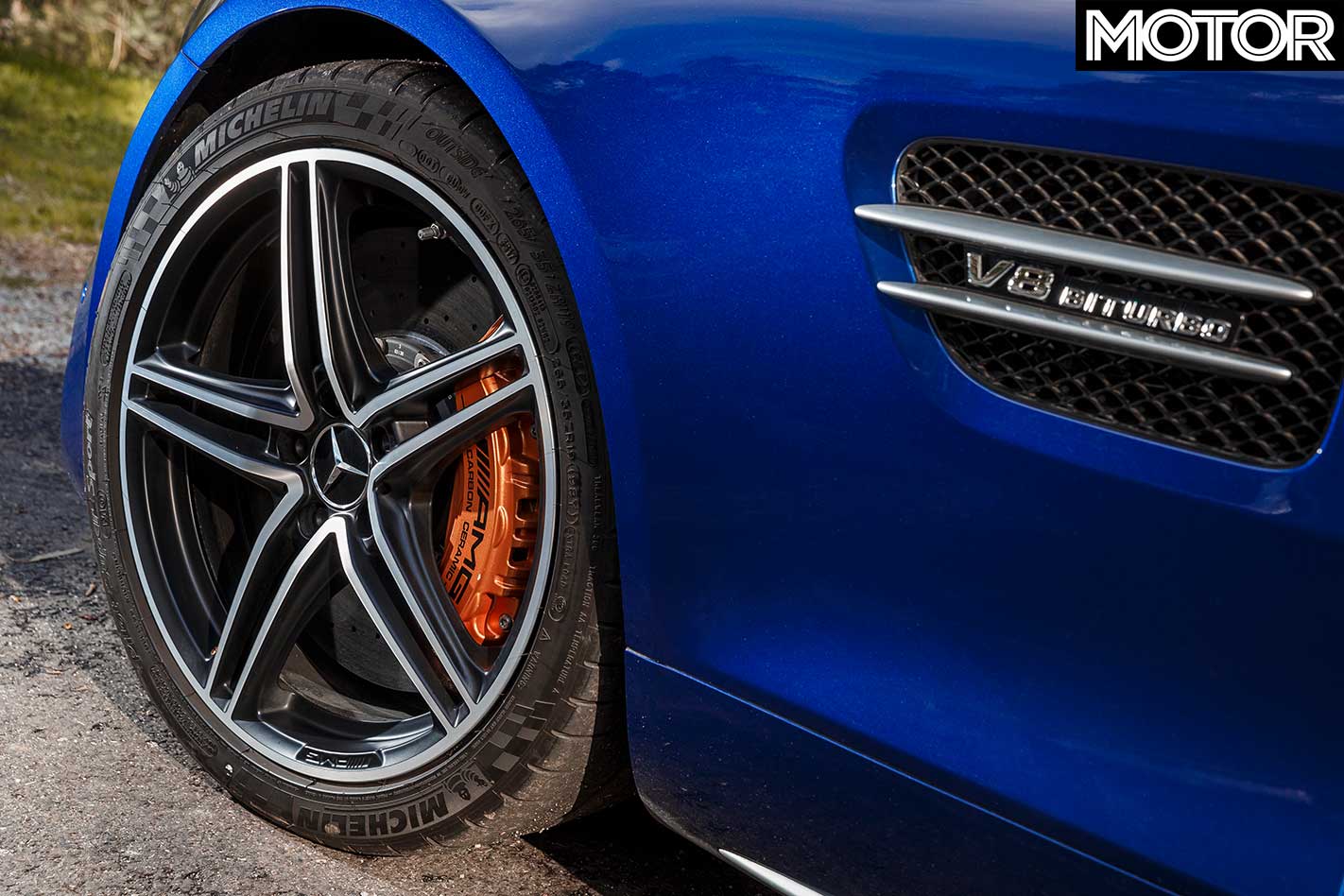
To say it’s not as polished as a 911 might be accurate but also misses the point. If a Carrera GTS plays for the Socceroos, with its deft, agile manoeuvres, the GT C is a member of the Wallabies, huge athleticism with a hefty helping of brute force.
A C63 Coupe has a similar skill set, but the GT is an event for both driver and onlooker. Perhaps the real mystery is, when the price gap is relatively small, why not just order the GT R?
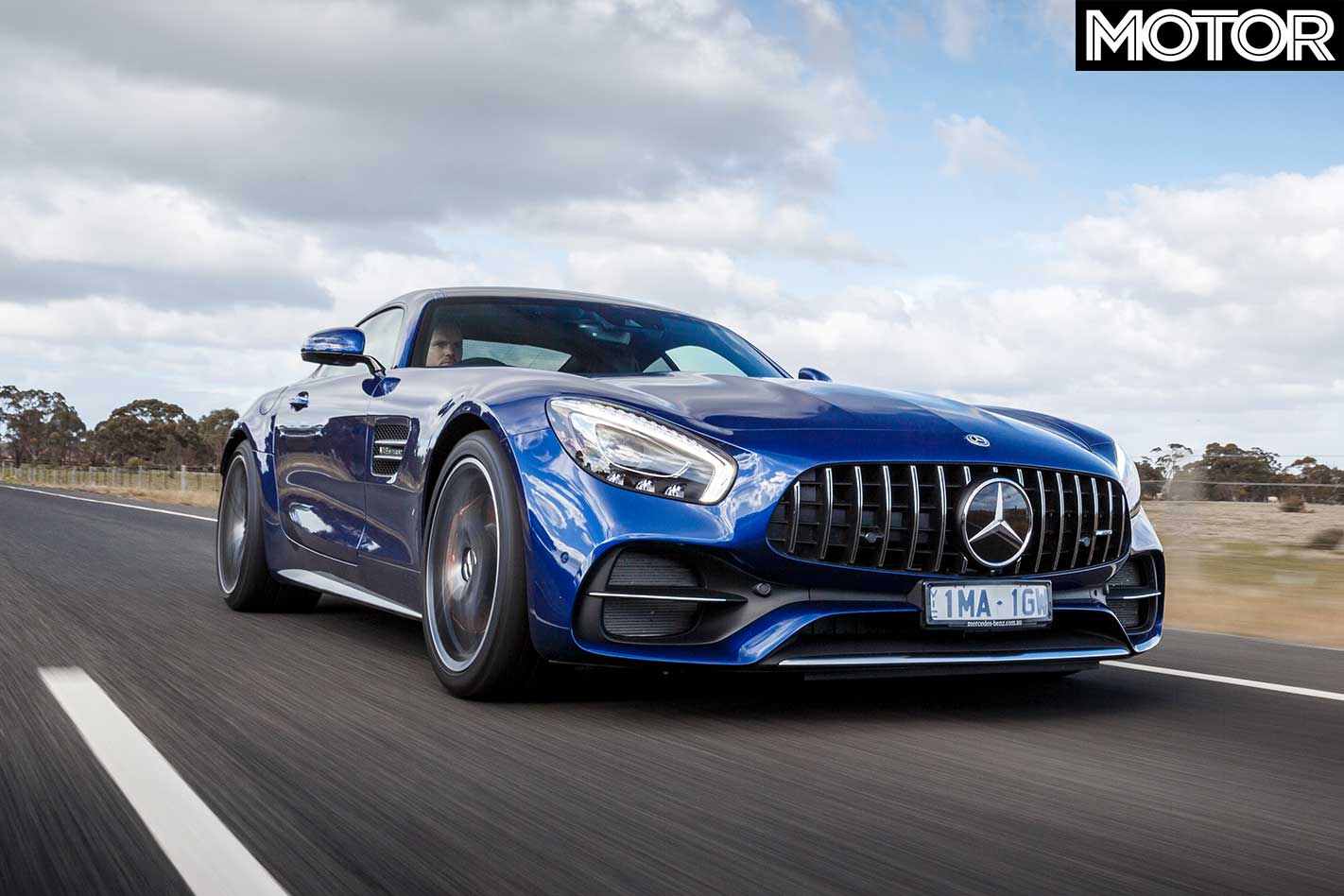
2019 MERCEDES-AMG GT C SPECS Engine: 3982cc V8, DOHC, 32v, twin-turbo Power: 410kW @ 5750-6750rpm Torque: 680Nm @ 1900-5750rpm 0-100km/h: 3.8sec (claimed) Kerb Weight: 1625kg Price: $316,500
Likes: Amazing engine; max-attack gearshifts; head-turning looks; vicious noise Dislikes: Terrible road noise; unsettled ride; edgy on-limit handling; brake feel Rating: 4 out of 5 stars
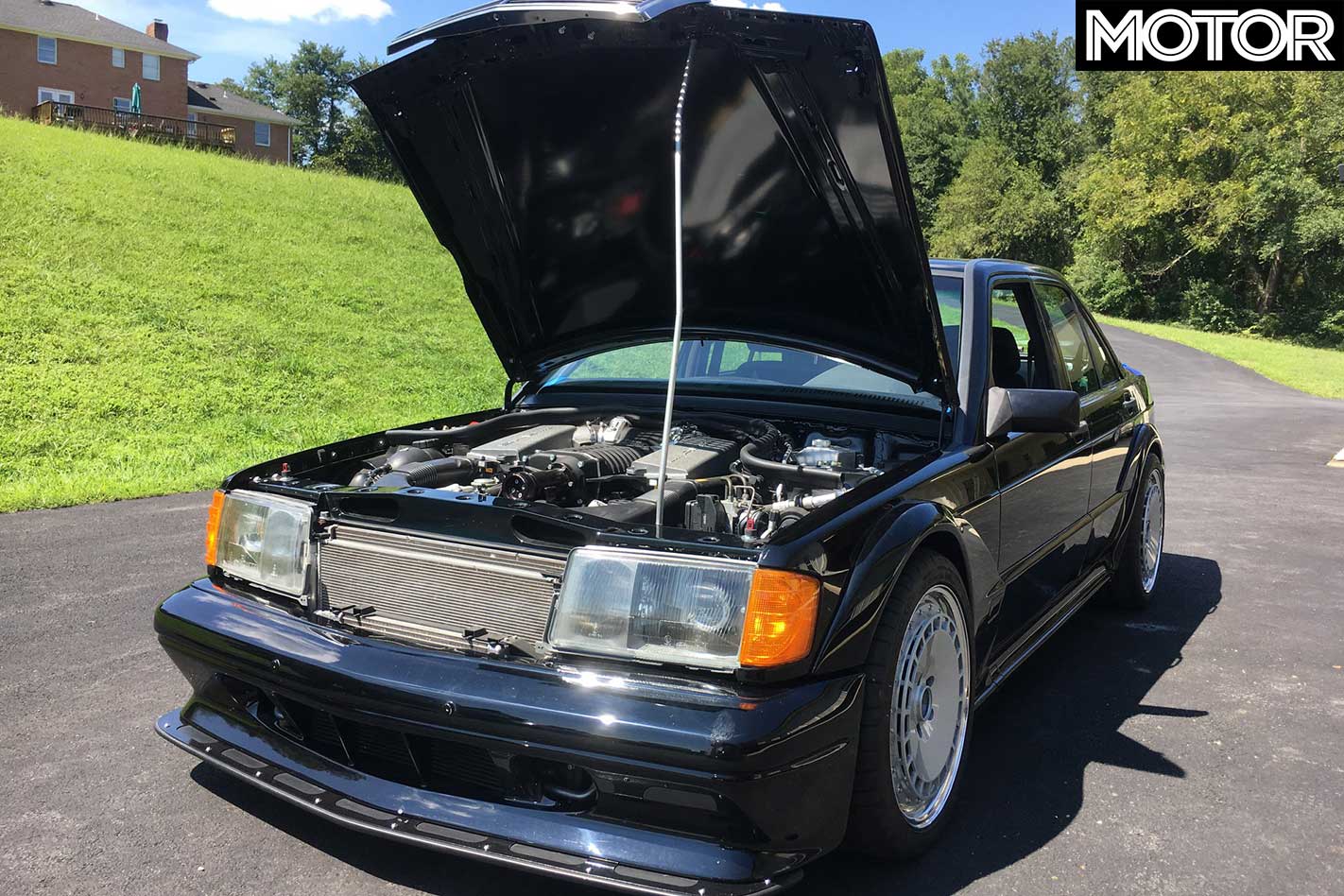
US-based outfit Piper Motorsport has just finished up a five-year project to turn a 2008 Mercedes-Benz C63 AMG into a mid-1980s Mercedes-Benz 190E. It might be best if they explain the original plan.
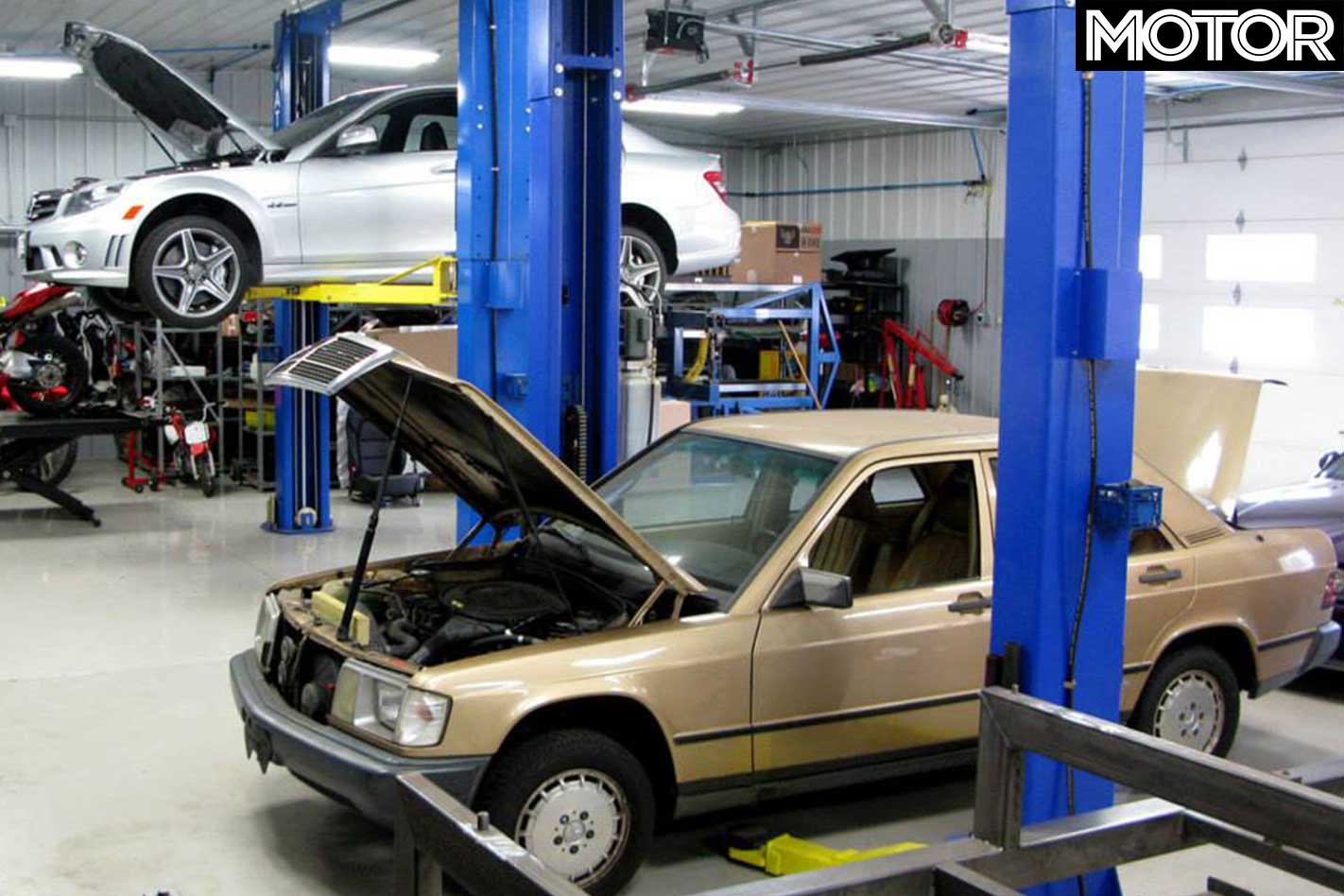
“To make a long story short we’re installing a mid-‘80s 190E body on a late model C63 AMG,” Piper Motorsport said back in 2013 when the project began.
“The 190E will feature the engine, transmission, entire driveline, suspension, brakes, fire wall, dash, electronics and even the floor pan from the C63 AMG. The exterior will resemble the old school EVO style 190.”
For this to work, a plethora of modifications had to be made, including to the C63’s chassis which was shortened by four inches.
“Many of the structural components of the chassis had to be modified or removed in order to fit the 190E body.”
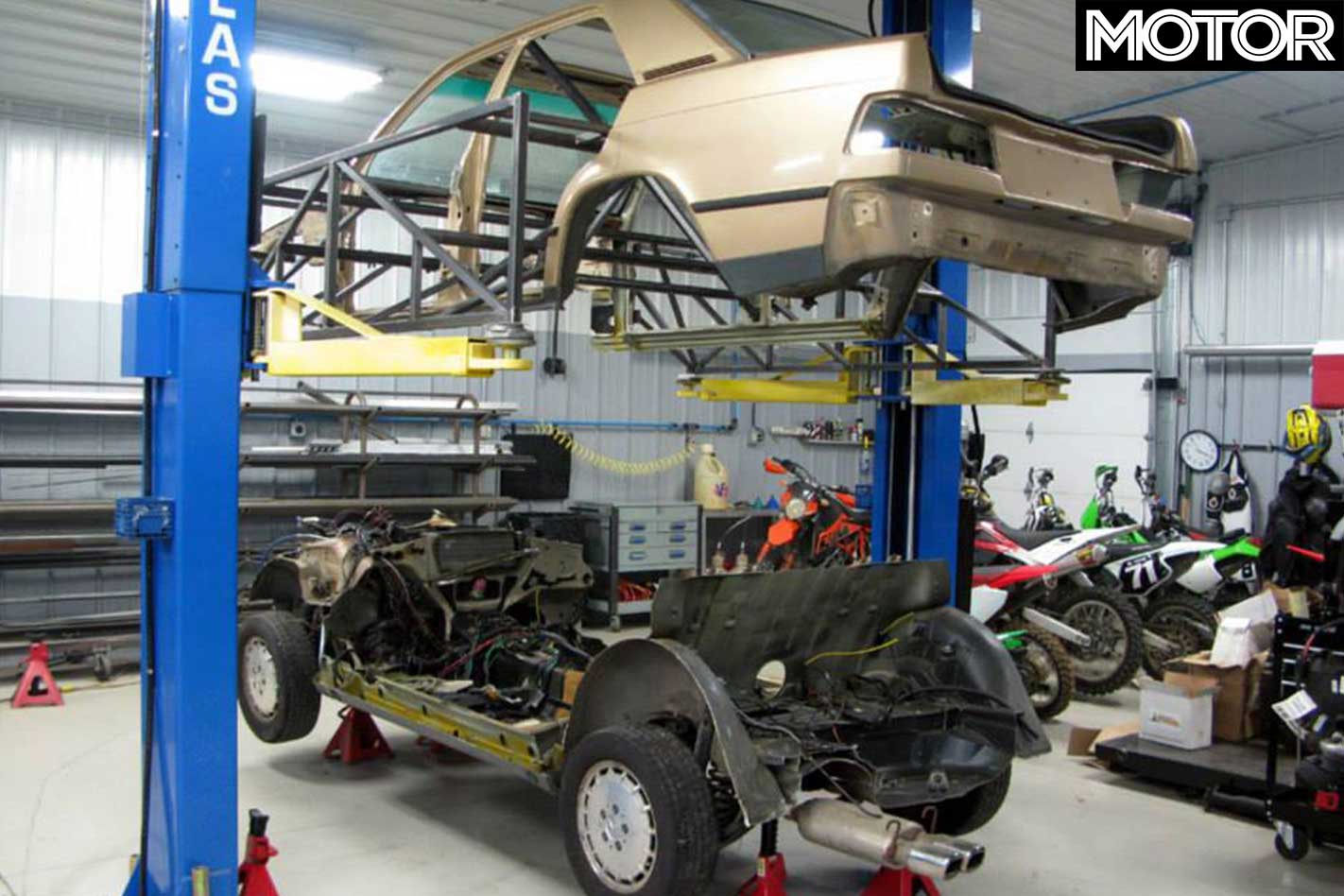
In addition, an integrated roll cage was built into the 190E’s body and hidden by interior components to ensure strength and safety without compromising its design.
By mid-2014, the mechanicals had begun to be pieced together, and the body and chassis had been properly introduced and married.
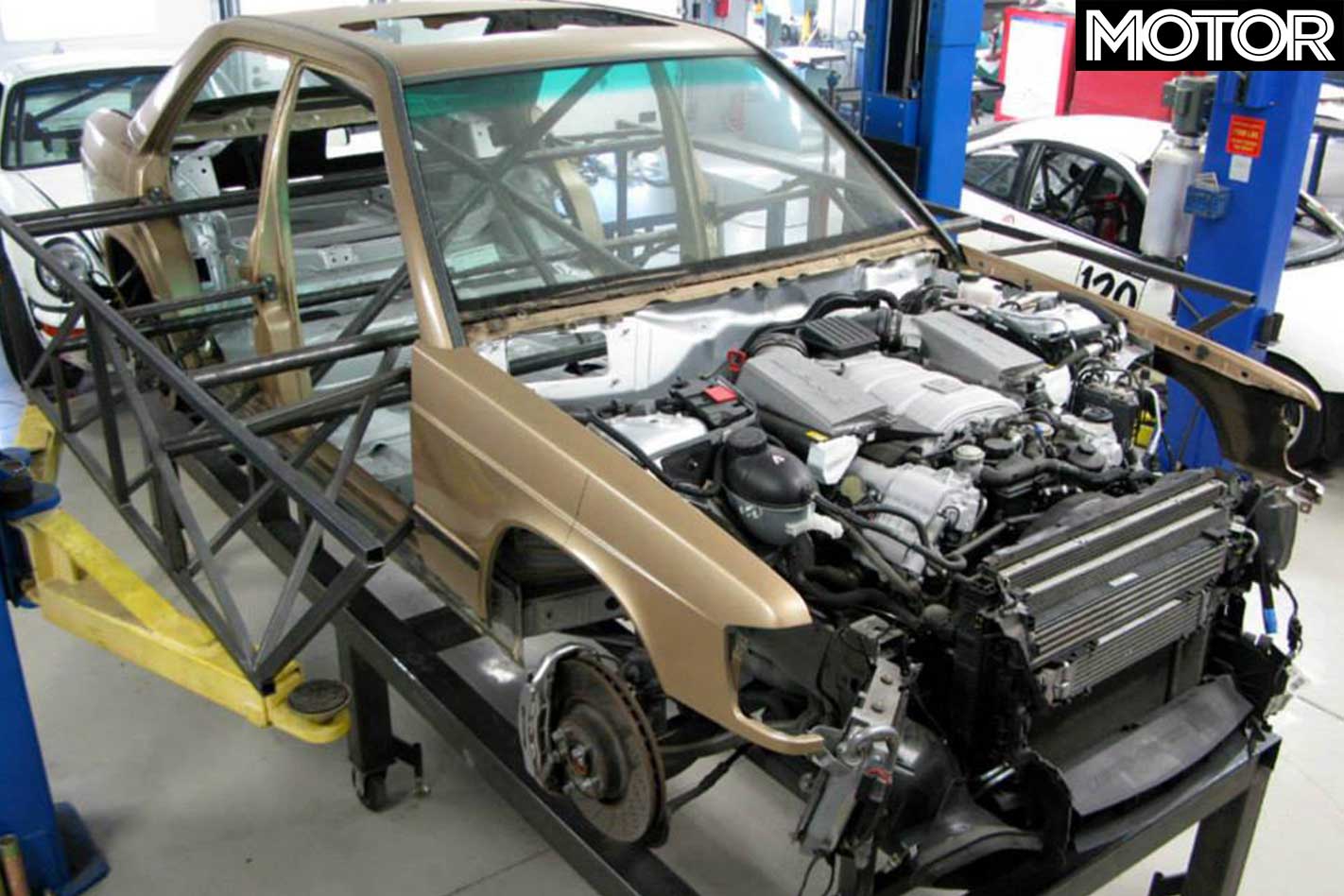
Shortly after, the body started to take shape with its more extreme features. The wing and ‘Evo’ kit started to be tested and fitted, and the areas that needed custom fabrication (wheel wells, for example) became the focus.
Fast-forward to early 2016 and the 190E/C63’s running gear is almost sorted, with the wiring and interior, as well as the final aesthetic components, the biggest jobs left.
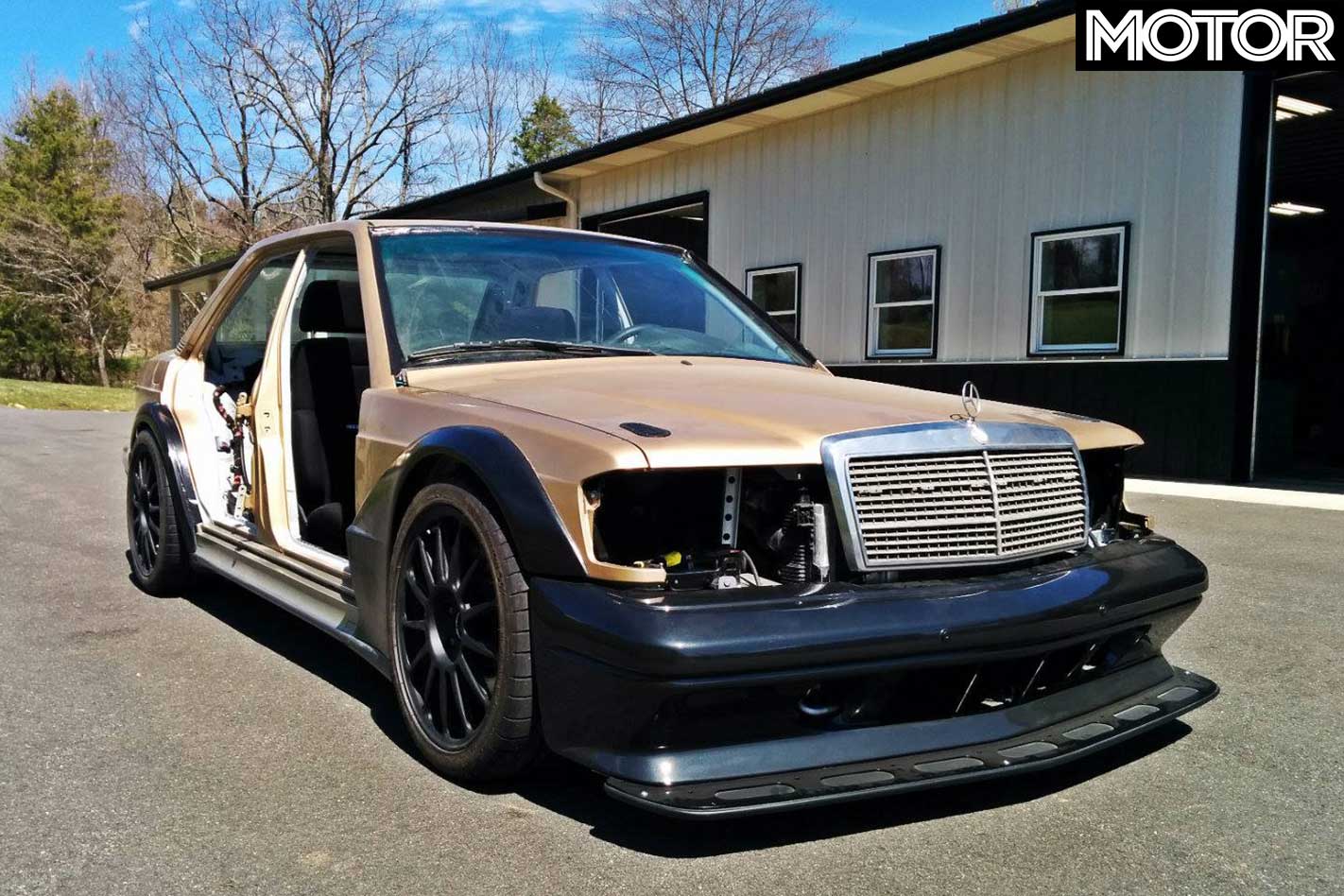
It had its first road test in late-2016, and then the project took a little surprising but welcome turn – a supercharger was installed while the body was away being painted. A custom fuel cell and water cooler joined the car.
It’s only in the last couple of months that the project has reached its end, but with more than 160 photos documenting the build on its Facebook page, Piper Motorsport has shown what it actually takes to do something like this. Hats off to them.