
Ford’s all-new Focus hatch and wagons will go on sale in Australia from November, with the hatch available across three model grades.
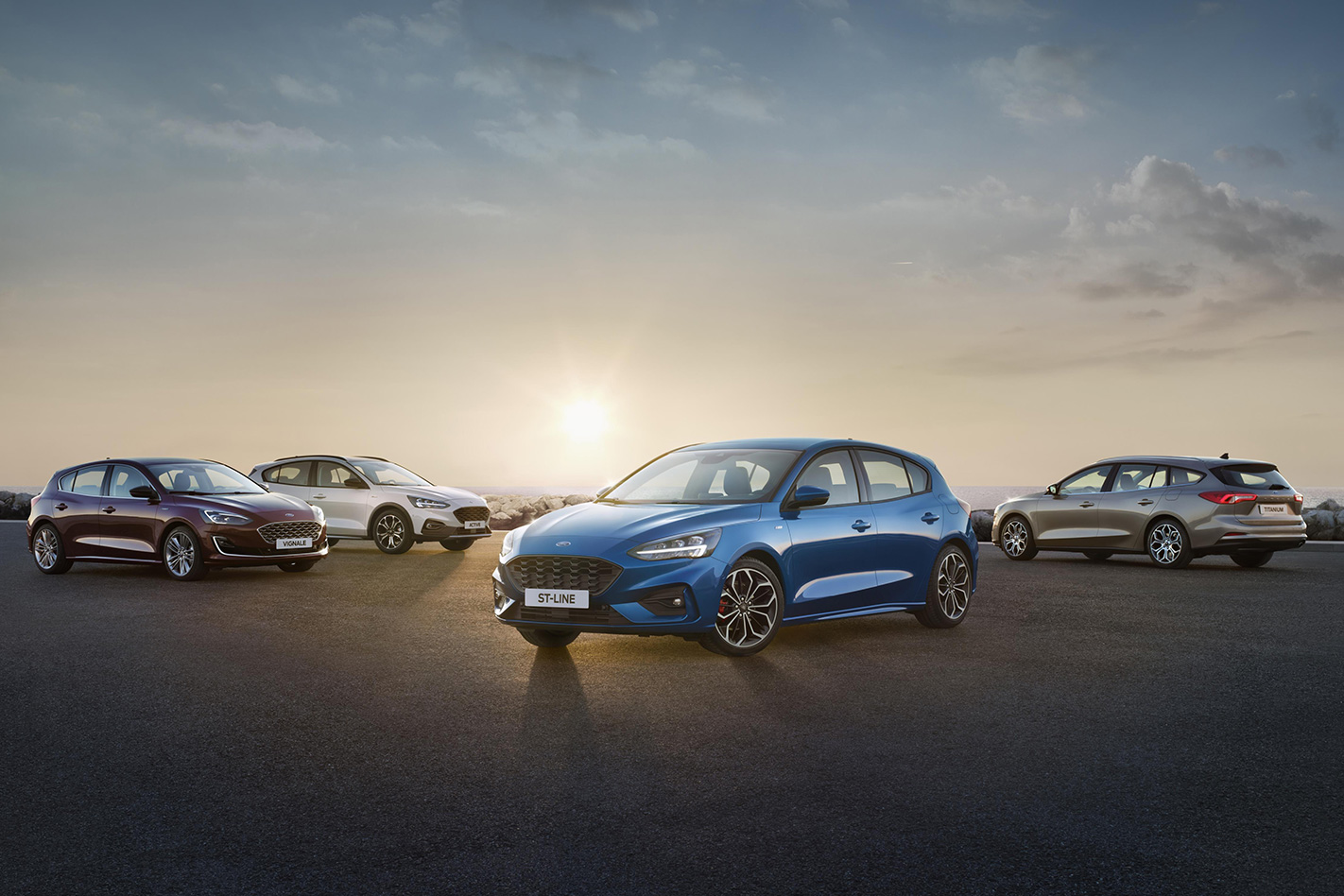
For the first time, Ford will offer a Focus ST-Line in Australia, for customers wanting a sportier look without the more focussed dynamics.
Built on the new ‘C2’ platform, Ford claims the new Focus has a 20 percent increase in torsional rigidity compared to the previous generation for improved ride and handling.
Filling out the local line-up is the entry-level Trend hatch, ST-Line hatch and wagon, and flagship Titanium hatch.
The Focus Trend hatch will roll on 16-inch alloy wheels, while inside the cabin Ford’s SYNC 3 infotainment system is operated through a full-colour eight-inch touchscreen.
The ST-Line replaces the old Sport variant and is the only model grade to feature hatch and wagon versions. It’s distinguishable from Trend and Titanium thanks to its athletic styling which includes a honeycomb grill, side skirts, and a rear bumper which is capped with a chrome finished twin-exhausts. Adding more visual spice is an integrated boot-lid spoiler and 17-inch alloy wheels, while dynamics are more focused with a unique sports suspension tune.
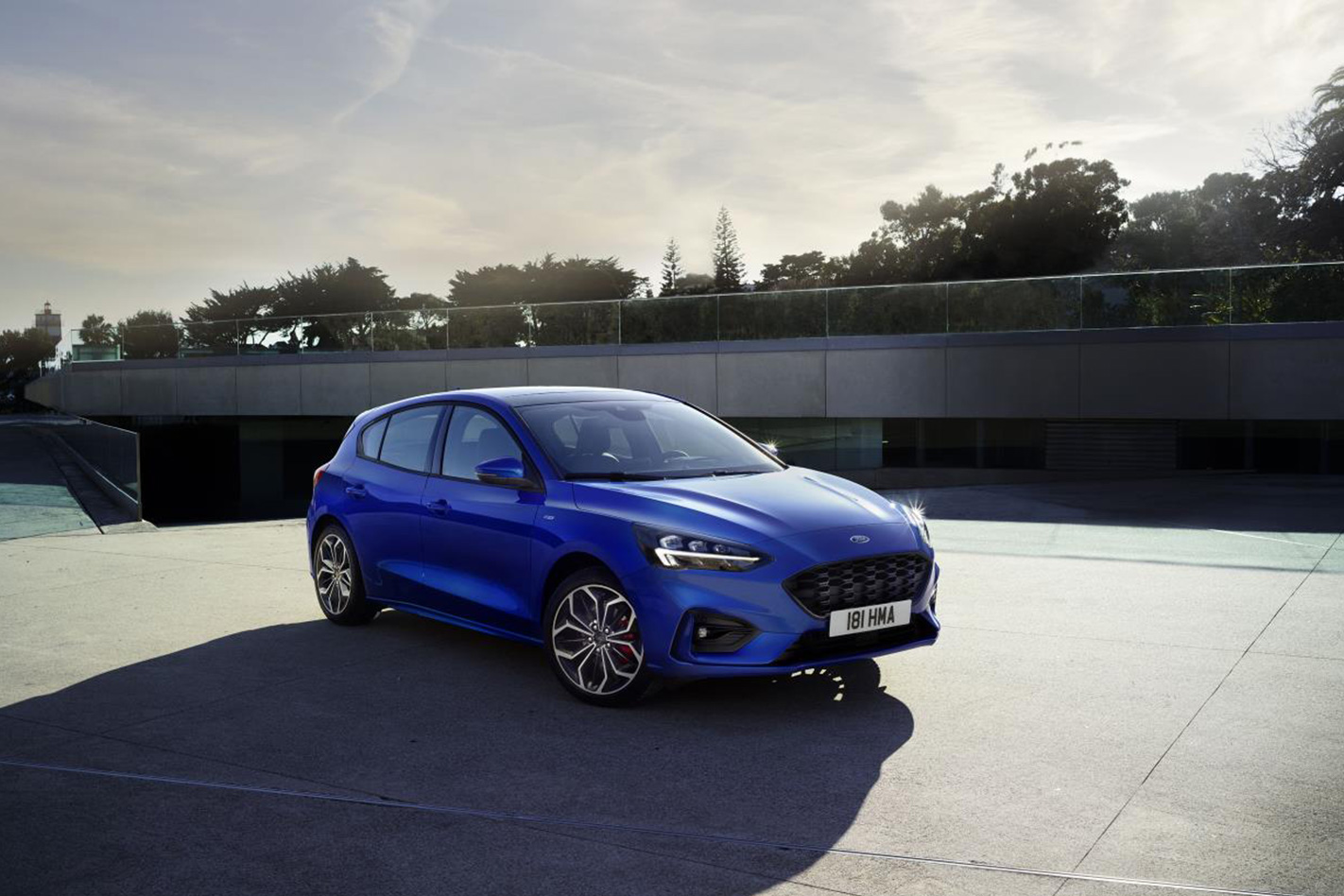
Inside, drivers are treated to a flat-bottom sports steering wheel, with red stitching throughout the cabin.
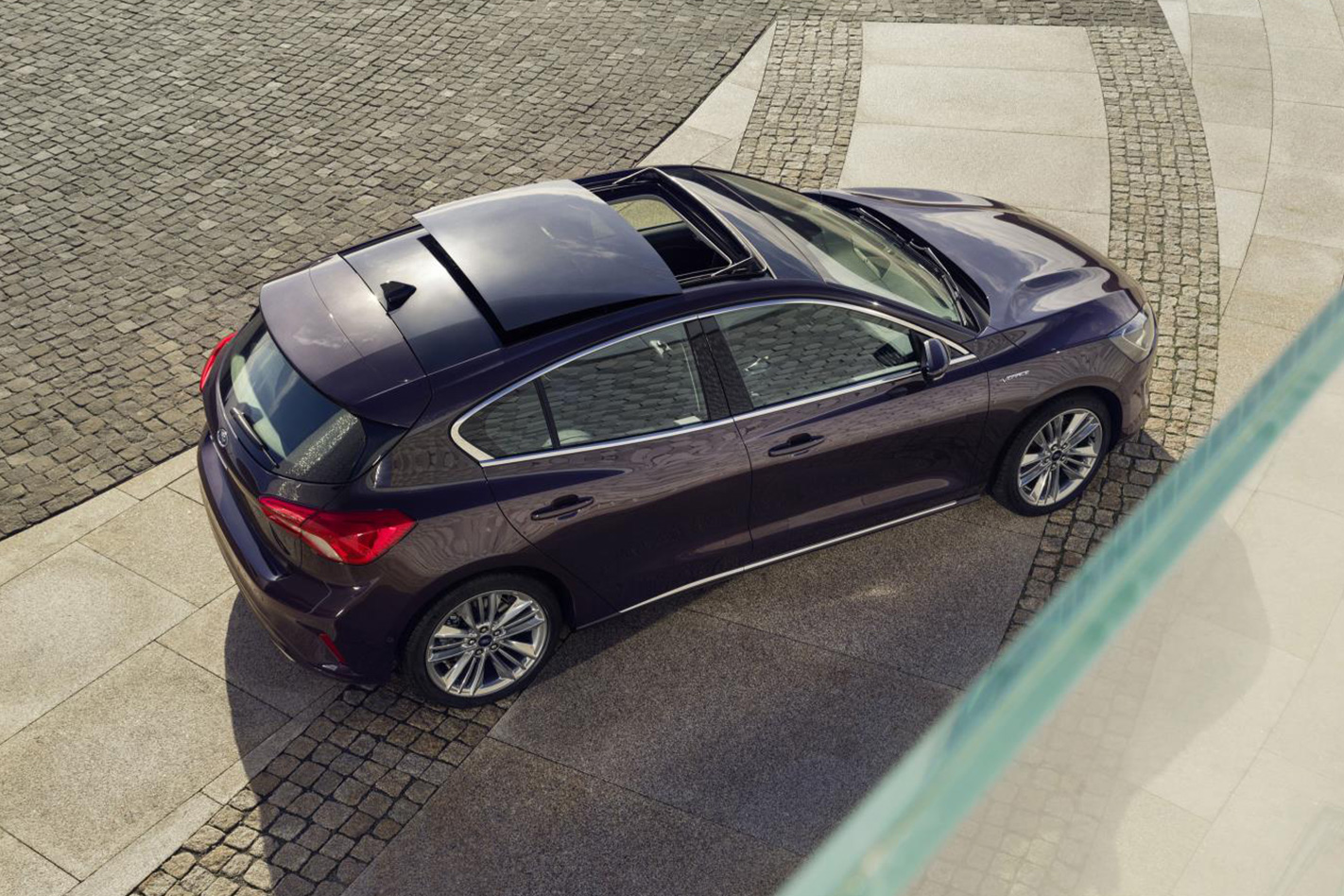
At the top of the Focus family will be the Titanium, which is distinguished by unique front grille and body styling with 18-inch alloy wheels.
The Titanium is fitted with Ford’s new LED lighting pack, with illuminates more of the road with a broader beam of light, and has projector headlights capable of glare-free high beam, speed sensitive light modes, sign-based light modes, and camera-based dynamic bending.
In addition to the standard safety features, the Titanium gains rear cross traffic alert, adaptive cruise control, evasive steer assist, and lane centring.
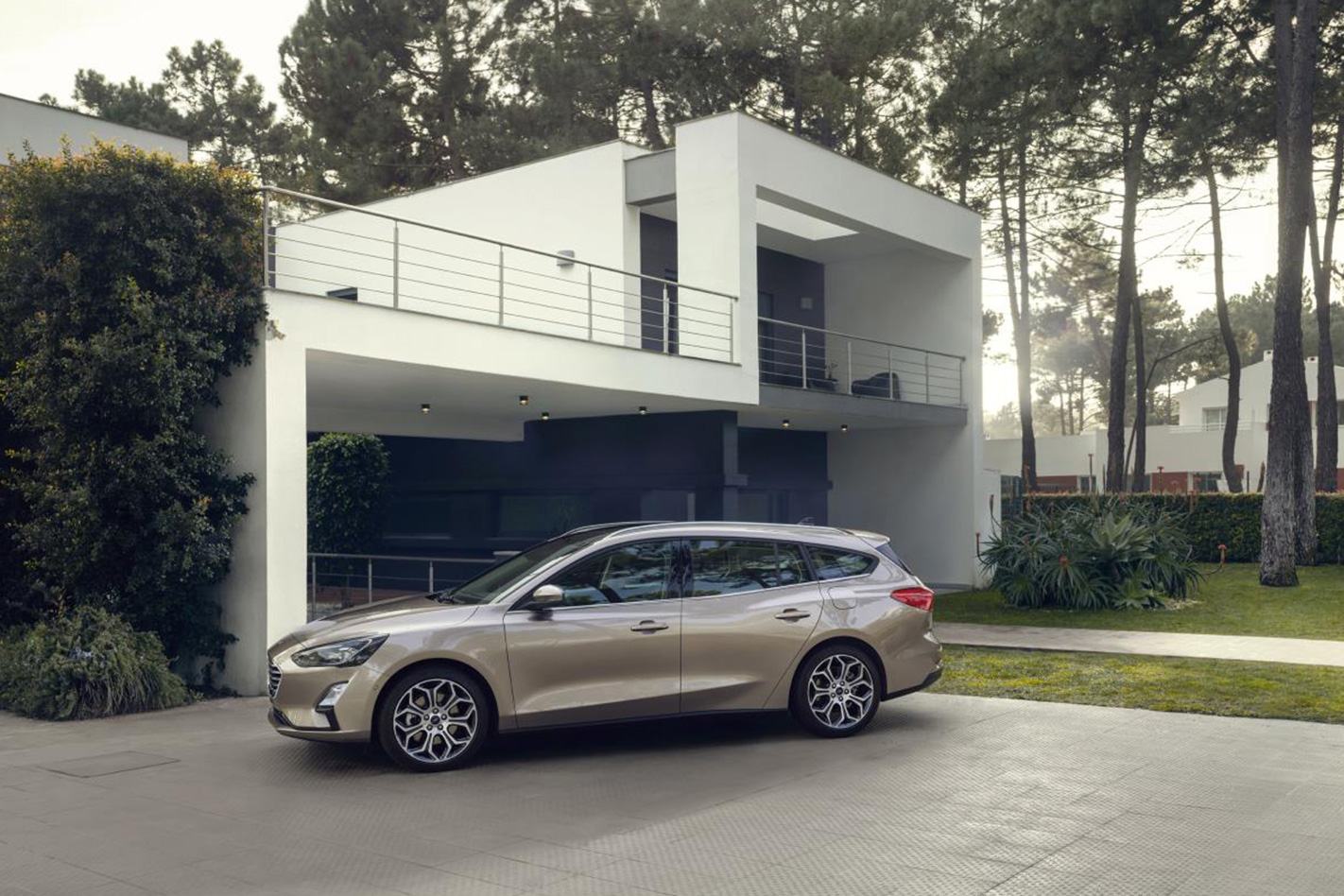
Inside the cabin, the Titanium adds leather upholstery, and a 675-watt 10-speaker Bang & Olufsen audio system.
Autonomous emergency braking is standard on all Focus variants, along with night-time pedestrian detection and cyclist detection, lane departure warning, and lane keep assist.
Post-impact braking is also included in the safety suite, which is designed to apply the brakes after a collision to reduce the risk of the vehicle rolling into another car and causing a second incident.
Each Focus variant will be sourced from Germany and will all be powered by the new 134kW/240Nm 1.5-litre three-cylinder turbocharged petrol engine.
The low-capacity engine will be paired with a new eight-speed automatic gearbox, which should placate buyers who are nervous following the ongoing PowerShift scandal which has plagued the current-generation Focus and Fiesta.
Ford will offer Focus buyers in Australia a five-year, unlimited kilometre warranty as standard.
If you’re going to be the most expensive entrant in the Bang For Your Bucks contest, you’re going to want to be extremely quick to have any chance of a decent result. And boy is the updated Audi RS3 Sportback quick.
This track review was carried out in conjunction with MOTOR’s Bang For Your Bucks 2018
It dominated the drag strip, setting the fastest figures ever recorded at BFYB, jetting to 100km/h in 4.01sec and blitzing the quarter mile in 12.18sec at 186.57km/h, while 80-120km/h takes just 2.4sec. Nothing else came close.
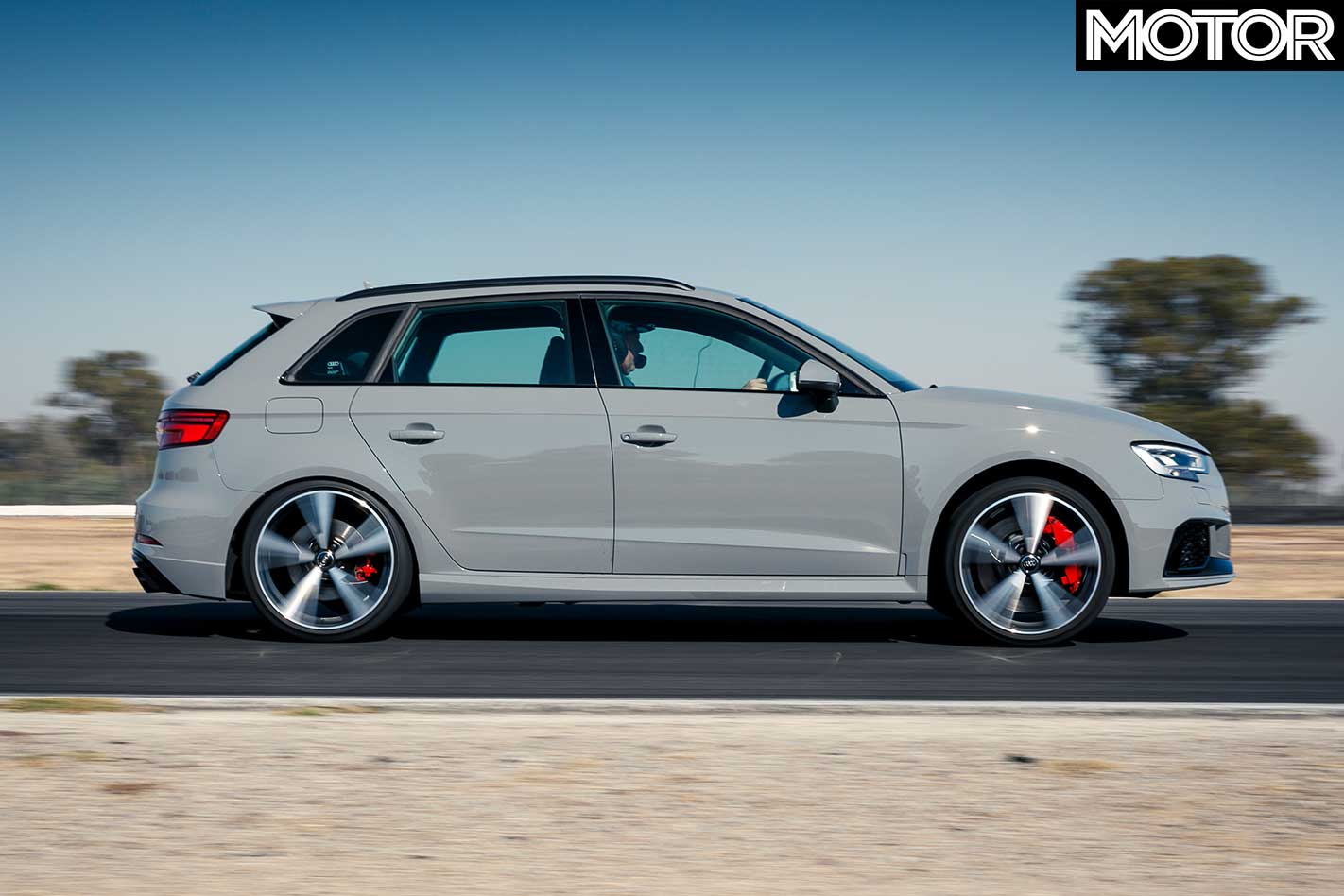
The RS3 has always felt more at home on the road than the racetrack, and despite the lighter nose, understeer is the predominant handling trait at the limit. However, crucially, there’s just enough chassis adjustability to prevent hot laps being an exercise in frustration.
Carry the brakes gently on turn-in and the rear will edge out slightly, relieving the front tyres of some stress and allowing a straighter exit – from there the monster engine takes over once more and rockets you in fast forward to the next bend.
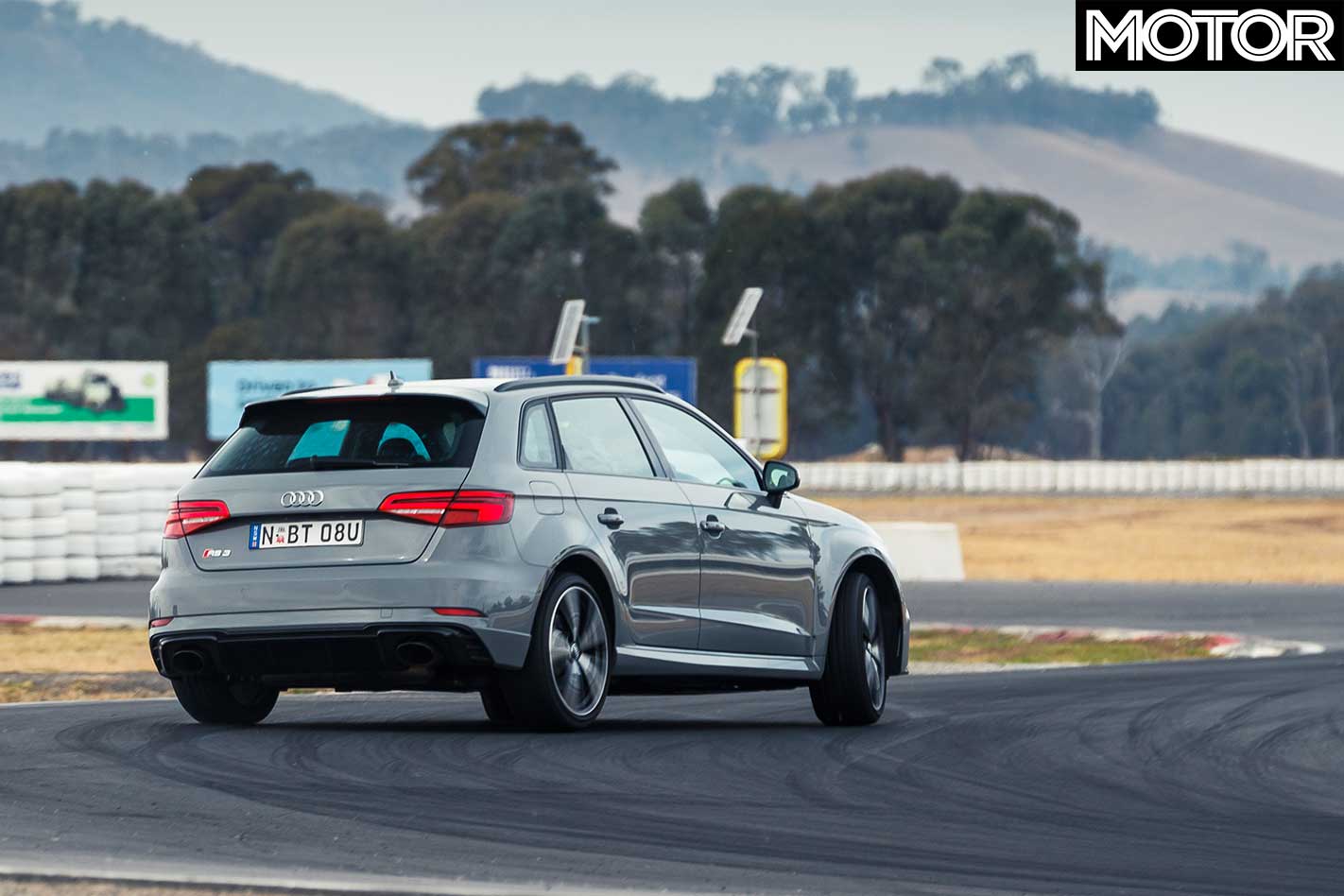
Push hard and Audi’s five-pot hottie starts to get a bit sooky: the gearbox won’t accept early downshifts making it hard to slow the car sufficiently, at which point the nose runs wide of the apex. The RS3’s Haldex-based all-wheel drive system works a treat at getting all the power to the ground, but can’t divert enough power to the rear to really help steer the car.
In fact, the RS3 now almost feels a little overpowered, the front pulling wide if you get greedy with the throttle on corner exit – the VW Golf R is certainly the better balanced, more rewarding tool, a fact reflected in every judge placing the slower, less powerful car ahead on their scorecards.
It’s a feeling backed up by the stopwatch: for all its power and acceleration, the RS3 only lapped 1.4sec faster than the Golf R, which itself wasn’t particularly brisk, and trailed the Peugeot 308 GTi 270 by 0.2sec. The culprit is its mediocre corner speed, its 77.2km/h average in the same league as the Suzuki Swift Sport and Skoda Octavia RS245 rather than taking it to the Ford Focus RS or Honda Civic Type R.
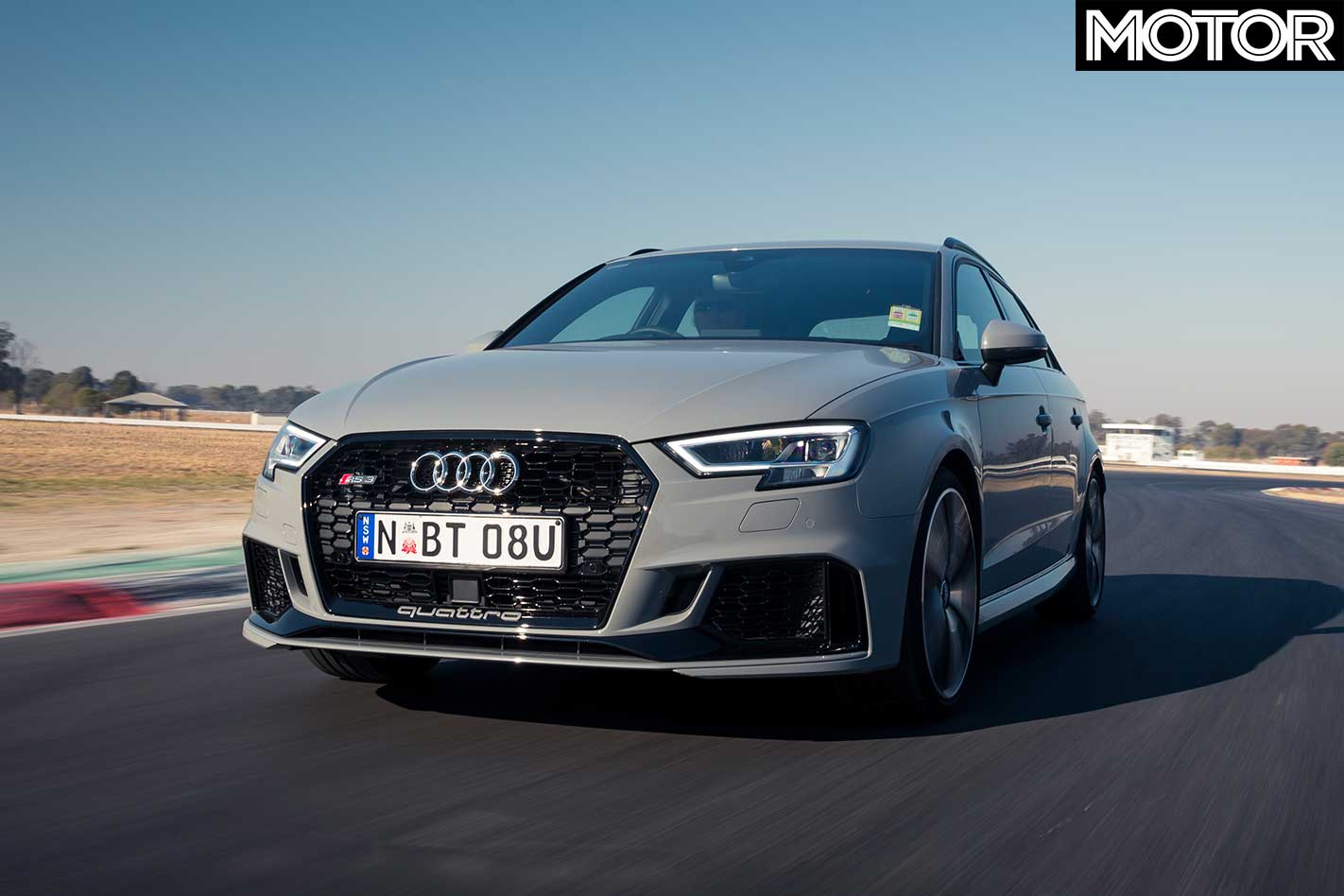
But who needs corner speed when you have a hot hatch that sounds like a baby supercar, can pin your body into the seat under acceleration and has a top-notch interior? By playing to its strengths, the RS3 nabs fourth place, missing the podium by a whisker.
Audi RS3 Sportback BFYB 2018 Results – 4th place
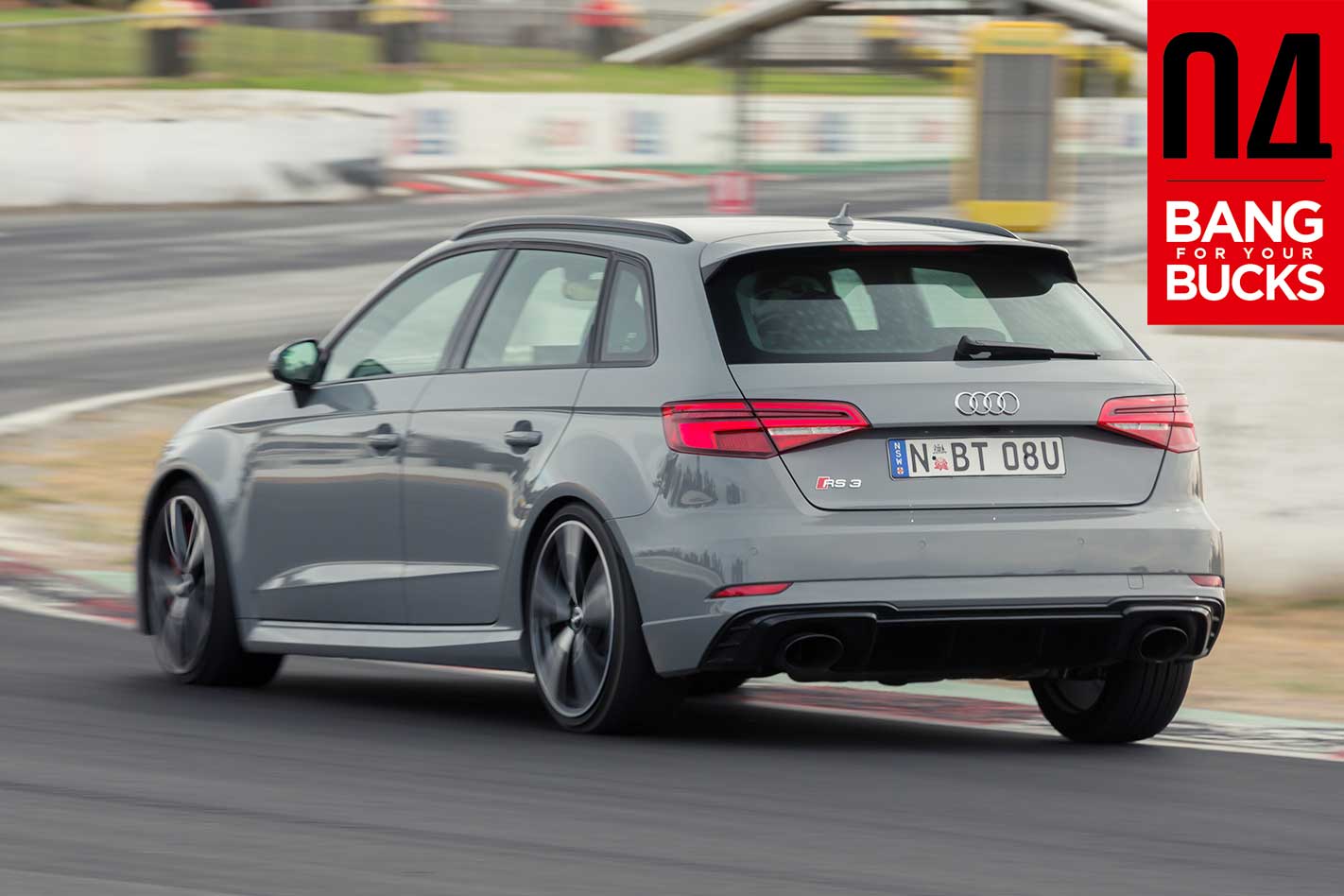
0-100km/h: 4.01sec (1st) 0-400m: 12.18sec @ 186.57km/h (1st) Lap Time: 1:38.40sec (5th) Price: $84,480 Bang Index: 189.2 Bucks Index: 59.5 BFYB Index: 130.8
Judges’ Comments
Warren Luff – 8th “The RS3 is a car that promises so much. It looks and sounds good and it’s a beautiful car to drive on the road, but in a racetrack environment it is a real let-down. It’s a point and squirt car and it’s got chronic understeer. It feels very heavy over the nose so you’re always struggling to try and slow it up enough so you can turn it and rotate it and then use the power out of the corners. The RS3 is not a car that you want to jump back in when you’re at a track.”
David Morley – 4th “Light blue touch paper and retire to the nearest ditch”
Dylan Campbell – 7th “Lovely engine warble. Less-lovely understeer. Better on the road”
Scott Newman – 7th “Mucho motor and just enough playfulness to prevent frustration”
Louis Cordony – 9th “What it offers in acceleration it lacks in dynamic character”
FAST FACTS 2018 AUDI RS3 SPORTBACK
BODY: 5-door, 5-seat hatch DRIVE: all-wheel ENGINE: 2480cc inline-5, DOHC, 20v, turbo BORE/STROKE: 82.5mm x 92.8mm COMPRESSION RATIO: 10.1:1 POWER: 294kW @ 5850-7000rpm TORQUE: 480Nm @ 1700-5850rpm WEIGHT: 1510kg POWER-TO-WEIGHT: 195kW/tonne TRANSMISSION: 7-speed dual-clutch SUSPENSION: struts, coils springs, adaptive dampers (f); multi-links, coil springs, adaptive dampers, anti-roll bar (r) BRAKES: 370mm ventilated discs, 8-piston calipers (f); 310mm ventilated discs, single-piston calipers (r) WHEELS: 19.0 x 8.5in (f); 19.0 x 8.0in (r) TYRES: Pirelli P Zero; 255/30 R19 (f); 235/35 R19 (r) PRICE: $84,480
Bang For Your Bucks 2018
 The Contenders, Judges & Criteria
15 of the hottest new fast cars under $100K roll up to take on our famous formula. Which will be number 1?
That signature five-cylinder growl can only mean one thing – the new Audi RS Q3 is on its way.
Audi is set to go SUV mad in the next couple of years and a crucial part of those plans is the overdue replacement for the Q3. As is currently the case, sitting atop that range will be an RS variant.
Don’t expect the formula to change too much, but under the bonnet will be Audi’s new-generation all-alloy 2.5-litre turbocharged five-cylinder. In the current RS3, it produces 294kW/480Nm; the current RS Q3 Performance manages 270kW/465Nm, so we’d expect the numbers to be very similar.
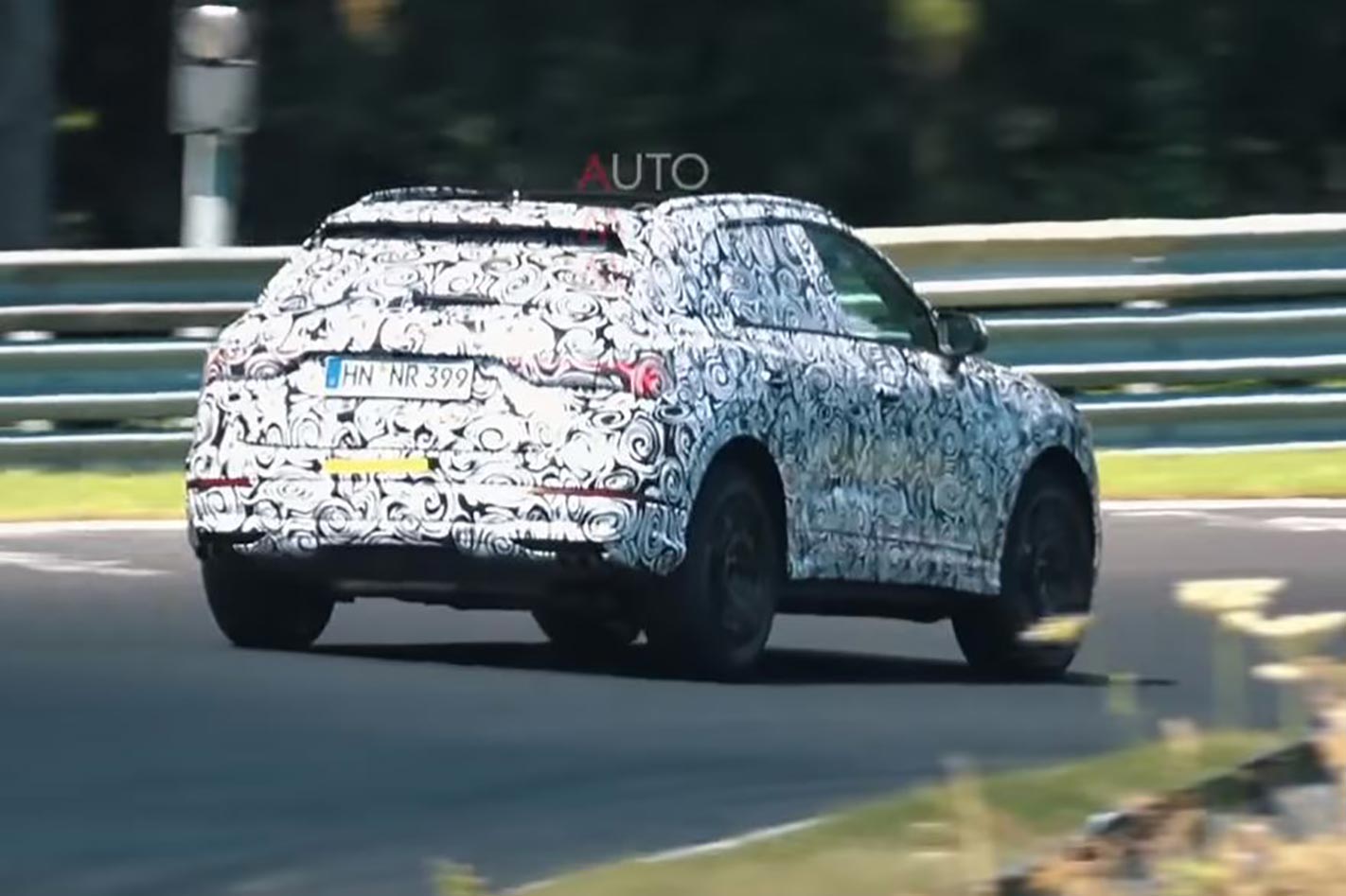
Expect the new Q3 to grow in length, width and wheelbase by about 50mm, which will help lower the RS Q3’s centre of gravity by giving it a wider footprint on the road. Expect the majority of the change to happen inside; the current Q3 has been around since 2011 and Audi interiors have progressed massively since then.
In addition to the RS Q3, our information is that an SQ3 will also be squeezed into the lineup, using an uprated 240kW/400Nm 2.0-litre turbocharged four-cylinder drivetrain. Expect the SQ3 to land locally in 2019 with the RS Q3 following a year later.
Any real driving enthusiast knows that you don’t need an expensive car to go fast. Driver talent obviously plays the biggest part, but Nürburgring lap times are – beyond brand bragging – a great leveller between the cost of a sportscar and the lap time it extracts.
Many think that vehicles tuned for the Burger Ring must be agonisingly hard to drive on the road, but the pimpled surfacing and plunging parts of the track can actually be a great test of suspension’s compliance and control. Volkswagen even picked the softer of its electronic damper tunes to nail a 7min 49.21sec lap in its three-door, not-for-Oz Golf Clubsport S.
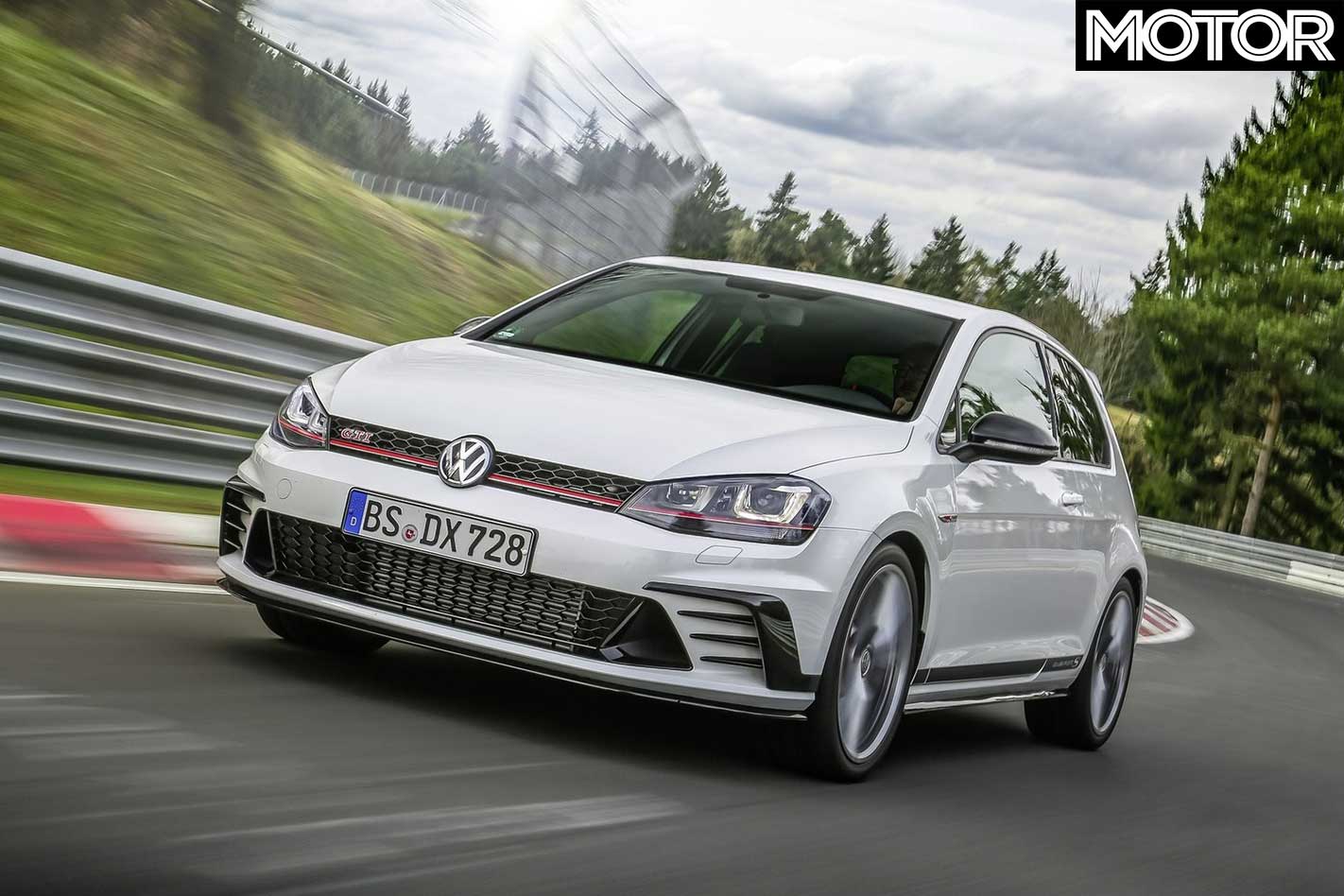
All of which means that the 228kW/400Nm 2.0-litre turbocharged Honda Civic Type-R is surely the best value of any ‘Ring tamer, costing $50,990 plus on-road costs while extracting a 7min 43.8sec lap.
But it’s not yet used enough to lower in price, which means the 201kW/360Nm 2.0-litre turbo four Renault Sport Megane RS275 Trophy-R as a former hot hatch record holder becomes our benchmark buy here – at $35K for a 7min 54.36sec lap. This Frenchie is an epic steer in terms of agility and driver feedback, not just finding fine digits.
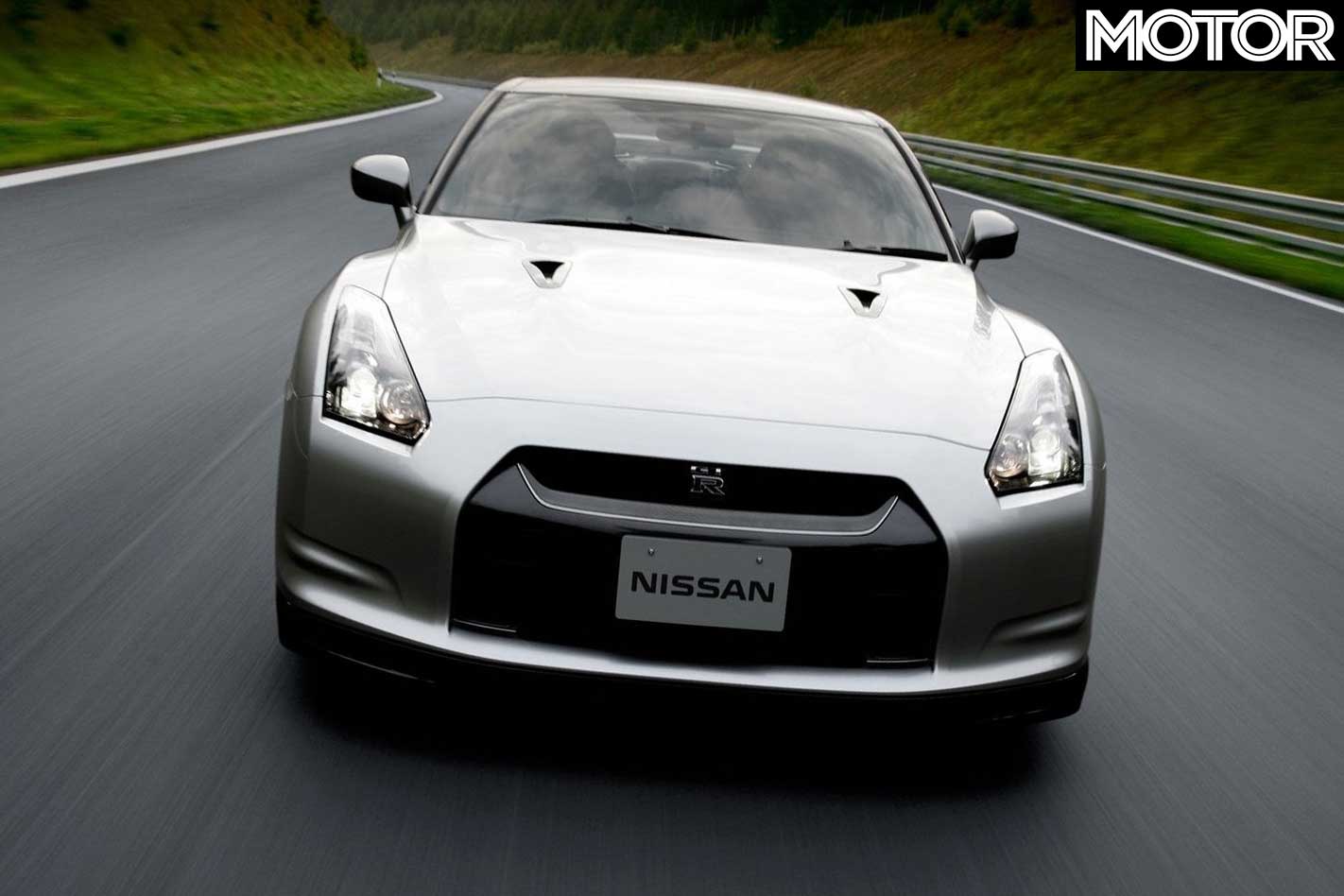
But beyond the Renault and Honda, in terms of price-versus-lap a used car buyer will need a 2009 Nissan GT-R at around $90,000 used with 50,000km to beat it. Back in the day a stock Godzilla – with its 357kW/588Nm 3.8-litre twin-turbocharged V6 spinning four tyres – clocked a 7min 29.03sec blast. That’s a fifteen second leap ahead for three times the cash.
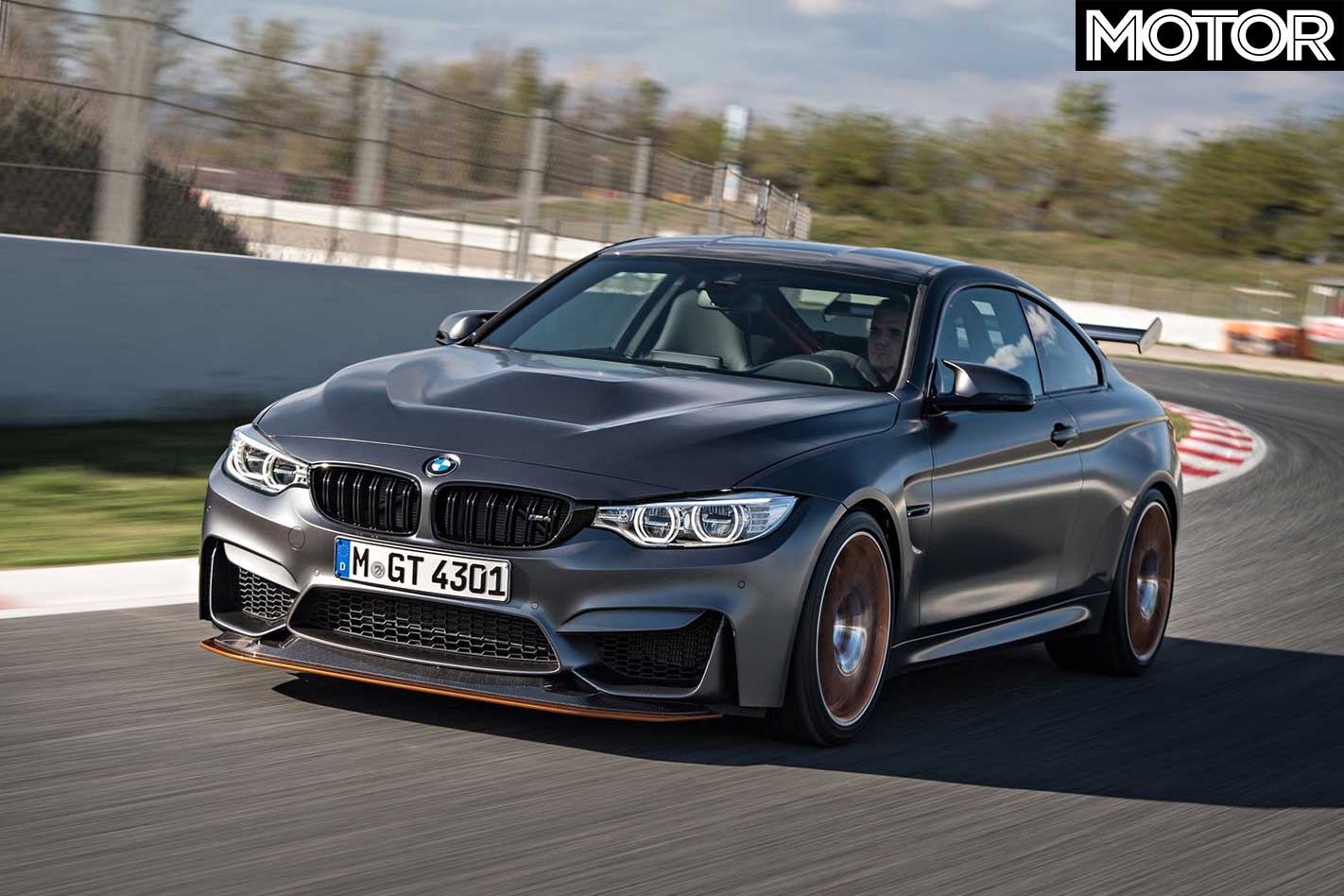
Meanwhile, to beat that time by a scant 1.15sec an owner will need two-and-a-half times the cash for a near-new BMW M4 GTS that rounded up the 20.8km-long Nordschleife in 7min 27.88sec.
But hang on, because this 368kW/600Nm 3.0-litre twin-turbo six limited edition – of which only 25 came here – cost $295,000 plus on-road costs new two years ago. Now, with only 1500km showing, a buyer can nab this hardcore two-seat weapon for $225K.
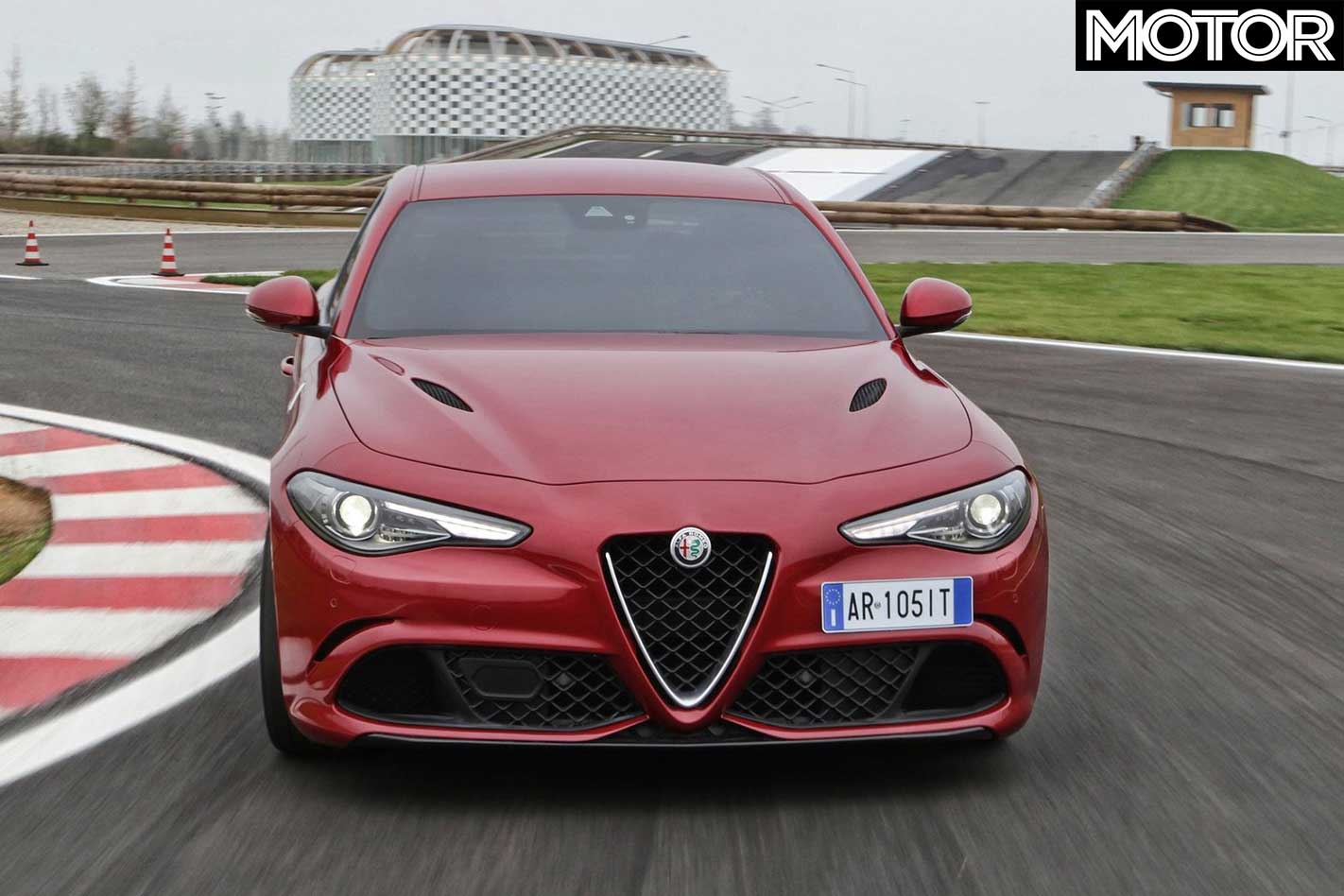
There is a stellar inbetweener here, though, something that slides in between the GT-R and M4 GTS both in terms of price, practicality and performance on the famed Green Hell. That is of course the Alfa Romeo Giulia Quadrifoglio sedan which – we hate to say it for the Italian’s sake, but it’s true – is following past poor resale trends by asking just $99,500 for a year-old, 26,000km example of the 375kW/600Nm 2.9-litre twin-turbo V6 four-door sedan. But hey, with a 7min 32sec lap time, it can chop up a racetrack then do the school run…
And to put the above trio into perspective, all three can nail a sub-4.0sec 0-100km/h time.
Showing the cost of progress, though, a still-$300K Nissan GT-R NISMO clocked a 7min 08.68sec lap five years ago, while the new top lap record holder is the current Porsche 911 GT2 RS with a 6min 47.25sec sprint – all yours for a heady $645,700 plus (many) options.
There are cars you know are worth waiting for, cars you should avoid like the plague and cars for people who just don’t care. But that last lot don’t often find their way into MOTOR’s pages, do they? For the rest of you, putting the new Vectra into a comfortably-sized letterbox is about to become something of an issue.
This review was originally published in MOTOR’s May 2003 issue
For starters, even if you had no immediate interest in it, the price will slap you into a bit of focus. If you weren’t paying attention to the Vectra CDXi (GTS in Europe, but renamed here for obvious reasons) before, then a $47,990 ask is going to make you notice it. For better or for worse.
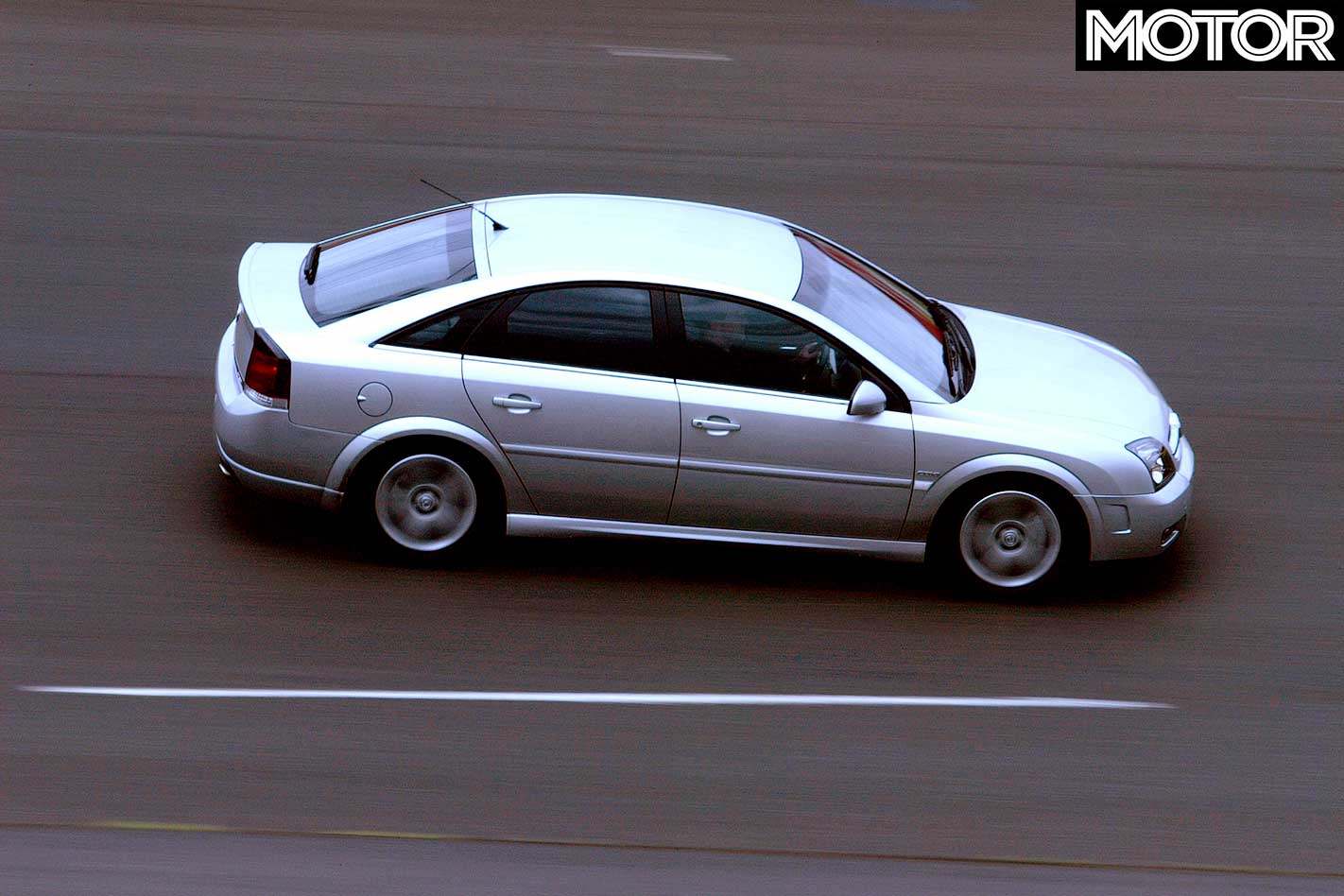
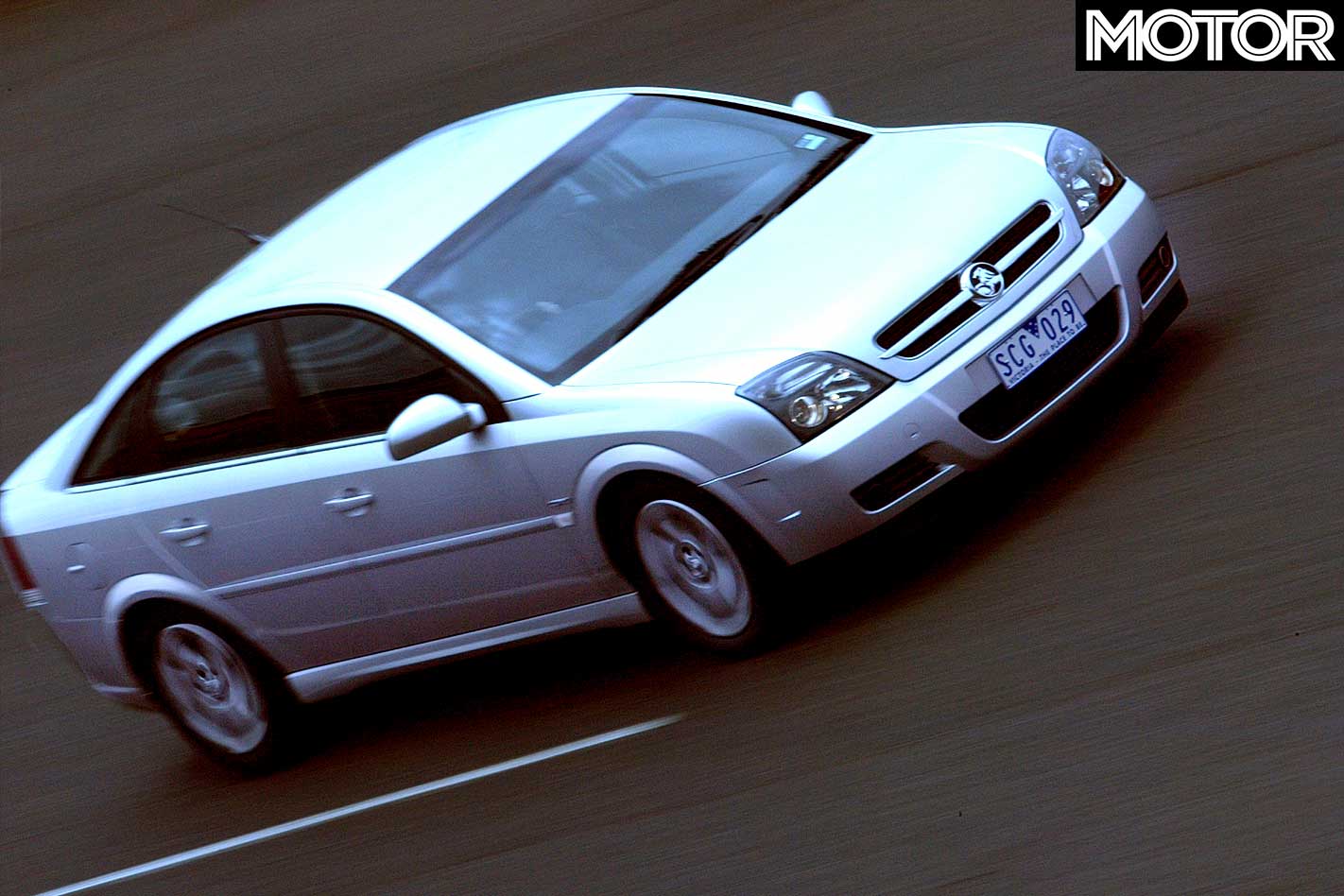
That’s a fair (or unfair) ask for a car that’s essentially 20 per cent upstream of its predecessor. Unsurprisingly, Holden doesn’t want you to focus on the cost. It wants you to feel the quality. And it has a pretty valid point.
This Vectra is almost certainly the best all-’round package to ever wear a Holden badge. Big call, granted, but the car itself is that good.
There are quite a few reasons why, actually. The engineering’s a long way upstream of its predecessor, a car whose public acceptance somewhat surprised Holden and its dealers, even if it had the odd niggle. And there’s almost 50,000 of them out in Australian garages now, and it’s a base Holden’s relying on to help it shift these jobbies.
It’s stiffer in the body, stronger in the suspensions, uses exotic metals in key areas and runs bottom-end 3-Series Bimmers pretty close here and there.
The engines are way better and that’s always a good place to start for us power-conscious Australians. Its all-alloy 3.2-litre V6 is not born of the new GM family of HFV6 motors (to be built in Melbourne and Canada), but is a derivative of the 2.6-litre jobbie in the superseded Vectra. Still, it feels more than modern enough for the job at hand.
It pumps out 155kW of power at 6200rpm and 300Nm at 3800 revs. It’s pretty strong from lower engine speeds as well, with 210Nm hanging around at 1000rpm and 250 on offer by the time you get to 2000. Its variable intake manifold helps it to give 90 per cent of its torque from 2700 through to 4750.
Drives like it, too. It’s smooth and willing and purposeful. Unlike the free-spirited four pot in the base Vectra, the V6 feels like it’s just as happy with the grunt work as it is playing and humming with more liberal piston speeds.
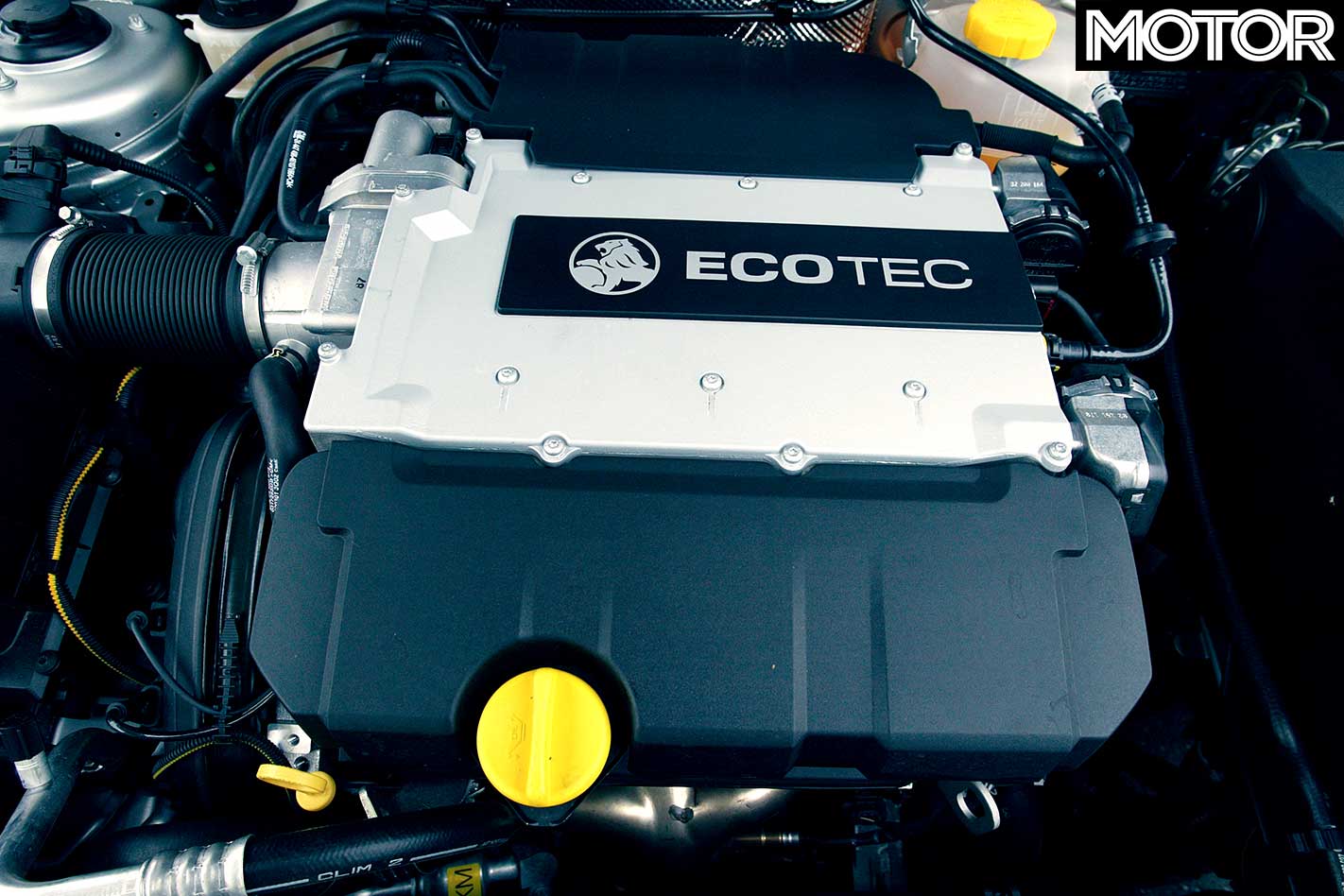
It feels (and sounds) meaty and slightly rorty at low-to-middling engine speeds, then has a Sybil-esque character transplant over about 4000 revs. From there onwards, it’s happy to sing seamlessly and cleanly to the redline and beyond, with nary a hint of unwanted tremor clouding the noiseworks.
That’s not claiming it’s at GT Falcon/Maserati levels of aural satisfaction (it is, after all, more humble than either of them). But for its genre and its level of competition, it’s thereabouts with the quality of the Peugeot 406 and Volkswagen Passat sixes and delivers stronger performance than the bottom-end Audi and BMW fours, though not quite there on sophistication and silken delivery.
While the engine’s a development, rather than an all-new jobbie, it’s been designed with its service life more in mind than the old car. It uses chain-driven twin-cam cylinder heads. Chains are, we’re told, back in vogue after a global fixation with belt drives.
The reasons for this, Holden boss Peter Hanenberger helpfully explained by drawing diagrams on the linen tablecloth at the Hilton Hotel in Melbourne, is the improvement in clatter suppression technology. And engineers generally prefer chains, because they don’t need dealership attention for yonks.
Hooked to the side of this motor is either a five-speed manual or the Aisin-Warner AF3-35 five-speed auto. It is essentially the same auto as the four-cylinder versions run, but it’s $2000 more and uses an additional planetary gear set to claim a rating of 330Nm (up from the AF2-35’s 230Nm).
But it’s the manual that’s more fun, and it’s there to take advantage of the engine’s stronger spread of torque. It’s cable operation is another example of the Vectra’s modernisation of old technology. Forget what you knew of cable operation from a generation ago, because the CDXi’s shifts are slick, clean and just a little rubbery.
It’s all part of the Vectra’s coming of age. It’s a bigger car than the old one. That’s usually a given for a new generation, but the Vectra is now getting into VS Commodore territory for size now.
Its track widths are wider than those on the VS. While it isn’t intrinsically a light car, Holden’s stumbled on a spin that you’ll hear more of as the diet craze gets worse: “Prevented Weight Increase”.
It’s claiming 140kg of PWI for the Vectra thanks to aluminium engine mounts, bonnets and other bits. There’s also alloy bumper beams (to save 14kg), tailor welded blanks in the rear body (to save 1.8kg) and increased use of magnesium, including the instrument panel cross member (dropping 6.2kg).
So, what they’re telling you is that while the Vectra CDXi’s manual mass is 1510kg, it could have been a lot worse, and the more expensive metals used help explain the intake of breath at the price.
But the German engineers haven’t used more expensive metals just for weight. The Vectra B-pillars are full of boron alloy, which is almost seven times stronger than steel and about $80 more expensive for each car. Holden’s considered it for a similar role in the Commodore in the past, only to be scared off by cost. Expect to see plenty of it on the next all-new model.
Nine percent of the old car’s material weight was high strength and extra high strength steel, the new model’s rate is up to 52 per cent. It leaves the Vectra with a chassis 74 per cent stiffer in torsional rigidity and 62 per cent up in its bending stiffness.
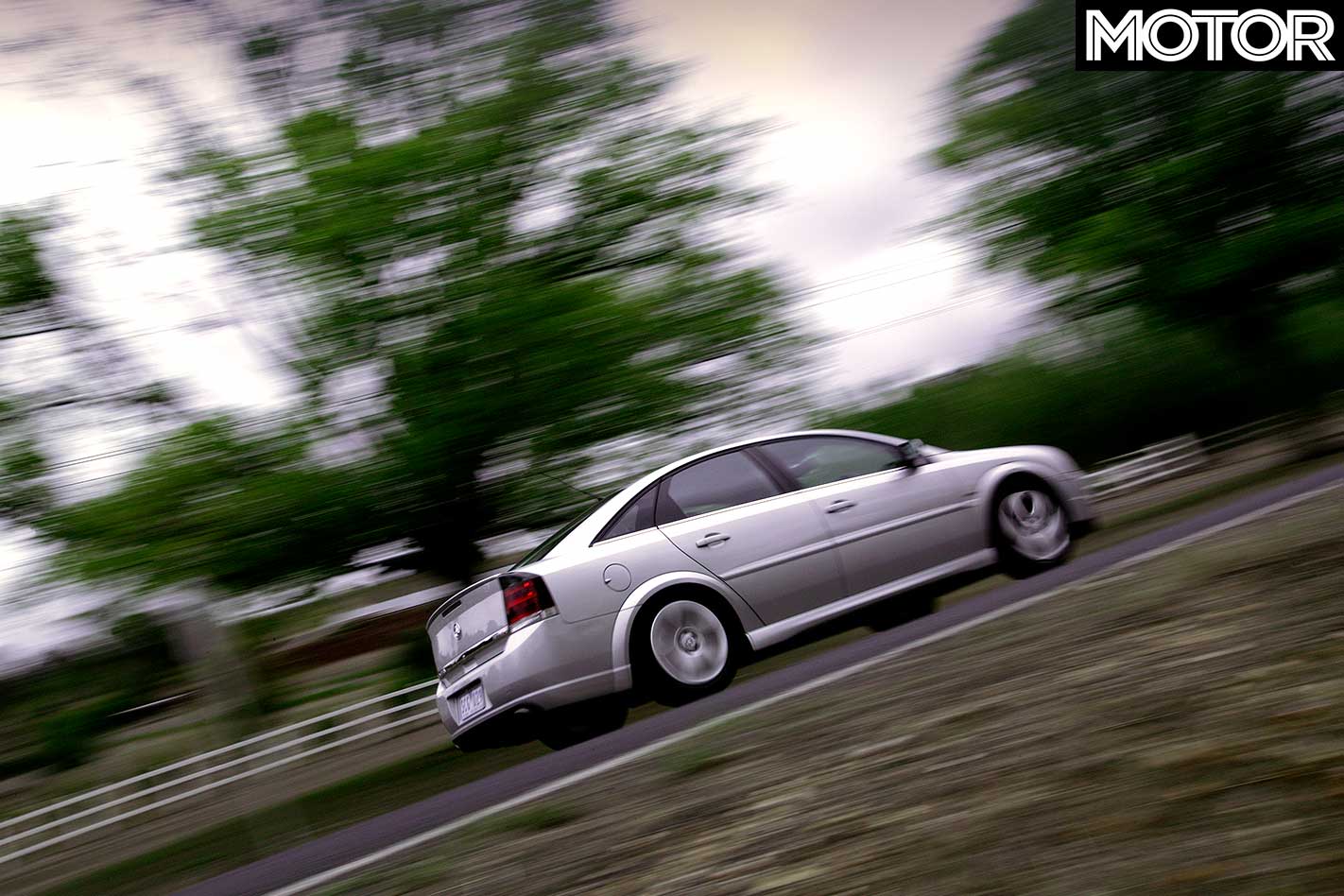
It feels it, too. Start flinging the CDXi across broken ground and it provides a wonderfully solid platform for the suspension to work off. It sits a full inch lower than the CDX, and it’s riding on 17-inch wheels to boot. Plus it runs the full gamut of latest generation ABS, traction control, Electronic Brake Force Distribution, cornering brake control and brake assist.
While traction control is occasionally intrusive, it’s a lot better than it has been. The cornering brake control system is a revelation and is a certainty to find its way into the next Commodore. Tip the thing in at ridiculous pace and it grabs the inside wheels to do everything within the limitations of physics to get around the corner and out of strife. It even works effectively on grass (don’t ask).
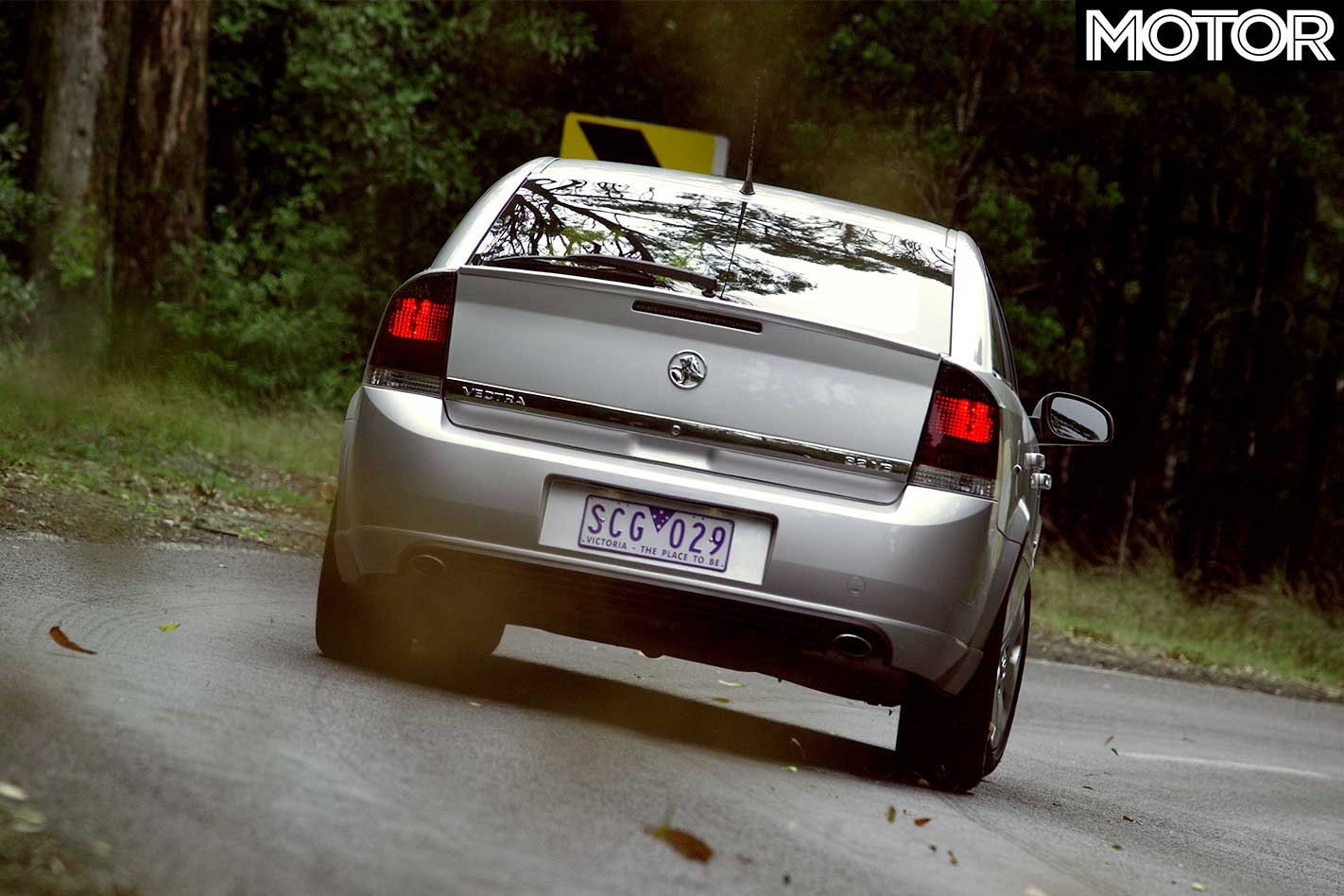
The highlights of the intrinsic chassis package are beautifully flat cornering ability, the masses of mid-corner speed it’s capable of carrying and the minimal traces of wheelspin on the way out of even the slowest corners.
All of which adds up to a very well sorted chassis. The steering is beautifully precise, brooks no kickback and is overly heavy. You can adjust its line mid-corner or just track along on in a wonderfully neutral stance.
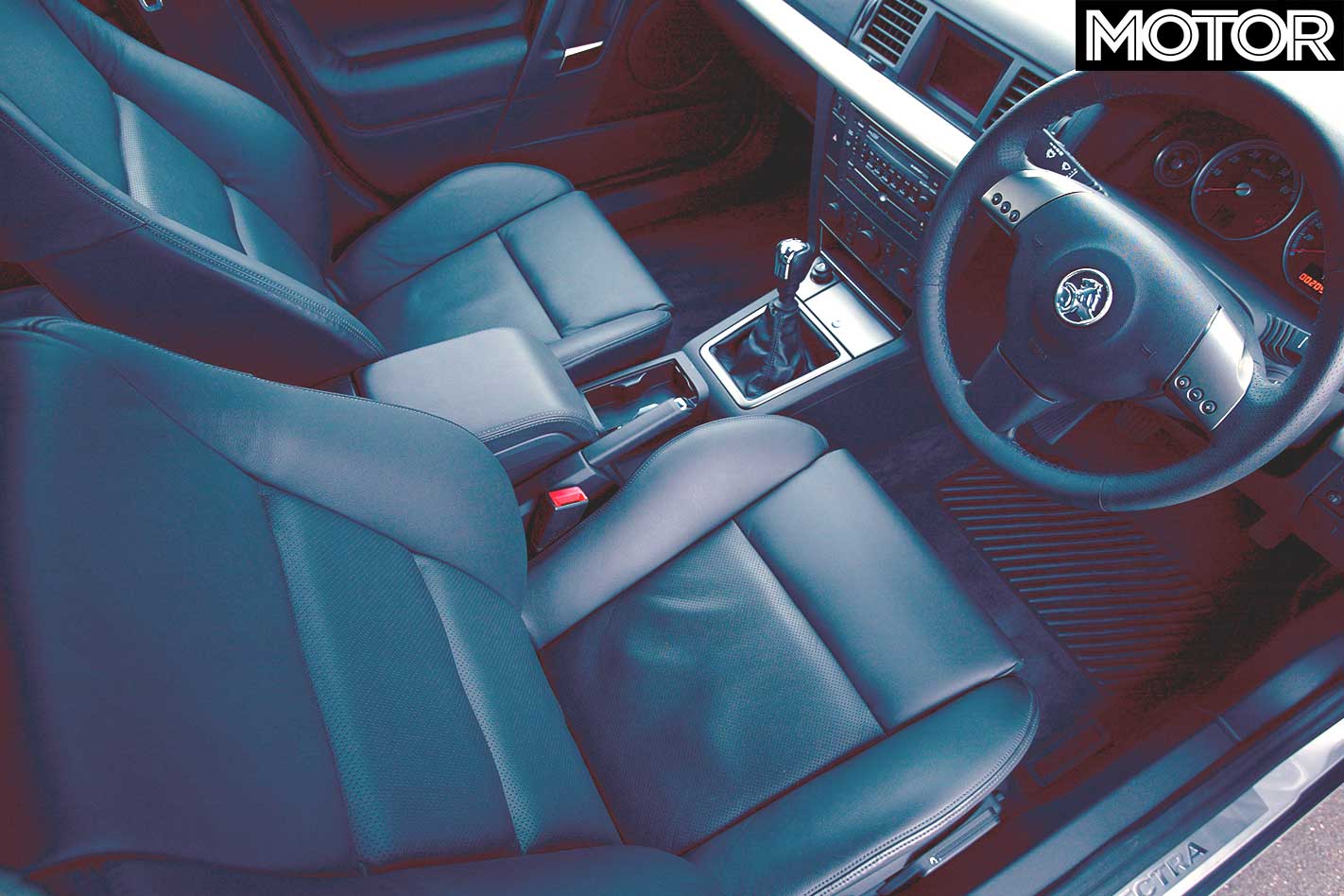
It’s got plenty of gear inside, as well. The seats are black leather numbers that offer terrific support over long distances and plenty of lateral grip when you’re pressing on. There’s a nine-speaker sound system, complete with a six-stack CD deal and a beaut graphic info display.
The CDXi also gets dual exhausts and it’s the only one to score climate control air conditioning (with an air quality sensor to automatically fling over to recirc when you get stuck behind the smokey bus).
It’s the real deal alright, and it’ll happily go head-to-head with VW, Peugeot and Audi. But is Australia ready for its first non-V8 $50k mainstream Holden? If it isn’t, it ought to be.
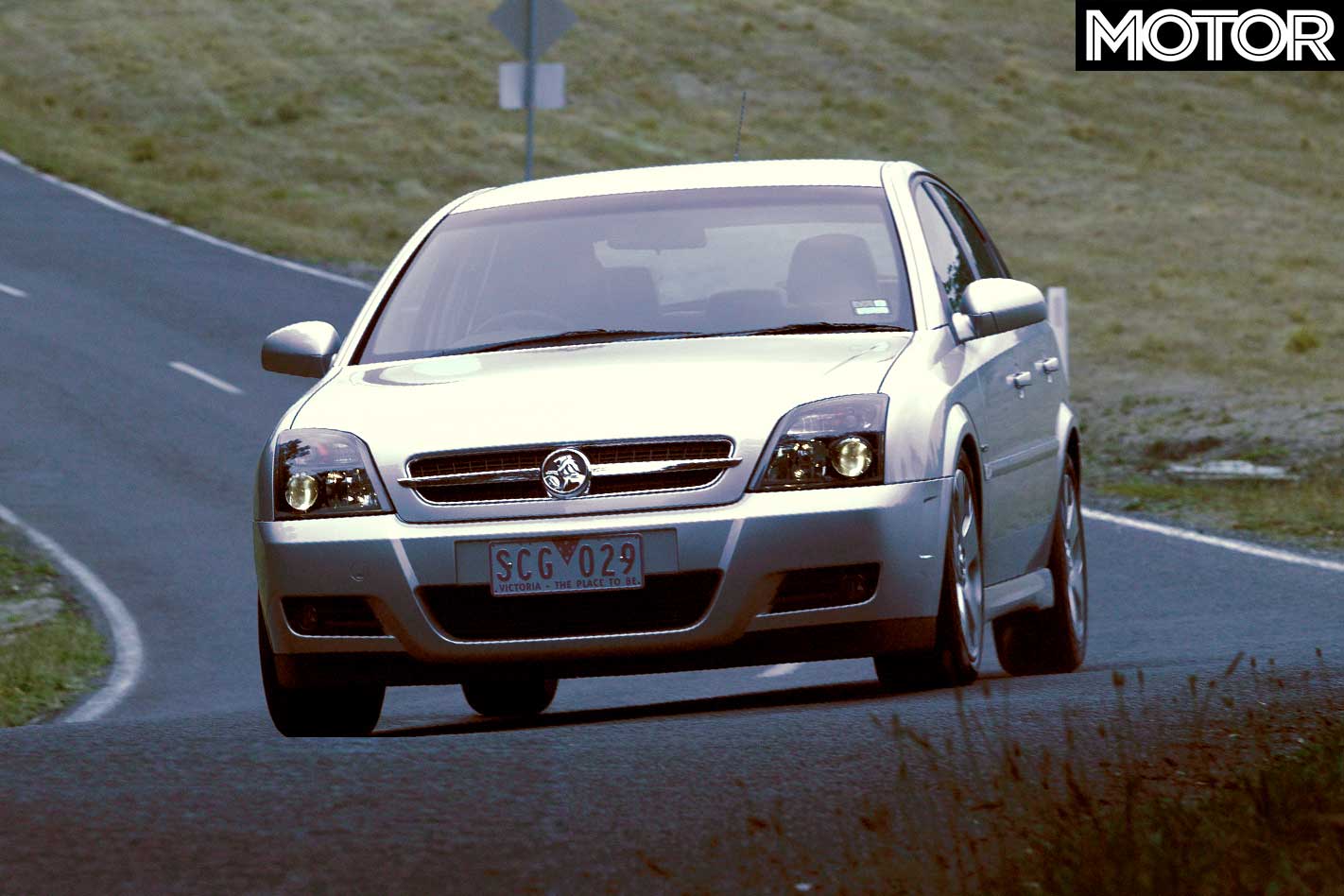
FAST FACTS 2003 Holden Vectra CDXi
DRIVE: front-wheel ENGINE: front-mounted 3.2-litre, DOHC 24-valve, transverse V6 POWER: 155kW at 6200rpm TORQUE: 300Nm at 3800rpm BORE/STROKE: 87.5mm x 88.0mm COMPRESSION RATIO: 10.0:1 WEIGHT: 1510kg POWER-TO-WEIGHT: 103kW/tonne TRANSMISSION: 5-speed manual SUSPENSION: MacPherson struts, coil springs, anti-roll bar (f); four links, coil springs, anti-roll bar (r) L/W/H: 4596/1798/1460mm WHEELBASE: 2700mm TRACK: 1536mm (f) 1525mm (r) BRAKES: 302mm ventilated discs, single-piston calipers (f); 292mm discs, single-piston calipers (r) WHEELS: 17 x 7.0-inch (f & r), alloy TYRES: Goodyear Eagle NCT5, 215/50 R17 (f & r) FUEL: 61 litres, PULP (temporary ULP) PRICE: $47,990
The Bugatti Veyron is famous for its searing speed, but as a used car it’s equally famous for its eye-watering maintenance costs.
The bespoke Michelin PAX tyres are $40,000 a set, while every four tyres changes the wheels are stress tested and if they need to be replaced, they are $12,500 a corner. Even an annual service is $25,000.
US outfit Royalty Exotic Cars decided it would go DIY and have filmed the video above to illustrate just how to perform a routine oil change on one of the world’s fastest and most exotic cars.
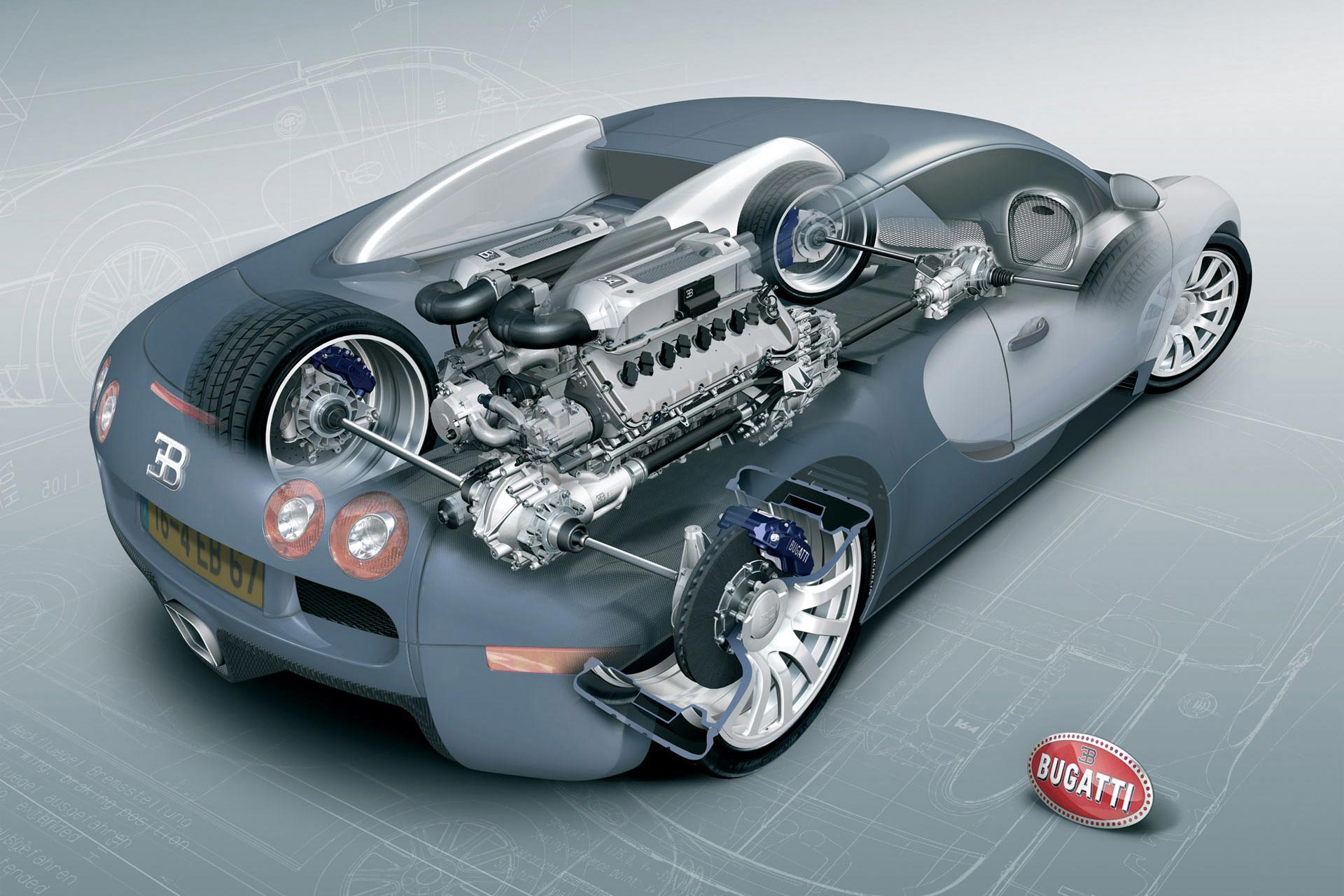
In order to complete an oil change, the entire rear of the car needs to be disassembled, including the rear guards and bumper, spoiler, fuel cap and rear bodywork. After all, there is no bonnet on a Veyron, as the 8.0-litre quad-turbo W16 is exposed to the air to try and control the crazy heat it emits.
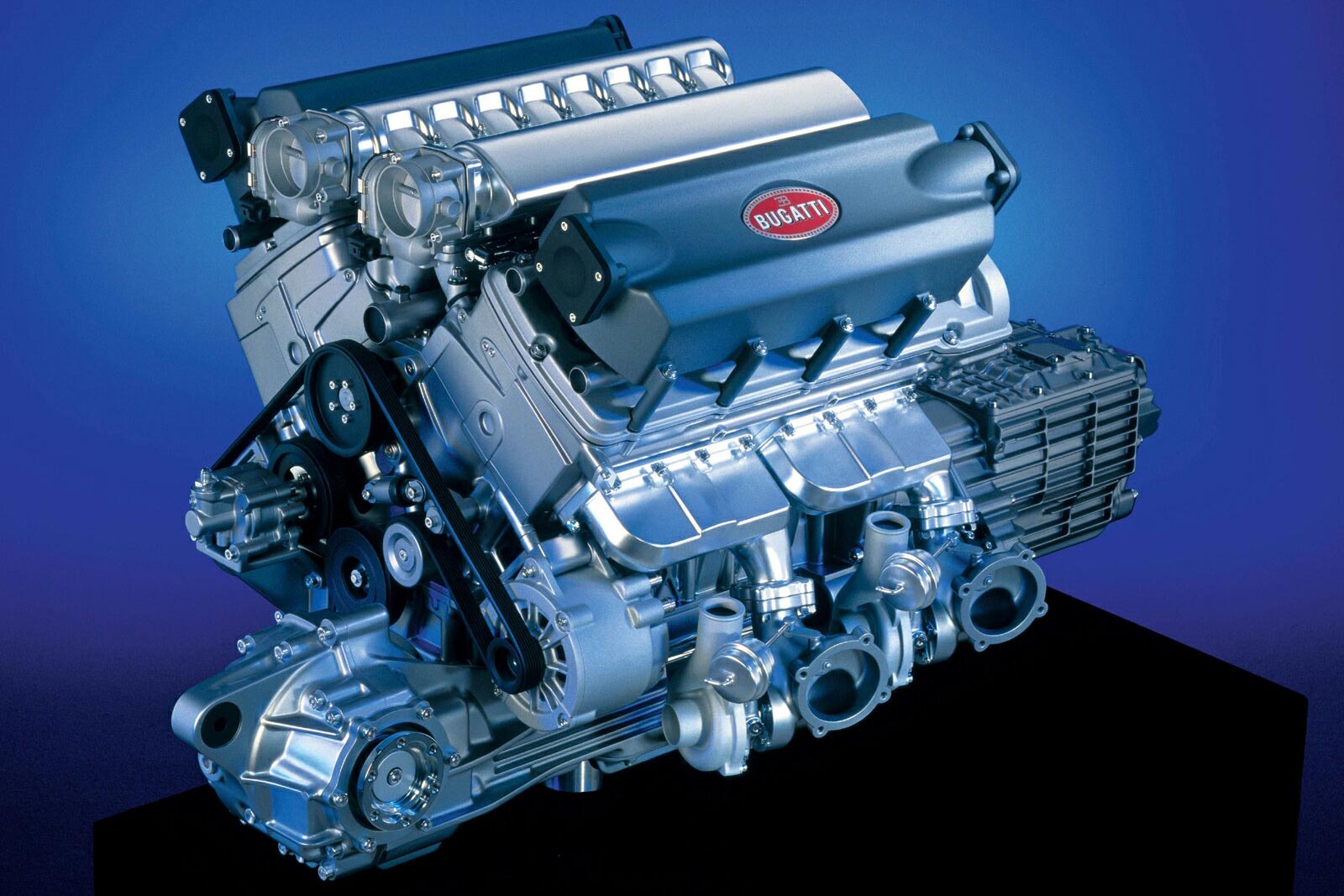
Oh, if you’re wondering why the Veyron in the video looks a little different, it’s one of two Veyron Mansory Vivere models.
IF YOU weren’t watching the new SuperUtes category at Queensland Raceway over the weekend, you missed out on one of the most spectacular crashes of the year so far.
Category debutant Michael Sieders was sent into a series of violent and fast barrel rolls that ended with his Mitsubishi Triton race car perched atop the track’s concrete barriers.
The crash was caused when Ryal Harris and Tom Alexander clashed at turn one of the final race of the weekend, with both running off track.
Seeing an opportunity, Sieders dived underneath the pair and made a break for the lead but, unfortunately, Alexander kept his right foot planted while he got into a tankslapper, and rammed the rear of the Mitsubishi’s tray, pitching it sideways.
Physics finished the job off, with Sieders’ rear left wheels torn away and catapulted into low orbit during the crash.
“I thought I was in the clear, all good, and next minute I am nowhere, on my roof, I don’t even know which way I was going,” Sieders said after the mega shunt.
The only thing arguably more spectacular than the rollover is Sieders’ impressive mutton chops and mullet combo, which should be immortalised in art.
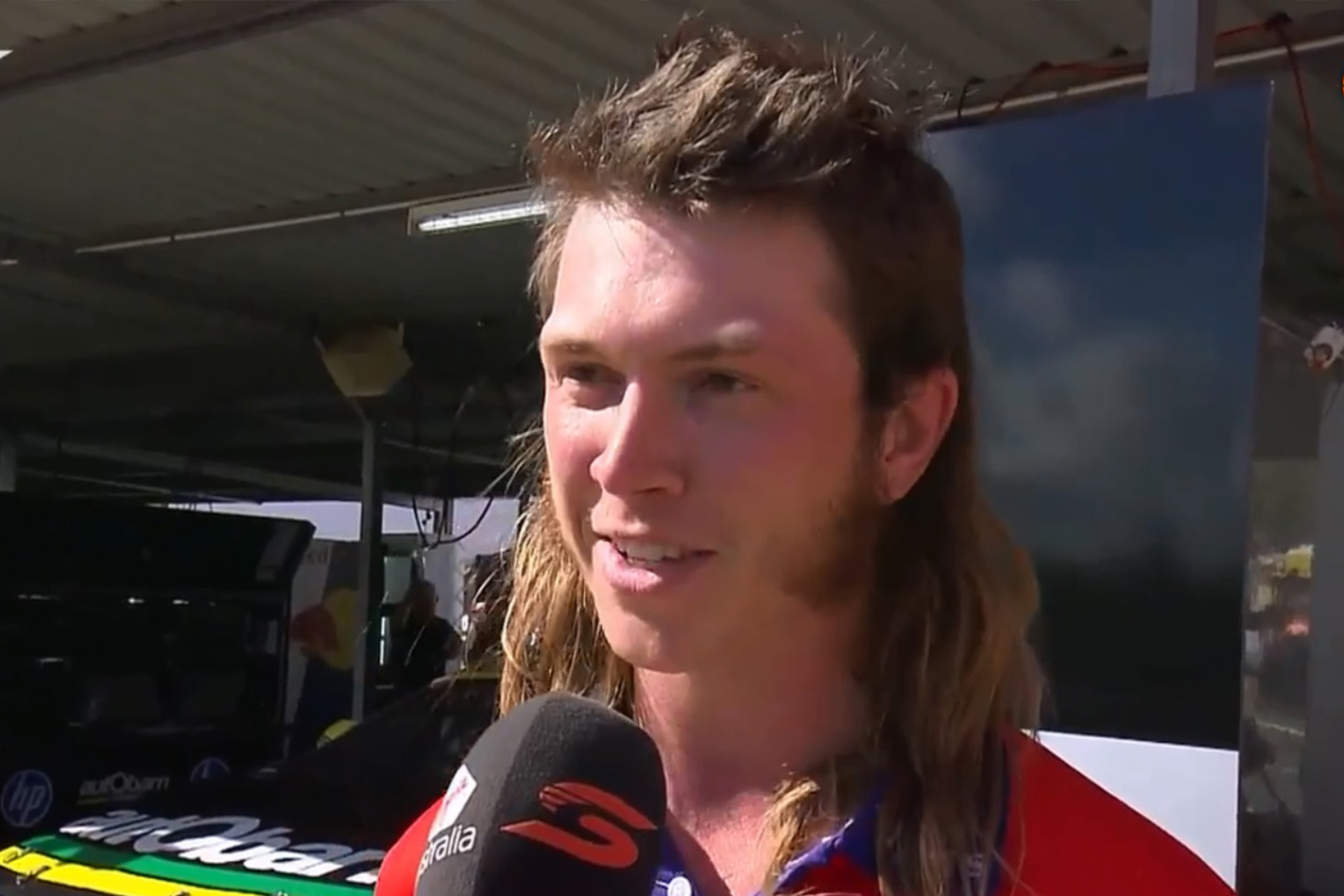
From those of us at Wheels HQ, we salute you good sir. Ten out of ten for effort!
SEBASTIAN Vettel appeared to have one hand on the race winner’s trophy for his home race with 16 laps remaining in the German Grand Prix.
Then, with 15 laps left to run, his Ferrari F1 car was beached in the gravel trap, carbonfibre nose broken on the barriers.
It could be a championship-defining moment, as Vettel’s rival Lewis Hamilton used a brilliant strategy to win the grand prix from 14th on the grid.
Previously, Hamilton had never won a grand prix from lower than sixth on the grid. The reigning champion’s low starting position was due to a hydraulic failure during qualifying.
With Vettel starting from pole on home soil, it appeared the German had gained the upper hand in the duo’s championship battle.
However, the Mercedes-AMG team used strategy to great effect on Sunday, running Hamilton long on soft tyres, before switching to quicker ultra-soft tyres late in the running.
Vettel had controlled the race early on, leading Bottas and Raikkonen. His Finnish teammate was able to leapfrog to the effective lead with an early pit stop, but Ferrari implemented team orders to allow Vettel to lead the race once more.
Rain was threatening for most of the race, with droplets beginning to fall at turn six with twenty laps remaining.
The precipitation prompted many teams to pit for intermediate tyres, but it proved to be a gamble that wouldn’t pay dividends, with all then returning to swap back to slicks.
Rain sporadically began to fall until Vettel locked his rear tyres in the stadium portion of the track, nosing into the barriers and ending his race – which prompted a late safety car.
The Mercedes-AMG GT R safety car was recalled with 10 laps remaining, with Hamilton leading teammate Valtteri Bottas. Team orders ensured Hamilton was not challenged, with Bottas finishing second, while Ferrari’s Kimi Raikkonen was the final podium finisher.
Max Verstappen and Nico Hulkenberg rounded out the top five, while Romain Grosjean, Sergio Perez, Esteban Ocon, Marcus Ericsson, and Brendon Hartley were the podium finishers come race end.
Hamilton’s race win moves the Briton into the lead of the drivers’ championship standings heading to the Hungaroring next weekend.
Daniel Ricciardo started on the last row of the grid due to engine penalties but battled his way into the points by the midway point of the race. However, the Australian was forced to retire from the grand prix with mechanical gremlins.
Kiwis duke it out in Ipswich
The Supercar’s circus rolled into Ipswich’s Queensland Raceway with Scott McLaughlin leading Shane van Gisbergen by 130 points.
The duo left ‘The Paperclip’ with the same points gap after scoring a win and second-place a piece.
McLaughlin drew first blood on the Saturday, dominating the race from pole to hold off van Gisbergen. The Red Bull Holden Racing Team driver started eight but was running in third by the end of the first lap, before finishing second.
Craig Lowndes completed the podium on Saturday.
Van Gisbergen returned serve on Sunday, who led from the opening lap after another blistering start from the front row.
McLaughlin was forced to settle for second, while Tickford Racing’s Chaz Mostert impressed with a third-place finish.
Jamie Whincup was metres away from snatching third in both races, with the reigning champion getting runs on both Lowndes and Mostert out of the final corner.
SERGIO Marchionne has made a sudden exit from the helm of Fiat Chrysler Automobiles following worsening health, with Mike Manley announced as his replacement as CEO.
His departure also vacates the positions of Ferrari CEO and chief executive, with Agnelli family progeny John Elkann picking up the reigns as CEO and Louis Camilleri taking the job of chief executive.
The abrupt announcement was made after Marchionne’s condition declined following surgery, ending a 14 year tenure for the FCA boss and fast-tracking his retirement, which was expected to occur after a protracted gestation at the end of the year.
According to the company, Manley was already in the process of transitioning to the position of CEO and the recent development merely required an acceleration of the handover and confirmation of Marchionne’s successor.
Manly steps up from the role of head of Jeep and Ram brands with a marathon 18 years of service under his belt. The British exec joined Chrysler in 2000 when it was under the ownership of Daimler and was central to the Jeep brand’s transformation from ailing dead weight back into the black as a global heavyweight.
Despite Manley’s proven track record, Marchionne leaves big boots to fill. The Italian-Canadian was responsible for reversing FCA’s seemingly terminal slide into obscurity, returning the company to profitability in 2006.
The outgoing boss implemented a surprising level of transparency for FCA when he delivered the ‘five year plan’ in 2013, and the timing of his replacement is fitting with the 2018 – 2022 Business Plan presented just last month.
It remains to be seen where the respective new executives will steer the company in the coming years now the roles have been separated out but Ferrari says it has given Camilleri “the necessary powers to ensure the continuity of the company’s operation”.
The severity of Marchionne’s condition following shoulder surgery is unknown at this stage, but a statement by Elkann seems to suggest a poor prognosis.
“I am profoundly saddened to learn of Sergio’s state of health,” he said. “It is a situation that was unthinkable until a few hours ago, and one that leaves us all with a real sense of injustice.
Elkann highlighted his predecessor’s achievements over the course of a long and colourful career.
“He taught us that the only question that’s worth asking oneself at the end of every day is whether we have been able to change something for the better, whether we have been able to make a difference. And Sergio has always made a difference, wherever his work took him and in the lives of so very many people.
“Today, that difference can be seen in the culture that he introduced in all the companies he has led, a culture that has become an integral part of each and every one of them.
“The succession plans we have just announced, even if not without pain from a personal point of view, mean we can guarantee the maximum possible continuity, preserving our companies’ unique cultures”.
Marchionne will also be remembered for his unapologetically blunt approach to both management and addressing the media, as well as his outspoken opinions regarding the automotive industry. His trademark sweaters will also be noticed by omission in the otherwise corporate realm.
A female racing driver with the name Dominique Chaleyer (pronounced ‘shallay-yeah) sounds like someone who raced, say, at Le Mans in the 1930s in an Alfa Romeo 6C 1750. In fact, Dominique Chaleyer is racing in Australia today, albeit in a suitably romantic 1965 Alfa Romeo Giulia Sprint GT in the popular historic Group S series.
“One of my heroes is Hellé Nice,” says Dominique, 33. “She was a very prominent racer in the early 1930s; there’s a terrific book about her called The Bugatti Queen. In fact, I’ve got a tattoo of her.”
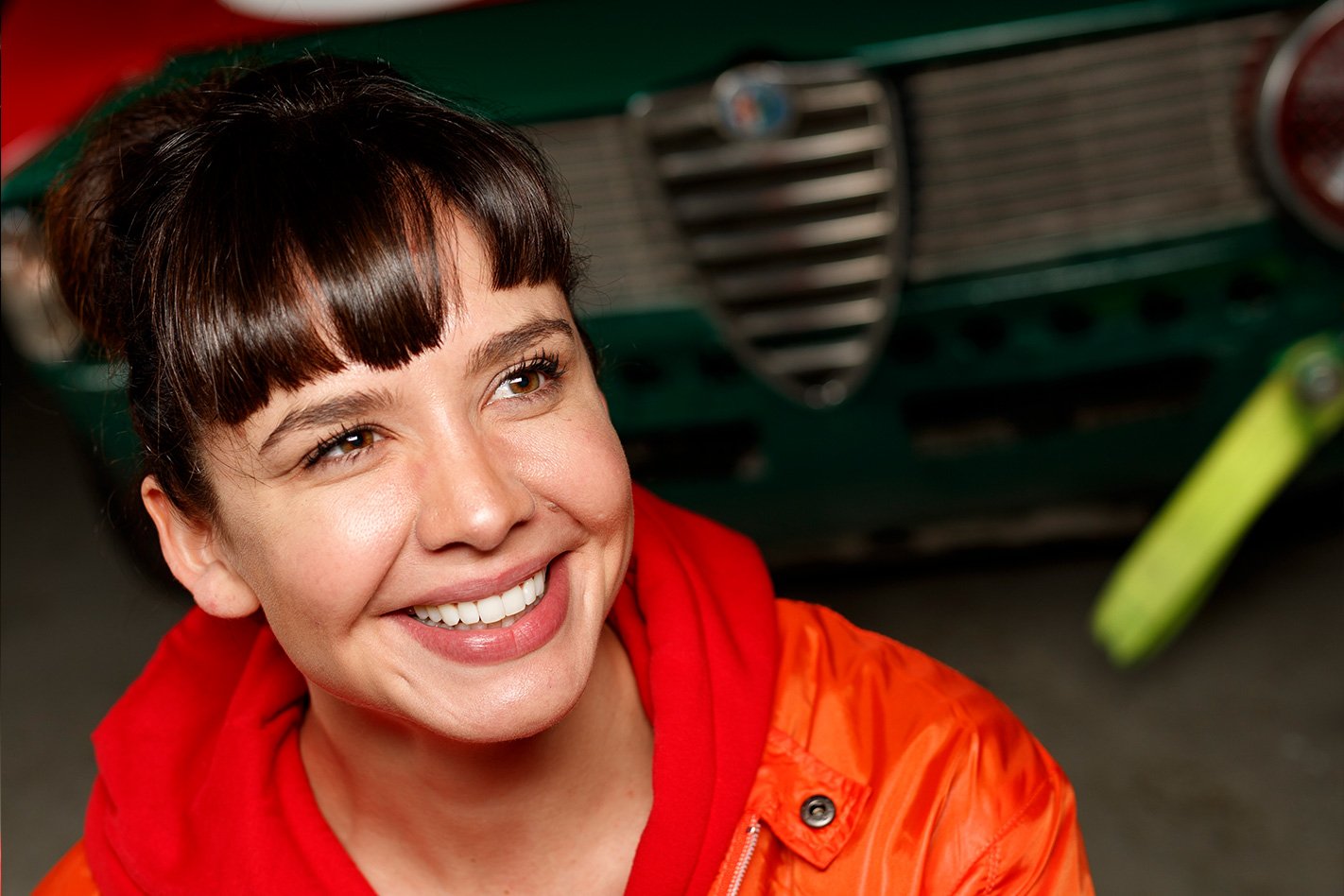
Dominique’s steeped in exotic high-performance and collectible cars too, as former media and digital marketing manager for the world-renowned Dutton Garage emporium in Melbourne.
Chaleyer was to the spanner born. Her father, Paul, is a long-time classic car racer and well-known proprietor of classic-car workshop, Historic and Vintage Restorations. “[HVR] was intended to be a kind of retirement hobby-career for dad,” says Dominique. “He’s been doing it for more than 15 years and it’s probably the most full-blown job he’s ever had.”
For Paul, those jobs included co-founding (in 1975) Melbourne bicycle shop The Freedom Machine, then becoming a publican, then telecommunications. The latter took the young family for six years to Pakistan, India, then Saudia Arabia, where Dominique completed primary school.
“In 1991, after the Gulf War, we came back,” she says. “My brother, my sister and I had strange accents. Some of the school kids I’d grown up with said, ‘Oh, our mums told us that you were dead!’”
The car bug had clearly bitten Dominique by age 14, when she took a part-time job at a bakery to start saving for her first car a couple of years later. “I was desperate to buy a Datsun 240Z, and I’d found one, and I had the money for it. Dad said: ‘There’s no way you’re buying that, it’s a hoon car.’ Today, knowing the value of 240Zs, he says to me, ‘You should have told me to eff-off and bought it anyway.’”
Instead, she bought a 1985 Alfa Romeo Giulietta 1.8. “It was silver, with a tweed interior, the wood-rim wheel. I got it for $500. I bashed around in it for two or three years, then sold it to a guy for $500. I thought I was the best businesswoman ever.”
Her career actually started with media studies. “I’ve worked in TV, film and special events in Melbourne, Sydney and Dubai … I spent about a year and a half in Dubai, which is a year and a half I wish I had back.”
At 25, Dominique took over her brother’s former “university ride”, the ’65 Giulia Sprint GT. “It had kept breaking down, so it got parked … Until I decided I wanted to be really responsible, and put my life’s savings into racing a car. I was hell-bent on doing it.”
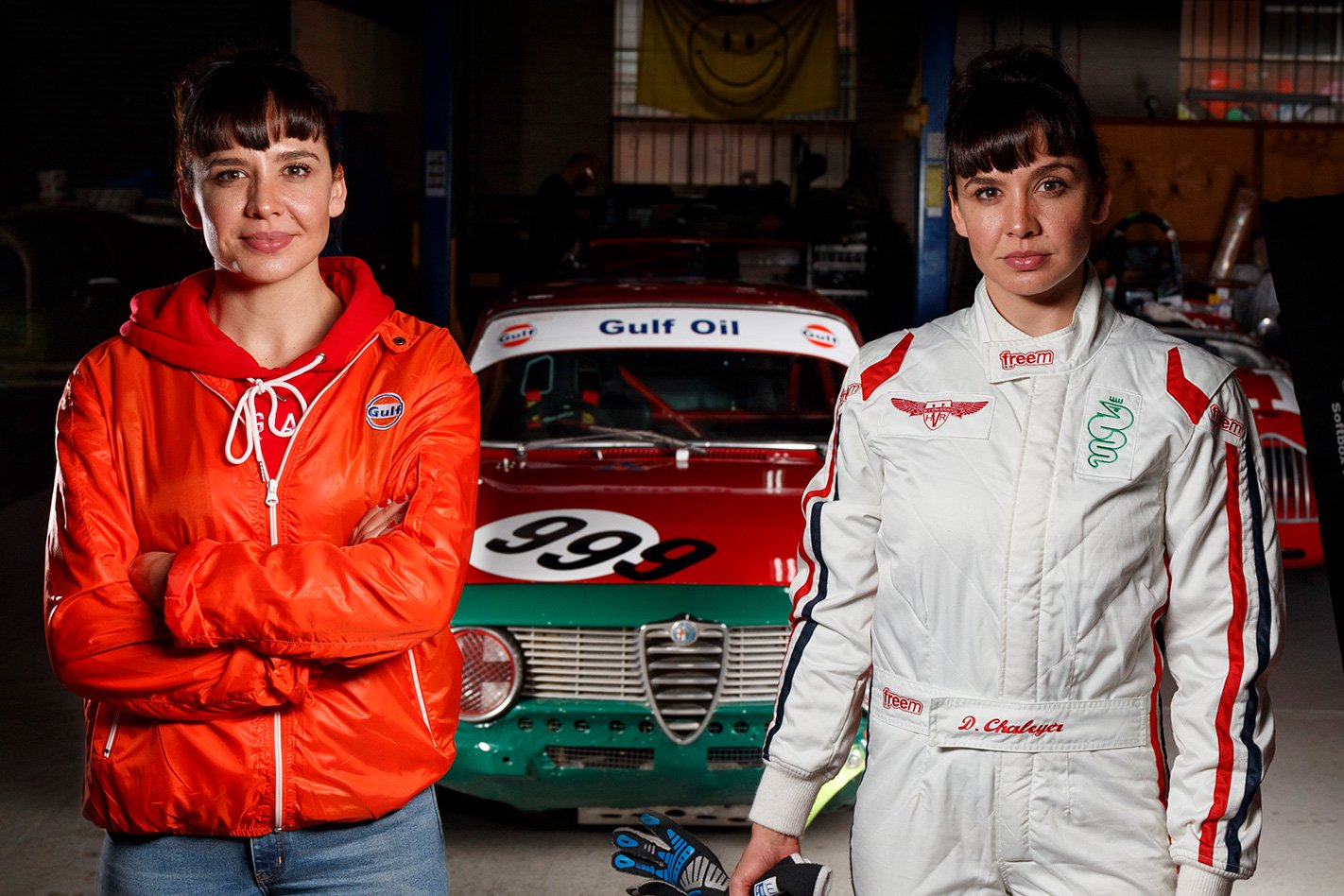
Dominique’s career then detoured into HVR, looking after media and marketing and running the workshop. “At that time, I put a lot of hours into building the race car with dad, and that’s where I learned about the mechanics of my car. I learned about racecraft as well.”
Some early competitors’ ideas of racecraft seemed rooted in the 18th century. “One guy said to me, ‘I can’t wait to watch you roll your car because you’re too busy painting your nails’. To which, I probably raised a middle finger – perfectly painted.
“I had a lady ask me just over the weekend, ‘Oh, will you be competing against other females?’ There were two other females on the track, but motorsport isn’t gender-based – and it doesn’t need to be. I’m kind-of squirmy about things like ‘Ladies Trophies’ and things like that. I want to be considered for all the trophies, not just one.”
’Til defender do we part
Dominique Chaleyer has a host of classics lined up for her online video series What’s Driving Dominique. Her own garage of just two cars is barely less eclectic: her 1965 Alfa Romeo Giulia racer, and a 2010 Land Rover Defender 90. “The Landy’s not the greatest car in traffic, but I love it. I was watching a James Bond movie and in one of the opening scenes, the chick is wrestling this Defender through some precarious location. I said to myself, ‘Oh my God, one day I have to have that car.’”
