
THE Goodwood Festival of Speed is almost upon again, with the 2018 event taking place on July 12-15. Held on Lord March’s (now the Duke of Richmond) estate, it’s a stately event filled with the very best the automotive world has to offer. Here’s why you should be excited about this year’s FoS.
The Porsche sculpture
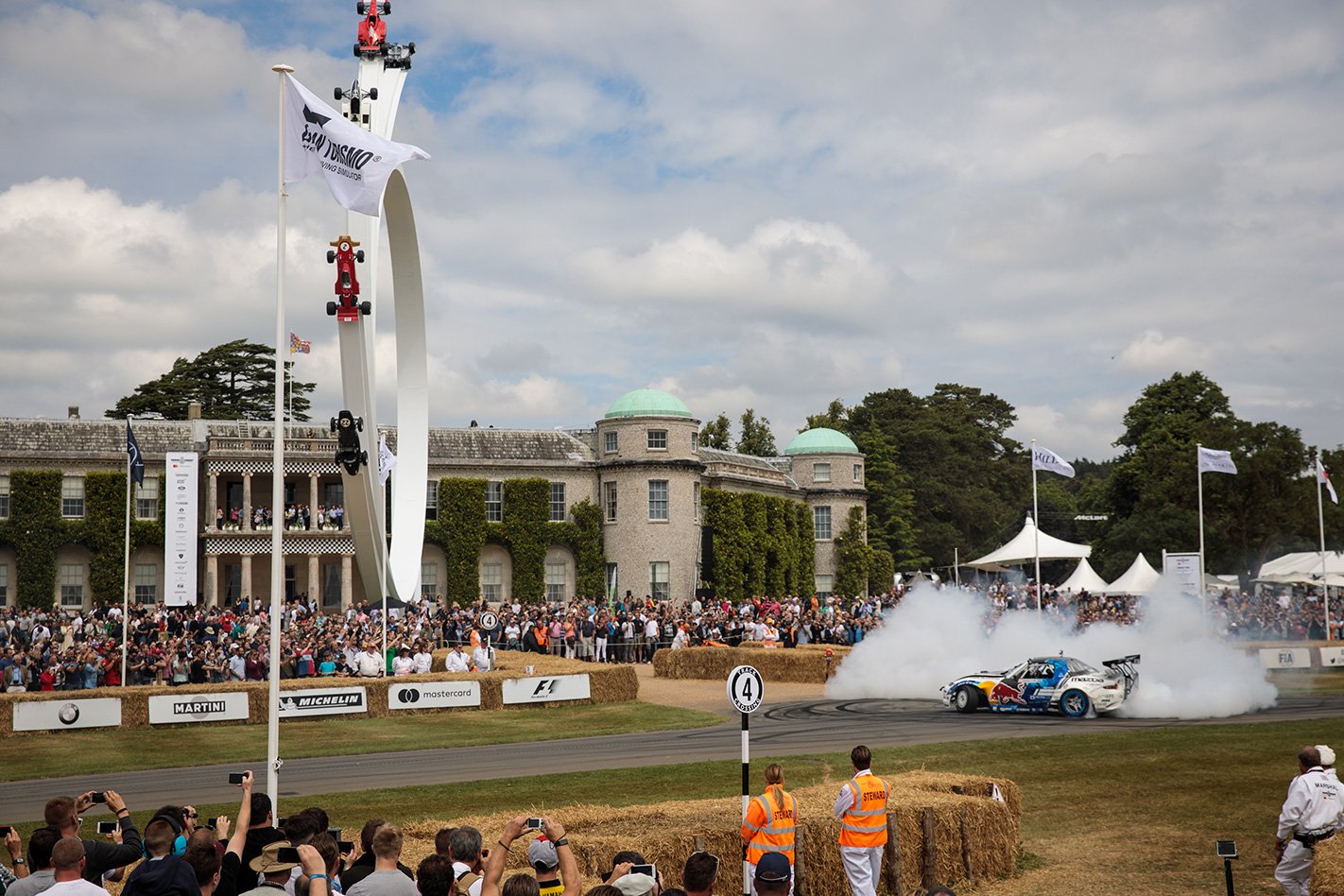
The centrepiece of the whole Goodwood Festival of Speed each year is the sculpture that sits on the lawn in front of the Duke of Richmond’s manor. It is traditionally themed around a significant anniversary for a manufacturer, which becomes the theme of the weekend.This year’s theme is Porsche’s 70th anniversary, so expect something gargantuan, and festooned with priceless road and race cars from Stuttgart.
Mark Webber in a 919 Evo

Speaking of Porsche, our very own Mark Webber is set to get behind the wheel of the 919 Evo for a run up Lord March’s driveway. The 919 Evo is the ultimate version of the car Webber drove to his world championship in 2015, and current outright lap record holder at Spa-Francorchamps. If properly unleashed, Webber could be coming to claim Nick Heidfeld’s Goodwood record hillclimb time of 41.6 seconds.
The Time Attack
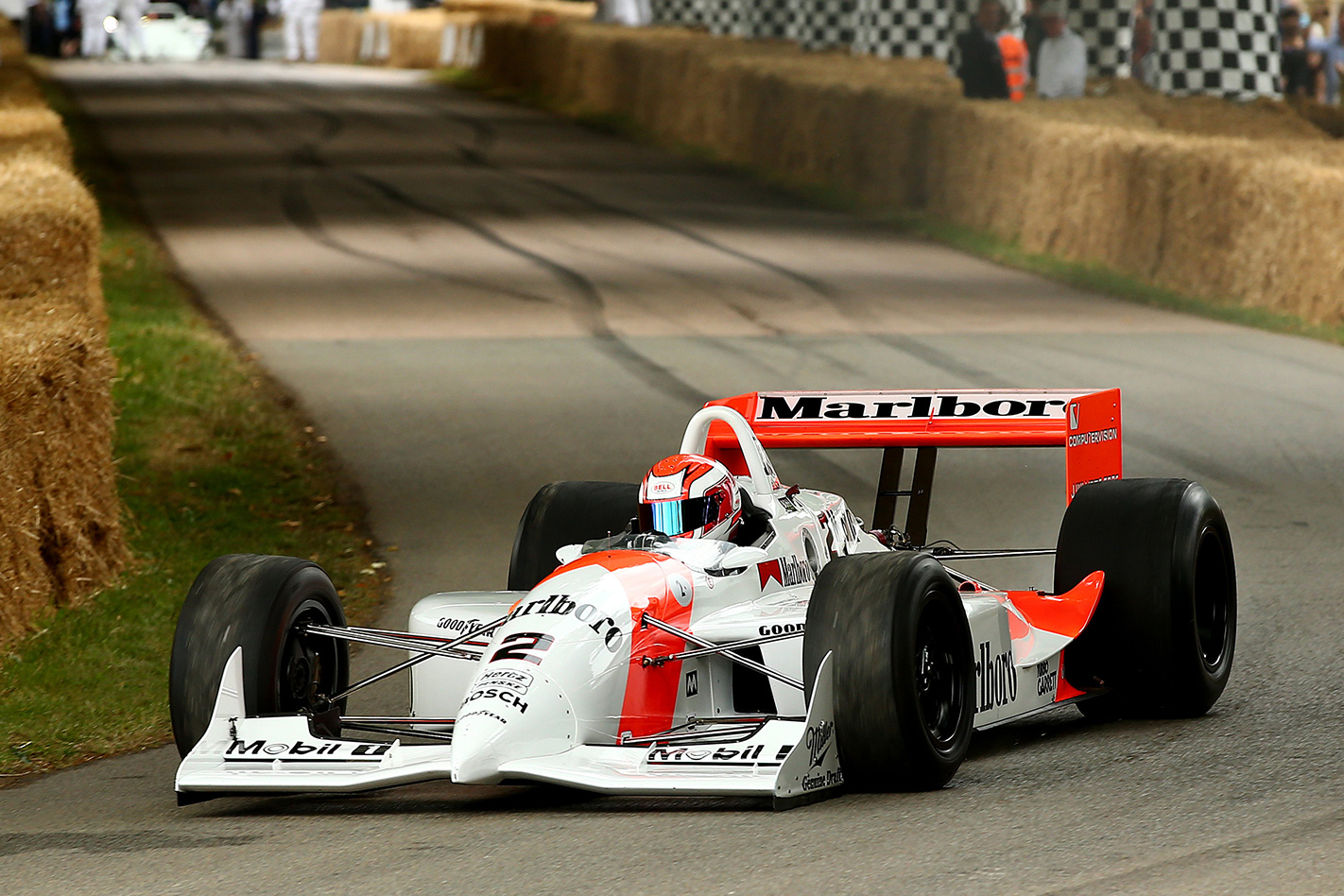
It’s not just Webber who could be putting in a cracking time up the hillclimb course at Goodwood, with the weekend’s climax being a timed shootout up the famed incline. Expect a wild and wonderful array of competitors, with everything from an XJ220-powered Ford Transit to Group C Le Mans cars, and bespoke time-attack beasts vying for the fastest time of the weekend.
300km/h Jet Pack
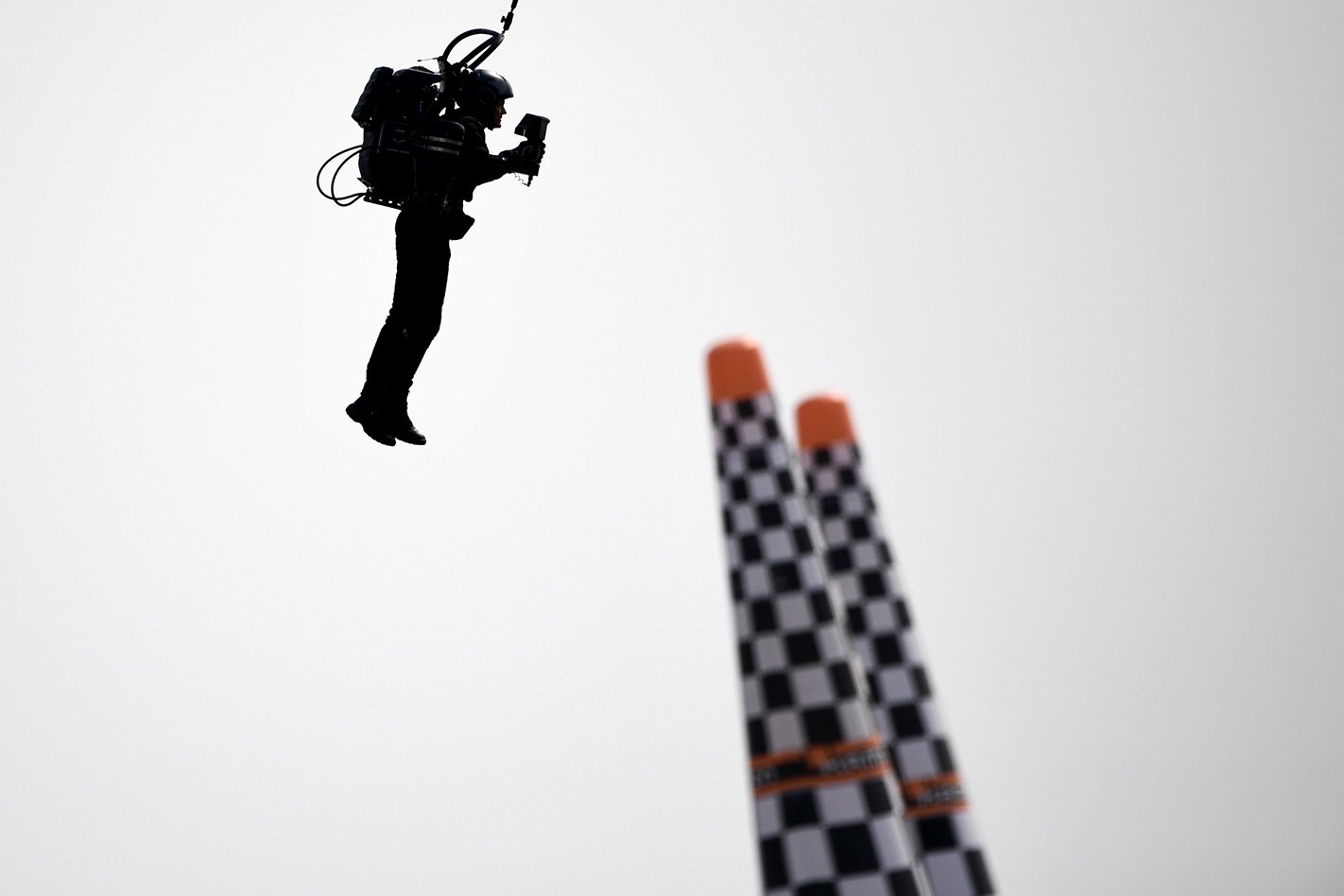
It’s not all about the cars at Goodwood, with this year’s Future Lab (an instillation which debuted at the 2017 FoS) featuring a functioning jet pack capable of 300km/h and an altitude of 10,000ft. The kerosene-powered JB11 has six turbojet engines, and will be displayed and demonstrated during the weekend. There will also be a robot bartender at the instillation for those looking to indulge themselves during the event.
Bonham’s auction
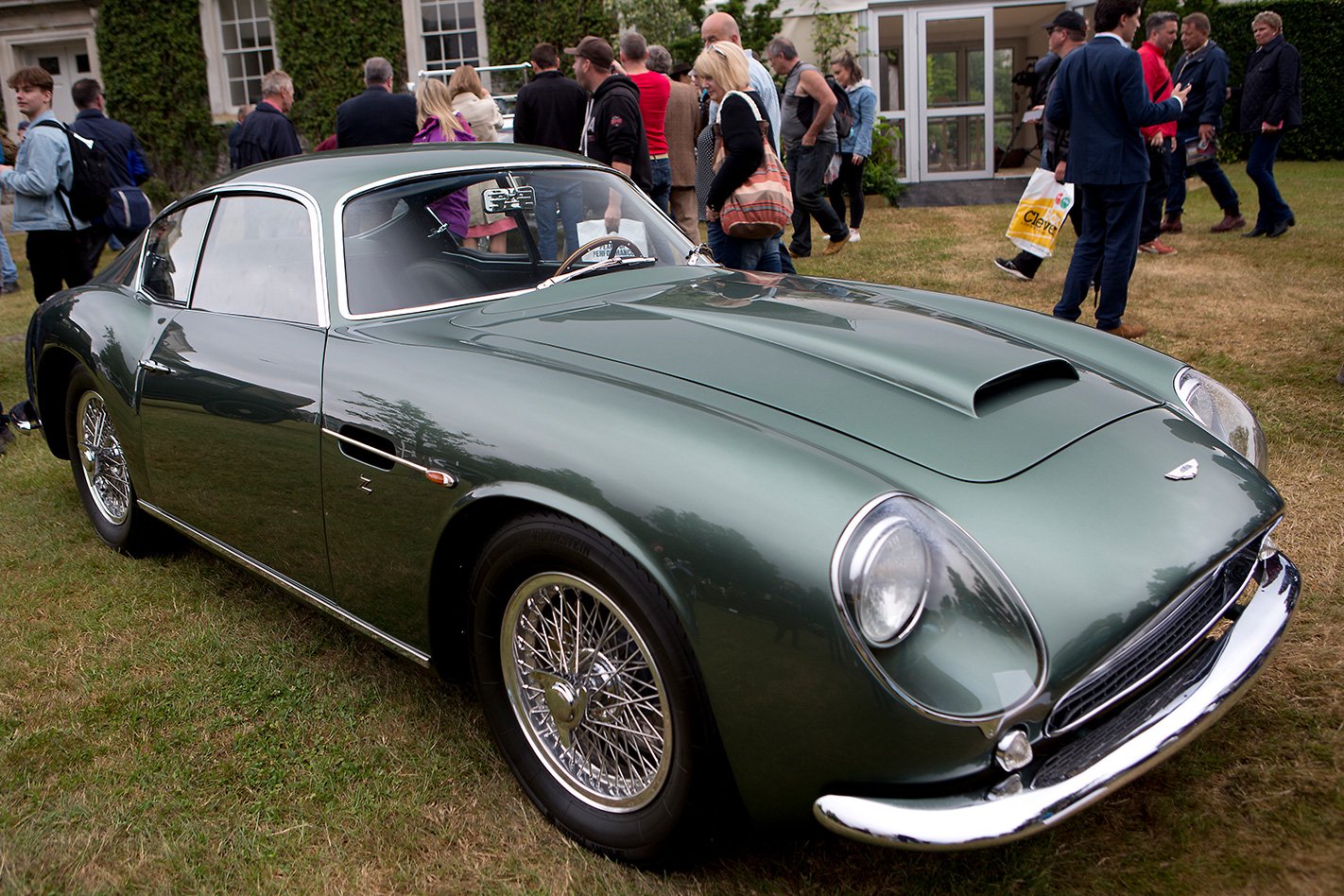
Away from the driveway, Bonham’s auction house will be holding its annual sale at Goodwood, with classic and rare metal rolling across the floor and being offered to the highest bidder. Featured cars include the ultimate James Bond Aston Martin, a vintage 1920s Bentley, and the 1961 Aston Martin Zagato that’s tipped to break the all-time UK auction record of $30 million. You’ll need deep pockets to head home with some of these beauties.
Martini galore
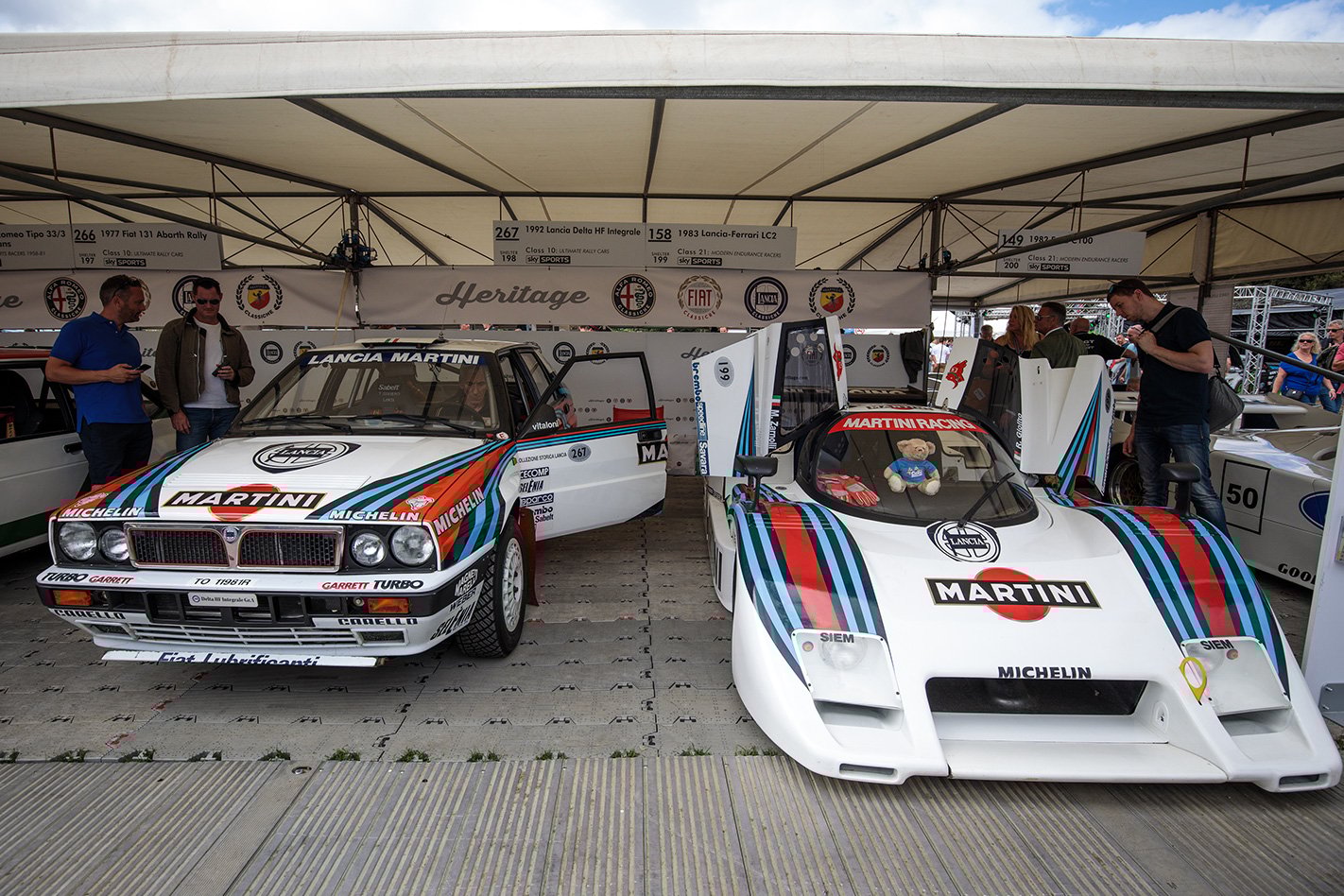
Along with the celebration of Porsche’s 70th anniversary, there will be a portion of the grounds dedicated to Martini-sponsored racers. These will include a Williams Martini Racing F1 car, Lancia Delta Integrale, Lancia LC2, a collection of Porsches, and Colin McRae’s rally-winning Ford Focus. Drool.
BTCC shootout
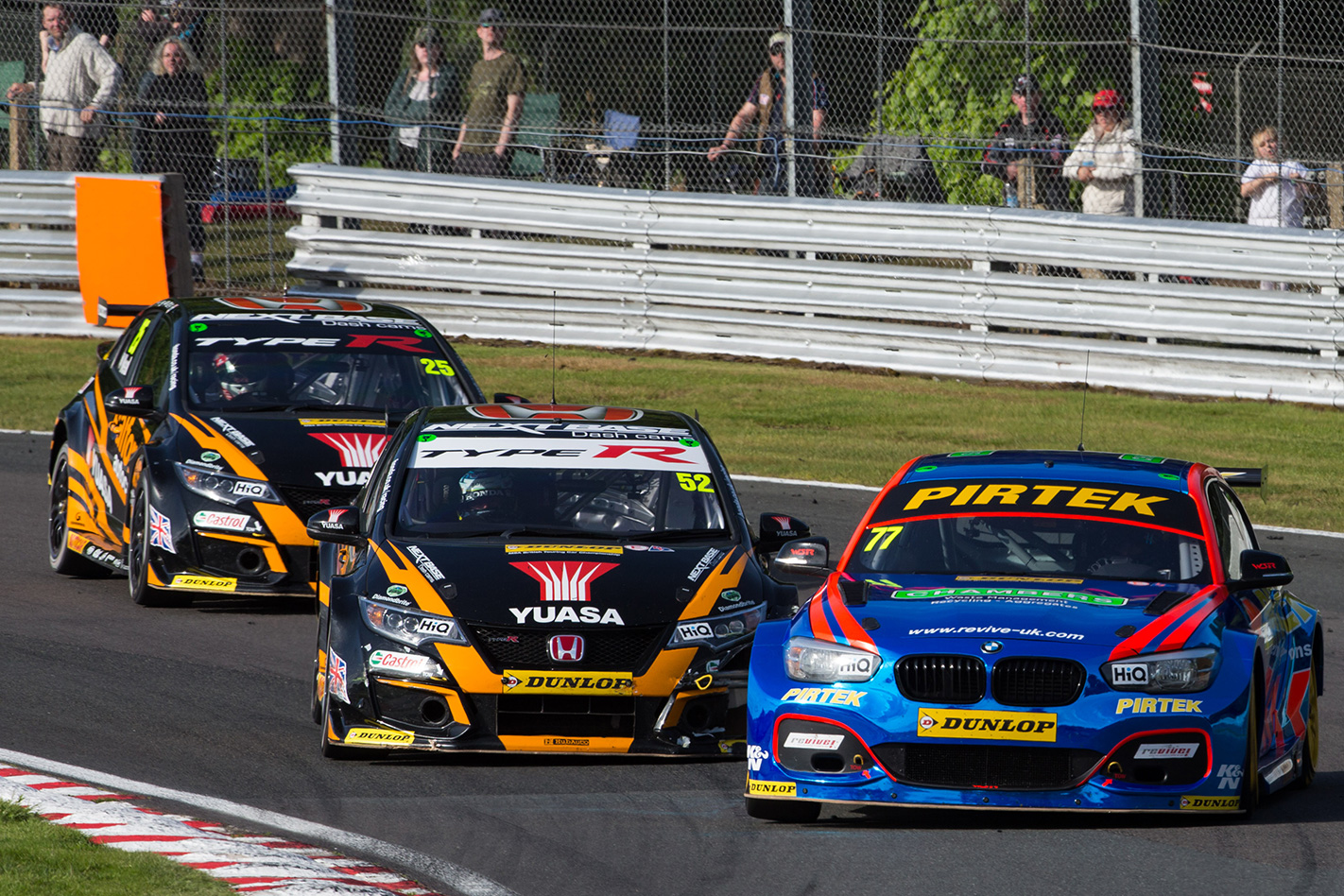
Along with the traditional hillclimb competition, racers and teams from the British Touring Car Championship will compete in a shootout to see who can conquer Lord March’s now infamous stretch of bitumen the quickest. There is no prize money or reward on offer for the fastest time, just bragging rights – though racing driver egos mean the stakes will be high as the touring car aces tackle the driveway.
Rolling motorshow
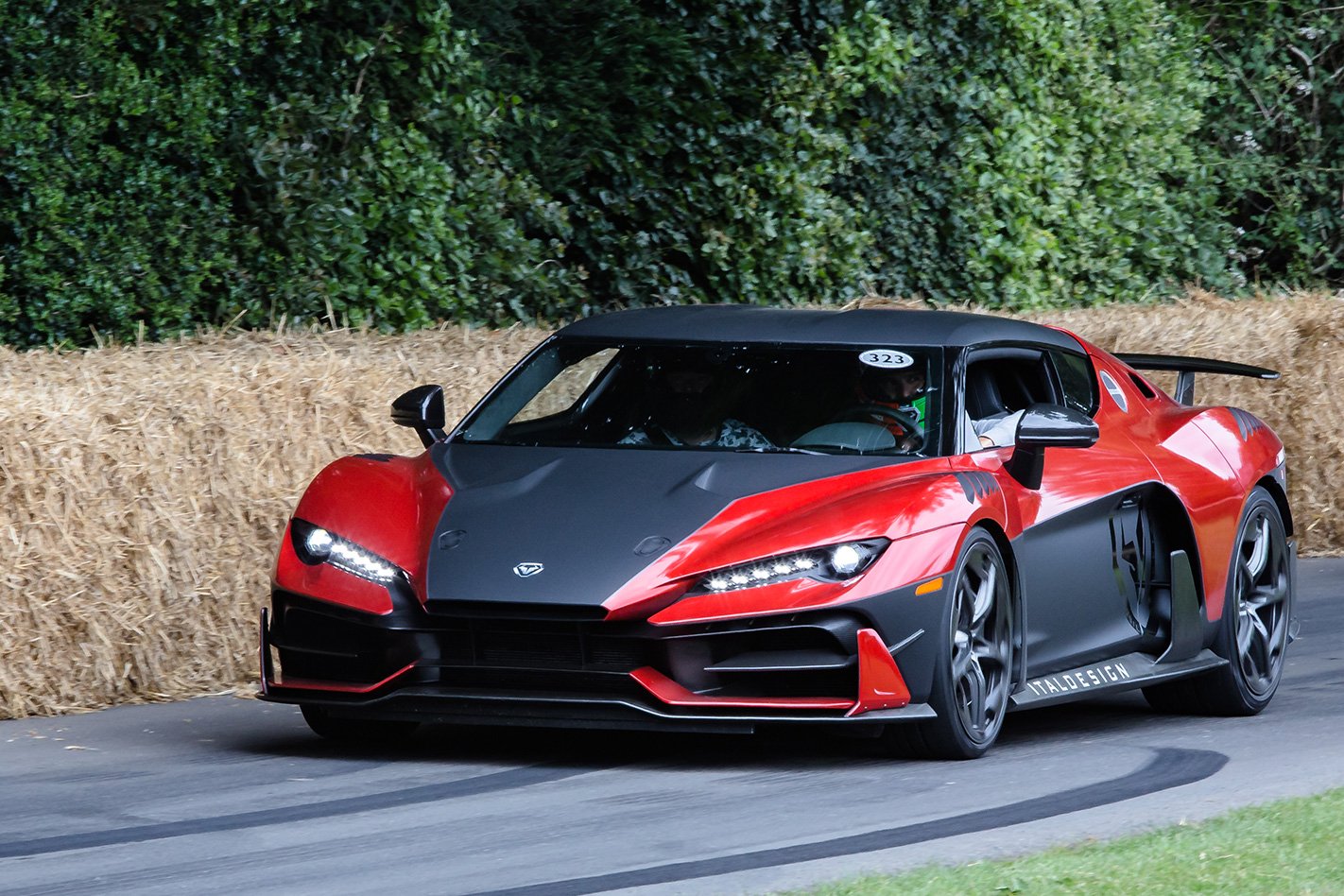
Beyond the racing cars and timed runs, Lord March’s driveway will be converted into a rolling motorshow for the weekend. The Goodwood Festival of Speed has become something of an unofficial motorshow, with new models and special editions revealed, before trundling up the hill. For those watching in person or online, it could the first chance to view new models such as the BMW 8 Series rolling under their own power. Even a concept car or two could make their way up the course.
Honda has added a sporty RS model to its HR-V compact SUV, featuring a bunch of sporty aesthetic enhancements and sharper ride and handling.
The RS joins the HR-V range as part of a MY2019 update that brings fresh styling and autonomous emergency braking across the range.
Standout features include alloys, piano black body kit including mirror caps and license-plate garnish, a honeycomb grille, and dark chrome exterior accents, and bigger 18-inch alloys. It will also available with an exclusive Phoenix Orange Pearlescent paint option.
Inside, you’ll find leather sports steering wheel, and new-design leather seats with front-row heating.
The HR-V RS will still have the range-standard 105kW/172Nm 1.8-litre four cylinder petrol engine under the bonnet, however, its ride and handling has been tweaked to complement its racy looks with new Variable Gear Ratio (VGR) steering, similar to the technology used the Honda Civic and CR-V, plus front stabiliser bars and ‘enhanced suspension’.
Meanwhile, city-speed autonomous emergency braking, which Honda calls City-Brake Active System (C-BAS), is now standard across the HR-V range.
We’re yet to see how the facelift affects other variants, but, if the HR-V RS is any guide, expect a refreshed grille and front bumper design.
Pricing and full specifications will be available closer its local launch in August.
SCRATCH the surface of the next generation of Volkswagen’s Amarok trade ute, and underneath you may find a Ford Ranger.
The German premium car maker and the US brand have announced a partnership to explore what both companies can do to share commercial vehicle development between them. However, while the main focus is believed to be on jointly developing future commercial vans, the elephant in the room is what happens next for the ageing Amarok.
A statement released by Ford said the potential partnership “would not involve equity arrangements, including cross ownership stakes”, suggesting one brand could one day be building vehicles that wear two different badges.
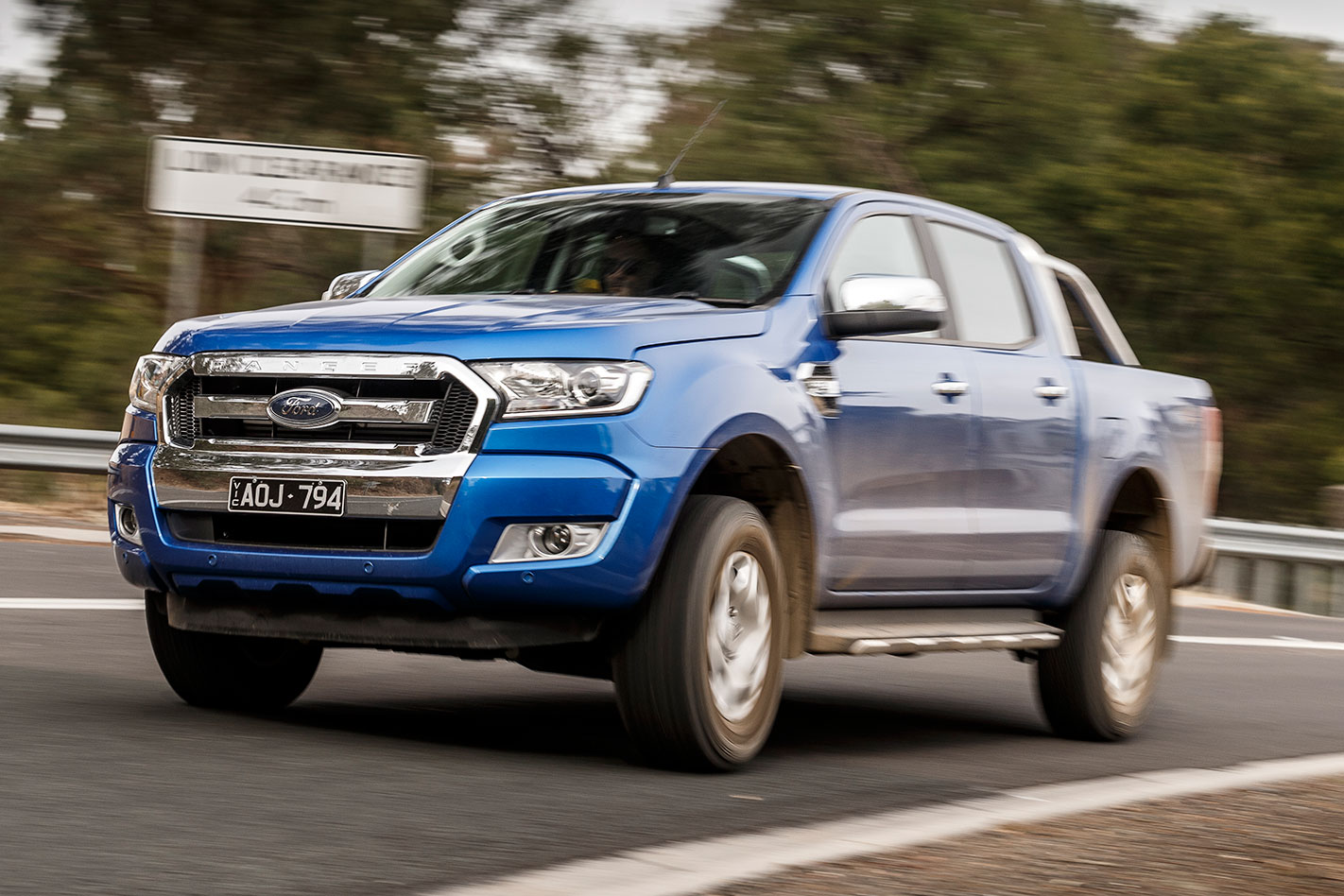
“We look forward to exploring with the Volkswagen team in the days ahead how we might work together to better serve the evolving needs of commercial vehicle customers.”
Those needs are likely to include a new range of electrified commercial vehicles that will fall in step with future tightening vehicle emissions targets, particularly across Europe and in China.
Volkswagen has been shopping around for a new partner to work with on commercial vehicles since ending a similar relationship with Mercedes-Benz several years ago.
The Volkswagen Amarok, the most car-like of the trade utes to drive, was launched in Australia in 2012. However, it has fallen behind other trade utes in its class that are now offering car-like levels of safety including automatic emergency braking – VW’s German executives are not convinced a work vehicle needs the same level of driver assistance technology as a passenger car.
The tie-in with Volkswagen would also potentially give the German car maker access to the Ford Everest, a seven-seat SUV-styled version of the Ranger. VW has already tested the US market’s appetite for the more urban-friendly format, releasing the seven-seat Atlas as a standalone North American product.
Volkswagen recently updated its Amarok range to include a 190kW turbo-diesel V6 option for the first time, mainly to meet tougher European emissions targets. The current twin-turbo 2.0-litre four-cylinder engine doesn’t meet those standards, but because Australia’s emissions regulations are more lax, the car maker can sell both engines here.
The Ford Ranger is Australia’s second-best selling vehicle, ceding market dominance to the Toyota Hilux. However, remove lower-cost 4×2 sales and focus just on the more premium 4×4 space – think the twin-cab utes that spend more time in the office car park than parked up on the worksite – and the two trade ute rivals are almost neck-and-neck.
Ford will soon release a majorly updated version of the Ranger this year featuring a 2.0-litre four-cylinder engine in some models, including a twin-turbo version that will power the more hardcore Ford Ranger Raptor from October.
Volkswagen Australia has confirmed local pricing and specifications for its seven-seat Tiguan Allspace, a key model in the German car maker’s SUV expansion plans.
While it shares a name and is developed alongside VW’s popular Tiguan mid-size SUV, the Tiguan Allspace is a bigger, more premium offering with its 215mm extra length resulting in a cavernous 760-litre rear cargo compartment that can be used to add two more seats.

Powertrains match the smaller Tiguan’s range, with a choice of three turbocharged petrol and two turbo diesel engines. The two models differ in terms of trim levels though, with the Allspace forgoing the Tiguan’s entry-level Trendline spec, starting with the more premium Comfortline, that’s priced from $40,490 and comes standard with:
- Front Assist with low-speed auto emergency braking
- Pedestrian monitoring
- Lane Assist
- Park Assist
- Multi-collision braking
- Reversing camera
- Front and rear parking sensors
- Powered tailgate
- 8.0-inch multimedia screen
- Satellite navigation
- 4MOTION Active Control drive modes (4MOTION AWD models)
- LED headlights
- Keyless entry and start
- 18-inch Kingston alloy wheels
- Electric folding exterior mirrors
- Dusk-sensing headlights
- Rain-sensing wipers
- Tri-zone climate control
- Front fog lights
Moving up to the Highline spec, priced from $52,990, brings more powerful engines including the Golf GTI-derived 162TSI (162kW/350Nm) turbocharged petrol engine and the 140 TDI turbo diesel – each of have the seven-speed DSG sending power to all four wheels.
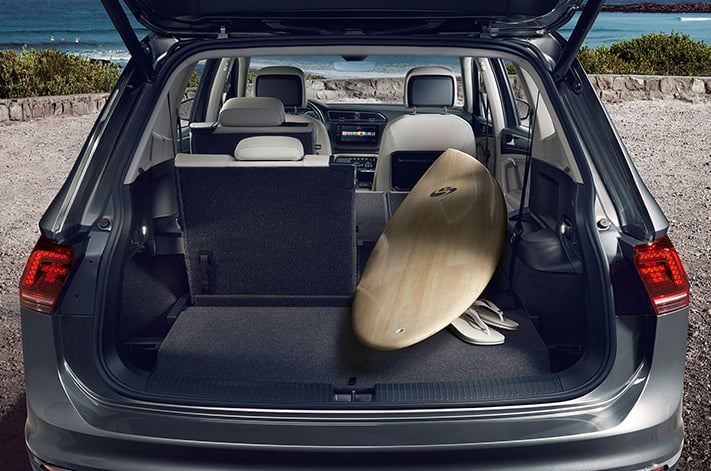
Highline features over and above the Comfortline include:
- Adaptive cruise control
- Side Assist with rear-traffic alert
- Lane Assist with Adaptive Lane Guidance
- Emergency Assist and Traffic Jam Assist
- Adaptive chassis control
- Dynamic Light Assist
- 19-inch Auckland alloy wheels
- Electrically adjustable front seats with memory function
- Heated front, and outer second row seats
- Vienna leather-trimmed upholstery
- 9.2-inch infotainment screen
- Ambient interior lighting
- Premium LED tail-lights
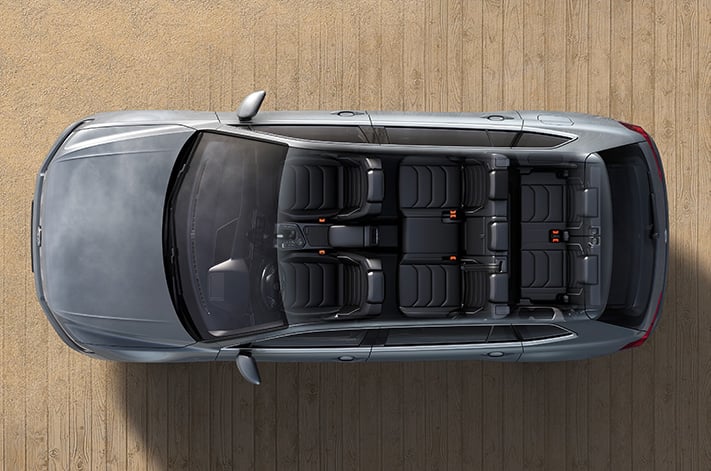
Meanwhile, the R-Line Package ($2900) adds some athleticism to the Highline’s appearance with:
- R-Line bumpers and side sills
- Black rear spoiler
- 20-inch Suzuka alloy wheels
- R-Line black Vienna leather seats
- Brushed stainless steel pedals
- R-Line steering wheels with paddles
- Black headliner
- R-Line aluminium scuff plates
The Tiguan Allspace will be launched locally in July.
2018 Volkswagen Tiguan Allspace pricing
- Tiguan Allspace 110TSI Comfortline – $40.490
- Tiguan Allspace 132TSI Comfortline – $45,490
- Tiguan Allspace 110TDI Comfortline – $46,490
- Tiguan Allspace 162TSI Highline – $52,990
- Tiguan Allspace 140TDI Highline – $54,490
- Driver Assistance Package (Comfortline) – $1600
- Luxury Package (Comfortline) – $4000
- Sound & Vision Package (Comfortline) – $3200
- Panoramic sunroof (Highline) – $2000
- R-Line Package (Highline) – $2900
- Sound & Vision Package (Highline) – $3000
The all-new, and bigger, Volkswagen Polo will arrive in Australia in March, with a starting price of $17,990 putting it $1000 higher than the soon-to-be-superseded current-gen base model.
The extra coin brings auto braking as standard and a new 1.0-litre three-cylinder turbocharged petrol engine, which provides more power and torque than the current 1.2-litre four, without conceding fuel efficiency.
The new 1.0 litre engine comes in two tunes; 70kW/175Nm in the base-model Polo 70TSI Trendline, and the 85kW unit in the 85TSI Comfortline that produces a whopping 200Nm of torque, which is the same shove as the Golf 7’s 92TSI.

Both consume between 4.8L/100km and 5.1L/100km depending on transmission, which is a marginal increase over the current model and likely an unnoticeable difference in real-world driving conditions.
The 70TSI Trendline comes with a choice of six-speed manual or seven-speed dual clutch auto, with the latter attracting a $2500 premium.
Standard kit over the current entry-level Polo Urban includes city-speed automatic emergency braking, a bigger 8.0-inch infotainment screen and driver fatigue detection, but it does lose alloy wheels in favour of 15-inch steels.
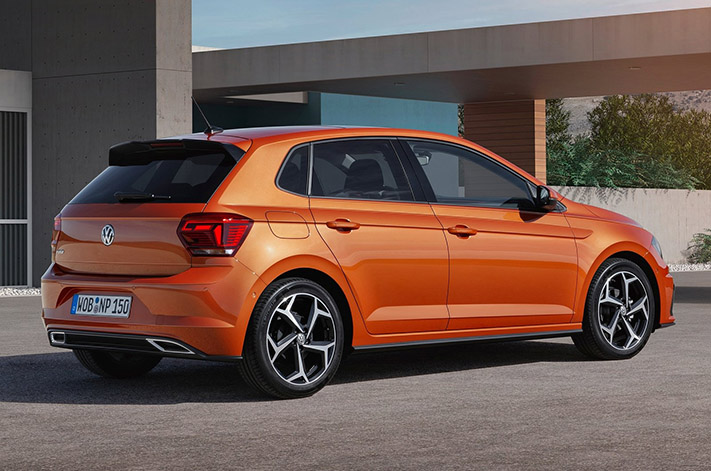
The 70TSI also comes equipped with a flat-bottomed leather steering wheel, reversing camera, Multi-Function Display, Apple Carplay and Android Auto, two USB port, cruise control, manual air conditioning and heated power operated wing mirrors.
The 85TSI Comfortline comes in at $19,490 and $21,990 for the manual and auto respectively, and adds 15-inch alloy wheels, dusk sensing headlights, rain-sensing windscreen wipers, auto-dimming mirror, front centre armrest and more premium cloth upholstery.
For an extra $1500 you can add the sporty R-Line package to the Comfortline, which adds a redesigned black lower-front bumper and air intake, side sill extensions, revised rear bumper, high-gloss black rear spoiler, metallic grey 16-inch Sebring alloy wheels, sports suspension and front fog lights.
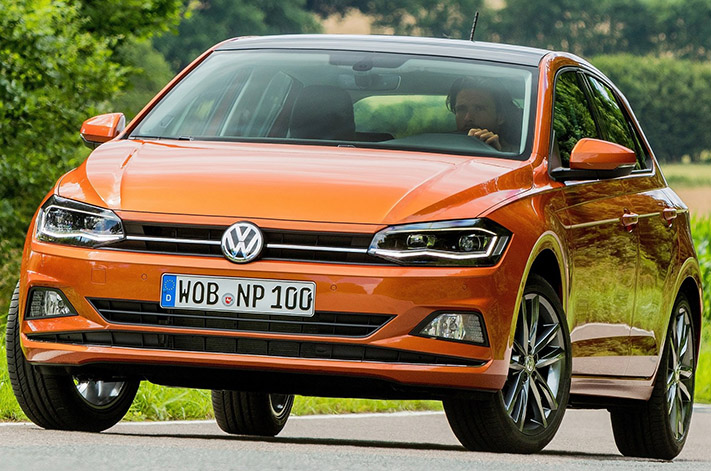
A $1400 Driver Assistance package is available for the Comfortline and Launch Edition with adaptive cruise control, blind spot monitor, rear cross traffic alert and power folding mirrors. It also brings a proactive occupant protection system, which senses if the car is about to be rear ended and flashes the hazards, closes the windows and sunroof and pretensions the seatbelts.
The three initial Polo models will be joined by the Polo GTI and the Polo Beats, with a 300 Watt “Beats by Dre” sound system, during the middle of the year.
The all-new Polo 6 is bigger than the car it replaces, so much so that it has out grown the light hatch segment which includes the Mazda 2, Ford Fiesta, Kia Rio and Honda Jazz.
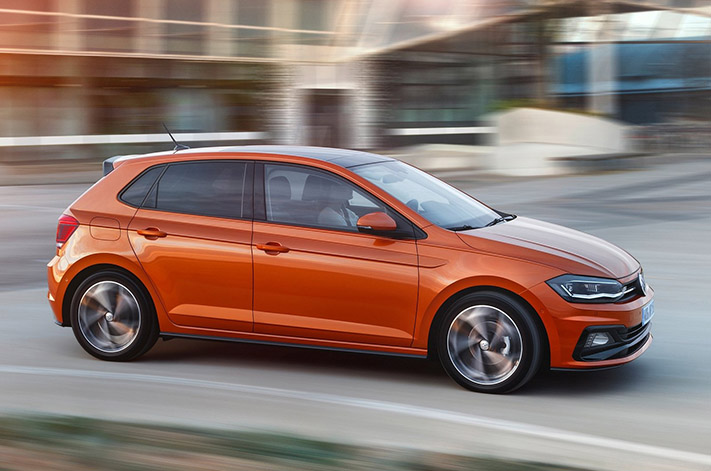
The ‘segment busting’ hatch is bigger than a MK4 Golf and its wheelbase is just 52mm shy of the Toyota Corolla. When compared to the bigger hatches, its sub-$20k entry-level pricing becomes very competitive.
2018 Volkswagen Polo 6 pricing*
- Polo 70TSI Trendline, manual – $17,990
- Polo 70TSI Trendline, auto – $20,490
- Polo 85TSI Comfortline, manual – $19,490
- Polo 85TSI Comfortline, auto – $21,990
If you happen to be a street racer in Japan’s Tochigi Prefecture, the local police force has some bad news for you in the form of its newest patrol car, a Nissan R35 GT-R.
Donated by a resident of the area who reportedly ‘hopes the car is used for preventing traffic accidents’, the vehicle will be used as a patrol car in the Tochigi Prefecture, located between Tokyo and Fukushima.
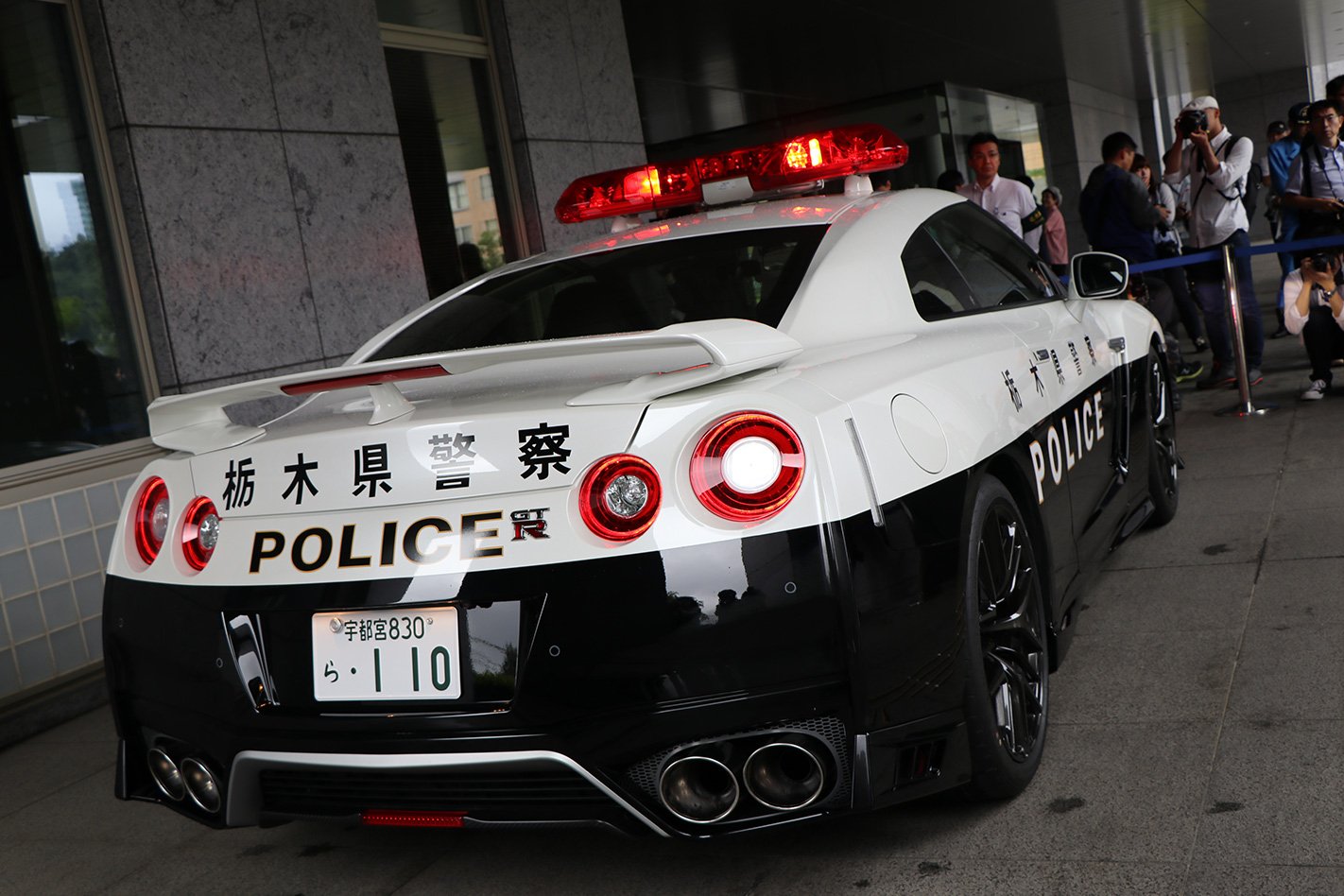
Nissan officially documented the ‘handing-over ceremony’ for the donation with official images and a short clip on its Twitter account.
“A resident of Tochigi Prefecture has donated a Nissan GT-R to his local police force in Tochigi,” the statement says.
“The GT-R was delivered to Tochigi Prefecture Police on June 15, and an unveiling event was held to celebrate the arrival of the vehicle, which will be used as a patrol car.”
The car began duties today, and has already garnered plenty of attention according to Nissan.

Assuming Nissan’s reference to it as just a ‘GT-R’ means it’s a standard-spec GT-R, it should be able to dispatch the sprint to 100km/h in a little over three seconds if the driver is well-trained, and its 419kW/632Nm twin-turbo 3.8-litre V6 is powerful enough to help the GT-R along to a limited 250km/h.
But it’s not the first time a GT-R has been turned into a crime-fighting hero. Last year Nissan revealed a show car in the form of ‘Copzilla’, an insane police car which looked like it was straight out of a comic book, with a ‘Metro Police Department’ livery of black and bronze.
An R34 GT-R has also been spotted numerous times getting around as a highway Patrol car in Japan, as well as an R33, though they’re seen only on rare occasions.
FORD’S upcoming all-electric SUV may have leaned pretty heavily on the Mustang’s mystique when it was announced at Detroit, but despite being announced under the “Mach 1” moniker Ford’s EV crossover will not be the high-performance electron-guzzler some were expecting.
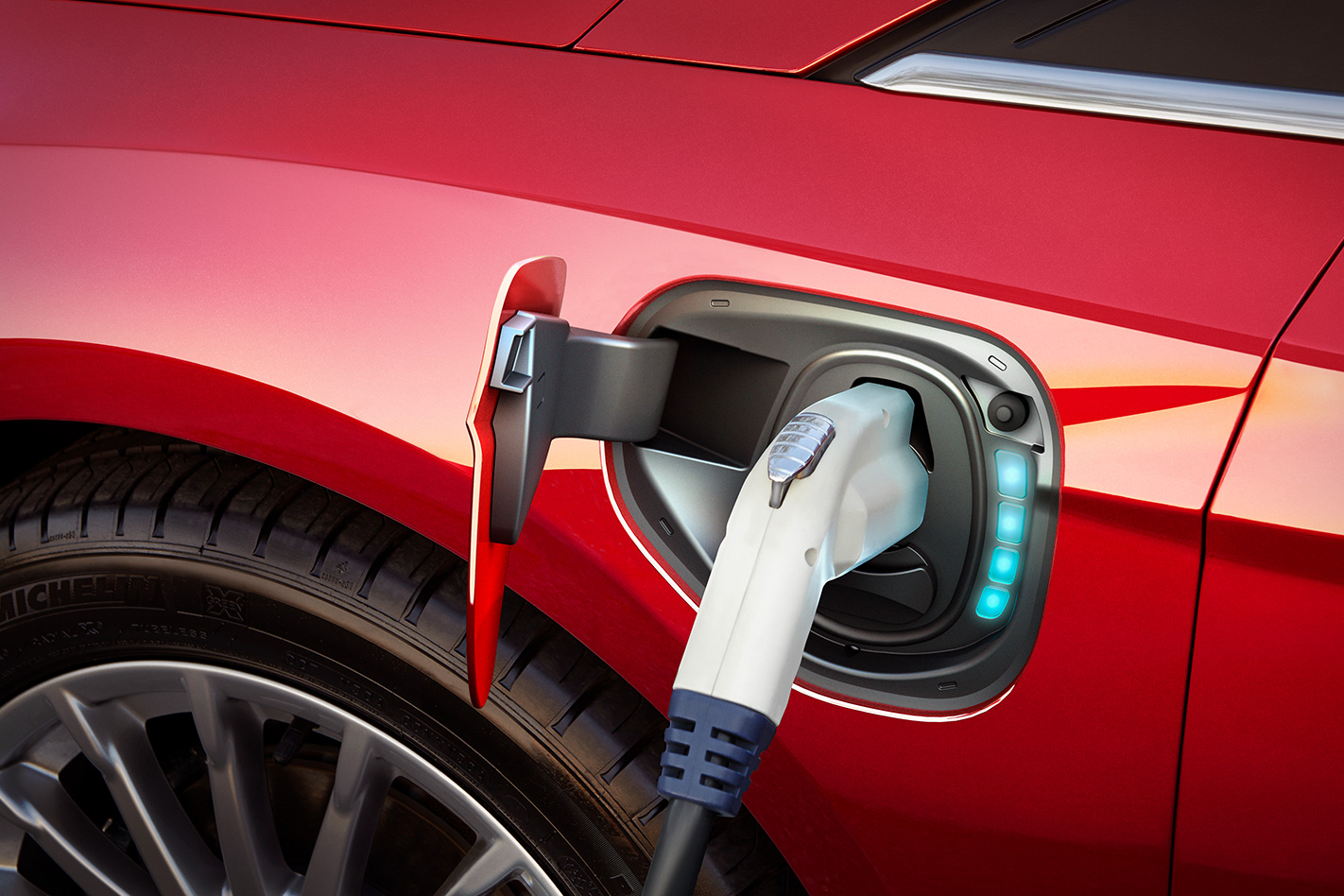
It will likely be a fair degree faster than the average mid-size SUV, but it will stop short of ‘true’ performance car status. How do we know? Because the boss of Ford Performance in Europe told us that battery technology isn’t yet suitable for sports car duty.
“I have to stay very high-level and very neutral, as I don’t want to make any hints about future products,” said Leo Roeks, European director of Ford Performance.
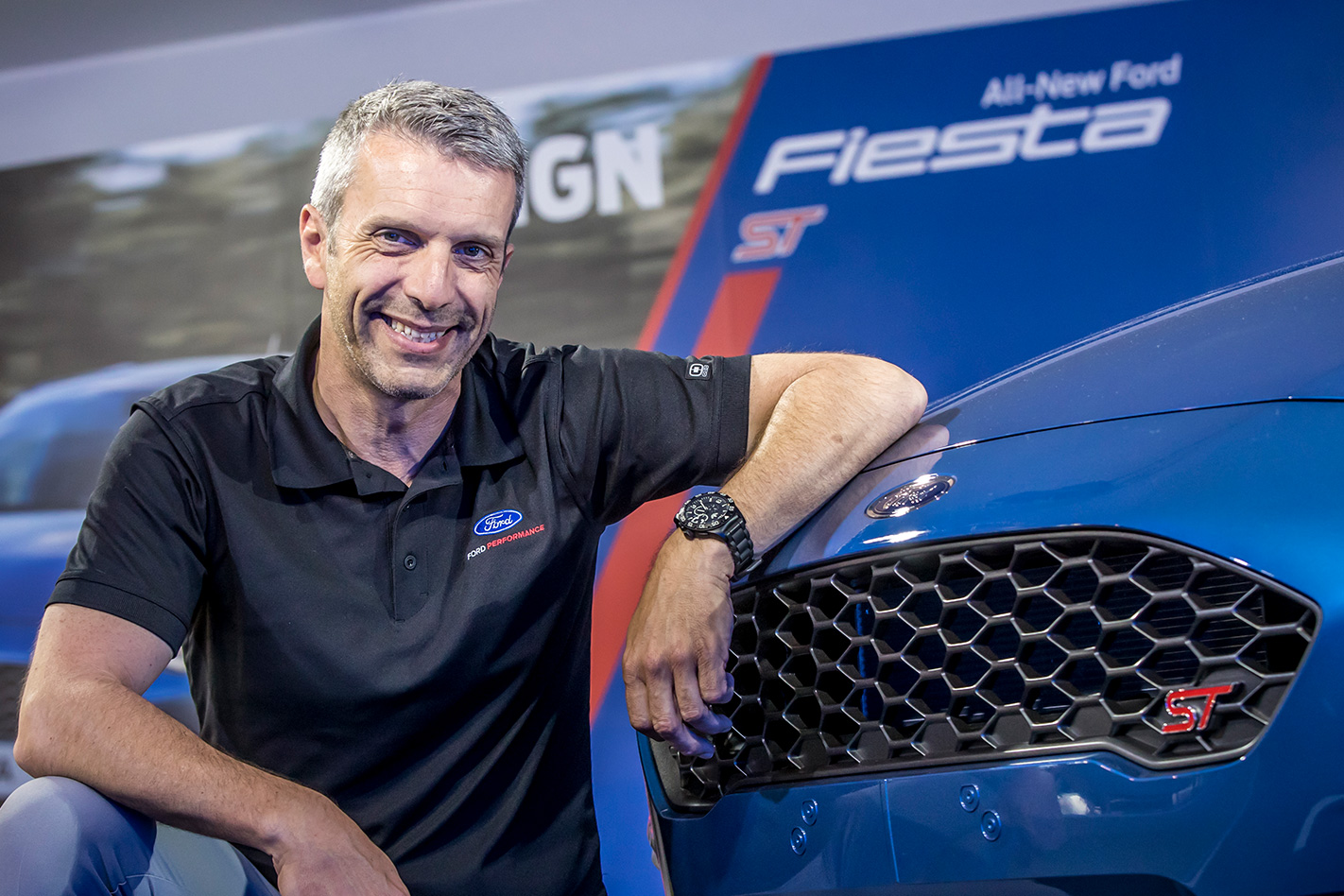
However, when asked if a battery-electric Ford with scorching performance was possible, Roeks was more candid.
“If the technology and performance come out of it, then absolutely,” he said.
“We need to keep looking at the technology at this point in time. The expectation that we have on performance vehicles right now, it’s very difficult to fulfil that with a fully-electric vehicle.
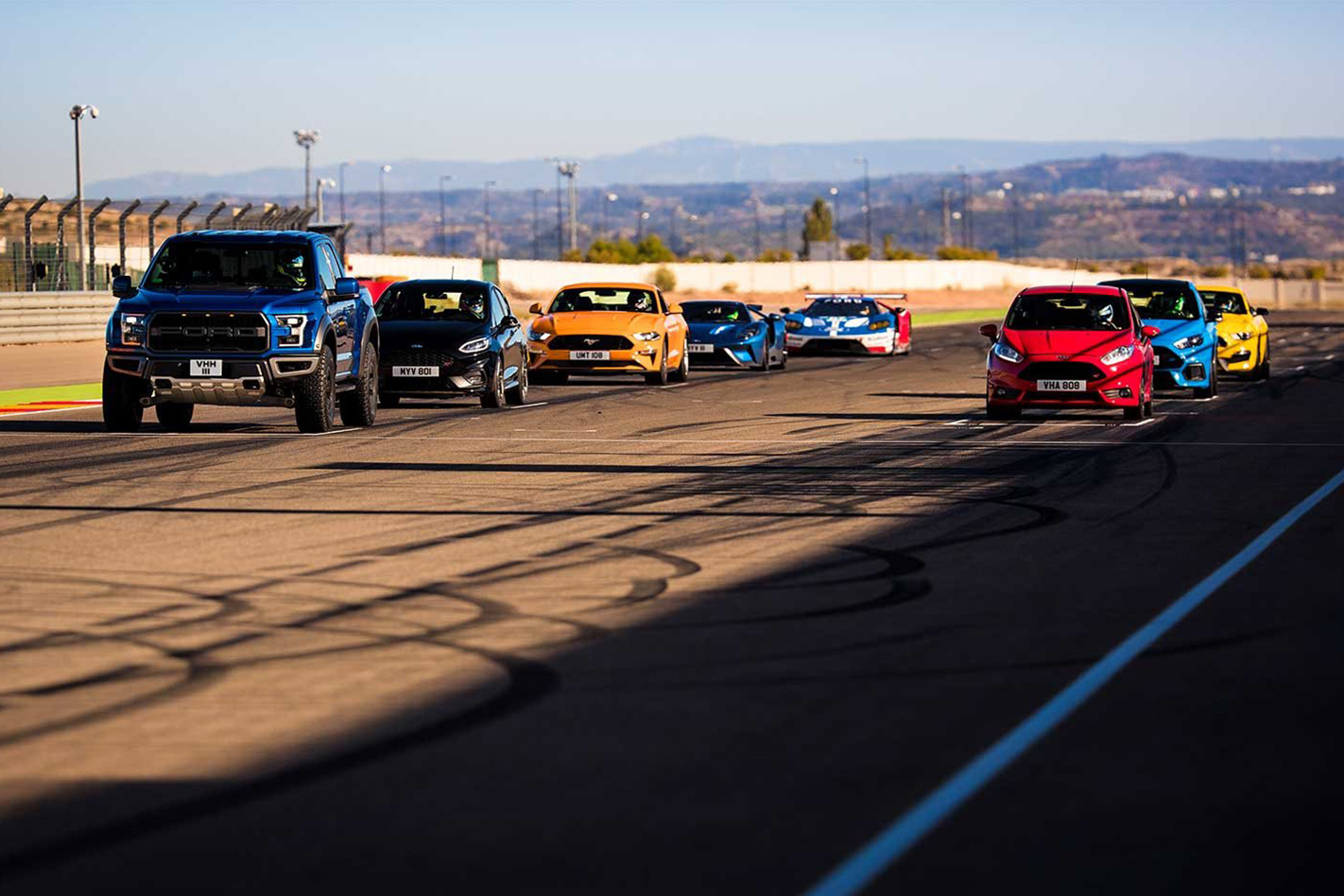
“If we look at the battery at the moment, you can have an energy or a power battery – the energy battery is kind of like a big water tank, but it’s got a small pipe. You can leave the tap running for a fairly long time, not a lot of water comes out of it, but it takes ages to get the tank empty.”
“Then again, it also takes a long time to fill it up.”
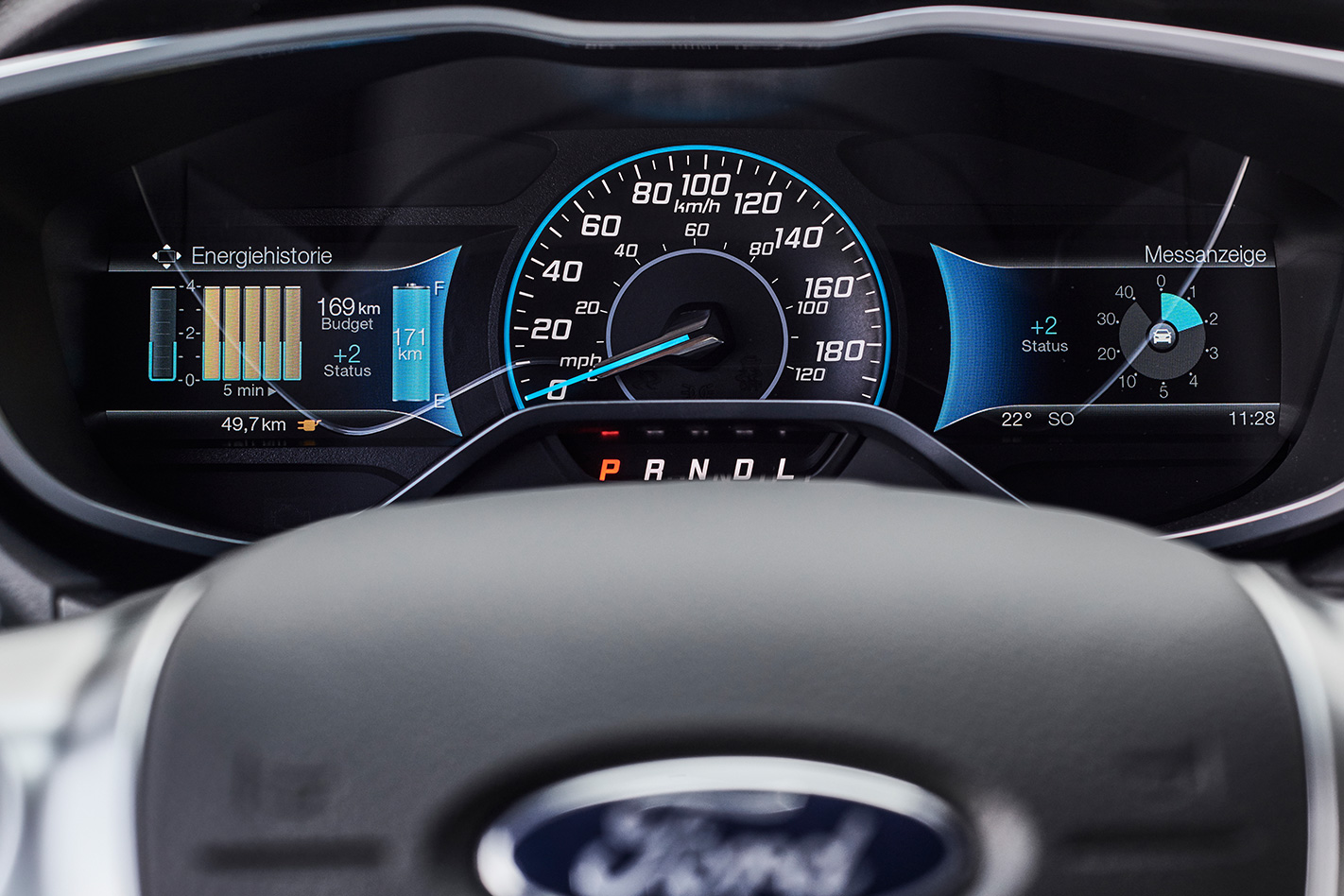
“A power battery is like a very small tank of water with big pipes, which is relatively easy to drain but also very easy to fill it. I’m looking for something in between. At the moment, that technology is not yet there – that’s something we need to look at. The question is: how close we can get between power and energy.”
Roeks wouldn’t be drawn on whether Ford Performance was looking toward exotic supercapacitors to provide the high energy flow needed, or whether more conventional (and affordable) chemical battery technology could suffice. What was clear, however, was that an all-electric performance car (or SUV) bearing the stamp of Ford Performance is still some distance away.
Even so, Roeks expects that progress will be swift when it comes to the advance of electrification tech.
“With battery technology that is on the road already versus what is already being developed, the prices will tumble down. Everything you see with electronics, those prices tumble down – computers, and phones,” he said.
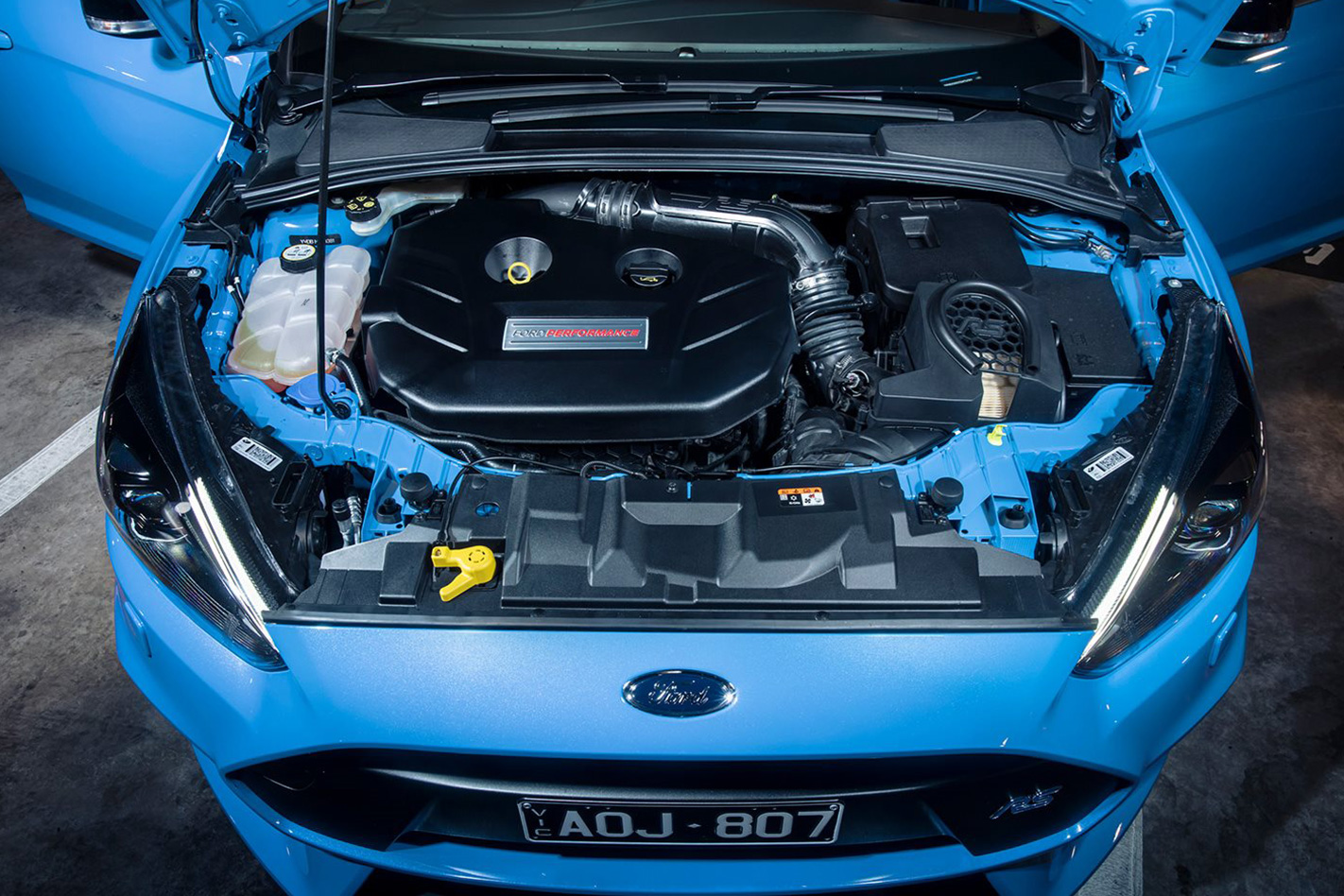
And according to Roeks, Ford Performance will be poised to take advantage of that technology over the coming years. Though he wouldn’t confirm details, the next-generation Focus RS is expected to turn up the wick on the already lava-like heat of the current car by deploying a partially electrified drivetrain. Think KERS rather than Prius – that’s the approach expected of Ford Performance’s eventual hybrid powertrains.
“Looking to the future, CO2 will be very important – it is already very important,” Roeks continued.
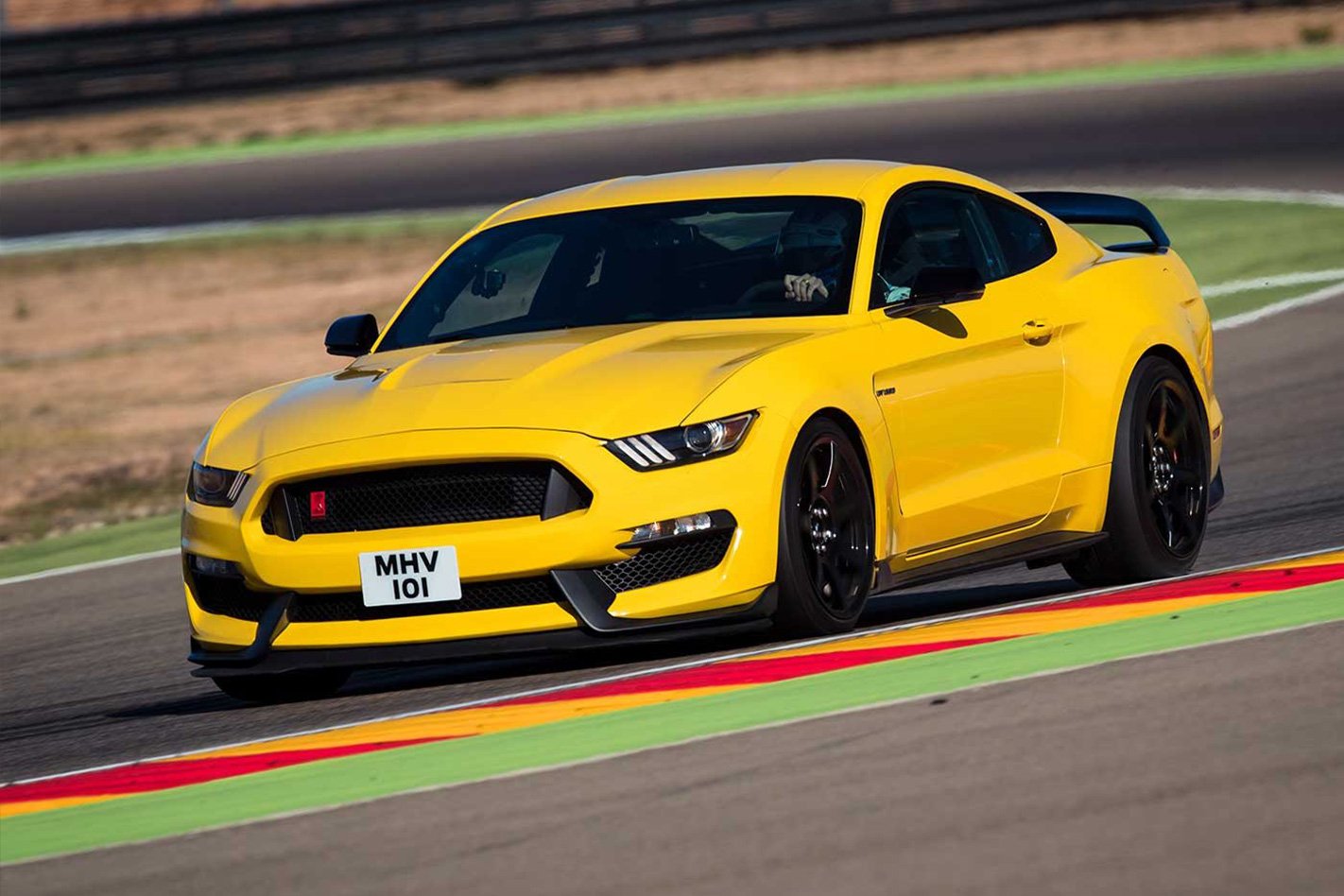
“There will be, in the performance areas, some level of hybridisation – or at least CO2 reduction measures. What that system will be, whether it’s a mild hybrid or a high-voltage hybrid or one with a motor in the back, in-wheel motors or any of that kind of stuff, I think that is the technology that we as a automotive industry are looking at, all those possibilities. I don’t want to rule anything out.”
“There will not be one single system that is better than others. I think in the future with hybrid vehicles – and non-performance hybrid vehicles – there will be specific systems for specific uses of the vehicle. You’d have different systems for towing a boat, or for trucks, or off-road vehicles. At the moment we’re at a crossroads as an industry. We have to go for hybrid or electrification, and that is something that we’re looking at obviously.”
Will electrification spell the end of the manual transmission? Roeks is an outspoken fan of three-pedal transmissions, but while he wouldn’t confirm or deny any specific details, he did say that there still remained some potential for a manual gearbox in a hybrid performance car.
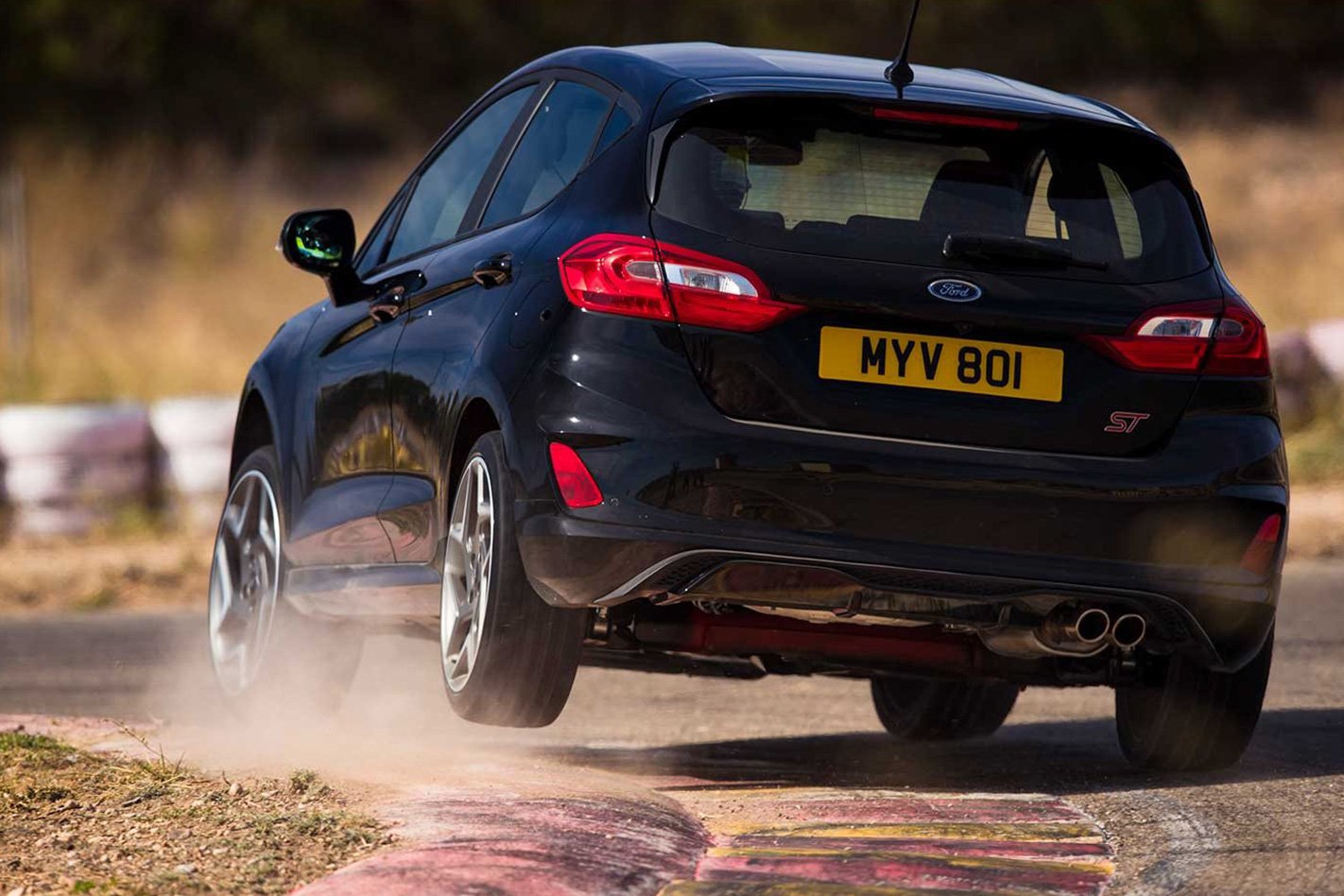
“It depends on where the hybridisation resides in the car,” he said. “You can put the e-motor in the transmission – which then lends itself more to an automated transmission – but then you can also have your electric drive in your rear axle or your front axle, and there are solutions there that can be combined with a [manual] shift.”
Ferrari has revealed a new specification for the 2018 Ferrari 488 Pista, which was inspired by the FIA WEC to ‘recognise the success of clients who race Ferraris’.
Dubbed the Ferrari 488 Pista ‘Piloti Ferrari’, the new spec leaves the Pista’s 3.9-litre twin-turbo V8 unchanged at 530kW/770Nm, with a very specific 0-100km/h sprint of 2.85 seconds and to 200km/h in just 7.5s.
“This special custom creation, the latest from the exclusive Tailor Made programme, was designed to recognise the success of clients who race Ferraris and will make its debut on the eve of the legendary French endurance race at the Circuit de la Sarthe,” the Italian supercar maker said in a statement.
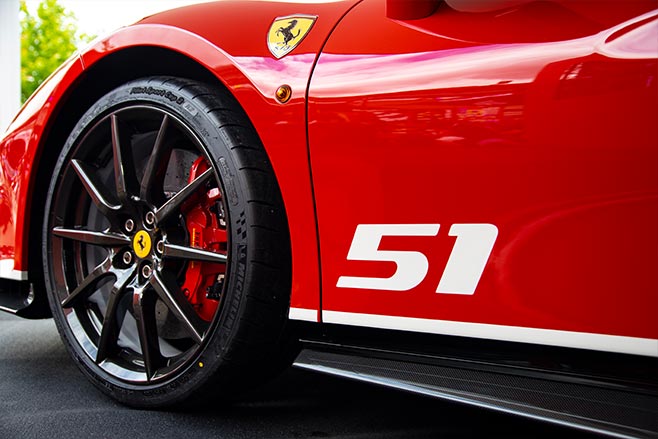
“Inspired by AF Corse’s no. 51 car, with which Alessandro Pier Guidi and James Calado won the 2017 FIA World Endurance Championship Drivers’ and Manufacturers’ titles [in the LMGTE PRO class], this special finish for the new Ferrari 488 Pista is available exclusively for customers involved in the company’s motor sports programmes.”
The special edition is signified by its livery in the colours of the Italian flag, with the number ‘51’ seen on the version of the car revealed at Le Mans, though each number will be personalised to suit its buyer.
On the hood, in the middle of the racing stripe, a laurel to celebrate the WEC is found, as well as a ‘PRO’ marker to indicate the class the #51 car raced in.
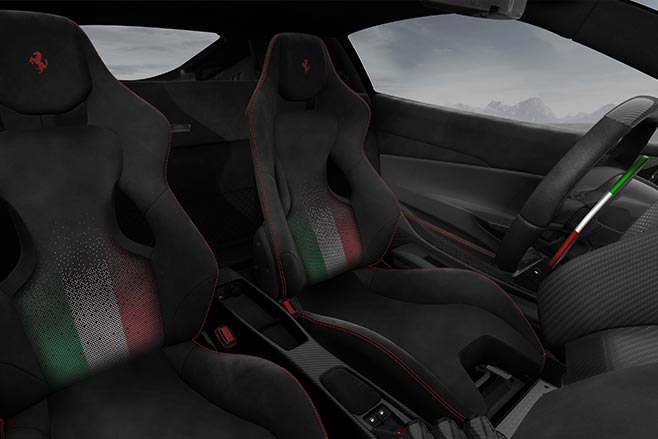
The black Alcantara-laden interior is fitted with seats bearing the Italian flag in the backrest, as well as Italian flag gearshift paddles and similarly patriotic floor mats.
The same number that appears on the outside of the car will also appear inside the car on the steering wheel.
IT WASN’T that long ago that ordering a carbonfibre-constructed car meant setting aside a budget equal to the GDP of some small-to-mid-sized countries.
When the composite material technology started cascading down the aerospace industry to production road cars in the 1990s, from the aerospace industry via high-end motorsport, it was eye-wateringly expensive and that meant the first applications were limited to seriously exclusive hardware.
It is no coincidence that early examples of road cars that used the exotic material structurally, including the Jaguar XJR-15, McLaren F1, Mercedes-Benz CLK-GTR and Pagani Zonda were all very low-volume production cars and viciously expensive.
But as the science of carbonfibre construction has advanced, the material has become more reliable, easier to produce and, critically, cheaper.
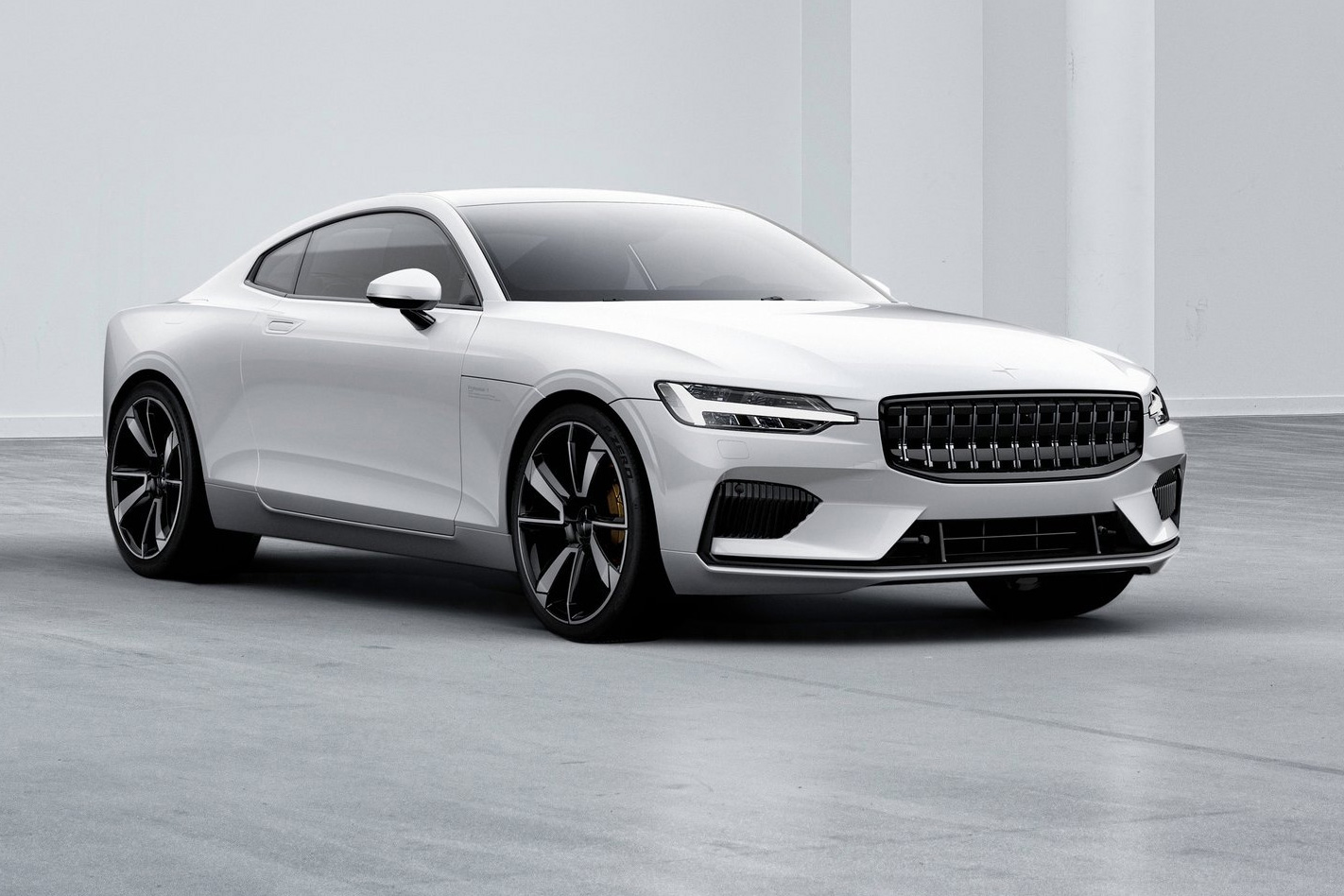
Polestar is the latest manufacturer to weigh into an emerging market where vehicles are adopting carbonfibre for load-bearing components and body panels, but keeping prices away from the white-hot end of the spectrum.
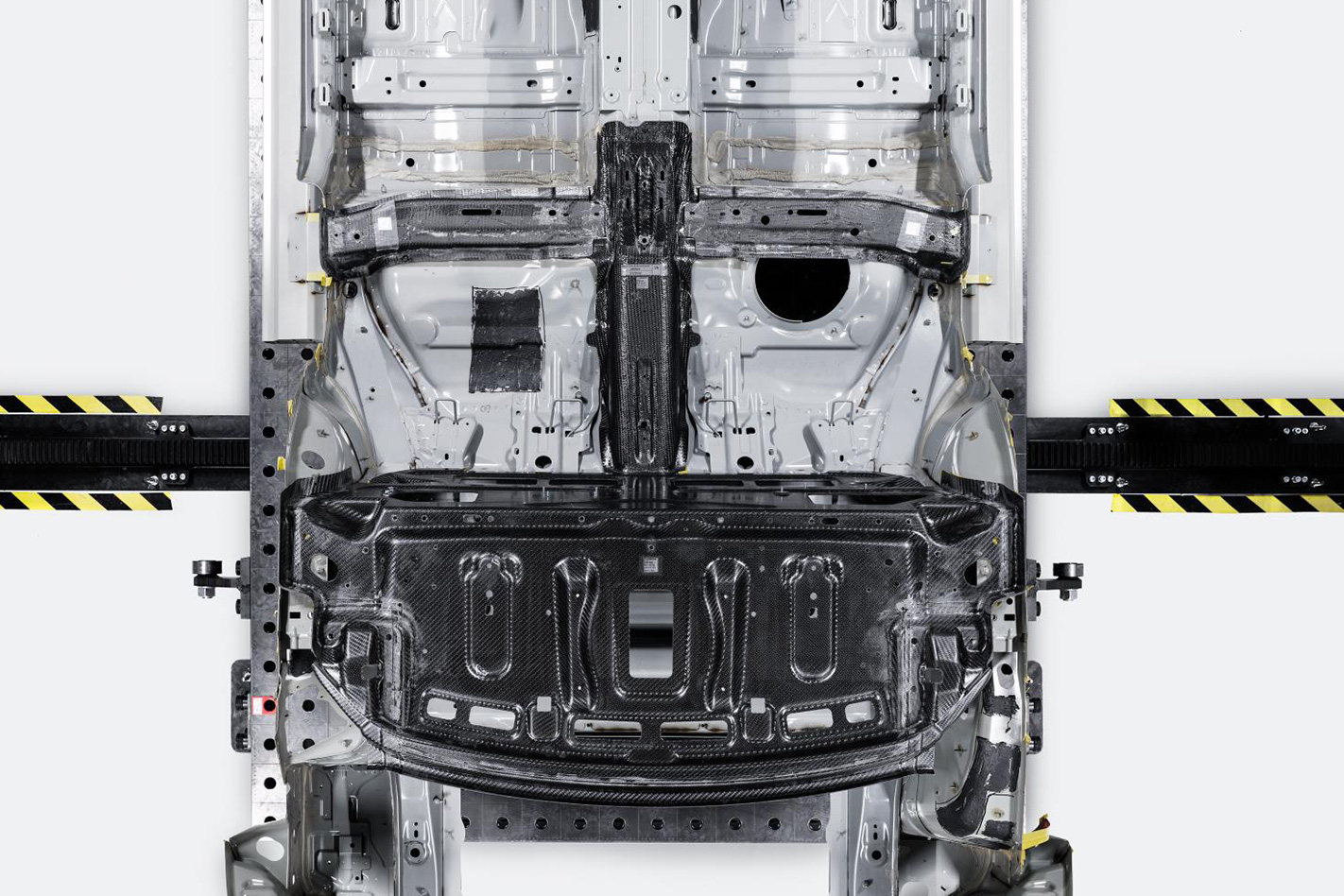
For its new Polestar 1, the Swedish-brand has saved 230kg by using carbonfibre to produce structural parts instead of traditional metallic construction. Under the paint of the plug-in hybrid sports coupe, the bonnet, boot lid, side panels, doors and the entire roof structure are made from the composite.
Another component – nicknamed the dragonfly – is also carbon, which swaps high-strength steel or aluminium for more composites. Polestar says the net result allows the finished product to be stiffer, dynamically superior, lighter and safer.
It’s significant because the Volvo’s performance partner’s first standalone model will be another car that directly benefits from carbonfibre technology without the dizzying prices traditionally associated with its performance.
Here are some of the other offerings that Polestar’s 1 joins in the growing fleet of cars with carbonfibre bones.
Audi
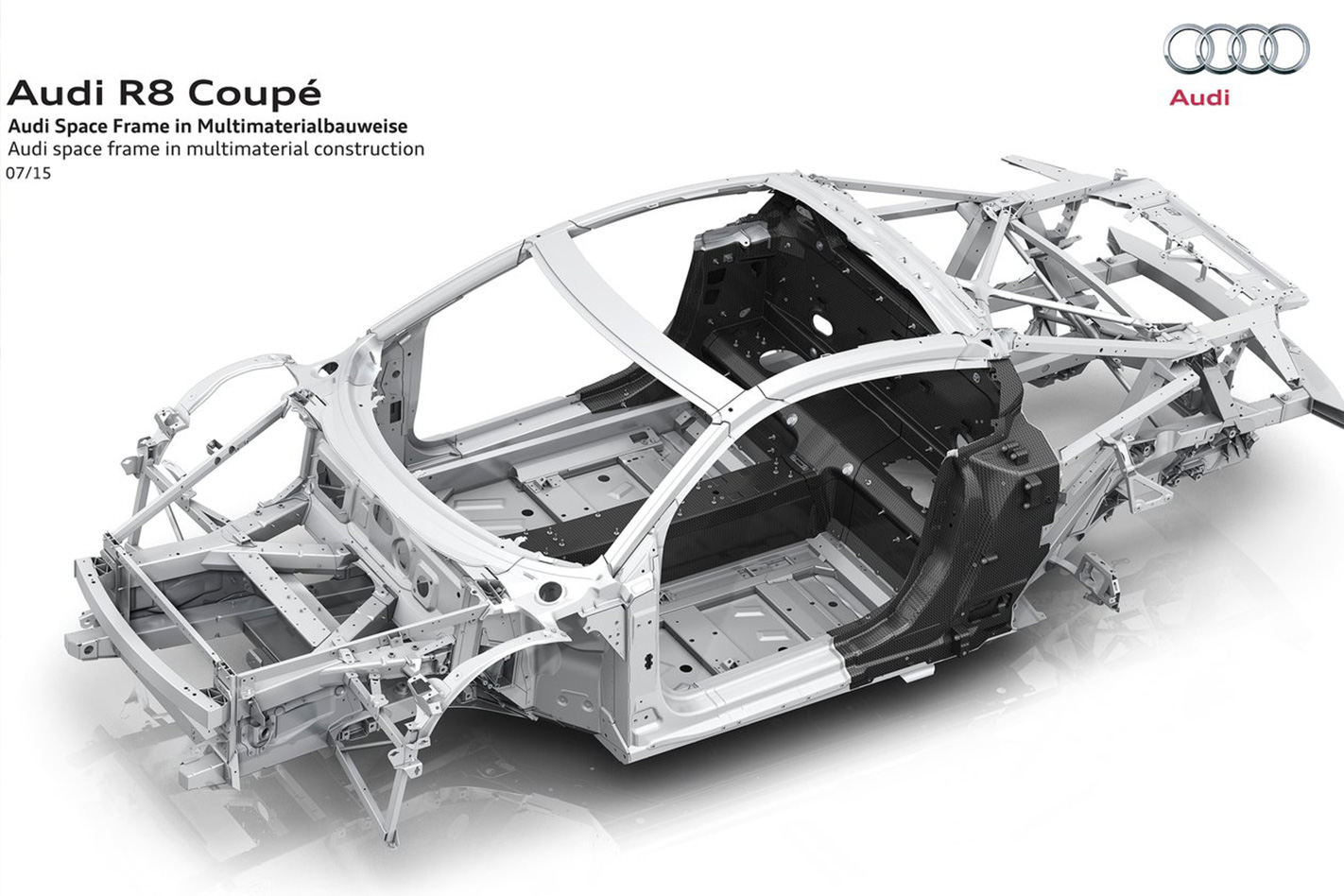
So the R8 mid-engined supercar might not exactly be an affordable mainstream model that you’ll encounter on the road every day, but it represents a segment that is becoming more attainable by the day.
A significant part of the spaceframe is made from the composite forming a tub at the vehicle’s core that other aluminium components bolt to.
While the Huracan from sister brand Lamborghini has a starting price of nearly $400,000 you can have an Audi R8 RWS, which has the same carbon heart for less than $300,000, bringing the realm of brutish supercars to more wallets, and that trend is set to continue.
BMW
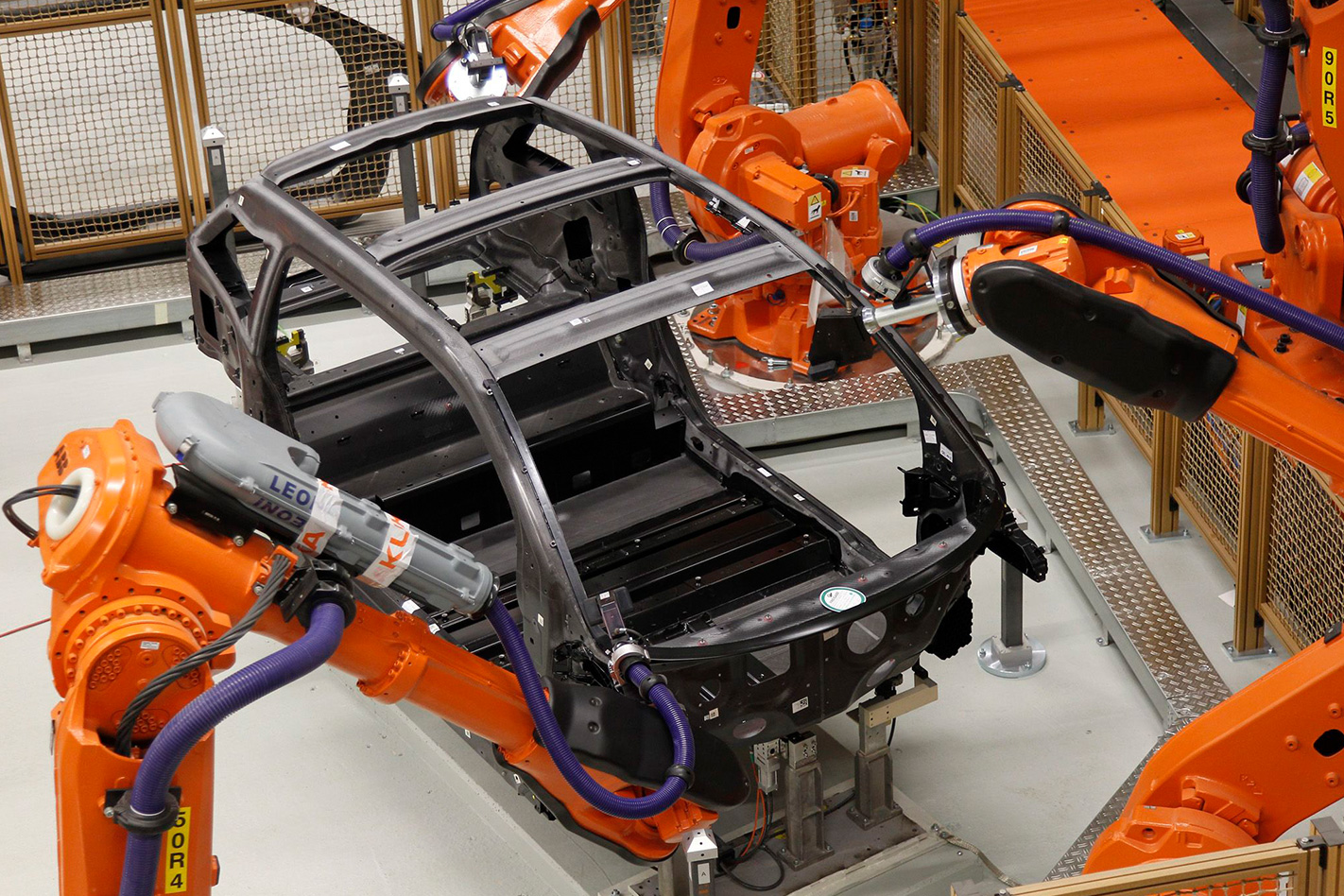
Perhaps the biggest player in the realm is BMW which has been crafting major carbon car parts for its vehicles for many years.
The stripped-back M3 CSL of 2004 used carbonfibre for its roof and set a trend for the company’s M-models which continues to this day. While the move didn’t cut a significant amount of mass from the kerb weight, the stressed roof panel stiffened the body shell for improved dynamics and lowered the centre of gravity.
Later, BMW introduced its first models from the new i-family. The i8 plug-in hybrid coupe used extensive carbon construction to offset the weight of a battery, but commanded a hefty price at about the $300,000 mark.
However, its i3 sibling offered an option that also offered a composite chassis along with a choice of range-extender hybrid or pure EV variants for about the $70,000 mark.
In its latest composites venture, the German car maker has introduced Carbon Core, showcased by the 7 Series luxury flagship. Unlike the Audi’s solution, which replaces a central section of the tub, Carbon Core is an evolution of the roof panel idea pioneered by the M3 CSL.
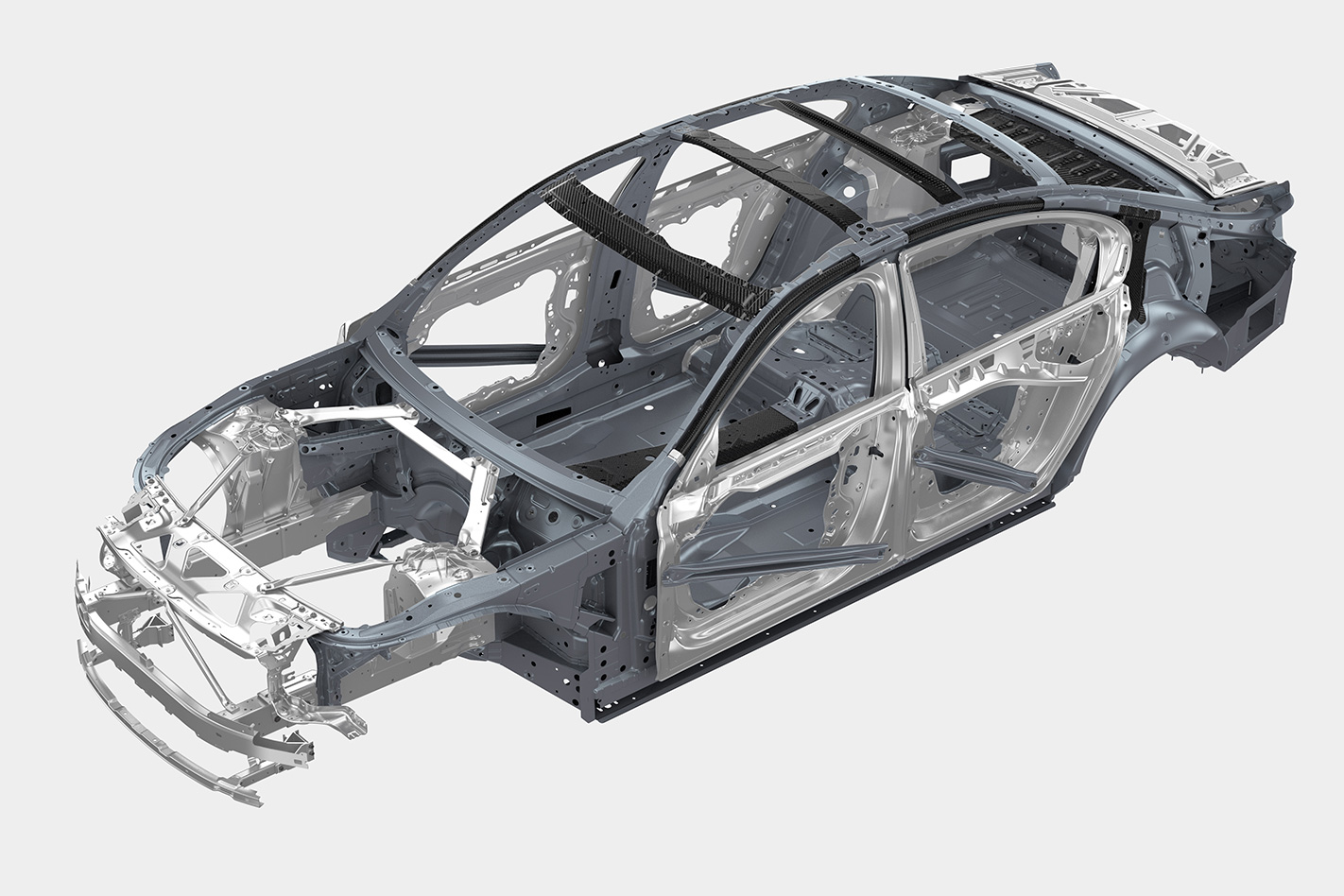
A majority of the roof pillars, spans and structures have been manufactured in carbonfibre, minimising the highest masses and lowering the centre of gravity, but the composite beams are also better at dissipating energy than metal during an impact, making the occupant safety cell even safer.
As per other ideas that first see light in the 7 Series, this Carbon Core technology is expected to filter down to other BMW models.
Alfa Romeo
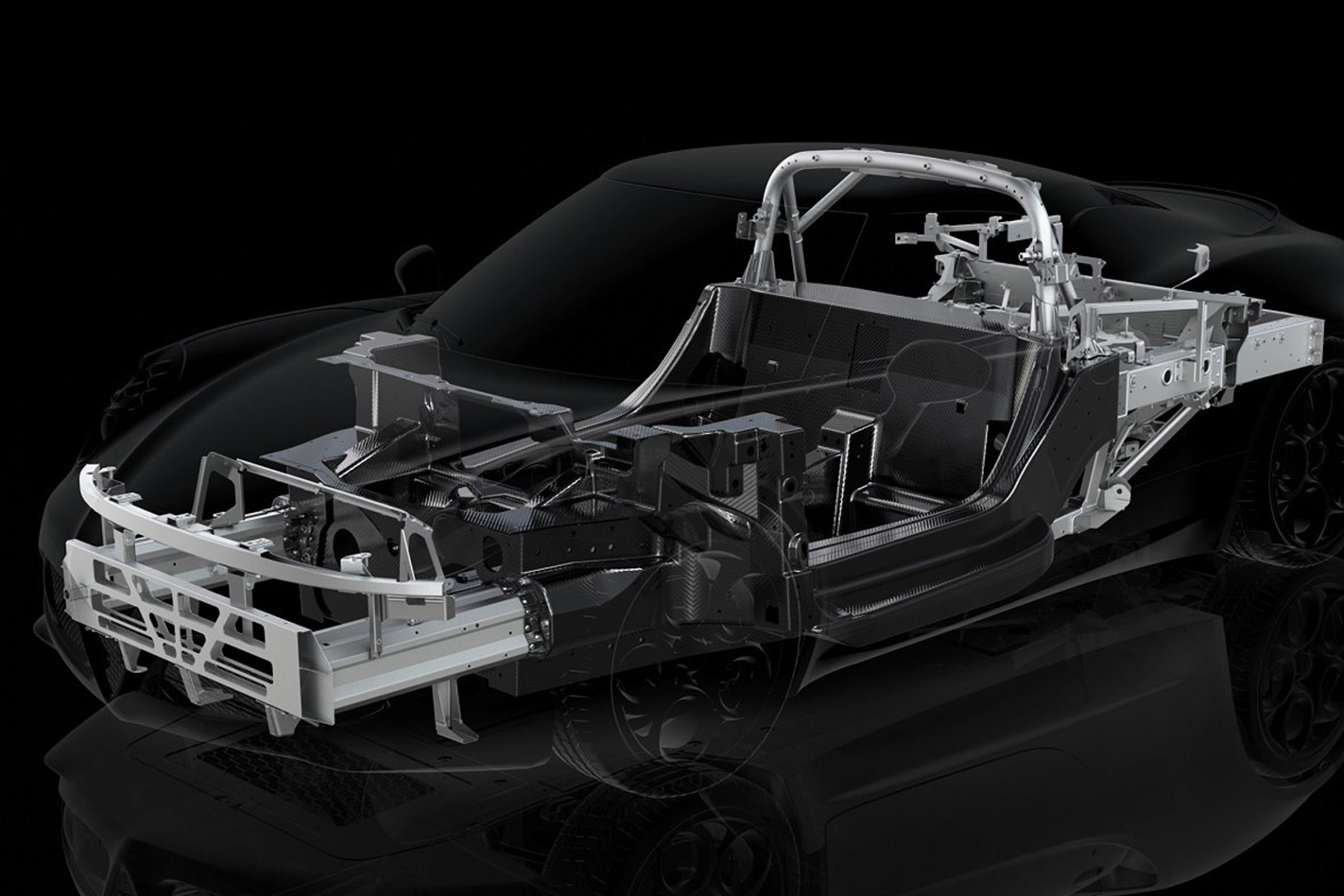
Once again, a mid-engined rear-wheel drive sportscar might not exactly be an everyday car, but Alfa Romeo’s 4C is significant in the evolution of high carbon-content cars as it offers a performance-focused vehicle constructed almost entirely of carbonfibre that sneaks in under the $100,000 mark.
Thanks to a minimalist approach and a monocoque chassis that is made exclusively of carbonfibre, the 4C weighs in at just over a ton and that lends the bantamweight sportscar zero to 100km/h acceleration in about 4.5 seconds and the agility to hit 1.1g in corners.
Toyota
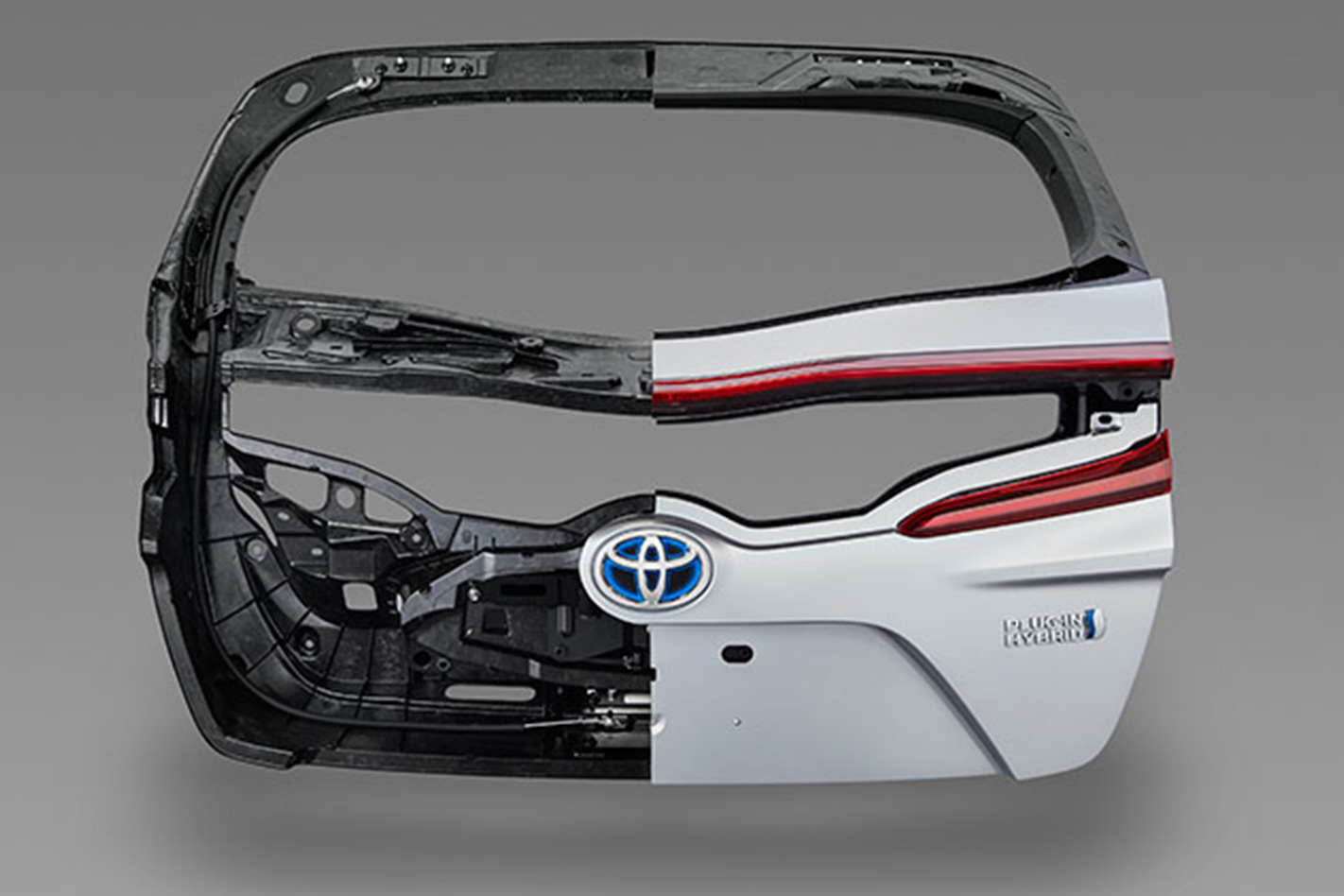
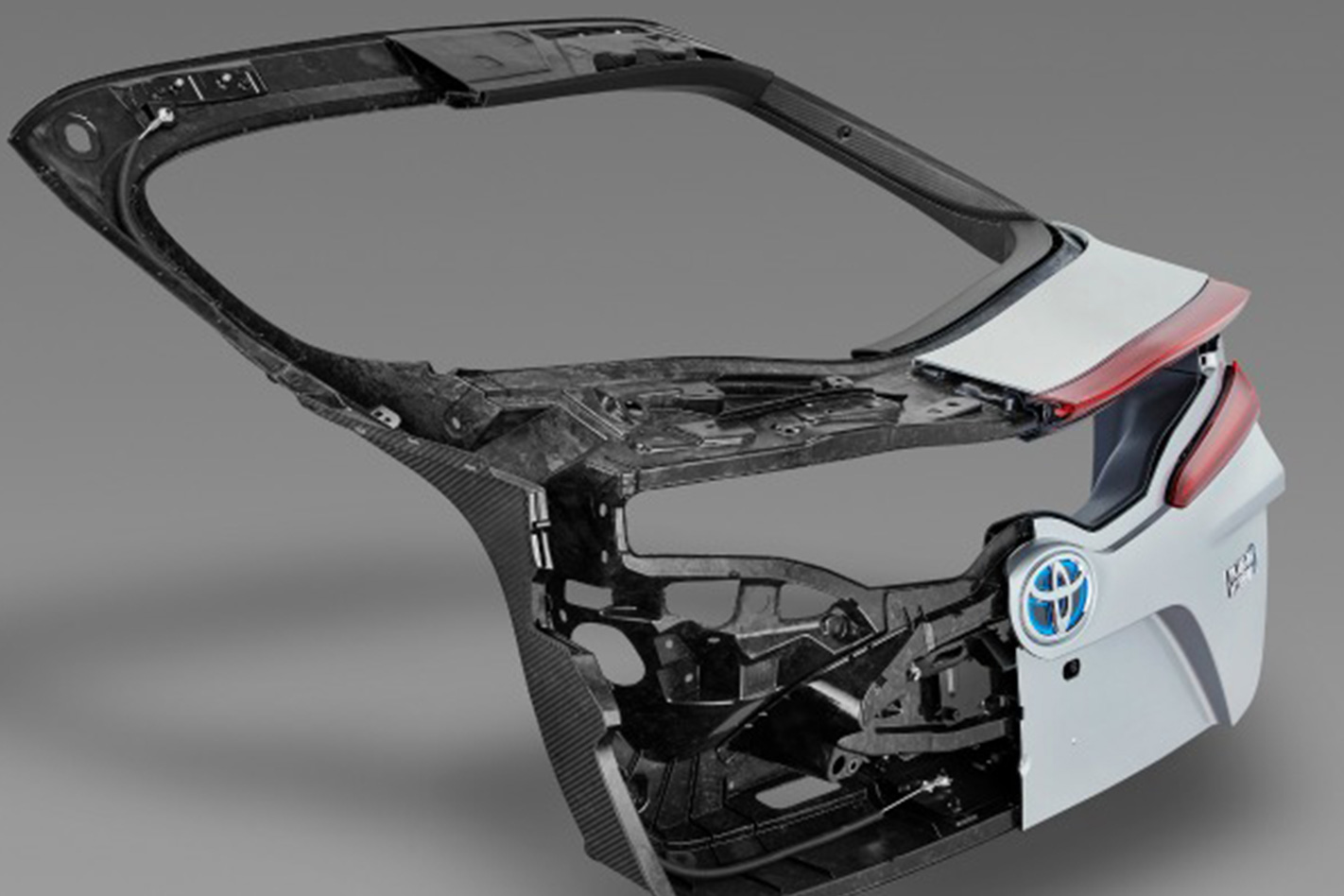
It might be a surprise to see the Prius in among other high-end, high performance contenders, but Toyota’s efficiency champ is worth a mention as its boot lid is constructed from carbonfibre.
There are plenty of other vehicles that have incorporated unstressed carbonfibre panels into their construction, but the Prius is a milestone as it shows not just high-performance vehicles can benefit from the lightweight and rigid qualities of carbon.
Ford
Ford is no newcomer to carbonfibre construction, with composite pieces used in the 2017 GT supercar structure. The Blue Oval is also one of the world’s first mainstream manufacturers to adopt carbonfibre wheels.
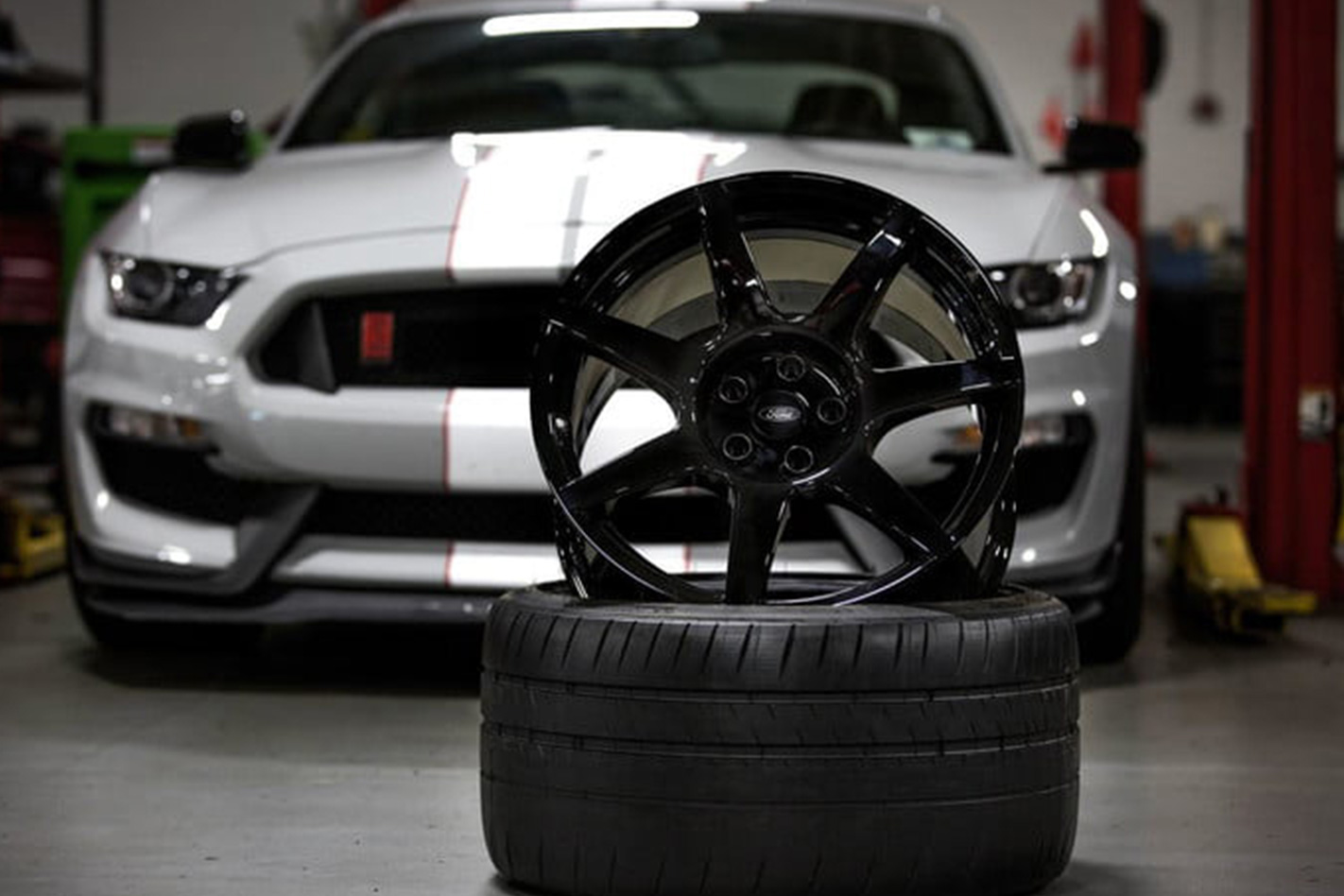
The manic Mustang Shelby GT350R that was introduced to the US only in 2015 rolls on fabulously exclusive composite wheels that weigh just 8.0kg each, providing just about the ultimate in unsprung weight saving.
As a patriotic side note, the Mustang’s wheels are true blue and manufactured by Victorian composite wheel authority Carbon Revolution, which has since confirmed contracts to provide other ultra-high performance cars with sets of rims.
In the same industrial hub as Carbon Revolution, Quickstep – a separate carbonfibre specialist is providing lightweight components for other manufacturers and manufactured the bespoke induction parts for the final locally-made Ford Falcon Sprint specials.
Production perils
So why is carbonfibre only now becoming a proposition for more affordable cars? In a word – scrap.
In its infancy, the process of ‘laying up’ the fibre mesh, bagging, vacuuming and baking was labour intensive, time consuming and fraught with potential quality problems. Components often failed to make minimum standards and ended up in the bin – a costly and wasteful process.
Common quality problems include poor resin-to-fibre ratios (the lower the fibre content the less strength the component has) and excessive air bubble inclusion, which also compromises the end strength.
But the science of composites has come a long way. Automation has allowed greater consistency in the mould layup, massive autoclaves can bake large single-piece components including complete chassis, and advanced pre-impregnated fibre materials have minimised air inclusion, while maximising fibre ratios.
The result is less work ending up in a skip (cured fibre and resin mat cannot be recycled like metal scrap) and dramatically reduced manufacturing costs.
And the next advances in the technology are already producing stronger, lighter and more cost effective pieces including forged carbonfibre, compression moulding and filament wound manufacturing.
The world is set to see more affordable vehicles screwed, lugged and glued together with carbonfibre components, and Australia already has a piece of the action.
Toyota has confirmed it is developing of a road-going of its GR Super Sport Concept.
The sleek concept, which was initially shown at the Tokyo Motor Show in January this year, uses drivetrain tech from the Gazoo Racing TS050 Hybrid racer which, just a couple of days ago, won outright at Le Mans and brought Toyota its first win at the 24-Hour race.
The GR Super Sport, which forms the basis of this upcoming road-going hypercar, features the same 735kW twin-turbo V6 Hybrid system as the Le Mans-winning racer.
With new ‘hypercar’ rules coming into play for the next season of the WEC, it means we may see a version of this car hit the track in the near future.
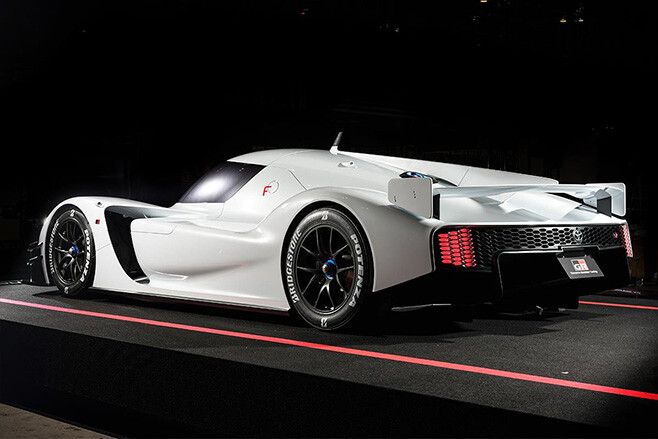
The fact a road-legal version of the concept may surface had been very subtly teased by Toyota back when it was revealed, with Gazoo Racing president Shigeki Tomoyama saying people might ‘get behind the wheel’.
“Rather than developing production cars into sports cars, we aim to work out how to incorporate the know-how developed through races and rallies into production cars,” Tomoyama said at the Tokyo Motor Show.
“Although it will be some time before you all have the opportunity to get behind the wheel, I hope that the GR Super Sport Concept will give you a taste of what we aim to achieve with our next-generation sports cars.”
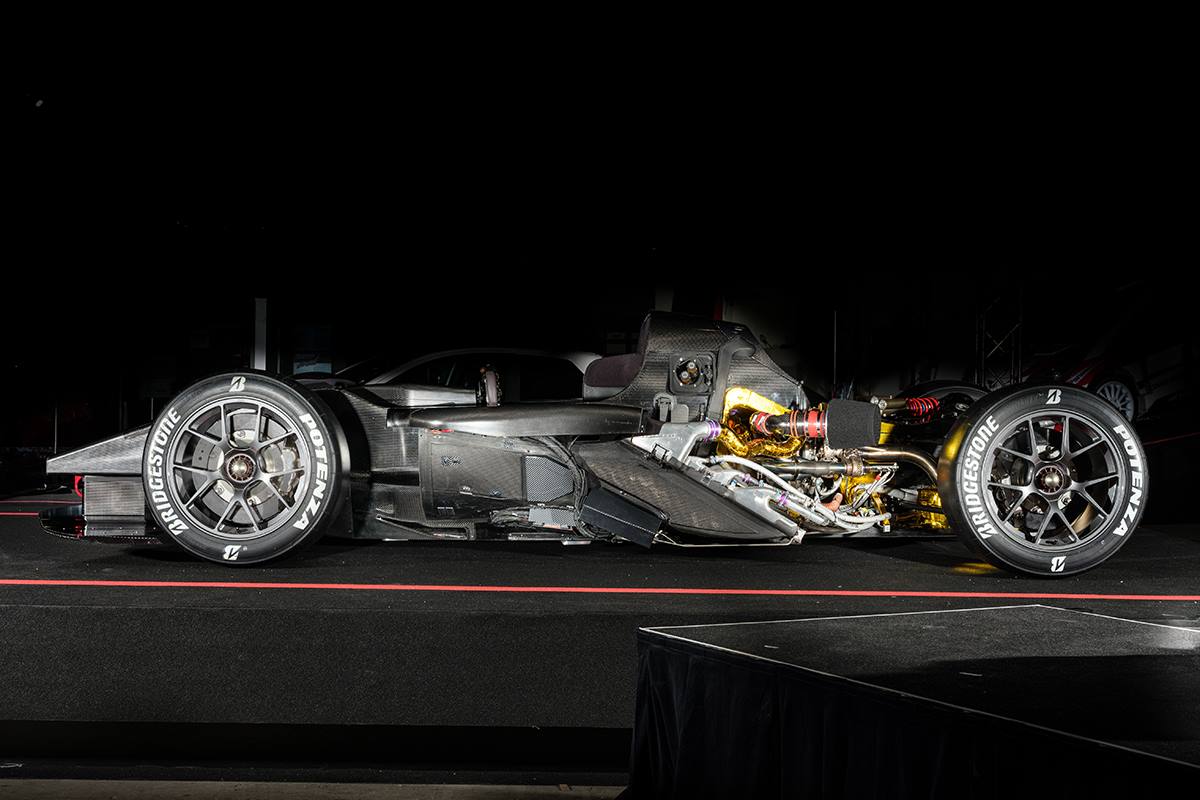
Tomoyama now says the company’s participation in the FIA World Endurance Championship and specifically at Le Mans has ‘helped Toyota advance the development of its hybrid technology’.
“We started this project because we believe that creating a super sports car that delivers the same appeal as the TS050 Hybrid greatly adds to Toyota’s involvement in WEC.
“And at some point in the near future, customers will have a chance to get behind the wheel of this incredible machine and experience its astonishing power and driving performance.”
Stay tuned as we find out more about Toyota’s plans for this wild concept.
