
Apple CarPlay has been a great addition to the multimedia screens of modern vehicles, but there’s nothing like struggling with the directional limitations of Apple Maps to make you wish you’d gone Android instead.
Apple Maps is the only satellite navigation option on CarPlay, even if you have other apps on your iPhone such as Google Maps and Waze. But that’s about to change with third-party navigation products to be added to the menu as part of the iOS 12 system update due later this year.
The news was revealed at Apple’s annual WWDC geekfest in San Jose, California, overnight where a slide featuring an Apple CarPlay menu with Google Maps and Waze icons was flashed up on the big screen, without going into too much detail.
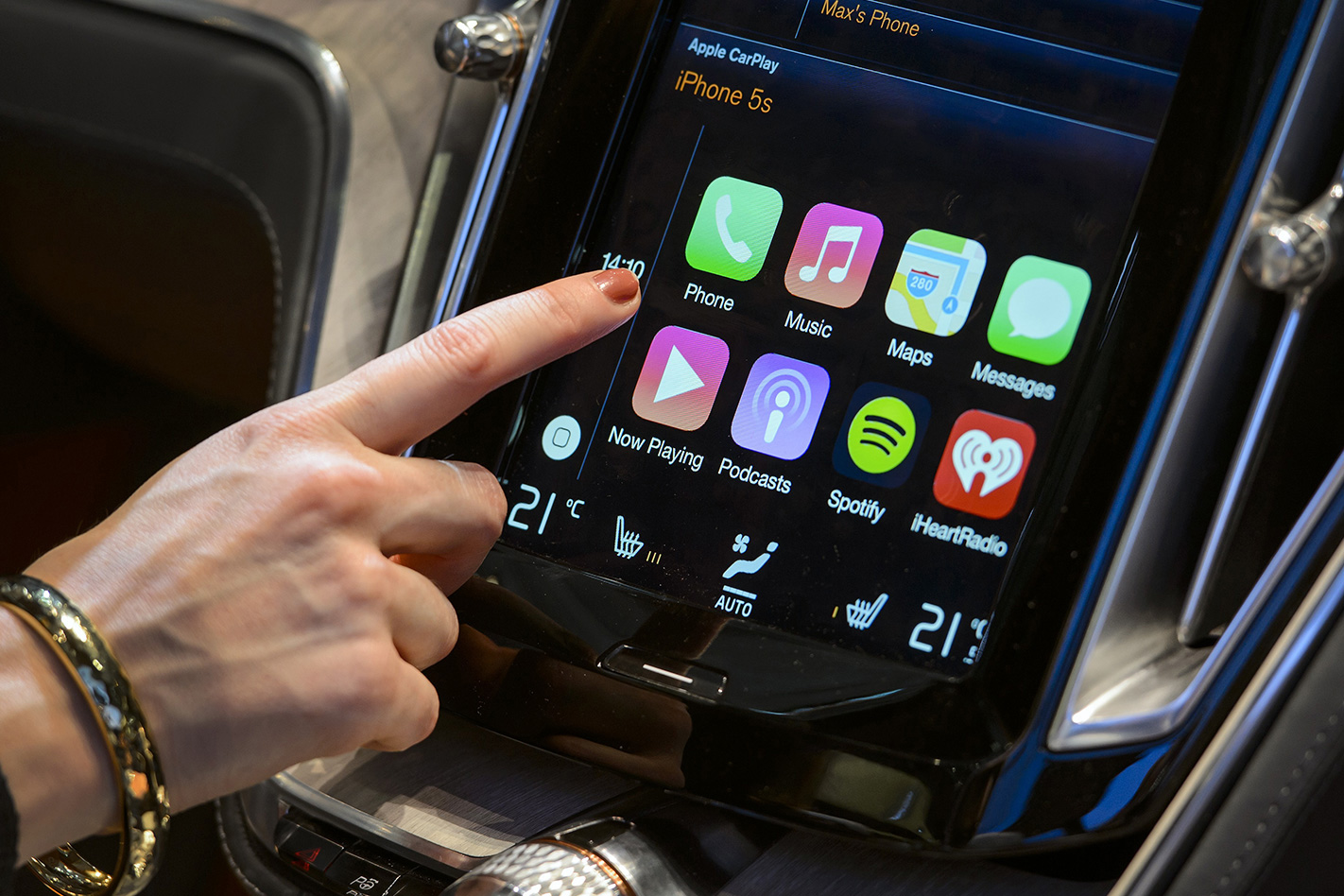
While Apple Maps has improved since its 2012 introduction, it’s still inferior to Google Maps, and Waze that’s also powered by Google and uses crowdsourcing for real-time updates for everything from the quickest routes through heavy traffic, to cheap petrol and mobile speed cameras.
More carmakers are slowly starting to offer Apple CarPlay and Android Auto support, including Toyota and Mazda.
Apple’s news of the wider app support coincided with Ford announcing that its Sync 3 infotainment system will soon support Waze for iPhone users.
How many times have you been slowed up by a lane closure only to see a row of traffic cones, but no actual road works?
UK firm Costain might have the answer to ghost roadworks, with ‘robo-cones’ that move out from the side of the road at the touch of a button, closing off lanes only when needed.
As well as easing congestion the robo-cones will improve worker safety.
Closing lanes with witches’ hats is risky, particularly on freeways, so workers often shut off large sections of road at a time to avoid repeatedly having to brave the traffic to lay them.With robo-cones they can safely lay the line at the side of road and remotely move them into position, at speeds up to 7km/h, when and where required.
The most dangerous part of setting up a row of traffic cones is the ‘taper’ – the angled start of the line that begins at the edge of a lane and moves out to close it completely.
On big road projects this is done with a worker standing on the back of a truck and carefully laying the cones while exposed to other moving vehicles.
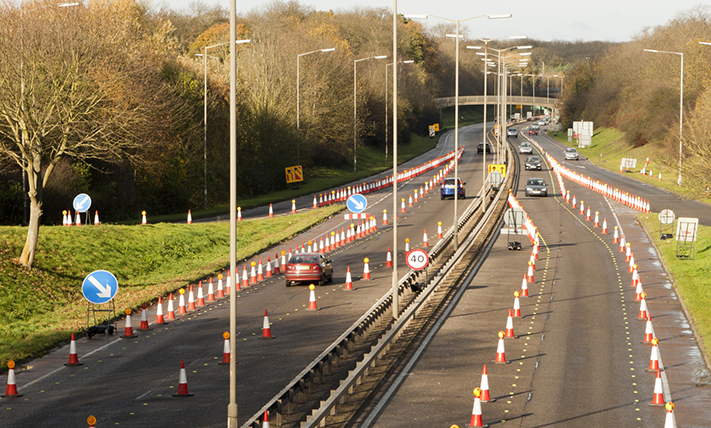
“It takes 15 minutes to do a taper, but with the remote controlled cones it will take less than a minute,” said Costain’s Richard Gollege.
Gollege’s colleague, William Clifford, stressed the cones are placed by remote control and aren’t autonomous, conceding “we are far from that” – we’re thinking autonomous cones would also be handy with a homing mechanism so they can find their way back to roadside from a sharehouse living room after a big night at the pub.
According to Clifford, the main motivation behind the robo-cones’ invention was to prevent injury or death of road workers.
“But [it] is also important to cut down the amount of time lanes are coned off to make it better for the motorist,” he added.
Hyundai has unveiled its HDC-2 Grandmaster large-SUV concept at the Busan Motor Show, which provides a further glimpse at the Korean brand’s future design direction.
The confident potential Mazda CX-9 and Toyota Kluger rival draws on the ‘Sensuous Sportiness’ design language of the stunning HDC-1 ‘Le Fil Rouge’ concept, revealed at the Geneva Motor Show in March.
While that was a sleek sports coupe, the Grandmaster SUV shares its broad toothy grille and flowing lines with bold creases, which Hyundai believes will stir emotion amongst car buyers.
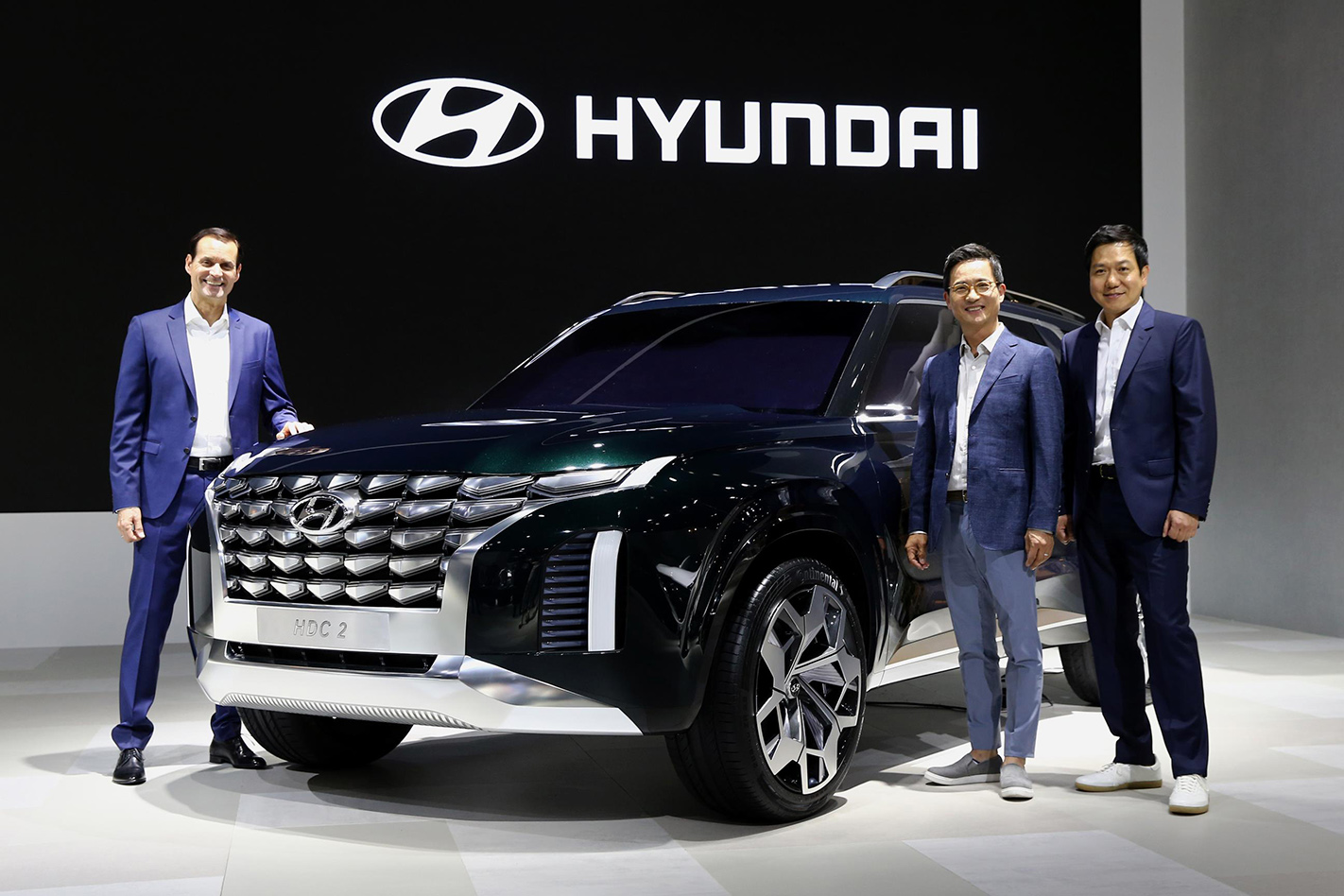
“Today we showcased the HDC-2 concept vehicle as a blueprint for our evolved design strategy,” said SangYup Lee, Vice President and head of Hyundai styling. “Making a big step forward in terms of design with the Hyundai Look strategy, we will move towards becoming a brand that customers can really relate to emotionally.
“Moving on from being a brand that provides a great value, we will aspire to also become a brand that is widely beloved by our customers.”
As for the name, Hyundai points out Grandmaster is derived from the game of chess, and draws a pretty long bow to link the ancient game of skill with the HDC-2’S design, stating: “Just as the sum of all chess pieces completes the game of chess, all forthcoming Hyundai vehicles will come to form a harmonious vehicle line-up demonstrating the Hyundai Look while each maintains distinctive character and role.”
The Grandmaster is just a design concept so there are no specs or potential powertrains, real or aspirational. While such a big SUV would be new to the Australian line-up, Hyundai does have a stretched Santa Fe for the US market, with the large eight-seat Palisade also due to enter the US market next year, up against the Chevrolet Suburban and Ford Expedition.
EUROPEAN versions of the Holden Commodore – badged as Opel Insignias – will gain a cutting-edge infotainment system late this year – but Aussie customers are yet to find out if the new-look system makes it here.
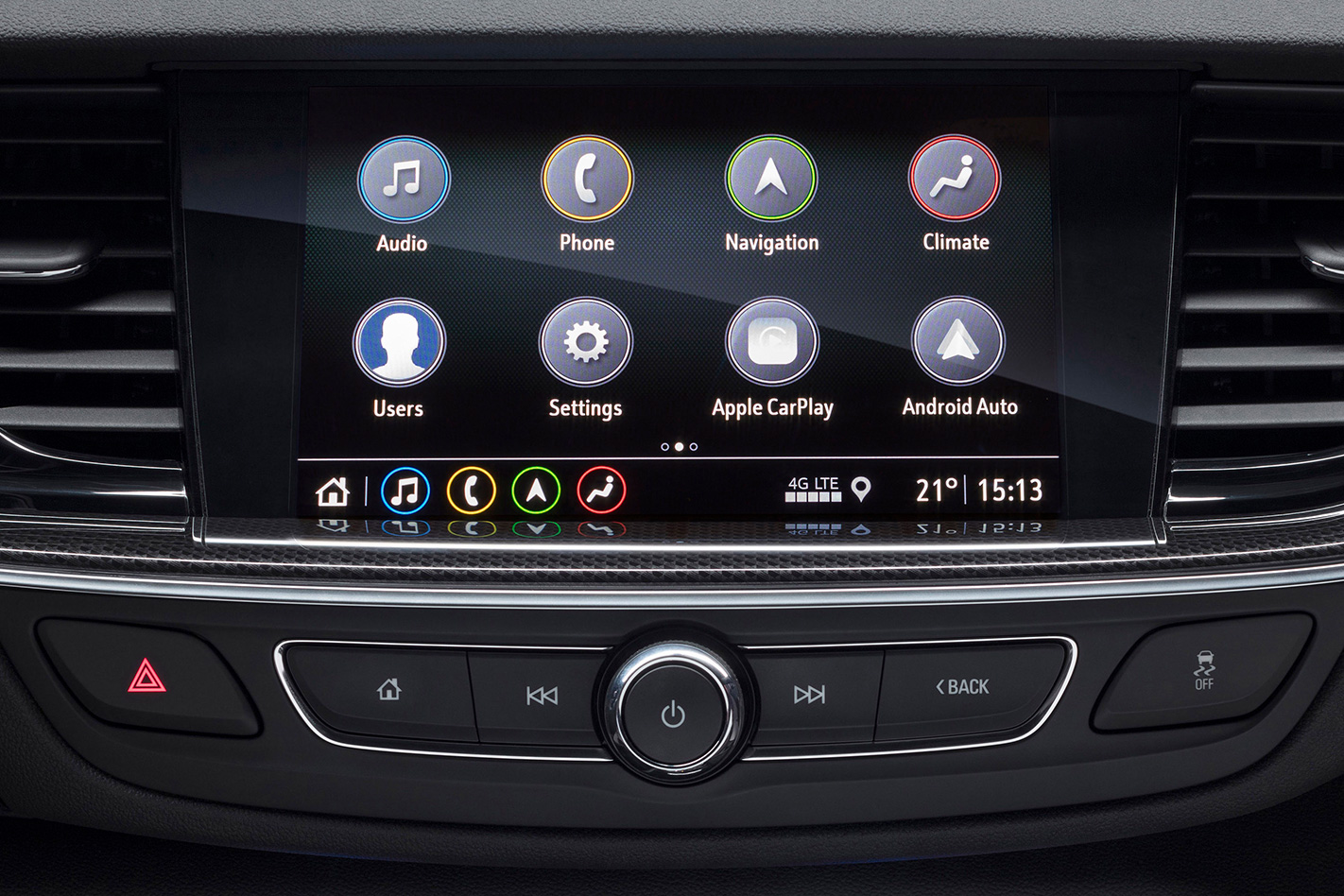
Opel’s relatively new owner, Groupe PSA, has revealed the Insignia will mark the debut of the brand’s “next-generation” infotainment system that will include the ability to store up to five different driver profiles – handy if you like loaning your ride out to other people.
The personalisation feature would evolve over time to include personalised sat-nav search and routing, based on individual driving patterns, Opel said.
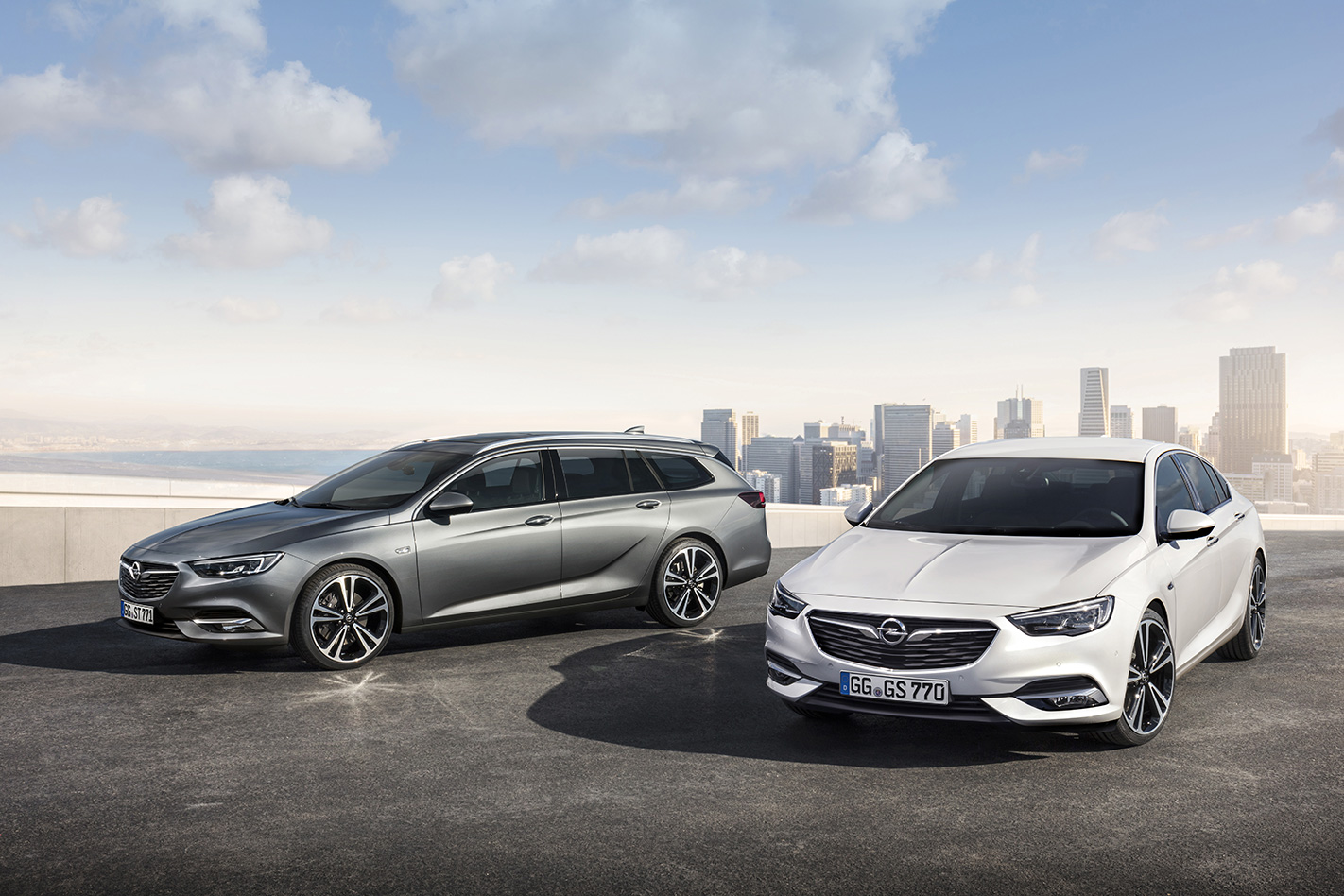
“The new Multimedia and Multimedia Navi Pro infotainment systems of the Insignia will consolidate Opel’s position as a leading player in infotainment and connectivity,” the car maker said in a statement. “The systems are not only state-of-the-art in terms of functionality, they are also stylish and intuitive to use. Customers enjoy a large colour touchscreen, up to 8.0 inches in size.”
That boast seems to be forgetting that Commodore buyers already get up to an 8.0-inch touchscreen in the current large-sized liftback. What’s new here, though, is a much cleaner, high-definition display that offers a more clever satellite navigation system that taps a paired smartphone to piggyback its data and download real-time traffic updates, fuel prices, and available parking spaces. Oh, and instead of pairing a single smartphone to the unit, owners will be able to pair a pair of them.
While the sat-nav heavy tech-fest has been confirmed for Europe, Holden is not yet committed to bringing it here. “We continue to work with Opel to make sure Commodore remains one of the most high-tech cars on the market but we have nothing to announce at this time,” a spokesman said.
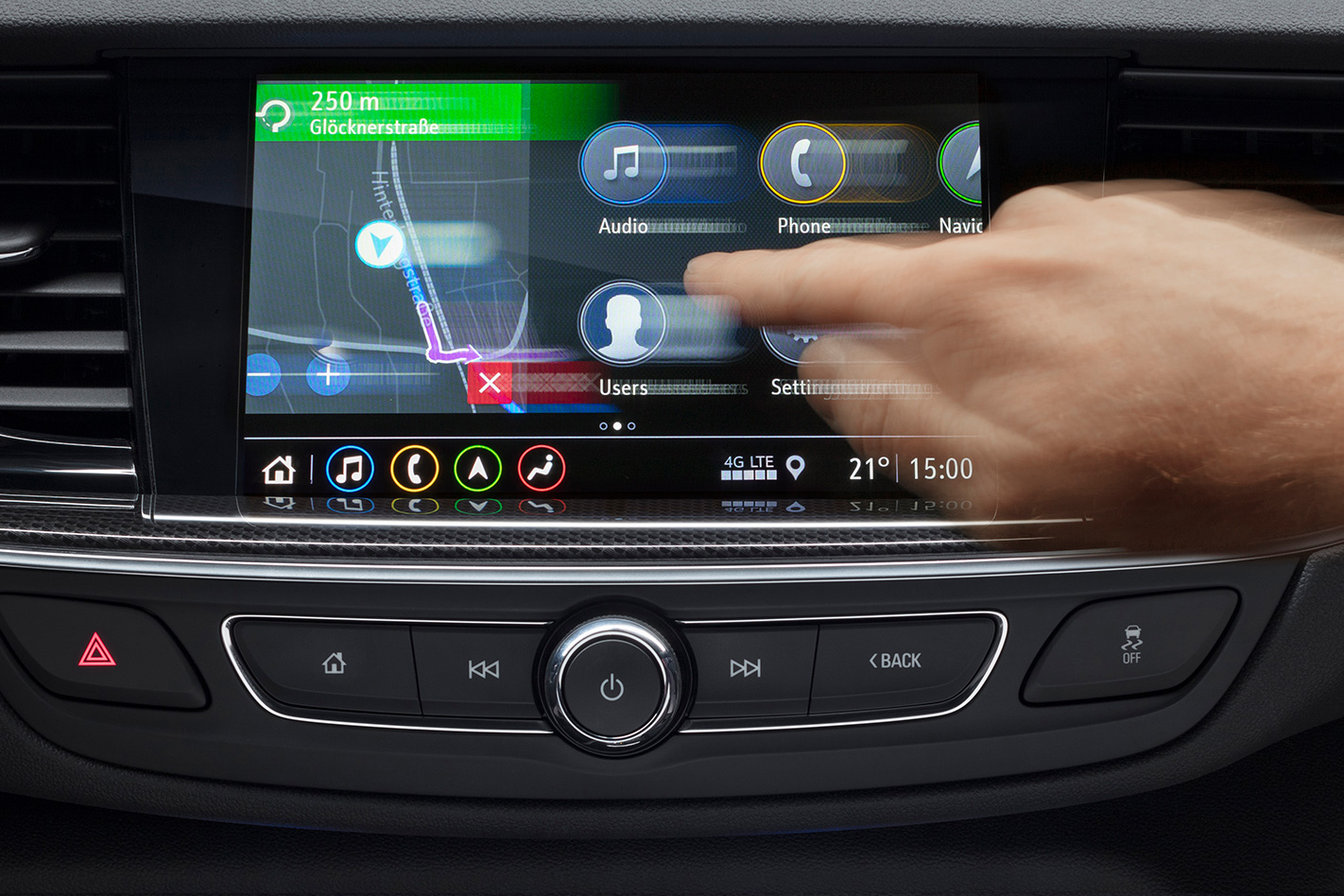
The Opel system continues to support Android Auto and Apple CarPlay, but the release doesn’t reveal whether this connection is via a tethered USB cable or over a Bluetooth connection.
We, uh… we’re not sure either.
We’re not sure what was going through the head of the person who created this, or what they thought it would turn out like.
What we do know is that it’s absolutely harrowing.
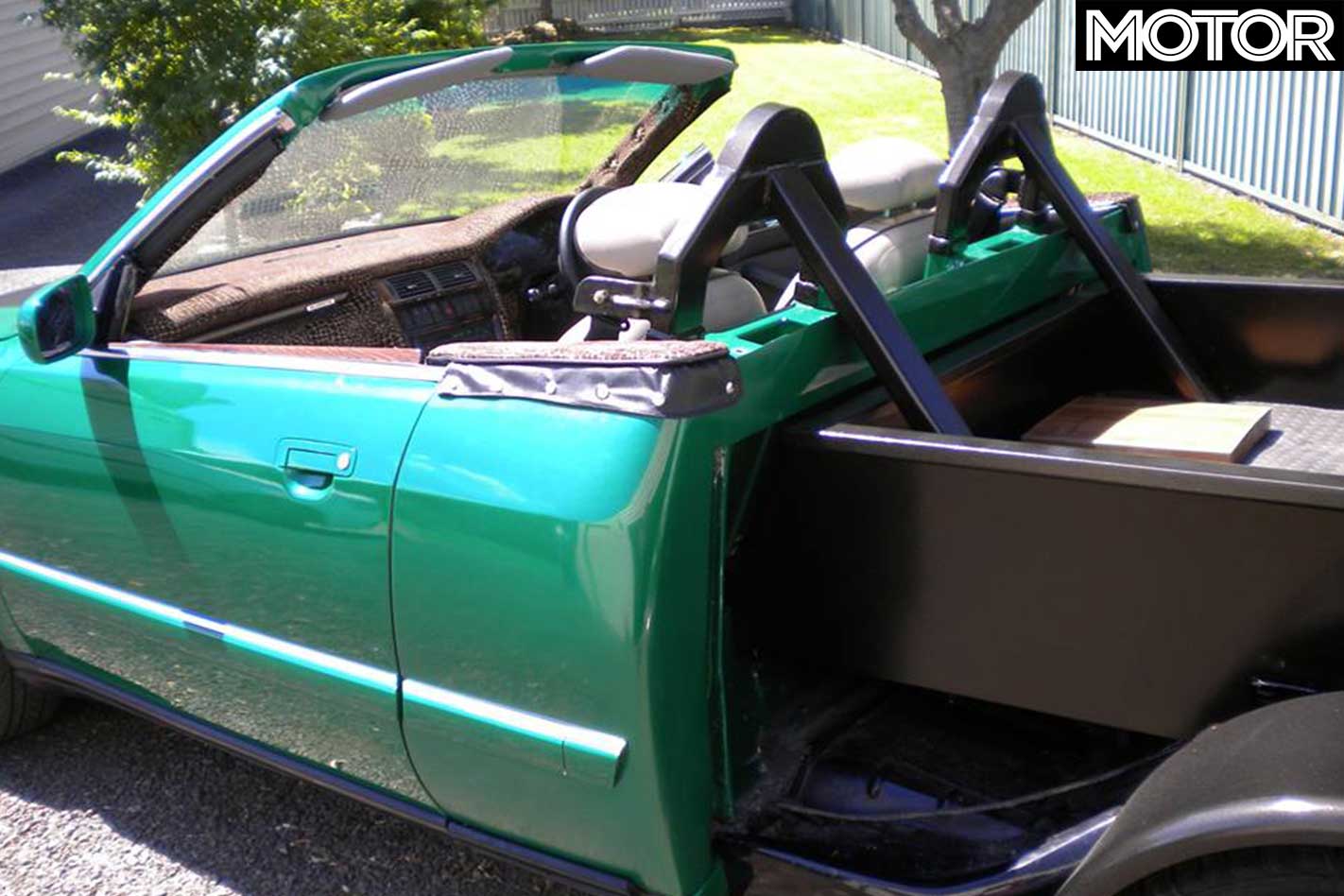
But what’s under the bonnet has us interested – Audi’s 4.2-litre V8, mated to an auto gearbox.
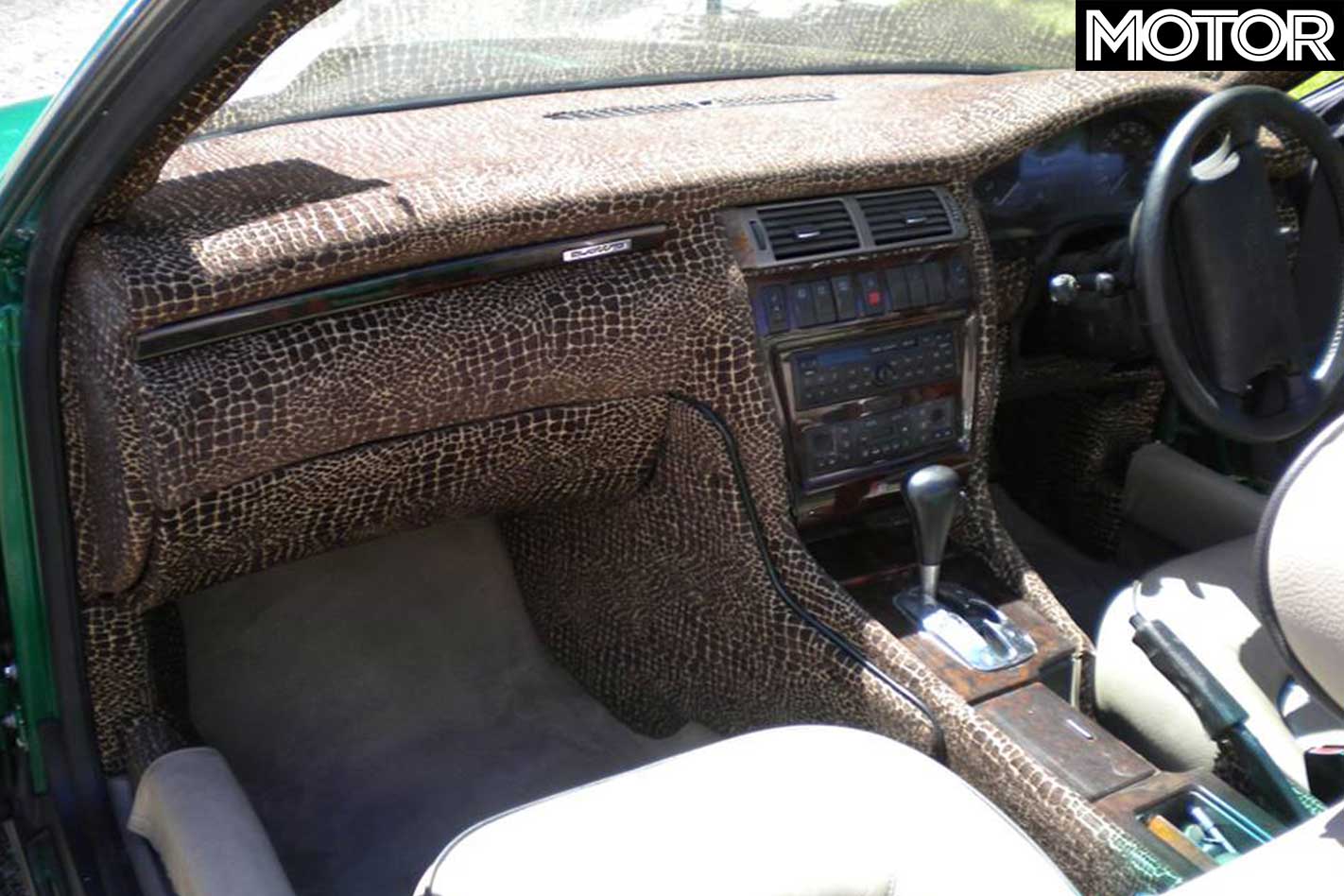
This ‘Audi A8’ popped up for sale on the bazaar of bizarre that is the Facebook Marketplace. It’s certainly made an impression, with its clearly carefully styled exterior and tastefully appointed interior.
The shade of green and black decals aren’t exactly a good start, but couple that with the faux (we hope) leopard/snake/alligator print interior treatments and it all goes downhill even faster.
The tyres don’t look in bad shape, though.
It’s been run for 156,000km and even comes with the original delivery documents. What a relief! We were wondering if this was genuine or not.
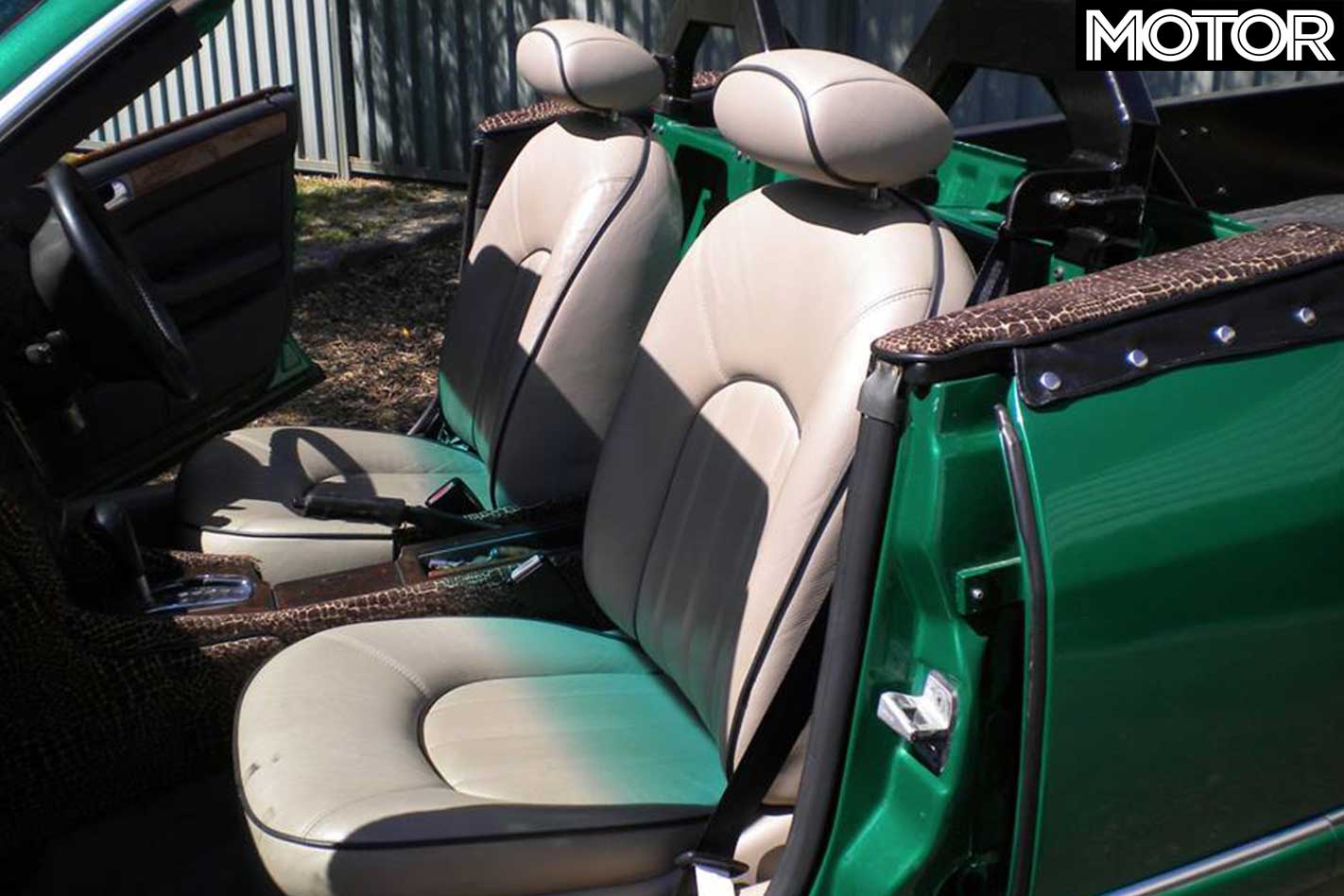
The seller is sure to point out that, when it was new, the Audi A8 was a very expensive vehicle, so it seems a steal that this one’s only listed at $16,000.
Where else are you going to get a German V8 ute? You can’t have Stuart Appleby’s M5 ute, he seems pretty set on keeping it.
What’s particularly surprising about this ‘Hot Pickup’ is that it’s road registered, comes with a roadworthy, and has been signed off by an engineer. Or so the seller says.

If you can look past what is – let’s be honest – an absolutely hideous combination of colours, shapes, and upholstery, you’ll find yourself with something pretty…
…awful. It’s still awful, and don’t pretend it’s not.
After a meeting of the World Motor Sport Council, the FIA has announced from the year 2020 the World Rallycross Championship will become the Electric World Rallycross Championship.
The move isn’t a huge shock, the intention of RX going electric has been known for some time, but it does mean next year will mark the final season of ICE World RX.
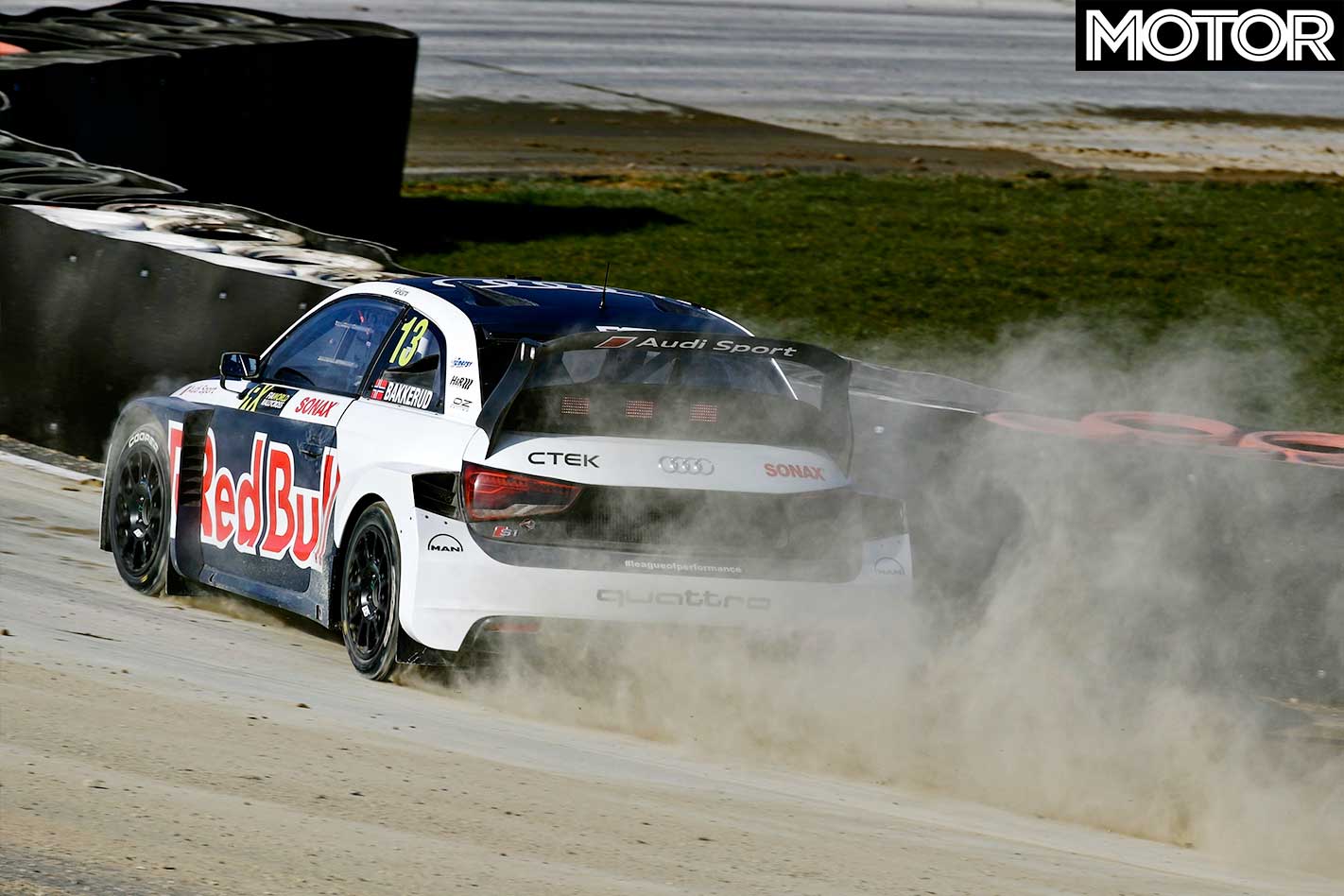
The FIA says, for the most part, the series will remain the same as it has for some time.
“Sporting format of the events (12 to 14 per season) [is] to remain identical to the current format – practice, four qualifying heats, two semi-finals and one final,” The motorsport body confirmed.
“Two World Championships will be contested, one for Drivers and one for Manufacturers.
“The four best results among cars from each manufacturer per event count towards the Manufacturers’ Championship classification.”
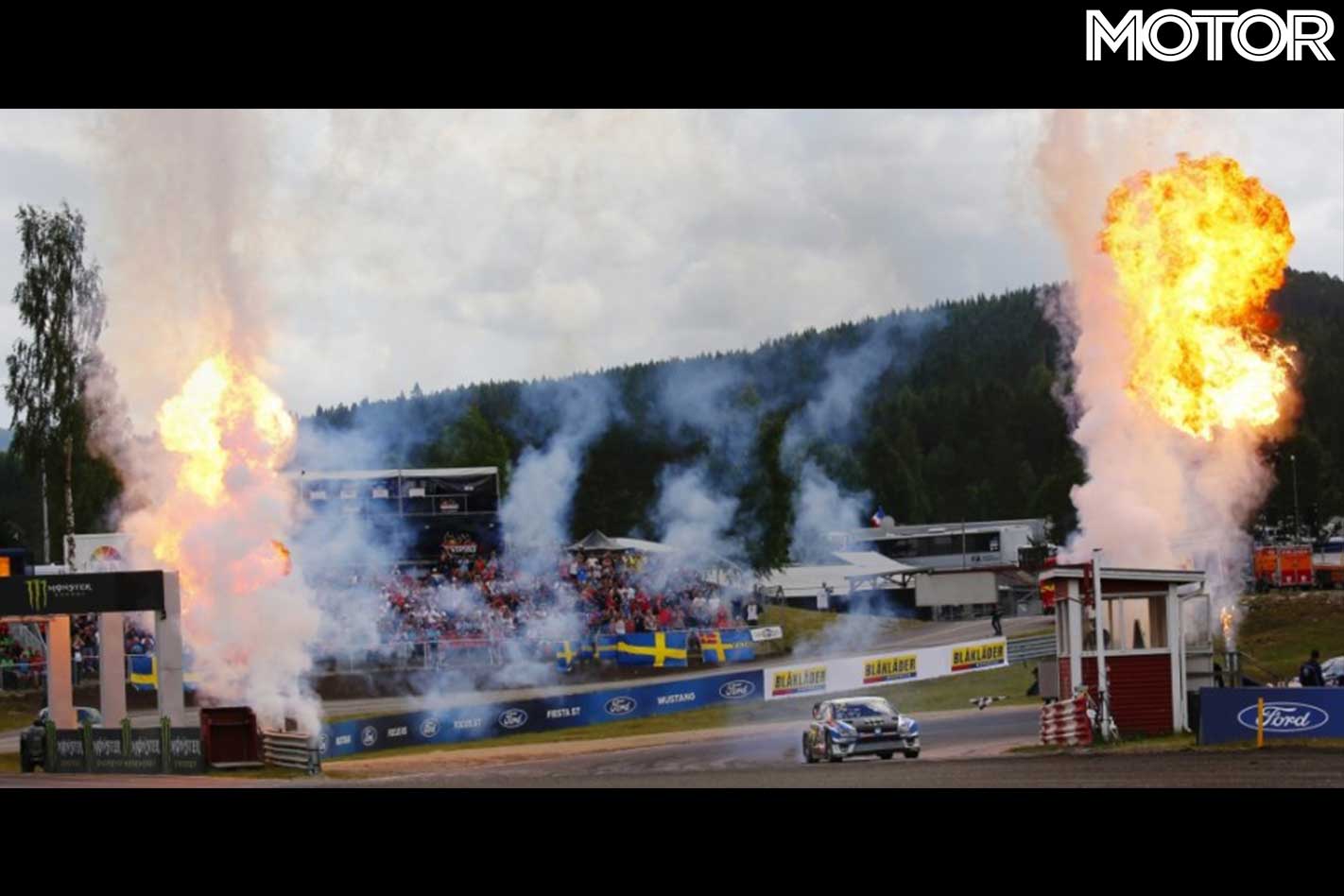
The plans also outlined the creation of a Team Trophy, for privateer entries taking part in the Electric World Rallycross Championship.
The cars themselves will be ‘silhouette’ cars, meaning the chassis and powertrain will be one-make throughout all entries, while manufacturers will make their cars look like familiar models.
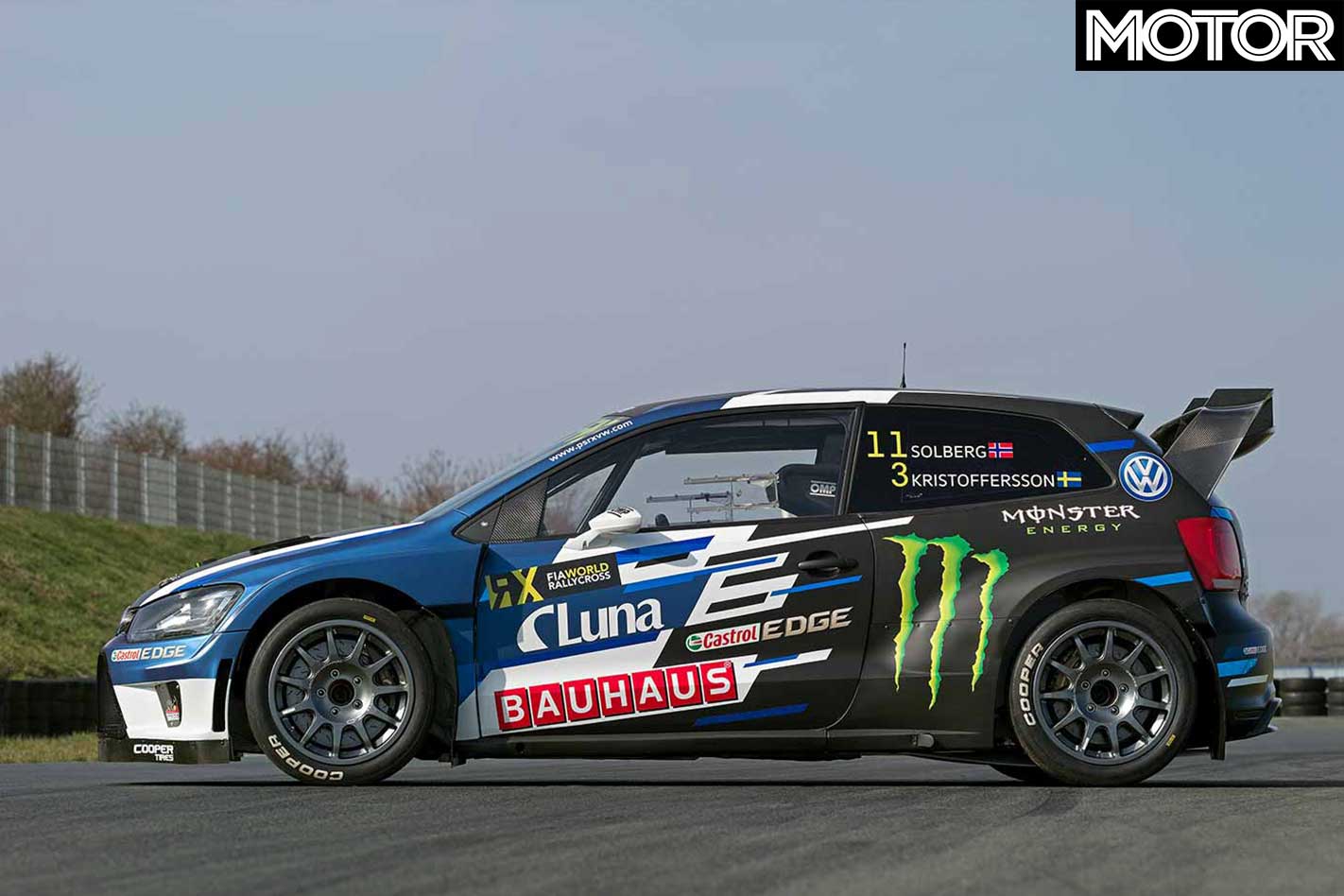
Williams has been confirmed as the battery supplier for the series, with each car two get two motors (one front, one rear) totalling a 500kW output.
Powertrain regulations will be based on those applied to Formula E, with ‘restrictions aimed at controlling costs and development.’
Motorsport outfit Oreca has also been confirmed as the chassis supplier, with it and Williams being onboard at least until 2023.
DRIVERS competing in the 2019 Formula 1 grand prix season will be a little safer next year, even if the crowd is armed with hammers and air rifles, with new mandatory FIA helmet regulations detailed this week.
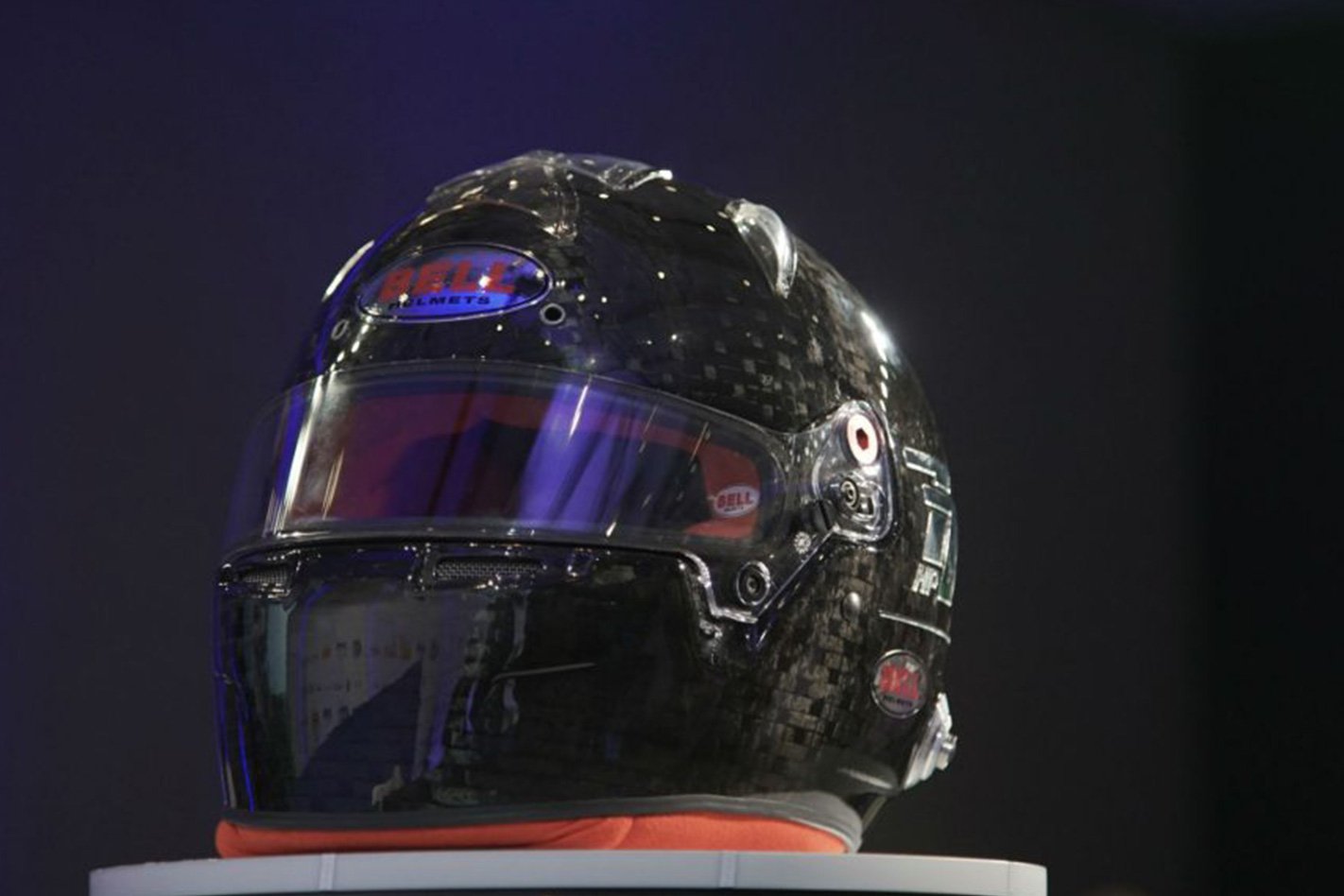
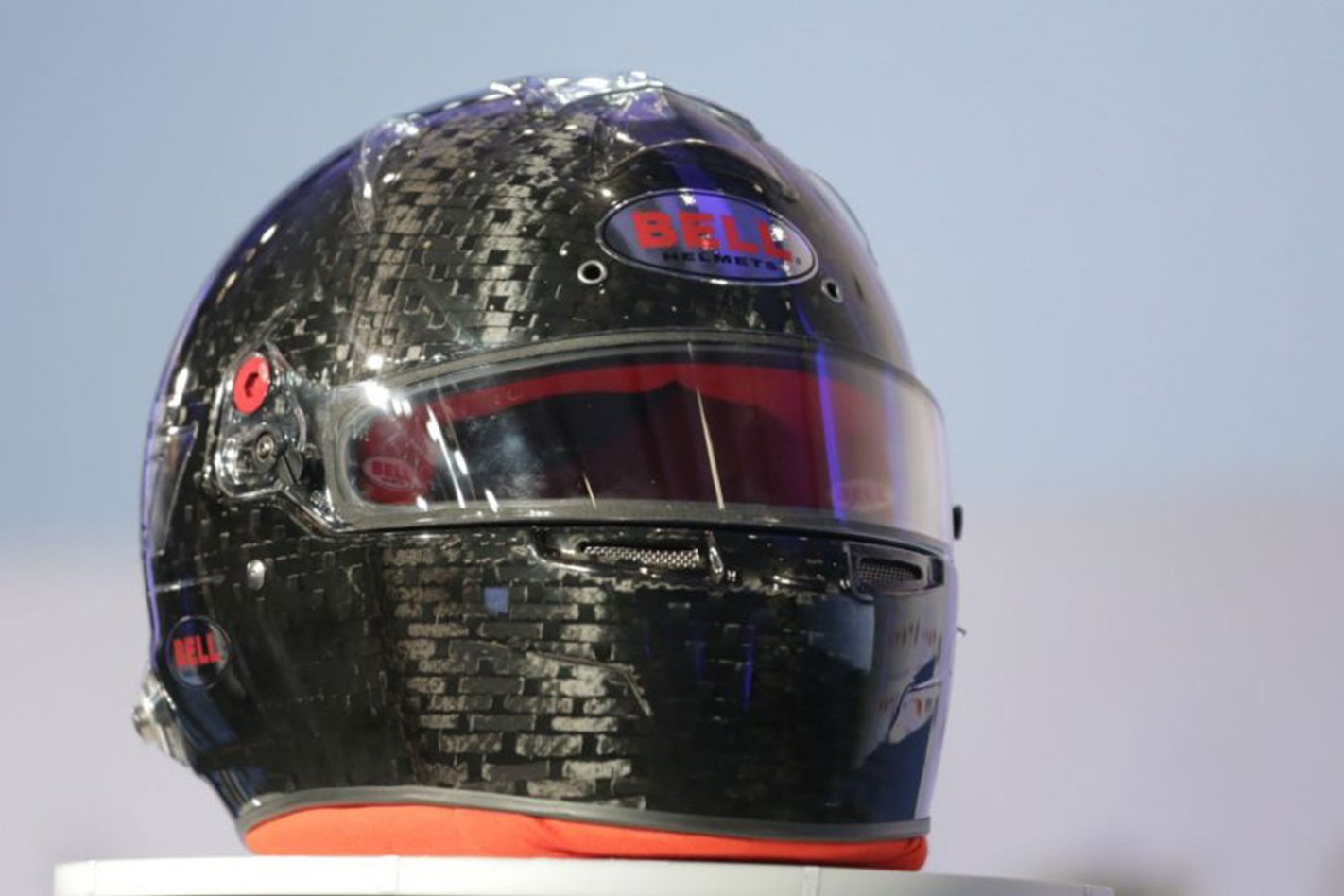
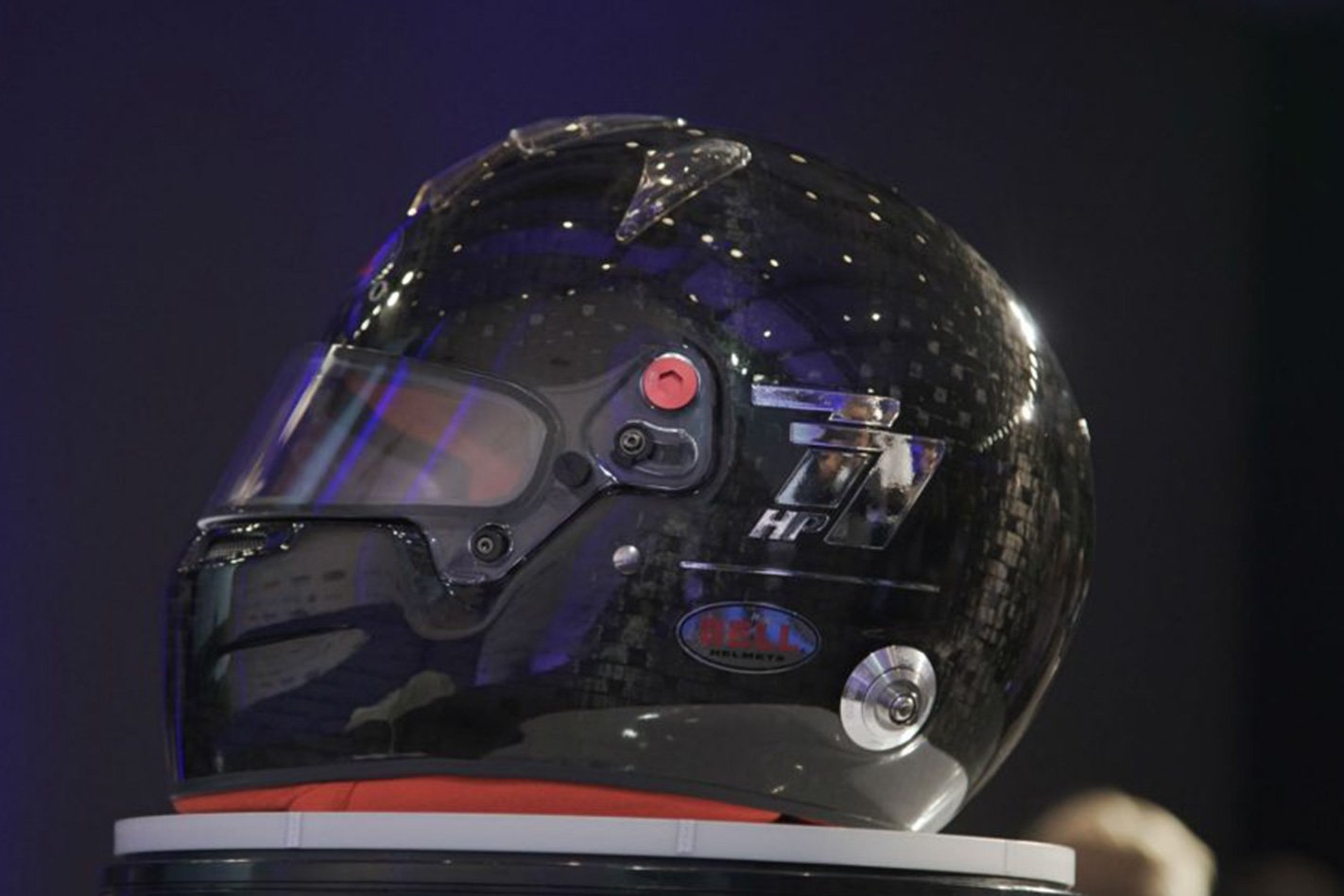
Skid lid authority Bell revealed its most high-tech stack hat to date, the HP77, at this week’s annual FIA Sport Conference in Manila. The conference sets the ‘ultra-protective’ safety standards that all teams and manufacturers must comply with for the following year’s F1 season.
Under the new FIA 8860-2018 regulation, F1 drivers’ helmets must be able to withstand greater impacts, absorb more energy and offer enhanced ballistics protection, with part of the specification requiring all new brain buckets to withstand a hammer blow to the chin guard and an air rifle shot at the visor – we’re not making this up.
The rest of the specification reads like something out of a Saw movie including exposure to 790-degree flames, a 10kg weight falling from more than five metres and a 225g metal projectile fired at 250km/h.
Notable physical evolutions over the current HP7 helmet includes a 10mm lowering of the visor for greater debris impact protection, beautiful broader-weave carbonfibre construction and a narrowed visor aperture – presumably for greater defence against marauding archers.
The latest boost to F1 safety follows this year’s controversial move to introduce so-called “halo” impact bars over F1 car cockpits, and would increase the protection offered to competitors, FIA safety director Laurent Mekies said.
“The current top-end helmets are already the safest in the world but the new standard will take them to the next level,” he said.
“It is important for all of our safety research that we continually strive to improve and this is why we are requiring all manufacturers to meet this tougher standard for our championships”.
While only Bell has showcased its offering at this stage, all F1 helmet manufacturers including Stilo, Schuberth and Arai are expected to out their designs soon.
Pricing has not been confirmed but it’s likely most F1 teams will be able to fit some new kit into the budget, including a little more for each driver’s personalisation graphics. The current FIA-approved Bell HP7 retails for about the $4600 mark, but you can’t put a price on safety right?
Originally, we were just calmly checking out a 1996 993 Carrera RS Clubsport.
Suddenly, we were trawling TradeUniqueCars.com.au for all sorts of madness. So, as usual, welcome to another Classifieds of the week!
1996 Porsche 993 Carrera RS Clubsport – $749,990
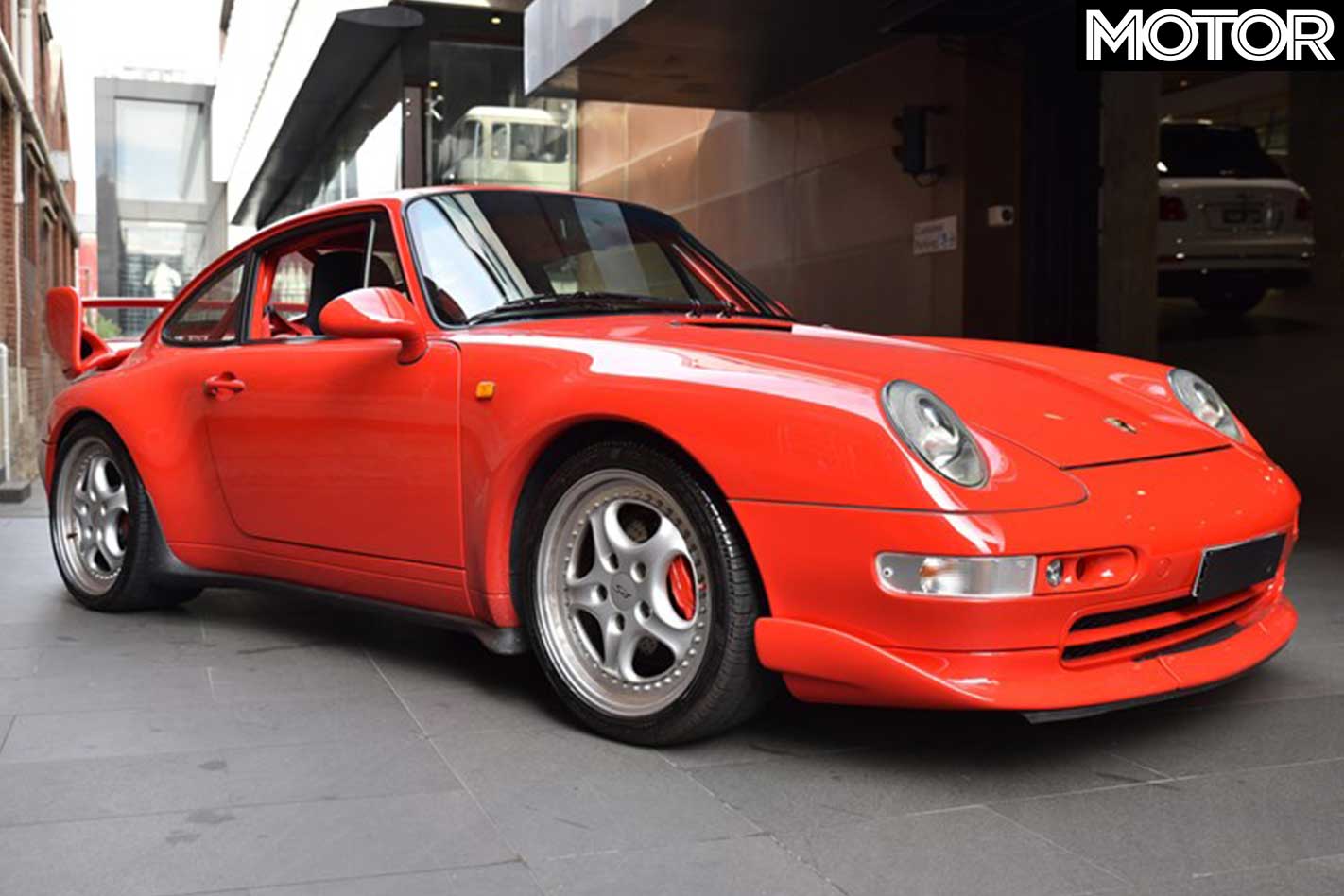
Sure, $750K is a lot of money, but when was the last time you saw one of these?
It’s rocking 51,200km, is magnificent in Guards Red, and its condition can only be described as immaculate inside and out.
1987 BMW E30 325ix – $59,990
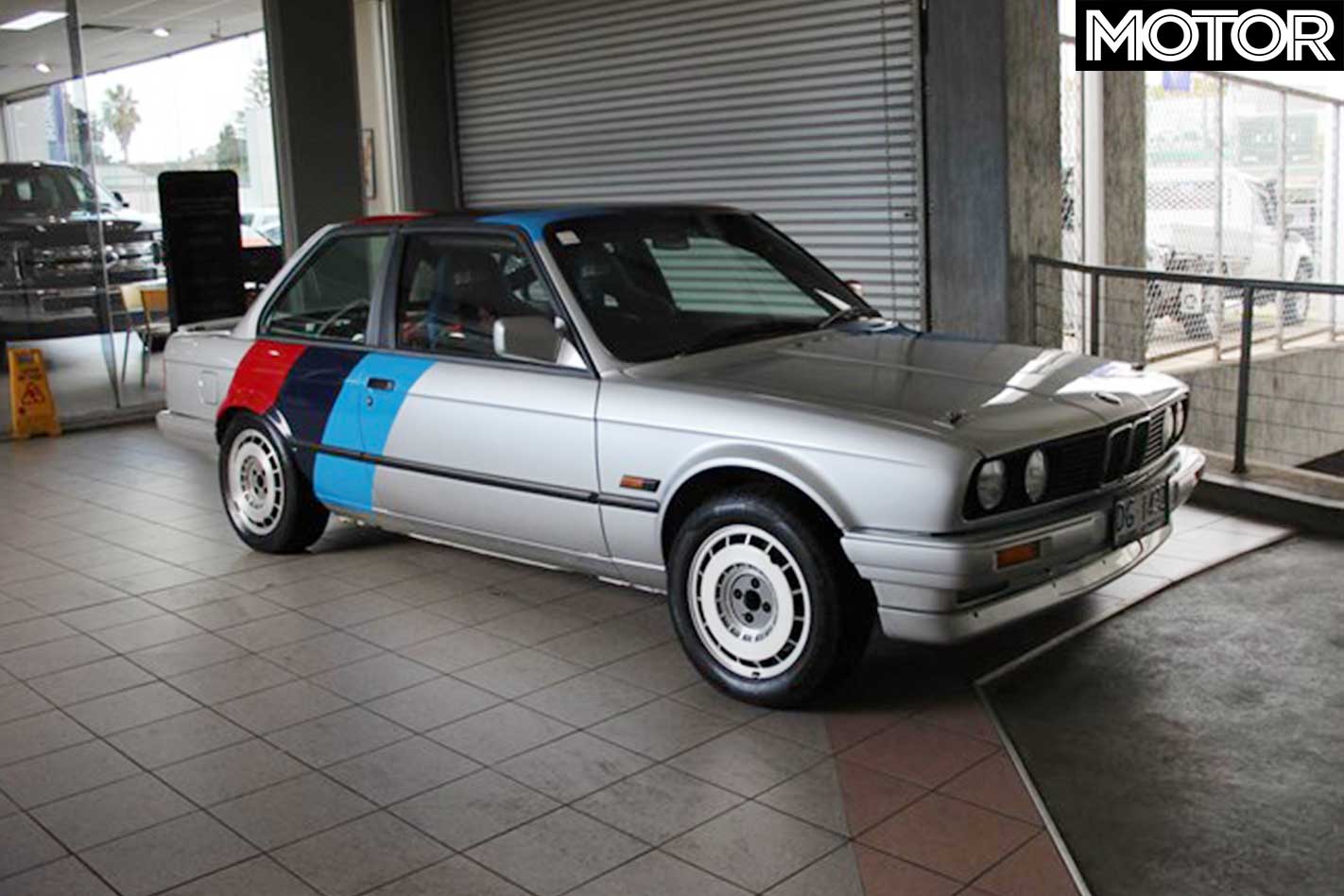
A rare beast indeed, the seller says this 325ix is only one of three known (to them, anyway) right hand drive examples.
What’s an ‘ix,’ you ask? Well, it’s the E30 version of xDrive, BMW’s badge for AWD cars. There aren’t many, and they’ve developed a cult following.
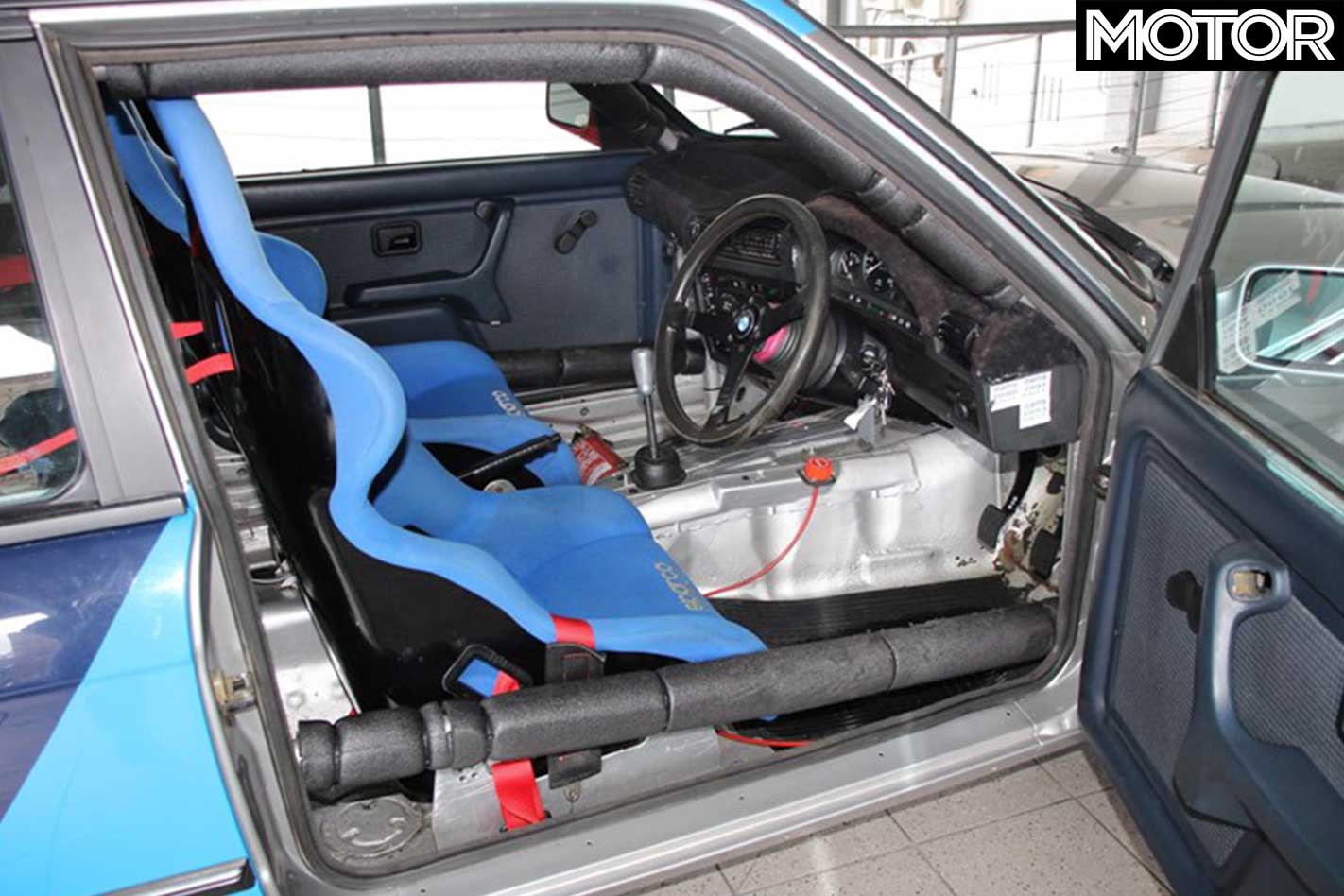
Even if this isn’t a genuine one (check the papers if you want to buy it!), it’s still an AWD E30 rally car!
And if it’s not even a replica, we wouldn’t say no to a RWD E30 rally car. Though at that point we’d be looking at a much lower price than $60K.
2017 Ford Mustang Roush RS3 – $125,000

The 542kW Roush Supercharged Mustang (thus the RS – sorry, Audi), which we’ve driven an example of, is an absolute belter.
It can be driven calmly in daily traffic too though, and only turns into a monster when you want it to. Or if you’re not in control of your right foot.
Mustang Motorsport is selling this example, it has converted for Australia under license from Roush, for $125K.
1980 Mazda RX-7 Series 1 – $32,000
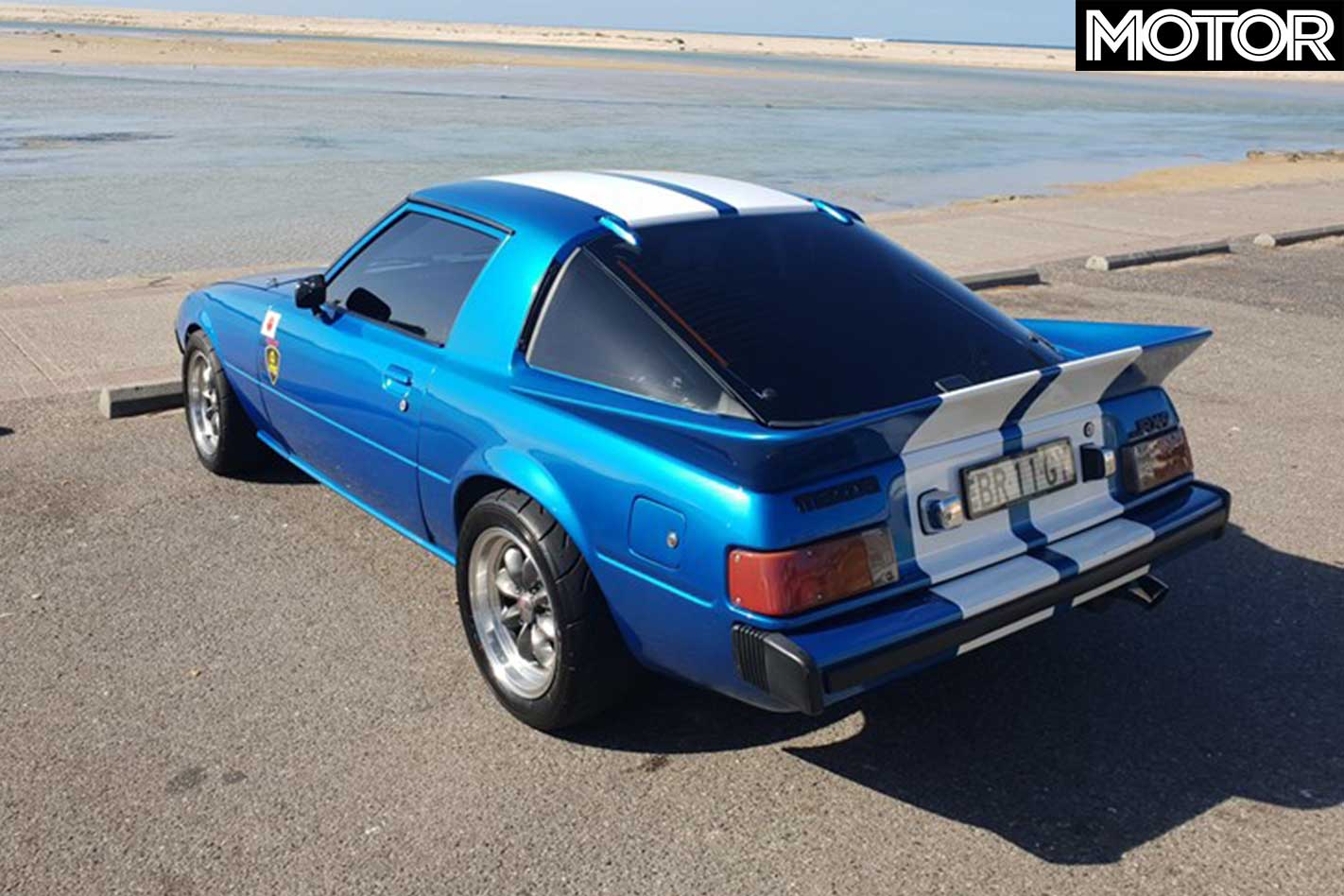
Okay, we’re flying a little blind here – the seller has left only “Mazda RX7 1980” in the comments of their ad.
Luckily, they filled out a few other details when it was created, but we’re not sure this car really only has 4200km on the odo.
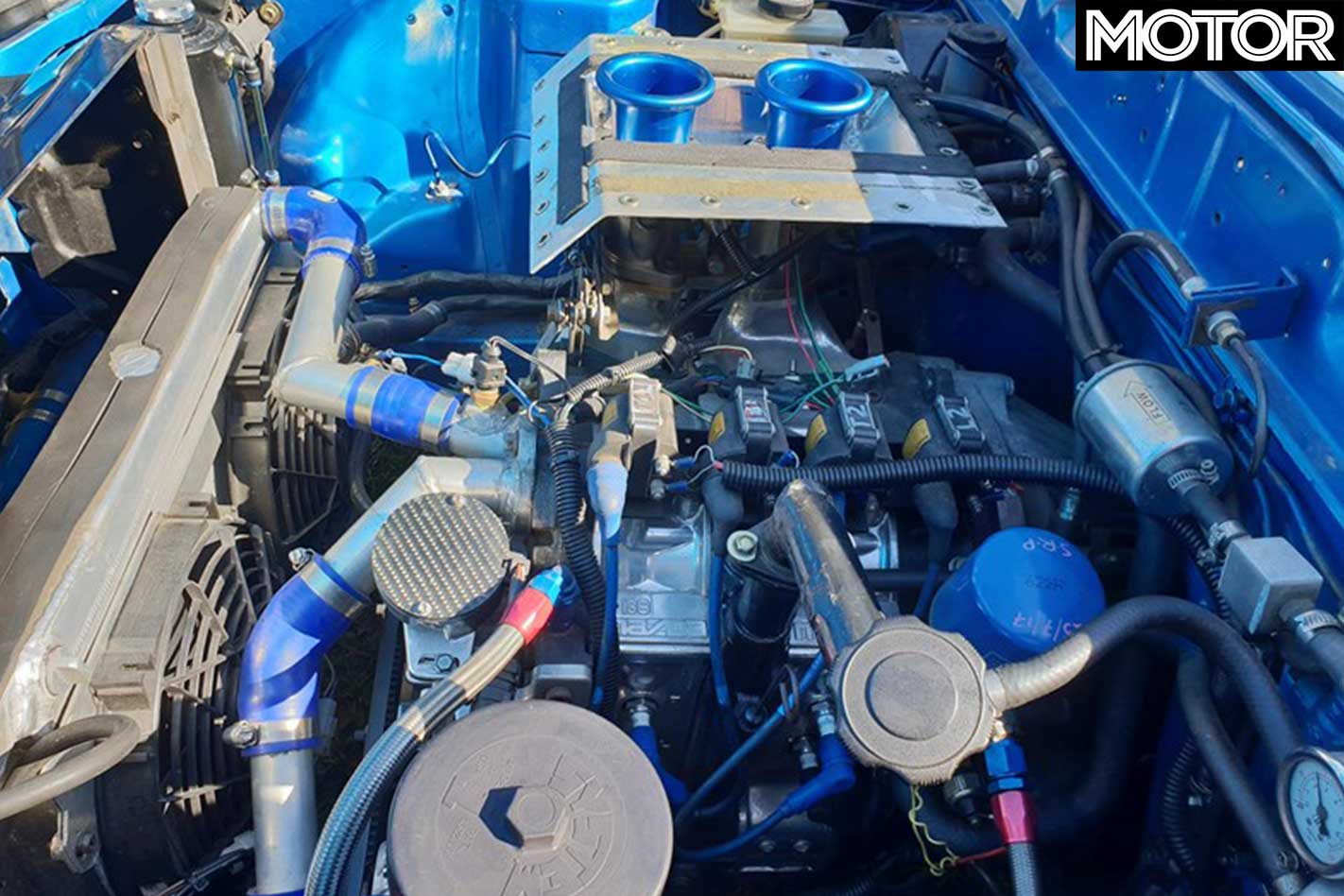
Still, it looks tidy, and seems to have had plenty of work done to it. P-L-E-N-T-Y. The ad says it’s roadworthy, too. And for $32,000, you’d hope so.
1998 HSV VT Clubsport – $16,000
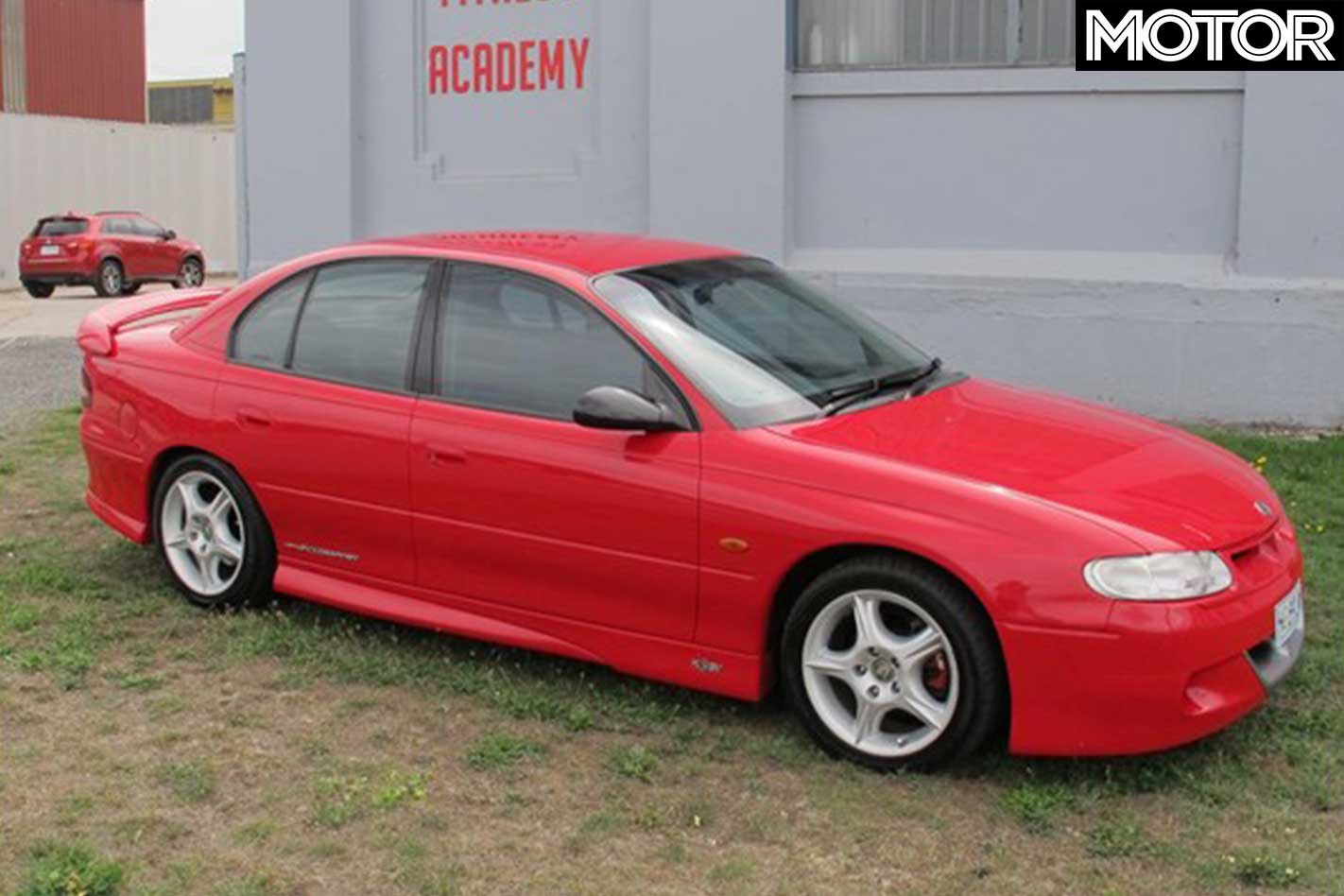
Sure, it’s no Carrera RS Clubsport, but this one’s got a 5.0-litre V8.
It’s a super-tidy-looking example that is, honestly, reasonably-priced at $16,000, and we reckon it’d be worth a look if you were after something to enjoy on highway cruises (yeah, it’s an auto).
It’s roadworthy, has 127,000 on the odo, and the sunvisor is even signed by Mark Skaife!
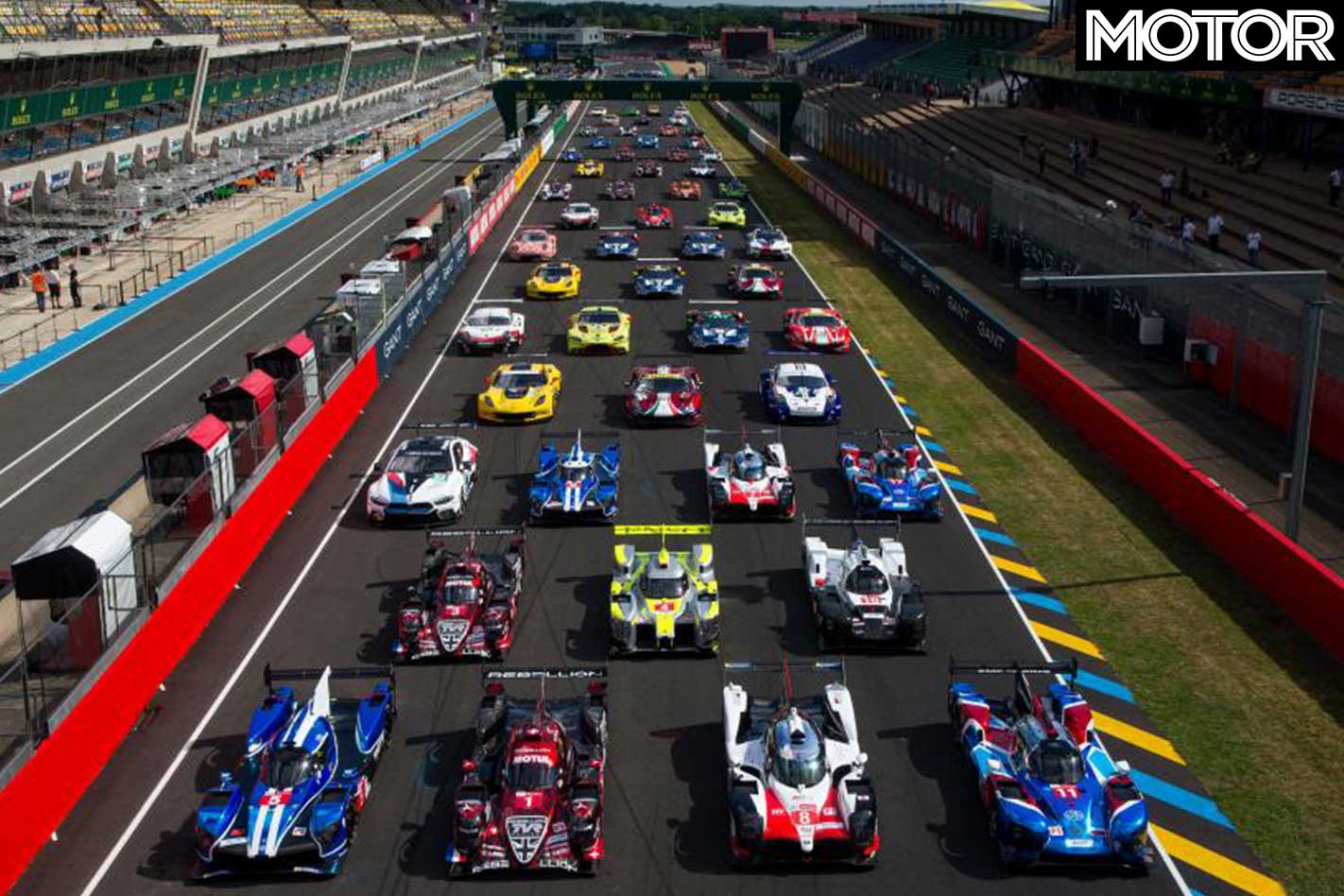
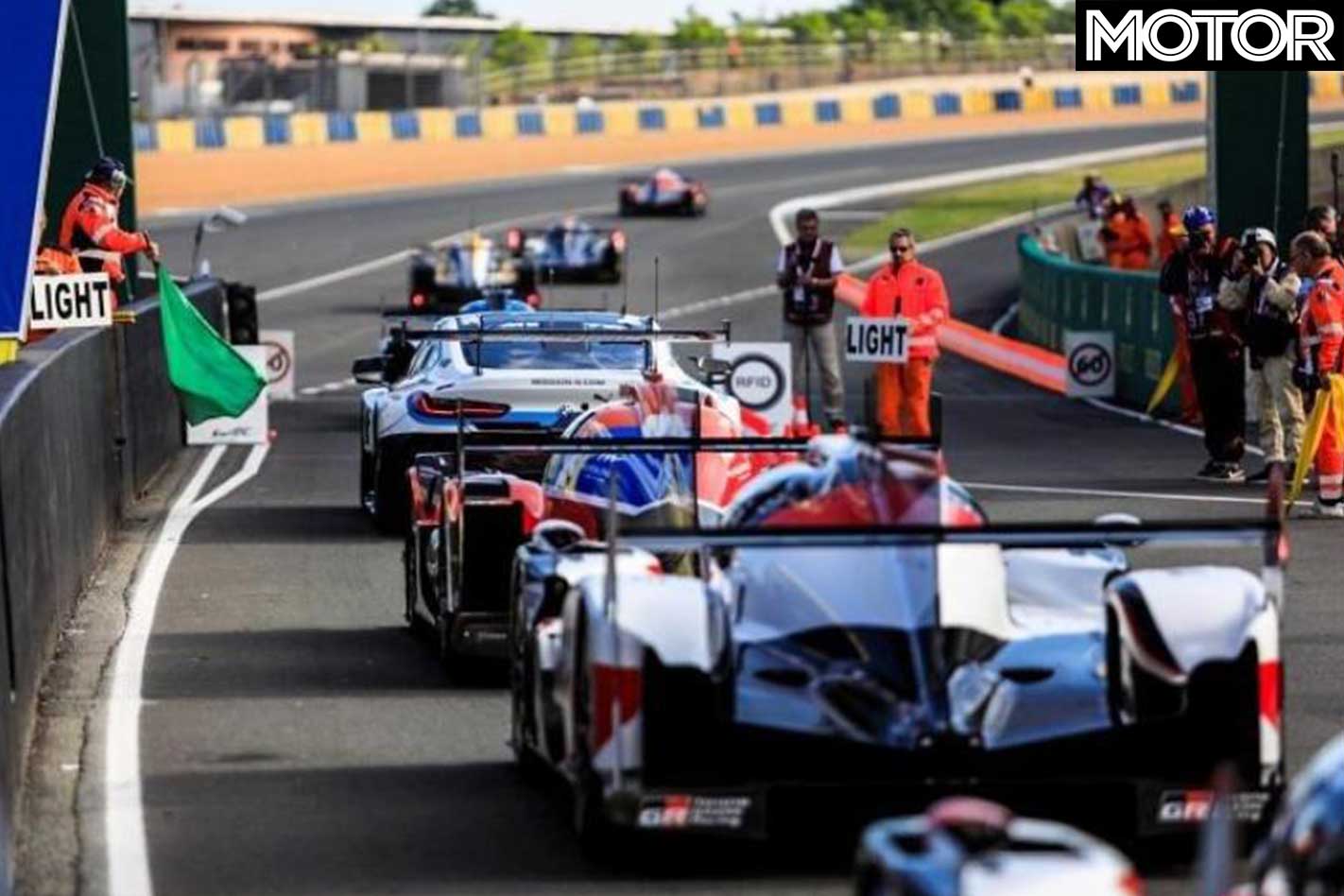
The FIA World Motor Sport Council has met in Macau to discuss the future of several categories of motorsport, including F1 and WEC.
Expected to be formally announced during the week of the 24 Hours of Le Mans – taking place over 16 and 17 June in France – is the result of some consideration regarding the entry of cars such as the Aston Martin Valkyrie.
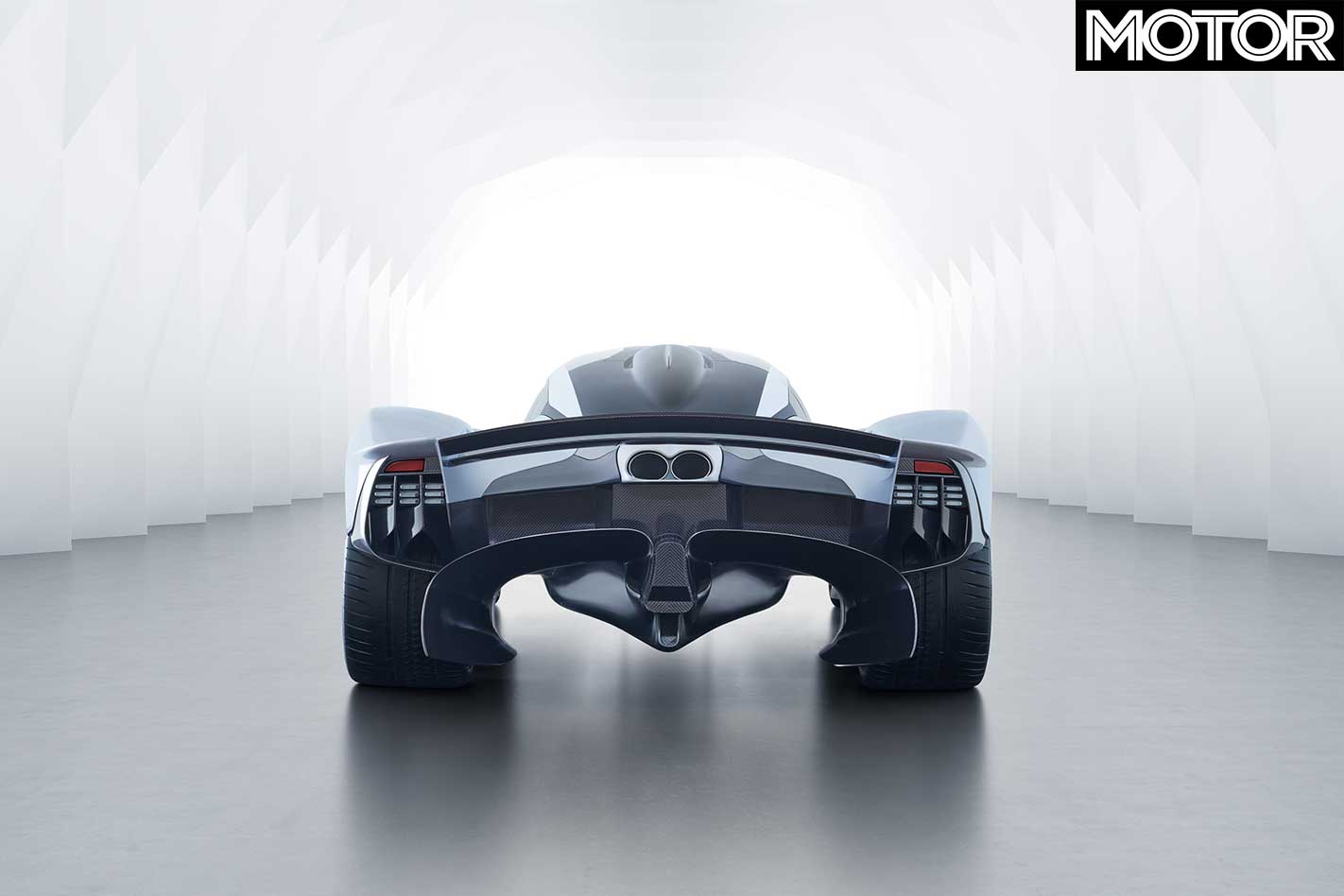
In a summary of changes released by the FIA, the Council appears to have discussed a “targeted budget of one quarter of current LMP1 budgets,” and discussed “freedom of design for brands based on a ‘Hypercar’ concept.”
This means while the LMP1 category is still around, its teams will be limited to a quarter of their previous budgets, while cars like the Valkyrie, the McLaren Senna, and the AMG Project One could be seen on track – perhaps in their own category as they’d be road-based, rather than prototypes.
The Council also announced a plan to “encourage the participation of female drivers in the FIA World Endurance Championship,” details of which will also be further outlined during the week of Le Mans.
It also appears the 1000 Miles of Sebring will remain as such, rather than becoming the Sebring 1500 as was proposed for 2019 onwards.
Formula One changes were also mentioned in the document, which confirmed the “aerodynamic changes to the front wing, brake ducts, and rear wing” have been approved in the interests of making overtaking easier.
These changes are set to take place in 2019.
WHAT IS IT?
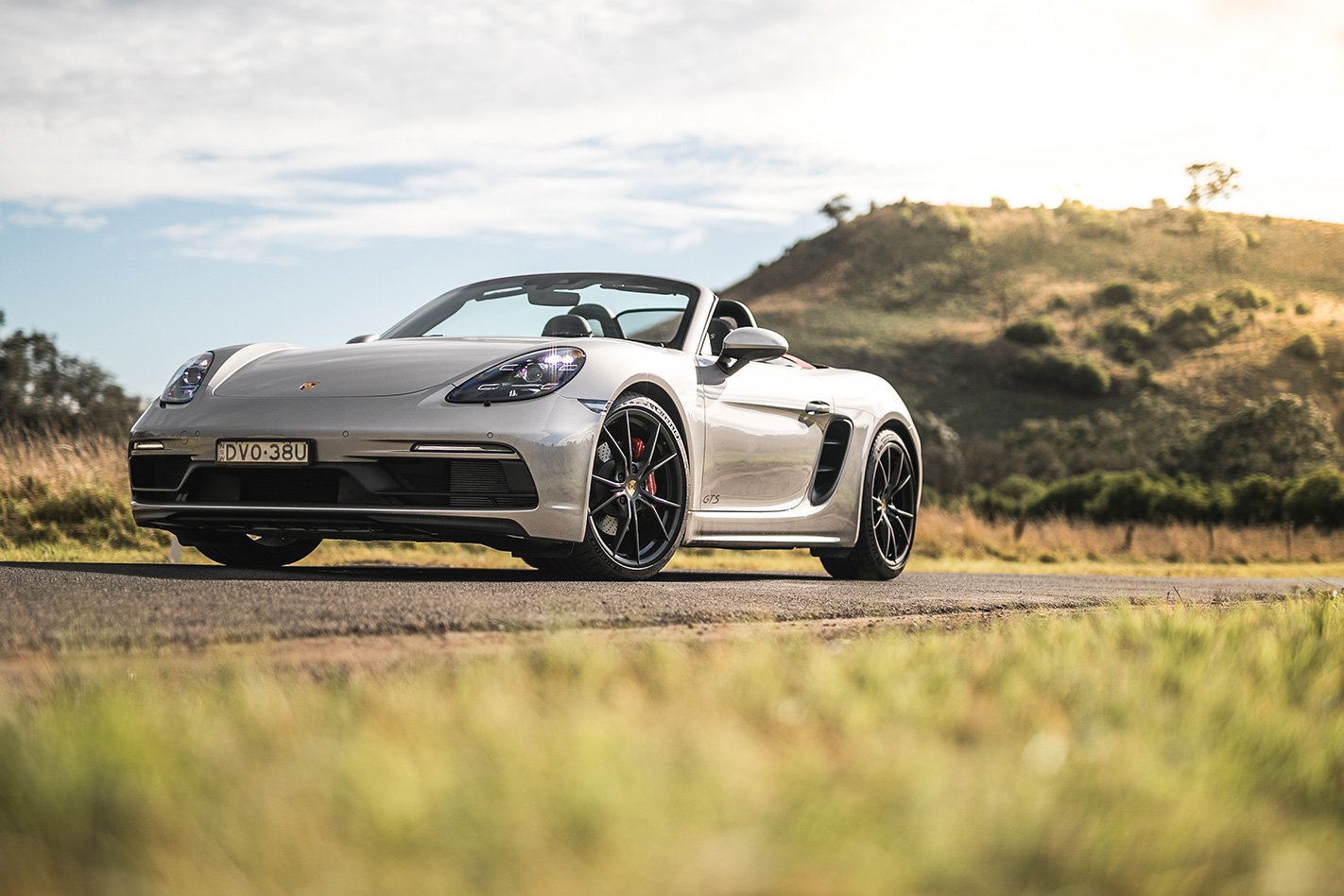
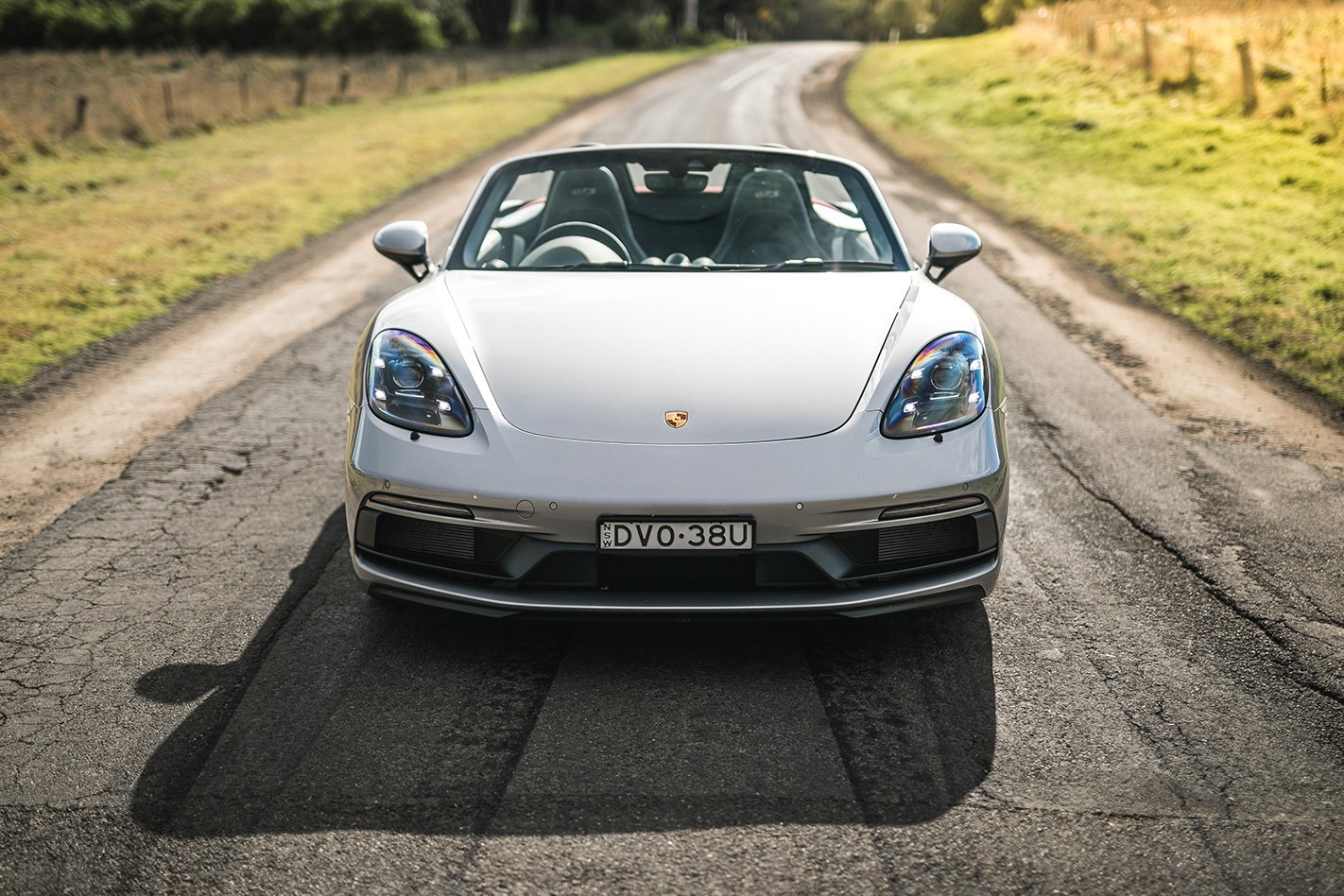
The brawniest Porsche Boxster to date (in terms of accessible torque at the least) is now more powerful than the original 911 GT3. Let that one sink in for a moment. Traditionally Porsche’s entry-level sportster, the Boxster has morphed into something rather serious, as indeed it needs to be while wearing the conspicuous price tag of this GTS.
WHY WE’RE TESTING IT
Having driven the standard and S versions of the 718 Boxster before, we were curious to see whether turning up the wick on Zuffenhausen’s mid-engined roadster could overcome our reservations that it’s now powered by four rather than six cylinders. The 269kW GTS model is certainly rapid but we wanted to see whether it was rewarding, too.
MAIN RIVALS
Audi TT RS Roadster, BMW M4 Competition Convertible, Jaguar F-Type V6 280 Convertible, Mercedes-AMG SLC43
THE WHEELS VERDICT
The Porsche 718 Boxster GTS is an astonishingly complete car and the best sports car in its sector by an almost embarrassing margin. There remains a certain transactional nature to its fundamental proposition: more speed in exchange for a little less delicacy, but that’s a bargain that many will be prepared to make. Given the price of Porsche options, the extra $27K over the Boxster S almost represents a bargain, in a self-consciously first-world regard. Let’s not get hung up on the minutiae though. The 718 Boxster GTS is endearingly excessive. Less is more? Not even close.
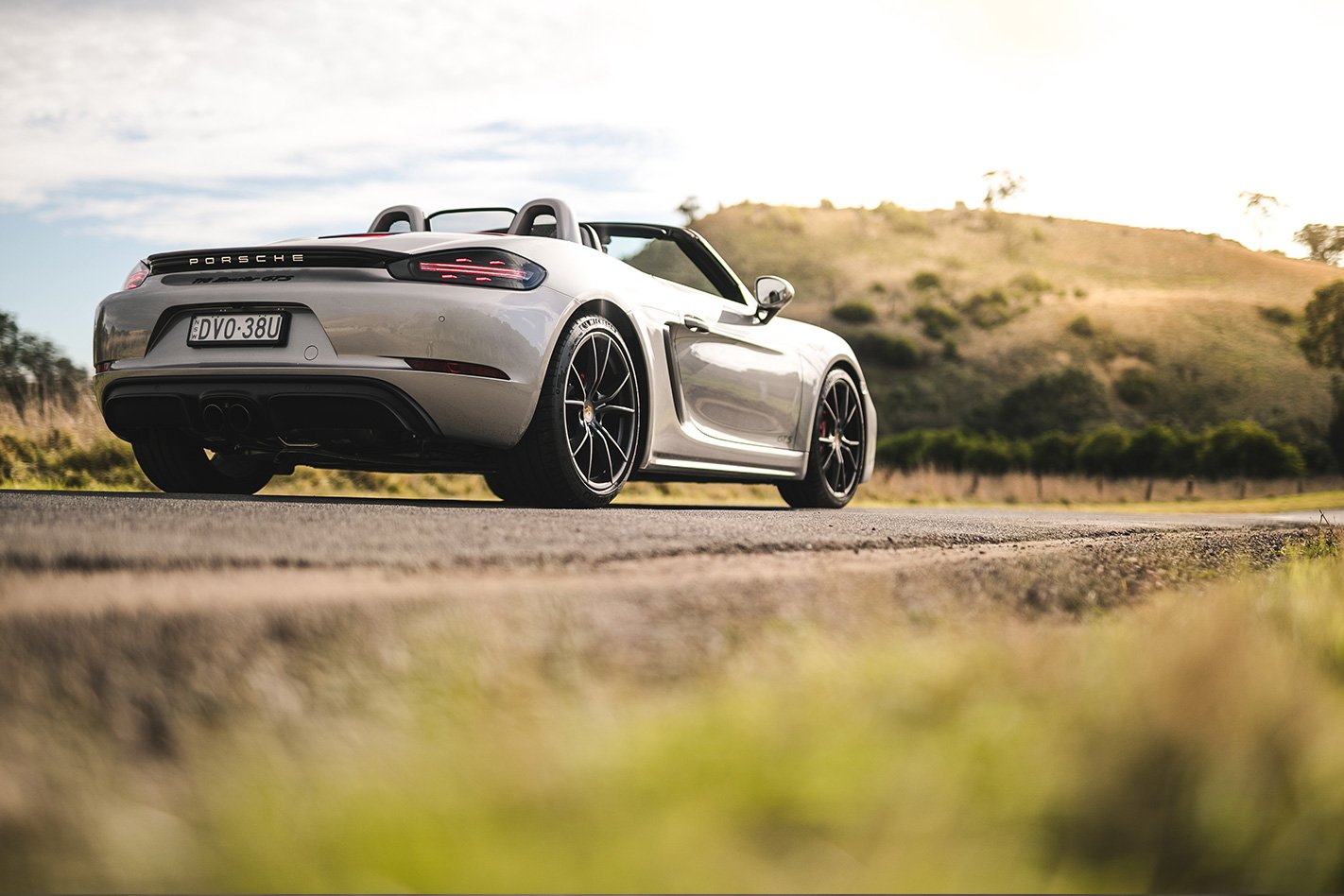
PLUS: Pace; grip; drama; interior finish; breadth of damping options; sleek styling; engineering cohesion MINUS: Eye-watering options prices; some iffy ergonomics; poor interior storage; tuneless engine
THE WHEELS REVIEW
PETER Robinson is an effusive man. He’s great company and fiercely passionate, but seemed merely whelmed when he first road-tested the Porsche 911 GT3 for Wheels back in September 1999. Yes, he mentioned its “sledgehammer charge from 3500rpm” and describes its performance as “blistering” but signs off his test of Porsche’s soon-to-be icon with the faint praise that it remains sufficiently civilised to drive every day. Over the page he then drives Porsche’s all-new Boxster S, of which he seems a good deal more enthusiastic. Some 19 years on, we now have the 718 Boxster GTS, a car that eclipses the pace, power and poise of the 996 GT3. It’s something very special and yet it too is a car that some can’t seem to get excited about.
Here’s why. A couple of years ago, in response to ever-tightening emissions regulations, Porsche made the decision to no longer fit large capacity six-cylinder engines to the Boxster and instead use smaller turbocharged four-cylinder units. The cars were quicker and more economical than before, but many reviewers – myself included – felt that some of the magic had gone, that an element of what made Porsche so special was traded for something a little more commoditised. The GTS is Zuffenhausen making its rebuttal.
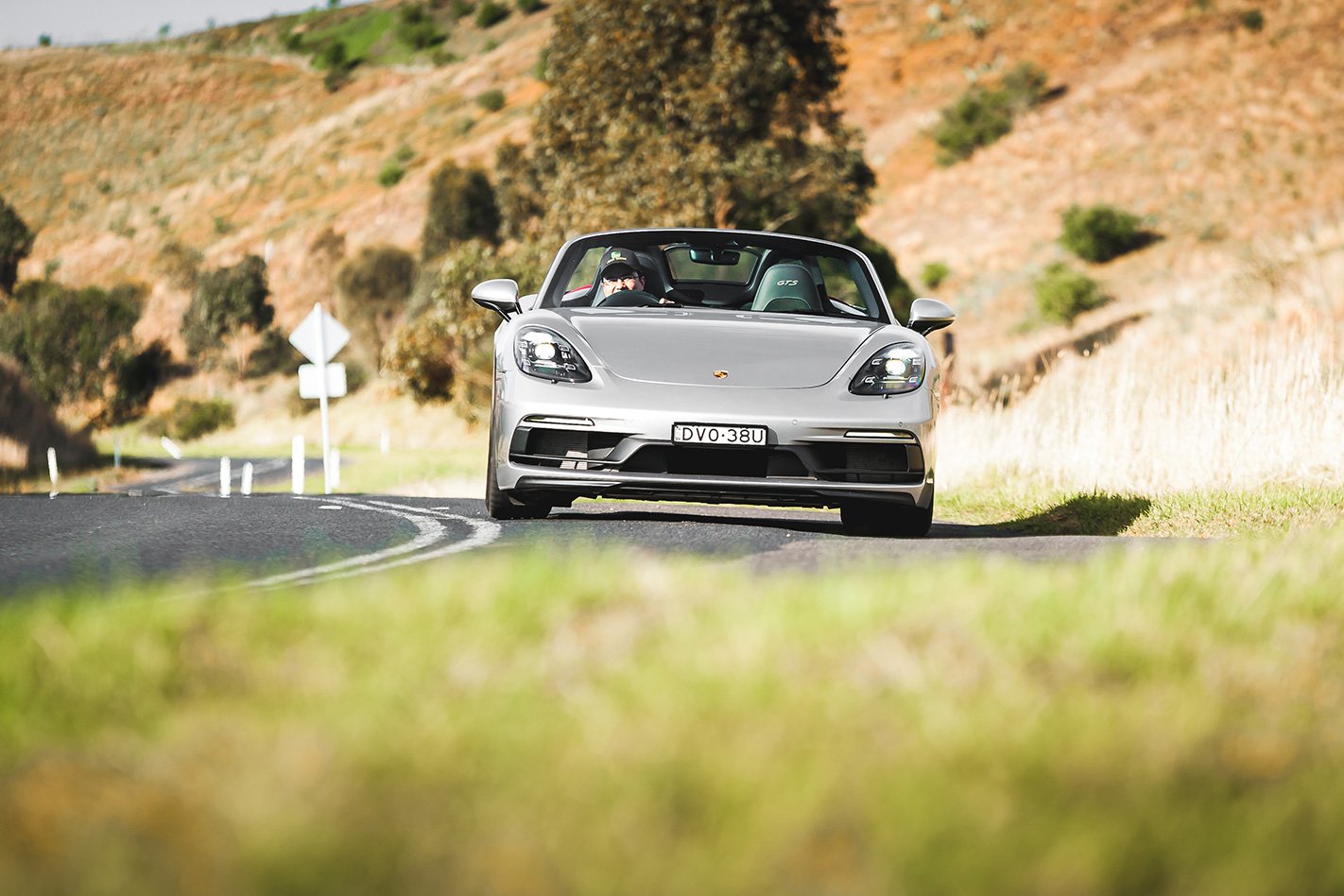
In order to throw the Boxster GTS’ talents into some sort of perspective, we had the opportunity to jump from a 911 Carrera T into the Boxster, effectively stepping from the least powerful 911 into the heaviest-hitting Boxster. Despite the Boxster finding itself at a 20Nm torque deficit on paper (430Nm vs 450Nm), the mid-engined car feels subjectively more muscular and the stopwatch doesn’t lie either. The GTS is more than half a second quicker than the purist’s 911 from 80 to 120km/h in fifth gear. Ultimately it’s a tenth slower to 160km/h and single kilometre per hour slower at the top end (290 vs 291km/h) but that gutsy feeling to the powerplant leaves a lasting impression.
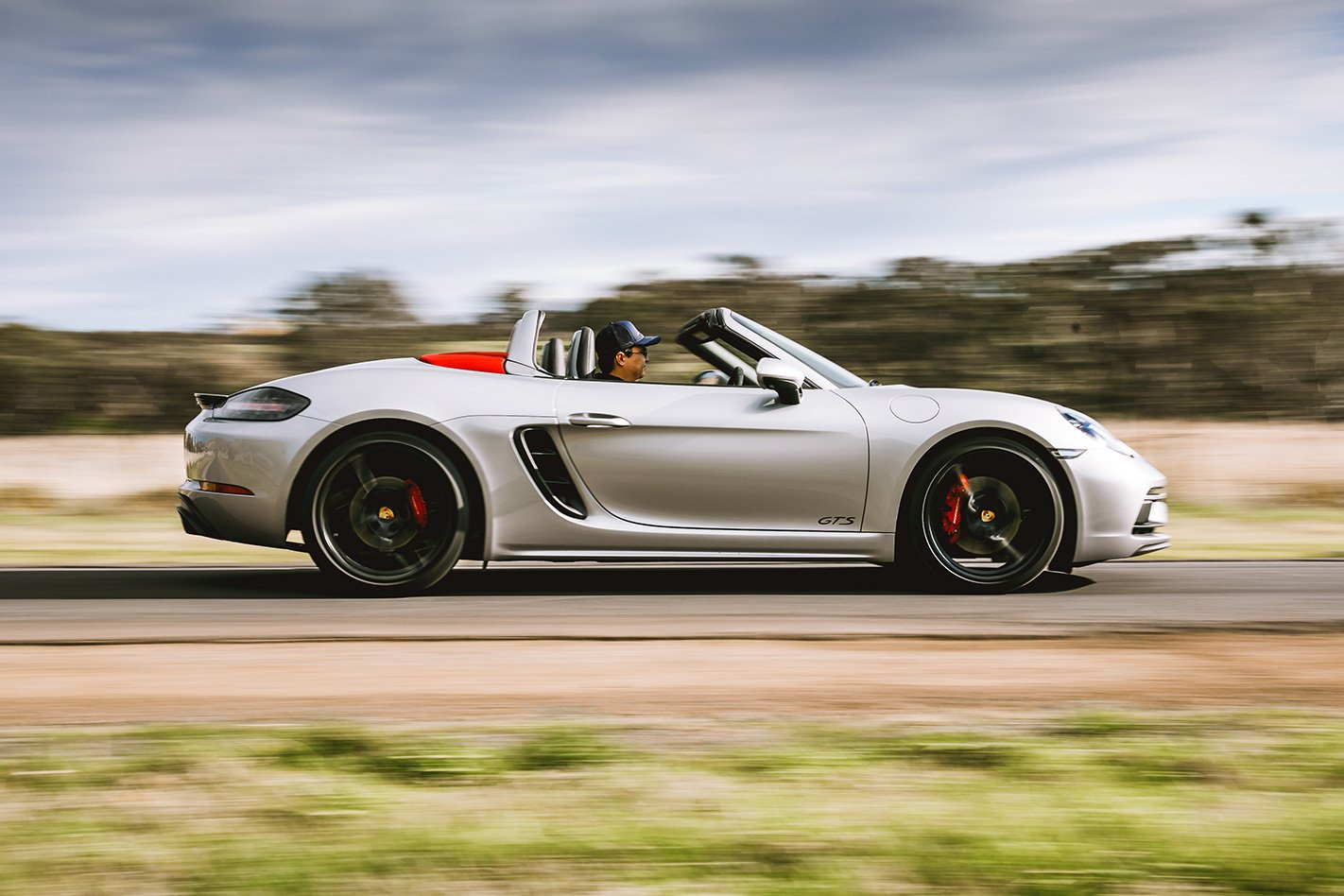
It’s still not possessed of any goosebump-inducing operatics, but the exhaust makes significant amends with a cacophony of crackles on the overrun such that it’s hard to get bored of part-throttling it in Sport mode and treating passers-by to a pretty good impression of the opening bars of the Tet Offensive. The stats suggest that peak torque is available from 1900rpm, but you’ll need at least 2200rpm on the clock before the GTS picks up its skirts. From there, there’s a muted hissing and whooshing as the pace builds. By 6000rpm, the timbre has hardened but fails to build to any great crescendo. Its best work is done and from there to cutout there’s little in the way of aural payoff. That’s disappointing but the easy accessibility of this broad and deep pool of turbocharged torque makes the GTS a rangy and deceptively rapid cross-country weapon.
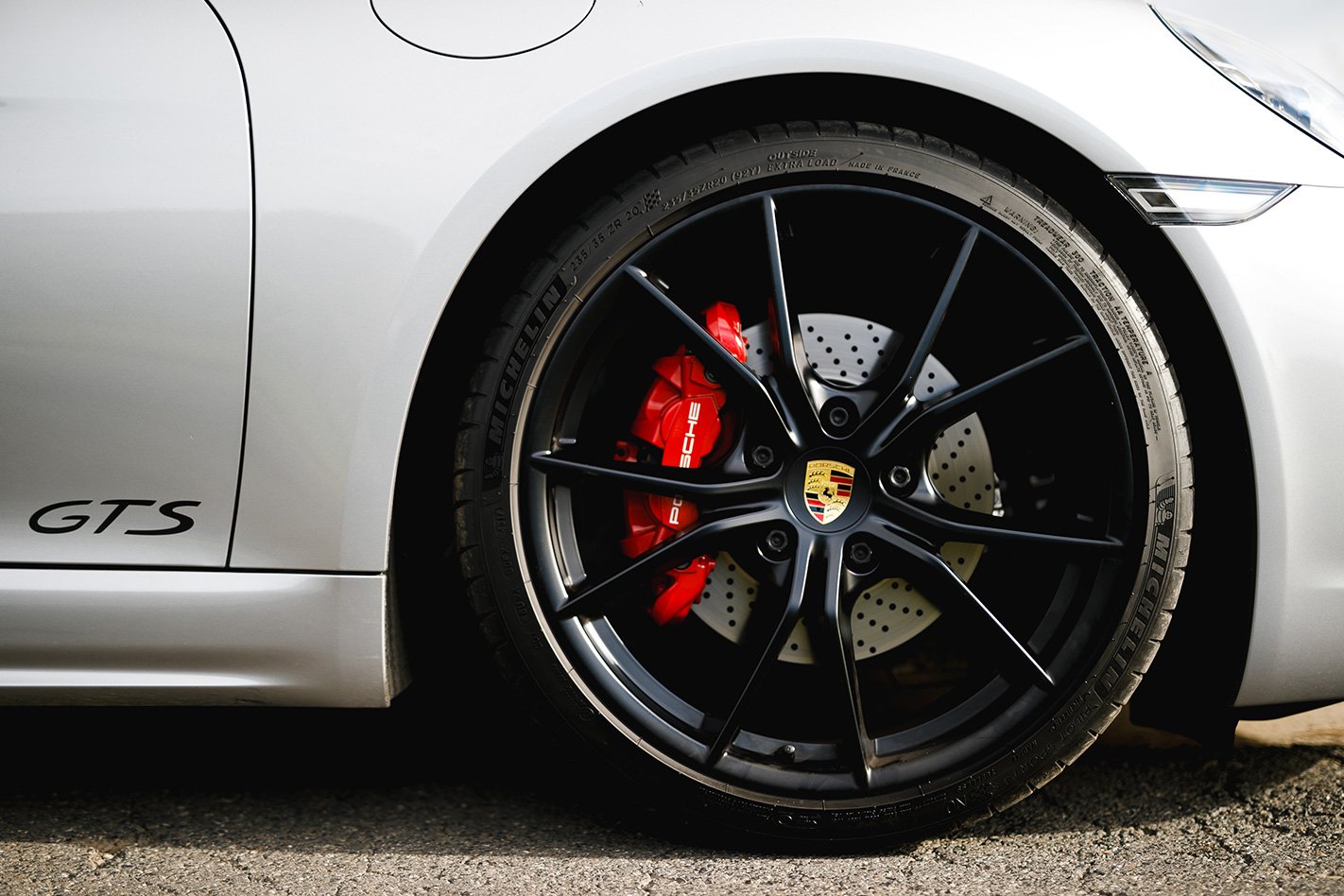
The GTS rides on the lowered PASM adaptive suspension as standard, which give sit a more pugnacious stance via a 10mm drop in ride height. A 20mm option is available, but without a lifter kit this will compromise the car’s day-to-day utility. There are three key drive modes to concern yourself with: Normal, Sport and Sport Plus. There’s also an Individual mode which is rendered largely unnecessary by the smart calibration of the three main settings. Normal is fine for freeway schlepping and general ambling, keeping the exhaust quiet, the damping soft and the shift points extremely mild. On occasion it can let the revs dip too low, which induces a subsonic booming to the fuselage, but a quick tap of the pedal can drop the PDK box through four gears almost instantaneously. Ride quality is mystifyingly composed for something running on 20-inch, 35 series Michelin Pilot Sport 4s.
Switch to Sport and the exhaust becomes noisier and the gear selection more aggressive, but doesn’t compromise ride quality, making it the preferred setting for Aussie back roads. Sport Plus elevates everything but the stability control to its sharpest setting. Outright grip is rarely an issue at road-legal speeds, but up the wick where permitted and you’ll feel the combination of torque vectoring and a mechanical limited slip differential giving the outside rear tyre of the Boxster everything it can post-apex. A little of the delicacy and limit-accessibility of a narrower-tyred Boxster has been lost in the quest for outright pace, but Porsche is merely answering a customer demand. It’s hard to argue with progress.
The engine changes over the S do actually comprise something other than unchecking a few lines of crippleware coding. The inlet ducts are redesigned specifically for the GTS and its freer breathing is reflected in changes to the variable-geometry turbocharger, lifting peak boost from 1.1 to 1.3 bar. This in turn massages peak power, up by 11kW. Torque is another issue. If you choose the PDK model such as our test car, for which Porsche will liberate you of another $5980, peak torque is rated at 430Nm, while the six-speed manual only hawks up 420Nm. It also tacks a few tenths to the sprint to 100km/h, the manual car registering 4.6 versus the robot’s 4.3-second time. The PDK-equipped car also has the legs to outsprint the previous Boxster benchmark, the vanishingly rare 276kW/420Nm Boxster Spyder, which shared its engine with the ballistic Cayman GT4.
Your mileage will vary on which of the two transmissions is preferable. The PDK ‘box is objectively better but there will be some who prefer the tactility of the manual shift. Just know that you’ll have to be pretty damn spry at shifting to beat a base PDK-equipped 718 Boxster that retails for about $58K less. But despite its newfound potency, the Boxster has never really been a ten-tenths sort of car. The capability is there in reserve, but those who really want to push the envelope will be naturally drawn to its sister vehicle, the Cayman. There’s not a great deal of dynamic compromise in choosing the soft-topped car, the Boxster featuring an extremely stiff superstructure and no appreciable weight penalty.
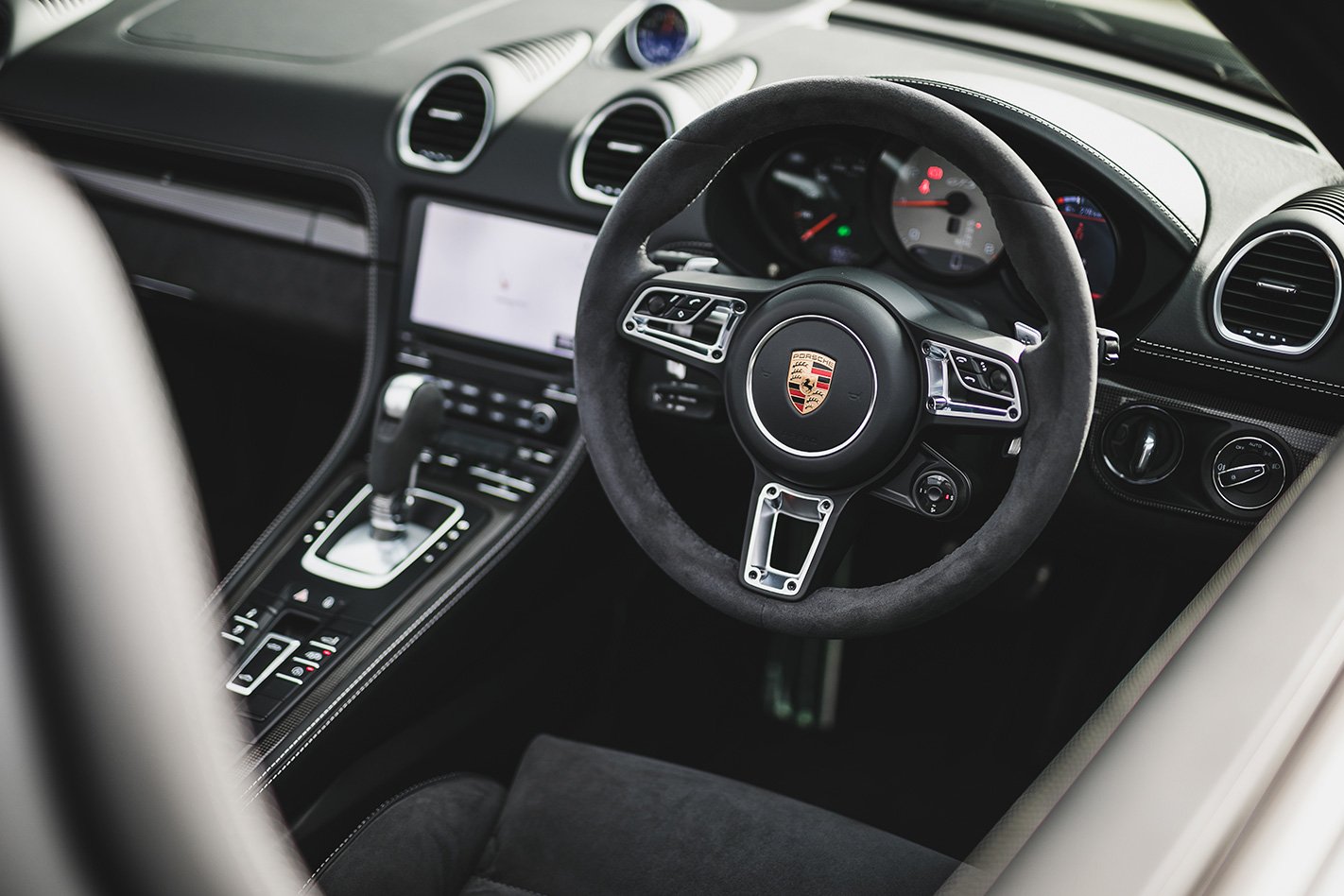
Acoustics aside, there’s little of great import to criticise. Option the electric adaptive sports seats and you’ll find your fundament a few centimetres further from the floorpan than is ideal. Taller drivers will find that the seat will recline a decent way, but this only forces an old-school Italianate driving position, which isn’t ideal. The cabin is slightly fussy in its detailing with little substantial stowage space, and it’s hard to escape the feeling that the fascia’s design trope has run its course, with Porsche set to introduce more radical dash architectures in future. The button-heavy centre stack is a welcome holdout for those who hate minor functions being delegated to a touchscreen, but the downside is seeing five conspicuous and contiguous switch blanks on a well-optioned press car that carries a price-as-tested of $209,300. Details like the basic cruise control, neurotic and seemingly random parking sensor activation and passenger seat belt clips that rattle and worry against the hard-shelled seat also jar slightly at this price point.
The go, stop and steer of the 718 Boxster GTS remains astonishingly polished. That the car once sneeringly derided as the poor man’s Porsche can show a clean pair of heels to an original GT3 in some ways signifies a coming of age, a rare embrace of function in a market sector still obsessed with form. It represents pragmatic progress through engineering by a company that has occasionally been guilty of letting its past overdirect its future. Robbo would probably appreciate that. We do.
SPECS
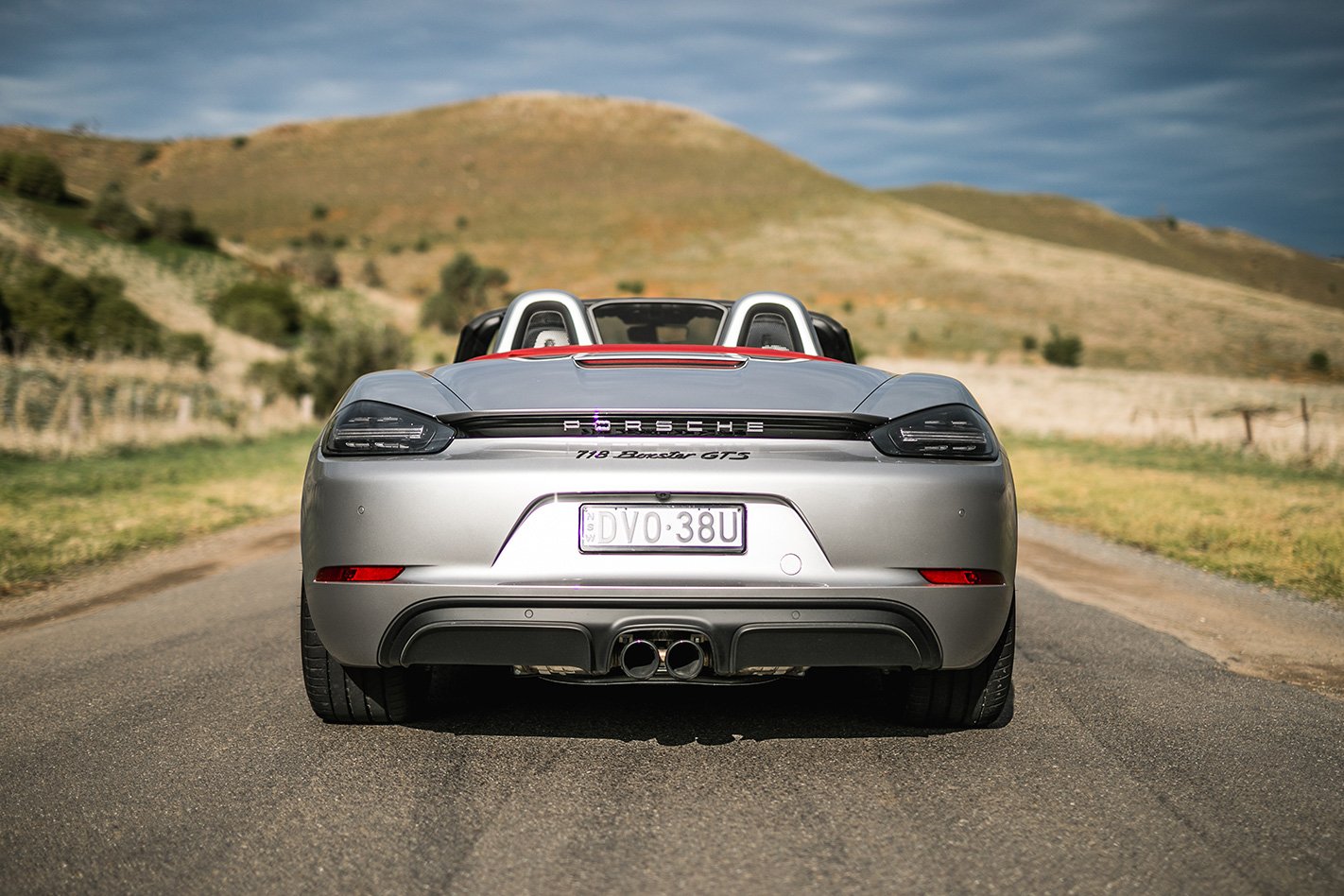
Model: Porsche 718 Boxster GTS PDK Engine: 2497cc, flat 4, dohc, 16v, turbo Max Power: 269kW @ 6500rpm Max Torque: 430Nm @ 1900-5000rpm Transmission: 7-speed dual clutch auto Weight: 1450kg (EU) 0-100km/h: 4.3 sec (claimed) Fuel economy: 8.2L/100km (EU combined) Price: $181,880 On sale: Now
