
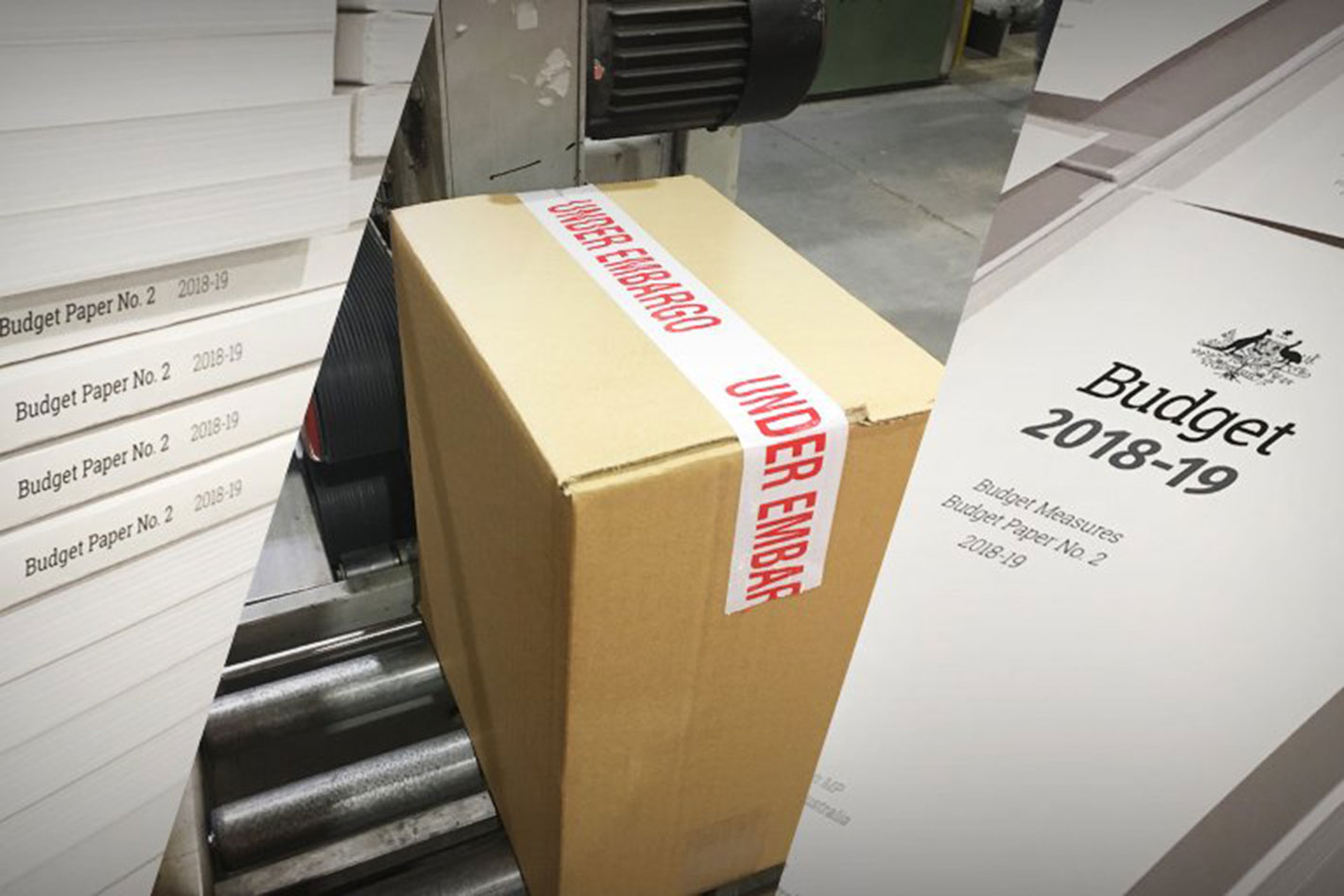
RISING new-car prices are expected to hand huge tax bonuses to the government for the foreseeable future, the 2018-19 Federal Budget papers released last night reveal.
Federal Treasurer Scott Morrison last night handed down his third Budget, outlining how the Turnbull-led Coalition reckons it will swell its accounts over the next two financial years, and taking a punt on longer-term prospects. Of note, the Luxury Car Tax, which applies to vehicles costing more than $65,000, continues to exceed Budget expectations.
The first bonus will come when the government settles its books on this financial year, which closes on June 20. “LCT receipts are forecast to grow by 7.0 percent in 2017-18, consistent with strong growth in prices of vehicles subject to LCT,” the Budget papers say. ”Since the 2017-18 MYEFO, forecast LCT receipts are $50 million higher over the four years to 2021-22.”
Under the revenue modelling, the Government is expected to earn $730 million from LCT once it closes the books on the current 2017-18 financial year, well up on the $680 million it tipped it would earn in December 2017’s mid-year revision of the performance of its current Budget.
That will slow a little in the following financial year, the Budget tips, rising to $740 million in 2018-19 – but that’s still a $50 million, or 5.7 percent, gain over December’s re-rated estimates.
The Budget then moves into forward projections; the financial years where the crystal ball of LCT revenue becomes a bit cloudy. In 2019-20, the tax is estimated to earn $760 million (compared with $690 million in last year’s Budget), by 2020-21 it should be $800 million (compared with last year’s $720 million estimate), and in 2021-22, $830 million.
But there’s a problem that the Budget estimates don’t account for; the long-term future of the Luxury Car Tax is under threat from a European Union trade pact currently being thrashed out between the economic zone and Australia.
Trade pacts are years in the making. Talks to frame an Australia-European Union deal kicked off in 2015, and are expected to take at least another two years before the paperwork is signed. A Foreign Affairs and Trade Department spokesman told Wheels the department expected the free trade talks to include “reciprocal elimination of barriers to trade and goods” – barriers including unique taxes levied against goods such as luxury cars.
The LCT, which is described as a false tariff and has hit manufacturers as diverse as Toyota and Lamborghini, is already believed to have been highlighted as one of the deal breakers in pact negotiations.
The Budget also closes a loophole that will allow the Australian Tax Office to make company directors liable for LCT bills if the companies they represent don’t pay it – just as it would if the companies defaulted on any of a number of other tax bills.
And in a bit of good tidings for anyone considering sending a car overseas to be restored, the government has announced it will stop charging luxury car tax once they’re brought back into Australia – but you’re going to have to wait until 2019 rolls around.
“Currently, cars that are refurbished in Australia are not subject to luxury car tax,” the Budget papers say. “However, cars exported from Australia to be refurbished overseas and then re-imported are subject to the tax where the value of the car exceeds the relevant luxury car tax threshold.
“The Government will remove the inconsistency in tax treatment of refurbished cars in order to align with Australia’s trade obligations with its foreign trading partners. This measure will ensure the same tax treatment applies, regardless of where the car is refurbished.”
It said the measure, which will be introduced on January 1, 2019, was estimated to have “a negligible cost” to the public purse.
IT LOOKS as though the government’s ability to slug motorists at the pump is about to take a hit – and we may have plug-in hybrid and battery-powered cars to thank for it.
The Federal Budget papers, released last night, have flagged that a consumer shift away from highly taxed products – including the fuel we put each week in our cars – could soon start to hurt its earnings.
The papers warn that factors outside the Government’s control could shift suddenly and without warning, threatening around $20 billion a year in anticipated earnings from the sale of petrol and diesel fuel over the next four years.
“Looking at the medium term and beyond, tax receipts projections are driven by long-term economic trends and tax policy settings,” the budget papers say. “External structural pressures and systemic design factors in Australia’s tax system could result in tax receipts from many sources as a proportion of GDP declining over this extended time period.
“One driver of this decline could be a continuation of consumer preferences away from highly taxed items such as fuel, alcohol and tobacco,” it said. “GST revenue growth could also weaken if consumption favours non-GST items.”
Part of that weaker consumption potentially comes from cars powered by more economical internal combustion engines alone, and an anticipated switch to more fuel efficient plug-in hybrid and fully electric vehicles. These will both eat into the amount of revenue the Government earns from petrol and diesel excises – electricity is the only transport fuel that currently doesn’t attract any excise. The excise rate, which is now linked to the consumer price index and benchmarked twice a year, is currently set at 40.9 cents in every litre. Other factors include the weakening Australian dollar, and rising tensions in the Middle East that threaten to interrupt global fuel supplies.
The Budget papers estimate the Federal Government will earn $17.2 billion from petrol and diesel fuel excise. However, it will earn about $100 million less from the petrol excise this financial year than it had anticipated, at just $6.1 billion. Showing that Australia rides on the diesel-powered engine’s back, earnings from the oil burner excise are expected to rise by $100 million to $10.98 billion.
Beyond that, the Budget estimates have severely pinned back the amount of revenue the Government believes can be squeezed out of the fuel excise. Next financial year, in 2018-19, Treasury’s beancounters have carved $200 million from the previous year’s estimates for the petrol excise, capping it at $6.21 billion. The diesel excise, meanwhile, leaps by more than $300 million to $11.35 billion compared with last year’s estimates.
The trend continues for the petrol excise, falling by $400 million to $6.39 billion in 2019-20, and $450 million in the 2020-21 financial year. The diesel excise, meanwhile, will continue to add about an extra $300 million a year to reach $12.59 billion by 2020-21.
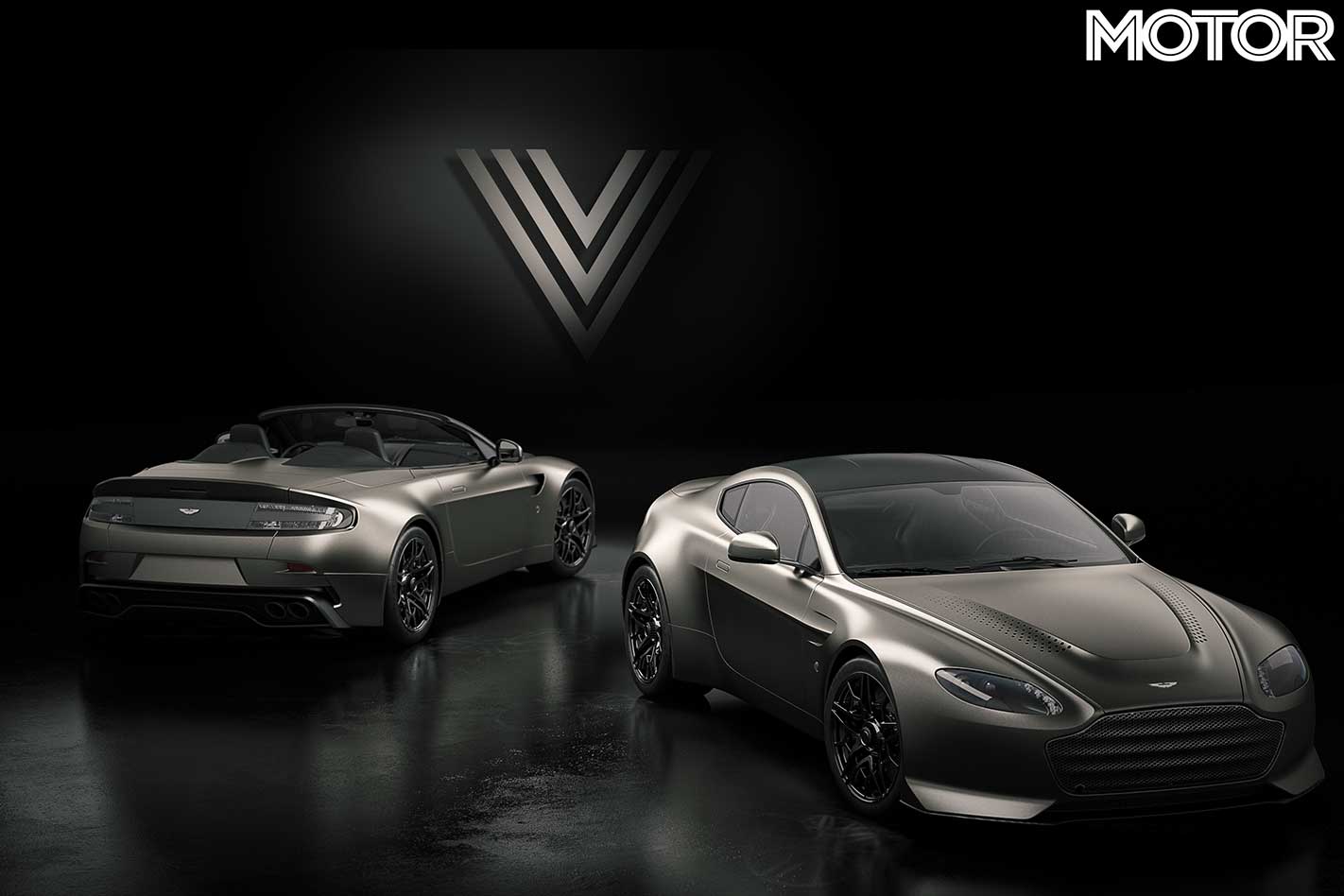
Inspired by the Vantage V600 of the late-‘90s, Aston Martin is set to build a limited run of 2018 Aston Martin V12 Vantage V600s using the underpinnings of the recently-departed VH Vantage.
Only 14 will be built by Aston Martin’s Q personalisation service, with 7 in coupe and 7 in roadster guise, and all will feature naturally aspirated 6.0-litre V12 power units producing 441kW.
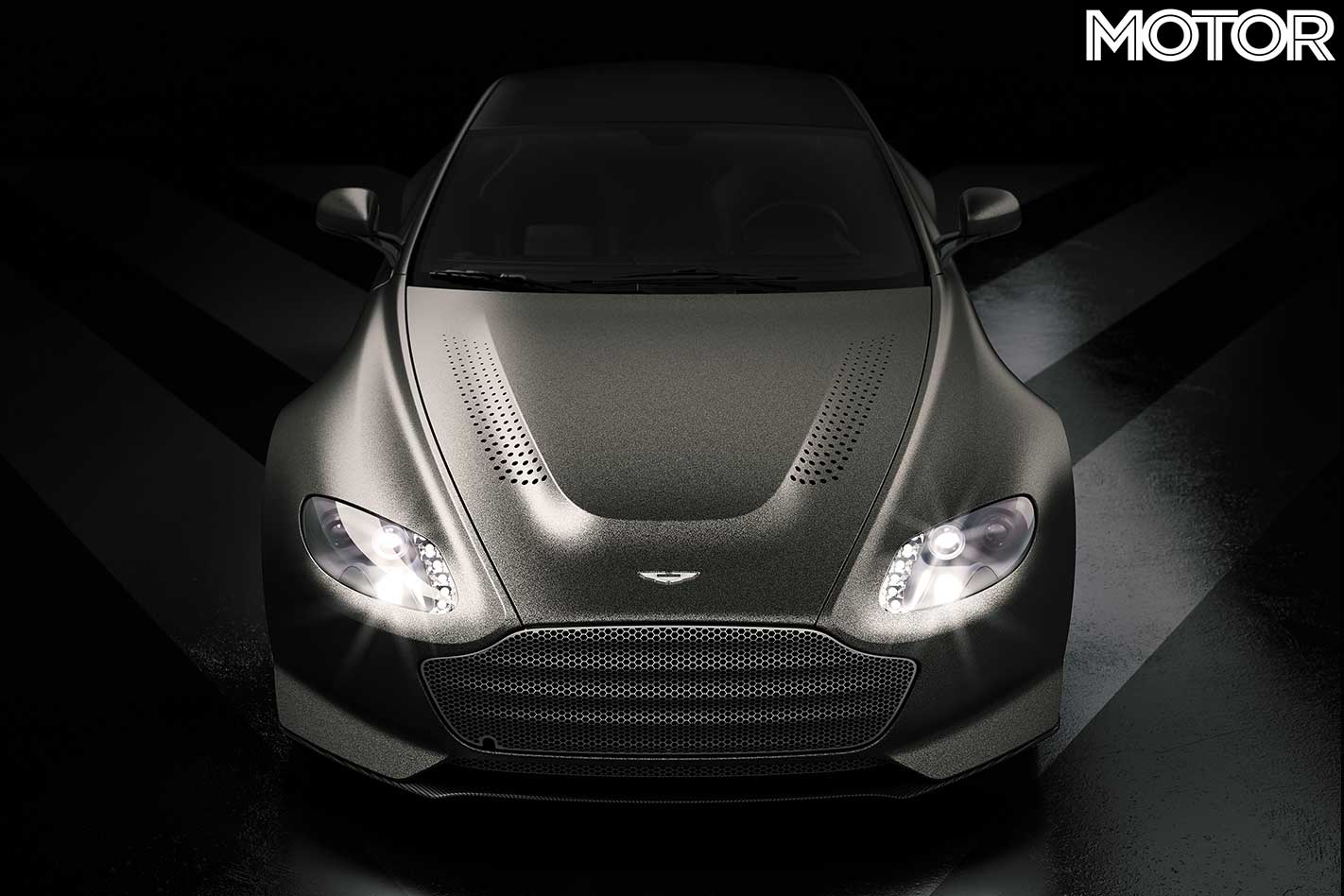
Also keeping it in tune with the original is the power output of 600ps (metric horses), even though the original produced 600hp (447kW).
Due to the name of the special Vantage, the car has been dubbed by Aston Martin ‘the Triple V’ (V12, Vantage, V600).
A set of 3-stage adaptive dampers, rear independent wishbone suspension, and a full carbon fibre exterior do, however, depart somewhat from the original V600.
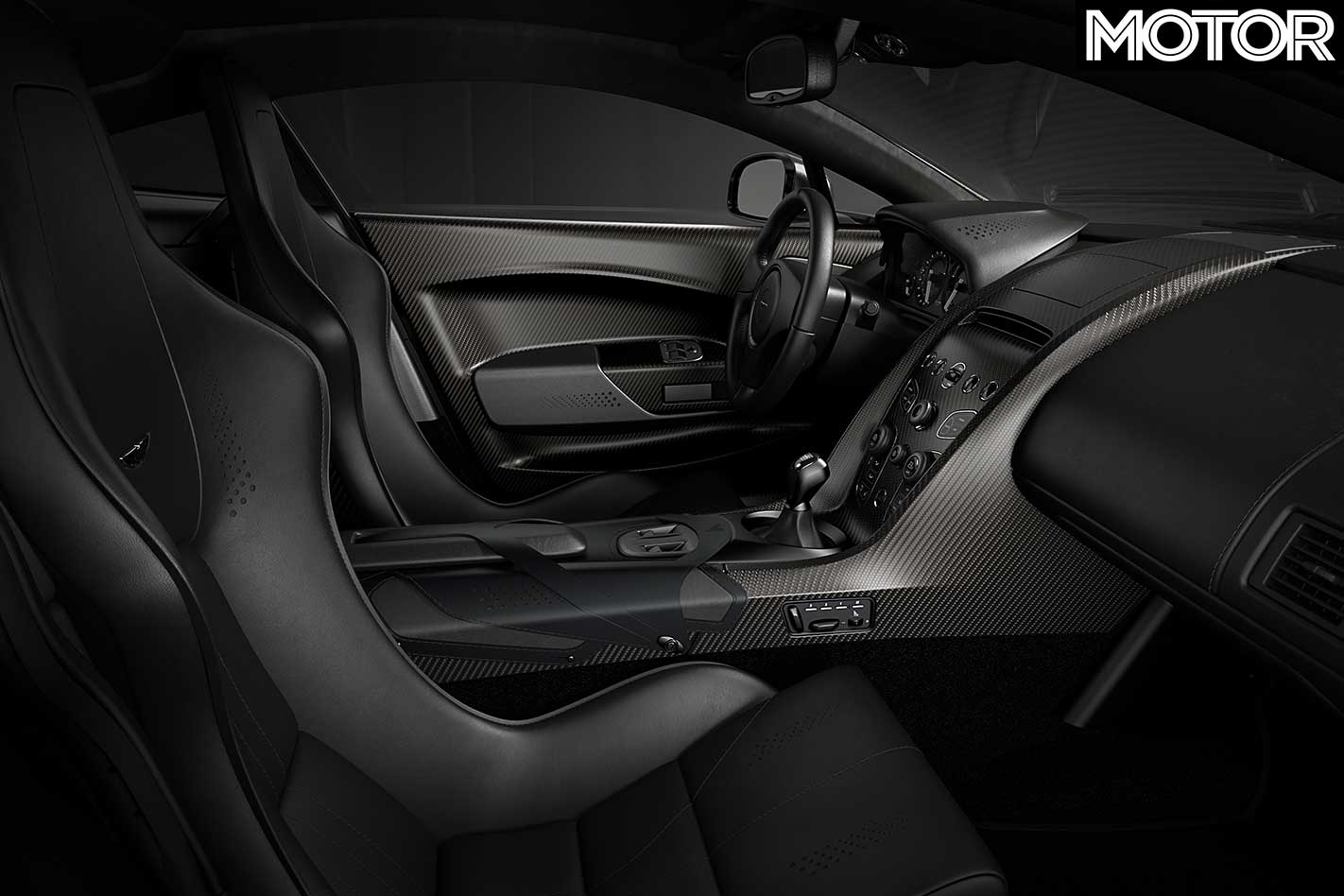
The limited edition car was actually born of a customer commission, which requested “a strictly limited run of 14 new Aston Martin V12 Vantage V600s.”
We shudder to think how much money you need to have to request that of a company like Aston Martin.
Aston design boss Marek Reichman says the 14 vehicles will represent another justification for the existence of the ‘Q’ division.
“This is precisely why we created our ‘Q by Aston Martin Commission’ service,” he says.
“Our customers can create truly bespoke sports cars by personally collaborating with myself and Aston Martin’s design team.
“The V600 name remains a classic in Aston Martin’s heritage and I’m proud to see it adorn the V12 Vantage V600 once again”.
Deliveries for the 2018 Aston Martin V12 Vantage V600 are expected for Q3 this year.
From May 1st this year, every new car sold in the United States must be fitted with a reversing camera.
This means that any new car bought in the US must have the camera as standard, and not as an option, regardless of its price.
The law which mandates the standardisation of reversing cameras was passed in 2014, however May 1st marks the date with which it finally comes into effect.
The move to standardise reversing cameras in North America comes after the National Highway Traffic Safety Administration (NHTSA) was sued in 2013 by a group of property and casualty insurers which alleged the agency didn’t do enough to make the equipment mandatory.
The same group – known as Advocates – are now pushing for other technology such as Automatic Emergency Braking (AEB), forward-collision alert, blind-spot warning, and lane departure warning to be standardised in the US.
The RACV started a push for reversing cameras to become standardised locally in 2016, claiming at the time that 70 children were “killed or seriously injured every year after being hit or run over” according to Federal Government data.
WhichCar reached out to both ANCAP and the Federal Chamber of Automotive Industries (the chief lobby for car manufacturers in Australia) for comment, but neither has responded to our requests at the time of publishing.
Around 15 years ago, Porsche stuck an ‘RS’ badge onto a 911 GT3.
It was, visually at the very least, inspired by the Carrera 2.7 RS of decades prior, and as such it wore a decal down the side that made the link clear.
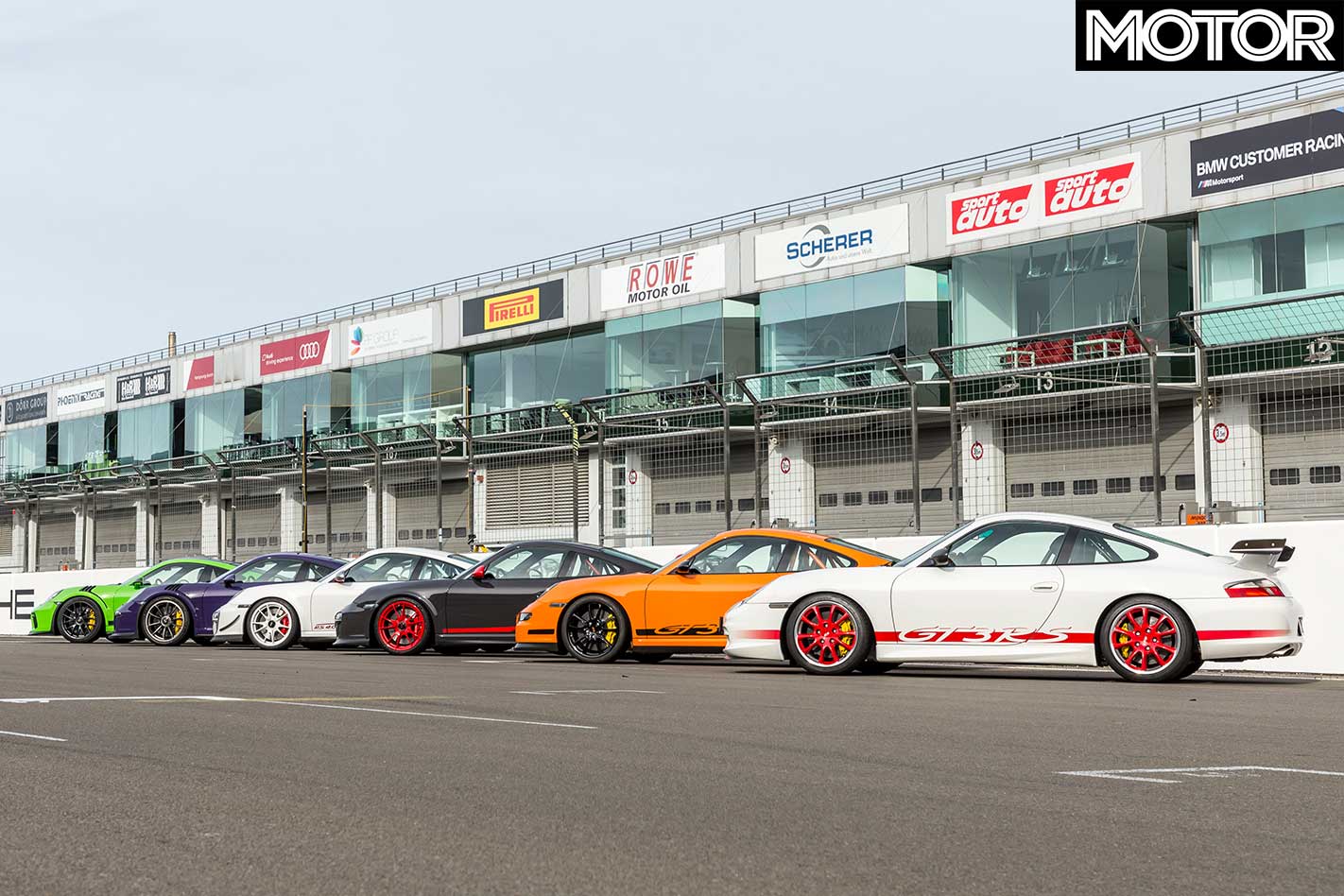
Today, the GT3 RS wears the same decal, though it has come a long way in other aspects.
Porsche 996 911 GT3 RS – 2004
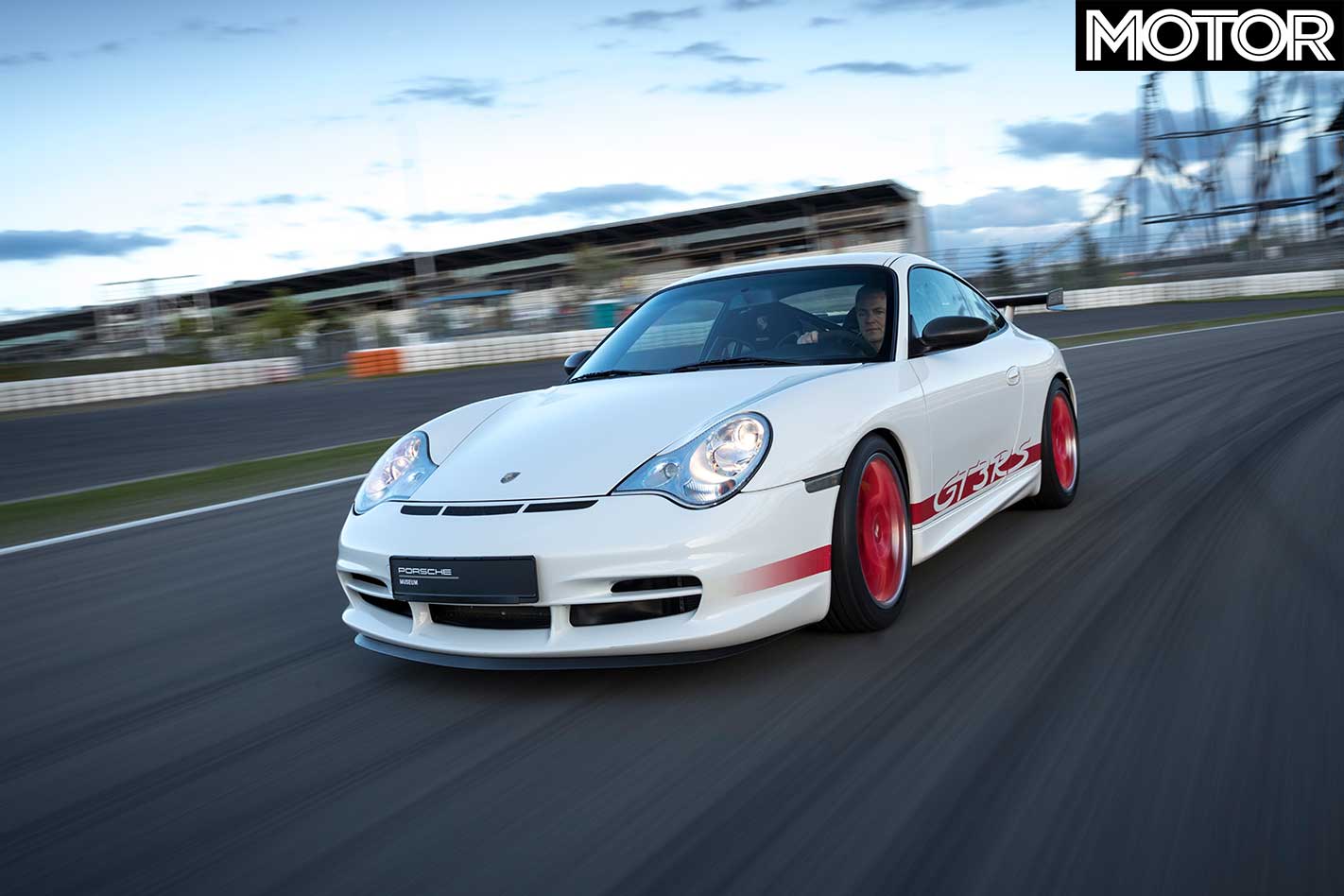
A 280kW/385Nm naturally aspirated rear-driver weighing just 1360kg sounds like a quick beast even by today’s standards, so you can imagine how it sounded in 2003 when it was announced.
A 3.6 litre flat-six engine making peak power at 7400rpm still sounds like a dream to this day, but it even looks loud.
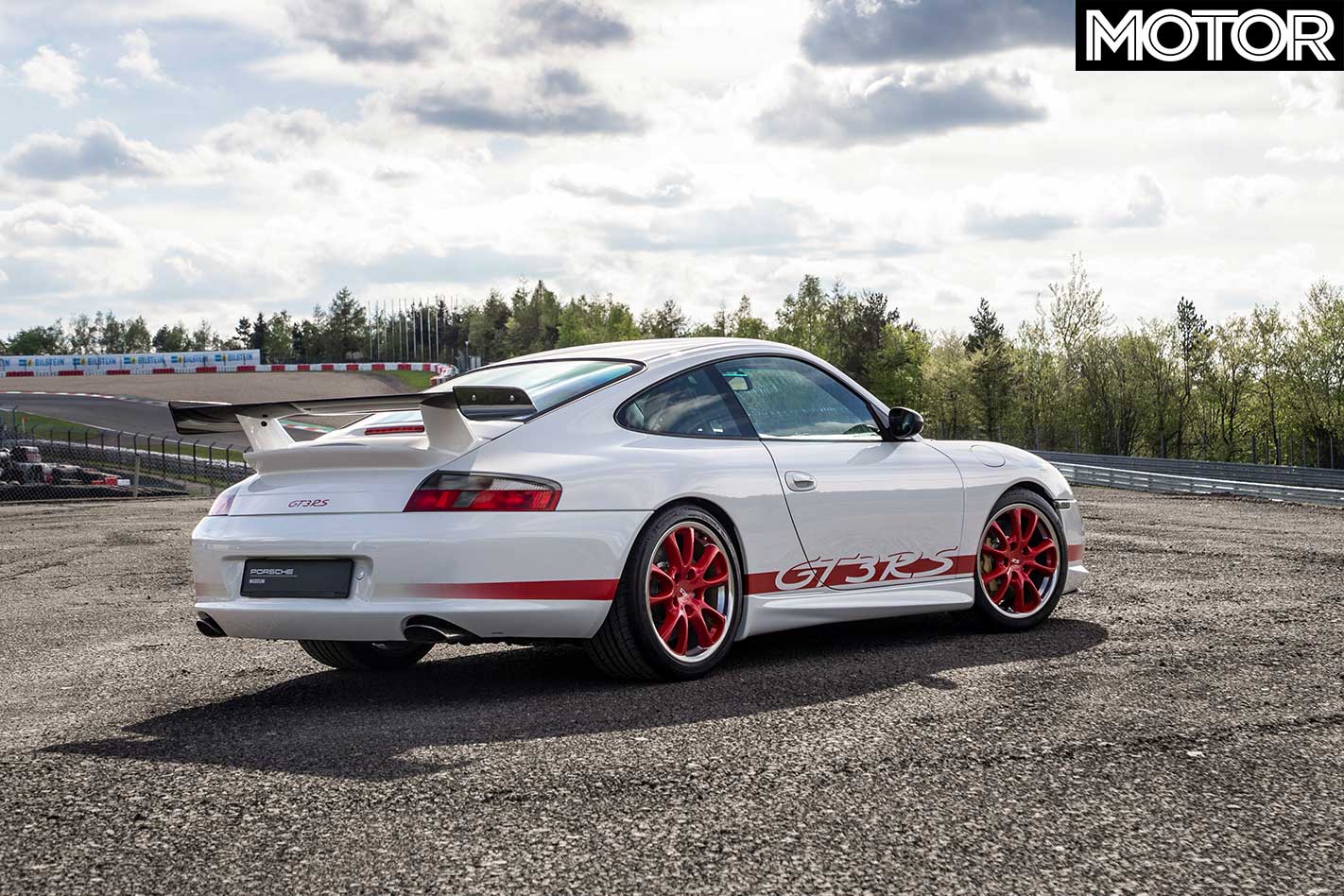
When we took it for a spin (October 2004), we extracted a 4.38s sprint to 100km/h, which is astonishingly quick. Porsche claimed a 4.4 second run.
It was also the quickest 911 around the Nürburgring at the time, with a respectable 7:53.
This, of course, all came at a cost of $288,000, which means there aren’t many out-and-about.
Porsche 997 911 GT3 RS – 2007
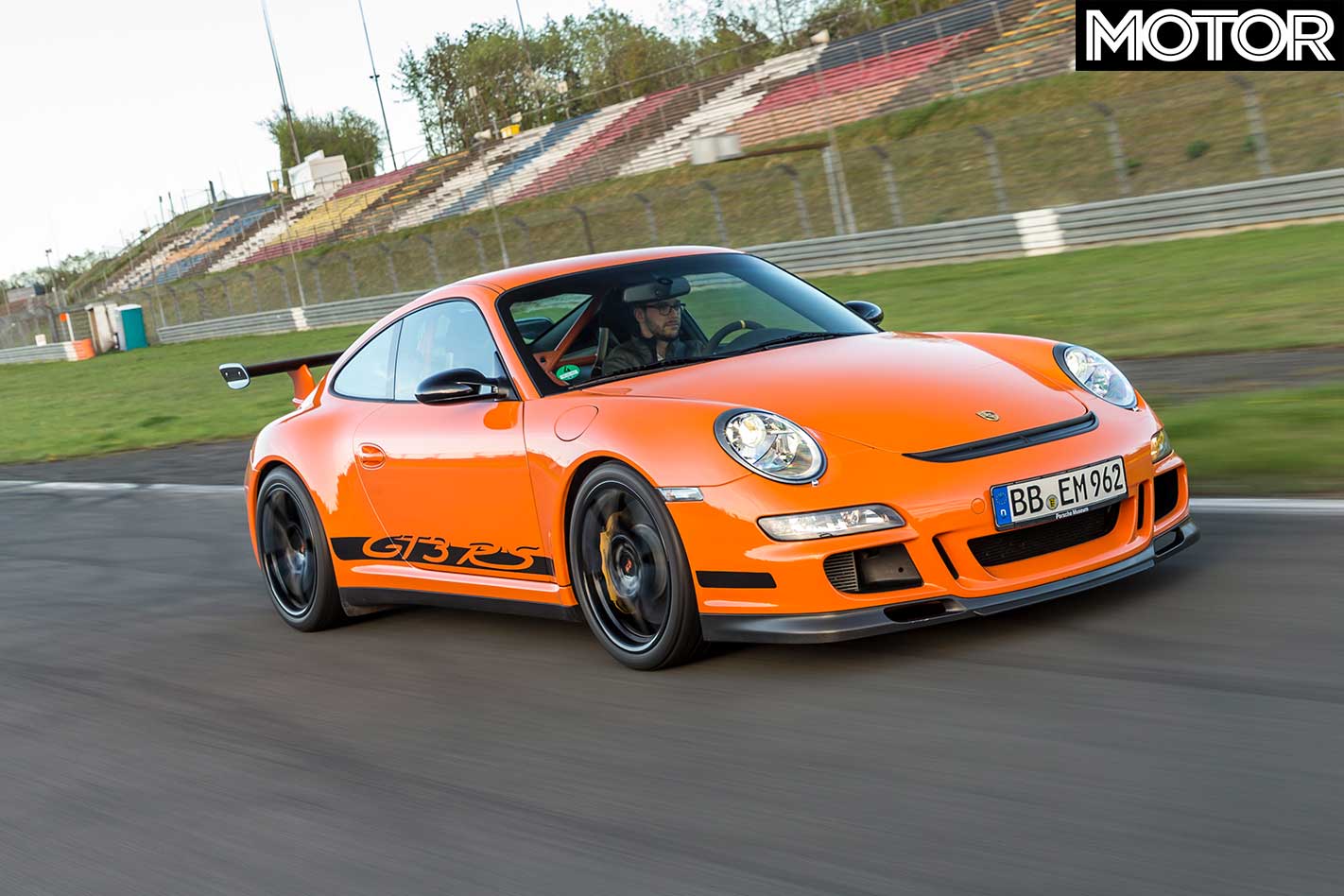
When the 997.1-gen 911 came along, so did the return of the GT3 RS… eventually.
A couple of years into the 997’s reign, Porsche fiddled with the 3.6-litre boxer six, extracted 305kW/405Nm, and slapped the ‘GT3 RS’ decal on the side.
Okay, there were other changes too. A wider track (from the ‘standard’ 911s) gave the RS more stability, and its rear wing and rear window were made of carbon and plastic, respectively, for weight-saving.

It also boasted Porsche Active Stability Management (PASM) adaptive suspension, which is pretty self-explanatory.
With the 997.1, 4.2 seconds was the magic 100km/h number, and a Nordschleife time now at just 7:42. $299,900 would pick you up one of these when new.
Porsche 997.2 911 GT3 RS 3.8 – 2010
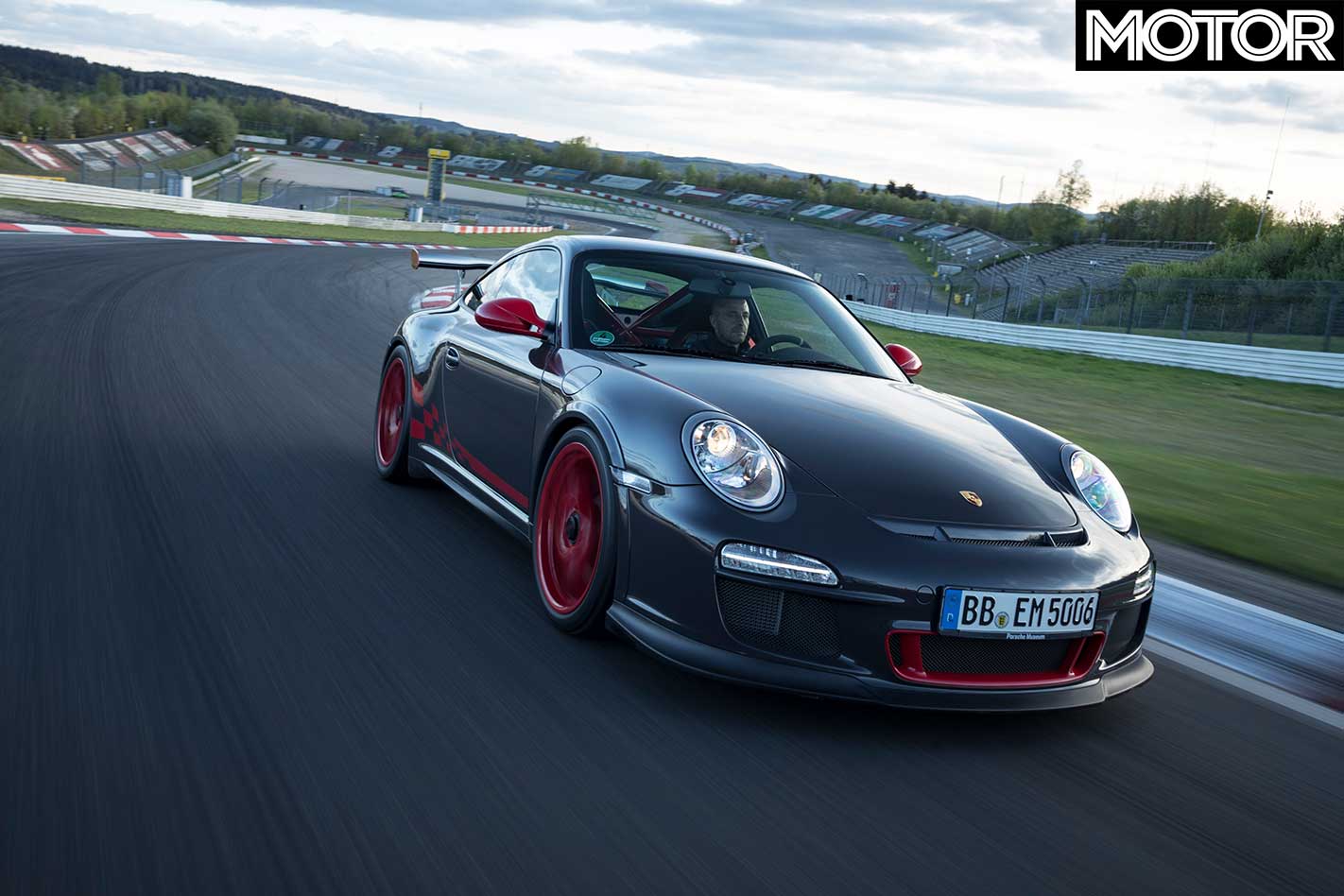
Though it was still in the 997 generation, the 997.2 GT3 RS had a big advantage over its predecessor.
Subtle differences in design gave the game away standing still, but moving… 331kW and 440Nm is hard to hide, and 4.0 flat to 100km/h would leave the old GT3 RS behind.
Helping this happen was now 3.8-litres of Porsche boxer goodness, and an 8500rpm cut off.
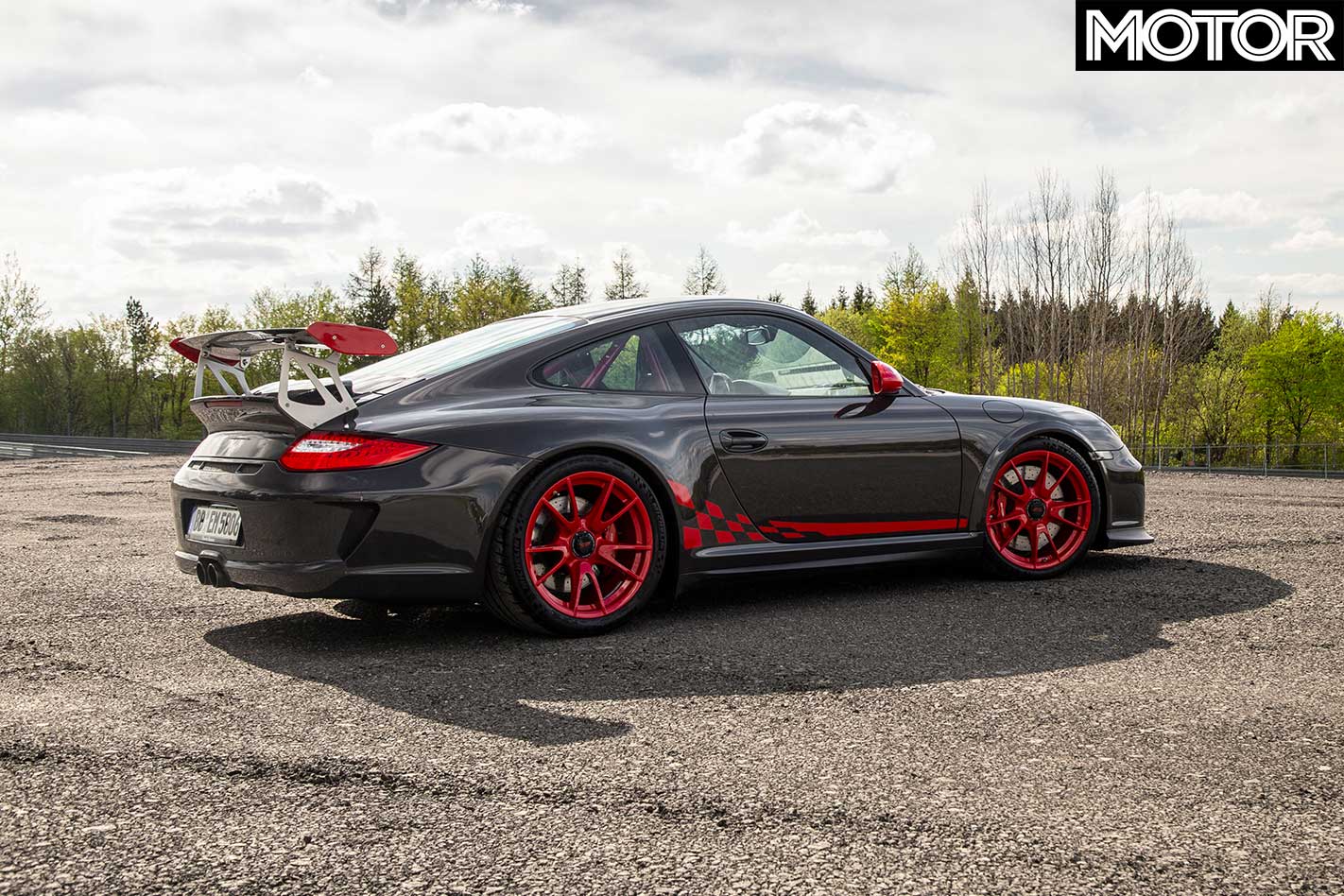
Porsche put a lot of the credit for the power increase up to an alteration of the intake – an improved air filter and intake manifold reportedly reduced resistance by 20 per cent.
It wasn’t a cheap thing though, the one we tested in May 2010 would set a punter back $358,290.
Porsche 997.2 911 GT3 RS 4.0 – 2012
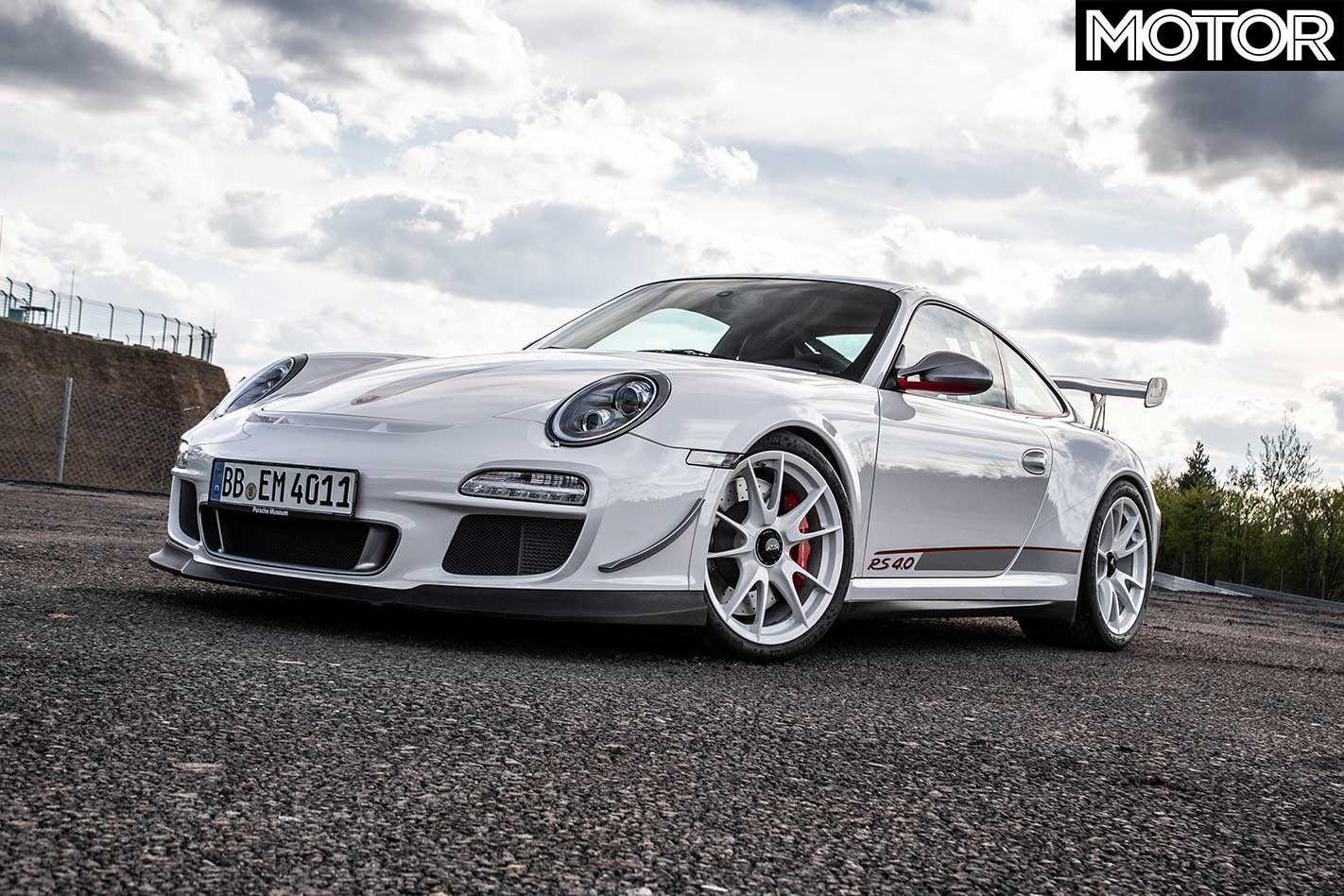
A bigger engine, more power, and another even faster time around the ‘Ring. Putting the incredible 4.0-litre boxer into the GT3 RS is something Porsche has stuck by to this day, and it’s clear why.
The 997 4.0 was worth 368kW/460Nm and only weighed 1360kg, just like the first GT3 RS. Unlike the first however, its 0-100km/h time dipped into the ‘3s’ with a 3.9s, and it’d lap the Nürburgring in just 7:27.
Racing suspension and even weight-optimised carpet were the lengths Porsche went to to ensure a few extra kilos didn’t get in the way of performance excellence.
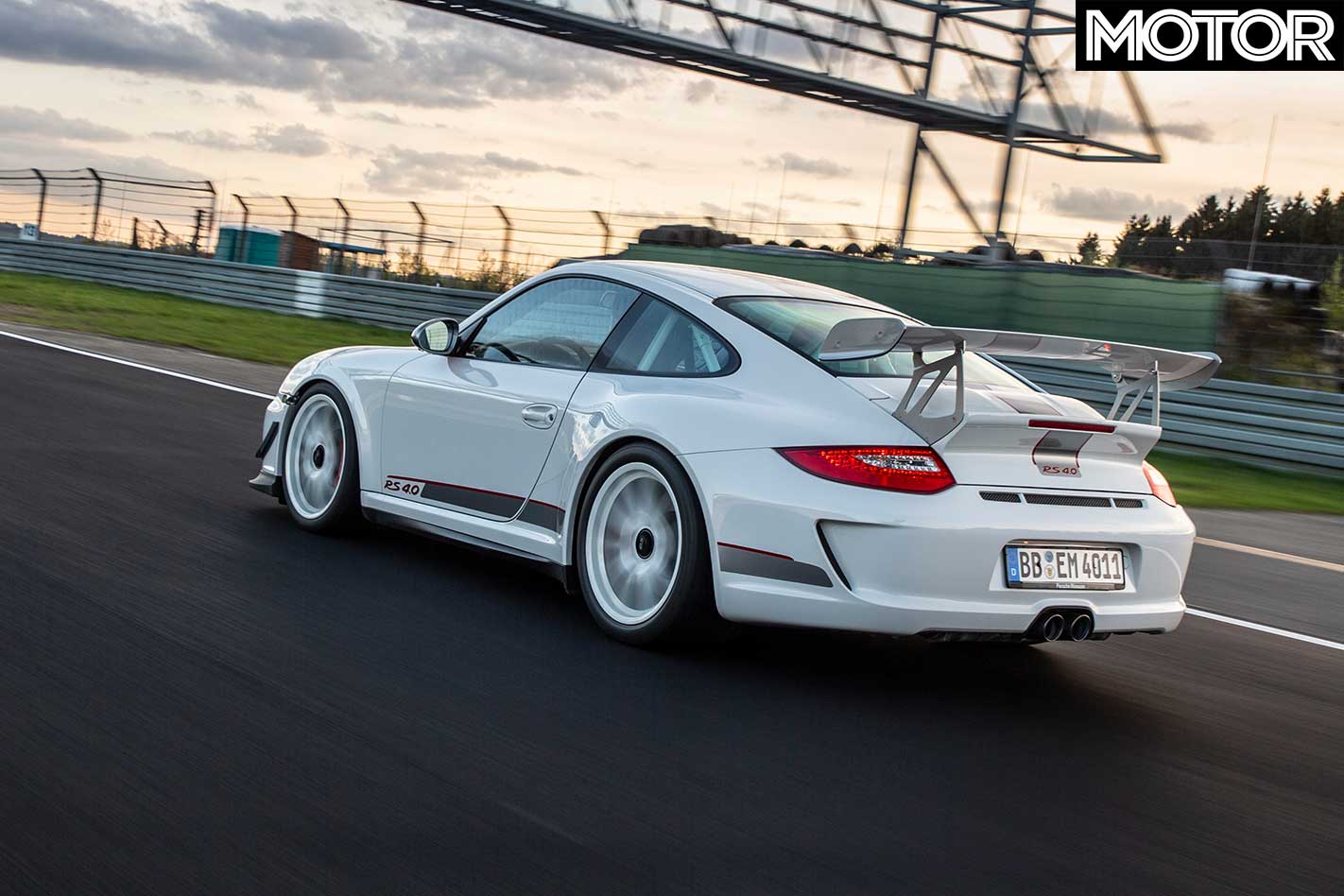
Adding to that excellence was the ability to conjure around 35Nm more in the tachometer’s mid-range through a ‘Sport’ button on the dash, which essentially achieved this by reducing the exhaust back pressure.
It was also, the first time Porsche used front deflection vanes on a production car, though this wasn’t something that carried over in a recognisable form to the next generation.
Porsche 991 911 GT3 RS – 2016
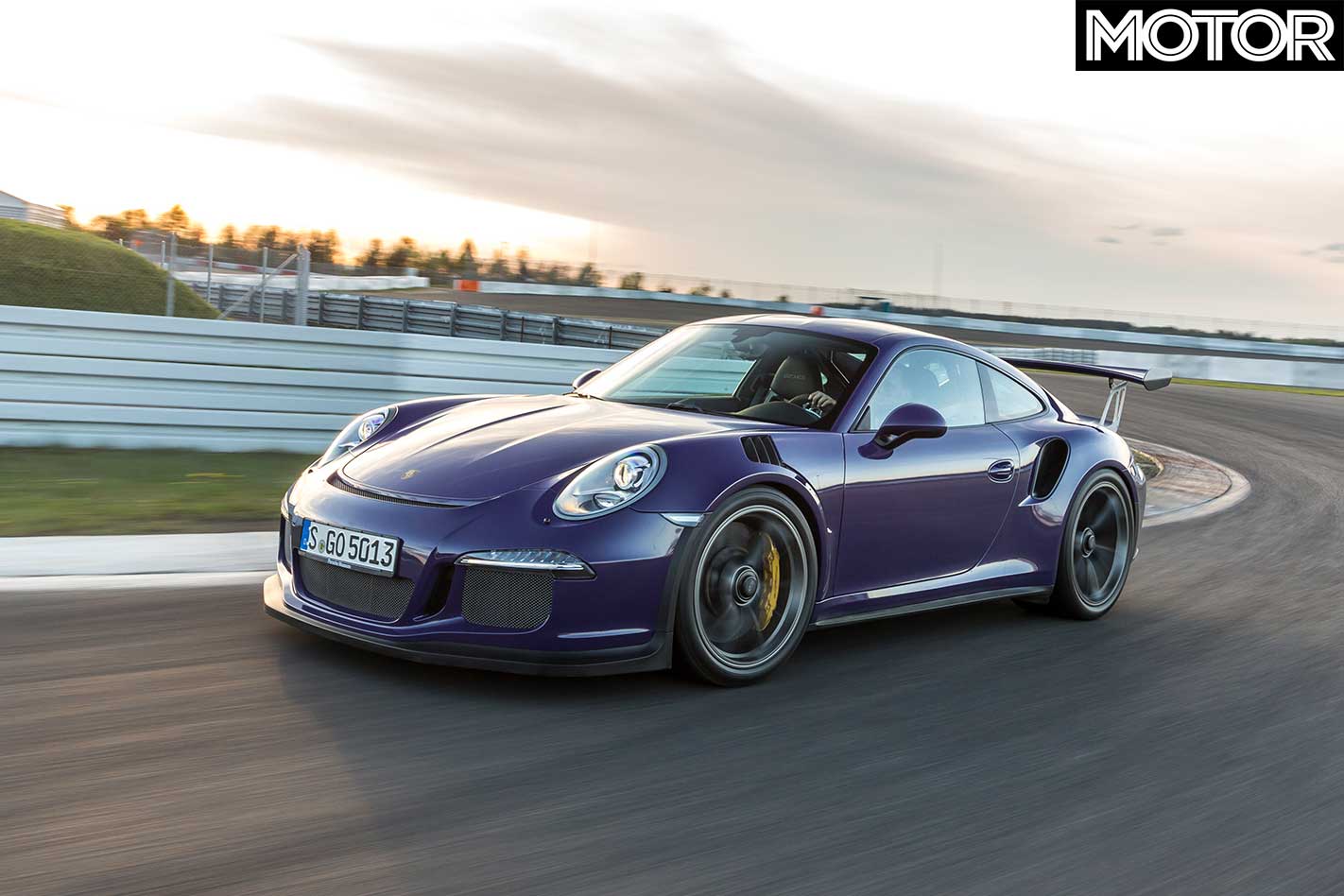
For many, the 991-gen GT3 RS lost something special when it lost its manual gearbox. But it still used a 4.0-litre engine, albeit with a slightly altered bore and stroke to the version that made the previous car so good.
The GT3 RS also put on some kilos, about 60, to bring its weight up to 1420kg. It was still 10kg lighter than the GT3 of the same generation, but not as light as its ancestors.
However, Porsche managed to tweak its dynamic ability enough to lower its Nürburgring lap time by more than 7 seconds from the 4.0’s effort, coming in at “under 7:20.”

In more immediate terms, the 991 GT3 RS can hit 100km/h in just 3.3 seconds, shaving more than a second off the time of the 996. It’ll also hit 200km/h in just 10.9 seconds.
When we had one in 2016, we managed a trip to 100km/h in 3.7 seconds (not bad given the car had ‘very tired’ rear bags), and an 11.6sec quarter mile at 201km/h.
Porsche 911 991.2 GT3 RS – 2018
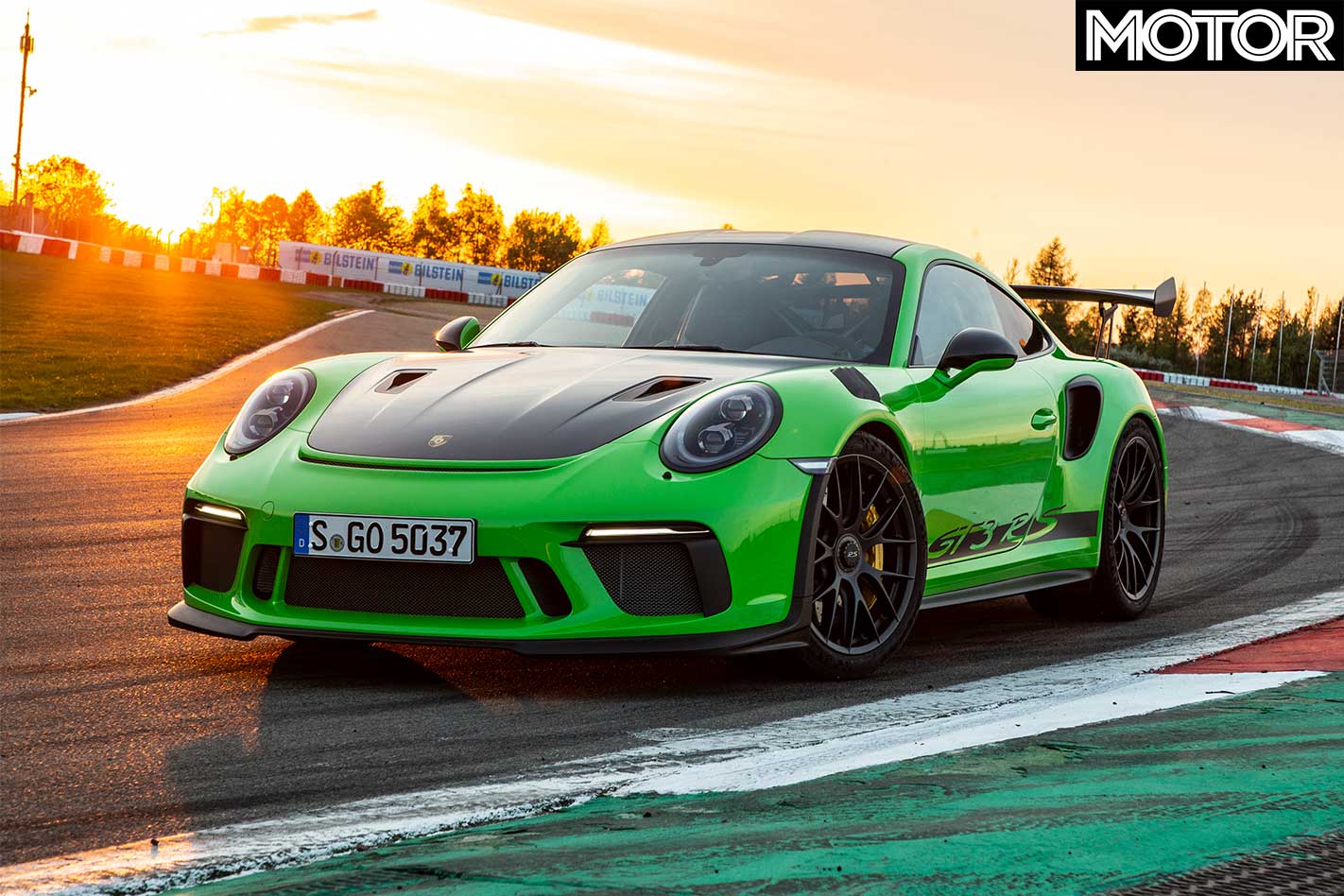
New to the 991.2 are NACA ducts, found on the bonnet, which feed fresh air to the front brakes. The removal of the ducts from the front bar allows the front diffuser to generate more downforce.
Similarly, the downforce is adjustable at the front by the addition or removal of a blanking panel which divert air over the car, while the rear wing can be adjusted for up to 250kg of downforce at top speed.
Rear wheel steering, PASM, and the torque vectoring diff have all been differently calibrated, while active engine mounts are still used after first being implemented generations ago.
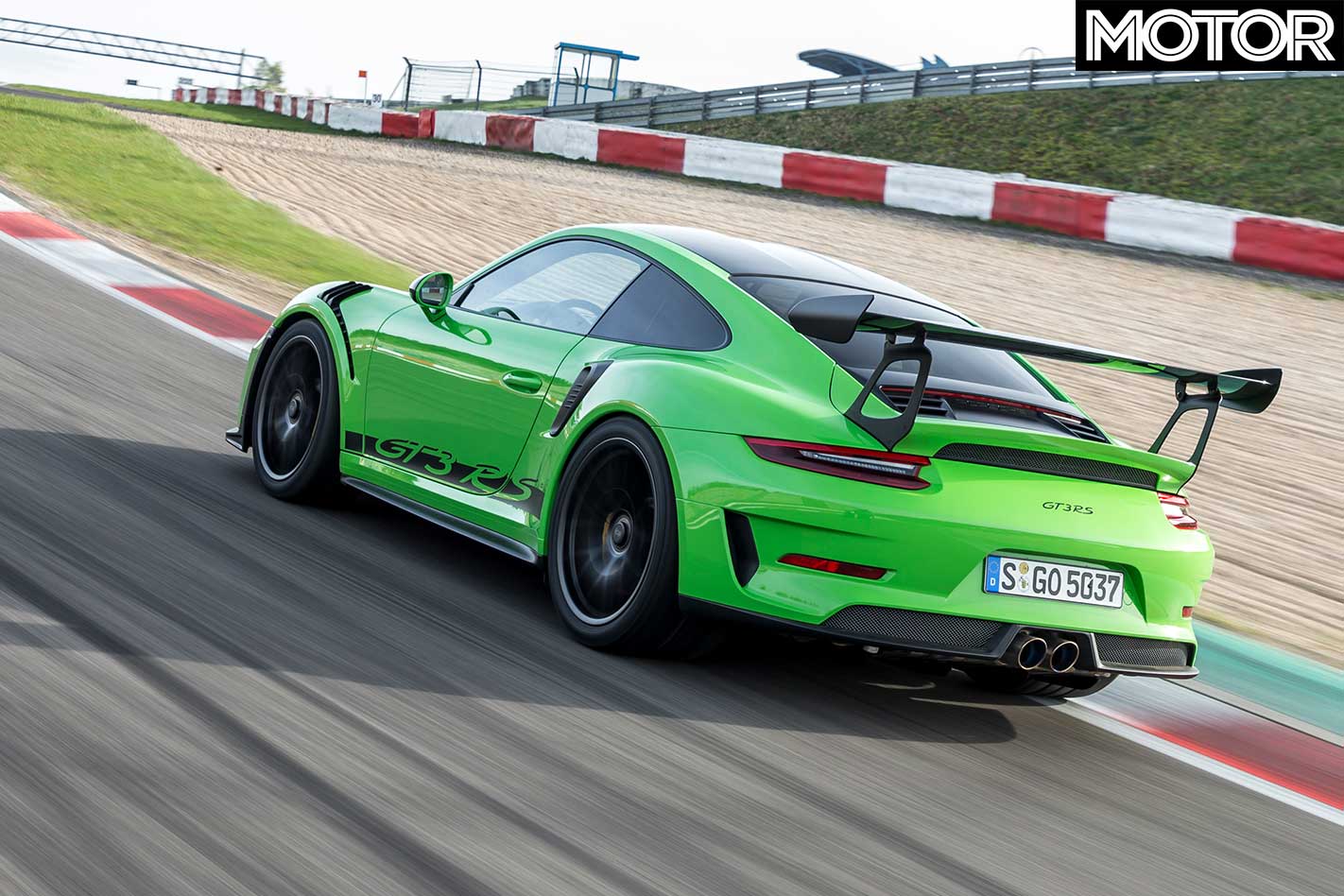
There’s a downside, and that’s the price. $416,500 is out of reach for most of us, and the addition of a weight-reducing Weissach Package adds up to $41,990 to the, with a roll cage.
But for an atmo-911 that can lap the Nürburgring in 6:56.4, we reckon die-hards are willing to put down that much and more.
Read our full review of the new 991.2 911 GT3 RS, and keep an eye out for more GT3 RS content coming to you from the MOTOR archives.
TELL ME ABOUT THIS CAR
After a relatively soft introduction into Australia in 2015, Chinese SUV specialist Haval is quietly rallying its troops for a reinvigorated assault on our potentially lucrative market at the end of the decade.
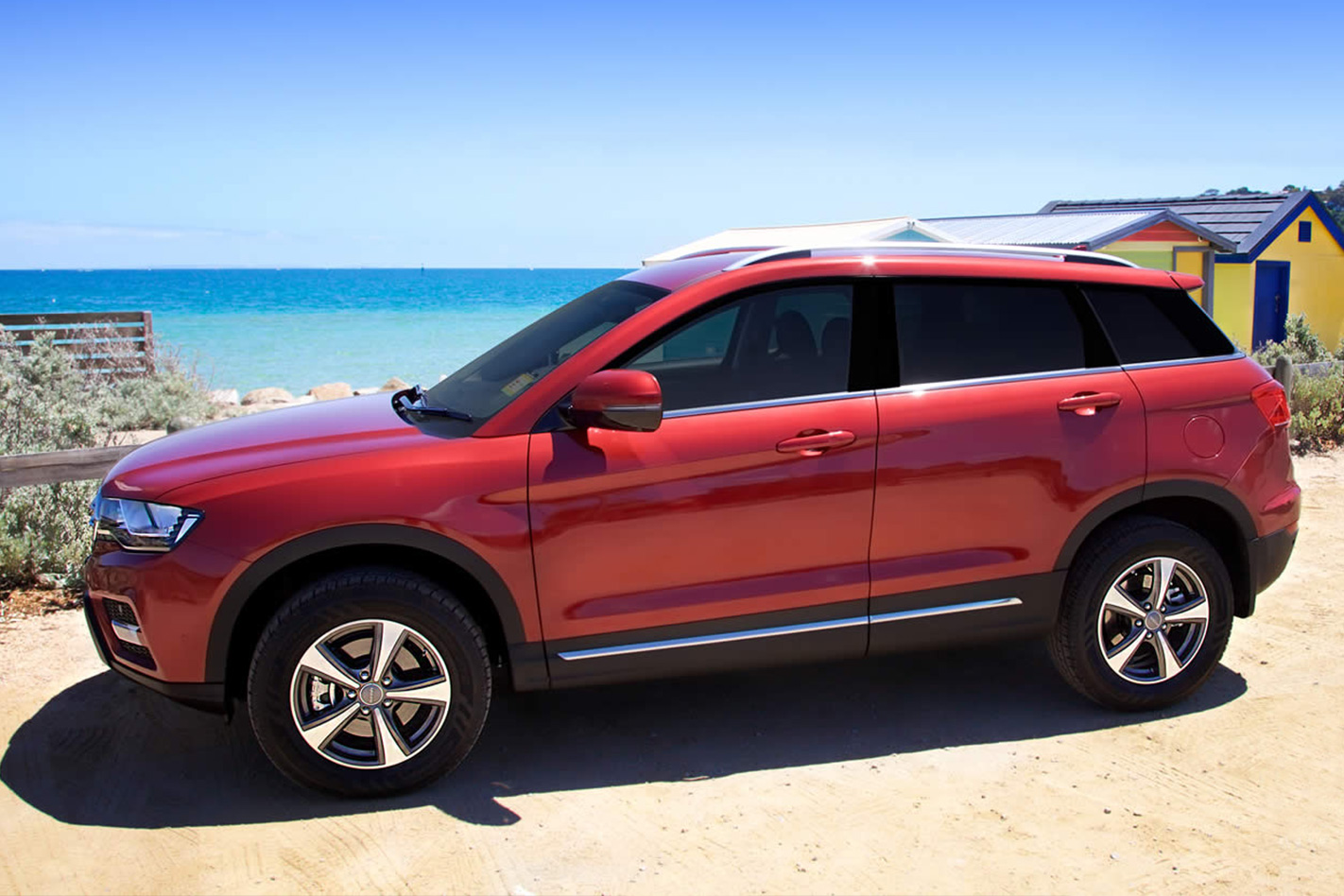
The strategy includes an all-new platform, a fresh model line-up likely to include the small H4 and an updated version of its 1.5-litre turbo four-cylinder engine, bolted to a seven-speed dual-clutch auto that the company developed itself.
We won’t know exactly what is in store for Australia until closer to 2019, but a quick blast in the H6 Coupe in the brand’s native China offered a glimpse of how the brand is attempting to evolve for a global audience.
In Australian showrooms, the current H6 Coupe is powered by a 2.0-litre turbo petrol, so a first sample of the more sophisticated 1.5-litre and home-grown gearbox is an insightful barometer to the undertow of plans the car giant has in store.
STRENGTHS
While all aspects of the H6 Coupe are of interest, it is the drivetrain that is of most relevance and it is in this area that the model has made the biggest changes. Despite the downsizing, torque is relatively abundant at 285Nm, and comes in lower down the rev range. It might not have the outright grunt of the 2.0-litre that it replaces (124kW vs 145kW) but a diminutive 1.5-litre is surprisingly adequate.
The upside is that fuel consumption has dropped dramatically. The capacity downsize is partly to thank, but more advanced engine tech is also attributable to a new claimed combined figure of 6.8 litres per 100km, down from 9.8L/100km.
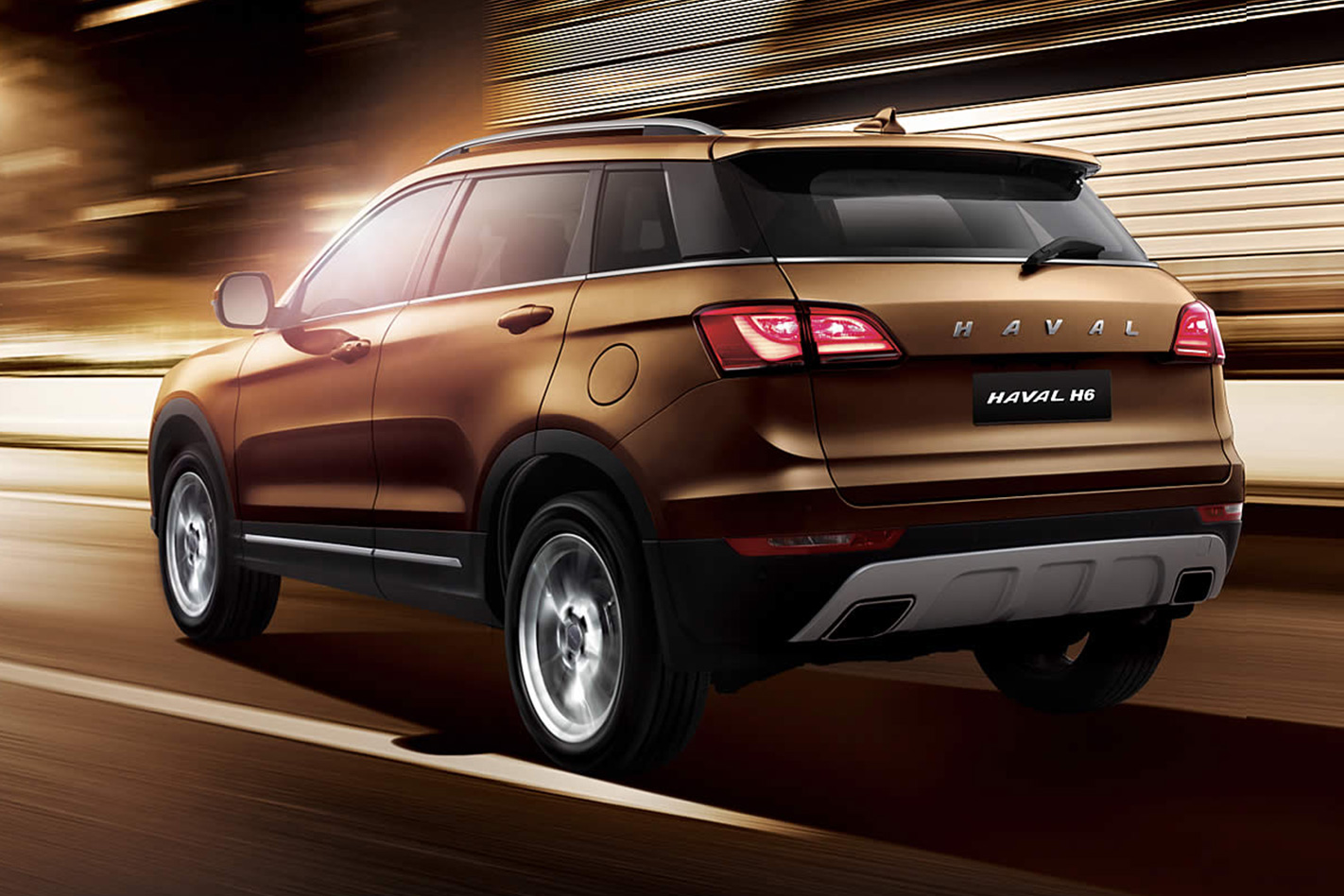
A snappy transmission pairs well with the upgraded engine and enables brisk acceleration off the mark. The odd awkward cog-swap was the only inconsistency in the otherwise smooth operation.
Out on the freeway the H6 hides its little engine well, with low NVH levels and enough torque to cruise effortlessly and without having to downshift for gradient changes.
Ride quality is also commendable on a variety of surfaces although the final call will have to wait for an evaluation on Australia’s unique roads. The company is considering a local chassis tune similar to Kia and Hyundai’s outfit, which would doubtless result in a better package.
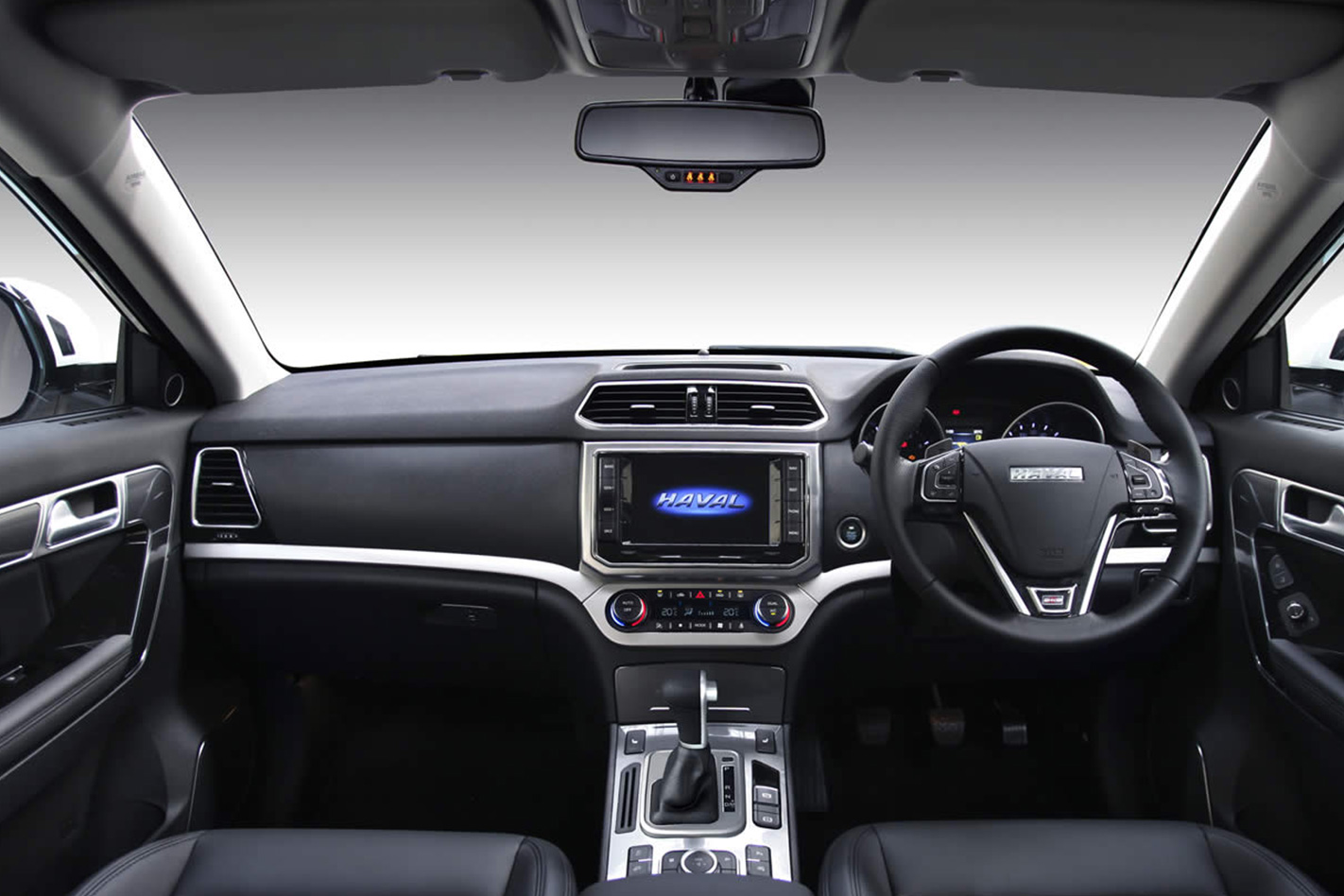
Inside, there’s a huge cabin with plenty of space in the second row for kids and adults and almost endless headroom despite this being the ‘coupe’ (with a sportier, sloping roofline) of the range.
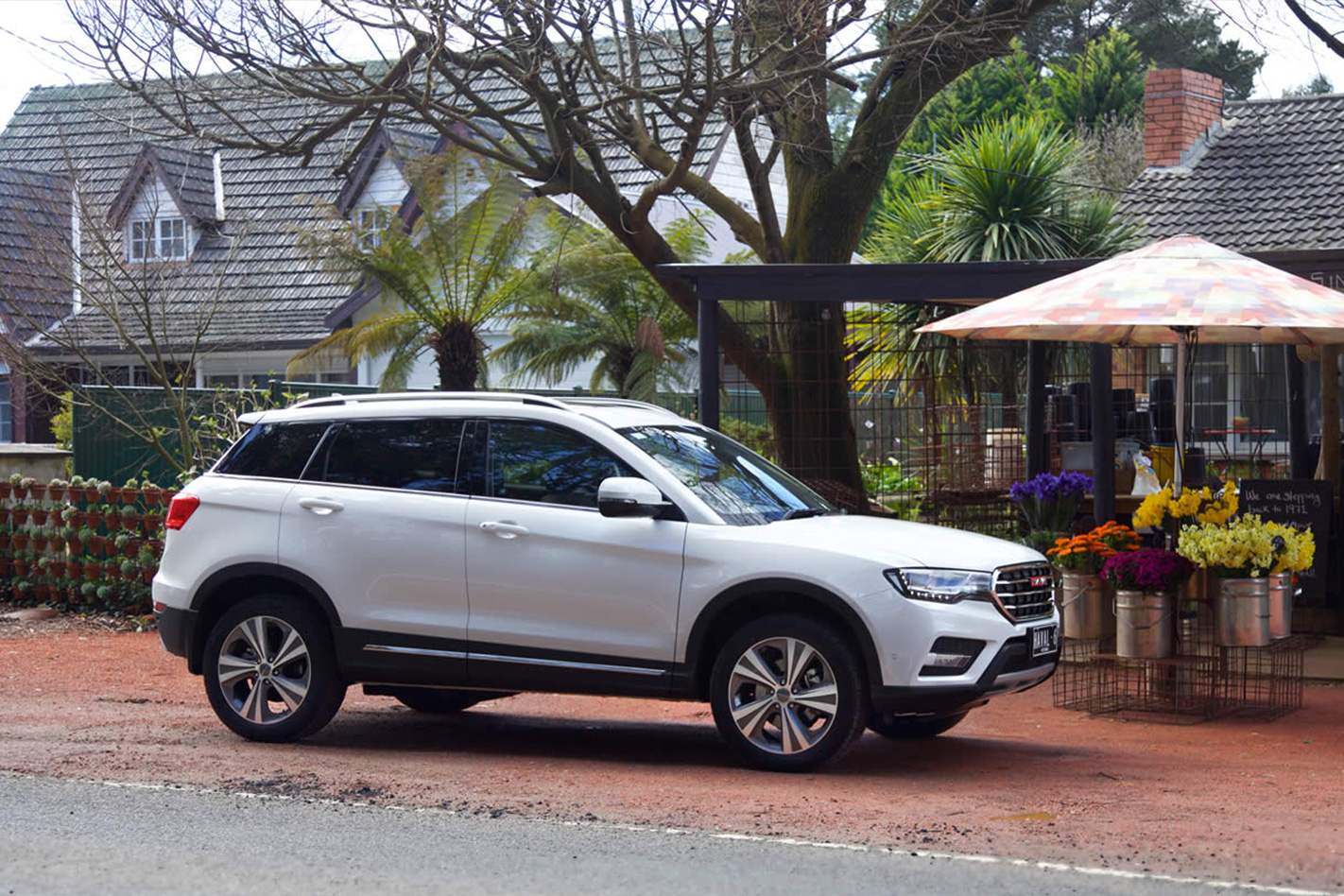
As is the case with the version on sale in Australia, standard equipment is generous for the price and the standard of fit and finish in this updated H6 will become a selling point compared to other Havals. We liked the interior design which is different without having to resort to showiness to be memorable.
WEAKNESSES
Haval may be justifiably labeled a luxury SUV-maker in China but it has not yet earned that status in Australia’s far more demanding arena. That doesn’t mean the H6 Coupe cannot compete however, but in a more affordable segment.
The cabin still has too many cheap plastics to compete against Jeep’s Compass and the Kia Sportage, for example, but the quality has incrementally improved and would be regarded as passable for many Australians shopping on a budget.
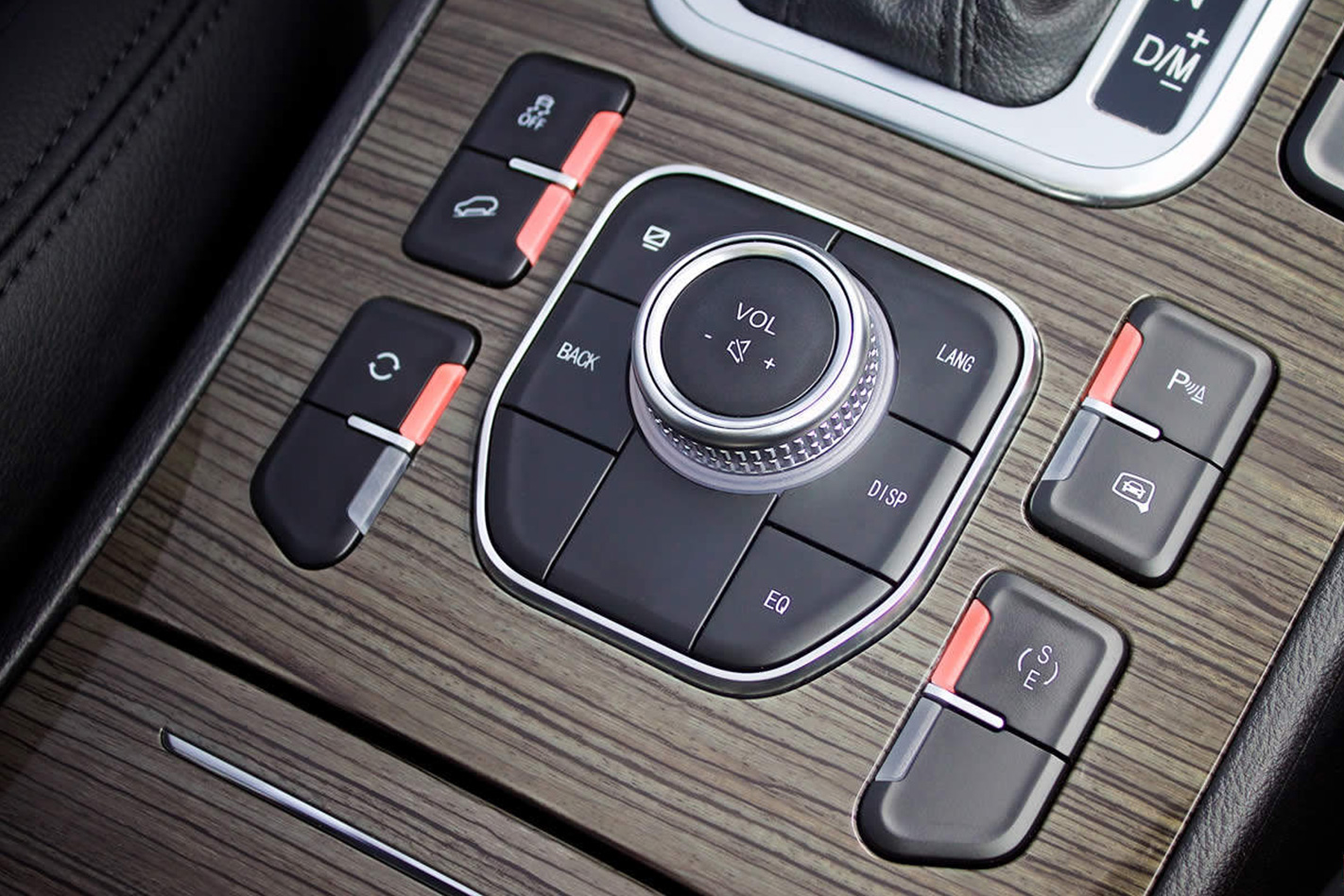
While infinitely better than the H6 (non-coupe, which isn’t sold in Australia), the H6 Coupe’s steering is on the vague side and would benefit from a little more weight in turns.
Disc brakes in all corners are effective but over-assisted and needlessly aggressive.
Power and torque has dropped from 145kW/315Nm to 124kW/285Nm, which dents outright performance to deliver better economy.
Pricing is yet to be confirmed, but how much a little-known SUV maker will ask for any model is critical to the company’s success (or otherwise) in Australia. The current H6 Coupe retails for $29,990 but with the more advanced engine and extra tech, the 2019 equivalent might carry a slightly heavier sticker.
Brand equity still has a long way to go in Australia and that is likely to affect resale values as a majority of buyers stick to seasoned longstanding marques.
ANY RIVALS I SHOULD CONSIDER?
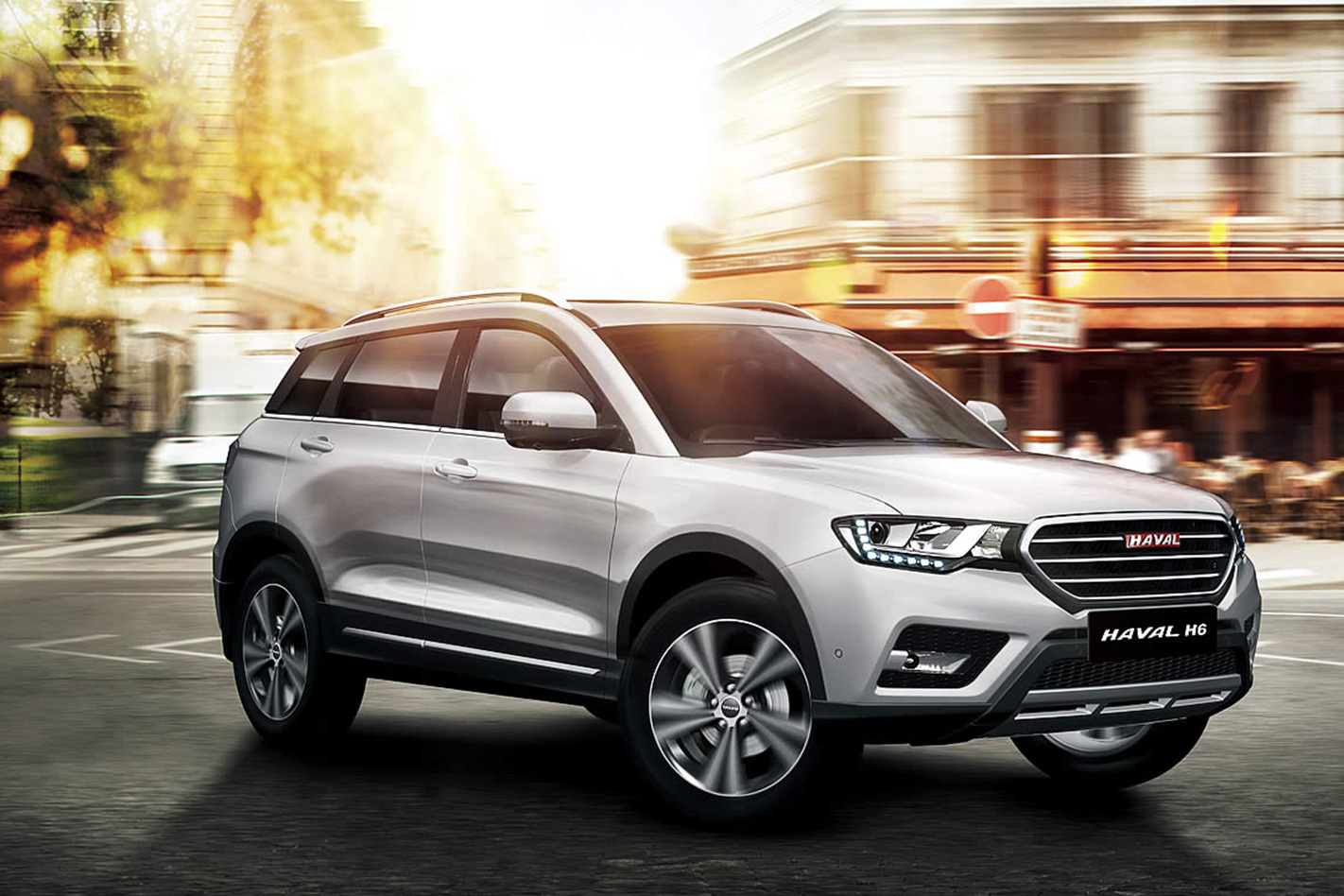
If you’re in the market for a mid-sized SUV that won’t break the bank or your spirit then the Hyundai Tucson and Kia Sportage should certainly be on your list of must drives. If something a little left field is appealing then Jeep’s new Compass is worth a look but will stretch the budget to equal the Haval’s equipment level. Mazda has a strong following of the CX-5 for good reason but this again will need a slightly fatter budget to compare with a similar level of equipment, but offers better build quality and brand reputation (read: resale).
The next-generation BMW M2 will remain a rear-wheel-drive-only proposition after key executives inside Munich headquarters fought against forcing the next-gen 2 Series onto the front-wheel-drive Mini platform now officially confirmed to underpin the 1 Series.
Although the poorly received 2 Series Active Tourer people mover has already made the switch to the Mini platform dubbed UKL, with the X1 small SUV having followed and the new 1 Series still to come, the next 2 Series coupe will distance itself from those compacts.
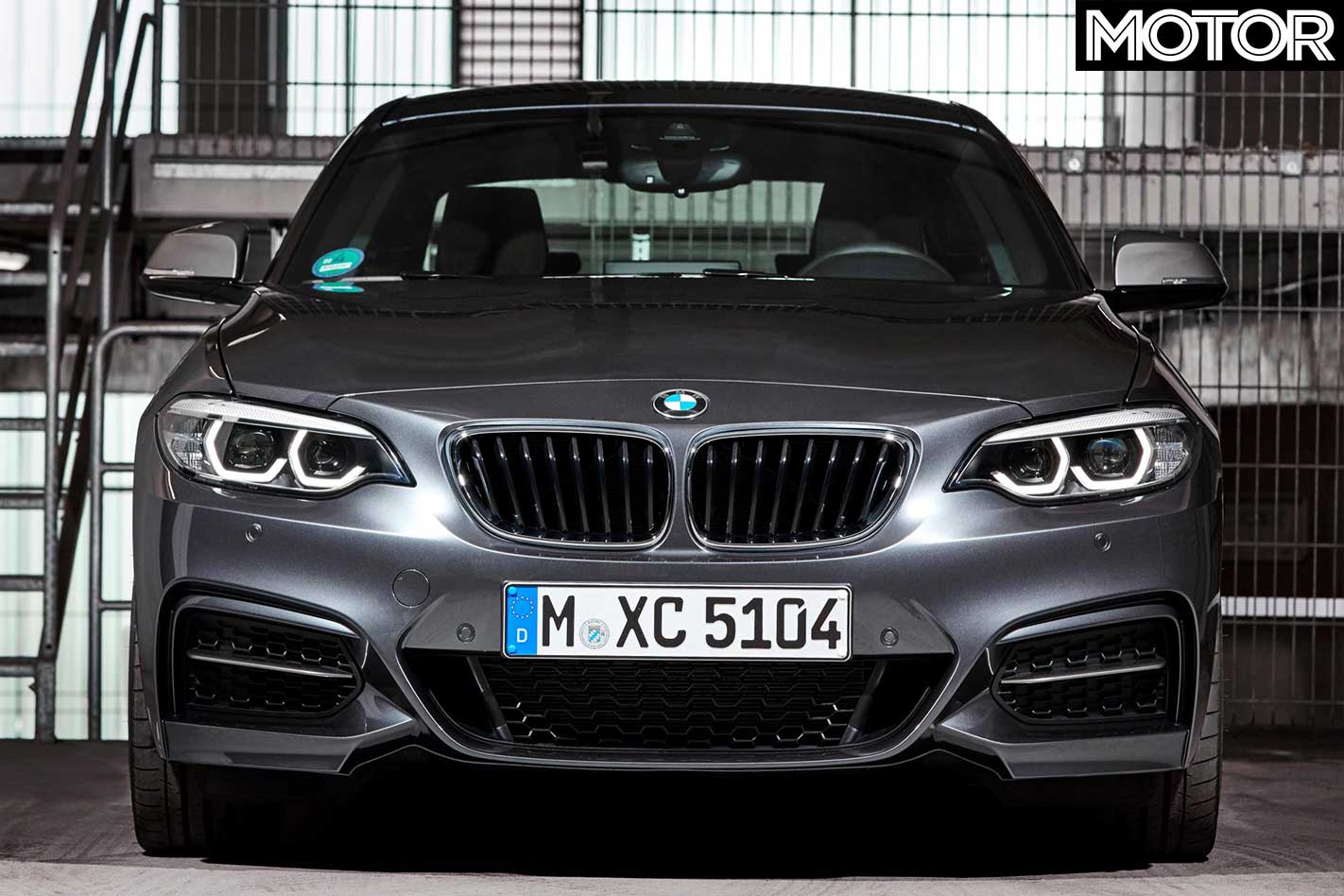
The decision, a key BMW executive confirmed, is part of a plan to engineer every next-generation model on just two modular platforms – UKL (lower class) front-drive and CLAR (Cluster Architecture) rear-drive, with each also accepting all-wheel drive derivatives.
While the UKL platform would be a cheaper way to produce a 2 Series coupe, engineers and executives fought for the compact sports car to shift to CLAR. It will make the two-door the smallest vehicle produced on a platform that will extend right up to the X7 upper-large SUV, with the X3, X4, 5 Series and 7 Series already released, and the 3 Series, X5 and X6 to come.
The reason that BMW needs to reduce its number of vehicle architectures is to absorb the – currently enormous – cost of engineering both platforms and all models to accept petrol, diesel, plug-in hybrid electric vehicle (PHEV) and battery electric vehicle (BEV) formats.
While the German brand has officially ruled out creating a BEV sports car any time soon, the next 2 Series coupe will be engineered to accept a tonne – so to speak – of batteries beneath its floor.
Given the success of the first-ever M2, the next-generation will likely continue in a traditional format with turbocharged six-cylinder power, though the M240i is less likely to keep its current set-up.
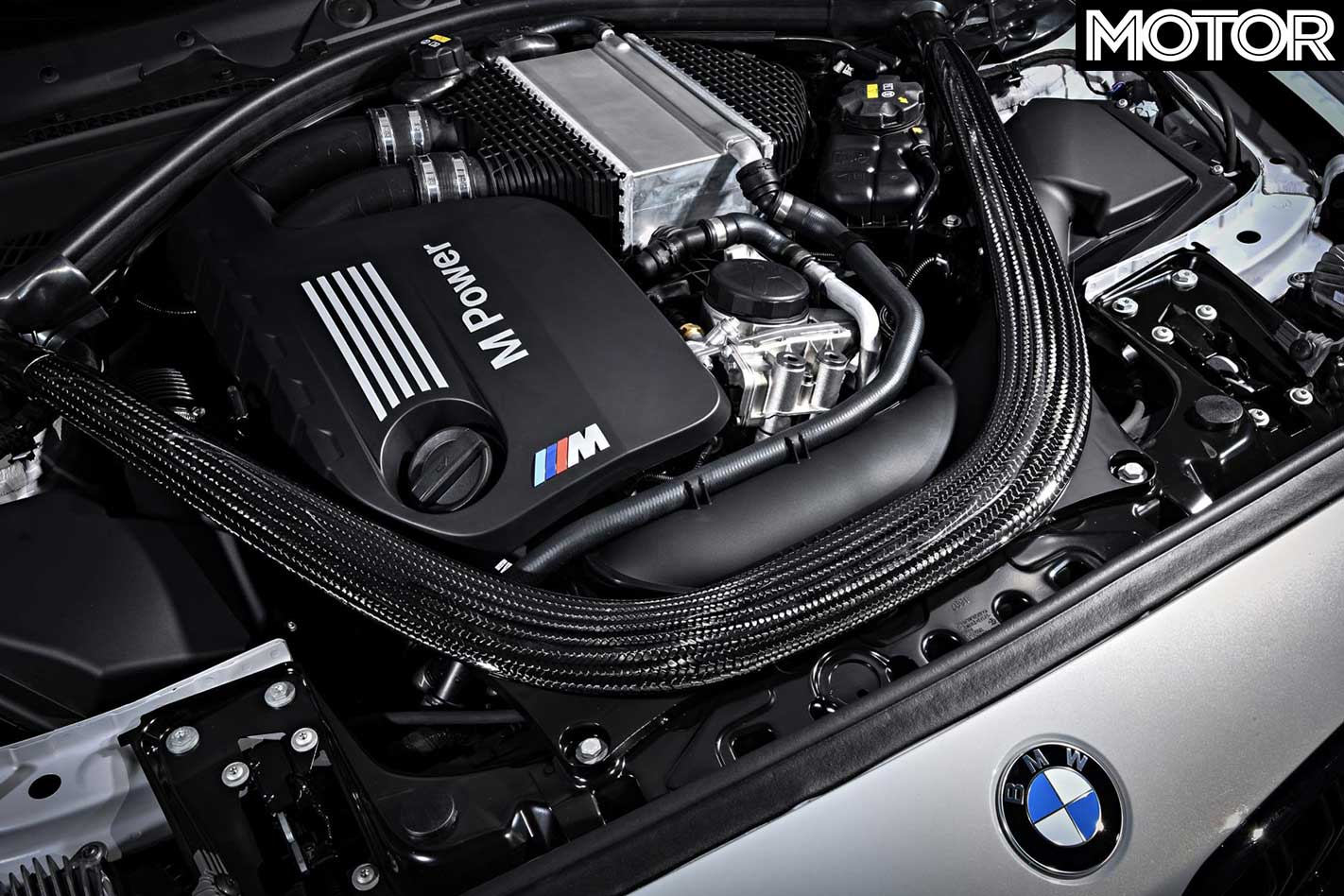
A division will form between the five-door hatchback 1 Series, in equivalent M140i guise with all-wheel drive, and the two-door coupe 2 Series, in its M240i replacement that will continue with rear-wheel drive. What both are tipped to share is a four-cylinder turbocharged engine boosted by an electric motor (for an ‘e-boost’) for the first time.
While the next M3 could potentially offer an ‘e-boost’ complement for its six-cylinder engine, to help reduce lag and emissions, and increase performance, a separation will again occur with its smaller M2 sibling – it will be premium tech versus traditional fun for a next generation of BMW buyers.
FORD has announced it will cull its US range of passenger cars.
All except the Mustang and the forthcoming Focus Active crossover are now on death row, the company ditching the likes of the Fusion (the US version of the Mondeo), Focus and Fiesta to shift production to large crossovers and trucks. It’s no exaggeration to say that this is the most seismic shift in policy from Ford since Henry dreamed up mass production.
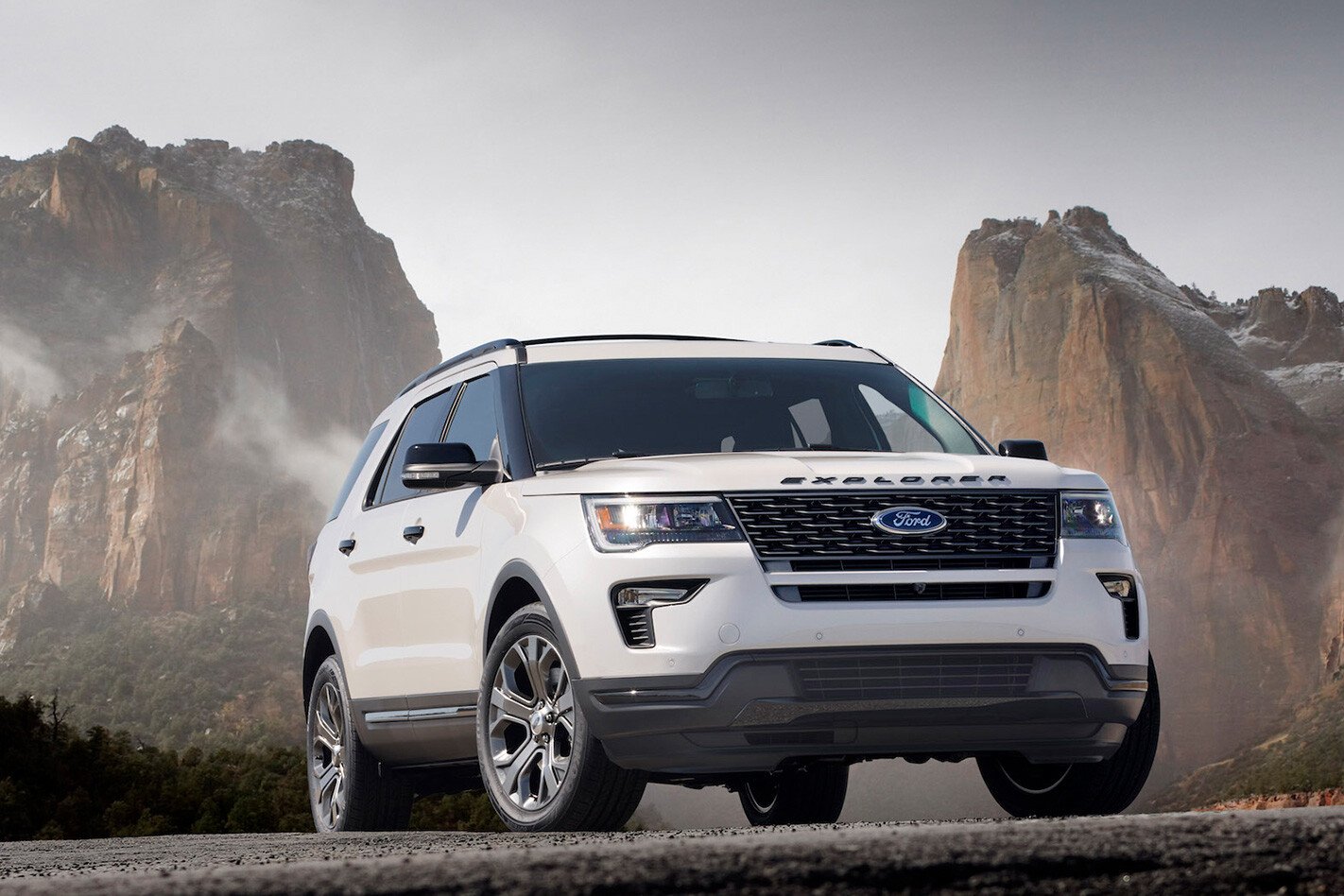
It’s also a move that’s been examined before and rejected. When Alan Mulally took over the company in the 2000s, his remit was to do exactly the opposite; to broaden the portfolio and do the hard things, namely compete in markets where Ford wasn’t traditionally strong. Little over a decade later, Ford has waved the white flag.
The company said in a statement “…by 2020, almost 90 percent of the Ford portfolio in North America will be trucks, utilities and commercial vehicles. Given declining consumer demand and product profitability, the company will not invest in next generations of traditional Ford sedans for North America”.
The statement in itself is both self-serving and disingenuous; that market share is being created by Ford’s decision to bail out of cars. The move hasn’t exactly come out of the blue, as the company had been drip-feeding us with rumours that the new Fiesta wasn’t headed to the US and that Taurus and Fusion facelifts had been put on hold.
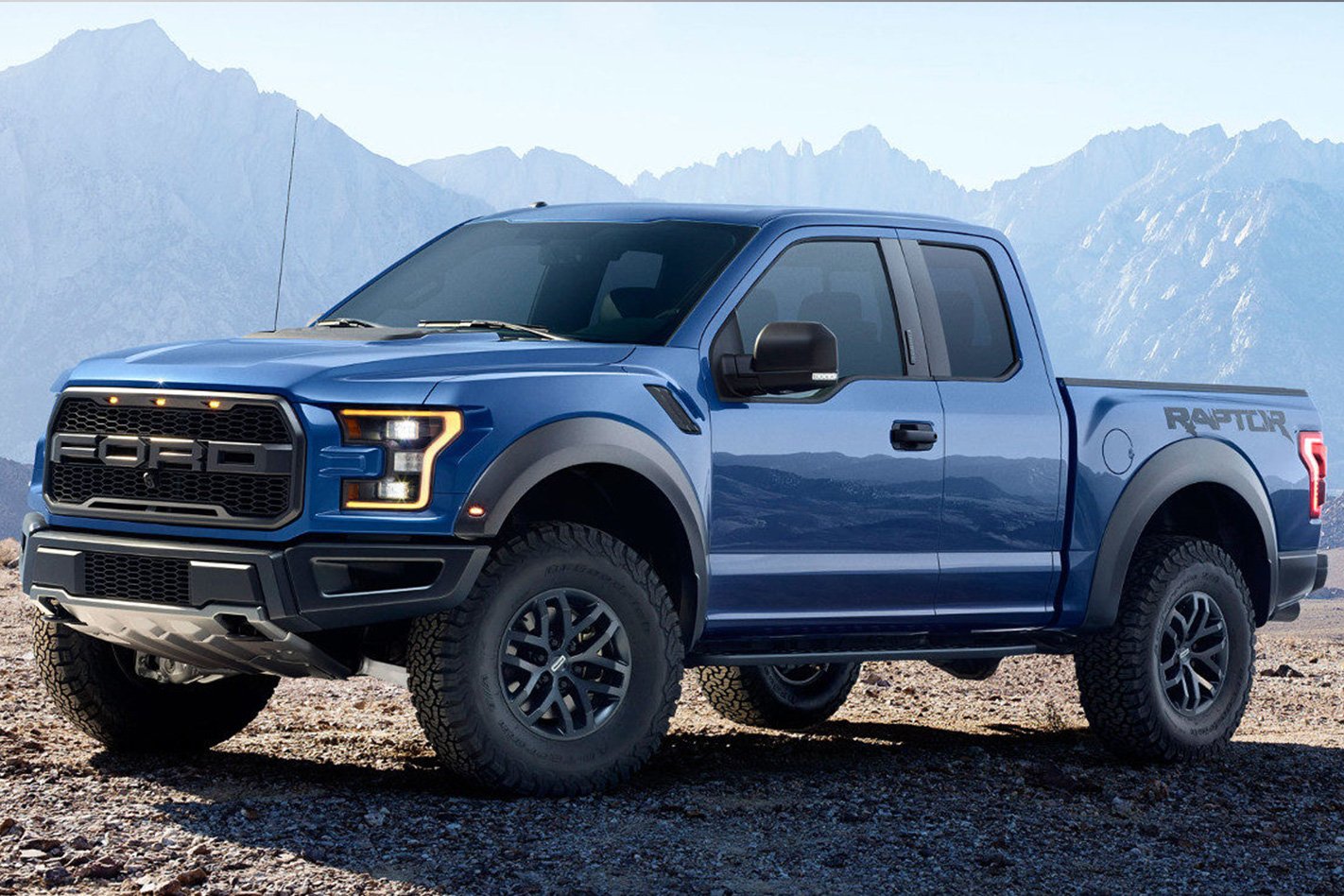
Whatever happens at the mothership in Dearborn tends to reflect in satellite markets worldwide. Ford Australia has already axed the forthcoming Fiesta range from its wish list, only importing the range-topping ST-badged version. Dwindling investment into medium sedan platforms could not only sound the death knell for satellite brands such as Lincoln, but could also hamper Ford’s penetration of developing markets. Ford plans just five future vehicle architectures: body-on-frame, front-wheel-drive unibody, rear-wheel-drive unibody, commercial van unibody and battery-electric vehicles (BEVs).
It’s already losing share in China, with sales in 2017 falling by six percent in a market growing three percent year on year. In order to capitalise on the Chinese market for electric vehicles, Ford signed an agreement in November with Chinese manufacturer Zotye worth US$756 million. Ford’s figure represents around six percent of the US$12.4 billion that Volkswagen will invest in its development of electric vehicles in China by 2025. There’s belt tightening and there’s killing the means for new blood to enter a brand.
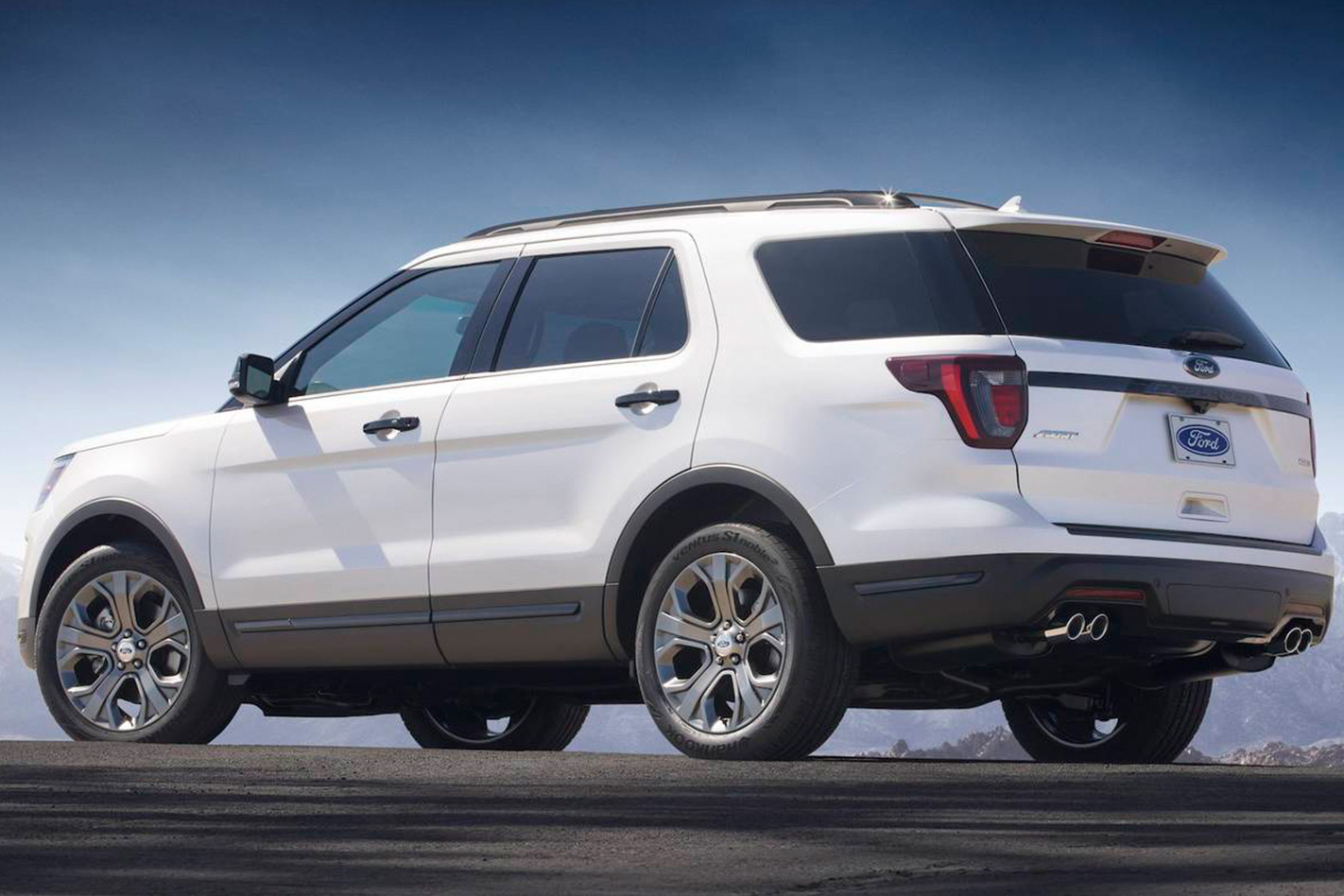
There’s no doubt that in the short term, rationalising its range in the US will help Ford’s global chief executive Jim Hackett slash US$11.5 billion from the books to make an percent percent profit target by 2020, two years ahead of schedule. It’s the longer term repercussions that worry us. Ford has laid itself hostage to a Trump trade war or rising oil prices, and the very process of retrenchment goes against the very best of Ford. There’s nothing wrong with killing off a losing product. Admitting that you can’t come up with cost-effective ways to sell cars at lower volumes seems symptomatic of an altogether bigger problem.
Mini has taken the sheers to the Australian range of three-door hatchback, 5-door and Convertible offerings, and when the updated version arrives on July 1 this year, only the more premium versions will be rolling into local showrooms.
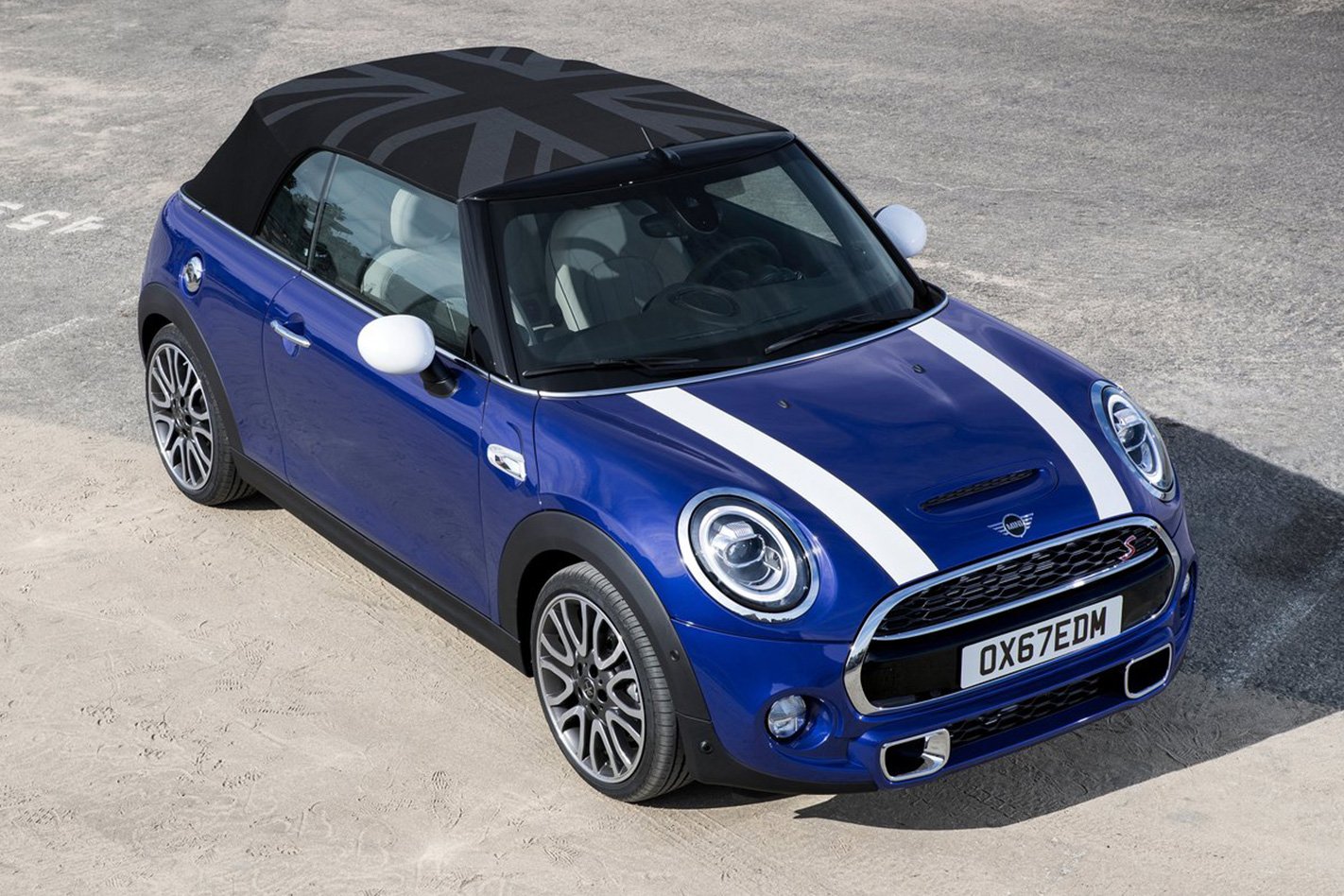
While the Hatch and 5-door currently kick-off with more affordable Ray variants, the facelifted version will start with the more feature rich Cooper. The Convertible range-opener remains the Cooper as before, albeit with a steeper price than before.
In fact, the changes shift the cost of entry in all cases. The cheapest hatch will be available from $29,900, up $3978 over the outgoing Ray, the 2018 5-door will cost $4128 more than the current Ray at $31,150 and the Convertible Cooper will start at $40,900, which is $2000 more than the Cooper in showrooms now.
Mini points out that the price increases are for a more kit-laden and refreshed model and the bigger ticket number represents up to $3600 of extra value that arrives with the 2018 LCI (Life Cycle Impulse – BMW’s term for a mid-life facelift).
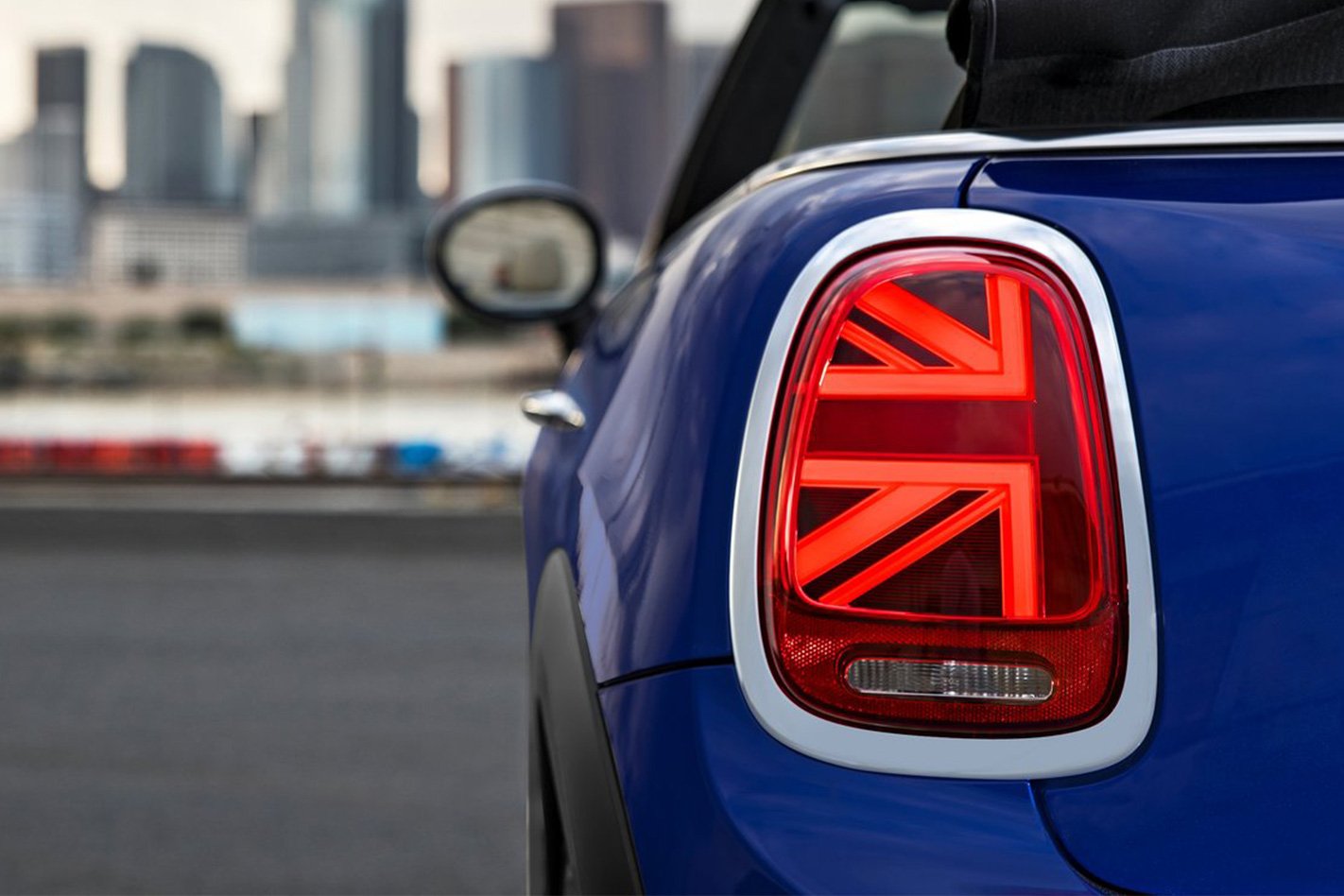
That extra equipment and value comes in the form of an updated look, including cool Union Jack taillight lenses (in case you didn’t realise the Mini’s heritage is proudly British) optional for the Cooper but standard on everything else, headlights are also re-sculpted and five new exterior colours join the palette.
On the inside, the upgrades continue with a new touchscreen information and entertainment system standard across all variants and models. The new technology will be complemented by Mini’s Connected 4G suite of online services, which arrives Down Under for the first time.
The notable exclusion is automatic emergency braking, that’s increasingly standard kit on more affordable small cars, but is still only available across the Mini range as part of a pricey option pack.
A number of new interior trim and pattern options are also expected with the arrival, although exact details for Australian customers are yet to be confirmed, but the company has revealed that the Mini Yours program will offer local buyers the opportunity to customise their 2018 Mini with a range of 3D-printed accessories.
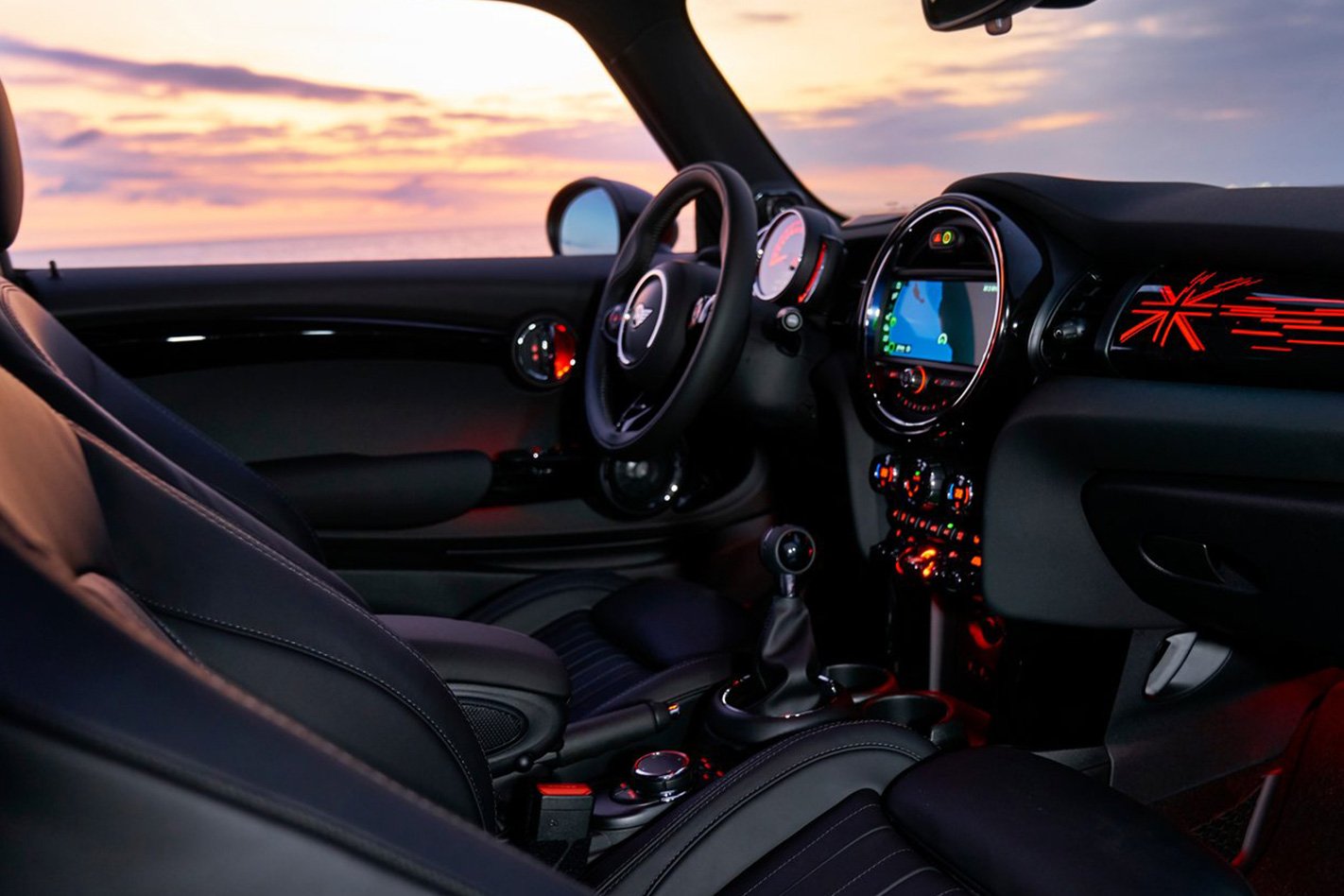
From launch these will include ‘side scuttles and an individualised cockpit fascia’ but more options are expected to be added to the new service.
While the more affordable entry variants will be absent from the range when it arrives mid-winter, Mini has typically added cheaper options later into the model lifecycle and it’s likely the updated version will follow suit.
No mention is made of the rest of the iconic range but watch this space for details regarding the Countryman and Clubman models, as well as more Australian details for the drop-top and tin-tops as they are made available closer to arrival.
2018 Mini pricing
- Mini Cooper, 3-door hatch – $29,900
- Mini Cooper, 5-door hatch – $31,150
- Mini Cooper Convertible – $40,900
- Mini Cooper S, 3-door hatch – $39,900
- Mini Cooper S, 5-door hatch – $41,150
- Mini Cooper S Convertible – $47,900
- Mini JCW, 3-door hatch – $49,900
- Mini JCW Convertible – $57,900
Peugeot has simplified its 308 range in Australia, so we got behind the wheel of the Allure hatch to see if the funky French city car is as fresh as ever.
TELL ME ABOUT THIS CAR
The Allure sits in the middle of the Peugeot’s 308 range, bridging the gap between the flagship GTi, and above entry-level Active.
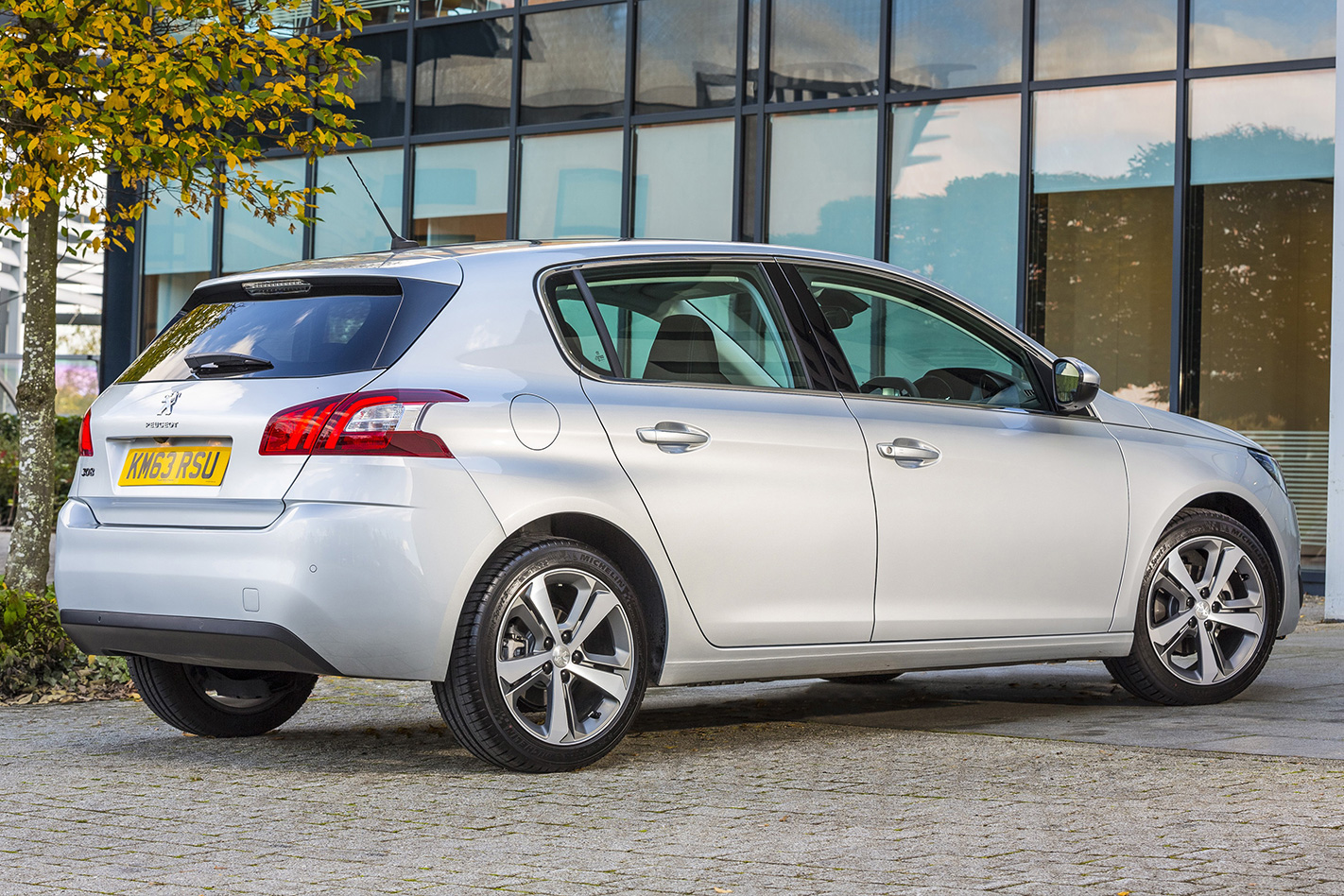
It can be equipped with either a 1.2-litre three-cylinder turbo petrol engine producing 96kW and 230Nm, or a 110kW/370Nm 2.0-litre four-cylinder turbo-diesel – both engines send power to the front wheels via a six-speed automatic gearbox.
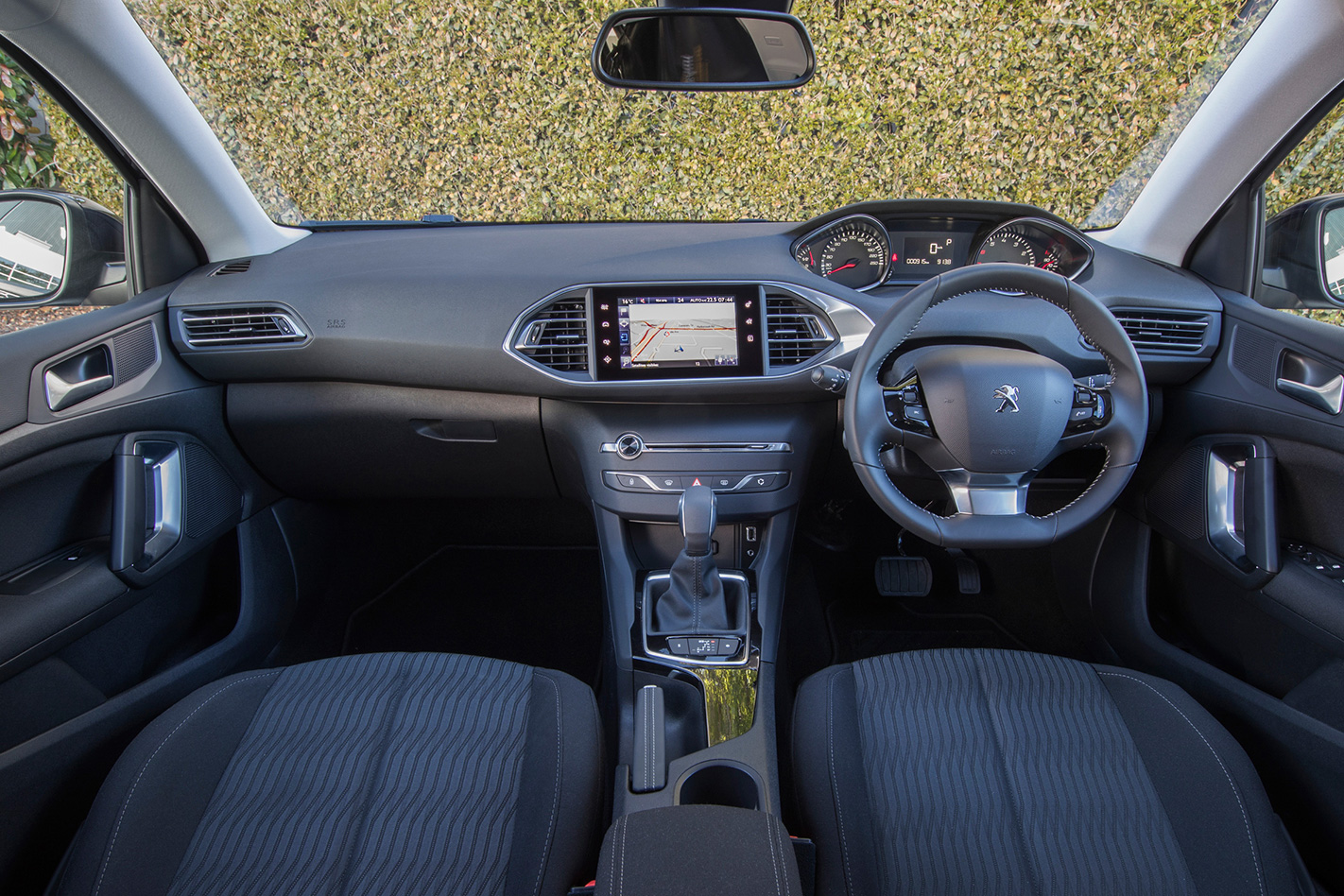
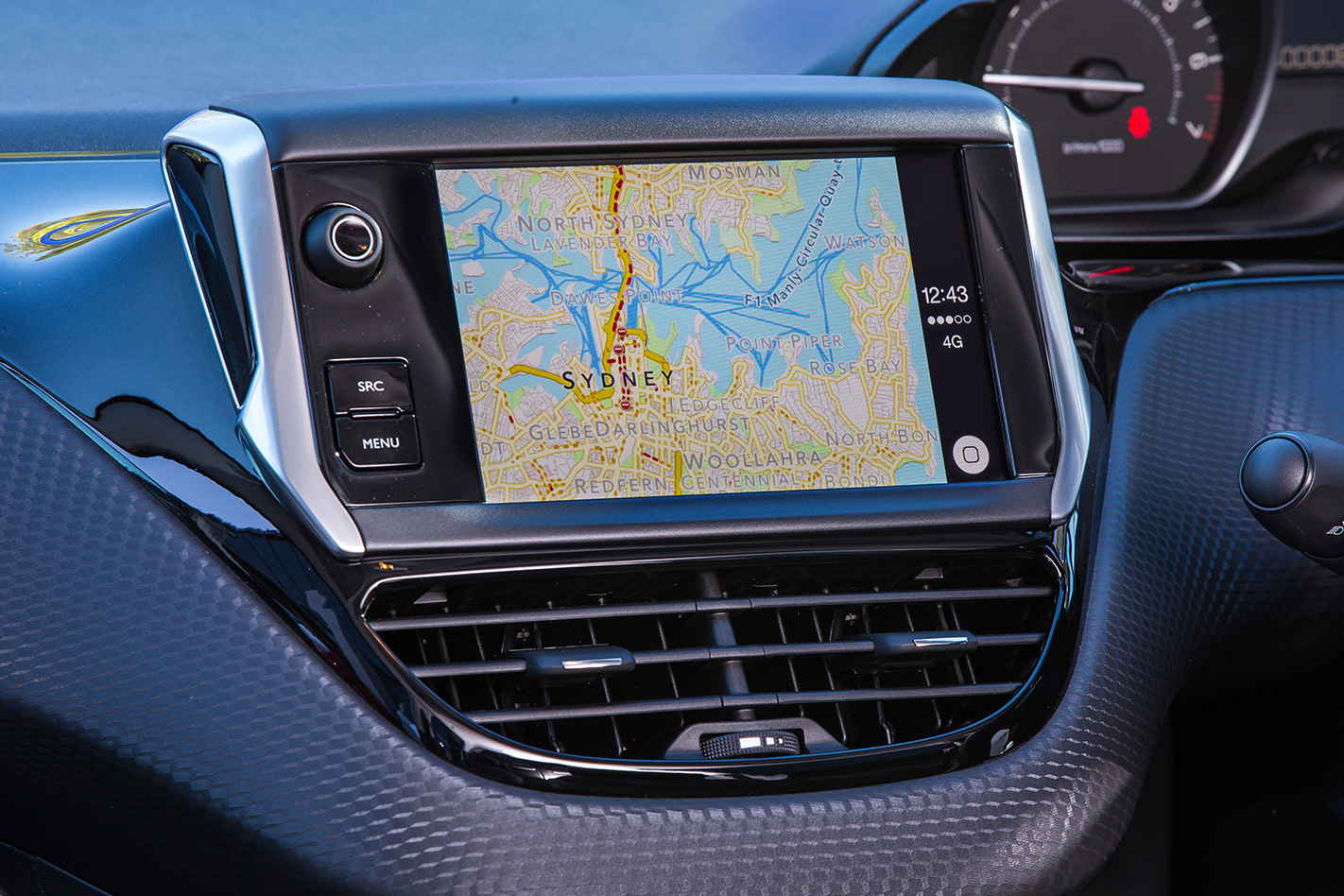
Dual-zone climate control, cruise control, front and rear parking sensors are standard in the Allure, along with a reversing camera displayed through a central 9.7-inch touchscreen which connects to Apple CarPlay and Android Auto smartphone mirroring.
Priced from $31,990, the Allure can be differentiated from the cheaper Active thanks to 17-inch alloy wheels (our test car was fitted with 18-inch optional rims), LED headlights, electronic parking brake, keyless entry and start, and the addition of blind-spot monitoring and lane-keeping assist as well as a self-parking system.
Peugeot offers a five-year, unlimited kilometre warranty and roadside assistance guarantee as standard.
STRENGTHS
- Design: The 3018 Allure follows Peugeot’s design-led mantra, with handsome exterior looks, and trendy interior styling. For those wanting to focus on looks over practicality, which some customers in this segment do, the 308 is an … alluring … choice.
- Engine: Our test car was fitted with the 1.2-litre three-cylinder turbo, which is a peach to drive. While it doesn’t stand out on a spec sheet, the petrol engine offers a frugal 5.0L/100km claimed combined fuel efficiency, but has enough pep in its step to perform overtaking manoeuvres and merges with ease.
- Ride: While slightly on the firmer side of the equation, the 308 Allure’s ride blends the line between driver-focused stiffness, and everyday useability. Over rough potholes which patter Australian roads the 308 remains unfussed, without sacrificing dynamic ability. Opting for the standard 17-inch wheels will retain more of the ride’s plushness.
- Steering: Turning into a carpark can have you yearning for a twisty road with the 308 – which boasts an engaging and progressive steering calibration. This is a car which rewards the driver if they so wish.
- Lack of buttons: While having the infotainment system contain all your climate control, sat-nav, and music controls may play well in the showroom, it can get frustrating on the road. The volume dial and hazard lights buttons are the only physical tactile experiences in the cabin, which can make operating the infotainment of air-con difficult when driving. It looks schmick, but falls short practically.
- Storage: There is just a single central cup holder in the 308 Allure, and the door cards will struggle to swallow even medium-sized bottles.
- Off the line acceleration: In all other instances the six-speed automatic gearbox is well calibrated, but it struggles when accelerating from a standstill. There is a slight hesitation which gives the unit a dual-clutch feel, and can frustrate if attempting to accelerate with haste.
- Space: There is no doubt the 308’s main focus is the front two passengers. While the moon roof gives the cabin a light, airy feel, rear passengers are constrained by the physical dimensions. Adults or teenagers may find longer trips in the second-row uncomfortable.
ARE THERE ANY RIVALS I SHOULD CONSIDER?
