
There’s no hiding place here for the Holden Commodore VXR. The development vehicle excuses, the pre-launch PR bluster and any residual extended goodwill end right here.
We’ve driven pre-production versions of the ZB Commodore VXR but this is the first time we’ve pitched it in against its toughest rivals. If you’ve read the 3000km drive to Bourke and back in the February issue, you’ll know that we harboured a few reservations about this car, most specifically in the way the 3.6-litre V6 engine (which can trace its ‘High Feature’ lineage back to the 2004 VZ Commodore) interfaces with GM’s nine-speed transmission.
Given that there aren’t any normally aspirated, all-wheel drive cars in this price bracket with which to directly compare it, we’ve taken a slightly different tack. For a nominal budget of 60 to 70 grand, we’ve lined up three alternatives that tease the formula out in different directions. Looking for more grunt? The 272kW Kia Stinger GT certainly answers that call. A bit more in the way of badge equity? Look no further than Jaguar’s XE 25t. Or how about more space? The Skoda Superb Sportline 206 TSI 4×4 offers limo-like legroom and a certain low-key discretion. Game on.
If the definition of insanity is doing the same thing over and over again and expecting different results, then perhaps we have a screw or two loose. Each time we punt Holden’s Commodore VXR through the same corner, it seems to do something dissimilar. At first it’s perplexing but upon consideration, it’s apparent what’s going on. A multiplying avalanche of variables thrown at the car’s ECU by the Twinster all-wheel-drive chassis, stability-control system and nine-speed auto means that what might feel the same to us is a markedly different proposal to the VXR’s algorithm set. Hook it all up, feel the diff tweaking drive to the outside rear, the transmission plugging into four and a half grand, and it feels rock star. Miss that datum by a nanometre and you can be left with a lugging, understeering lump. It’s never dull, that’s for sure.
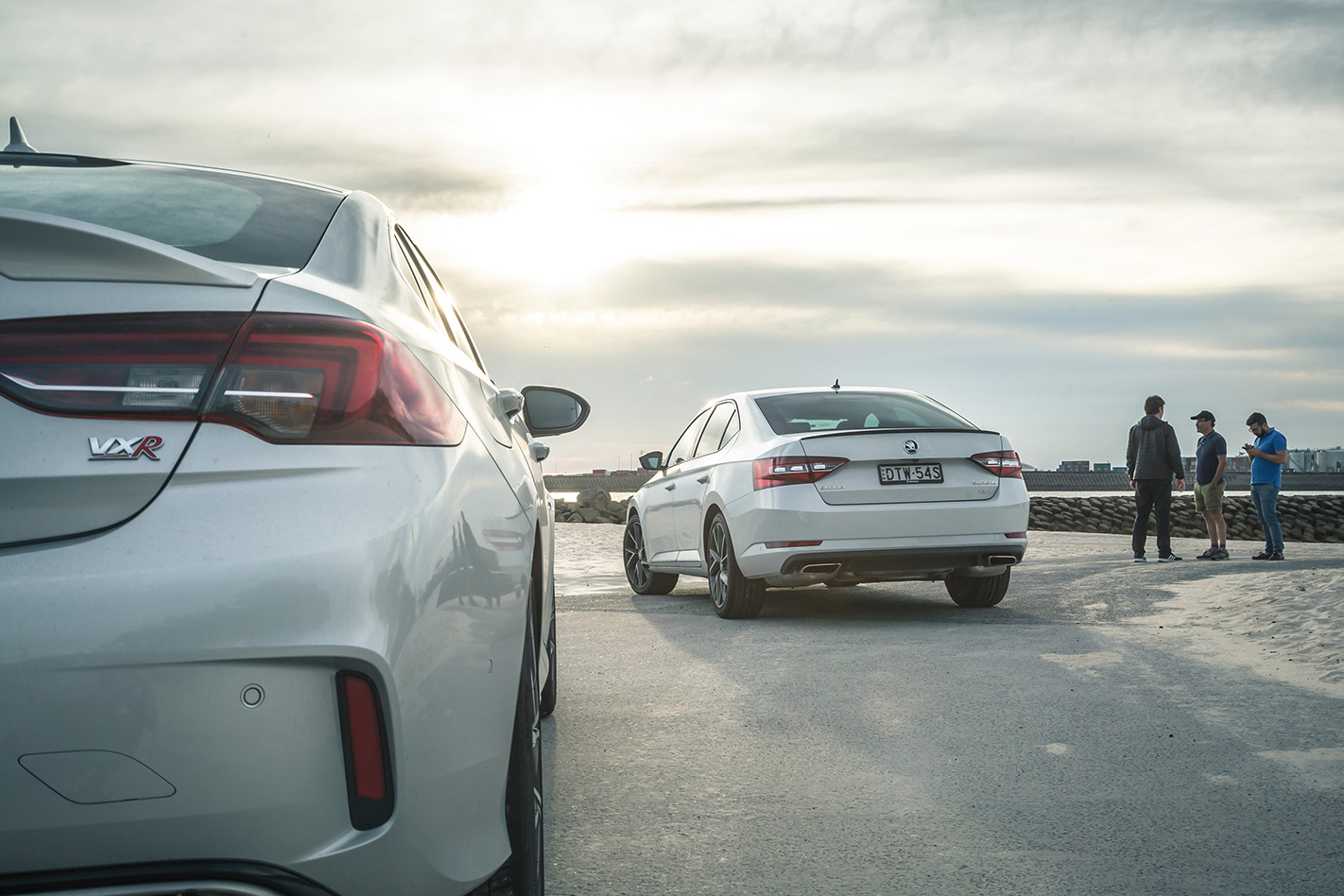
The most money also buys you the least ponies. With just 184kW under the bonnet from its turbocharged 2.0-litre Ingenium four, the Jag’s engine has that slight whiff of crippleware about it given that the ostensibly similar 30t version develops a rippling 221kW. With 137kg less than the Holden to haul and a mighty front end, Skoda’s all-wheel drive 206kW Superb might just have the cross-country chops to put some manners on the VXR. The twin-turbo Stinger is a known quantity and acts as the enthusiast’s benchmark in this class.
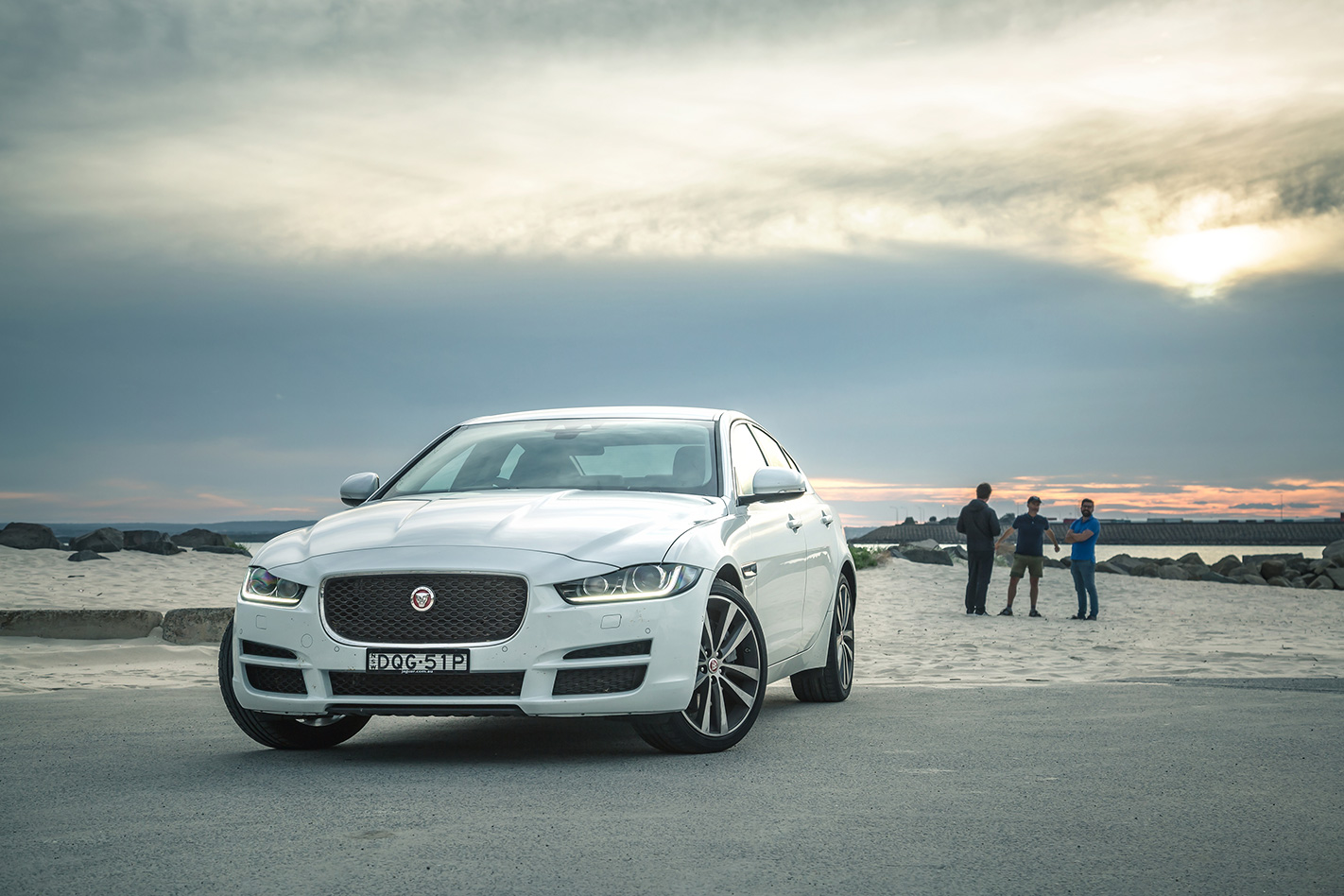
The thousand kilometre two-day drive route ought to answer that question. Day one sees us run from Sydney over the Blue Mountains and into a massive figure-eight pivoting around Bathurst. Dynamic assessments complete, the second day sees photography duties undertaken south of Sydney on the run down to Wollongong and back, giving us the opportunity to perform interior assessments.
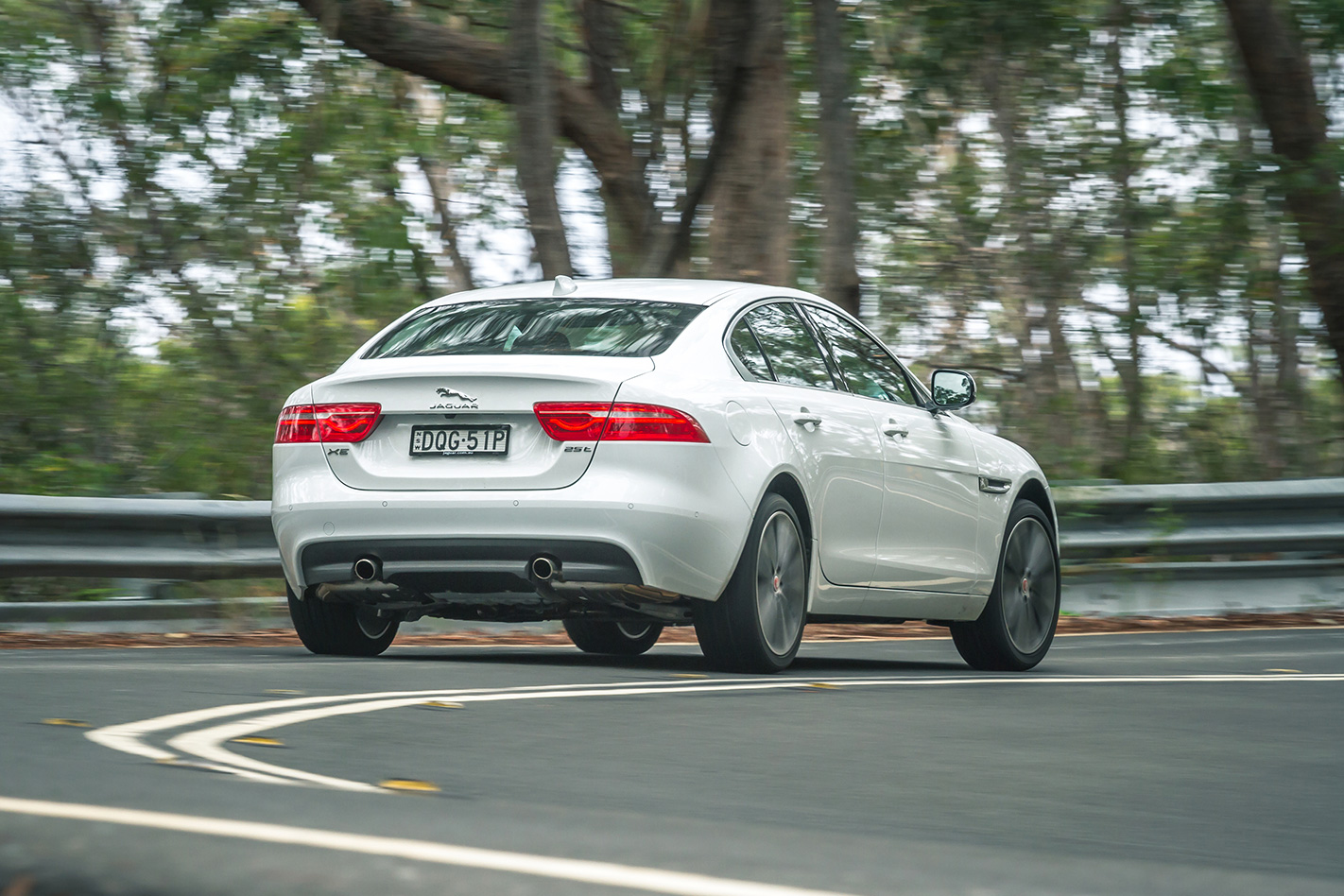
The Jaguar feels the Skoda’s polar opposite. Its chassis is clearly the fruit of engineers with a nuanced understanding of vehicle dynamics, its steering rich in feedback, its power delivery a case study in doing more with less. Even in this company, the engine feels sweet and fluid, this low-kay unit freeing up noticeably over the course of the test. Dynamically, it’s fairly easy to see where your additional outlay is going. It’s not perfect, though. The suspension feels impeccable under compression, but in rebound it can betray a lack of polish. Likewise the eight-speed ZF 8HP transmission – unusually for this ’box – can be caught on the hop with sharp throttle demands, sometimes finding itself behind the eight-ball and hurriedly making amends without its normal silky torque-converter slur.
The Stinger carries nothing in the way of historical baggage. For a clean sheet, first-crack design, it’s little short of amazing. The chassis is certainly not the last word in sophistication, being the only one of the quartet that possibly wants for something in terms of torsional rigidity, but the sheer muscularity of the 3.3-litre twin-turbo V6 buys it all sorts of credit and offers the keen driver all manner of options. The eight-speed transmission doesn’t have a whole lot of head-scratching to do to make the most of a torque ‘curve’ that’s pegged at 510Nm all the way from 1300 to 4500rpm. It’s effortlessly rapid almost everywhere, although it can feel a little unwieldy when the going gets really twisty, rapid progress being an exercise in managing oversteer.
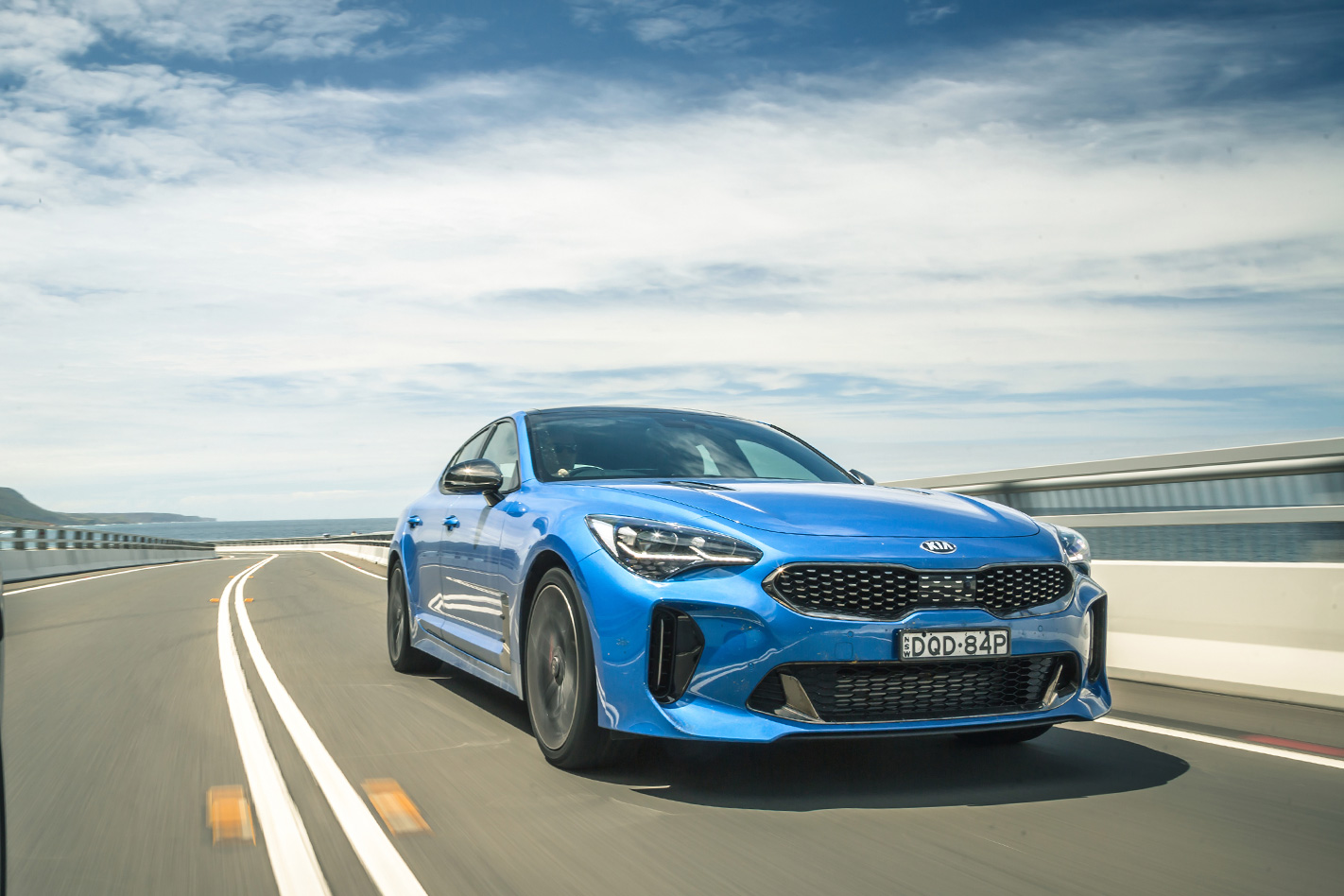
That might sound a fairly fundamental criticism, but giving the Stinger time to compose itself before any significant deviation from stasis is enough to provide some welcome reassurance. You let the car settle into a corner, and gradually feed throttle and steering.
Launch it into a change of direction with a big clog and an armful of steering and it can feel clumsy. Be a little more sympathetic with it and you can really work into a decent flow. For a car with variable-ratio electric steering, adaptive dampers, five drive modes and an eight-speed auto that can’t be locked into manual mode, the Stinger GT feels agreeably analogue.
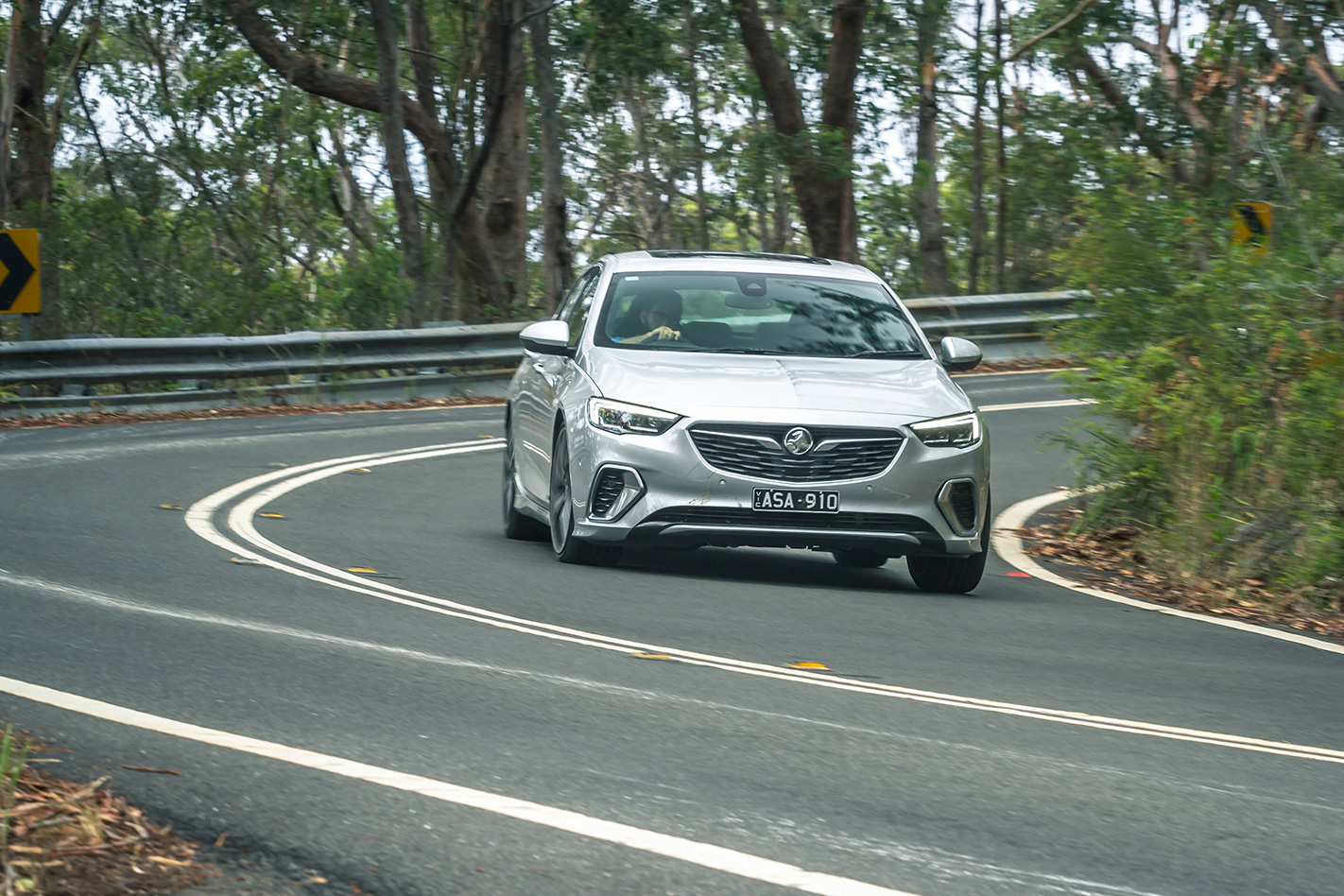
All too often, frustration then gets the better of you and you find yourself trying to shift a nine-speed ’box manually. That requires some mental adjustment, given this is a vehicle that’s revving at 3400rpm in order to maintain 100km/h in sixth whereas most cars are barely ticking over at that speed. The suspicion grows that Holden has pushed for this V6 because a Commodore range comprised entirely of four-cylinder engines would be even more unpalatable to a sceptical Australian public. Yet the torque-deficient V6 emerges as a less favourable option – from a driver’s perspective at least – than a decent turbo four; a true instance of needing to be careful what you wish for.
This fairly fundamental mismatch between engine and transmission mars what is otherwise a promising package. The spec sheet of the VXR knocks every other car here for six, making the Skoda look especially mean. Buy the Superb 206 TSI Sportline and you might well wonder what happened to niceties like a sunroof, heated rear seats and a head-up display that are standard fit on the Commodore, let alone the adaptive LED matrix headlights that do the same trick as top-line Mercedes-Benz and Audi units in keeping oncoming cars in a moving cone of dipped beam while retaining high-beam intensity elsewhere. The there’s the VXR’s Brembo brakes, 20-inch alloys, adaptive damping and premium Bose audio. Simply clever? The Skoda looks merely simple by comparison.
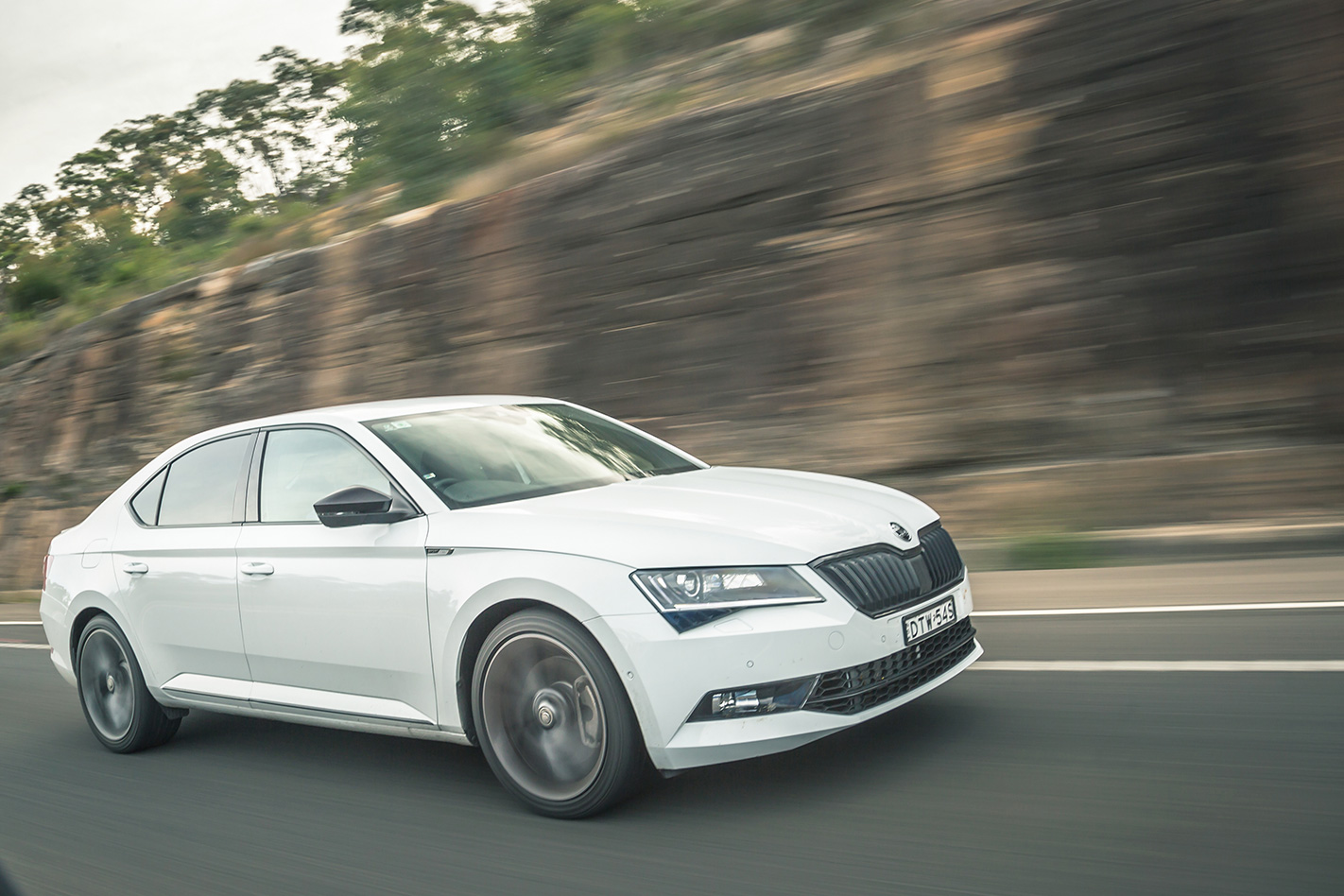
The Superb’s effortlessly intuitive infotainment installation knocks spots off Holden’s MyLink system, both visually and from a useability standpoint. Likewise, the rest of the Commodore’s cabin feels blue-collar made good. You don’t have to look hard to spot hard wearing, workmanlike materials. The front seats are a standout, though, with power side bolsters, a low hip point for an electrically adjustable chair, heating and cooling, as well as plenty of lateral support, albeit better at hip height than upper body. Surprisingly, the Commodore is the only one of the bunch without power assistance for the boot or tailgate, although it’s a $900 option on the Jaguar.
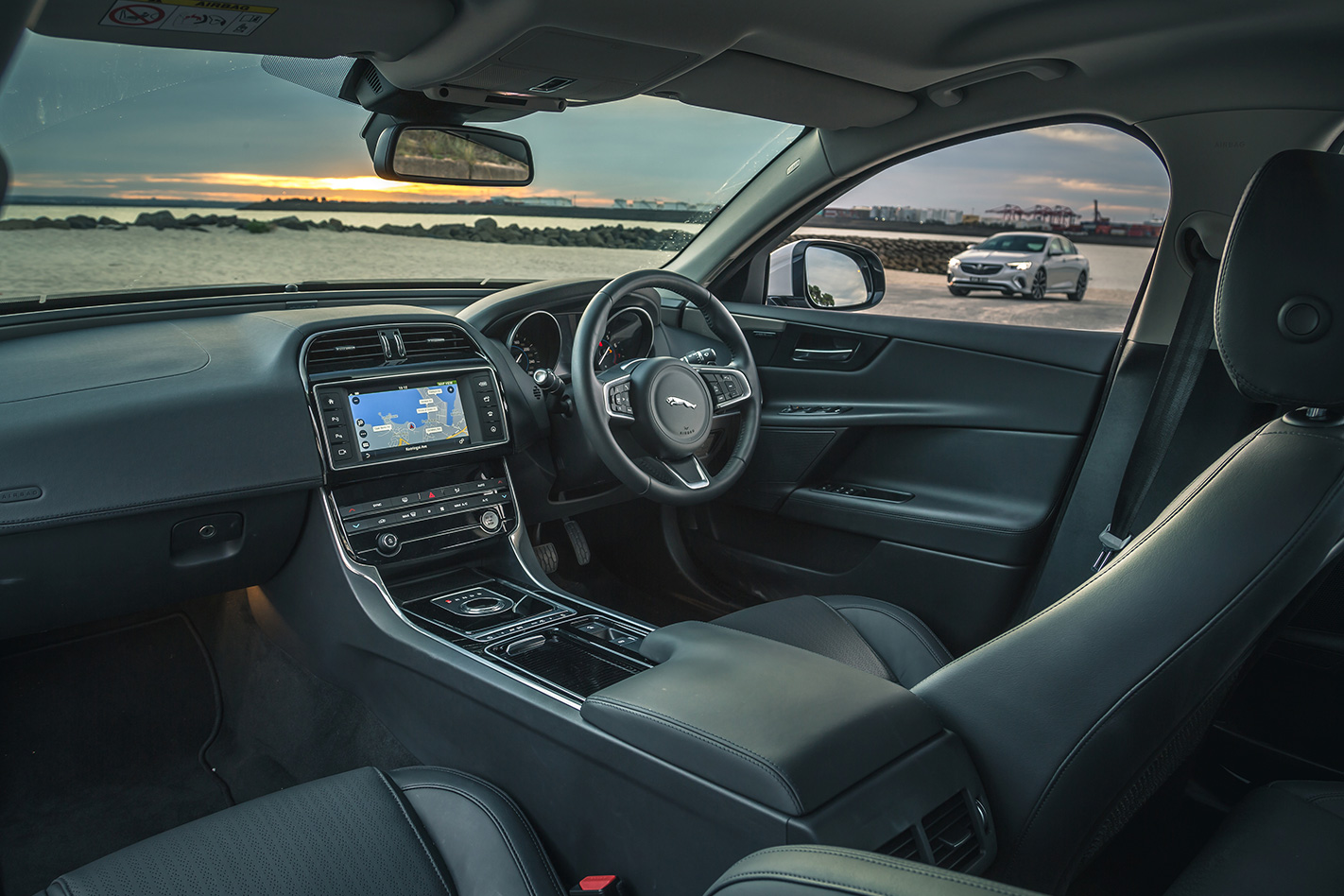
You expect the rear seat to be tight in the XE but it makes the most of available space, with cut-outs on the backs of the front seats and enough clearance to nestle your toes under the front chairs. The baby Jag is actually 6mm longer in wheelbase than the Commodore, but Holden has worked the ball of foot to front-wheel ratio rather cleverly, extending the passenger cell accordingly. Rear headroom in the Jaguar isn’t bad either, and the XE surprises again by being almost as wide as the Holden and Skoda, despite being the shortest of the bunch by over 100mm.
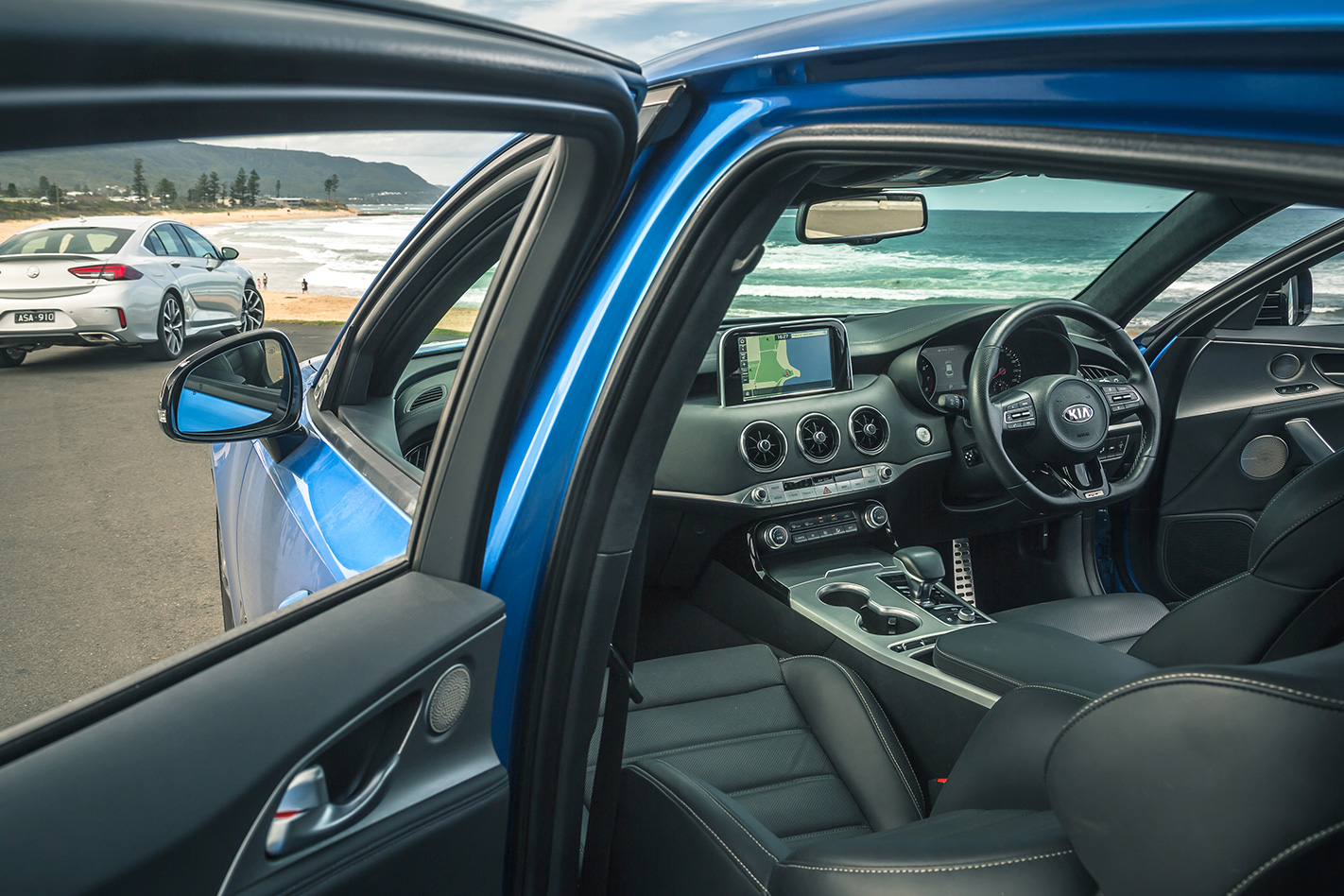
The Stinger is generously equipped too, to the extent that our test car didn’t have a single extra-cost option fitted to it. Our Micro Blue GT is exactly what you’d get if you walked into the dealer, handed over the minimum agreed amount and drove away. And, to be honest, you’re not left wanting.
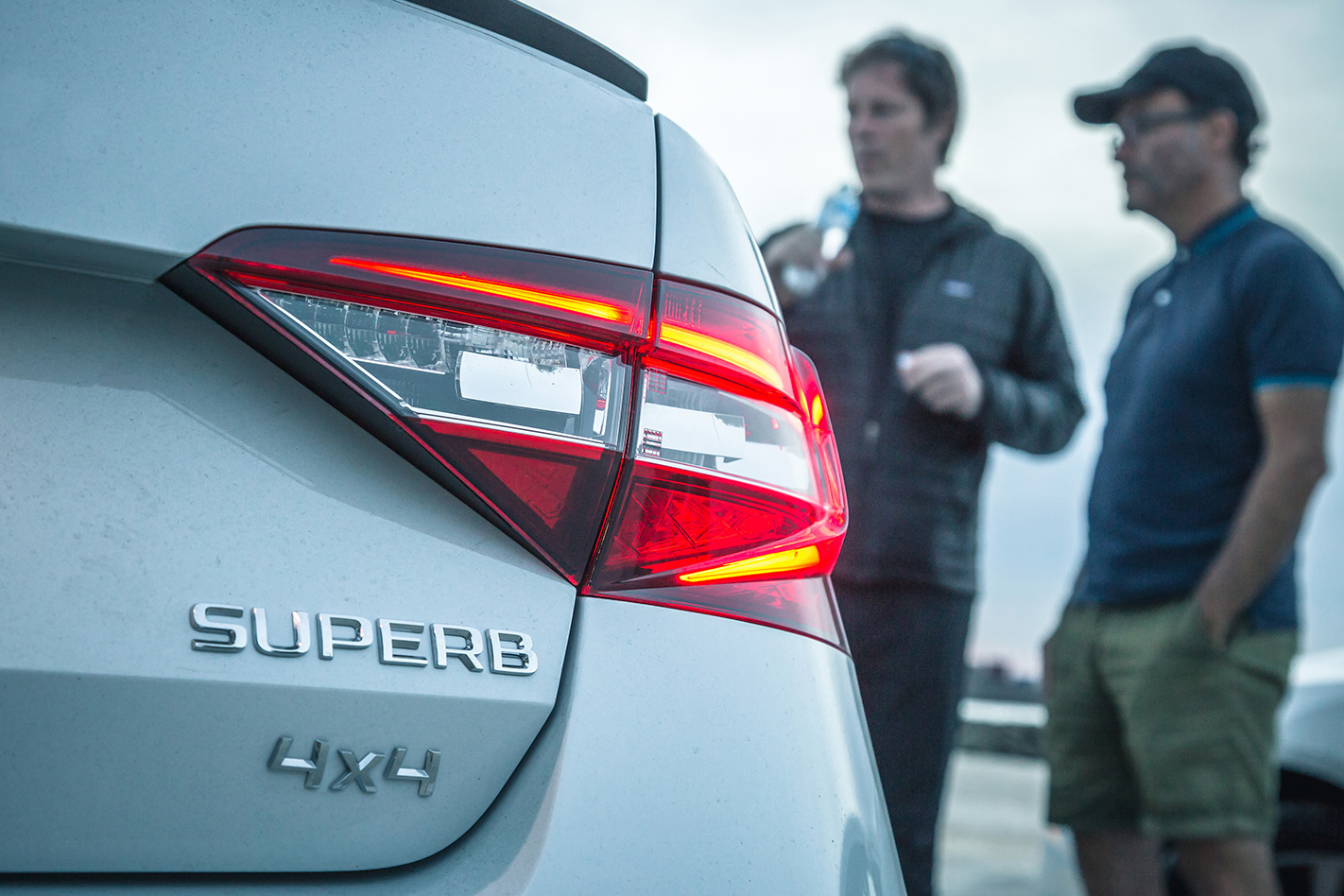
Arriving at a finishing order for these four isn’t easy, though deciding on the top two and bottom two didn’t tax us for too long. The Skoda washes up an honourable fourth. It’s a genuinely rapid vehicle on almost any road you could imagine but at this price point it’s just too sparsely equipped and anodyne. It never feels either convincingly sporty or particularly good fun, which condemns it to the wooden-spoon position in this quartet. It’s spacious and easy to live with, but saving $5K and landing the non-Sportline version would bolster the Superb 206 TSI 4×4’s Q-car credentials.
The Commodore VXR finishes third. Its gearbox and engine combination are a disappointment. Factor in fuel consumption that was markedly the worst on test, underwhelming exterior styling and a cabin that has a little too much of a toner cartridge sales rep feel about it and even its clever chassis tech, astonishing kit list and generous accommodation can’t salvage its chances. That said, we suspect that the VXR is a weak link in the current Commodore line-up. Would this position have changed with a 250kW torque-rich turbo four beneath the bonnet? In all likelihood, yes.
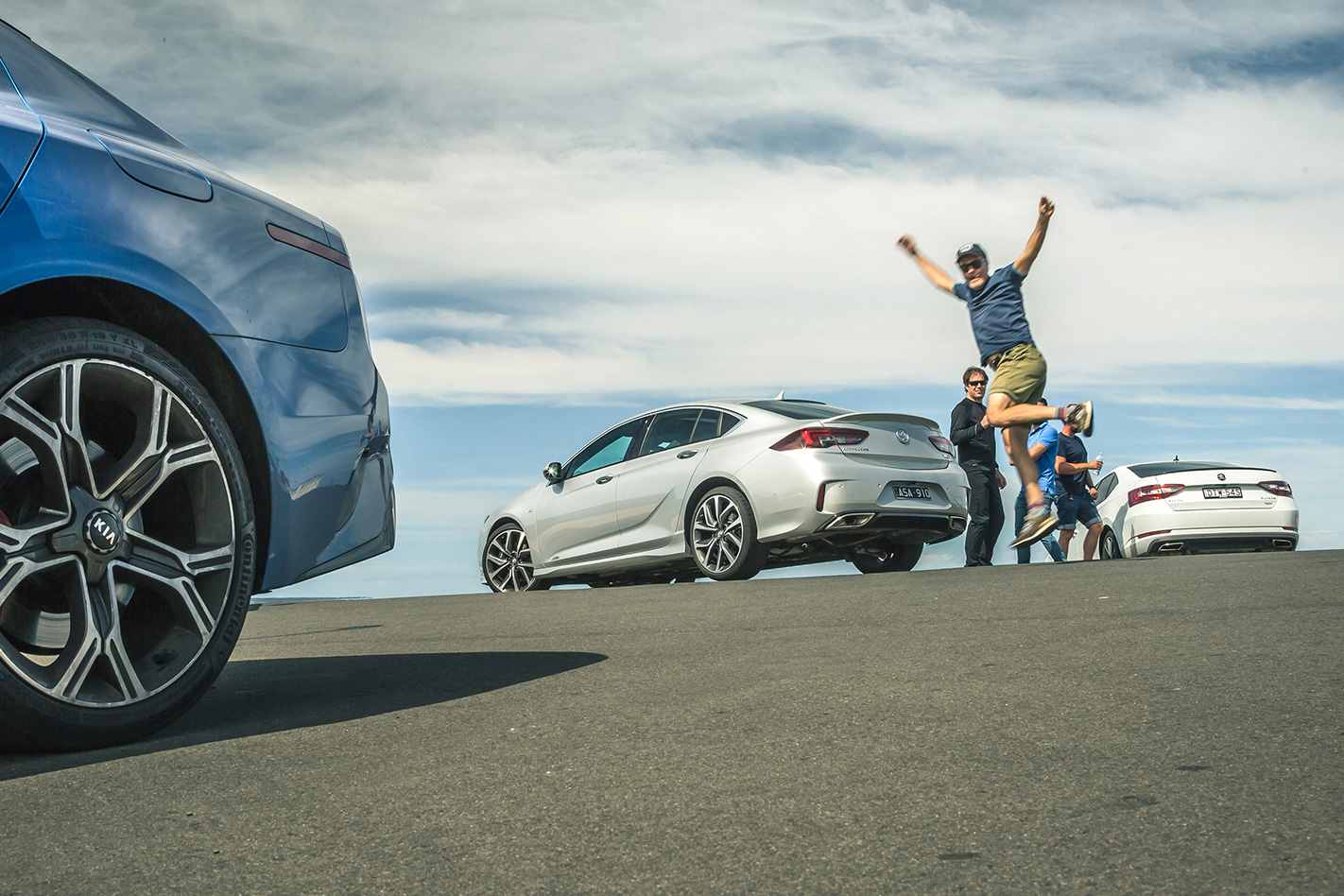
The big hitter of the group also has other qualities aside from its power advantage. Its seven-year warranty can’t be overlooked, and nor can the fact that to specify an XE to anywhere near the Kia’s level would probably see the final invoice running to six figures. So we’re going Stinger. And the Commodore VXR? It puts in a big effort and offers an interesting blend of talents but, in this company at least, feels unresolved in its execution. Nice try, but it’s a swing and a miss for us.
To ensure the longevity of the traditional Aussie V8 in an era of economic and fuel-price uncertainty, it was inevitable that Holden would need to take measures to counter the concerns of its V8-buying public.
This review was first published in MOTOR magazine’s February 2009 issue.
As a result, it has incorporated GM’s Displacement On Demand (DOD) version of the 6.0-litre V8 into the ’09-spec Commodore. AFM (or Active Fuel Management – the branding for the technology) is a running change for V8 automatic models only, and forms part of Holden’s Ecoline push that will include a range of alternative-fuel and fuel-saving technologies across its range.
AFM works by shutting down every second cylinder, according to firing order (1,4,6 and 7), during coasting or light-throttle cruising. The ECU measures engine load and, when it determines that all eight cylinders aren’t needed, it triggers solenoids in the cast-aluminium Lifter Oil Manifold Assembly (LOMA).
These hydraulically activate spring-loaded locking pins to disable the collapsible valve lifters over the deactivated cylinders, leaving both the intake and exhaust valves closed before the exhaust stroke begins – trapping the exhaust gas in the inoperative cylinder. The ECU also shuts down the fuel supply to the same four cylinders.
As the unreleased gas is compressed and expanded, it counters the compression and decompression required by the other cylinders, aiding the efficiency of the active cylinders.
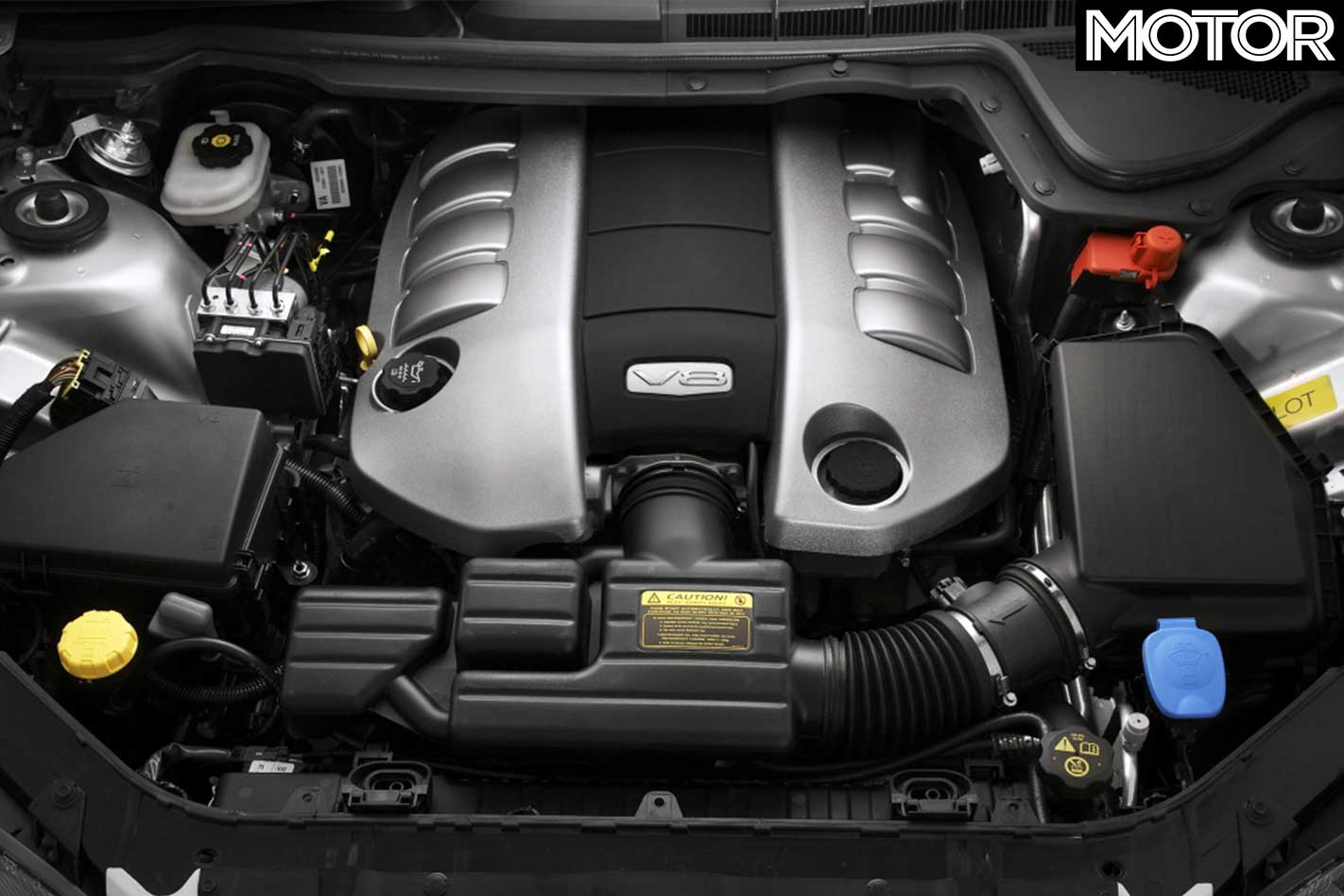
On the road, you barely recognise that the AFM-equipped V8 is any different to previous LS2s, apart from the trip computer’s ‘8cyl’ or ‘4cyl’ mode display. Holden says that all eight cylinders will re-engage from De-Ac mode within 250 milliseconds and, by my counting, I reckon that’s pretty accurate. It’s near-impossible to tell.
When you’re cruising in 4cyl-mode and go for the noise, the take-up is barely perceptible. We tried to trick it with various forms of skullduggery, but couldn’t fool the ECU into leaving us four cylinders short. Anywhere.
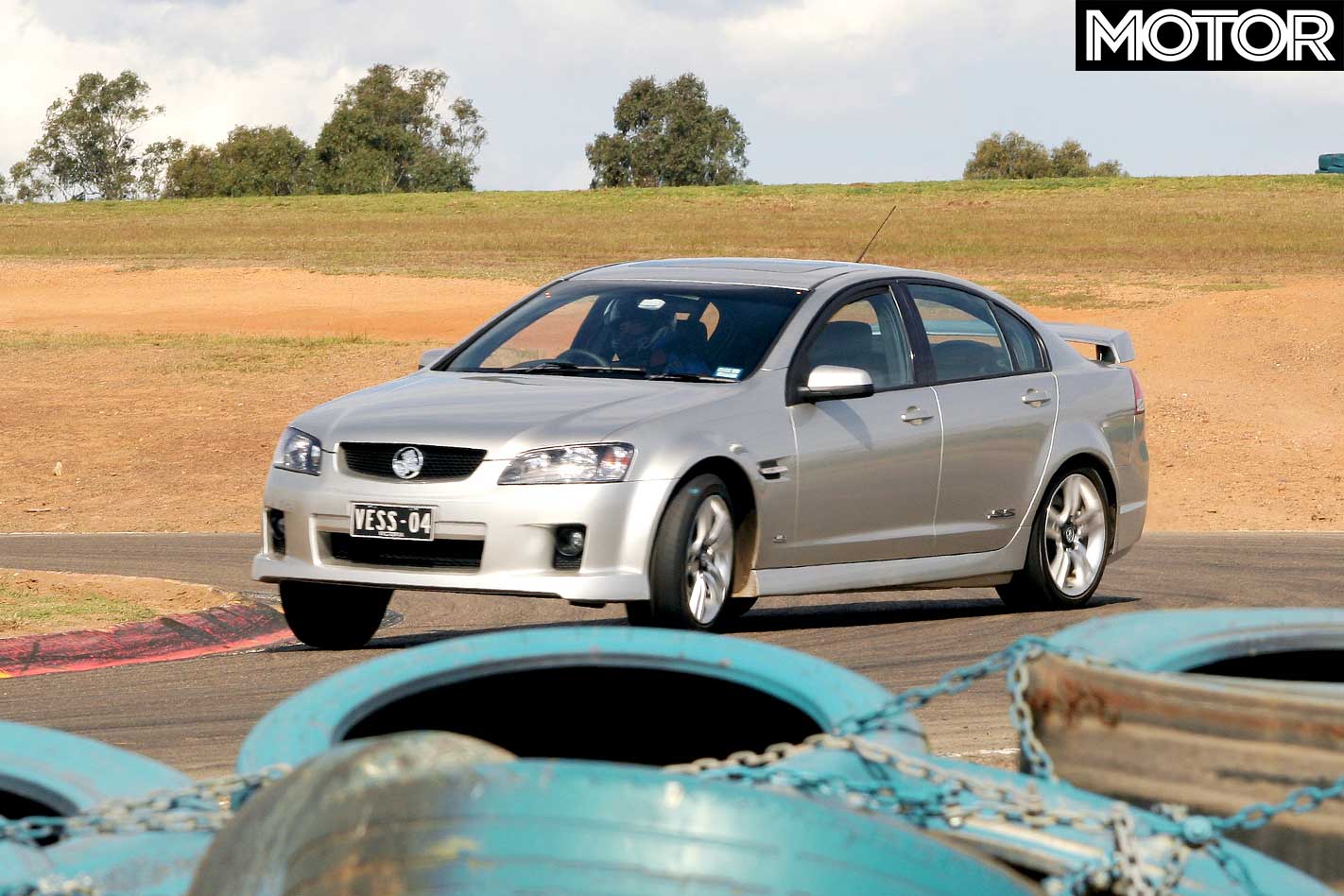
Don’t expect substantial gains if your daily commute involves lots of stop-start driving, however, because AFM plys you with all eight cylinders until you hit third gear. The system was designed to aid highway fuel consumption, nothing more.
But for it’s intended purpose, AFM hits the mark. The improvements in open-road efficiency don’t affect performance or driveability, and if this helps make owning a V8 justifiable, then great.
Fast Facts – 2009 Holden Commodore SS AFM
ENGINE: 5967cc V8, OHV, 16v POWER: 270kW @ 5700rpm TORQUE: 530Nm @ 4400rpm WEIGHT: 1790kg (approx) 0-100km/h: 5.5sec TOP SPEED: 250km/h (limited) PRICE: $47,290 (est)
LIKE: Fuel-saving benefits without losing V8 noise or performance DISLIKE: Display for ‘4cyl/8cyl mode’ buried in trip computer
THE Ford Ranger Raptor has hinted at the new suite of extra kit that is likely to flow into high-end versions of the trade ute from later this year.
Ford recently revealed the price and some of the features that will round out the range-topping Raptor ahead of its highly anticipated launch here in about September. The $74,990 off-road hardened Raptor trade ute will add features including keyless entry and start – with the key in your pocket you will be able to just walk up to it and open the door and then push a button to the side of the steering wheel to start the engine – and a power tailgate lock.

Other features also expected to trickle down from the Raptor to the high-end of the Ranger line-up, which include the XLT and Wildtrak variants, include Ford’s latest SYNC 3 multimedia interface accessed via an 8.0-inch touchscreen, standard satellite navigation system, and compatibility with both Android and Apple smartphones.
Ford is believed to be close to completing a minor US-inspired makeover of the Ranger – the car maker revealed earlier this year the Aussie designed and developed trade ute would be sold in North America – to coincide with the introduction of the range-topping Raptor.

Changes are expected to include a grille more aligned with the closely related Ford Everest five- and seven-seat SUV, a fresh-look bumper and tailgate, and potentially a partially opening rear window similar to the one offered in rivals including the Mitsubishi Triton.
The version of the Ranger on sale today is little changed from the one that launched here in 2011. But the upcoming update is expected to also pad out the safety suite offered in the Ranger, adding automatic emergency braking and a blind spot warning system to the active cruise control and pre-collision warning system.

The just-launched Mercedes-Benz X-Class is currently the only trade ute on sale in Australia to also feature automatic emergency braking.
High-end versions of the Ranger are expected to keep using the 3.2-litre five-cylinder engine that has powered the trade ute since its launch. It is also expected to keep the 2.2-litre four-cylinder turbodiesel engine. The Ranger Raptor will use a new twin-turbocharged 2.0-litre unit.
BMW flips the script with an all-wheel-drive mega sedan that reinvigorates the M5 brand.
WHAT IS IT?
This is BMW’s sixth-generation of M5, dubbed F90. It’s the follow up to 2011’s fast but uncharismatic F10 and it seeks to raise the bar for performance while reconnecting with the M5 legend.
WHY WE’RE TESTING IT
We previewed the F90 M5 in prototype form almost a year ago, and now the fully fledged car is on Aussie terra firma it’s time to reacquaint ourselves. There was a time when an M5 was the ultimate tool for moving five people and their luggage quickly and comfortably. Is it back on form?

Mercedes-AMG E63, Audi RS7 Sportback
THE WHEELS VERDICT
The F90 is a shot in the arm for the M5 legacy. It honours the legend and moves the marque forward in disruptively different, brutally fast fashion.
PLUS: Broad and brilliant skillset; duality of character; build quality MINUS: Rear-wheel-drive mode has purist appeal, but limited function; exhaust sound could be sweeter
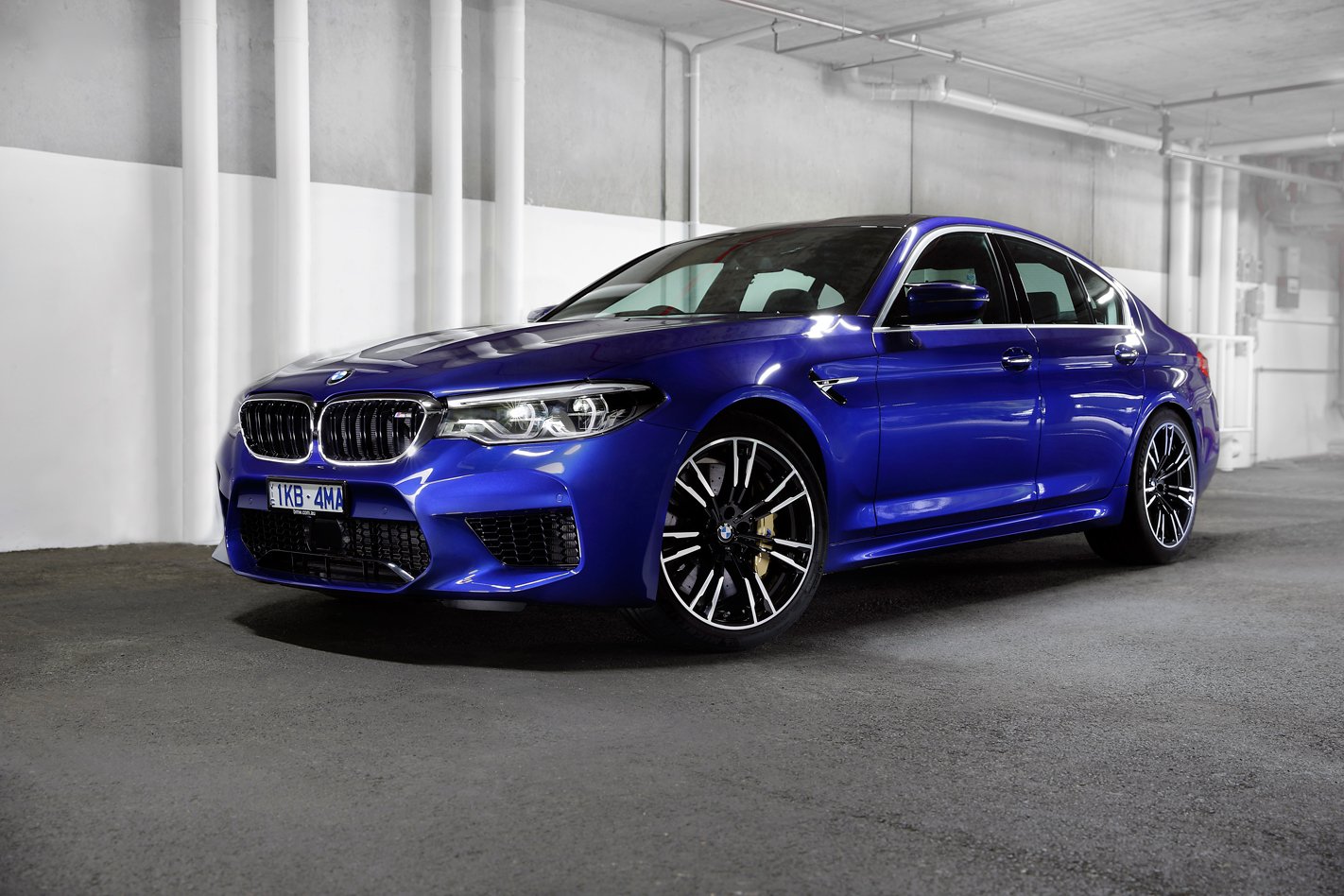
BRAND heritage is a fractious double-edged sword for car makers. It’s what emerging marques covet, established players safeguard and marketing types leverage, but for engineers and designers charged with vehicle development, heritage is a volatile thing to manage.
BMW M has brand cachet in ready supply. More than 45 years of motorsport success and an established back catalogue of intoxicating road cars have built a legendary reputation the business now trades on. Its vibrant history is part and parcel of the modern day M-car appeal, but some of the company’s recent product offerings have fallen short of the magic the M badge promises.
The last-gen F10 M5 is one car fitting of that description. It pushed performance boundaries with a savage twin-turbo V8, but was regarded as somewhat anodyne and lacking in vivacity. BMW M has since had success recapturing its spirit with the M2, and the all-new F90 M5 arrives at a time of renewed optimism in the minds of enthusiasts.
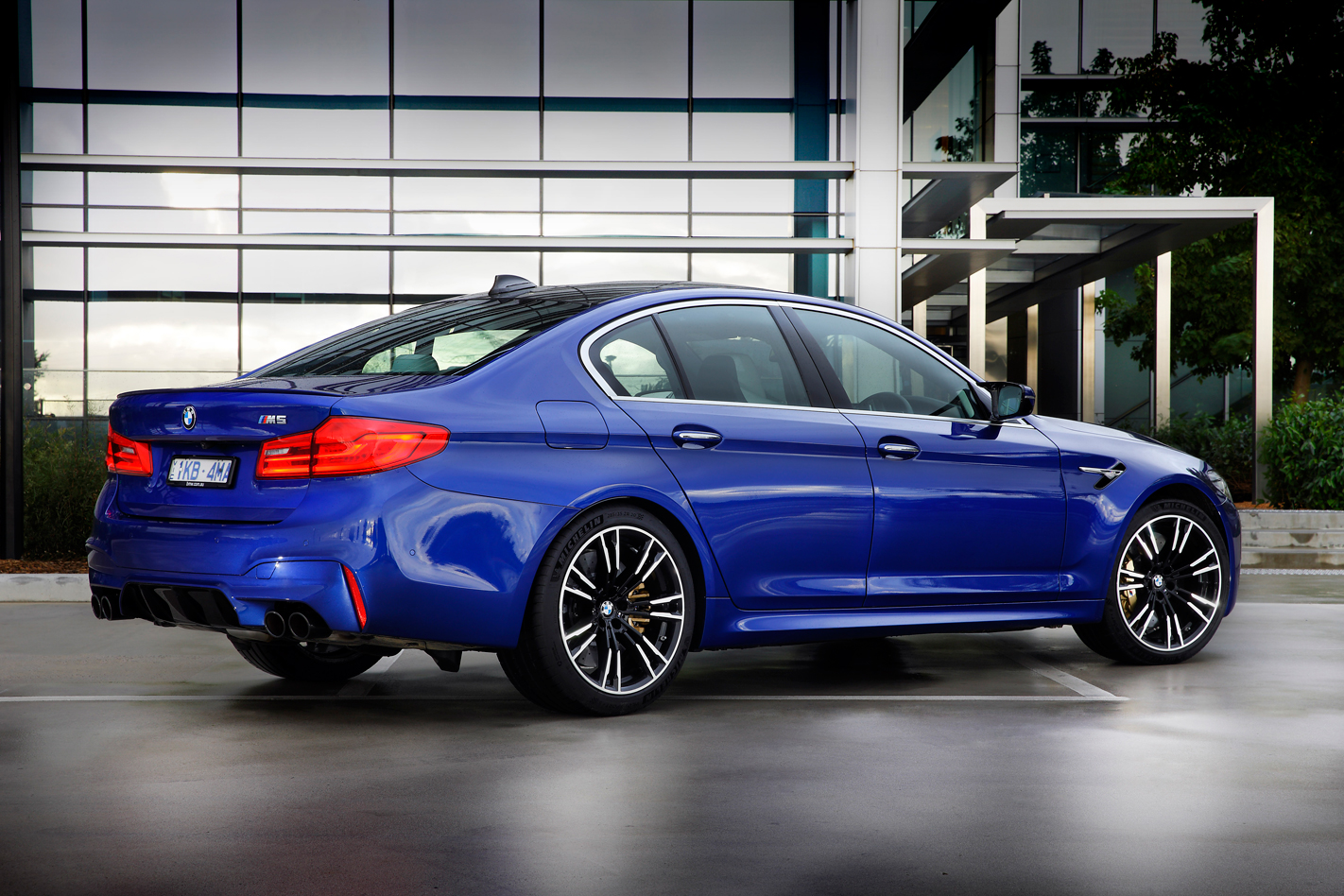
In pure numbers the F90 makes a statement of intent. Its revised 4.4-litre twin-turbo V8 produces a ballistic 441kW and 750Nm. Those outputs are up by 29kW and 70Nm over the F10 thanks to bigger turbochargers and a rev ceiling that’s been raised to 6700rpm.
Embracing M’s xDrive all-wheel-drive system that was first developed for M variants of the X5 and X6 slashes the M5’s 0-100km/h sprint by a significant 0.8sec compared to the F10. The F90 cracks triple digits in 3.4sec to equal AMG’s colossal E63 S, even with a 9kW/100Nm deficit.

Suspension componentry sheds 5.5kg and a carbonfibre roof saves 21kg compared to the optional tin-top and sunroof. Tick the box for carbon-ceramic brakes ($16,500 for front and rear) to shave another 23kg of unsprung mass, and gain track-ready stoppers and gold calipers.
A new bi-model performance exhaust is 5kg lighter, linked to a button on the centre console that’s switchable independent of drive mode. Open the channels and bury the throttle to prompt an aural offensive from the back-end that’s raucous enough outside the car to make bystanders flinch. It’s not an especially melodic sound, but it’s suitably theatrical.

The F90 by default runs in AWD with a near even torque split that prioritises traction, and it’s almost unflappable even when pressing on. A tap of the DSC button enables M Dynamic Mode, which shifts the M5’s all-wheel-drive underpinnings into 4WD Sport. This rear-biased calibration opens up the car’s dynamic flexibility without completely doing away with its electronic stability aids. It’s in this mode that the new M5 is at its most fun, allowing for throttle steering through tighter corners and rewarding a deft touch with tasty degrees of slip angle.
Where the M5’s AWD system differs from the related X5/X6 M’s is in its switchable rear-wheel-drive mode. An on-command RWD function sounds like the best of both worlds, and given a bottomless tyre budget and a racetrack it’s the ideal way to obliterate 285/35 Pirellis for a laugh, but its usefulness on-road is limited to the handiest of helmsmen and the very brave, as all stability assistance must be turned off to enable it.

BMW Australia has applied a Launch Edition moniker to the first 50 F90s sold in Oz, which start at $199,900 – more than $30K less than the old car. Standard equipment includes 20-inch alloy wheels, semi-autonomous driver assistance, adaptive LED headlights and Merino leather trim. Soft-close doors, massaging and ventilated seats, B&W audio and gesture control are among the optional extras.
Its beautifully trimmed and supportive front seats leave nothing to be desired, and though the techy cabin plays it safe from a design point of view, its build quality is outstanding. Dashes of luxe touches like illuminated M5 insignias on the headrests and door sills, M-coloured stripes on the seatbelts and stitching on the steering wheel, and an enormous head-up display elevate the cabin experience above a regular 5 Series.

There are layers to the M5 experience that will take time to fully appreciate. Its execution is meticulous and considerate, with a focus on function that has been a hallmark of BMW M since 1972. The F90 M5 carries a weight of expectation, and it doesn’t disappoint.
SPECS
Model: 2018 BMW M5 Engine: 4395cc V8 (90°), dohc, 32v, twin-turbo Max power: 441kW @ 5600-6700rpm Max torque: 750Nm @ 1800-5600rpm Transmission: 8-speed automatic Weight: 1855kg 0-100km/h: 3.4sec (claimed) Economy: 10.5L/100km Price: $199,900 On sale: Now
TELL ME ABOUT THIS CAR
The sixth-generation Volkswagen Polo arrived in Australia in March and retains its sharp entry-level pricing while adding new standard features including automatic emergency braking, an 8.0-inch infotainment screen, and a choice of gutsy 1.0-litre three-cylinder turbocharged petrol engines.
It’s also a lot bigger than the model it replaces, with plenty of leg and shoulder room and relatively large boot space.
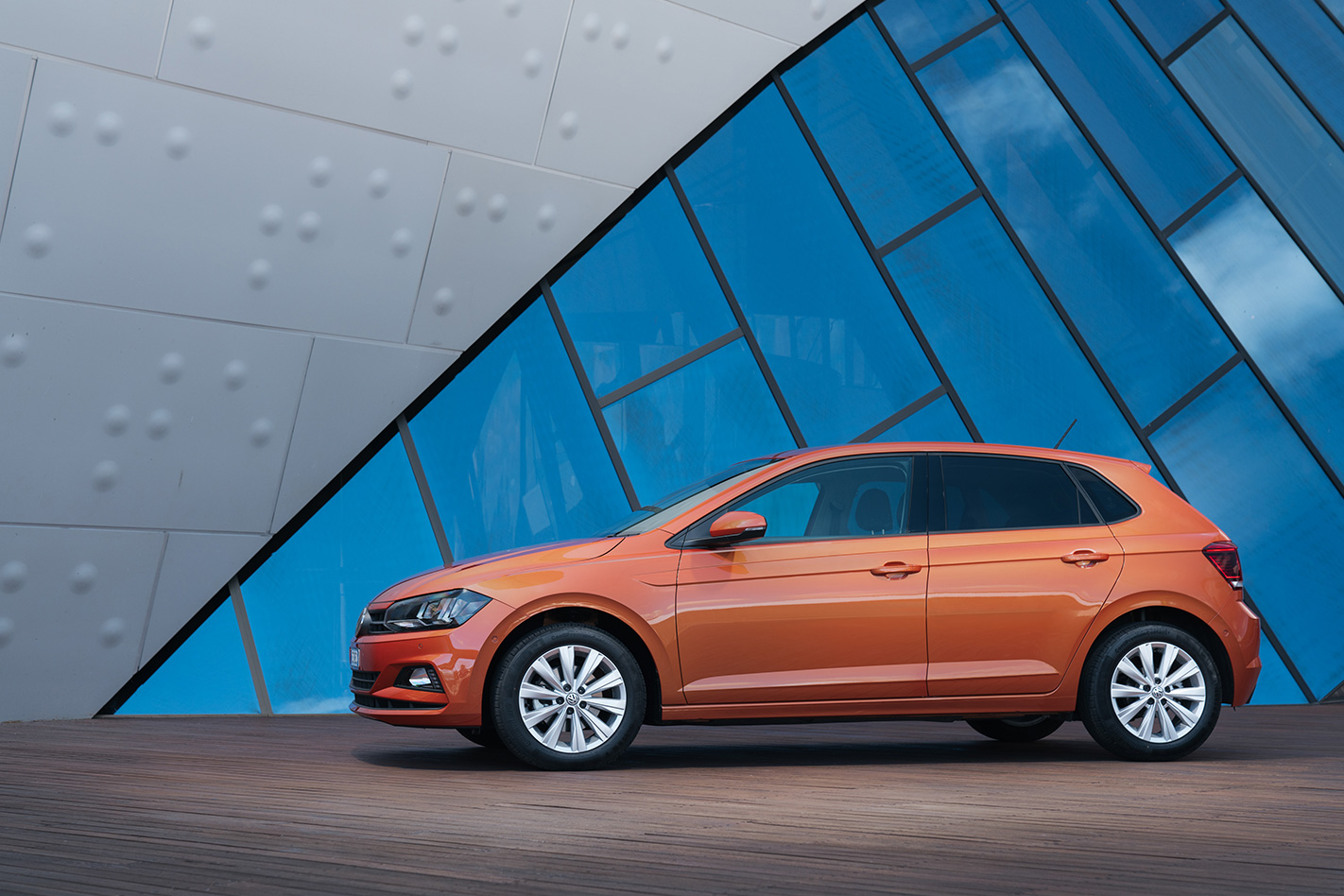
The Polo currently comes in two specifications – the 75TSI Trendline, and slightly pricier 85TSI Comfortline – that will soon be joined by an all-new Polo GTI.
The 85TSI has a gutsier 85kW version of the three-cylinder engine that’s a little more powerful than the 1.2-litre four-cylinder turbo of the previous model. It’s available with a six-speed manual or seven-speed dual clutch automatic and is priced from $19,490.
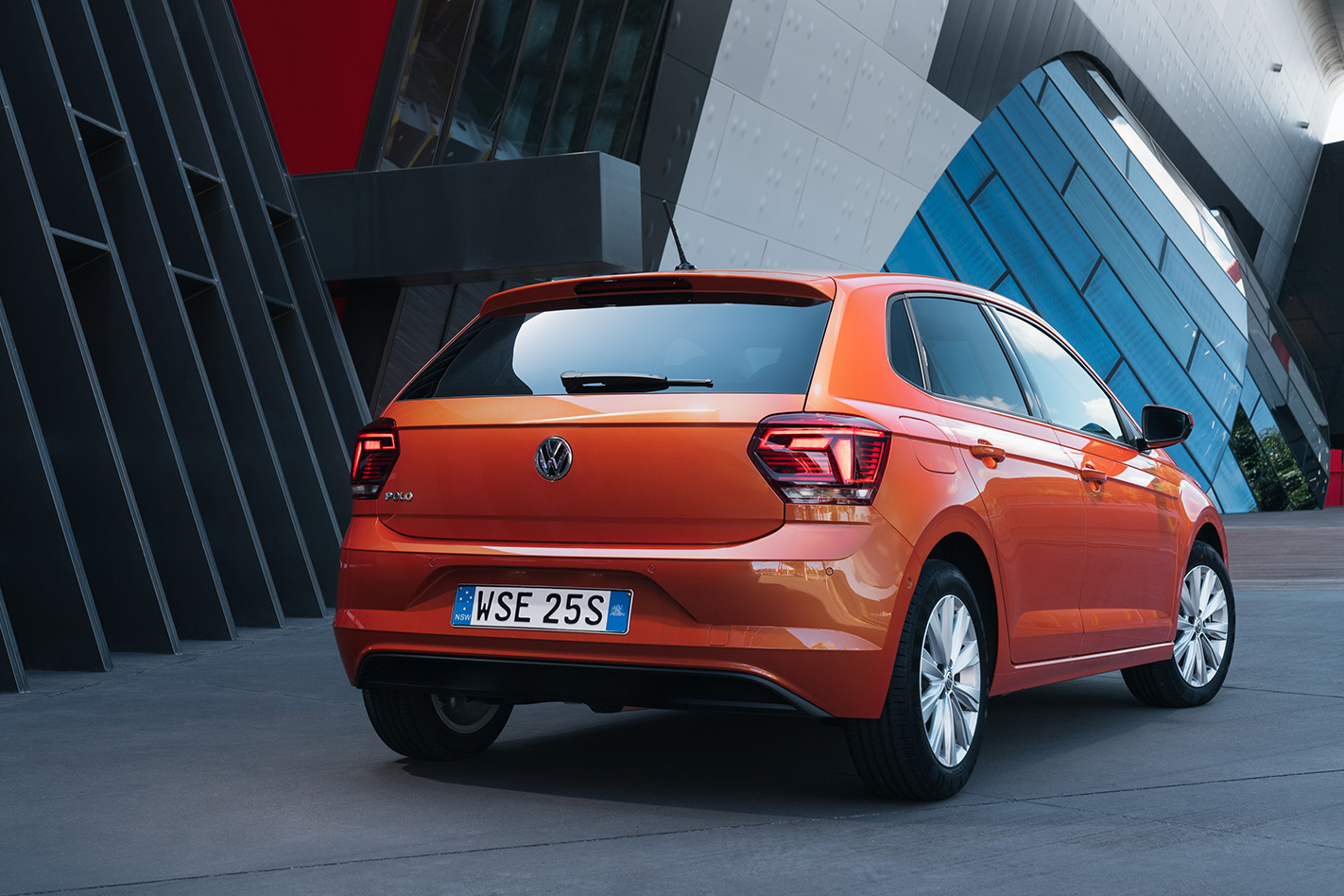
Options include premium paint ($500) and a $1400 Driver Assistance package that adds adaptive cruise control, blind-spot monitoring, rear cross-traffic alert and power folding mirrors. It also brings a proactive occupant protection system, which senses if the car is about to be rear-ended and flashes the hazards, closes the windows and sunroof and pretensions the seatbelts.
STRENGTHS
- The sixth-generation Polo has an all-round competence that see it retains the marque’s status as the light hatch segment benchmark.
- It’s big for a light car, even bigger in fact than the Mk 4 Volkswagen Golf of 20 years ago. The wheelbase is 92mm longer than the previous model, which opens up plenty of rear-set legroom. It’s wider, too and easily seats four adults in comfort.
- It has a 351-litre boot which is big for a car in its class, and rivals bigger hatches such as Mazda 3 and Ford Focus.
- The interior and dashboard design are uncluttered and have a premium feel.
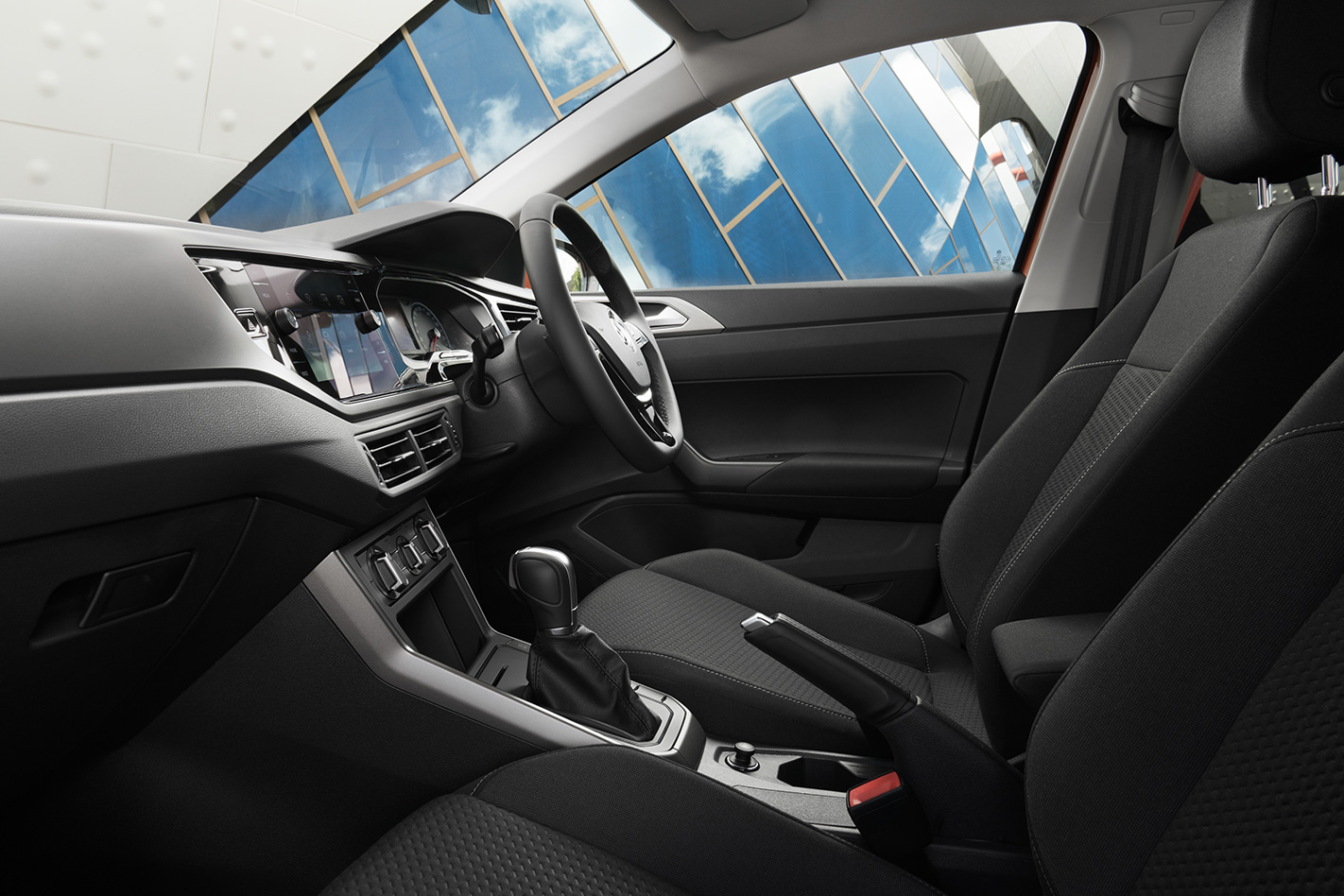
- The front seats are adjustable and can drop down nice and low for a sportier driving position, which is unusual in the light car segment where seats often resemble bar stools.
- The infotainment has been upgraded to include a big 8.0-inch screen and support for Apple CarPlay and Android Auto.
- Automatic emergency braking is standard across the Polo range, while the Comfortline gains automatic dusk-sensing headlights, rain-sensing windscreen wipers, and an auto-dimming rear-view mirror.
- The new Polo is a delight to drive. The 1.0-litre turbo engine has one cylinder less than the 1.2-litre turbo it replaces, but generates a little more power and torque, which makes for a zippy drive.
- The seven-speed dual-clutch automatic selects gears intuitively so you’re never wanting for power when driving through bends or when having to slow and regain speed on the freeway. It also does a good job at slow speeds, which isn’t always the case with such gearboxes.
- Performance is backed up by excellent ride and confidence-inspiring handling, even over bumpy roads that would make life unpleasant in some of its light hatch rivals.
- The steering has a well-oiled, premium feel.
WEAKNESSES
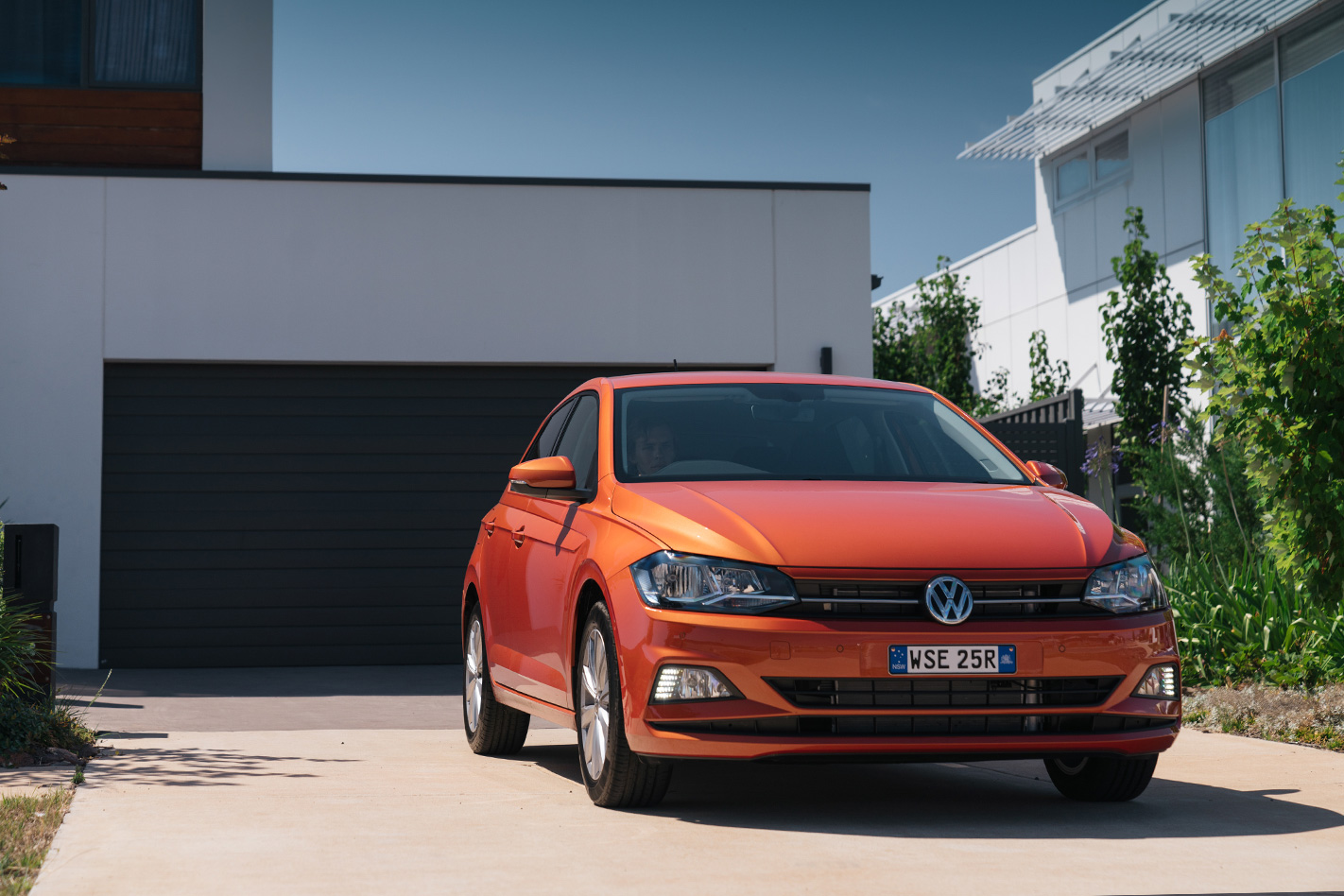
- The new design is polished, but somehow lacks the youthful charm and attractiveness of the previous Polo models.
- The premium-looking cabin is undermined by the omission of push-button start and climate control air-conditioning, even as optional extras.
- It’s a lot more like the Golf, to the point where it can now be compared as a rival to the bigger hatch that doesn’t cost a lot more. Conversely, any Golf buyers looking to save some money might now be attracted to the Polo.
There’s no shortage of decent light hatchback options on the market, but then there are others that fall well short of the Polo’s league. Models that do give it a run for its money include the new Citroen C3, Mazda 2 GT, Skoda Fabia Monte Carlo and the Suzuki Swift GLX Turbo.
AUDI’S fifth-generation A6 Avant has broken cover, revealing an all-new large wagon that wears the updated design of the A6 sedan from the Geneva show this year, but with the benefit of an elegant boot-boosting wagon treatment.
Like its sedan equivalent, the A6 Avant gains a new range of drivelines including engines that feature a mild hybrid energy recovery system, which regenerates electricity and stores it in a separate 48-volt battery.
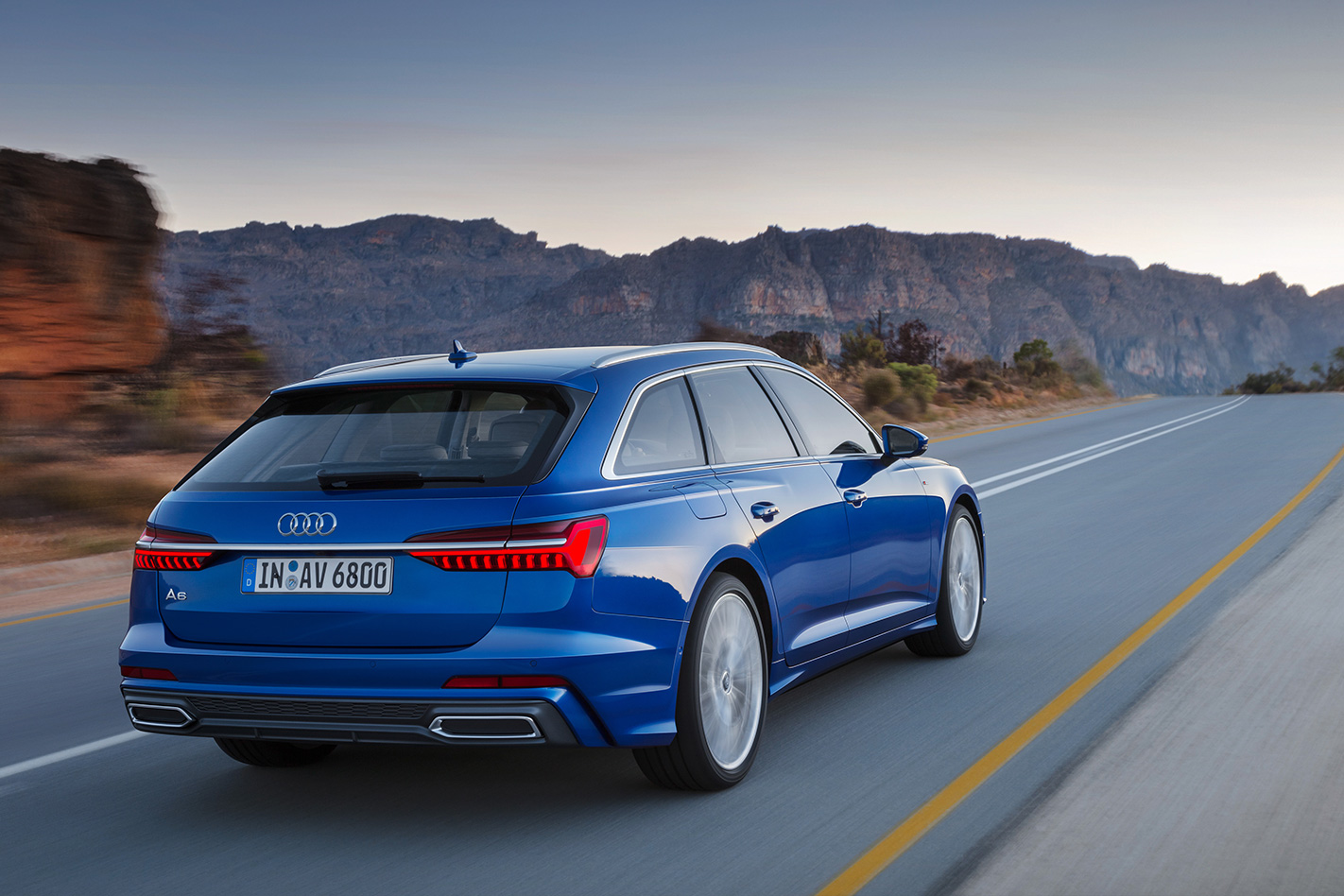
Customers in Australia wanting a wagon version of the A6 are currently limited to the all-terrain All Road and the manic RS6, and Audi Australia is still evaluating the potential for the new Avant in local showrooms.
Given the popularity of the fourth-generation RS6 in Australia’s power-hungry market, the fire-breathing version of the new A6 Avant would be the most likely candidate for sale locally, although that car is yet to be revealed or officially confirmed by Audi as part of the fifth-generation.
The company may also introduce an S6 Avant version positioned between the more affordable A6 variants and the highly-strung flagship, as it has with the A4, S4 and RS4 Avants.
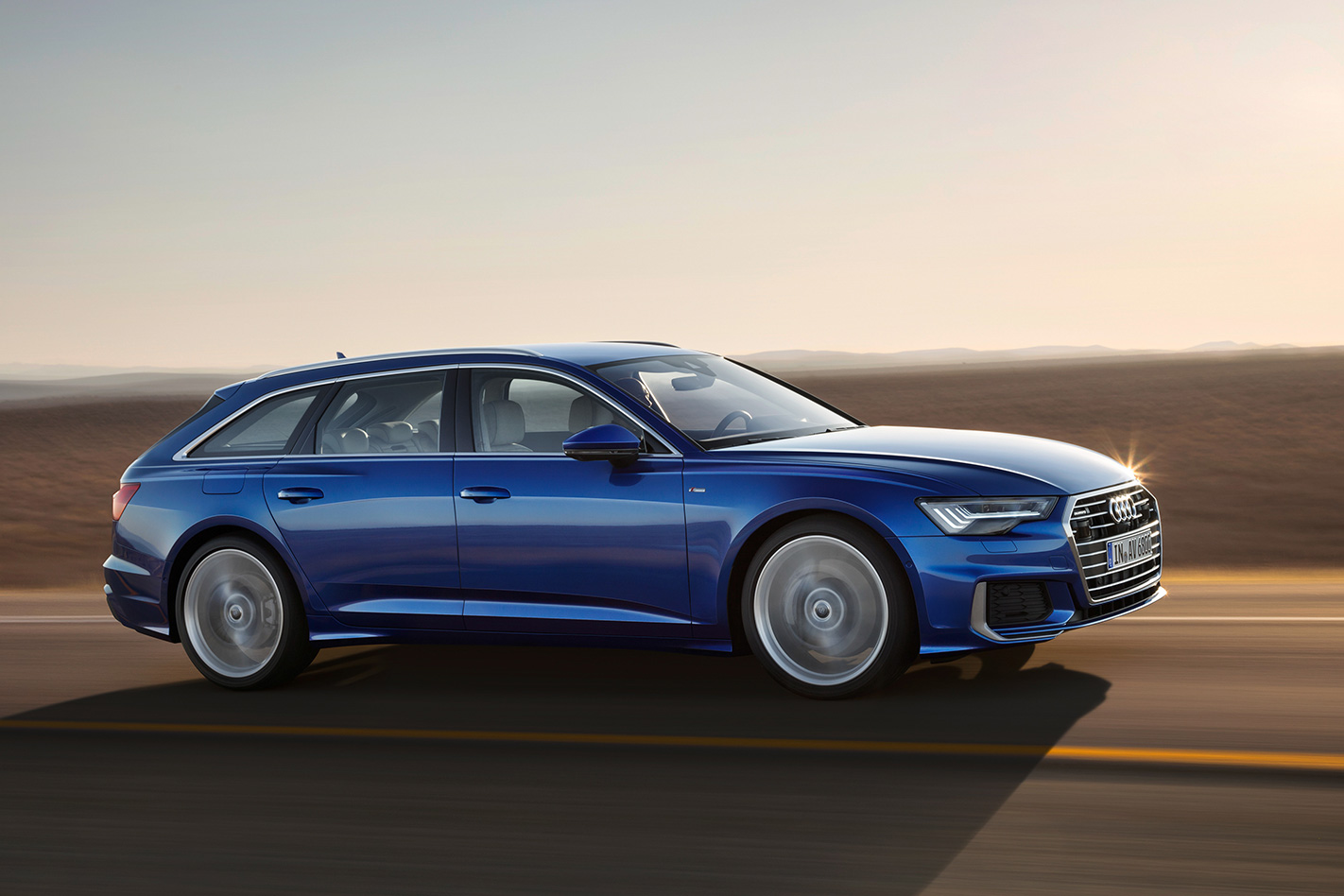
Compared with its closest rivals the Audi offers the smallest boot capacity up against the Mercedes-Benz E-Class All Terrain (1820/640) and the BMW 5 Series Touring (1700/570), although Audi claims its wagon offers the most elbow and knee room in the segment for rear seat passengers.
The Avant also offers a loading width of 1050mm, which should make the Ikea carpark struggle a little easier, while the passenger compartment space has increased over the outgoing model.
Other significant upgrades over the fourth-gen A6 Avant include a suspension and chassis set up that offers a broader spread of ride and handling options from the sportier end of the spectrum to more comfortable settings.
Adding to the mix, are optional four-wheel steering for increased manoeuvrability and stability, while optional air suspension replaces steel springs for a more cosseting ride. A sport suspension package is also available.
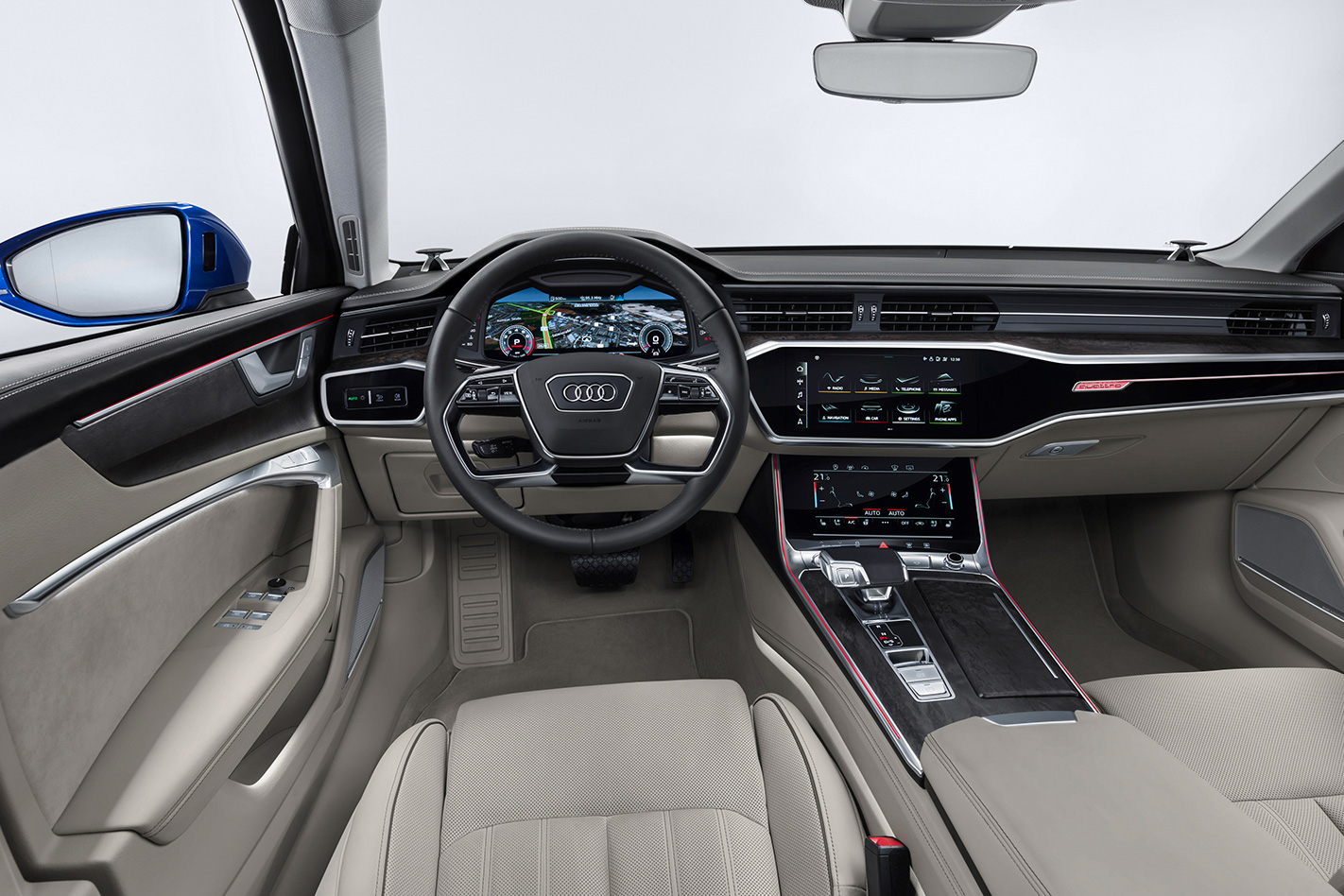
Audi’s typically sharp interior design completes the A6 Avant with the latest version of the company’s MMI touch response operating system tying all information and entertainment systems together.
The 10.1-inch central screen provides access to the systems, complemented by a second 8.6-inch screen for climate control if the MMI navigation plus is optioned, and the 12.3-inch Virtual Cockpit digital instrument cluster, which is standard.
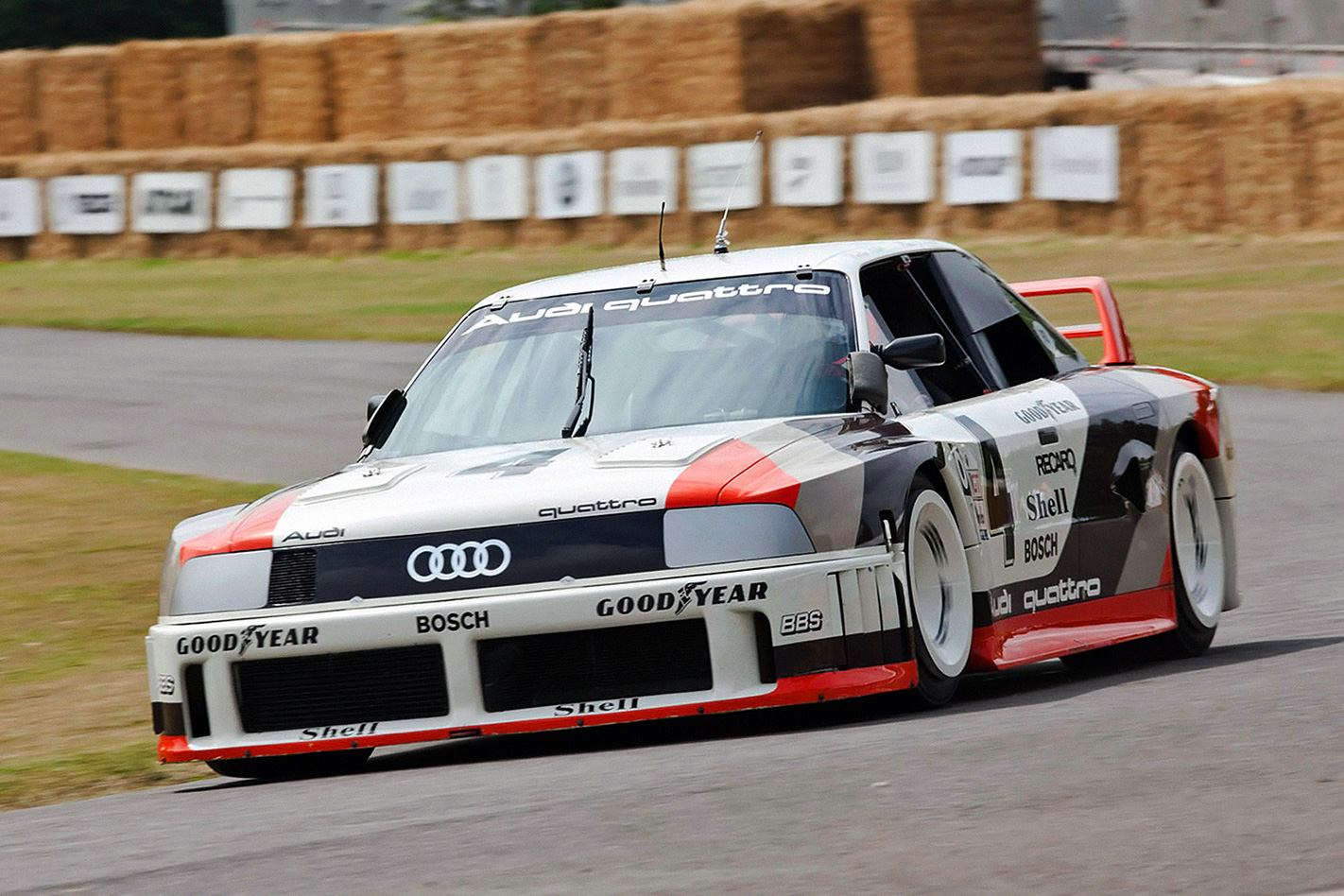
Inspired in some aspects by the Audi 90 IMSO GTO, the e-tron Vision Gran Turismo was originally designed to exist only in the virtual world of online racing.
But Audi changed that when it decided to build its Gran Turismo concept car for use as a race taxi in Formula E.
Starting at the upcoming race in Rome on April 14, Audi’s gusest at the event will be be driven around the circuit in the electric one-of-one e-tron Vision Gran Turismo.
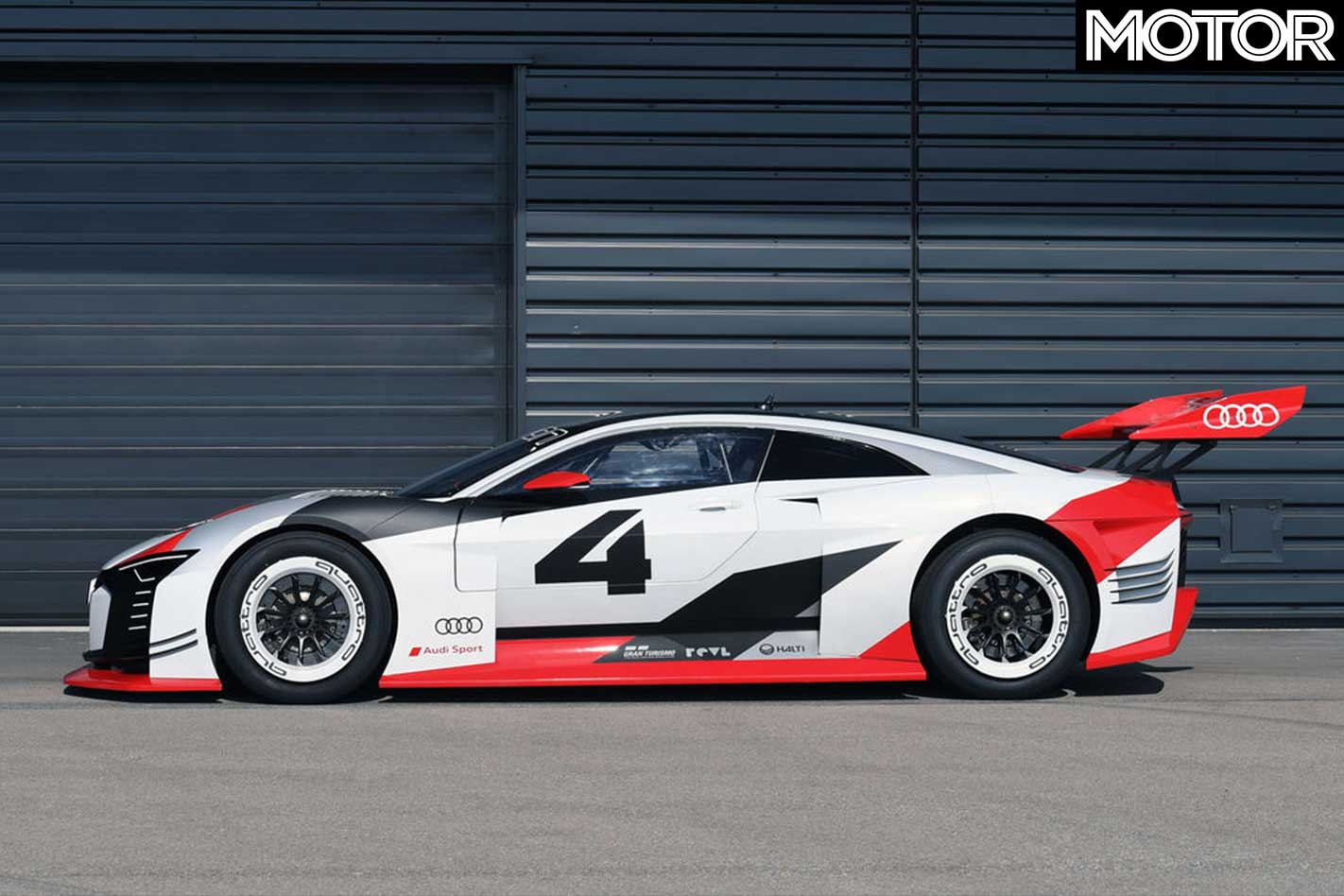
The 600kW racer weighs only 1450kg, has a 50:50 weight distribution, and can hit 100km/h in less than 2.5 seconds.
Audi’s chief designer Marc Lichte says it’s a car he’s particularly proud of.
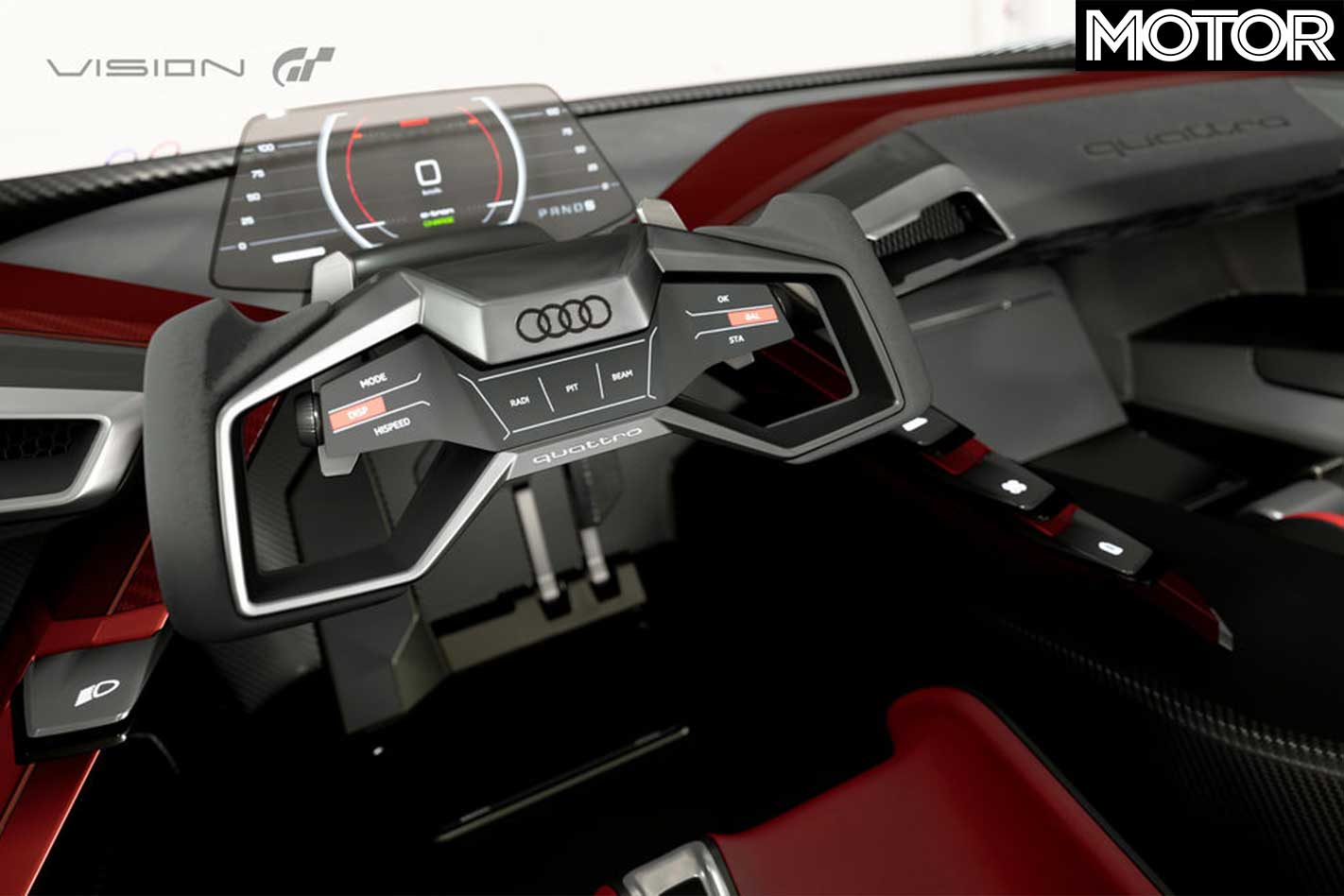
“Our aim was a fully functional car. The Audi e-tron Vision Gran Turismo shows that electric mobility at Audi is very emotive.
“This car incorporates numerous elements of our new design language such as the inverted single frame in the vehicle’s color that will be typical for our new e-tron models.”
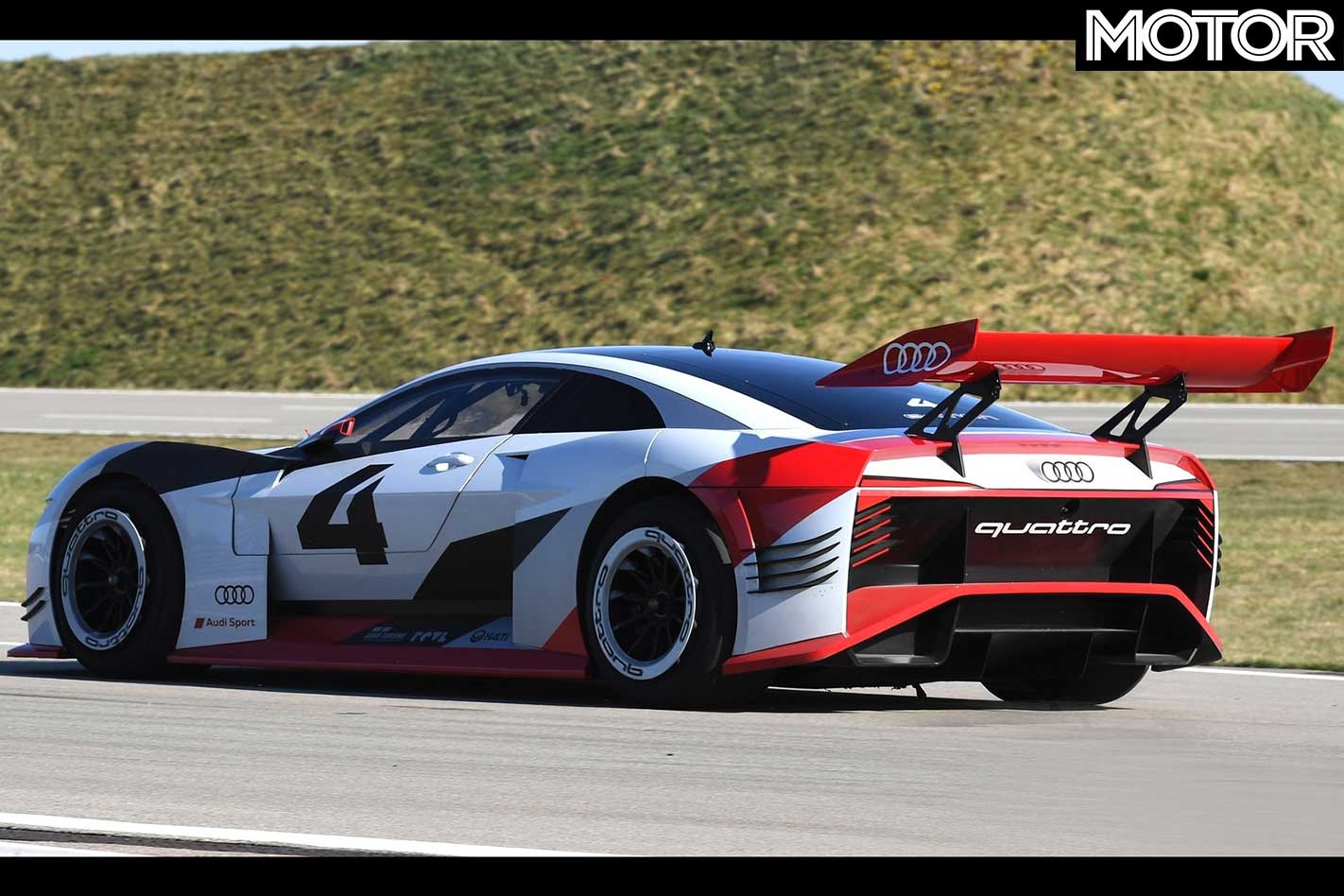
Gamers keen on the e-tron Vision Gran Turismo can drive it themselves in Gran Turismo Sport.
While they’re globally famous for their automotive show on YouTube, the boys behind Mighty Car Mods have gone in a wildly different direction for their latest extra-curricular activity.
Although Blair “Moog” Joscelyne and Marty Mulholland are famous for their car-related shenanigans (including painting a car with beer and using avocado to clean their headlights) in their tenth year of MCM they are opening a restaurant at 125 Enmore Road, Enmore, in Sydney’s inner-west.
Opening in late April, the restaurant will be called Wish Bone (like the suspension, get it?) and it is in partnership with famed Sydney chef Gregory Llewellyn, who is the culinary genius behind Hartsyard.

“Back in 2016 we started making a cooking video series with Gregory as host, and with us behind the scenes,” explains Moog.
“Somehow this crazy idea came up that we could join forces and open a restaurant, and that’s pretty much how we roll. We decided to do it, and the result is Wish Bone.”

“While it isn’t an automotive themed restaurant keen-eyed MCM fans will pick the manga bombing, neon Chopped fingers, tow hooks and actual wishbone suspension holding the tables up, so they’ll know that they’re in the right place.
“There will be a great selection of local beers and you can eat in, or take away, with the efficiency of a Japanese noodle shop.
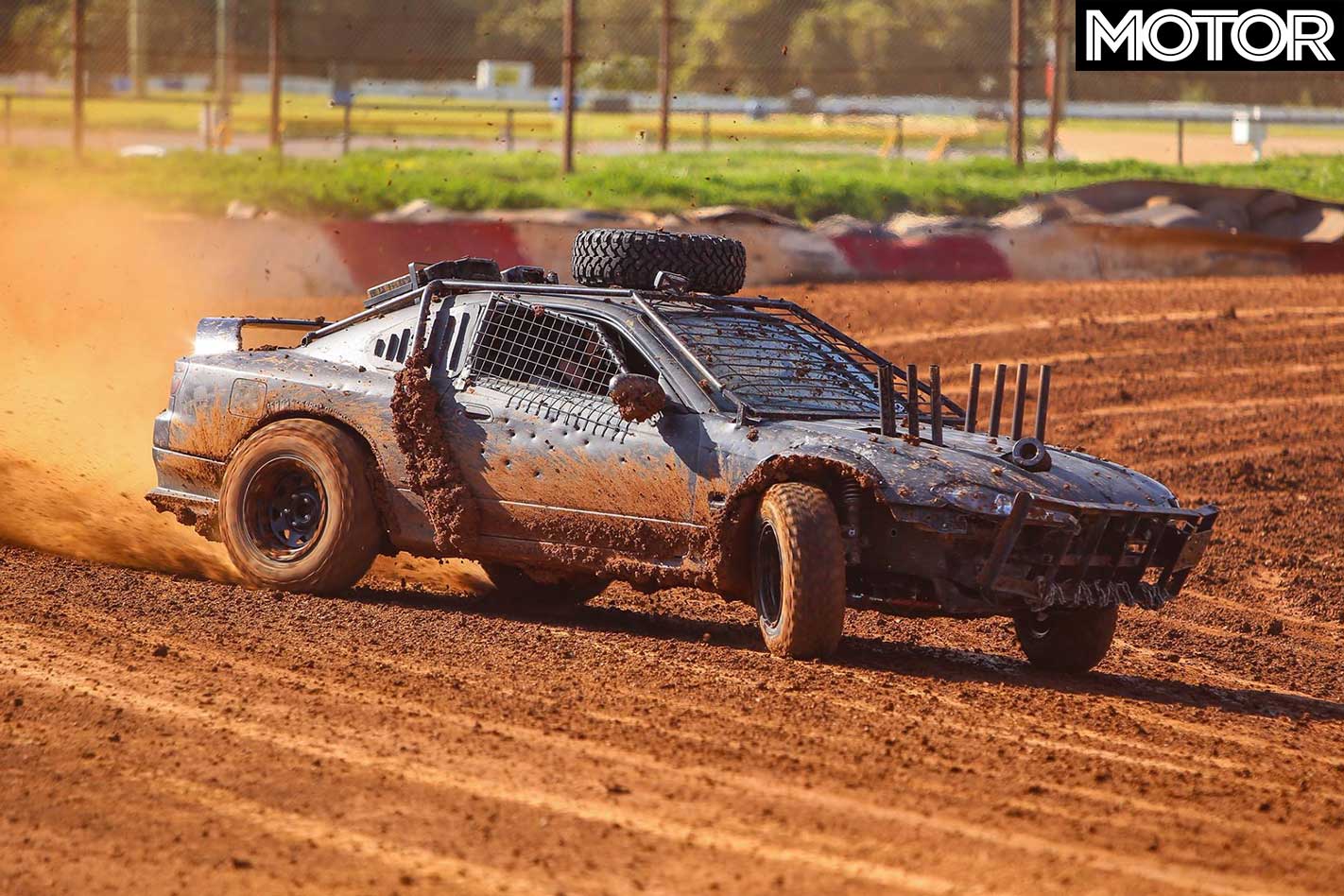
Using automotive context to explain the concept of having simple food done by a hatted chef, Wish Bone will be the experience of getting your Daihatsu Mira built by a Formula One mechanic.
The boys hope Wish Bone will strengthen the cultural link between American diner-style eats and cars, which dates all the way back to Drive-In restaurants of the 1950s and ‘60s.
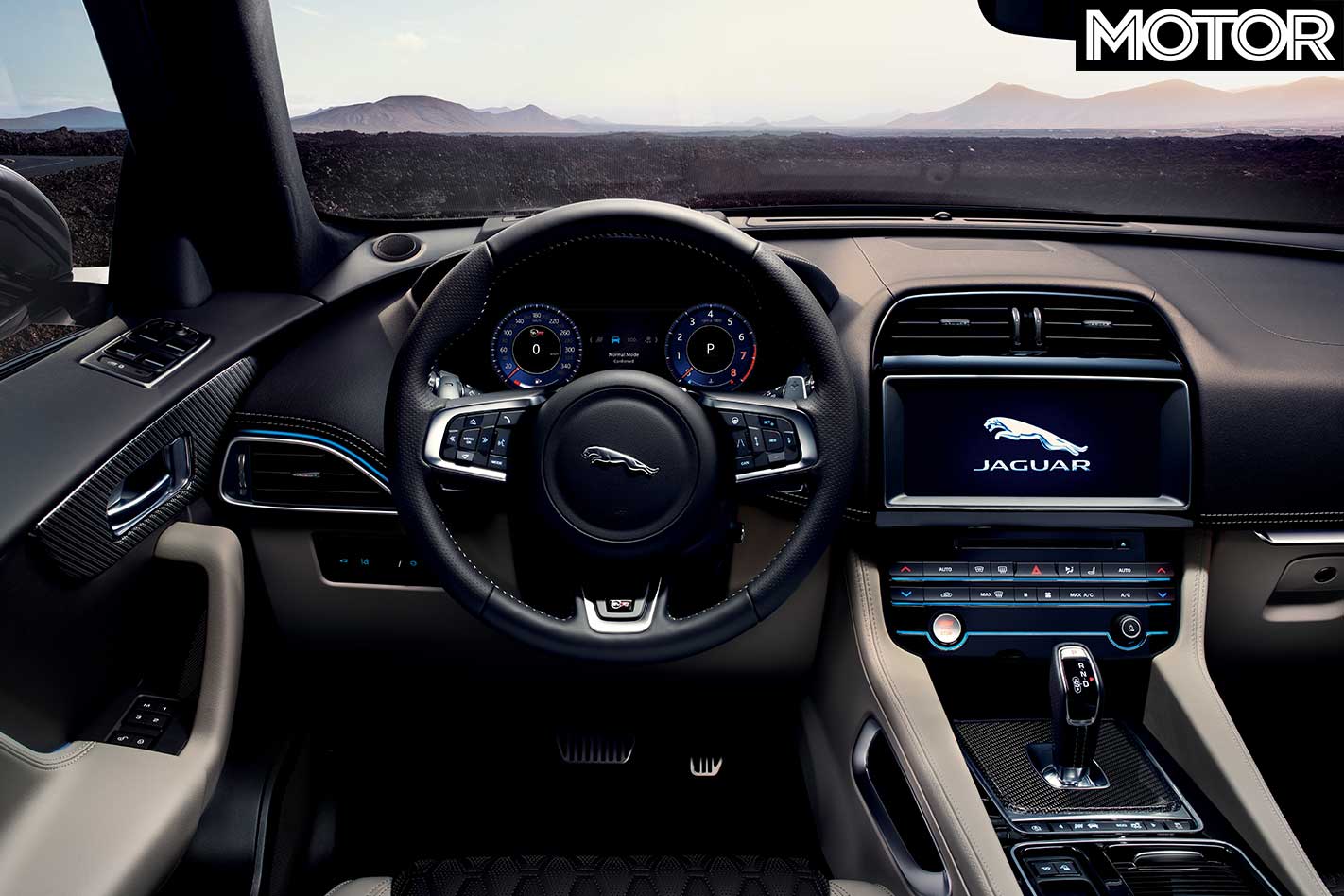
Jaguar Australia has confirmed local availability for the supercharged V8-powered Jaguar F-Pace SVR, with pricing starting at $140,020 before on-road costs.
It means there’s now a much cheaper way to get your hands on SVO’s ridiculous supercharged 5.0-litre V8, putting out 404kW and 680Nm in this instance.
For context, an AWD F-Type with the same engine (at the same outputs) costs $264,712. The F-Pace SVR is also almost as quick, only two-tenths off the F-Type’s 4.1 second sprint to 100km/h. it’ll then go on to a top speed of 283km/h.
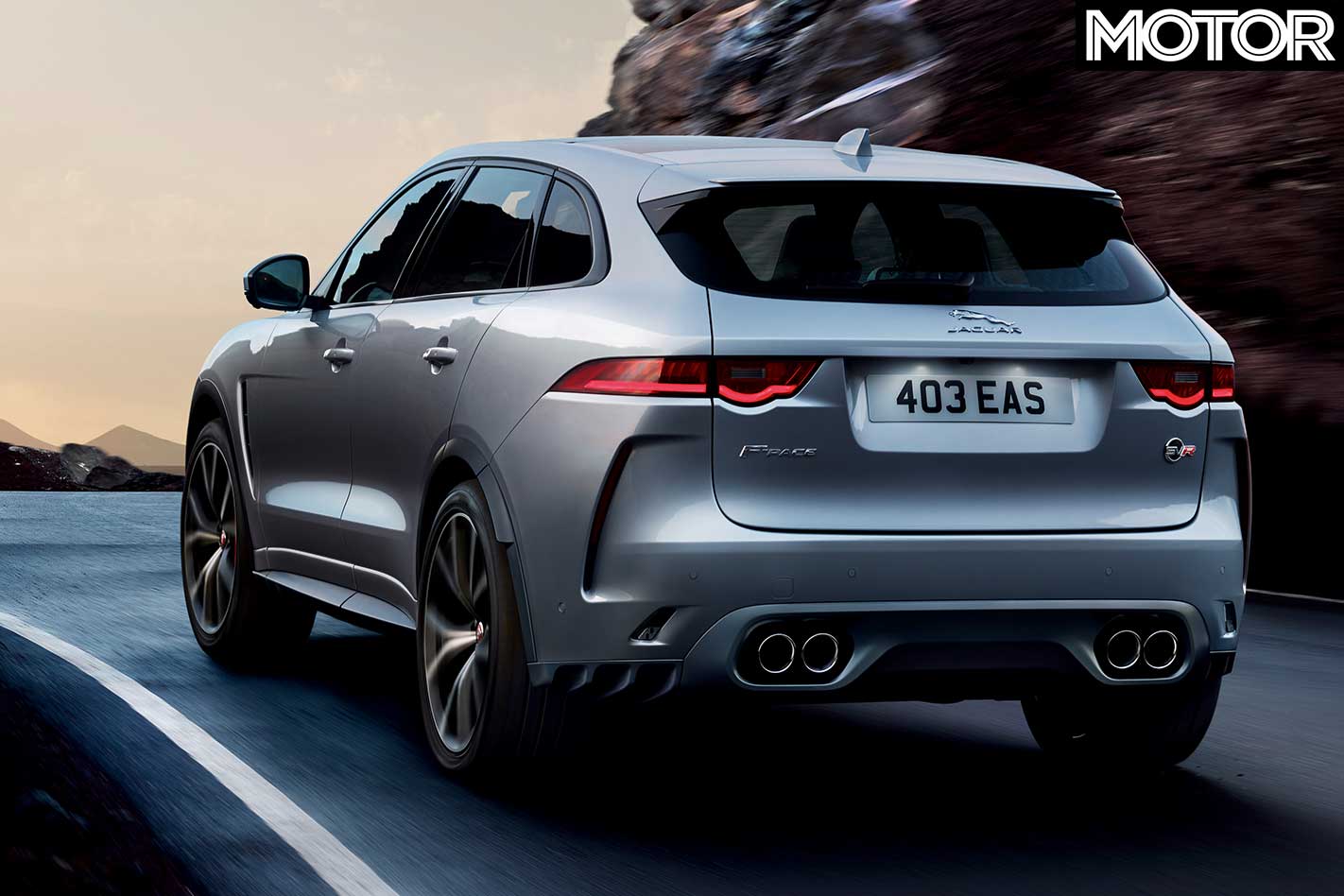
Wheel arch extensions and lower body alterations also make the F-Pace SVR look tougher than its siblings.
Under the bodywork, the chassis upgrades include springs stiffer by 30 and 10 per cent at the front and rear respectively, and an uprated anti-roll bar.
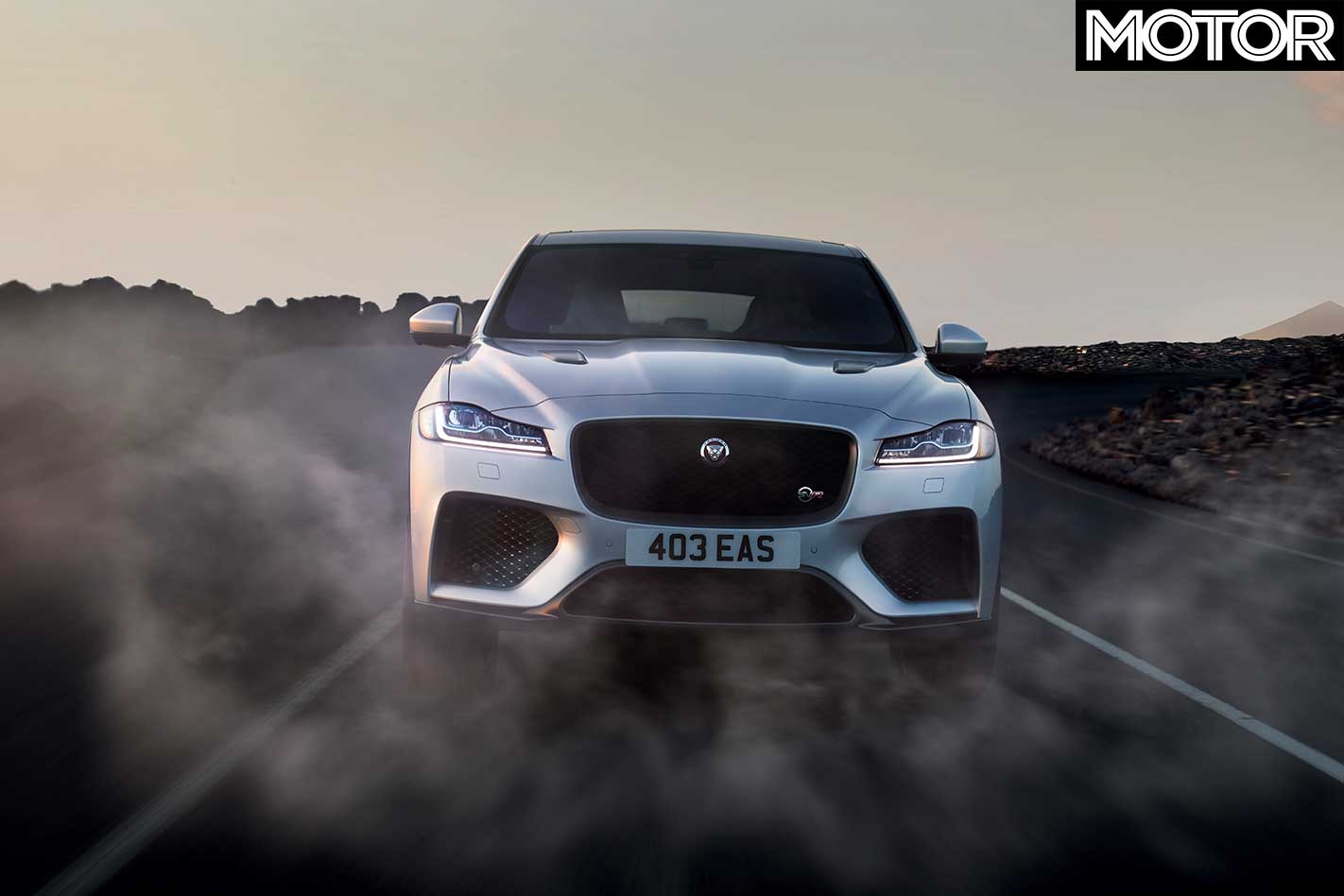
“The F-Pace SVR delivers the handling and agility to match its performance,” says Jaguar Land Rover chief engineer Mike Cross.
“Everything from the steering to the bespoke suspension set-up has been tuned specifically for our performance SUV and the result is a vehicle that lives up to the promise of both the F-Pace and SVR names.”
JLR Australia says the Jaguar F-Pace SVR is expected to arrive locally in late 2018.
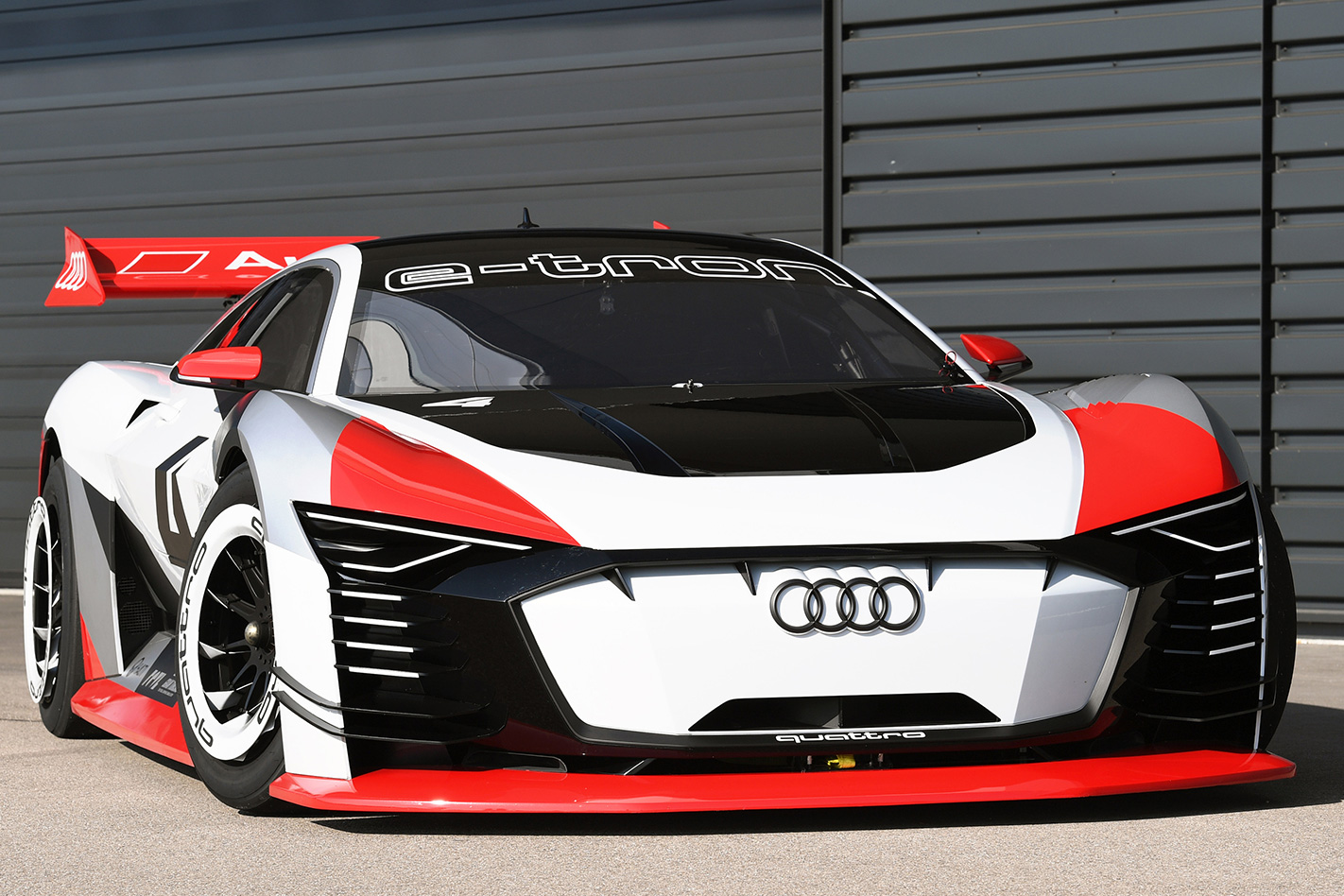
AUDI has slashed the tethers that, until now, have bound most of a series of wild Gran Turismo concept cars to the virtual world, taking the bold decision to build a working version of its incredible e-tron Vision Gran Turismo.
Like numerous concepts before it, the Audi e-tron Vision Gran Turismo was created to do battle in the Polyphony Digital driving simulator, but the German car-maker is one of few to bring the vehicle from the electronic arena into the real world.
The fully functional concept will serve as a track taxi at the various Formula E racing series destinations around the Europe, offering esteemed Audi guests a ride on board the one-off all-electric racer, chauffeured by former DTM race ace Rahel Frey and Le Mans winner Dindo Capello.
Underneath however, the concept could not be more different to the IMSA. It features permanent four-wheel drive but instead of a highly-strung five-cylinder, the e-tron wheels are powered by two electric motors on the rear axle and a single electric unit that drives at the front.
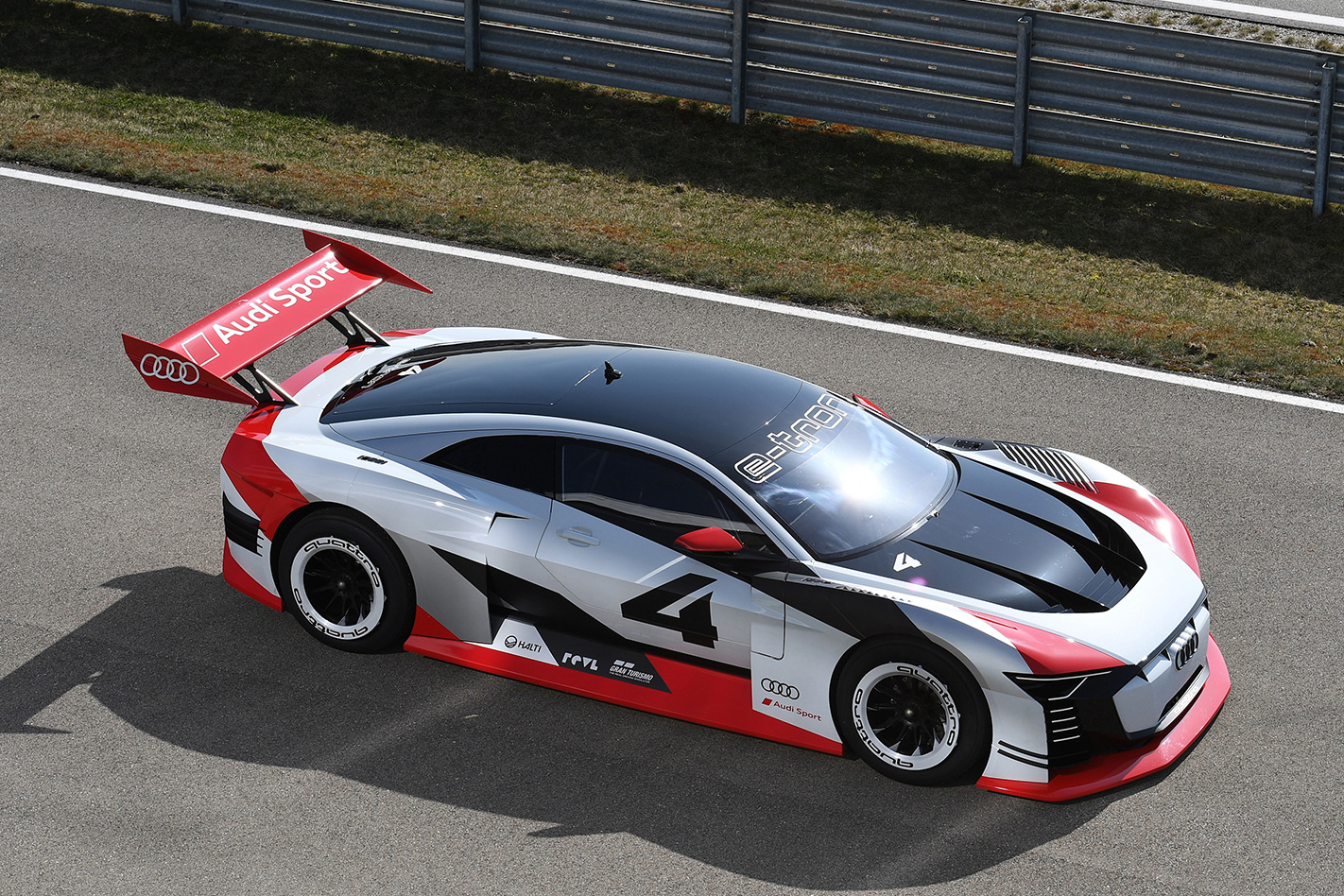
Creating the e-tron Vision Gran Turismo took 11 months using the computer game car as the template but, while some manufacturers have given their GT concepts substance as 3D full-scale models, Audi is the first to breathe life into its offering.
As the first German manufacturer to enter the Formula E racing league, Audi says this latest emissions-free vehicle is further evidence of its commitment to alternative energy and electric vehicles that don’t have to sacrifice performance.
“With the Audi e-tron Vision Gran Turismo race taxi we are turning electric mobility into a tangible experience for our customers and guests as part of the Formula E races – in the middle of the world’s metropolises.”
