
IT WAS one of the most saddening automotive revelations of 2017. Not only did the awe-inspiring HSV GTSR W1 mark the end of homegrown V8 muscle sedan production in spectacular fashion, but we learned that the pilot car gracing the cover of Wheels in May had been condemned to the crusher.
But in a startling about turn, Manheim Auctions has today announced that the car, along with the final GTSR sedan and GTSR Maloo Ute, had not only been spared an untimely death, but will be offered for sale to the public.
In a short release today, the vehicle auction specialist confirmed “vehicles include the last built GTSR Sedan, the last built GTSR Maloo Ute and the press test pilot GTSR W1 which has been extensively featured in press reviews”.
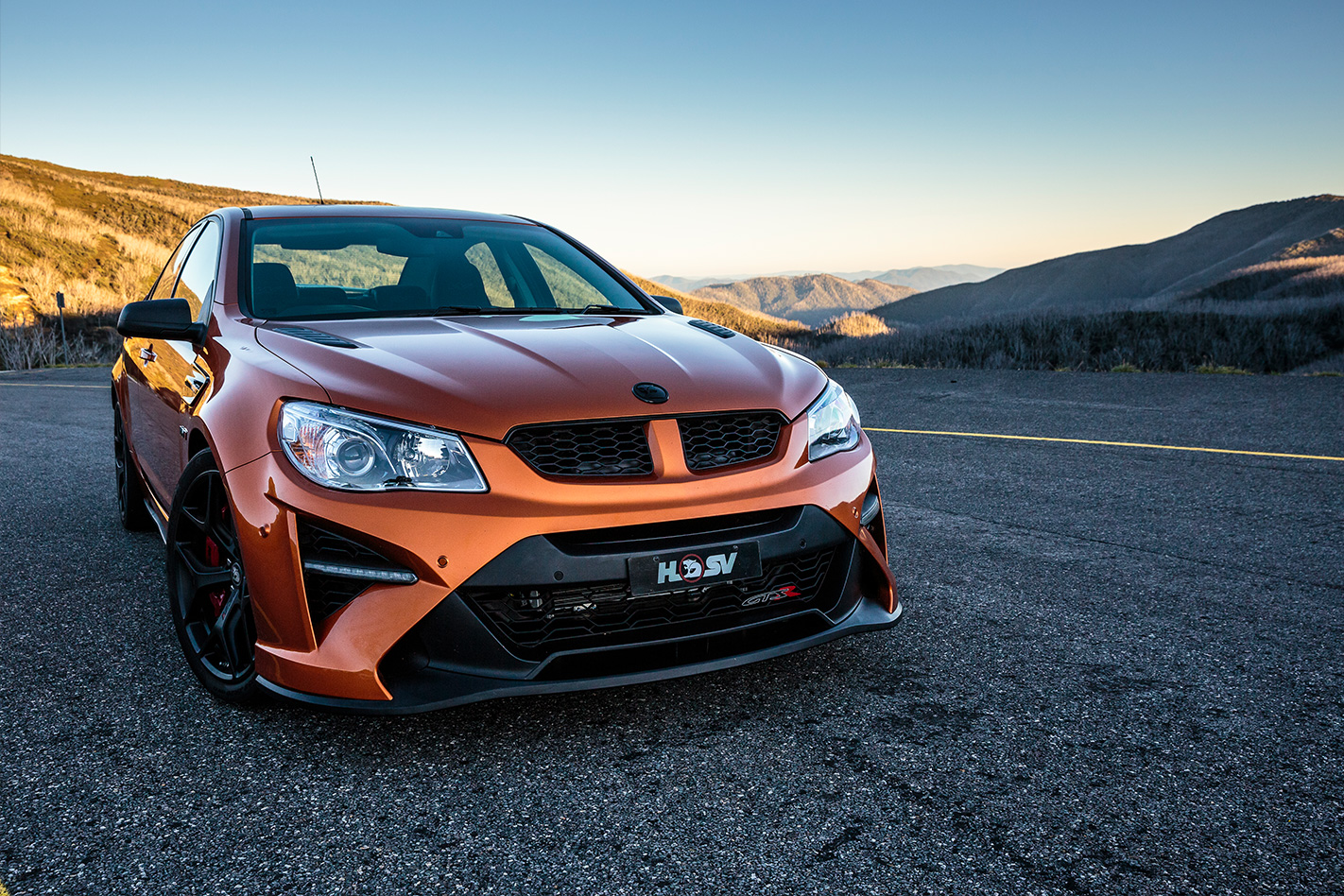
HSV marketing general manager Damon Paull explained that GTSR W1 number-one had been built as a fully registerable example from the start, and would not be subject to state-by-state rules that require some pre-production prototypes to be destroyed if they are built before homologation of a model.
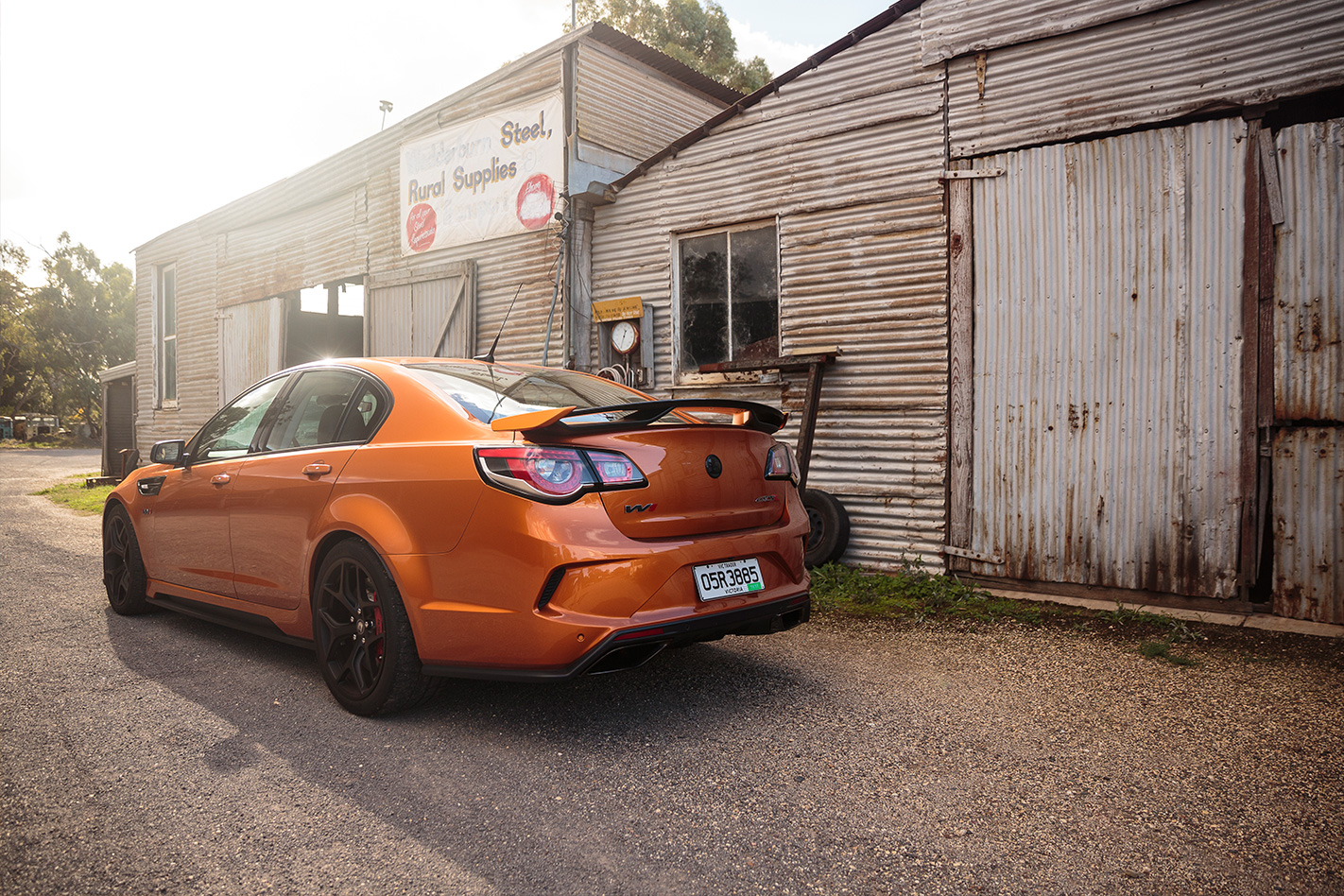
“This was built as a saleable pilot. Whilst it was never part of the 275 regular production vehicles for Australia.”
It is understood that HSV will retain its own pair of GTSRs for posterity but had decided to auction the very first “To give those fans an opportunity to purchase that part of Australian automotive history,” said Paull.
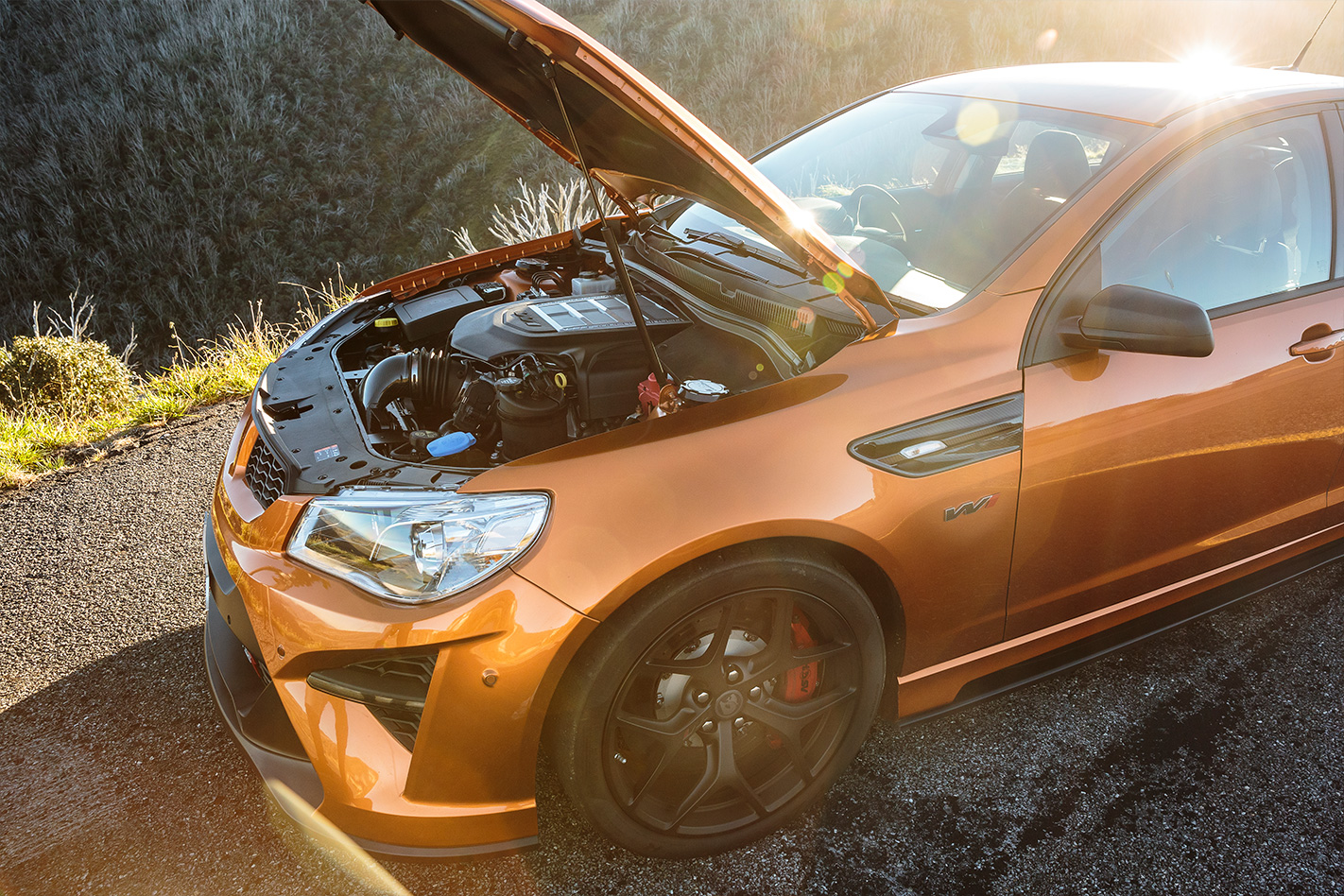
“In terms of what it will go for, I simply don’t know. There’s certainly going to be a strong level of interest we would expect.”
In September last year, W1 number 110 sold privately for $280,000 – $110,000 more than the original owner would have paid for the car and, given the provenance of the very first example, this insanely rare and desirable car is likely to break even more records.
We get behind the wheel of the entry-level Mercedes-Benz S-Class to find out if its new engine can live up to badge expectations
Tell me about this car
The S350d is the entry level model for the Mercedes-Benz S-Class range. However, it pays to retain a certain perspective when entry level means $195,900 plus on-road costs.
A new 2.9-litre in-line six-cylinder turbo-diesel engine debuts in the S350d sending 210kW and 600Nm to the rear wheels.
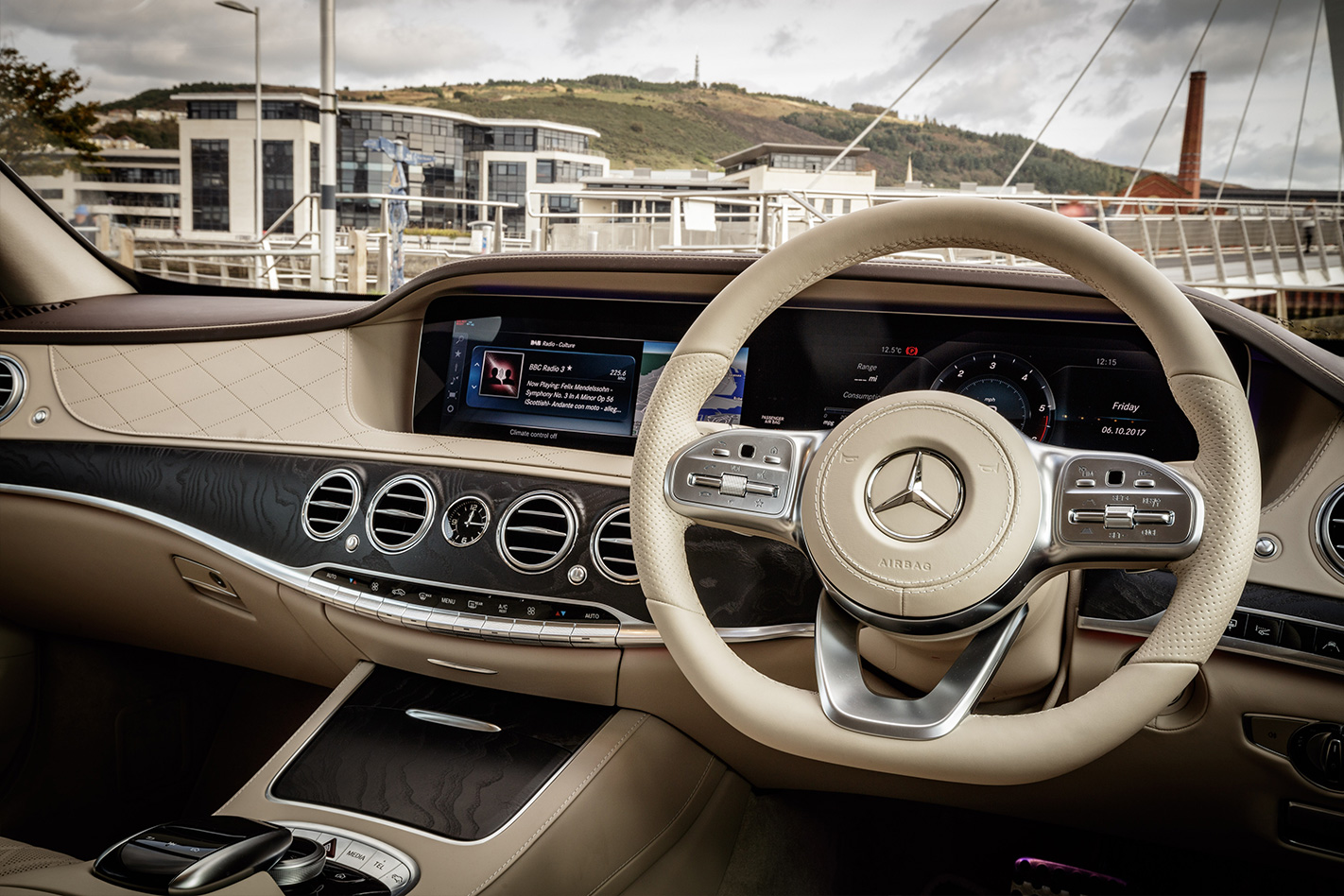
While sitting at the base of the S-Class family tree, it’s still jam-packed with the sort of luxury features you’d expect from the S-Class – the car that for decades has been unofficially referred to as the best car in the world.
Strengths
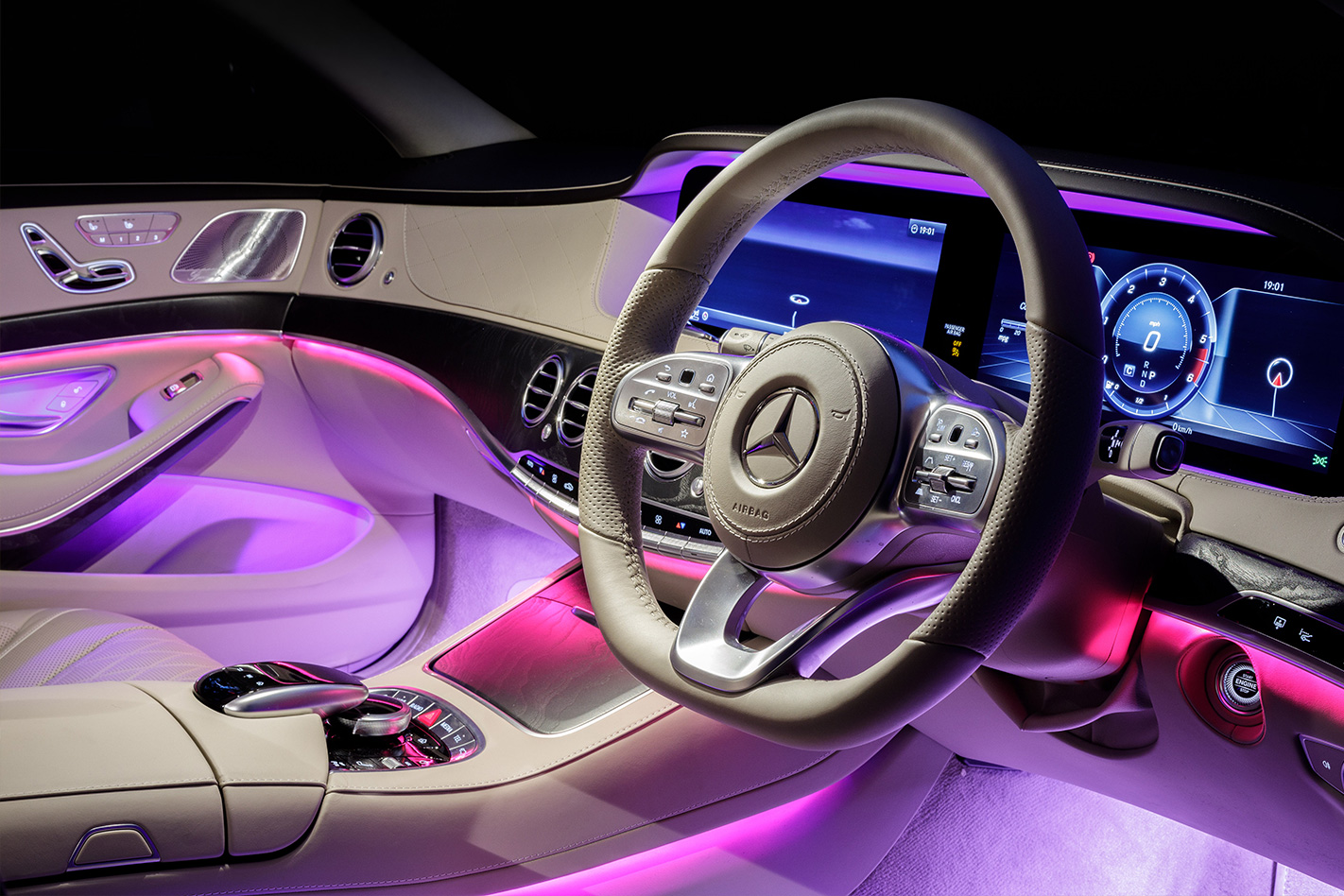
- Slick, refined new engine: The 2.9-litre in-line six-cylinder turbo-diesel is new for Mercedes-Benz, and offers plenty of power and torque smoothly when needed. Don’t worry about the diesel engine sullying the S-Class’ traditionally magic-carpet power delivery. The engine is one of the most refined of its type at any price.
- Rides like a cloud: Sitting atop optional air-suspension (well worth the $800 extra cost), the S-Class rides beautifully, soaking up imperfections in the road. Only the largest, most jagged, potholes will send a muted thump into the cabin.
- Silky smooth steering: The steering feel of the 350d is delightfully smooth and easy, with a progressive rack. Feedback through the wheel rim feels remote, but if you’re worried about being able to dance on the edge and feel out the car’s limits of the tyres, the S-Class probably isn’t for you.
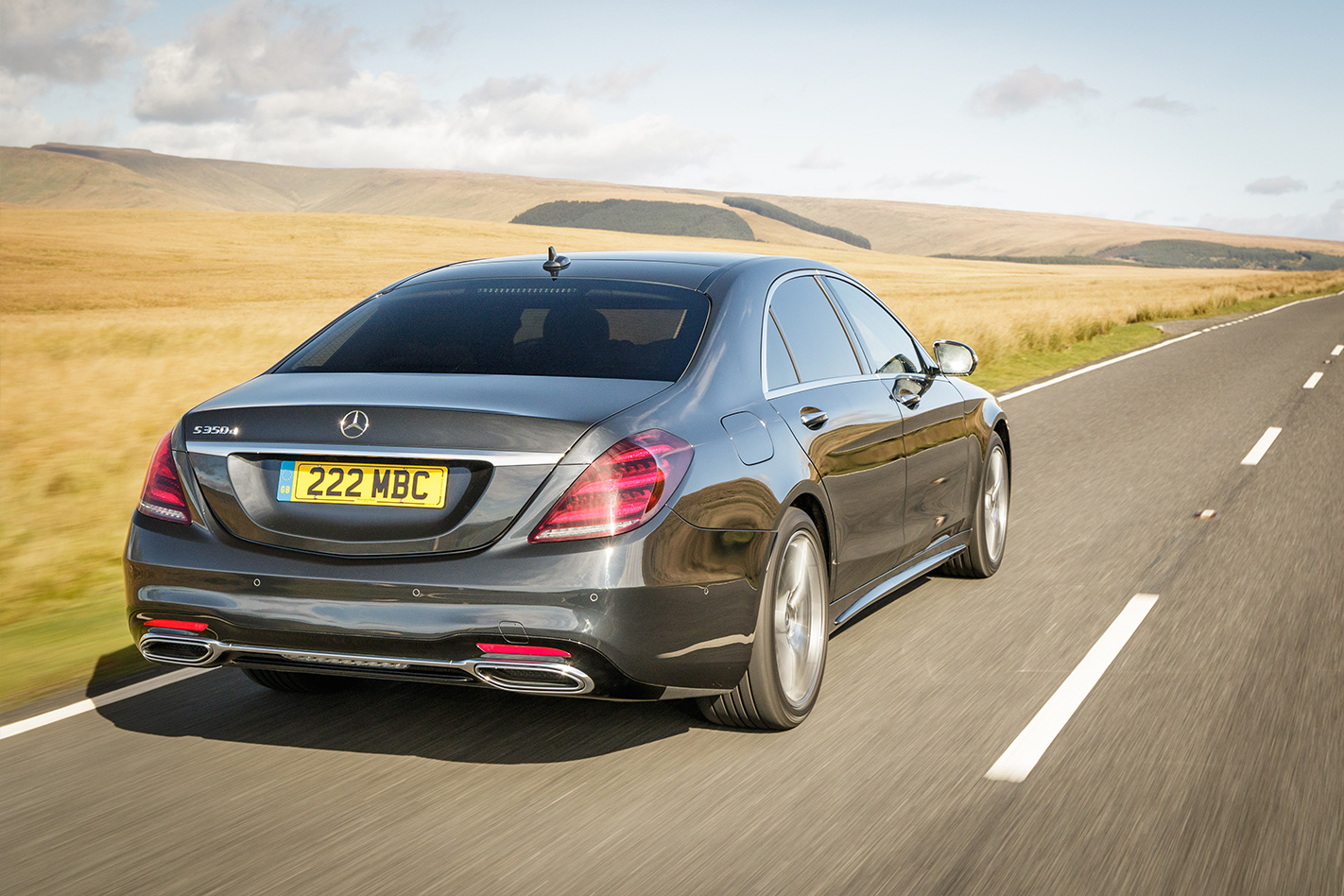
- Tech-galore: The S-Class is filled to the gills with equipment and smart technology. Although being the entry model, the 350d has leather trim, heated and cooled front seats, a Nappa leather-wrapped steering wheel, LED matrix headlights and a new interior ambient lighting system. There’s also a panoramic sunroof, head-up display, auto-dimming rear-view and side mirrors, keyless entry, auto-closing doors and an electric boot lid all as standard. Anyone with a fascination with technology will love how much has been crammed into the S-Class’s cabin. It features some of the industry’s best semi-autonomous driving tech, but Mercedes has managed to make it all feel unintimidating and intuitive.
- Audio: If cranking the tunes is important to you, the 350d will be right up your alley. There’s a 13-speaker Burmester sound system which provides crisp audio to the hushed cabin.
- Fuel efficiency: Mercedes-Benz quotes an official fuel consumption figures of 5.4L/100km, and after 533km of driving on twisty rural roads and multi-lane freeways, the on-board tripmeter reported a consumption of just 5.5L/100km. Travelling more than 1000km on a single tank of fuel would be no problem for the 350d, underscoring its cross-continental cruising ability.
Weaknesses
- Options will set you back: While some buyers will be more than happy with the standard kit, if you want to personalise your flashy new S-Class, it’ll prove expensive. The AMG Line styling on our test car costs $4500 alone. Or, for $8500, Mercedes-Benz will fit the individual rear-seats available on the flagship Maybach S-Class to the 350d as part of the business class package.
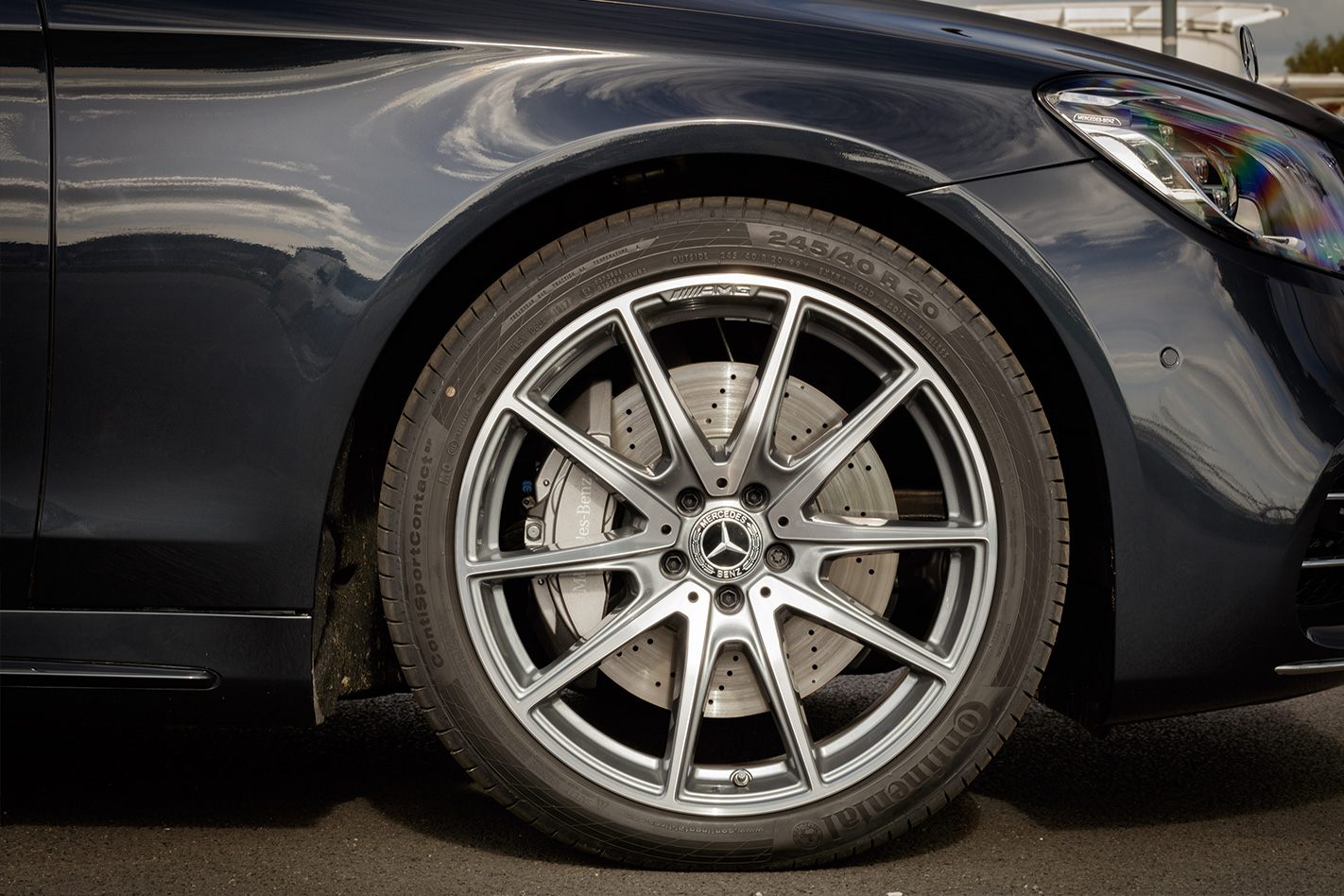
- Dimensions: While there isn’t a long-wheelbase variant of the 350d available, it’s still a large vehicle physically. It requires a bit of attention to keep within a narrow lane if you’ve switched off the lanekeeping assist system. It’s also difficult to squeeze it in tight parking spaces, despite being equipped with an excellent top-down view parking camera.
Any rivals I should consider?
Audi A8, BMW 7-Series, Jaguar XJ, Lexus LS
Alfa Romeo has announced it will build a special edition Giulia QV and Stelvio Quadrifoglio, called the ‘NRING’ editions.
Because that’s what you do as a brand with two unbroken Nürburgring record to your name.
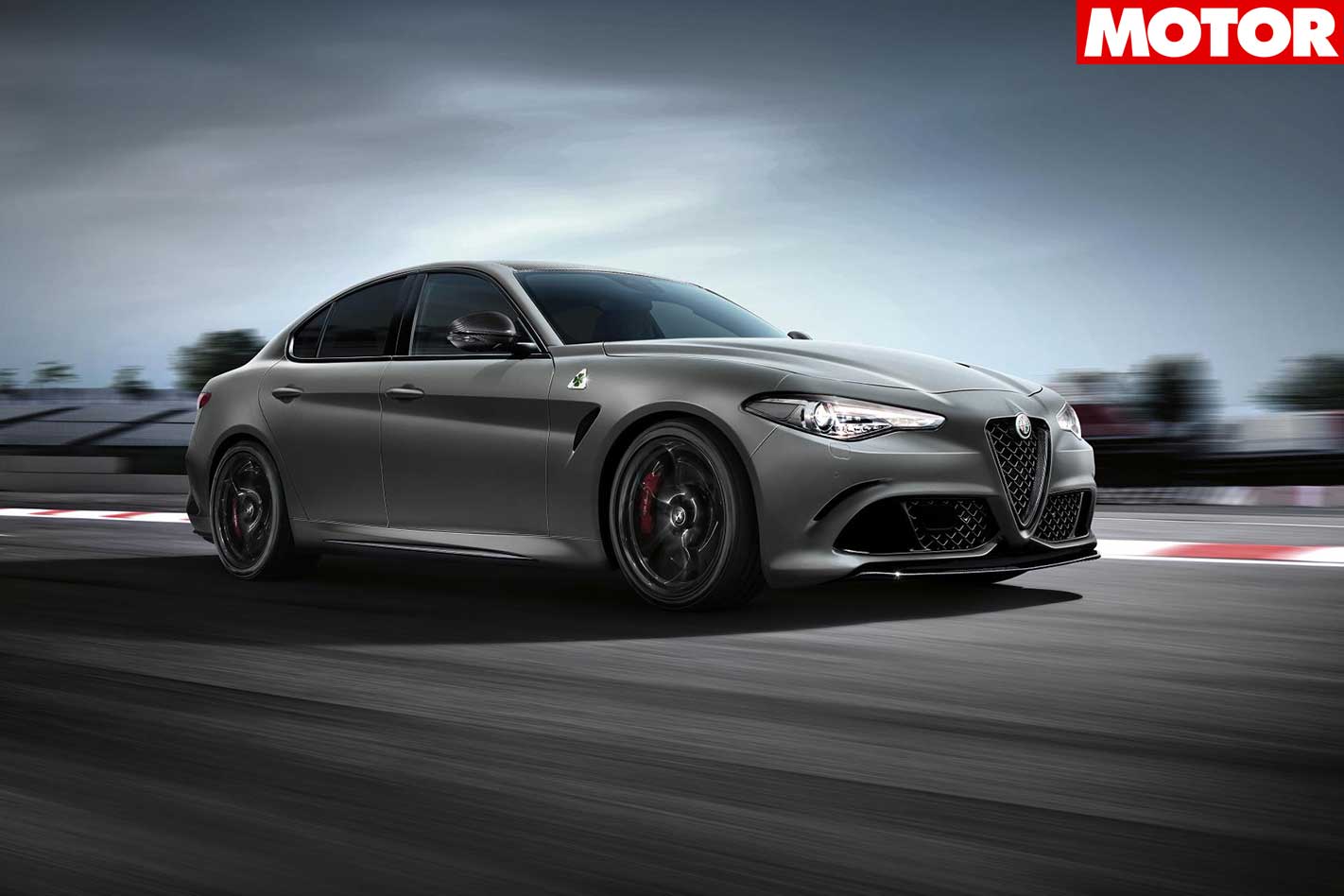
The Giulia QV’s 7:32 lap time has earned it the title of fastest sedan around the ‘Ring, while the Stelvio Quadrifoglio holds the record for the fastest SUV in its segment, with a lap time of 7:51.7.
Only 108 NRING models will be built from each, with power and drivetrain specs remaining the same, while other tweaks – visual and otherwise – will make the cars a little more special.
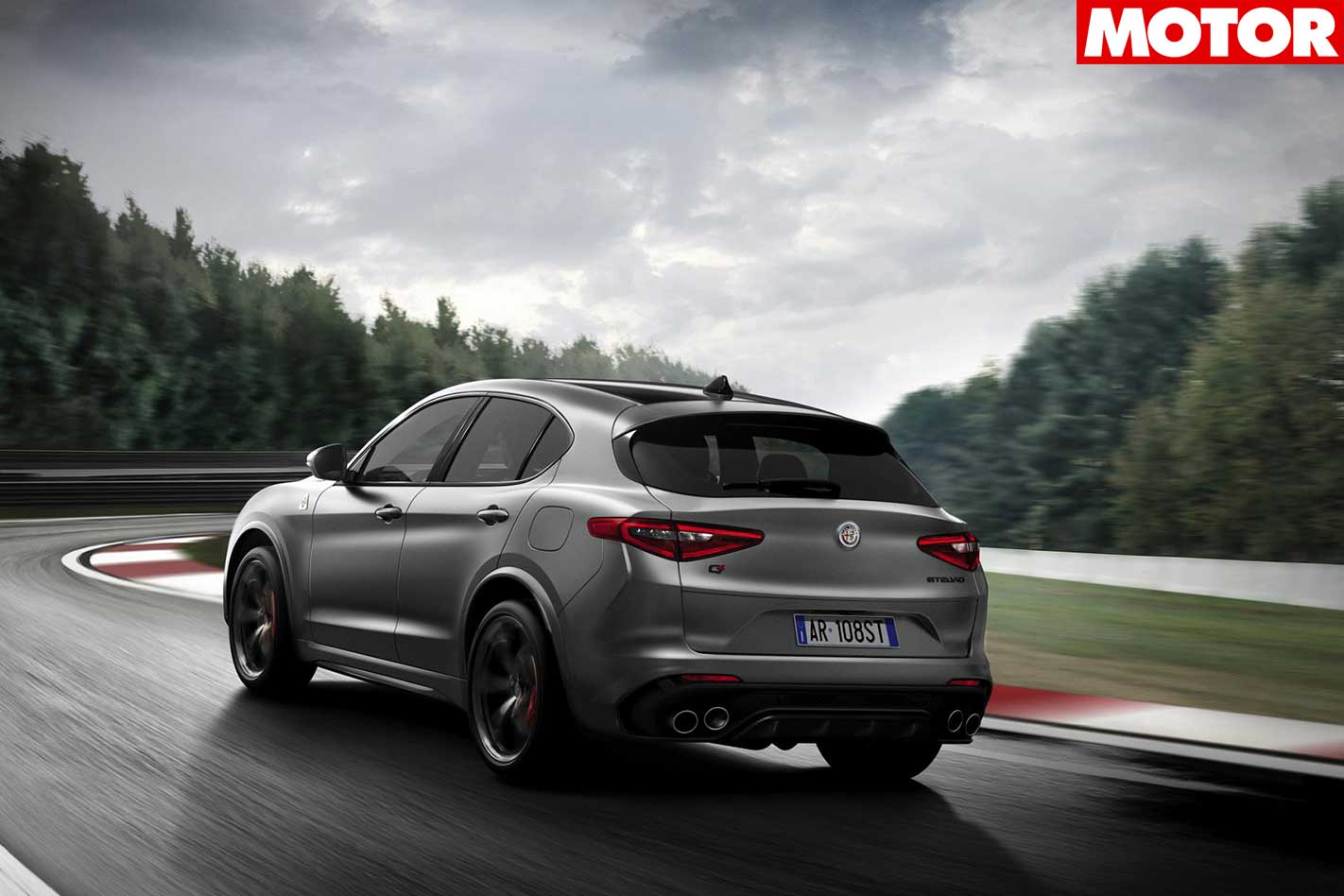
Likely undoing that mild weight-reduction is the addition of a Harman Kardon premium audio package, though the Giulia scores a ‘bare’ carbon roof too.

Alfa Romeo Australia tells MOTOR it has expressed interest in “several models” being previewed in Geneva, and is evaluating whether some of those could come to Australia.
No pricing for either model has been announced, nor has any information of how many have been ‘secured’ by buyers already, if any.
The first three versions of the new Porsche Cayenne are now available to order in Australia, starting at $116,300 before on-roads.
But that’s just for the standard Cayenne with a 3.0-litre turbo V6 under the bonnet. That model produces 250kW and 450Nm, already more than most SUV drivers would need on a daily basis.
But the Cayenne S, priced at $155,100, adds a turbo (though this engine is a 2.9-litre), and with it comes an extra 74kW and 100Nm for 324kW/550Nm all up.
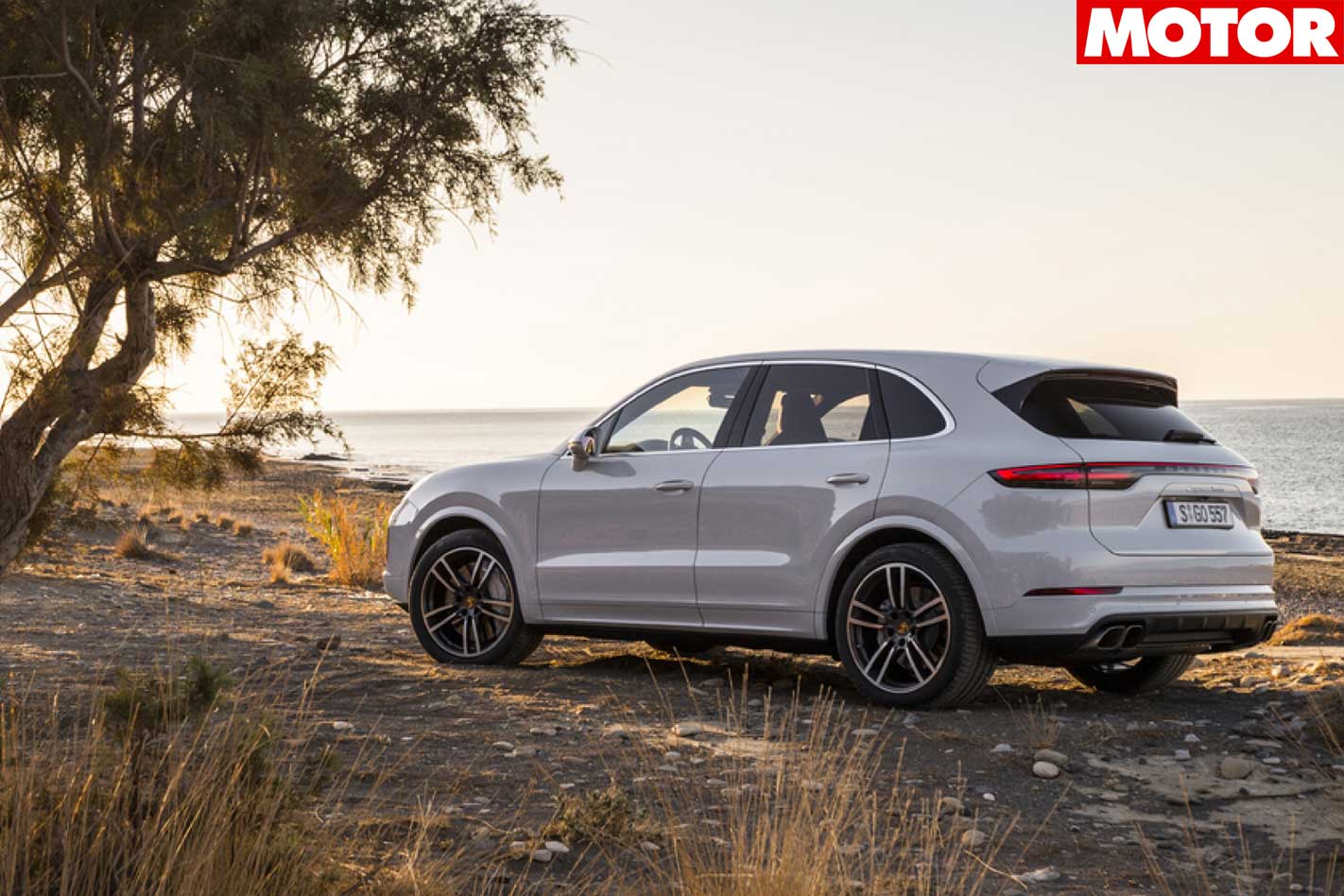
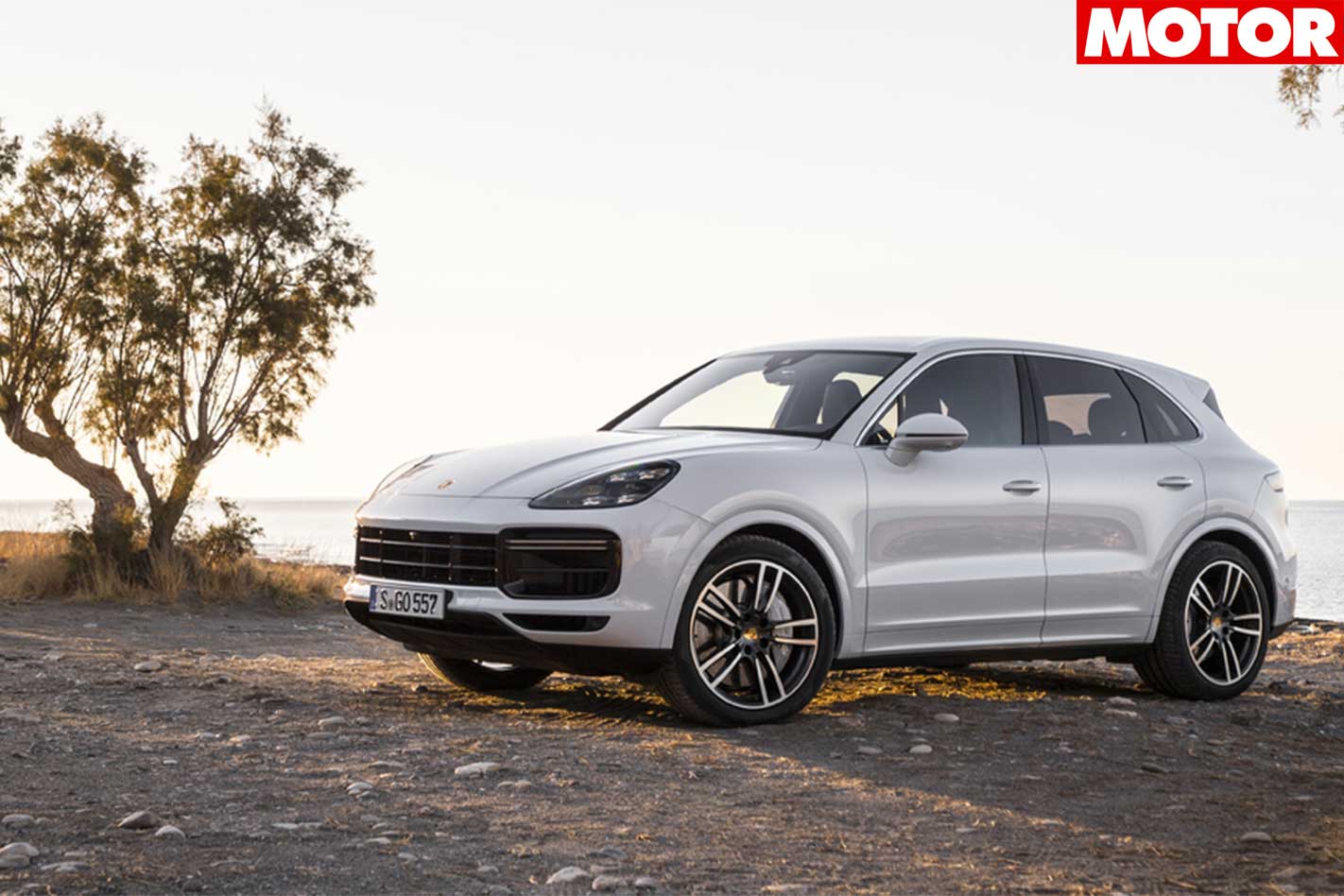
Moving to the top of the food chain, for now, is the Cayenne Turbo.
Thanks to the Porsche Panamera, it scores a 404kW/770Nm twin-turbo 4.0-litre V8 capable of launching the 2175kg mammoth to 100km/h in just 4.1 seconds, or 3.9 with Sport Plus.
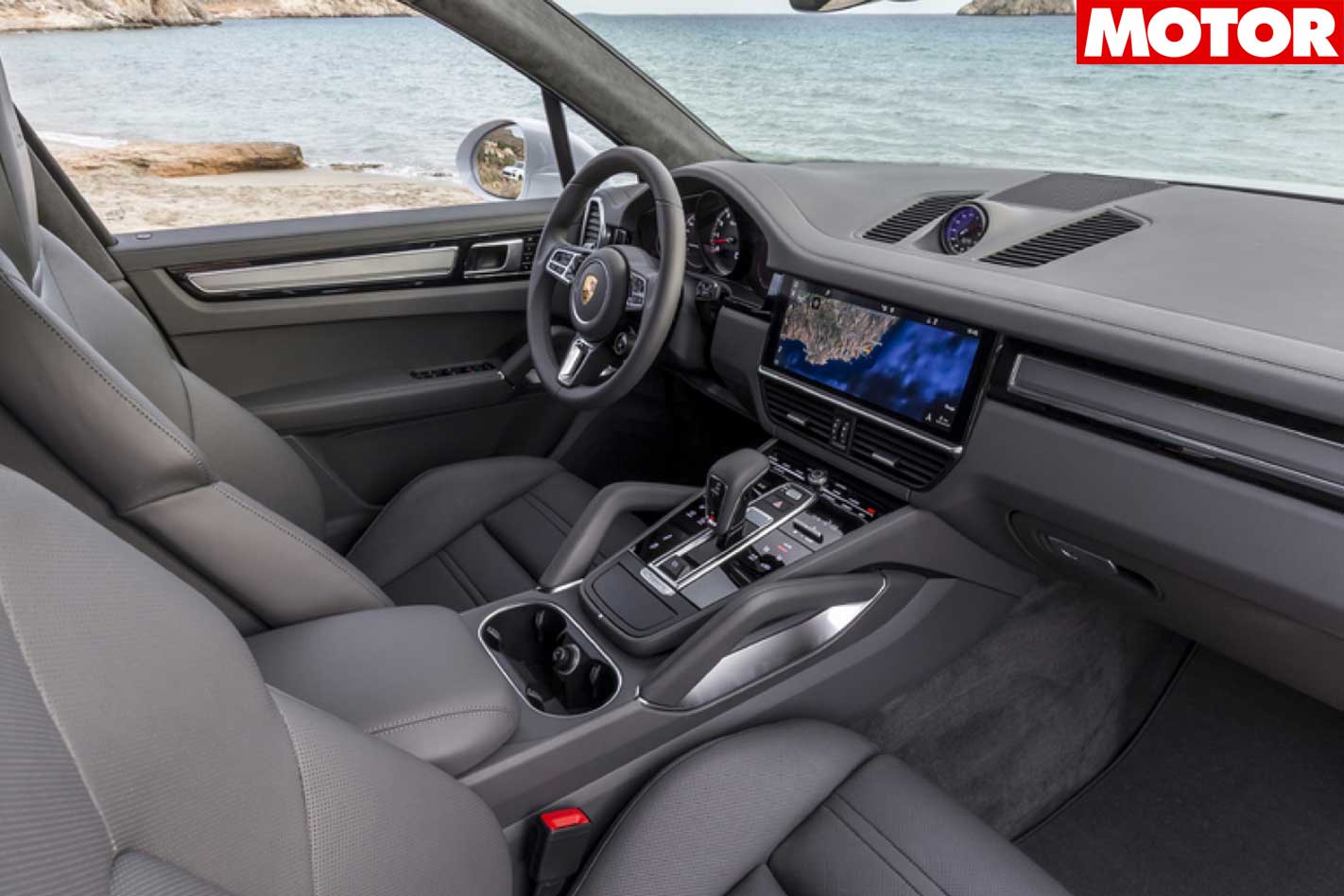
It seems steep, but it’s cheaper and faster (Porsche says) than any of the twin-turbo V6-powered Panameras.
It also reaches a top speed of 286km/h, a speed few would be brave enough to hit in an SUV.
First deliveries are expected to arrive locally in mid-2018.
ABARTH has revealed its interpretation of the bantamweight hardtop sportscar destined to become a thorn in the side of the Mazda MX-5 RF, ahead of the 124 GT’s official debut at the Geneva motor show this month.
The 124 Spider has a simple mechanical folding soft top. In contrast, the freshly revealed GT has an ultralight bolt-on carbonfibre hard top for a little extra comfort and torsional rigidity – without adding excessive weight.
Mazda’s RF might have a clever folding targa-style roof for added convenience, but it adds a significant 47kg over the circa one-tonne kerb weight, whereas the composite Abarth roof adds just 16kg.
The new roof brings a smoother less angular look to the 124 roofline and replaces the Spider’s matte black fabric finish with a cool unpainted carbon weave. Its curved glass rear window immediately distinguishes the GT from its rag-roofed cousin and has a demister for more winter motoring convenience.
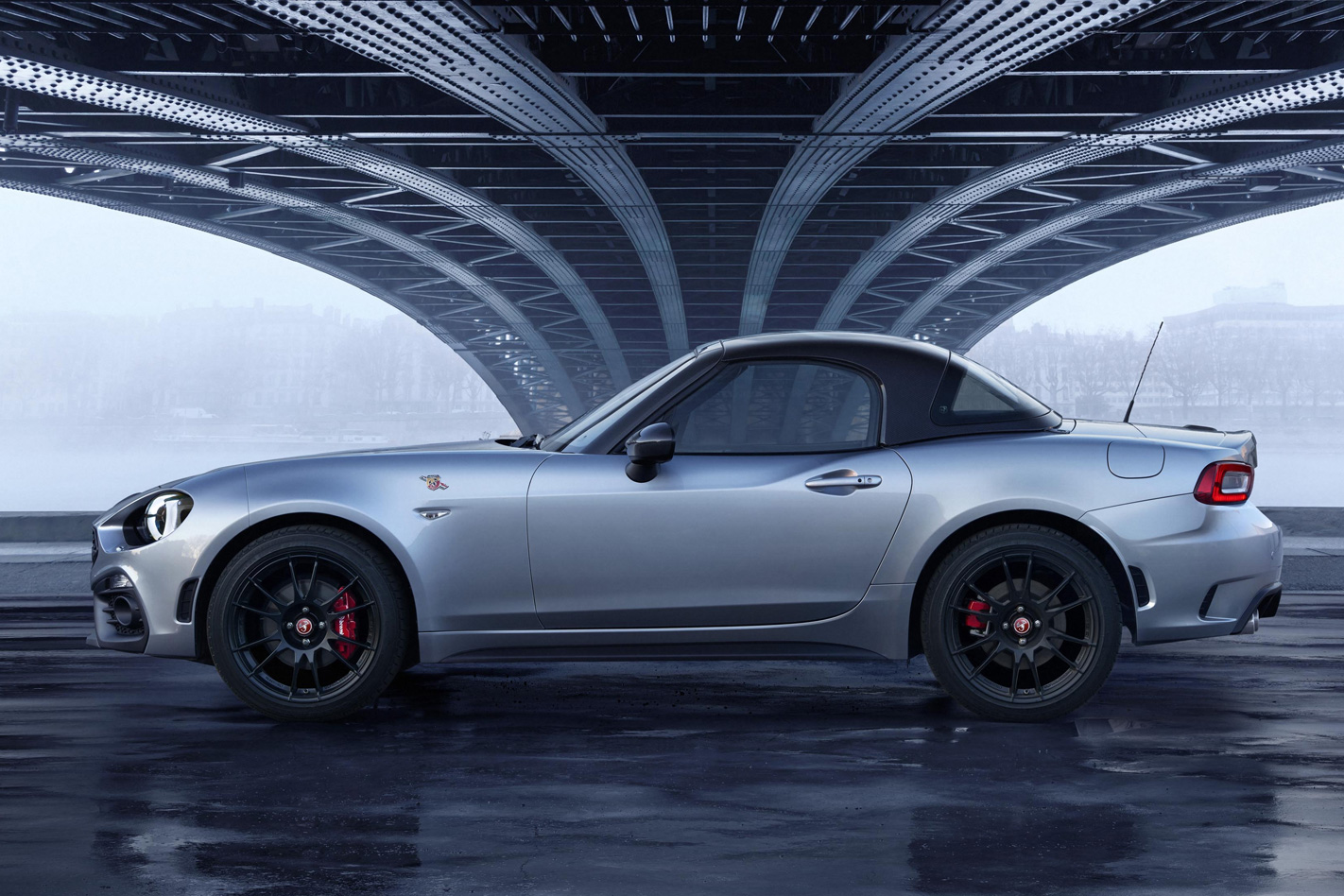
Exact global allocation is yet to be confirmed, including whether the variant will be offered as a limited special edition or even if Australian fans will get a piece of the action. Abarth’s local operation says it will evaluate the GT and won’t rule out sales here.
Beyond the roof and aesthetic tweaks, its business as usual for the 124. Its turbo 1.4-litre pumps out the same 125kW and 250Nm as the soft top, sending power to the rear axle via a choice of manual or automatic transmissions.
Despite the extra 16kg, 0-100km/h acceleration is unchanged at 6.8 seconds compared with the MX-5 RF’s benchmark 7.3sec dash.
If the GT does make it Down Under, it is likely its high-tech roof will command an increased premium over the standard Abarth 124 Spider, which starts from $41,990 driveaway for the manual.
More details of the new 124 variant are expected when it rolls out in Switzerland next week.
JAGUAR’S foreign-built I-Pace electric car will learn as much as it can about its owner, so that every time she or he walks up to open the driver’s door, everything’s exactly how you want it.
Due in Australia in October, and carrying a $119,000 price tag, the small SUV will recognise when the car’s key, or a driver’s mobile phone, is approaching, and set the climate control, radio station and seat settings to just the way they like it. This ability to flip-flop between settings hints that Jaguar expects the I-Pace to be a shared, rather than owned, car.
Over time, Jaguar said, the I-Pace would offer “driver-tailored choices” based on the time, location, weather and behaviour patterns, meaning that in winter it could pre-heat the steering wheel and seats for a particular journey, and in summer, cool them.
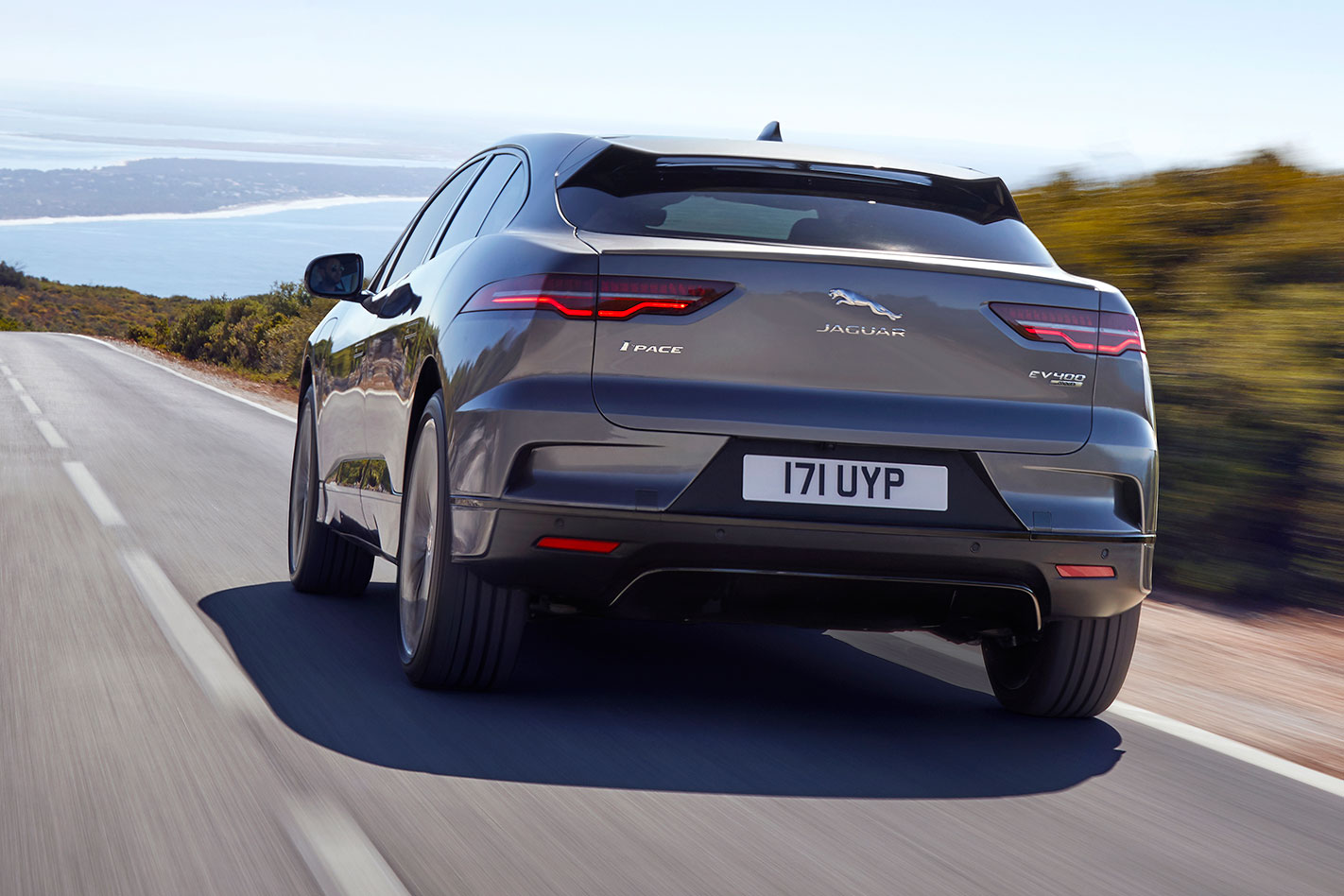
The five-seat I-Pace is a car that bucks conventions in many different ways. It’s a Jaguar that won’t be built in Britain; instead, it will be built on car maker-for-hire specialist Magna Steyr’s Austrian manufacturing line that has produced cars for brands as diverse as Aston Martin, BMW, Mercedes-Benz, Ford, General Motors and Tesla.
Just like a Tesla, Jaguar will send updates to the I-Pace’s software wirelessly, so as improvements are developed in the lab they can roll out to the real world overnight.
It will also be the first Jaguar to tell you to catch the bus rather than drive. “The advanced navigation system can sync with a multi-mode smartphone travel app, making it easy for customers to plan journeys that include driving, walking and public transport,” Jaguar said. “This is supported by Arrival Mode, which can suggest the nearest available parking space in networked car parks or direct the driver to the closest charging point at the end of a journey.”
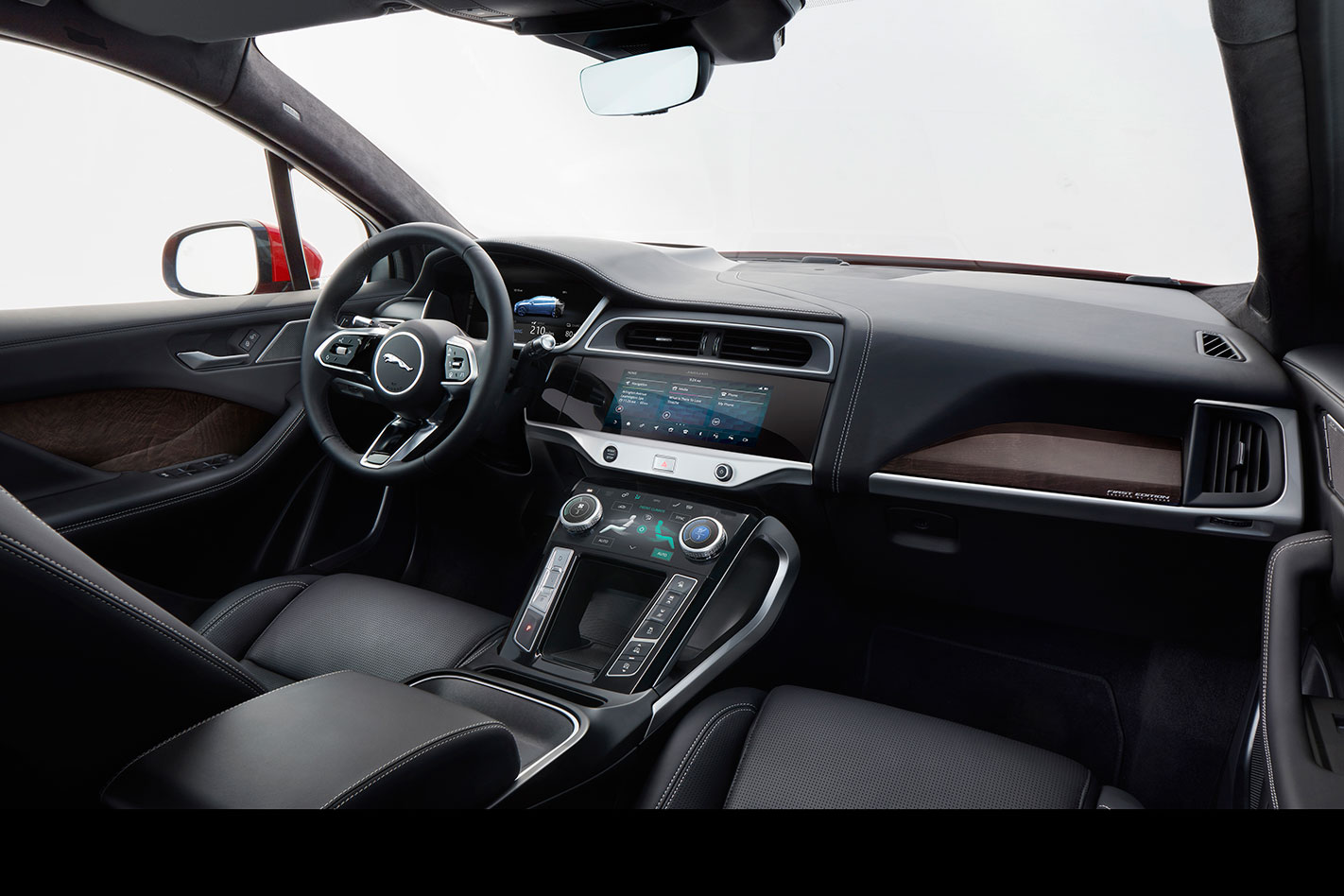
Cars sold overseas will include Amazon Alexia Skill, software that will allow the driver to ask natural questions about the I-Pace relating to how much charge the car has, and if there’s enough in reserve to get them home from work.
A multimedia touchscreen will feature in the cabin, but Jaguar has also provided traditional dials to provide “an essential physical connection between car and driver”. Other features inside include a 10.5-litre storage bin in between the front seats, a 656-litre capacity boot, and up to 1453-litres of Ikea-friendly space with the rear seats folded flat.
Jaguar says the I-Pace will be able to add 80 percent of charge in as little as 40 minutes from a rapid charging station. In 15 minutes, it says, a driver can add 100km of range. Plug it into the wall, and the I-Pace will take 10 hours for an 80 percent capacity.
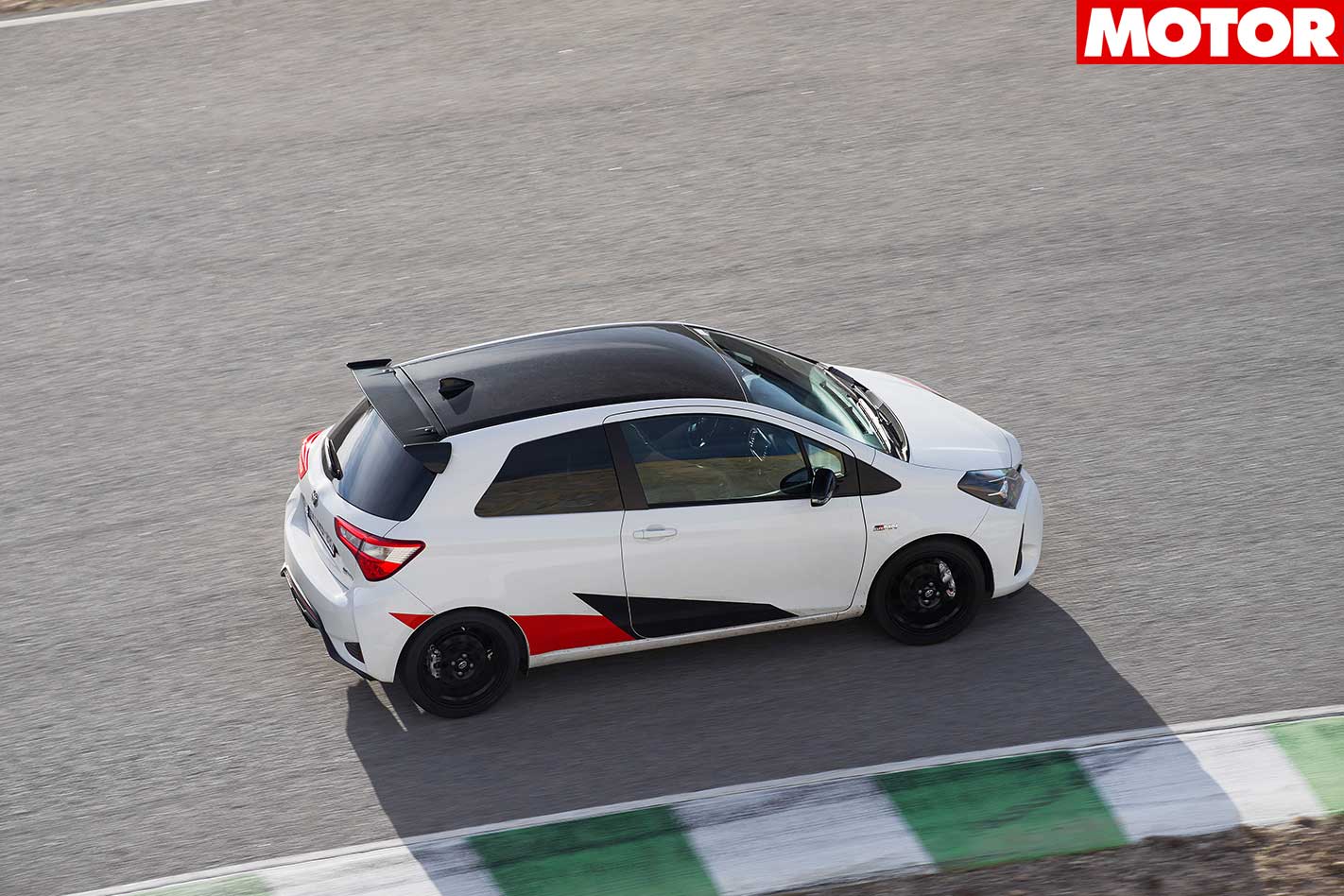
Behold Toyota’s new hot hatch and the first GRMN branded performance road special for Europe.
Bit confused? That acronym stands for ‘Gazoo Racing Meisters of Nürburgring’. ‘Gazoo Racing’ is Toyota’s de-facto factory motorsport arm that will offer performance road models at several levels.
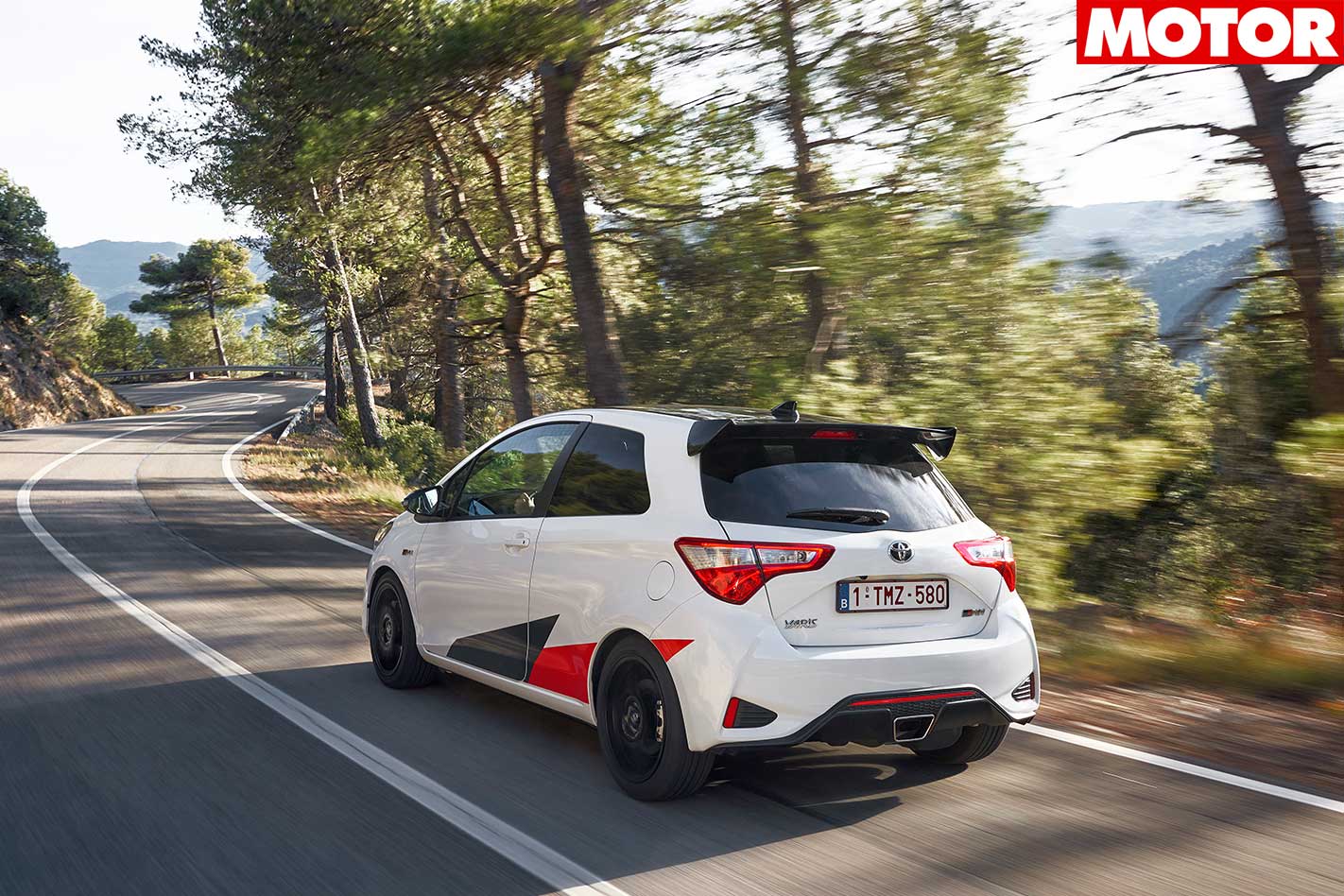
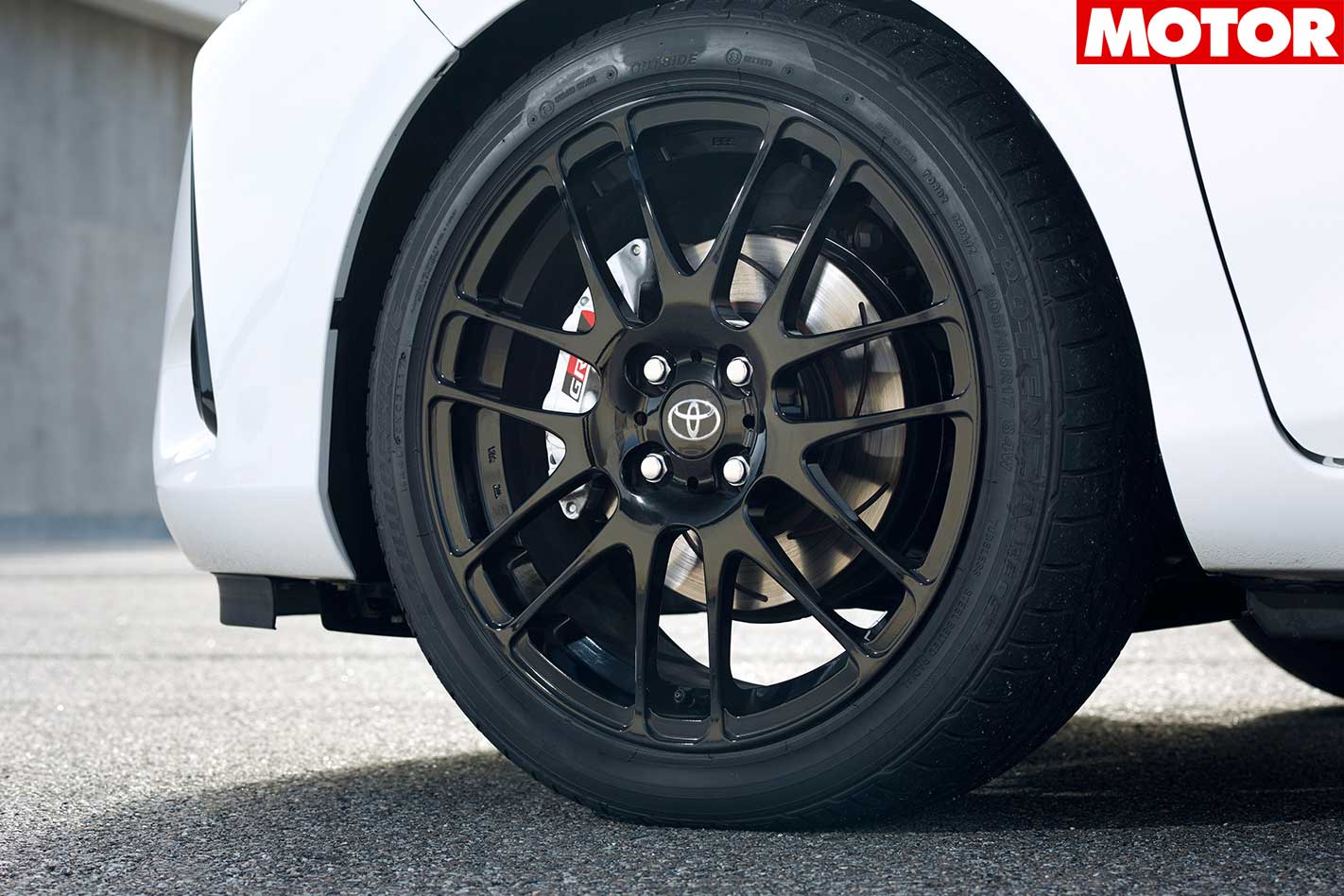
Forged 17-inch alloy wheels from BBS save 2kg per corner and are wrapped with 205mm-wide Bridgestone Potenza RE050As and stopped by uprated disc brakes and four-pot front calipers.
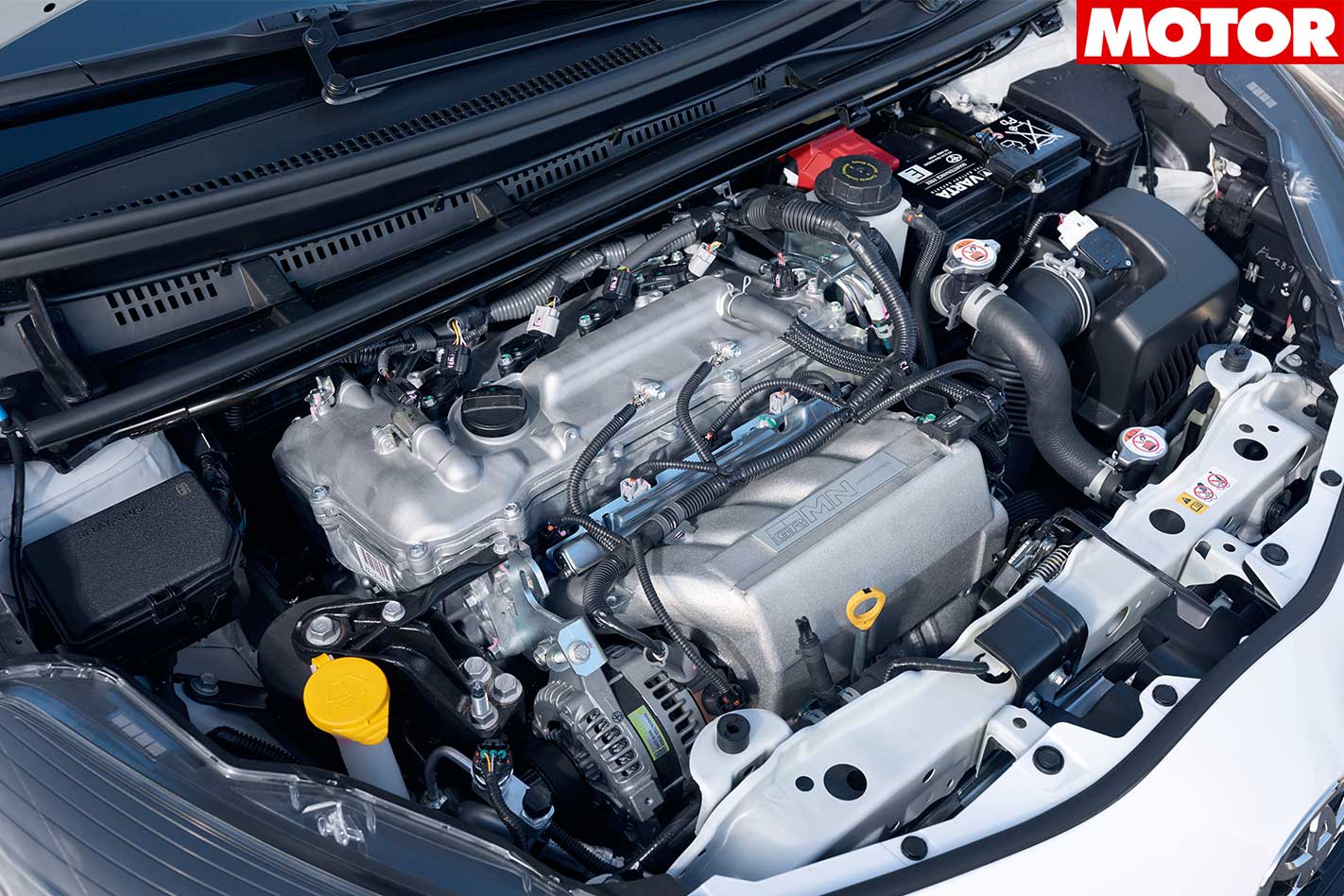
The engine is a supercharged 1.8-litre petrol four-pot built by Toyota UK and tuned by Lotus. Producing 156kW just shy of 7000rpm and 250Nm, it makes a refreshing change from the smaller-capacity turbos within this niche. And, fitted with a centre-exit exhaust designed for this car, it sounds great when it’s working hard: waspish, brassy, rough-edged.
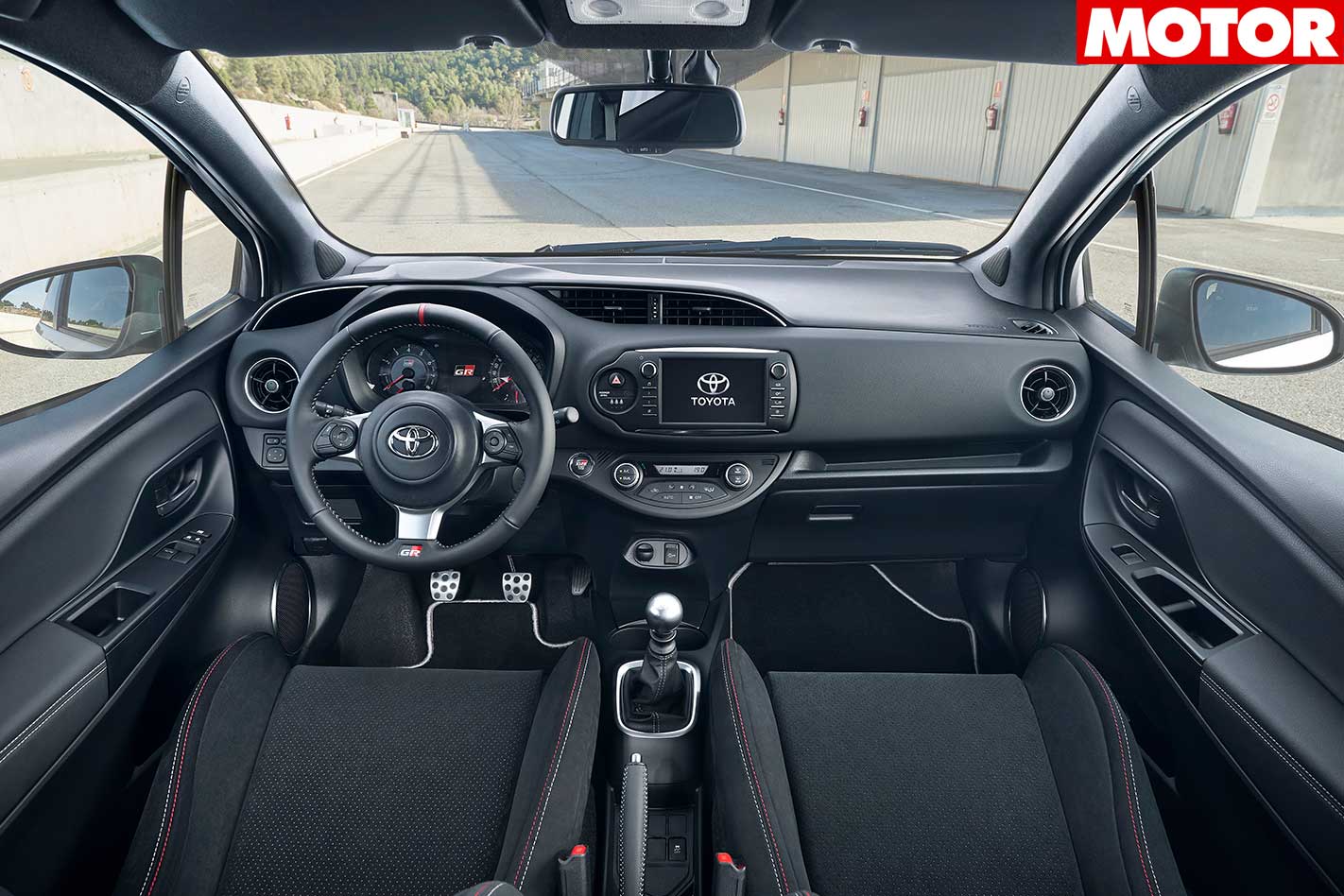
The Yaris GRMN doesn’t have the low-rev torque to bludgeon its way down short straights with the vigour of something more powerful and expensive, but its engine responds very crisply indeed, zips to the 7000rpm redline and makes the accelerator feel like it operates in an entirely analogue and linear fashion – unlike big-boosted turbo rivals.
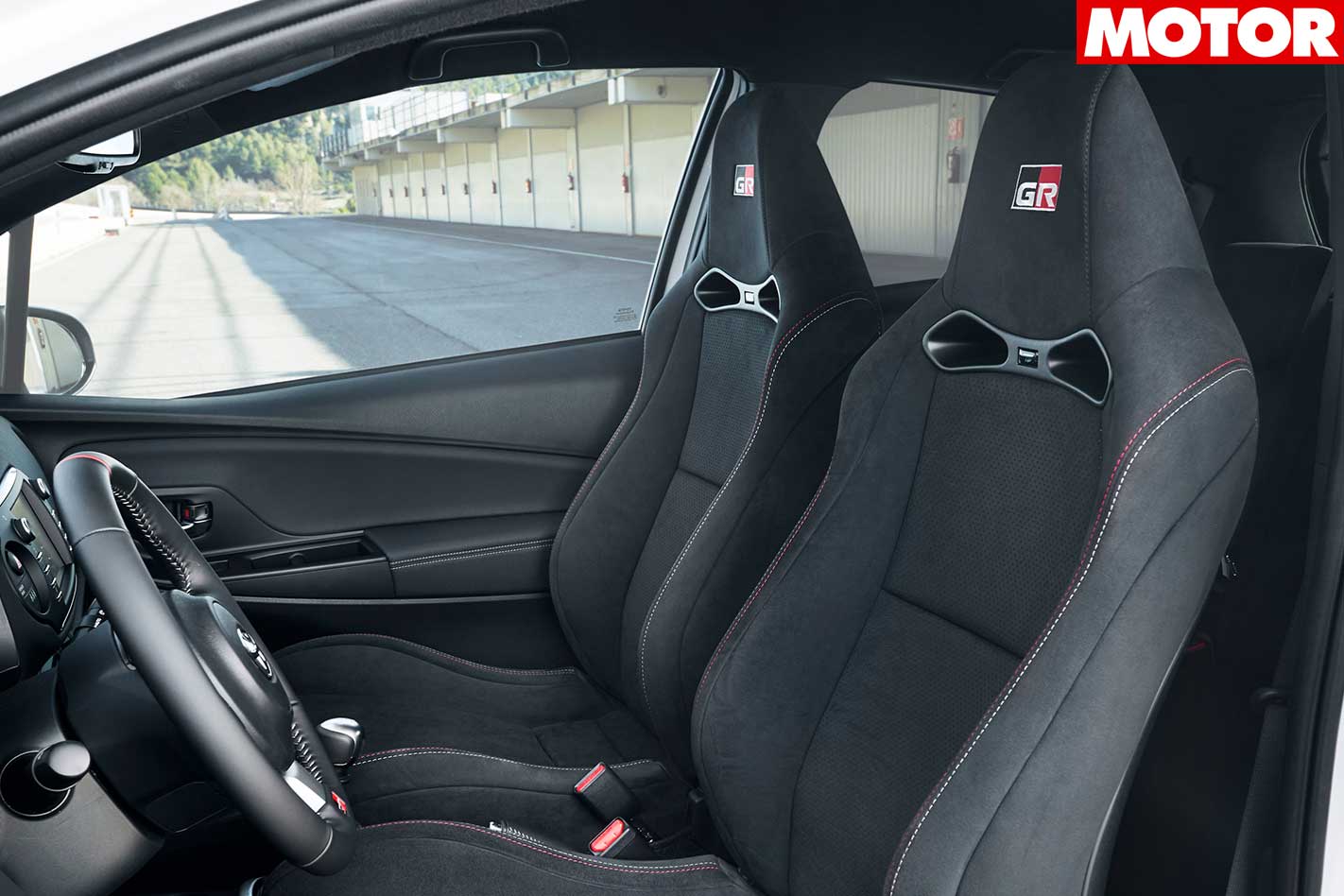
Instead, it takes a perceptible moment to settle on its outside wheels before changing direction and doesn’t point or rotate underneath you in the same way. But that’s not to suggest the car isn’t an engaging, lively type.
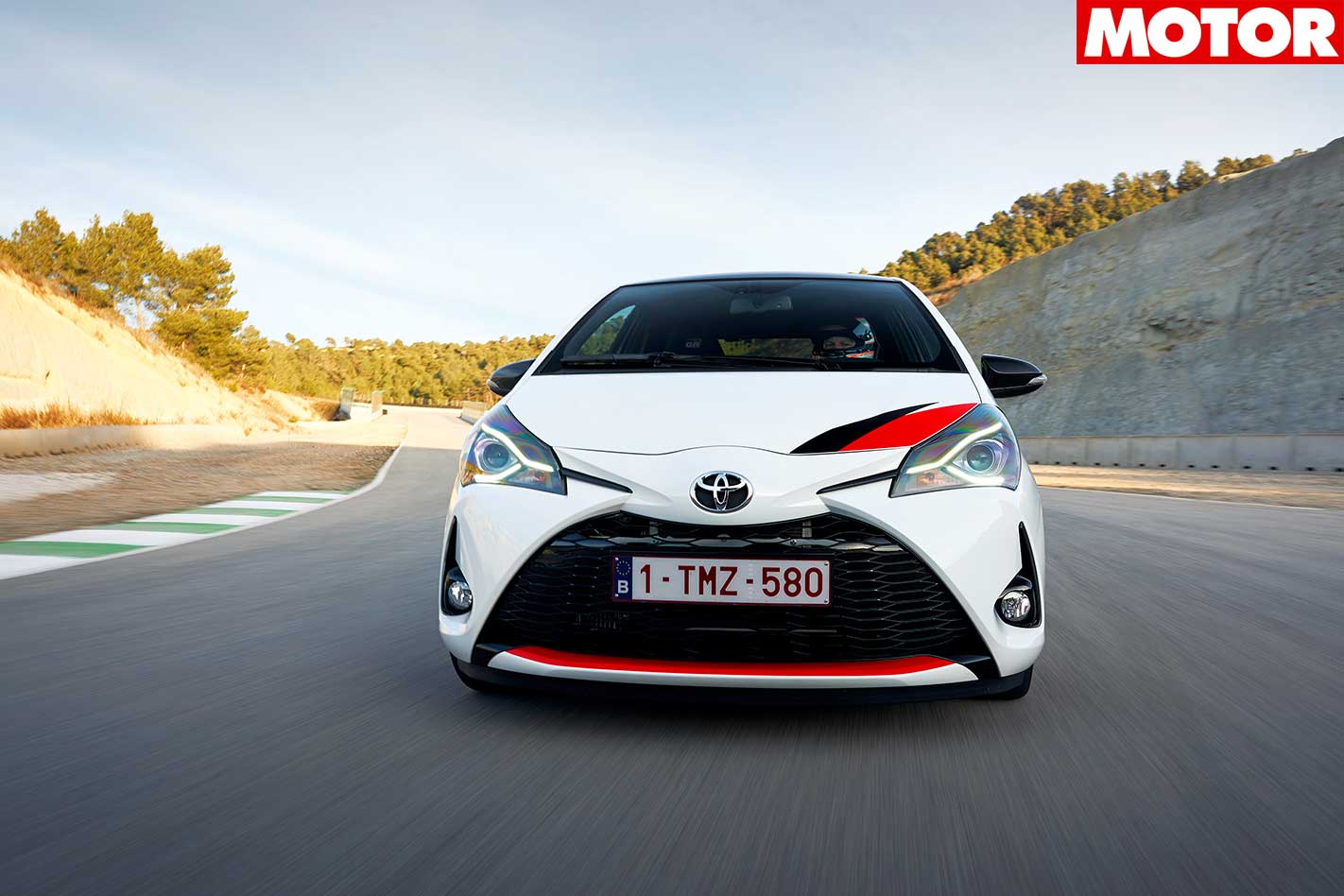
The Yaris’s body control is very good and its damping superbly tuned, allowing enough short-wave suppleness to keep the body settled over smaller lumps and bumps, but checking it firmly over bigger ones.
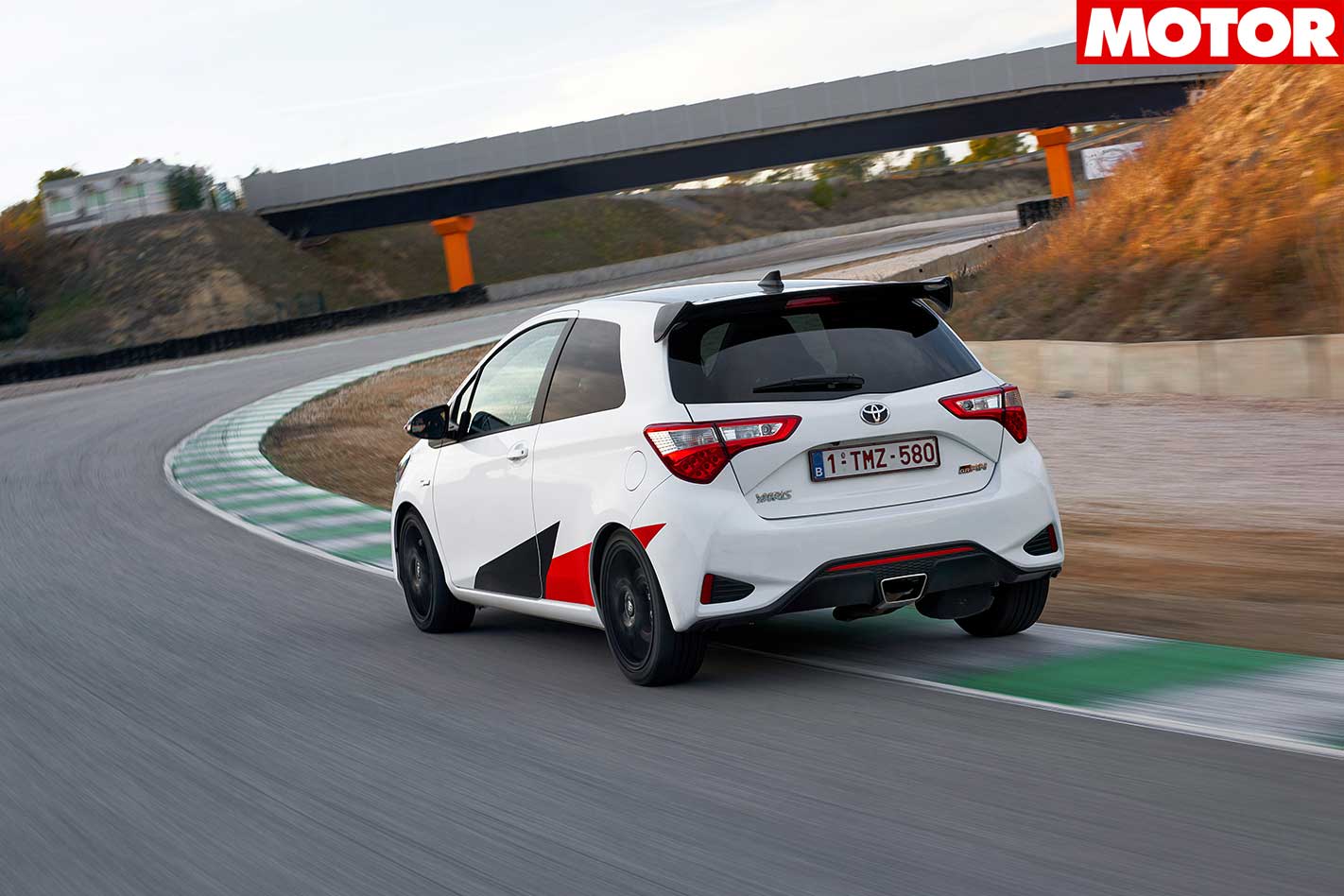
Whether that amounts to a mini hatch worth paying $46,493 for is in one way irrelevant: the Yaris GRMN won’t come here.
What matters most is Toyota has created a driver’s car worthy of an enthusiastic following that augurs well for things to come, particular when Gazoo Racing turns its attention to a more promising base car – say, just for argument’s sake, next year’s new Supra.
2018 TOYOTA YARIS GRMN SPECS: Engine: 1798cc inline-4cyl, DOHC, 16v, supercharger Power: 156kW @ 6800rpm Torque: 250Nm @ 4800rpm Weight: 1135kg 0-100km/h: 6.4sec (claimed) Price: $46,493
Like: Blower whine; damping tune; seats Dislike: Lumpy steering; lack of agility; stickers; price Star Rating: 3.5 out of 5 stars
More hatchback than high-rider, the flamboyant BMW X2 is an X1 with flair – but is it right to think of it as an SUV?
WHAT IS IT?
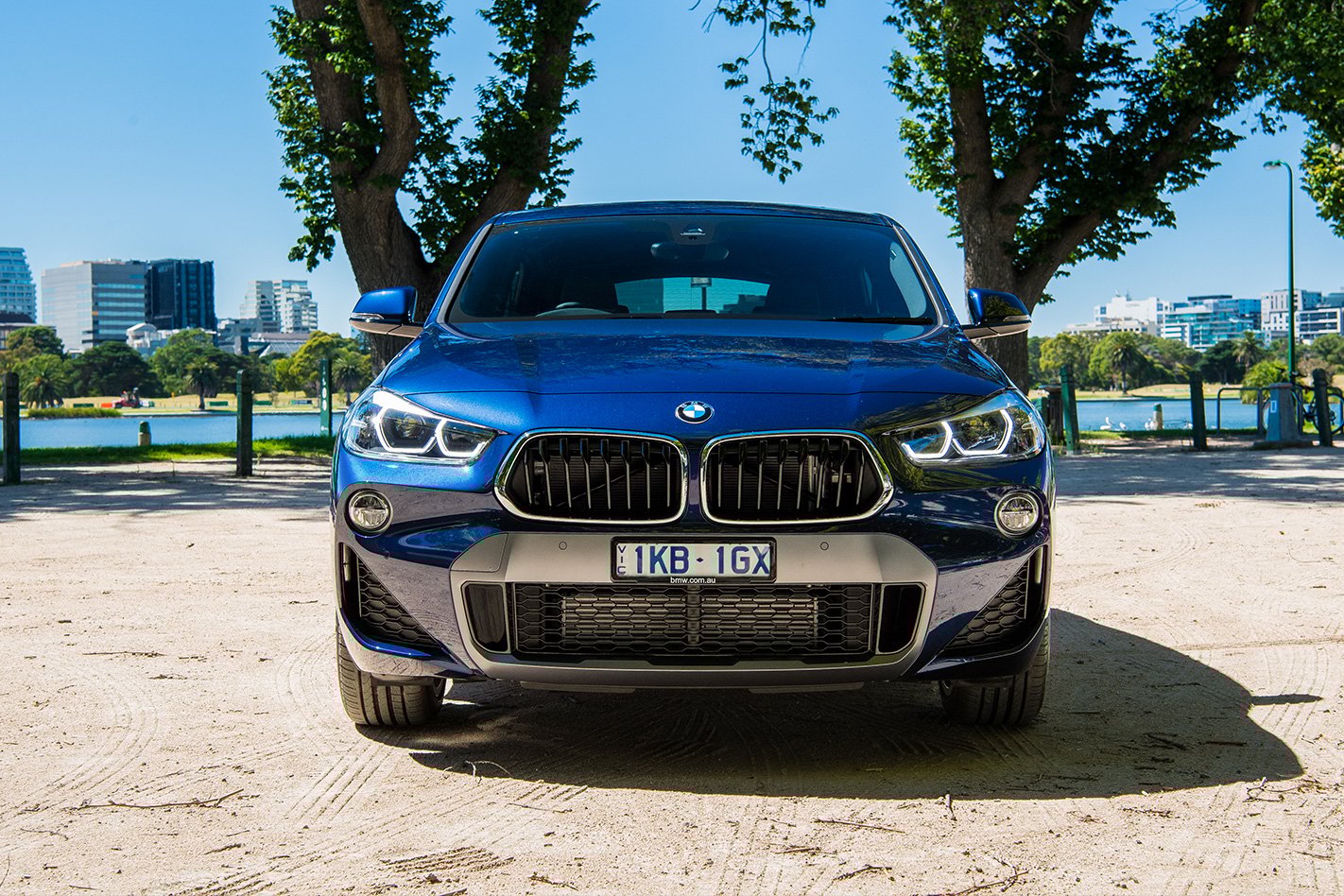
Think of the X2 as an X1 with significantly more visual attitude, and you’re on the right track. Intended to compliment the X4 and X6 SUV ‘coupes’ in BMW’s showroom, the X2 is designed to appeal to a younger audience through more adventurous styling and a sportier driving experience.
WHY ARE WE TESTING IT?
Although this is a well-trodden product development path for BMW – the X2 sharing its innards with the X1 SUV – BMW says it has imparted its newest X-car with a character that’s all its own. That surely warrants investigation.
MAIN RIVALS
Audi Q2, Infiniti QX30, Mercedes-Benz GLA, Range Rover Evoque. Later on, the Jaguar E-Pace, Volvo XC40 and Lexus UX will join the style-driven premium compact SUV fray.
THE WHEELS VERDICT
In a great many ways, the X2 makes more sense than its bigger, more sensible cousin, the X1. Its on-road handling is properly aligned with the sporty pretensions of its exterior styling, it’s genuinely good fun to steer and its head-turning design doesn’t fade into the background like its wagon-bodied relative. While stiff underpinnings penalise the family-oriented X1, they suit the X2 to a T – as long as you tick the box for the optional adaptive suspension.
PLUS: Sharp handling; eye-catching design; surprisingly few interior compromises MINUS: Adaptive suspension is a must; cabin noise on coarse chip surfaces
THE WHEELS REVIEW
THIS is not merely an X1 with a backwards baseball cap. BMW wants to make that clear. Another message BMW wants to send is that the X2 is pitched heavily at millennials – presumably cashed-up ones that can afford to drop $50K-plus on a brand-new car.
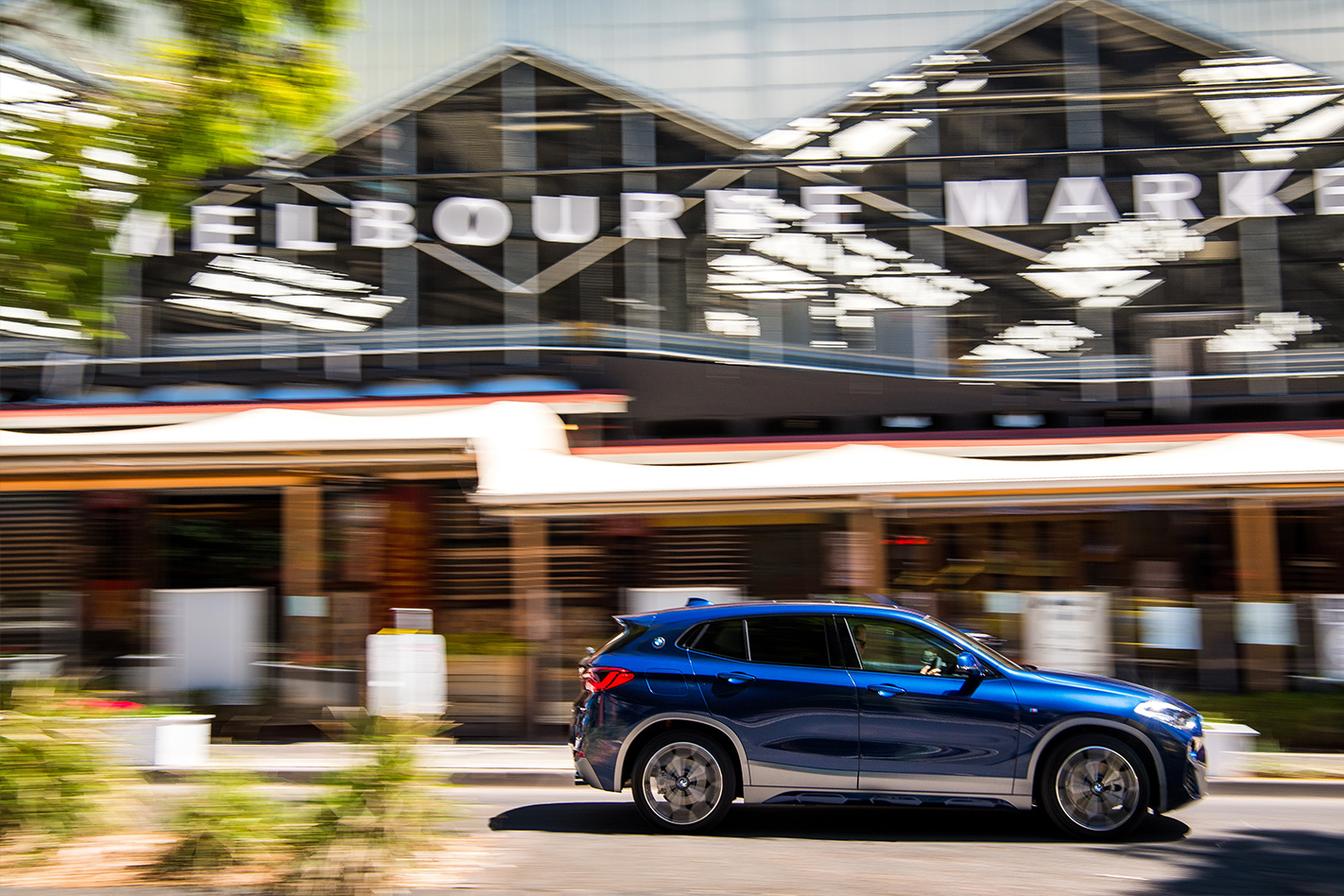
But in reality, this is a car that could appeal to a broader church than the X1 that sits alongside it in BMW’s product hierarchy. With style on its side and packaging that’s more big-hatch than small-SUV, the X2 stands out from the crowd (in a good way), without being as compromised as you might expect. What’s more, the extra outlay required to step up to the arguably more desirable X2 is comparatively modest.
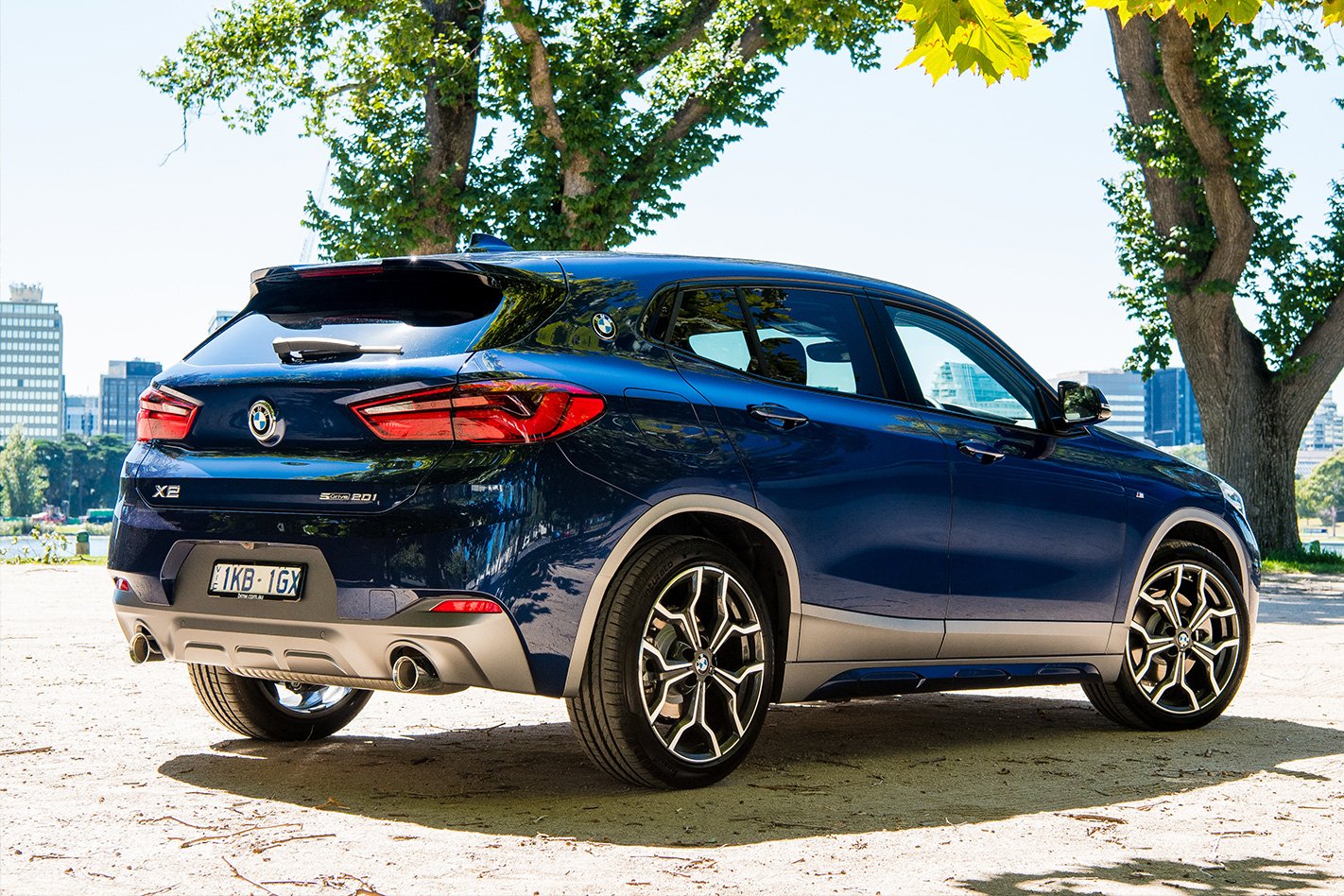
The X2’s platform and its mechanical innards are shared with the X1, though tweaked to suit the X2’s posture as a sportier, style-conscious offering. Wheelbase is identical, but compared to the X1 the X2’s overall length is trimmed by 79mm. The front overhang is increased by 12mm for a longer bonnet while the rear overhang is 91mm shorter, giving the X2 a more classically cab-back look than its SUV stablemate.
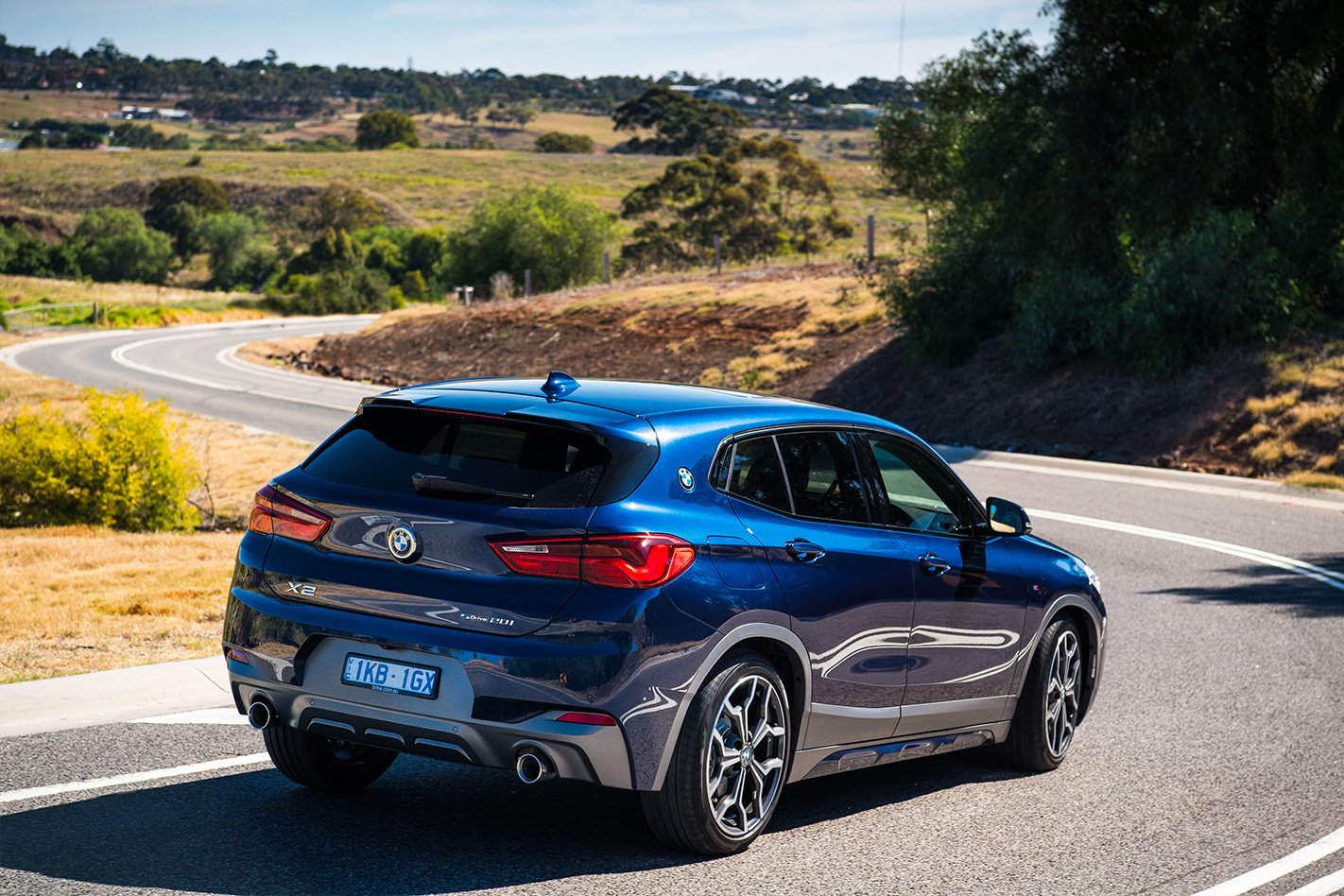
The prominent BMW roundels on the C-pillars may divide opinion – some may think the designer’s homage to the classic E9 3.0 CSL is gaudy, others may see it as classy – but the big picture looks handsome from most angles without suffering from the same ungainly proportions of the outgoing X4, nor the self-consciously butch styling of the X6. Don’t think of it as a coupe-styled SUV though: with no D-pillar and a fairly vertical tailgate, this one is more hatchback than anything else.
And that hatchback aesthetic is enhanced if you opt for the no-cost optional M Sport package, rather than the standard-issue M Sport X trim. The M Sport config replaces most of the contrast colourways on the arches, side skirts and bumpers with body colour to make the X2 look more even more like a swollen five-door instead of a bona-fide SUV. The M Sport X package is easily more handsome looking in the flesh.
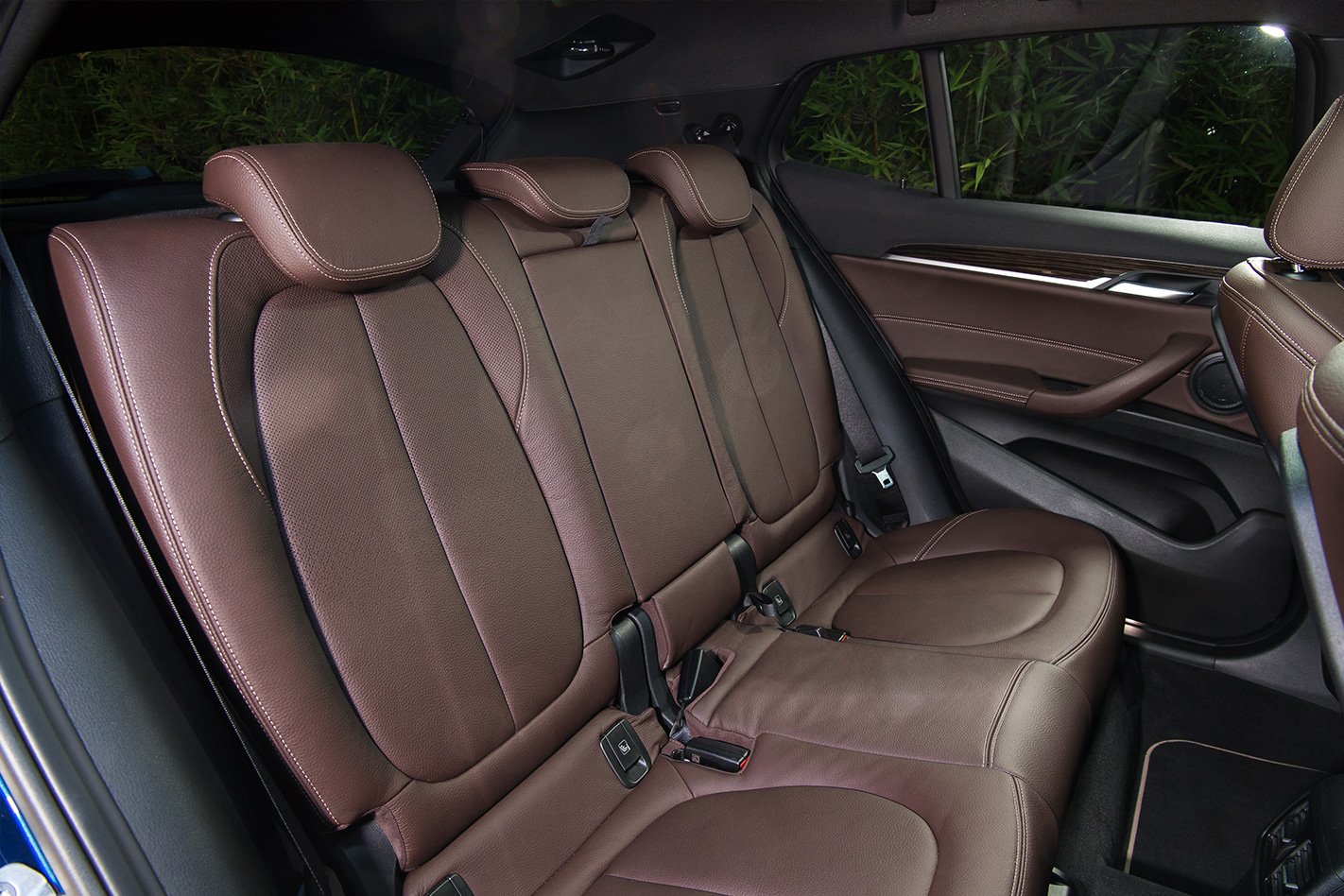
From the front seats you’ll notice dash and centre console furniture that’s largely the same as that found in the X1. It feels slightly different from the driver’s seat though, thanks to a 20mm lower hip point that puts you in a semi-sportscar posture behind the wheel.
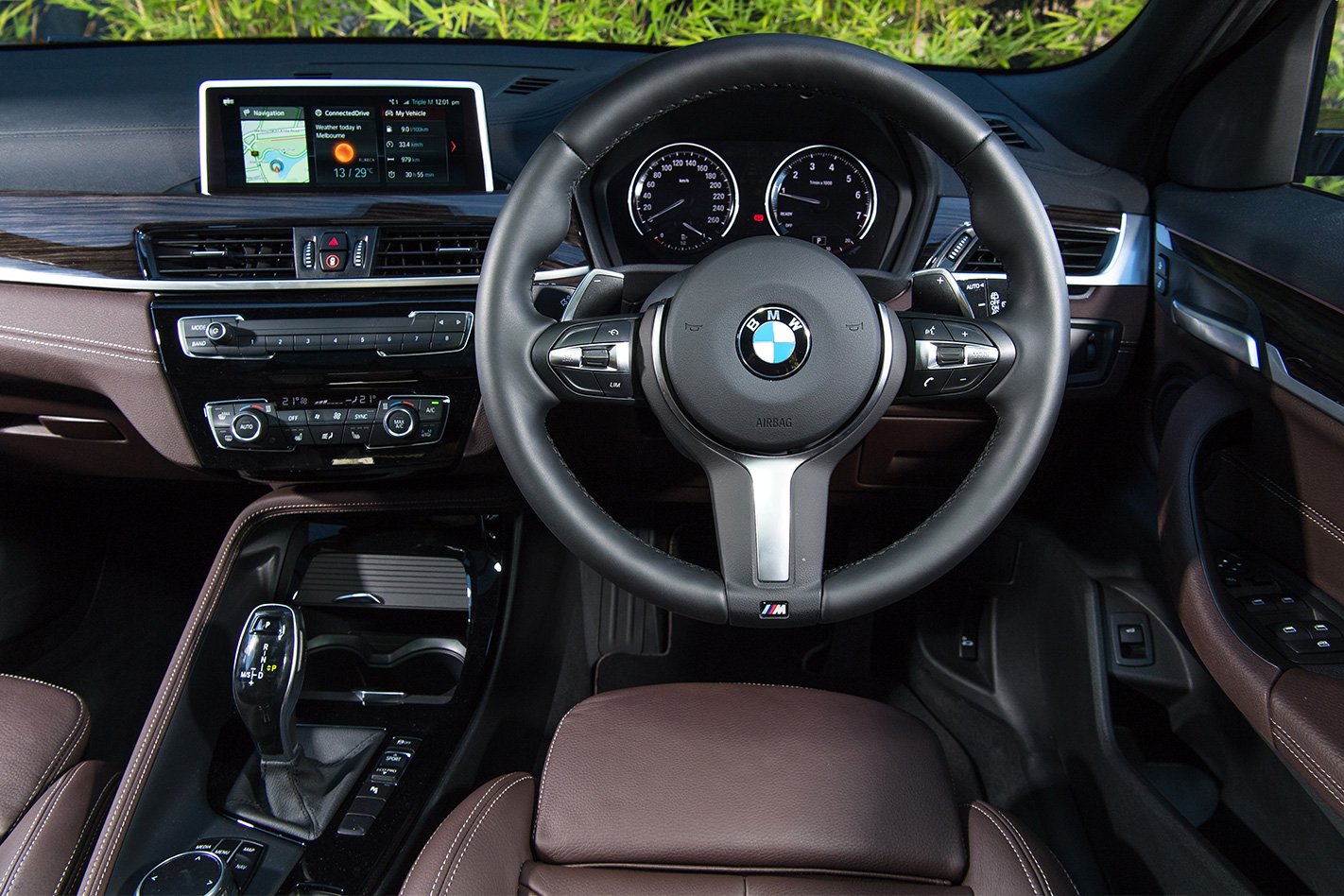
Between that leather-clad wheel and the front tyres are more changes. The steering rack has changed from the X1’s variable-ratio unit to one with a constant 15:1 ratio, improving response around dead-centre and imparting a faster-reacting nature to the X2’s tiller. There’s also a smidge more negative camber on the front wheels to help the tyres bite into the road plus a more rigid chassis and 50kg weight reduction relative to a similarly-specced X1. The net effect is a front end that feels far more precise and willing to change direction than BMW’s entry-level SUV – though it’s still not exactly fizzing with feel.
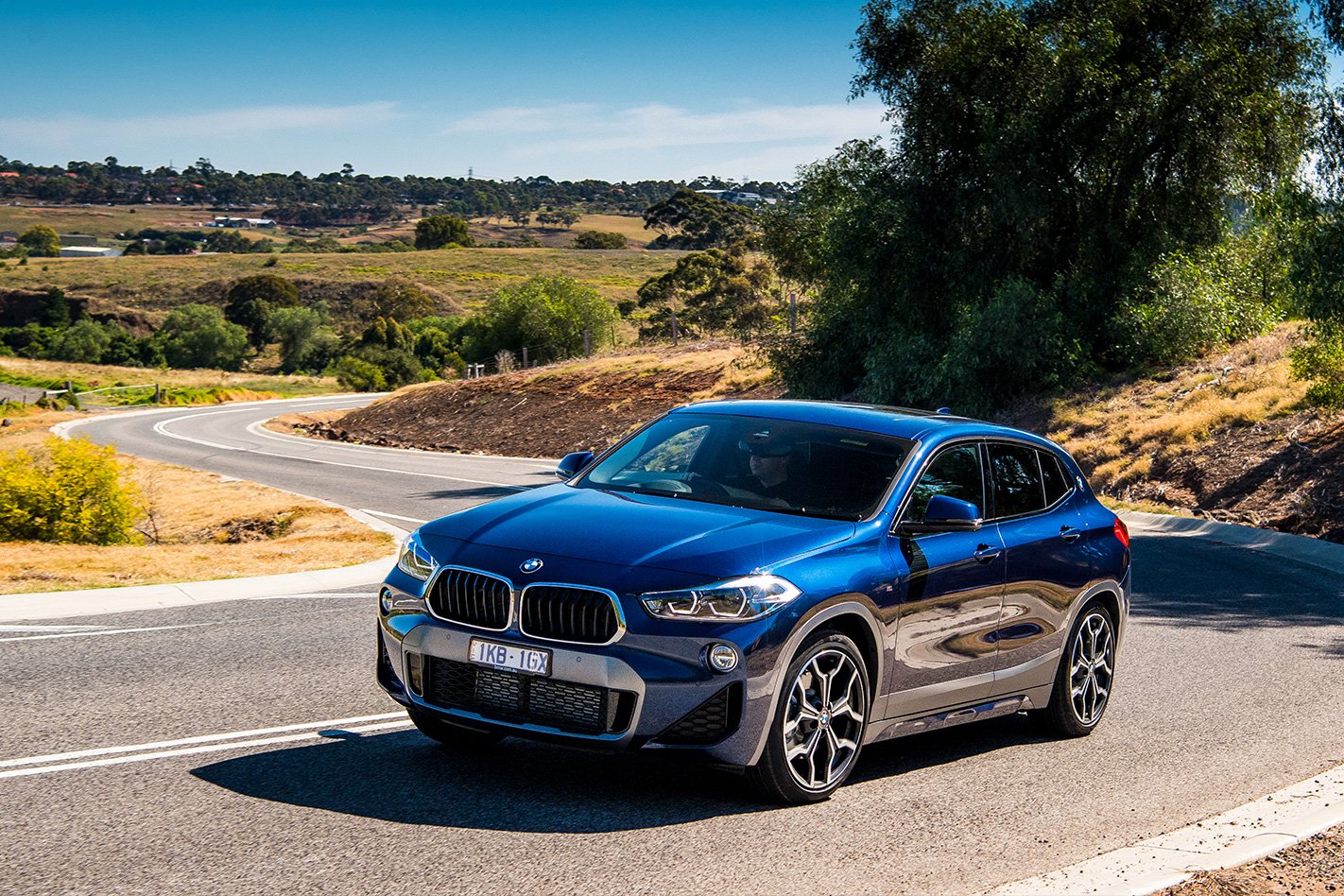
Until June, the only X2 variant in local showrooms will be the sDrive20i, with a 2.0-litre turbocharged petrol four that makes 141kW and 280Nm while burning 6.0L/100km of regular unleaded on average. Paired with BMW’s new smooth-shifting seven-speed dual-clutch automatic and sending power to the front wheels, it’s an agreeable and torquey powertrain – though a hotter ‘25i’ variant using the X1 xDrive25i’s 170kW/350Nm engine would make better use of the X2’s dynamic talents.
And diversity is arguably what the X2 is all about. It’s an emotionally engaging car that targets conquest sales for the marque. Its success hinges on BMW attracting those millennials whose line of credit hasn’t been ravaged by smashed avo purchases – which could prove risky – but in its bid to imbue a more fashionable flavour to the Munich brand, the X2 is one of BMW’s most intriguing cars in a long time.
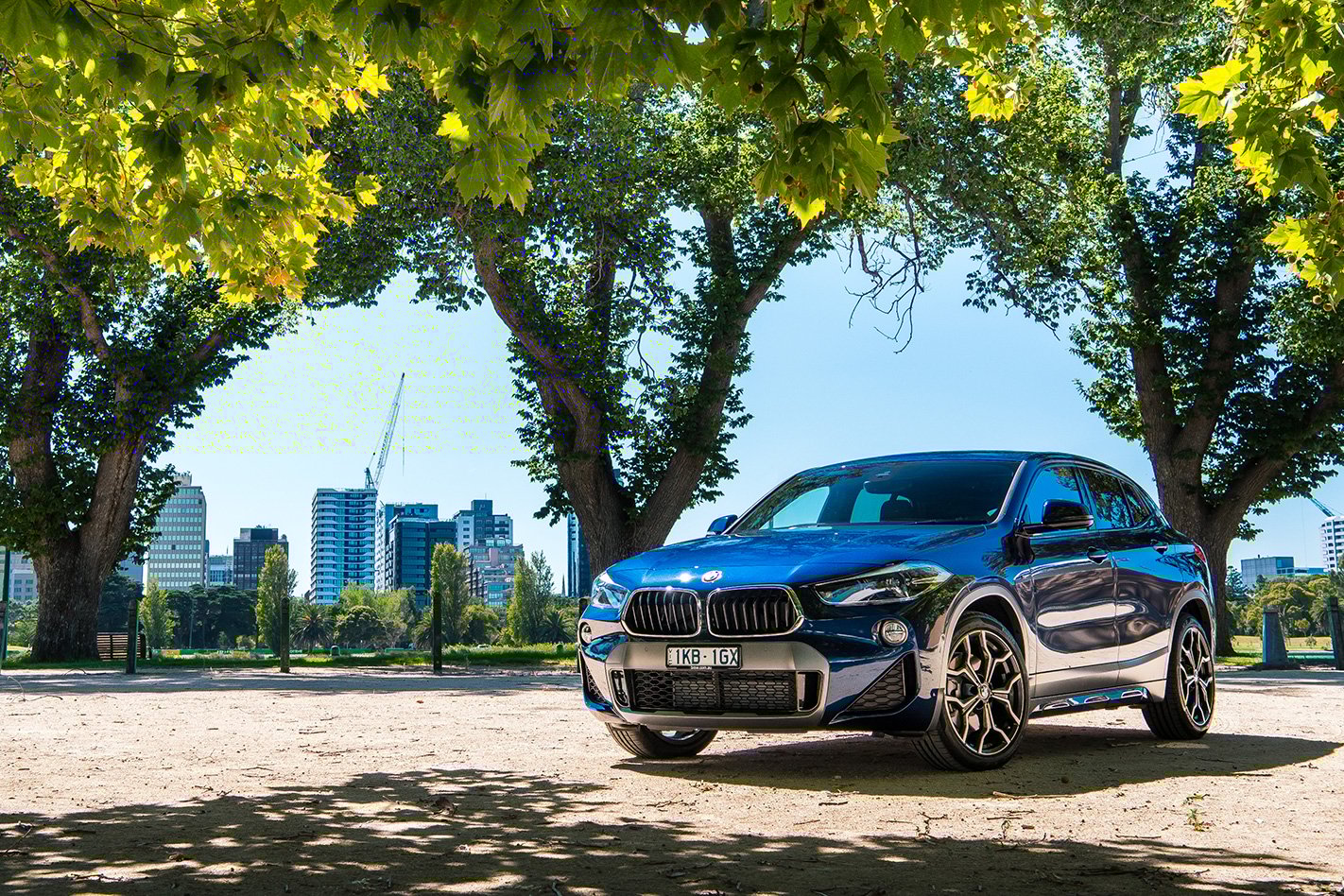
SPECS Model BMW X2 sDrive 20i Engine 1998cc 4cyl, dohc, 16v, turbo Max power 141kW @ 5000-6000rpm Max torque 280Nm @ 1350-4600rpm Transmission 7-speed dual-clutch auto Weight 1460kg 0-100km/h 7.7sec (claimed) Economy 6.0L/100km (Europe Combined Cycle) Price $55,900 On sale Now
The all-new Porsche Cayenne has arrived in Australia, launching with a three-variant range priced between $116,000 and $239,400.
The 2018 Cayenne features a new light-weight aluminium body, newly developed eight-speed dual-clutch gearbox, electronically-adjustable suspension, the latest-generation of Porsche’s infotainment suite, active aerodynamics and active all-wheel-drive – which allows drivers to switch between Normal, Sport, Sport Plus and custom drive mode settings.
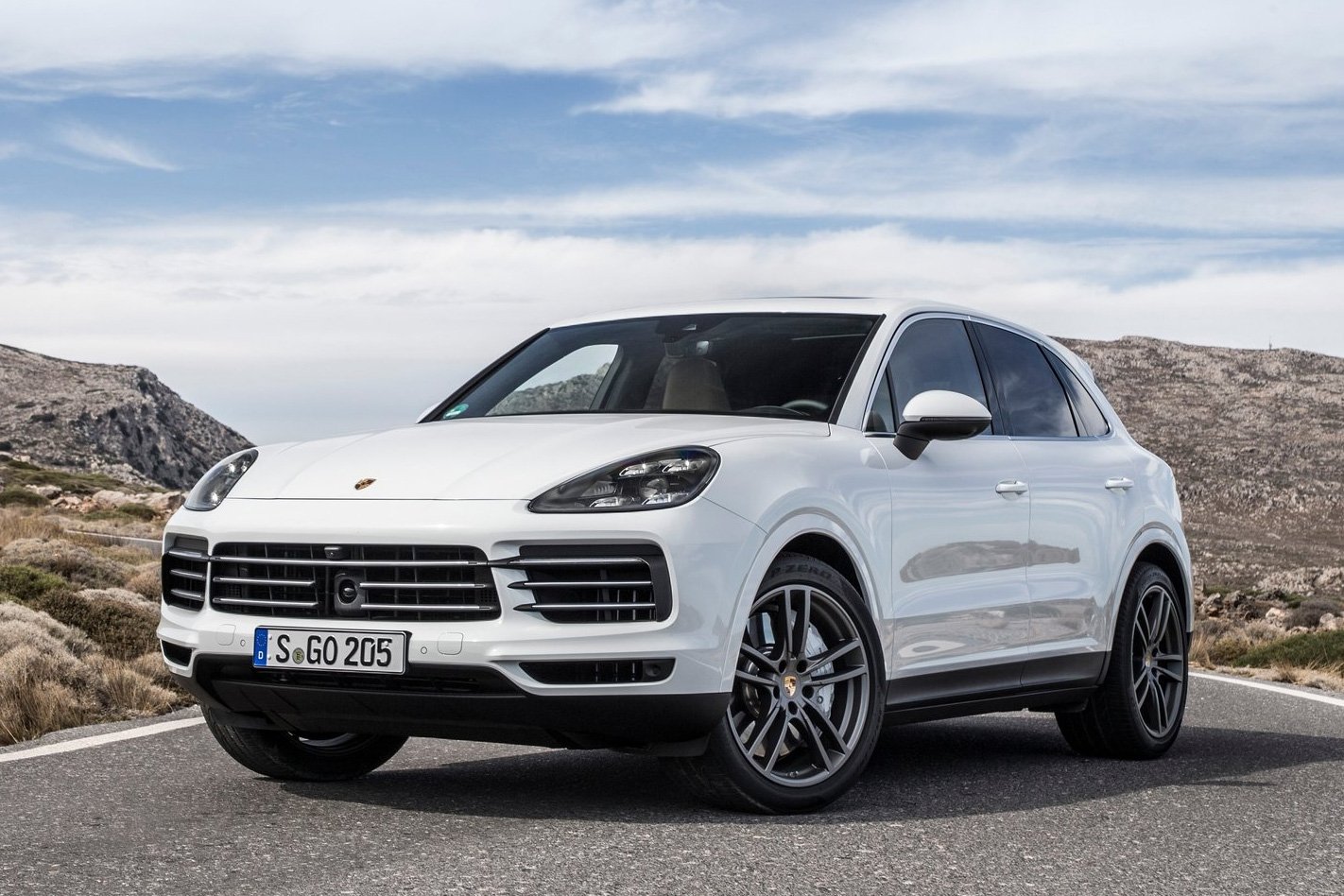
It also pinches some inspiration from its sleeker 911 sibling including staggered tyre sizes and optional rear-wheel steering.
The entry-level Cayenne is powered by a 250kW 3.0-litre turbo V6 petrol which helps it accelerate to 100 km/h in just 6.2 seconds – or just 5.9 seconds with the optional Sport Chrono Package. The Aussie version comes with additional standard features including ParkAssist with surround view and Lane Change Assist.
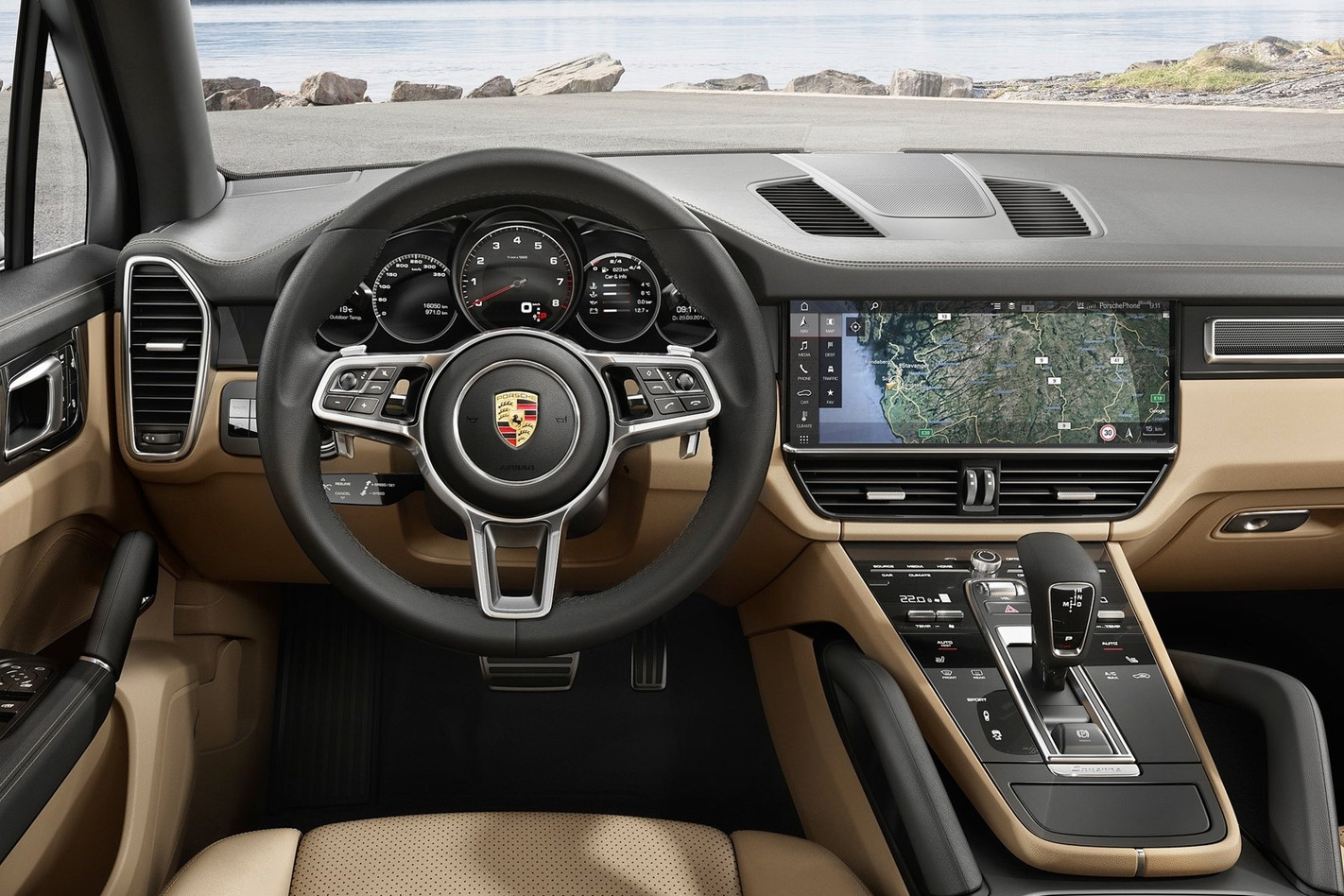
Next up is the Cayenne S, priced from $155,100, and powered by a 2.9-litre biturbo V6 that produces 324kW. Despite its size, the Cayenne S reaches 100 km/h in 5.2 seconds, which can be trimmed to 4.6 seconds if fitted with Sport Chrono.
Meanwhile, the range-topping Cayenne Turbo has a beastly 4.0-litre twin-turbo V6 at its heart that generates 404kW and massive 770Nm – more stonk than the 911 Turbo. This will blast away from zero to 100km/h in a mere 4.1 seconds, or a barely-believable 3.9 seconds with Sport Chrono.
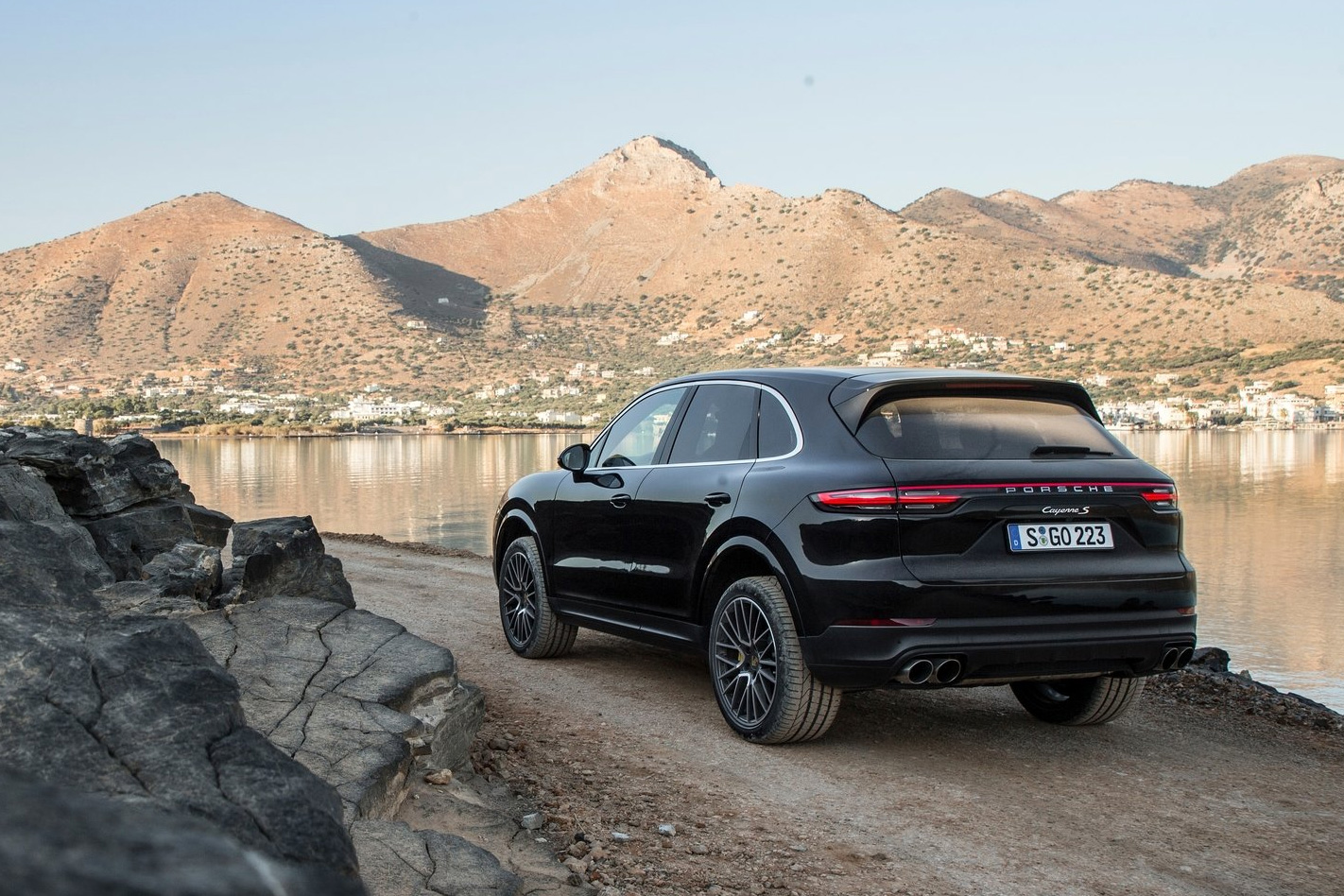
Additional standard features for the local S and Turbo variants include a panoramic sunroof, while the Turbo also gains ambient lighting, seat ventilation and four-zone climate control.
2018 Porsche Cayenne pricing
- Cayenne – $116,300
- Cayenne S – $155,100
- Cayenne Turbo – $239,400
IT WAS dubbed the ‘Lap of the Gods’. Just over two minutes of driving perfection, a sublime performance of car and driver, working in unison, to put together one of the single greatest tours of the Mount Panorama circuit.
At the wheel was Kiwi Greg Murphy, who set the time in the Top 10 Shootout for the 2003 Bathurst 1000, earning pole and a standing ovation from the pitlane.
The car? A Holden Racing Team-built Holden VY Commodore, which went on to win the 1000-kilometre race the next day. It is now for sale.
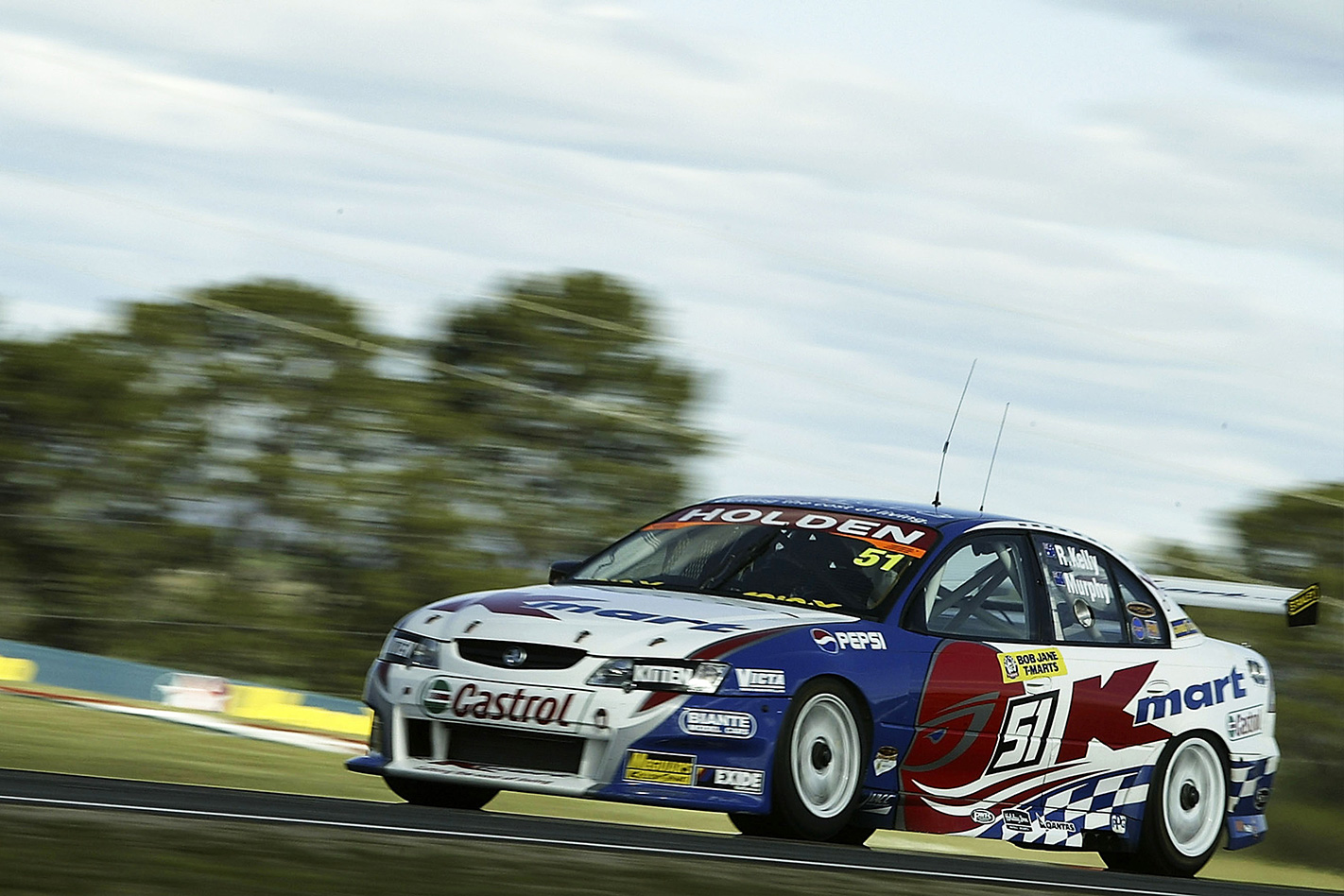
Queensland-based collector John Anderson owns the car, which was restored in 2011 to its full 2003 Bathurst livery and specification.
Originally built in 2000 for HRT, the car made its debut as a VT Commodore at the hands of Craig Lowndes, winning the Queensland 500 that year with Mark Skaife sharing driving duties.

The full listing can be found on the V8Slueth website.
That 2003 pole lap of 2:06.8594 is etched into Supercars folklore, and stood for seven years as the fastest V8 Supercar lap at the circuit.
Fellow New Zealander Scott McLaughlin is currently the fastest Supercar driver at Mount Panorama, with a lap time three seconds quicker than Murphy’s – but there will only ever be one Lap of the Gods.
