
HYUNDAI’S assault on the zero emissions SUV market has switched up a gear with a pair of fully-electric Kona variants added to the range, alongside the hydrogen fuel cell-powered Nexo, which made its debut in January.
The Hyundai Kona Electric will be initially offered in Europe with a choice of two powertrains starting with the basic version, which has a 39kWh lithium ion battery that sends power to a 99kW/395Nm electric motor for a range of up to 300km and zero to 100km/h acceleration in 9.3 seconds.
The second long-range variant has a beefier 64kWh battery connected to a 150kW permanent magnet motor with the same torque output as its sibling, for a range of as much as 470km and acceleration to 100km/h that takes 7.6s.
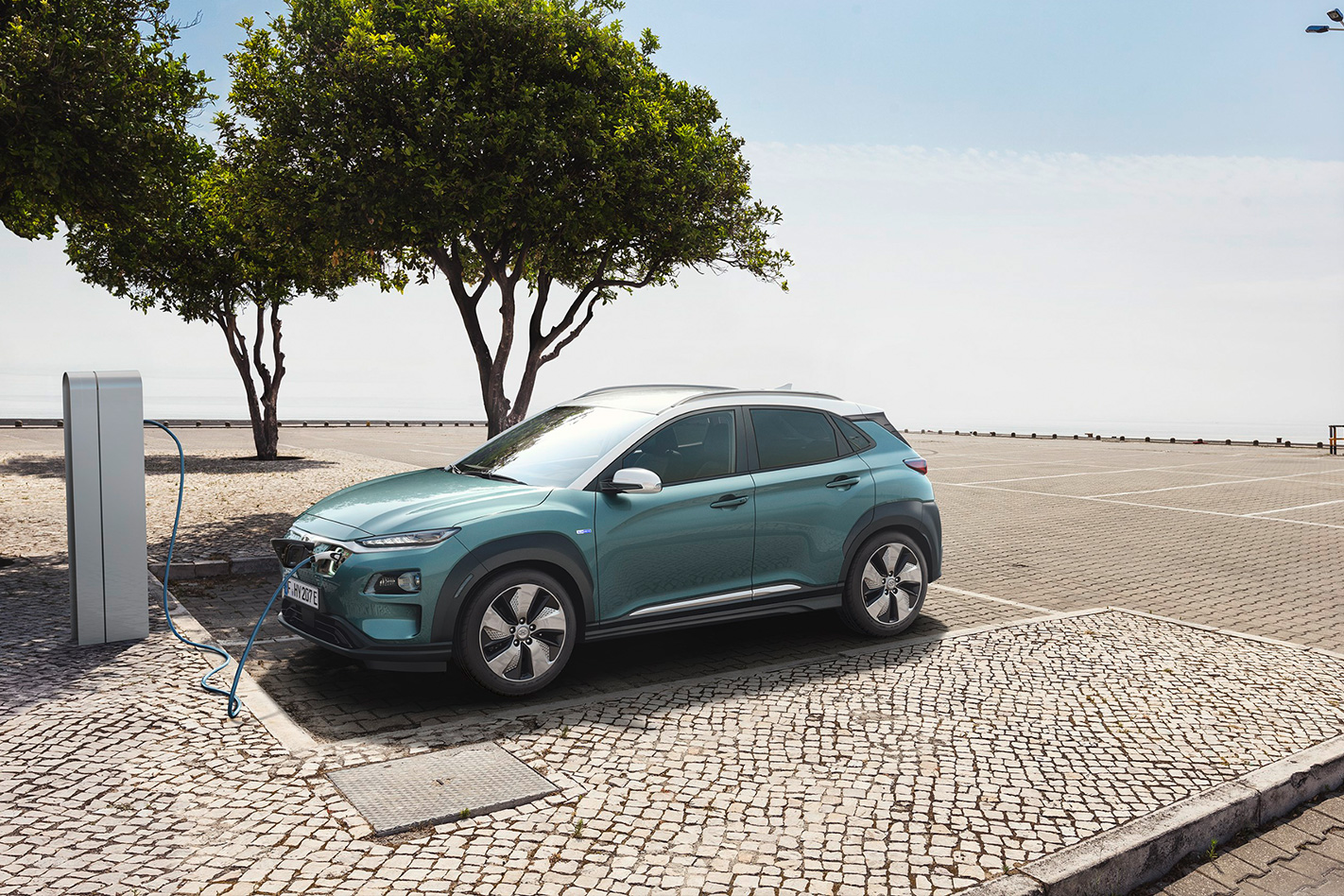
On the outside, the Kona Electric is similar in appearance to the combustion-powered versions with the exception of its grille which has been sealed over for reduced drag and improved efficiency. There’s also redesigned headlights that incorporate a ‘composite’ of LEDs.
The redesigned front end also houses the charge socket, which is exposed by flipping open a hatch hidden in the right side of the grille.

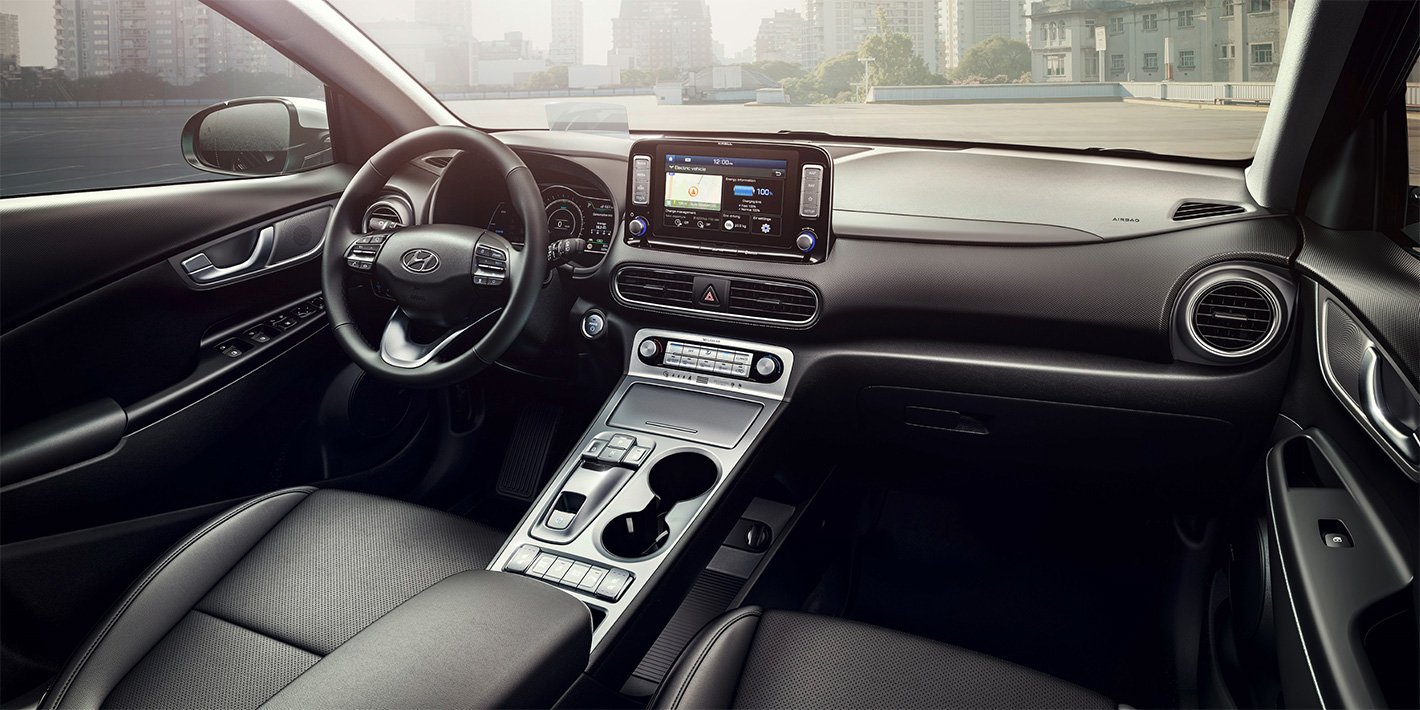
There are more changes in the cabin too with a dedicated centre console that houses the unique electric drivetrain controls.
While petrol-powered versions allow manual gear changes with the steering wheel paddles, for the Electric, the paddles allow the driver to adjust regenerative braking aggressiveness. Increasing the effect puts more energy back into the battery while decreasing re-gen allows the car to coast further when the accelerator is released.
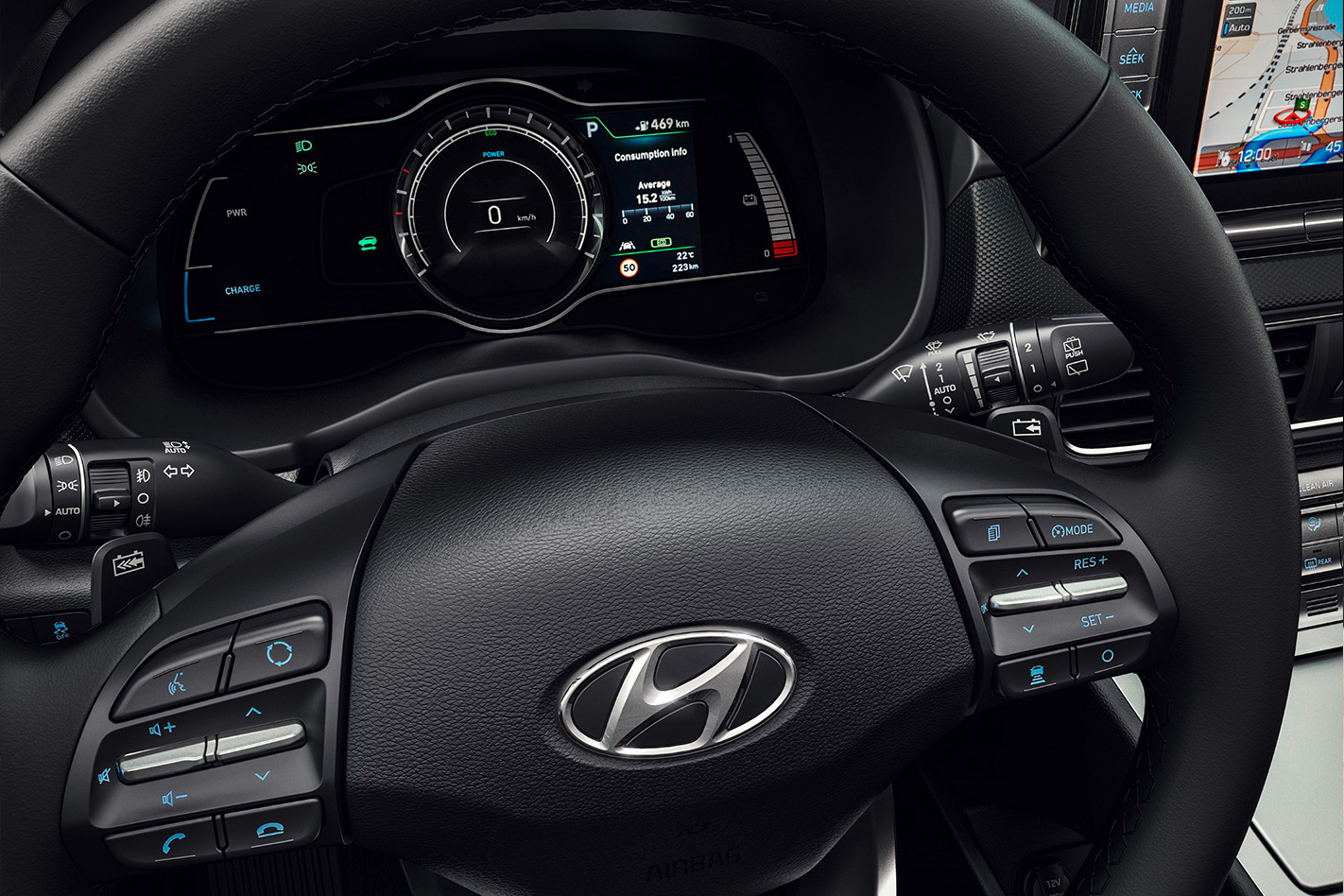
A selection of driver assistance systems are also offered as standard with the Electric pair, includingadaptive cruise control down to stop-and-go traffic, autonomous emergency braking, lane departure warning, lane keep assistance, blind spot monitoring, rear cross traffic alert, driver fatigue monitoring and speed limit alert.
A number of ix35 Fuel Cell models arrived with their own hydrogen filling station in 2014, the successor to that model – the Nexo will also come here in limited numbers next year, and the company’s other notable electrified model – the Ioniq – will touch down mid-year.
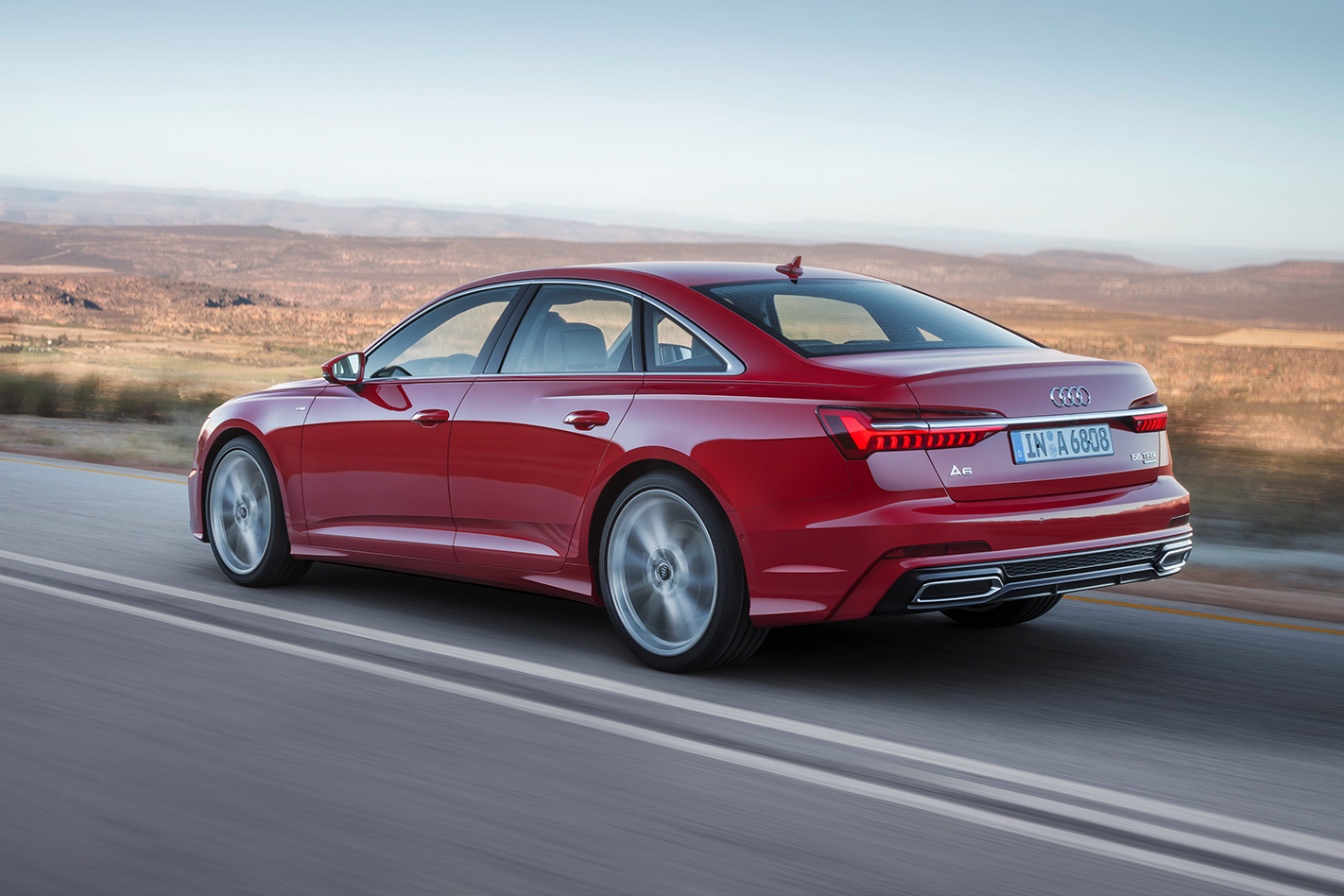
AUDI’S eighth-generation A6 has been revealed early, making an online debut a week before it receives its first public showing at the Geneva Motor Show. It will enter European showrooms in June, while a local arrival will occur in the second half of 2018.
As is tradition for the conservative Audi brand, the new A6’s sheetmetal takes cautious steps forward rather than big stylistic leaps. Even so, a quartet of pumped-up guards, the availability of huge 21-inch wheels and razor-sharp creases and cutlines all over give the big sedan a more aggressive aura.
2018 Audi A8 wired for level-three autonomy
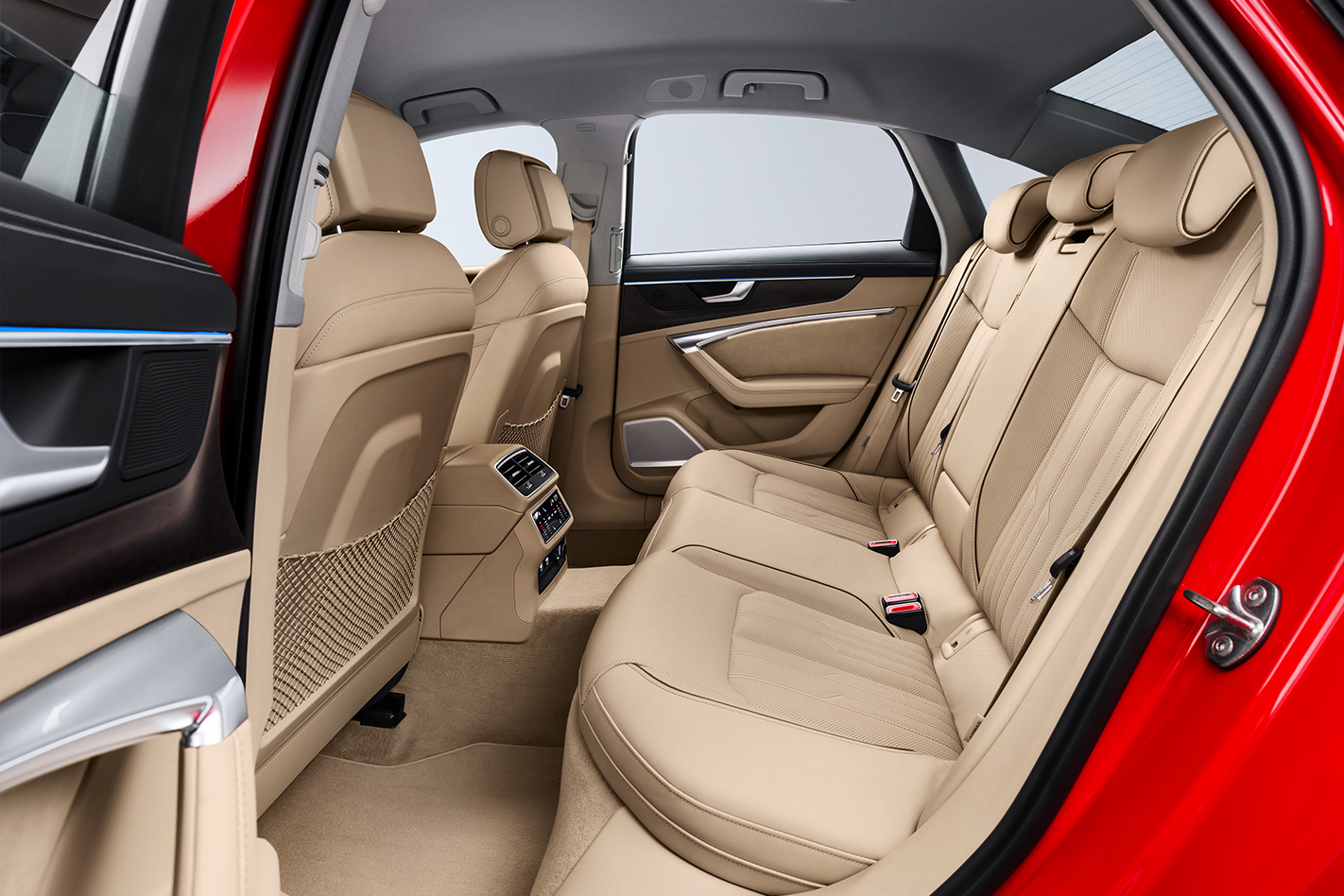
Dimensional growth is minor, with the 2019 A6 measuring just 7mm longer at 4939mm, 12mm wider at 1886mm and 2mm taller at 1457mm. Inside, the gains are greater. Back-seaters gain 13mm in legroom, all occupants see more headroom and shoulder room, and the cabin is 21mm longer overall. The boot still measures 530 litres, but a wider boot aperture means it’s now easier to load.
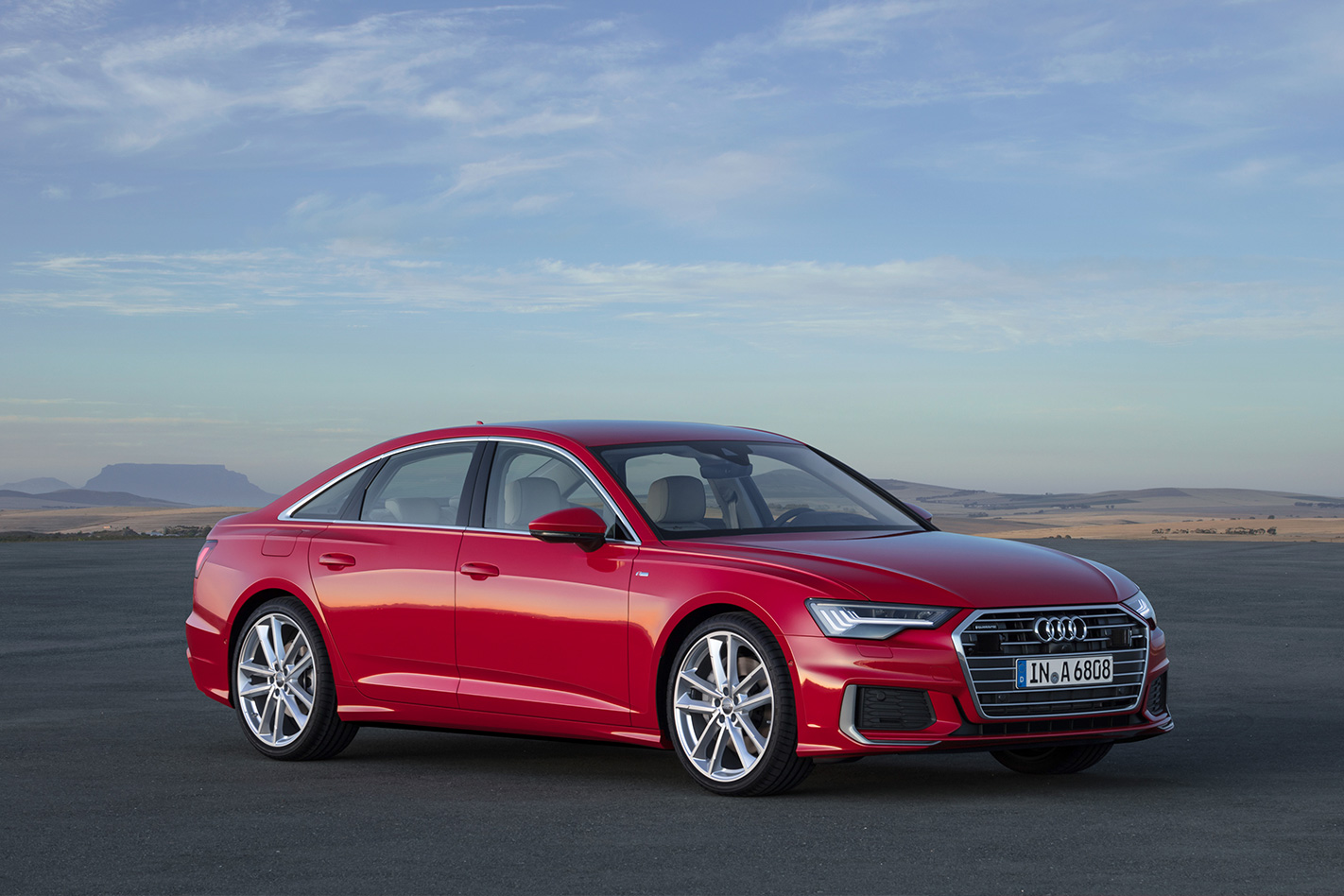
Some models will also be offered with four-wheel steering – similar to the new A8’s system – to help endow the A6 with greater agility, while a Sport differential will bring torque vectoring for even more athleticism.
For both engines, a smart alternator helps reduce parasitic drag when running (and thus lowering fuel consumption through regenerative braking), while also allowing the engine stop-start to function faster and more smoothly.
Driver assistance tech is also another highlight of the eighth-generation A6. Parking Pilot and Garage Pilot modes will enable owners to remotely slot their A6 into tight spaces via a smartphone app, while up to five radar sensors, five cameras, 12 ultrasonic sensors and a laser scanner help the A6 build a virtual picture of its surroundings to enable safe and more accurate active cruise control.
Rolls-Royce has announced it will build 35 models to become the ‘Silver Ghost Collection’, in homage to the first Silver Ghost which travelled 23,123km “non-stop” over 110 years ago.
The car that inspired the Silver Ghost Collection, which bore the number plate ‘AX201’ lives on in the form of these 35 examples of Ghost, with a special design bearing the combination found on a black-gold-plated collar which surrounds the Spirit of Ecstasy.
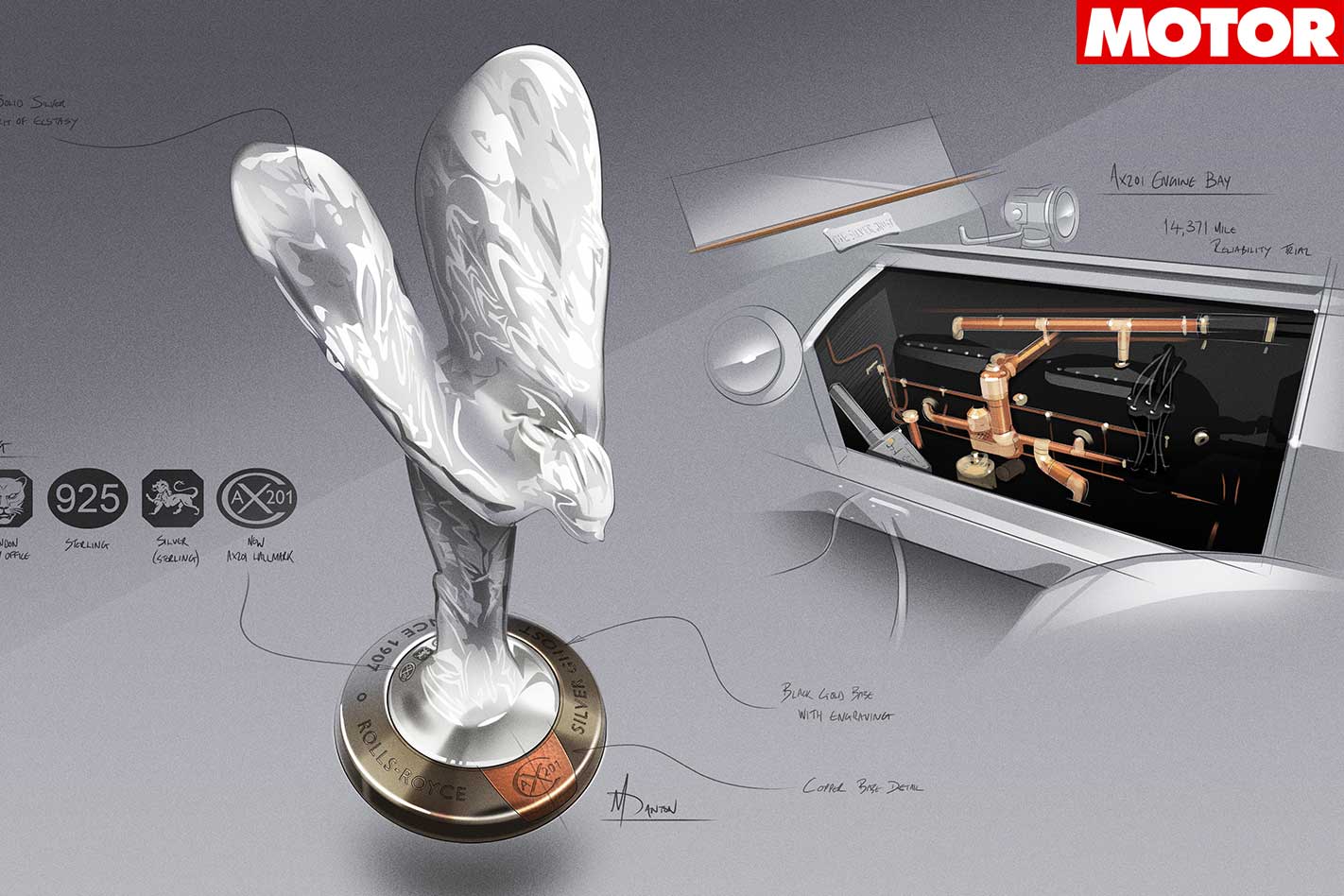
“The copper, shaped, beaten and textured is engraved with the newly designed AX201 hallmark.”
Each car will bear door sills that designate the cars as ‘one of thirty-five’, as well as having unique RR umbrellas stowed in the doors, the doors themselves being upholstered in ‘Forest Green’ leather to signify the original Silver Ghost’s colour scheme.
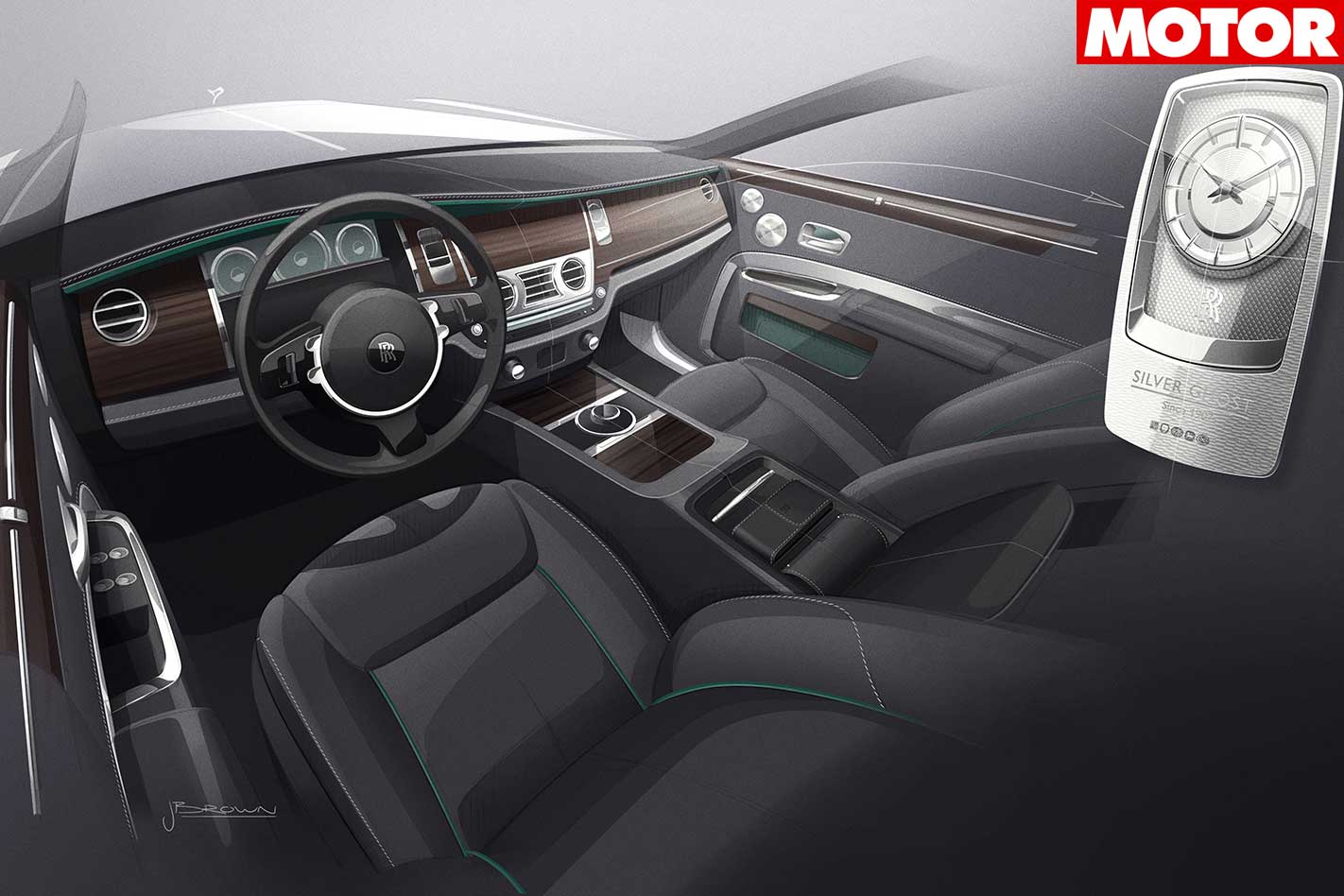
“The extraordinary accomplishments of our marque’s founding fathers are honoured by the creation of this elegant ‘Silver Ghost Collection’.
“The Rolls-Royce Bespoke Collective masterfully weave the rich narrative of the original ‘Silver Ghost’ into just 35 motor cars, creating a contemporary homage to the original motor car.
“Today, our craftspeople and master artisans continue this legacy of excellence, creating unique motor cars that define luxury.”
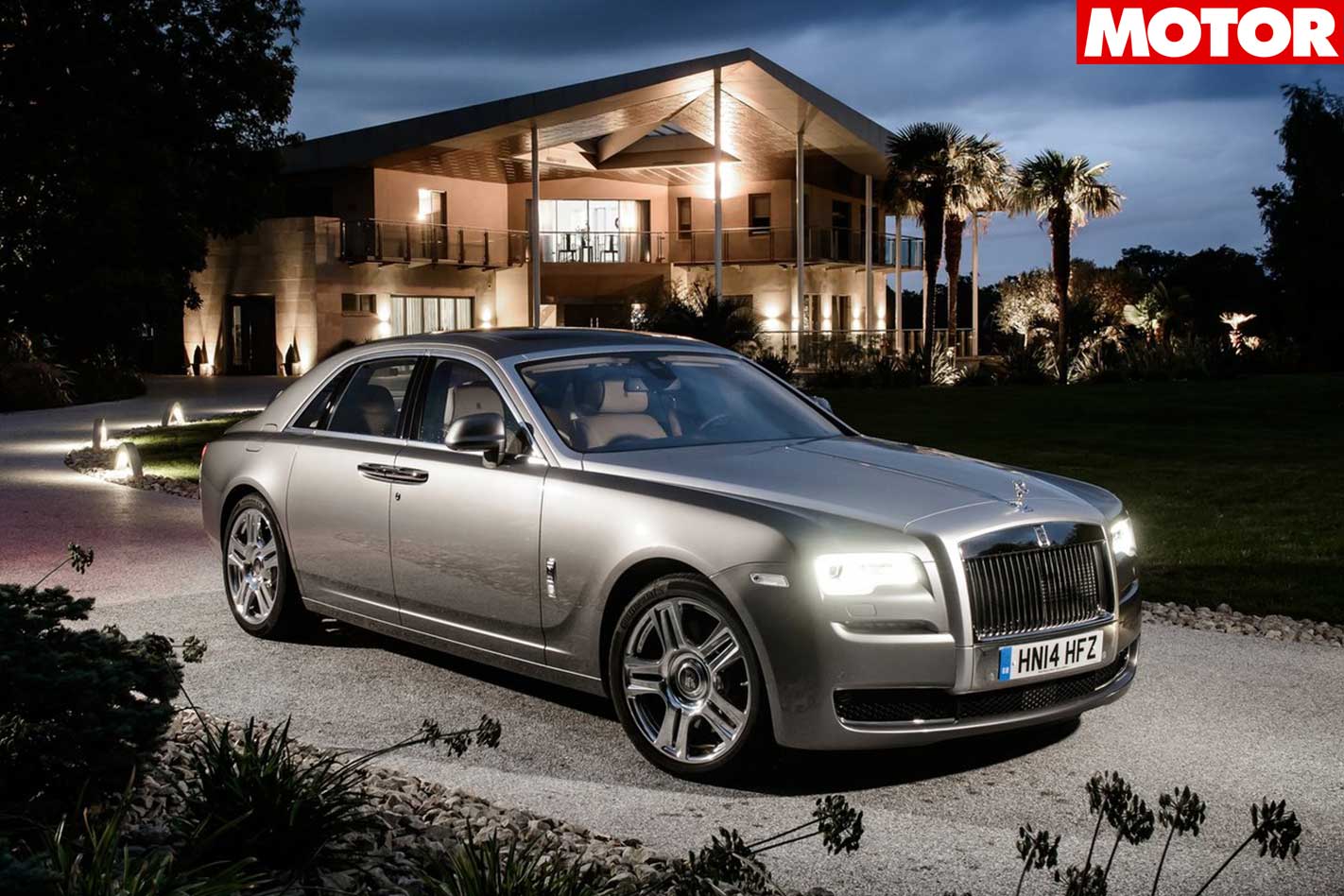
Rolls has not announced how much each customer is paying for a Silver Ghost Collection model, nor do we expect it will.
UTILITIES are big business over here – a quick glance down any major road will tell you as much, while a peek at last year’s sales charts will confirm it.
BMW Australia is acutely aware of this, and has told BMW leadership in Munich that it wants a proper commercial-grade utility to offer in local showrooms.
“We’ve been very pushy regarding utes or pickups,” BMW Australia CEO Marc Werner said.
“We believe this is something that the company should be looking into. We’ve raised that with headquarters and certainly there are investigations happening as we speak, but it’s too early to talk about any results of that analysis.
“If there was a ute, we’d certainly take it.”
However, the company is in something of a bind. With no strong history of commercial vehicles and the lack of a rugged ladder-framed platform upon which to base a ute, BMW finds itself starting from zero. The company’s arch-nemesis Mercedes-Benz has pipped it to the post with its X-Class, which has already touched down in Australia ahead of its official launch, though that car uses Nissan Navara underpinnings thanks to a technology sharing agreement between Daimler and Renault-Nissan.
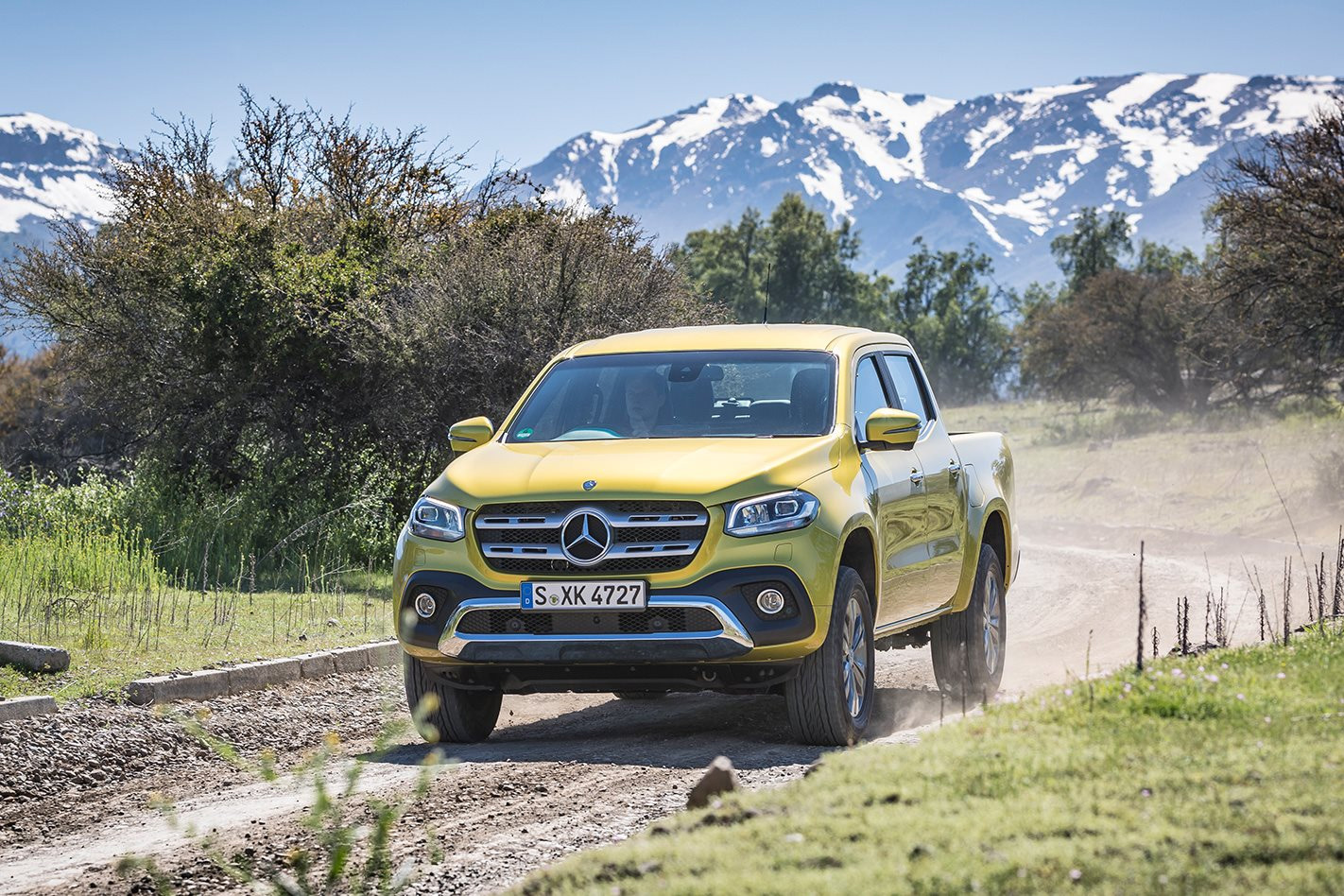
Regardless, with development apparently yet to commence it will be some years before a BMW-badged utility breaks cover. Until then, BMW Australia will have to watch from the sidelines as ute sales continue to expand.
“If you look at the market, with more than 150,000 utes out of 1.1 million cars overall… we cannot close our eyes and neglect market trends,” Werner said. Asked by Wheels whether a high-riding 4×4 utility was in line with BMW’s brand values, he said it was within the company’s power to apply those principles to virtually any vehicle.
“When we launched the E53 [first-generation X5] back in 1999, everyone thought ‘that doesn’t go with the BMW DNA’. Well now we’re selling something like 450,000 SUVs yearly on a worldwide basis.
“At the end of the day we need to cater for what the customer or what the consumer wants. The question is: does it fit with the BMW DNA and the BMW brand promise, or are we over-stretching the brand? I think that is the core question that needs to be answered, because from a pure engineering perspective anything is possible.”
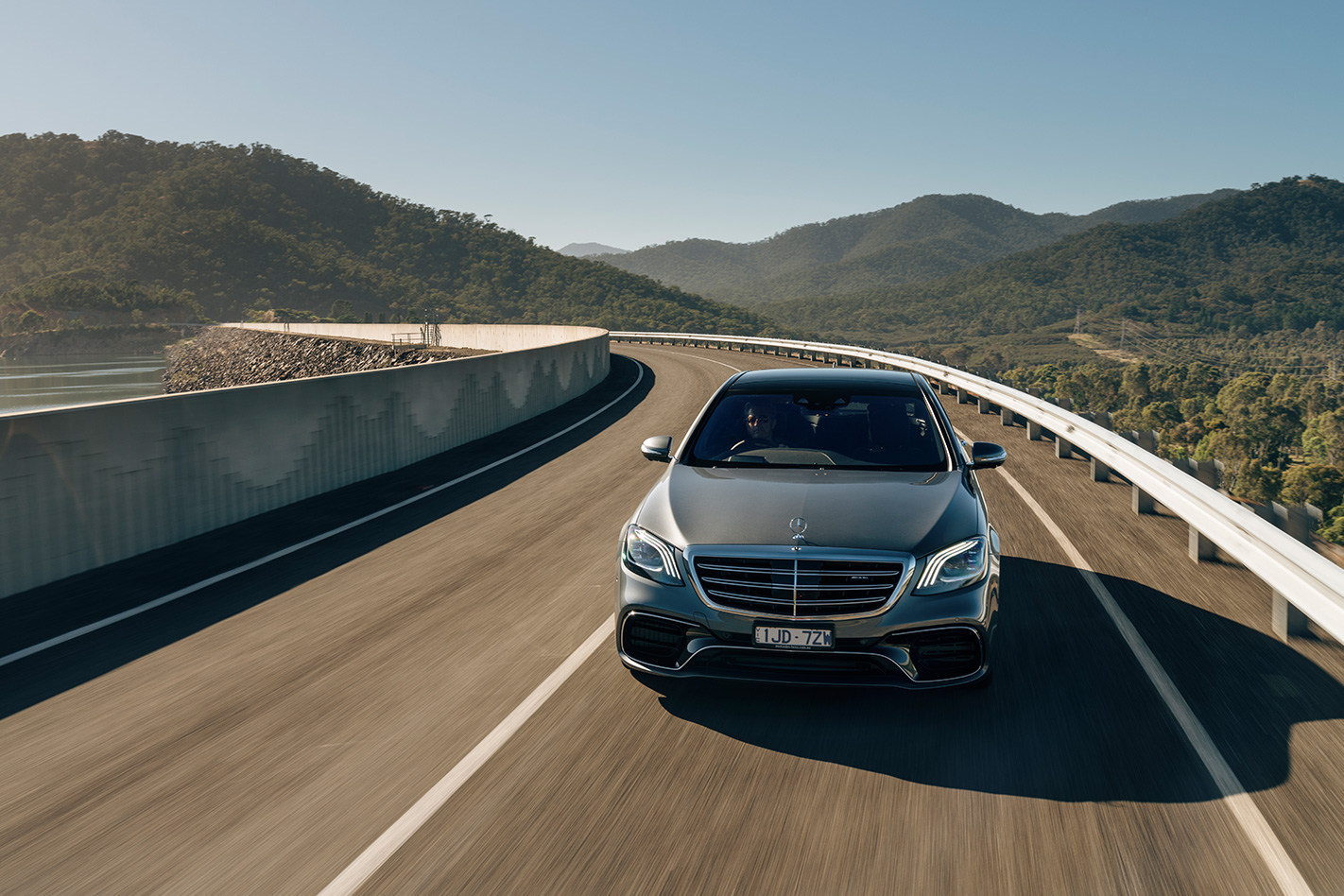
An engine downsize has not blunted the razor-sharp edge of AMG’s big, bad super sedan
WHAT IS IT?
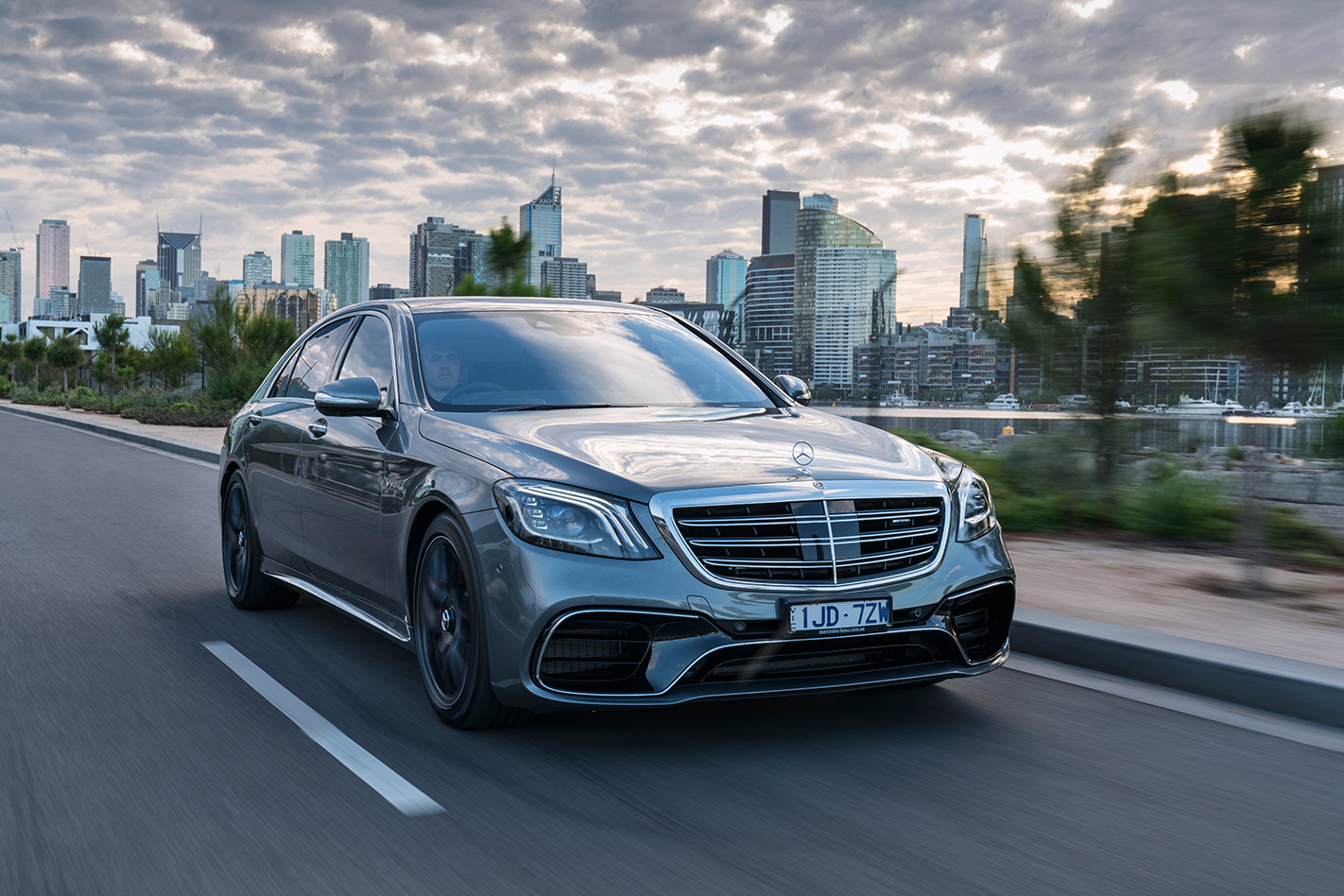
The updated version of Mercedes-AMG’s S-Class-based limousine. Out has gone the boosted 5.5-litre V8 and in its place is a smaller 4.0-litre twin-turbo unit.
As part of the 2018 refresh, the S65 V12 turbo version has been discontinued (reborn as a Mercedes-Maybach) which promotes the S63 to the position of performance flagship for the Mercedes-Benz S-Class range.
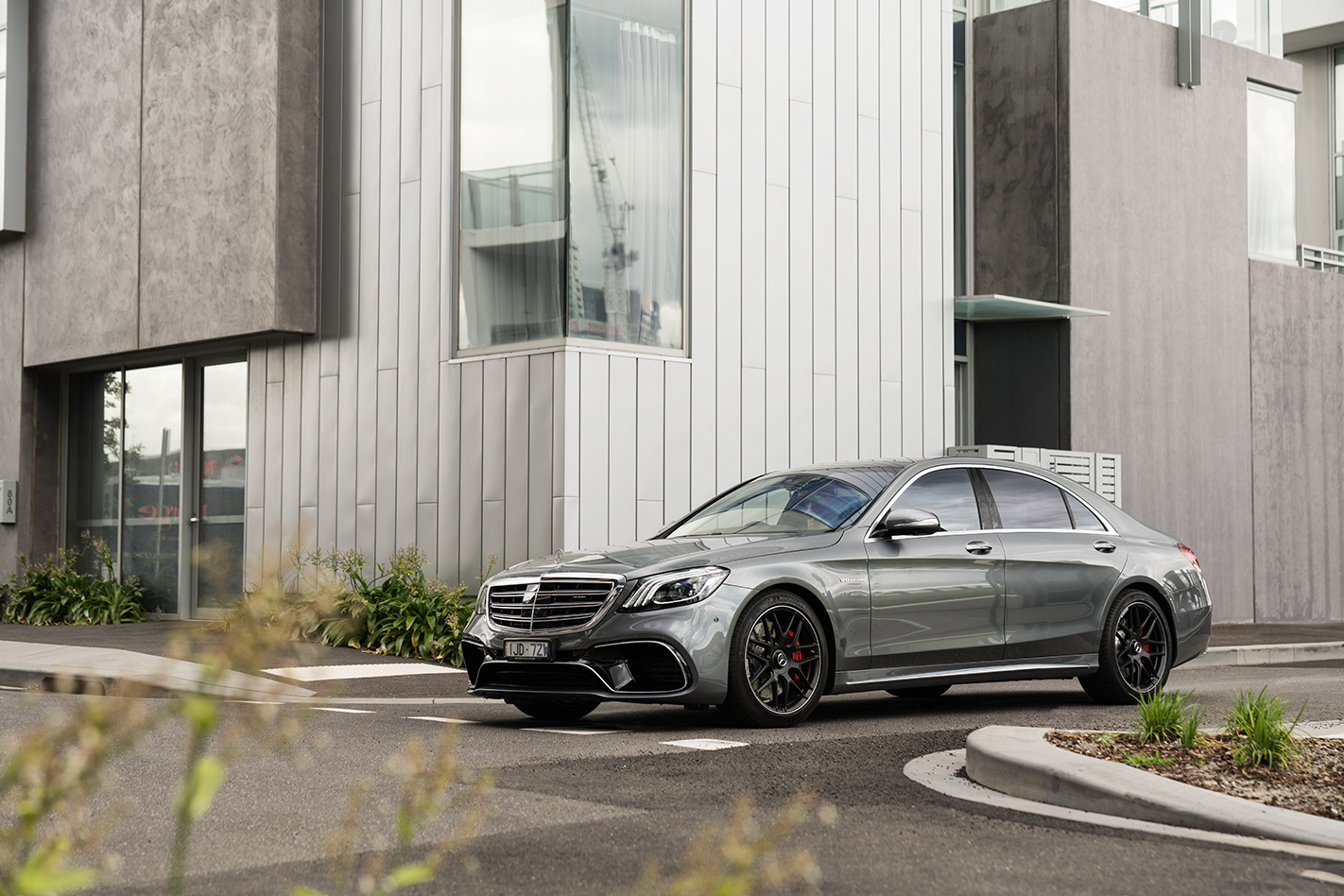
WHY WE’RE TESTING IT
In addition to the more obvious comparisons of old mechanicals versus new following the S63’s mid-life update, a more general assessment of the variant’s relevance is also necessary.
If Mercedes-AMG’s mantra revolves primarily around driver enjoyment and not passenger satisfaction then why make the S63 available only on the long wheelbase chassis?
MAIN RIVALS
THE WHEELS VERDICT
There are vehicles in the S-Class range that do a better job of being a cosseting luxury limo than the S63 L and there are certainly other AMGs that do a better job of being a true driver’s plaything, but there are none that do such a convincing job of being both at the same time.
Comfortable and silky when you want to forget the outside world but surprisingly involving when you want to want to get intimate with your surroundings, the S63 L is one car that can perform two very different tricks.
THE WHEELS REVIEW
WHY, in the automotive world, is power synonymous with luxury? It’s not as if 400kW makes a car any more comfortable. If anything, getting from zero to 100km/h as quickly as you can say the make, model and variant could be regarded as slightly uncomfortable if relaxation is your main motivator.
So why does a Bentley Mulsanne have a turbocharged 6.8-litre V8 in its snout, why is the Rolls-Royce Wraith powered by 456kW and why does Mercedes offer an AMG version of its S-Class flagship sedan?
If that simply isn’t enough you can have an S-Class with 250kW, 270kW or 345kW, all of which will embarrass hot hatches at the lights despite tipping the scales at two tonnes, which makes it all the more confusing to learn that the new halo of the range has a twin-turbocharged 4.0-litre V8 with 450kW. What on earth is it for?
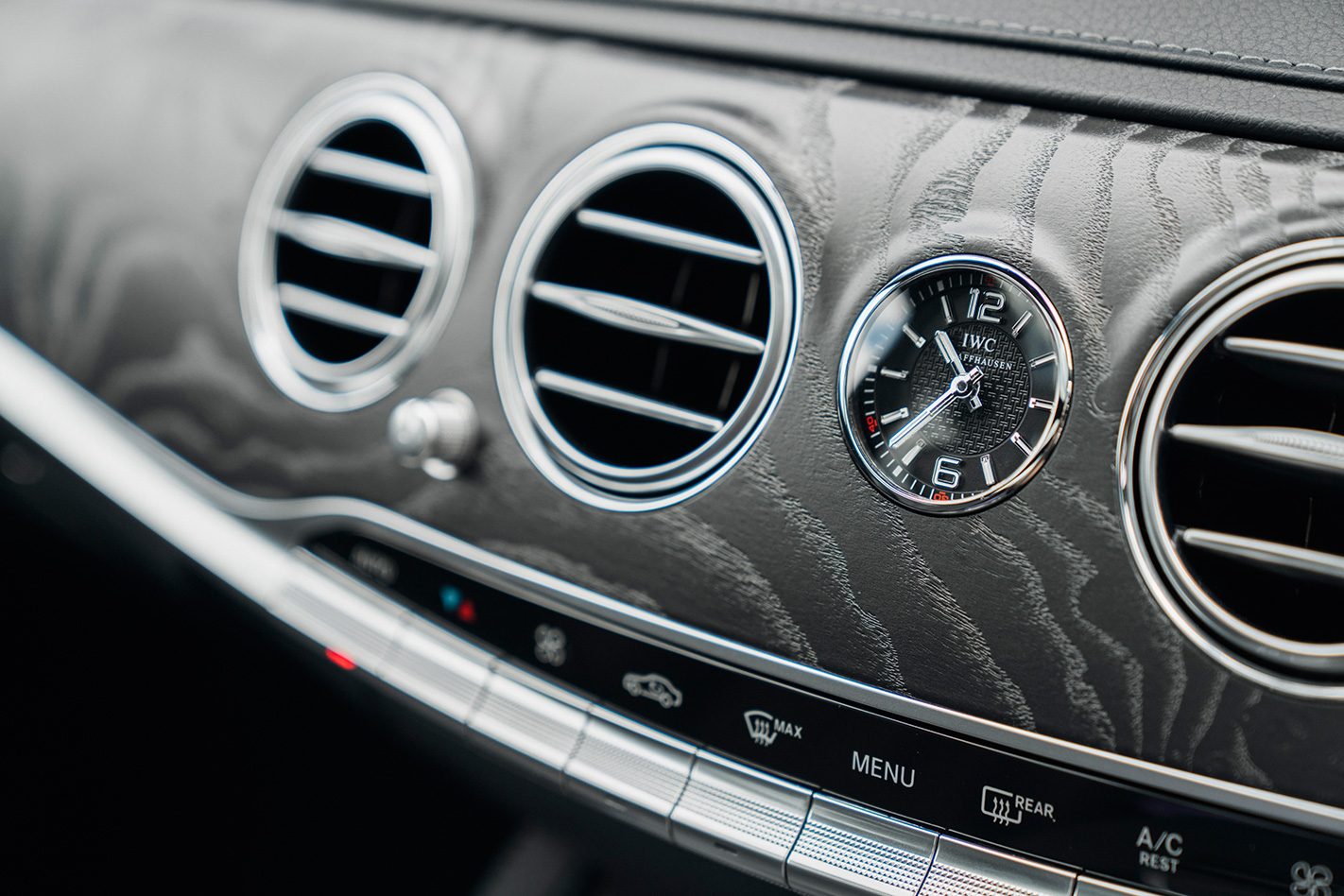
During low speed limo duties, the monstrous hand-built engine is a sleeping dragon. Neither the typical AMG tailpipe report or fuel-guzzling characteristics of the previous 5.5-litre V8 are present, and you might almost believe you were in one of the non-AMG badged offerings if it weren’t for the acres of carbonfibre and indicative badges throughout the beautifully appointed interior.
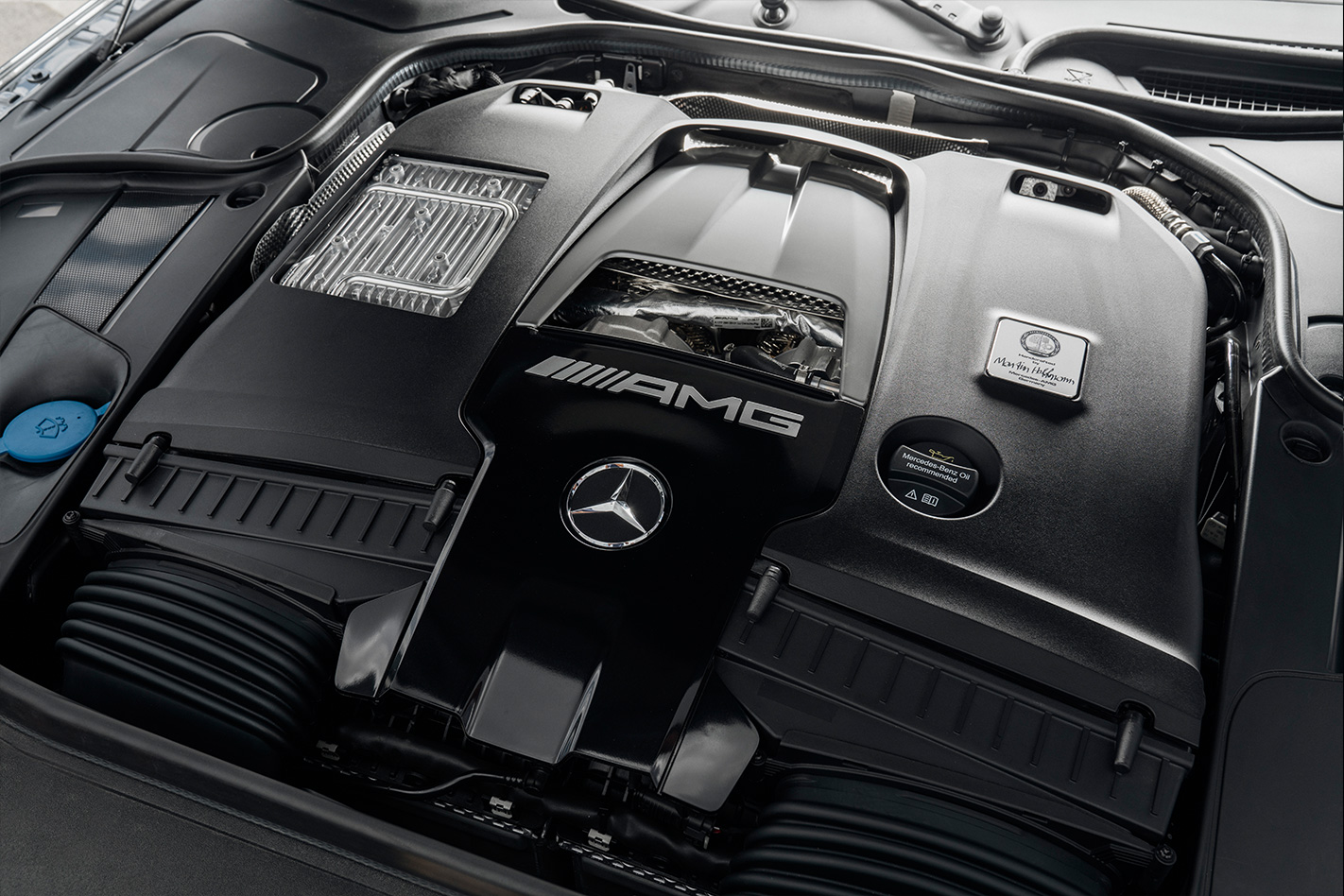
On the contrary, despite having supercar power from a relatively small package, the turbo V8 is not a temperamental, irritable unit at low speeds that begs to be revved into the stratosphere. Instead it delivers smooth effortless torque from the get-go without complaint.
Its job is complemented by a nine-speed automatic that replaces the seven-cog of the previous S63 and is every bit as smooth in operation as the V8 it is bolted to.
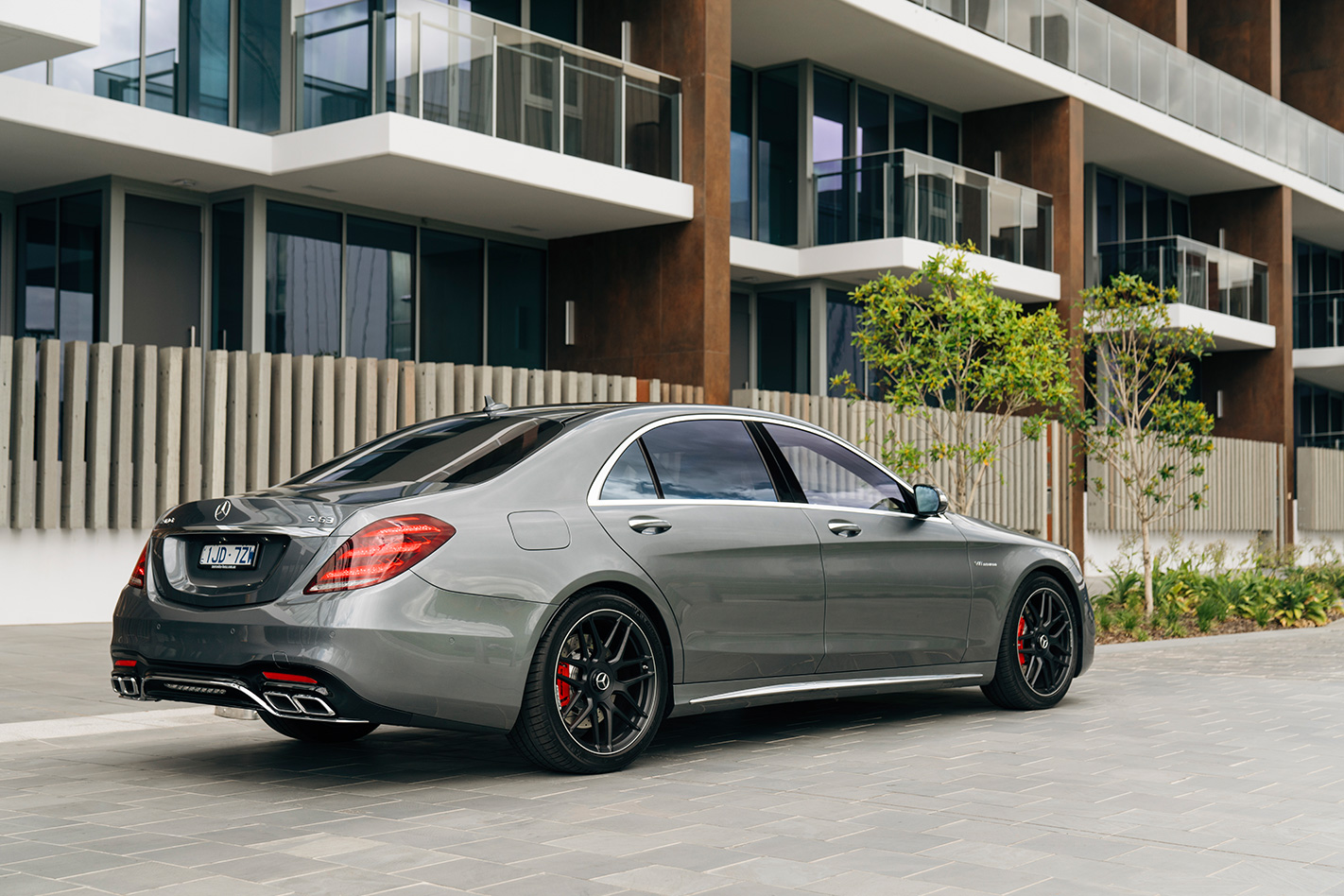
Front seat accommodation is sublime with sports seats that adjust for parts of the body I didn’t know I even had, but the second row offers the best seats in the house. The AMG is only sold as the S63 L which, translated, is a long wheelbase version with extra space in the back. Sink into the leather, rest your head on the deeply cushioned headrests and the Eyre Highway would flash past faster than an Uber trip home after a heavy night.
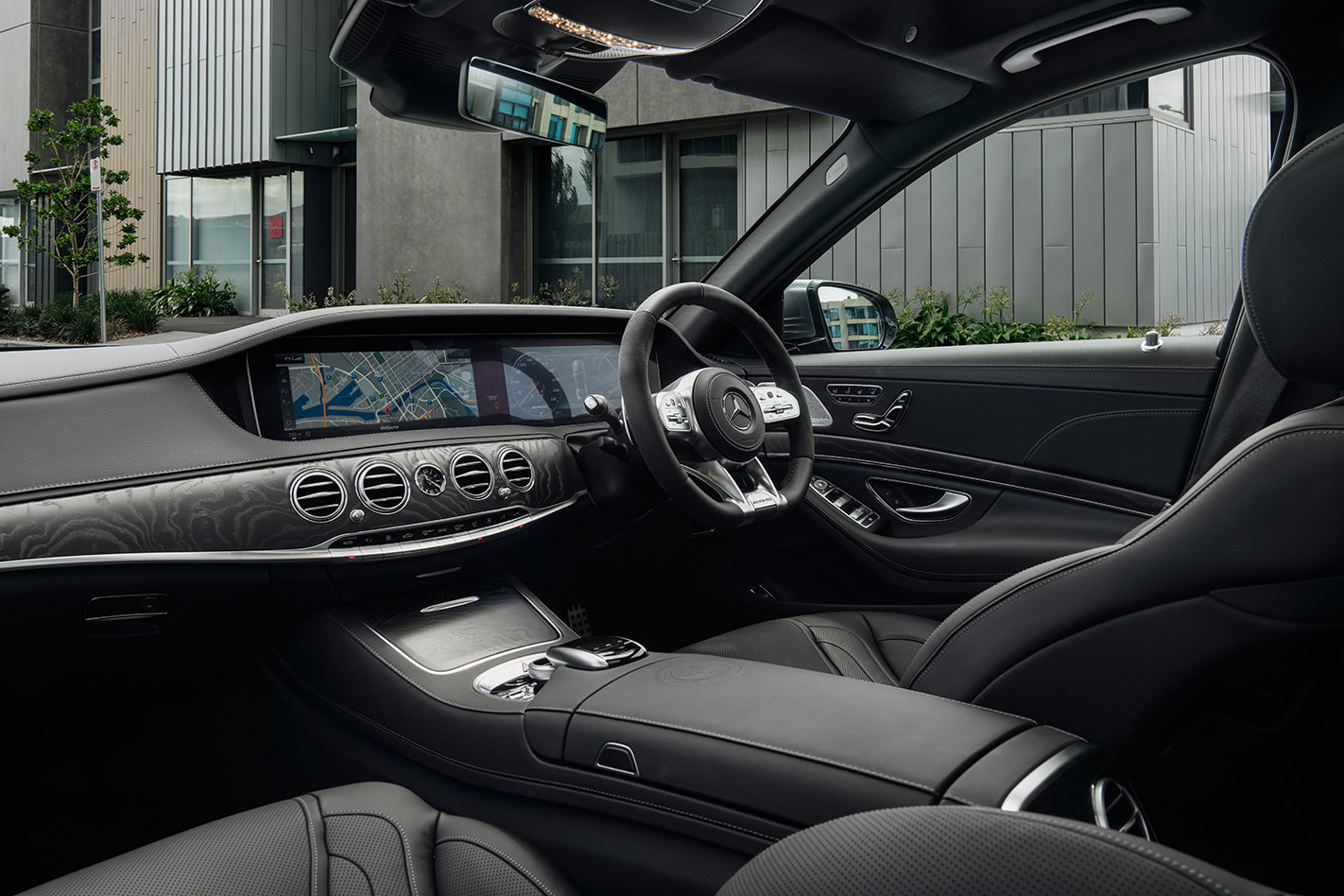
If you don’t intend to ever occupy the front seat then, yes, absolutely or perhaps go for the $222,500 S400d L which has a little more grunt and the longer wheelbase, but if you insist on taking the helm then the AMG does make a little more sense.
Find a more rewarding ribbon of asphalt than the Bells Line of Road, which is crippled by constantly varying speed limits, and you start to believe the badge on its hind.
First of all, it is fast. Spectacularly fast. In this state of tune, the hand-built AMG engine that powers a number of other models is in its most athletic form here with 450kW and 900Nm, and that grunt catapults the big sedan from its starting blocks with unbelievable energy.
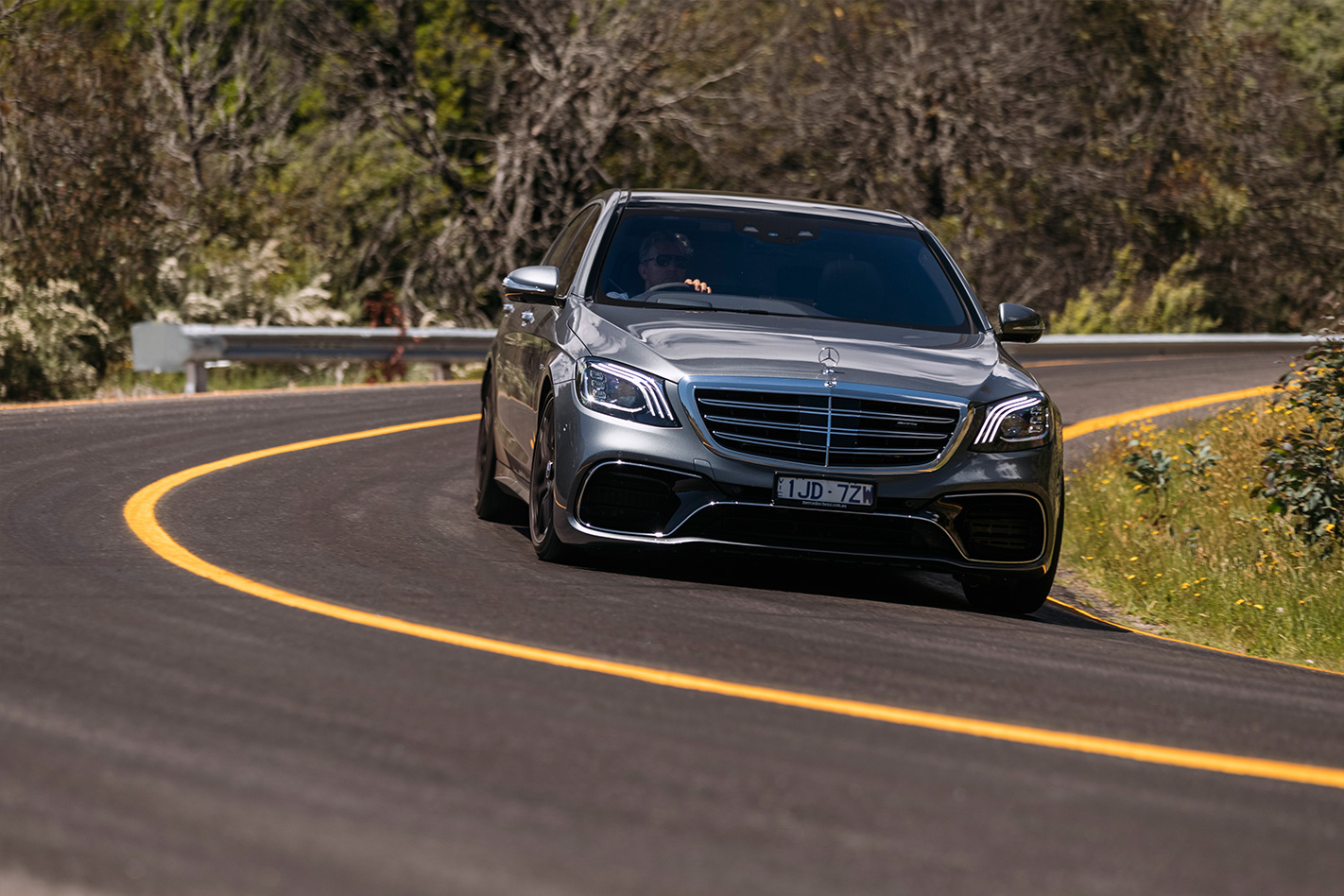
Where the tailpipes were almost mute in comfort driving mode, the sportier settings release the typical AMG anthem that had previously been silenced by clever valves and mufflers.
And the surprises keep coming when you find a stretch of road carving its way through deserted NSW countryside. Once the adaptive dampers have stiffened up the chassis control and steering response has been sharpened by Sport mode, the big Merc can really tug at the leash.
With its extended wheelbase, the S63 L allows some shuddering through the body when attacking imperfect road surfaces, but has a remarkably stable footing. Cornering grip and traction is excellent for a car with 900Nm and only the rear wheels to get it all to the road.
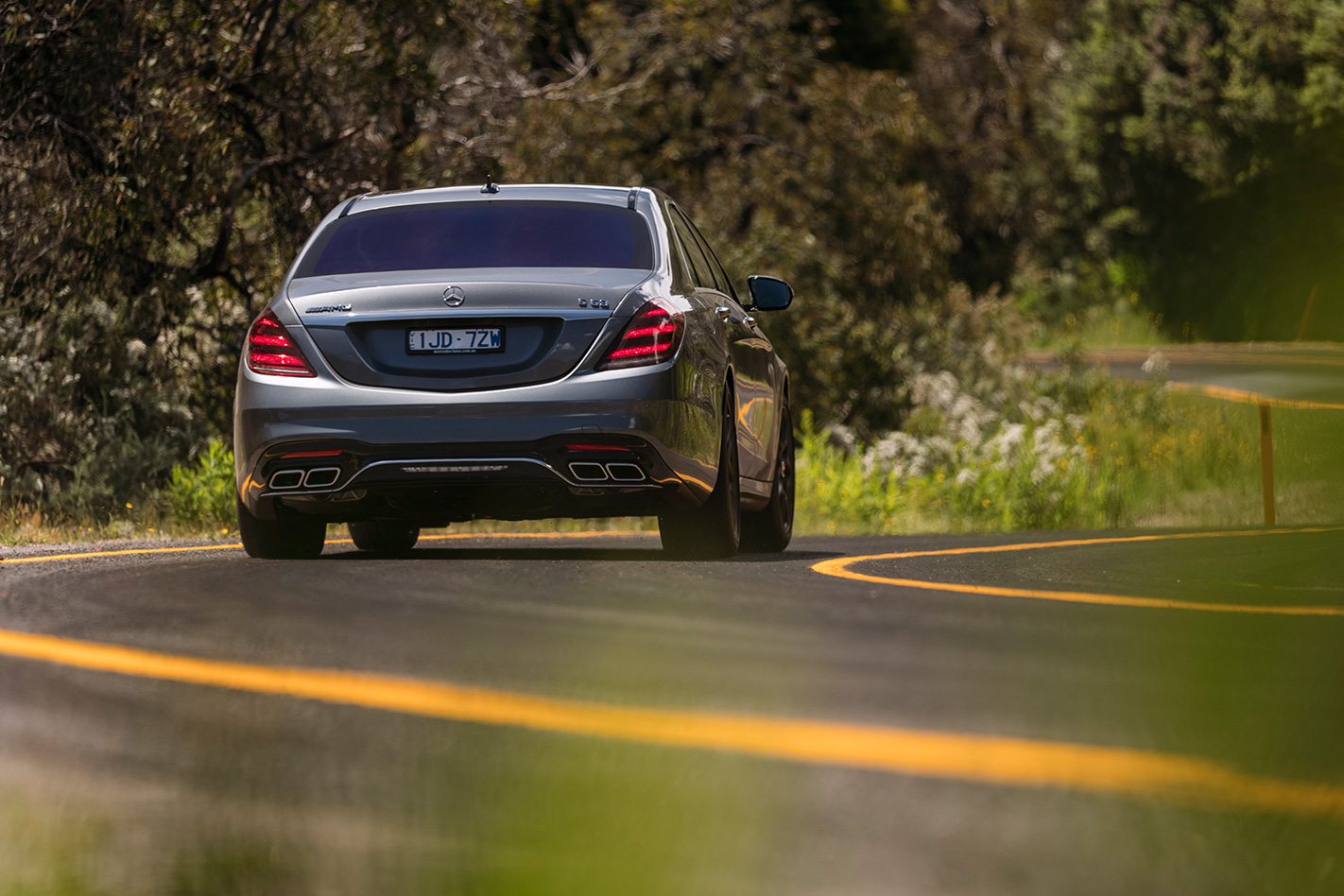
But even fine engineering cannot defy physics forever and, with repeated hard braking, the massive iron discs started to show the signs of stress. A circuit is probably a step too far for this AMG if the braking limits can be glimpsed on public roads.
Piloting the S63 through twisty bits is more rewarding than I was expecting and not half as unnerving. It hides its size and mass admirably and rewards the driver as if it was frustrated driving sedately.
The new nine-speed transmission is as much of a pleasure when going fast as it is gliding along freeways. Grab a handful of gears with the paddle shifters and the unit is obedient and fast-acting.
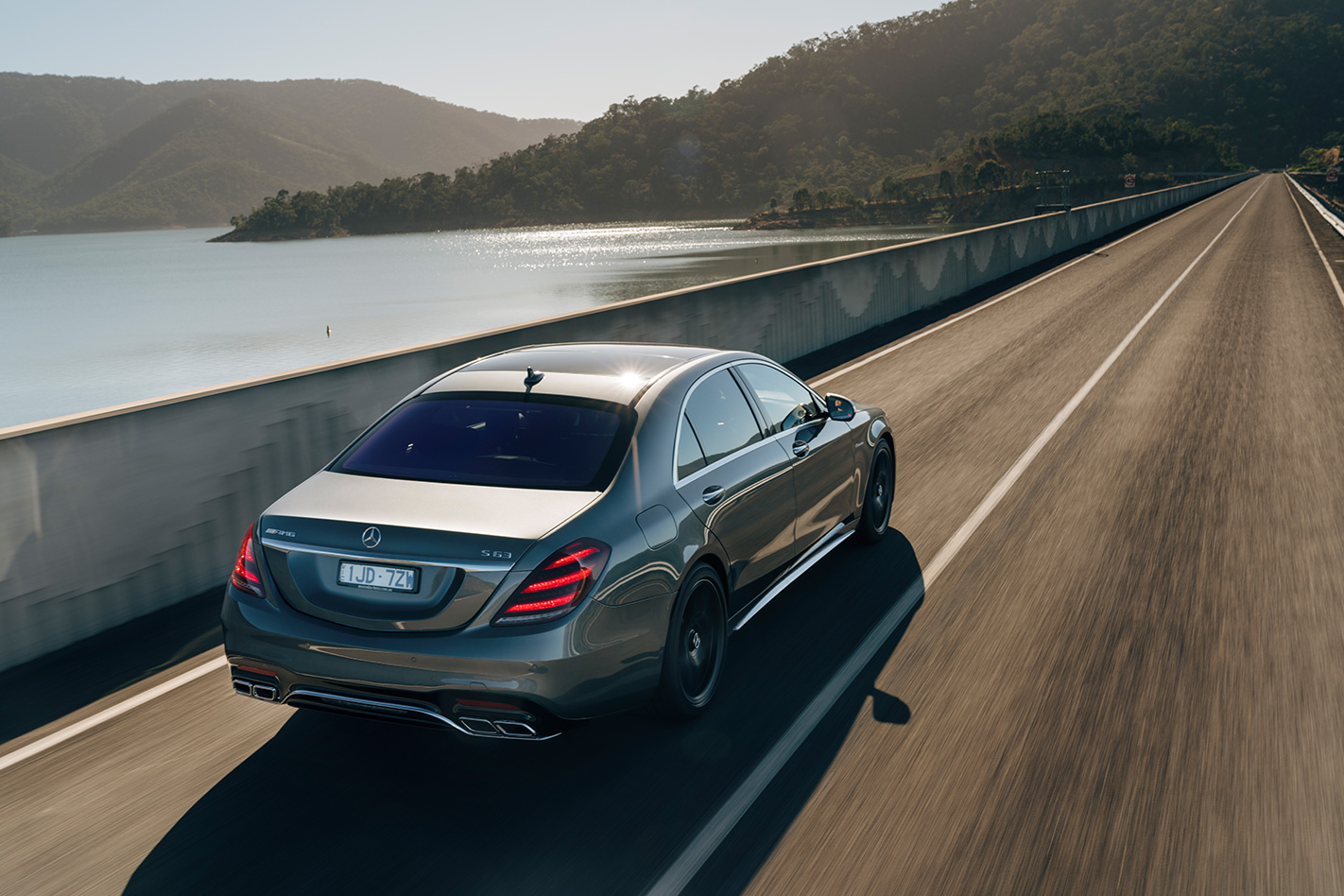
It is hard to believe the agility AMG’s engineers have extracted from such a large and imposing car, and there is something hugely satisfying about watching an executive limousine cover distance so quickly, but its adept handling, road holding and muscle still don’t clear up the comfort-versus-dynamics paradox.
For the driving enthusiast, the S63 is certainly fast and a whole heap of fun but I’m certain a shorter wheelbase version would be lighter, lither and more enjoyable in the hands of a petrolhead, so why is it exclusively available with a body that only benefits the people in the second row?
There is an intrinsic appeal to a car that is as large and imposing as the S63 L but which can pick up its feet and perform in a manner some sportscars could only dream of. I get that. It’s the luxury of being able to go very fast if you want to and it’s the customers that appreciate restrained excess that will buy this car.
If not, jump into the excellent S350d and order a C63 with the cash you save for the days you want to sing the AMG tune and destroy some rubber.
SPECS
Model: Mercedes-AMG S63 L Engine: 3982cc dohc, 32v V8 twin-turbo Max power: 450kW Max torque: 900Nm Transmission: Nine-speed automatic Weight: 2045kg Fuel economy: 9.0L/100km 0-100km/h: 4.3s Price: $375,000 On sale: Now
Two new versions of the yet-to-arrive-locally Alpine A110 have already been announced, positioning the ‘Premiere Edition’ as the middle-of-the-road choice.
Each version will be powered by the same 185kW/320Nm inline four as the standard or Premiere version, with the same wet clutch 7-speed DCT ‘box, and the same double wishbone suspension.

The first of the new versions, and the one we estimate will be of better value, is the ‘Pure’ variant, which is what you’d expect given the similar name applied to base-pack BMW M performance cars.
The Pure will be the version focused on driving, with a “minimalist yet high-quality approach” to specs. Alpine says this will be the lightest and most focused version of the A110.
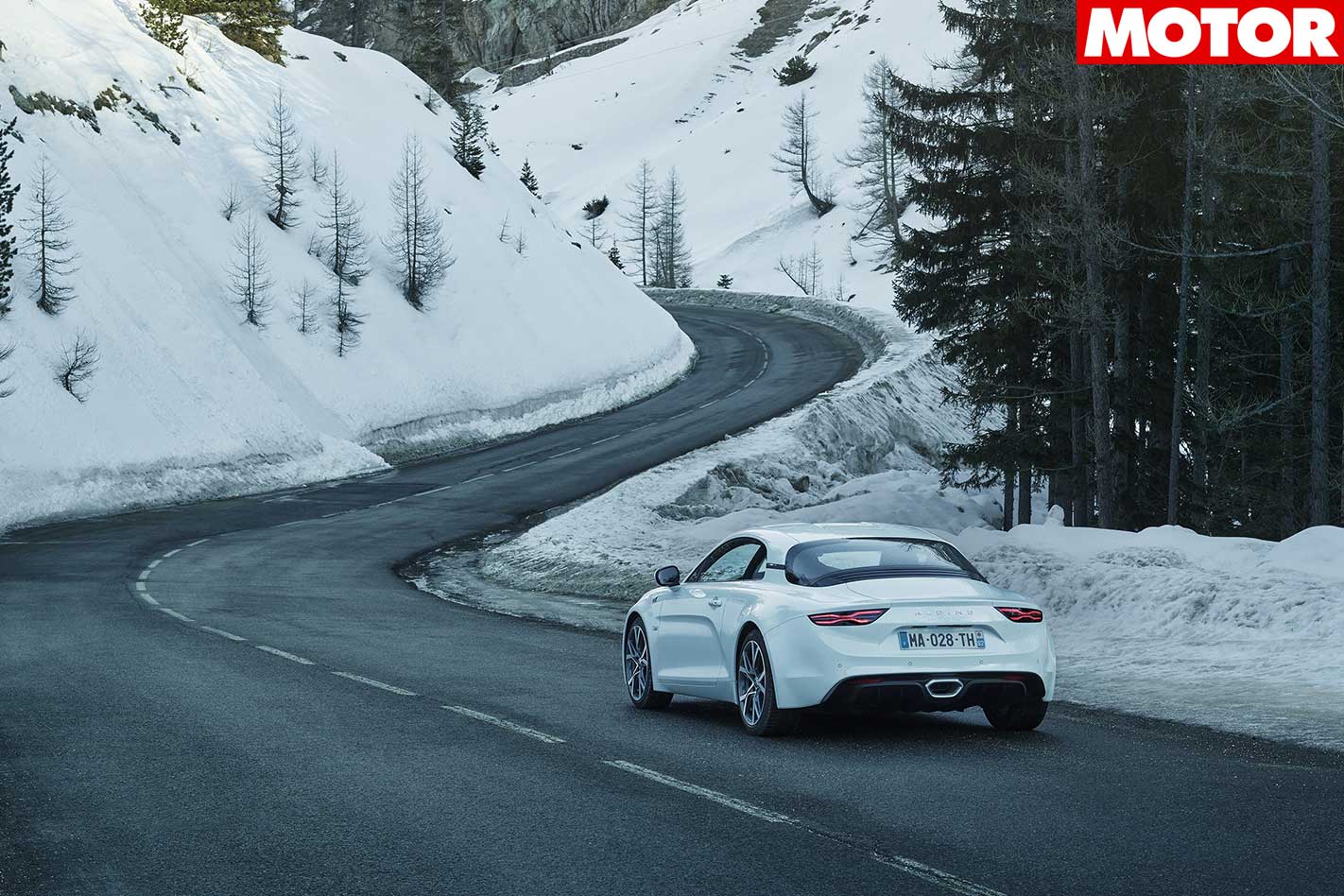
Standard on the Légende will be adjustable lightweight Sabelt seats, a full-leather interior, and carbon fibre trim.
Also announced are three new paint colours for the Alpine A110: Blanc Irisé (white), Bleu abysse (dark blue), and Gris Tonnerre (dark grey).
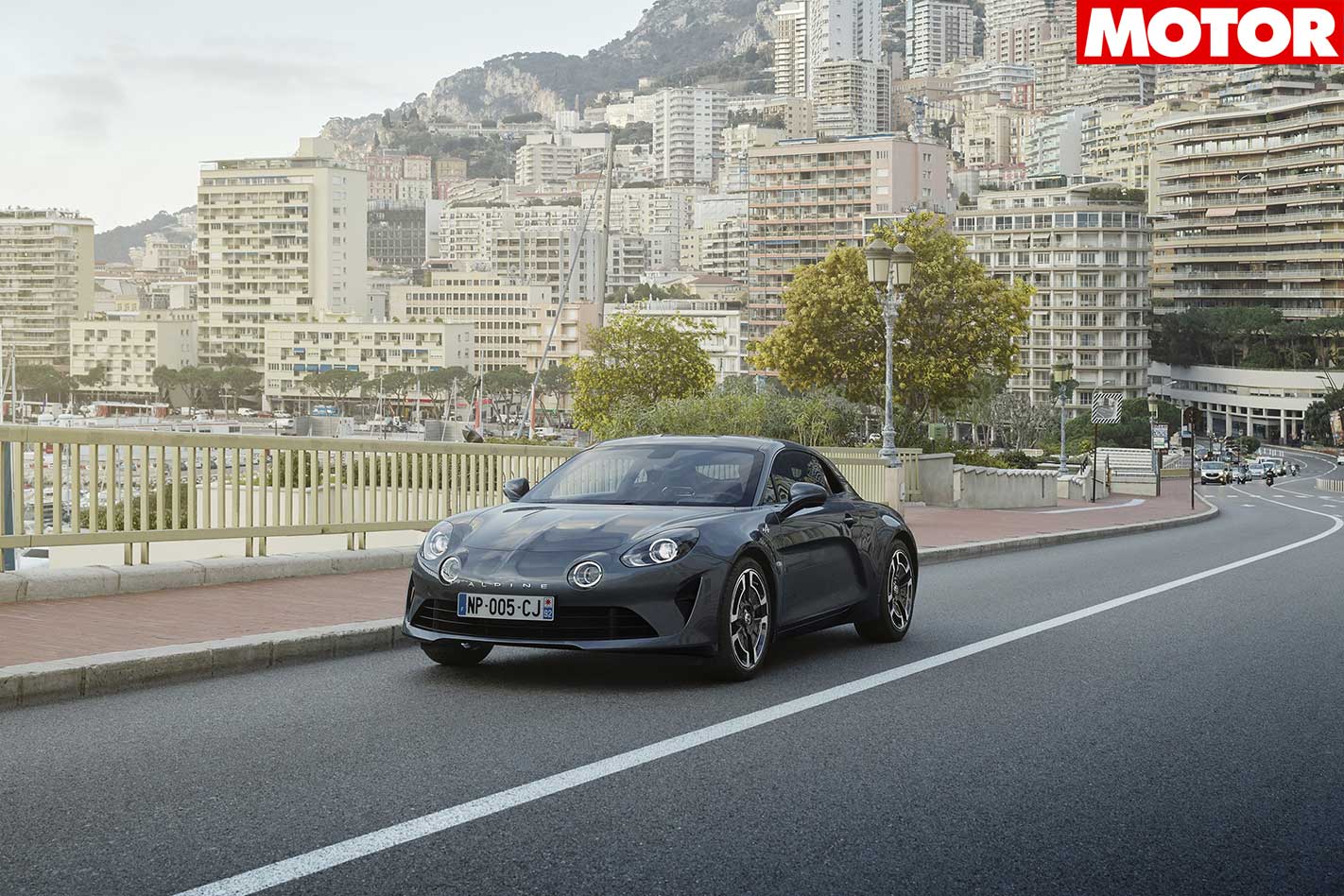
International pricing for the A110 Pure and Légende is set to be revealed at the Geneva Motor Show on March 6th at 9.30am Swiss local time (7.30pm AEDT).
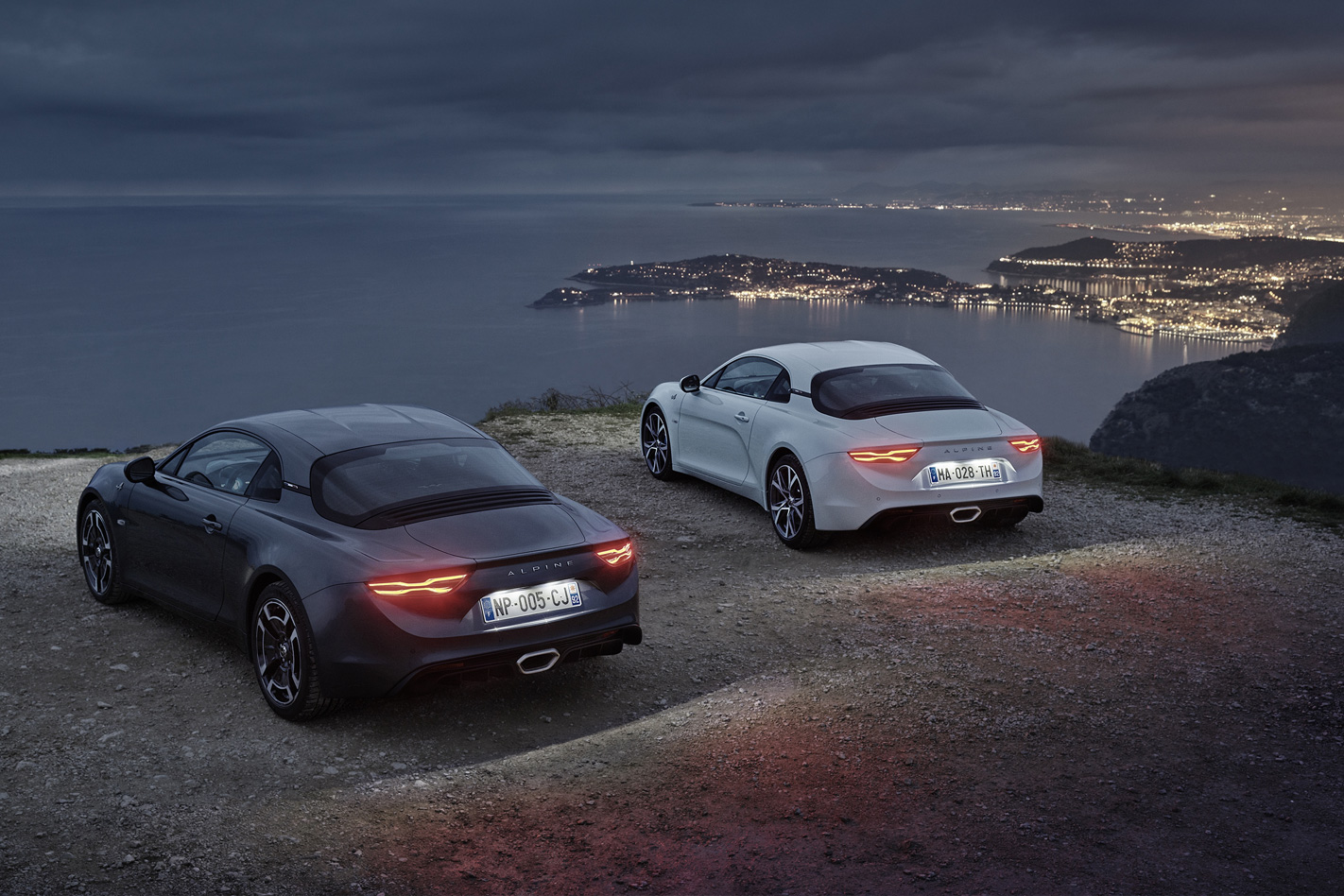
ALPINE has announced two more variants of its razor-sharp A110 coupe to be revealed at the Geneva Motor Show, bringing its growing horde of fans a lighter, stripped out version or a more luxurious option.
Alpine says the Pure (below) will be a more “driver focused” offering than the Premiere Edition which introduced the model. It’s expected this will mean a drop in weight to just 1080kg (a loss of 20kg), thanks to some deleted luxury features, utilising some different cabin materials, and lightweight wheels to minimise unsprung mass.
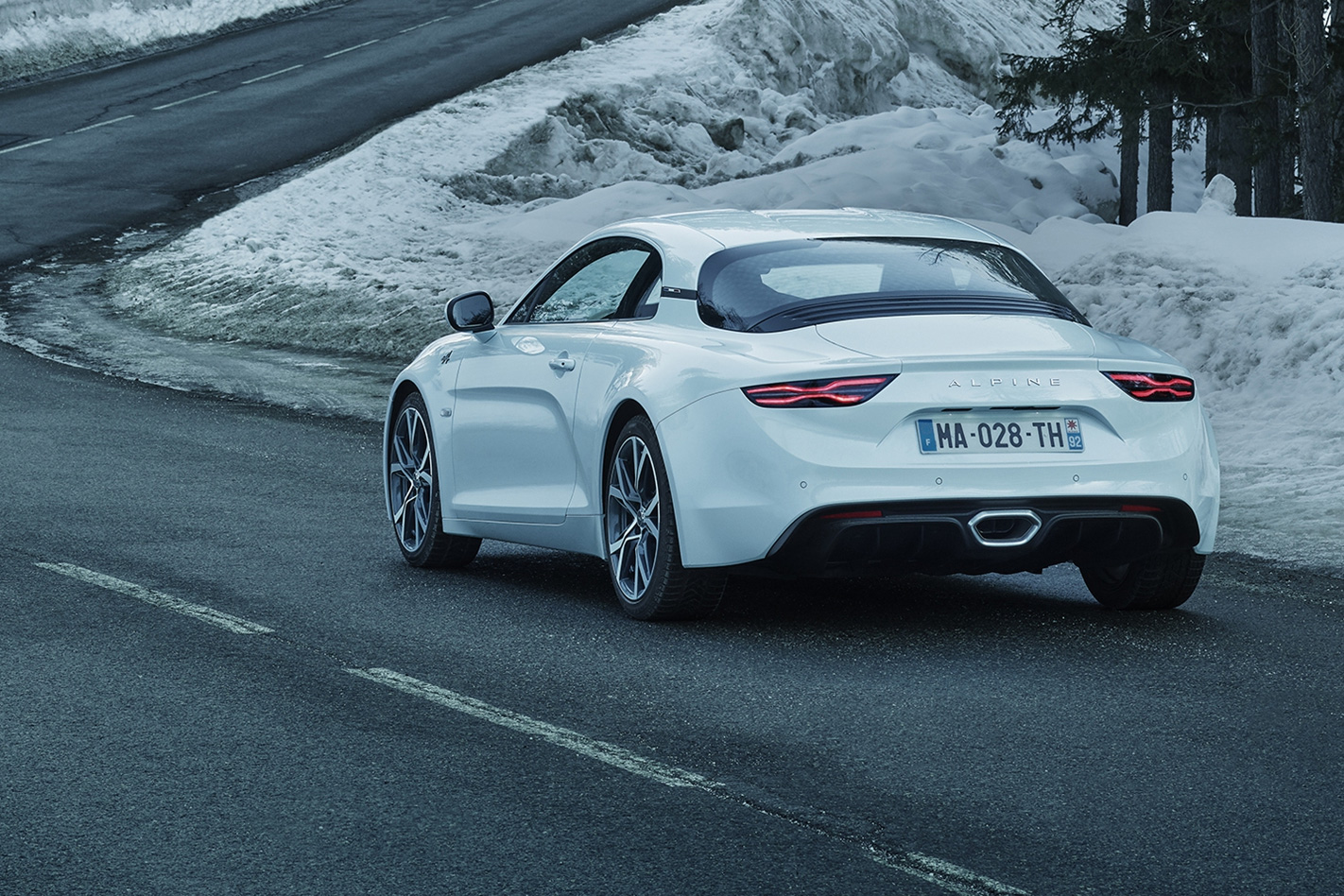
The Legende (below) swings the pendulum in the other direction, intended to be a softer, more refined offering for daily driving duties. Leather seats, softer suspension settings, and some additional creature comforts are likely to be the key differentiating features.
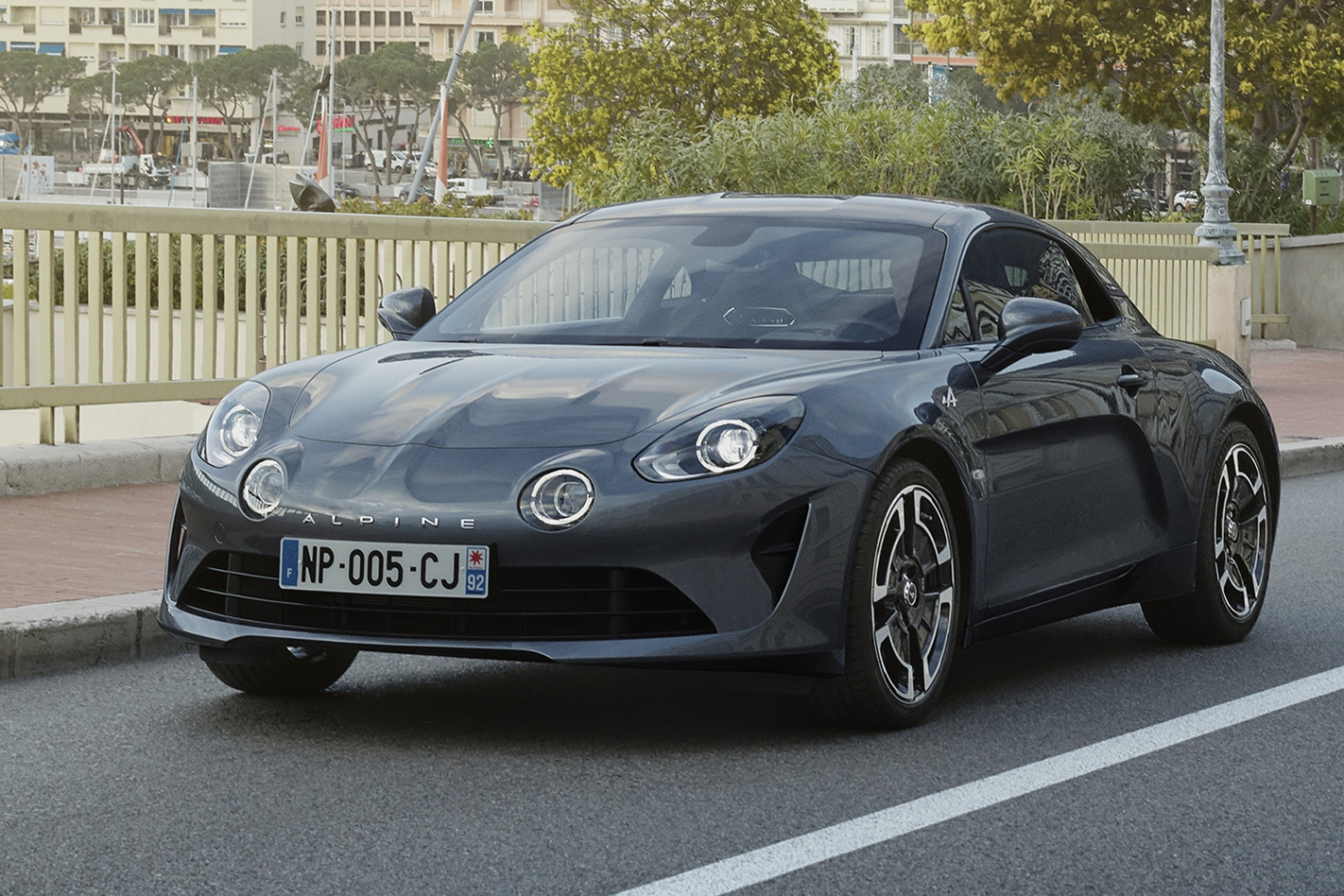
Power levels will remain consistent for each model at 185kW and 320Nm, which will be sent to the rear wheels via a seven-speed dual-clutch transmission.
Premier Edition Alpine A110s are expected to arrive in Australia in the third quarter of this year, with local pricing yet to be confirmed.
The next Audi A6 has been unveiled, sporting the new Audi look and a choice of two engines.
The one most of us will be interested in is the 3.0-litre turbo V6, which boasts 250kW/500Nm, put through a seven-speed Audi S-tronic gearbox to all four wheels, with Audi’s optional sport differential controlling rear torque when needed.
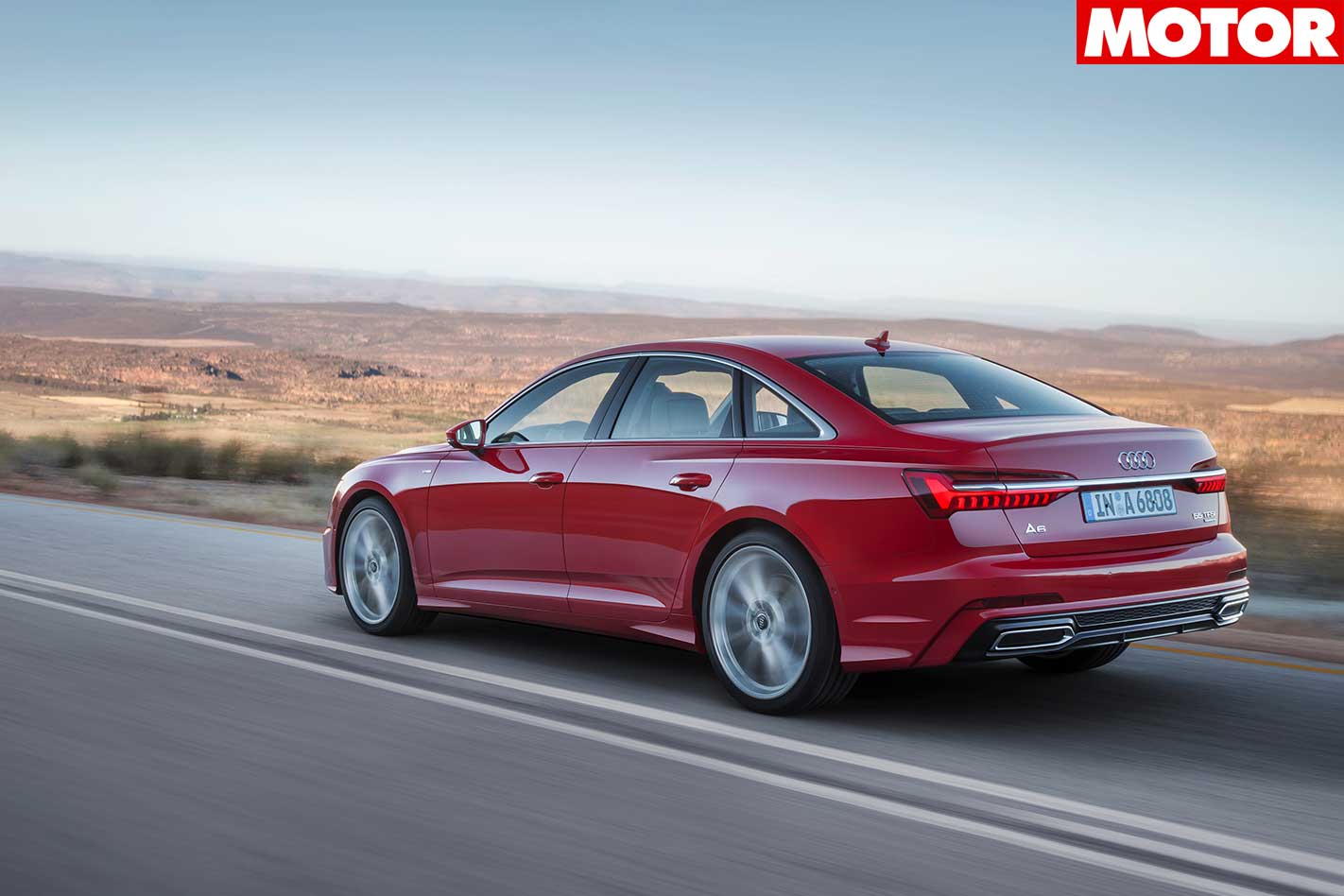
There’s also the 3.0-litre twin-turbo diesel V6, which has 210kW/620Nm, reaching a “similar performance” claim as the petrol, though it’d be less lively as a sporting proposition.
Additional to the powertrain in every A6 will be the ‘mild-hybrid’ system Audi is introducing to each new model. It uses a belt alternator starter and lithium-ion battery which use deceleration to recover power, and allow stop-start “up to 22 km/h”.
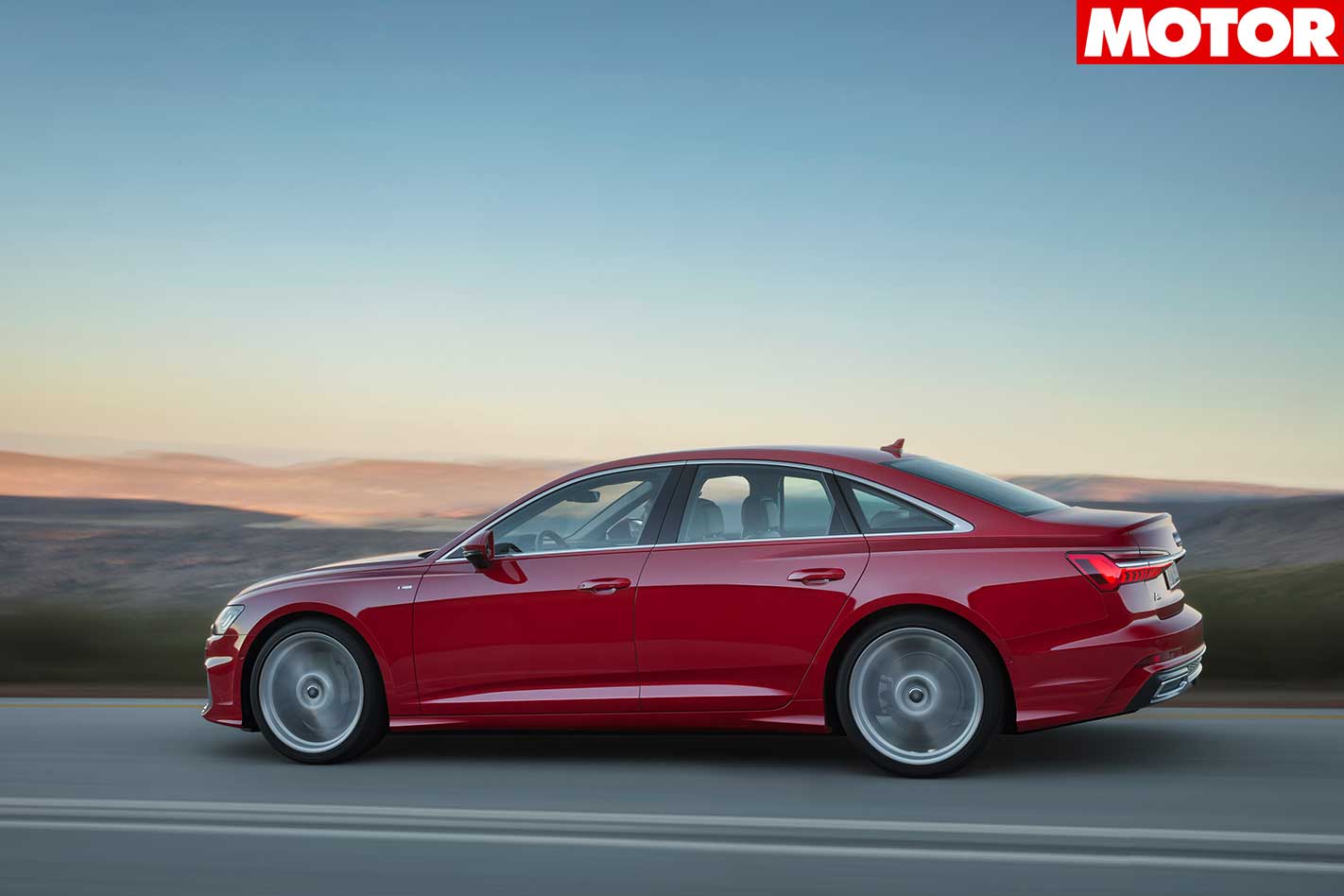
Audi is also using lightweight aluminium for its suspension in ‘many areas’, with four options for setups: steel spring, sport, damper-controlled, or adaptive air suspension with damper-control.
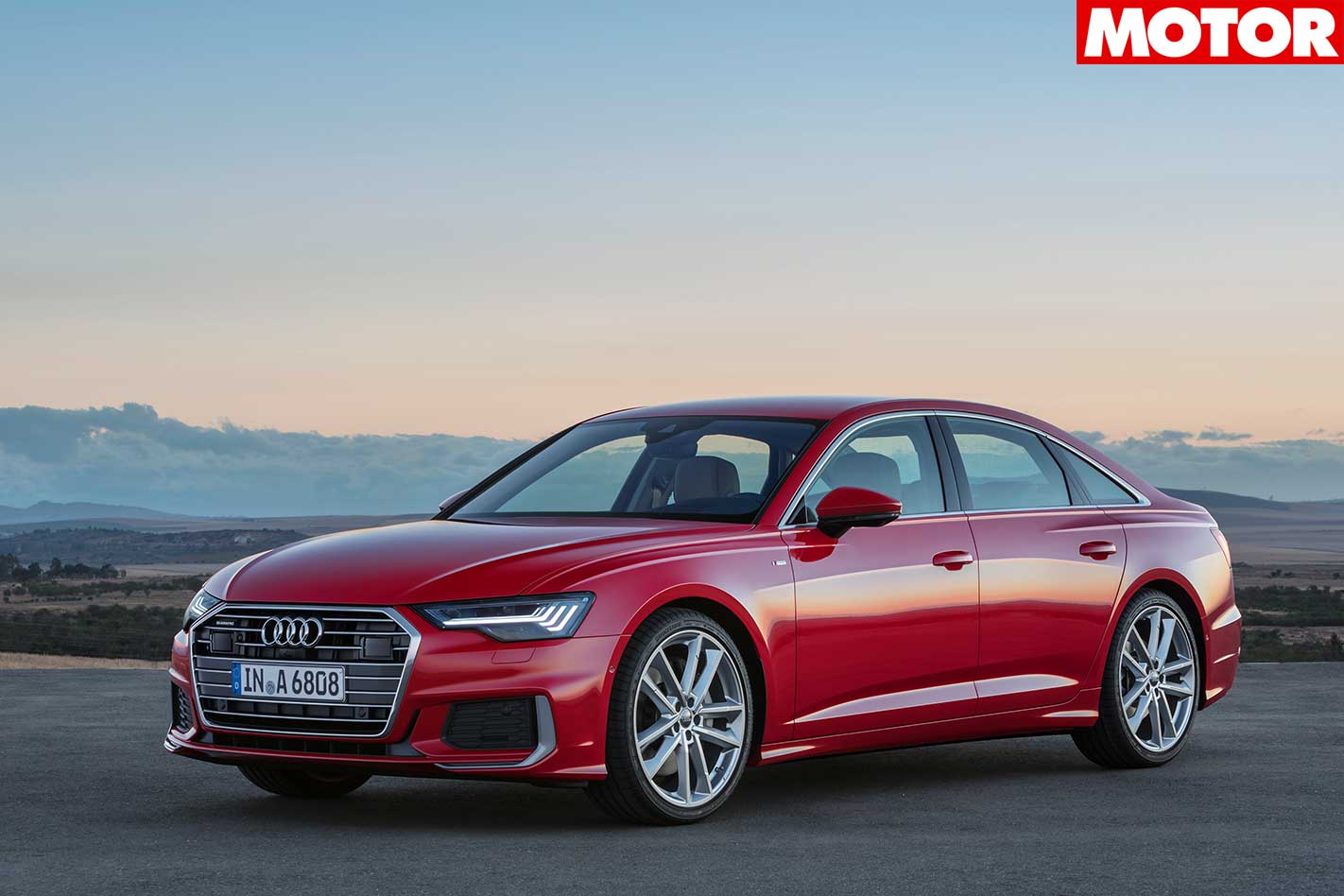
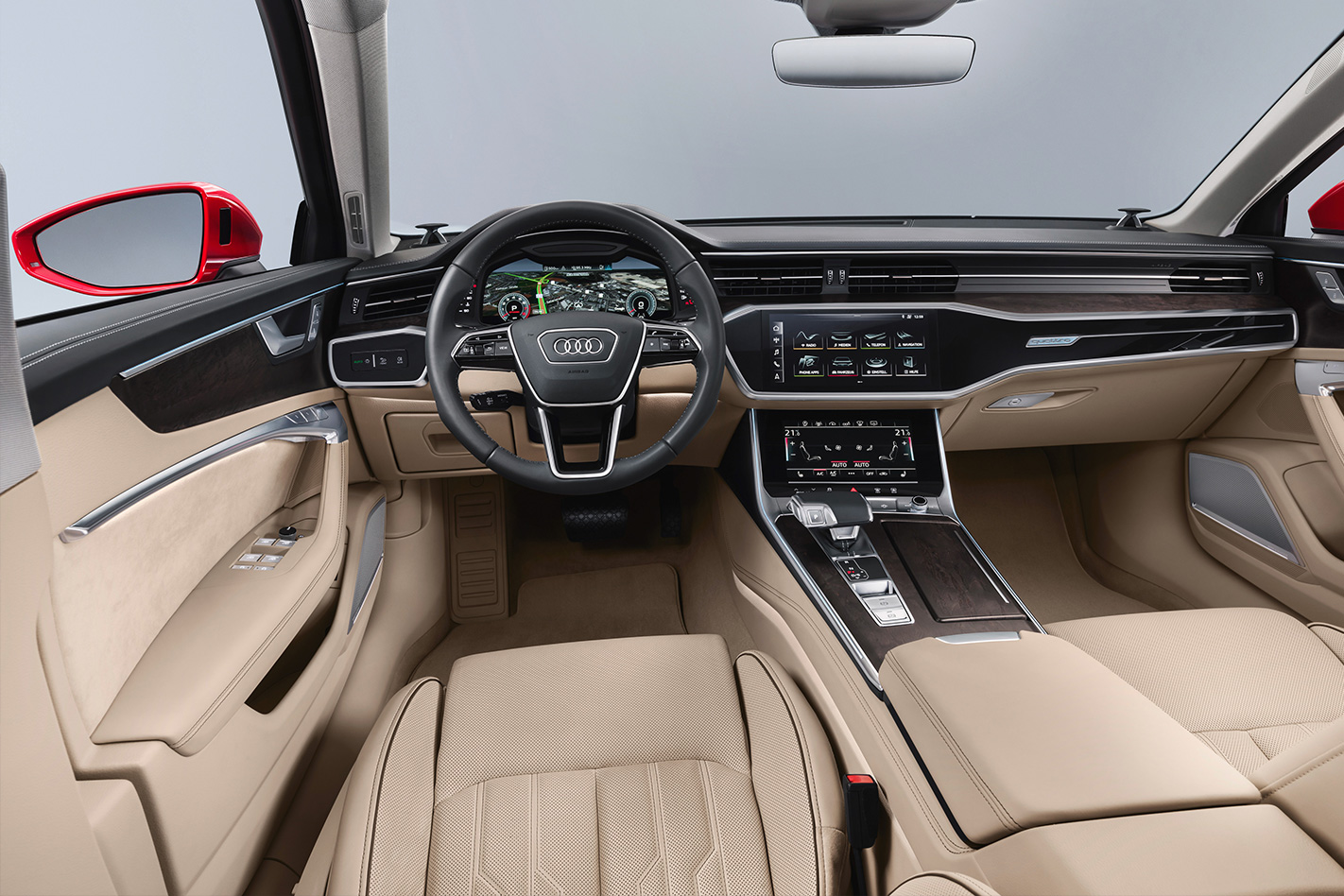
A 10.1-inch screen and an 8.6-inch screen are found in the centre, while the driver has a 12.3-inch screen behind the steering wheel for the Audi virtual cockpit.
The new A6 is due to be available in Germany in June 2018, with local pricing and delivery yet to be confirmed.
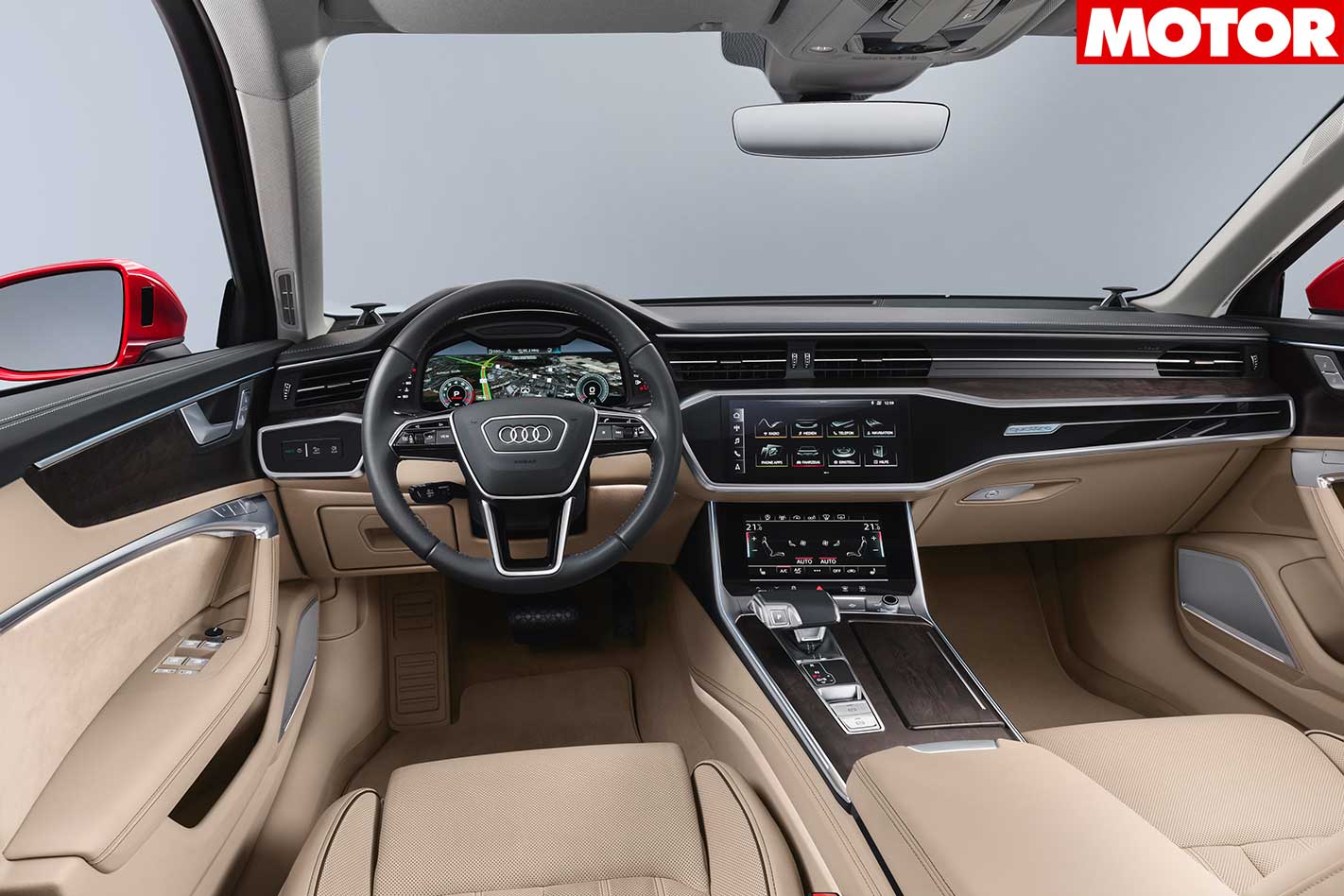
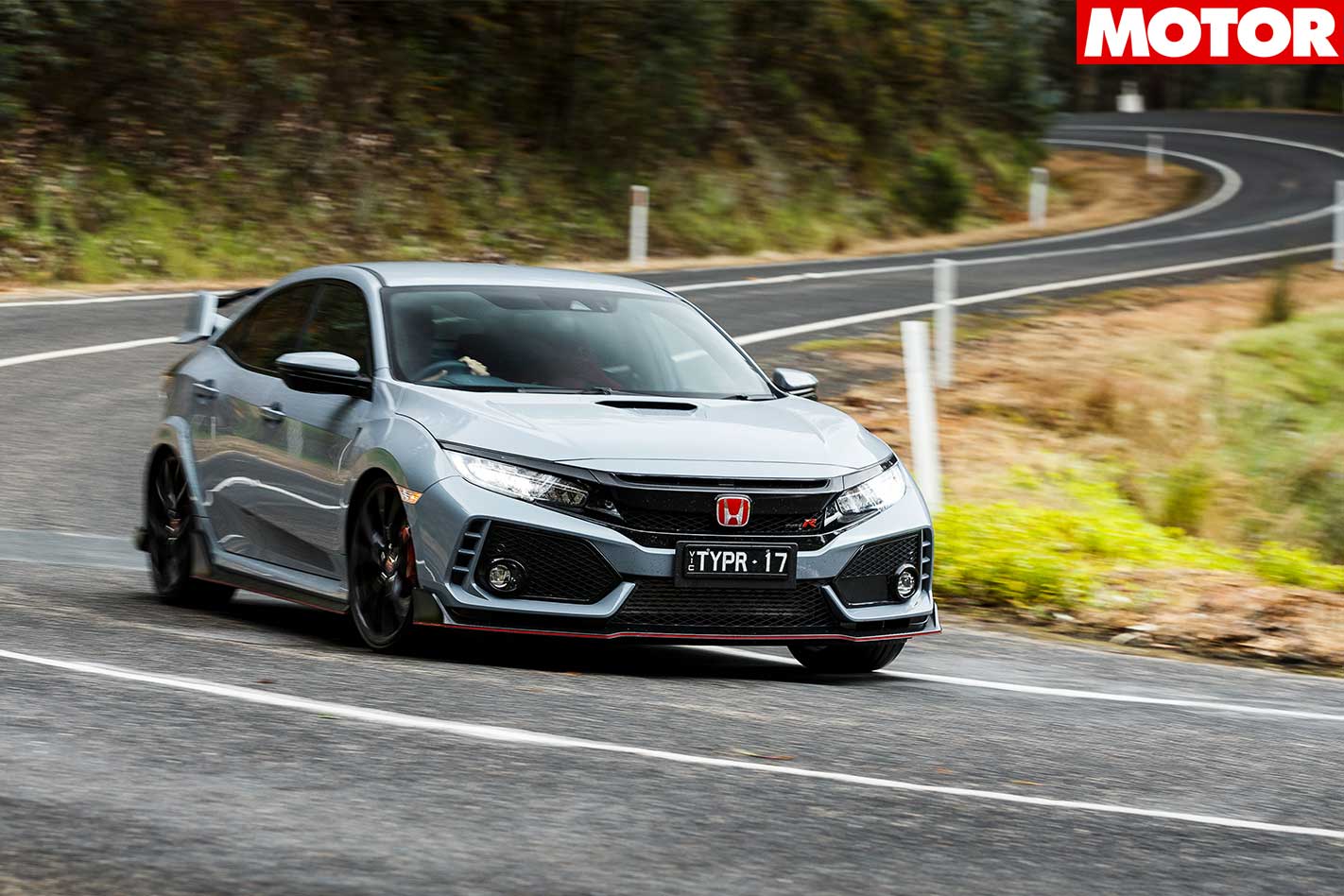
YOUR EYES do not deceive you. We have not miscalculated the scores. Yes, ladies and gentlemen, the Honda Civic Type R is MOTOR’s 2018 Performance Car of the Year.
A shock. A surprise. And, to put it frankly, the most unexpected winner of this competition since the S15 Nissan 200SX beat the Porsche 911 Turbo in 2001.
An element of the Civic Type R winning has got to be, of course, the absence this year of any super sports cars, notably a Porsche 911. Stuttgart had a 991.2 GT3 on the boat but it didn’t arrive in time – not to say it would have won, but it would have given the Civic a fair fright.
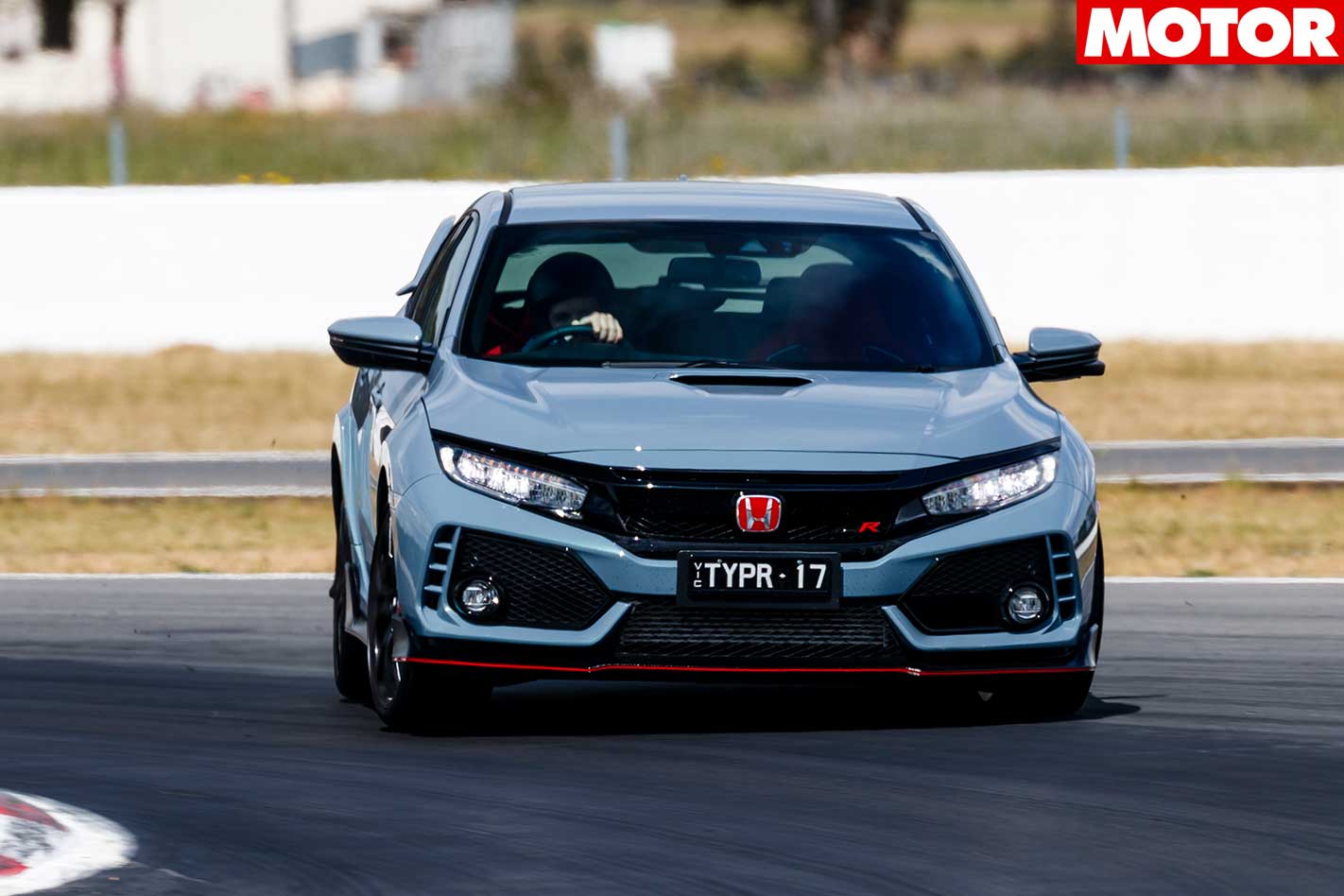
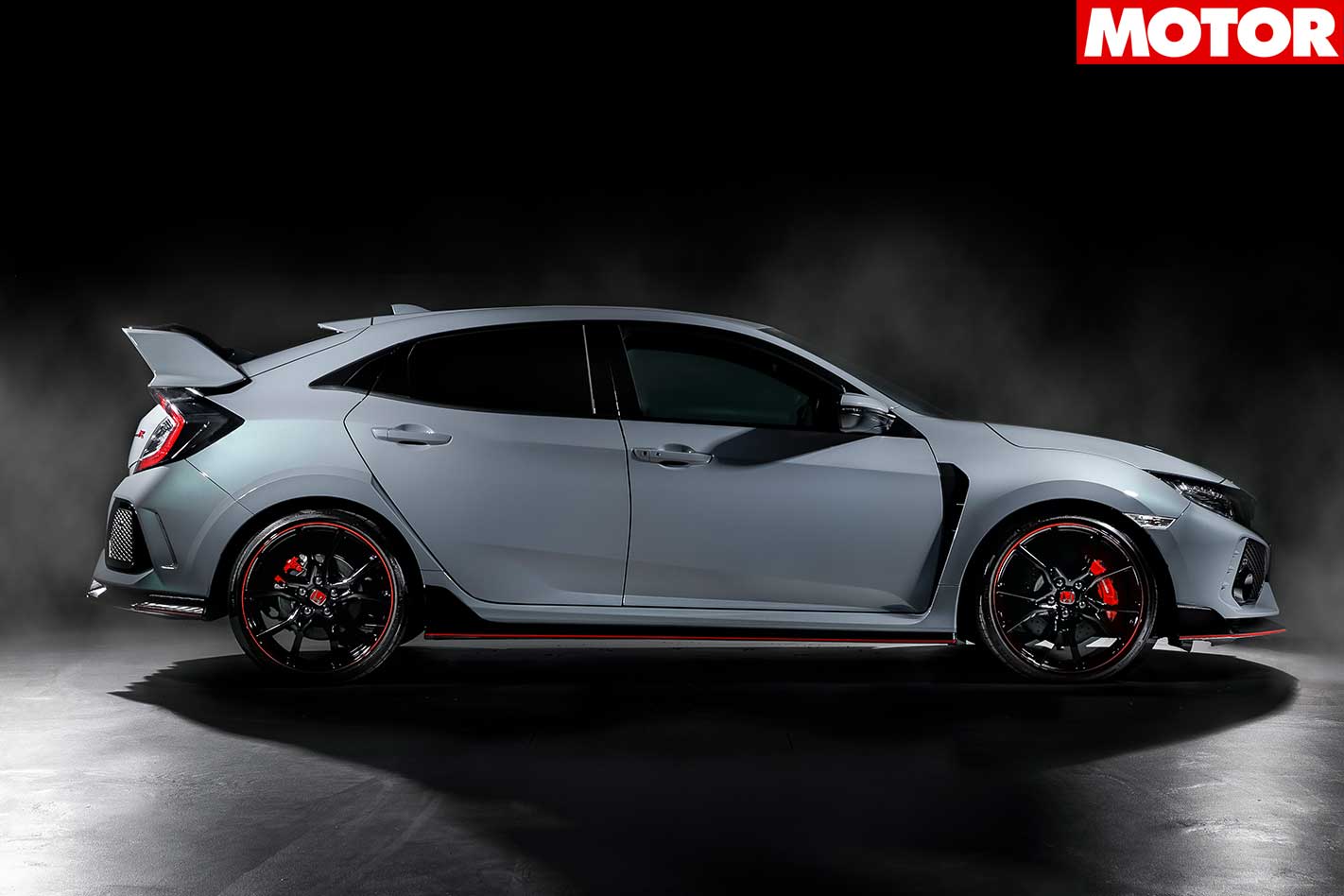
We must begin by addressing one specific but high profile aspect of the car that you have probably already thought about – the way it looks.
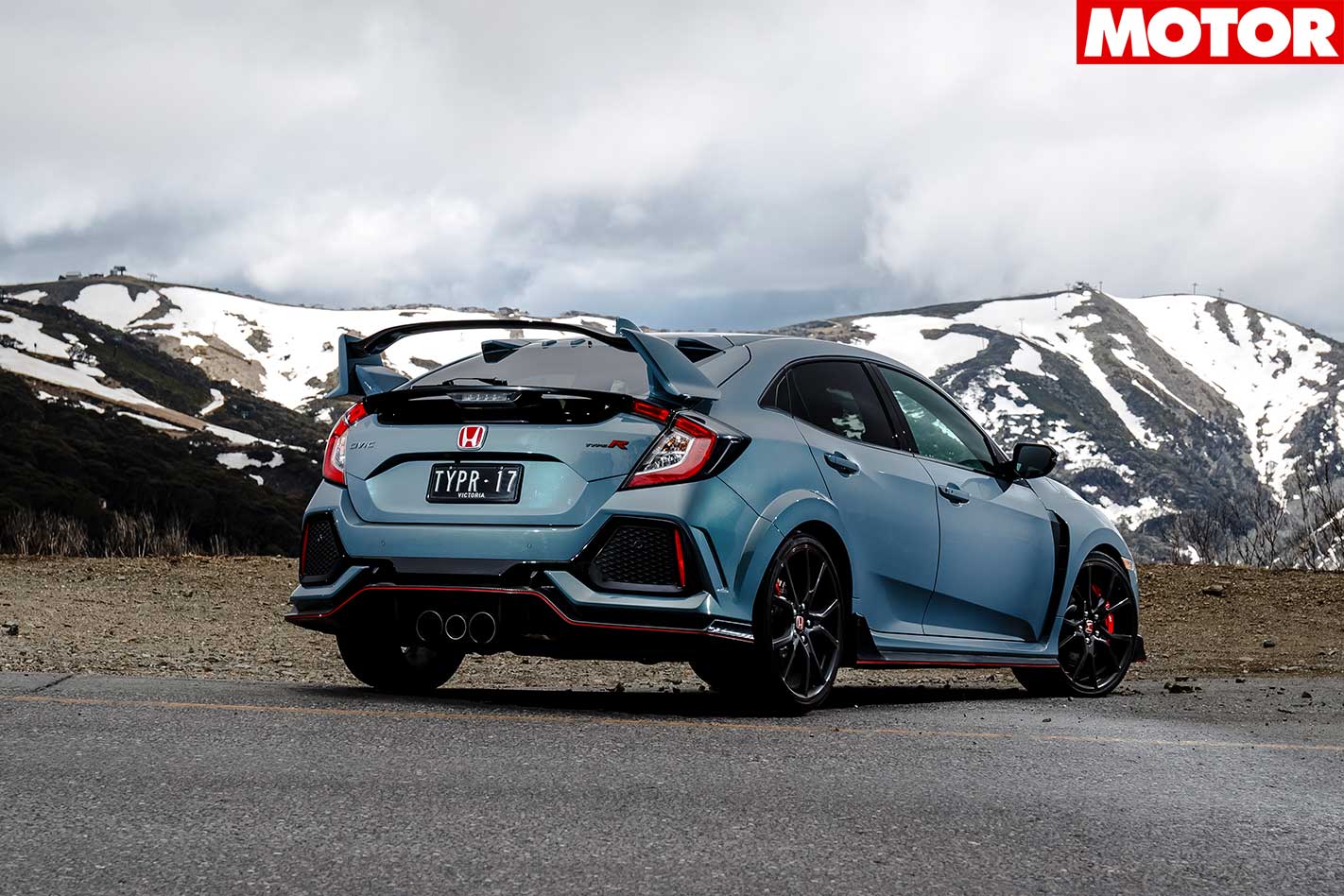
If a team of 19 year olds did the styling, it feels as if the engineering was left to the 50-year-old masters. This hot hatch does not drive the way it looks.
You might get in and expect a rough-riding, try-hard track day road weapon fit for only weekend use, with deliberate, demonic oversteer, buzzing vibration and roaring tyre noise – and yet the gap between this expectation and reality couldn’t be more yawning.
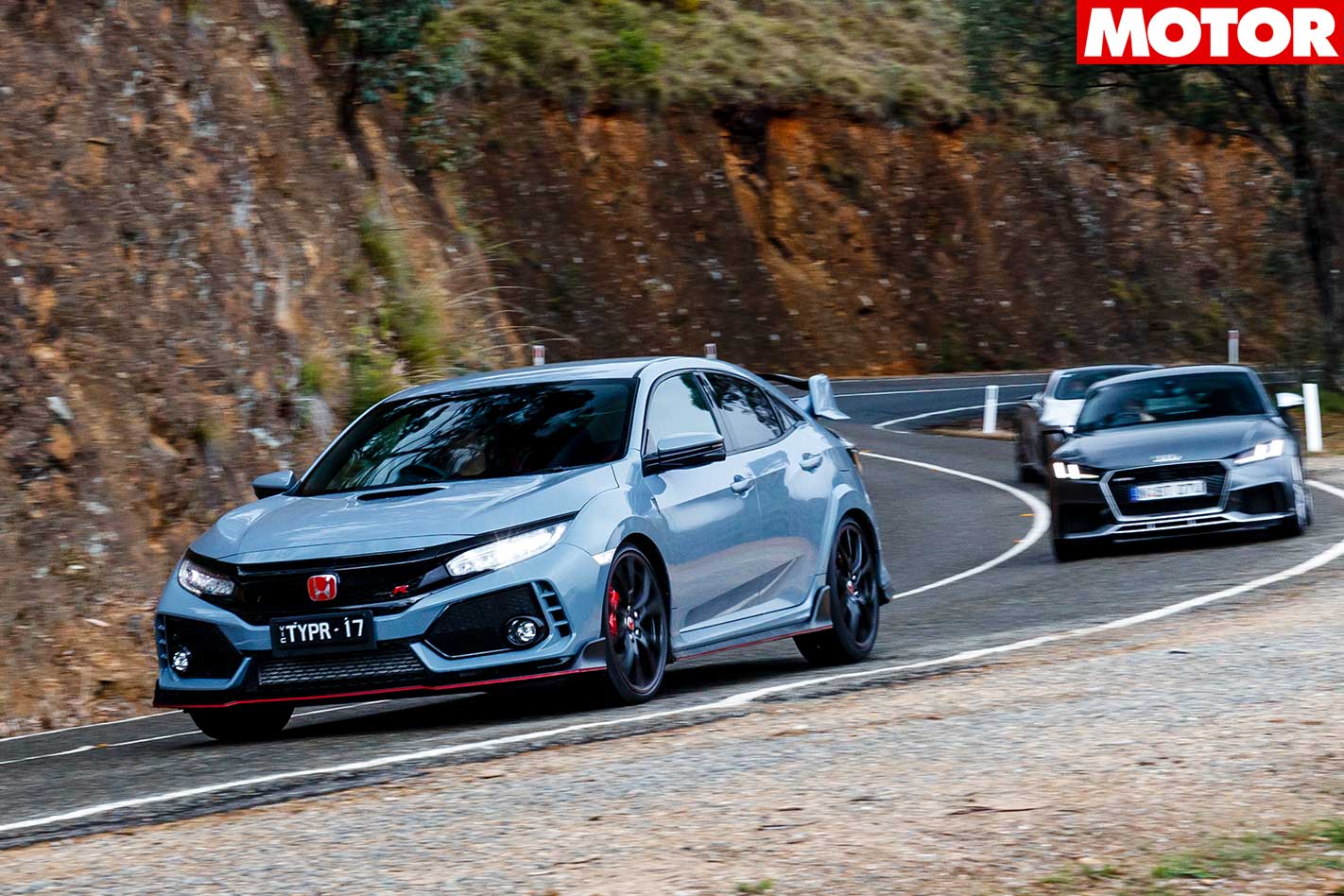
This is not true of all our contenders, some freakishly fast but with seriously compromised liveability; or prioritising ride comfort too much at the cost of body control and handling precision; or minimising NVH to the point you have lost connection to the road, or car, when you want to tap into the performance on offer.
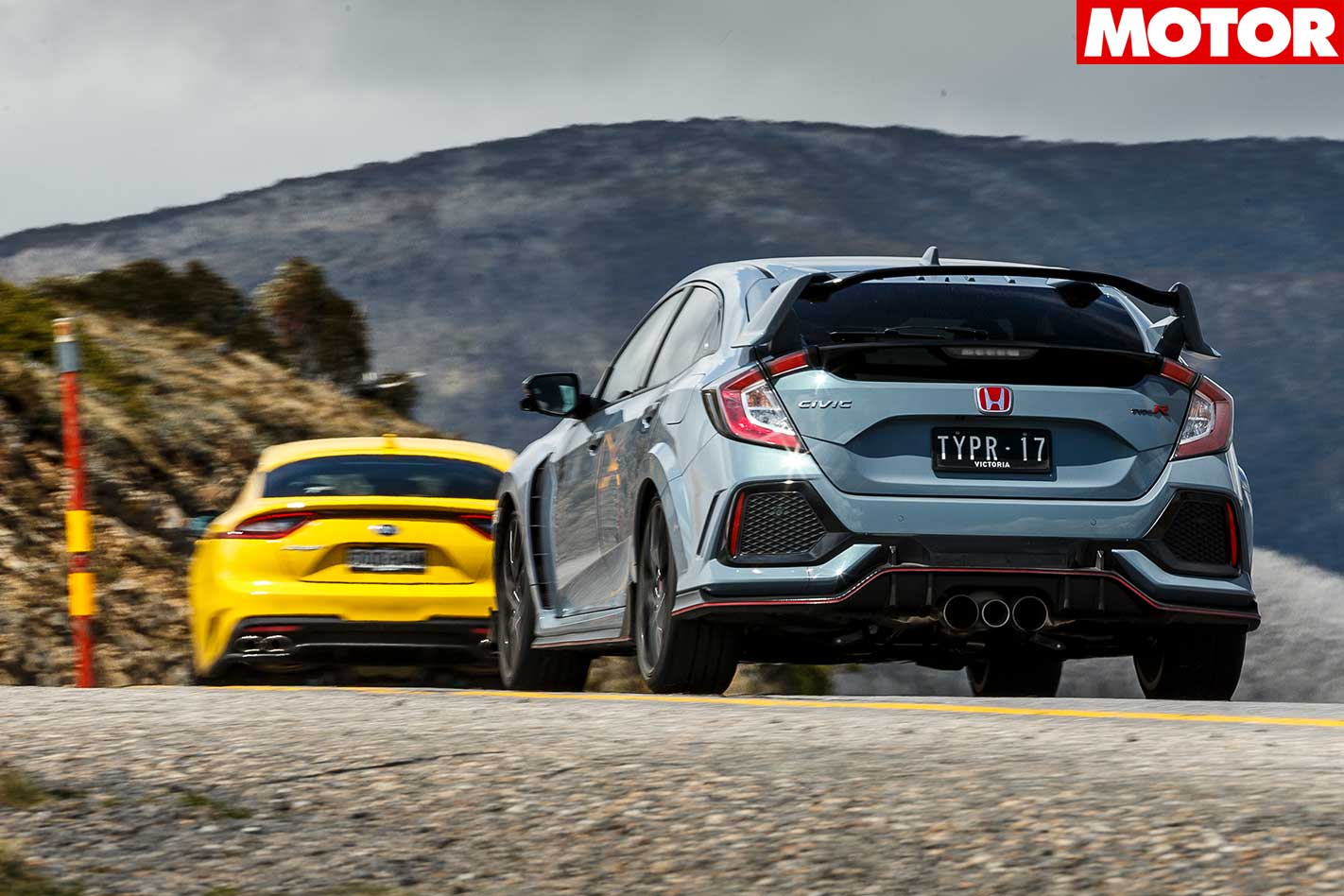
The steering and controls also offer old-school communication and exude a certain satisfying, familiar mechanical-ness, and are a joy to use around town. It’s an easy, forgiving car to drive fast or slow.
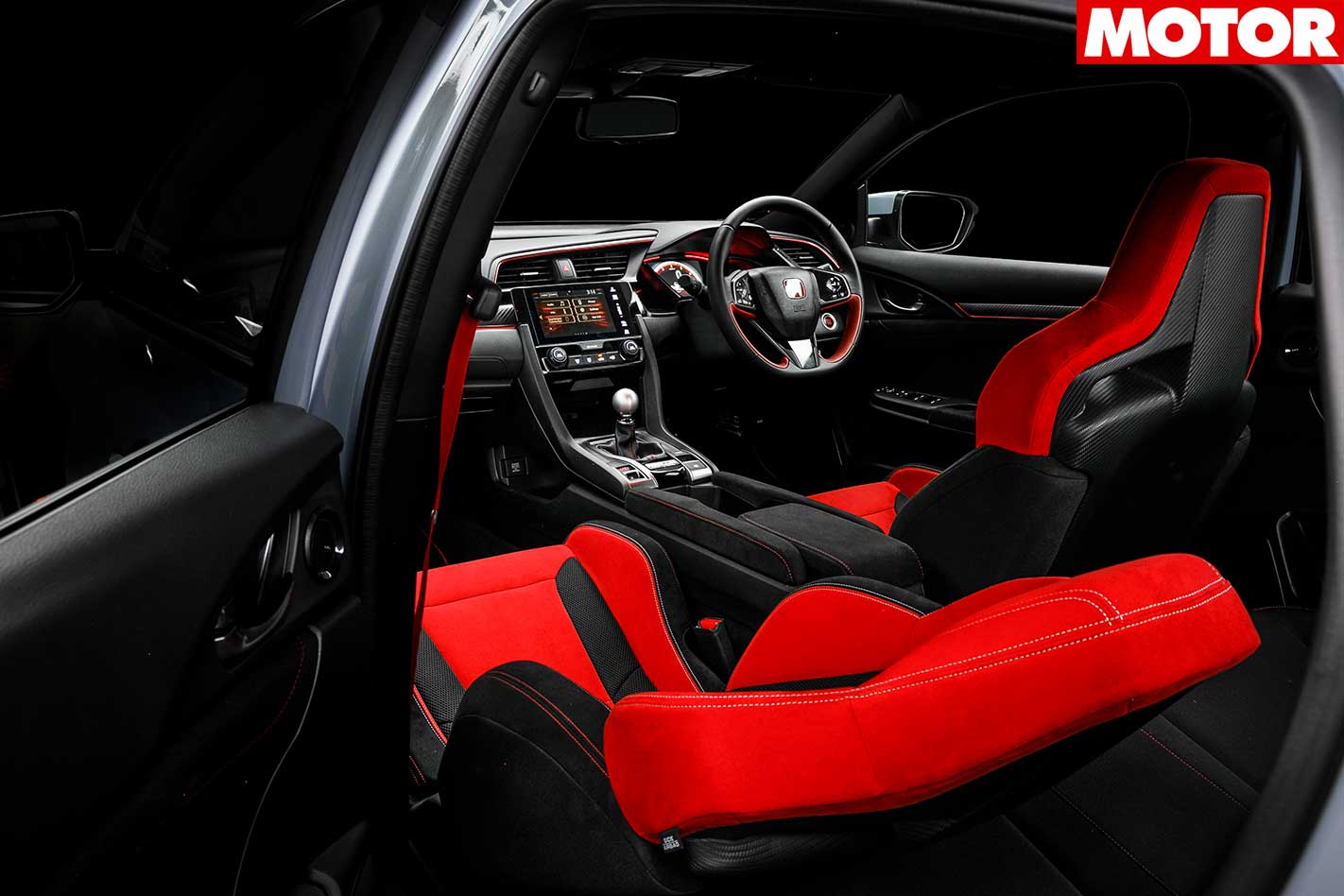
Slinking into the Civic Type R’s excellent and generously padded bucket seats, you are confronted with what is another off-putting, to some, element of the car: its interior.
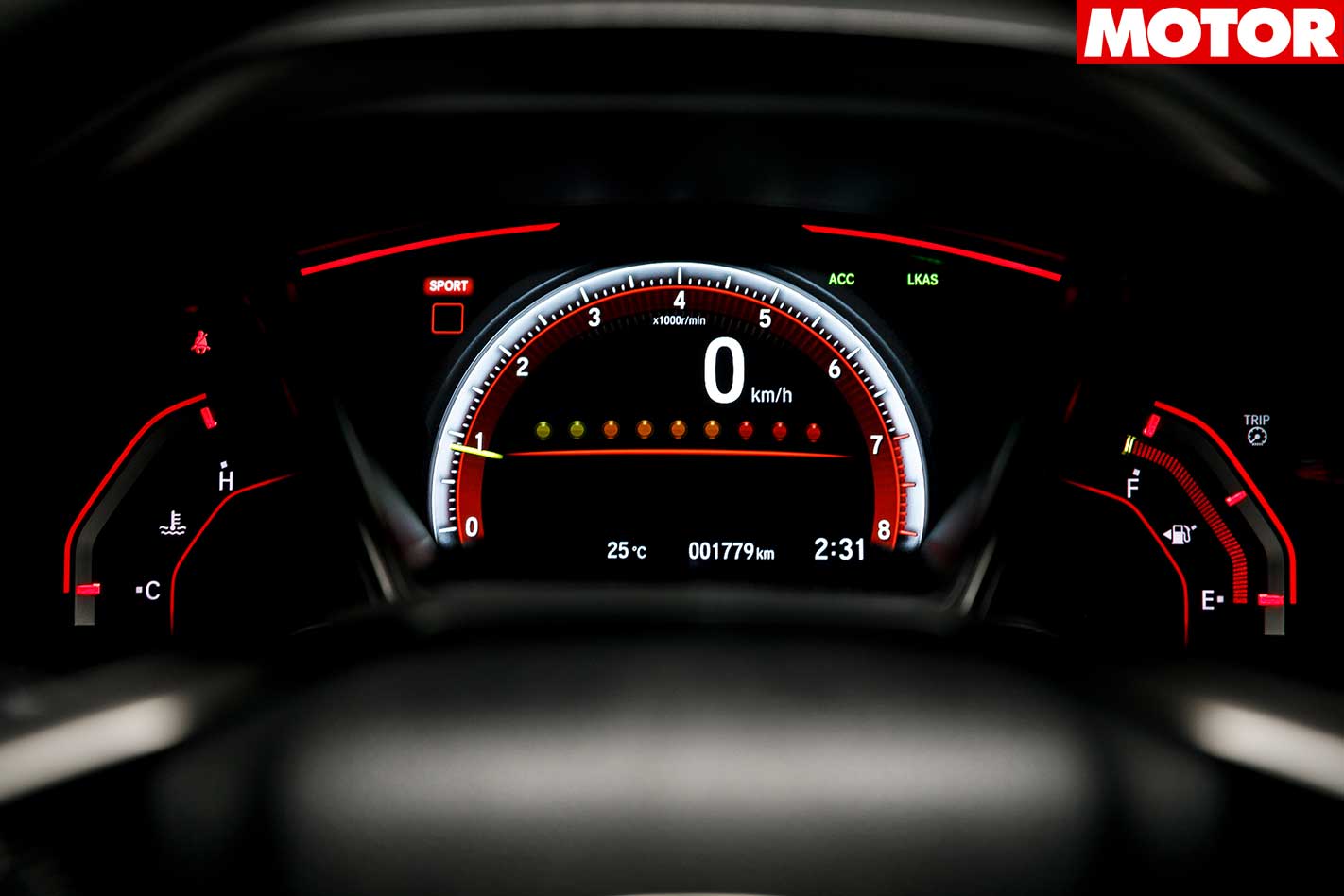
The attractive, modern TFT tachometer – which, awesomely, channels a tiny bit of S2000, if you squint – is flanked by dorky, difficult-to-read fuel and temp gauges right out of Tron: Legacy.
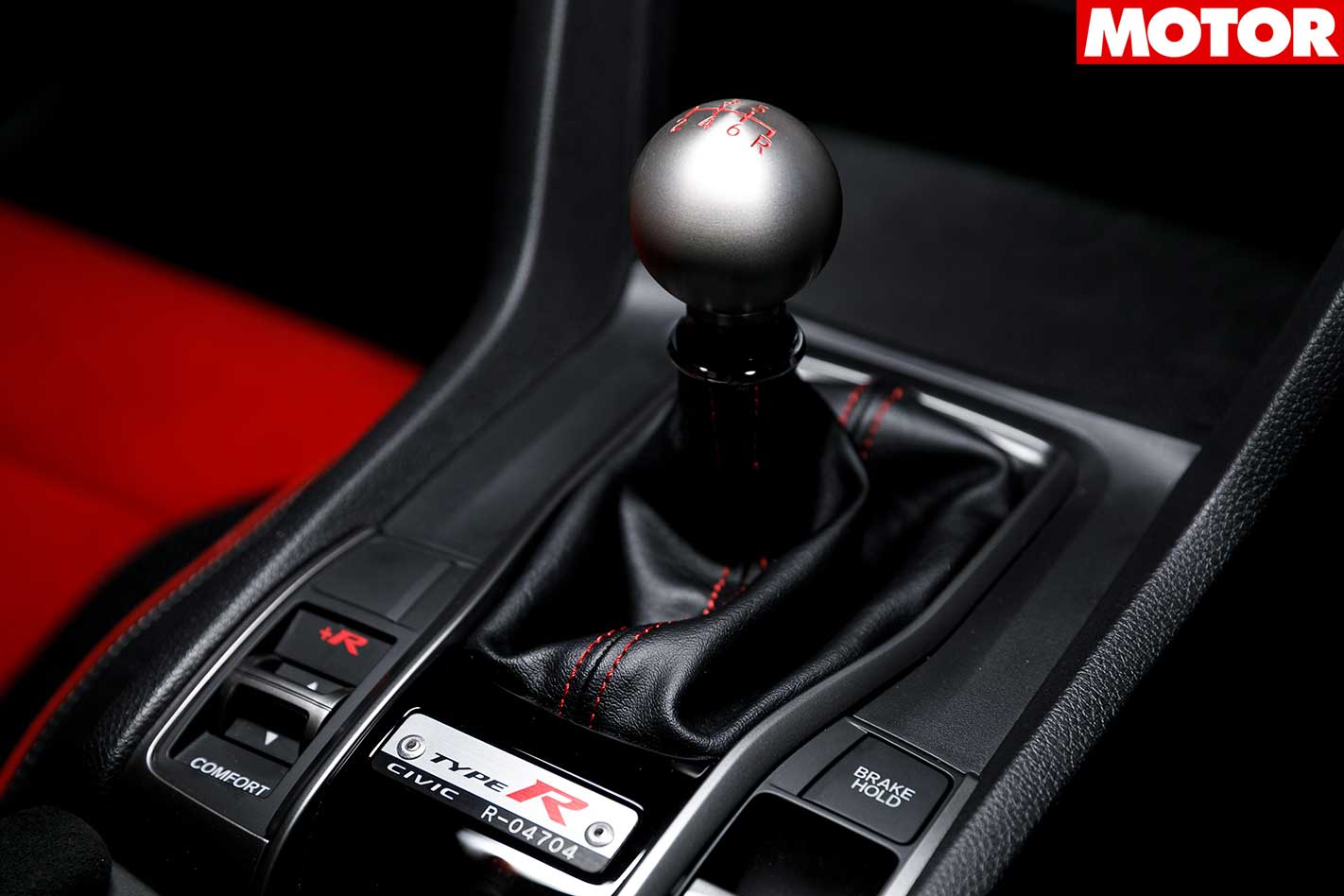
The controls, again, all feel just right, from steering wheel, to brake, clutch and gear shift – the last one getting a special mention. Honda has always made some of the best-feeling manual gear changes to the point we’re not that disappointed there is no twin-clutch auto option.
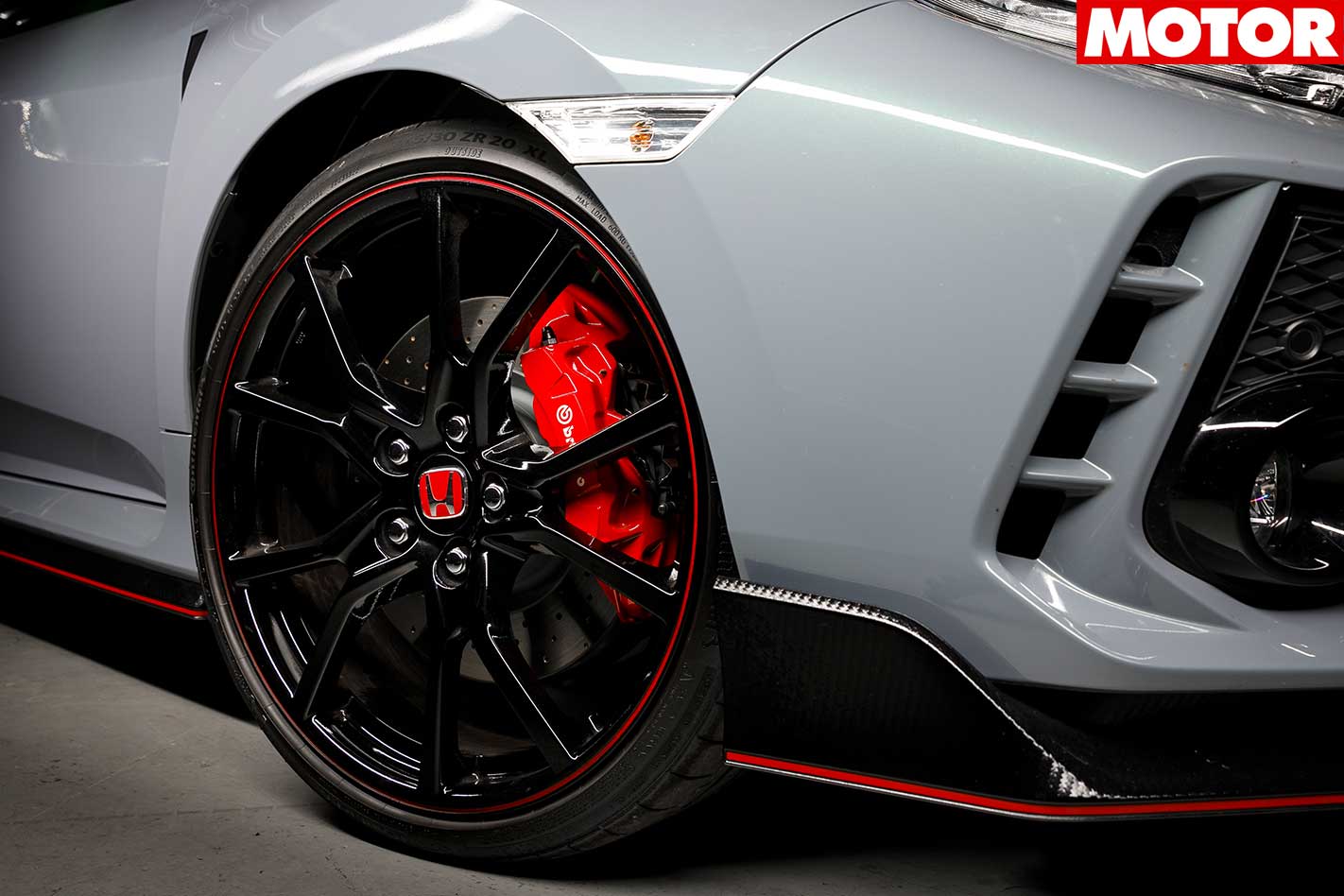
The front end is the best we’ve ever sampled in a hot hatch with precise, feelsome, well-judged steering largely uncorrupted by torque steer – an achievement given how much work the front axle is doing. It makes guiding the Type R down a twisty road a delight, where you’ll find a brilliantly poised, accurate and planted car with addictive and generous lateral grip from its 245/35R20 Continental ContiSportContact 6 tyres.
An interesting handling characteristic of the Civic Type R is its chassis balance. Hot hatches tend to have strong handling personalities with bases in understeer or oversteer. The Civic Type R is remarkable for being neither, showing off a neutrality that errs a poofteenth towards understeer, but without its rear end being excessively tied down.
It’s easily livened up on the brake if you invite it, and never when you don’t. The mature, sophisticated roadholding surely owes a lot to the fitment of a multi-link rear end.
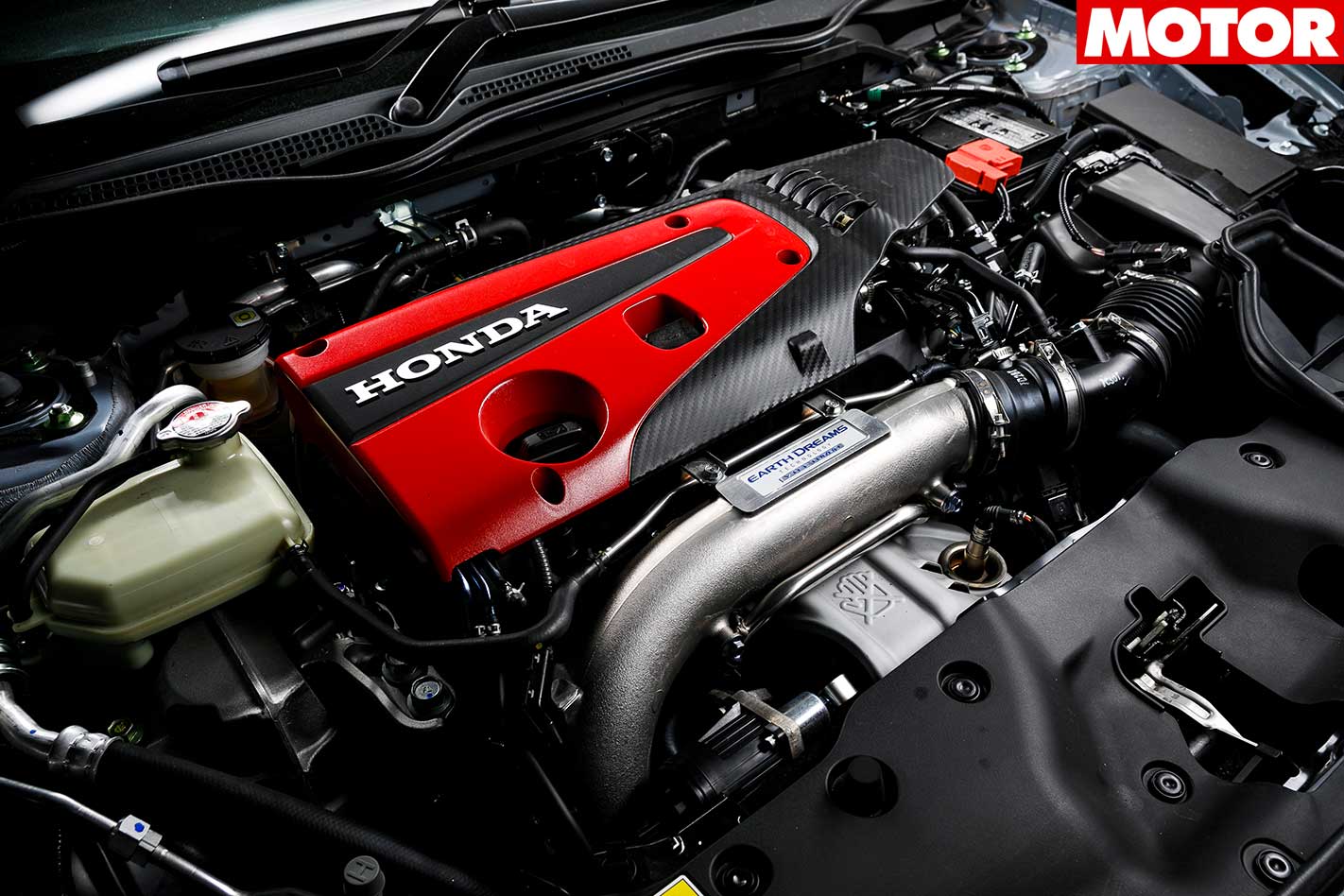
Power is strong and traction too, thanks to its proper mechanical limited-slip differential. There are so many more positive things to say about this car. The chassis electronics are well calibrated (and ESP goes all the way off), the brakes are strong and resilient, coping with all the track time we threw at it at Winton. And this is a car you will want to stay out and do another dozen laps in.
On track, it’s fun, fast, engaging and a challenge to get the best out of. And almost all of the time you’re punting the Civic Type R hard, it feels contented and in control beneath you. This can be said of a surprisingly few performance cars. And while the Civic Type R looks a little out of place on our list to the above right, it absolutely deserves to be there.
It’s a surprise packet. It’s an engineering achievement. It’s the Performance Car of the Year, and the performance Honda of the decade.
1996 – Porsche 993 Turbo 1997 – BMW E36 M3 1998 – Porsche Boxster 1999 – Porsche 911 (996) Carrera 2000 – Porsche Boxster S 2001 – Nissan S15 200SX 2002 – BMW E46 M3 2003 – Porsche Boxster S 2004 – Lamborghini Gallardo 2005 – Porsche 997 Carrera S 2006 – Audi B7 RS4 2007 – Porsche 911 (997) GT3 2008 – Porsche 911 (997) GT2 2009 – Audi R8 V10/Nissan GT-R 2010 – Porsche 911 (997.2) GT3 RS 2011 – Nissan GT-R 2012 – Porsche 911 (991) Carrera S 2013 – Audi R8 V10 Plus 2014 – Porsche 911 Turbo 2015 – Porsche 911 (991) GT3 2017 – Porsche 911 Turbo S 2018 – Honda Civic Type R
2018 HONDA CIVIC TYPE R SPECS: Body: 5-door, 4-seat hatch Drive: front-wheel Engine: 1998cc inline-4, DOHC, 16v, turbo Bore/Stroke: 86.0 x 85.9mm Compression ratio: 9.8:1 Power: 228kW @ 6500rpm Torque: 400Nm @ 2500-4500rpm Power/Weight: 165kW/tonne Transmission: 6-speed manual Kerb weight: 1380kg Suspension: struts, coil springs, adaptive dampers, anti-roll bar (f); multi-links, coil springs, adaptive dampers, anti-roll bar (r) Brakes: 350mm ventilated/drilled discs, 4-piston calipers (f); 305mm solid discs, single-piston calipers (r) Wheels: 20.0 x 8.5-inch (f/r) Tyres Sizes: 245/35 R20 (f/r) Tyres: Continental SportContact6 Price: $50,990
0-100km/h: 5.68sec 0-400m: 13.66sec @ 174.92km/h
Morley – 1st I can’t believe it’s a tail-dragger. How good is this thing? Utterly.
Campbell – 1st Honestly, I expected this car to be a piece of crap. I was spectacularly wrong.
Newman – 1st Looks weird, interior is meh, who cares? An incredible driver’s car.
Robson – 1st Just wow. Phenomenal on road and track. It’s made me fall in love with driving again.
Reynolds – 1st Great balance, brakes, steering, gearbox and torque. Unreal fun!
JUDGES’ SCOREBOARD
| u00a0 | Campbell | Morley | Newman | Reynolds | Robson | Total |
| Performance | 7.5 | 7 | 9 | 8 | 8 | 39.5 |
| Dynamics | 9.5 | 9 | 9.5 | 10 | 10 | 48 |
| Accessibility | 9.5 | 8 | 10 | 10 | 9 | 46.5 |
| Liveability | 7.5 | 7 | 9 | 7 | 8 | 38.5 |
| Value | 8 | 7 | 8.5 | 10 | 10 | 43.5 |
| X-Factor | 8 | 9 | 6.5 | 9 | 6 | 37.5 |
| Total | 50 | 47 | 52.5 | 53 | 51 | 253.5 |
MORE than 2.7 million cars in Australia with Takata airbags are now subject to a compulsory recall, with manufacturers and distributors obliged to replace all defective airbags by December 31, 2020.
If your vehicle has not previously been subject to the recall, check again at the Product Safety Australia website, or with your car’s manufacturer, as 1.3 million of the affected vehicles have just been added to the list. And if your car still isn’t affected, try again every few weeks. You can even subscribe to Product Safety Australia email updates that can be tailored to your make of vehicle.
If you find that your vehicle is under active recall, contact the supplier to arrange replacement of the affected Takata airbags. The timing of the fix will depend on a number of factors, including the type of airbag, where you are (high heat and humidity can accelerate the problems), and how old it is.
The compulsory recall and associated consumer rights and supplier obligations are the same for new and previously owned vehicles, and are not associated with their factory warranties.
The compulsory recall requires all suppliers to:
- Recall all affected vehicles on a rolling basis and replace the airbag at no cost to the owner, with priority given to replacement of those airbags that present the highest safety risk. Recalls must be initiated as soon as possible.
- Complete all replacements by December 31, 2020, unless the date is varied by application to the ACCC.
- Contact consumers directly when recall action is initiated for their vehicle
- Publish a VIN search tool on their website by July 1, 2018 that allows consumers to identify if their individual vehicle is affected by the recall.
- Publish a recall initiation schedule on their website as soon as practicable and by July 1, 2018. The schedule will advise owners with an affected vehicle when their vehicle will be recalled. Vehicles under ‘active recall’ can have their affected Takata airbags replaced straight away. Consumers with vehicles subject to a ‘future recall’ will be notified by the supplier when it is time to have their airbag replaced (and they can also find their vehicle in the supplier’s recall initiation schedule).
- Notify the ACCC via the Product Safety Website when an active recall is initiated for a new category of vehicle.
- Make arrangements for towing or transporting a vehicle or providing loan or hire cars during the replacement process in certain circumstances.
COMPULSORY RECALL TIMELINE
March 8, 2018: Vehicle suppliers must initiate a recall of vehicles with dangerous Alpha inflators by this date, if they’re not already under active recall.
April 2, 2018: Vehicle suppliers must provide the ACCC with a recall initiation schedule (unless you have already initiated recall action for all affected vehicles).
July 1, 2018: Vehicle manufacturers must publish a VIN search tool on their website by July 1, 2018 that allows consumers to identify individual vehicles affected by the recall. They must also publish a recall schedule on their websites, which informs owners when certain vehicles will be recalled.
December 31, 2018: Stop selling new or demonstration vehicles with an affected Takata airbag inflator in any circumstances.
December 31, 2019: Cease use of new affected Takata Airbag Inflators as replacements (‘like for like’ replacements).
December 31, 2020: Complete all replacements of affected Takata airbag Inflators, unless otherwise approved by the ACCC.
Ongoing: Manufacturers have an ongoing obligation to identify and replace vehicles with affected Takata airbag Inflators.
