
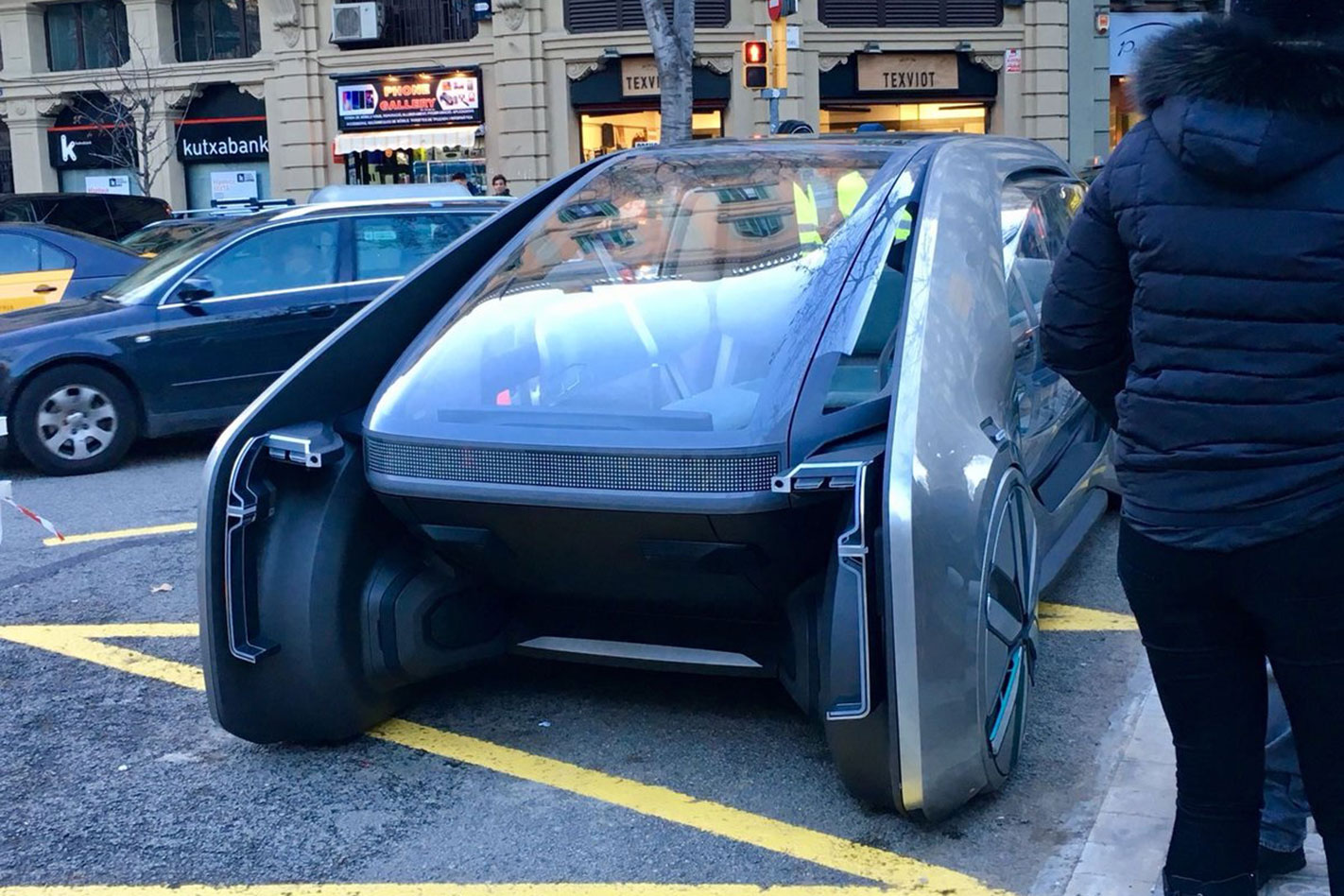
RENAULT’S Geneva-bound show-stopper has been scooped more than a week out from its official global reveal, stepping out in public for a photo shoot in Spain.
Looking like something out of the set of a Steven Spielberg’s movie, the futuristic, as-yet unnamed Renault-badged concept car is still firmly embedded in today’s technology; posters on the Cochesipers.net said ts movements were watched over by a bloke kitted out with a remote control.
“For 120 years, Renault has been passionate about making life easier for customers,” it said. “In keeping with Renault’s Easy Life brand promise, Renault has chosen the 2018 Geneva Motor Show to take the wraps of its brand new concept which embodies its vision for shared urban mobility.”
The most noticeable feature of that vision is a large cockpit-style transparent door that lifts up to allow entry and exit. The image also hints at how primitive the self-drive technology is; a power chord snaking out across the road tethers the futuristic people-mover to an electricity outlet.
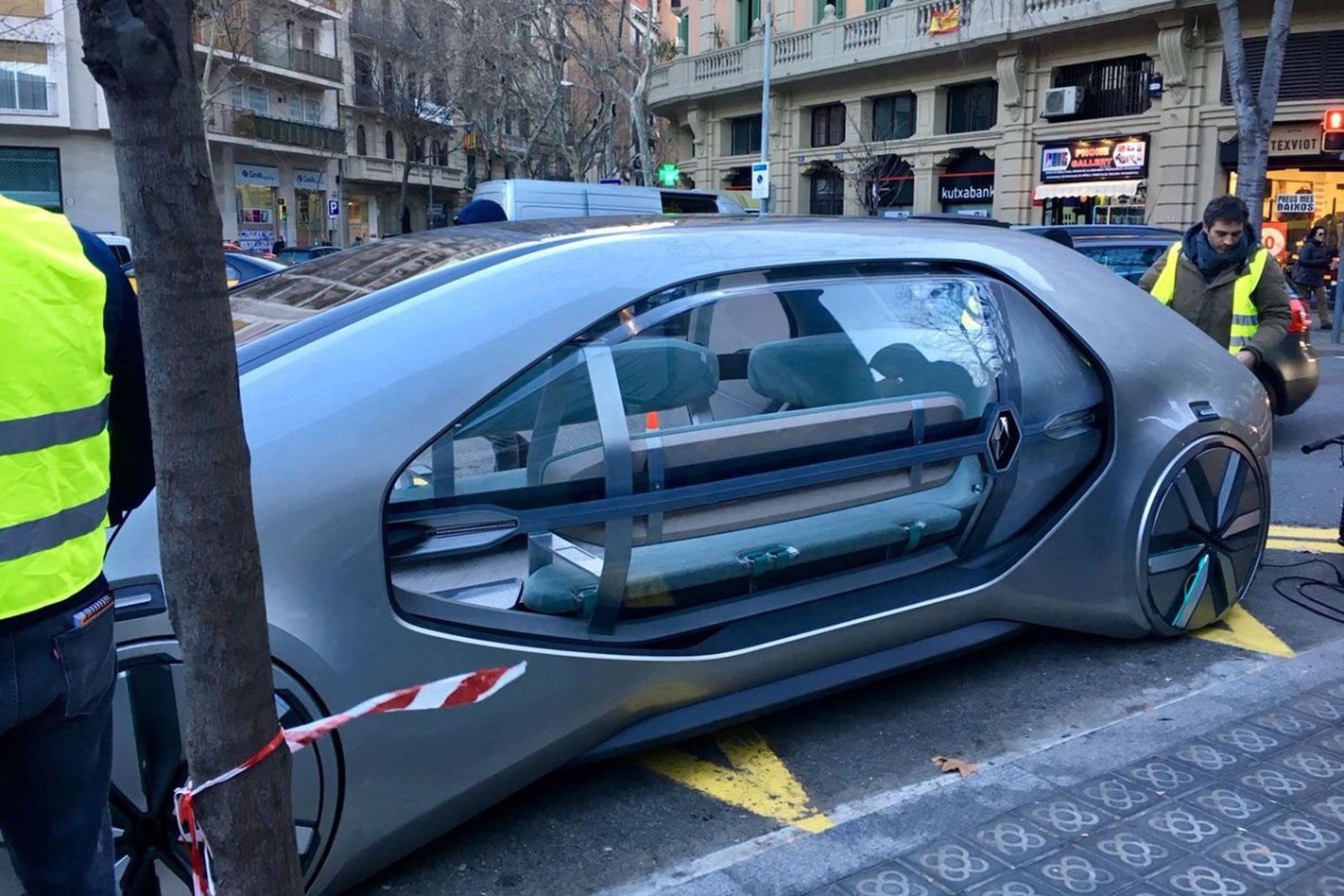
The Geneva concept makes it seem as though Renault is joining other car makers in hedging the bet that one day, instead of selling us cars, it will encourage us to hire one on an ad-hoc basis – a concept Volvo is very keen to explore with its all-new Polestar 1 performance fastback coupe.
The 88th Geneva Motor Show starts on March 6. Visit WheelsMag.com.au for all the latest new car news and reveals as they happen.
WHEN Red Bull slipped the covers off its 2018 Formula 1 challenger, the RB14, it added another chapter into the unique book of unraced F1 liveries.
RB14 was revealed with a bold camouflage colour scheme dubbed ‘Disruption’. As much as motorsport fans might pine for the livery to take part in Grand Prix weekends, the Red Bull Racing squad said the colour scheme was a one-off for pre-season filming, with a more traditional paint job set to appear before the late March season start.
Here are eight more epic liveries that should have been on a Formula 1 grid, but were never given the opportunity.
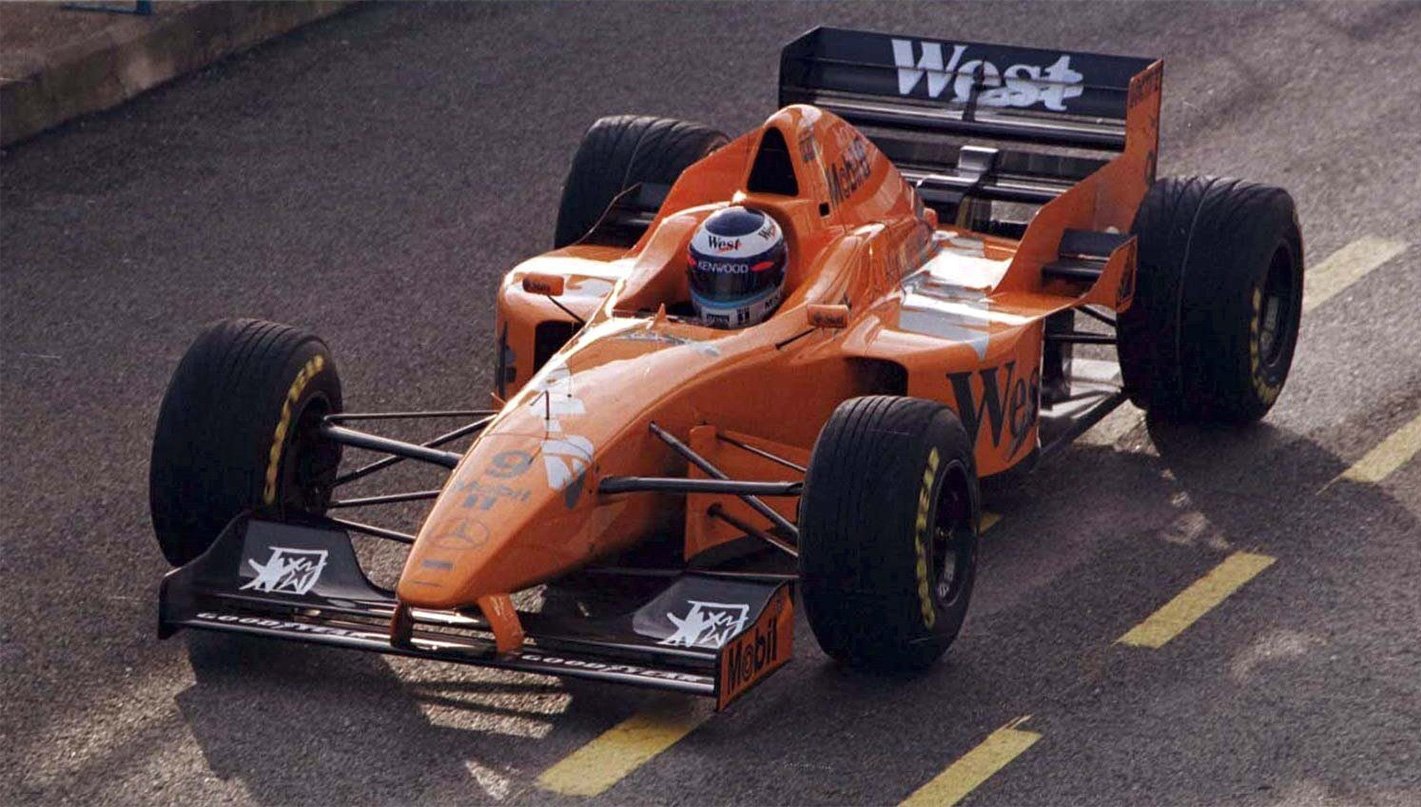
1. 1997: McLaren
From the mid-’80s McLaren ran a red and white livery with title sponsor Marlboro. The scheme became one of the most iconic in motorsport, and is synonymous with the team and a certain Brazilian hot-shoe named Ayrton Senna.
2. 1999: BMW
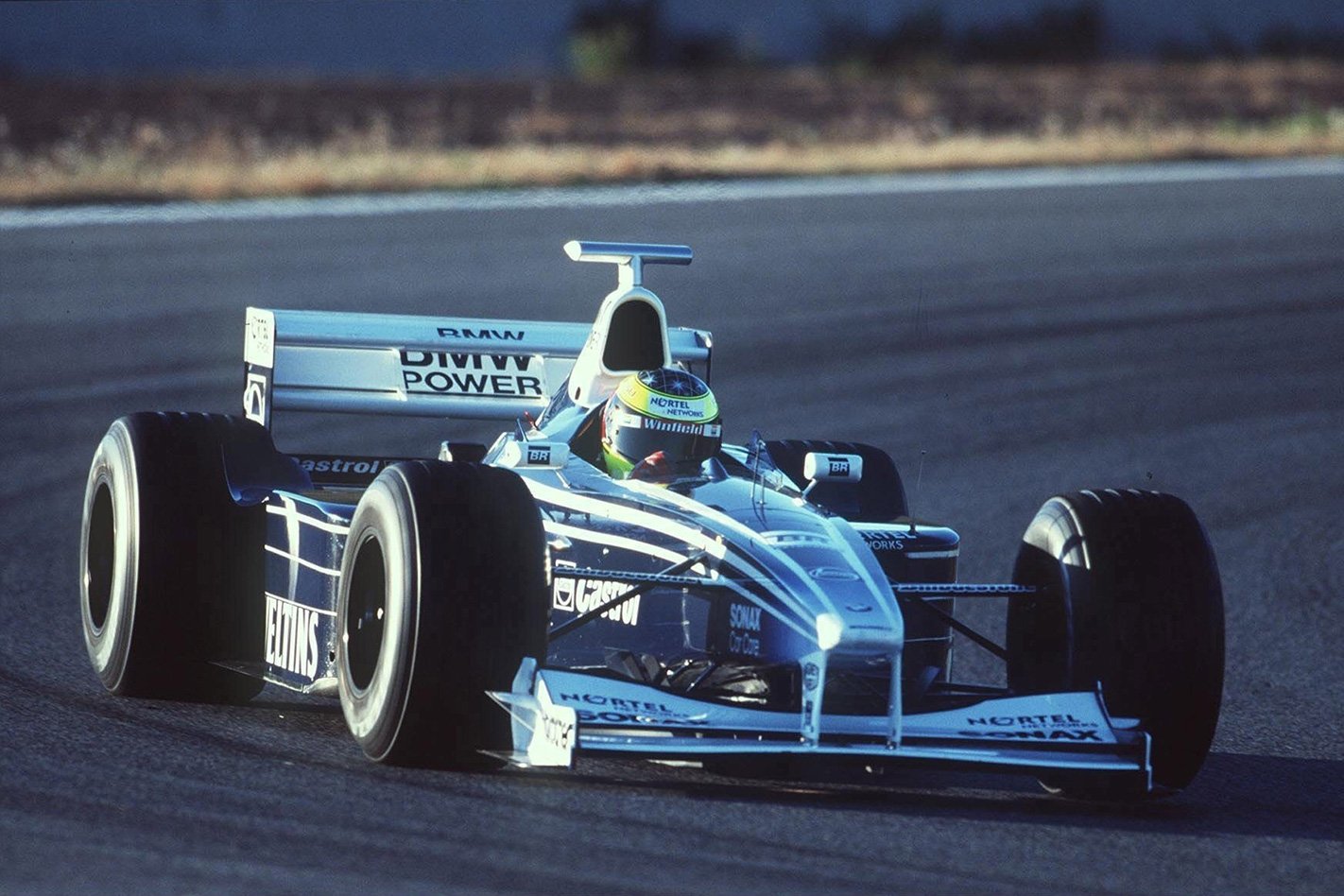
Ahead of its return to Formula 1 in 2000, BMW tested its car at Barcelona during 1999 winter testing wearing corporate colours, and sans major branding and sponsorship. Predominantly dark blue with white streaks, the car looked quick sitting still. A majority white scheme was raced by Ralf Schumacher and Jenson Button during the 2000 season.
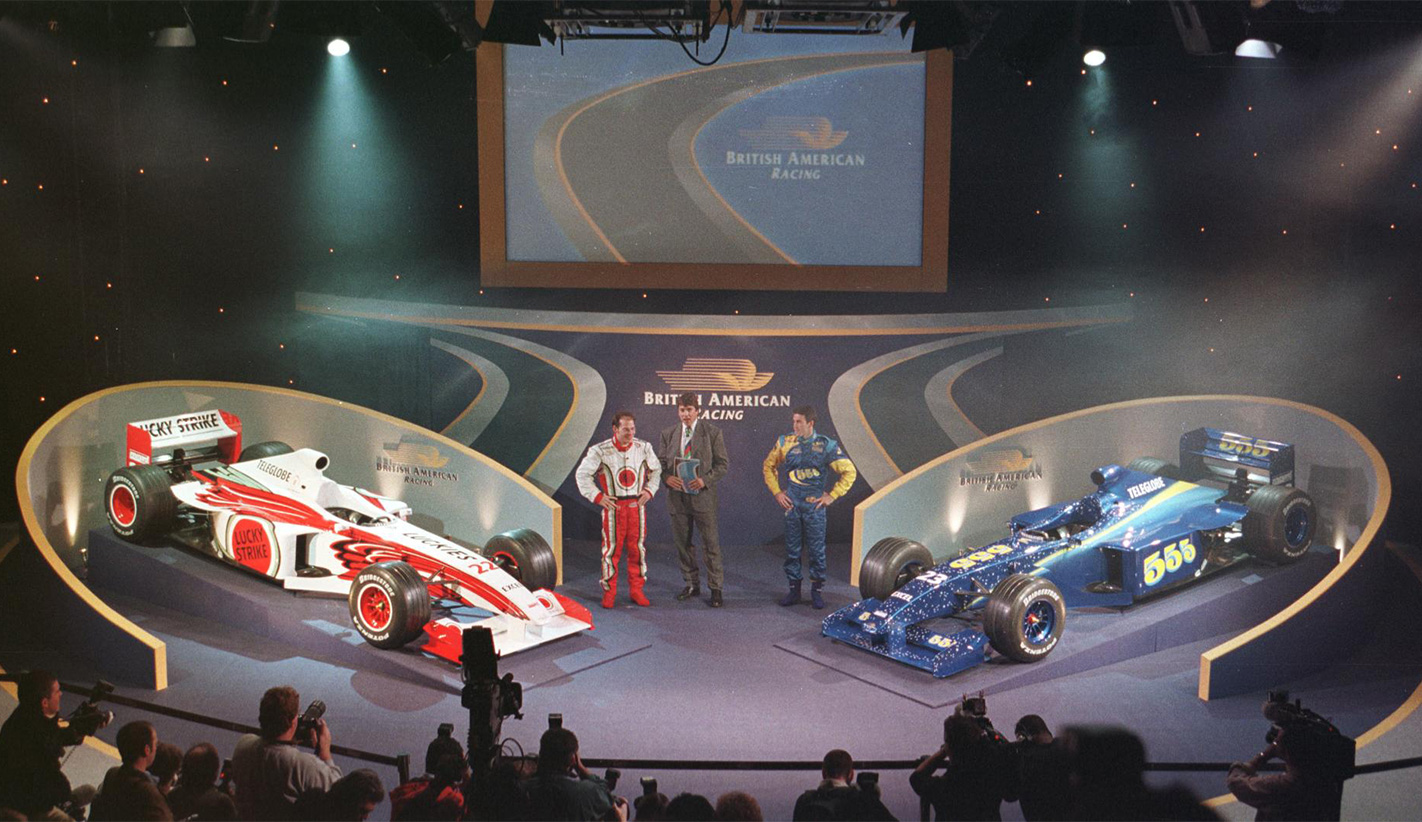
While no livery on this list was raced during a Grand Prix, all bar this pair from BAR at least took to the track in one form or another. At the British American Racing team’s launch in 1999 the squad shocked onlookers with its two cars dressed up in different paint schemes – 555 and Lucky Strike respectively. Foot-stamping from Formula 1 organisers meant the concept was ditched, with both cars painted in the controversial ‘zipper’ scheme by the time pre-season testing rolled around, merging the two.
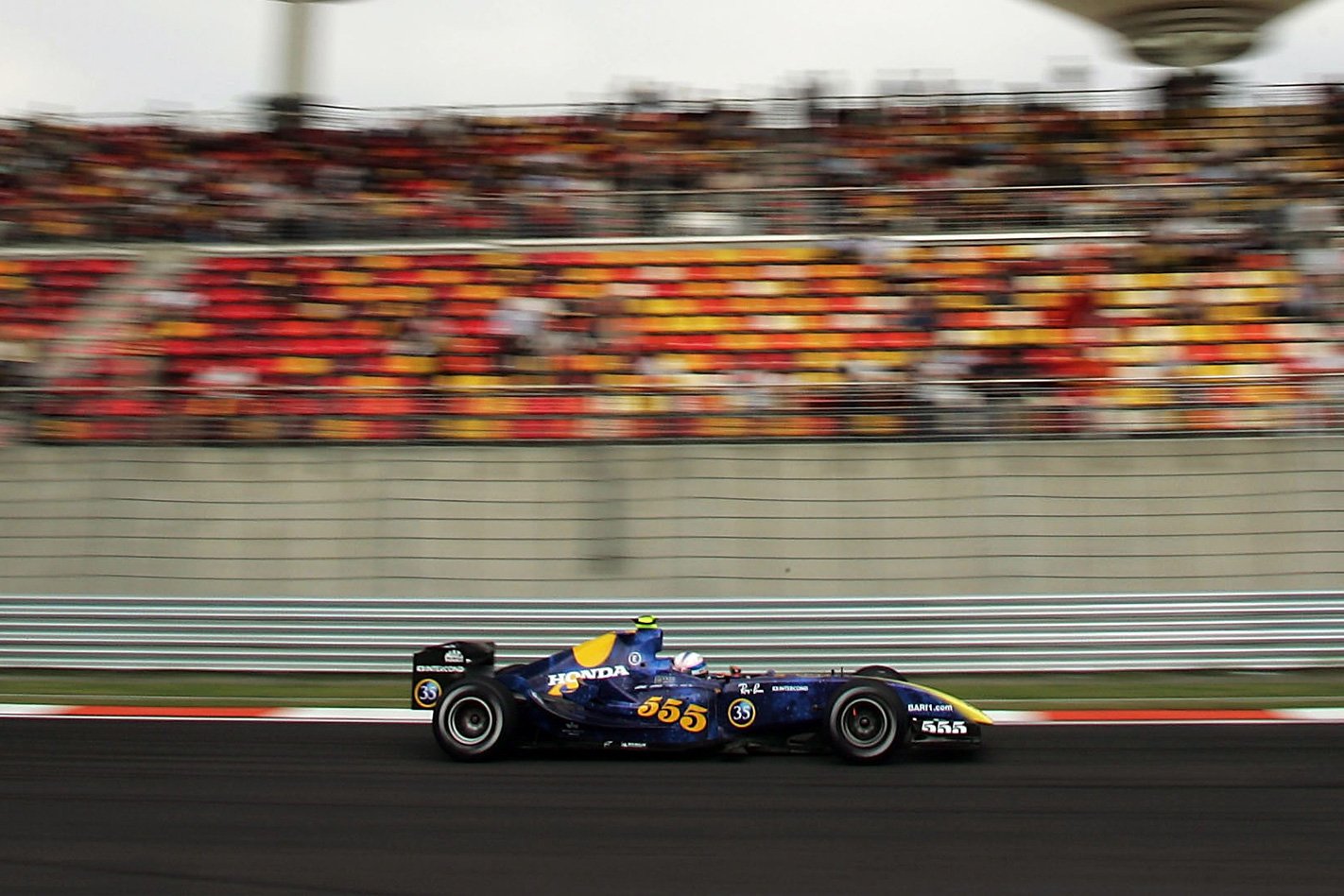
BAR once again, with this instance being a rare unraced livery that took part in a Grand Prix weekend. In 2004, the team was sponsored by tobacco company Lucky Strike, with signage switched to 555 for the Chinese Grand Prix.
Regulations at the time allowed the bottom six teams from the 2003 constructors’ championship to run a third car during Friday practice. Briton Anthony Davidson was at the helm for BAR Honda, in a splendid 555 livery. Despite being sponsored by the iconic company for several years, the Chinese Friday practice car was the only time BAR ran a full 555 paint scheme (despite trying in 1999).
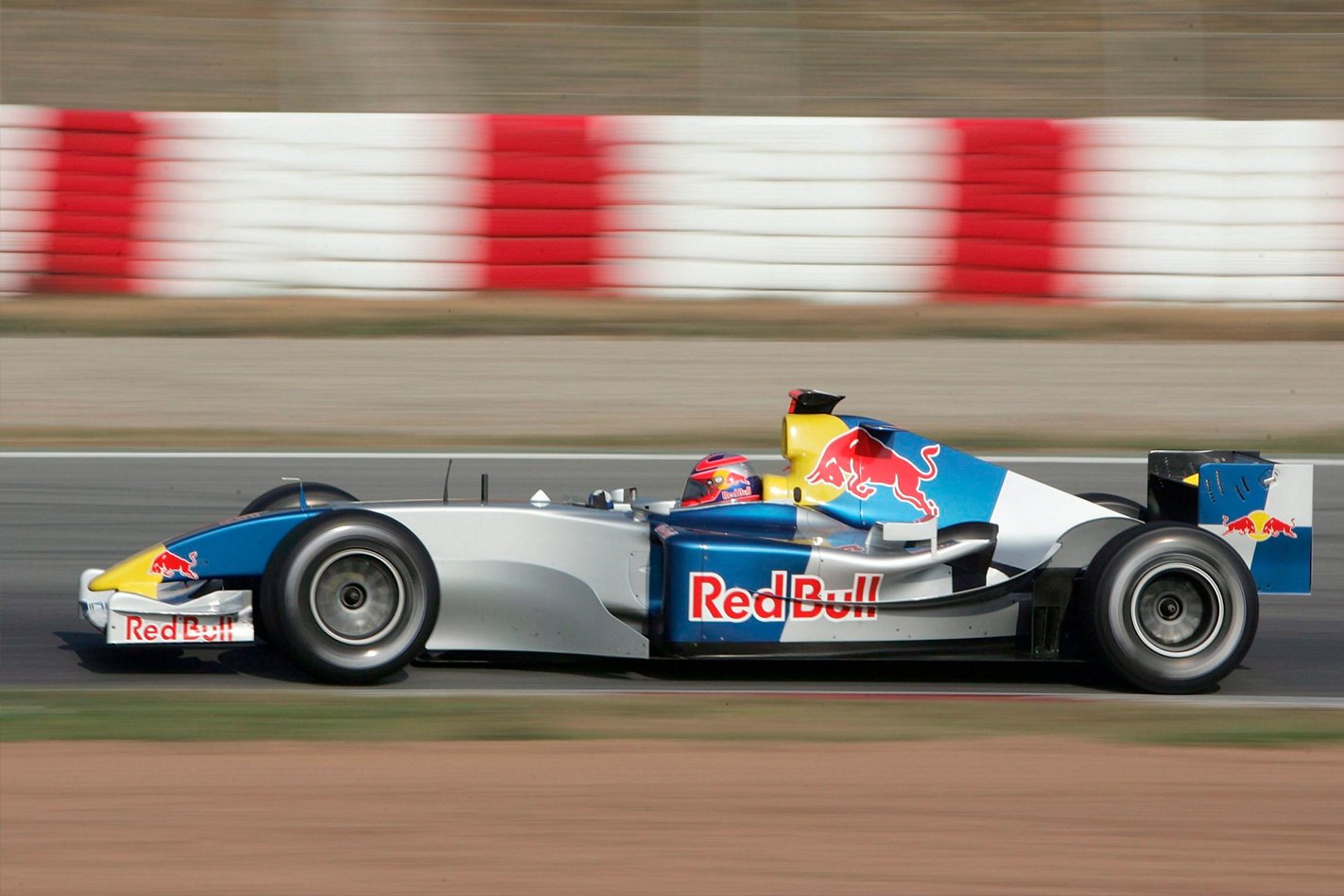
5. 2004: Red Bull
This ‘drink can’ scheme was run by Red Bull in winter testing in 2004 after it took over control of the Jaguar F1 team. The simplistic design was switched out when the drinks company made its debut as a title sponsor in 2005.
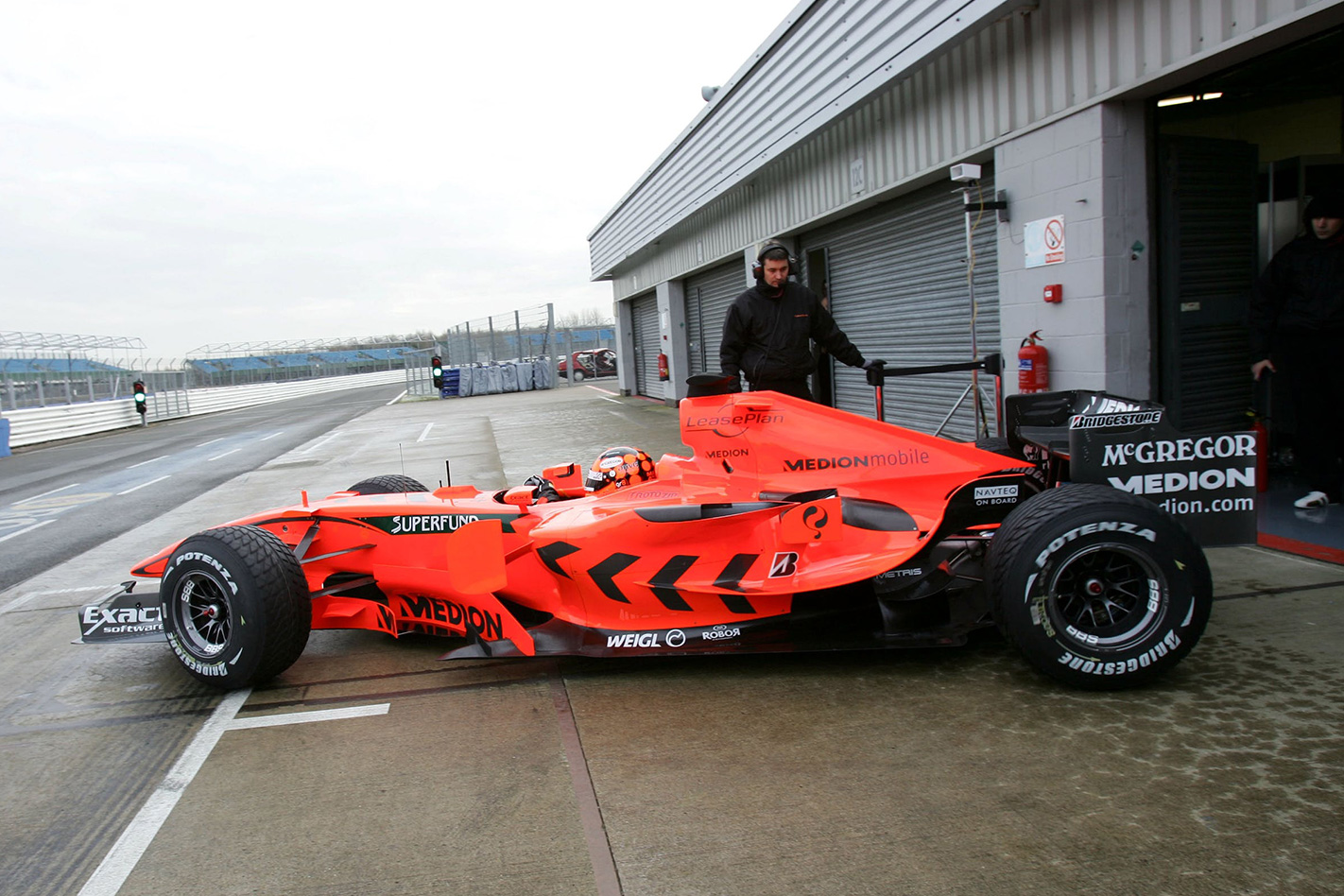
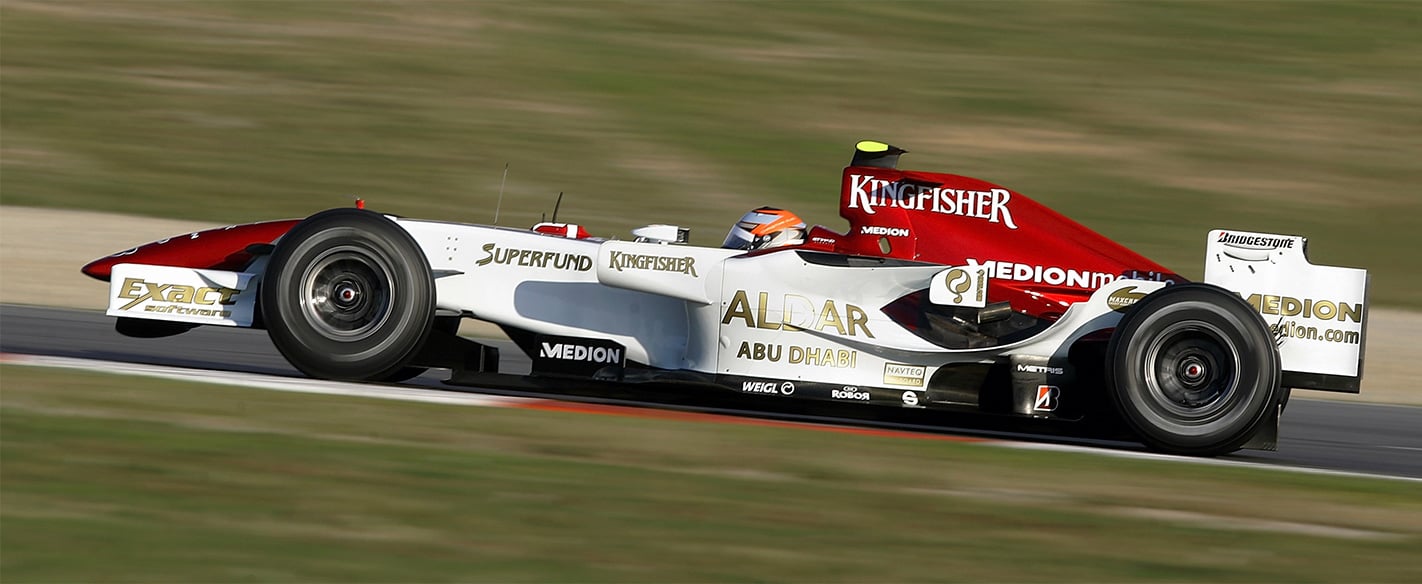
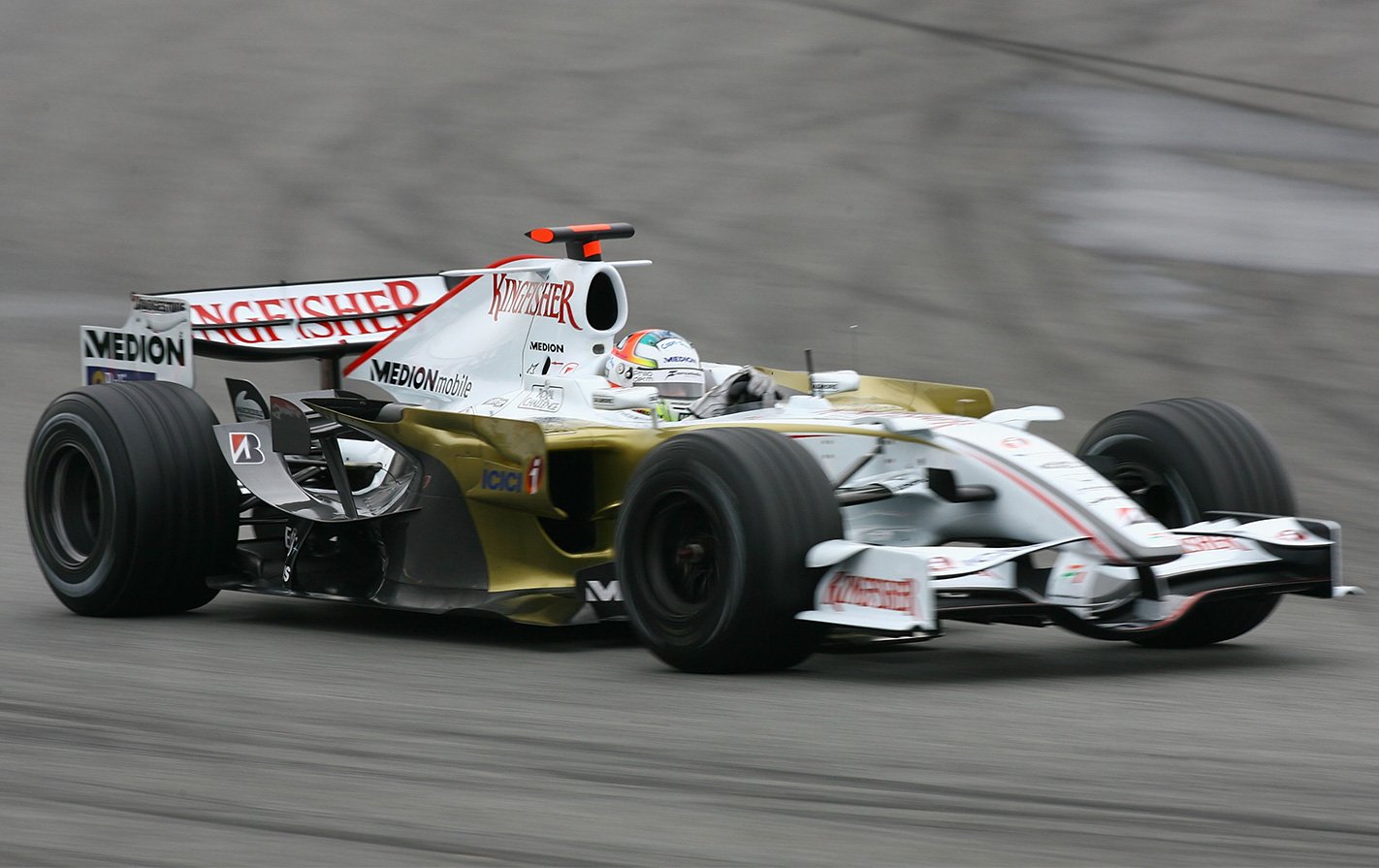
Spyker rocked up to pre-season testing in 2007 with a car painted in an eye-searing shade of dayglow Orange. The squad eventually toned down the intensity for the racing season, but stated the outlandish colour scheme was a homage to the team’s Dutch heritage. The change of colour was reportedly due to the bright hue often appearing red in photos and on television.
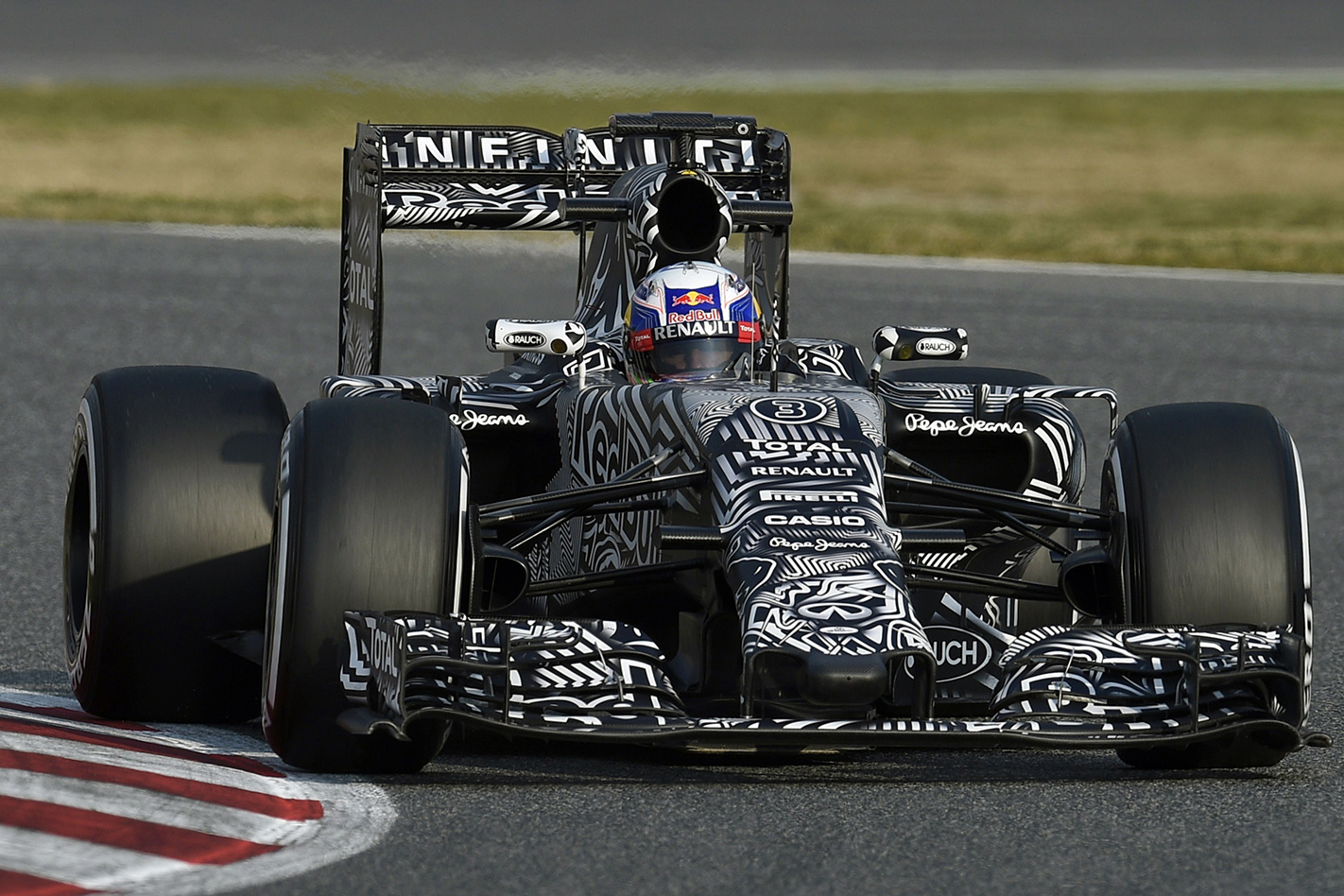
The most recent example is Red Bull, again. Daniel Ricciardo and Daniil Kvyatt took to the wheel of the ‘CamoBull’ at 2015 pre-season testing. Perhaps the camouflage was a bit too effective, with the front wing disappearing completely during early running (due to Kvyatt making contact with the wall, and the team not having a spare on hand at the track).
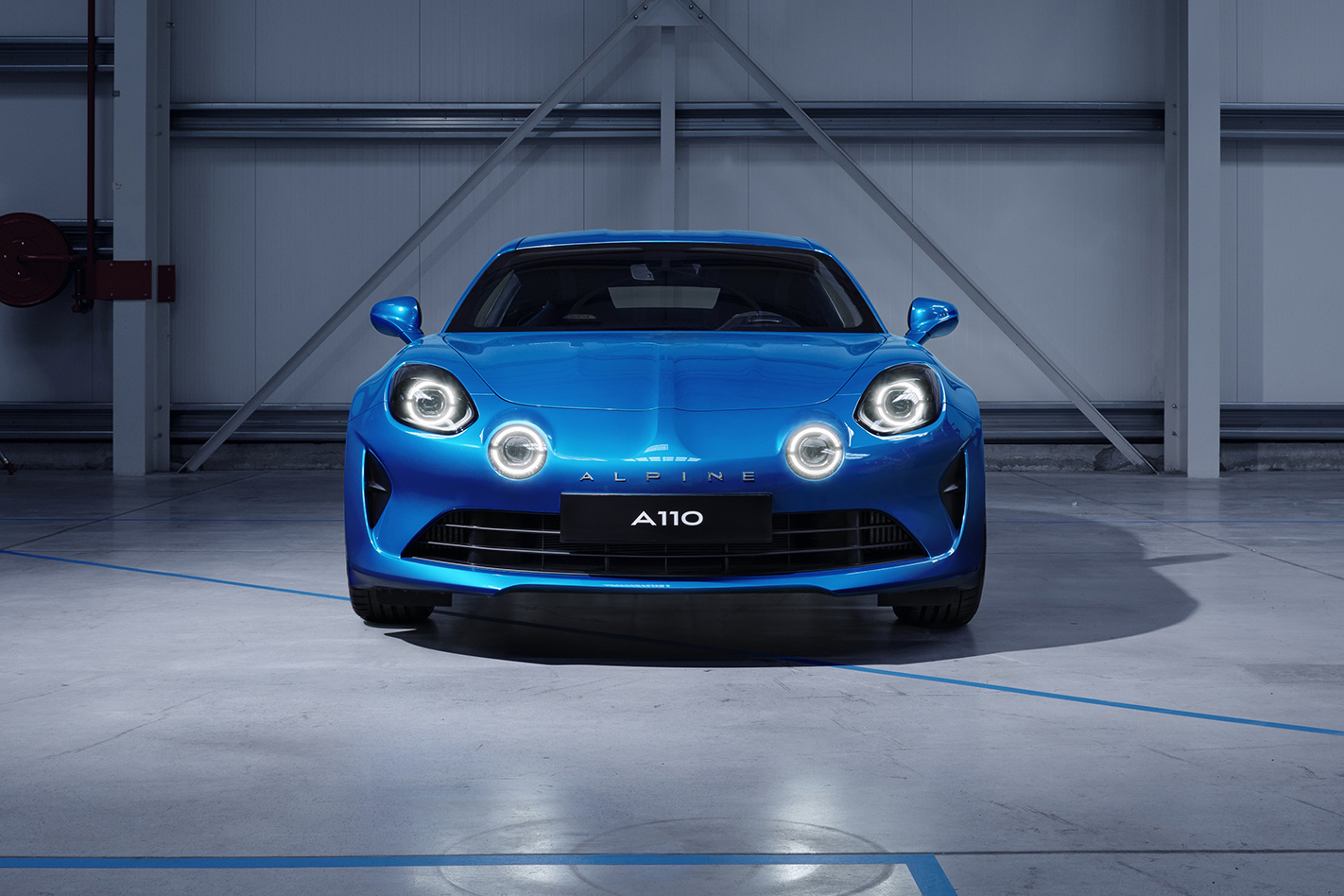
Alpine is the best sports car maker most people have never heard of.
The Renault-owned brand hasn’t produced a car since 1995, but now it’s back with the Alpine A110. It’s a tactile, thrilling thing to drive, a 1100kg bundle of energy that takes the best principles of Lotus and Porsche and remixes them with the Renaultsport knowhow that makes the Megane RS such a weapon.
That this newcomer is simultaneously so usable, comfortable and unintimidating to throw around only underlines its appeal. But then, that’s what Alpines always were about – cars to rip over a mountain pass, not destroy the quarter mile.
“There’s a really active scene in Australia and the new car got a great reaction, so we decided we had to be there,” says MD Michael van der Sande.
The first cars land in spring 2018, supported by a network of just three dealers (existing Renault, but specially trained). Prices and dealer locations are still to be confirmed, but its European list price makes it a direct competitor for a base Porsche Cayman. It would be a pity if pricing proved the car’s undoing.

The spine running over the bonnet, the headlights that peer from the front end like an amphibian from a pond, the shoulder line that flows like an archer’s bow, and the heavily scalloped body sides – all of it instantly evokes the 56-year-old original without appearing a backwards-looking pastiche. The new car dwarfs the old car, but it still looks small: at 4.1 metres long, it’s 200mm more compact than a Cayman, and its roof lines up with a six-footer’s belly.
Inside, though, even those somewhere north of six feet will have more than enough space. The sports seats are set low on the floor, squish comfortably but hug firmly, and leave generous room for legs and even crash-helmeted heads (the boss is 6’6”).

But the engine isn’t the heart of the A110. That’s the chassis. The bespoke underpinnings mostly consist of bonded and riveted aluminium extrusions much like a Lotus, the engine is mid-mounted behind the driver (not rear-engined like its namesake, note) and the fuel tank positioned up front for a 44/56 weight distribution.
Crucially, there’s also double-wishbone suspension with hydraulic bump stops on all four corners where rivals typically use cheaper struts. Adjustment allows each car’s suspension to be precisely aligned at the factory and dial out any small tolerances in the build process. Brembo four-piston brake calipers borrowed from a Clio 3 RS grip cast-iron discs on aluminium hubs.
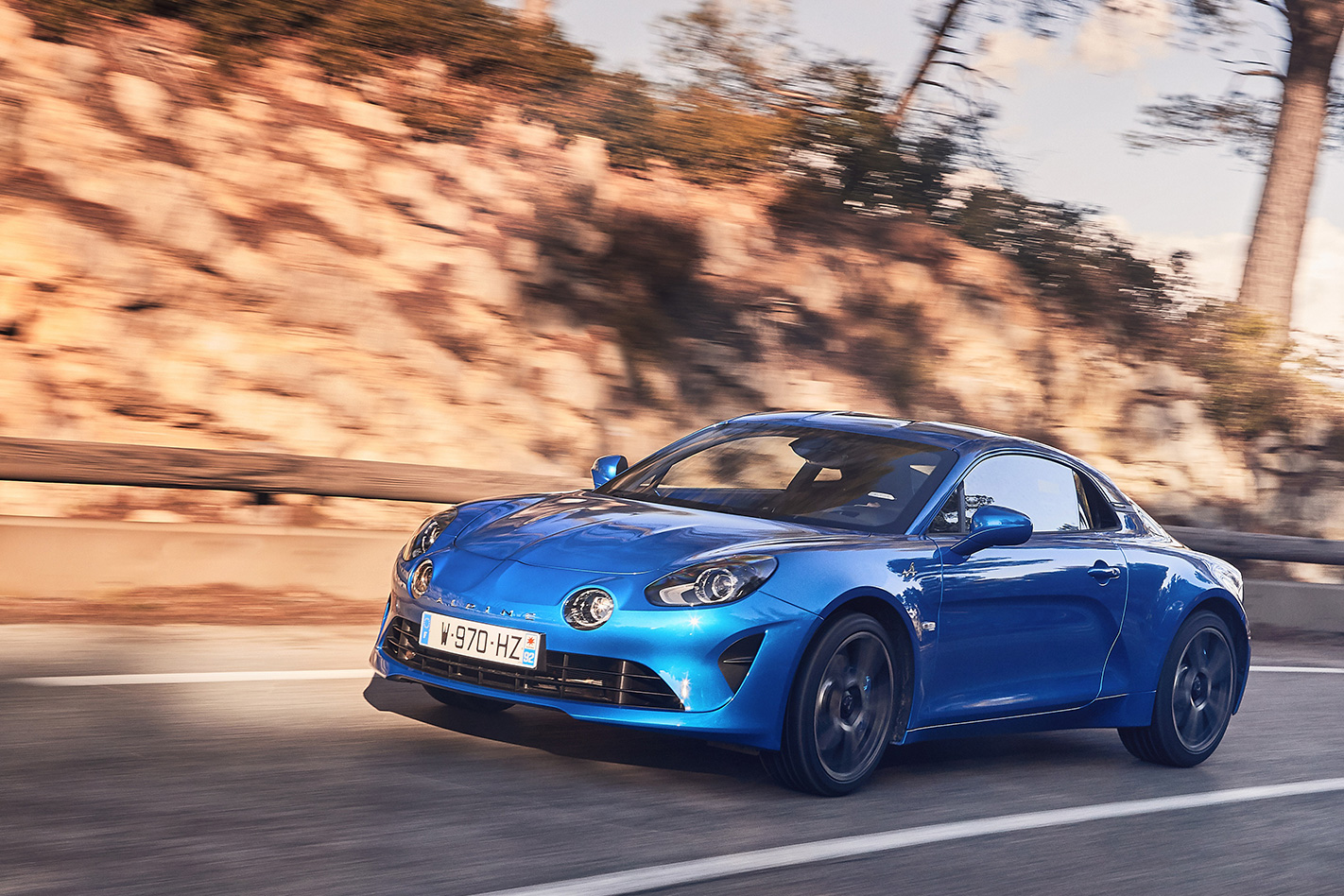
The lowest kerbweight of 1080kg (with fluids) for the entry-level Pure spec – 17-inch rims, smaller brakes, no nav, no sports exhaust – is more than 200kg lighter than a Cayman, if a chunky 100kg or so above the carbonfibre Alfa 4C (895kg dry). But even better-equipped A110s go little beyond 1100kg, and by today’s standards that’s a very light car.
The A110 feels good even trickling along at the national speed limit. The electric steering is quick-witted, builds its relatively modest weighting with linearity and precision, and self-centres gently and naturally. Much like a Toyota 86, every twist of the leather rim is met with instant, slop-free response from the front end. It’s like a dog that’s getting impatient for you to actually throw the stick, alert to your every twitch. It’s an immediacy that’s complemented by the crisp, firm feel of the powerful brakes, the finger-click shifts of the dual-clutch gearbox, and the awareness that the centre of gravity is low and the car eager to pivot around your hips.
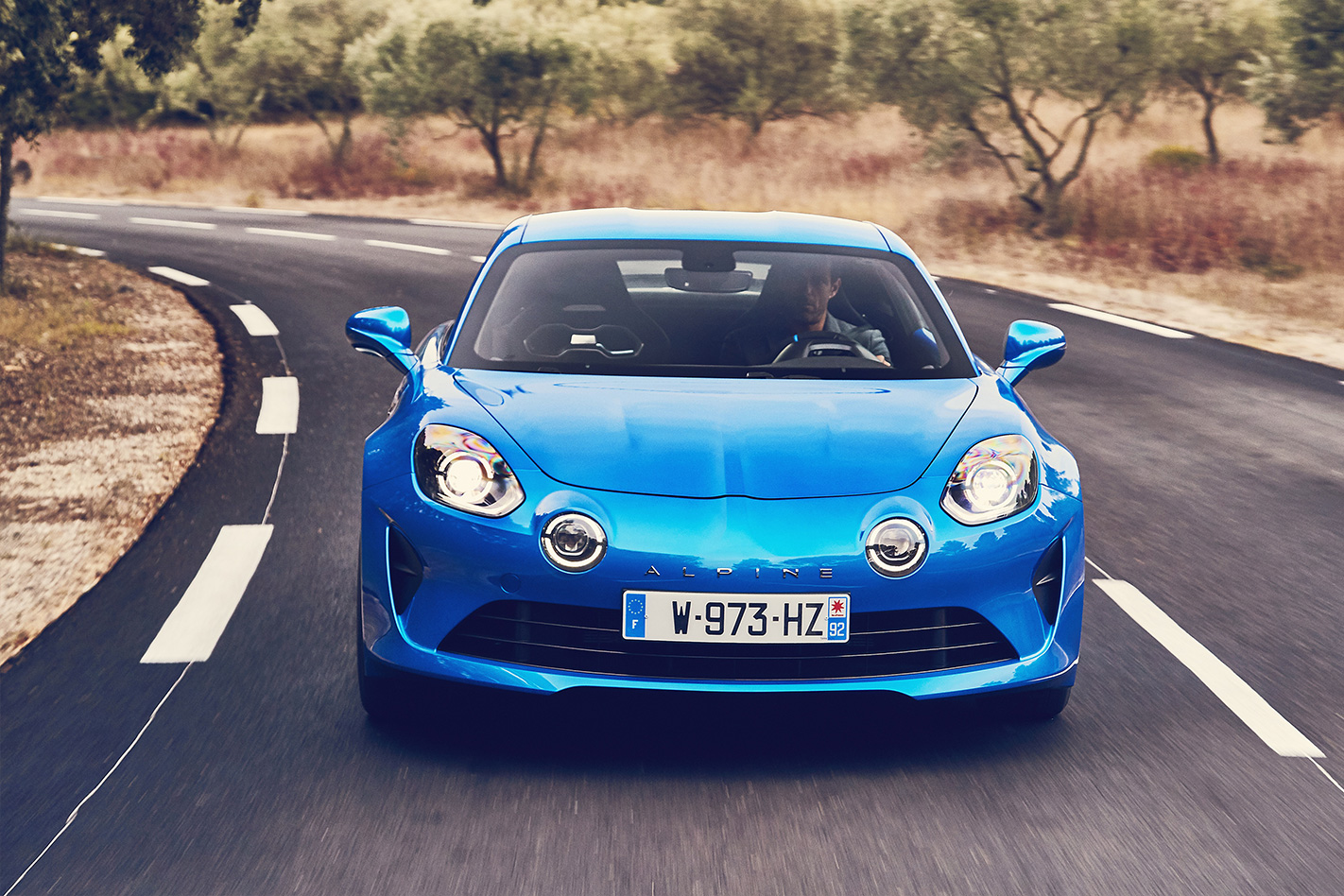
That’s partly because no matter what you press, the suspension carries on regardless – no adaptive dampers here. It’s incredibly supple and composed, somehow managing to both detach itself from the worst cambers and imperfections, while still feeling intimately keyed-in to the stuff that matters – a compromise the writhing Alfa 4C miserably fails to strike. The Alpine’s springing is quite soft, the anti-roll bars modest in diameter, so you feel the A110 leaning more like sports cars used to, but it’s all well contained and the double-wishbone set-up means the Michelin Pilot Sports maintain their contact patch on the road. The harder you go, say the engineers, the better it presses into the surface.
After a trip through winding, narrow French hillsides with an appropriate dusting of snow, we find ourselves at Circuit du Grand Sambuc. It’s a short track with a long start/finish straight, a series of tricky left-right flicks and a blind tumble into a heavy braking zone and hairpin. It’s raining lightly and the surface is slick and greasy, providing ideal conditions to play with the A110’s balance.
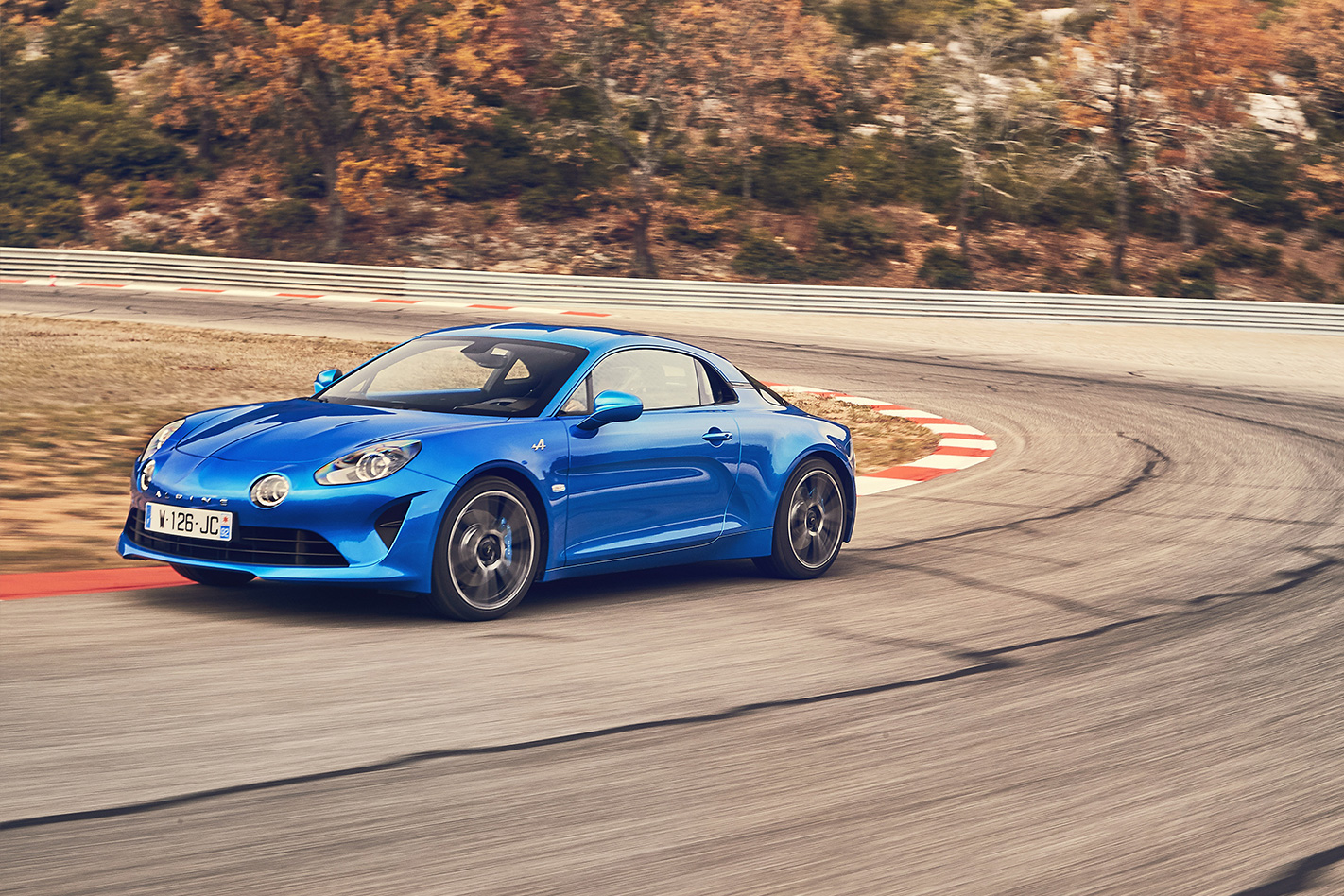
You’ll get that in Track mode with its more lenient stability control setting, but the Alpine’s balance feels so benign and playful – and the ESC still a bit too keen – that there’s little intimidation to switching everything off. Only then can you truly appreciate just how throttle adjustable the Alpine is, hanging at huge angles while the driver taps out tunes on the responsive throttle. A proper limited-slip diff would make it more precise still, but that would’ve added weight and cost and, more problematically, was apparently tough to package with the dual-clutch gearbox. Besides, it’s no deal-breaker – the A110 still feels intuitive and obedient to drift when you want it to.
Judged on driving dynamics alone, there’s no doubt the A110 is right up there with a Cayman or Elise. The case against starts with the interior. It’s purposefully sporty and far from poorly built, but there are also switches shared with much cheaper Renaults, clacky plastics on prominent display, and a fairly average infotainment system.
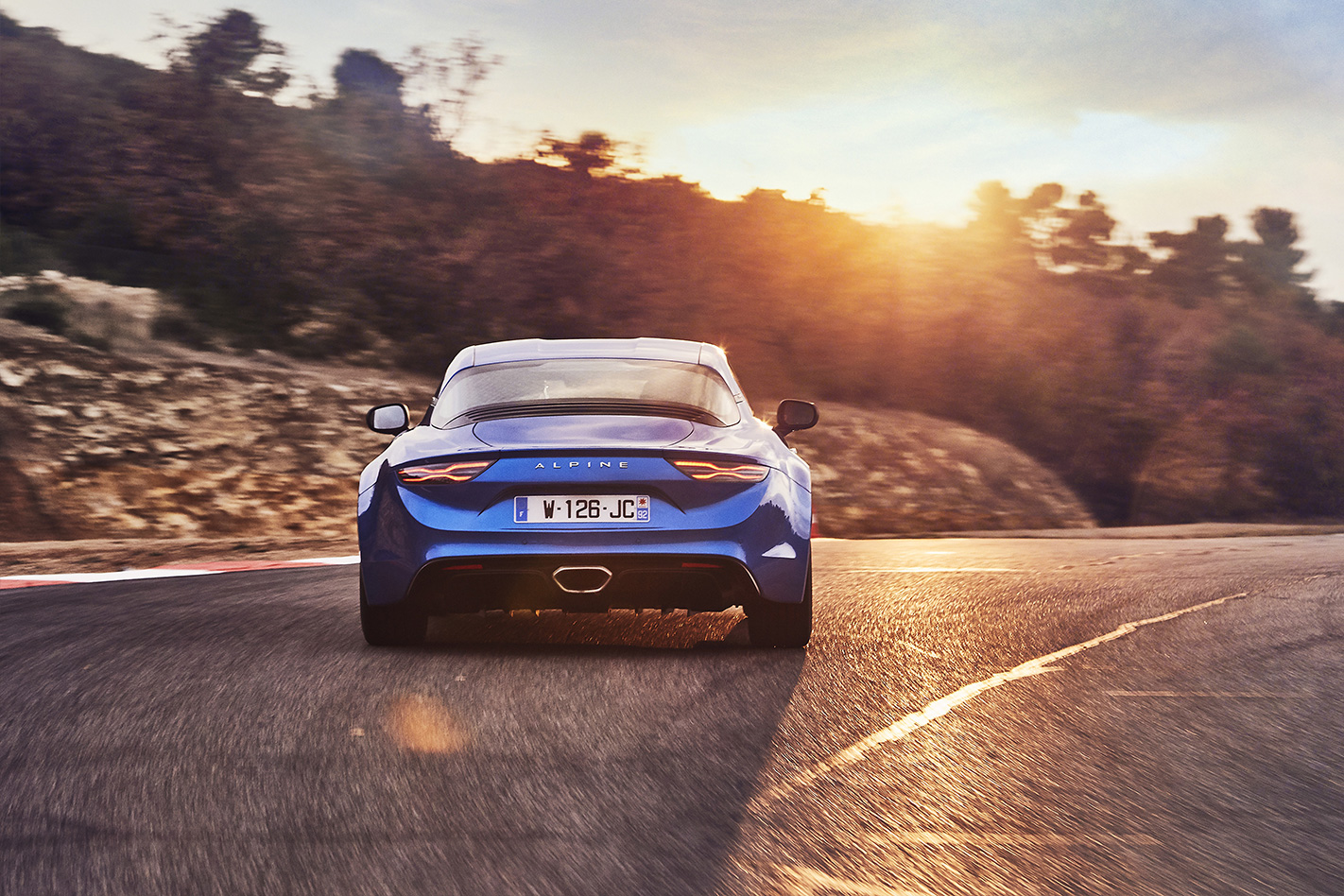
But if the price for such exotic engineering is a few hard plastics here and there, well, who cares? We certainly don’t. Because even had it come from a long-established maker, we’d have still been blown away by the A110.
Never mind that it’s landed out of the blue, perfectly formed and sublime to drive. Spring 2018 can’t come soon enough.
Name another car that 10 years after its launch could still factor at the pointy end of an annual awards competition?
The R35 GT-R might have been around long enough to have transitioned from ‘high-tech wizardry’ to ‘refreshingly old school’, but it’s testament to the headroom built into that original 2007 model that it’s still the performance benchmark a decade on.
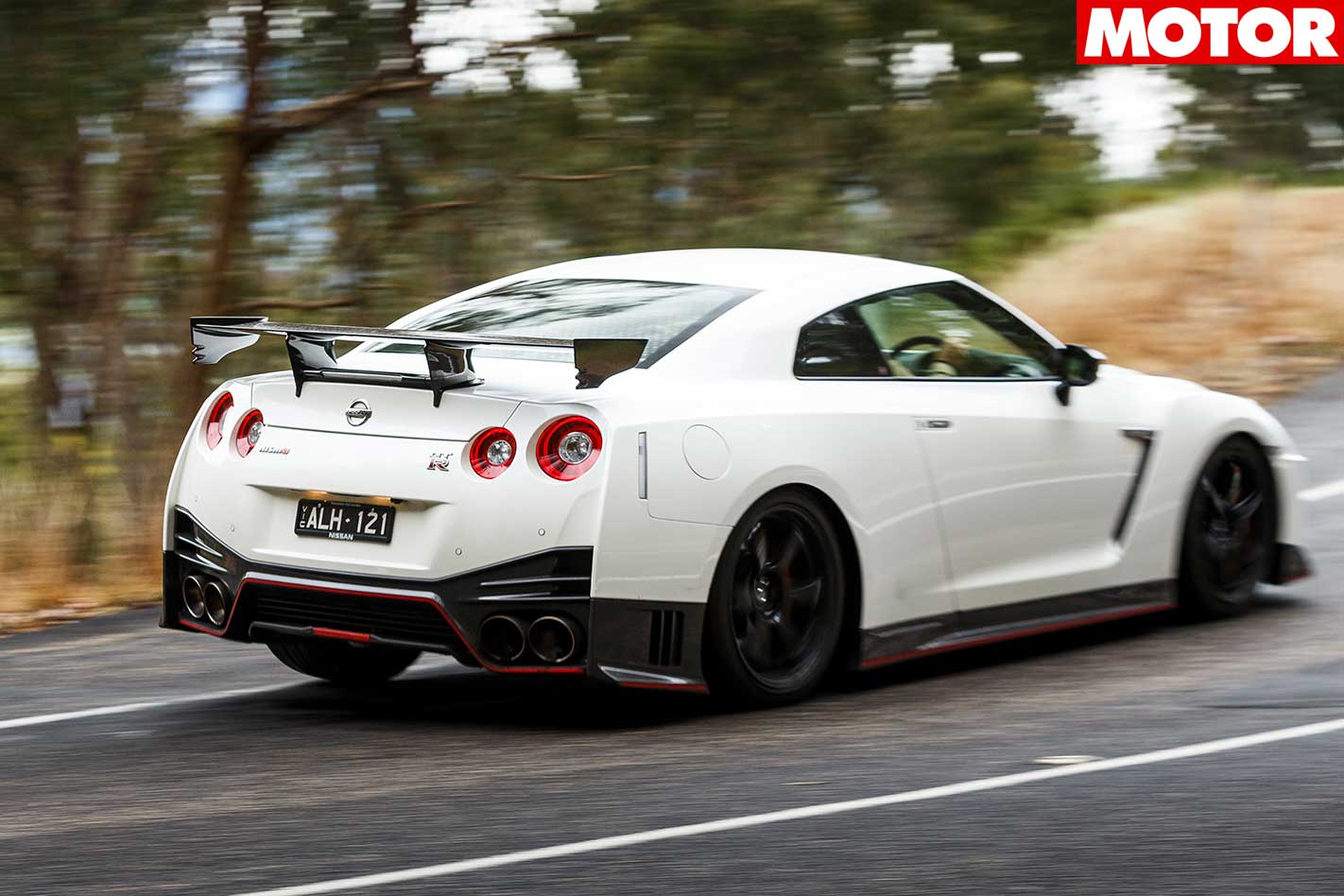
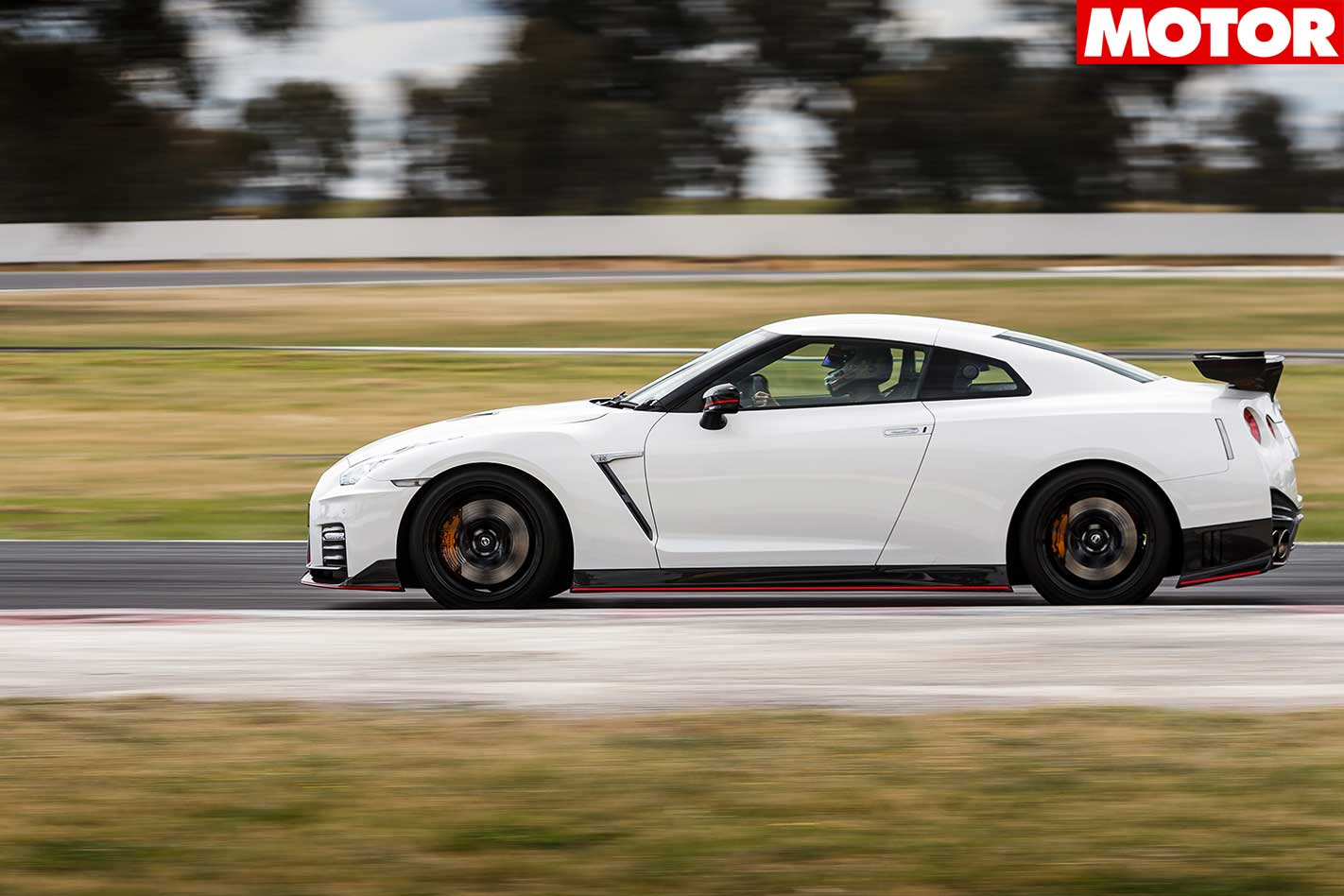
For Robbo, that track performance justified the enormous price premium over the standard GT-R: “I wondered about the value equation, but after a lap in [the Nismo] I’m like ‘yep, I can see that’.”
Certainly, on track is where the ultra-stiff suspension and R-spec Dunlops feel most at home, providing so much cornering force your head is likely to come off before the car starts to slide – my notes simply read “Holy mother of God!”
Straight-line performance is staggering, but the way the Nismo sheds speed is even more impressive. There are no fancy carbon rotors here, but the monster steel stoppers provide awesome feel and have incredible stamina considering the GT-R’s speed and weight. Lap after lap you can carry more and more speed, yet the Nismo’s reserves are apparently endless.
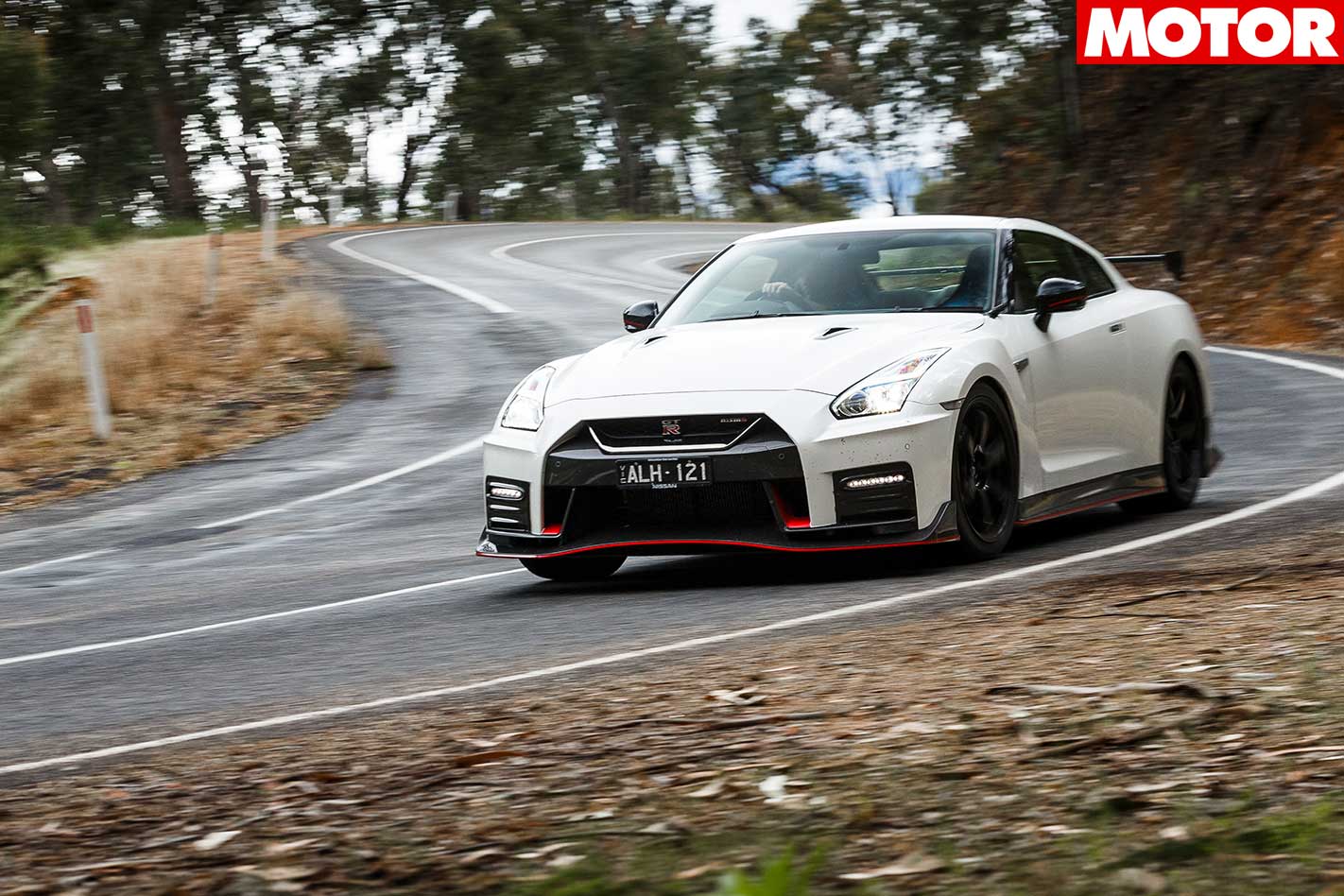
Kudos to Nissan for keeping the interior intact and it made a much better fist of tackling the wet road loop than most would imagine, but public roads are something to be tolerated between racetrack visits. Though they need not be tolerated for very long, as the GT-R Nismo ties with last year’s PCOTY champ, the Porsche 911 Turbo S, as the quickest point-to-point car I’ve ever experienced.
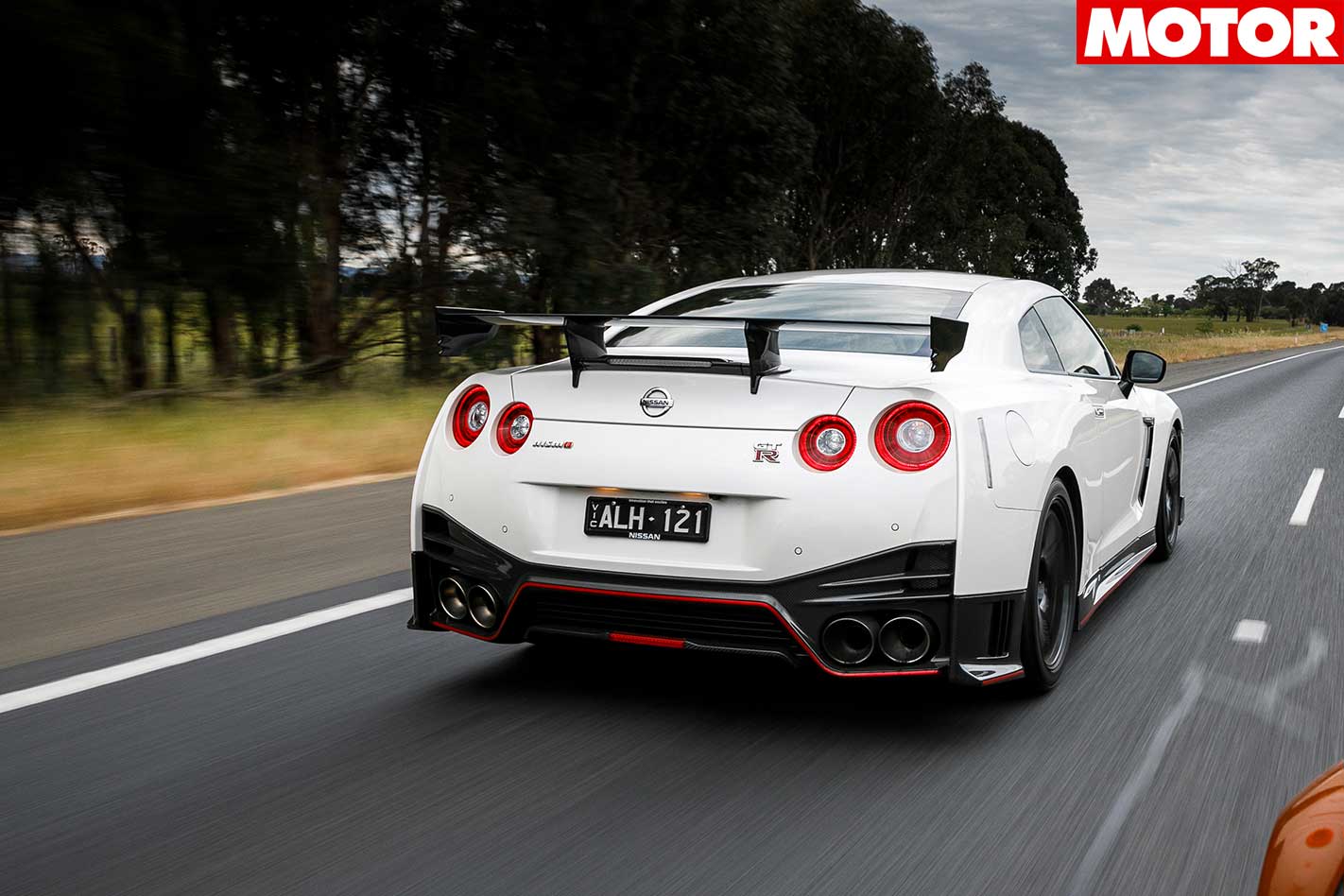
The big points gap between third and fourth relegates the GT-R to best of the rest, but it’s the equivalent of Kimi Raikkonen switching to the 2007 Ferrari F1 car and still finishing fourth in the 2017 standings – a remarkable achievement.
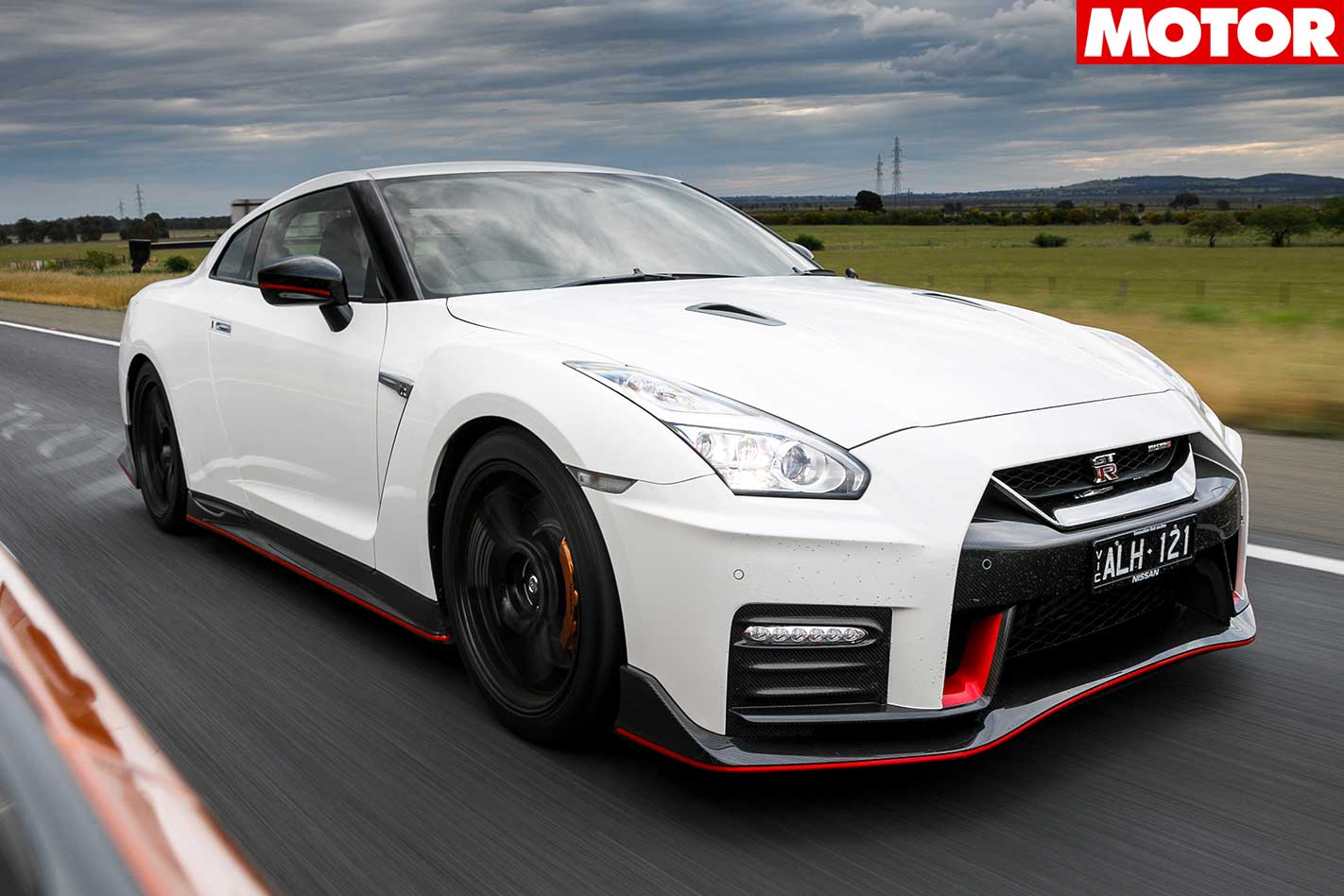
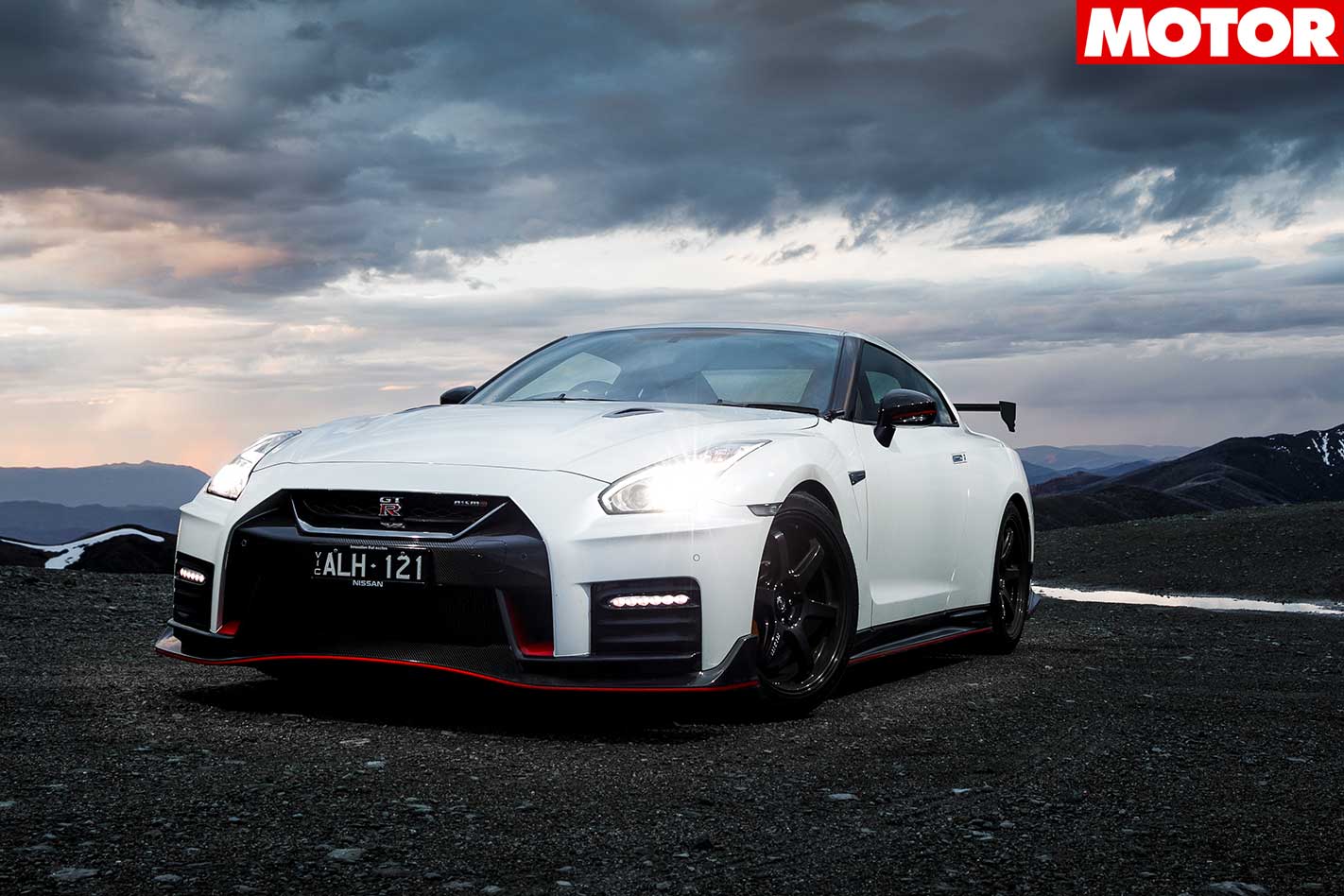
2018 NISSAN GT-R NISMO SPECS: Body: 2-door, 2+2-seat coupe Drive: all-wheel Engine: 3799cc V6, DOHC, 24v, twin-turbo Bore/Stroke: 95.5 x 88.4mm Compression ratio: 9.0:1 Power: 441kW @ 6800rpm Torque: 652Nm @ 3800-5600rpm Power/Weight: 254kW/tonne Transmission: 6-speed dual-clutch Kerb weight: 1739kg Suspension: double A-arms, coil springs, adaptive dampers, anti-roll bar (f); multi-links, coil springs, adaptive dampers, anti-roll bar (r) Brakes: 390mm ventilated/drilled discs, 6-piston calipers (f); 380mm ventilated/drilled discs, 4-piston calipers (r) Wheels: 20.0 x 10.0-inch (f); 20.0 x 10.5-inch (r) Tyres Sizes: 255/40 ZR20 97Y (f); 285/35 ZR20 100Y (r) Tyres: Dunlop Sport Maxx GT 600 Price: $299,000
0-100km/h: 3.28sec (1st) 0-400m: 11.19sec @ 203.08km/h (1st)
Morley – 4th I’d need to own a racetrack to buy one of these. But if I did…
Campbell – 7th Feels very mechanical and analogue. Brutally fast. Much better on track than road.
Newman – 5th Ultimate track car. Breathtaking circuit ability, but hard work on the road.
Robson – 4th Effortlessly fast, flatters my meagre abilities. A lot more attitude than stock GT-R.
Reynolds – =2nd What I expected – fast, a little nervous in the wet and very stiff on the road.
JUDGES’ SCOREBOARD
| u00a0 | Campbell | Morley | Newman | Reynolds | Robson | Total |
| Performance | 9.5 | 10 | 9.5 | 10 | 9 | 48 |
| Dynamics | 9 | 10 | 8 | 9.5 | 8 | 44.5 |
| Accessibility | 7 | 8 | 8 | 9.5 | 8 | 40.5 |
| Liveability | 4.5 | 5 | 6 | 7 | 8 | 30.5 |
| Value | 3.5 | 2 | 6 | 7 | 6 | 24.5 |
| X-Factor | 9.5 | 7 | 7 | 9 | 7 | 39.5 |
| Total | 43 | 42 | 44.5 | 52 | 46 | 227.5 |
Suzuki has a fine reputation for building decent bikes, but when it comes to cars, the value-oriented Japanese marque has been churning out rubbish for far too long.
This review was first published in MOTOR magazine’s January 2007 issue.
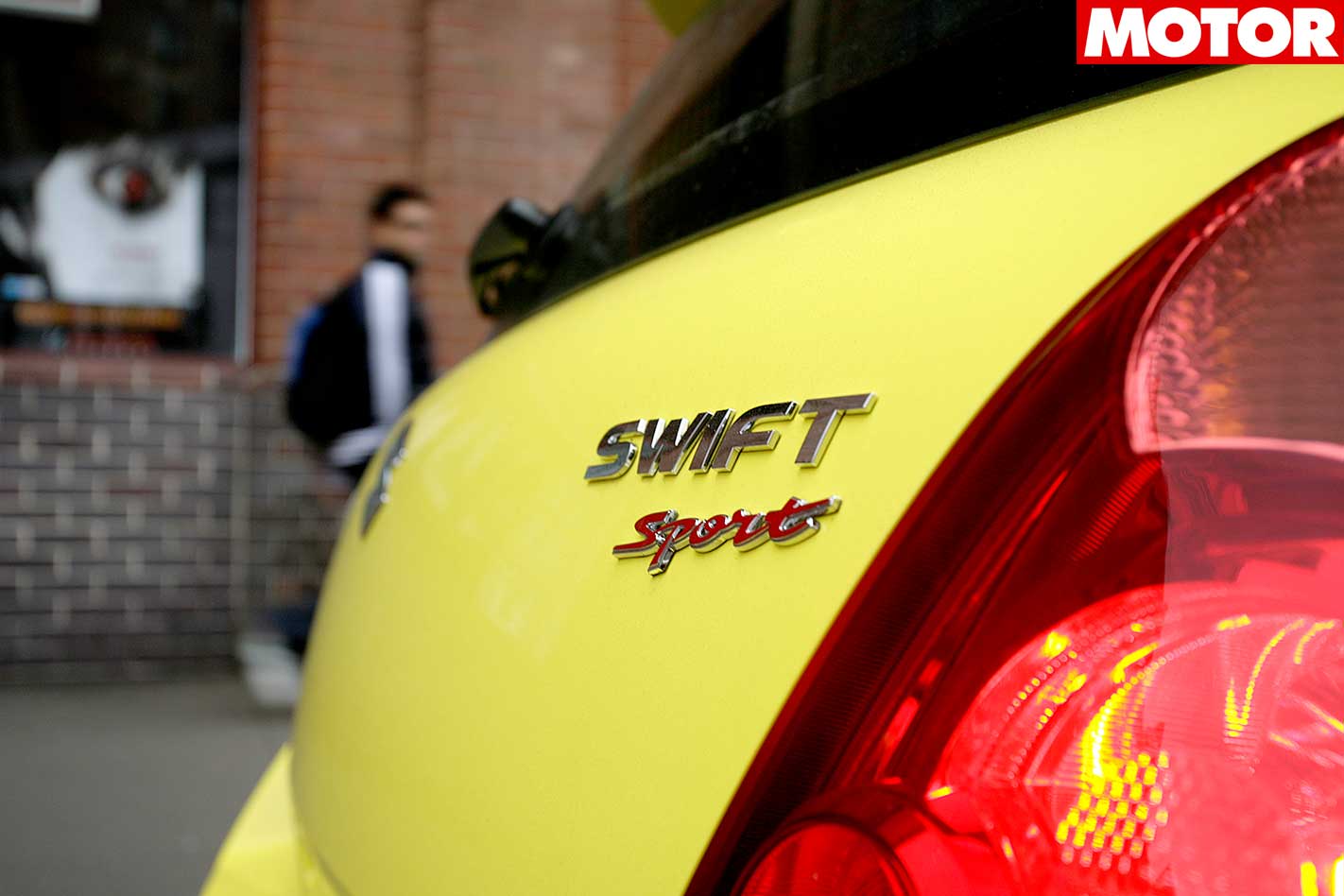
Unfortunately, a great engine does not make a great car, as the last Swift GTi (1989-’99) emphatically proved. The Swift Sport, on the other hand, owes nothing to that much-modified, near cult-worshipped little dunger, and is, despite the lame name, 10 times the car the GTi ever was.
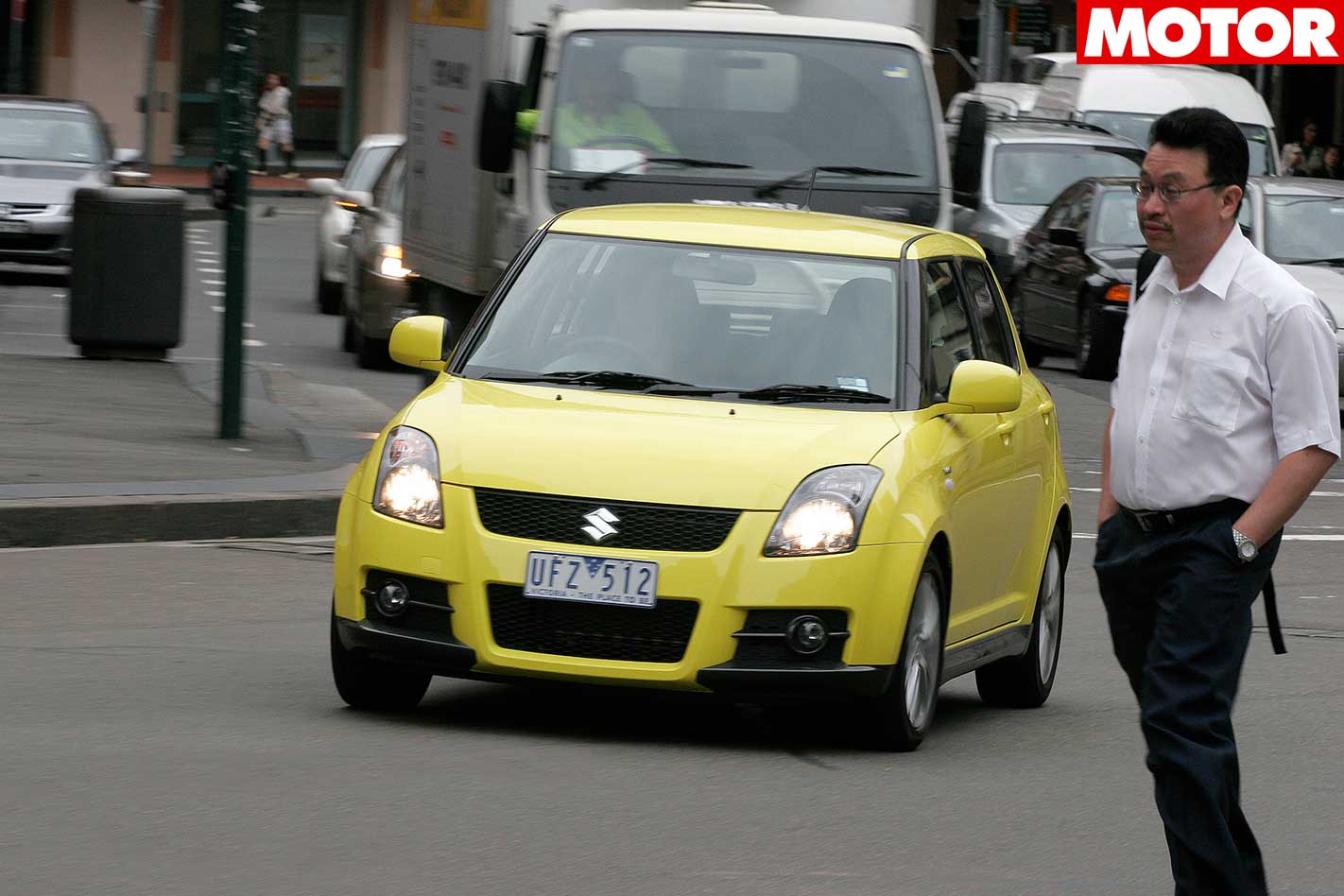
The new-generation Swift, launched in February 2005, isn’t quite the driver’s car, even though its funky styling and keen engine hint that it is. But with the new Sport, Suzuki has gone in hard to make the reality match the badge.
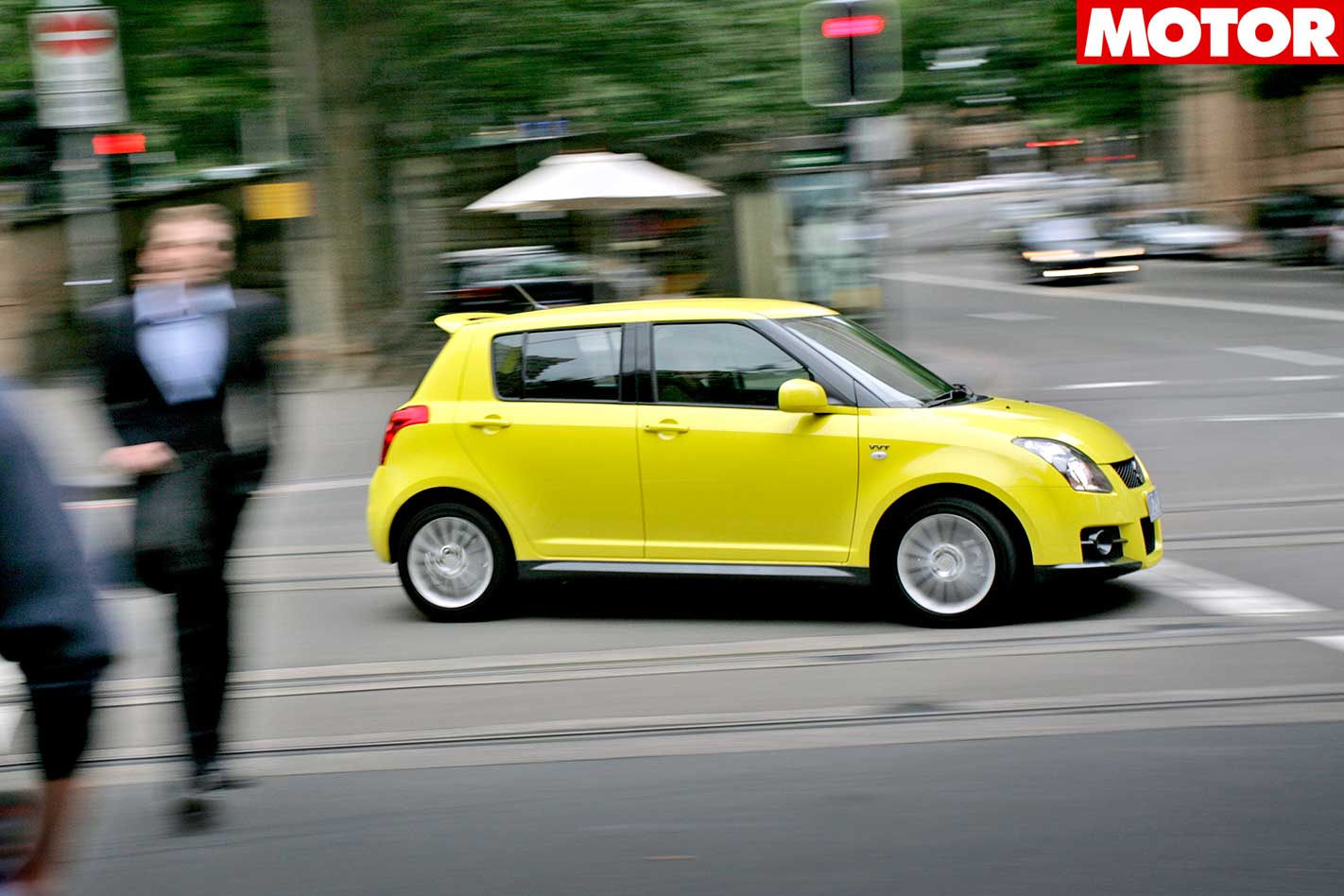
Despite a one-metre increase in its turning circle (now 10.4m) and only a small reduction in turns from lock to lock (from 3.1 to 2.9), the Swift Sport’s electric steering is keener when turning from straight ahead and noticeably faster-geared once you’re into a corner.
That could also have something to do with an overall reduction in understeer, but there’s no question the Sport is definitely a sharper tool.
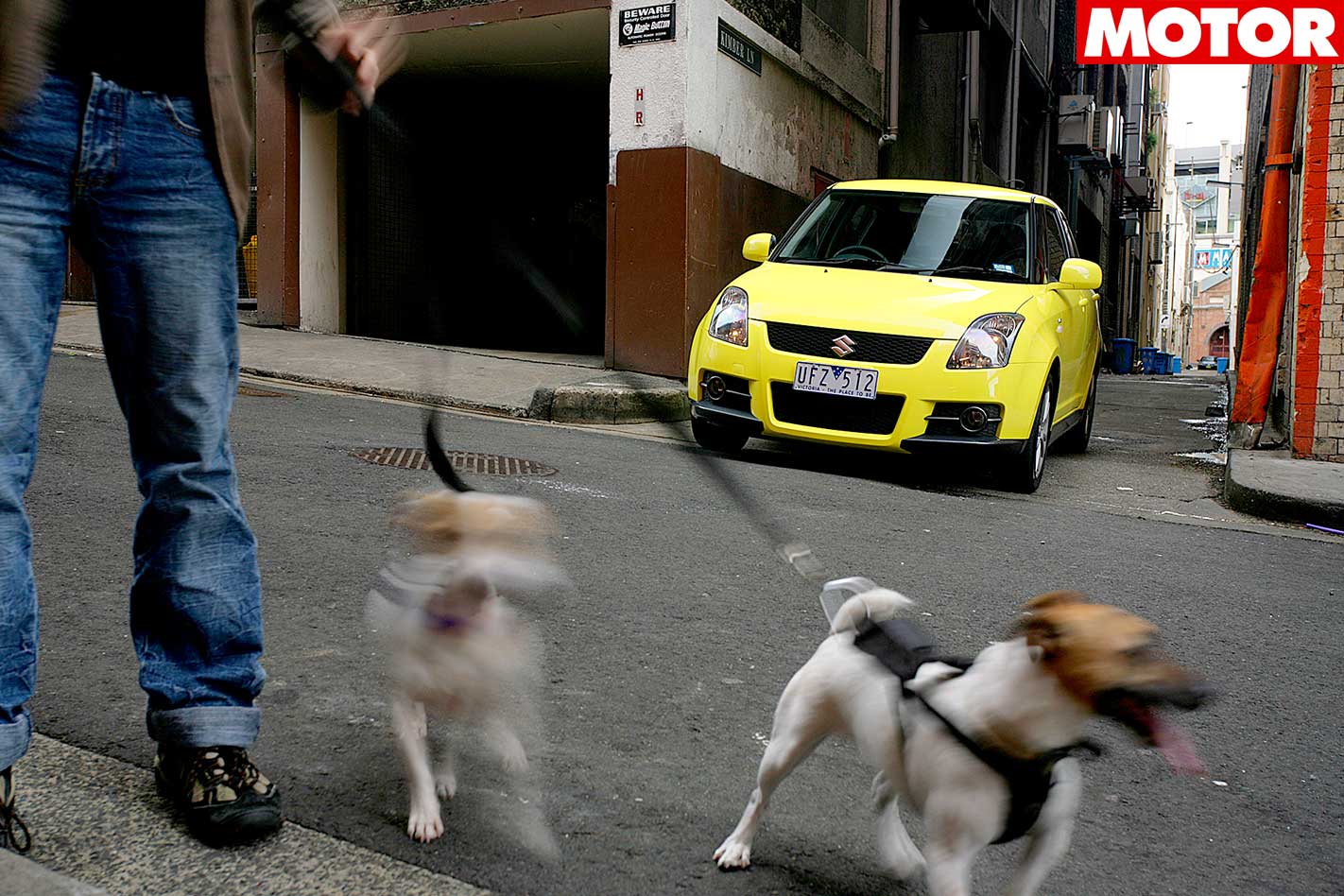
Where the real entertainment lies is in the way the Sport handles. It’s no Renaultsport Clio, but the Swift Sport turns in eagerly and carries plenty of speed through a corner, all while absorbing bumps that would’ve speared the old GTi into another dimension.
Explore the Sport’s outer envelope and it’ll succumb to understeer, but generally its balance is fairly neutral and there’s certainly plenty of squeal-free grip from its Dunlop rubber. The Sport is also reasonably responsive to a lifted throttle or brake dab when loaded up in a corner, though always in a non-threatening fashion.
You wouldn’t exactly call its straight-line performance hot, but 0-100km/h in a claimed 8.9 seconds and 200 flat out isn’t too shameful, especially when the Sport is so encouraging.
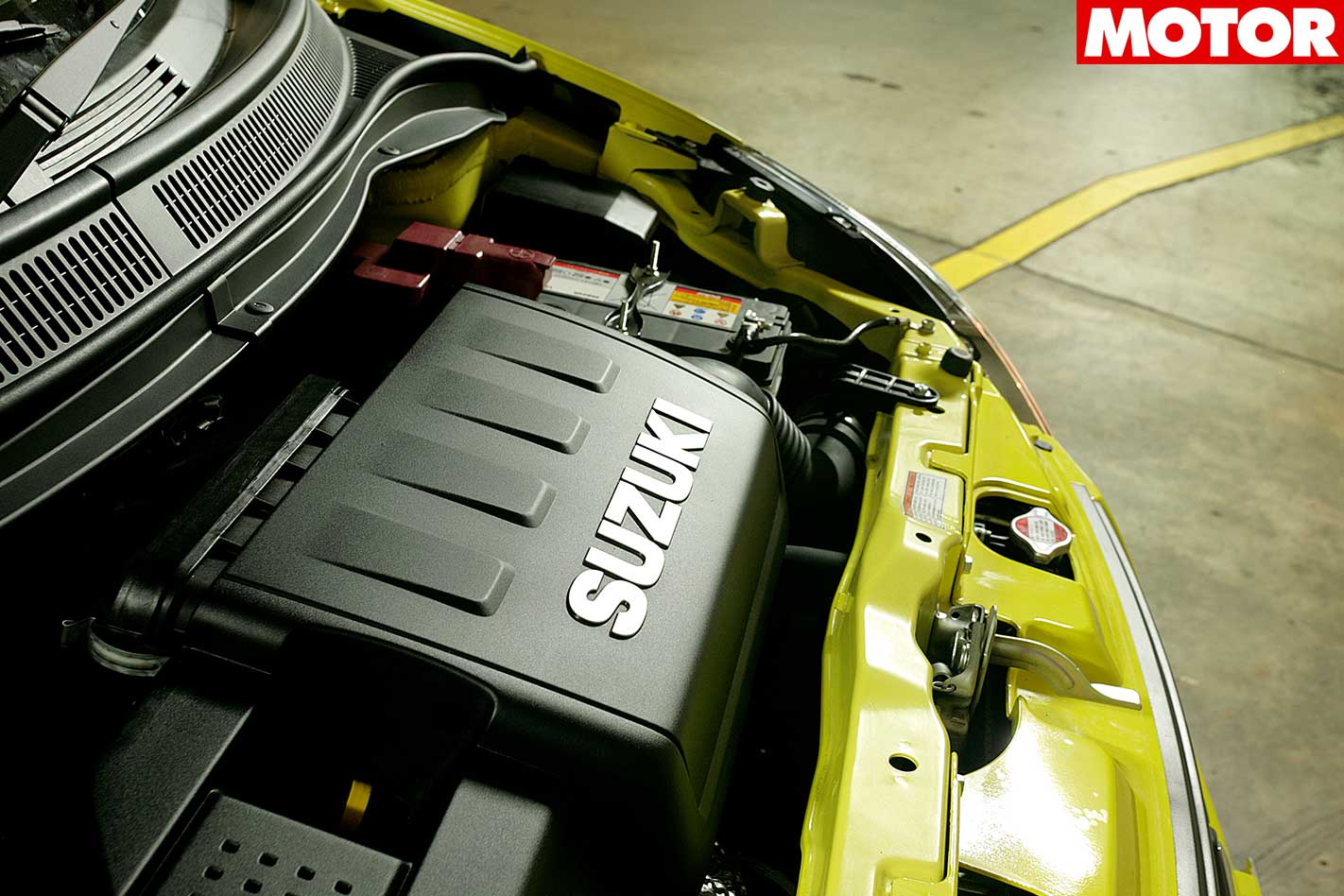
It’s very short-geared – fifth equates to just over 30km/h/1000rpm, meaning 4000rpm on the tacho at an indicated 120km/h – in order to make up for the slim pickings of torque (148Nm at a high 4800rpm). But second, third and fourth gears are tightly stacked to maximise everything the Swift has to offer.
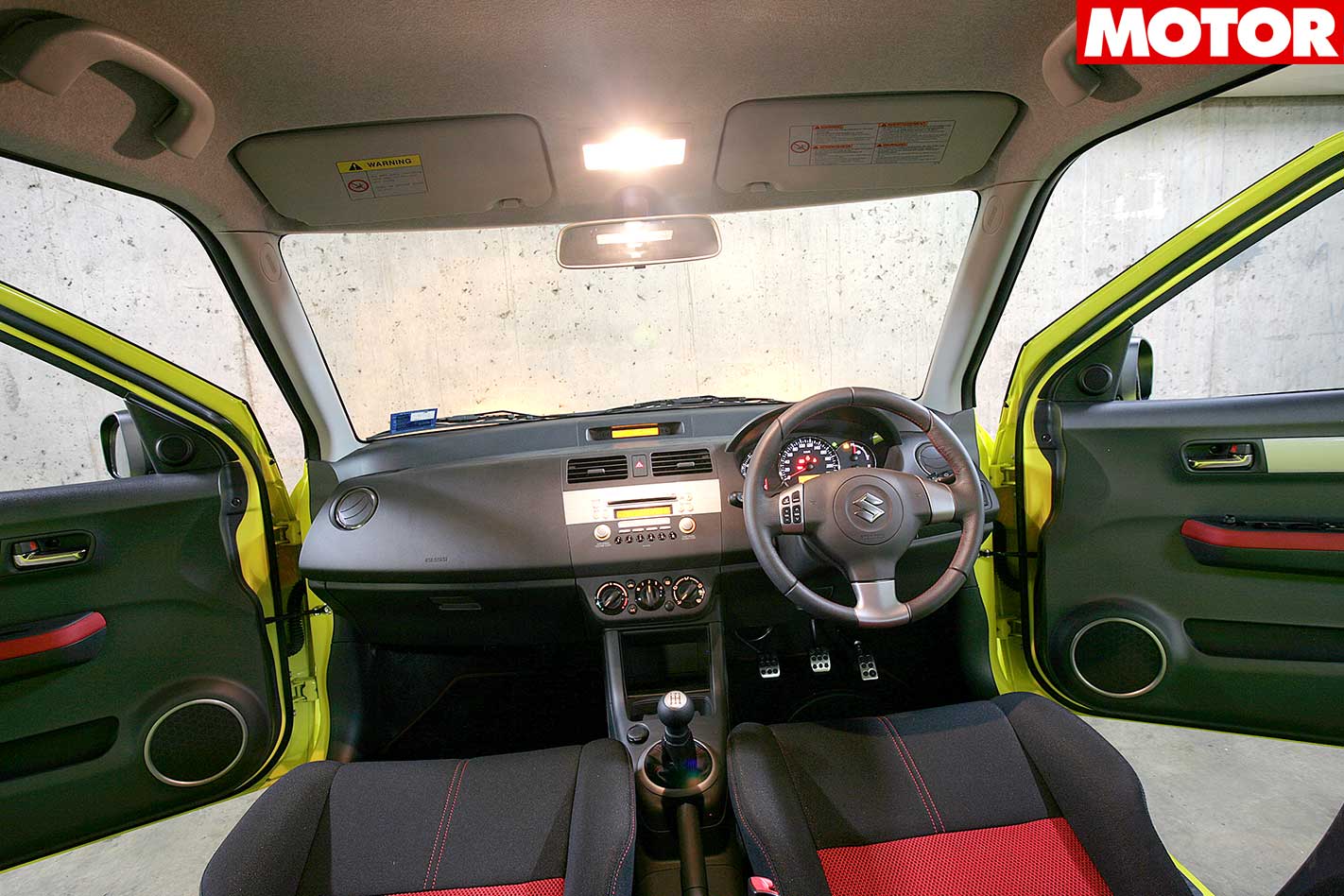
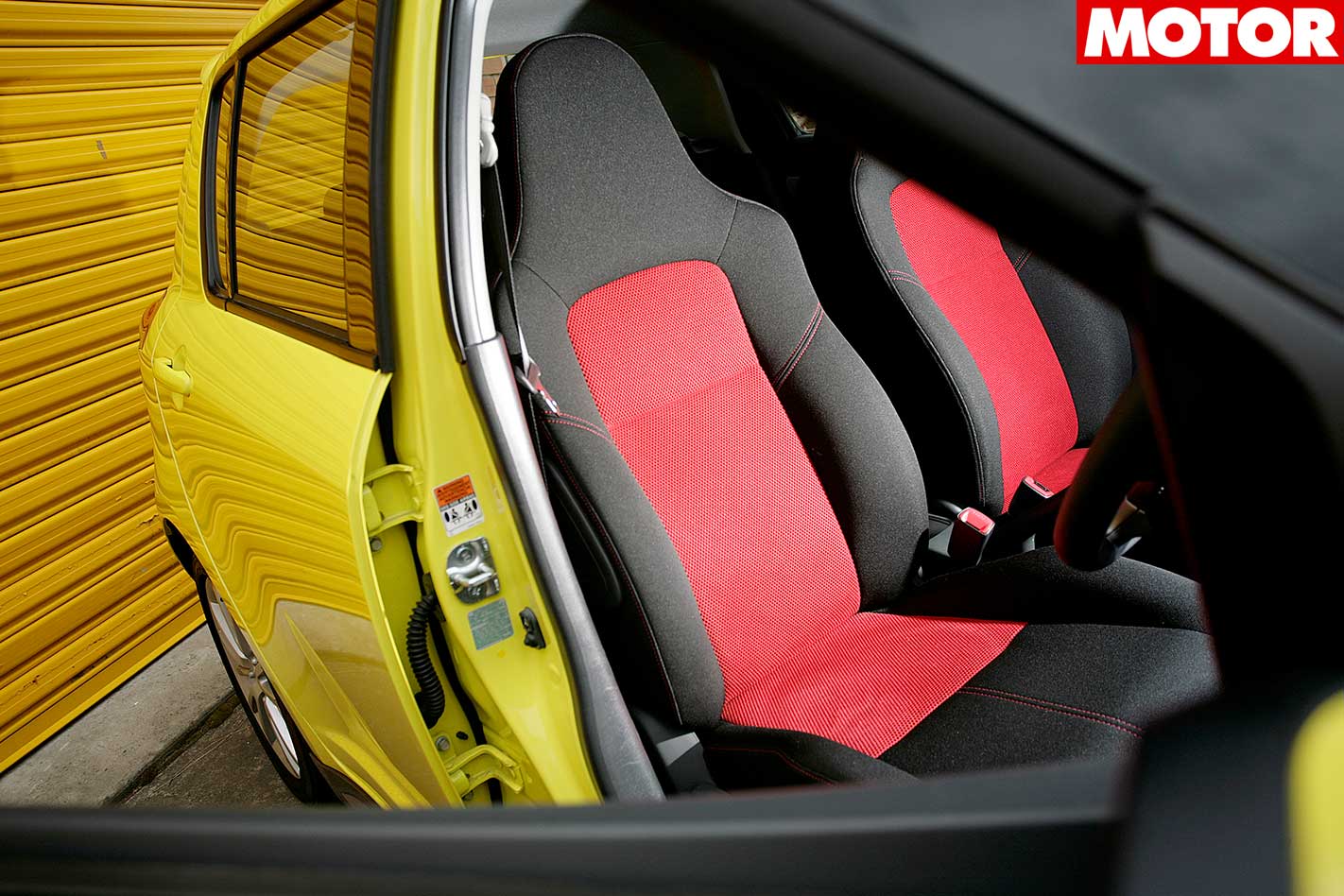
Aiding the Swift’s quest for sportiness is its slick, leather-topped five-speed gearshift, its well-placed metal pedals (great for heel-and-toeing), and its horn-looking seats (which could use lumbar adjustment). But carried over from the regular Swift is a rather non-sporting driving position that’s fairly high and requires bent knees to get the tilt-only steering wheel in the right place.
Still, the Swift Sport was never meant to be a Honda Jazz. It’s its own thing – a cool, feisty, tight-handling, good-value hatch that’s easy to live with, yet can turn feral if you want.
For GTi fans, the simple fact the Sport doesn’t require a kidney belt should be reward enough. That it’s actually good is something else altogether.
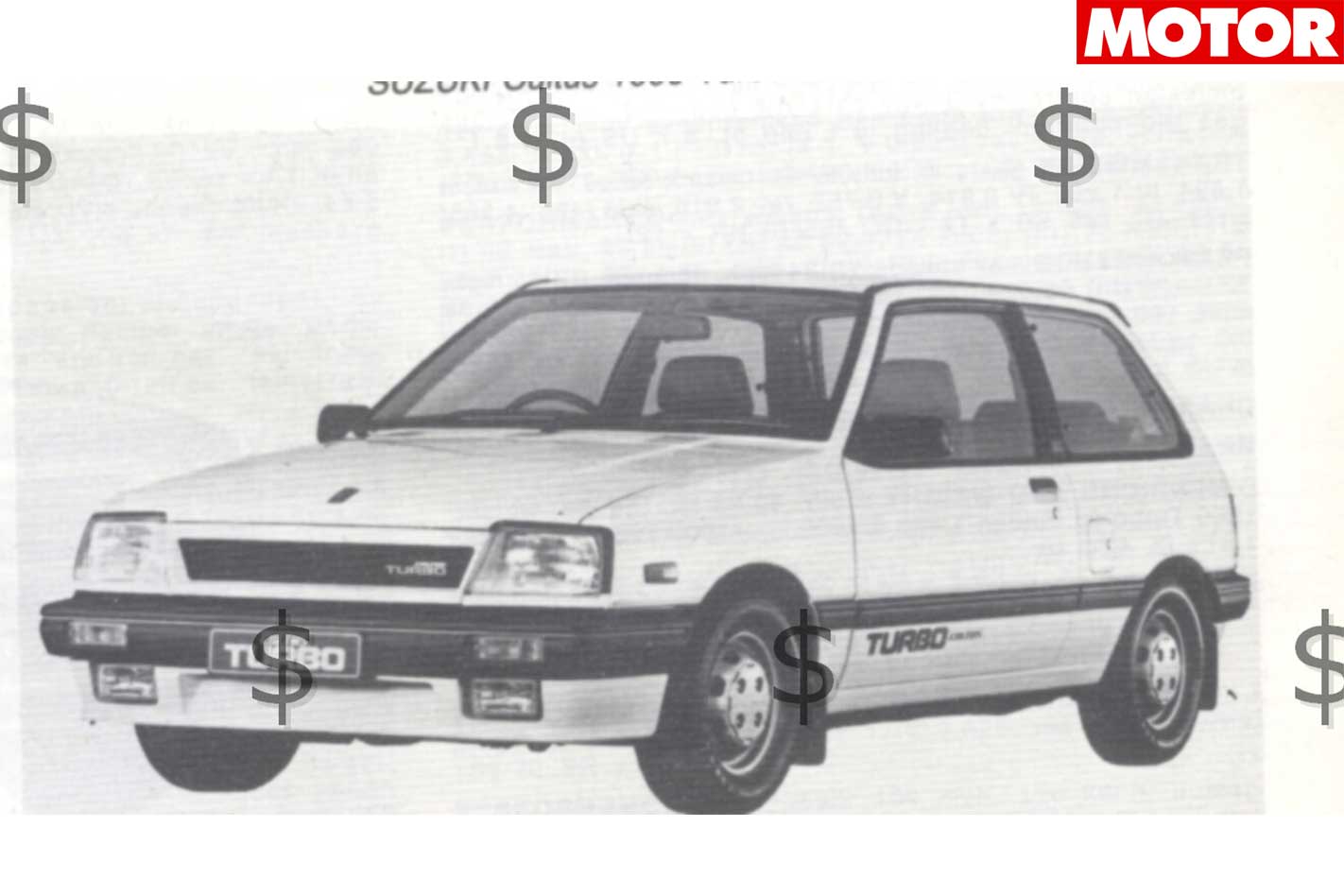
Cultus Turbo (1984)
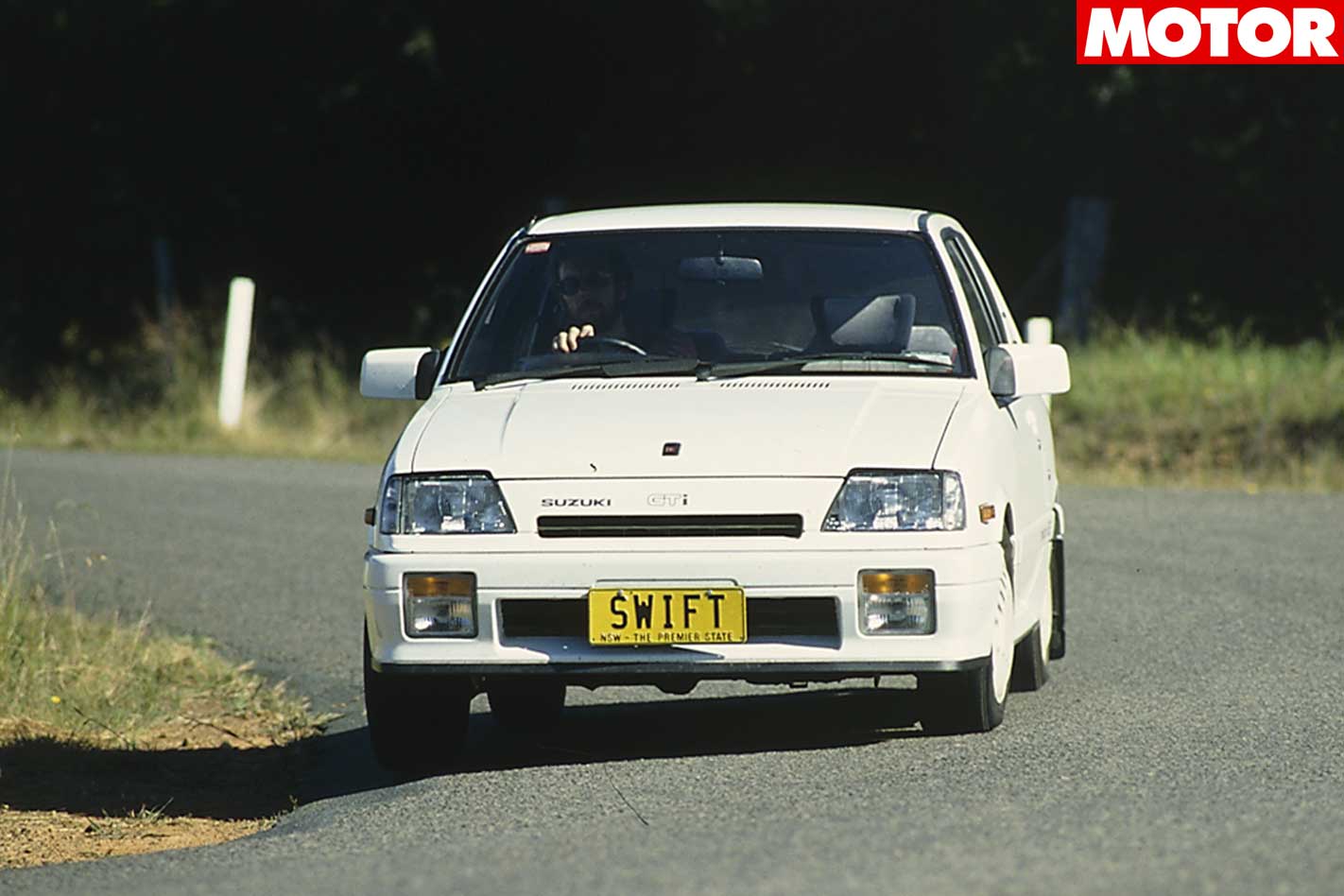
Swift GTi (1986)
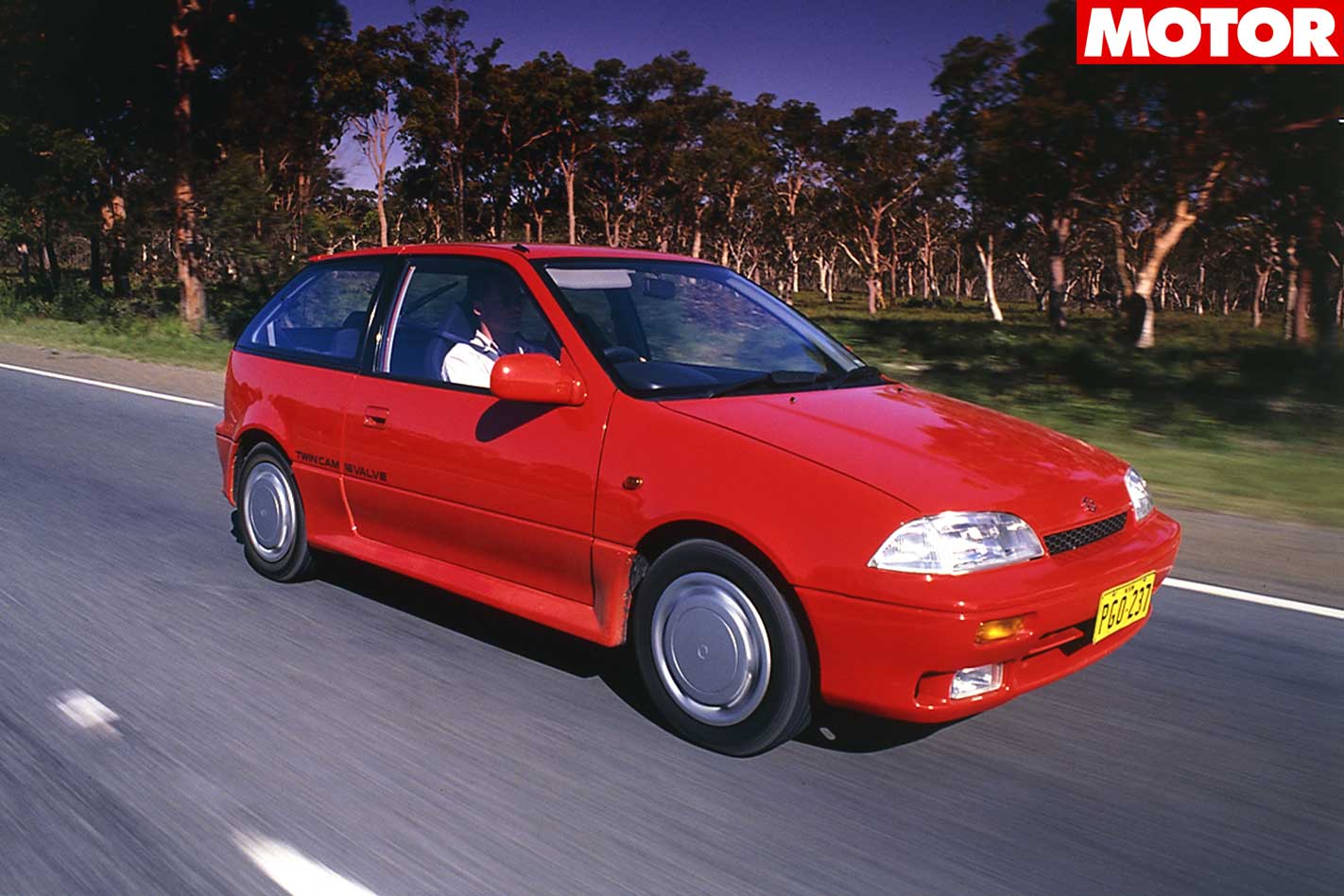
Swift GTi Mk2 (1989)
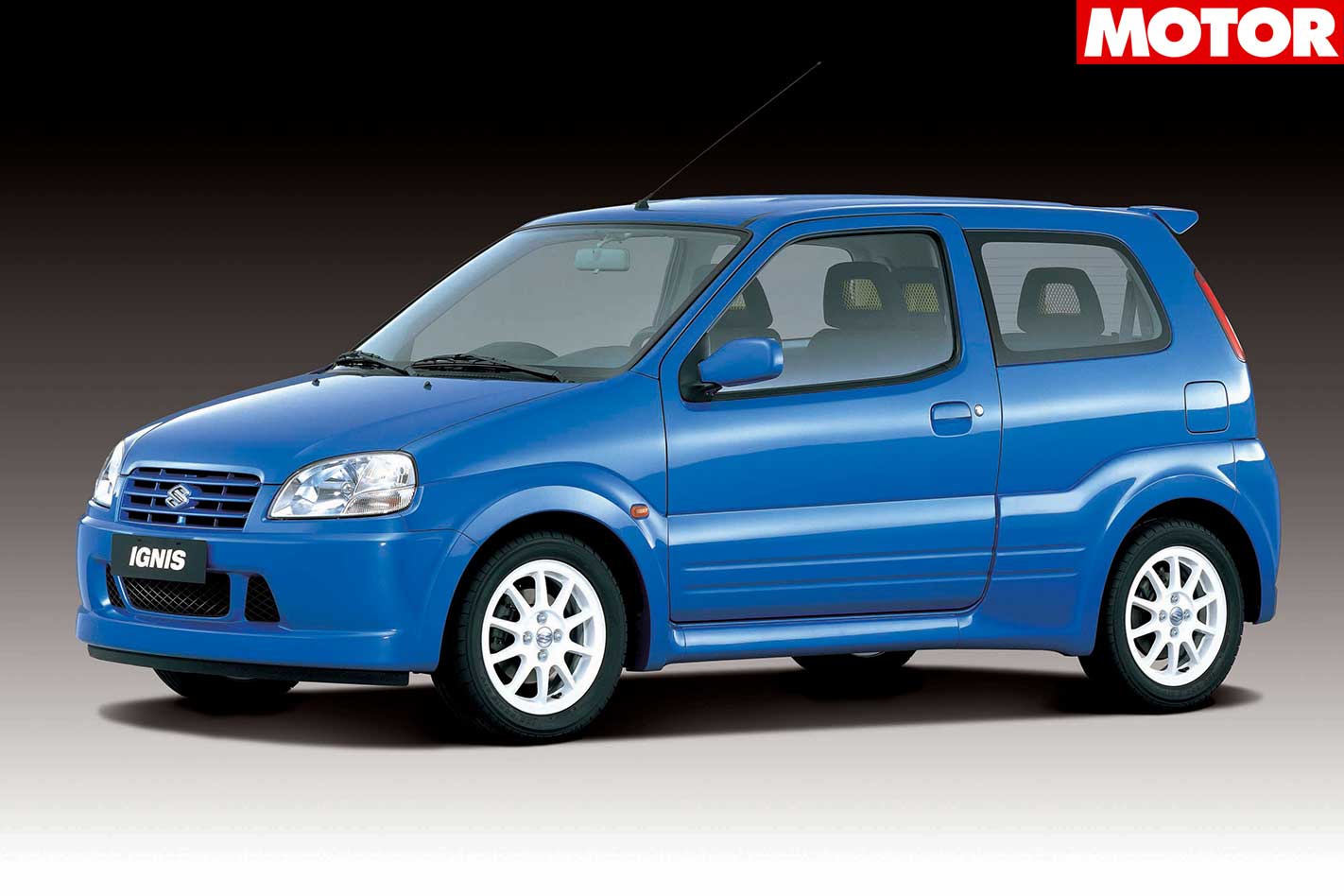
Ignis Sport (2003)
Fast Facts – 2007 Suzuki Swift Sport
LIKE: Cool styling; grippy handling; revvy engine; unisex appeal DISLIKE: Steering lacks feel; bit too much understeer; a bit dear RATING: 4 out of 5 stars
One of the most striking things about spending time in the more affluent parts of China is how few Chinese cars you see.
Sure, there are Byds and Havals and Roewes and plenty of even more obscure brands to delight the geekiest car geek, but all are heavily outnumbered by the legions of Volkswagens, Audis, BMWs and even – improbably – Buicks.
Imports have a far greater appeal to wealthy Chinese buyers than domestic models. Strike one for freedom of choice in what remains, technically at least, a communist state. But if the Chinese won’t buy their own cars, why should anyone else?
This is effectively split into three: pure domestic cars at the bottom, a middle ground of locally built models from international brands and then a top end of super expensive luxury imports. Until now, Chinese aspirations to compete in the middle of the market – where most sales and export opportunites are – have only been realised through joint ventures with overseas makers. Recent developments look set to reverse that formula.
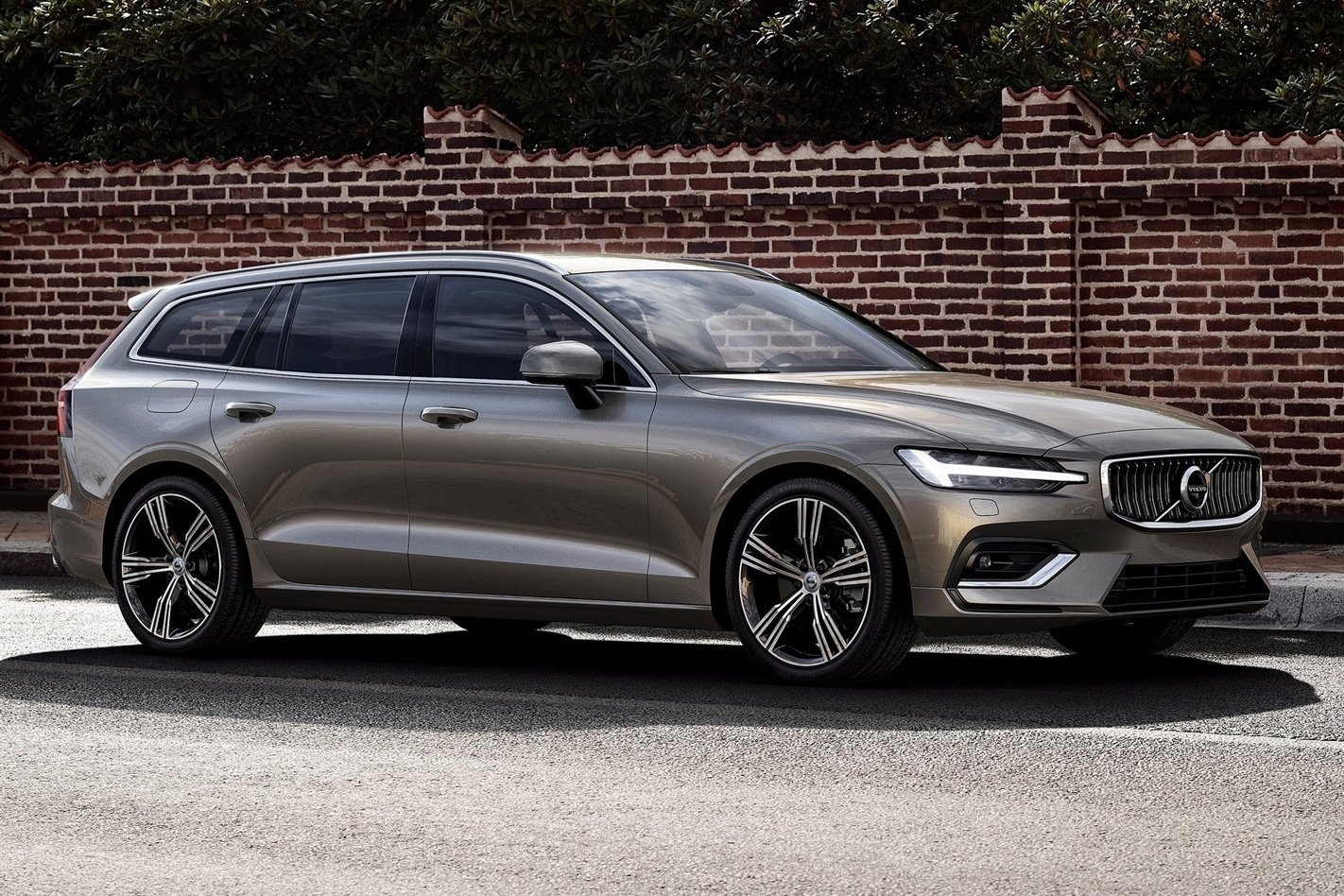
The key was the acquisition of Volvo by the previously obscure Zhejiang Geely Holding Group back in 2010. That turned Sweden’s native carmaker into a subsidiary of a Chinese company, one which was quick to co-opt Gothenburg’s engineering and design talents.
Lynk’s cars will be made in China (sales of the 01 SUV have just started) but they will also be exported, starting in Europe in 2019. CMA will also ultimately underpin cheaper Geelys and, after its recent purchase of the Malaysian carmaker, Protons too.
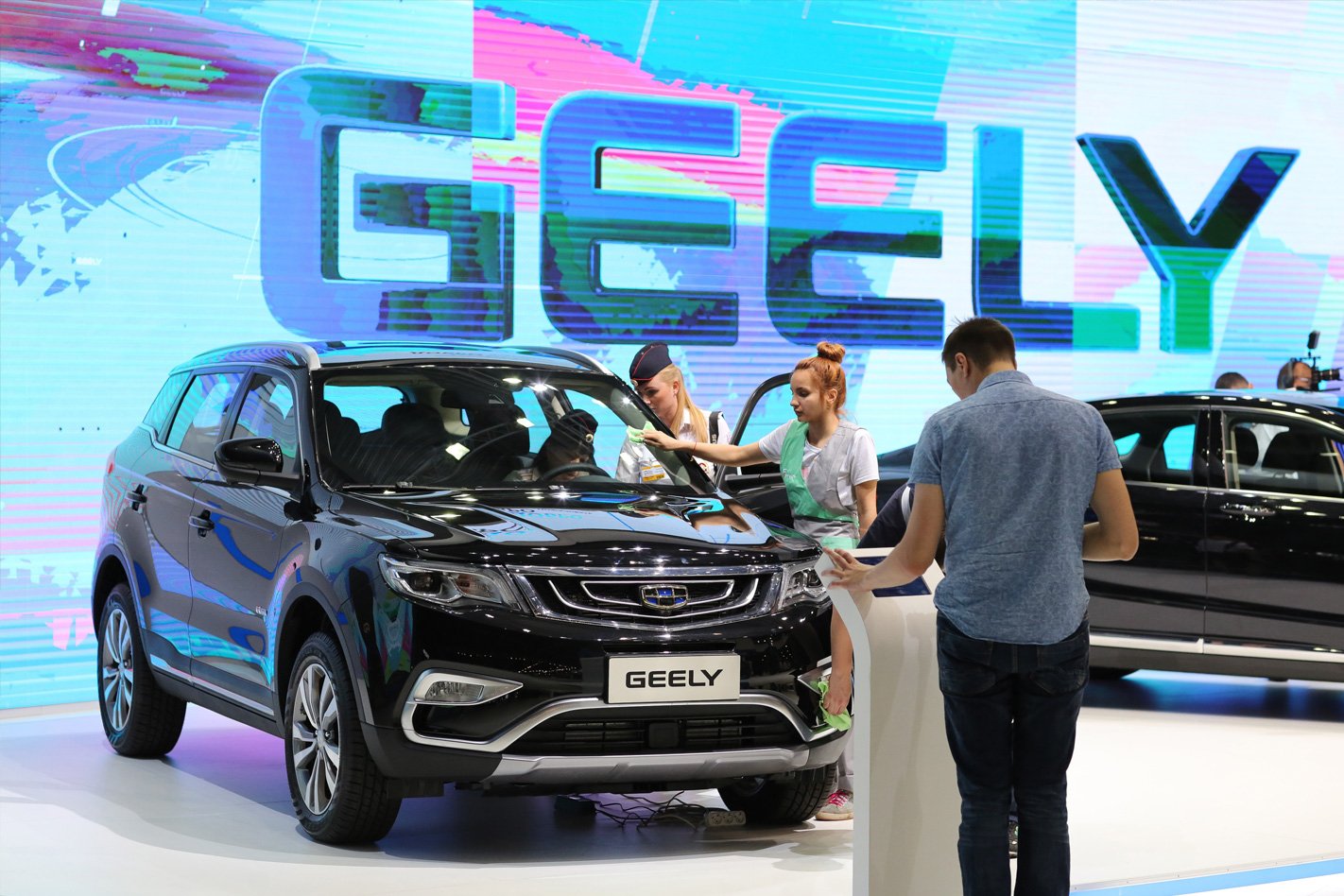
For an idea of the scale of Geely’s ambitions consider the fact that its design department, headed by former Volvo and Ford U.S. styling boss Peter Horbury, employs 600 staff across four international studios, and is currently working on 40 projects; resources that outshadow Volvo’s.
Look at where South Korean makers were 10 years ago – China’s automakers won’t be happy if they haven’t progressed further in the next decade.
Your next car probably won’t be Chinese, but the one after that might be.
THE SHRILL roar, the instant responsiveness of rising-falling revs, echoes around the huge warehouse.
Except the shriek is totally wrong: no Pontiac Firebird ever sounded like this. Where is the anticipated deep, low-revving burble of a rumbling GM V8, gulping for air through a four-barrel Rochester carby? Clearly, this is no ordinary 1970 second-generation Firebird.
- Earl of Design – Step inside Mike Simcoe’s office
- We follow a HSV GTSR W1 down the production line
- We drop a Mazda CX-3 into the Outback to follow Birdsville’s only cop
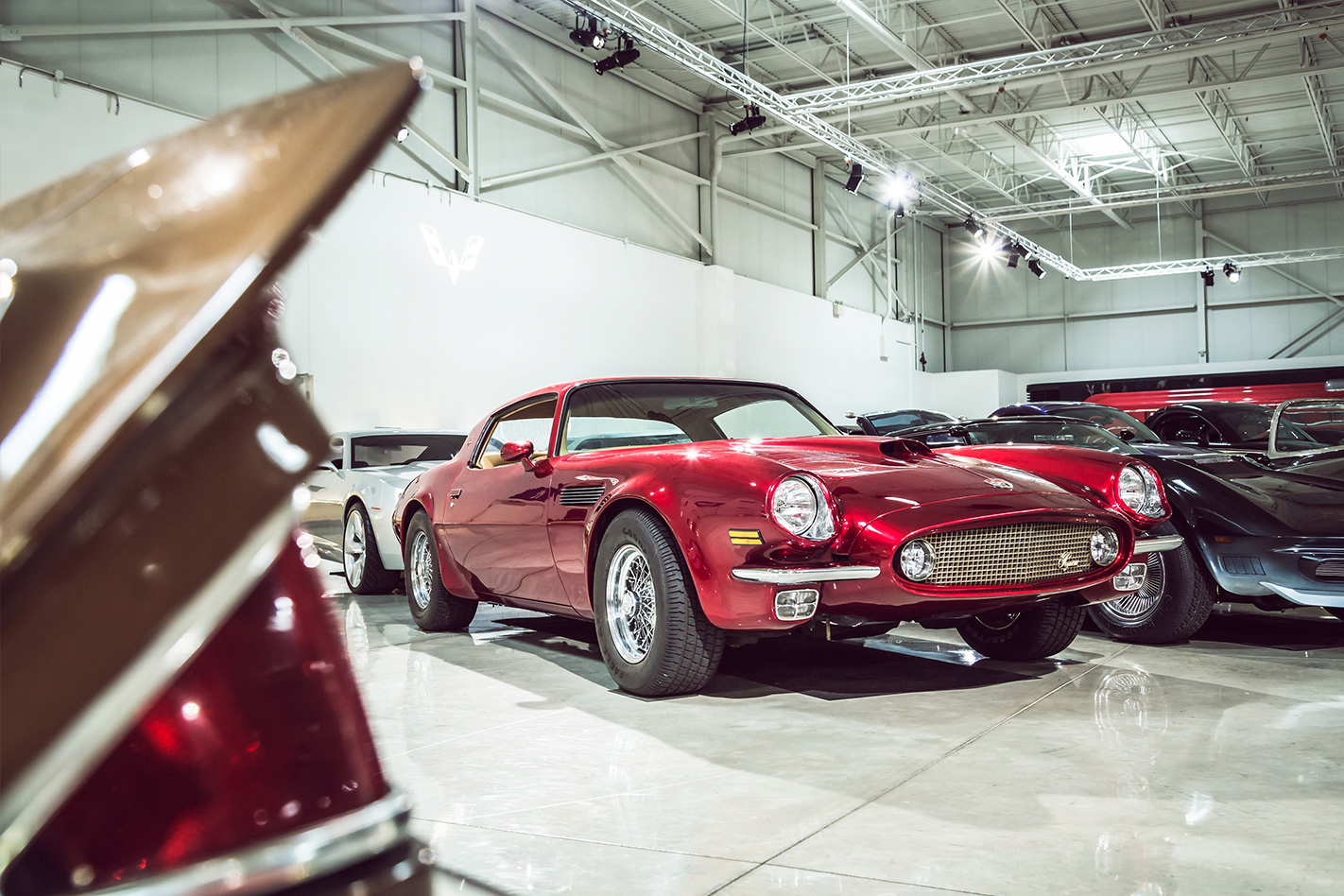
Mitchell used the Pegasus to try some new design ideas for future Camaro/Firebird pony cars. Chevy designer Jerry Palmer’s proposal borrowed the nose of the 1958 Ferrari 250 Testa Rossa for a potential Camaro facelift.
“I did a four-by-two-foot [1200mm x 600mm] sketch early on with a Testa Rossa front end on it,” Palmer told former Wheels editor Angus Mackenzie 10 years ago. “Then Bill Mitchell broke my heart and took it down to Pontiac.”
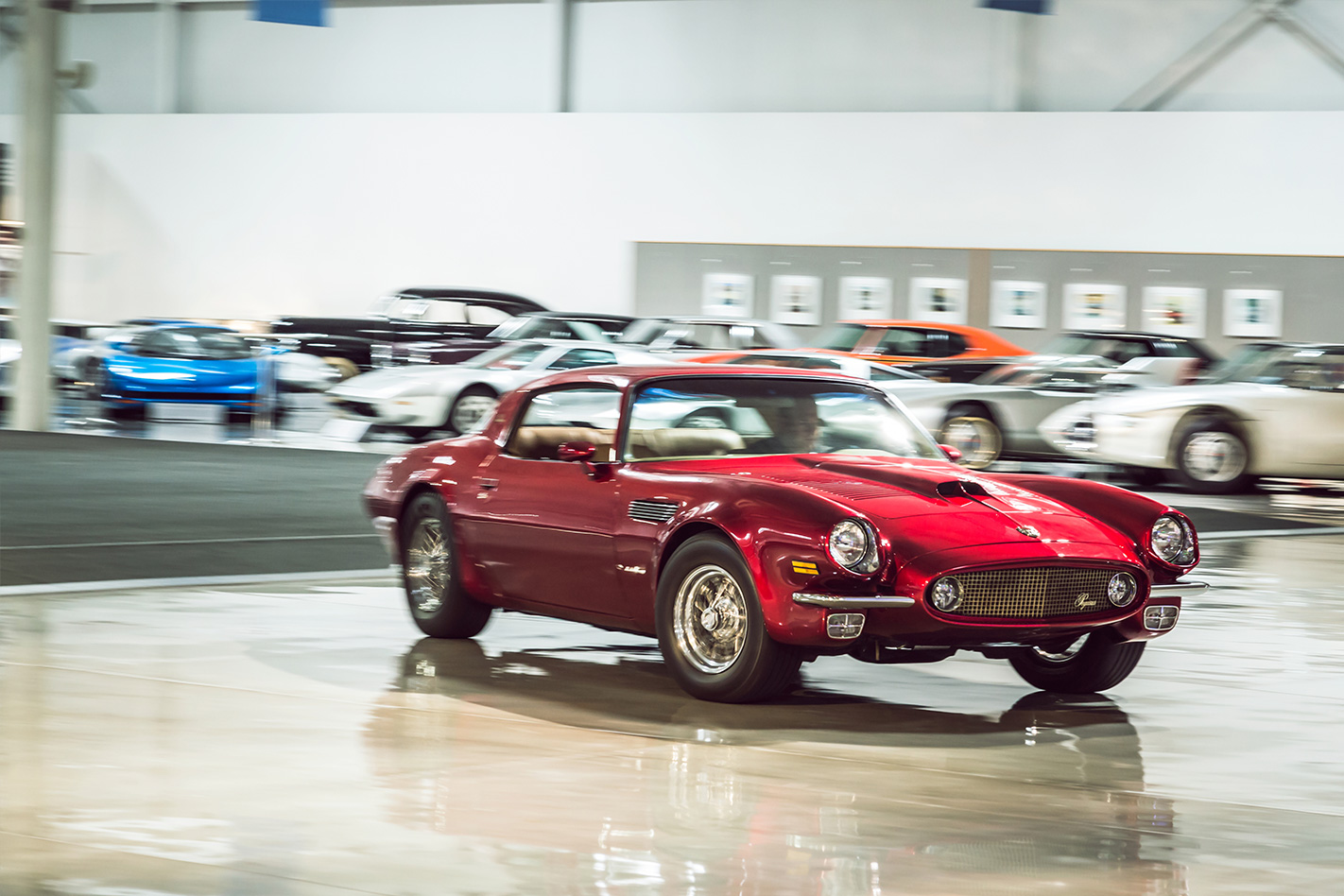
But none of this explains that sound.
Finally, the truth is revealed. In place of the Pontiac 400 cubic inch (6.6-litre) V8, the Pegasus is powered by a 4.4-litre quad-cam Ferrari V12 from the 365GTB/4 Daytona. Pegasus is not a Firebird, more a Ferraribird.
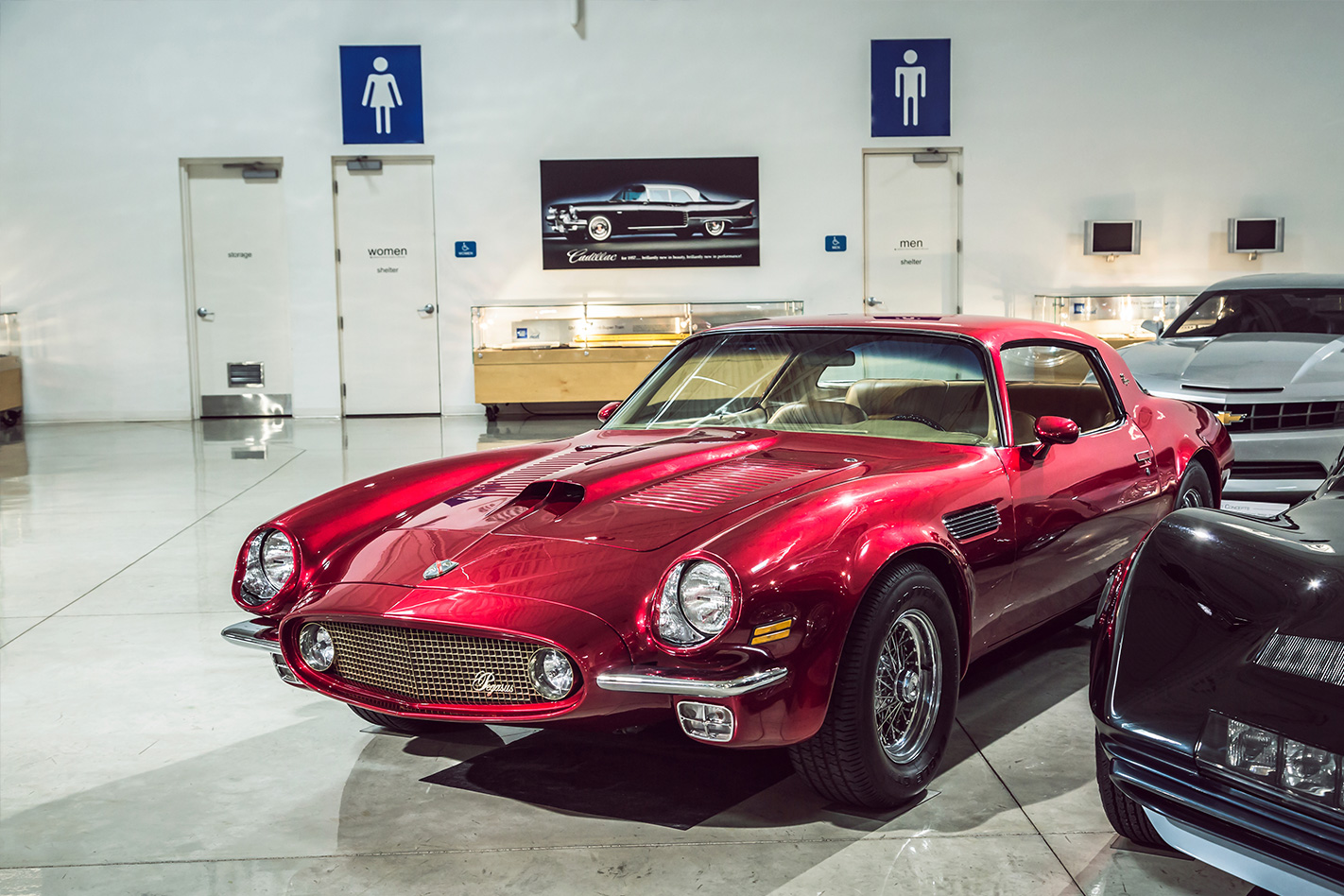
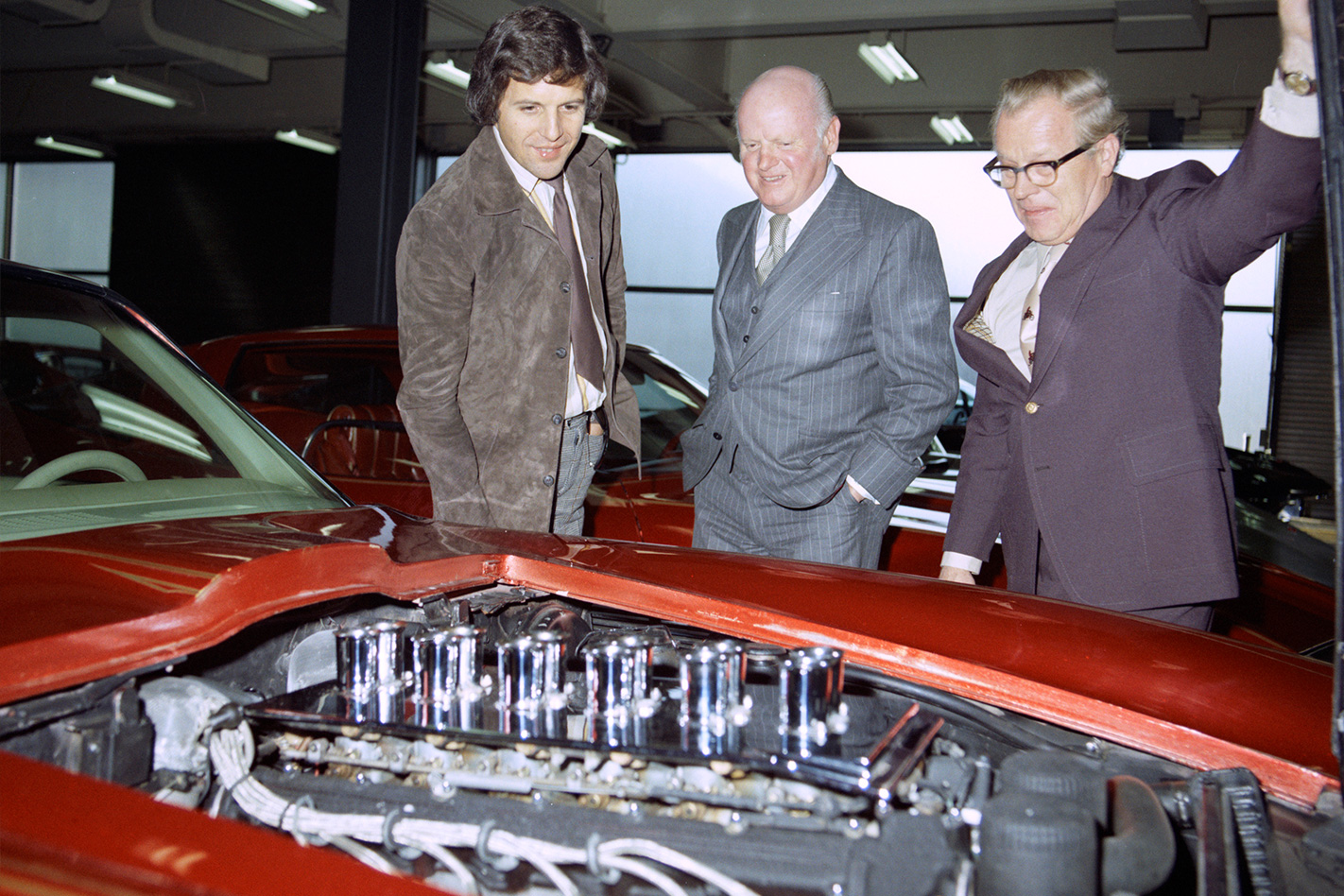
According to GM mythology, the dictatorial Mitchell privately arranged for the engine swap, without telling GM Powertrain. The engine was first coupled to a GM Hydramatic automatic, only for Mitchell to discover the transmission didn’t work happily with the high- revving engine and that the performance wasn’t up to his expectations. Luigi Chinetti, Ferrari’s American distributor and race team owner, installed a Ferrari five-speed manual and, GM folklore has it, brought the engine up to competition standard with bigger Weber carburettors and tweaked cams.
Only then did Mitchell arrange a demonstration to GM’s senior powertrain engineers. Pontiac had dabbled with overhead-cam sixes in the 1960s; perhaps Mitchell wanted to prove a peaky, double overhead cam engine could work in a sporty model like the Firebird. He drove the Pegasus around the Warren R&D campus from Design and stopped in front of the assembled engineers. Continually blipping the throttle, legend says Mitchell shouted, “That’s what a car should sound like.”
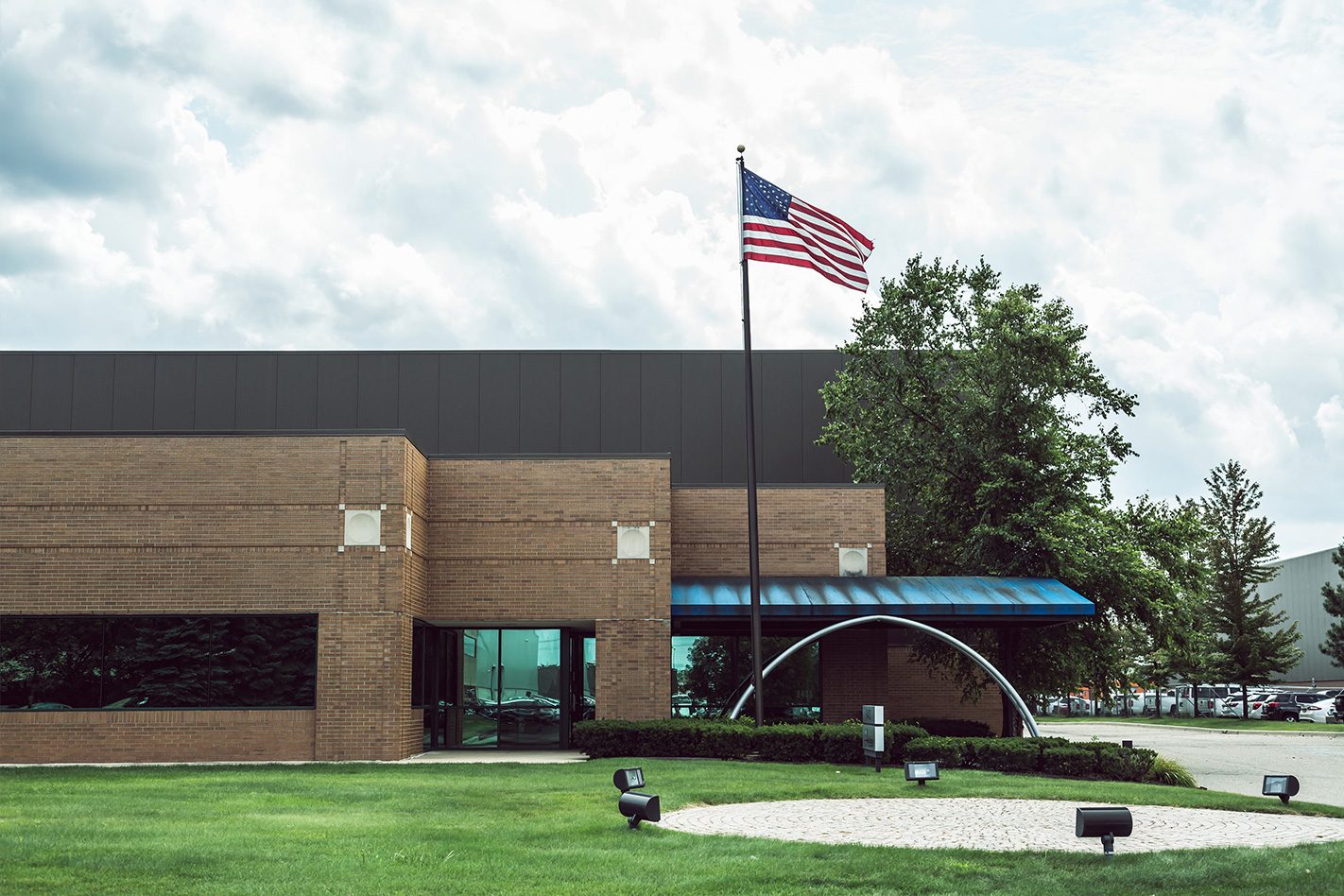
GM’s Heritage Center is located, the way many of these places are, in a nondescript warehouse on a side street in a light industrial estate. The only clue as to what is inside is a small GM logo on the front lawn. From an overall collection of around 500 cars, a rotating selection of 150 are on display at any one time. Those cars not on display are held in a temperature controlled warehouse at a secret location somewhere else in Detroit.
Yes, we asked for a list of the cars, but Greg Wallace, manager of the Center, says GM doesn’t share the inventory with outsiders.
Greg Wallace leads a team of 11 full-time employees, some of whom are GM’s official archivists. However, since GM’s bankruptcy in 2009, the Heritage Center no longer includes in-house restorations or rebuilds beyond simple vehicle maintenance.
Any restorative work is now commissioned to speciality outsiders. From 2004 to 2009 the fleet was gradually cleaned out until, with the failure of the ‘old’ GM, auction house Barrett-Jackson sold off 115 cars for the company. Most were duplicate or less historically significant cars, but some unique models also went: the 2001 Buick Custom Blackhawk, a retro concept convertible, sold for A$683,000. Among many Corvettes to go were the first 1992 ZR-1 and the first 2006 Corvette ZO6, plus a 1904 Oldsmobile Touring Runabout and a 1998 Chevy S-10 drag truck; along with why-would-you-bother cars like a pair of Pontiac Azteks.
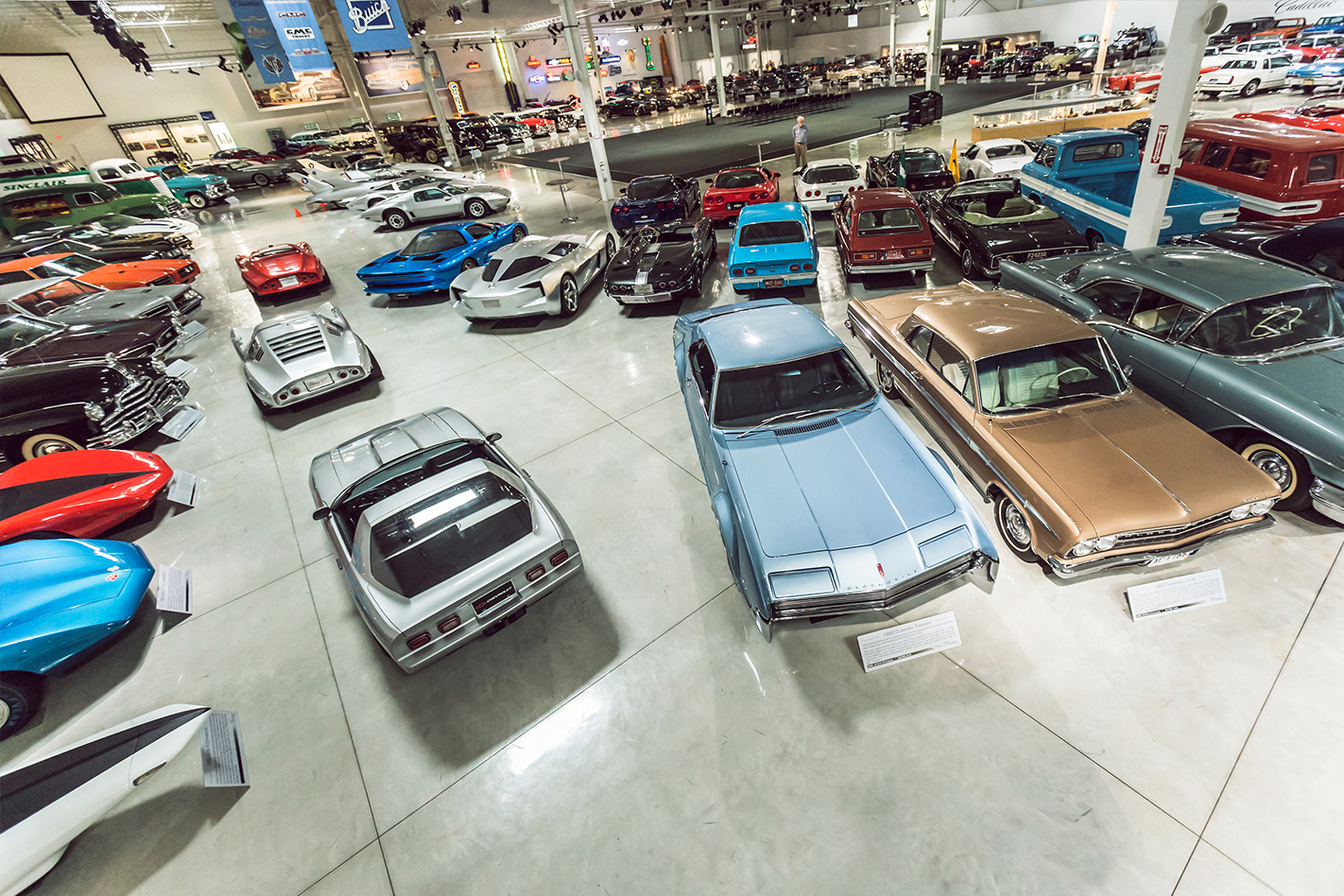
What’s left is the cream; the best of a wonderfully creative GM, in both a styling/design sense and in engineering terms, when the company easily led the automotive world. A trio of Chevy Astro concepts reveal the staggering breadth of analysis the Corvette engineers explored. The radically styled 1967 Astro 1 was based on the Corvair, Chevy’s rear-engined compact car; Astro II, from 1968, was a prototype for a long-discussed production mid-engined Corvette; while the 1969 Astro III comes from an era when GM was investigating gas-turbine engines as a possible power source.
Did you know that Buick introduced the first turn indicator lights as far back as 1939? The Roadmaster on display also has one of the first steering column gearchanges. You could also option twin spare wheels, one for each front mudguard, a common idea in the 1930s.
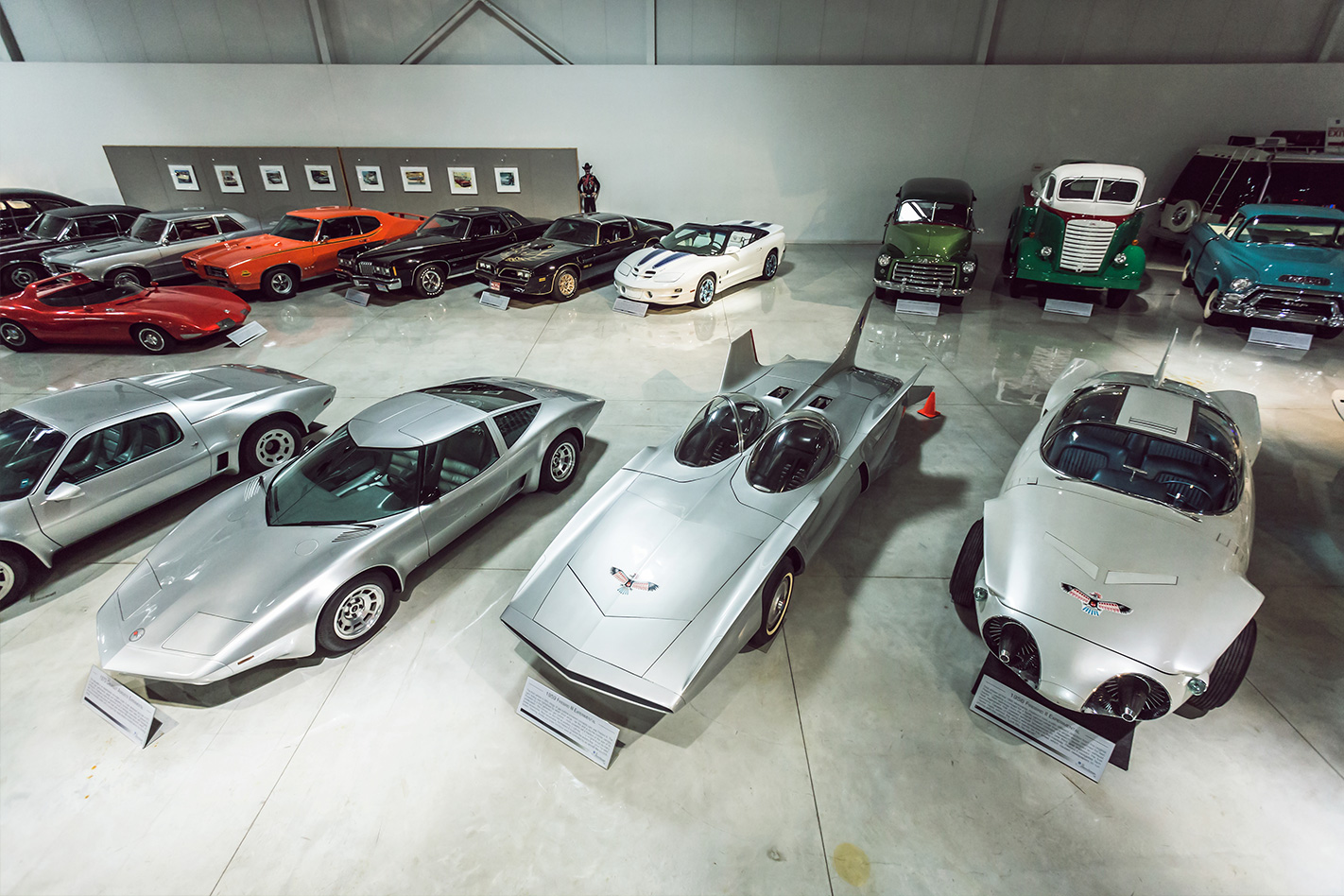
GM’s attempt to duplicate the Australian ‘ute’, a passenger-car-based pick-up, arrived with the 1959 El Camino, two years after Ford’s Ranchero. Chevy sold 23,837 El Caminos in 1959 and 15,779 in 1960, not sufficient to sustain the model. Based on the completely redesigned 1959 Chevrolet models, the El Camino is famous for its huge wrap-around rear window and for continuing the weird tail fins of the passenger models. Chevrolet tried again with the El Camino ute from 1964-1987 but eventually gave up when it became clear Americans preferred far bigger, conventional pick-ups.
Cadillac’s raft of beautiful concepts from the 2000s are well represented. Few remember that British designer Simon Cox operated a small advanced design studio for GM in England where he developed the Cien, a V12 supercar, and the styling inspiration for Caddy’s ‘Art & Science’ look. The 2003 Sixteen concept, a 13.6-litre V16 four-door concept, that sadly just failed to reach production, sits beside the 2011 Ciel concept convertible and 2013 Elmiraj as proof that truly beautiful cars are still possible. At least in concept form.
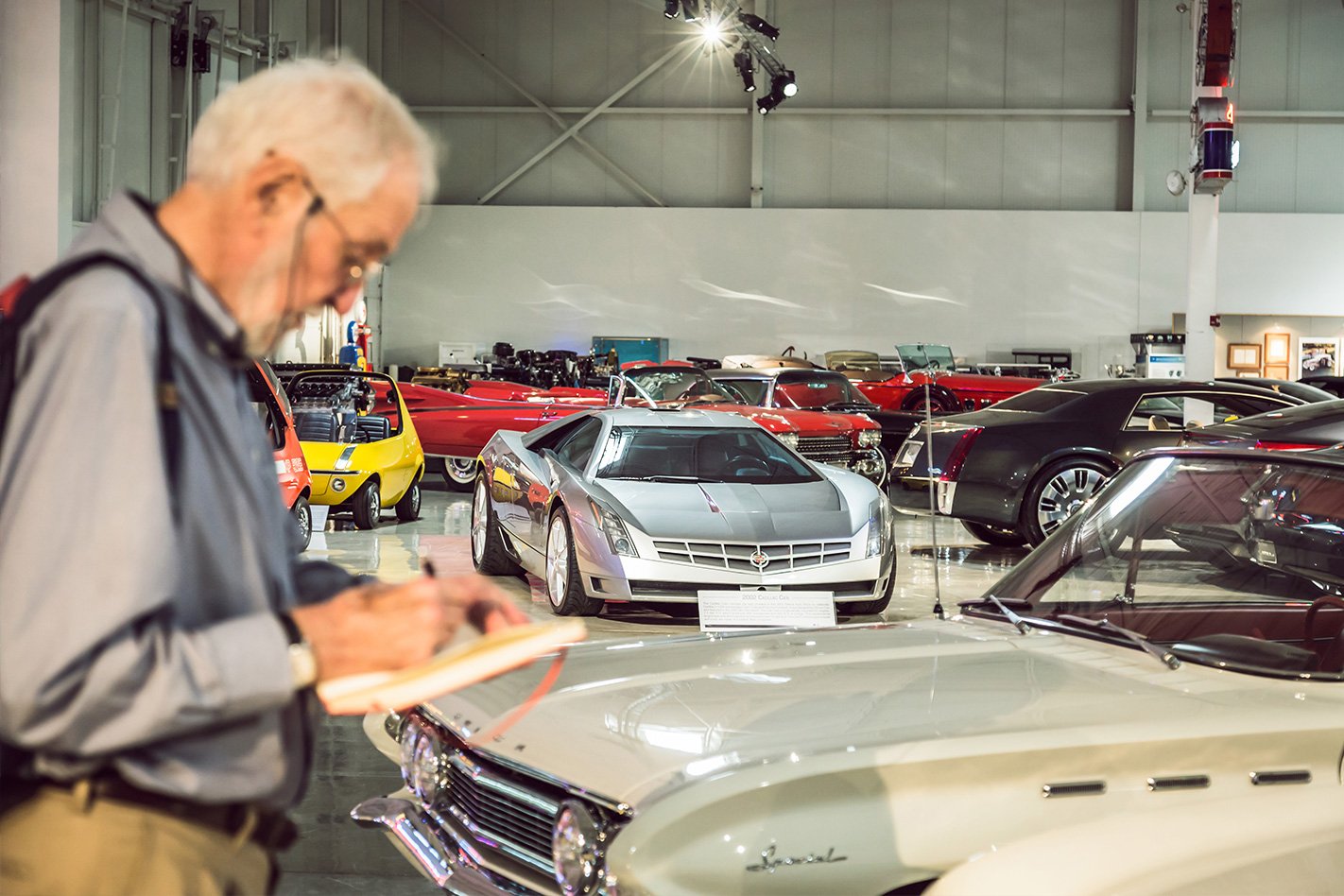
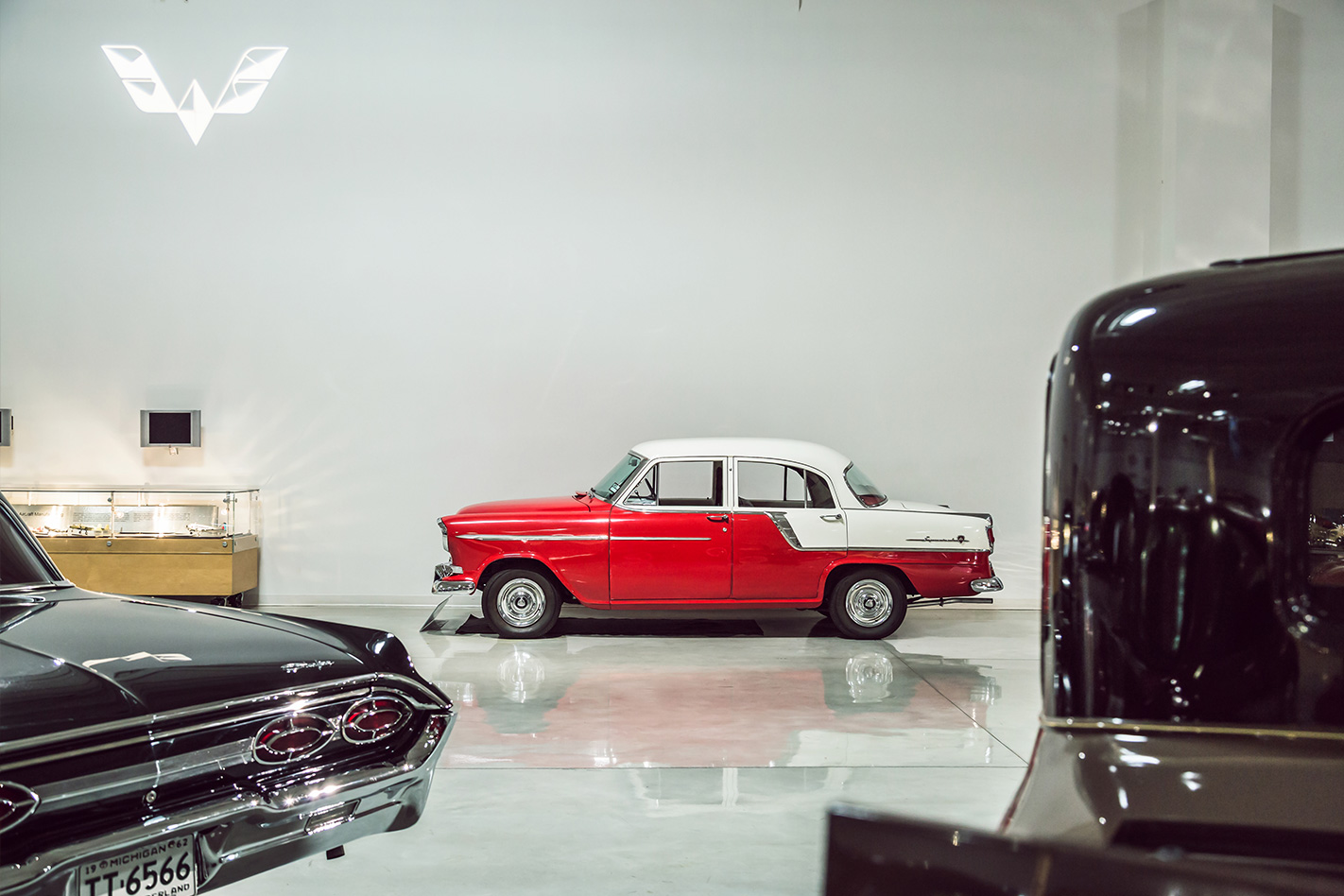
There is also at least one Holden. When former Holden CEO Mark Reuss returned to Detroit in 2009 he brought home a 1959 Holden FC Special sedan. How small it looks among the 50s and 60s Detroit iron.
Unfortunately, the Center is not open to the public and is generally reserved for GM corporate events and charity functions. However, group visits (minimum of 30 people) can be organised at a cost of US$10.00 per person ([email protected]). In all, the Center attracts around 25,000 visitors a year. The entire archive is in the process of being digitised, though the scanning process is so slow that they’ve only completed around five percent. “It’s never ending,” says Wallace.
For the fertile mind of a Kettering, perhaps. For us car enthusiasts places like the GM Heritage Center are endlessly alluring and proof that you need to understand the past to appreciate tomorrow.
You’ve heard the expression, ‘Only in America’, right? It’s used mostly when something happens Stateside that is so unbelievably stoopid, it could only be one of Dubya’s citizens that carried it off.
This article was first published in MOTOR’s January 2007 issue.
Then there’s ‘Only in Japan’. That’s the one where technology so utterly perverts the course of sanity that only the tech-addicted Japanese could have come up with it.
So, allow us to suggest that gadgets such as the Holden VU SS utility, and utes in general, are a case of ‘Only in Australia’.
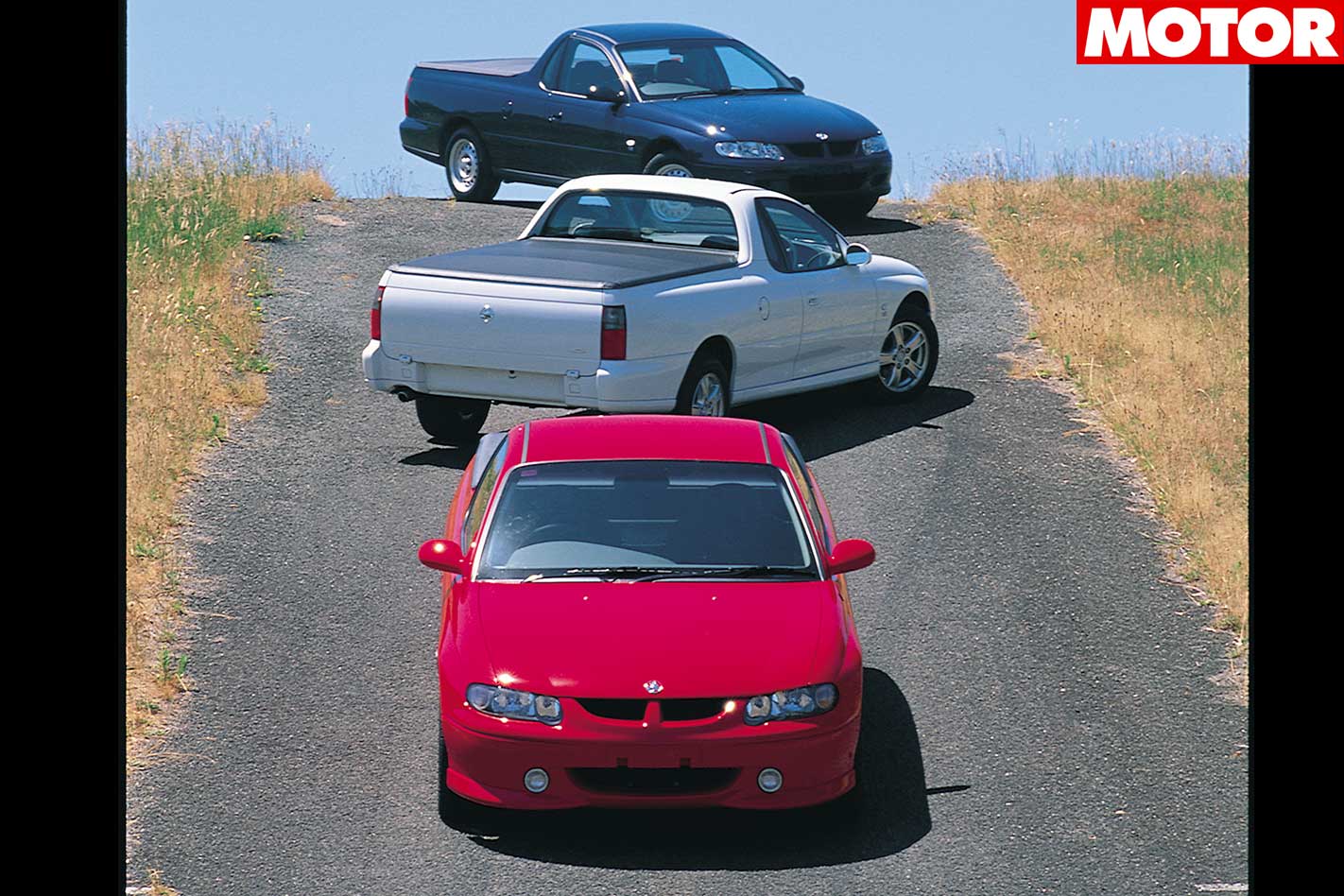
And, true, the Japanese and plenty of others have one-tonne tray-backs, some of which even run to a mid-sized V6 engine. But when it comes to sawing off a family car at the B-pillar, welding on a tray and cramming the front rails full of big-inch V8, my friends, we Aussies have the rest of the world kicked to bits.
Dare I say, “Oi, Oi, Oi!”?
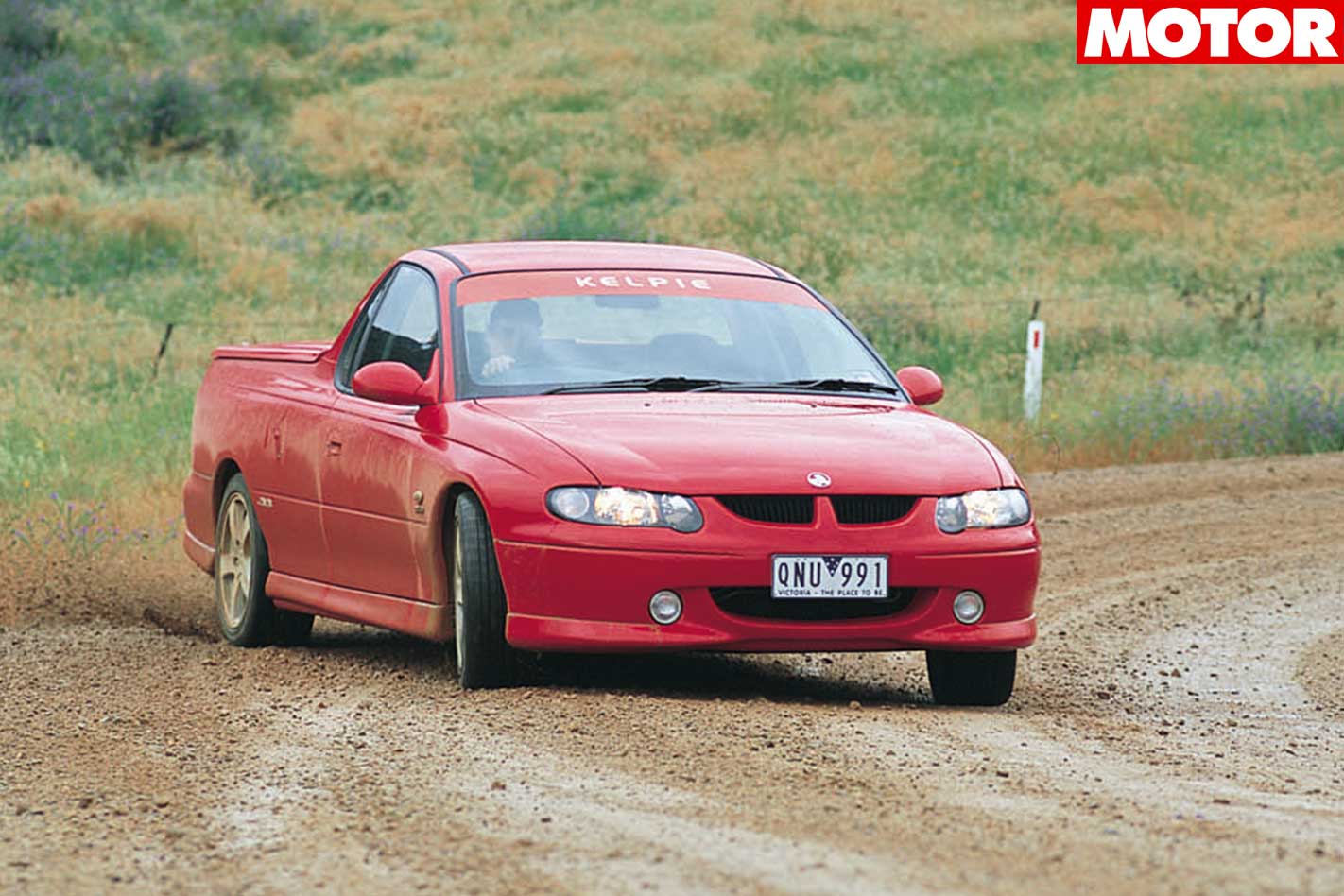
Fast forward to the late ’90s and the VX Commodore is the current model, from which is spun the VU ute. And suddenly, we were all getting tingles all over again.
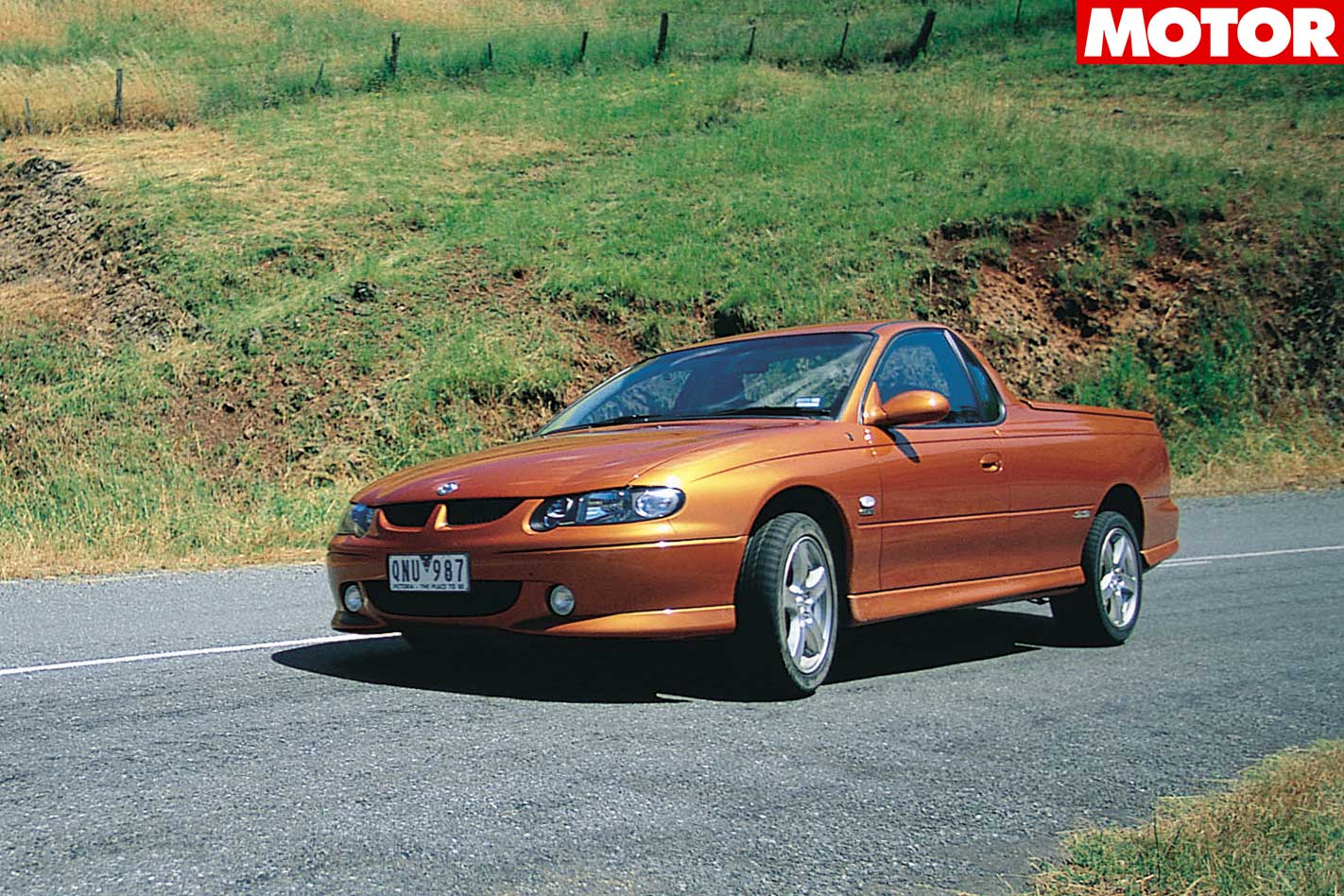
See, by now the VG, which morphed into the VS ute, was a full decade old and was really starting to feel its age. So the VU – with its longer overall body, styling that was vaguely reminiscent of a Chevy El Camino and the promise of both IRS and a Chev V8 – was really something to get worked up about.
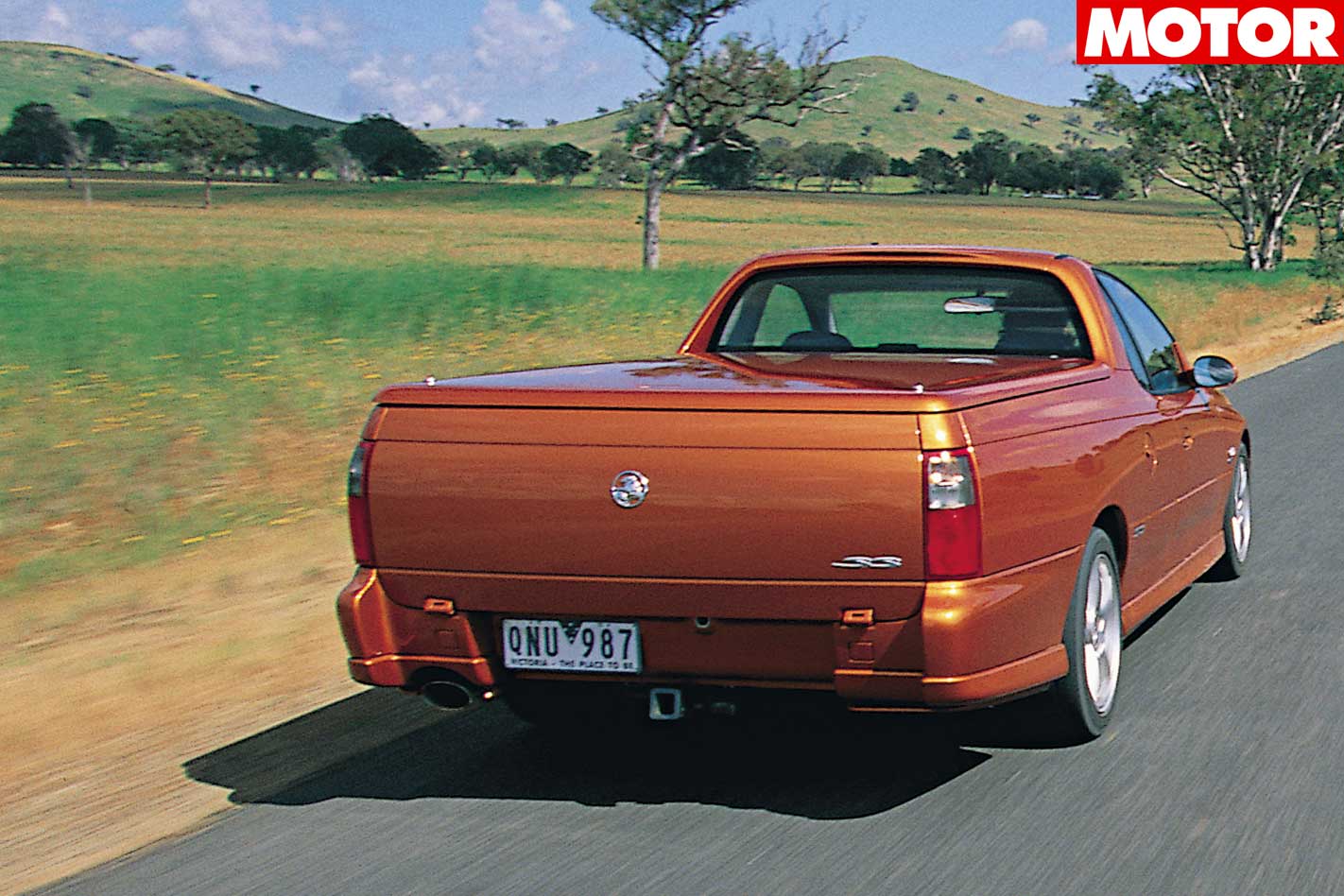
It did mean that the payload was less than a full tonne (just 665kg in SS form) but that didn’t bother too many folks to any significant degree. The longer body also meant you got a longer tray so even really big motorbikes could be carried with the tailgate up, but it also meant that even lanky B&S Ball attendees could sleep (or whatever) in the tray.
But as well as more tray length, the cabin was also better and roomier. Longer seat rails meant you could get farther away from the tiller if you wanted and there was more in the way of headroom, too, for those Akubra-wearing types.
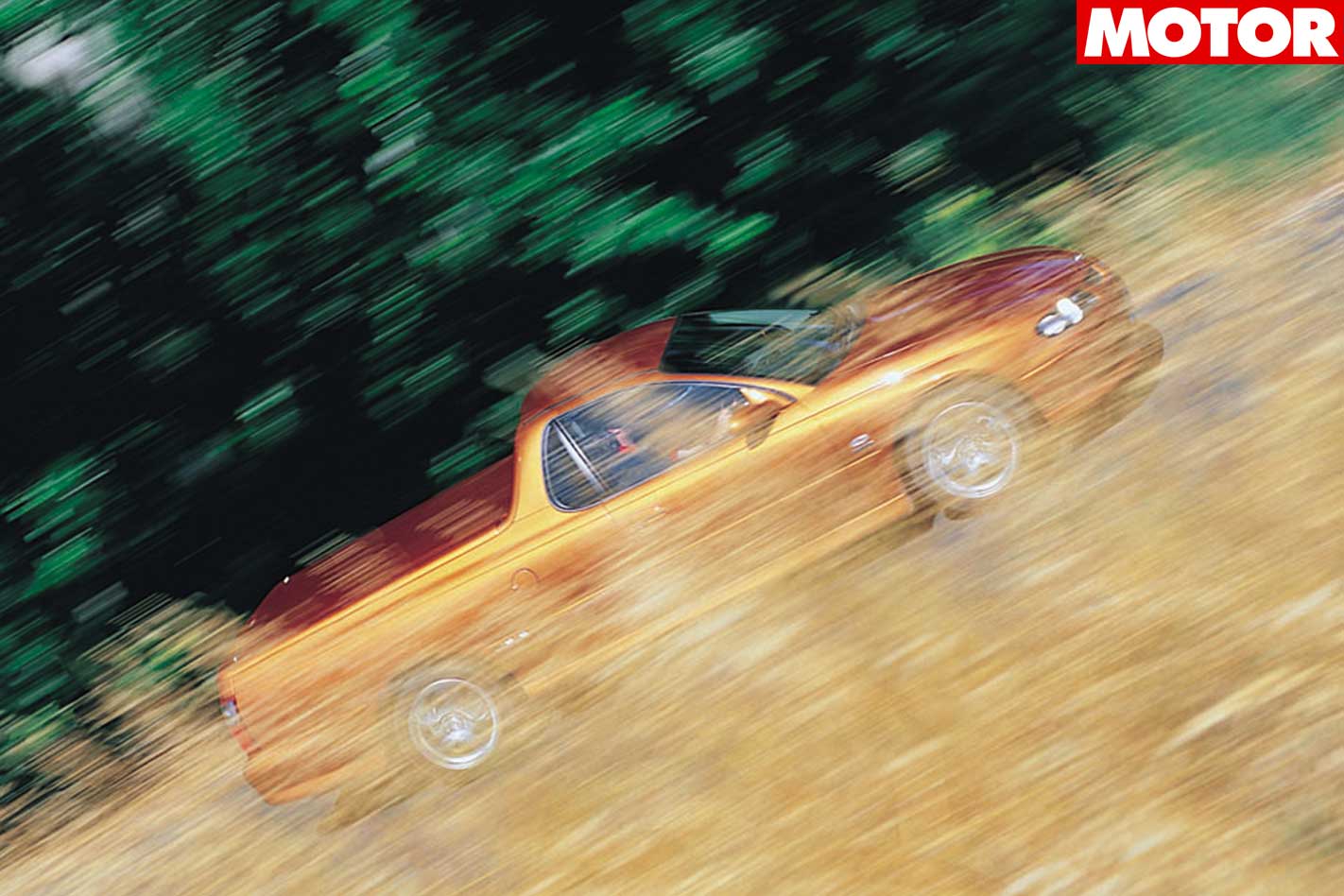
Compared with the Falcon ute which was also new at the time, the VU looked a bit more contemporary with its sleek sides and unitary construction.
The Ford had, in the switch to AU, gone to a separate chassis construction which did a couple of things. It meant that it was dead easy to offer both a conventional looking ute body or a bare cab-chassis upon which just about any style of body, box or tray could be mounted. The Ford’s leaf springs also meant it was easy to configure as a full one-tonner, something that Holden didn’t get around to until much later.
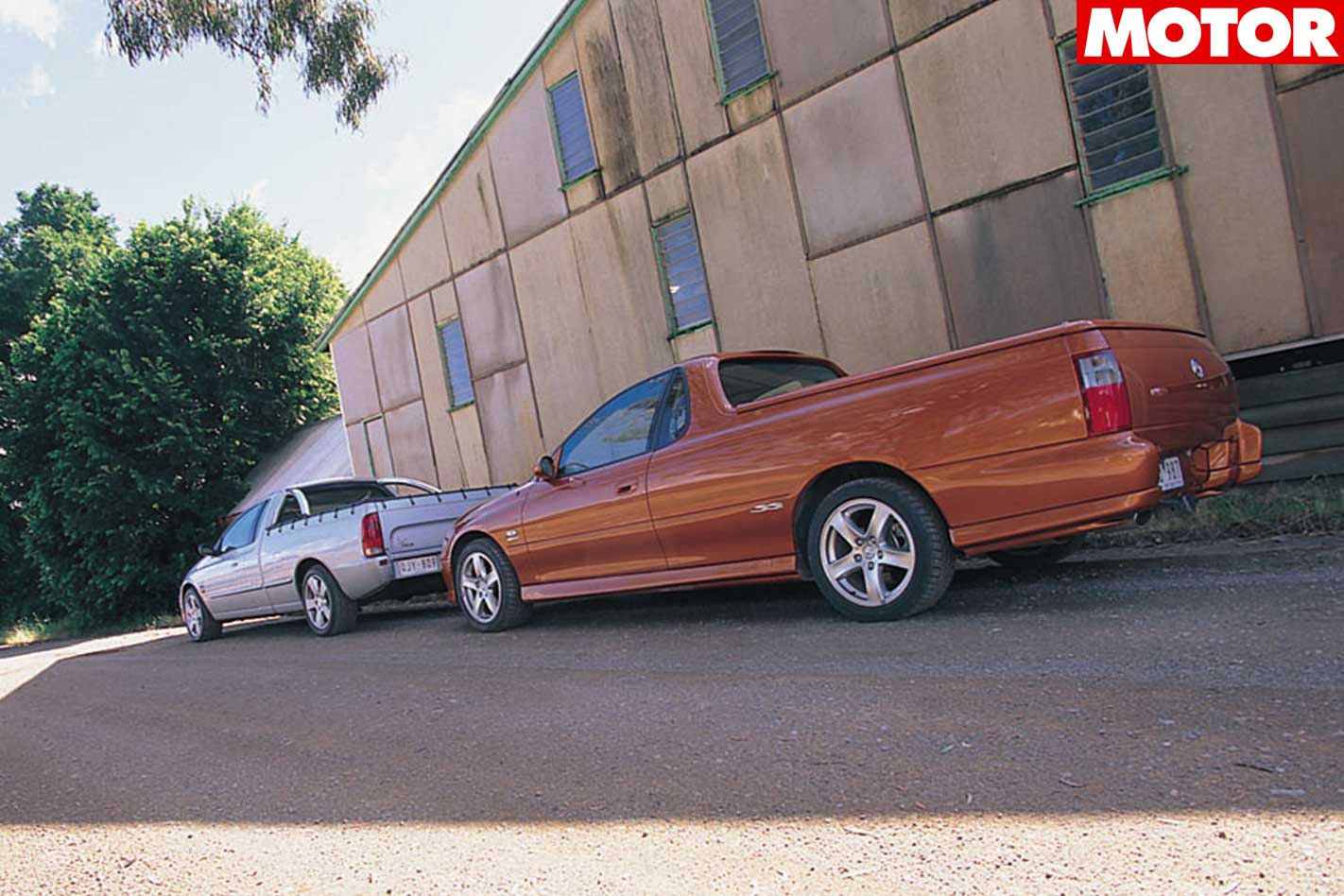
The IRS was better able to stick to the bitumen and still give a smoother ride at the same time. The catch was that the weird angles assumed by the rear tyres when a full-ish load was on board meant that rear tyre wear could be frightening. It was the same with the Commodore sedan, but it did limit the VU’s abilities when it came to towing big things.
For many out there, of course, the real reason for owning a VU SS Ute is the Gen 3 5.7-litre Chevy V8. But if you’ve been reading magazines like MOTOR for long enough, you’ll know that it ain’t as simple as that.
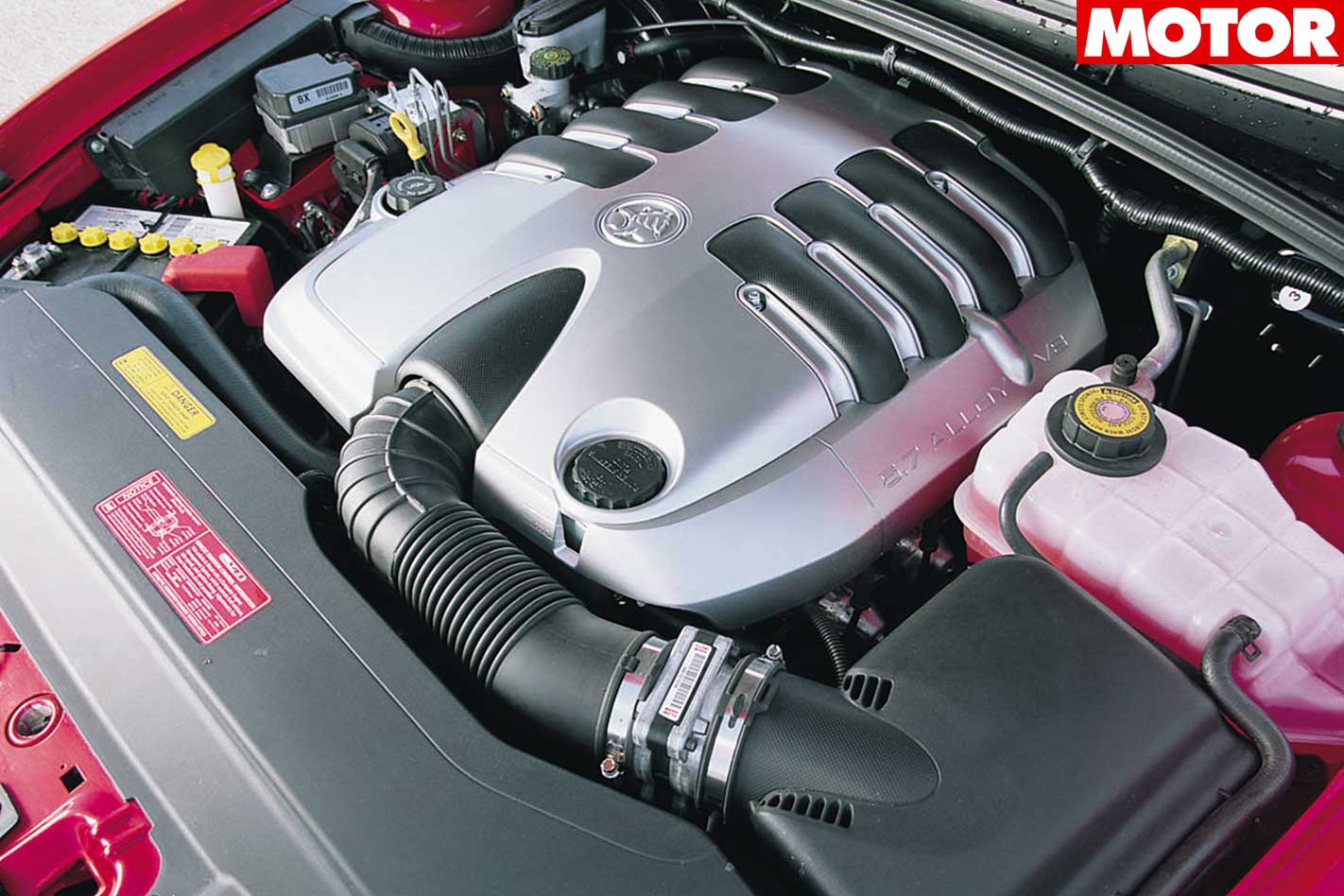
This was of little comfort to the bloke who’d paid big money for a new SS, only to have it burn a litre-and-a-half of oil between Melbourne and Sydney. Neither does it explain why so many Gen IIIs were replaced under warranty, but there you go.
We’ve heard all sorts of theories, up to and including engines fitted with pistons completely missing their rings. Other mechanics reckon the engines were just built loose for fuel economy. But whatever the real story is, it’s clear that some engines were assembled long after lunch down Mexico way (where the engines were built).
The other area of Gen 3 patchiness was in the way the engine worked. It revved well enough and made good power when you were fair up it, but at low revs and part-throttle work, it could feel pretty lethargic for a big-inch eight.
Things came alive after about 4000rpm, but revving that much engine that hard through every gear seems like too much hard work. And it was. You only need to drive the new six-litre mother to know what a large capacity V8 should feel like. And the Gen III isn’t it.
That said, the sift action in the six-speeder is also fairly crapola and while later cars were better, the VU is no snickety-snick manual. The clutch can feel pretty heavy, too.
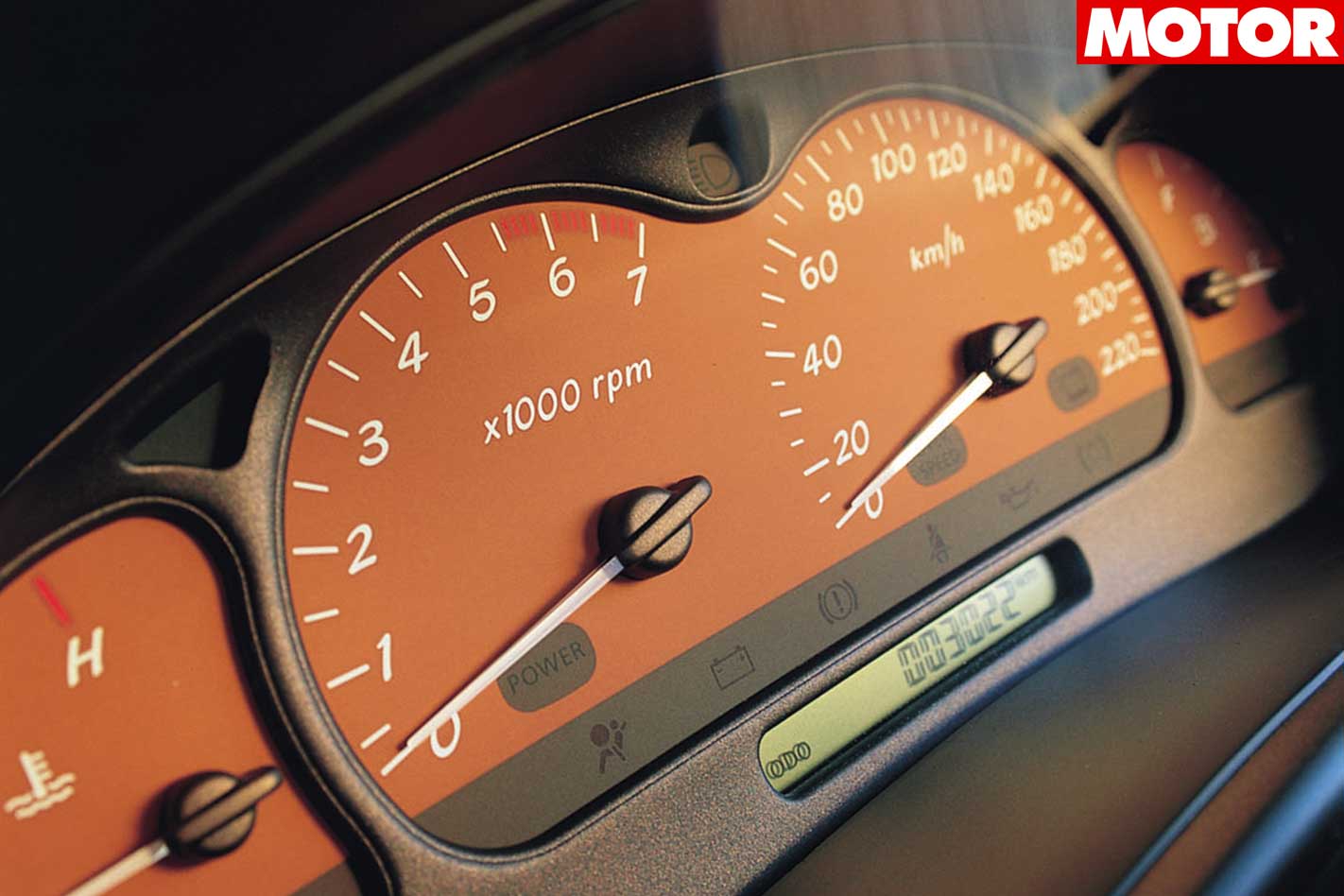
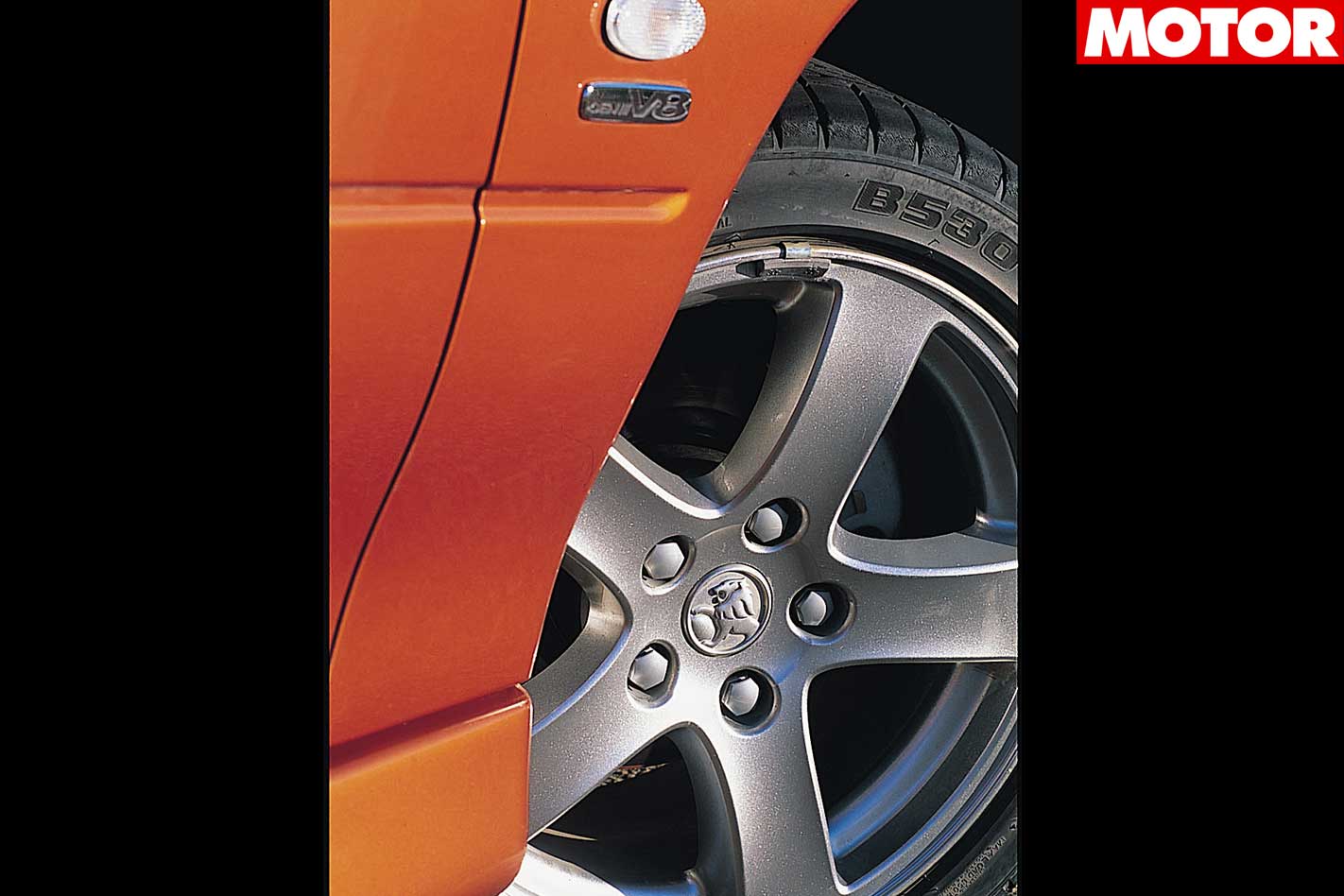
If none of that puts you off, then the SS is actually a nicely thought out arrangement. You get a body kit, 17-inch alloys, fog lights, sports seats, air-con, ABS, leather-wrapped tiller, dual front air-bags and lowered suspension. Unfortunately, you also get the colour-coded instrument panel which looked dodgy even back in 2001 and is positively hokey now.
What we said? “With its sophisticated (by ute standards) independent rear-end, you’d expect the Holden to be the handler of the two. But thanks to much more responsive steering that makes it feel sharper and more nimble, the Ford, even with its cart-sprung date, is actually a purer driver’s car.” – Dave Morley, February 2001 (in a comparison with Ford’s AUII XR8 Ute)
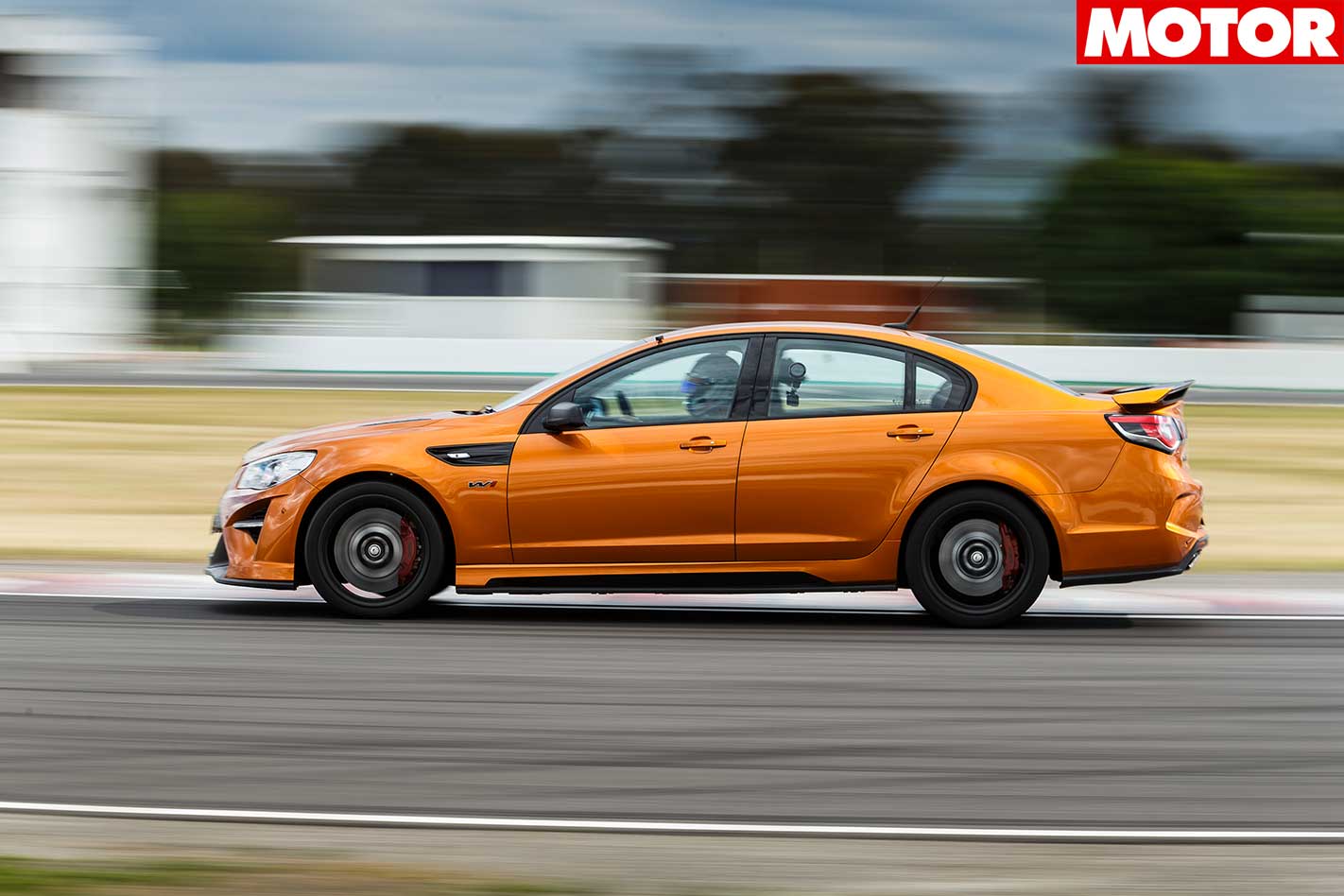
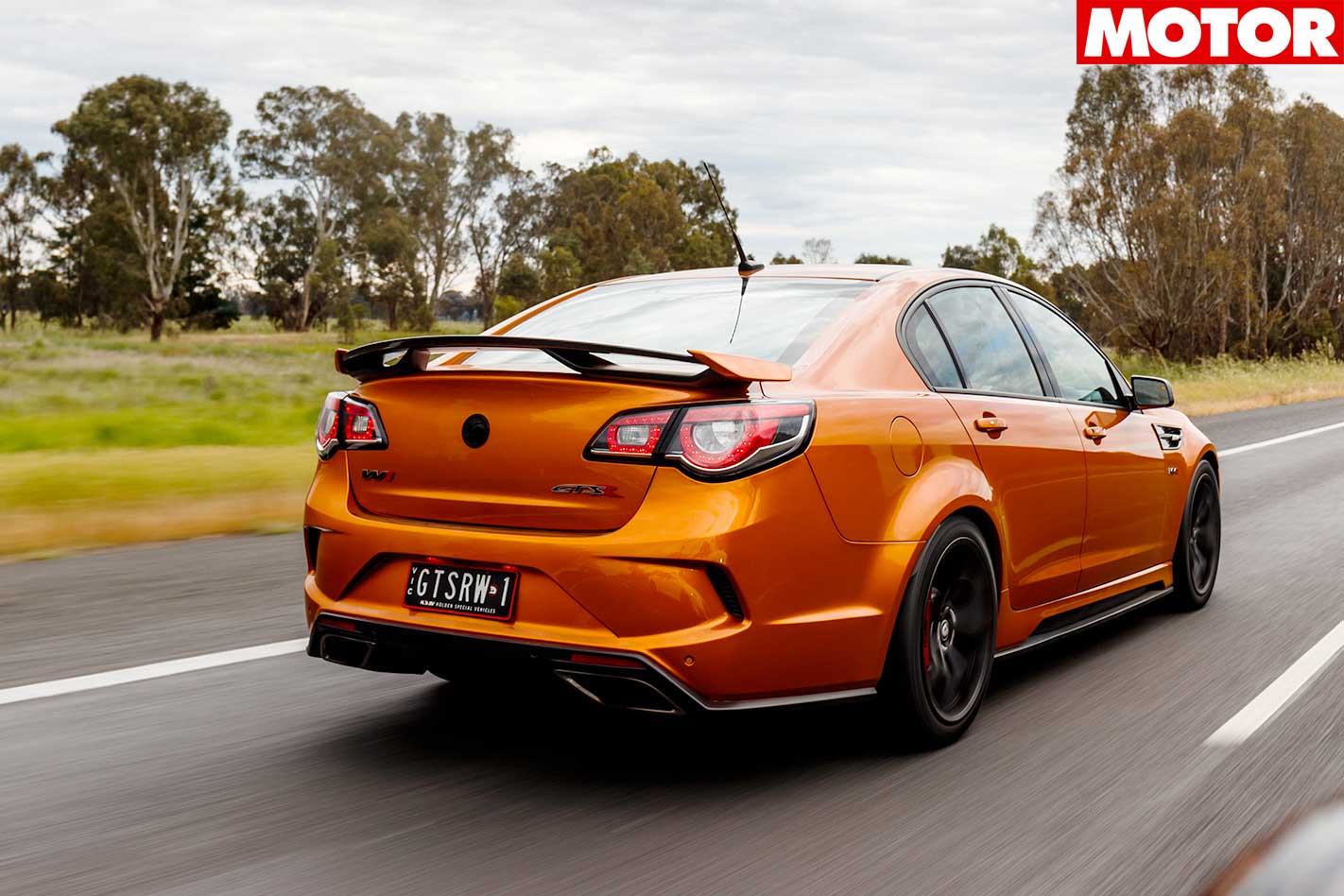
If hardcore had a part number, it’d be found in the workshop manual for the GTSR W1.
Add huge brakes, a dry-sumped engine and the sort of suspension that is normally found under a Supercar and you have yourself something that should come with a XXX rating and ‘adults only’ sticker. When you get your jaw back up off the floor, the actual driving part of the W1 is damn impressive, too.
That said, it spins up so readily and eagerly, that you’re never waiting too long. That’s especially true with the modified gearset fitted to the W1 and, with a taller first three gears and a shorter last three, the shifter keeps you busy when you’re tracking it. The clutch pedal is a man-sized proposition, too, and although the shift itself is pretty sharp, this is still a car you have to deliberately drive.
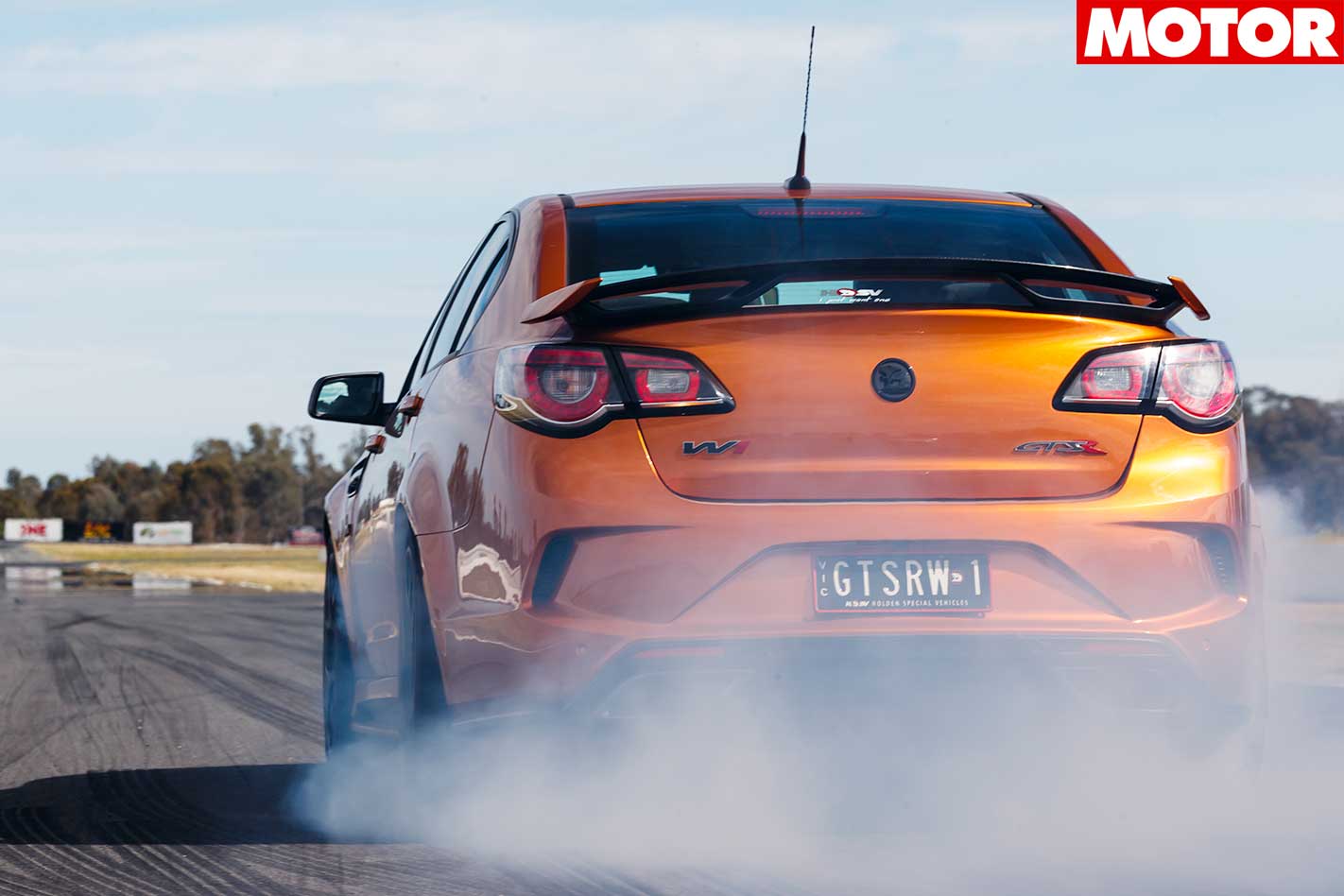
The truth is not quite so extravagant. The R-Spec tyres, for instance, will be a liability in some circumstances. The close ratio gearing means the W1 is busier at a freeway cruise than a standard-issue GTS. And the suspension is getting up there for being as stiff as the set-up in a Supercar heading for a street circuit – so the ride isn’t great.
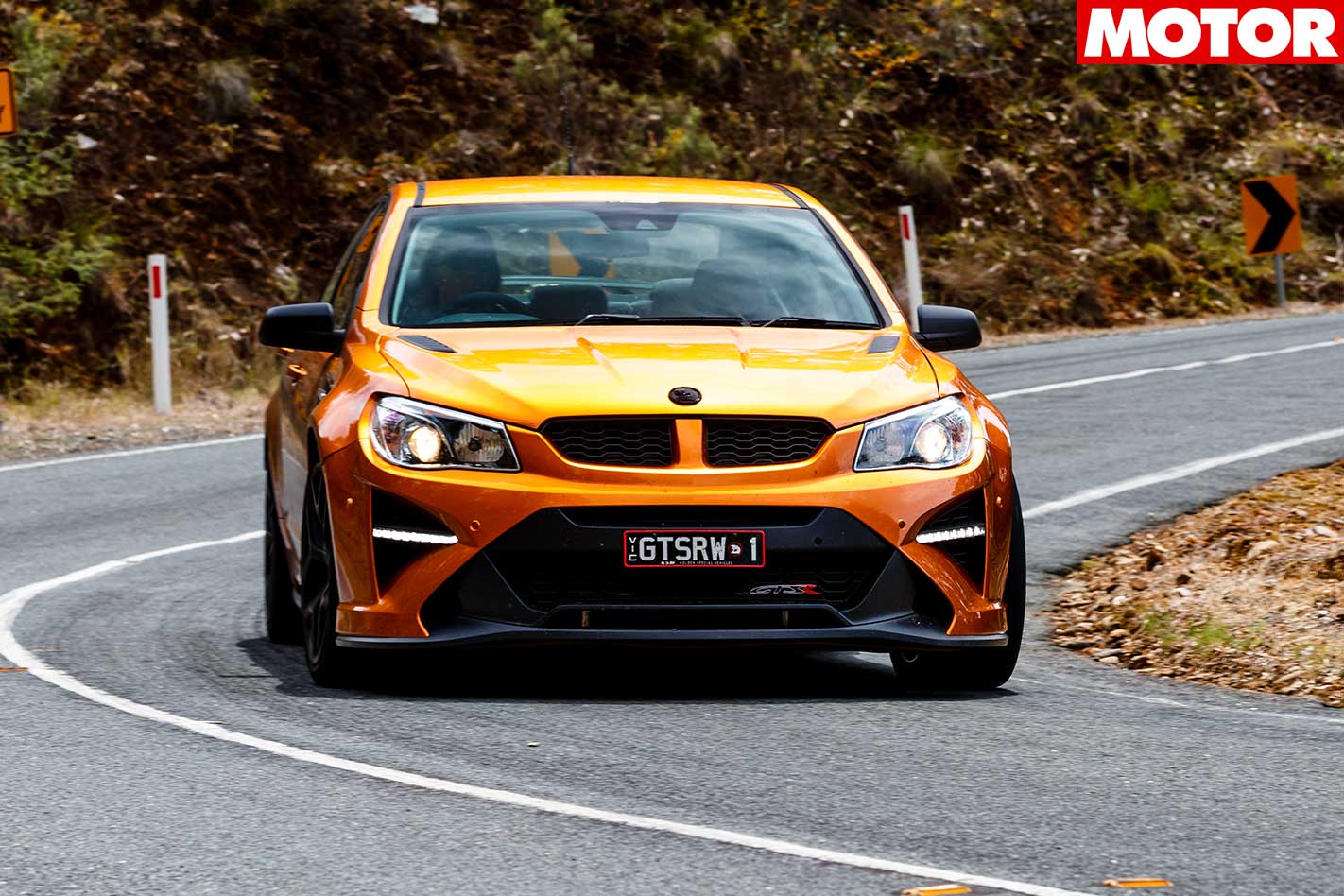
It’s probably a moot point, anyway, since most W1s are destined to live a pampered, trickle-charged, security-garaged existence. Irony being what it is, the fastest HSV ever is also the one that is least likely to ever be driven.
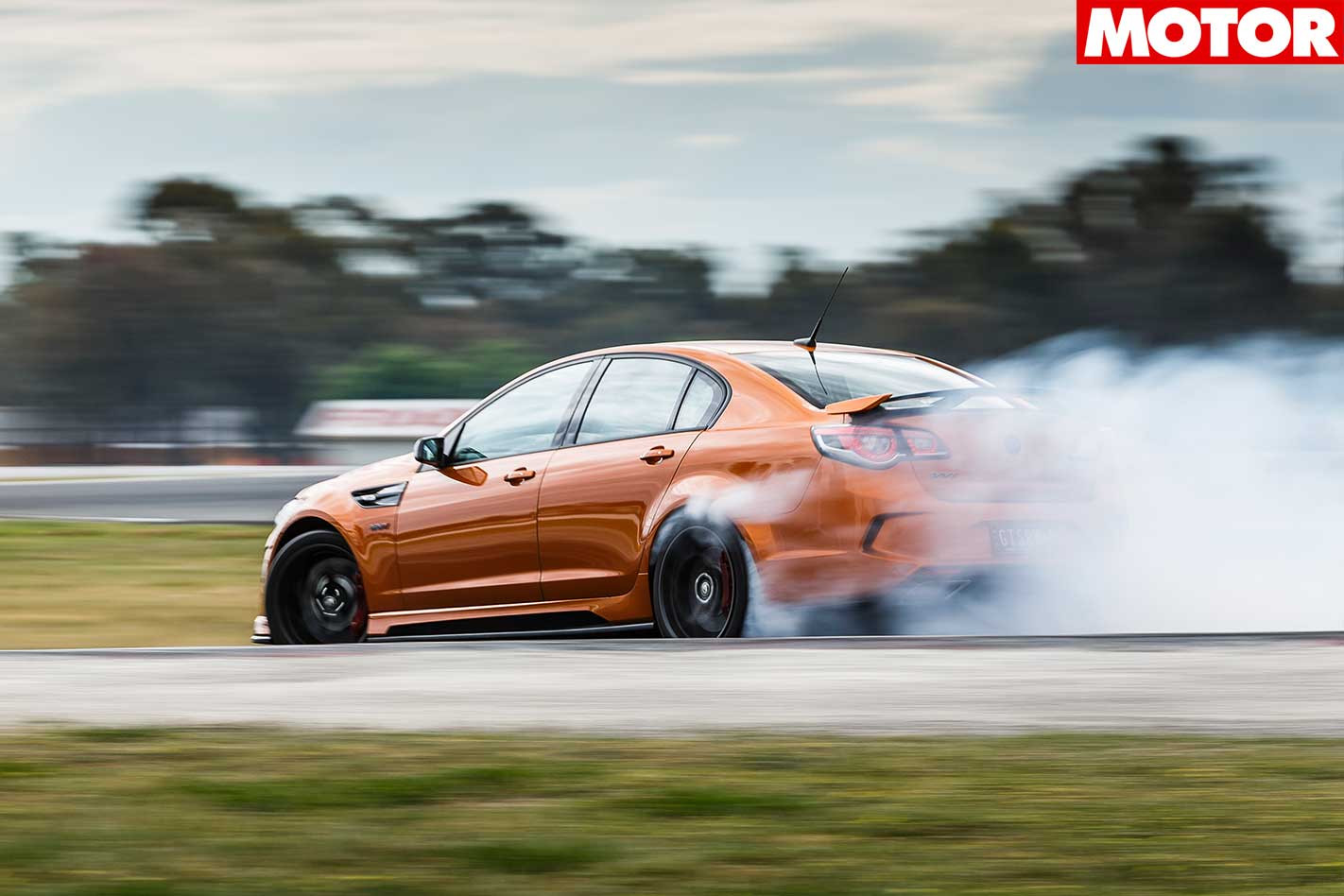
Instead, it dug deep and gave us the W1, ensuring that the whole thing went out with a bang, not a whimper. And for that, we must be thankful.
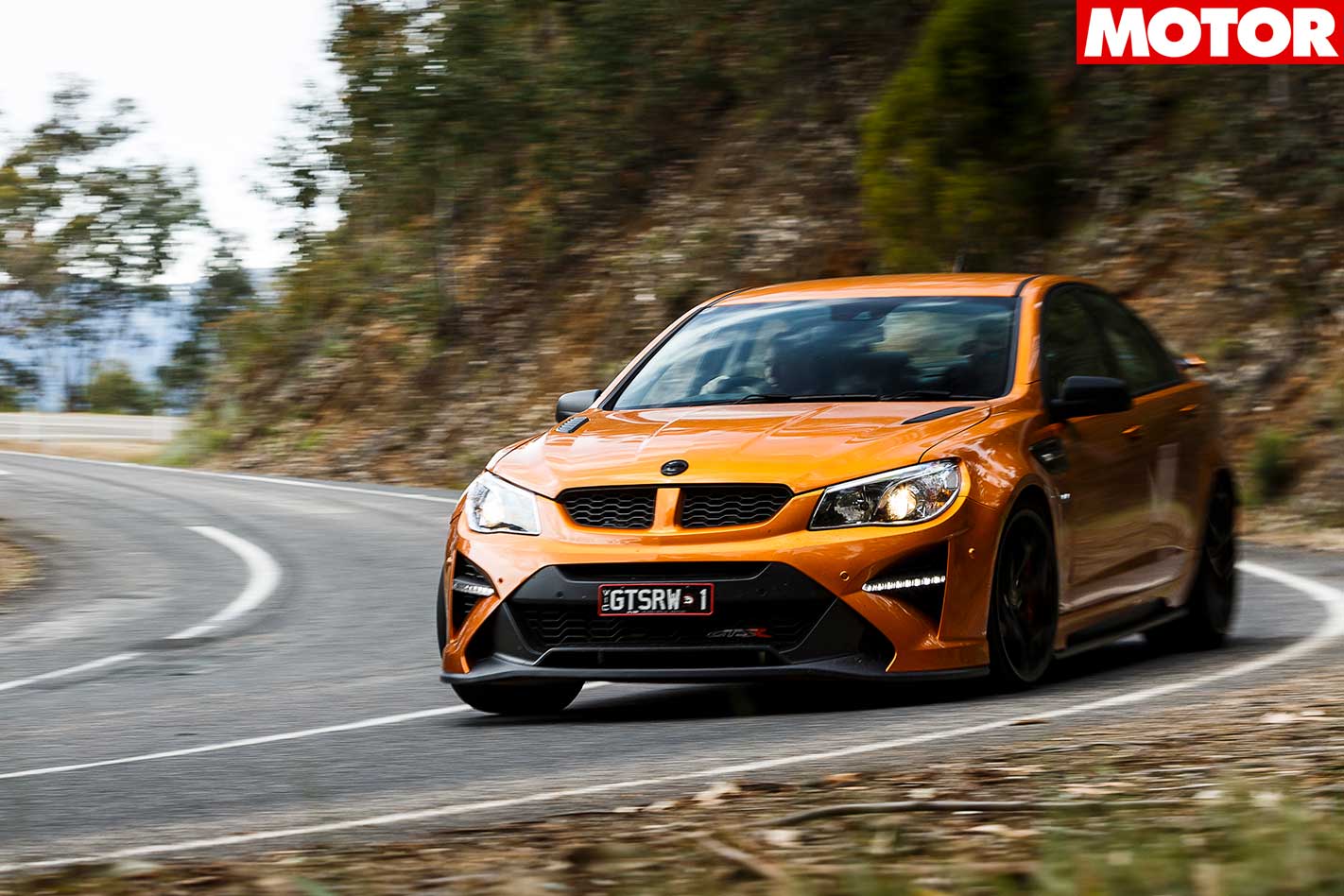
2018 HSV GTSR W1 SPECS: Body: 4-door, 5-seat sedan Drive: rear-wheel Engine: 6162cc V8, OHV, 16v, supercharger Bore/Stroke: 103.1 x 92.0mm Compression ratio: 9.1:1 Power: 474kW @ 6500rpm Torque: 815Nm @ 3900rpm Power/Weight: 250kW/tonne Transmission: 6-speed manual Kerb weight: 1895kg Suspension: struts, A-arms, anti-roll bar (f); multi-links, coil springs, anti-roll bar (r) Brakes: 410mm ventilated/drilled discs, 6-piston calipers (f); 372mm ventilated/drilled discs, single-piston calipers (r) Wheels: 20.0 x 9.0-inch (f); 20.0 x 10.0-inch (r) Tyres Sizes: 265/35 R20 (f); 295/30 R20 (r) Tyres: Pirelli P Zero Trofeo R Price: $169,990
0-100km/h: 4.16sec (6th) 0-400m: 12.18sec @ 195.68km/h (6th)
Morley – 5th I feel privileged to have given a W1 a good thrashing at PCOTY. Most won’t be so lucky.
Campbell – 5th Epic engine feels naturally aspirated. I just want one.
Newman – 4th A loveable monster – works on road, awesome on track. Goodbye big fella.
Robson – 3rd A fine rear-driver and the best VF ever… but it’s not the best car here.
Reynolds – =4th Excellent brakes, heaps of grip, but not as much power as I thought there’d be.
JUDGES’ SCOREBOARD
| u00a0 | Campbell | Morley | Newman | Reynolds | Robson | Total |
| Performance | 9.5 | 7 | 9 | 8 | 9 | 42.5 |
| Dynamics | 8 | 6 | 9 | 8 | 8 | 39 |
| Accessibility | 8.5 | 8 | 7.5 | 8 | 7 | 39 |
| Liveability | 4 | 5 | 6.5 | 7 | 7 | 29.5 |
| Value | 6 | 6 | 5 | 7 | 8 | 32 |
| X-Factor | 10 | 9 | 9 | 9 | 8 | 45 |
| Total | 46 | 41 | 46 | 47 | 47 | 227 |
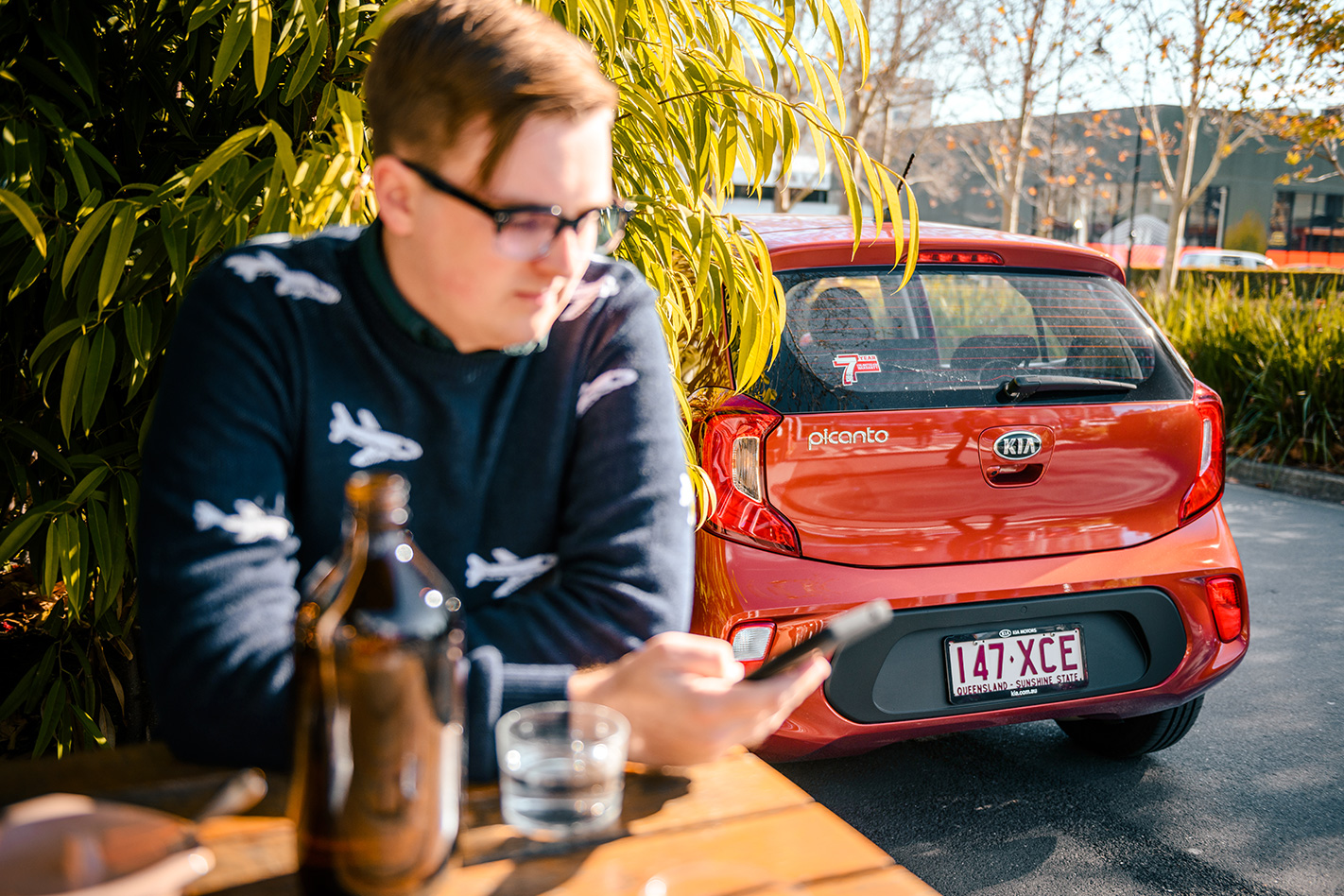
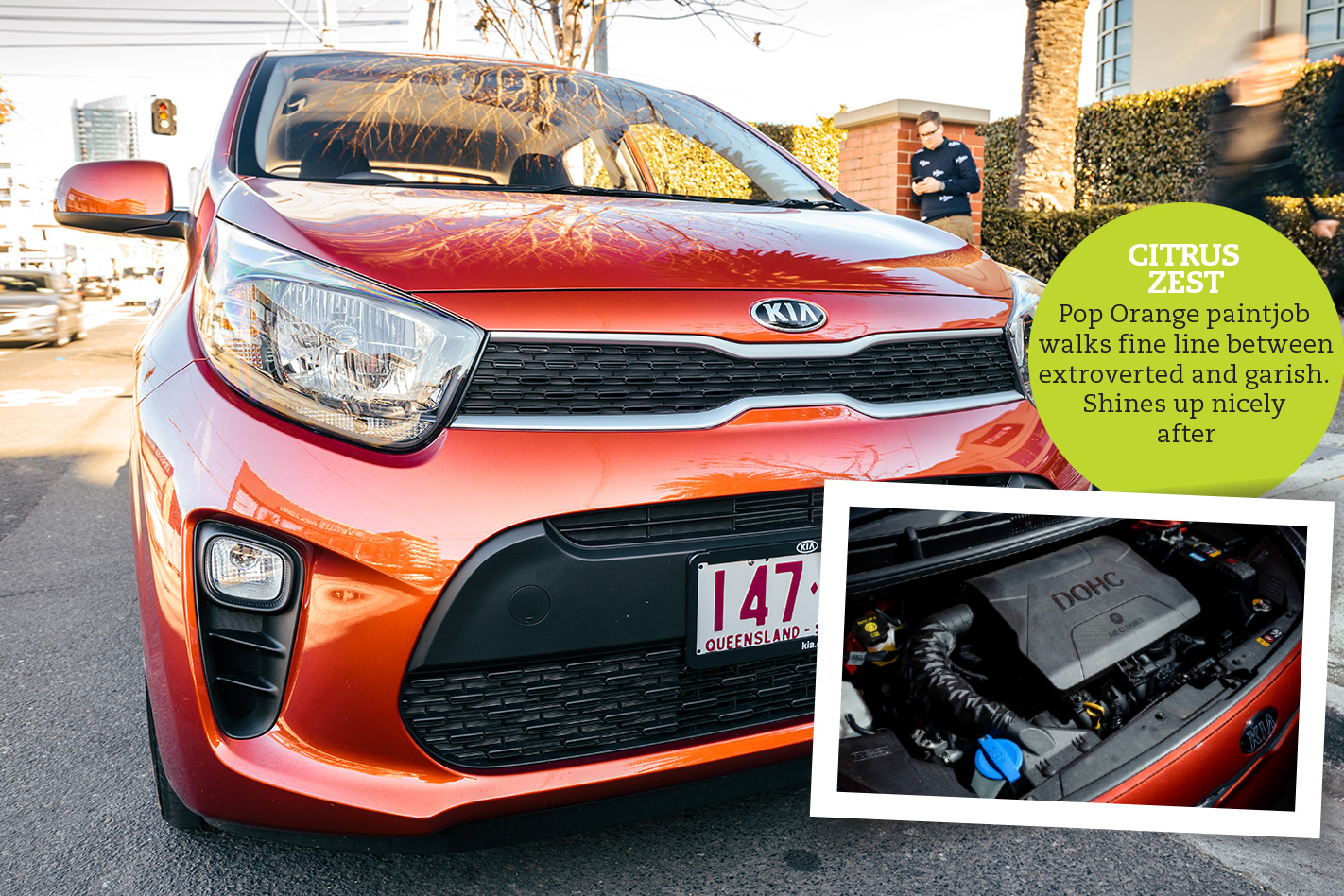
The name Picanto seems to be derived from the Spanish word picante, which translates roughly to mean ‘spicy’ or ‘zesty’ in English. And so far, my little orange spice pot has put plenty of zest into my daily commute.
When fitted with a five-speed manual gearbox, the Kia Picanto S is a very keen $14,190. My car has just one option fitted: Pop Orange metallic paint costing $520. It should be noted the only paint colour not charged for is the Kelvinator-inspired Clear White.
That manual gearbox has me high-fiving myself, especially after my panning of the transmission in my last long-termer, the auto-only Suzuki Baleno GLX.
I think I’m in safe company to say this: a manual ’box should be the first choice for any discerning enthusiast.
However, the stark reality is manual sales are on a crash course for rock bottom, and modern autos are now so good that even ardent car lovers defend and support their choice. The perception is an auto is easier live with day-to-day, but let me, and the Picanto, offer a counterpoint.
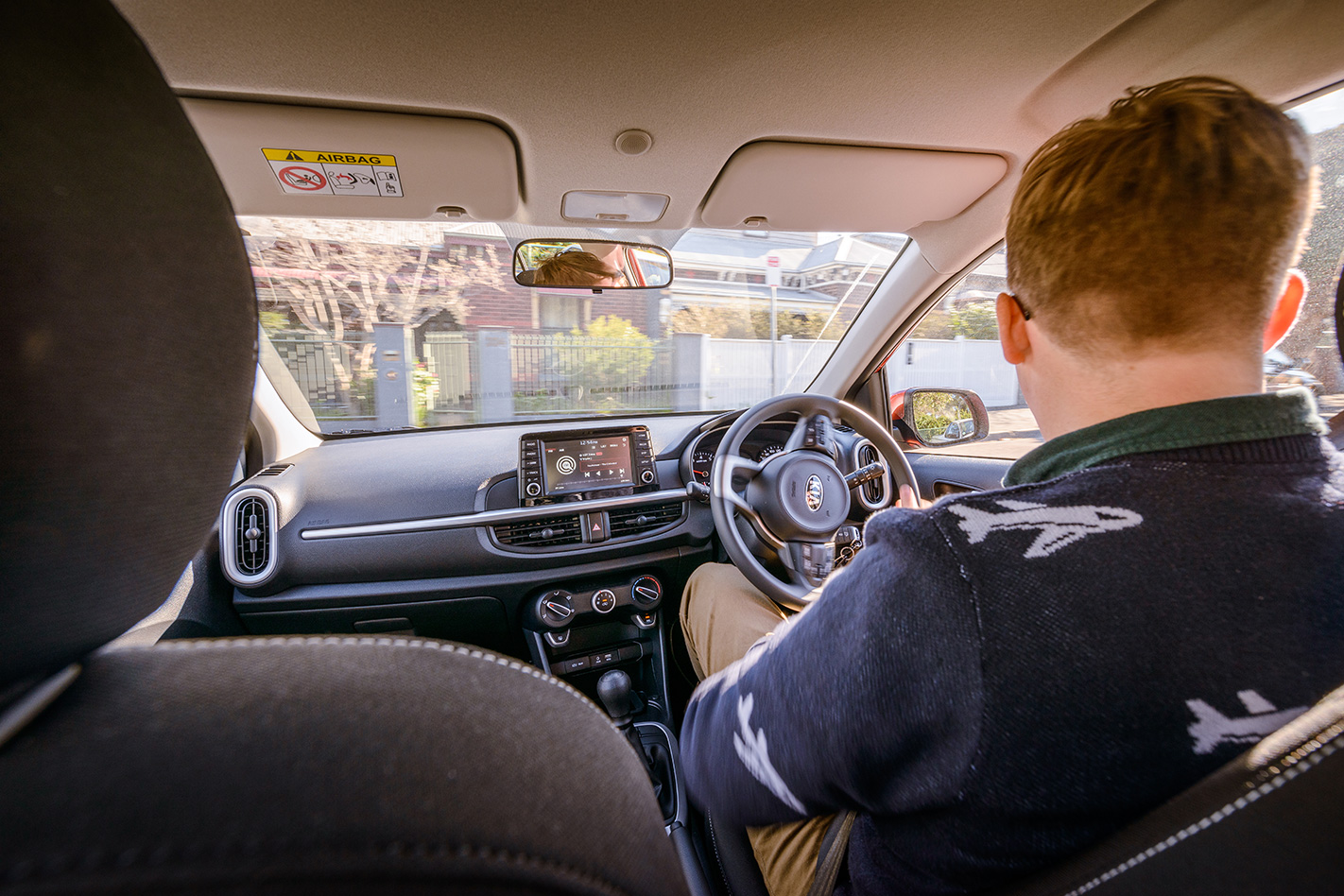
Not only is the manual gearbox in this little hatch $1500 cheaper than the auto – around 10 percent of the purchase price, so it’s significant – but it’s a genuinely likeable set-up thanks to a light, progressive clutch action, and an easy, positive shift feel. You can simply breathe on the lever and the Kia will pluck another gear.
I have several more months with the Picanto to see how the transmission improves or hinders my day-to-day commute, but so far so good.
It’s only been on our fleet for a few weeks but the Picanto has already attracted plenty of attention from the rest of the Wheels team, many of whom are accustomed to driving much quicker and significantly pricier metal.
A combination of annual leave and the need for a larger vehicle for my social plans has meant requests for a steer have been obliged for the most part.
But not anymore, for their desire to get a taste of the Picanto is only outstripped by my infatuation with it. My recent move has provided a longer, and much more interesting commute to work that has allowed me to lap up the extra layer of involvement the Picanto’s manual ’box provides.
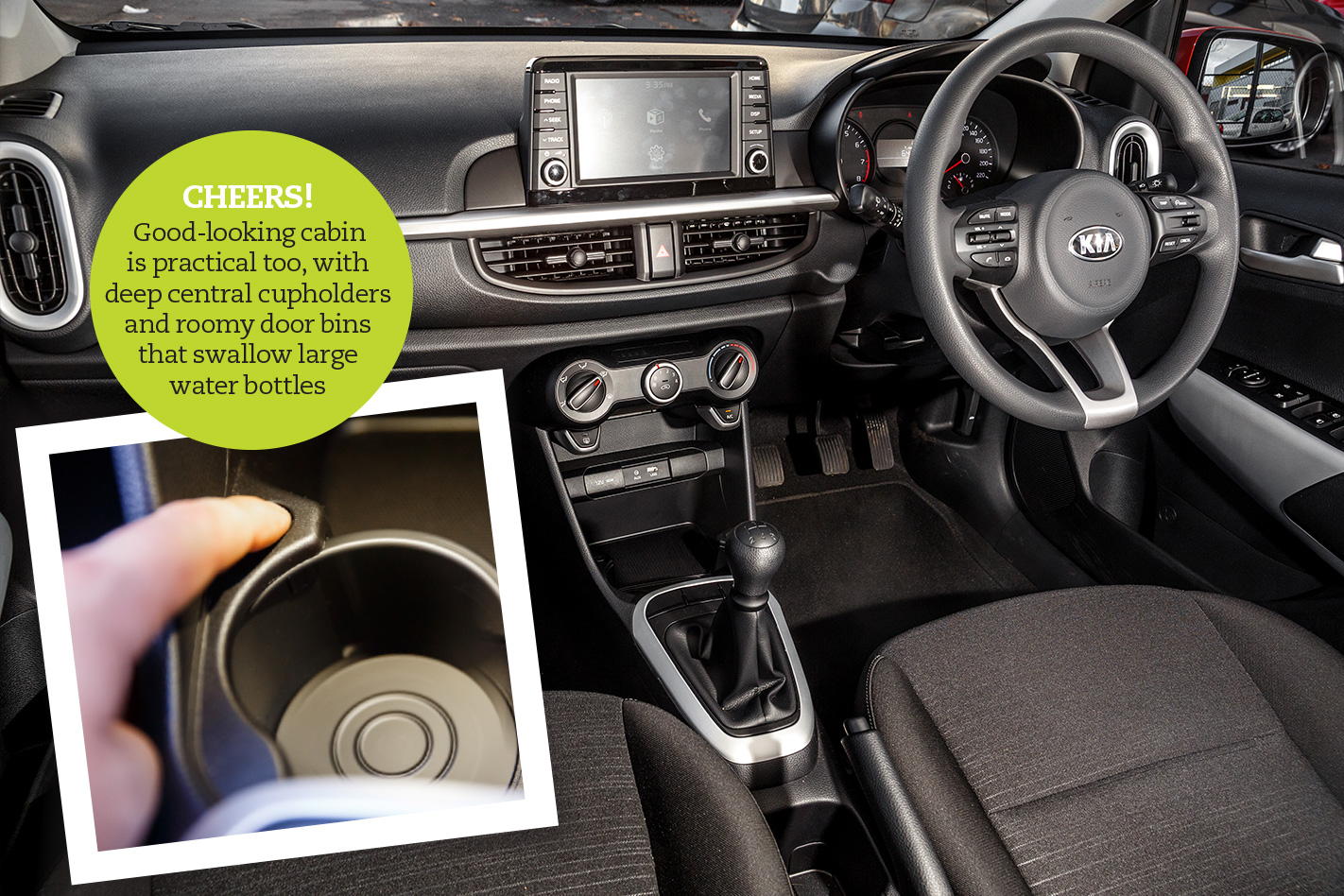
Inside the cabin, my expectations were for more austere drunk tank than well-trimmed grand tourer, but the Picanto surprises.
It’s not a world of luxury but for the class and price point, it’s a rather pleasant place to spend time. The 7.0-inch touchscreen infotainment system is a sleek unit, and despite the prevalence of plastic, it’s not the shiny, scratchy stuff that can plague this segment.
On-road impressions have been relatively brief so far, but overwhelmingly positive. Kia’s efforts to tune the suspension for Aussie roads have paid off, with the Picanto feeling both nimble and chuckable, with a ride that the Aussie team can be proud of – there are no light-car jitters here.
But the real joy so far has been the engine. The 1.2-litre naturally aspirated four cylinder might sound uninspiring on paper – it makes just 62kW and 122Nm – but it’s rev-happy and plenty gutsy enough to whip the sub-tonne hatch up to speed. Sure, it’s not going to break any records, but it never feels sluggish or underpowered.
I’m eager to delve deeper into the ownership experience of the Picanto in the coming months to see if the buzz from our first few weeks can be sustained.
Tell in-built nav where to go
Among the Picanto’s list of standard features you’ll notice a glaring omission: sat-nav. In fact, you can’t even order it on the Picanto as an option. For the majority of the population this won’t be a problem as the little Kia comes with Apple CarPlay/Android Auto smartphone connectivity as standard, meaning its screen integrates with your phone’s in-built guidance. Once you go Google Maps, which is smarter and faster than most others, you won’t go back.
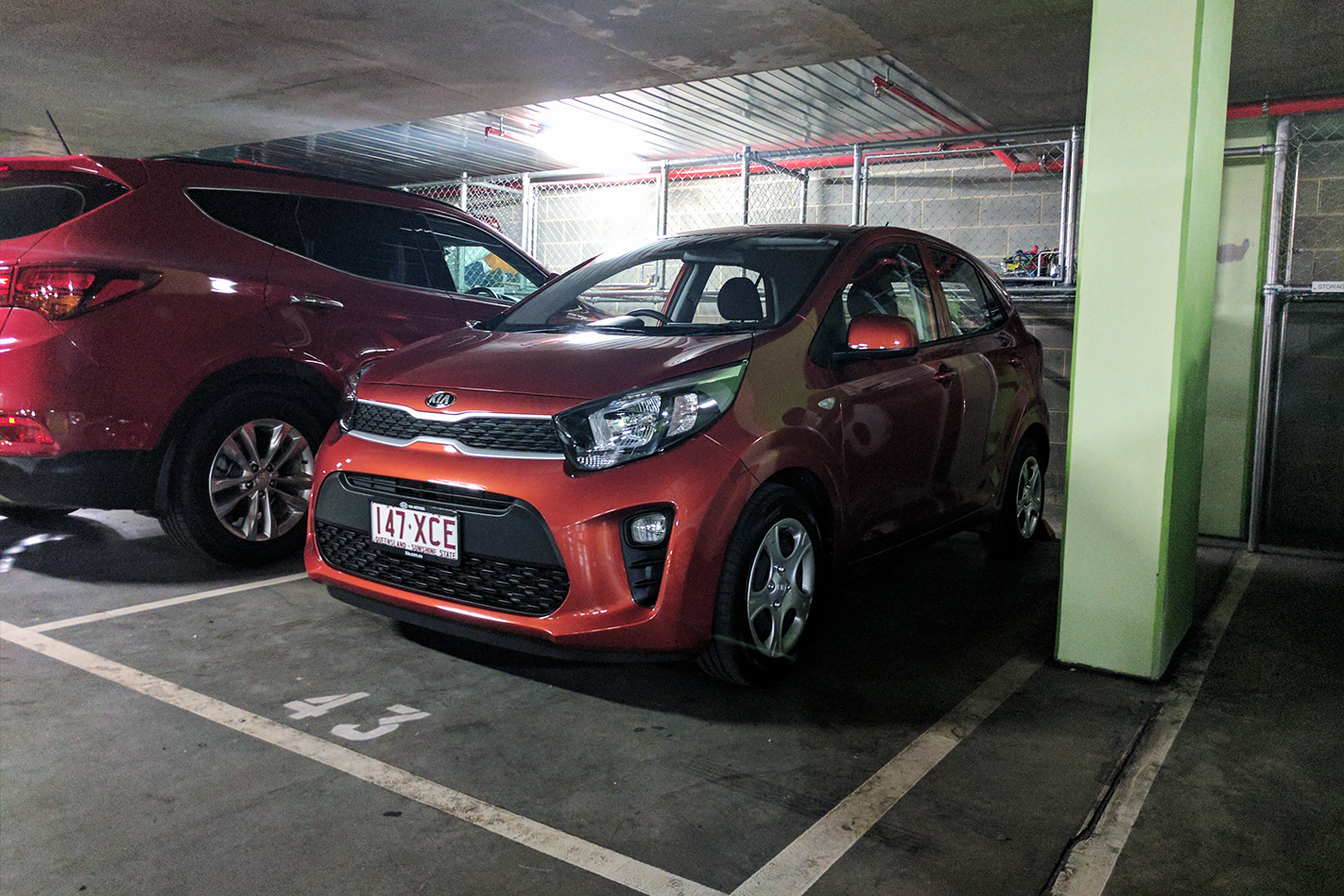
Parking joys
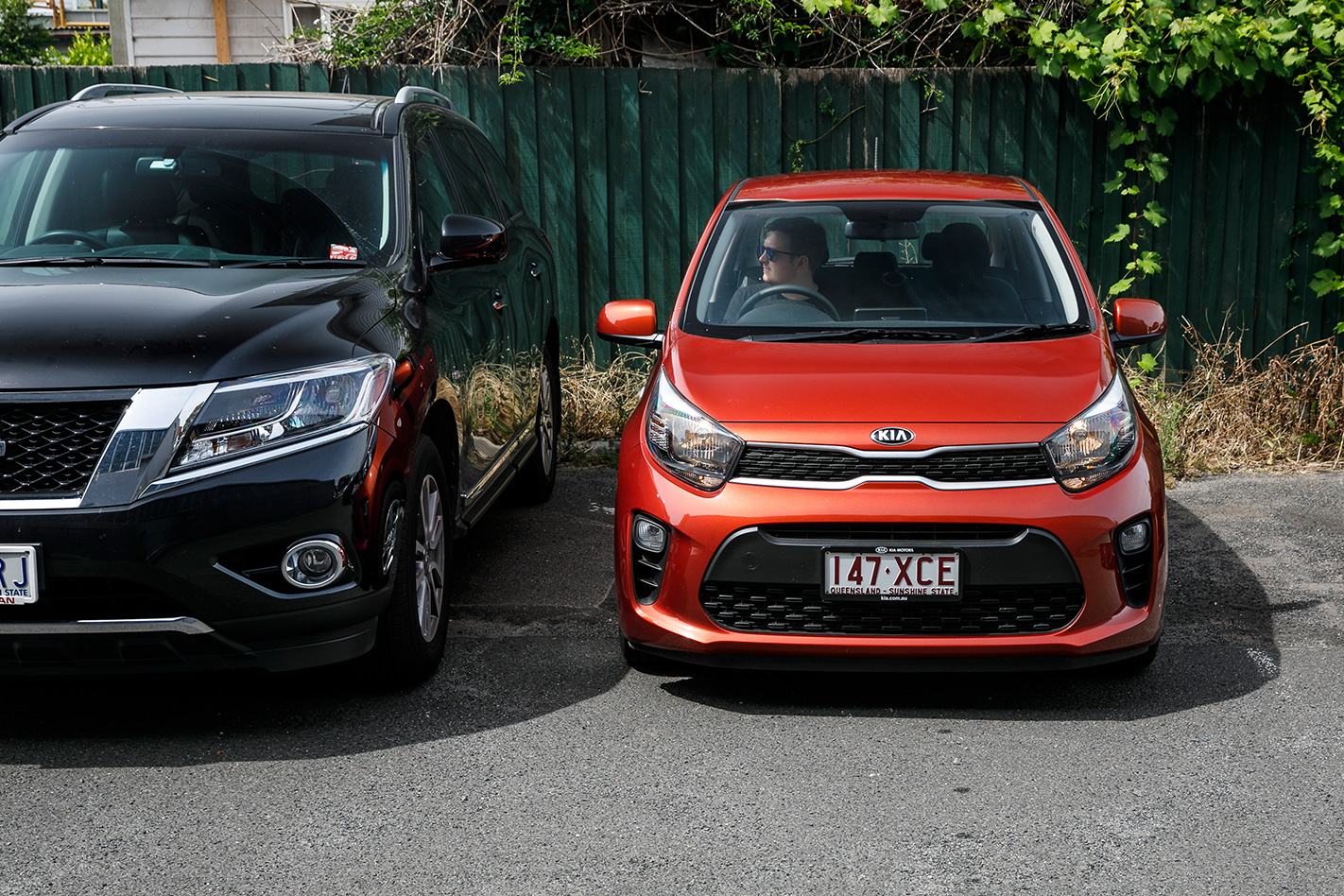
The new Chateau de Kirby is — like any good millennial dwelling — an inner-city apartment building. This means regularly navigating an underground carpark. Throw in a rather obtrusive cement pillar and a neighbouring SUV, and my daily parking routine has become quite a test of the Picanto’s manoeuvrability. Happily, the light steering, great vision, minimal overhangs, crisp rear camera, and diminutive stature make it a breeze. Fits like a glove, every time. Attempting the same move in a Kia Carnival? Not so much…
Update #2
LIFE with the Kia Picanto has been relative this month; relatively uneventful, fuss-free, and without any major downers.
Even the steering in the Picanto is relative – to your speed, that is. You see, the electric steering in the Kia changes its weighting depending on how fast you are moving, and it is one of the hidden delights of the car.
At low speeds, the steering wheel can be twirled with ease, spinning through its 2.7-turns lock-to-lock effortlessly; brilliant for car parks and slow-speed manoeuvring.
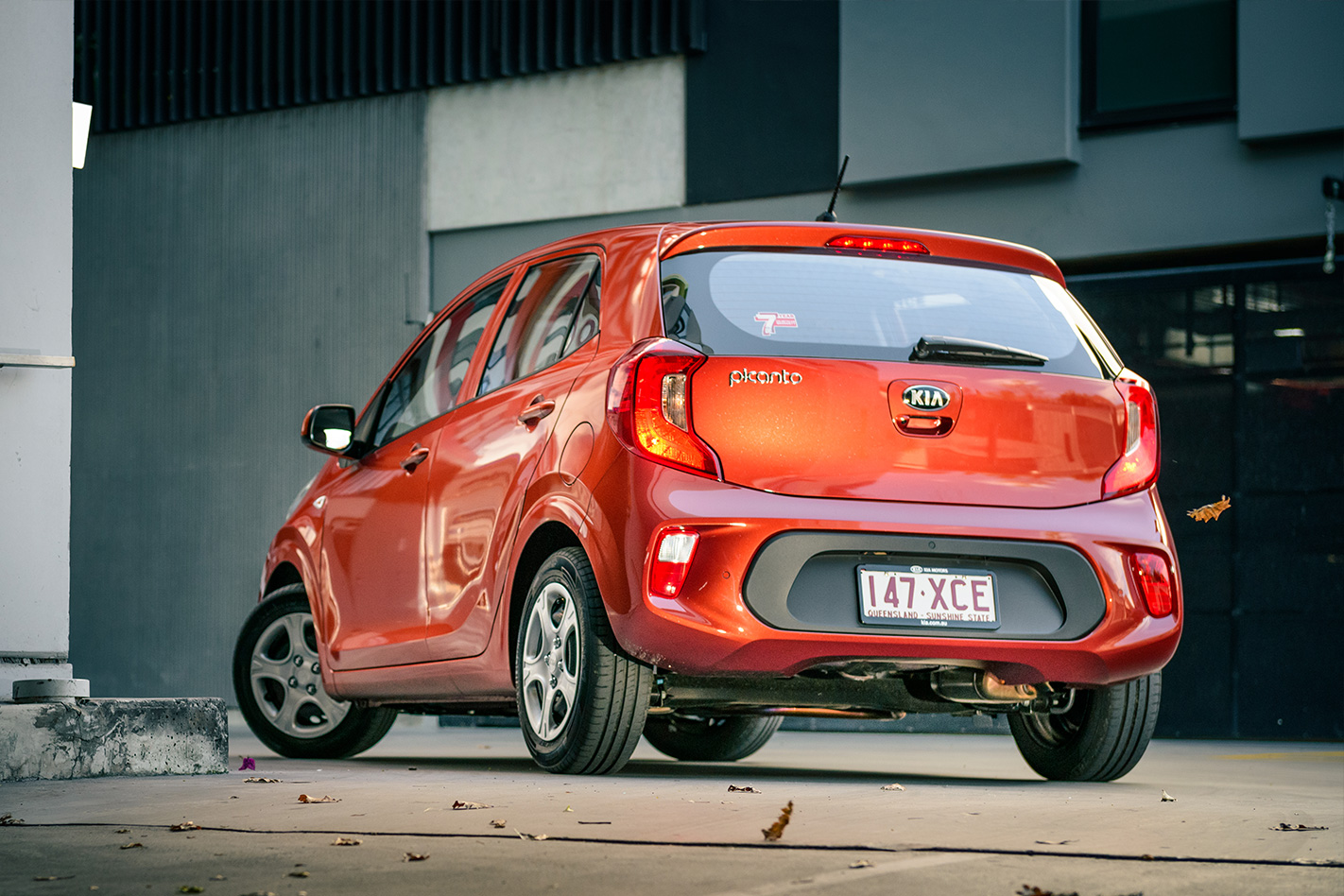
Pick up the pace to ‘around town’ levels and there is more weight to the wheel, which nails the middle ground between too light, where the car can feel remote, and too heavy, where regular day-to-day driving can be tiresome.
At highway speeds the Picanto S feels surefooted, in part thanks to the variable assistance. At 100km/h the weight of the wheel again sits in a sweet spot where it offers just enough resistance to eliminate any ‘sneeze-factor’ at the straight ahead, but with nice tactility when applying some input.
Even the inside of the cabin has been a lesson in relativity. One of the Picanto’s weak points is road noise at highway speeds, which can become quite loud. This is most noticeable in rainy conditions, or on roads with a less-than-perfect seal. Small rocks pitter-patter against the inside of the wheelarches – I cope with this by imagining I’m in a stripped-out race car. But you have to look at it with context; road noise is a class norm for light econo-cars like the Picanto.
Recently, in a late-night Swedish-meatball-fuelled haze (egged on by my home-decorating girlfriend), I bought a new lounge chair. Hauling my new package from the Ikea warehouse to my apartment meant the Picanto would face its first serious challenge.
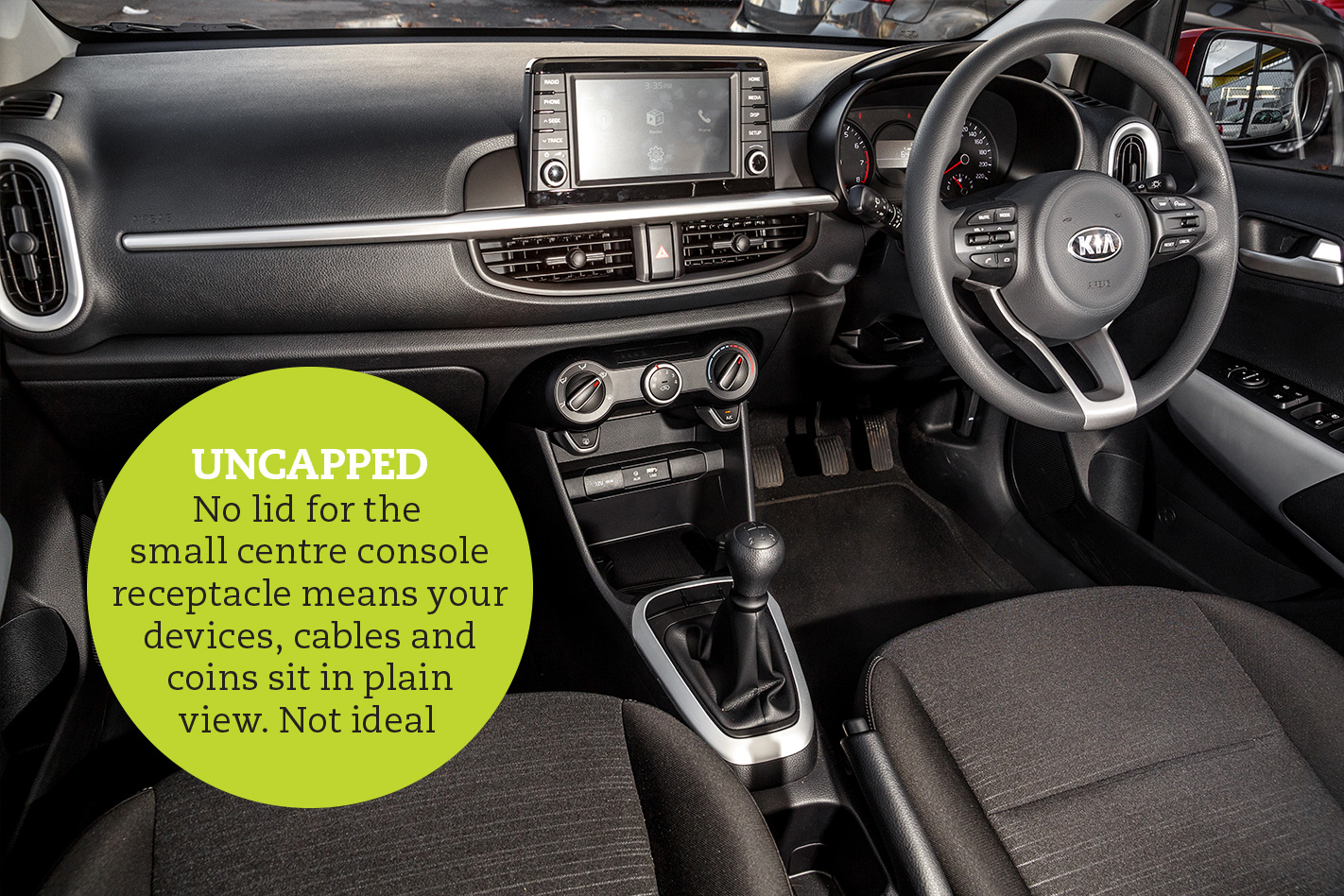
Unlike pretty much everything else bought from the Great Blue Swedish Hall, this lounge wasn’t a flat-pack item, and was roughly large enough to fill a small SUV boot.
On paper, the Picanto has 255 litres of luggage space with the rear seats upright, and 1010 with them folded. But what does that mean in reality? Well, with the backrest neatly stowed, my new purchase slotted into the Picanto with room to spare.
It was an instructive exercise because it would be easy to dismiss the Picanto as limited in load-carrying ability due to its diminutive exterior dimensions. Yet the little Kia passed its toughest test so far.
Time to ring a couple of mates, then, and organise a weekend away to really put its fully loaded abilities to the sword.
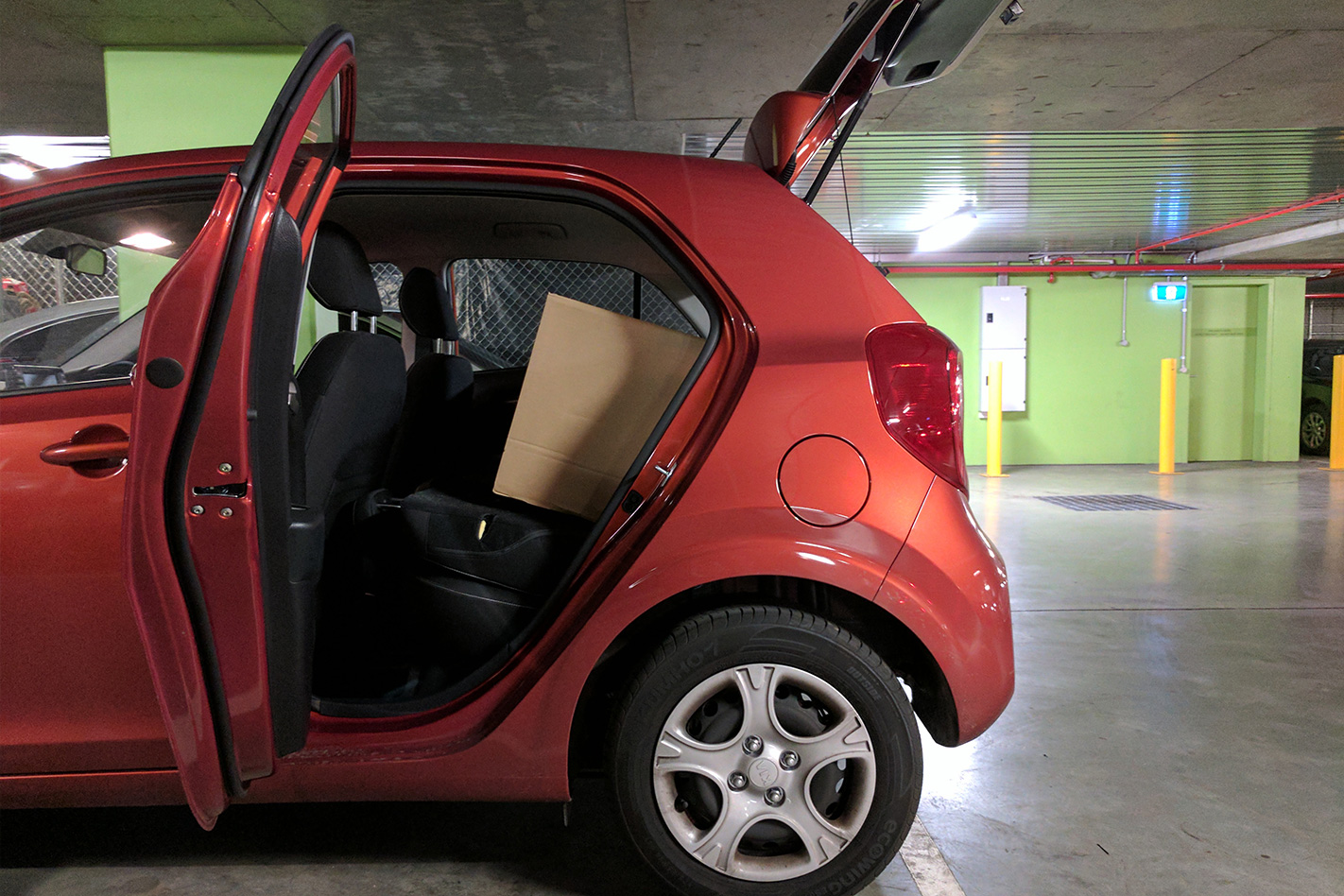
Flick, flip… no flop
Lowering the rear backrests in the Picanto is simple and swift. Flick the latches on either side of the cargo area and the 60/40 split seat drops effortlessly.
A bout of stubbornness and machoism meant I attempted to lower the rear seats while holding a rug for my living room in one arm.
Could I have put the rug down? Yes. But I didn’t have to, and before my girlfriend could chastise me, the new purchase was stored inside the cabin.
Update #3
It was an innocent query from a co-worker: “So, how’s life with the Picanto going as a long termer?”
Yet it was a question that caused a bit of soul searching for myself and my little Korean companion. “Brilliant!” was my reply. And I was serious.
For the past three months I’ve seriously enjoyed my time with the Kia Picanto. But that wasn’t a satisfactory answer for old mate.
“Come on! Surely there is something you don’t like about it so far? It can’t be that good.”
To my own surprise I didn’t really have an answer for him. But it was cause for pause.
Had I been having so much fun working the three pedals and carving up traffic that I’d reached the halfway point of my time with the Picanto, and not come up with a serious gripe? No car is that good. There must be something that irked me. So for the next week there was some serious reflection.
What resulted was the following list of ‘problems’ I’ve come across with the Kia. The arm rest is hard plastic, making it an uncomfortable place to, well, rest your arm and elbow. Yes, I know – proper driving technique and all that. But perching an elbow on the arm rest during a long drive is acceptable in my books.
Even after three months I haven’t memorised the difference between the dial for volume, and the radio tuner. Both are marked with small stickers, but with eyes forward they look identical. I’ve inadvertently ended up scanning the FM waves when I intended on pumping the volume on a tune.
Weirdly, heavy freeway use this month didn’t see a discernible drop in fuel consumption despite Kia’s 4.2L/100km extra urban claim. In fifth gear, at 110km/h the 1.2-litre four-cylinder sits at over 3000rpm and offers around 400km per 29-litre tank.
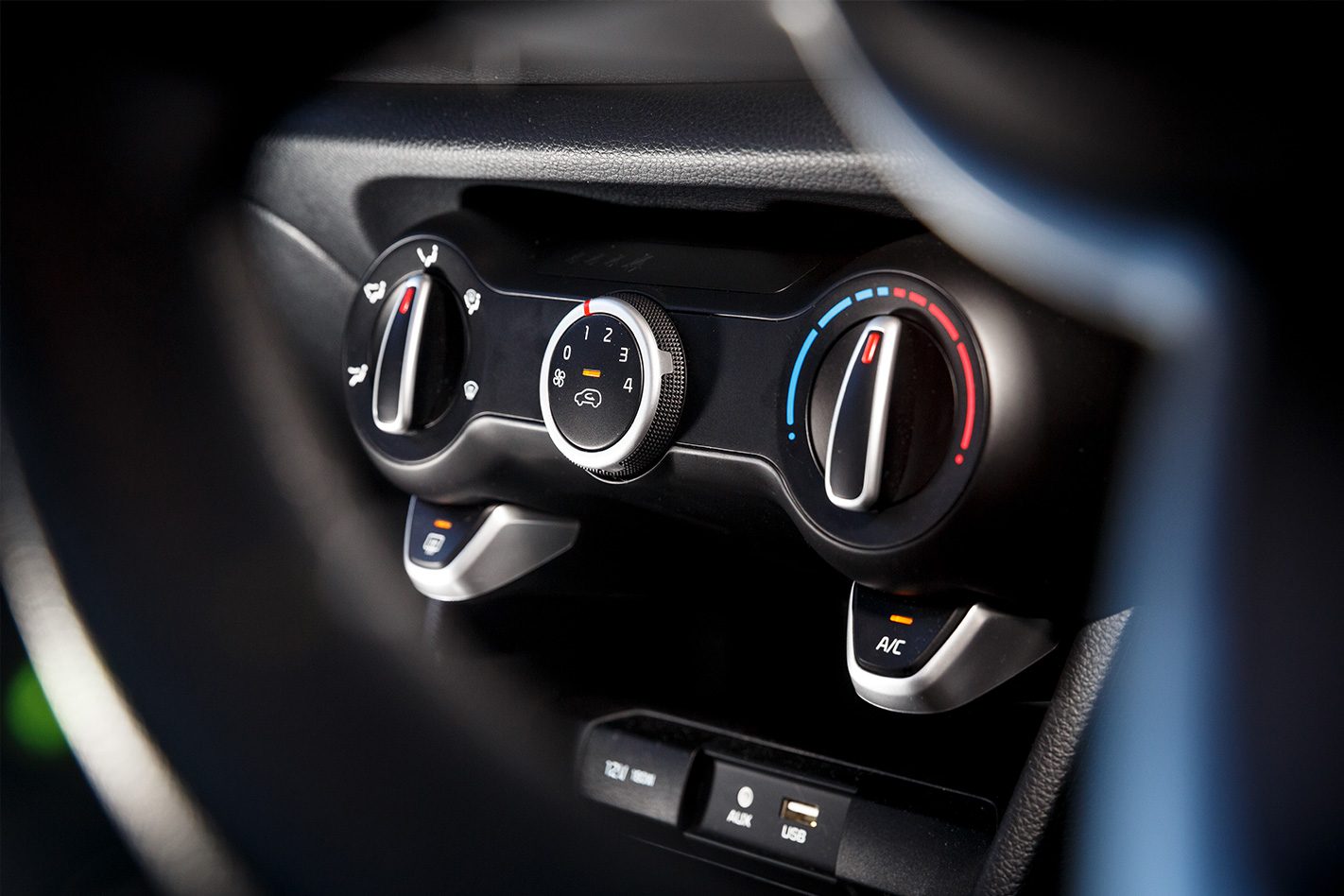
The climate control is probably the biggest mark against the Picanto’s name. Firstly, the heater takes a painfully long time to start functioning, which forces me to rug up with several layers for the first half of my commute home on cold Melbourne winter nights. Secondly, temperature control is a guessing game. Put the dial into the blue, and you could still have warm air being pushed out. Dial in the red? Cold air. You almost get the feeling the Picanto is taking your temperature suggestions on board, but will ultimately do as it pleases.
Admittedly these are relatively minor shortcomings with the little hatch, and there has been nothing that really knocks the shine off its impressive capabilities.
Yep, when you put all its great and not so good qualities in the context of the Picanto’s price and competitor set, nit-picking is not easy.
Lights, camera … Picanto?
The Picanto isn’t far off having its own trailer, after making a television debut recently. The Picanto claimed outright honours in Wheels Magazine’s very own Gold Star Cars award (October issue) which earned it a starring appearance on breakfast television (presented by Editor Inwood).
Its low depreciation, sub-$15k entry price, and the fact the manual gearbox provides brilliant saving in both fuel efficiency and overall cost are what clinched the Picanto’s prize. What next? A cameo on Dancing with the Stars?
Update #4
While it’s still a month until the 2018 Wheels Car of the Year winner is announced, we recently completed testing at the Lang Lang proving ground, and its surrounding areas, in what was a brilliant week.
I was part of the support team, which meant the Kia Picanto was left at the office while I absconded for seven long days of motoring nirvana.
But come the end of it all, with hundreds of gigabytes of photographs and video shot and the voting tally complete, it was still soothing to return to my Picanto.
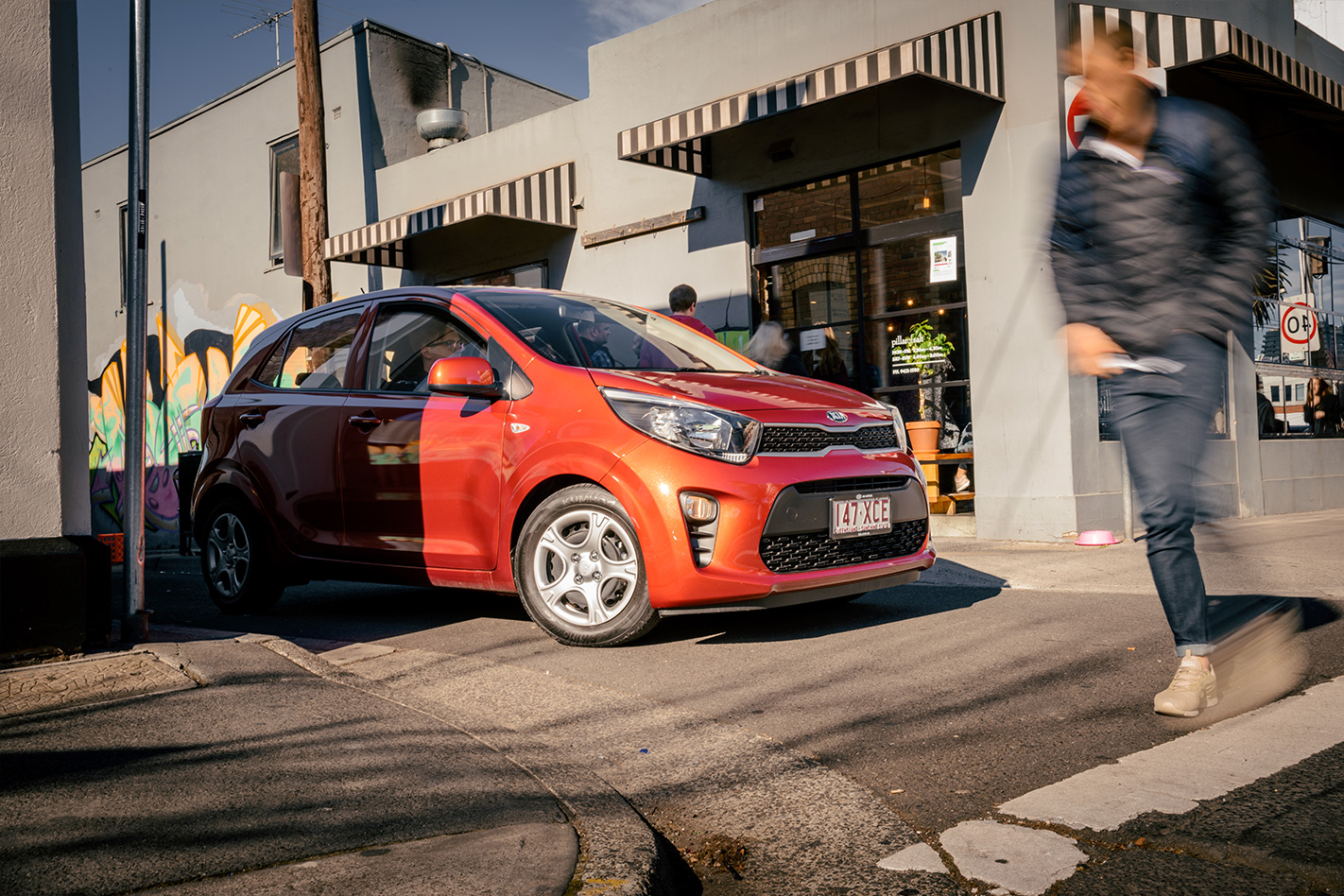
Nestled inside the cabin, I let out a deep sigh, relaxed back into the seat, slotted the shifter into first, and eased out the clutch to begin the trip home. I creeped out of the carpark … and then damn near put my head through the windshield.
You see, during my soiree with the COTY contenders, I had forgotten about the light-switch sensitivity of the Picanto’s middle pedal. A mere stern look in the brake pedal’s direction is enough to have the Kia stand on its nose.
It caught me by surprise during the early stages of our time together, and once more at the end of COTY, but otherwise hasn’t been an issue. I’d rather a strong reaction from the brake pedal than sponginess and lethargy. It’s easy to adapt, and revised pedal pressure becomes second nature.
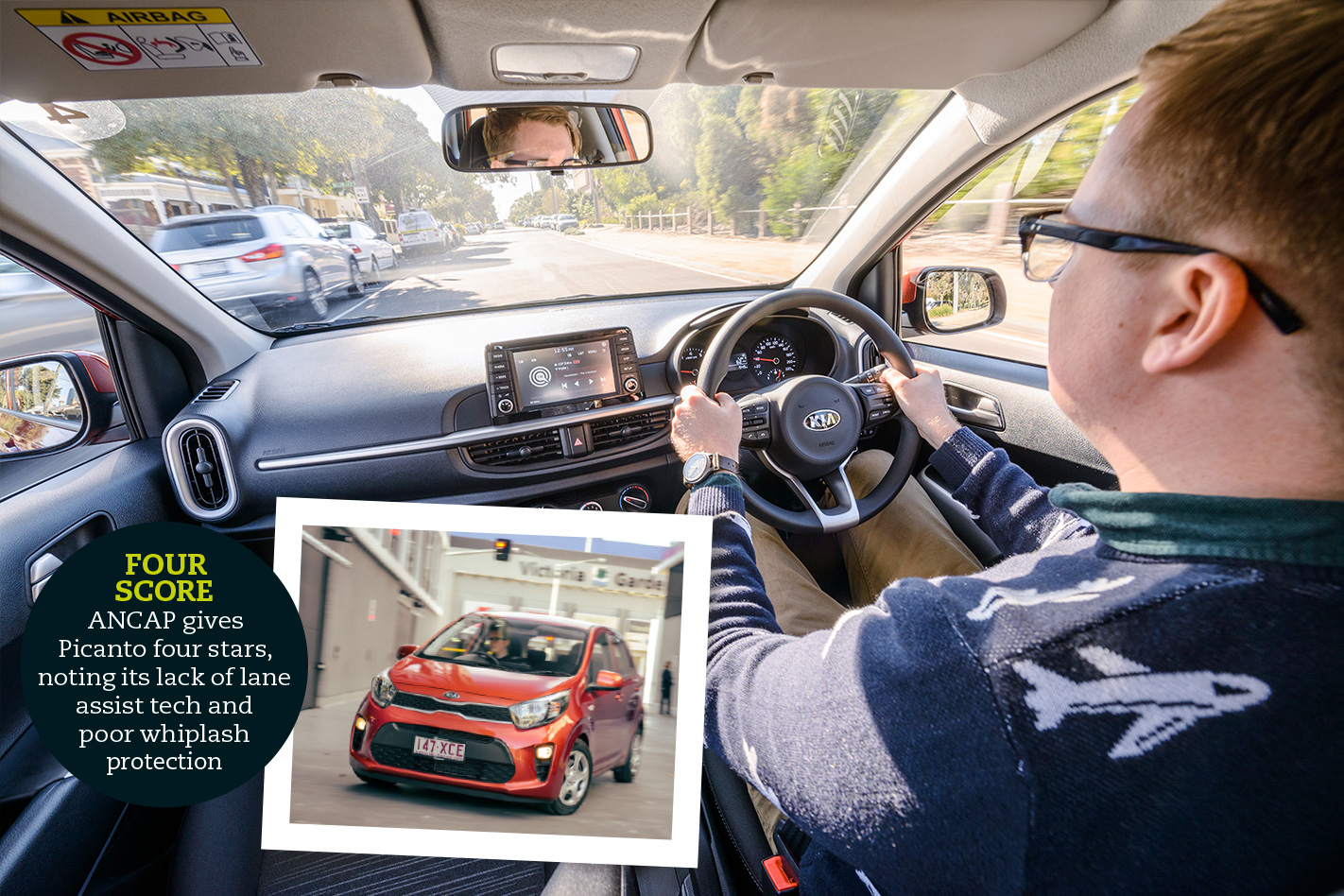
There have been two instances recently where I’ve found myself stomping the middle pedal, both times to avoid drivers who have sailed into roundabouts and not given right of way. I can attest my orange micro machine can come to a standstill pretty darn quick.
Which brings us neatly to another point: our Picanto lacks Autonomous Emergency Braking due to the system not being homologated at the time of launch. However, full credit to Kia’s local arm for ensuring a properly calibrated system is now ready for Australia, and having it fitted as standard on all models built since June. The system operates at city speeds and includes a forward collision warning.
It’s a nice safety net to have, but you can also take comfort in the fact the Picanto’s brakes will stop you on a dime if need be.
Now, I’m off to get my nose straightened after cracking it on the steering wheel.
Update #5
WANT to feel inadequate? Drive a Kia Picanto into a carpark filled with a supercharged Tickford Mustang, a duo of Porsches, a Golf R wagon and a Renaultsport Clio 182 with the intent of joining the cohort on a spirited run through some of Melbourne’s best driving roads.
It was like I’d walked into a skirmish armed with a pea-shooter, while my opponents were packing more firepower than a Southern Texan militia.
I might be getting a little ahead of myself here. I should explain why the Picanto S and I were surrounded by such a formidable armada.
It was painfully early on a Sunday morning, and I’d forced myself out of bed and some caffeine down my gullet in order to take part in a Drive against Depression ‘Treasure Hunt’ outing.
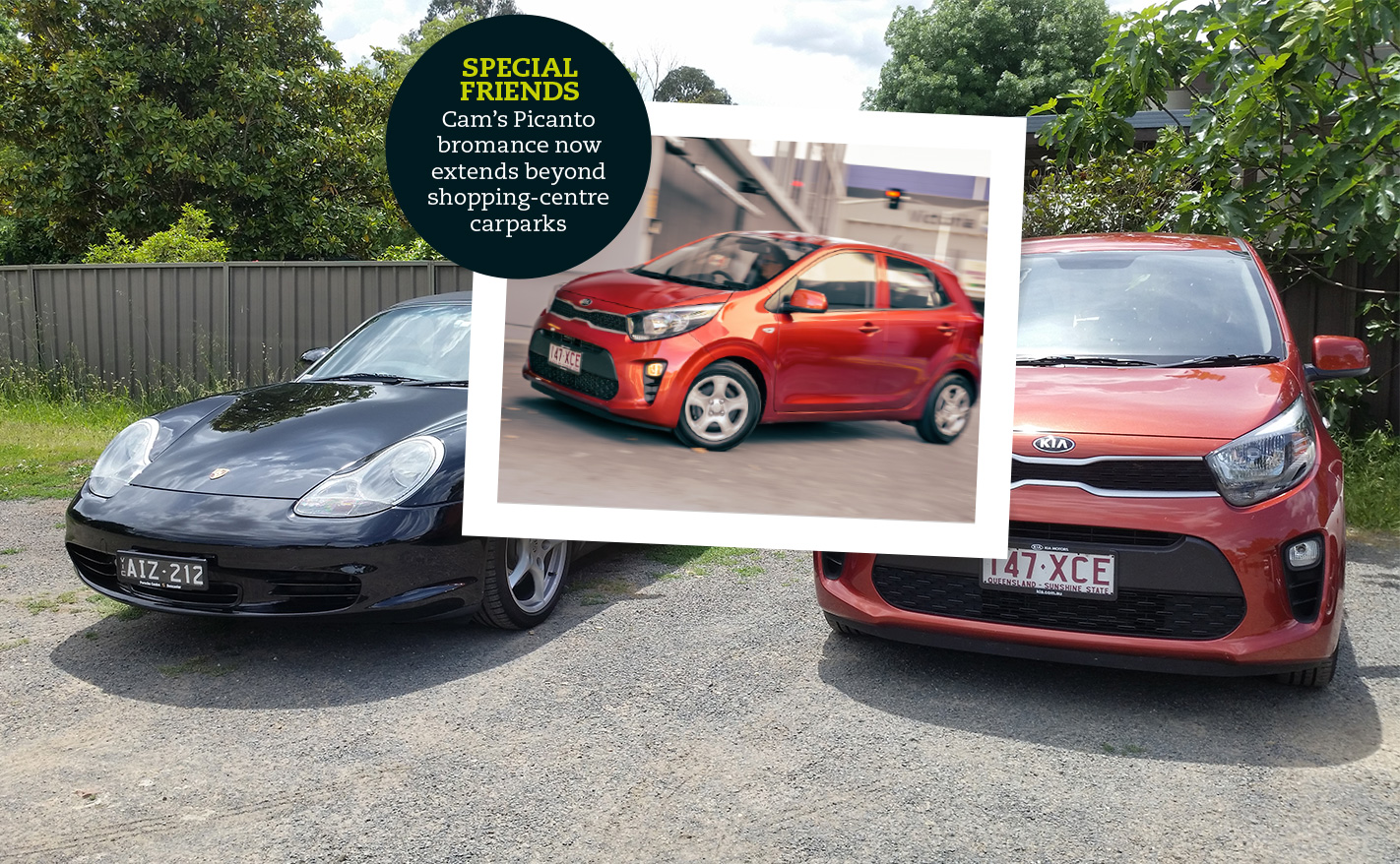
Drive against Depression is a wonderful charity intended to bring a community together around cars and driving, and using that opportunity to raise much-needed awareness surrounding mental health. While I was enamoured to the cause, I must admit there was a dual purpose to my attendance.
It was time to put the Picanto’s dynamic abilities on trial. It had become a secret point of shame that with the Picanto’s departure rapidly approaching, I was yet to have a proper back-road blat in my plucky little manual hatch.
There was some friendly banter over being relegated to a mere Kia Picanto for the weekend by my driving compatriots as we mingled before the event’s start. But given that Porsche wasn’t offering me a GT2 RS for the weekend, this event was going to be an exercise in making the most of 62kW.
Spoiler alert: the little Kia hatch is a riot.
This shouldn’t be a surprise to enthusiasts with a lack of badge prejudice. The tempting recipe of locally tuned suspension, rev-happy 1.2-litre atmo engine, five-speed manual gearbox, and sub-tonne kerb weight proved predictably enjoyable.
I found myself behind the Tickford Mustang tracking up Chum Creek Road – a nuclear warhead to my wrist rocket – and yet I kept the blown Ford in my sights. The Picanto is supremely chuckable, pitching into corners eagerly, nestling onto the outside front wheel, even cocking a rear at times.
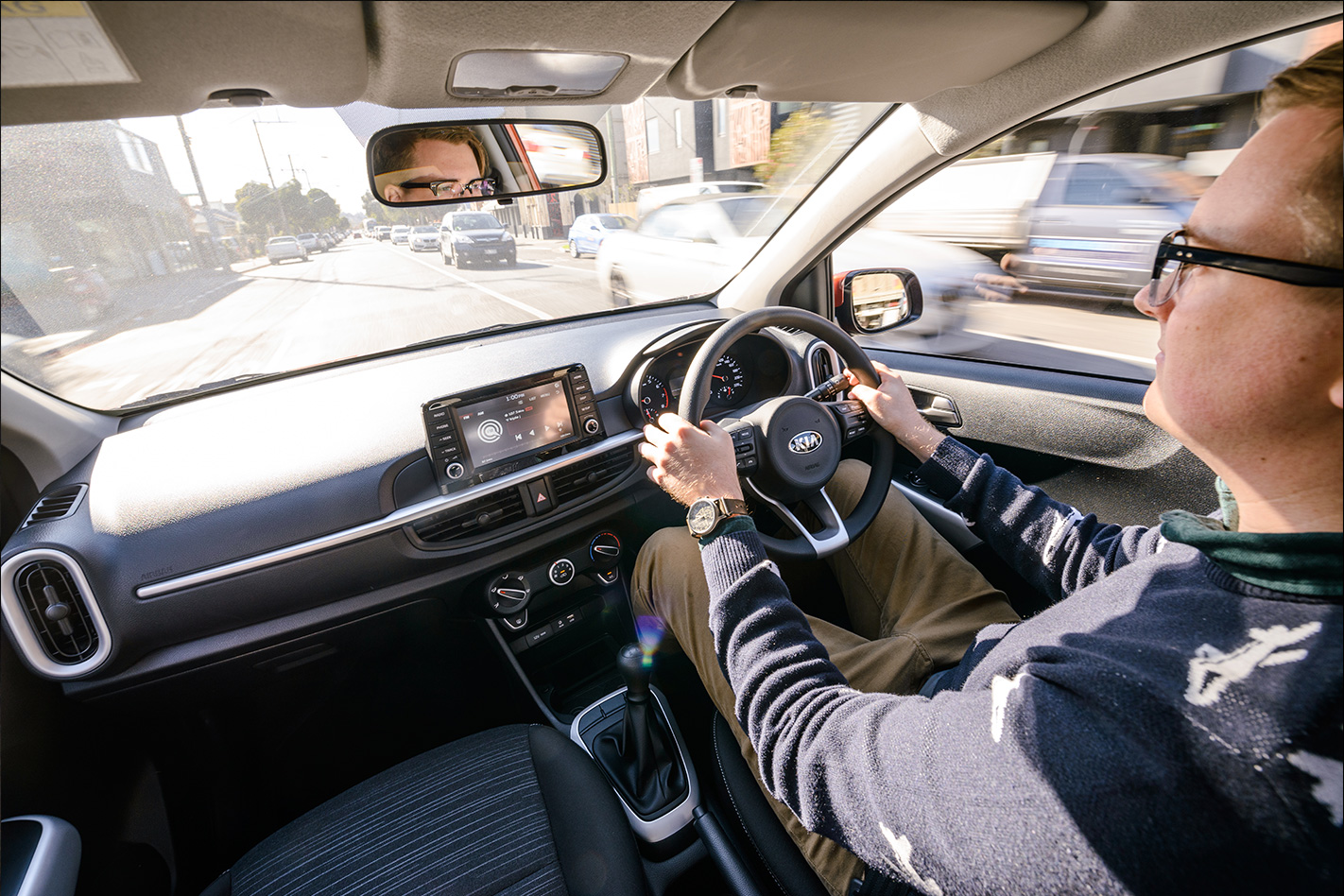
Gear selection was important to keep the engine singing above 4000rpm, but the reward is unexpected spunk. As I’ve previously mentioned, the Picanto’s steering changes weight depending on speed, and while it isn’t completely numb, with some feedback from the tarmac sent back through the wheel, it doesn’t telegraph clearly enough when the front tyres start to lose grip.
Yet what a joyful day to spend on brilliant roads, for a great cause, in fine company, shifting gears via a clutch and a delightfully light shifter, maintaining momentum through bends, and driving the tyres off my baby Kia.
If you dismiss the Picanto’s ability to put a smile on your dial simply because of its engine size or its badge, that says more about you than it does the car.
Farewell
The final days of 2017 were rapidly receding, and the moment had finally come to hand back the keys to my Kia Picanto long termer. Nestling myself into the cabin for one final farewell, I realised just how much I’d miss my zesty buddy.
In the lead-up to our paths diverging, I’d been driving the Kia Picanto like a teenager let loose on his parent’s car for the first time. At every traffic light grand prix, I rowed my way hastily through the gears. The seven-point-whatever per 100km fuel consumption is evidence of this. The Kia Picanto will happily oblige an overly enthusiastic driver, yet at the same time, you can plop an in-law in the passenger seat and glide around town smoothly and unobtrusively, without becoming a chicane for other traffic.
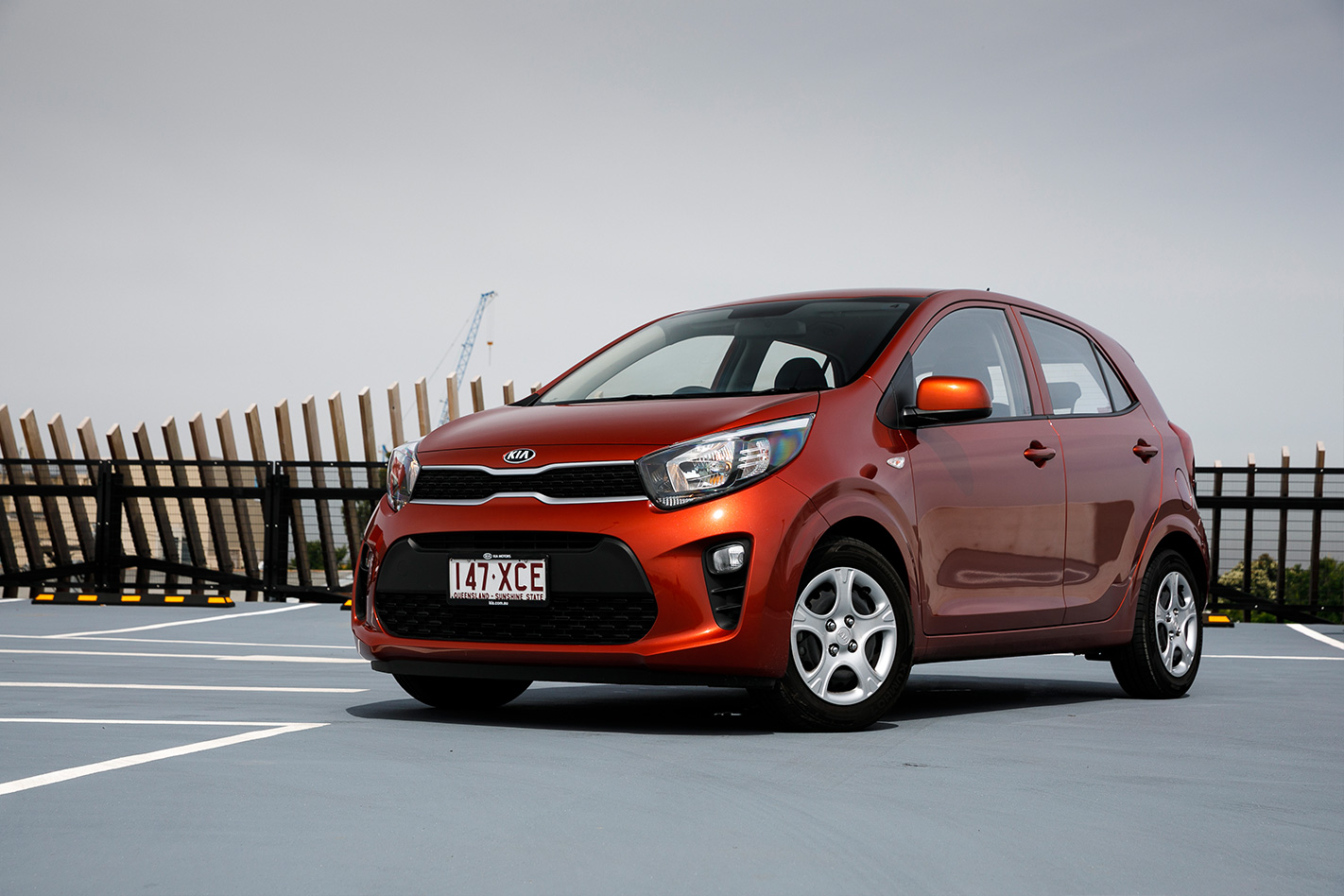
A number of trips this month had three (and sometimes four) people piling into the Picanto. Being a micro hatch, rear occupants were never going to be bragging about legroom, but you don’t have to fold like a piece of human origami to ride in the back. Headroom is ample, even for adults, and the only real complaint goes to road noise, yet the Picanto remains one of the best in class for NVH.
It would be remiss of me to not mention Kia’s cherry-on-top, seven-year, unlimited-kilometre warranty. No other manufacturer will match this year round, and the Korean brand topped the US-centric J.D Power initial quality study last year. Some strong negotiating skills could fetch you a low $14K drive-away price. And Kia’s capped-price servicing also offers great value, with the first stop-off at a dealer due at one year or 15,000km, costing $240. Over the course of seven years of ownership, or 105,000km, servicing the Picanto comes in at an average of $364 every 12 months.
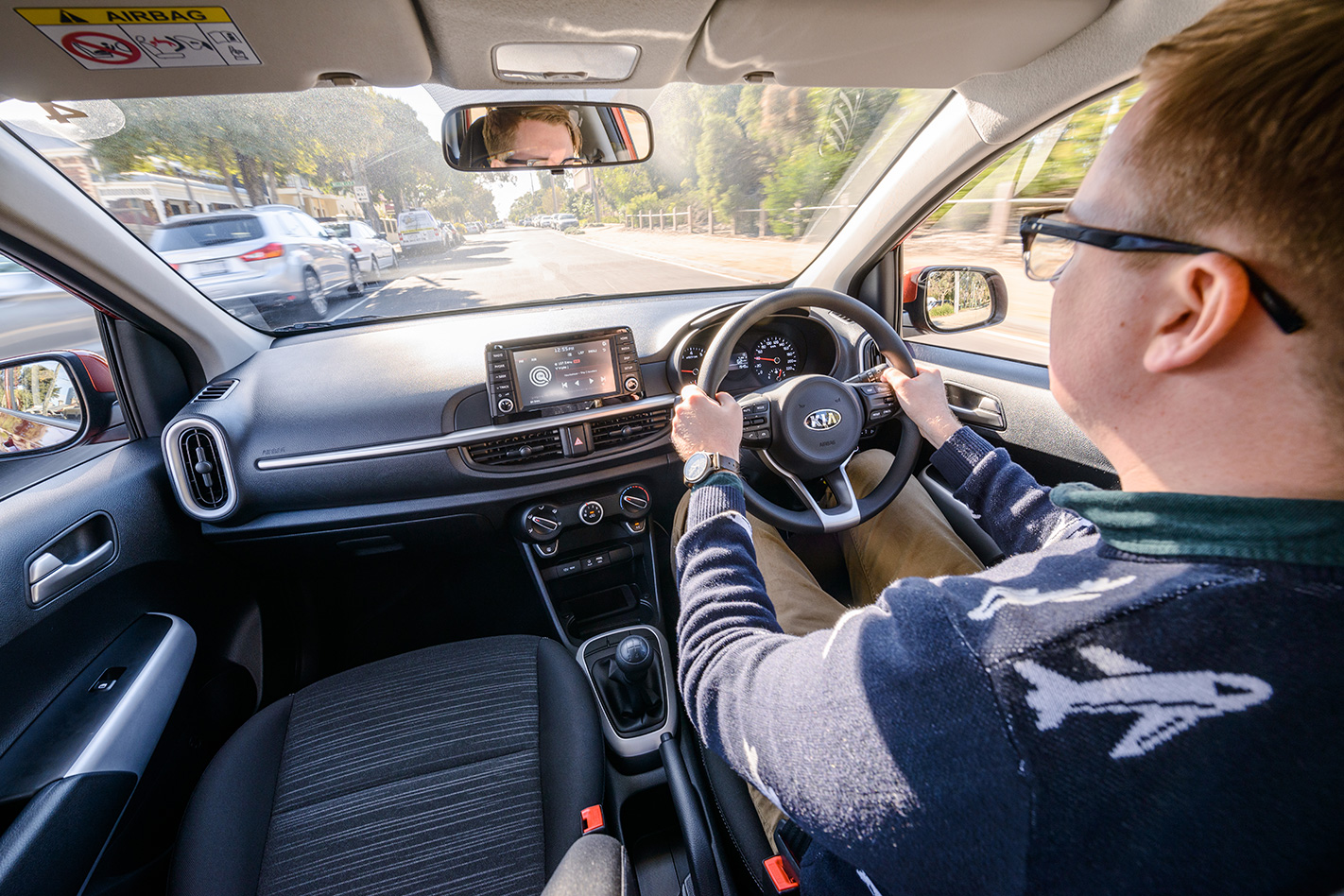
Reflecting on our six months together, the Picanto didn’t miss a beat. It was as capable and fun during a backroad blast with a pair of Porsches as it was folding the rear seats and hauling furniture. For an inner-city dweller, you couldn’t ask for much more from a car, especially one this affordable.
Just before my Korean friend departed the Wheels garage, it had one final photoshoot, alongside Inwood’s shiny new hybrid Lexus. For the same price as a single LC coupe, you could have a veritable fleet of Picantos. What would be more fun? One Japanese grand tourer, or 10 Picantos and enough spare change left over to hire a track for an impromptu one-make race series with your mates? It’ll never happen, but I know which option I’d prefer.
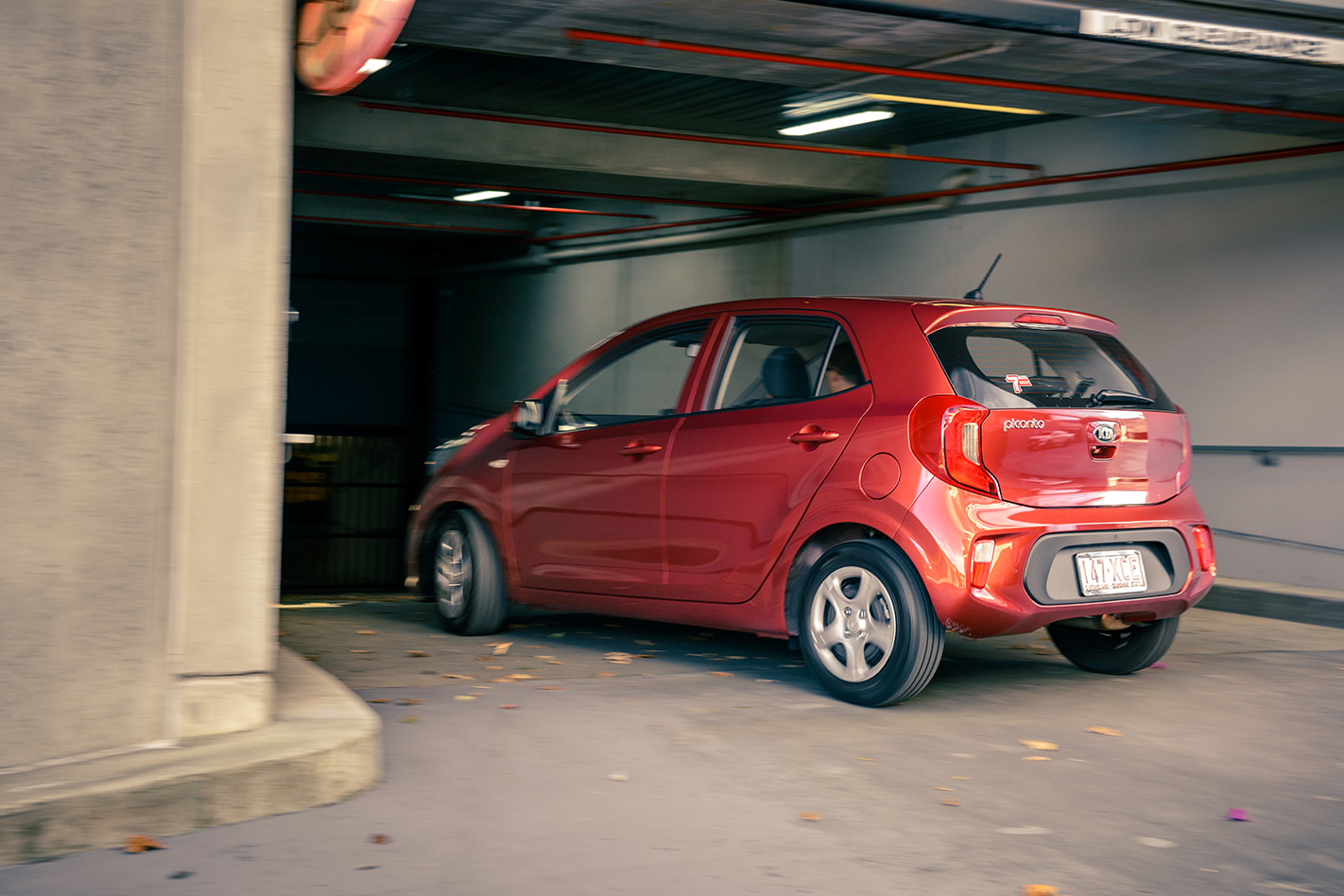
While I wait to see what’ll fill the Picanto shaped hole in my heart, I’ll console myself with the knowledge Kia’s local arm is in the process of bringing the turbo GT variant to Australia. A boosted 1.0-litre three-pot in a diminutive hatch with locally tuned suspension is my kind of spicy Kimchi.
Save yourself the ink (and money)
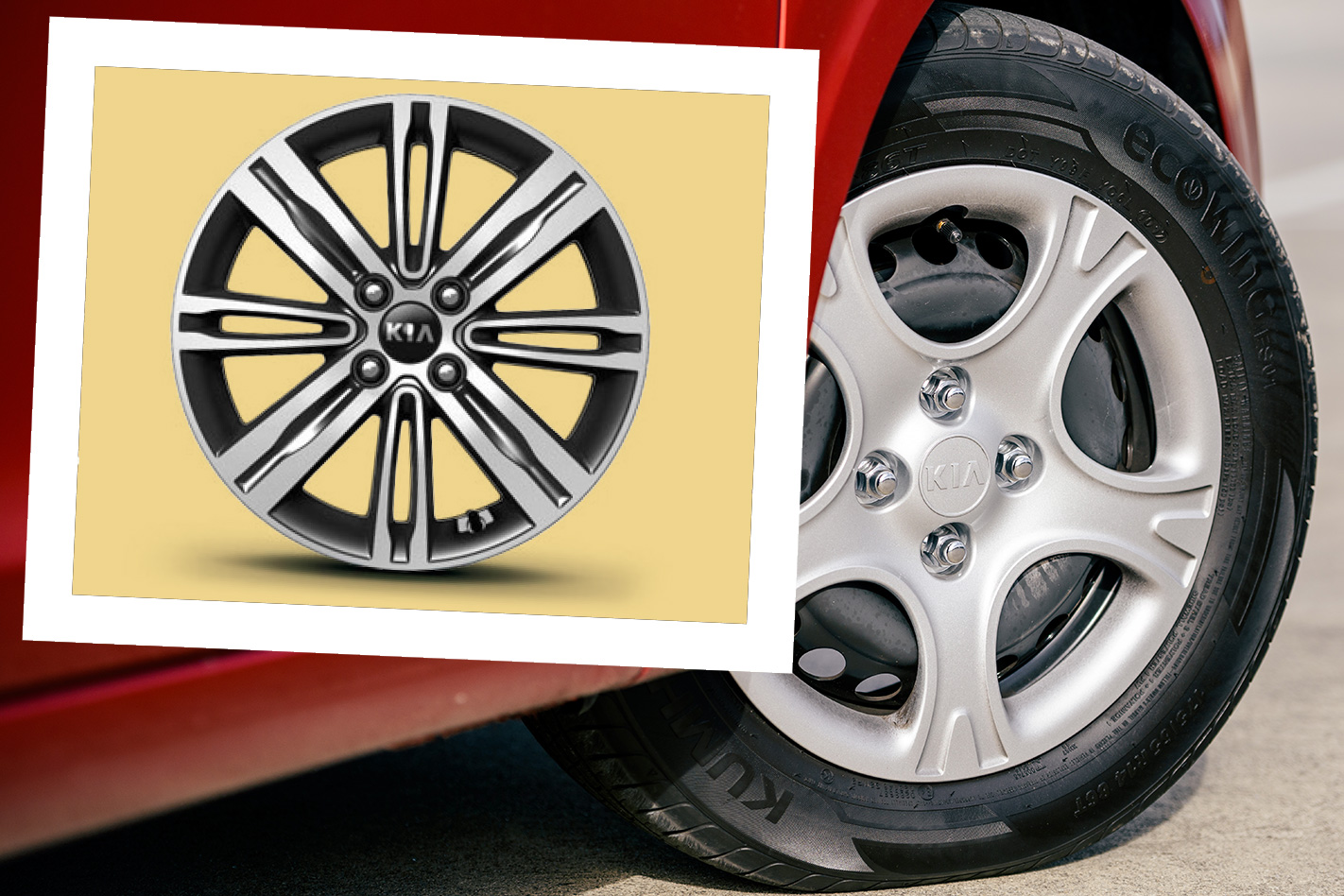
While the options list is mercifully brief for the Picanto, there are no boxes I’d recommend ticking. Fitting 14-inch alloys is a $1201 option, with 16-inch rims setting you back $1439 if the standard-fit steelies offend your modern sense of style. Front corner parking sensors are a $616 addition for anyone having trouble parking, though everything else I’d place in the ‘naff interior gubbins’ bracket. If it was my choice, I’d opt for the standard Clear White paint and save another $520.
Caution: fur baby on board
I don’t like babies, and I’m not a big fan of most kids, so the Picanto went without a test from Generation Fidget Spinner. Dogs, on the other hand, are more my cup of tea, so after nicking a friend’s black Labrador, the Picanto and I had a weekend of parks, fetch, and barking. The parcel shelf is easily removable, and the boot space is roomy enough for a decent-sized dog to lie down. If you want to add a four-legged mate to your family instead of a miniature human, the Picanto will fare just fine.
