
Strong speculation says McLaren will have Renault power in 2018
Toro Rosso gets second prize; Sainz to Franch team
No-one from McLaren or Renault or Honda has actually confirmed that high-level talks have landed the British team the French manufacturer’s engines for next season. But Autosport is generally right on conjecture such as this, so we’ll go with the story….
In the wonderfully crazy machinations that operate rather routinely in Formula One, the complicated deal is apparently a goer. And it includes switching Carlos Sainz to Renault, a sweetener to Renault to end its engine supply deal with Toro Rosso in favour of McLaren.
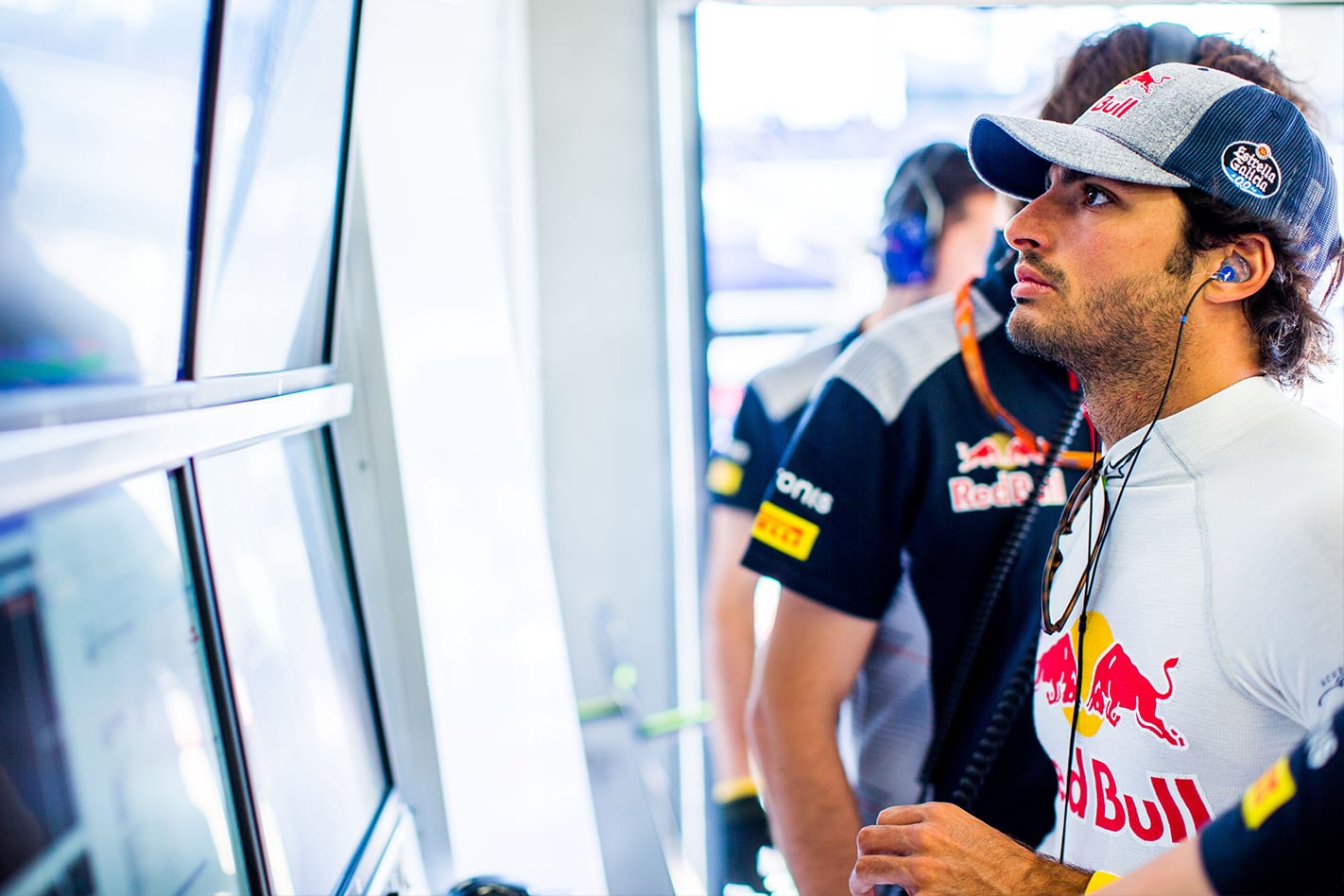
This lined up the ducks in a neat row. McLaren gets to end its unsatisfactory engine supply arrangement with Honda, sourcing from Renault instead. But this could only happen if Renault stopped supplying one of its other customer teams. Toro Rosso was the sacrificial lamb.
Toro Rosso gets to appreciate the frustration endured by McLaren these past three seasons. The Italian team switches to Honda engines, also taking a supply of McLaren gearboxes to mate with the Japanese company’s power unit.
Honda gets to remain in F1. This was important. The Japanese giant saves face. And, hey, it has a chance of eliminating its unreliability and power issues and again becoming a force in grand prix racing. Maybe.
Intense discussions between all the parties at the recent Italian Grand Prix moved closer to a solution but Renault insisted it wanted some incentive to switch its customer supply from Toro Rosso to McLaren.
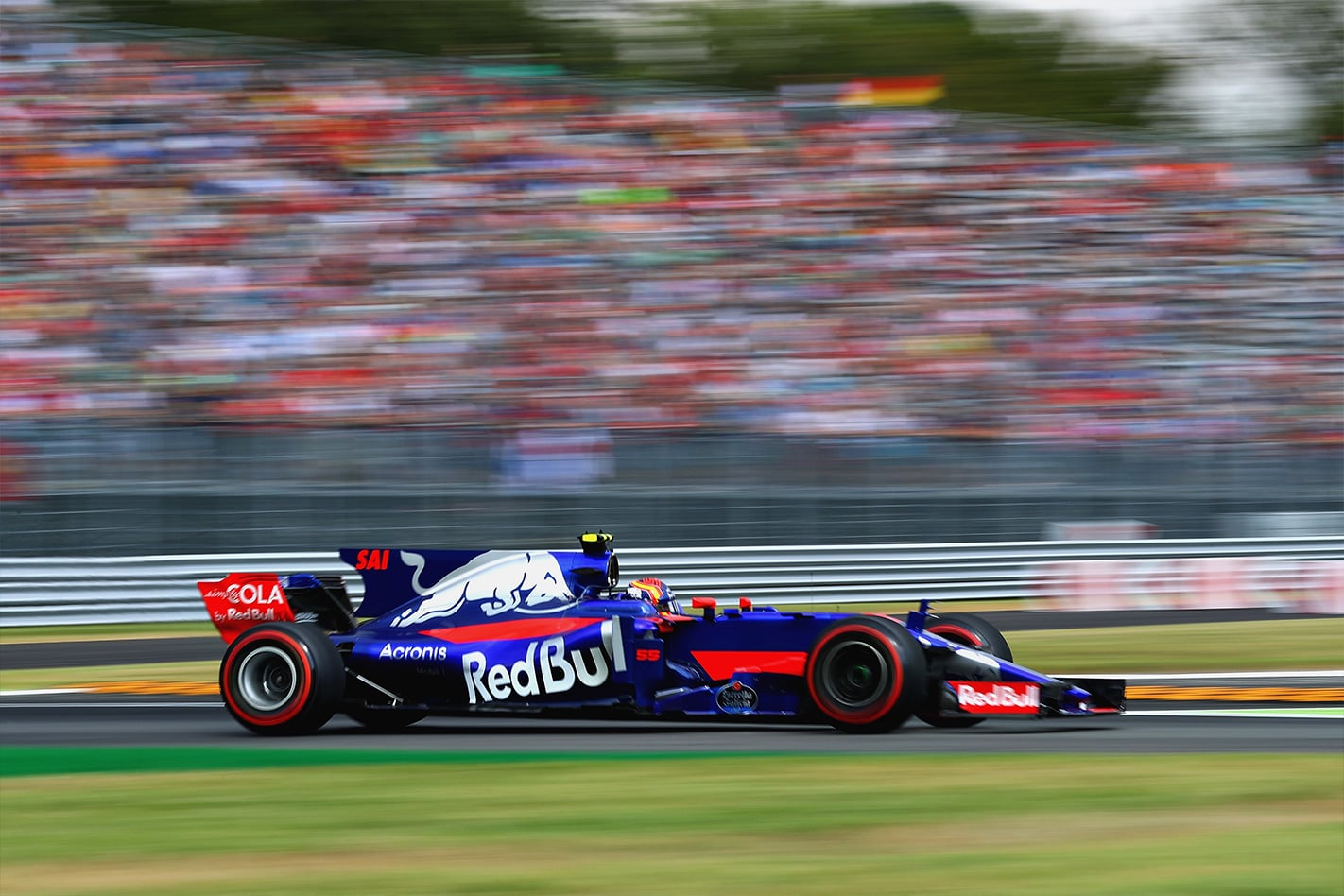
Autosport has also suggested that Sainz may jump to Renault as early as this year’s Malaysian Grand Prix “if the outfit elects not to continue with Jolyon Palmer”.
If Sainz departs early, youngster Pierre Gasly is the driver likely to be slotted into the Toro Rosso seat.
Fernando Alonso, very much a victim of Honda unreliability at McLaren, is presumably positive about using Renault power in 2018. Maybe he shouldn’t speak with Max Verstappen.
MOTO GP: Marquez snatches a win in wet ‘n’ wild Misano
Rolling the dice at 280km/h
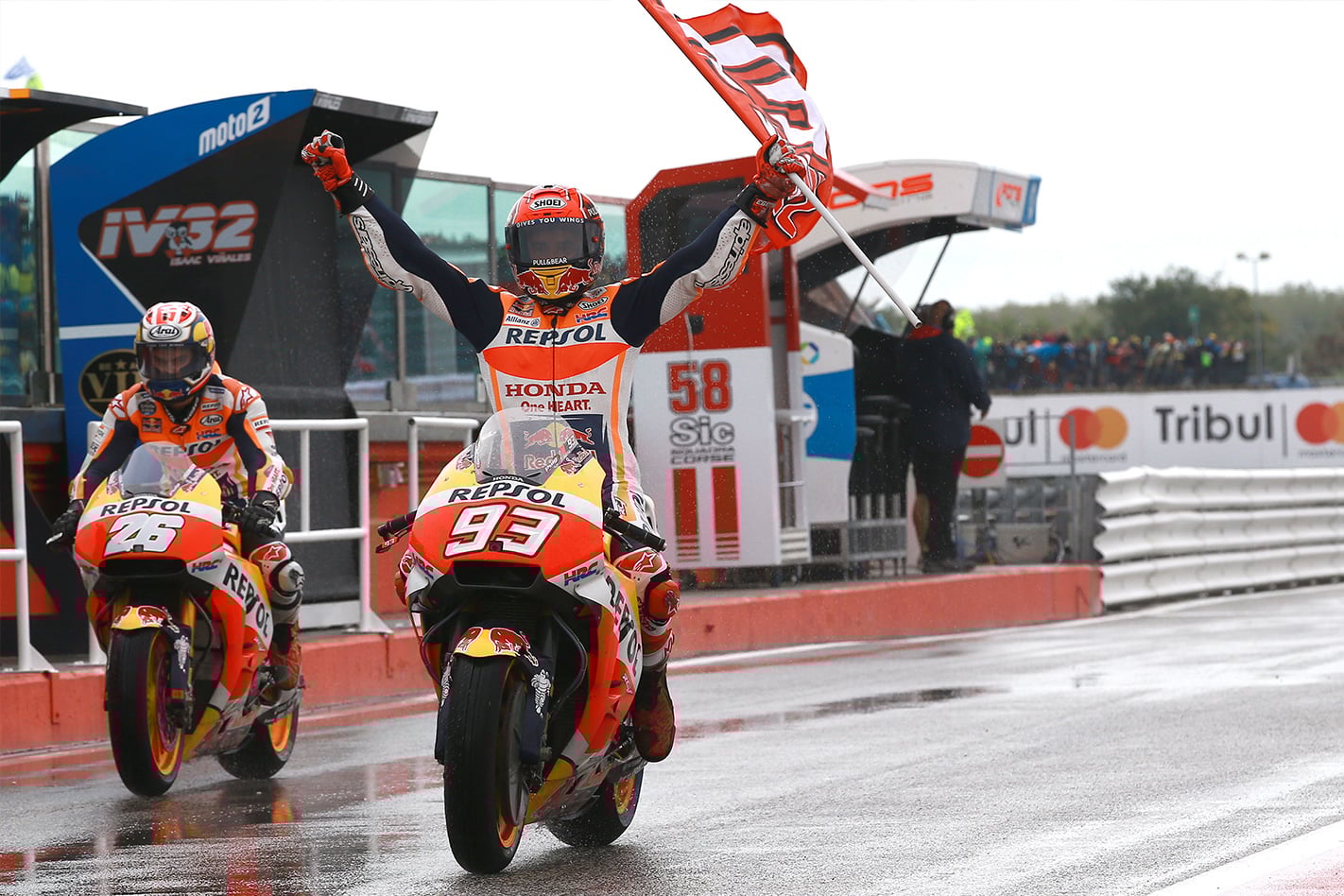
A daring Marc Marquez has splashed to a narrow victory in very tricky wet conditions in Gran Premio di San Marino e della Riviera di Rimini at Misano, taking the lead a lap from the chequer, a move that puts him back at the top of the championship standings, equal on points with Andrea Dovizioso.
The treachery of a rain-saturated slippery racing surface only heightens the risk of crashing and Marquez arrived in Misano nine points in arrears knowing he needed to beat Dovizioso but also being acutely aware that another non finish – he has three so far this year – would be disastrous for his championship.
With Valentino Rossi missing from his home grand prix due to a broken leg from a training spill, Maverick Vinales was the lone warrior for the factory Yamaha team. The young Spaniard responded well too, taking pole from Ducati’s Dovizioso and Honda’s Marquez.
But at the start, Ducati’s Jorge Lorenzo rolled the dice with an aggressive move past the front row riders, hitting turn one ahead, and then building on his advantage over Marquez. Australia’s Jack Miller also made a nice start to move to seventh.
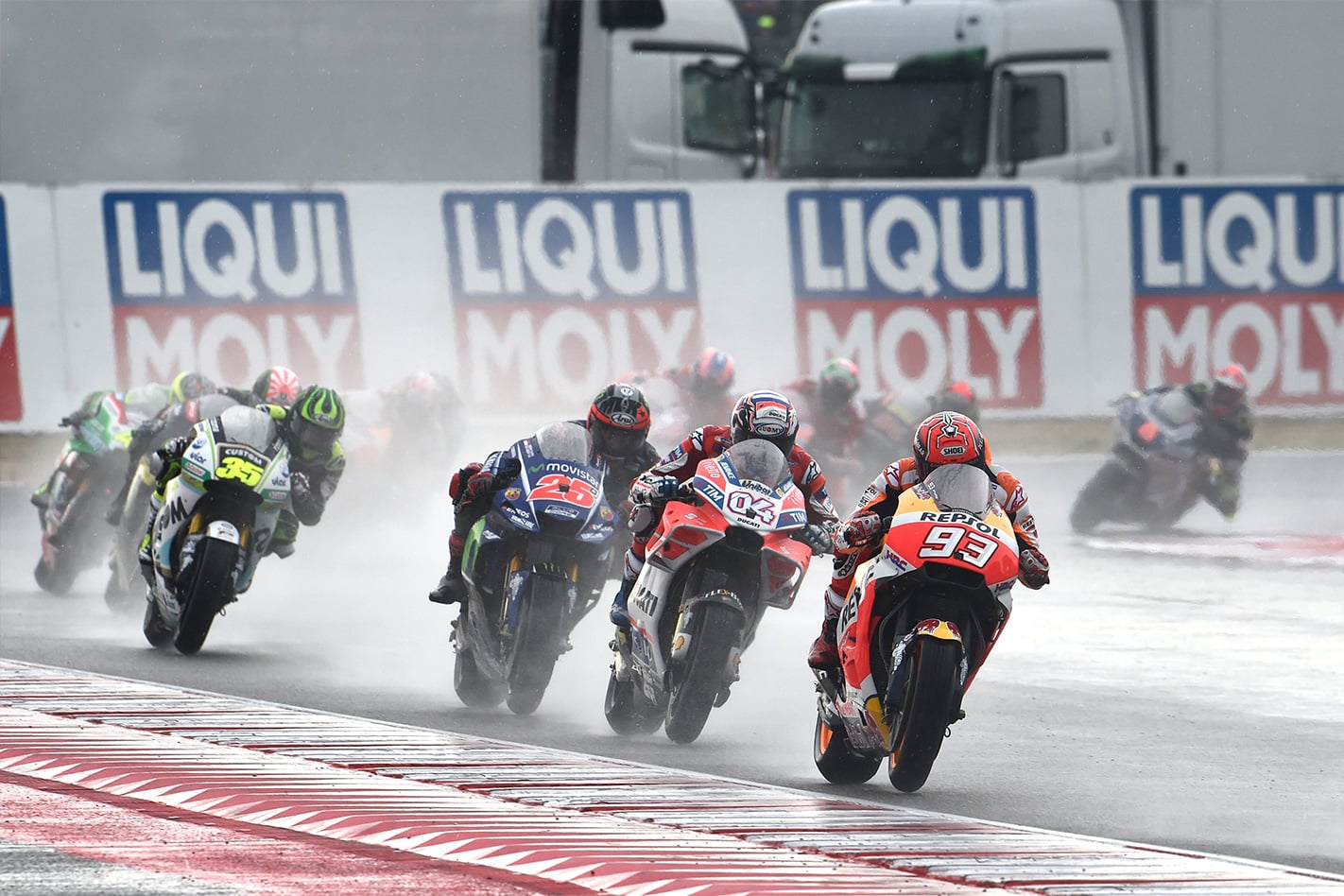
As the laps ran down, Dovizioso clearly settled for a safe third rather than keep pushing.
With the title his main goal, Marquez was another weighing up risks versus rewards, but there was no surprise to see the defending world champion continue to lay it on the line.
Petrucci, fighting for his first grand prix win, was never going to be a pushover though.
On the final lap, Marquez pounced on the gallant Petrucci, making the pass in turn one and then, to rub it in, setting the fastest lap of the race as he held off the Ducati rider.
“This was one of the best races of my career,” declared an excited Marquez. “It gave me an amazing feeling because it required incredible concentration to manage the tension the whole time.
“It was very easy to make a mistake, and that’s why I decided to attack only on the final lap. That lap was amazing; I took many risks, but with such a close season, it was worth trying to get the five extra points for the win.
“Of course I was thinking about the championship the whole race. At the beginning the feeling wasn’t so good, probably because there was so much water on the track, and I had a couple of very scary moments. Lorenzo was amazingly fast early on, and so was Danilo later when he took the lead after Jorge’s crash, but I was able to follow him and finally to attack.”
Dovizioso claimed his first Misano podium with third, from Vinales, Ducati test rider Michele Pirro and Miller sixth.
Moto2 title favourite Franco Morbidelli crashed from the lead of the Italian GP on lap three, instantly changing the complexion of the championship and giving Thomas Luthi a massive opportunity.
While others fell down over the course of the race, Luthi stayed on board to take second place – and 20 valuable points, slicing Morbidelli’s lead to a manageable nine points with five races to run.
The Misano freestyle was won by Dominique Aererter, who withstood the pressure from the constantly probing Luthi.
Australia’s Remy Gardner ran as high as eighth but had to settle for an unlucky 13th after not one but two crashes (and remounts).
Romano Fenati was imperious in a rain-saturated Moto3, staying on board his Honda to beat championship leader Joan Mir by an astonishing 28.5secs. Another stat to conjure with: there were 19 crashers during the 23 lap GP, some hitting the deck more than once. Despite the victory and 25 points he bagged, Fenati trails Mir (Honda) by 61 points in the title chase.
SPEEDWAY GP: Aussie Jason Doyle extends lead in world championship
Still on two wheels, albeit 500cc bikes with one cylinder and no brakes, Australian Jason Doyle has extended his lead in the 2017 World Speedway Championship after accumulating the most points at the weekend’s round nine, the German GP.
Doyle had to settle for third in the final won by Slovenia’s Matej Zagar but nevertheless takes a 10 point advantage over Poland’s Patryk Dudek into the next round in Sweden.
Doyle, who was a warm favourite for the title last year until injured, is showing the form to make amends this time.
Three grands prix remain – Sweden, Poland, and the final round in Melbourne on October 28.
EURO F3: Mawson scores breakthrough podium in Germany
Sydney’s Joey Mawson has scored score a hard-fought third place in dreadful conditions in the European Formula 3 Championships at the Nurburgring.
On a saturated track for the first of three races of the weekend, Mawson moved his VAR entry from eighth on the grid to fourth, before overtaking Callum Ilott (Prema) for third.
Over the closing laps Illot and Mawson duelled vigorously, both briefly leaving the track in the heat of the battle.
Mawson prevailed though to take his first podium in this championship behind Lando Norris (Carlin) and Jake Hughes (Hitech).
Mawson followed this promising result with a fighting seventh after a typically wild opening lap left him 10th.
Recovering, he fought back up the field, his victims including his team-mates Max Defourny and Harri Newey.
Jake Hughes (Hitech) won the race, Lando Norris (Carlin) came second and Callum Ilott (Prema) came third.
In the final race, Mawson made a good start from eighth on the grid and got up to fourth before Tadasuke Makino punctured the Aussie’s right rear tyre.
This left him 20th and last after a wheel change. He proceeded to work his way up the field again, passing a couple of sons-of-guns Pedro Piquet and Mick Schumacher.
A dislodged front wing and another puncture ended his race.
It was a disappointing end to what was a promising weekend.
The thought of crashing a car worth around $50million is pretty horrifying, but perhaps it shouldn’t be?
After all, short of the car completely burning to the ground, repairing even the most catastrophic accident damage is only going to cost a fraction of the car’s value and if you can afford a GTO in the first place you’re presumably not worried about repair bills.
The incident occurred at the weekend’s Goodwood Revival historic race meeting during practice for the RAC Club TT race.
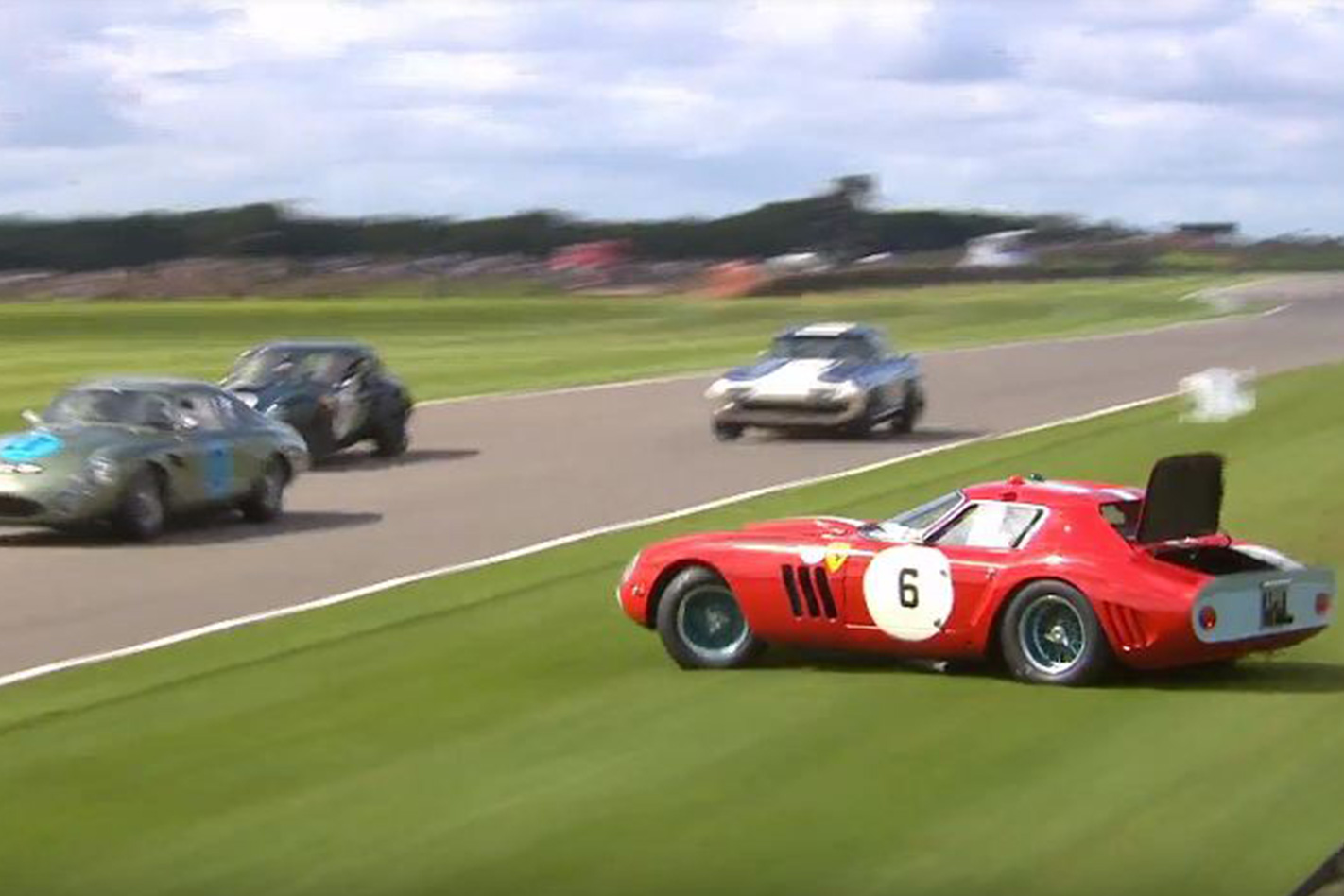
Thankfully, Newall was unharmed and the car was still driveable, albeit a bit worse for wear. Below is a video of Stippler giving the GTO everything when it was still in rude health and it’s easy to see why these cars are so revered.
For classic Ferrari fans on Twitter, it would be well worth following Ed Callow, who describes himself as a “classic Ferrari aficionado” and had many interesting comments to make regarding some of the cars racing at Goodwood, including the car in this article.
The cars might be old at the Revival but the action is absolutely red-hot and the coverage bang up-to-date, with Goodwood live streaming all on-track activity on its Facebook and YouTube channels. If you like to see race cars sliding around, it’s well worth a look.
May 25, 2023: REVEALED! This is the new BMW i5
Way out here in the distant future of 2023, BMW has finally unveiled its new i5 electric sedan – and it looks nothing like the i3-inspired patent images shown in our original 2017 story, below.
Even better, Australian details have also been confirmed. Get all the details at the link below.
September 2017: BMW’s long anticipated i5 electric sedan previewed
BMW’S off again on again i5 sedan has been leaked ahead of its scheduled reveal at the Frankfurt motor show.
Company insiders have hinted at the four-door EV’s existence since 2014, only for rumours to be killed off in recent times. Then last week, an official statement from company CEO Harold Kruger confirmed the attendance of a concept car at Frankfurt fitting the i5’s description.
Kruger said, “At this year’s IAA, we will unveil another significant milestone in our roadmap for e-mobility. It is a vision of how we imagine a four-door, fully-electric vehicle between the i3 and i8. It is a vision we want to realize in the foreseeable future. And a further step in our commitment to sustainable mobility.”
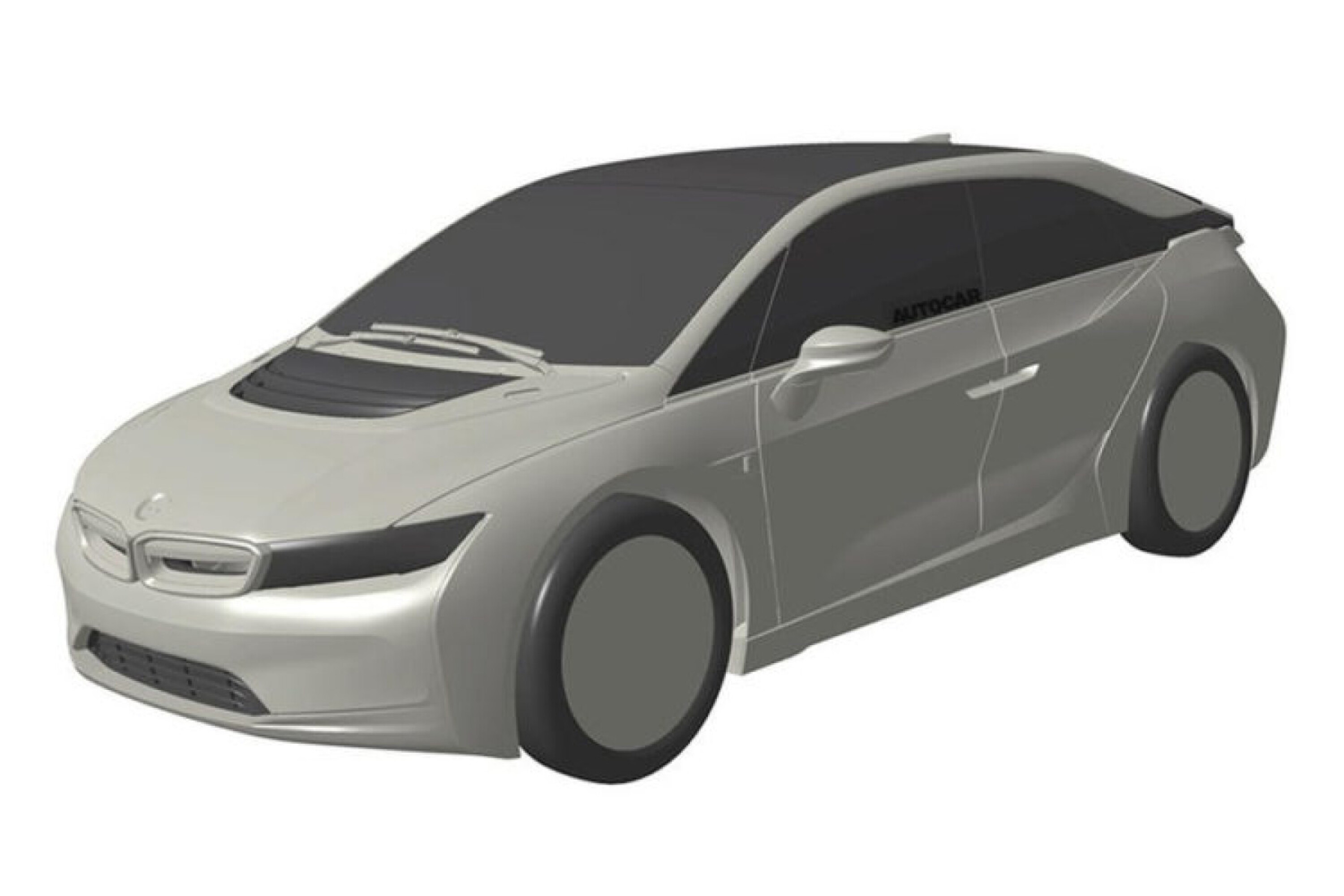
Following that news, BMW’s press site published and deleted a video about the expansion of its electric vehicle program, which previewed a vehicle looking like a stylised version of i5 patent images filed some months ago, accompanied by a 2019 production date.
We won’t see the i5 concept in full until the show gets underway in the coming days, but from the images available to us there is quite a bit we can learn. From a visual standpoint, the i5 balances distinct i brand details with a design that’s a little more closely aligned with BMW’s regular series production vehicles than the overly futuristic i3 and i8.
The i5 concept’s elevated roofline is borrowed from the i3 hatch and incorporated into a longer, liftback body style, not dissimilar to those of the 5 and 6 Series GT models.
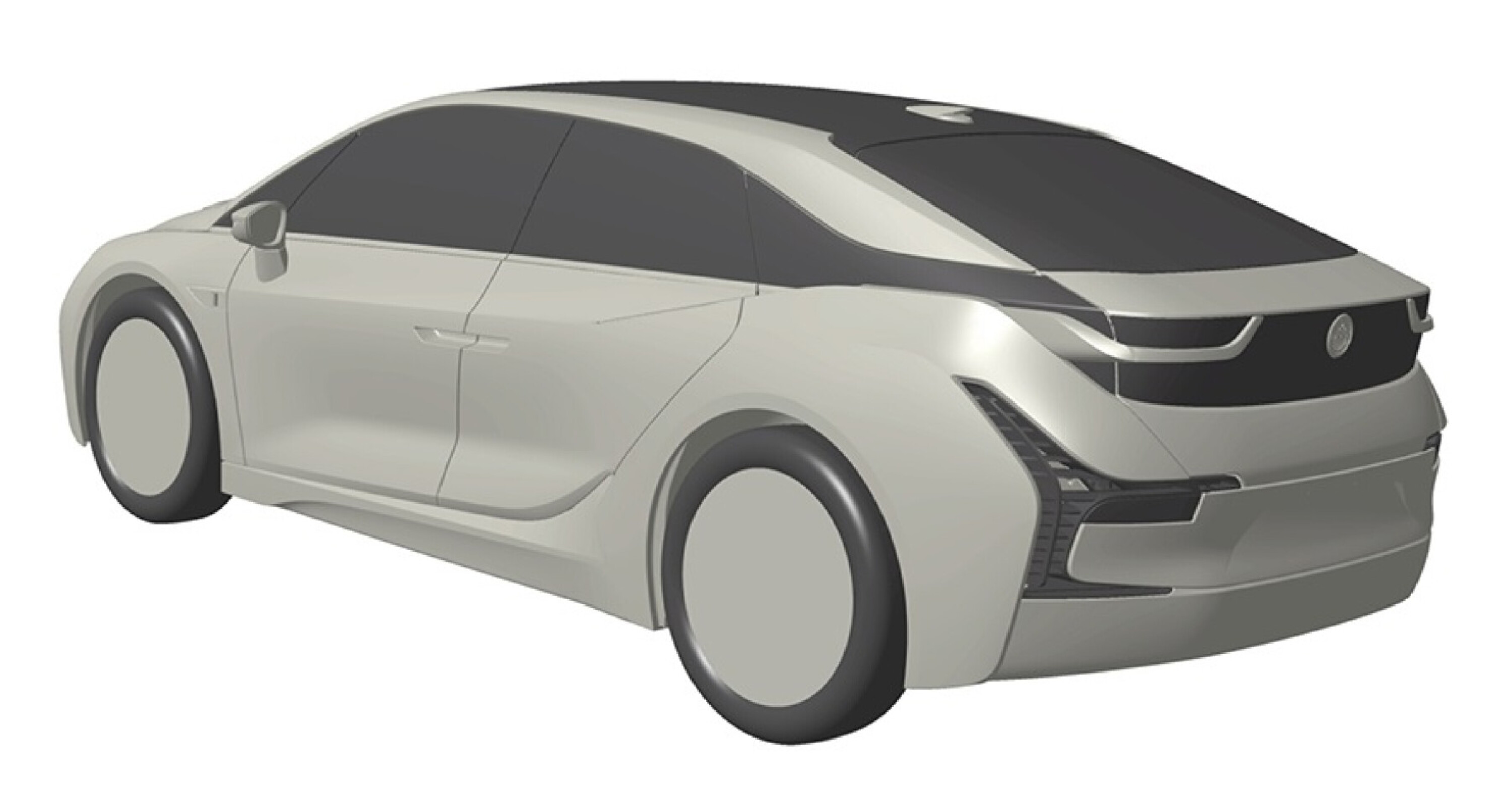
From the placement of its handles, it appears the rear doors will hinge from their trailing edges. BMW uses this ‘suicide’ door configuration in the i3, and by removing the B pillar, it opens up a larger aperture for easier rear seat access.
Reports suggest the i5 concept will boast an electric range of between 500 and 700km on a single charge, though no information regarding technical detail has been released so far.
BMW expanded on the i5 news with the announcement of a strategy called “Number One > Next”, which promises to launch 25 electrified vehicles by 2025, including 12 fully electric models. At this point only a few of those models are known, including all-electric Mini and X3 models, and the BMW iNext, which is rumoured to be a range-topping, fully autonomous SUV for the electric sub-brand.
AUDI plans to roll out a pair of highly autonomous concept cars at this week’s Frankfurt Motor Show, including one vehicle it claims won’t even need anyone sitting in the driver’s seat.
The German luxury carmaker will use the show to tease the all-new A8 limousine, which will include Level 3 autonomy to help the driver negotiate peak-hour traffic by taking over most of the tedious task of negotiating slow traffic.
However, the brand has also flagged it wants to show another two steps on the path to autonomy, featuring a Level 4 concept car that will still rely on handing control back to the driver when it encounters conditions it is unable to recognise – such as a sudden torrential downpour or unexpected roadworks – and a Level 5 concept car that is capable of driving itself almost all the time.
“The new A8 is the world’s first volume-production car to be designed for conditional automated driving at level 3 in accordance with international standards,” Audi said.
“On highways and multi-lane motorways with a physical barrier separating the two directions of traffic, the Audi AI traffic jam pilot takes over the driving task in slow-moving traffic up to 60km/h.
“The system handles starting from a stop, accelerating, steering and braking in its lane. If the driver has activated the traffic jam pilot at the AI button on the center console, they can take their foot off the accelerator and their hands off the steering wheel for longer periods.
“Unlike at Level 2, they no longer need to monitor the car permanently and, depending on current national regulations, can turn to other activities supported by the on-board infotainment system. The driver must remain alert and capable of taking over the task of driving when the system prompts them to do so.”
That will mean the A8 will have a higher level of autonomy than current Australian road rules will allow.
The Level 4 vehicle, meanwhile, will be based on an unnamed SUV sitting somewhere between the Q5 mid-size SUV and the larger Q7 and that uses the Audi e-tron Sportback concept as its inspiration. It will use a combination of three electric motors with a combined output of 370kW, and can take over a number of the driving tasks at speeds of up to 130km/h.
The Level 5 car is something more of a surprise. Designed for “long journeys” and flagging a future large limousine, it uses four electric motors with a claimed range of up to 800km between recharges.
“The interior and exterior design of the full-size model is spectacular and groundbreaking,” Audi said. “It offers brand-new possibilities which an all-electric, self-driving car opens up for designers.”
The Frankfurt Motor Show starts this week.
MERCEDES-AMG has given the world one last tease of its $4 million Project One supercar that blends Formula One technology into a car that should be able to pop down the street for a carton of milk as it can smashing lap records at the local racetrack.
This time, though, the German luxury car maker has shown the rear of the Project One, teasing what look to be triple LED tail lights framing a single exhaust with two smaller outlets below it, wild air intakes and shark gill-like louvres over the rear-mounted engine bay, and the hint of a deep infuser that will help to suck the supercar down onto the road.
The release of the image also comes with confirmation the 1.6-litre F1-honed turbocharged hybrid engine, which will spin to 11,000rpm, will push the Project One beyond a vmax of 250km/h. The car is believed to use four electric motors — one is used to drive the turbocharger — while the engine allegedly has a thermal efficiency reaching beyond 40 percent, potentially placing it ahead of Toyota’s claimed efficiency for its 1.8-litre engine used in the Toyota Prius.
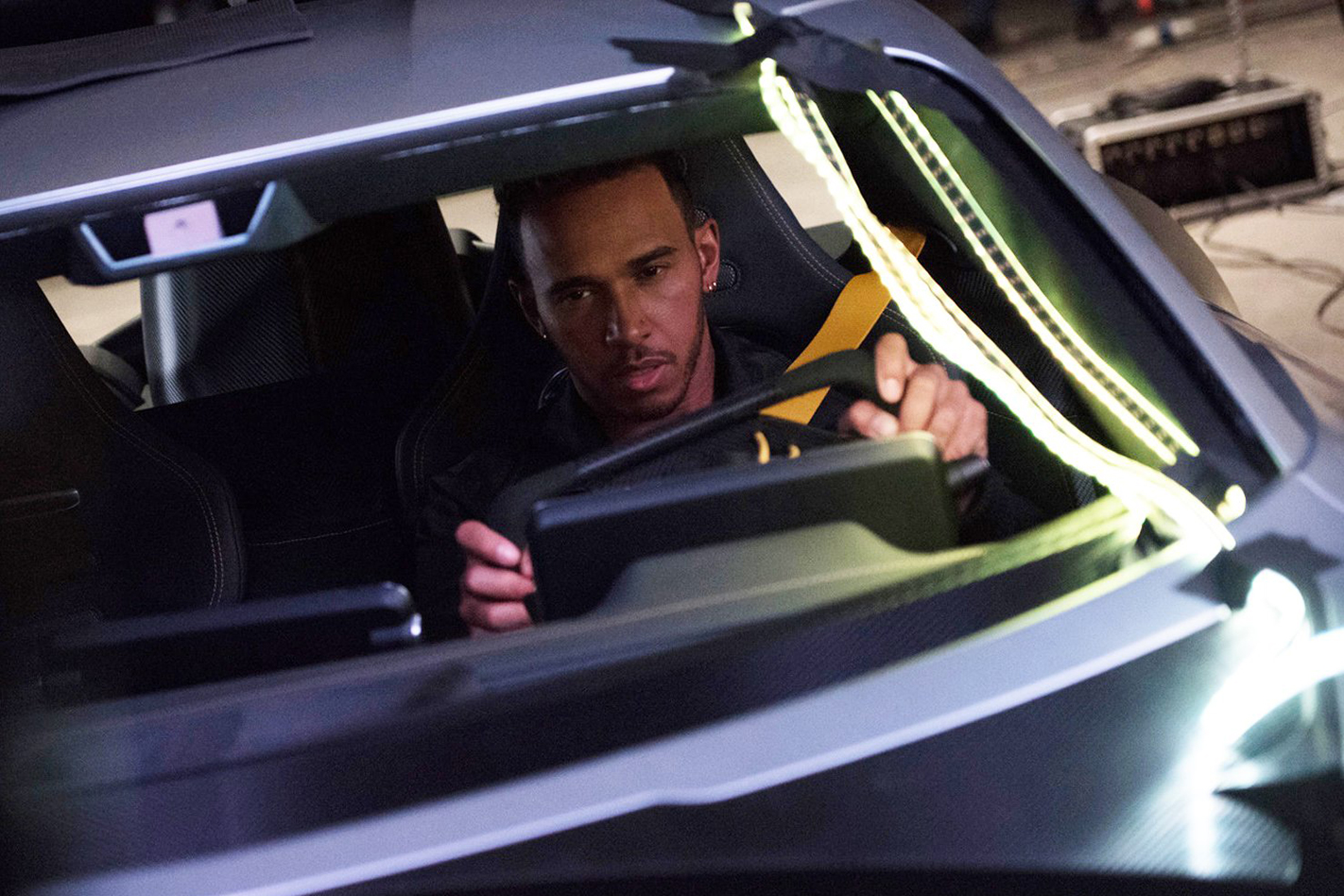
The Project One is a collaborative effort between Mercedes-AMG and its UK-based F1 race team.
The 2017 Frankfurt Motor Show starts tomorrow.
You’ve driven front-drivers for the past decade to teach yourself heel-and-toe and lift-off oversteer.
But you’re bored, and want to explore a whole new world with a rear-driver.
Well, you’re spoilt for choice while Holden’s Commodore SS is still around, the Nissan 370Z waits for a Nismo spin-off, and Mazda’s MX-5 comes with two engines.
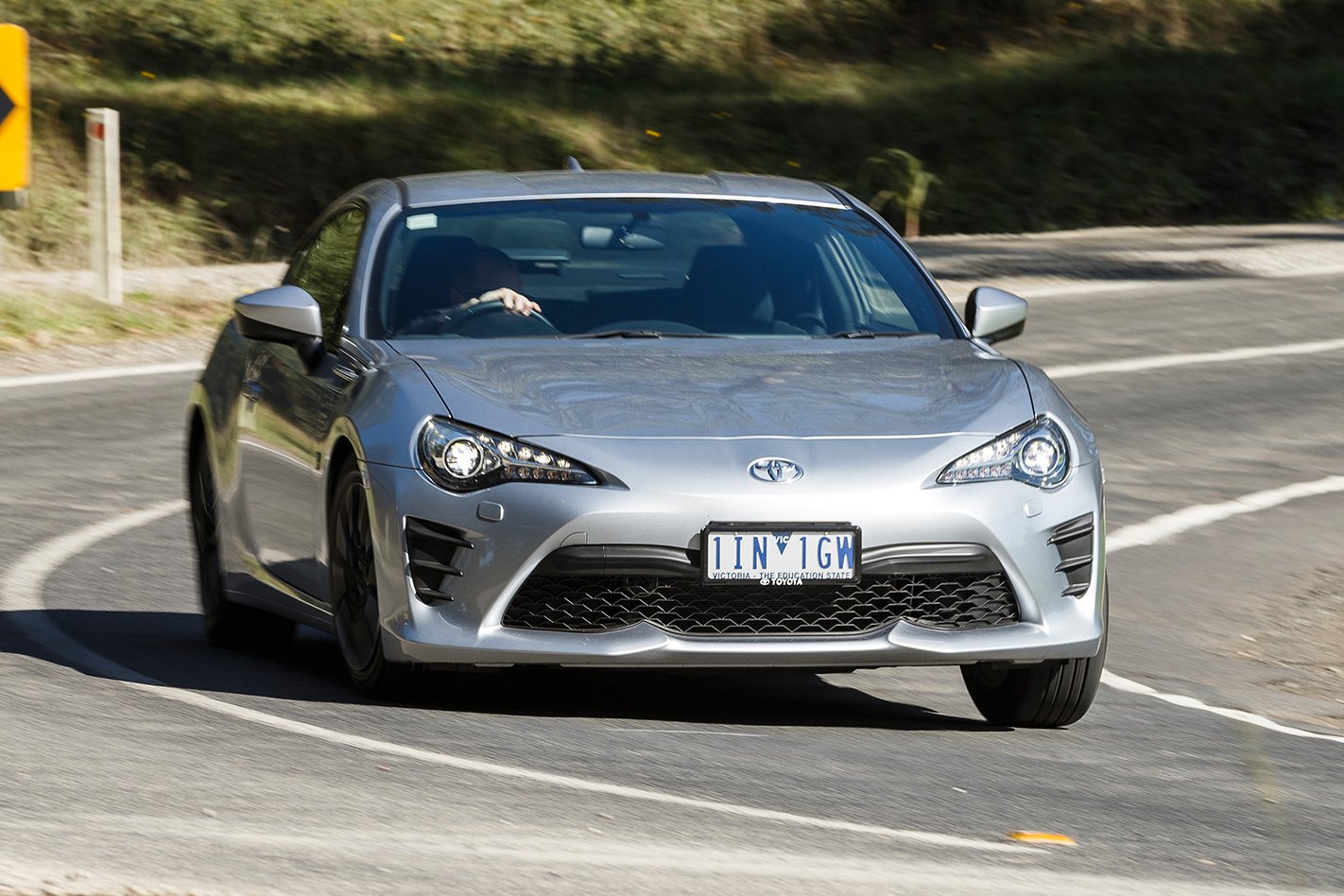
Toyota’s LSD-equipped drivetrain and crystal-clear steering make it a driving delight, producing levels of feedback and rear-drive adjustability not seen since, well, the S15 Nissan 200SX – our match-up’s ‘used’ contender.
Known as the Silvia in Japan, it sold here from 1991 to 2003. It was heavily updated in ’99 for the S15 platform, scoring a six-speed manual, smaller tracks, and a helical LSD in place of a fluid-filled unit for the stiffer Spec Rs.
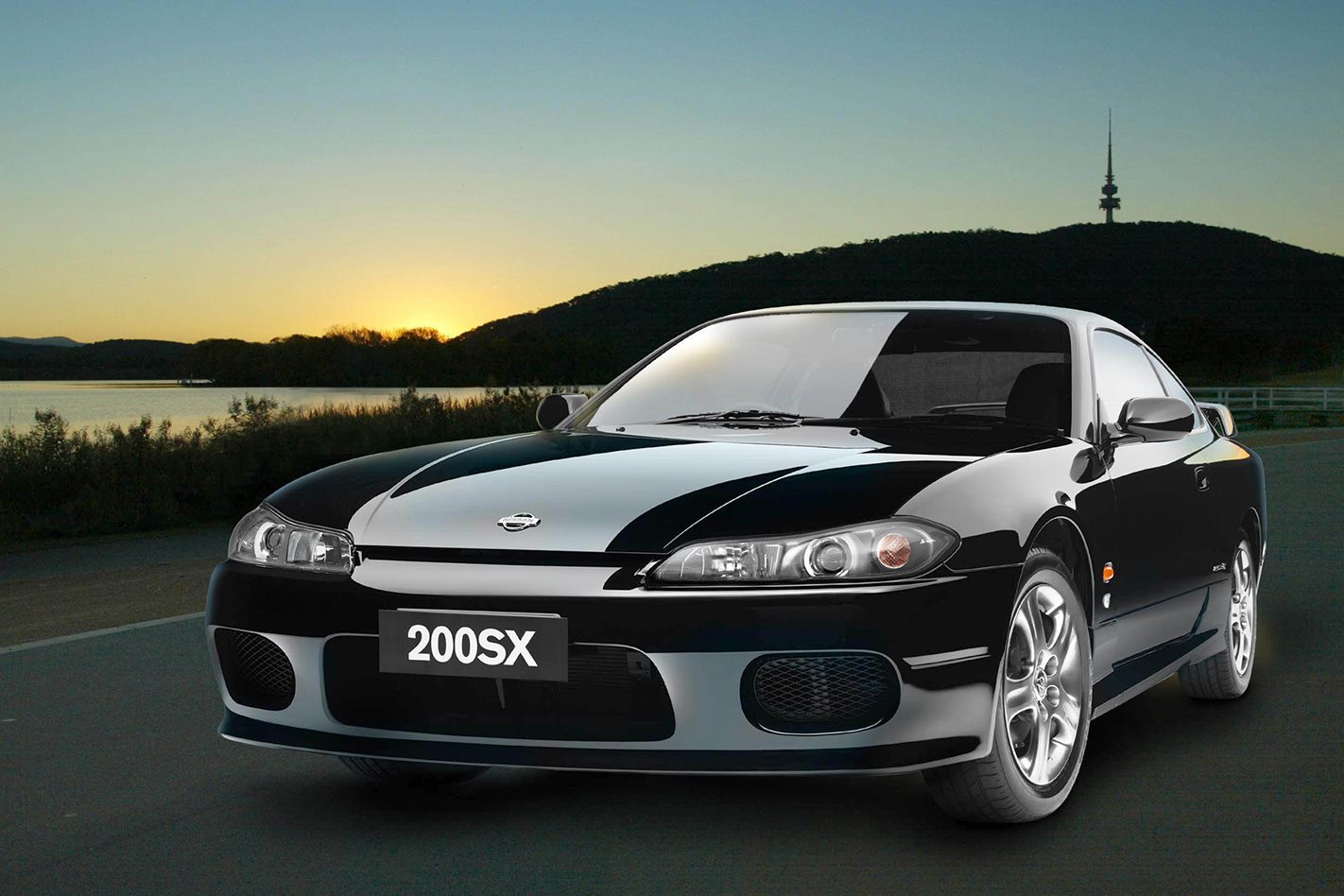
The 200SX also relied on a lightweight chassis, underpinned by a strut-front/multi-link rear and pointed by a good steering rack, more than a decade ago to deliver the same thrills that have made the 86 such a hit.
Thanks to the Nissan’s timeless, muscular looks and turbo tuneability, few remain in original condition. But they do exist, even in lightly modified form, and would be a great discount into the 86-esque driving game.
| u00a0 | 2017 Toyota 86 GT | 2001 Nissan 200SX |
| Engine | 1998cc flat-four, DOHC, 16v | 1998cc inline-four, DOHC, 16v, turbo |
| Power | 152kW @ 7000rpm | 147kW @ 6500rpm |
| Torque | 212Nm @ 6400rpm | 265Nm @ 4800rpm |
| Weight | 1257kg | 1282kg |
| 0-100KM/H | 7.63sec (tested) | 6.9sec (tested) |
| Price | $30,790 | $43,900 (new) |
BLINK at the wrong second on the A20 Autobahn and you’ll completely miss the border that divides the northern German states of Schleswig-Holstein and Mecklenburg-Vorpommern.
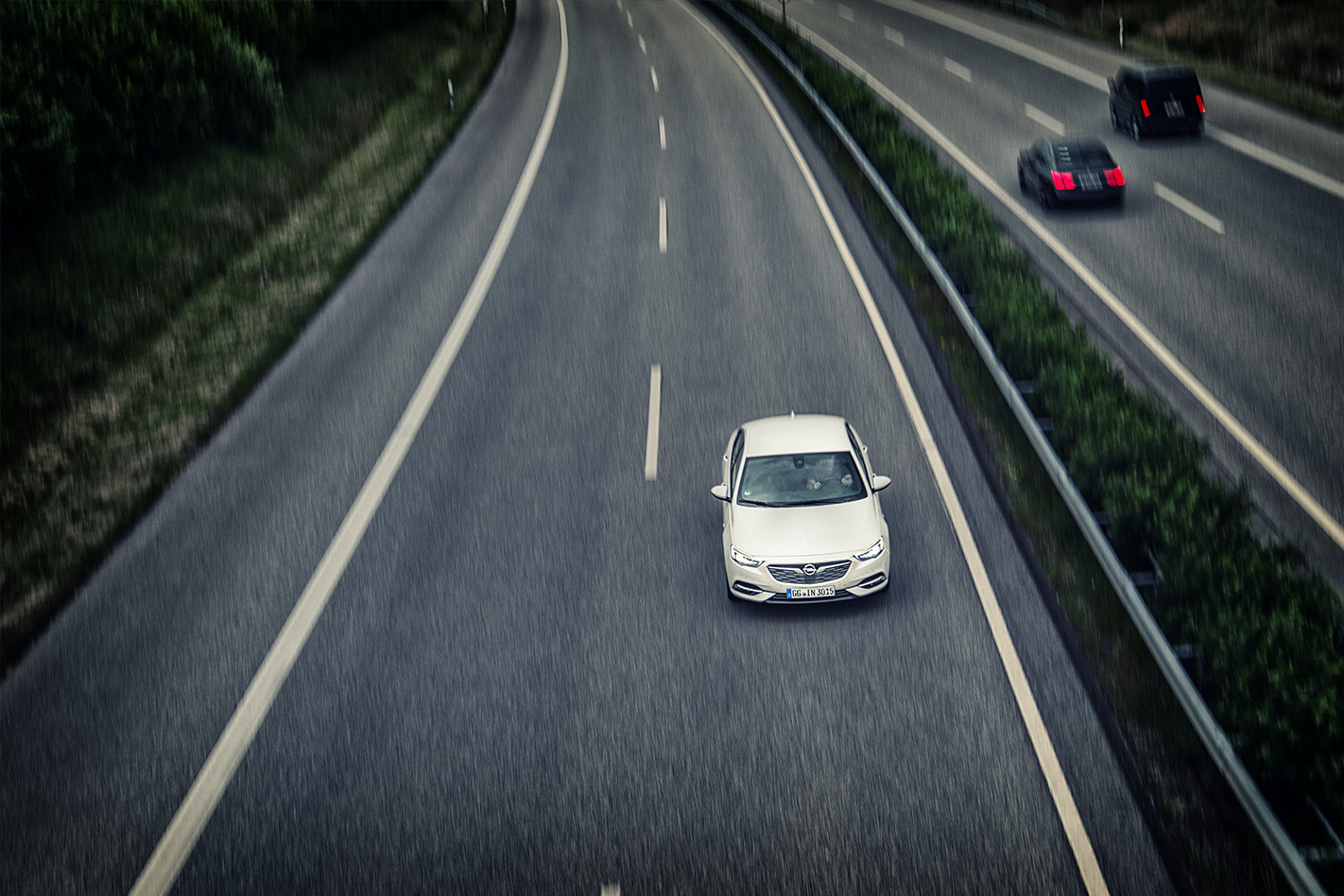
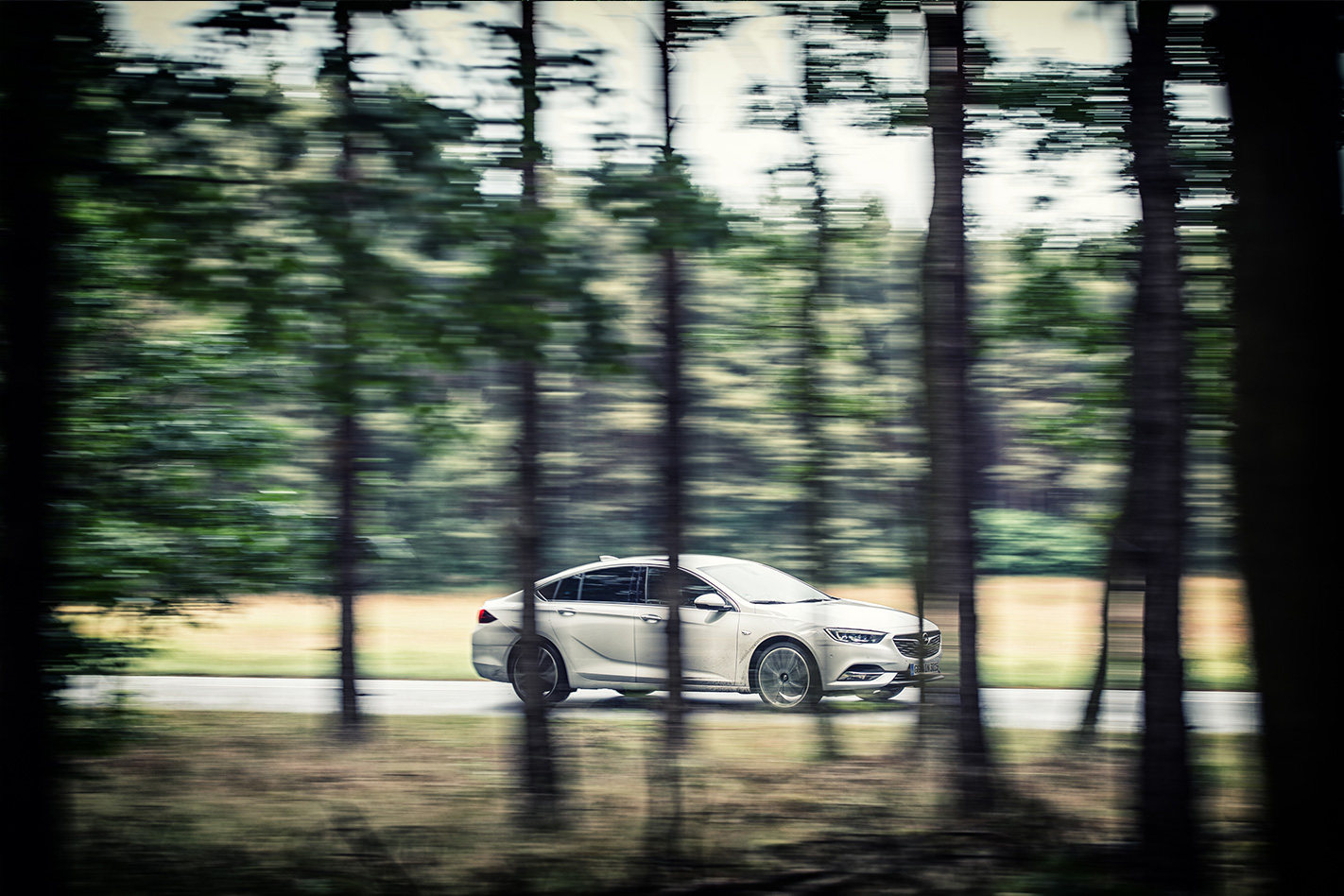
These days there’s no obvious difference on either side, a vista of fields and wind turbines with the boundary nothing more than a blurred signpost. In the Opel Insignia, we don’t even have to lift off, crossing at close proximity to the 130km/h speed limit.
Not to mention armed guards with standing orders to open fire on anyone entering the ‘death strip’ between both sides, even if it was one of their own comrades. This wasn’t a border to keep people out, rather a prison wall built to prevent the population of the DDR fleeing to the rich, decadent west. This was how mad the Cold War was.
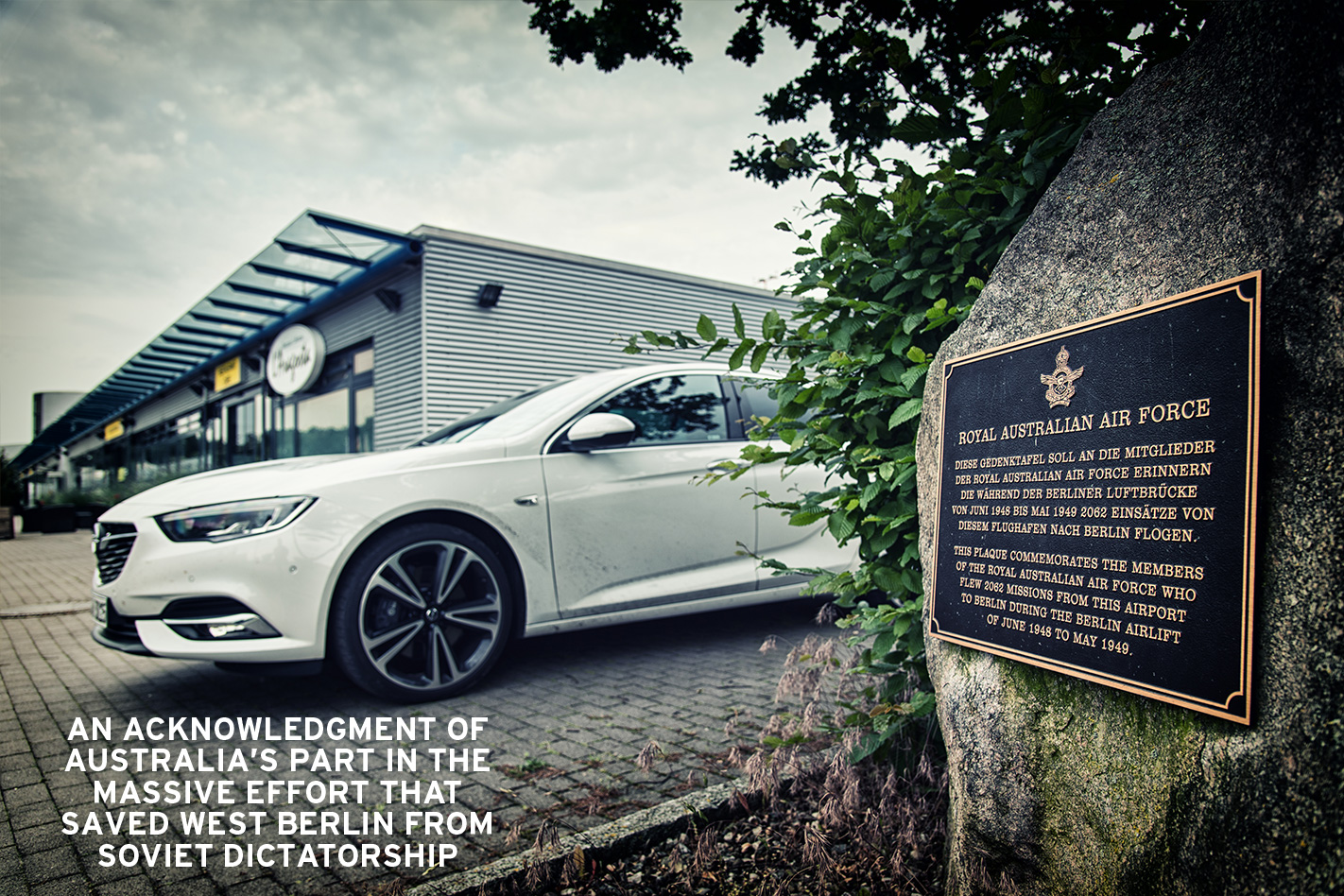
This was the Aussie contribution to the Berlin Airlift, the biggest airborne logistics operation in history and the one that stopped the former German capital from being starved into submission by the Soviets. The Americans and British started the airlift, but the Australians were involved from the beginning, with several RAAF crews based in England being seconded to flying duties. As the blockade continued towards the winter of 1948, when the need for supplies would increase further, the Australian government volunteered to send ten crews to fly British Douglas C-47 Skytrains as an official RAAF mission, dubbed ‘Operation Pelican’ in apparent reference to the bird whose “beak can hold more than his belly can.”
GM’s recent sale of its European operations to PSA adds another complicating factor. The taxi driver who takes me from Frankfurt airport to the vast factory tells me he’s already taken three separate groups of serious-looking French executives to the plant, with locals predicting the merger is set to lead to big cuts soon.
“Opels are good cars,” he opines from the driver’s seat of a battle-scarred E-Class taxi, “but people don’t want to buy them.”
Yet the new Insignia could be a hit.
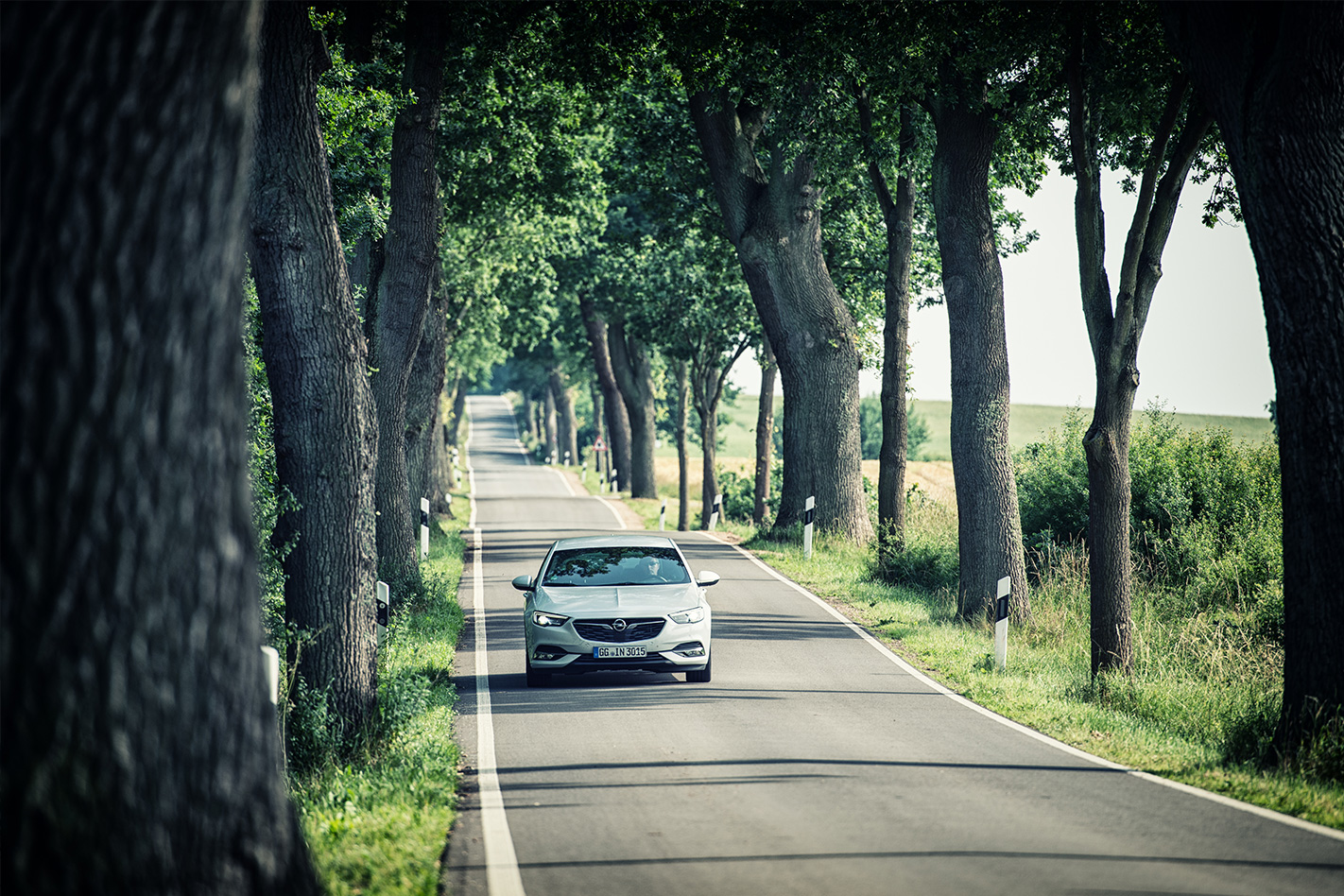
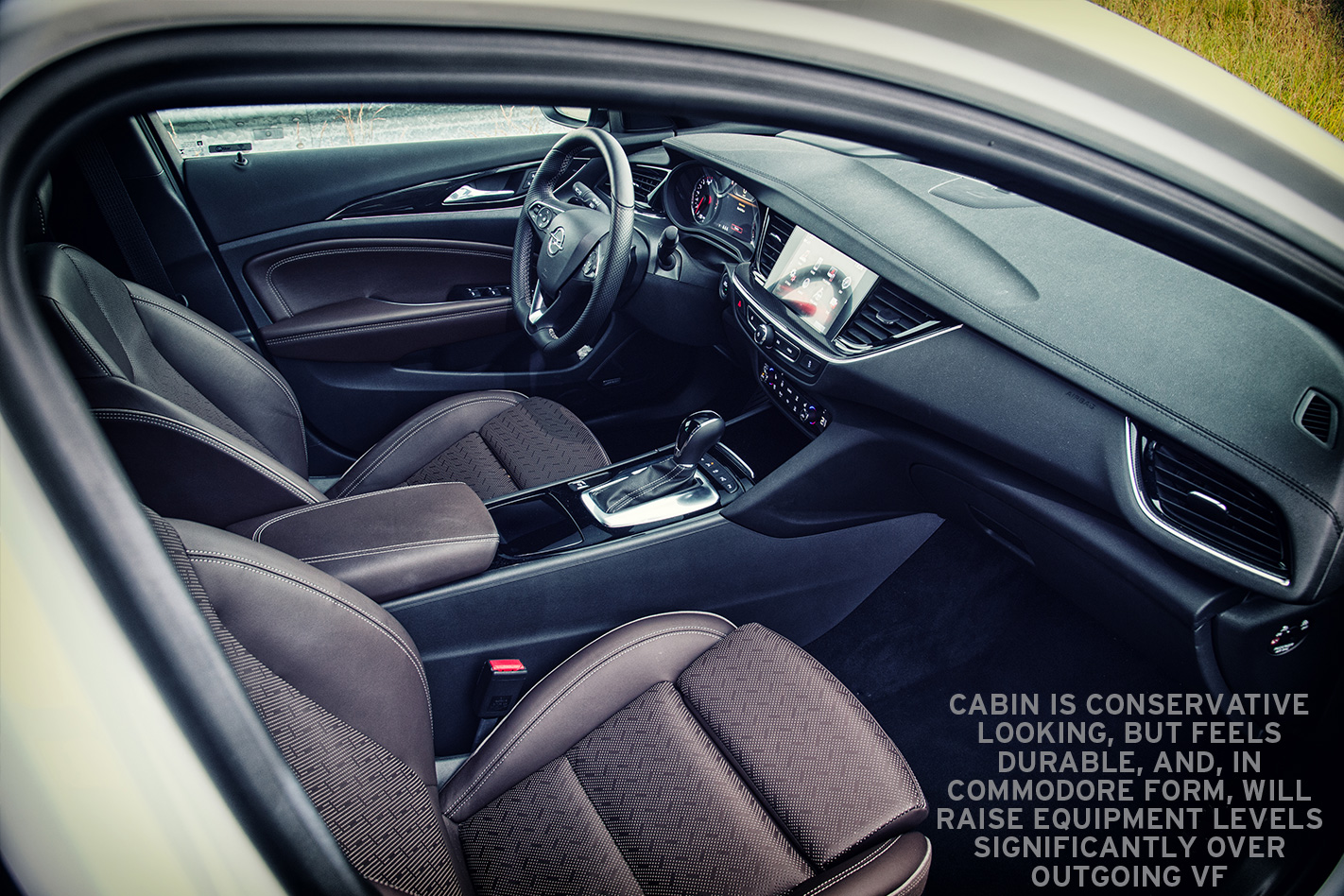
Holden is predictably keen to point out that, as we’ve detailed before, much about the Insignia is going to change before it reaches Australia next year; it’s more than knocking off the lightning badge and replacing it with a lion. Australian cars will get a unique suspension tune and the option of the V6 engine denied to Europeans, plus several other spec changes. But much will remain the same, including the drivetrain option fitted to my German test car – the 191kW 2.0-litre turbocharged four, paired with the optional torque-vectoring all-wheel-drive system.
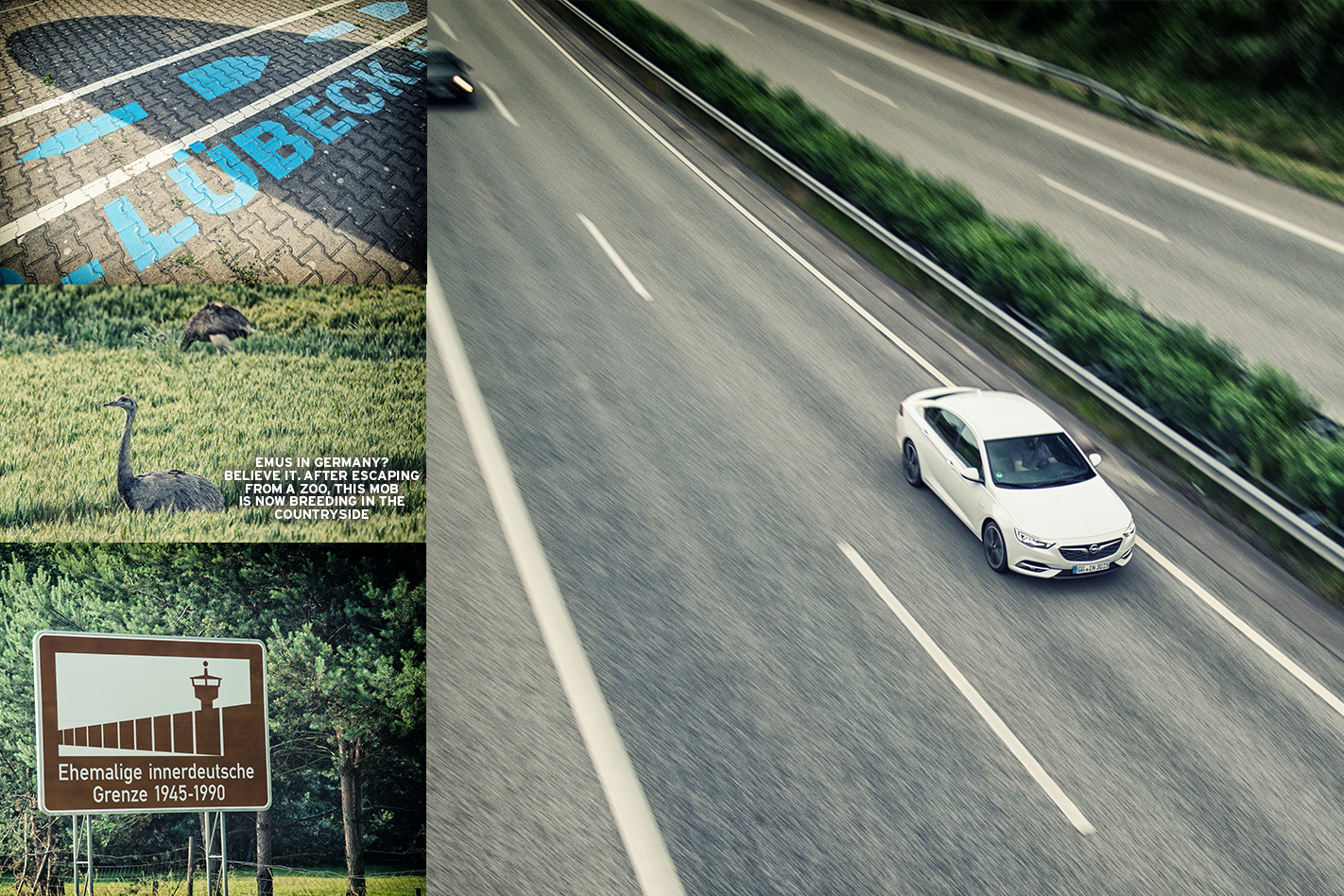
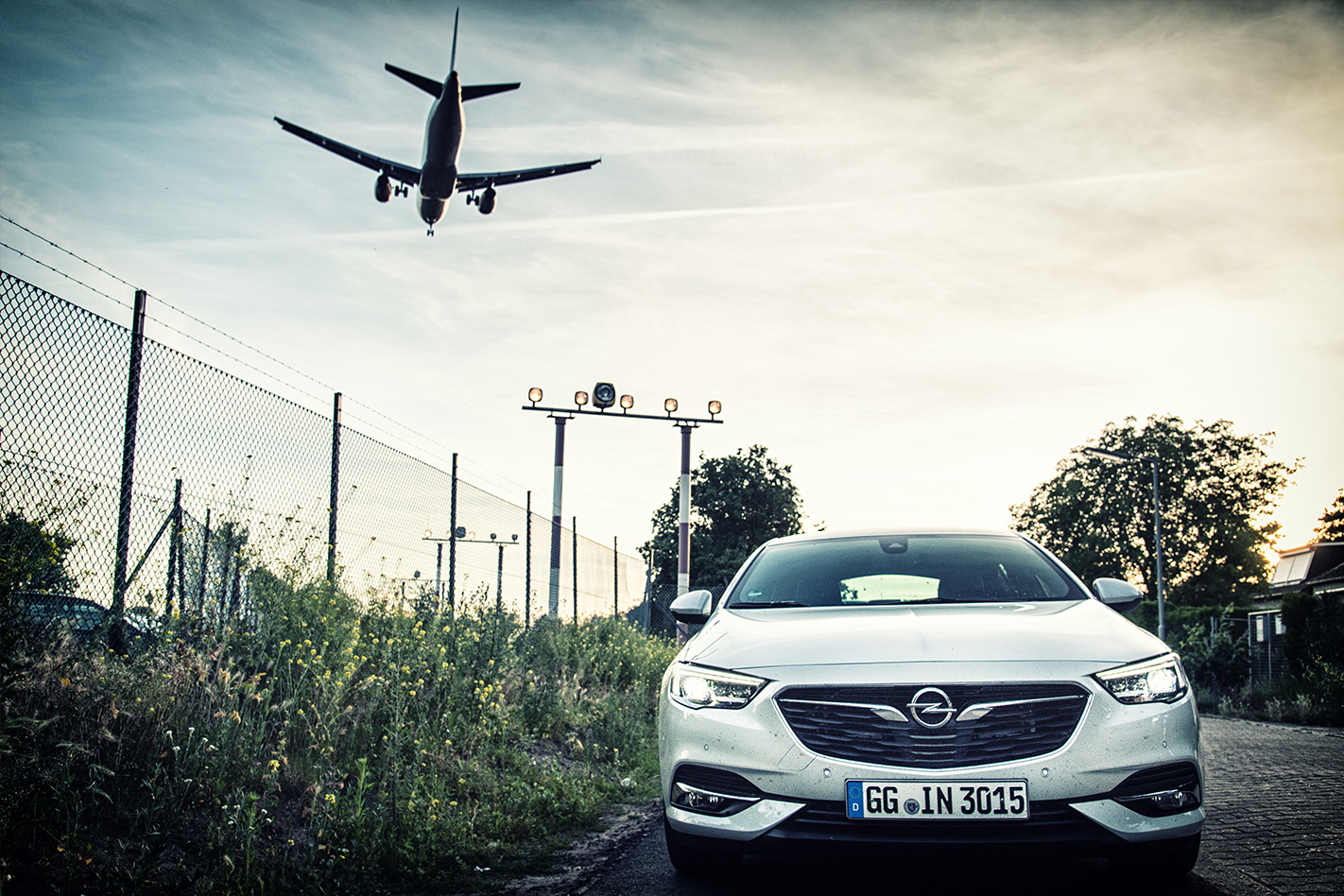
While Lubeck is a beautiful city, its airport definitely isn’t one of the star attractions. As an RAF base, this was where Operation Pelican flights started from – less than 10km from what was then the Soviet sector. It was turned over to civilian use in the 1990s, but even the low-cost airlines that flew from it have abandoned it now. The carparks are filled with nothing more than weeds, although the automatic doors to the terminal still slide open when you approach them. Inside the departures board is completely blank. A small plaque commemorates the fact that the RAAF flew 2062 sorties from here to Berlin during the airlift.
The weather soon clears, as does most of the Autobahn traffic. Even 27 years after reunification the former DDR is still noticeably poorer and less well populated than the rest of Germany, which – on a derestricted Autobahn – is a positive advantage. Passing the triple striped sign that shows no limits apply with practically nothing in view to the distant horizon gives a chance to find out what it’ll do.
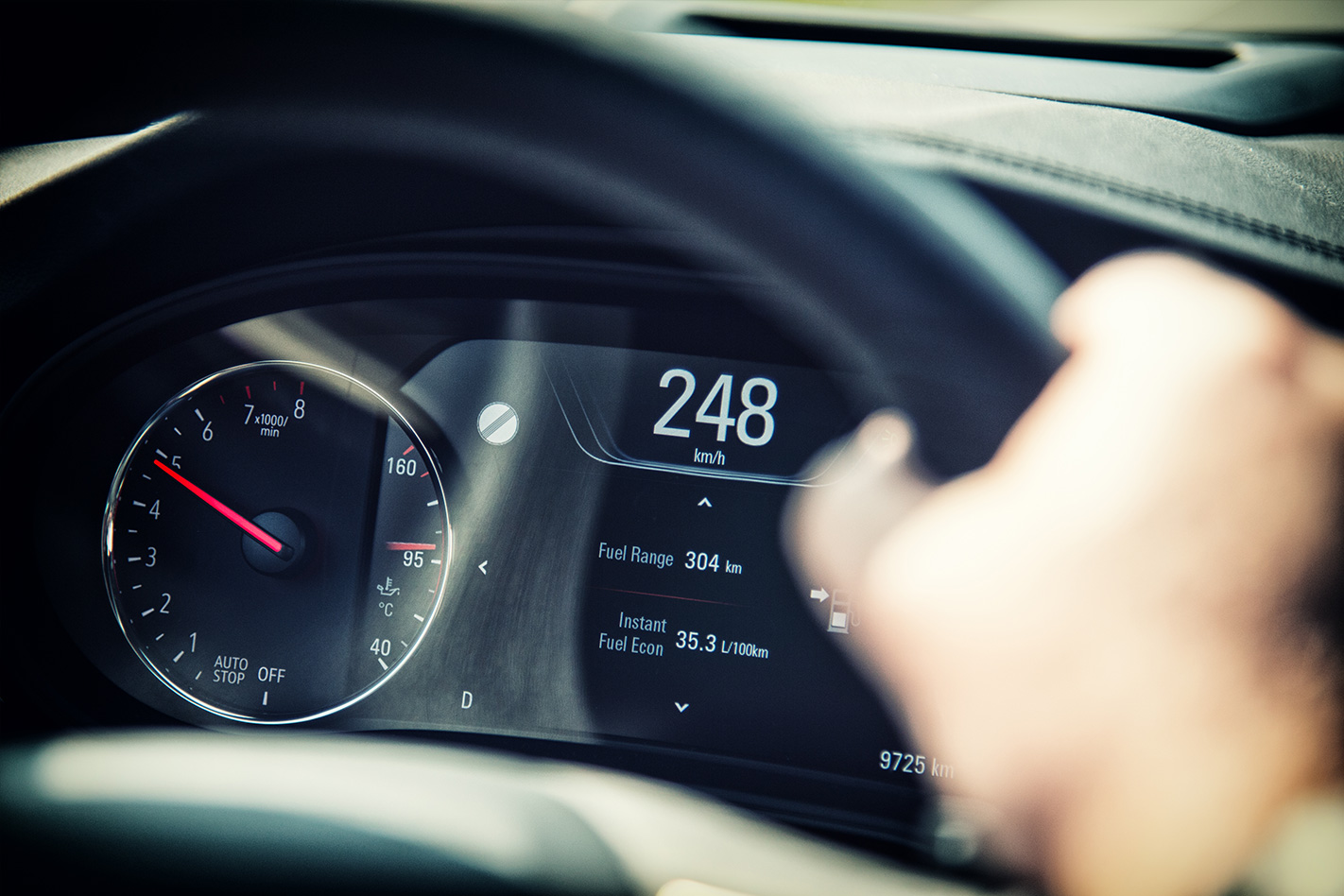
The car tops out at an indicated 248km/h, just shy of the official 250km/h speed limiter; it might have gone faster, but a distant truck seems to be contemplating a lane change. At top speed the Insignia’s body control starts to waver, but switching the dampers into their firmer ‘Sport’ setting calms proceedings down nicely. Four-kays a minute, and not a single law broken.
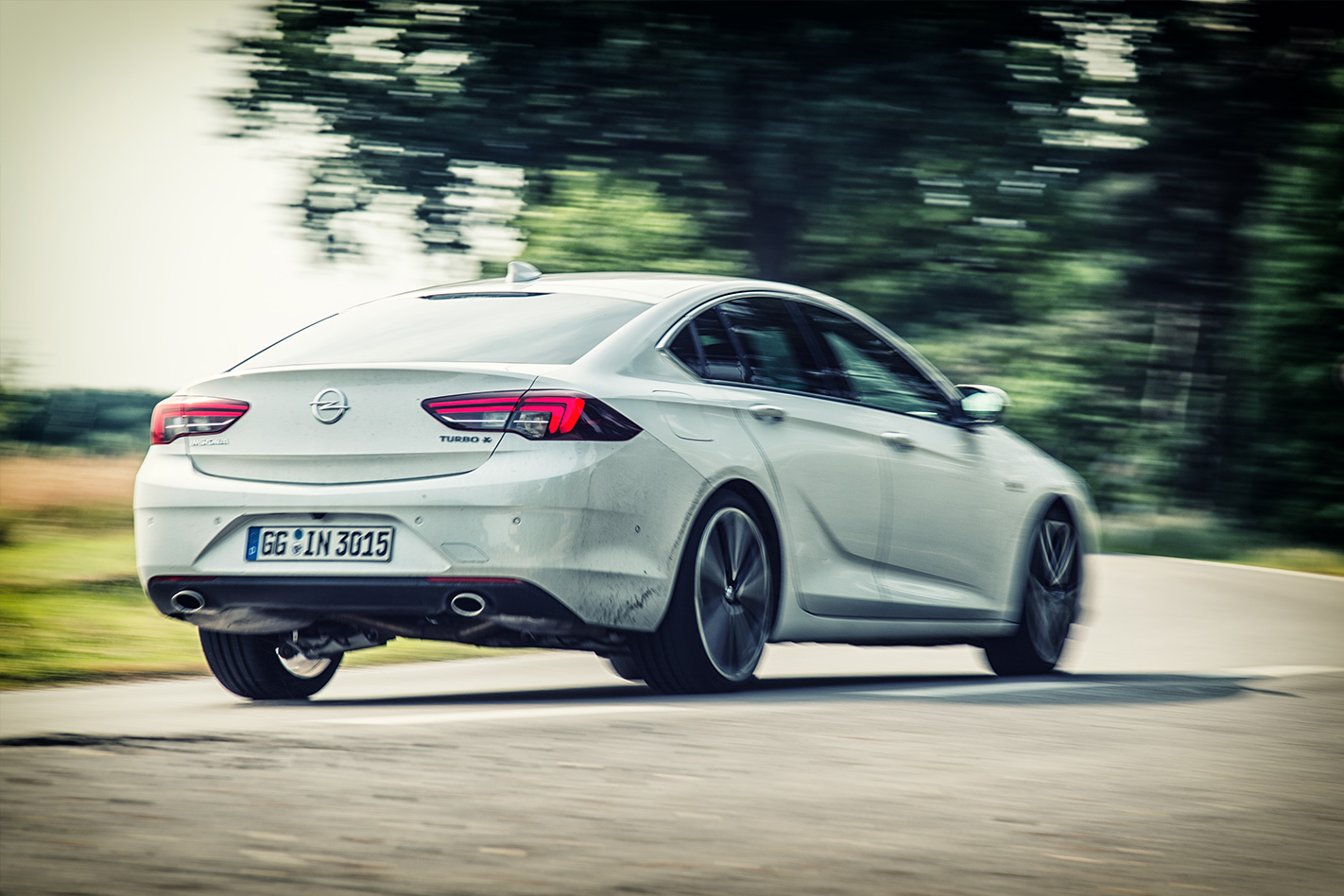
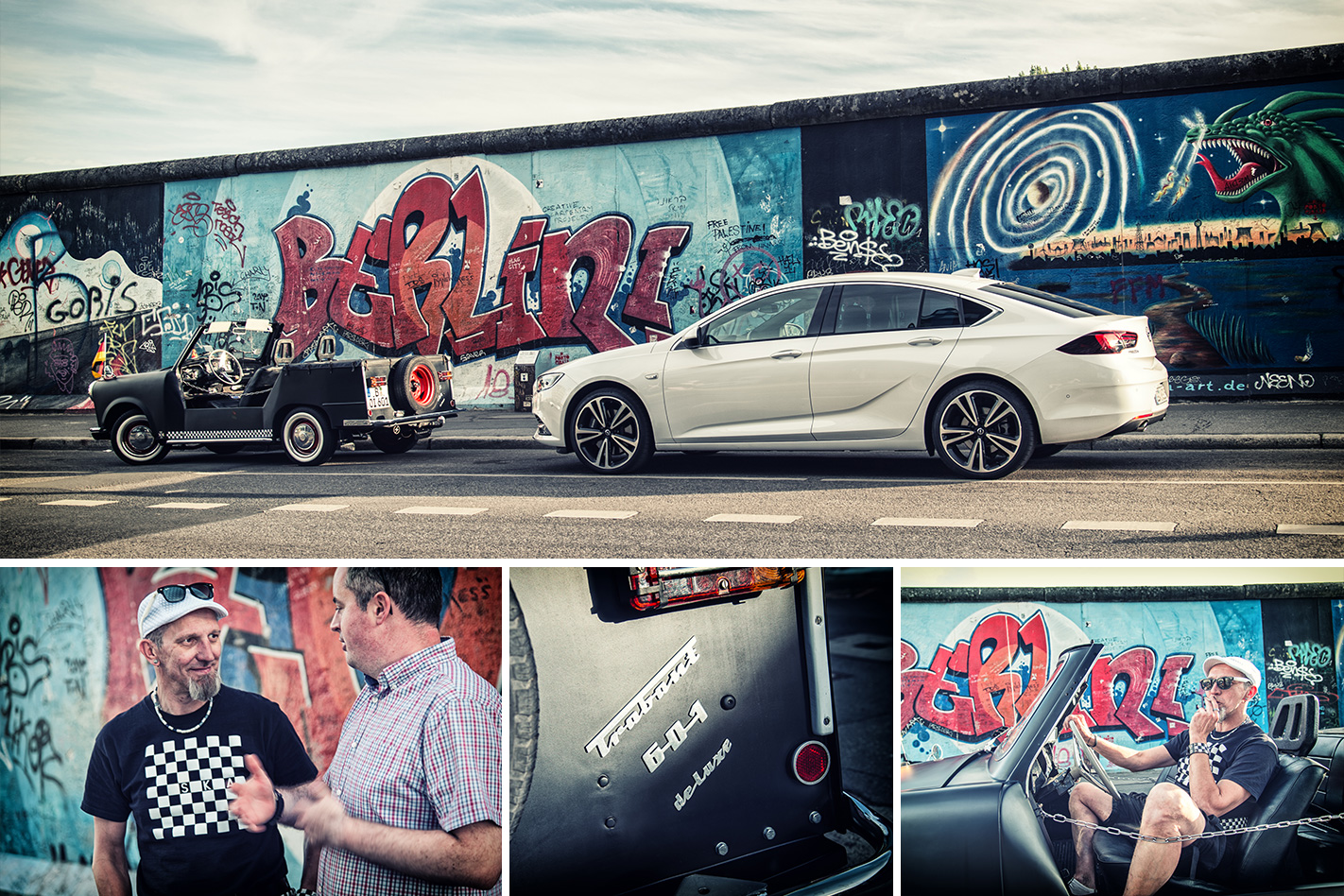
The Insignia makes it to Berlin without breaking a sweat. It’s a good cruiser, a great gentle-pace car, comfortable and quiet while travelling at a decent clip, pliant and easy to drive in town. We stop off at the remaining bit of the Berlin Wall, put up considerably after the airlift but still the most striking emblem of this once-divided city. It’s a beautiful summer’s evening and the city is crowded with young people enjoying both sun and beer.
It’s being driven by a bloke called Rene who says he restored this former military Trabi to something close to its former glory and drives it around as a rolling celebration of the DDR. Rene was 21 when the wall came down, and says he still mourns the end of the Communist regime.
After a night in a hotel with an underground car park that seems to have been designed to accommodate nothing bigger than a Trabant, it’s time to visit Tempelhof. This is the massively over-the-top airport that the Nazis built right in the centre of Berlin, and is one of very few buildings designed by Hitler’s pet architect, Albert Speer, to have survived the war.
It’s certainly impressive, the main building being 1.2km long and arranged around a massive quadrant. It closed as an airport in 2008 and there’s the strong sense the city doesn’t really know what to do with it – some of the offices are in use, but most are standing empty, and a male strip club for the ladies called ‘SIXX PAXX’ has set up next to the main departures hall. There’s also a concrete memorial to the pilots who died in the airlift – the number includes one Australian, Flight Lieutenant Mel Quinn, who crashed near Lubeck in March 1949 while serving with the RAF.
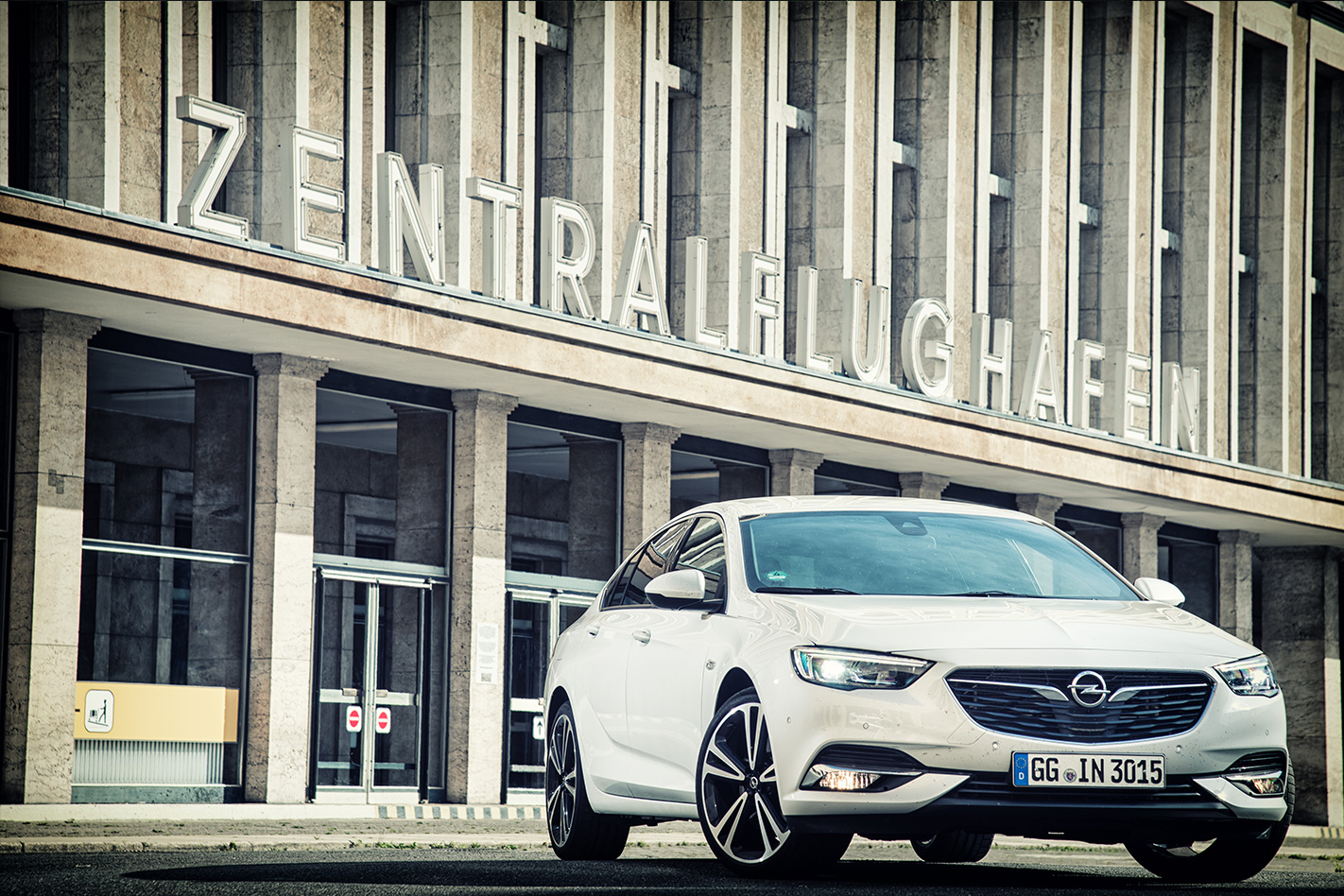
Looping into the Brandenberg countryside gives the Insignia a chance to show how it copes with tighter and twistier roads. The answer is with a similar degree of competence as on the Autobahn, but with little apparent enthusiasm. Grip levels are high and responses are accurate, but the steering is a feel-free zone and despite featuring the same torque-splitting ‘Twinster’ rear axle as the Ford Focus RS, there’s no sense of any playful nature under harder use; the system fights understeer without adding any rear-endy excitement.
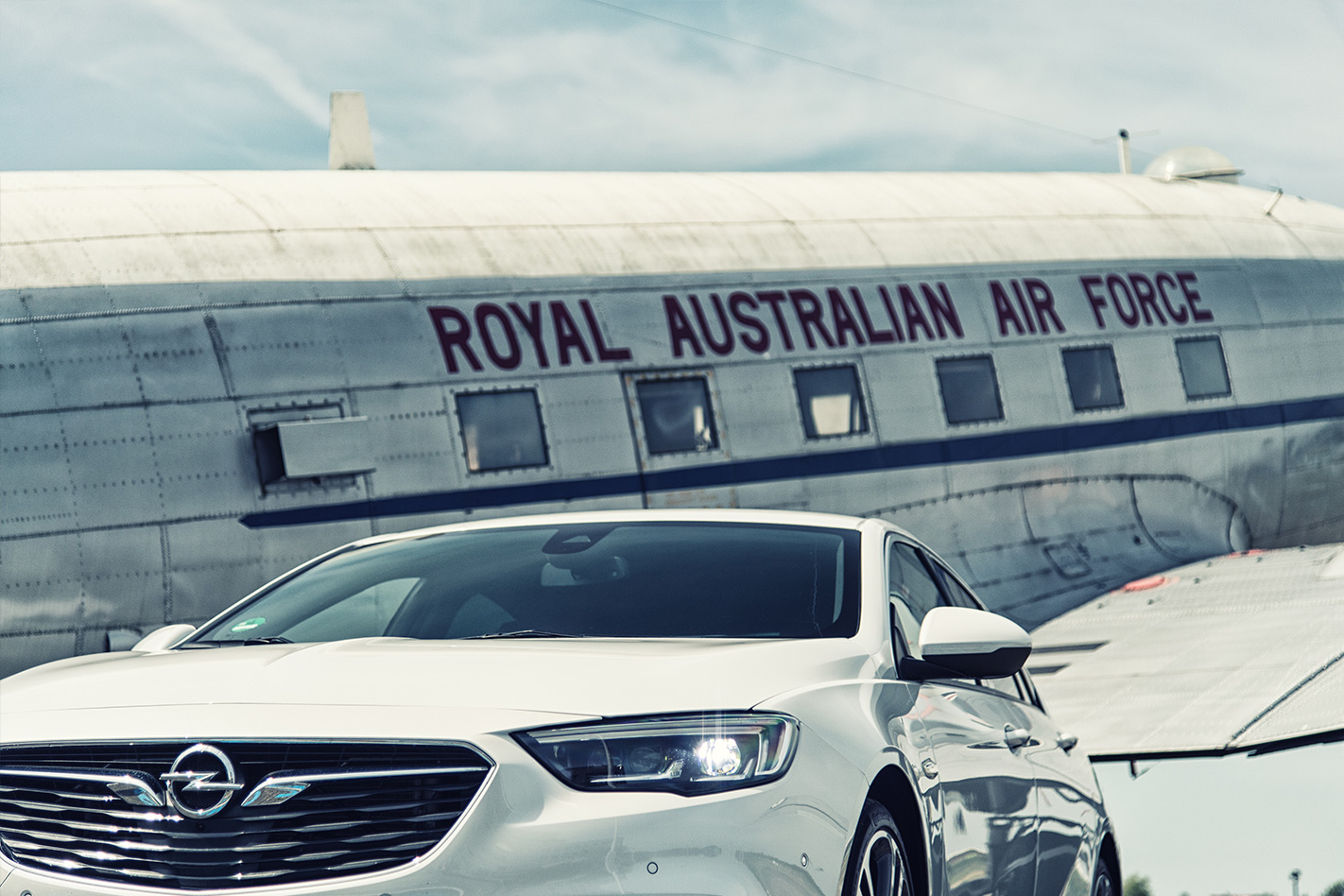
At Gatow a twin-engined silver plane sits next to the former control tower. A closer look reveals the distinctive kangaroo roundel and the legend ‘ROYAL AUSTRALIAN AIR FORCE’ above its windows.
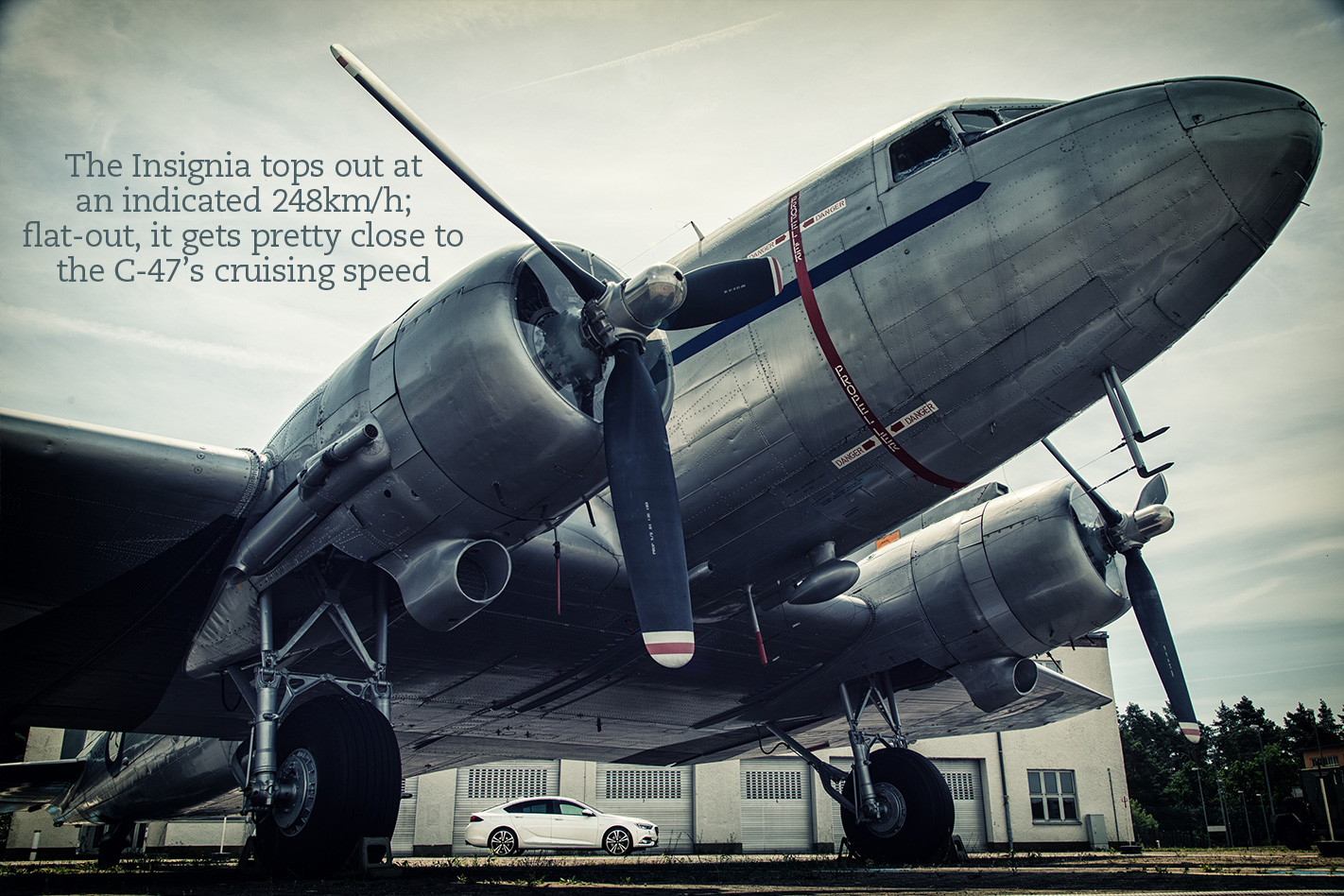
We’ll swerve the controversy about a predominantly front-drive German-built Commodore for now, but the Insignia offers a fine basis for its Holden offshoot.
GM Europe might have saved its best for last, the Insignia certainly feeling much more convincing than any of PSA’s own similarly sized offerings. It’s short on driving thrills, but the basics are all good.
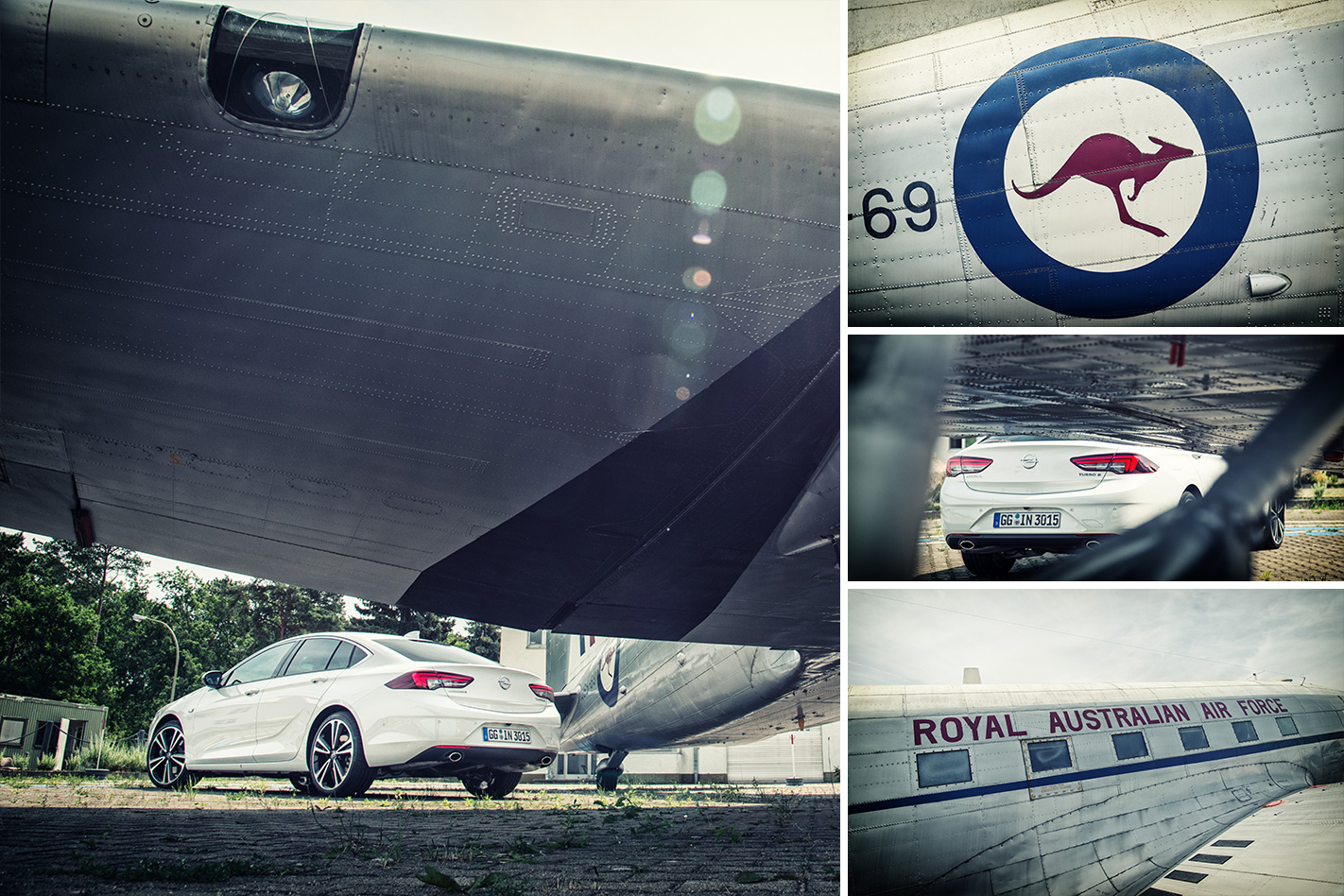
Proof, if we’re taking a moral here, that cooperation in the face of adversity can produce remarkable success.
AUDI has launched the second-generation drop-top A5 cabriolet in Australia. The fourth member of the German luxury car maker’s growing drop-top line-up – the Audi A5 joins an open-air club that already counts the A3, TT, and R8 among its line-up – has also been released as a more potent S-badged version, the S5 Cabriolet.
WHAT IS IT?
The Audi S5 Cabriolet is the top of the folding roof A5 family, well, that is until a potential RS5-badged model arrives late in the current A5’s life cycle.
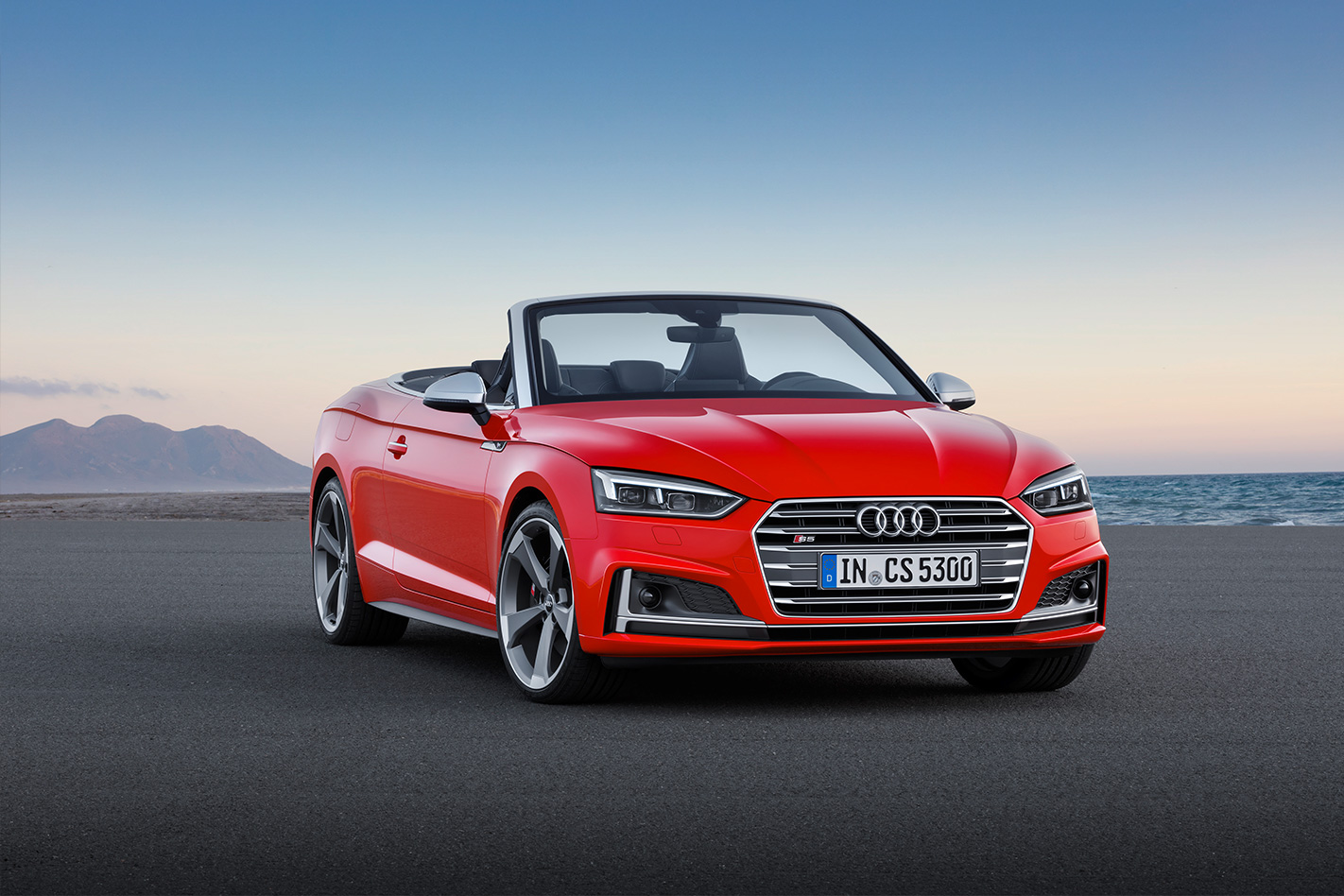
The new A5 cabrio range swaps over to the same MLB platform as the A4 and hard-topped A5 range. Although the S-badged model sticks to a 3.0-litre V6 under the bonnet, the supercharger of the previous generation is swapped out for a turbo in this one. We’re keen to know if its change of forced induction alters the character.
MAIN RIVALS
BMW 440i Convertible; Ford Mustang GT Cabriolet, Mercedes-AMG C43 Cabriolet
THE WHEELS VERDICT
Something has been lost in translation in the S5 Cabriolet’s move from a supercharged V6 to a turbocharged one. As good as the turbo version is, it lacks some of the responsiveness – and the acoustics – of the generation it replaces. Save your money, buy the 2.0 TFSI Quattro, enjoy the first sting of summer and then trade it in on an RS5 coupe, which arrives here just in time for Christmas.
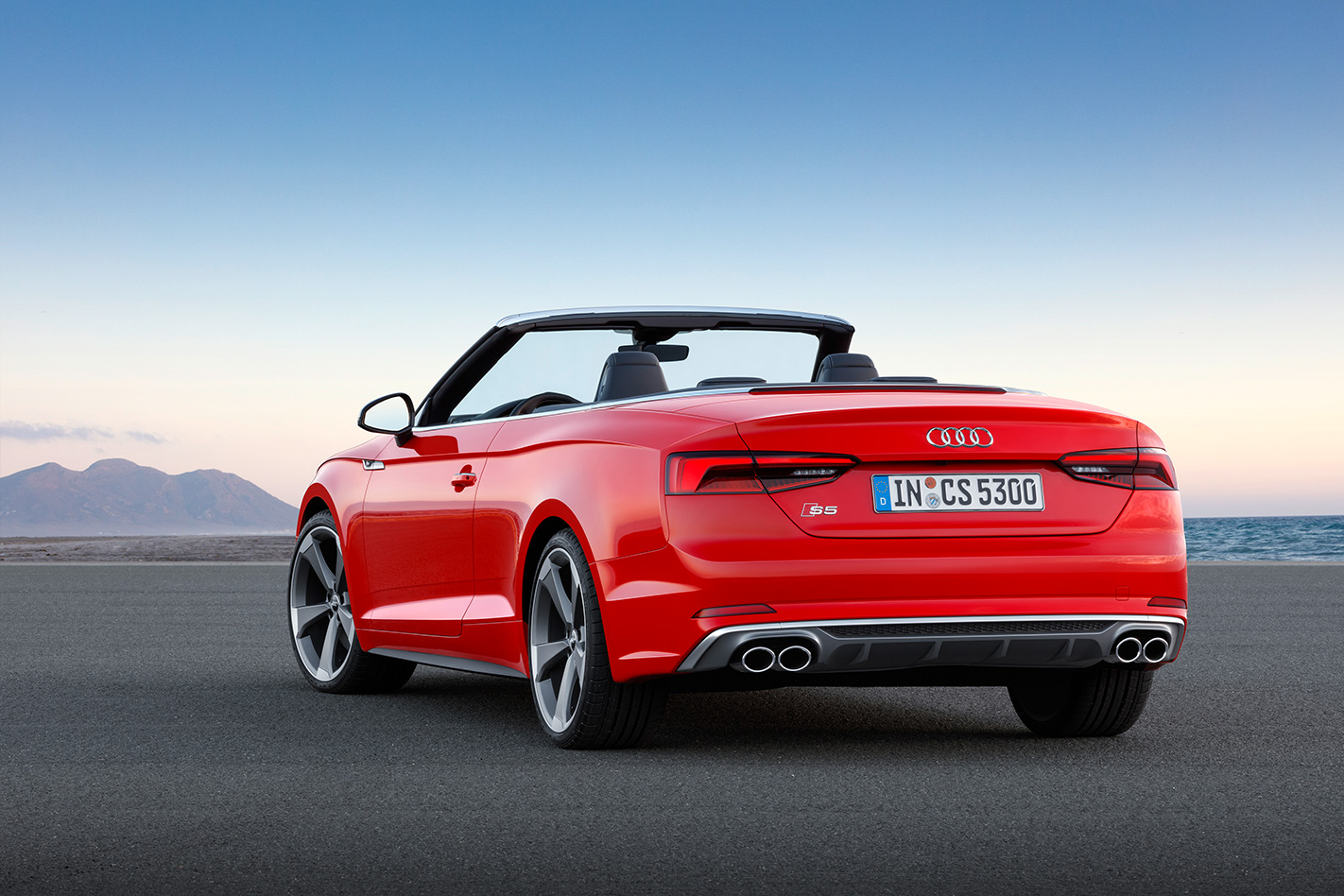
DISLIKES: Turbo engine lacks sparkle; doesn’t feel like a sports car
THE WHEELS REVIEW
AUDI is celebrating the arrival of its A5 Cabriolet with the S5 version, a sharply packaged, sharper-priced, and even sharper-driving version of the drop top.
Looking much like the S5 Coupe – apart from a five-layer folding cloth roof that contains more sound deadening, a larger rear porthole, and in-built reading lights for the rear pair of pews than its predecessor’s – it carries an almost $15,000 premium over the hard-topped version it shares its 260kW 3.0-litre turbocharged V6 with, but is $13,000 cheaper than the outgoing model.
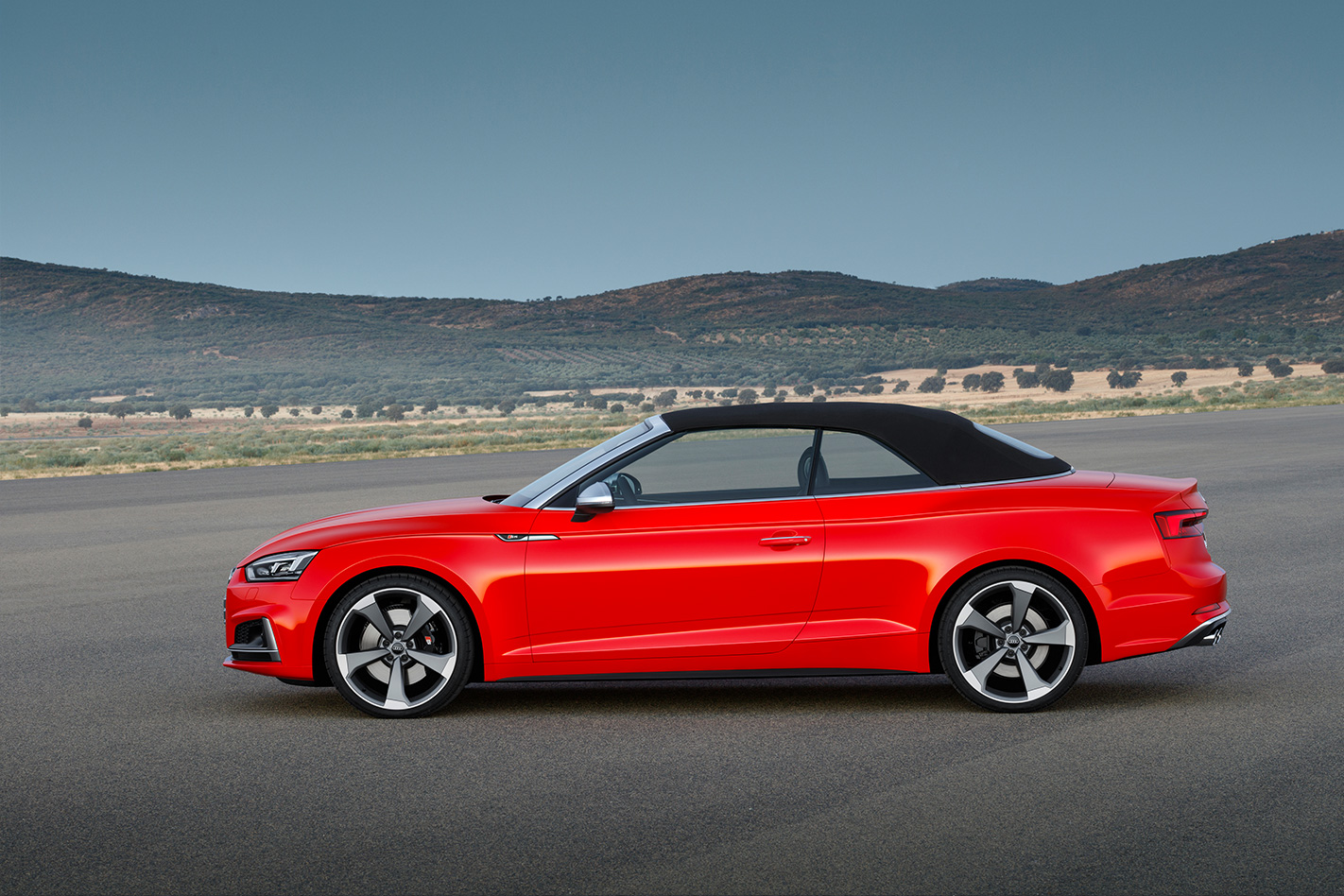
We didn’t drive the S5 with the roof down – at the time of our drive Adelaide appeared to be enjoying a month’s worth of rain compressed into a single day – but there was opportunity to get just a hint of its capabilities over choppy, poorly surfaced roads around the Adelaide hills that this boulevard cruiser wouldn’t ordinarily experience.
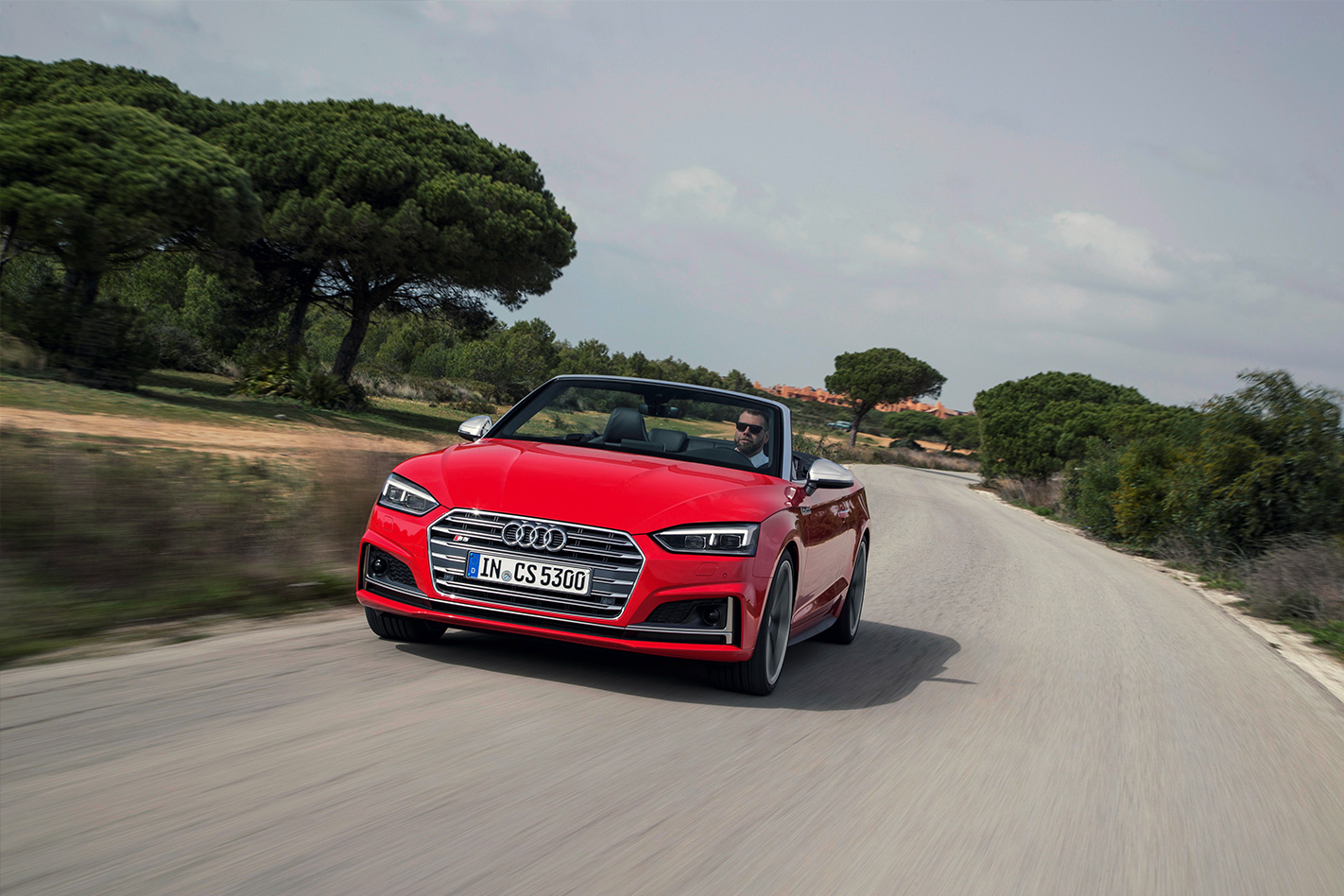
Even so, the quattro system – sending a default 40:60 drive split, but adjusts that to anywhere between 85 percent for the front or 75 to the rear – felt well planted and didn’t seem to have trouble laying down the engine’s power. Body flex – the result of chopping the rigid roof off – was well contained.
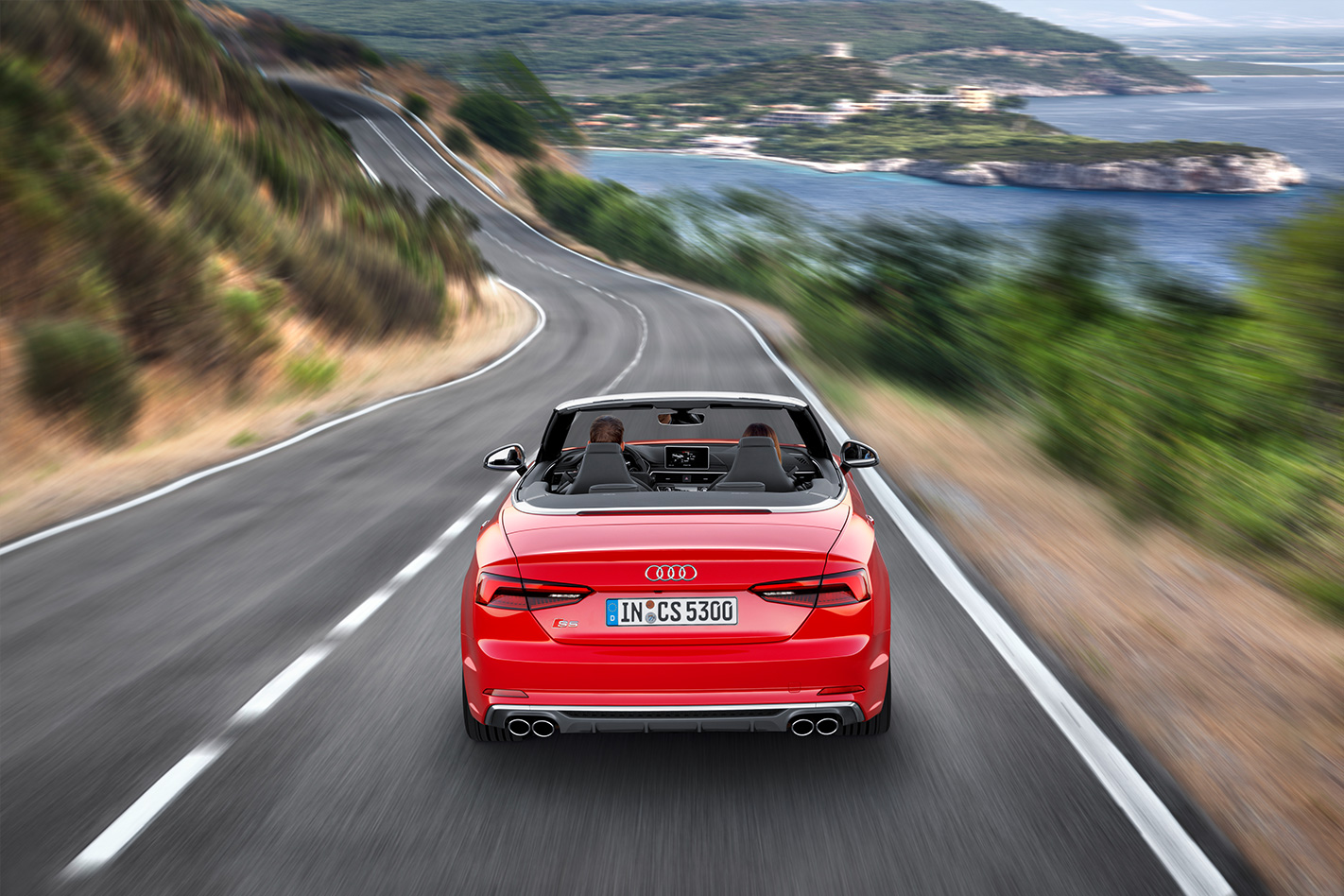
In contrast, the “hot” turbocharger that sits in between the vee runs out of puff early, barely making its way into the cabin – probably due to thicker glass used in the cabriolet that provides more sound insulation. The only bit of entertainment is the slight crack and burble on a trailing throttle when the performance setting is on Sport.
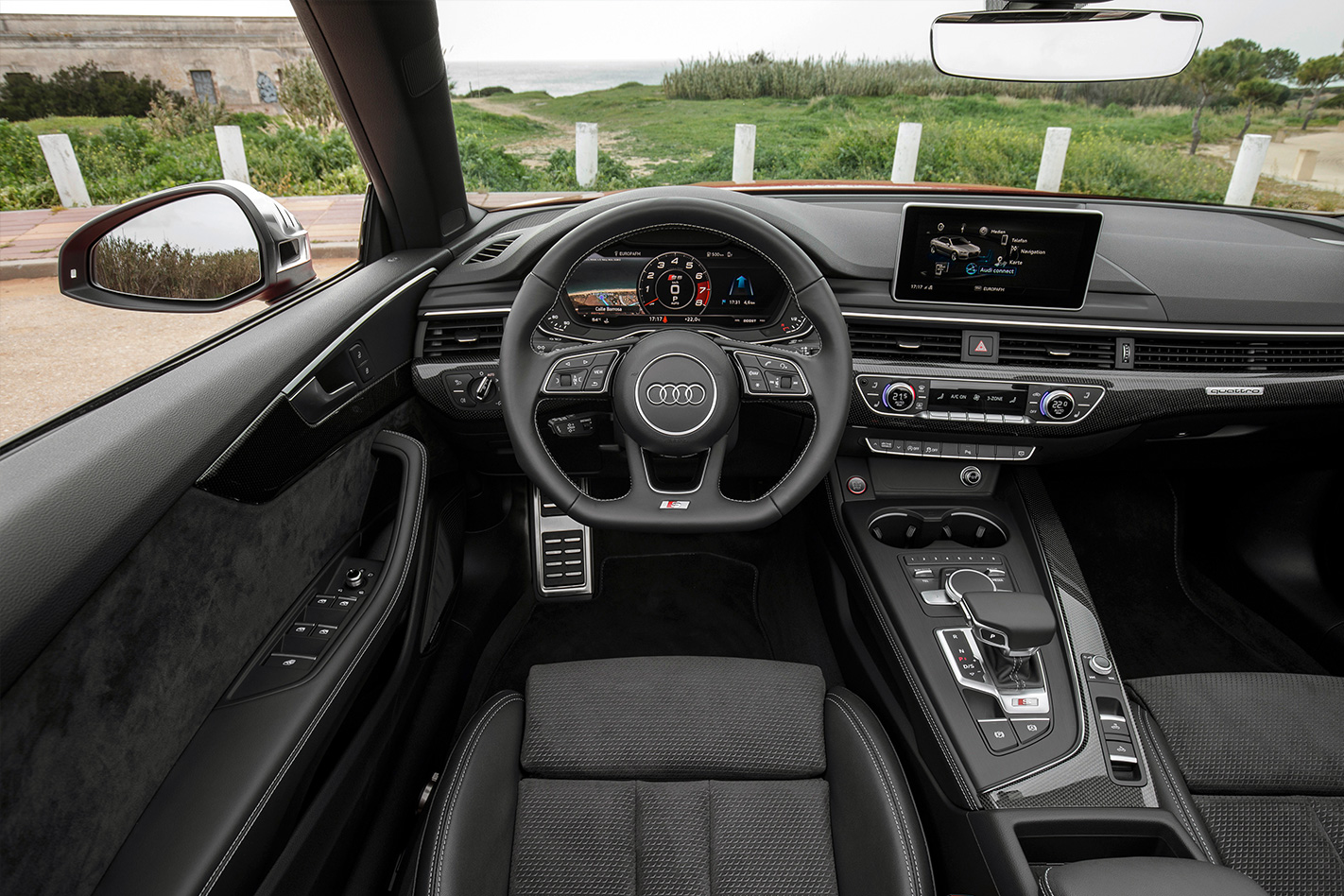
And that, in a nutshell, is it. The S5 cabriolet comes across as a pretender, and not really a genuine warmed-over sports car that Audi’s “S” moniker and its silver-framed wing mirrors normally point towards. But cabrio buyers are a funny, loyal lot, and some will see the upside of all that potency wrapped inside a pretty box.
SPECS
Model: Audi S5 Cabriolet Engine: 2995cc 90º V6, dohc, 24v, turbo Power: 260kW @ 5400-6400rpm Torque: 500Nm @ 1370-4500rpm Transmission: 8-speed automatic Weight: 1840kg 0-100km/h: 5.1 (claimed) Economy: 7.9L/100km Price: $119,111 On sale: Now
The Mk7 Golf has been winning Australian hearts since it was introduced locally in 2013, but that was four years ago and some strong rivals have been catching up to its impressive package of value and style.
To keep its fists up in the small passenger car segment the company has introduced this, the Volkswagen Golf 7.5. It’s the first time Volkswagen has named a mid-life update with a decimal point, but is its four-year refresh worthy of such a bold move?
WHAT STANDS OUT?
On the outside, the Golf has been given a mild facelift with redesigned bumpers front and rear and a more noticeable upgrade to the lights, which are LED at the rear as well as the headlights on versions that previously had xenon lights.

With the exception of a top-spec 2.0-litre diesel, all variants retain a 1.4-litre turbo petrol engine, but the update has increased power from 92 to 110kW, while torque is up 50Nm to 250. Despite the upgrade, fuel consumption ranges from 5.7L/100km to just 5.4 depending on the body style and gearbox.
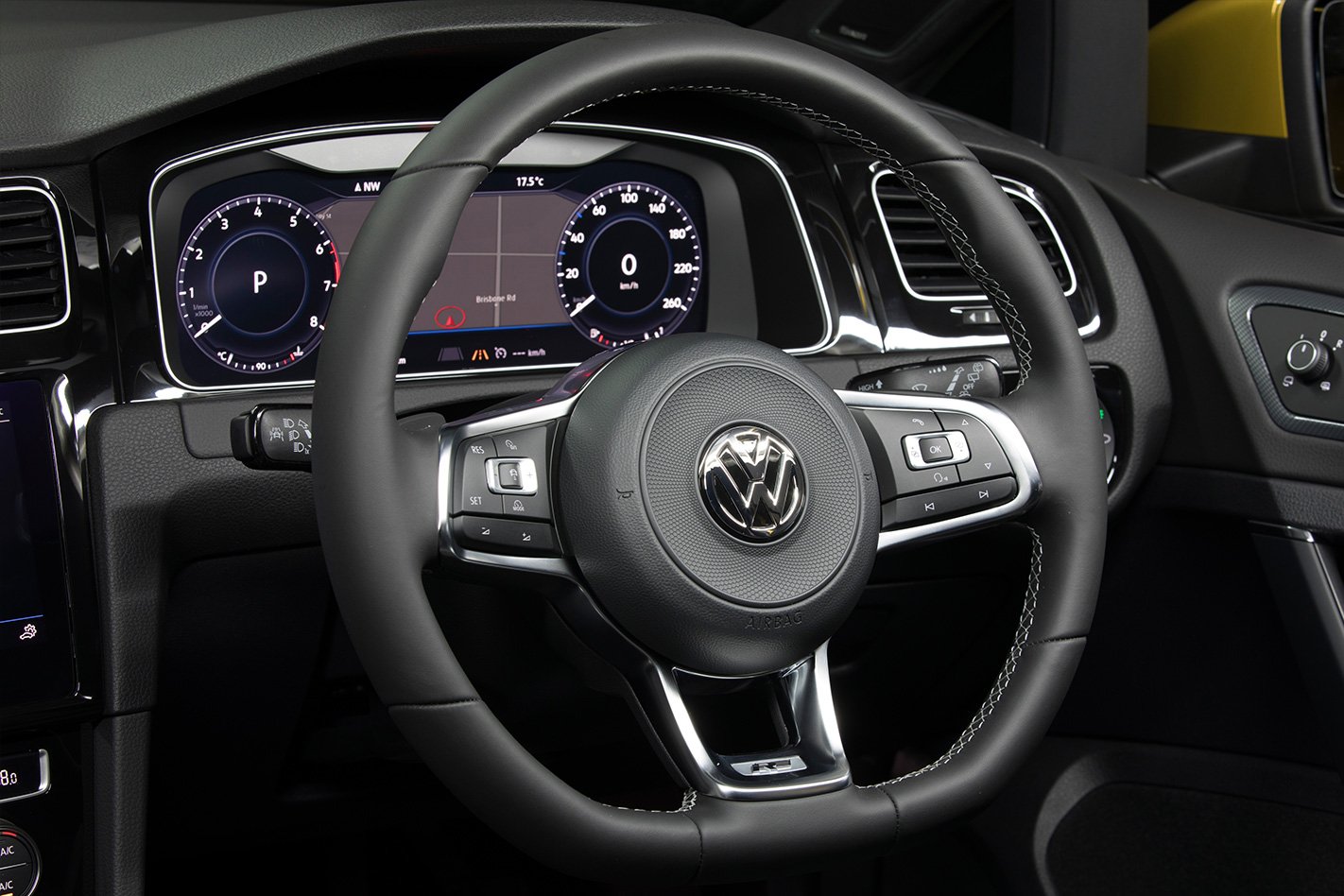
With a bigger budget, the top of the range Highline can be optioned with an R-Line package (as shown) which adds a unique 18-inch wheel set, a different body kit and sportier additions to the interior such as the D-shaped steering wheel and sports leather seats.
WHAT’S INSIDE?
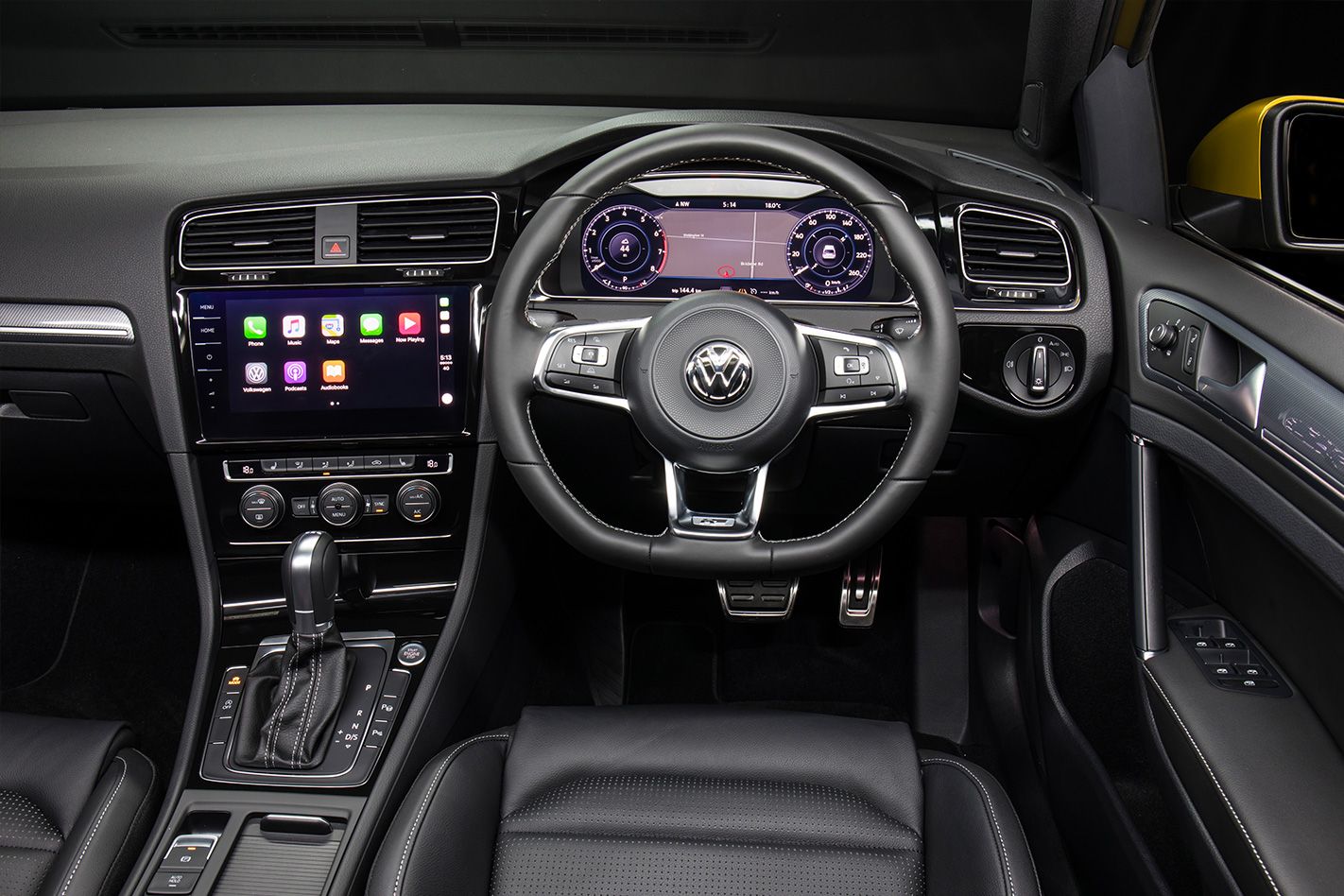
On the inside the Golf’s classy cabin is largely unchanged with top quality materials and design, but the most significant news is with the information and entertainment system.
The central screen has been up-scaled from 6.2- to 8.0-inches for all variants, with a tidier design, but an optional Infotainment pack boosts that to a huge 9.2-inch version available for Comfortline and Highline variants.
The pack also swaps conventional gauges that flank a central digital display, for a fully digital Active Info Display similar to the 12-inch Virtual Cockpit screen found in many Audi models.
CHOOSING YOURS
For many brands in the small passenger segment, the entry level variant is often a little light on kit for most customers, but Volkswagen has taken a different approach with its most affordable Golf.
Standard equipment includes a large central screen, leather steering wheel, autonomous emergency braking, independent rear suspension, alloy wheels and a reverse camera.
Trendline and Comfortline variants cover the middle of the range with extra driver assistance and comfort features depending on your budget including automatic lights and wipers, navigation, larger wheels, comfort front seats and parking radar.
The Highline rounds out the top of the range with the most generous kit and the option of a 2.0-litre diesel engine with 110kW and a beefy 340Nm.
It brings luxury touches such as part leather interior, 17-inch wheels, keyless access and start and a sunroof.
Driving enthusiasts will be pleased to see a manual gearbox as standard for the 110TSI and Trendline hatches, while load luggers will welcome four wagon options – all with dual-clutch DSG automatic transmissions.
THE PICK
It might be the most affordable version, but the entry Golf 110TSI has the right level of equipment that would keep many owners happy. With the standard six-speed manual gearbox, the added power boost and fine handling, the entry Golf is fun and well equipped. Let’s call it GTI-lite.
At the other end of the spectrum, the Highline fitted with R-Line and Infotainment option packs transforms a sensible and humble hatch into a premium offering with the goods to worry an Audi A3 or Mercedes-Benz A-Class.
SUMMARY
Some mid-life updates can seem a little like going through the motions and an excuse to push a tired model with a light redesign, but not the Golf.
A power boost has taken performance from adequate to involving, while the technology update has resulted in one of the sharpest information and entertainment packages in its class.
The revitalised Volkswagen Golf 7.5 is looking and performing as strong as ever.
Vehicle-to-vehicle (V2V) communication will soon become a mainstay of our roads, but our cars could soon after be talking to traffic lights and buildings.
Wheels delves into the What? How? and Why? in this edition of Explained.
What is it?
An evolution of vehicle-to-vehicle (V2V) wireless communication that enables cars to share information with buildings, road signs, and traffic signals, as well as other vehicles.
Why does it matter?
A functioning V2X network is one critical element in the infrastructure required to support high-level autonomous driving. Without it, self-driving cars must rely on relatively limited information from their own sensors, but a vehicle-to-X network allows a car’s awareness of its surroundings to be extended with almost unlimited scope.
Ahead of the arrival of autonomous cars, V2X systems will start to improve the safety of road users by providing the driver with supplementary information including warnings of heavy traffic, hazards, and weather updates, before encountering them.
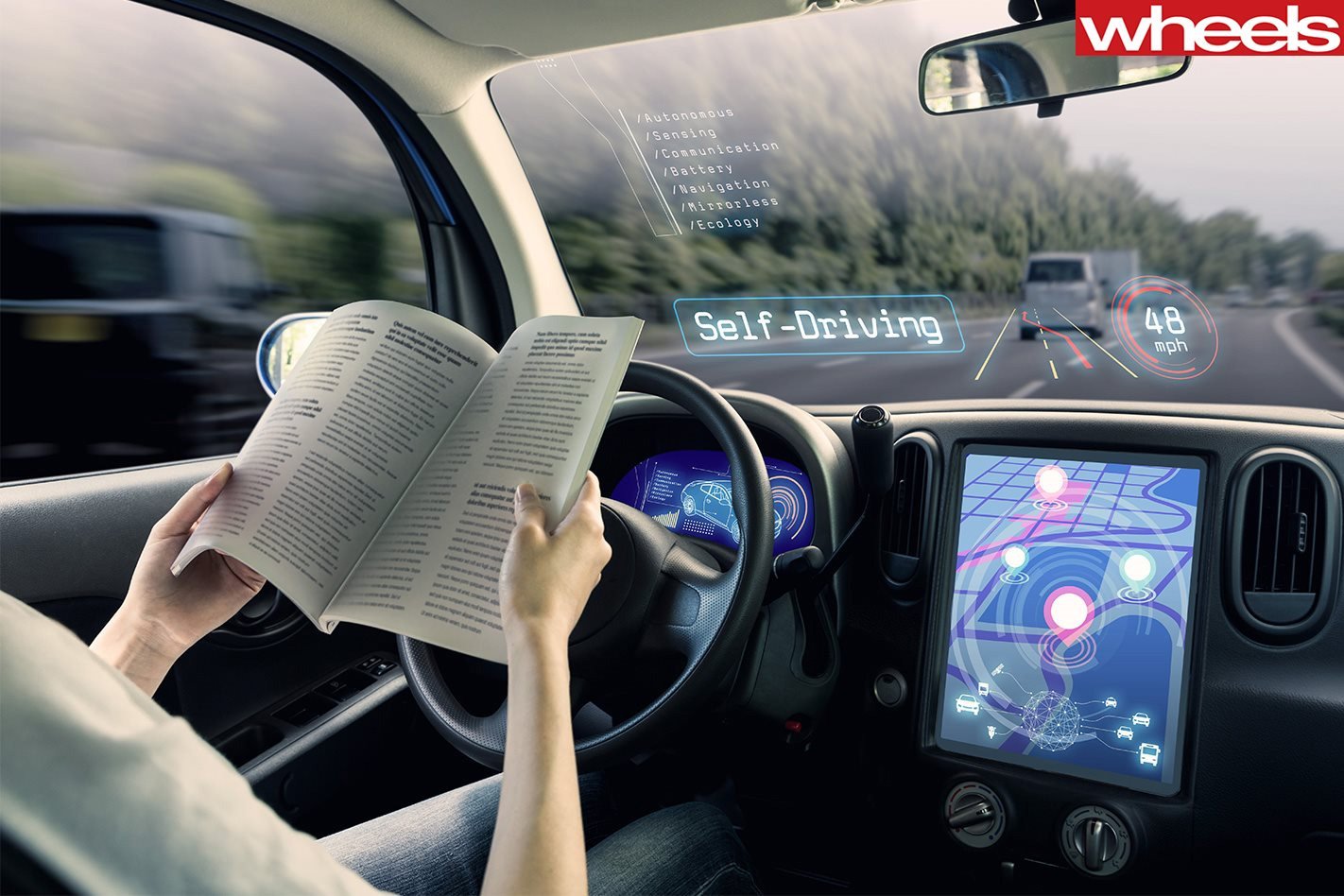
A V2X network is also the technology required to allow vehicles to ‘platoon’ – a convoy that maintains a constant speed and safe gap when using freeways.
How does it work?
Participating vehicles are equipped with a dedicated wireless local area network (WLAN) radio transmitter which uses a standardised language to talk to other vehicles and infrastructure within a certain range, regardless of the manufacturer.
If there is no connected infrastructure, vehicles can still communicate with one another to convey important messages such as if a vehicle ahead has performed an emergency stop, for example.
When in range of V2X infrastructure however, the vehicles benefit from a larger network of communication and extra information. A traffic light might inform vehicles when the next red light is due allowing the car to safely approach a signal without jumping the red or having to brake aggressively.
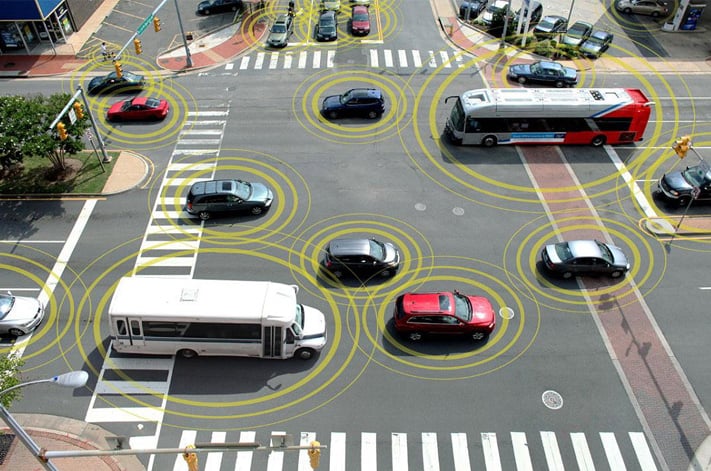
Even though an individual vehicle or item of road furniture has a limited range of broadcast, information can be transmitted larger distances by relaying across the network of connected devices, where necessary. The larger the network, the better it works and, theoretically, a vehicle could be warned of a problem anywhere in the world.
Feeding the machine
As more vehicles join the network, future systems will allow cars to ‘learn’ from each other by sharing information from centralised servers.
Stored information about how vehicles deal with unusual scenarios can be plugged back into autonomous vehicle control programs, resulting in more self-sufficient cars that relyon the network less.
