THE one take-home of 1968 is the growing strength of the Japanese car industry.
Just 20 years before, in 1948, Japan would produce just 110 cars. Two decades later, that would jump to a million – with Australia firmly in the industry’s sights.
It’s the year the VE Valiant series won the Wheels Car of the Year award, after it was judged as “the first tangible sign of a new spirit in the hitherto loftily isolated Adelaide company”. This came after two Valiant-badged models were rubbed out early in the previous year’s awards.
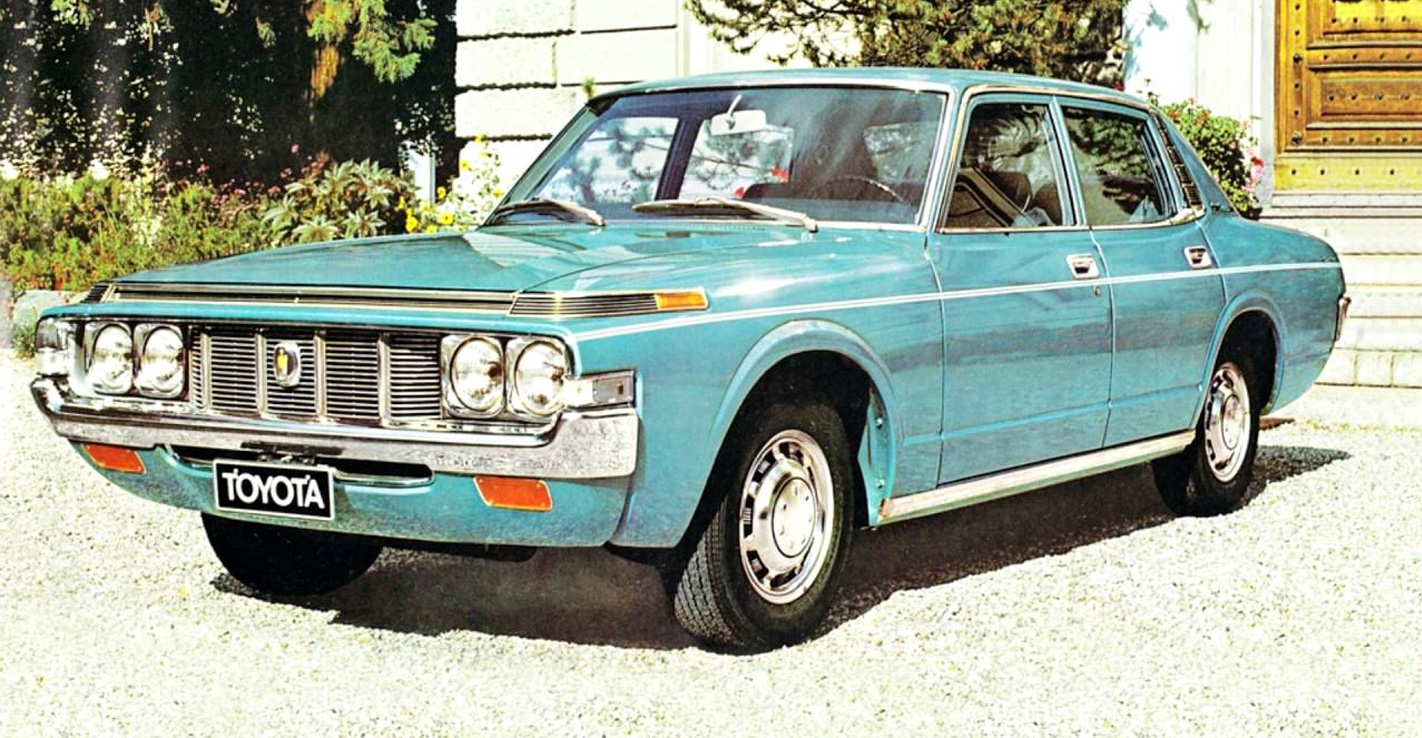
Meanwhile, road safety authorities were starting to make noises about adding anti-skid devices to cars. Toyota would fit an early, rudimentary anti-lock braking system to the 1971 Crown saloon.
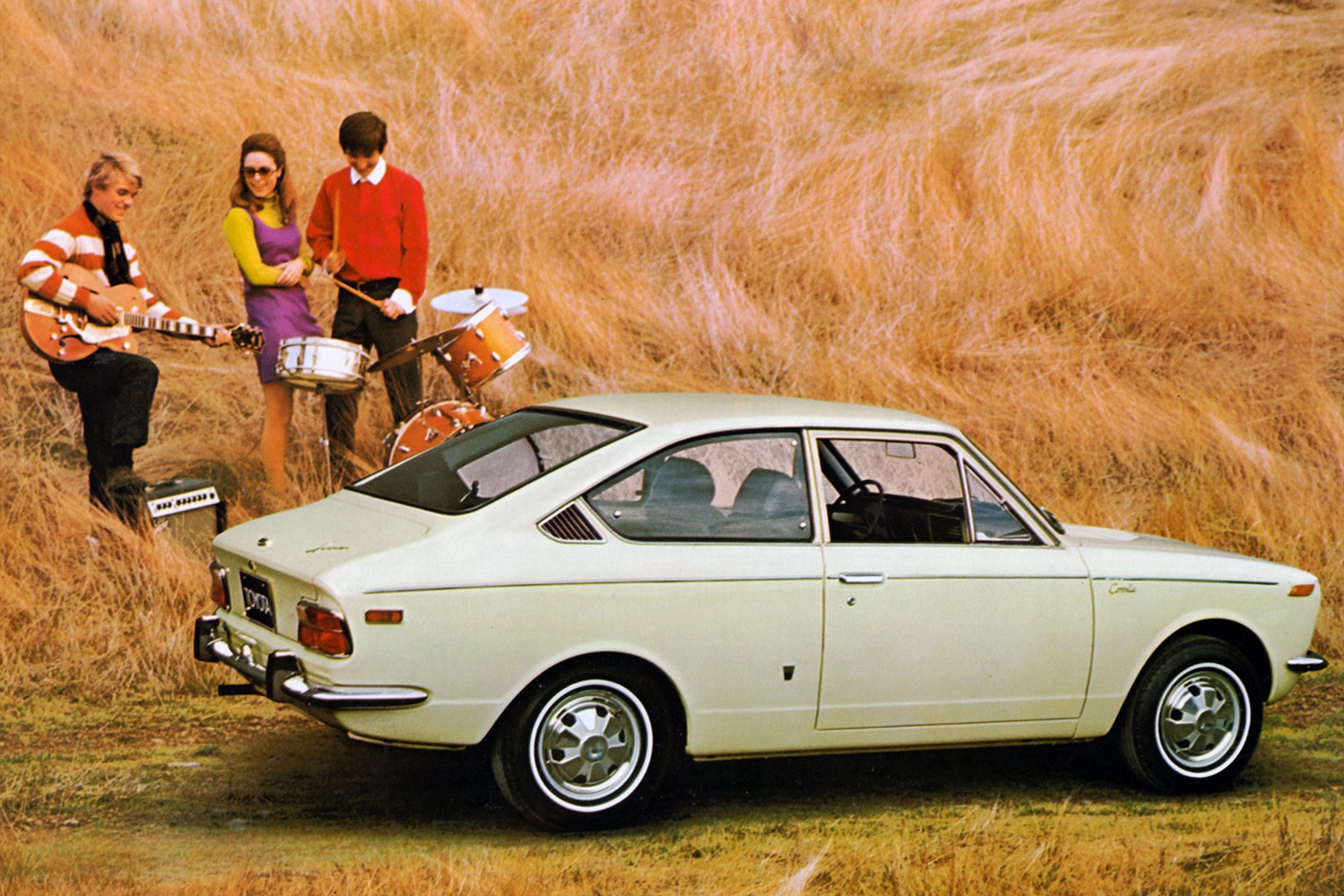
The Toyota Corolla, the small car that replaced the locally built Tiara, added an automatic version in 1968, a two-speeder. Aimed at female buyers, the sluggish Toyoglide-badged Corolla didn’t win over reviewers, posting a glacial 23.1sec quarter mile run.
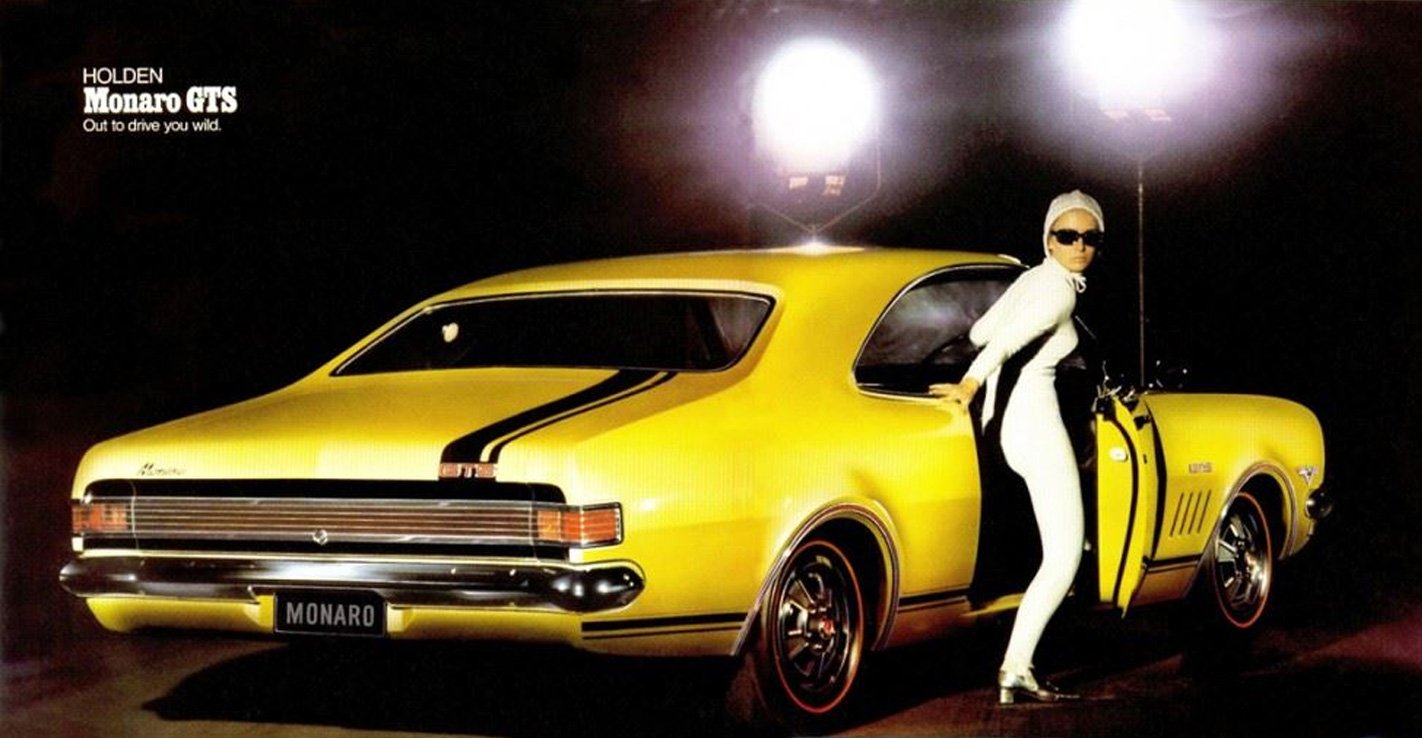
It also produced one of the iconic images of the time, the famous catsuited woman with the bright yellow Monaro.
In 1969, Australian Motor Industries launched the locally built Rambler Javelin. Heavy with US styling, it featured a 210kW 5.6-litre V8 mated to a three-speed automatic, and was equipped with power steering, power disc brakes, and a ‘twin-grip’ limited slip differential.
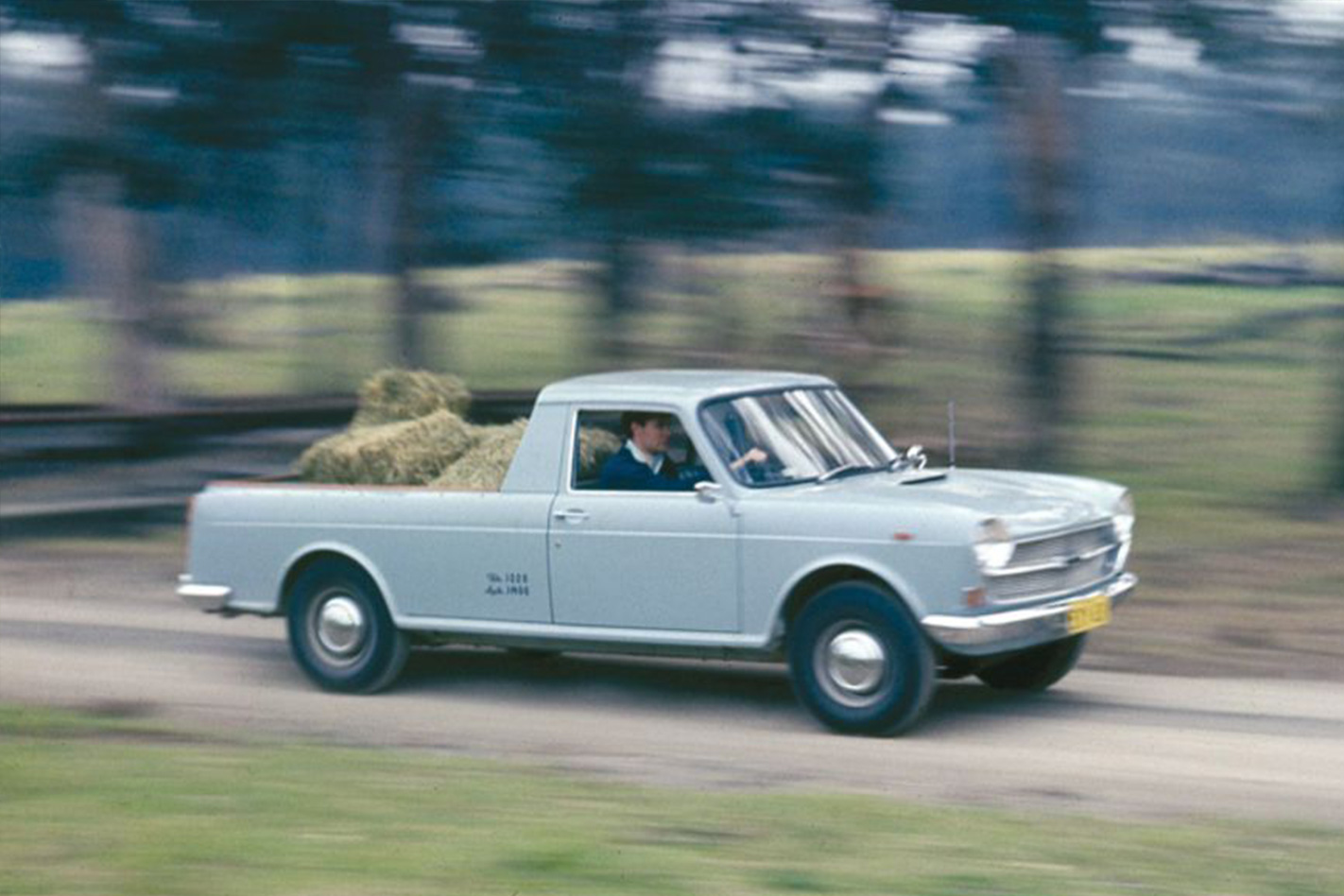
Austin, meanwhile, decided it needed to have something to compete with the utes built by Holden and Ford. It effectively cut the back off a front-wheel-drive Austin 1800.

It was also the year the Holden Monaro won the Wheels Car of the Year award. Holden was on a bit of a roll, winning over buyers with its HB Torana after a lacklustre first-gen car disappointed buyers.
Toyota, meanwhile, had launched the Corolla Sprinter, a locally-assembled car meant to take the fight up to the Mini Cooper S. However, with just a rudimentary power increase over the standard engine, it was ruled more of a well-equipped fastback than a performance two-door.
By this time, Japanese car brands had started eating into the market share of the Australian-based car makers who were hamstrung by strict local content laws that made it cheaper to sell limited-run imports which sidestepped volume requirements for locally made models.
So far, Toyota and Datsun were the only Japanese brands to launch a serious local production program.
Renault was also looking at local production as the industry called for content plans demanding up to 95 percent of the parts coming from within Australia. It had spent $5 million – the equivalent today of about $6 billion – to establish a manufacturing plant in Melbourne’s north.
Following the XT-based GT 351, Ford launched the car it wanted to claim the 1969 Bathurst 500: the XW GT 351, quickly labelled as Australia’s finest production sedan. Ford was also on a roll, starting to talk about introducing the Cortina to its Australian assembly program after the success of the Capri. Holden, meanwhile, rolled out the Monaro 350 GTS.

The 1970 Wheels Car of the Year award was the first broadcast on television. The winner, the LC Torana, sourced 85 percent of its content from Australian sources.

In short, 1970 was the year of the limited editions. Introduced to get around the restrictive local content laws, Australia was hit with a rush of short-run performance models designed to circumvent the high-volume restrictions. That included cars such as the Escort GT, the Bathurst-fighting Torana GTR XU-1, and the Valiant Pacer four-barrel sedan.
Valiant, meanwhile, introduced the Hemi 245 – quickly labelled the best six-cylinder power plant in the world – to the VG Valiant range.
The locally-assembled shovelnose Toyota Corona made way for an all-new model featuring a sleeker, wider body but carrying over many of the values that made the superseded model so attractive to buyers – the first major model change AMI had made to the strong-selling four-door in six years.
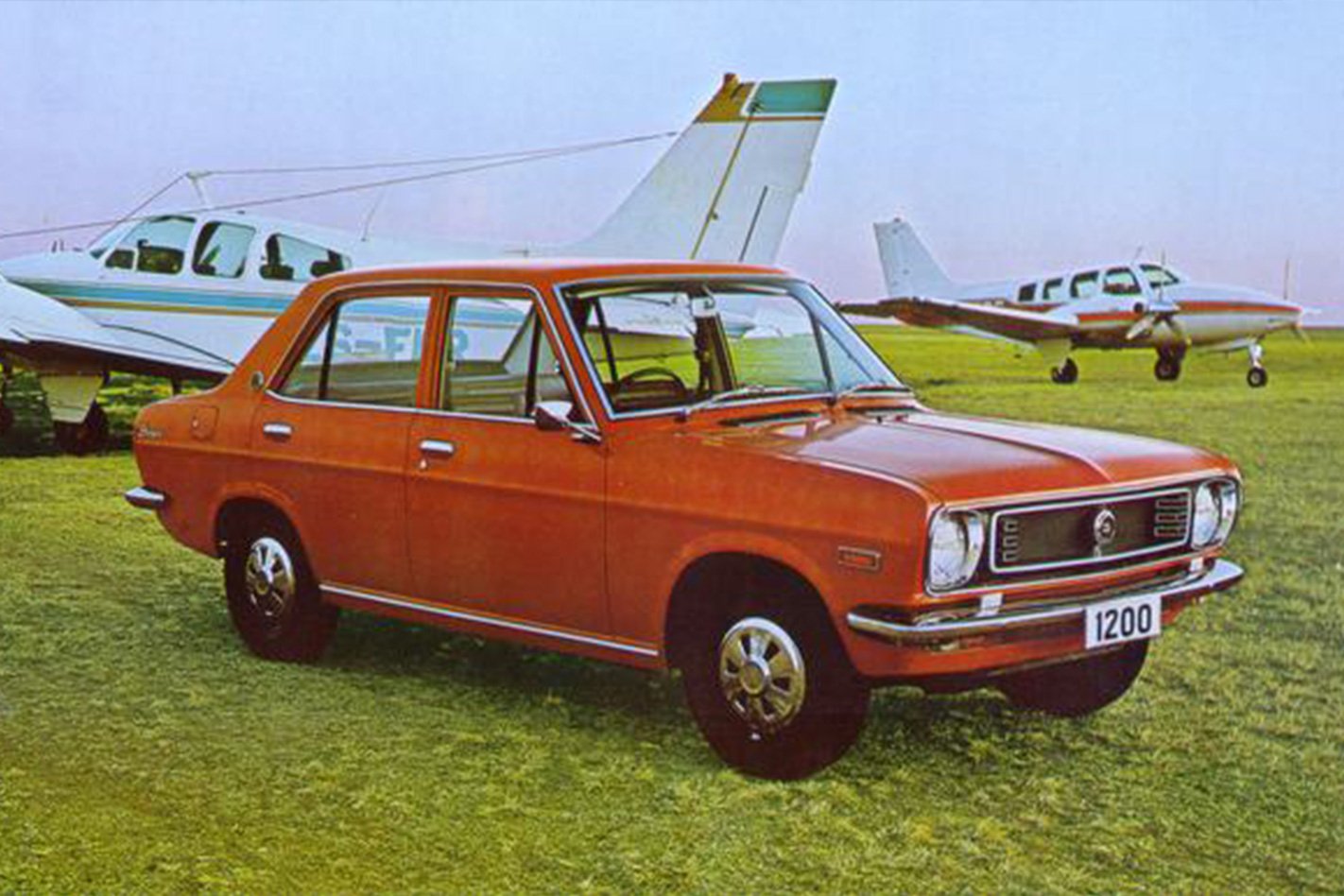
Holden added a Trimatic three-speed automatic to the facelifted HG range, replacing the old Powerglide two-speeder. Nissan, on the other hand, opened talks to have the Datsun 1200 assembled alongside Volkswagens at Clayton-based Motor Producers.
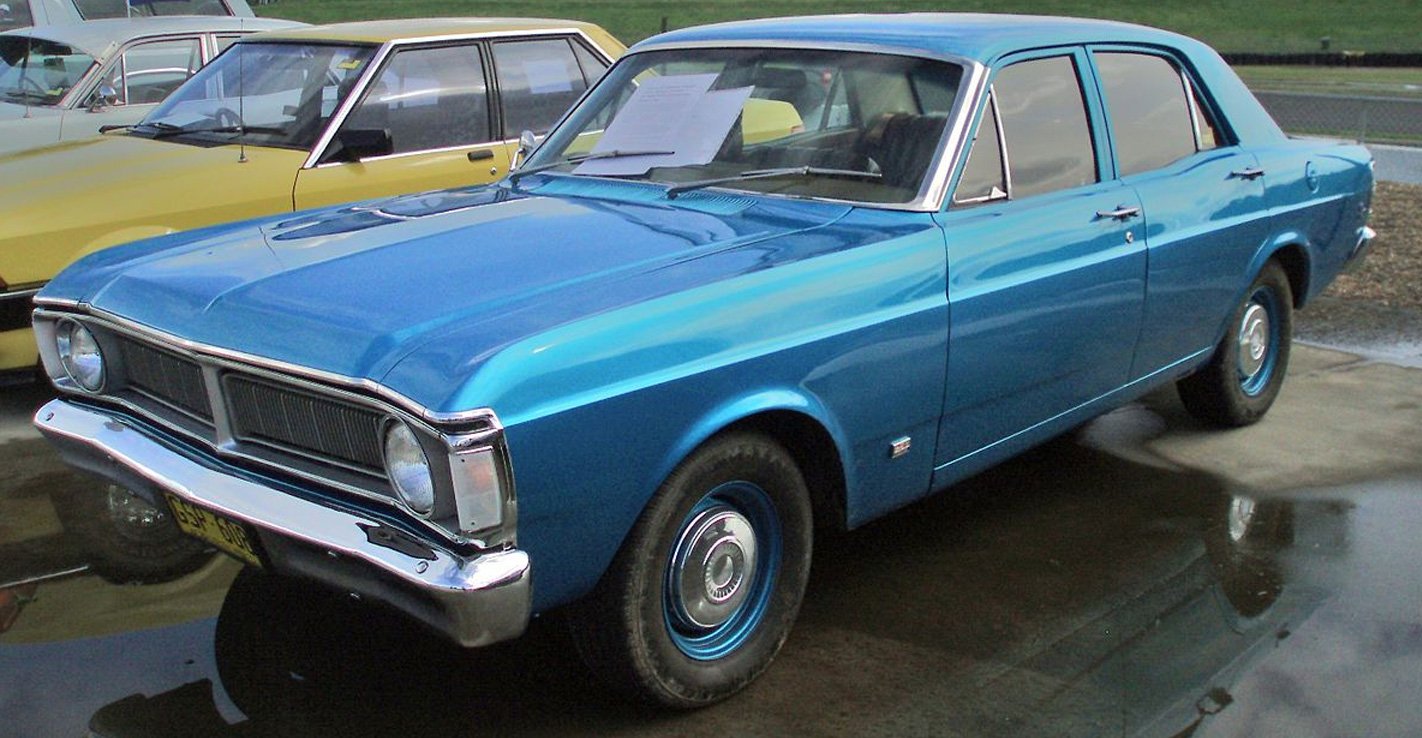
In 1970, Ford would introduce the shaker to its newly launched XY Falcon range, while British Leyland Australia would introduce a localised luxury Kimberley and Tasman, based on an extended Austin 1800. Motor Producers would start assembling the Volkswagen Passat and Beetle Superbug, and in 1971, added local assembly of Volvos. Overall, 52 percent of cars sold here were locally made, and the rest were imported, down from 70 percent in 1965.
One of the biggest advances in car safety was introduced in 1970; with Victoria mandating the use of seatbelts – the first jurisdiction in the world to do so. Other Australian states and territories would follow.
British Leyland Australia announced it would add a rear-drive Morris 1500 – to be called the Cavalier here – to its portfolio from 1972, a big diversion from the traditional front-drive car maker, as well as a new Mini Clubman range that replaced the S with the GT.
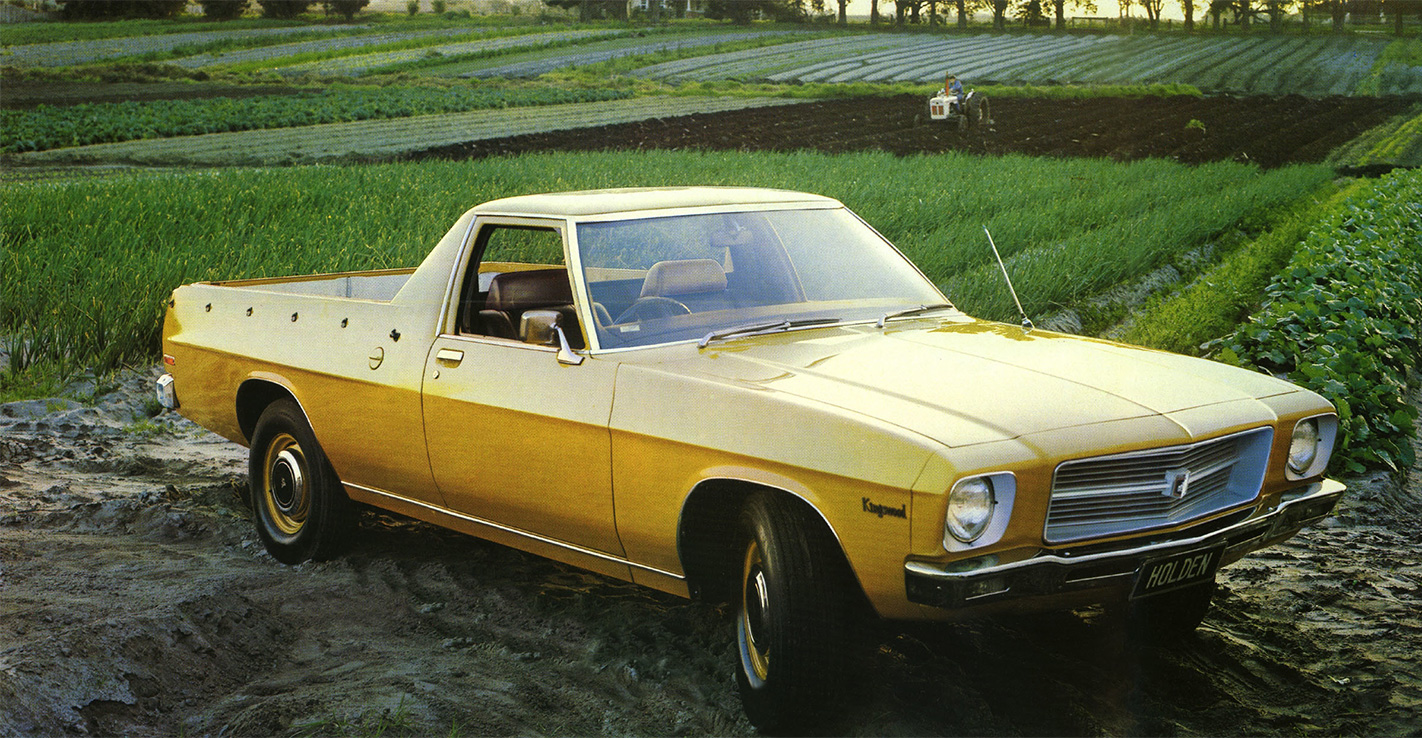
Holden used 1971 to launch the HQ Holden, the most changed car in the brand’s history, while Chrysler launched the VH Valiant, a “big car at normal prices” that included the two-door Charger. It’s also when Wheels ran one of its most controversial stories, traveling flat-out along the Hume Highway with the speedo on Falcon GT-HO Phase III off the dial.

In 1972, Toyota and Nissan announced plans to take on Australia’s “Big Three” – Holden, Ford, and Chrysler – by manufacturing engines and bodies in Australia. The move stemmed from a Gorton government mandate in 1971 that all cars built here would have to have up to 95 percent local content by 1979. This would affect manufacturers including Renault, Motor Producers (Volkswagen, Volvo and Datsun), AMI (Triumph, Rambler and Toyota), and Pressed Metal (MG and Land Rover). Also caught up were Ford – which alongside the locally made Falcon range, was assembling the Escort, Capri, and Galaxie – and Chrysler with its Hunter, Galant, and Dodge Phoenix assembly lines supplementing Valiant production.
But the “stagflation” of the early 1970s – the end of the post-war economic boom in Australia — was hitting hard, notably on new car sales. After reaching a sales peak in 1971, questions were now being asked about the long-term viability of supporting seven separate manufacturers in a market with a population of only 13 million people. Of note, 18.2 percent of those sales were claimed by Japanese car makers.
The year would close with local car makers unsure about how much they would need to invest in their engine and body manufacturing plants to meet the proposed local content mandates.
Next: Oil shock sweeps the world
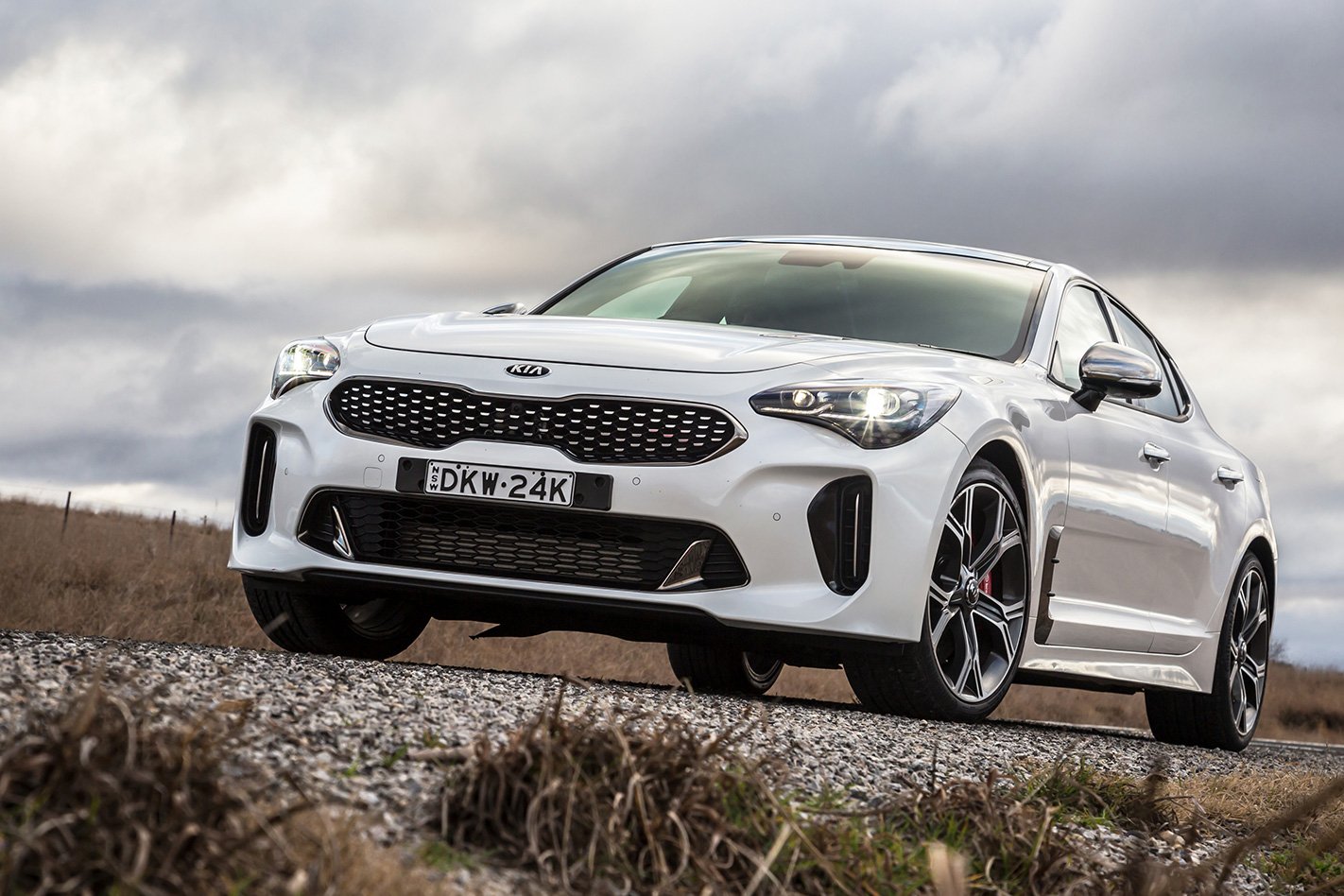
THERE are few cars on the 2017 calendar that have piqued the interest of Australia’s car enthusiasts quite like the Kia Stinger.
Available with a grunty 272kW/510Nm turbocharged V6, rear-wheel drive and the most luxurious interior for a Kia since… forever, the Stinger arrives just months before the departure of its closest on-paper rival – the Holden Commodore SS. The local launch is still weeks away, but we’ve thrashed it on Aussie roads already – and have the video to prove it.
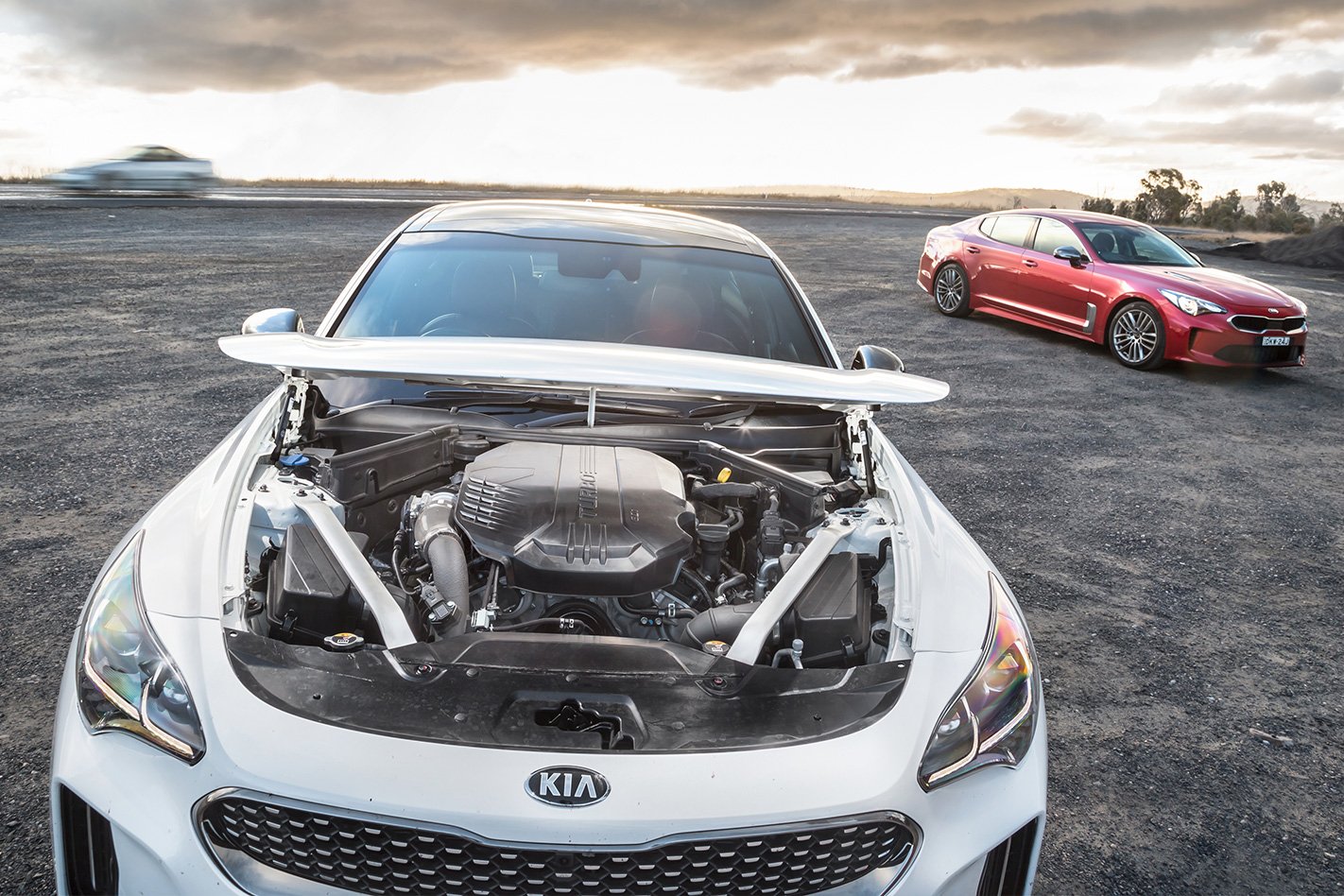
Performance numbers are gathered on the drag strip before tight mountain roads sought out, with the Stinger delivering results that should shatter many Aussie preconceptions about the Kia brand and what it’s capable of.
How does a 5.1 zero-to-hundred sound? Not bad for a 1.8-tonne sedan, but bear in mind the pre-production car we drove was hobbled by uncooperative electronics when we launched it down the dragstrip – showroom-spec Stinger GTs are virtually guaranteed to be faster.
And then there’s the way it handles. We’ve all seen the photos and videos of camo-clad Stinger prototypes orbiting the Nurburgring Nordschleife, and the product of those endless development laps is a car that feels far more athletic than many would expect from Korea.
Just how good is it? You’ll have to watch our video review to find out, and grab a copy of Wheels September issue (on sale 24/8) for the full review.
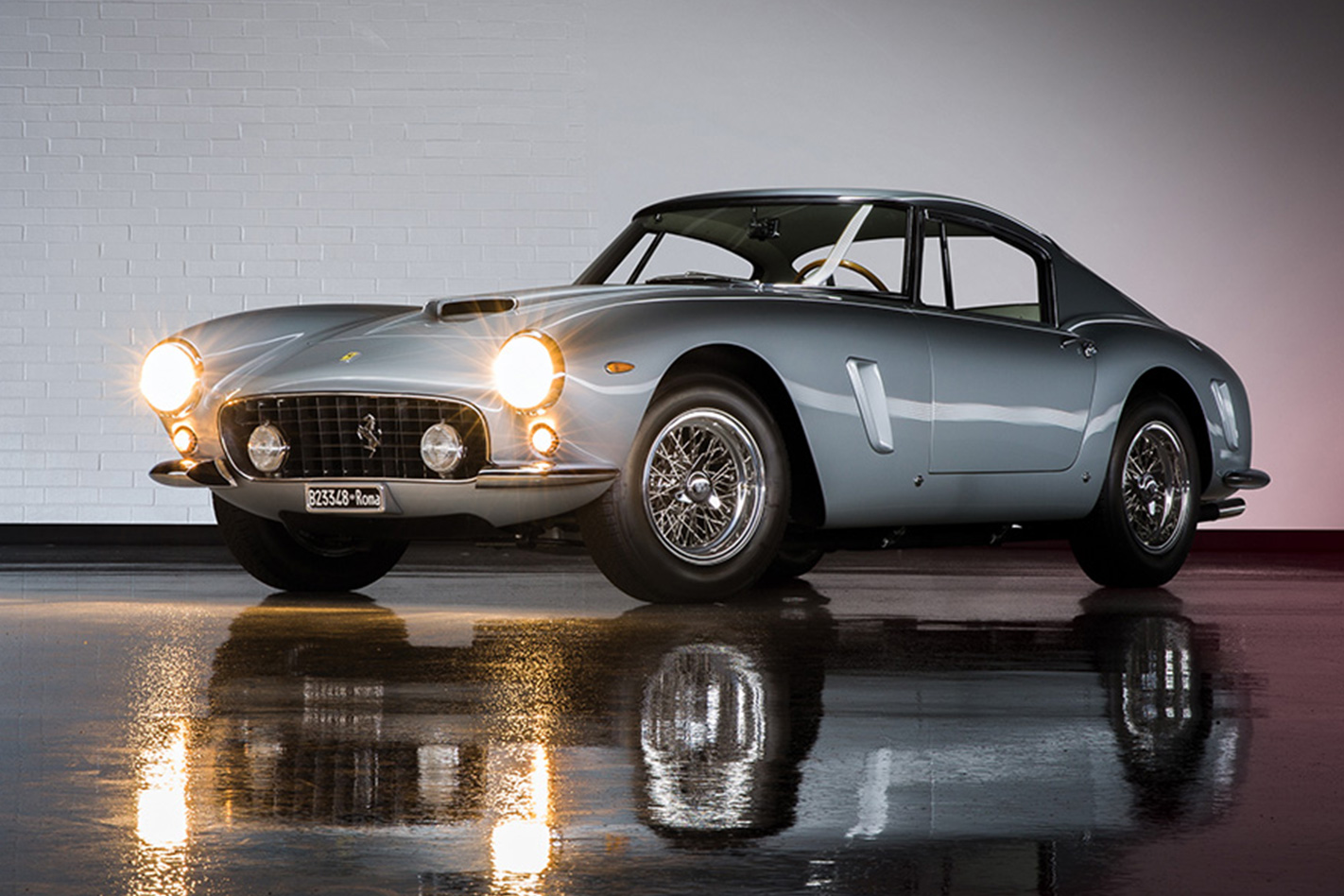
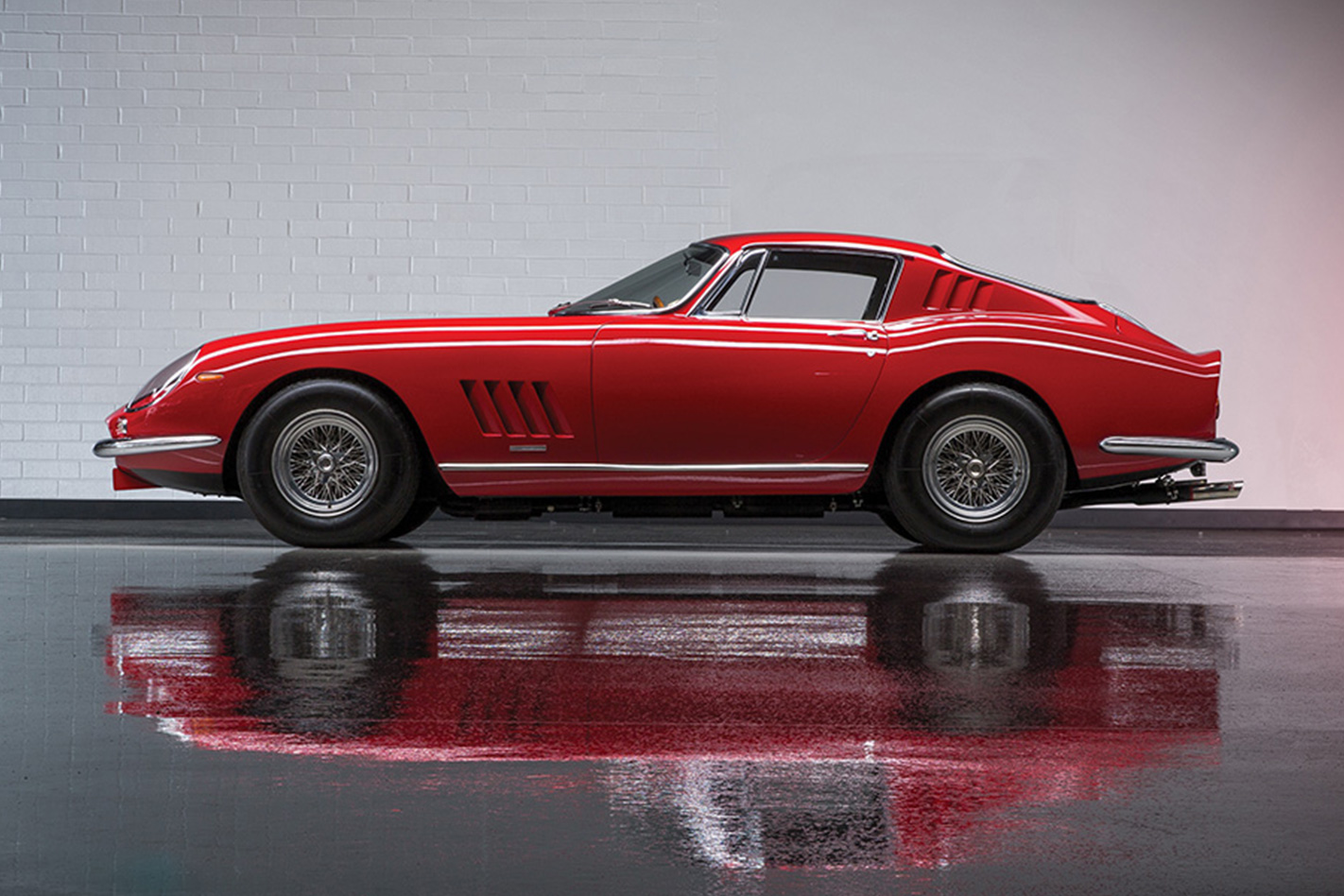
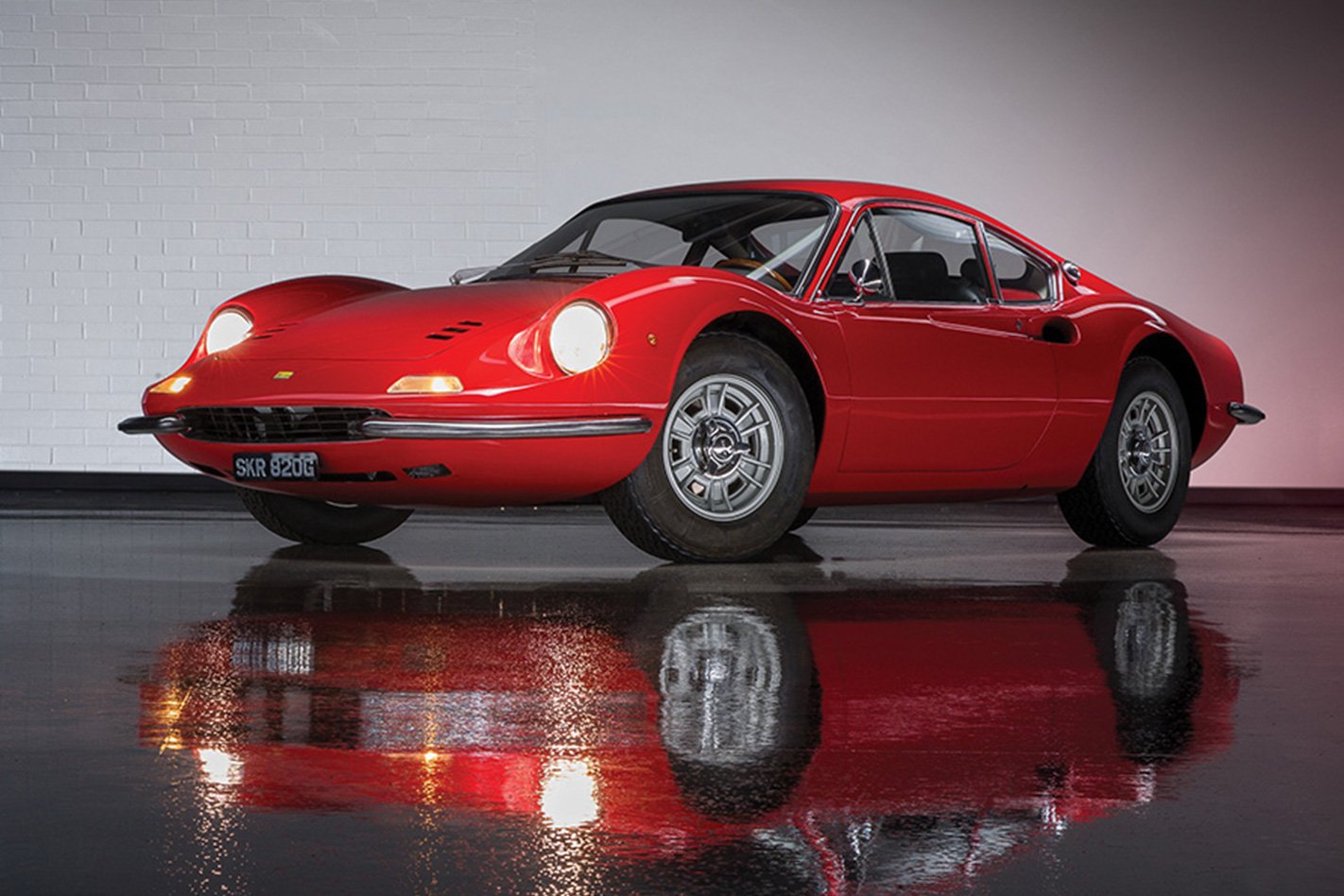
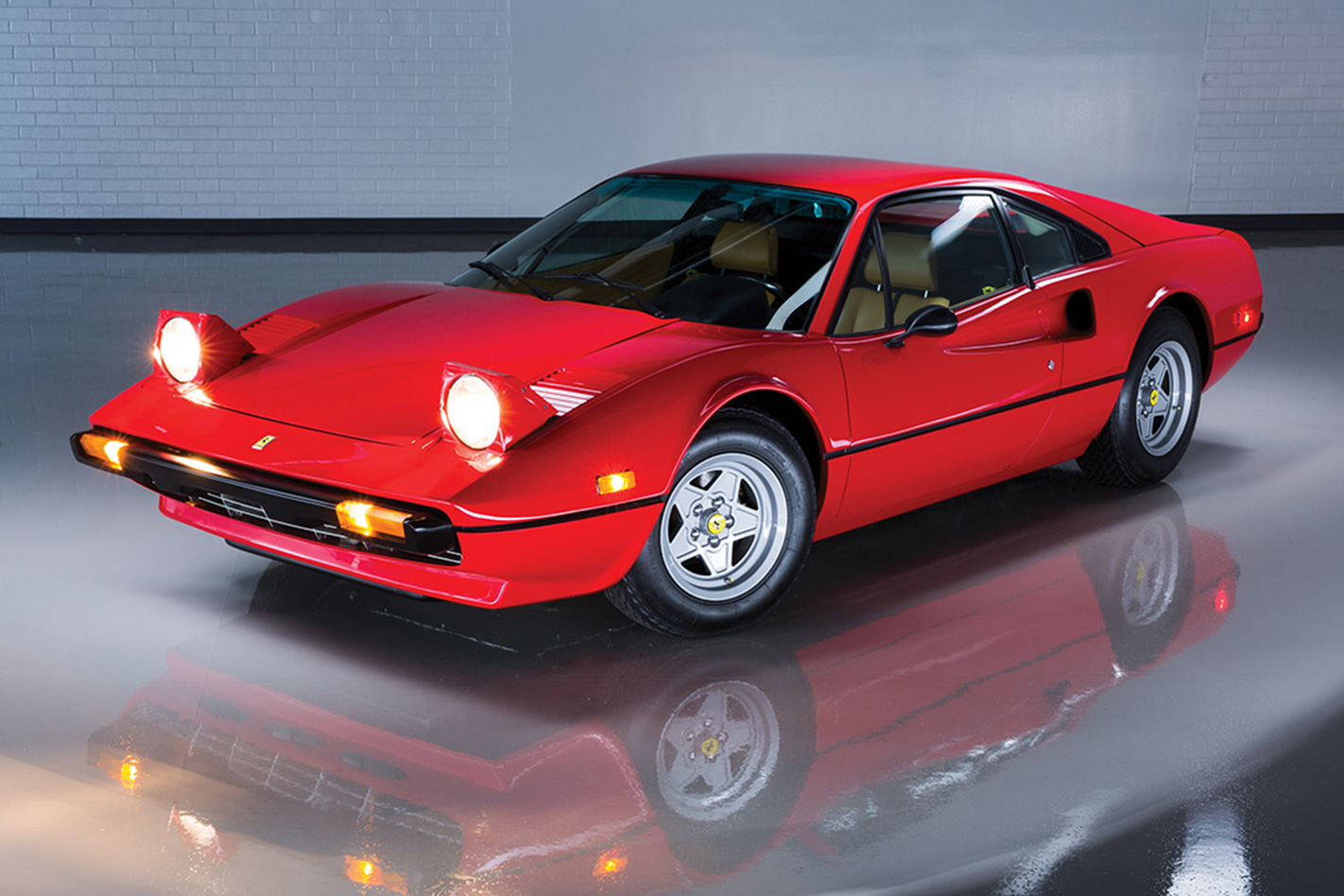
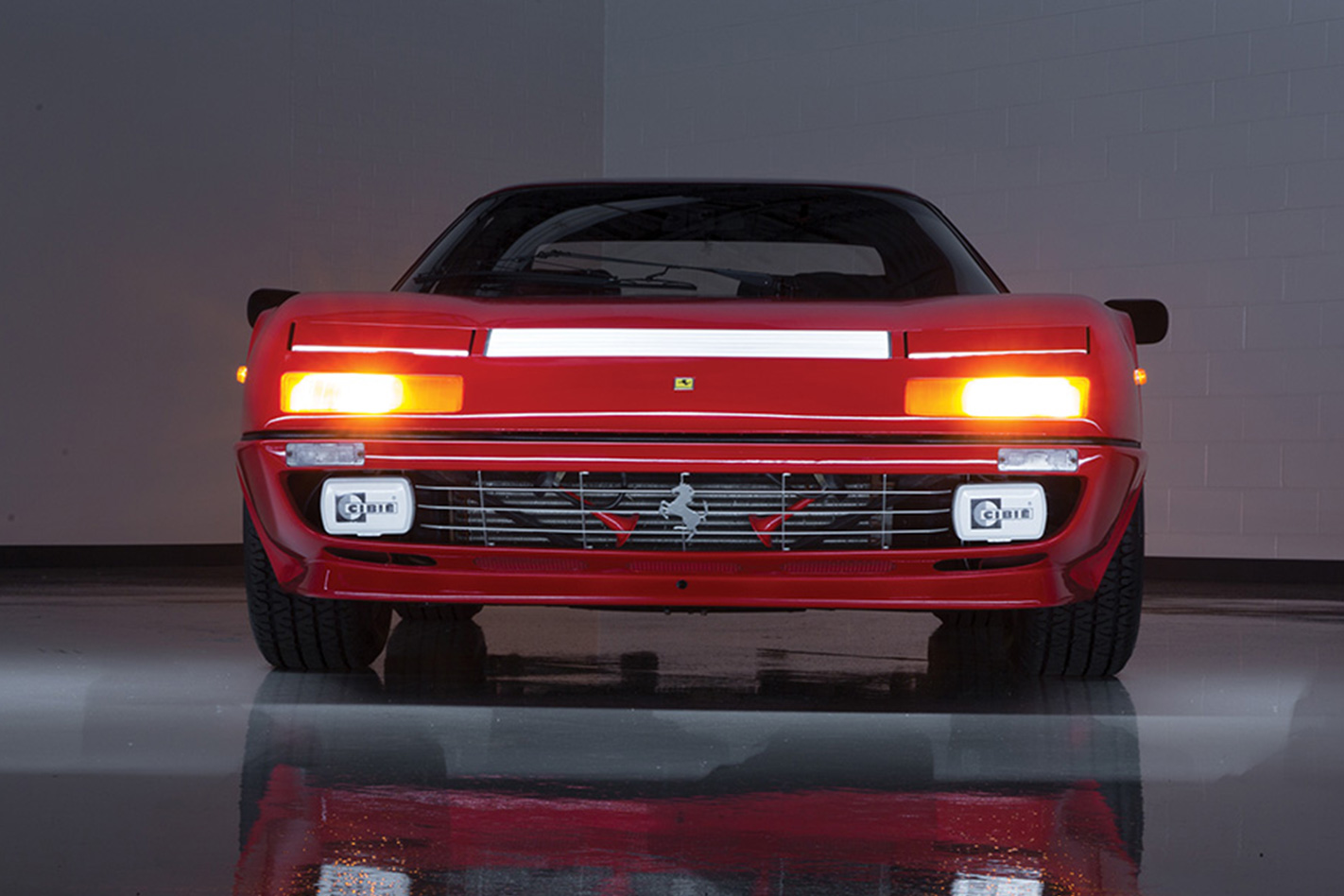
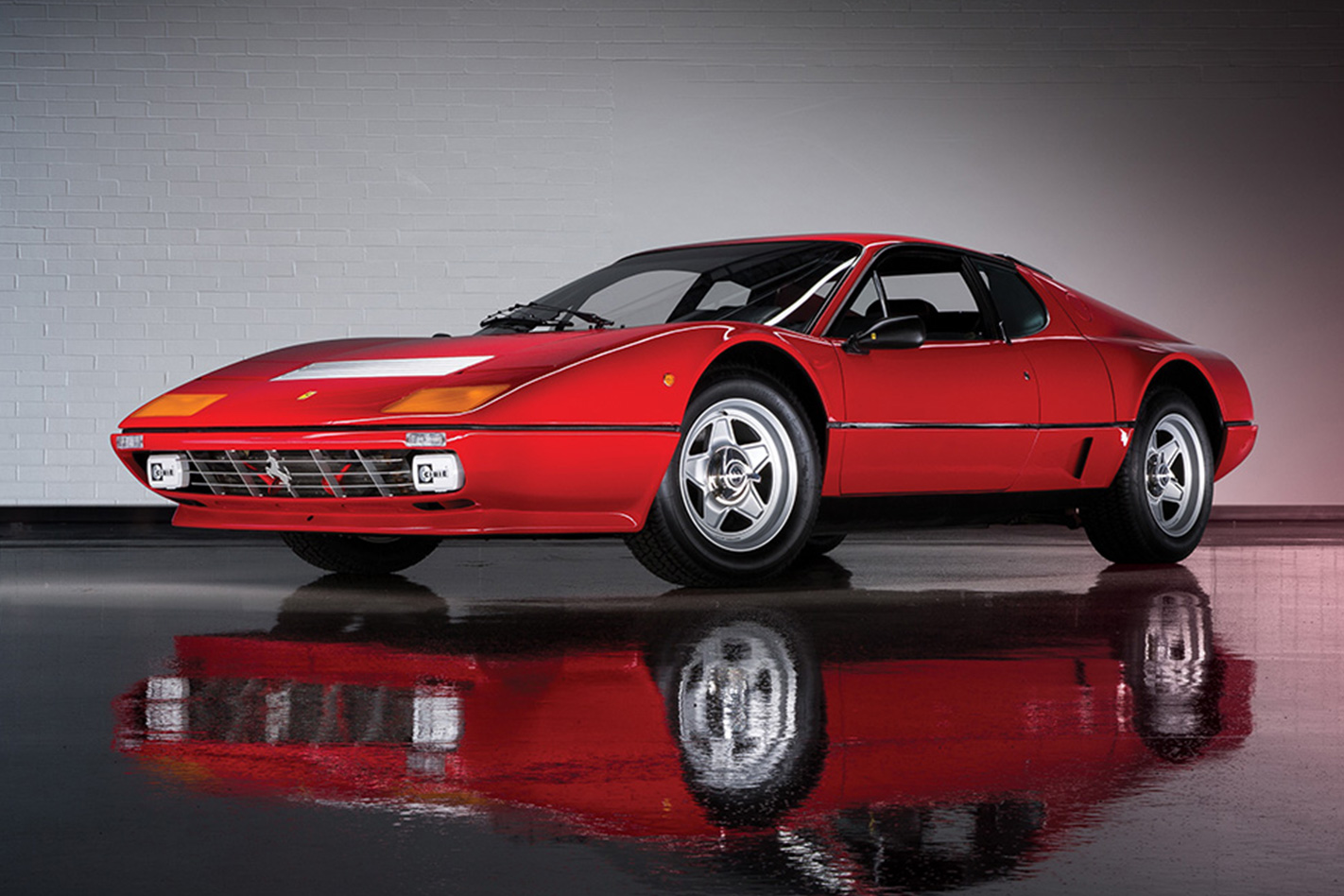
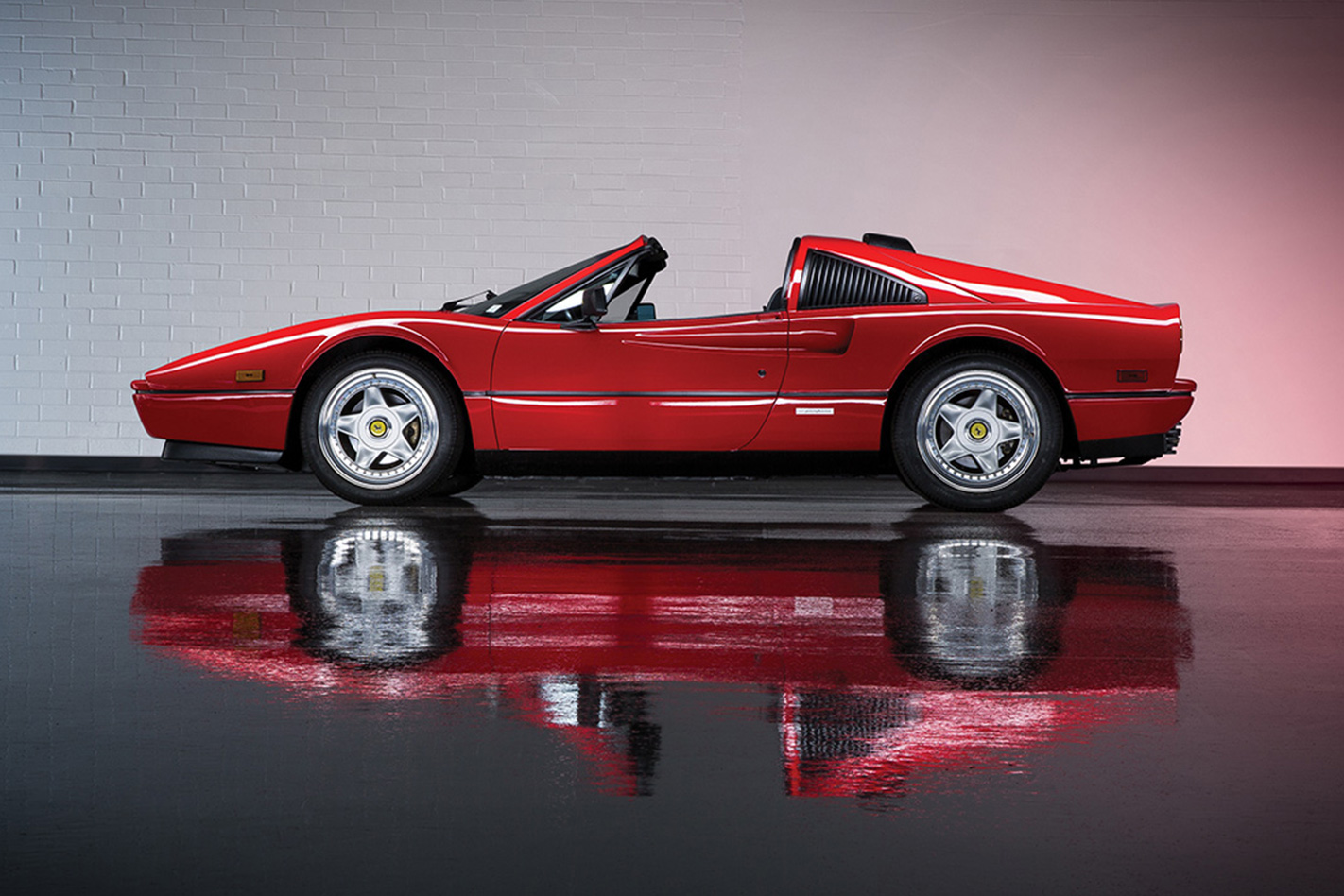
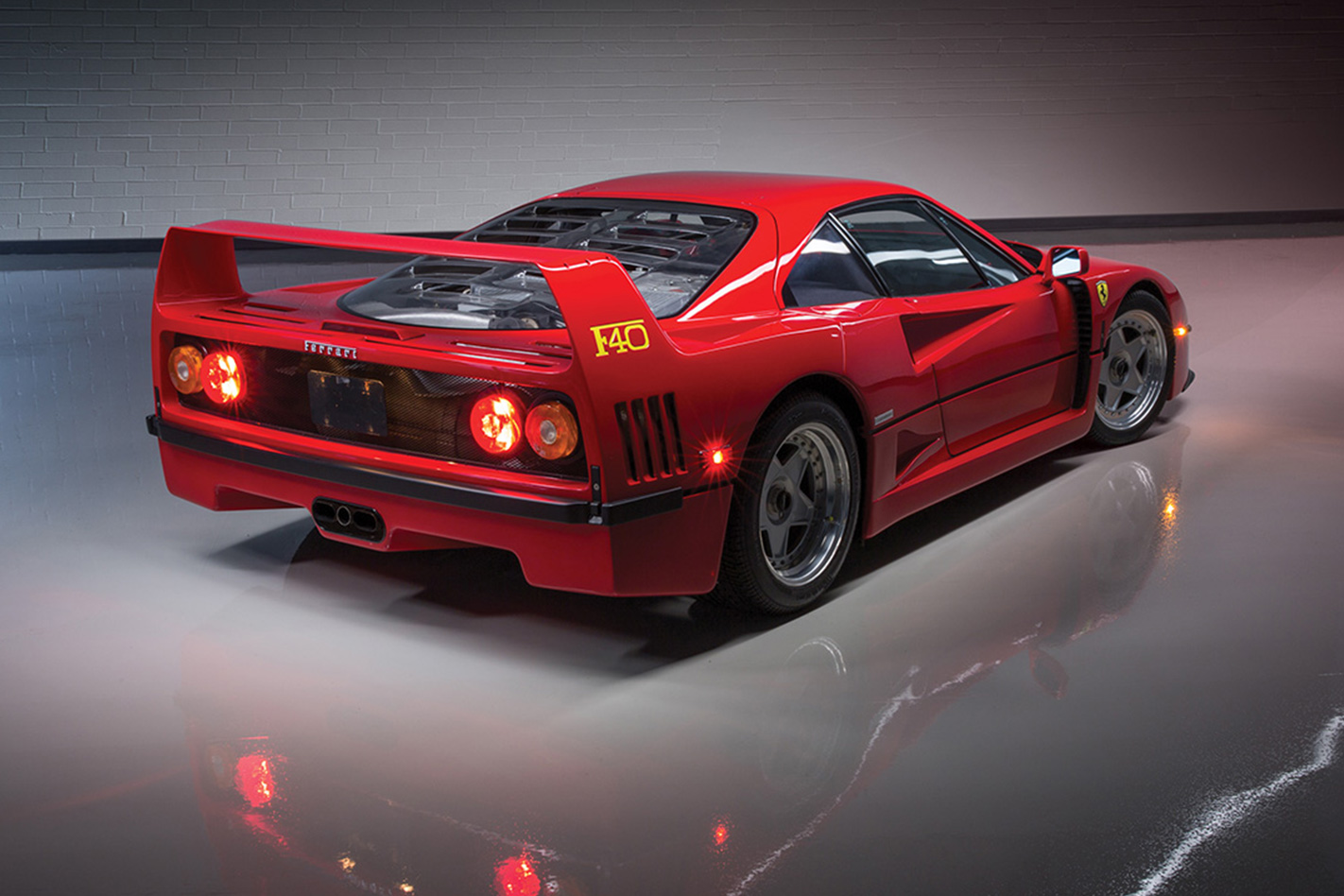
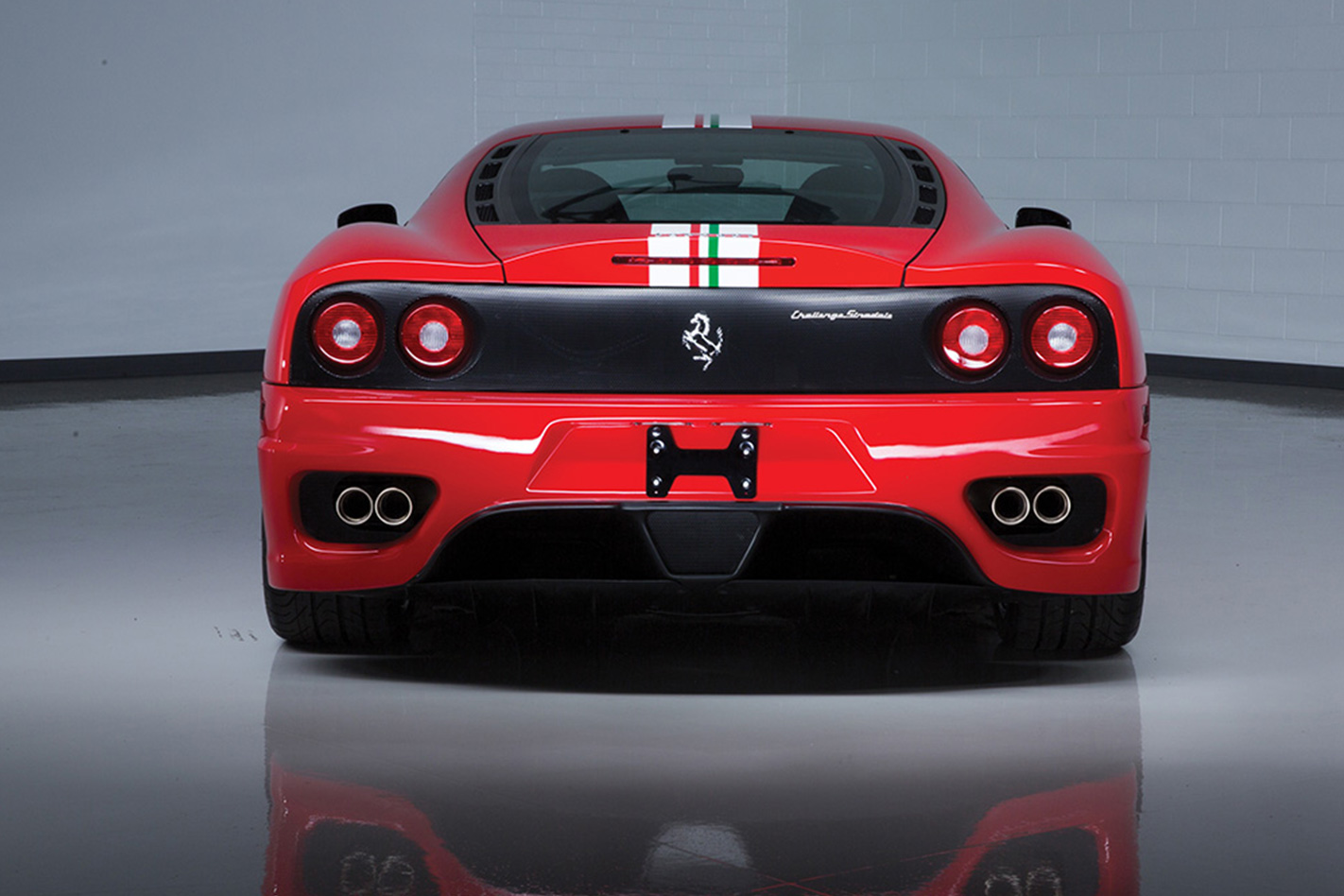
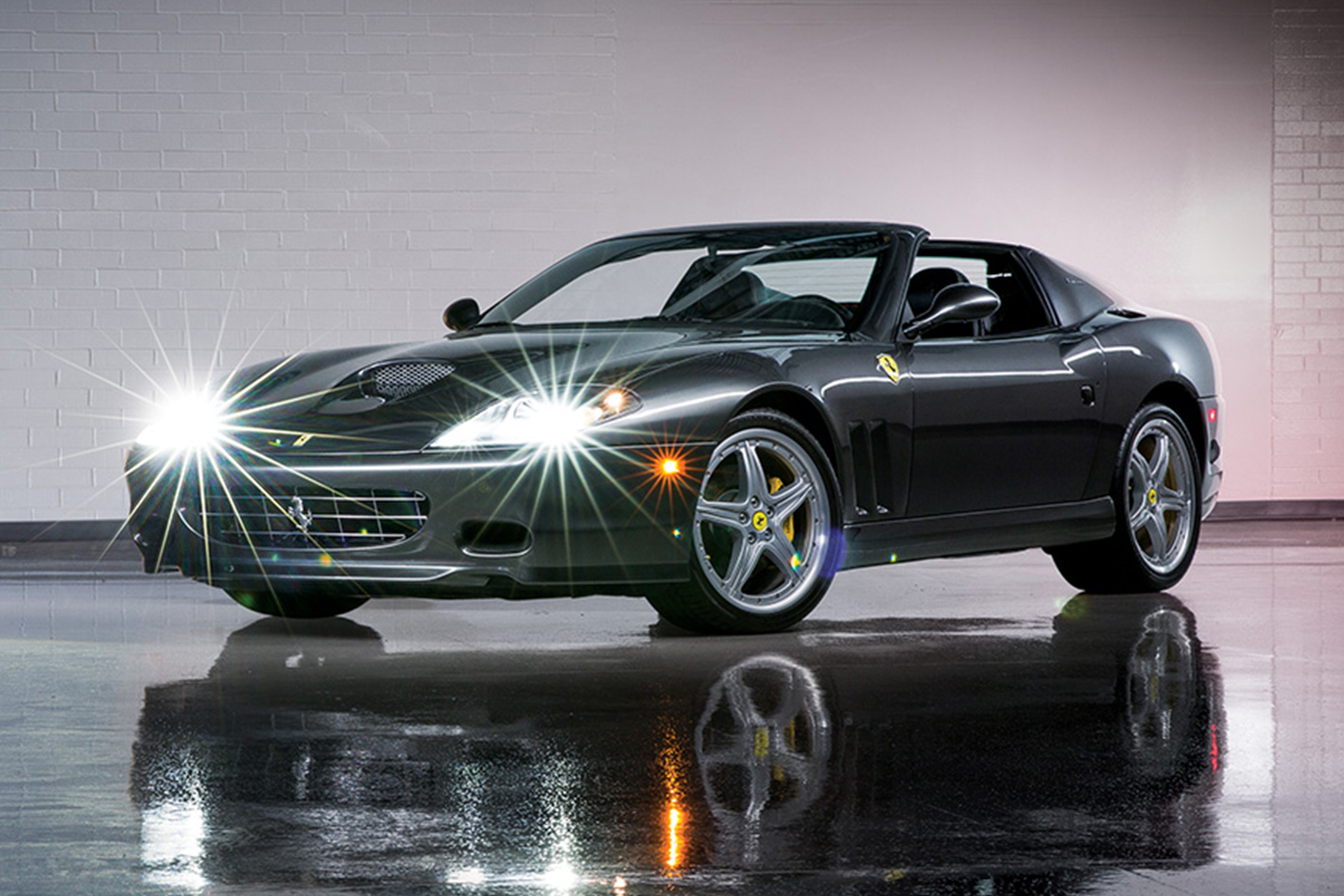
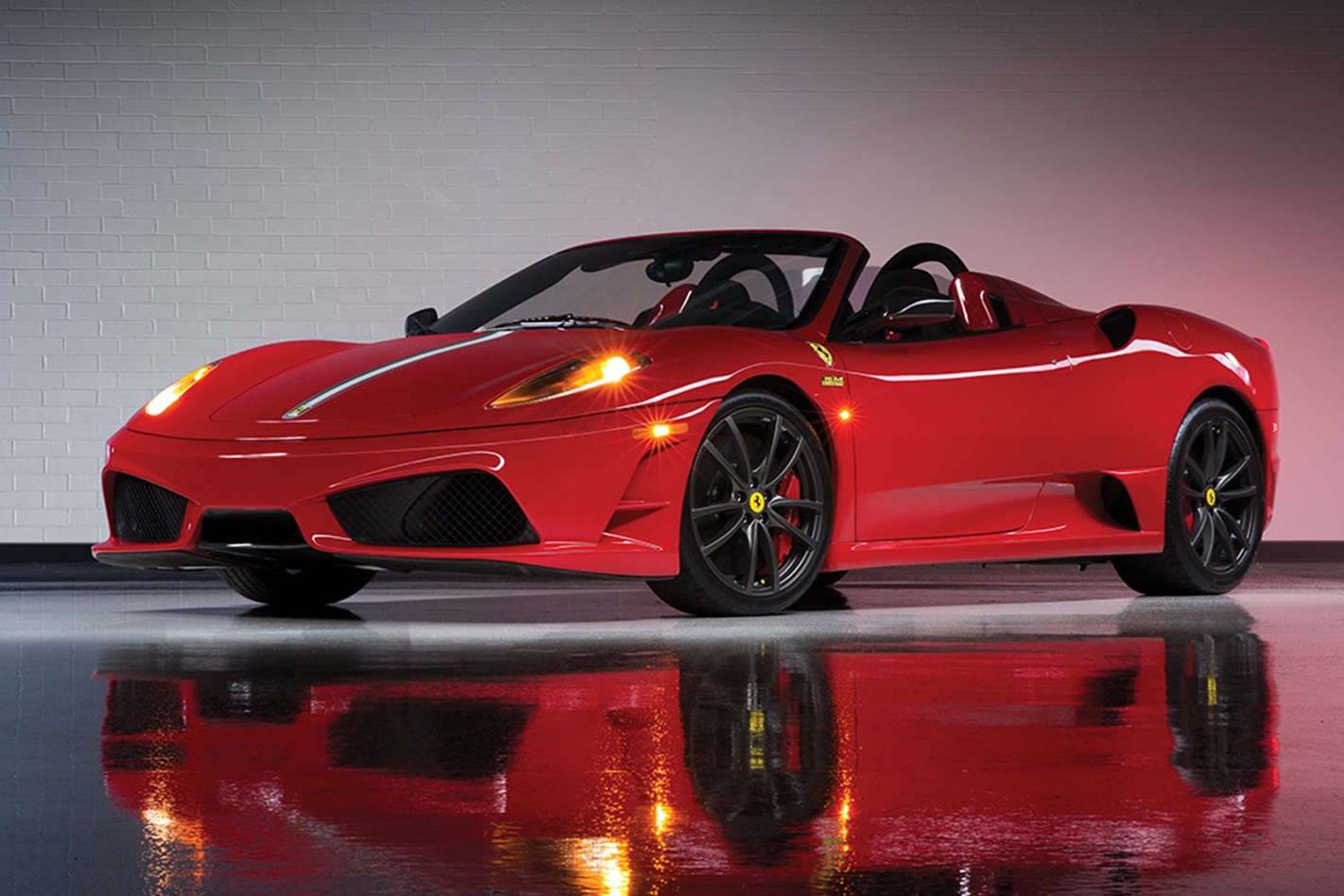
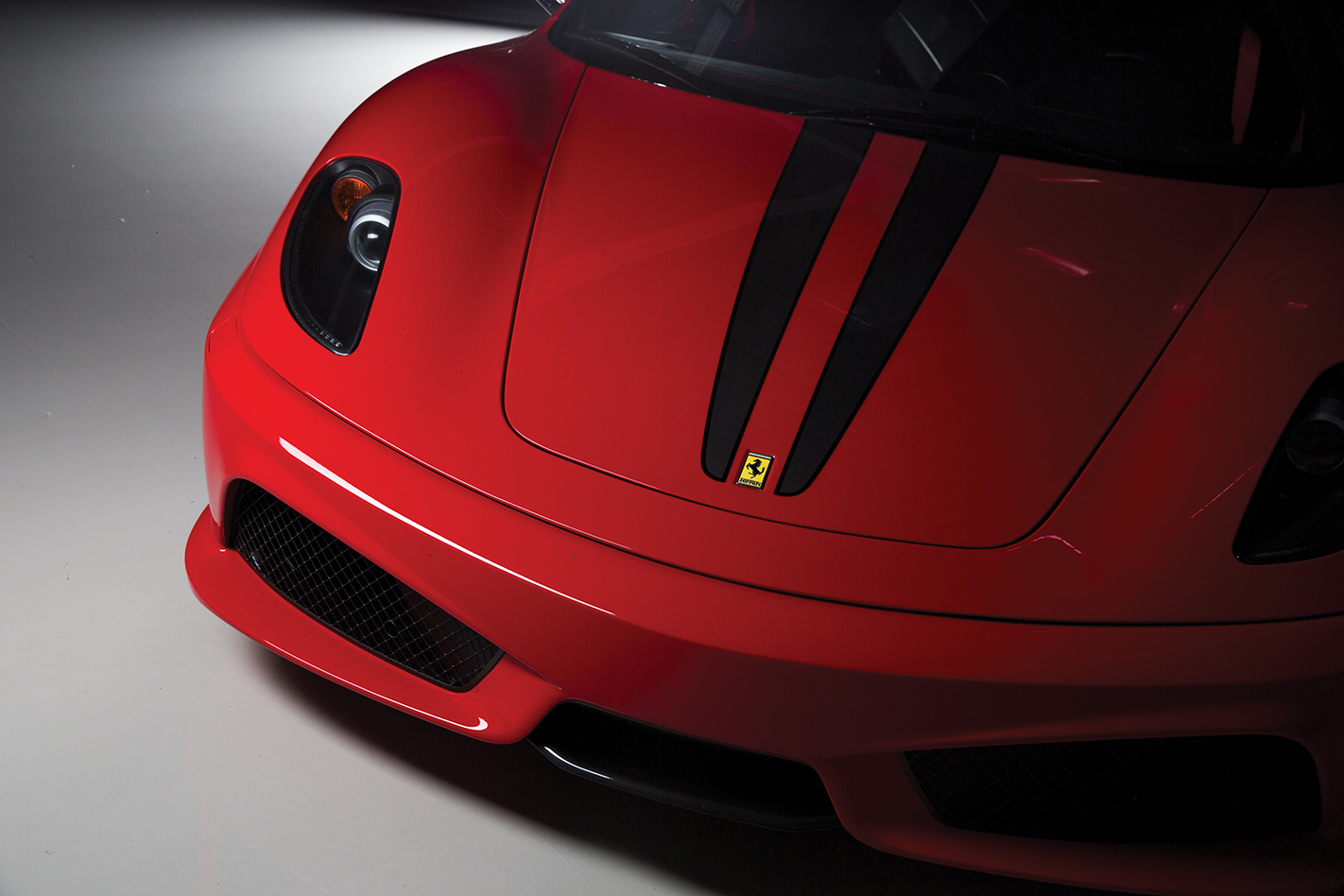
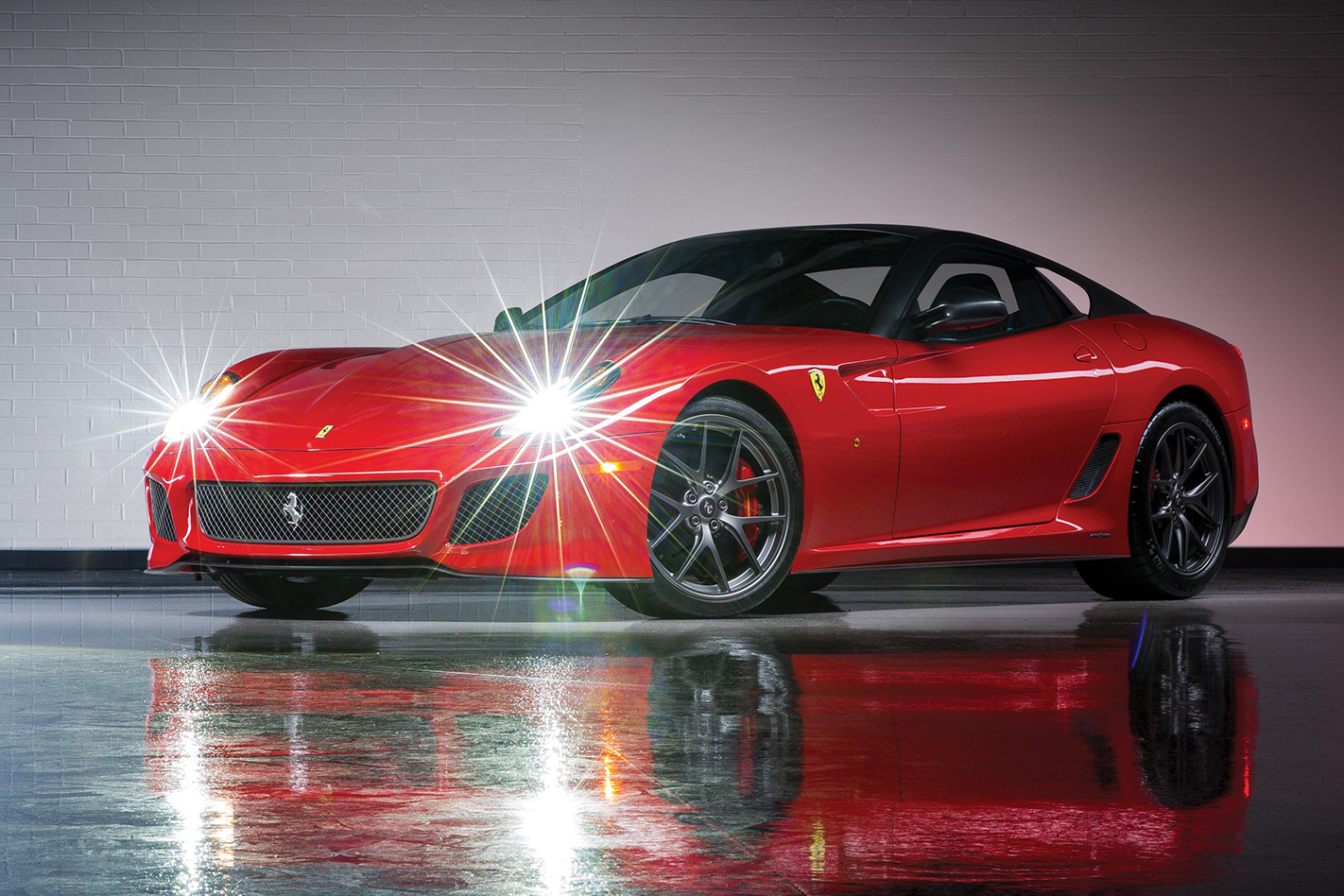
There were a lot of Ferraris at Pebble Beach this year for the Monterey Car Week, but 13 of them were all owned by one person.
RM Sotheby’s was the auction house in charge of selling off the bakers’ dozen Fezzas to their new owners, and it did a fine job.
Sotheby’s total estimates for the collection added up to anywhere between AUD $20,370,420 and $23,958,860, so even landing in the lower end of that range would have been impressive. And it did, just.
The entire collection sold at a total of AUD $20,914,245 (or USD $16,533,000), and around half of that was thanks to the oldest member of the collection, the ’61 250 GT SWB.
It was also helped along by the few reserves that were in place being removed before the cars went over the block. If you want to know a little more about the collection, we covered it off before the auction.
So, we’ve compiled a quick list of the cars, their estimates, and what they ended up selling for – in order of their ages.
1961 Ferrari 250 GT SWB Berlinetta – Est. $10,778,000-$12,680,000 Sold for $10,530,740
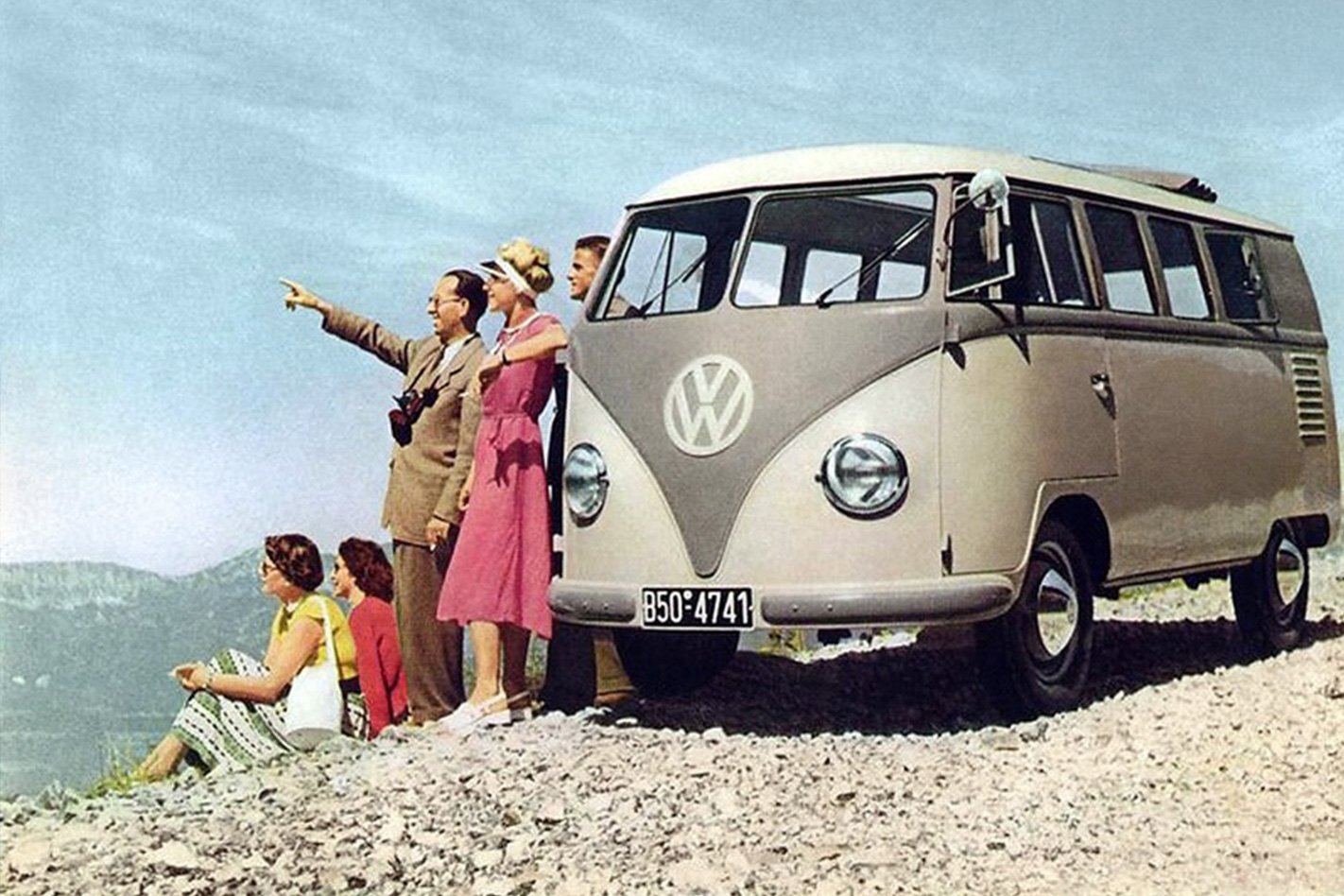
A REVIVAL of the iconic Volkswagen Kombi – otherwise known as the Type 2, or microbus, depending on your level of anorak – is a guaranteed headline grabber.
Talk of the cult icon returning to production is something which media outlets and enthusiasts eat up with vigour.
VW has stirred the pot again this week, confirming it plans to turn the ID Buzz concept, it revealed at Detroit this year, into a production vehicle.
The same old concepts and quotes from executives have appeared on an almost annual basis, and we don’t seem any closer to a Kombi revival becoming a reality.
So, to help give the latest hype-cycle some context, here are all the times this century Volkswagen has toyed with, and claimed, a Kombi-esque vehicle will head for production.
2017
The most recent claim is of course the ID Buzz concept. Revealed at the Detroit auto show at the start of 2017, the all-electric concept set the media alight with speculation regarding a production vehicle.
This was confirmed recently at Pebble Beach, with Volkswagen executives stating that 2022 is the year for production of its battery-powered microbus to begin.
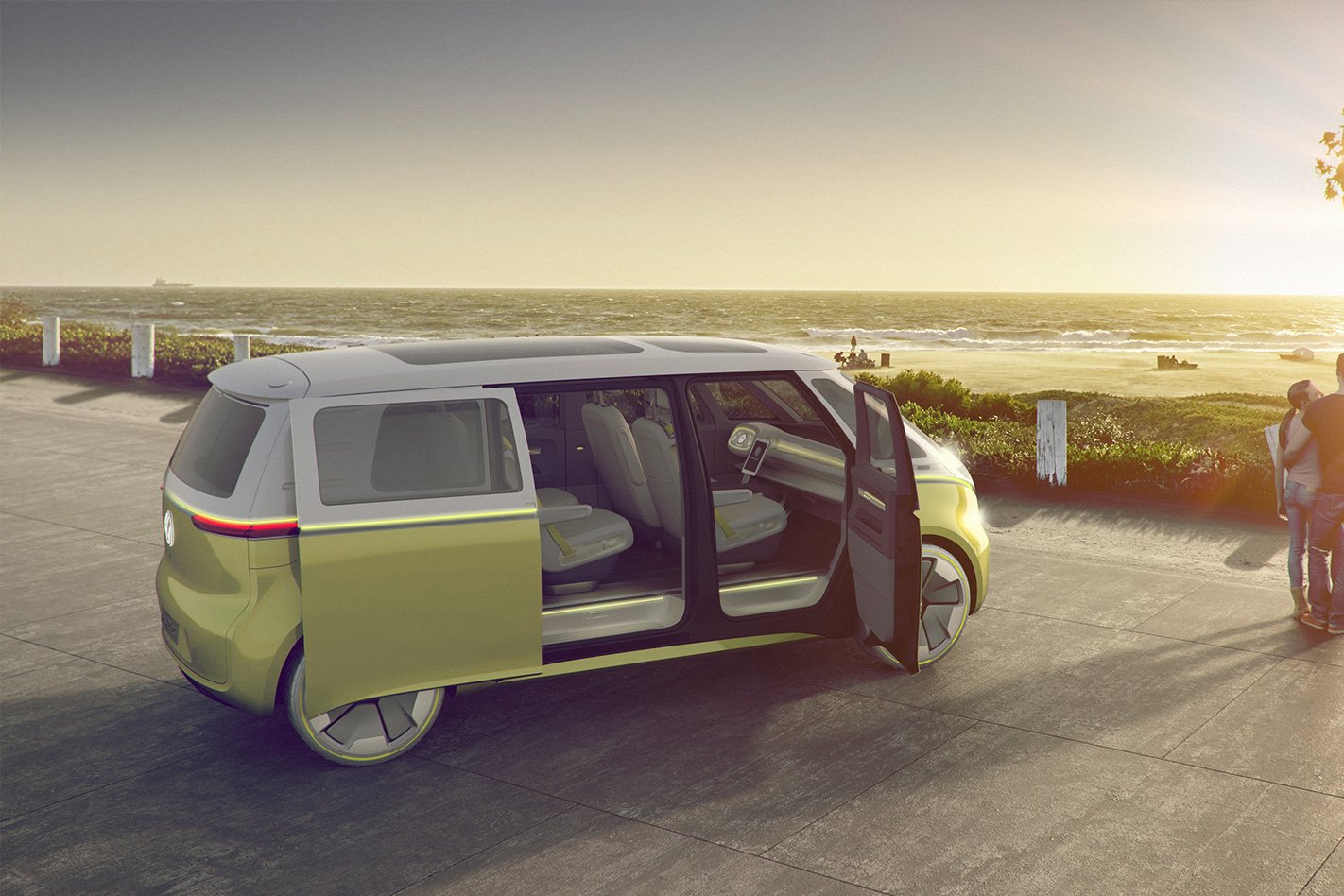
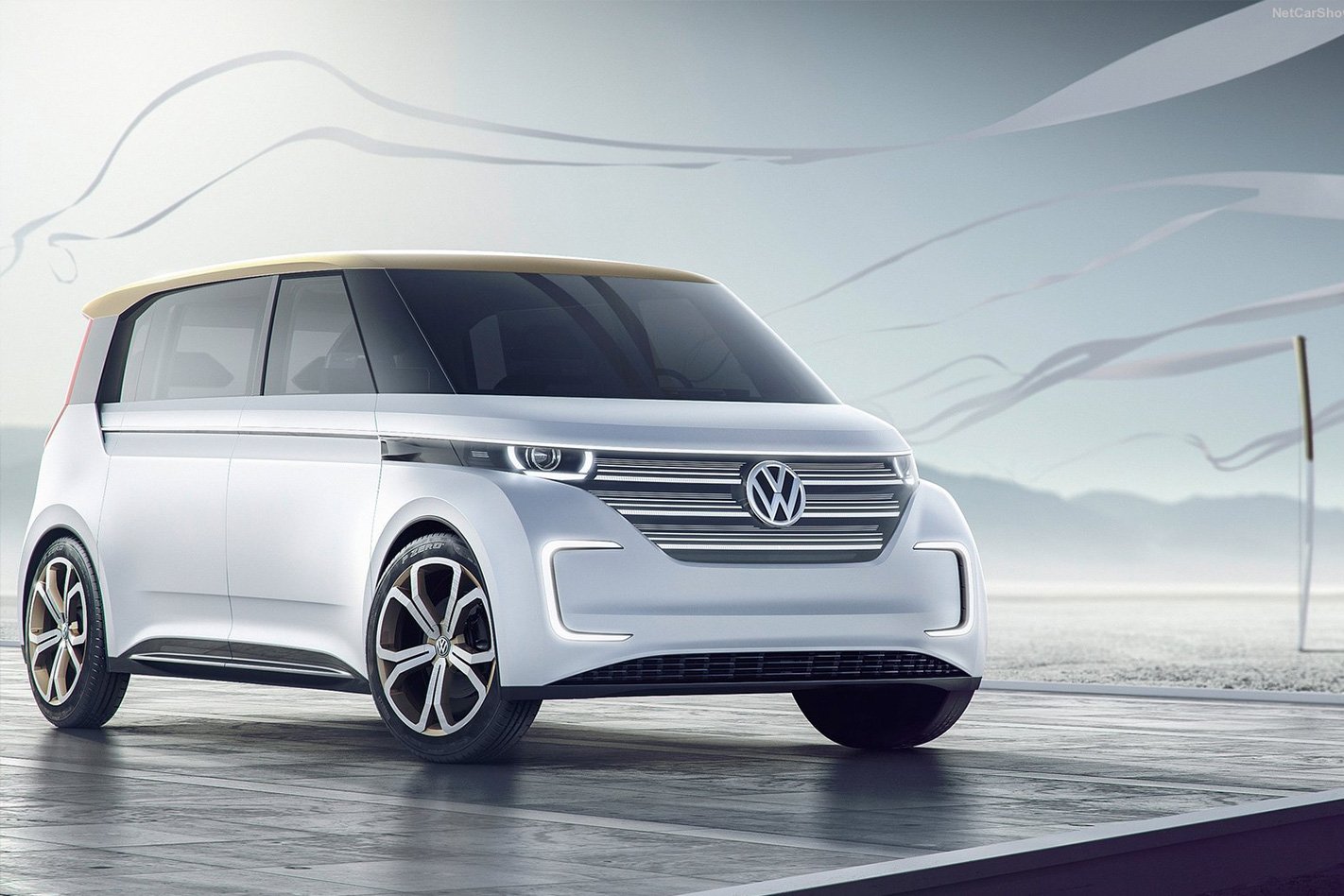
Before the ID Buzz was revealed at Detroit, Volkswagen revealed the similarly all-electric BUDD-e at the Consumer Electrics Show in Las Vegas the year prior.
Want to know what executives said about the car then? A showroom ready-version was promised by 2020.
The car was claimed to be built on VW’s ‘MEB’ modular electric platform, and it was reported a production model would carry many of the same features as the concept.
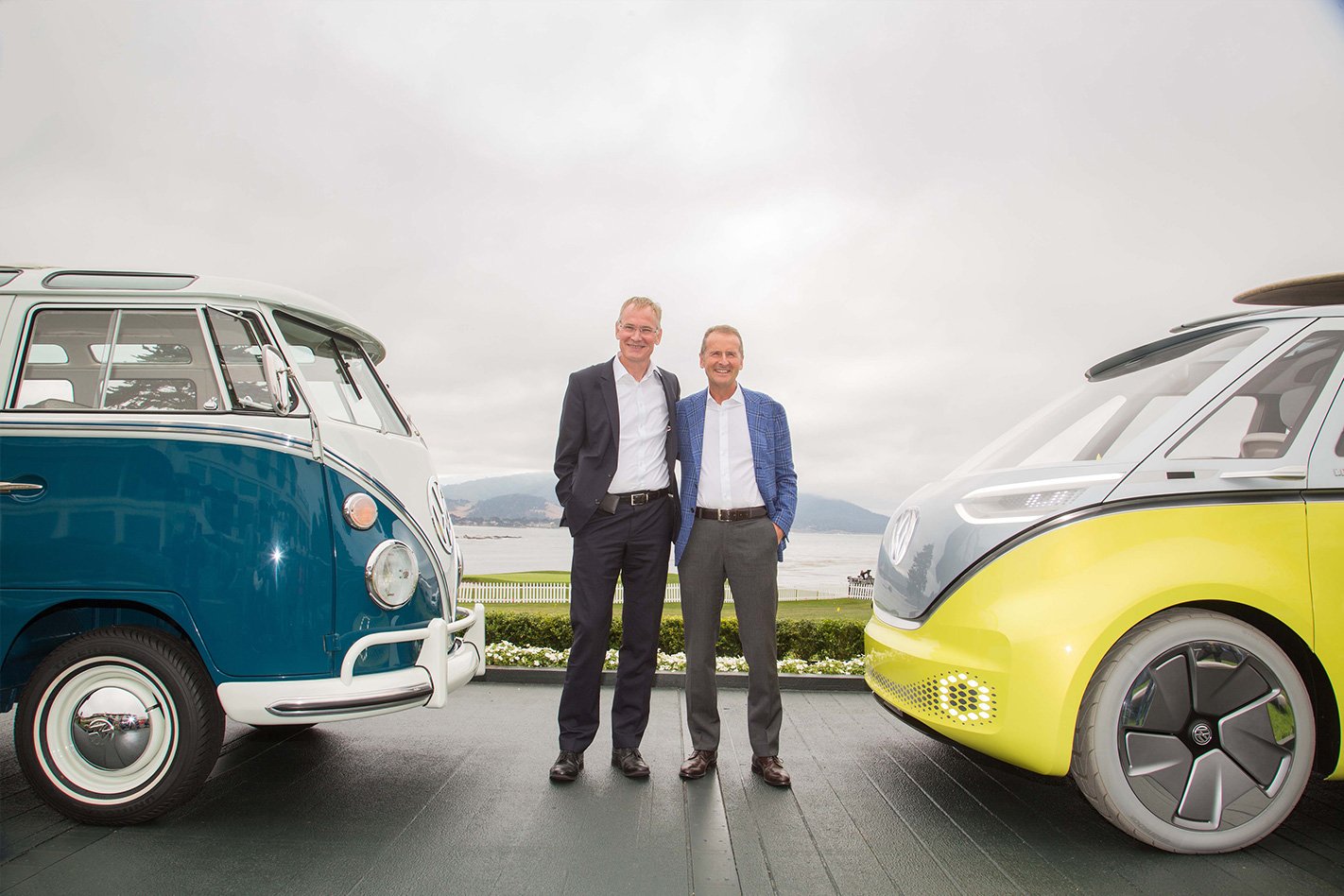
Just a year prior to the BUDD-e, VW again started building hype surrounding a Kombi revival.
Again, the claims were for an all-electric spiritual successor to the Kombi, with no specific date given for the car to enter production.
Unlike the ID Buzz or BUDD-e, this time the claims weren’t accompanied by a completed concept vehicle, but were circulated by Senior Volkswagen board member, Dr Heinz-Jakob Neusser (pictured below, on left).
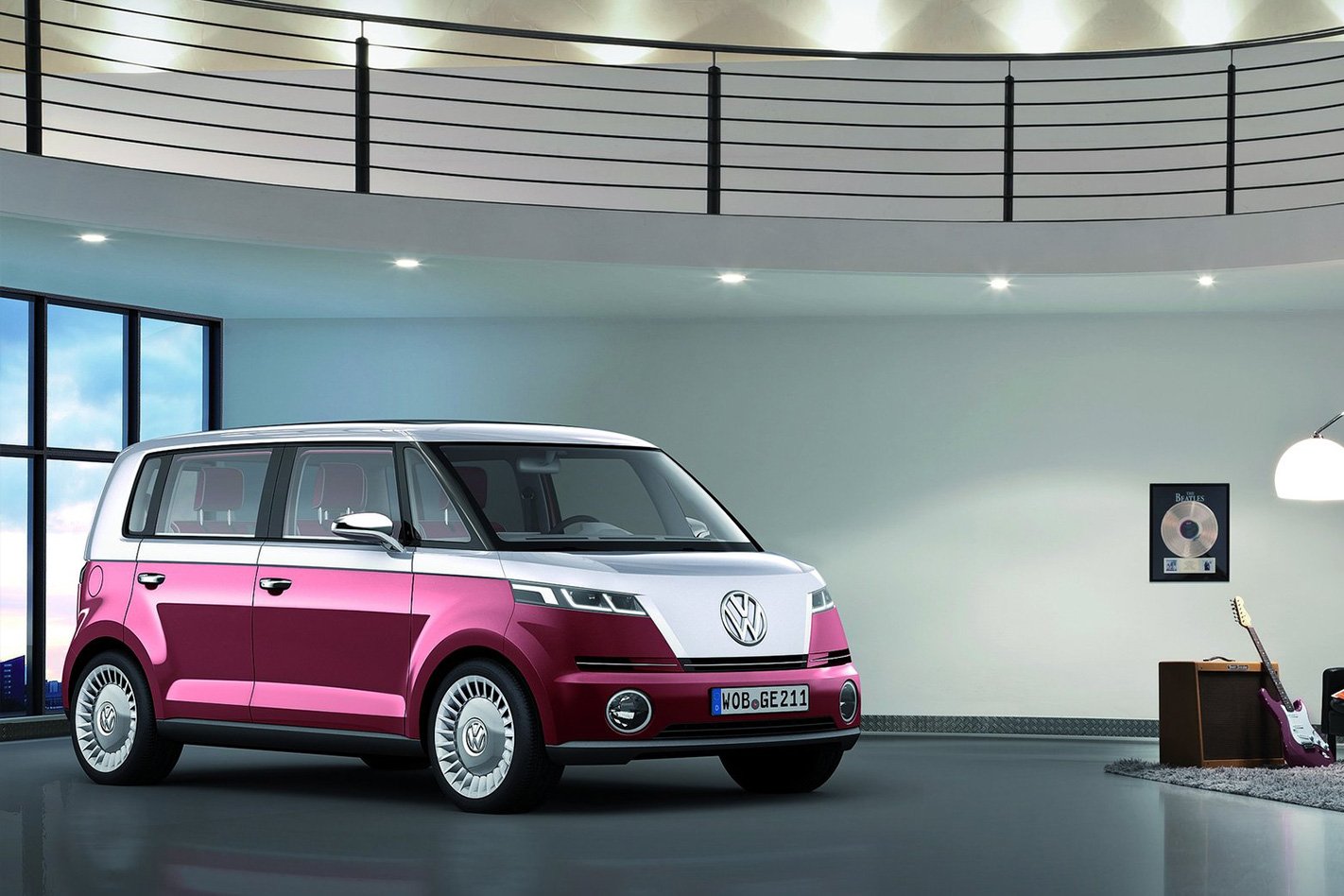
In 2011 it was the Bulli concept stealing headlines from the Geneva Motor Show.
This was the start of the all-electric concept for the Kombi– yes, they have been talking about it for over six years now. The Bulli concept had all the hallmarks of a Kombi throwback, but was actually shorter in both length and height than the original.
Production rumours began circling on the Geneva show floor, though it speculated the possibility of a 1.2-litre three-cylinder petrol or diesel engine being shoehorned into the concept. As we know now, that is still yet to become reality.
The rumour mill was rolling in 2008, with unnamed sources within the company kick-starting discussions in the public about the return of the Kombi.
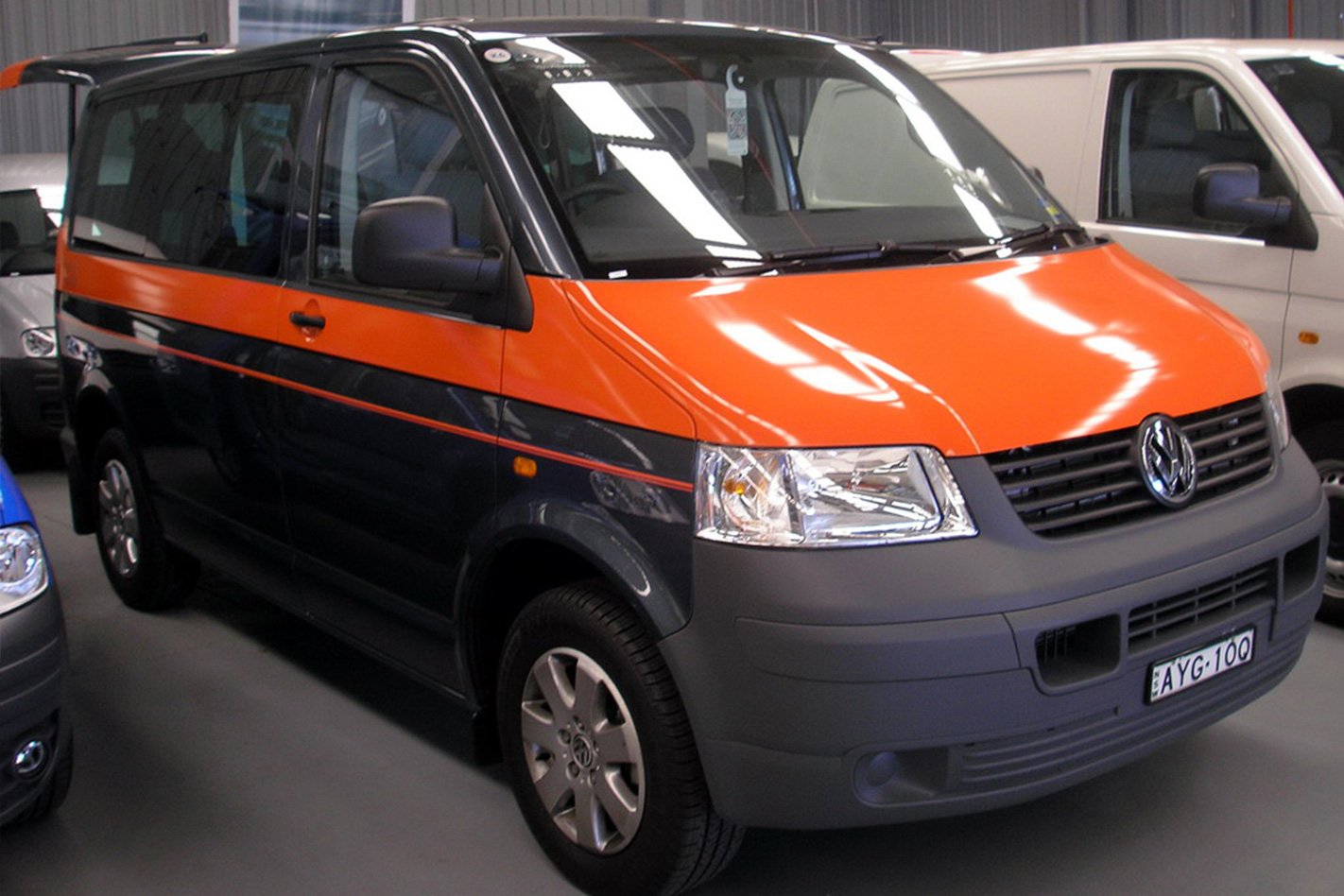
The revelations followed news in 2005 that a microbus revival was planned atop the T5 commercial vehicle platform. At the time it was expected production would take place in North America at the newly completed Chattanooga plant in Tennesse, from 2011 onwards.
2006
In 2006, VW actually put the Kombi back into production. Kind of.
What actually happened was the Kombi badge was added to the Transporter range with the launch of the Kombi Beach. Essentially a Volkswagen Transporter with a bed in the back, the Kombi Beach quickly faded from memory, and was perhaps one of the least sophisticated attempts to cash in on Kombi nostalgia.
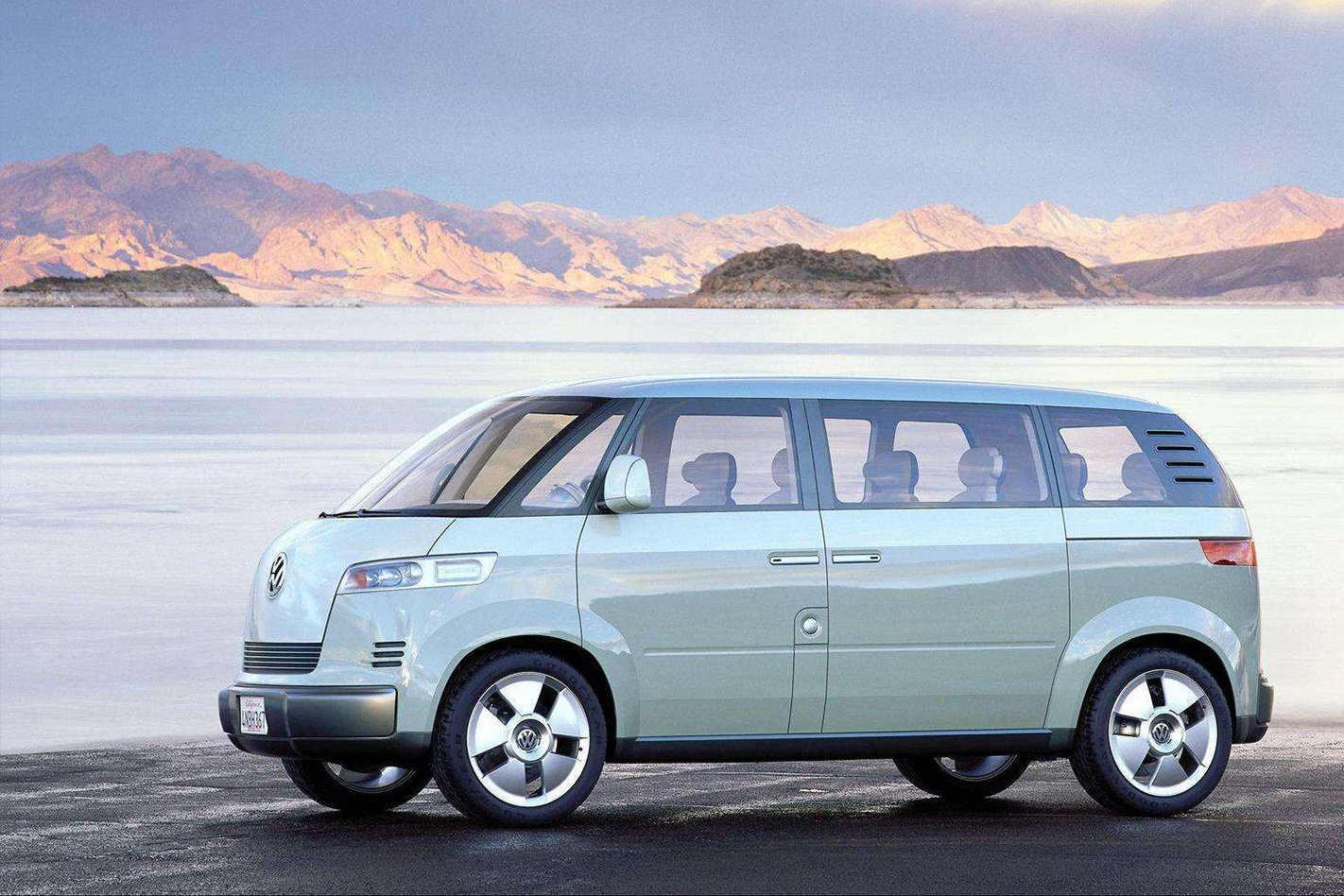
Genesis. Just a year into the 21st century, VW revealed the Microbus Concept car at the North American International Auto Show in Detroit.
Considered futuristic at the time, it featured a 7-inch infotainment screen in the centre console, along with a ceiling-mounted 7-inch screen which allowed the driver to see behind the car.
Off the back of the concept, a production vehicle was announced in 2002, to be built atop the T5 commercial van (see above), with production penciled in for 2003. Output was expected to reach 80,000 units by 2005, but this was all delayed, before being officially binned in 2005, with VW announcing the Transporter Multivan will fill the shoes of the stillborn concept.
It’s now 16 years later, and while many promises have been made we’re still half a decade away from seeing a production version of Volkswagen’s electric van come to fruition.
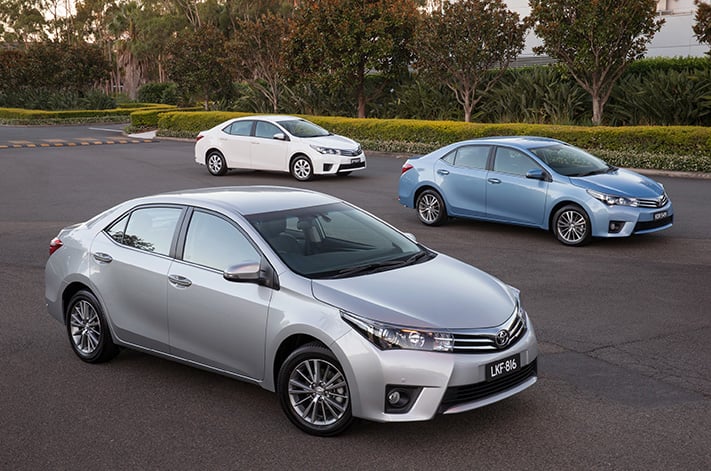
The Toyota Corolla has been a feature of the Australian motoring scene for half a century and has been the top-selling passenger car here for the past few years despite the influx of arguably better newcomers.
It’s available in hatch and roomier sedan body shapes with a hybrid powertrain introduced as an alternative to the 103kW/173Nm 1.8-litre four-cylinder engine that powers the rest of the range. CVT auto is available across the range, with some models also offering a six-speed manual.
VARIANTS
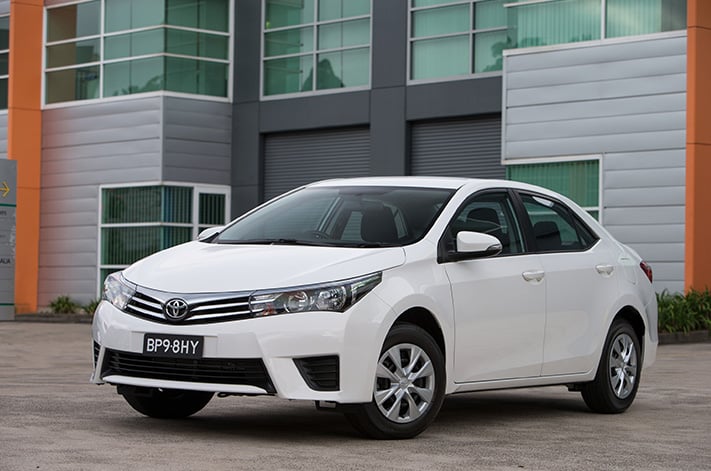
There are five main specification levels starting with the Ascent priced from $20,190 for the manual hatch, with a premium added if you want it with a CVT auto, or in sedan form.
Standard features in the Ascent hatch includes cruise control, reversing camera, rear parking sensors, 6.5-inch touchscreen infotainment system, and 16-inch steel wheels with hubcaps. There’s also an optional safety pack for around $780 with auto emergency braking, lane departure alert, forward collision warning, and auto dipping headlights.

The Ascent sedan has a bigger 7.0-inch touchscreen with Toyota Link infotainment system, but fitted with smaller 15-inch steel wheels. The safety sense option in the sedan is only available in conjunction with 15-inch alloy wheels for $1571.
The Ascent Sport is a hatch-only model with a few extras over the Ascent hatch including 16-inch alloy wheels, premium feel steering wheel, and the Ascent sedan’s 7.0-inch touchscreen system. Satellite navigation is optional for about $1040, or around $1800 when bundled with Safety Sense pack.
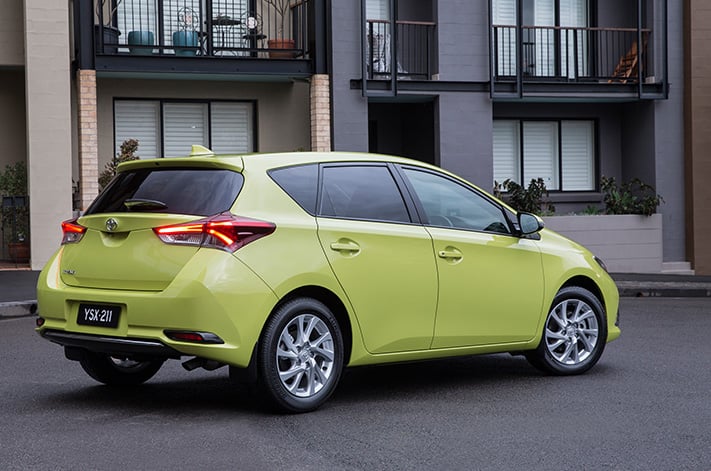
The mid-spec Corolla SX comes in hatch and sedan form, though there are some differences between the two. The SX hatch only comes with the CVT auto and features 17-inch alloy wheels, satellite navigation, paddle gear shifters, sports front seats, and sporty body kit.
The SX sedan on the other hand comes with a CVT or manual option and keyless entry, but lacks the hatchback’s sports seats and is shod with smaller 16-inch alloys.
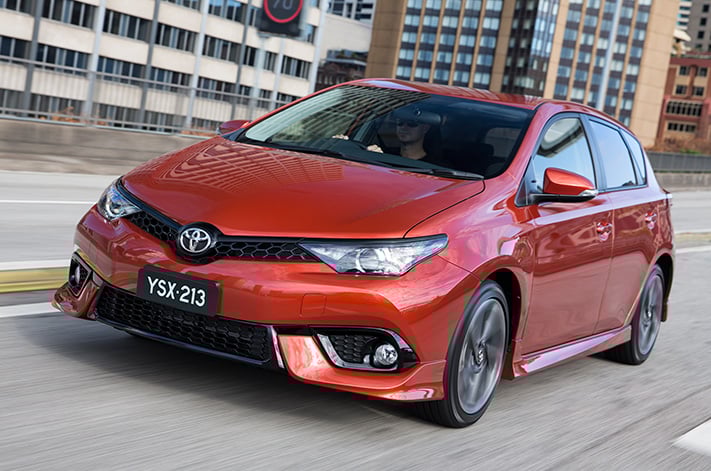
The Hybrid hatch has the fuel saving battery assisted hybrid powertrain, which features the same 1.8-litre engine as the other models. It has similar features to the Ascent Sport, including 16-inch alloy wheels and plush cloth seats, as well as a string of extras including dual-zone air-conditioning, satellite navigation, keyless entry and start, and LED headlights with daytime running lights. It also has a different suspension setup to the conventional models with a double-wishbone design that improves grip and stability. There is no manual hybrid hatch.

The Corolla range is topped by the sporty ZR hatch and sedan which also lack a manual option. The hatch gets the sportier wheels and tyres from the SX, and the hybrid hatch’s extra features. Its heated sports seats are trimmed in a combination of real and fake leather, and the driver’s seat has power-adjustable lumbar support. It also comes with the Safety Sense pack as standard, which is an option in all the other models. You can also add a panoramic roof for around $1600.
The ZR sedan is similarly equipped as the hatch, but gains eight-way power adjustable driver’s seat though only equipped with single-zone air-conditioning. The panoramic roof is not an option for the sedan.

- Corolla Ascent hatch manual – $20,190
- Corolla Ascent hatch, auto – $21,790
- Corolla Ascent sedan, manual – $21,240
- Corolla Ascent sedan, auto – $23,490
- Corolla Ascent Sport hatch, manual – $21,210
- Corolla Ascent Sport hatch, auto – $22,790
- Corolla SX hatch, auto – $26,000
- Corolla SX sedan, manual – $23,820
- Corolla SX sedan, auto – $26,070
- Corolla Hybrid hatch, auto – $27,350
- Corolla ZR hatch, auto – $30,020
- Corolla ZR sedan, auto – $31,930
OUR PICK
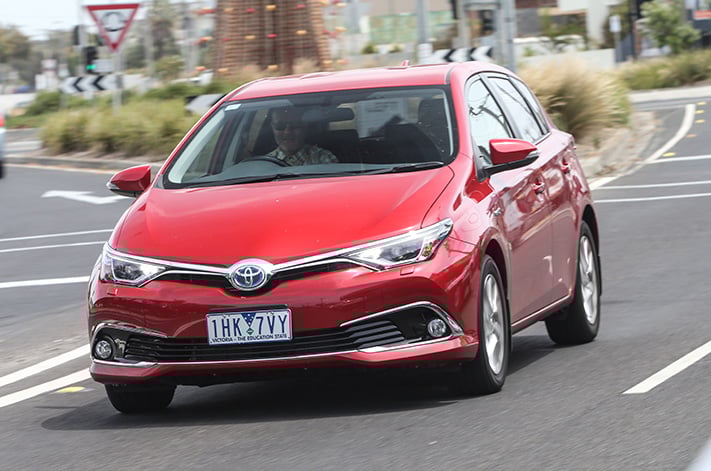
The Toyota Corolla Hybrid Hatch represents exceptional value with its better suspension and state of the art powertrain that sips fuel at a rate of 4.1L/100km (combined cycle), compared to around 6.1L/100km for the similarly equipped petrol hatches.
Of the petrol-only Corollas the Ascent Sedan has decent interior space and good equipment, especially if you add the optional Safety Sense pack and more attractive alloy wheels.
AVAILABLE OPTIONS
- Toyota Safety Sense (all models except Accent sedan and ZR) – $784
- Toyota Safety Sense and 15 inch alloy wheels (Ascent sedan) – $1571
- Toyota Safety Sense and satellite navigation (Ascent Sport) – $1826
- Satellite navigation (Ascent Sport) – $1042
- Panoramic roof (ZR hatch) – $1597
- Premium paint – $467
THERE’S a time and place for a diesel performance car, but damned if we want to be there if there’s a petrol version going begging. And that has just become the case with Audi’s new-generation SQ5 performance SUV.
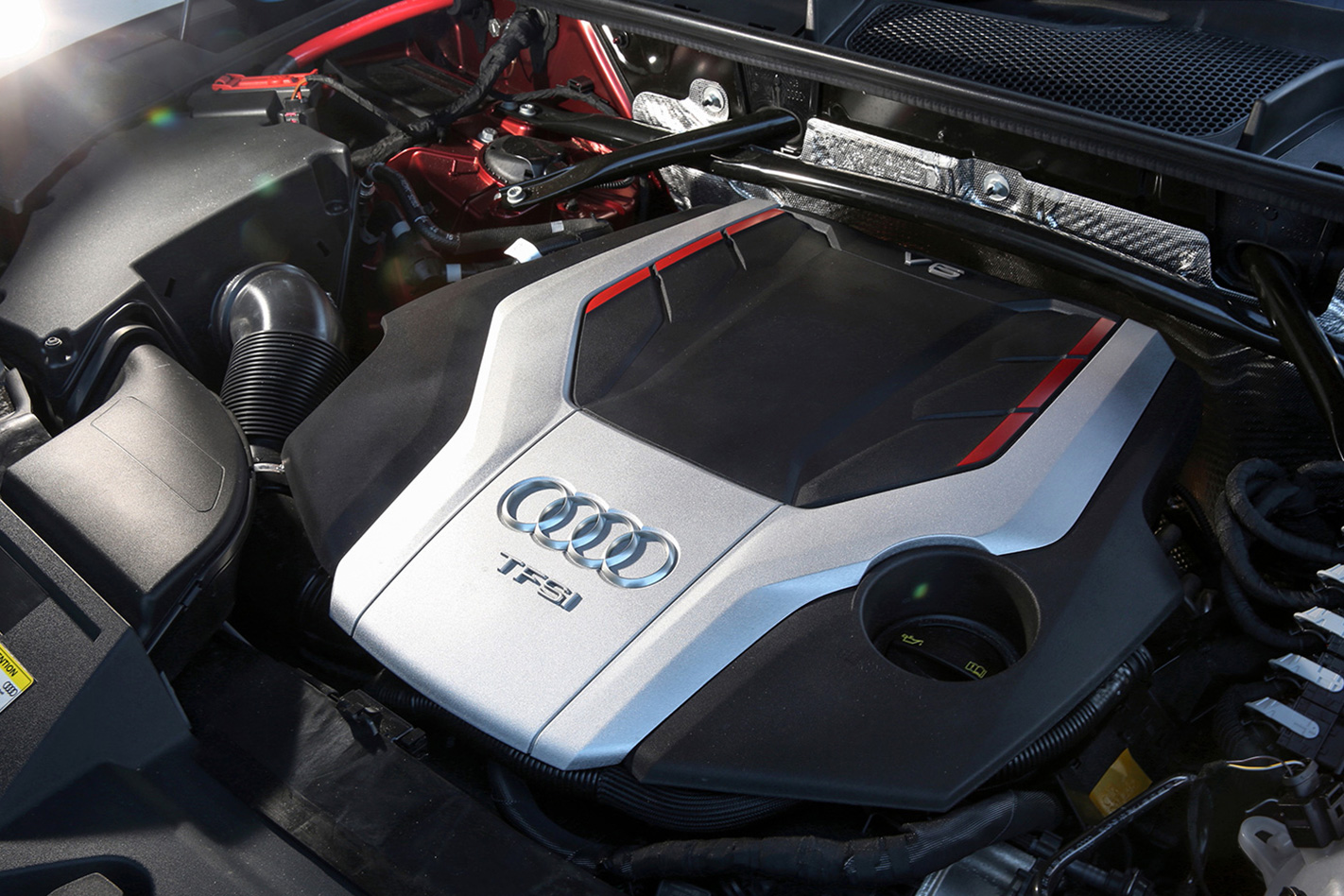
Wildly popular in its previous iteration as an exclusively diesel model, Audi will now offer the SQ5 with the same twin-scroll, single-turbo 3.0-litre V6 as first seen in the new S4.
It’s belting out a solid 260kW and 500Nm and, in the SQ5’s case, is shifting 1945kg – not a crazy amount. That’s thanks, in part, to a big effort by Audi to remove weight from its new Q5, with a 130kg diet to show for its efforts.
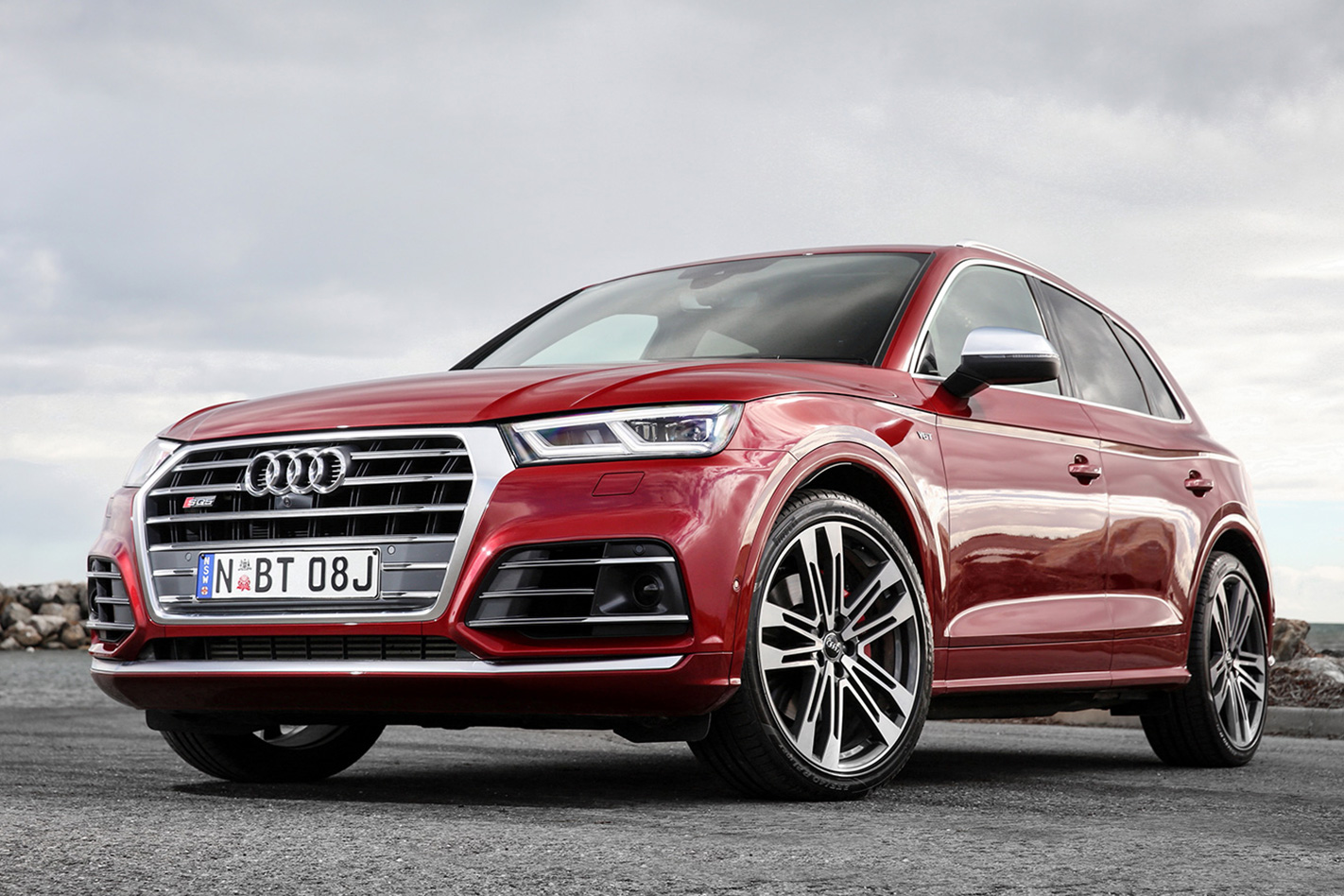
Fire it up and there’s a muted growl which turns to a polite bellow as you boot it. The SQ5 accelerates to 100km/h in a fuss-free 5.4 seconds thanks to its quattro all-wheel drive system and responsive eight-speed torque converter automatic. Meanwhile the chunky, 350mm front brakes with six-pot calipers pull up the big Audi easily on the road with little pedal effort.
And we could almost conclude the review there. How does it go up a tight and twisty road? Not really sure, because Audi chose to launch the SQ5 on almost exclusively straight 100km/h country roads between Melbourne and Adelaide.
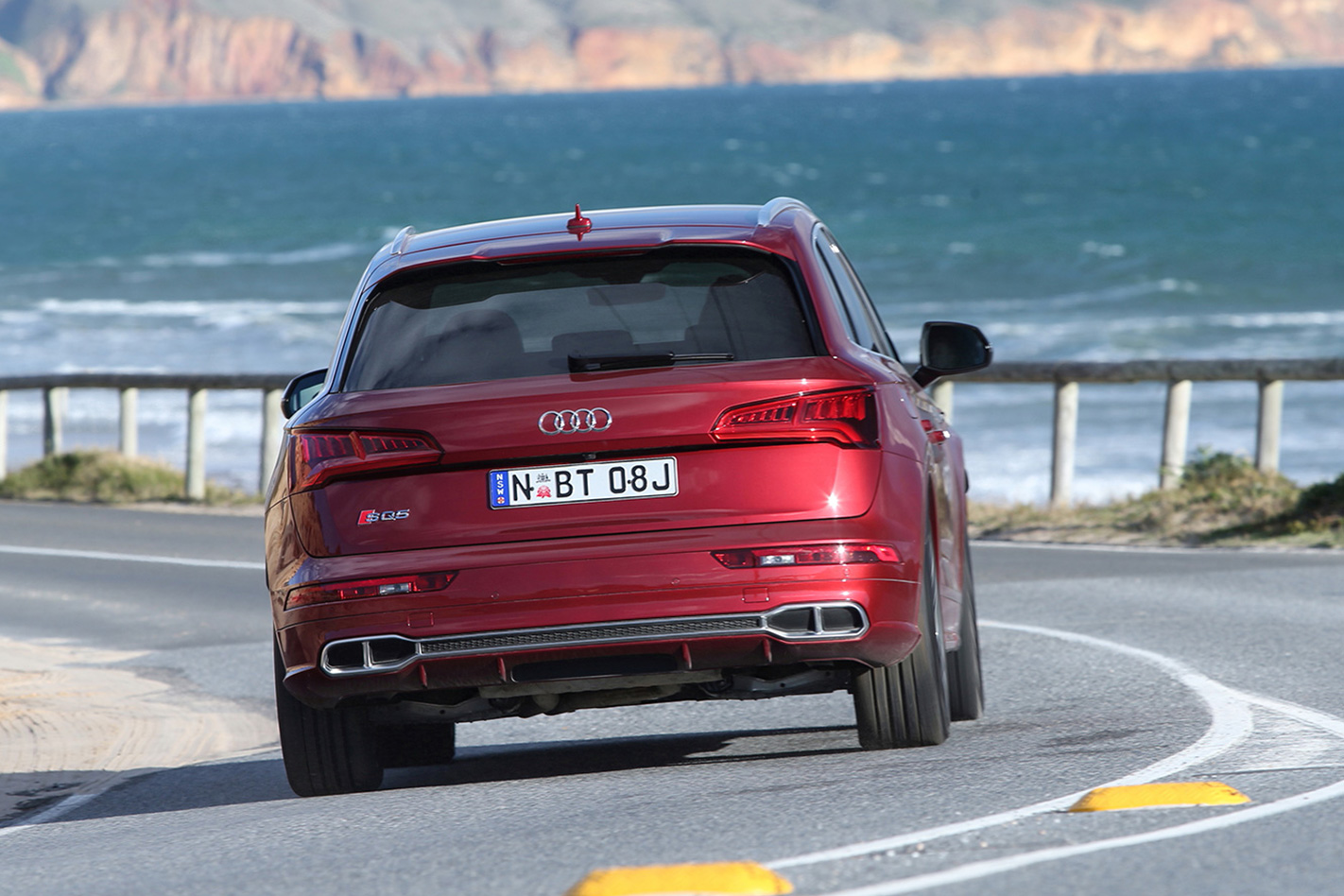
Instead we can talk at length about the SQ5 on Aussie country roads and we know enough to say, for the love of god, get the $2150 optional air suspension. Without it, the standard adaptive dampers offer minimal difference between Comfort and Dynamic, and the ride in Dynamic on the optional air suspension is nicer than the standard dampers in Comfort. It’s surprisingly busy.
You should also consider the $2950 sport differential if you really wanted an RS3 but are unexpectedly in the market for a pram, as although we can’t say how it might change the SQ5’s personality, our experience with the S4 is that it’s money well spent.
This is no hot hatch on stilts – at least, not that we can tell so far – but represents a fantastic all-rounder if you must have the high driving position and badge on the front, with a little extra overtaking muscle to flex.
4 out of 5 stars Likes: Engine; competent handling Dislikes: Standard ride; muted exhaust note
2018 Audi SQ5 Specs: Engine: 2995cc V6, DOHC, 24v, turbo Power: 260kW @ 5400-6400rpm Torque: 500Nm @ 1370-4500rpm Weight: 1945kg 0-100km/h: 5.4sec (claimed) Price: $99,611
With only 500 built, and probably far fewer surviving today, the VL SS Group A has turned out to be quite a valuable homologation special.
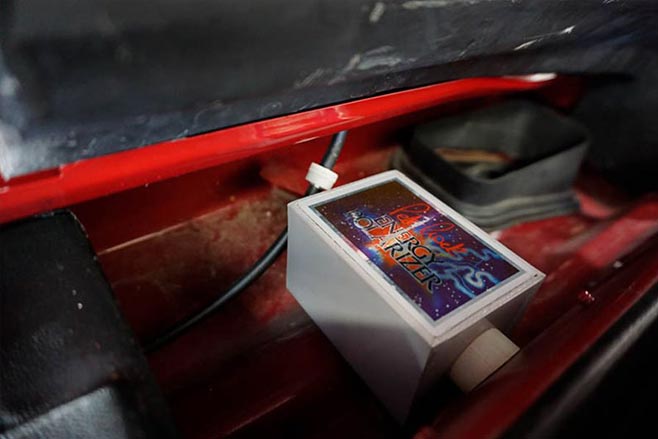
In addition, less than half of the 500 built feature the somewhat controversial (and still rather confusing) ‘Energy Polariser’
This is one of those, complete with Brock’s signature that he refused to give to cars without the Polariser.
The pictures from Lorbek show the car looking immaculate inside and out.
With a relatively low 52,796km showing, Lorbek reckons owning this thing is better than having money in the bank. Considering the skyrocketing value of more than a few Aussie V8s, we reckon they might be right.
So, that brings us to the asking price for this particular example. For only $128,980, you can experience the blistering 7.6 seconds it takes the VL SS Group A to hit 100km/h, or its 15.54 quarter mile time, as tested by MOTOR.
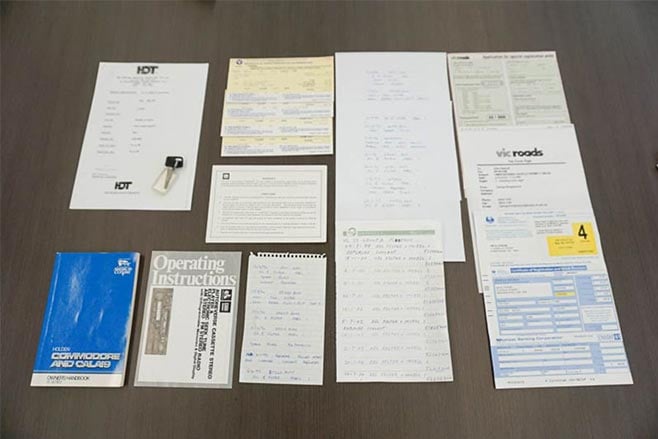
Keep in mind that prices will become less predictable once Holden shuts the factory doors for good.
You can check out the advertisement on TradeUniqueCars if you’re feeling like you need a bit of VL in your life.
AFTER a protracted hype campaign, seemingly endless speculation, and secret images leaked on more than one occasion, the next-generation BMW M5 is finally out of the wraps. Here are our favourite Munich muscle morsels:
- The big news is that the iconic M5 has gone four-wheel drive for the first time in six generations, but an all-paw 5 Series is far from a new concept. The E34 introduced all-wheel drive to the sedan and wagon in the mid-1990s with the 525iX.
- With the latest incarnation of the 4.4-litre twin-turbo V8 now pushing out 441kW and 750Nm, the move to four-wheel drive was essential to reign in BMW’s fastest road car to date, but drivers who like a smokescreen to follow them everywhere they go can deactivate the M xDrive all-wheel drive system to revert to a purist rear drive nature.
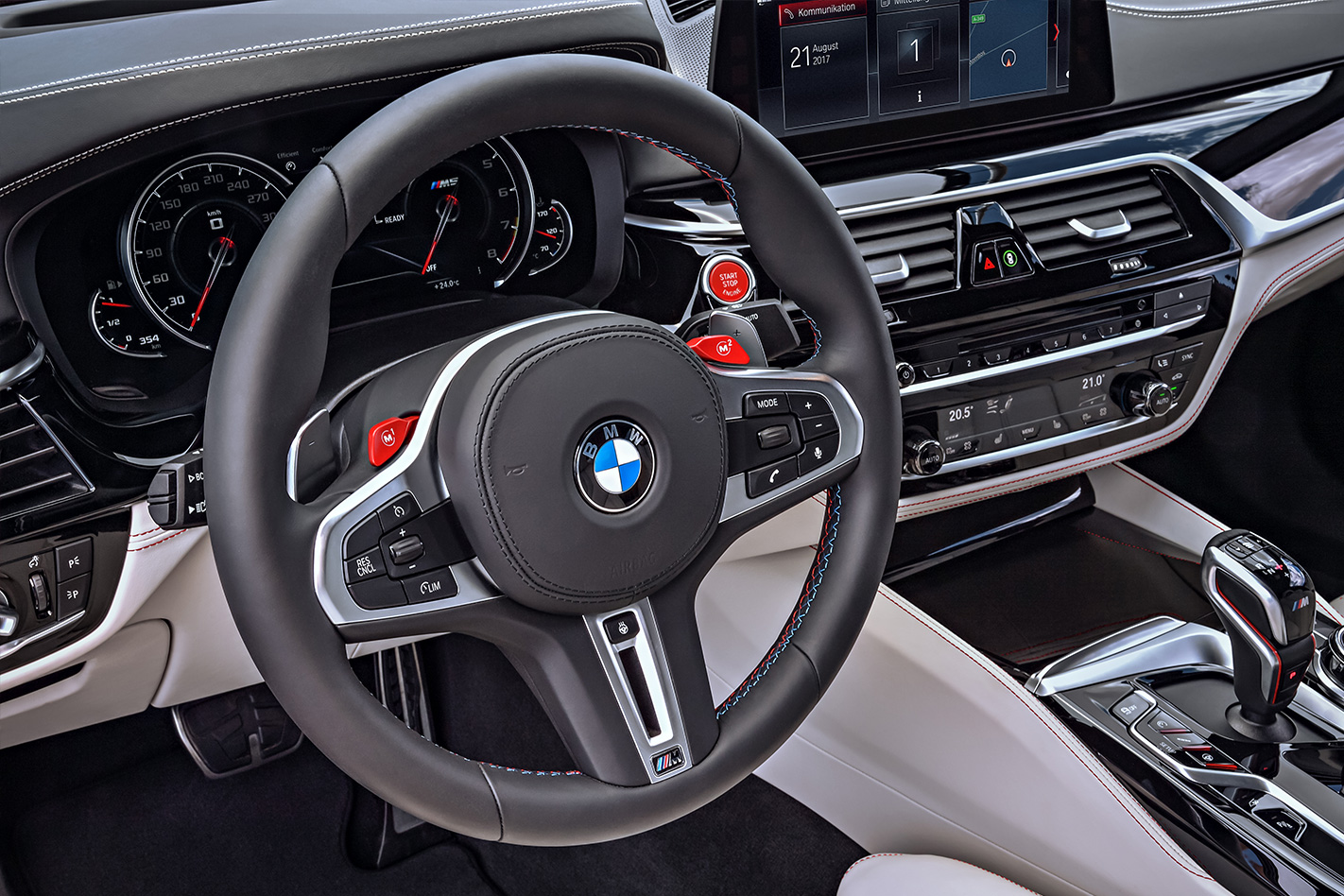
- Transmission mechanicals are closely related to the X5M and X6M high-riding twins, including the front open differential which is a carry over.
- A dual-clutch automatic transmission is no longer offered for the M5. Its transition to a more conventional torque converter also includes a transmission fluid cooler to ensure consistent performance even when being punished on the track.
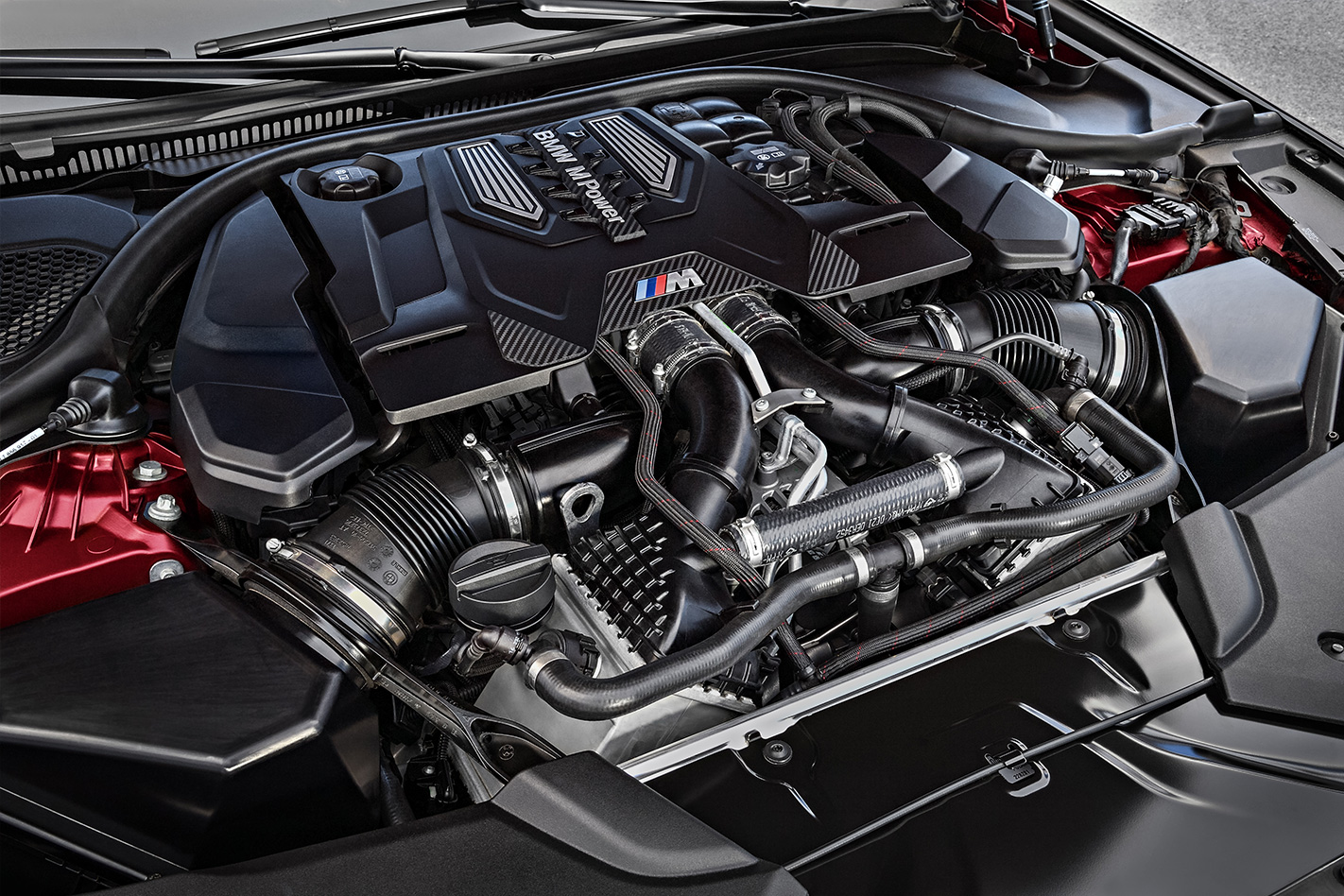
- Power is up 29kW and torque is boosted 70Nm thanks to an engine revision that brings higher-pressure fuel injection of 350 bar, new turbochargers, and a higher rev limit of 6700rpm. Essentially though, the new M5 has an upgraded version of the previous M5’s V8.
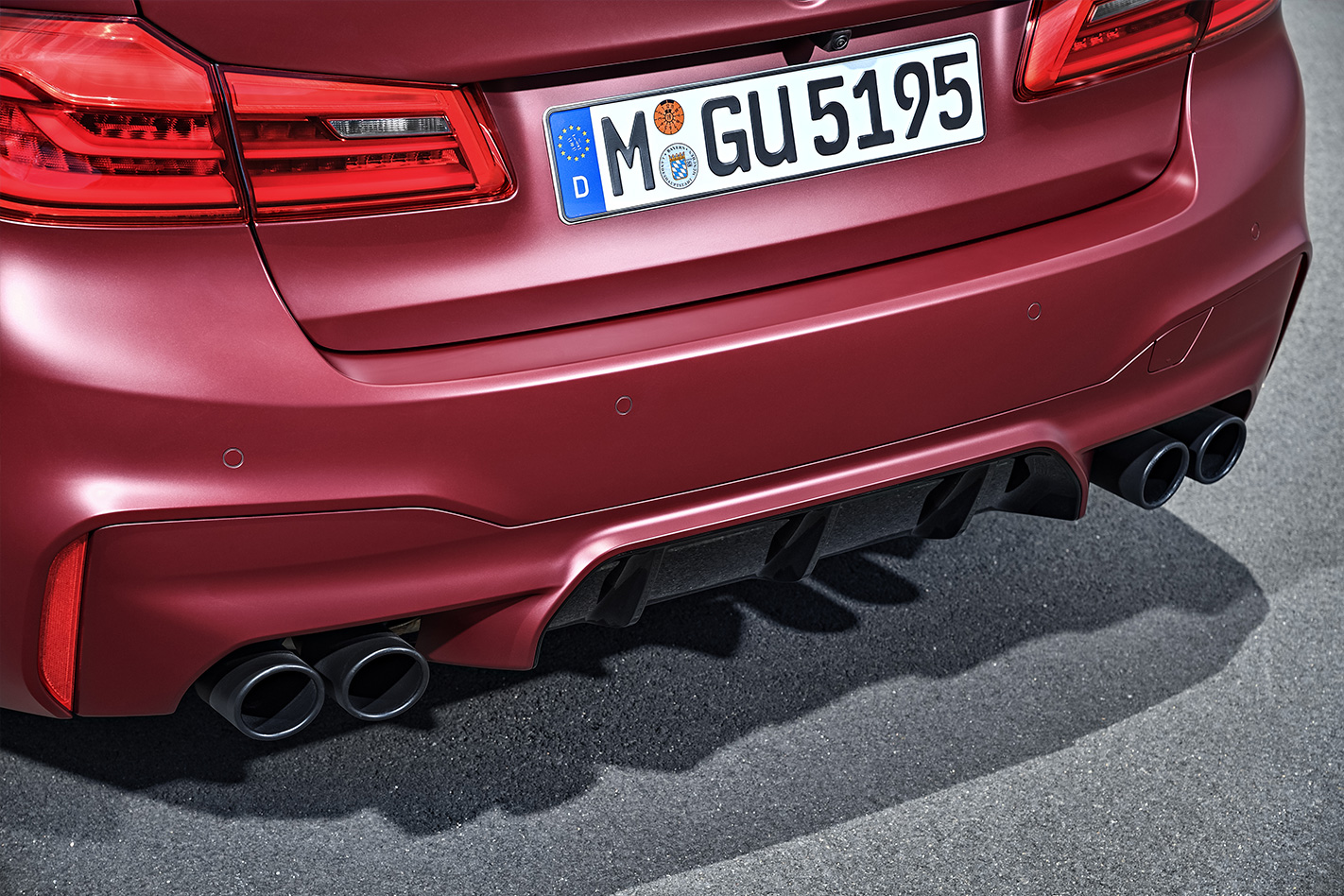
- A new exhaust system addresses some criticisms that the previous M5 wasn’t shouty enough. In addition to that it is now also lighter than the outgoing system.
- Maximum speed is limited to 250km/h, but customers who want the ultimate M5 V-max thrill can opt for the M Driver’s Package, which lets the super sedan stretch its legs all the way to 305km/h.
- With a little more cash, the iron-rotor brake discs can be upgraded to M carbon-ceramic discs which save 23kg of unsprung weight for improved handling, and delivers racecar stopping power along with adding a gold-coloured set of calipers. The exotic brakes are also another first for a 5 Series.
- Following the lead of the E46 M3 CSL, E92 M3, and current M3 and M4 twins, the M5 is now available with a carbonfibre roof. The lower weight panel not only reduces overall vehicle mass for improved performance and efficiency, but is also strong and particularly effective at lowering the centre of gravity.
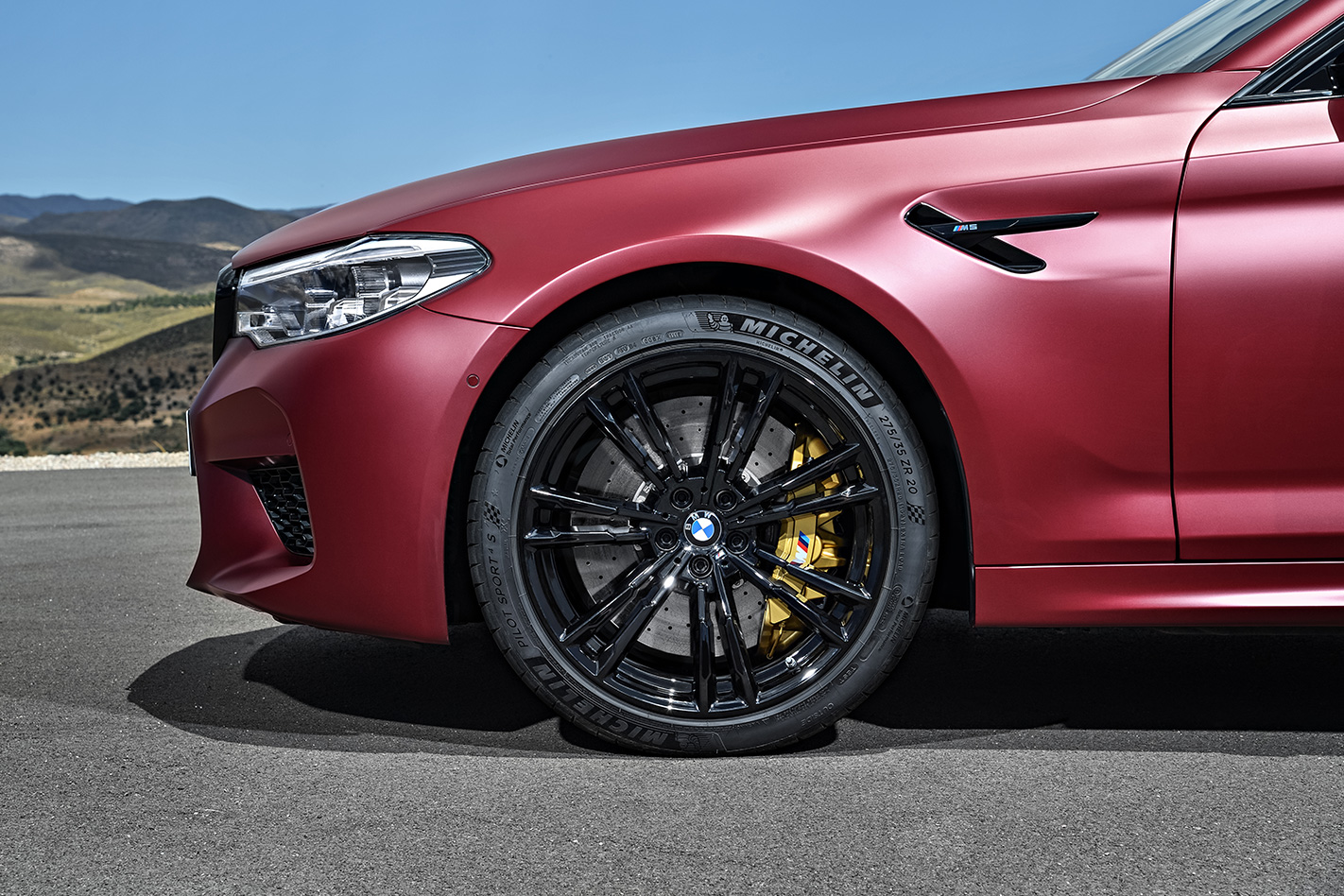
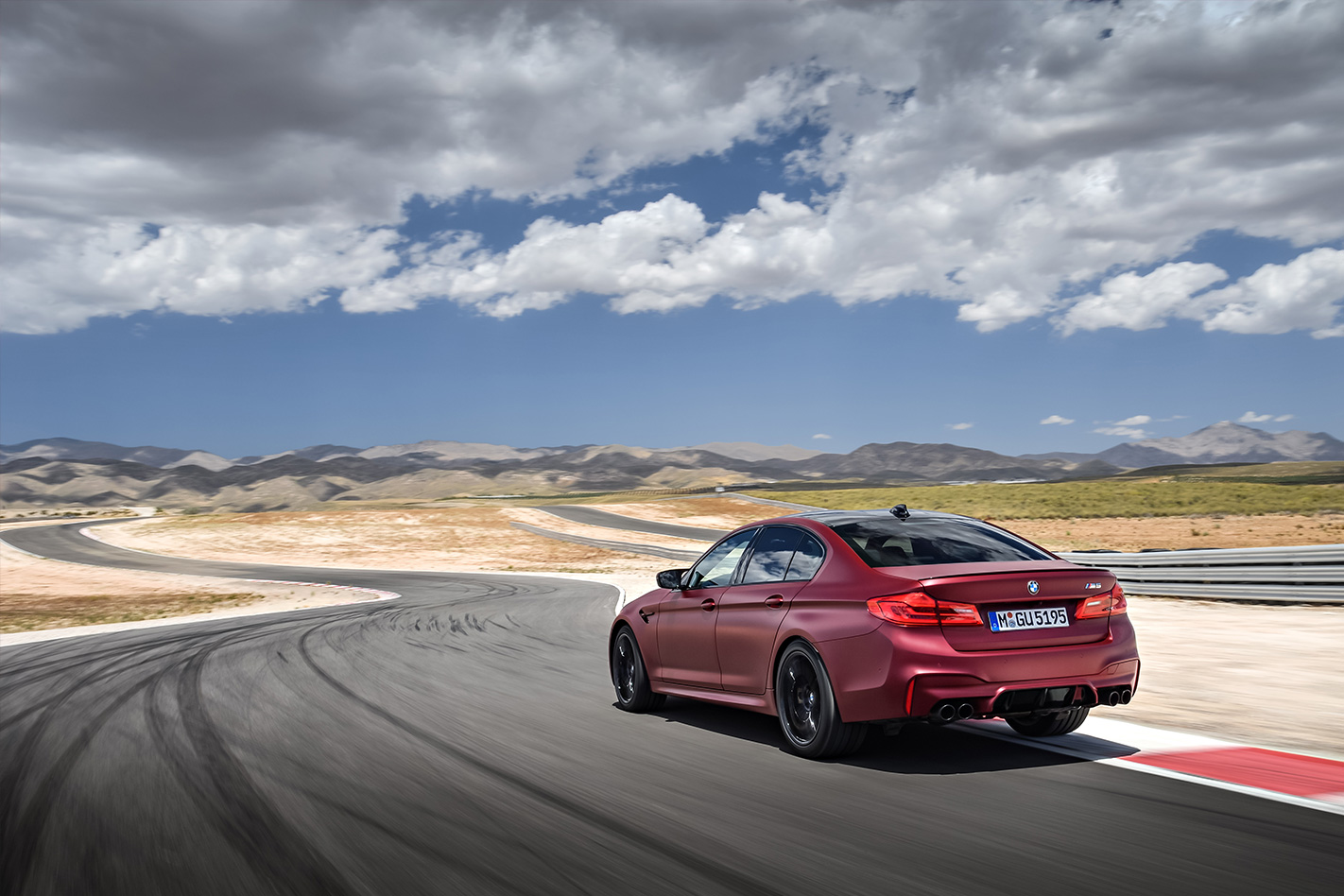
- Early adopters have the choice of a limited run First Edition M5, which has an unusual satin metallic red paint job, gloss black exterior trims to match its seven-spoke 20-inch wheels, and a number of unique trimmings on its interior as well.
- Compared with the original 1985 BMW M5, the 2018 version has grown by 345mm in length and 204mm in width, and yet is just 58mm taller.
Tell me about this car
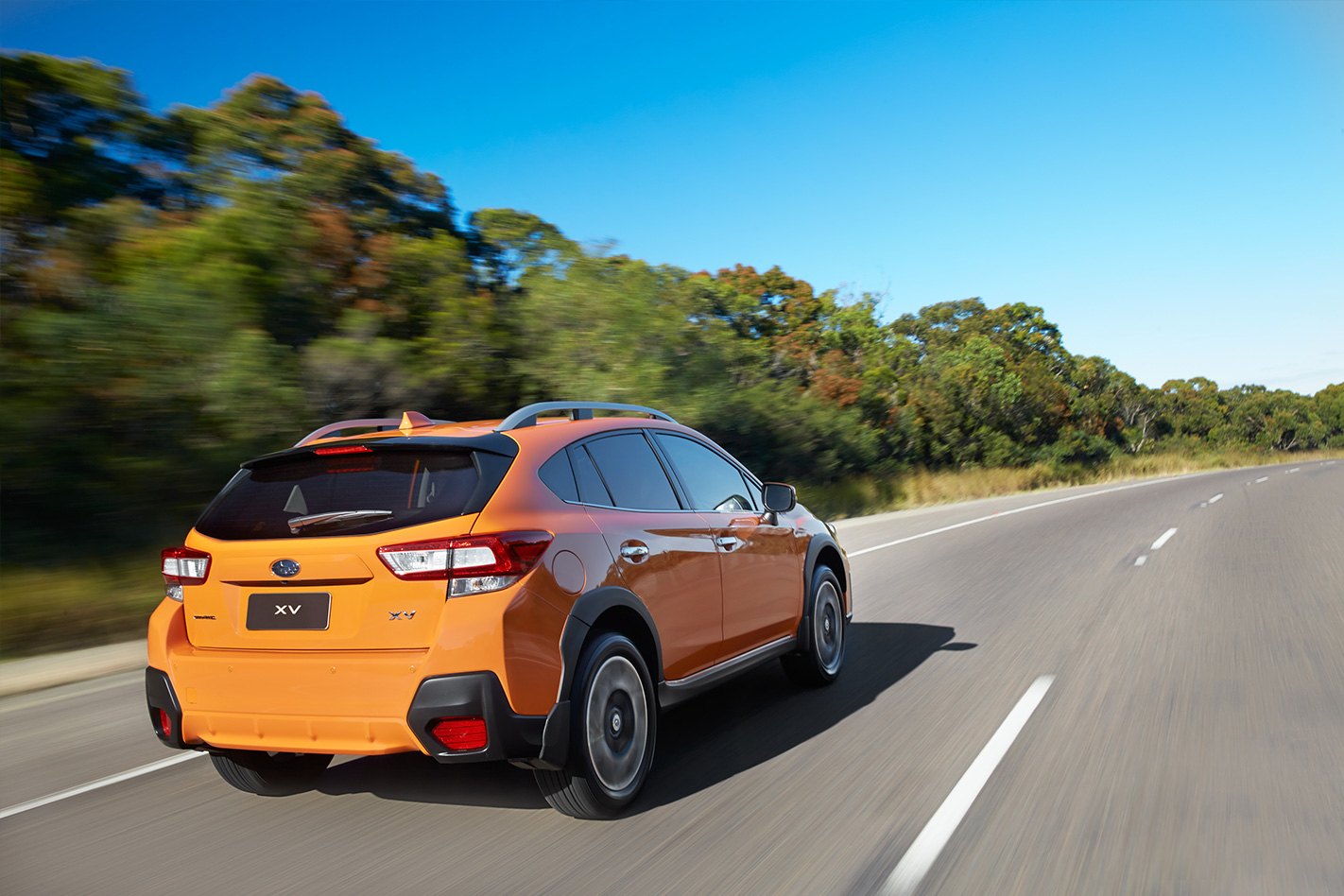
At its core the Subaru XV is a jacked-up Impreza. That’s not necessarily a bad thing, with SUVs being a winner in our current market and the latest Impreza being a Wheels Car of the Year finalist in 2017. With the XV sharing much with a car we’ve already lauded and melding it with off-road mechanicals and electronics from the larger Subaru Forester, its prospects look good from the outset.
And the car we’re reviewing here is the XV 2.0i-S, the leather-upholstered, feature-rich flagship of the XV family. As the best-equipped, most luxuriously-appointed model in the range, the 2.0i-S already boasts plenty of out-of-the-box appeal. And so it should, given its $35,240 retail sticker – a pricetag that puts it up against larger SUVs like the Honda CR-V.
Does it justify the expense?
STRENGTHS
- Interior packaging. The XV’s cabin is roomy and spacious, just like the Impreza hatch that it’s based upon. During our test, the XV hauled four adults and their ski gear to the Victorian Alps with ease. If you enjoy the occasional lengthy road trip with friends or family, the XV is a comfortable means of travel.
- All-wheel drive traction. Subaru’s marketing material really rams the virtues of its all-wheel drive system down your throat, but the hype is justified thanks to the XV’s confidence-inspiring traction in wet and potentially-treacherous driving conditions. Driven through slushy skifield access roads the XV’s drivetrain never slipped or stumbled, and the snow chains stayed in the boot.
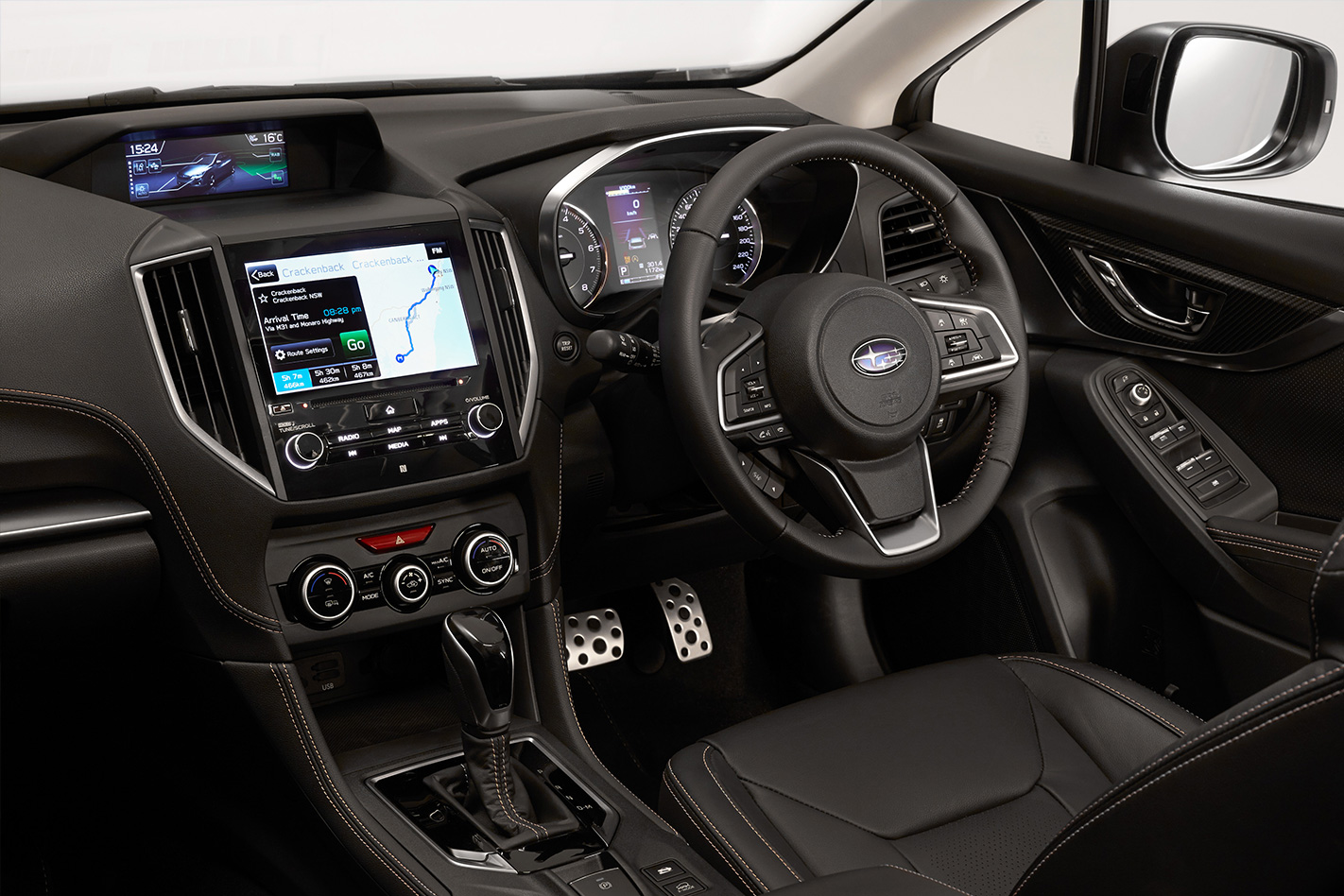
- Active safety. Subaru’s “EyeSight” electronic safety suite is standard on the 2.0i-S (and indeed, every XV variant bar the base model), and brings autonomous emergency braking, lane departure warning, pedestrian detection, blind spot monitoring and the convenience of active cruise control.
- Dynamics. The XV may have an increased ride height over its Impreza sibling (220mm ground clearance), but that hasn’t butchered the cars dynamic ability. The XV retains much of the Impreza’s impressive chassis dynamics, and is enhanced in the high-grade 2.0i-S by brake torque vectoring that helps improve cornering performance by lightly braking the inside wheels when turning.
WEAKNESSES
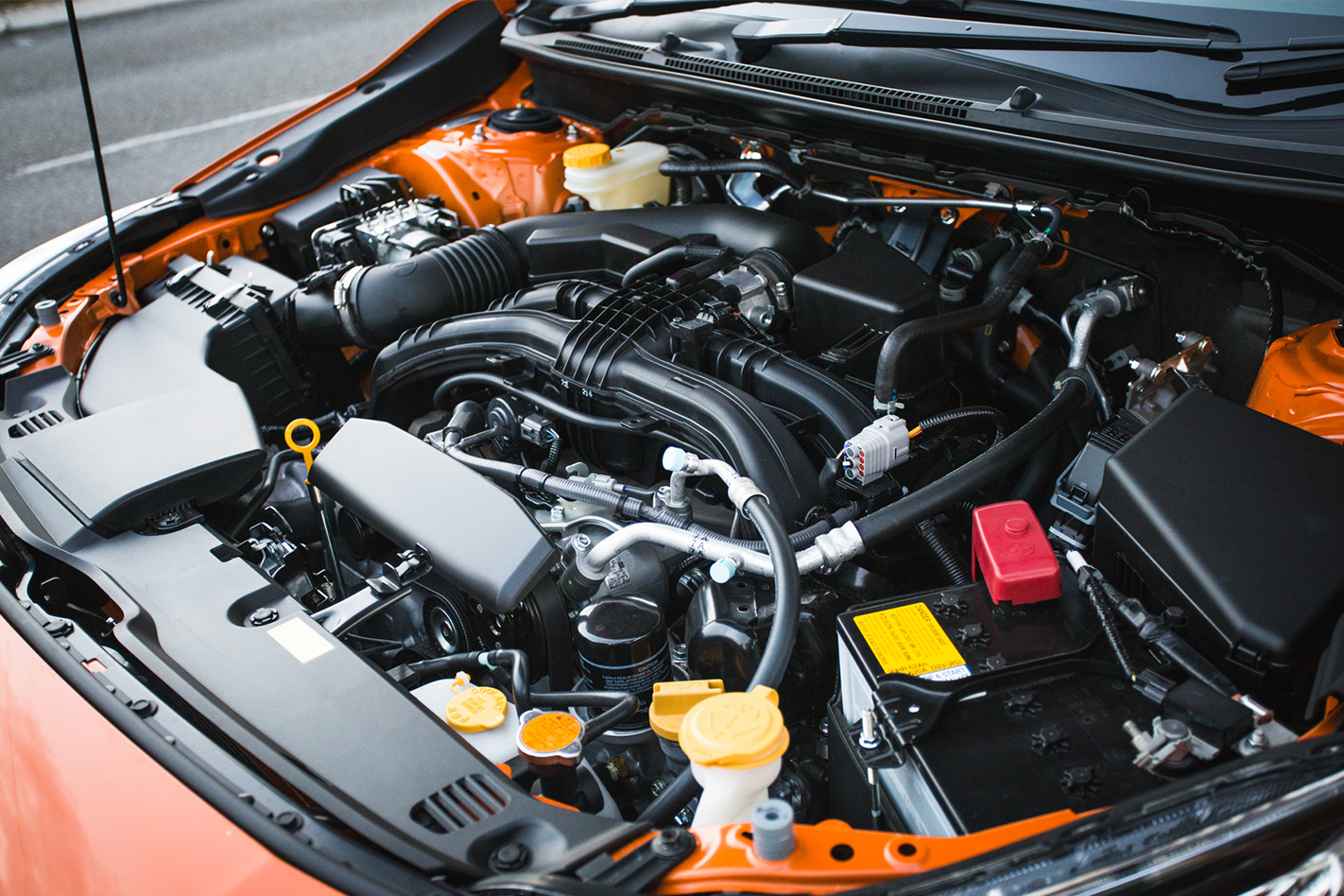
- Weak engine/gearbox combination. The biggest let-down with the XV is its lacklustre 115kW/196Nm 2.0-litre naturally-aspirated four-cylinder engine and the CVT transmission. The combination is lethargic when accelerating from a standstill, and highway overtaking moves require careful planning to ensure a safe pass is completed.
- Boot space is comparatively tight for a small SUV, with a seats-up capacity of 310 litres that grows to 765 litres with the 60/40 rear seats folded down. For comparative purposes, small hatchbacks like the Volkswagen Golf can carry around 350 litres of cargo.
- Road noise. On smooth well-groomed roads the XV cabin is a perfectly amicable place to be. However on coarse-chip roads the tyre roar is considerable, and wind noise at highway speeds is noticeable and tiring over longer distances.
- Sensitive safety equipment. While the XV 2.0i-S has an extensive safety suite, it’s prone to generate lots of warnings and notifications while driving. On one hand it’s good that it’s constantly looking out for potential danger, but it often responds too early and gives what many may consider to be a false warning. That’s not only annoying and frustrating, but also potentially dangerous if owners either become complacent and ignore the system’s alerts, or elect to deactivate some safety features altogether
Any rivals I should consider?
Ford Ecosport, Holden Trax, Honda HR-V, Mazda CX-3, Mitsubishi ASX, Nissan Qashqai, Suzuki Vitara, Toyota C-HR
We recently brought you the news that a McLaren P1 and F1 were going under the hammer at the same time in Monterey.
In terms of supercar sales, they turned out to be just two drops in a sea of with impressive transactions.
The P1 didn’t sell, by the way. Bidding reached USD $2,100,000 ($100,000 short of the lower estimate) and the car remains un-gavelled.
The F1, did however fetch an impressive sum, and we weren’t far off the mark with our AUD$18m guess. It sold for an astonishing AUD$19.7m. $1.7 million off is close, right?
However, our eyes were also drawn to a few other super-offerings present at the Pebble Beach and Monterey auctions. In order of their age, here they are. All dollar amounts are in AUD.
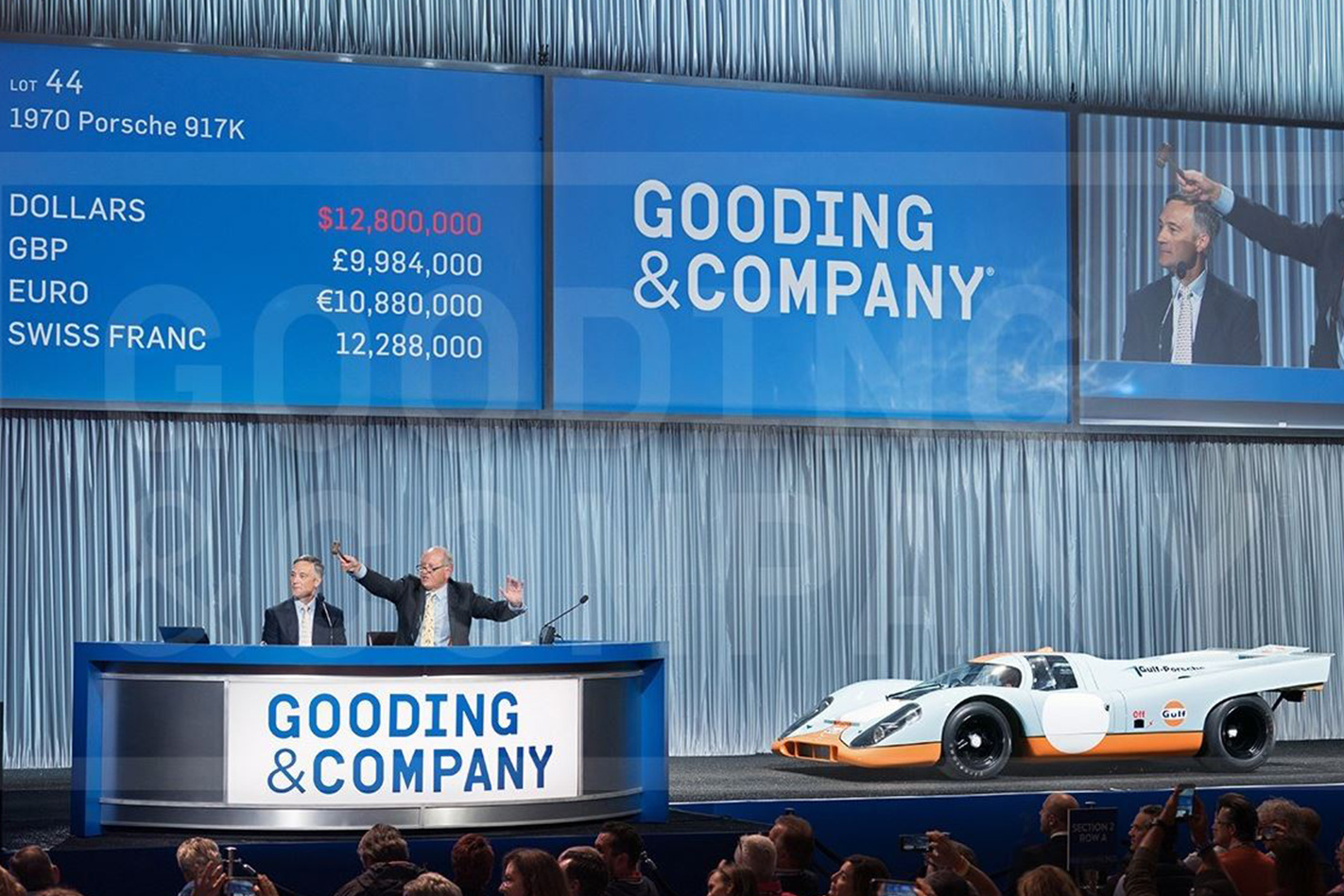
1970 Porsche 917K (Gooding & Company: $17,742,200)
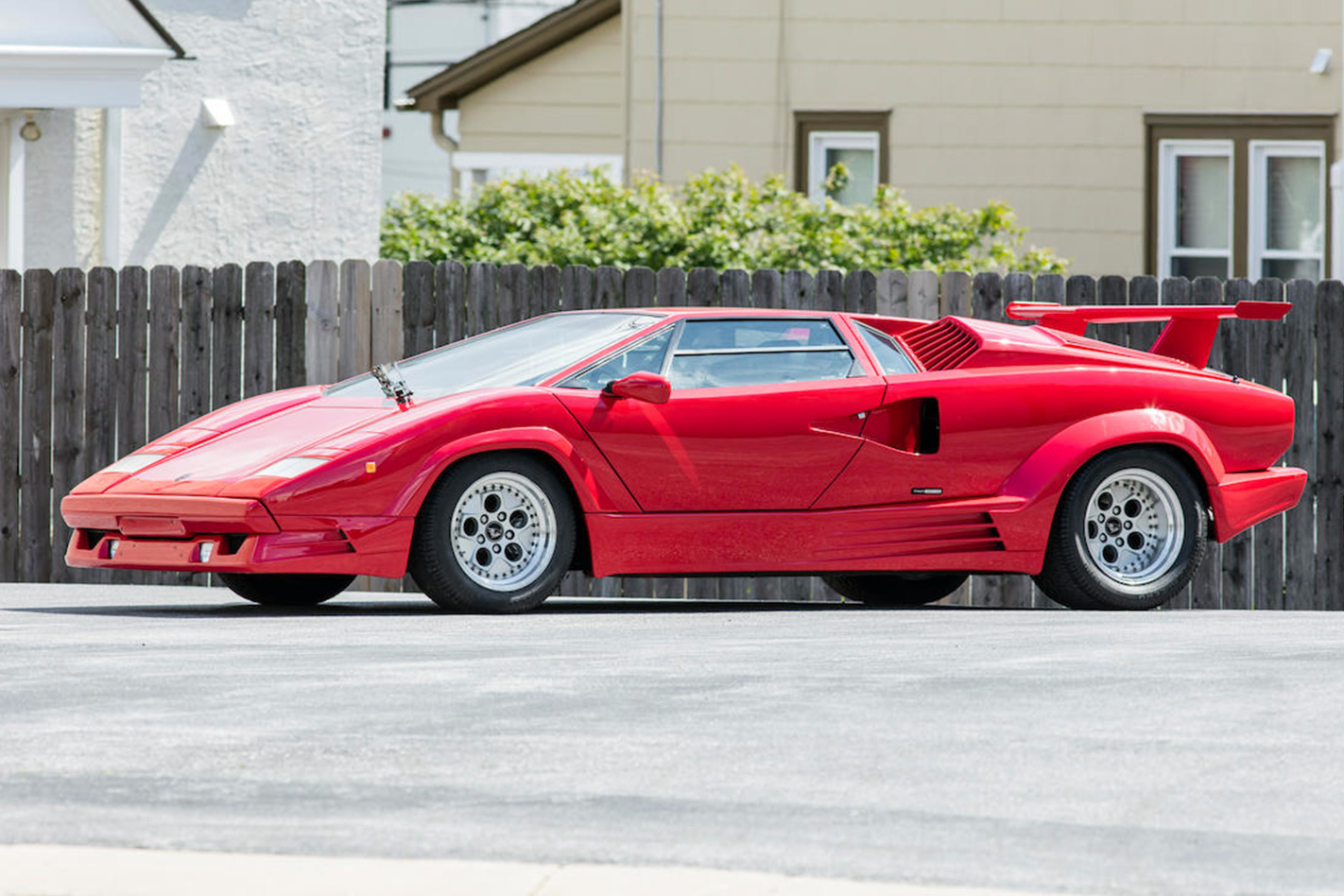
1990 Lamborghini Countach 25th Anniversary (Bonhams: $360,655)
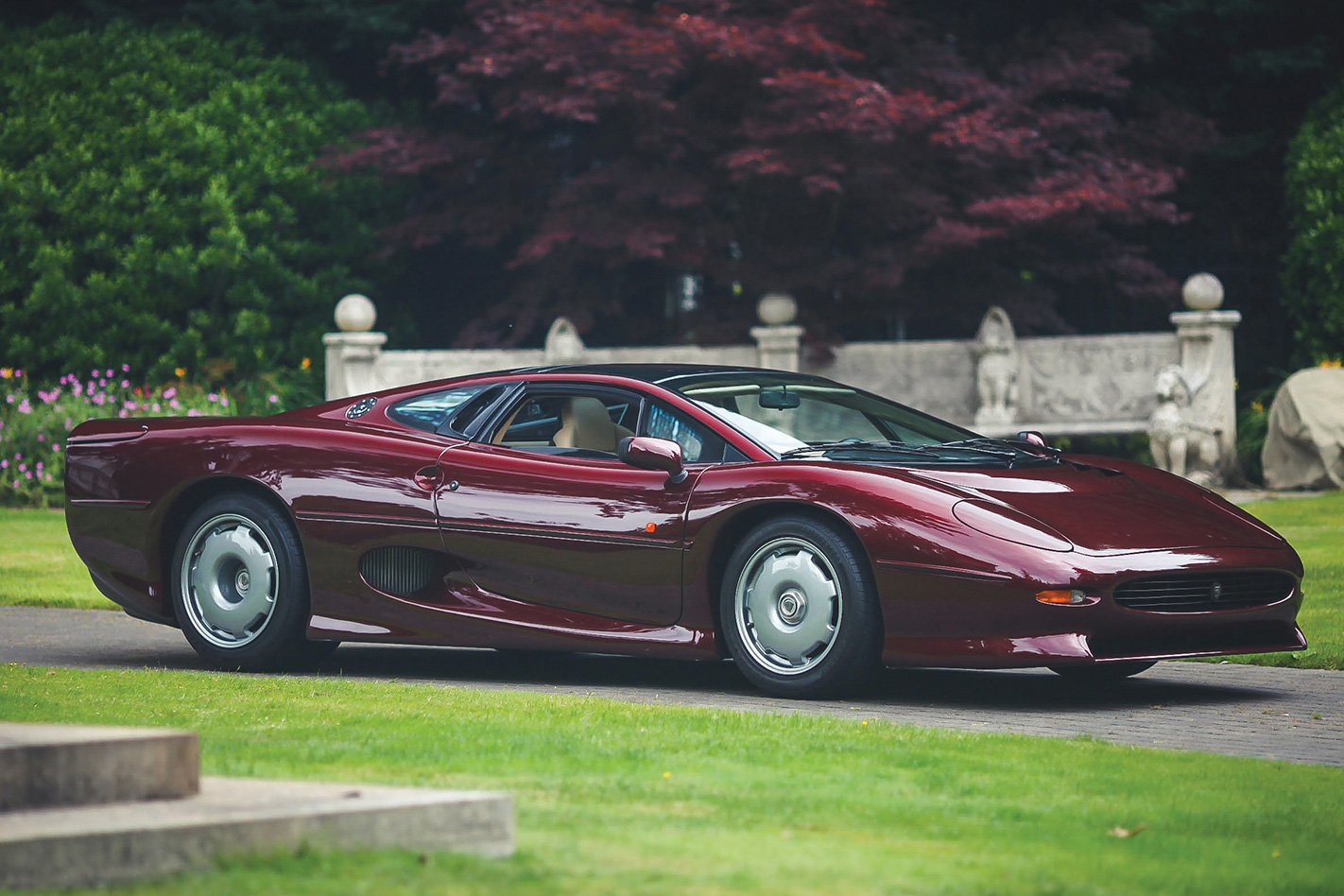
1993 Jaguar XJ220 (RM Sotheby’s: $526,720)
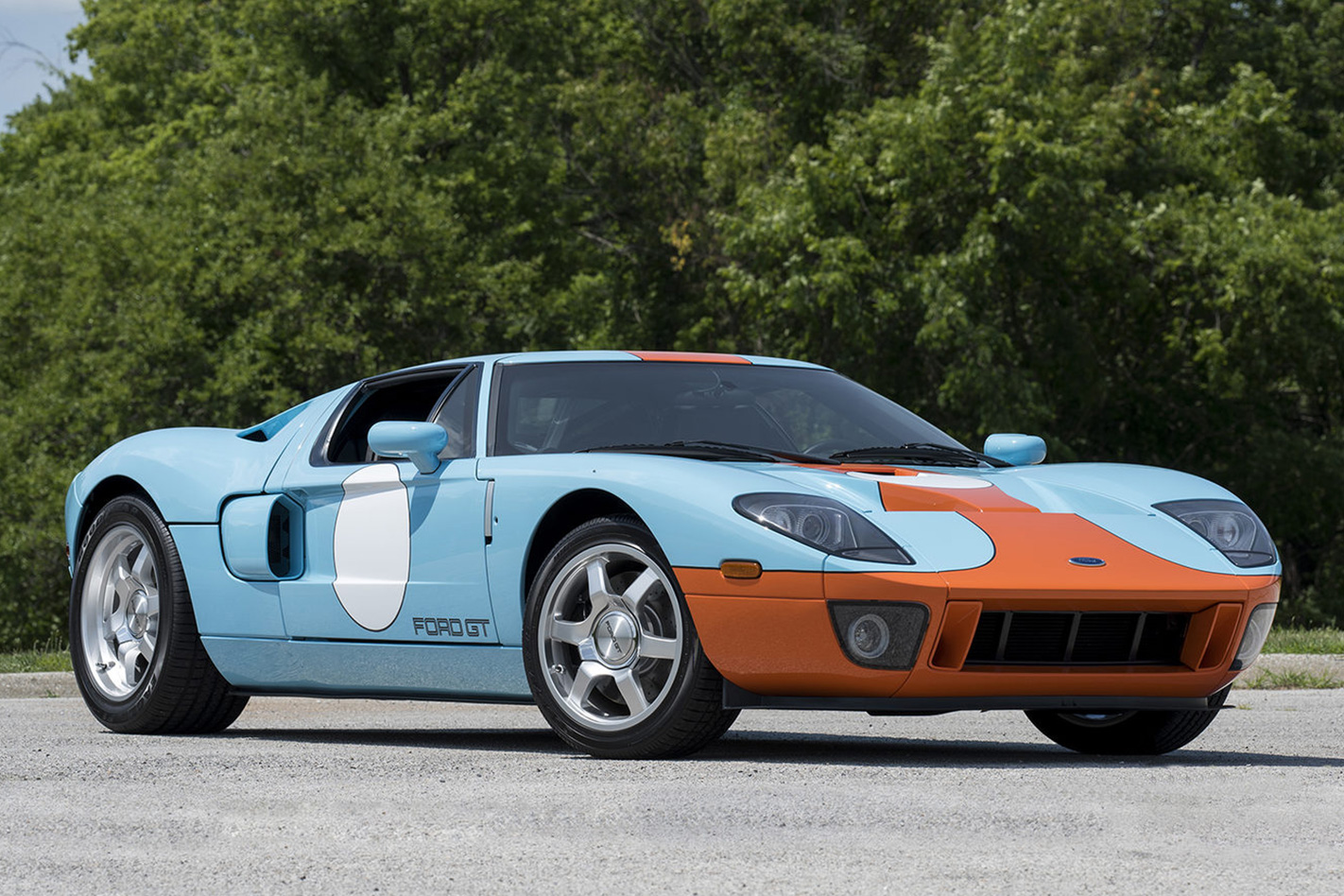
2006 Ford GT Heritage Edition (Mecum: $529,240)
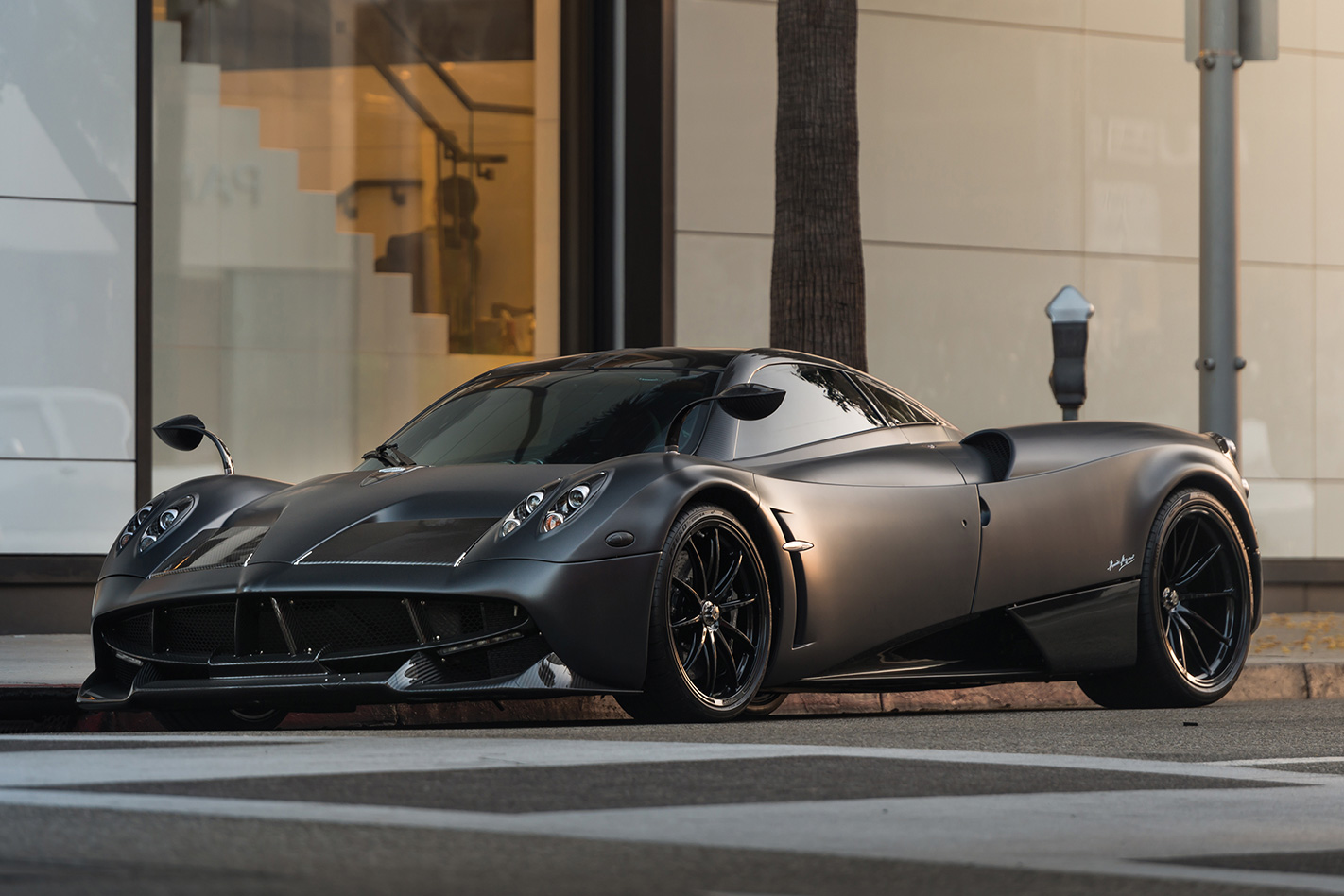
2014 Pagani Huayra Tempesta (RM Sotheby’s: $3,049,442)
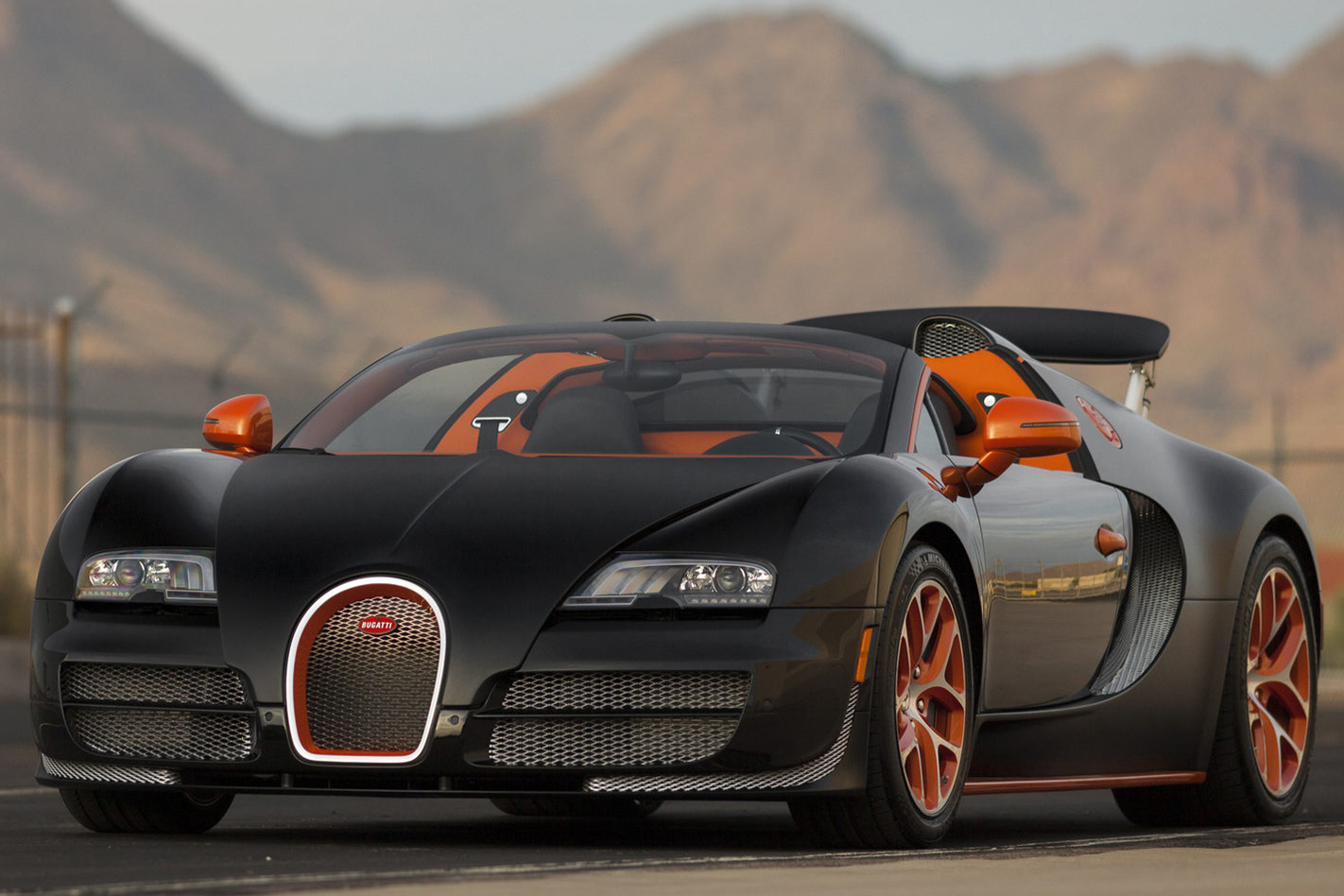
2015 Bugatti Veyron Grand Sport Vitesse (Mecum: $ 2,961,235)
2015 Porsche 918 Spyder (RM Sotheby’s: $2,321,734)