
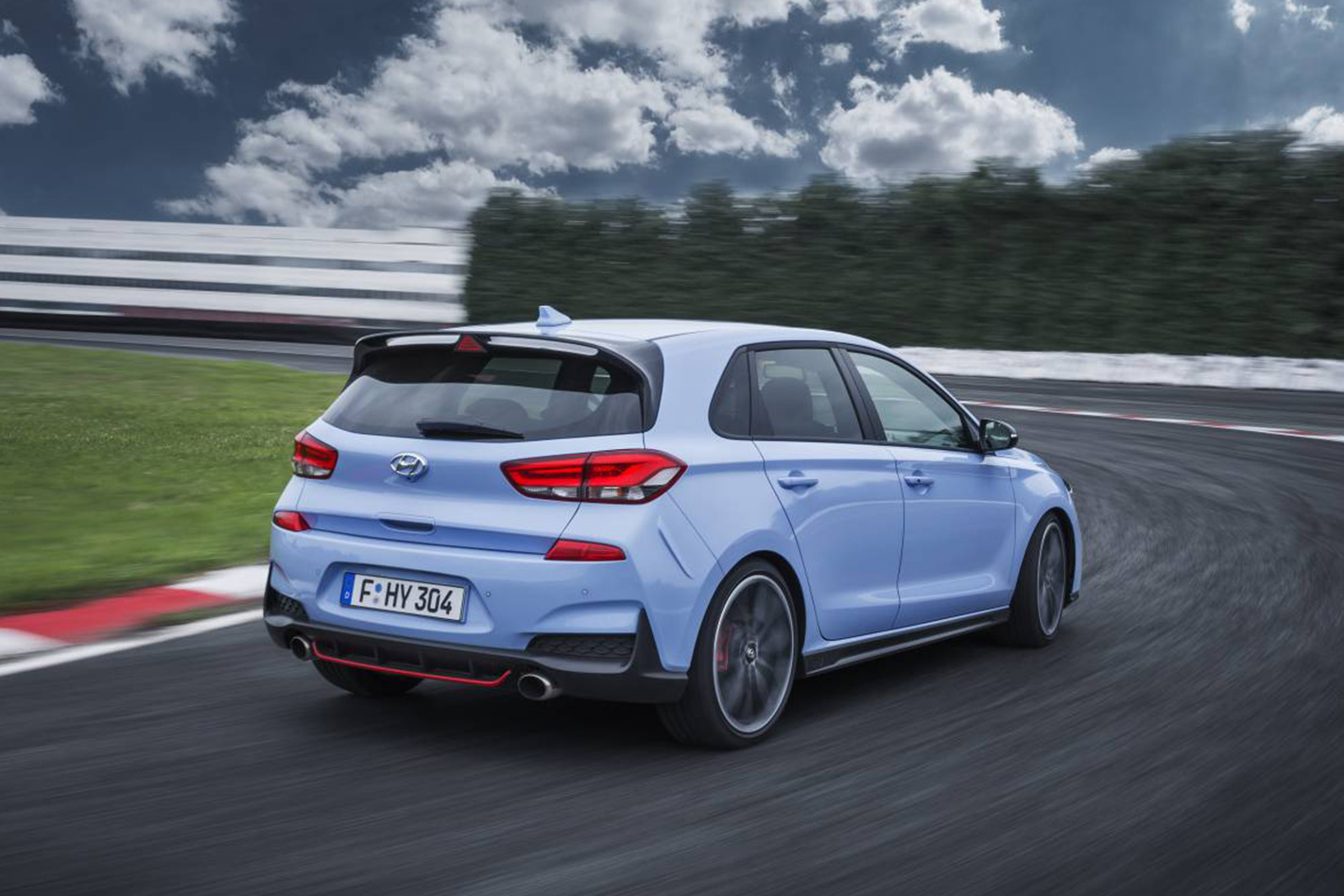
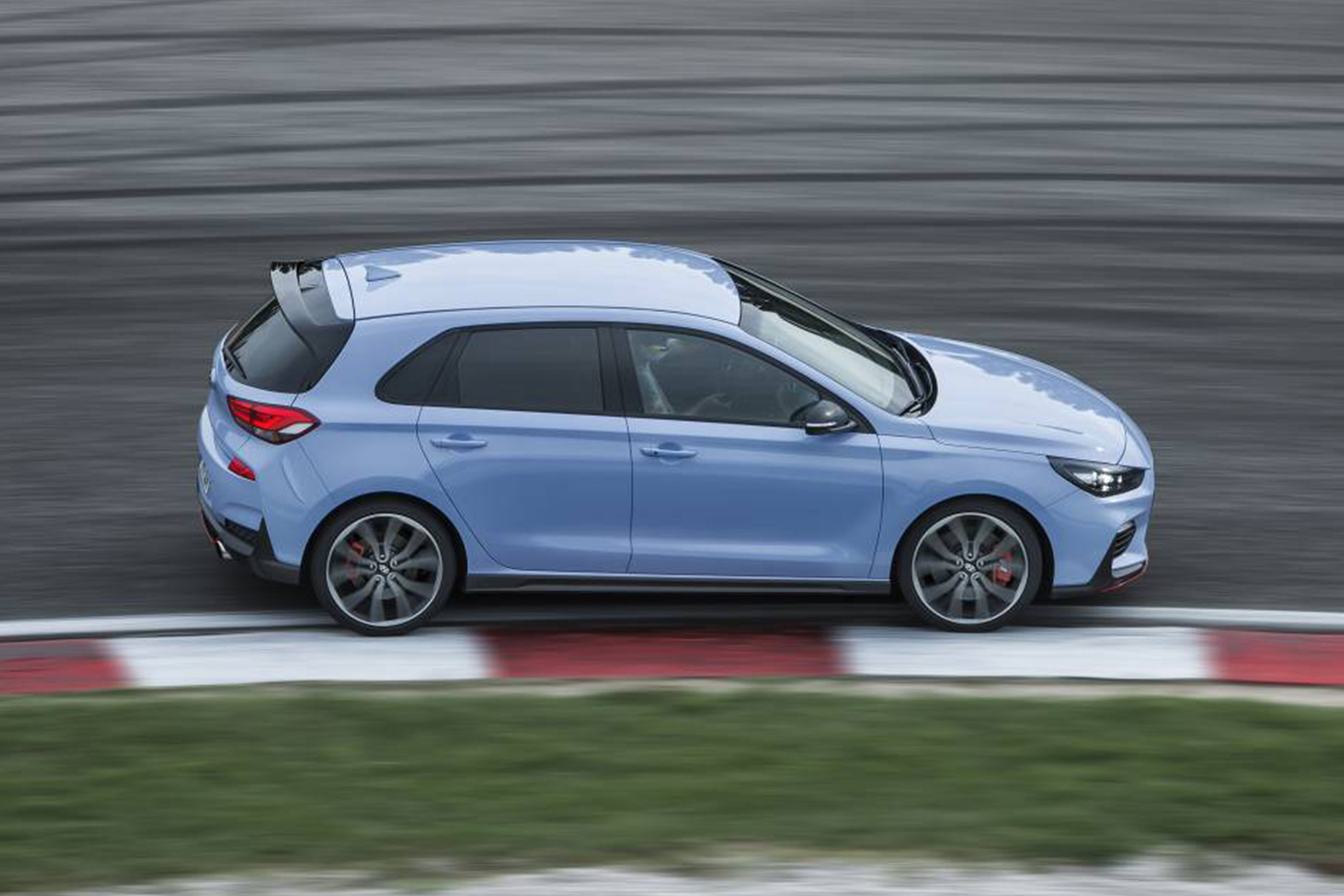
HYUNDAI’S eagerly anticipated N-brand debut will have to wait until next year, with the Australian launch of the pioneering i30 N delayed until as late as March 2018.
The Volkswagen Golf GTI challenger was expected to roll into local showrooms following an Australian launch in November, but an undisclosed set of circumstances has pushed the significant date into next year.
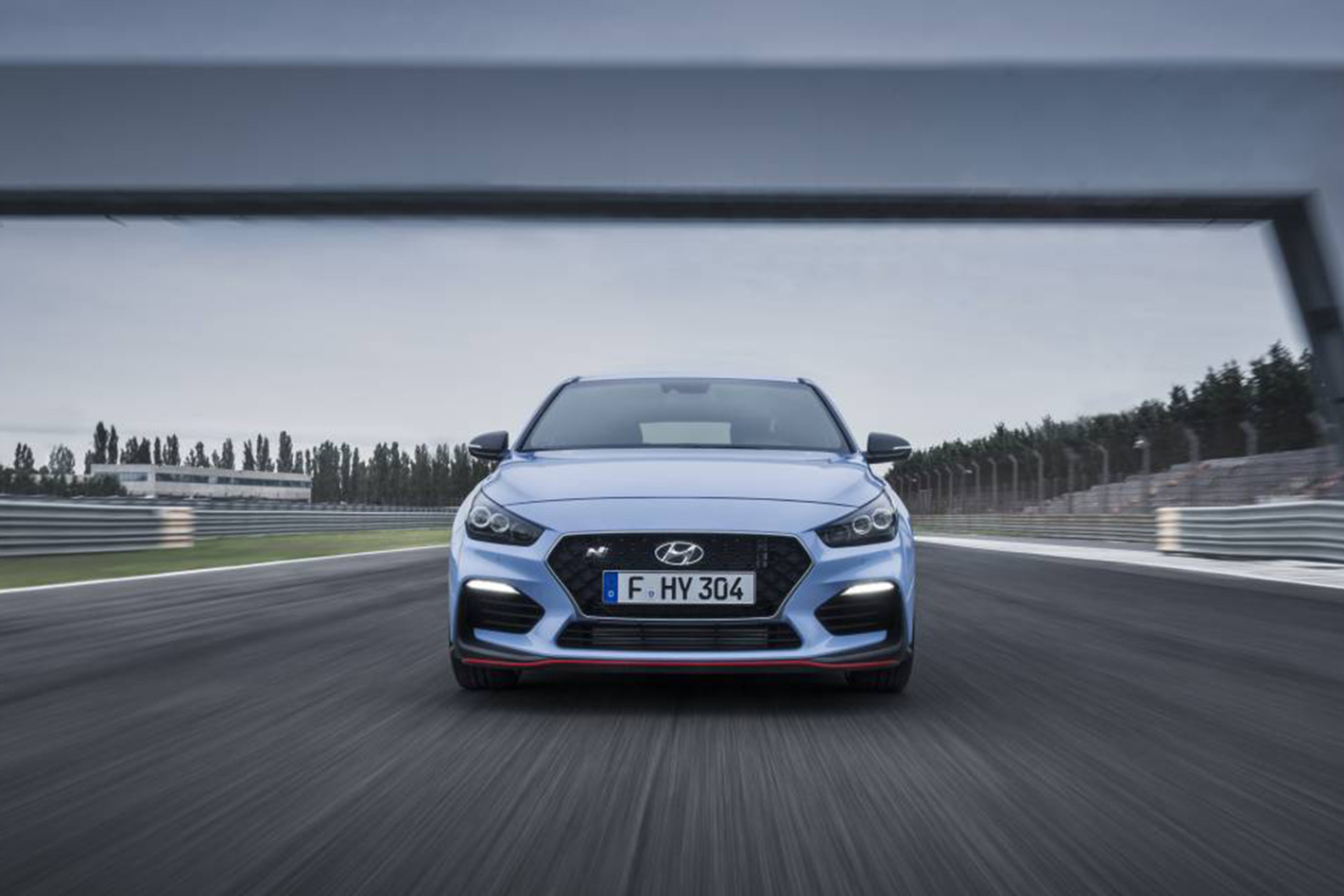
Globally, the schedule is unchanged, with an international first drive slated for September and a European on-sale date before the end of 2017. ‘Internal reasons’ are as much detail on offer for the delay at this stage, which suggests the postponement could be as a result of Australian compliance challenges, although production constraints are also not out of the question.
When it arrives, the i30 N will kick-start a new high-performance era for the South Korean brand with its first hot hatch and up to a 202kW punch – more than enough to worry the segment benchmark Golf GTI.
There is good news with the delay announcement however. While Hyundai is still refining the final price, Hyundai Motor Company Australia public relations general manager Bill Thomas said the company was focused on coming to market with a price as sharp as the German’s.
“It’s part of what we hold dear and this idea of being able to deliver strong value for money no matter what the price point”.
Thomas explained that while customers had been expressing interest in the car via a section of Hyundai’s website, no orders were yet being taken for the i30 N.
AS IF the partnership between Aston Martin and Zagato couldn’t get any better, today they have announced Shooting Brake and Speedster versions of the Vanquizh Zagato will be built.
The two new additions boost the Aston Martin Zagato family to four, joining the Vanquish Zagato Volante and Coupe.
Across all four variants, just 325 examples will be built, with the Speedster being the rarest with a production run of just 28 vehicles.
A total of 99 Shooting Brakes will be built, matching the production numbers of the Volante and Coupe.
Oh, and of course, every single one of these exquisite cars has been sold already.
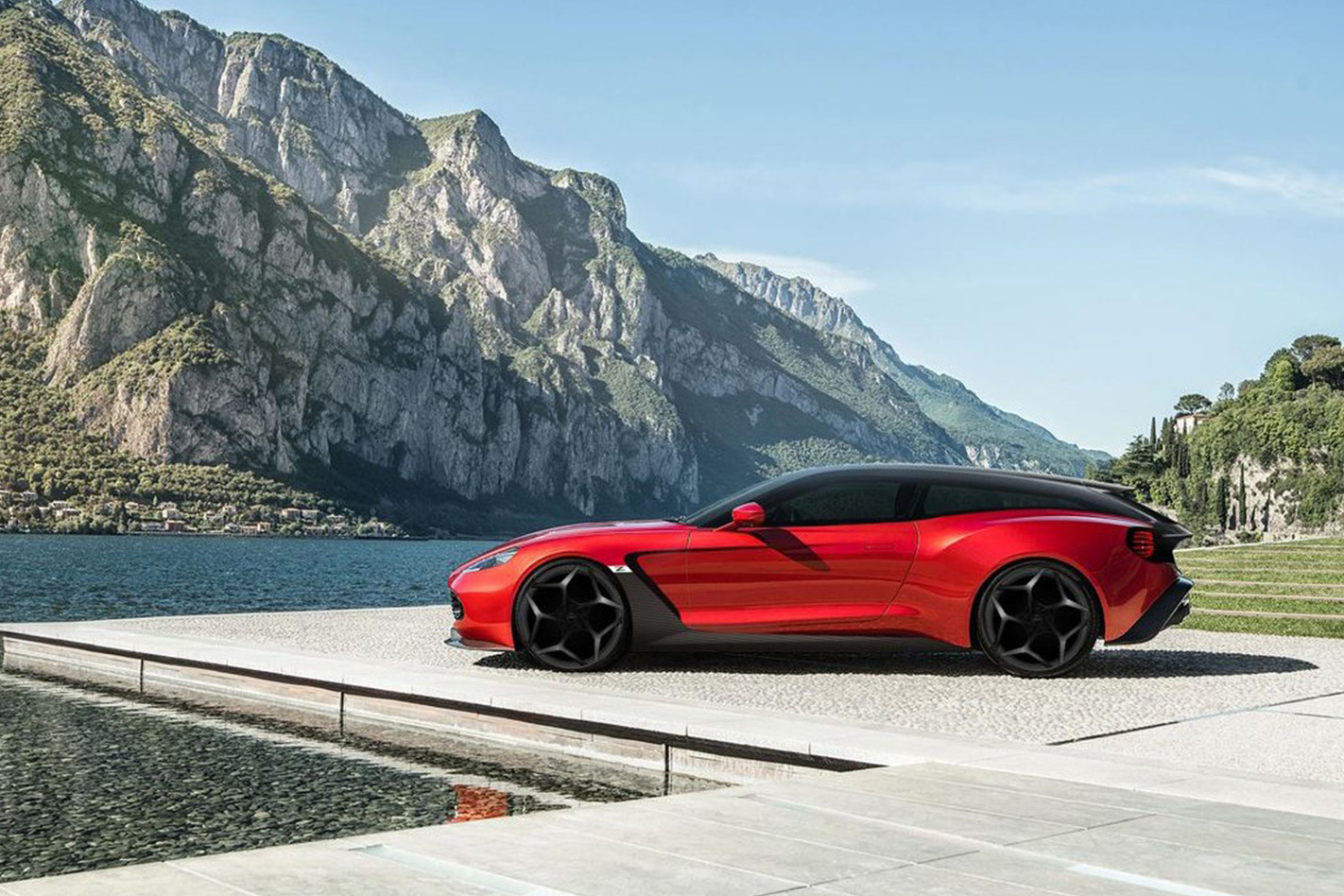
Aston Martin claims the Zagato variants are able to achieve a top speed of 323km/h, and a 0-100km/h sprint time of just 3.5sec.
Although beauty is in the eye of the beholder, it’d be hard to argue these Zagato Aston Martins are anything but gorgeous, with flowing carbon-fibre panels and intricate rear-taillight details.
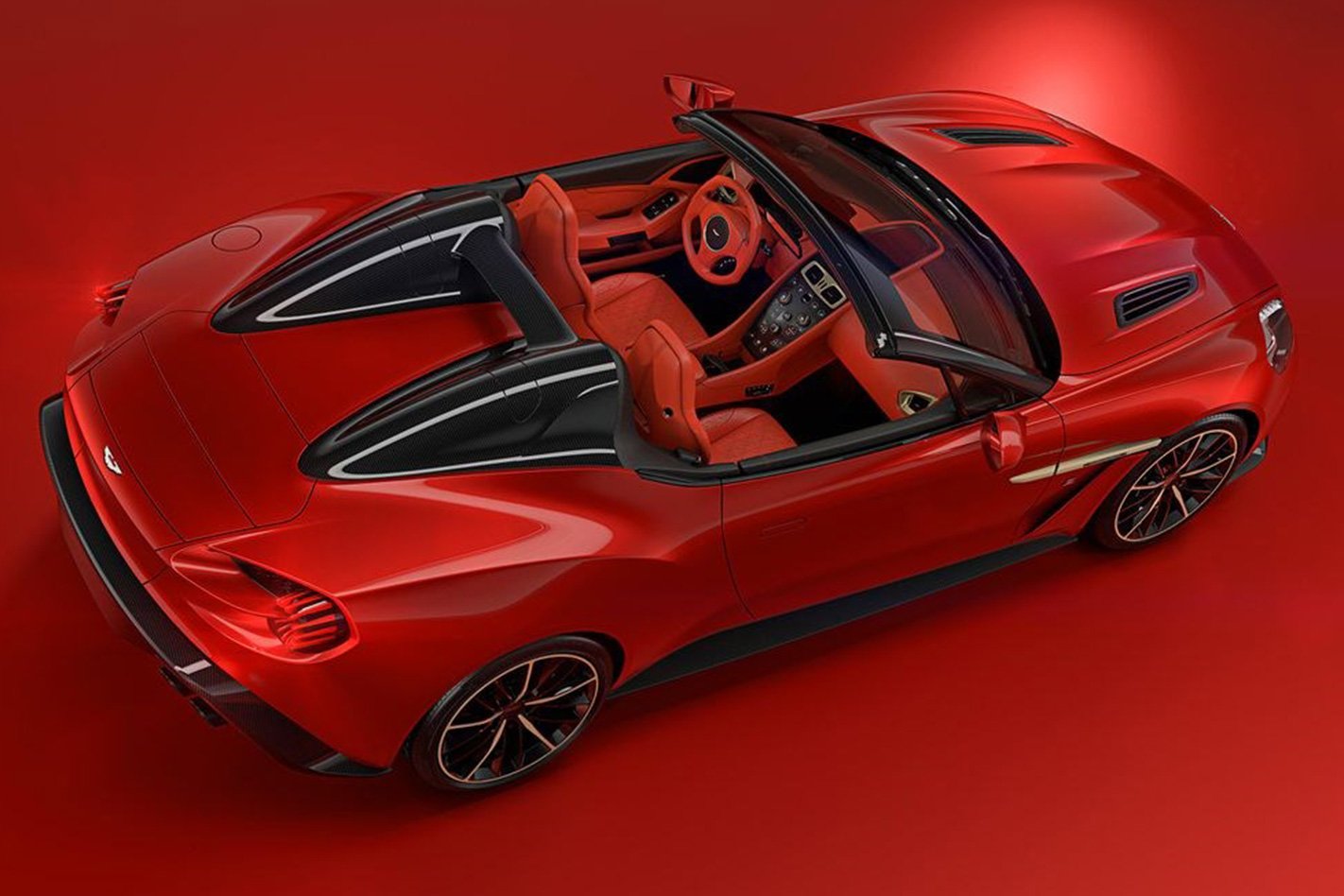
The wagon-style Aston will remain a strict two-seat vehicle, but with additional GT practicality over the regular coupe.
“We haven’t released Zagato models as a family before, at least not in this way, but the idea is not without precedent,” said Aston Martin Chief Creative Officer, Marek Reichman.
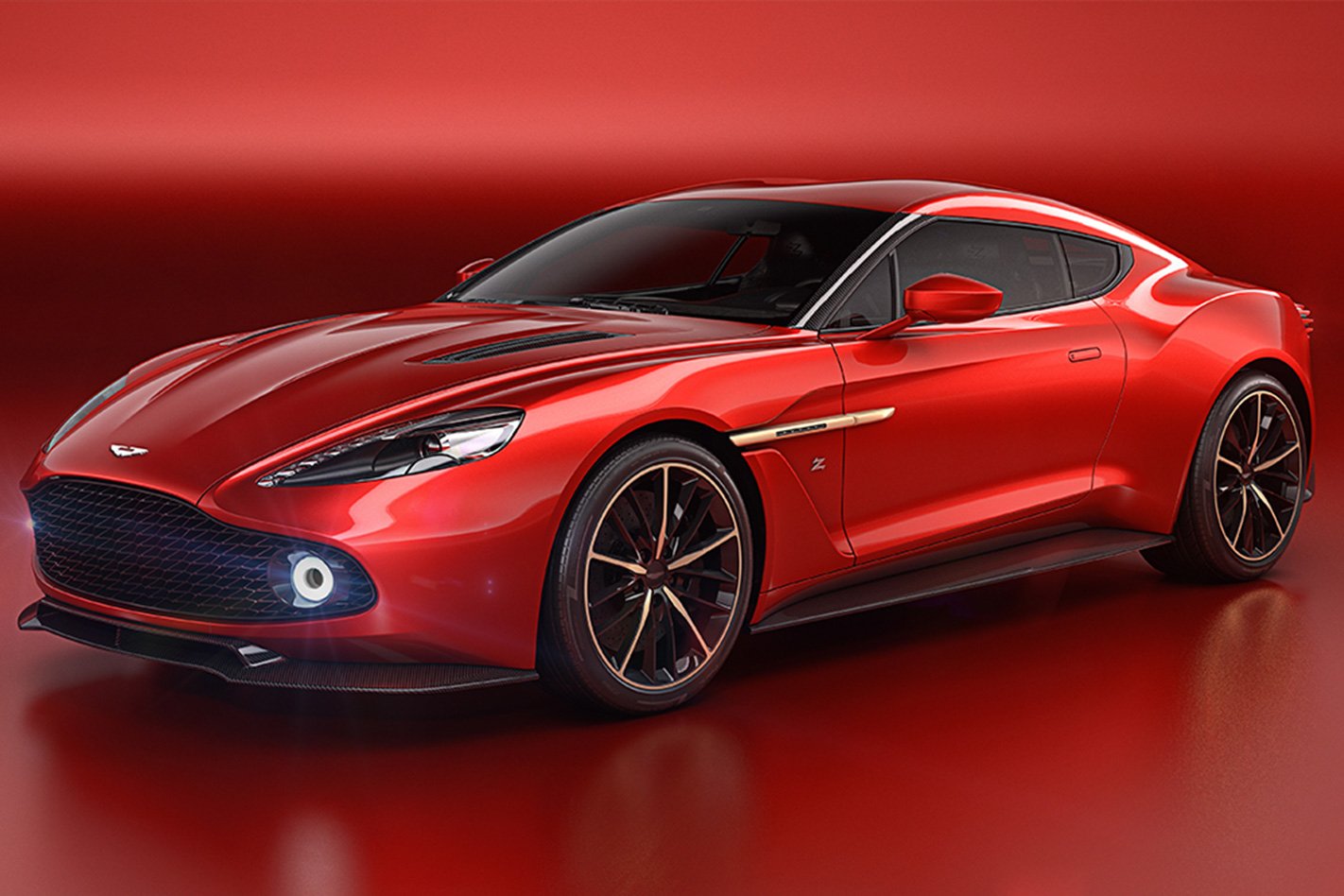
“Why create a family of Zagatos? Well, many of our customers want different things. Some prefer the purity of a Coupe, but others love the idea of something more extreme, like the Speedster. And yes, some of them have ordered one example of each.
“There’s always an over-demand from our clients and patrons. We could easily fulfil demand for more cars than this, but we want Zagato to remain something very special. We’re creating collectibles, future concours cars.”
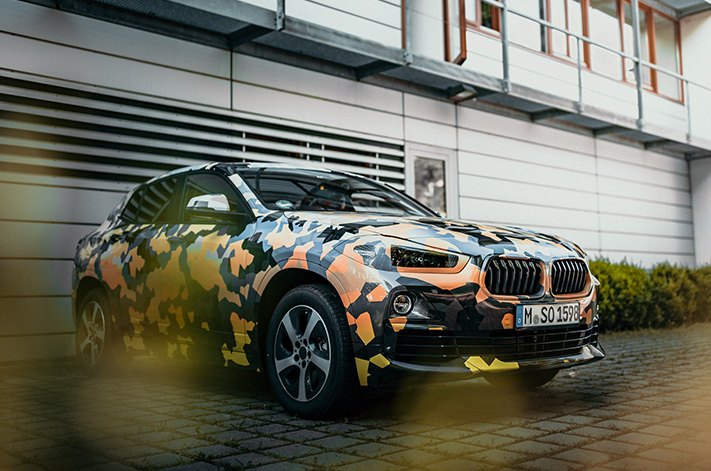
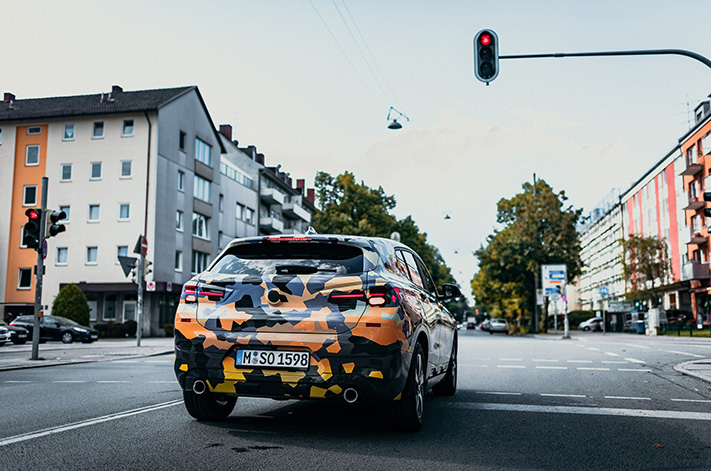
BMW has let its yet-to-be launched X2 crossover out in public albeit under a heavy cloak that looks like Picasso’s interpretation of acute gastro.
The ‘Sports Activity Coupé’ isn’t even slated for an official launch date yet, but that didn’t stop its engineers taking it out into the outside world, albeit plastered with the gaudy camo that’s BMW says complements the urban jungle it’s designed for and represent the car’s ‘sporty flair’.
First revealed as a concept at the 2012 Paris Motor Show, the X2 is a coupe version of the X1 and will be to that car what the bigger X4 and X6 fastback SUVs are to the X3 and X5 respectively.
The official ‘spy shots’ show some similarities with the concept including swept-back roofline, pronounced shoulders, and front-end treatment that includes a prominent scoop under a largish representation of the BMW’s trademark kidney grille. Despite the camo, you can also see the way the narrowing rear windows round off at the D-pillar.
BMW is yet to announce its drivetrain line-up, but it will be able to accommodate a range of engines including 1.5-litre three-cylinder and 2.0-litre four-cylinder TwinPower petrol and turbo-diesels.
A hot M Performance version is also on the cards, which is likely to score a heavily tuned version of the 2.0-litre turbo four-cylinder petrol that powers the second-generation X1 25i, where it produces 170kW/350Nm.
BMW Australia is yet to confirm when it will arrive here, but expect it to arrive some time before June 2018.
If the X1’s pricing is any guide, prices will probably kick off from about $55,000, assuming it cops the 10 percent premium that the X4 and X6 have over their boxier counterparts.
Don’t ever underestimate the Aussie car-buyer’s appetite for performance.
Whether it’s Ford Mustangs or high-end AMGs, this market is a sponge for the things and a global leader when it comes to ticking the `hottest one’ box. So no real surprises, then, to learn that the 7.5 upgrade of the VW Golf now incorporates a broad performance range rather than just a couple of models.
In fact, you can see that VW is taking the whole performance Golf thing into its own space where those cars will exist almost as a stand-alone brand, separate from the bread-and-butter Golf gear.

Given the overall move to 7.5 specification wasn’t a huge one, there aren’t too many changes to see here, but if anything, the concept of a rapid hatchback has been refined and massaged along.
But what you will see now are LED head and tail-lights, new front and rear aprons, bigger tail-pipes, new colours and 18-inch alloys as a minimum.
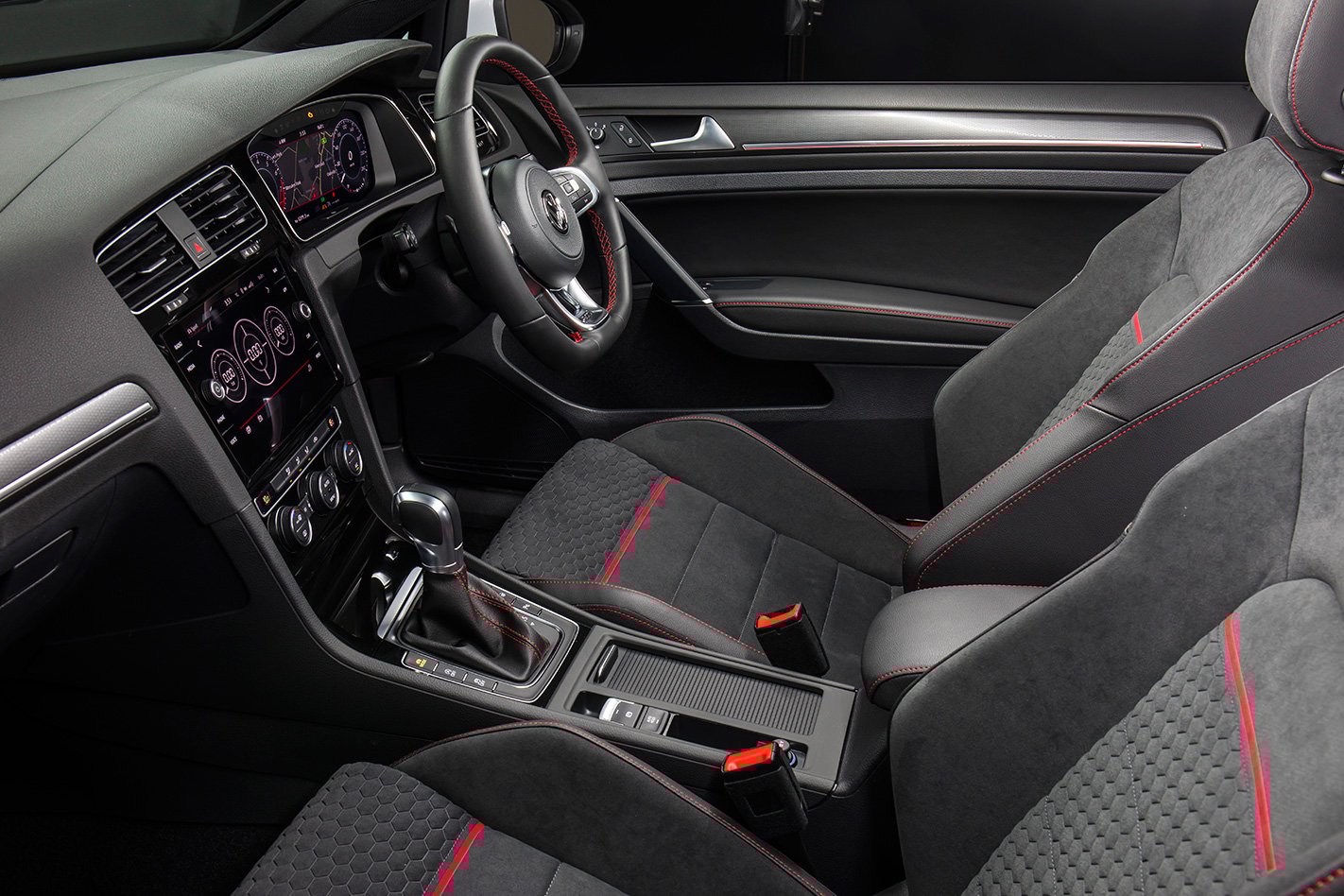
Things kick off with the entry-level GTI (from $41,490) which gets a 169kW tune of the two-litre engine (with a wider band of torque) and a choice of six-speed manual or the same number of ratios in the (now) old dry-clutch DSG.
To drive it is to understand that any changes are of the incremental type and that while there are improvements, they’re mainly to do with liveability and comfort rather than any huge dynamic leap. It remains, however, a hugely entertaining and satisfying car to punt along with a feeling of real class in the suspension department.

Beyond that, it’s pretty well loaded with 19-inch alloys, tinted glass, the active dashboard, driver-assist, leatherette trim, dynamic indicators (the ones that scroll the LEDS from the centre out) and a bunch of GTI branded gear in a GTI carry-bag.
Mechanically, it’s choice picking, too. The Performance gets bigger, 340mm front, 310mm rear ventilated discs and the engine has been emboldened with a new variable valve lift function on the exhaust camshaft and dual-injection which uses a total of eight injectors; four directly into the combustion chamber and four behind the inlet valves old-school style.

That power level has created the opportunity to use the new seven-speed, wet-clutch DSG gearbox which can handle up to 420 input-Newtons but requires a little more power to overcome the drag of the wet clutches. And, like the GTI Performance and 40th Anniversary models we loved so dearly, the new Performance Edition 1 gets the superb mechanically locking front differential.
Using a set of pre-determined tables (about eleventy-bazillion of them) the Performance diff can figure out the grip surface of the road (using wheel-speed sensors) and then tailor the amount of diff lock according to speed, yaw angle, steering input and bullion prices (probably).

The engine sure feels and sounds familiar with that trademark degree of wholegrain feedback that is mostly the result of an electronic sound synthesiser that bolts to the firewall and feeds the good vibes into the cabin. Synthetic it may be, but it really gives the Golf some soul and timbre and since it’s not the actual engine’s harmonics grumbling from the engine bay, it all stays smooth and refined.
Not sure whether anybody ever found the six-speed DSG lacking ratios, but it remains that the new (to the Golf line-up) seven-speed has given the thing even longer legs. Cruising along at 100km/h now involves the use of just 1700 or so revs and in manual mode, it’ll still hold on to that gear until you push the throttle pedal beyond the kick-down switch.

And when you start belting the thing and cracking it down through the gears manually, the Golf really gets on with it. It revs enthusiastically and it revs hard and, with that seamless string of ratios to keep feeding it, it’ll be flashing some pretty big numbers on the digital dashboard before you know it. VW claims it hits 100km/h in 6.2 seconds, giving the GTI Performance as much shunt as pretty much anything hatchy out there at its price point.
The drive-mode stuff remains as it was, and maybe it’s just me, but I reckon that Sport mode is a tiny bit less frenetic this time around, making it an actual, useable setting. Prior to this 7.5 version, Sport mode seemed to be too wild-child, too eager to hold a lower gear and too, um, psycho to be a viable on-road setting. Not any more.

In fact, that level of detail is a metaphor for the whole car; it’s measured and intelligent, but it can still show a clean pair of heels to pretty much anything with a hatchback layout and a price-tag south of $55,000.
Which, of course, is the other way of determining that not a whole lot has changed. But since the rest of the hot-hatch world is still playing catch-up, that’s a luxury only a car as resolved as the Golf GTI can afford.
4.5 stars out of 5 Likes: Sharp, accessible, practical. Holy trinity right there. Dislikes: No manual option for the real hard-heads.
VW Golf GTI Performance Edition 1 specs Drive: front Engine: 1984cc 4-cyl, DOHC, 16v, turbocharged Bore/stroke: 82.5 x 92.8mm Compression: 9.6:1 Power: 180kW @ 5000-6200rpm Torque: 370Nm @ 1600-4300rpm Power/weight: 133kW/tonne Transmission: 7-speed DSG Weight: 1352kg Suspension (f): MacPherson struts, lower A-arms,adaptive dampers, anti-roll bar Suspension(r): Four-link, coil springs, adaptive dampers, anti-roll bar L/W/H: 4268/1799/1442mm Wheelbase: 2626mm Tracks: 1536/1512mm (f/r) Steering: electrically-assisted rack-and-pinion Brakes (F): 340mm ventilated discs, single-piston calipers Brakes (R): 310mm ventilated discs, single-piston calipers Wheels: 19 x 7.5-inch (f); 19 x 7.5-inch (r) Tyre sizes: 225/35 R19 (f); 225/35 R19 (r) Tyre: Pirelli P-Zero or ContiSPort Contacts Price as tested: $47,990
HOLDEN is inviting the public to join it for a farewell celebration cruise on the eve of local manufacturing coming to an end.
With the Elizabeth manufacturing plant closing its doors on October 20, Holden is organising a family farewell of sorts, called the Holden Dream Cruise.
Slated for October 15, the event is intended to farewell Australian manufacturing with a family-orientated cruise.
“To show our appreciation for the wonderful Holden community, we’re hosting the Holden Dream Cruise, the manufacturer wrote on its website.
“For seven decades, Holden manufacturing has been an iconic part of Australian life. We’re proud of our heritage and excited for our future.”
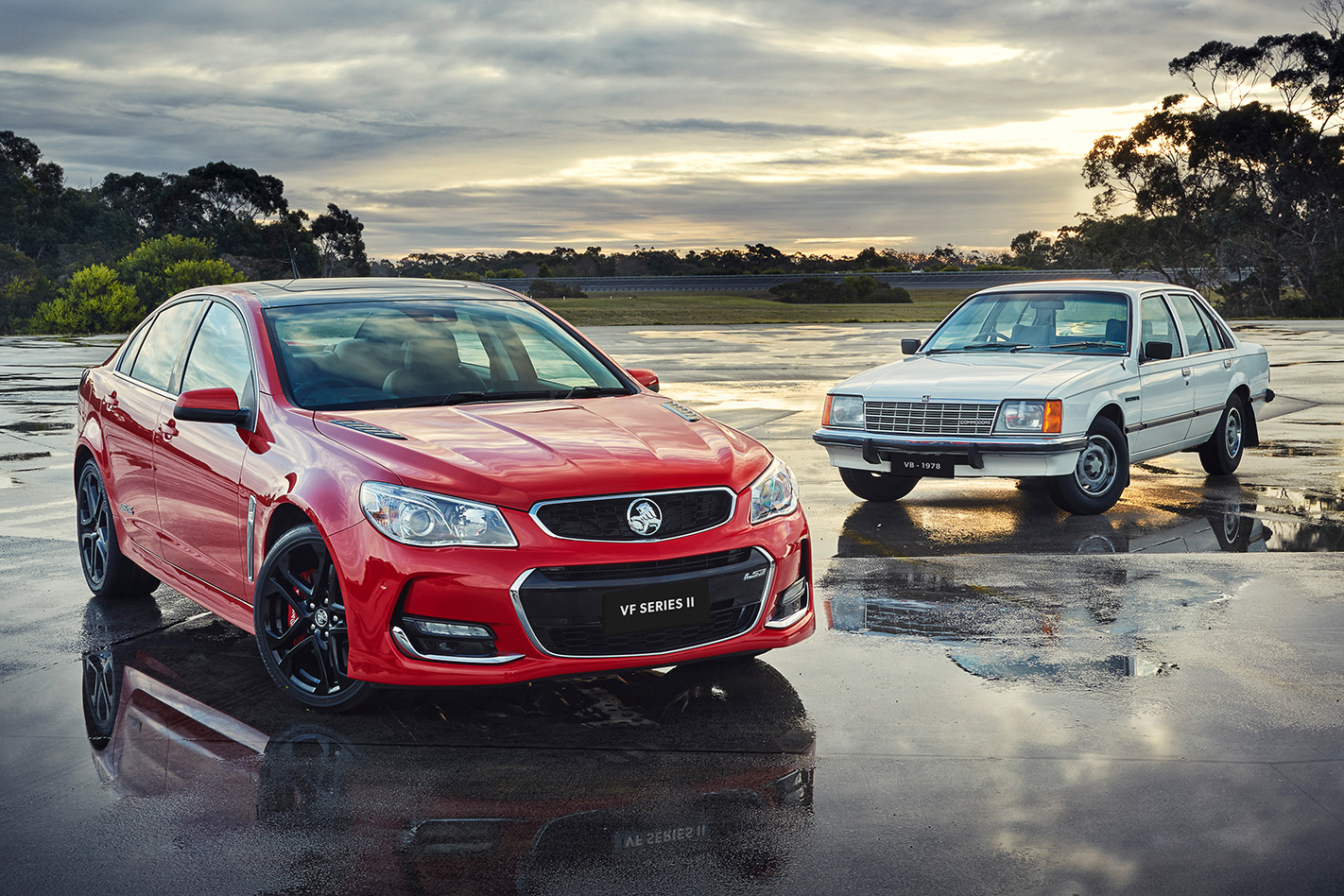
A Holden spokeswoman told Wheels the company doesn’t have an exact figure of how many people will partake in the cruise, but expects it to be in the thousands.
The cruise will be followed by a Show ‘n’ Shine, car displays, and family friendly entertainment.
“If you own a vehicle made or assembled by Holden manufacturing in Australia, we’d love for you to drive in the Holden Dream Cruise,” Holden says on its website.
“Registration for the cruise is open to all cars, vans, trucks, and commercial vehicles built or assembled by Holden or General Motors in Australia.
“This event will bring together customers, enthusiasts, employees, and locals to celebrate Holden manufacturing’s achievements, its important place in Australian society, and our exceptional Australian-made products.
“The cruise numbers are limited so be sure to register your vehicle early!”
Blue Oval fans could have cause for extra celebration come Christmas time.
This may be the first year since 1978 where a Holden Commodore-versus-Ford Falcon sales race won’t play out, but 2017 is also shaping up to be the year Ford could topple Holden for overall brand volume.
Rewind 15 years and in 2002 the Port Melbourne-based division of General Motors shifted 178,392 vehicles, handing it a 69,195-unit lead over its Broadmeadows-based rival.
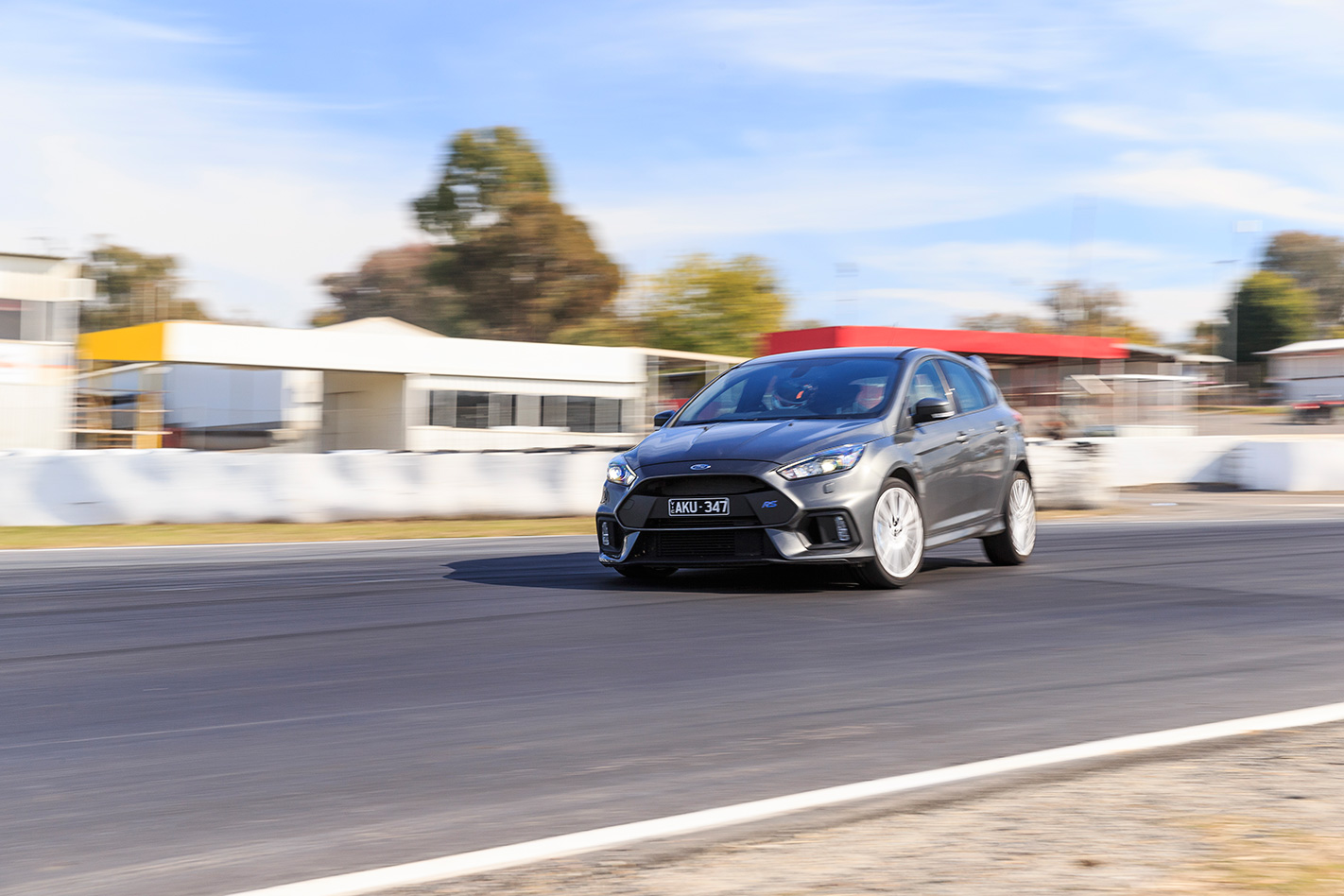
This year is much closer again. Based on July year-to-date sales data, the Mustang (5967) is comprehensively outstripping where Falcon (2819) was this time last year, and yet the Everest large SUV (2578) isn’t as far adrift of where the Territory (4251) was just after mid-2016. Indeed, Mustang/Everest are 1475 sales ahead of Falc/Tezza, this year versus last.
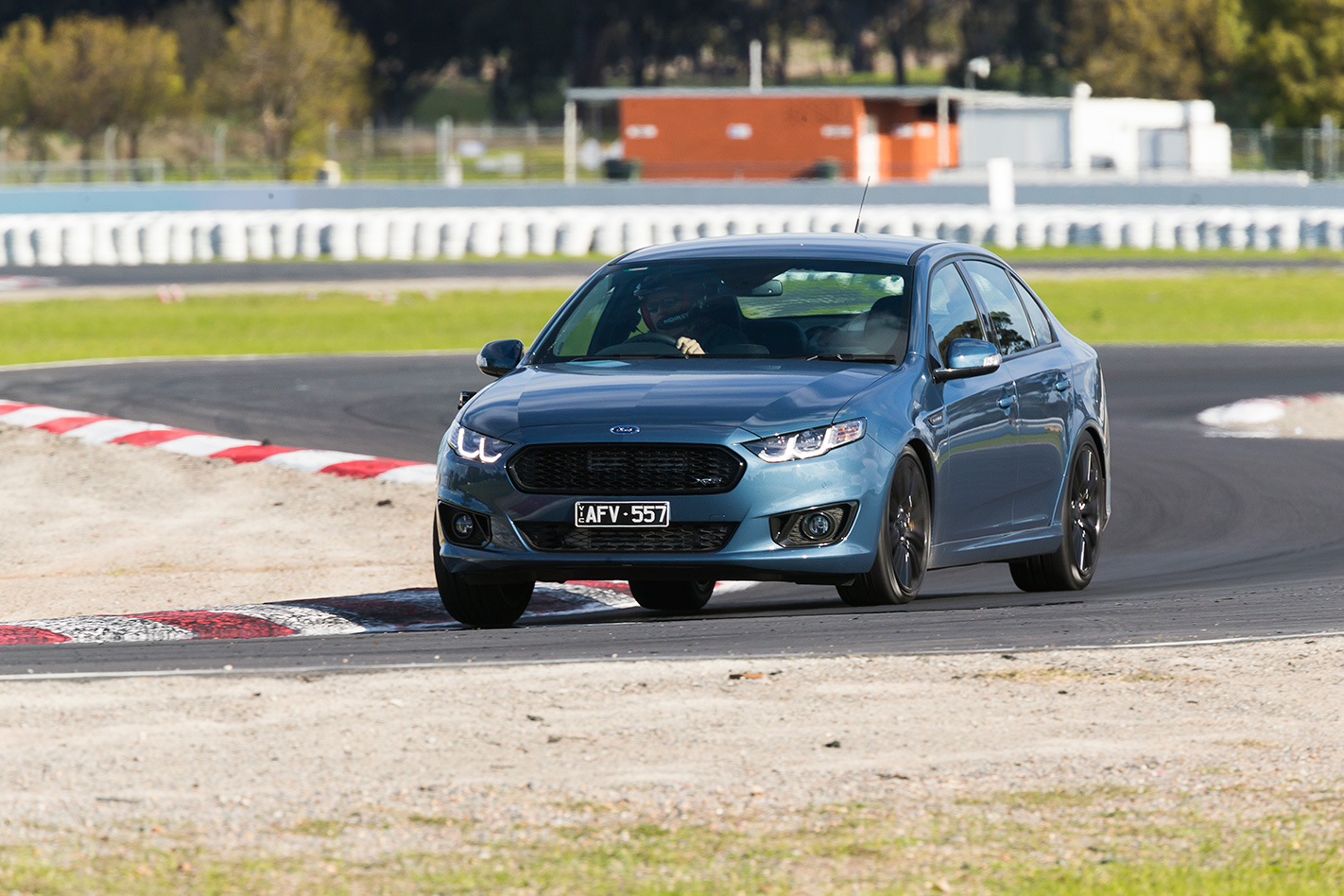
It’s extremely bad news for Holden, which is so far down 11.8 per cent year-to-date and, if the spiral continues, will manage 83,280 sales this year. Except on October 20 production of Commodore, Caprice and ute will end.
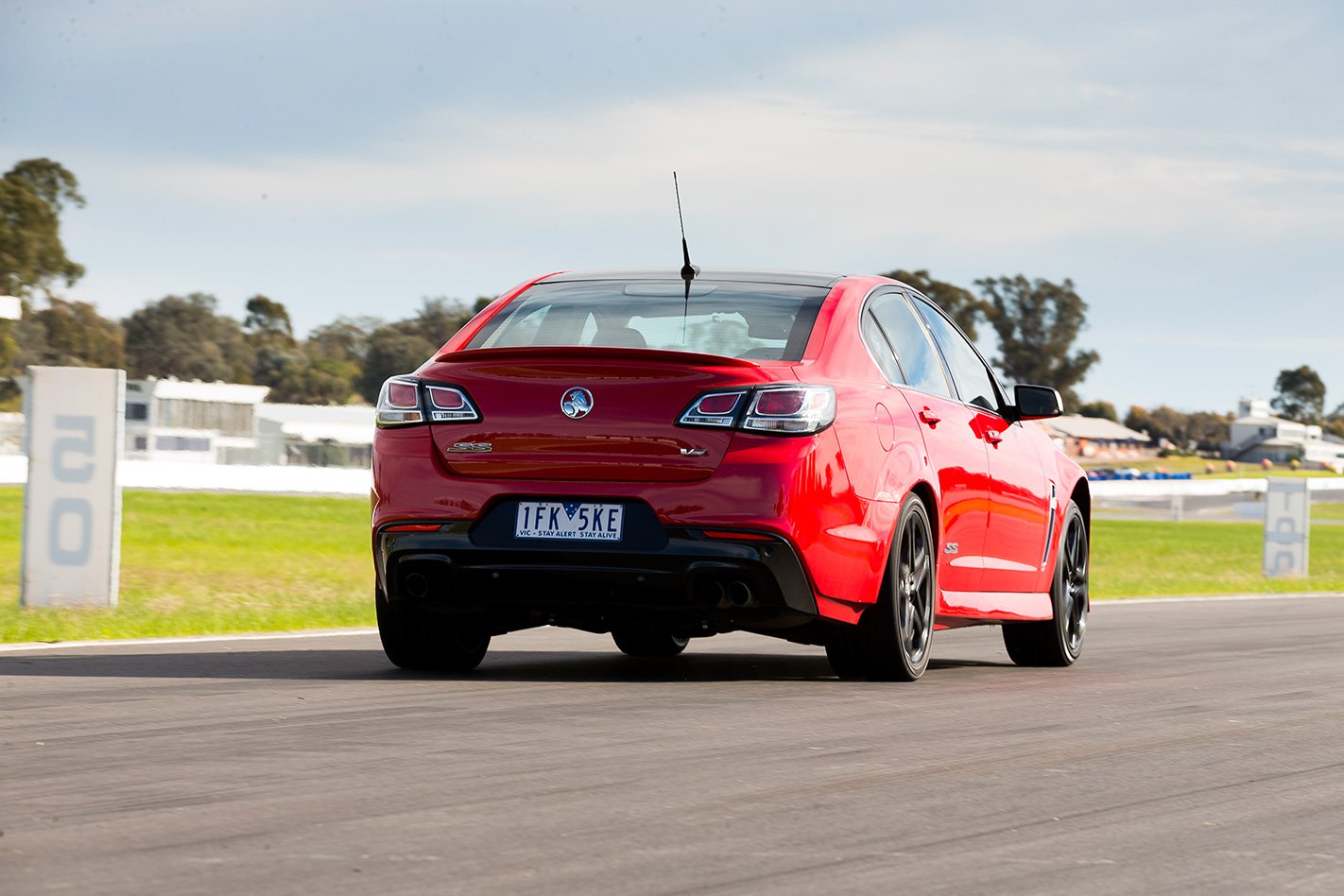
That leaves the total line-up a predicted 2751 sales ahead of Ford before factory closure, but without a surge of new product to offset the impending closure. Can Holden hold on?
BY THE early 1960s, the burgeoning Australian car industry had started to hit its straps.
Most of Australia’s car industry was foreign-owned, but strict tariff protections encouraged plenty of behind-the-scenes local production.
After the lukewarm response to Ford’s lacklustre 1960 Falcon, Holden hit back hard in 1963 with the EH. Significantly, the Holden EH’s introduction was a chance to replace the inline-six grey motor, that had powered everything from the 48-125 to the 1962 EJ, with its newly developed red motor – one that would stay in production until 1980. At the height of EJ production, 13,524 rolled off Holden’s assembly line in a single month – a record for the car maker.
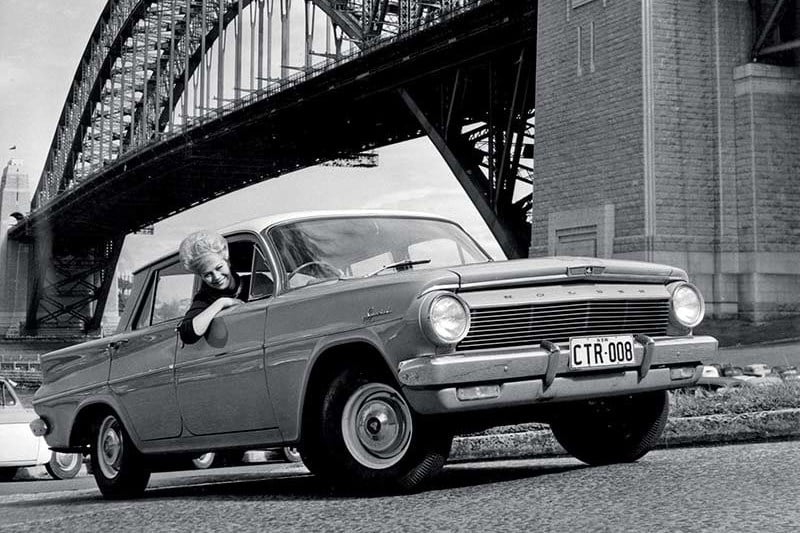
Chrysler Australia chose 1963 as the year to take the fight up to both Ford and Holden. It launched the Valiant AP5, a locally made sedan and Safari wagon. Holden still dominated the market, holding one in every two sales, but Ford was claiming one in every five buyers with the BMC Mini Minor not far behind it.
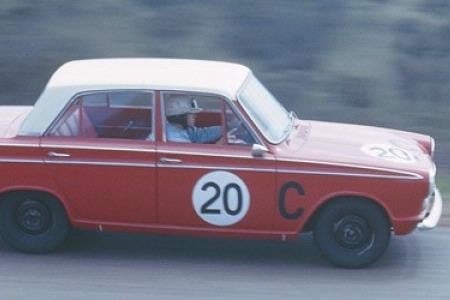
The 1963 Armstrong 500, won by Bob Jane and Harry Firth in a Ford Cortina GT, was held at Bathurst for the first time. It had moved there from Phillip Island after the track broke up so badly the year before that drivers were forced to make a diversion into bushland at Siberia to avoid a series of deep potholes that had opened up on a 10-metre section of track.
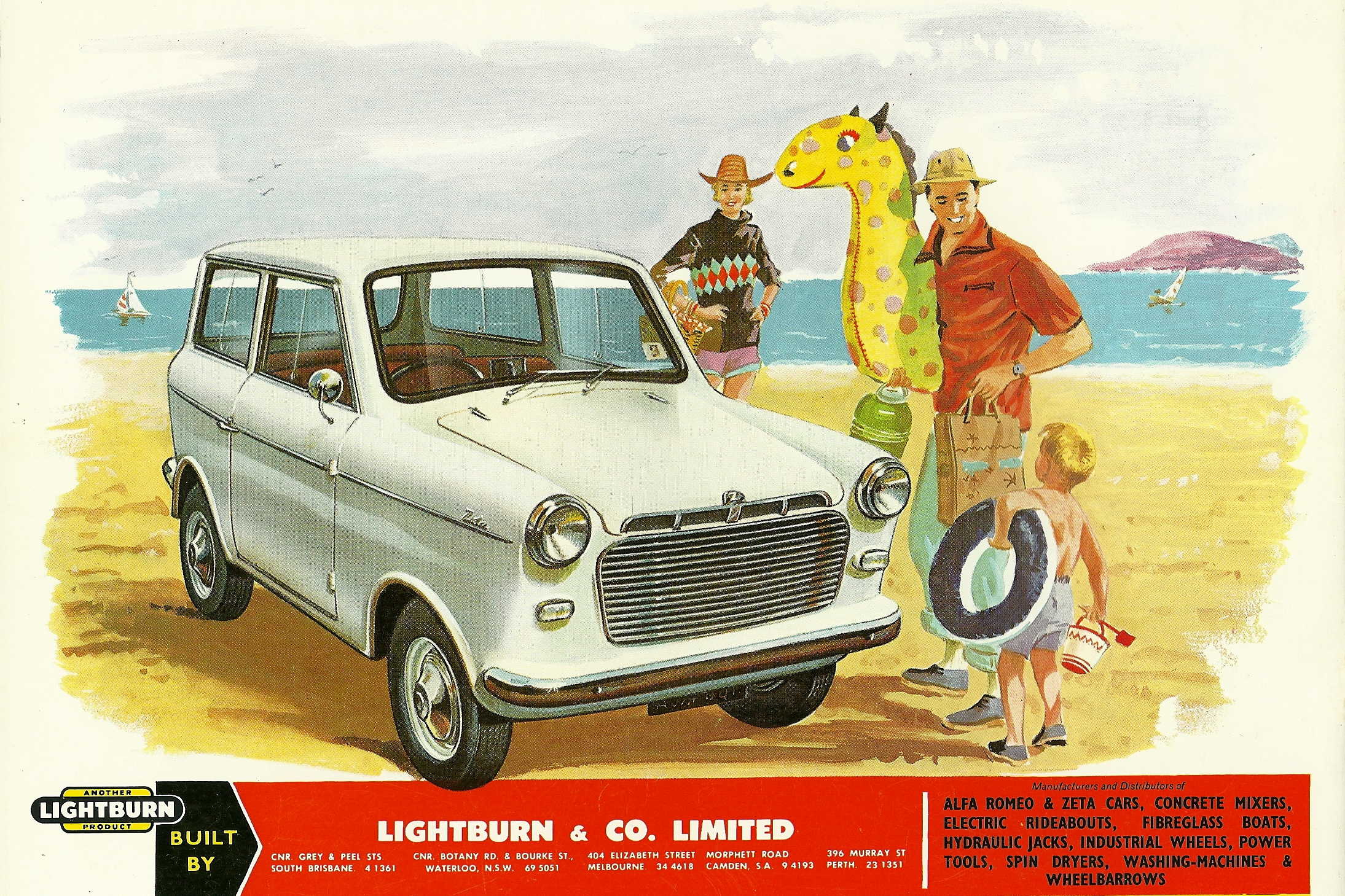
More importantly, though, was the founding of the Wheels Car of the Year award, which today stands as the world’s longest continuously running automotive gong. Taking it home in 1963? The Renault R8.
The same year, AMI would win the Australian franchise to assemble the Toyota Tiara, the predecessor to the Corona small car, alongside brands including Rambler and Triumph.
By 1964, Chrysler added to Australia’s local manufacturing push, opening its own assembly line at Tonsley Park, Adelaide, to build the Valiant AP5, followed by the V8-engined AP6 in 1965.
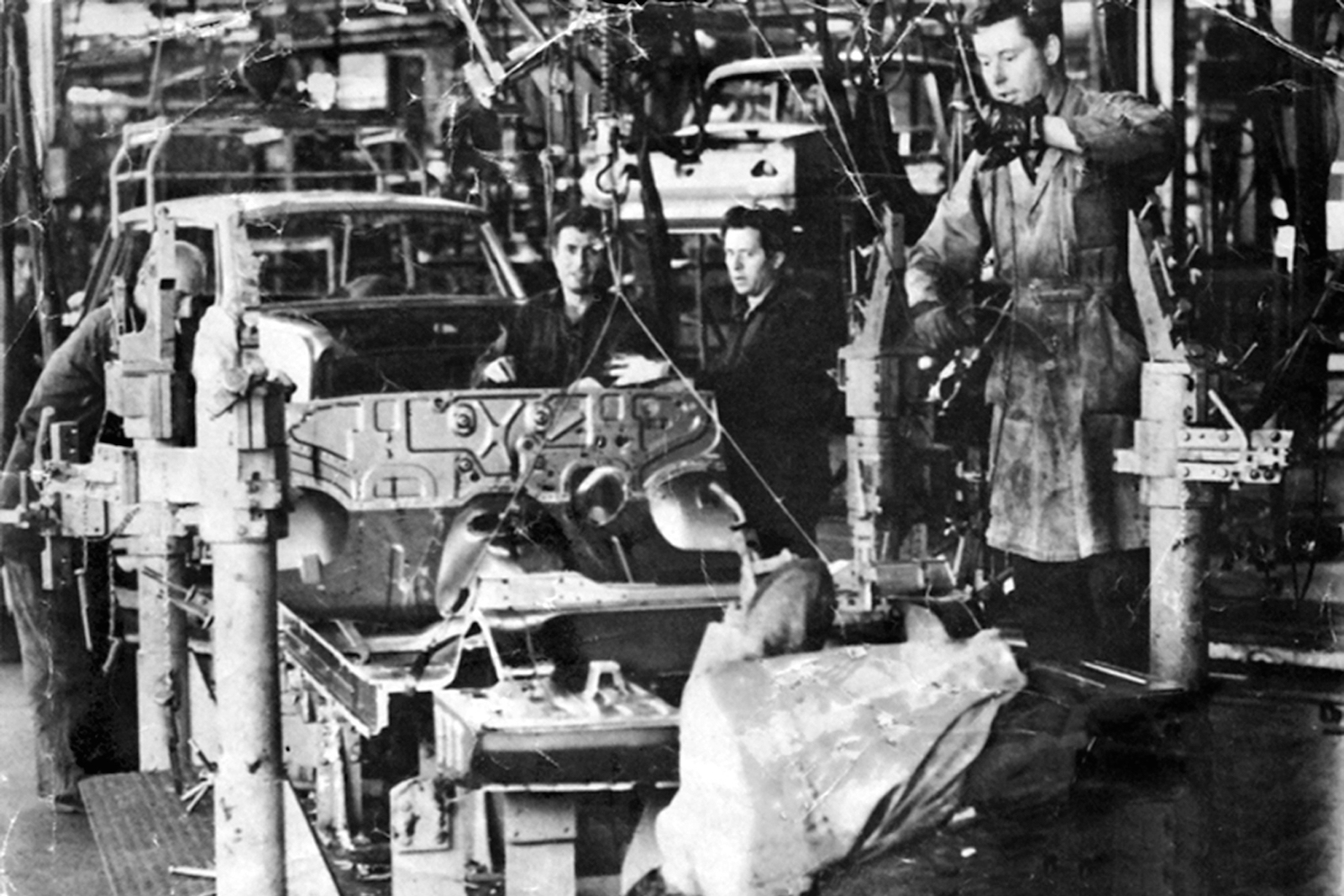
Holden now had almost 24,000 employees on its books across seven engine and assembly plants, building 150,000 EH Holdens in 1964 alone and using 100 percent Australian content. It had also started assembling the Vauxhall Viva, a car that would eventually be replaced by the locally developed Torana from 1967.
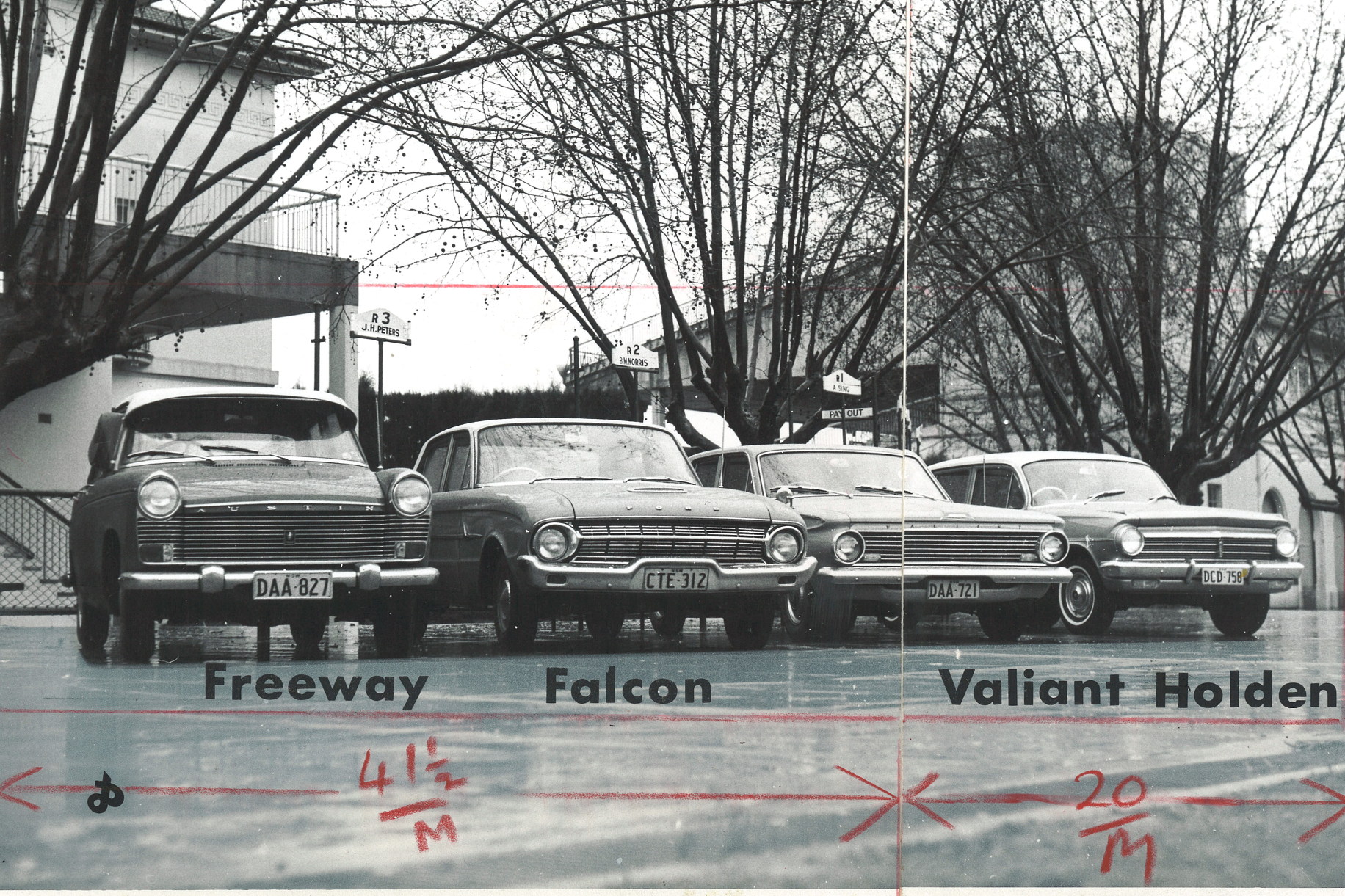
To stop the rise of imported models dominating local motorsport, the Confederation of Australian Motor Sports introduced the Group E Series Production Touring Cars class, requiring local production of at least 1000 units a year to get a place on the starting grid.
To cap the year off, the Morris 1100 was named the 1964 Wheels Car of the Year.
In 1965, automotive production was going gangbusters, even supporting the opening of a new steelworks at Whyalla in South Australia to help feed the industry. Ford had launched the XP Falcon – the fourth-generation of the original XK – and made enough improvements to win the brand’s debut Wheels Car of the Year award. Holden, meanwhile, had launched the HD with Powerglide, a slick new automatic transmission, and an “X2” factory performance edition.
Aussie-made still dominated the industry, with Holden, Ford, Chrysler, and Leyland holding a commanding 86 percent share of the market between them. But buyers were starting to notice the cheaper Japanese cars trickling into the market, including the Toyota Tiara and Nissan Cedric.
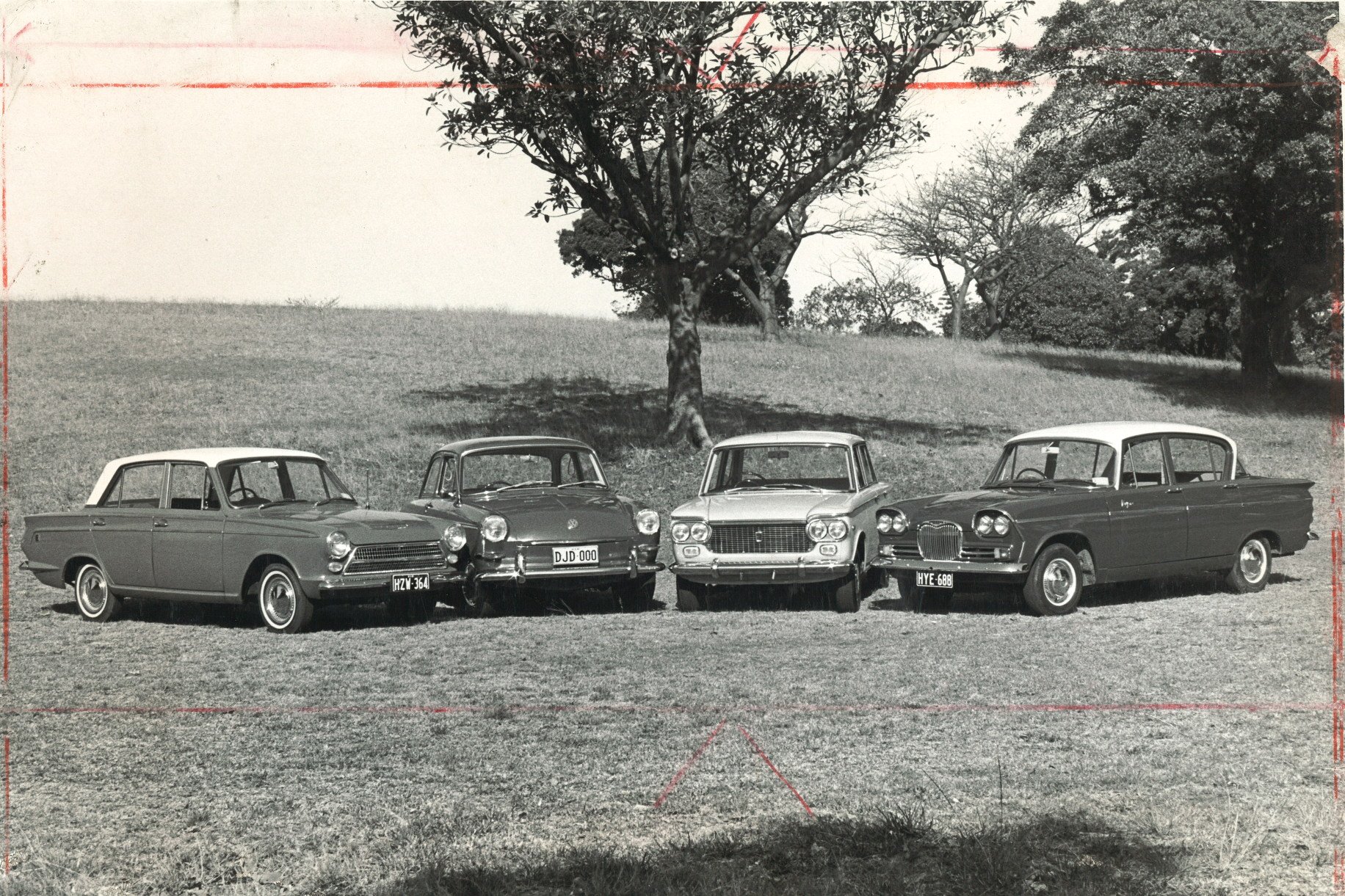
Meanwhile, Rootes Australia had fallen into a bit of a hole with a rapidly ageing showroom and next to no buyers. By the end of 1965 the company has had enough, merging with Chrysler Australia, which continued to build Hillman- and Humber-badged cars. Humber would get the bullet within a year.
In 1966, Ford claimed a repeat Wheels Car of the Year win with the all-new XR Falcon, the so-called “Mustang Falcon” because of its US-derived design. The XR was the model to introduce the Fairmont badge, and the first to use a V8 engine. It would have to fight for sales against a fresh-look, but in-line six only, Holden HR, the first Australian car to feature seatbelts.
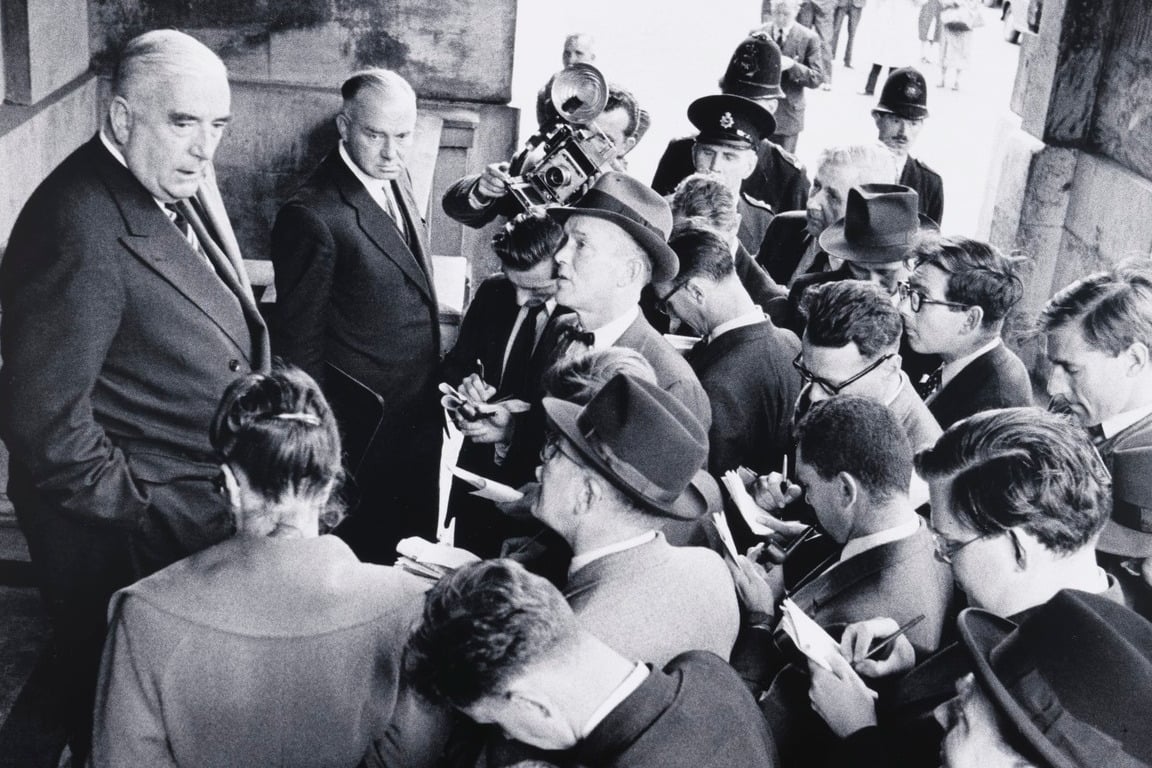
The Menzies government continued to play around the fringes of the industry, raising the import tariff on cars from 35 to 40 percent – the second highest tax rate in the world behind New Zealand. BMC, growing on the success of the Austin 1800 in the Australian market, laid down plans for new V8 models, and even a V12.
Nissan-Datsun joined Toyota as another Japanese brand selling in Australia – the start of a steady decline of the incumbent car makers. Meanwhile, Renault Australia had bought a factory at Heidelberg in Melbourne, where it started building both Renault- and Peugeot-badged models.
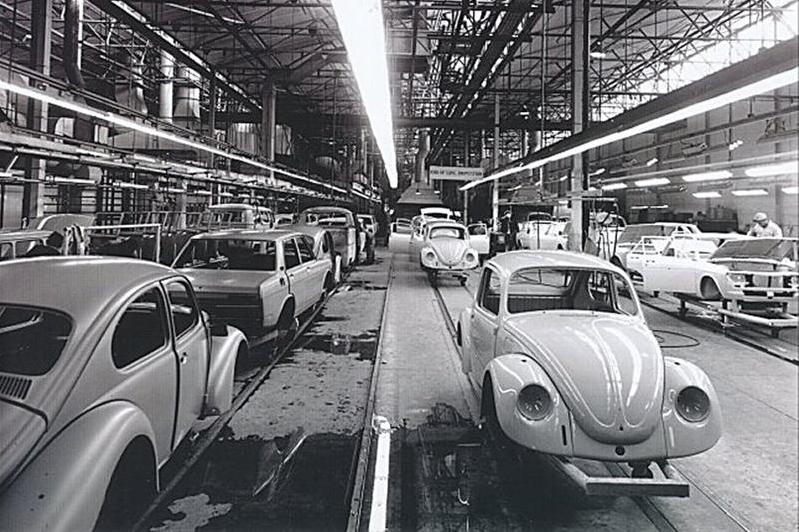
Holden would replace its Vauxhall Viva in 1967 with a new small car named the Holden HB Torana, and Ford would introduce a new badge – the GT – to its Falcon range, as well as spawn a new luxury model built on a stretched Falcon wheelbase – the ZA Fairlane.
But the Australian car industry was yet to have its most exciting time.
Next: 1968-72: Boom of the big bangers
IF THE name Bizzarrini still sounds to you like a type of pizza or a fictional Italian supercar from Happy Days, you need educating real fast.
Giotto Bizzarrini was a renaissance man of the Italian supercar scene through the 1960s.
Starting his career as a test driver with Alfa Romeo and then Ferrari, his list of credits spans design and development variously of engines, chassis and bodywork across cars like the Ferrari 250 GTO, the Lamborghini Miura and the Iso Rivolta.
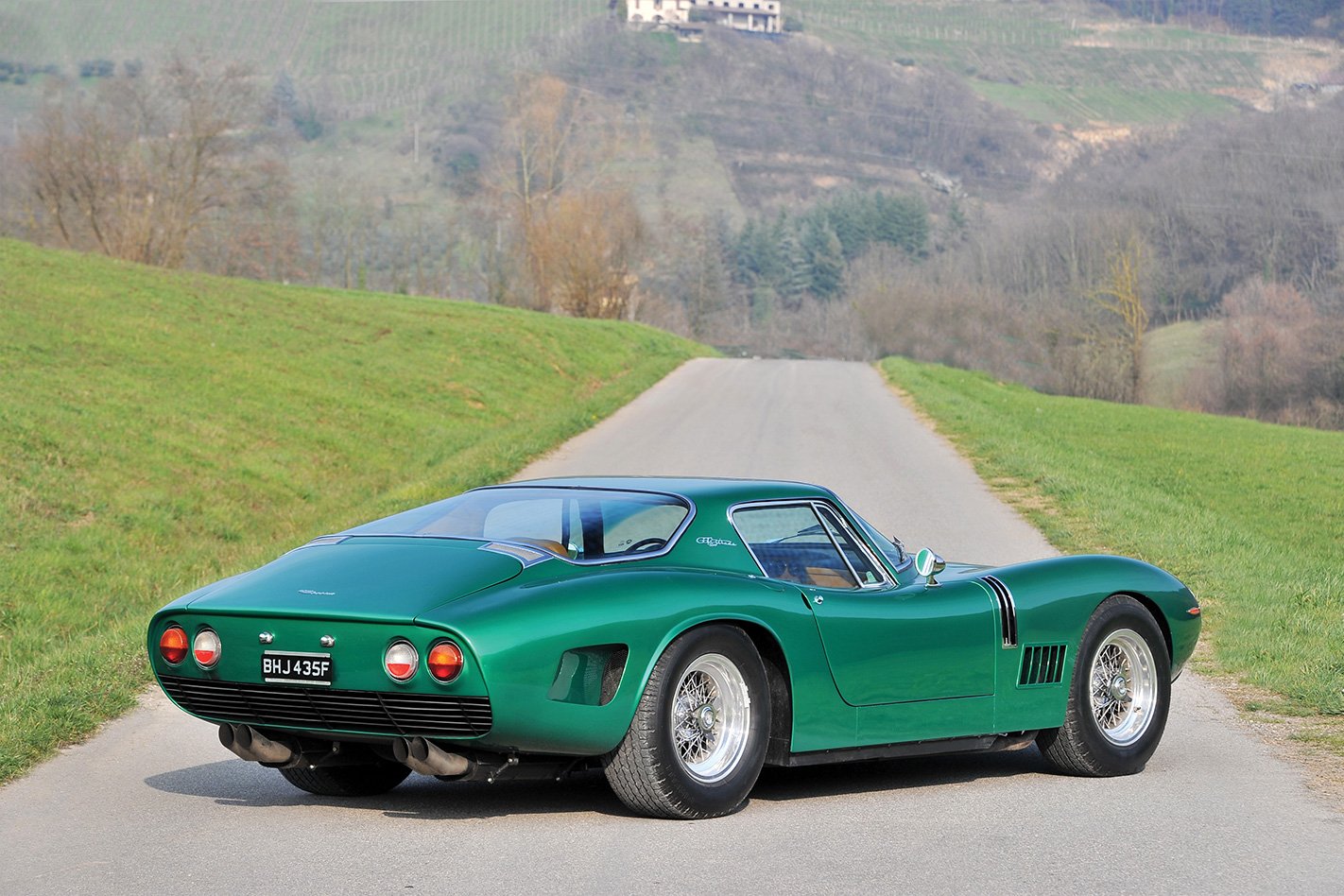
After a brief partnership with fellow ejectee Carlo Chiti, Bizzarrini went freelance. One of his first projects was the 1963 design of Lamborghini’s V12 engine, which would remain in production until 2010.
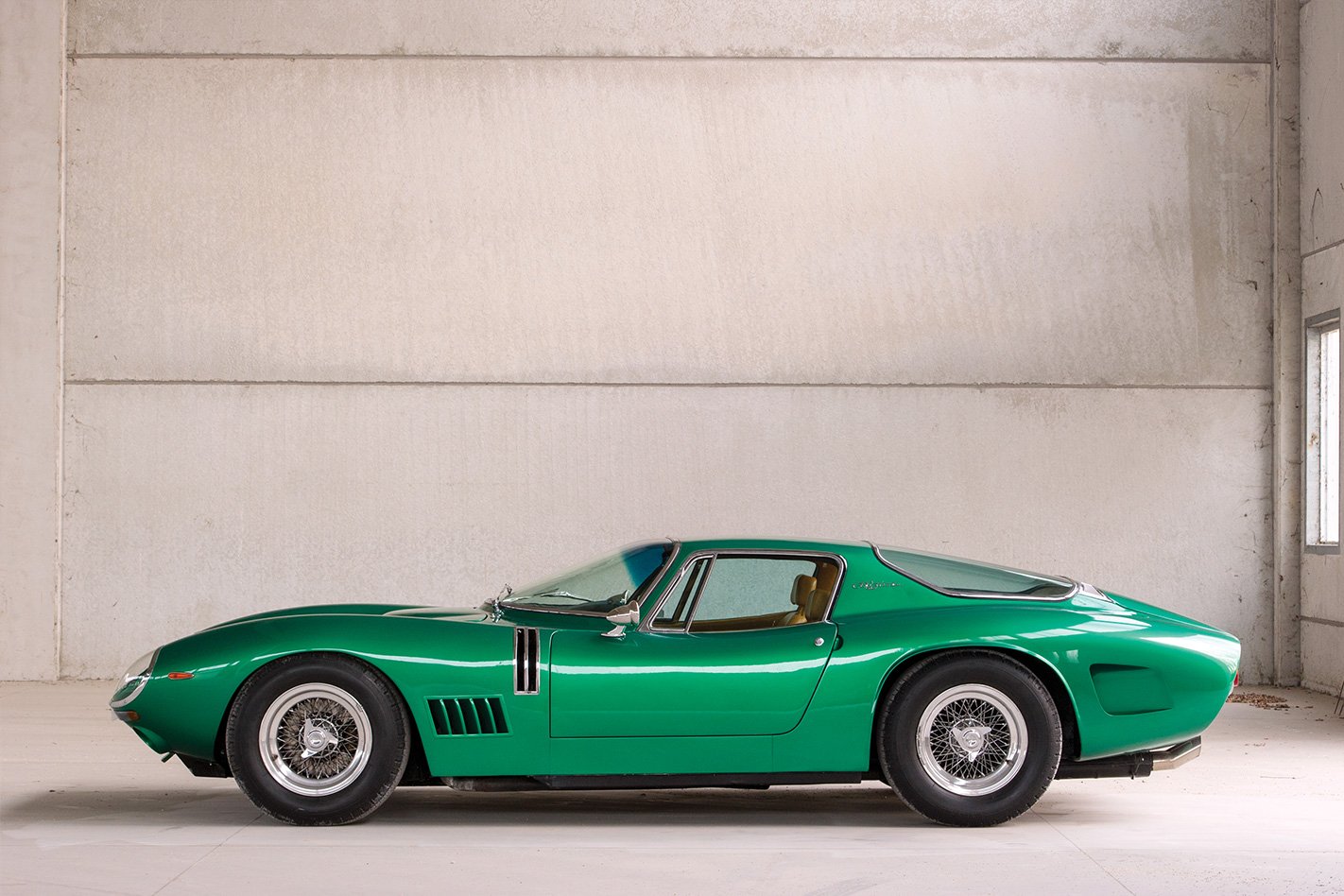
For all his excellence in designing V12 engines – not to mention the aerodynamics of the Ferrari 250 GTO and the maverick 250 GT ‘Breadvan’ – Bizzarrini turned to easy, reliable Chevrolet 327 small-block power when, in 1963, he designed a gran turismo under his own name, the Bizzarrini 5300 GT.
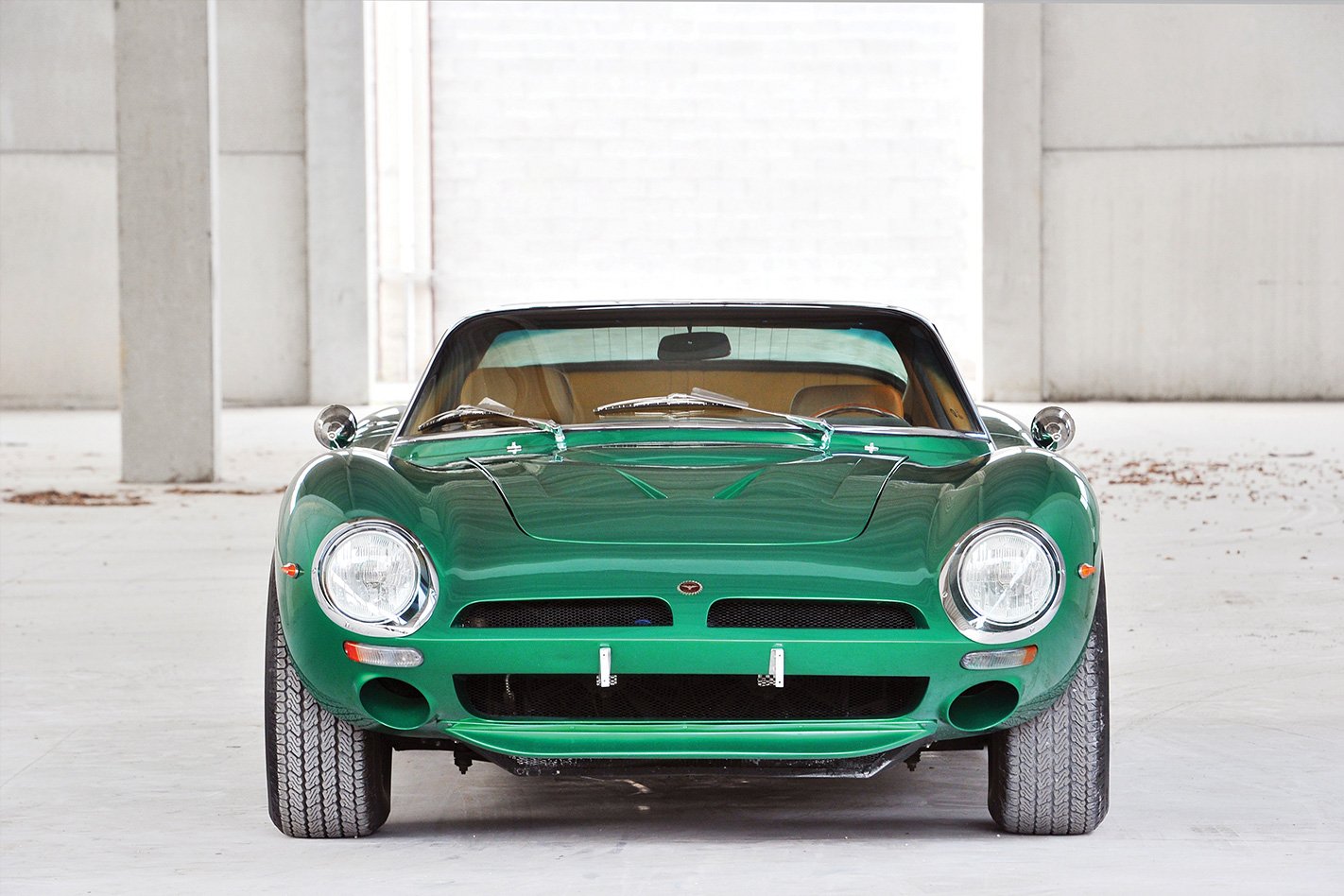
Launched in 1965, the 5300 used a development of the Grifo’s steel monocoque chassis, but with the Corvette-derived V8 moved 400mm rearward (in comparison with the Grifo A3/L road car) to a true, front mid-engined location. The Bertone-styled bodywork stood just 1090mm high.
Reportedly between 115 and 133 Bizzarrini 5300 GT Stradas were built from 1965 to 1968, the majority of those having alloy bodies, but an unknown number being produced in steel. The most prized of all 5300 GTs are the sole targa and two Spyders produced.
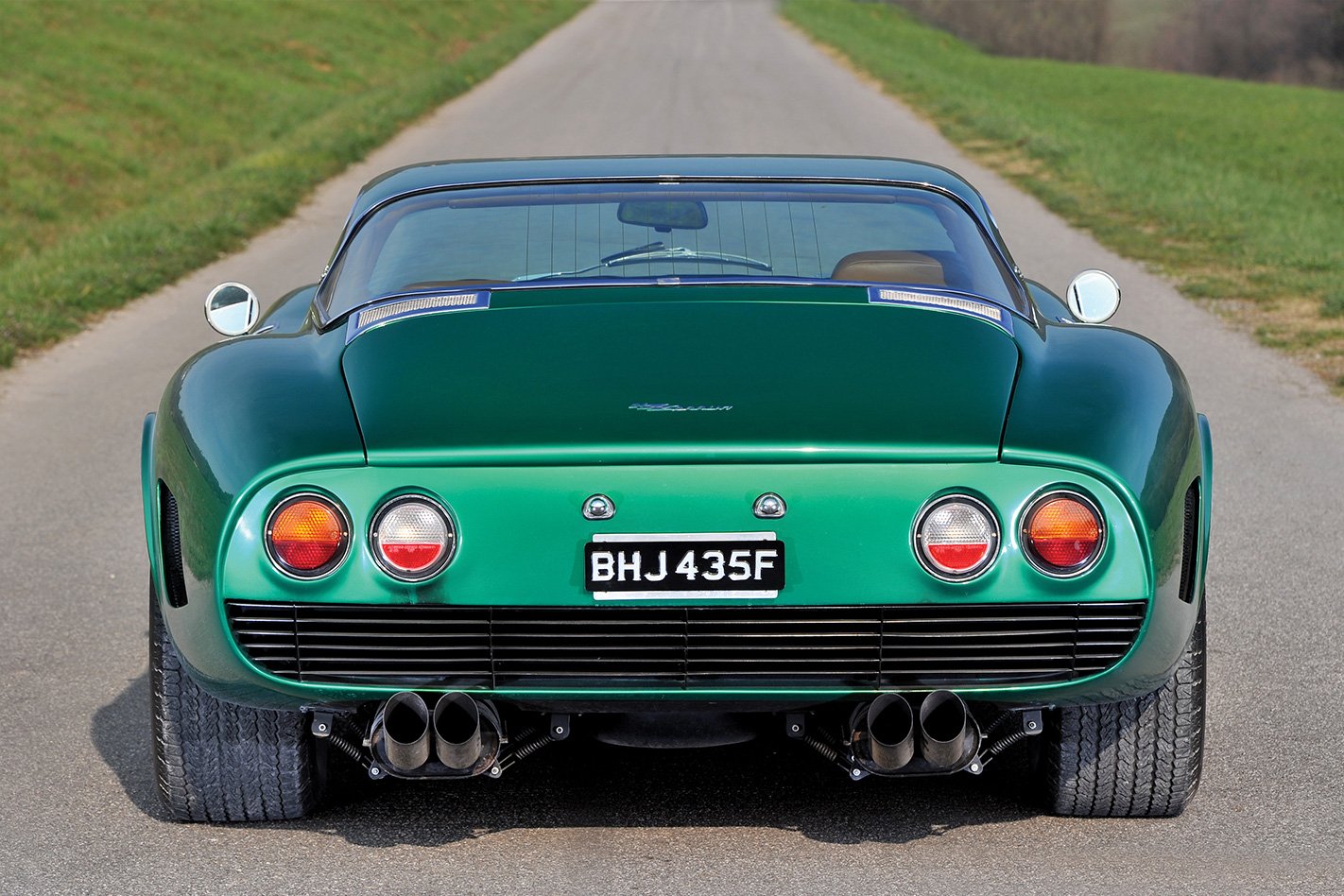
Giotto Bizzarrini’s fabricated steel monocoque chassis, a shortened version of that developed for the Iso Rivolta four-seater, shared its 2450mm wheelbase with the Iso Grifo. From it hung a double-wishbone front and de Dion rear suspensions, with coil springs. The body was a semi-monocoque, riveted to the chassis, all helping to keep weight down to 1252kg.
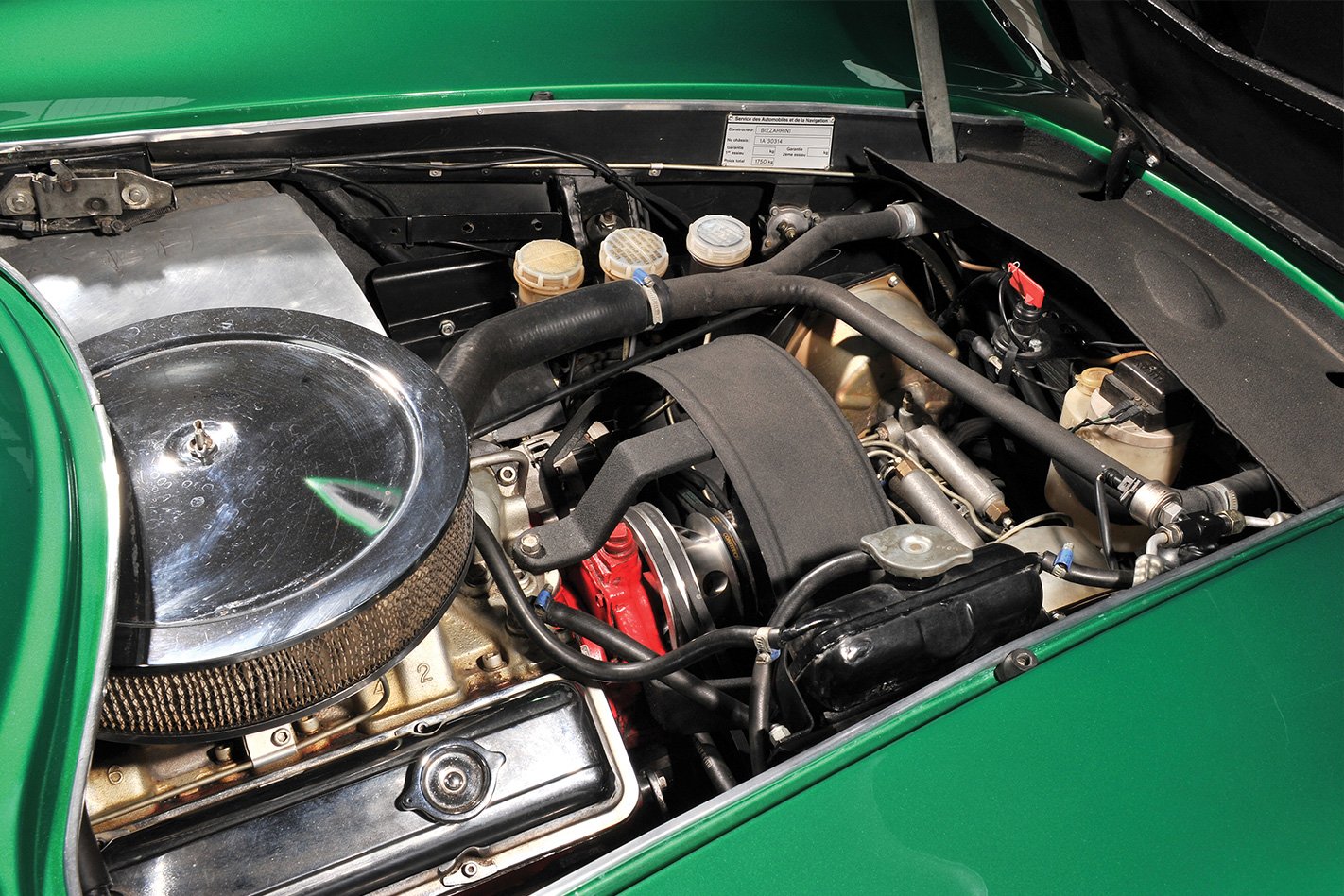
The Chevrolet Corvette-sourced 5359cc (327 cubic inch) small-block V8 offered outputs of 272kW and 510Nm (in Strada spec), via a four-speed manual gearbox. Corsa racers swapped a single Holley for four Webers and gained 30kW. Rearward location is evident in the long plumbing to reach the radiator; the distributor is reached via the dashboard.
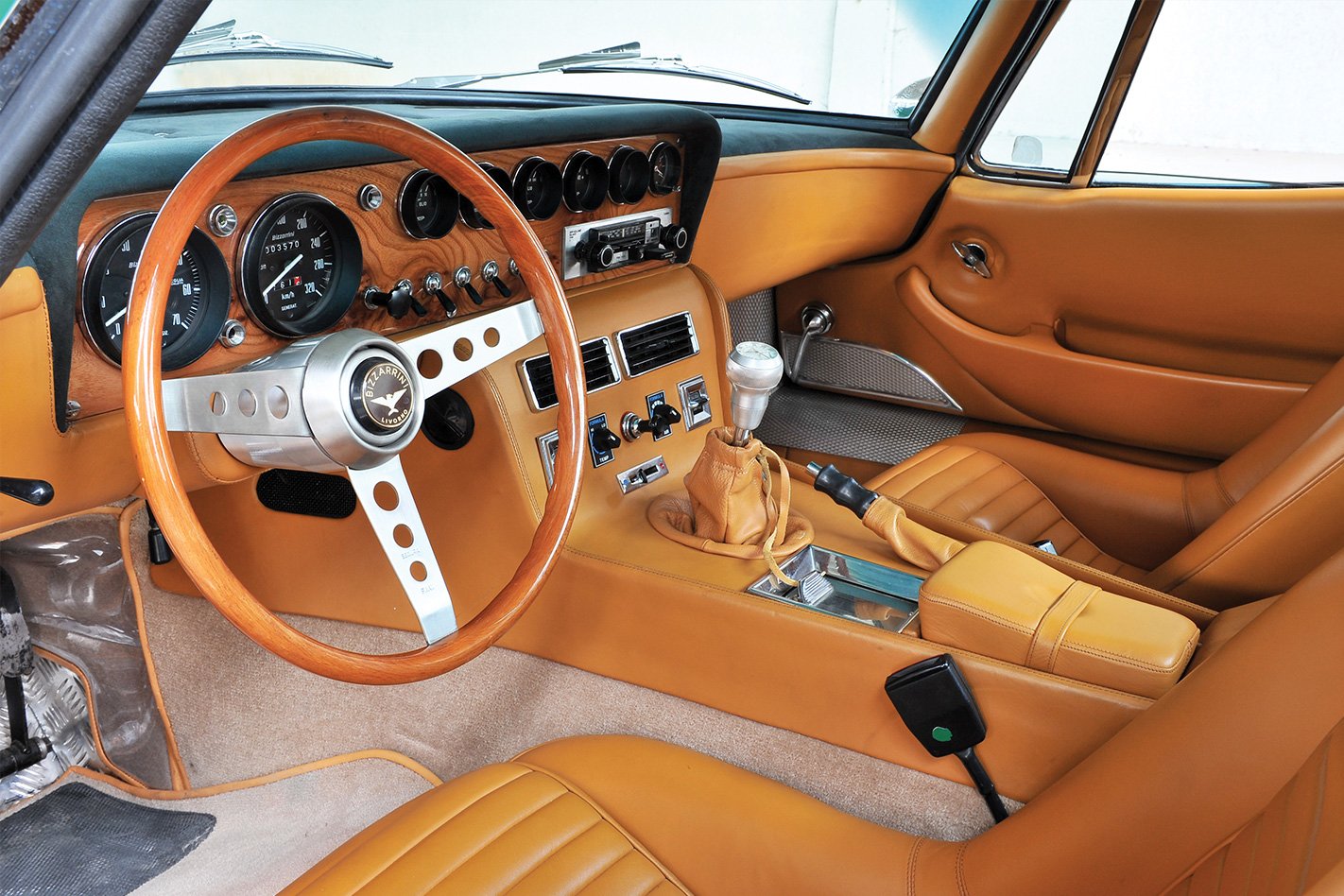
The cockpit speaks volumes about the handcrafted, 1960s Italian supercar. Volume is also the keyword in terms of the engine and gearbox, and the noise it creates. Heat was also an issue. It was all worth it for the brutal beauty of the styling, and the reliable, hulking performance, with 0-100km/h in just over six seconds and a top speed of about 250km/h.
The inevitable BFYB number-crunch makes it pretty clear that the Holden SS Ute has the whatsits to dish it up to everything else here.
True, if you wanted to split hairs, you could conclude that it’s not as clean around corners, nor is it is easy to haul up as some of the also-rans here.
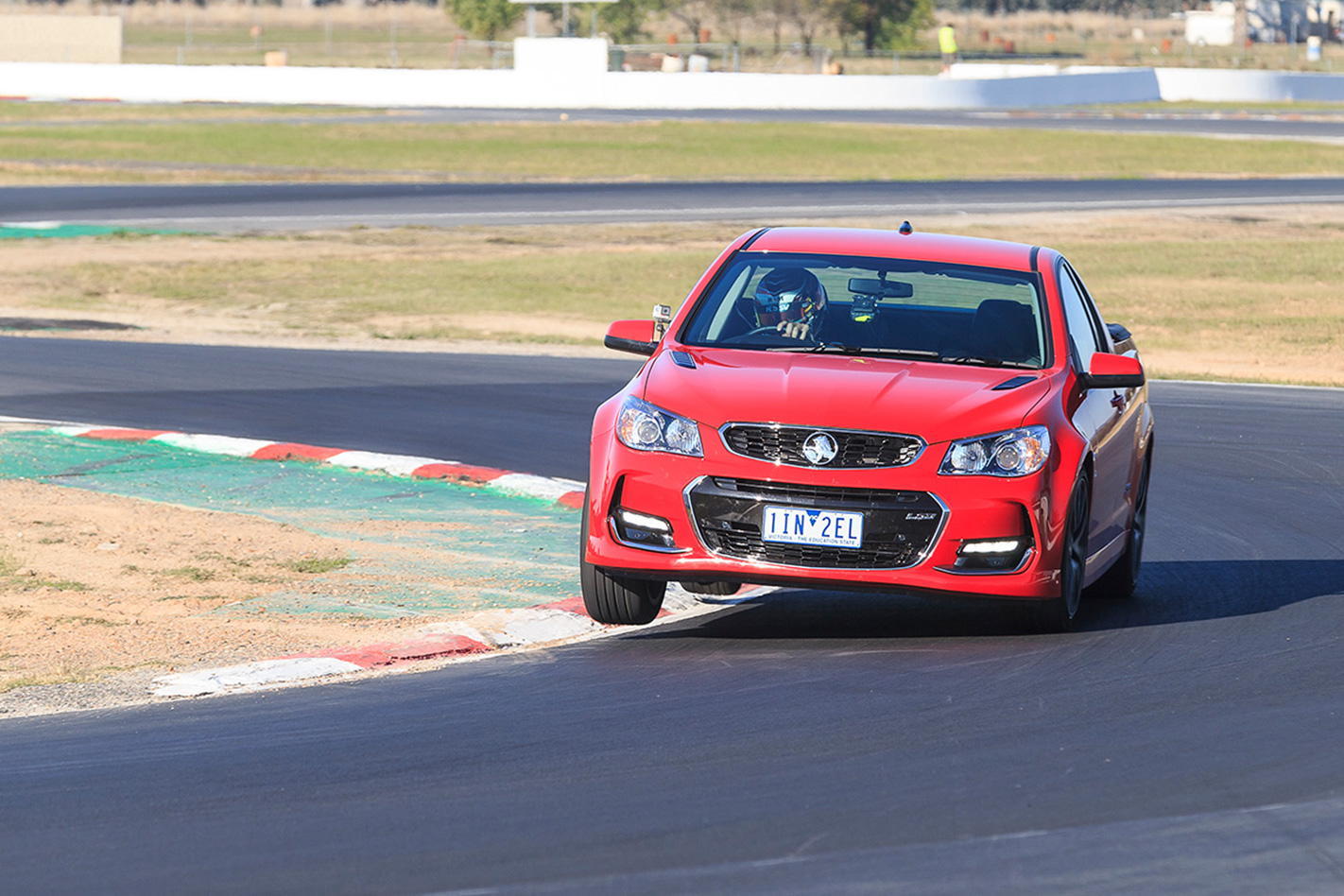
But you know what? The SS Ute is also one of those crazy-ass vehicles that makes you giggle way beyond the scope of its actual abilities, impressive though they may be.
There’s a huge feel-good factor at work here, probably the result of being able to haul busted fridges to the tip (for those who came in late, ‘The Tip’ is what those of us of shaving age call the Transfer Station) six at a time. But it’s not just that, there’s some real resolution to the way the SS conducts itself.
That probably starts with the engine which, as well as dragging the sheet metal across the first 400m in 13-and-a-bit, is a truly magnificent piece of work. At 6.2 litres, it probably has no business revving as sweetly and cleanly as it does and the new exhaust arrangement ensures you get your share of snap, crackle and pop between gears.
Leave it in a tall gear and plant your boot, and instead of complaining, the alloy bent-eight emits a rich, mellow chuckle that is a-l-m-o-s-t as good as showing it the redline.
Holden has somehow managed to eclipse the acoustics of its HSV brethren with the Series II VF SS and it’s a combination of a clever active exhaust as well as an ECU that isn’t afraid to slop a few precious drops of PULP into the exhaust on the overrun.
As such, this is the first new Holden in years to have used more fuel than the one it replaces. But the flip-side is that it’s the best sounding Holden. Ever. Face it, when was the last time you shifted down a gear for the pure joy of hearing eight pistons growl back at you?
As for its raw numbers, really, who cares that it can’t carry the same apex speeds as some of the other cars here? Not when it can rightly lay claim to being the absolute sub-$50K drift king. When you break it down, that shouldn’t come as a surprise.
There’s plenty of track at either end, and front geometry that seems to run a fair bit of castor that leads to some big wheelbase changes side-to-side when you wind it up to the lock-stops.
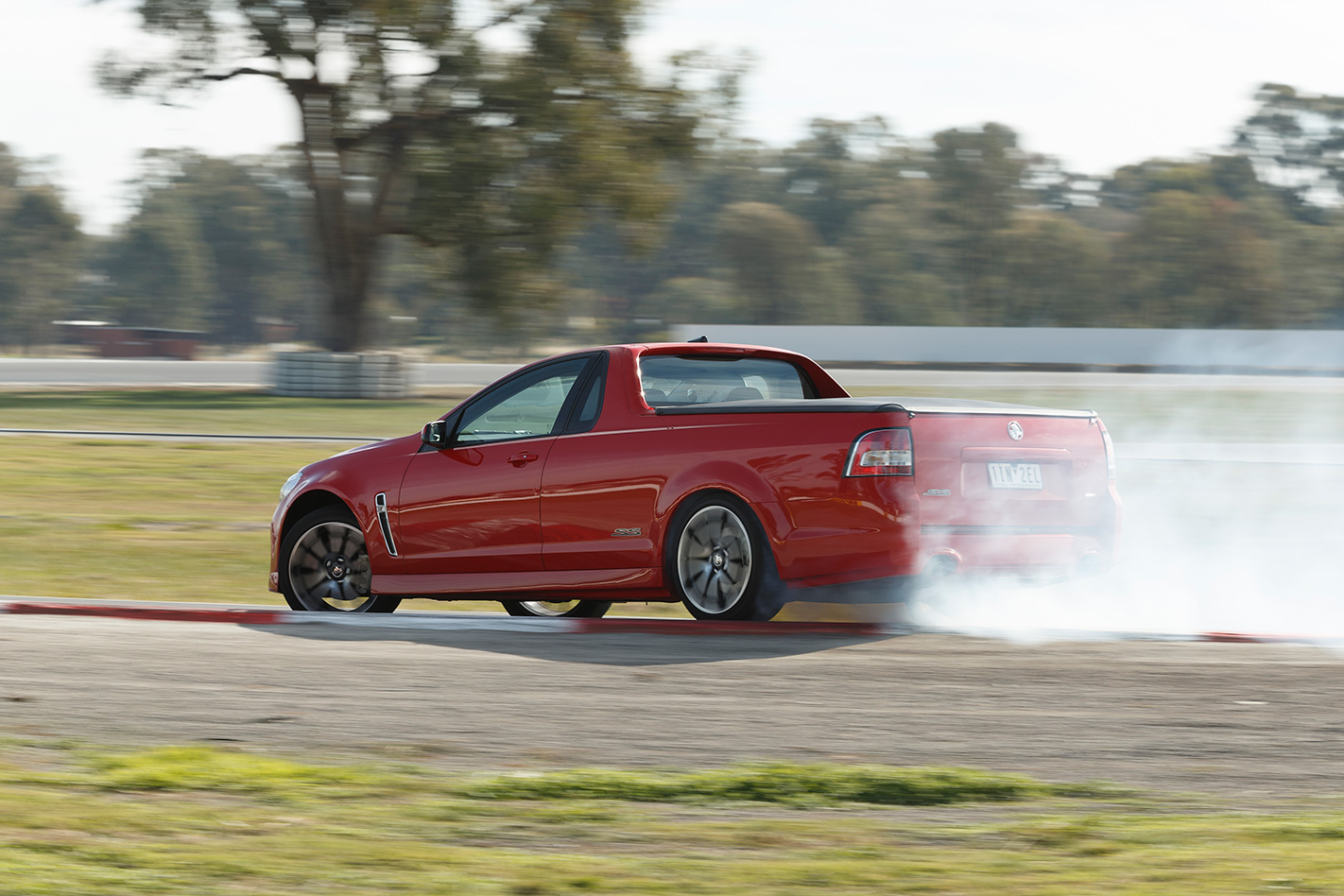
The one area where you can see the need for a bigger spend (and that’s called the SS-V Redline) would be the stoppers. They’ll do the job forever and a day while you’re just bumming around the countryside, but take the SS tray-back to a track and you’ll pretty soon identify the shortfall.
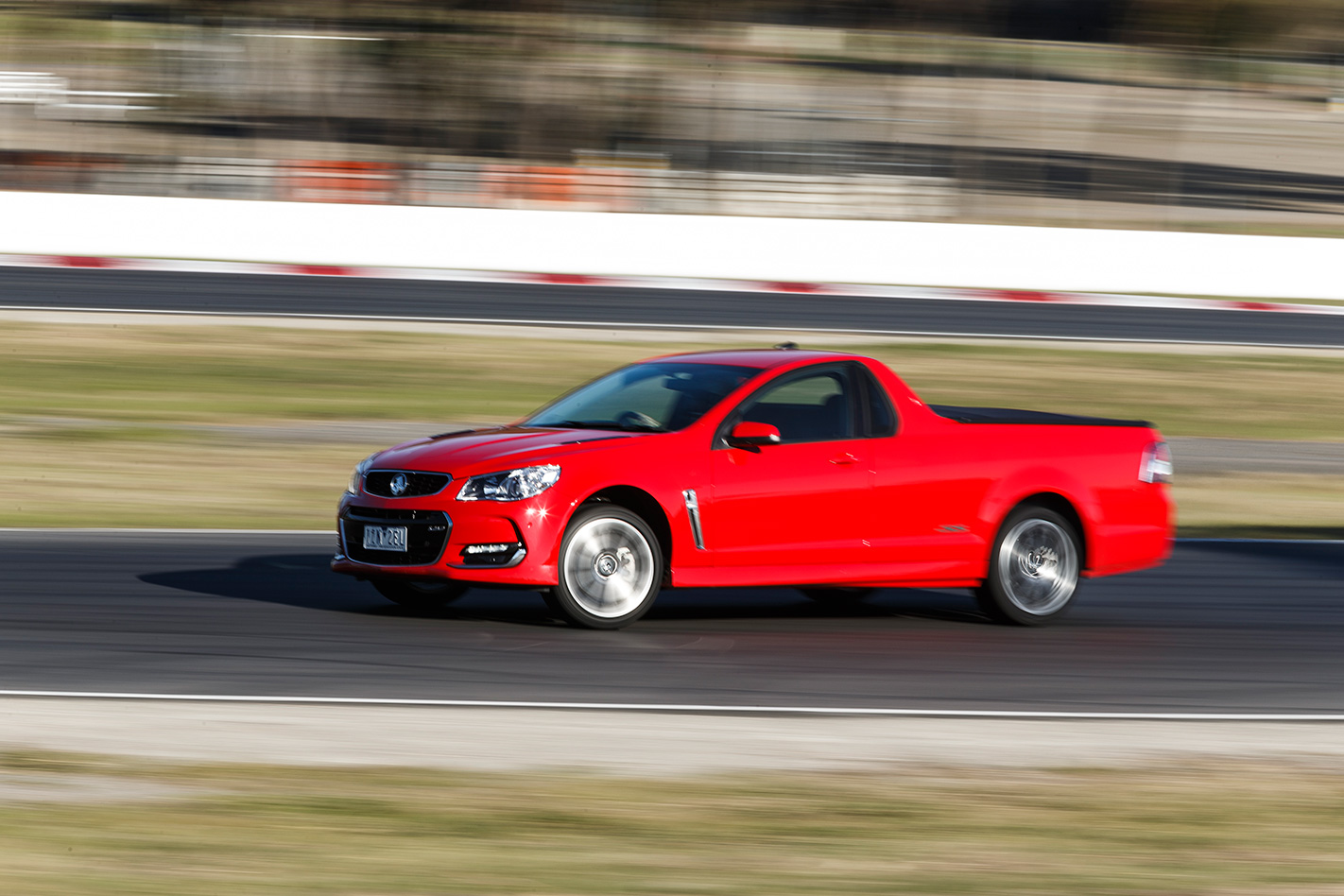
Finally, this ute is a proper car. It’s big and it’s strong. It’s an Australian legend and it pays to remember that this is the last BFYB that will be hosting this highly developed species.
So, for it to come up trumps in the emphatic manner it did not only underlines what we’ll be missing, but just how good we’ve had it for decades. Farewell, big fella. And cheers.
SPECS Engine: 6162cc V8, OHV, 16v Power: 304kW @ 6000rpm Torque: 570Nm @ 4400rpm Weight: 1753kg
TIMES 0-100km/h: 5.13sec (1st) 0-400m: 13.28sec @ 178.02km/h (1st) Lap Time: 1:39.3sec (1st)
SCORES Price: $43,990 Bang Index: 175.4 Bucks Index: 77.0 BFYB Index: 136.1
WARREN LUFF SAYS “It was slower than the SS-V Redline. Brakes make a massive difference. The standard brakes on the SS are screaming after a couple of laps whereas you can sort of do eight, nine, 10 laps in the Redline. And this car’s overall suspension is much softer, different tyres, doesn’t have the same lateral grip, so you can feel like you’re working a bit harder out there. But it is so much fun still. You can slide this thing around. But it’s very forgiving. It’s just disappointing they won’t be here next year.”
JUDGES NOTES David Morley – 1st: “Have you hugged your SS Ute today? You should” Dylan Campbell – 3rd: “If the SS Ute was a rock star – which it is – it’d be 27 years old” Louis Cordony – 3rd:“Raucous V8 makes it an absolute pin-up for this event” Tim Robson – 1st: “So much hilarity. Still a genuinely affordable Aussie sports car”
BFYB $0-$50K RESULTS
| BFYB ENTRANT | BANG INDEX | BUCK INDEX | BFYB SCORE |
| 1. Holden SS Ute | 175.4 | 77.0 | 136.1 |
| 2. VW Polo GTI | 98.5 | 122.4 | 108.1 |
| 3. Hyundai i30 SR | 88.1 | 130.6 | 105.1 |
| 4. Holden Astra RS | 81.2 | 129.2 | 100.4 |
| 5. Toyota 86 | 92.0 | 110.1 | 99.2 |
| 6. Octavia RS230 | 99.4 | 81.7 | 92.3 |
| 8. Subaru BRZ | 74.7 | 102.7 | 85.9 |
JUDGES PICKS Let’s play a game and turn Bang For Your Bucks into Performance Car of the Year. In that, how about we ditch the formula and focus on what cars dominate in the judges rankings.
After all, it’s the small subjective element in the whole process that tempers fast data with real human impressions.
At number one was, surprise surprise, the Commodore SS. The large and loud larrikin topped three scorecards, and found itself high on two others. It’s a fitting farewell and a clear nod to Holden’s achievement with the Commodore.

There was a tie in third place between the Toyota 86 and Polo GTI, both carving out their own niche followings. The Polo’s muscly engine and honest package earnt first place on Luffy’s rankings while the Toyota’s sharp and adjustable chassis made its way to the top of Cordony’s scorecard.
Finally, the wooden spoon goes to the Astra, which was deemed a little too warm for this hot contest.
Holden is calling on owners of its cars both new and old to join a drive to farewell its local manufacturing.
Dubbed the ‘Holden Dream Cruise’, it promises to be a celebration similar to the biennial Woodward Dream Cruise which runs in Detroit.
The route is described by Holden as starting “from the Elizabeth City shopping centre, past Holden’s vehicle operations plant on Philip Highway, Elizabeth, before culminating in a giant family fun day and show ‘n’ shine car event at Central District Football Club’s My Money House Oval, at Elizabeth South.”
To that effect, the run is open for registration to owners of Aussie-made Holdens.
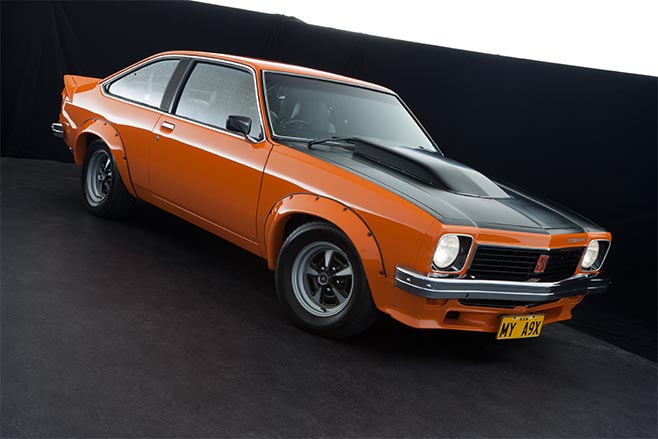
“The Holden Dream Cruise is not just for owners of classic Holden cars made in Australia but for the wider community,” says Richard Phillips, executive director of manufacturing.
“We want to hold an event that recognises the large community of people who care about the brand, its manufacturing heritage and its future.
“This includes not only customers and enthusiasts but people for whom employment at Holden has been an important part of their family, in some cases for decades.”
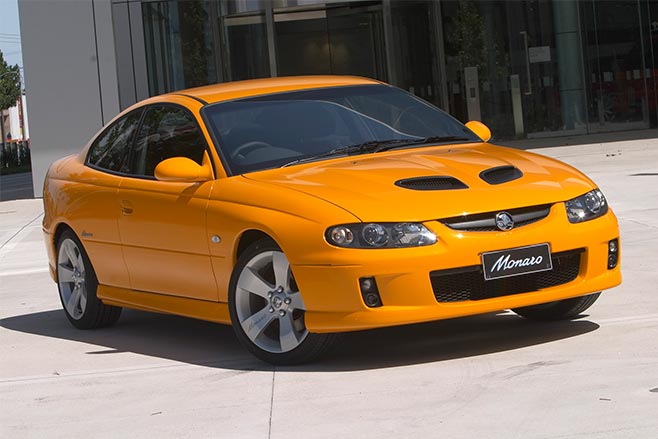
“The best way to help celebrate Holden the brand and your personal association with it is to join in or come along and line the route of the Holden Dream Cruise – this is the opportunity for Australia to show that pride and support for our people.”
So, now’s the time to get registered and make sure you can “clean your Commodore, tidy your Torana and chamois your Sandman” for the big day.
It’s going to be bittersweet.
