
BMW has hinted it will cut back on the number of variants in its showroom in an effort to help pay for the cost of rolling out future battery-fuelled cars.
Reuters reported overnight that the German luxury car maker said it would need to offset the high cost of spending on research and development to have its next-generation electric vehicles in showrooms by 2019.
As well, the car maker is working on adding self-driving technology to its future vehicles, as well as focussing research on how to meet even tighter vehicle emissions targets being set in key markets.
One of the targets is steering wheels. “We have over 100 steering wheels on offer,” chief financial officer Nicolas Peter told journalists. “Do we need that many variants?”
According to the report, BMW will drop manual variants of the BMW 2 series Coupe in the US to cut down on the cost of certifying components in each market.
Peter said it had already dropped the manual from entry-level diesel versions of the 5 Series from the US market.
Another target BMW is looking at is to reduce the number of engines on offer. “In the 5 Series we have four diesel engines on offer,” Peter said. “I would not bet on there being four diesel engines on offer in the next-generation vehicle.”
Last year, the car maker spent €5 billion ($A7.5 billion) on its research and development efforts. This year alone it plans to sell 100,000 electrified vehicles, which includes its growing range of plug-in hybrid models.
Alexander Kotouc, the head of the German luxury brand’s i Product Management division, told Wheels recently that some of the urgency behind BMW’s shift to a mass production battery-fuelled future was largely due to potential changes in one of its most important markets globally: China.
“Production-wise, I think we would be ready [for BMW to sell as many EVS as conventionally engined cars],” Kotouc said. “If you look at a market like China, they have many environmental problems.
“… They’re [China] really building heavily on their electric industry. So if I was the Chinese government I would wait until all my industries are ready, and then I would push the knob and say okay, every foreign competitor that is over a certain CO2 level with their whole fleet is just out of the market.”
BMW CEO slams government for ignoring electric vehicles
He said shutting cars out of the market was one way that protectionism, particularly in China, made things difficult for car makers such as BMW, and that Chinese car makers seemed already aware of what was about to happen.
“As far as I know how far already Chinese companies building these electric cars are, I would guess it is coming quicker than we think; that they will return the lever and say ‘well, everything over a certain standard of CO2 will not be allowed to go into the Chinese market any more’.
“This implies that at the push of a button we have to be able to really deliver on our high-scale electric mobility for the Chinese market, which is our second-biggest market.”
Once China started to push for electric cars, the cost of producing them would come down, Kotouc told Wheels.
“As soon as you don’t on a mass scale build combustion engines, but you build something like electric engines and batteries, the whole thing will become much cheaper.”
Enzo Ferrari looked frail.
Il Commendatore’s final production sign off was the Ferrari F40, a car he revealed to a largely cynical press on July 21st 1987 at a press conference in Maranello. The year before, Porsche had unveiled the 959, an all-wheel drive, twin-turbo supercar with adjustable ride height, active aerodynamics and a fiendishly clever differential that could adjust torque from front to rear. Capable of 315km/h it was a technical masterstroke, the culmination of five years of development and had given Weissach a lead it thought would be unassailable for years to come.
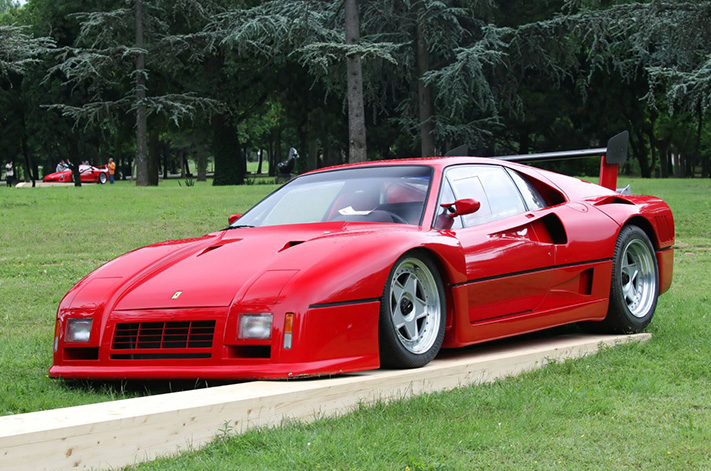
By contrast, the F40 looked a half-baked attempt to cash in on a supercar pricing bubble and to claw back some of the development that had gone into the Ferrari 288 Evoluzione track car (below), left high and dry after the cancellation of Group B. Development had begun at the start of 1986 and while Ferrari’s fortieth birthday present to itself may have been light on headline-grabbing tech, to drive the thing was to understand why the old man from Modena was wearing a rare smile that day. The F40 was astonishing.
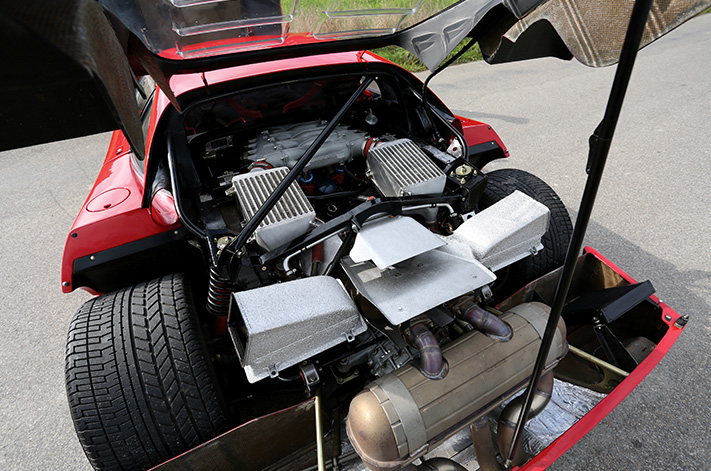
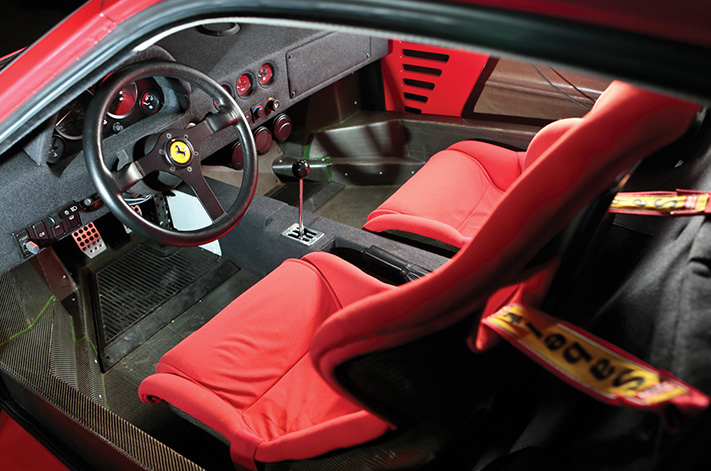
The Tipo F120A 2936cc V8 was effectively a bored version of the 288 Evoluzione’s Tipo F114CK 2855cc using IHI turbochargers to develop a heady 356kW, enough to catapult it to 200km/h in 12 seconds. There’s no traction or stability control, the steering and brakes are unassisted, there aren’t even any interior door handles. You pull a wire to get out. That’s part of the reason it’s 250kg lighter than a 959.
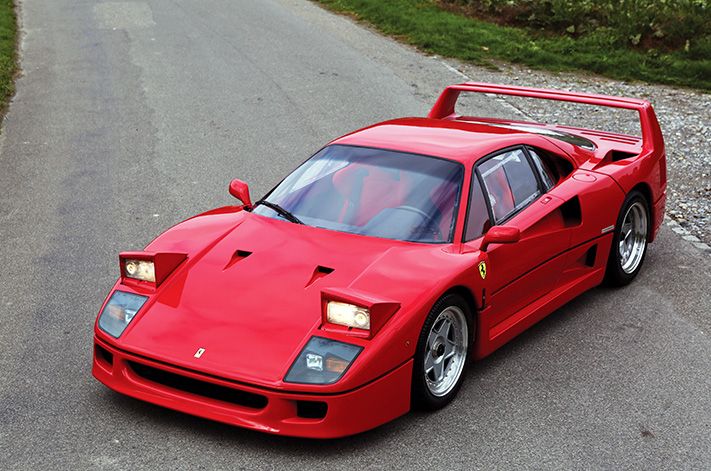
Ferrari has built plenty of fast, focused road cars before and since but few – if any – have achieved the F40’s hallowed status. It never enjoyed a particularly storied competition history, it was a bit of a pig to drive on road and Leonardo Fioravanti designed a number of better looking cars for Ferrari, including the Berlinetta Boxer and the Daytona.
More than anything, it was the counter-culture vibe of the F40 that really marked it as something very special. The Eighties were all about hyperbole and overstatement, excess and ostentation. The F40, for all its big numbers, had little of the above. If anything, Ferrari understated the amount of power that 2.9-litre blown lump would produce. The car walked the walk, backing up every one of the factory’s claims independently. And it was shorn of unnecessary adornment, pared back, lean and, yes, timeless.
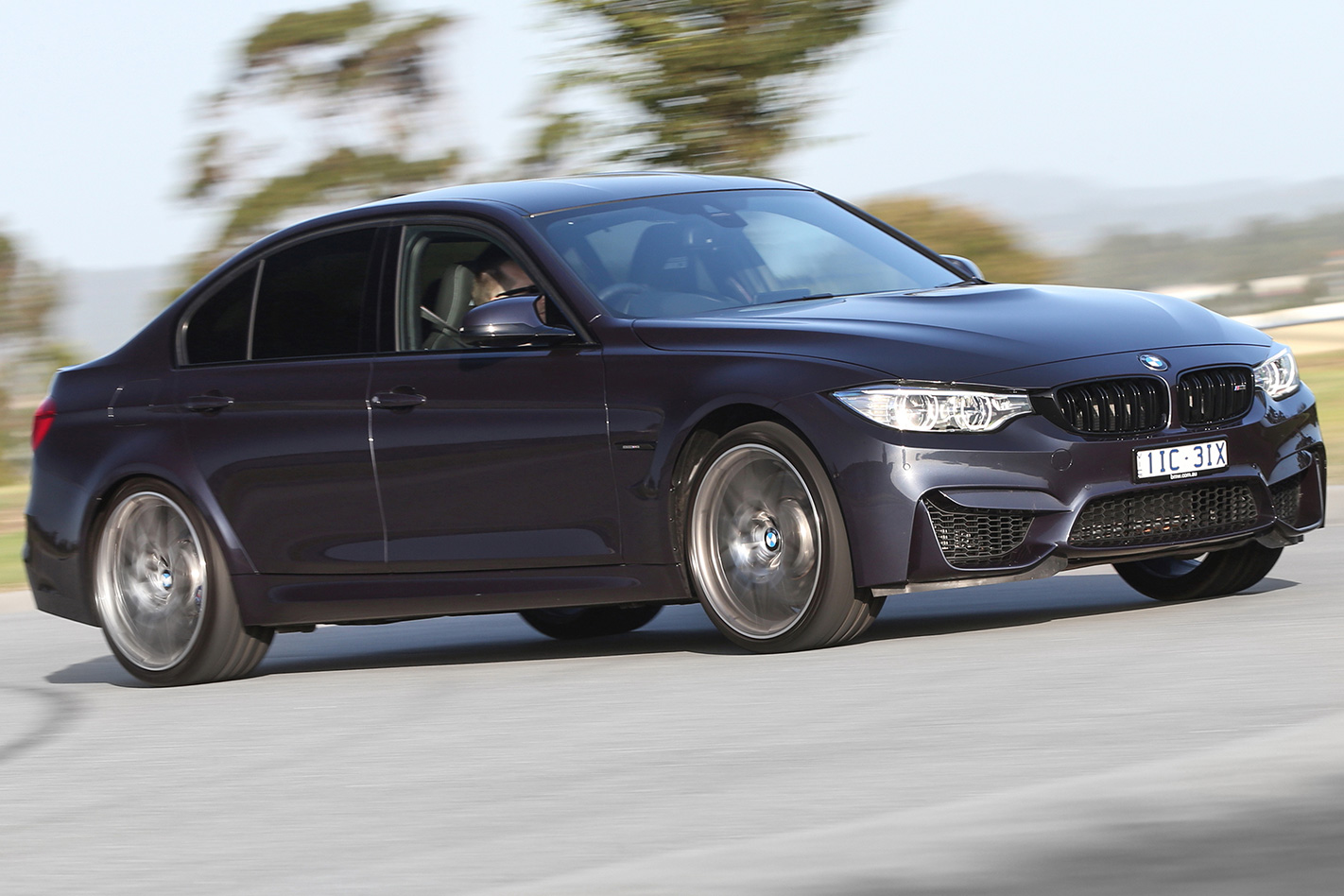
ONE of these things is not like the other. The F80 M3 30 Jahre is a radically different car to its predecessors, and not just because it’s the only one present with four doors.
Oddly enough for a car that started life as a coupe, if you want an M3 in 2017 you have to buy a sedan, otherwise you’ll have a BMW M4. However, even putting aside badge quirks, there’s plenty of evidence to suggest the F80 is the black sheep of the M3 family.
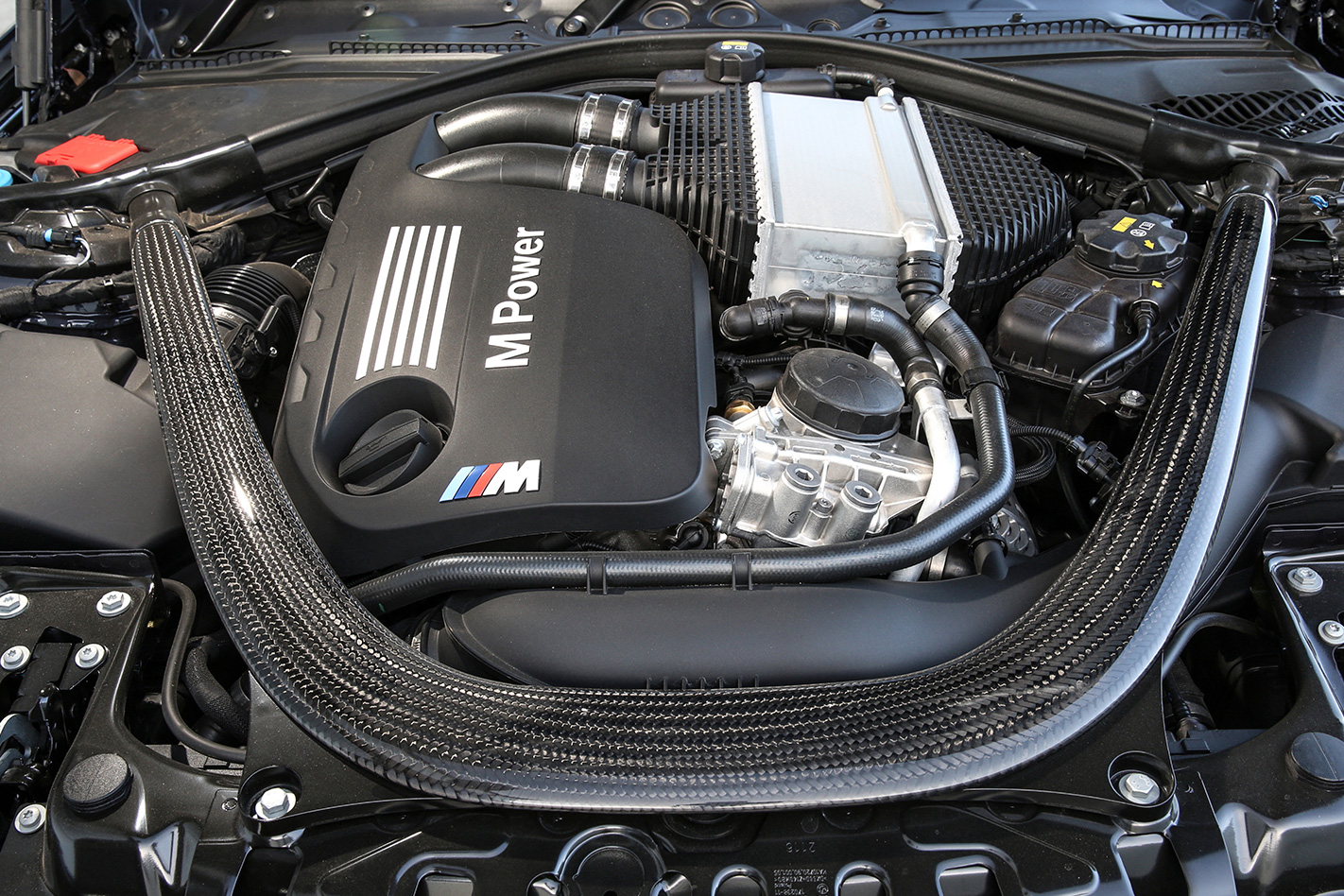
It was a controversial move, however tightening emissions regulations meant that forced induction was the only way to achieve the desired level of performance. That said, M Division may have over-delivered.
More BMW M2s allocated for Australia … again
While the S55 3.0-litre six is still happy to spin to 7500rpm, there is no longer any need to chase the redline to make swift progress – 5500rpm is often more than enough.
BMW and McLaren enter engine partnership
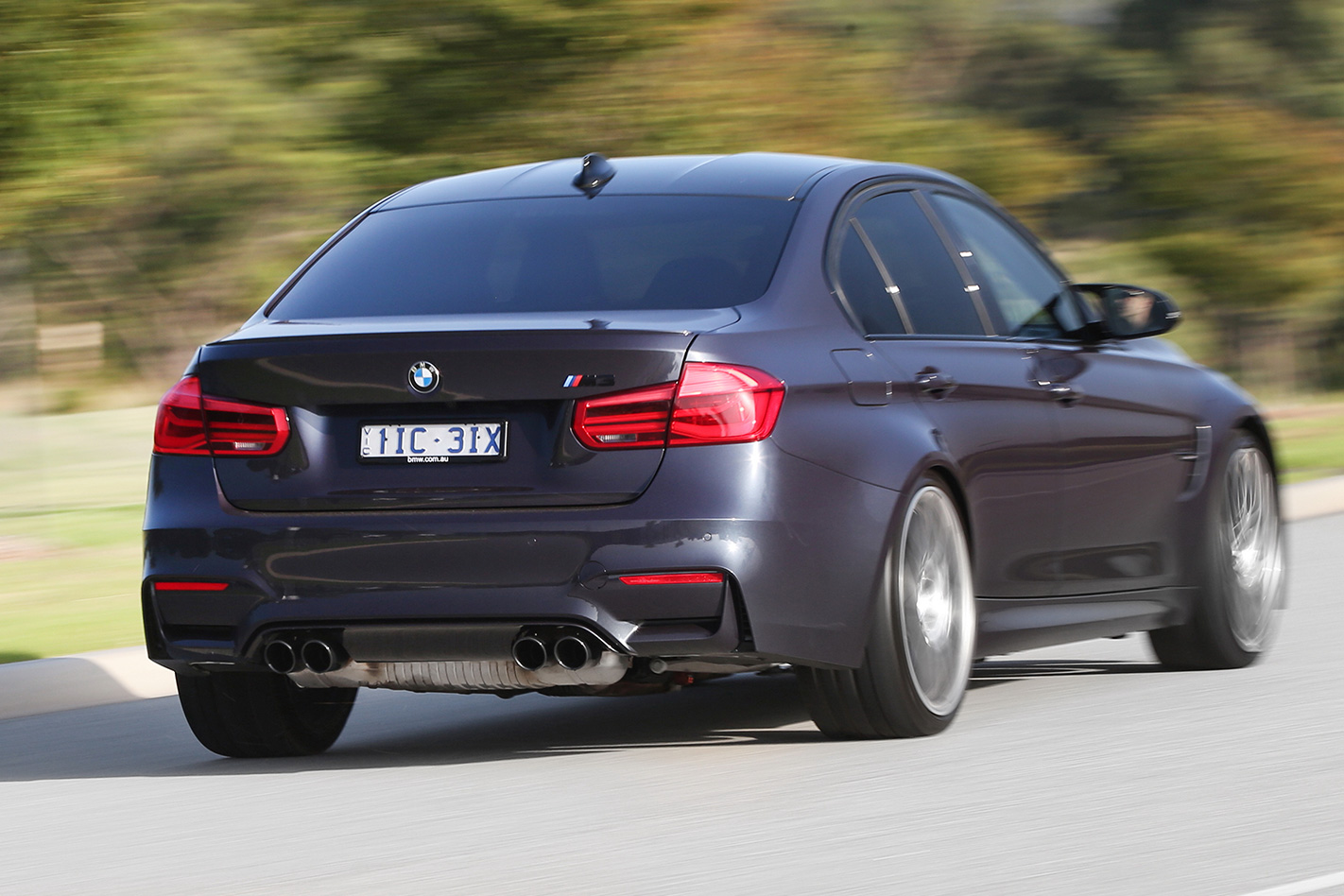
Combine this behaviour with the massive increase in torque and the latest M3 marks itself out as the fiery, temperamental child in an otherwise friendly, fun-loving family.
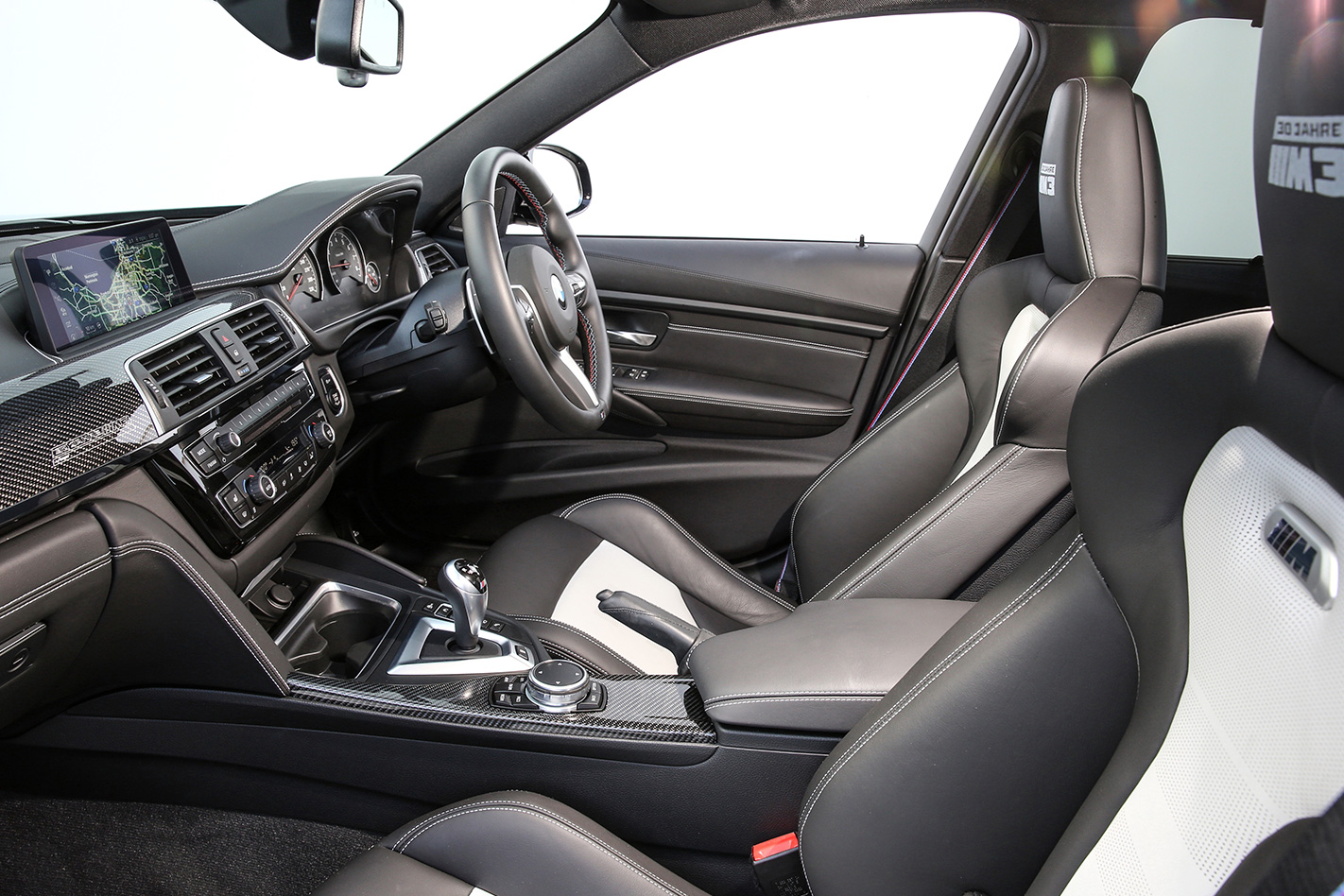
The steering has three modes, none of which feel completely right, and the damping can struggle to keep the wheels in contact with the road over bumps.
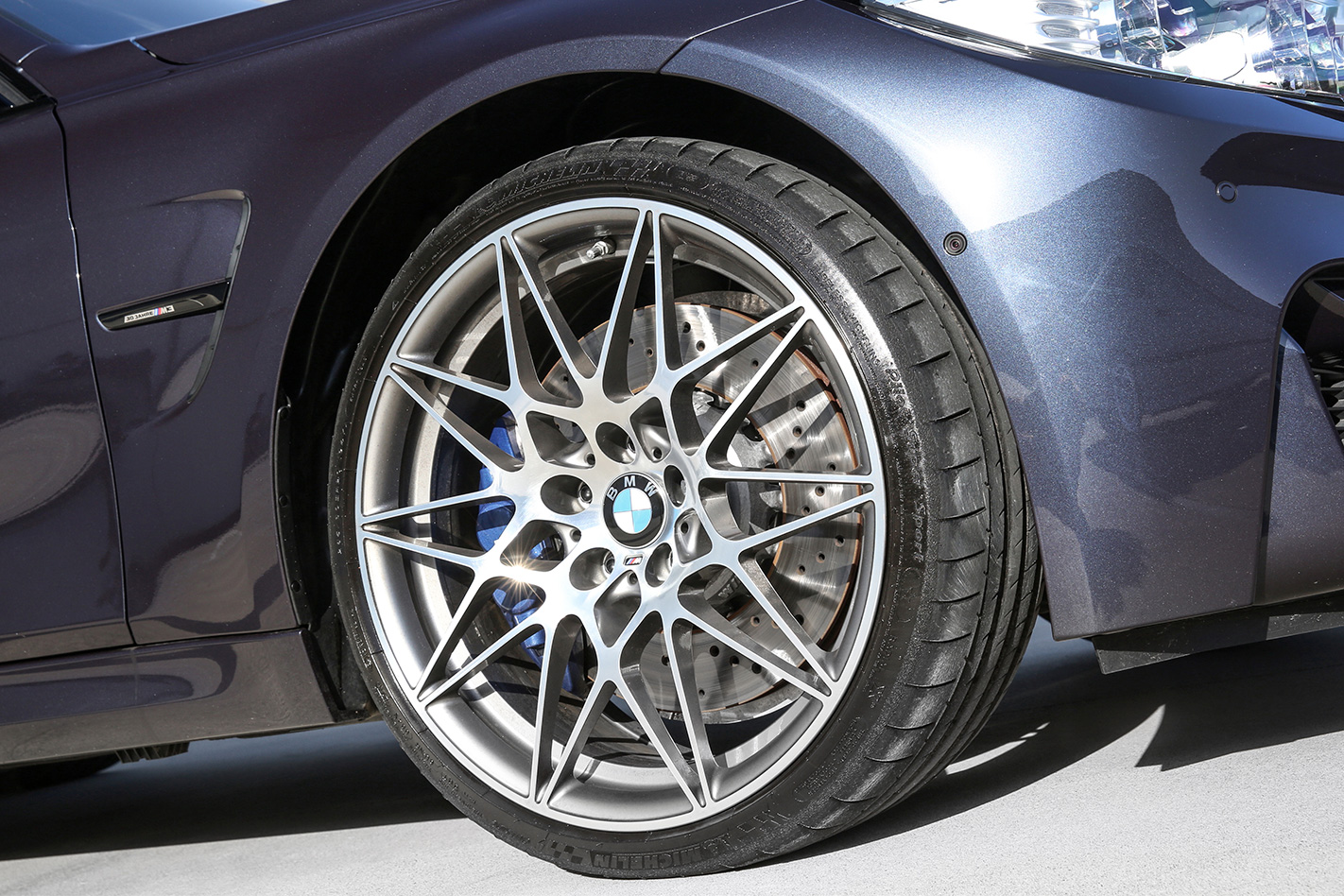
It’s a real challenge and massively exhilarating when you get it right, but it can be hard work. And in the wet? Get ready for sweaty palms, an elevated heart rate and fourth-gear wheelspin. In terms of bloodline, the BMW M2 is arguably closer to the M3s of old in both concept and ethos.
Shanghai Motor Show: 2018 BMW M4 CS revealed
On the flip side, its personality does get under your skin. The Competition upgrades have tamed some of the standard car’s wilder excesses and the F80’s bodybuilder-like bulges and creases make its predecessors look weedy and undernourished, particularly the E92.
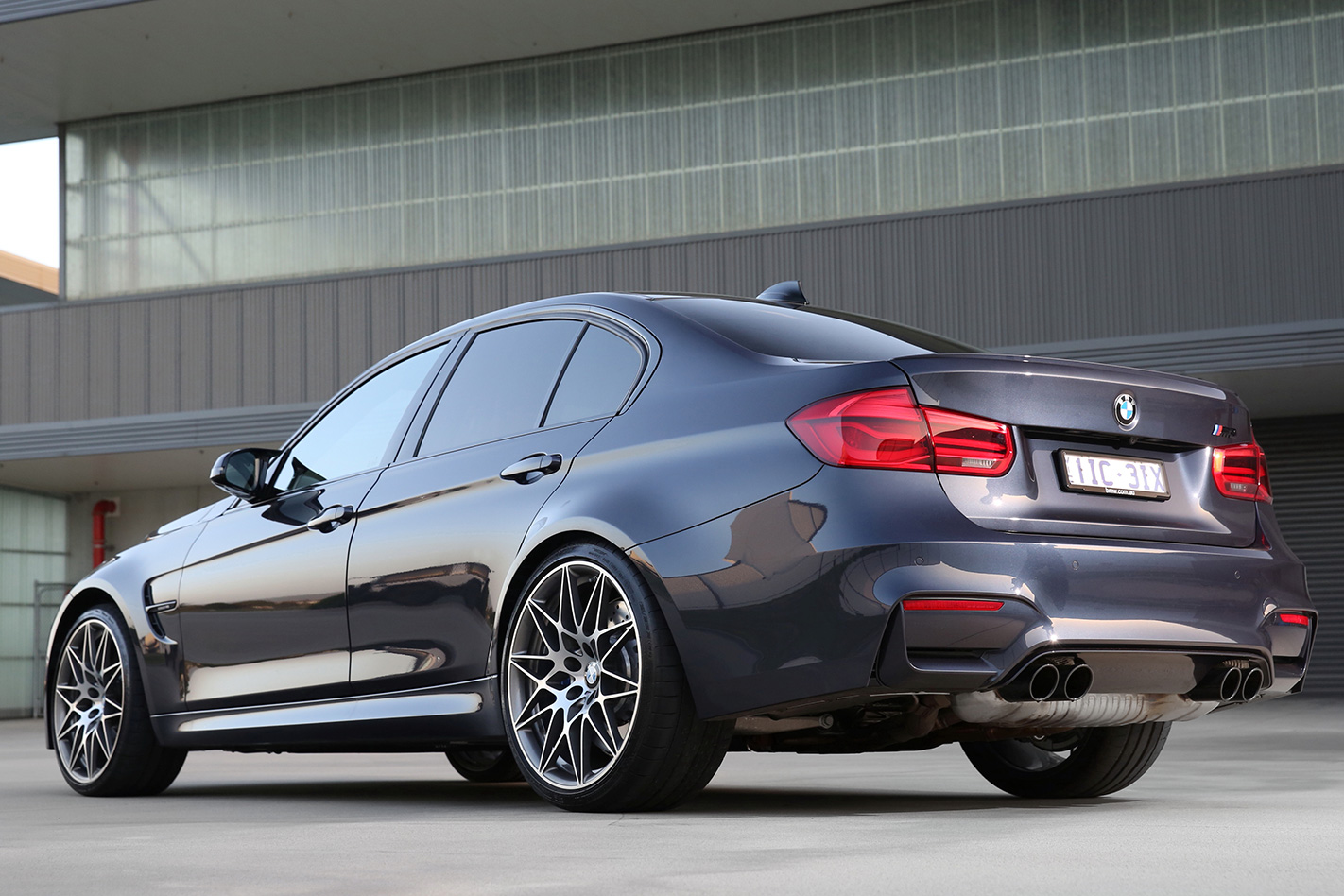
Just 500 M3 ‘30 Jahre’ models will be offered worldwide, however the good news is if you like the look of it it’s mechanically identical to the M3 Competition.
The hardcore M4 GTS proves M hasn’t forgotten how to push the boundaries (nor charge enormous pricetags!) while the forthcoming M4 CS could prove to be the best of the bunch.
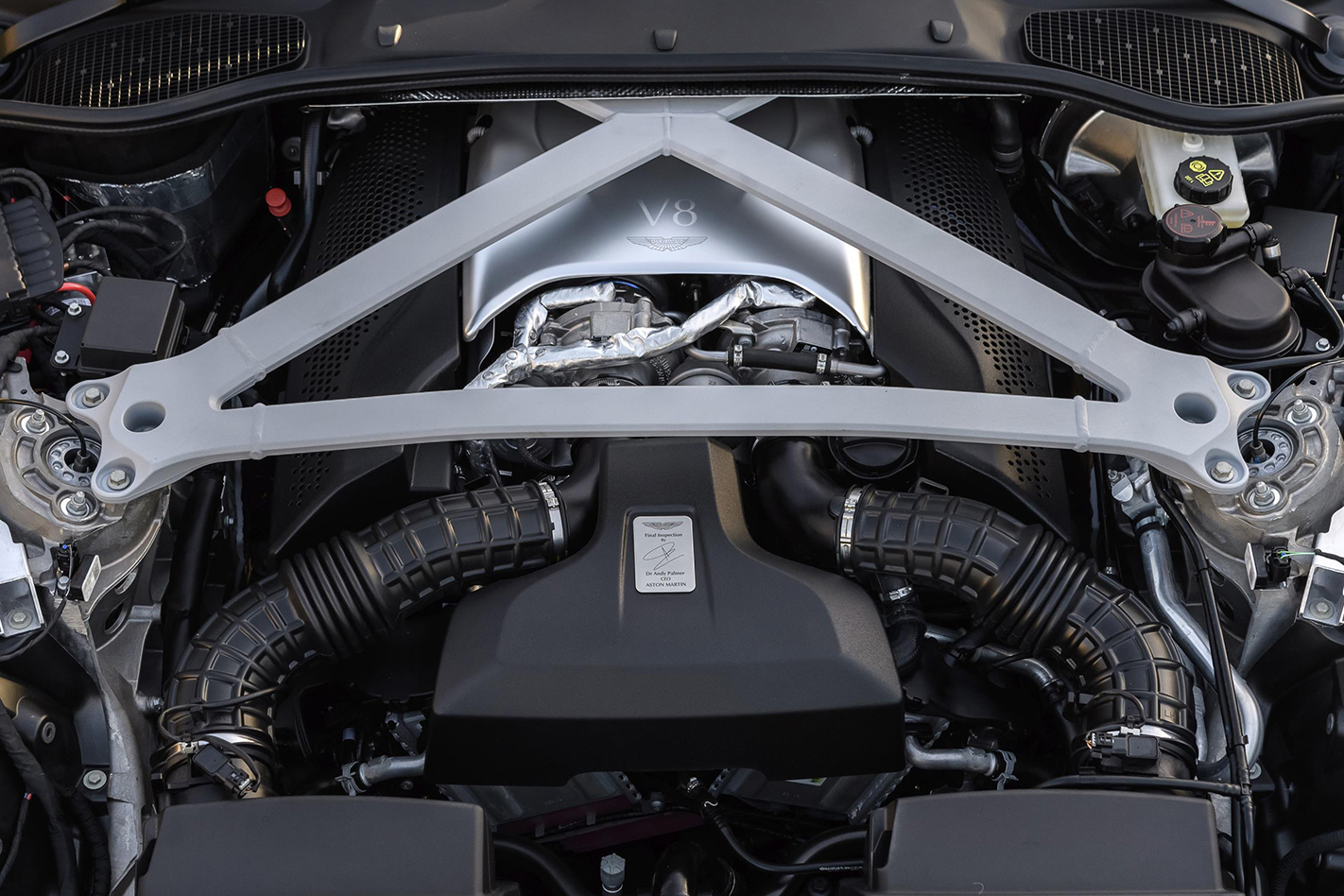
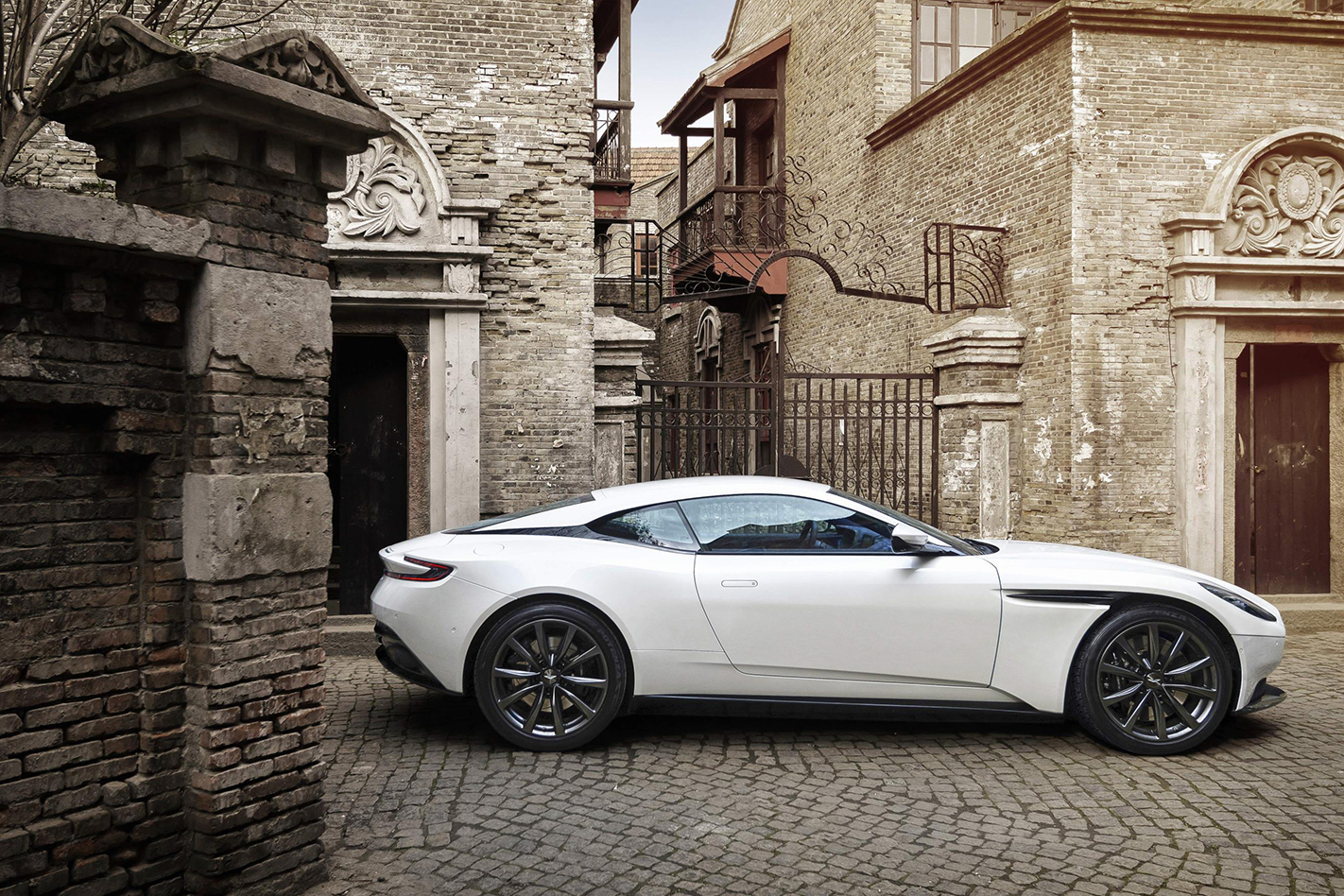
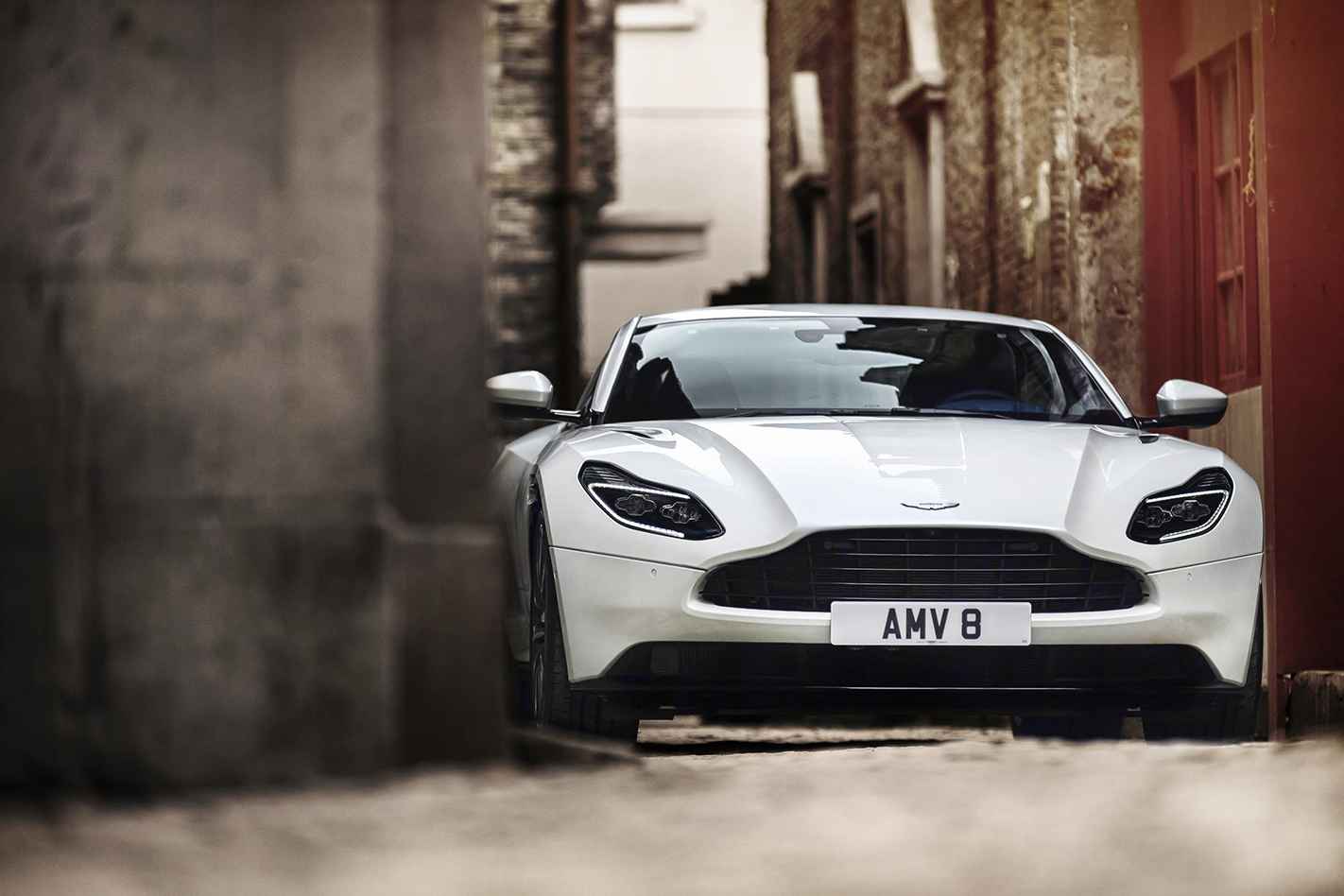
ASTON Martin today announced its DB11 grand tourer will be available with a 4.0-litre twin-turbo V8 engine sourced from the folks at AMG to sit alongside the existing 5.2-litre twin-turbo V12 DB11.
The V8-powered version will produce 375kW and 675Nm. The same engine in the C63 S is rated at 375kW and 700Nm. The slightly lower torque figure in the Aston likely has something to do with the V12’s 447kW and 700Nm figures and leaving a gap between the two.
The ‘entry-level’ DB11 will sprint to 100km/h in four seconds flat, before topping out at 300km/h neat.
The new engine also sits further back in the engine bay than the V12, meaning overall centre of gravity shifts towards the middle of the car, which should improve handling dynamics and give the V8 DB11 an even sportier and more agile feel.
Aston Martin has greeted this by revising the V8 DB11’s suspension bushings, geometry, anti-roll bars, springs, dampers, and reworking its ESP calibration.
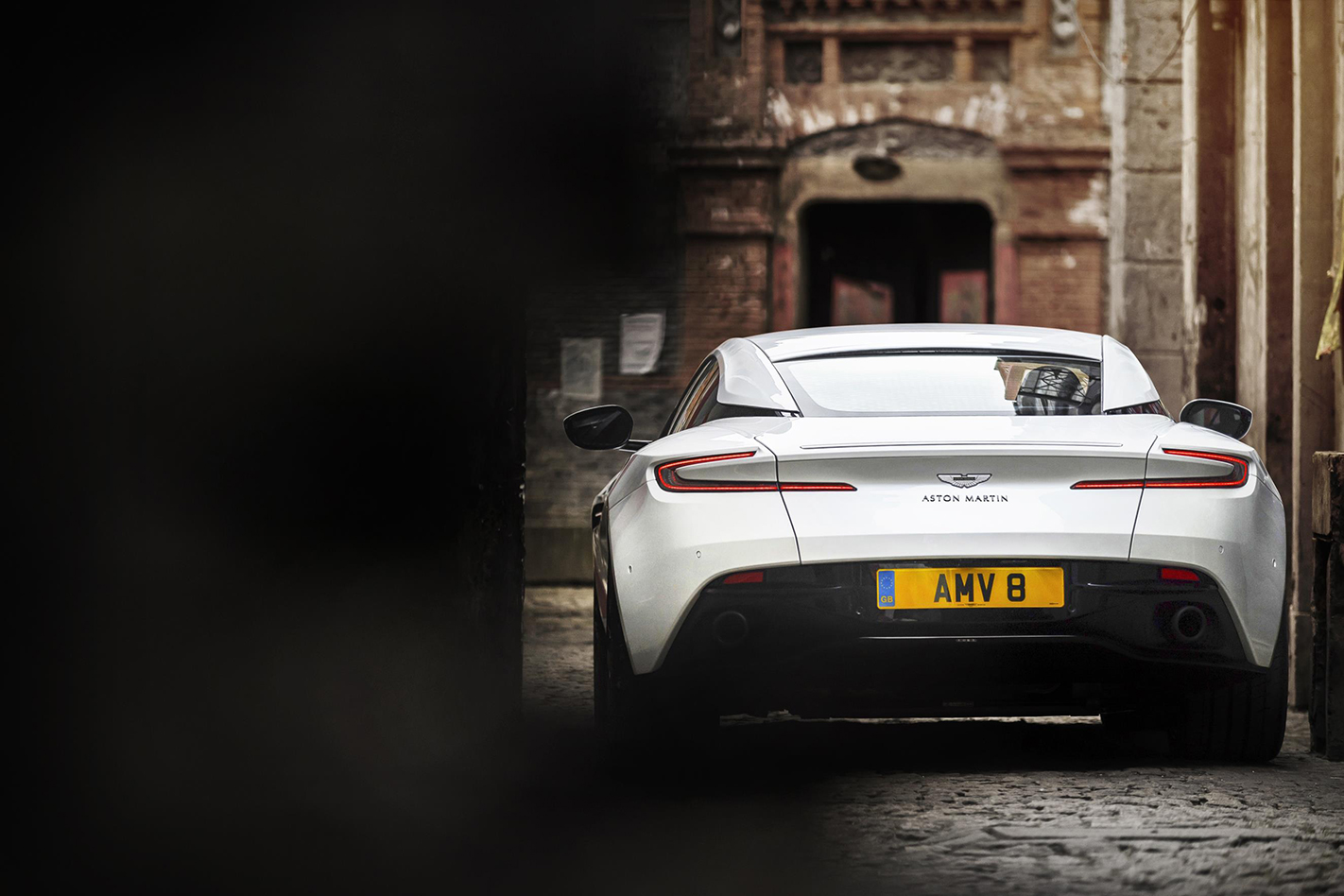
The British manufacturer says its new V8-powered DB11 is for customers that want a more focused sports car than the V12.
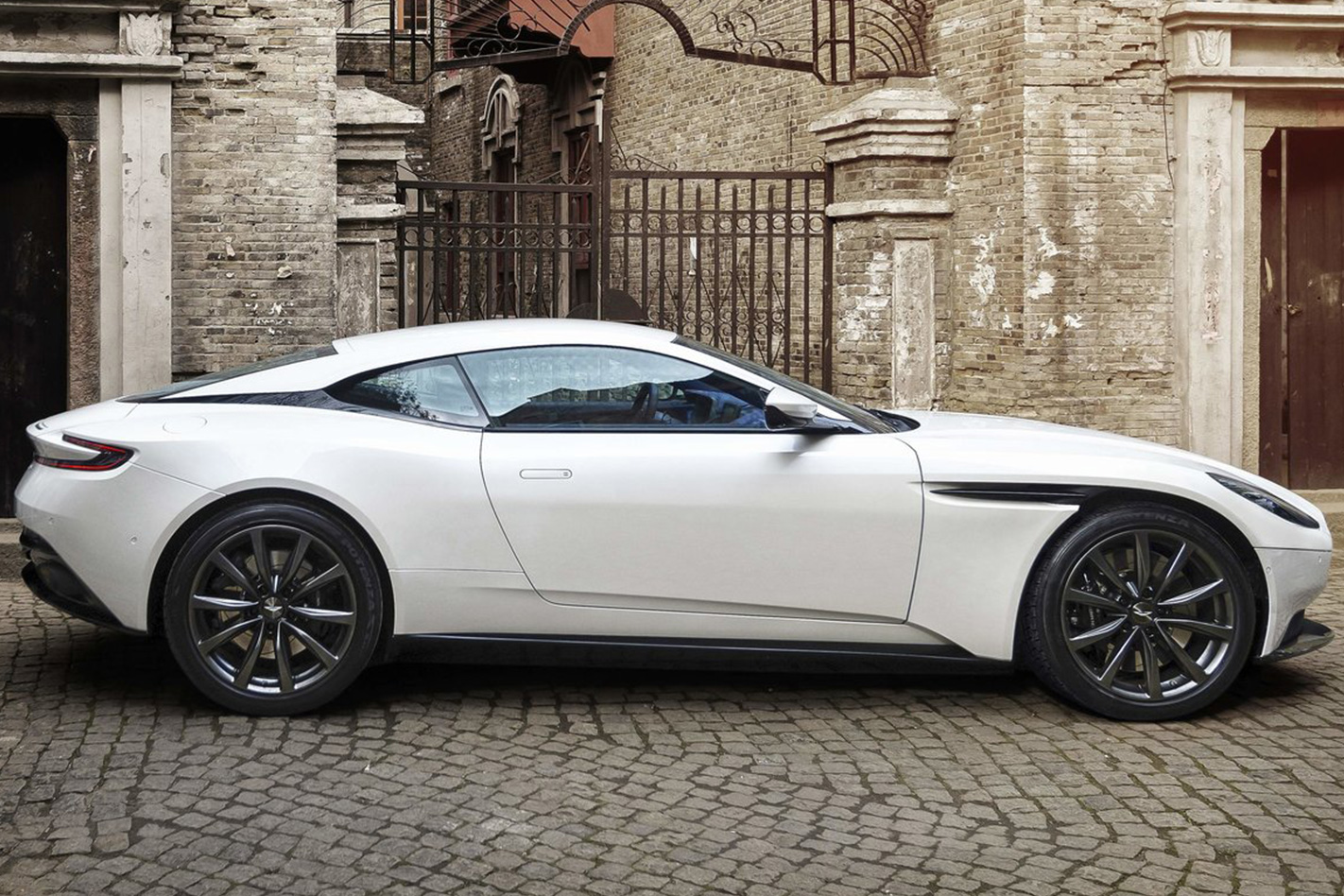
To help tell the two models apart, Aston has given the V8 car a unique alloy wheel finish, dark headlamp bezels, and just two bonnet vents instead of the V12’s four.
The cabin of the V8 DB11 is identical to that offered in the V12, and available options remain the same.
“With this V8 engine option we have broadened appeal by offering a car that will bring the DB11 to more customers around the world while still blessed with exceptional performance and memorable character,” said Aston Martin boss Andy Palmer.
“Having driven the car during its development phase, it is not just the engine that has changed the character of the car, but also the resulting dynamic changes to create a remarkable GT car with its own distinct personality from the V12.”
Deliveries are expected to start in the last quarter of this year, with the car scheduled to make an appearance this weekend at the Goodwood Festival of Speed.
The Mazda 3 has been a consistent top-four seller in Australia and justifies its popularity on merit thanks to its stylish looks, easy driveability and two engines options that both perform well and are easy on fuel. It’s offered as a hatchback or sedan with boot capacities of 308 and 408 litres respectively, though the hatch is more functional with its broad tailgate and the added utility of a 60/40 split rear seat.
Variants
There are six primary Mazda 3 trim levels available as hatchbacks or sedans and with a choice of six-speed manual or six-speed automatic transmissions. The three lower spec models are powered by a 2.0-litre four-cylinder petrol engine, while the sportier SP25 variants have a 2.5-litre petrol four. There are no prices differences between hatch or sedan body styles though the automatic transmission attracts a $2000 premium.
Starting at $20,490, the entry-levelMazda3 Neocomes equipped with an AM/FM radio with AUX, iPod, and USB inputs as well as Bluetooth connectivity, cruise control, hill-start assist, rear parking sensors, power folding mirrors, 16-inch alloy wheels, G-Vectoring Control for better steering stability and Smart City Brake Support.
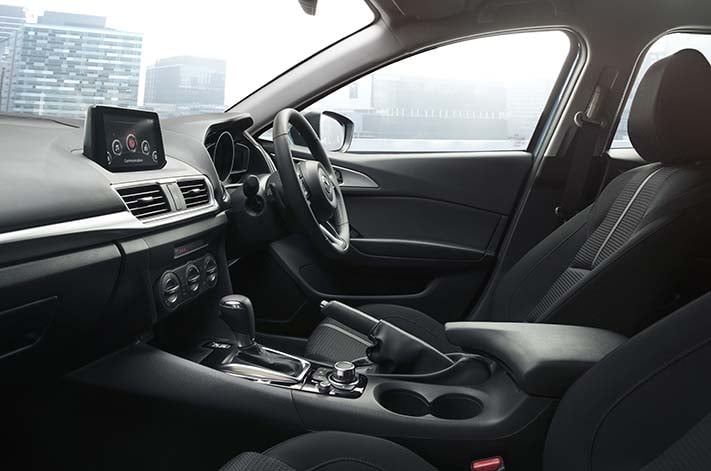
For $2000 more, the Maxx sedan or hatch represents better value with a 7.0-inch infotainment screen with reversing display and in-built satellite navigation. The interior feels more upmarket with leather trimmed steering wheel, gear knob and handbrake lever and the automatic versions get a pair of paddle shifters. The Maxx extra active safety features including reverse auto braking, blind-spot monitor and rear cross traffic alert.
Dig down the back of the couch for the additional shekels for a Mazda 3 Touring and you’ll also get leather trimmed seats, dual-zone climate control, auto windscreen wipers, auto folding mirrors and power parking brake.
For just $400 more, theSP25 has most of the Touring’s features but with cloth seats and adds the sportier 2.5-litre engine, 18-inch wheels wider, low-profile tyres and smart key entry.
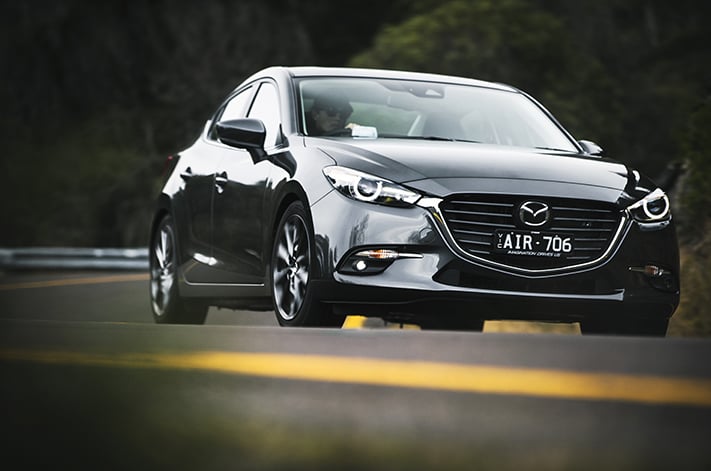
The SP25 GT returns leather trim to the seats which are now heated at the front and power adjustable for the driver. The kit list also includes a head-up display, Bose sound system, LED headlights which shine into corners, driver fatigue alert and Traffic Sign Recognition to help you keep track of speed limits.
The range-topping SP25 Astina adds a sunroof, auto dipping LED headlights and radar-based active safety including active cruise control, automatic emergency braking at speeds up to 160km/h and lane-keep assist.
Our pick
You really get money’s worth with the Mazda3 Maxx in either hatch or sedan form, which brings you the central touchscreen, satellite navigation and reversing camera, and some helpful active safety tech in addition to auto braking.
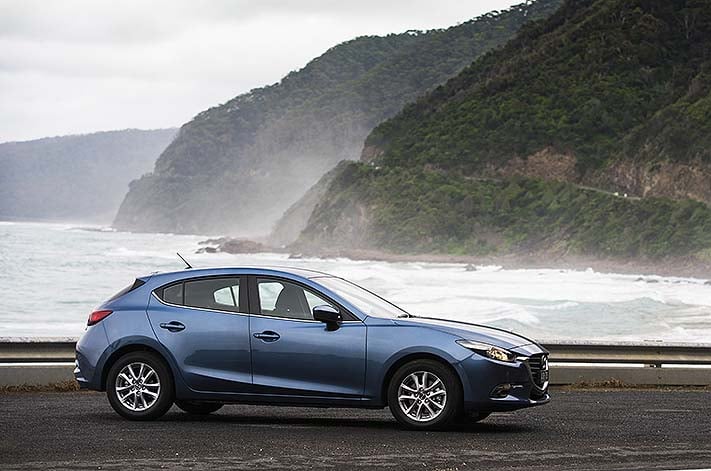
The cloth seats are comfortable, good-looking and hardwearing and are complemented by the leather-trimmed touchpoints.
The 2.0-litre engine is more than adequate with either transmission, sipping around 5.8L/100km on the combined fuel consumption cycle.
Available options
Premium paint – $300
IF YOU’RE thinking of buying a Ferrari 812 Superfast and you don’t yet have an order in place, don’t bother. The company has revealed demand for its new $610,000 V12 flagship is so high that it has enough orders to account for its entire five year life-cycle, plus 50 percent.
Ferrari Australia CEO Herbert Appleroth told Wheels Ferrari’s situation of record demand fighting limited supply is now “beyond funny” and is investigating ways to address the issue, which isn’t only spawning multi-year wait times but seeing many customers miss out altogether.
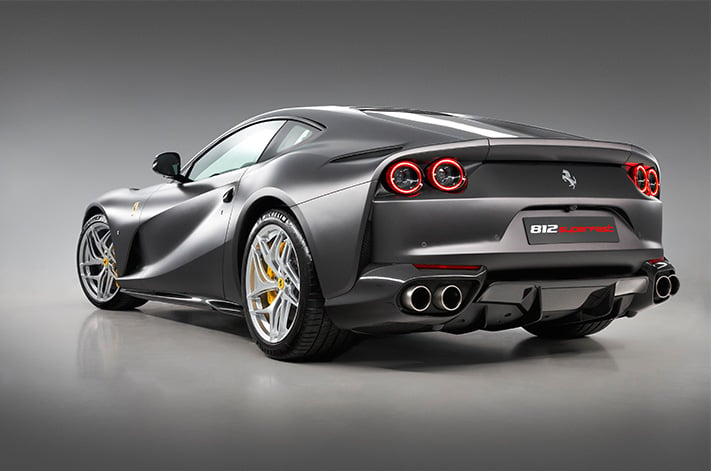
“We are up front with our clients and say “yes, you’re welcome to be part of the waiting list, we’ll take your order and your deposit, but there’s no guarantee you’ll get a car. But we’re working very hard to try and make their dreams come true.”
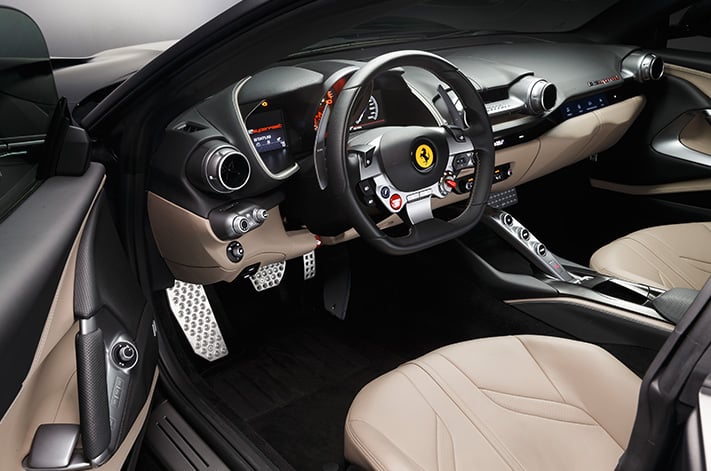
“Our executive team is looking at how they manage this because now it is beyond funny,” he said. “Now the entire life cycle is sold out. I thought I’d get in nice and early and ask for more supply, and we have obviously gone back to the factory, but the answer was ‘yes Australia is exceptional, but the response has been similar around the world.’”
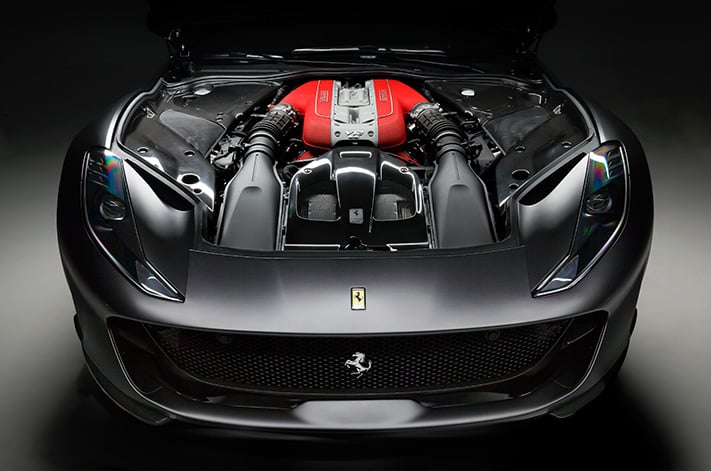
Appleroth credits the 812’s record demand to its naturally aspirated V12, which is Ferrari’s most powerful production engine ever with 588kW/718Nm on tap.
Ferrari sold 188 cars in the 2016 calendar year which was a 12.6 percent increase year-on-year. So far in 2017 the Italian marque had moved 79 cars to the end of May for a growth rate of 8.2 percent.
The first batch of 812 Superfasts will land in Australia this December.
WHAT IS IT? Kia’s Sportage small SUV is pulling a good crowd in Australia’s crossover-hungry market but, for now, the Cerato small hatchback is holding on to its crown as the company’s strongest seller.
It weighs into a fierce battle with other strong contenders in the segment where the Toyota Corolla, Hyundai i30 and Mazda3 also attract strong sales.
ON PAPER Kia has kept the Cerato range simple. Four variants are on offer starting with the Cerato S. A mid-range Si and an SLi variant sit at the top of the pack, with a new Sport version replacing the previous S Premium version, above the entry-level S.
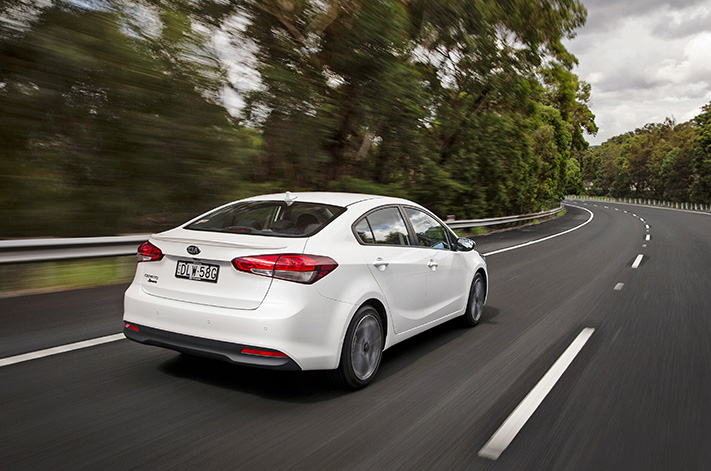
All four are powered by a two litre four-cylinder petrol engine with 122kW and 192Nm, which replaces the previous 1.8-litre engine and brings more power and efficiency – 7.2 litres per 100 kilometres, says Kia.
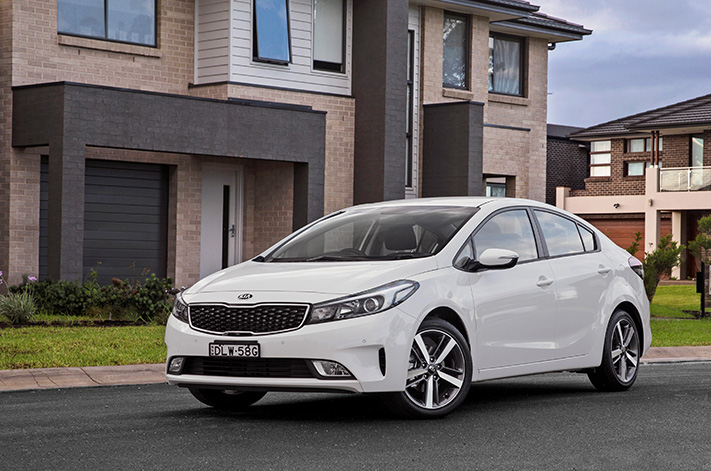
Base level equipment includes 16-inch steel wheels, two-way adjustable steering, power windows, cruise control, a trip computer and 12-volt and USB sockets.
The new Sport variant adds 17-inch alloy wheels, imitation leather steering wheel upholstery and a dusting of more upmarket interior materials, as well as the 7.0-inch screen with navigation and smartphone connectivity.
If you prefer the looks or practicalities of a sedan, Kia offers a four-door version in exactly the same variant spread for exactly the same money.
WHY IS IT IMPORTANT? In the case of the Sport, it adds the more sporty touches but for a reduction in price compared with the outgoing S Premium on which it is based.
While the more generously equipped Si and SLi still cater for the customer after more comfort features, and the S continues on as the pick on a tighter budget, the Sport offers something new to the Cerato range with a more youthful flair.
FIRST THINGS YOU NOTICE The Cerato’s cabin makes the most of its small car status with a spacious and versatile front row and it’s the same story in the back too.
That steering wheel does a good job of convincing me it is made from a cow and the interior material quality seems to get better with every generation.
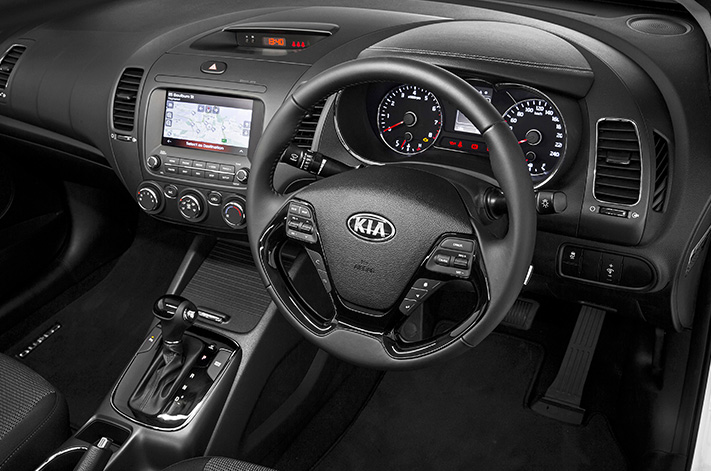
While every other area of Kia’s quality has progressed enormously over recent years, the engine refinement is yet to catch up. The power delivery and characteristics are decent but ask it to rev and that four-cylinder won’t sing at you.
The absence of turbocharged engines in the range is also a shortcoming while nearly all other brands are reaping the power and efficiency rewards of forced induction.
PLUS AND MINUS The bigger 17-inch wheels of the Sport offer a simple but effective boost to aesthetics, but come at the cost of a choppier ride.
The overall package of quality, practicality and price maintains the Cerato’s strong foothold in the small hatch and sedan market but the absence of details such as a reversing camera in the base grades is becoming a rarity in all brands today.
New safety and driver assistance features in the top spec variants are a welcome addition but inclusion across all versions would be a range gold star.
VERDICT It is no secret just why the Kia Cerato continues to attract a loyal following and why it is still the company’s best seller.
A combination of sharp pricing, no-nonsense features and likeable but not showy styling makes the Cerato a must for everyone’s maybe list in Australia’s most popular hatchbacks.
With the addition of a flashier Sport variant, that popularity looks set to continue.
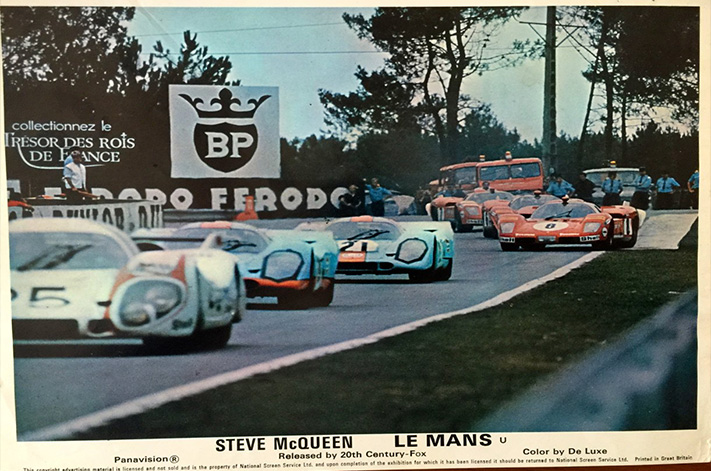
A SPECIAL Porsche 917 racecar has found its way back into the spotlight by becoming the most expensive Porsche sold to date, 46 years since it starred alongside Steve McQueen in the seminal 1971 racing movie, Le Mans.
The beautiful 1970 Porsche 917K was a highlight of this year’s Gooding & Company classic car auction at Pebble Beach during Monterey Car Week even before it achieved a final sale price of $14.08 million (A$17.72 million) and rewrote the record books.
Chassis number 917-024 is a ‘Kurz’ or short tail version which was first driven by Brian Redman and Mike Hailwood for Porsche during actual Le Mans testing in 1970.
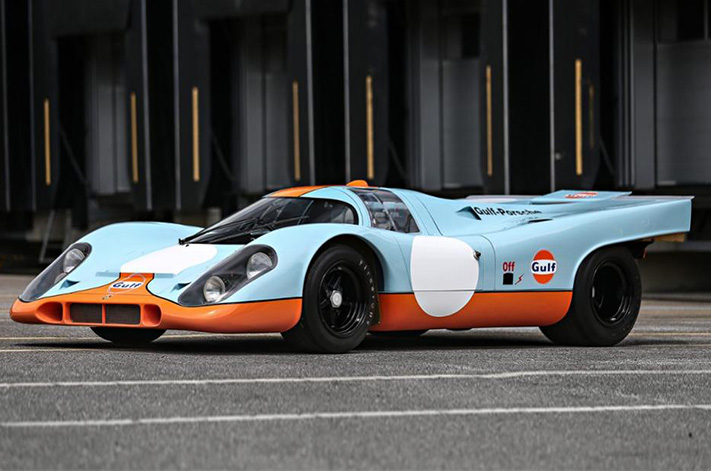
The 917’s quad-cam engine was designed by legendary chief engineer Hans Mezger, and is essentially based upon two 2.25-litre flat-six cylinder Porsche engines sandwiched together into one sonorous brute.
Following its racing career, which included further testing at Nurburgring and Ehra Lessien, this 917K was sold to Porsche factory driver Jo Siffert, who leased the car to Steve McQueen’s Solar Productions for use in the making of the Le Mans film.
Research conducted by Porsche engineer, 917 historian and writer Walter Naher, indicates that 917-024 was used extensively as a camera car both on and off the screen. It remained in Siffert’s possession until his death, when it led his funeral procession.
Its Firestone fuel cell, Firestone Super Sports GP tyres and original space-saver spare were all accounted for, as well as “a handwritten tag hanging from the key with instructions to run lean given the Le Mans set up, believed to be notated by Porsche driver Herbert Linge,” according to Gooding & Company.
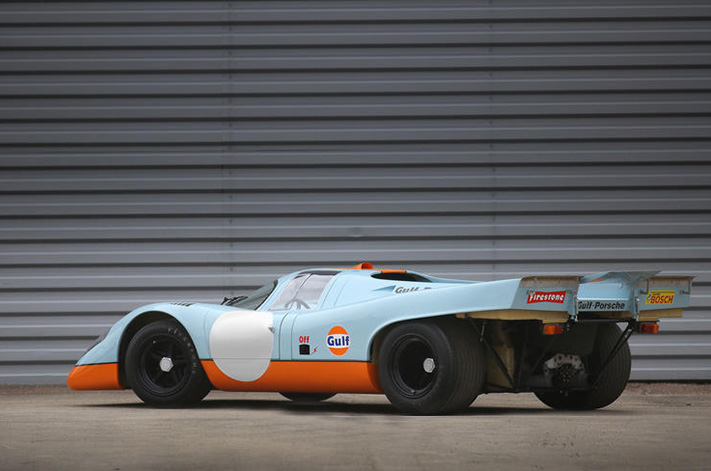
Though it did reset the Porsche record, this 917K was outshone by three more expensive vehicles sold at Monterey Car Week auctions. A 1966 Ferrari 275 GTB/C Coupe sold for A$18.3 million, a 1995 McLaren F1 Coupe achieved A$19.7 million and topping all others was a 1956 Aston Martin DBR1 Roadster that hit a whopping A$28.4 million to become not only the most expensive Aston sold, but the priciest British car full stop.
Although Porsche hasn’t been a big player in the plug-in vehicle market thus far, the company’s CEO Oliver Blume has made claims that by 2023 he wants half the cars rolling off the production line and into the showrooms to be electric.
Blume elaborated on Porsche’s electric car plans for the coming few years in a recent interview with German business magazine Manager Magazin.
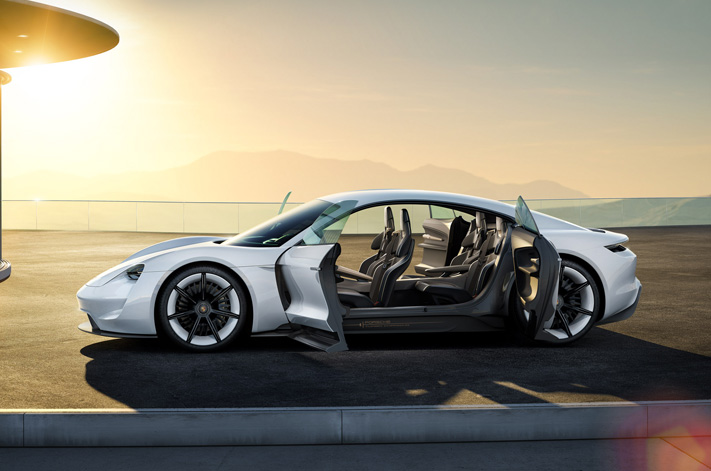
The immediate focus of this plan is on the Tesla-rivalling Mission E concept – a 440kW super sedan capable of traveling 500km per charge – which was first previewed at the Frankfurt Motor Show back in 2015 and is currently planned for production in 2019.
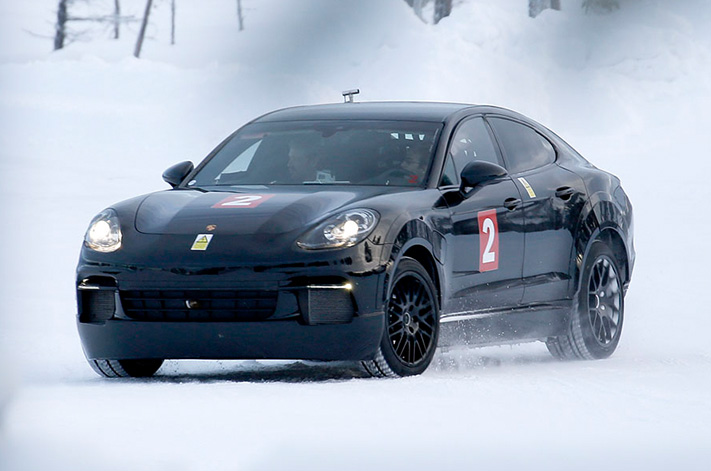
There is also a strong likelihood that the second generation of the top-selling Macan – slated for release in 2022 – will be made available solely as an electric vehicle according to Blume.
If so, this would contribute significantly to the company’s 50 percent electric plan, as the Macan accounts for around 40 percent of the German marque’s 238,000 vehicles delivered worldwide in 2016.
However, there is a long way for Porsche to go in the coming six years in order for them to pull these plans off.
| Private EV and hybrid sales running out of puff
Porsche claims they will be able to produce as many as 60,000 electric vehicles from their Zuffenhausen factory in Germany, but this would only account for a quarter of all sales, so increasing EV production infrastructure should certainly be on the cards for the company.
Sales of their green vehicles have not been especially strong so far either, with American site Autoblog recording only 1,738 sales of Porsche’s plug-in vehicles for 2015, the most recent year they tracked.
It is also worth noting there is a good chance the company will be counting hybrids in this projection of “half” their sales being of EVs.
For the Porsche sports car enthusiasts, there’s no need to start worrying about any of those going electric just yet as Blume’s plans notably avoided their two-door models.
On top of that, plans for a plug-in hybrid version of their iconic 911 were recently culled, suggesting it – along with the 718 twins – will remain petrol-powered for now at least.
That said, examples like the 918 Spyder hypercar do show just what Porsche is capable of when it comes to combining petrol and electric power in the name of performance.
Though the Aston Martin DB11 was only introduced last year, it’s already including an option for a different engine.
The 4.0-litre AMG-sourced twin-turbo V8 which will soon be making its home in the engine bays of Aston Martin DB11s may be seen as blasphemy by some purists, but AM is angling to make the V8 version “very much its own car”.
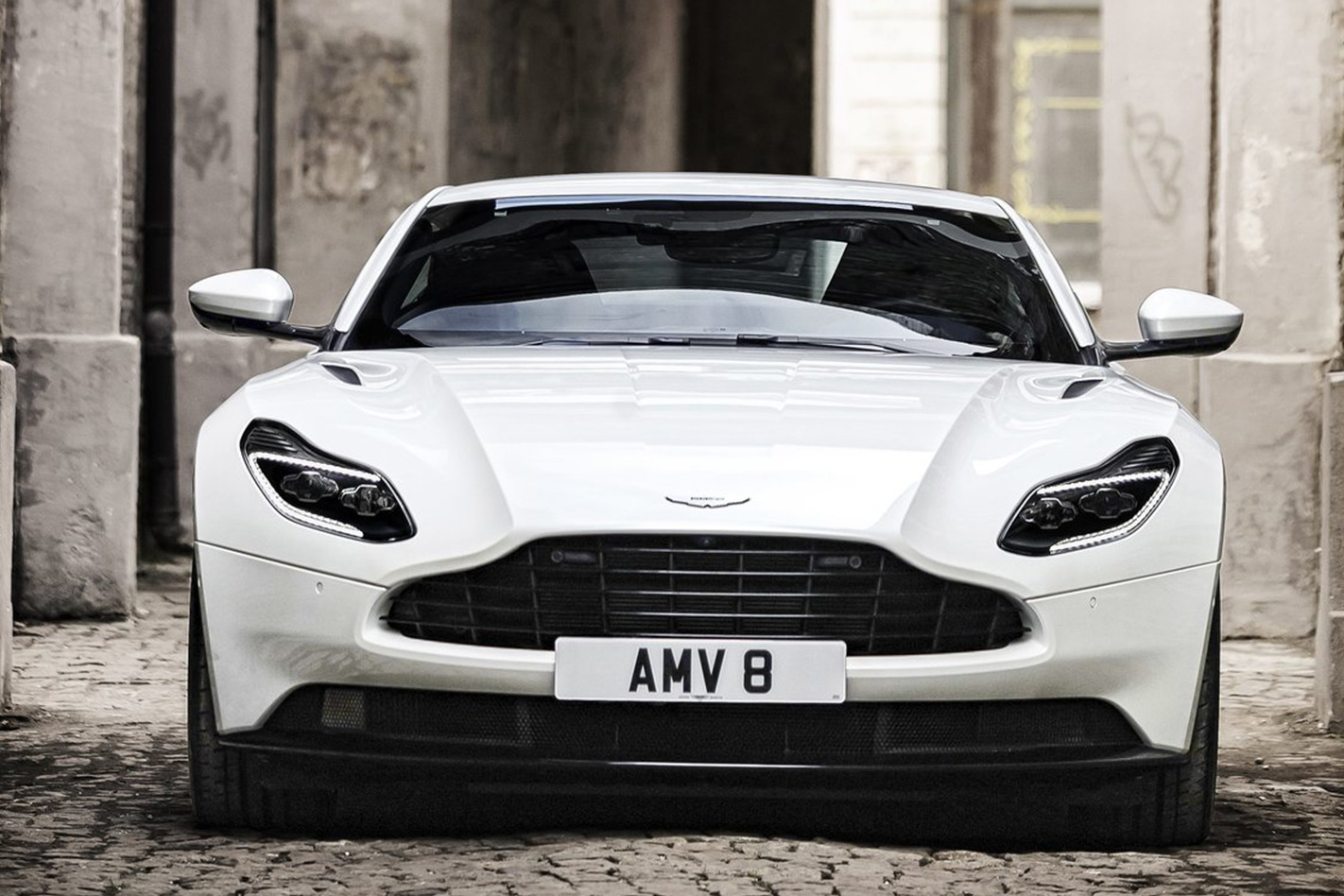
Aston Martin chief technical officer Max Szwaj says the Aston Martin V12 will still be the iconic DB11, but that the V8 is still very much a tasty option.
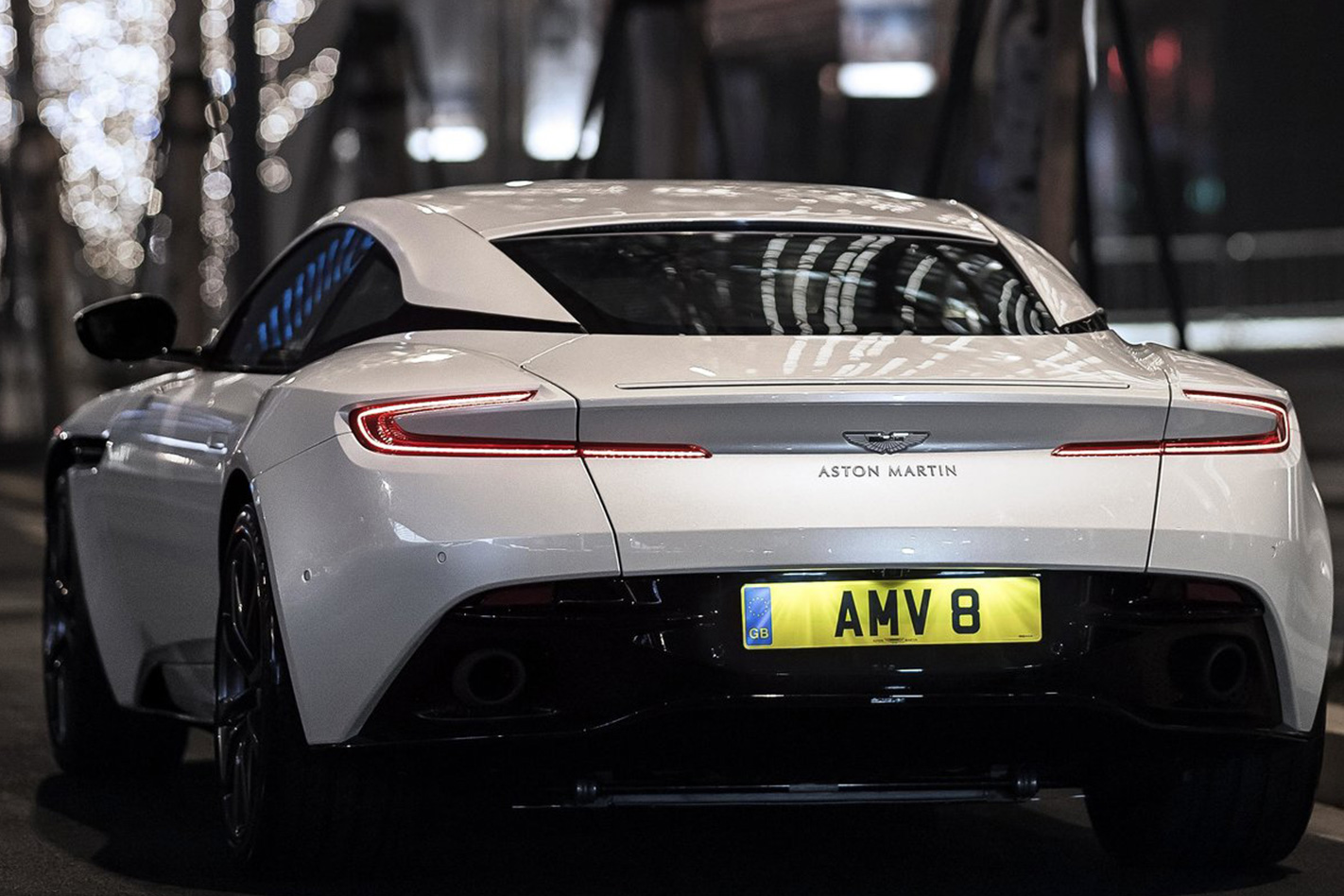
“Of course the V12-engined variant is an icon – an ultimate, if you like, but the V8 is very much its own car. One with a distinct and carefully crafted character that’s truly seductive.
Aston Martin Vantage GT8 vs V12 Vantage S
The V8 is AMG’s 4.0-litre twin-turbo number, found under the bonnet of the C63 and variants, and with the same 375kW power output, albeit a marginally lower 675Nm torque figure.
Aston Martin posts strong Q1 profit
He adds that it’s the first time Aston Martin has taken advantage of its partnership with AMG to procure an engine for one of its own cars.
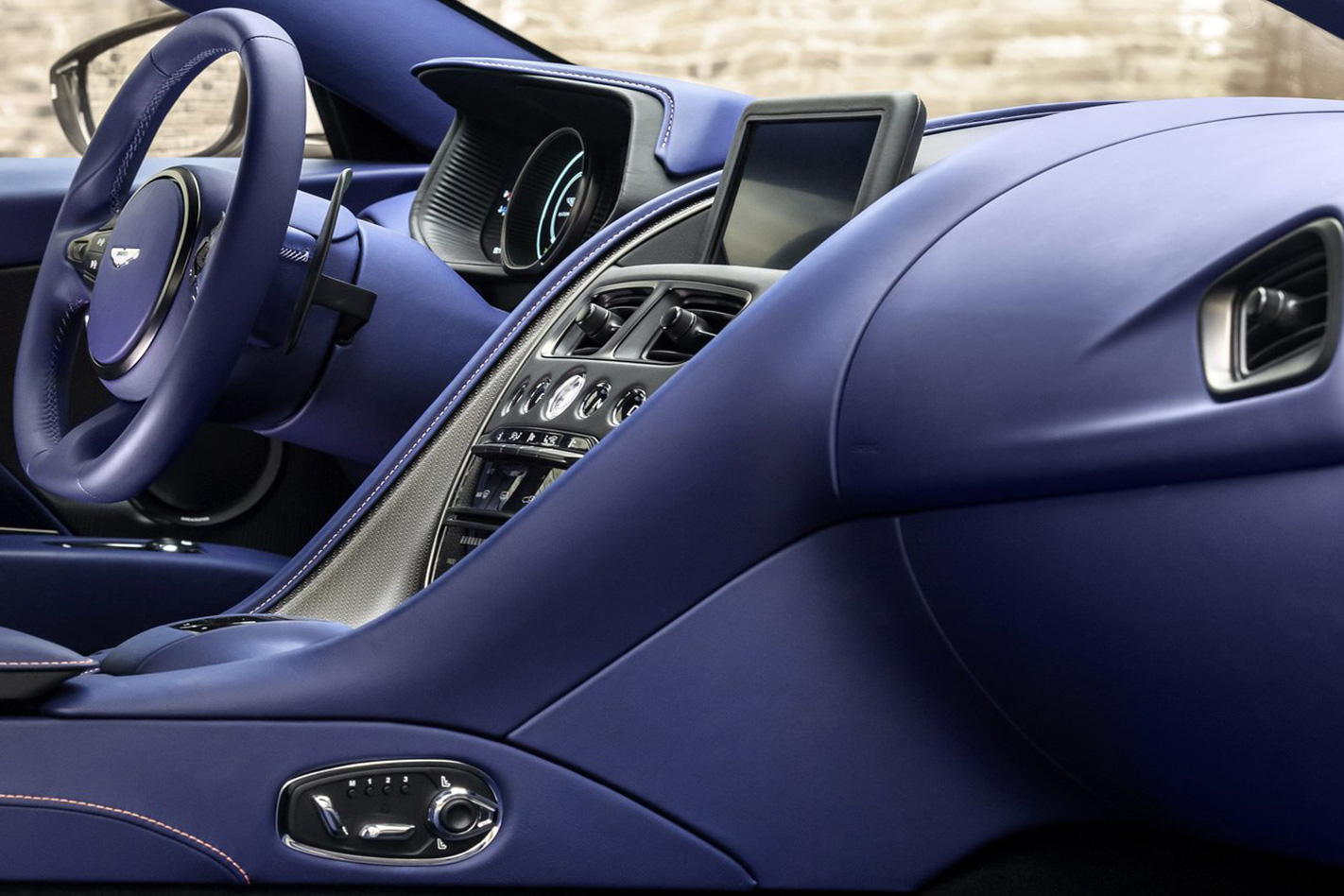
Aston Martin says the V8 DB11 will be available from £144.900 in the UK, €184,000 in Germany and $198,995 in the US, though Australian pricing is as yet unconfirmed.
