
Australia missed out on the previous Honda Civic Type R, leaving fans of the iconic red R badge in the lurch, but the hiatus comes to an end in October when the tenth-generation version touches down and it promises to bring potent performance wrapped up in a likable Japanese package. .
Much noise is already being made about the new Type R’s comparatively swift 5.7-second 0-100km/h time (a time which Honda says puts it at the head of its class), but there are many other facts and figures that should get hardcore hatch fans all hot and bothered.
Here are our favourite Civic Type R fast facts to pass the final three months until it arrives in Australia.

- Honda has now confirmed that the Type R will complete the benchmark zero to 100km/h dash in 5.7 seconds, on to a top speed of 272km/h thanks to its 235kW/400Nm 2.0-litre turbocharged four-cylinder engine. Honda says those figures make it the fastest vehicle in its class.
- Rather than a compact and low-cost torsion beam rear suspension that is commonplace under small hatchbacks, the Type R has a multi-link set up – an arrangement known for its combination of comfortable ride, improved stability and road holding. In April, the new version lapped the esteemed Nurburgring in Germany in a very respectable 7min 43.8 seconds, giving it the front-wheel drive production car lap record.
- Suspension characteristics, throttle response and steering sensitivity will be switchable from more comfortable settings, through to a firmer Sport configuration right through to a hardcore, track-optimised +R setting.

- The Civic development programme was the largest global project to be completed by Honda, with the Type R performance flagship developed alongside the rest of the hatch and sedan range.
- Honda’s hot cars may be well known on Australian soil but the new Civic Type R will be the first Honda Type R sold in the US. Until now, Type R variants have worn the North America-specific Acura brand. It’s fitting, given the new Type R’s 2.0-litre turbo engine is manufactured in the US of A.
- A new Agile Handling Assist feature lightly brakes the inside front wheel when turning to sharpen responsiveness and help the Civic turn in more crisply. It works at both low and high speeds, and some may know this feature by a different name – brake torque vectoring.

- Stopping will also be no problem with 350mm brake discs on the front axle, gripped by Brembo four-pot calipers.
- Special attention to construction techniques has stripped 16kg of weight compared with the previous-gen Type R, while increasing body rigidity by 45 percent and adding the aforementioned multi-link rear end (the previous model used a torsion beam rear axle). Its centre of gravity is also lowered 10mm while the driver sits 25mm closer to the road thanks to the relocation of the fuel tank to a position under the rear seats.
- Carbonfibre-effect front splitter, rear spoiler, diffuser and side-skirts are not the real deal but save cost, allowing Honda to offer the Type R at about the $50,000 mark.

- Clever aerodynamic features such as a flat underbody, vortex generators and roof spoiler are not just for show and actually generate downforce at speed.
- The Type R’s drivetrain is manual-only and features a limited-slip differential, transmission oil cooling and automatic rev-matching (like a Porsche 911, BMW M3 or Nissan 370Z) for smoother shifts.
- The Type R’s unconventional triple exhaust actually sucks as well as blows. During high engine load, all three pipes increase exhaust flow and sound but at mid-load conditions, the smaller middle pipe draws air in to reduce cabin ‘booming’ for greater occupant comfort.
- Sporty gearknob is machined from solid aluminium, complementing a carbon inlay for the dashboard and red pinstripe cabin theme.

This is totally unfair.
How would you feel if you showed up to a track day at Zolder Circuit in a Radical, only to drive into the pits and find a Formula 1 car getting ready to take to the track.
Granted, it being the old Arrows F1 car from 2001 would give you a sliver of hope, but if everything on the A22 holds together, there is no way anyone’s going to keep pace with it.
At the downfall of the Arrows F1 team, the A22 was one of many problems that plagued the team, with Jos Verstappen (yes, Max’s dad) only being able to place 6th at best during the 2001 season, and 18th overall with only one point.
Teammate Enrique Bernoldi picked up no points.
For a little extra context, the only constructor which finished up the season behind Arrows was Minardi, which never even had a podium spot.
That’s the benchmark for the Arrows A22. Sorry, Jos.

Watching the A22 fly past original-era Mini Coopers as if they’re standing still is hilarious, but seeing the former F1 disappointment leave a rather expensive, track-oriented Radical behind puts everything into perspective.
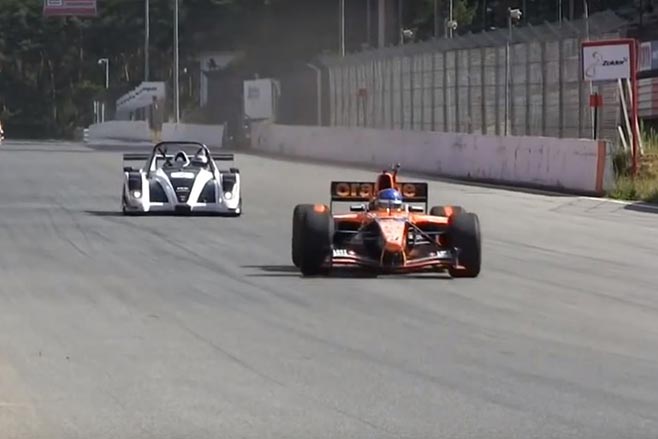
Although it has to be said, it’d hard to be particularly unhappy when all you can hear is a V10 screaming past you at 15,000 RPM.
Peugeot has treated its 308 cash cow to a typical mid-life facelift that includes a light refresh of technology, a front- and rear-end makeover, and updated interior styling for both hatchback and wagon versions.
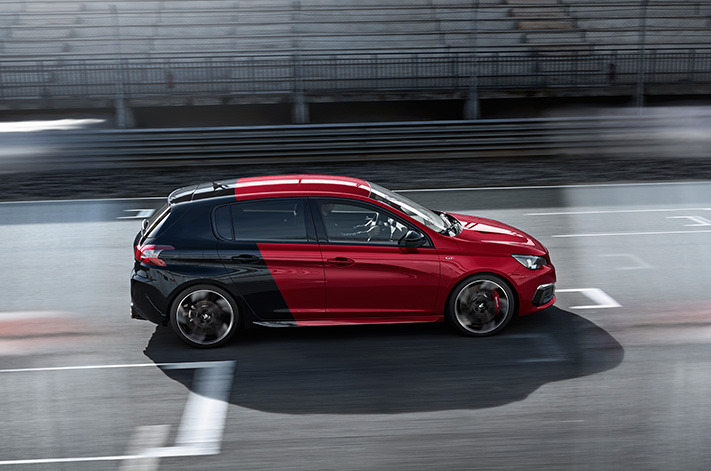
Among the light updates, the French car maker has revealed that the polarising but unmistakable Coupe Franche half-and-half metallic and Perla Nera Black will still be offered for the GTi performance flagship. Other detail changes include new alloy wheel designs, infotainment tech updates and new exterior paint tones.
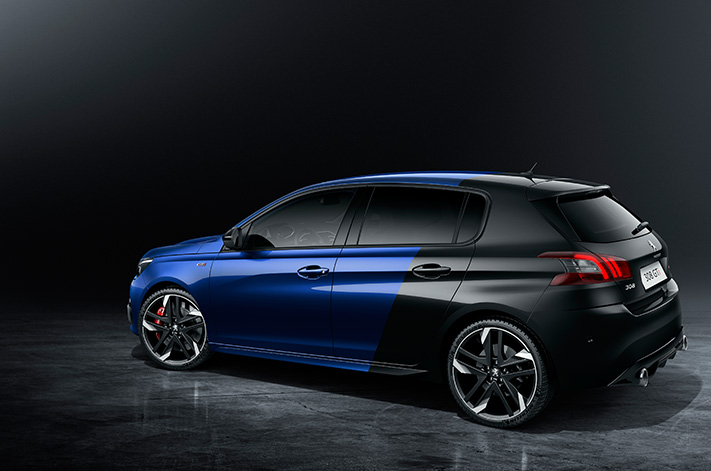
Australia-specific details are thin on the ground and the recent announcement relates to mainly to models sold in Europe, but given the 308 is Peugeot’s strongest seller locally, many of the new features are expected to be offered here.
The current local line-up includes Active, Allure, GT and GTi variants for the hatch, and a single Allure version of the wagon, while the global update includes an additional and more affordable Access and mid-range GT Line.
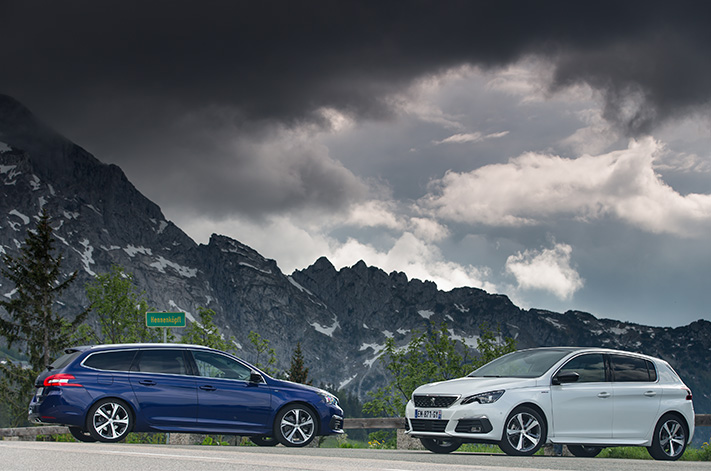
Power and performance figures do not get a mention in the latest release, with the exception of the GTi 270 which does the zero to 100km/h dash in an unchanged 6.0 seconds. However, the French car maker says all engines have been updated for improved efficiency and emissions. Its diesels, for example, now comply with Euro 6.c regulation.
A new PureTech 130 petrol engine uses the latest particulate filtration and catalytic converter technology, higher fuel injection pressure and a redesigned turbo compressor for a 4.0 percent increase in fuel consumption.
For diesels, the BlueHDi 130 benefits from more power and up to 6.0 percent efficiency gains, largely thanks to a new 16-valve cylinder head and the same piston geometry as the Peugeot 908 race car that won its class at the Le Mans 24 Hour endurance race.
Further efficiency improvements of up to 7.0 percent come courtesy of a new eight-speed automatic transmission that will be available for some variants and was developed by Japanese driveline specialist Aisin.
As part of the technology updates, a new Mirror Screen function replicates the display of a connected smartphone, allowing voice activated controls and enabling Android Auto and Apple CarPlay smartphone integration.
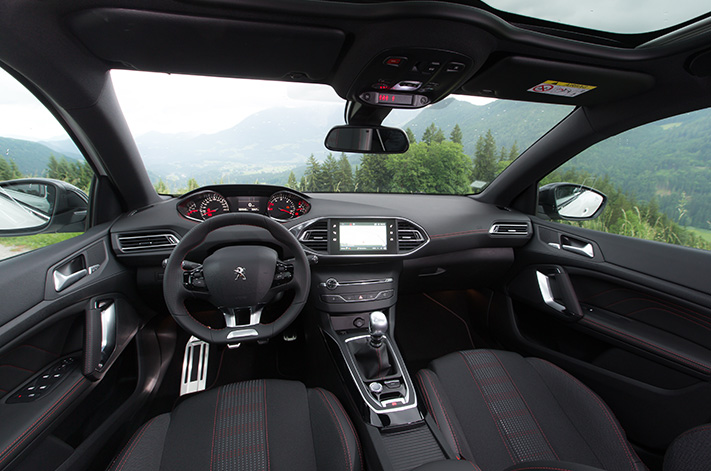
Pyrite Beige exterior paint replaces Aluminium Grey in the 308 range and joins a palette of nine colours to complement the redesigned front and rear bumpers, grille headlights and rear lenses.
The new look tail lights feature a ‘three-claw design’ which is constantly illuminated as are the new front daytime running lights. Headlights in the three most affordable versions are halogen, but GT Line, GT and GTi now both get full LED lighting.
Following the lead of the 3008 and 5008 crossovers, the 308 range now benefits from extra driver assistance technology such as autonomous emergency braking, lane departure warning with blind spot monitoring, driver fatigue monitoring, active cruise control, speed limit sign recognition and parking assistance.
With 335 sales to the end of May this year, the 308 is not the strongest performing small passenger vehicle in Australia by some margin, but it continues to attract more attention for Peugeot than any other model. It is followed by the 2008 compact crossover, which has 187 registrations to its name.
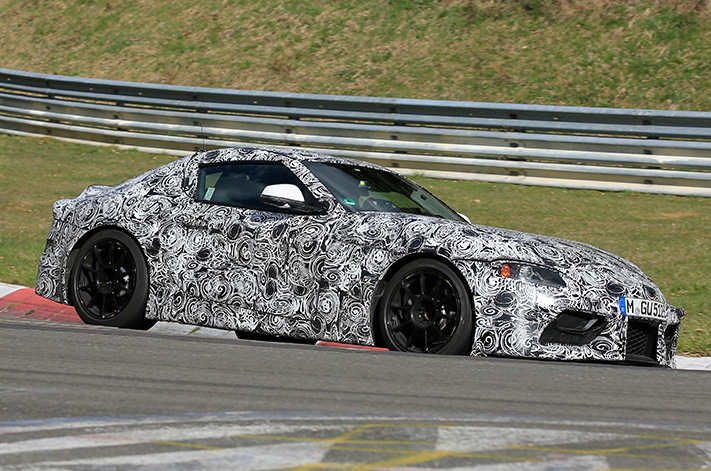
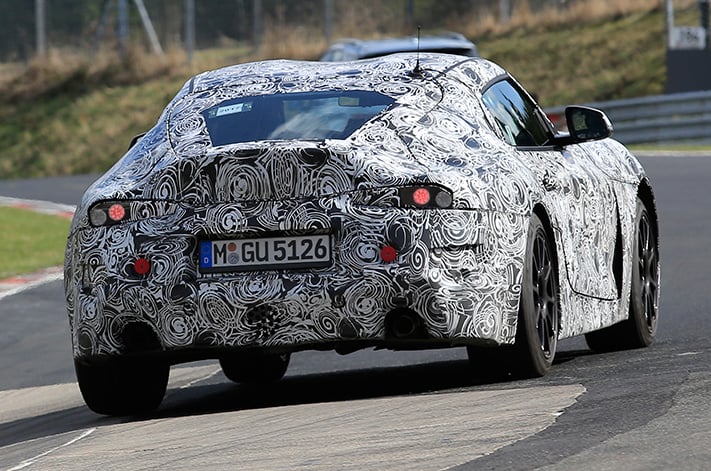
TOYOTA is buoying anticipation of its fifth-generation Supra sports coupe with an appearance of a heavily disguised prototype at Germany’s Nurburgring circuit – the industry standard for high-performance car development.
When the eagerly-anticipated model broke cover in September last year, the car was spotted sedately parading along public roads, but the latest outing at one of the most challenging racing circuits in the world suggests its Japanese maker is getting serious about potent performance opponents.
The German convertible is reported to share much of its structural underpinnings with the Toyota, and with the Supra conducting the bulk of its performance testing on BMW’s doorstep, it is clear a sizable chunk of the Toyota project is being handled by European hands.

Until Toyota is ready to spill the first details, all other Supra facts will remain speculation, including suggestions that the vehicle will be on offer with an automatic transmission only, and at least one drivetrain (if not the only one) will use a BMW petrol engine, paired with Japanese electric motors and power pack.
Suzuki’s third-generation Swift hatch has only just rolled onto Australian soil, but plans are already afoot to give the range a tracksuit-clad variant.
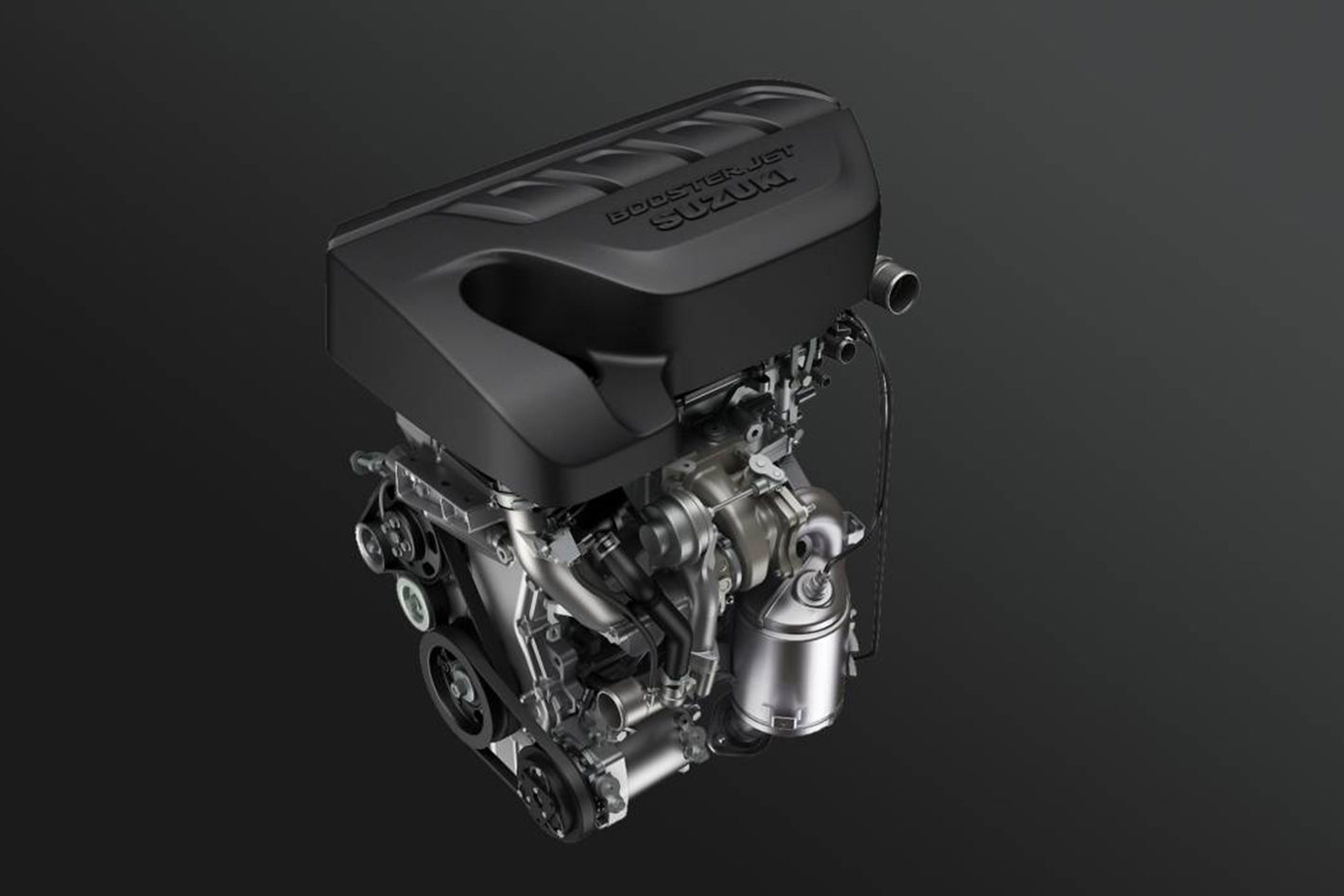
Due next year, the next chapter in the Suzuki Swift Sport story is expected to make use of the same 103kW/220Nm 1.4-litre turbocharged inline four that powers the 2017 Vitara S Turbo and S-Cross Turbo – a big shift for the Swift Sport, which has up until now been powered by revvy naturally-aspirated engines.
Power and torque stats for the Sport are still a closely-guarded secret, but with Suzuki’s next-generation pocket rocket expected to weigh well below 1000kg it may not need to equal the outputs of more muscular light hot hatches.
Suzuki’s less-is-more strategy would allow it to compete on an even footing in power-to-weight terms, though we wouldn’t discount the potential for a more powerful Swift-specific version of the 1.4-litre turbo engine (below) to eventuate. Even if it doesn’t, the turbocharged Swift Sport will boast more firepower than the outgoing naturally-aspirated 1.6-litre Swift Sport, which only developed 100kW/160Nm.
Driving purists should also take comfort in the knowledge that a manual transmission should be offered alongside that automatic transmission.
Typical performance-oriented touches like larger brake hardware, tauter suspension and steering settings, body-hugging front seats, sportier bumper plastics and unique wheels should round out the rest of the Swift Sport package. Our rendering is only an indication of what’s to come.
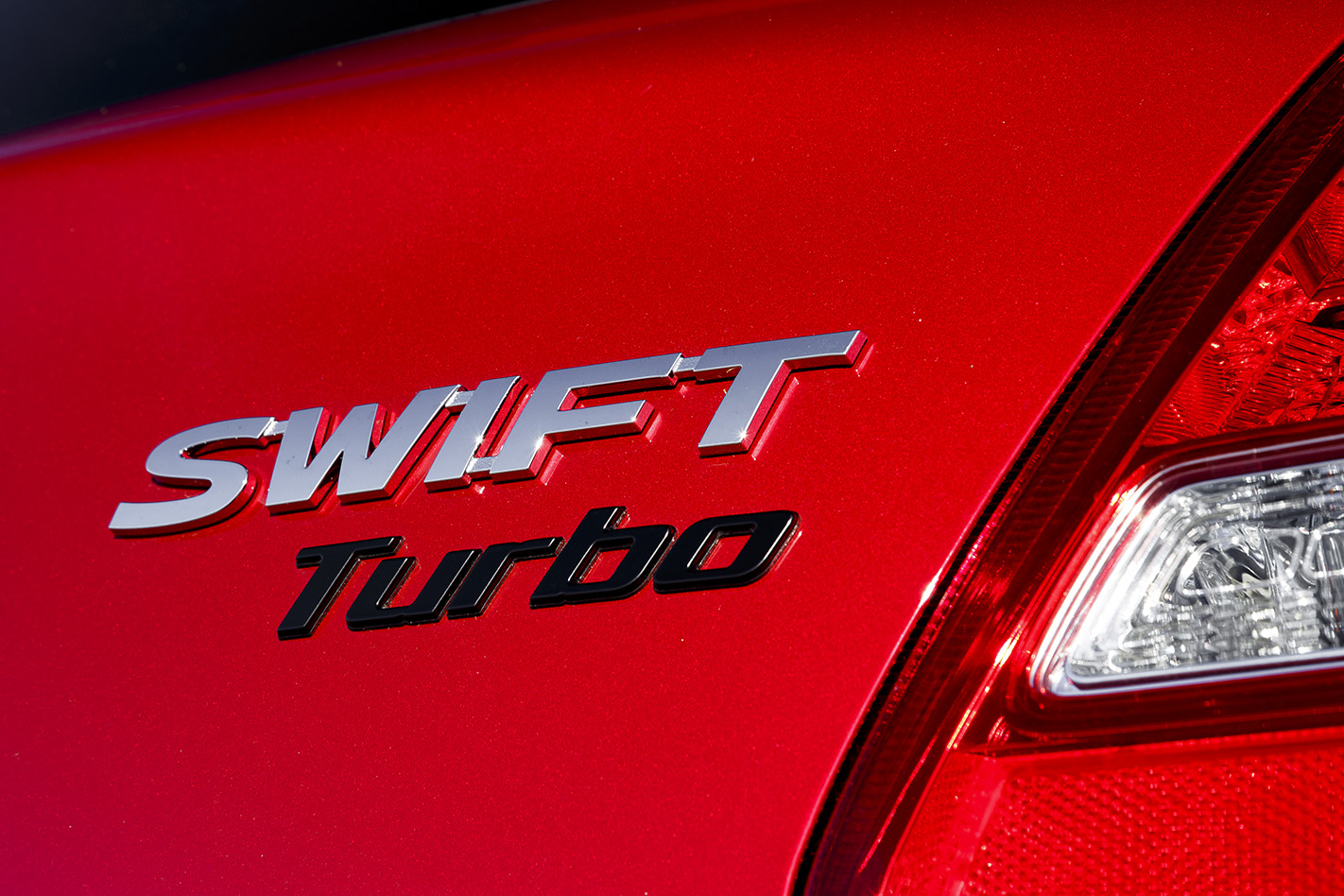
Expect to hear more about the new Suzuki Swift Sport toward the end of the year, potentially as early as the Tokyo Motor Show in late October.
AUSTRALIANS all let us rejoice, because we are about to send a championship winning car, and gun Kiwi driver to spank the Brits.
The web-footed Jim Richards will be heading to the Queen’s Country in the striking BMW 635CSi racecar he piloted in the ‘80s.
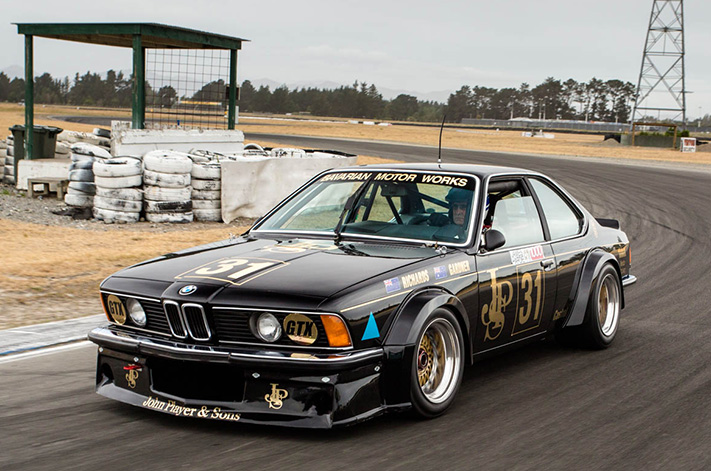
Richards, who originally piloted the car in both Group C and Group A guises, will be joining the black beast on its trip, and doing his best to show the British what for.
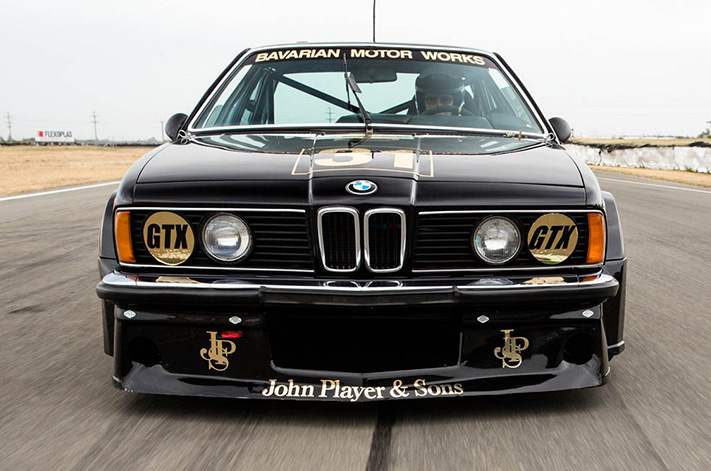
Wrapped in iconic John Player Special black and gold livery, and in fat Group C specification, it cuts a menacing figure on track.
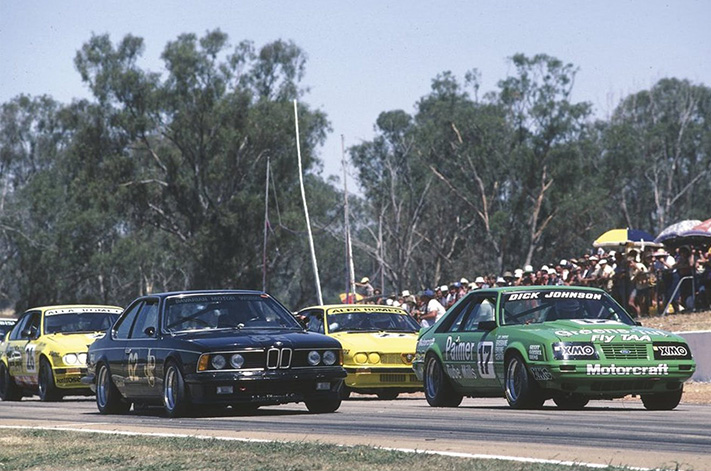
If we were the plucky Poms preparing to face-off against this German/Kiwi/Aussie ensemble, I’d start worrying, as Richards has a resume that makes the car’s look like a part-time player.
Despite being 69 years young, Richards still races frequently, most recently winning the Touring Car Masters title in 2013.
Add to that another 14 Australian titles in a variety of series, four New Zealand titles, seven Bathurst 1000 victories, and eight Targa Tasmania wins – impressive stuff.
One tip before you go Jimmy, if they start getting agitated about being beaten, don’t go calling them arseholes this time. Okay?
If you’re one of the thousands of Australians now driving a mid-size SUV, there’s a good chance you’re in a Mazda CX-5.
The first generation has been so popular out here that Aussie feedback played a significant role in the development of the second-generation CX-5.
WHAT IS IT?
The new CX-5 is an evolutionary step change that promises to sort out the few bugbears of the original while building on its successful formula to stay ahead of key rivals like the Volkswagen Tiguan, Kia Sportage, Subaru Forester and Ford Escape.
ON PAPER
In terms of spec changes, the new CX-5 is quite familiar. Its basic platform is the mostly the same as before, though the body is slightly lower and longer, and there are the same three engines to choose from; a 2.0-litre petrol four, a 2.5-litre petrol four and a 2.2-litre turbodiesel four, which is what we’re driving today. Power for the petrols is 114kW and 140kW, with torque outputs of 200Nm and 251Nm. The diesel manages 129kW and 420Nm, which is solid for this class.
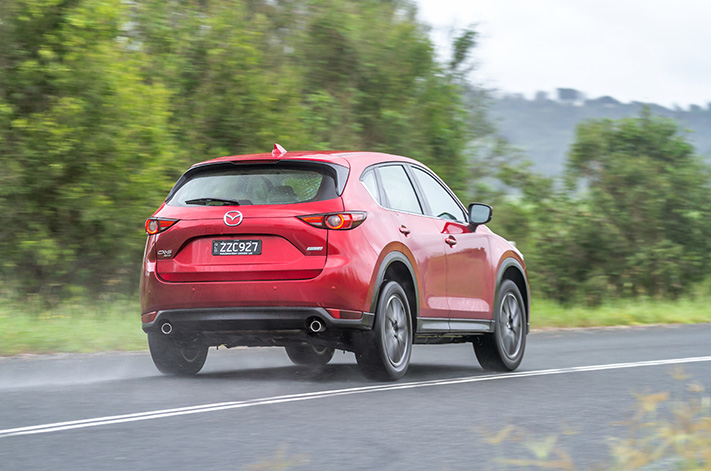
What is new is a fifth model grade called Touring that sits in the middle of the line-up between the Maxx Sport and the GT. That means more choice for buyers, which is a real Mazda strength, and ultimately equals better value. Pricing for the new CX-5 is almost the same as the previous generation with slight increases of less than a thousand dollars across the range, which Mazda has justified with higher levels of standard equipment. At launch the CX-5 starts from a little over $28-grand, up to almost $50K for the top spec diesel.
WHY IS IT IMPORTANT?
What’s most significant about this new-gen car is the work Mazda’s engineers have put in on the stuff you can’t see. Noise, vibrations and harshness improvements were a primary focus during the second-gen CX-5’s development and this cabin is now much quieter inside, which was a problem with the old car.
FIRST THINGS YOU NOTICE
From the outside there are obvious design elements woven in from Mazda’s other successful SUVs, the CX-9 and CX-3. Mazda says the styling approach is more mature, and though the middle of the car is basically unchanged, lower profile lights at the front and rear, a new tailgate and a bigger front grille do add appeal and just enough difference to separate this CX-5 from the old one.
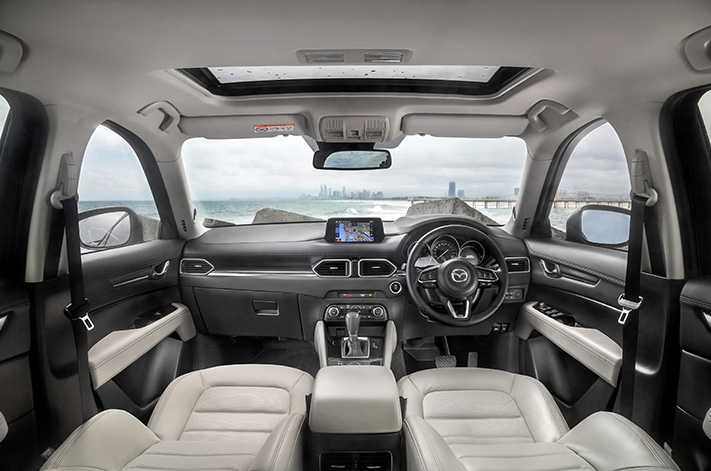
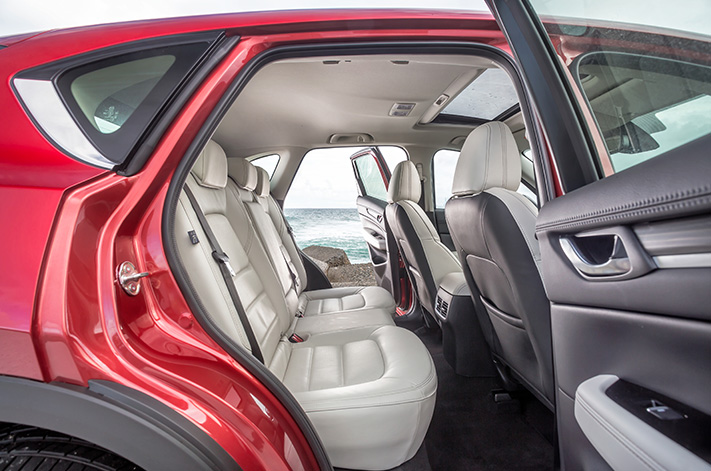
Where Mazda hasn’t held back is inside. The experience of this cabin is noticeably more upmarket. A complete interior overhaul has brought in a beautiful new dashboard and more premium finishes, plus better ergonomics than before, particularly in the back.
PLUS AND MINUS
Making the CX-5 quieter has added up to 40kg of extra weight, though that has had only a minor negative impact on the CX-5’s sporty attitude, leaving its driving experience as a plus in our books.
Those confident road manners are helped by the compliance of the CX-5’s ride, though it is a little harsher on the larger 19-inch wheel packages of the up-spec models like this one, as opposed to the 17s down the range.
Minor engine revisions have also improved refinement levels, particularly for the diesel, though the base 2.0-litre petrol is still noisy and lacking in mid-range shove. That engine won’t be nearly as popular as the larger petrol, which doesn’t suffer from the same issues.
VERDICT
Mazda has addressed key criticisms of the old CX-5, while preserving the things we liked most about the original car. Other contenders in this segment are increasingly competent, but this new CX-5 has what it takes to hold its own against class benchmarks like the Volkswagen Tiguan, and could just do enough to defend its position as Australia’s most popular mid-size SUV.
Kia has confirmed that its all-new compact SUV will be named the ‘Stonic’ and will launch overseas in the second half of this year, with the Korean carmaker also revealing sketches of the car’s bold, high-riding form.
Unfortunately, it’s not one that we’ll be seeing in local showrooms – for now, Kia’s Australian arm has deemed the Stonic’s engine range to have insufficient power for local tastes.
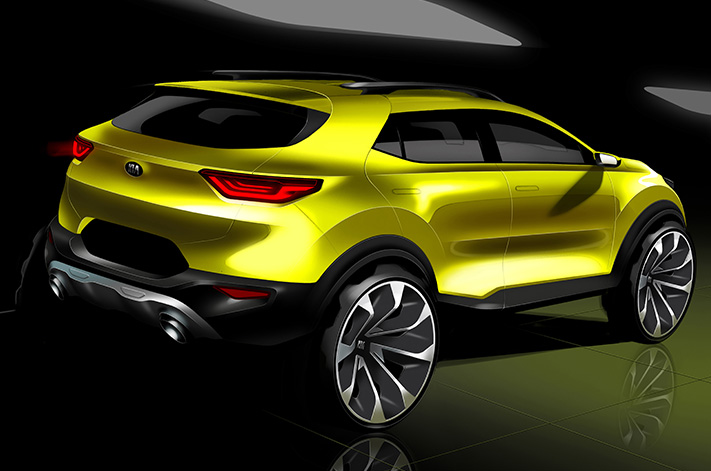
Instead, Stonic will be pitched as the brand’s entry-level SUV in Europe. Expected to be based on Rio underpinnings and mechanicals, the Stonic will make use of Euro-orientated engines like the existing 74kW 1.0-litre turbo triple fitted to European-market Rios.
The trio of teaser sketches released by Kia suggest its interior will be extremely close to that of the Rio – similar to how the Mazda CX-3’s cabin furnishings are largely borrowed from the Mazda 2 hatch.
Kia claims the Stonic – whose name is a mashup of the words ‘speedy’ and ‘tonic’ – will be the “most customisable Kia ever,” suggesting an accessory-heavy personalisation strategy will be employed, similar to what was offered for the boxy Soul hatchback when it was on sale. However, Stonic is not expected to be a replacement for that car.

In lieu of the Stonic, a different compact SUV solution is coming for Kia Australia but isn’t likely to appear for at least another 12 months. Kia’s local operation has been wanting a pint-sized SUV to square up against Honda’s HR-V, Mazda’s CX-3 and the Toyota C-HR for a while now, but even though sub-Sportage SUVs exist overseas – such as the Kia Niro and the soon-to-be Stonic – none have satisfied Kia’s local product planners so far.
Kia is keeping a tight lid on plans for its next compact SUV, but it’s highly likely to follow Hyundai’s upcoming Kona SUV – which is a sure-fire starter for Australia. Expect to see Kia’s take on the Kona surface toward the end of 2018.
A new all-electric SUV is coming down Tesla’s product pipeline, but it will be lacking a key feature of almost every car ever made – mirrors.
Teased in an image that was shown as part of Tesla’s annual shareholder meeting, the top-half silhouette of the Model Y crossover telling omits conventional wing mirrors.
This is the first official confirmation by Tesla that the long-rumoured Model Y will make its way down a production line, with previous reports pointing towards the car sitting below the recently launched Model X SUV.
And according the Tesla CEO Elon Musk, the Model Y will be built on an all-new platform instead of sharing its underpinnings with the Model S, Model X, or upcoming Model 3.
It was reported Musk said the Model Y would go into production in “late-2019 to 2020”. However, Tesla has a habit of announcing ambitious timelines, so this should be taken with a grain of salt.
The teaser image gives little to no information away, aside from a glimpse at the sleek bodylines for the car, which will incorporate the same flared hips and smoothed-out styling language that characterises both the Model S and X.
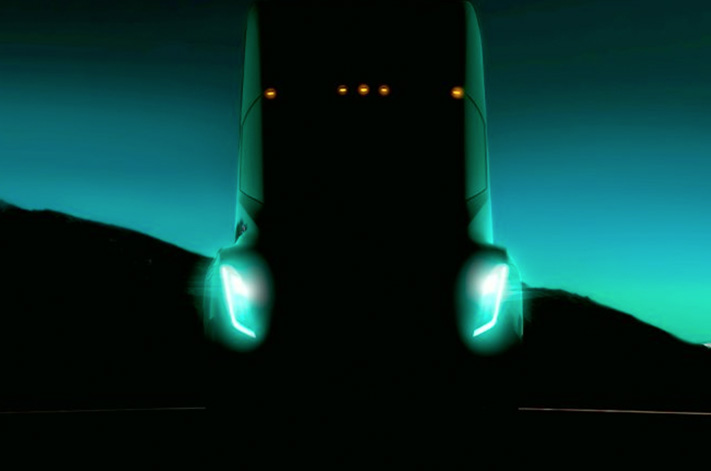
During the call, Tesla also confirmed that the next Autopilot 2.0 update for the brand’s piloted driving technology will reach the same level of autonomy as the first system, and the next reveal from the company will be the brand’s all-electric semi-trailer truck concept (above).
With crossovers and med-size SUVS remaining one of Australia’s most popular segments and the Model Y expected to wear a substantially more accessible price tag than the Model S and Model X, Tesla’s new crossover will combine forces with the upcoming Model 3 sedan to push Tesla further towards the motoring mainstream.
TELL ME ABOUT THIS CAR
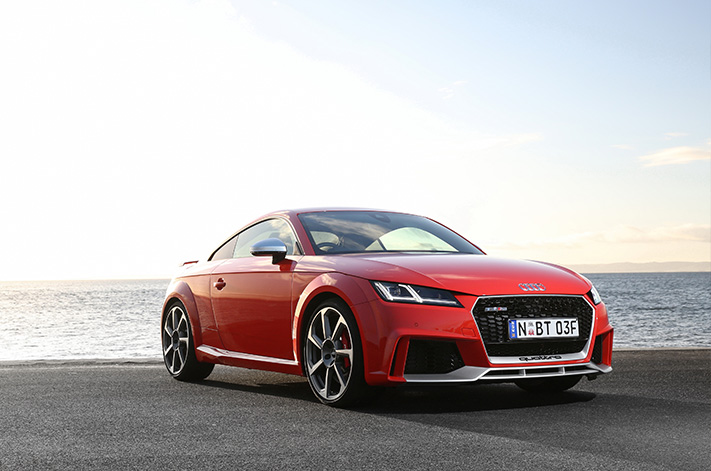
The third-generation TT has been gracing streets with its unique looks since it launched locally in early 2015, but it has taken nearly 18 months to arrive at this, the full fat TT RS performance flagship.
Its engine has gained an extra cylinder, interior and exteriors have been RS accessorised and its 294kW five-pot turbo is enough to get from zero to 100km/h in just 3.7 seconds. Until a TT RS Plus arrives, this is the most powerful vehicle to roll on the MQB platform alongside the RS3 Sedan, which has the same engine.
STRENGTHS
- Compared with the entry-level Audi TT the RS flagship costs an extra $63,950, but its five-cylinder engine sound alone is worth almost every cent of the extra investment. In addition to the weirdly intoxicating exhaust report, the engine produces some theatrical turbo sounds from the front end too.
- Acceleration is energetic and the 0-100km/h figure of 3.7 seconds is entirely believable. Traction off the mark is virtually infallible in all conditions thanks to the trademark quattro all-wheel drive system.
- The same transmission also allows impressive pace through corners. Body roll is minimal especially in Dynamic Drive Select mode and grip levels are far too high to fully explore on public roads.
- Like almost everything in the Audi stable, the TT’s interior is the industry standard. Top quality materials meet beautiful design that also manages to be understated and unpretentious.
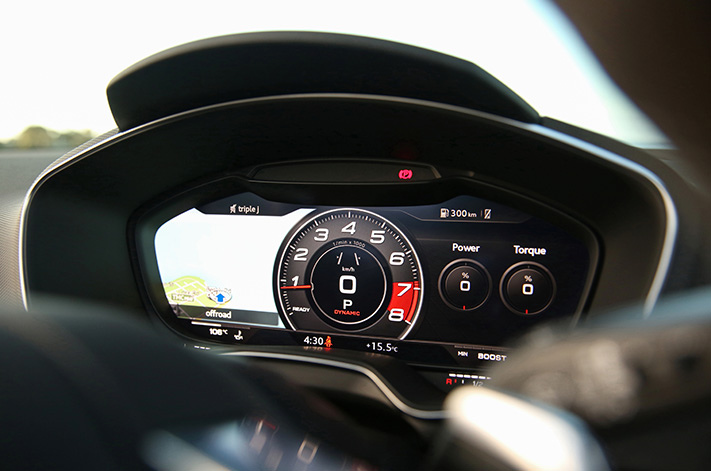
- The Virtual Cockpit instrument cluster is the centrepiece of the cabin and unlike other Audi models that have adopted the fully digital instrument cluster, a second central screen is not located in the dash. That allows a pure and uncluttered dashboard layout without compromising on functionality.
- Boot space and practicality is surprisingly good. The large tail gate allows easy access of the contents and, for weekends away with just two on board, the folding second row of seating allows the luggage area to be expanded to a very generous 712 litres.
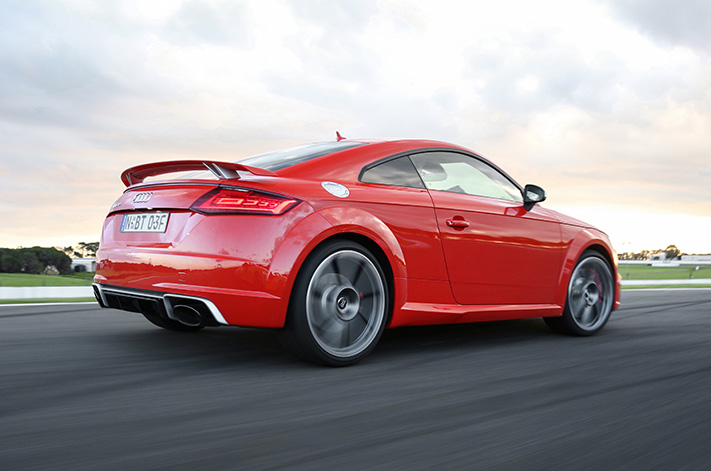
- As a blank canvas the TT is a handsome starting point, but the RS enhancements add a healthy dose of visual aggression.
- With a little more budget, the $3000 optional Advanced Lighting package is well worth it. On full beam, the Matrix LED headlights are intensely bright and the auto-dipping function is eerily impressive. Add to that the intriguing organic LED tail lights and dynamic indicators all round, and the package is our must-have option.
WEAKNESSES
- While the quattro all-wheel drive system is hugely grippy and the chassis is sharp, the driving experience is not as rewarding as some sports cars in the segment. As a machine for getting places in a hurry, there are few that can match the TT RS’ pace, but a little more character would be welcome.
- Huge 20-inch wheels are standard but overwhelm the TT’s elegant proportions and contribute to a very firm ride.
- Expansive rear window and elegant rear roofline is pure coupe but standing water on the boot lid is allowed to pour into the luggage area when opened.
- Distant windscreen positioning is integral to the TT’s good looks but exacerbates A-pillar intrusion on your forward vision.
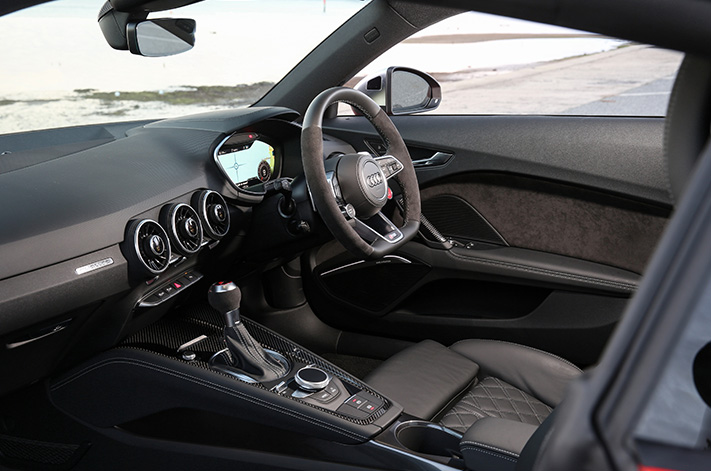
- Cabin space is adequate for front row occupants but storage cubbies are limited. While door pockets, centre console and glove box are give options for covered storage, each is on the slim side and limit the type and number of objects that can be stowed.
- Second row seating is more a gesture than a practical proposition. While adults can be accommodated with the front seats wound forward, it is not a solution for four-up roadtrips.
- With a heavy right foot, the TT RS’ tiny 55-litre fuel tank needs replenishing with frustrating frequency.
ANY RIVALS I SHOULD CONSIDER?
Porsche’s Cayman S offers an excellent two-seater coupe for the driving enthusiast in the same price bracket as the Audi with only 37 fewer kilowatts. Its engine is in the middle as opposed to the front-engined TT, and it sends power to the road via the rear wheels only.
If you are after a more traditional sports car recipe of front engine and rear drive, Jaguar’s F-Type Coupe is on offer in mid-range V6 S guise. Like the Porsche, Jaguar’s offering is available with either manual or automatic transmissions, while the Audi is strictly dual-clutch auto only.
