The Federal Government has announced some elements of the New Vehicle Efficiency Standard have been amended ahead of its introduction to Parliament tomorrow.
This includes the start date for credits and penalties, which has been pushed back six months from January 1, 2025, to July 1, 2025.
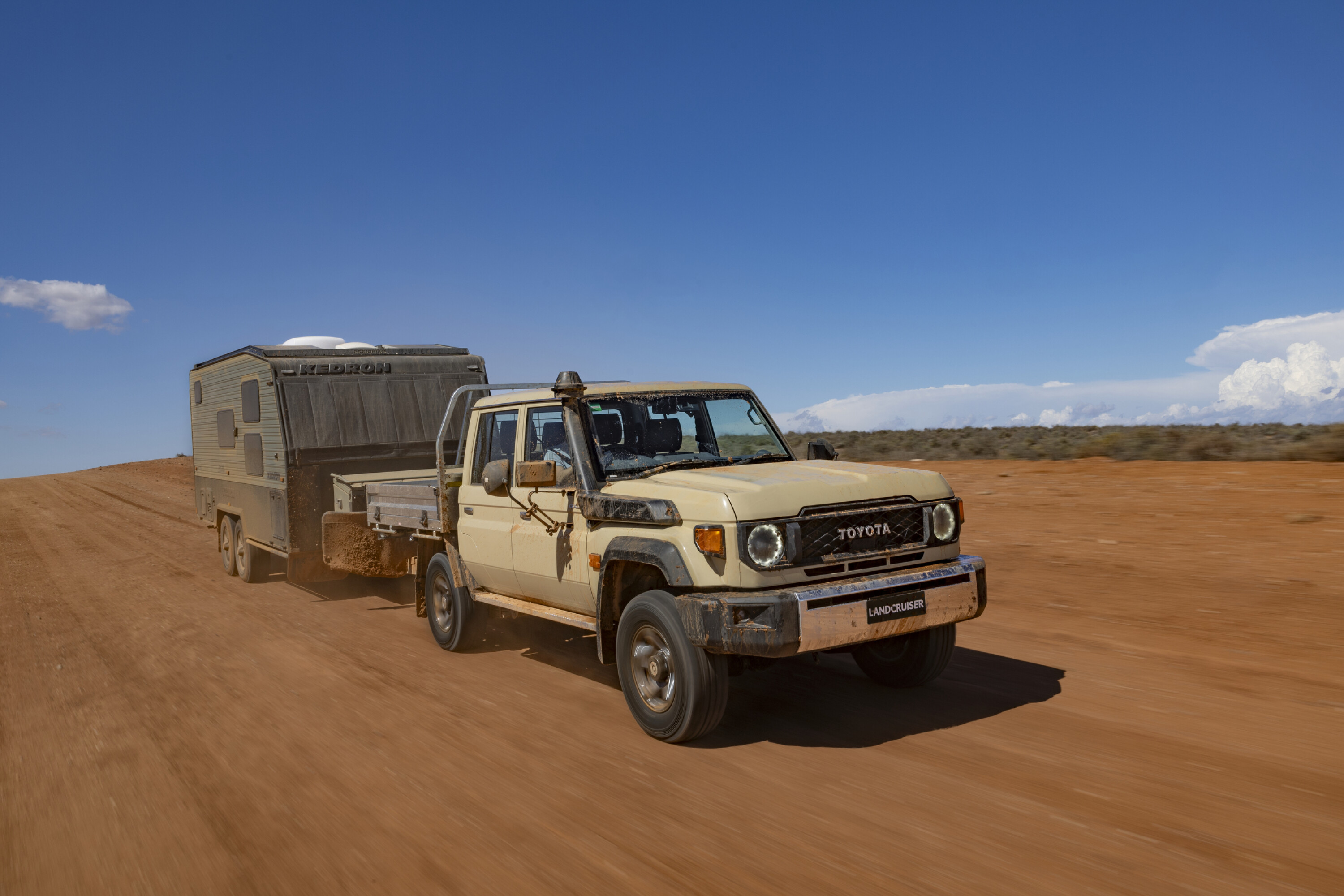
This change will only apply to body-on-frame SUVs with a braked towing capacity above 3000 kilograms, meaning some ladder-frame models – such as the GWM Tank 300 and Suzuki Jimny – will remain in the passenger vehicle category.
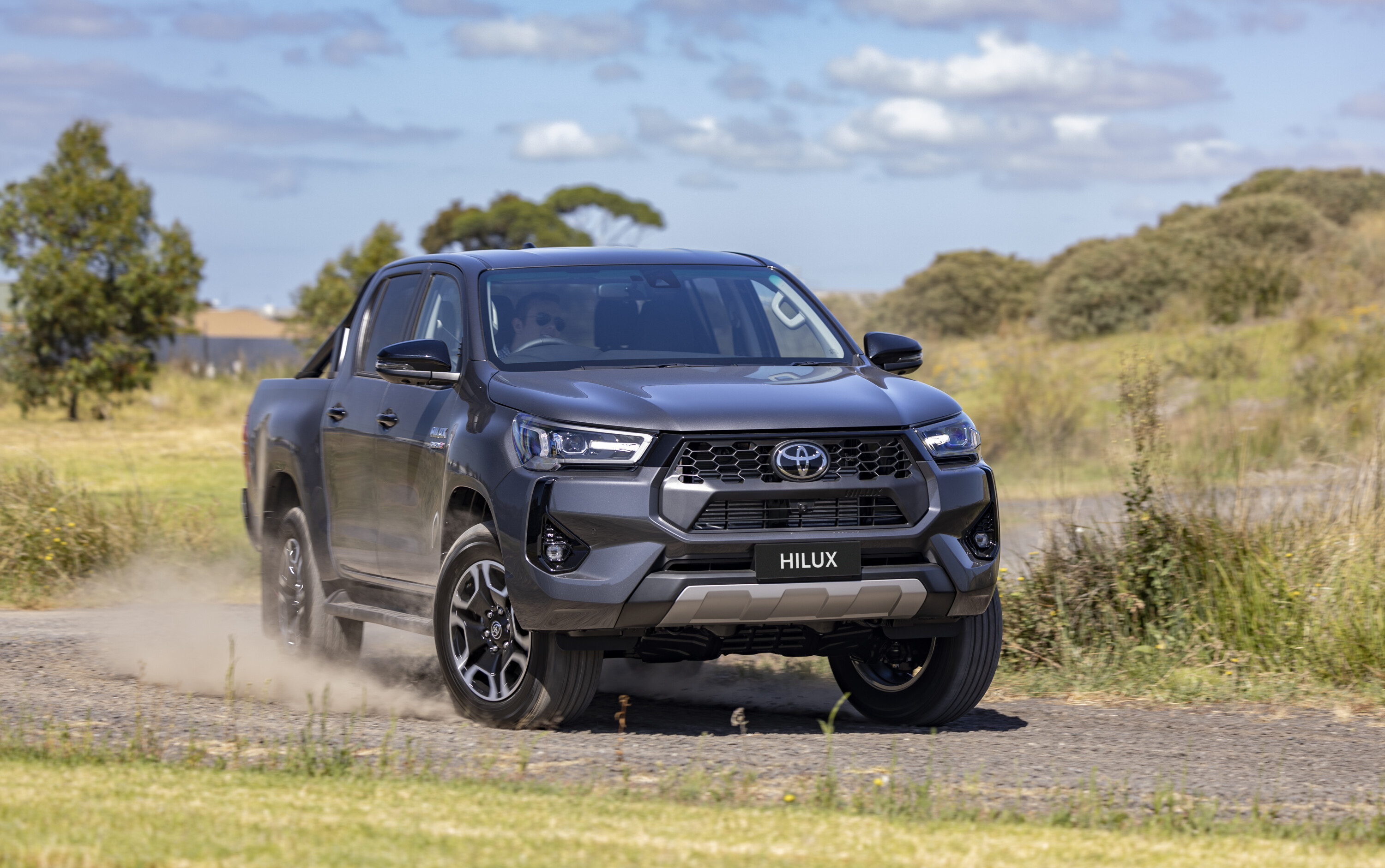
The emissions target for light-commercial vehicles – which include top-selling utes like the Ford Ranger and Toyota HiLux – has been raised to reflect recent adjustments made to United States Environmental Protection Agency model, which the NVES is based on.
The ABC [↗] reports the less-stringent target for light-commercial vehicles would result in a 50 per cent reduction in emissions by 2029, down from the previously announced 60 per cent reduction.
Other changes include an amended weight-based relative emissions limit – known as the break point – to recognise that heavier vehicles emit more.
The Federal Government has also announced it will provide a further $60 million in funding to the Australian Renewable Energy Agency’s ‘Driving the Nation’ program to boost electric vehicle charging infrastructure at Australian new-car dealerships.
As detailed here, the New Vehicle Efficiency Standard aims to improve the level of efficient vehicles sold in Australia to bring the nation in line with the United States and Europe.
The Government’s emission-limit scenario – known as ‘Option B’ during the consultation period – intends to catch up to the United States by the end of the decade.
“The Albanese Government has closely consulted with a broad range of stakeholders over the past year and engaged with the more than 9000 submissions made throughout the latest consultation period,” said Transport Minister Catherine King and Climate Change and Energy Minister Chris Bowen.
Toyota Australia said it welcomes the Federal Government’s decision to make “positive” changes to the proposed policy.
1
“Toyota has long supported the introduction of an ambitious fuel-efficiency standard that is calibrated to the unique requirements of the Australian market and leaves no-one behind,” said Toyota Australia president and CEO Matthew Callachor.
“We welcome the willingness of the Federal Government to consult on this important public policy and to make changes that represent a positive step forward.”
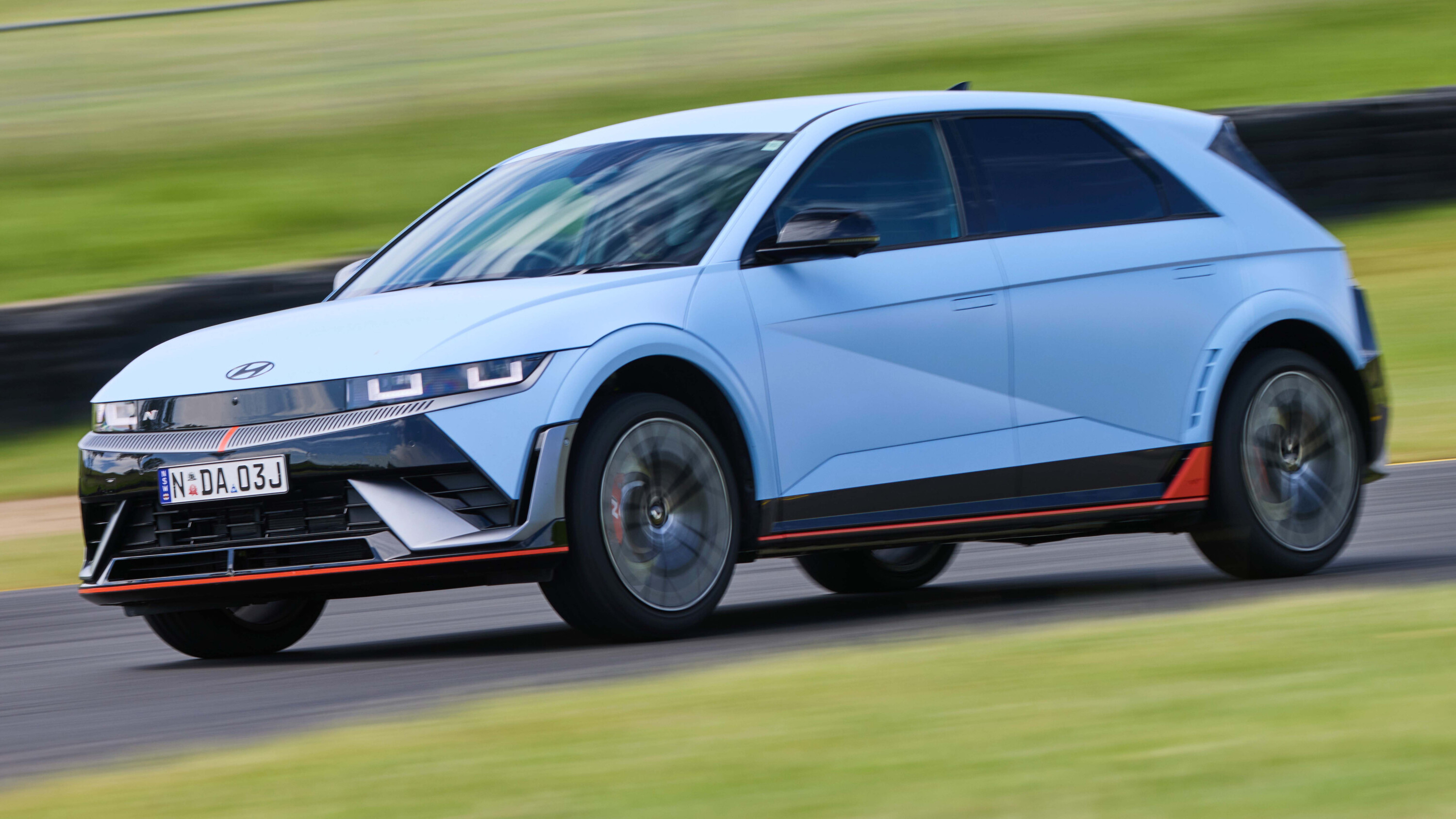
Hyundai Australia said it continues to support the New Vehicle Efficiency Standard, which will allow it to introduce more efficient vehicles available elsewhere.
“The NVES framework seems to strike the right balance between ambition and practicality,” said Hyundai Australia chief operating officer John Kett.
1
“With this Standard in place, Hyundai dealers will have great vehicles to sell, customers will have great vehicles to drive, and the automotive industry will be playing its part to reduce emissions in line with Australia’s commitment to decarbonise.
“It is our intention to bring many more EVs to the Australian market, while substantially reducing the emissions profile of our entire range.
“The New Vehicle Efficiency Standard will help us to do that, and now we can look forward to getting on and selling some cars.”
Also known as fuel efficiency standards, the proposed rules aim to improve the level of efficient vehicles sold in Australia to bring the nation in line with the United States and Europe.
The NVES would apply to new passenger and light commercial vehicles, requiring vehicle manufacturers to balance emissions across an entire range.
For example, Toyota Australia’s range of lower-emission hybrid and electric cars would accumulate carbon credits that aim to offset heavier passenger vehicles such as the LandCruiser Prado and 300 Series.
The Government’s preferred ‘Option B’ emission-limit scenario intends to catch up to the United States by 2028, with an average annual CO2 reduction of 12.2 per cent for passenger cars and 12.4 per cent for light-commercial vehicles between 2025 and 2029.
The ‘Option A’ scenario is less ambitious – and includes ‘super-credits’ for the sale of low-emission electric and hybrid vehicles – while ‘Option C’ is “fast and aggressive” with stricter emissions reduction.
1
We asked Australia’s major auto brands for their perspective on the proposed fuel-efficiency standards
Volkswagen – which has long been calling for a fuel-efficiency standard – said it is “not one of the dinosaur brands”, while Hyundai and Kia are also mainstream brands that publicly support the implementation of a standard.
However, some other brands are a little more cautious in their positioning about the New Vehicle Efficiency Standard.
These were some of the responses, listed in full below, along with links to recent stories that further explore each brand’s view on EVs.
Toyota & Lexus
Australia’s top auto brand says it supports a flexible, market-specific standard to encourage low-emission vehicle adoption, aligning with its commitment to sustainability – pending further government action.
Toyota is about to launch the bZ4X in Australia as its first EV. It also offers a broad range of hybrid models and, within its Lexus line-up, the RZ and UX300e EVs and the NX450h+ plug-in hybrid.
Sean Hanley, Toyota Australia vice president sales, marketing & franchise operations:
“Toyota Australia supports the introduction of a mandatory fuel-efficiency standard that is ambitious, doesn’t leave Australians behind, is calibrated to the Australian market and allows carmakers to determine the appropriate mix of technologies to achieve it.
“This will have a direct effect on the vehicles that consumers choose to purchase and drive, encouraging access to vehicles with lower and zero CO2 tailpipe emissions technologies. Australian consumers have shown they will purchase vehicles that meet their work and lifestyle needs while being practical, capable and affordable – requirements that continue to apply when seeking to reduce their carbon footprint.
“Toyota’s long-term strategy, therefore, involves a multi-pathway approach: delivering a range of technologies that support decarbonisation while leaving no-one behind. We welcome the opportunity to review the Federal Government’s announcement and will carefully consider our response.”
Mazda says it supports a practical fuel efficiency standard to lower emissions, focusing on consumer affordability and transitioning to a fully electrified lineup by 2030, with a quarter being pure-electric models.
Mazda currently has no EVs on offer in Australia, although several of its models are available with mild-hybrid systems. It recently retired its MX-30 EV and hybrid range.
Mazda Australia spokesperson:
“Mazda Australia shares a common vision to reduce carbon emissions from all vehicles sold within Australia, while advocating for a realistic transition via a suitable Fuel Efficiency Standard, that encourages consumers to consider low or zero carbon emitting technologies. This is demonstrated by our commitment both globally and domestically to reduce carbon emissions and their effect on the environment, as evidenced by the consultation and engagement we have undertaken over several years with both state and federal governments as part of the FCAI.
“On release of the Government’s consultation paper, we support the industry’s position and welcome the proposal – as the Australian automotive industry has been seeking a fuel efficiency standard for many years. Mazda Australia encourages the Federal Government to ensure the affordability and mobility needs of consumers are considered throughout the consultation period for a proposed New Vehicle Efficiency Standard.
“Mazda Corporation designs its vehicles to have smallest environmental impact at all stages of the vehicle’s life, including development, operation, and disposal. Mazda Corporation’s strategy is to welcome a range of new electrified models between now and 2035 – including hybrid electric vehicles, PHEVs and BEVs.
“Mazda Australia has been transparent and proactive with public and media to reaffirm our global commitment to the environment, by outlining our future electrification strategy and product strategy, where by 2030, one hundred percent of Mazda products will be electrified, and pure-electric vehicles will account for at least 25 percent of the line-up.”
Ford Australia says it backs “diverse powertrain technologies” for future needs, advocating for inclusive policies as it gears up for the Ranger Plug-In Hybrid in 2025 and further electrified models, underlining a commitment to low-emission solutions.
Ben Nightingale, Ford Australia product communications manager:
“We welcome policies designed to educate and promote zero and low emission technologies to Australian consumers, and we see a mix of powertrain technologies playing a role in meeting the future needs of customers – which is why we offer a range of options across our line-up.
“We are reviewing the detail of the government announcement and will work with the Federal Chamber of Automotive Industries (FCAI) and other industry stakeholders to provide our input. We welcome diverse views and healthy debate on this important topic.
“More than two-thirds of our Ranger customers use their vehicles for work – anyone from a suburban electrician who’s a sole trader through to a household name company with thousands of vehicles. While the size of the business and the work it’s being used for can be different one customer to the next, what they all need is capability and versatility. We also know that customers will continue to need vehicles that meet their diverse requirements, whether for work or lifestyle. This is why it’s important that the policy accommodates a mix of powertrain technologies and considers the needs of all customers and use cases, whether they’re based in a big city or the outback.
“We look forward to local deliveries of the Ranger Plug-In Hybrid (PHEV) beginning in 2025. Combining a turbocharged petrol engine and an electric motor, Ranger PHEV represents the best of both worlds, combining zero-emission driving capability whilst retaining all the core Ranger towing, off-road and payload capabilities that our customers tell us they need for both work and play, including easy long-distance travel.
“The work to bring other lower-emitting and electrified vehicles to our shores is already underway at Ford Australia, including the E-Transit and E-Transit Custom, Mustang Mach-E and Puma Gen-E, in addition to Ranger PHEV.”
Hyundai says it embraces the vehicle emissions challenge posed by the NVES and believes collaboration between industry and government will benefit consumers.
John Kett, Hyundai Australia chief operating officer:
“We see this as an intriguing challenge, and we look forward to responding to the Government’s call for feedback. We think we will soon have a world-class Efficiency Standard in Australia and we’re excited by that. With the Standard in place, Hyundai dealers will still have great vehicles to sell, customers will have great vehicles to drive, and we will be doing our bit to reduce emissions in line with Australia’s commitment to decarbonise.
“We only have five years to catch up to other advanced markets which have had efficiency standards in place for decades, and that’s a challenge. We see merit in the Government’s preferred Option B, and with some minor aspects of Option A introduced to it, we can hit the proposed target and bring accessible, affordable and efficient vehicles to the market.
“The Government has been confronted with many competing voices and opinions throughout this process, and treading a workable path through all the noise will not be easy. A world-class Standard demands world-class thinking around the commercial pressures and infrastructure challenges we jointly face.
“We applaud the ambition of the policy, and certainly with the input of all the major stakeholders who have a role to play in its development, we’re confident that the Government will get the NVES right for all Australian new car buyers.”
Mitsubishi says it welcomes Australia’s new vehicle efficiency standards. It is assessing impacts on consumer choices and model availability to ensure vehicles remain accessible and affordable.
“We welcome the Federal Government taking the initiative and leadership to develop a model for the implementation of New Vehicle Efficiency Standards in Australia. When designed effectively, and set at the appropriate targets levels, policy levers like vehicle efficiency standards can be beneficial in achieving their objectives to reduce vehicle emissions.
“We are taking our time to properly assess the potential implications for Australian consumers and how it might impact the brand and model availabilities across the sector, both in terms of current models on sale and potential new models.
“Above all else, Mitsubishi Motors wants to ensure that Australians are still able to access the vehicles they want, and need, at reasonable prices.”
Kia says it supports a formal fuel-efficiency standard in Australia and is confident it can provide a diverse line-up, with strategies already developed to meet emissions requirements in other regions.
Kia currently offers the Niro, EV6, EV9 and Sorento PHEV, with confirmed plans for more EVs soon, such as the EV5, EV3 and EV4.
Kia Australia spokesperson:
“Kia Australia supports a formalised emissions standard and the details of the Federal Government’s recently announced proposal are currently under study internally.
Kia Corporation is a global company with advanced R&D and has previously implemented long term strategies to meet emission requirements in the Korean domestic, North American and European markets.
Kia Australia is confident it will provide a diverse product range, consisting of various fuel efficient technologies, for Australian new car buyers to choose from.”
Sydney, Australia, 15 March 2024 – MG Motor Australia strongly supports the Federal Government’s Impact Analysis for the New Vehicle Efficiency Standard (NVES) and has opted for option B.
MG Motor Australia is fully committed to working with the Government and wider industry to ensure Australian road users can access a wide range of affordable low and zero emission vehicles.
“With majority of the international car market already covered by fuel efficiency standards, we are fully supportive of Australia’s move to help provide consumers with cleaner and more affordable cars to own and run.” said MG Motor Australia Chief Operating Officer, Peter Ciao.
“The standard is a win for customers with rising costs of living and a win for our extensive dealer network who can do their bit to reduce emissions in their local communities in line with Australia’s commitment to decarbonise,” said Mr Ciao.
Mr Ciao said the company approach is intended to catch up with other developed countries’ NVES, resulting in far lower emissions levels when compared with Option A.
“Since we first launched our first EV back in 2020, we have been providing and continue to provide high-quality and affordable electric cars across Australia to assist in an equitable transition to low emissions transport. The MG4 was the first new EV that was sub $40,000 (MSRP) to be offered to the Australian market with a 5 star ANCAP rating.”
“MG is committed to providing fuel efficient motoring to all Australians’ with our clean energy vehicles. We are introducing and evolving our range to offer at least one EV and or Hybrid variant within our range beginning with the all new MG3 hybrid arriving soon. We know that change is never easy and it took a lot of initiative from the Government to make such a move but we also know that having a strong fuel efficiency standard will not only help reduce household costs but also provide healthier neighbourhoods.”
Isuzu UTE Australia (IUA) urges the Federal Government to consult further with Australia’s automotive industry to identify a New Vehicle Efficiency Standard (NVES) that protects the interests and needs of all Australians living in metro, regional, and rural areas—today and into the future.
The implementation of the NVES proposed by the Government presents timing, financial and engineering challenges for many vehicle brands, particularly those brands that provide Australians with utes and large-SUVs as part of their range, and ultimately risks negatively impacting Australian consumers.
Globally, Isuzu’s transition to low- and zero-emission vehicles is underway, with the brand committed to introduce an electric ute. However, the reality is that due to the infancy of zero-emission technology in light commercial vehicles, it will take more time to develop zero-emission utes and large-SUVs that are both affordable and fit for the specific needs of Australians, including the ability to travel extensive distances, carry a load and tow.
The current NVES proposal doesn’t take into consideration automotive technology development cycles, whereas the comparative US Standards set their targets based on a forecast in alignment with emission technology developments. In this respect, we call on the Government to provide vehicle manufacturers with more time to lower the emissions of their model range through realistic product life cycles to avoid negatively impacting Australian consumers.
In further contrast to the US Standards, the current NVES Option B proposal classifies large-SUVs (including 4×4) and passenger cars in the same way, despite often serving very different purposes and fulfilling different needs. Vehicles, like a large 4×4 SUV, are built on commercial principles to be fit for purpose, be it carrying loads, towing a trailer, or getting off-road. The Government should consider the US approach here and distinguish between passenger vehicles and large-SUVs (especially 4×4).
The penalties currently proposed by the Government for not meeting emissions targets are also excessive, and many vehicle brands may be forced to increase vehicle pricing to cover penalties incurred. Vehicle brands that cannot increase vehicle pricing to cover the penalties may be left with no option but to exit the Australian market, risking a weakening of competition again to the detriment of Australian consumers.
IUA has met directly with the Government, including the Minister for Infrastructure, Transport, Regional Development and Local Government, to provide this feedback on the proposed NVES. IUA now seeks further collaboration with the Government to achieve a solution that does not negatively impact hard-working Australians, while still seeing new vehicle emissions in Australia decline.
“Inchcape Australia [which distributes Subaru, Peugeot and Citroen] welcomes the Government’s consultation paper and looks forward to reviewing the proposed details further.”
Volkswagen has long been calling for a fuel-efficiency standard, with a former executive claiming a lack of firm emissions targets meant Australians were living in “an automotive third world” with the country “becoming a dumping ground for older and less efficient vehicles”.
It believes the Government’s preferred Option B, but with super-credits from Option A for electric and plug-in hybrid vehicles likely to offset its higher-polluting vehicles such as the VW Amarok ute, would provide the “most benefit to the Australian consumer”.
“There’s no doubt that there’s a bit of a dividing line and everyone knows what side we’re on – we’re not one of the dinosaur brands,” said Volkswagen Australia corporate communications boss Paul Pottinger.
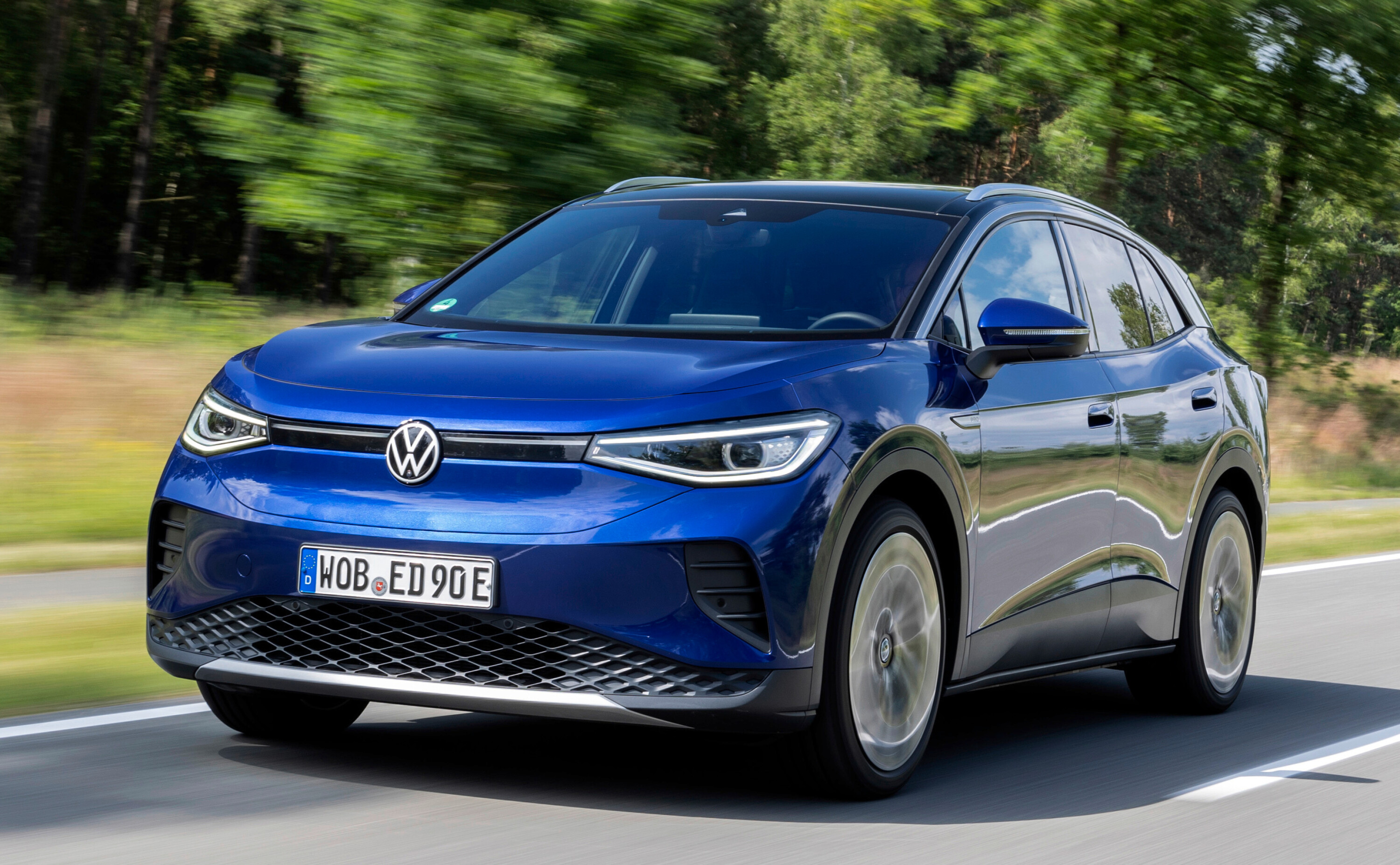
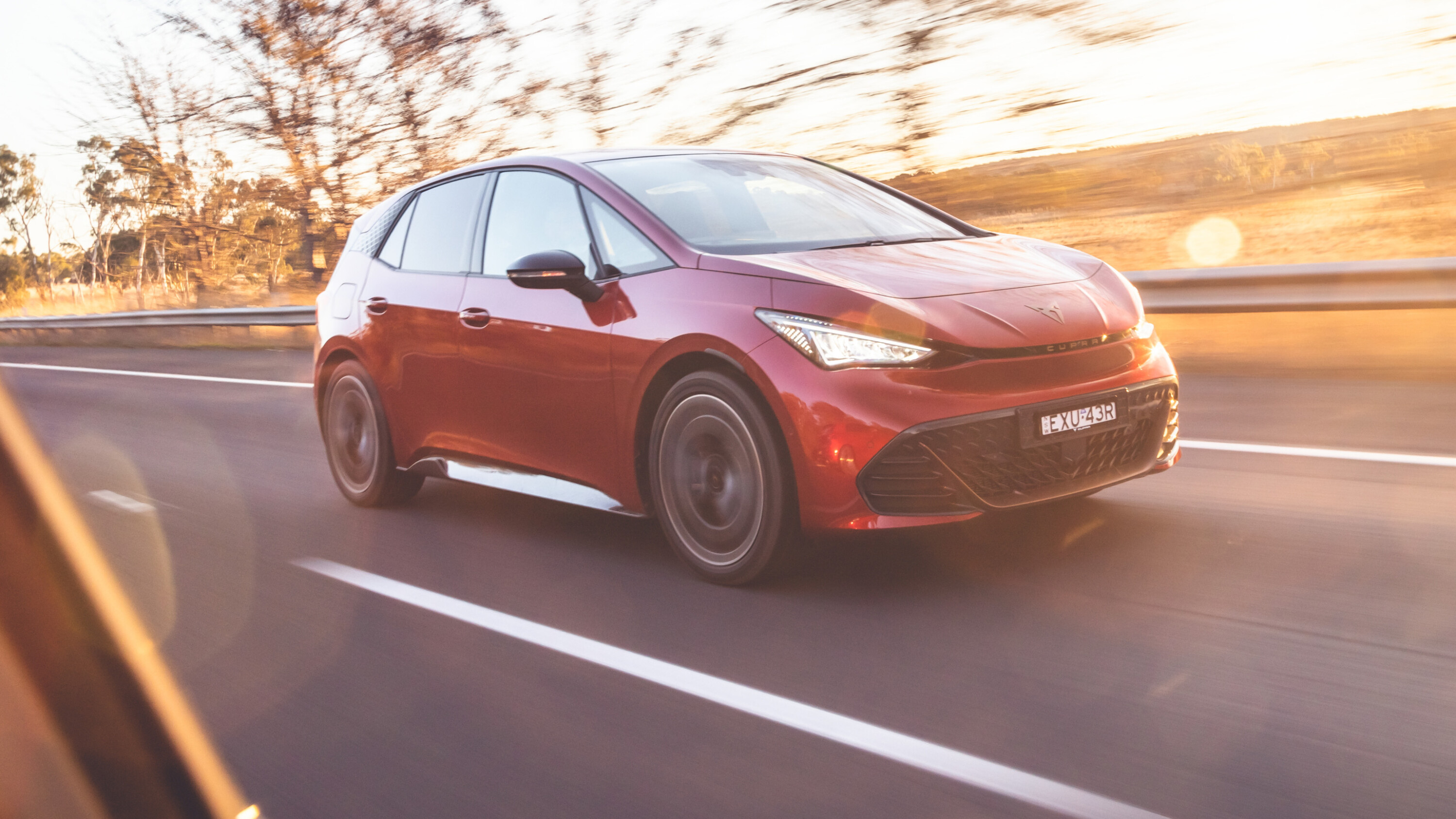
In 2025, the Volkswagen Group will offer electric vehicles from all of its brands in Australia, including the soon-to-be-introduced VW ID.4 and Skoda Enyaq. It currently offers the Cupra Born, Audi Q8 E-Tron and Audi E-Tron GT, along with several PHEVs.
Karsten Seifert, Volkswagen Group Australia managing director:
“Globally Volkswagen Group is committed to complying with the Paris Climate agreements with the goal of becoming a carbon-neutral company by 2050.
“Volkswagen is driving toward majority all-electric vehicle sales in Europe by 2030. In the US and China, the company has set itself ambitious BEV targets in the same period.
“Volkswagen Group Australia has long been among the voices calling for the introduction of binding auto industry standards that benefit Australia.
“At this time, VGA would suggest the possibility of an NVES modelled on Option B with elements of Option A super credits for full Battery Electric Vehicles and Plug-in Hybrid Electric Vehicles. This outcome should be of the most benefit to the Australian consumer.
“This year our brands [Volkswagen, Audi, Skoda and Cupra] will introduce up to 10 BEV variants, including the first in this market for Volkswagen and Skoda. Meanwhile, conventional utes, SUVs, cars and vans will remain pillars of our business for years to come. VGA is offering such a broad range of personal mobility choices to have the right option for each customer.”
Nissan
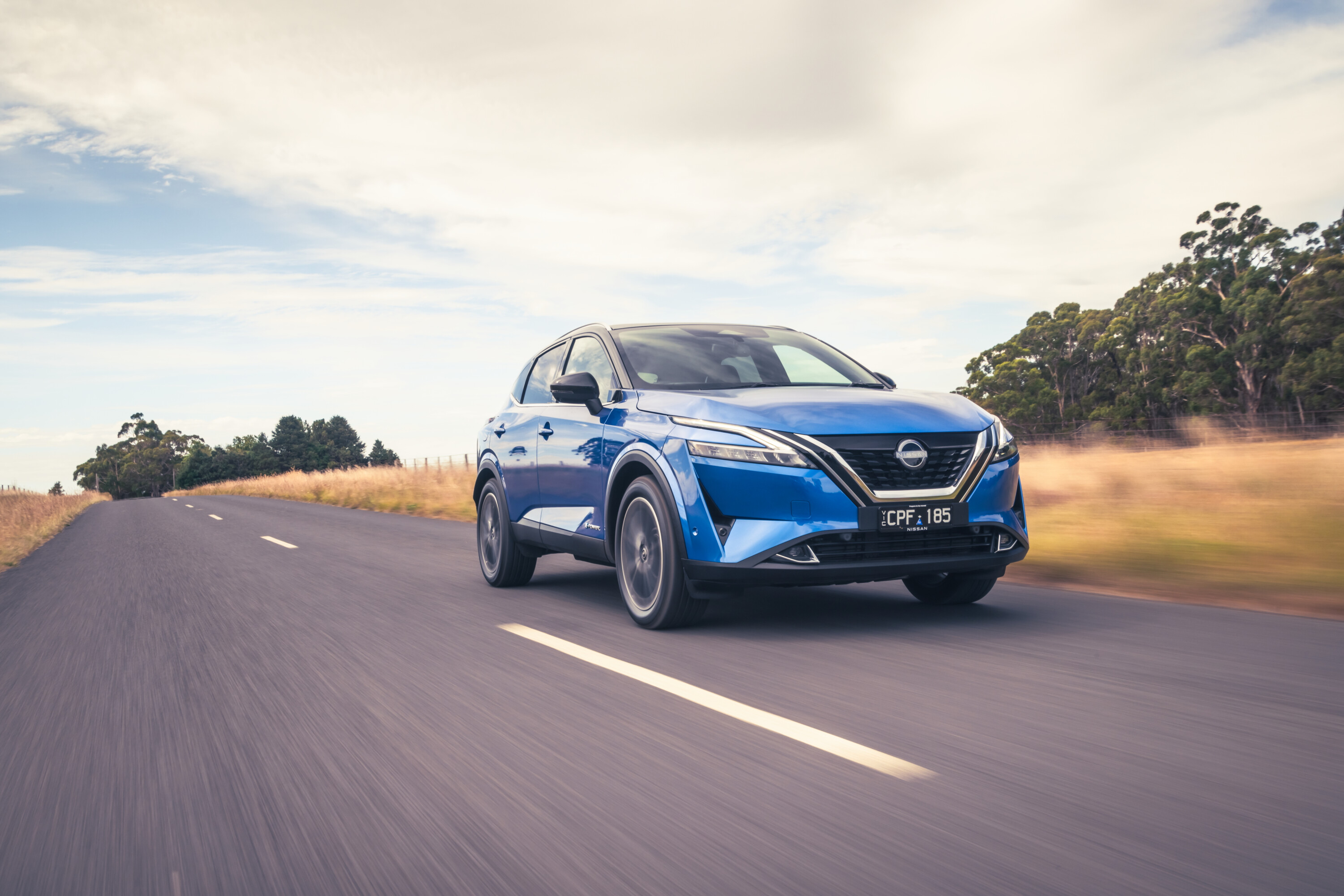
Nissan has not issued a statement for its position on NVES, but it did offer some insight at the recent Qashqai E-Power media launch. See the bullets below.
BMW says it supports the proposed new vehicle efficiency standard, but recommends that it remain relevant to the Australian market and accommodate future fuels such as hydrogen and synthetic fuels.
BMW Group Australia currently offers electric, plug-in hybrid and mild-hybrid vehicles.
BMW Group Australia spokesperson:
“The BMW Group supports the implementation of the New Vehicle Efficiency Standard (NVES).
We believe the standard’s design should prioritise consumers’ needs, offer diverse choices and contribute to emissions reduction targets. It should provide the platform for a range of emissions-reduction measures and that the technology be made available to the buying public without restricting choice. We also strongly recommend it remain specific to the local market, be based on technology openness and accommodate future fuel types such as hydrogen and e-fuels.
BMW Australia continues to expand its fully electric vehicle offering. We currently offer 12 fully electric variants – which is the most of any manufacturer in Australia – and by Q3 this year that number will expand to 16. This line-up includes six fully electric variants priced below the fuel-efficient vehicle LCT threshold of $89,332.”
“Honda Australia welcomes the initiative the Federal Government is taking in developing and implementing the New Vehicle Emissions Standard. We are committed to working with government and industry on an ambitious standard that prioritises consumer needs, while contributing to emissions-reduction targets.“
In 2025, BYD will offer a fully electrified line-up with electric and plug-in hybrid options and could sell carbon credits to other automakers that risk facing potential penalties.
Mercedes-Benz says it supports a new vehicle efficiency standard that will benefit Australians.
Mercedes-Benz currently offers a range of electric, plug-in hybrid and mild-hybrid vehicles in Australia.
Mercedes-Benz Australia spokesperson:
“We support regulations that will bring benefits to Australians, and are closely following the development of the New Vehicle Efficiency Standard proposal.
Increasing fuel efficiency and electrifying our vehicle fleet continue to play an important role in our strategy. In line with this, Mercedes-Benz is consistently expanding its range of fully electric vehicles in Australia. By end of this year, we will offer 23 fully electric variants across eleven models, including passenger cars and vans.”
Volvo says it welcomes the Federal Government’s new vehicle efficiency standard.
Volvo currently offers electric, plug-in hybrid and mild-hybrid vehicles. It plans to go all-electric in Australia by 2026 and could sell carbon credits to other automakers that risk facing potential penalties.
Stephen Connor, Volvo Cars Australia managing director:
“Volvo Cars has a global ambition of being a climate-neutral company by 2040 and an all-electric car company by 2030.
“We believe in, and strongly stand behind our global ambition wholeheartedly, so much so that we have made the decision to be an all-electric car company in Australia by 2026.
“In doing so we are the first car manufacturer to transition from importing internal-combustion engines to offering our Australian buying public vehicles with an all-electric propulsion.
“Another example of being the fastest transformer. To Volvo Cars, Sustainability is just as important as Safety.
“We, at Volvo Cars welcome the Federal Government’s Impact Analysis for the New Vehicle Efficiency Standard (NVES).”
Electric vehicle specialist Polestar says Australia has had “decades to prepare” for the New Vehicle Efficiency Standard and believes “time for deliberation has passed”.
Polestar offers an all-electric line-up and could sell carbon credits to other automakers that risk facing potential penalties.
Samantha Johnson, Polestar Australia managing director:
“Polestar supports the Government’s proposed New Vehicle Efficiency Standard and recognises that Australia must do more to improve its transport emissions, which are forecast to be the single largest source of emissions by the end of the decade.
“For 30 years, successive Australian Governments have talked about addressing tailpipe emissions. While we debated the merits of an efficiency standard, the rest of the world got on with the job of putting standards in place. We have had decades to prepare. The time for deliberation has passed.
“The proposed Standard finally brings Australia in-line with the rest of the world on vehicle emissions policy. It will help deliver a more advanced and cleaner national fleet, encourage the introduction of more low-emission vehicles, and therefore provide better health outcomes for our community and have a more positive impact on our environment.”
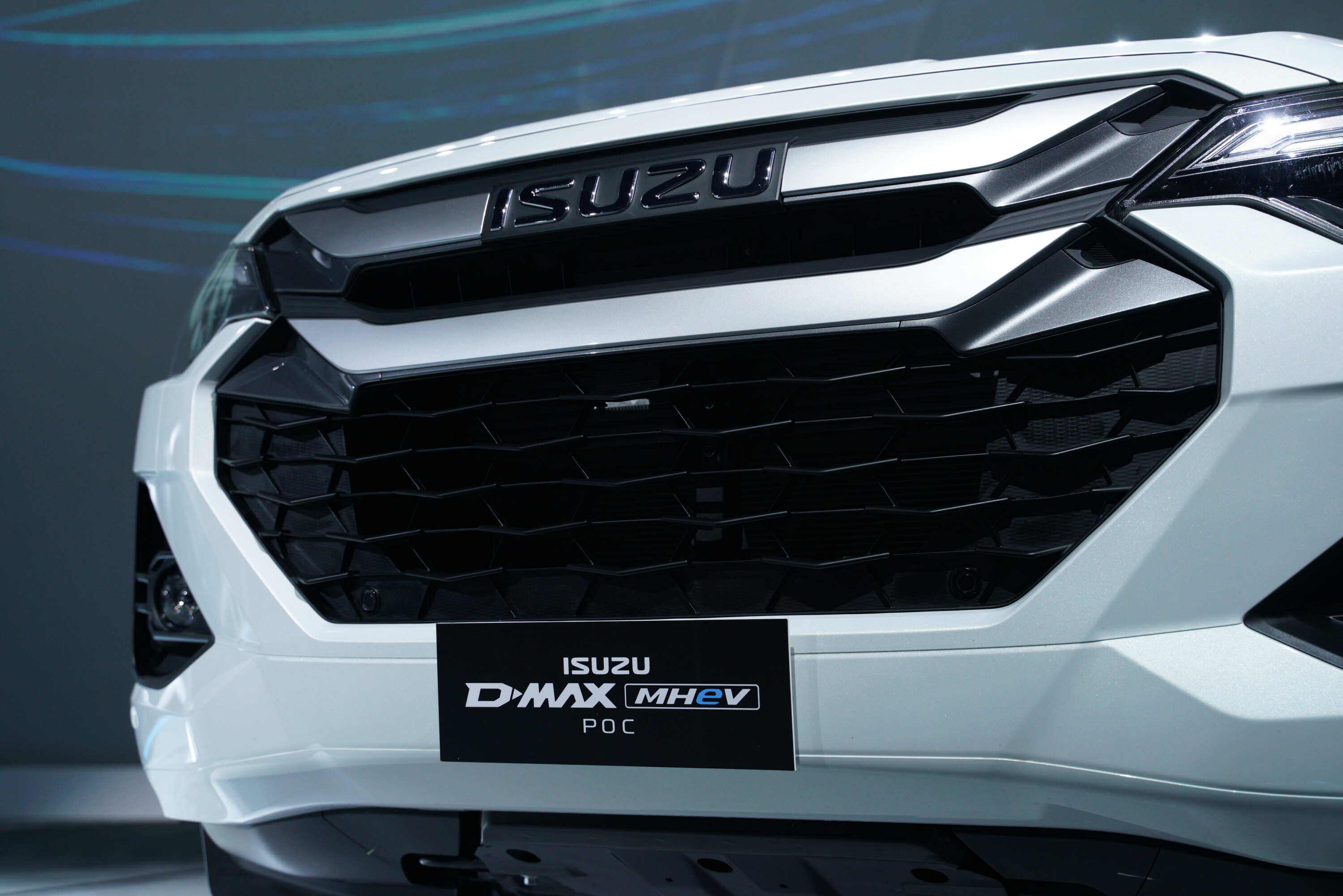
D-Max EV and 48V Mild-Hybrid models to be available in Australia by 2026
EV model to feature one-tonne payload and 3.5-tonne braked towing capacity
48-volt mild-hybrid and EV variants of the Isuzu D-Max are on the way, with Australian arrival expected by 2026.
In a recent statement, following on from earlier speculation, Isuzu Thailand has revealed MHEV and EV variants of the D-Max Ute, which Australians should be able to buy in 2026.
The 2025 Isuzu D-Max High-Lander MHEV is powered by a 1.9 litre “DDi Blue Power” turbo-diesel engine, combined with a 48-volt mild hybrid drivetrain.
Isuzu Thailand states that this setup is designed “to reduce the engine workload during startup, reducing vibration and helping to reduce CO2.”, with no power, range or technical figures speculated yet.
1
Hybrid not scratching that electric itch?
There’s also a full-electric D-Max EV Concept, featuring a 66.9kWh lithium-ion battery system and full-time four-wheel drive through a dual “eAxle” electric motor setup with a 130kW and 325Nm total output. Driving range and charging speeds have not been confirmed.
Ensuring the key capability of a good ute is catered to, the electric D-Max concept features a De Dion rear suspension design and promises a one-tonne payload, along with a 3.5-tonne braked towing capacity – although it should be noted that any EV towing its full rated capacity will generally lose around half its claimed driving range.
According to Isuzu, “The D-Max BEV [battery electric vehicle] has been developed to meet a broad range of commercial and passenger vehicle needs while retaining the tough underlying performance expected of pickup trucks.”
Isuzu says the D-Max EV variant has a maximum speed of “over 130km/h”.
Isuzu says it plans “to produce electric pickup trucks for export, which will start from countries in the European zone in 2025 and will gradually launch in other countries,” and that “it depends on market demand and the availability of electric vehicle charging station utilities.”
Will the D-Max mild hybrid come to Australia?
For now, it’s a ‘no comment’ proposition.
Speaking with Wheels Media, a spokesperson for Isuzu Ute Australia said: “At this point in time, we are unable to comment on any future model plans or powertrain developments. That said, as part of our due diligence, IUA will continue to monitor local market requirements to provide a product mix to meet Australian consumer needs.“
Both new D-Max models form part of a recently revealed line-up of electric and hybrid vehicles that Isuzu have developed “with Multi-pathways to carbon neutrality.”
With the D-Max EV destined for Australia and the mild-hybrid model looking likely (given ongoing progress with upcoming emissions regulations), would you buy one? Let us know below!
After four years of leading Nissan Great Britain as Managing Director, and with 30 years’ experience in the automotive industry, Andrew Humberstone has joined Nissan Oceania.
Snapshot
Andrew Humberstone appointed as the new Managing Director of Nissan Oceania from 1st of April 2024
Outgoing Managing Director Adam Paterson to return to Nissan Americas
Beginning in his new role on Monday 1st of April 2024, Mr Humberstone replaces outgoing Nissan Oceania Managing Director, Adam Paterson, who will be returning to Nissan Americas.
Nissan Great Britain spoke of Andrew’s previous four years as Managing Director:
“Andrew has successfully driven business transformation and growth, and has championed DEI at both a UK and regional level. He oversaw a pivotal shift in network strategy, with significant improvements made in the quality of customer service and representation in the UK.”
Leon Dorssers, Senior Vice President of Nissan AMIEO, added: “Andrew’s arrival at Nissan Oceania coincides with our plans for the brand’s continued transformation and growth in the region.”
“Andrew brings to our Oceania team strong experience and knowledge as we focus on delivering a flawless customer experience. He takes the reins from Adam Paterson, who has successfully guided our Oceania operation since 2021 and built strong foundations for the years to come.”
For those who prefer their beasts to speak of their owner as the successful Captain of Industry they are, this Bentley Continental GT coupe served as classy V12 muscle for the discerning collector.
The drifts were all the rage back in the mid-2000s, and Nissan’s 180SX, and other SR20-powered Silvias, dotted the roads everywhere.
This Type X variant was desired back in those days, and could be something for the buyer looking for something a bit more special than the standard grey-import example.
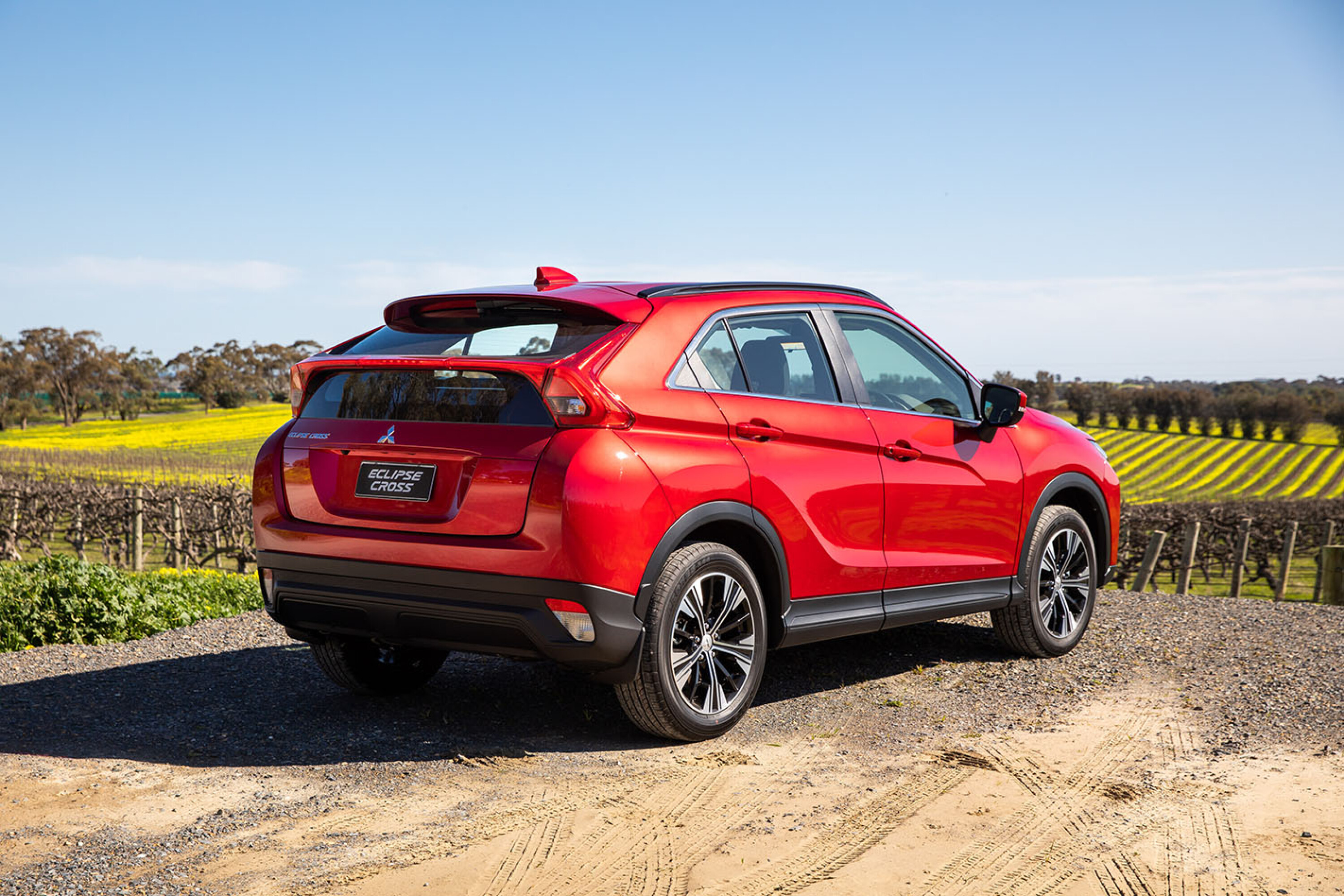
The Eclipse Cross initially arrived on our shores back in early 2018 to jump into the compact SUV mix locally.
Produced by Japanese automaker Mitsubishi, the Eclipse Cross is a five seater option for those needing slightly more space than the previous segment leader the Mitsubishi ASX.
Now in 2024, the Eclipse Cross has had a slight price right and a sprinkle of features added to the entry-level ES variant.
The 2024 Mitsubishi Eclipse Cross ES is priced at $31,990 before on-road costs, up about $500 from the 2023 iteration.
It features a 1.5-litre turbocharged petrol engine that produces 100kW and 240Nm. Combined fuel economy is quoted at 7.3L/100km.
Coming equipped with a continuously-variable automatic transmission as standard it’s paired with front-wheel drive. The LS and Exceed grades higher up in the Eclipse Cross range offer the option for all-wheel drive.
1
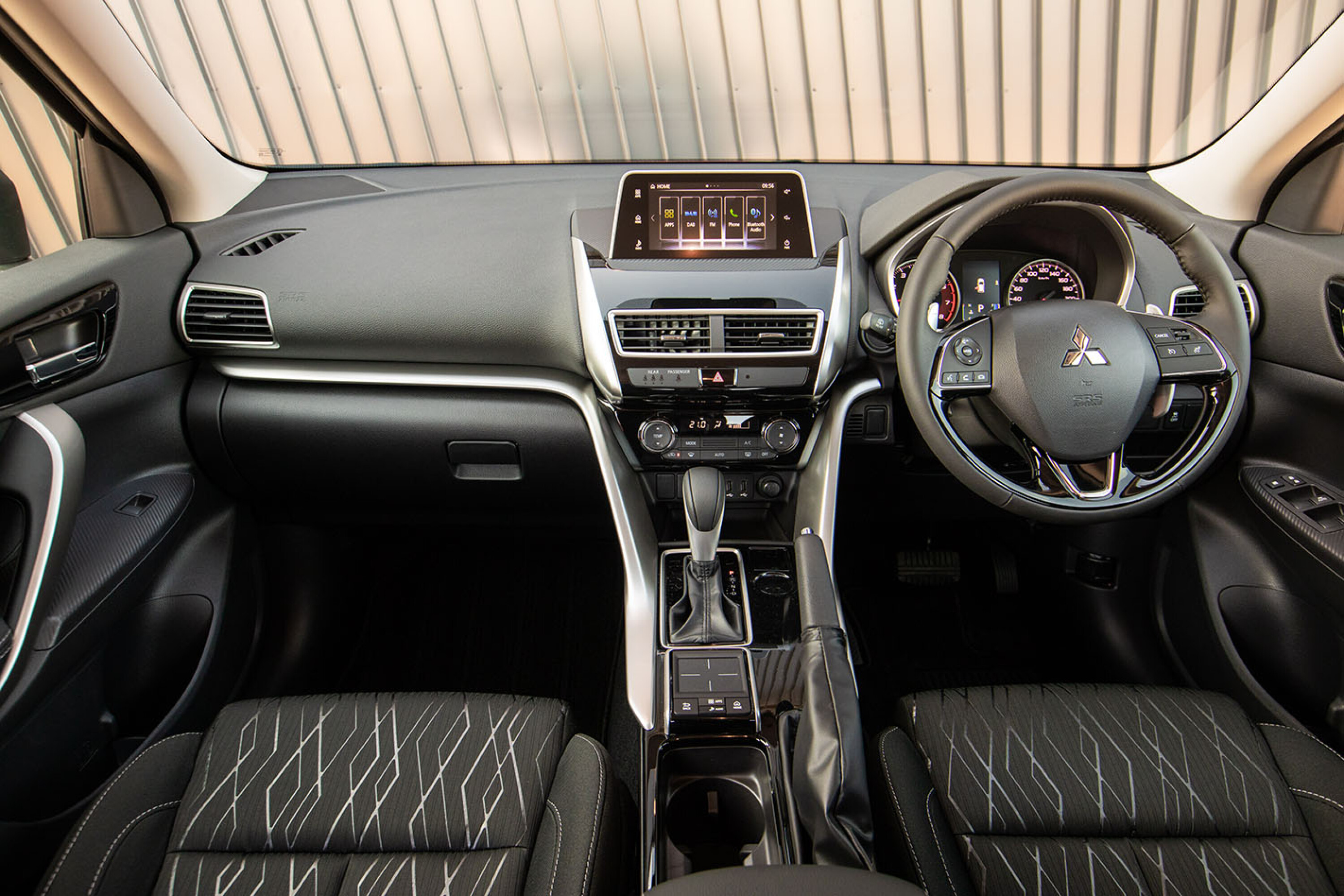
The Eclipse Cross comes with a decent amount of standard spec, including key features:
2024 Mitsubishi Eclipse Cross ES features
Lane-departure warning (new)
Wired Apple CarPlay and Android Auto
Rain-sensing wipers (new)
Four-speaker audio system
Dusk-sensing headlights without ‘off’ switch (new)
Cloth upholstery
Driver’s side rear LED fog lamp (new)
Halogen headlights
Soundproof windshield glass (new)
LED daytime running lamps
16-inch alloy wheels
Climate-control air conditioning
Rear parking sensors
Manual cruise control
8-inch infotainment system
1
Safety
The Mitsubishi Eclipse Cross currently holds an ‘unrated’ status by ANCAP.
Previously, it received a five-star ANCAP score through testing conducted in 2017, which expired at the end of 2023.
Across the range, seven airbags are standard including dual front, side, curtain and driver’s knee airbags.
Active safety features included are autonomous emergency braking (vehicle and pedestrian), reversing camera, lane-departure warning, rear parking sensors and an emergency stop signal.
Features like blind spot monitors, rear-cross traffic alert, automatic high beam and lane-change assist are available in LS petrol models above.
Key Rivals
The 2024 Mitsubishi Eclipse Cross ES faces competition in the small SUV market. Key rivals include:
Seeing an opportunity in the small SUV segment and their success with the Mitsubishi ASX, the brand sought to offer customers in the segment a sportier offering with a focus on style.
In 2024 the Eclipse Cross proves it has its own role to play amongst competitors. It’s a vehicle thats able to smoothly blend into your life and offer you exactly what you need. At the same time, it doesn’t necessarily shine in any specific area but instead does many jobs well.
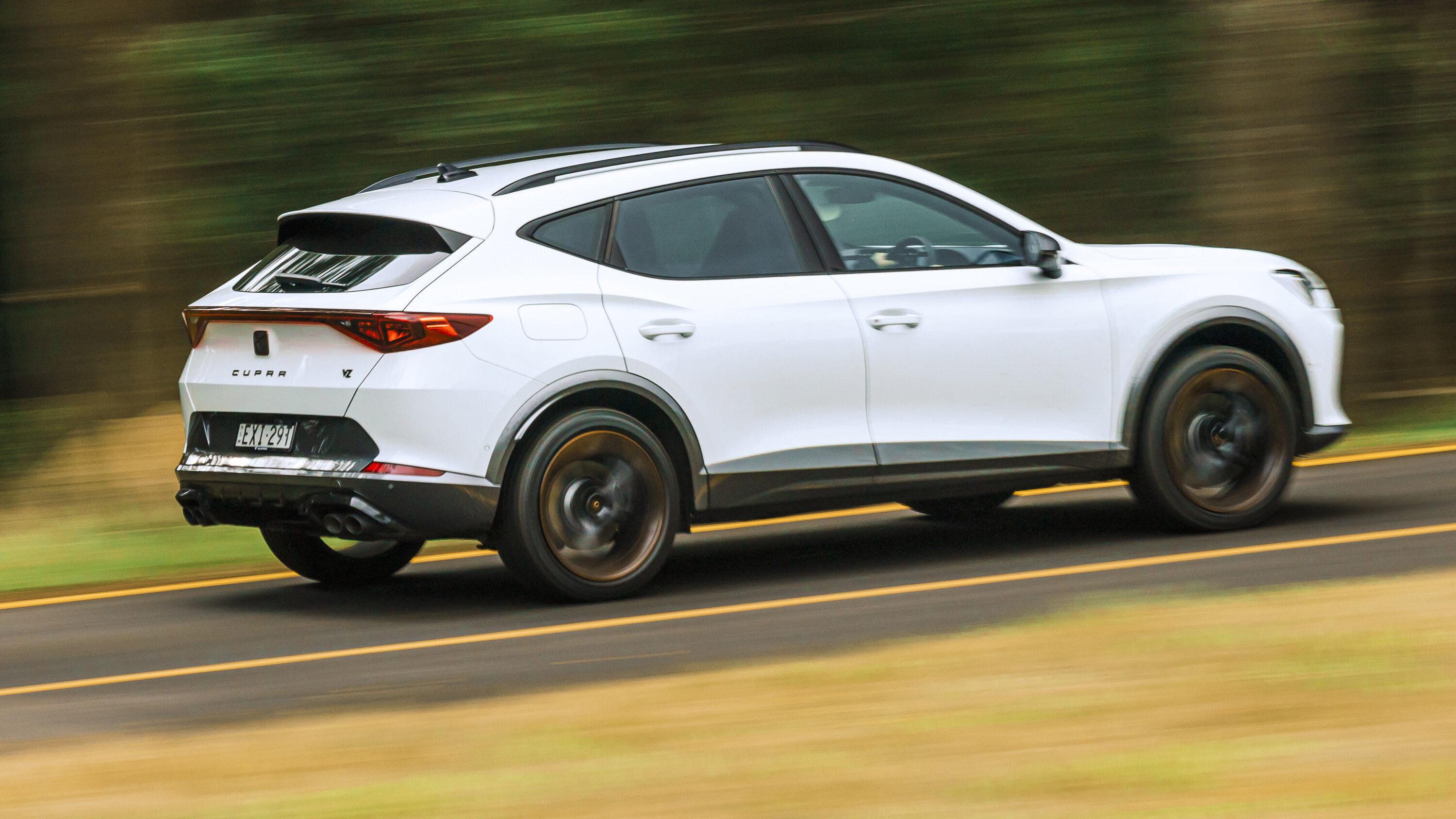
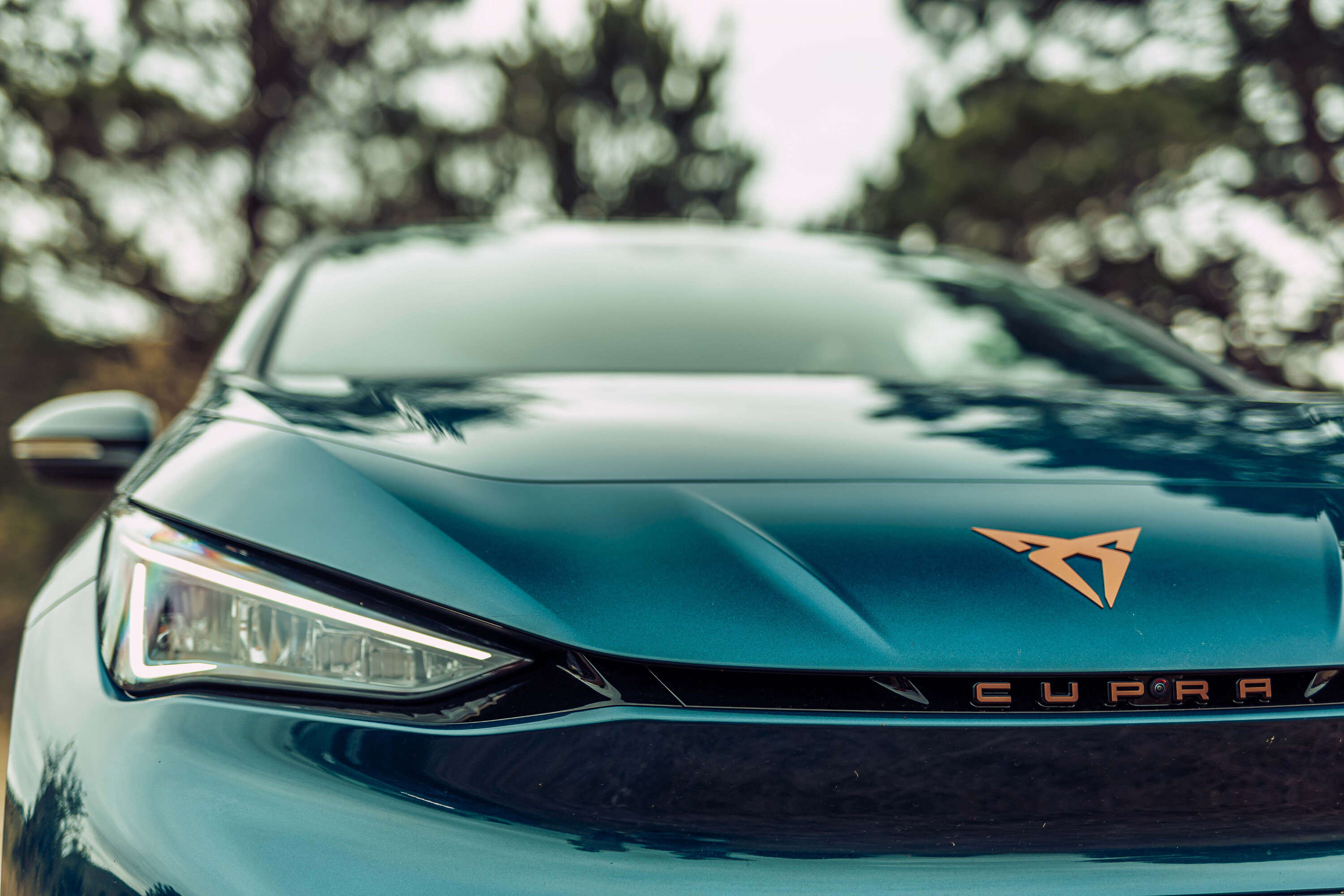
Spanish car brand Cupra has announced it will introduce an electric successor to the Formentor SUV and a larger electric SUV, as it looks to enter the United States market later this decade.
Cupra CEO Wayne Griffiths confirmed these two models will be added to the brand’s global portfolio and will eventually be sold in Australia – rather than being limited to the North American market.
The upcoming Cupra Formentor EV – which will replace the current internal-combustion model launched in 2020 – is expected to be one of Cupra’s first models based on the Volkswagen Group’s new, electric-only Scalable Systems Platform.
1
The Scalable Systems Platform – set to debut in 2026 in an upcoming Audi – will replace the Volkswagen Group’s current MEB and PPE dedicated electric-car architectures.
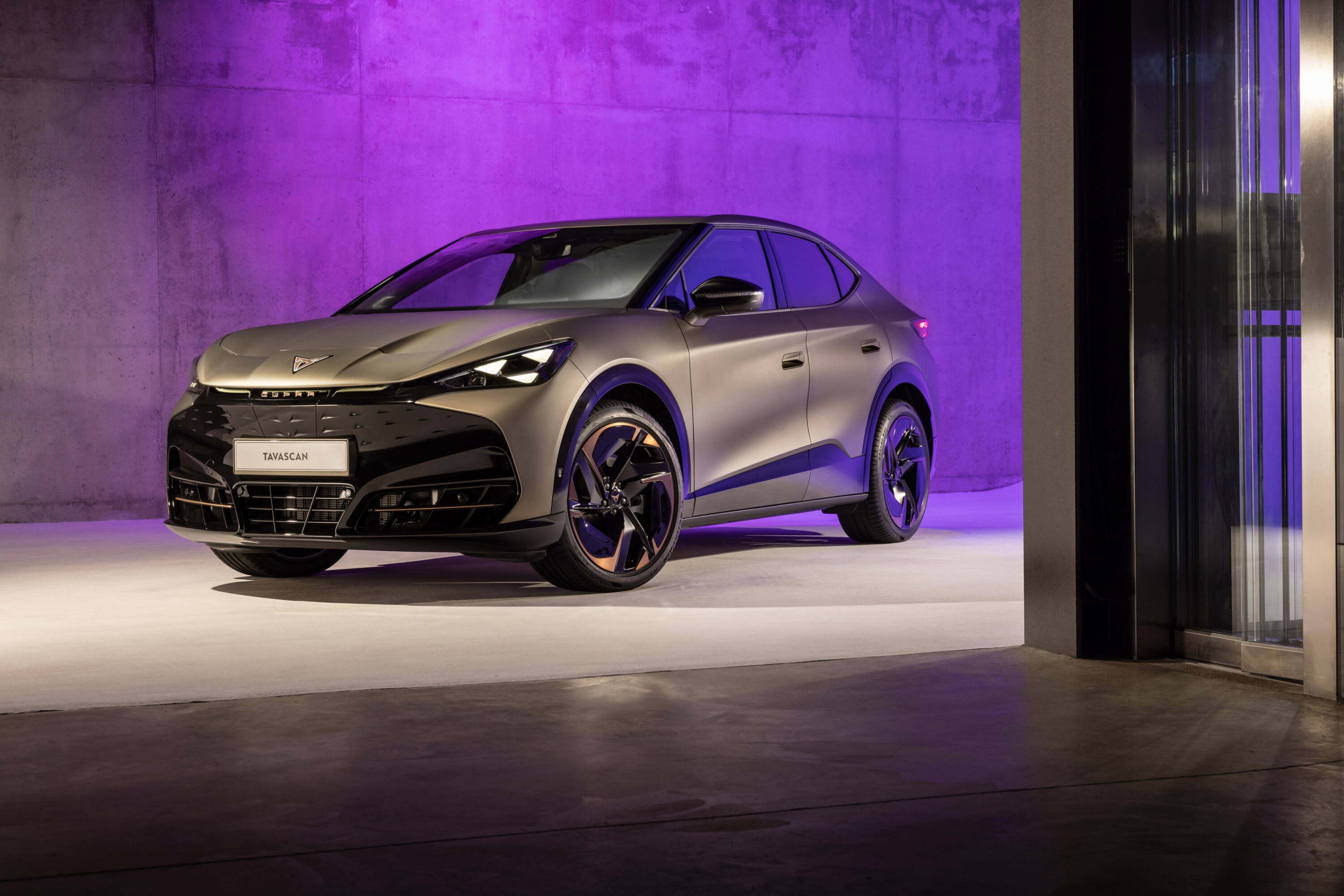
Currently, the rear-drive Cupra Born and Tavascan EVs are based on the MEB platform, while the front-drive Raval electric city car due in 2025 will be based on the updated MEB+ platform.
“I’m confirming today that Cupra will enter the US market by the end of the decade,” said Griffiths at the brand’s 2024 annual media conference.
1
“We know it’s always been a matter of being well prepared and doing it right. After testing the brand, we know our cars will reflect what customers are looking for in the US.
“We plan to enter initially with two electric models – a battery-electric version of the Formentor and a bigger electric crossover SUV.”
Griffiths told Australian media, including Wheels, the large electric SUV would be sold in other markets – such as Australia and Europe.
1
“You would need a global volume. The idea would be to build one of the cars that we want to sell in the US in the North American region,” he said.
“That’s important for feasibility and for the business case, particularly with the Inflation Regulation Act… and the incentive for local production that makes it essential.
“I think if you want to sell cars in the US, you need to build – not all of them – but some of them in the US. Definitely the bigger SUV we’re looking at for the US will also be sold globally in Europe and Australia.”
Griffiths said the larger electric SUV would be “really big” – but it won’t be a traditional three-row family hauler to rival the likes of the Toyota Kluger.
1
“I don’t think Cupra is a brand for a family car, so I don’t think it’s going to have seven seats, but it’s going to be big and it is big.
“We have the design models already ready. It’s a very impressive car in terms of design, not a classic SUV crossover.
“[It will be] sporty in line with what Cupra’s all about. But it’s really big for Europe and I think it’s big enough for the US.”
1
“Cupra will launch in selected states where we are sure we can find customers that are linked to the Cupra brand – mainly in the east and west coasts and Sun Belt states [like Arizona, Colorado and Texas]. This will be done through a new distribution model,” said Griffiths.
Cupra will be the second new Volkswagen Group brand to enter the United States market later this decade, with plans well underway to re-launch Scout with all-electric off-roaders around 2026.
The facelifted 2025 Cupra Formentor and 2025 Cupra Leon will be unveiled in full on April 29, the brand has confirmed.
Cupra said the updated Formentor and Leon would introduce a “new look and improved performance”, likely mirroring changes applied to the related Volkswagen Golf, Skoda Octavia and Audi A3 in recent months.
Planned revisions will include larger batteries and around 100 kilometres of electric-only range for the Formentor and Leon ‘VZe’ plug-in hybrid models – up from between 58km and 67km in today’s models.
Both models will adopt triangle-shaped LED daytime running lights – matching the Tavascan and Terramar – and reshaped front bumpers, which will help to better distinguish the Leon from its Seat twin.
The Formentor will also introduce triangular fog lamps, while both models will receive new alloy wheel designs and other minor exterior revisions.
Another new Cupra set to make its full debut later this year is the VW Tiguan-sized (and based) Terramar mid-size hybrid SUV, which will be the brand’s last internal-combustion vehicle.
It will be based on the same MQB Evo underpinnings as the Leon and Formentor – and built in Hungary alongside the next-generation Audi Q3 with four-cylinder mild-hybrid and plug-in hybrid powertrains.
Cupra said the Terramar will be unveiled in September at the Americas Cup sailing competition being held in Barcelona, Spain.
A facelift to the Cupra Born electric hatchback will also be unveiled later this year, while the small Cupra Raval electric city car – set to be built in Spain alongside the Volkswagen ID.2 and Skoda Epiq – will commence production in 2025.
Cupra Australia has confirmed the electric Tavascan – unveiled in April 2023 – and the hybrid Terramar will arrive here in the first half of 2025, followed by the more-powerful Born VZ later next year.
The facelifted Born, Formentor and Leon are not due to arrive in Australia until later in 2025 or early 2026.
Celebrating the wagon is a stereotypical car-guy trope, alongside lauding weight reduction, championing the manual gearbox, and talking about polar moments of inertia without any basic understanding of physics.
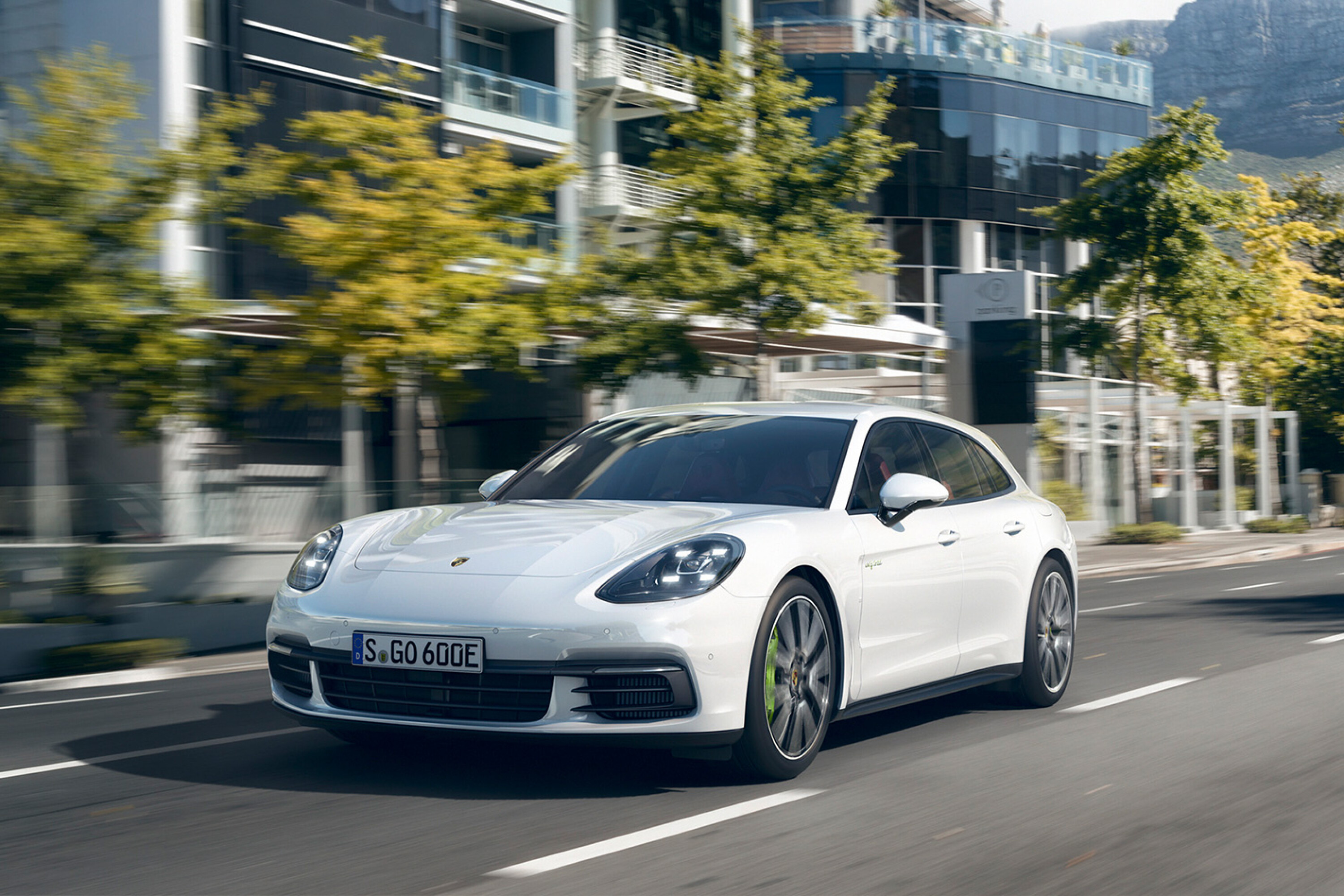
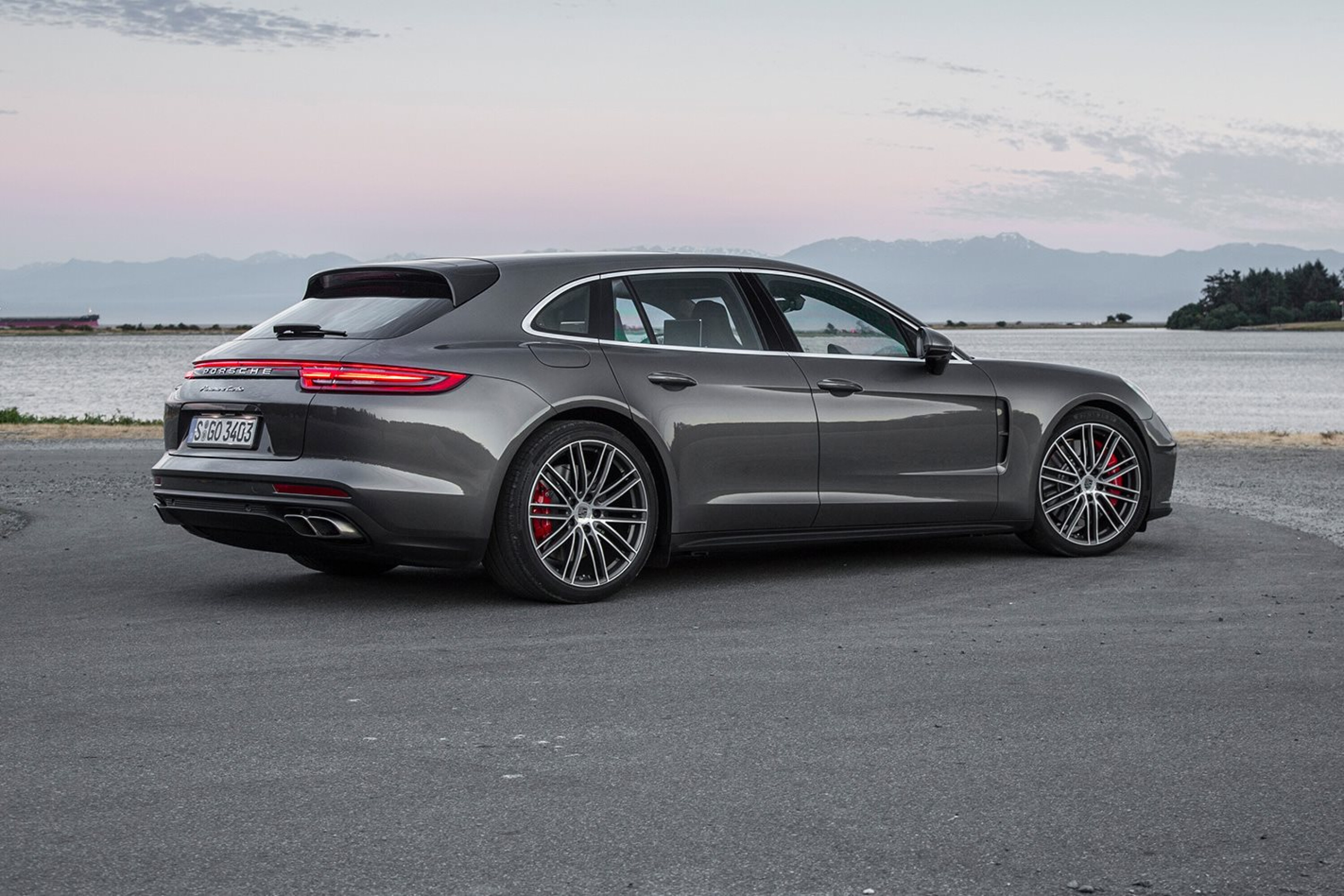
With that in mind, it’s with much gnashing of teeth that we announce the demise of Porsche’s prettiest long roof, the Panamera Sport Turismo.
Yep, that’s right, the torpedo-shaped Sport Turismo is not returning for another generation when Porsche ushers in the third-generation ‘972’ Panamera – due here from next month if Porsche’s delivery planner is to be believed.
1
There’s a school of thought that says that Porsche does not make a truly beautiful car.
Purposeful cars, yes. Functional? Certainly. But something truly sensual? That’s a tough case to make and the Panamera Sport Turismo, with its sleek fuselage and broad haunches, was something that looked like nothing else on the road.
The Taycan Cross Turismo lacks the Panamera’s consistently rising beltline, and looks comparatively gawky.
1
Introduced in 2018 and commanding a $7500 premium over its fastback ‘sedan’ sibling, the Sport Turismo was never a big seller, mopping up less than 10 percent of global Panamera registrations and around 15 percent here in Australia.
Perhaps it was the price premium coupled with the fact that the Sport Turismo didn’t offer much extra boot capacity over the Panamera sedan.
The Panamera model line vice president Dr Thomas Friemuth even admitted that “when it comes to the customer’s point of view, [the Sport Turismo] is a little bit of a design piece.
1
“The practicality of the car doesn’t change much compared to [the Panamera sedan] because we have the huge hatch. The sedan’s hatch is big, and the Sport Turismo’s is more or less the same.”
Even if it wasn’t the very last word in terms of practicality, it would have been great to have the Sport Turismo stick around. Price parity with the sedan may well have achieved this, leaving Porsche customers with a largely aesthetic consideration to make.
Indeed, it looks likely that the outgoing (deep breath) Panamera Turbo S E-Hybrid Sport Turismo will forever be the most powerful production Porsche wagon with an internal combustion engine.
1
With 450kW at its elbow, it’s hard to see anything with pistons eclipsing that figure.
Why bother when a Taycan Turbo Cross Turismo can, rather effortlessly, reel off 520kW? Nevertheless, we’ll miss the long-roof Panamera.
It was left-field, elegant, refined and purposeful. Never the obvious choice but always one that garnered appreciation, it was a refreshingly sleek alternative in a sea of bulbous SUVs.
The realm of ultra-luxe shooting brakes is rarefied air but there are two now-dead contenders that square up rather intriguingly.
The 450kW Panamera Turbo S E-Hybrid meets the 449kW GTC4 Lusso T. Both offer AWD for an ultra-chic ski resort arrival, but a 2018 Ferrari will set you back around $350K, while the Porsche will be $100K less.
Tough call but we’d probably choose to pony up for the dancing donkey.
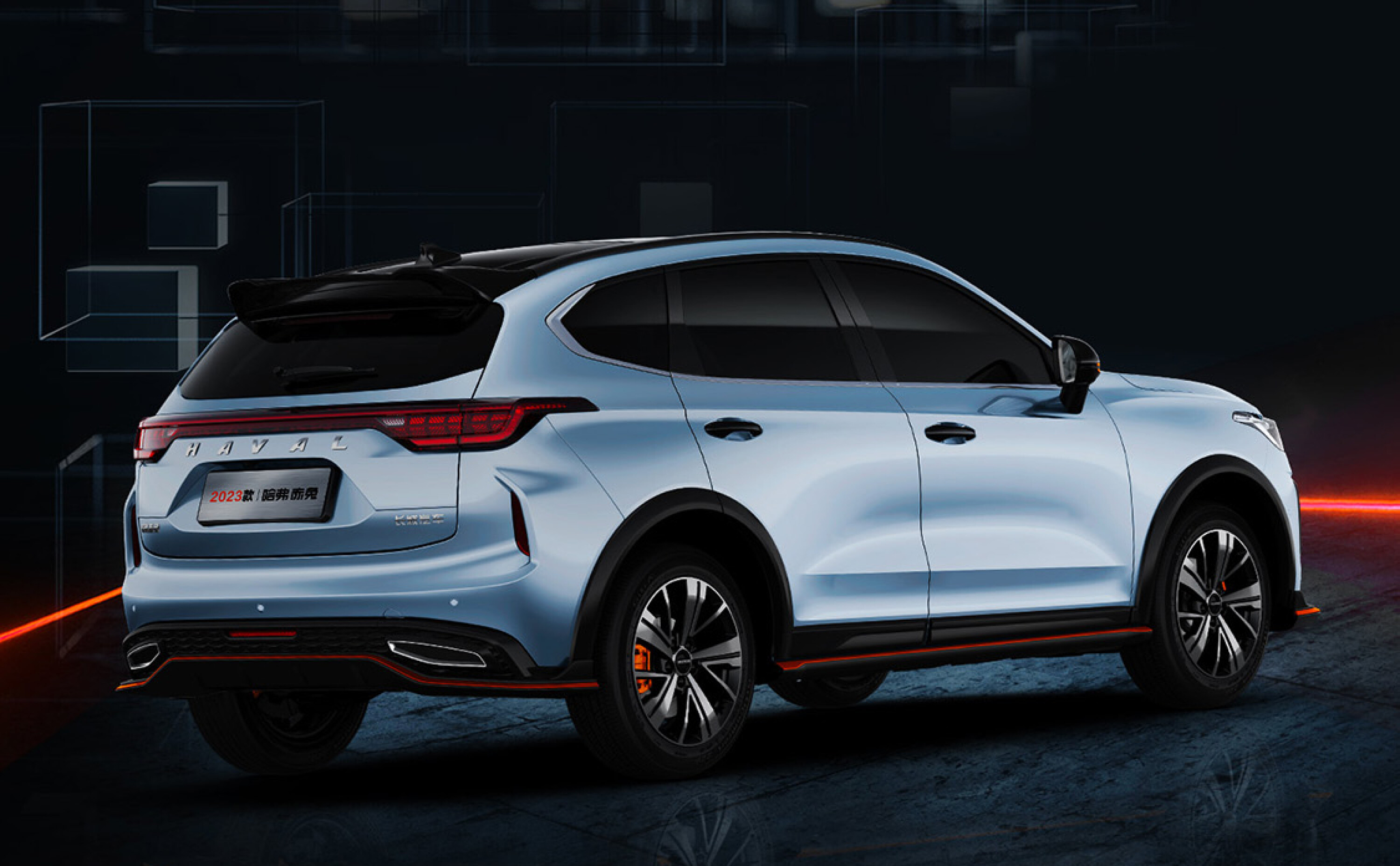
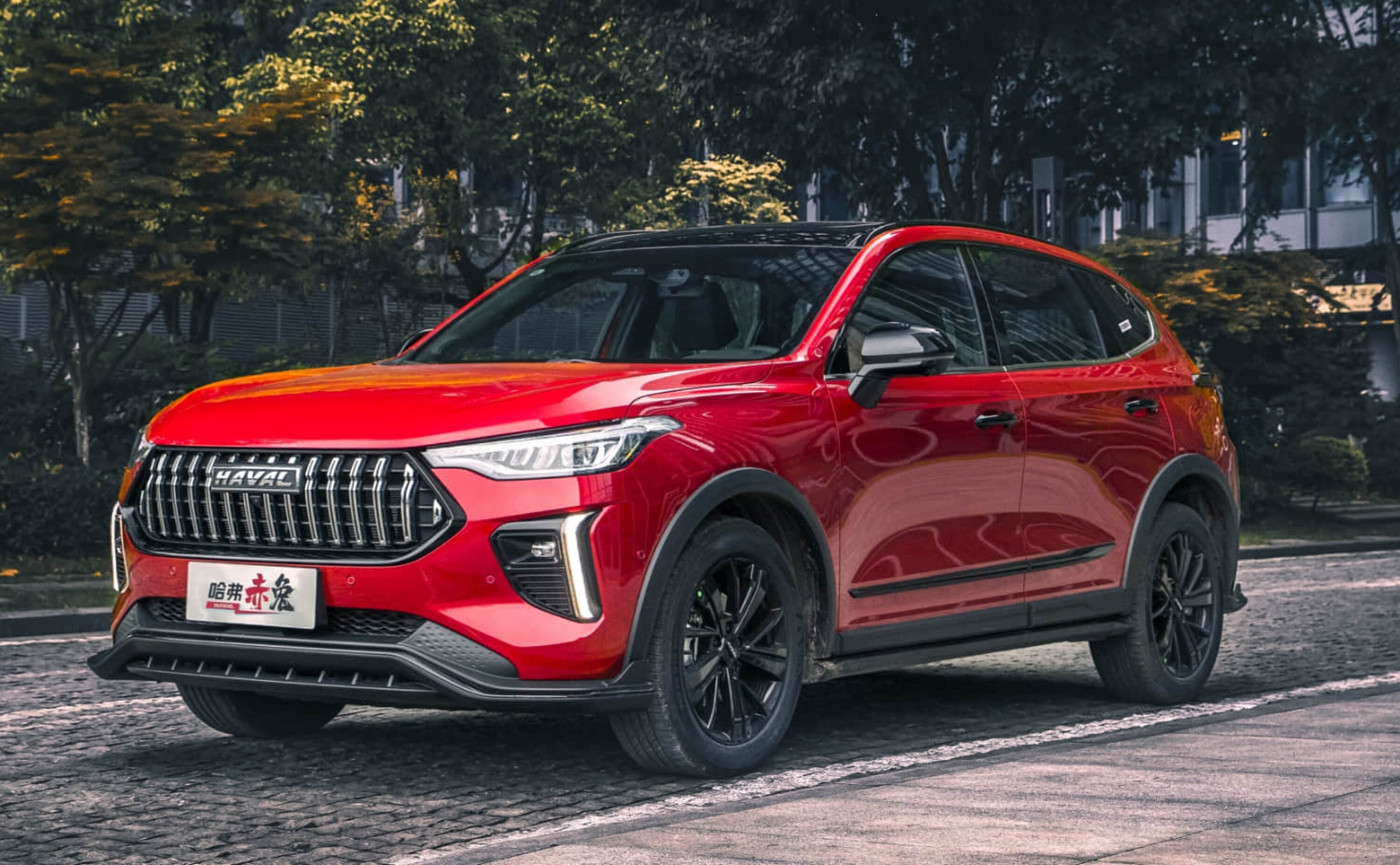
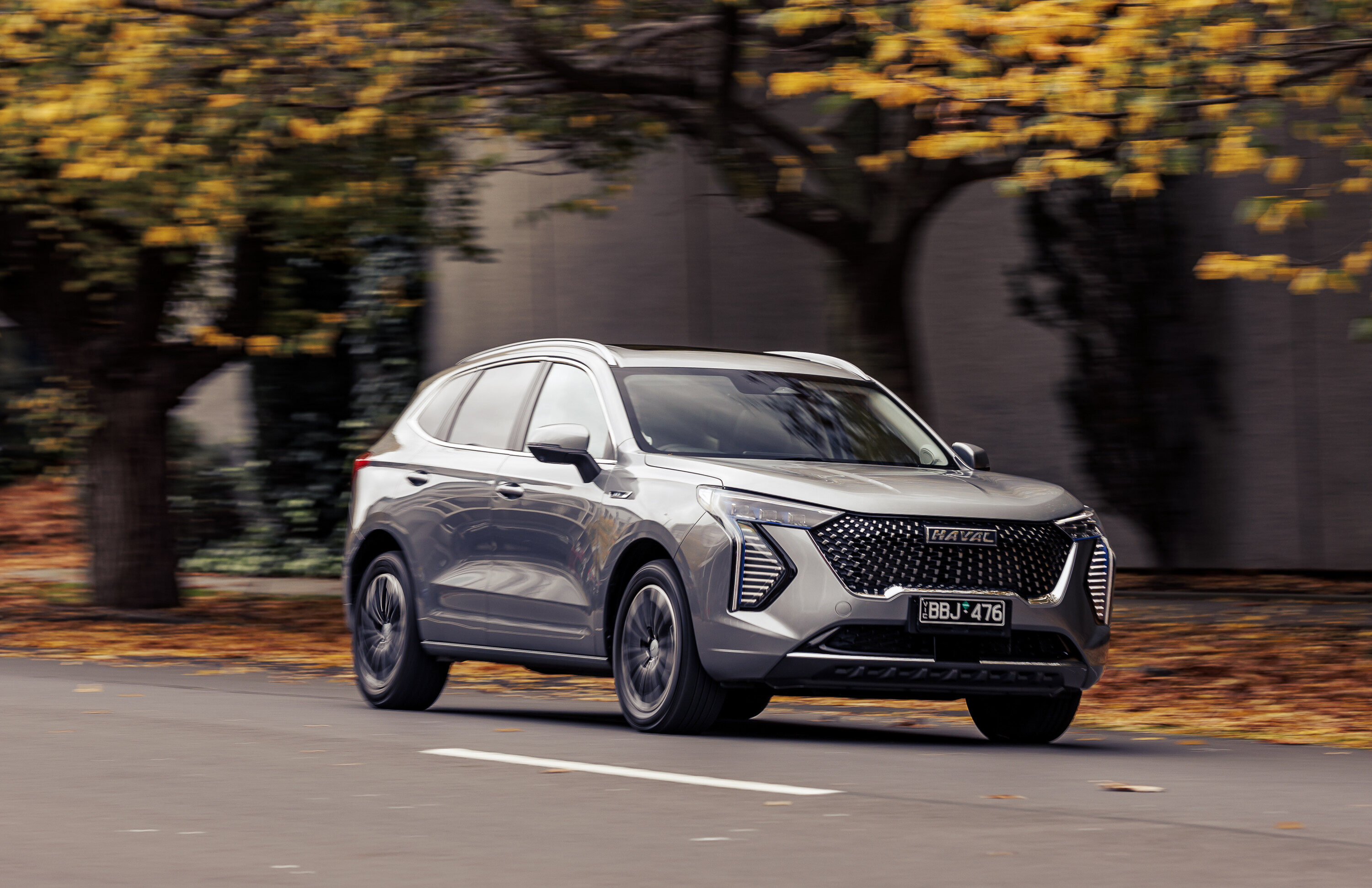
The 2024 GWM Haval Jolion Pro – or Chitu as it’s known in China, which means ‘red rabbit’ – appears likely for Australia.
GWM South Africa has announced it’ll introduce the Haval Jolion Pro small SUV between April and June 2024 to replace some Jolion variants, including the Jolion Hybrid and more-powerful Jolion S.
Like Australia, cars sold in South Africa are right-hand drive and most manufacturers offer similar line-ups in each nation.
1
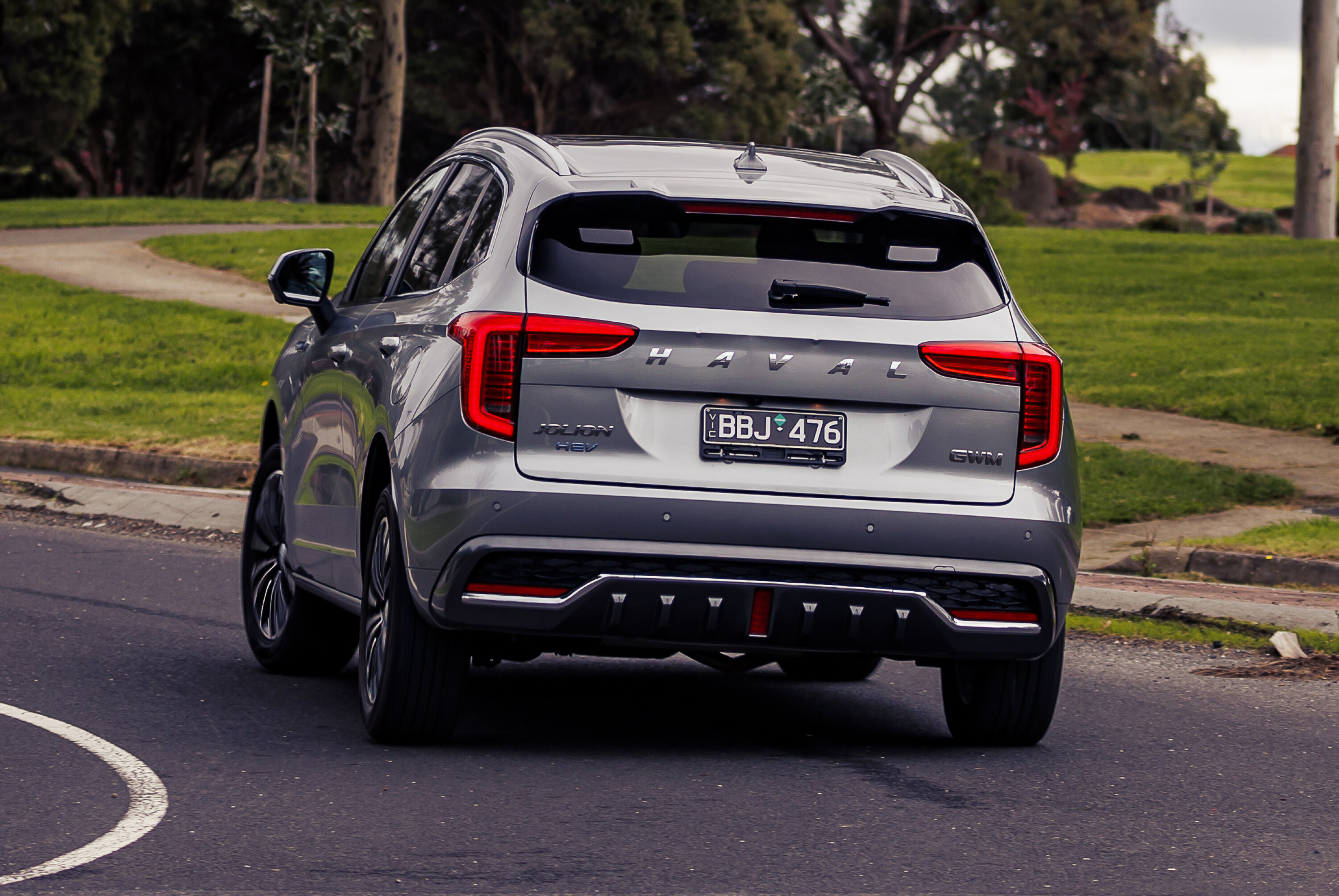
Australia appears to be next in line to receive the Jolion Pro – which could adopt a different name locally – after it was spotted in transit in Melbourne recently.
A two-pronged small SUV line-up would match the Jolion’s MG ZS arch-rival, also from China, which includes the standard ZS or the dearer ZST with a different look and an optional turbo engine.
GWM-Haval also sells the standard H6 midsize SUV and its coupe-styled H6 GT twin in Australia.
1
The right-hand drive Haval Jolion Pro has some minor differences compared to the Chinese-market Chitu, which launched there in 2021.
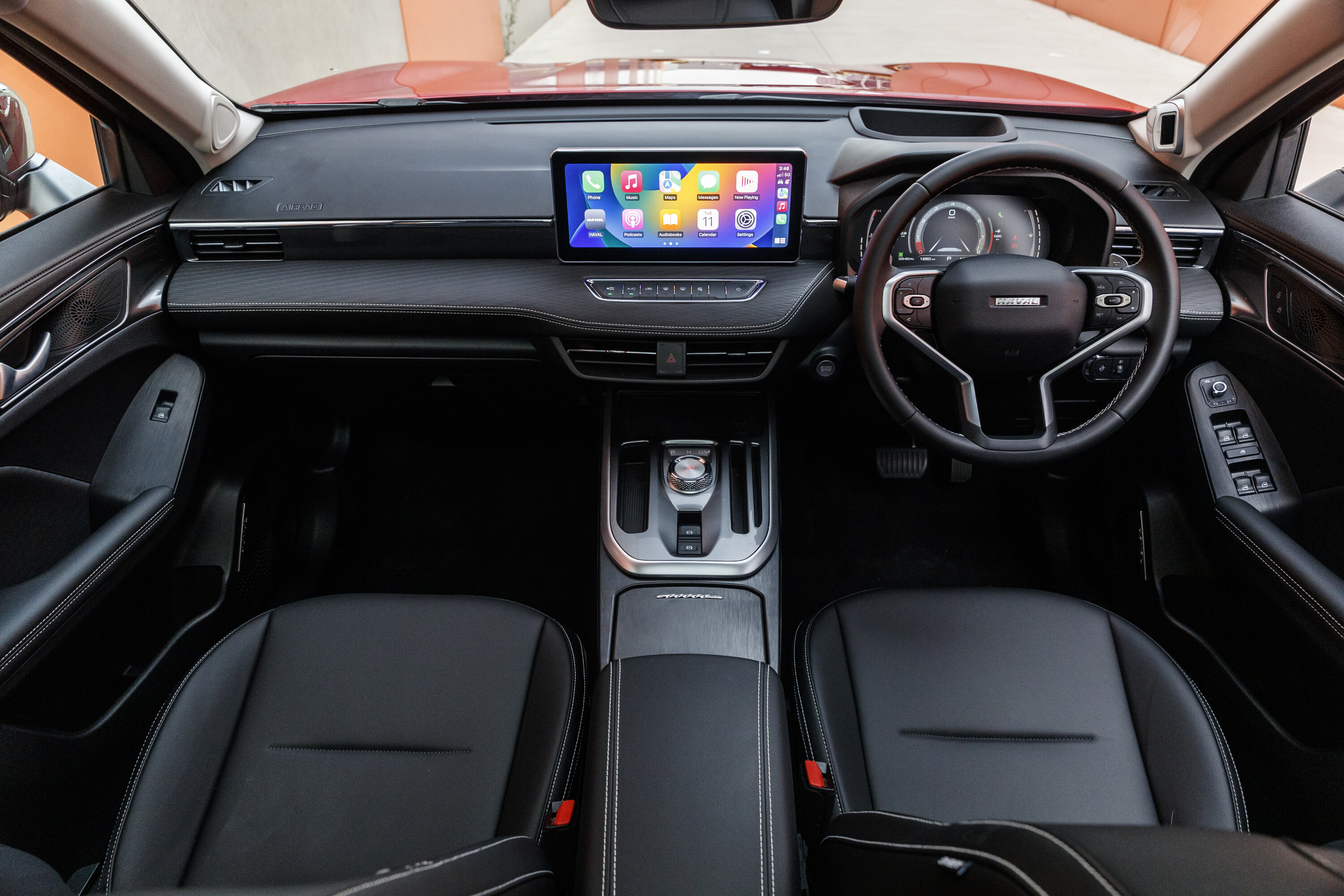
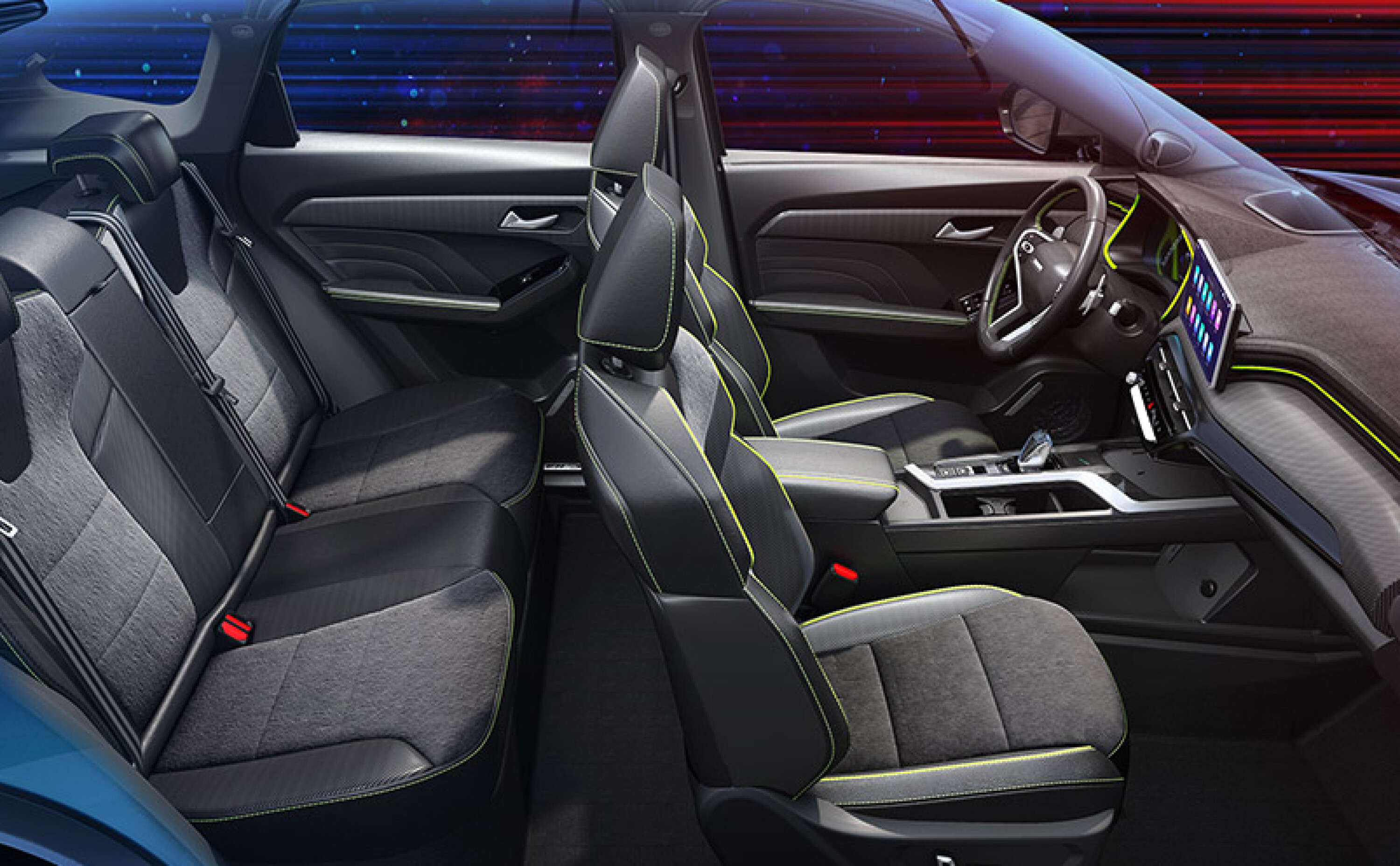
This is particularly evident on the inside, where the Chitu’s unique dashboard is swapped out for one that appears identical to the Jolion.
The petrol Haval Jolion Pro features the same 130kW/270Nm 1.5-litre turbo-four as the current Jolion S, matched to a seven-speed dual-clutch automatic and front-wheel drive – up from 110kW/220Nm in standard Jolion variants.
1
Like the Jolion S, the Pro also has multi-link independent rear suspension instead of a torsion-beam.
The GWM Haval Jolion S is currently listed as being in ‘low stock’ with a $3000 discount available until March 31.
South African media reports the Jolion Pro Hybrid retains the current Jolion Hybrid’s 140kW/370Nm powertrain mated to a ‘dedicated hybrid transmission’.
Measuring 4470mm long, 1898mm wide and 1625mm tall, with a 2700mm wheelbase, the Jolion Pro is 2mm shorter, 57mm wider and 51mm taller than the Jolion, with an unchanged wheelbase.
1
In China, the Haval Jolion – which means ‘first love’ in Mandarin – replaced the Haval H2, while the Chitu/Jolion Pro is the successor to the Haval F5. Both models are based on GWM’s ‘LEMON’ platform.
Only the Chitu is still available in China as the Jolion became an export-focused model in 2021.
The 2024 GWM Haval Jolion Pro is expected to arrive in Australia soon. Stay tuned to Wheels for the latest information.