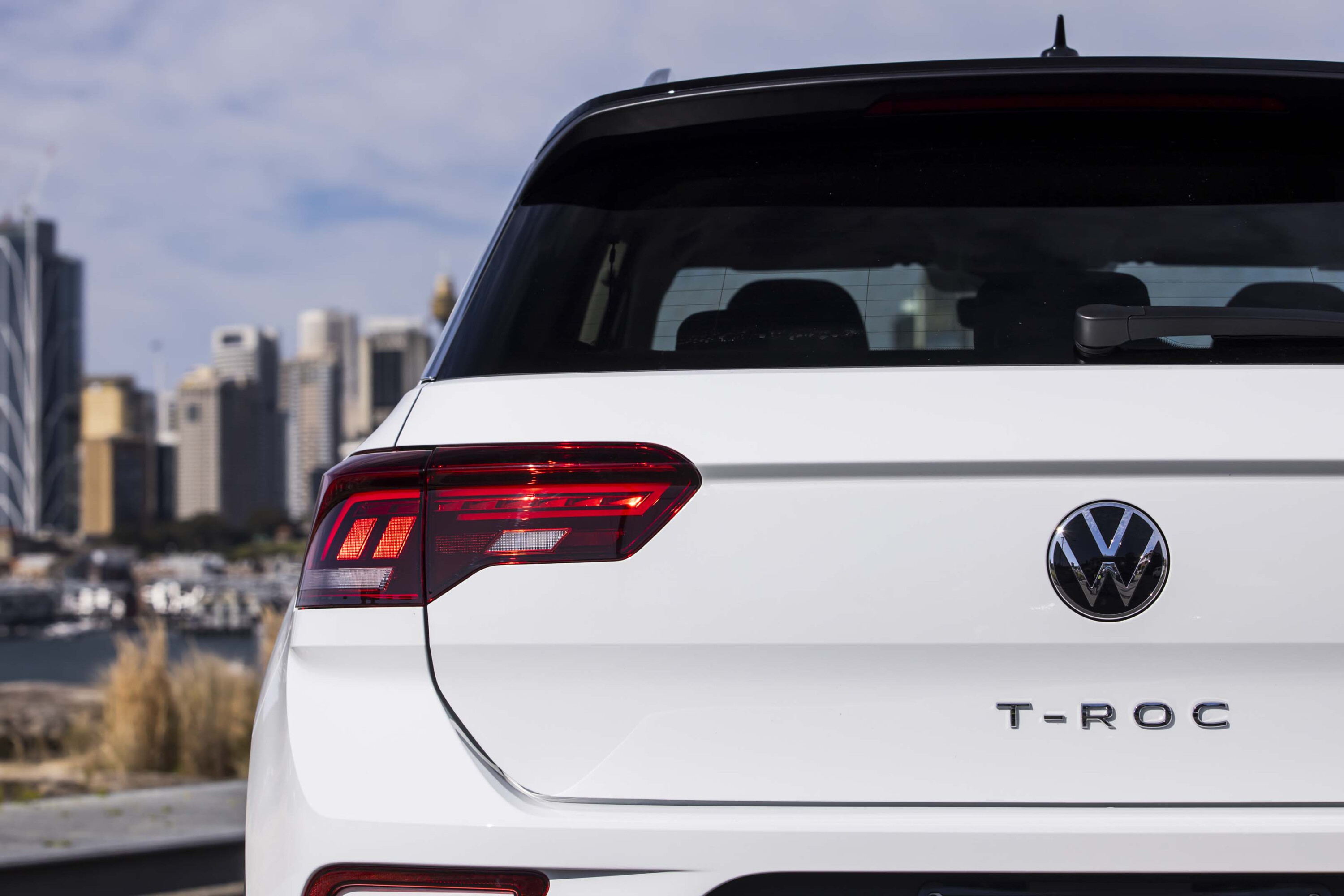
The 2023 Volkswagen T-Roc Style, priced at $37,100 before on-road costs, is the current entry point to the German brand’s small SUV. It is based on the previous generation of the VW Golf and sits between the T-Cross and Tiguan in the company’s SUV line-up.
The T-Roc has a higher starting price than most small SUVs, though there are two key factors: firstly, the T-Cross is available for lower budgets and is still a very practical offering; secondly, the T-Roc Style is well equipped for its price.
Standard features include a digital driver display, wireless smartphone charging, 8.0-inch infotainment touchscreen, auto-dimming rear-view mirror, dual-zone climate, and keyless access.
Options include a panoramic sunroof, auto tailgate with hands-free open/close, Vienna leather upholstery, and a Sound & Vision package that includes a Beats premium audio system and integrated factory navigation.
The T-Roc Style features a black roof combined with a white body colour as standard, with other body colours including red, blue and grey available for a small premium.
A slightly cheaper ($35,990) CityLife variant is due in September 2023.
6
Safety
The Volkswagen T-Roc was awarded a five-star ANCAP rating in 2017 – which will expire at the end of 2023 owing to the crash-test body’s six-year date-stamp policy.
Safety features include fatigue monitoring, Front assist with pedestrian monitoring, lane assist, blind spot monitoring, adaptive cruise control with Travel Assist temporary auto-steering, and parking assistance.
Key Rivals
The T-Roc Style has several competitors, including:
The 2023 Volkswagen T-Roc Style is a great option for buyers who place emphasis on an engaging drive, or those seeking a European flavour in a segment dominated by offerings from Japan and Korea. Although the 110TSI Style isn’t as sporty as other T-Roc models, it’s more compact torsion-beam suspension gives it extra boot space as a bonus, while it also offers the most relaxing ride in the range.
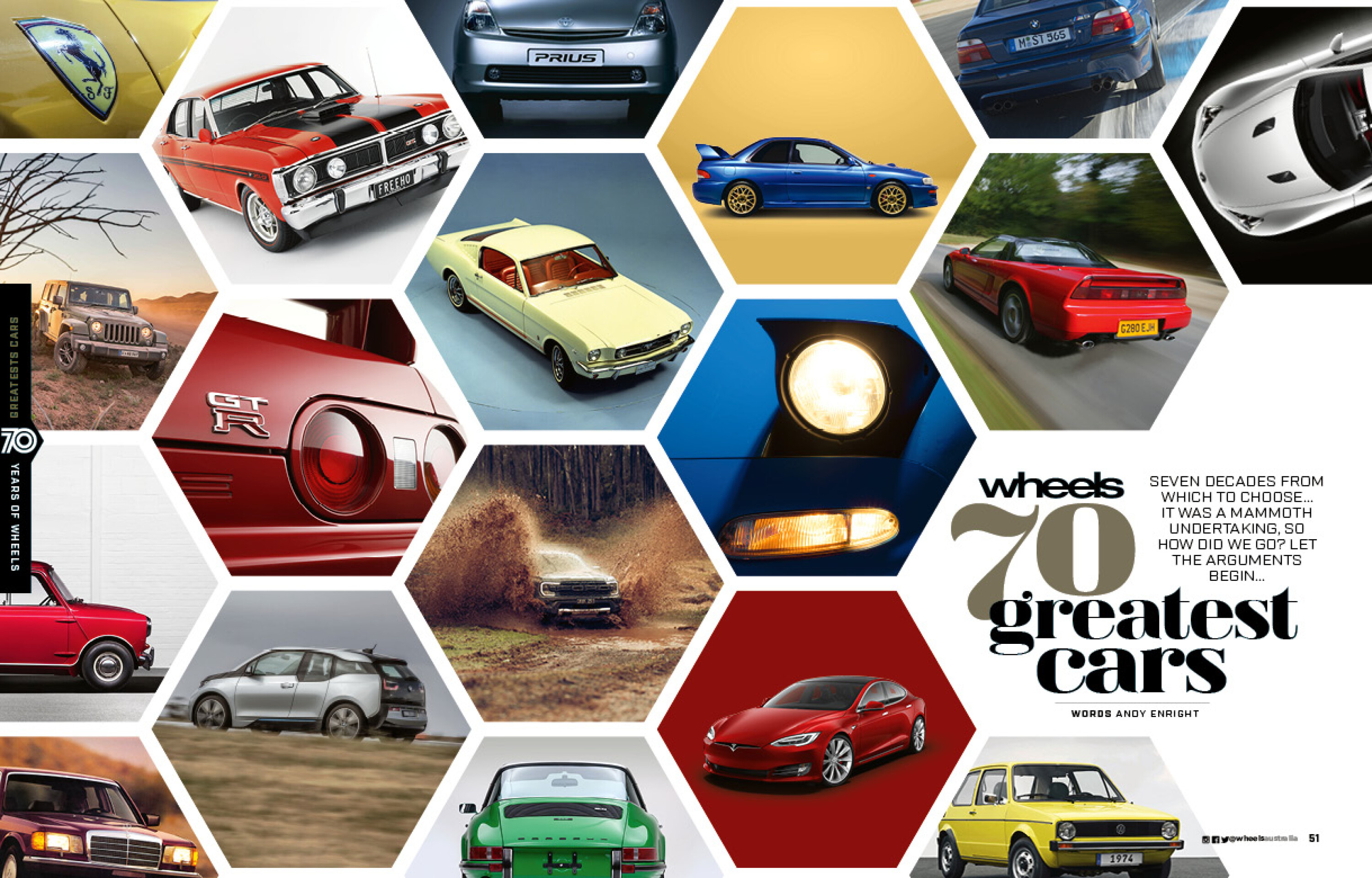
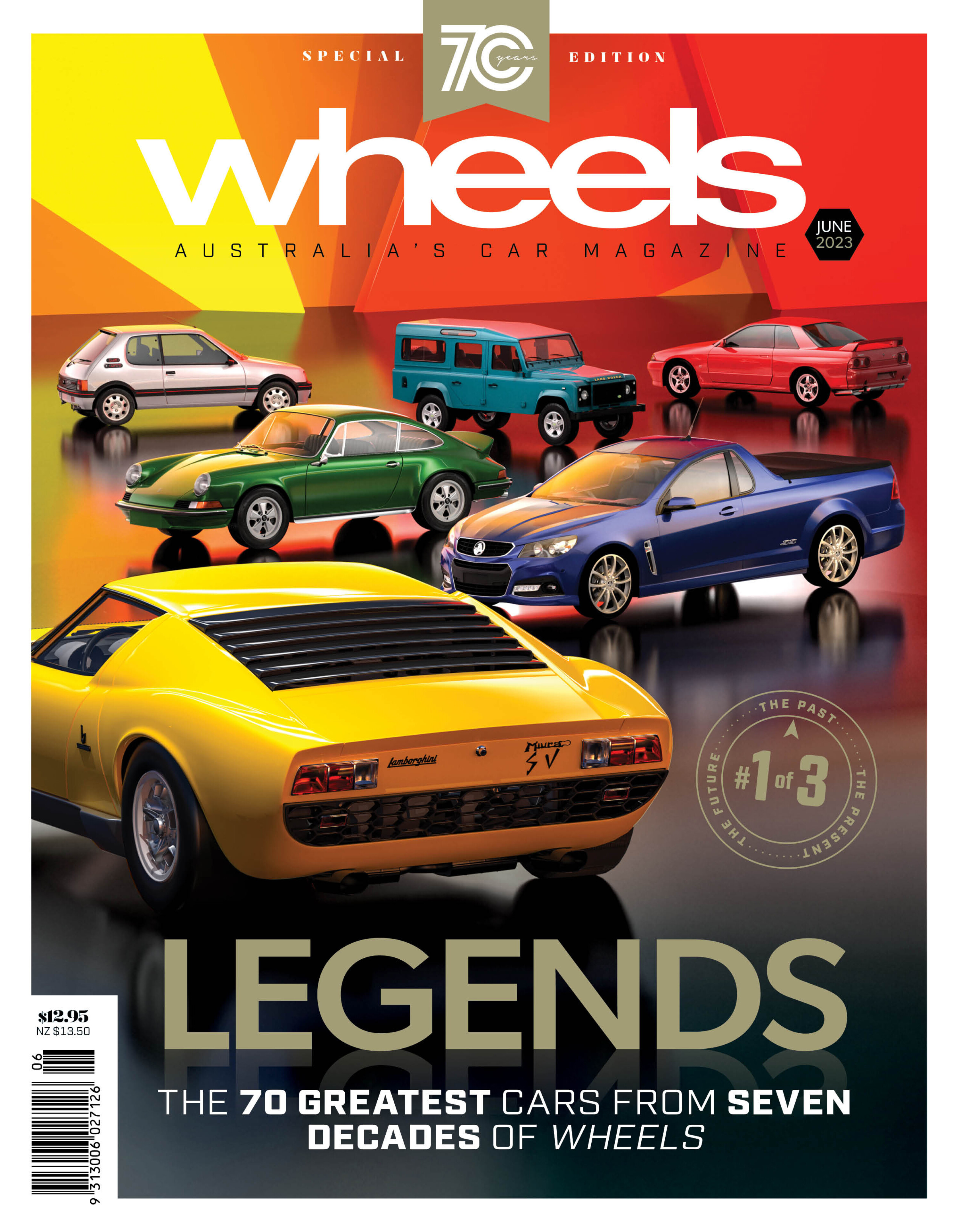
This first of three looks to the past, with present and future-themed issues arriving in turn.
Rather than rehash what Wheels has done before, we’ve instead looked at seven segments and had the mother of all arguments in arriving at a top 10 for each.
There are some game-changing and iconic cars that never made the cut. You’ll look in vain for a Lamborghini Countach or a Porsche 959. Mitsubishi Evo? Close but no cigar. Smart fortwo? Nope. Jeep Cherokee. Pass. VE Commodore? Sorry. The lists are sure to provoke discussion. Maybe rage if our heated debates were anything to go by.
There’s a Retro by Michael Stahl that may well tug at your heart strings and a whole lot more from your favourite road testers and columnists.
Enright even manages to get sidetracked by Crick and Watson’s discovery of DNA.
1
Even the front end is pretty special with UK digital artist Olgun Kordal pitching in to create one of the most beautiful covers we’ve seen for a while. He’s leaned on a little assistance from one M. Gandini, but that’s no bad thing.
1
This very special edition of Wheels is on shelves from the 5th June. It’s sure to be popular, so grab one fast.
We only turn 70 once, and when they’re gone, they’re gone. Here’s to the next 70 years.
Not yet a subscriber?
You can subscribe to Wheels magazine from only $59 and we’ll send you a copy of the current issue straight away.
May marked the Australian car market’s best-ever results for that month, surging 12 per cent compared to the same period in 2022, with a total of 105,694 new registrations across the country.
Compared to the 82,137 new vehicles registered the previous month, this represents 23,557 more new vehicles hitting the Australian roads in May than in April, a significant 22 per cent month-to-month increase.
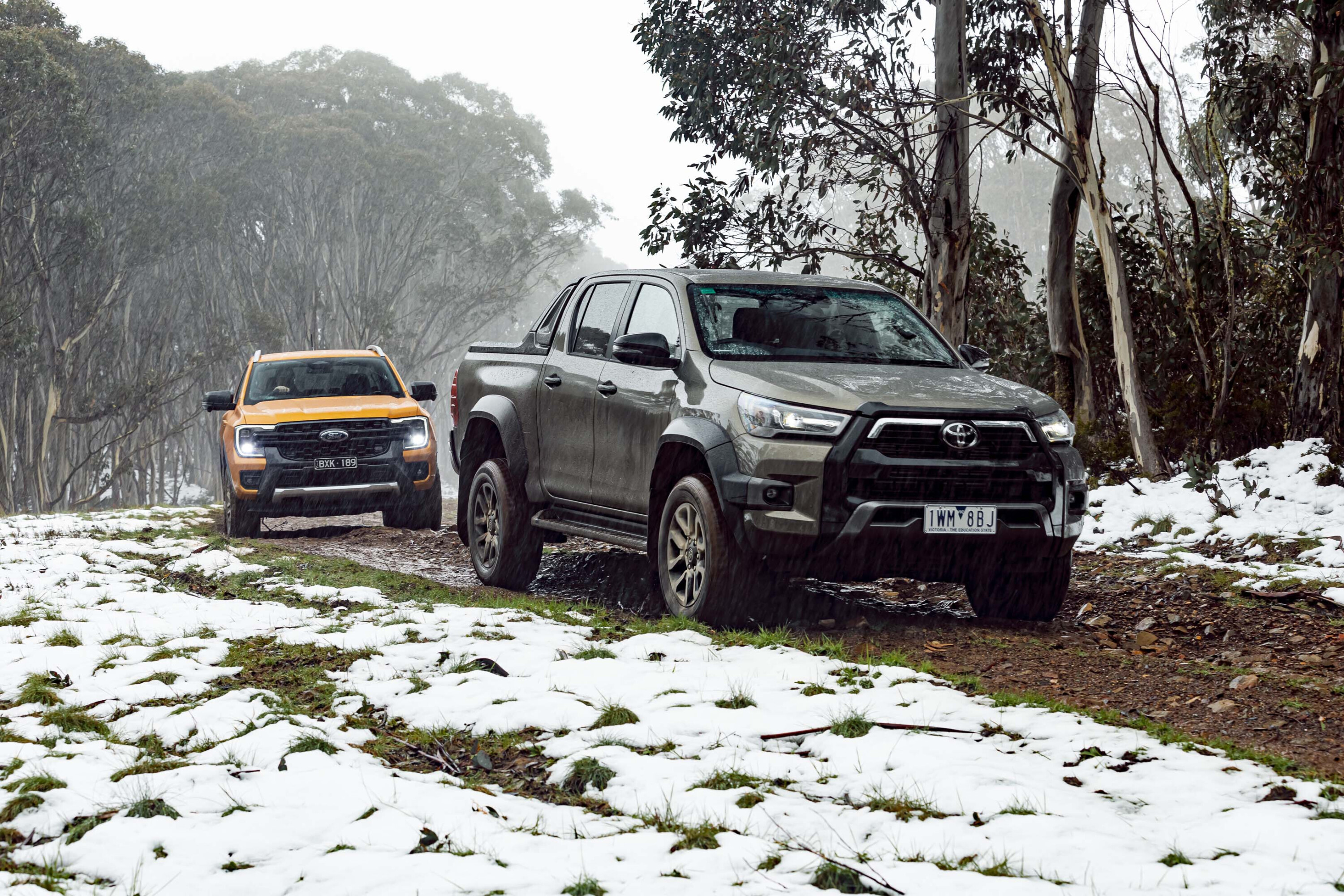
As is, seemingly, tradition, the top two spots are occupied by the veritable dual-cab kings of the road, with the Toyota Hilux achieving 5772 (4×2 and 4×4 combined) new registrations, while Ford achieved 4110 (4×2 and 4×4 combined) deliveries of its popular Ranger ute.
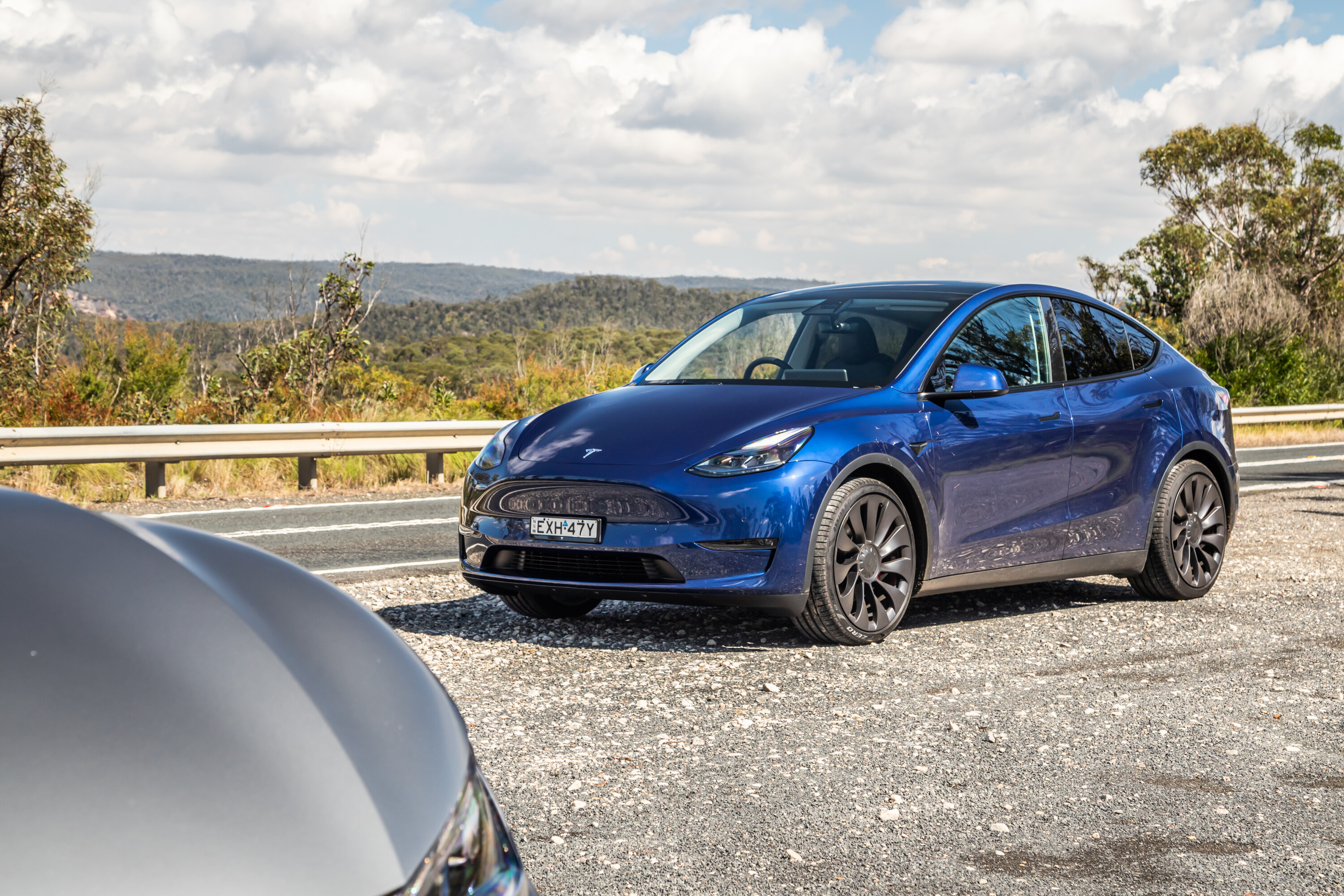
The Tesla Model Y has overtaken the highly sought-after Toyota RAV4 for third place, with 3178 new deliveries compared to Toyota’s 2616.
The MG ZS, with 2502 registrations, vaults last month’s Top Five finalist, the Hyundai i30.
Overall, despite higher costs of living and continual interest rate rises, a perpetually improving car supply and a healthy backlog of demand have buoyed the Australian car market, which has grown year-to-date by 4.3 per cent when measured against the same five month-period of 2022.
Western Australia represented the largest monthly growth against the month of May 2022, with Western Australia measuring 25.1 per cent growth, and Queensland, 17.4 per cent.
FCAI Chief Executive, Tony Weber says “this result is a signal that we are starting to see some improvement in supply, “
“However, not all issues are resolved, and our members continue to work with their customers to improve vehicle delivery times.”
“A large portion of vehicles delivered this month would have been ordered during 2022”, tempers Weber.
“Nevertheless, reports from our members indicate that demand remains firm”.
Deliveries of new electric vehicles slightly shrank from last month, representing 7.7 per cent of May’s new vehicle registration mix, compared to 8 per cent the previous month. Combined electrified vehicle registrations (battery electric, plug-in hybrid and conventional hybrid) remain fairly steadfast, at 15.6 per cent (compared to 15.4 per cent in April).
The frequent offenders are back, with Toyota’s Hilux and its Ford Ranger nemesis, once again, occupying the top two spots on the sales charts.
Last month, however saw the Toyota Hilux (5772) vault the Ford Ranger (4110) to the number one spot, but the overall 2023 sales race is still anyone’s guess: Toyota Hilux currently boasting 21,951 year-to-date registrations against the Ford Ranger’s 21,407 year-to-date figure.
Tesla continues to enjoy a healthy supply line, delivering 3178 Model Ys across the nation, usurping the popular Toyota RAV4 (2616) to May’s fourth position.
1
The MG ZS rounds out the Top Five, dipping in with 2502 new registrations, ahead of the Isuzu D-Max with 2371 registrations.
Last month’s fifth place finisher, the Hyundai i30 (2163), occupied seventh place, ahead of its Tucson stablemate in eighth (1911).
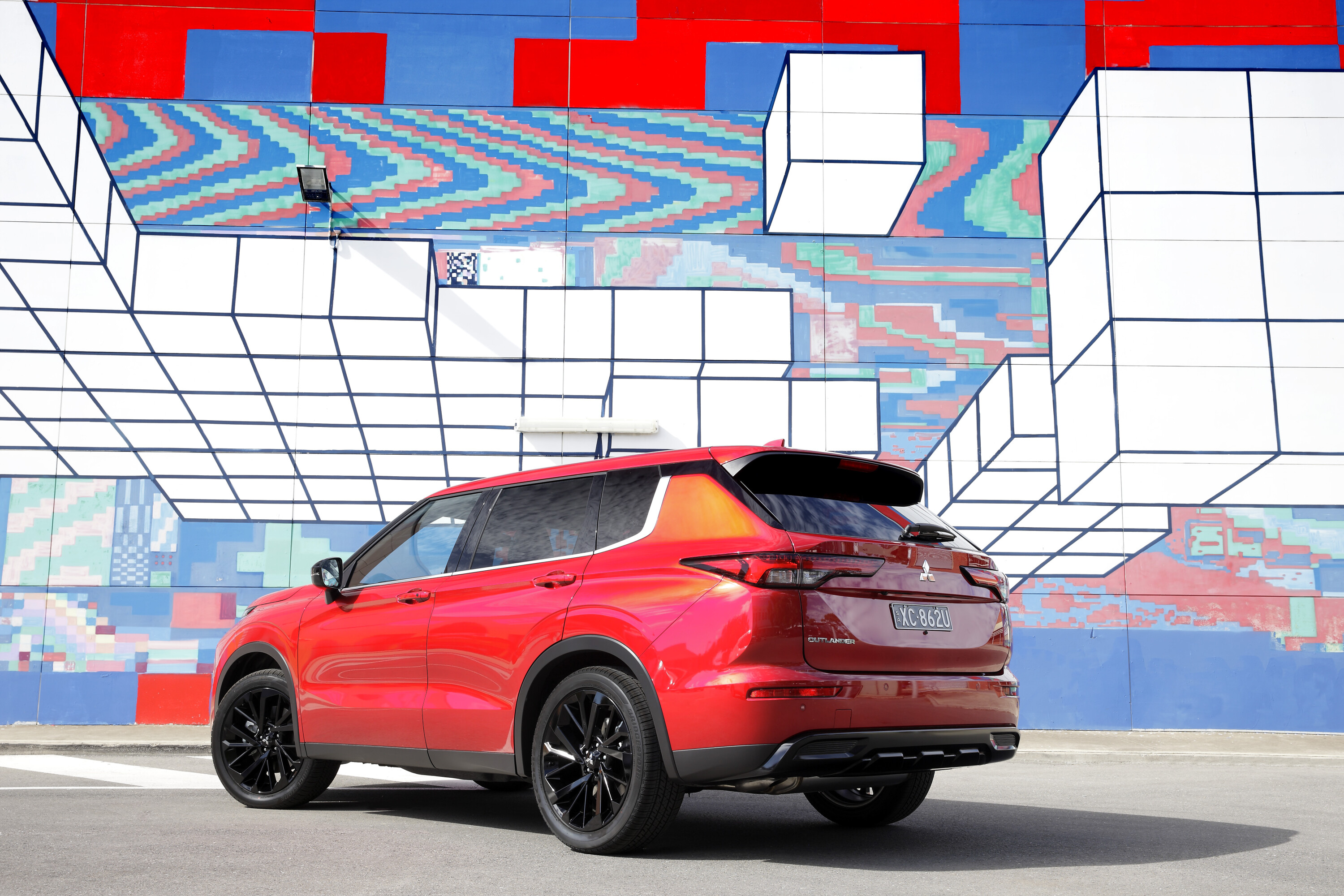
Mitsubishi’s new Outlander enjoys strong demand and solid supply, registering 1880 new examples across Australia, while the ageing Mazda BT-50 (1788) continues to trickle along, rounding out the Top 10, but down a drastic 94.6 per cent against this time last year.
Toyota, the Japanese giant, continues to rule the volume share of the Australian market, pegging 18,340 new registrations across May alone. That’s up steeply against last month’s result of 12,029, though their year-to-date figures are still down 19.6 per cent compared to this time last year.
Mazda swings into second for May, pegging 8475 new registrations nationally, and is enjoying a stellar year, currently up 30.9 per cent YTD.
Hyundai and Kia were separated by less than 100 units, with the former placing third (7078) while Kia trails in fourth with a neat 7000 registrations in May.
1
Ford (6251) comfortably occupies the middle of the road in fifth, while MG (4828), Mitsubishi (4583) and Tesla (4476) follow closely behind in sixth, seventh and eighth rankings.
Volkswagen swings into eighth place, with 3940 new registrations for the month, and tells us that the new T-Roc “would likely exceed 1000 units this month with plentiful supply”.
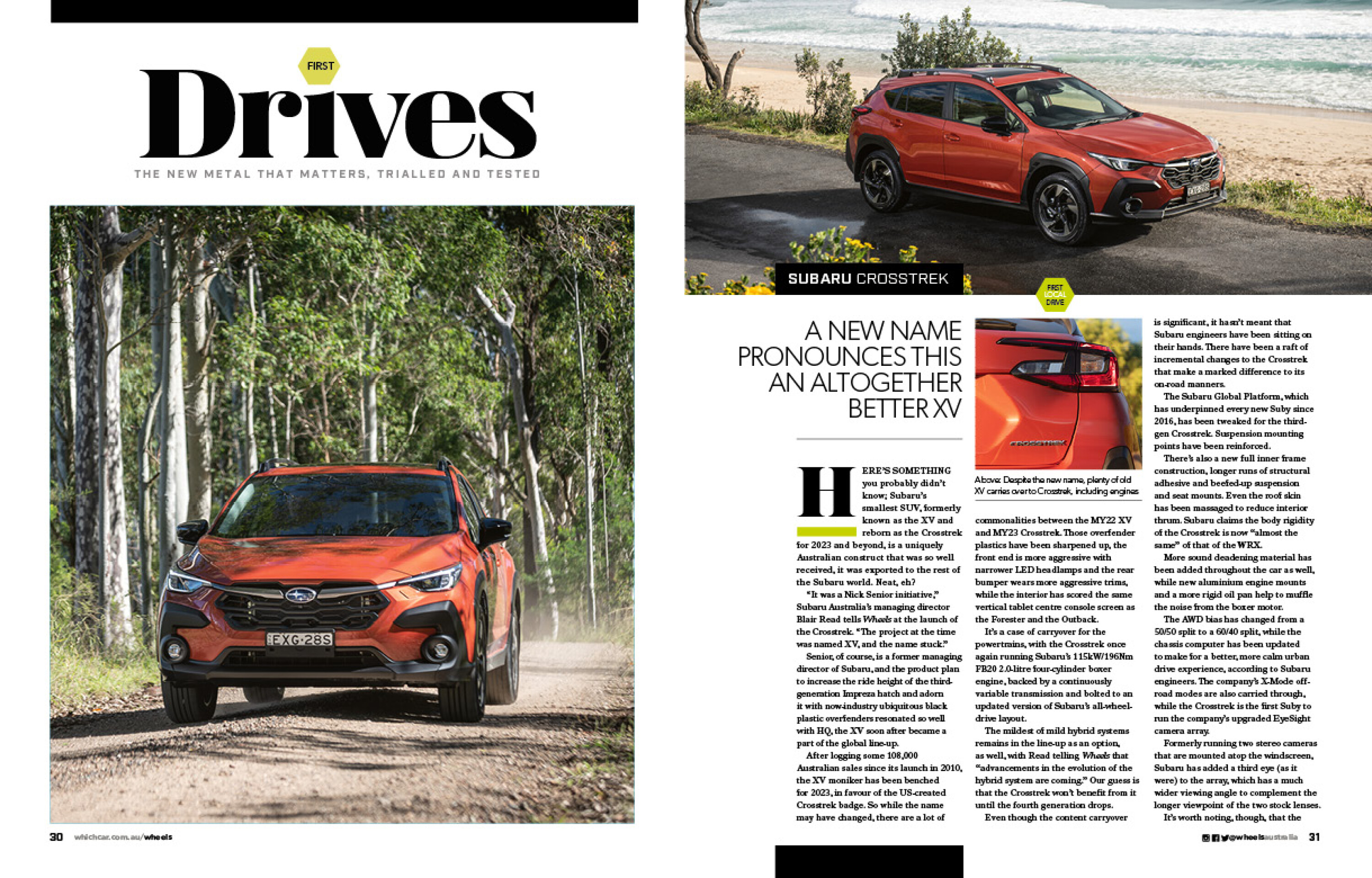
Subaru, rounds out the top 10 with 3564 registrations, with new CrossTrek (1126) and Forester (1045) doing the heavy lifting.
Medium family SUVs and heavy-hitting light commercial vehicles continue to make up the lion’s share of new Australian cars, with the Medium SUV segment increasing its market to 22.4 per cent in the month of May, while light commercial vehicles accounted for 16.3 per cent of the market.
If you add Small and Large SUV segments, however, the combined SUV arena accounts for a shocking 48.8 per cent of all new cars registered across Australia.
Elsewhere, the entire passenger car market is up by 5 per cent for May, with small passenger cars delivering in the biggest numbers, representing 6.2 per cent of all new cars registered across May.
Across the entire Australian car market for May, Petrol vehicles represented 49.5 per cent of all new vehicle registrations, with diesel still proving popular, at 30.4 per cent.
Increasing buyer interest, however, sees pure electric-powered vehicles (8124) exceed popular hybrid vehicles (7600) and plug-in hybrid vehicles (791).
1
In tables: New car sales by fuel type for May 2023
Country of Origin: Where Australia’s new cars came from in May 2023
Japan continues to supply the bulk of new cars in Australia, with 26.8 per cent (28,350 vehicles) of new cars registered in May having being imported from Japan.
Increasing competition, however, is seeing Japan’s market share slowly receding, currently down 15 per cent from the same period measured YTD last year.
1
Australia’s penchant for dual-cab ladder frame utes sees Thailand-sourced vehicles representing the second-largest pool in the national market for May, with 20,624 Thai-built vehicles registered.
Chinese product is clearly demonstrating the biggest developments, and changes in buyer perception, currently up 118.8 per cent YTD against figures measured over the same five months of 2022. In may, 17,958 Chinese-built vehicles were let loose across the nation, representing a touch under 17 per cent of the Australian car market in May.
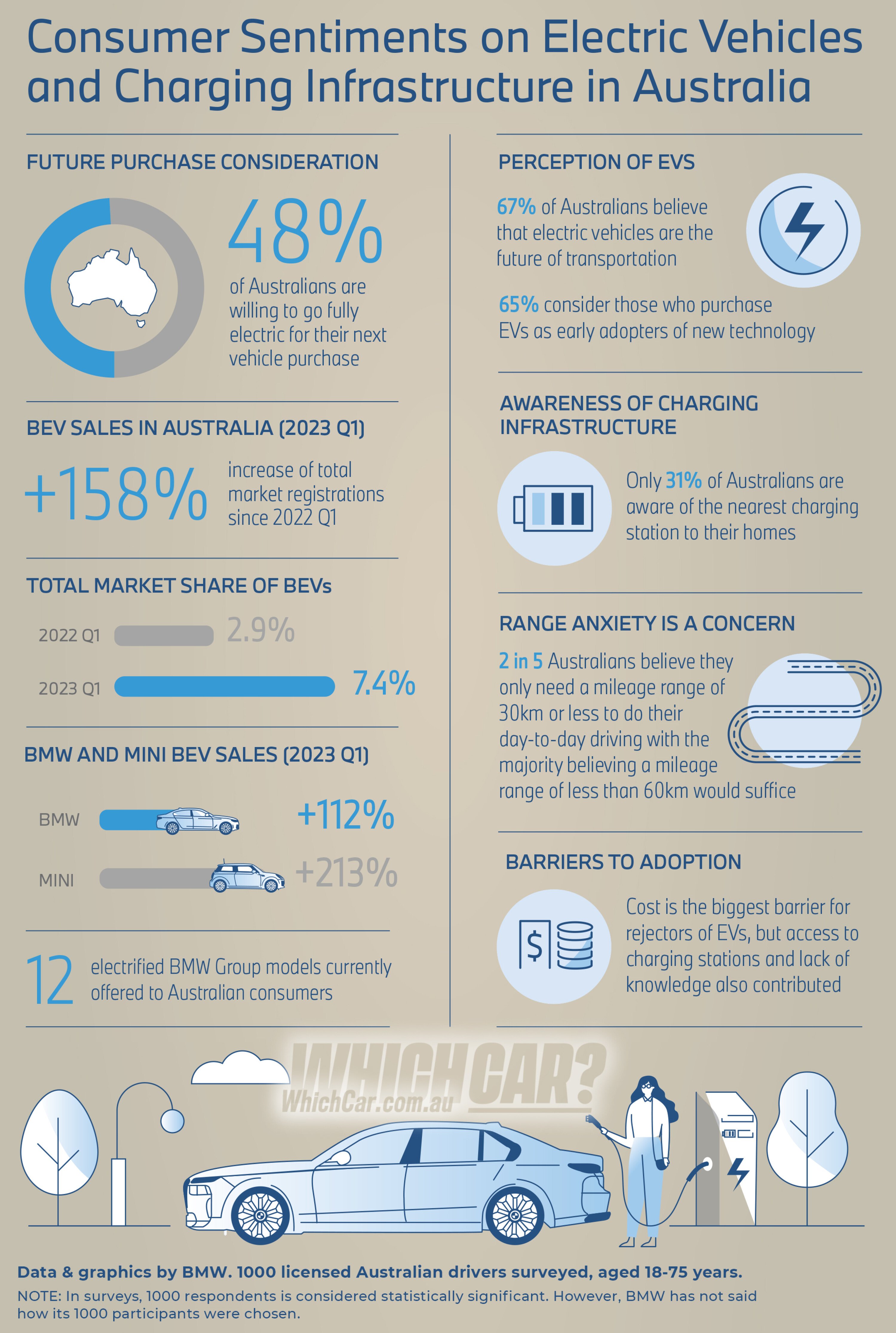
A study has revealed almost half of Australians are open to owning an electric vehicle, but remain concerned and uninformed.
Snapshot
48 per cent would consider buying an EV
Driving range concerns, despite low requirements
More public charging needed, lower price tags
The survey, commissioned by the BMW Group and conducted by Hall & Partners, included more than 1000 adult Australians aged between 18 to 75 years who held a valid driver’s licence.
EVs accounted for 7.4 per cent market share in the first quarter of 2023, compared to just 2.9 per cent in the same period in 2022.
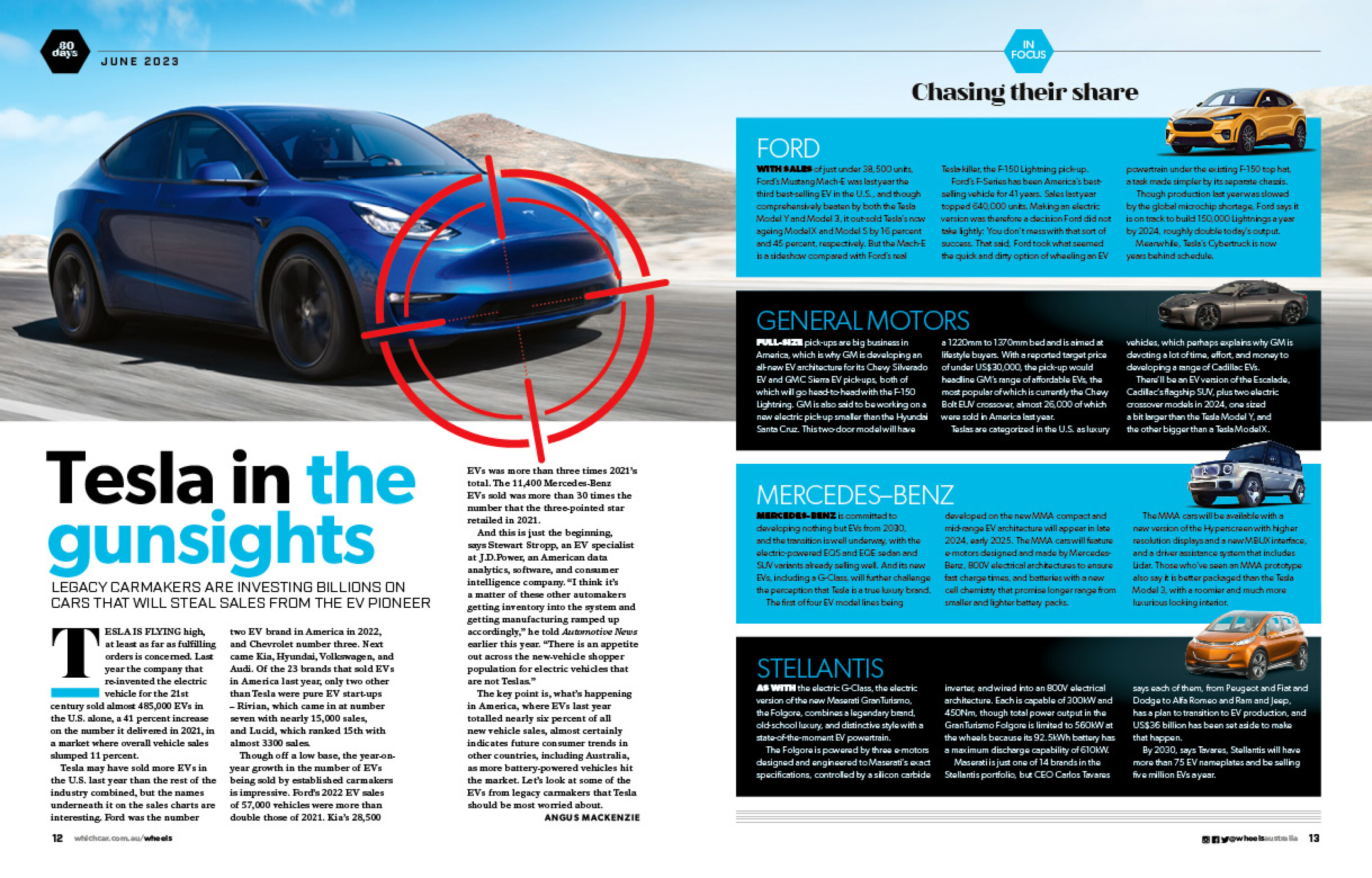
However, despite the surge in new EV sales so far this year – spearheaded by the Tesla Model 3 sedan, Model Y SUV, and BYD Atto 3 SUV – key barriers to EV adoption remain.
2
Open to EVs
Interestingly, 48 per cent of participants expressed interest in buying an EV – which may include switching vehicles or adding a vehicle to the garage. Males aged 18 to 34 indicated a higher likelihood of considering an EV for their next purchase.
While 67 per cent of Australians surveyed believe EVs are the future of transportation, 65 per cent agree that purchasing an electric car today still signifies early adoption of relatively new technology.
1
Lack of education
‘Range anxiety’ remains a prominent concern, with those surveyed emphasising the need for a widespread and accessible public charging network to offset driving range concerns.
However, only 31 per cent and 19 per cent of Australian participants were aware of the nearest public charging location near their homes and workplaces, respectively.
1
Additionally, 60 per cent believed that a total driving range of less than 60 kilometres would be sufficient for their daily driving needs, while the rest indicated a requirement for 30 kilometres or less range.
It’s worth noting that most EV models on sale today already provide between 200 to 600 kilometres of driving range from a full charge. Importantly, if you park a vehicle at home or work and can access a standard three-pin plug, you can comfortably trickle charge enough juice overnight to meet the aforementioned range requirements.
1
Price concerns
The purchase price of EVs was a primary reason for participants to avoid the switch, with new models today starting from $43,990 before on-road costs.
Despite the concerns, that’s the starting price of a petrol- or diesel-powered medium SUV – even though for that money, you can only get into an electric small SUV or hatch from the class below.
Most EV models are centred in the $60,000 to $100,000 range, which includes medium SUVs and sedans – or the price of a large SUV or popular ute.
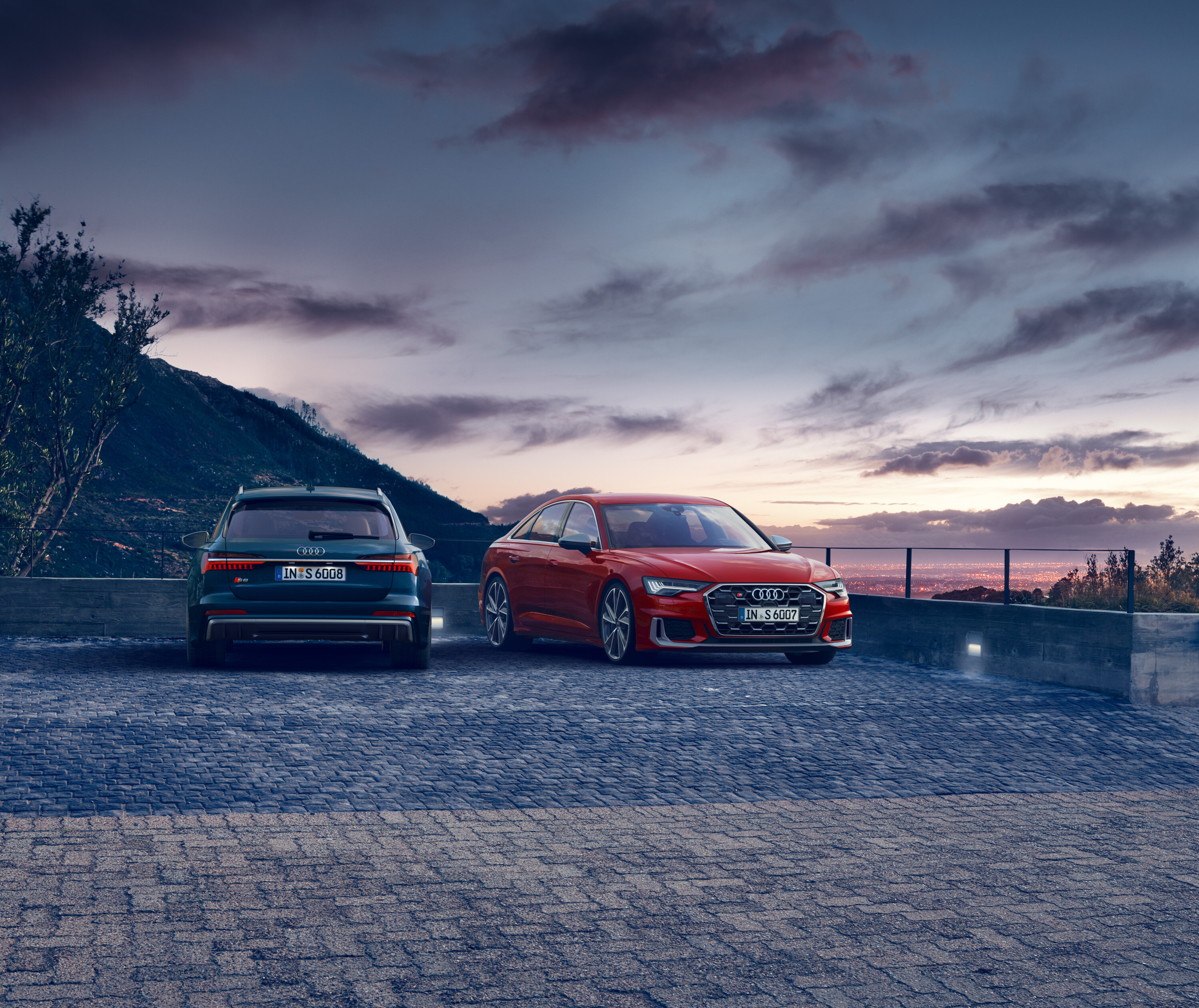
The 2024 Audi A6 and A7 have received a minor nip-and-tuck, including the sporty S models.
Snapshot
2024 Audi A6 and A7 update revealed
European examples receive more standard equipment, minor design changes
Australian details and timing unclear
As part of the model-year update, the luxury Audi twins have received a minor design refresh, as competition heats up from the all-new Mercedes-Benz E-Class and BMW 5 Series.
This includes a new honeycomb-look grille for both vehicles, restyled lower front and rear bumpers for the A6, new arcona white and maderia brown colour options, and redesigned alloy wheels.
Inside, Audi has added new decorative inlays with a wood or suede-like finish, while S-line variants receive more black trim for the dashboard, headlining and steering wheel.
1
For S-line variants, there are new illuminated front and rear door sill trims with aluminium inlays.
In Europe, the A6 and A7 are now equipped with a 12.3-inch digital instrument cluster – already standard-fit in Australia – and an automatic parking system.
The updated 2024 Audi A6 and A7 are now available to order in Europe.
An Audi Australia spokesperson confirmed production for the updated A6 and A7 will commence in July, with local deliveries likely towards the end of 2023.
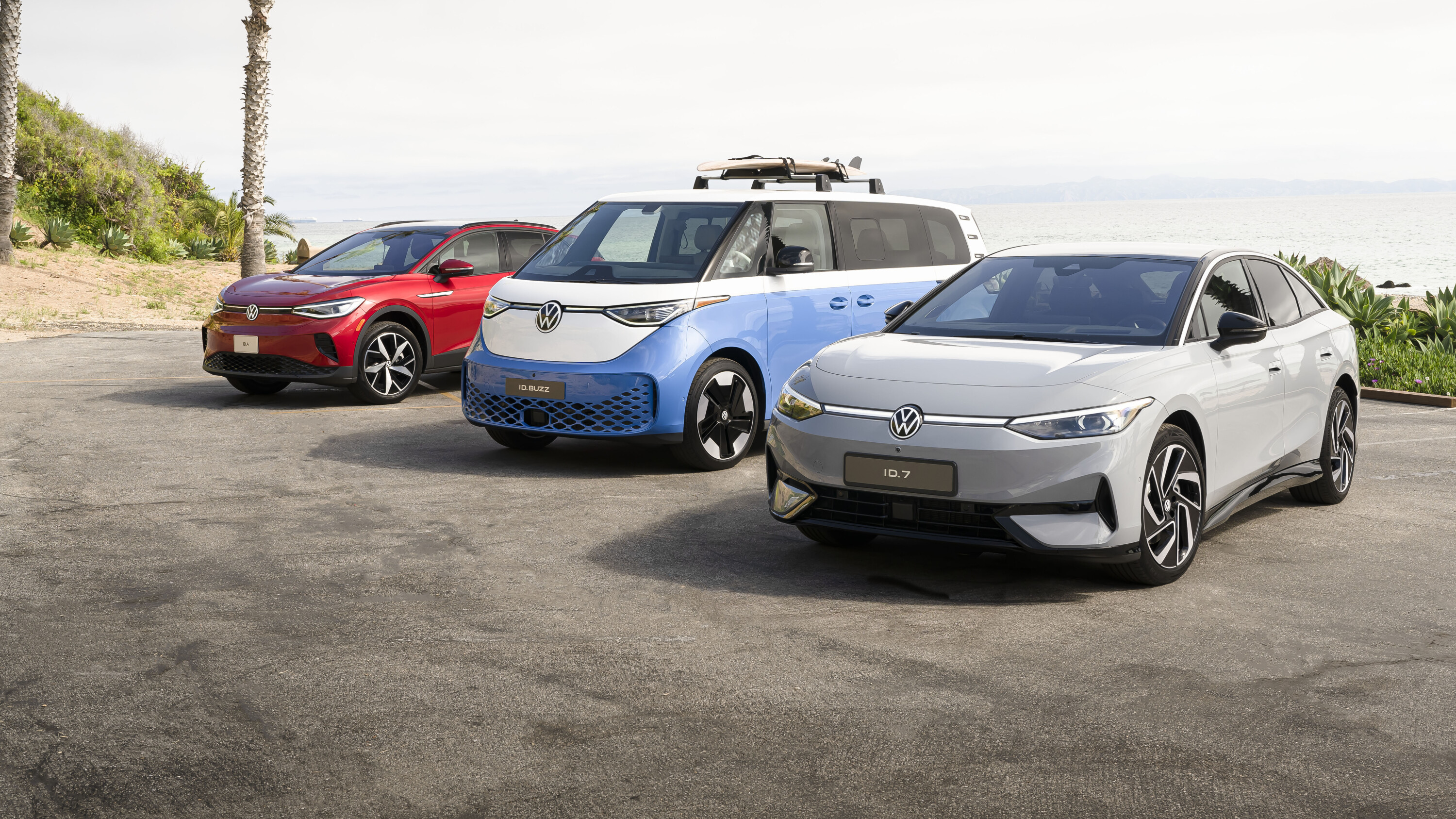
It was only a couple of months ago that Volkswagen finally confirmed its fun ID.Buzz EV will come to Australia, and now it’s looking hopeful that we’ll get this new three-row version too.
Snapshot
250mm longer body and wheelbase than regular Buzz
250kW GTX version promises 0-100km/h in 6.4 seconds
Australia a good chance
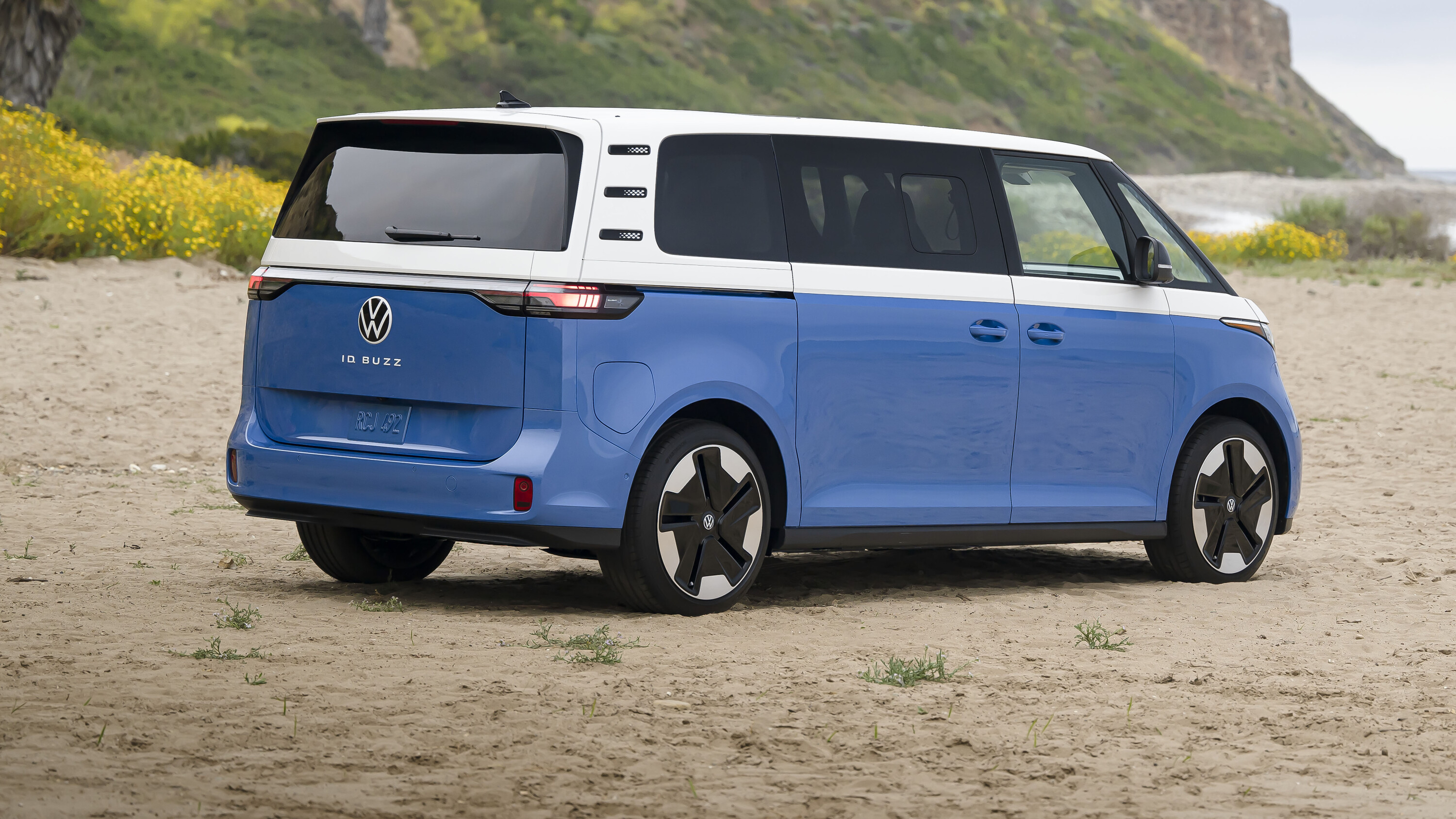
Unveiled overnight, the new long-wheelbase (LWB) ID.Buzz is the only version that will be offered in America, while Europe will get both the short- and stretched forms.
Volkswagen Australia hopes to share that plan with Europe, with a spokesperson confirming to Wheels today that the brand has its hand “firmly up for it”.
“It’s our intention and in our planning to bring the three-row ID.Buzz to Australia. Further details will be communicated in due course,” the spokesperson said.
1
Sounds like a sure thing, right? Of course, with even the regular short-wheelbase (SWB) version still more than a year from our shores, anything could happen.
The long-wheelbase version of the ID.Buzz doesn’t appear to have a unique name, although the brand appears happy to use the popular ‘Bus’ name in its description – appearing 20 times in the official press release, but never as a specific model name.
(Many of the mentions are in reference to the ‘VW Bus festival’ and its marketing-powered proclamation that ‘June 2 is now Volkswagen Bus Day’. We do love a holiday…)
1
In LWB form, the ID.Buzz ‘Bus’ measures 4962mm long and rides on a 3238mm wheelbase – an increase of 250mm for both numbers. (SWB is 4712mm long, on a 2988mm wheelbase.)
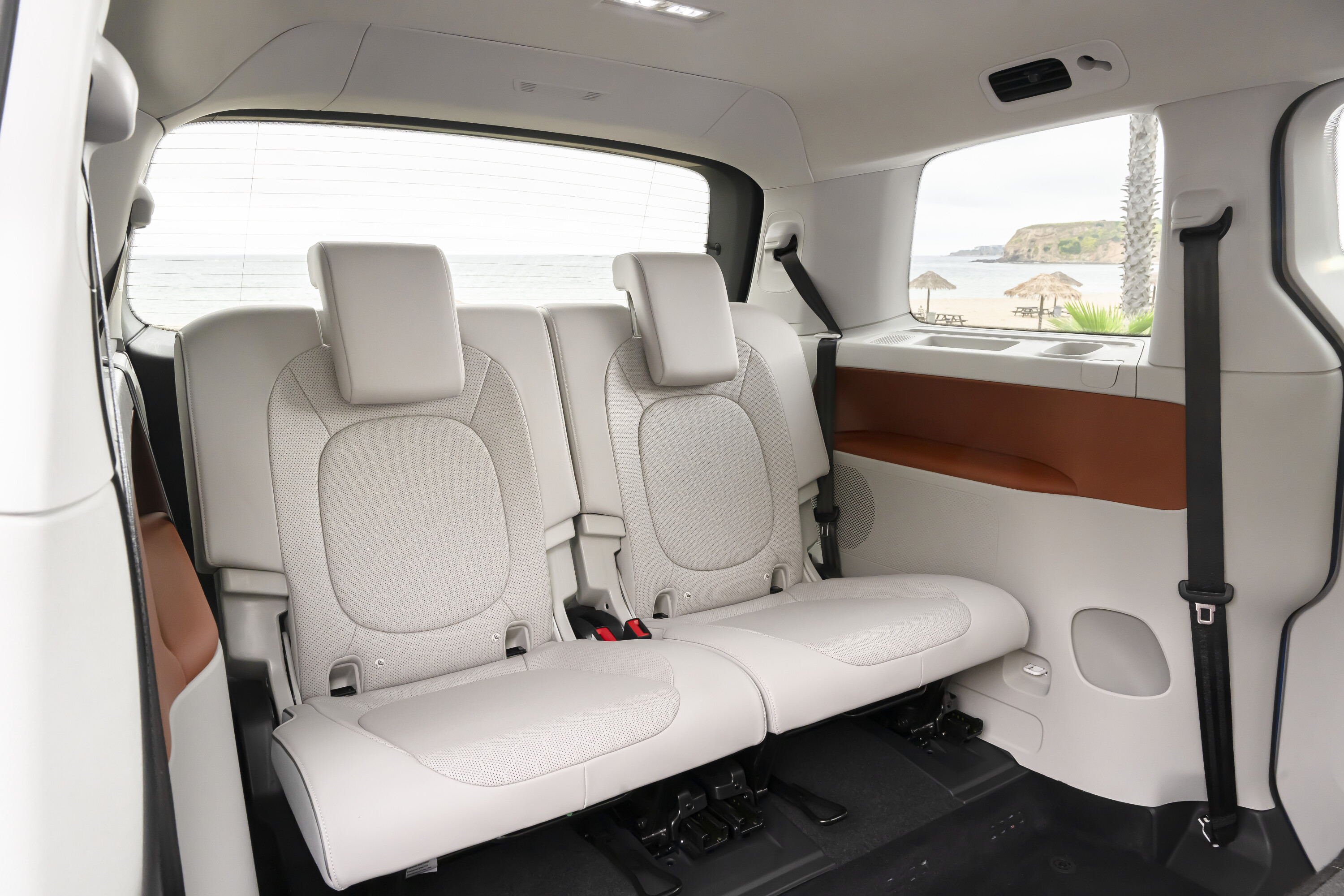
Storage is listed at a maximum of 2469 litres, although that would be with the second and third rows folded. Seats-up figures have not yet been offered.
To move its bigger body and more bodies inside, the ID.Buzz bus gets a larger 85kWh battery pack (up from 77kWh) and a new 210kW motor in America. (Europe, with its statistically slimmer population, will continue with the 150kW motor.)
1
The 210kW motor enables a 0-100km/h claim of 7.9 seconds, while an upcoming all-wheel-drive GTX variant will get 250kW across two motors and a 0-100km/h sprint of just 6.4 seconds.
The big bus adds a few other new features with its reveal, including a new heat pump for greater efficiency in colder climates, along with a head-up display, remote parking, and a new 1.5sqm panoramic sunroof with electrically polarising glass.
All ID.Buzz models will be built in Germany, so Australian supply – as with the current ID models we’ve been waiting years for – will depend greatly on the demand in Europe and the US.
For more on the ID.Buzz, see our evolving story at the below link, and John Law’s walkaround video below that.
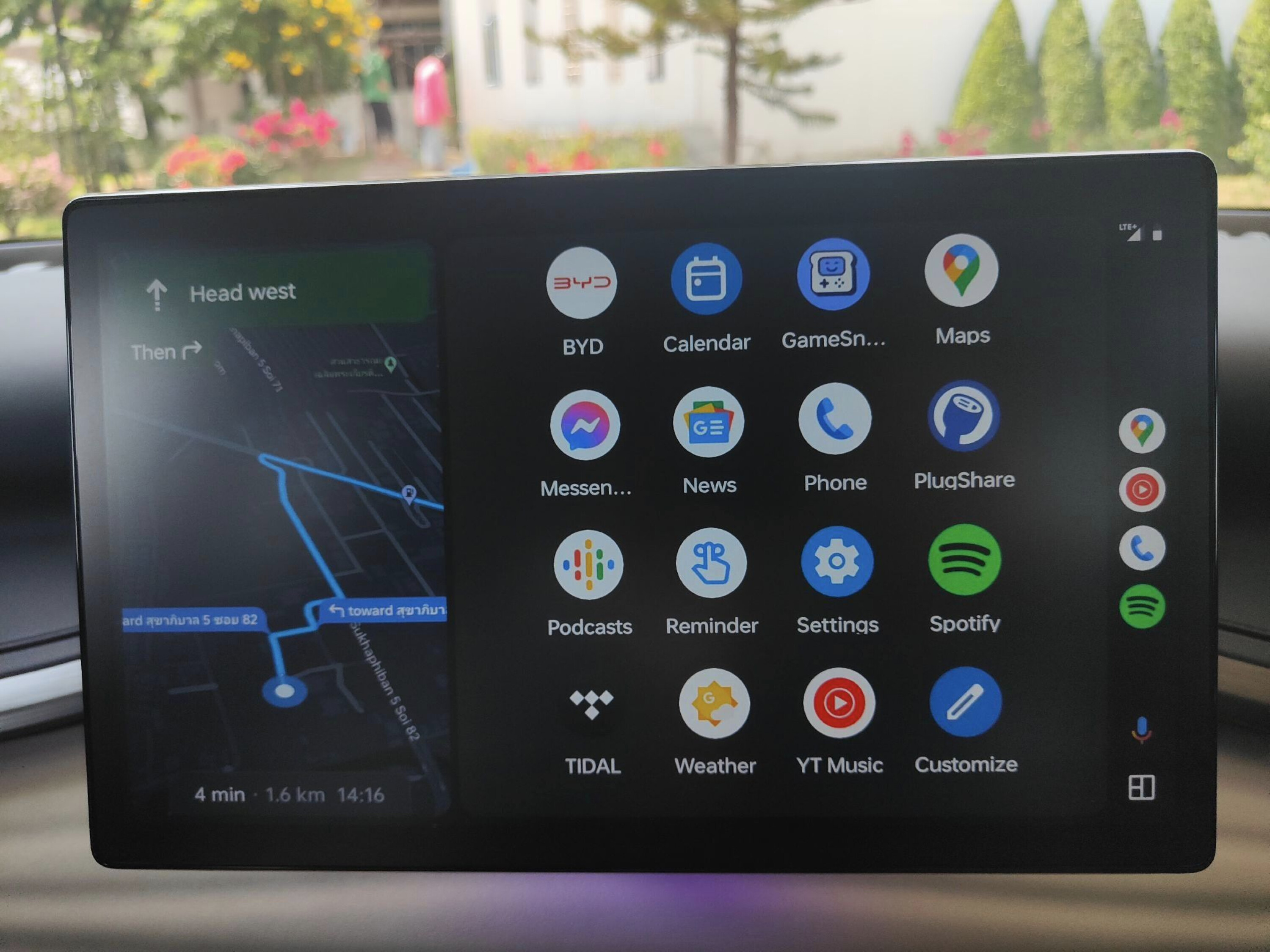
Customer emails and a social media post [↗] from the company confirmed the smartphone projection feature for any non-Apple iPhone users to take advantage of the Google-powered user interface, phone, audio and navigation apps on the Atto 3’s 12.8-inch touchscreen.
1
Unlike wired-only Apple CarPlay, added earlier this year, Android Auto can connect wirelessly or wired.
The latest over-the-air update also includes other minor improvements.
BYD Atto 3 V1.5 update changelog
Wireless and wired Android Auto
Enhanced Apple CarPlay function
Bluetooth phone contacts syncing
Improved user experience with enhanced driving comfort
Enhanced FM radio
Improved sunroof functionality.
Wireless and wired Android Auto
Enhanced Apple CarPlay function
Bluetooth phone contacts syncing
Improved user experience with enhanced driving comfort
Enhanced FM radio
Improved sunroof functionality.
However, some owners on social media have complained of connection issues with both Apple CarPlay and Android Auto, in addition to voice control, radio, and adaptive cruise control bugs.
The free over-the-air software update has been rolling out to existing owners since last week, according to an owner’s group.
Apple CarPlay and Android Auto were originally promised to be added late last year when the BYD Atto 3 was first launched in Australia.
1
January 26, 2023: Android Auto appears confirmed
EVDirect has updated the BYD Atto 3 online brochure, seemingly confirming wireless Android Auto capability will be added in the second quarter (April to June inclusive) this year.
Unlike Apple CarPlay, Android smartphone users benefit from cable-free connectivity. Both were previously promised to arrive in late 2022 at launch.
Android Auto will likely be rolled out via an over-the-air software update for existing owners in gradual stages.
1
WhichCar has contacted BYD importer, EVDirect, for comment, and this article will be updated if any new information comes to light
Our previous story, below, continues unchanged.
December 2022: The BYD Atto 3 electric crossover is set to receive Apple CarPlay smartphone projection capabilities in early 2023, but there’s no word yet on Android Auto.
Snapshot
Wired Apple CarPlay coming to Atto 3s gradually from January 2023
Fullscreen implementation, but horizontal only
Unclear when Android Auto will land
“Apple CarPlay will be sent to customers via an over-the-air [OTA] update in batches throughout the months of January and February 2023 and will come as standard with all new BYD Atto 3s from late January 2023 onwards,” EVDirect CEO Luke Todd told EFTM.
The local distributor said it’s currently in the final stages of testing and regulatory approvals to launch CarPlay for Atto 3 owners who use an Apple iPhone, and will contact customers on when they can expect the OTA to land on their vehicles.
1
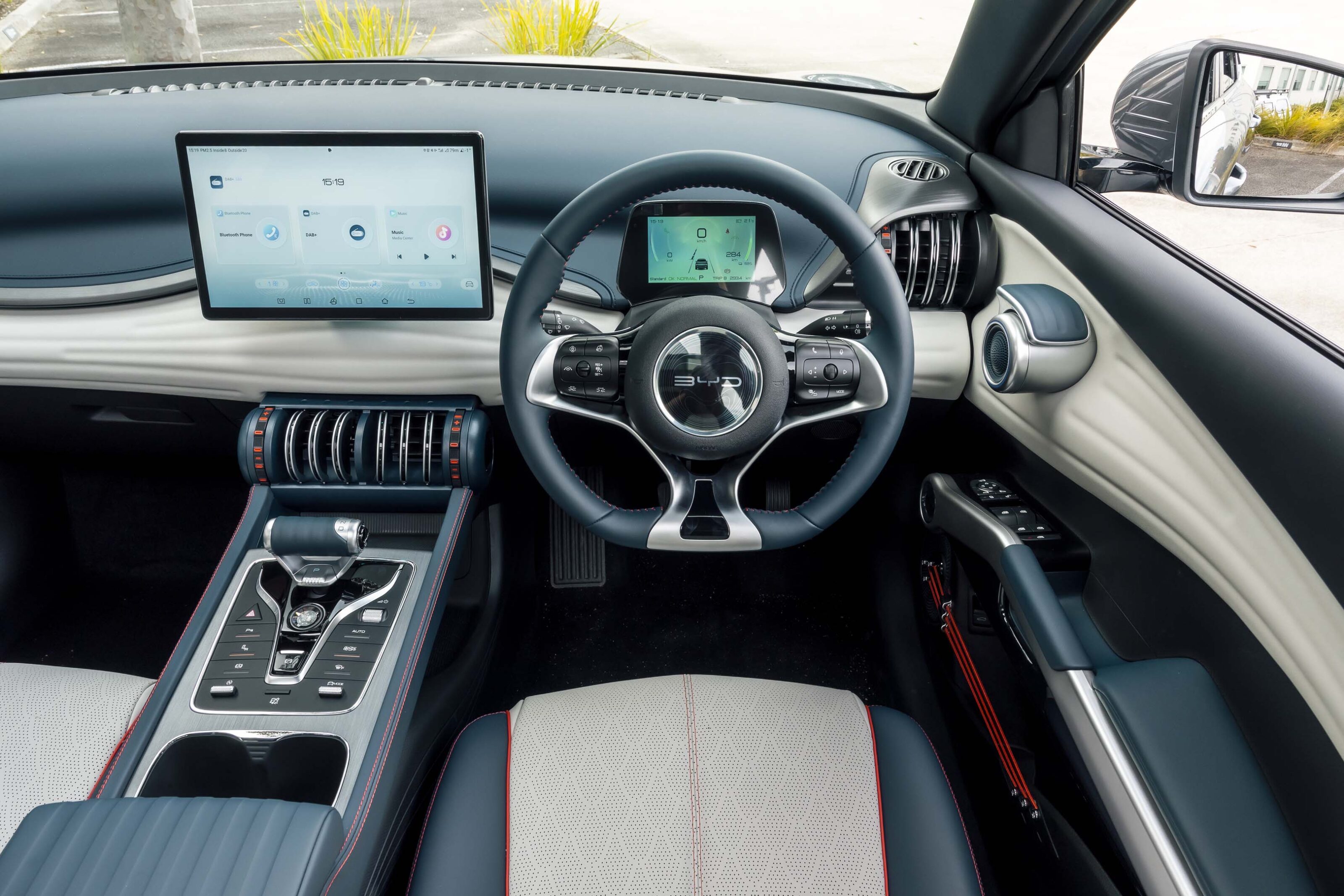
The system is already implemented on its press vehicle fleet, revealing that Apple CarPlay fills the full 12.8-inch horizontal infotainment screen – but does not adapt its orientation when the display is rotated to portrait mode.
Unlikely many other new models entering the market (although certainly not most), the BYD electric car still requires a cable to connect and use CarPlay.
According to a now outdated brochure currently on the company’s website, Apple CarPlay and Android Auto were promised to launch in the third quarter (July to September) of 2022.
While it’s unclear when Android smartphone users will be able to enjoy similar functionality with the Atto 3, zecar reported EVDirect previously publishing a brochure outlining that Android Auto would be wireless.
The last OTA software update was pushed in late September bringing built-in navigation powered by Nokia’s open-source Here Technologies, a Spotify music streaming app and a BYD voice assistant to its DiLink infotainment system.
2
How much is the BYD Atto 3?
The BYD Atto 3 was subject to a price rise of $3630 this month, which saw it surrender the title of Australia’s cheapest electric car to the MG ZS EV.
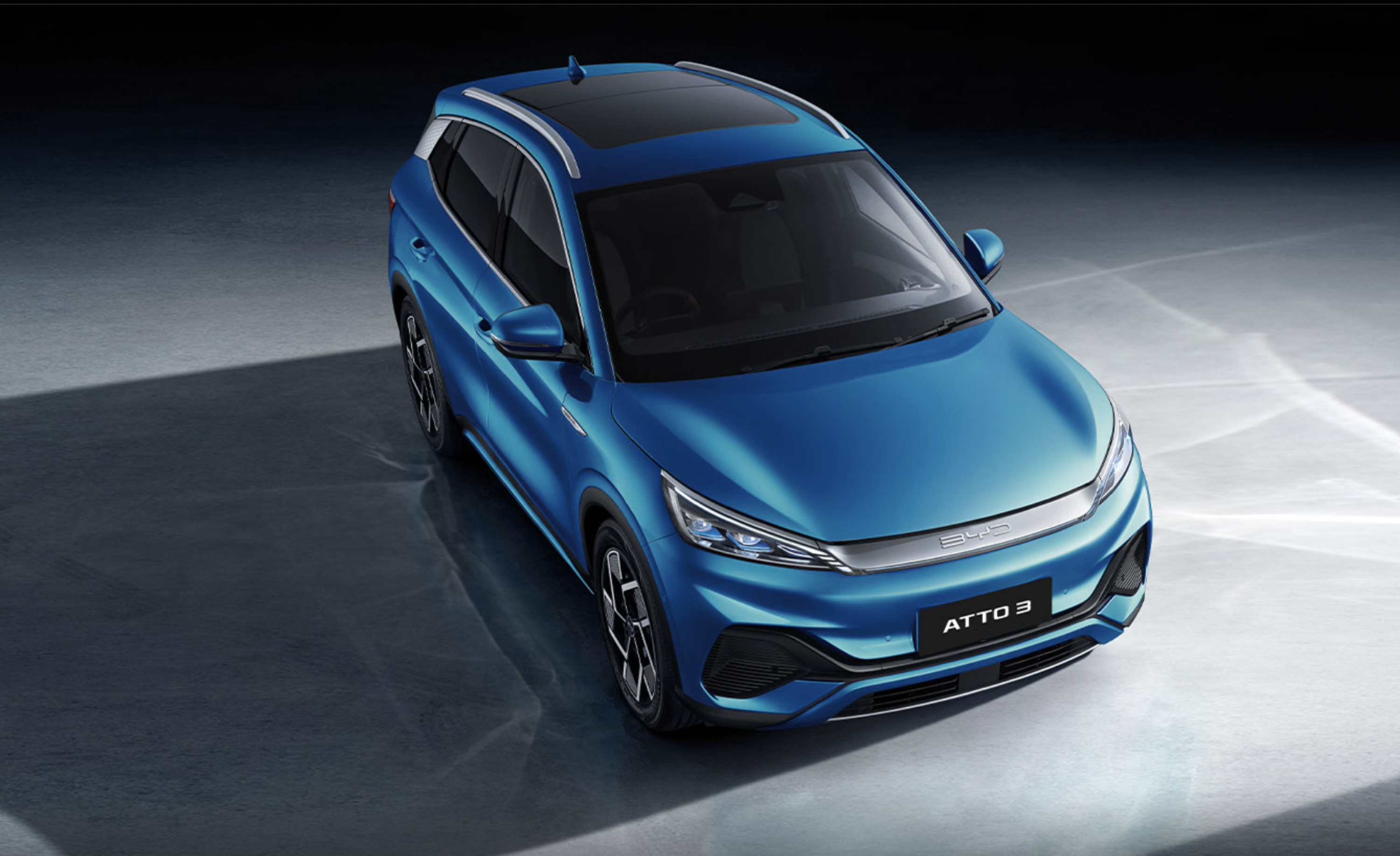
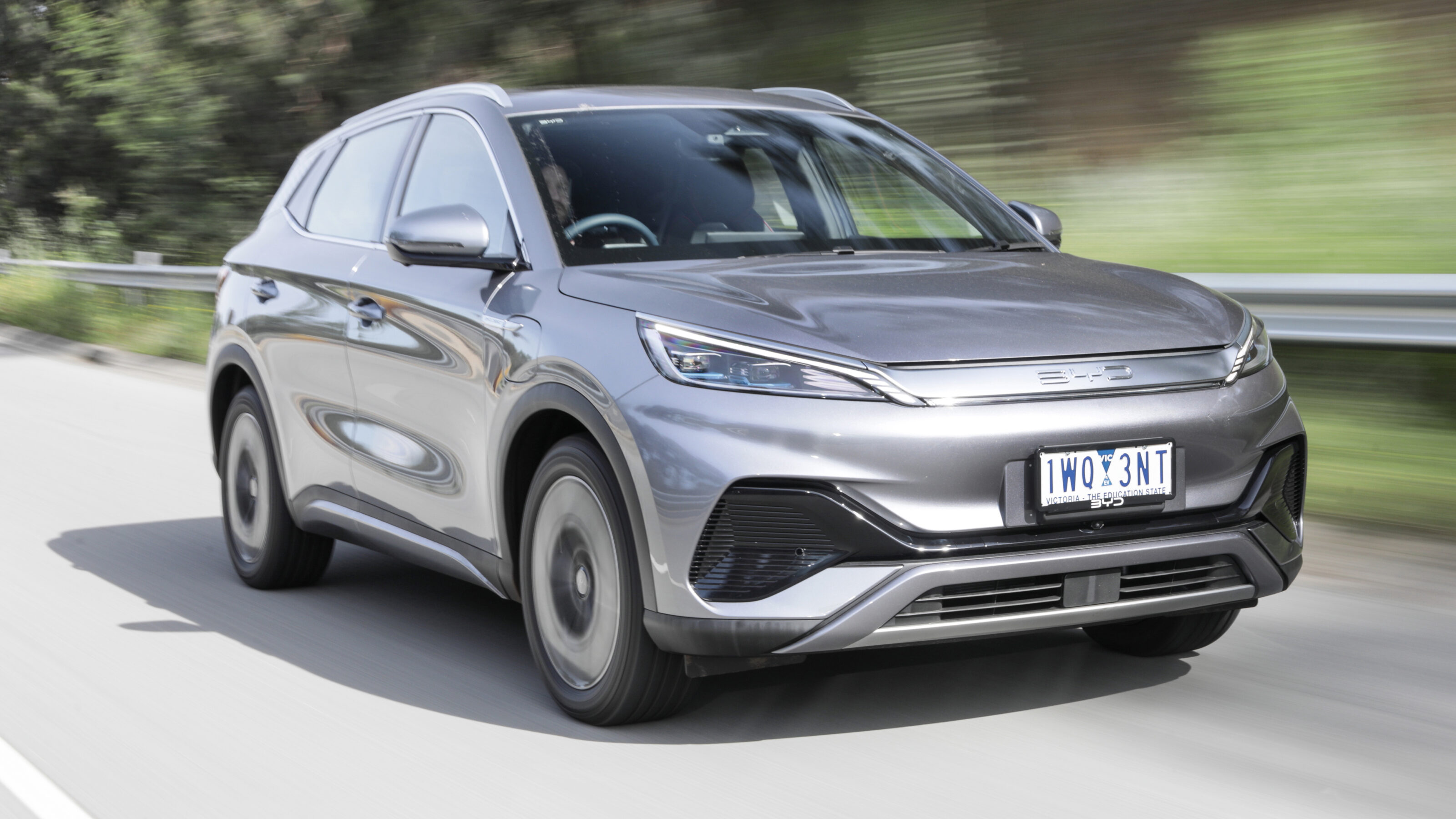
The Atto 3 starts from $48,011 before on-road costs and incentives with one fully-specified model and two battery sizes offering up to 345km and 420km of claimed WLTP range on the Standard Range and Extended Range battery respectively.
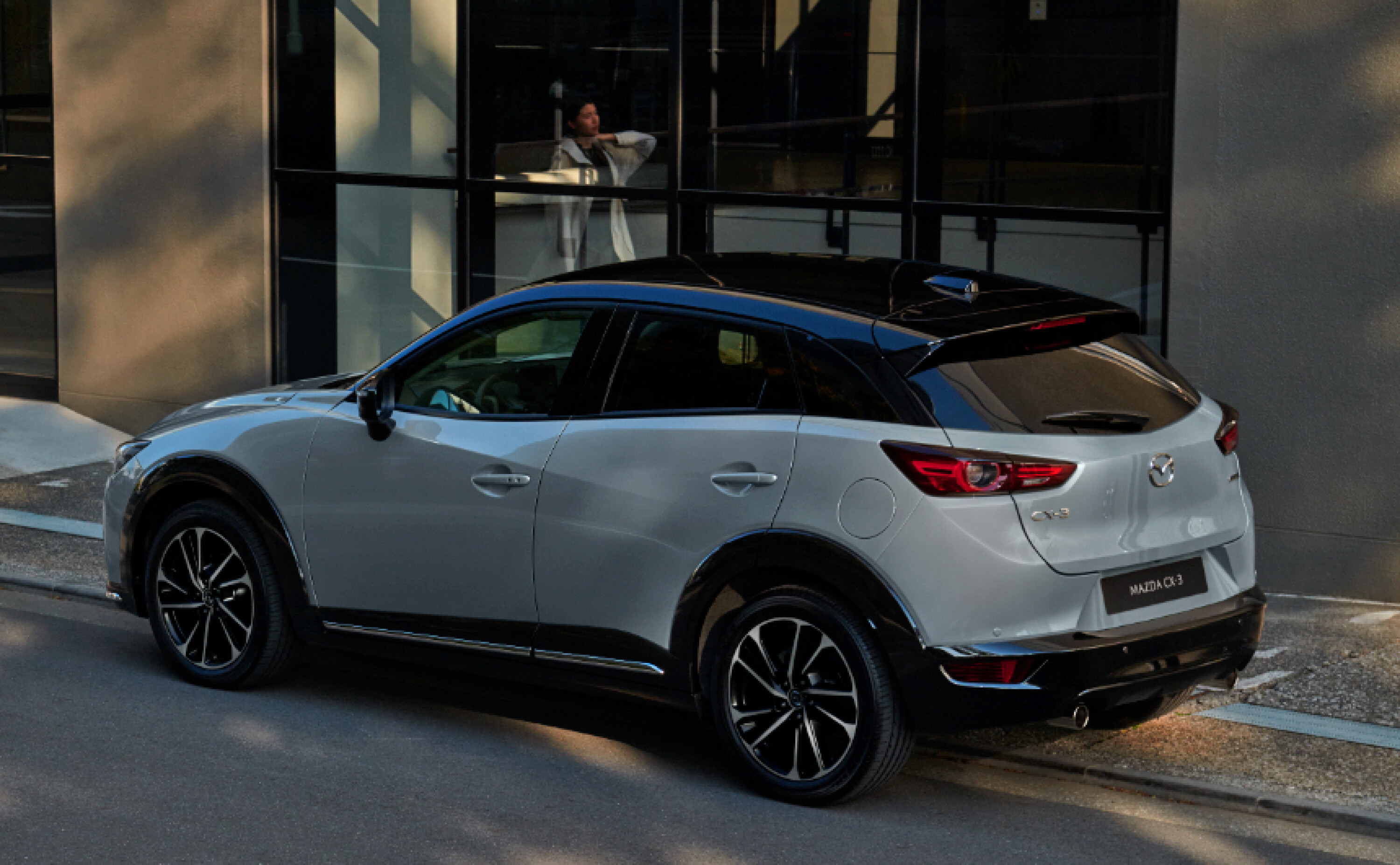
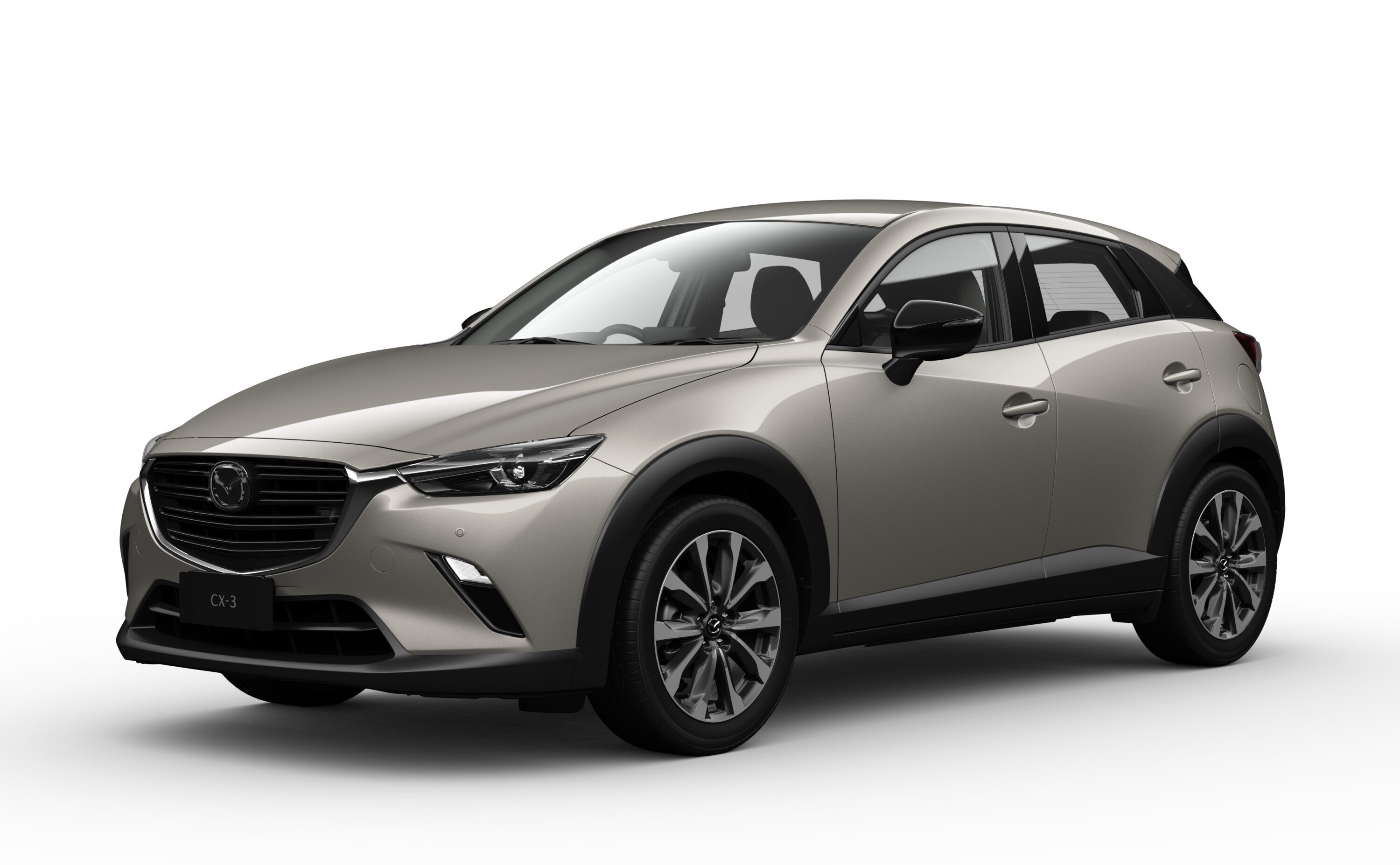
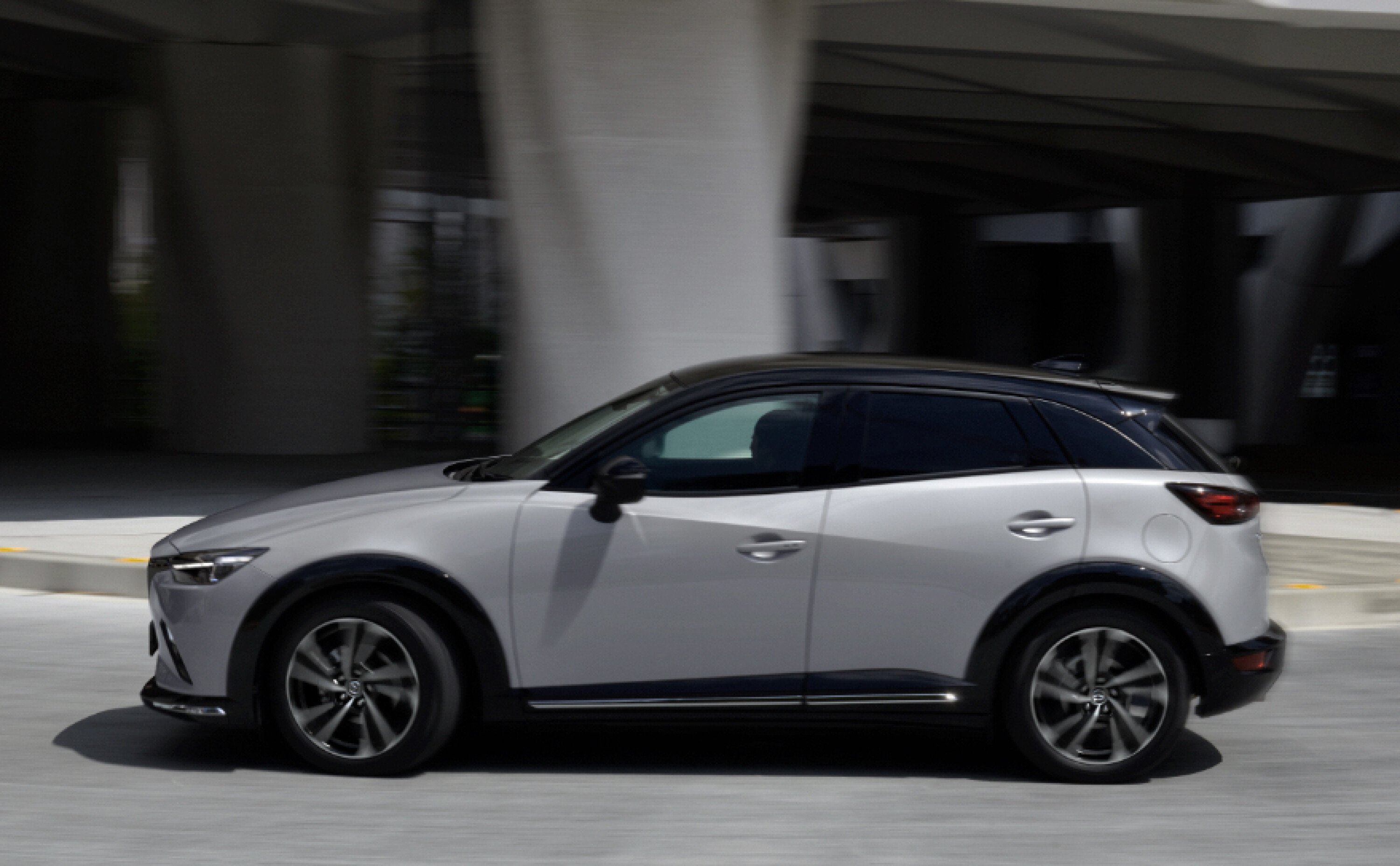
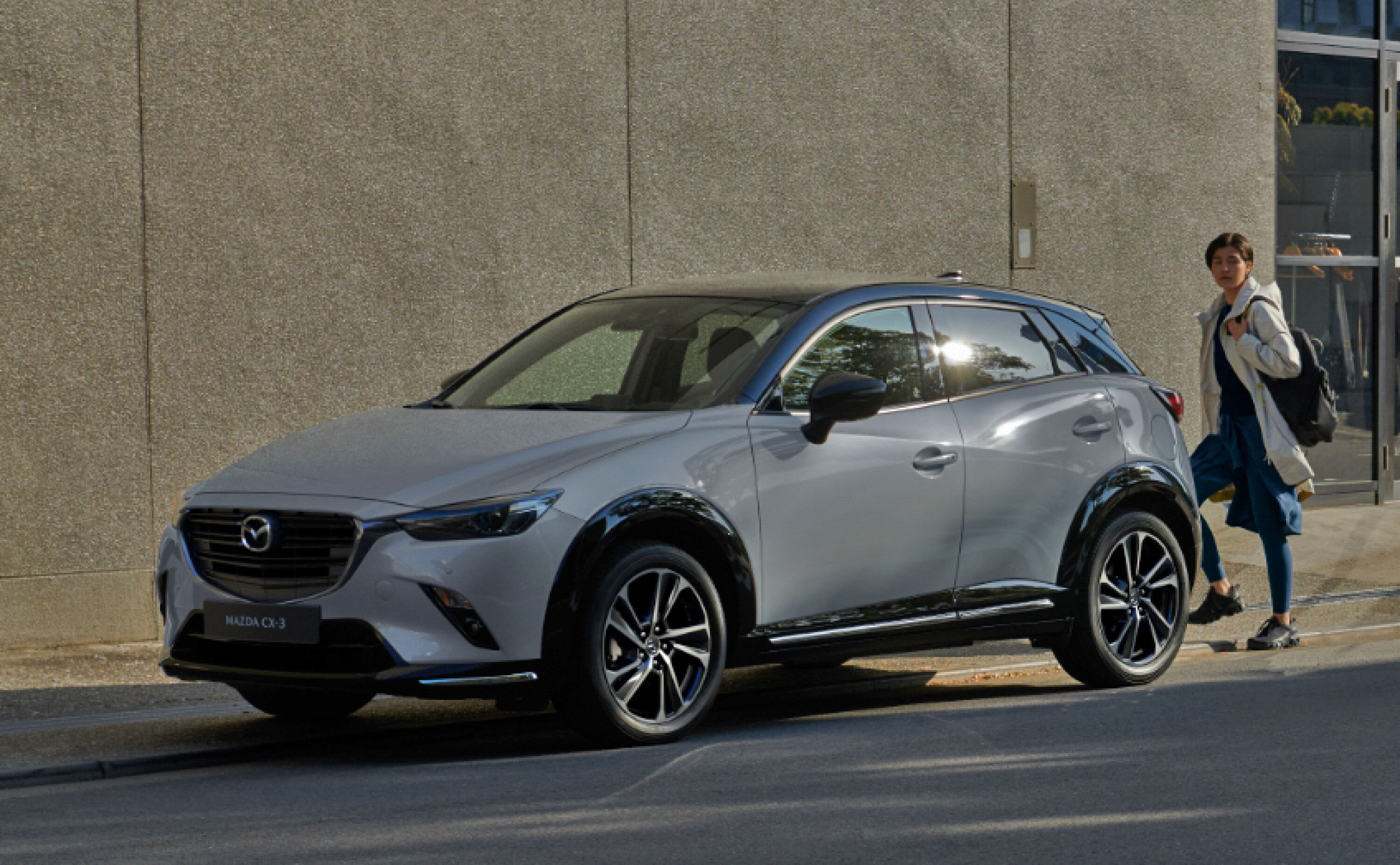
The updated 2023 Mazda CX-3 light SUV has debuted, with Australian deliveries due in September.
Key Points
2023 Mazda CX-3 update: Full Australian details
Popular light SUV receives new technology; manual and AWD axed
Price rises up to $2160; now starts above $30,000
Mazda Australia has overhauled the popular CX-3 range, with manual and AWD variants deleted, and just one carryover grade: the flagship Akari, with a new G20 prefix to signify its powertrain.
Other variants follow Mazda’s latest model structure, with new G20 Sport, G20 Pure, G20 Evolve and G20 Touring SP grades.
The CX-3’s entry price has increased by $3290 with the deletion of the Neo Sport manual, leaving the base CX-30 small SUV (for now), MX-5 sports car, Mazda 2 light hatch and BT-50 ute as the final Mazda vehicles in Australian showrooms with an available manual transmission.
1
Like-for-like, the G20 Sport is $1290 dearer than the old Neo Sport auto.
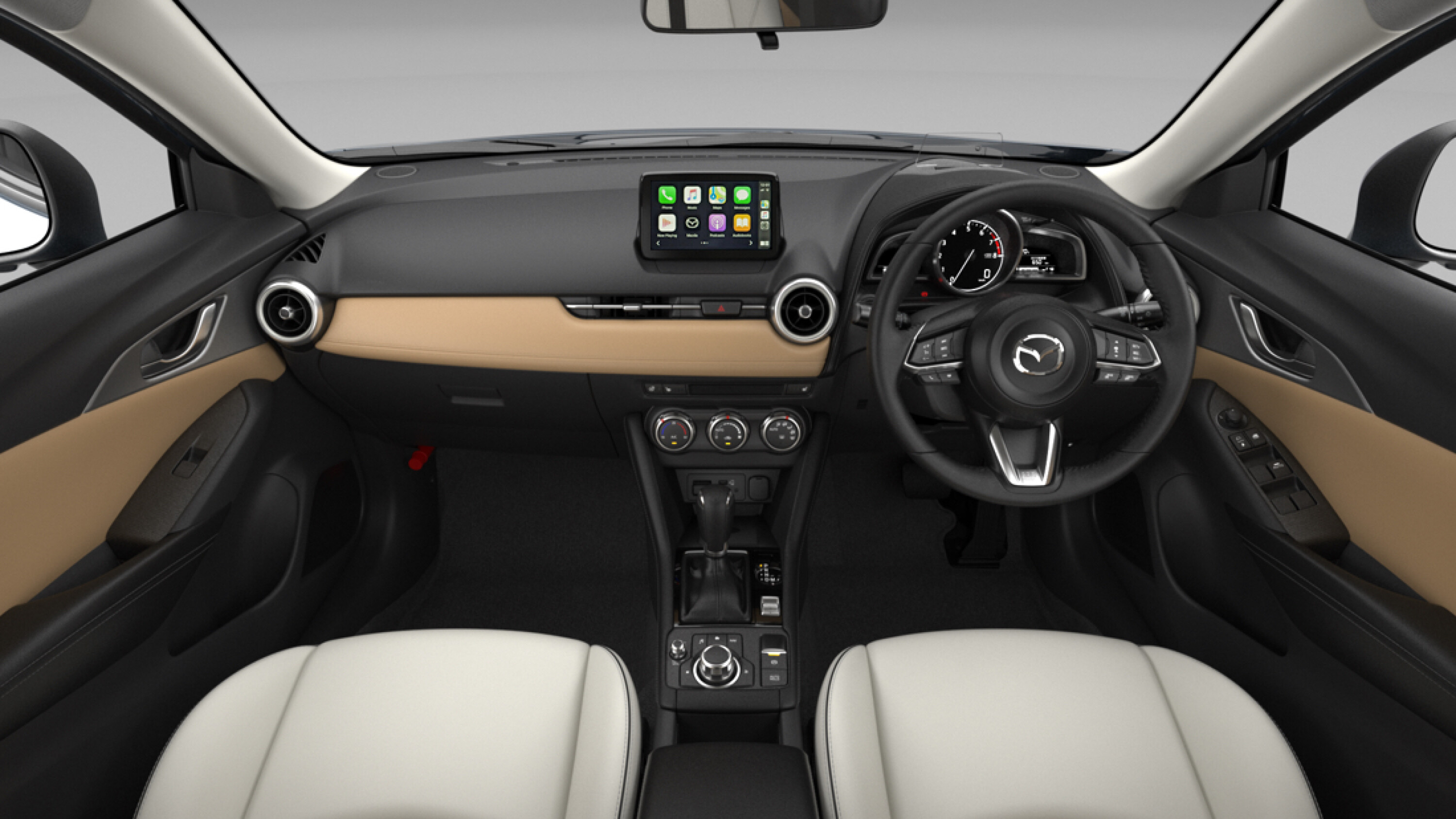
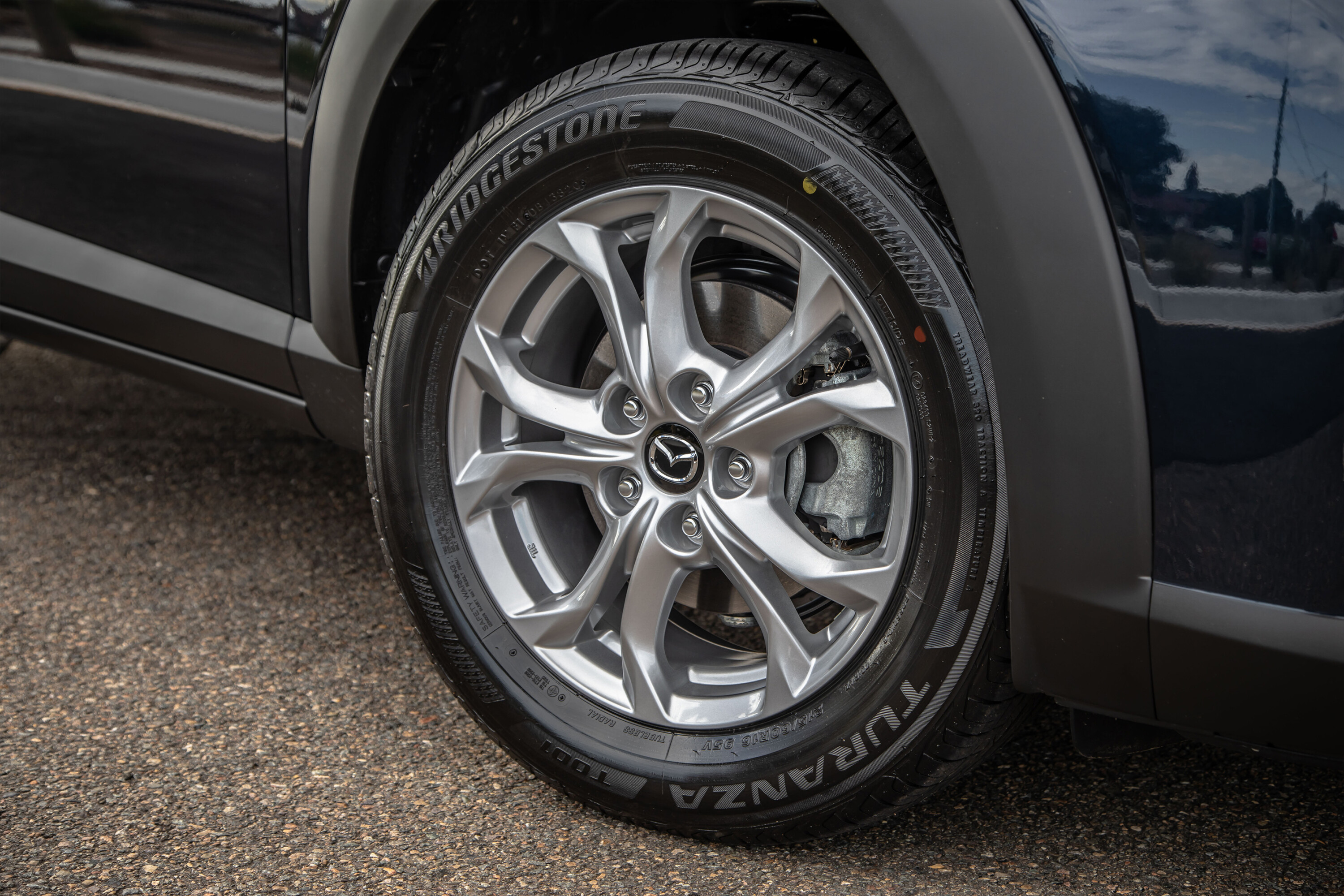
New additions include 16-inch alloy wheels replacing steel items, wireless Apple CarPlay, and more active safety equipment with blind-spot and rear cross-traffic alerts.
The G20 Sport also adds auto-folding side mirrors and a keyless window open – but not close – function.
Replacing the Maxx Sport, the G20 Pure gains LED front and rear lights (replacing halogens), LED daytime running lamps, a head-up display, and additional safety tech previously limited to top-spec CX-3s, including lane departure warning, auto high beam and driver attention alert.
1
The mid-spec G20 Evolve replaces the Maxx Sport LE, retaining its black exterior trim and white leather-accented and suede-look upholstery with tan accents, but adding 18-inch alloy wheels and front parking sensors.
A new 18-inch alloy wheel design features for the Touring SP and Akari, while aero grey replaces ceramic silver across the CX-3 range.
The new G20 Touring SP evolves the previous sTouring with blacked-out styling – including a black-painted roof – and more technology, such as adaptive cruise control, traffic sign recognition, a 10-way power-adjustable driver’s seat with two-position memory, and heated front seats.
1
Meanwhile, the G20 Akari now features a seven-speaker Bose audio system and black machined alloy wheels, while the flagship Akari LE has been axed. It featured a more-premium cabin, with brown Nappa leather upholstery and white accents.
Mitsubishi Australia has issued a recall for more than 25,000 Outlanders due to a rear-view camera issue.
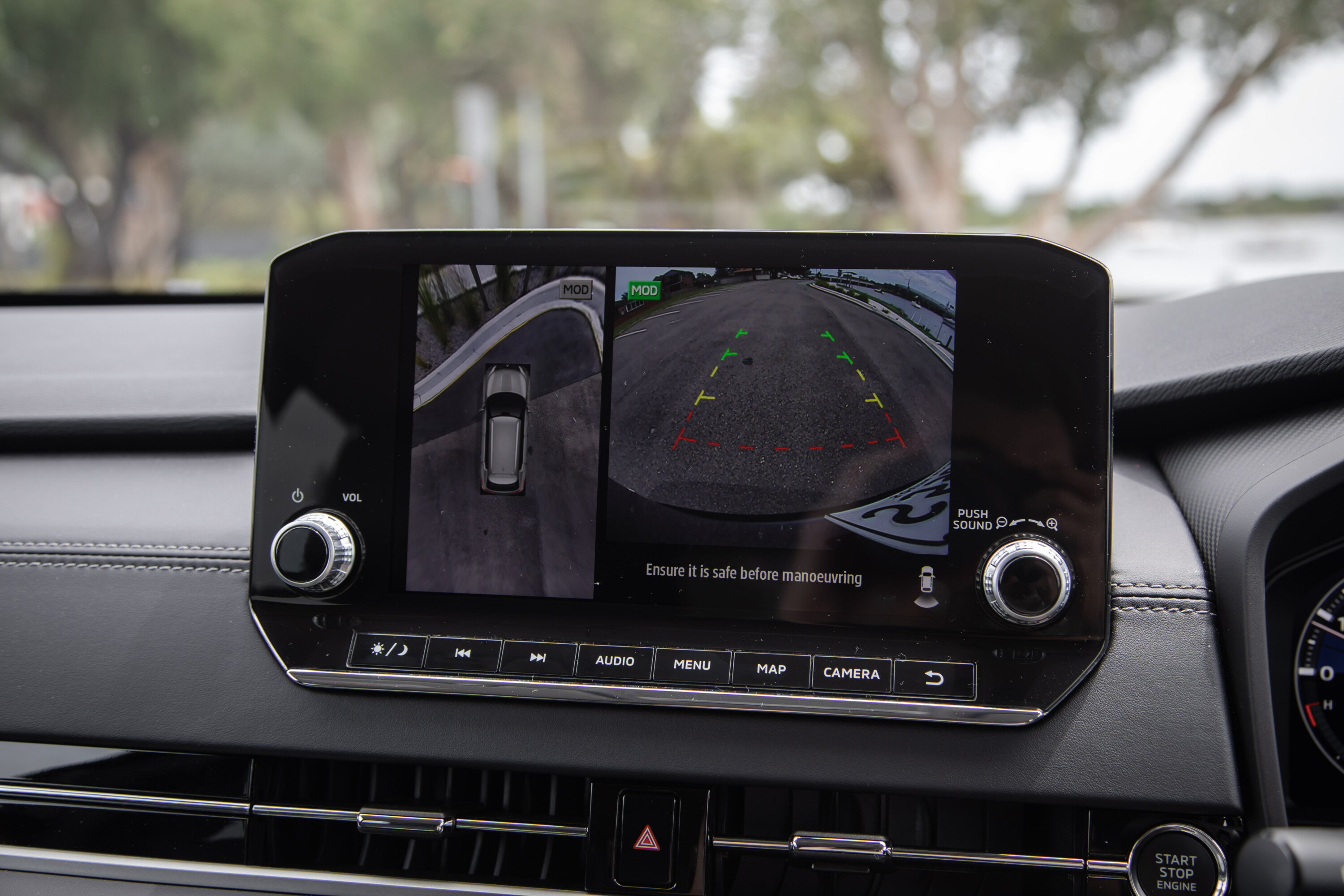
The issue – affecting the latest 2022-23 Mitsubishi Outlanderand Outlander PHEV medium SUV – relates to a software issue that could cause the rear-view camera image to be “temporarily disrupted when reversing”.
It follows a previous recall issued in July 2022 for a similar, but not identical, issue involving a potential black-out for the rear-view camera image, which affected 6552 model-year 2022 Outlanders in Australia.
1
A Mitsubishi Australia spokesperson confirmed those vehicles are included in the latest recall “to fix a temporary issue with the reversing image, that can still present even after the first software update”.
The details of the recall, as published, are posted below.
Due to a software issue, the rear-view camera image may be temporarily disrupted when reversing.
What are the hazards?
If the rear-view camera display does not continually display the rear-view image when reversing the vehicle, it could increase the risk of an accident, causing serious injury or death to any persons located behind the vehicle.
What should consumers do?
Mitsubishi Motors will contact owners by mail advising them to present their vehicle to their preferred Mitsubishi Motors Dealership to have the software updated, free of charge.
Supplier details
MITSUBISHI MOTORS AUSTRALIA LIMITED
Who should owners/operators contact for more information?
The Hyundai i30 is Australia’s most popular passenger car.
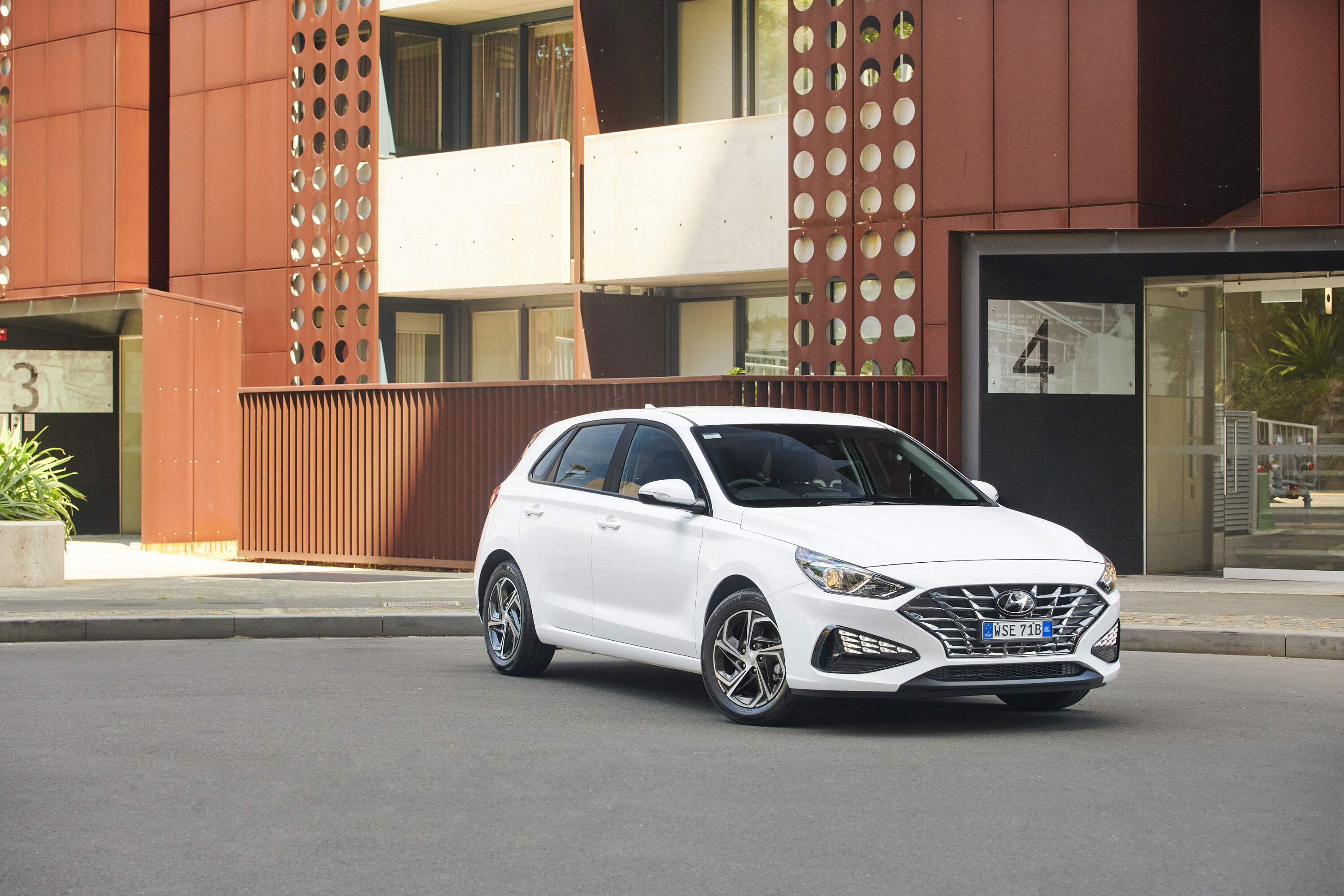
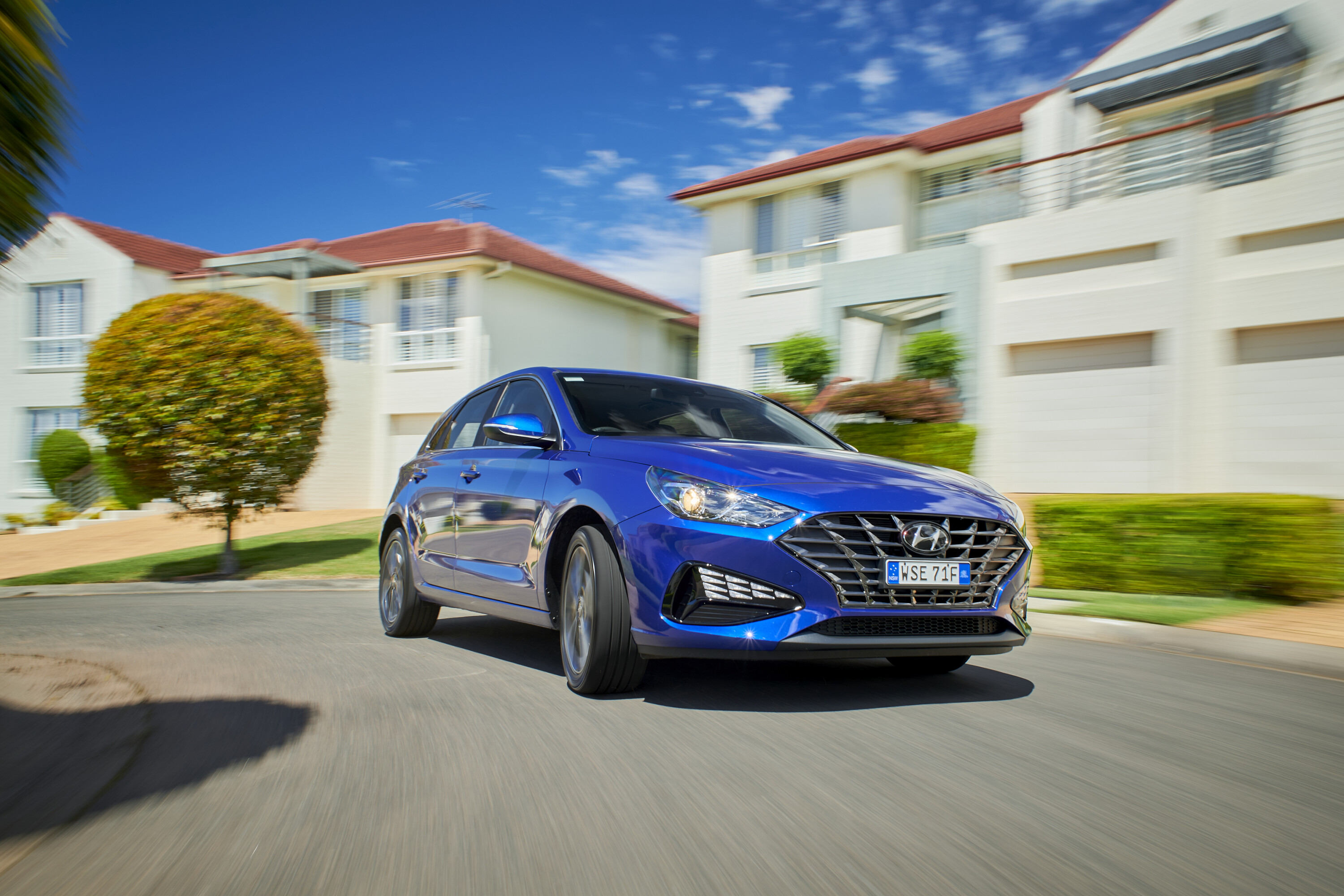
With a broad choice of hatch and sedan models, the Hyundai i30 more than matches the venerable Toyota Corolla in terms of popularity and value.
The stylish i30 range is loaded with equipment, including great smartphone integration and – on more expensive versions – a broad active safety suite that includes autonomous emergency braking.
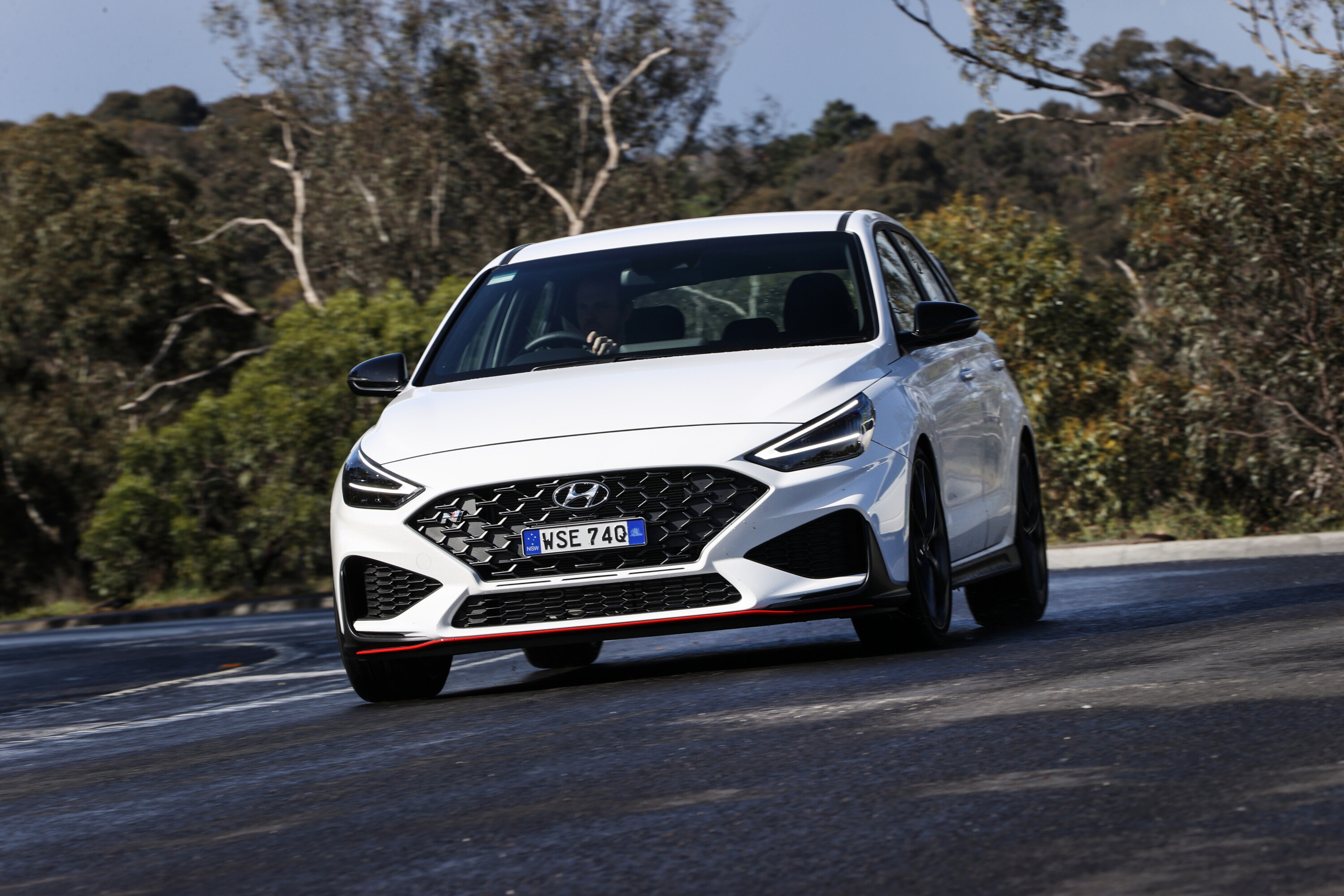
Handling and comfort are good, and there is a broad range of models ranging from the budget-priced eponymous hatchback to the i30 N hot hatch and sedan.
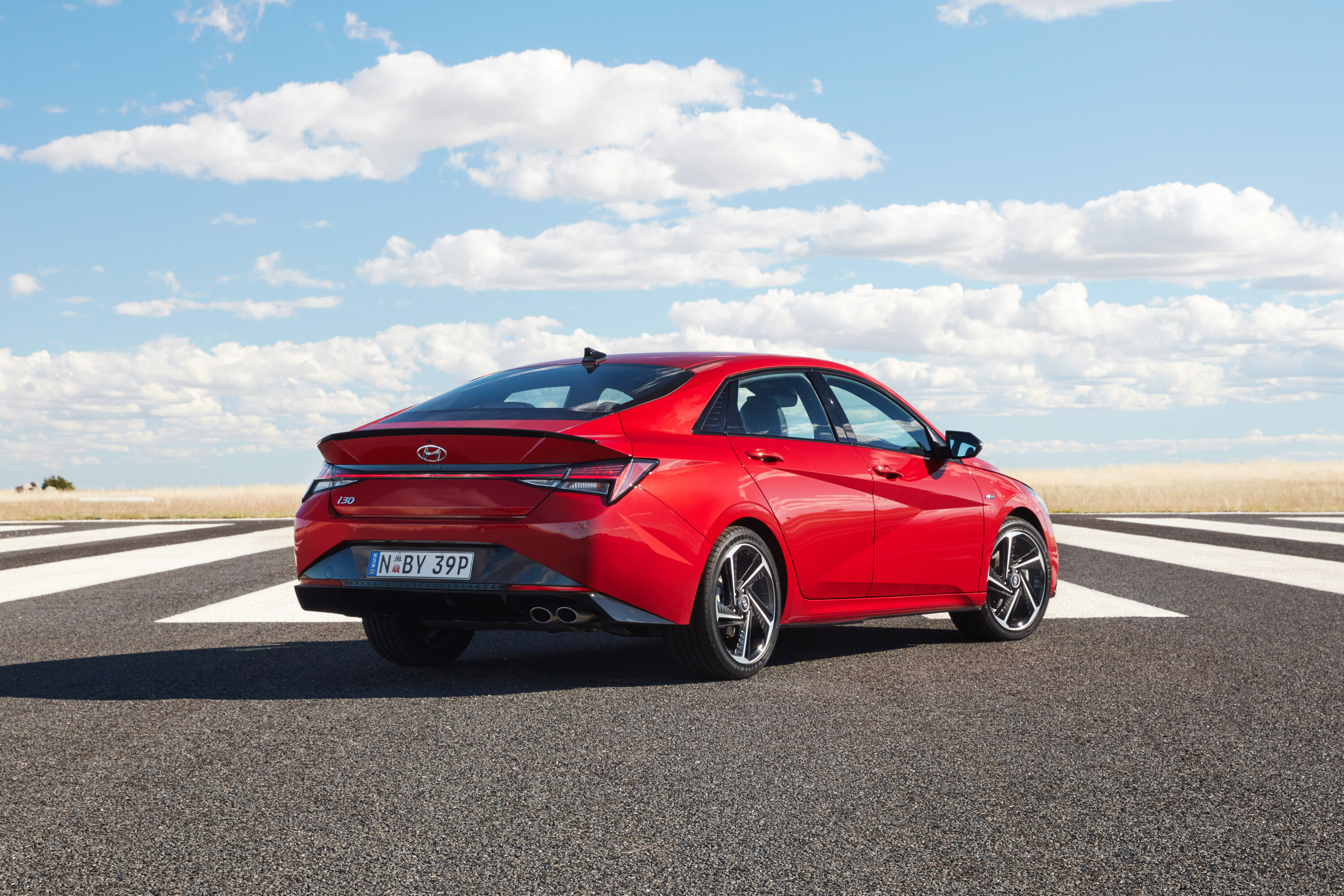
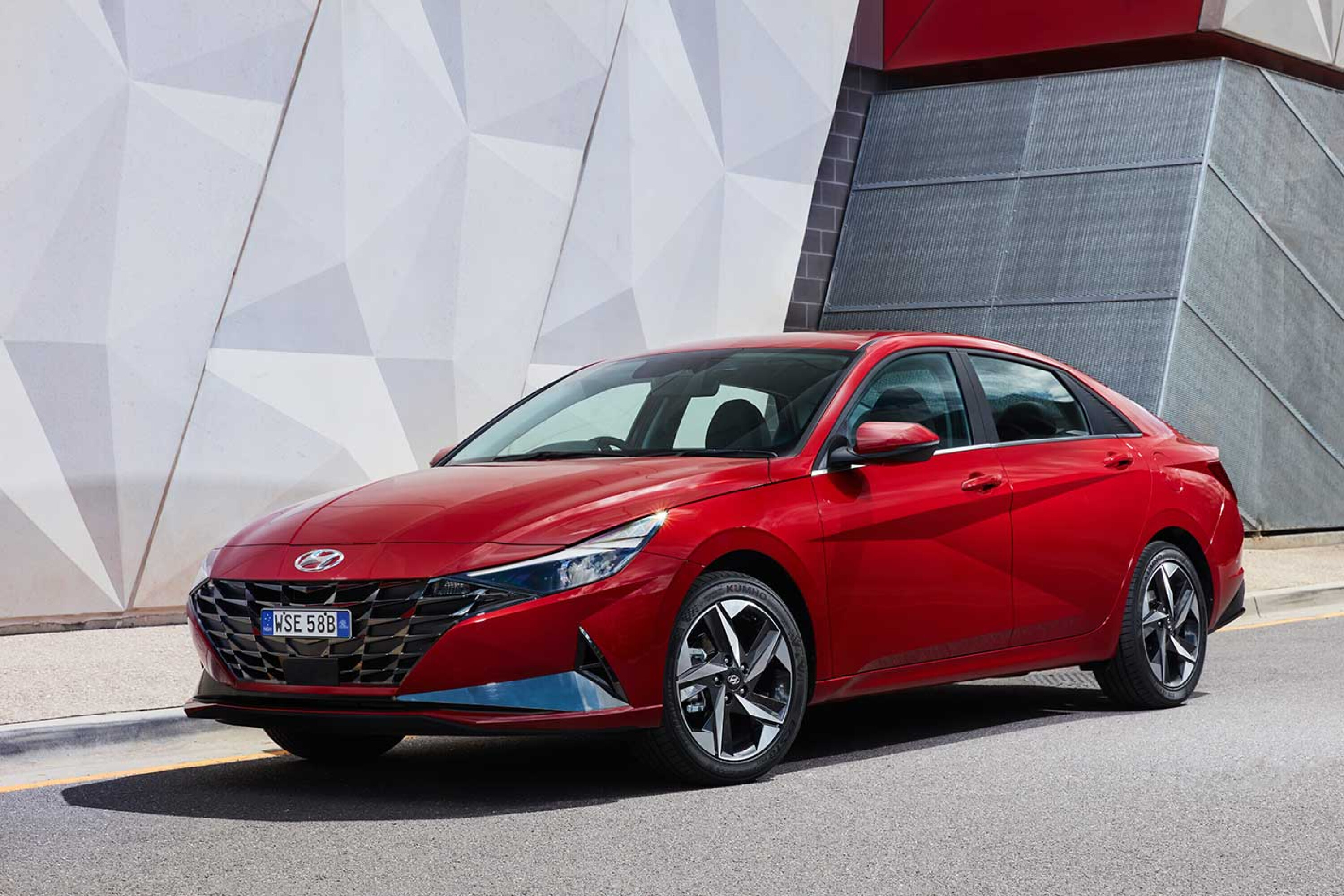
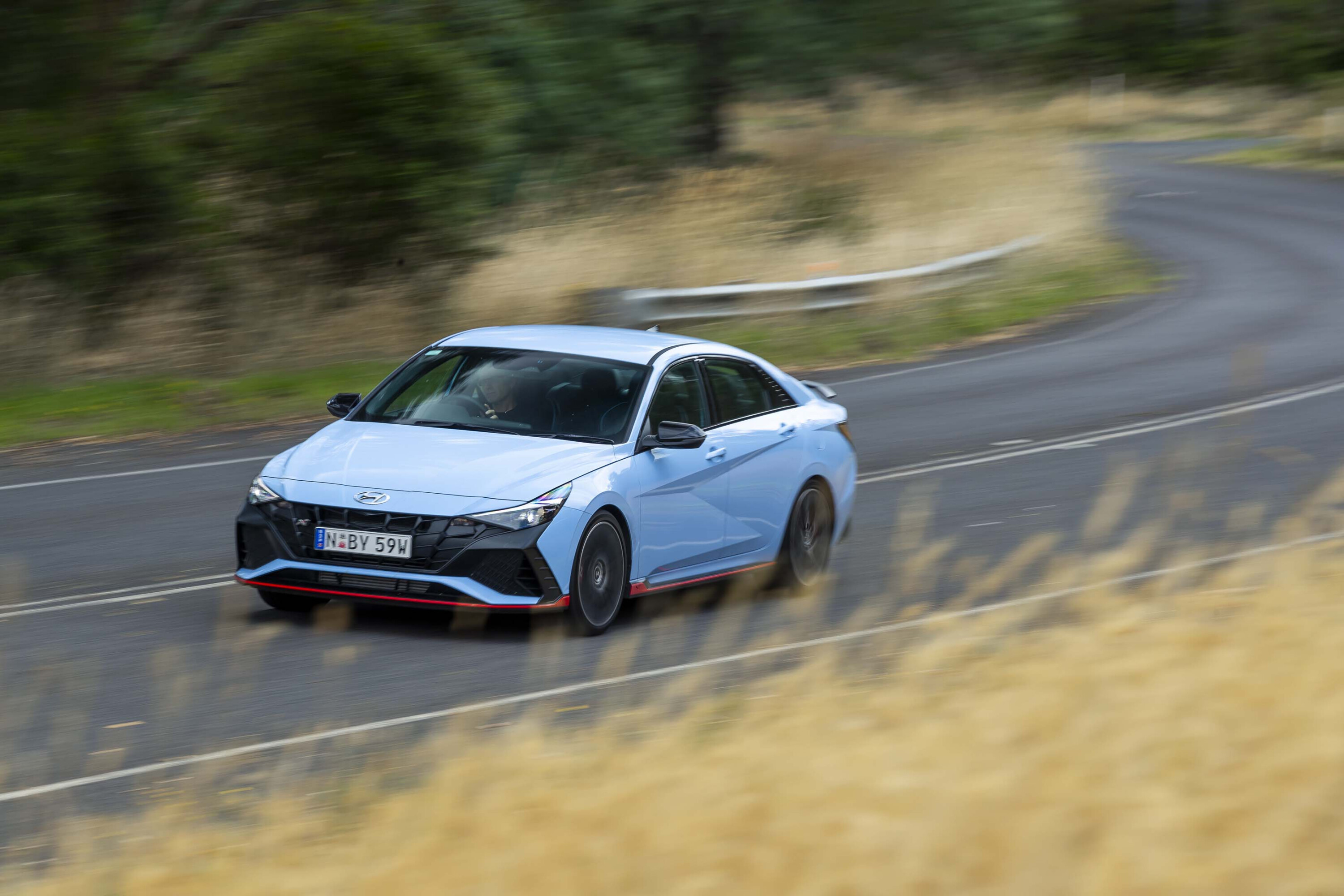
It’s worth noting the differences between the i30 hatchback and sedan extend well beyond the sheet metal – they’re built on different platforms, and the sedan is still known overseas as the Elantra.
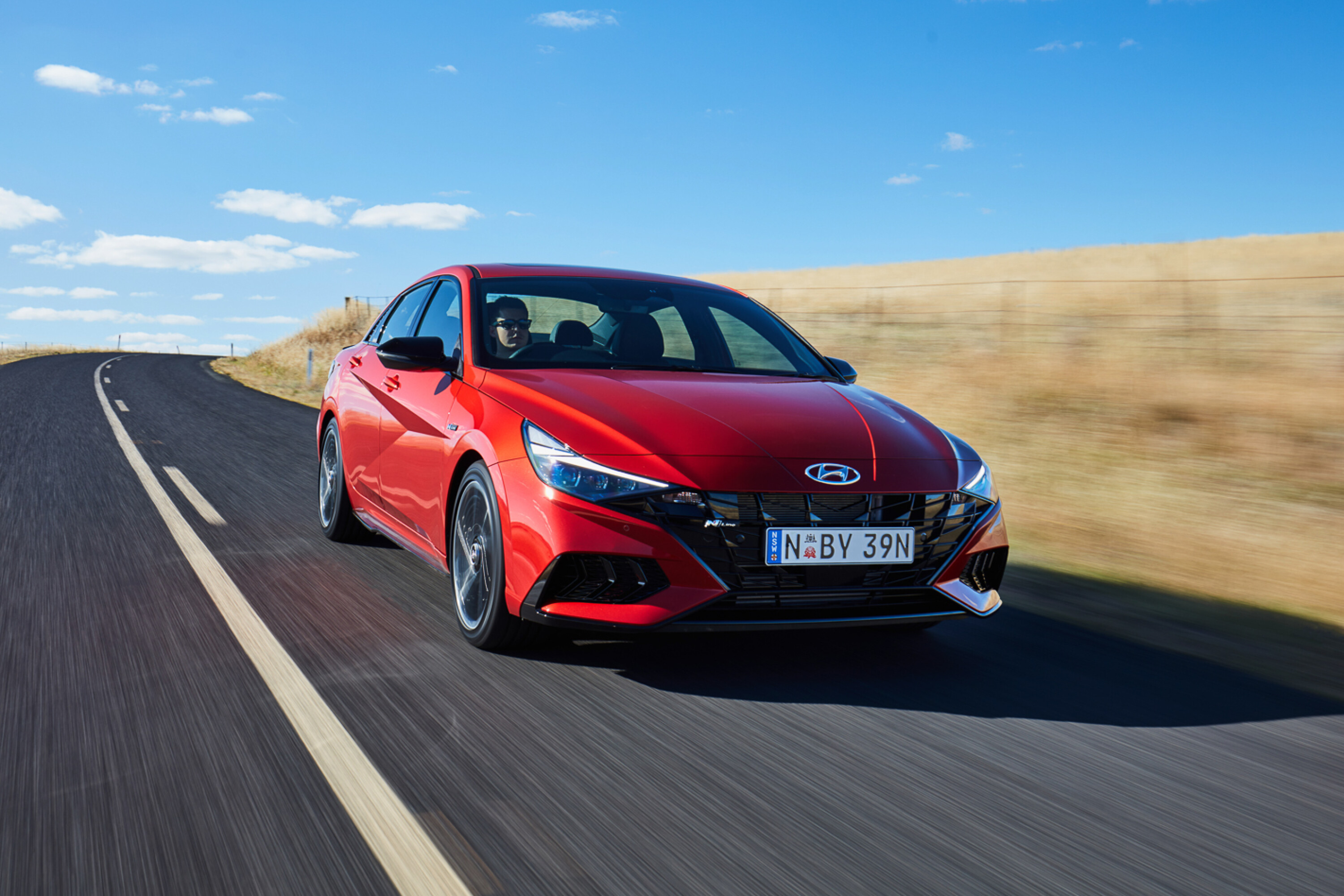
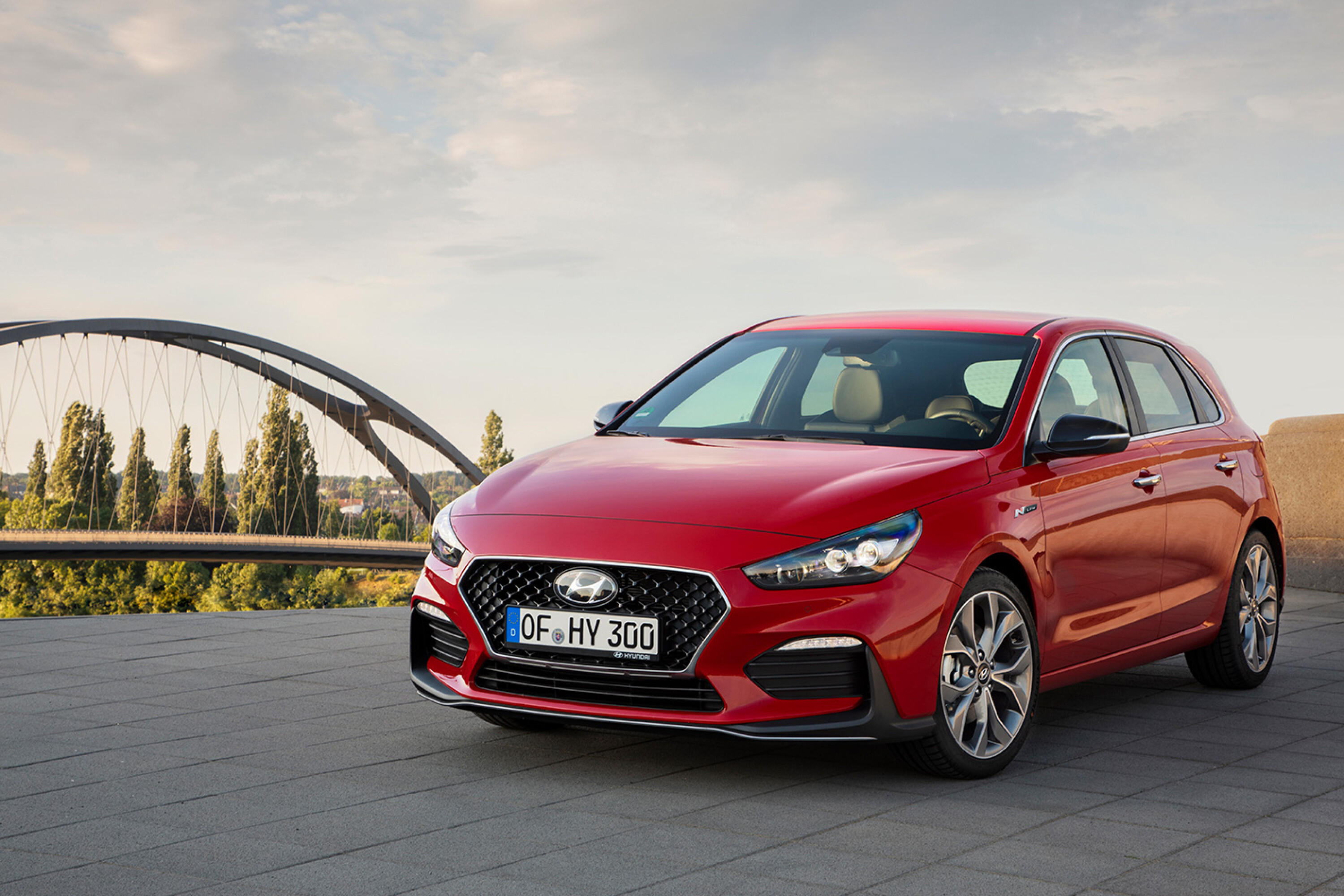
The third-generation i30 hatchback was first introduced in 2017 and is nearing the end of its lifecycle. Meanwhile, the fresher sedan is actually a seventh-generation Elantra but was given an i30 badge in Australia when it arrived in 2021.
It’s no secret Hyundai made the name change to outdo other hatch/sedan rivals such as the Corolla, Mazda 3 and Kia Cerato on the sales charts.
The i30 nameplate is now the most popular non-SUV or ute in Australia, so it shows the decision was a no-brainer in an industry where bragging rights mean everything.
The basically named entry-level i30 hatchback comes with a 2.0-litre four-cylinder petrol engine and six-speed manual gearbox as standard.
Spending an additional $2000 brings a six-speed automatic transmission. As well as a self-shifting gearbox, the extra money brings adaptive cruise control and selectable drive modes with Normal, Eco and Sport settings.
2
1
The i30 hatchback is equipped with cloth seats, a six-speaker audio system, 16-inch alloy wheels and a full-size alloy spare.
Stepping up to the Hyundai i30 Active brings a choice of hatch and sedan, which are both available with similar 2.0-litre manual and automatic powertrains.
The sedans respectively cost $2000 and $1500 more than their manual and automatic hatchback counterparts.
3
1
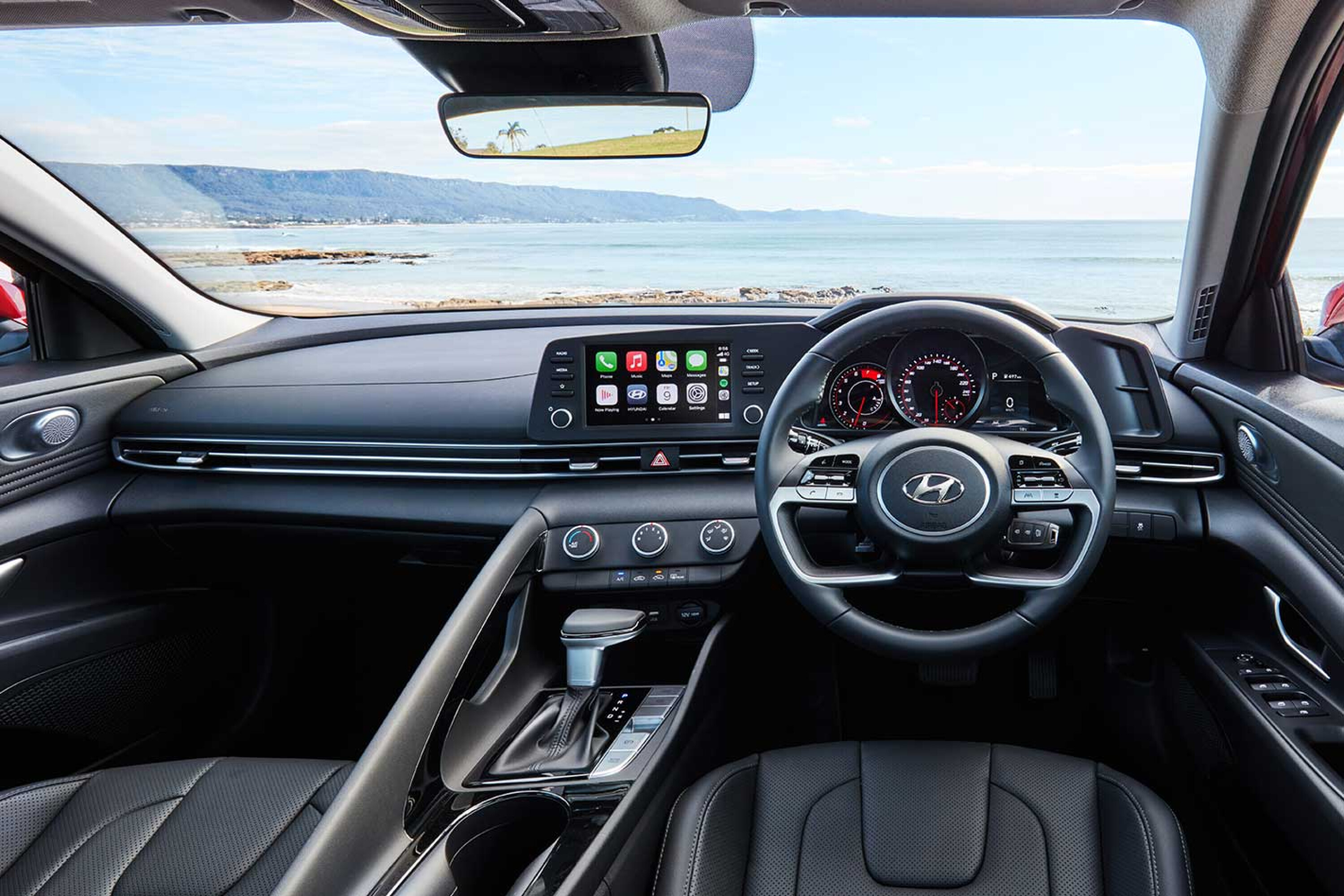
While they are quite different cars, the hatchback and sedan are very similarly equipped, though the sedan’s interior looks considerably fresher.
Additional features in the Active over the entry-level i30 spec include:
2023 Hyundai i30 Active additional features
Leather-appointed seats
LED dashboard ambient lighting
Electronic parking brake (auto only)
Wireless charging pad (sedan)
17-inch alloy wheels
The elegantly styled Hyundai i30 Elite is only available with the automatic transmission and adds:
12
2023 Hyundai i30 Elite additional features
10.25-inch touchscreen
Rear cross-traffic alert
Rear-view monitor with parking guidance
Smart key
Push-button start
Blind-spot collision avoidance
Satellite navigation
Rain-sensing wipers
7-speaker premium audio
Digital radio (DAB+)
Wireless charging pad (hatchback)
Ioniser air purifier
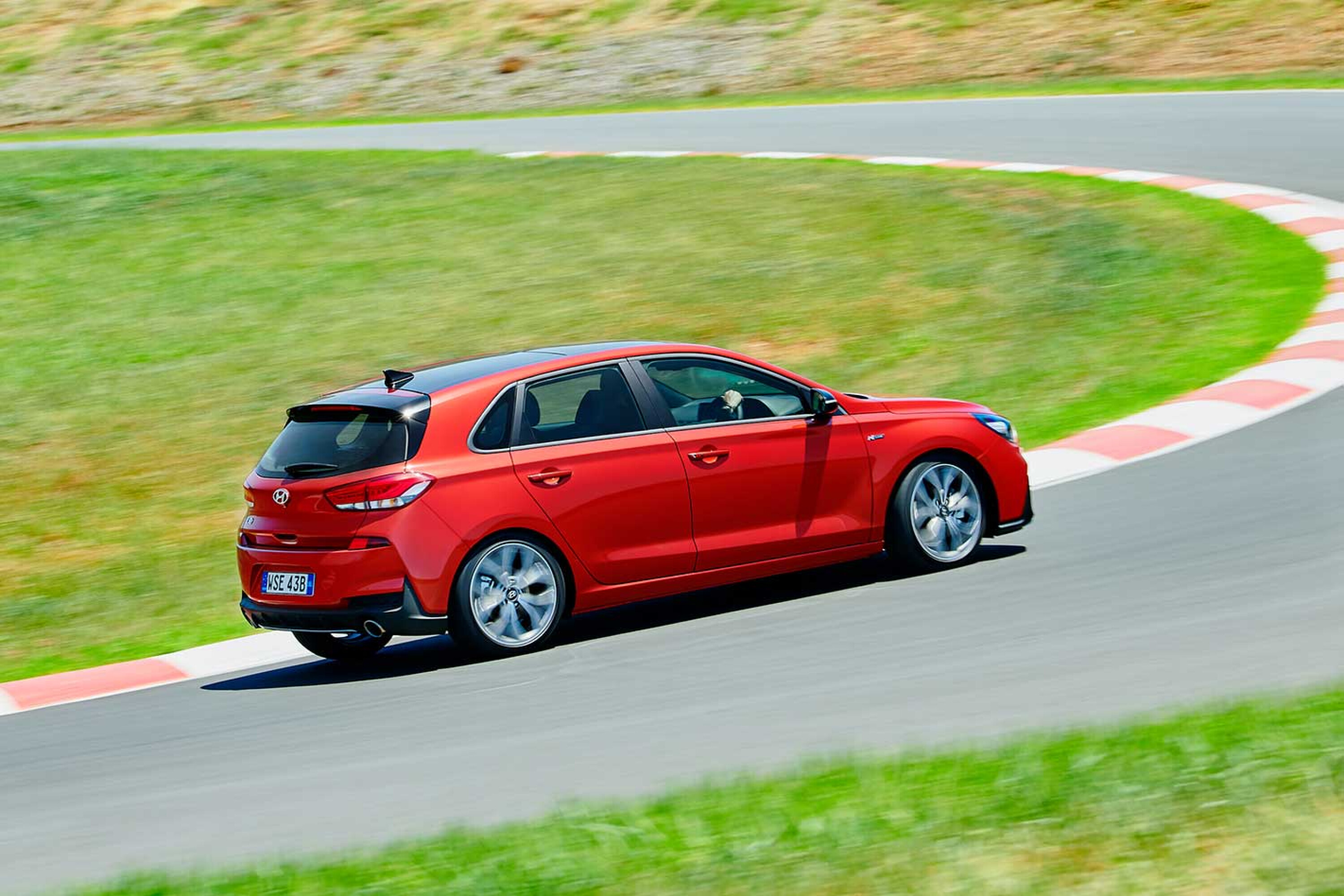
The Hyundai i30 N-Line is similarly priced to the Elite but is the more athletic of the two, with a punchy 1.6-litre four-cylinder turbo-petrol engine and choice of six-speed manual and seven-speed dual-clutch automatic gearboxes, and sporty trim.
6
Opting for the sportier N-Line means losing a few of the Elite’s bells and whistles including the bigger touchscreen, sat-nav, digital radio, and the premium audio.
But you do gain Australian-tuned sports suspension, as well as sporty interior and exterior garnish that largely mirrors the i30 N performance car, plus:
2023 Hyundai i30 N-Line additional features
Bolstered sports front seats
Paddle shifters (auto only)
Dual exhaust tips
Stitched leather trim
Sports steering wheel
LED headlights
LED rear combination lights
Blind-spot collision avoidance (auto only)
High-beam assist
18-inch alloy wheels
The Hyundai N-Line Premium has all that along with a few niceties, some of it shared with the Elite, such as:
2023 Hyundai i30 N-Line Premium additional features
Front parking sensors with guidance display
Satellite navigation
The 10.25-inch touchscreen
Digital radio (DAB+)
10-way power adjustable driver’s seat
7-speaker premium audio
Panoramic sunroof
Heated and ventilated front seats
Beware: spending an additional several thousand dollars on the Hyundai i30 N doesn’t bring much by way of extra creature comforts or trim upgrades – and you lose adaptive cruise control.
Of course, that’s not why you buy the N. With this one, you get grin-inducing performance and handling plus plenty of enhancements to the chassis and under the bonnet.
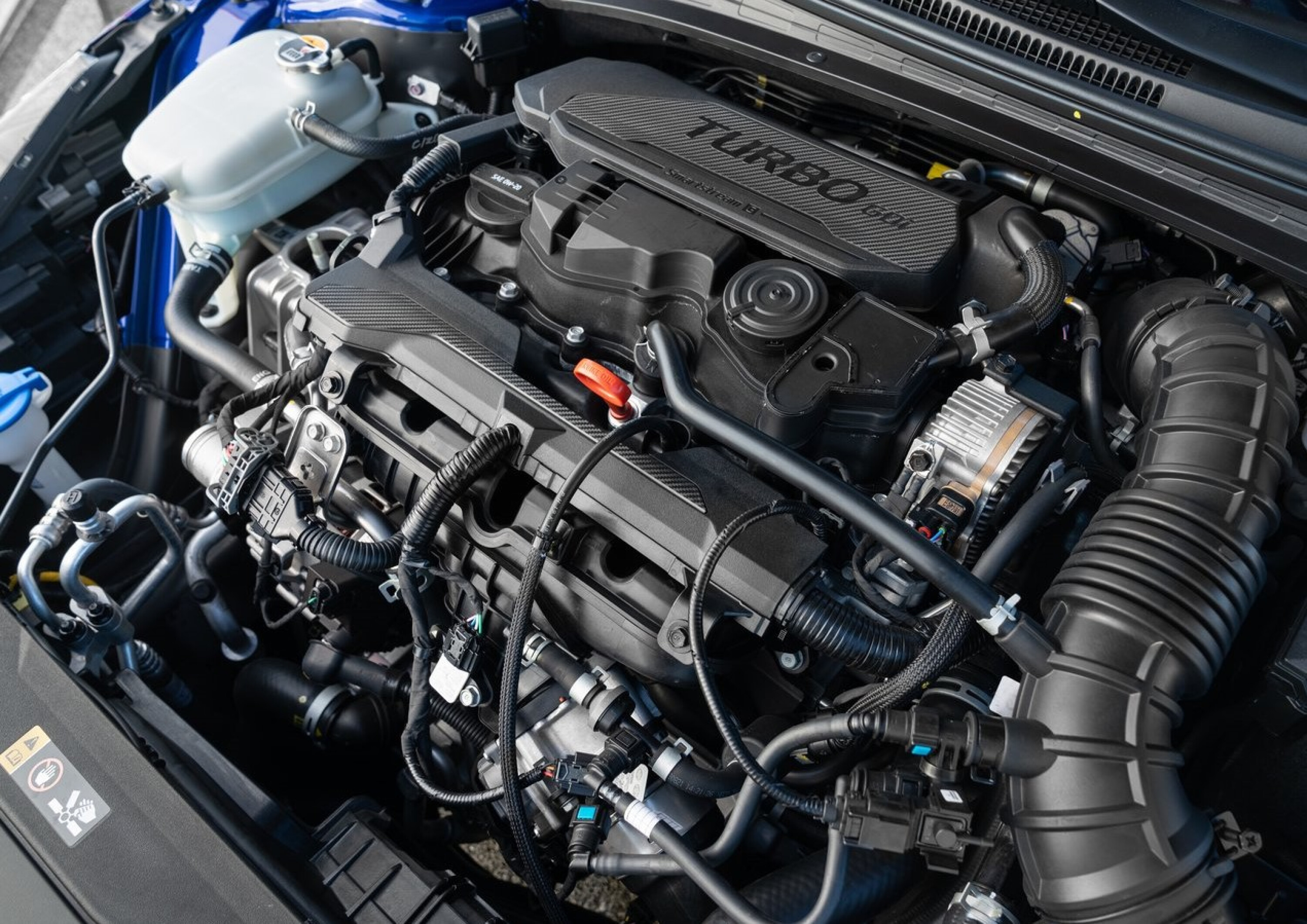
These include the powerful 206kW/392Nm 2.0-litre four-cylinder turbo-petrol engine, which comes with a choice of six-speed manual and eight-speed dual-clutch transmissions.
3
The base i30 N is only available as a hatchback. It is similarly equipped as the i30 N-Line, but gains:
2023 Hyundai i30 N additional features
19-inch alloy wheels
Pirelli P Zero sports tyres
Launch control
Temporary space-saver spare wheel
5-stting N Drive Mode System (Eco, Normal, Sport, N, N Custom)
N Grin Shift (NGS), N Power Shift (NPS), N Track Sense (NTS), Creep start
Sports gauges: lap/acceleration time, g-force meter, power/torque/turbo boost
Stepping up to the Hyundai i30 N Premium brings the sedan option and similar kit to the N-Line Premium but loses the sunroof. If you want the sunroof you can opt for the aptly named i30 N Premium with Sunroof for an extra $1575 (hatch) and $2100 (sedan).
The i30 hatchback has a five-star ANCAP safety rating that was awarded when the third-generation model arrived in 2017.
Curiously, the sedan has no ANCAP safety rating because, with no European NCAP crash test data to draw upon and changes in crash testing protocols, Hyundai decided not to submit the car for costly ANCAP testing, despite a large number of cutting-edge safety inclusions.
Hyundai Australia naturally insists it is safe and with its suite of active safety features together with the fact few Hyundai models have had issues with ANCAP testing, it’s reasonable to take the company’s word for it.
Every i30 hatchback comes with:
2023 Hyundai i30 safety features
7 airbags – dual front and side, driver’s knee and side curtains
Reversing camera
Rear parking sensors
Autonomous emergency braking
Blind-spot warning
Lane-following assist
Lane-keeping assist
Driver attention warning
Adaptive cruise control (auto and non N variants only)
From Elite spec and up comes rear-cross traffic alert, blind-spot collision avoidance (auto only) and blind-spot warning (manual), while the N-Line Premium and N Premium have front parking sensors.
Curiously, the hot N hatch and sedan variants don’t have adaptive cruise control.
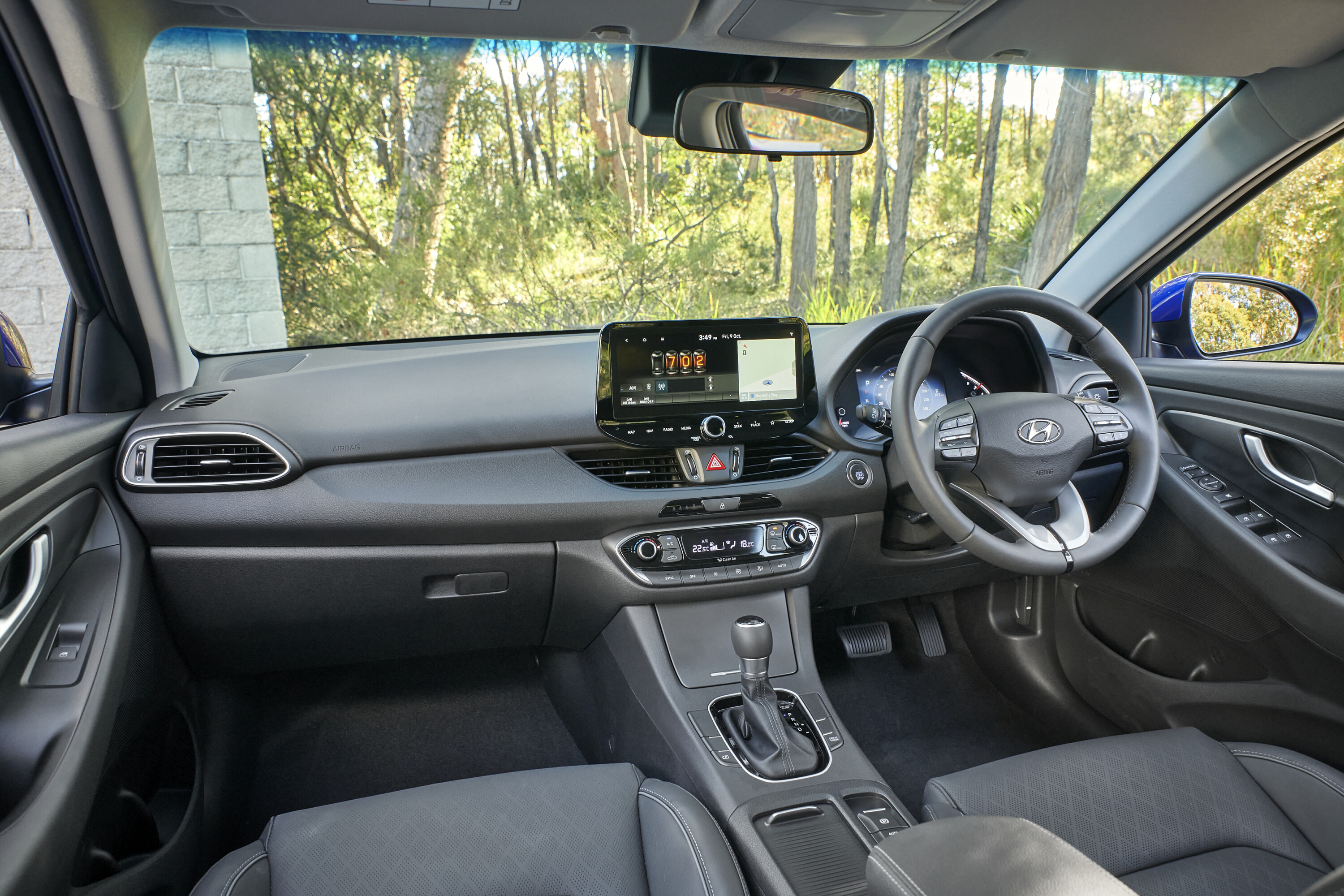
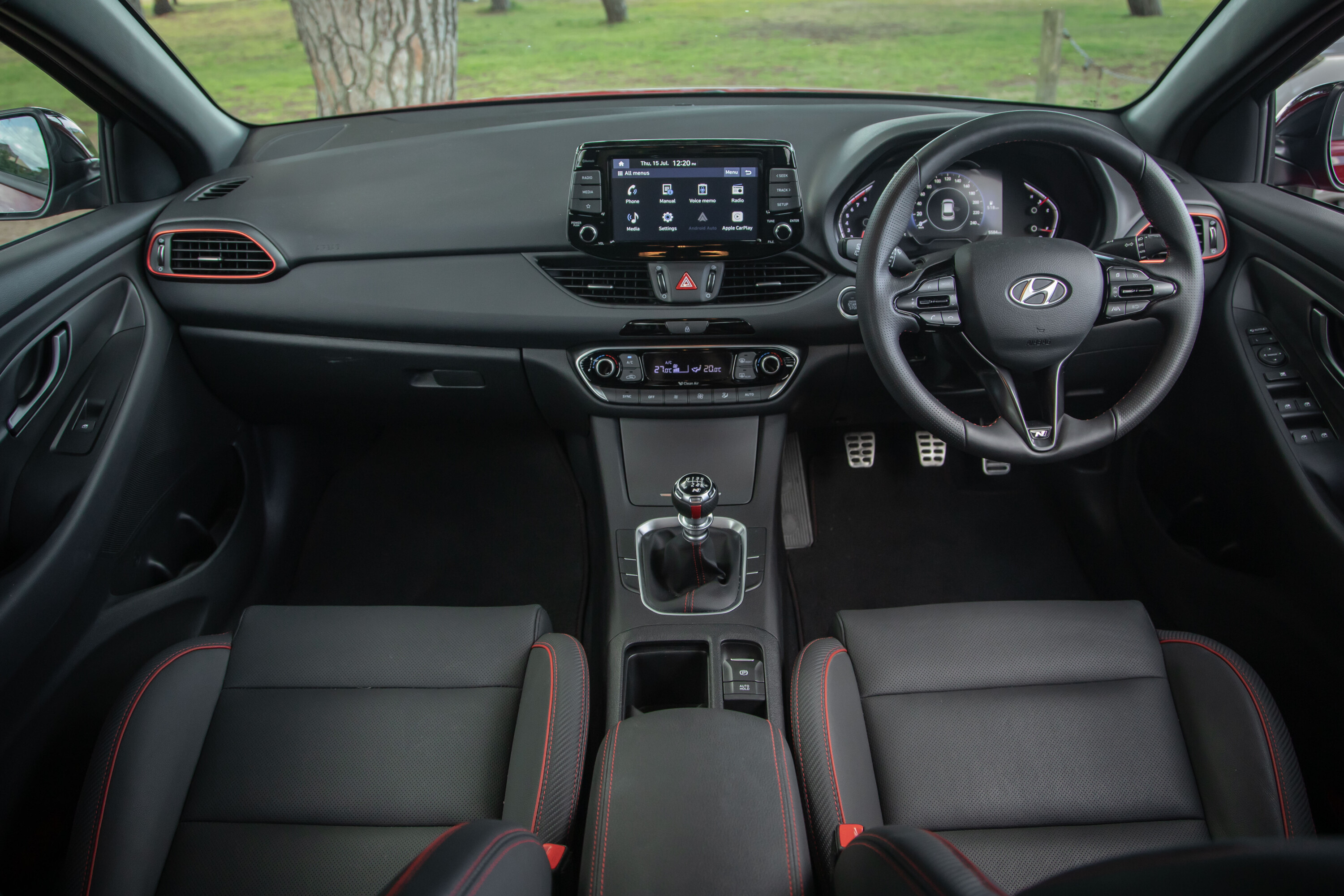
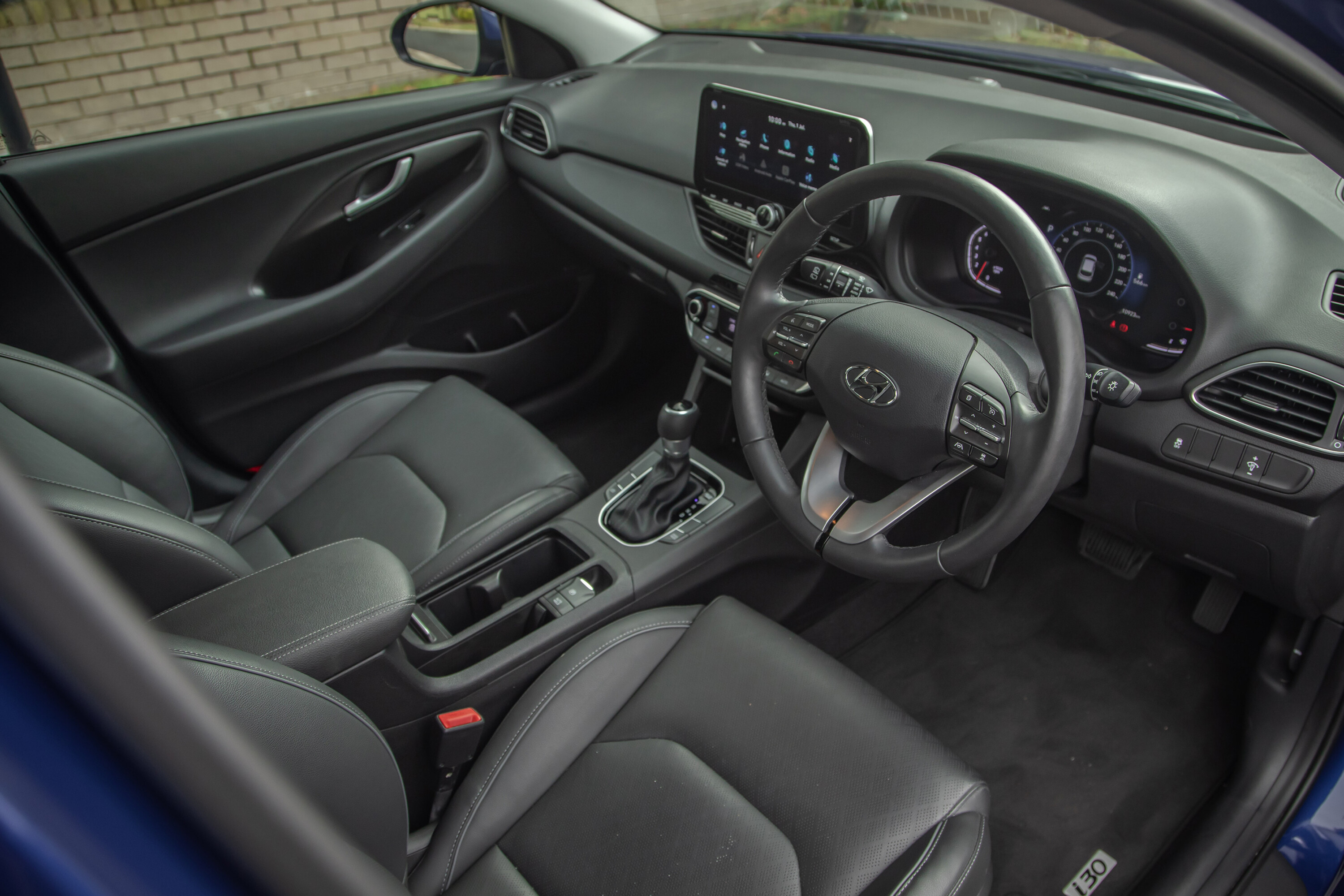
The i30 is spacious for a small car and both the hatchback and sedan are comfortable, with their cabins scoring points for finish and presentation.
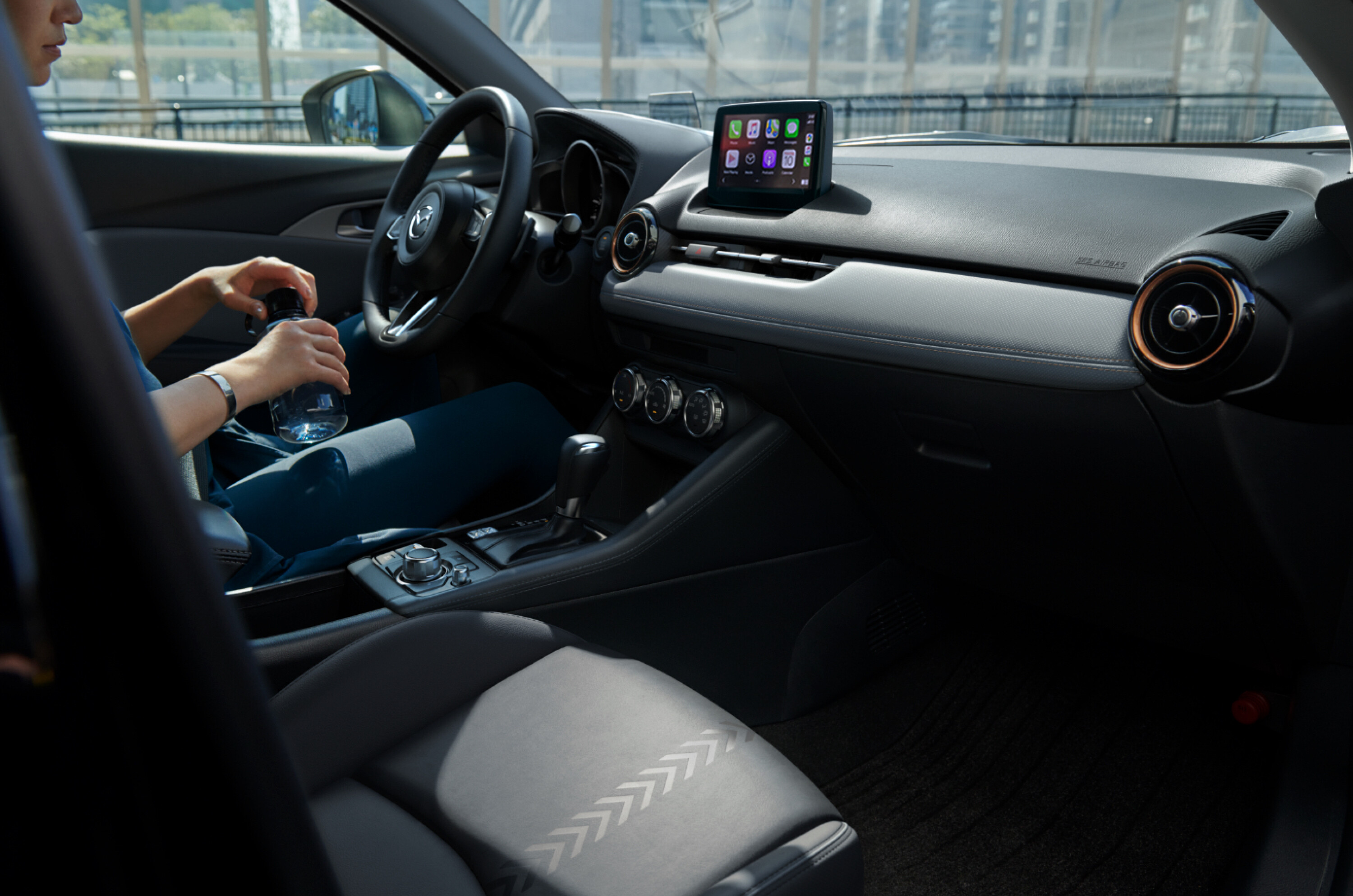
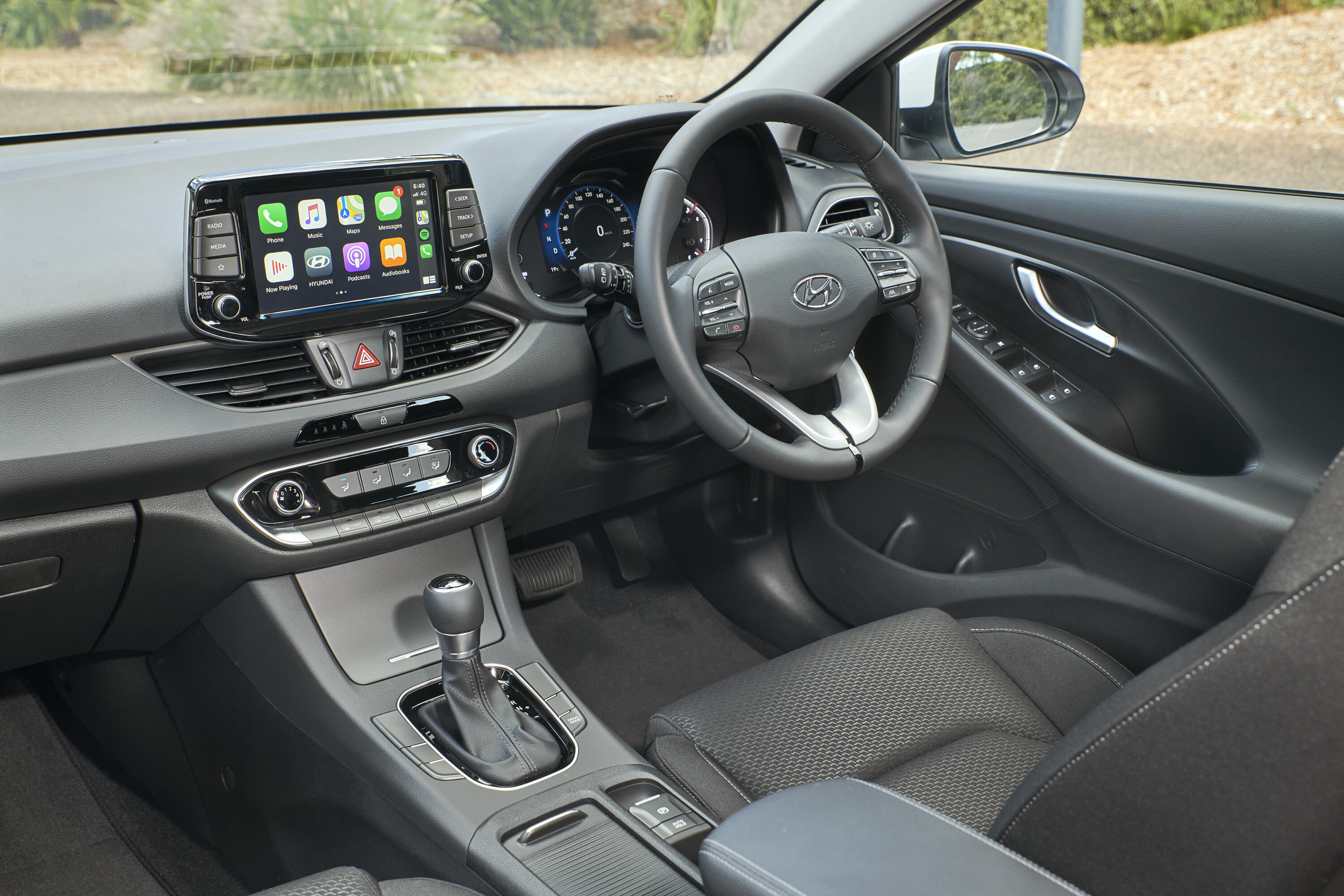
Because it’s a Hyundai, the infotainment system displays well and is easy to operate. All other controls fall easily to hand and are logically grouped: audio and infotainment on the main display and ventilation lower on the dash.
3
The hatchback has slim bottle holders in the door and two cup holders in the centre console. Automatic variants in Active spec and above don’t have a manual handbrake so the console is uncluttered and everything is easy to use.
A 2021 update brought leather to the steering wheel and gear selector knob, a minor upgrade that yields a huge improvement over the shiny, slippery plastic of the previous i30.
The sedan’s newer cabin design looks a generation younger than that of the hatchback, with a driver-centric dash layout and sweeping lines providing a flowing visual frame at the upper edges.
Its centre console arrangement is also much cleaner and the telescopically adjusted steering wheel sports a horizontal four-spoke design, not unlike Bentleys of old.
2
However, the cabin seems over-styled to a fault. For instance, the central flying buttress obstructs the passenger’s right elbow from resting on the central armrest. And while the door card shares the attractive sweeping styling with the rest of the cabin, the design penalises storage space.
That said, its overall look and the well-bolstered front seats make it a nice enough place to be. Most touchpoints provide a luxury vibe with leather-like finishes on the steering wheel, gear lever and seats.
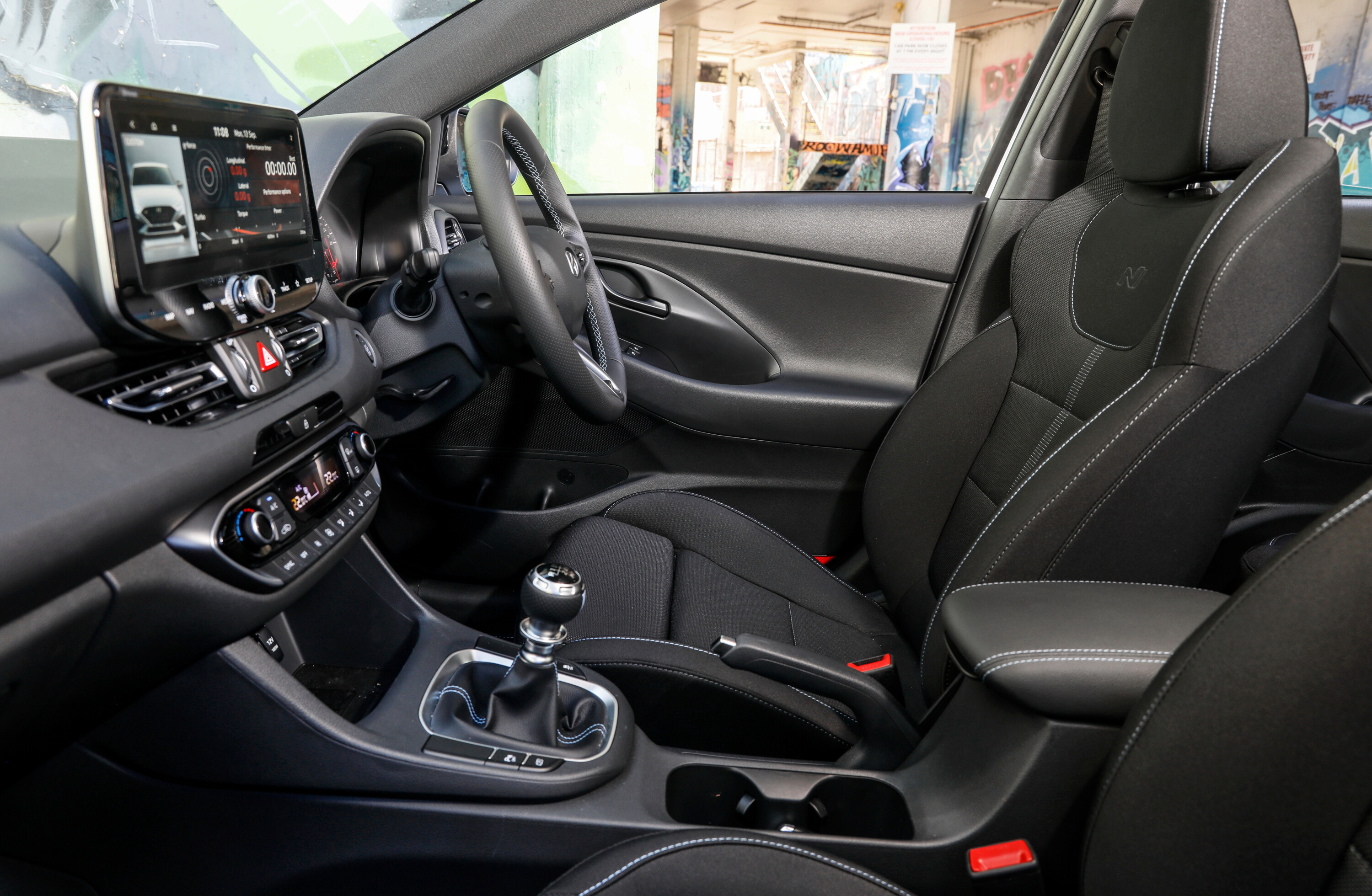
Seats are comfortable on all i30 versions, with good lateral support, particularly the sports front seats in the N-Line and N variants.
The i30 N, while bringing a firmer ride to improve handling, loses nothing by way of interior comfort, and when you’re not chasing apexes it makes for a great daily driver.
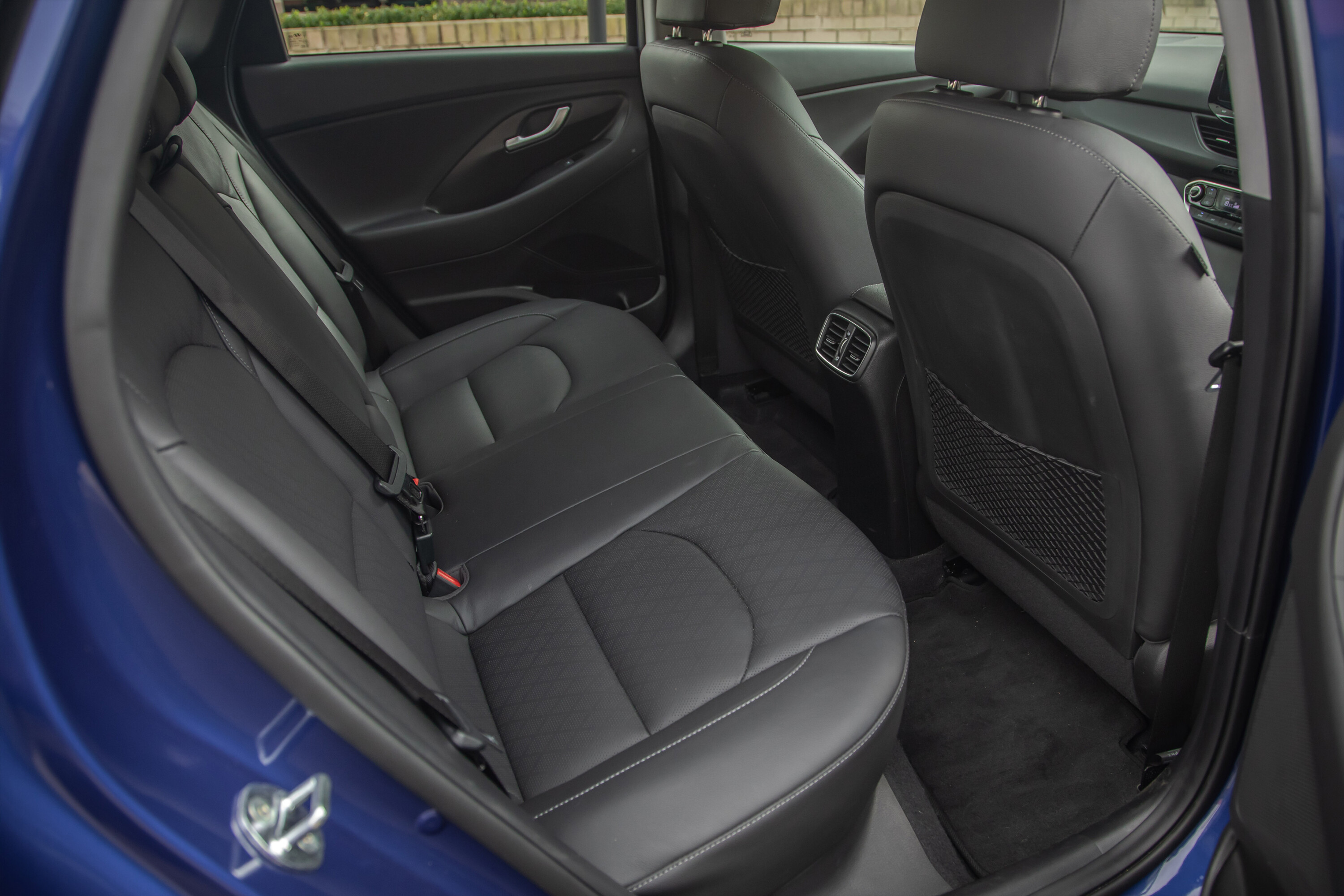
As is common in small hatchbacks, the rear seat is a bit narrow for three but will keep two rear passengers fairly happy.
If you do need to put three in the back, the rear floor is almost flat in the centre and there is space under the front seats for feet.
Someone of average height will fit in the back okay, but it’s not especially comfortable for longer trips as their knees touch the seatback, which has a plastic shield.
The seat is well-shaped without destroying the middle seat, which, as ever, is for smaller folks only.
1
On the plus side, there are air vents in the back and the centre armrest has two cup holders. The doors have slim pockets with a bottle holder but they’re for smaller bottles only.
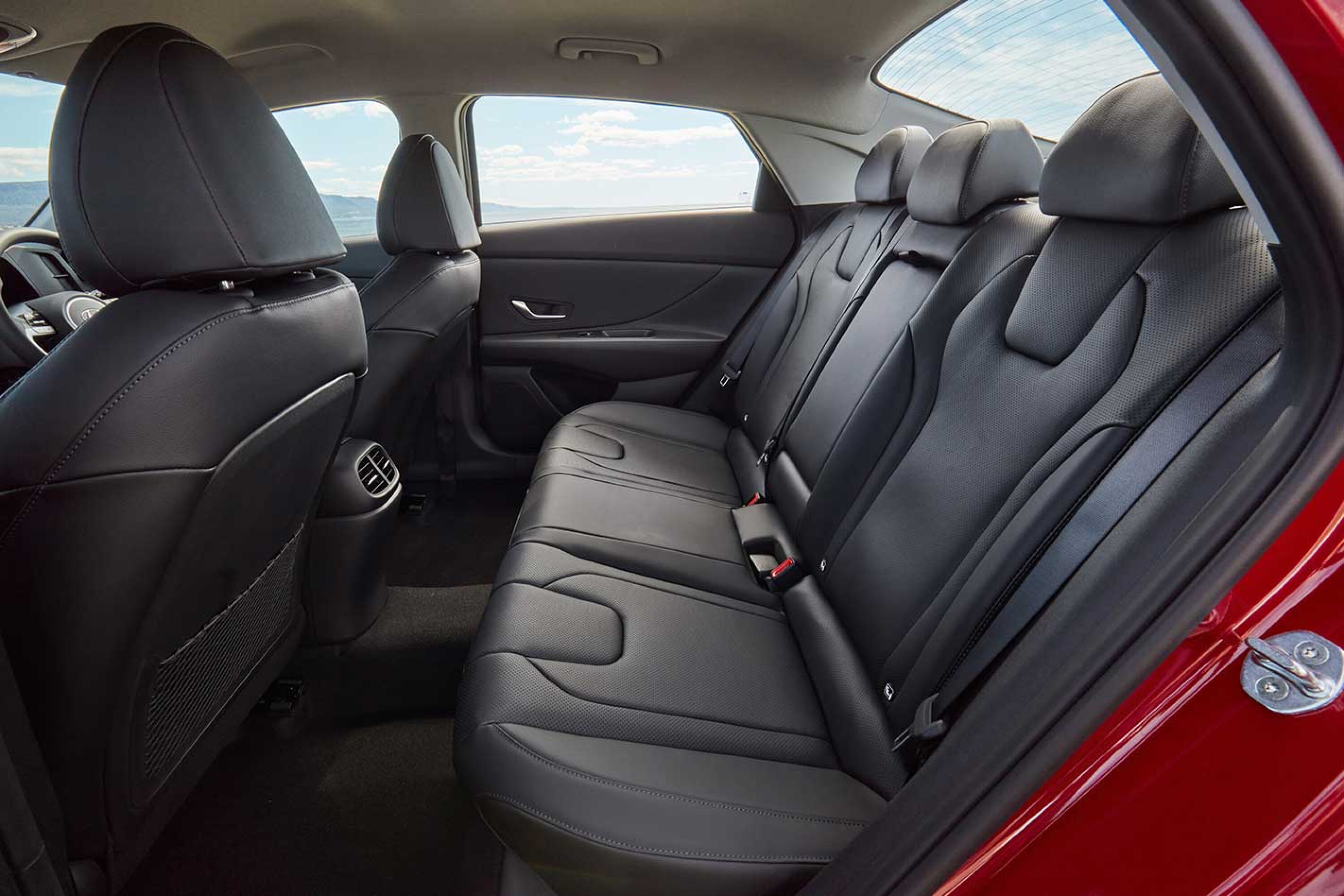
Because the sedan has a longer wheelbase than the hatch, there’s a lot more rear legroom for passengers.
The rear bench is a bit shapeless but has inserts to try and make it look shapely.
Headroom is surprisingly good, given the sedan’s racy roof profile that falls towards the stubby boot deck. You could get three kids across the back without too much complaining, but short trips are advisable.
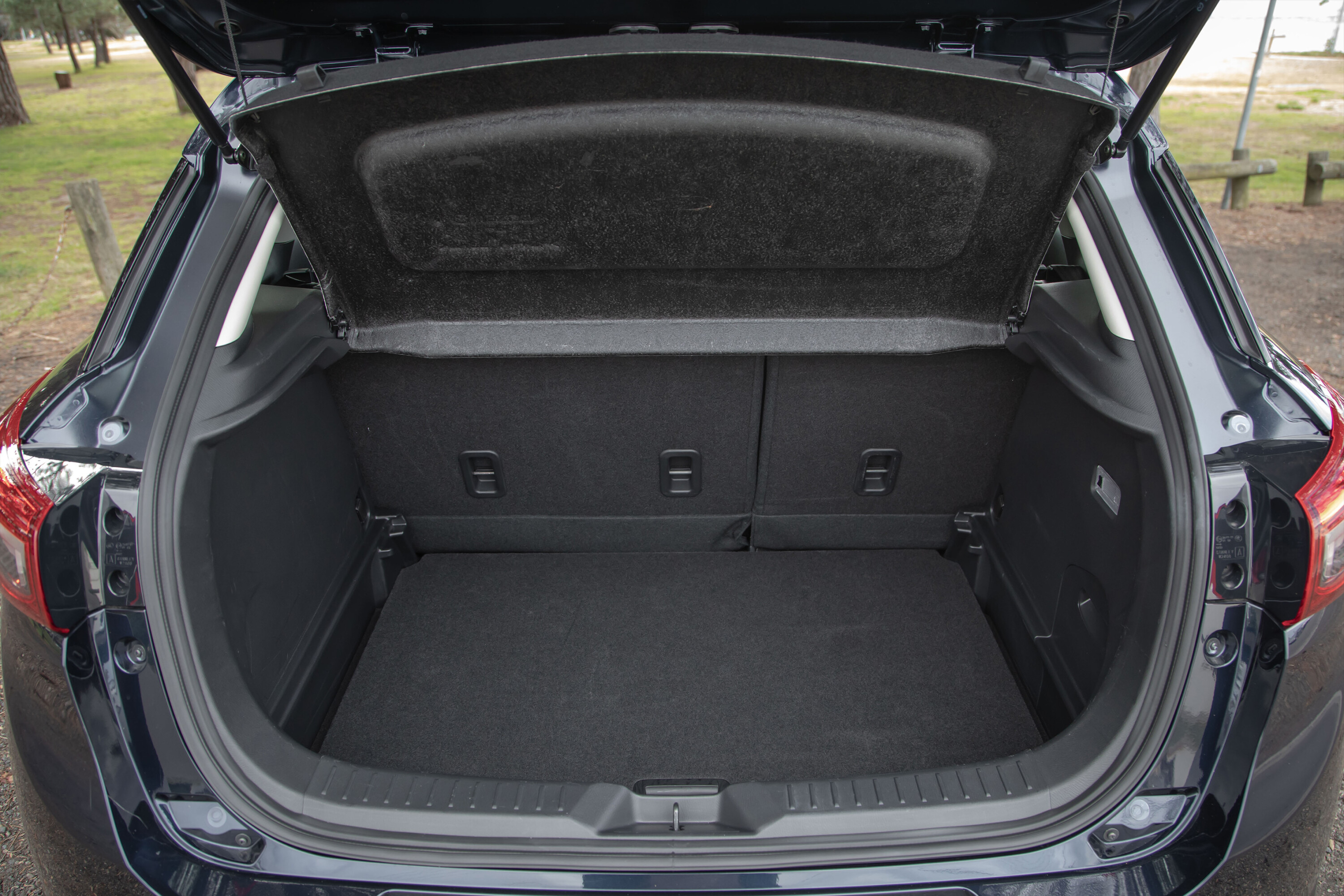
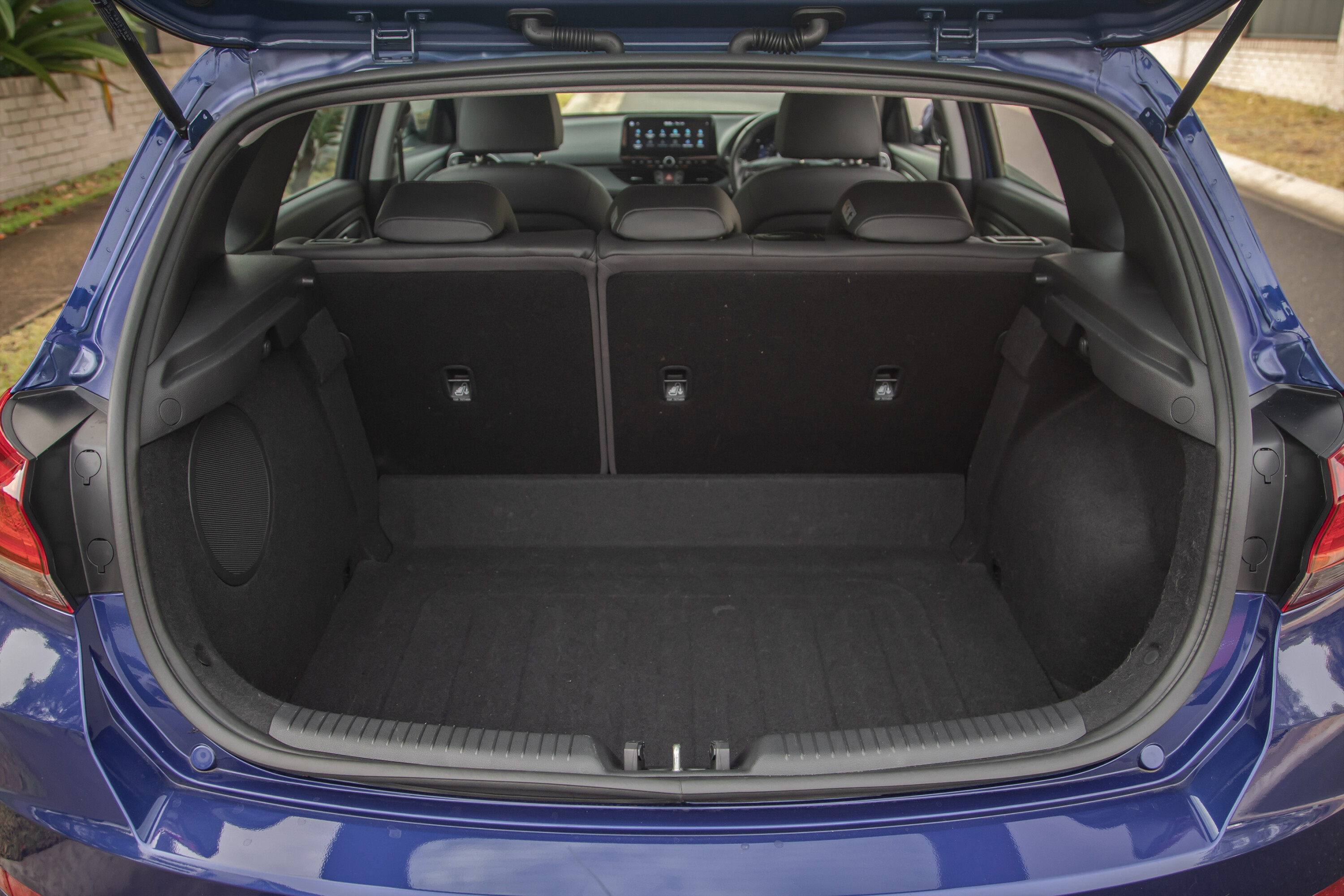
The five-door i30’s cargo area is 395 litres, which is good for a small hatchback.
Its rear seats can be folded 60:40 and folding the lot down brings an impressive 1301 litres in which to carry stuff.
1
Even with the full-size spare wheel, you can adjust the height of the boot floor. At its lower setting, capacity is maximised but there is a large step up to the rear of folded seatbacks. Raising the floor gives you a flatter extended load space.
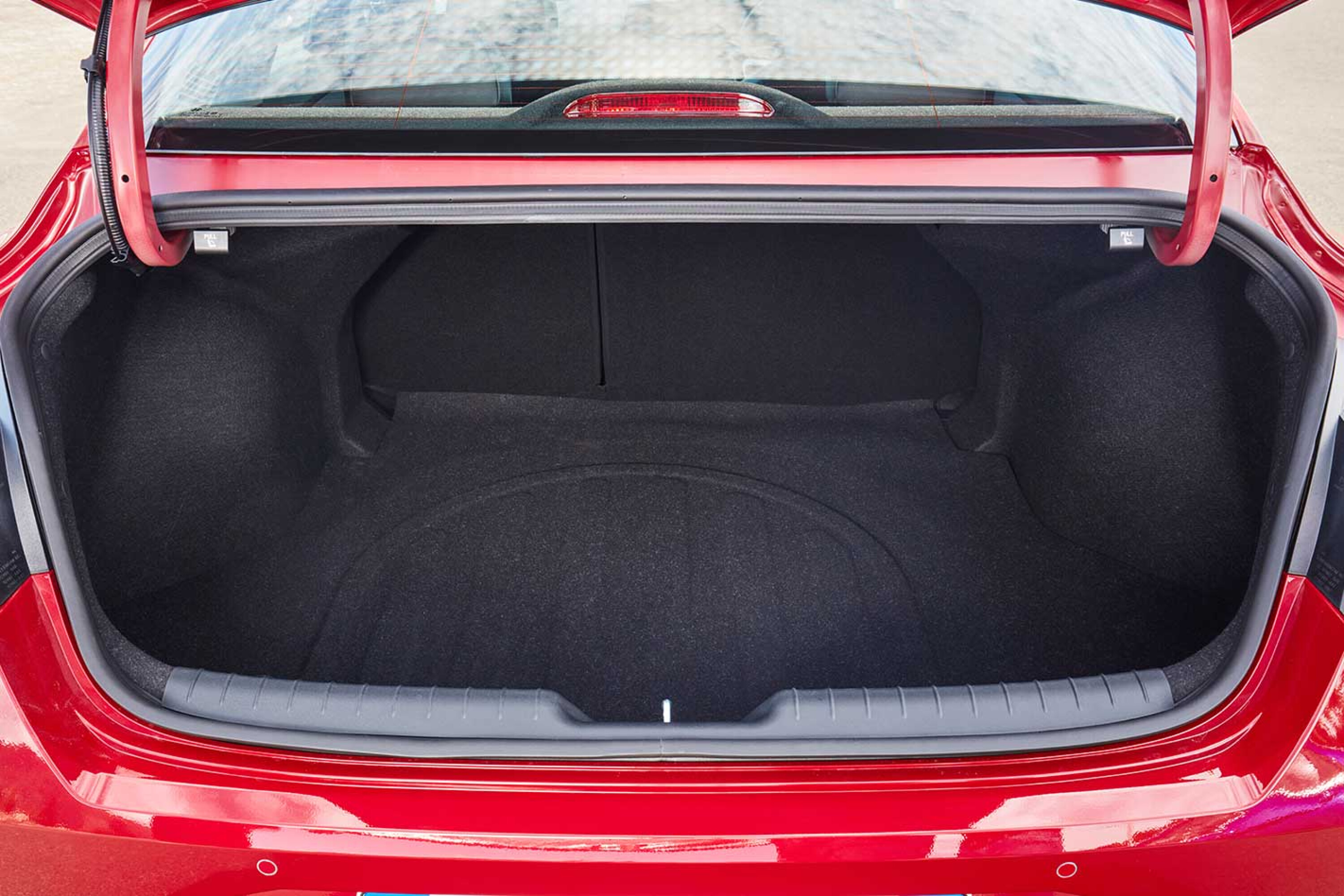
You’ll score more boot storage in the i30 Sedan, which offers 474 litres.
There is a huge aperture that allows for bulkier items to protrude into the cabin through the 60:40 split seats.
One of the reasons this third-generation i30 has been so impressive from launch is that it drives really nicely.
While the entry-level 2.0-litre petrol engine is hardly what you’d call characterful or exciting, it does the job quietly, whether hooked up with the well-sorted six-speed automatic transmission or six-speed manual.
The ride is comfortable and smooth and if you find yourself on a twisty road you’ll enjoy its decent balance and accurate steering.
1
If you’re a keen driver, a stretch to the sporty N-Line is worth the extra coin, with its sporty Michelin tyres and multi-link rear suspension setup in place of the more basic torsion beam setup found in regular i30s.
The 1.6-litre turbocharged engine brings feisty acceleration and a hint of hot hatch, albeit minus a rorty exhaust note.
Although the N-Line isn’t a hardcore sports model, it brings more excitement than most popular small cars and is the most engaging of the range if you leave the i30 N out of the equation.
1
All of the above mostly applies to the i30 sedan, the difference being the new K3 platform that brings improved chassis stiffness resulting in even better ride quality.
But If you really take your driving seriously, the 206kW/392Nm 2.0-litre turbo-powered i30 N is for you!
The N’s manual gear shift action is incredibly slick and is augmented by rev-matching tech that eliminates the need to heel-toe when braking hard.
10
Matched with the eight-speed dual-clutch automatic transmission, it’s an incredibly capable and efficient car to cover ground in.
At speed, shifts are solid and frenetic yet it remains smooth and largely seamless around town.
Straight-line performance is exceptional, with plenty of thrust and minimal turbo lag when you put your foot down. And on bends there’s plenty of grip with handling tuned to deliver high-speed stability.
8
Another smile-inducing aspect of the i30 N is its soundtrack.
With the exhaust valves opened all the way, the engine offers up a delightful crackling noise that makes you think you’re driving one of Hyundai’s rally cars.
In real-world conditions, little separates the 2.0-litre petrol and 1.6-litre turbo-petrol powertrains when it comes to fuel economy.
But, if you’re a stickler for official numbers and like calculating things down to the decimal, you’ll find small differences in fuel economy depending on whether the engine is in a hatchback or sedan, or coupled with a manual or automatic transmission.
1
The thriftiest powertrain is the N-Line sedan‘s 150kW/265Nm 1.6-litre four-cylinder turbo with seven-speed DCT, which officially consumes 6.8L/100km combined cycle – though this is unlikely in real life if the N-Line is driven in the spirit in which it is intended.
In the N-Line hatchback, this same combination consumes 7.1L/100km while manual N-Line sedans and hatchbacks consume 7.5L/100km.
As for the rest:
Engine
Transmission
Variant
L/100km
1.6L turbo
7-speed DCT
N-Line sedan
6.8
2.0L
Manual/auto
Active/Elite sedan
7
1.6L turbo
7-speed DCT
N-Line hatch
7.1
2.0L
Manual/auto
i30/Active/Elite hatch
7.5
1.6L
6-speed manual
N-Line sedan/hatch
7.5
2.0L twin-turbo
Manual/8-speed DCT
N sedan
8.2
2.0L twin-turbo
Manual/8-speed DCT
N hatch
8.5
A reason the sedan variants are more efficient is their newer ‘Smartstream’ engines, which are updated versions of the hatchback’s standard 2.0-litre and 1.6-litre GDi donks.
Curiously, the new 117kW/191Nm 2.0-litre in the i30 Active and Elite sedans produces 3kW and 9Nm less power and torque than the 2.0 GDi, while bringing nothing obviously new in terms of technology.
The standard 2.0-litre i30 hatchbacks have a handy 1300kg/600kg braked/unbraked towing capacity with either transmission, while the sedans can pull 1200kg/610kg.
A 1.6-litre turbo N-Line hatch also pulls 1300kg/600kg, while an N-Line sedan can tow 1200kg/610kg with the manual gearbox or 1100kg/610kg with the DCT.
Each of the above variants has a 75kg maximum tow ball weight.
The i30 N does not have towing capacity figures; truth be told, it would be a travesty to fit one with a towbar.
How long is the warranty and what are the Hyundai i30’s servicing costs?
All Hyundai i30s, including the racy Ns, are covered by the company’s five-year / unlimited-km warranty, along with an initial 12 months of roadside assistance – extending by a year every time you service at a dealer.
Standard i30 variants including the N-Line, have service intervals of 12 months or 15,000km. Hyundai offers prepaid servicing priced at:
Hyundai i30 pre-paid servicing price
Terms
$897
3 years/45,000km
$1196
4 years/60,000km
$1495
5 years/75,000km
The i30 N has 12-month/10,000km service intervals with prepaid servicing costing:
Which version of the Hyundai i30 does Wheels recommend?
Unless you’re in the market for a hot hatch (or sedan) and can afford the i30 N, the i30 N-Line with the seven-speed DCT is great buying. You get a lively turbocharged engine and a lot of equipment, including the SmartSense active safety suite.
And while it doesn’t have the N’s stonking performance, it offers an enjoyable ‘warm hatch’ experience, while being a very comfortable daily driver.
The sedan offers a fresher package and crisper handling, but you are unlikely to regret opting for the hatch and saving $2000.