
Revealed globally in February 2021, the 2023 Nissan Qashqai has taken nearly two years to reach Aussie shores. In that time, the pandemic’s grip has loosened on the world’s neck and a war’s broken out, but it was rogue grass seeds on a container ship that were the final nail in the Qashqai’s delayed Aussie arrival.
The Qashqai lands initially in petrol-only form; like its bigger X-Trail sibling the e-Power hybrid powertrain is lagging behind, but at least we’ve finally sampled the latest version of what is said to be the original small SUV on Aussie shores.
It’s probably more accurate to say the first-gen Toyota RAV4 (1994-2000) or the Matra Rancho (1977-84) were the compact SUV innovators, but with three million units sold globally, the British-built Nissan Qashqai (originally Dualis to us Aussies) is the segment definer.
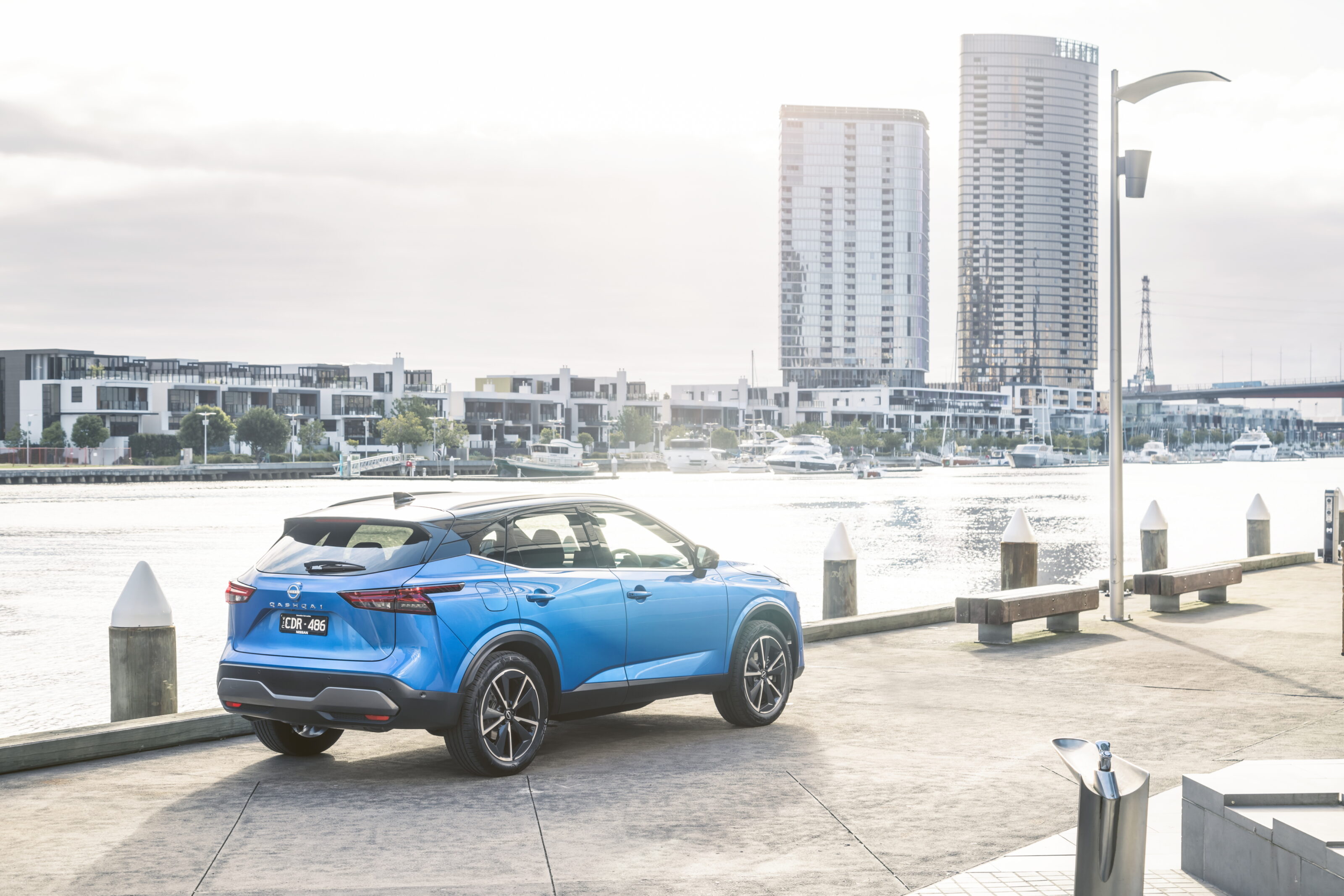
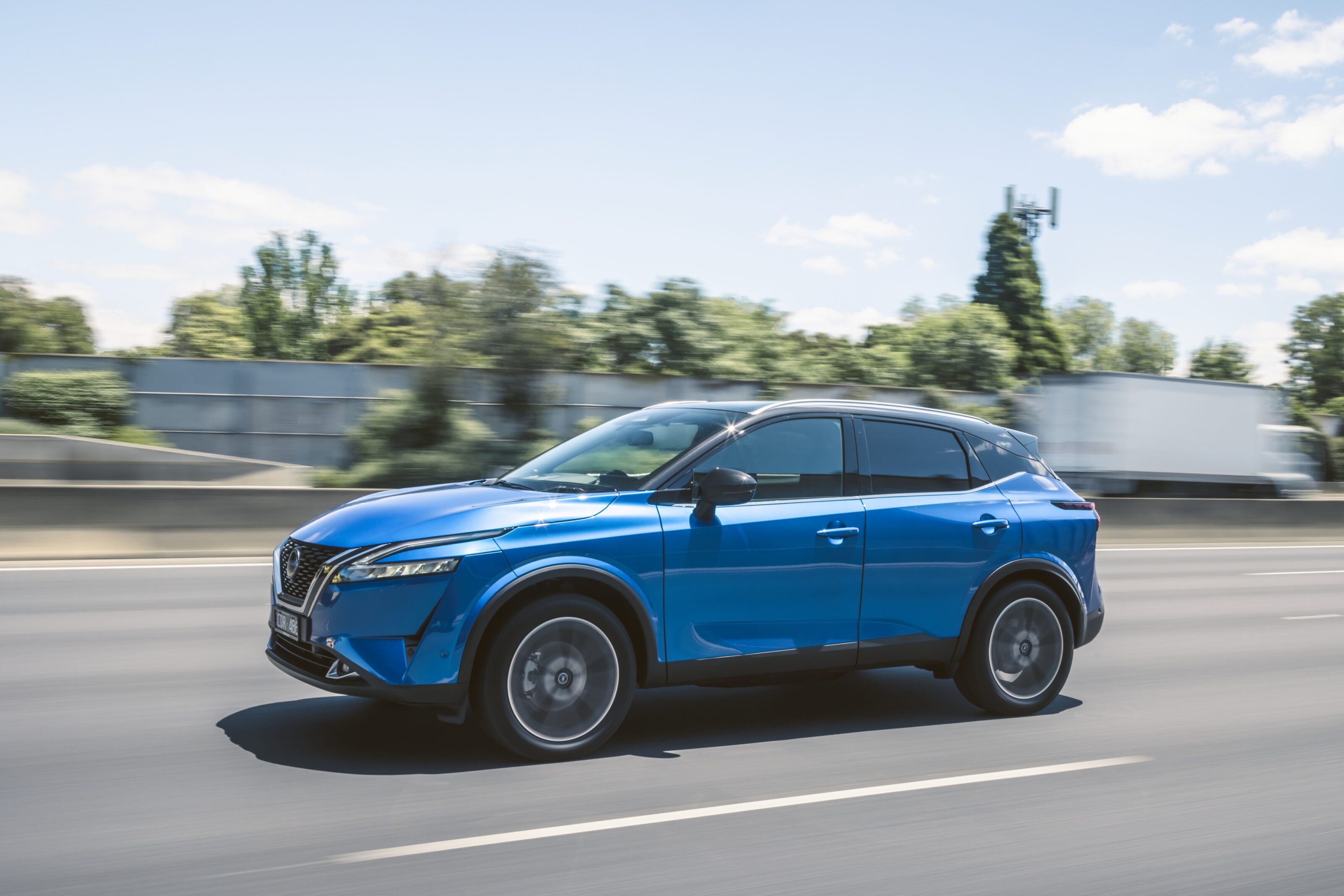
The third-generation ‘J12’ Qashqai is available here in four trim levels spanning $33,890-$47,390 before on-road costs. It shares the Renault–Nissan–Mitsubishi alliance vehicle to sit on new CMF-C underpinnings, bringing a 48 per cent improvement in torsional rigidity.
The J12 Qashqai has grown in every dimension, being 31mm longer, 30mm taller, 29mm wider and riding on a 19mm longer wheelbase than before.
Incidentally, there’s more room between the Qashqai’s front and rear wheels than a Subaru Forester’s and while the last Qashqai was already pretty generous on interior size, this new one makes an even stronger case for downsizing out of a medium SUV.
That said, the price certainly reflects its new-found dimensions.
Moving to a new platform supports modern tech inside, with an equal biggest in-class (with the Haval Jolion) 12.3-inch touchscreen that features wireless Apple CarPlay. It’s also a lot more expensive, between $3300 more in base ST form and $8300 Ti trim.
JUMP AHEAD
- How much is it, and what do you get?
- How do rivals compare on value?
- Interior comfort, space, and storage
- What is it like to drive?
- How safe is it?
- Warranty and running costs
- VERDICT
How much is it, and what do you get?
It helps that the new Euro-penned Qashqai is handsome; distinctly Qashqai in its proportions, but with razor-sharp LED lighting details and confident body lines.
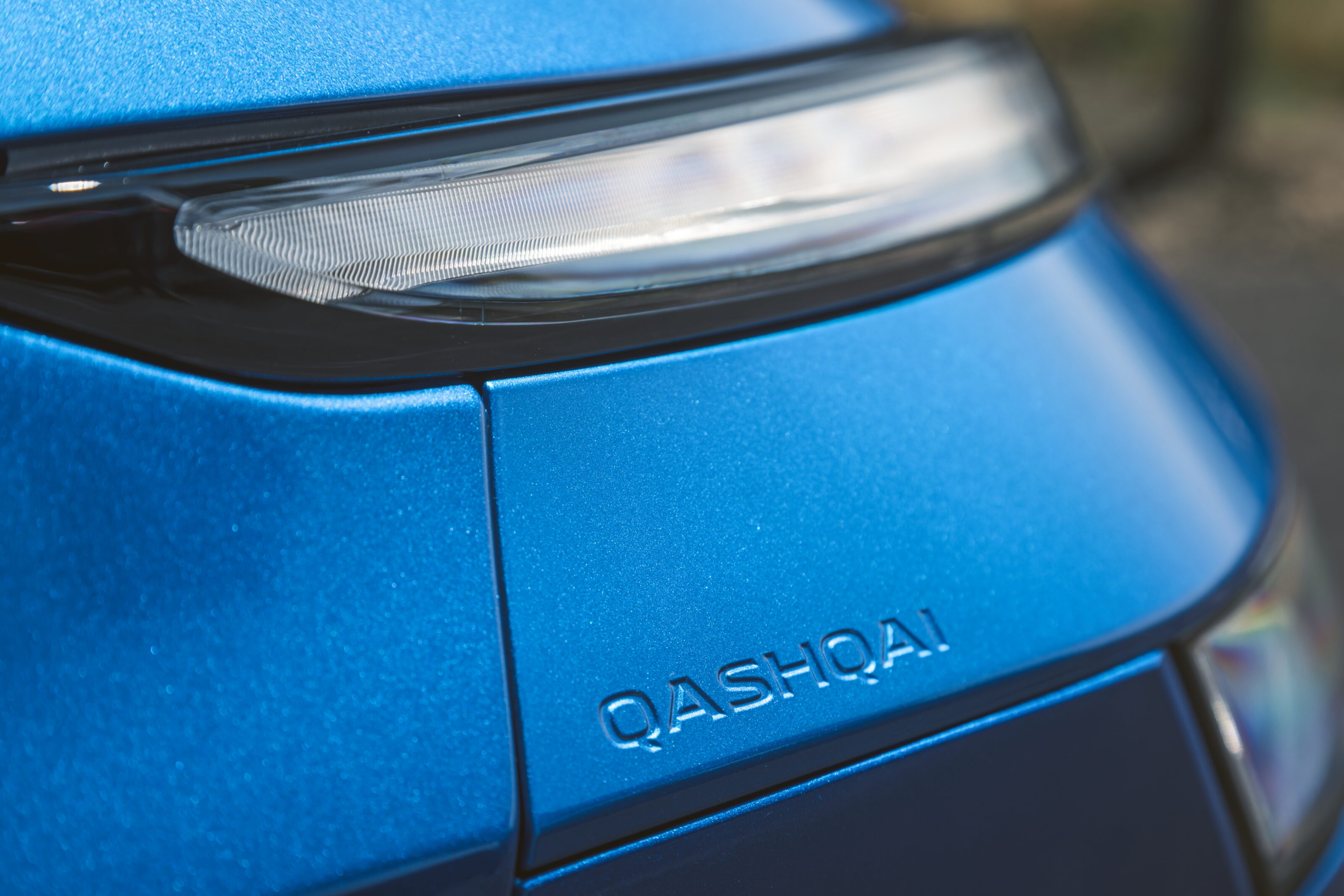
Further little touches like the new Nissan emblem with pearlescent white text lift its kerb appeal. Both the ST-L and Ti ride on handsome 19-inch alloys.
Nissan offers four Qashqai grades kicking off with the ST ($33,890 before on-road costs) and ST+ ($37,890 before on-road costs) that are effectively the same in material terms with cloth upholstery, manual seat adjustment, 7.0-inch digital driver display, as well as LED lights front and back.
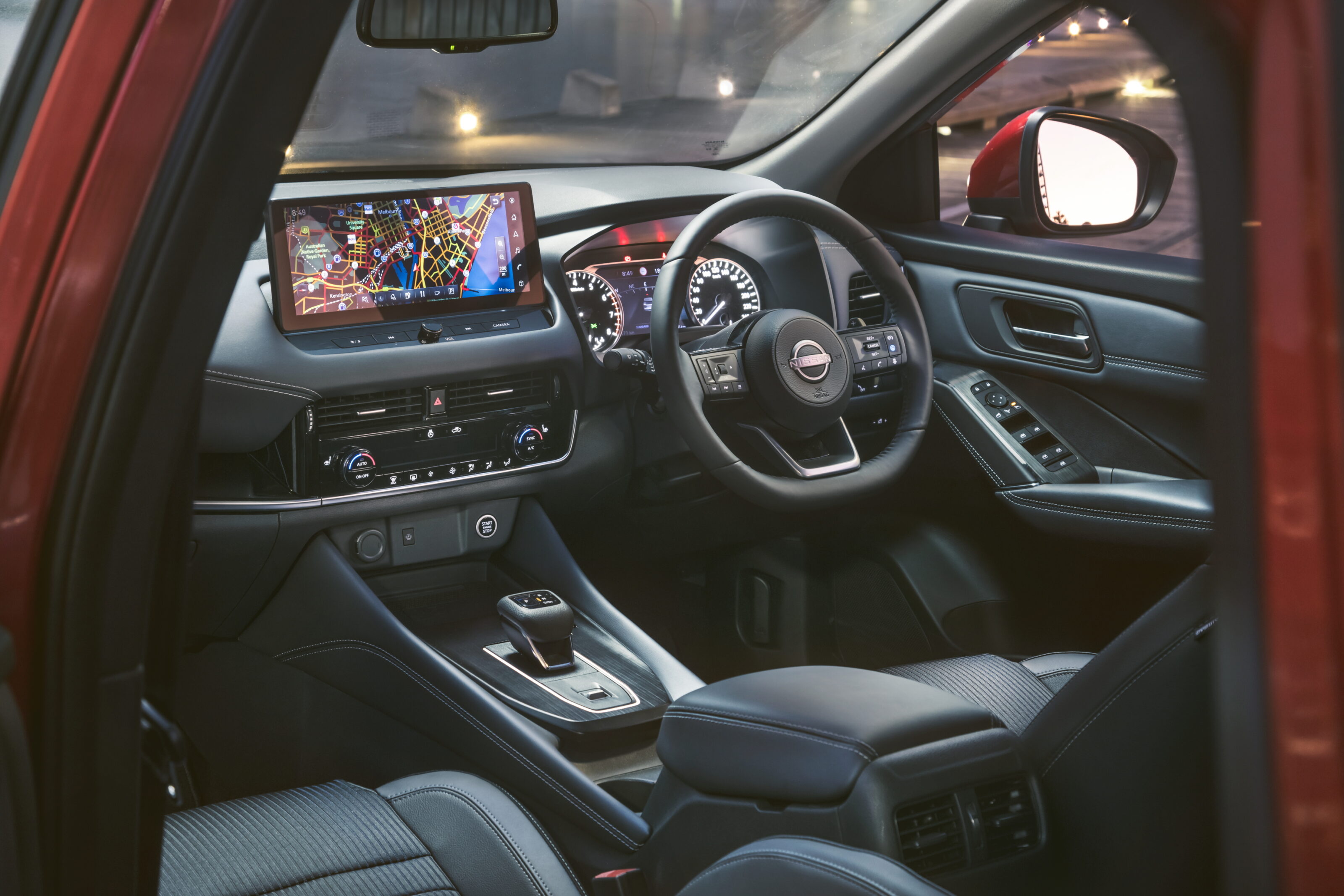
The ST+ plus gets the 12.3-inch touchscreen and wireless Apple CarPlay, LED foglights, one size bigger 18-inch alloys and auto wipers. Like its smaller Juke sibling, both base grades get a plastic steering wheel.
However, we didn’t get to sample the base cars as only the ST-L ($42,190 before on-road costs) and Ti ($47,390 before on-road costs) were available at launch. Nissan anticipates these will be the volume sellers; initially, it’ll be the glitzy Ti that garners all the attention but over time the ST-L will likely take the larger slice.
We can see why; it seems the ST-L has all you need and nothing you don’t. Just like the range-topper, it’s equipped with adaptive LED headlights, dual-zone climate control, 19-inch alloy wheels, cloth and leather upholstery, heated eight-way electrically adjustable front seats, a leather-appointed heated steering wheel, front and rear parking sensors and adaptive cruise with stop-and-go function.
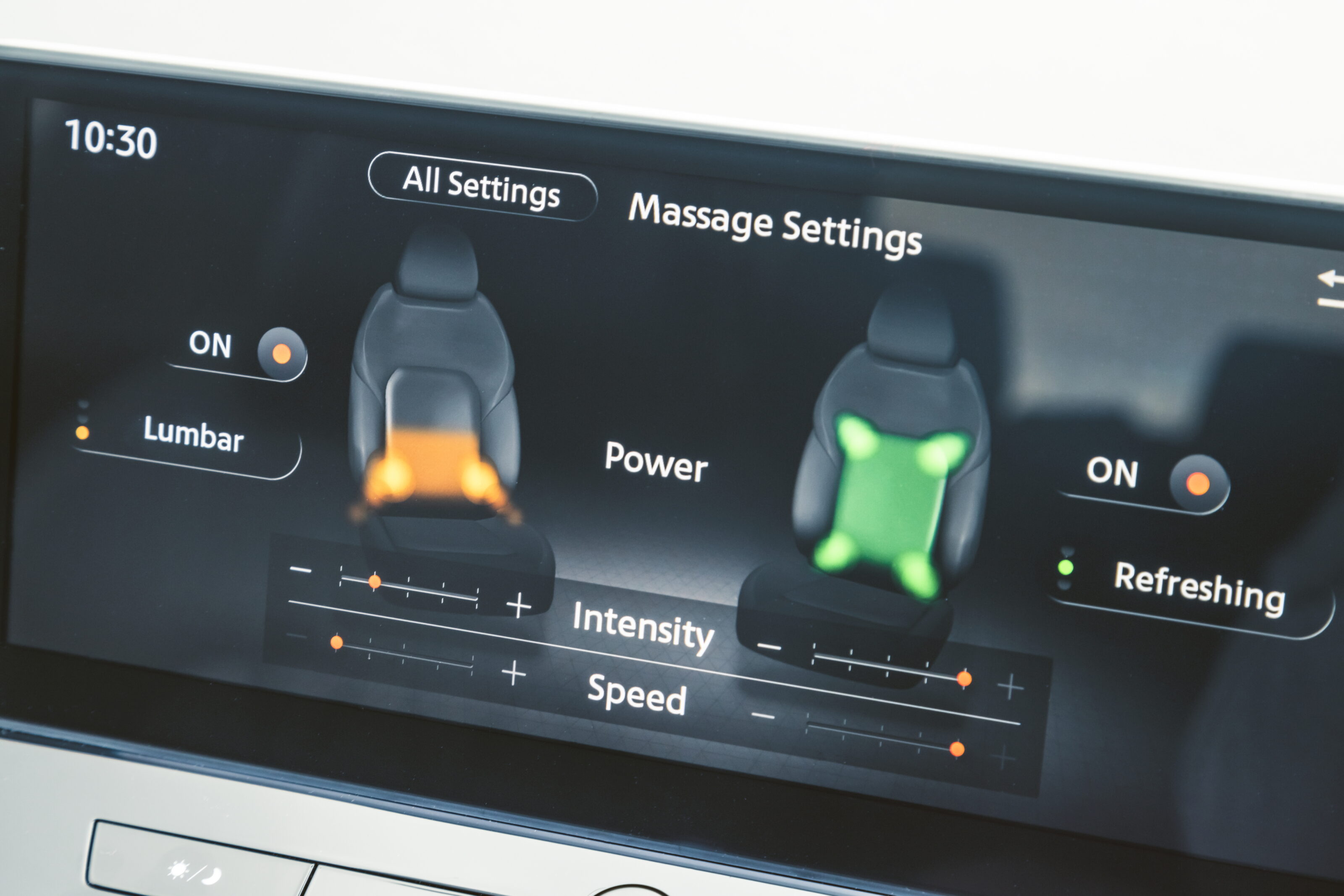
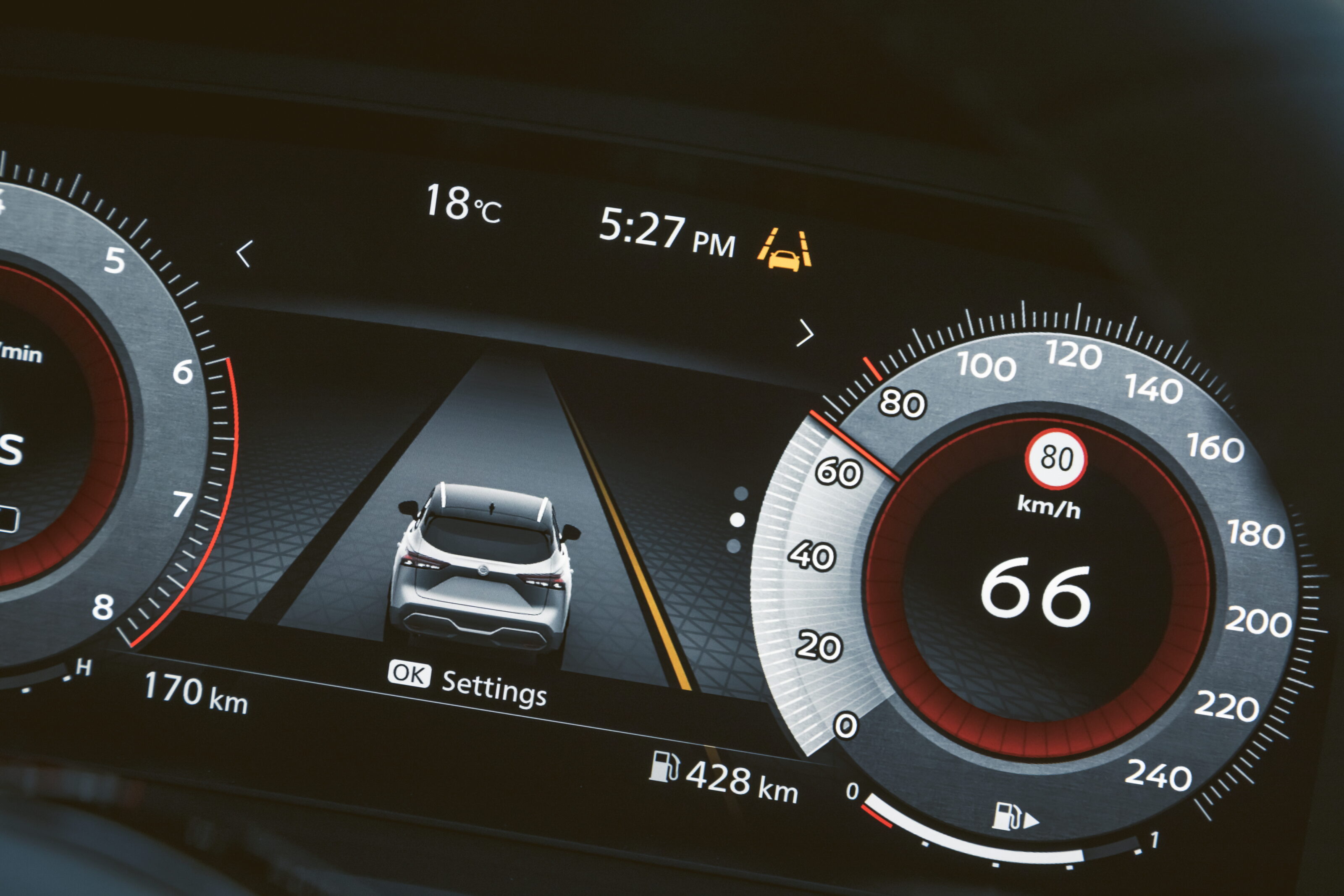
The Ti takes things up a notch with a 12.3-inch digital instrument cluster, panoramic sunroof, quilted leather upholstery and massage function for the front seats (making it the only other massage-equipped small SUV other than a Citroen C4), 10-speaker Bose sound system, power tailgate and Qashqai’s signature ‘Divide-N-Hide’ boot storage function.
Nissan only offers one option on Qashqai, that being a contrast roof colour for $500 extra on ST+ trims and up, for a total of 13 exterior colour permutations.
How do rivals compare on value?
Unlike its latest and greatest rival, the Toyota Corolla Cross, the Qashqai grade jumps feel sensible – you don’t need the Ti for it to feel complete.
The Corolla Cross GXL (from $36,750 before on-road costs) has interior switch blanks and nasty plastics don’t hold a candle to the Qashqai’s nicely-grained items. The Qashqai’s screens are also more responsive and better presented.
The small SUV segment is no walk in the park, with 21 other options currently on sale, including the Volkswagen T-Roc 110TSI Style ($37,100 before on-road costs), Hyundai Kona N Line ($37,100 before on-road costs), Mazda CX-30 G25 Touring ($38,190 before on-road costs), Kia Seltos Sport+ AWD ($41,990 drive-away), Skoda Kamiq Monte Carlo ($42,990 drive-away) and $33,990 drive-away Haval Jolion Ultra – the only rival with a screen as big available.
Nissan’s Qashqai ST-L is most closely aligned with the variants above, and next to some – especially the Haval Jolion – the $42,190 (before on-road costs) price is steep.
And at the top of the Qashqai range, Nissan’s small SUV suffers a similar fate to the Toyota Corolla Cross and RAV4. The $47K Qashqai Ti runs rather close in price to Nissan’s medium SUV, the 25.5cm longer X-Trail Ti ($49,990 before on-road costs).

Interior comfort, space and storage
The Qashqai does hit back though. Sitting at the larger end of the small SUV spectrum, it truly could fit a family of four without a struggle.
Some of this comes from physical improvements over the old car, such as 22mm more legroom, an additional 28mm of front shoulder room and rear doors that open to 85 degrees. There are thoughtful equipment choices that help, too, including air vents and a pair of USB points (one A and one C) in the back seat of every grade.
It’s a spacious little SUV with plush backrests and squabs, though it doesn’t quite match the practicality and customisability of the Volkswagen T-Roc and Skoda Kamiq’s fully adjustable rear benches.
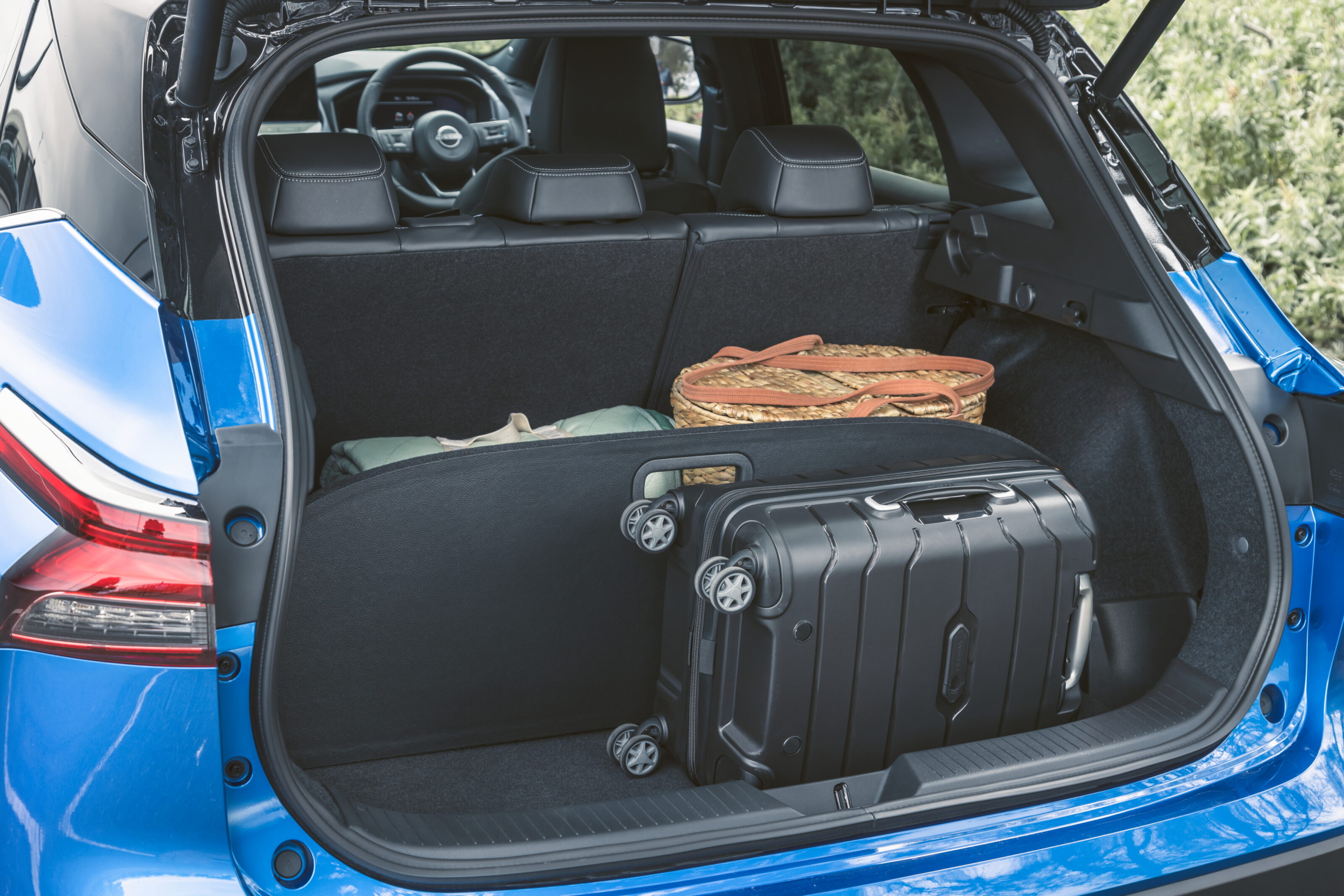
The Qashqai’s boot is almost best-in-class providing you don’t go for the Ti with its Bose subwoofer and clever ‘Divide-N-Hide’ cargo solution robbing a little bit of outright space but providing an excellent way to stop shopping sliding about. A space-saver spare is included under the boot floor, and there’s an easily accessible 12-volt socket, too.
| Small SUV boot comparison | |
|---|---|
| Kia Seltos | 433L |
| Haval Jolion | 430L |
| Nissan Qashqai | 418-429L |
| Toyota Corolla Cross Atmos | 425L |
| Mitsubishi ASX | 393L |
| Volkswagen T-Roc 140TSI | 392L |
| MG ZS | 359L |
| Mazda CX-30 Astina | 317L |
From the driver’s seat, the Qashqai impresses in a different way. Its 7.0-inch digitised driving cluster works well in the ST-L and the Ti’s 12.3-inch display is excellent, right up there with the best.
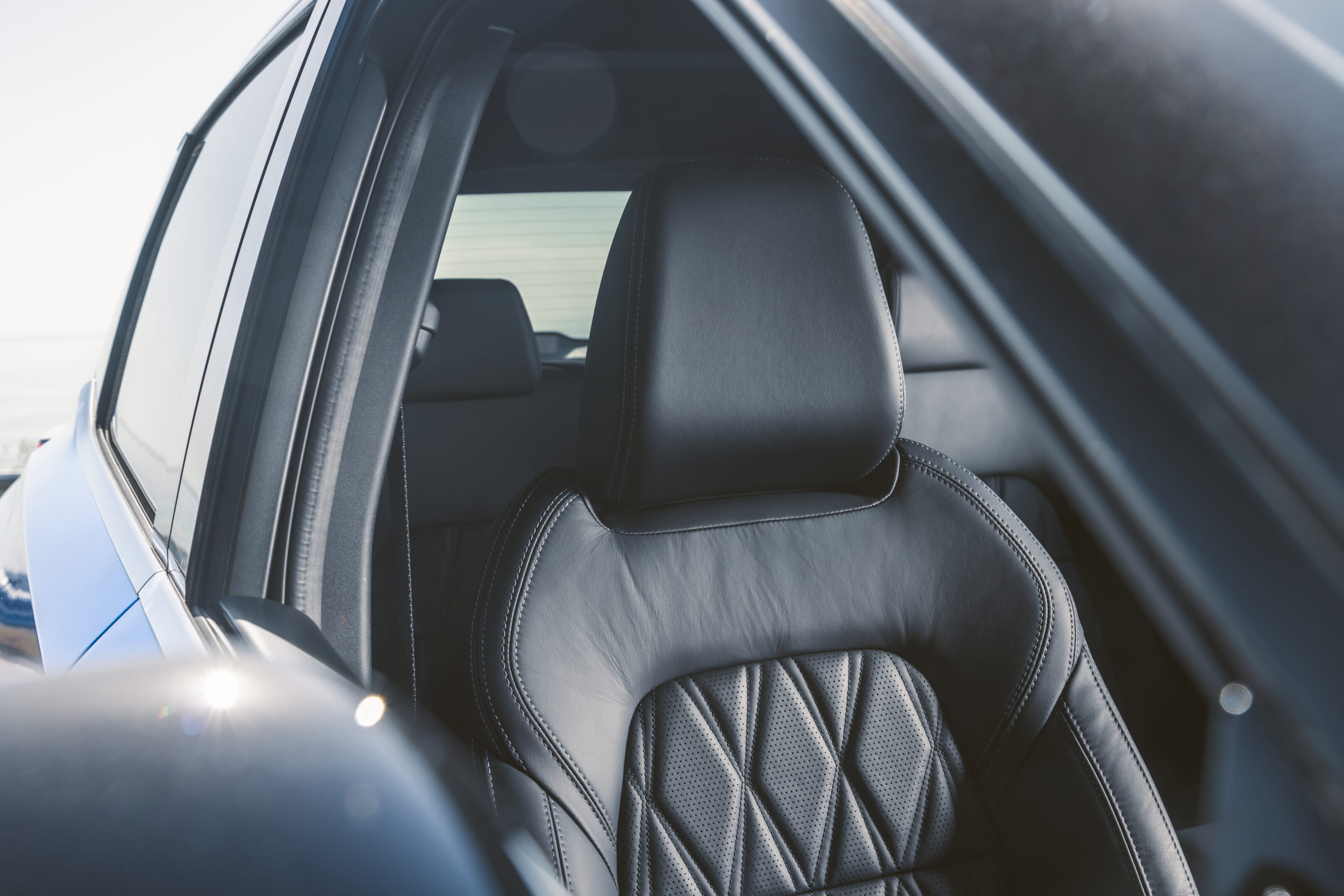
Seating – always a highlight in a Qashqai – is very comfortable in both top specs. Electric adjustment is ample, and the Ti’s cosseting quilted leather combined with a massage function (although no substitute for a real Shiatsu) does a better job than the Citroen C4’s attempt.
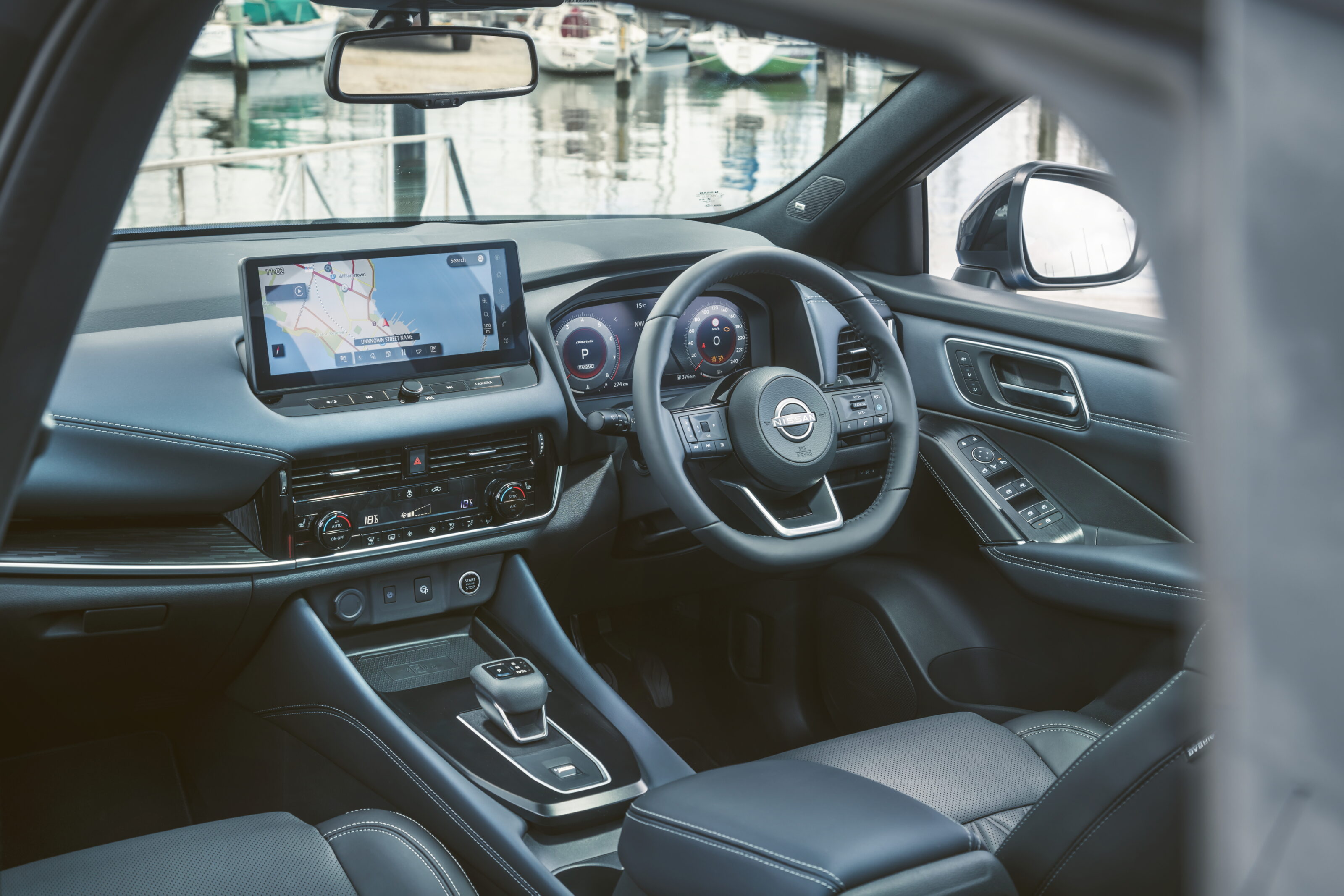
The 12.3-inch touchscreen falls easily to hand and we had no issues with wireless mirroring. You have a choice of USB-A, USB-C or 15-watt wireless charging pad to juice up devices on the go.
Drinks storage is good, with sizable door bins, two cup holders and more odds-and-ends space beneath a covered central cubby.
Material quality is also excellent in the Qashqai, with luxurious padding on the dash, front door tops and where you naturally rest your arms. The ST-L and Ti may be expensive, but the trimmings inside go a long way to justifying their cost.
What is it like to drive?
The basics
| Engine | 1.3-litre four-cylinder turbo-petrol |
|---|---|
| Power | 110kW @ 5500rpm |
| Torque | 250Nm @ 1600-3750rpm |
| 0-100km/h | 8.9 seconds |
| Transmission | continuously variable |
| Body | 5-door, 5-seat small SUV |
| Fuel / tank | 95 RON / 55 litres |
| Fuel consumption | 6.1L/100km (ADR 81/02) |
| Boot space | 418-436L |
Apart from nearly 50 per cent more torsional rigidity, the Qashqai’s party trick is that every trim gets sophisticated multi-link rear suspension, whereas most front-drive rivals – including the T-Roc and Corolla Cross – make do with a simpler torsion beam.
This should bestow a silky smooth and flexible rear end as well as confident roadholding, allowing each of the Qashiqai’s rear wheels more autonomy to track the bumps in the road, rather than being tied together and thumping into the cabin.
Initial sampling of the Qashqai unearthed excellent damping support and control on big hits, but a constant fidget on rippled tarmac and stutter bumps. Not enough to ruin the experience, though we expected a silkier ride. Perhaps the smaller-wheeled ST and ST+ will fare better.
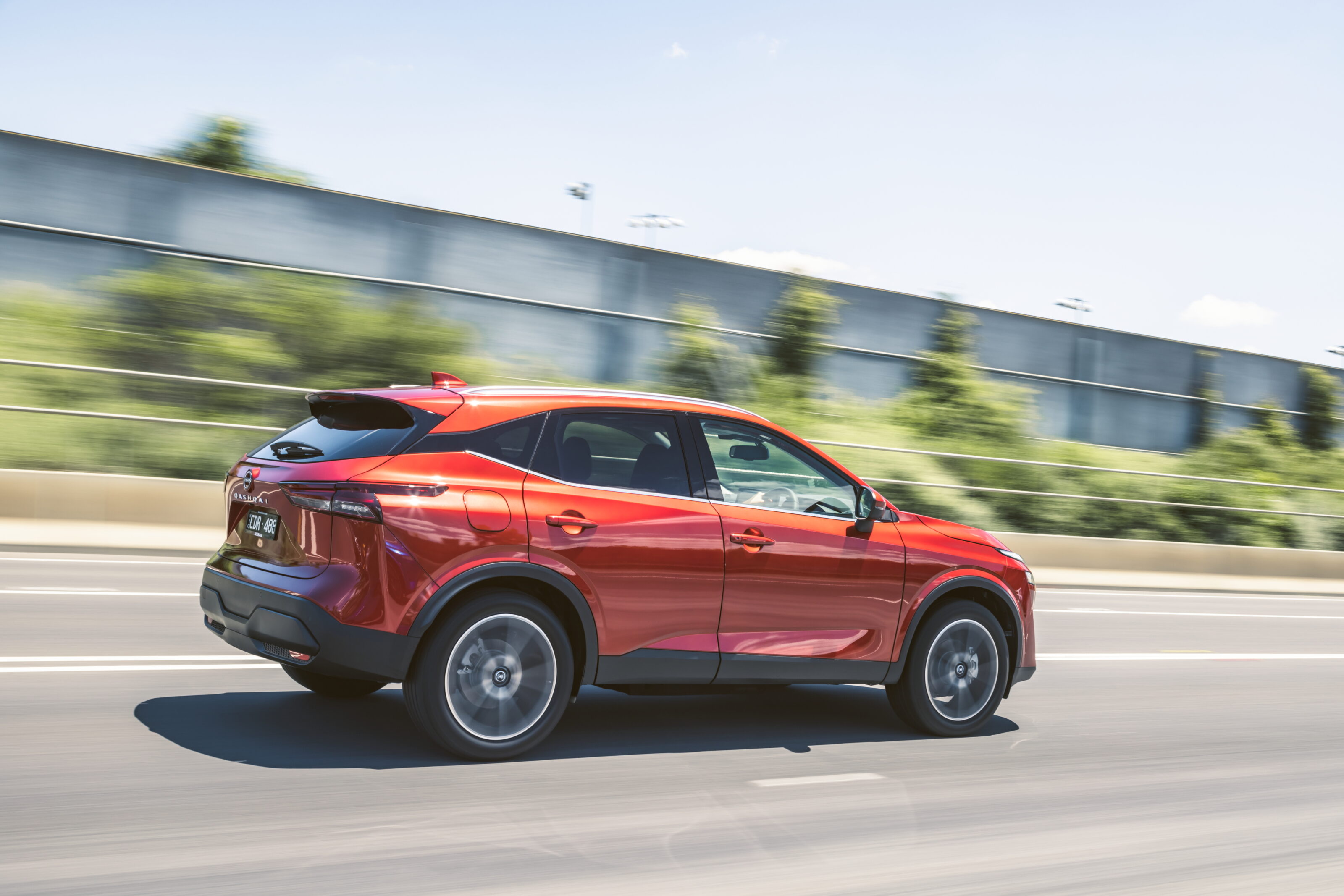
After a jaunt into Melbourne’s inner streets confirmed the Qashqai’s good forward visibility and well-tuned lane-trace assist/cruise control programming (bundled into Nissan’s ProPilot system on the ST-L and Ti), we were given a demonstration of the auto-parking tech.
The system worked well enough and would ease the hassle of threading the car into a tight parallel or multi-storey situation.
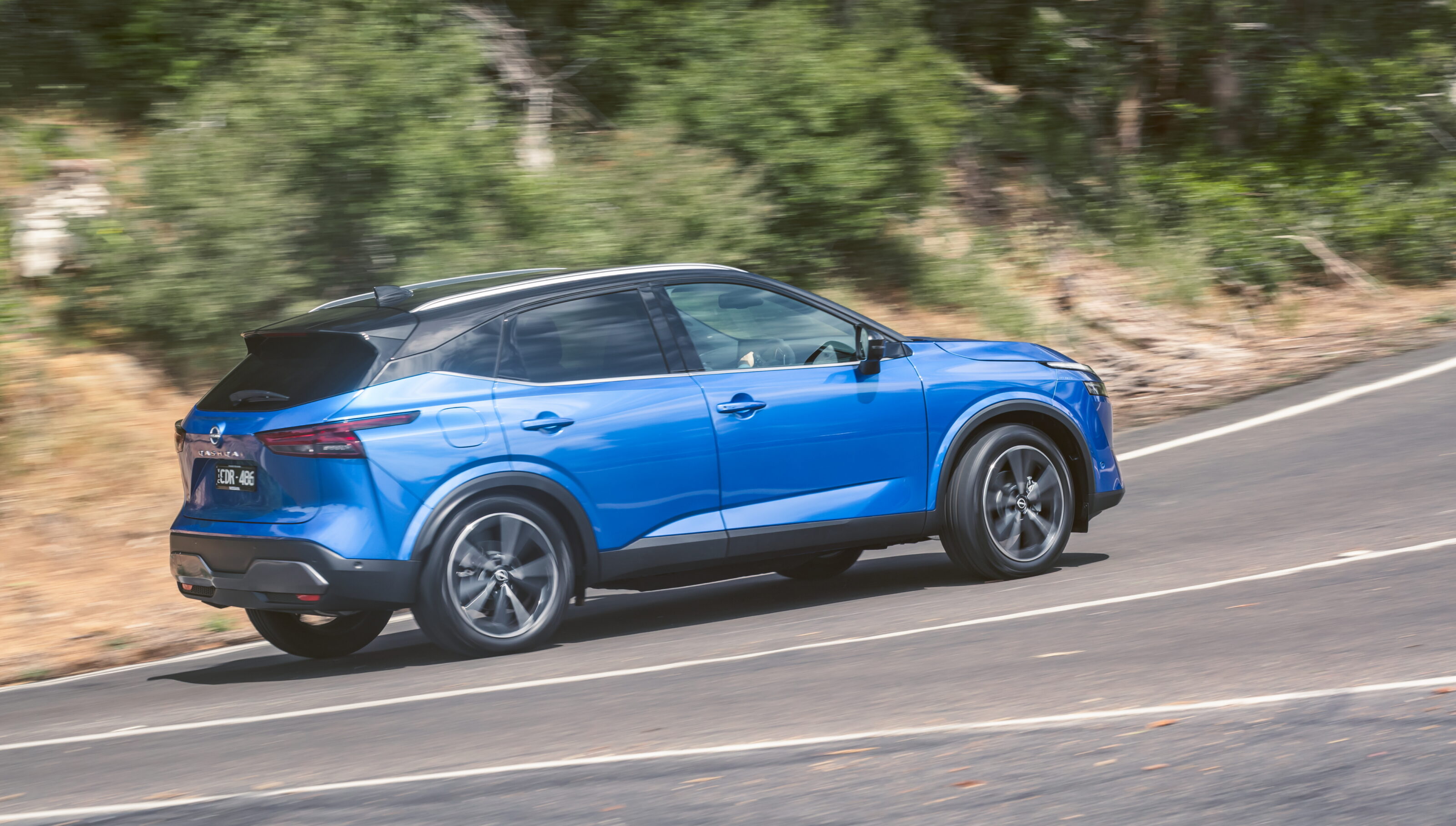
Moving onto some twistier urban roads, the Qashqai’s planted chassis shows plenty of promise, no doubt helped by quality 235/50 R19 Continental Eco Contact rubber.
The steering is light in Normal mode with a fair amount of sneeze factor off-centre. Selecting Sport mode firms things up but the Qashqai’s front end doesn’t inspire as much confidence as Corolla Cross’s pointy tiller.
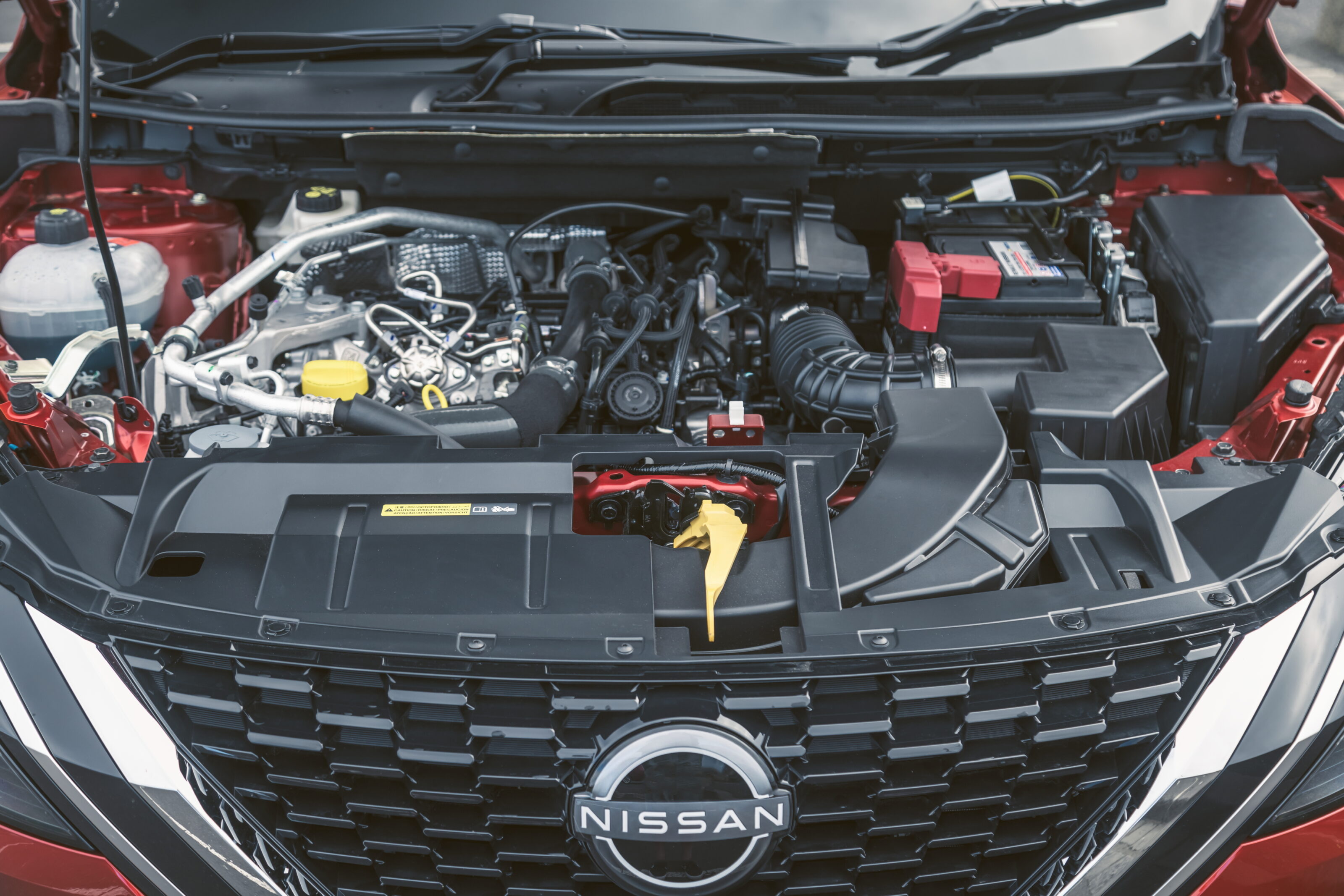
One highlight is the 1.3-litre turbo-petrol four-cylinder though, its 110kW of power and 250Nm of torque are enough to motivate the sunroof-equipped 1524kg Ti acceptably well.
Although the Qashqai has an automatic continuously variable transmission (CVT) it’s not constantly revving when making any sort of progress thanks to the torque peak coming in from 1600-3750rpm, and power peaking at a modest 5500rpm.
The final run we were treated to was a night spin around Melbourne to test the Ti and ST-L’s adaptive headlights that automatically trim the beam when an oncoming vehicle is detected, allowing high beams to remain on and providing maximum visibility for the driver at all times.
It’s probably a shining compliment to the system to say we didn’t notice it operating, but a long-term test in the Qashqai will teach us more about this clever lighting technology.
How much fuel does it use?
Aside from the far stiffer underpinnings, the new Qashqai’s turbo-petrol engine culls consumption to 6.1L/100km on the ADR 81/02 cycle.
That’s down 11 per cent on the old 2.0-litre direct-injection petrol’s 6.9L/100km rating, although the new Euro 6 compliant 1.3-litre unit does require 95 RON premium unleaded petrol. We saw 8.2L/100km on test.
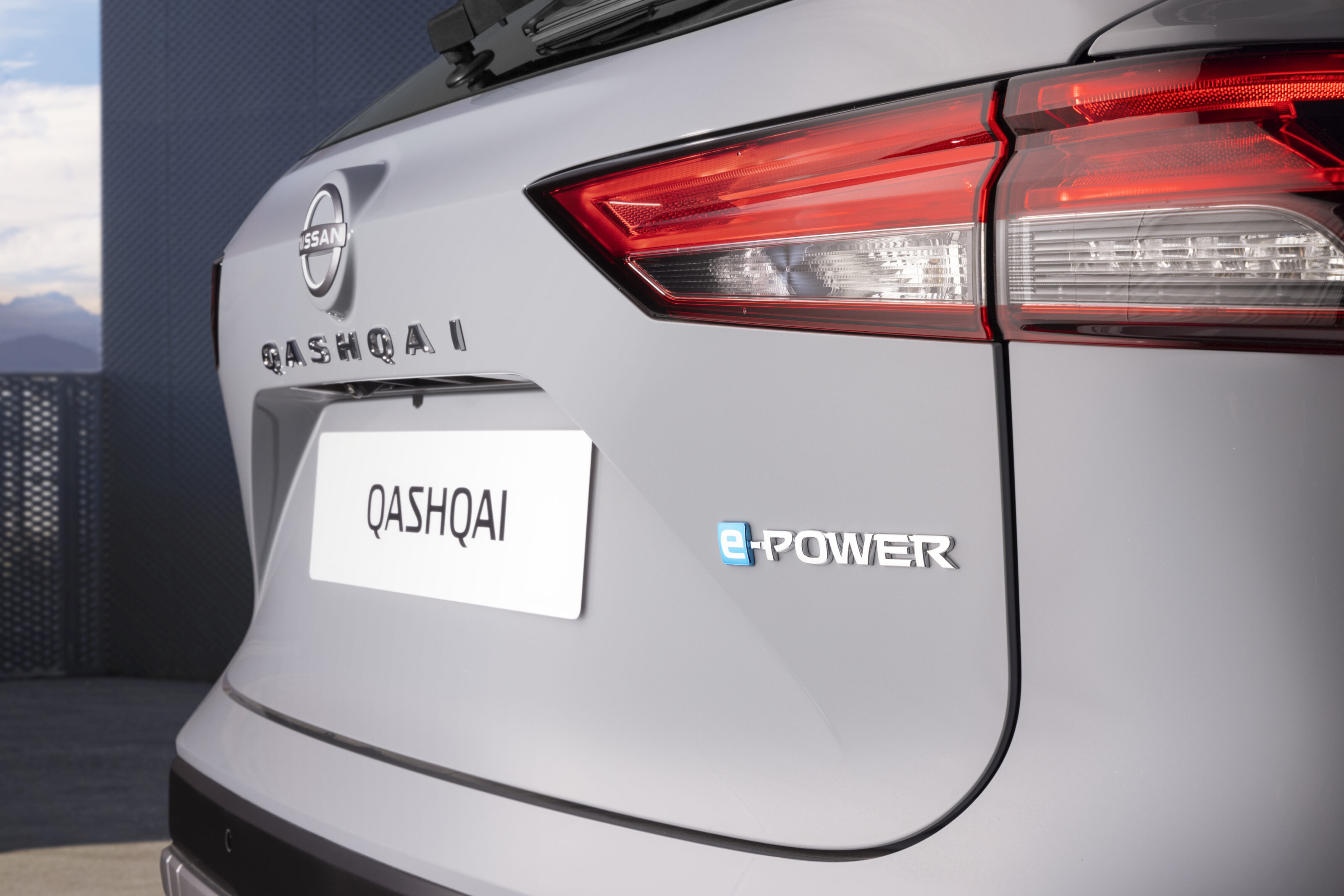
Nissan will introduce its e-Power series hybrid powertrain on the Qashqai a few months after its initial launch in the larger X-Trail (which takes place in the first quarter of 2023).
Although it’s yet to be homologated in Australian testing, the Qashqai e-Power returns 5.3L/100km on the WLTP combined cycle.
How safe is it?
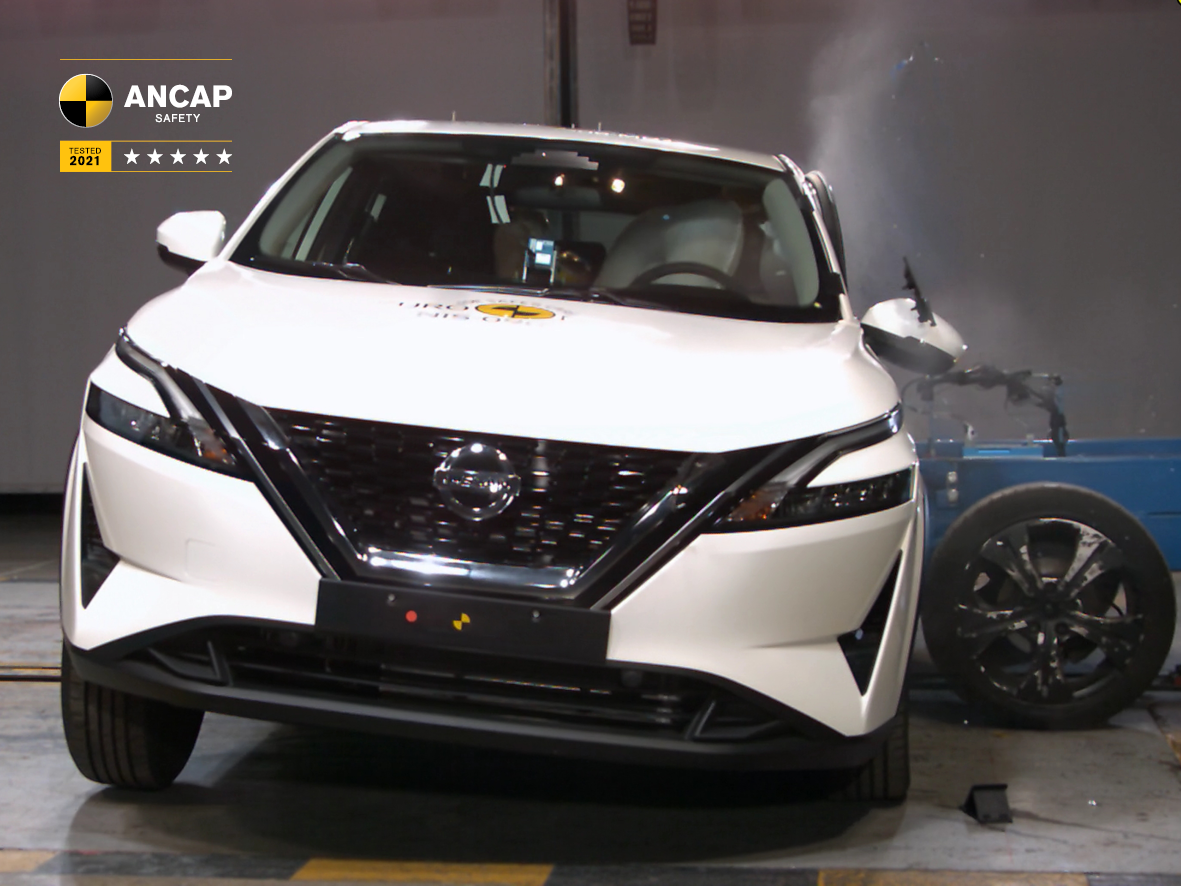
The Nissan Qashqai was awarded five stars in 2022 ANCAP safety testing.
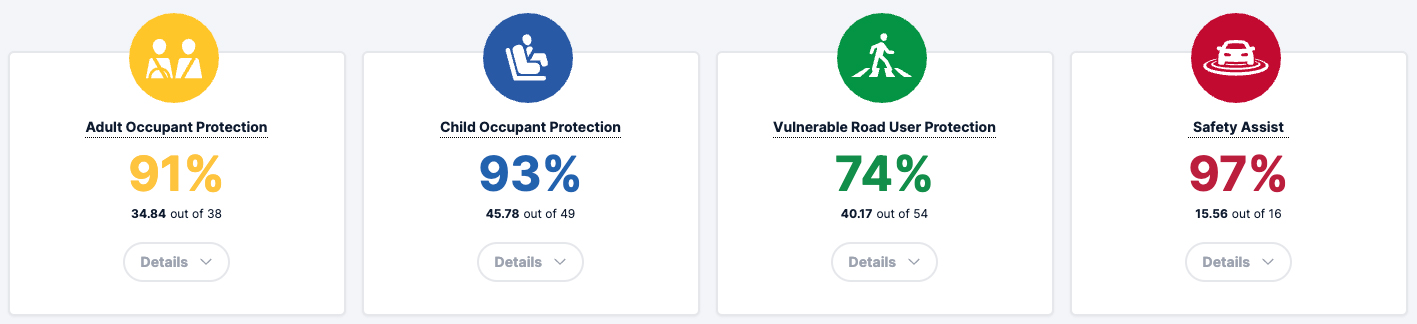
All Qashqai grades feature forward auto emergency braking (AEB) with car, pedestrian, cyclist and junction detection as well as reverse AEB, rear cross-traffic alert, blind-spot monitoring, lane departure warning, lane-keep assist and a centre airbag for seven in total.
Moving up to the ST+ adds a high-quality 360-degree monitor. The two top-spec models tested at launch both get Nissan’s ‘ProPilot’ semi-autonomous driving suite packaging lane-trace assist with adaptive cruise control that has traffic jam assist. The system is leaps ahead of the previous Qashqai’s effort and right up there in refinement terms with the Volkswagen T-Roc R-Line’s ‘Highway Travel Assist’.
Other niceties on the top-spec cars include front parking sensors and automatic parking on the flagship Ti.
Warranty and running costs
Nissan covers the Qashqai with a five-year, unlimited-kilometre warranty, as has quickly become the industry standard.
Servicing is due every 12 months or 15,000km, which again is right on the money with peers such as the Toyota Corolla Cross and Mitsubishi ASX.
But the Qashqai isn’t cheap to service. Over five years or 75,000km it’ll cost $2916 to service at a Nissan main dealer, or an average of $583.20 annually – and the 90,000km service will set you back a whopping $1018.
VERDICT
Initial impressions of the new Qashqai are very positive indeed.
This is a much better small SUV, with a vastly refined engine and cabin ambience – not to mention an excellent technology package.
There were a few hang-ups; the fidgety low-speed ride had some slight alarm bells ringing and we didn’t get to really delve into the Qashqai’s twisty road talent – a longer drive on better-known roads will help.
But overwhelmingly the Qashqai seems like a good thing. The Ti is too costly for our tastes, so while $42K for the rung-down ST-L sounds steep, it’s the variant with all the tech and creature comforts you need.
2023 Nissan Qashqai specifications
| Nissan Qashqai ST-L | Nissan Qashqai Ti | |
|---|---|---|
| Engine | 1.3-litre turbo-petrol in-line 4-cylinder, 16-valve, direct injection | |
| Power | 110kW @ 5500rpm | |
| Torque | 250Nm @ 1600-3750rpm | |
| 0-100km/h | 8.9 seconds (claimed) | |
| Transmission | continuously variable | |
| Body | 5-door, 5-seat small SUV | |
| L/W/H/Wu2013B | 4425/1835/1625/2665mm | |
| Track (F/R) | 1580/1586mm | |
| Ground clearance | 180mm | |
| Cargo capacity | 429-1524L | 418-1513L |
| Weight (claimed) | 1482kg | 1524kg |
| Towing capacity braked/unbraked | 1500/750kg | |
| Fuel / tank | 95 RON / 55 litres | |
| Fuel consumption | 6.1L/100km (ADR81/02) | |
| Suspension | Front: struts, coil springs, anti-roll bar. Rear: multi-link independent, coil springs, anti-roll bar | |
| Steering | electric rack-and-pinion; 11.5m turning circle | |
| Front brakes | ventilated discs | |
| Rear brakes | ventilated discs | |
| Tyres | Continental Eco Contact 6 | |
| Tyre size | 235/50 R19, space saver spare | |
Snapshot
- 2023 Hyundai Venue pricing and features
- Bluelink connected-car technology added to Elite; but no facelift for Australia
- Price rises between $160 and $960; wireless phone charger added
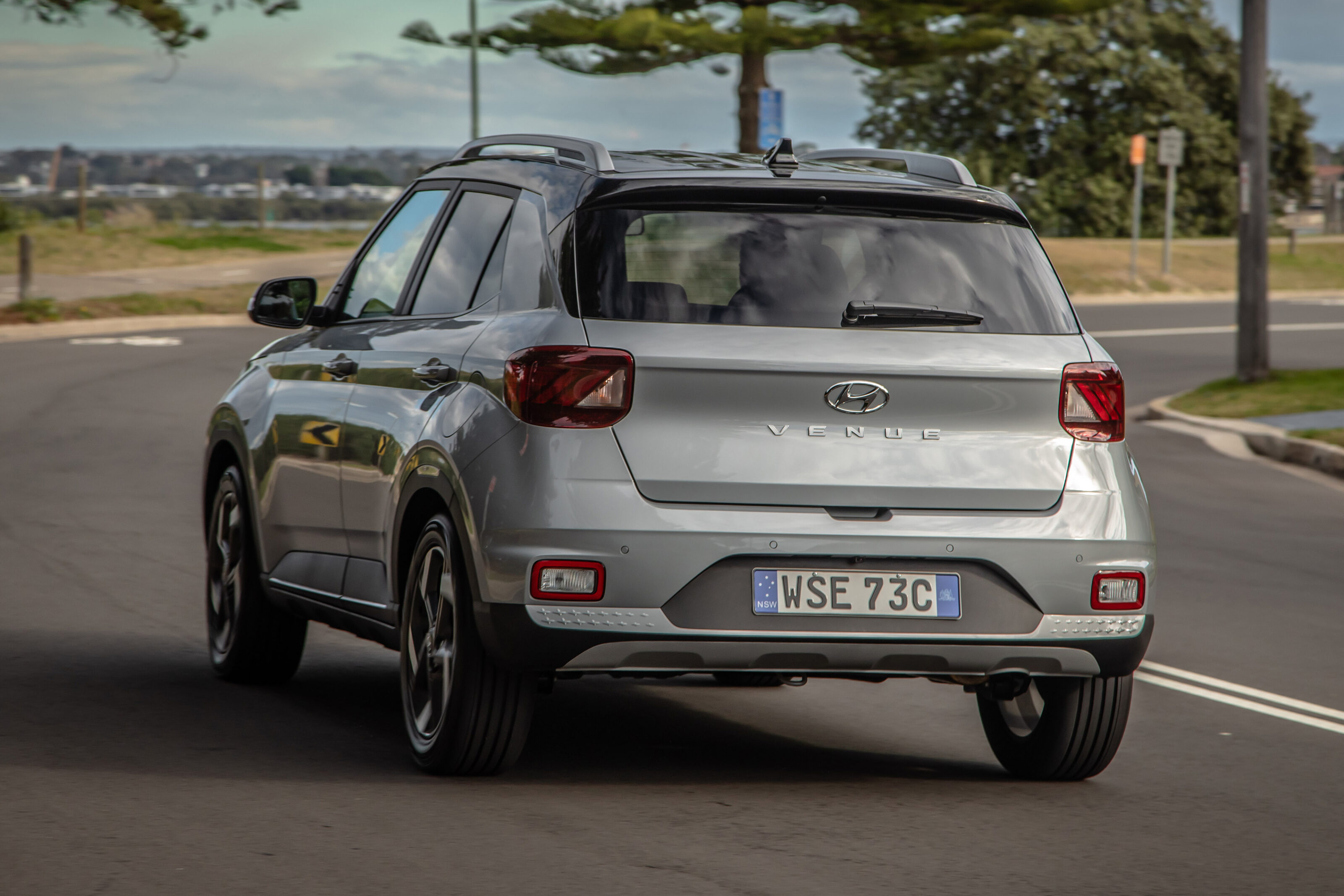
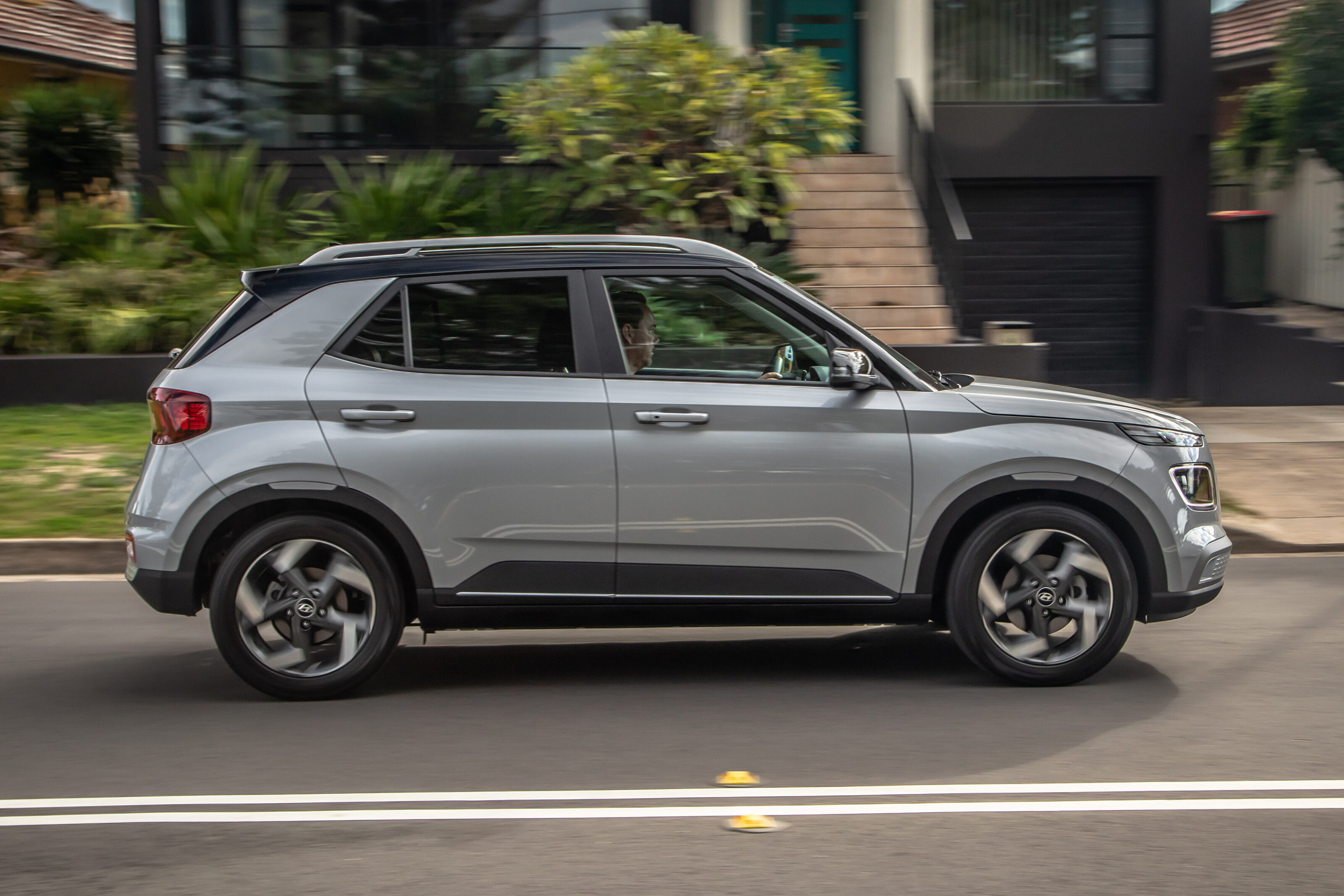
The updated 2023 Hyundai Venue has arrived in Australia – but the recent facelift applied to Indian-built vehicles won’t come to our Korean-sourced version.
Instead, revisions for model-year 2023 are focused on the Venue’s technology suite, with the addition of Hyundai’s Bluelink remote connectivity app for the range-topping Elite.
It is the second vehicle in the brand’s local range to gain the connected-car technology, joining the facelifted Palisade launched in mid-2022.
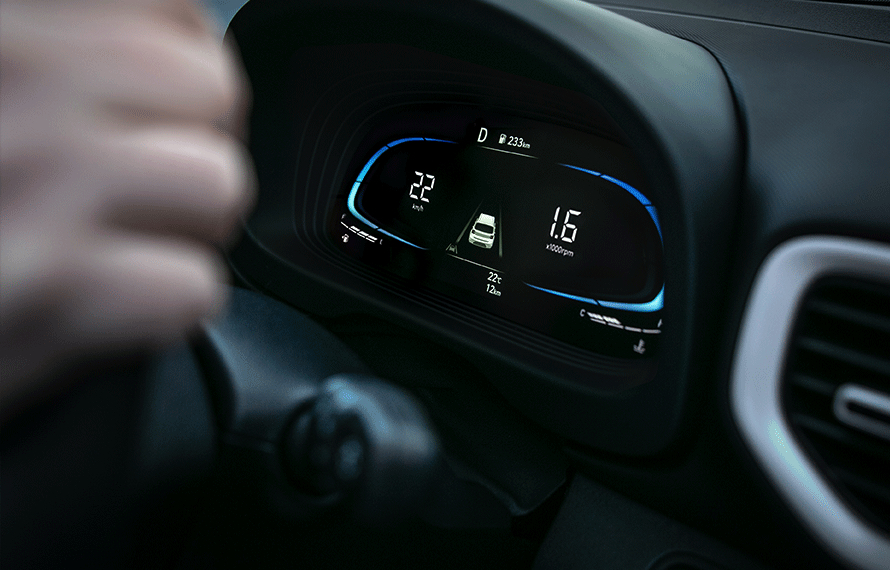
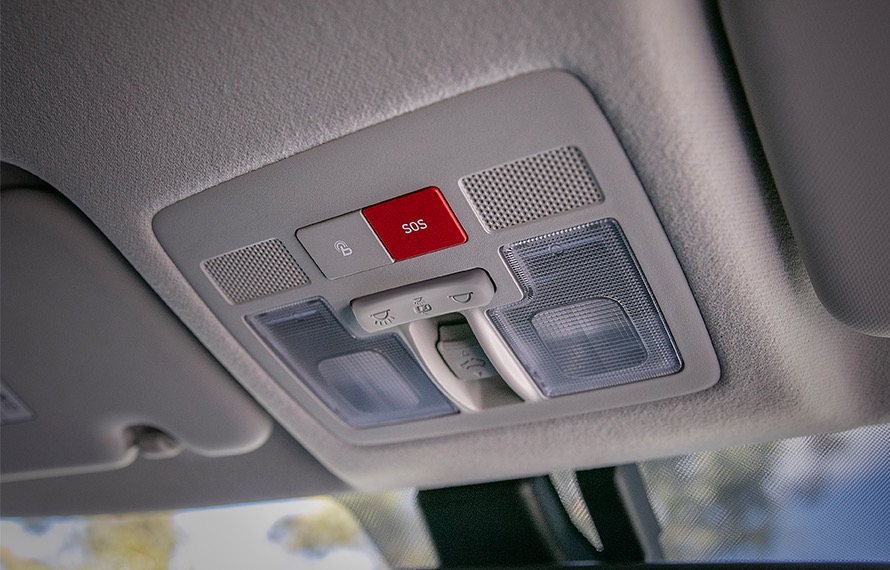
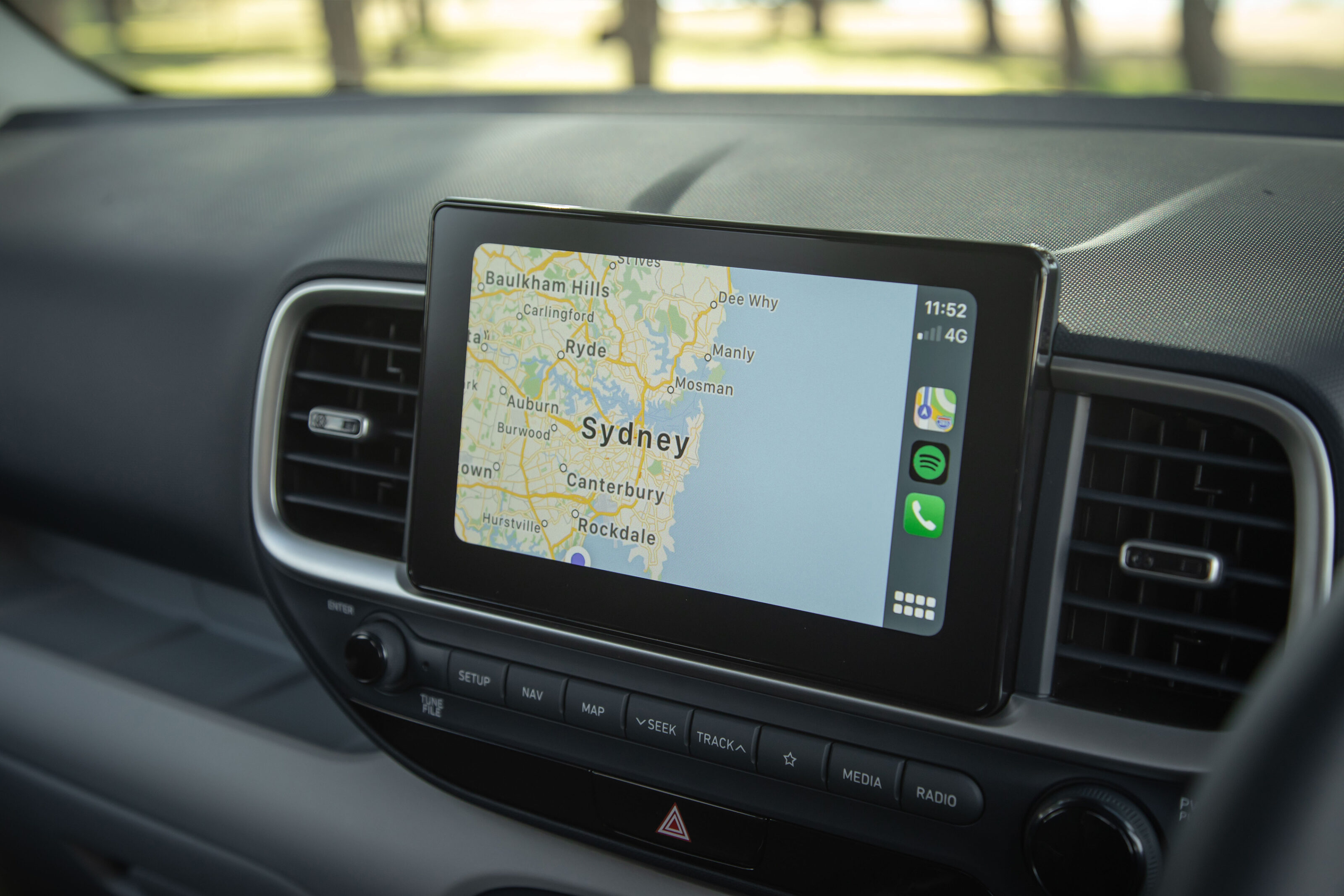
The system features automatic collision notification, SOS emergency call, a valet mode, built-in voice control, connected satellite navigation, and the ability to lock/unlock or start the engine from the smartphone application.
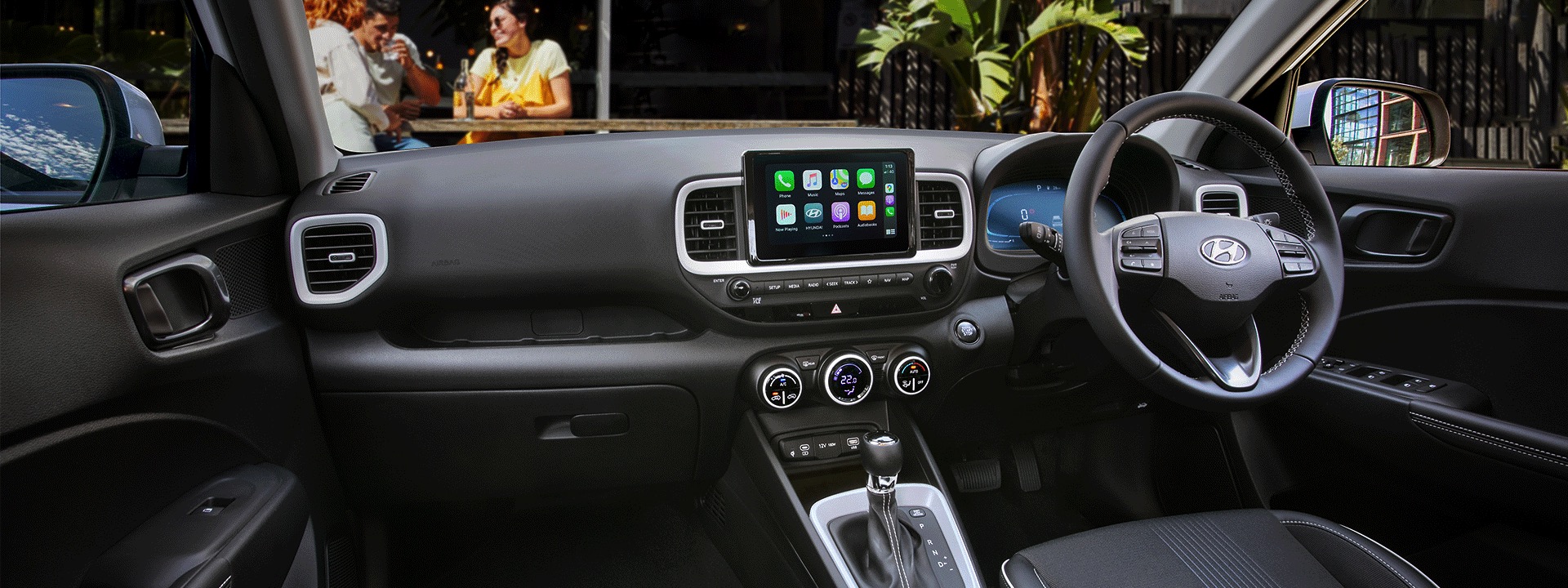
In addition, a larger 4.2-inch instrument cluster display, a wireless phone charger and a USB-C port have been added across the Venue range, while the Elite gains two rear USB-C ports and an auto-dimming rear-view mirror.
It is accompanied by price rises of between $160 and $960, the deletion of the manual Active variant, a rear occupant alert system and leading vehicle departure alert.
The Hyundai Venue competes in the light SUV segment in Australia, with rivals including the Mazda CX-3, Kia Stonic, Toyota Yaris Cross and Volkswagen T-Cross.
JUMP AHEAD
- 2023 Hyundai Venue pricing
- 2023 Hyundai Venue features
- Colours
- Engine, drivetrain, and fuel economy
- Safety
- Dimensions
- Warranty and servicing
- Availability
2023 Hyundai Venue pricing
Prices exclude on-road costs.
| Model | Transmission | Price | Change |
|---|---|---|---|
| Venue | Manual | $21,900 | up $160 |
| Venue | Automatic | $23,900 | up $160 |
| Active | Automatic | $26,000 | up $330 |
| Elite | Automatic | $28,500 | up $960 |
2022 Hyundai Venue features
Venue
Active
Elite
Colours
Metallic or mica paint is available for an additional $595 across the entire Venue line-up.
Engine, drivetrain, and fuel economy
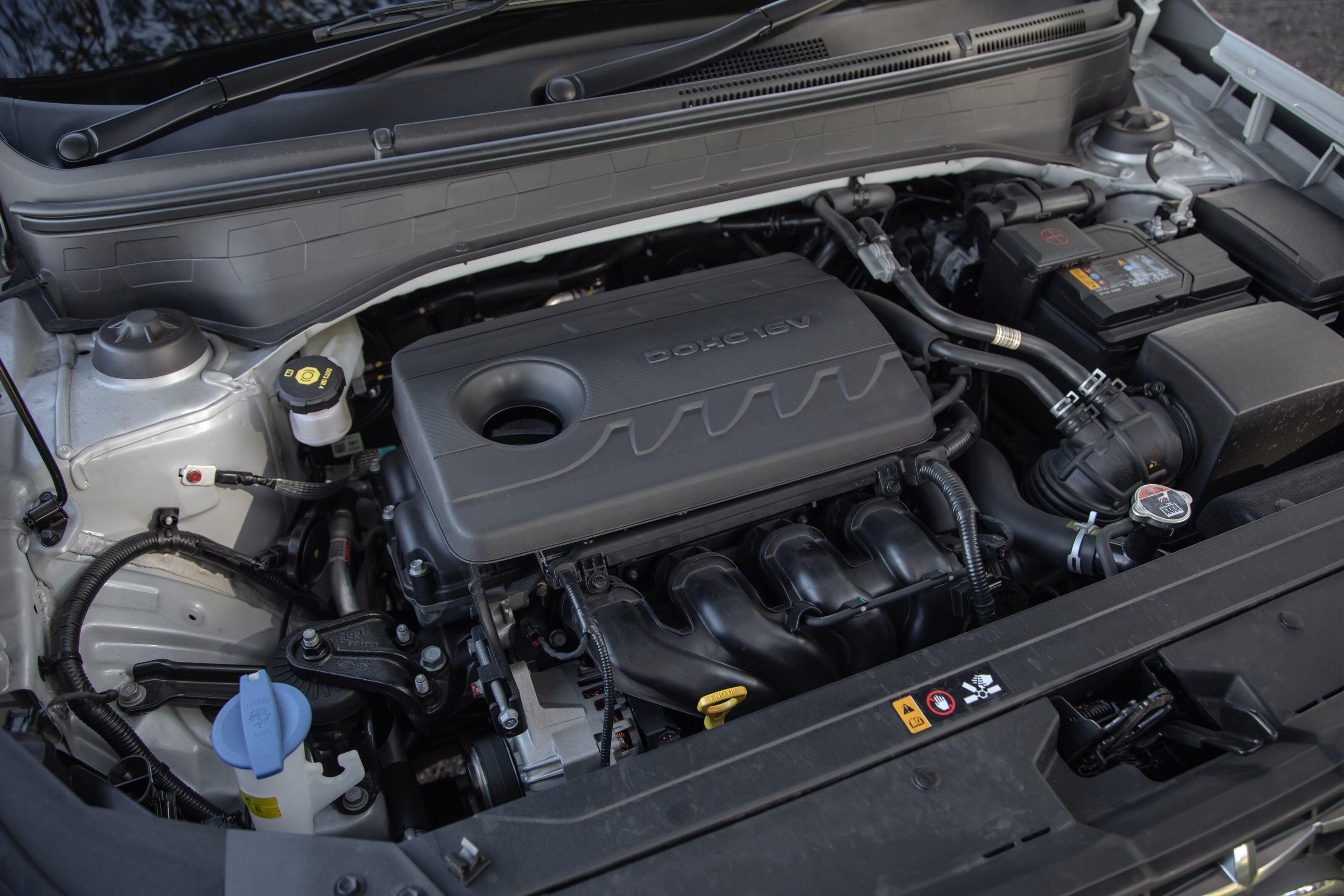
Under the bonnet, the Hyundai Venue includes a 1.6-litre naturally-aspirated four-cylinder petrol engine. It produces 90kW and 151Nm, exclusively sending power to the front wheels only.
A six-speed manual or six-speed automatic transmission is available on the entry-level grade, while the latter gearbox is standard on the Active and Elite.
| 2023 Hyundai Venue fuel economy (claimed) | ||
|---|---|---|
| 1.6-litre manual | 7.0L | 160g/km |
| 1.6-litre automatic | 7.2L | 165g/km |
In our long-term test, the 2020 Venue achieved an overall average fuel consumption figure of 9.2L/100km.
Safety
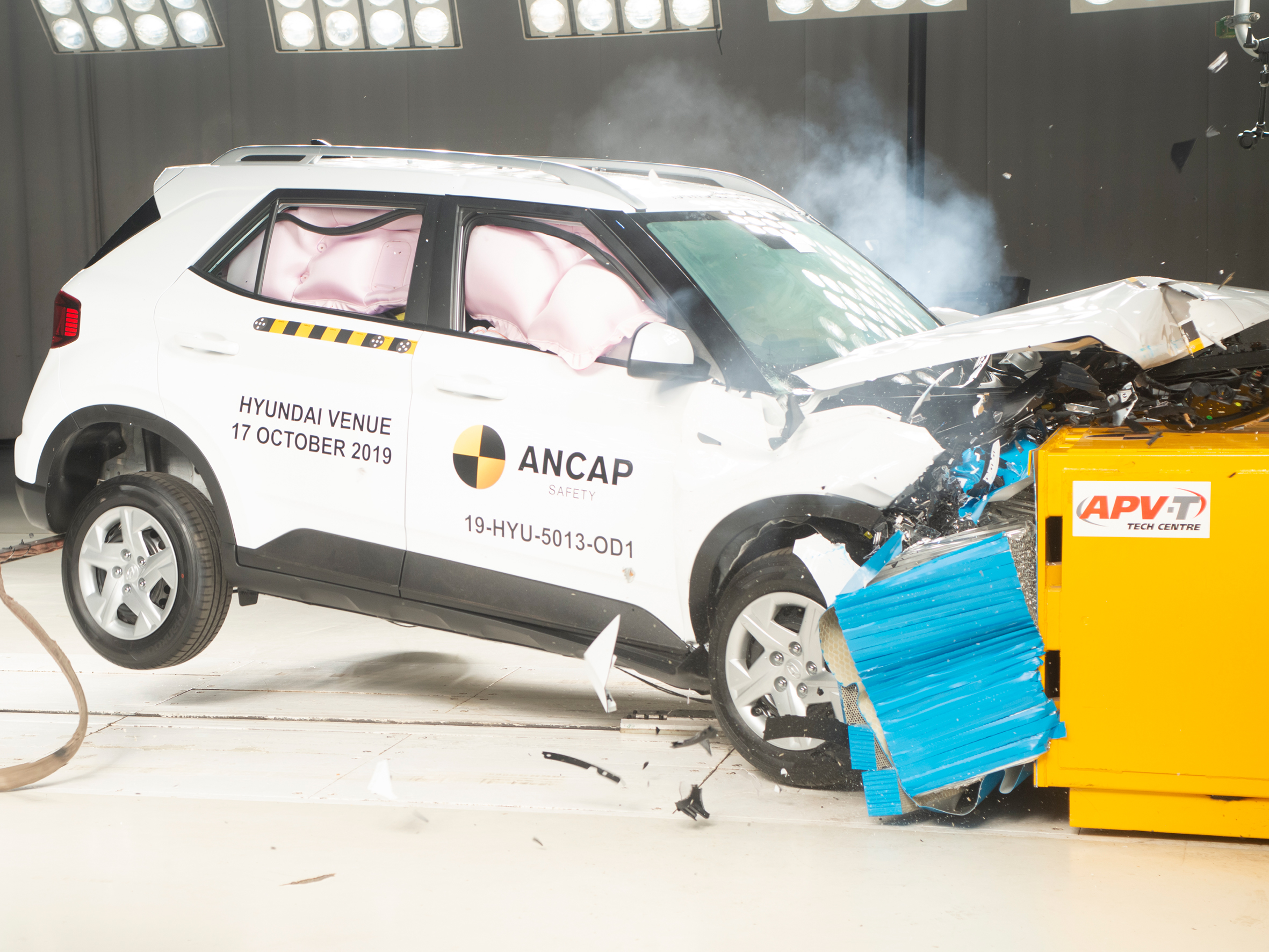
The Hyundai Venue is covered by a four-star ANCAP safety rating, based on testing conducted in 2019.
The crash-testing body said this result was caused by the autonomous emergency braking system in the Venue, which failed to adequately prevent a rear-end collision during testing. It has not conducted further testing since the initial result was announced.
Six airbags (dual frontal, side chest and side curtain) feature across the Venue range.
Each variant includes the following active safety equipment as standard:
| 2023 Hyundai Venue safety features | |
|---|---|
| Leading vehicle departure alert (new) | Lane-keep assist |
| Rear occupant alert (new) | Automatic high beam |
| Autonomous emergency braking (vehicle and pedestrian) | Driver attention alert. |
Blind-spot alert and rear-cross traffic alert are limited to the flagship Elite variant.
Dimensions
The Hyundai Venue has a wheelbase of 2520 millimetres, and is 4040mm long, 1770mm wide and 1592mm tall.
2023 Hyundai Venue boot space
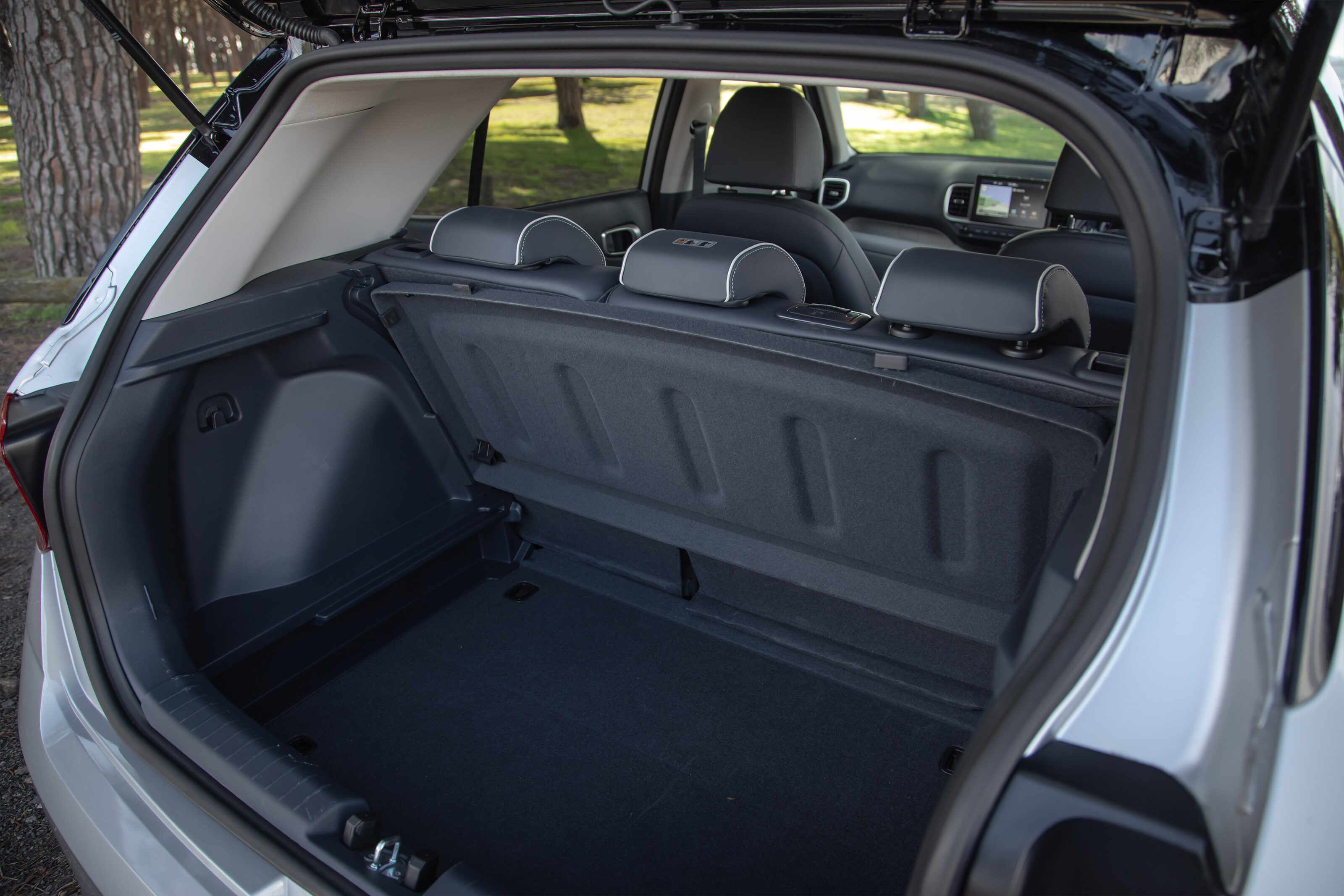
The Hyundai Venue has a 355-litre boot.
Warranty and servicing
As per the wider Hyundai range, the Venue is covered by the brand’s five-year, unlimited-kilometre warranty.
It has a complimentary 12-month roadside assistance program. This coverage extends for up to 10 years if the vehicle is exclusively serviced by the manufacturer.
Hyundai recommends servicing every 12 months or 15,000 kilometres, whichever occurs first.
Lifetime capped-price servicing is offered across the Venue range, but this pricing will differ depending on the service interval.
Availability
The 2023 Hyundai Venue is on sale now. For more information on Hyundai’s wait times, see our story here.
Snapshot
- Tesla FSDb ban will last two weeks
- Triggered by five instances of Autopilot disengagement
- Does not affect vehicles in Australia
Tesla’s latest software update enacts bans for improper use of the brand’s Full Self-Driving beta (FSDb) semi-autonomous driving system.
The bans will last two weeks for inattentive use of the system, which Tesla defines as five ‘Forced Autopilot Disengagements’. A disengagement of Autopilot follows a host of visual and audible cues for the driver to take control of the vehicle again.
Tesla’s latest stance on improper use of autopilot is likely a reaction to recent high profile incidents, including a Model S causing an eight-car pile-up on the San Francisco Bay Bridge, and California’s banning of “Full Self-Driving” marketing terminology.
The most recent 2022.44.30.5 patch note reads:
“Full Self-Driving (Beta) Suspension – For maximum safety and accountability, use of Full Self-Driving (Beta) will be suspended if improper usage is detected.
“Improper usage is when you, or another driver of your vehicle, receive five ‘Forced Autopilot Disengagements.’ A disengagement is when the Autopilot system disengages for the remainder of a trip after the driver receives several audio and visual warnings for inattentiveness.
“Driver-initiated disengagements do not count as improper usage and are expected from the driver. Keep your hands on the wheel and remain attentive at all times. Use of any hand-held devices while using Autopilot is not allowed.“The FSD Beta feature can only be removed per this suspension method and it will be unavailable for approximately two weeks.”
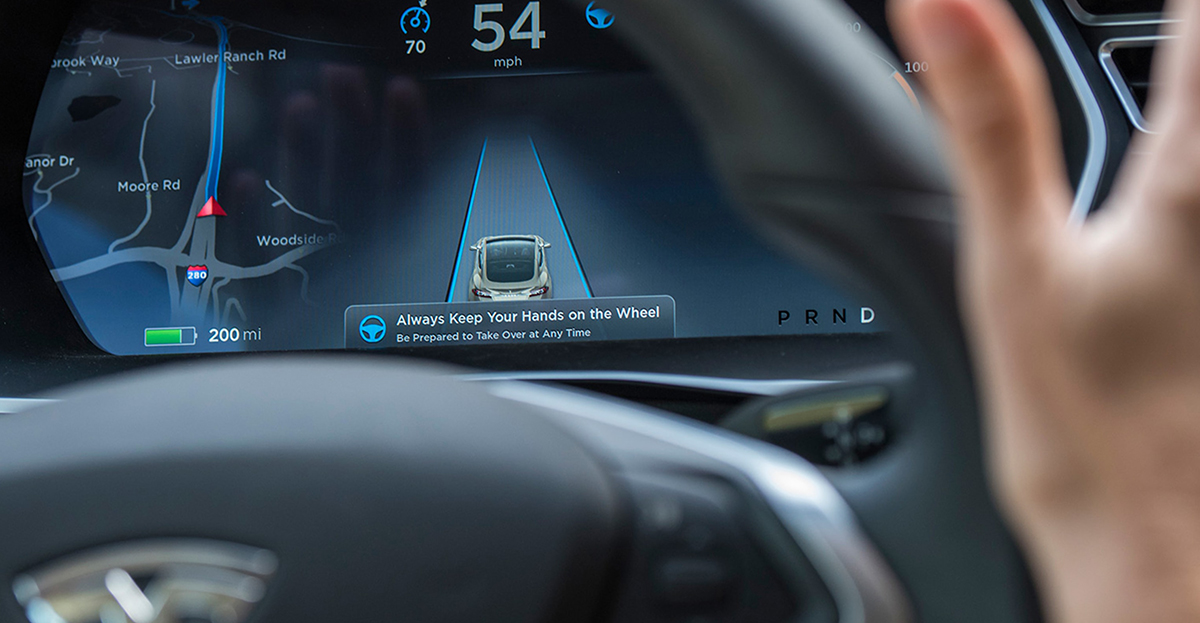
The choice to enact a two-week ban from FSDb is actually more lenient than Tesla’s previous policy that was able to lock drivers out of the functions of the program indefinitely – pretty harsh when you’ve paid US$15,000 for the package.
In Australia, Tesla does offer a Full Self-Driving package ($10,100) above regular enhanced Autopilot ($5100), though it differs from FSDb offered in the US as it does not include automatic turning in city streets.
This may change imminently, but as it stands there are myriad laws in Australia that render self-driving functionality illegal.
And even where FSDb is offered, the functions of the system are still only categorised as Level 2 on the Automotive Engineers’ driving automation scale. Cars that are Level 3 and up may be referred to as having autonomous capability according to this scale, but that excludes Tesla Model 3, Model Y, Model S and Model X.
Snap shot
- Captur, Arkana, Koleos, Megane up by $500-$2900
- Third price increase in nine months
- Likely due to increasing material costs and supply constraints
Renault Australia has raised the price of its passenger car lineup for the third time in nine months.
The French automaker bumped up the price of the Captur light crossover, Arkana coupe SUV, Koleos medium SUV, and Megane hot hatch in March last year by up to $6100, then again in July by as much as $2210 as part of the new financial year.
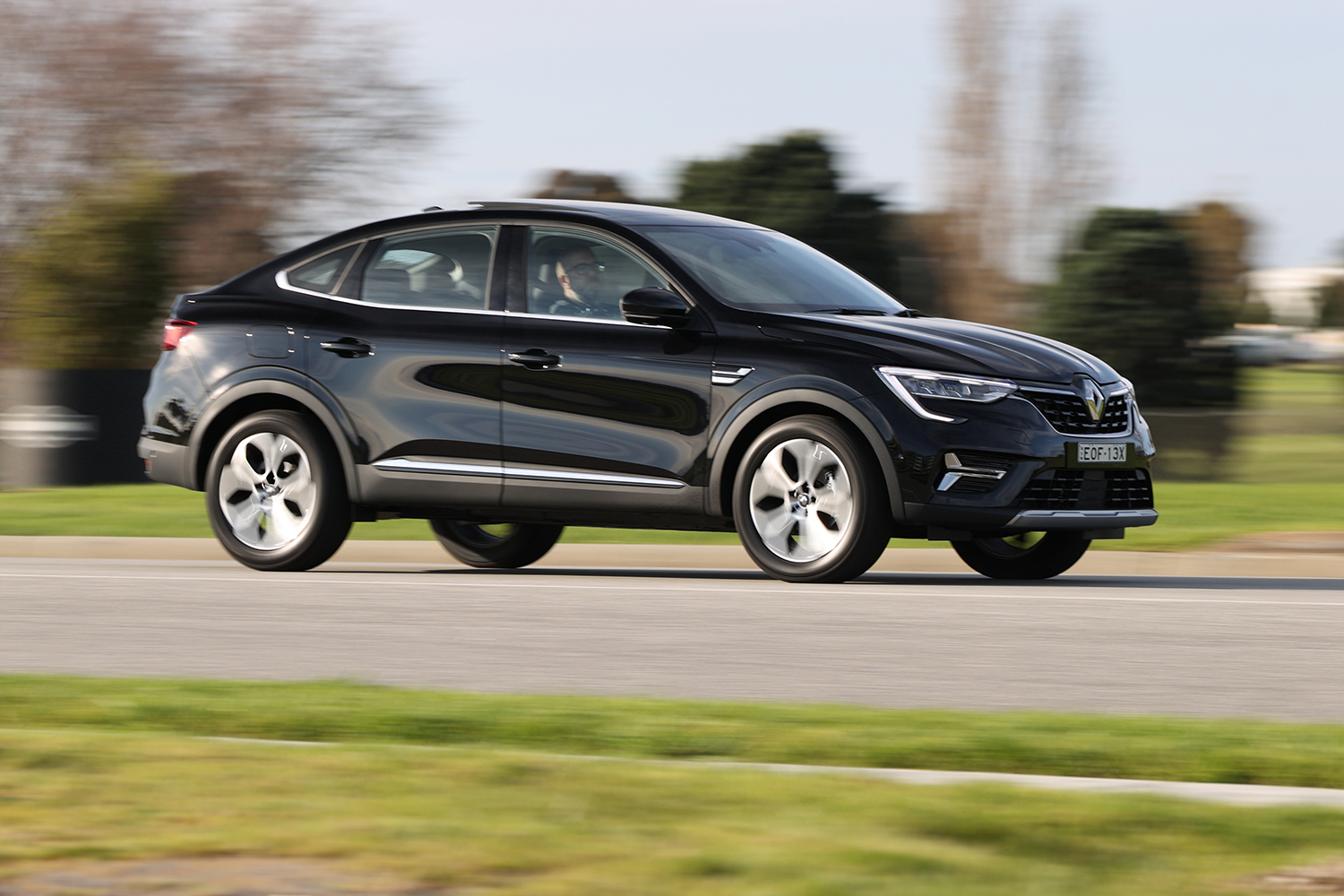
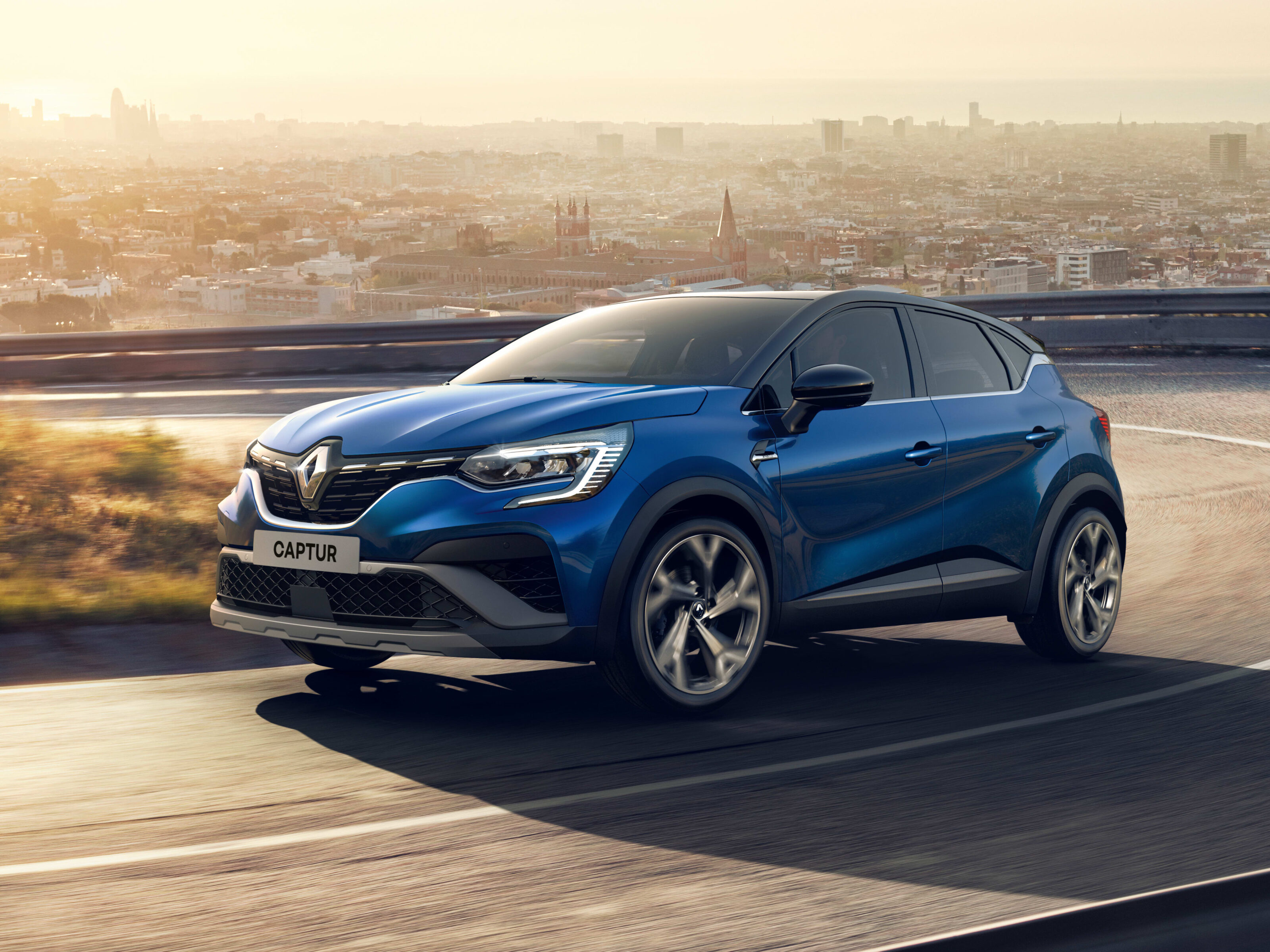
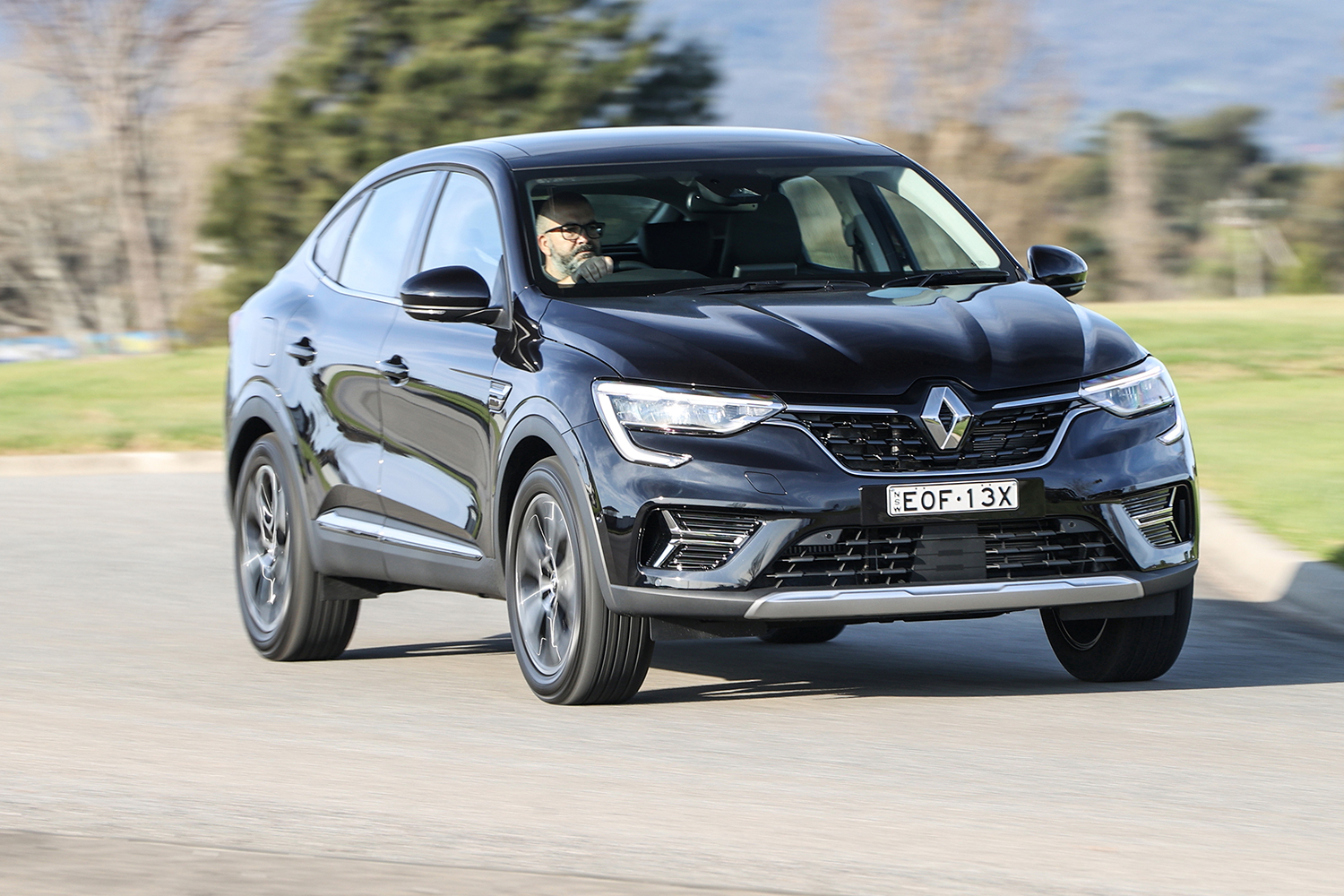
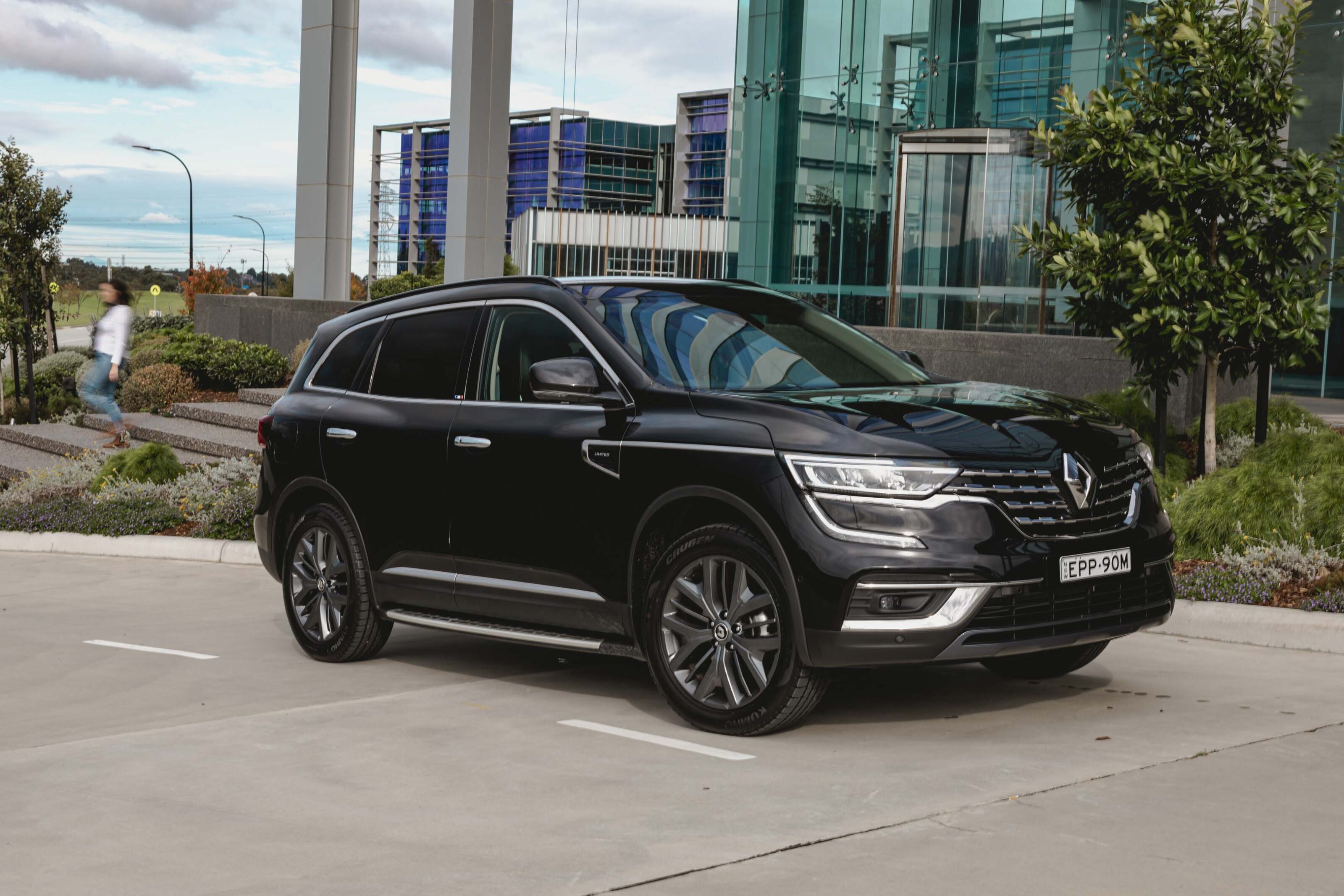
Now, the local arm – run by the Ateco Group distributor in Australia since 2021 – has upped the price of the Captur by $500, Arkana by $1000, Koleos by $200-$2900, and Megane by $700 range-wide.
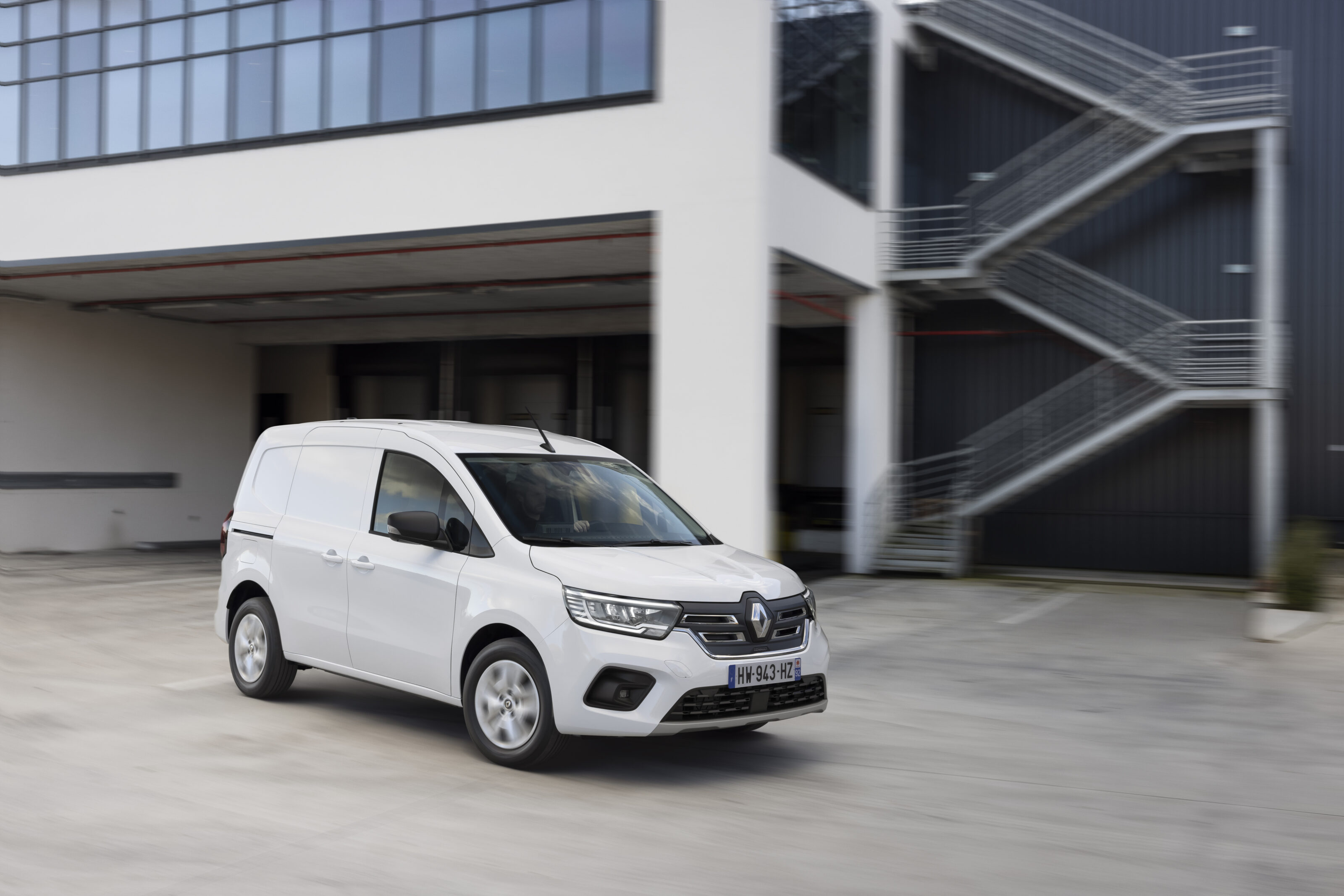
However, unlike the previous two occasions, Renault’s commercial vans including the Kangoo, Trafic and Master have been protected.
Similarly, the Megane R.S. hasn’t been subject to the harshest price hikes this time around.
Instead, the Koleos in base Life form has increased by $2000, while the Zen 2WD has gone up by $2900. The South Korean-made mid-sized family SUV was previously positioned as a more affordable offering in the popular segment.
We have contacted Renault Australia on the reason behind the price increase and are awaiting comment.

The company’s general manager Glen Sealey previously told Wheels that supply chain costs were the key factor amid the last rise in July 2022.
“Like many brands here in Australia, rising shipping costs and an increase in the price of raw materials means we’ve had to adjust prices across the range,” said Sealey.
“While these increases are an unfortunate consequence of the ever-changing global world we live in, the Renault range still represents a premium European offering combined with genuine value thanks to its high-levels of safety, technology and cutting-edge design.”
All carmakers have been hit by supply chain constraints in 2022, forcing extended wait times, the removal of some features to keep deliveries flowing, and price increases due to inflated production and shipping expenses.
Despite the odds, 8855 Renaults were sold in Australia last year, representing a 24.7 per cent increase compared to 2021 figures.
It was led by the Koleos and Arkana SUVs, and Traffic and Master commercial vans.
Renault is expected to launch the all-new Kangoo E-Tech electric van, Megane E-Tech EV crossover, and update the Arkana coupe SUV this year.

2023 Renault passenger car pricing
NOTE: All prices before on-road costs. N/A denotes a new model and was not available at the time.
Renault Captur
Renault Arkana
Renault Koleos
Renault Megane
Key Points
- Genesis, Porsche, Lamborghini, Rolls-Royce the big winners
- British luxury car brand sales dropped
- Supply chain issues and equipment deletions contributed to results
Despite increasing interest rates, record high inflation and supply chain constraints, luxury automakers such as Genesis, Porsche and Lamborghini achieved new car sales records in 2022.
Genesis, the high-end South Korean offshoot from the Hyundai Motor Group, grew 305 sales (41.6 per cent) in 2022 compared to 2021 in Australia.
It only made minor updates to its flagship G80 and GV80 models, and introduced a trio of pure electric vehicles – the GV60 crossover, Electrified GV70 medium SUV, and Electrified G80 large sedan.
Meanwhile, niche ultra-luxury brands profited from registering more cars on Australian roads last year compared to 2021 – Lamborghini at 45 (34.4 per cent); Porsche at 1380 (26.6 per cent); Rolls-Royce at 12 (25 per cent); Maserati at 34 (6.1 per cent); and Ferrari at nine (4.6 per cent) more.
Sino-Swedish firm Volvo also gained from selling 1687 (18.7 per cent) more passenger vehicles in a year that saw its entire line-up receive minor updates, including the addition of the Android Automotive in-car operating system, to the S60, V60 Cross Country, and XC90.
The automaker also introduced facelifted versions of XC40, related XC40 Recharge EV and XC60 SUVs, while launching the C40 Recharge EV coupe SUV crossover. Volvo axed the XC40 Recharge plug-in-hybrid as well in 2022.

However, most in the red were British luxury car brands – Jaguar, Land Rover and McLaren which had sales drop by 522 (42.7 per cent), 2011 (32.7 per cent) and 27 (30.7 per cent) respectively last year.
The three German marques – BMW, Audi and Mercedes-Benz Cars – also had sales dip locally by up to nine per cent.
All car brands continued to battle with supply chain and shipping constraints in 2022, with many ditching features such as Qi wireless phone chargers, safety assistance systems, electrically-moving parts, and more advanced technologies in order to keep deliveries running.
Luxury new car sales in Australia 2022 vs 2021
| Brand | 2022 sales | 2021 sales | 2022 vs 2021 difference |
|---|---|---|---|
| Genesis | 1039 | 734 | +41.6% |
| Lamborghini | 176 | 131 | +34.4% |
| Porsche | 5608 | 4428 | +26.6% |
| Rolls-Royce | 60 | 48 | +25% |
| Volvo Car | 10,715 | 9028 | +18.7% |
| Maserati | 594 | 560 | +6.1% |
| Ferrari | 203 | 194 | +4.6% |
| Mercedes-Benz Vans | 4480 | 4686 | -4.4% |
| Mercedes-Benz Cars | 26,801 | 28,348 | -5.5% |
| Aston Martin | 132 | 140 | -5.7% |
| Bentley | 203 | 219 | -7.3% |
| Alfa Romeo | 571 | 618 | -7.6% |
| Audi | 14,732 | 16,003 | -7.9% |
| BMW | 22,696 | 24,891 | -8.8% |
| Mini | 3002 | 3579 | -16.1% |
| Lotus | 62 | 71 | -12.7% |
| Lexus | 7089 | 9290 | -23.7% |
| McLaren | 61 | 88 | -30.7% |
| Land Rover | 4348 | 6459 | -32.7% |
| Jaguar | 700 | 1222 | -42.7% |
Snapshot
- 2024 Hyundai i30 Sedan facelift spied
- Updated small car to receive overhauled front end, new wheels, and adaptive cruise for the N
- Expected to be unveiled later this year ahead of 2024 launch
A facelifted 2024 Hyundai i30 Sedan is expected to debut later this year, with spy photos of an updated N flagship emerging.
New images posted to the Hyundai N Owners Group depict a camouflaged i30 Sedan N – née Elantra/Avante N – in an underground parking space, presumably in South Korea.
The changes are largely concentrated on the front of the i30 Sedan, with a slimmer grille, redesigned headlights, and potentially an illuminated strip running across the width of the car – as per the latest Staria, Kona and Grandeur.
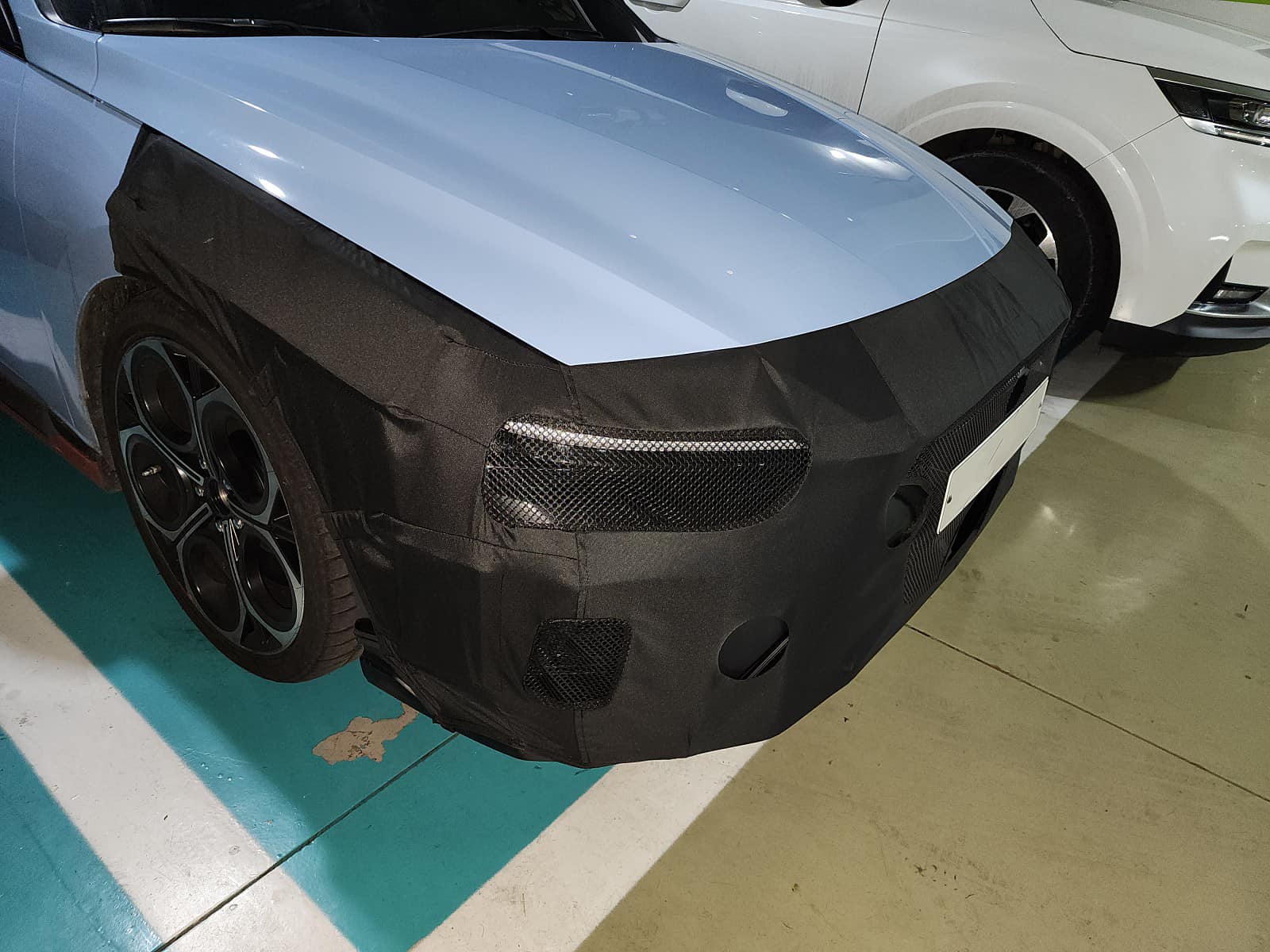
As for the i30 Sedan N, the pictures suggest its unique front end will be toned down in favour of a look more similar to regular variants.
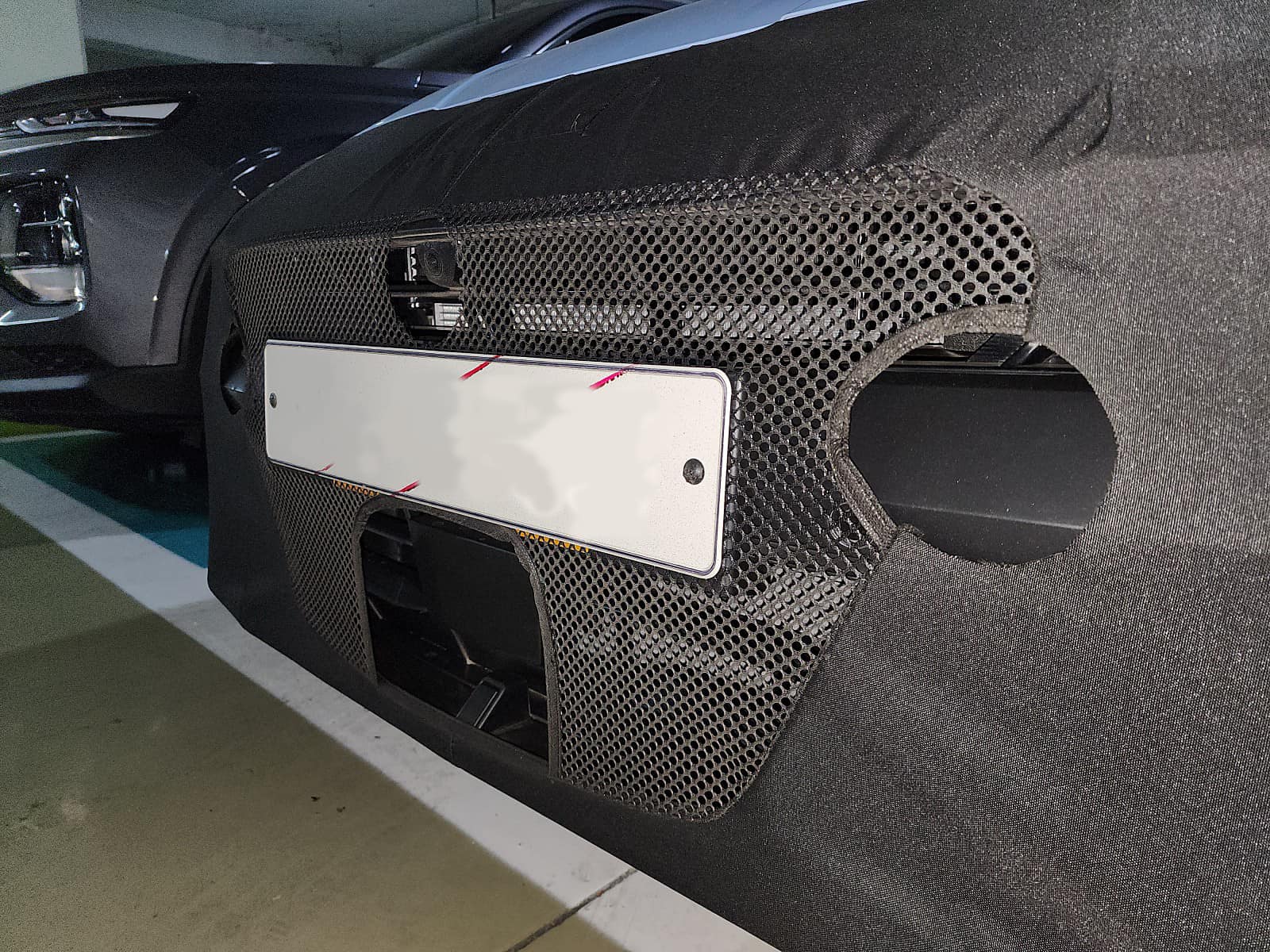
A radar system will also feature on the updated i30 Sedan N, suggesting adaptive cruise control will finally become available on the performance flagship – at least for the dual-clutch automatic variant.
Adaptive cruise control is available on automatic versions of the regular i30 Sedan, but it is currently omitted from the N as it features a camera-only system.
The i30 N hatch also excludes adaptive cruise control, but a significant revision is unlikely as it will reach the end of production in the coming years without a direct successor.
Further technology, such as the brand’s semi-autonomous Highway Driving Assist II system, could also become available across the wider i30 Sedan range.
In addition, the facelifted small car will sport redesigned alloy wheels, while the rear of the i30 Sedan is expected to remain largely unchanged.
However, another example recently spotted by The Korean Car Blog has camouflage across the doors, suggesting the controversial origami-like side profile could be toned down for the updated model – but this would add significant engineering costs that need to be amortised.
Inside, the sedan could adopt a larger infotainment system running Hyundai’s latest ccOS software, over-the-air software updates, and USB-C charge ports.
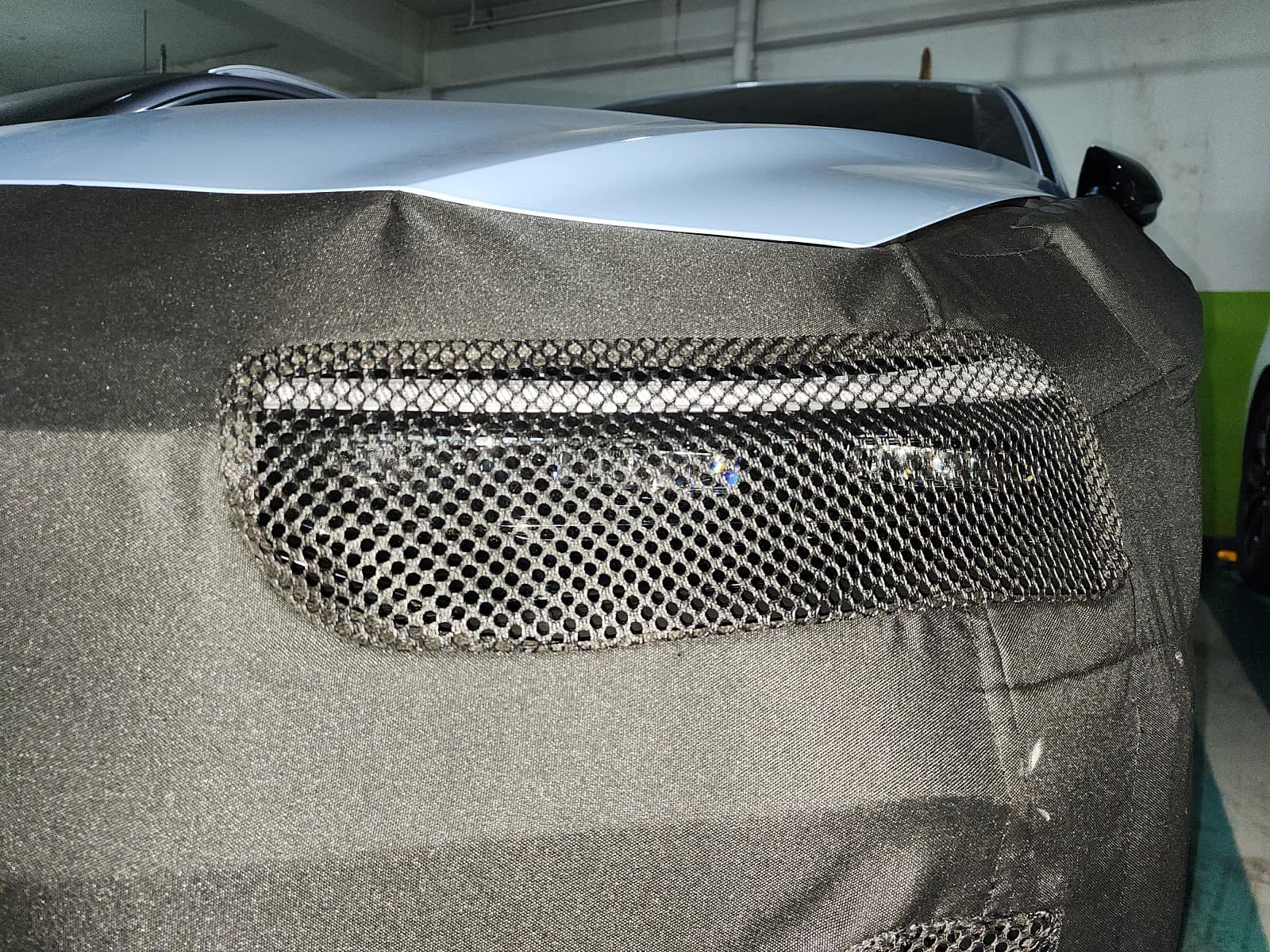
The current i30 Sedan N also lacks a rear-centre armrest, while the wider lineup has been criticised for its hard cabin plastics.
First revealed in March 2020, the i30 Sedan is rebadged specifically for Australia to capitalise on the success of the i30 nameplate – despite the i30 hatch sharing more in common with the previous-generation Elantra.
The updated 2024 Hyundai i30 Sedan is expected to debut in late 2023 ahead of its local launch next year, so stay tuned to Wheels for the latest information as it emerges.
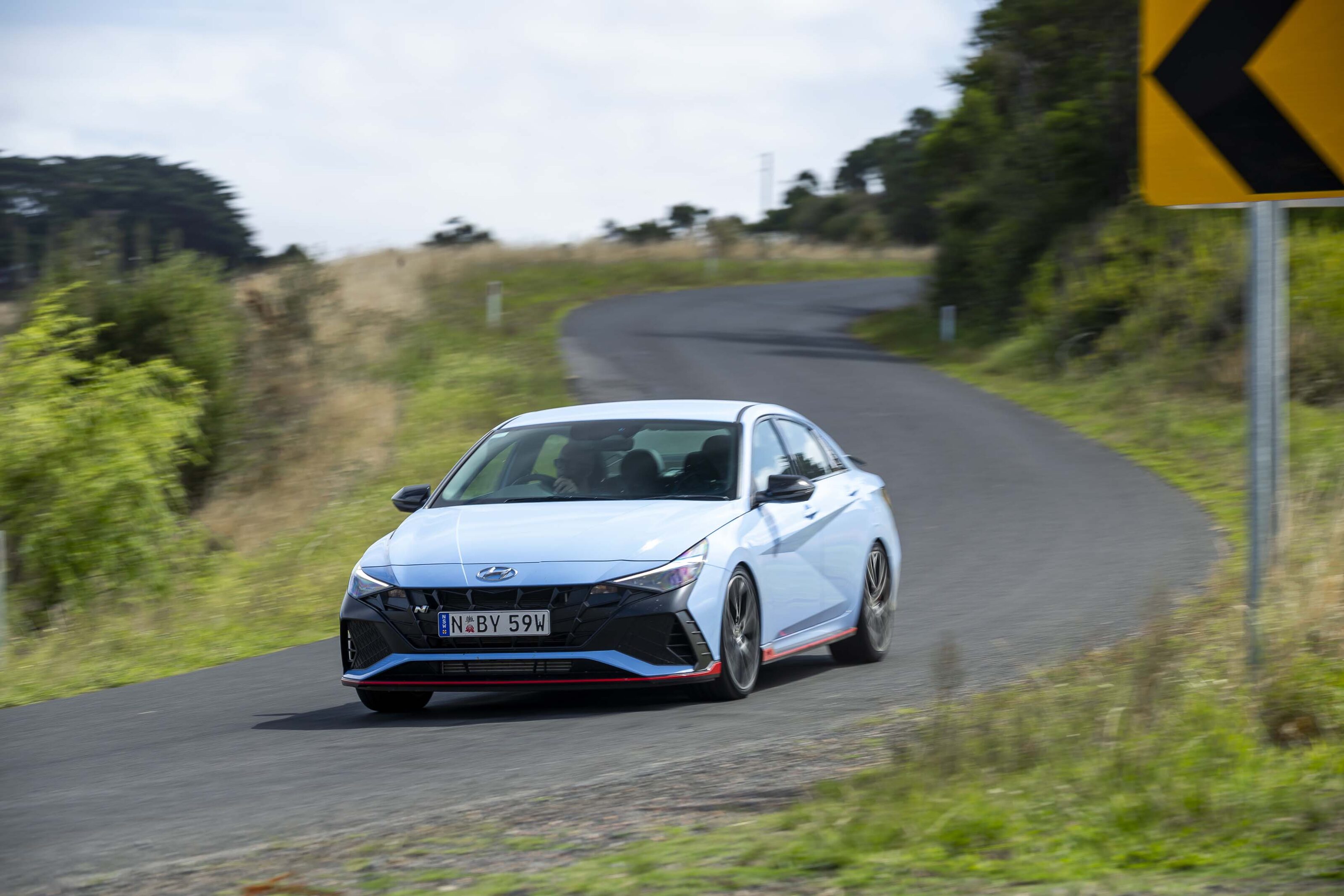
Below: The current 2023 Hyundai i30 Sedan N
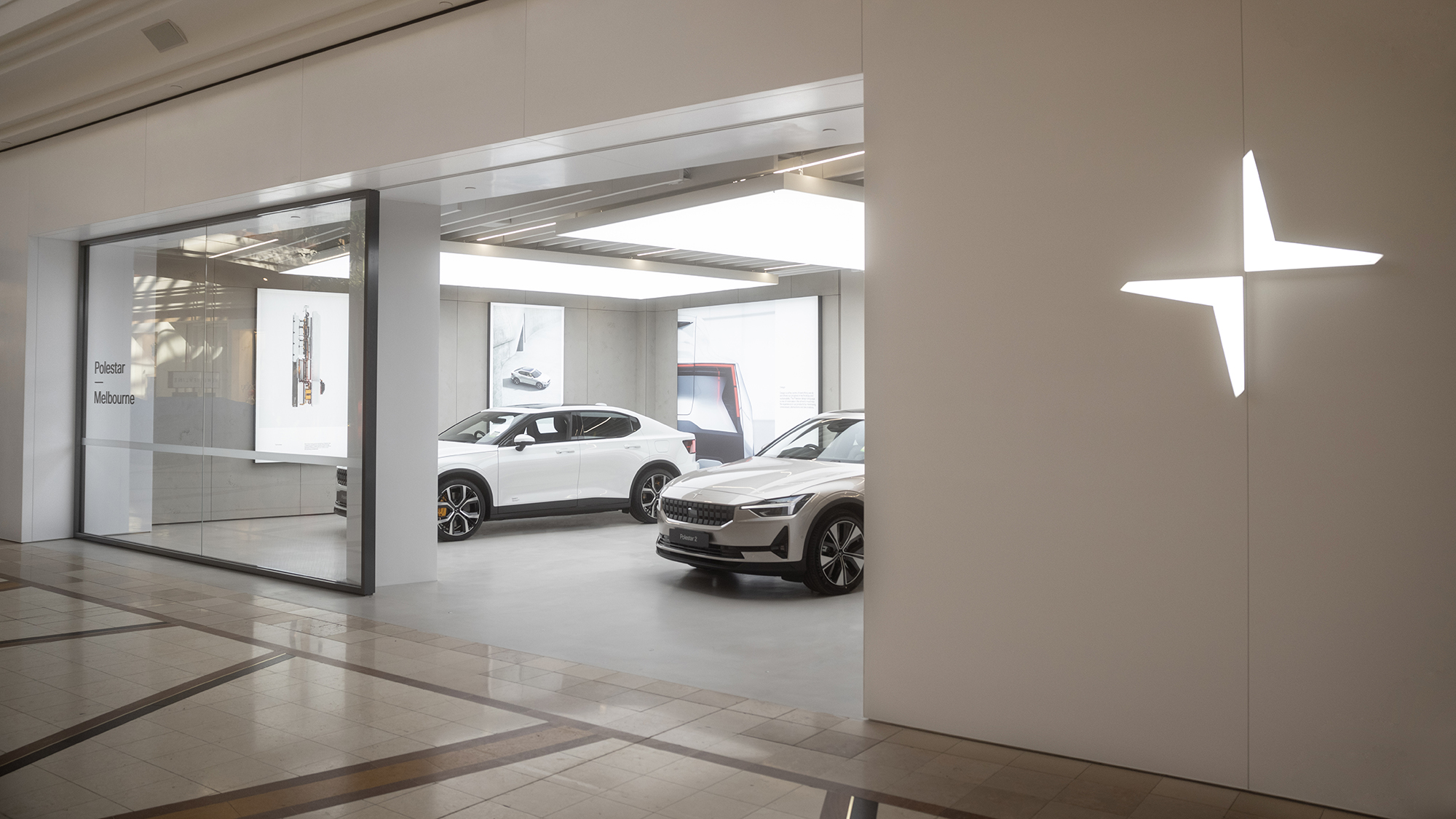
Polestar’s head of sustainability, Fredrika Klarén, has been in Australia holidaying with family, and before heading back to Gothenburg made time to discuss the future of mobility with WhichCar.
In fact, the holiday marked the first time Fredrika had to buy petrol in a decade, telling us: “It’s very telling that I had to do that when I came to Australia, and I don’t want to talk about it… it just felt fundamentally wrong to buy gasoline, to finance this industry. I never want to do that again.”
But without getting hung up on Australia’s EV infrastructure woes, that Klarén says are likely to be addressed faster than expected, we’ll move onto her vision for the next seven years.
“We’ve tried to actually visualise what an improved society looks like, and we think it sits on four key drivers: climate neutrality, circularity, transparency and inclusion”, Klarén said.

She also emphasised the importance of not seeing EVs as a silver bullet to climate change. There are all manner of supply chain snags, shipping and other factors that can contribute to a silent CO2 footprint in EVs – something the brand is attempting to address with its true zero-emissions car, the Polestar 0, by 2030.
“It’s so dangerous for the industry if it keeps only talking about electric vehicles as being the saviour, we’re going to come into new ‘Dieselgates‘.
“Let’s instead be radically transparent, and disclose the impact of these products, while at the same time being really clear that [BEVs are] the better alternative now”, Fredrika told WhichCar.
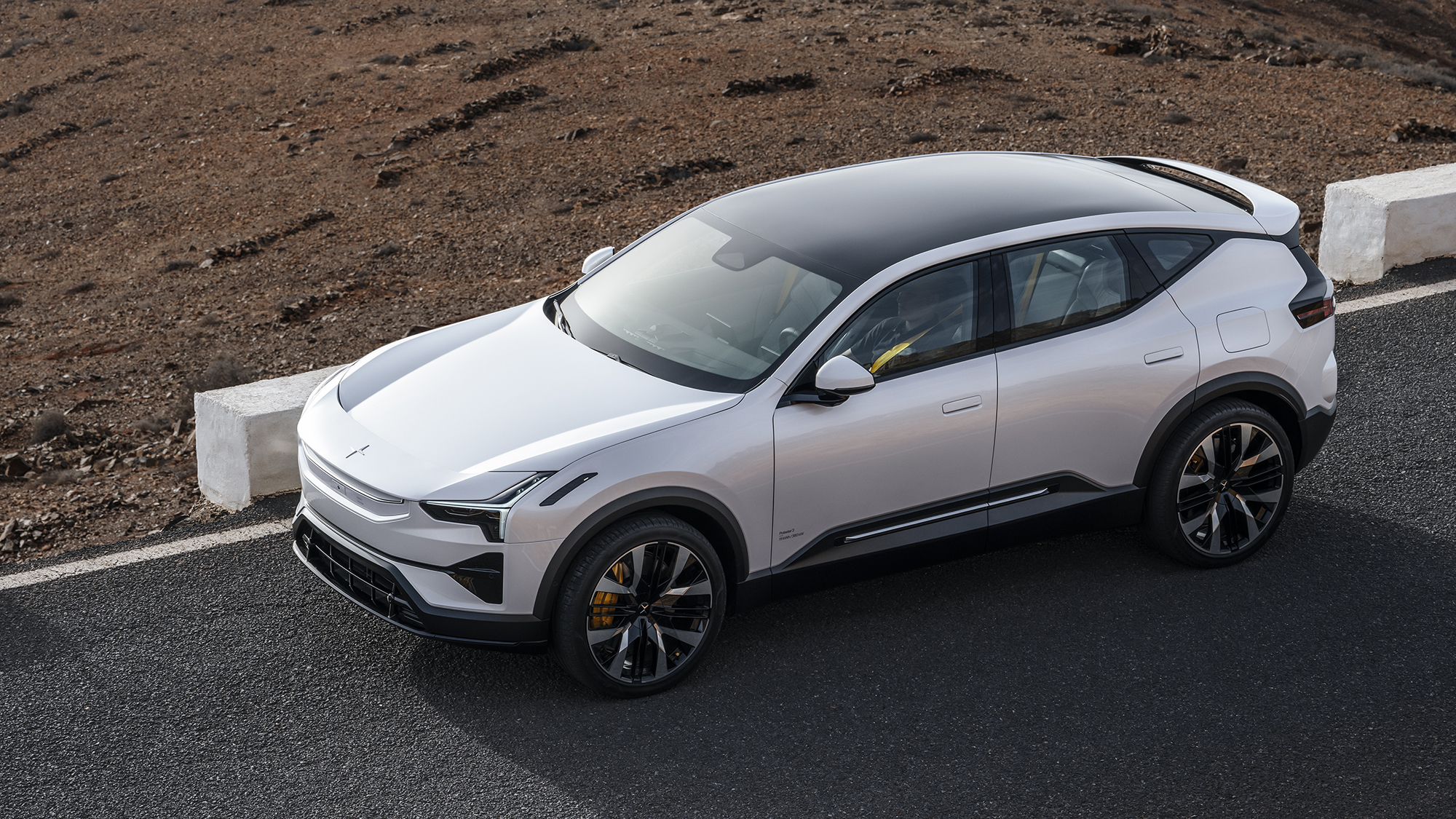
Polestar is now exclusively an electric carmaker sitting under the Geely umbrella adjacent to Volvo. Polestar sells one vehicle Down Under currently, the 2 sedan, which was the fourth best-selling EV here last year notching up 1524 registrations. It will be joined by a larger, more luxurious 3 SUV in the first quarter of 2024.
“It’s so important that we move away from sustainable solutions being considered lesser, or boring, because it’s not working.”
Polestar calls out industry inaction
You might have caught Toyota boss, Akio Toyoda, saying that a silent majority of carmakers believe that BEVs alone are not the way forward – Klarén and Polestar beg to differ.
“We cannot continue using fossil fuels. Our climate strategy is based on IPCC (Intergovernmental Panel on Climate Change), it’s a top down approach – we’ve said that we need to be carbon neutral by 2040 as a company, and we need to have net-zero emissions by 2030. And that’s not what we can do, that is what the climate scientists are telling us that we need to do as companies.
“We know that there is no place for [internal combustion engine vehicles] on a large scale after 2030. In that scenario, it just cannot be calculated to work,” Klarén said.
Polestar being a young, dynamic company, which produced one hybrid and now exclusively electric vehicles, has the luxury of being able to go its own way.
“Manufacturers are locked into their business plans and I understand that,” Fredrika empathised. “But the thing is, the timeframe is wrong. It’s not aligned with climate science.
“So what we need to do is to tear up those business plans and make new ones and ensure, again, that all of the money that we’re putting into just obtaining and making the legacy technology more efficient, and all of the incentives that are supporting ICE cars and the fossil industry is being put into clean technology and electric vehicles, so we can quickly start scaling up so that we can create a closed loop for minerals and metals.”
What’s different about Polestar’s approach?
Fredrika outlined one specific way in which Polestar is going about sustainability differently. “Once we had delivered Polestar 2, we decided ‘okay, so now we need a CO2 reduction program for Polestar 2’.”
“We went about this in the way the industry normally does cost reduction programs, but we did it with CO2.”
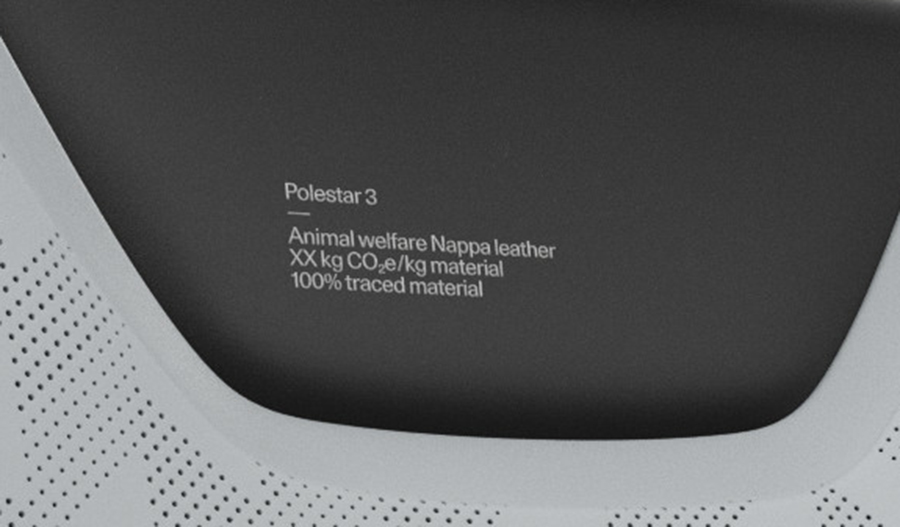
The Polestar 2 was also the first EV to go on sale with cobalt sourced for its battery traced using Blockchain, meaning it’s as sustainable as Polestar possibly can guarantee, within reason.
“The one thing that we’re really struggling with is the lack of data from the supply chains, and the locked-in opaqueness of automotive supply chains [in general]. We need to really come together and set the same types of requirements on the suppliers. And that’s why we’re advocating for collective action in the industry.
“I hate the word collaboration… you can talk a lot about collaboration and do nothing… collective action is what we want to take where we have measurable targets. For example, we want to deliver a fully carbon-neutral car by 2030”, Fredrika said.
Building cars in China – the most polluting country
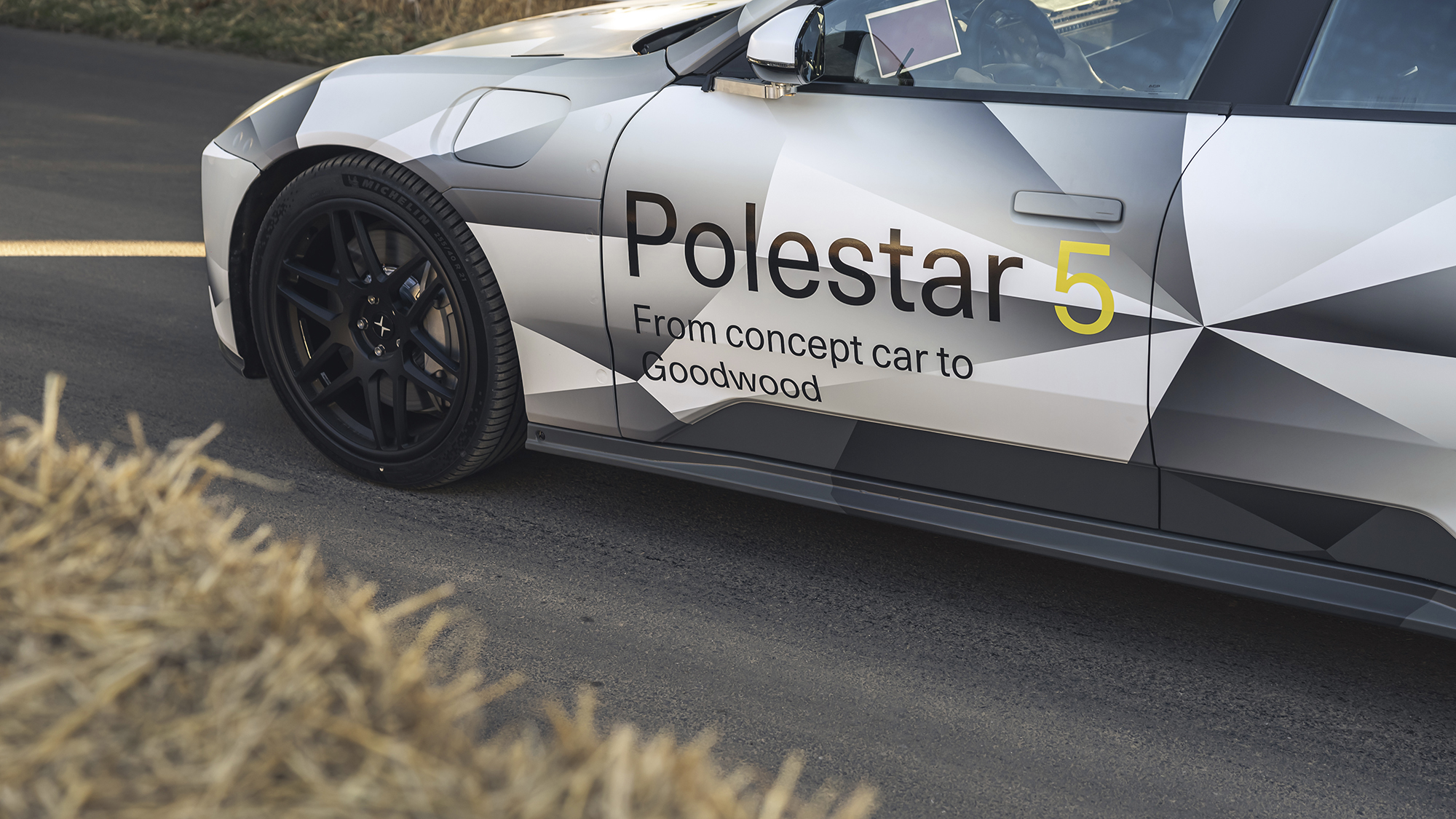
Polestar currently builds vehicles at its production centre in Chengdu, China, which opened in 2019. On the surface, Polestar’s sustainability credentials sit out of sorts with building cars in the most polluting country in the world. Year-on-year, China accounts for around third of global CO2 emissions – roughly twice much as the United States.
However, China’s massive population means it was ranked 48th in emissions per capita in 2019 behind the US (14th) and Germany (38th). Despite emissions dropping slightly in 2021, the country continues to build coal power plants and has only committed to carbon neutrality by 2060.
In our discussions, Fredrika was keen to point out China’s inconsistent approaches to energy generation, and how that can be a benefit when harnessed. Some regions very much rely on dirty coal power plants, but wind, biomass, geothermal, solar and hydropower contribute to energy share, too. It’s all about transparency for Polestar.
“What we’re finding is, for example, in China that we can move parts of the production to regions with a high share of [hydro-electric] power, and really see a great impact from that.
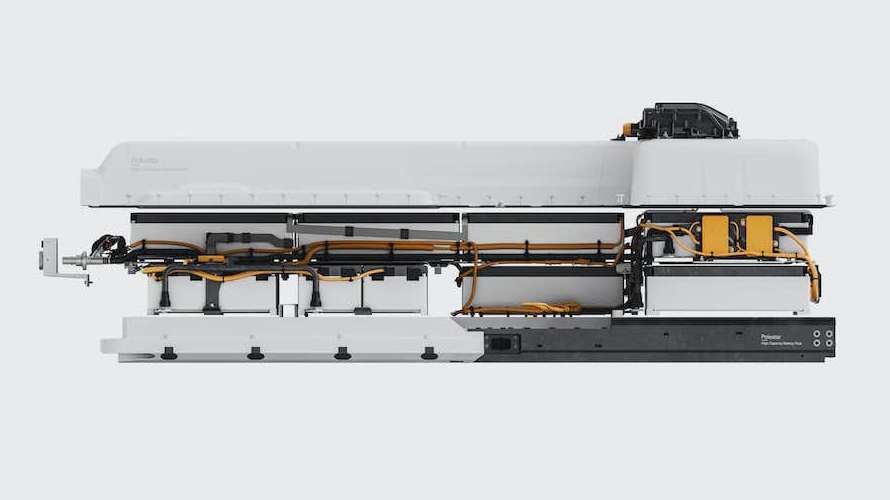
“That’s what we’ve done with the latest update for Polestar 2, where we were able to resource aluminium for the rims and the battery tray from regions where they have [hydro-electric] power, that meant we save more than a tonne of CO2 in the production emissions,” Fredrika said.
Polestar doesn’t want efficiency alone
Why not drop high performance altogether, and just make efficient cars? “It would be so much easier”, Fredrika jokes. “But it’s so important that we move away from sustainable solutions being lesser, or boring, because it’s not working.“
Fredrika sees Polestar’s freedom to innovate not as a privilege to be squandered, but as a responsibility to champion new technologies, practices and material choices.
“[Polestar is] a premium company, that’s the basis of what we do. So we want to work in an industry where there’s all kinds of alternatives for the consumers. And we’re seeing that’s happening.” Klarén mentioned Volkswagen, Renault and new Chinese rivals such as BYD and MG/Saic Motor as players in the mass-market space.
“We really feel like we can fully dive into what it means to be a premium company in this industry. And that means that we can really seek out innovative, avant-garde solutions… we mustn’t forget that it should be a thrill to live on planet Earth. And that can be a great motivator for sustainable development.”
2022 was some year for Kia.
The EV6’s victory at Wheels COTY 2022 landmarked two significant firsts for the award’s 59-year history: a maiden win for Kia, and for any vehicle from Korea.
The fanfare around this headline achievement, announced in April, was followed by significant sales milestones.
The Seoul company, with just a quarter century of passenger car presence locally, was the second-largest-selling nameplate in Australia for May, out-selling the Mazda and Hyundai juggernauts to sit only behind market-dominant Toyota.
The ‘challenger brand’ then went on to overtake senior affiliate company Hyundai in the local annual sales for the first time, in the process becoming Australia’s third most popular car brand.
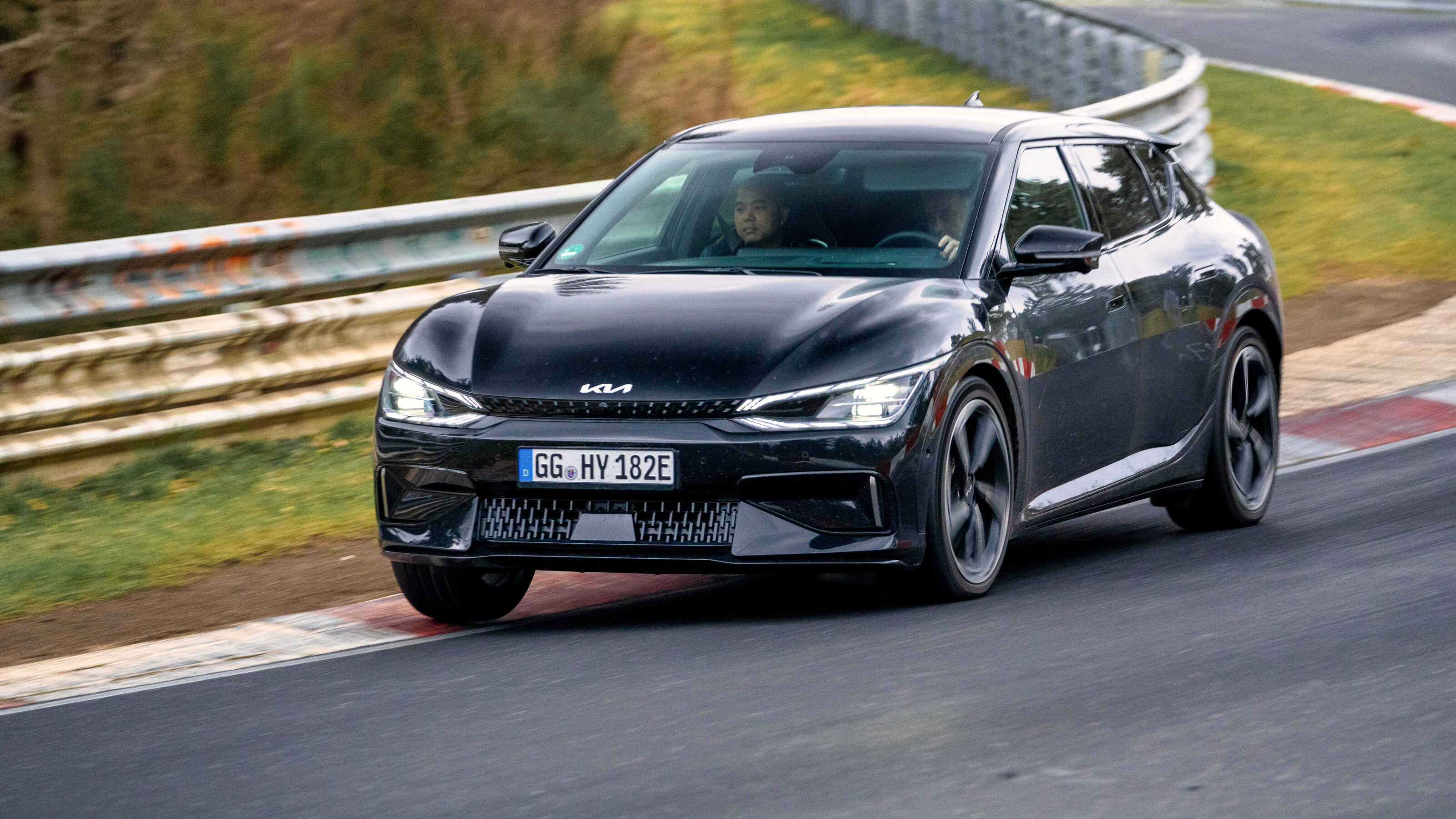
Kia loosely translates from Sino-Korean to ‘rising from Asia’. And after 79 years of sometimes rocky corporate providence from beginnings as a bicycle component manufacturer, today’s carmaker has well and truly arrived.
Of course, detractors may focus on the industry’s fluctuating supply issues in unprecedented times for Kia’s May result, but that doesn’t diminish the hard slog the brand has invested internationally and locally, yielding solid and steady local sales growth in recently turbulent waters with what, in the longer burn, have been vehicles of ever-improving quality and appeal.
There’s more to the deepening hue of Kia’s purple patch than glowing accolades for its electric EV6 figurehead, a mere drop in its sales volume bucket. From the diminutive electrified Niro to the thumping older-school Stinger, two opposites in Kia’s portfolio, buyer demand has been on the up.
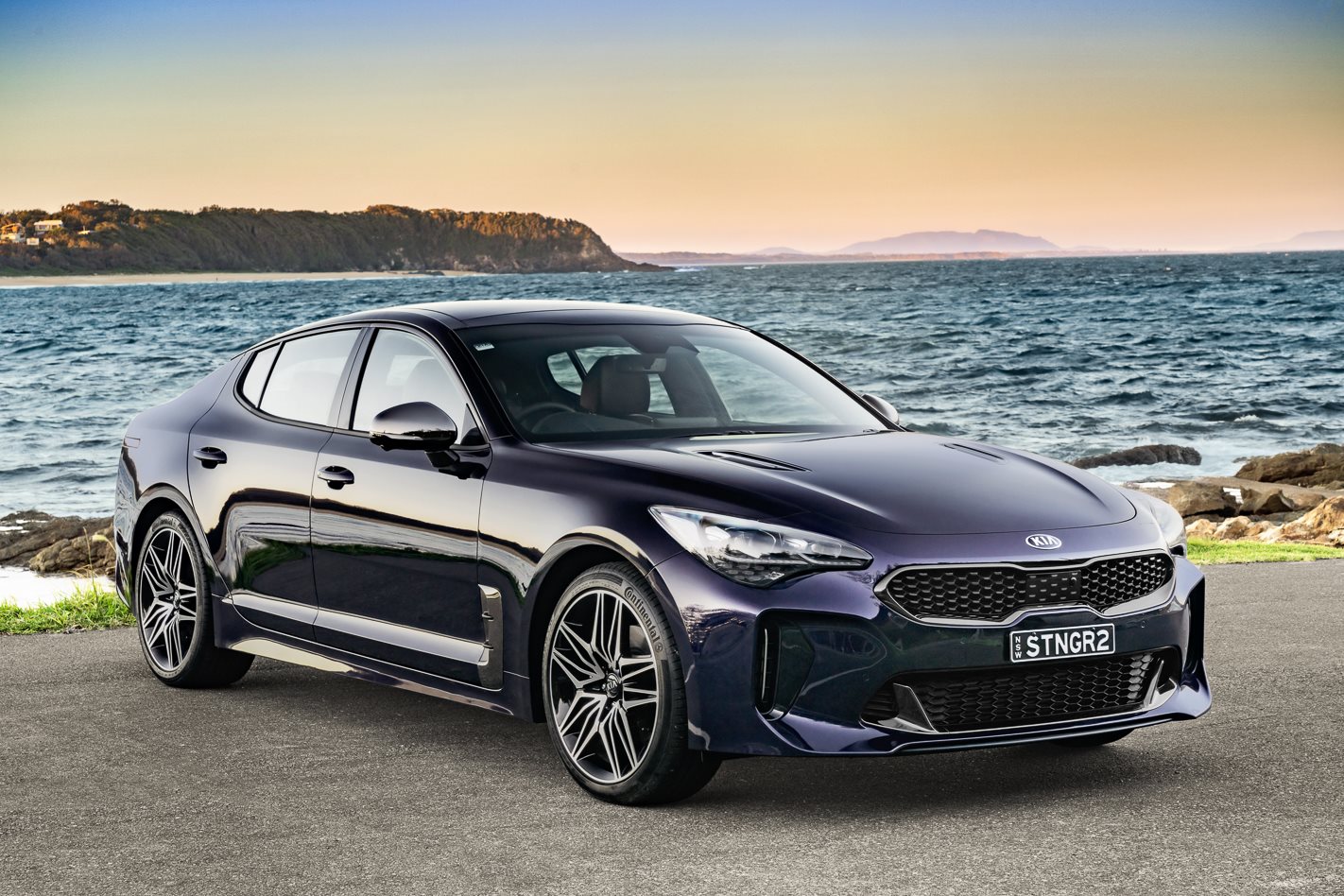
Kia is becoming cool
The brand’s growth and increasing solidity has earned it the brass tacks to venture into bold, forward-thinking design in volume-sellers such as the new Sportage that’s migrating across the wider range.
It’s a key change in the perception of brand long competitive in value and a steadily building renown for quality, but made its formative marks as the ‘cheap Korean’, a stigma it perpetually works at dispelling.
From bicycles (1940s) to motorcycles (1950s) to trucks (1960s) and eventually passenger cars (1970s), Kia is adept at hard slog. The 1980s was an era of Fiat and Peugeot knockdown kits and badge-engineered Fords and Mazda, and at one point Kia was forced to cease passenger car manufacturing and assembly in service of a Korean military dictatorship.
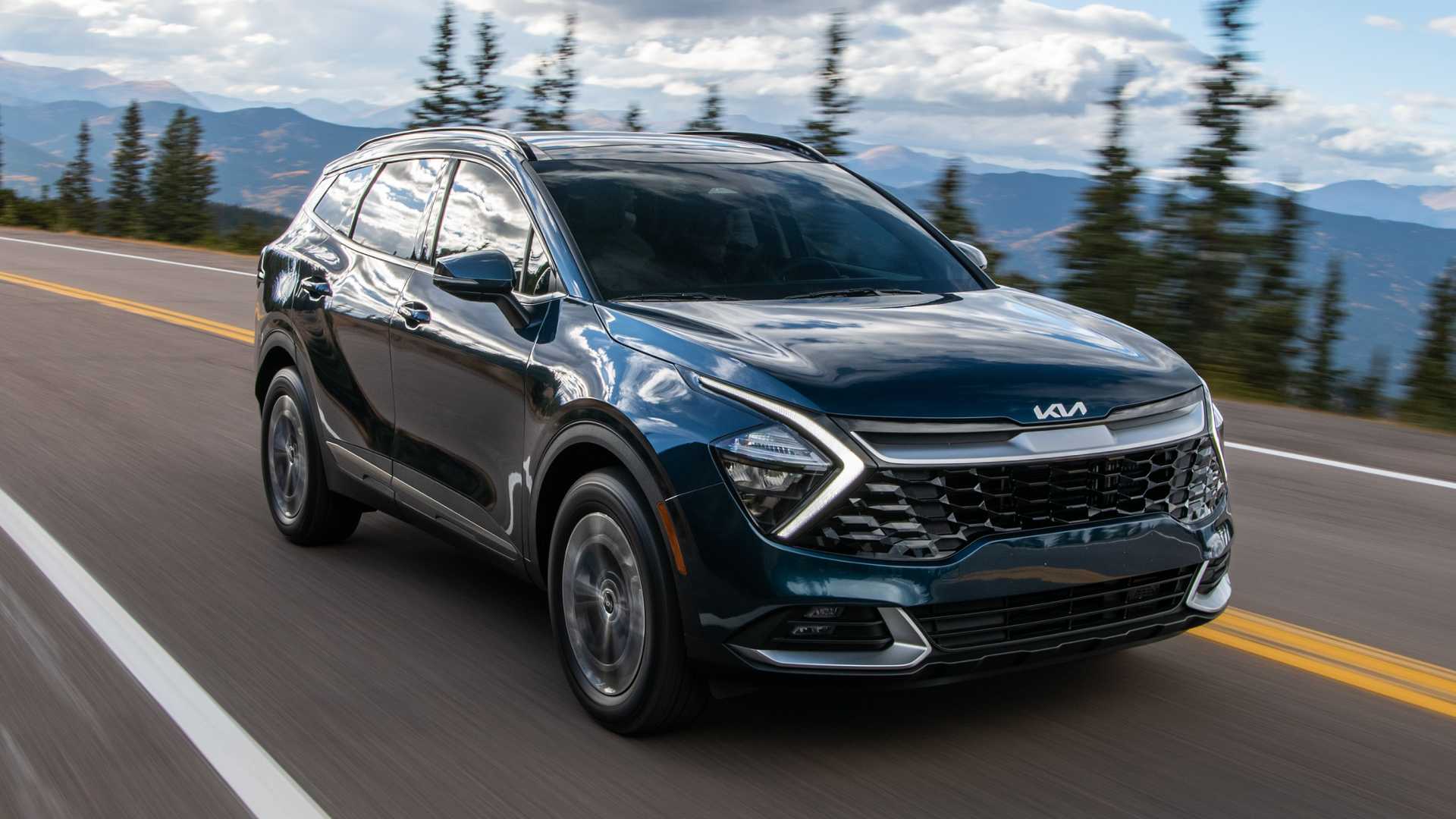
In 1997, then in partnership with Ford, Kia declared bankruptcy prior to Hyundai throwing it a sizeable life-preserver that set Kia on a course to the major global player it is today, where Hyundai Motor Company owns around a third of the Kia Motor Corporation (and which, in turn, Kia holds ownership of various Hyundai subsidiaries).
Cheap, price-led motoring was, for Kia, an essential survival tactic. And, understandably, Kia’s entry to a new millennia was punctuated by a lot of patchy and cheerless output.
However the tide of continued alliance of Kia and corporate cousins Hyundai and luxury subsidiary Genesis, is one of motoring’s most formidable, steadily raising all Korean ships. Indeed, the Hyundai Motor Group is, today, the world’s fourth-largest carmaker by volume.

So what are some of the key milestones, highlights and turning points that have given rise to Kia’s popularity, both globally and in Australia?
Carnival (1999)
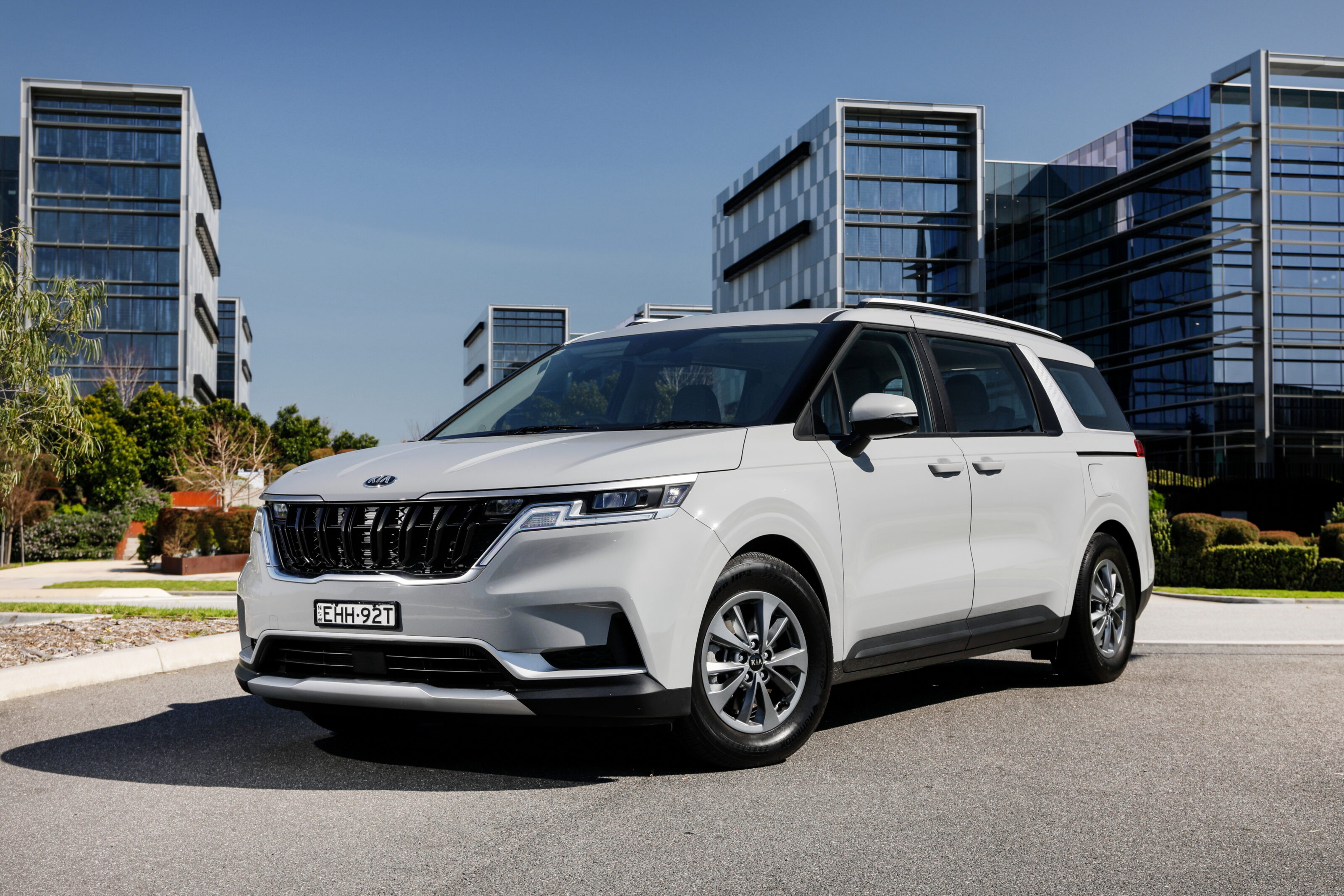
While the Ceres pick-up put the Kia name on the Aussie map in the early ’90s, it was the first-generation ‘KV-II’ Carnival, lobbing late 1999, that made the biggest mark with passenger car buyers. Literally.
The people mover was front driven, unpretentious and available in one trim level. But at $30k in its cheap manual guise, it was an appealing choice for moving a whole lot of family for not a lot of coin, dramatically undercutting its rivals.
The Carnival has evolved through four generations, evolving its hallmarks of superb packaging smarts, big comfort and pleasing driving character to become what today is both a top-seller and critical benchmark.
Peter Schreyer (2006)
The poaching of designer Peter Schreyer from the Volkswagen Group in 2006 as its new design chief was a key transition point in Kia’s ascension from a carmaker of dour budget-focused runabouts to the global player it is today.
The Bavarian-born designer responsible for Audi TT, The New Beetle and Golf Mark IV brought newfound style to Kia, introducing the signature ‘tiger nose’ face to create family identity for the model line-up. It was the necessary impetus to create the sort of desirability that Kia, with its eye on Europe, wanted to build into the brand.
Today, Schreyer is president of design management for the Hyundai Motor Group.
Localised chassis development (2010)
No to be underestimated is the impact that Kia’s localised ride and handling has had on improving its Australian-spec vehicles. Automotive engineering Graeme Gambold and his chassis development team have for many years optimally honed suspension and steering during model pre-production, combining the power of the Hyundai Motor Group’s global resources and its own dedicated R&D on Aussie roads.
Since its inception, Kia’s Australia-specified chassis tuning has yielded both short term-critical praise and invested in long-term improvement of driving dynamics as a key drawcard for many buyers.
Further, the Kia Australia tuning would prove pivotal in the EV6 winning Wheels COTY 2022 over the related, global-spec Hyundai Ioniq 5.
Below: We speak with Kia’s local tuning partner, Graeme Gambold
Rio finds its mojo (2011)
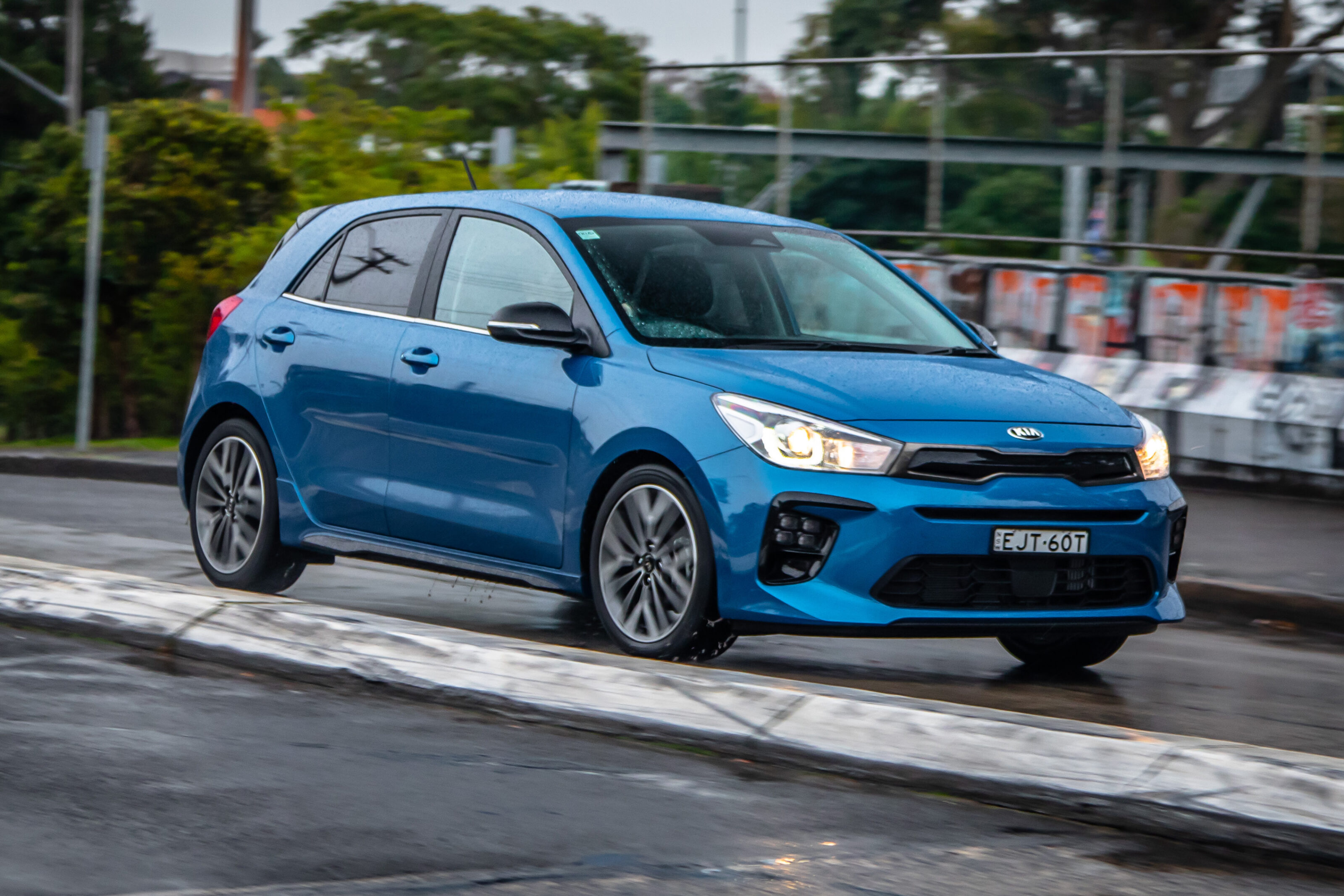
Originally slipping in Oz in the 90s as the Ford Festiva and then surviving two generations in the Noughties as Kia at its archetypically cheapest and most cheerless, the Rio nameplate came of age in its ‘UB’ third-generation.
Finally, here was a city car from the Korean marque with engineering, design and quality fit for competitive global consumption while still bundling in the expected price-busting value of old.
Locally, the hatch and sedan line-up offered five-star ANCAP safety and a compelling five-year warranty were extra lures for a larger and more contemporarily styled range that, for the Rio nameplate, finally became respectable by offering the sort of refinement and on-road comfort to elevate it above its former status of merely cheap frills.
Seven-year warranty (2014)
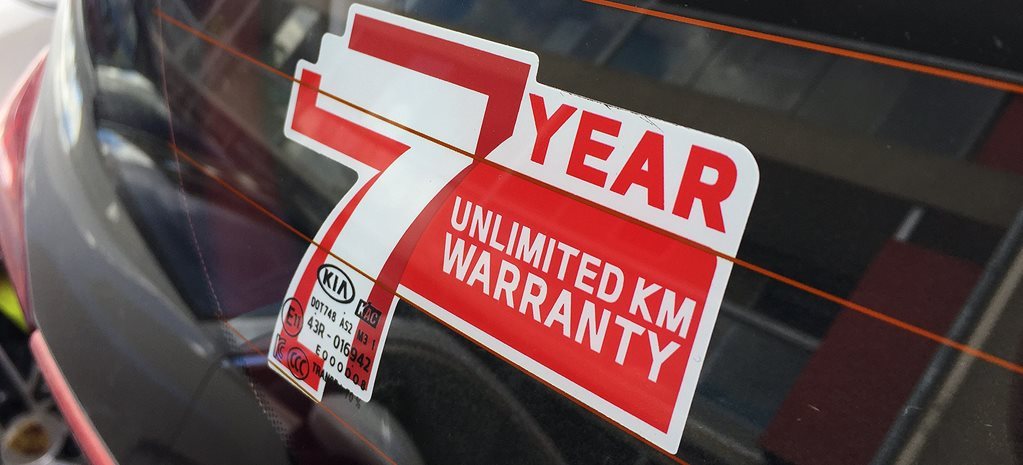
Kia’s push for industry-leading new-car warranties dates back to the ’90s, as a key mandate of then Hyundai Motor Co Chairman Mong-Koo Chung, who’d also take over Kia when Hyundai assumed control in 1996.
It was Hyundai that first introduced a five-year factory warranty in the Australian market with Citroen subsequently upping the stakes to six years. That same year, in late 2014, Kia introduced its seven-year benchmark and it’s remained a key selling point for its line-up ever since.
ProCeed GT (2014)
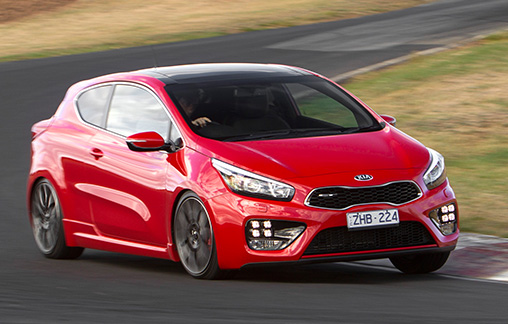
While Kia had long been toiling away at lifting its game in styling, engineering and quality, it took the arrival of the ProCeed GT, in 2014, to prove that it could build cars with genuine mojo that offered a suitably spirit drive to match.
Here was a landmark performer for Kia, with a strong 1.6 turbo mill and six-speed manual gearbox, with limpet-like grip and keen dynamics, wrapped in arguably the Korean marque’s most seductive form to date. And all for under $30k list.
The silly name didn’t boost its fortunes with the ‘pro_cee’d’ – its official Korean spelling – was a statement of intent to Europe and, perhaps, a penance of sorts for undercooked Koup Turbo.
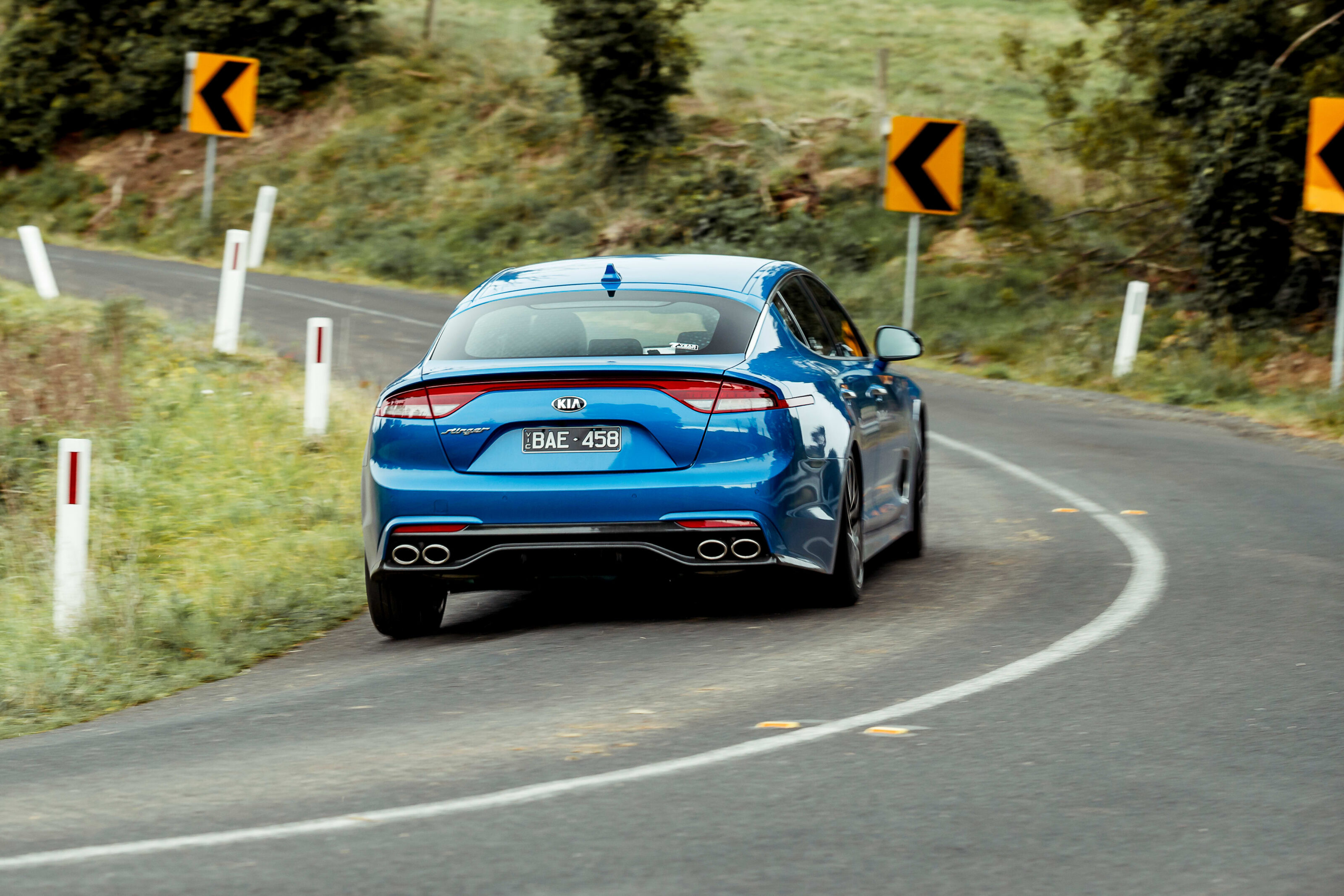
Stinger (2017)
The Stinger was Kia’s statement of intent to push upmarket, staking new claims in luxury and performance for the marque, a bold ’70s-inspired GT amalgamation seemingly concocted to lure gearheads and build excitement in the brand.
The rear-driven sedan range promised premium goodness at value-laden outlays and was, prior to its 2017 launch, its most hotly anticipated release to date.
That the game-changer’s arrival to local hot-mix coincided with the demise of homegrown rear-drivers was certainly timely though, globally, its cult car following hasn’t exactly transcended into large-volume sales success. And a recently stay of execution from the model line-up has been met with a growing popularity with Aussie buyers.
Sorento (2021)
While the Sorento nameplate had been kicking around since 2002, it’s really the latest and current fourth-gen ‘MQ4’, launched in 2020, that’s a showcase of so much Kia has strived for in the past and how far it has come today.
As a fitting flagship to the mainline range, the large seven-seater offers a broad range of spec and powertrain options, with myriad qualities that benchmark its segment. Nothing else in Kia’s line-up, past or present, is such a complete and all-encompassing package.
Sportage (2021)
Is there any other mainstream, volume-selling model released in recent times as boldly styled as the current four-generation Sportage? Outside of perhaps the platform-shared Hyundai Tucson?
Both Korean cousins have gone for the jugular when it comes design flamboyance and a newfound intensity in conspicuous techiness. And it’s making a significant impact on brand perception for both carmakers and their nation of origin.
EV6 (2022)
Few models have created as many column inches in Wheels of late than the EV6, and the merit of its COTY 2022 win is well documented. But as a testament to how far its carmaker has come, its electric figurehead is the landmark of new beginnings for Kia.
Not only does the EV6 prove you can build a world-beater regardless of badge cache and pricepoint, it seriously questions the long-cultivated divide between mainstream and premium brands moving forward into an increasingly electric-powered future.
It’s already well reported that the EV6’s technical DNA will springboard many new models – some more accessible, some much more ambitious – as something of a fresh slate for Kia to build its future ambitions upon.
But there have been some misses along the way…
Credos (1998-2001)
Kia mid-sized sedan arrived in Oz in 1998 with the tagline as “the car the Europeans wish they could build at the price the Japanese wish they could copy.”
At 4731mm long, there was plenty of size and ample interior room though, at 1270kg as a manual, there was little of it bar room itself. The 2.0-litre front-driver outputted 98kW and 171Nm and there was some Mazda 626 DNA in the underpinnings, but the Credos did nothing new other than offering more metal than its rivals for less outlay.
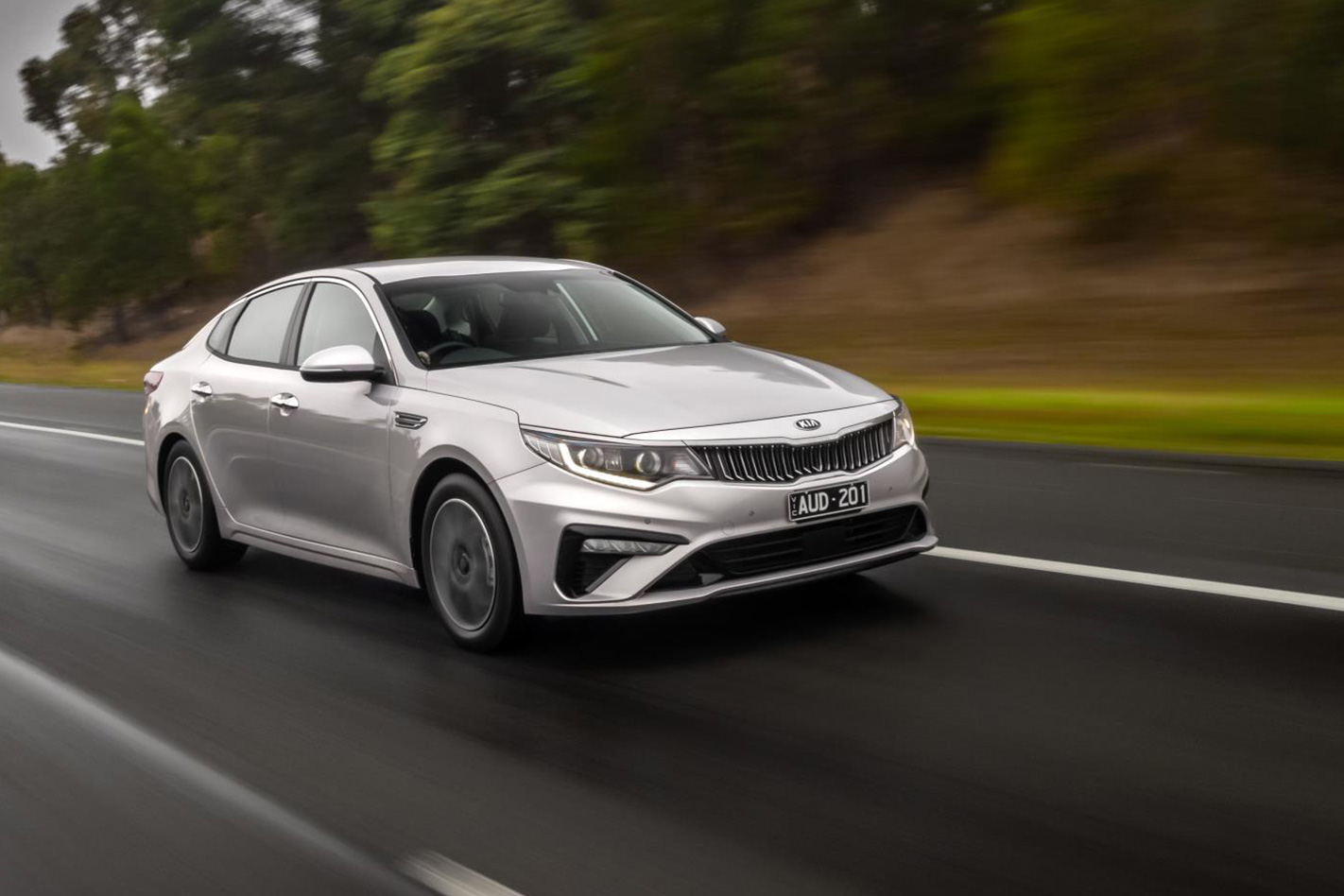
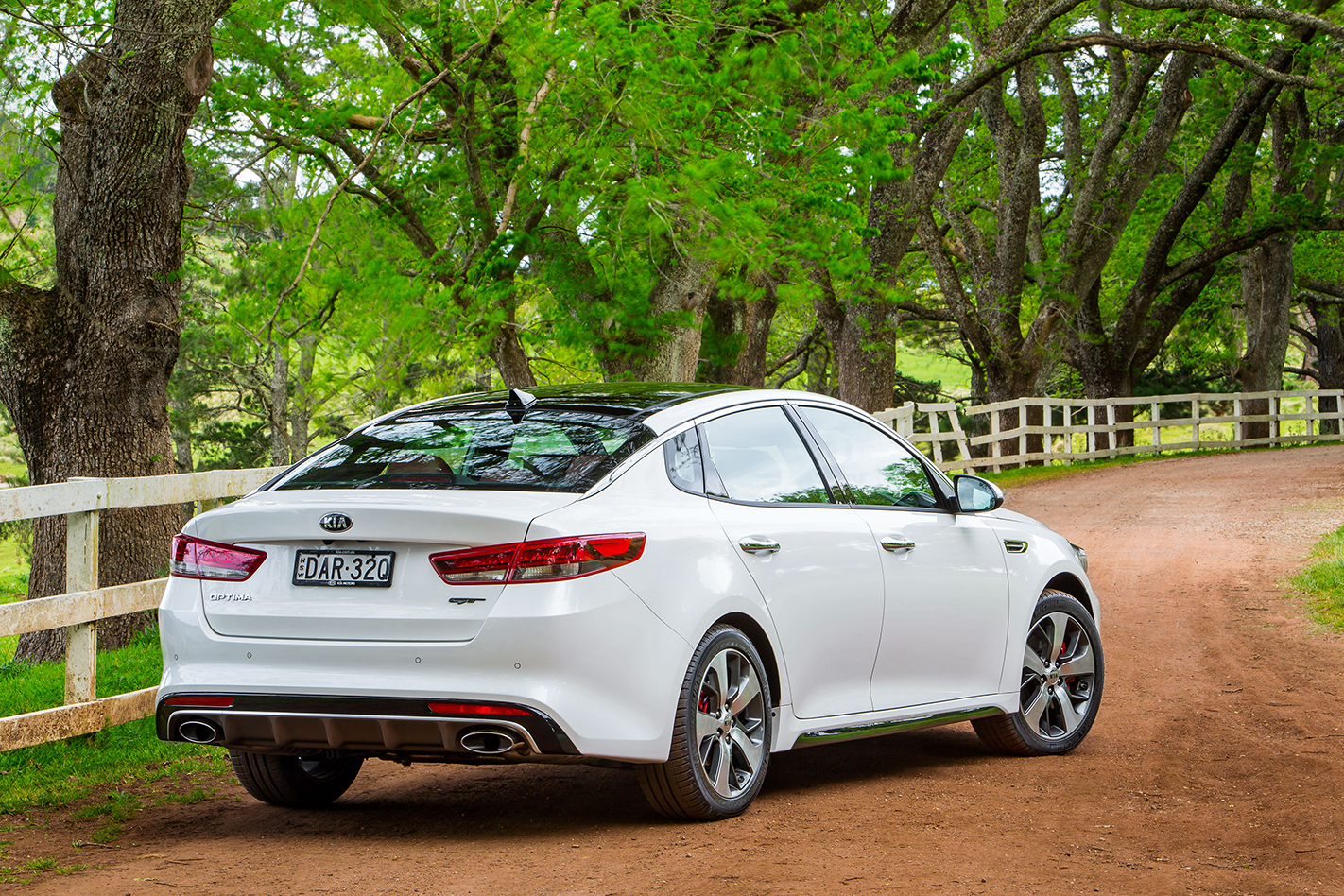
After just a couple of model years the Credos was effectively replaced by the first Optima, in 2001, that was twinned off the Y4 platform co-opted with Hyundai.
Gen-II Mentor/Shuma/Spectra (1998-2004)
Kia’s Corolla rival embodied all of the early hallmarks that garnered the cheap and cheerless stigma. Perhaps the largest car you could buy under $20k also brought with it sub-par quality and refinement. A modest 65kW 1.5-litre four got you in the door but even its high-spec 82kW 1.8-litre engine was, like much of the rest of the package, left wanting against the competition.
What was known as Sephia in its homeland was initially badged Mentor in Australia before it was changed to Shuma two years later after the sedan version was ditched. To compound confusion, a new Spectra nameplate arrived at its facelift.
‘DC’ Rio (2000-2005)
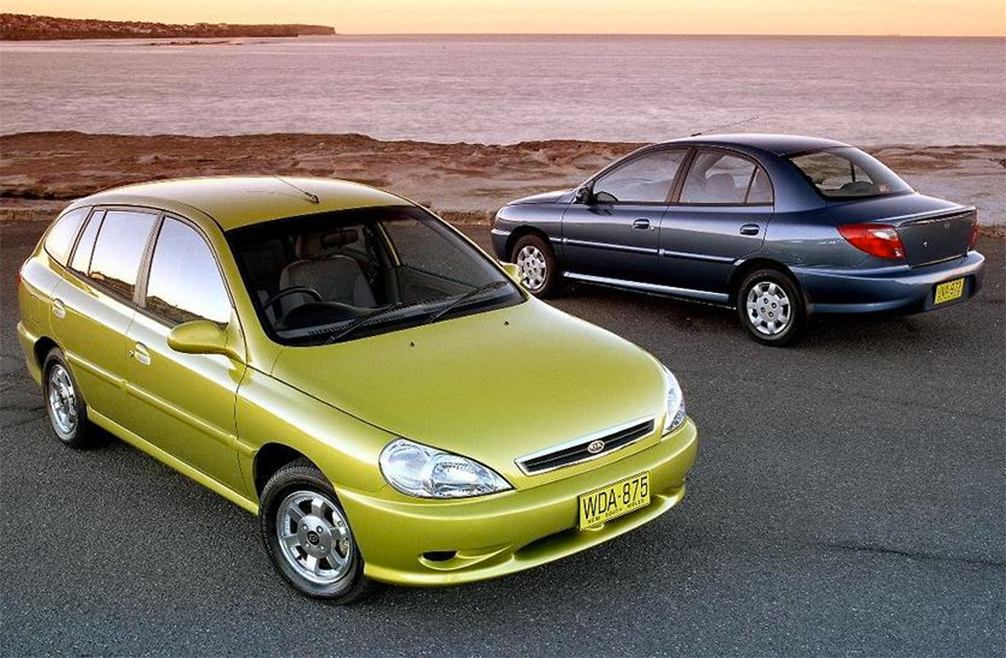
The first-generation Rio, sold in hatch and sedan form from 2000 and lobbing from a tenner under $15k in manual form, served purpose as archetypal cheap motoring.
It was universally derided for its shoddy quality and average driving experience centred around its 73.5kW – yes, point-five – 1.5-litre four. A poor two-star ANCAP prospect, the early Rio was replaced by a succession of increasingly finer and fitter generations of city car.
Soul (2009-2019)
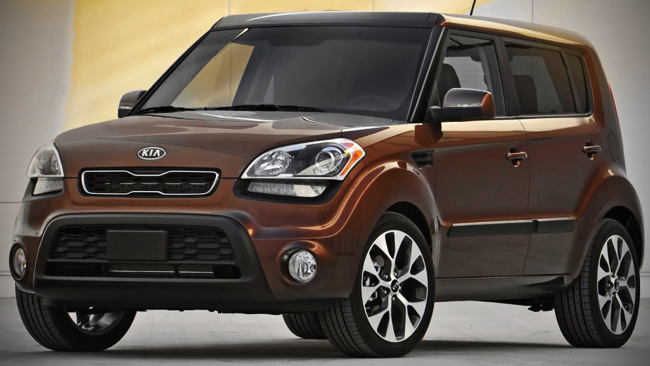
Kia went funky with this small car aimed at younger buyers that, stylistically, had plenty in common with the Toyota Rukus and grey-imported Nissan Cube.
Kia Australia persisted with two generations of the Soul that had been the Korean brand’s most popular vehicle in the US, but its uninspiring drive and polarising looks didn’t help its cause in Australia. Continuing slow sales led to its exit in 2019 when Kia Australia, unsurprisingly, opted against introducing the third-generation Soul.
Somehow, it’s 2023. Where did the time go?
Most of us are back at work now, and our cars have been through a lot over the past few weeks with getaway road trips and long drives to a couple of family lunches.
And now, just like that, we’re throwing them back into the daily commute – if, for some of us, a little less ‘daily’ than in years past.
So, it’s time to think about how we’re caring for our cars. A routine scheduled service is one thing, never to be skipped, but what else can we do? Here’s a rundown of some basic aspects of care that we should all be staying on top of throughout the year.
Photo at top of story is manipulated from two photos by Robin Edqvist on Unsplash and Aritra Roy on Unsplash, edited by Mike Stevens.
YEARLY (or so)
Check and/or replace the battery
Every four years or so, it’s a good idea to check your battery and see if it needs replacing – but it also wouldn’t hurt you to do an annual checkup. Of course, your service centre should let you know, if you get your car serviced regularly. There’s nothing worse than being stuck in the middle of nowhere for no reason other than a dead battery.
Don’t forget the brakes
Like your battery, getting your brakes checked by a professional every few years is an important step in caring for your car. Not only can worn brakes lead to costly replacement of your brake rotors, but it can also be a life-threatening mistake. If you hear any strange noises such as things grinding, then it’s best you get them check as soon as possible.
Headlights
This shouldn’t happen regularly but it’s important to pay attention to your car’s headlights. If one goes out, replace it as soon as possible. It not only makes driving in the dark easier, but also avoids a potentially expensive discussion with the police. Bulbs age, so even if they still work, replacing them will usually give them a brighter edge.
MONTHLY (or so)
Clean your car – properly!
You may be able to hide the mess in other areas of your life – your home, your desk, your love life – but everyone can see your car. Make sure you give the interior a vacuum and dust, and treat exposed plastics to a wipe with a UV protectant now and then.
Then give the exterior a wash and polish. Things like dirt and bird poop (which you should clean off straight away, FYI) can do some damage to your paint. Plus, once the cobwebs start to appear and a spider crawls across your windscreen, you’ll be wishing you’d pulled out the bucket and shammy earlier.
Service
As a general rule, you should get your car serviced every six months or 10,000km. Service centres will always tell you when your car is due for a service – maintenance varies with models. Even older car owners should get a professional to cast their eye over their vehicles. If you do nothing else, regular oil and filter changes are vital to the engine’s health.
FORTNIGHTLY
Check your tyre pressures and tread wear
A good habit to get into is checking your tyre pressures when you go to refuel your car. There’s a world of problems associated with low tyre pressures and it can affect your braking, fuel efficiency and put you at higher risk of a flat tyre. Low tyre pressures can also lead to aquaplaning in the wet.
Likewise, worn tread is can be life-threatening in bad weather, robbing your tyres of the ability to expel water from beneath the contact patch.
Oil checks
Without a decent oil level, your engine isn’t going to work smoothly, and could cause costly problems. Click here to find out how to check your oil levels. If oil is low, it’s not too expensive to get your oil replaced by a mechanic, which saves you the mess of doing it yourself.
DAILY
Mirrors
Think back to when you were learning to drive, and your instructor directed you: “Mirrors? Check.” Your rear-view mirror is a given, but a range of factors can affect your side mirrors. Check them when you jump into the car and make sure they’re clean so you’re never driving blind.
The dreaded, paint-eating bird poop and tree sap
You’ve just paid to have your car washed and then parked under a tree. You return to see your vehicle is covered in that awful spotty crap. Sorry to tell you but you’ll need to wash it again, ASAP. Bird poo is quite acidic and can burn your paint, so we guarantee it’s cheaper and easier to wash it straight away – new paint jobs don’t come cheap.
? MORE advice stories to help you with buying and owning a car
Samuel Beckett wrote Waiting for Godot in 1953. The play has one set, and follows main characters Didi and Gogo as they circle aimlessly back and forth stuck waiting for a mystical character – Godot – who never arrives.
For some time, it felt like the Toyota Corolla Cross was the SUV-hungry public’s Godot. An idea so simple, and seemingly so easy to carry off, that even though Toyota (arguably) spearheaded the small SUV revolution in the mid-90s with its then-compact RAV4, the brand couldn’t see the wood for the trees.
Until September 2022, of course, when the Corolla Cross was finally released in Australia following years of speculation and patient waiting.

And it did so to critical acclaim, having skipping undefeated through two Wheels comparison tests already, as well as scoring high praise from punters with Toyota shifting 1814 units in two months on-sale despite well-documented supply challenges.
The Corolla Cross range is broad, with eight total permutations to choose from – the one in question being the second dearest Atmos front-wheel drive (FWD) hybrid that might just be the pick of the lineup.
Toyota Corolla Cross: The basics
| Feature | Corolla Cross Atmos hybrid FWD |
|---|---|
| Engine | 2.0-litre petrol + electric motor |
| Motors (F) | 83kW/206Nm |
| Power | 146kW |
| Torque | Not quoted |
| 0-100km/h | 7.7 seconds |
| Gearbox | eCVT auto |
| Body | 5 doors, 5 seats |
| Fuel/tank | 91 RON / 36 litres |
| Economy | 4.9L/100km (tested) |
| Boot space | 425L |

JUMP AHEAD
- How much is it, and what do you get?
- How do rivals compare on value?
- Interior comfort, space, and storage
- What is it like to drive?
- How safe is it?
- Warranty and running costs
- VERDICT
How much is it, and what do you get?
The Corolla Cross follows Toyota’s typical SUV naming structure: GX opener, mid-spec GXL and the range headlined by a more imaginative title – in this case, Atmos.
In Atmos front-drive hybrid trim, the Corolla Cross costs a steep $46,050 before on-road costs, and this example had Frosted White pearl paintwork ($575). The Atmos starts at $43,550 before on-road costs for the petrol and runs to $49,050 for the hybrid AWD.
The Atmos carries a significant upcharge of $6800 over a mid-spec GXL, and to distinguish it Toyota includes leather upholstery, power adjustment and heating for both front seats as well as the steering wheel – finally filling the egregious switch blanks of the base grades – and a 360-degree parking camera.

There is also a 12.3-inch digital driver’s display that can show navigation prompts, but not a full map. The graphics here are legible, if reserved in their design.
Toyota’s latest 10-inch infotainment touchscreen is a whole lot larger than the old item and has the ability to wirelessly mirror Apple CarPlay (but not Android Auto). Although the new interface looks far nicer, there isn’t a whole lot more capability from the touchscreen, with lots of sparse menu screens that look wasted.
Boot-up time also proved glacial, with the Corolla Cross taking 22 seconds before the touchscreen came fully responsive and allowed interacting with music, navigation and other services.

The Corolla Cross’s standard nine-speaker JBL sound system does a decent job of rendering sound, but lacks the power and clarity of the best systems such as the Mazda CX-30’s warm eight-speaker system.
The Atmos also includes connected services with smartphone unlock and remote engine start, as well as live navigation with voice activation for the first year as part of the purchase price.
It does become an ongoing cost, however, charged monthly at a rate of $9.95 for phone connectivity, and another $12.50 for the connected navigation services.

How do rivals compare on value?
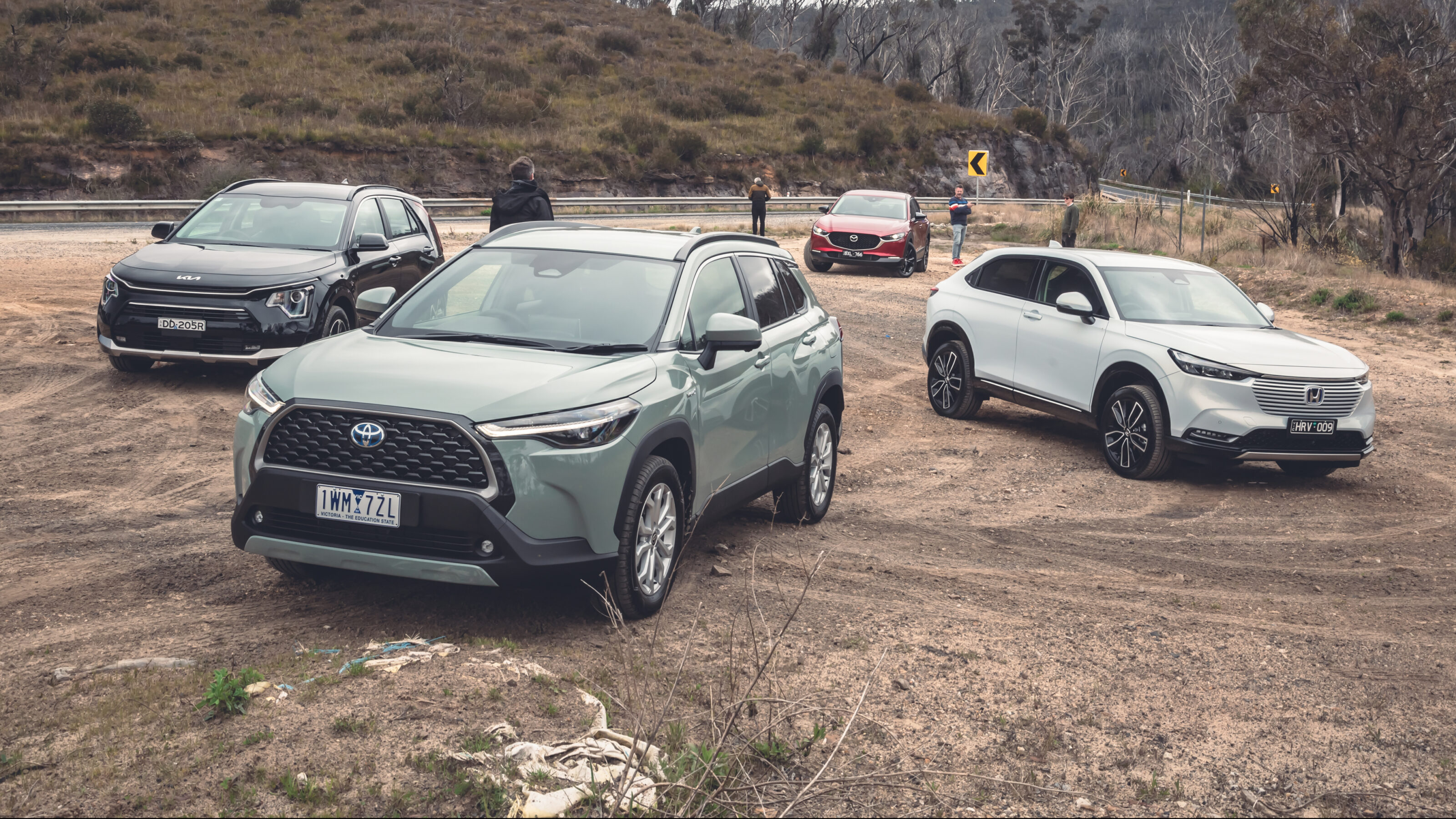
The hybrid small SUV market is ramping up with the slick new Nissan Qashqai e-Power set to launch soon, a hybridised Hyundai Kona on the way, Subaru’s new Crosstrek hybrid here next year, and of course the Kia Niro hybrid and Honda HR-Vs that are already on sale.
As for pricing, the Corolla Cross – although far dearer than its hybrid ZR hatch counterpart ($39,120) – actually competes fairly well with other small SUVs.
A Nissan Qashqai Ti starts at $47,390, a Honda HR-V that makes do with (admittedly rather spiffy) manual adjust cloth-centred seats costs $47,000 (driveaway), while the Niro Hybrid GT-Line is a cut above all rivals for price (if not material quality) at $50,030 before on-road costs.
The other consideration is for a Toyota RAV4 which, in front-drive Cruiser hybrid trim with leather upholstery, nicer cabin materials and a good deal more space, costs a mere $2150 more than Corolla Cross.
Of course, if you’ve seen RAV4 wait times you might be thinking it’s worth it in time to go for the 140mm shorter and 30mm narrower Corolla Cross, but that isn’t necessarily the case as, although Toyota claimed ‘good stock’ of the smaller SUV at launch, its wait times didn’t take long at all to draw out. Contact your local dealer for more wait times info.

Interior comfort, space and storage
The Atmos’ spec sheet may read ‘leather appointed’ but the underside of my thighs found the Corolla Cross’s black upholstery to be rather sweat-inducing as Sydney’s countless months of rain made way for a humid summer.
It’s an unfortunate truth that, though the Corolla Cross Atmos generally lifts the interior ambience handily over the GXL, Toyota’s choice to give black upholstery without seat cooling is quite a miss. The Kia Seltos may have vinyl seats, but its three-stage ventilated chairs help to offset the summer stickiness.
If you aren’t a perspirer you might not find this an issue as the Corolla Cross’s seats are comfortable, with 8-way electric adjust for the driver including lumbar support helping to facilitate a better driving position than the GXL’s rudimentary manual sliders.

That said, it’s a tragedy Toyota perseveres with a non height-adjustable front passenger seat after the RAV4 copped so much criticism for the same issue. At 188cm tall I felt uncomfortably tall riding in the passenger seat.
Look around the Atmos’s cabin and perceived quality isn’t great, either. There’s a mile of scratchy plastic encasing the dashboard, even making its way to the fascia to the right of the driver.
The armrests are also appointed with a liquorice layer of black vinyl without any real padding so those with pointy elbows will quickly grow tired of arm-resting on longer drives.
Storage solutions are solid, with a decently-sized covered cubby between the front seats, door bins that fit a one-litre camping bottle and a pair of cup holders in the centre console.

Technology provisions, however, are not so good. The Atmos gets a wireless charging pad, but it’s hard plastic with an indent that isn’t big enough for a humble iPhone X, so under hard acceleration phones go sliding all over the shop.
The Corolla Cross also has only a single external USB-A charging point in the front seat, supplemented by a hidden 12-volt socket in the central bin.
This is especially peculiar, as in the back seat the Corolla Cross has a pair of fast-charging USB-C ports. Ostensibly, one could use a cable looped around from one of these into the front seat for added charging.
It’s actually the back seat where Corolla Cross is best thought out; a perfect family or ride-share vehicle with ample head-room, good knee-room and capacious space for toes.

There are adjustable air vents across the range, but no heating elements in the Atmos’s rear bench. At least the black upholstery will be easy to clean, and although the door tops are hard in the back seat, that’s how it is (though not how it should be for $50K) in the small SUV class.
Finally, to the boot, and along with the back seat these are the real advantages the Cross brings over C-HR or Corolla hatch. With its generous power tailgate and low load-lip it’s easy to load bulky items into the Atmos hybrid’s 425L boot.
Under the floor there’s a space saver spare tyre as well, which is a nice touch. The back bench folds in a 60/40 configuration. With the second row folded there is a pronounced lip in the middle of the load space; not ideal for carrying push-bikes.
| Small SUV boot comparison | |
|---|---|
| Kia Seltos GT-Line | 433L |
| Haval Jolion | 430L |
| Toyota Corolla Cross Atmos | 425L |
| Nissan Qashqai Ti | 418L |
| Mitsubishi ASX | 393L |
| Volkswagen T-Roc 140TSI | 392L |
| MG ZS | 359L |
| Mazda CX-30 Astina | 317L |

What is it like to drive?
Hybrids are a luxury. Yes, a full EV is more silent, but at this price you’re not getting much of an electric vehicle, and the Corolla Cross does a top job masquerading as one on start-up, the digital cluster coming to life without any aural drama.
You can creep out of a roadside spot or driveway using the 83kW/206Nm electric front motor fitted to this FWD hybrid. Toyota’s fifth-gen hybrid system made its Australian debut in the Corolla Cross, with a 4.06Ah lithium-ion battery that improves response, power and step-off performance over the fourth-gen equipment.
Combined with a 2.0-litre Atkinson cycle petrol four-cylinder the Corolla Cross makes 146kW of power – right up there with a turbo-petrol rival such as the Volkswagen T-Roc 140TSI.

Although an AWD Corolla Cross is available for another $3000, the power level doesn’t increase, with a 30kW electric motor on the rear axle mainly for managing traction.
Being the plushest (and therefore heaviest trim in the range at 1480kg), the Atmos front-drive is the slowest Corolla Cross to crack the tonne, with Toyota claiming a 7.7 second sprint for the FWD hybrid.
In testing we were only able to manage an 8.0-second sprint. Regardless, the SUV is much faster than the circa-10-second hybrid hatch’s sprint.
A good steering system can really make a car, and the Corolla Cross has one. With 2.7 turns lock-to-lock it’s a pretty sharp rack for this kind of class. There’s a little bit of deadzone around the centre, but it’s well judged and makes the Cross feel calm at high speeds.

Thumb the drive mode button to Sport and the weight increases to add more confidence to the Corolla Cross’s front end. Once into the meat of the electrically-assisted steering it weights up and, although there’s not any granular feel, the tiller does communicate something, and is more consistent than a Mazda CX-30’s rack.
And then with the car in a corner it’s immensely talented. The Atmos’ 225/50 R18 Michelin Primacy tyres add an extra layer of talent to the TNGA-C platform over the GXL and GX’s vocal eco rubber.
While handling isn’t the defining yardstick of a small SUV, when a vehicle has great road-holding and an engaging drive, it deserves praise.
It’s a bit of a miracle that the Corolla Cross feels so well put together on road, as the brake feel seems to do everything it can to erode confidence. The swap over from regen-physical braking force feels amateur, with a squelchy pedal and distinct changeover point.

Part of the unpleasant braking seems to be the Corolla Cross’s significant pitch under brakes that unweights the rear axle and then causes ABS to trigger over bumps even under light brake pressure.
And while the ride loses some of the silky smoothness of the AWD’s multi-link rear end in the FWD Atmos – it’s a shame when a car costs so much more than the hatch it’s based on yet you lose a key selling point – the Atmos is still a plush SUV.
Part of that pitch under braking is that the Corolla Cross’s soft springs let the dampers move fluidly through their full motion, cushioning rides from big hits and low-speed chatter.
The Corolla Cross is an exceptionally comfortable small SUV that handles surprisingly well, but the oddities including the brake feel and vertical pitch come uncomfortably close to spoiling the Corolla Cross’s engineering excellence.

How much fuel does it use?
Toyota’s hybrid tech is bang on the money. Aside from the Nutribullet-esque combustion engine, the system is seamless in its latest form.
If the petrol engine was more refined, one would be blissfully unaware that it even existed, such is the advancement of the power-source blending.
This, naturally, bolsters fuel economy with an ADR 81/02 rating of 4.3L/100km for the front-drive models.

During our week we recorded 4.9L/100km on the trip computer, but driven carefully around town you could match the book figure with little difficulty.
The hybrid Corolla Cross saves petrol at a rough rate of 30 per cent compared to a similarly-quick turbo-petrol SUV such as a Volkswagen T-Roc 110TSI or Nissan Qashqai.
If driven an average annual distance of 13,000km, a hybrid Corolla Cross would save around $400/year in petrol costs. It will also take 91 RON or an E10 blend at the bowser.

How safe is it?
The Toyota Corolla Cross was awarded five stars in ANCAP safety testing conducted in 2022
Aside from that dodgy ABS tune, the Cross’s basic passive safety aspects, such as steadfast road-holding, seven airbags and quality tyres matched with excellent forward and side visibility give a great platform to work off, too.
Toyota has advanced its lane-keep assist and adaptive cruise control tuning for the Corolla Cross and it makes the system far more usable than in the hatch, but it still ping-pongs between lane markings and slows down too early in response to a car in front for our liking.

Further must-have safety features fitted to the Corolla Cross Atmos include forward AEB with pedestrian, cyclist and junction detection, low-speed reverse AEB, blind-spot monitoring, rear cross-traffic alert with brake and traffic-sign recognition.
Other little things in the Cross have improved as well, such as the sound quality of chimes. The parking sensors no longer trill such a shrill warning as in prior Toyota products, instead the sounds have been rounded off a little, giving Corolla Cross an extra air of quality.

Warranty and running costs
Toyota caps service pricing for the Corolla Cross at $230 per visit for the first five years. Maintenance is due every 12 months or 15,000kms.
Few rivals are cheaper, except the Honda HR-V (even after a recent price hike), which costs $199 per service, though it can only travel 12 months/10,000kms between trips to the dealer. The same is true of the Kia Seltos AWD, which costs an average of $404 per service over five years.
The Seltos does kick back with a seven-year, unlimited kilometre warranty in Australia, while Mitsubishi offers a 10-year/200,000km guarantee on the ASX, providing it is serviced on time at a dealership.
Toyota has stuck to an industry-standard five-year, unlimited kilometre warranty for the Corolla Cross in Australia.

VERDICT
Was it worth waiting for Godot in the end? The Toyota Corolla Cross doesn’t push the game forward – it feels as though Toyota benchmarked the best-in-class, got mostly there, and deemed that adequate.
Aside from its powertrain, the Corolla Cross doesn’t excite, not with its styling or rather nasty cabin appointments. There are a few glaring faults we’d love to see fixed as well, such as the brake feel and ABS tune.
And yet, it’s still worth strongly considering the Corolla Cross – almost to the point of writing off its rivals – as, despite shortcomings, it manages to be an excellent small SUV with low running costs, startlingly strong fuel efficiency, comfortable suspension and great road-holding.
The Atmos variant is far more complete than GXL, and unless you’re chasing the silky smooth ride from independent rear suspension and 10 per cent better grip on loose surfaces, then we think the front-drive hybrid is the buy with that extra $3K left lining your pockets.
Toyota Corolla Cross specifications
| Feature | Corolla Cross Atmos hybrid FWD |
|---|---|
| Engine | 2.0L DOHC 16V Atkinson cycle |
| Motors (F) | 83kW/206Nm |
| Power | 146kW |
| Torque | Not quoted |
| 0-100km/h | 7.7 seconds |
| Gearbox | eCVT |
| Body | steel, 5 doors, 5 seats |
| L/W/H/Wu2013B | 4460/1825/1620/2640mm |
| Track (F/R) | 1570/1580mm |
| Ground clearance | 160mm |
| Boot space | 425L (other models 380-436L) |
| Weight | 1480kg |
| Fuel/tank | 91 RON / 36 litres |
| Economy | 4.9L/100km (tested) |
| Suspension | Front: struts, coil springs, anti-roll bar. Rear: torsion beam |
| Steering | electric rack-and-pinion; 2.76L-L; 10.4M |
| Front brakes | ventilated discs (305mm) |
| Rear brakes | Solid discs (281mm) |
| Tyres | Michelin Primacy |
| Tyre size | 225/50R18, space-saver spare |
