
Hands up – who’s looking forward to 2021? Well… okay, sure, yes, we’re all looking ahead to a more normal year, right?
We’re actually looking forward to it more than most – there are some big changes afoot at WhichCar, and those changes include you.
We’re blessed to have a core of loyal readers across all of our titles, and it’s only wise to reach out to get your feedback on what we’re doing right, what annoys the snot out of you, and – crucially – what you want to see more of, whether that’s on-screen, video or in print.
In fact, we want you to take the wheel and steer the process.
Want to see more car reviews or fewer? Do you love our big tests, or do we need to revisit how we do them?
What’s your biggest beef with our content – not enough detail, not delivered the right way or is it pretty good as it is? And what you think of the website?
You can have your say in our annual WhichCar reader’s survey. It’s a painless process that not only allows you to steer WhichCar’s content but could also net you a sweet $100 along the way!
We’re offering 20 respondents the chance to win $100 – so a free tank of fuel or a nice dinner with the Other Half – so don’t delay!
Grab a cuppa and potentially earn yourself some moolah while you help to reshape the future direction of WhichCar.
We really appreciate the help, too. Cheers. Tim Robson Editor
Click here for terms and conditions
$100 voucher winners
- D. Rule, VIC
- S. Davidson, SA
- R. Condo, SA
- M. Agius, NSW
- J. Williams, NSW
- T. King, QLD
- C. Beames, SA
- G. Roe, NSW
- T. Podger, VIC
- G. Shattles, NSW
- J. Ross, NSW
- G. Atkinson, ACT
- B. Andrews, NSW
- S. Beaumont, QLD
- M. Loadsman, NSW
- R. Unicomb, QLD
- J. Canale, QLD
- L. Ward, VIC
- T. Williamson, VIC
- M. Walker, NSW
- N. Trotter, QLD
- N. Staley, VIC
- P. Robinson, NSW
- P. Anastasios, VIC
- D. Russo, VIC
Industry experts have lambasted a leaked discussion paper from the federal government on its approach to electric vehicle implementation in Australia, describing it as “miles behind”.
The Future Fuels discussion paper, leaked to the ABC, offers a bare minimum of policy structure to the introduction of EVs in Australia. It promotes already-announced funding, updating a website and a perfunctory two-year trial of EVs for politicians.
“Transitioning to electric vehicles is unarguably in our national interest, yet this strategy does nothing to accelerate the process,” said Electric Vehicle Council chief executive Behyad Jafari
“This strategy leaves Australia miles behind just as the exciting global transition to electric vehicles is picking up pace.”
According to the Australia Institute, the analysis of potential models for state-based Road User Charges for electric vehicles, prepared for the Board of Treasurers comprising representatives from each state and territory, reportedly shows that a new EV tax would likely ‘discourage EV uptake’ and ‘face strong opposition from industry and environmental stakeholders’
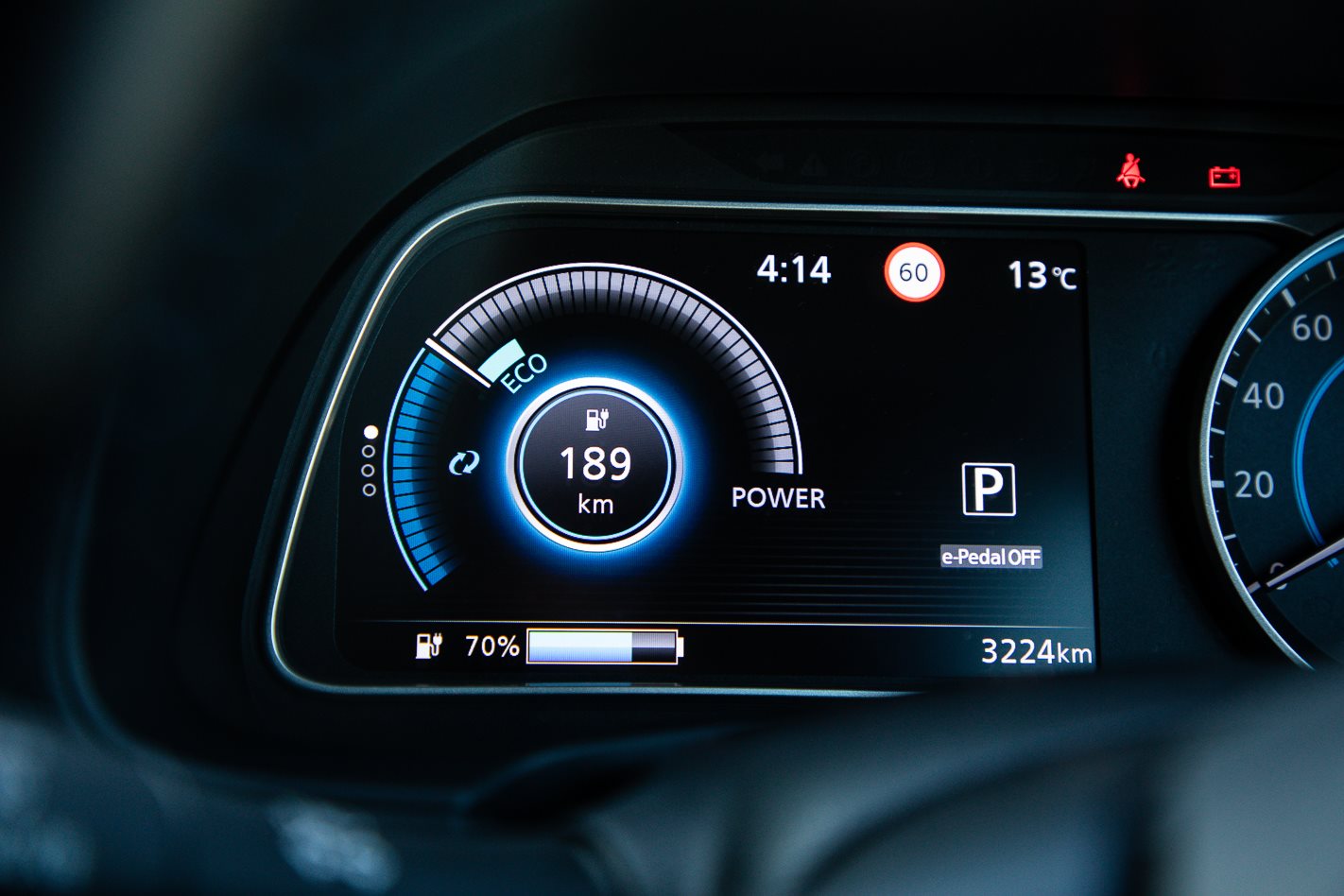
Measures being considered include live GPS tracking of all electric vehicles as a way to monitor and charge for a variable, per-kilometre usage fee, while states were told to consider the need for legal advice around potential constitutionality issues relating to the tax.
“This discussion paper is an admission of failure from the government when it comes to electric vehicles,” added Richie Merzian, the director of The Australia Institute’s Climate and Energy Program.
“After waiting years for a much-touted electric vehicle strategy, Australia now has little more than a wafer-thin discussion paper that doesn’t even exclusively focus on EVs anymore.
“This grab bag of unambitious measures, containing insufficient funding for charging stations and a handful of energy studies and trials, will certainly not transform Australia’s transport sector to zero-emissions technologies in the time frame that is required.”
State governments around Australia have been recently criticised for plans to introduce usage taxes for EVs, while the recent federal budget allocated just $5 million to an EV manufacturing facility in Adelaide despite announcing $7.5b worth of other transport infrastructure.
“EVs are a cleaner, quieter and safer transport alternative. Now is not the time to put a great big new tax on this emerging industry,” said Merzian.
“There is an argument to be made for a broad and comprehensive charge that accounts for the pollution being emitted by every vehicle on the road, but simply putting a new tax on EVs would be a backwards step for Australia.
“This seems like an orchestrated attempt to punch down on the 20,000 Australians who have adopted clean, green technology which will help to reduce Australia’s transport emissions.”
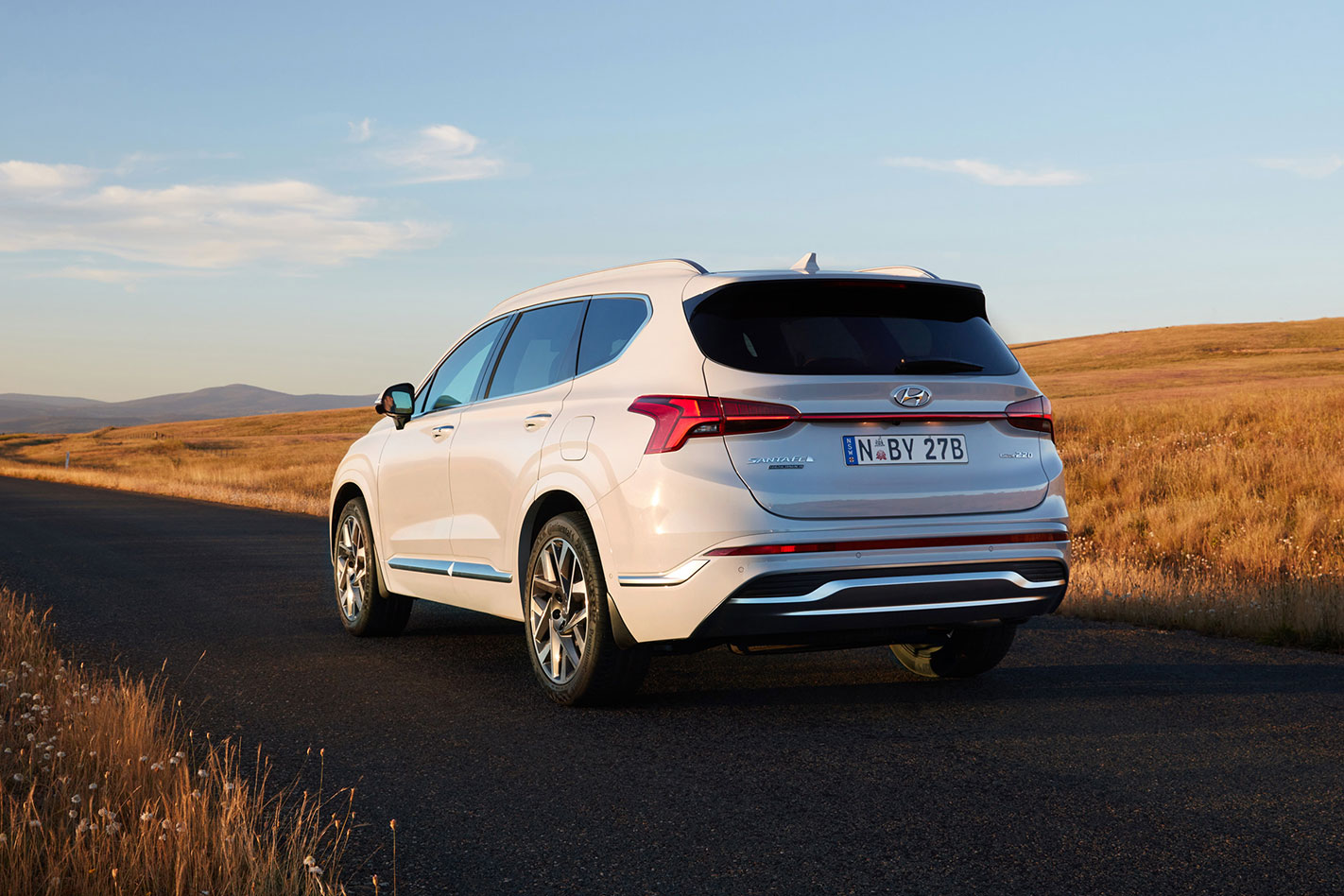
Hyundai’s released full details on the new Santa Fe, its seven-seat SUV that is now bigger and better thanks to a significant overhaul for 2021.
The mid-cycle update comes only three years since the fourth-generation Santa Fe debuted in 2018 and, unusually early in the model cycle, rides on a new platform that has unlocked more room.
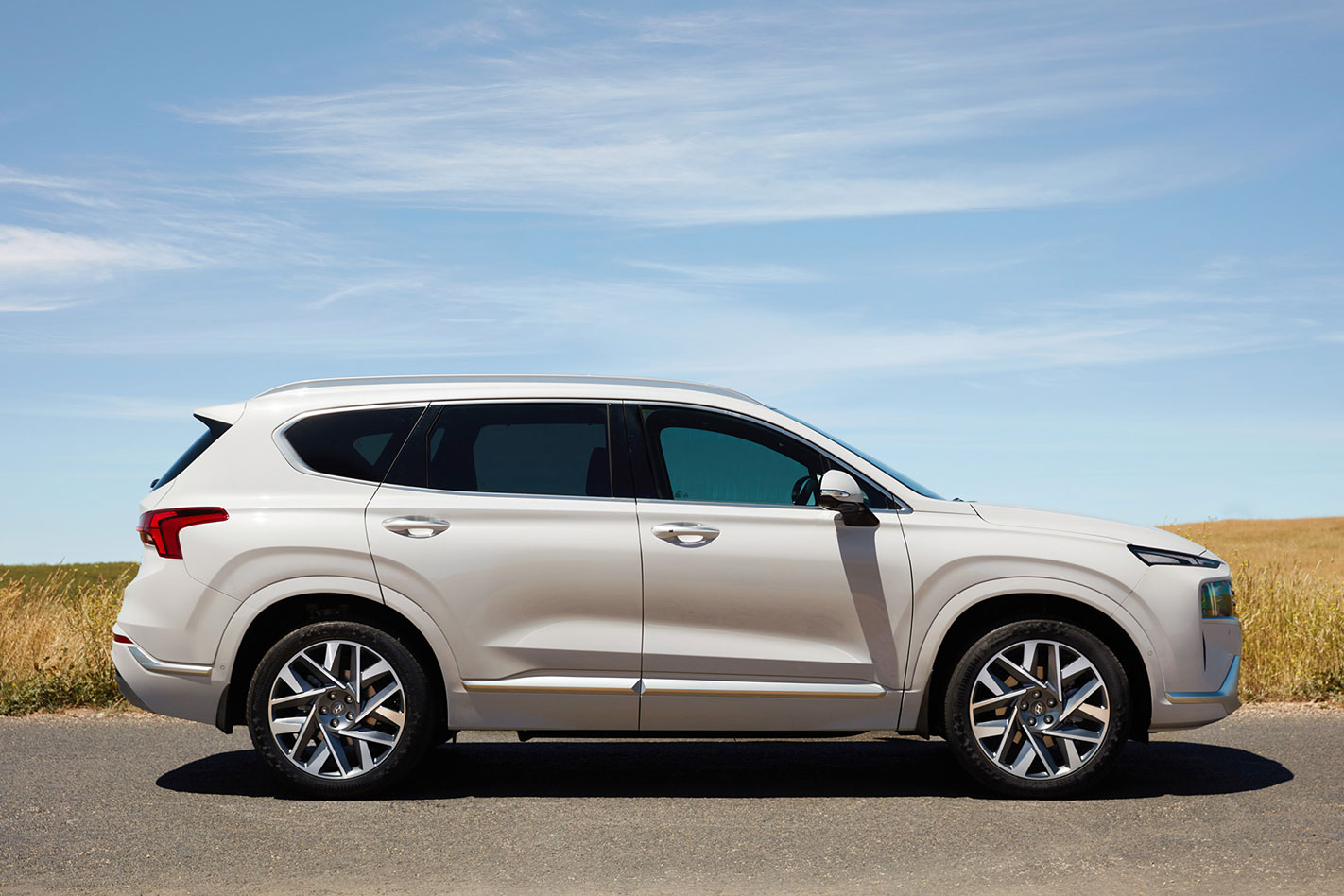
It’s also 5mm taller and 10mm wider.
At the same time, the Santa Fe has been restyled with a new face and bum, each introducing upgraded light styling while there’s enlargened grille upfront.
WHAT ABOUT ENGINES?
Hyundai says a hybrid Santa Fe is on track for Australia in the second half of 2021. In the meantime, it will offer two powertrain options with distinct differences.
One is based on the 3.5-litre V6 petrol engine already serving in the range and the other on a 2.2-litre diesel turbocharged four-cylinder.
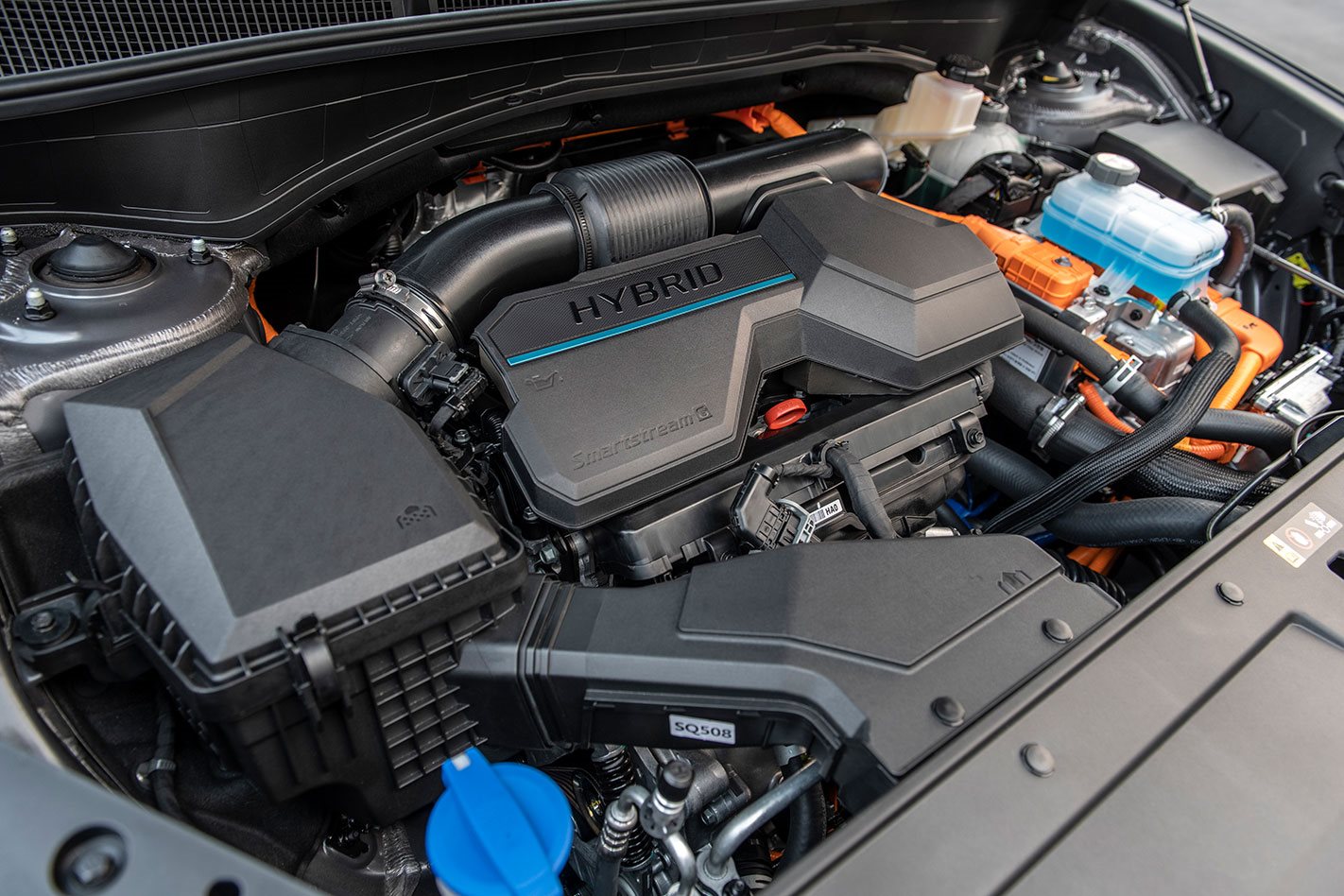
This new auto DCT packs wet-clutch technology, referencing its operation that’s claimed to smooth low-speed engagement and improve gearshift feel.
On comparison, the diesel powertrain offers more torque and better fuel efficiency, producing 148kW/440Nm next to the petrol’s 200kW/336Nm, while sipping 6.1L/100km – or 5.4L less than the petrol.
Both models are rated to tow 2500kg of braked trailer, up 500kg, while the tow-ball down weight has doubled to 200kg.
ARE THERE ANY NEW TRIM LEVELS?
The model debuts a simplified variant line-up by replacing the Santa Fe Active X with the Active name, while the entry-level is simply known as the Santa Fe.
After the Active comes the Elite and then Highlander trims, each introducing their own mix of new equipment to draw customers up the pricing structure, which starts at $44,700 and finishes at $65,200.
All trims are available on both powertrain types, with the diesel attracting a $2500 premium.
The entry-level Santa Fe scores a fair bit of kit, comprising Apple CarPlay and Andriod Auto, leather steering wheel and air conditioning in the third row.
New for 2021 are LED headlamps, an 8.0-inch multimedia screen, wireless phone charging and safety systems like forward-collision warning at junctions, lane following assist and multi-collision braking.
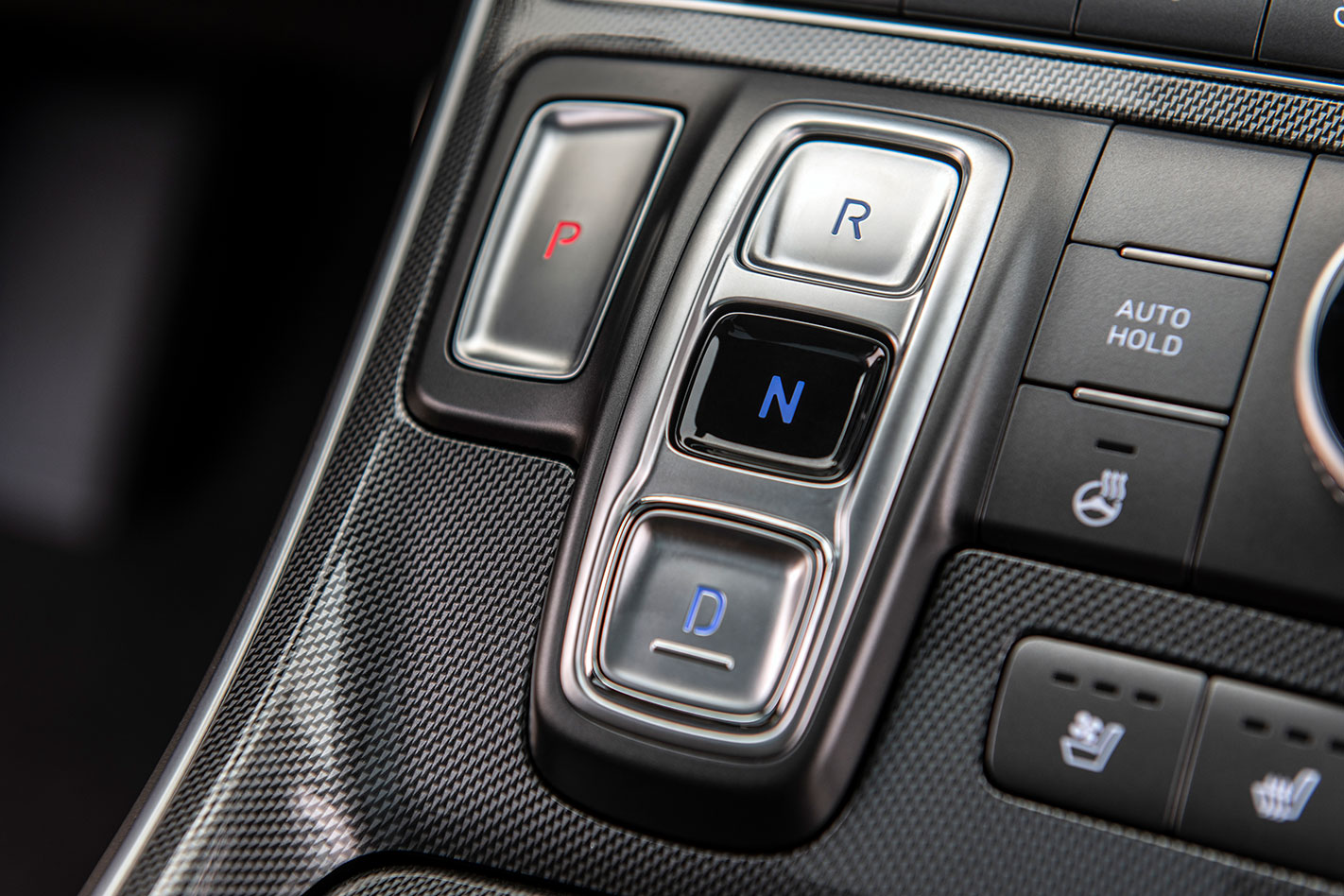
Another $3500 (or $3K in the diesel range) steps up to the Active, that scores a new centre console that creates a flush bridge between the centre glove box and centre HVAC.
The revised centre stack also replaces the gear lever with a button-pad, freeing up cargo space underneath and cleaning up the stack’s appearance.
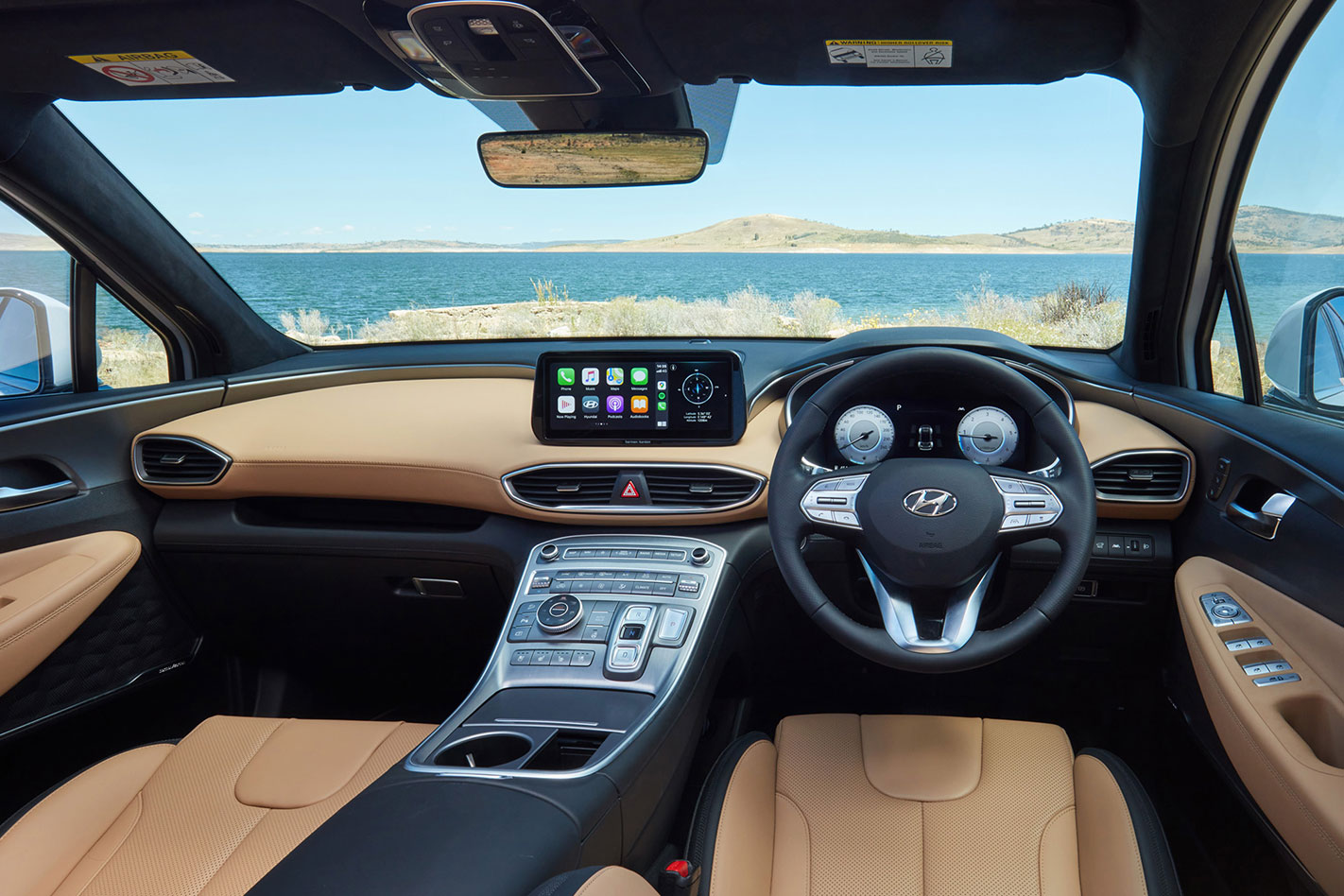
Above that comes the Elite, charging another $6000 for both petrol and diesels, and for the first time adding 20-inch wheels, as well as a 10.25-inch multimedia screen with digital radio, premium audio, a power driver’s seat and smart power tailgate.
At the top, for an extra $7400, the Highlander throws in body-coloured wheel arches, Nappa leather, a full 12.3-inch LCD instrument cluster, a panoramic glass sunroof, a head-up display, heated steering and rear seats, LED taillights and extra safety monitoring.
The Highlander also scores remote smart parking assist as well as ventilated power front seats.
Service intervals are set every 12 months or 15000km of travel. Hyundai’s fixed-price scheme sets the first five at $399 for the petrol V6 Santa Fe and $459 for the diesel version.
PRICING
2021 Hyundai Santa Fe
3.5 MPi V6 FWD, eight-speed automatic
- Santa Fe: $44,700
- Active: $48,300
- Elite: $54,300
- Highlander: $61,700
- Santa Fe: $48,200
- Active: $51,800
- Elite: $57,800
- Highlander: $65,200
Mercedes-Benz has revealed the key sites that will underpin electric car production, as it marches towards a 2021 launch of its much-anticipated EQ range.
While you can refresh on everything we know about Mercedes’ incoming EQ vehicles below, the brand has announced its high-end EQS sedan will come from Sindelfingen, just 20 minutes from Stuttgart, in the first half of next year.
It’ll be assembled in the brand’s forward-thinking Factory 56 plant. The new-age factory employs driverless transport systems and will eventually build S-Class and Maybach derivatives as well.
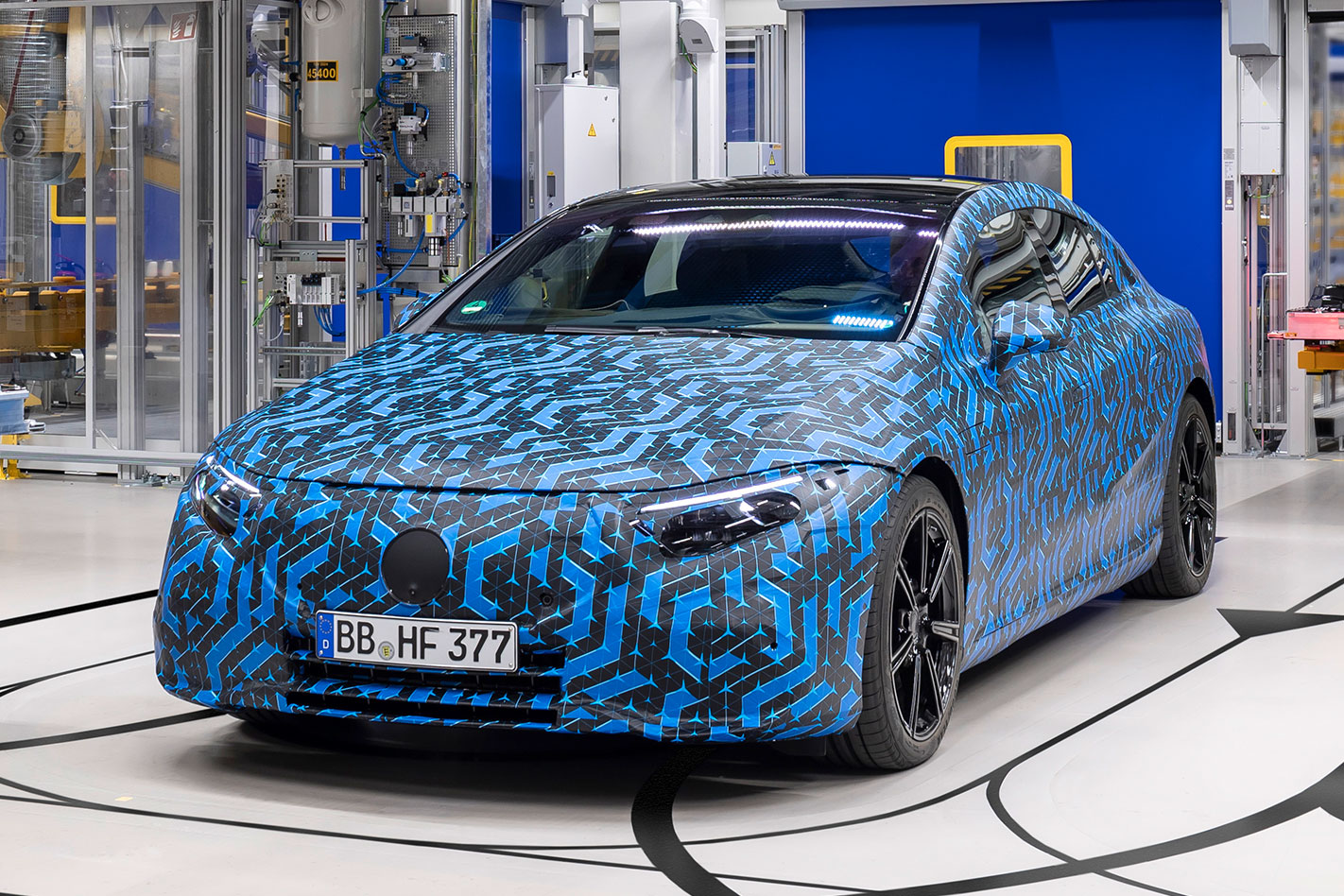
As a side note, it’s claiming the Factory 56’s processes boost efficiency during S-Class production by 25 per cent.
Meanwhile, Mercedes has earmarked Rastatt, which is close to Germany’s border with France, to build the EQA compact SUV, whereas the EQE business sedan will hail from Bremen in north Germany.
The last EQ-related production site hails from east Germany’s Kamenz, where battery systems for both the EQE and EQS will be built.
The brand’s EQB, a compact electric SUV, will be made in Hungary’s Kecskemet plant alongside plug-in CLA models and, eventually, a PHEV A-Class.
Mercedes’ Tuscaloosa plant in Alabama, USA, will take care of EQE and EQS SUV model and battery production from 2022. While all other models will launch in 2021.
Finally, Mercedes’ EQ offerings will enter the Chinese market via local production sites, given all models except the EQS sedan, EQS SUV and EQE SUV will also be made in Beijing.
What is Mercedes’ EQ range all about?
Mercedes-Benz recently previewed a massive leap forward in its EQ electric car ventures with six new models on the horizon, marathon battery ranges of up to 1200km and slashed charging times rolling out from next year.
The announcement was made at the German car maker’s 2020 Strategy Update where it detailed a roadmap for vehicle development into the next decade. It includes confirmation that a production EQS large luxury sedan will arrive in 2021, followed by the EQE mid-sized sedan and a pair of SUVs based on those sedans.
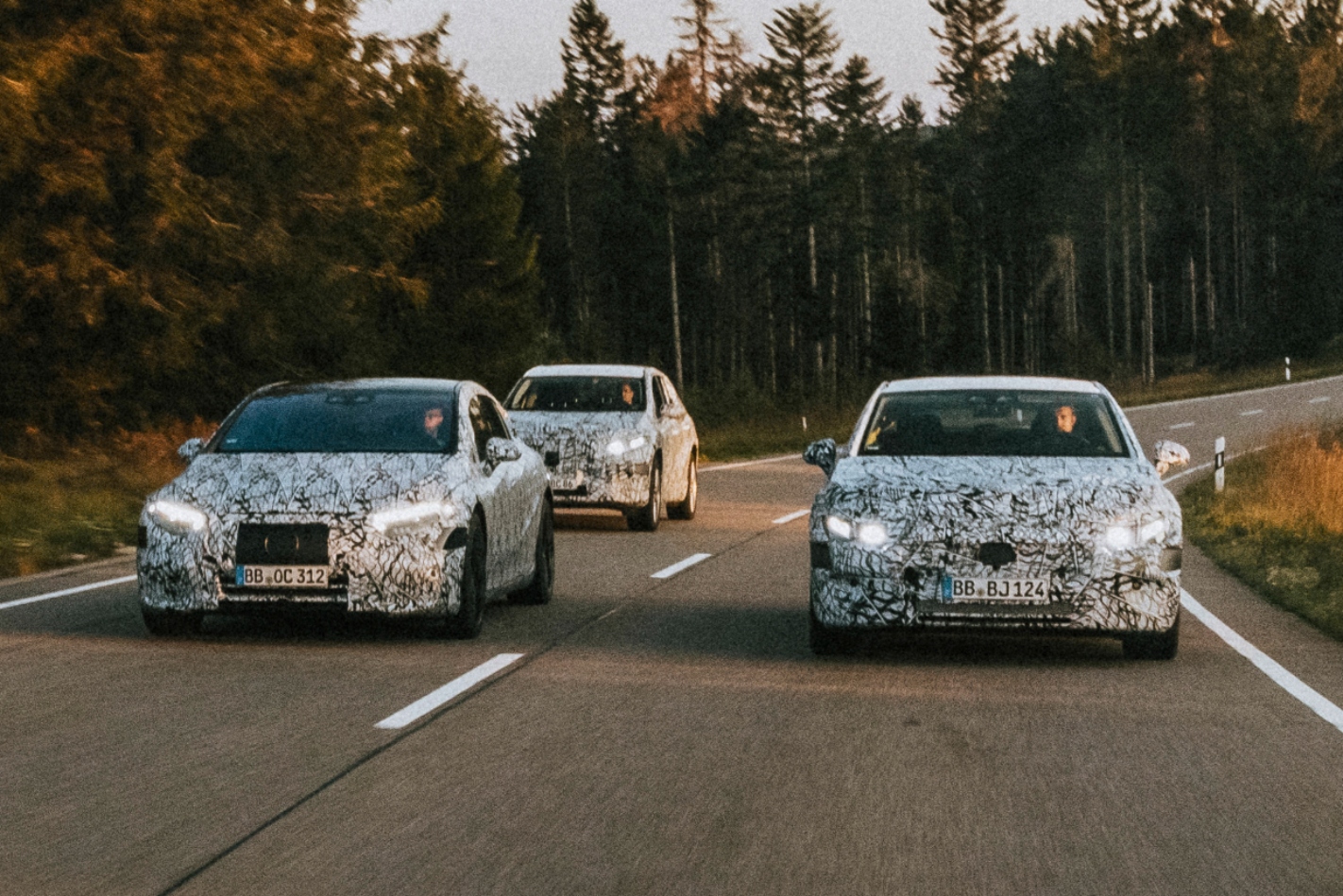
Before that, though, the EQA small electric SUV will break cover, followed by the slightly larger EQB, also in 2021. While Mercedes has been vocal about many of its EQ models in concept form, this is the first time it has confirmed a whole suite of production versions in one chunk.
Completing the septet of EQ models, Mercedes has also revealed an EQXX prototype is under development and, while an arrival date is yet to be confirmed, the company has offered a few startling details.
A single top-lit view of the new vehicle is the only image on offer for now but its elegant profile suggests EQXX will represent a high-performance coupe-esque sedan to do battle with Porsche’s Taycan.
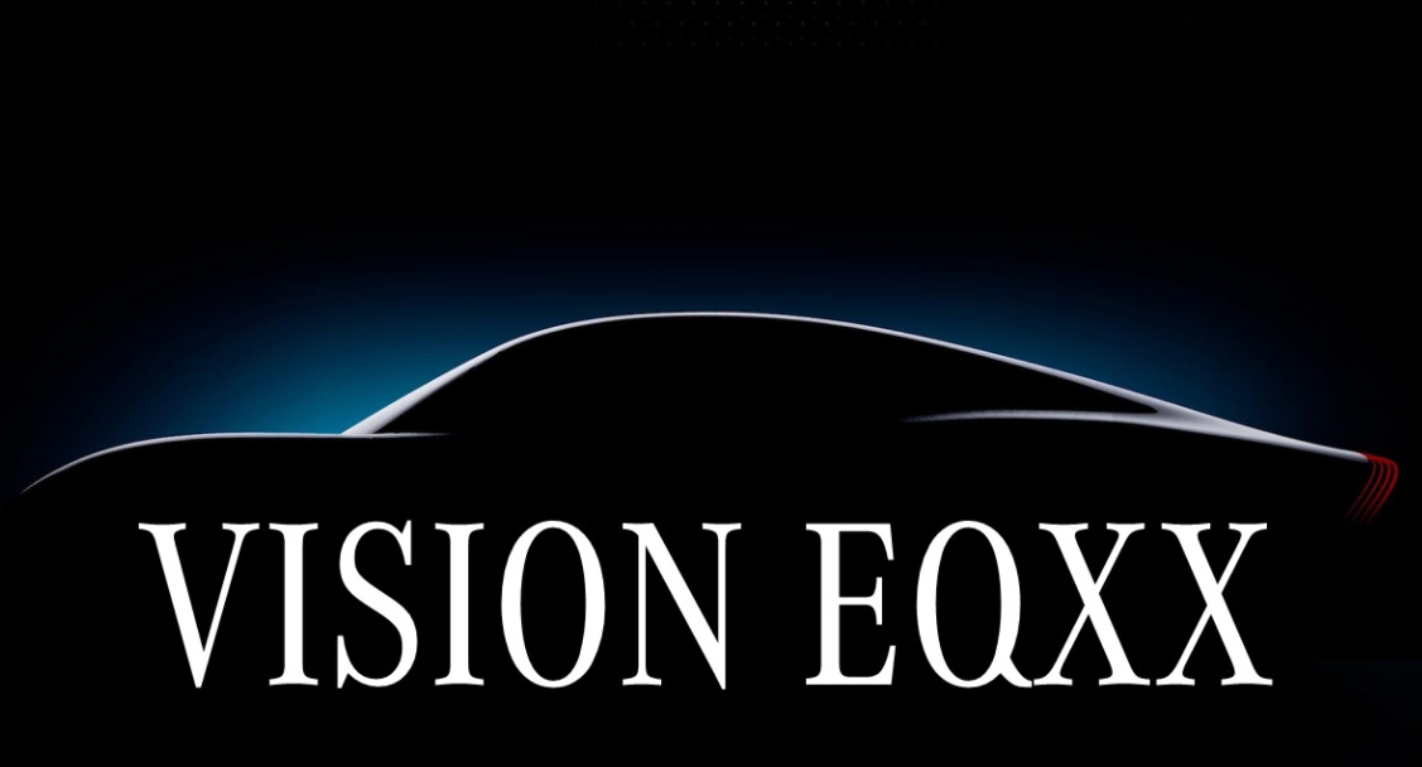
Furthermore, Mercedes says new battery and drivetrain technology will allow the production version to travel between Beijing and Shanghai on a single charge – that equates to about 1200km of range.
The company has also confirmed that its future electrical systems will offer 800-volt technology and two-speed gearboxes, bringing all the advantages that, so far, only Porsche’s Taycan and the Lucid Air can enjoy.
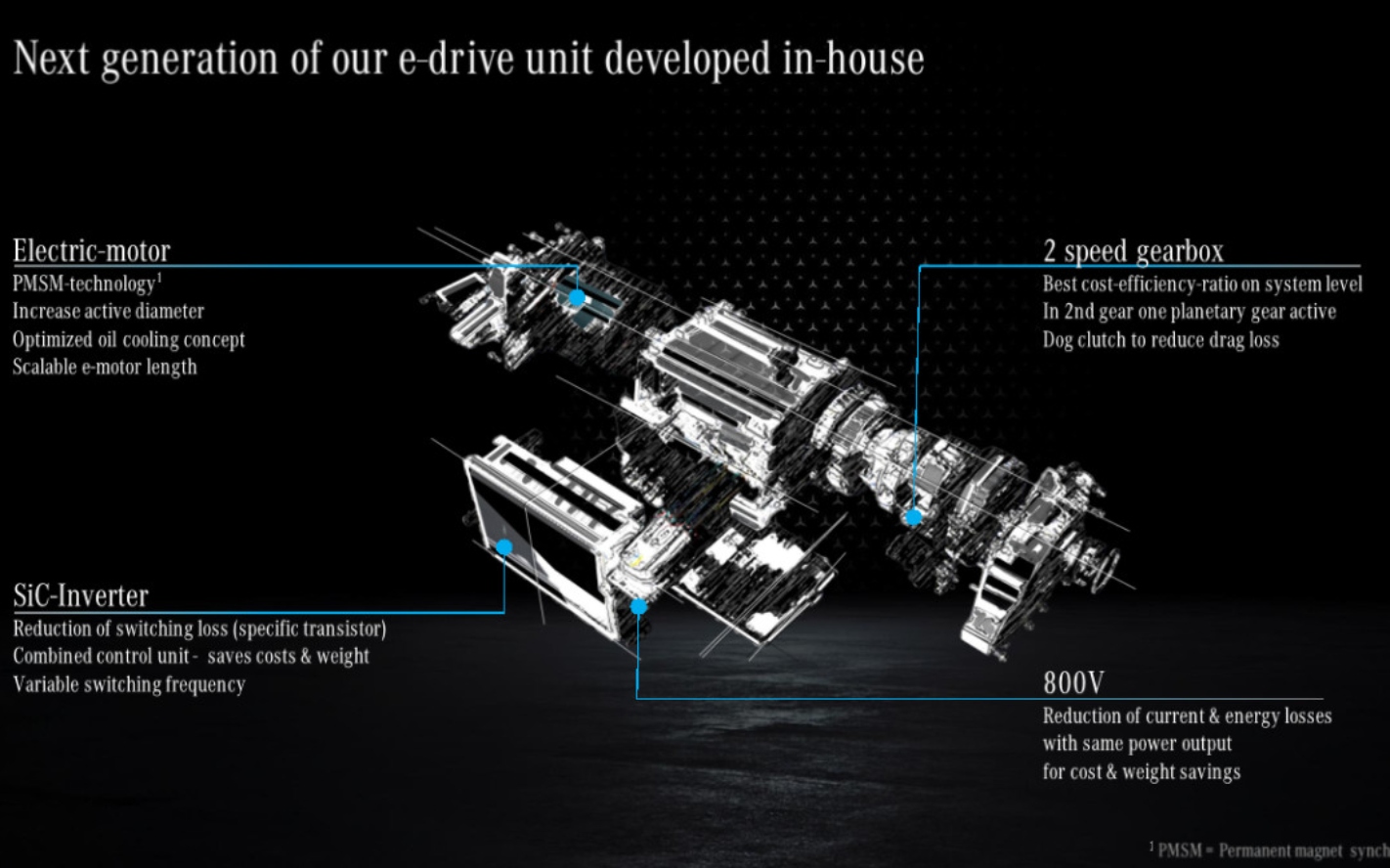
Drag-strip-destroying acceleration and fast charging are just two, with Mercedes adding that its imminent EVs can be charged with enough power to cover 250km in just 15 minutes.
While other contenders in the EV arena squabble for attention and battle over maximum battery range, Mercedes’ most recent claims knock brands including Tesla and Lucid clear out of the car park.
As for exactly which of the EQ models will be coming to Australia is yet to be fully confirmed although the full set is highly likely. Mercedes-Benz Australia has previously explained that at least one fully electric version of each of its existing model lines will be arriving in local showrooms, which accounts for virtually the entire known EQ family.
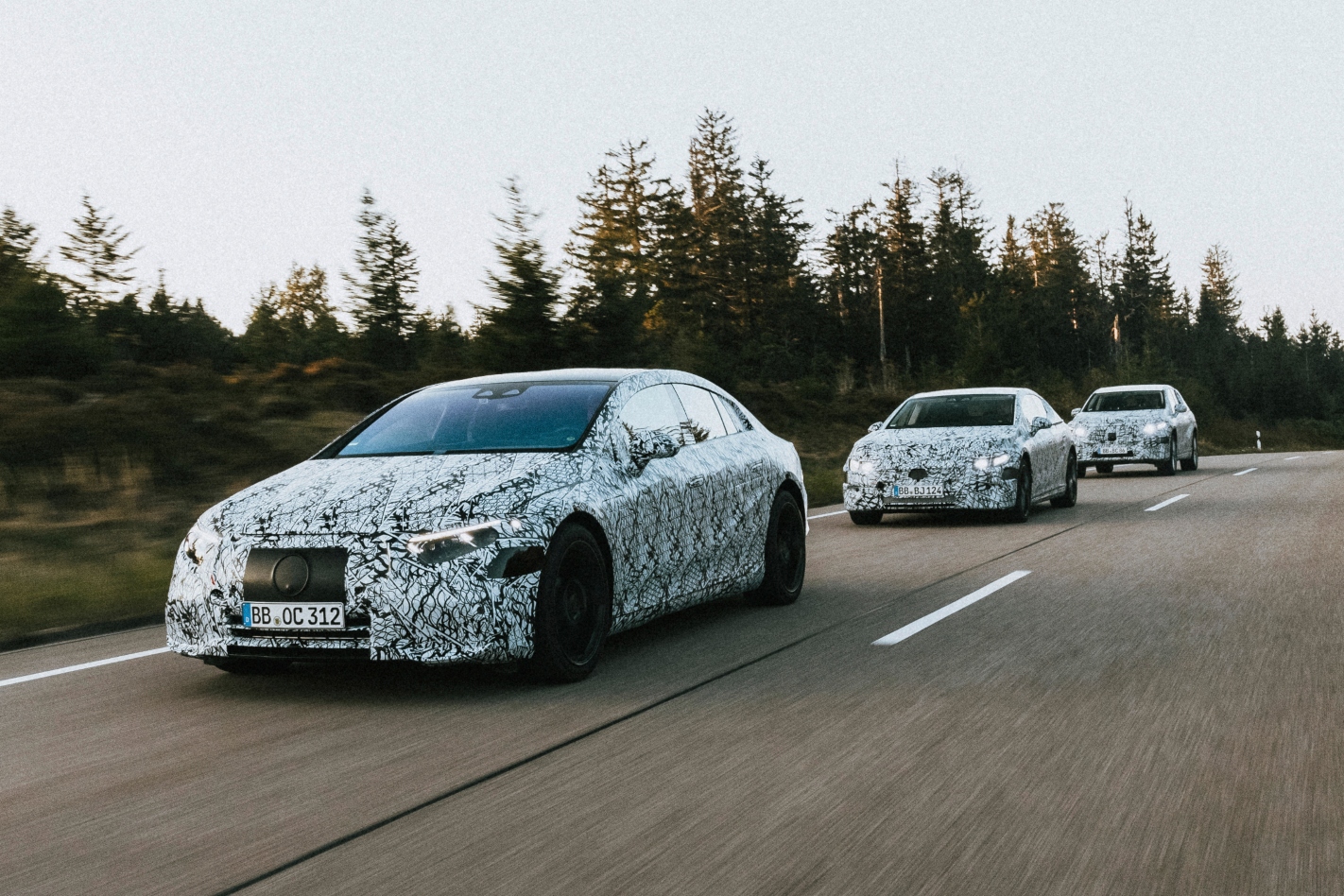
While the EQC has already landed, the most recent EQs would easily slot into existing model lines, with only the mysterious prototype still up in the air – although that too could evolve into an equivalent of an existing model and an EV version of the AMG GT.
WhichCar understands nothing is off the table at this stage but individual model offerings are not yet ready for confirmation.
With the strategy update, Mercedes’ EV platform plan is becoming clear. The EQS will be the first to roll on a new ‘skateboard’ type EVA platform destined for larger models. It will bring up to 500kW of power and 700km of range on the WLTP cycle.
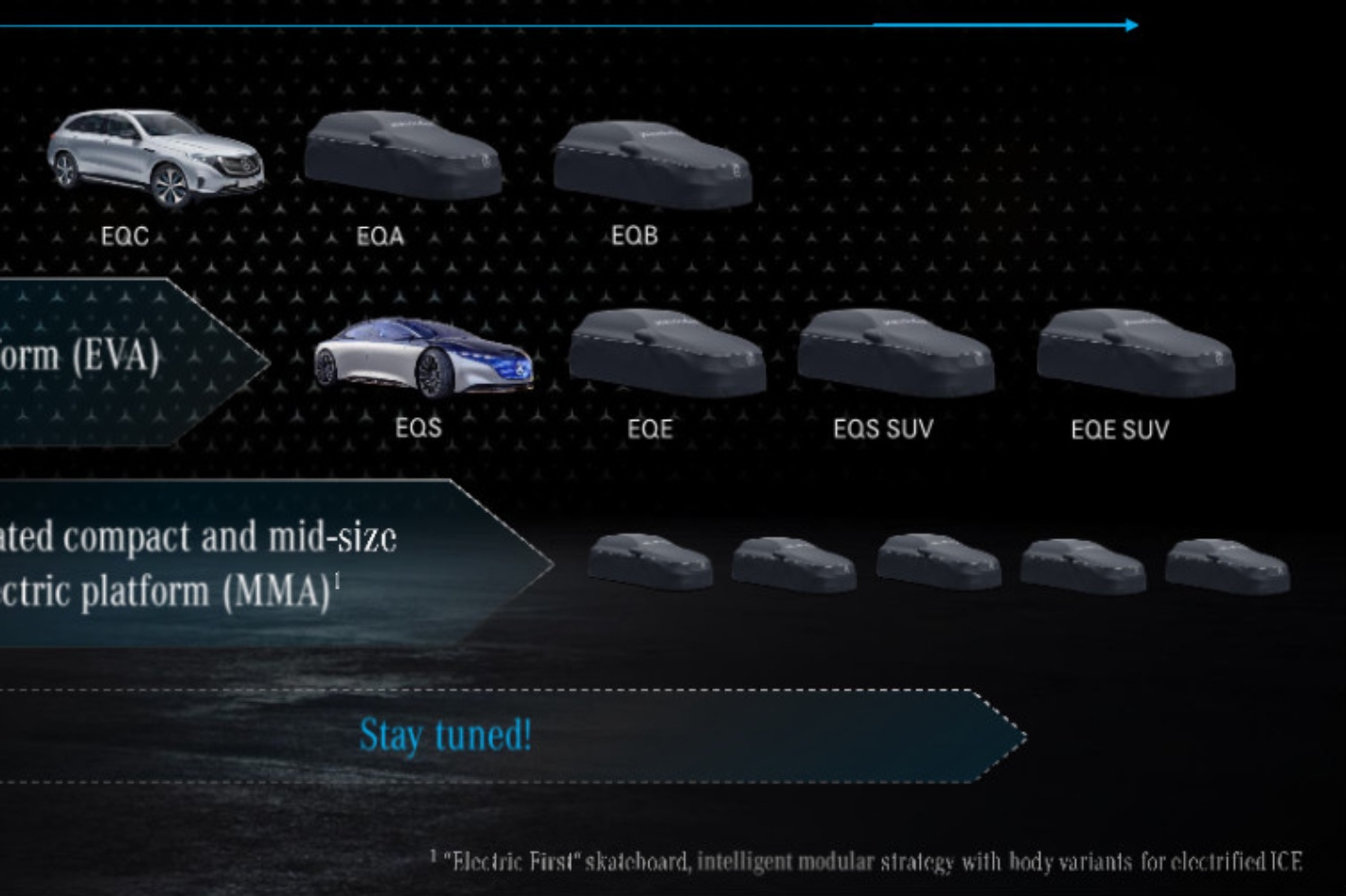
Below that, a mid-sized MMA skateboard will support five new models although they are yet to be detailed. Interestingly the platform has been designed to accommodate combustion power units in the case of plug-in hybrids – of which Mercedes has 25 planned before 2025.
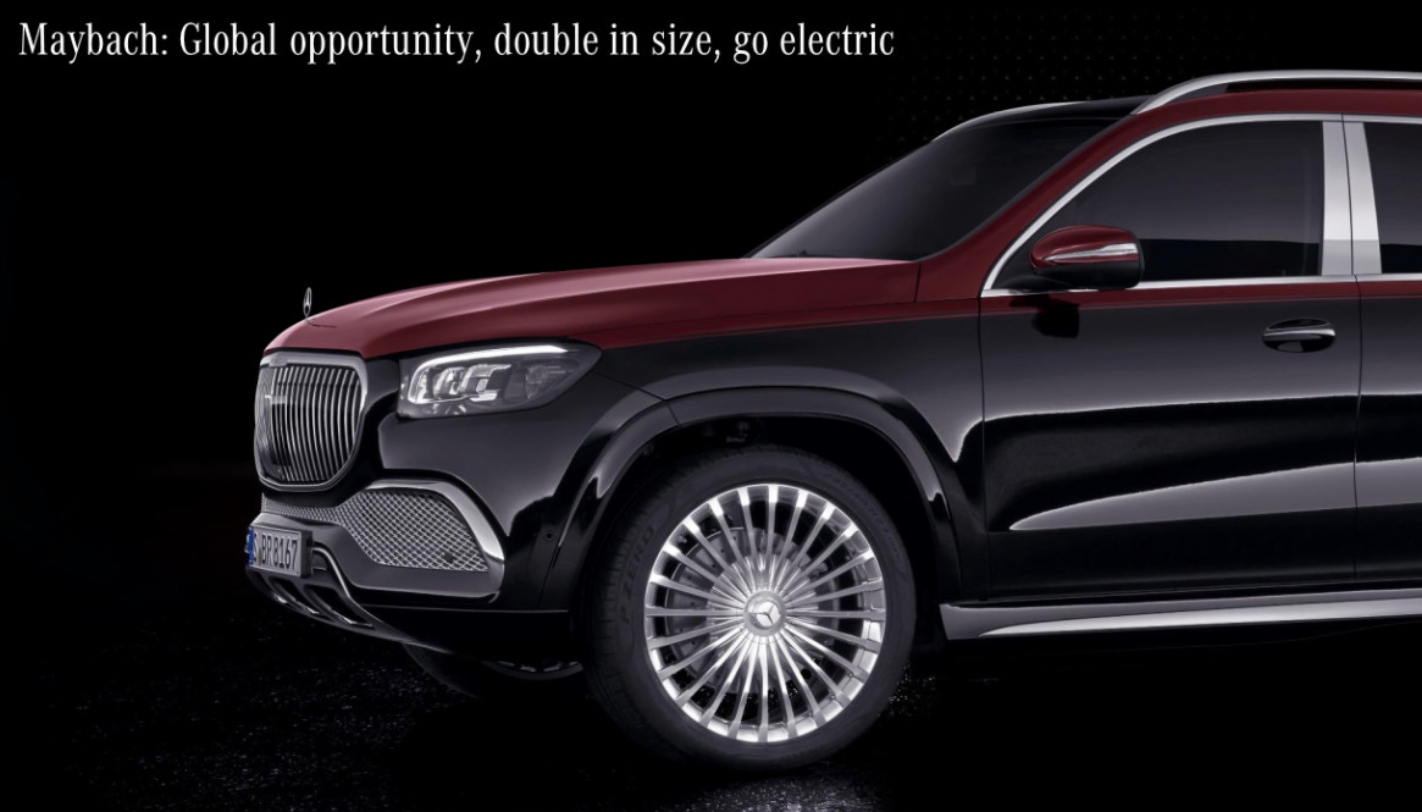
The strategy also confirms that the Maybach brand will not be excluded from the electrification process with the EQS and EQS SUV models likely taking the shape of variants in the ultra-luxury line-up.
A growing EQ family fits a few more pieces into the emerging electrification puzzle for Mercedes and its aggressive targets to slash carbon emissions both in corporate average vehicle emissions and company operations alike.
By 2025, Mercedes will have reduced combustion engine production by 40 percent, and that number will grow to 70 percent 10 years from now. Correspondingly, there will be 20 three-point star EVs in the market by the same point, alongside 25 PHEVs.
This, says Mercedes, will enable it to have a carbon neutral global vehicle production operation by 2020 and by 2039 at the latest it will become an entirely carbon neutral company.
Despite impending bans on internal combustion engines throughout the world, Aston Martin insists there will be a place for petrol-powered sports cars beyond 2030 in its ranks.
The United Kingdom’s blanket ban on internal combustion engines (ICE) kicks in from 2030, meaning any new petrol-powered cars produced beyond 2030 won’t be road legal.
Beyond that, a growing number of countries are introducing similar bans on ICE cars on similar schedules.
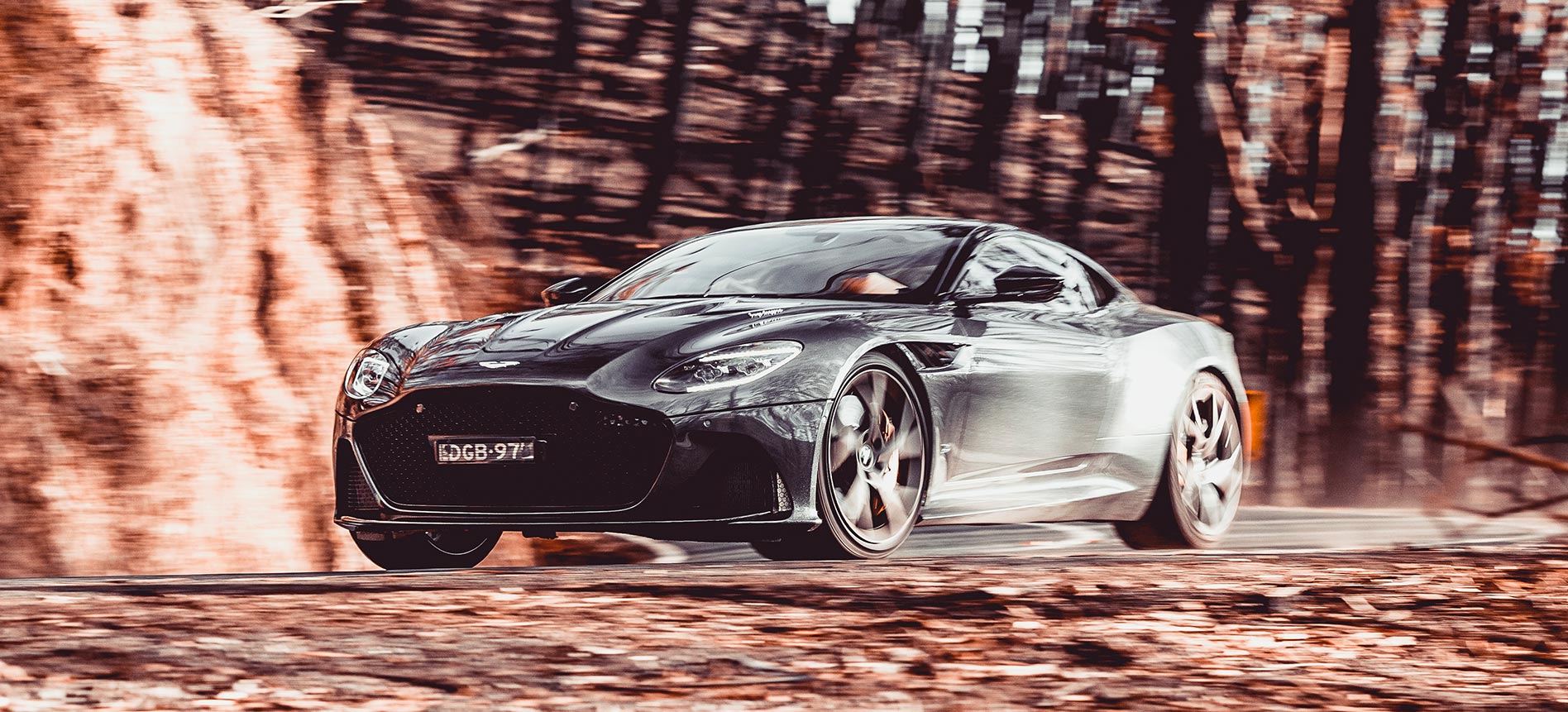
However, Aston Martin’s chairman Lawrence Stroll doesn’t think that we’ll see the complete end of the mechanical engine after that date.
“By 2030, five per cent of business will still always be ICE. I never see it going down to zero,” Stroll suggested to the Financial Times Future of the Car summit.
While the details are thin, Aston Martin will continue to produce petrol-powered cars beyond 2030.
Of course, countries that have not introduced bans on ICE cars will be willing to accept them beyond 2030, but Aston Martin’s key market, the UK, won’t be one of those exceptions.
What Aston Martin’s new boss needs to do to save the company
Luckily, a key condition of the deal for Mercedes-AMG to expand its ownership stake in Aston Martin was the sharing of hybrid and future electrified drivetrains.
Aston Martin will receive ‘technical packs’ that contain electrified powertrain information in exchange for a 20 per cent shareholding.
As it stands, Aston Martin produces its own 5.2-litre twin-turbo V12 engine and was developing a V6 in order to replace the Merc-AMG-sourced 4.0-litre twin-turbo V8, though it’s not known what effect the renewed deal between AMG and Aston has on that powerplant’s development.
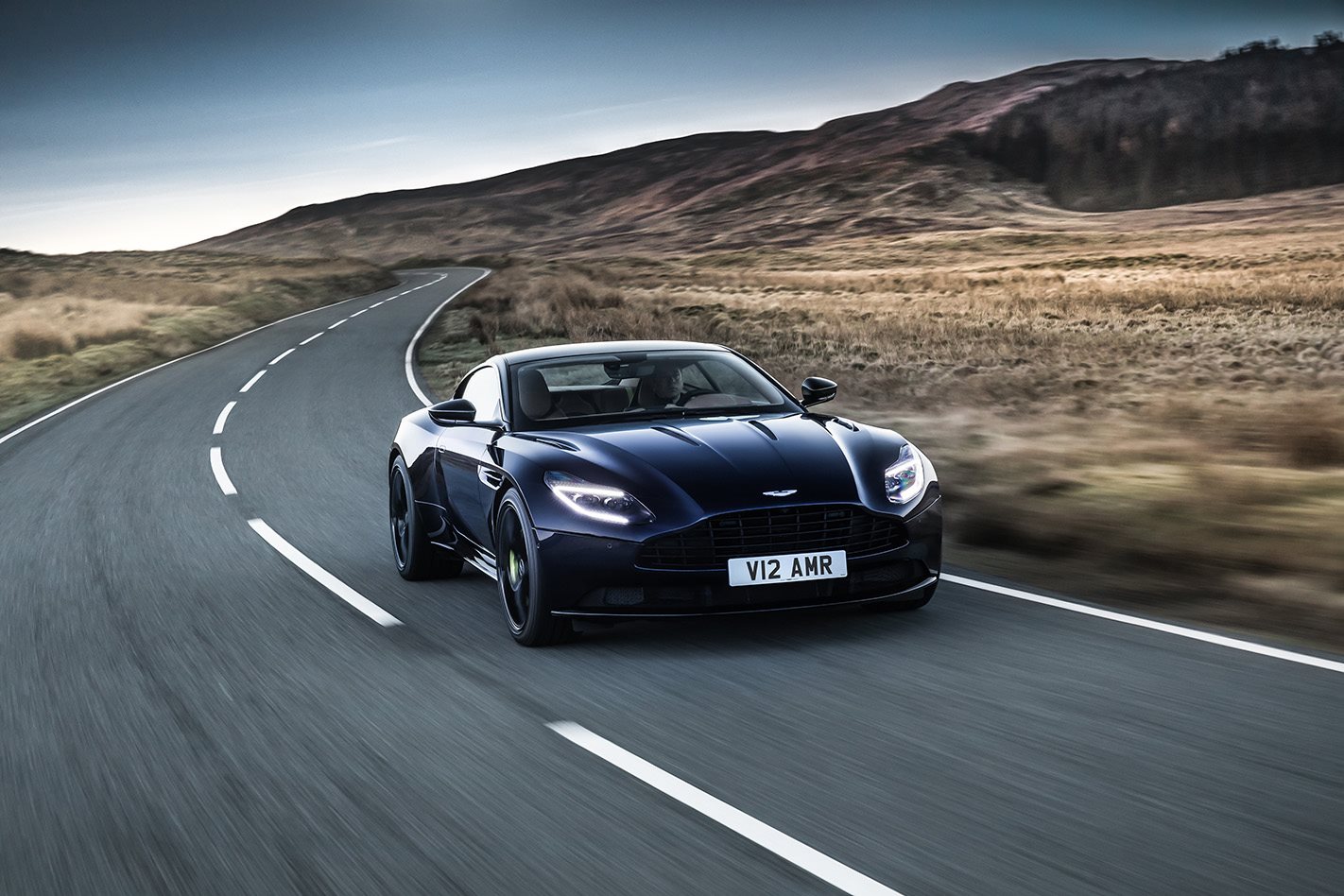
Aston Martin isn’t the only sports car manufacturer looking to weave its way around the proposed ICE bans.
Porsche is developing synthetic fuels to power some of its future engines, while Ferrari CEO Louis Camilleri stated in an earnings calls with investors that 100 per cent electric for the Prancing Horse is “pushing things.”
Every four years or so, Porsche racers start to get an odd twitch, like a premonition that something amazing is about to happen.
That’s because it’s almost time for a new Porsche 911 GT3 Cup – known here as a Carrera Cup – monster to be unleashed from Weissach.
They won’t be disappointed.
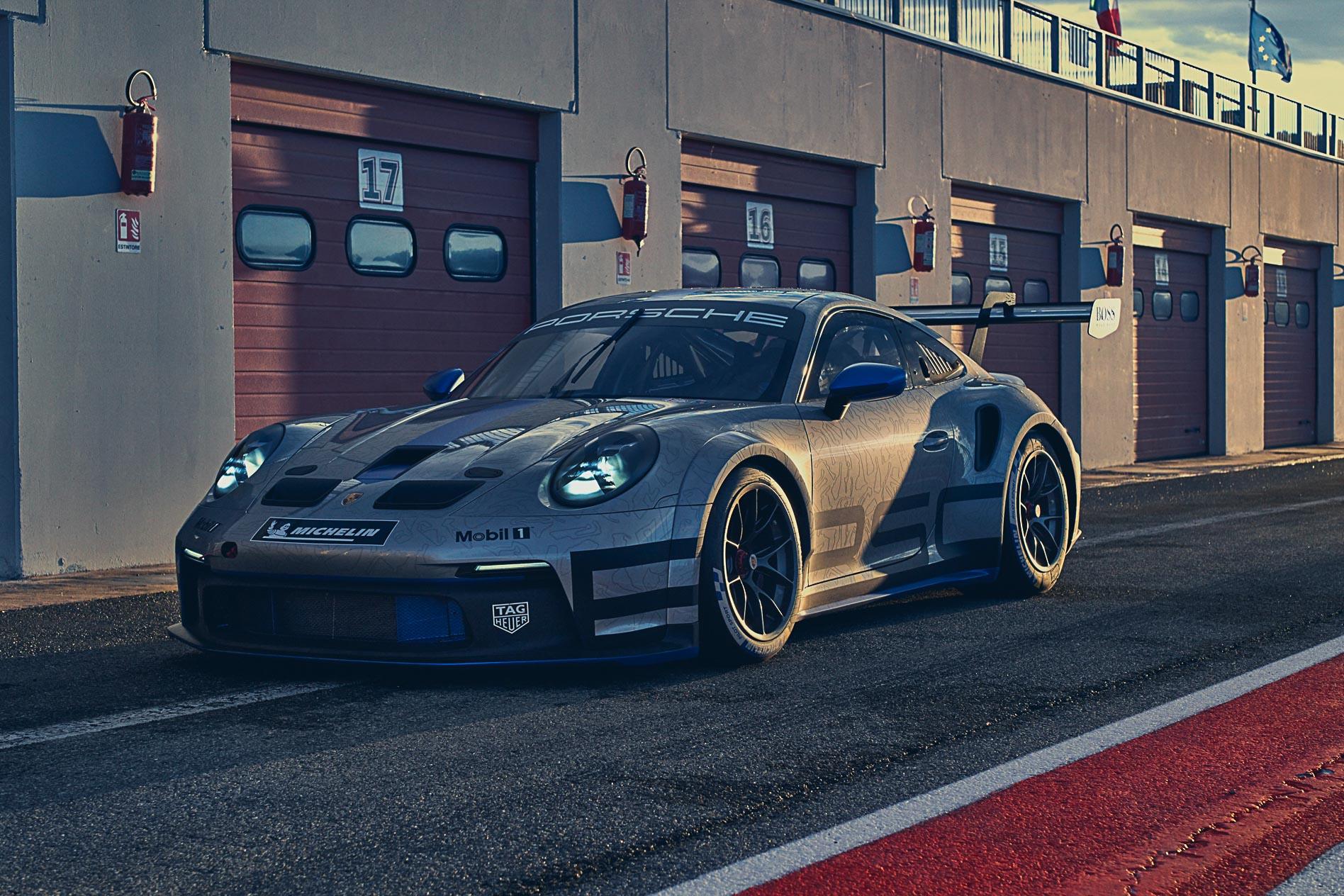
The 992-derived GT3 Cup car will drop onto racetracks across the globe from February, and while it’s deemed a one-make racer, the 911 GT Cup car is just a few steps shy of being a fully-fledged GT3 racer in its own right.
Created for the first time around the wide-body 992 Turbo body shell, Porsche has stuck with the tried and true rear-engine, rear-drive formula but added a few new tricks.
As before, a 4.0-litre, water-cooled flat-six petrol engine powers GT3 Cup, but thanks to a 250rpm increase at the top end, it shrieks its way up to 8750rpm to produce 375kW and 470Nm.
Shriek it will, too – Porsche has developed three exhaust systems for the car, which owners will pick depending on their respective category rules for GT3 Cup series around the world.
The rear axle remains almost the same as the incoming production car version, but up front, new double wishbones and uni-ball bearings are plucked from the fearsome 911 RSR.
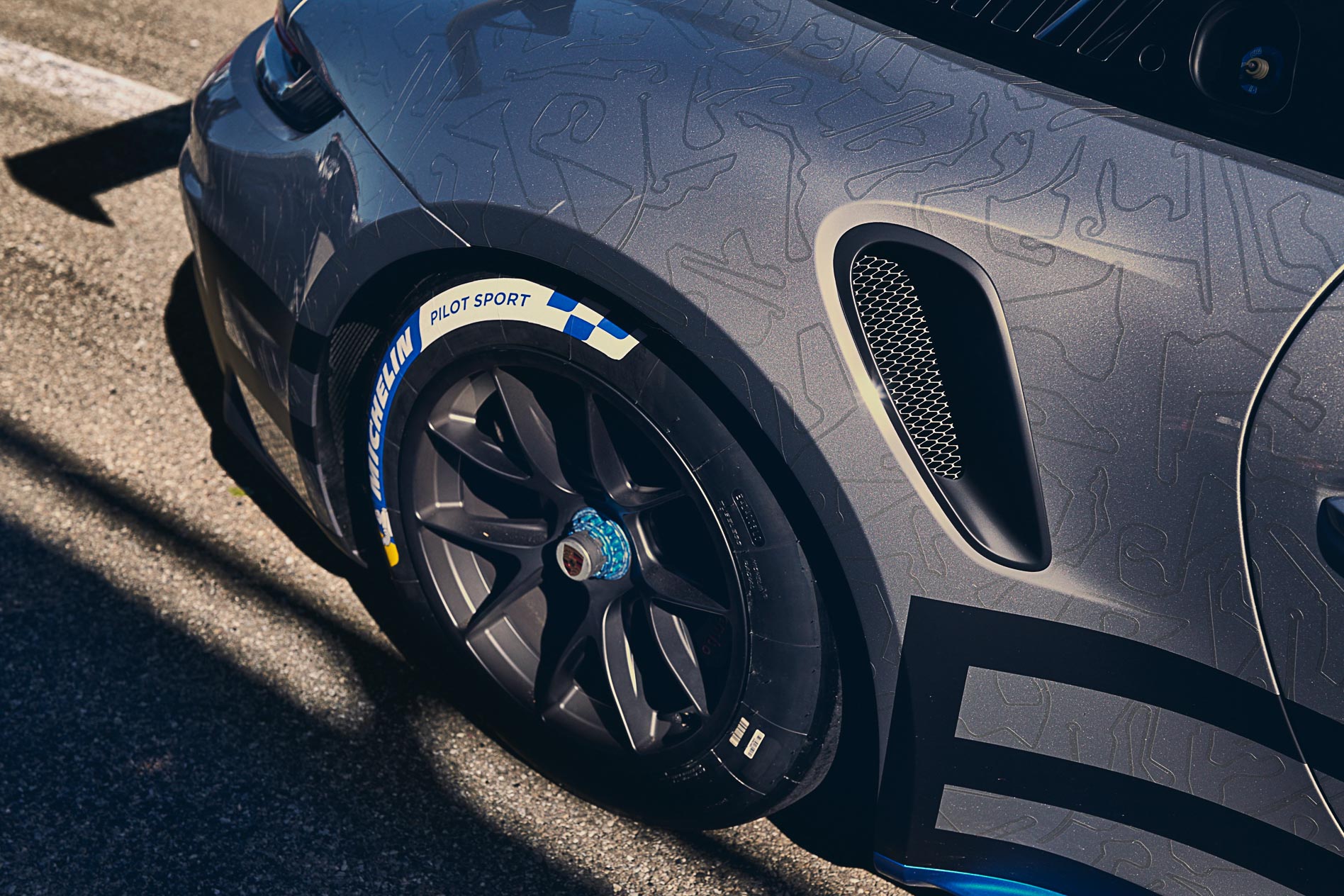
The shock absorbers, too, have a serious pedigree, using valve tech previously only seen in the 919 Hybrid and 911 RSR.
And in order to trim weight, an electromechanical power steering system means that the hydraulic pump and associated hydraulic lines have been binned.
The 992 Cup car’s body structure is now 70 per cent aluminium and 30 per cent steel – a complete switch in the ratios from the previous car.
Hard-glazed polycarbonate windows and carbon fibre-reinforced plastic doors, wing and engine cover reduce mass, though the new car is 35kg heavier (1260kg) thanks to a stronger roll cage build, while the bonnet is aluminium – just like on the production car.
Porsche has also worked on making the Carrera Cup more ‘affordable’ (a relative term with a $400,000 car) to run, with an engine inspection due only at 100 hours (the equivalent of more than two seasons of racing).
It’s a similar story with the gearbox, which only needs what’s called a ‘minor inspection’ after 60 hours and a rebuild after 120 hours.
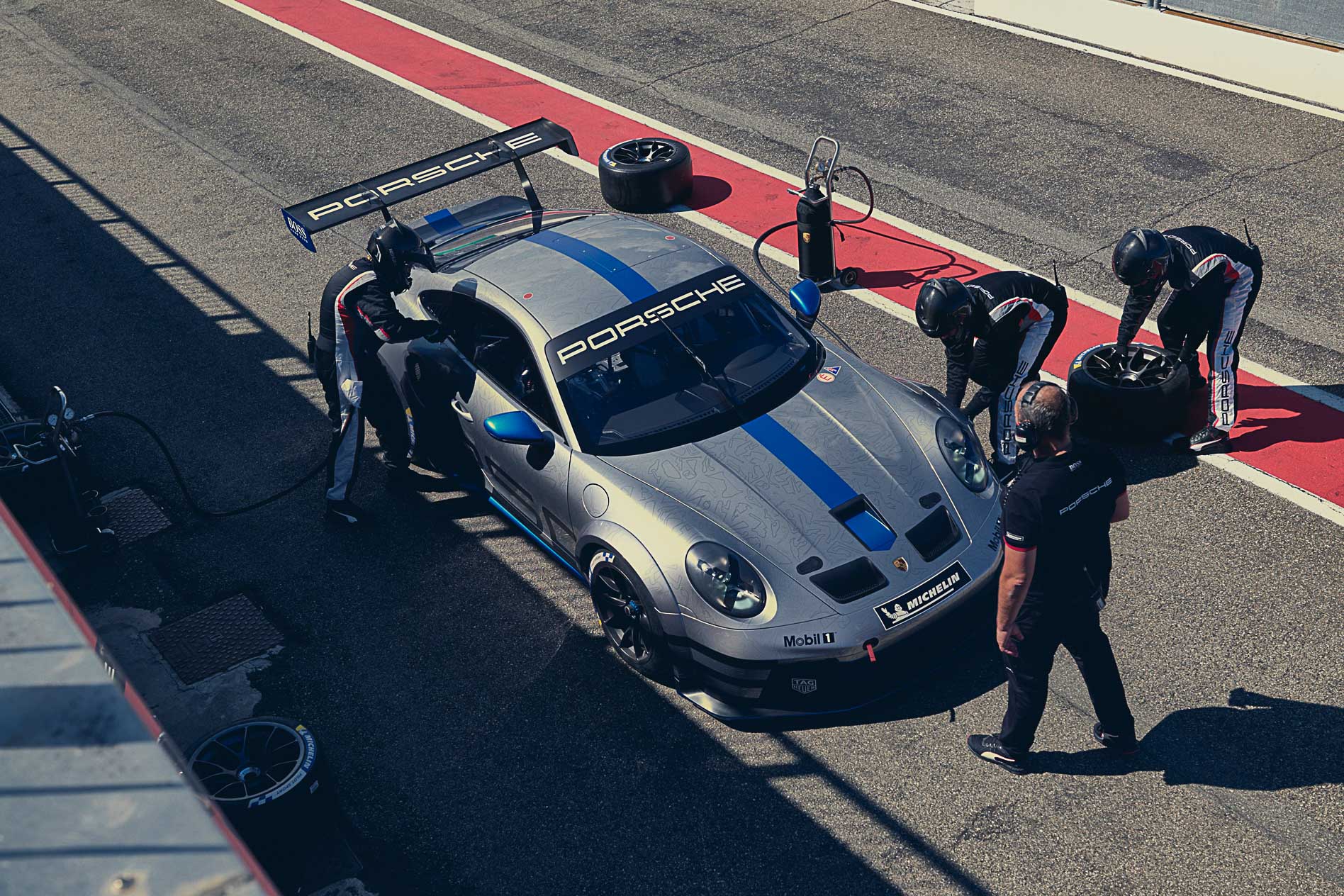
Porsche also supplies each car with a box of tools and small parts that provides private teams with the essential items to go racing, without having to add the cost of a new array of special workshop tools to run the car.
Interestingly, Porsche has not moved the radiators from behind the front bumper in order to, as it says, prevent “overly aggressive” driving. It has, however, added a small strut bar to protect the rads from small nudges.
New calipers to facilitate pad changes, re-routed fire extinguisher nozzles, stronger driveshafts and more also mean that while it’s not cheap, the Porsche 992 911 GT3 Cup car actually stacks up as a pretty sensible purchase for both the experienced amateur and the young professional racer.
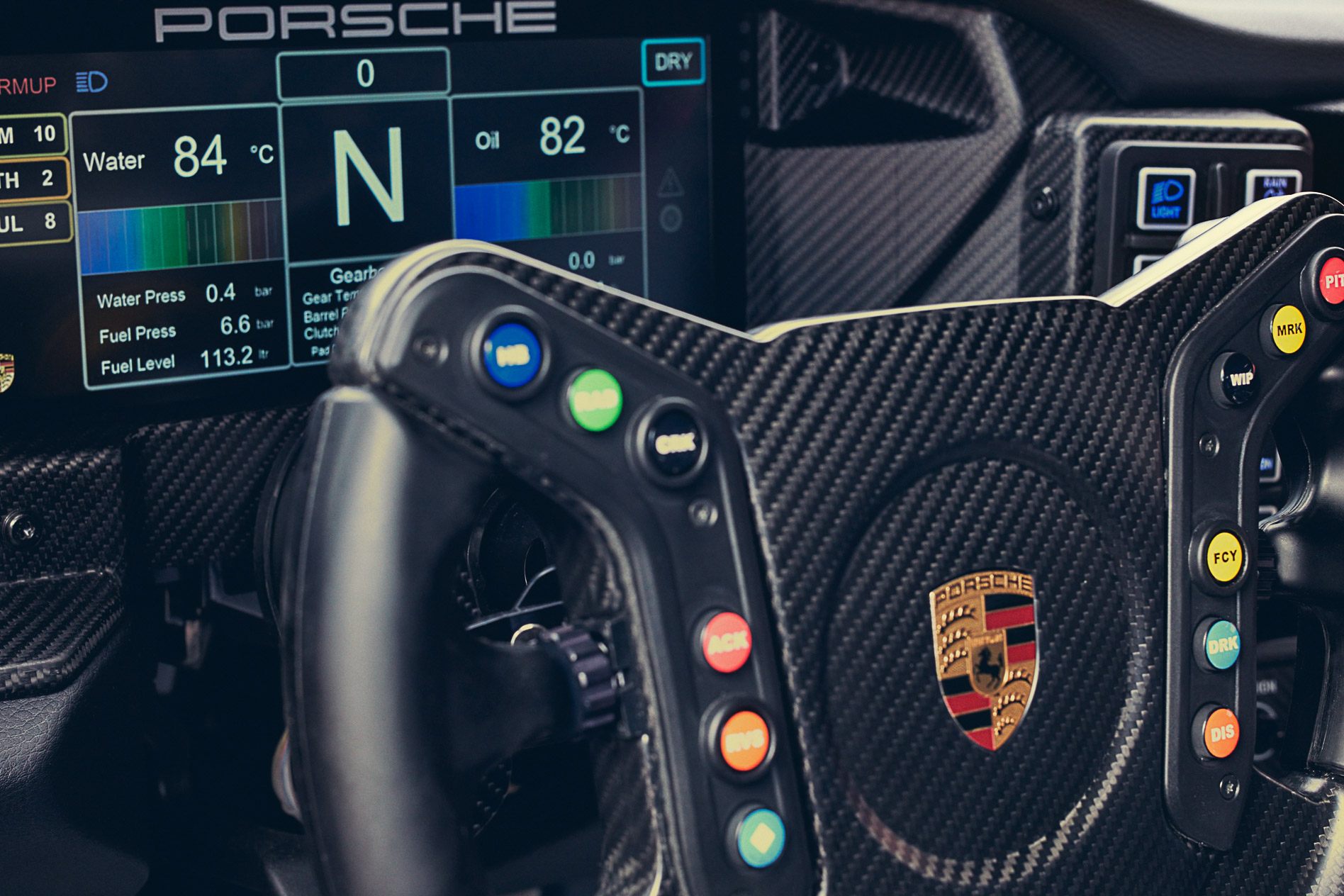
Porsche Australia reckons it’s already got strong interest from local Carrera Cup competitors, telling WhichCar that the GT3 will be revealed in March 2021 for deliveries later in the year.
This means the 2022 Carrera Cup will see the debut of this brute of a machine.
Porsche 992 911 GT3 RS spotted in the wild
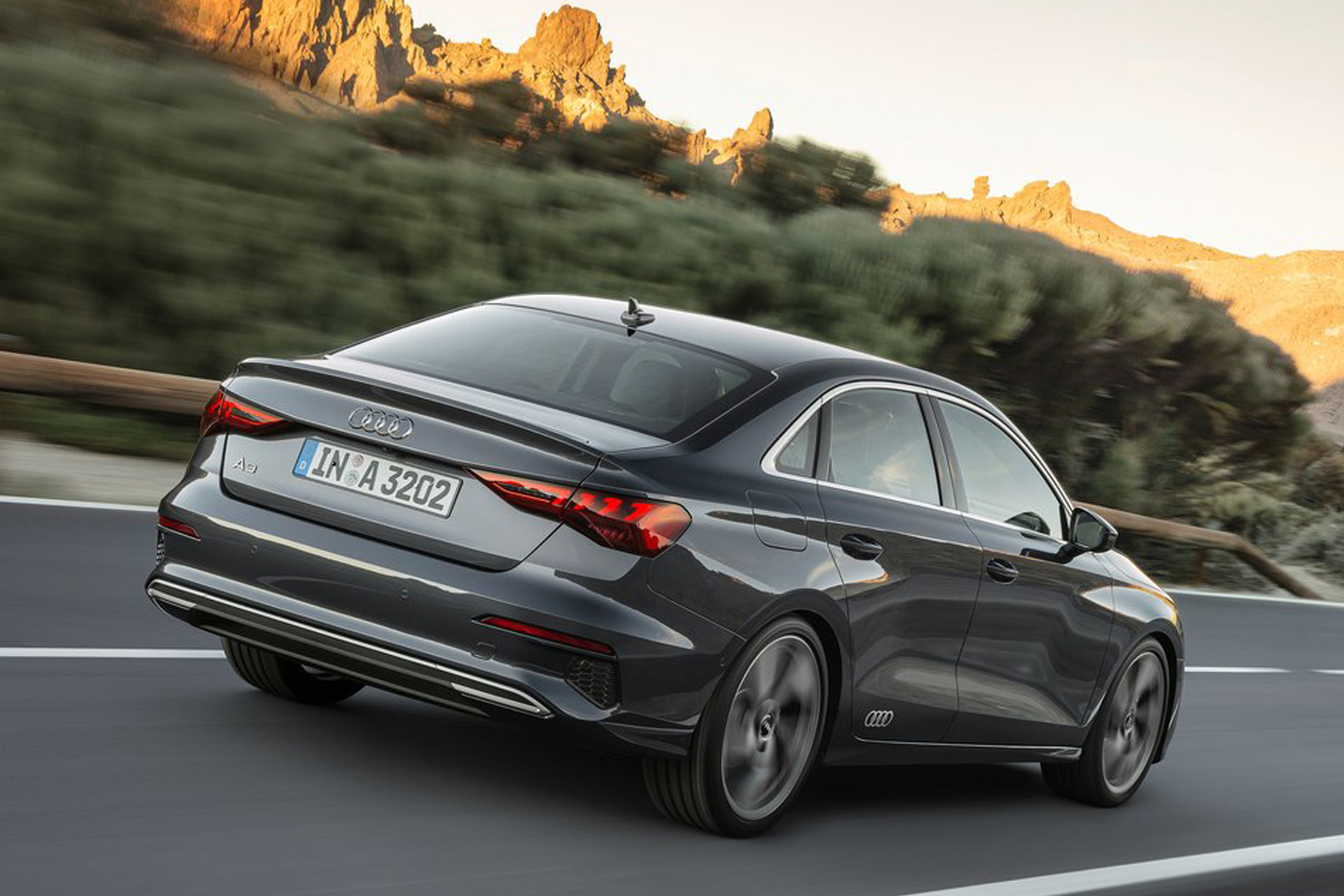
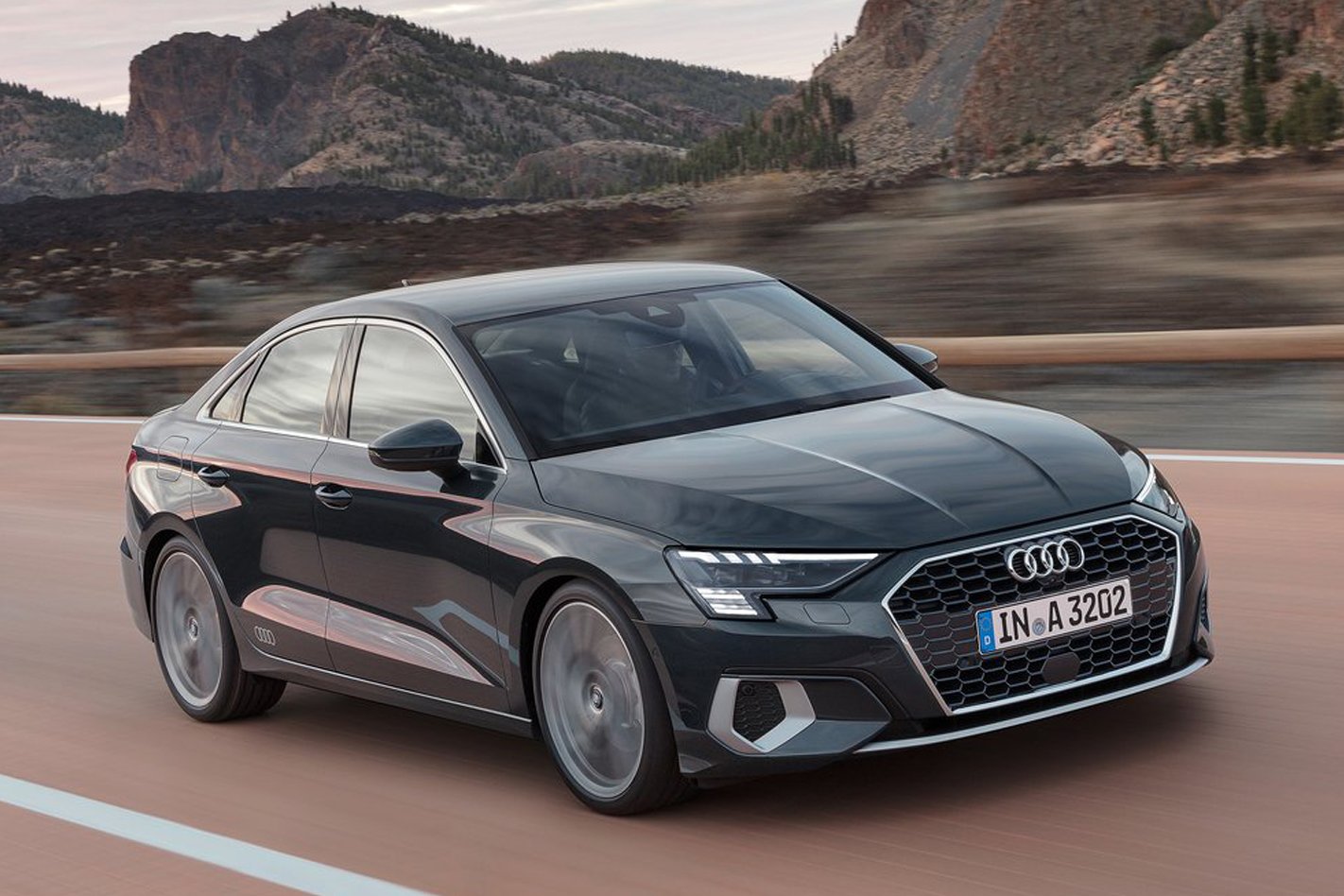
Audi still sees the appeal in offering a small sedan so, as the A3 Sportback was refreshed in 2020, it revitalised its smallest executive sedan too.
Traditionally undercutting the A4 on price by a fair chunk (depending on spec) the new A3 Sedan brings all of the tech upgrades inside and the marginally cleaner engines of the A3 hatch to the mix.
Is that really it?
Essentially yes. Just like the last A3 Sedan, it’s an A3 with a boot. If it ain’t broke, etc.
Inside, the blocky and futuristic cockpit looks great at a glance, with solid-feeling details like the doorhandles, steering wheel and gear shifter, regardless of whether you go for the manual or the seven-speed dual-clutch auto with its cigarette packet-style nodule sticking out of the centre console.
Elsewhere, though, the materials are arguably sub-par for Audi’s usual fare – hard plastics in several locations and plenty of gloss black panelling to get fingerprints all over.
Thankfully, the interior layout is easier to get to grips with than other VW Group cars on the same platform (I’m looking at you, VW Golf).
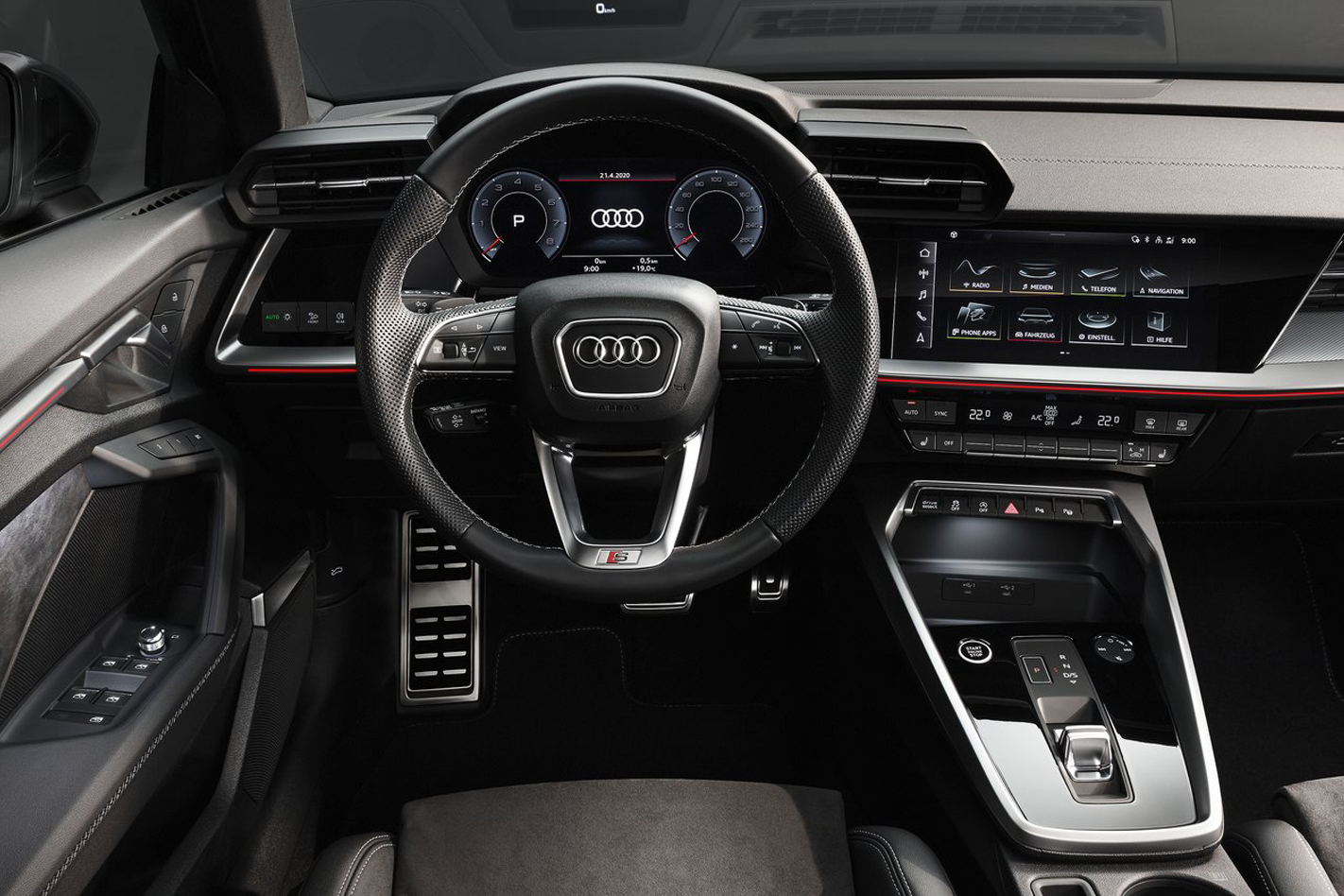
There’s plenty of big-car tech on the options list, too; matrix LED headlights, a head-up display and a Bang and Olufsen stereo upgrade to name a few.
Let’s drive it, shall we?
Yes, let’s. We’ve tested it in 35 TFSI spec so far – a 1.5-litre making 110kW, with both the six-speed manual and seven-speed dual-clutch automatic. As for the rest of the range, there’s a 81kW 1.0-litre 30 TFSI and two diesels: a 85kW and 110kW 2.0-litre option.
All A3 Sedans are front-wheel drive, there aren’t any quattro models that don’t have an S badge on them.
There’s a useful band of torque particularly between 2500-3500rpm, effectively negating the need to thrash it when you need to get going in a hurry. The diesels, though, will naturally offer better fuel economy returns for any long distance commutes.
Only Sport and S-Line trims offer a six-speed manual as a cheaper gearbox option and, again, it’s good: smooth-shifting enough with a little satisfying notch as you snick it into a gear.
The seven-speed auto is calibrated well, with little in the way of delay engaging a gear at a standstill and it knows exactly what gear it needs to be in quickly if you poke it enough to require a downshift – no indecision or interruptions here.
What about its handling?
Just like the latest A3 Sportback, the Sedan is an equally impressive steer. It’s all about balance here; the steering is light and direct – with what feels like a well-oiled rack.
Our S Line model had the as-standard 18-inch wheels and passive dampers with the lower, firmer sports suspension.
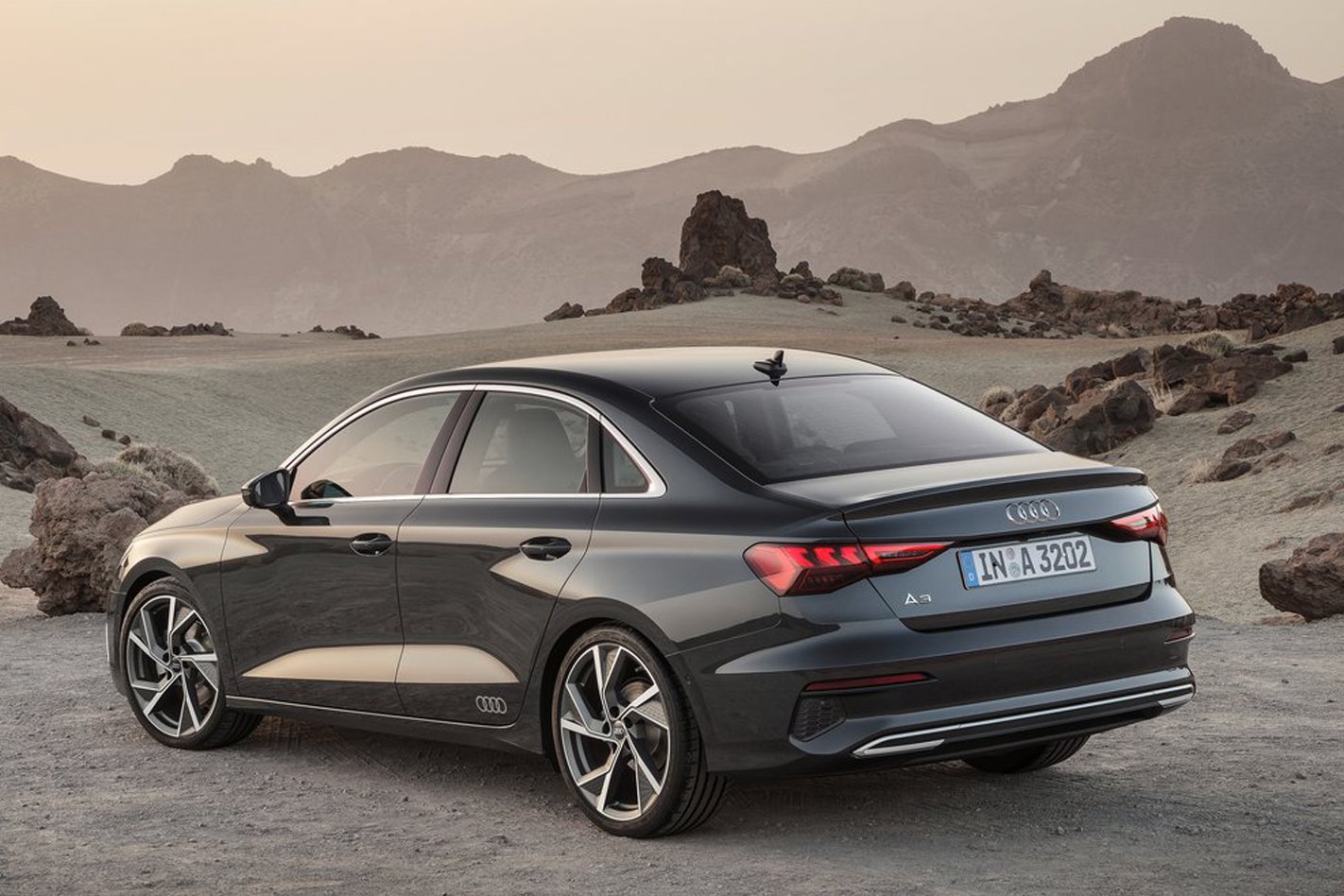
We need to try a model with the regular suspension to give a more rounded view, but we’d argue this is one Audi you can get away with keeping the sports springs rather ticking the box for the no-cost standard setup.
Handy to live with?
First and foremost, this feels airier and more spacious than the cocooned cockpit of an A4, with usable enough rear seats for six-footers in terms of legroom, even sat behind one. Headroom is a tad limited, though.
As for the boot, naturally it’s not going to be as immediately usable in terms of aperture compared to the Sportback. But the actual volume is bigger than its hatch counterpart: 420 litres here compared to the 380-litre boot of the hatchback.
That’s where the payoff of the additional length mainly aids in.
So it’s up to you: do you regularly carry large boxy things that will struggle to be stuffed into a Sedan’s porthole or are you more bothered about the additional volume?
Audi A3 Sedan: verdict
Audi’s tried-and-tested formula hasn’t changed much for the A3, regardless of the body shape you’re particularly interested in.
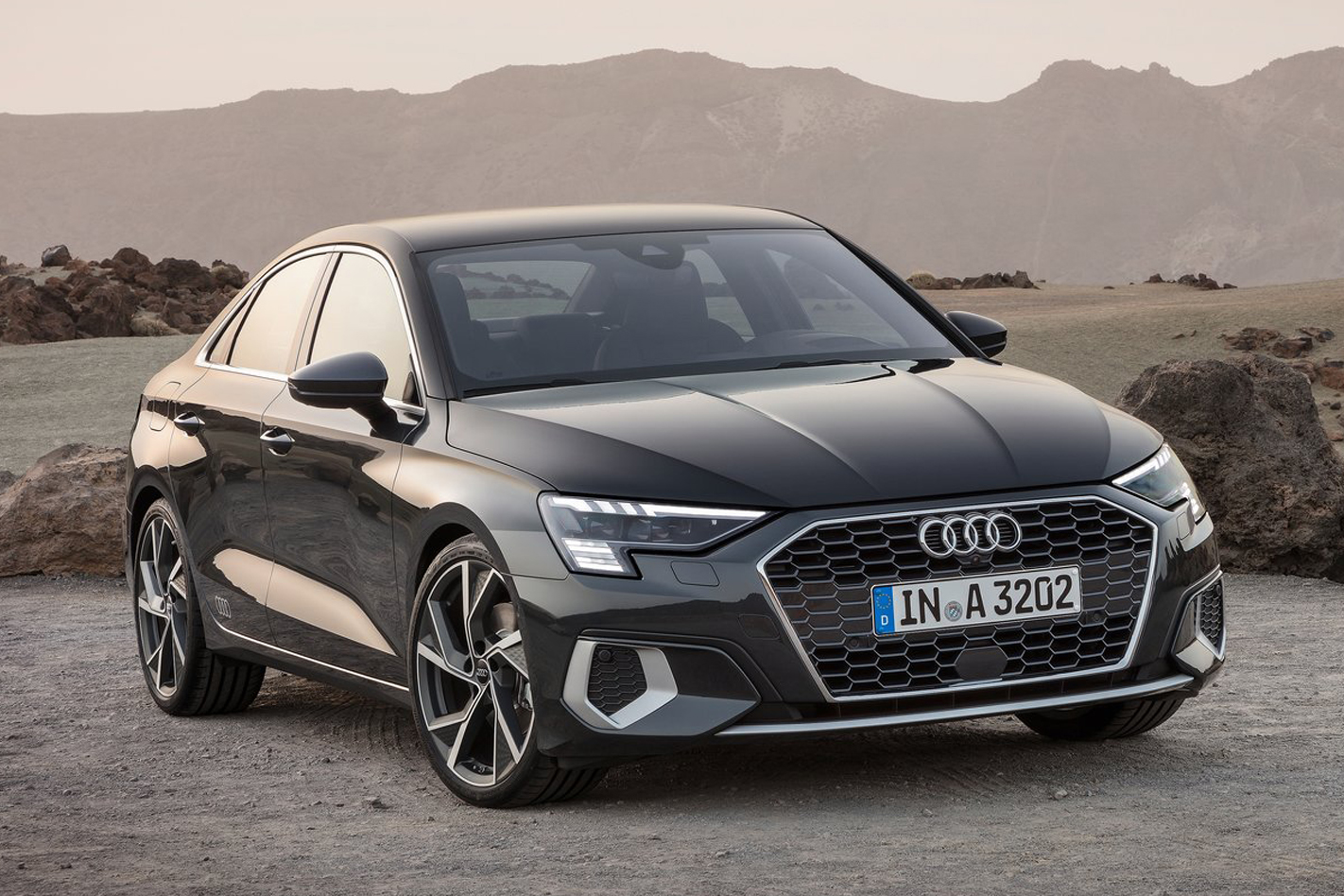
It’s not tremendously exciting – you’d have to look at an A-Class Sedan for more visual drama and clever tech, or perhaps Audi’s own S3 sedan if you want performance thrills – but it’s an impressive small sedan that’ll look good on your driveway.
Now all we wait on is to know how much it’ll cost when it lands in Australia next year.
This article originally appeared on Car UK
UPDATE – Walkinshaw has dropped an Instagram post showing off a very noisy, very supercharged V8 engine that’s destined for life under the bonnet of a Chevrolet Silverado.
https://www.instagram.com/p/CImz1cdgiQg/?utm_source=ig_embed&utm_campaign=loading
The once-secret project from HSV is expected to unleash a supercharged 500kW Chevrolet Silverado 1500 onto Australian roads in the near future.
The Silverado 1500 LTZ is currently the only model sold by HSV, powered by a 313kW/624Nm naturally aspirated 6.2-litre V8.
And well, if there’s one thing they seem pretty good at down in Clayton, it’s supercharging a 6.2-litre V8. It’s become a bit of an HSV speciality.
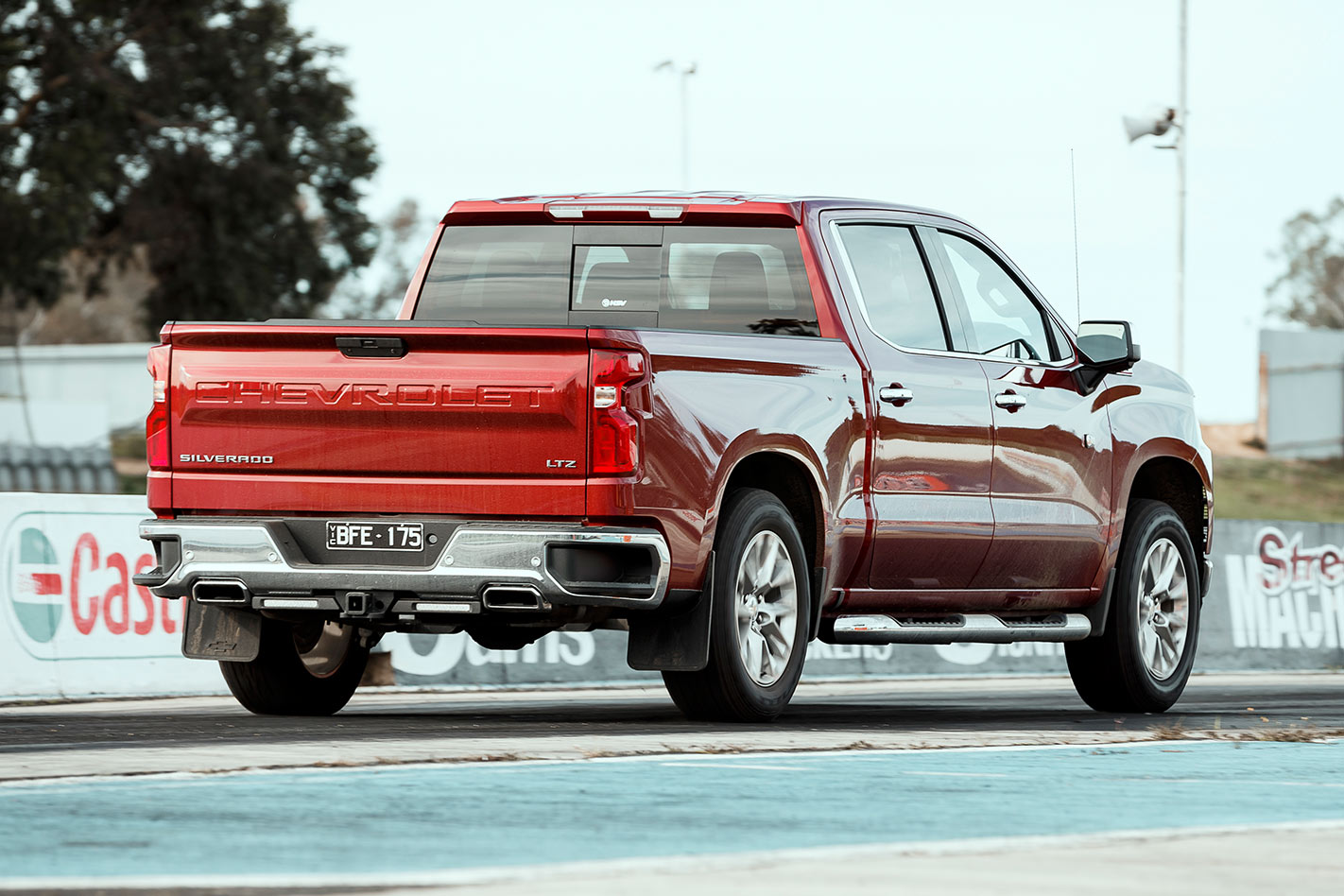
So, when the atmo Chevrolet Silverados were rolling down the production line, having their engines pulled out in the re-engineering process from left- to right-hand drive, it would appear that somebody realised that there was an opportunity to strap on a supercharger and create some time-honoured HSV havoc.
Wheels understands that the project will result in a locally-developed Australia-only special edition for the Silverado 1500, with a supercharged petrol V8 under the bonnet pushing power outputs into the region of 500kW.
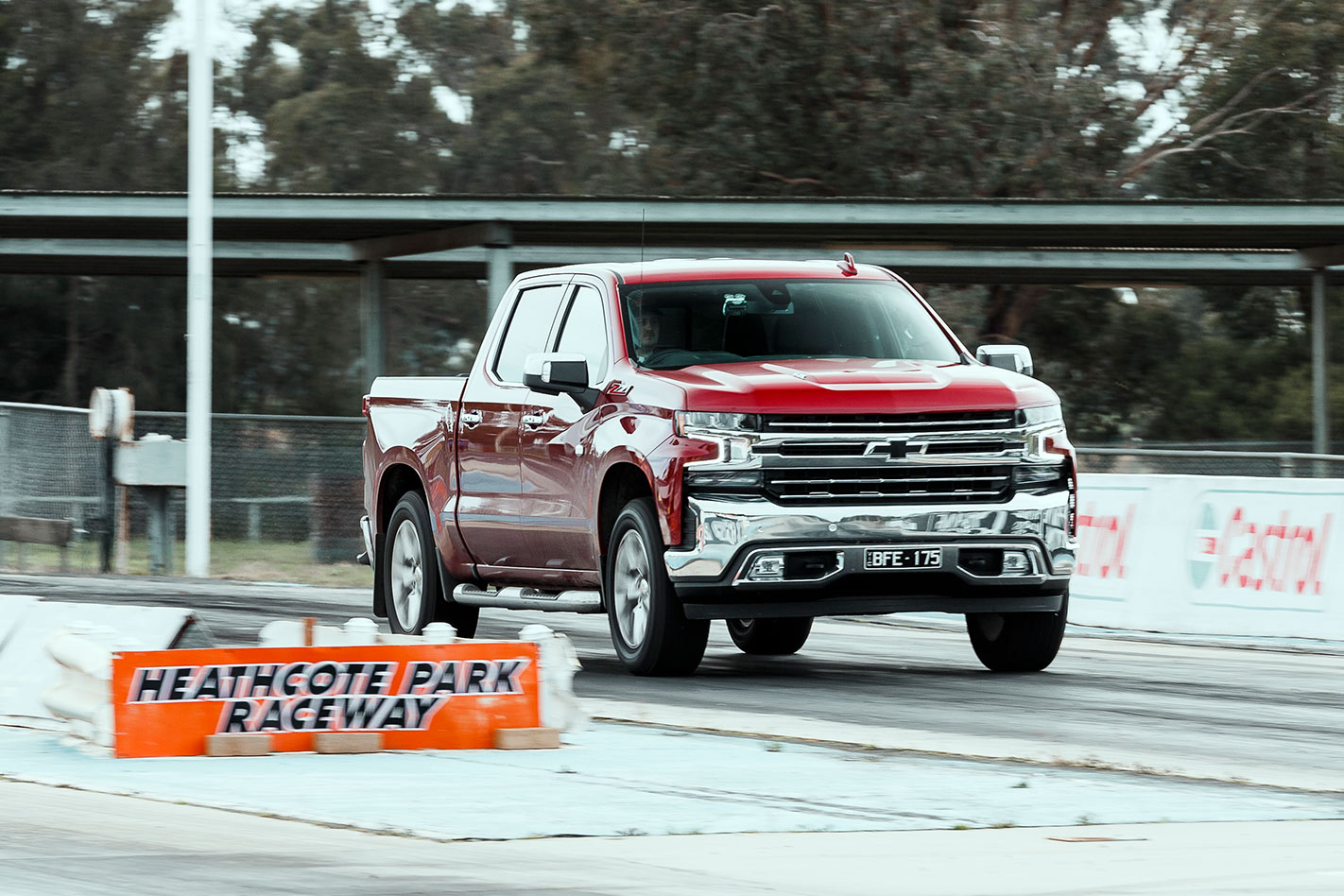
That would make the supercharged Silverado the most powerful ute to ever grace Australian roads.
Nobody’s prepared to go on record at HSV to talk about the project just yet, but we reached out to sources in the business in an attempt to discover whether this was really happening. The official word is “no comment” but there’s clearly some interest in the project.
One source told us that the company was getting asked by a lot of customers about it and HSV – soon to become GMSV – were always exploring ways to make awesome cars and that supercharging the Silverado was indeed an obvious way to do just that.
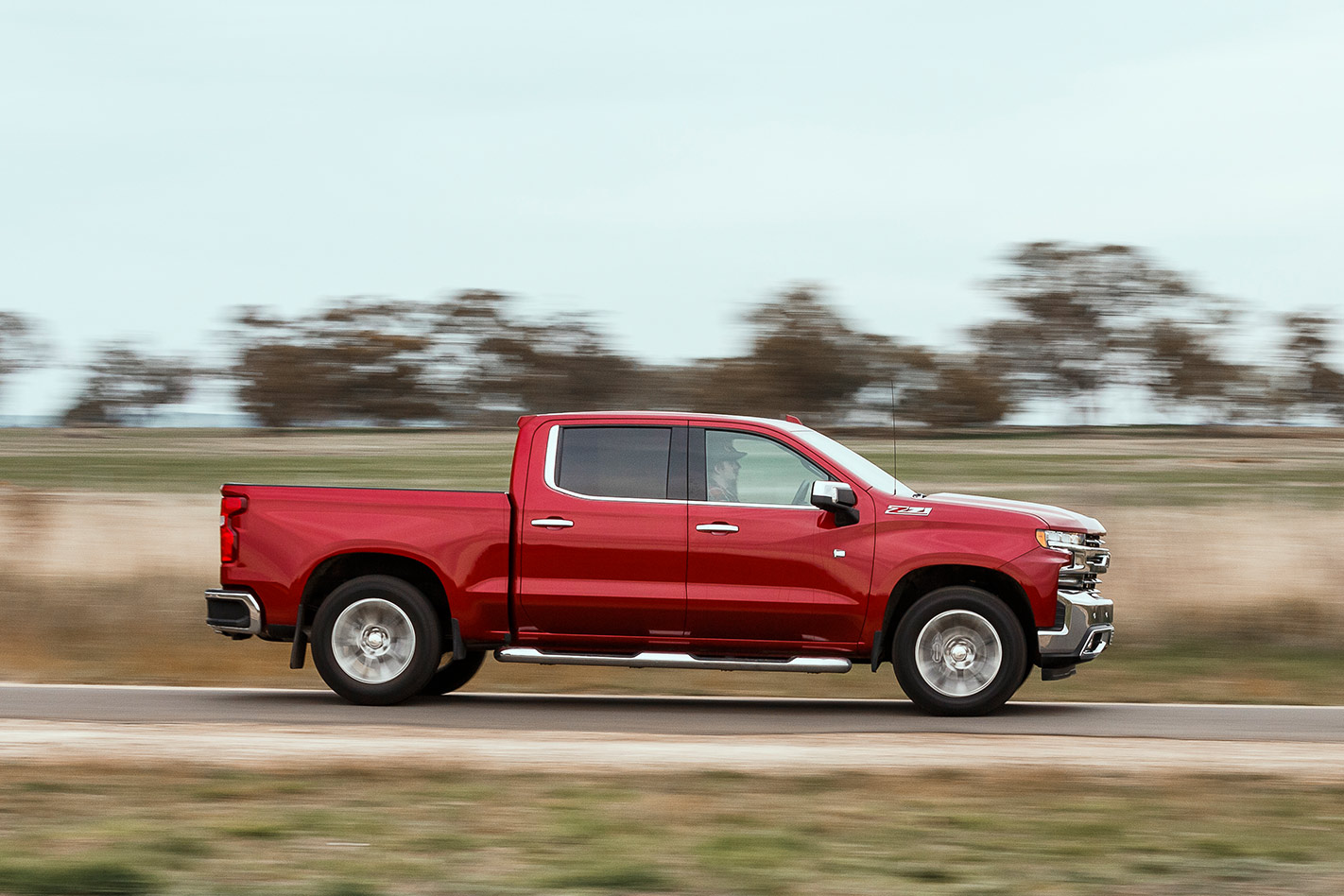
The contact went on to say that a lot of people like their V8 utes and that because many owners customise and modify them, a supercharged Silverado could make sense if executed by the aftermarket.
When pressed on dates, it’s clear that an official announcement is in the works, but not immediately imminent. The message from Clayton was clear. It’s on their radar.
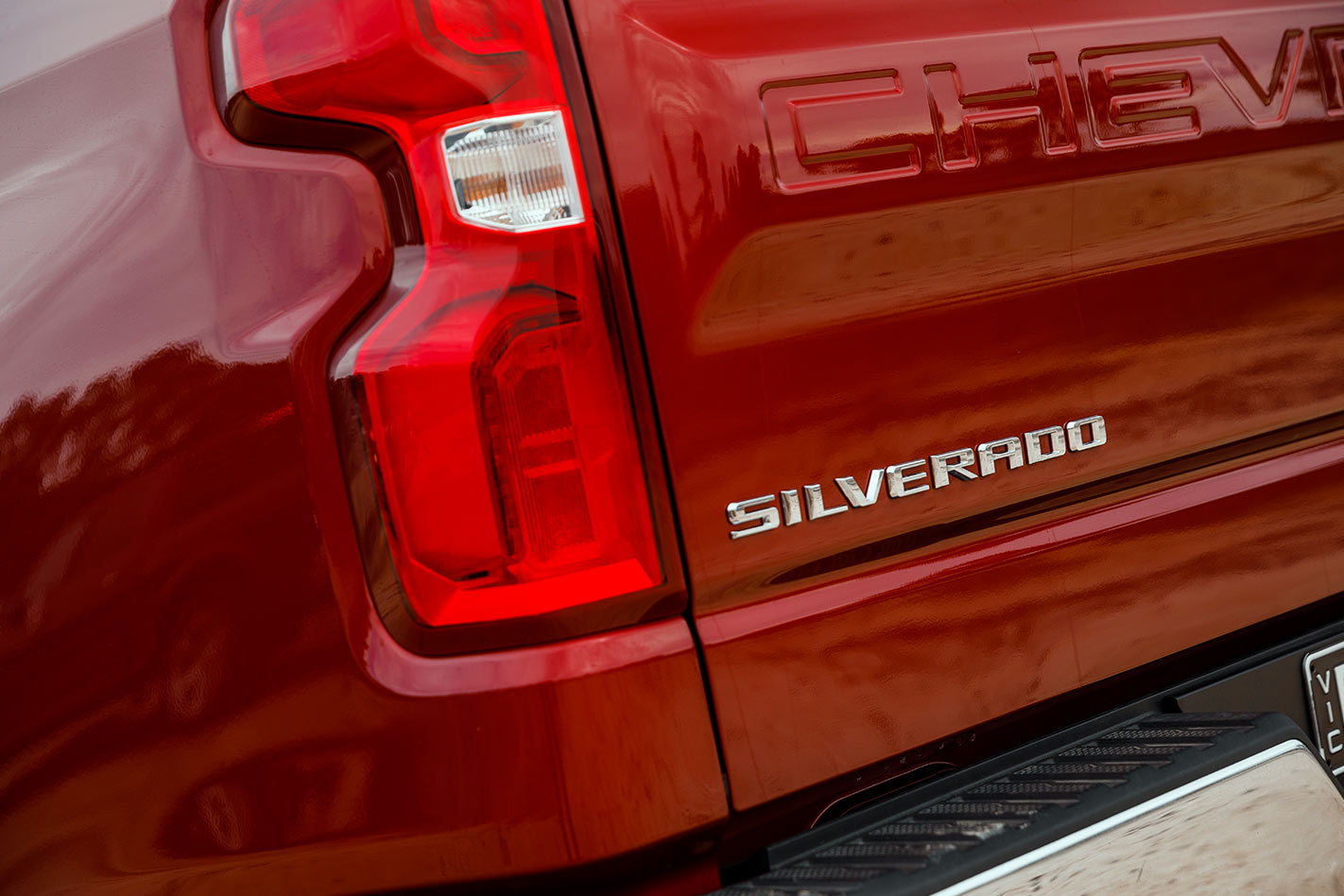
Expect a power output in the vicinity of 500kW, with a torque rating expected to be around 850Nm. That’s broadly in line with what partners Walkinshaw Perfromance were getting from the old LS3 with their W497 package.
Of course, the engine in the Silverado isn’t the same LS3 as seen in the old VFII Commodore. That was a Gen IV unit, and the Silverado’s instead powered by a Gen V L87 lump.
But is throwing more power at the Silverado really going to help it?
In the August issue of Wheels we put the Silverado up against the RAM 1500 and found that while it certainly wasn’t short of straight-line grunt, it wanted for something in terms of chassis control. HSV claims to have suspension refinements in place to tame that, but boosting power by 187kW – greater than the total power output of a Golf GTI – is upping the ante in a major fashion.
There’s also the price of entry to consider. The Silverado 1500 currently retails at $113,990. Adding a supercharger, revised injectors, modified intake, freer-breathing exhaust and a custom ECU map will likely tack another $35,000 to that figure.
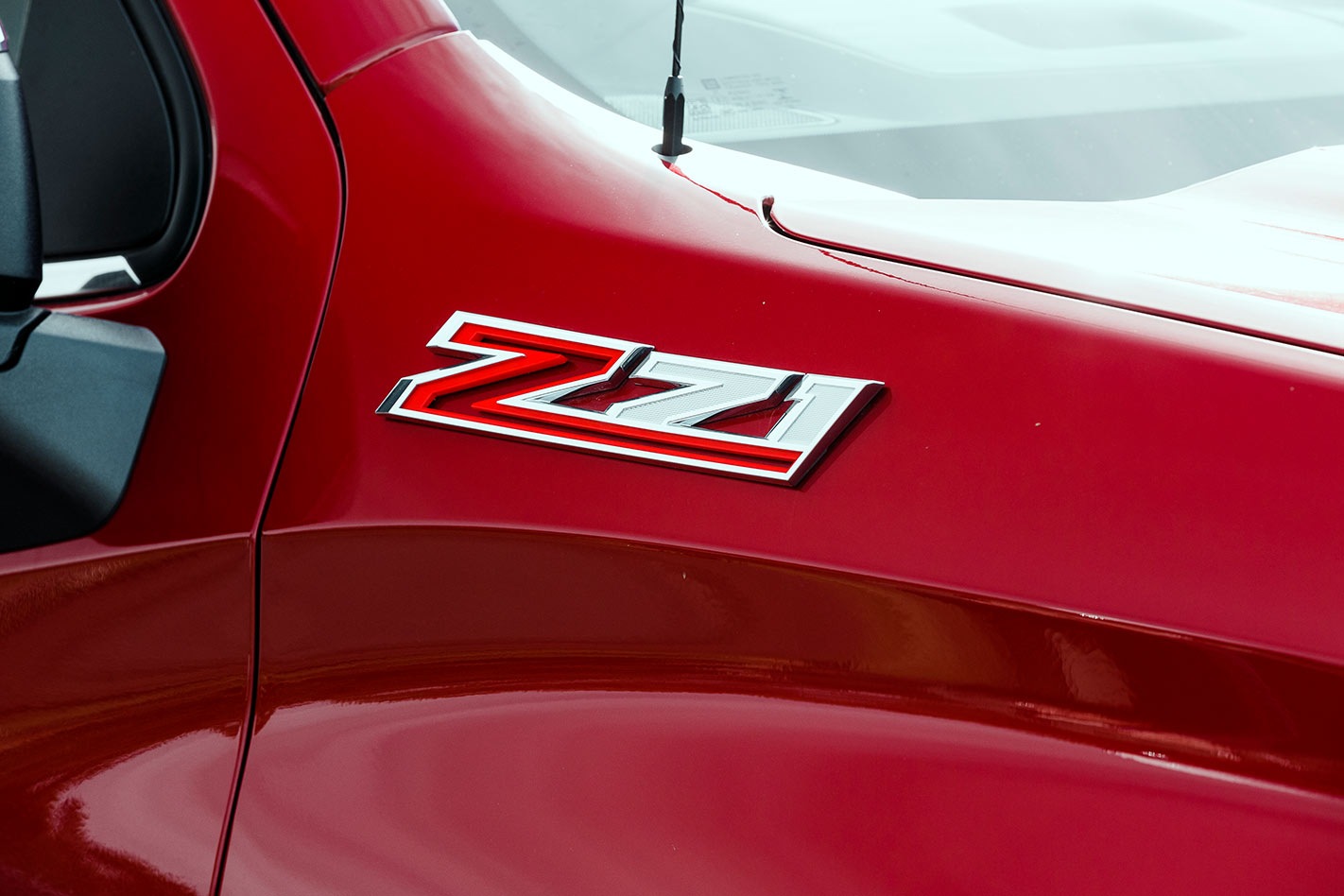
If HSV has done its math, there’s a viable queue of customers who’ll see that as a reasonable ask. Let’s hope so. There’s something hilariously antisocial about a supercharged Silverado, but there’s also something wonderfully extreme about it. We can’t wait.
Subaru will carry on its storied STi badge into a new generation, with confirmation that it is developing a fifth-generation WRX STi.
Details are scarce, but it’ll be based on Subaru’s modular platform, and will likely carry over a revised version of its venerable 2.5-litre four-cylinder turbocharged flat-four engine to fire a minimum of 250kW at all four wheels.
As well, there’s a distinct possibility that the next-generation car will add an electric element to its powertrain, creating Subaru’s first-ever petrol/electric hybrid WRX STi.
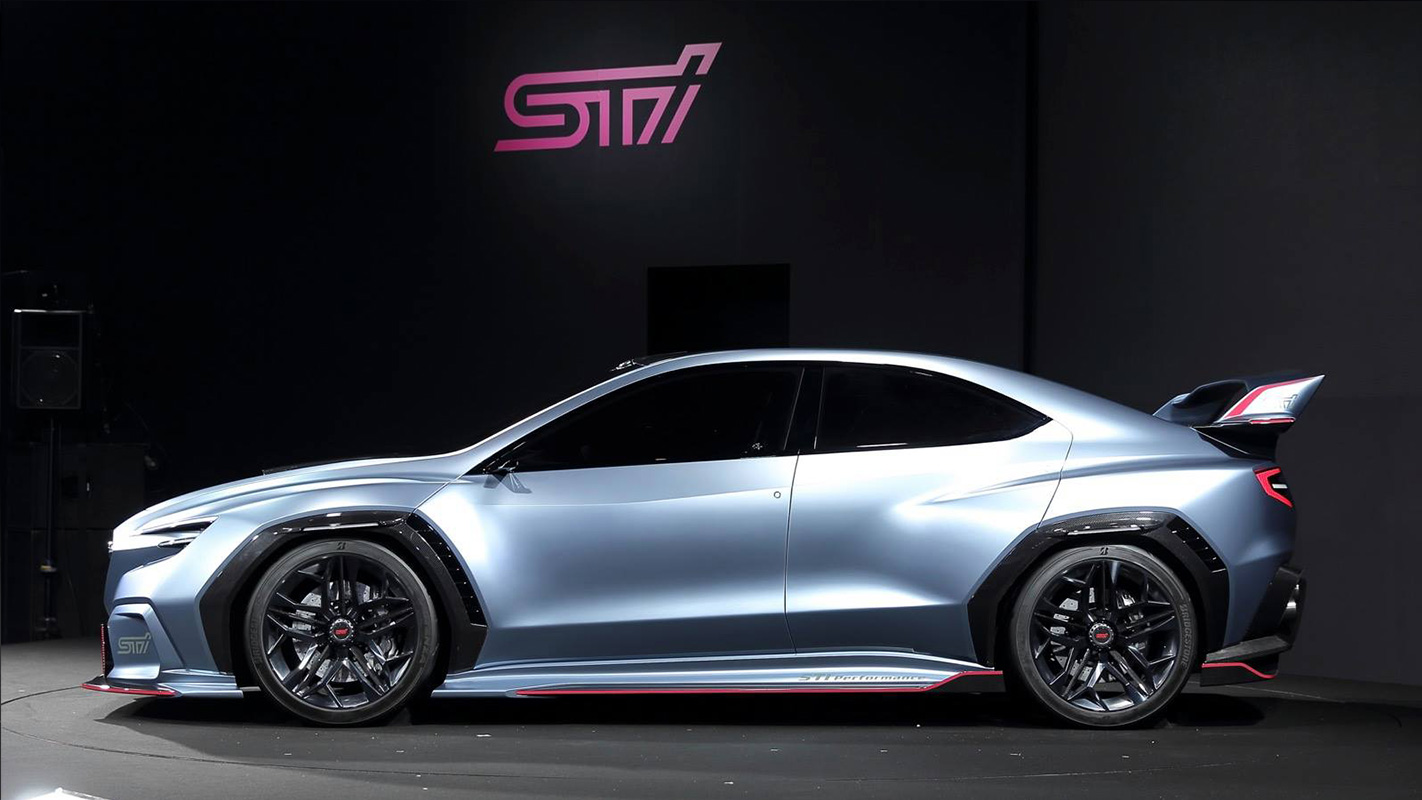
The Subaru Viziv Performance STi prototype from 2018
While it would be amazing to see a return to the halcyon days of the limited-edition two-door STi from the late 1990s, a four-door sedan body shape is a more likely reality.
It should, however, look vastly different from the current Impreza – perhaps veering closer to a shape more reminiscent of the funky XV crossover.
The news comes as Subaru marks the sale of the 10,000th WRX STi in Australia.
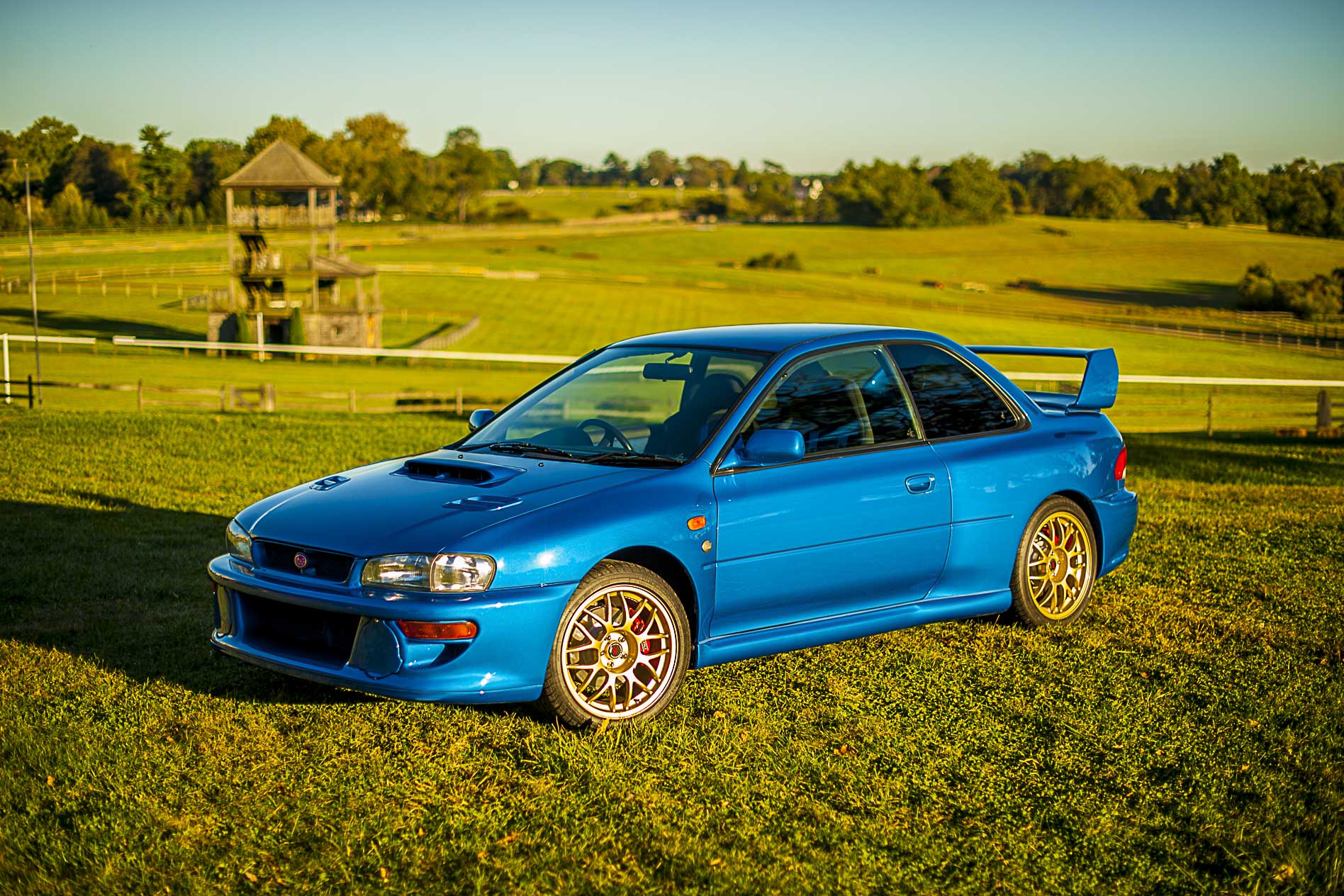
Debuting in 1999 with the arrival of 400 Australia-specific 206kW two-door WRX STis, the high-performance version of the stock WRX sedan opened eyes – and wallets – across the country as people looked to them as alternatives to cars like the HSV ClubSport and performance Ford Falcons of the era.
It also invited stiff competition from Japanese rivals Mitsubishi, whose Lancer Evolutions provided a semi-regular rival to Subaru’s dominance of the all-wheel-drive turbocharged sedan sector.
The two-doors – which now fetch hefty premiums in the second-hand market – was followed by 400 four-door versions, before Subaru added it to the line-up permanently in 2001.
In 2008, the third-generation WRX STI came in entry-level and spec.R variants, which carried through until 2014 when the 221kW Subaru WRX STi – the Impreza branding was dropped – debuted.
The bloke who bought WRX STi #10,000 is NSW’s Bradley McManus, who scored $5000 of accessories and a ride with Subaru ambassador and 2016 Australian rally champion Molly Taylor.
“WRX STI really is the essence of Subaru performance and arguably the ultimate expression of race on Sunday, sell on Monday,” said Subaru Australia chief Blair Read.
“Those iconic blue and gold colours along with champion names Possum Bourne and Colin McRae, win performance car lovers hearts to this day.
“It’s the pinnacle of our performance range, combining exhilarating power with pure control. A complete package – and it’s an absolute thrill to drive.”
AUSTRALIAN WRX STI – A HISTORY
1998
Impreza WRX 22B STI is released in Japan. Just 425 examples were built
1999
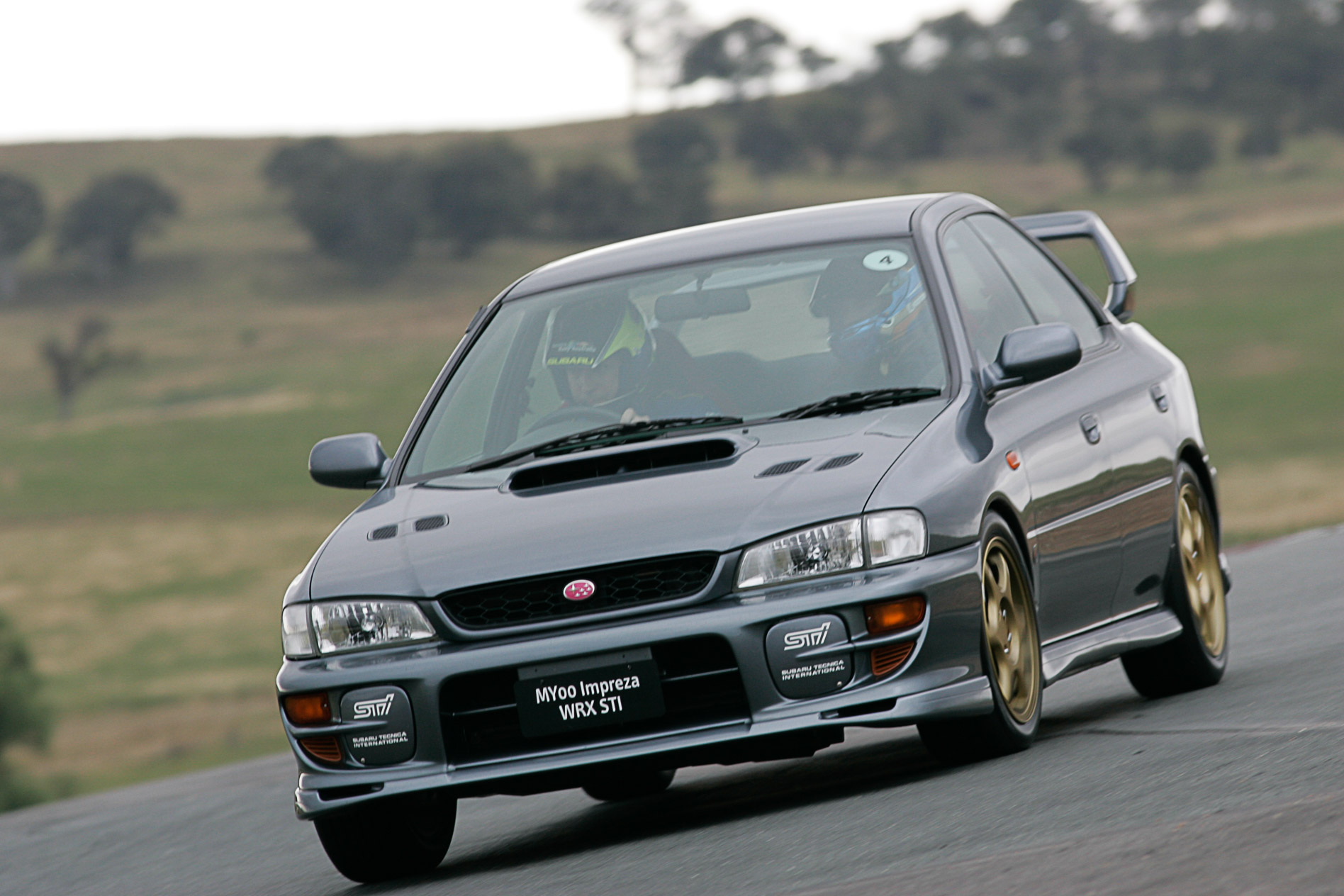
2001
The STI variant became an ongoing part of the Impreza WRX range, on launch of the second generation.
2008
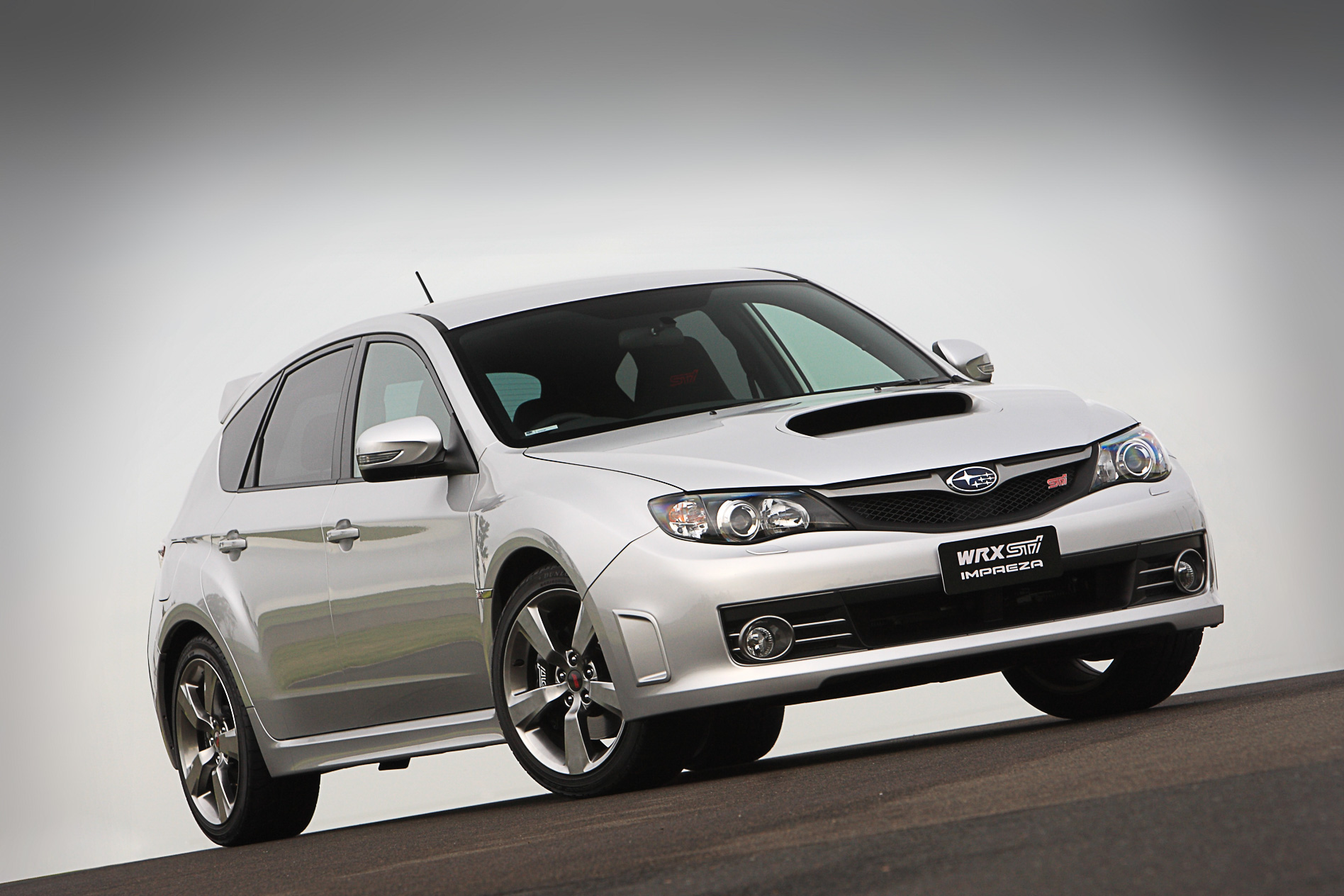
Third generation Impreza WRX STI launched, offering a second choice in the range, with both entry-level and spec.R variants.
2014
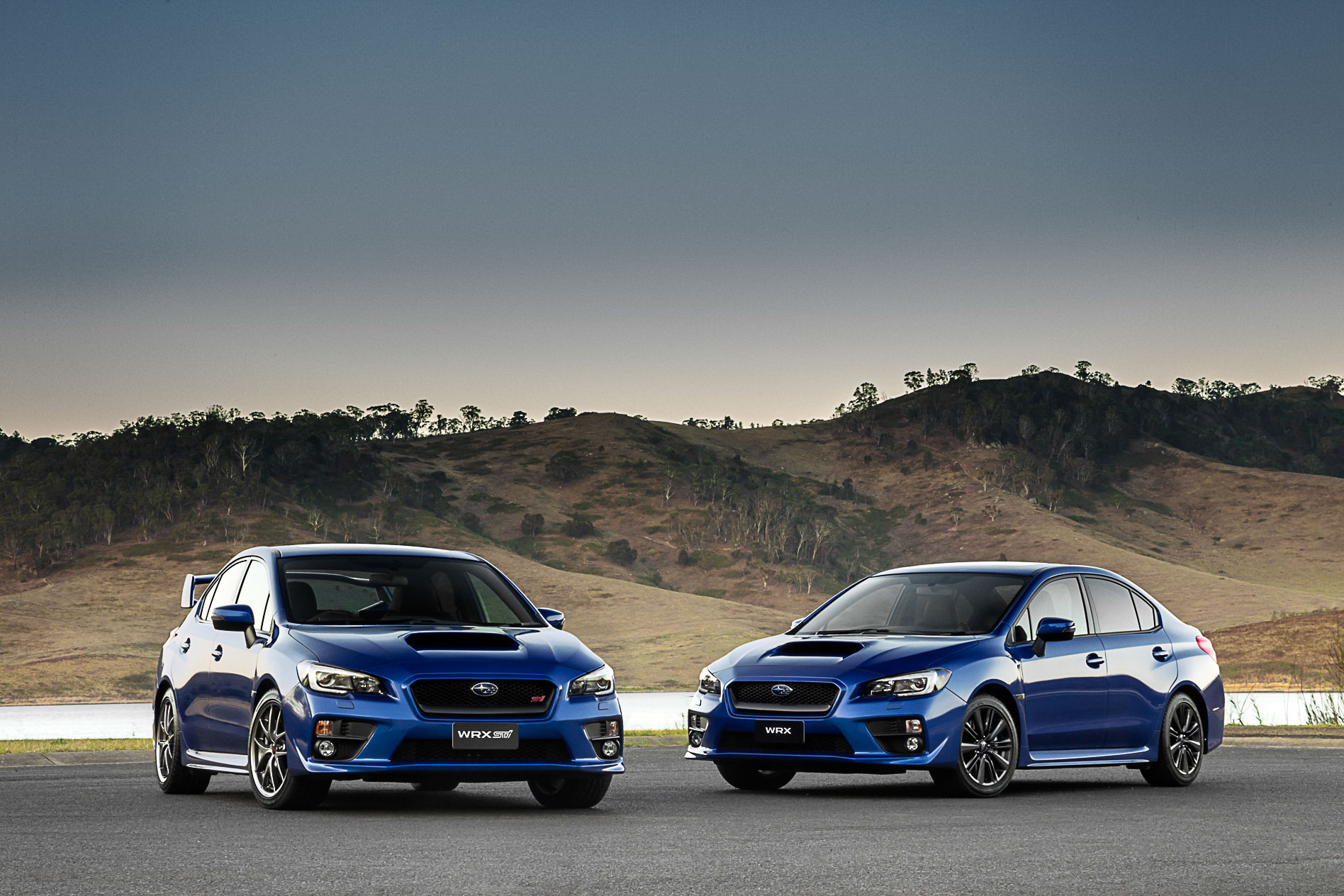
Fourth-generation WRX STI launched, for the first time offering the rear spoiler as a delete option and dropping the Impreza nameplate.
2020
10,000th WRX STI is old in Australia.
BMW is leaving Formula E at the end of next year, but it’s still focused on motorsport – and especially Esports.
The Munich-based manufacturer just presented BMW Sim Live, a digital event that revealed just how BMW was doubling down on the virtual realm – and there were three key innovations it’s certainly worth knowing about.
“With BMW Motorsport SIM Racing, we are following a 360-degree approach. This means that we have our eye on the big picture,” said Rudolf Dittrich, head of BMW Motorsport SIM Racing. “We really enjoy developing creative solutions and seeing fast results with our process partners, with whom we are developing the world firsts of today and tomorrow.”
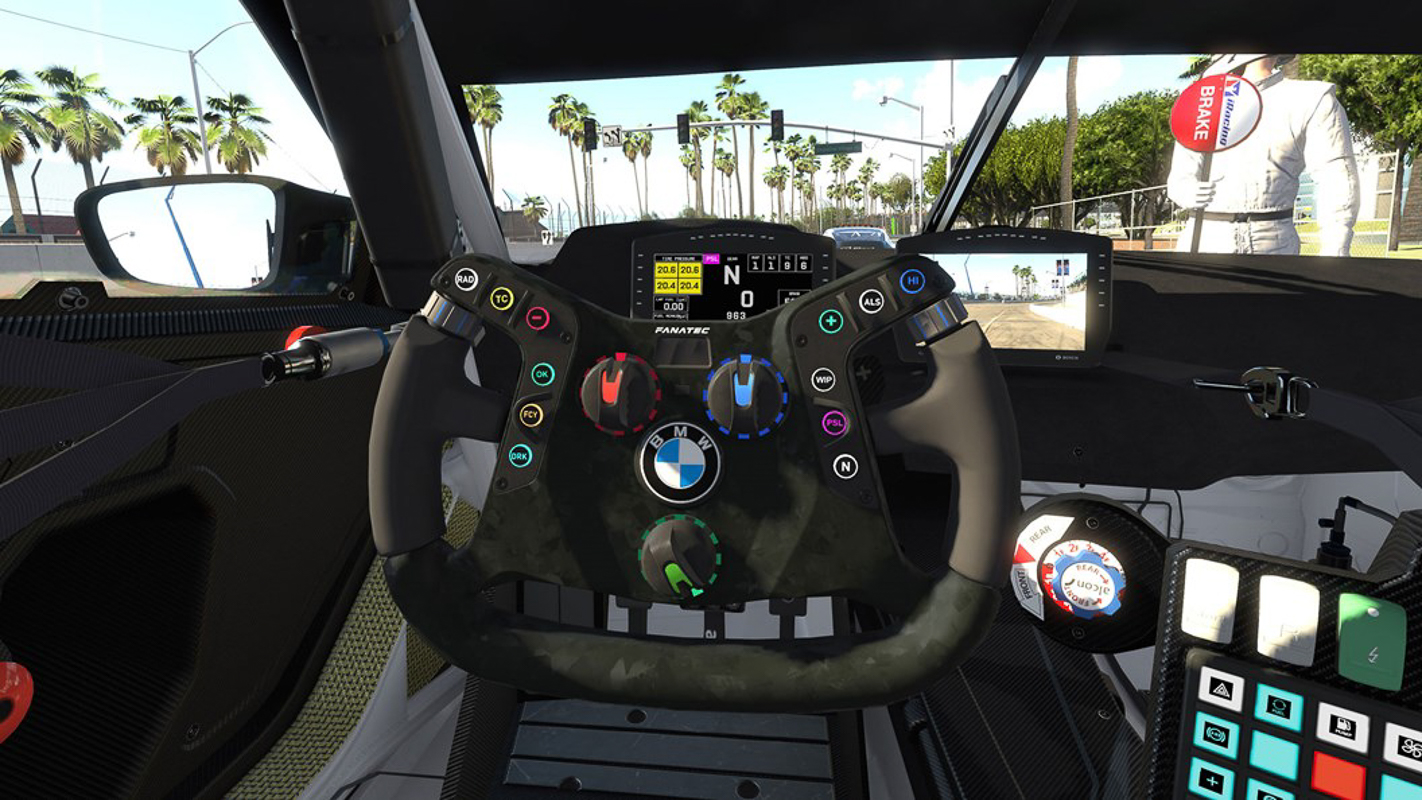
BMW M4 GT3 wheel
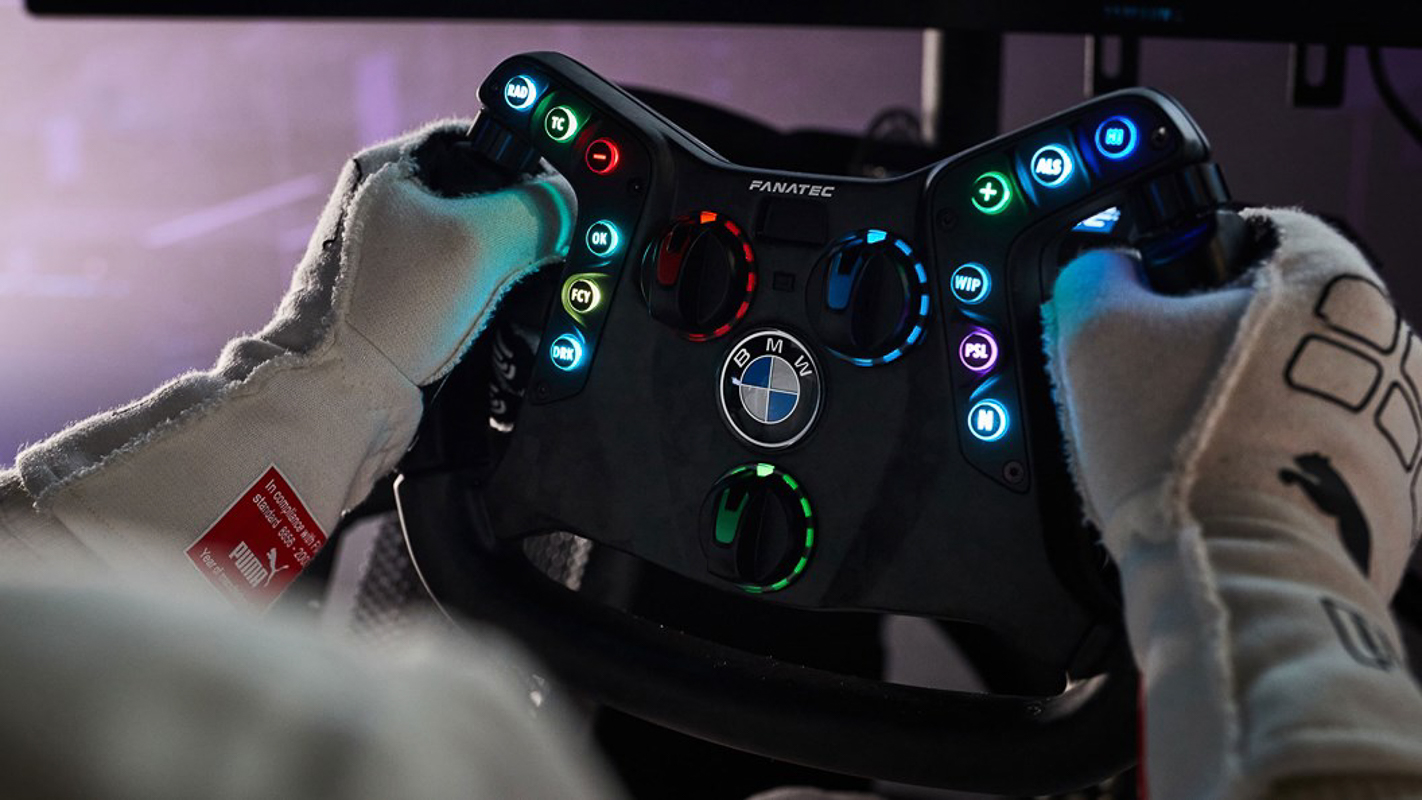
Sim wheels are now so realistic they look almost identical to the real thing – but this time the sim wheel *is* the real thing. BMW Motorsport has teamed up with Fanatec to produce the all-new BMW M4 GT3 wheel – and it can be used both in the simulator and in the real car.
Homologated for GT3 racing, it’s made from 8-layer carbonfibre, and features all the bits and pieces you’d expect to see on a real steering wheel. RGB LED-backlit front buttons, backlit 12-position rotary switches, custom thumb encoders, dual-action magnetic shifters and dual-sensor clutch paddles, and just some of the things on the spec list. And it requires no modifications to be used in a race car.
Just to prove the point, BMW driver Phillip Eng drove an M4 GT3 race car onto stage, took the wheel off, and then completed a few laps iRacing with it. Ridiculous.
M4 GT3 developed by iRacing
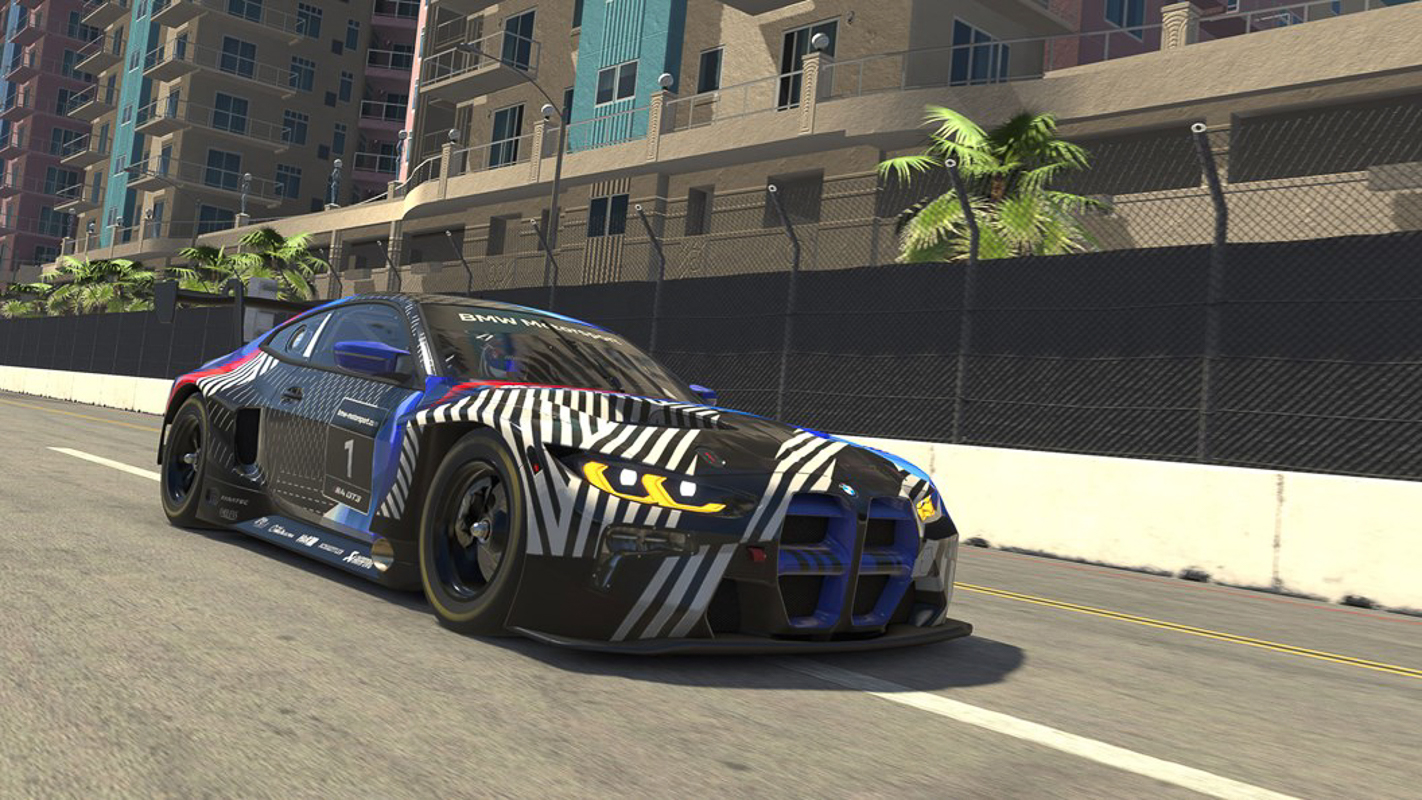
BMW worked closely with iRacing to create the sim-version of the M8 GTE race car, and this time it’s going even further with the M4 GT3. Instead of beginning work as soon as the car is finished, this time Munich’s engineers are developing the car in parallel with the sim version – so findings of sim racers will go towards the real car.
The process will stop later in 2021 when the final car is built and delivered to customer teams, and at that point the sim-version of the car will be frozen, too. The process involves everything from CAD data to photos, and over 70GB of data has been exchanged so far.
“iRacing is doing a fabulous job when it comes to being realistic. Just a few years ago, I would never have believed that something like this was possible,” said Eng. ” iRacing has achieved an incredibly high standard in cooperation with BMW Motorsport. I am very excited to see how good the digital BMW M4 GT3 will be in the end.”
Finally, and slightly closer to home is the Fusion SL concept. Designed by BMW Designworks and furniture-maker Sedus. The Fusion SL is a racing seat that aims to disappear into your front room – and even masquerade as a coffee table.
It serves as a robust rig when in-use, but can easily be folded into a desk, coffee table or seat when off duty.
Although not as exciting as the previous two concepts shown at SIM Live, it’ll by far the best for solving living room and furniture-based arguments.
This story was originally published at carmagazine.co.uk
