
Once, there were just cars. You had a car, I had a car, and maybe your car was faster than my car but hey, they were all just cars. Then came the supercar.
In the 1970s, someone looked at a Lamborghini Miura and thought to themselves, “That’s no mere car – it’s too super for that!” And suddenly there was a distinction in the car world, and the class war had begun.
And so we had the original supercars, like the Lotus Esprit or the BMW M1 or the De Tomaso Pantera. And for a long time, that was enough – you had cars and supercars, one type for commuting and one type for hanging on the bedroom walls of teenage boys.
Then, maybe a decade ago, someone looked at a Bugatti Veyron and thought to themselves, “That’s no mere supercar – it’s too hyper for that!” And lo, we needed a new word to describe the Ferrari LaFerrari, or the Pagani Huayra, or the McLaren P1. What’s the difference between a supercar and a hypercar? A hypercar needs Ritalin to pass maths.
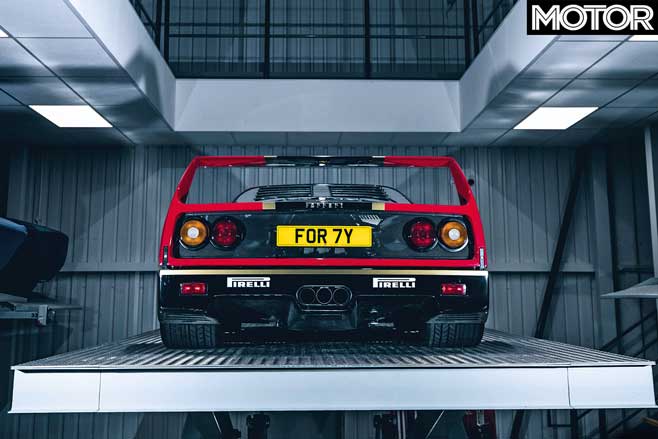
And the class war intensified, and the supercar owners seethed with impotent envy at the hypercar owners swanning about in their Sennas, thinking they were just so, well, hyper.
But now we’re probably overdue for another tier above the hypercar. Because after humanity goes extinct from coronavirus in the next few months, the cockroach-human hybrids that take over the world will be driving a new crop of frankly insane beasts that will make the hypercar owners grind their teeth in superheated jealousy. Like the Mercedes-AMG One, the Aston Martin Valkyrie or the Koenigsegg Jesko, which sounds like a character from the extended Star Wars universe that only virgins have heard of.
Nought to 100 in one-point-something. Quad-turbo electrically-assisted flux capacitor drivetrains. Minimum buy-in, 1000 horsepower. Sticker price, two million and up. In short, the sort of numbers that look like typos compared with the supercars of today.
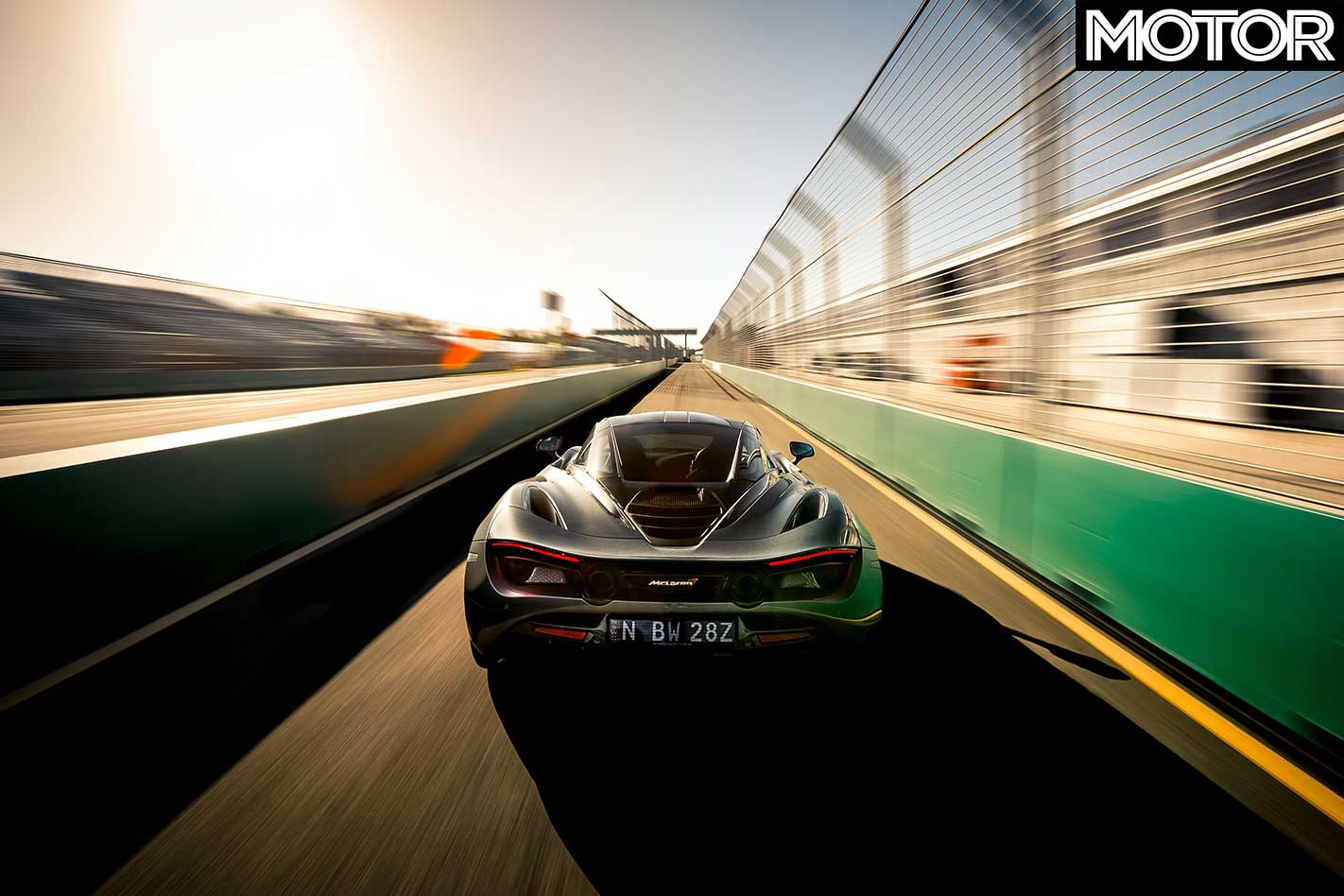
So what should the next stage in the class war be called? The ultracar? The gigacar? The insanocar? A few years ago we could have gone with the ubercar, but now that just makes it sound like a Nissan Qashqai that will take you to the airport.
The good news is, we can just go crazy with the adjectives now. There’s no need to save an adjective for another level of super-hyper-meganess above the next crop, because the next level after that probably isn’t even a car at all.
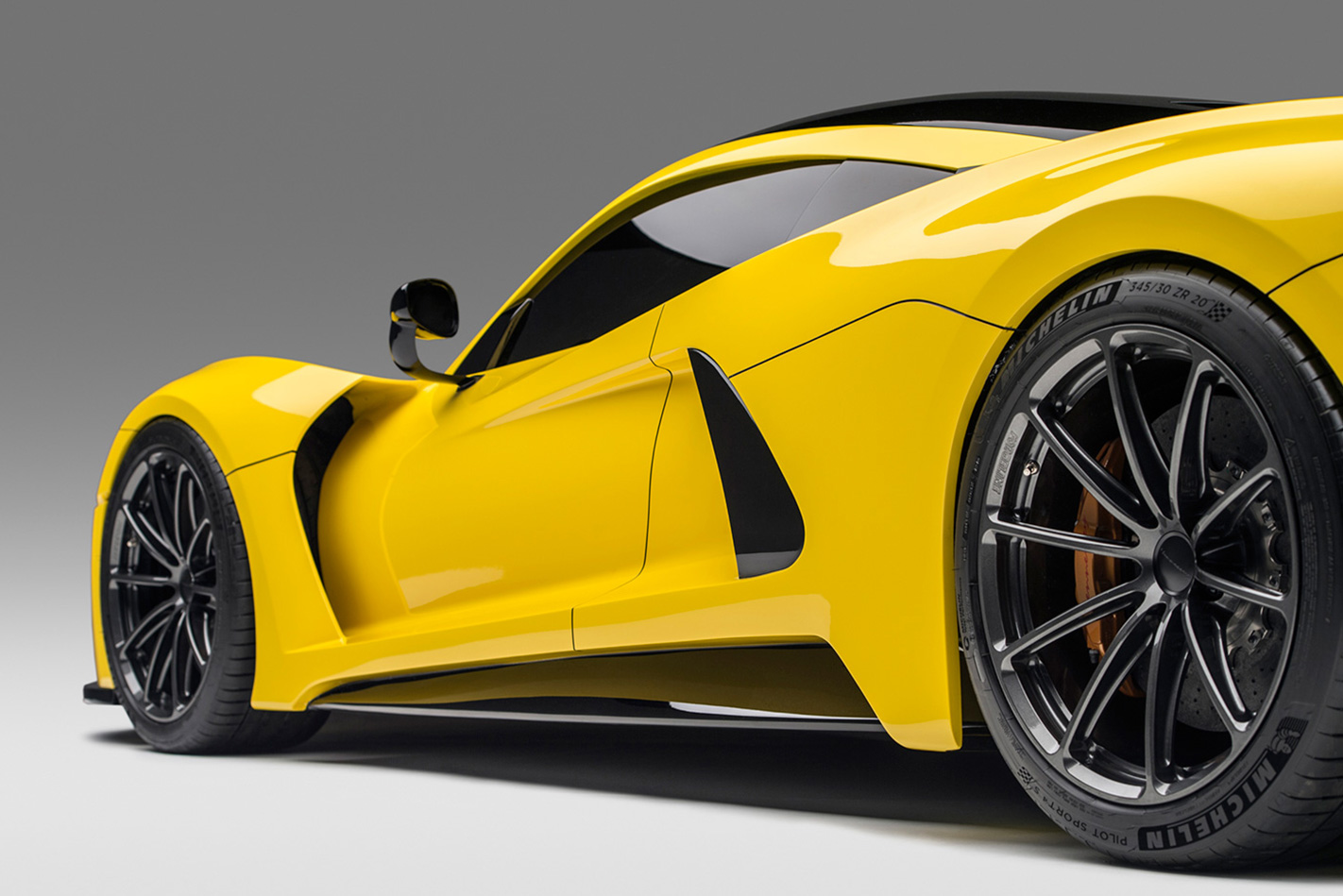
We’re reaching the outer limits of what engineers and designers can achieve, if only because we’re reaching the outer limits of what tyres can withstand. When Hennessey first unveiled their Venom F5 concept, everyone oohed and aahed at the projected outputs, but it was all theoretical since there was no rubber on the planet that could keep eleventy gazillion horsepower tethered to the ground.
If they take the next step and invent hovercars, will they even really be cars? Won’t they just be low-flying planes? Once you cross certain technological barriers, you’ve surely created a whole new thing, not just improved the old thing. Otherwise the Ferrari SF90 Stradale would be called the world’s most advanced horse and carriage.
Green hypercar energy: Koenigsegg Gemera
So what do you reckon? What gets your vote for the next genus of automotive evolution? Personally I’m voting for “wowzersmobile”, just to stop the owners getting too smug about owning one. But my vote probably won’t matter, since I’ll just be a meat-battery plugged into the Matrix to power our robot overlords.
Or maybe we go the other way, and like Bernie Sanders says, end the class war. Erase the distinctions. Restore equality. You’ve got a McLaren Speedtail, I’ve got a Fiat Panda, but they’re all just cars. Can’t we all just get along?
In our Fast Facts series, WhichCar delves deep into the history of automotive brands to bring you fascinating facts and intriguing information.
Here we focus on Land Rover, the brand that is now renowned for building the iconic Defender, the legendary Discovery, and the world’s first luxury SUV – the Range Rover.
A BRITISH JEEP
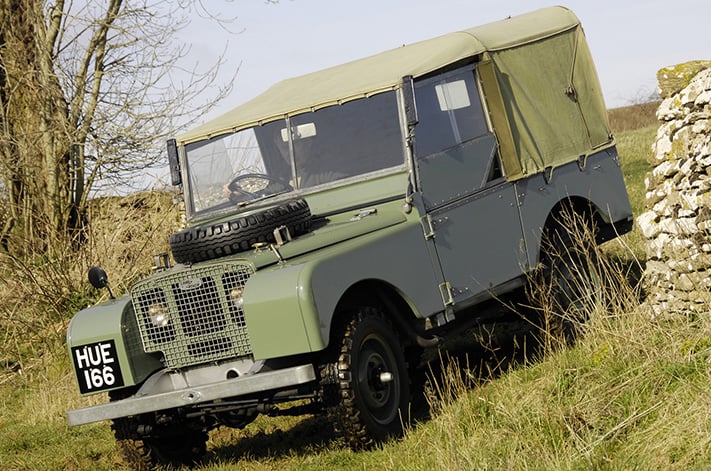
Land Rover was born in 1947 as a sketch in the moist sand of a Welsh beach, when brothers Spencer and Maurice Wilks believed they could build a superior, British version of the war-surplus Willys Jeep they used on their farm.
They also had the means – Spencer was the managing director of Rover, while Maurice was its technical chief. The 1948 ‘Land Rover’ not only boosted the company’s business but became Britain’s most successful post-World War II export vehicle.
THE NEW ‘TRACTOR’
Early prototypes of the Land Rover Series I featured a central steering wheel, which overcame the issue of adapting the vehicle for overseas markets.
It also reflected the vehicle’s aim to become an alternative to farm tractors – and advertising posters featured it pulling various machinery including ploughs and carrying big loads of wheat.
The wheel reverted to a normal position, however, by the time it reached production.
MAJESTIC RECEPTION
Production started at about 100 per week but the Land Rover’s popularity saw this escalate to 500, then 1000 – at which point it was out-selling Rover’s traditional sedans. Famous customers included The Queen, who would become not just a regal buyer but a regular one.
TANK TRACKS AND PINK PANTHERS
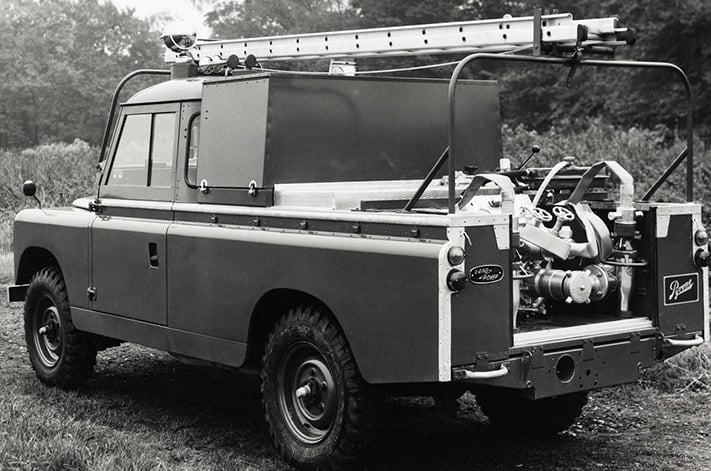
From 1958, the Series II Land Rover introduced more variants including a longer-wheelbase model, a 12-seater that saved on taxes due to being classed as a ‘bus’, and large Forward Control versions – so-called because the driver sat ahead of the front axle.
One Scottish conversion company, Cuthbertson, even created a version featuring tank-style caterpillar tracks. Land Rovers also became converted fire trucks and ambulances, while various ‘Landies’ became a familiar sight in modern warfare. One model used by the SAS in Oman was dubbed the ‘Pink Panther’ – after its special paint that was deemed best for camouflage during desert operations.
HIGH RANGE
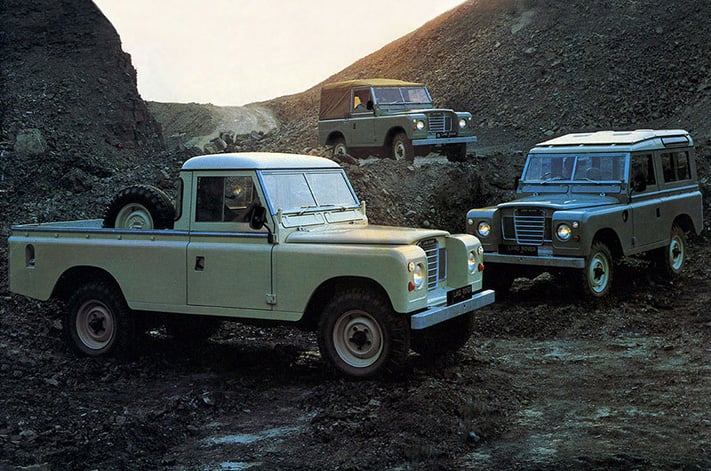
In the 1950s, Rover dabbled with development of a new wagon-style model dubbed the Road Rover. It wasn’t until 1970, however, that the Series 1 was joined by a more upmarket vehicle. The Range Rover’s features included permanent four-wheel drive, a distinctive clamshell bonnet, a continuous waistline, and an interior that could be hosed clean.
It didn’t establish itself as the world’s first luxury SUV, however, until 1981, when it added two rear doors. Other design cues retained by today’s fourth-generation Range Rover include the ‘floating roof’ concept first seen in 1973.
Defending the indefensible Defender
MONA LISA … AND A RANGE ROVER
Such was the Range Rover’s global impact that, for a period during the 1970s, Paris’s famous Louvre showcased the vehicle as an industrial masterpiece.
VEIL OF SECRECY
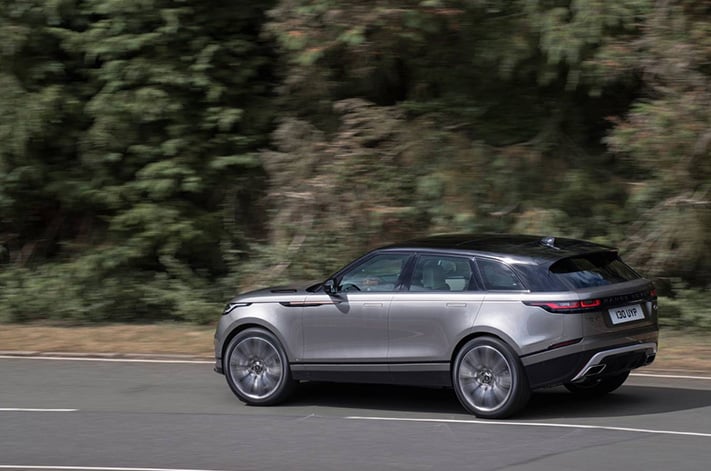
Rover was determined to keep the Range Rover name a secret prior to its launch, so all 26 prototypes testing in places including North Africa and France featured the Velar badge – Italian for veil or cover – to confuse prying eyes.
In 2017, Land Rover revived the badge for a new Range Rover model sitting between the Evoque and Sport.
LAND ROVER BECOMES ITS OWN BRAND
The success of the Series Land Rover and “Rangie” prompted the transition of Land Rover from a product line to full brand in 1978 – under the stewardship of British Leyland before it was subsequently renamed the Rover Group in 1988 during a messy period in the British car industry.
In 1994, an ambitious BMW purchased the Rover Group from British Aerospace – but a combination of German mismanagement and the British manufacturer’s deep-rooted issues resulted in Land Rover being sold to Ford six years later (for a then US$2.8billion) while Rover went to a consortium (for a nominal £10).
A closer look at the 2020 Defender
ENDURING CHALLENGE
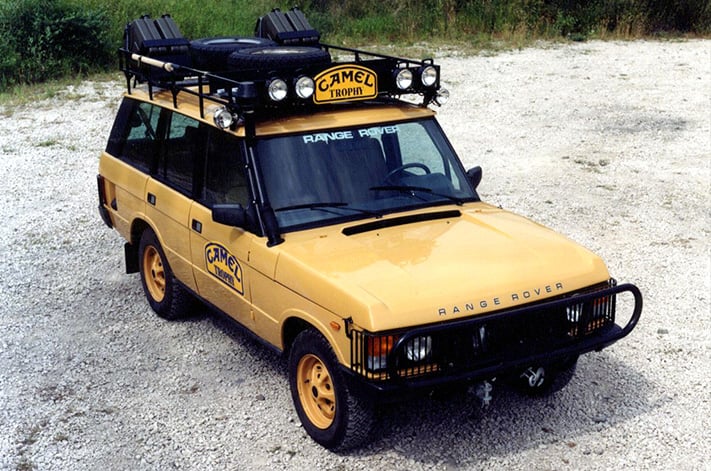
The company behind cigarette brand Camel created a promotional event in 1980 in which three German teams driving Jeeps tackled a challenging route through Brazil’s Amazon Basin.
From 1981 until 1998, the Camel Trophy spread to other parts of the world and became the exclusive domain of various Land Rovers as both competitor and support vehicles for an adventurous expedition event “designed to test human endurance and adaptability”.
From 2003, Land Rover created its own adventure competition called the G4 Challenge, which similarly involved teams facing various, vigorous off-roading and sporting tests.
DISCOVERING A NEW LAND ROVER
The 1989 Discovery not only filled a crucial product gap existing between the basic Defender and luxury Range Rover, it responded to the surge in sales of 4×4 lifestyle vehicles during the 1980s.
To hasten development – and Land Rover’s ability to rival the likes of Japan’s Nissan Patrol and Toyota LandCruiser – the Discovery borrowed the Range Rover’s underpinnings, though was given its own distinctive design – its biggest trademark the two-level, or stepped, roof.
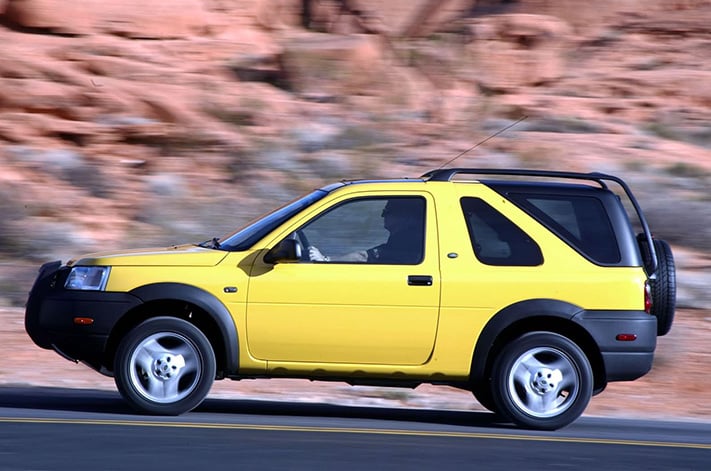
Its ensuing success over the following decades eventually led to the company establishing a new Discovery family of vehicles – including the rebranding of the Freelander compact SUV (launched 1997) to Discovery Sport in 2015.
SOLID DEFENCE
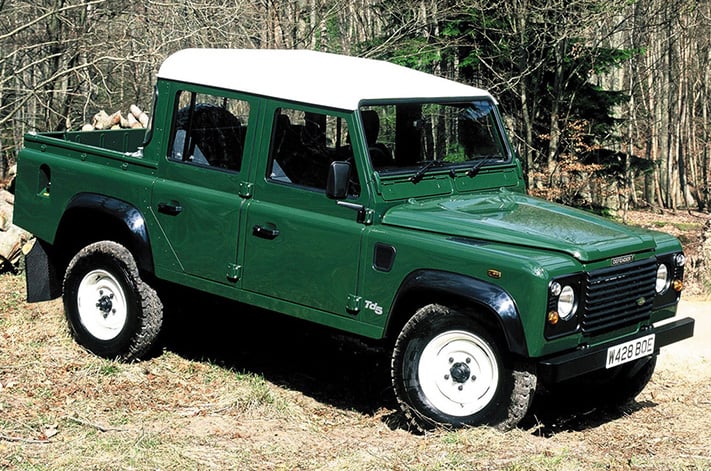
The Series Land Rover had eventually become the Ninety and One Ten – two versions named after their wheelbases in inches (approximately) – before being badged Defender 90 and Defender 110 from 1991.
Production finally ended in January 2016, 68 years after the original rolled off the same Solihull, UK, assembly line. About two million had been built, and between 65 and 70 per cent of these are estimated to still be running today.
TOO MANY ROVERS?
Technically, a Range Rover’s full name is a Land Rover Range Rover – a bad case of repetition. A few years ago, the company considered splitting the two into separate brands – with LR focused on utilitarian vehicles and RR focused on luxury – before sticking with the status quo.
The Range Rover family has grown, however. After the original covered 34 years alone, it has been joined by three new relatives since 2004. That year marked the arrival of the smaller, more athletic Range Rover Sport, followed by the “baby Rangie” Evoque in 2011, and then, in 2017, the (aforementioned) Velar.
POSH EVOQUE
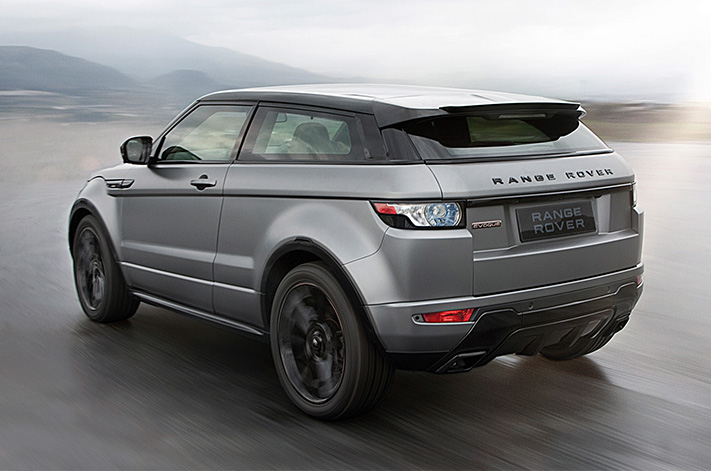
Land Rover hired singer-turned-fashion-designer Victoria Beckham as a temporary creative director to create a Posh version of the Evoque in 2012.
The Special Edition had details including hand-finished matte paint, rose-gold accents for the grille and alloy wheels, vintage-style tan-leather upholstery, mohair floor mats, and a bespoke four-piece luggage set.
TWINNED WITH JAGUAR
Since India industrial giant Tata bought Jaguar and Land Rover from Ford in 2008, the two British sister brands have become increasingly intertwined – sharing a vast array of componentry and technology for improved economies of scale.
Platform sharing is also gradually coming into the equation. The new Range Rover Velar shares much of its construction, suspension and engines with the Jaguar F-Pace SUV.
LANDIE SPEED RECORD
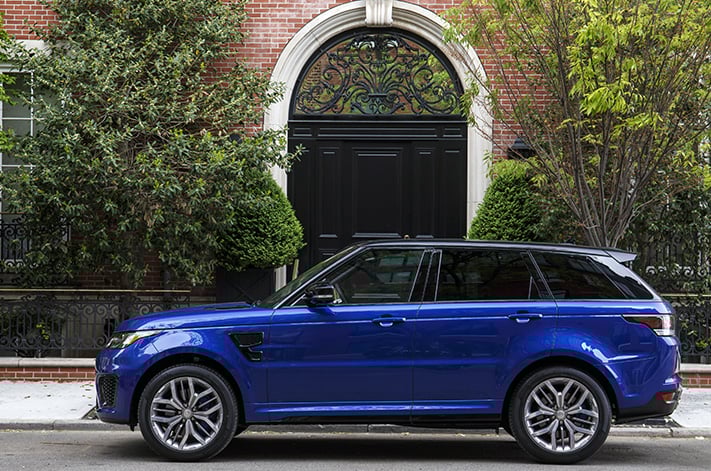
Jaguar Land Rover’s Special Vehicles Operations division released the fastest and most powerful Land Rover yet in 2015 – the Range Rover Sport SVR. With a 405kW supercharged V8, the SVR – still on sale – can reach 100km/h from standstill in 4.7 seconds and a top speed of 260km/h.
Land Rover Defender 2020
Land Rover continues on strong to this day, as we wait for the imminent release of the 2020 Defender upon Australian soil.
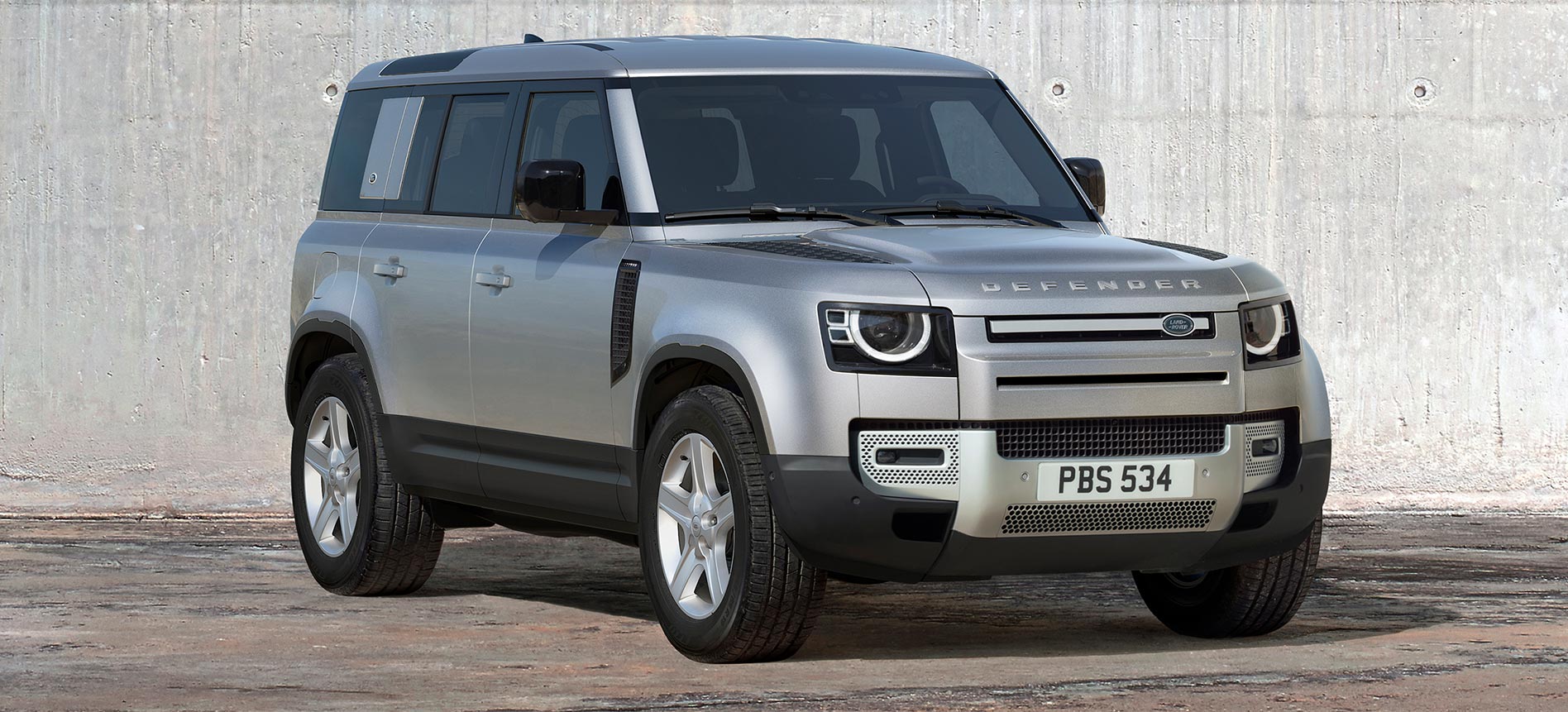
It’s the car that defines the Land Rover brand, but the new Defender is radically different from the original and heralds a new era for the storied marque.
It’s been a very long wait. The Nissan 400Z that looks set to be unveiled next year comes on the heels of the 370Z, a model that’s been with us 11 years, its life neatly bookended by two recessions.
Because of the latter, Nissan isn’t committing right now to a firm launch date for its 300kW twin-turbo tearaway. Though, a recent corporate video confirmed the car’s existence and imminent arrival.
Despite development being almost complete and an unveiling originally set for the New York International Auto Show on April 8 (with 2021 pencilled in for initial Australian deliveries), the coronavirus pandemic has put those plans firmly on ice.
In fact, such is the impact of the macroeconomics on discretionary purchases like sports coupes that Nissan has delayed the entire launch schedule for at least a year.
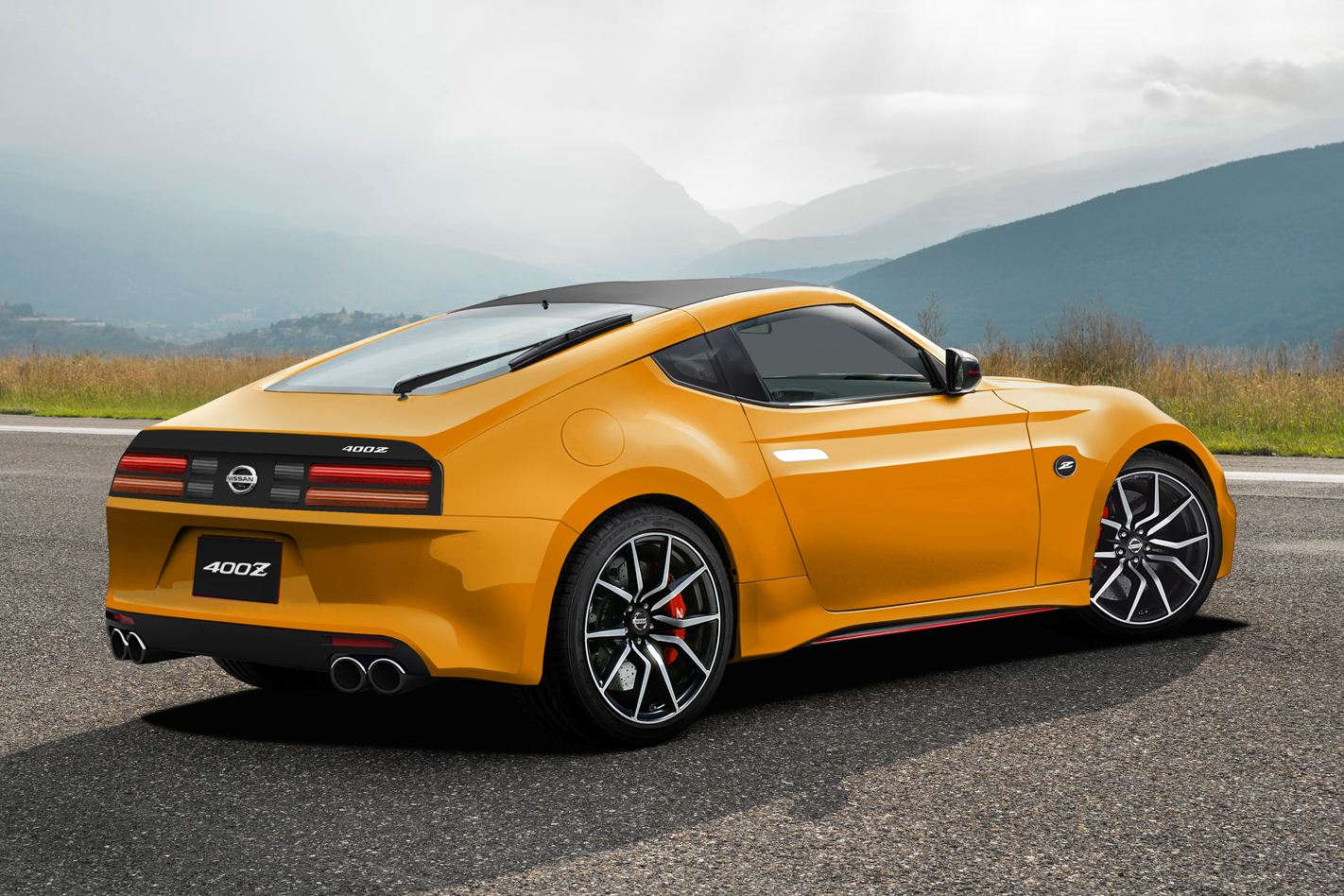
So what can buyers expect when the hankie is finally flicked off the 400Z at a motorshow, real or virtual? Given Nissan’s parlous financial state, it’s probably not uncharitable to describe the 400Z as a budget development.
In concept, it’s effectively a reskin of the Noughties-era 370Z, running on a modified version of that car’s FM platform. Those underpinnings can be traced back to the 2001 V35-series Nissan Skyline and also formed the foundation for the Infiniti Q60.
The doors are shared with the 370Z but beyond that, all of the other exterior panels are new. Responsibility for the exterior design ultimately falls to Alfonso Albaisa, Nissan’s Cuban- American design boss.
The 20-year Nissan veteran broke the news to Wheels back in September 2018 that he was working on the next-generation Zed, outlining the expectation inherent in such a high-profile project.
“The Z-car, oh my god. Huge pressure,” said Albaisa when reviewing the to-do list of Nissan design work.
“You can imagine I’m completely excited that I am in the position to work on that.”
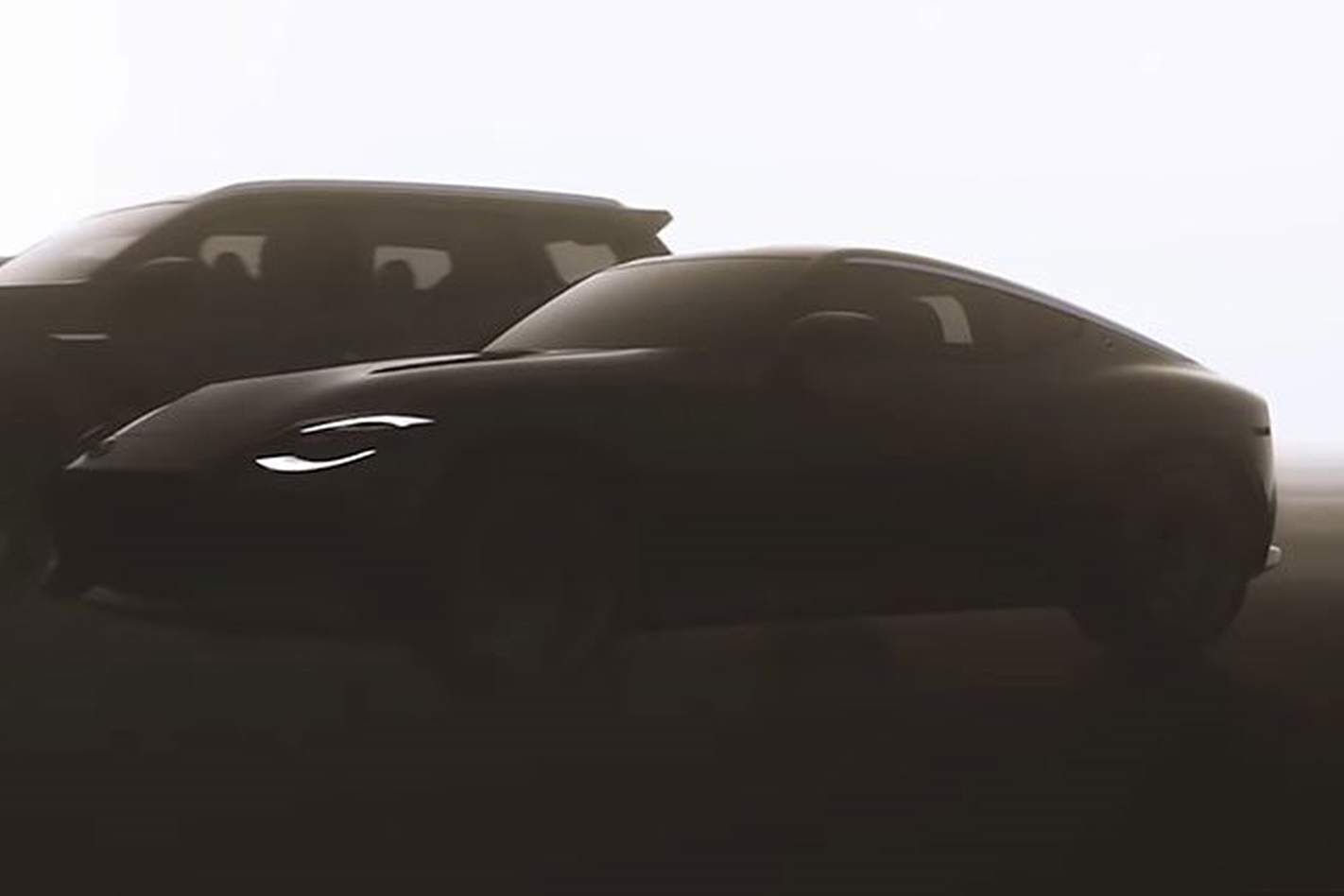
He should be excited. The 400Z has presented Nissan an opportunity to reimagine a very singular design language. Those who have seen the final clay bucks of the car in Nissan’s studio speak of a shape that echoes the hard points of the 370Z, but clothed in a far more striking design that fuses modern body-surfacing techniques with deliberately retro design cues.
A rounded headlight motif in a shapely lamp housing looks set to define the car’s face, whereas the rear lighting signature harks back to the slim 300ZX-style lamps.
Above all, Nissan was keen to present a clean, architectural look to the vehicle.
“It’ll almost be a heritage model with retro styling that harks back to hits of the past,” said our Nissan source.
The company has sought Australian patents for a newly designed Z badge, reprising the 240Z’s oblique centre dash running through the middle of the letter – a clear nod to the 400Z’s forebears.
Fewer details exist of the cabin, given clay bucks are notably difficult to sit inside. It was here, more than anywhere, where the 370Z was showing its age, with a small touchscreen saddled with a clumsy interface.
Materials quality was hit-and-miss, stowage space was poor and even the latest cars featured throwback touches like a CD slot in the dash, a manual handbrake, passive cruise control and no smartphone mirroring.
Expect the 400Z to feature a reskin of the sharper infotainment system seen in the Infiniti Q60.
While the cabin dated the 370Z, the way it went down the road held up extremely well for such a long-lived model. The 400Z will aim to carry over as many of its dynamic highlights as possible while updating a few areas where its predecessor had slipped off the pace.
Economy and emissions will obviously need to improve over the 370Z Nismo’s dismal 10.6L/100km and 276g/km test figures.
The all-aluminium 3.0-litre twin-turbo V6 from the Infiniti Q60 Red Sport is expected to slip beneath the 400Z’s bonnet, marking a return to Z-car forced induction for the first time since the much-loved Z32 twin-turbo version of the 300ZX finished its production run in August 2000.
Part of the VR family that also includes the 3.8-litre unit seen in the Nissan GT-R, the VR30DDTT makes 298kW in the Q60 Red Sport, already enough to see off the uprated 2021 Toyota Supra, which is set to get a 285kW version of the BMW B58B30 lump.
It’s worth noting that even the current Supra enjoys a torque advantage, making 500Nm versus the Infiniti’s 475Nm.
The 5.0-second 0-100km/h time of the all-wheel-drive Q60 Red Sport appears so-so, but it is hauling a porcine 1784kg around.
Nissan will be targeting a kerb weight at least 200kg lighter than that, with drive only going to the rear wheels, so a time in the mid-fours ought to be a fairly reliable estimation.

It’s not the first time a VR30DDTT has found its way into a Z-car. Nissan built the Project Clubsport 23 demonstrator for the 2018 SEMA aftermarket trade show, and its 400hp output dovetails neatly with the new car’s badging.
Nissan called that particular vehicle a “rolling parts development platform”, and while much of the kit was typical show-car dressing, there were a couple of interesting mechanical choices.
The first was the fitment of a six-speed manual transmission, and a lot of investment was ploughed into making the VR30 work with three pedals and a stick.
The company has yet to confirm which transmissions will feature on the 400Z, but it’s safe to bet on the Infiniti Q60’s seven-speed auto. Purists would love to see the six-speed manual integration project make production reality.
In addition to the ability to row around an H-pattern ’box, the Project Clubsport 23 also featured a Nismo Pro Carbon two-way limited-slip differential, a clutch-type diff that’s more focused than the viscous diff last seen on the 370Z Nismo. Markedly improving the diff and steering from the patchy Q60 Red Sport will be Nissan’s biggest challenges in the development of the 400Z’s dynamics.
It’s tempting to think not a lot needs doing to the 370Z in order to market its successor as a retro-themed car. In truth, it takes a lot of fresh thinking to come up with something that adheres to contemporary regulations while tipping its hat to previous Z-car generations. It usually takes time to finesse these subtleties. Fortunately, time is something the 400Z is not short of.
Five building blocks to re-imagining an icon
- FM chassis also spawned the Nissan PM platform that underpins current GT-R, another veteran, on sale since 2009
- VR30DDTT engine requires super-low-viscosity 0W20 oil designed to reduce emissions during warm-up
- The twin-turbo-powered 400Z will see an end to two decades of natural aspiration for the Z-car
- 370Z was the first manual car to introduce throttle blips on downshifts. We hope that tech is carried over to the 400Z
- 400Z will carry the Z35 model identifier and Nissan is looking to undercut the Toyota Supra on price
But what about Nissan’s tough financial situation?
Analysts tend to place the blame for Nissan’s current financial issues on former CEO Carlos Ghosn’s ‘growth at any cost’ strategy.
Last year, the company’s sales slumped by 10 percent in the US, its second-biggest market after China.
Ghosn, now in hiding in Lebanon after absconding from house arrest in Japan, led an unprecedented push for growth, with huge dealer incentives collapsing the bottom line.
In order to achieve a target of 10 percent market share in the US, Ghosn’s stair-step incentive scheme both alienated dealers and led to customers becoming trained to shop for end-of-month bargain deals.
The result? A 57 percent year-on-year profits decline. Ghosn is now being sued by Nissan for $135m, the company claiming that its “legal actions form part of Nissan’s policy of holding Ghosn accountable for the harm and financial losses incurred by the company as a result of his misconduct”.
Former Ferrari Australasia CEO Herbert Appleroth claimed that it was “routine” for senior Ferrari executives to have consensual sexual relations with junior staffers.
According to Fairfax Media reports, Appleroth, who was fired from Ferrari Australasia in November last year, has made the sensational allegations against his former employer under extraordinary circumstances.
The allegations have come to light in a wrongful dismissal suit filed in a Sydney court by Appleroth in May this year, which claimed that he was wrongfully terminated for having had an affair with a junior co-worker.
The dismissal suit alleged that it was a “notorious fact among senior officers” that executives “routinely” had “consensual sexual relations” with junior staff, and named two other global executives as having affairs “without adverse consequence for their employment”.
The former chief of the Scuderia Ferrari F1 team, Maurizio Arrivabene (below), and Ferrari’s global head of sales, Luca Zanetti, were two of the executives that Appleroth accused within his lawsuit of such behaviour.
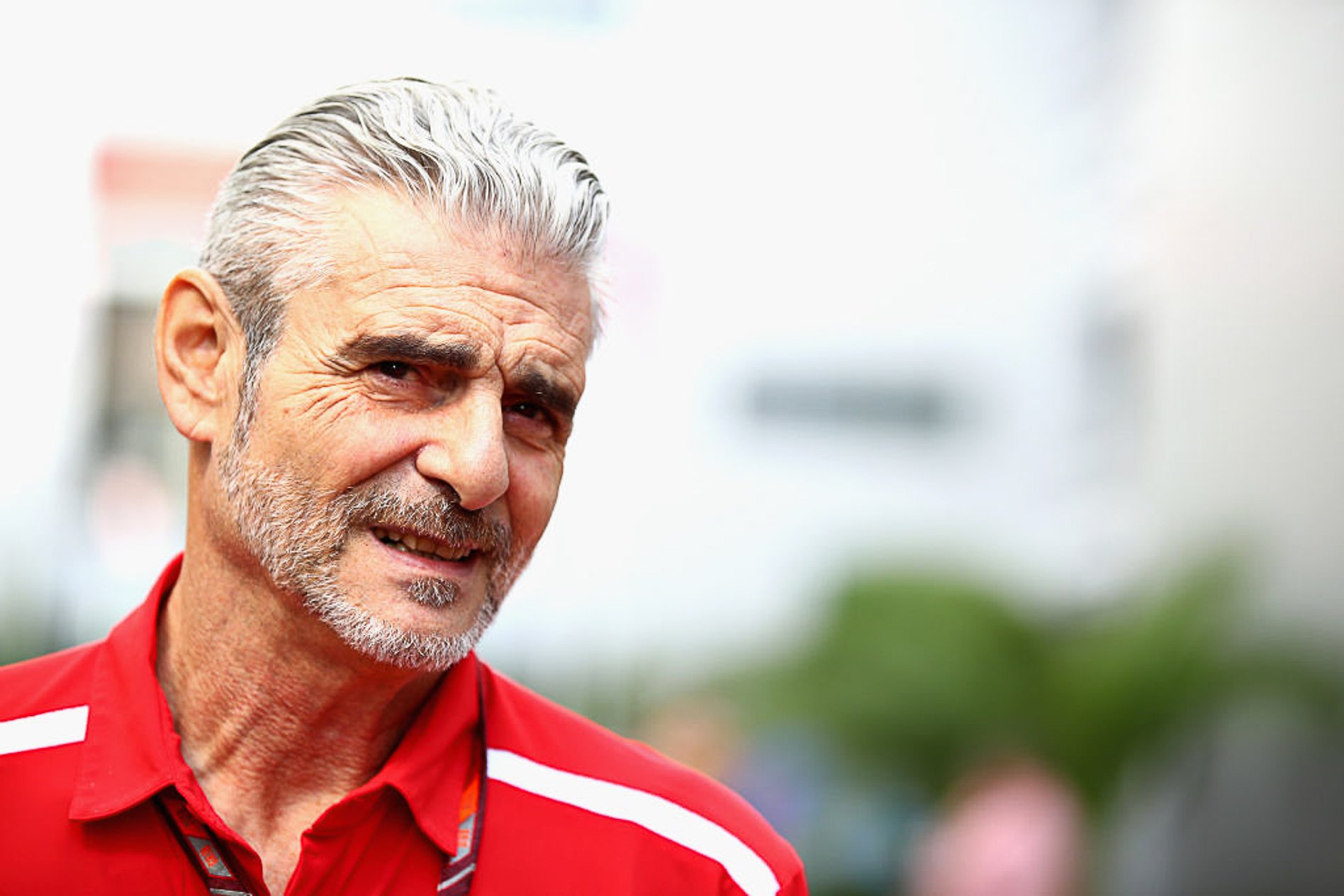
Maurizio Arrivabene in 2018 (Getty)
The allegations have not been tested in court because Appleroth, who was fired from his role last November, has discontinued his legal action against Ferrari.
The suit was subsequently withdrawn by Appleroth a little over a week after it was filed.
Appleroth then applied to the federal court to have the documents deemed confidential after an application by Fairfax Media to view them, but the judge denied the order.
“Although I am not unmoved by the circumstances that Mr Appleroth identifies as reasons for granting the relief that he seeks … I do not consider that the circumstances here amount to reason enough to depart from the foundational principle of open justice,” said the Honourable Justice Snaden.
The statement of claim revealed that Appleroth was seeking $1 million in unpaid entitlements, remuneration, and penalties from Ferrari Australasia.
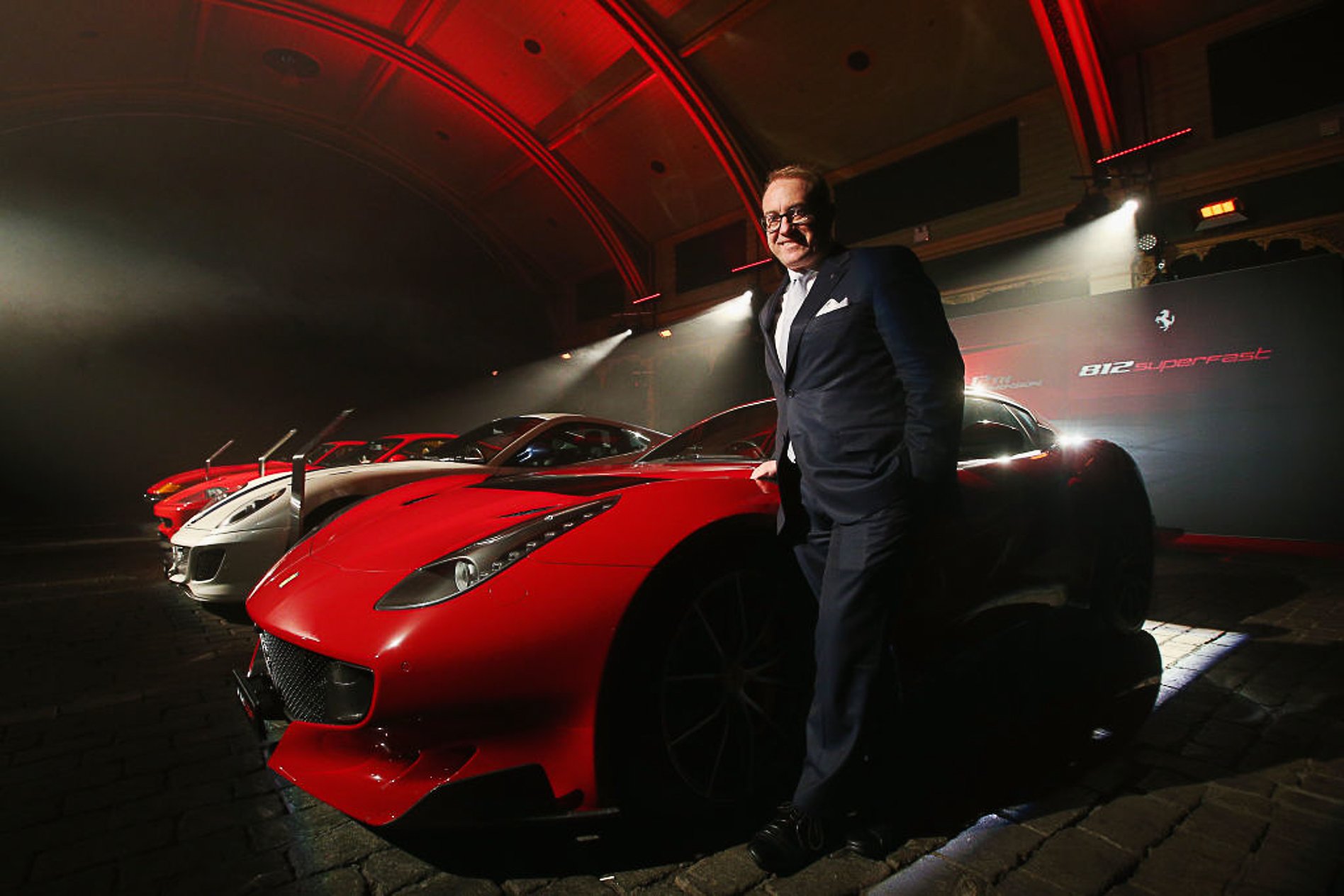
It also revealed that Appleroth (above) had engaged in a consensual sexual relationship with a fellow office worker, who bore the Aeroplane Jelly heir a son.
The relationship ended, and the woman – whose identity has been suppressed via court order – resigned at the end of her maternity leave, filing her own worker’s compensation claim against Ferrari Australasia.
Appleroth – who admitted in the claim that he had tried to convince the woman to terminate the pregnancy – said within his claim that while he had “consensual sexual relations” with the woman, it did not affect any “legitimate business interest of the employer”.
“Ferrari rejects recent characterisations of its workplace culture,” a Ferrari spokesperson told WhichCar.
“Ferrari is committed to fostering a diverse, equitable and inclusive workplace and community. Ferrari’s workplace policies are clear, we do not condone or accept harassment or misconduct of any kind.”
- How coronavirus will change car design
- Kia’s new design chief explains all
- Expect more focus on germ-free interiors
It’s likely that new materials could be used on interior surfaces and common touch points, such as door handles and car controls, to limit the spread of germs and nasties that have helped make Covid-19 so infectious. Many industrial designers are looking to materials such as copper, which is known to resist viruses and restrict onwards infection rates.
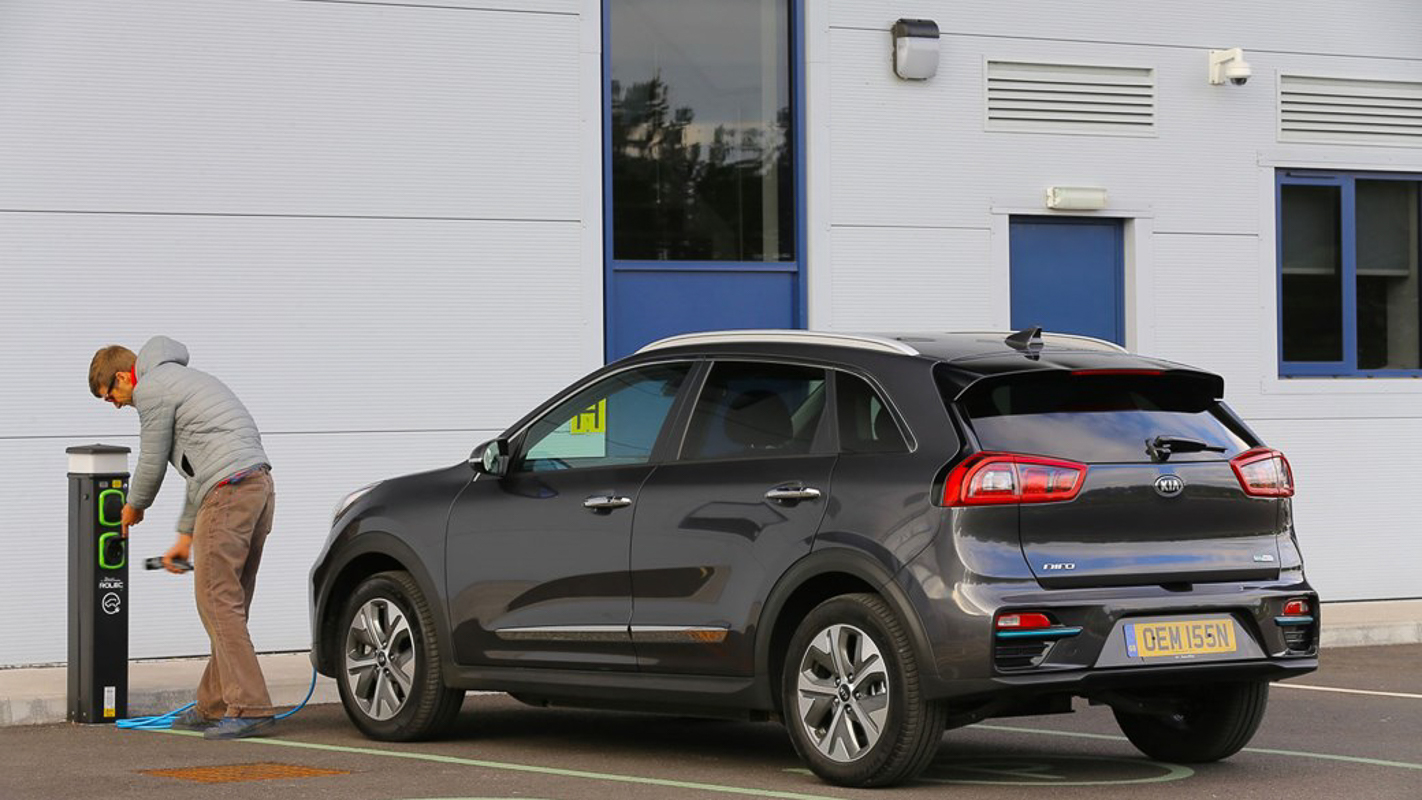
“We’re going to have talks with psychologists and anthropologists to really understand how the public’s psyche is going to be in future,” Habib told us. “There are things we’ve already been talking about: can we have anti-viral coatings in our interiors? Can you use temperature or ultraviolet light to sanitise surfaces? These are things that we will have to think about rather soon.
“So, yes – Covid-19 will very much influence the way we design our cars in future.”
Will the public be more scared of public transport after the pandemic? And how can car makers make their cars safer in a virus-riddled world?
Habib admitted that all car makers might have to reevaluate plans for more shared transport in future – the oft-touted vision of shared e-scooters for the last mile to work and cars as lounges where friends hang out in a social space on four wheels.
“The pandemic has changed the way we live,” he admitted. “Not only over the last few months but the way we will live in the future… For the last few years we have been talking about a sharing economy, shared mobility and public transportation. We will have to see how that develops right now, because of social distancing.
“These new requirements will have a long-term effect on behaviour. What does this mean for cars? I think we’ll have to wait and see – right now we are trying to expand our understanding of what this might mean – not only the types of vehicles we drive, but also how to design vehicles for shared mobility, or not, as the case may be.”
Habib said he was in Germany with his family at the start of the pandemic, but then moved to South Korea, where Kia’s HQ is. “Relative to a lot of places in the world, it was I think milder here. We kept working the whole time, but my children could not go to school anymore and we had to social distance. We have maintained a semblance of, you know, normal life.”
This article was originally published on carmagazine.co.uk
June 6 – You have to wonder what gets into people’s heads sometimes… On more than a few occasions this week, stories have crossed the desk about drivers taking on the long arm of the law and losing. And losing by quite a lot.
I’m not just talking about the scofflaws making repeated dashes across a deserted US – which led to this resurfacing of an amazing Wheels tale of Australia’s own Cannonball, but I digress – it seems even average Australians are taking more risks these days.
Perhaps it’s time to reconsider the notion of means-testing speeding fines again, or perhaps extending that means assessment to the perpetrator’s vehicle? At least two of the cars that were sprung were worth a reasonable amount of dough, so perhaps slapping a lien for a double-digit percentage of the car’s book value on the bottom of the fine is in order.
Oh look! Another dingbat!
For mine, driver distraction and driving to the conditions should be the mainstay of policing rather than skimming the entire pond for tiny speeding infractions – but I’ll make an exception for book-throwing if people are dumb enough to be doing more than 200km/h on public roads.
Perhaps ironically, one of the popular topics on whichcar.com.au this week was the notion of speed, with a group test of dual-cab utes being performance-tested topping the charts. A fast car with big kilometres on the clock also piqued interest, as did a supercharged V8 version of one of Australia’s favourite utes.
Which dual-cab 4×4 ute has the quickest straight-line speed?
Dual-cabs were big business this week, as they were in the Australian new car market last month. The much-anticipated midlife update of the Toyota HiLux was a popular tale – it was also a perfect platform to display the WhichCar TV talents of our eds in our regular Editor’s Verdict segments.
We also revealed who’s who in the dual cab zoo when it comes to partnering up for the next generation of utes, and looked back at some of the least successful badge engineering match-ups of all time.
Lexus led the teaser brigade with a hint of what’s to come for the next generation IS sedan, while Audi revealed what could possibly be the swansong for the long-lived TT sports car.
If you’re lining up a trip this weekend, it’s worth checking out our travel updates blog, and you can see if your drive is on our bucket list of must-drive roads in Australia. Or you might be amongst the Aussies who think that interstate travel is still a bad idea?
Australian border closures a good thing, says national survey
On the lighter side of the equation, we marvelled at how a Taiwanese Tesla driver managed to get it so wrong, checked out a real estate listing for Holden’s Lang Lang proving ground that was never supposed to leave the office and check out Honda’s Lego ode to Mt Panorama.
WhichCar TV is back on track on your screens this Sunday, our world-famous podcast is stocked with new content, and all of our social pages are brimming with fun stuff to keep you entertained as the days get chillier.
Have a great weekend, and stay safe.
Utes are cool. Fact.
But which ute is the coolest? Well, it’s a topic of debate which arose recently at Wheels HQ, so we decided to offer our answer to the question.
Getting in on the action is some of our mates from WhichCar, Motor, and Street Machine.
The rules are simple, no ute is excluded, and only one ute per journalist.
Let the arguments begin!
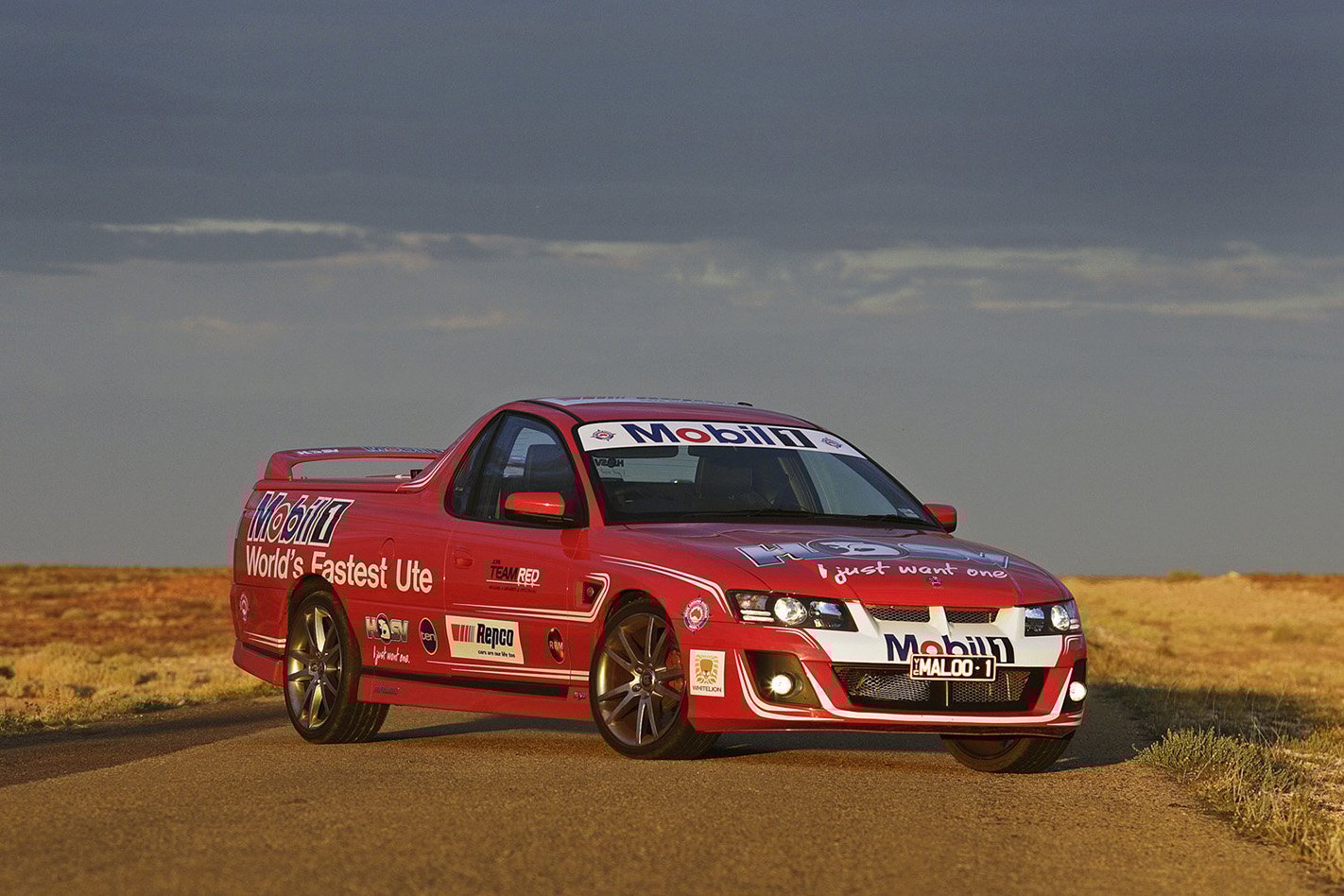
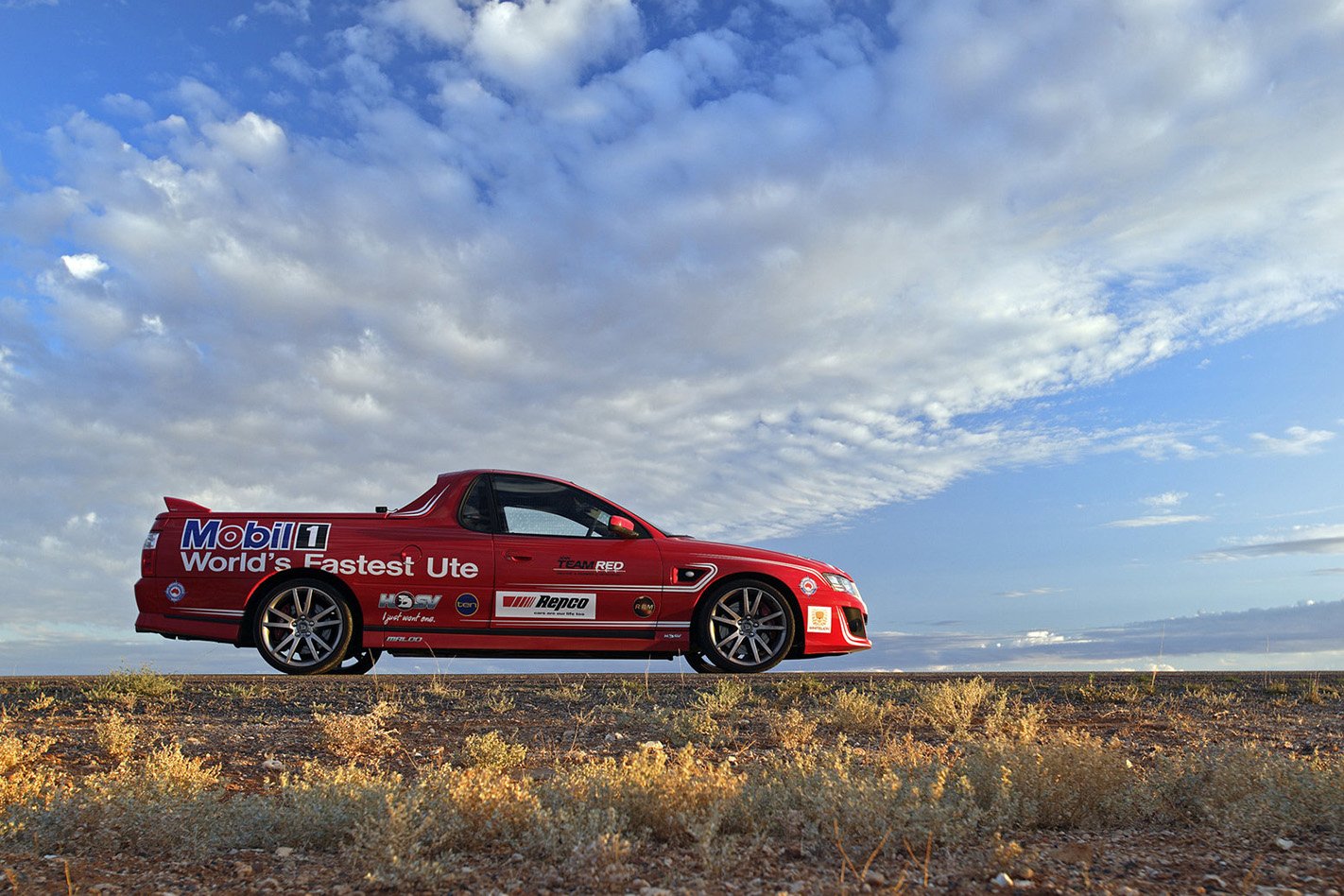
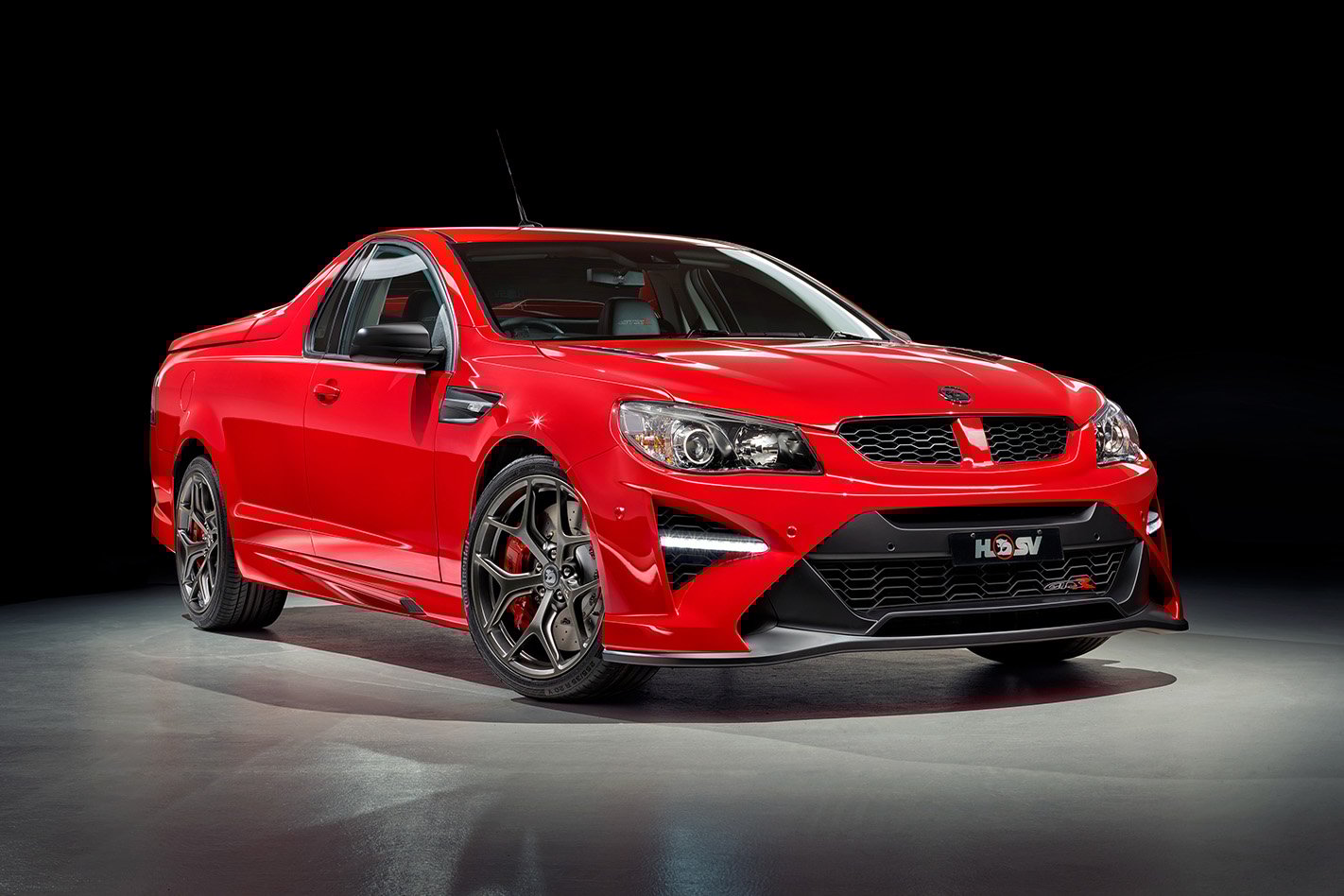
HSV VZ Maloo
Utes, especially Aussie-built ones with a V8 or turbo-six, capture my attention in a way no other type of machine does. I think it’s the sheer lunacy of combining a passenger car cabin, low centre of gravity and a huge motor with a light rear end and compromised load-lugging ability.
It shouldn’t work and yet an HSV Maloo or an FPV F6 Typhoon are incredibly cool.
But few utes have stuck in my mind like the Mobil-liveried VZ Maloo that Mark Skaife set a world land speed record in back in 2006.
I read about that car in Wheels magazine and it was just so Australian, so ludicrous, and so ambitious, that it has stayed with me ever since.
For the record, Skaife managed a Guinness-approved average speed of 271.44km/h.
Alex Inwood
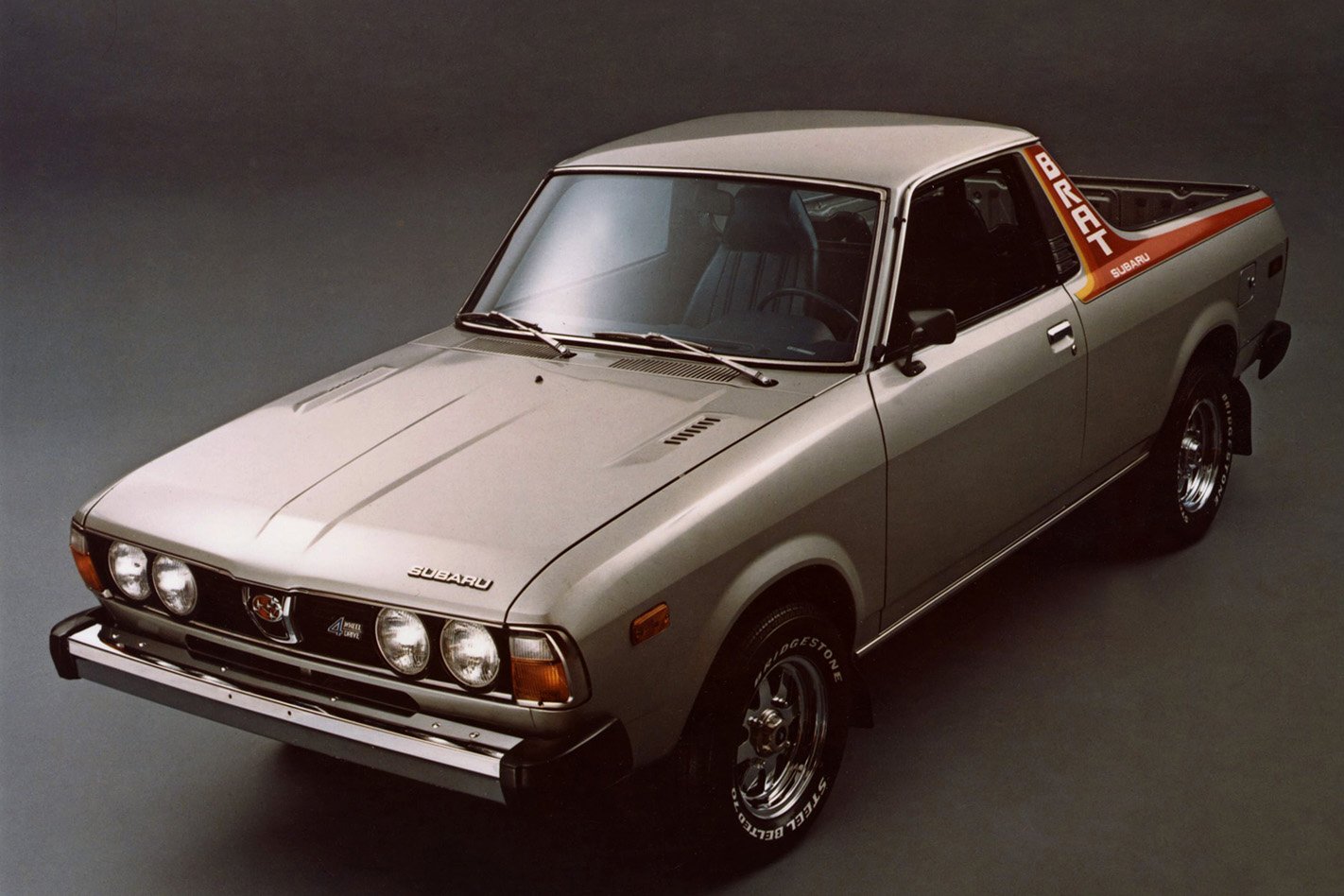
Subaru Brumby / BRAT
There are so many V8 utes I could choose, but instead I’ll go for the Subaru Brumby.
I love them for their durability, dependability and continued omnipresence in regional Australia. They are the ultimate underdog ute, doing a muscle man job with a car-based platform. And who can resist a ute that offers an optional T-top roof!
They were even cooler in North America, not least because they were called the BRAT – short for Bi-drive Recreational All-terrain Transporter.
US BRATS also had a turbo option and came with a set of rear-facing seats in the tray, at least until 1998 – the seats meant the BRAT could claim a tariff reduction as a passenger car.
Strangely enough, they were never sold new in Subaru’s native Japan.
Simon Telford
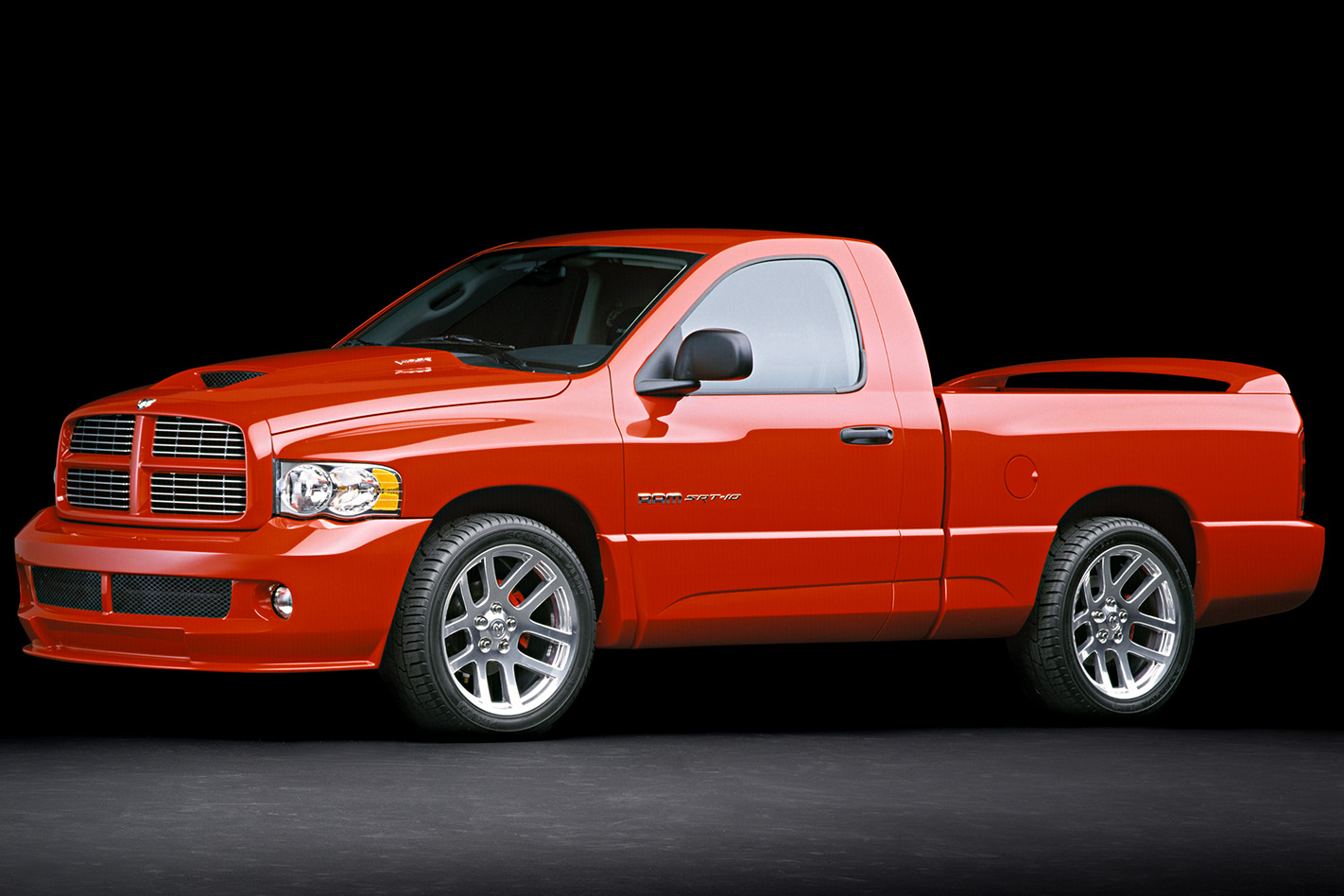
Dodge Ram SRT-10
For me, the coolness of a ute is directly proportional to how ridiculous it is as a concept. By that measure, there is none as cool or ridiculous as Dodge’s 2004 Ram SRT-10.
Fulfilling its preposterous quota is the fact it pairs a traditional American pick-up body with a petrol-guzzling 8.3-litre naturally-aspirated V10 donated from the Dodge Viper.
Oh yes, this is a V10 ute baby!
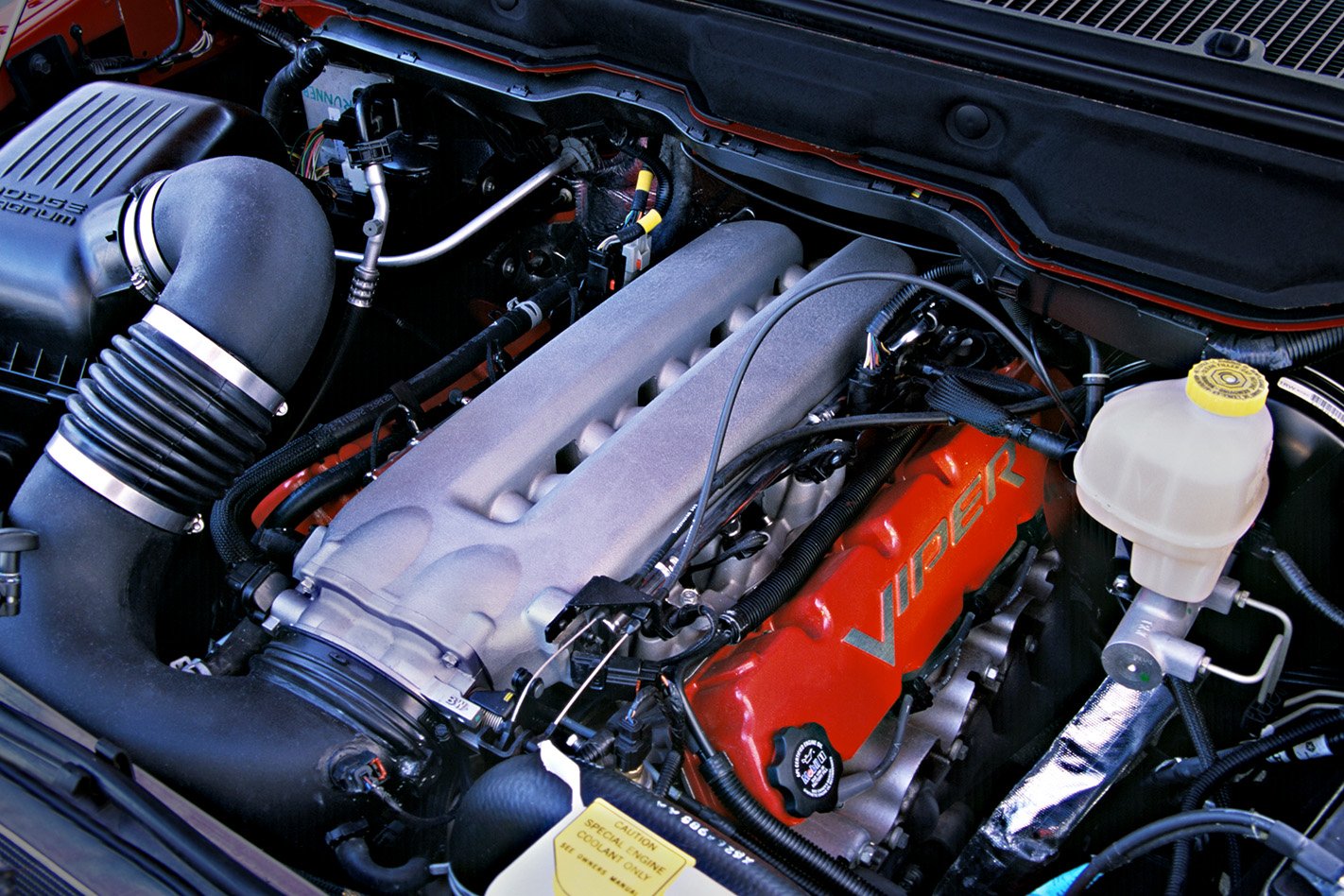
Officially the SRT-10 produced 373kW at 5600rpm and 712Nm at 4200Nm, significant figures nowadays, but truly outlandish in the mid-‘00s.
The V10 Viper engine reportedly delivered 90 percent of its earth-shifting torque between 1500-5600rpm, meaning this 2.5-tonne ute could crack 60mph (97km/h) in 4.9 seconds in two-door form. Top Speed? A cool 248km/h.
In total, just over 10,000 Dodge Ram SRT-10s were ever built, and I want to drive one desperately.
Cameron Kirby
Jimco Reaper
Ram, schmam. If you’re going to have a ute, make sure it’s a ute that can jump 50 metres from sand berm to sand berm in air-conditioned comfort.
This outrageous dream machine is the Jimco Reaper, custom-built by the US company that’s synonymous with the sport of off-road racing.
There’s a 9.1-litre Dougans Racing Engines-built Chevy engine up front making about 650kw and 950Nm, backed by a GM-sourced four-speed auto. It’s mounted in Jimco’s Victory cromoly frame and draped in Ford F-150 bodywork that’s made of fibreglass.
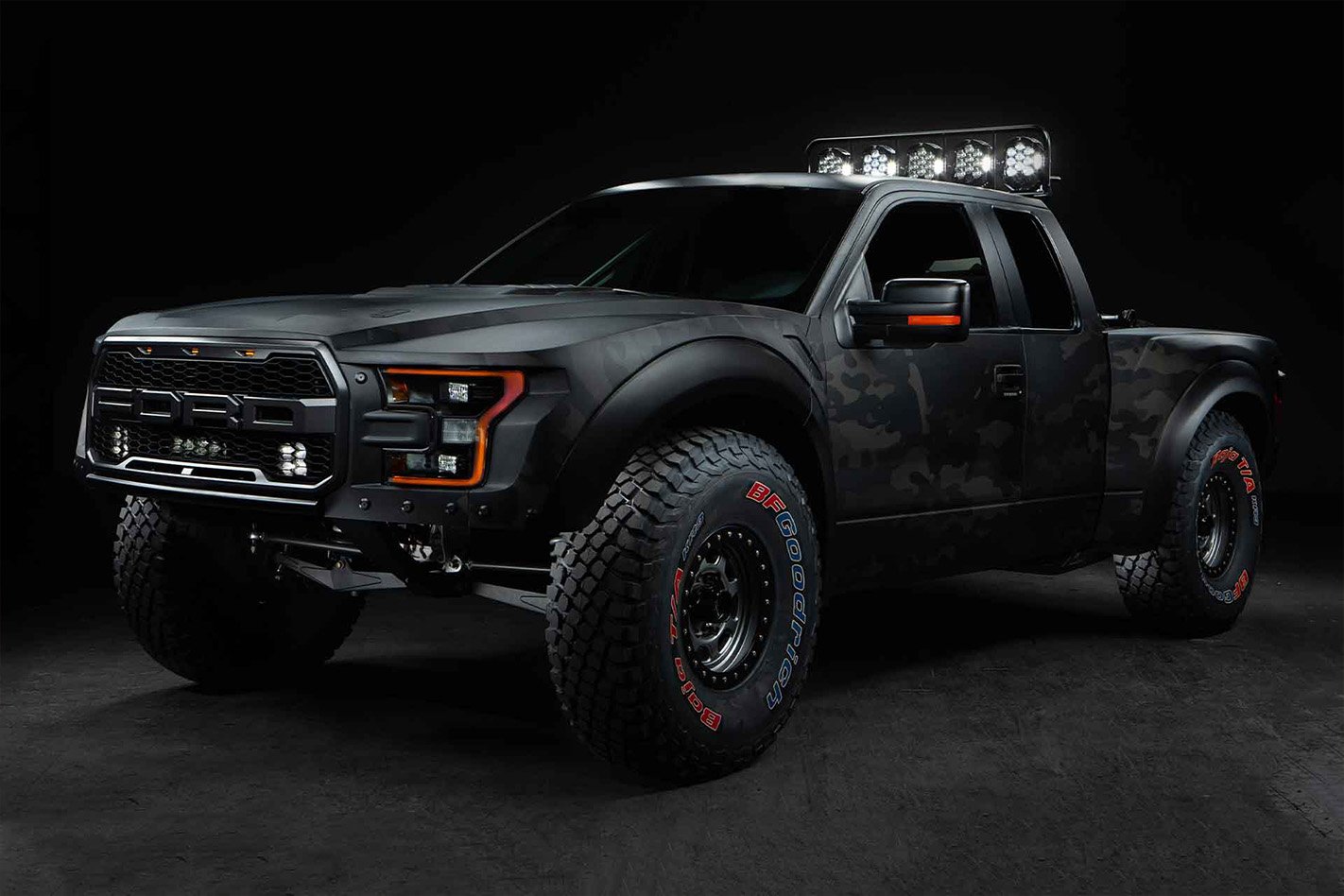
There’s 800mm of wheel travel at each corner thanks to Fox Racing bypass shocks and custom springs, six-piston Brembos, and those tyres are 40 inches in diameter if you don’t mind.
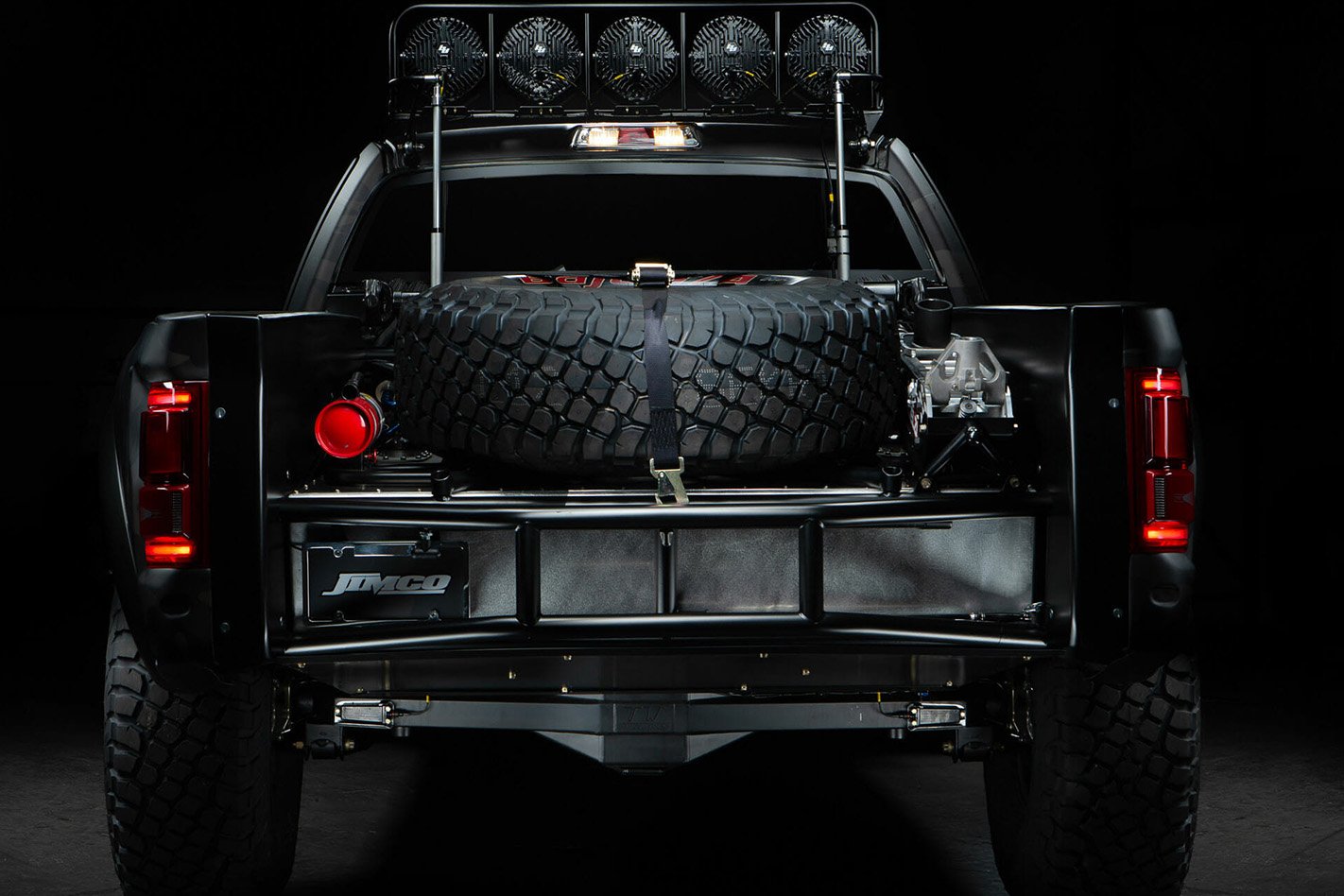
Inside, there’s air-conditioning and cruise control, and the fixed buckets are swathed in quilted leather. The spare is bolted in the tray, and if you wiggle it around a bit, you could fit a mountain bike and an esky in there. Is it road-legal? Yep, says Jimco – well, in Arizona anyway. Price tag? Call it $500,000 and you’d be close.
Tim Robson
HSV GTSR W1 Maloo
Having owned manual Holden utes since my P plates and now piloting a 6.0-litre VZ SS ute as a daily driver, my choice for this list was easy.
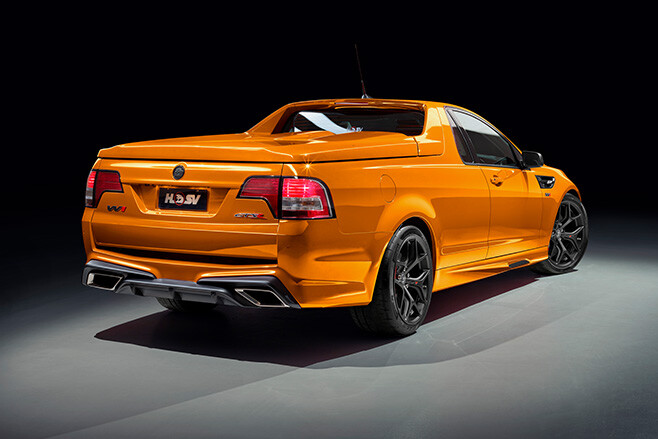
While most would think the LSA-powered Gen-F GTSR Maloo was the last and best of the breed, Walkinshaw opted to take it even further and created the GTSR W1 Maloo.
Only four examples were built for members of HSV’s inner sanctum, as a business case to do a full production run didn’t stack up.
The W1 badge meant these lucky Maloos were stuffed with the same dry-sumped 474kW/815Nm 6.2-litre supercharged LS9 V8, with a delicious six-speed TR6060 manual gearbox teamed with monster brakes and wheels.
It’s the most powerful, the last and the rarest road-legal Holden ute in the world, and I’d give my left bollock to have one.
Kian Heagney
SB Motorsport’s Nissan Navara R
I’m going completely off-piste with this one given that my first two production ute selections have already been snaffled.
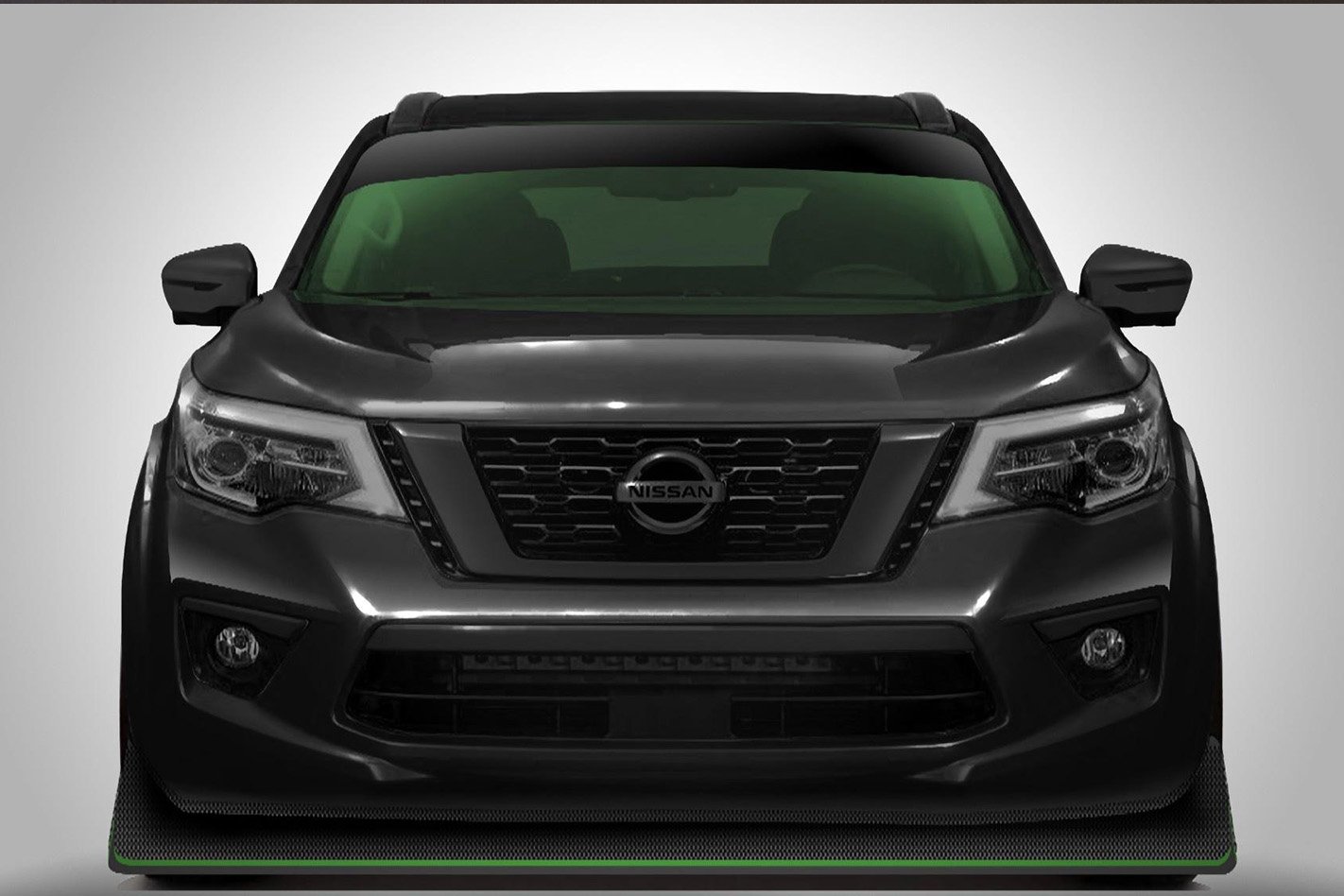
SB Motorsport in the UK is in the process of building a 730kW Nissan Navara utilising the engine and suspension components of a Nissan R35 GT-R.
Yes, there is an element of Jeff Goldblum in Jurassic Park about it in that maybe SB Motorsports were so preoccupied with whether or not they could, they didn’t stop to think if they should, but the thing is just so flat-out crazy that it’s hard not to raise a smile.
It gets my vote, in any case!
Andy Enright
HSV GTSR Maloo
Personally, this was a very easy decision as it was the first taste of V8 ute I ever had, and on a rainy weekend of all times.
It’s also one of the only cars I’ve ever driven in which people have called out to me (in admiration, a nice change) from the footpath or their own cars.
Sounds angry, looks tough, and as Scott Newman proved, is heckin’ quick.
Chris Thompson
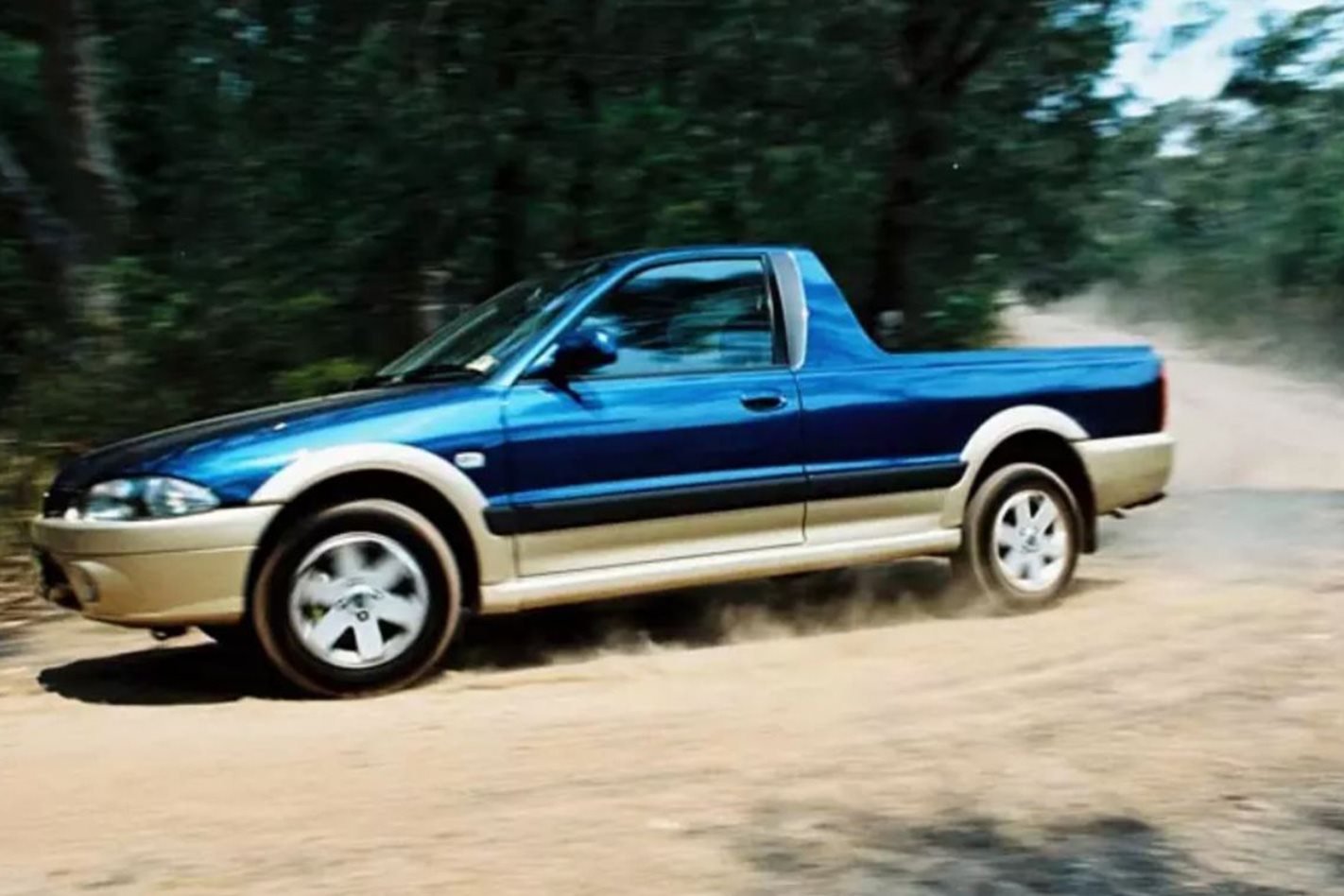
Take the 2002 Proton Persona, remove the roof aft of the b-pillar, add none of the power nor Lotus-tuned suspension of the Satria GTi, and what are you left with? The underpowered, undersized, downright deadly but actually rather charming Jumbuck.Not my first pick, but Simon Telford apparently got in with the Brumby before I did and it seems there is no special dispensation offered for actual owners, of which I am one.
Put your money where your mouth is Telf.
Daniel Gardner
Ford announced today that it will significantly trim its Focus small hatchback range for Australia, limiting the variants to just three for the foreseeable future.
Only the more popular versions of the Focus range will continue on, flying the flag for the longstanding nameplate in Australia.
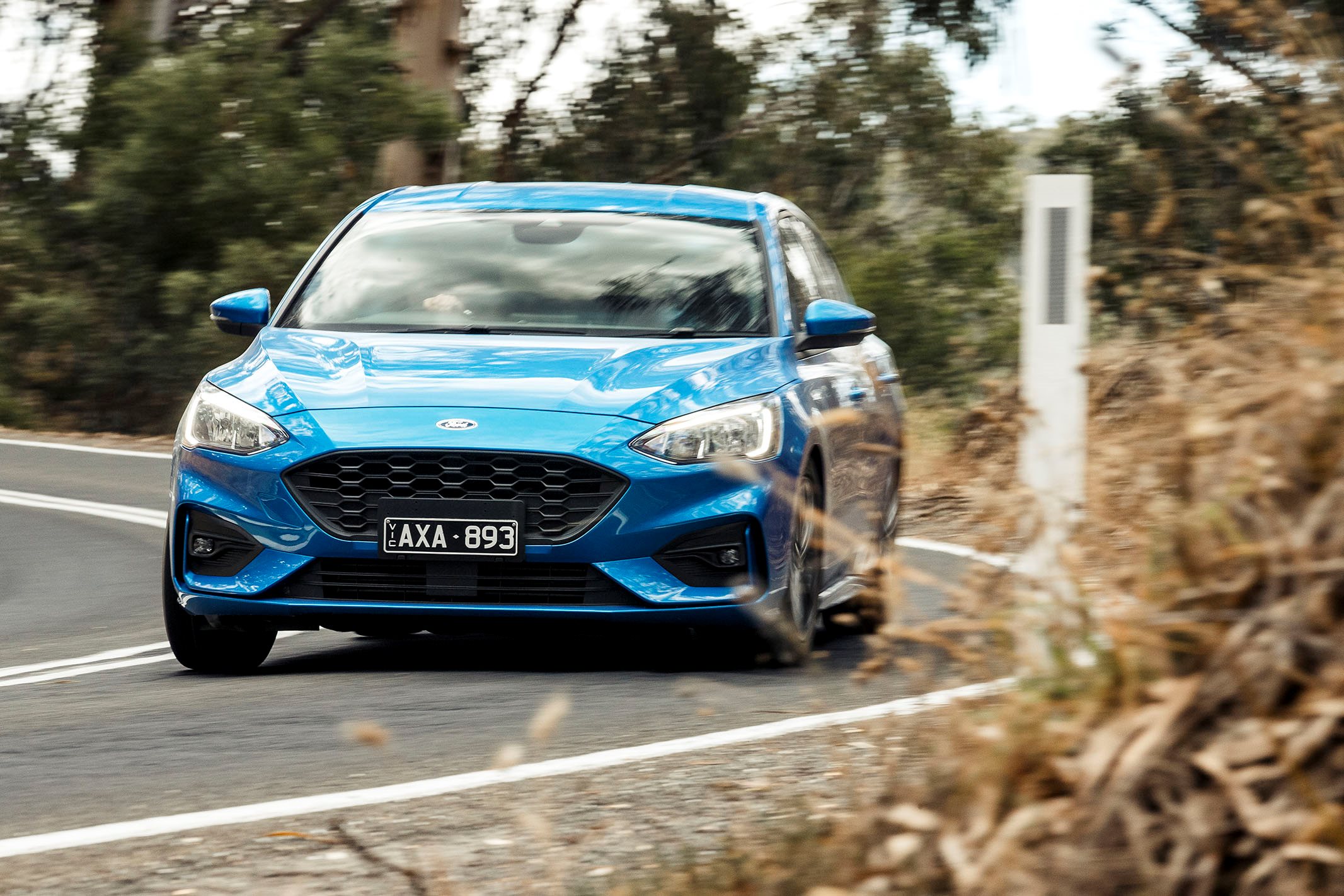
The line-up will now consist of the Focus ST-Line hatchback ($30,990 before on-road costs), the Focus Active ($30,990 before ORC) and capped by the Focus ST range hero ($44,690 before ORC).
This now means we miss out on the previous base model Focus Ambiente, Focus Trend, Focus ST-Line wagon and top-of-the range Focus Titanium.
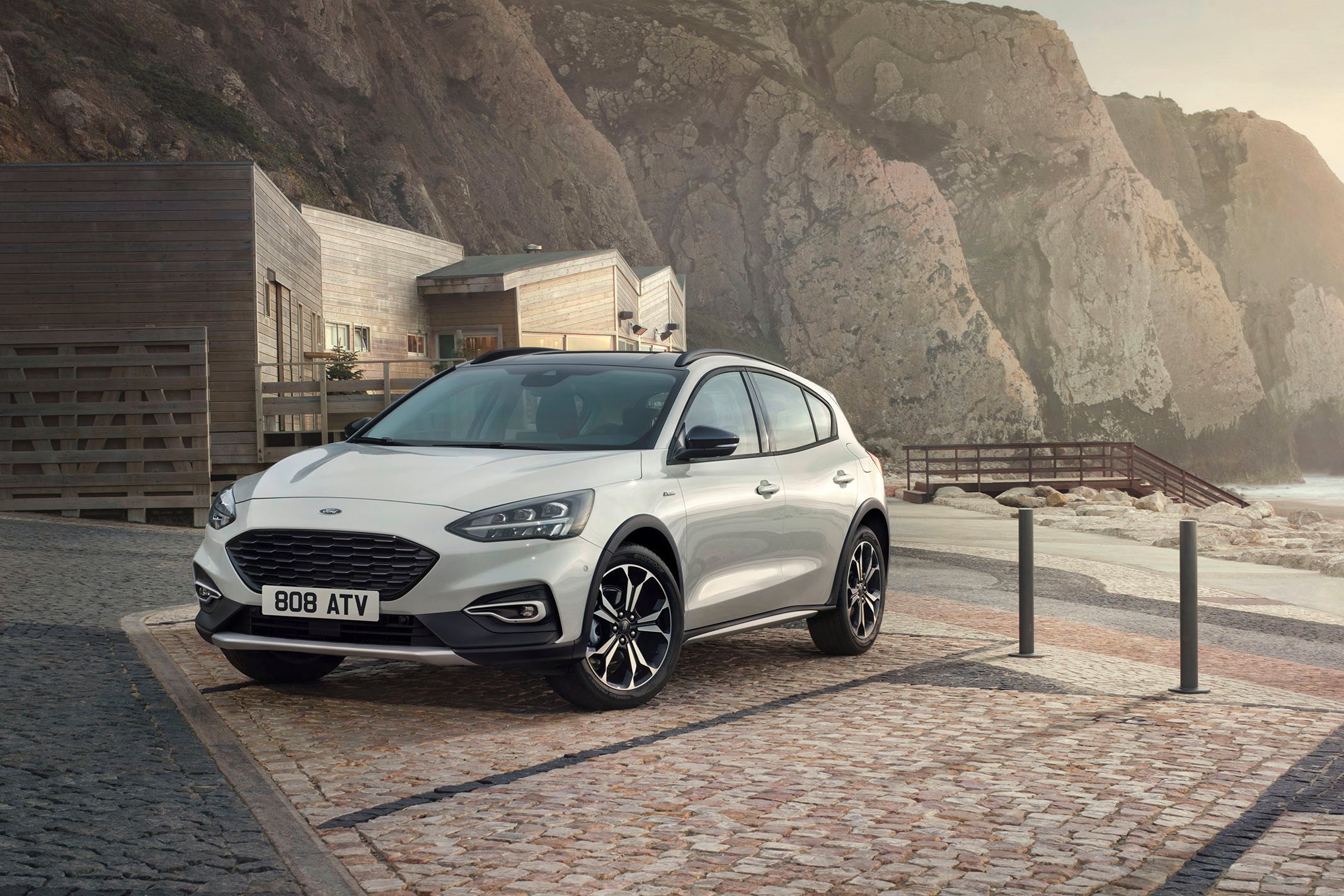
Ford Australia says it is focusing its attention on an ‘intent-based’ range going forward, and “the revitalised Focus range continues to offer Australian customers distinctively different Focus models that reflect unique character, flexibility and diversity of lifestyles and tastes.”
As such, you can now have your Ford Focus with a side of Sport or Adventure only.
The range revision also comes at a cost, with the ST-Line now $1500 more expensive than the previous equivalent, while the Active is $500 dearer.
However, in return for the extra outlay, Ford has equipped the ST-Line with independent rear suspension, which is said to “speak directly to its fun-to-drive ethos”, while both variations now come with FordPass smartphone convenience capabilities.
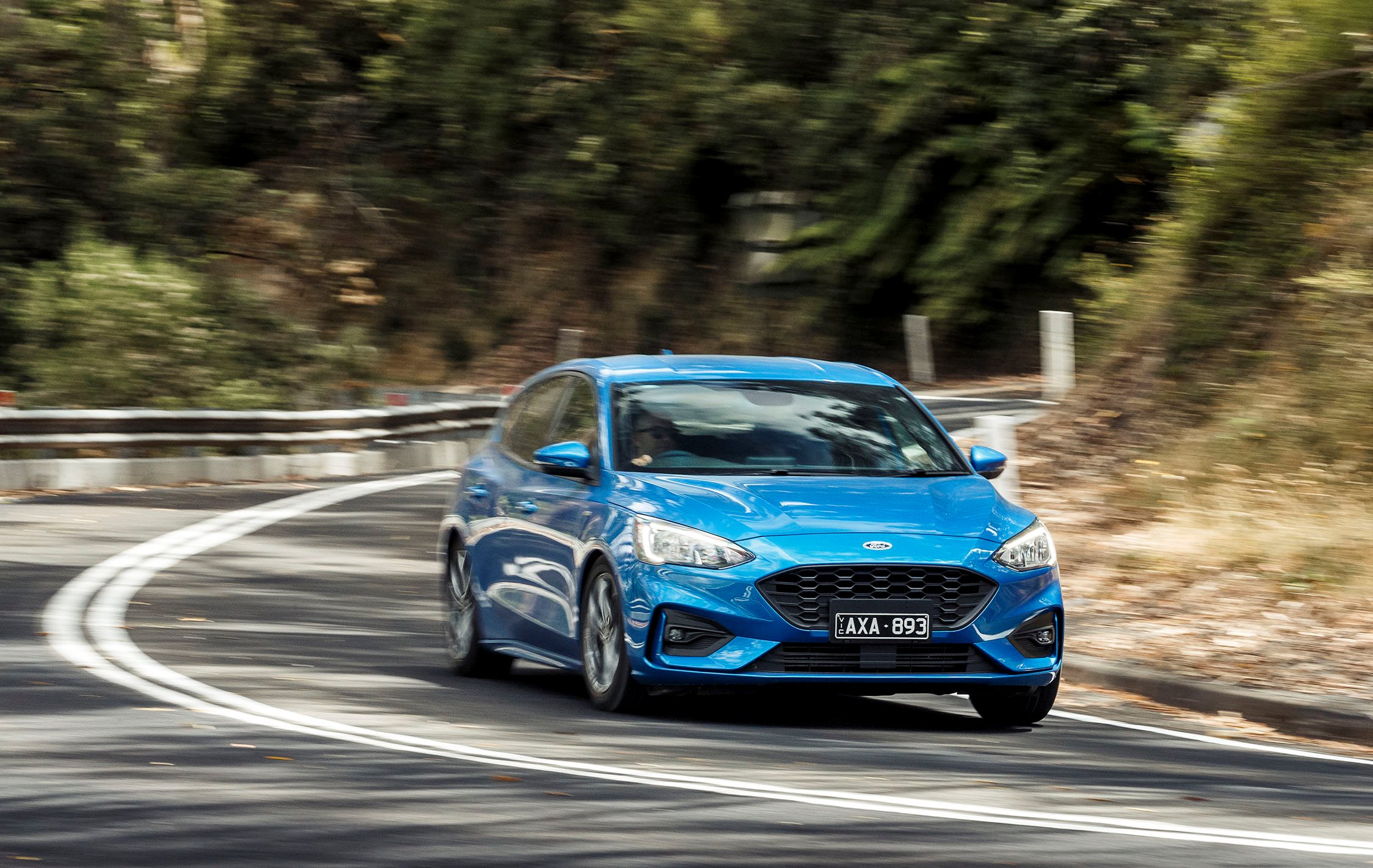
Front parking sensors are now standard for both specifications, as well as LED headlights, which are added to pre-existing kit that includes a 180-degree reverse camera, 8.0-inch Android Auto/Apple CarPlay Sync 3 infotainment system and autonomous emergency braking.
The sole remaining options available for both Focuses are $650 prestige paint, $1250 driver assistance pack that includes radar cruise control, and a $2000 panoramic sunroof.
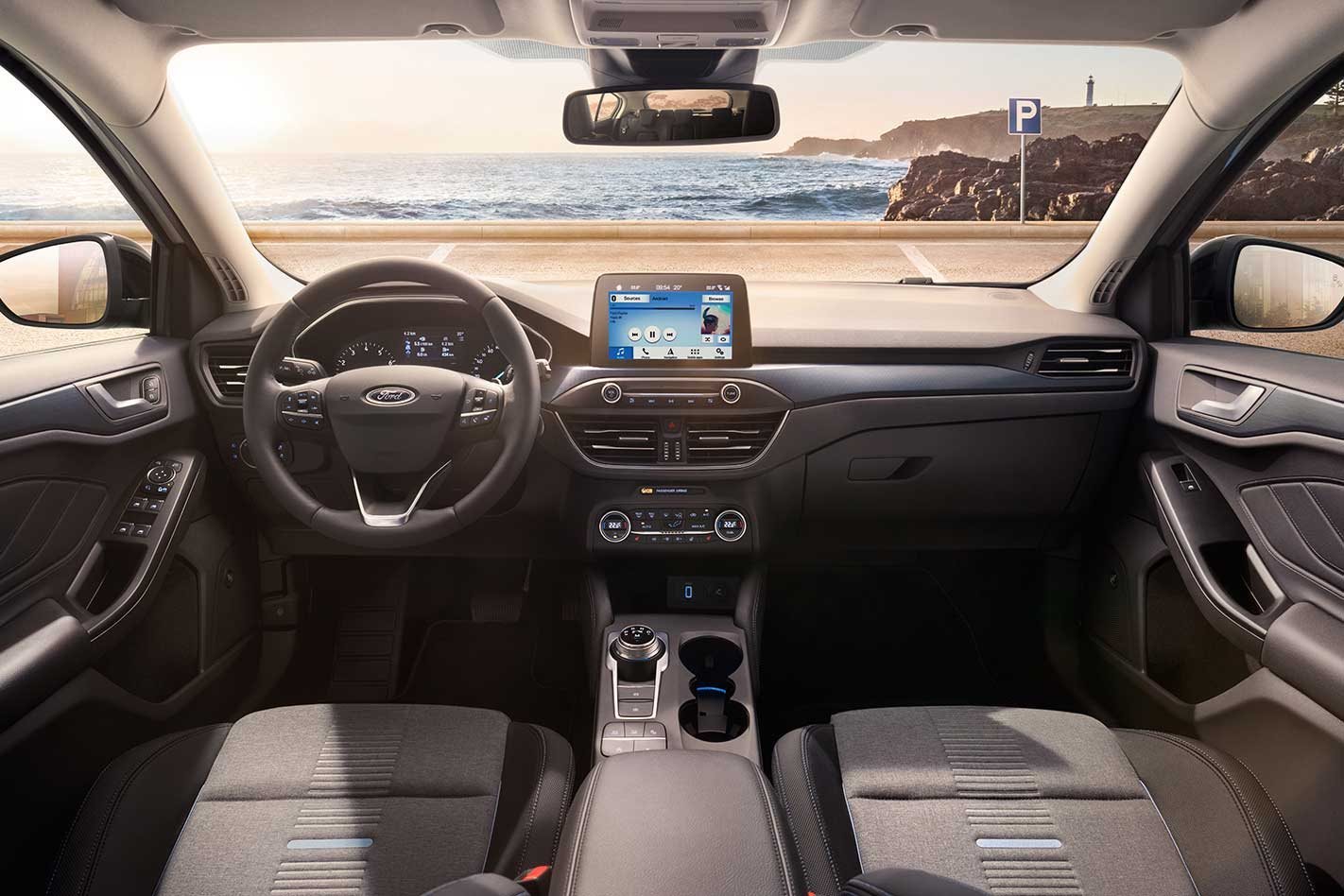
Each car is powered by the same 1.5-litre turbocharged three-cylinder engine that outputs 134kW/240Nm to the front wheels via an eight-speed transmission.
The $44,690 Focus ST continues as the head of the range, with its 2.3-litre turbocharged four-cylinder engine producing 206kW/420Nm.
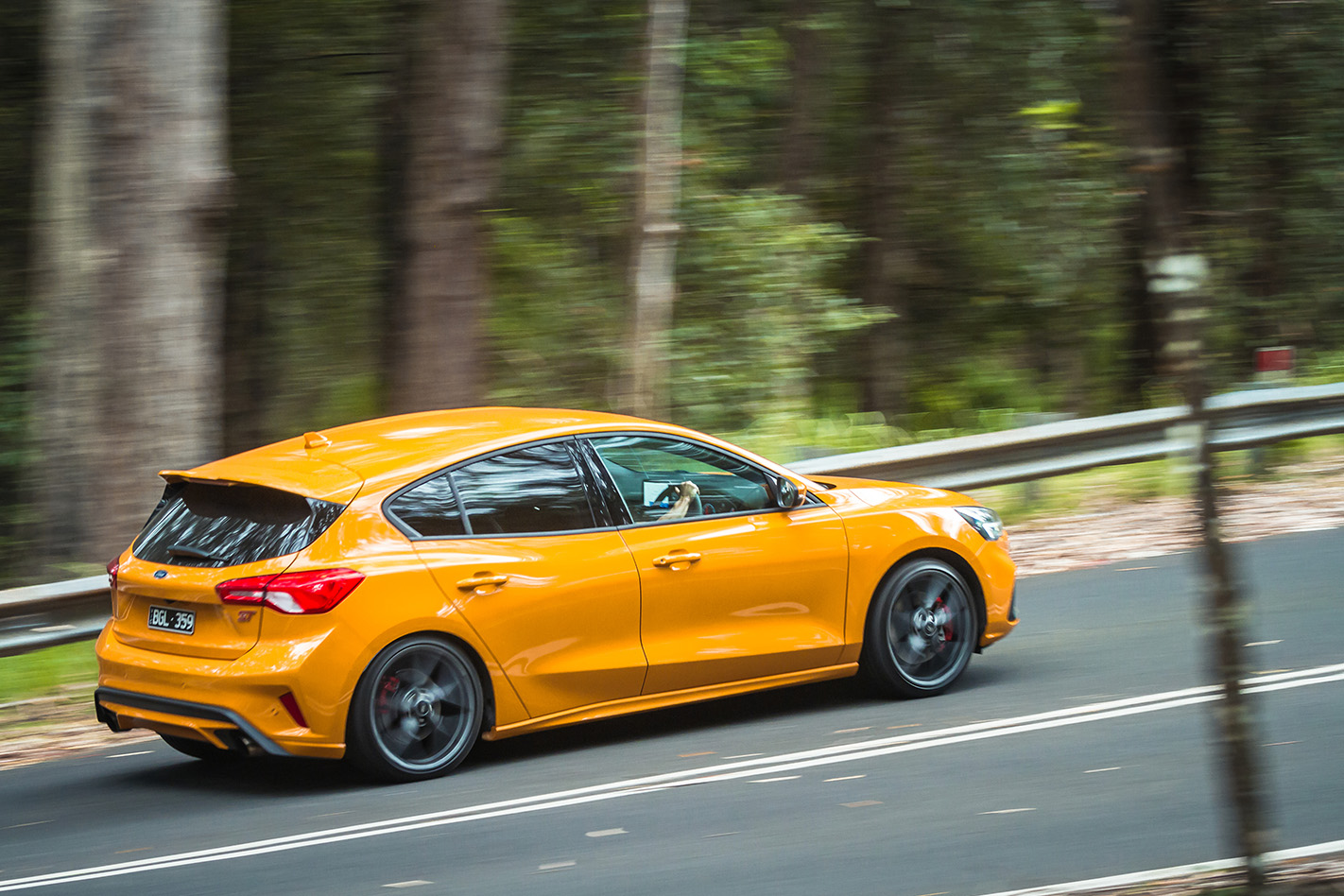
To solidify the new range, Ford Australia president and CEO Kay Hart said “the Focus has a reputation as a driver’s car, so we are pleased to present a line-up that strongly reflects that.”
The updated Focus range officially goes on sale from December 2020.
Ford Focus Australian pricing
- Ford Focus ST-Line – $30,990
- Ford Focus Active – $30,990
- Ford Focus ST – $44,690
With many Australians spending more time at home lately, the TV might have spent a bit more time switched on, so the WhichCar weekly team thought it was a great time revisit the topic of the best moving images of cars.
Not just the best films, the greatest stories, or most memorable performances, but all the best cars captured in film moments from a simple Youtube clip to Oscar-worthy cinema.
Joining the chat this week, staff videographer (and petrol head) Sean makes his WCW debut offering an expert’s insight into the process of conceiving, planning and executing great car films.
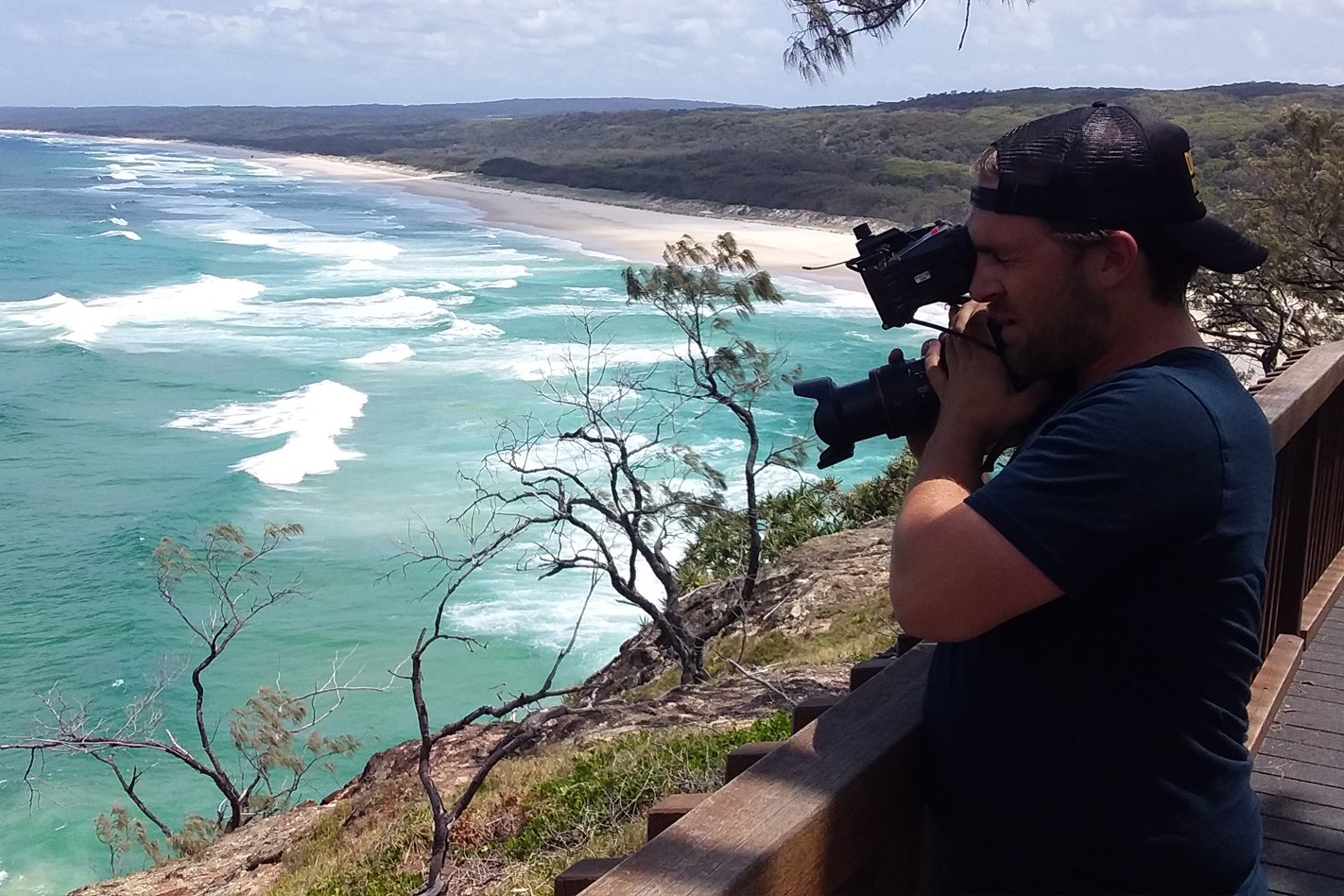
From the creative process, through the technicalities, we look at all the challenges and tricks to get a car feature from inside your head and onto the screen.
Later, the talk turns to other great car films, not just those produced by the WhichCar team, possibly including the imminent Le Grand Rendez-vous – an homage to the 1976 cult short film C’etait un Rendez-vous.
Due for release on June 13, will this ‘remake’, complete with race ace Charles Leclerc and a Ferrari SF90 Stradale successfully create the same raw magic that original conjured some 40 years later?
And, somewhat inevitably, the conversation evolves into our favourite car clips and cinema through the ages. Sean reveals one of his main film inspirations, Andy makes a nostalgic nod to one of his most familiar race tracks and Dan, unsurprisingly, offers up another contentious series of films.
You can find WhichCar Weekly on all manner of podcast apps including iTunes and Podbean. Please rate, subscribe and leave a review!
And if you want yet more WhichCar action whether it be behind the scenes insights or the very latest from the automotive front line, follow the day-to-day happenings of the WhichCar team on Facebook, Twitter and Instagram @whichcar
Listened to or watched the WhichCar weekly podcast? Help us out!
Leave a note in the comment section below
Leave a review on Apple Podcasts/iTunes
Subscribe to our podcast
Like many transport-related industries, Uber is doing it tough in the COVID-19 pandemic, posting huge losses in revenue and passenger volume across the world as people stop commuting and travelling.
It does, however, have a point of difference to companies like Hertz, offering alternative services like Uber Eats food delivery that helps to keep its drivers employed.
Now it’s branching out into the area of car rental.
Uber is debuting a trial of the new service, called Uber Rent, in Australia in what it’s calling a world-first, starting in Brisbane before rolling it out to other Australian cities including Melbourne, the Gold Coast, Sydney and Perth.
Pic: Uber
“While many Australians will drive to a wine region, down the coast or explore the mountains in their own car – not everyone has access to their own private vehicle,” Uber Australia and New Zealand general manager Dom Taylor said in a statement.
“At Uber we believe you should always be able to get around, even if you don’t own your own car, and Uber Rent is one more way of helping people do just that.”
The Brisbane-based trial of Uber Rent allows selected Uber account holders – about 50 per cent of account holders, according to Uber – to book a rental car through their account via a rental company called CarTrawler.
Never heard of them? Neither had we – and a quick trawl of popular travel sites soon revealed why.
Review after review on sites like renowned travel rating site TripAdvisor advised other travellers to steer well clear of CarTrawler, which acts as an intermediary between customers and physical car rental firms.
The numerous complaints related, in the main, to the inability to contact the company when things went wrong – and judging by the sheer volume of negative reviews across numerous sites, it seems to happen a lot, with customers complaining of car bookings not honoured, rental fees charged multiple times and CarTrawler not responding to any correspondence.
There’s no Australian-based CarTrawler main page, either, which is pretty unusual for a company teaming up with a well-known company like Uber.
A link on Uber’s press release takes you to a landing page that then shows you cars based on your location from a variety of well-known car rental companies like Hertz and Thrifty, but the US ride-share service company is using CarTrawler as its intermediary.
Australian consumers are already well protected under our strong consumer laws, and hopefully, Uber’s done its homework around making the experience as seamless as possible.
“We undertook extensive research before launching this pilot, and are committed to bringing the ease and convenience of the Uber app to those looking to rent a car,” an Uber spokesperson told WhichCar.“During this trial we will listen closely to feedback, and as always users can always contact our 24/7 customer support via the app.”
The company also pointed to alternative review sites where CarTrawl was more favourably reviewed.
In the meantime, it’s always a good idea to make sure your travel plans are locked down hard if you’re trying not to overspend on items like car rental – if you want to pay less for a service, there are more hurdles to leap over if you need to change things on the fly.
