
IT’S that time of year again when the world’s carmakers do their best to pull the wool over our eyes with a barrage of April fools gags that range from the downright ridiculous to the almost believable. Here are our favourites from over the years.
Bowden’s Own Far Cough spray
Proudly made right here in Australia, Far Cough anti-bacterial spray is the perfect antidote for 2020 – and it’s almost the perfect April Fool’s gag.
In fact, it may be too perfect – the maker of Australia’s best car care gear – and owners of a proper Ford Falcon GTHO Phase IV – is actually producing a few crates for sale! Mark us down for two.
Four-seat Mazda MX-5
In 2014, Mazda’s stretch sportster fooled almost no one, and it only ever appeared in a single tweet on Mazda Japan’s feed. Does a four-seat MX-5 lurk in a warehouse somewhere?
Holden Commodore Hatch Hutch
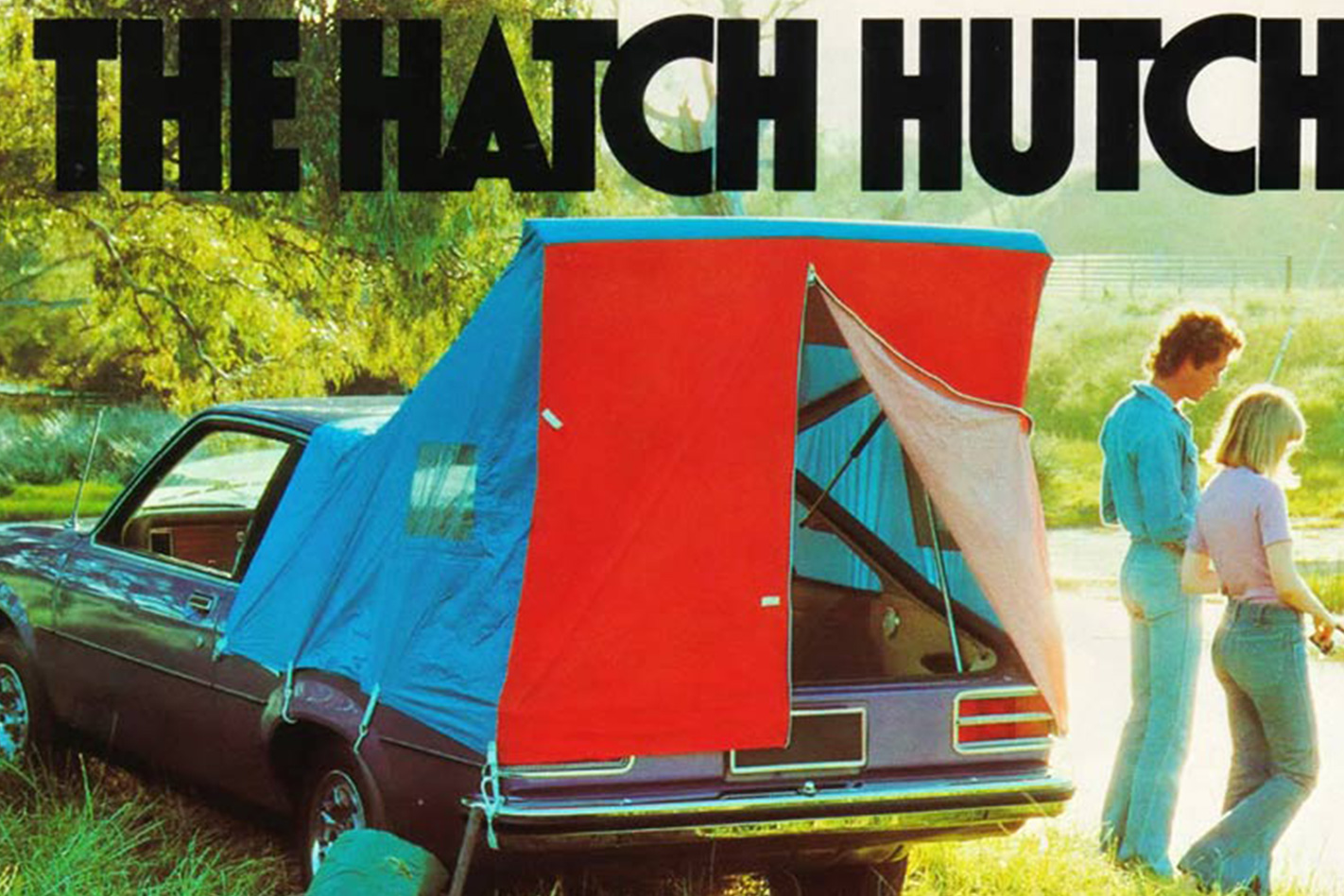
Holden went back to the future with the following announcement for a Hatch Hutch for the 2019 Commodore on its Facebook page:
The gag has some credibility as it harks back to the old Torona Hatch Hutch from the 1970s, which turned your ‘Rana hatchback into a panel van.
Sadly, it would be the last April Fools Day gag from Fishermens Bend.
Honda ‘Pastport interior redesign
Honda also went back in time for April Fools Day, presenting a ’90s-themed interior trim package for its 2019 Passport large SUV, dubbed ‘Pastport’.
Coupling the “authentic look of the new Passport on the outside, yet simplified with everything you love about the ’90s on the inside.”
The Pastport looks like a riot for Millenials, but sadly Honda notes that the slap bracelets aren’t included. Take a look at the video yourself.
Toyota HiAce Convertible
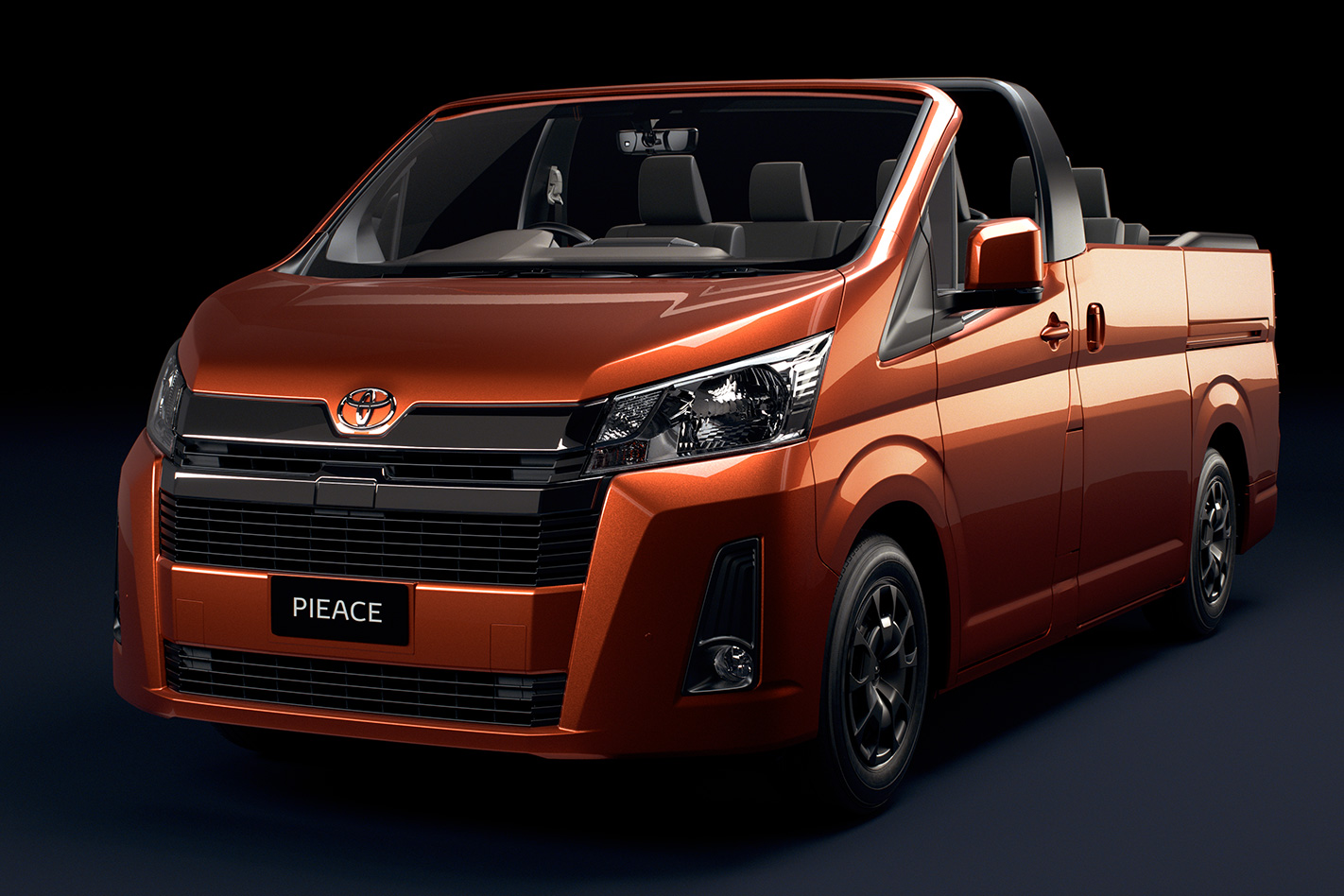
2019’s tilt at April Fools mirth by Toyota Australia was the HiAce Convertible, a chop-topped commercial with what must be the world’s largest z-fold fabric roof.
You’d presume such a machine would be targeted with laser-like focus on the sizable market for safari park vehicles (that’s sarcasm), but Toyota says its topless van isn’t just intended to be offered as a 12-seat microbus, but can also be enjoyed as a delivery-spec two-seater or worksite-friendly five-seat crew van as well.
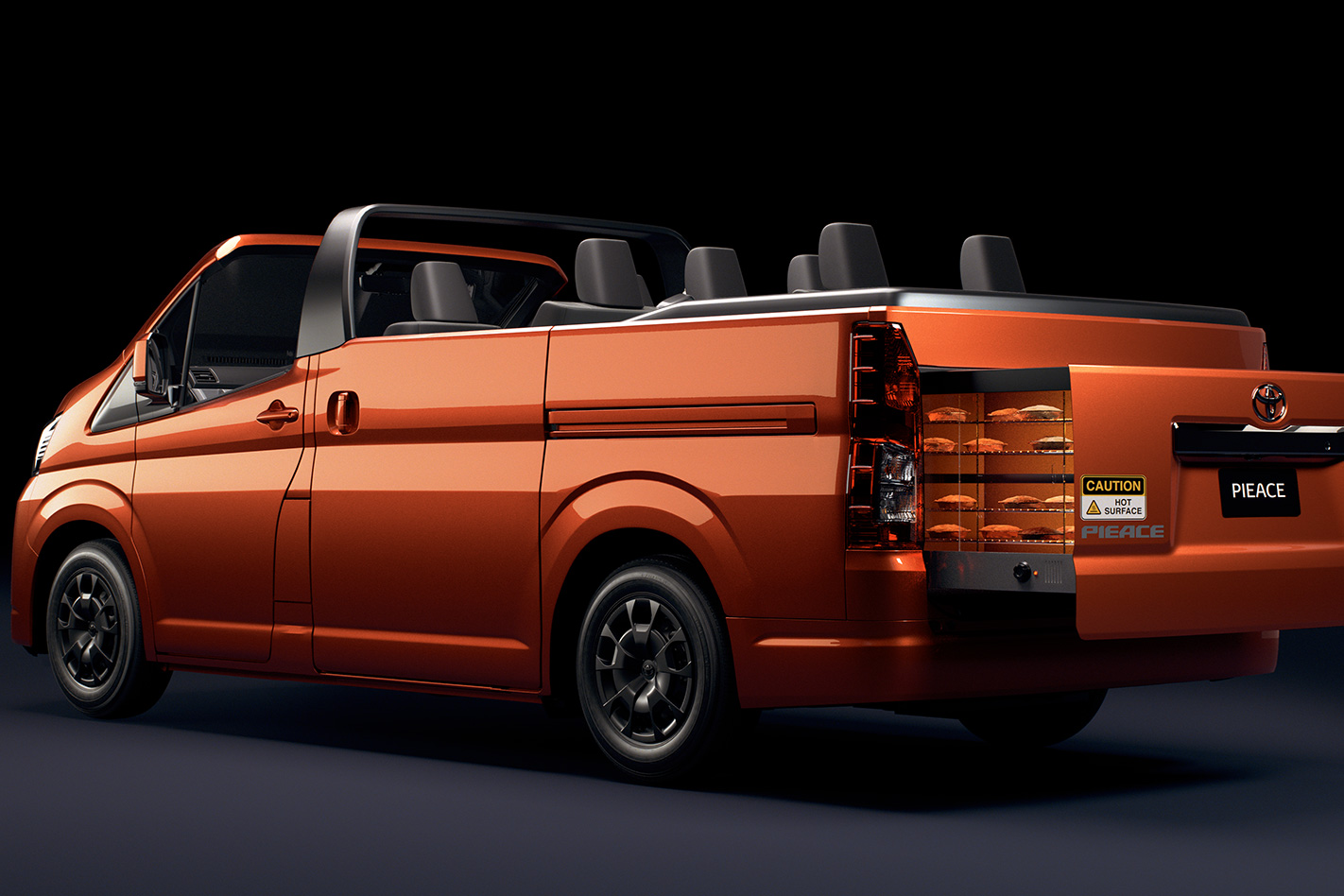
However, its piece de resistance is the innovative (and optional) PieAce feature – a roll-out canteen-grade pie warmer that slides out of the HiAce Convertible’s bum. Smoko will never be the same.
VW Caddy Maxi-Mini
It’s like a 2015 Volkswagen Caddy, only fun-sized. “We see the Caddy Maxi Mini as our equivalent of the chocolate bars at the supermarket checkout. We hope that when customers come and buy one of our multi-award-winning full-size vans, they’ll add a Caddy Maxi Mini as a little treat,” chortled those crazy Chermans.
BMW i-Setta
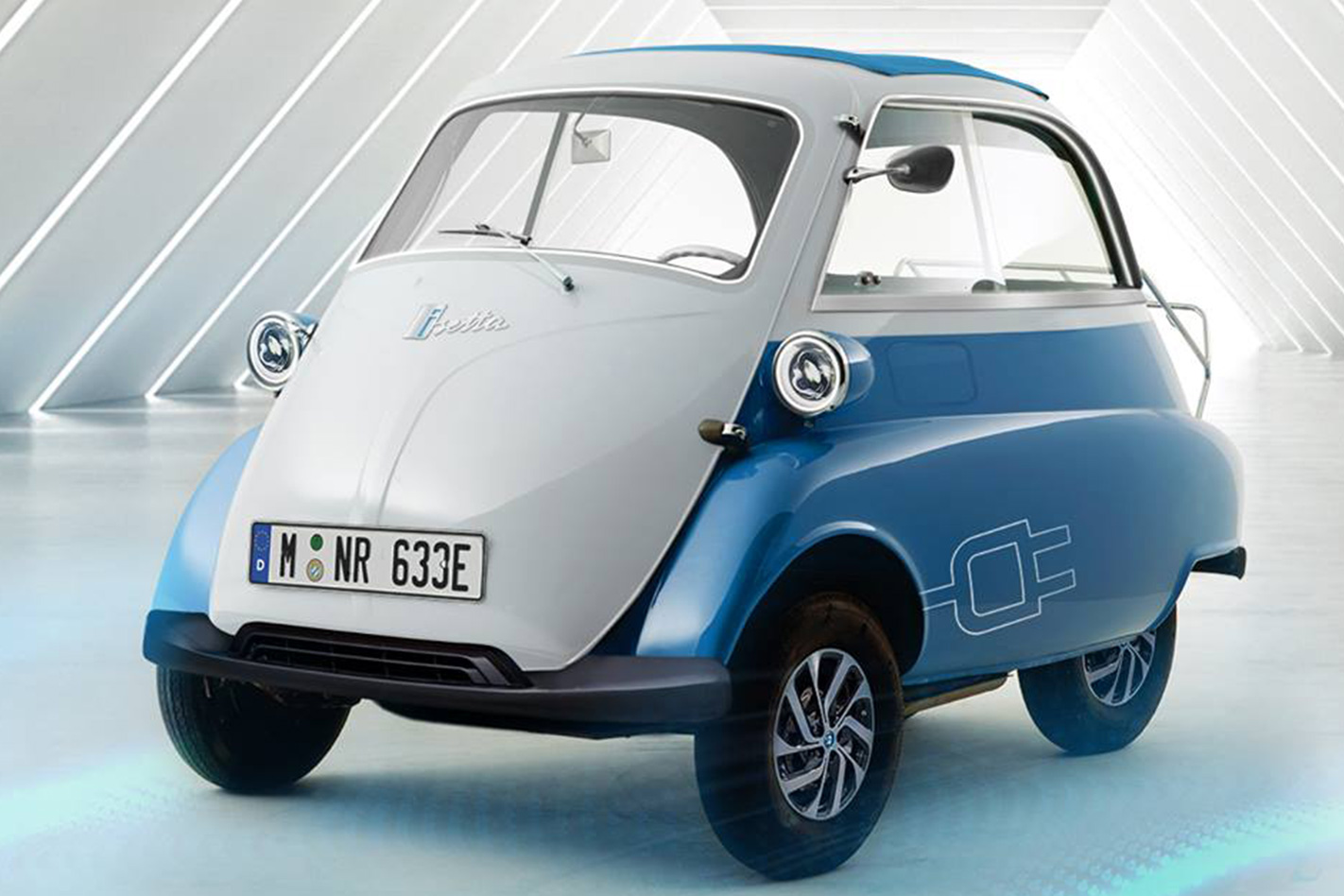
Adding to a burgeoning range of electric vehicles, BMW Japan took the liberty of revealing the BMW i-Setta.
Not much information was released along with the images, but BMW Japan said the electric-powered mini melded equal parts “tradition and innovation”.
Honda emoji horn buttons
Is this one really such a bad idea? Honda says the novel wheel design is an “integrated vehicle-to-vehicle and vehicle-to-human communications system for the modern driver.” No poop emoji, no care.
Audi b-tron
Audi used April 1 to announce the German carmaker is extending its efforts to develop alternative powertrains beyond the electric e-tron range, and g-tron and h-tron gas and hydrogen concepts. Introducing the b-tron concept that’s “creating buzz with a natural, ancient fuel: honey”.
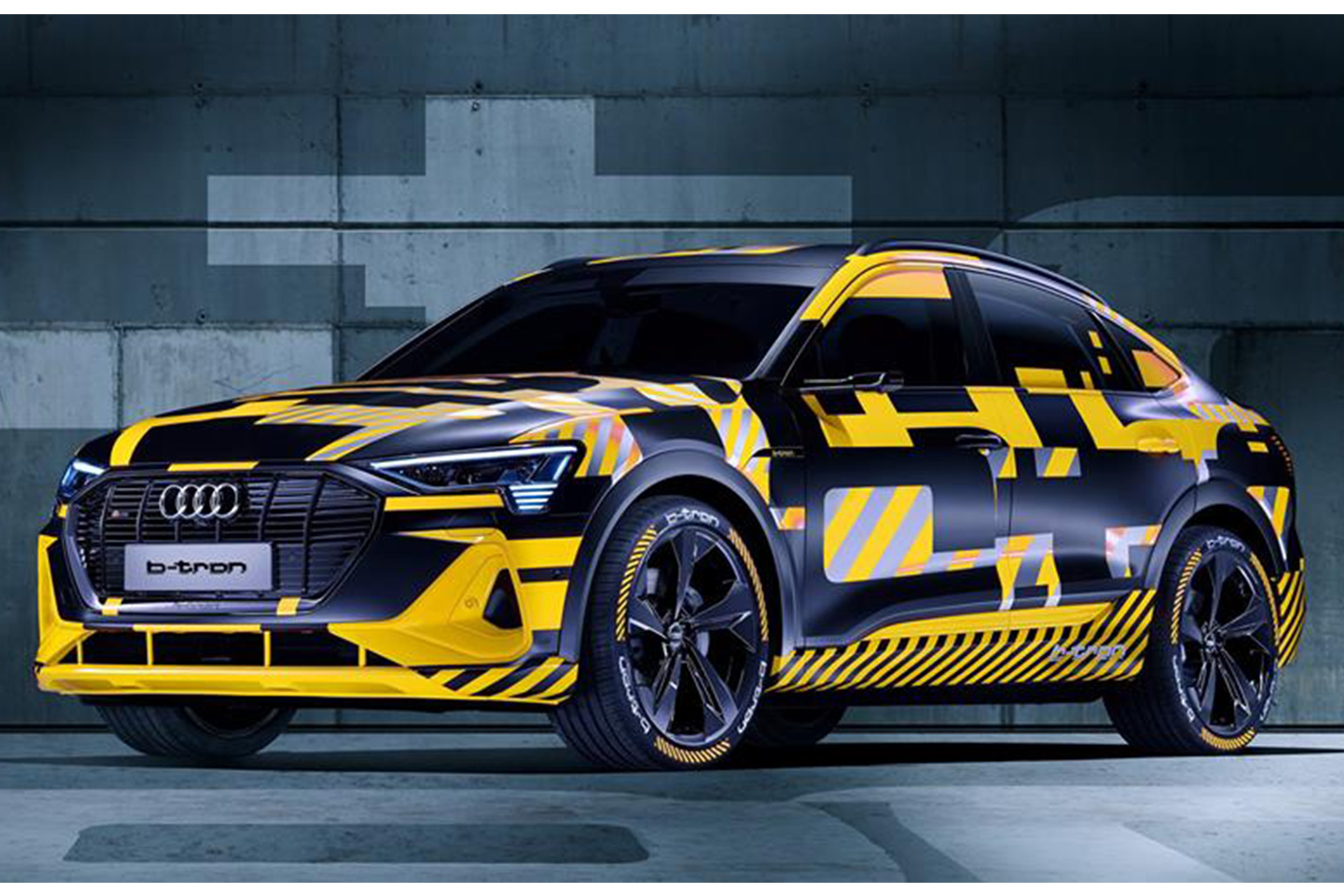
Audi’s announcement quotes Imker Honig, of Ingolstadt’s legendary Komplett Geschminkt skunkworks, who said “The idea, which came to me over breakfast, is just one of several new technologies that Audi will debut over the next 12 months.
“Early prototypes tended to attract scores of bees, typically around the hexagonal fuel cap. One tester was swarmed by a hive that had settled in the glove compartment. I don’t think he’ll be doing that again, ha!”
“That said, everyone loves the on-board toaster.”
The gag seems is obviously aimed at non-German speakers, with Komplett Geschminkt translating to ‘completely made up” while Imker Honig’s name just happens to mean ‘beekeeper honey’.
Even so, it’s a sweet idea that deserves bonus points for the great colour scheme.
Toyota Yaris Adventure
We almost took this one seriously… after all, Aussies loved the tiny Subaru Brumby back in the day.
Sadly, though – and despite the presence of a three-door Yaris – the Adventure lives only on April 1.
Lexus Enpaw
It’s a dog of a story…
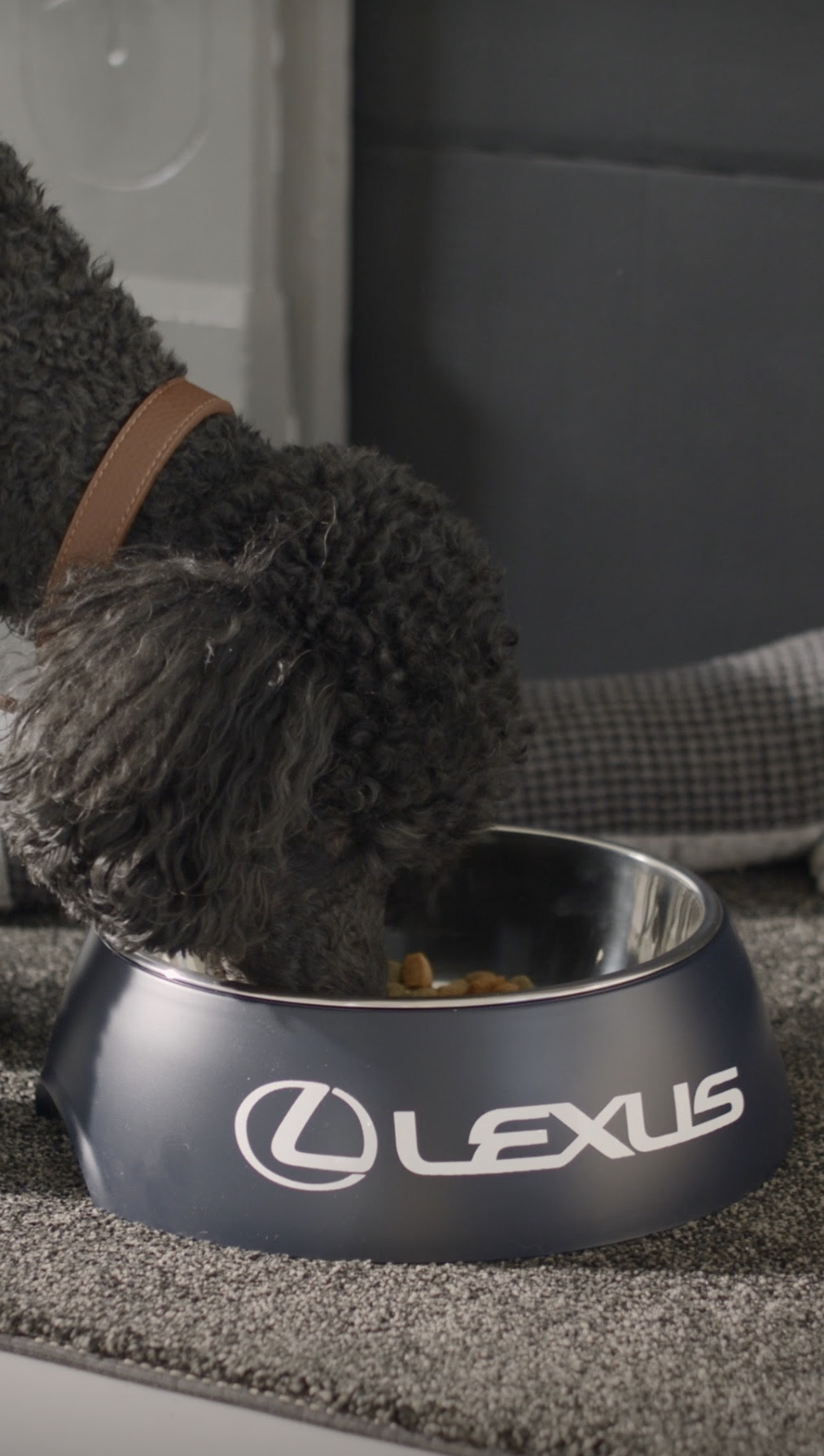
“Lexus has extended its class-leading Encore ownership programme to accommodate a special cohort of passengers doggedly ignored by rival brands,” reads its release.“Enpaw, a new chauffeur and accommodation service available on all Lexus models, allows four-legged canine friends to indulge in the finest four-wheel luxury by transferring them to a luxury boarding kennel when their owners take a holiday.
“With owners experiencing the unrivalled benefits of Encore, allowing them to take advantage of exclusive restaurant and accommodation offers, dogs will finally be let off the leash to enjoy the same level of Lexus-luxury lifestyle courtesy of Enpaw.”
Mini John Cooker Works
BMW and Mini have built themselves quite a reputation as a pair of pranksters on April 1.
The British brand presented a John Cooker Works version of its convertible Mini – yes you read that correctly – which allows caterers to convert the passenger compartment into a timber-topped work area for the preparation of food.
| Mini Cooper S to gain JCW tuning options
In a series of official images, an expert chef is preparing sushi, which is not the only fishy thing about the John Cooker Works. It doesn’t actually appear to have an oven, either.
BMW dDrive
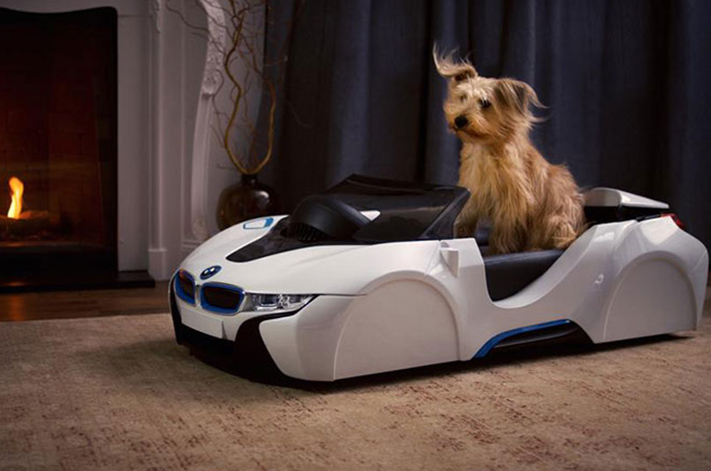
BMW, on the other hand, announced its dDrive dog basket which uses the company’s TwinPower Turbo technology to cosset your pooch with air, creating the same sensation of hanging out of the car window without having to go anywhere at all.
The company has not specified if the canine creation also incorporates technology to stop your dog jumping out if it sees a cat.
Lotus pet helmet
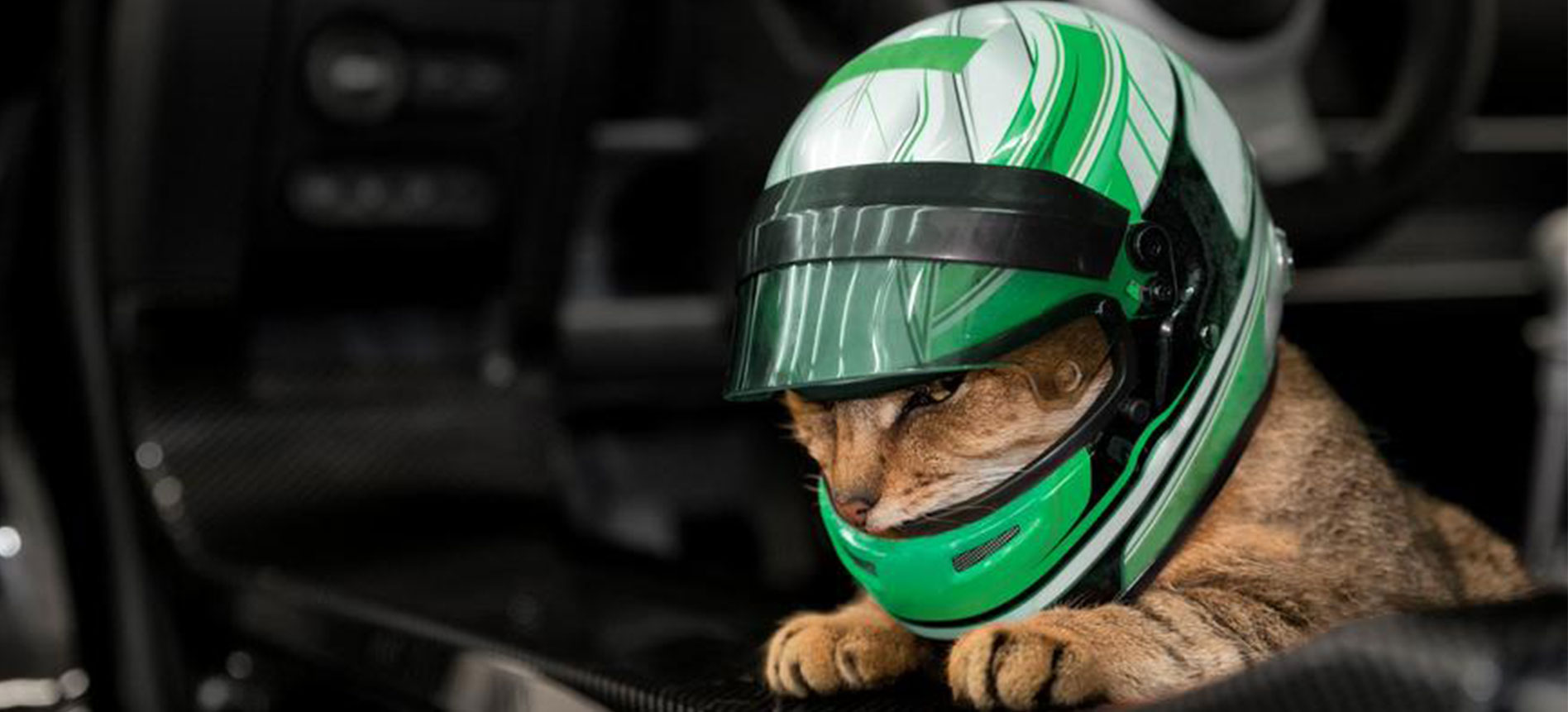
Speaking of which, Lotus stuck with the pet theme and offered a skid lid for your cat, allowing owners to take Tiddles to the track. But the feline helmets were only available until midday on April 1. Suspicious?
Feathered McLaren 570
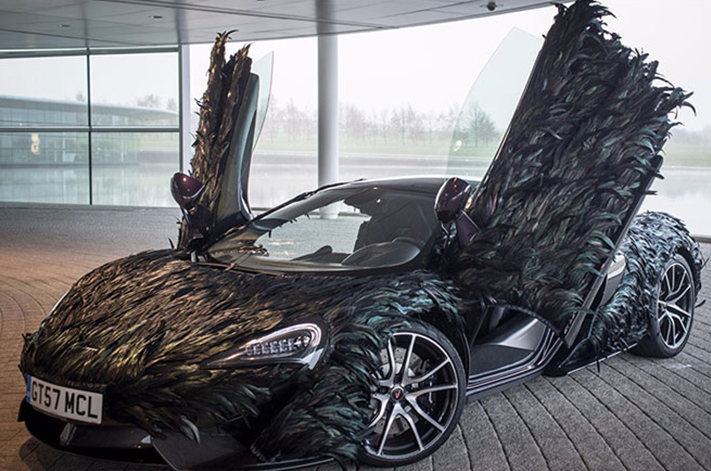
Top marks go to McLaren for creating something Andy Goldsworthy would endorse and a potentially marketable one-off.
Audi square cupholders
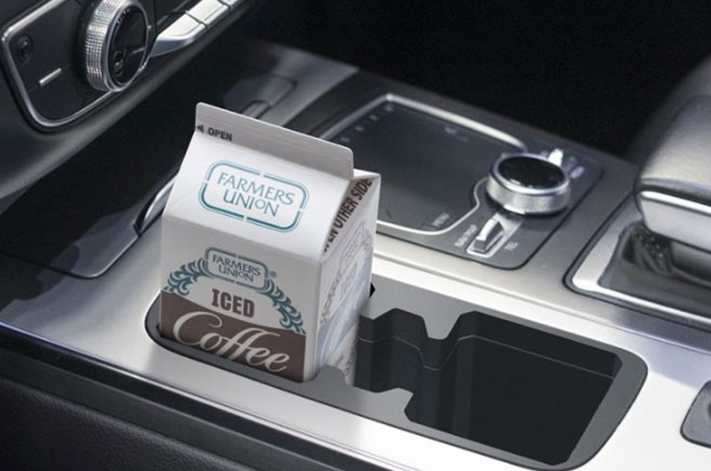
Audi fans will delight at the German car maker’s decision to offer a special square drink holder in selected models sold in South Australia, where the favourite drink is Farmers Union flavoured milk – sold in square cartons and not round bottles.
Bonus marks awarded for the local angle and even the production of a short film to add credibility.
Honda H-Swipe dating app
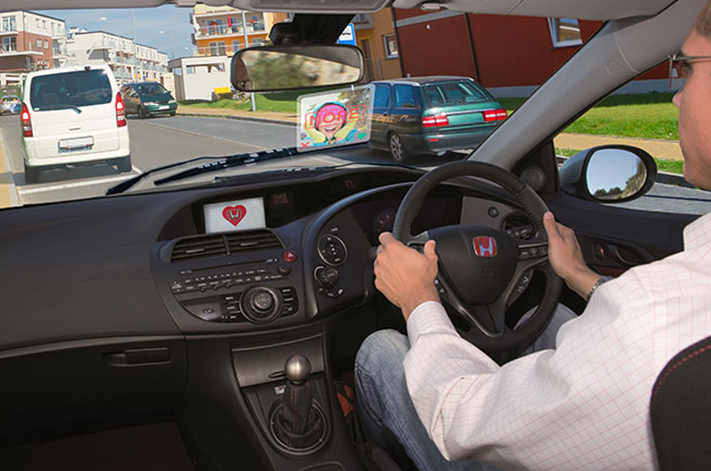
The user can either accept or reject the candidates by selecting left or right with special s-wipers (d’ya see what they did there?) operated by steering wheel buttons, which sounds a little like Nissan’s N-Connect application from last year, which notified users if a nearby car was occupied by a single person.
Of course, we may have been reeled in a little further if Honda currently offered any conventional head-up display technology in its cars.
Mercedes-AMG Sprinter63
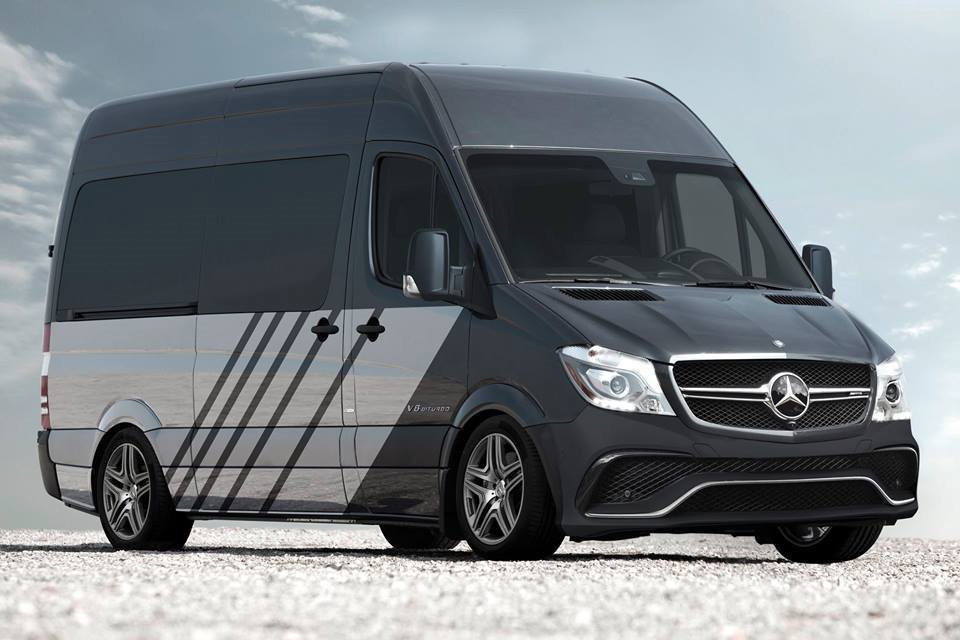
While it may be a gag to celebrate April Fools day, we do wish the Mercedes-AMG Sprinter63 S van revealed yesterday on Mercedes-Benz USA’s FaceBook page wasn’t a mere prank.
Maybe that’s because the credentials of this super Sprinter entail exactly what the badges on its doors suggest: a hulking AMG-built 4.0-litre twin-turbo V8 at its front, plus rear-drive, AMG re-tuned suspension, and a C63 S-matching front and rear diffuser.
However, unlike BMW’s awesome April Fools project that involved a turn-key BMW M3 ute (below), the Sprinter63 S isn’t real. Mercedes-Benz USA confirmed the photos as renders, saying: “It’s exactly what you’d expect of our high-performance division if they were given the keys to a Sprinter van”.
We are sad to read that, because – with 375kW under their right foot – your courier would never be late again.
BMW left-to-right hand drive
How amazing is this gag from BMW? In 1986, it pranked the world with the movable steering wheel, which ostensibly allowed Europeans to drive to the UK, open the glovebox and swap steering wheel sides.
We guess now that Brexit regs would rule this excellent gag inadmissible.
Update April 1, 2020: A wild V8 Supercar wagon, dubbed Project Sandman, has finally found a new home, after nearly 18 months on the market.
Built by Triple Eight Race Engineering, the custom one-off 525kW creation has been purchased by the father-son racer duo of Stephen and Brenton Grove
Speaking to the V8 Sleuth, Brenton explained a unique deal was struck with Triple Eight team boss Roland Dane in order to give Project Sandman a new permanent residence.
“We sold my Supercar back to Triple Eight at the end of last year, so essentially it’s something of a trade,” he said.
“We were really interested in the Sandman and it all just happened to be a few weeks before the Holden announcement of Holden closing.”
Dane commissioned a full restoration of Project Sandman, meaning it is unlikely to see much track action, instead being kept by the Groves as a cool, and seriously fast, piece of memorabilia. To find out more on the car’s history, read our original story below, or head to the V8 Sleuth.
This article was first published October 17, 2018.
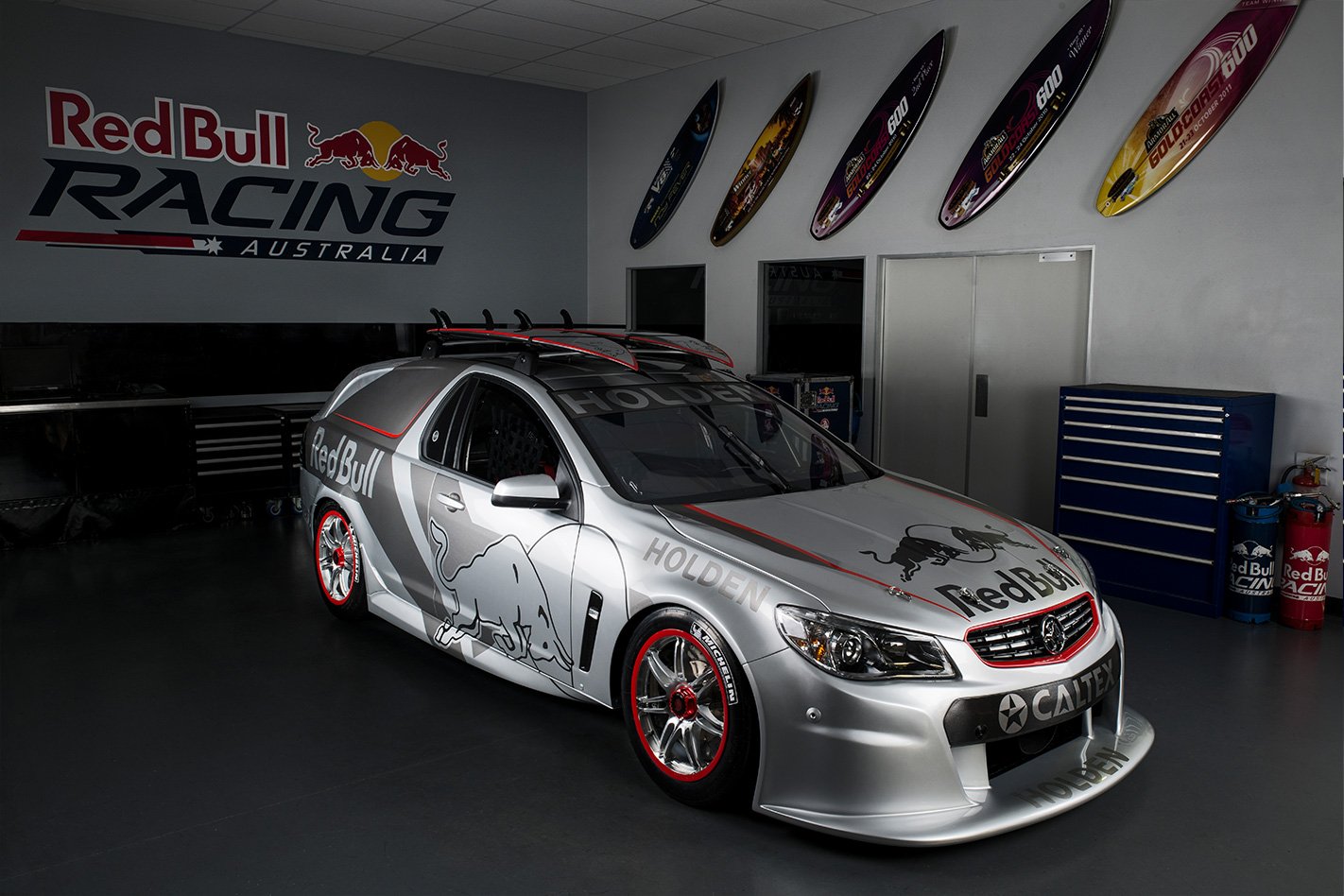
Triple Eight Race Engineering is getting rid of its bonkers promotional tool, the Project Sandman, which put a two-door wagon body onto a legit V8 supercar chassis, with a wicked-up 5.6-litre V8 engine.
The ultimate V8-powered track car was developed from Jamie Whincup’s race-winning 2013 Holden VF Commodore supercar and has been used in a variety of ways including as a ride vehicle, development chassis and promotional car for the team since 2014.
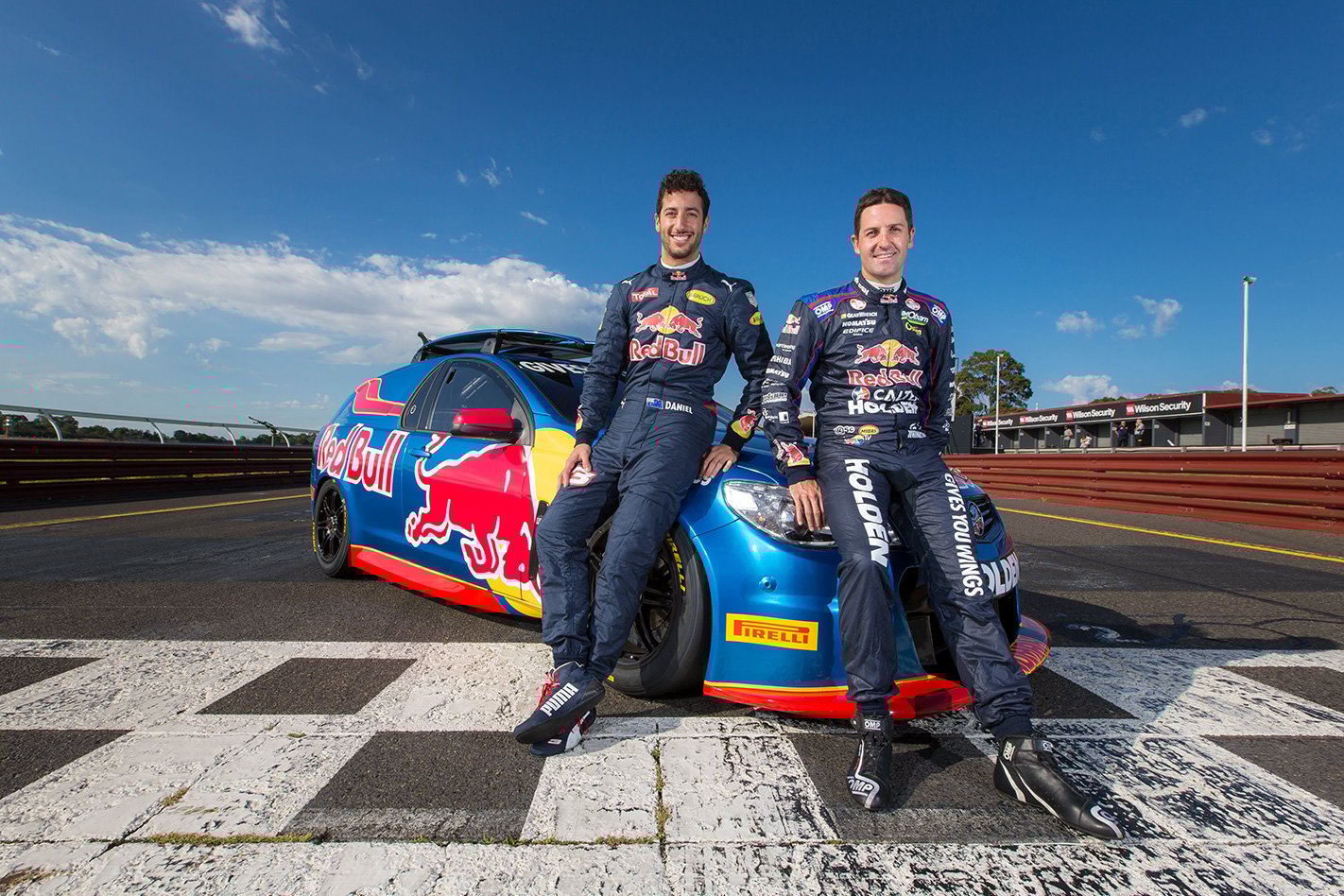
Just about the entire Triple Eight driver roster has steered the Sandman – even Aussie F1 star Daniel Ricciardo had a go at Sandown in 2016.
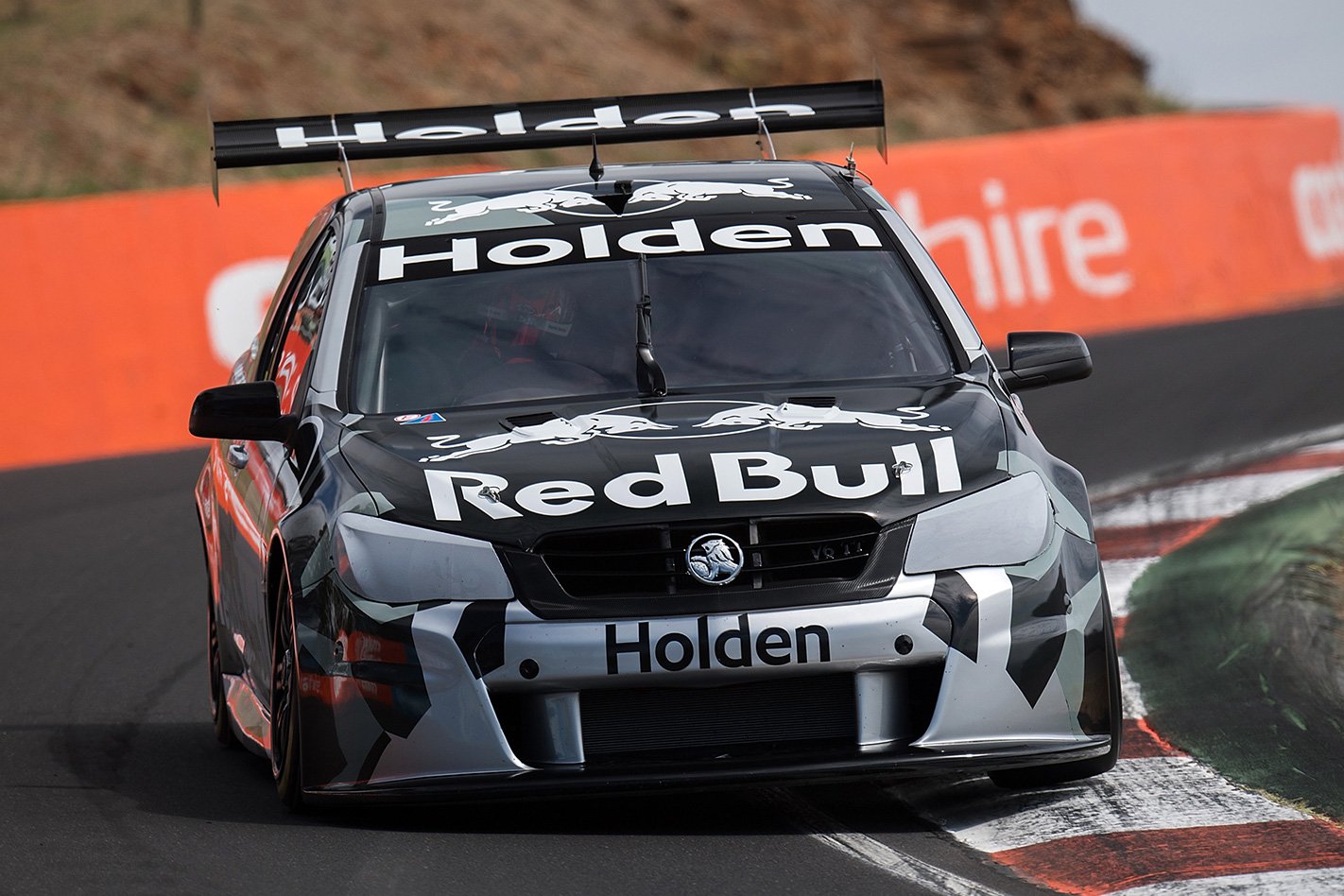
During 2017 the Sandman served as a test-bed for the development of a twin-turbo V6 engine, which was intended to be used in the ZB Commodore race car.
Craig Lowndes, Shane van Gisbergen, Whincup, Steven Richards and Greg Murphy were all involved in the development of the engine which was supposed to debut in the Supercars championship this year, before the plan was unceremoniously scrapped.
Murphy piloted the twin-turbo V6-equipped wagon around Mount Panorama for demonstration laps last year as part of the Bathurst 1000.
Since then, the original 5.6-litre 525kW V8 has been dropped back into the engine bay, which has an extra 600cc of capacity over a regular V8 Supercar, along with an 8200rpm redline (compared to a mandated 7400rpm limit for the official race cars). Triple Eight claims the Sandman can hit 100km/h in 3.2 seconds.
Differing from regular Supercars, the Sandman uses a set of paddle shifters mated to an Albins ST-6 transaxle gearbox to change gears instead of a traditional sequential stick, along with fly-by-wire throttle.
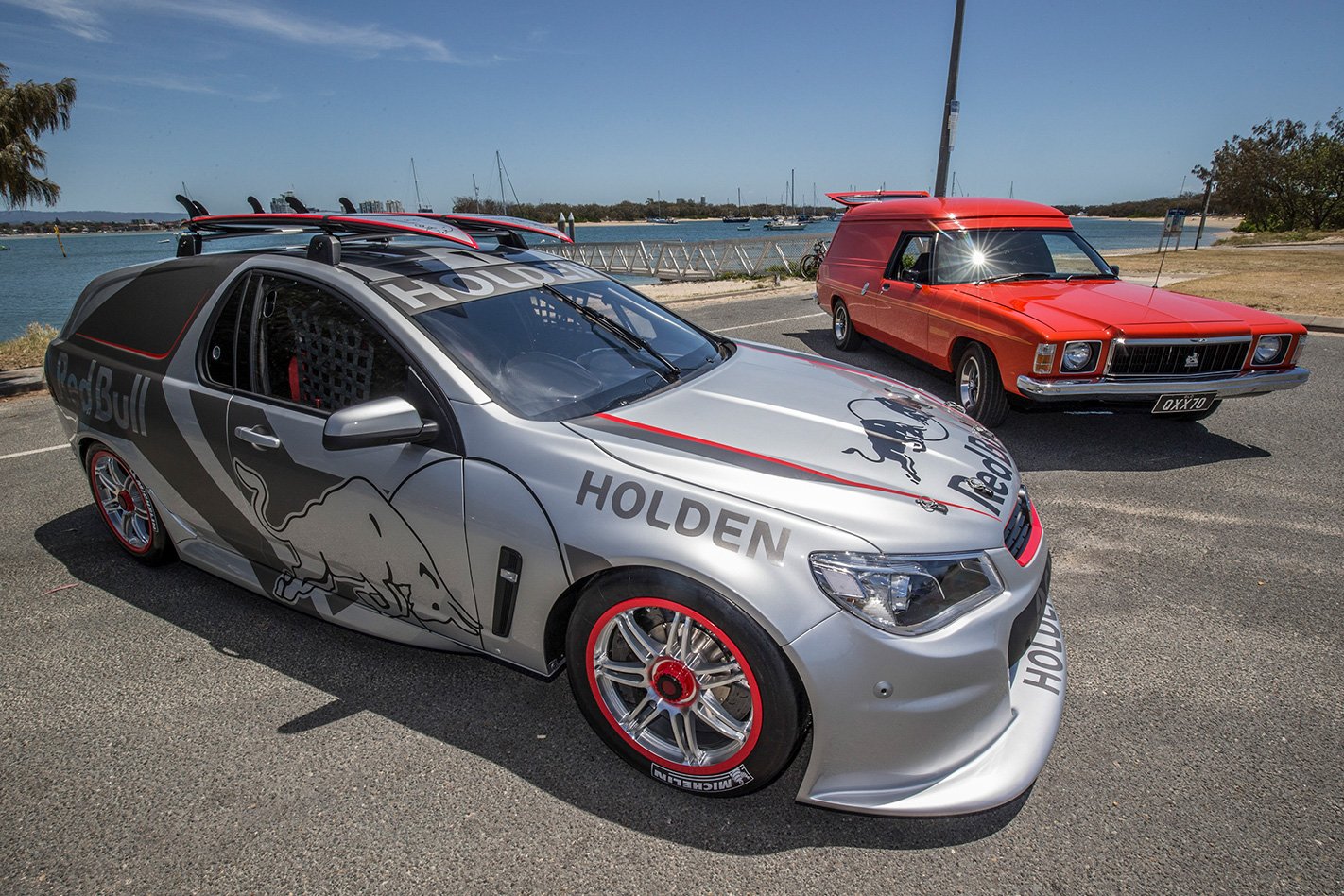
No price is listed for the unique piece of Supercars history, but we suspect it’s one of those if-you-have-to-ask-you-can’t-afford-it kind of deals.
We can only hope that the reason they’re selling off this car is to make way for another equally-awesome machine.
The car is available for sale through the V8 Sleuth website.
What’s in a name? Genesis has revealed its latest high-performance large sedan and the next generation in the G80 bloodline, but it comes just weeks after the international launch of the similarly named GV80 large SUV.
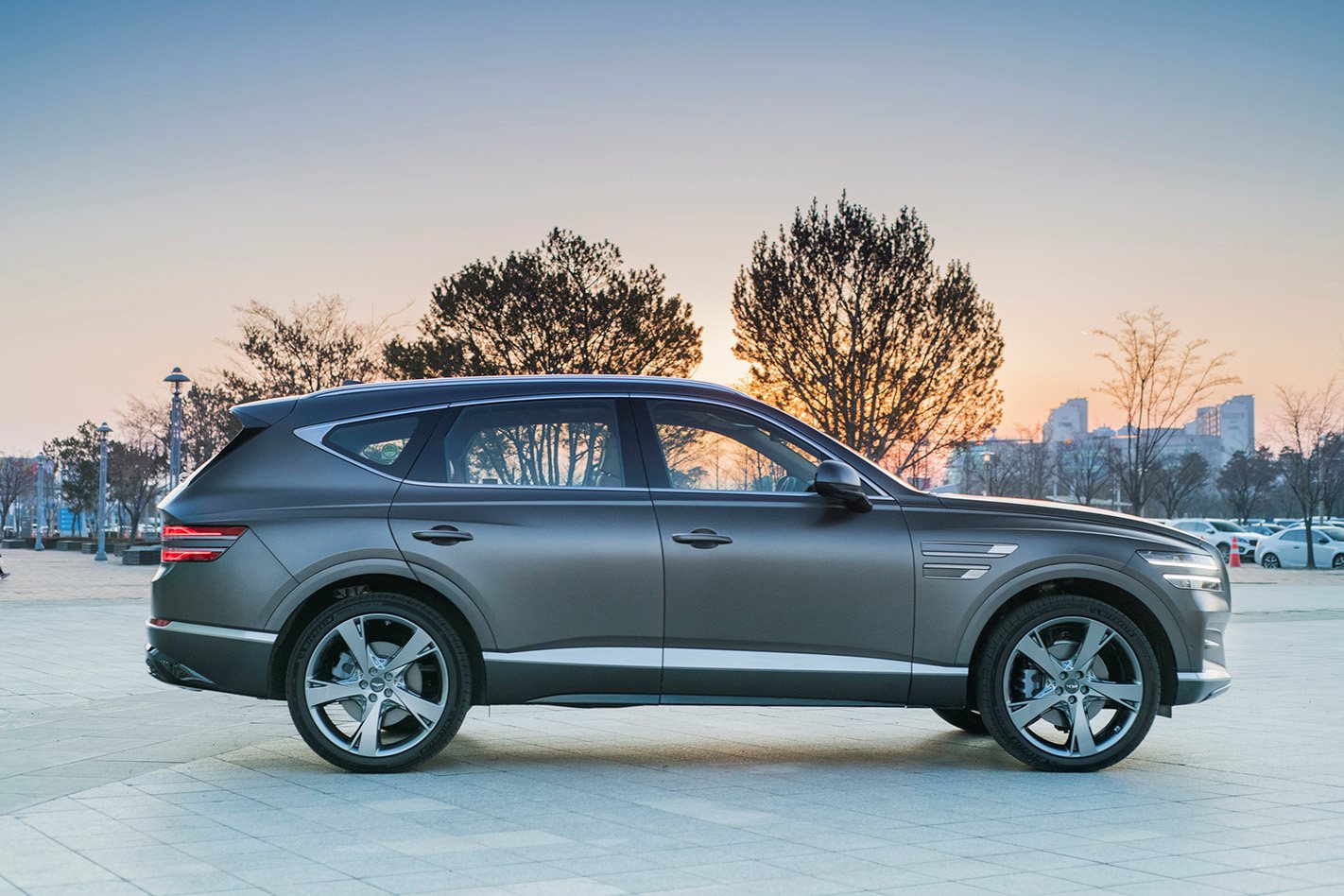
Are there any parallels to be drawn between these ambitious new models or does the family resemblance end at the winged bonnet badge? They may be drastically different models on the outside, but there’s more shared DNA under fundamentally aesthetics than you might expect.
Genesis in the Australian market
For a start, Australian launch timing is similar. While the GV80 is due to touch down in the middle of the year, the G80 will follow soon after in the second half – expect third quarter. Exact timing is expected soon along with local pricing which is yet to be provided for either.
One key difference, however, lies in the market each respective model will compete in.
As a large luxury SUV, the GV80 can expect a reasonable amount of attention, even as a relatively unknown challenger brand – price depending, of course.
The G80, however, enters a far more challenging market with sedans of all sizes copping a significant decline with no signs of a reversal on the horizon.
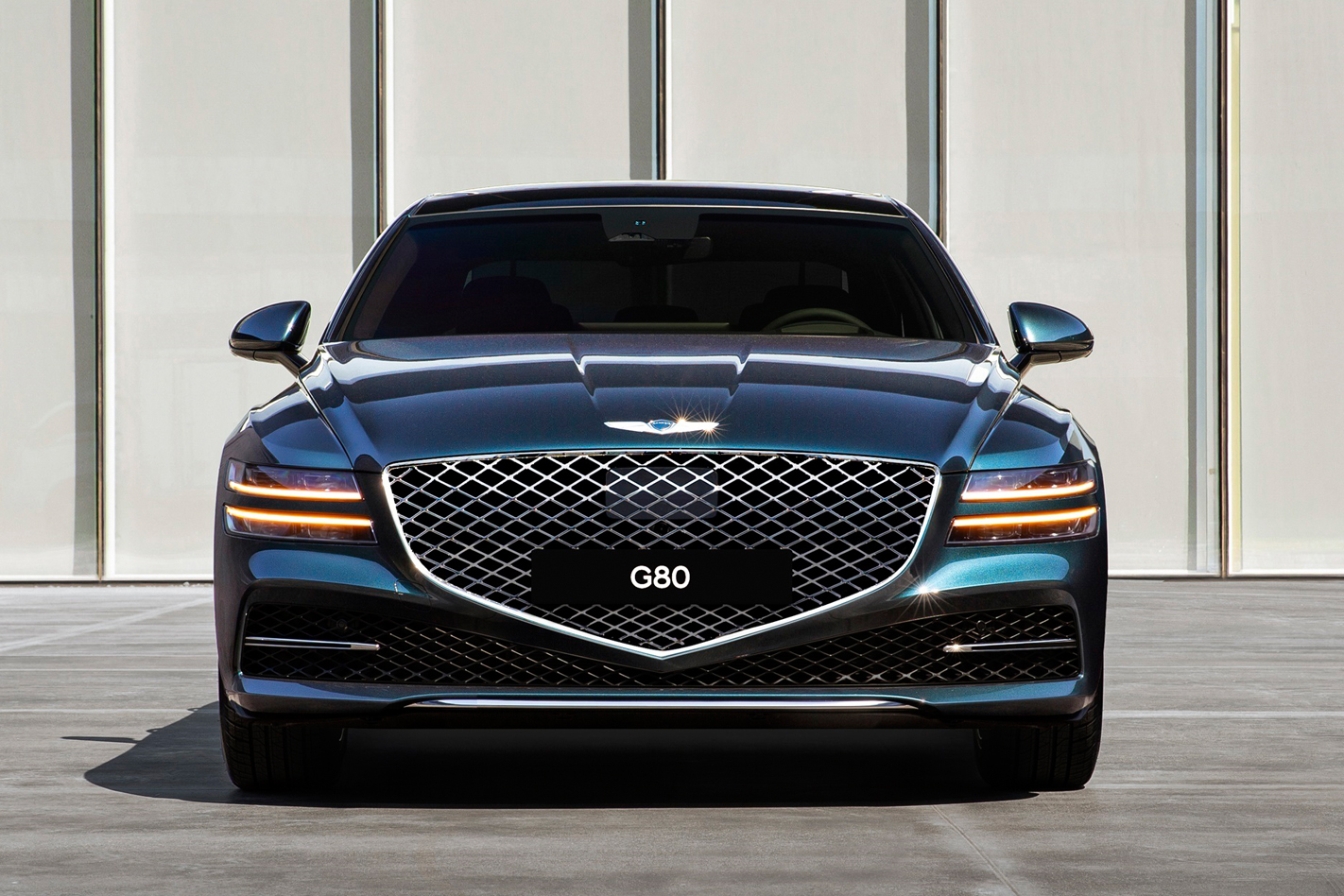
While Genesis Australia anticipates the GV80 to be the more popular model, a spokesperson said other models are still important in the line-up.
“We do not see the G70 sports sedan and G80 executive sedan as volume models, rather they are cars that will help establish the Genesis brand in Australia as part of a comprehensive product portfolio. SUVs will play a very important part in the growth and future success of the Genesis luxury brand in Australia,” the company explained.
“We believe the new G80 will hold strong appeal to private customers looking for attractive design, immense refinement, superb comfort and exceptional performance in a large luxury sedan.”
Genesis G80 – the major mechanicals
Like the GV80, the second generation G80 rolls on the company’s all-new M3 (no relation) rear-wheel-drive platform that also underpins the SUV.
Subsequently, the G80 shares a similar footprint with the GV80 (below) and the longitudinal engine layout coupled with eight-speed, in-house-designed automatic transmission.
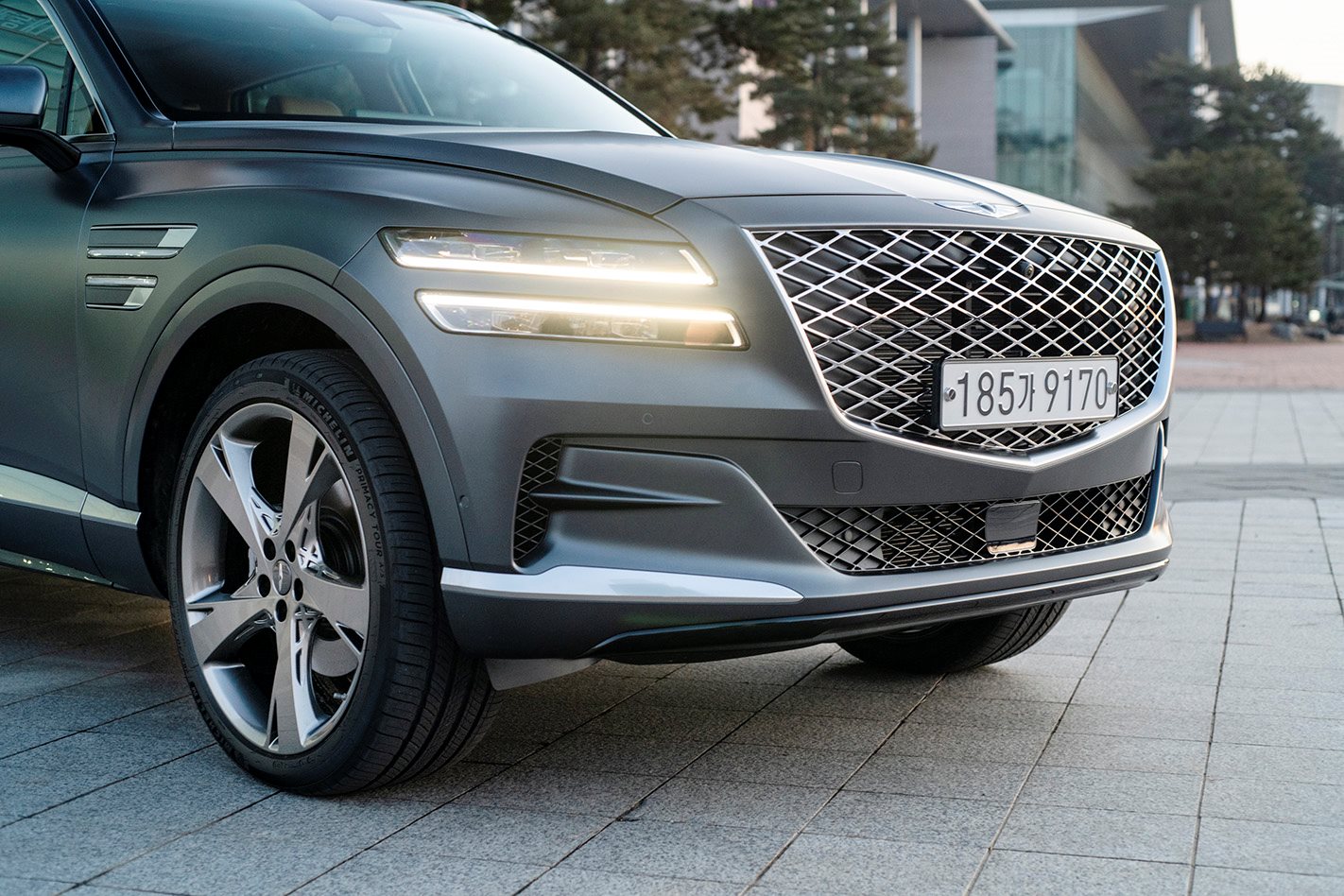
Exact variants offered in Australia are yet to be defined but, like the GV80, there will be a choice of rear-drive variants as well as all-wheel drive, that you’ll most likely find at the more powerful end of the scale.
Regardless of the model, and like every model from parent Hyundai, all Genesis vehicles will have their chassis tuned for our unique local conditions with several disguised prototypes already circulating locally.
Genesis G80 and GV80 engines
Speaking of which, the choice of power plants offered in the G80 aligns almost exactly with the GV80 line-up.
A 2.5-litre turbo four-cylinder petrol will open proceedings with 223kW and 421Nm, while a turbocharged 3.5-litre V6 petrol will offer the performance hero for now with 279kW/530Nm.
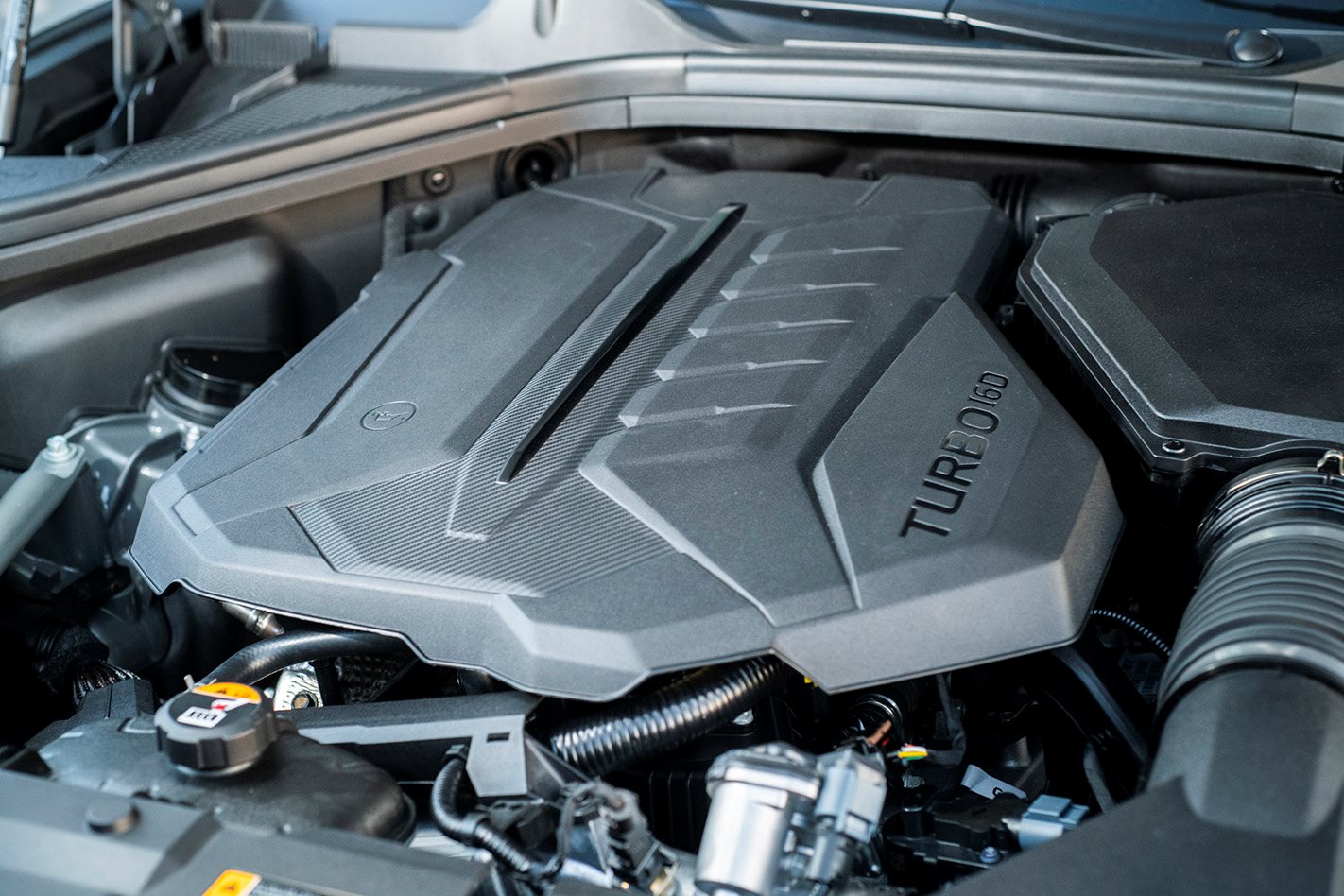
The key deviation away from the GV80 offerings is in the sole diesel offering. While the SUV competes with an impressive all-new in-line 3.0-litre six-cylinder motor, the G80 diesel will pack a 2.2-litre four-cylinder with 154kW and 441Nm.
For now, there is no news regarding a mighty V8 to replace the previous-generation G80 halo, but Genesis has been vocal about a naturally aspirated 5.0-litre V8 it has at its disposal, and the unit could find its way under the bonnet of either model in the future.
No performance or fuel economy figures have yet been revealed regarding any of the engine options.
Genesis G80/GV80 technology
Perhaps the greatest similarity between the pair lies in their technology and driver assistance systems – a key area Genesis is trying to stand out and upstage other more established brands in the premium arena, and often succeeding.
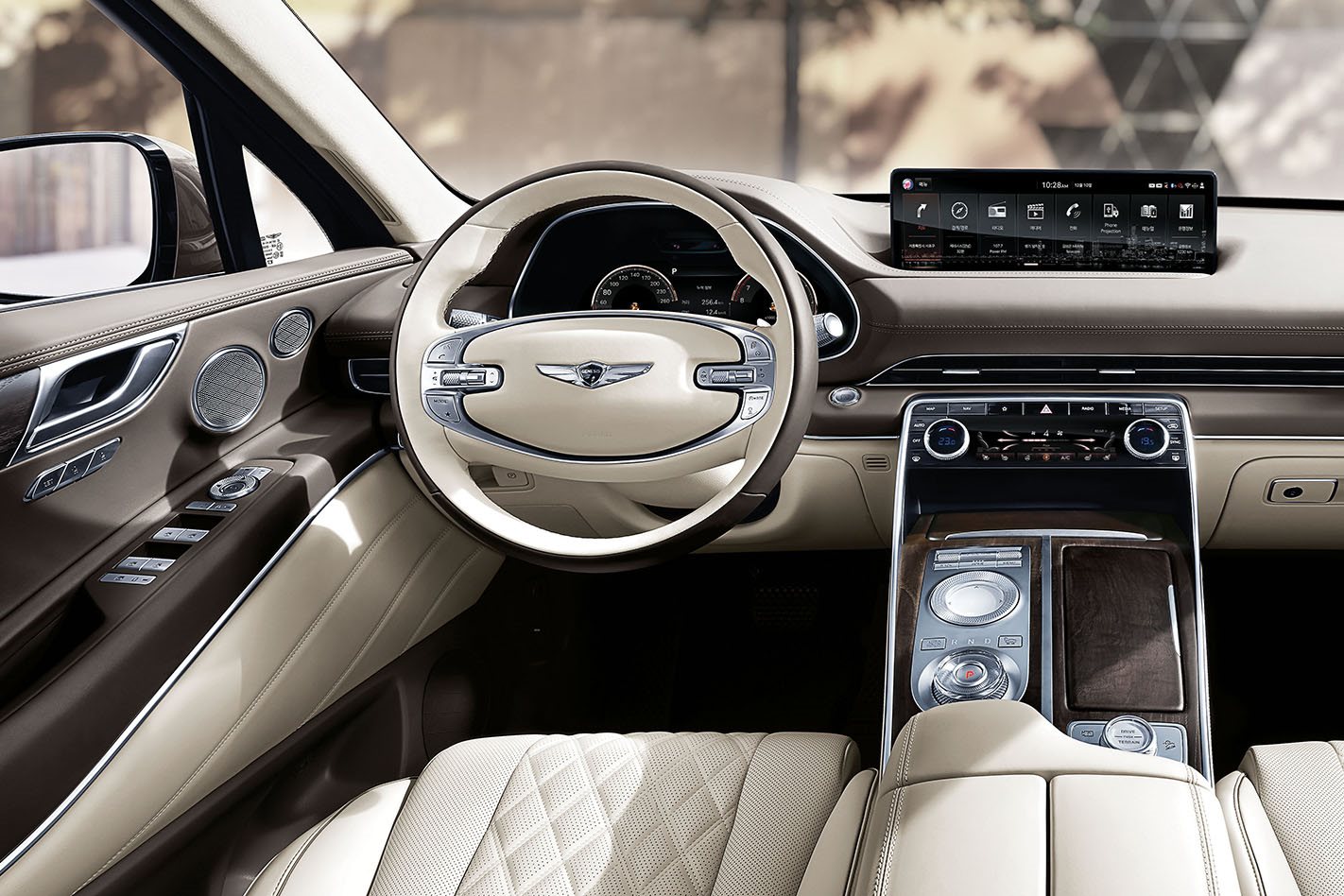
As showcased by the GV80 in January, the G80 has many of the large SUV’s talking-point toys including the cool 3D digital instrument cluster which cleverly creates a sense of depth for the gauges without having to don a set of special spectacles.
There’s also the smart augmented reality navigation system that imposes directions and other route information over an actual image of the way ahead for easier instructions.
The G80 will also perform the cool remote parking feature that the GV80 can execute using just the key fob from outside the vehicle, and there are the huge digital displays as a centrepiece to the cabin.
The first, measuring 12.3 inches provides the instrument cluster, while a second 14.5-inch screen is positioned centrally for all the information and entertainment functions.
Those include Android Auto, Apple CarPlay, over-the-air software updates, while all the usual phone and device connectivity functions are added to by home connectivity capability as well.
The generous equipment parallels continue into safety and driver assistance. Ten airbags are standard fare including one centrally that prevents passengers colliding with each other.
An advanced adaptive cruise control system can perform lane changes simply by flicking an indicator and actually learns your typical driving behaviour and style.
With this information, the G80 can adapt and perform semi-autonomous driving in a manner similar to the way its most frequent driver would respond.
Genesis G80 and GV80 interior
As you might expect, you won’t find a cabin as spacious as the GV80 with a smaller boot and reduced headroom and there’s no seven-seat option, but there is still space for five adults aboard the new G80.
As per the GV80, a wide range of cabin customisation options will be available dependant on the global region and local tastes.
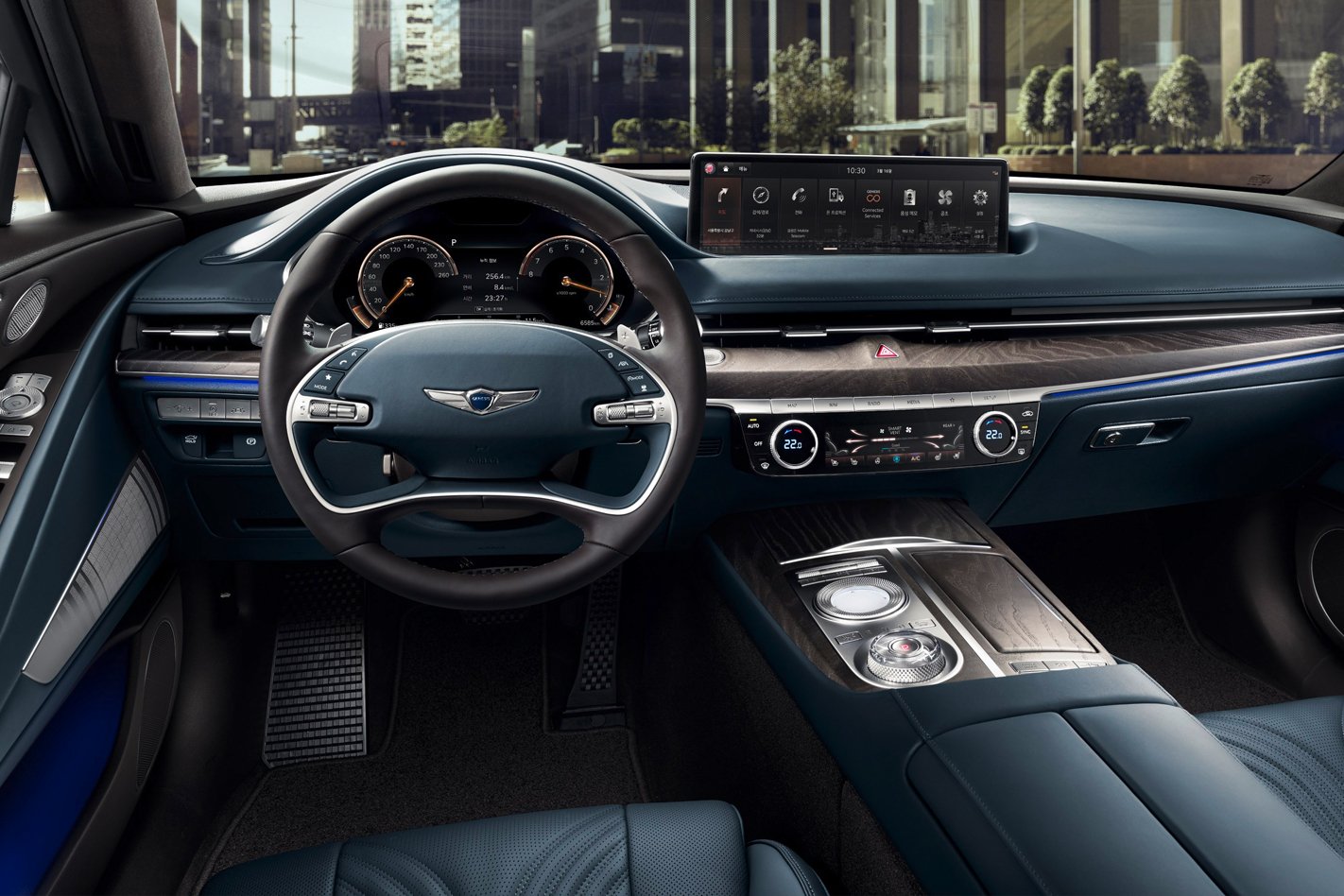
Along with a selection of high-quality materials and colour choices, the G80 cabin is equipped with extensive leather upholstery or soft-touch materials where there is none, and premium open-pore wood finishes.
Old Genesis G80 vs new G80
Perhaps the most significant difference, for now, is that the new G80 is not available with the strong 5.0-litre petrol V8 that the first generation model headlined with.
That said, the newest turbo V6 comes close to its 313kW output and beats the V8’s torque output by 10Nm.
Nor does the range offer any naturally aspirated V6 engines of which there were two in the original model. The good news is that the new model has lost up to 125kg over the outgoing version and that spells better performance, lower fuel consumption and sharpened dynamics regardless of the engine type.
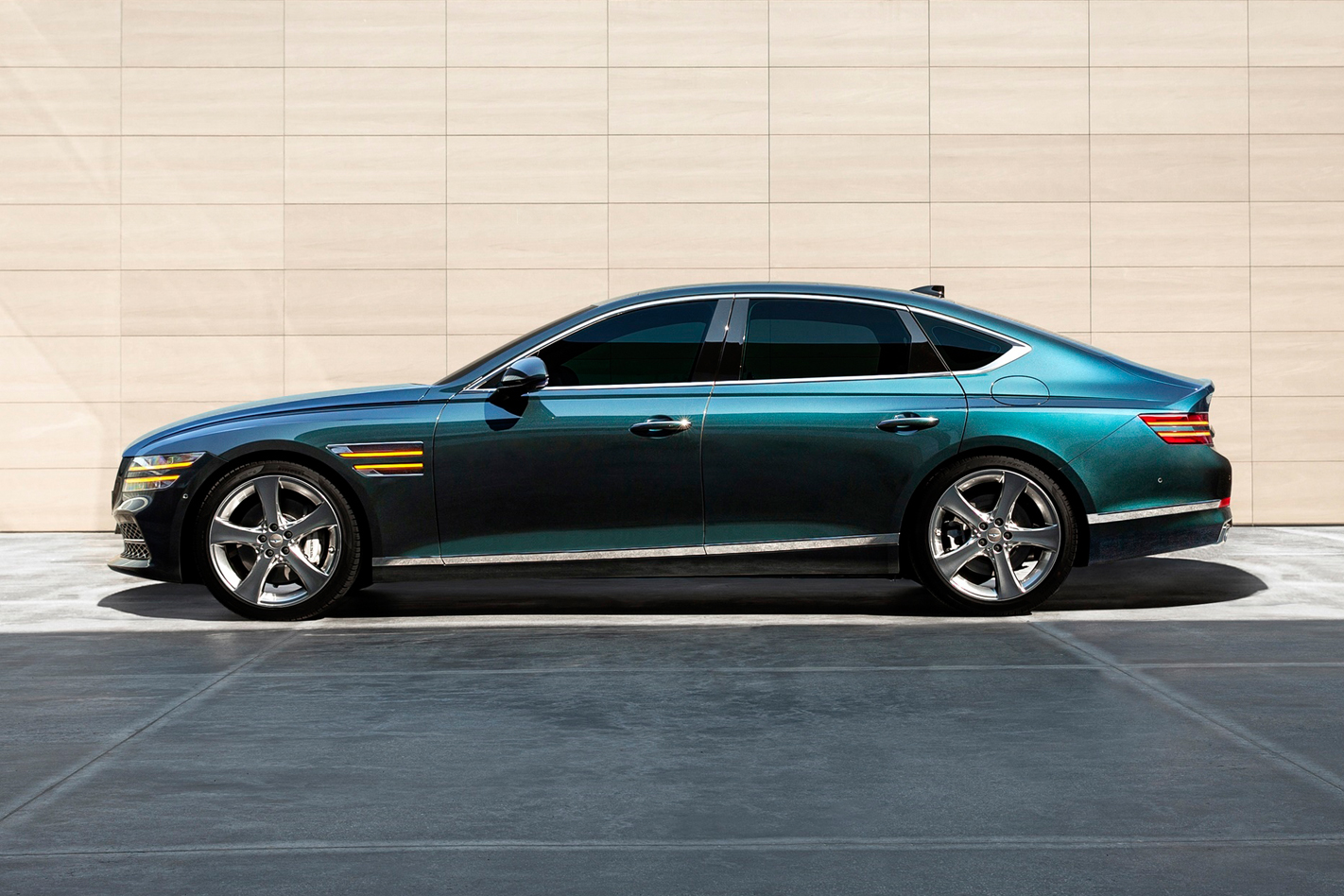
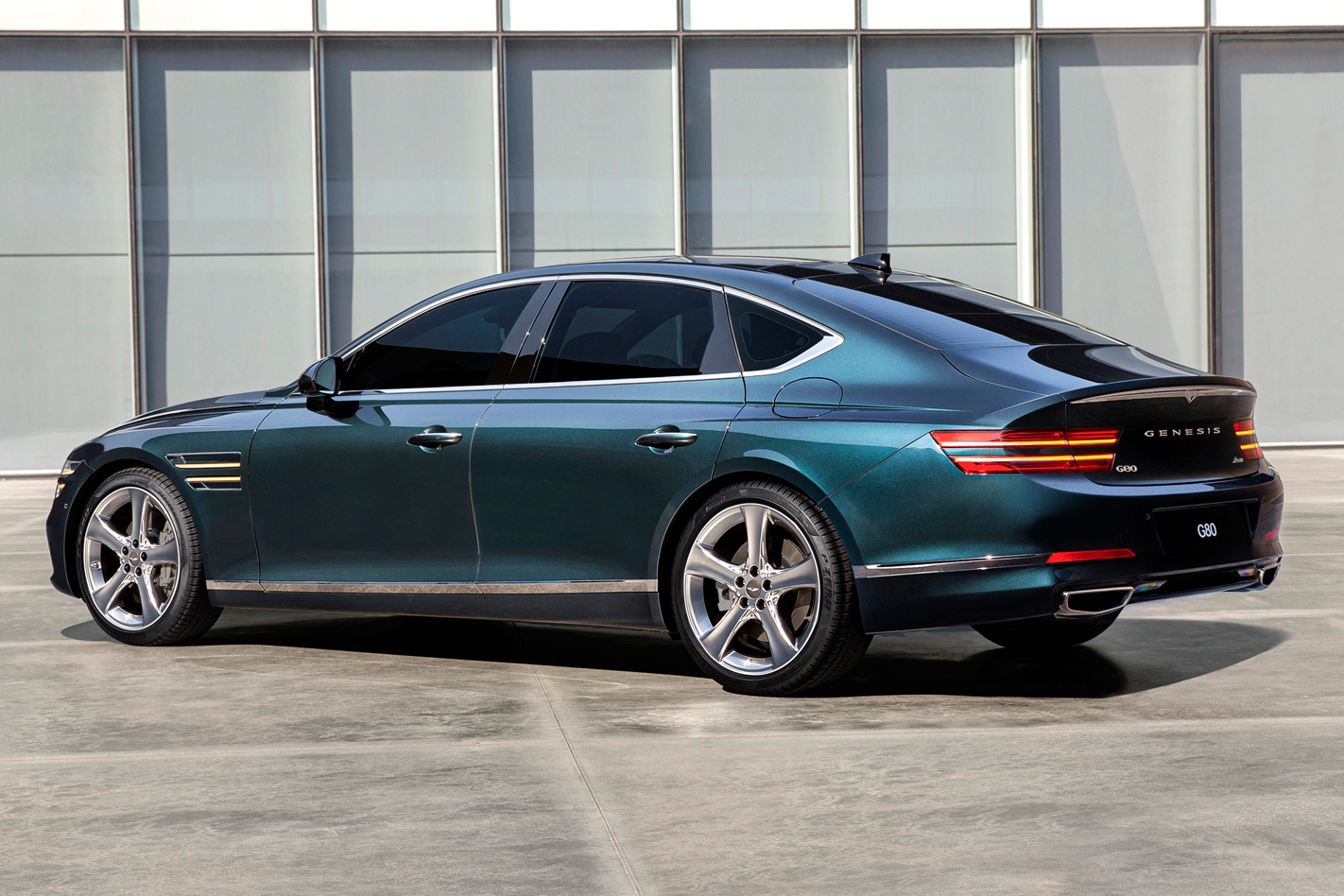
Improved construction methods have reduced cabin noise over the previous version and a new forward-looking camera scans the road ahead for imperfections and automatically softens the electronically adaptive suspension accordingly.
Overall exterior dimensions have grown marginally, but there’s an incrementally bigger growth for the interior with the seats positioned lower. This has resulted in more cabin space as well as an overall lower centre of gravity for enhanced comfort and handling characteristics.
Vaughn Gitting Jr’s tuning and customisation company, RTR, has released a limited edition RTR 10th Anniversary Spec 5 Mustang to celebrate… well, its tenth anniversary.
With 559kW and 895Nm thanks to a supercharging kit added to the GT’s 5.0-litre V8, the Spec 5 Mustang was already the highest tune offered by RTR (which stands for Ready to Rock, by the way), with a host of upgraded driveline parts and a complete restyle of the Mustang’s exterior.
The 10th Anniversary Edition takes this a couple of steps further with custom options for its 10 customers (yep, only 10 cars will be built), including buyer’s choice of highlight colour (all 10 will be based on Lead Foot Grey), and a numbered dash plaque signed by Vaughn Gittin Jr.
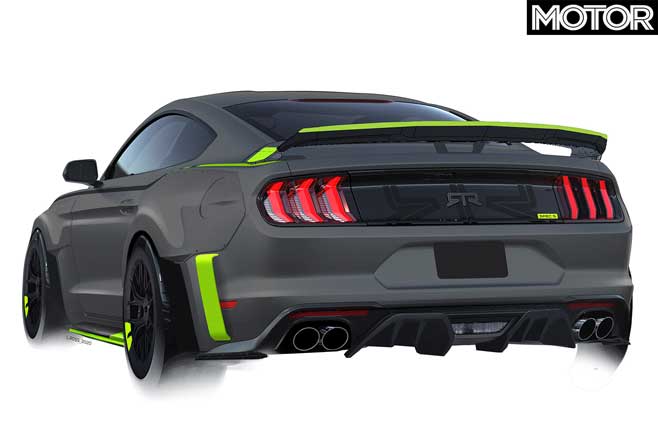
Gitttin Jr says he is “pumped for the official launch of the Mustang RTR Spec 5.”
“Up until now Spec 5s have been a halo vehicle that have been reserved for special projects and racing initiatives only.
“It is going be wild seeing these impressive and fun RTRs on the street in all their glory! I can’t wait to see the smiles on the owners faces!”
Each of the 10 cars will be built by US Ford dealer and tuner Lebanon Ford Performance, itself having recently announced a rather interesting value proposition to extract a lot of power from the current-gen Mustang GT.
But with RTR’s cars, there will apparently be barely a stock part visible left on the car as Gittin Jr says he wants this to be the “most epic representation of what RTR stands for.”
“I started RTR 10 years ago as a project of passion. I wanted to bring something new and fresh to the Mustang world. Now 10 years later, I have an incredible team at RTR Vehicles, and we have multiple RTR models available all over the world for Ford vehicles.
“While we are just getting started, we thought it would be a great idea to celebrate our first decade of living the RTR dream by launching this 10th Anniversary Spec 5.
“This 10th Anniversary Mustang RTR Spec 5 is the most epic representation of what RTR stands for, modern aggressive styling, easily drivable smile inducing power, adjustable performance to suit customer’s needs, and overall just the right enhancements that an owner needs to stand out from the crowd with.”
What is the Kia Cerato Sport?
Available with equally-priced hatch or sedan versions, the Kia Cerato Sport is the second-most affordable variant in the Kia Cerato small car range, which also includes the entry-level Cerato S priced from $21,490, Sport+ ($29,340) and the turbocharged GT ($34,490).
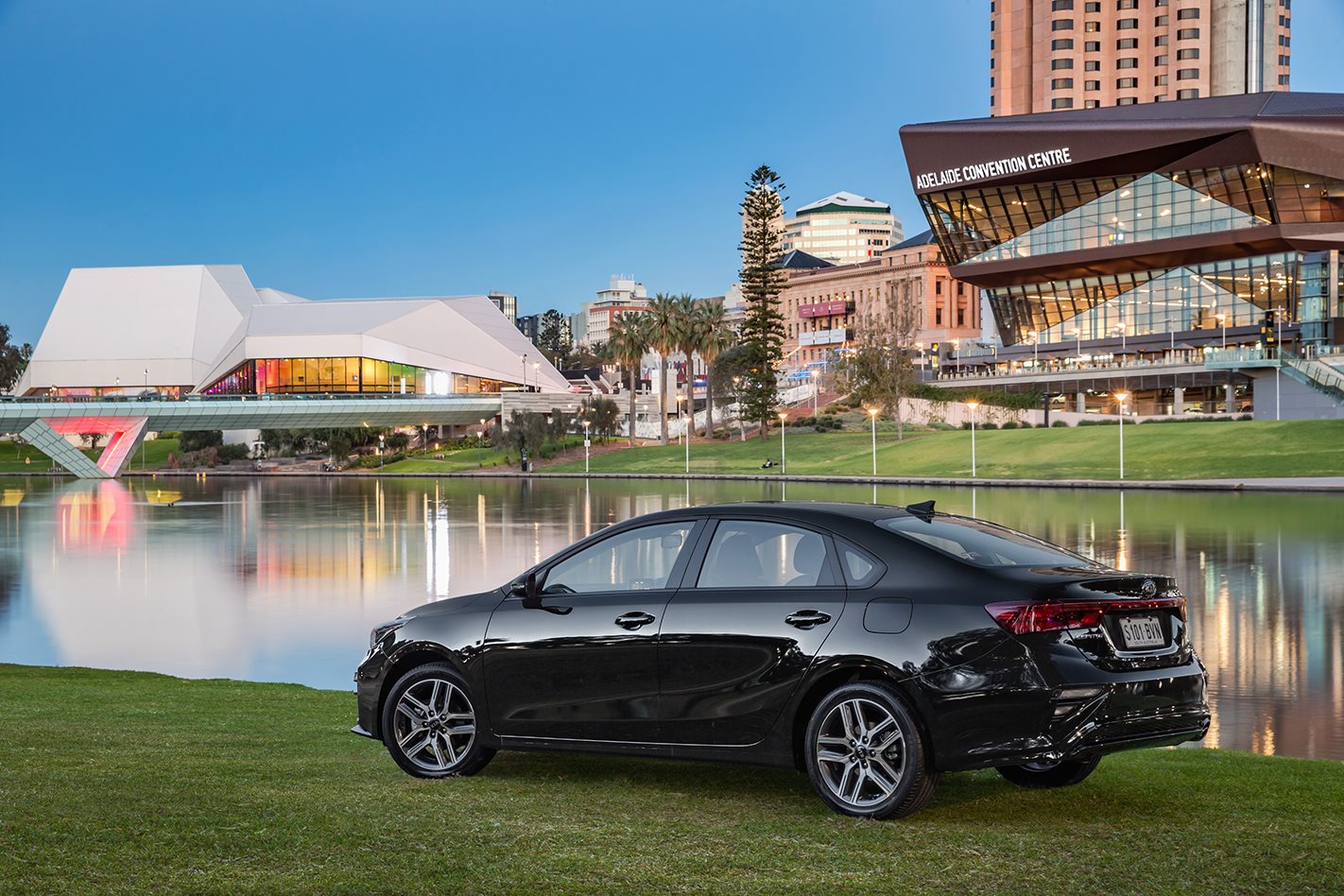
We’re testing the Cerato Sport manual sedan, which starts at $23,490 but also comes with an optional Safety Pack that takes its retail price to $24,490.
What is the Kia Cerato Sport manual like to drive?
Putting a Sport badge on the 2.0-litre Cerato is like someone greeting me with ‘G’day, Sport’ – it’s quaint and in no way reveals any form of athletic prowess.
The 112kW/192Nm 2.0-litre four-cylinder petrol manual and automatic powertrains carry over from the previous generation Cerato. It’s a hard worker, but the six-speed automatic feels overworked at highway speeds. The six-speed manual, however, lets you squeeze additional pep from the dated engine resulting in a surprisingly engaging drive.
The gear shifter feels taught and falls into the right gear easily which allows for quick shifts to satisfy your inner racer.
That said, it’s also an excellent manual gearbox for beginners, with a long first gear and forgiving in that don’t require quick or precise footwork. And it has hill start assist, which holds the brake when you’re stopped on an incline making it easier to engage first gear without rolling back.
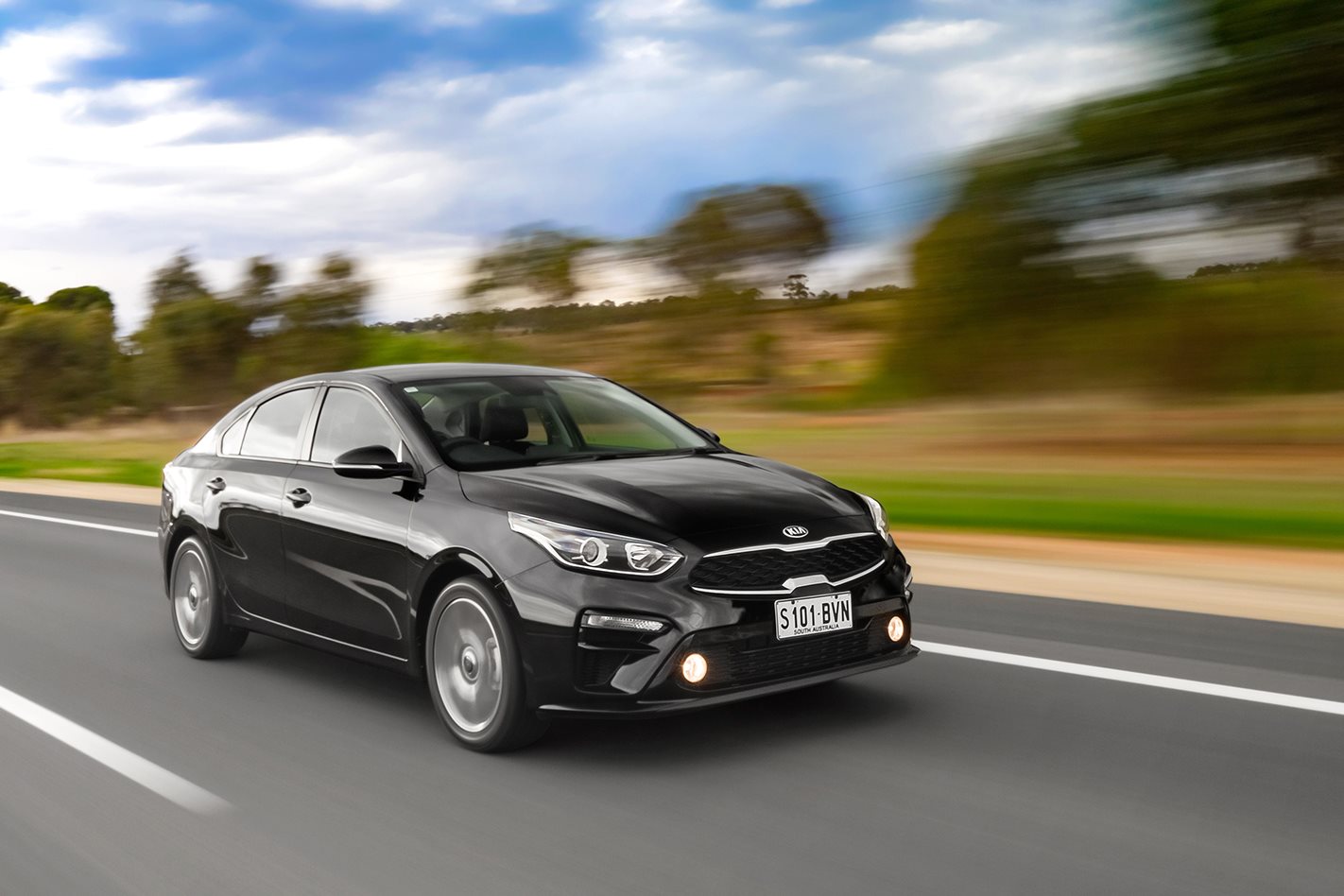
The suspension has been tuned to suit Australian conditions and provides a comfortable ride without sacrificing handling and stability. Ride comfort is also helped by the 17-inch wheels that absorb jarring bumps better than the 18-inch wheels in the upper-spec Sport+ and GT.
What is the Kia Cerato Sport like to live with?
This is an attractive and well-equipped small car for the price, with a standard features list that includes an 8.0-inch infotainment screen with Apple CarPlay/Android Auto smartphone pairing, Bluetooth, reversing camera with parking guidelines, front and rear parking sensors, cruise control, tyre-pressure monitor, and dusk-sensing headlights.
Spending $3000 more on Sport over the entry-level S brings sportier-looking cloth seats, premium steering wheel, softer-touch door trims, satellite navigation, and better-looking 17-inch alloy wheels instead of 16-inch steel wheels with hubcaps.
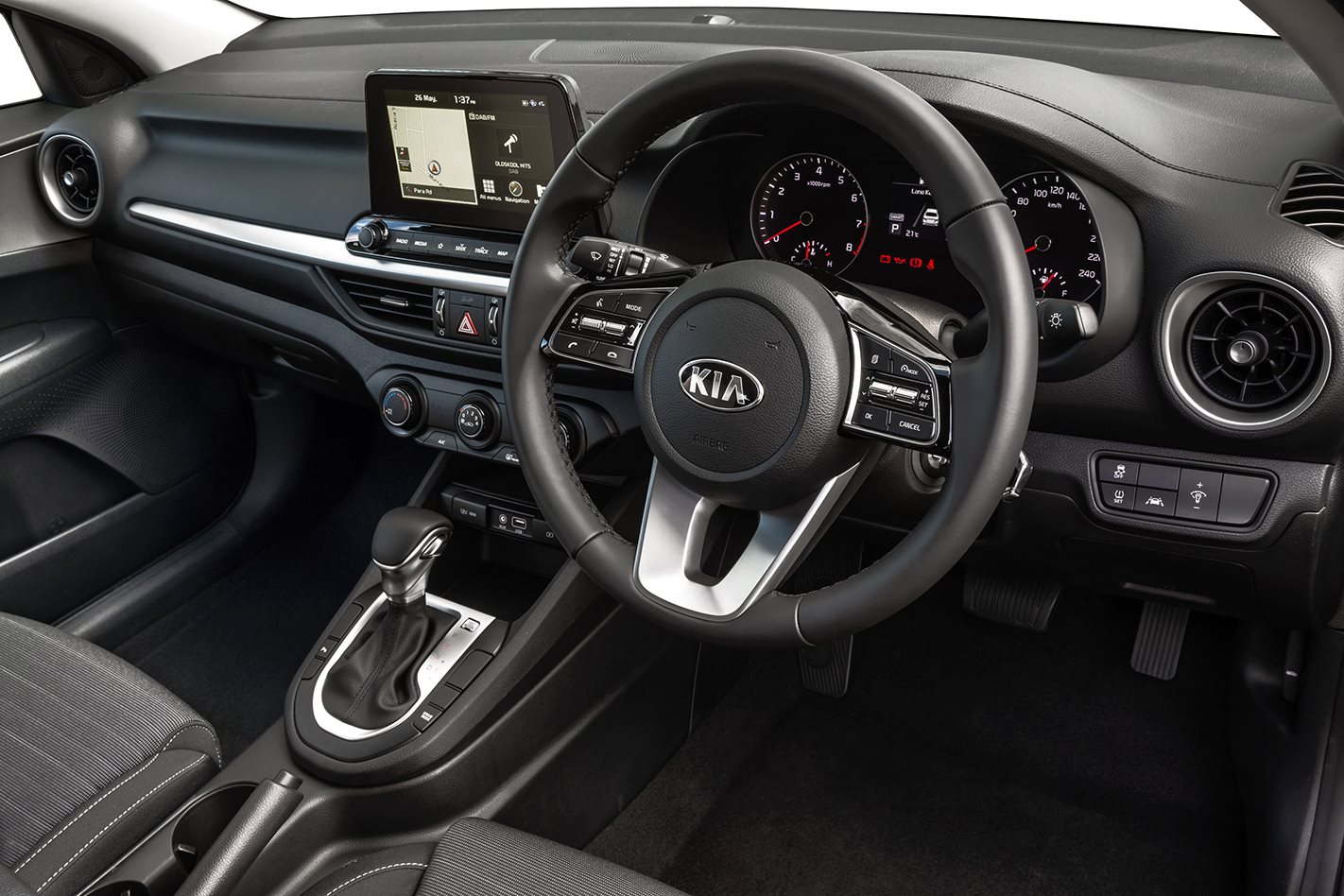
The Safety Pack is well worth the extra $1000 and adds active safety features including city-speed autonomous emergency braking, lane-keeping assist, and seatbelt reminders for all five seat positions. Unfortunately, the manual version misses out on adaptive cruise control.
The Cerato’s interior echoes the bigger Kia models and is ergonomically friendly, from the high-mounted dashboard buttons to the switches on the steering wheel.
It’s one of the roomier small cars too, with a spacious back seat that’s welcoming for two average-sized adults or three smaller people. The Sport spec misses out on rear air-conditioning vents and map pockets behind the front seats, which are available in the Sport+ and GT. Nevertheless, there’s enough storage, with a centre console tub and door bins with bottle holders.
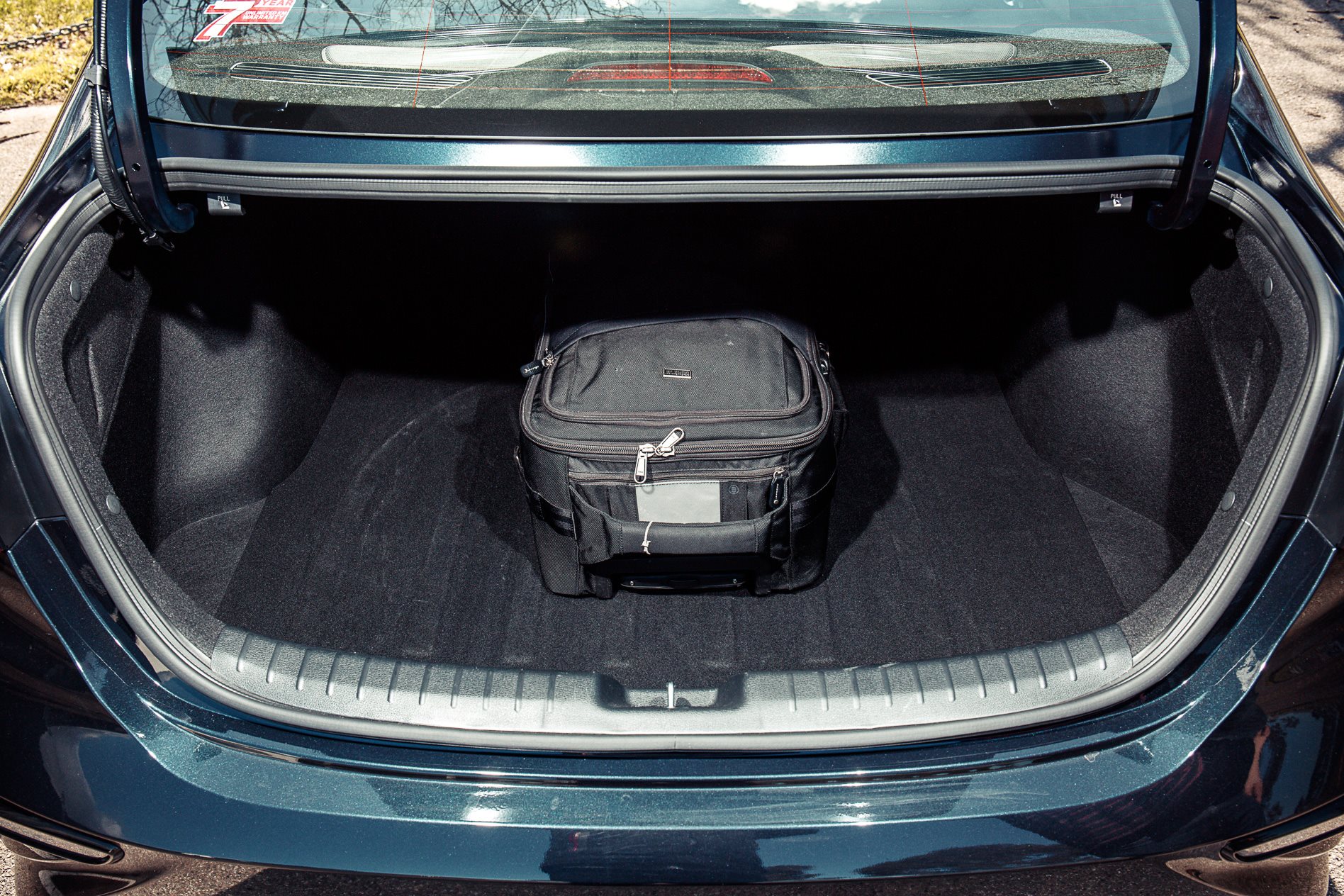
The Cerato sedan has a big, 502-litre boot, which is bigger than the hatchback’s 428 litres though you’ll find it a little harder to fit bulky loads through the boot lip.
The 2.0-litre Cerato is reasonably economical, particularly with the manual powertrain which has an official fuel consumption of 7.4 litres/100km (city and country combined), while the auto consumes 7.6L/100km.The Cerato has a seven-year, unlimited-kilometre warranty and capped-priced servicing for the duration with 15,000km intervals priced at $257, $469, $336, $623, $309, $596, and $328.
Is the Kia Cerato Sport manual good value?
The Cerato Sport brings enough extras to the table to justify the $2000 premium over the entry-level Cerato S while still coming under $25,000 even with the $1000 Safety Pack.
It’s also $2800 cheaper than the auto – that’s a premium usually worth paying with small cars, but this is one of the few where I actually prefer the manual version even for the busy daily commute.
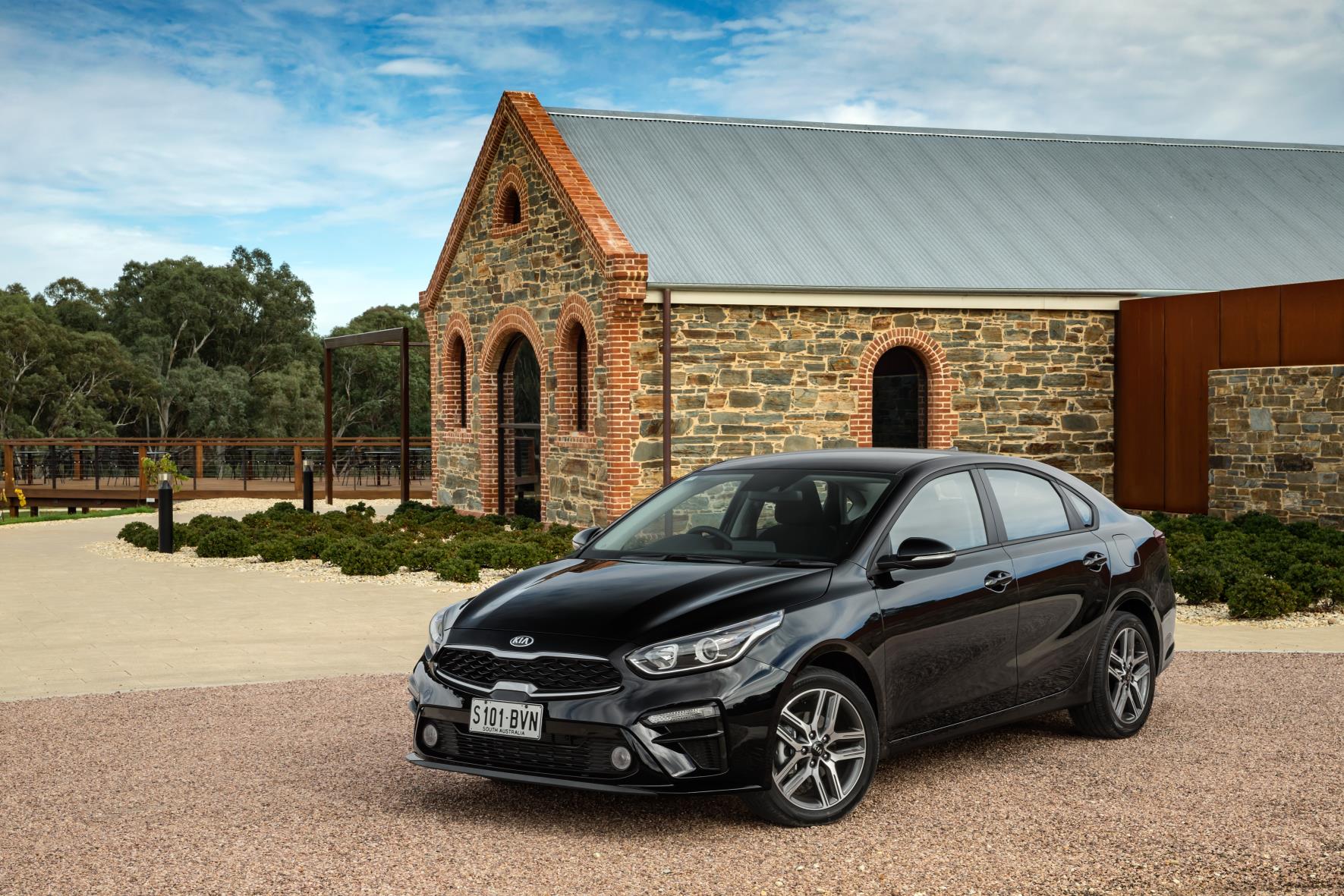
As for choosing between this and the Cerato Sport hatch; they’re similar enough to make choosing between the two just about your preferred body style.
Of its few manual small-sedan rivals, the Mazda 3 G20 Pure ($24,990), and Skoda Octavia 110TSI ($23,890) are certainly worth a look, there’s also the Toyota Ascent Sport manual ($24,835), though its gearbox feels a little uninspiring and was obviously designed with company fleets in mind.
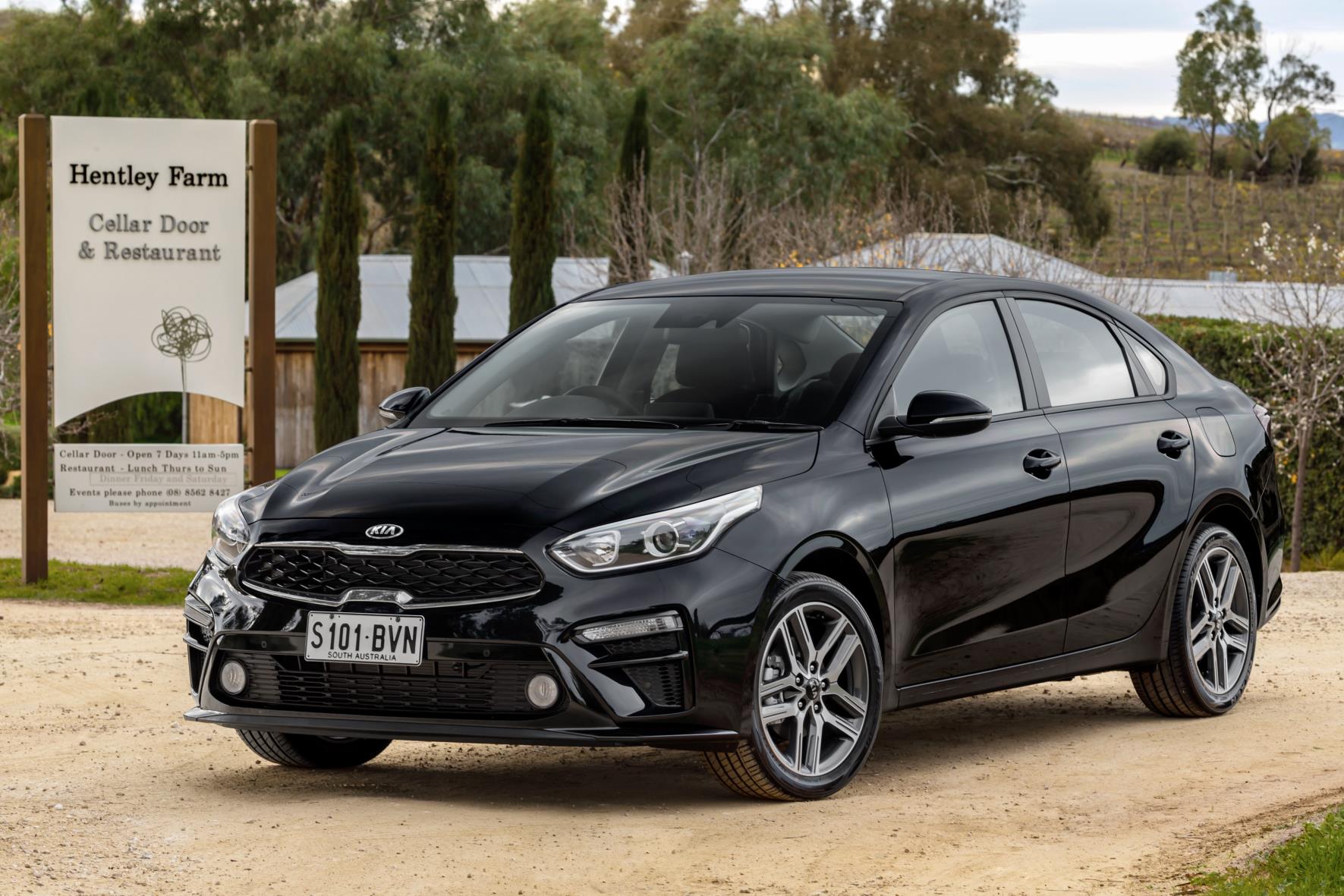
The Mazda gives the Cerato the biggest run for its money especially in terms of interior finish and styling, however, the Kia has a slight edge when it comes to practicality while offering a two-year longer warranty. Either way, you’ll be making a good choice.
Pros: Engaging manual gearbox, standard equipment, spacious interior Cons: Active safety costs extra, heavier and thirstier than the previous model
Rating: 4/5
The first F&F movie, The Fast and The Furious, has ensured itself a place in car culture for the foreseeable future, and now one of its stars is to be immortalised in plastic forever.
The Dodge Charger R/T owned by Dominic Toretto (Vin Diesel) will be available from Lego after April 27 as a Lego Technic kit, allowing more functionality for the model than it would have had as a set of ‘standard’ Lego pieces.
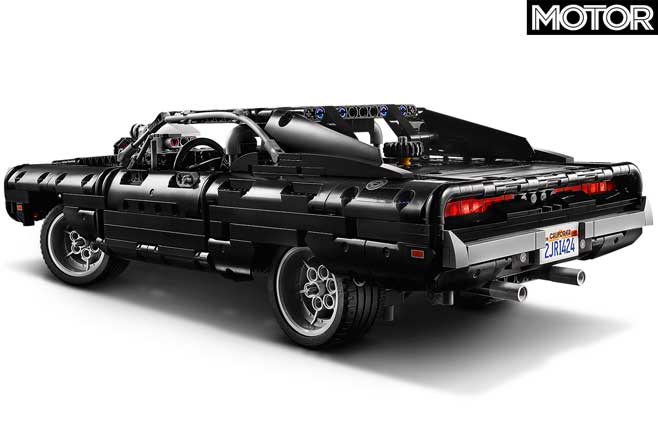
Gears and shafts will allow Dom’s Charger, built as a 39cm long car, to steer while its pistons move within the engine and its wishbone suspension moves to mimic body roll (or being stood on by a giant foot).
The set is priced at $180 according to the Australian Lego website, though with 1077 pieces that’s relatively reasonable pricing for a Lego set.
It’s likely the Charger won’t be the only F&F Technic set, as Lego announced earlier in the year it had formed a partnership with the movie franchise to create products based on its cars.
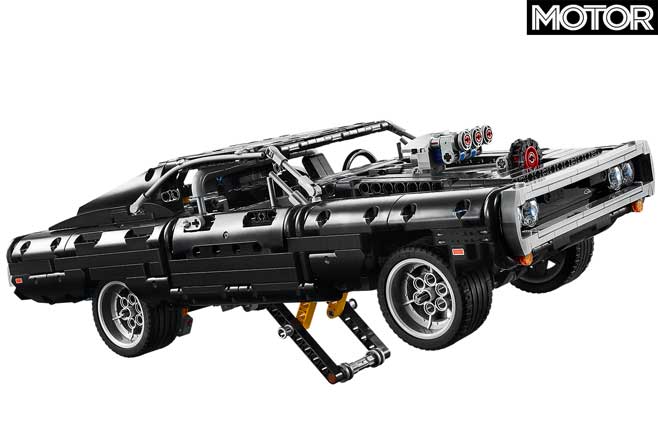
Will we see the O’Conner’s Supra, Jesse’s Jetta? Or perhaps some of the wilder cars from more recent F&F instalments.
We also know the next movie in the series is on the way… a perfect time for cross-promotion?
- Updated RS3 on its way next year
- Mild power boost for ‘regular’ RS3, while a new halo could be added to the range
- Hardcore variant will have enough power to shame V8 super sedans
Audi is believed to be working on a bonkers 331kW hardcore version of the RS3, designed to best its rivals in the new hot hatch power wars.
An updated version of Audi’s hotted-up A3 has been spied testing, and is expected to be revealed to the world next year.
Industry speculation suggests the 2021 RS3 will get a lightly-tweaked version of the current car’s 2.5-litre five-cylinder, with power bumped to 309kW/500Nm. That would bring the Audi eyeball to eyeball with the 310kW/500Nm Mercedes-AMG A45 S, which is about to launch in Australia.
However, Audi has an ace up its sleeve, and is expected to reveal an even tougher version of both the RS3 Sportback and sedan that ratchets up the internal-combustion warfare another notch.
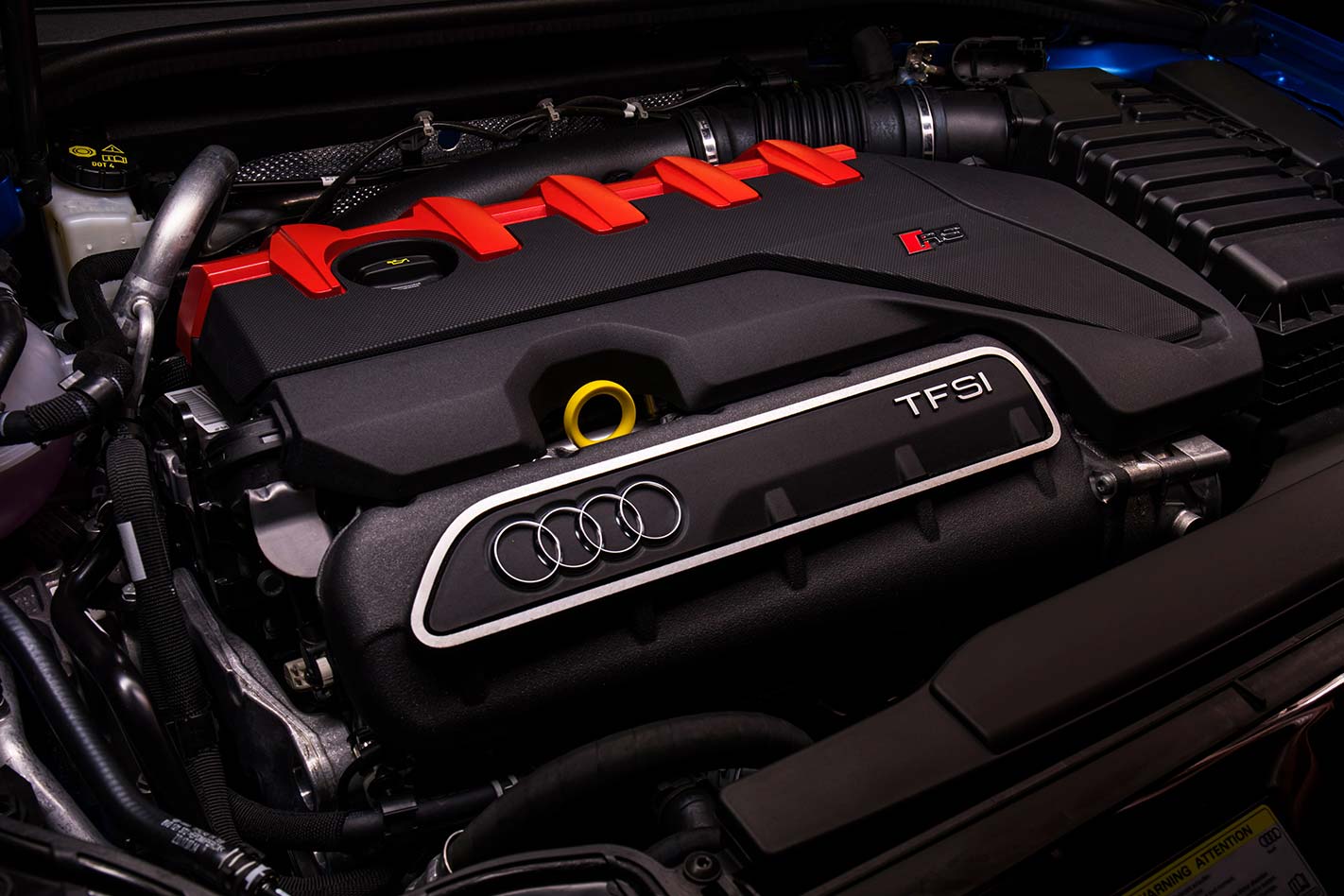
It is rumoured the hardcore RS3s will pack a 331kW punch – that’s more power than the last V8-powered Holden Commodore could ever boast.
Featuring a dual-clutch transmission and all-wheel drive, this mean machine would be one hell of a return serve at AMG’s A45 S.
If the tougher RS3 is revealed, Audi Australia would be doing everything in its power to bring both of its hot variants down under, together with the 309kW offering. The current RS3 was on a hiatus in Australia due to delays related to WLTP regulations.
“We are really looking forward to [the current RS3’s] return, because it is a very popular model within our range, and actually RS3 made up about 25 percent of sales within the overall A3 range,” an Audi Australia spokesperson told Wheels.
“So that is obviously a huge percentage, when you consider the positioning of that car, versus how broadly the A3 range spans.
“Clearly that is another example of how Australian customers have a real affinity for high-performance cars, so we would certainly be looking forward to it coming back.”
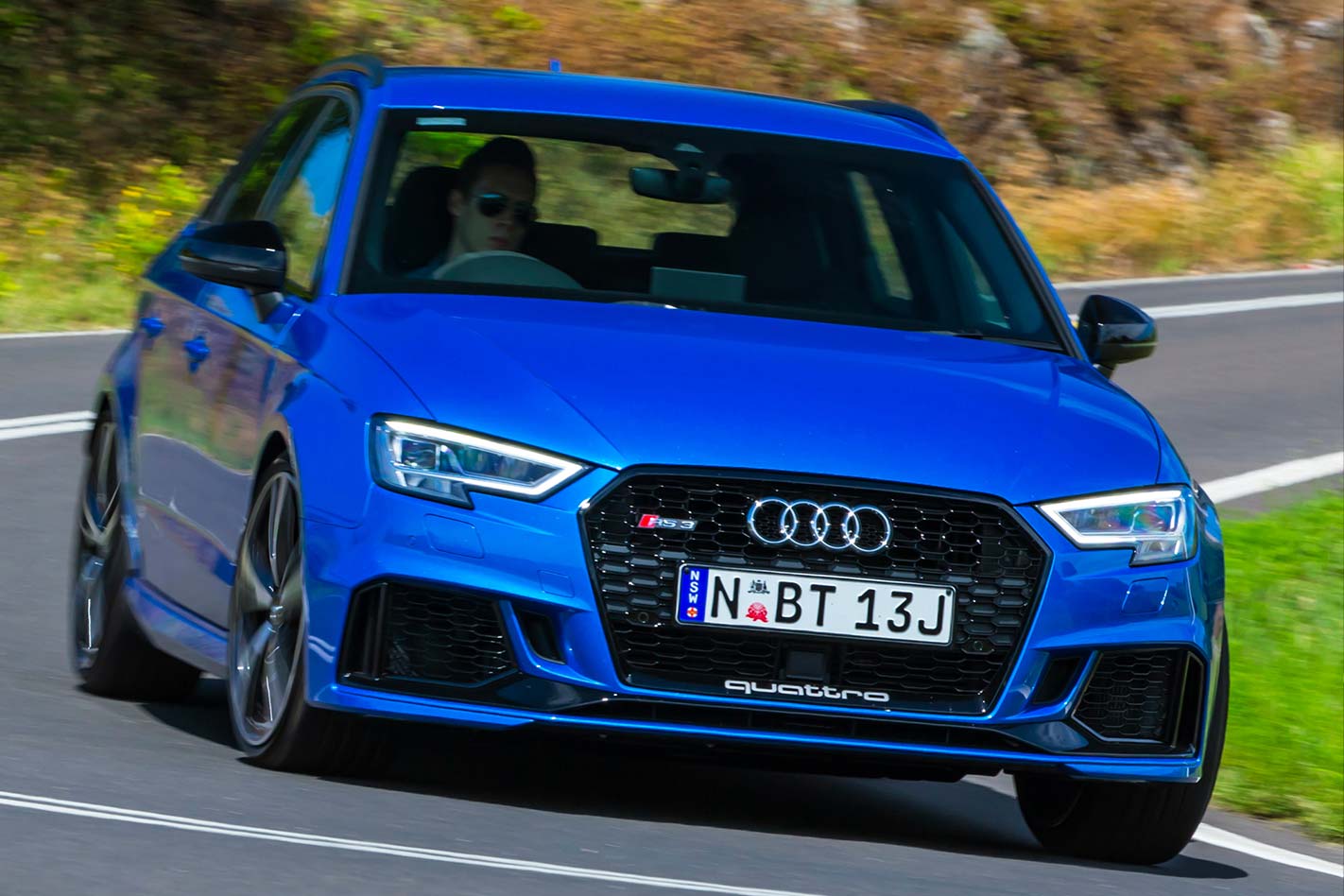
Should the tougher RS3 make production, it will compete in rarefied air, with its sole rival the A45 S AMG.
The power war between Audi and AMG has been progressively intensifying in recent years, and the duo’s flagship hatches are now beginning to encroach in territory traditionally reserved for performance sedans packing eight cylinders under the bonnet.
What do you think of the possibility of a 331kW RS3 coming to Australia?
It’s kind of easy to forget just what a revelation the original Subaru Impreza WRX was when it lobbed here in late 1993. Think about it: there were no Evos, no factory turbocharged Falcons and Green Day hadn’t been invented yet. Instead we had VR Commodores and Celine Dion, so it’s no wonder the Rex was such an instant hit.
This feature was originally published in MOTOR’s September 2006 issue
Fast forward to 2002, however, and things are different. Besides some stiff competition in the sub-$45K sector of the new-car market, and the shift to the maligned bug-eye look for the 21st century, Rex had gained some footprint and, more disturbingly, some kilos. But for all that, the engine was more or less untouched.
That surging, lock-up-your-daughters feel of the first WRX was replaced by a milder sensation of power which, while it still delivered, needed to be wrung out of it, rather than just appreciated. The spec sheet tells the whole story and, along with more air to push thanks to its bigger frontal area (though not by much) the bug-eyed version of the Sube weighed in at a full 130kg over the original. And that, Virginia, is where the thing got switched from ‘kill’ to ‘stun’.
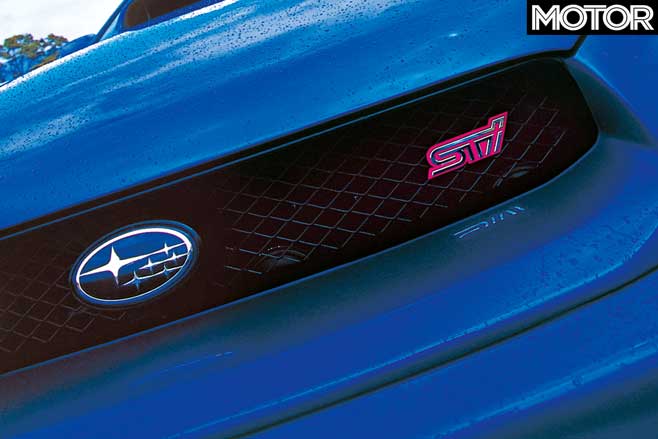
The solution was fairly simple, send in the hot-rod STi version and everything should work out nice. Um, yes and no.
What the ’02 version didn’t get was the full-welly 206kW engine that the first STis did. Instead, you got a similar state of tune, but 195kW and 343Nm as the end result. But you did get a six-speed manual gearbox that the WRX had been crying out for, since the thing had been fairly capable of outrunning its top gear in five-speed form.
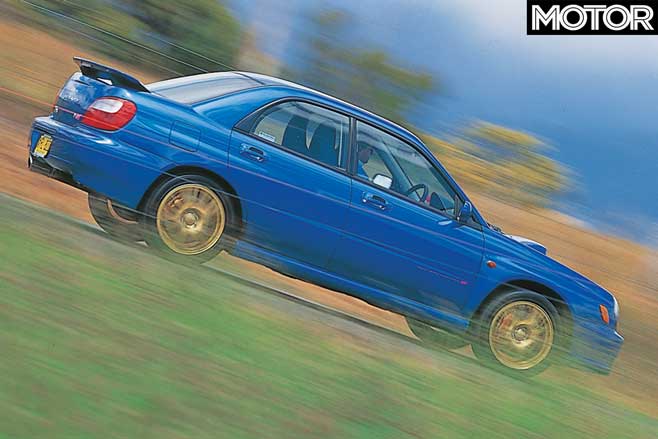
Now, you’d think that with a milder state of tune compared with the original STi, the ’02 version should have been faster than a standard Rex, but still tractable.
Well, you’d have been half right. Yes, the STi could blast down the quarter quicker, but it was only at its best if you were prepared to keep it spinning. Below 4000rpm, there lurked one of the biggest torque black-holes known to motoring man.
On a race-track, this was hardly the end of the world as revs were usually somewhere between 4500 and redline. But on the road, even with the six-speeder closing up the ratios a bit, the STi could be complete pants. The aftermarket reckons it can, with a suitable piggy-back computer, fix the Sahara-spec flat-spot.
Some fiddles to spark, fuel and boost maps and a couple of hours on the dyno, they say, and the STi is a different beast.
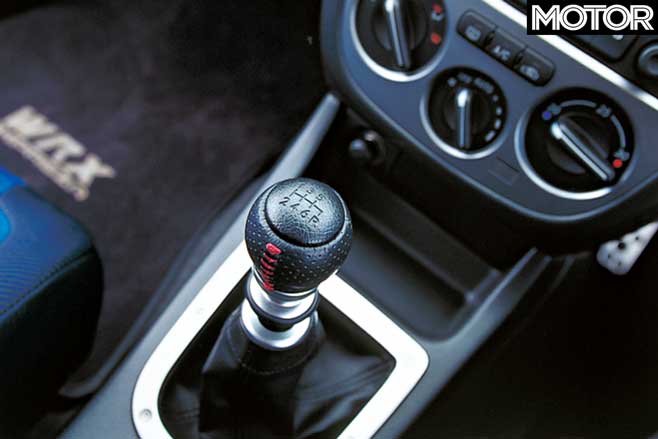
But first there’s a whole bunch of things you need to consider when it comes to WRX ownership. Not the least of those is the car’s appetite for clutches.
Obviously, with all that grip, something’s inevitably gotta give after repeated hard launches and red-light Grands Prix. And for Subaru, the smart thing to do was make the clutch the fuse.
A clutch that shudders on take up or won’t let you pick up reverse quickly without a graunch is a big chance to be on the way out. Any car that’s had a tougher, aftermarket clutch fitted is also a chance to destroy its centre diff or driveshafts in retaliation, so keep it all in mind.
Same goes for a Rex (and this includes the STi) with a seriously upgraded power output.
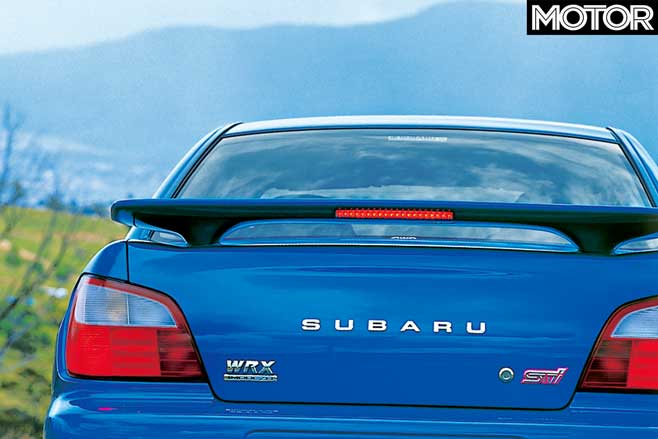
Thanks to modern computer technology, something like a WRX is ridiculously easy to tweak and some people just couldn’t resist winding it up till it went bang. A big-diameter exhaust is okay (as long as it’s not one of those dopey drainpipe-looking ones that drone on the freeway) but much more than that could be asking for trouble.
A lot of them were fitted with just such an exhaust, an aftermarket blow-off valve, and that was about it.
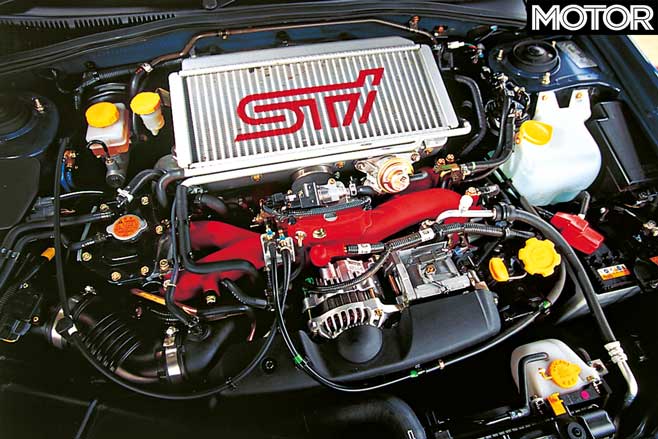
If the car you’re looking at has those mods, we wouldn’t be worried at all, but more fiddles mean potentially more worries down the track. We’d be really wary of a car with the top-mount intercooler moved to a front-mount, and really, really, suspicious of a car running higher than stock boost. The EJ20 is good, but it’s not dickhead-proof.
All this talk of clutch destruction brings us neatly to the subject of outright performance. The factory claims 0-100km/h for the ’02 model as 6.2 seconds and the STi has the potential to dip into the fives. Here at MOTOR we’ve recorded some fast times over the years but here’s the rider: you’ll only pull fast, really fast, times out of a WRX by being totally brutal with it.
Mind you, side-stepping the clutch is probably a lot kinder on the driveline that sliding the clutch home, because there’s a real chance that even the small amount of slip you’ll induce will torch the clutch plates.
An STi? Even more likely to have been thrashed, we’d say, if only because changing gear below 4000rpm just wasn’t any fun at all. At least having the body fall apart in a later Rex was a lot less likely. See, the extra track and wheelbase was not the real reason the new car was heavier: nope, that had much more to do with the vastly more solid bodyshell on which it was built.
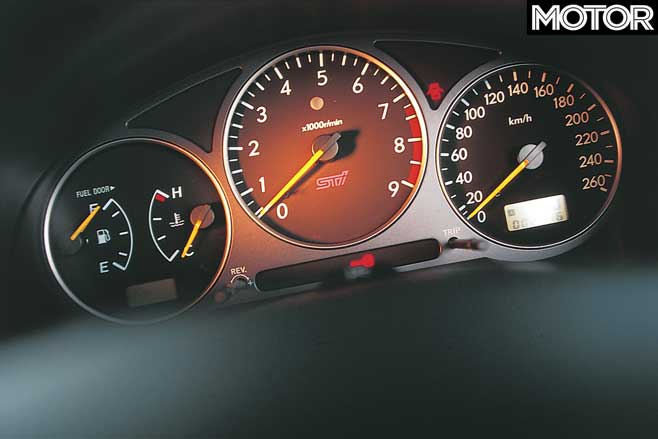
While the early cars could feel pretty loose by the time 70,000km had clicked over on the odometer, the later ones were much more solid. They were also a lot more grown-up inside, too, with better plastics and a classier overall layout.
Meanwhile, like the straight-line performance, by the earliest part of this century, the rest of the world had reeled the Suby in a little. The all-wheel-drive system still gave bigger than average levels of grip, but the Evo was proving that an all-paw handler could be sharper and the 200SX was reminding us of the thrills old-fashioned rear-drive dynamics could provide.
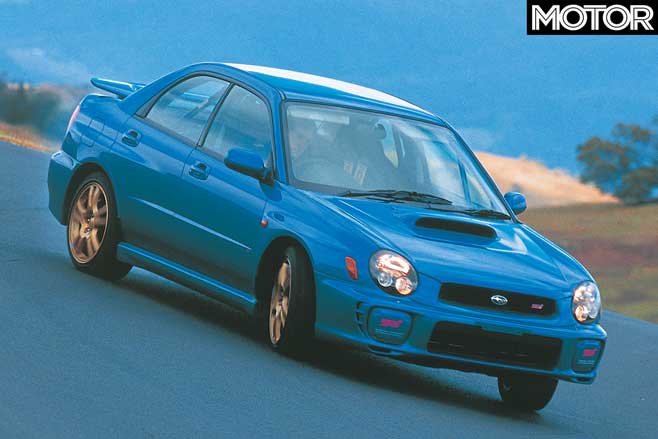
The biggest reminder that the WRX didn’t have things all its own way came when you hit a race-track. Where the Rex had once been unassailable in its price class as a weekend warrior, by 2002, it was, if not actually struggling, at least feeling the pinch.
And if you need proof that it wasn’t all beer and skittles, you need to drive a late-model STi with its active centre diff to really appreciate how much the ‘old’ models understeered. Either that or just stuff it too fast into a decent corner and wave bye-bye as the apex slides on past a good few metres away.
Speaking of which, you’ve also gotta check any Rex closely for crash damage. Thanks to the early WRX quickly becoming the ram-raid or getaway vehicle of choice, the insurance industry soon absolutely loathed the things.
Even if you were a 50-year-old, tee-totalling monk, your Rex’s insurance premium would still make you eyes water more than the monastery’s cold showers. Everybody else really paid the price.
The upshot was that a lot of Rexes were running around without insurance so when the crunch came, as it so often did, many were patched up on the cheap. Watch out for wrinkled metal under the bonnet or the floor of the boot (suggesting it’s gone in backwards) and paint that doesn’t match like it should.
The right Rex will still bring a smile to your dial and, to be honest, those early cars are a real lucky-dip these days. The boggly-eyed versions mightn’t be as cool, but thanks to the ravages of time and distance, they’re the best buys in 2006.
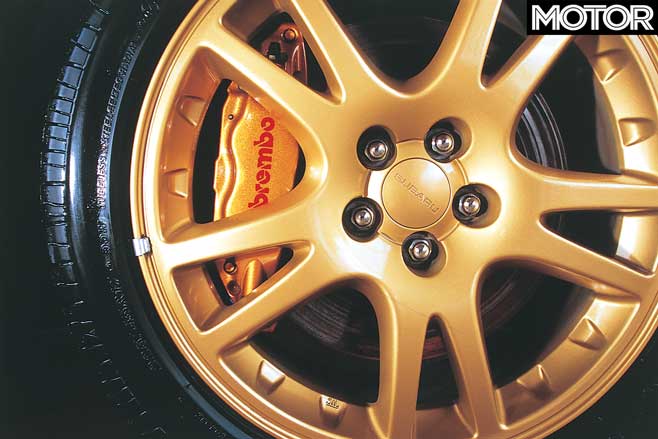
FAST FACTS 2002 Subaru Impreza WRX STi ENGINE: 2.0-litre turbocharged 16-valve horizontally-opposed four POWER: 195kW @ 6000rpm TORQUE: 343Nm @ 4000rpm WEIGHT: 1470kg POWER-TO- WEIGHT: 133kW/tonne TRANSMISSION: 6-speed manual SUSPENSION: inverted MacPherson struts, with offset coil springs (f&r) L/W/h: 4405/1730/1440mm WHEELBASE: 2525mm BRAKES: Brembo diagonally-linked system with sports ABS and electronic force distribution. Ventilated 326 x 30mm rotors with four-piston calipers (f); Ventilated 316 x 20mm rotors with two-piston calipers (r) WHEELS: 17 x 7.5-inch, alloy (f & r) TYRES: Bridgestone Potenza RE040, 225/45R17 (f & r) PRICE: $55,130 (Feb 2002)
What we said
““The damn thing is immensely capable, pretty damn affordable and just about idiot-proof. Anywhere in the 2800 to 6000rpm range, you’ll be pulling like a 15-year-old. Steering feel and feedback is sensational. Its precision stays with you as cornering loads go ballistic.” .” – John Cadogan, February 2002
You don’t have to be a rocket surgeon to understand that breaking Into triple figures in 4.9 seconds is quick. Really quick. And going on past form there is no doubt the latest generation of HSV’s hot Commodores have the ability to crack the magic sub-five second barrier.
This feature was originally published in MOTOR’s October 2006 issue
MOTOR has done it before with a GTO coupe – just – and, after a quick trip in an E Series Senator Signature, it won’t be too long before we do it again. While we didn’t have the chance to strap the VBox onto the camo-clothed Senator Signature development mule we drove, it feels like it could do it on its ear.
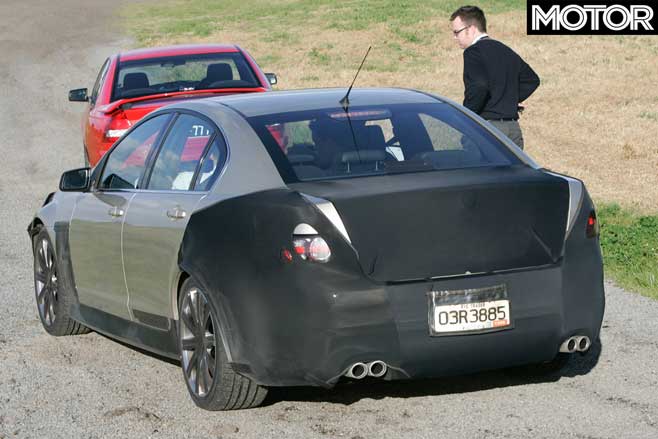
We’ll certainly put it to the test in the next coupIe of issues when we get the chance to really see what HSV’s updated ClubSport, GTS and Senator are really capable of. Yet after the brief drive we had around the back streets of HSV‘s Clayton HQ, the Senator has definitely lifted the local high-performance game to a whole new level.
The 6.0-lltre LS2 already had a fan club In the MOTOR offices, and the subtle improvements made to the latest version make it just that little bit better. There are heaps of grunt on tap even at low engine speeds – and it sings a much smoother tune than the Holden 6.0-litre at the top of the rev range.
Although the mid-range is where you want to keep the needle in the twisty stuff – with gobs of torque and plenty of headroom – the top-end tempts you into its devilish lair with screaming bravado. It sounds sweet with the new extractors and quad pipes outlets, while it is also clear HSV has also put a lot of time and effort into tuning the Induction sound of the big-bore bent LS2 V8.
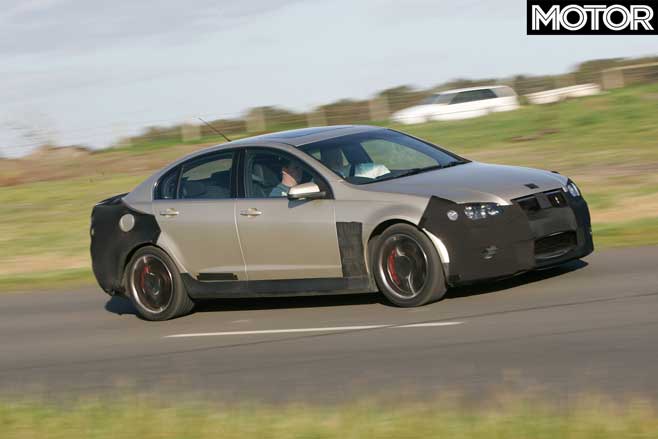
The six-speed auto in the development mule we drove was playing up a bit on our short drive, so we will hold off making judgements until we get our backsides into a production vehicle. But it was obvious the brain was operating on a different level to the standard SS, with quicker and – more noticeable – shifts and less flare through the torque converter.
There can be no denying that the bigger boots and Magnetic Ride Control succeed in improving the balance of the ride and handling. Like the VE models, the steering is light years ahead of where it has been and provides near-perfect poise and stability on the freeways with great on-centre feel and fantastic feedback when the blacktop gets busy. Even on a short blast across some pretty patchy bitumen, it’s evident that the Magnetic Ride Control is working.
In standard “luxury” mode, the bumps were soaked up with ease and the ride quality was on par with most high-performance luxury sedans. Push the button to activate the MRC, and a noticeable edge creeps in. It doesn’t turn it from plush to punishing, but it clearly works. Again, we’ll get a better understanding of its potential when we get our hands on a car for a test longer than a couple of hours.
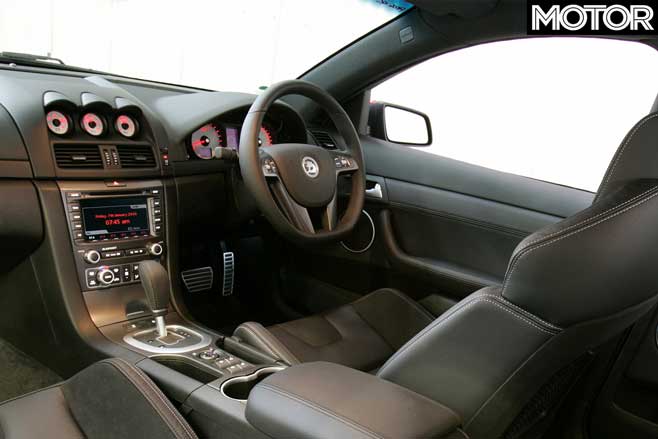
The cabin feels classy and more integrated than it’s ever been. The steering wheel is chunky without being OTT, and there is plenty of adjustment and support in the seats to suit most drivers’ style.
But, in the end, it all adds up to one of the most comprehensive high-performance cars ever created – particularly when you consider it costs a fraction less than some of the big bangers from Europe. Watch out world, I sense a mega comparo coming on!
HSV E SERIES PROTOTYPE SPECS Engine: 6.0-litre V8 Power: 307kW @ 6000rpm Torque: 550Nm @ 4400rpm Compression: 10.9:1 Weight: 1846kg Power/Weight: 166kW/tonne Transmission: Six-speed automatic Suspension: MacPherson strut, coil springs, anti-roll bar (f); multi-link, coil springs, anti-roll bar (r) Brakes: 365mm vented and grooved discs, four-piston calipers (f); 350mm vented and grooved discs, four-piston calipers (r) Tyres: Bridgestonea; 245/40R19 (f), 275/35R19 (r) Price: $76,990
Brothers in Arms
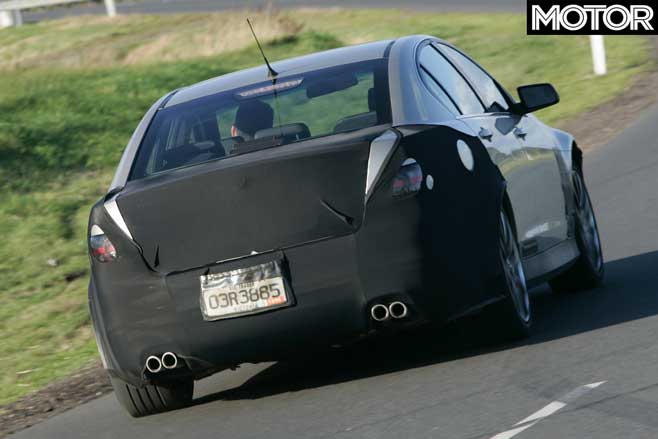
It might not look like it from the outside, but Holden and HSV have been working together closely on its new high-performance heroes.
The General has been creeping into the ClubSport’s cave for the last couple of years with the advances it has made to the SS, but HSV claims it was never forced to up the ante simply because its little brother’s balls had dropped and it was starting to bulk up a bit. The fact that the latest HSVs don’t look like souped-up SS Commodores any longer is proof that the partnership is closer than ever.
“The relationship has never been better,” says Phil Harding. “It feels good at the moment and there is certainly no sense of either of us forcing or pushing each other. We share our plans with them and they know what we want to do, and then we agree on the territory each of us is going to occupy.
“I think there has been a perception out there that we have been fighting each other, but that’s not the case.”
While HSV won’t disclose its total investment into the E Series – as it seems small compared to Holden’s $1.2 billion spend – it says it is the largest lump of cash it has ever dumped into the development of a single new model.
In fact, it‘s three times as much as the VY-VZ facelift and more than six tithes as much as the last full model change from VS to VT in 1997. Throughout the engineering development, HSV built over 45 development mules – four times more than the VT program – and shipped them to the far reaches of the globe for testing. including the USA (transmission testing), UK, Spain (brake testing), and Sweden and New Zealand (for ESC and ABS calibration).
- New Tundra to be revealed next year
- TNGA-F platform opens up possibility of right-hand drive production
- Global business case needed for Australian sales to be approved
Leaked documents show that an all-new Tundra is due to be revealed in 2021, built atop a fresh TNGA-F platform that will be shared with other large pick-ups and SUVs.
This is good news for Australians, who have been baying for more large American-style pick-ups since the introduction of the Ram 1500 and Silverado 1500 locally – converted to right-hand drive in Australia by Walkinshaw.
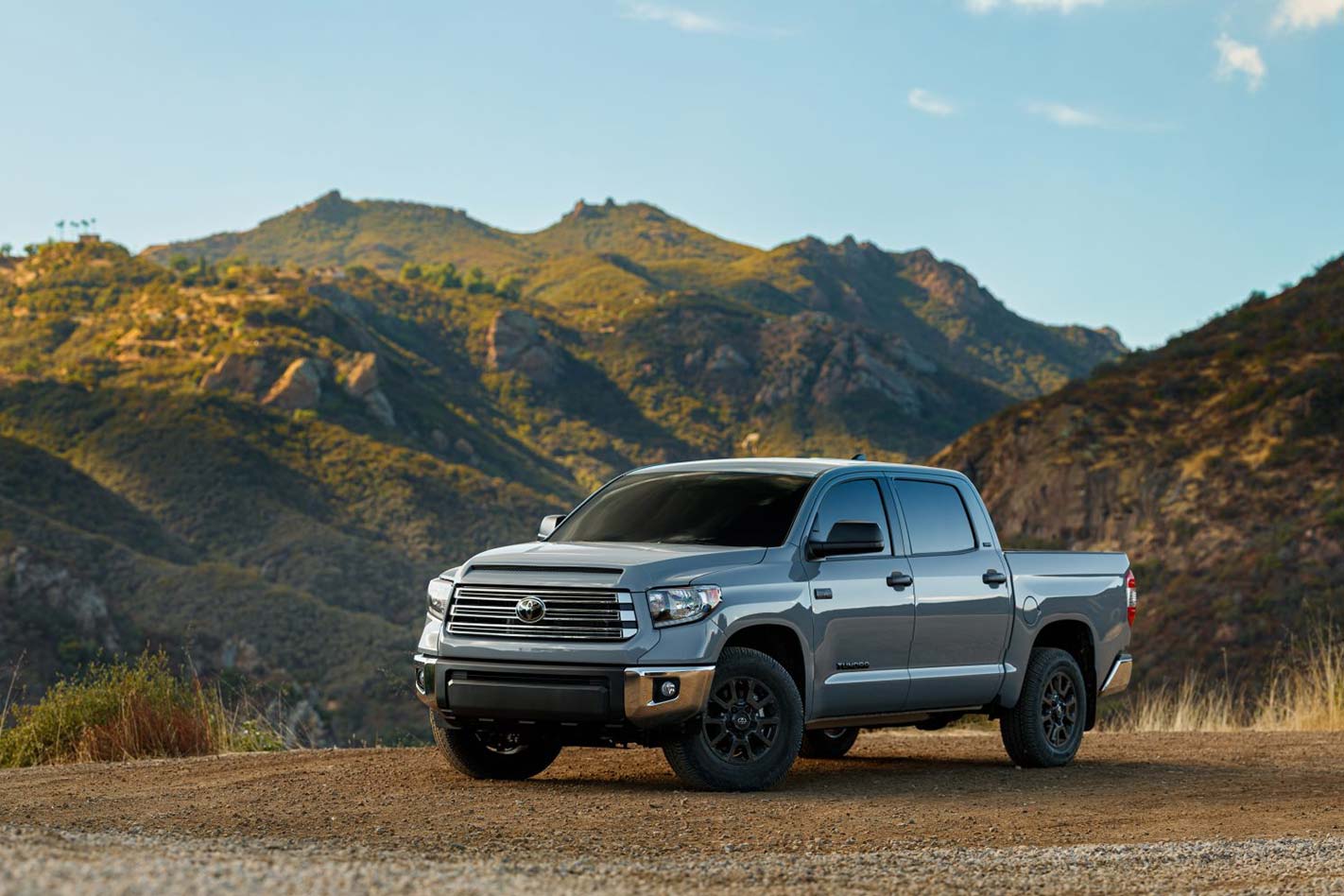
Currently, the Tundra is powered by a 5.7-litre aluminium 32-valve petrol V8 good for 280kW and 544Nm. It is unclear if this engine will be retained for the all-new model, with rumours suggesting a twin-turbo V6 could be slotted under the bonnet.
Toyota has not confirmed that it is considering a twin-turbo V6 instead of a V8, or whether it may offer one alongside a V8.
A new platform gives hope that the Tundra, which until now has been a left-hand drive proposition only, could be built with international markets in mind, opening the door for possible Aussie sales.
However, while customers have made it clear there is an appetite for this kind of model – and Toyota Australia has signalled its interest in having the Tundra as part of its local line-up – there are some significant roadblocks that could prevent the big pick-up being sold in Australia.
The first is actually getting right-hand drive production across the line. While a new platform might make this a possibility, the business case needs to stack up on a global scale.
Sales numbers of the Ram 1500 are the best guide for how a Tundra would perform in Australia, with the Ateco-imported models becoming the industry’s success story last year. In 2019 roughly 3000 of the large V8-powered pick-ups found homes down under.

While that is indeed a positive number in Australia, it pales in comparison to the 100,000-plus yearly sales figures enjoyed in the United States alone, and may not be enough to justify the development costs of right-hand-drive production.
For Toyota Australia, failing to secure right-hand-drive production would shape as a dealbreaker for getting the Tundra into Australia.
Vehicles like the Ram 1500 and Silverado 1500 are built in left-hand drive before being shipped to Australia and converted to right-hook. However, Toyota Australia said this kind of arrangement isn’t something it is investigating.
“[Right-hand drive production] is the first part of the equation that would probably need to be resolved,” a Toyota Australia spokesperson told Wheels.
“If right-hand drive factory vehicles become available then it is something that we would very deeply study. Toyota Australia would be jumping up and down almost more than anyone else to bring that car here.
“The big thing is that it needs a global business case to be put together, and the business case needs to be there for right-hand drive production from the factory.”
Another challenge facing the Tundra’s possible introduction to Australia is the prospect of emissions regulations.
“We are aware that a big V8 truck is something that we would need to study beyond just the market point of view – we need to look at what the potential future might be for CO2 limits, and some sort of corporate average fuel economy or CO2 for fleet,” the spokesperson added.
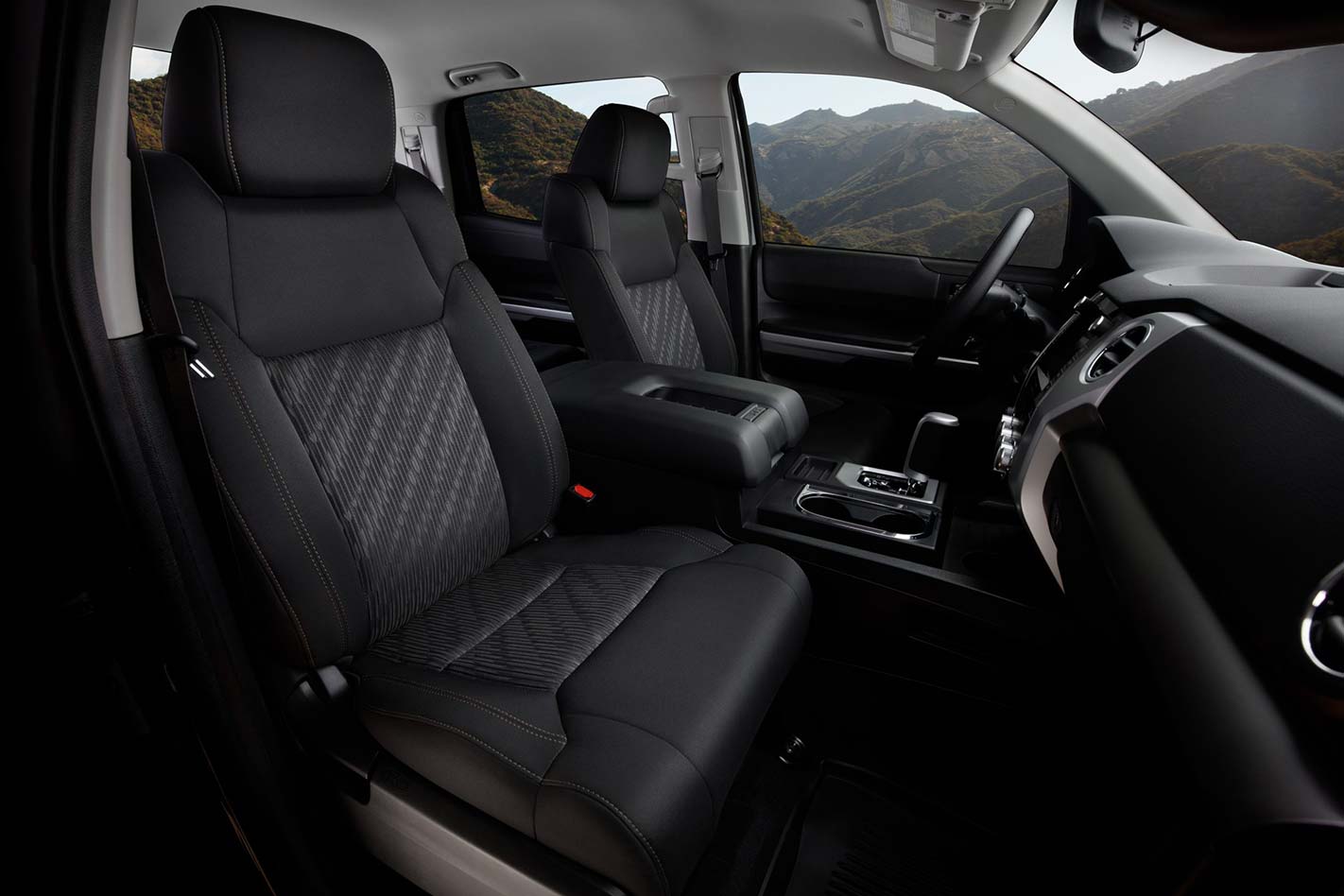
“We understand that it is a vehicle that is of high interest to Aussie consumers, and if we can pull the business case together to bring that vehicle here, it is a very highly likely proposition.
“It is quite expensive to convert vehicles locally. If we were to bring over a left-hand drive and covert it … you’ve seen the [cost] difference it makes to something like a Camaro, for example.
“Trying to convert a Tundra, you can only imagine how much the final cost might end up being if we decided to do something.”
Toyota Australia says no third party has approached it to pitch local conversions. Toyota in North America is taking the lead on the new Tundra’s development, and any right-hand drive production decision remains out of the Australian division’s hands.
“They are aware [of our eagerness],” the spokesperson said. “There have been discussions in the past, but it hasn’t obviously manifested itself in right-hand drive production for now.”
