
We sat on the side of the road at 5am, parked up outside Winton Raceway, watching the around-the-clock bustle of the Hume highway in the distance.
Trucks passed us, as you’d expect out there, but in this part of Victoria the trucks weren’t shifting your stock standard freight, nor were the drivers your ordinary truckies.
On the back of these trucks, were more trucks. Racing slicks, livery and outlandish spoilers gave away the fact these weren’t road-going rigs.
We were at Winton to witness the outrageousness that is Australian Super truck Racing, a motorsport for people who find regular car racing…well… kinda cute.
Now we’d better clear up a few rumours before we get started…walking around the pits we heard murmurs that truck racers could undo wheel nuts with their bare hands. We also spotted a couple of the quicker drivers filling empty Tabasco bottles with diesel, a condiment substitute said to shave a few tenths off your lap time.
It’s unlikely any of this is true – in fact, I can assure you it isn’t – but these guys are certified mad men, in the best possible way.
Super Truck Racing is a blue-collar sport, born out of a few truckie’s desire to go fast, really fast, back in the 1980s.
Back in the early days, you’d drop a trailer, race your truck, hook it back up afterwards and hit the highway.
This all started with working trucks that the crazy buggers would drive to and from the track.
Veteran of the Super Truck Racing game and still a front runner in the series today, Frank Amoroso, tells us he even had a roll cage in his truck, the same one he drove day in day out delivering freight!
It’s come a long way since the early days and Super Truck racing is now recognised worldwide. But nowhere is it as wild as right here in Australia!
To get my head around what this sports all about, I spoke with a couple of the drivers in the pits, all of whom were dead keen to show the ins and outs of the sport.
Legend of the game Frank was first up, I mean after all he had his truck idling in the pits at the time and it was blowing that much smoke he was hard to miss.
“I still get the same buzz today as I did 31 years ago, I can tell you that,” he tells us with a smile you could spot from a mile away.
I was interested in getting to the bottom of these so-called truck racer rumours, particularly this wheel nut business.
After tracking down the quickest bloke in the series, Steven Zammit, I got straight to the point and asked him if the whispers were true.
When I asked about the wheel nuts, well, he looked at me blankly and refused to give up any trade secrets.
He did, however, highlight the dangers of truck racing, with speeds down the straight that are up there with the quicker circuit racing series doing the rounds.
“I’ve got three bulging discs in my back from hitting the wall at Oran Park raceway!”
Steven’s father Charlie, another old-time legend in this sport, speaks of the camaraderie, something that Super Truck Racing is well known for.
“People will go and get gearbox parts or whatever, and we’ve got expertise in different fields around the pit area, so if it’s a gearbox and someone knows about that – they’ll step in and fix it,” Charlie explains.
These trucks have got some serious gonads; the red Butwell Racing Mack runs 1000kW the little MLC Racing Isuzu puts about 320kW down, and Frank Amoroso’s famous blue Kenworth ‘FATE’ packs a wild 1200kW.
They say smoking kills… well, I don’t quite know if these fellas got the memo. There aren’t many places you can see and hear trucks going flat out without all the rules we’re used to.
It’s all well and good to talk about it, but to see it in person…this sport will literally blow you away.
Steven stepped up to the plate and offered to take me for a few hard laps – mind you, this was shortly after telling me about the bulged discs in his back from hitting a wall in the same truck!
I’ve been in plenty of race cars before, but tightening down a racing harness in a full-size truck definitely gets you thinking about whether that chicken burger might be making an encore appearance.
I don’t know whether it’s the sky-high cab height and driving position when compared to a race car, or just the fact your brain has trouble comprehending how much lateral grip and braking potential these heavily modified machines achieve.
Either way, it’s pretty bloody scary in a “let’s do it again!” kind of way. It all makes sense to me the moment we’re hard on the brakes for Winton Raceway’s first right-hander at the end of the straight. This is just hilariously boisterous rev-head fun – It’s that simple.
The braking points are pretty similar to that of race cars, which it definitely takes a couple of laps to wrap your head and stomach around. It’s also a testament to how much engineering goes into these beasts.
Braking aside, the sheer acceleration of these trucks is also mind-bending – enormous slicks put every last pony down and Jesus you feel it coming out of corners.
Again, you’ve got to keep reminding yourself you’re in a truck because these things are rocket ships.
We had a small off in the second lap, onto the grass, which I was convinced for a split second might be the end of me. Steven expertly steered us back onto the track at pace and was straight back on the go pedal before I could wrap my head around the whole ordeal.
The only proof that it’d actually happened was the grin I could see under his helmet when he looked across at me. I think he either found the near-miss fun or got a kick out of seeing me almost crap myself!
While I was happy to get my land legs back, the rush lasted a day or two – impressive for someone who gets to jump in as many wild machines as I do.
Once the rush had worn off, I got thinking about the more philosophical side of Australian Super Truck Racing. What was really so special about this sport, beyond the trucks themselves?
There are countless racing classes in the world, from Minis to Formula 1, two wheels, four, or in this case six. But none in my humble opinion, regardless of whether they’re faster or louder or sexier, are as awesome as this.
The trucks are one part of it. But, what makes this series so great is the salt-of-the-earth people. The mateship, camaraderie, and constant banter.
It’s a fierce battle on the track, but no matter what happens, when they get back into the pits they’re all mates, and they’ll stay up all night helping change a gearbox, rebuilding an engine, or whatever is needed to get someone back on the start line for the next race.
Modern motor racing, from Supercars to F1, has become incredibly competitive, expensive, and there are more rules than you can poke a stick at.
Super Trucks though, is a reminder of how motorsport used to be, and quite frankly, should be. It’s about getting out there, having fun and testing the limits of what you and your vehicle are capable of. Afterwards, it’s mateship and banter over a stubbie.
Let’s make grassroots motorsport great again – and I think it starts with Australian Super Trucks.
- Tomorrow’s technology today
- The future of car airbags
- We look at next-gen safety kit
It’s 100 years since the first airbag patent was filed (by two dentists from Birmingham) and 20 years since they became ubiquitous, but so long as people keep getting hurt in car crashes there’s still scope for airbags to improve, as demonstrated by four new developments.
Honda has co-developed a front airbag that should reduce injuries in many types of crash, particularly angled frontal collisions.
Mercedes has shown a new rear airbag that’s designed to be gentle with the kids it’s meant to be protecting, and a front bag made with self-driving cars in mind. And ZF has demonstrated an external airbag to reduce the severity of injuries from side impacts.
The Merc and ZF bags are not yet ready for production, but the new airbag jointly developed by Honda and Autoliv (the world’s largest automotive safety supplier) will start appearing on Honda cars, initially in the US, in 2020 (below).
Instead of the familiar single inflatable chamber, it has three bags and a fabric panel. The result resembles a baseball catcher’s mitt, catching and slowing the head, and simultaneously pulling the side chambers inward to cradle and protect the head.
Where a conventional airbag can struggle to stop your head rotating severely or sliding off the inflated bag, painfully, in an angled crash, this should give you a better chance.
Mercedes has a driver airbag fitted in the dash, not the steering wheel, enabling it to be bigger and more effective. And its prototype rear airbag uses inflatable tubes, making it better able to adapt to the great variety of passenger shapes, sizes and postures it has to handle.
The tubes are similar to the air hoses used in ‘air tents’ as an alternative to poles. They’re inflated with compressed gas and unfold into a wing-shaped framework. A large airbag that fills up with air from the cabin is suspended between the wings.
In a frontal impact, the airbag can reduce the loads transmitted to a rear passenger’s head and neck by up to 30 per cent, claims Merc.
ZF says its prototype pre-crash external side airbag system is a world first. It deploys milliseconds before a collision, expanding upwards from the door sill. This forms an extra crumple zone, but on the side rather than at the front or back, to complement the familiar rigid occupant cell.
Crash smarter, live longer: three new innovations in airbag technology
1. I am the passenger When drivers are no longer required to drive they’ll still need protecting in accidents. Merc’s dash-mounted airbag will be ready for the time when the steering wheel can be retracted during autonomous driving.
2. T-bone mistake ZF external side airbags rely on data from sensors being crunched through bespoke algorithms in 150 milliseconds to assess if an unavoidable crash is imminent and if airbag deployment will help.
3. In your face Merc’s dash-mounted front airbag requires the steering wheel to be flat-topped – practical now thanks to progress with electric power steering.
This story first appeared on our sister site Car Magazine UK
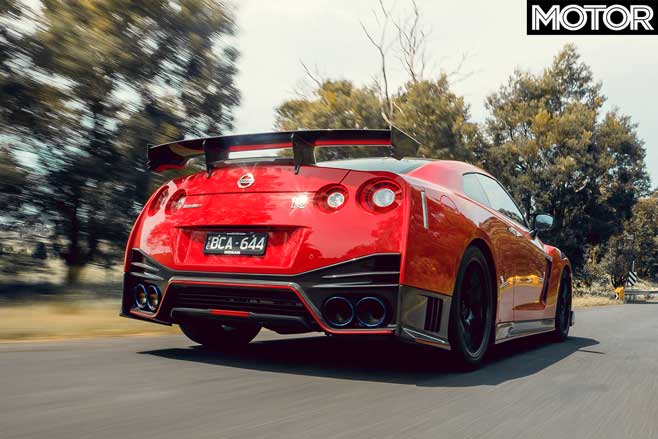
There was no warning. Not even a sign. Suddenly, the blind corner I’ve barrelled into aboard the Nissan GT-R Nismo at warp speed has tightened. Hard. I wrench on the alcantara-wrapped steering wheel praying that the tyres bite. They do. And the nose tucks into the bend.
But then the corner tightens again and an unmentionable part of my body clenches. No mortal road car would make it. The G-force readout is already well above 1g. As the bend pulls to the left I’m so convinced the front wheels will push I cover the brakes, hoping some load transfer will arrest us in the lane over.
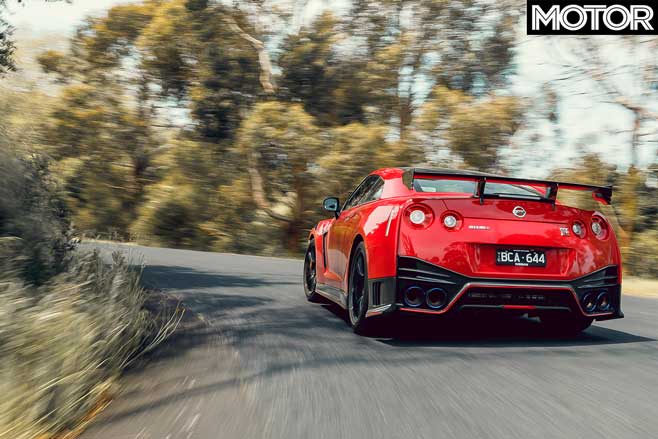
To my amazement, with more steering lock, the Nismo hunkers down and keys into the road even harder, its Vibrant Red body skimming the long grass inside the corner as it hugs the apex. I unwind the steering, lift off the brake, then resume my squeeze on the throttle. The wastegates open, the roar inside intensifies and the scenery blurs once again. If anything could take that bend faster, it hasn’t yet been invented.
It’s hard to believe Nissan’s R35 GT-R will soon be 13 years old. Three generations of Porsche 911 have reigned in that time. Yet as the world continues to wait and see how, or even if, Nissan will replace it after all these years, engineers continue an unending process of refining the four-wheel drive monster. The 2020 GT-R Nismo is the latest result of that hard work.
It’s also the maddest, baddest and fastest GT-R you can buy. At least in Australia. The Nismo that set a 7min 08.769sec Nürburgring Nordschleife lap time in 2014 can only be built for Japan and American customers. So Australia, like the rest of the world, continues to score the slightly tamer one.
But that doesn’t change the fact it’s also the most expensive. At $378,000, the Aussie GT-R Nismo is a whopping $78K more expensive than the ‘old’ one. Or a sobering $184,200 more than the base GT-R, even without the record car’s trick differentials, suspension and two-seat configuration. Instead, it mainly owes the price jump to carbon. Lots of it.
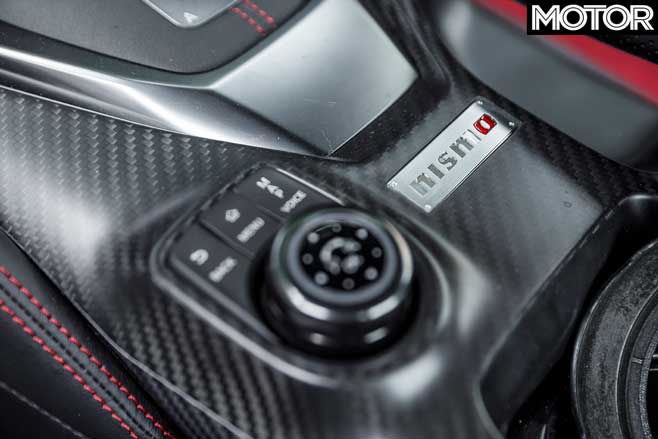
The R35 has been criticised for its full figure since it debuted, so Nissan’s engineers seemingly eyed off the Nismo GT3 racecar for diet inspiration. The Nismo’s doors and shell are the only body components that remain metal as carbonfibre spreads to the front guards and roof. And these targeted upgrades do more than slash weight.
For instance, the gills scalloped into the guards pull air from the engine bay and add 7kg of downforce on the front axle, without drag penalty. Meanwhile the roof, made from a lighter and tighter weave, lowers the centre of gravity even further. Combined, these new body components drop 8.5kg from its kerb weight.
That all said, slashing that from what is still a 1700kg-plus car is like holding the tomato sauce on your cheeseburger because you’re on a diet. So Hiroshi Tamura, the Nissan GT-R product chief, begged the company’s financial gods for years to sign off on carbon-ceramic brakes. Now approved, they’ve been worth the weight – or lack of.
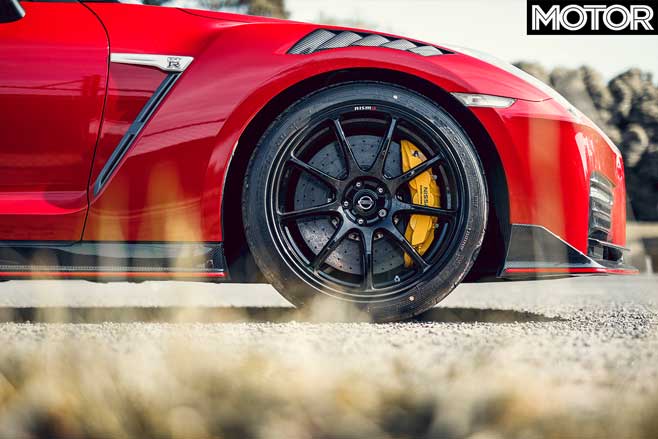
They’re state-of-the-art, Brembo-built and massive. Two-piece drilled discs bolted to aluminium bell housings measure 410mm up front and 390mm out back. That’s 20mm and 10mm larger than before. Its six-piston and four-piston calipers are also redesigned, and 16.3kg has disappeared from behind the Nismo’s wheels in total.
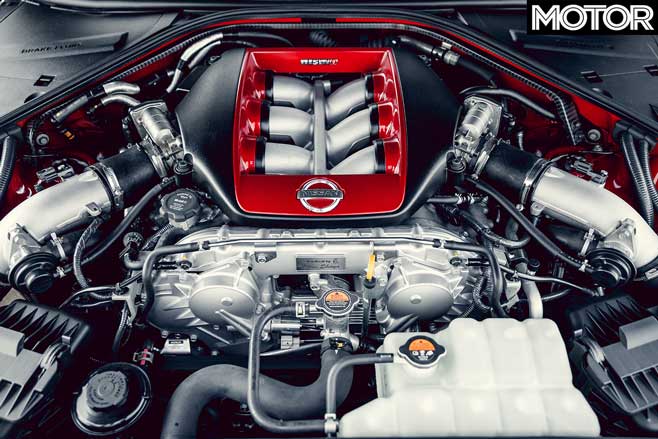
Even the Nismo’s GT3-spec turbochargers were used to fight the war on weight. Each turbine catches exhaust gases with 10 vanes (instead of 11) that have been thinned down 0.3mm to shave precious grams and crucially boost response, since the 3.8-litre twin-turbo V6 is already verging on its limits.
While it pumps out the same 441kW and 652Nm as before, it spreads the latter over a wider range. Peak torque starts 200rpm earlier, at 3600rpm, and lasts until 5600rpm. Convenient, then, that the GT-R Nismo sits right on 4000rpm when Launch Control is engaged.
Pointed down Heathcote Raceway’s drag lanes, with everything in R mode, it blitzes from 80km/h to 120km/h in just 1.83sec, three-tenths faster than before. It’s an improvement repeated from 0-200km/h, which happens in 10.49sec. And as it fires down the runway a typical GT-R high-pitched gearbox whine overlays the guttural exhaust roar.
Launching a Nismo is visceral and mechanical. Upshifts whack you in the back and the acceleration forces you into the seat, but its rear-biased all-wheel drive system still needs that moment, if only a nanosecond, to calculate the perfect launch.
An Audi RS5 will instead, for instance, burst ahead for a moment as it rapidly releases the energy stored in its torque converter, while the Nismo’s six-speed twin-clutch eases in its clutches to maximise traction and preserve components.
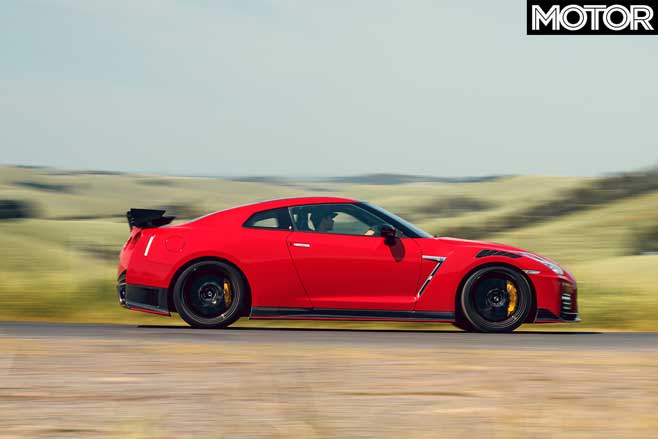
Few cars, though, can keep with it from here. Triple figures arrive in 3.14sec after leaving the line and the quarter mile is dusted in 11.04sec at 204.8km/h without roll-out. On a cool morning, with a jockey driving, close-to-empty tank and maybe a small tailwind, the Nismo could dip into the 10s.
Away from track, though, the VR38DETT remains one of the few large-displacement twin-turbo engines that still needs a wind-up. Floor it from south of 3500rpm and those big race-spec turbos spool quickly, yet even with their fancier vanes need a moment to deliver meaningful boost.
The transaxle can compound the frustrating wait by climbing down its six gears sequentially on kick-down. So, without the resources to fully re-engineer the gearbox, Nissan re-flashed it with a cleverer personality.
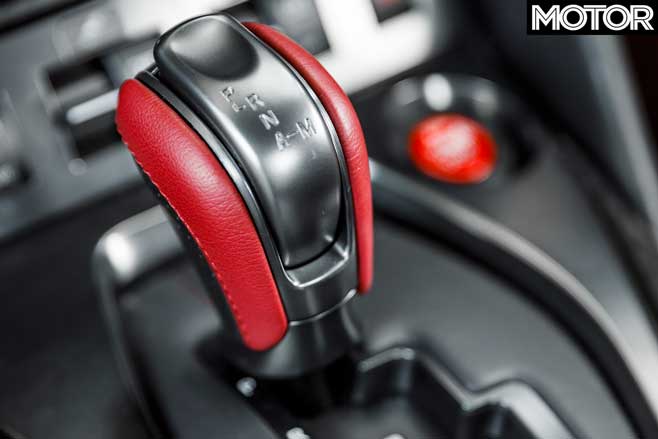
Flick the drivetrain mode switch into ‘R’ and now as you smash through winding roads it downshifts when you lift before a corner, rather than on the way out when you tickle the throttle. And every downshift fires a flurry of pops and bangs from the new titanium exhaust.
Out in the hinterlands this new drivetrain mapping keeps revs high at the gut-squeezing speeds the GT-R Nismo loves to carry through long, flowing corners. And with less flab trying to pull it into the weeds, the engineers took the opportunity to ease off damping rates and tune the springs to suit.
When I’m beckoned through a dipping left-hand bend for photography, it’s clear the Nismo still, like most GT-Rs, feels both big and heavy yet also light and wieldy at the same time. You can partly thank the steering for that.
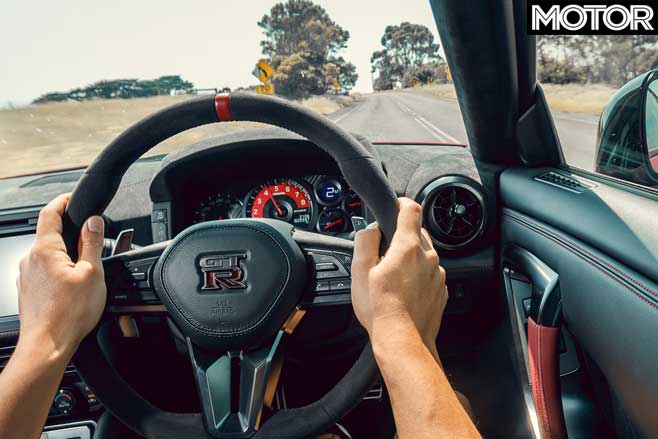
Although hydraulic, it’s suspiciously light in assistance and, no matter what suspension mode you choose, betrays the amount of grip on offer at turn-in. But while I’ve found other GT-Rs track with a ghostly feel around centre, the Nismo offers a real improvement in accuracy, immediacy and off-centre feel.
It helps that the Nismo’s special Dunlop SP Sportmaxx GT 600 run-flat tyres erase a groove from their already wide shoulder blocks. Their compound is new, and presumably softer, since the rears sport a promising 160 treadwear rating. And despite measuring 255mm and 285mm wide, they feel double that size as they carry you through corners at ridiculous speed.
Yet it’s here that you’re reminded of the car’s weight. The Nismo blasts through a dipping corner so fast it arrives at a road crease in the next bend too quickly and, unable to iron it out on huge 20-inch wheels, jumps to its side – especially with Comfort mode’s looser body control.
Stiffer damping modes shrink its weight. Rocket to a corner, brush the nicely weighted brake pedal to shirk load up front, turn in, then settle its stance with the throttle.
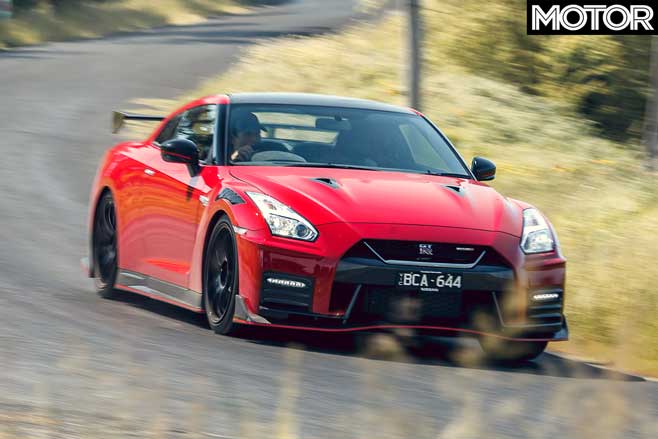
When the tarmac is dry and relatively smooth it’s unflappable. Sink the throttle with steering lock applied and it pastes every single newton-metre to road with surgical care. And the speed is ferocious.
Trying to provoke this beast in the dry seems brave, or stupid, on anything less than a racetrack. Or you could wait for it to rain. But something about its rear-biased all-wheel drive, a potentially 10-year-old ESC system and sparingly treaded R-spec tyres tell us that’s an even worse idea.
Scrappy road conditions also reveal some lingering bump steer and rack rattle. Here you have no choice but to slow down, as the suspension struggles to commit the tyres to the surface. But push on, push hard, and the Nismo can bully its way over rutted roads. It’s just not as enjoyable. Or fast.
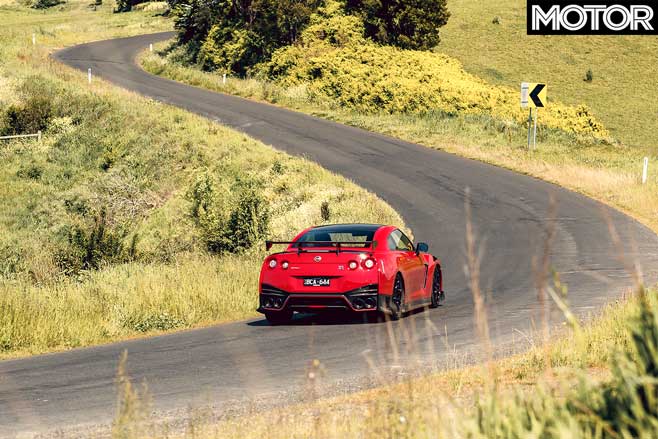
Where the Nismo acquits itself surprisingly well is in urban settings. Yes, the suspension falls completely out of sync in Comfort mode, where the softer damping leaves too much body control responsibility to the stiff springs. You pogo around on really lumpy stuff. But the ride’s more than acceptable for a couple of hours on a good highway.
While we didn’t get to punish the brakes much, they offered perfect bite, depth and feedback at all temperatures and should withstand atmosphere re-entry. Unfortunately the surface that we tested emergency stops on couldn’t provide enough grip to match their prodigious power.
The transmission is remarkably well mannered in stop-start traffic, smoothly stepping up and down through gears. Yes, its drivetrain will grumble and clank during tight manoeuvring, but at least the racecar-like sounds match its looks.
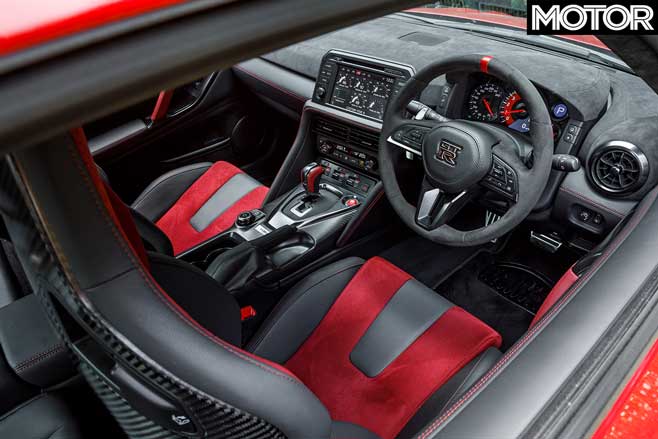
The cabin is enticing enough, even with the now somewhat dated-looking analogue dials and grainy infotainment screen. Outward visibility is excellent in all directions – the rear wing doesn’t really get in the way – as is noise insulation. And, barring everything but the worst driveways, the front splitter doesn’t require re-plotting your route home to avoid speed bumps. The seats are supportive, even if a bit tight across the back, and there’s loads of headroom to don a helmet.
Where the Nismo is most tiring is in traffic, when you’re trying to keep its carbonfibre extremities out of a cyclist’s leg. Because, really, you’d have to for something that costs $378K.
And yes, that’s something that must be discussed – the price. We understand it’s expensive to manufacture carbonfibre in small batches. Ditto brakes, turbines, tyres and so on. And we also appreciate these parts make this Nismo the fastest, fittest and meanest GT-R in Oz. And that’s impressive.
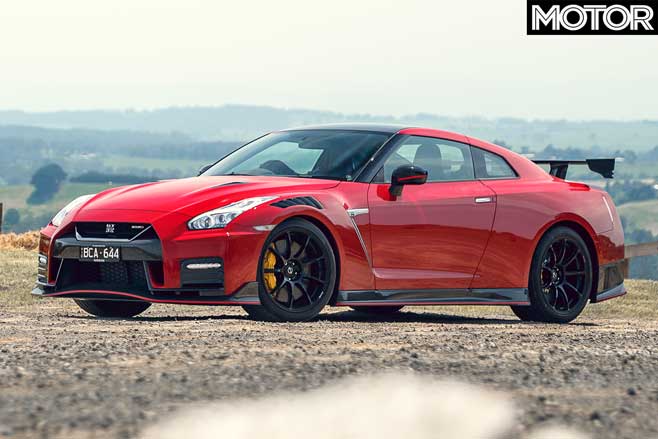
But lift the price bracket this far and you plonk the Nismo in a much fancier neighbourhood. Here, there’s no excuse for gearbox whine, an industrial-sounding engine or a dated interior. It’s Audi R8 V10 money.
For me, that price would be easier to hang your hat on if this Nismo was also the Nürburgring-conquering car. But it isn’t. And it’s $28K extra on top of a Mercedes-AMG GT R – a car only a few seconds slower at the Nordschleife than the much dearer Japan-only GT-R Nismo N-Attack A.
The 419kW/652Nm GT-R Track Edition costs $171K less and sports the same chassis, stiffer suspension and rubber. You can even option the same interior in the Track Edition and have change left for an Audi S4 and Ford Fiesta ST.
In a sense, the GT-R Nismo has become the giant it was originally created to kill. That said, if you’re looking for the ultimate Nissan GT-R in Australia, here it is. And that’s enough for some, even if it costs.
FAST FACTS 2020 Nissan GT-R Nismo BODY: 2-door, 4-seat coupe DRIVE: all-wheel ENGINE: 3799cc V6, DOHC, 24v, twin-turbo BORE/STROKE: 95.5 x 88.4mm COMPRESSION: 9.0:1 POWER: 441kW @ 6800rpm TORQUE: 652Nm @ 3600-5600rpm WEIGHT: 1715kg POWER-TO- WEIGHT: 257kW/tonne TRANSMISSION: 6-speed dual-clutch SUSPENSION: A-arms, adaptive dampers, coil springs, anti-roll bar (f); multi-links, adaptive dampers, coil springs, anti-roll bar (r) L/W/h: 4690/1895/1370mm WHEELBASE: 2780mm TRACKS: 1600mm (f/r) STEERING: electrically assisted rack-and-pinion BRAKES: 410mm ventilated/drilled two-piece discs, 6-piston calipers (f); 390mm ventilated/drilled two-piece discs, 4-piston calipers (r) WHEELS: 20.0 x 10.0-inch (f); 20.0 x 10.5-inch (r) TYRES: 255/40 ZRF20 101Y (f); 285/35 ZRF20 104Y (r), Dunlop SP Sport Maxx GT600 CTT NR1 PRICE: $378,000
PROS: Otherworldly performance, presence; easier to live with CONS: Otherworldly price; works best on a smooth surface RATING: 4 out of 5 stars
The Strip
| Nissan GT-R Nismou00a0 | |
| 0-10km/h | 0.21sec |
| 0-20km/h | 0.55sec |
| 0-30km/h | 0.83sec |
| 0-40km/h | 1.08sec |
| 0-50km/h | 1.33sec |
| 0-60km/h | 1.63sec |
| 0-70km/h | 1.94sec |
| 0-80km/h | 2.31sec |
| 0-90km/h | 2.71sec |
| 0-100km/h | 3.14sec |
| 0-110km/h | 3.61sec |
| 0-120km/h | 4.16sec |
| 0-130km/h | 4.74sec |
| 0-140km/h | 5.33sec |
| 0-150km/h | 5.98sec |
| 0-160km/h | 6.74sec |
| 0-170km/h | 7.59sec |
| 0-180km/h | 8.50sec |
| 0-190km/h | 9.44sec |
| 0-200km/h | 10.49sec |
| 0-400m | 11.04sec @ 204.5km/h |
| 80-120km/hu00a0 (Drive)u00a0 | 1.83sec |
| 100-0km/h | 34.26m |
Heathcote Dragway, 17˚C, dry. No rollout applied. Driver: Louis Cordony
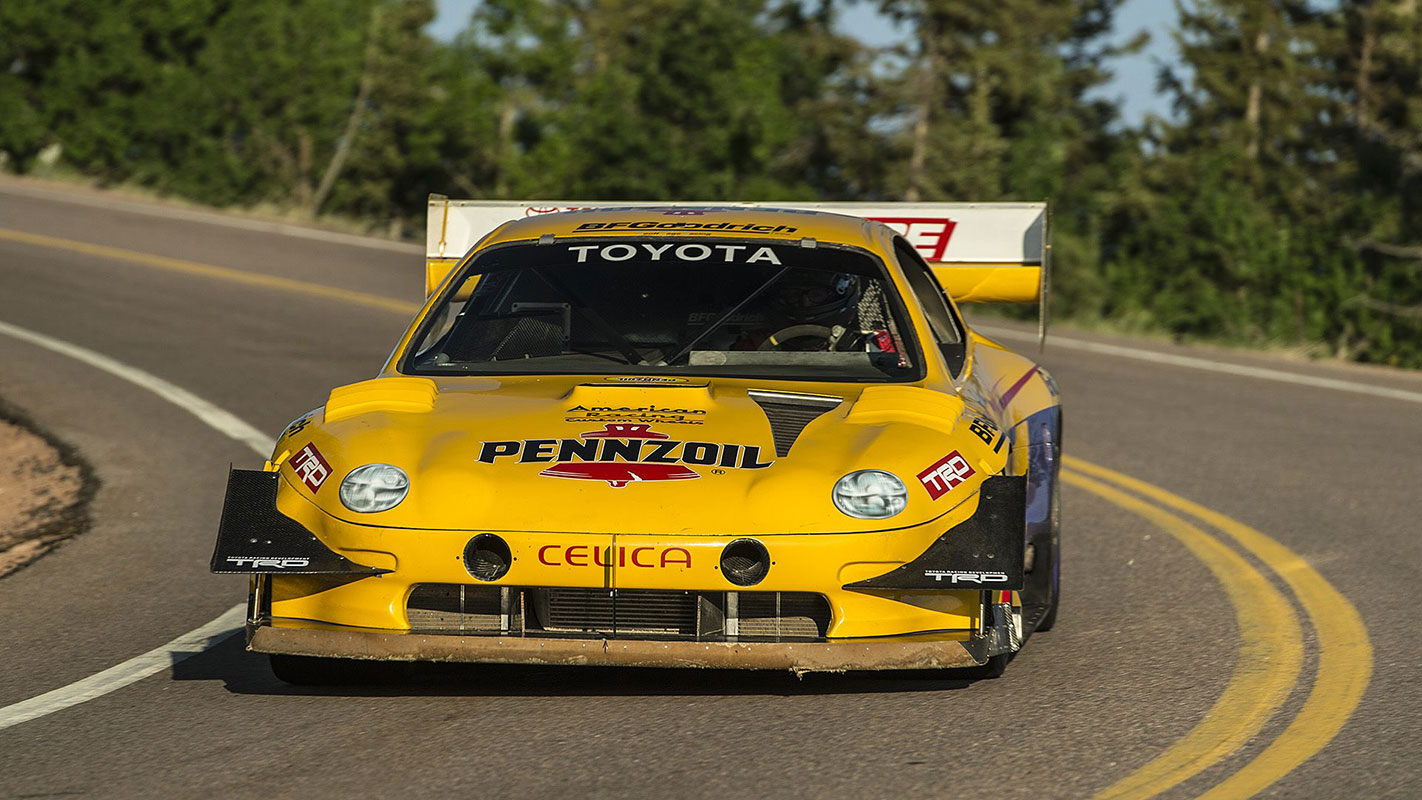
Celica Pikes Peak
I really have to focus hard to drive this car. It was originally built as a dirt car and we haven’t changed anything apart from the tyres. It has slicks on it now, but it’s still pretty loose in terms of roll stiffness. It’s not optimised for a pavement event like Leadfoot, but I’m not going to change it. It’s not ideal for here, but it’s just such fun.
Toyota Tundra
Over in the States I have a Lexus RC F but I just don’t drive it. On the other hand, I have this 15-year-old Toyota truck and I use it all the time. When I travel cross-country I’ll take the truck because I can stop at antique stores and pick up stuff. The days of getting thrills out of driving fast on the road are over. You just can’t do it anymore.

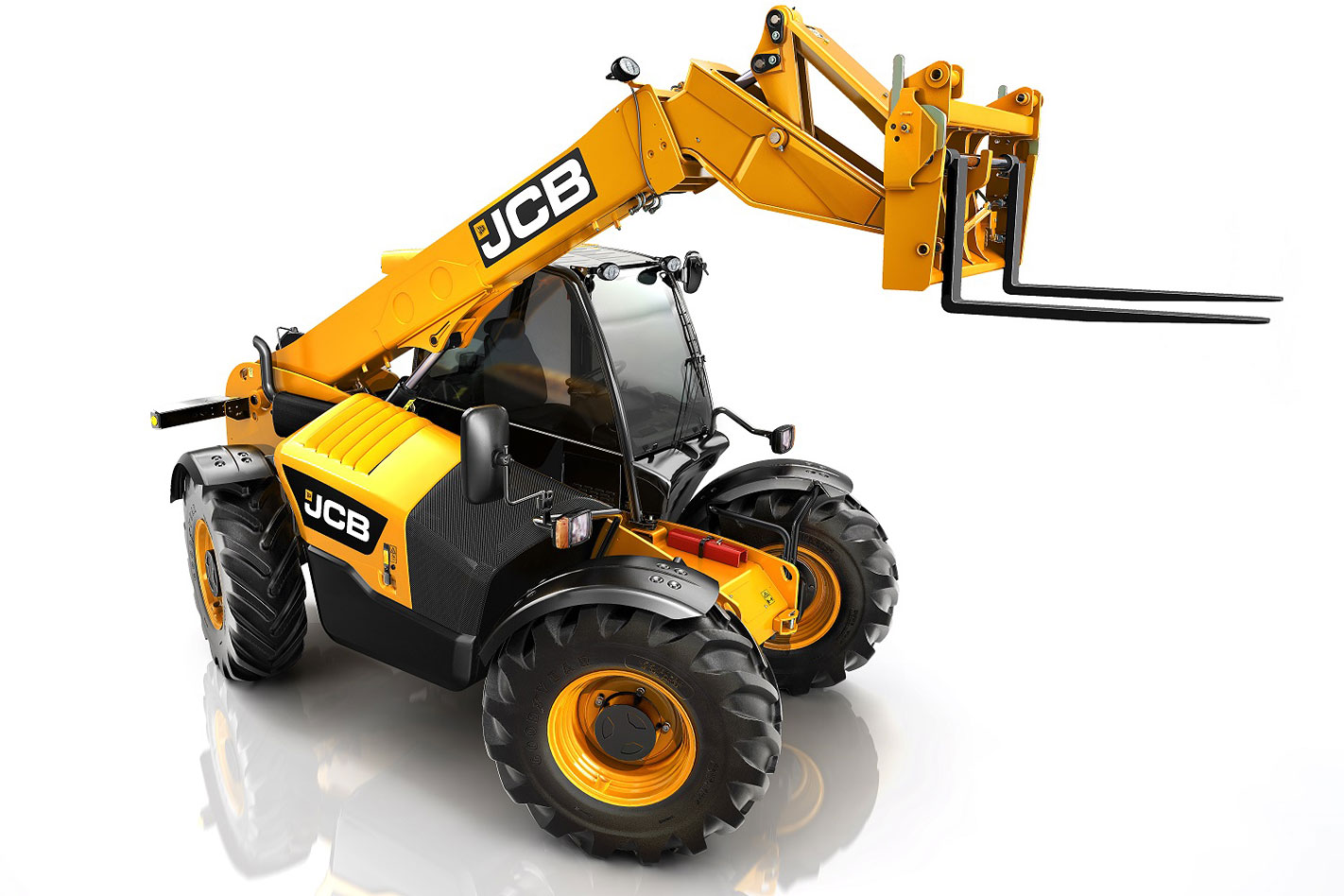
JCB Telehandler
In terms of the pure pleasure I get out of it, my JCB is tough to beat. I put out more than a thousand hay bales for the Leadfoot Festival with it and it’s actually pretty tricky to carry them, place them and line them all up. I strive all the time to do better at it so, at this stage of my life, I find it pretty rewarding when I get that right!
The charm of utes was always a bit lost on me. Growing up in Australia an indifference to the humble utility was – and still is – sacrilege, so this is the first and last time you’ll hear me admitting I wasn’t always a fan.
Things changed when about five years ago (and many cars into my wallet-sapping motoring obsession) I succumbed to the allure of a ute as a budget tow rig.
The steed of choice? A BA Falcon ute, which – across many years of trouble free daily driving – saw more abuse than your average drift car and less maintenance than a uni student’s first set of wheels. Basically, I just couldn’t kill it.
On top of its unexplainable reliability, it was handy. Very handy. I was always sure I’d end up on a #loadfail Facebook post because that thing carted just about everything you could think to put in a ute – and then some.
Fast forward a couple of years and I’ve done the rounds in just about every dual-cab 4WD ute on the market; the perks of motoring journalism.
The past six months, though, has been spent in Isuzu’s 2018 LS-U Space Cab D-Max – essentially the same as the current model, but a four-seater space cab with more tray than you can poke a stick (or a friend’s mattress during a house move) at.
It’s a go-anywhere vehicle that’s, in one word: dependable.
But this one, sitting in the pit lane, gently vibrating against its suspension, looks less dependable and more demonic.
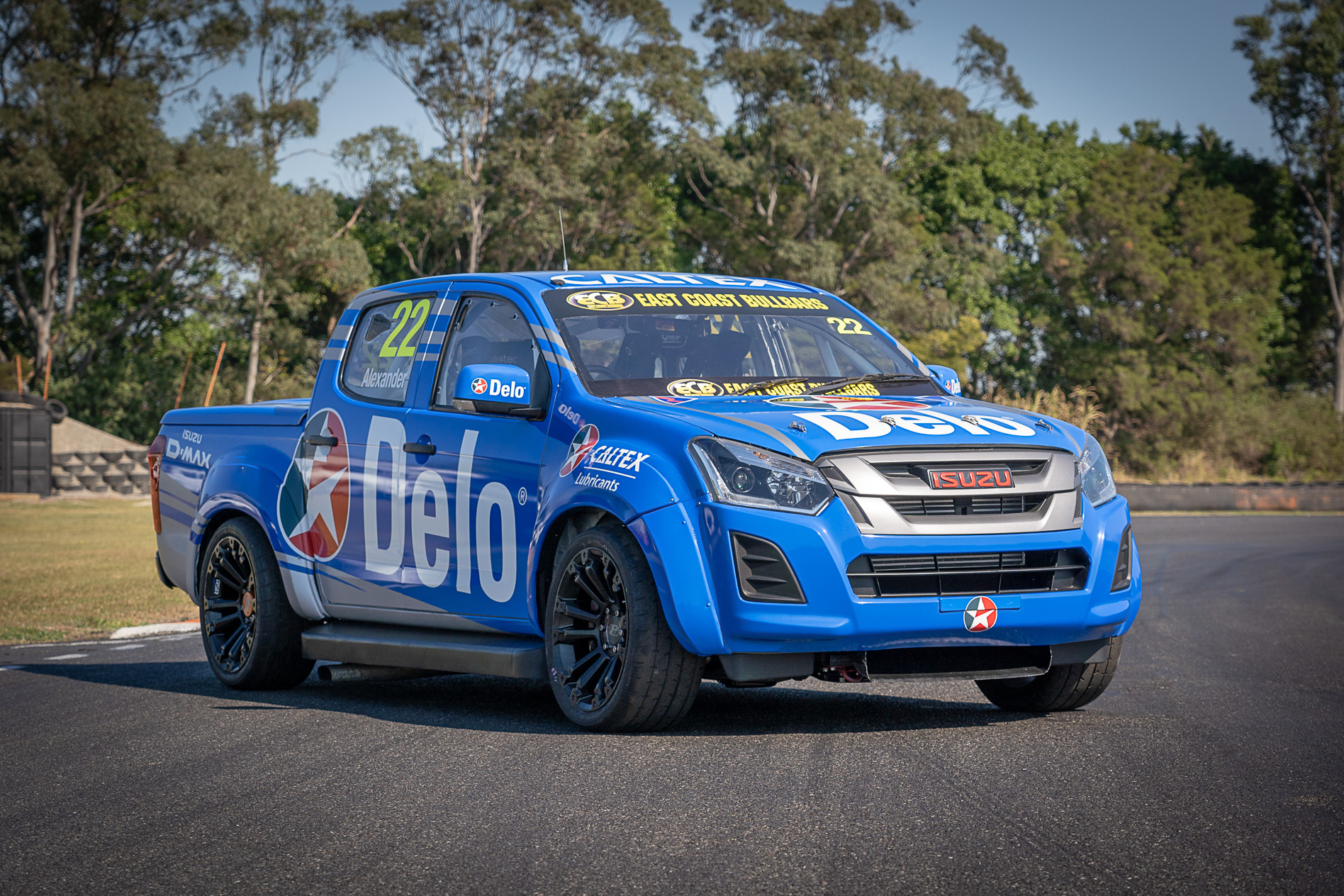
I’m about to drive one of the world’s most possessed racing utes, an off-its-head D-Max that somehow started life as a bog stock road-going tradie ute.
What better place than Queensland’s Norwell race track to drive the Caltex Delo Racing D-Max, with a bit of much-needed instruction from Ross Stone Racing’s Tom Alexander, of course.
Despite its hard-core appearance, this SuperUte still features the same 4JJJ1 turbo-diesel the road-going D-Max runs, but it’s had the wick turned up to 11.
How does this sound: 220kW and 700Nm in a stripped, caged D-Max on sticky rubber? Forget how it sounds! I can tell you now it was bloody awesome to drive.
As I sit in what is probably the most radical example of a D-Max ever built, I struggle to recognise any clues that it was once a stocker.
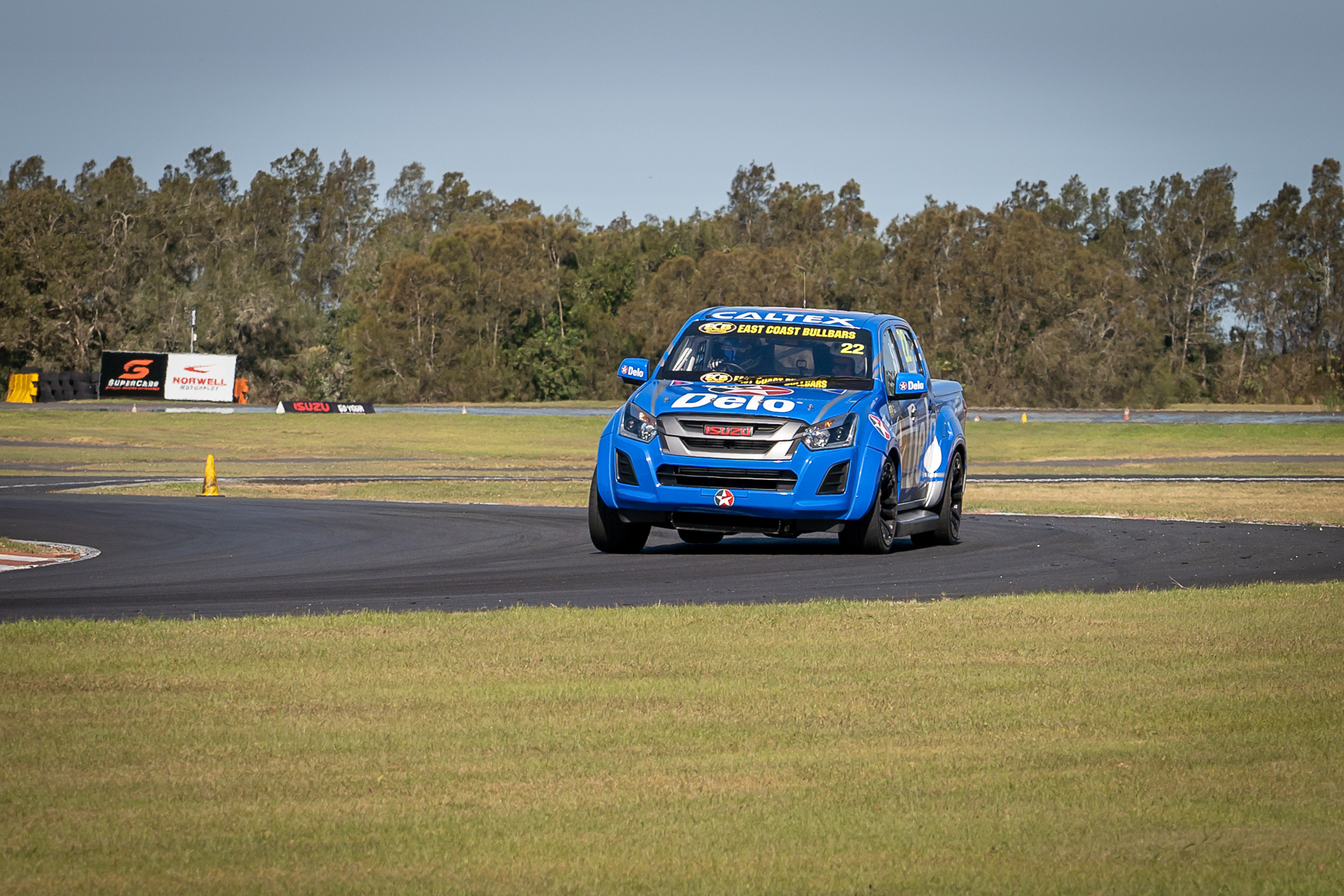
The bark of the wound-up diesel and bitey twin-plate ceramic clutch are the first giveaways there isn’t much D-Max left in this beast, as I pull out onto the track with a big old grin across my face.
I’m admittedly pretty useless in a race car, but while I was barely scratching the surface of what this thing’s capable of it defied what I thought a ute could achieve.
At 1,900kg, it feels surprisingly nimble and it pulls up as good as any thanks to huge Brembo six-pots up front and four-pots at the rear. A perk of 20-inch wheels is plenty of space for dinner plate-sized rotors, for sure.
Acceleration wasn’t mind-bending, but for nearly two tonnes of metal it was no slouch out of corners and careless right-foot enthusiasm would still quickly bite you in the tush.
Riding shotgun while Tom pushed at near race pace around the tight Norwell circuit, both showing me what the ute was capable of and reminding me I’m quite simply a lesser man, it became apparent the D-Max’s torque was its superpower.
Tom punched out of corners using the ute’s meaty torque spread in a higher gear than you’d think was ideal, but that style of driving seems quickest in these diesels.
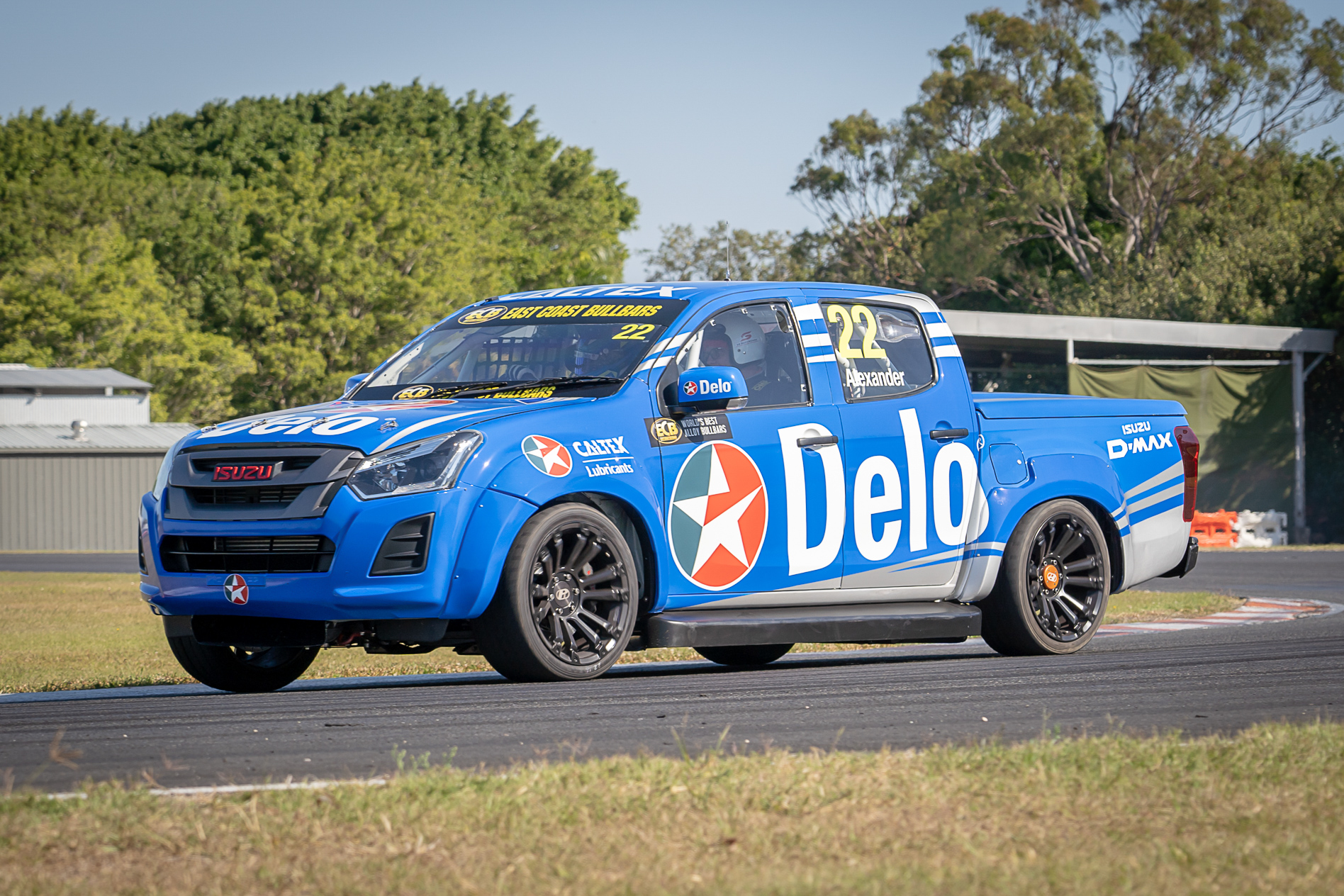
The moment I could get the harness off and climb out, I was over chatting to the Ross Stone Racing team mechanic about how much boost I’d need to shove down the throat of a road-going D-Max to get SuperUte levels of performance. Unfortunately, it seems it’s not quite that easy.
The only thing I’d change about the SuperUte Series – and I’m being picky here – is a bit more diesel soot and screamer pipes.
Maybe next year…
You might recall the wild Plymouth Prowler concept of the mid-1990s, a retro throwback to hot rod culture. Except the Prowler wasn’t a concept, it was a fully fledged production car, of which 11,702 were built between 1997 and 2002.
It’s remembered as a bit of a flop, critically and commercially, but there’s more to the story than that.
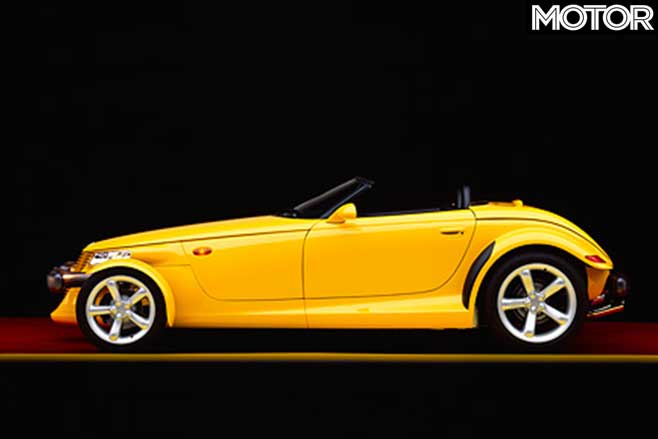
Let’s start with the bad. The bold design successfully paid homage to cars like the Ford Model A, but many hot rod enthusiasts were left alienated by Chrysler’s decision to use a V6 engine and four-speed automatic gearbox. The V6 was chosen to improve efficiency and meet crash regulations.
Despite weighing just 1280kg, the Prowler, initially at least, wasn’t particularly quick. The 3.5-litre SOHC V6 produced 160kW/300Nm for a 0-60mph (97km/h) claim of 7.2sec. Plymouth claimed an electronically limited top speed of 190km/h, which was academic because during testing Car & Driver found the Prowler was aerodynamically limited to 188km/h, though it beat the 0-60mph claim at 7.0sec.
A little more potency arrived in 1999 with a high-performance aluminium block version of the 3.5 producing 189kW/339Nm. This cut the 0-60mph claim to 5.9sec and lifted the top speed to 203km/h.
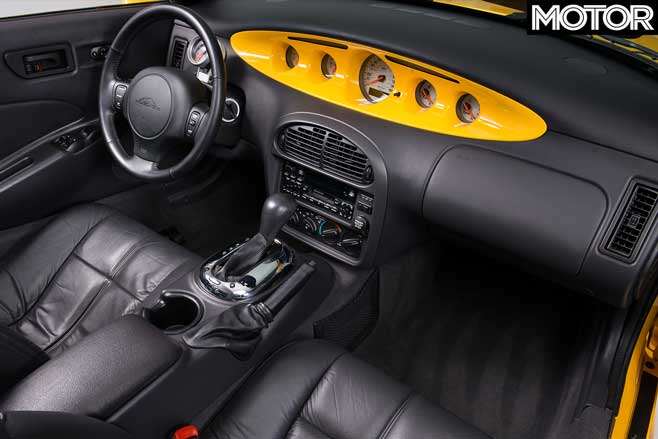
However, Chrysler itself addressed the Prowler’s criticisms with a concept unveiled at the 1999 SEMA called the Howler, which packed a 4.7-litre V8, five-speed manual and elongated tail for luggage.
Boot space in the Prowler was virtually non-existent, a problem partially solved by the option of a matching trailer. Trouble is, the trailer added another USD$5000 to a car that already cost more than a Chevrolet Corvette.
While not particularly successful, the aluminium-intensive Prowler was an important research and development tool, parts of its chassis being adhesively bonded like a Lotus Elise. To Chrysler, the lessons learned about lightweight construction were more important than sales figures.
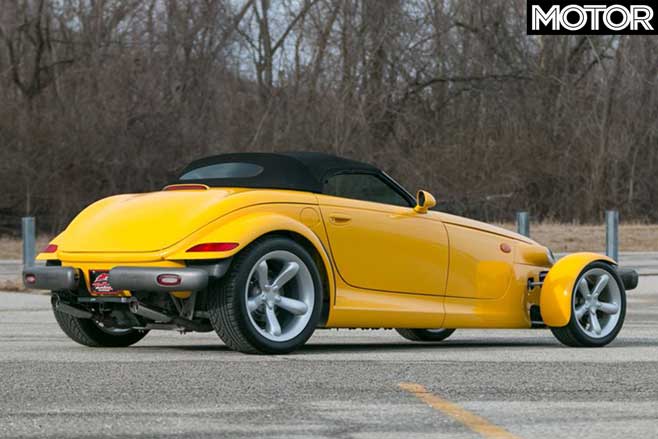
1997 PLYMOUTH PROWLER SPECS Engine: 3518cc V6, SOHC, 24v Power: 160kW @ 5850rpm Torque: 300Nm @ 3100rpm 0-100km/h: 7.4sec (est) Price: USD$43,000
Welcome to 2020!
It’s shaping up to be an interesting year, but before we see what this new decade has to offer let’s take a look back and see what really resonated with WhichCar’s audience last year.
Our core is, of course, the review, comparison and advice stories that new car buyers rely on to inform and educate themselves. However every so often a story pops up that gets traction from an even broader audience.
2020 has already started with a bang with our huge scoop on Ford’s plans to drop a V8 in the Ranger Raptor, not to mention Carlos Ghosn’s dramatic escape from the Japanese justice system. But what were last year’s biggest attention-getters?
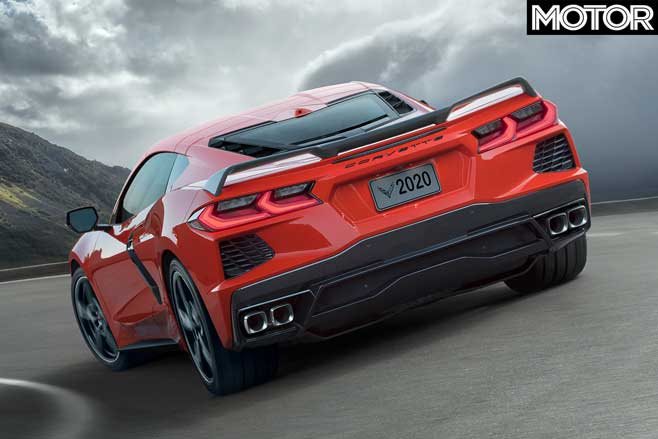
The impending arrival of the C8 Corvette was definitely at the front of many readers’ minds throughout 2019, with our first post-reveal coverage of the mid-engined Vette being one of our most popular yarns. Our analysis of the new Corvette’s expected pricetag performed well too, indicating there’s plenty of interest in GM’s top-tier sports car Down Under – and maybe more than a few people opening their wallets in anticipation.
Another mid-engined American went gangbusters online, but it was something we definitely couldn’t predict. An American engineer decided to 3D-print himself a Lamborghini Aventador replica in his garage, and the ensuing interest in his tale caused a huge traffic spike for WhichCar.com.au. That man’s enterprising spirit clearly struck a chord with our audience.
As did that of another person who attempted to hack his way to a life free of financial consequence by trying to trick speed cameras with his number plate… but ended up achieving quite the opposite. His plan was pretty ingenious, but undone by a fatal – and quite hilarious – flaw.

But the interest generated by our exclusive unearthing of Ford’s upcoming 2021 Ranger ute was by far our biggest news story of 2019. Utes are big business in this country, and with the Ranger being one of the most popular in the segment that yarn was destined to do well.
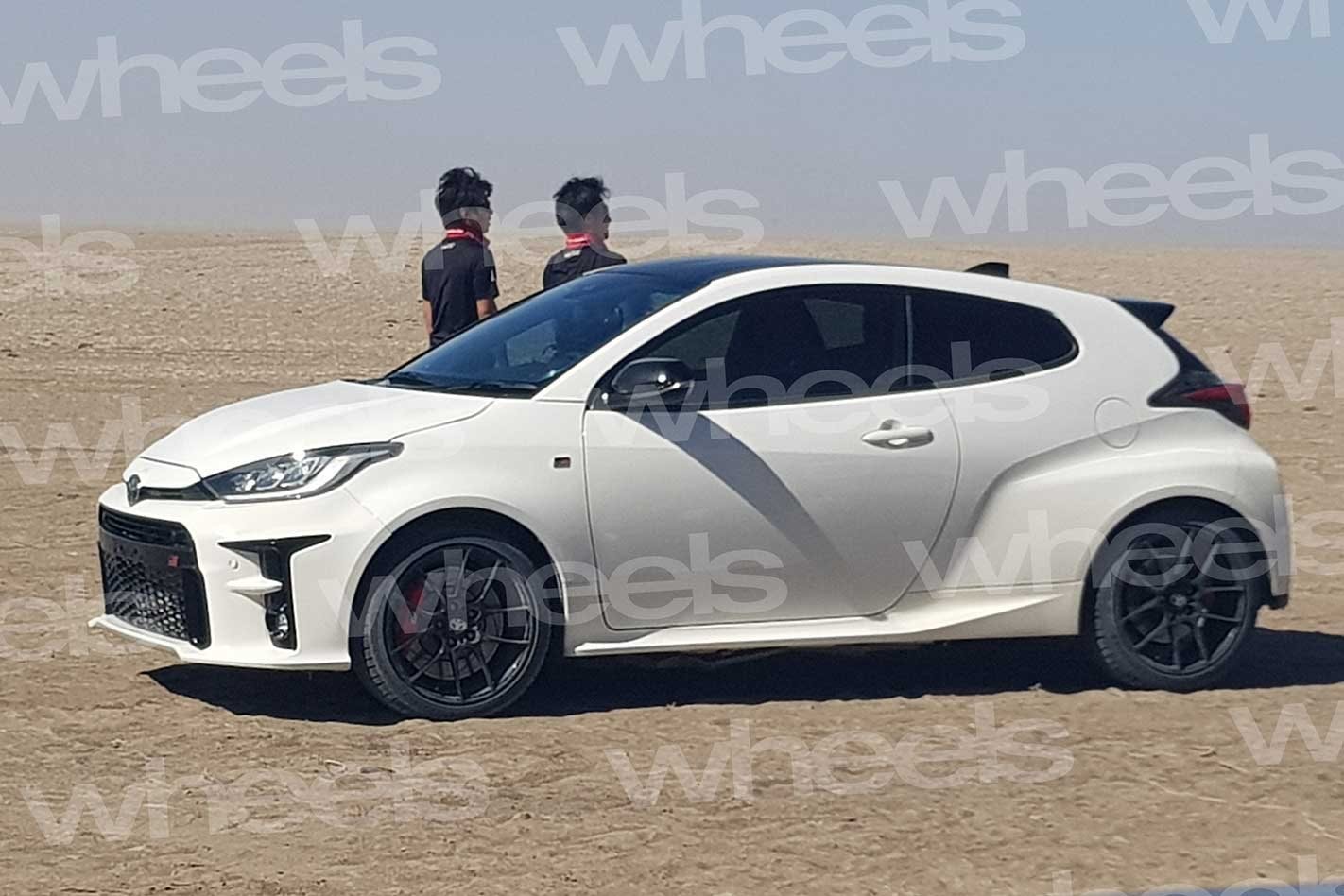
Meaty scoops are kinda our thing, and Wheels’ exposé of the Toyota Yaris GR sans camouflagewent around the world in a big way. Everyone loves a hot hatch, but that affection is clearly turned up to 11 in the hard-core Yaris’ case.
We also gave the public a sneaky peek at Cadillac’s attractive CT5 sedan as it touched down on Aussie soil – and the public went ga-ga. It’s likely only here to take advantage of GM’s local powertrain engineering and calibration talent, but with Holden confirming that the Commodore is exiting its lineup (another big-hitting story of 2019), we can’t help but wonder if the Caddy might be stepping into its place.
The public’s curiosity about electric vehicles was another major traffic driver, and our story about how Lexus is busy working on solid-state battery tech attracted many an eyeball to WhichCar. After all, with a potential range of 1000km or more and no weight penalty, it could be cure for that terrible affliction: range anxiety.

Anxiety of a different sort likely drove many readers to another one of our far-reaching stories of 2019, with our advice piece on which cars depreciate the most being hugely popular. Many of our advice stories are in fact quiet achievers, bringing in steady volumes of traffic over long periods of time – another great example being our educational piece on kids and car seats, which was another highly-popular yarn of 2019.
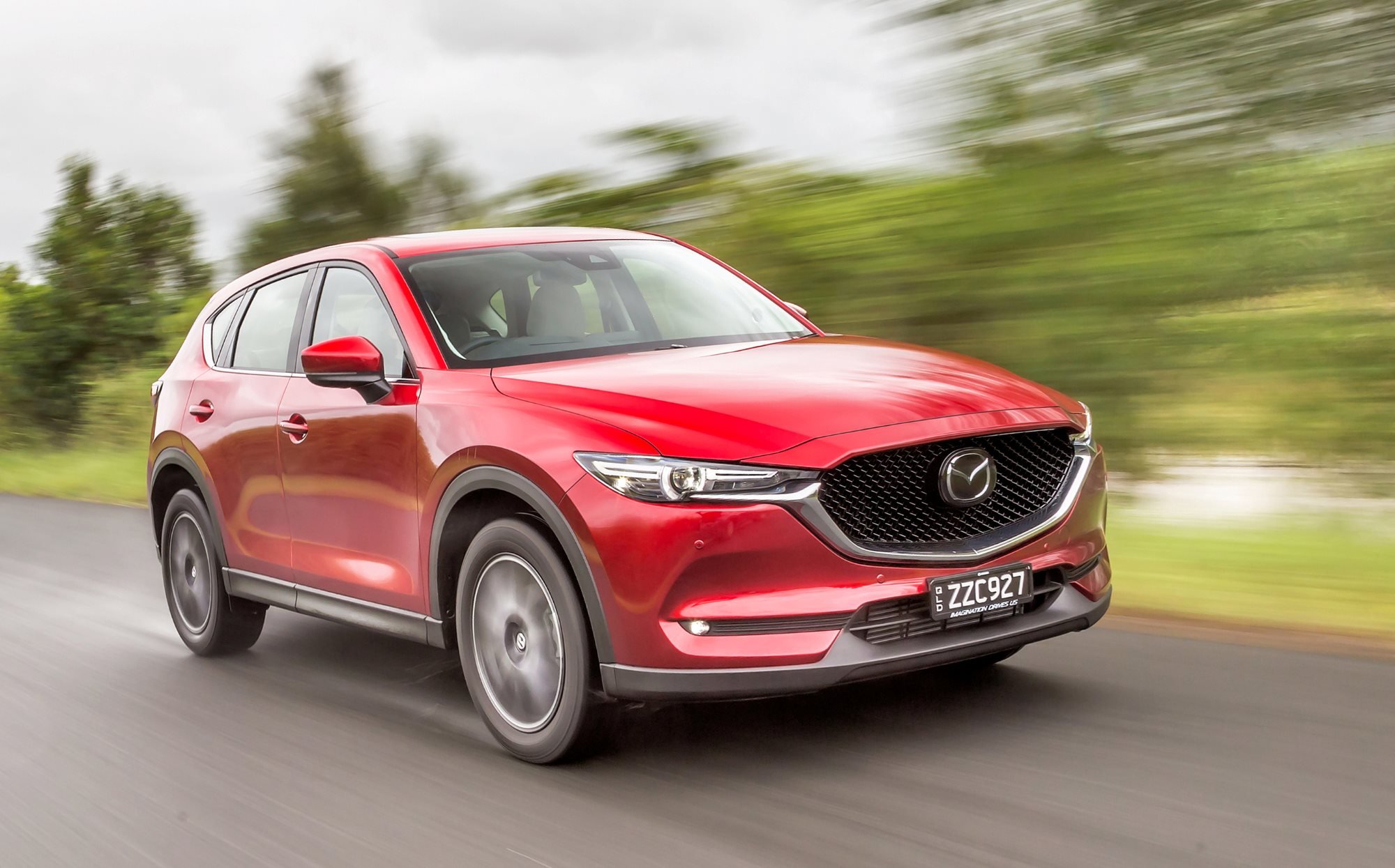
The same goes for our range review content, which steadily accrue traffic over time as readers research their next new car purchase. For 2019, our best-performing reviews were for, in no particular order, the Mazda CX-5, Toyota Landcruiser and Honda CR-V.
There’s more, but the list is immense – the above are merely the highest of the high. 2019 was a great year for us, and proof that producing outstanding – and relevant – content is a winning strategy. We’ve already got some wins on the board for 2020, but who knows what else the year will bring?
We’ll recap again in 12 months!
What’s in the garage?
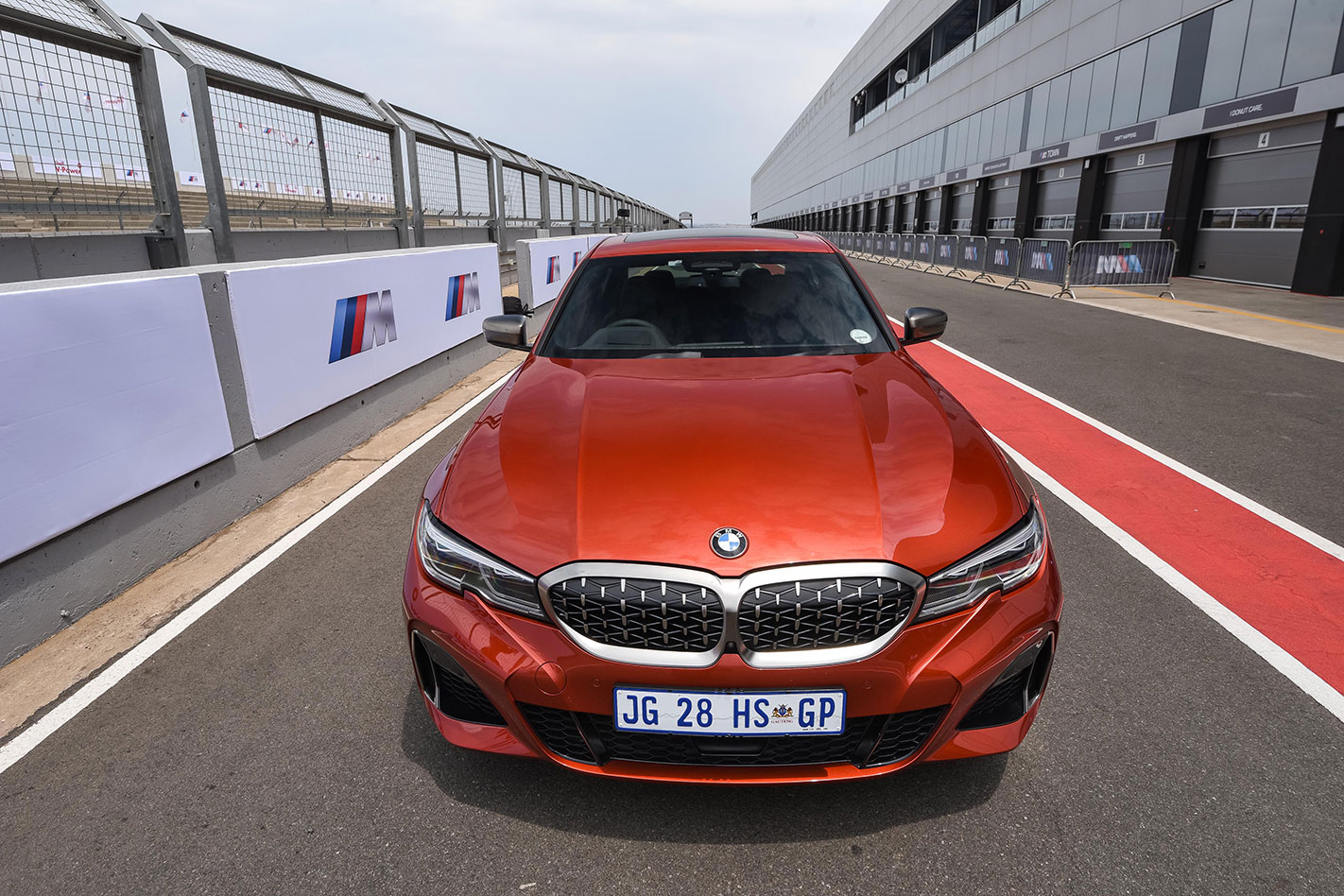
We’re rubbish at suspense so, yes, it’s a BMW M340i xDrive. The Wheels garage has moved, albeit temporarily. The roller door we’re sliding up today is located in Gauteng province, South Africa. Or, to be more exact, the Kyalami Grand Prix circuit. This is wholly apt. BMW won its last F1 world title at this very circuit in 1983, Nelson Piquet just pipping Alain Prost to the driver’s crown in his Brabham-BMW BT52, the very first time a turbo car propelled an F1 driver to a world championship.
The turbocharged BMW we have here doesn’t quite make the same 630kW of the M12 engine that powered Piquet’s rocketship, but 285kW isn’t anything to be sniffed at in this M340i xDrive. More importantly, it’s the first time we get to sample a six-cylinder engine in the latest G20 3 Series. Factor in the grip and assurance of all-wheel drive and the flagship 3 – at least until the M3 appears in 2021 – has our full attention.
Thankfully it’s also a good deal more affordable than an M3 at $99,900, but that’s pretty much lineball with the BMW M2 Competition Pure, a model that’s shaping up to be one of the all-time great M cars. So is it worth going for something a bit bigger and more refined than the tearaway M2?
REVIEW
Power and performance:
By most accepted measures 285kW is a decent slug of grunt. That’s 25kW more than the similarly priced Audi S4 and only 2kW shy of the Mercedes-AMG C43. These all-wheel drive, German, six-pot 3.0-litre sedans form a close triumvirate on paper, but the big-selling Mercedes is 10 grand more expensive, older and slower than the box-fresh Bimmer.
It’d take a fairly serious performance car to gap the M340i. It’ll demolish the sprint to 100km/h in just 4.4 seconds, BMW’s B58 engine and a ZF eight-speed torque-converter automatic gearbox teaming up with the xDrive all-wheel drive system and integrated launch control function to ensure almost perfect repeatability.
It’s helped by a hefty slug of torque. The full serving of 500Nm is available from between 1850 and 5000rpm thanks to the revised twin-scroll turbo, so you don’t get a torque curve so much as a mesa. And don’t think this is just an all-wheel drive carryover of the old 340i’s lump. This one packs 36kW more and feels far perkier.
The engine has a fairly purposeful growl towards the top end of the meter, and the exhaust has an addictively metallic zing as you wind the needle round the clock. The exhaust is a valve-controlled system, which duly amps up the pops and crackles when you switch into the sportier drive modes.
It’ll rev quite cleanly to 6800rpm, which is usually an exercise in futility in a turbocharged car, but the M340i will shift its 1670kg kerb weight with some elan, even in the upper registers.
Ride and handling:
Despite the fact it’s quicker in the real world than an E92 M3 V8, the M340i xDrive never feels like a ‘proper’ M car. It just doesn’t have that unerring flintiness and attitude that distinguishes Garching’s peak performers. Is that necessarily a bad thing? No. In fact, for most of us, for most of the time, it makes it a better road car. I’m speculating slightly here, I’ll freely admit, as my drive was conducted on track. I took to bouncing the thing over every kerb in sight to get a gauge of its bump suppression qualities and didn’t come away disappointed. On surface changes, there’s occasionally a sharp vertical jolt through the cabin, which sometimes jars with the car’s otherwise polished demeanour.
The M340i xDrive rides on custom M Sport suspension, sitting 10mm lower than cooking 3 Series models. Our test car was fitted with the adaptive damping control, with four levels of stiffness via the Eco Pro, Comfort, Sport and Sport Plus modes.
The steering also feels a little more muted than you’d get in an M3, again no big demerit. It’s clean and accurate with no trace of kickback when the front tyres are asked to deploy torque mid corner. The variable sports steering features Servotronic assistance and can feel if not vague, then a little rounded in its responses on-centre. You’ll certainly value this quality on longer drives, and the long gearing in eighth gives this car genuine legs once you’ve broken clear of the city.
A fully variable electronic differential lock on the rear axle helps keep things neat when you’re trying to see exactly how much drive you can send to the rear boots. You can’t dial all the power to the rear via a menu, as you can in the latest M5, but in the Sport and Sport+ settings, the M340i becomes increasingly rear-biased.
Body control is excellent, particularly in dive and squat responses. The brakes (348mm/four-pot up front and 345mm/single-piston units at the rear) do a manful job until they don’t which, on a circuit like Kyalami, is understandable. This isn’t a trackday car and the stoppers are right-sized for fast road use.
Interior and Comfort:
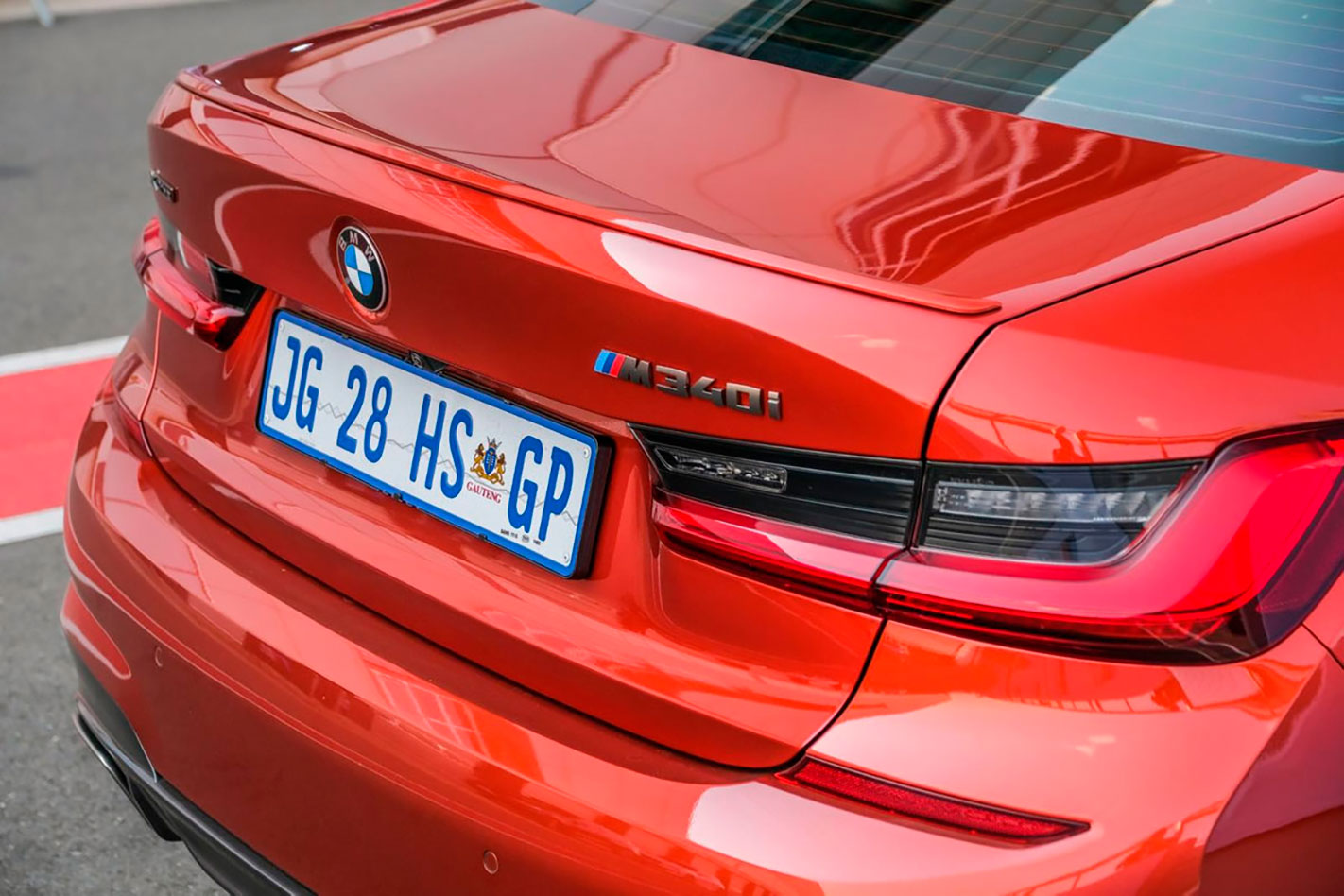
The M340i xDrive is offered in the Australian market solely as a four-door sedan, although we’d love to see the Touring wagon make its way down under. Nevertheless, the three-box shape is practical and well finished.
The boot’s a decent size at 480 litres (partly thanks to run-flat tyres) and the longer wheelbase of this G20 generation remedies a perennial 3 Series Achilles heel; rear legroom. It’s actually fairly spacious in the back and the roof doesn’t impinge sharply on the coifs of taller passengers.
The 3 Series has often been somewhat de-contented in terms of tech compared to its bigger siblings, but the G20 car again addresses this. That’s why it has performed so well in previous Wheels group tests: it’s as easy to live with as it is to drive.
Having to pay a subscription to access Apple CarPlay is a black mark, but otherwise the infotainment setup is very smart. The iDrive 7.0 control system has evolved into something with genuinely thoughtful functionality and if you don’t fancy twirling and nudging the rotary controller, you can instead say ‘Hey BMW’ and access around a thousand voice activated functions. Unfortunately ‘Show me the fastest line around Kyalami’ wasn’t one of them.
There’s an automatic reverse parking system, a gesture control system that’s as overthought and underutilised as any other gesture control system, lane-keep assist and an app that allows you to use your smartphone as a car key. Given the number of times I let my phone’s battery go flat, I’d probably only ever use that as a backup in case I physically lost the key.
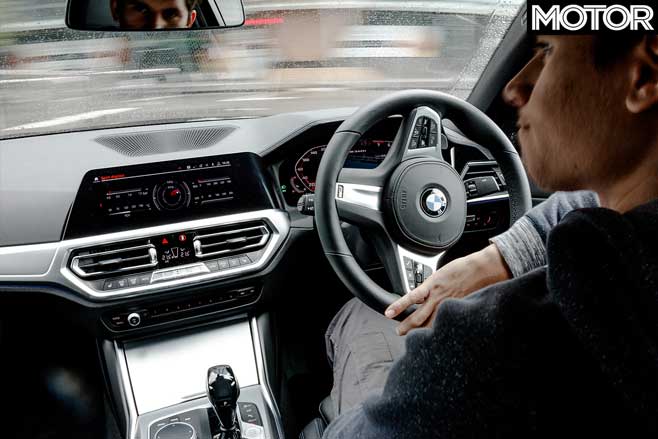
The dash features a curved 10.25-inch centre screen and a fully digital dial pack as well as one of the best head-up displays we’ve seen. Fit and finish is generally excellent, with cool aluminium shift paddles, supportive Alcantara/Sensatec seats and decent oddments stowage. Some of the interior trims can be a little questionable, so choose wisely when specifying the car. The chubby steering wheel has become almost a BMW trademark, but we’d prefer a more delicate, thinner rim.
VERDICT
The BMW M340i xDrive is definitely a grower. Its charms are subtle, muted by a certain polished discretion, but it’s hard to argue with this car’s sheer versatility. It basically does the lot. It’s quick, slick, handles crisply and is even respectably practical. Those who value a more overt aesthetic might find it a little underdone, but the M340i targets those who might well have grown out of an M car and require something that’s not perpetually enraged. In the past, BMW might have lost those sales to Mercedes-Benz or Audi. Alpina, even. The M340i xDrive teases the 3 Series into a new, and potentially lucrative, niche. It’s a gem. Now sell us a wagon.
BMW M340i xDRIVE SEDAN
Model: BMW M340i XDrive sedan
Engine: 2998cc inline six, dohc, 24v, turbo
Max power: 285kW @ 5500-6500rpm
Max torque: 500Nm @ 1850-5000rpm
Transmission: 8-speed auto
Weight: 1670kg
0-100km/h: 4.4sec (claimed)
Economy: 7.7L/100km
Price: $99,990
On sale: Now
Sign-up here to get the weekly Wheels highlights
Second Opinion: MOTOR feature review

Motor focuses exclusively on high-performance cars, offering a heart-stopping, hair-raising blast into the world of prestige and performance culture.
The stealthy exterior hides a thumping 285kW turbo straight-six, but has all-wheel drive neutralised the appeal of BMW’s baby M3? By: Louis Cordony | Photos: Ellen Dewar
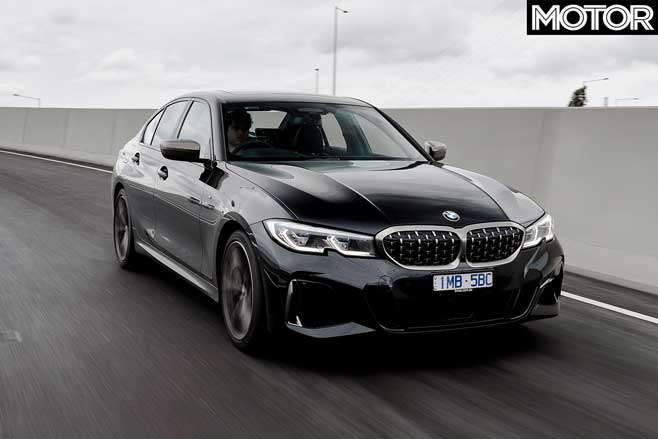
Our Driftbox timing equipment is broken. Or at least I think it must be. If it’s right, this BMW M340i xDrive has just ripped down the quarter mile and obliterated its claimed 0-100km/h acceleration time. Four. Point. One? That’s three-tenths quicker than what BMW says it will do. That’s even quicker than a current BMW M3.
And it’s not even an M car. Well, not a real one anyway. It’s the latest job from BMW’s M Performance arm that aims to inject some hot-blooded engineering from the M division into regular cars. This gives us a stepping stone between each range on price and performance. And we’re discovering that you’re getting a lot of the latter.
So we line up again on Heathcote Raceway’s drag strip to try and repeat the magic. I run my left finger up the drive-mode pad, pressing Sport along the way to turning DSC off. I yank the fancy crystal gear lever sideways to engage its Sport shift program and pin the brake pedal hard.
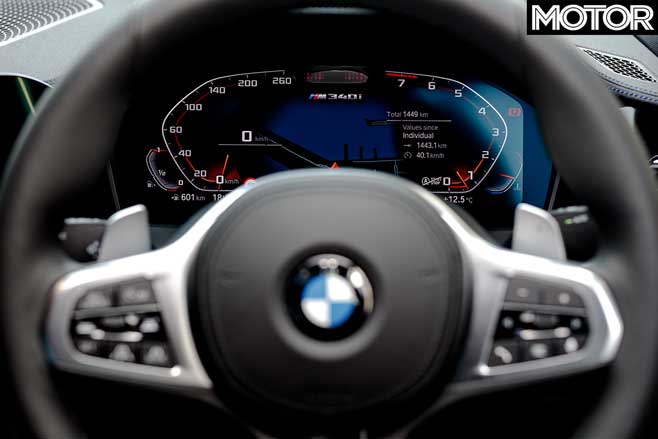
Revs build and hold between 2500 and 3000rpm. I clear the brake and the M340i bursts forward like a cornered cheetah that’s spotted its escape. The first couple of upshifts come and go before that number appears again. Four point one. I keep my eyes locked on the horizon. The quarter-mile time repeats the previous run. It has clocked 12.3sec at 183.1km/h.
When we last tested a BMW 340i it accelerated to 100km/h from rest in 5.51sec and crossed the quarter mile in 13.57sec. That’s over a second slower than the xDrive on both counts. And that was after a morning spent trying to extract its best times.
So, what’s changed? A whole generation for a start. The 3 Series recently started its seventh innings and looks all the better for it. It’s bigger in every way and wears its broader dimensions well. The tracks have been pumped out at both ends and the wheelbase is 41mm longer. At its core is a stiffer structure with more aluminium. And this time it has four-wheel drive, a first for Australia.
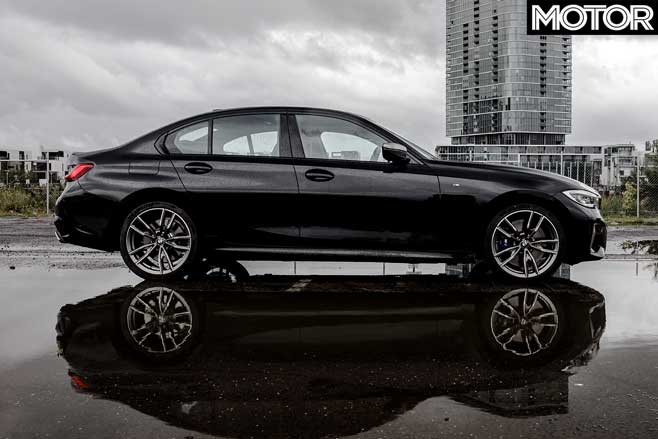
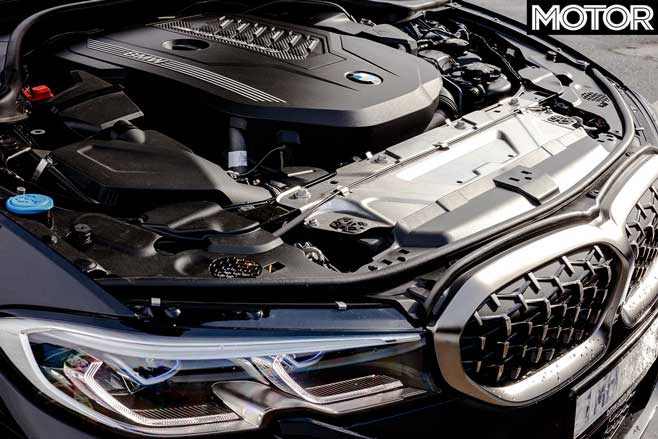
This is also the first M Performance 3 Series. BMW’s modular B58-series engine debuted late last generation, but now has a new twin-scroll turbo with lighter impellers to quicken response. The compression ratio has dropped from 11:1 to 10.2:1, presumably to welcome more boost. Its fuel system can now also pressurise contents to 350 bar, a density equal to water on the ocean floor.
Power consequently jumps from 240kW to 285kW. That’s V8-rivalling stonk. And you know the engineers put in some late nights to perfect the engine tune because it spreads this power peak over the same 5500-6500rpm as before. It’s only the torque band that slightly shrinks, with its 500Nm arriving at 1850rpm instead of 1380rpm and lasting until 5000rpm.
BMW also put its eight-speed transmission on the operating table, redesigning its hydraulics while compressing the ratio spread. And it’s the combination of shorter gears, four-wheel drive grip and the stronger mid-range, where there’s seemingly no break in jet-like thrust, that give the M340i serious acceleration.
It punches just as hard on a roll as it does off the line too. The 80-120km/h time reveals you’d blow past a dawdling Camry on L-plates in 2.55sec. The thing is, though, it doesn’t feel that much faster than the old 340i while moving. Just a whole lot more efficient. For one thing, the noise isn’t anything special except for a muted blurt filling the cabin. And you no longer paw at the wheel to stay straight, since it grips like a Russian gymnast.
The lack of extra urge you’d expect from a 35kW/50Nm hike might have something to do with a serious blow-out on the scales. BMW prescribed the new 3 Series an aluminium-heavy spec, but new front driveshafts, transfer case and differential are just the beginning of a 130kg weight increase over the old car. For instance, the new electronically controlled locking differential is bolted to the end of the main propeller shaft.
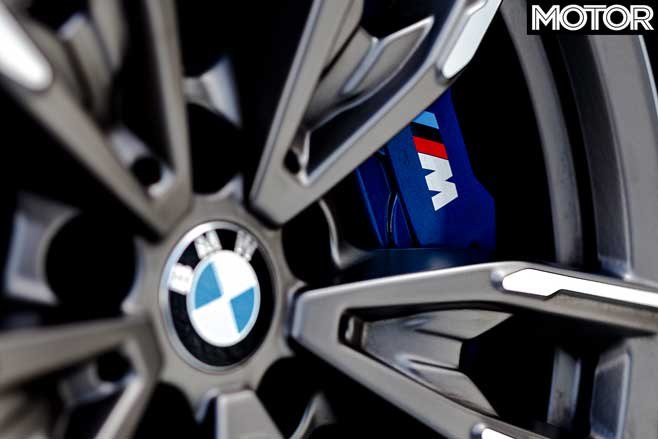
And there’s still all the stuff the M340i needs just to manage the energy unlocked by these new go-fast bits. An optional M Technic package on our car adds two extra drivetrain radiators. It also replaces the standard 348mm front brake discs with new 372mm items. Solid four-piston calipers now do the gnawing, since the car’s now fast enough to vaporise inferior sliding units.
These parts all add weight, so the M340i xDrive’s power-to-weight ratio grows by only 10kW, from 155kW to 165kW per tonne. But those improved acceleration times show it’s less about how much you weigh and more about how you use it.
That philosophy continues right down to the contact patches, where Michelin Pilot Sport 4 S tyres feature on 19-inch wheels. Those tyres are put to good use too. In an emergency stop the M340i hauls down from 100km/h in 35.22 metres. Sure, that’s only average among the metal we regularly flog here, but it’s about five metres better than the old non-M 340i. And it’s rolling on the same staggered tyre widths.
So the new M340i xDrive goes, and it stops all right too. All that’s left to find out is whether it can handle. Phrases like ‘rigid bearings and stabilisers’ in the press release promise that much. It also bodes well that it shares its suspension and chassis with the heavily revised 3 Series.
The new 330i M Sport we sampled earlier last year was an excellent handler. It steered with precision, felt agile and relished throttle steer. And if you peeled back its sheetmetal it would be easy to see why. BMW stiffened the 3 Series chassis by almost half, concentrating on mounting points while also redesigning the steering system and debuting fancy new passive dampers.
But the M340i misses out on two of those things. Firstly, the 3 Series’ new dual-pinion steering rack doesn’t fit in around the six-cylinder engine, so the M340i instead carries over the previous F30 gen’s horrible belt-driven system, equalling a doughy steering feel while refusing to reveal much about road surface.
Secondly, Australian M340i models score as standard adaptive dampers that lower the ride height 10mm and now offer two modes instead of three. However, BMW’s suspension engineers prefer the regular M Sport ‘lift related’ dampers, saying they increase stiffness without sacrificing high-speed body control. We agree.
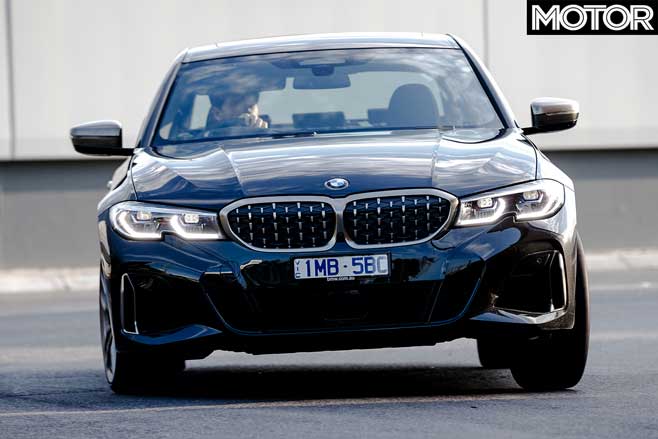
The adaptive dampers as fitted to Australian models fail to convincingly control the M340i’s new front-end mass. That is more due to its extra flab rather than the fault of the adaptive system but, either way, the front-end defaults to understeer. Comfort and Sport damping modes simply offer a choice of how early you’ll find it.
Luckily the drivetrain is not just designed for fearsome acceleration. The all-wheel drive system is based around an electronically controlled multi-plate centre differential that, when open, lets torque flow through to the rear wheels unhindered.
Like a Nissan R35 GT-R, it’s rear-biased and sends torque forwards when it detects slip. This means the rear locking diff calls the shots on the throttle, so the car feels inherently rear-driven if you drive slow-in, fast-out.
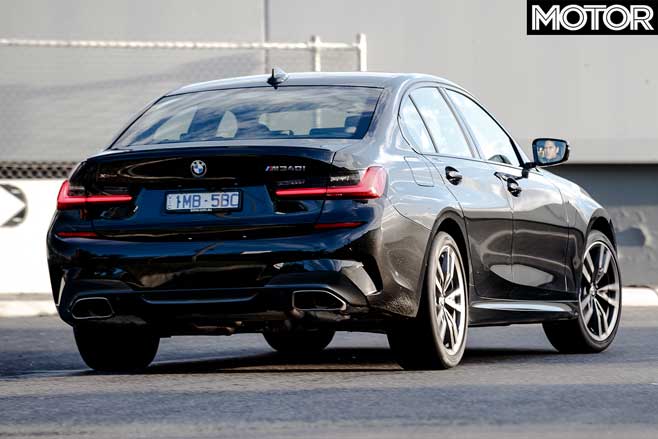
Sometimes it will charge out of tight corners with fierce traction, other times it’ll give you a good dab of opposite lock. As you charge through winding roads, confidence growing, oversteer becomes a useful way to rotate the car mid-corner.
And yet the M340i xDrive never threatens to buck you off its saddle. The rear Michelins relinquish their hold progressively. The rear suspension is communicative. And since the differentials work in harmony, the car will shuffle torque forward to turn knuckle-whitening tank-slappers into fun dabs of oversteer. It’s so confidence-inspiring that switching off DSC feels as normal as switching off the air-conditioning.
Any other driving approach only reinforces the drivetrain’s brilliance. Try to get the M340i xDrive on its toes with the brakes and it will push early, washing off mid-corner speed and refusing to rotate. Wider front tyres and a softer compound would help, along with a finer brake feel. But the root of its problems go much deeper than that.
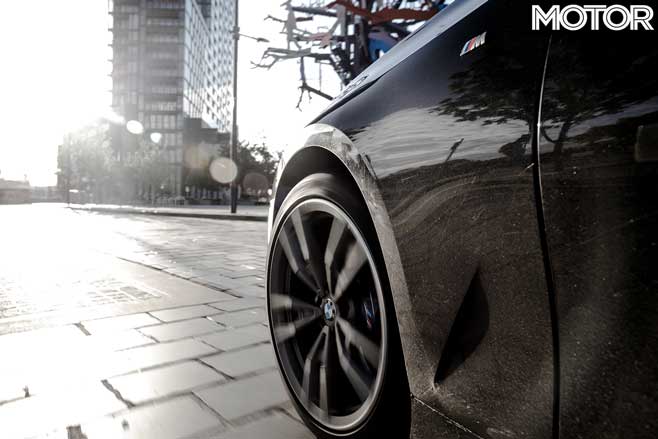
It’s obvious the carried-over steering rack from the F30 partners terribly with the all-wheel drive set-up’s heavier front-end. Then, short of installing a four-cylinder engine, it’s as if BMW knew it would not achieve the 330i’s sweet handling balance or steering here.
Instead, we’re imagining it bought a third-gen Ford Focus RS and tore it down back in the lab, then hung the all-wheel drive system’s guts on a wall hoping its secrets would leap out at them. Because there’s a hooligan hidden in the M340i xDrive that’s incredibly rewarding to find.
On first meeting, we like what BMW’s M Performance division has done with the 3 Series. At $99,900 before on roads and options, the M340i xDrive is priced line ball with its all-wheel drive rivals like Audi’s S4 and Mercedes-AMG’s C43. Yet it will bury them on the drag strip, and behaves more rear-driven on the limit while being very forgiving. In short, there’s a lot to like. It’s a solid luxury performance car.
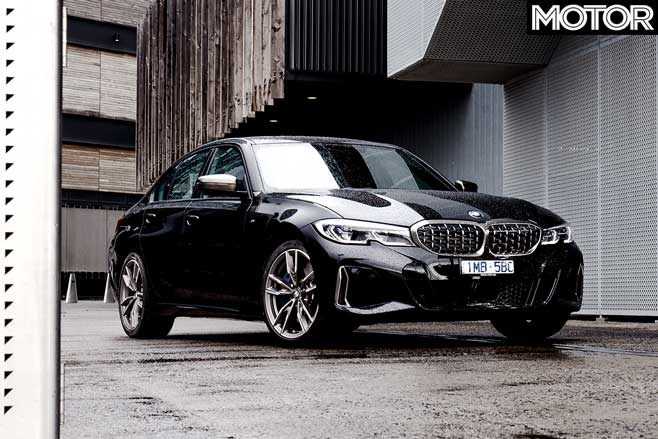
But in trying to beat these rivals at their own game, BMW missed the chance to highlight its own strengths. Opting for a rear-drive M340i in Australia would have equalled a purer-handling, arguably more entertaining and even cheaper car. Even with that dud steering rack.
We’re not fantasising either. America scores a rear-drive M340i while the rest of the world gets all-wheel drive. Why? We’re not sure. But while you’ll still be your local tyre shop’s favourite customer in an xDrive-equipped M car, BMW’s choice to build one without it perhaps reveals that we’re not all ready to abandon rear-drive yet. Even if this xDrive weapon is quick enough to fool us into thinking our timing equipment is broken.
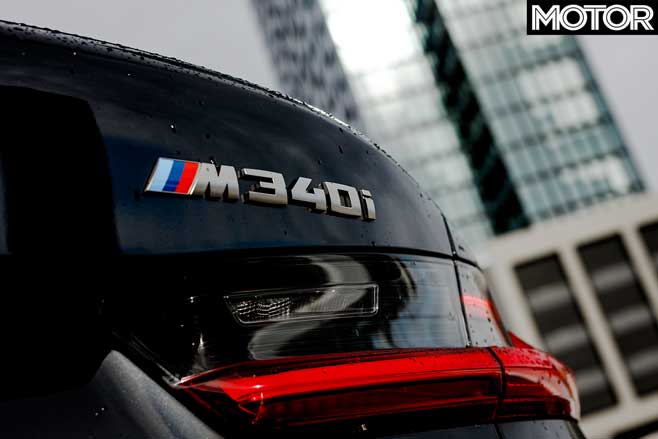
FAST FACTS 2020 BMW M340i xDRIVE BODY: 4-door, 5-seat sedan DRIVE: all-wheel ENGINE: 2998cc inline-6, DOHC, 24v, turbocharger BORE/STROKE: 82.0 x 94.6mm COMPRESSION: 10.2:1 POWER: 285kW @ 6500rpm TORQUE: 500Nm @ 1850-5000rpm WEIGHT: 1670kg POWER-TO- WEIGHT: 165kW/tonne TRANSMISSION: 8-speed automatic SUSPENSION: struts, adaptive dampers, coil springs (f); multi-link, adaptive dampers, coil springs (r) L/W/h: 4713/1827/1440mm WHEELBASE: 2851mm TRACKS: 1583/1567mm (f/r) STEERING: electrically assisted rack-and-pinion BRAKES: 372mm ventilated discs, 4-piston calipers (f); 345mm ventilated discs, single-piston calipers (r) WHEELS: 19.0 x 8.0-inch (f); 19.0 x 8.5-inch (r) TYRES: 225/40 R19 93Y XL (f), 255/35 R19 XL (r); Michelin Pilot Sport 4 S PRICE: $100,200 (as tested)
PROS: Silken turbo punch; genius drivetrain; looks CONS: Dull and heavy front-end; no rear-drive for Oz RATING: 4 out of 5 stars
The Strip

| BMW M340i xDrive | |
| 0-10km/h | 0.25sec |
| 0-20km/h | 0.60sec |
| 0-30km/h | 0.91sec |
| 0-40km/h | 1.25sec |
| 0-50km/h | 1.60sec |
| 0-60km/h | 1.98sec |
| 0-70km/h | 2.40sec |
| 0-80km/h | 2.89sec |
| 0-90km/h | 3.46sec |
| 0-100km/h | 4.07sec |
| 0-110km/h | 4.75sec |
| 0-120km/h | 5.45sec |
| 0-130km/h | 6.25sec |
| 0-140km/h | 7.20sec |
| 0-150km/h | 8.19sec |
| 0-160km/h | 9.27sec |
| 0-170km/h | 10.44sec |
| 0-180km/h | 11.82sec |
| 0-400m | 12.26sec @ 183.12km/h |
| 100-0km/h | 35.1m |
Heathcote Dragway, 24˚C, dry. No rollout applied. Driver: Louis Cordony Official timing supplier: www.vboxaustralia.com.au
Sign-up here for your free weekly MOTOR report
OR A CITY that’s the self-proclaimed European capital of design and style, let’s just say that Milan doesn’t make its core attributes immediately evident. In the streets that feed out from the Stazione Centrale, Italy’s busiest (and presumably vision-impaired) graffiti bandit has barely left a wall or shopfront untagged. Dusty retail windows attempt to off-load random tatt, and the bins overflow into the gutters.
Sure, there’s a rich history of high-end labels and billion-dollar brands here, but you have to go looking for them.
Our journey takes us 20 minutes north-west to the suburb of Rho, but even here, Italy’s pre-eminent carrozzeria of automotive rebodying, currently celebrating its 100th anniversary, doesn’t instantly dazzle you with a glitzy marble and glass facade or elegant water features. Instead, you’ll find Zagato down a slightly scruffy back lane past a porcelain tile importer.
But when you turn past the reception area into the main atrium, all that is instantly forgotten. The sight of a handful of the company’s more significant models arrests your attention, various double-bubble roofs, sensual curves and voluptuous forms catching the morning light that filters through the glass ceiling that soars above the loft-style gangway.
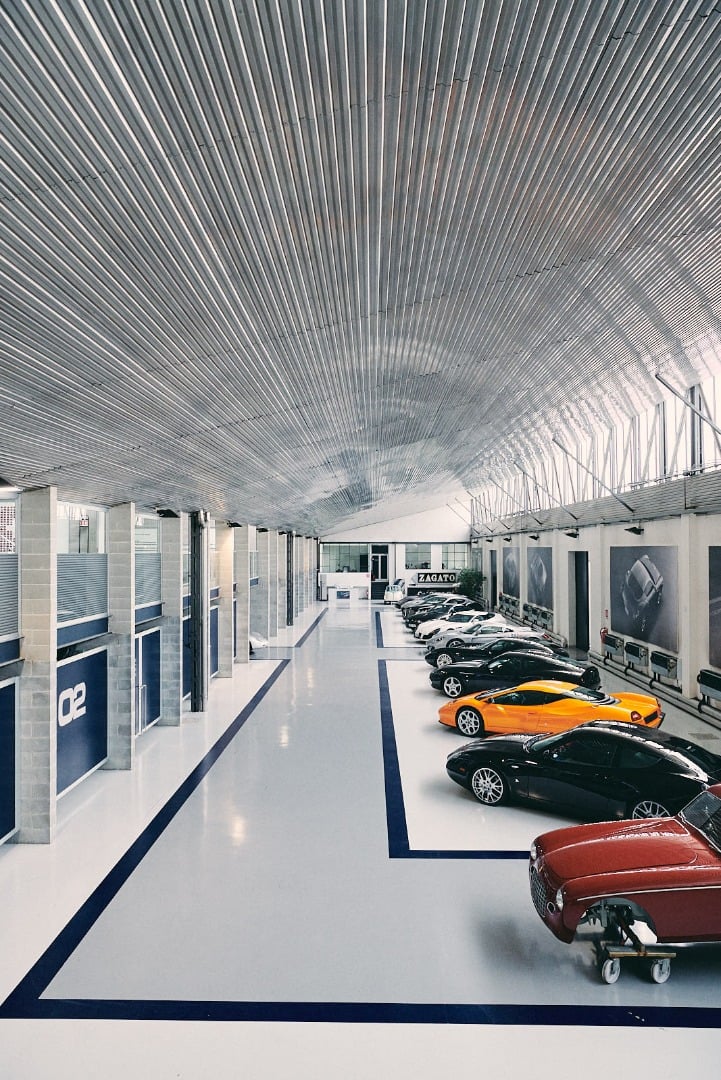
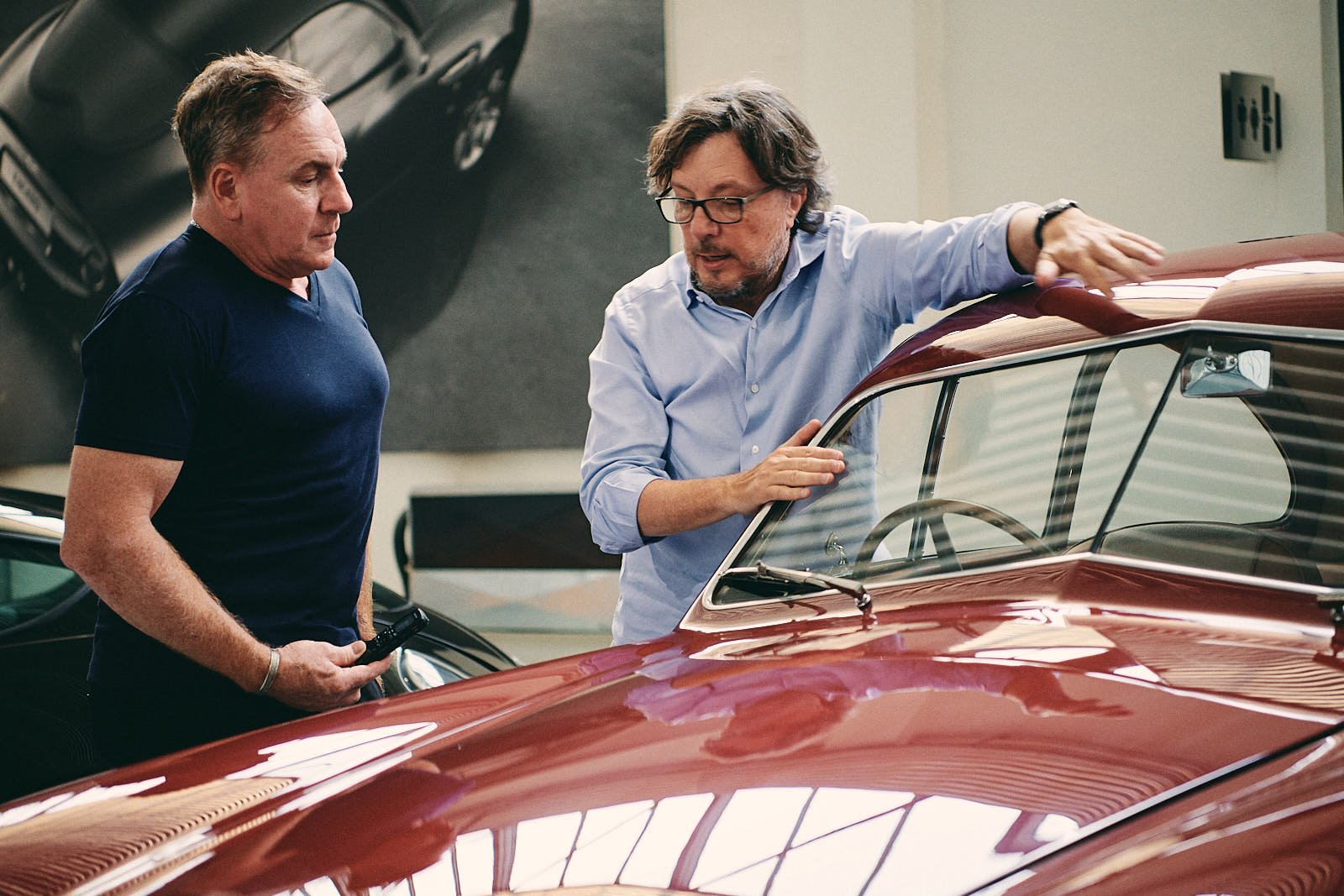
Andrea Zagato, grandson of founder Ugo, bounds up to meet us, a slightly rumpled bundle of energy and enthusiasm. He quickly apologises for the somewhat underwhelming building entrance. “The local council recently approved our application to reconfigure the access road,” he explains in accented but excellent English. “The next time you visit, you will arrive down Zagato Lane, and straight into a very impressive foyer section.”
Andrea has been running the company for nearly 27 years, and he knows his clientele well. They are partial to a flash facade, this money-no-object clique. Their passion for cars as art forms runs deep, and the rarer the better for when they whip the dust cover off at Pebble Beach, or perhaps Concorso d’Eleganza Villa d’Este.
Over a coffee, Andrea tells me the story of the company’s beginnings, and there’s a real sense of authenticity and engagement to the way he explains it, as if he’s sharing this story for the first time, not the 100th.
“My grandfather Ugo became famous for building horse chariots in a business of fabricators and coach builders. He moved into aircraft design and construction for WWI, and then turned towards cars. He was the first to apply aircraft design – light, simple, unadorned – to automotive. This was the beginning.
“He met Enzo Ferrari, he was recruited in the ’20s to build cars for Scuderia Ferarri; they were very successful. The cars were tube-frame construction covered by aluminium. Simplicity and light weight; this was his language. He went on to establish a factory, also doing many cars for Alfa Romeo, but it was bombed in the war. He lost everything. He had to start from scratch.”
Andrea’s only real memory of his grandfather is being picked up and dropped off for school, around age eight, by a solemn gent. Not sitting on grandad’s lap learning to drive, or riding on his shoulders, or hand-rolling a cigarette for him. Yet his admiration for what his grandfather had achieved would later become a core motivator as he matured into adulthood.
Andrea’s father Elio was a handy Gran Turismo driver, a five-times champion, and his succession to the head of the company was never in doubt. Elio’s brother Gianni came on as technical director.
His father’s most significant business skills, Andrea tells me, were his networking and relationship building, forming partnerships with OEMs, and in test-driving the cars. He had a natural talent for finding ways to reduce weight and improve performance without compromising reliability and longevity.
Andrea majored in finance and business at Bocconi University in Milan, graduating as the 1980s began, ushering in heady days of high finance, global excess and wide-lapelled power suits. One of his first tasks, at the request of his father and uncle, was to perform a detailed analysis of the Zagato business. “I had to sit them down,” he says, “and deliver a very difficult truth: ‘Your company is dead’.”
This was a period where manufacturers were quickly developing more flexible production for their variants of a single model, so it was obvious to Andrea that the OEMs’ need to outsource the building of niche models to Zagato was going to decline in the future. “My modelling indicated there would be no more of this for us in 10 years,” he says. “My father and uncle were well into their 60s. The thought of selling the company was not nice, but neither did they really know how to turn it around.”
Andrea already had a contract for a finance job in London, but said to his father, “If you need me to help you, I will.”
He was 25, and his father accepted his offer. The job in London was terminated, along with his deeper desire to one day study veterinarian science and care for animals. He was sanguine about these realties, and the more he looked into the business and the more he learned about what his grandfather had achieved, the more it became an obsession to not let it atrophy. “A sickness” is how he describes it.
“I discovered this company built more than 440 models for 44 different brands – the history was so huge, I felt I must do whatever I can to keep the company alive. I felt my grandfather was owed this recognition,” he says.
Before he could start on a reconstruction of the company – at that stage it was a production business, with assembly lines and paint shop – he had to undertake difficult deconstruction work, stripping back capacity and overseeing a raft of job redundancies.
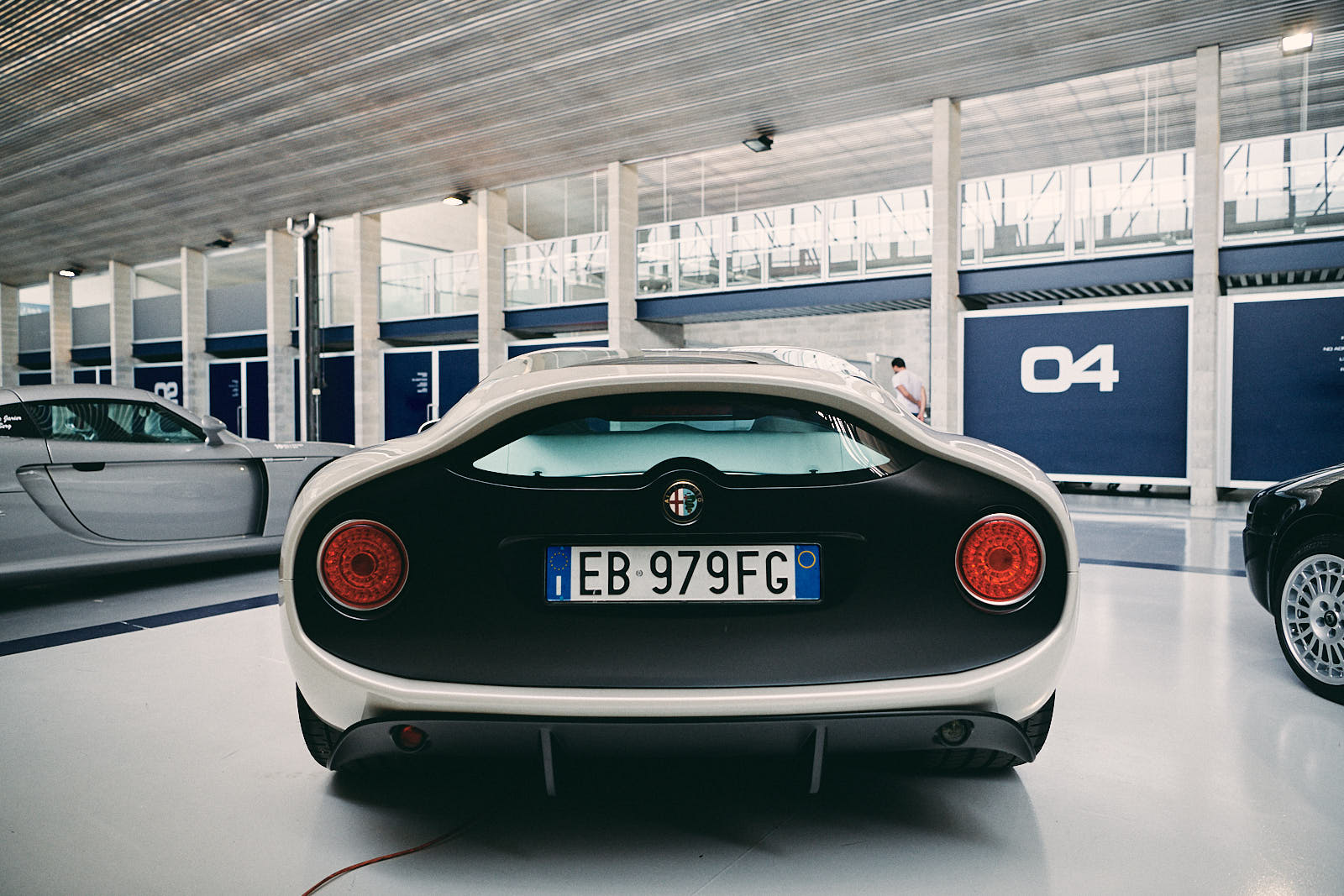
“I decided to [transition] the company into a design and engineering operation,” Andrea explains. “Around 1985, CAD/CAM was really coming on. I said to my father, ‘This is how we must reshape the company. We can continue to build unique and special creations for our most enthusiastic customers, but we need to be an advanced specialist of computer-aided design and engineering. And not just for cars, but for the nautical industry as well.’”
Some companies were astonishingly slow to join the revolution. Like Lamborghini, for example. According to Andrea, even in the early ’90s, the supercar specialist barely had a computer to its name. “I went there once with a floppy disk in hand; there was nowhere to plug it in,” he says, shaking his head.
“We later discovered the Diablo was around 20mm asymmetrical left to right. CAD/CAM allowed you to be precise; really raise quality. The first car we did was the Alfa SZ in the late ’80s. We were selling our service in CAD hours in this period – our boat clients, for example, would come with drawings, and we would turn these into CAD files.”
By the mid-’90s, Andrea felt the time was right to refocus serious attention back to the area of special editions. “In 1995 I was in Pebble Beach as a judge, I was 35. It was my realisation that the value of the cars there had very little to do with the restoration, or the cost of materials. It was all about the history, the rarity, the provenance of the car. I discovered that through a certain period, all the Zagato cars were more valuable than all other cars from design houses. It made me realise this incredible market for Zagato. I figured the time was right to return to that area: niche, collectible, for the concourse market.”
This strategy was perhaps best exemplified some years later with the Aston Martin DB7 Vantage Zagato, unveiled at Pebble Beach in 2002. The company’s collaboration with Aston dates back to the ’60s (see sidebar); this one, timed for the end of regular DB7 production, called for a run of 99 cars. “We didn’t have a facility to do it,” says Andrea. “I said to Aston, ‘Why not produce them on your flexible production line?’
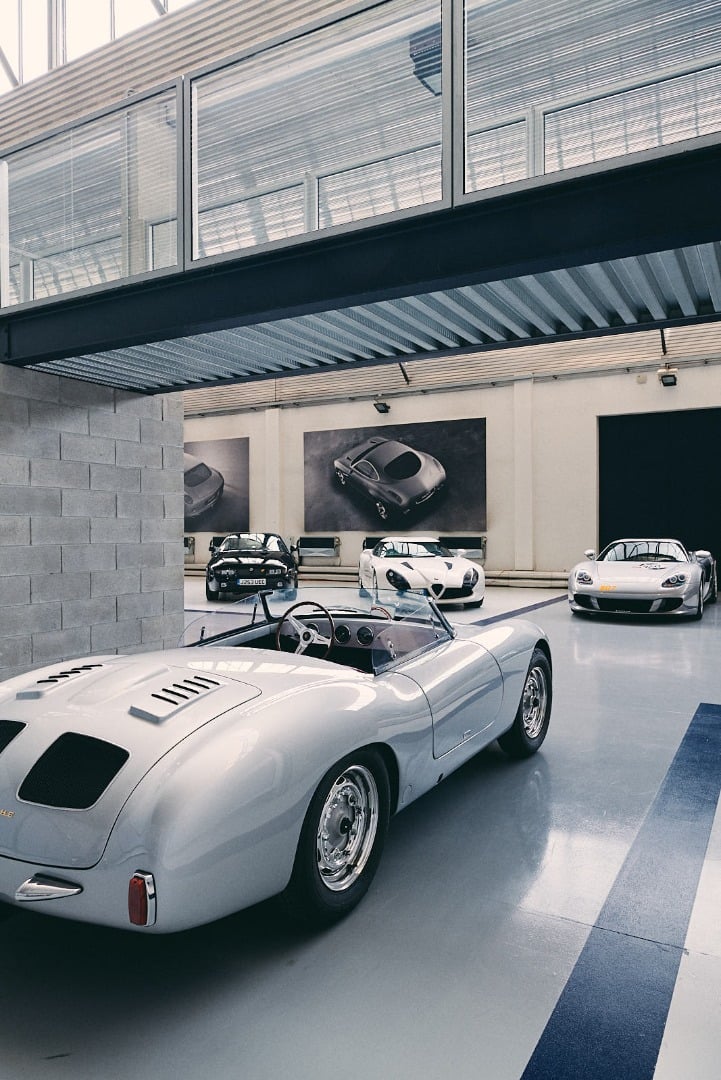
“We provided the design, the components, the Zagato signature. It worked; the Aston bosses were happy, the workers at Gaydon were happy, the unions were happy.”
Andrea breaks briefly to chat to a couple of clients; two men in their late 40s. They’re casually dressed in chino shorts and designer loafers, with obligatory high-end watches. They’re here to drop Sydney waterfront apartment money on a one-of-a-kind Porsche. It’s this sort of private, bespoke, commission-based work that also contributes to the Zagato bottom line.
The company has never had any trouble hiring top design talent. The lauded Ercole Spada, perhaps best known for his stint as BMW’s chief designer from 1976 to the early ’80s, joined Zagato in 1960, and is widely credited as designing the sublime Aston Martin DB4 GT Zagato. I’m slightly stunned when corrected on this by Zagato PR Diana Grandi: “The DB4 GTZ was actually designed by Gianni [Zagato] and Celeste Zoppi. Ercole was only an apprentice in 1960 and he couldn’t have done it anyway as he was away most of the year on sick leave and to finish his military service.”
These days, the design department of some 40 staff is headed by Japanese-born design director Norihiko Harada, who’s been with the company for an astounding 25 years. Physically pocket-sized, the softly spoken, flamboyantly stylish Nori, as everyone calls him, clearly has a deep understanding of the design language that’s helped sustain the company for 100 years, as well as an uncluttered, elegant sense of aesthetic that’s very much his own.
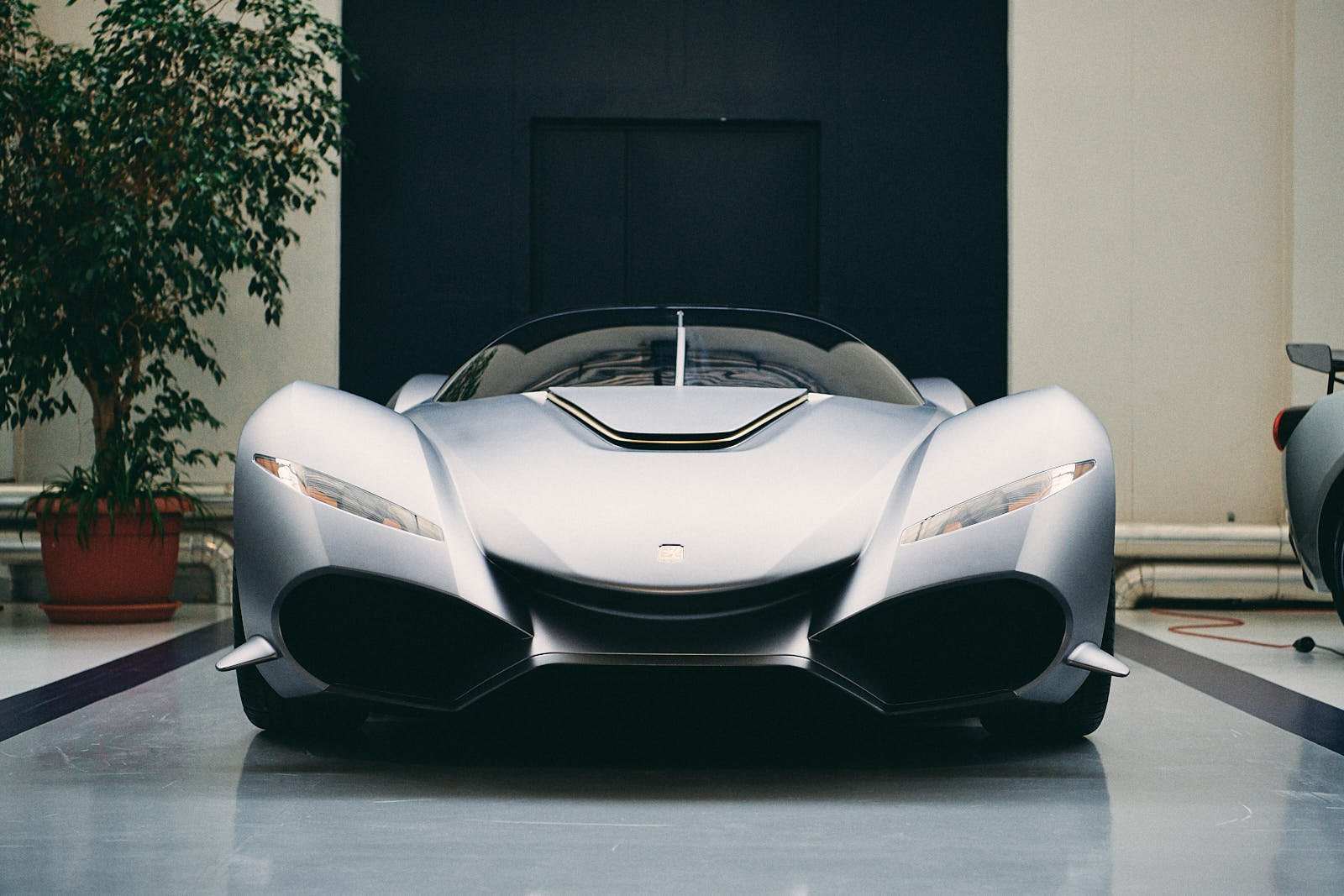
He talks me around the exterior of perhaps the most free-ranging, unconstrained design he’s produced in his time at Zagato: the IsoRivolta Vision Gran Turismo concept revealed at the 2017 Tokyo show. Despite the plunging curves and dramatic proportions, he’s at pains to explain the simplicity in the way the basic shapes intersect. He puts it in terms I completely understand: “When a man tries to woo a woman, some can talk a lot, use many words,” he says quietly. “But sometimes you can do it with just a single word that is very strong, passionate. So often my style reflects this type of approach.” Bellezza necessaria (‘essential beauty’) is how the Italians describe it.
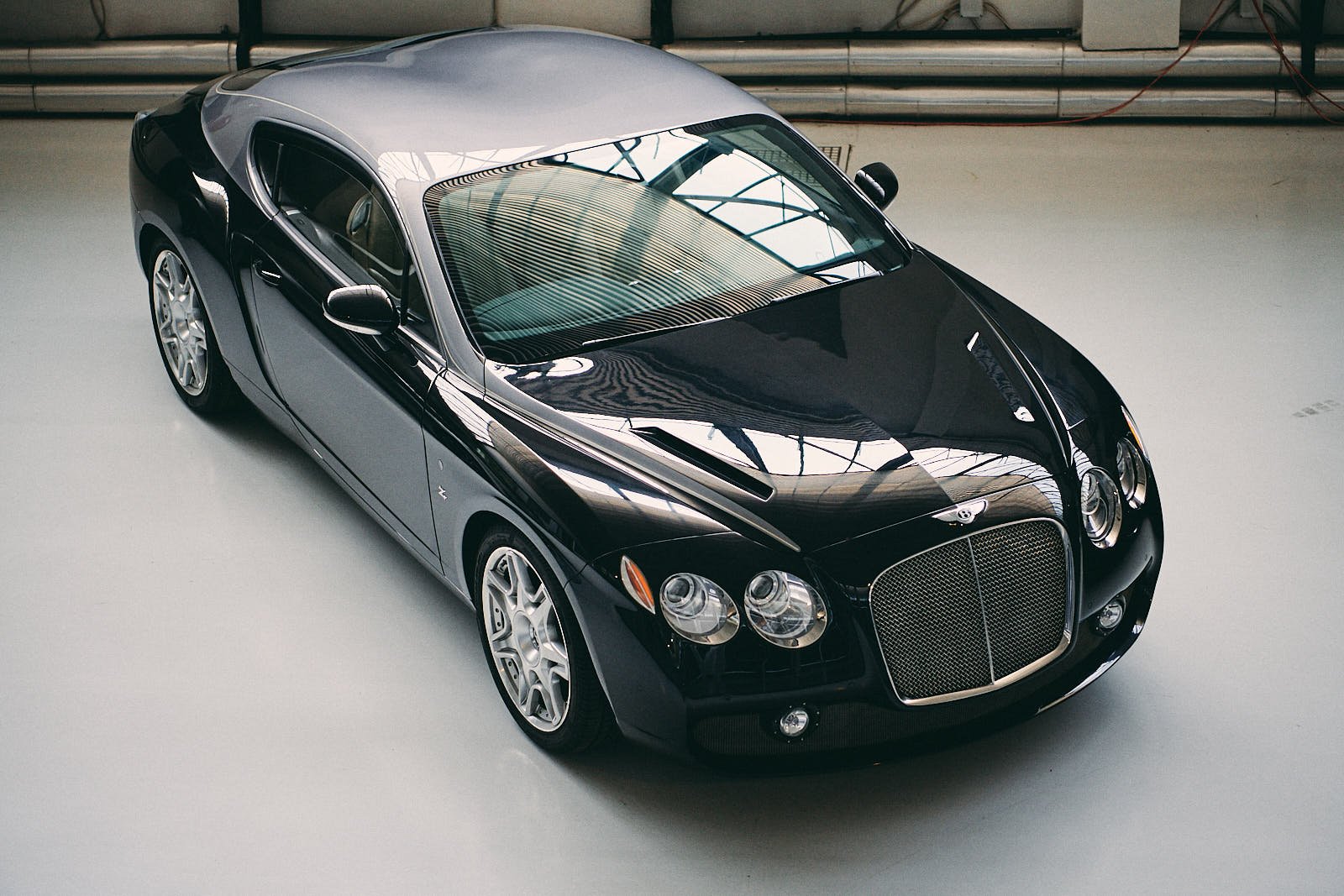
The Vision Gran Turismo was built for the virtual world – it’s available on PlayStation’s Gran Turismo – but there are now ambitions for a small production run, probably with an electric powertrain.
I’m permitted a peek in the workshop, but strictly no photography. All the fabrication and bodywork happens here, but paint and trim is outsourced to nearby specialists. It’s not exactly a hive of activity – a couple of workers are discussing football over an espresso – but there are some intriguing projects under construction. The most noteworthy is based on a contemporary front-engined V12 Ferrari, and its folding soft top would seem perfectly suited to an Italian summer alps blast, the sound of that glorious engine cannoning off rock faces and screaming near 9000rpm on a tunnel strafe. Its carbonfibre panels are raw and still need more hand-finishing, but it’s set to be a jaw-dropper of a car when it surfaces at an unspecified concours d’elegance in 2020.
The Lamborghini 5-95, based on the Gallardo LP570-4 Superleggera and commissioned by big-time collector Albert Spiess, is here but I’m not sure it actually advances the tensioned wedge design of the original.
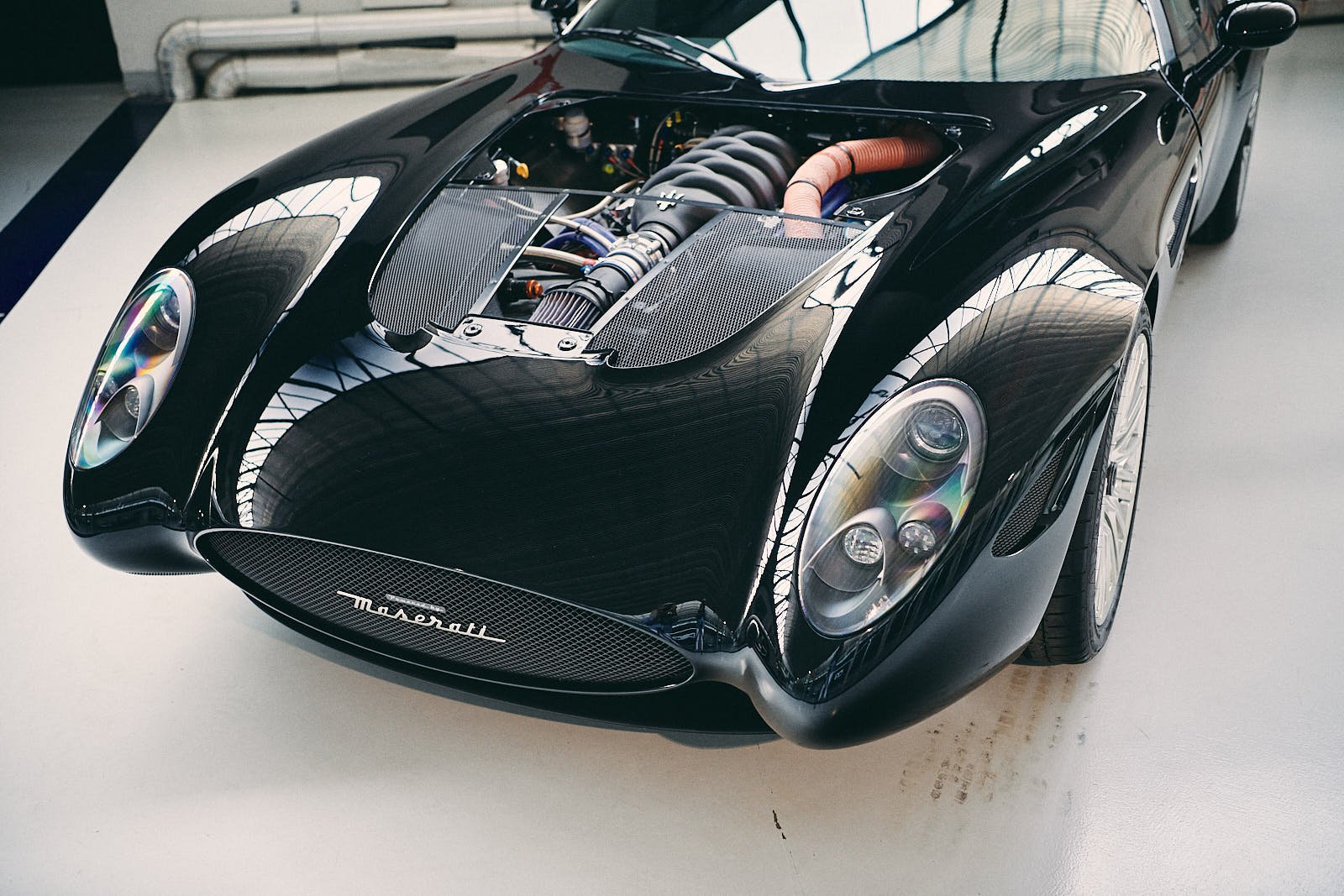
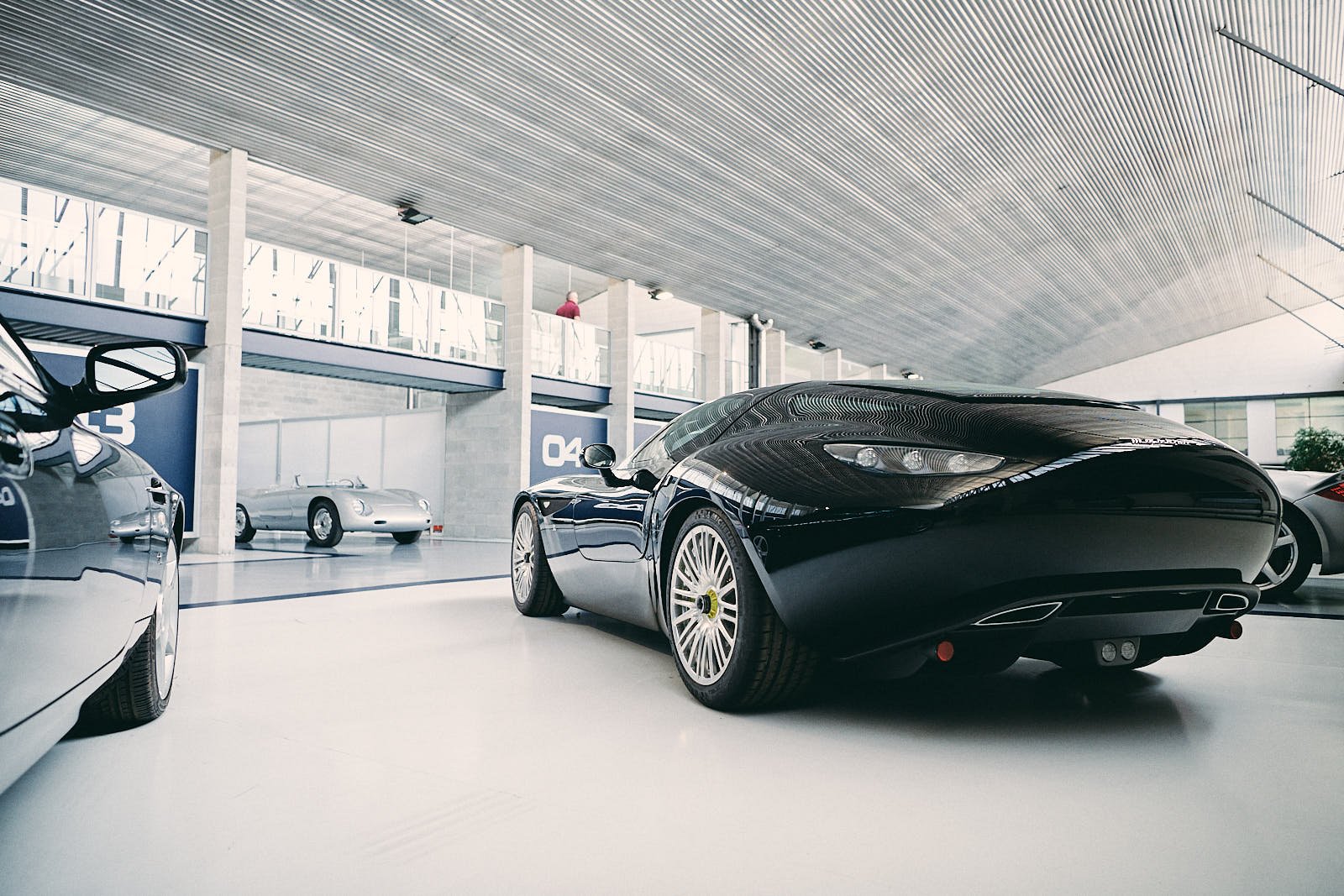
I’m far more taken with the Maserati Mostro out in the main display space, which also happens to be one of Andrea’s personal favourites. It was built to celebrate Maserati’s centenary in 2014, and manages that duplicitous trick of appearing both fearsome and utterly gorgeous at the same time. Andrea points proudly to the rear end: “The back section here is all one single piece. There are no seams, no joins,” he tells me. “This is the sort of detail that separates us from the way mainstream production models are designed and built.”
Wheels’ own Peter Robinson, a design aficionado, has had a long association with Zagato, so I email him with a request to share a few thoughts. “While living in Italy, I visited the company every couple of years,” Robbo replies. “I even drove some of their low-volume production cars. In 1992, [wife] Erica and I drove an Alfa ‘Il Mostro’ SZ from our home in the north of Italy to Sicily and back to learn about the Targa Florio circuit with three-time Targa winner Nino Vaccarella. A trip to savour – we drew crowds whenever we stopped. Remarkably, all the Italian enthusiasts we met knew it was from Zagato.”
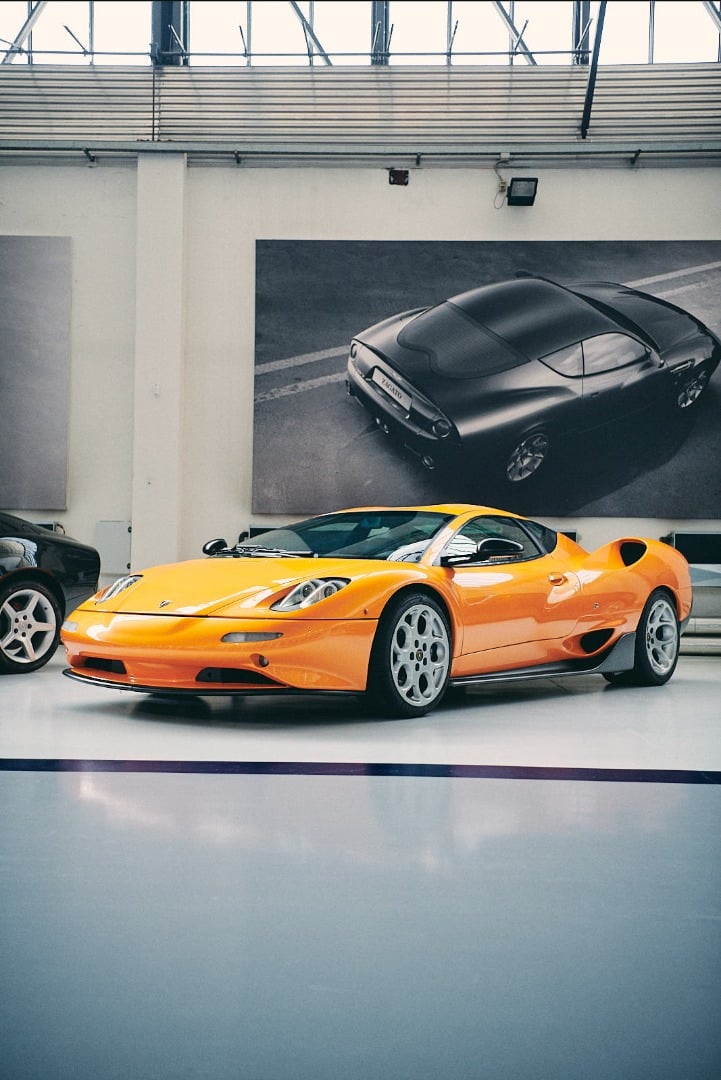
I ask Robbo to name a few of his favourite Zagato cars. “The Alfa 1750 6C Zagato: the perfect vintage sports car – classic proportions, beautiful detailing, entirely functional. Then there’s the Aston Martin DB4 GTZ. A masterpiece; elegant, beautiful and successful on the racetrack.”
Robbo and I both agree that there have been a few Zagato designs that missed the mark, or failed to improve upon the original. Says Robbo: “Yes, the Nissan Bambu Zagato, Zagato’s 300ZX – far uglier than the original. Or the Alfa Zeta 6 of 1983, Zagato’s copy of a Porsche 928.”
“Unfortunate” is Robbo’s concise summation.
We drive a short distance to lunch in Andrea’s BMW 630d Gran Coupe. “A beautiful design by Nader Faghihzadeh. I sent him a note to congratulate him,” he says as we jump in.
At the table in the bustling trattoria, Andrea tells me one of his priorities right now is to reboot the IsoRevolta brand. He’ll do it via a run of 19 rebodied C7 Corvettes, inspired by the Grifo A3/C that won its class at Le Mans in ’64 and ’65, and built by German race-car constructor HWA. He plans to sell them for €770,000 (A$1.2m) each. I’m curious as to how he arrived at this figure. “Do you take the cost to design and produce the car and then add the necessary margin? Or just charge what you think the market will pay?” I ask.
“I could charge more,” he says, cryptically, “but I want the clients to see a quick upside in value. That keeps them happy.”
Andrea and his wife have no children, so there is no immediate succession plan. But on the subject of children, he tells me he was around 12 when he first started coming to these headquarters regularly after school and in his holidays. Back then, the company responded to the ’70s oil crisis by building an electric city car called the Zele. Young Andrea drove a hack around the lanes flanking the building. “It was unbelievable; super exciting,” he says. “So light; instant acceleration…”
When the lease is up on his BMW, it’s likely he’ll replace it with an EV for his daily 45-minute trip from his lake house on Lake Maggiore. He says he’s tempted by the instant torque, near-zero NVH, and single-gear smoothness in traffic.
“So you will have come full circle,” I suggest. “From a boy, not even a teenager, driving an electric car at work, to a 60-something man, now also driving an electric car at that same work.”
He smiles. “I hadn’t thought about it that way, but yes, I would say it’s true,” he says. He reflects for just a moment. “Yes, a very … how you say … virtuous circle.”
This is the second time I’ve broken a speed record.
The first was the McLaren F1 record of 386.6km/h in 1998. I was young [aged 37] and naive when I signed on for the McLaren record. When you are young you either don’t really know or don’t care, but as you get older, you do think about things more, and you’re more aware of possible consequences.
If I thought about it logically when we talked about this Chiron attempt, I may have said, “Nah, it’s okay, you guys go ahead [without me]”, but in the end, I said, “All right.”
I walked away after saying I’d do it and I thought, “You must be barking mad.” But I don’t have a death wish; over the years I’ve driven quick cars, and at the end of the day, I’m a car enthusiast.
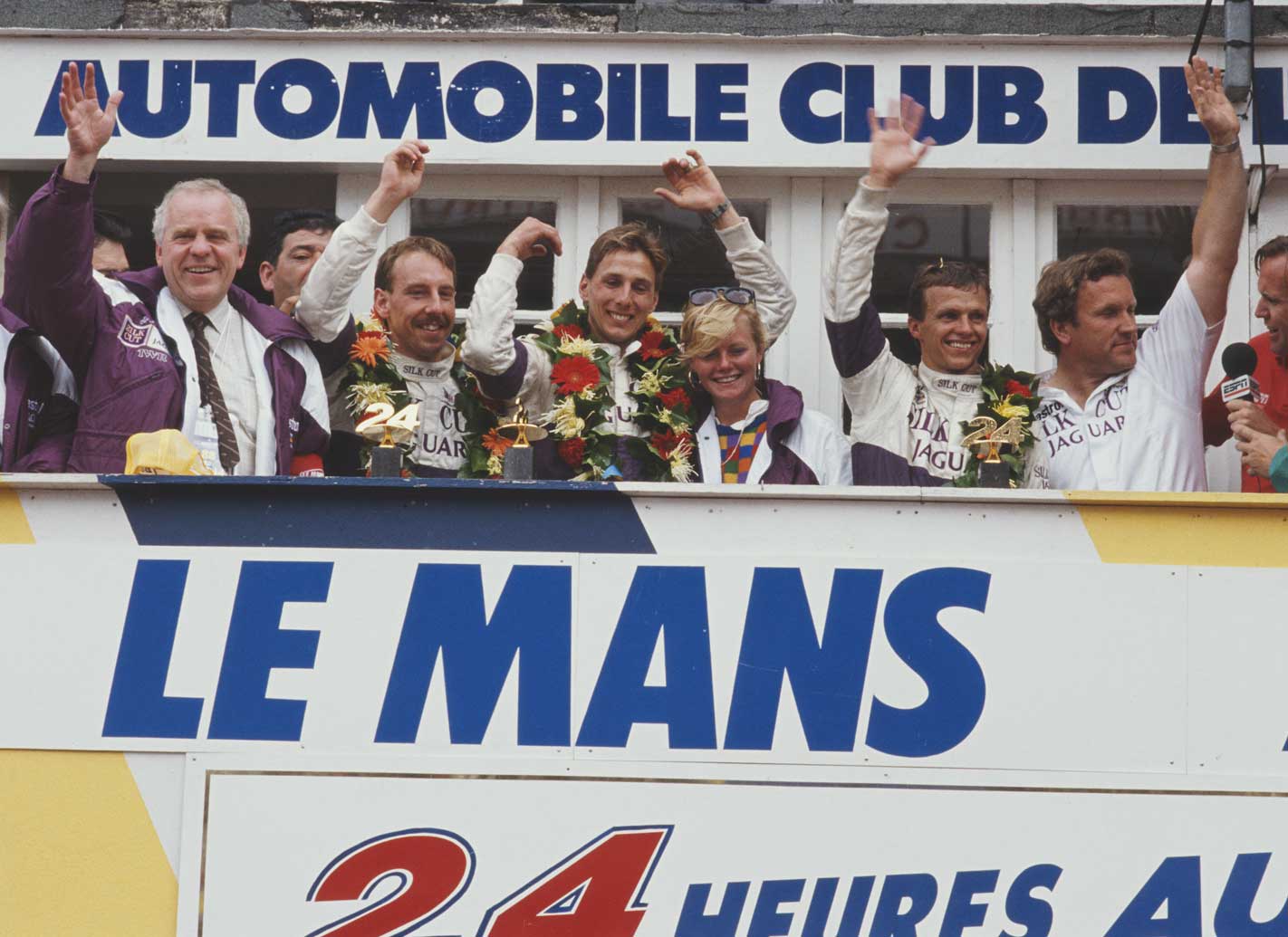
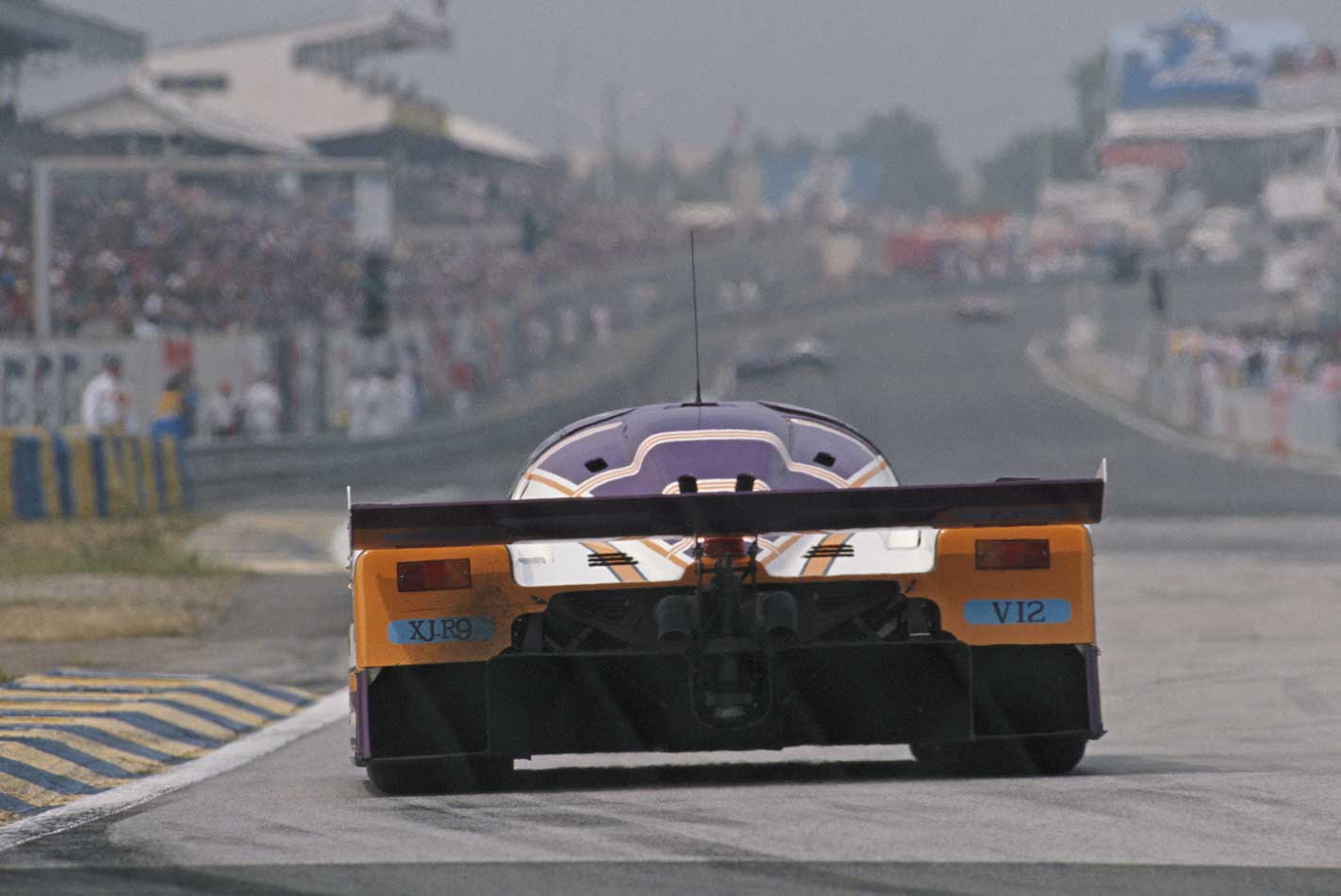
And I have been going fast for a long time. I was offered a Le Mans drive by TWR in 1988. They set up a test at Paul Ricard, which I knew from driving a 500kg F3000 car that stayed glued to the road. Now I was in this great big Jaguar XJR-9, running the low-drag Le Mans set-up, and at 330km/h it was swerving all over the place, using the whole width of the track. You really had to manhandle it: no power steering then, of course. It was a shock to the system.
There was no Le Mans test weekend back then, but I studied the gear charts before practice, and I knew 6000rpm was 320km/h. On my first lap I ran it up to 6000rpm on the Mulsanne straight and I said to myself, “This is as fast as I want to go.” You’re in the grooves worn in the RN138 by heavy trucks, you catch a slower car and need to go around it, you put on a bit of lock but the camber pushes you back, you put on a bit more, the back of the slower car is rushing up to you, you climb up the camber and lurch down the other side, and you almost steer into the opposite barrier. There I am thinking, “This is jolly fast”, and another XJR-9 comes past like I’m tied to a post.
So the next lap I held the throttle down, my toes curling up in my shoe, got to the kink which everybody said was flat, but I lifted. But on my third lap I managed the kink without lifting, and then it was all right. We were doing 397km/h that year.
Dunlop were very unhappy with the safety margin of the radials, which were only good for 400km/h and we were just about on that, so they insisted we went to cross-plies. Suddenly, even with the same rolling diameter, the gearing was all wrong. That’s because cross-plies grow at maximum speed. So instead of gearing for 397km/h, we geared for 370km/h, and that, with the tyre growth, got us back to 397. But it felt like at least 480. You tell yourself, “If a tyre goes bang now I’ll hit the barriers so hard I won’t know anything about it.”
People ask, “Do you feel safe? Is there fear?”
There are risks; you can’t pretend there’s not. But everyone in the Bugatti team is so good at their job – the engineers, all the team – that you eliminate the risk as much as possible. I was aware we are doing something special when we set the record in August.
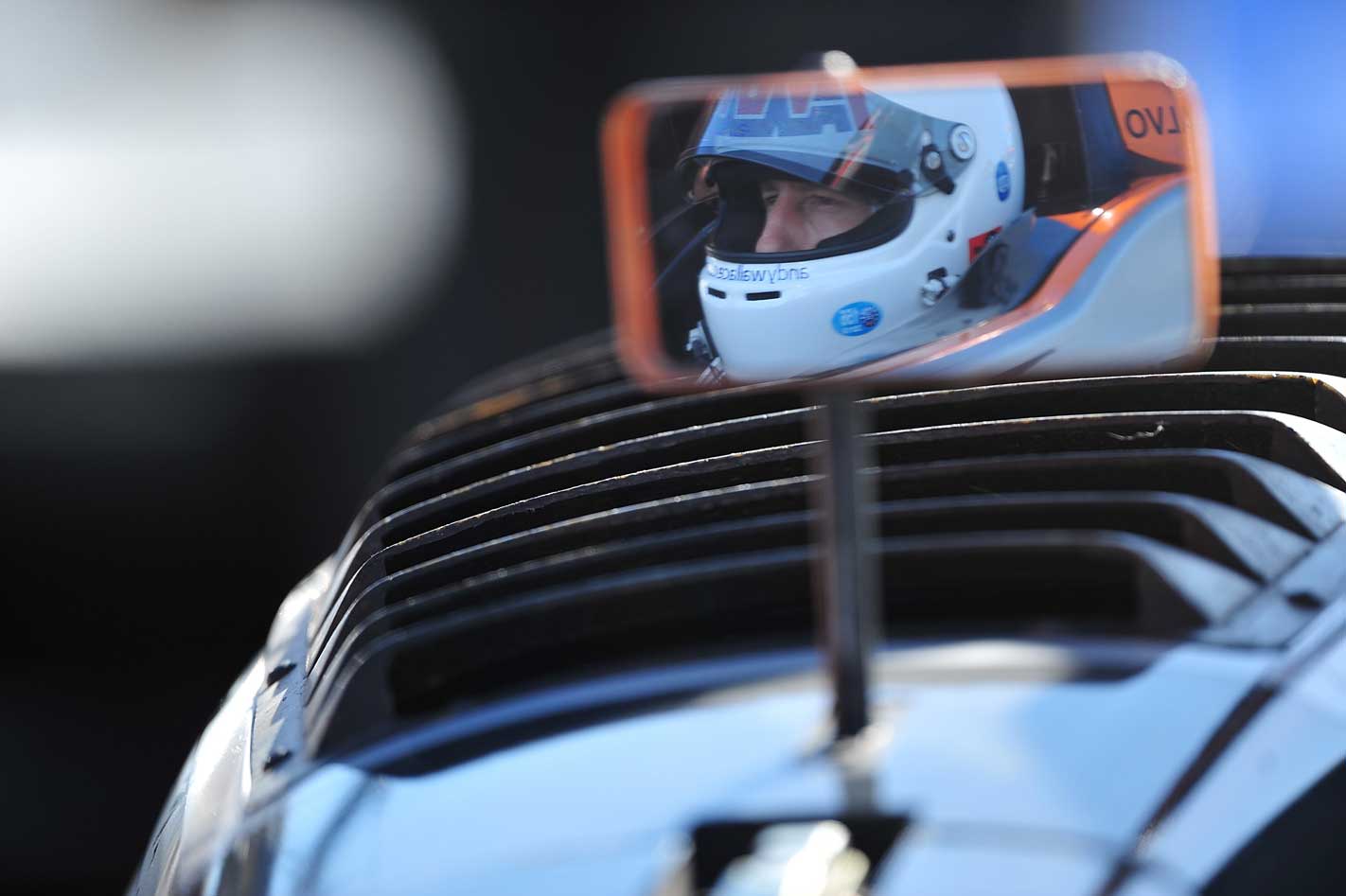
But it’s still a huge jump in speed. If you drive at 300km/h then it’s a real shock, even to take the Chiron to its [electronically limited] max of 420km/h; you have to get used to it. You have to work up to these things gently to try and acclimatise. But it’s still a complete shock to be up at mid and high 400s.
In terms of preparation, it’s all very methodical, as you’d expect. During the week at the track, first we validate all the data – wind tunnel, etc. We do that at 250km/h, nice and easy, then we know how accurate the data modelling is relative to the real world at Ehra. Then we go up in 50km/h increments.
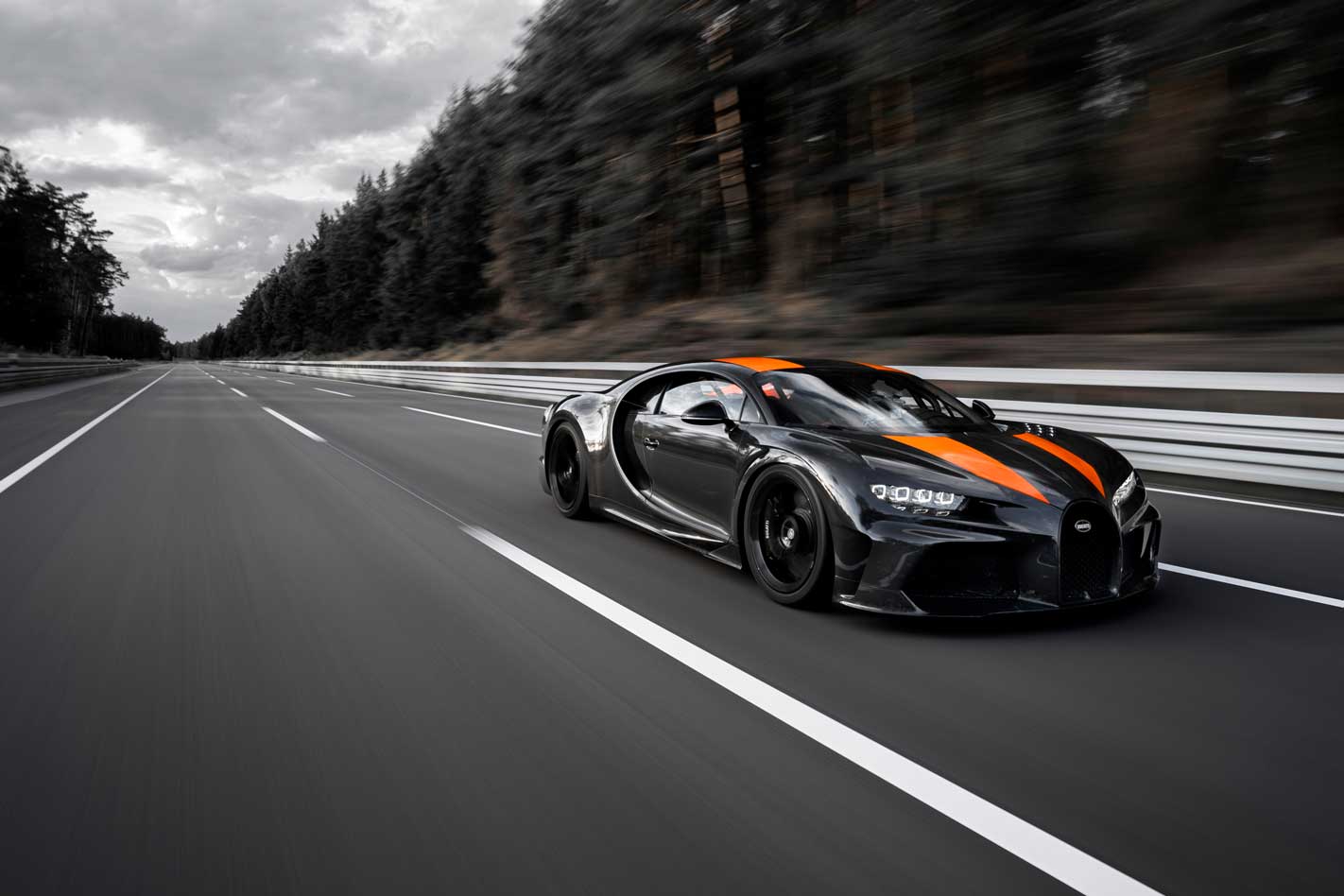
On the day of the record, first we waited for the cross-wind to be not so strong, then did a full lap at 200km/h, to make sure temps and pressures were stable. Then we attempt a few serious runs, adding a bit of speed, then you know what you need to do: into the banking at 250km/h, down some gears, see the exit, then bang, pedal flat. You just flick the switch in your head and do it.
While you’re doing the run, you’re not just sitting in the car driving, you’re monitoring various things, checking off a list in your mind; it’s busy. In terms of the feeling, it’s really amazing to come off the banking at the end of Ehra-Lessien and hit the flat section, and pin a Chiron Super Sport for 57 seconds. It just accelerates and accelerates, really strong, and it’s not until you pass 450km/h that you realise the rate of acceleration is decreasing, but you’re still accelerating – it’s almost unbelievable to think about the number.
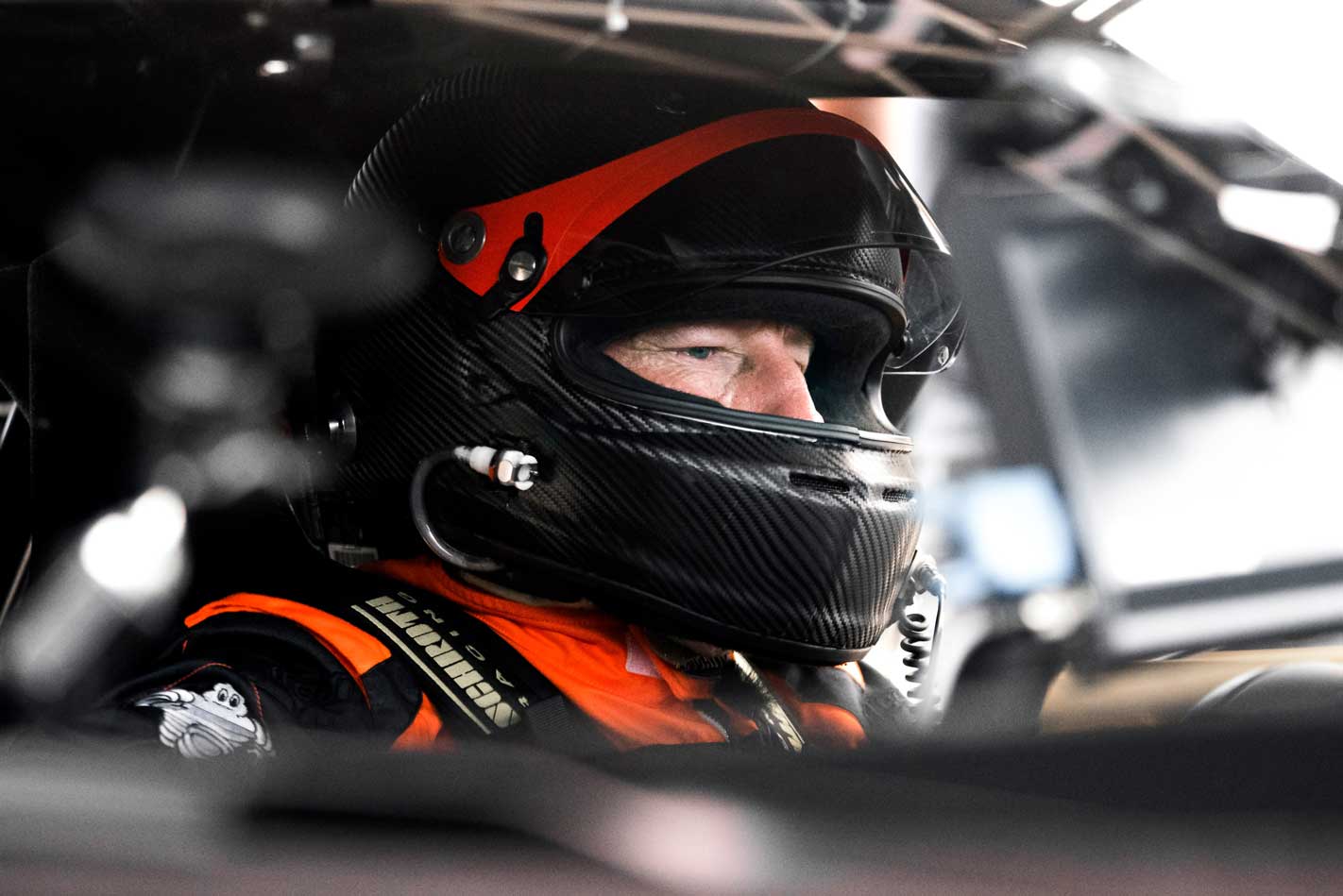
The main issue is directional instability. See, getting up to 450 is quite manageable, but after that the car moves around a lot and you have the feeling that you’re not controlling the car as much as you’d like. It’s nice to have full control, and after about 450 you realise that’s not true anymore. It’s nothing to do with the tyres, nor the aerodynamics, it’s just physics. It’s not as if there are any vibrations – it’s super smooth – it’s just that the front wheels are spinning so quickly it’s the inertia, the gyroscopic effect … you make a steering input and the car just wants to keep turning. If there’s a cross-wind and you get pushed to one side of the track and you turn slightly to get back, it just wants to keep turning, so you are continuously turning, left and right, just to go straight.
If you watch the video it’s hard to see, it looks like I’m just sitting there and it doesn’t look too difficult. But if you look at the white line and you look at the side of the car, you notice the distance from the white line is changing … you’re doing 132 metres per second, and it’s moving around.
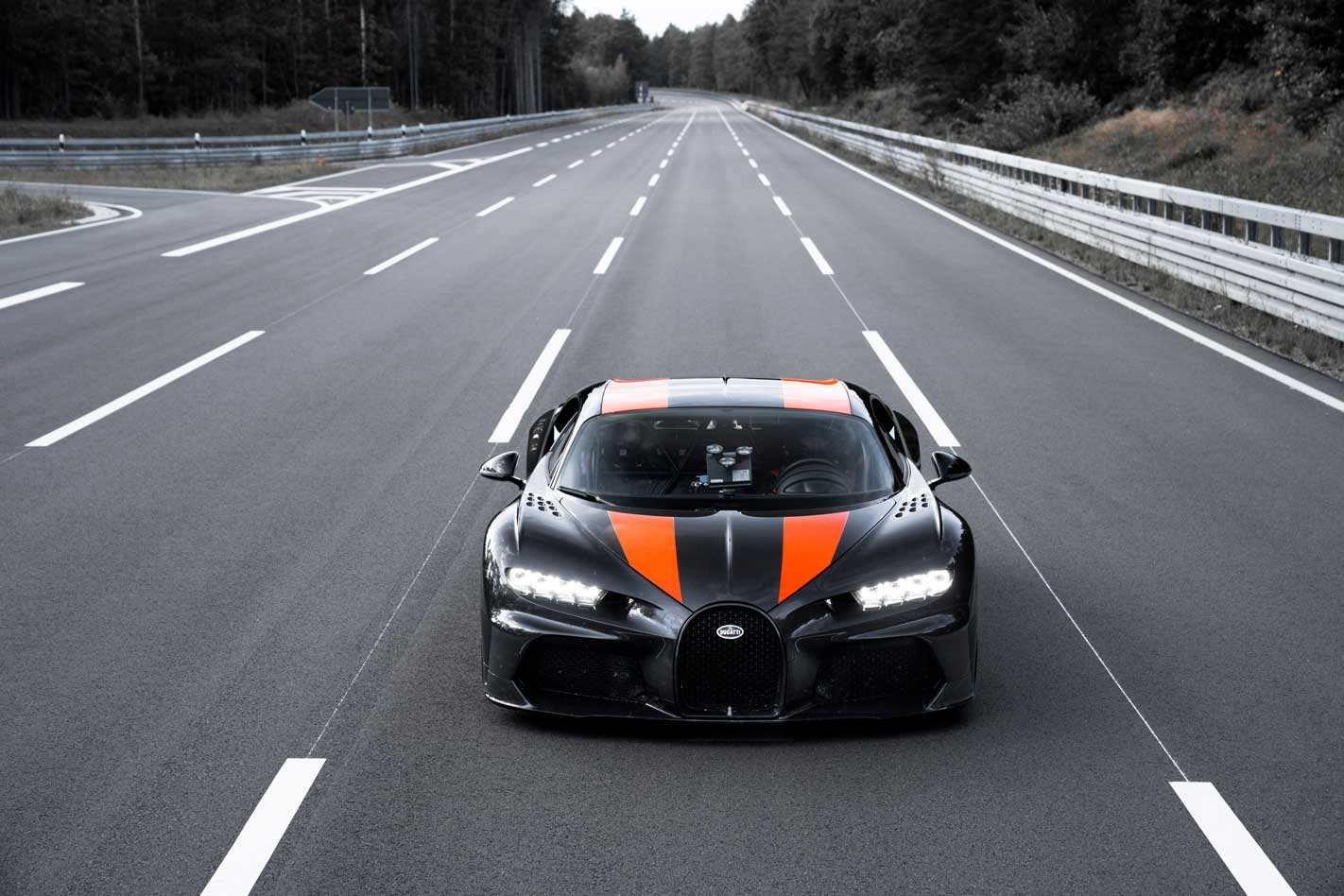
At 447km/h there’s a surface change on the track; when you hit it at that speed, it feels like a jump, like all four wheels are coming off the ground. You brace yourself for the ’jump’, but you don’t lift – that would make it much worse – so you keep it flat and there’s this whump where it feels like it’s lifted and landed back down, four square.
It’s intense, but I’ve been doing crazy things in cars for a long time. It’s just another day, in that sense.
