
The Honda Civic sedan physically straddles the small and medium segments, which makes the top-spec sedan version a bit of a bargain for anyone seeking a well-appointed but efficient car.
What is it?
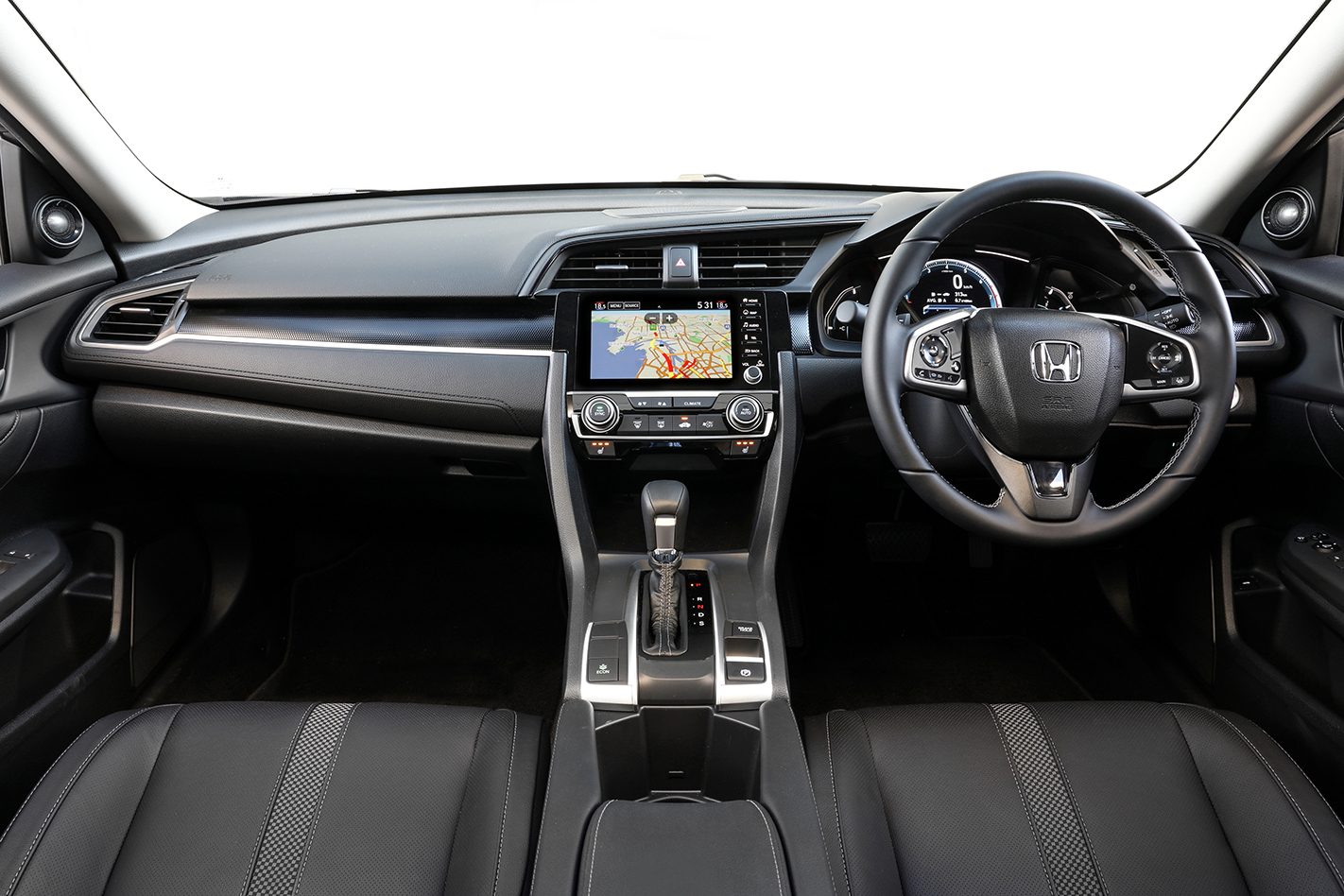
This most expensive sedan in the Honda Civic line-up, the VTi-LX features a well-equipped and roomy cabin making it an excellent car to downsize into from a bigger car.
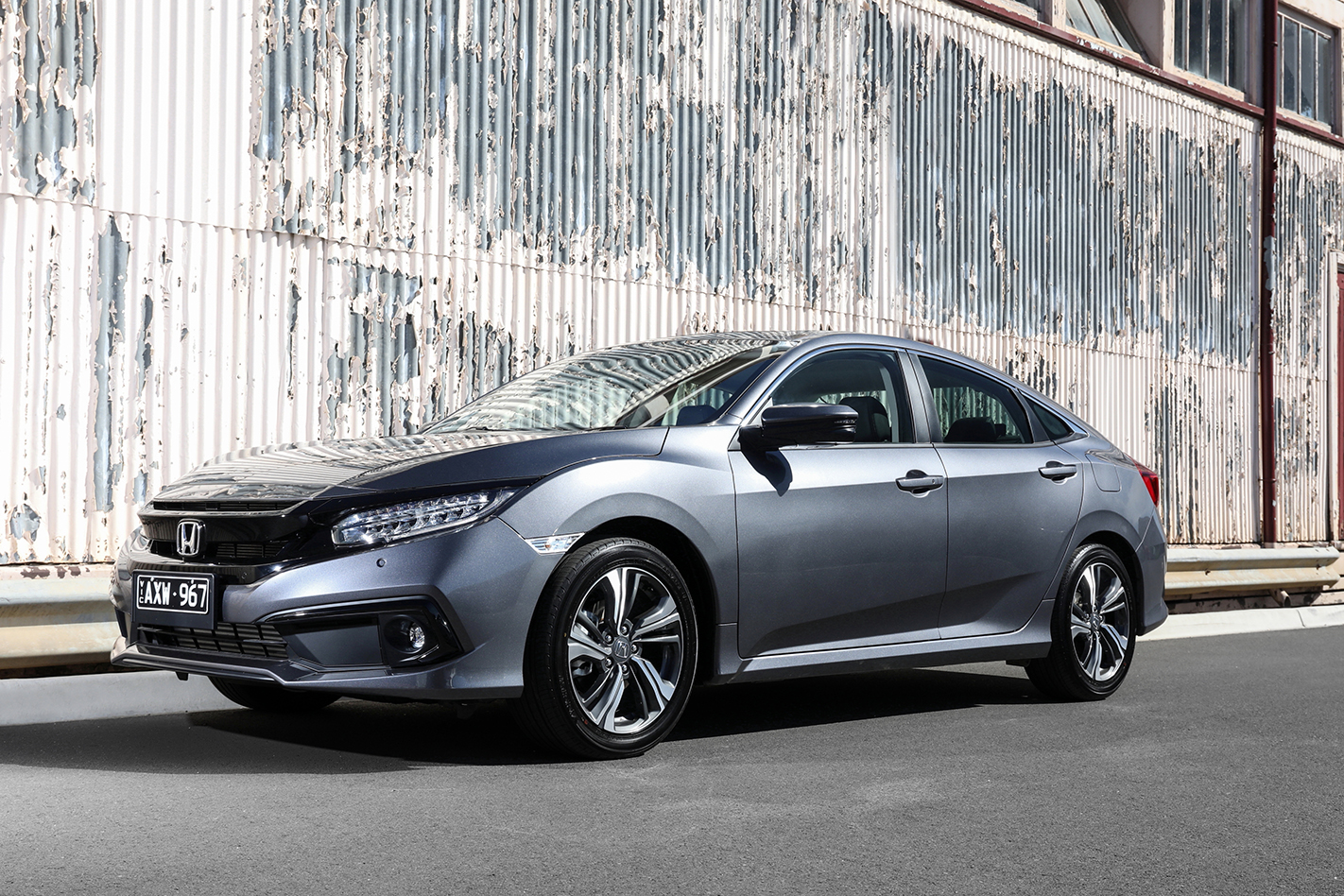
It feels like a mid-sized sedan on the road too, with refined road-holding that soaks up bumps, while retaining small car advantages including nimble handling and good fuel economy via a zippy 1.5-litre turbocharged petrol engine.
Such is its mid-sized aspiration that Honda has priced the VTi-LX to woo mid-sized buyers who may want to trade a few centimetres of leg room for some extra creature comforts.
What is the Civic VTi-LX like to drive?
While it’s the Civic VTi-LX’s equipment list brings the showroom appeal, you won’t be disappointed when taking it for a test drive.
The 10th-generation Honda Civic offers a comfortable, bump-absorbing ride and feels planted and secure on most road surfaces including gravel.
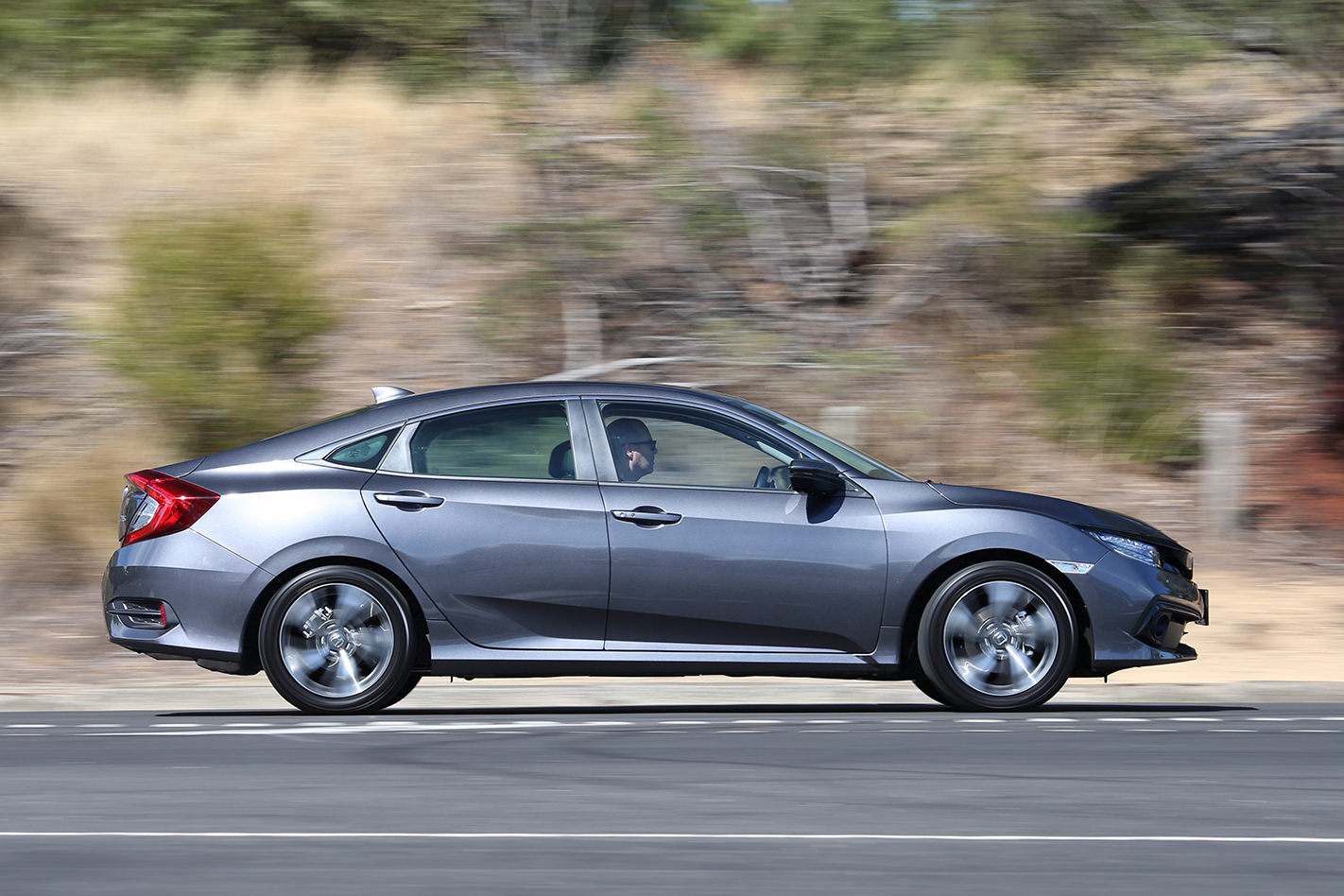
That road-holding doesn’t seem to come at the expense of handling though, with minimal body roll and direct steering that’s progressively weighted so it gets a little firmer at higher speeds to help maintain control.
It won’t take you long to get to those speeds either. The 127kW/220Nm 1.5-litre four-cylinder turbocharged petrol engine is surprisingly quick off the mark and holds plenty of power in reserve for overtaking.
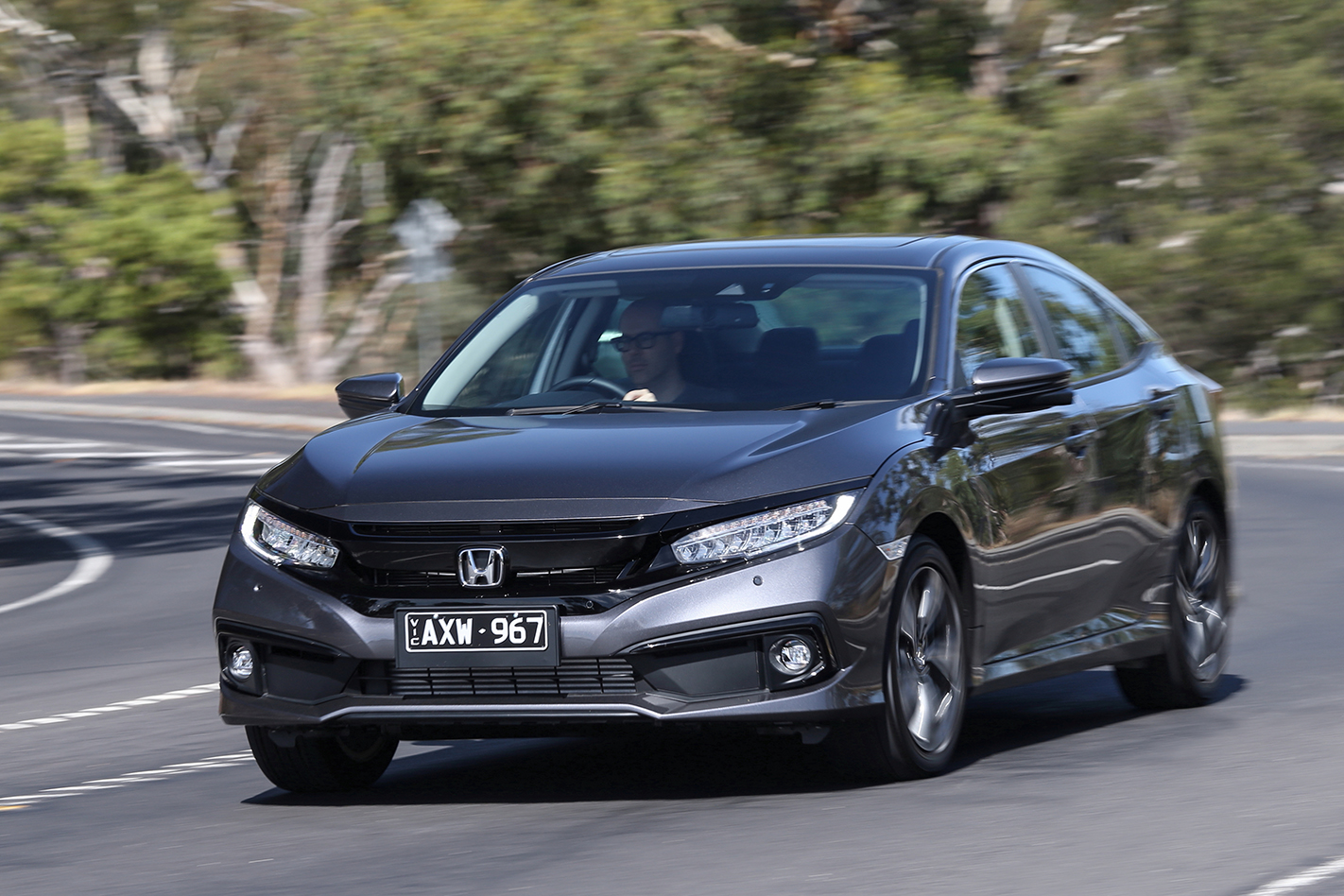
It can get a little loud when pushed though, with the continuously variable transmission (CVT) naturally revving out more than conventional autos, but drive as intended around town and you’ll find the entire powertrain feels remarkably smooth.
The driver benefits from an eight-way power adjusted, leather-appointed heated seat, and driver assistance features including smart adaptive cruise control (with low-speed follow), and lane keeping assist.
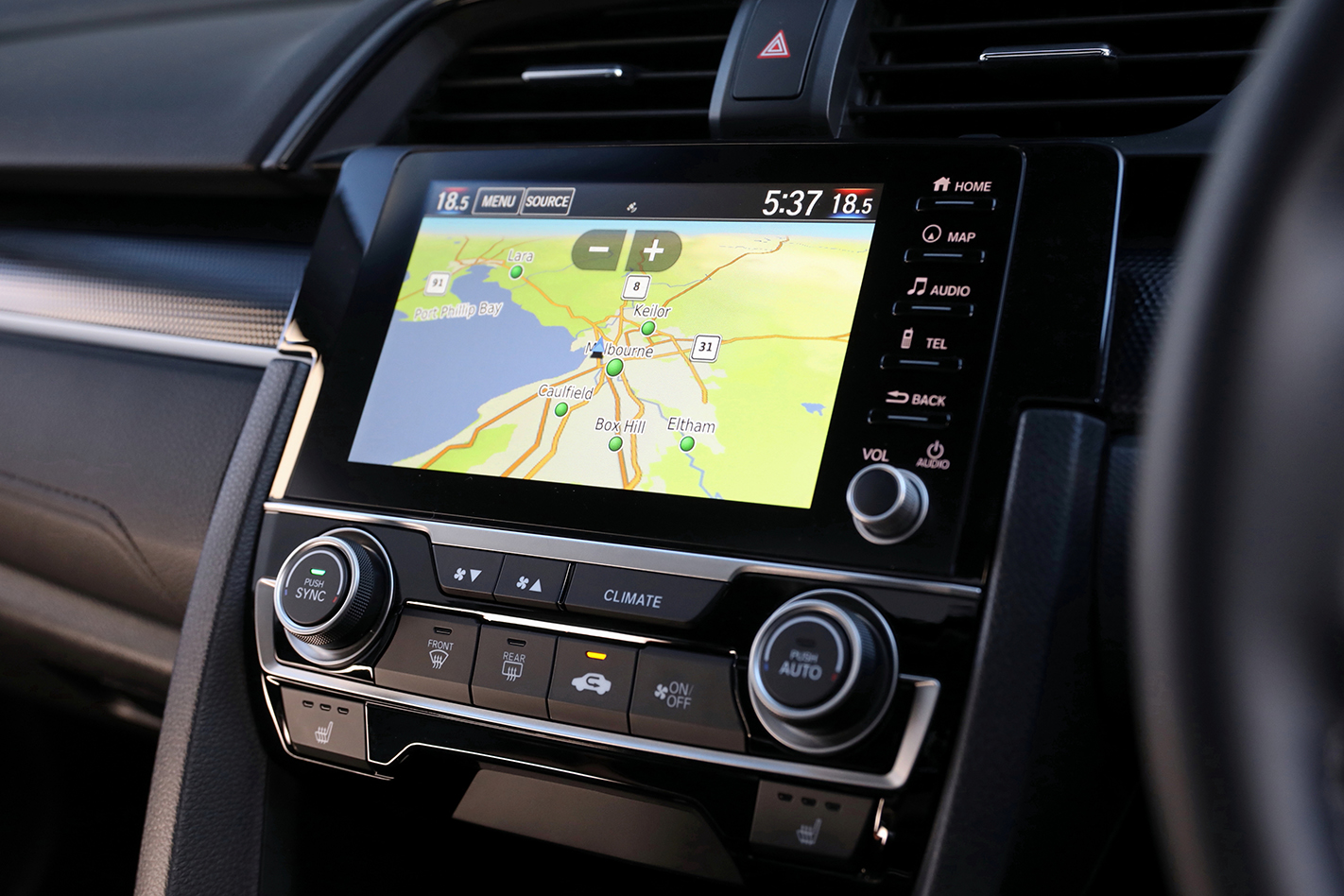
Inbuilt satellite navigation is also included, though you can also use your preferred navigation apps via Apple CarPlay and Android Auto, which also adds to your entertainment options via the decent 10-speaker sound system.
What is the Civic VTi-LX like to live with?
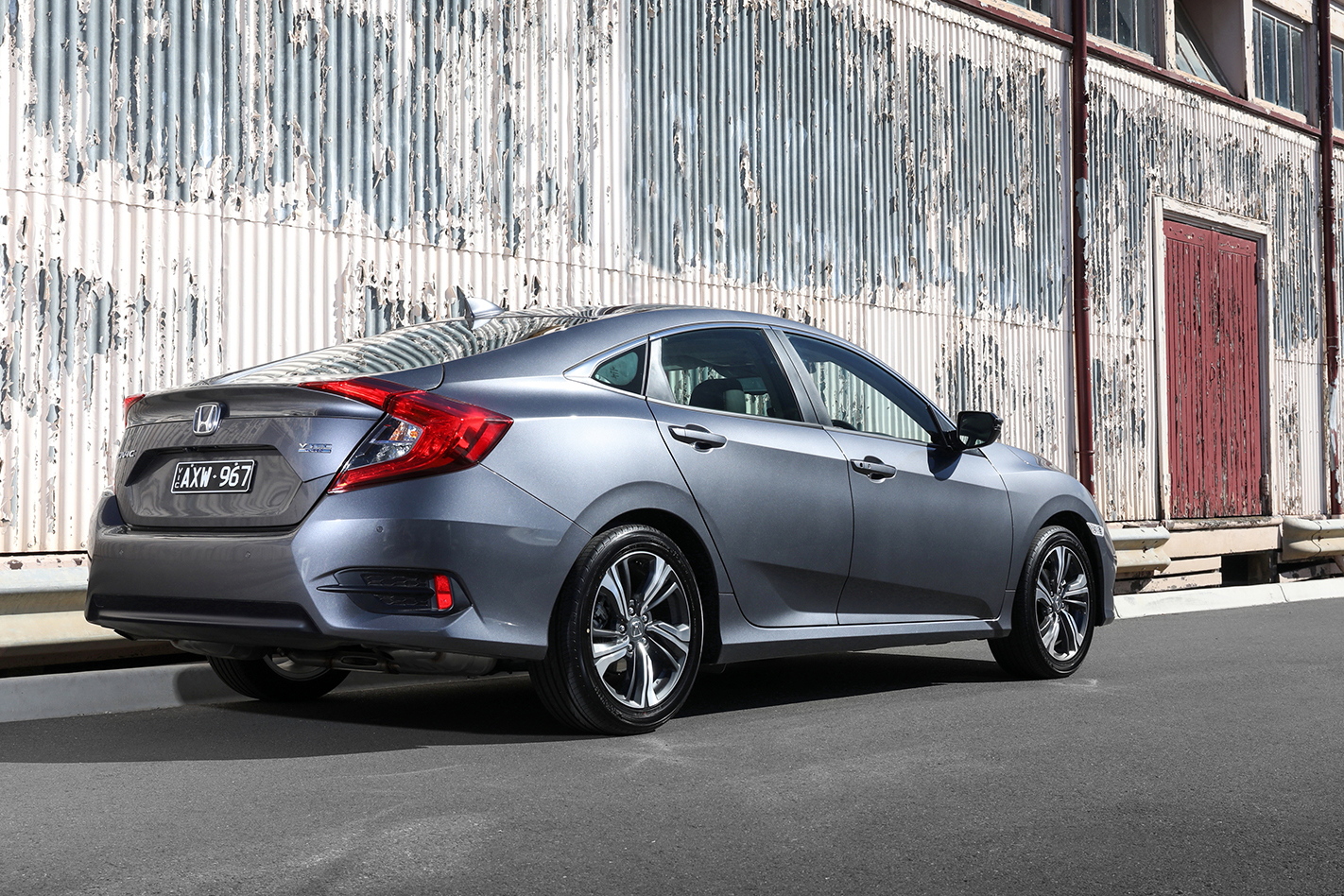
At 4.64 metres long and 1.8 metres wide, the Civic sedan is 13cm longer than the hatchback, and is one of the bigger small cars on the market. This makes it a bit more of a challenge to squeeze into tight parking spots, which isn’t helped by the high boot line and tapered rear-door windows.
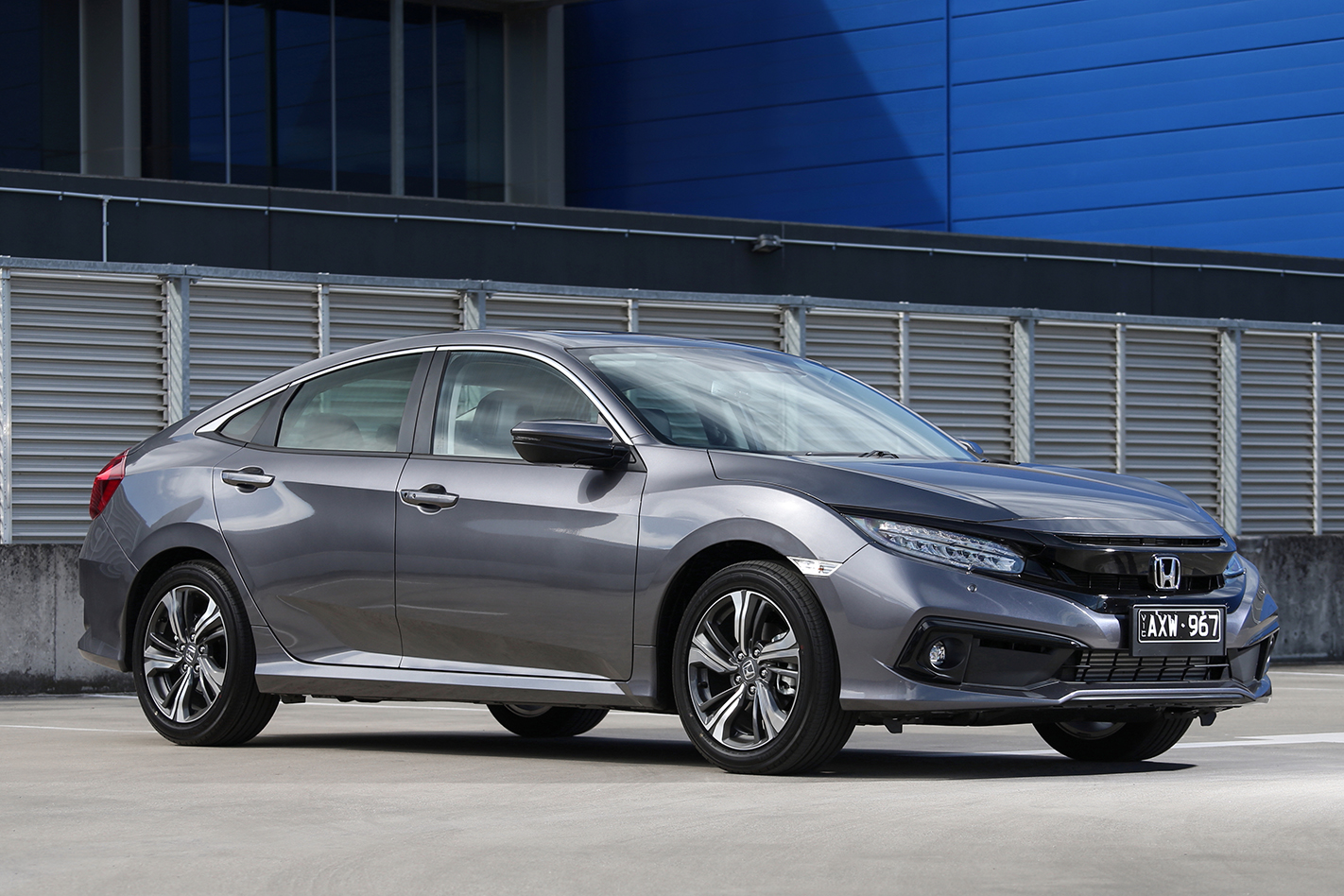
The parking sensors and reversing camera with guidelines help, though the camera lens seems to get wet easily when it rains, which blurs the image. Another camera mounted on the left-hand side of the car provides a view down the blind spot when you indicate to turn left, to help ensure you don’t cut anyone off, including cyclists.
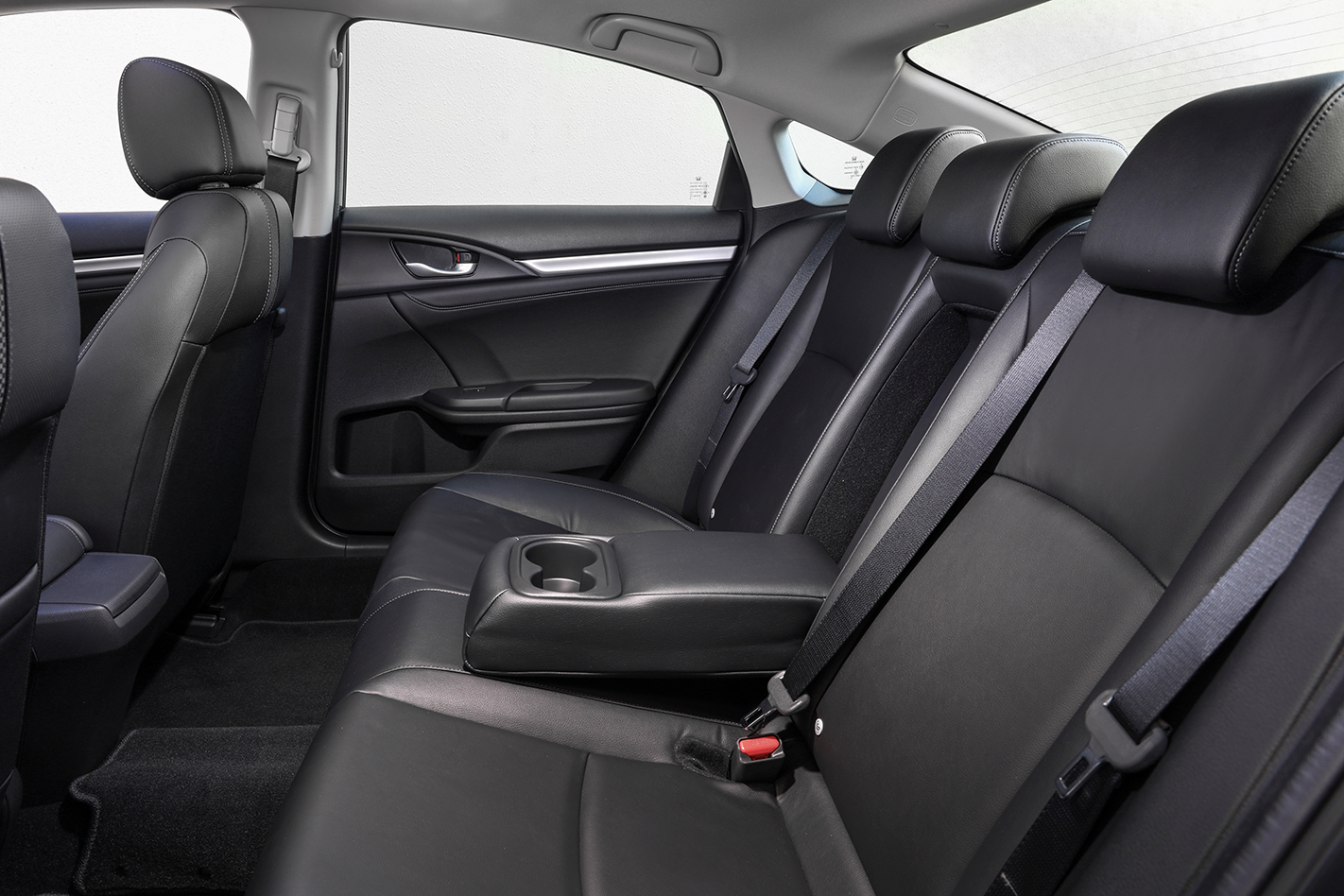
The advantage of the Civic’s mid-sized aspirations means elbow room is just a few centimetres shy of the Toyota Camry’s, resulting in excellent rear-seat space for a small car, and a very handy 519-litre boot space.
The attractive interior design features soft touch surfaces and a neat and intuitive dashboard design. The only first-world gripe is audio volume control on the touchscreen that’s difficult to swipe while moving – this will bug the front passenger more than the driver, who has volume buttons on the steering wheel.
Rear-seat passengers miss out on the seat heaters, but they can recline the backrest. Even the centre position is pretty comfortable as there’s no transmission tunnel on the floor to take up legroom.
A lack of USB ports and air vents are a notable omission from a high-spec car like this, though the cabin is still small enough for the back seats to benefit from the front vents.
While this is a roomy car for a small family, the tight door aperture and low, forehead bruising, rear roofline makes getting in and out, or strapping kids in, a bit of a chore.
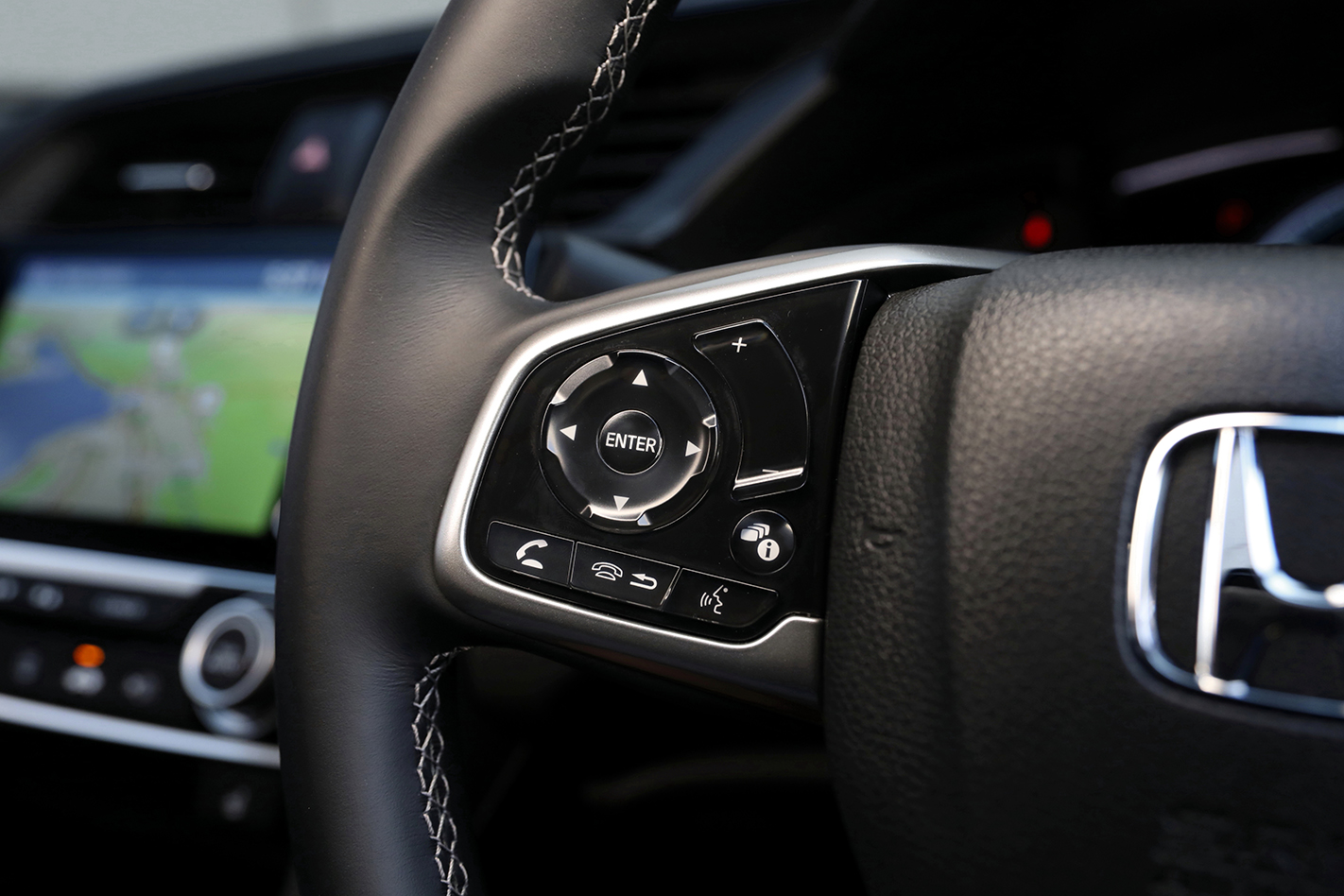
Safety is another strength; with the Civic VTi-LX having the full Honda Sensing active safety suite at its disposal that includes autonomous emergency braking, forward collision warning, smart adaptive cruise control and lane-keeping assist, plus rain-sensing windscreen wipers and dusk-sensing headlights.
Luckily, running costs won’t break the bank. The 1.5-litre turbo engine has a frugal official combined fuel consumption of just 6.0L/100km, which creeps up to about 8.0L/100km if driving around town. It’s happy to drink cheaper regular unleaded petrol.
The Honda Civic is covered by a five-year, unlimited kilometre warranty and Honda offers free scheduled servicing for three years, the catch being that’s limited to three services every 10,000km.
Is the Civic VTi-LX worth the money?
That’s always a loaded question when talking about upper-spec models. The Civic VTi-LX sedan retails for $33,690, which is $100 more than the hatch, which is worth it if you want that extra boot space.
When considering a Honda Civic, the smart money is on the mid-spec Civic VTi-L that comes with all the important stuff like Honda Sensing and the 1.5-litre turbo plus $5700 in change.
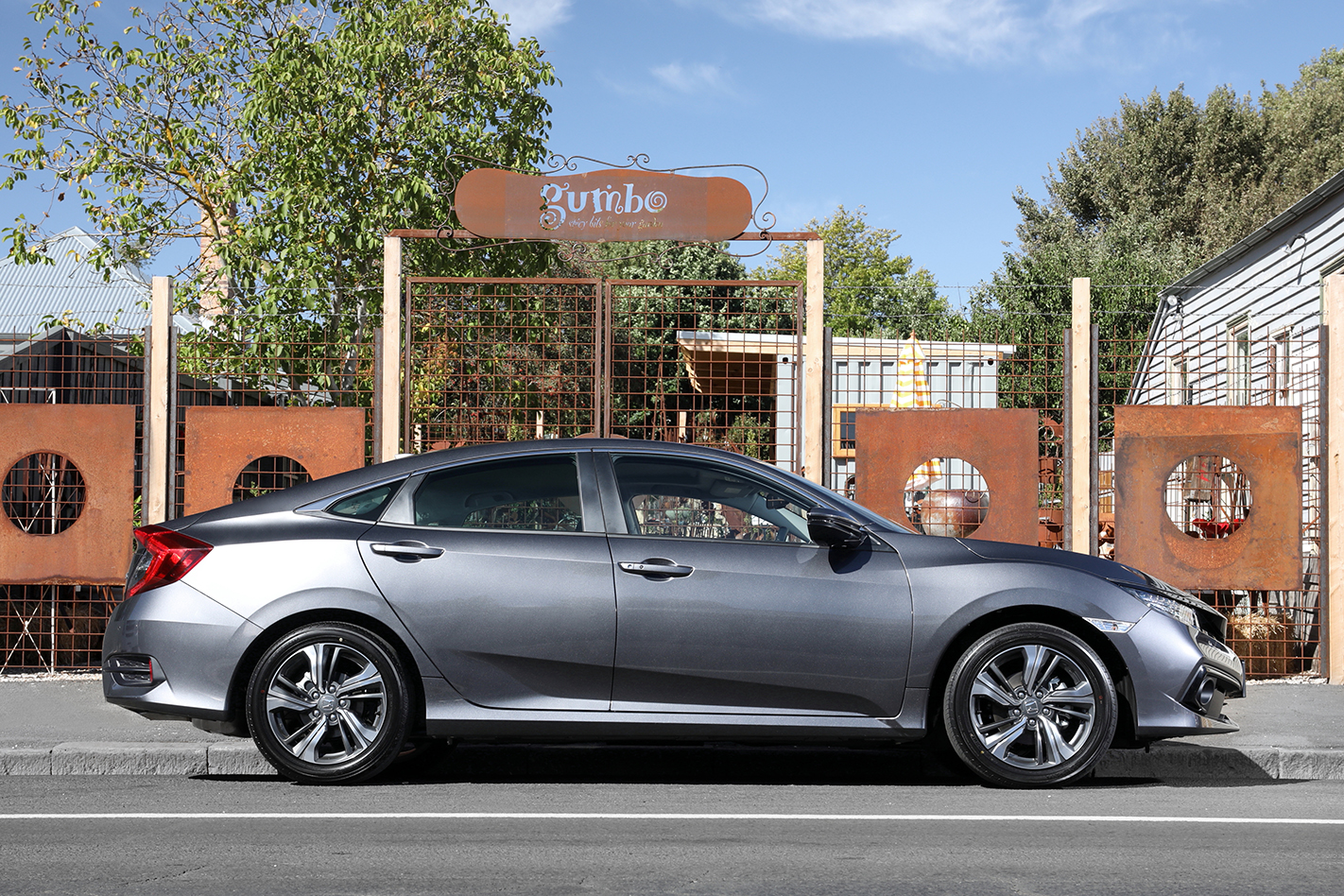
But the additional outlay for the VTi-LX seems good value when you consider the desirable extras it brings, including the leather appointed upholstery, heated front seats, power-adjusted driver’s seat, sunroof, sat-nav, premium audio system, smart adaptive cruise control, and sharper LED headlights.
And the price compares well against key rivals such as the Mazda 3 GT ($34,490), Hyundai Elantra Sport Premium ($33,990) and Subaru Liberty 2.5i Premium ($36,640), while costing thousands less than similarly equipped, and not that much bigger, medium sedans.
PROS: Interior space, well equipped, powerful turbo engine
CONS: Poor rear vision, busy exterior styling
Rating: 7/10
IT’S A FACT. We don’t always buy the best cars. Sometimes we buy cars because they’re cheap, or because they’re the right colour or because the dealership’s just around the corner. We might be put off by a reputation that’s a generation out of date or we might just want something that does a job and is perfectly unobtrusive.
As a result of this, some manufacturers have excelled themselves and brought us some genuinely impressive cars which have then remained resolutely stuck to showroom floors. Imagine how dispiriting it must be to spend seven years developing a new car at enormous cost, to benchmark the best cars in its class, to launch it to rave reviews and then the thing’s a sales dud. Here are ten cars that should have sold a lot better than they have.
Alpine A110
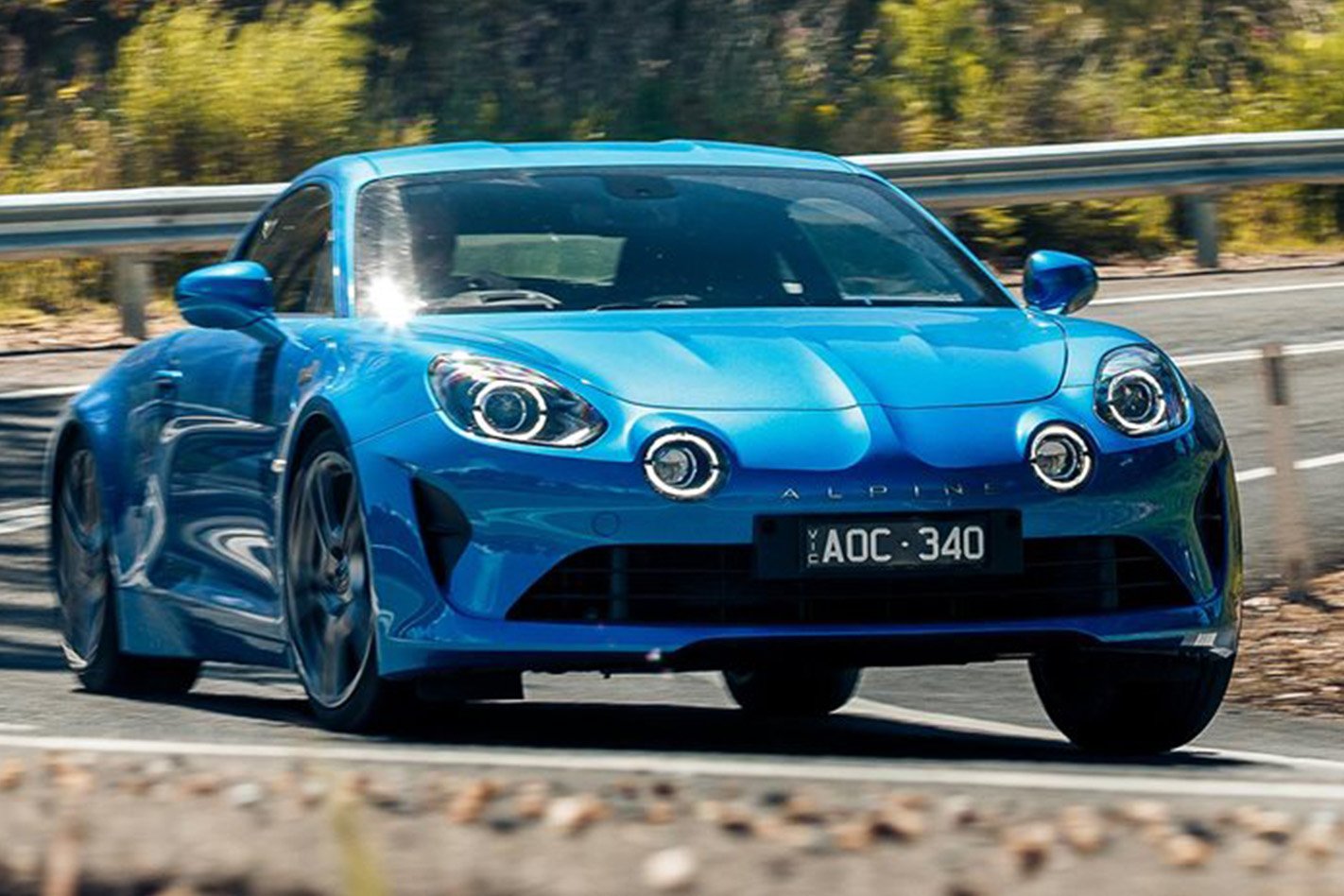
Here is the very darling of the motoring press, a sports coupe that has been garlanded with awards, and which our UK cousins Car just lauded as the very best vehicle on general sale. That’s quite some accolade. Let’s just say that the purple prose hasn’t exactly translated into a rush of orders here in Australia. Last month, the A110 shifted precisely zero units. Yep, the very best car money can buy (allegedly) got beaten in the sales charts by the Ssangyong Stavic. Ouch.
Audi R8
Okay, here’s a question for you. Would you rather buy an Audi R8, a Honda NSX or a BMW i8? They represent three very different options in the premium coupe market, but it seems that Aussie buyers have voted ‘none of the above’. Yes, these three fantastic supercoupes all registered a big fat zero in August. While the hybrid BMW and Honda might be more of an acquired taste, if you’re looking for the last of the great naturally aspirated V10s, you’ve got a choice of the R8 or a Lamborghini Huracan. And given that the Audi is, model for model, around $70k cheaper than its Italian cousin, we thought that more than, er, none of you would have signed on the dotted line in August.

BMW X6
The problem with the car market at the moment is that everybody is getting out of passenger cars and into SUVs, especially premium SUVs, right? Well tell that to BMW, who shifted just four X6s in August 2018. While the X6 isn’t my cup of tea, it’s nevertheless one of the better offerings in its class and has latterly prompted Mercedes-Benz and Porsche to launch ‘coupe’ versions of their GLE and Cayenne models respectively. They may well wonder if they missed the boat on that particular trend, the X6’s sales dipping by 87 percent compared to August 2017. Alternatively, these newer, shinier things may well have stolen the BMW’s thunder. It was even outsold by the Infiniti Q70, brought to you by a brand that has just pulled the plug on the Aussie market. With a new model just around the corner, now is the time to get a bargain X6!

Volvo XC60
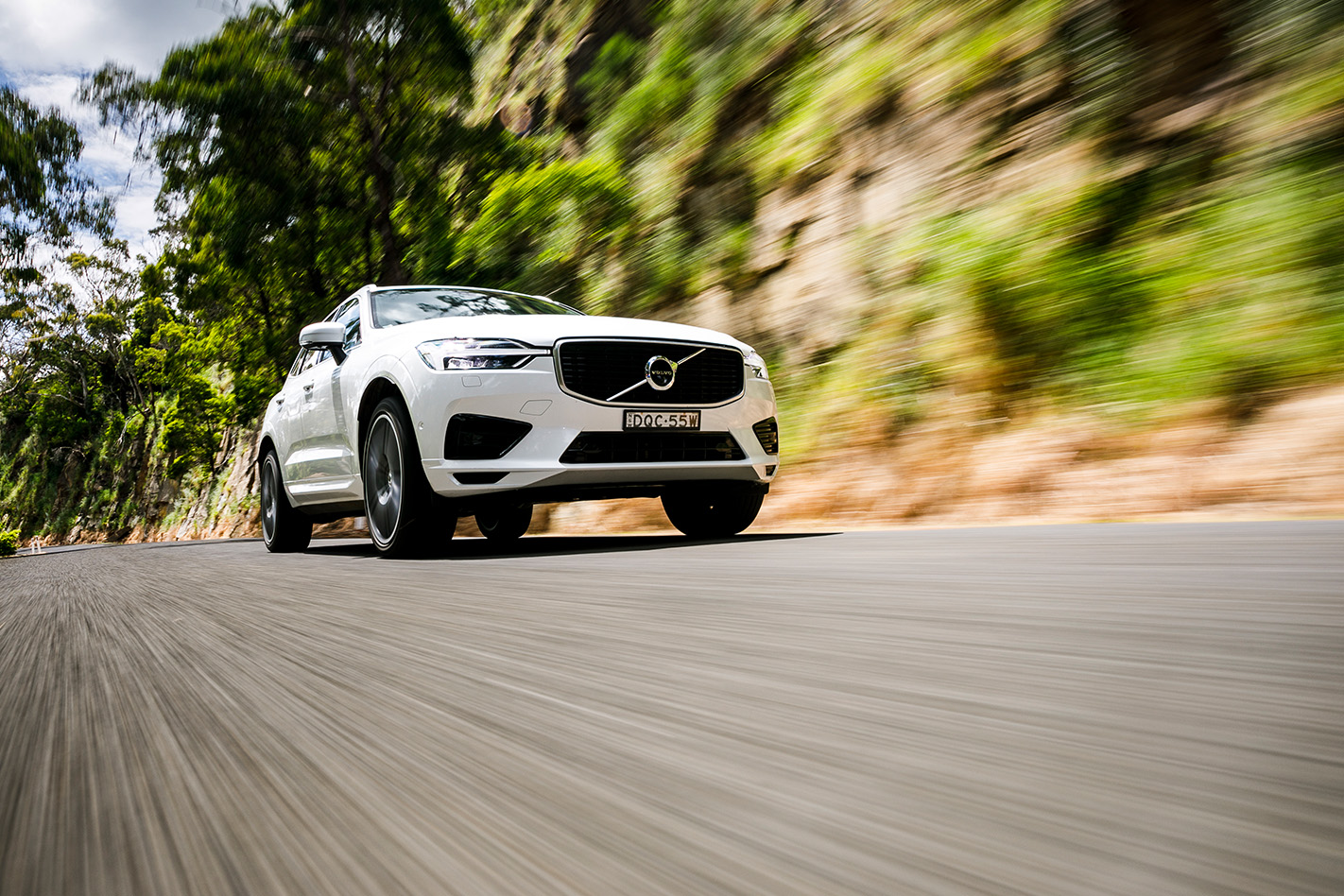
The best SUV in its class? Well we certainly haven’t seen anything better and the current Volvo XC60 probably deserves the top spot in its segment, much like its XC40 sibling. Both carried off Wheels Car of the Year awards and the XC60 is the most awarded new car ever built. It’s a gem. Therefore it’s more than a little surprising to find it being outsold by the Lexus NX. And the Audi Q5, BMW X3 and the Mercedes-Benz GLC. It even has Porsche’s Macan breathing down its neck.
Jaguar I-Pace
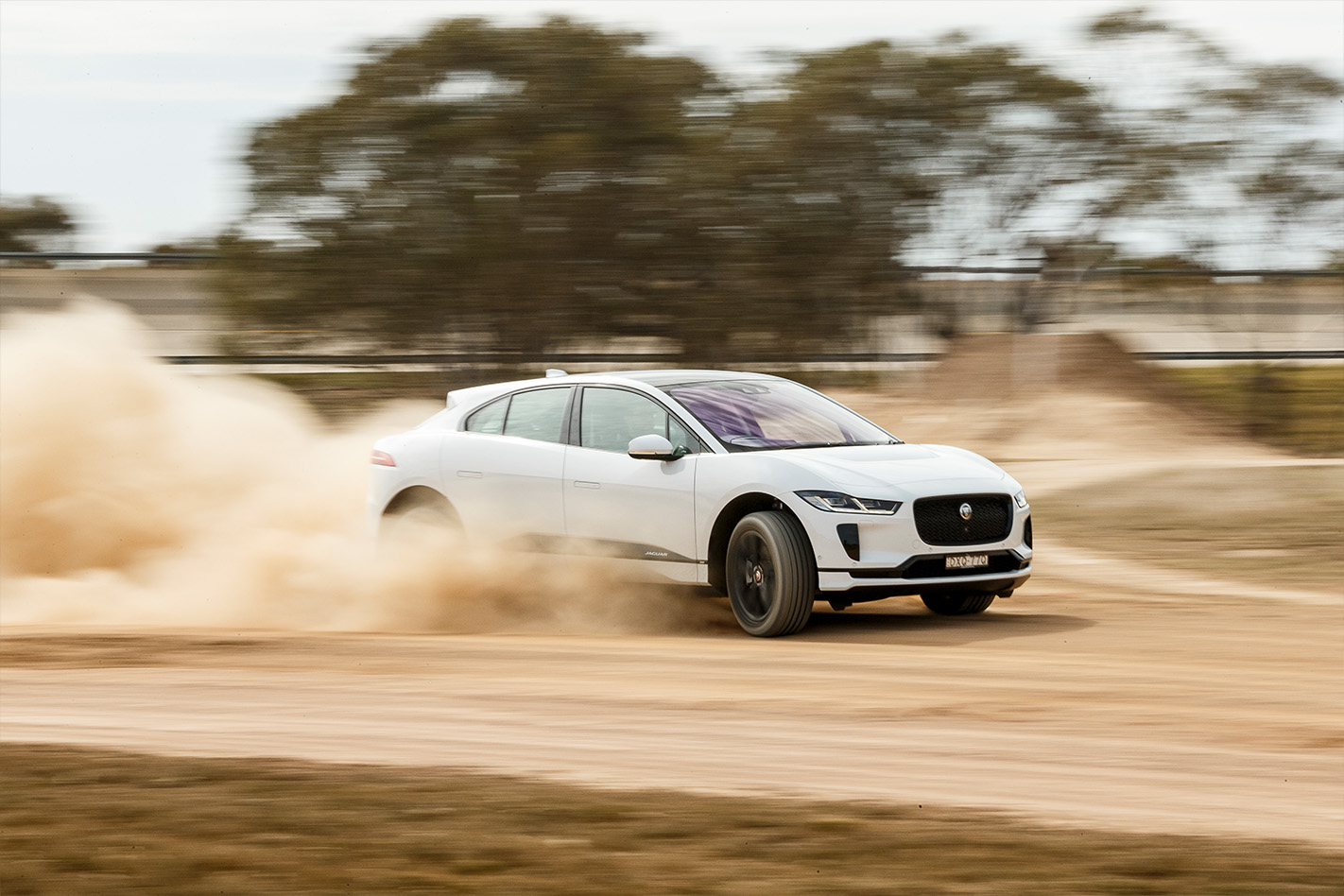
The most innovative and exciting car of 2018? That could well be the Jaguar I-Pace, a car that marked a transition in EVs away from Tesla and towards people who knew a bit more about how to style and manufacture cars. And, in August, it was rewarded with a sum total of 13 registrations. Its sales were virtually doubled by the Maserati Levante which demonstrates a couple of points to us. Australians like noisy exhausts and, on occasion, it’s possible to be a bit too clever for your own good.
Porsche 718 Boxster
The Porsche 718 Boxster is the benchmark against which everything else in this premium roadster class is judged. While your mileage may well vary on whether the turbocharged four-cylinder engine is better or worse than the old six-pot screamers, it’s hard to argue against the Boxster being the best drive available at that price point. Well, you think it would be. The fact remains that in August, you could count Boxster registrations on one hand. What’s more, it was outsold by the creaky Mercedes-Benz SLC, a model which was initially released in 2011. Is there no justice?

Volkswagen Arteon
The Arteon does it all. It’s seriously quick, it looks fantastic, it’s packed with tech, it’s got some fiendishly smart suspension and, for a car this slinky, it even has a practical side with a big liftback that can swallow heaps of gear. If you’d designed this car, you’d probably sit back, crack open a beer and reflect on a job well done. And then cry into that same beer when you realised your masterpiece was being outsold by the dullard Lexus ES. Yep, in August, the Arteon found 34 new owners and the Lexus 41.

Alfa Romeo Giulia/Stelvio
Still, things could be worse. You could be Alfa Romeo. The Italians bet the farm on the Giulia, and its SUV sibling, the Stelvio. The Giorgio platform that underpins them cost €5 billion to develop and was to be the springboard from which Alfa took on the likes of Audi, BMW and Mercedes. Here in Australia at least, it doesn’t seem to be working out that way. The Stelvio and Giulia are brilliant drivers cars and beautiful to behold, but together they registered 71 sales in August, split 17 for the Giulia and 54 for the Stelvio. Their combined performance registered less than half the sales of the Suzuki Baleno. Sergio Marchionne’s vision appears to have stalled.

Holden Commodore
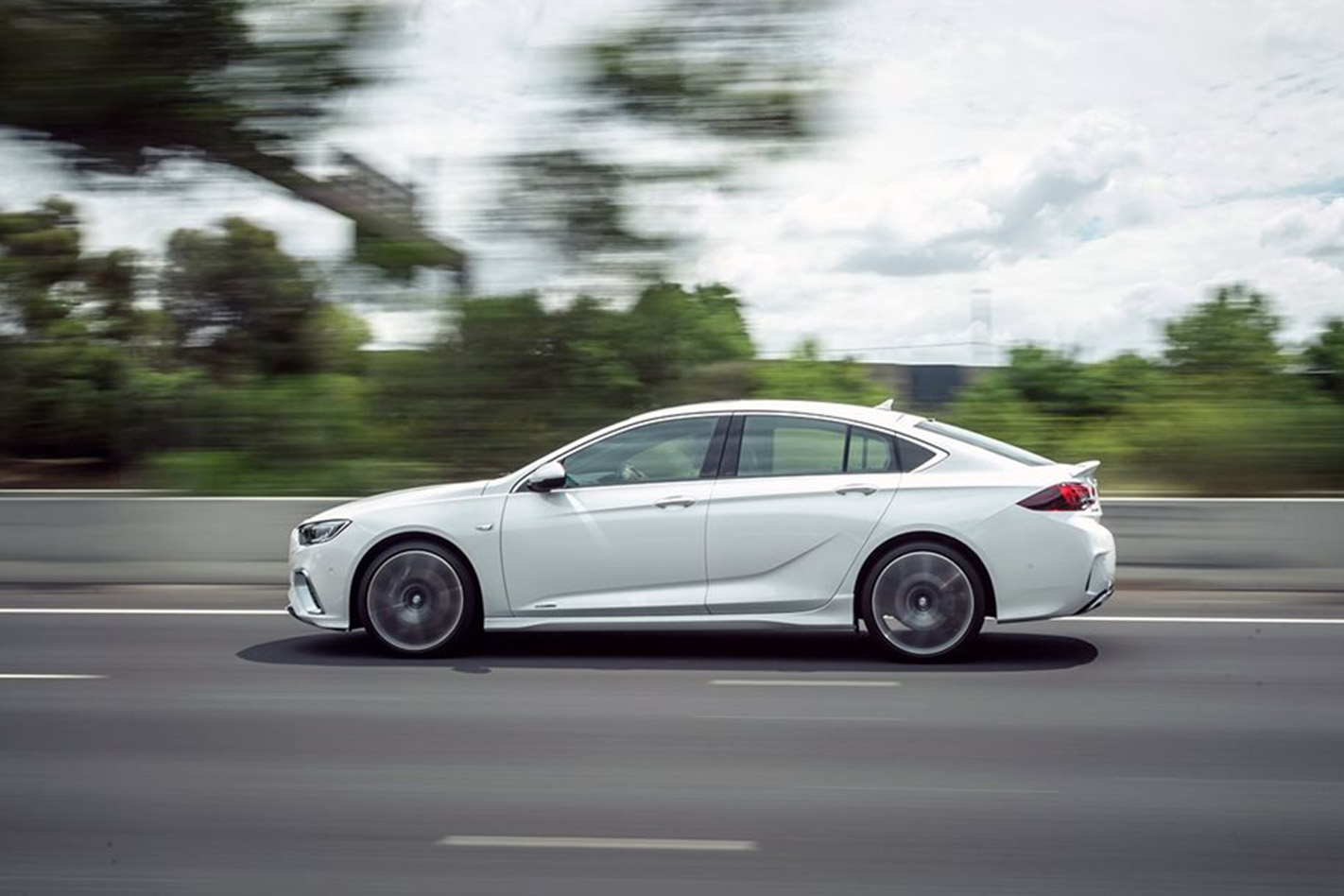
The Commodore is a good car. There, we said it. It’s one of the better medium range family sedans available, it looks good, it drives well and you can get an amazing deal. What it isn’t is an adequate VF successor. If you’re able to separate the two and not get hung up on the heritage, you’ll probably end up pleased with your purchase. Unfortunately not too many people are prepared to do that, and in the ZB Commodore racked up a paltry 509 sales in the last month’s data available (August 2019). That’s over 25 percent down on this time last year.
Mazda 6
If you thought the Commodore was a struggler, here’s a better car that does even worse, registering just 201 registrations in August. Yes, the 6 is getting a little long in the tooth, but it’s still comfortably the best looking car the Japanese manufacturer produces, it’s beautifully finished for its price point and is a decent steer too. It sells about a fifth of what the class-leading Camry does and probably deserves better.

Spring has finally sprung, finals week is getting closer and there’s been more hot-running news in the car industry this week than you can shake an Ashes-saving double-ton at.
And there’s more to come, as well; a good number of the WhichCar team is decamping to Germany as I write, preparing to cover one of the world’s great car shows in Frankfurt. In this age of instant press releases by Instagram, though, is it worth the effort of schlepping half-way around the world to look at the same cars in person? Absolutely.
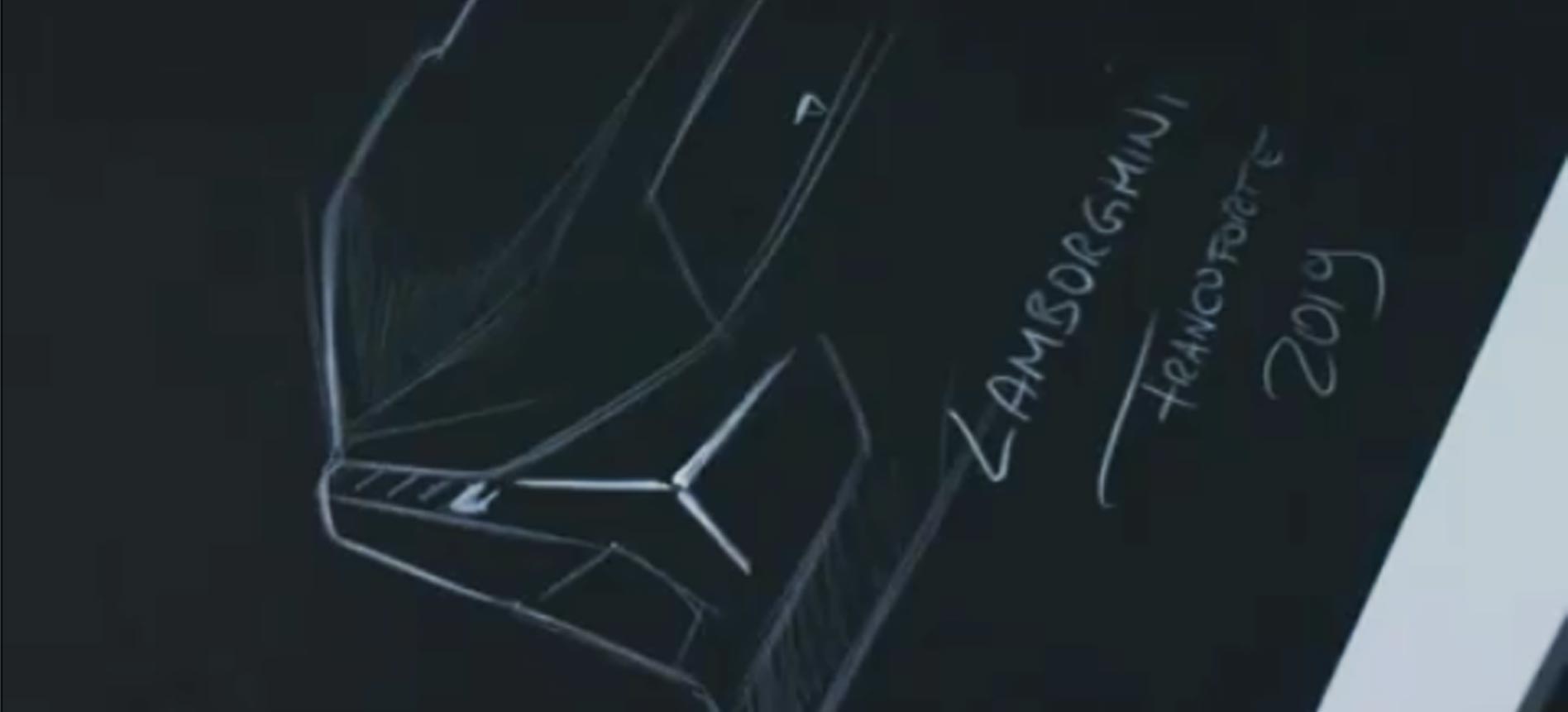
It’s the stuff behind the scenes and in the various on-site meeting rooms that we do motor shows for. It gives us otherwise-impossible access to the industry’s real big hitters – and the Australian motoring corps are feared across the world for asking the hard questions.
Our Frankfurt show hub is already up and running, and all of our channels will be running hard and hot with the latest stories from the show.
Not only that, we’ll be filming content for WhichCar TV season two – and suffice to say, there are a few cool ideas already in the hopper.
Closer to home , it’s been a big week for the Ford Ranger – new variants, various levels of engine speculation and the appearance of a mysterious wide-body prototype in the outback have kept the page ticker working overtime.
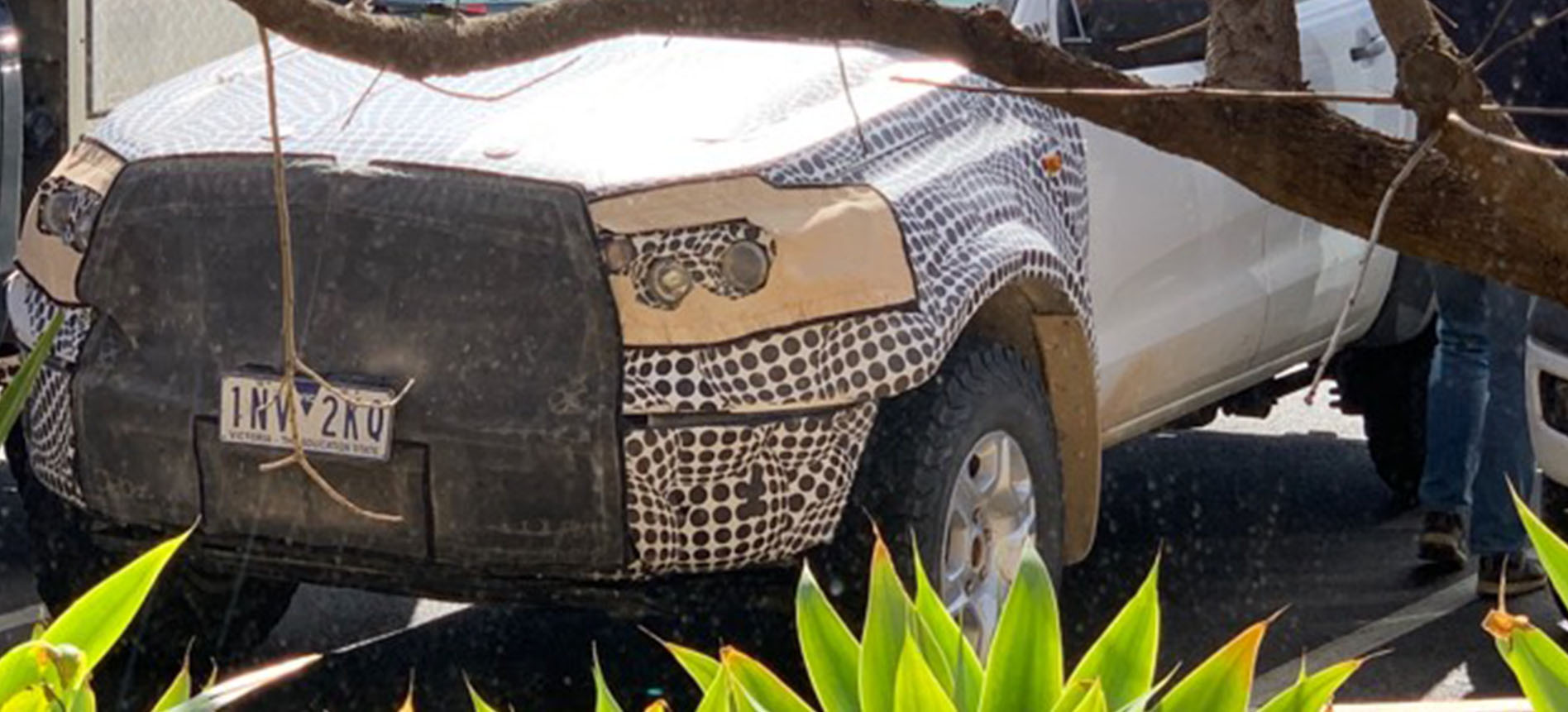
Pap snaps of the forthcoming Ford Bronco on our shores, too, shows that the Blue Oval sees Australia as a valuable part of its wider engineering strategy. Ford also revealed pricing for the four-door Fiesta ST that’s due here next year, and this amazing gallery of shots from the Alps points to a pretty sharp little car.
Speaking of great images, make sure you pick up a copy of Wheels’ new limited edition mag, The Collection. It’s rammed full of the most amazing images from one of the world’s premier automotive titles, and the Wheels crew is rightly chuffed.

The news wasn’t so positive in other parts of the industry, with Infiniti confirming that it would withdraw from Australia next year. “It was a real surprise,” an insider told WhichCar. We’ve covered what will happen to current and past Infiniti owners, though.
Stories around Toyota owners being threatened with EPA fines for smoke emissions are also putting a crease in the once-invincible veneer of Toyota reliability. In fact, it prompted us to ponder whether a dual-cab is the right car for you.
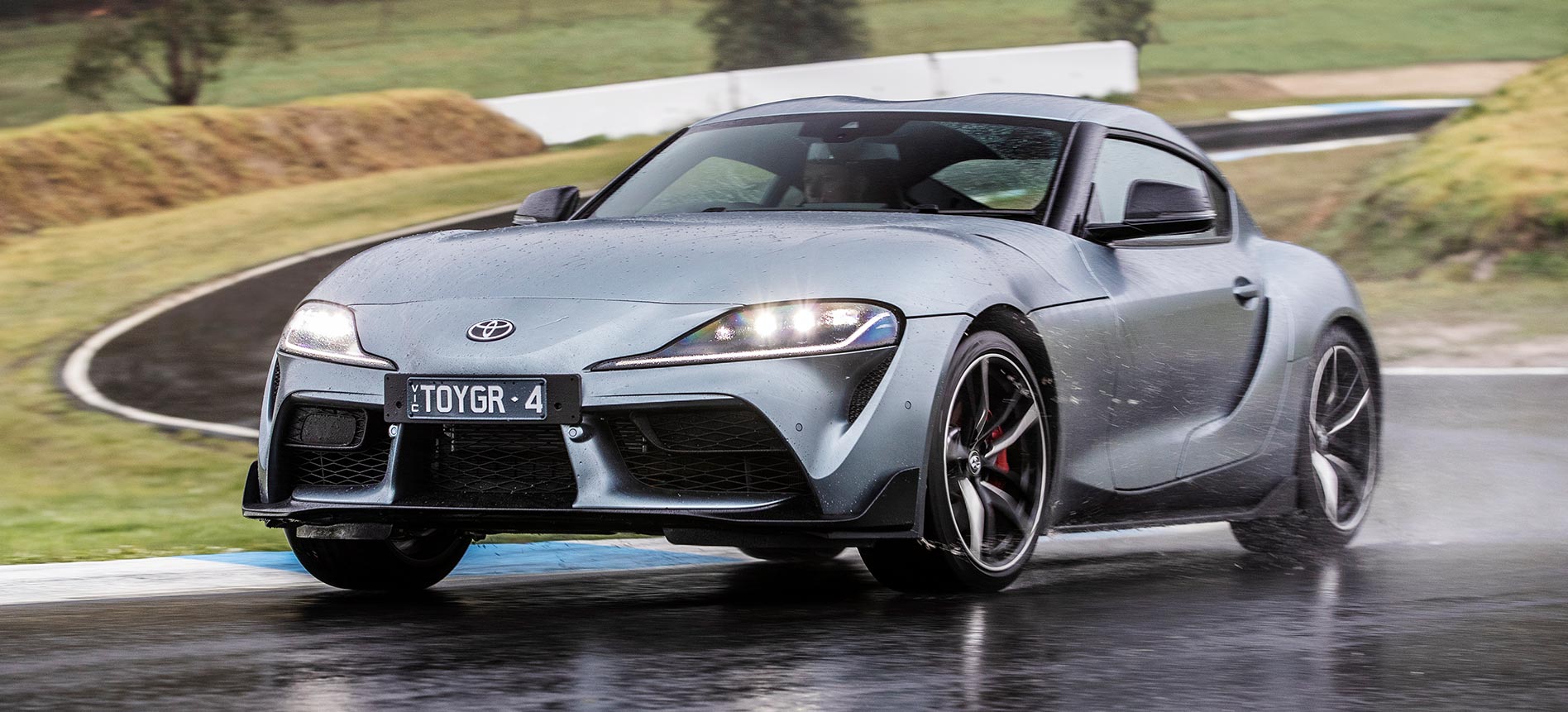
In other news, Porsche FINALLY pulled the covers off the electric Taycan sports car, we’ve driven the new Supra on local soil, PSA has confirmed it’s still keen to sell Opels to Holden, we’ve seen a sneak peek of the upcoming Ferrari 812 Superfast Spider, and there’s talk that 500,000-plus cars will be targeted for de-registration in 2020 if owners don’t sort out their Takata recalls.
On top of all this great stuff, our social channels have been running red-hot as well. Make sure you head over to WhichCar’s or 4×4 Australia’s Facebook page, the Wheels and Motor insta accounts and Street Machine’s amazing YouTube channel.
And if you’re really keen to test your automotive knowledge, check out our new weekly automotive quiz. It’s great for office bragging rights!
Have a great weekend!
Glenn Butler
Channel director
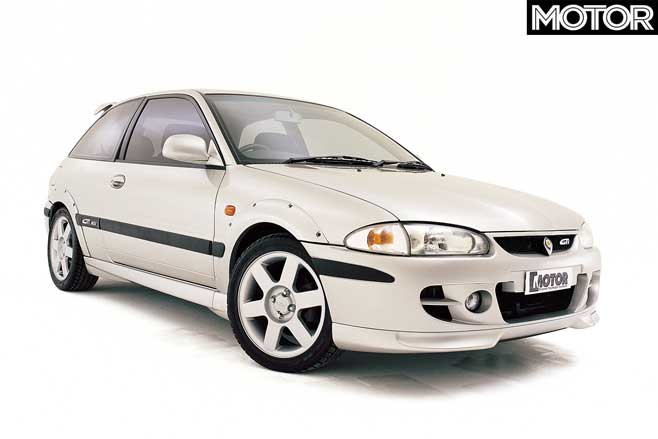
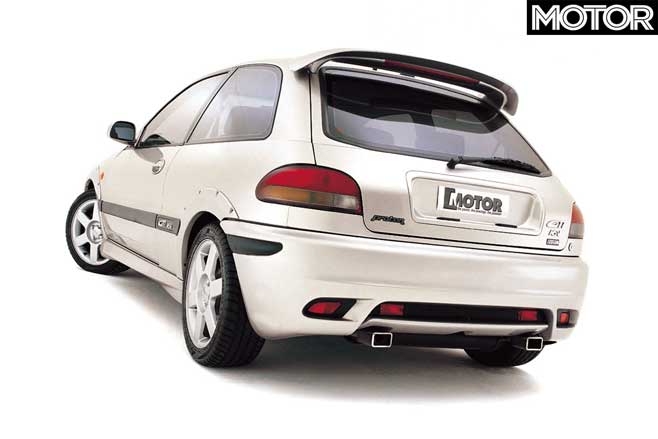
I got to revisit a car that was on my radar about two decades ago, even if it was missing from everybody else’s. The company was Proton, the car was the Satria GTi. Remember it? Little silver three-door with wheelarch extensions and 16-inch alloys? Suspension-by-Lotus badge? Maybe you were driven home from hospital in one as a newborn. If so, props to your ma and pa. Probably not, though.
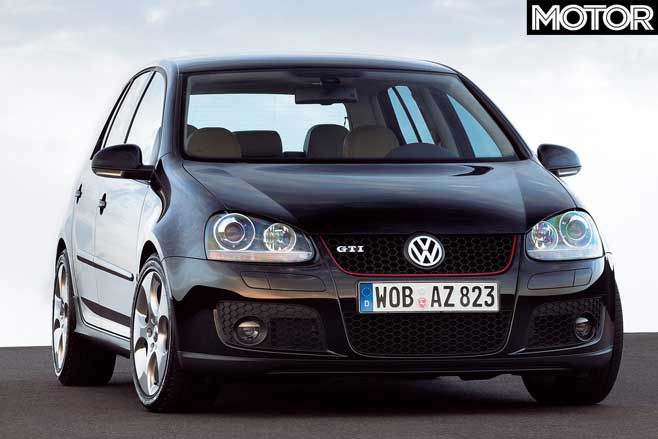
Whatever, the Satria GTi was the car that could have (but ultimately didn’t) catapult Proton into the mass market here. The results were the exact opposite of hot hatches like the Mark V Golf GTI, which completely relaunched VW’s fortunes in Australia, and the i30 N that has put Hyundai on the fast five-door map. As it turned out, the Satria GTi was a great car that died for lack of limelight, shadowed as it was by its iffy parentage and planted in the barren furrow of consumer indifference.
Although based on a fourth-gen Mitsubishi Mirage (Proton made extensive use of hand-me-down Mitsu tech), the Satria GTi was one of those rare cars that was more than the sum of its part numbers. That’s partly down to well-considered inclusions like Recaro seats, but also to Proton having the good sense to farm out the suspension development (and other areas of the car) to Lotus in the UK.
The result was a 1.8-litre engine that made 103kW at a sane 6000rpm (despite the 7500rpm redline), a snappy five-speed gearbox, proper independent rear end and a look that was neither ravioli nor rice, but tough anyway, especially in the techy-looking silver paint. Nought to 100 took about eight-and-a-bit, and while it was no torque monster, it was flexible and had a particular zing about the way the donk sounded and felt. But most of all, it went round corners like few other hatches, hot or otherwise. At the time, anyhow.
I remember these cars so well and so fondly because back in the day MOTOR was gifted one as a long-termer for six months, and the little bugger fell into my hands for the bulk of that time. And we had a ball together. So imagine my delight when a mate of mine who flips garage-finds for some extra quids turned up a Satria GTi for chump change, dragged it home and rinsed the dust off.
Under the bird-crap and possum-pee was this absolutely tremendous little hatch that, apart from some fading of the clear-coat on the roof rails, still looks fresh and straight. Thing is, my mate Tim has recently been involved in a profit-sharing arrangement with the Victorian Jacks, so he is a bit light on in the driving licence department right at the minute. Never fear Suspenderino, says I, I’d be happy to take it for a squirt and see what needs fixing. I’m good like that.
Was it any good? Blimey, despite sitting for about 11 years (according to the rego sticker), the GTi was as tight as a drum. There was one squeak (from a seat rail, we think), the temp gauge climbed to normal and sat there, and the Lotus suspension still felt tight yet supple. The passenger-side window switch was buggered (though the window still worked from the driver’s switch) and the brakes felt a bit weedy, probably because the pads were old and glazed.
But we had a terrific afternoon (including lunch at a country pub) flogging pick-handles out of this two-grand car and marvelling at what a miracle it was to have survived so intact and still so sharp. Ultimately, it was our optimism that shot us in the arse; the fuel filter we should have changed (but didn’t) clagged up and sent the engine into a fit of the staggers, making the last three kays to home a series of 800-metre journey-ettes (with time off in between to get out, hit the filter and bump the crud off the paper element). No biggee.
I hadn’t actually forgotten about the Satria GTi, but Tim’s car sure as hell brought it all flooding back and convinced me that anybody who overlooked it when new was missing out. Remember the girl at school who wasn’t one of the cool kids but wanted to dance anyway? Wonder what she’s doing now?
The appeal of a fast wagon is strong within ‘car people’. And Audi does them well – very well. Uber wagons come closest to that illusive chameleon car that can do it all. SUVs are hampered by their inherent form in terms of performance, while sedans miss out on ultimate pragmatism. Therefore, Audi has been fulfilling this quotient of the market with go-fast Avants since its genesis, the Porsche-fettled RS2. Now, for about the same money, you can buy a new RS4 or park the now replaced Audi RS6 in your driveway.
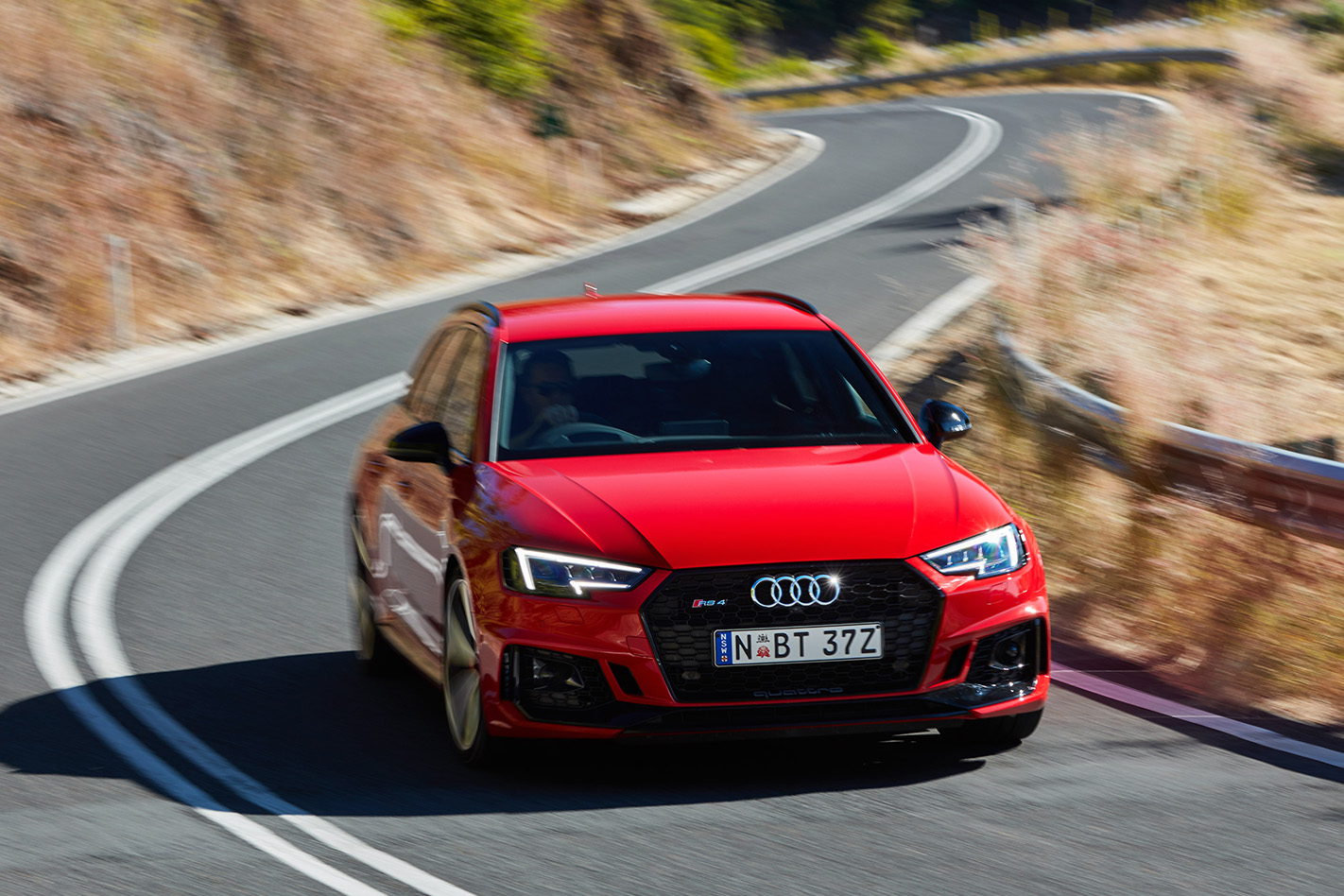
AUDI RS4
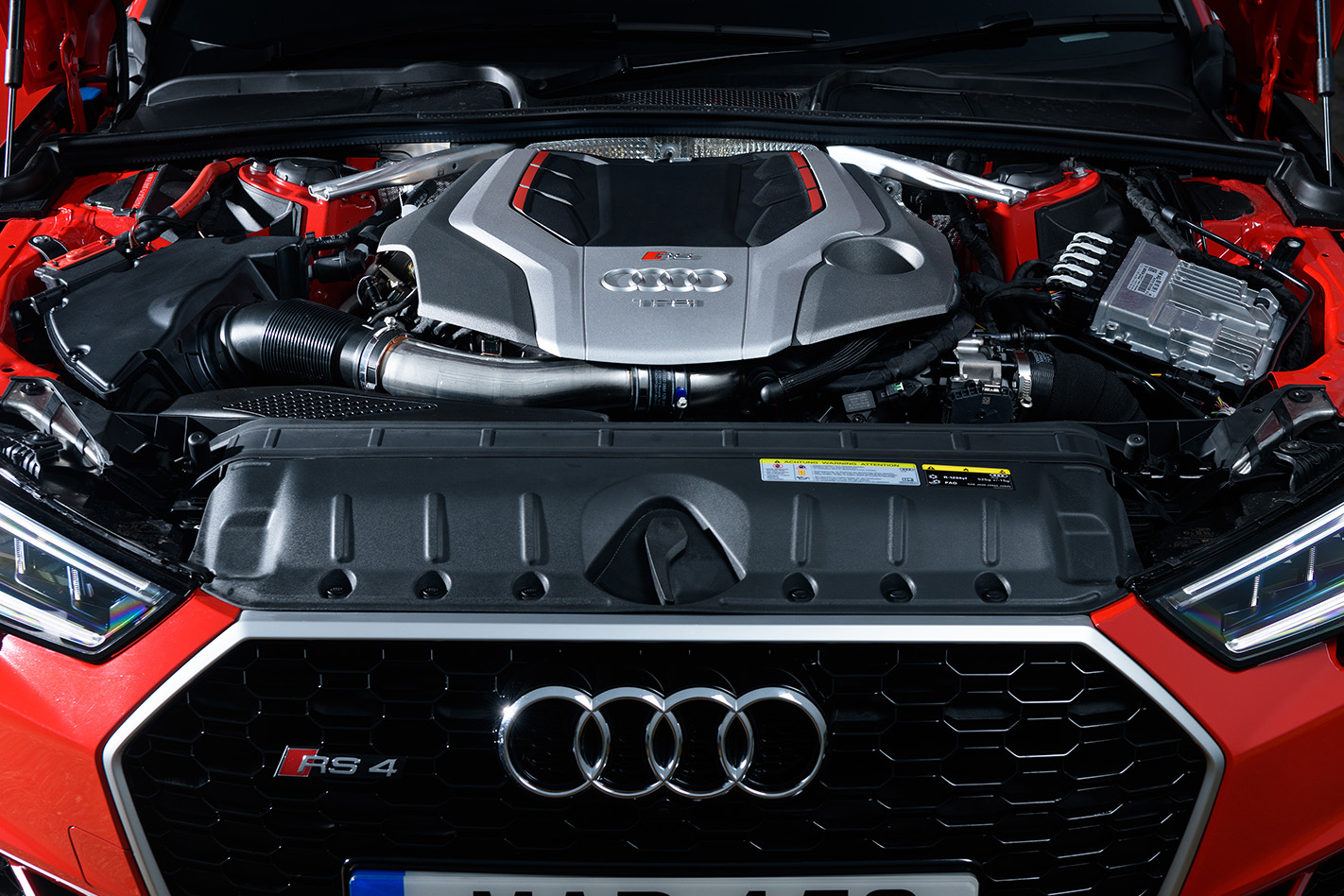
Controversial. That’s one way of summing up the B9 Audi RS4 Avant. Lopping off two cylinders to create a V6 and placing two ‘hot vee’ turbos within its banks had fans of the screaming atmo V8, ahem, screaming. The B8’s 4.2-litre bent eight, punching hard to 8250rpm, is one of the true aural automotive delights. However, the 2.9-litre V6, with its bass-focused, deep baritones and overrun theatrics, has its own charm. It’s one that, if given the chance, is enticing to the ears.
The switch to a V6 (which is also used by Porsche) didn’t hamper power. The kilowatt count remains at 331kW, but torque jumps to 600Nm. Paired with grippy Pirelli P Zero rubber and torque-vectoring quattro all-wheel drive, the RS4 shoots to 100km/h in a claimed 4.1sec – and that’s being conservative. On the open road it’s ruthlessly fast and effective, with the ZF eight-speed auto proving an adept partner to the bent six.
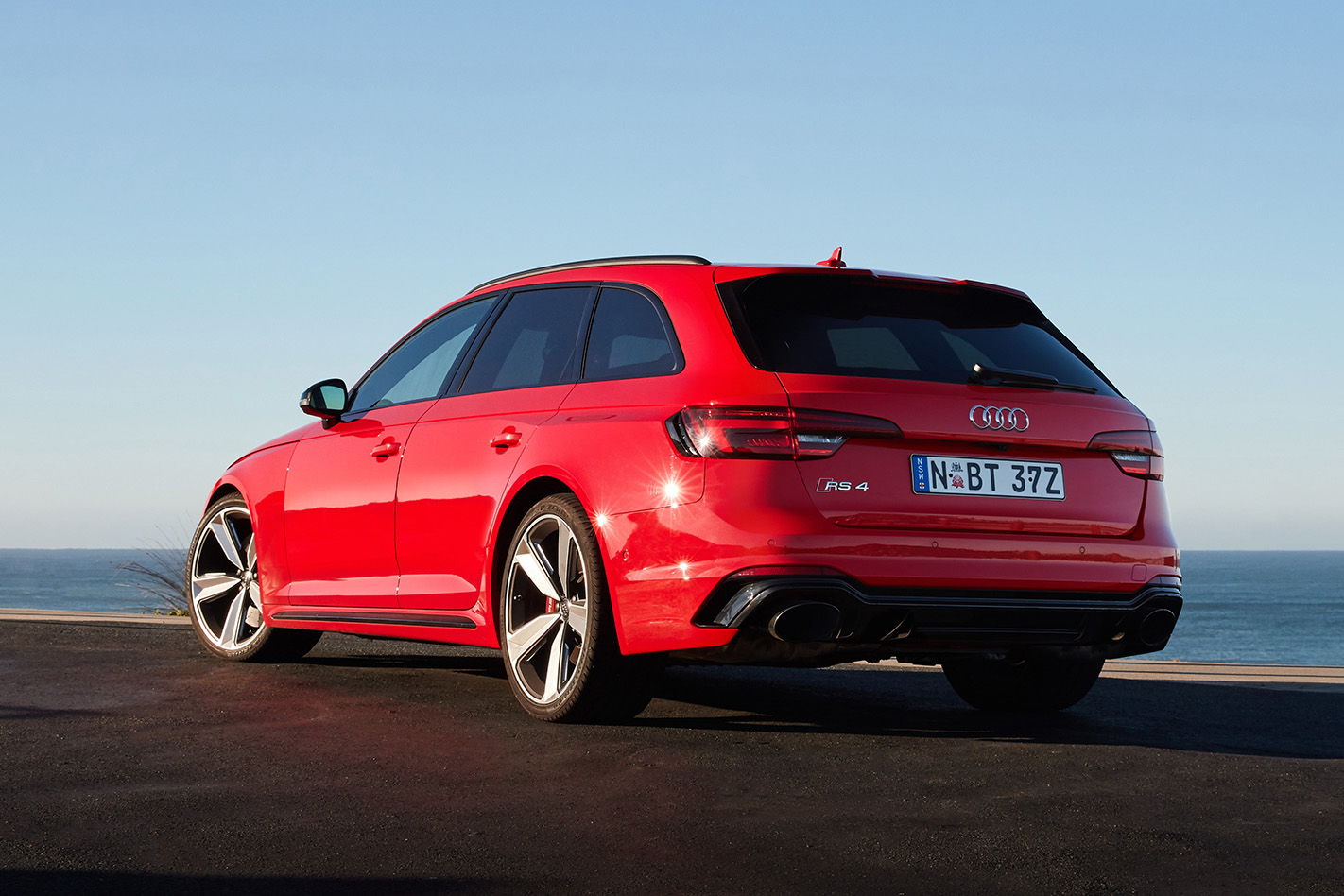
There’s a new dynamic character at play, too. Thanks to the adaptive dampers, a genuine duality of character is possible. The softest Comfort mode affords a plush ride, while Dynamic mode is reserved for smooth roads or track use as it sharpens the ride demonstrably. The downside is that the dampers, in Comfort mode, struggle with rebound and Dynamic mode is just too firm unless certain road conditions are met.
However, the real surprise is how playful the rear axle is with the Sport differential. It takes a bit of muscling to get it moving, but gone are the days of understeering Audis. Also, it doesn’t matter what the weather is doing because the RS4 finds traction where its seemingly impossible.
Inside the RS4 is as luxe as you’d expect a modern Audi to be. The Alcantara steering wheel is chunky and feels nice in hand, the dash is minimalist elegance and the seats are supportive as they are comfortable. What’s more, there’s also 505L of cargo space, which expands to 1510L with the 40/20/40-split rear seats folded.
AUDI RS6 PERFORMANCE
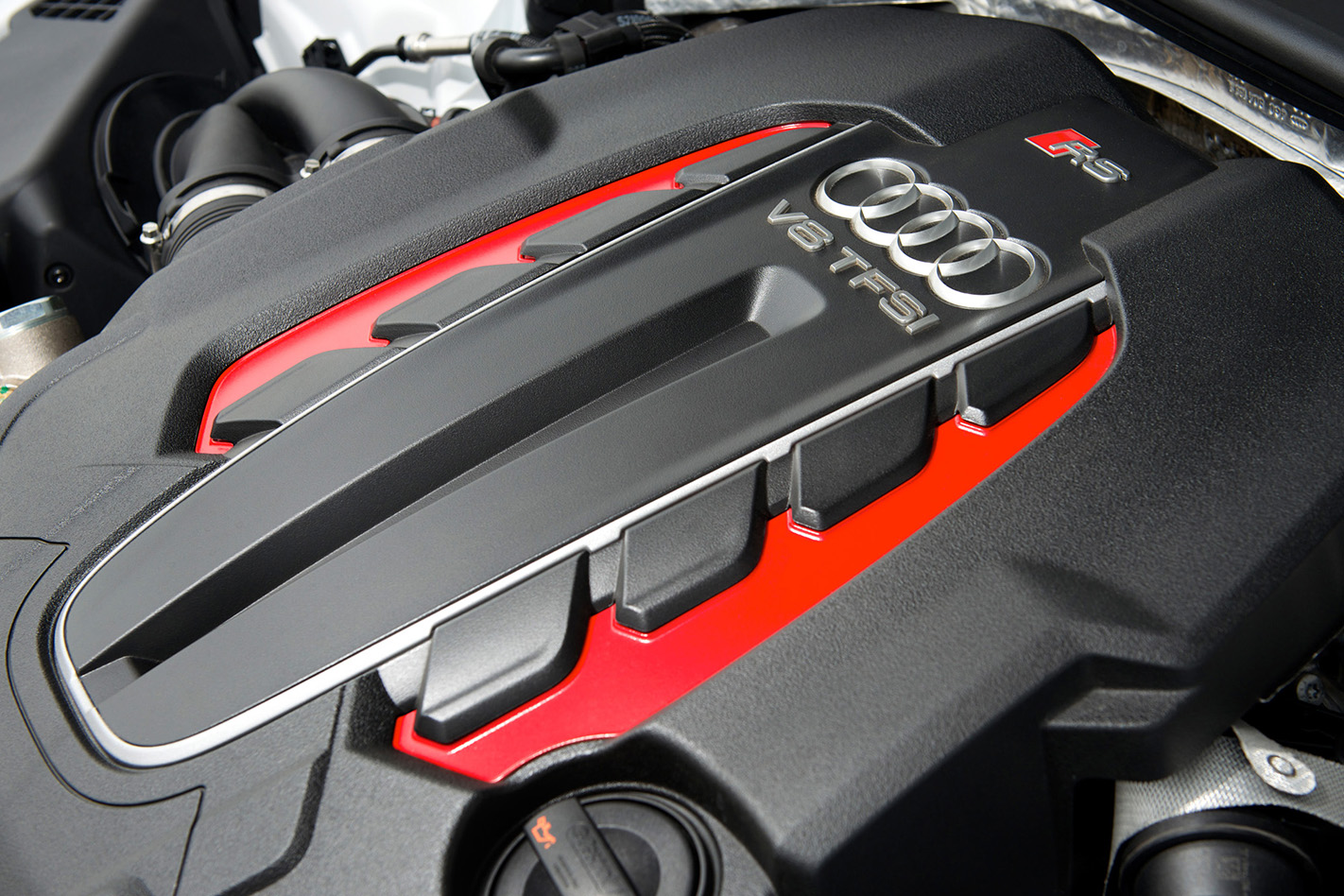
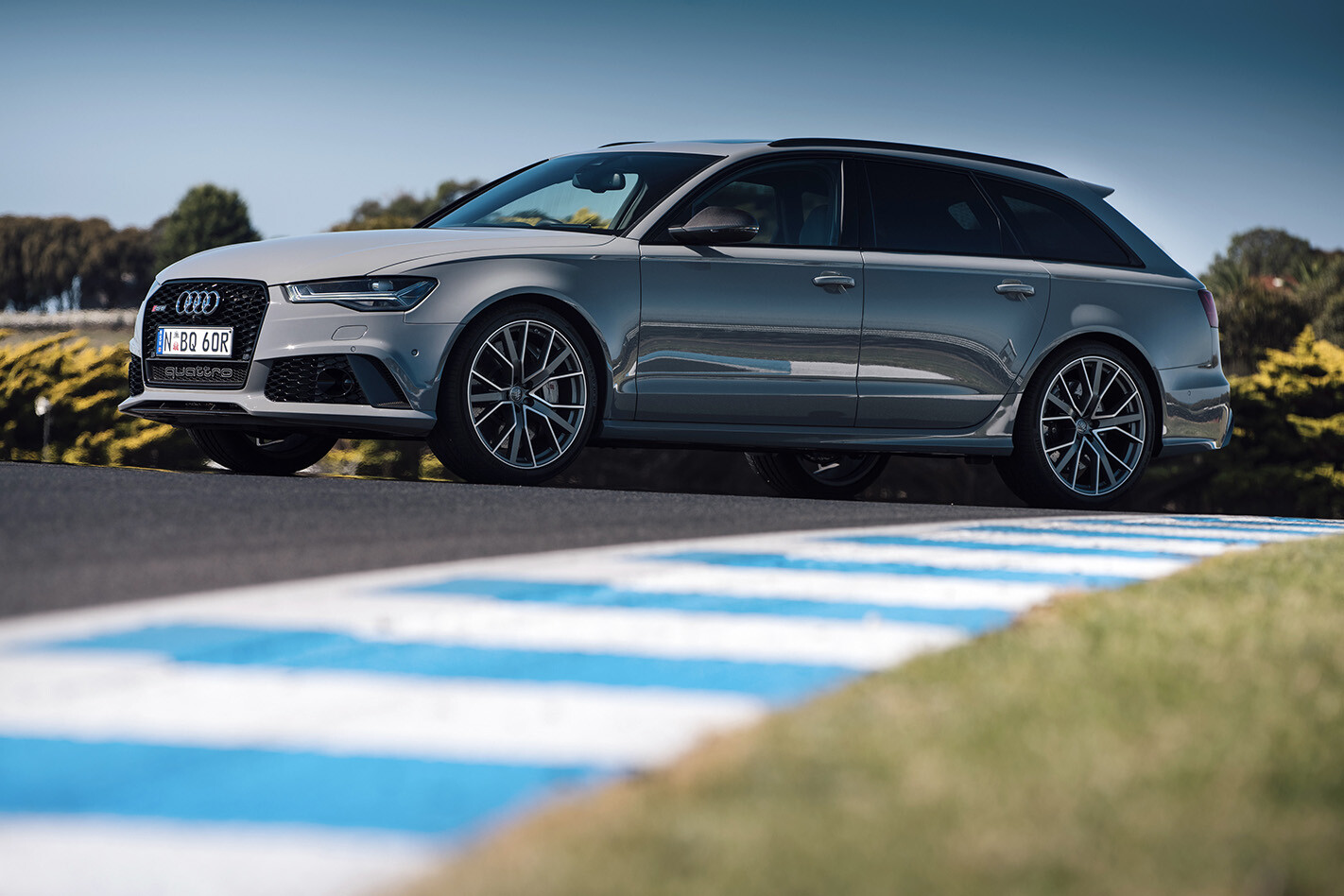
The RS6 Performance is dominated by its 4.0-litre twin-turbo V8. With 445kW (6800rpm) and 700Nm (1750rpm), there’s no surprise that the sizeable Avant can reach 100km/h in just 3.7sec – despite weighing the best part of two-tonnes. The rate at which it accelerates off the line and on the run beggars belief. It’s a case of getting strapped in and holding on while you riffle through the auto’s eight ratios.
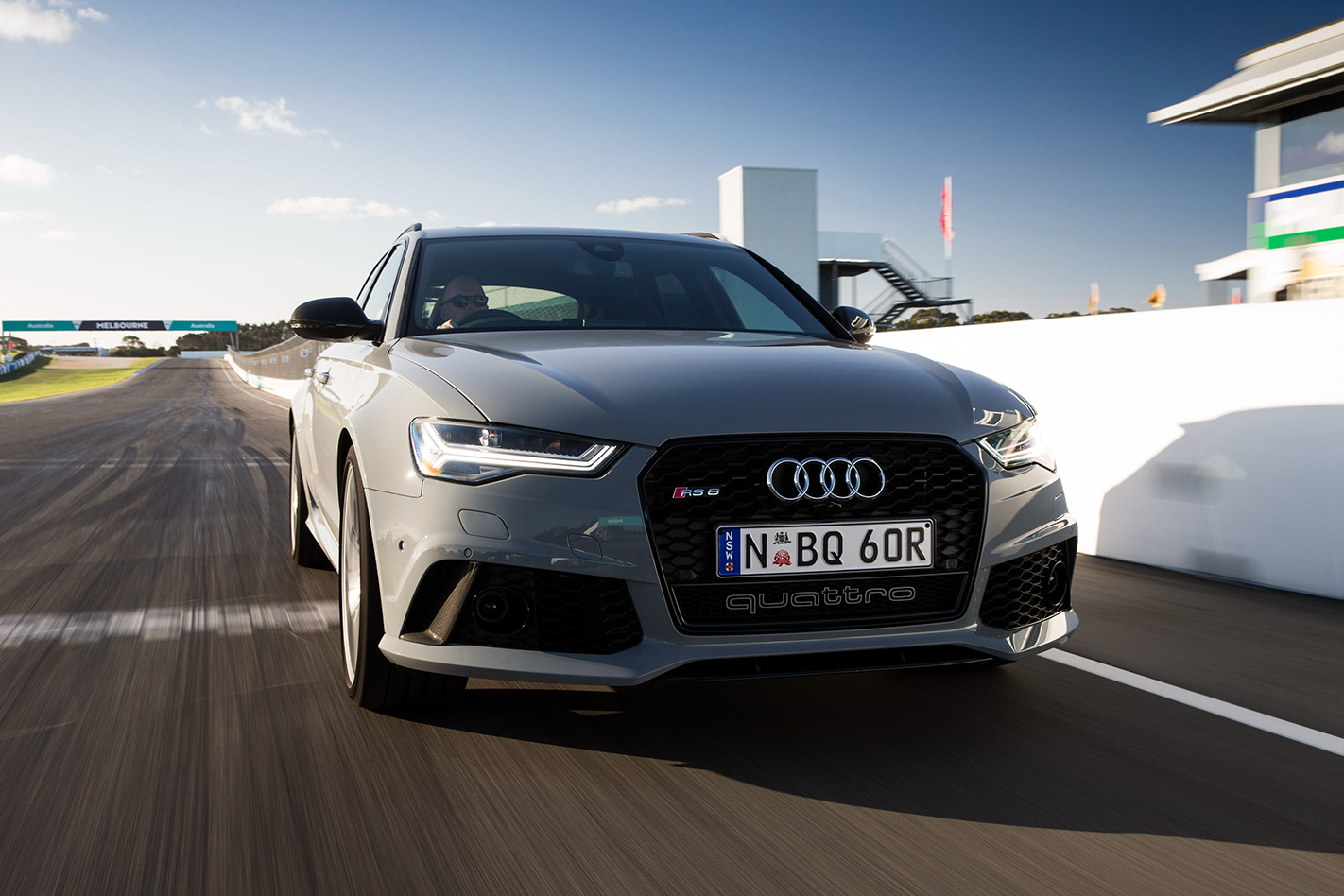
It sounds dirty. Whoever believes turbos sanitise menacing acoustics need to get behind the wheel (or bumper) of an RS6. Yet, switch out of Dynamic mode, closing the bi-modal exhaust’s flaps, and it’s the perfect Q car. One that’s just, and we mean just, subtle enough to pass in the school car park and at soccer on the weekend.
The figure on the scales, a rather unflattering 1950kg, doesn’t hamstring the big Audi when it comes time to stop and corner. With a tricky quattro permanent all-wheel-drive system and ultra-wide tyres, the RS6 hunkers down and grips on corner exit, firing out of apexes like a scalded cat. Of course, the nose-heavy weight has to be managed, but the RS6’s dynamic capability is utterly impressive. Even the ride isn’t as terse as you’d expect from a wagon riding on 21-inch wheels.
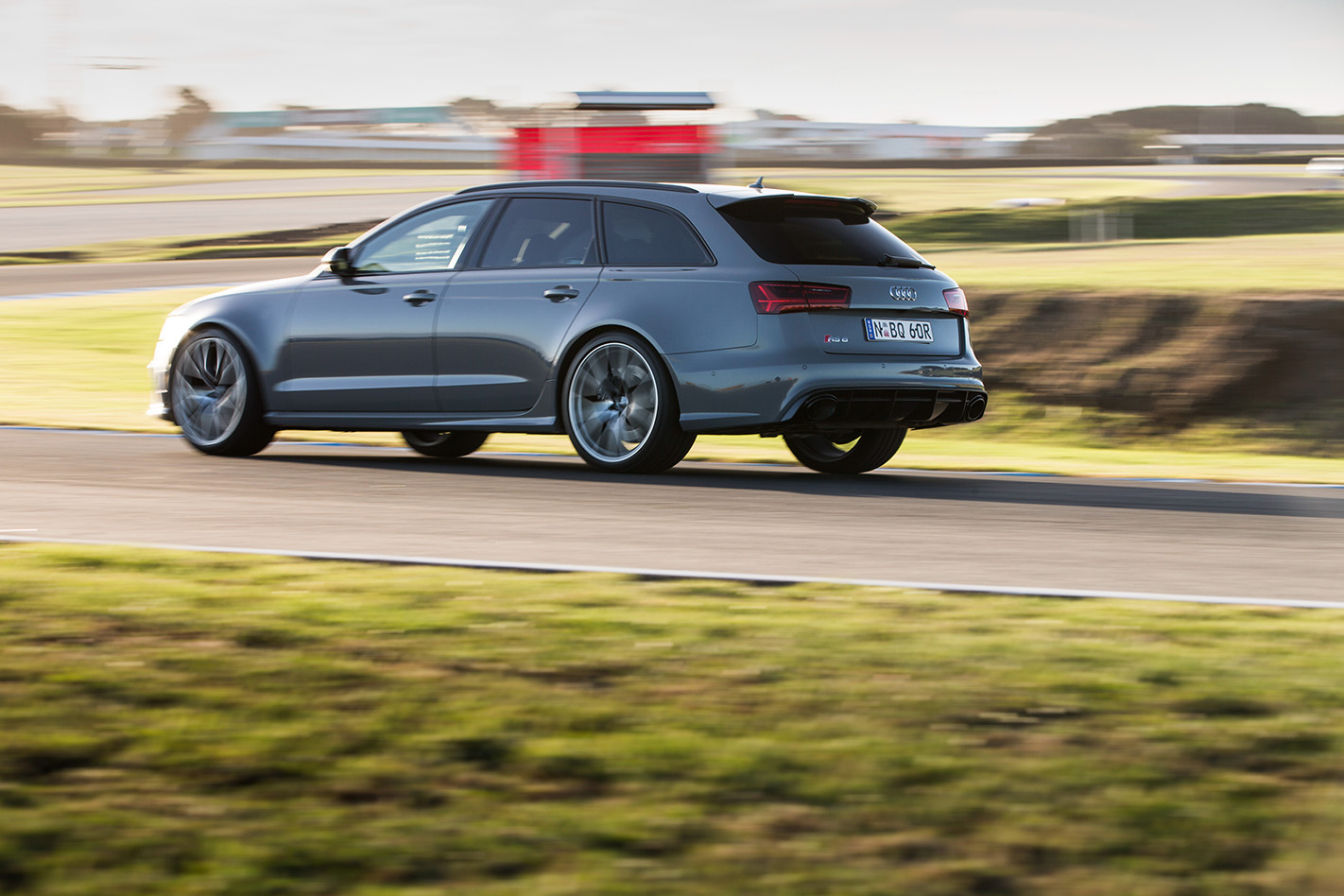
Inside the RS6 is opulent. Yes, it misses out on the screen-fest that is modern Audis, but some would argue that’s for the better. The materials used, as well as the fit and finish, are superb and you really get a sense of expense within the cabin. And yes, the boot is relatively capacious at 565L, expanding to 1680L with the rear pews stowed.
Specs comparison
| u00a0 | AUDI RS4 | AUDI RS6 PERFORMANCE |
| Price (new) | $152,900u00a0 | $245,400 |
| Engine | 2894cc V6, dohc, 24v, twin-turbo | 3993cc V8, dohc, 32v, twin-turbo |
| Output | 331kW/600Nm | 445kW/700Nm |
| Transmission | 8-speed automatic | 8-speed automatic |
| 0-100km/h | 4.1sec (claimed) | 3.7sec (claimed) |
| Efficiency (combined) | 8.9L/100km (claimed) | 9.6L/100km |
| Drivetrain | AWD | AWD |
| Doors | 5 | 5 |
| Seats | 5 | 5 |
| Wheel size | 20-inch | 21-inch |
| Country of origin | Germany | Germany |
Wheels staff picks

Trent Giunco
Staff Journalist

Andy Enright
Deputy Editor

Cameron Kirby
Staff Journalist
Reckon we’ve got it right? Or are we way off the money (literally)? Find your best and let us know in the comments what you’d buy.
%MCEPASTEBIN%
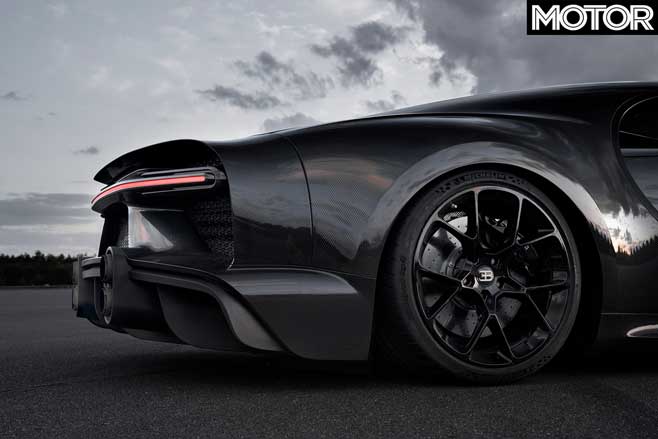
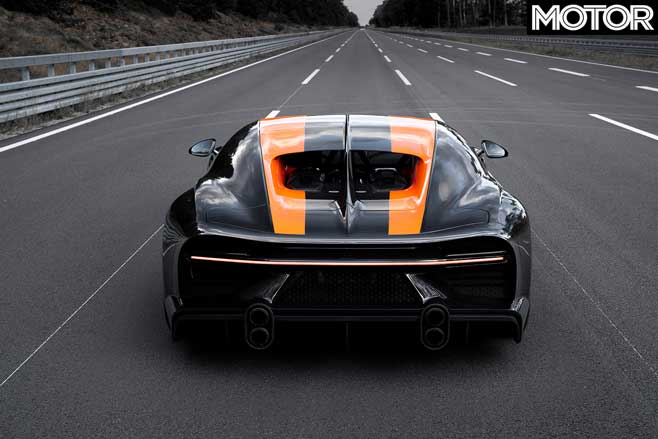
BUGATTI HAS admitted its Chiron long-tail prototype could have cracked 500km/h (311mph) during its much-publicised top-speed runif it wasn’t for one thing – the air.
If you missed it, a more powerful Chiron hit 490.484km/h at the Volkswagen Group’s massive Ehra-Lessien test track last month with Andy Wallace at the wheel. But due to the fact the test track sits only 50m above sea level, it says air density prevented it from accelerating that last 10km/h.
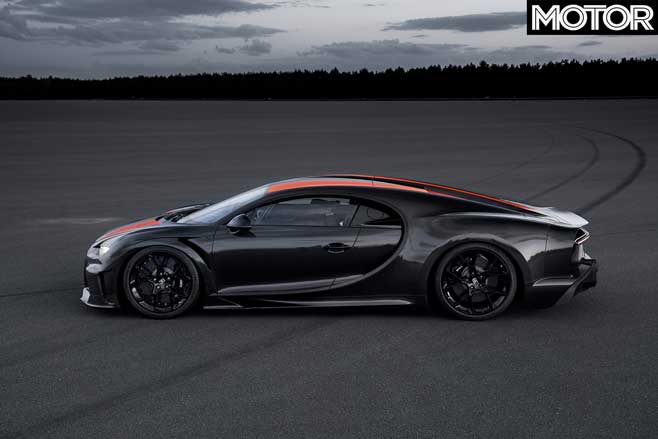
According to Bugatti, the test track’s low altitude location meant that the Chiron had to fight more air density, and drag, then when compared with other high-speed test run locations. It made a particular example of Nevada.
“Our calculations have shown that we would have been around 25km/h faster in Nevada,” said Stefan Ellrott, Bugatti’s head of development, in a detailed press statement released this overnight.
The state, of course, played home to Koenigsegg’s 2017 record breaking run with an Agera RS, which was done on a closed-off highway. It’s known as State Road 160, which sits at 1036m above sea level.
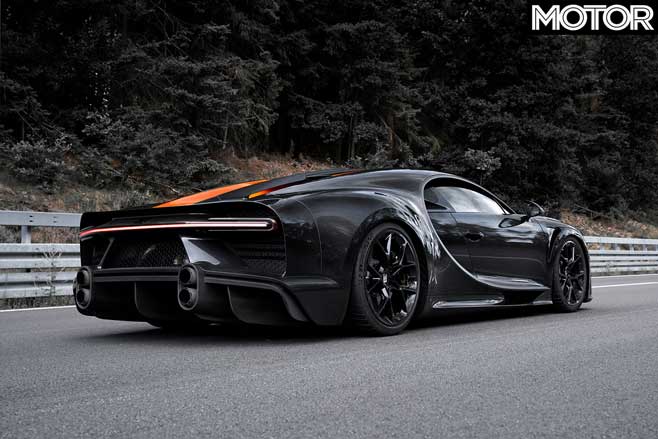
Bugatti says that the air density there is 1000m and 88 per cent of what it is at sea level, which in turn translates into a 10 per cent drop in drag force.It might not sound like much, but when an object is approaching 500km/h, that difference could mean a whole lot.
We hear you, don’t lower oxygen levels at high altitudes mean the engines produce less horsepower, thereby negating the air density penalty? Even though that is the case, Bugatti says it’s only around two per cent difference is easily offset by the Chiron’s massive quad-turbocharger setup.
So, does this indicate an upcoming expedition to Nevada? No.
Bugatti has thrown cold water on the suggestion as it will withdraw from the “competition to produce the fastest serial production cars”, due to safety concerns of doing a high speed run in Nevada or any other place that doesn’t have the Ehra-Lessien stringent safety standards.
Not only does Ehra-Lessien have a 21km three-lane high-speed track, but it has rescue crews stationed at both ends of the circuit, with the track being clean with a special mat before every test run.
Furthermore, this run also comes in the same week as the high-profile death of Jessi Combs in Oregon during a high-speed run, which has shone a light on the dangers of the pursuit for high-speed records.
“Safety comes first at Bugatti. The route in Nevada is very long and only goes in one direction: security forces would have taken too long to get to the scene in an emergency. In addition, the track has a slight gradient of about three percent. It wouldn’t have felt right to set a record there,” said Ellrott.
You can bet the news has lit a fire under Koenigsegg and Hennessey to finish what it started. Since Bugatti did not complete a run in both directions to claim an official top-speed record after citing concerns for safety. Stay tuned.
Ford has been teasing a Mustang-inspired electric SUV for a while. But now we’re seeing this high-riding Pony crossover fast becoming a reality.
Recently revealed images show the electric SUV prototype in question being subject to a gauntlet of cold weather and track testing. They confirm, unfortunately for naysayers, that the SUV codenamed the ‘Mach 1’ is no longer a whimsical concept.
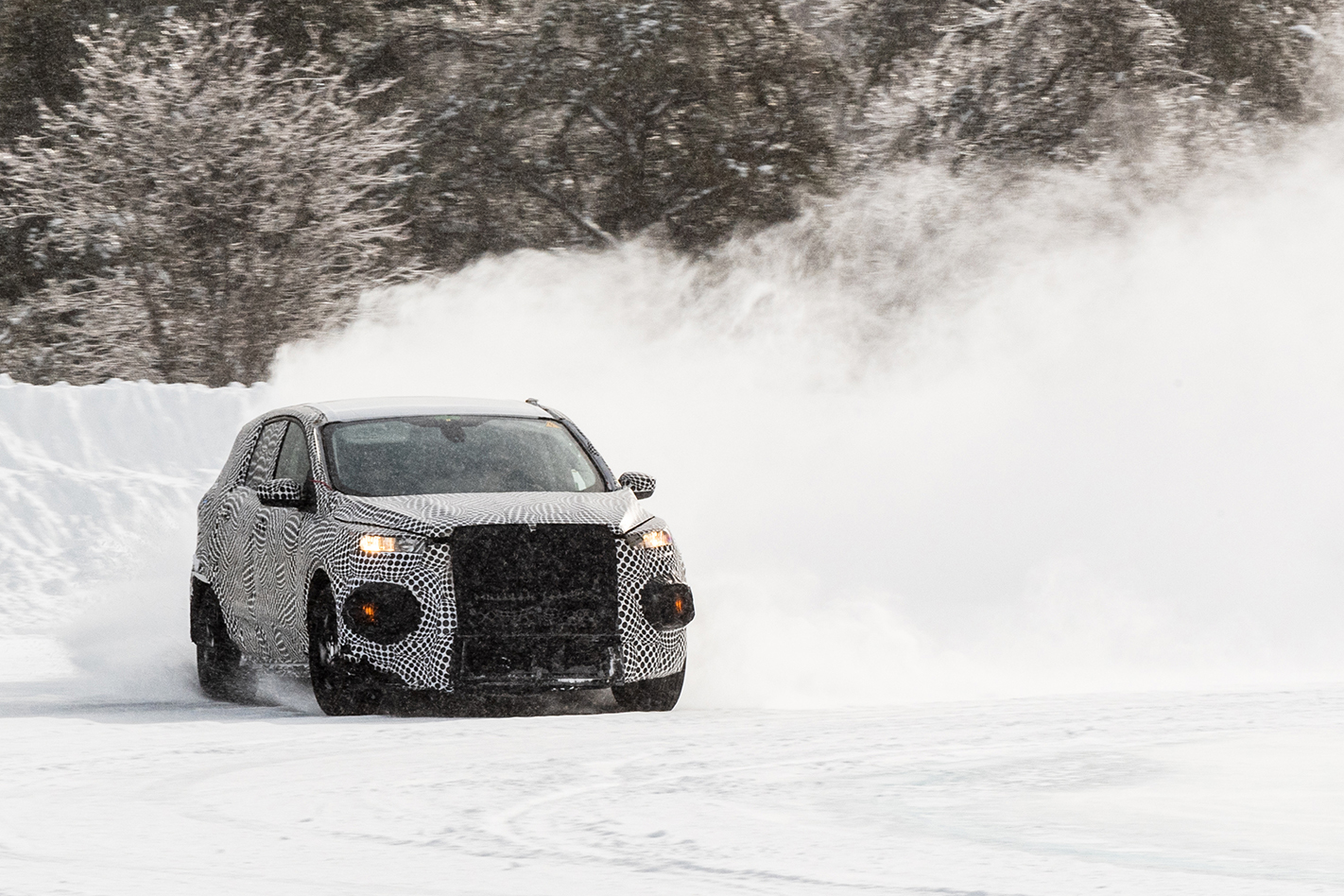
Clad in thick prototype camouflage, there is little to show onlookers what the upcoming model would look like, though rather worryingly its shape looks more like a boilerplate SUV than a sporty SUV coupe.
Despite Ford’s assurance the end product will be fun to drive, this is repeated a lot in the video above, the carmaker has yet to confirm what hardware and performance figures the electric SUV will be packing.
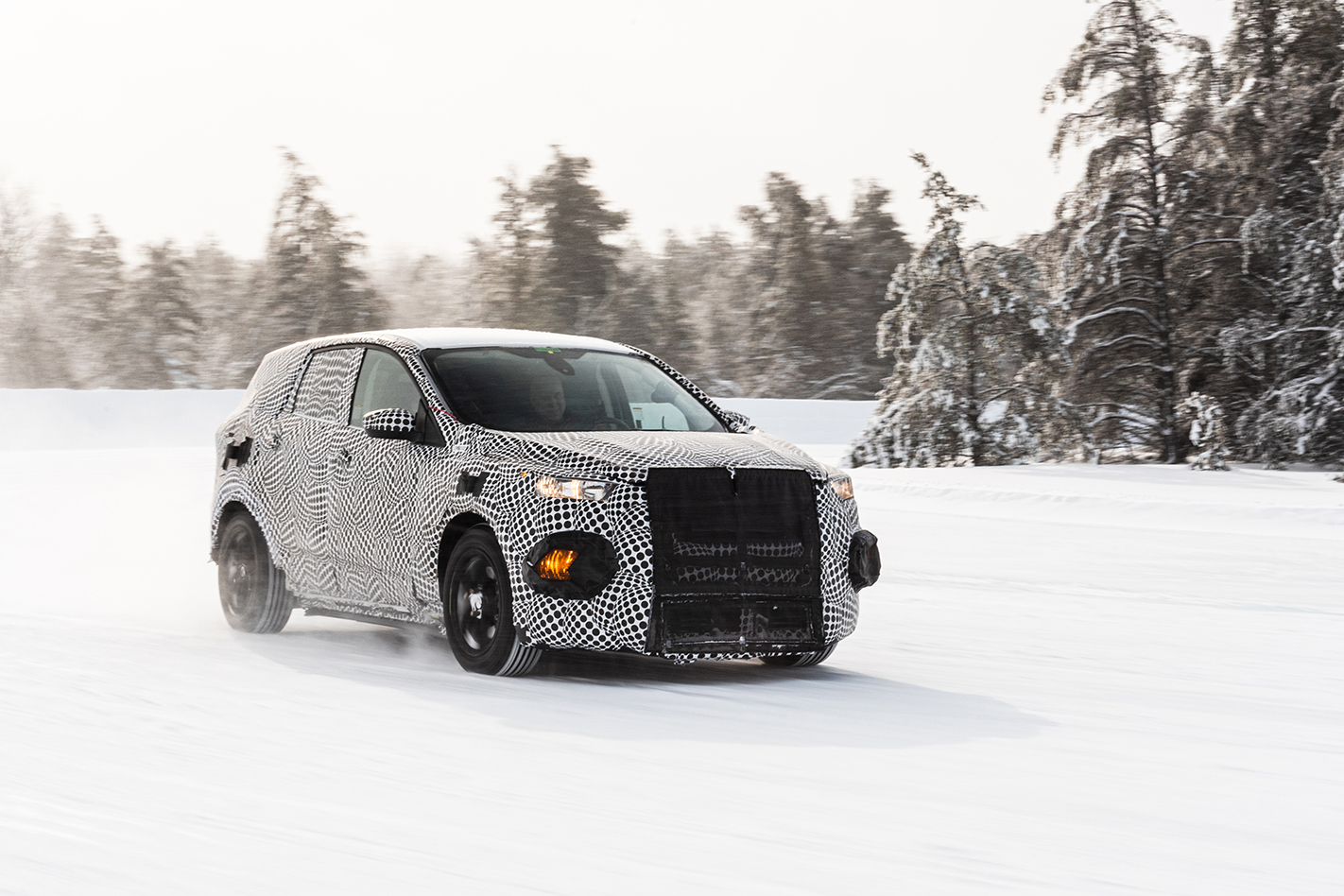
Curiously Ford claims the this will be its “first fully electric model”, which is an odd claim, considering it built a battery-electric previous-generation Focus for the United States between 2012 and 2018.
It is likely the Focus Electric’s availability in selected regions of the USA might be the key differentiator here as Ford’s reveal of the prototype’s cold weather testing is to assure American consumers of the safety and viability of operating a battery-electric vehicle in extreme weather and temperatures. Conditions populations in the mid-west often have to put up with.
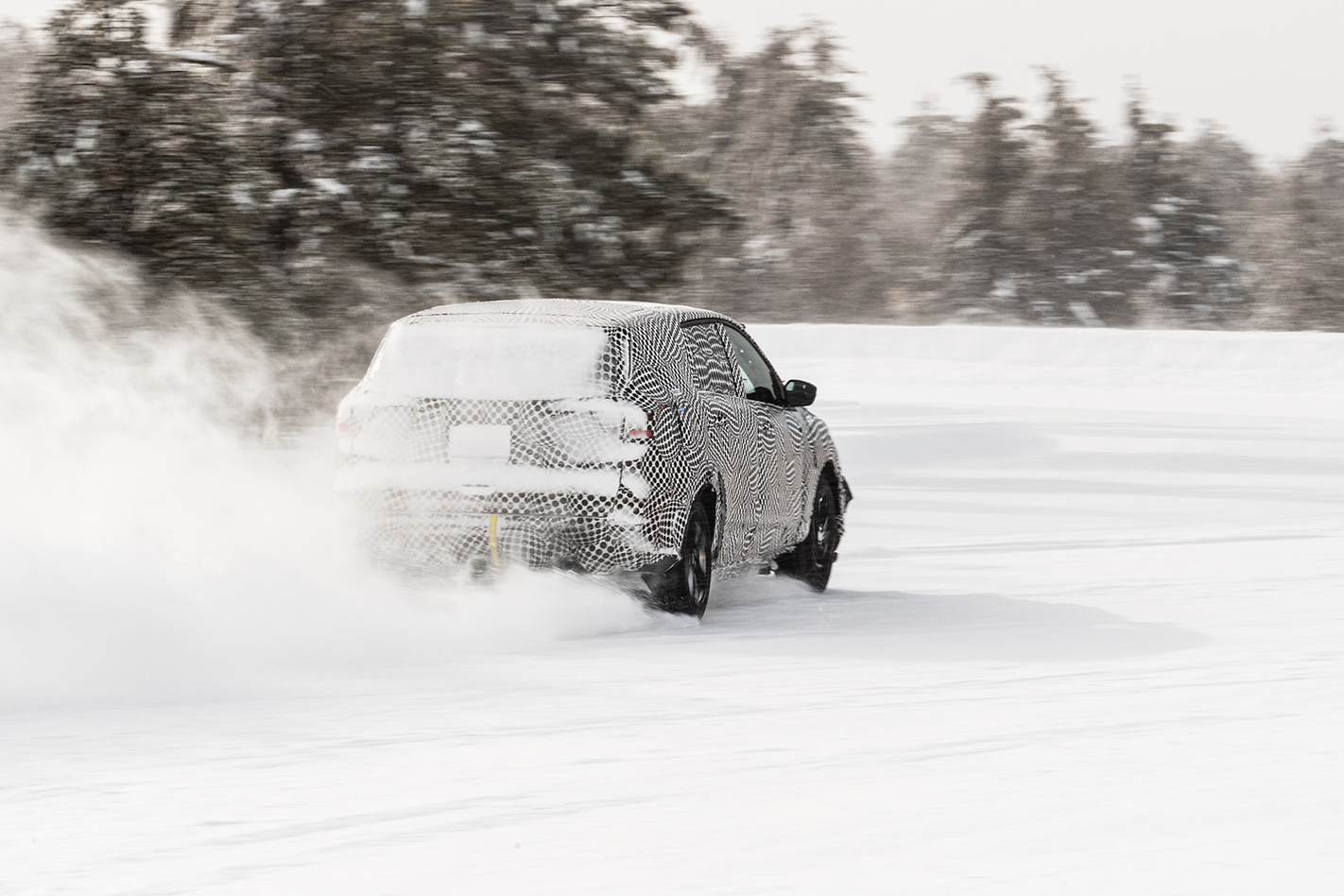
The Mustang-inspired electric SUV isn’t Ford’s only all-electric product that has to appeal to Americans; the company is also busy preparing an F-150 EV.
Reports have stated that the electric SUV is expected to make its debut in the latter half of next year.
Alpine is going back to its roots with a new A110 Rally edition.
Announced this morning, the Rally is a full-fledged racer with eyes on the FIA sanctioned R-GT class. So while it might not fight at top-level rallying like its rear-engine granddaddy did, it’ll stay rear-drive and fling dirt at Abarth 124 Spiders and Porsche 997 911 GT3s.
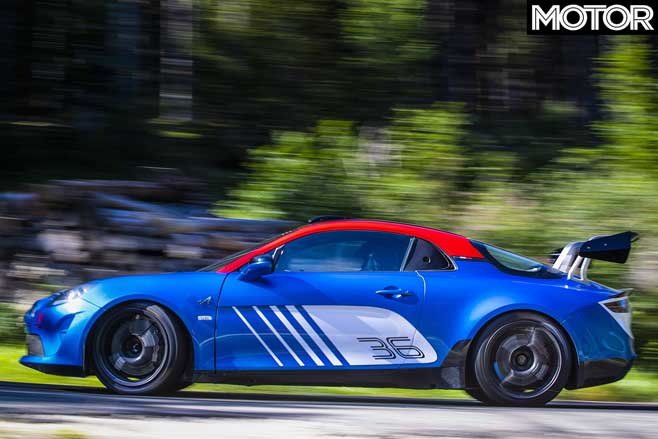
Signatech, the outfit who already built Alpina its A110 Cup and GT4 versions, has developed the car, which as you can imagine is fairly different to your road car.
Its specially developed chassis features special mounting points for a steel-roll cage, since you can’t weld it to aluminium, along with a modified engine bay and suspension mounting points.
It’ll rely on three-way hydraulic dampers to glide over jumps and a new Brembo braking system to haul itself down. Inside, you’ll strap into Sabelt seats and a six-point harness system. Wheels are tarmac spec.
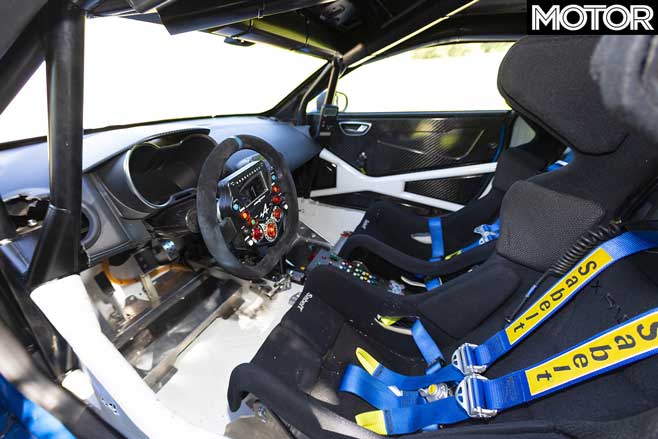
The 1.8-litre turbocharged inline-four has been tickled to “more than 300 horspower [221kW]” to balance out the imposed limit on torque. But a six-speed sequential gearbox, which packs a reverse gear to help back you out of hedges, pairs with a rear LSD to make full use of every watt.
Outside the Rally scores a unique aero package that starts with a roof-mounted scoop, feeding air to the driver, and a pronounced rear wing. The front bar’s also been reworked around a slant-mounted radiator.
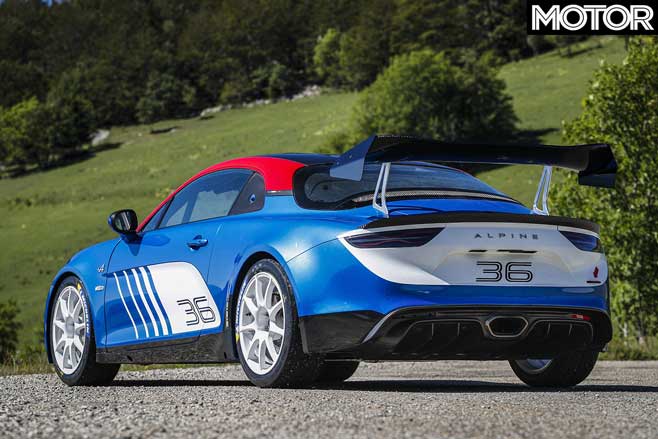
Fuel capacity stands at 65 litres in a cell built to FIA-spec standards and the driver is offered specialised traction control and ABS systems to help drivers stay on the road.
You’ll need 150,000 Euro to secure one, or $242,689 Aussie. Beware, though. That could increase as it’s currently undergoing FIA homologation ahead of customer deliveries in 2020. Yep, racing ain’t cheap. But damn it’ll be fun in this thing.
A recall letter is usually something you don’t want to receive. You’ll usually need to schedule a trip to the dealership, have an argument over getting a courtesy car and then pick up your car, whereupon you’ll invariably notice no difference in the way it drives. What’s more, recall rates are at an all-time high.
So what’s going on? Are manufacturers building flaky cars once again? No, not at all. These recalls are, despite the superficial hassle factor, a good thing. In effect, they’re evidence that the system of checks and balances put on car makers is working, that manufacturers can no longer get away with letting safety issues slide as they one did.
A perfect example for this situation is the major Takata airbag recall which (we hope) you’ve heard about by now.
The Takata airbag issue relates to the Japanese manufacturer who supplied airbags to a number of manufacturers that – in some instances – can deploy sending shards of metal at the unfortunate occupant. This one will rumble on for a good while yet as the car manufacturers still continue replace the old Takata bags.
Had this recall not happened, millions of people globally would be driving around in cars fitted with potentially lethal airbags – without knowing about it.
Sure, it’d be easier if they just got things right in the first place, but be thankful that manufacturers are going back and checking over their product, rectifying any issues they may find.

Here in Australia, we’ve had 176 recalls so far this year. Recalls are climbing at a steady rate each year.
If you’re called upon to get your car fixed, for whatever reason, make sure you follow the manufacturer’s advice and get it sorted as soon as possible.
So, it’s certainly not bad news if your car is recalled. Never ignore the notice, as this can have knock on effects not only in terms of safety but also on the validity of your warranty.
And remember, the best manufacturers take recalls the most seriously. While recalls may be frustrating in the here-and-now, consider the bigger picture.
MOTOR Associate Editor Scott Newman is joined by Wheels Staff Writer Cameron Kirby and Unique Cars Staff Writer Alex Affat and the trio open the bidding with the 50th Anniversary of the Nissan GT-R. MOTOR created a dedicated magazine to celebrate this anniversary and Alex is not only an R32 GT-R owner but recently attended a Nissan Australia event where he drove four generations of GT-R (R32-R35).
Next up, talk turns to Bugatti and the remarkable speed record it set this week with a prototype Chiron Super Sport. With Le Mans winner Andy Wallace behind the wheel the Bugatti clocked more than 490km/h (304mph), but is this important? Do we care? Is it that coolest thing that’s ever happened?
Last but certainly not least, this week the long-awaited all-electric Porsche Taycan was revealed in Turbo and Turbo S guise. Wait, an electric car called a Turbo? We discuss whether this is a terrible idea and whether an electric Porsche should have Tesla worried. Please subscribe and rate the episode and you can listen on iTunes, Podbean or your favourite podcast app if you’re on the go. Until next week.
Listened to the show? Help us out:
- Leave a note in the comment section below.
- Leave a review on Apple Podcasts/iTunes
- Subscribe to our podcast
