
You would naturally expect that the replacement for a 20-year-old car would bring significant improvements in, well, EVERYTHING, but the fourth-gen Suzuki Jimny achieves that fine balance of bringing things up to date without destroying the very qualities that made the previous three generations so beloved in the first place.
WHAT IS IT?
An ultra-compact, three-door, four-seat, four-by-four with live axles at front and rear and styling that harks back to beloved Suzuki offroaders of the past.
WHY WE’RE TESTING IT
Because not only is it the first all-new Suzuki Jimny in two decades, but because it’s easily one of the most hotly-anticipated new-car releases of 2019.
MAIN RIVALS
Are there really any rivals for a pukka offroader that costs under $26K brand-new? Arguably not. You could look to the upcoming JL Jeep Wrangler for a similarly-configured dual-live-axle 4×4, but that’s a couple of price brackets above the Jimny. Comparatively-priced small SUVs exist in a different dimension to the Jimny, possessing none of its off-road nous or retro charm.
THE WHEELS VERDICT
The essence of a true offroader, distilled into a pocket-sized, value-packed package that’s so affordable it makes the perfect weekend adventure machine. For many, the Jimny will be hard to go past for its styling alone. However, those who elect to point its round-eyed snout down a muddy, creviced trail will arguably extract the most joy from Jimny ownership.
PLUS: Greatly improved refinement, offroad talent, cute/tough retro styling, feature-rich
MINUS: Not spacious, not comfy, bouncy highway ride
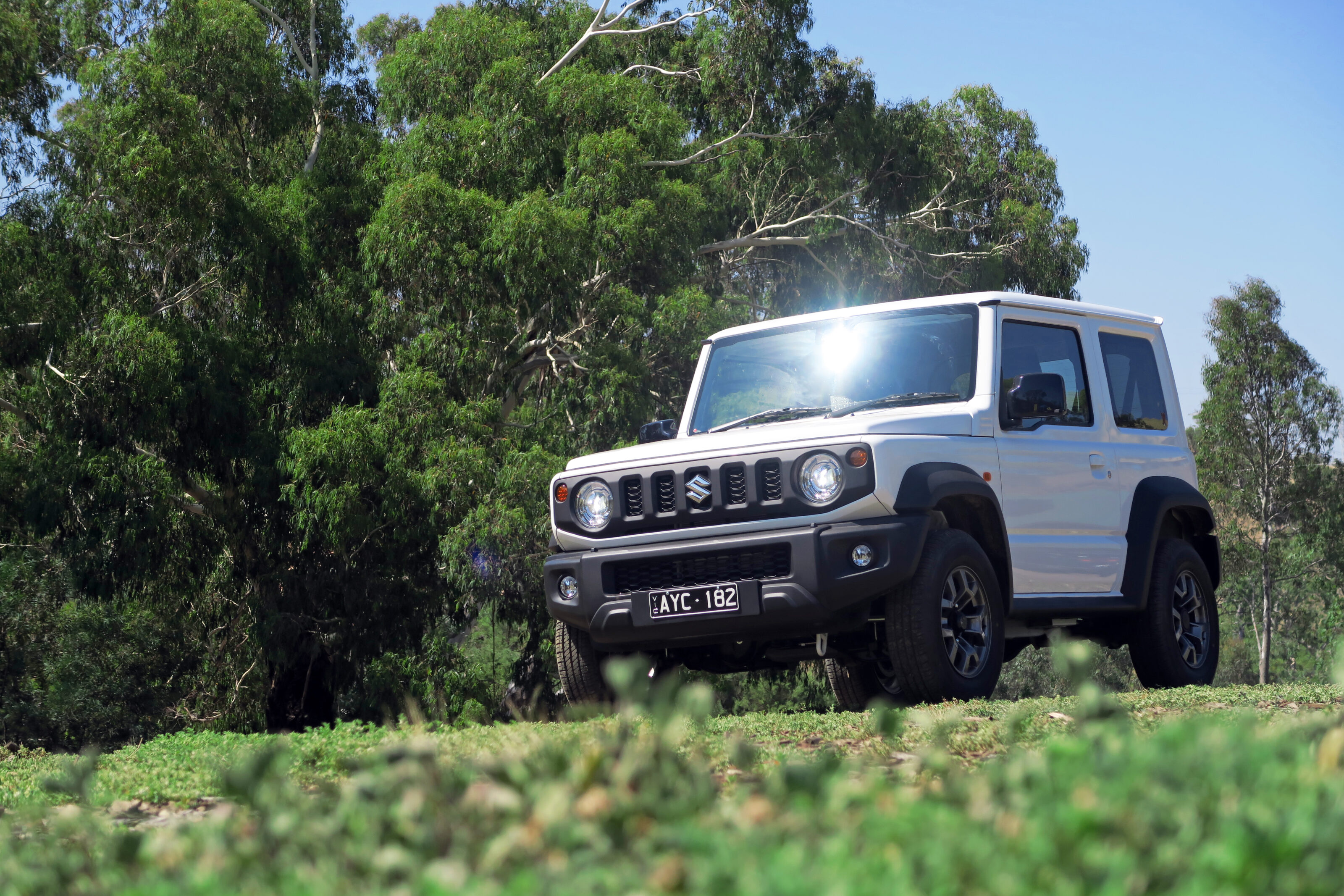
THE WHEELS REVIEW
FOLLOWING up a much-loved classic is a tough act, and even though the third-generation Jimny racked up a full 20 years in production before the stop button was hit on its assembly line, there was still no shortage of members in the Jimny fan club – and even more looking to join. No big surprise, considering its combination of seemingly unkillable mechanicals, off-road talent and beer-budget pricing was the perfect recipe to endear it to any self-respecting 4WD enthusiast.
But the ingredients were long past their use-by. A successor was needed, but would it be Suzuki’s ‘New Coke’ moment? The instant the first images of the fourth-gen Jimny were leaked, the answer was obvious: no. Hell no.
Flat sides, an upright two-box silhouette, retro-tastic design cues, a big side-hinged rear door, and a five-slot grille flanked by two cheerful round headlamps got car fans salivating – the new Jimny was cool. What’s more, it was finally going to be modern as well.
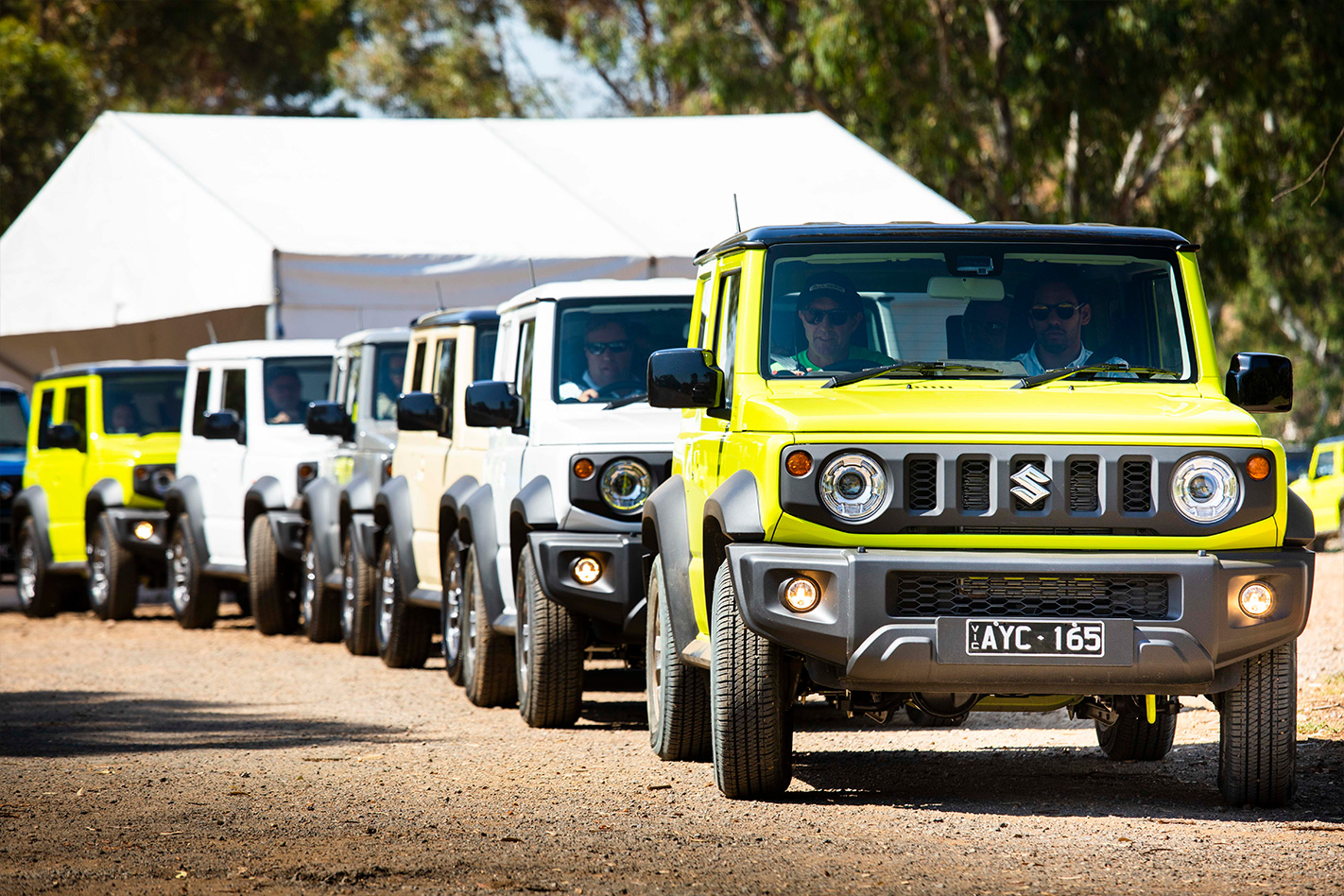
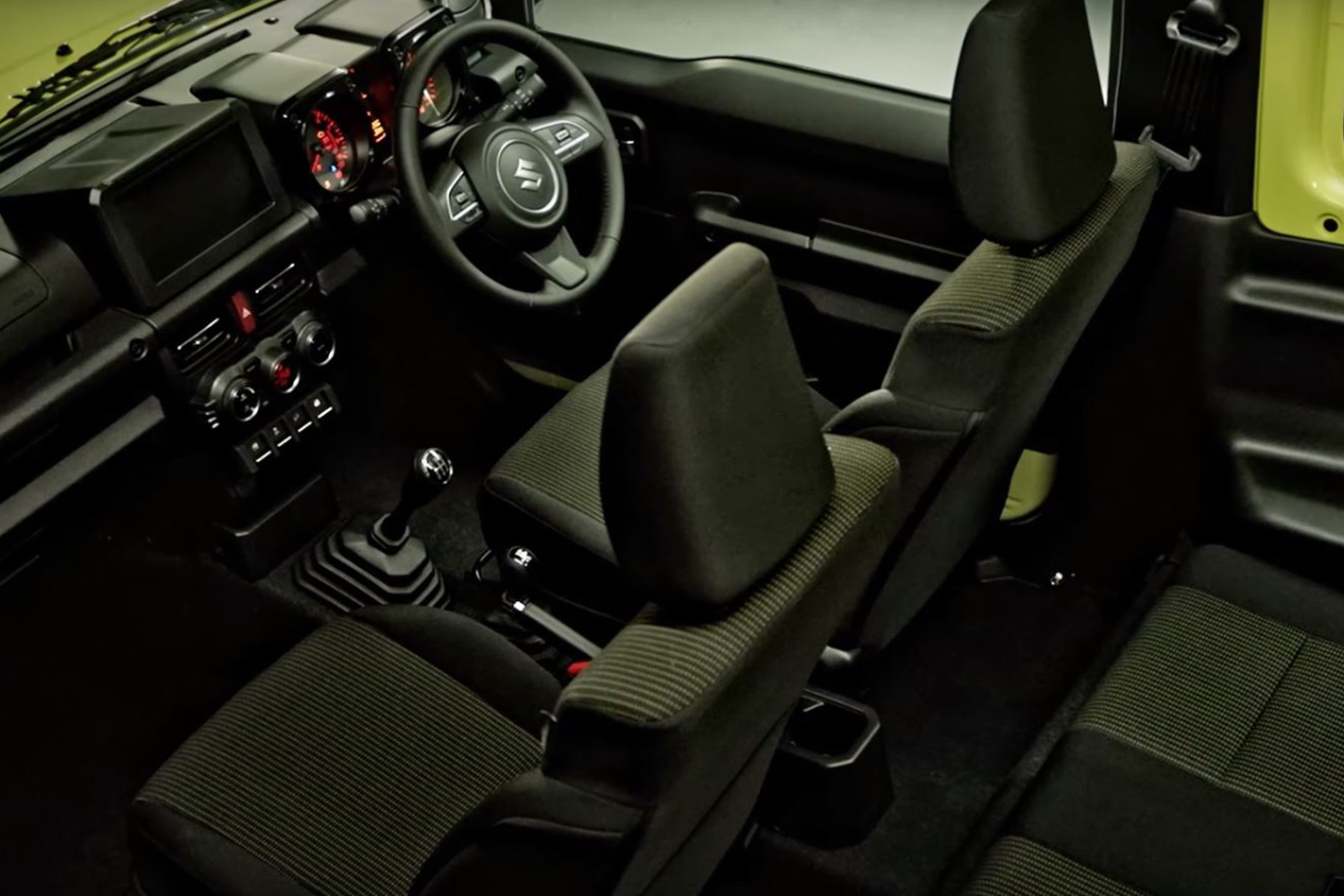
Now on sale in Australia in just a single spec, there’s up-to-date mod cons like a touchscreen infotainment system, satellite navigation, climate control, Bluetooth, Android Auto/Apple Carplay, a USB charging port, AEB and cruise control. All standard, along with 15-inch alloys and cabin furnishings that boast just as much retro cool as the exterior.
Subtler differences can be found in the front seat mountings, which permit 45mm more travel to help accommodate taller folk (though the steering wheel still doesn’t adjust for reach, just rake), and there’s 53 litres more cargo space when the rear seats are folded flat.
Given their flat cushions and general uselessness, you’re probably better off keeping them folded. As for the front seats, there’s no height adjustment and the narrow cabin doesn’t engender it well to long-distance comfort, but the elevated viewpoint and generous glasshouse are just the thing when trying to pick your line off road. It’s still built for the jungle, it’s just a smidge more civilised now.
The greasy bits don’t stray far from established Jimny doctrine. Three-link live axles at both front and rear are retained for peerless offroad articulation, steering is by recirculating ball and a drop-link – not a rack and pinion – and the engine, at least in Australia, remains a small-capacity naturally-aspirated petrol, taking drive to all four wheels via either a five-speed manual or a four-speed auto, plus a dual-range transfer case.
There’s still a ladder-frame chassis too, though with more cross-bracing for a 150 percent improvement in torsional rigidity, along with optimised body mounts for improved refinement.
There is, however, a layer of new tech to help those old-school mechanicals along. There are no fancy traction-enhancing locking differentials in the new Jimny, however the car can now mimic their effect by using the stability control system to brake diagonally-opposed spinning wheels. We exploited that to good effect at its local launch, which saw the tiny Jimny cock a wheel or two in free air plenty of times, only to quickly regain forward progress as the brakes did their thing.
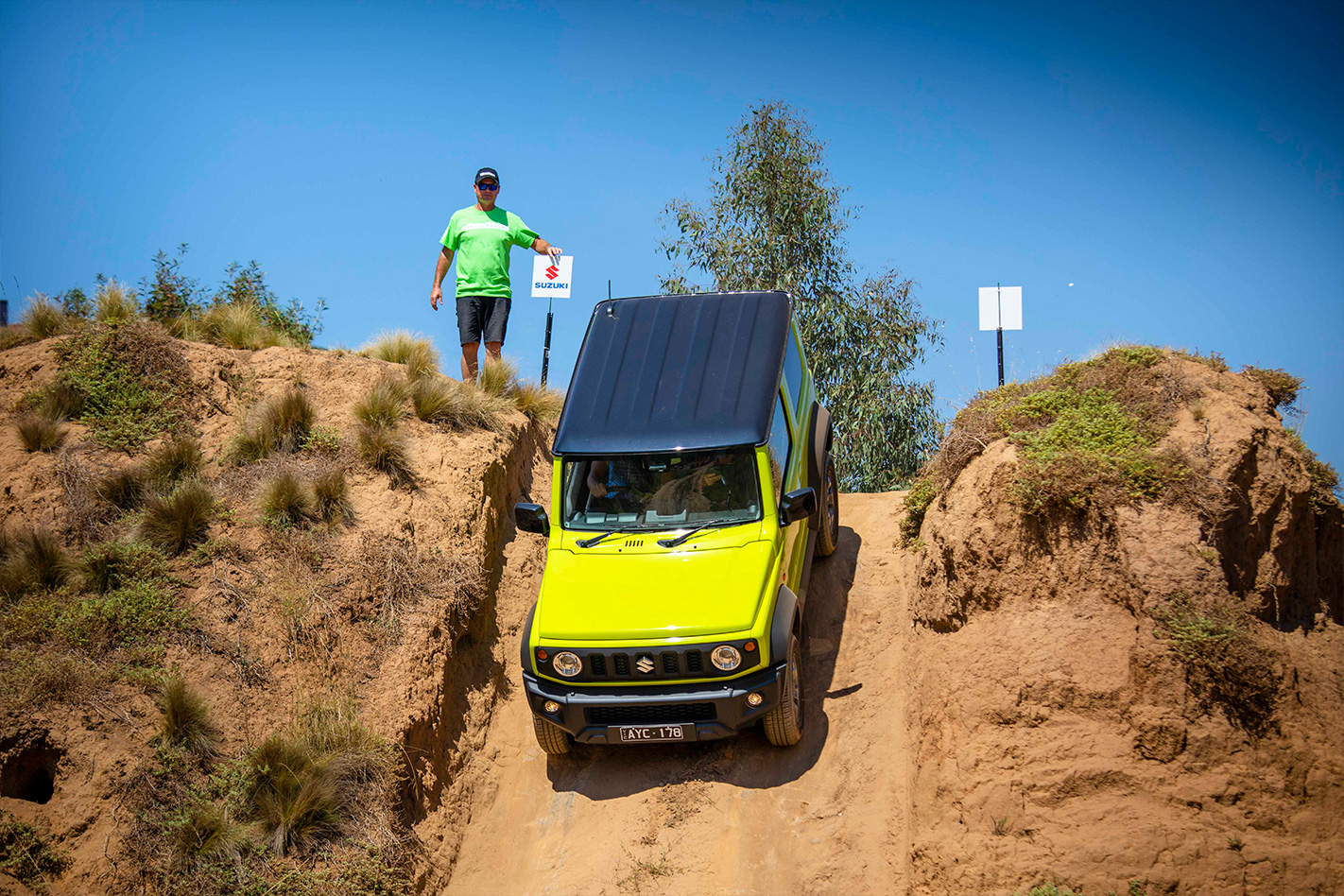
But losing traction should be a rare event. With 210mm of ground clearance (more than its predecessor) and shorter overhangs, dragging the Jimny’s guts over rocks won’t be a frequent occurrence, while even the standard all-terrain rubber isn’t challenged by dry dust, gravel or sand. Its 1075kg kerb weight (manual transmission) means it treads incredibly lightly, which gives it an offroad advantage that most other 4x4s can’t come close to matching – especially once low range is selected via the stubby and endearingly traditional transfer case selector nestled between the front seats.
On-road performance is, of course, where the Jimny experience falls a little flat. With 75kW and 130Nm the new Jimny makes 12.5kW and 20Nm more than the old, but it still feels fairly asthmatic when asked to run up to highway speeds from a standstill. If you opt for the manual, you’ll be making plenty of use of the gear lever whenever an incline – even molehill-grade ones – present themselves. If you opt for the automatic, get ready for wide gaps between each ratio that will leave you wishing there were six ratios rather than just four.
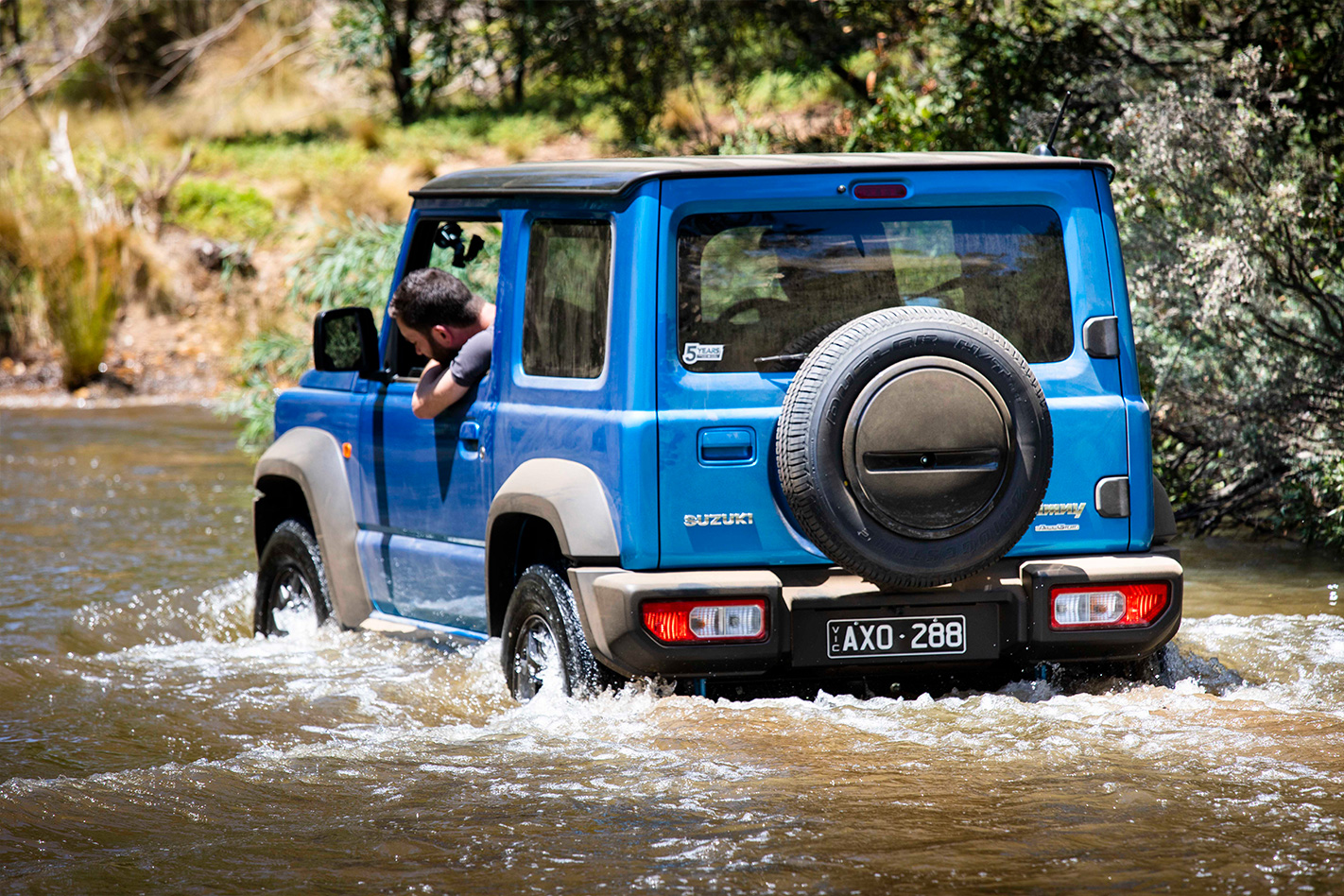
At 110km/h both variants will sit around 3250rpm, where the 1.5-litre engine (an all-new motor for the Jimny that weighs significantly less than the outgoing 1.3) actually emits a pleasant, muted thrum rather than a buzzy droning. And, while there’s plenty of vertical movement from that soft suspension, the impact harshness has largely been dialled out. Overall refinement, bar some wind noise from the blocky sheetmetal, is actually not as terrible as you might assume, and the steering has also lost the wooly on-centre vagueness of the preceding model. It’s still numb as far as feel and feedback are concerned, but it is at least a lot more accurate now.
On the whole, the new Jimny is the David to a Landcruiser’s Goliath, and the Jimny’s formula of compactness, agility and lightness endow it with trail-conquering qualities that are, at times, hard to believe. Not because it’s difficult to comprehend how a car so affordable could negotiate offroad obstacles that would defeat much bigger rivals – that was a hallmark of older Jimnys as well – but because of how easy the fourth-gen Jimny makes it. Despite its flaws, the new Jimny has all the makings of an instant classic.
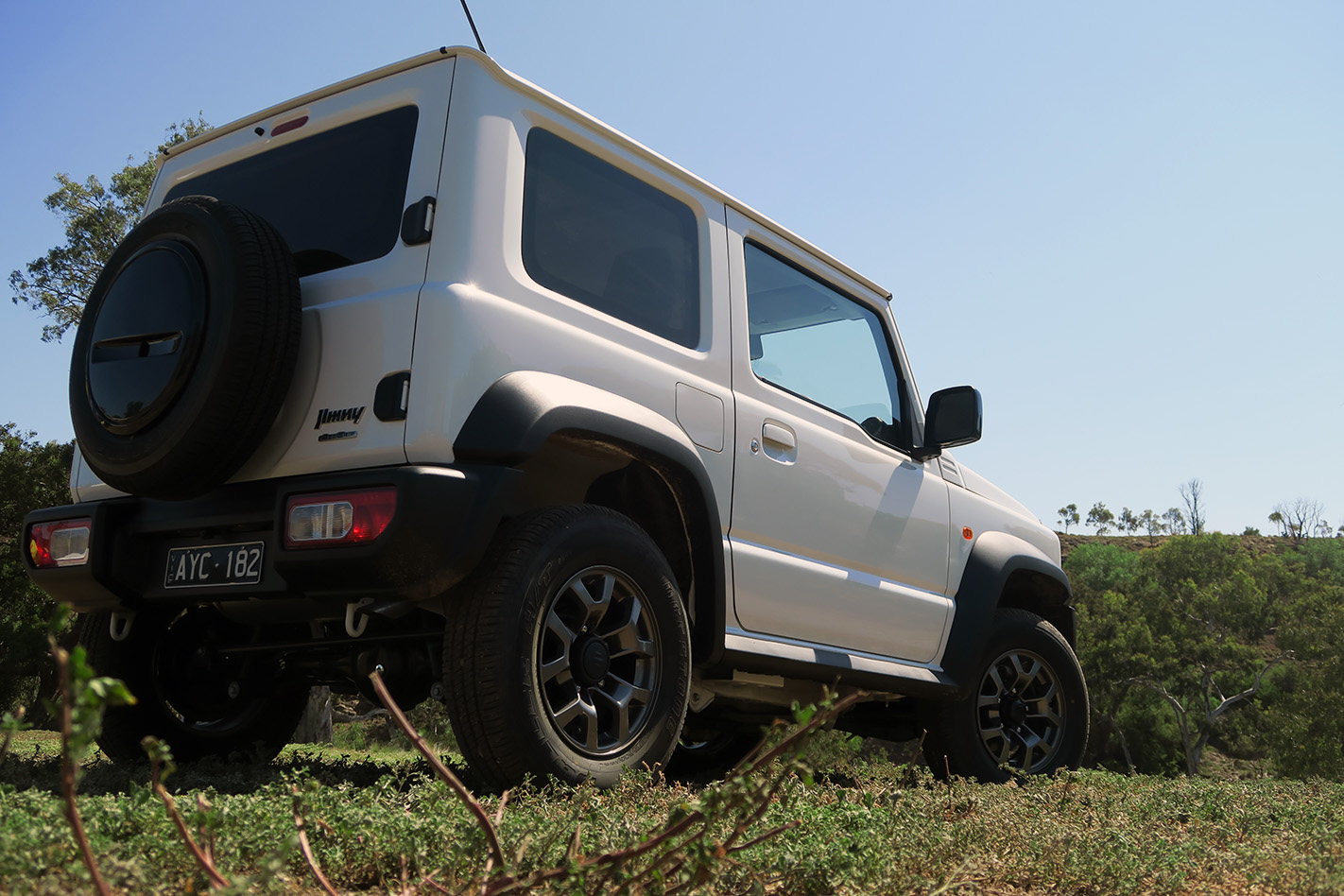
It’s a bittersweet day at Ford Australia’s head office in Melbourne, with the company’s US head office signing off on a huge $500 million research and development program for 2019.
However, the program comes at the expense of local jobs, as various engineering programs are consolidated across the Ford world. The figure is also $74 million lower than the total spent in 2018.
Ford’s You Yangs proving ground has become an important research and development centre for the company, with various projects undertaken for markets in Asia and the US. Several tens of millions of dollars have been invested in the site, even after the demise of local manufacturing.
A new $13 million investment in design facilities will join existing state-of-the-art acoustic and environmental R&D facilities at the Victorian site. Ford also runs facilities at the old Broadmeadow manufacturing site, and from its Geelong offices.
The group’s workload is set to ramp up, as Ford works towards centralising many of its platform and powertrain programs across the world to cut costs. Australia is in a good spot overall, thanks to Ford Australia taking the lead on the design and development of the current Ranger light truck, code-named the T6.
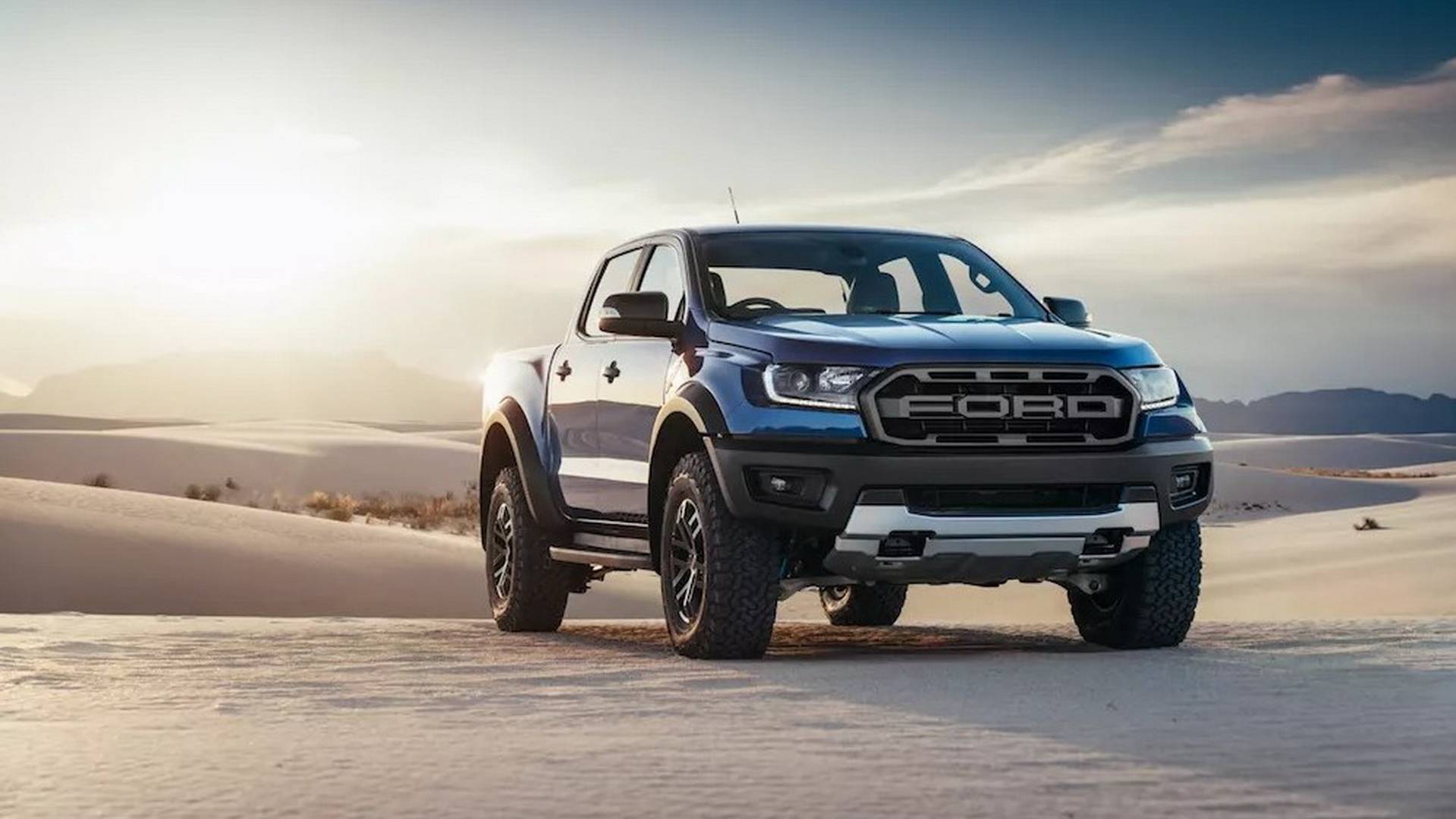
Ford Ranger Raptor
This work will ramp up in 2019, thanks to a new deal recently struck between Ford and Volkswagen which will see the two companies share the development costs of the next Ranger and Amarok. Volkswagen’s next ute will be a Ranger under the skin, using an updated version of the current T6 chassis. It’s due in 2021 or 2022, alongside a refreshed Ranger.
“The team will have a strategic role in developing a new medium-sized pickup truck for Ford and the German brand,” said Ford in a statement. “Ford’s Australian engineers will also support design and engineering work for global markets, as well as take on other global projects.”
However, Ford has confirmed that jobs will be lost locally as part of a global restructuring program.
“While Ford’s workforce in Australia will remain more than 2,000 people strong, there will be changes in the composition of the local workforce, to be achieved through a mix of new hires, redeployments and separations,” read the statement.
It’s understood that approximately 200 jobs will be lost across various engineering programs, as Ford head office moves to consolidate various programs across various territories. Ford confirms the total includes 90 contractors, 75 hourly workers and 40 full-time staff.
Certainly one of the most – if not THE most – eagerly anticipated new vehicles of 2019, the fourth-generation Suzuki Jimny has officially gone on sale in Australia with an ultra-keen $23,990 starting price.
That represents a $3000 price rise relative to its predecessor, which notched up an incredible 20-year production run before the arrival of the all-new Jimny.
However, with the new three-door, four-seat 4×4 boasting huge increases in standard equipment, refinement and off-road capability, the value-for-money equation is still definitely tipped in the consumer’s favour.
All colours except grey attract a $500 upcharge
Technically, it really has no direct rivals in its small SUV category – perhaps the new SsangYong Tivoli comes closest, or the Subaru XV. But really, the Jimny – which is more like a miniaturised Jeep Wrangler – is in a class of one.
It might only be available in a single grade for now – only premium paint and a $2000 automatic transmission are optional – but Suzuki’s Australian operation reckons it’s the only specification you’ll need.
The cabin is still as compact as ever, but in addition to retro interior styling that’s a tasteful homage to Jimnys of old, there are now modern features like a 7-inch colour infotainment system, satellite navigation, Android Auto/Apple CarPlay, cruise control, automatic headlights, single-zone climate control and a reversing camera. It’s a dramatic step up from the bare-bones car it replaces.
Safety equipment has also seen a big boost, with side and curtain airbags introduced for the first time, along with autonomous emergency braking, lane departure warning and auto high-beam.
Nevertheless, its crash safety has been assessed as sub-par by ANCAP, which assigned the Jimny a three-star rating this week.
Under the skin, Suzuki sticks to the Jimny’s established formula of mechanical simplicity. Dimensionally, it measures 30mm shorter than before, but it’s 45mm wider and 20mm taller. There’s slightly more luggage space as a result, but with 85 litres of seats-up capacity and 377 litres with the back seats folded down, the Jimny isn’t built to carry lots of people and cargo at the same time.
Torsional rigidity is now 1.5 times higher than previously, thanks to a ladder frame chassis with more cross-bracing, and the 1.5-litre naturally-aspirated petrol engine – the only powertrain on offer – produces a modest 75kW and 130Nm; an increase of 12.5kW and 20Nm on the 1.3-litre engine that powered the outgoing model.
A six-speed manual is standard, while a four-speed automatic can be optioned for $2000. Like its predecessor, the 2019 Jimny puts power to the ground via a selectable 4WD driveline, with RWD and 4WD high-range and a low-range 4WD mode for tricky offroading duty, all controlled via a traditional transfer case selector lever on the centre tunnel.
The suspension continues to be an ultra-rugged dual live axle arrangement, chosen for its ability to conquer trails and its durability. Coil springs feature at front and rear, with separate shock absorbers.
Fuel consumption drops to a claimed 6.4L/100km in the manual and 6.9L/100km in the automatic, reductions of 0.7L/100km and 0.5L/100km respectively on the combined fuel economy cycle.
Stay tuned for our full review!
PRICING
- Suzuki Jimny manual – $23,990
- Suzuki Jimny automatic – $25,990
- Premium paint single-tone – $500
- Premium paint two-tone – $1250
In the same vein as dropping an old air-cooled Porsche-tuned engine into a Kombi van is this, the TH2 built by Berlin-based TH Automobile.
But where the Kombi was still fairly simple this Multivan is quite plush, and the old air-cooled flat-sixes don’t quite stack up to the might of… say, a modern Porsche 911 Turbo engine?
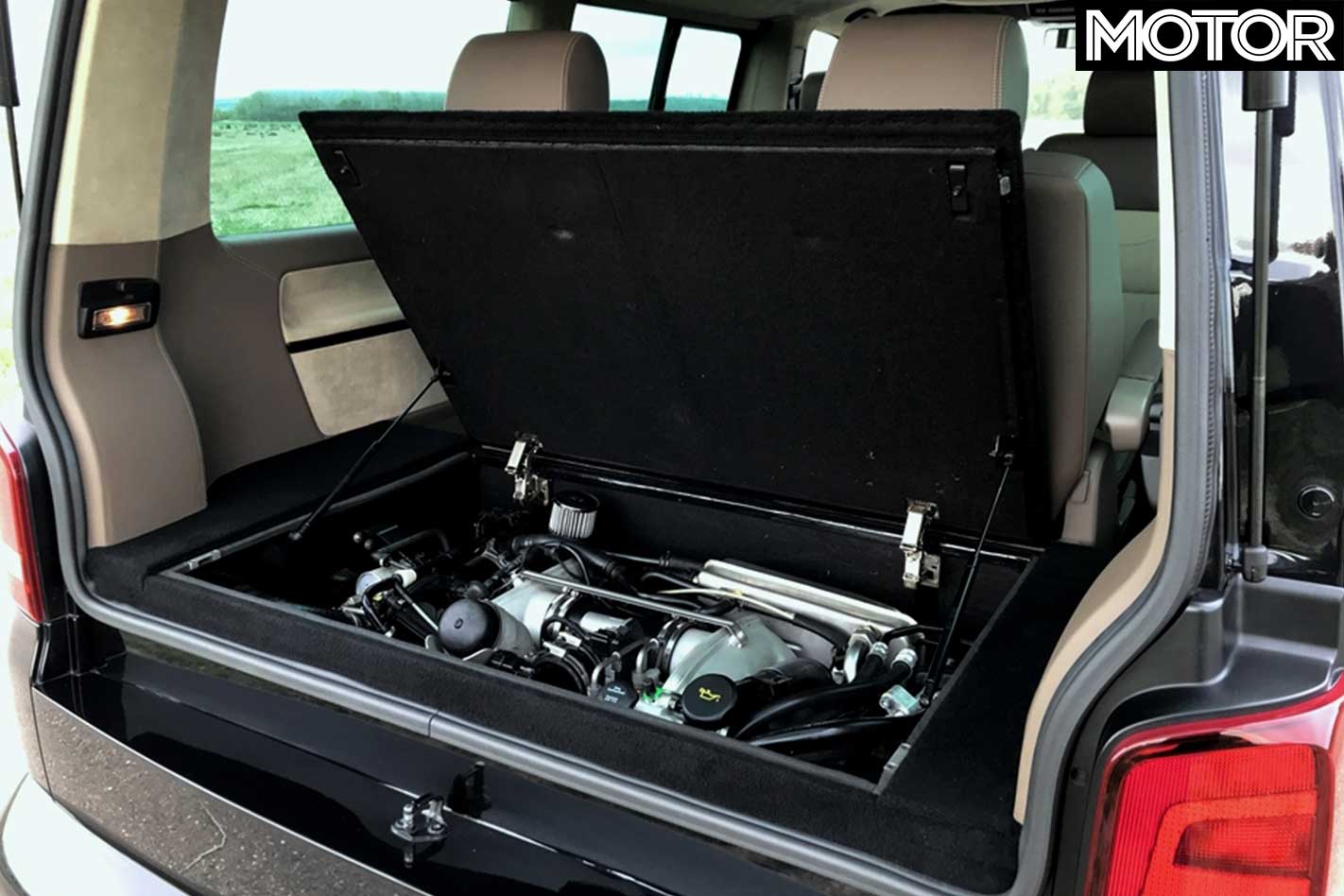
Yeah, this subtle van is powered by an uprated 427kW 3.6-litre turbocharged engine from the 997-generation of Porsche 911.
TH Automobile actually has different versions of vans with Porsche engines, the other two main models it builds being the TH2RS with a 573kW engine, a lighter body, and a top-speed of 310km/h, or the 353kW TH3 which is actually a ute-style van capable of 270km/h.
The particular TH2 up for sale on German site CARspecial was built for a customer to a high specification, completed over two years.
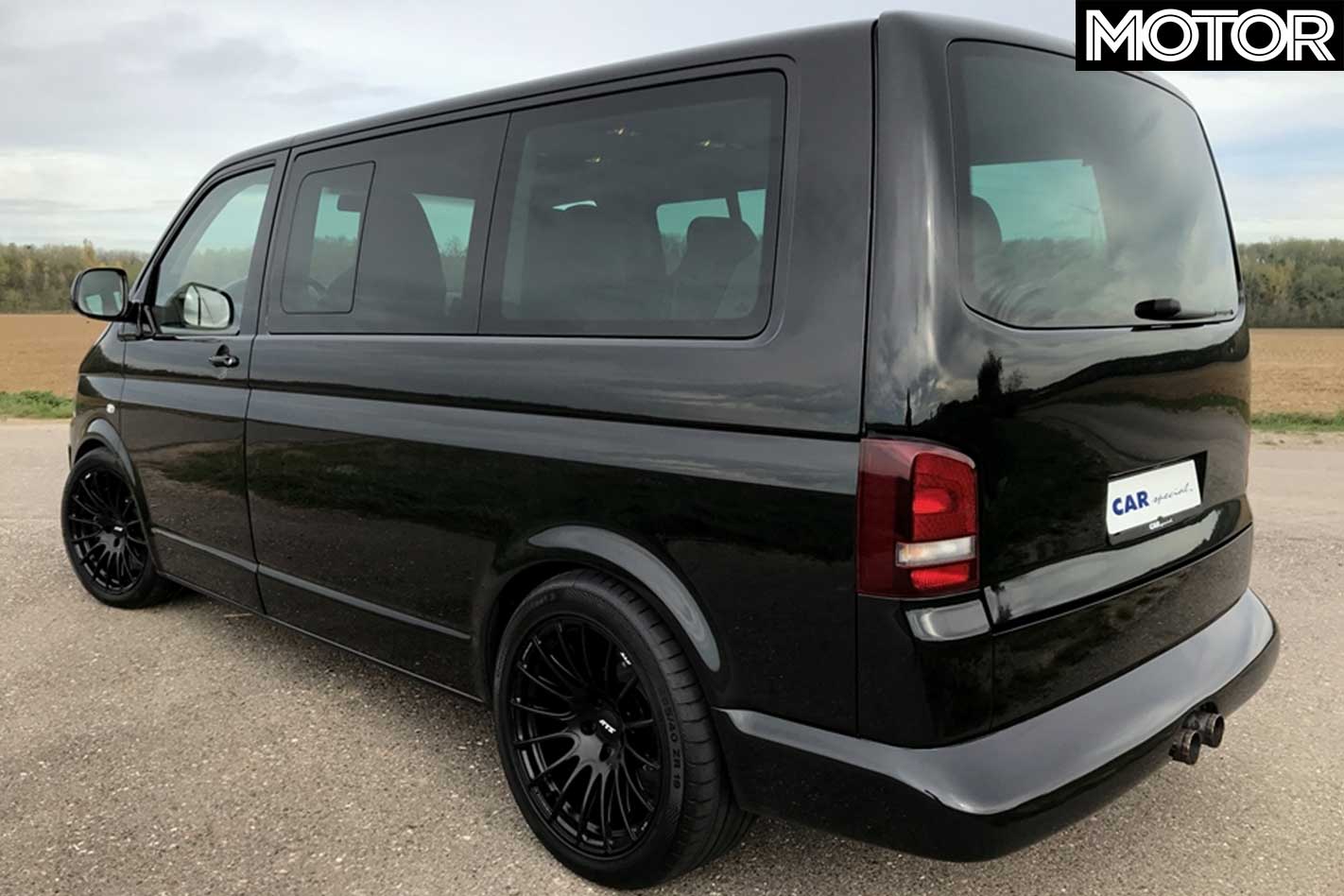
The TH2’s engine, transmission, and even chassis are 911-based, with the Volkswagen Multivan T5 body fitted on top.
Because of its Porsche-derived drivetrain, it’s rear-wheel drive, with the fuel tank in the front where the T5’s engine would have previously been.
CARspecial claims it would have originally cost the customer around €250,000 (AUD$400K), but the TH2 is listed for €139,800, or AUD$224K.
Inside, the interior is a far cry from standard, with Porsche-inspired leather and even a steering wheel taken from a 997-gen 911.
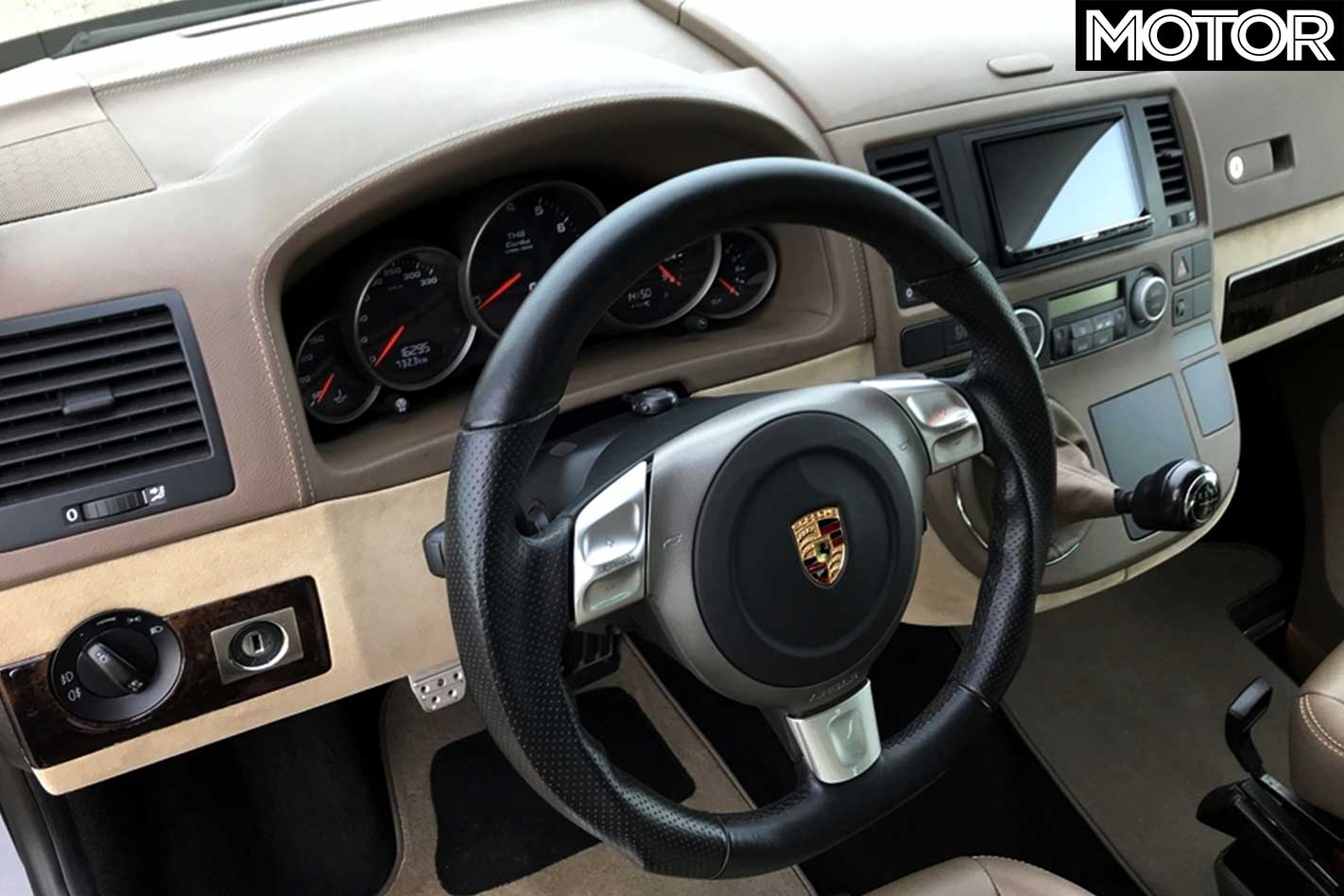
CARspecial says “all 6 individual seats are exclusively prepared and can also be adjusted” as necessary, plus there’s a folding table for added convenience.
So could someone bring it to Australia and register it here? No, really, please?
WHEELS’ new-look magazine is getting ever closer, with the relaunched magazine going on sale January 31.
As part of our relaunch, the last page of the magazine has been revamped, with a new section called closing out the book.
Each month we will ask a figure from the motoring industry what their ultimate three car garage would be. We’ll be asking chief engineers, product planners, designers, company bosses, motorsport icons, and car culture heroes to live out their fantasies, so we can share them with you.
The idea for Dream Garage came from a Peter Robinson feature written in 1979 called ‘Fantasy Six’.
While initially we thought we would give each subject limits, whether it be a price point or era, we thought it better that everyone was give the freedom to truly explore and imagine their fantasy garage. With the entire history of the car to choose from, suddenly choices become much more difficult.
We’ve already had some fascinating responses from major figures in the industry, and we will continue to probe some of the fascinating personalities that we meet in our travels.
But we can’t just let everyone else have fun, so below we’ve listed some of the selections from Wheels’ dedicated editorial staff.
Alex Inwood – Editor
1. Porsche 911 996 GT2

I’ve been a Porsche lover ever since I started downloading 8-second clips of different 911 exhaust noises as a youngster and tested myself on guessing the variant. And of all the 911s, the one that made the biggest mark is the 996 GT2. I first saw it in Wheels in an article written by Peter Robinson and I can pinpoint that as the exact moment I decided to become a motoring journalist. I’m still yet to drive one, though I’m sure it’d be a handful. I’ll have mine in Guards Red thanks.
2. 2019 C63 AMG wagon
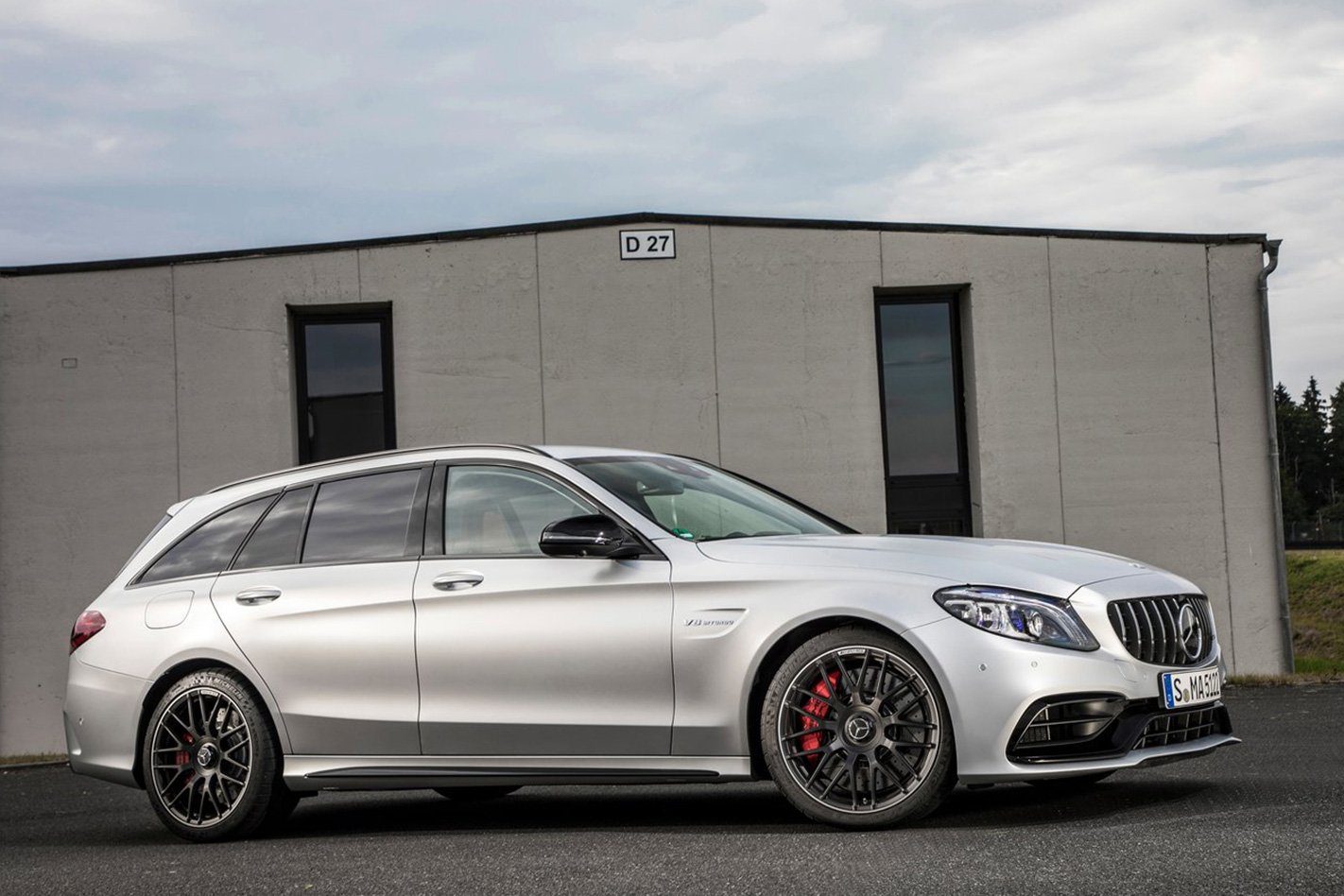
This just edged out the BMW M3 CSL, which I consider one of the most perfectly proportioned and evocative-sounding sports coupes ever. I need to lug dogs about occasionally, so the C63’s wagon bodystyle is what gave it the nod. It’d have to be the facelifted version, which has a vastly improved ride for everyday use, and I know I’d simply love the effortless grunt (and noise) of that 4.0-litre twin-turbo V8.
3. Ferrari F40
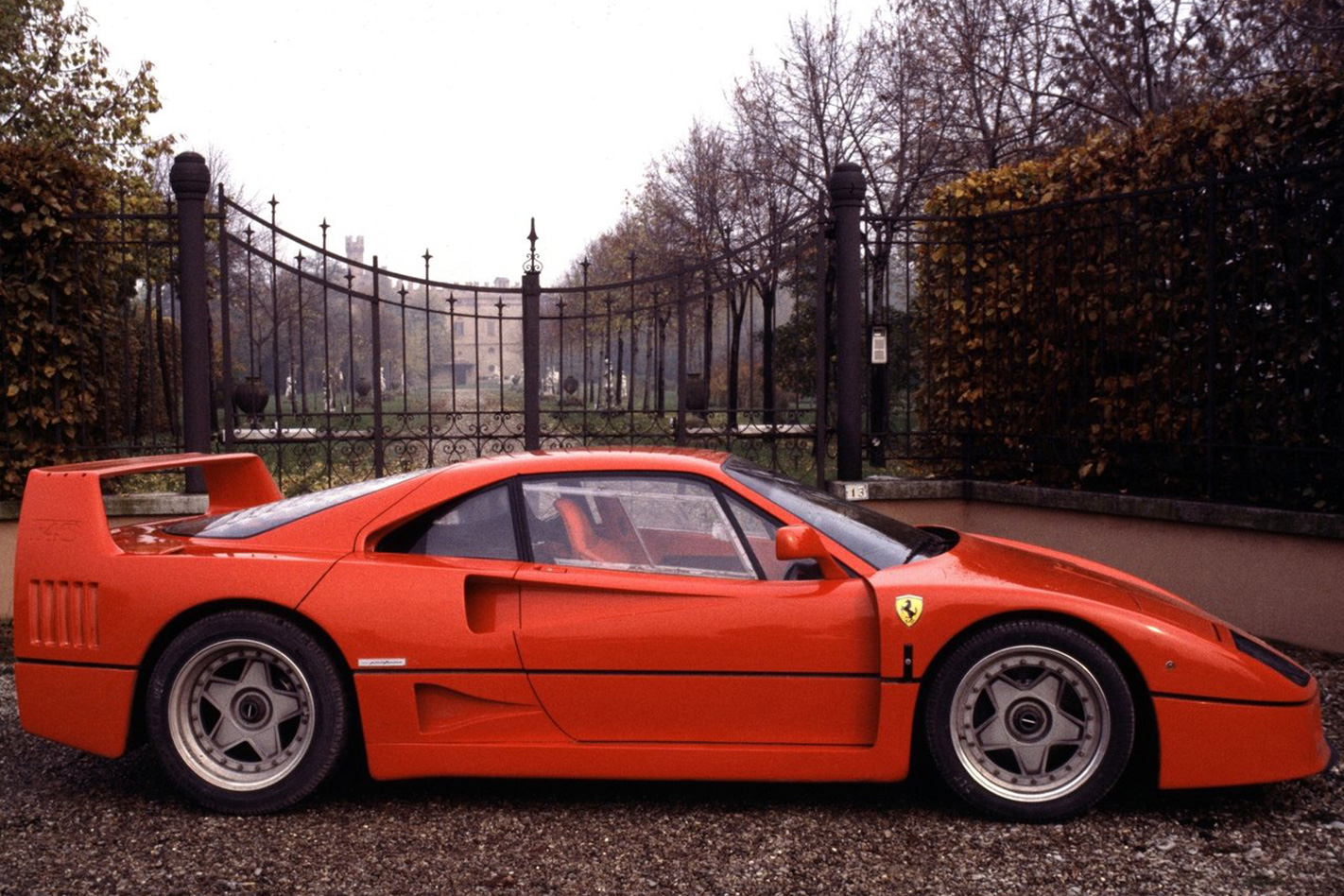
This is real ‘dream car’ stuff and given I’m yet to drive one, its inclusion is based purely on lust and what other lucky motoring scribes have written. The purity and ferocity of the driving experience is what attracts me and I’m torn between a ‘regular’ F40 and the hardcore LM…
Andy Enright – Deputy Editor
1. 1980 BMW M1
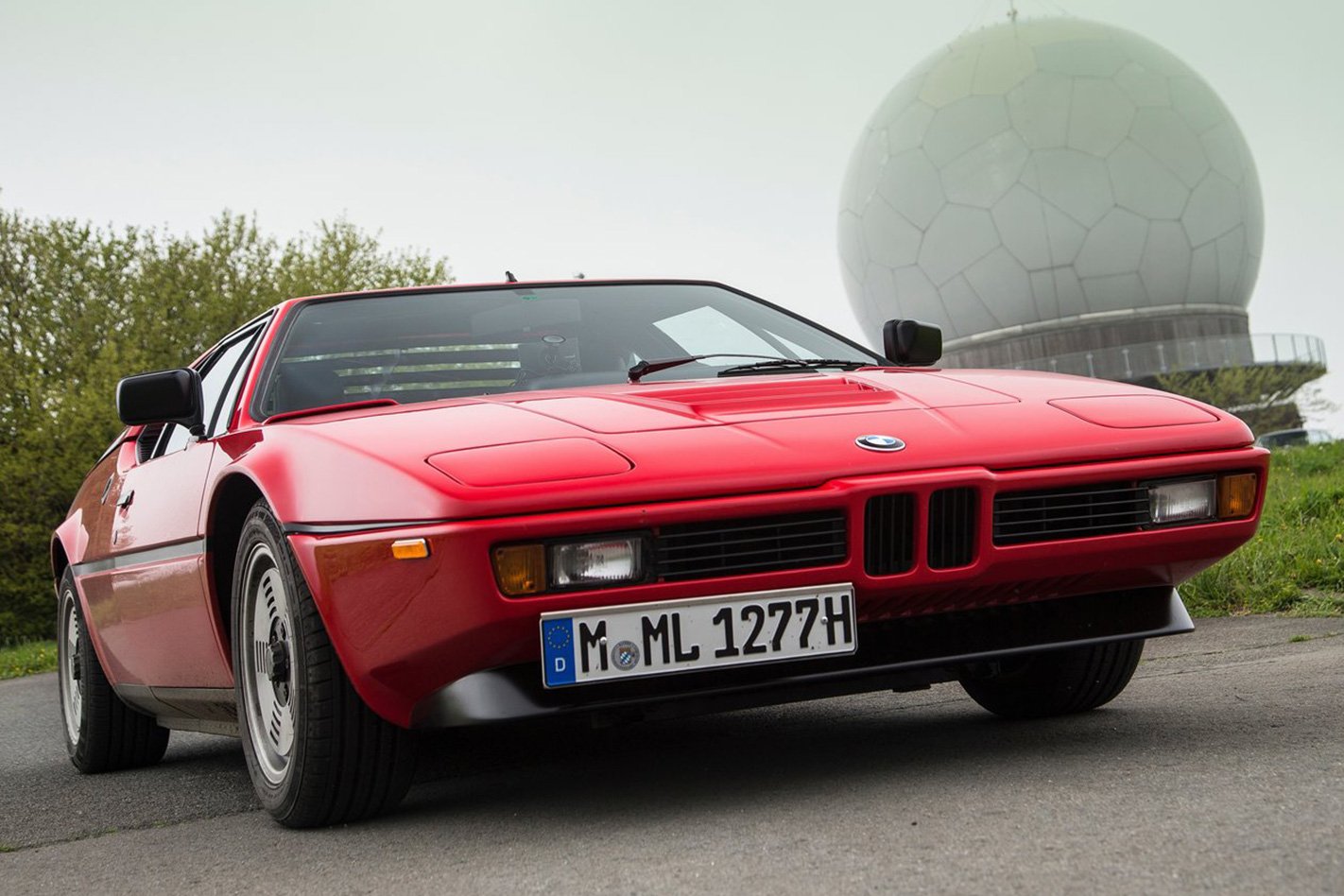
This is the bucket-lister for me. I’ve always loved the Giugiaro-penned shape of the M1 as well as its ability to punch well above its weight. Factor in rarity, the glamour of its bizarre Procar racing evolution and a fascinating backstory that includes wrestling manufacture away from a collapsing Lamborghini and it’s just a car I’d never be able to omit from the fantasy garage.
2. 2019 McLaren 600LT
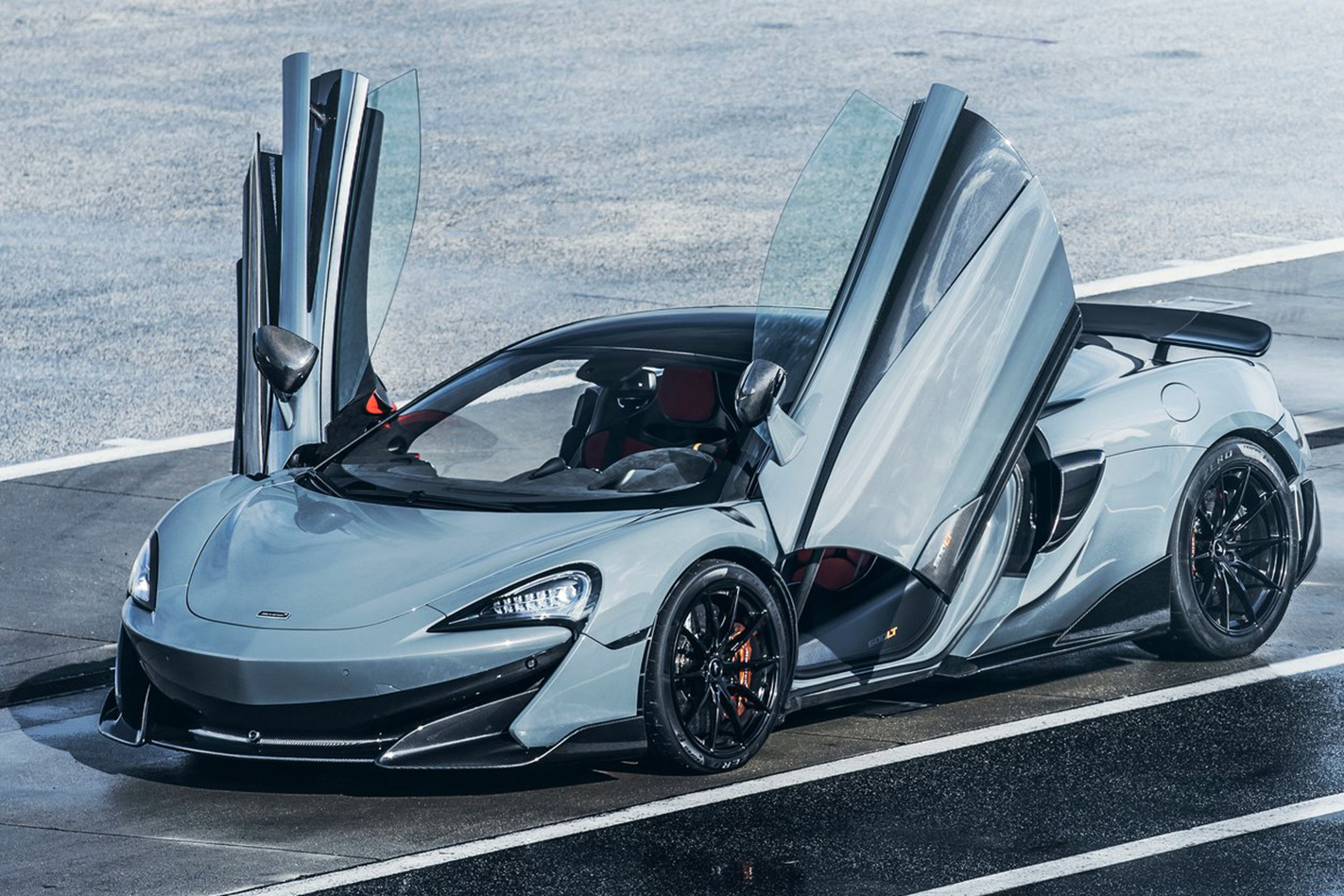
I have to admit that I’ve been back and forth on this one. This or a current 911 GT3 RS? In the end the Macca gets the nod and it’s the tactility of its delightful hydraulic steering system that gets it over the line. I know it’s a subjective opinion, but it really doesn’t get much better than the 600LT, a car that’s dynamite on track but not so uncivilised that you’d dread driving it there.
3. 2019 Porsche Panamera Turbo Sport Turismo
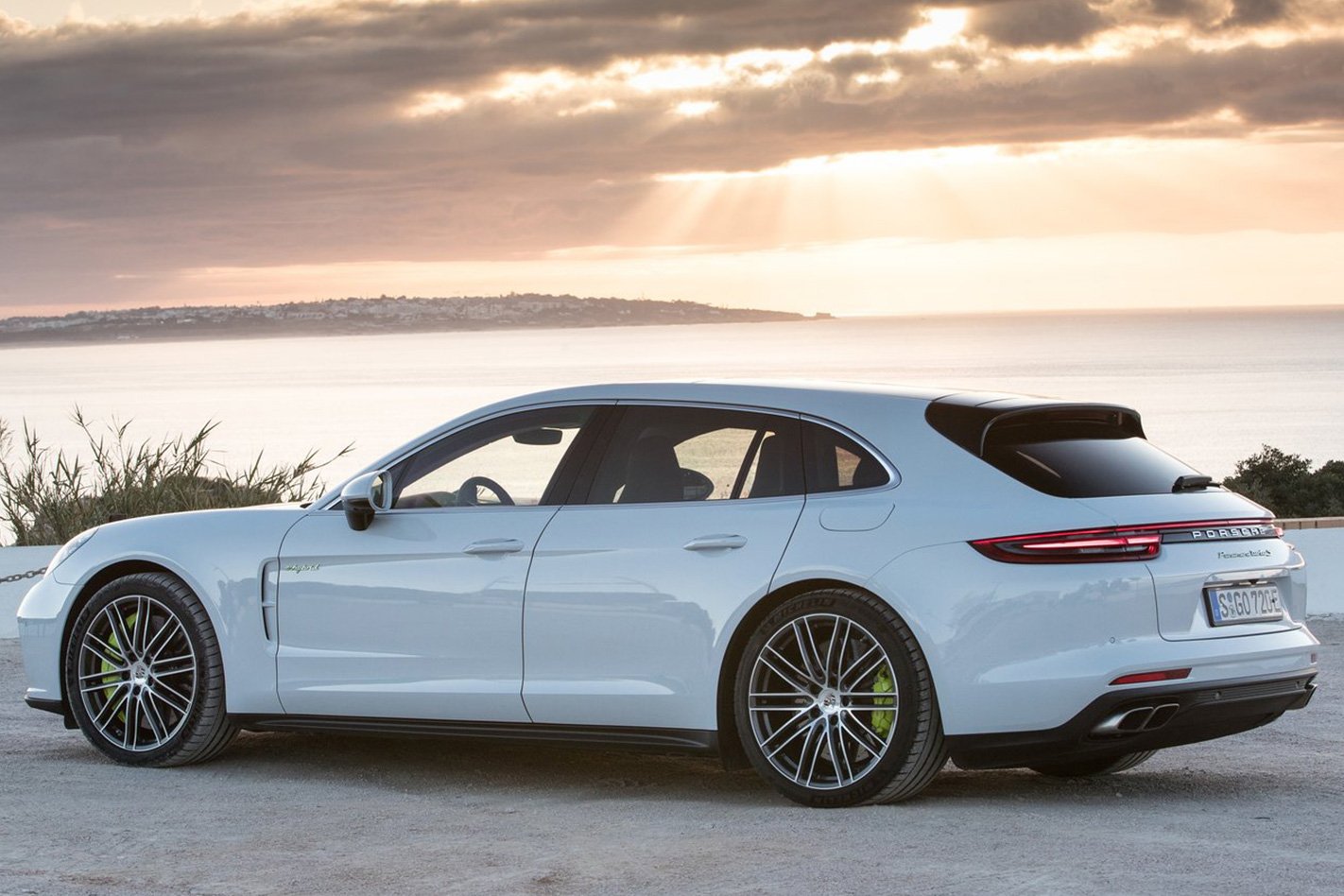
I’ve already got two mid-engined rear-drive supercars in this garage, so I’m going to need something that’s a tad more liveable. And because I’ve got to the last of my selection without a Porsche in the garage, the spot’s going to a Panamera Turbo Sport Turismo. What’s not to like about something that looks like an anti-shipping missile and accelerates like one too?
Cameron Kirby – Staff Journalist
1. 2002 HSV HRT 427
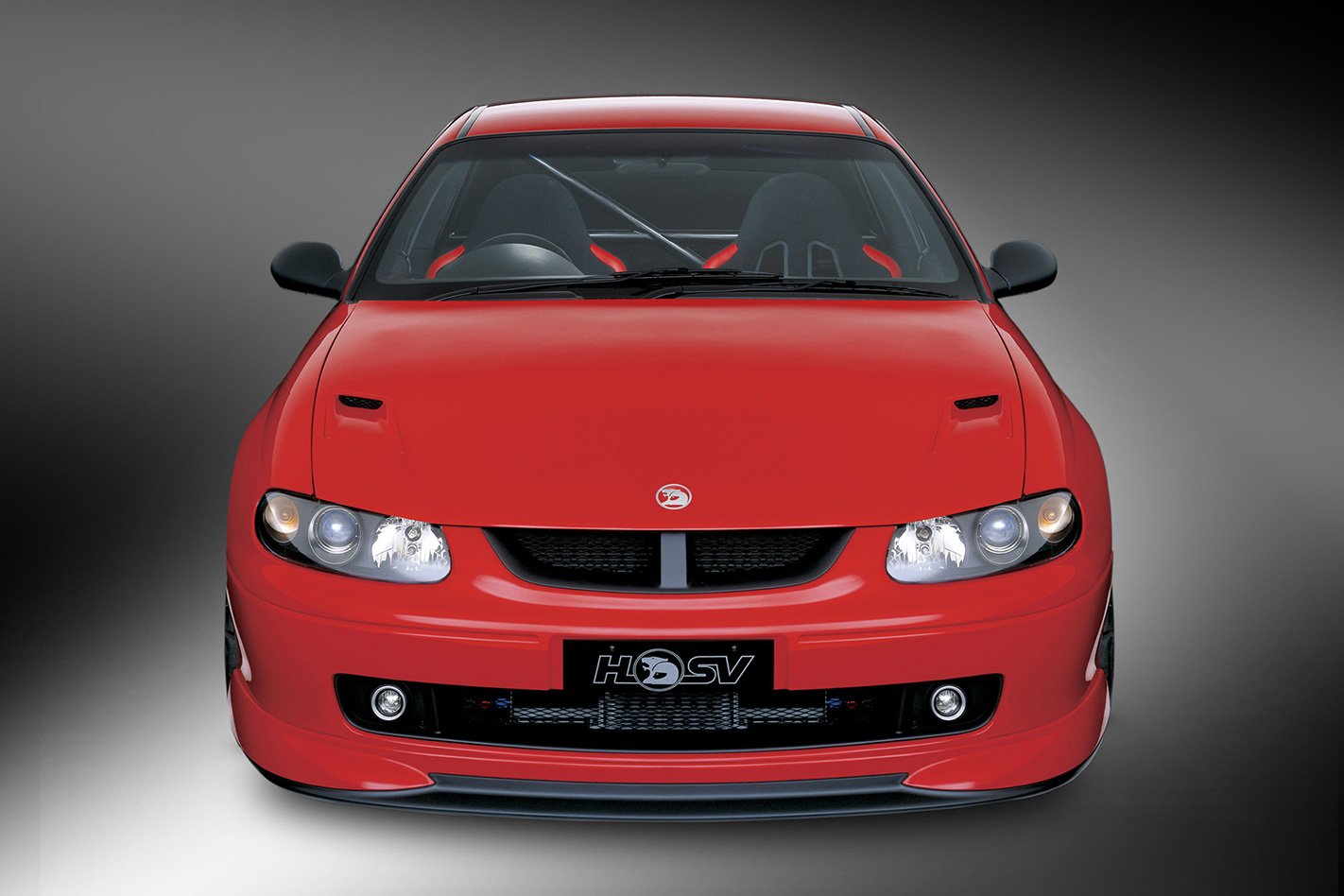
Australia’s own homologation special. It’s no secret that I am a giant motorsport nerd, and the HSV HRT 427 is an oft-forgotten unicorn that brought HSV’s road car business and the Holden factory race team together. Not be confused with the 2008 HSV W427, this limited-run HSV HRT 427 is mired in controversy, as many believe the car was never truly intended for a full production run, and instead used as a decoy to skirt the homologation requirements of the Bathurst 24 Hour race and Nations Cup of the time. This track-day special has a 7.0-litre naturally-aspirated V8, with V8 Supercar-spec brakes, suspension, and gearbox. It truly is Australia’s race car for the road. Only one was ever sold to the public, with just two built in total, and it’d be front and centre in my dream garage if I had the money.
2. 2000 HRT Chassis #043
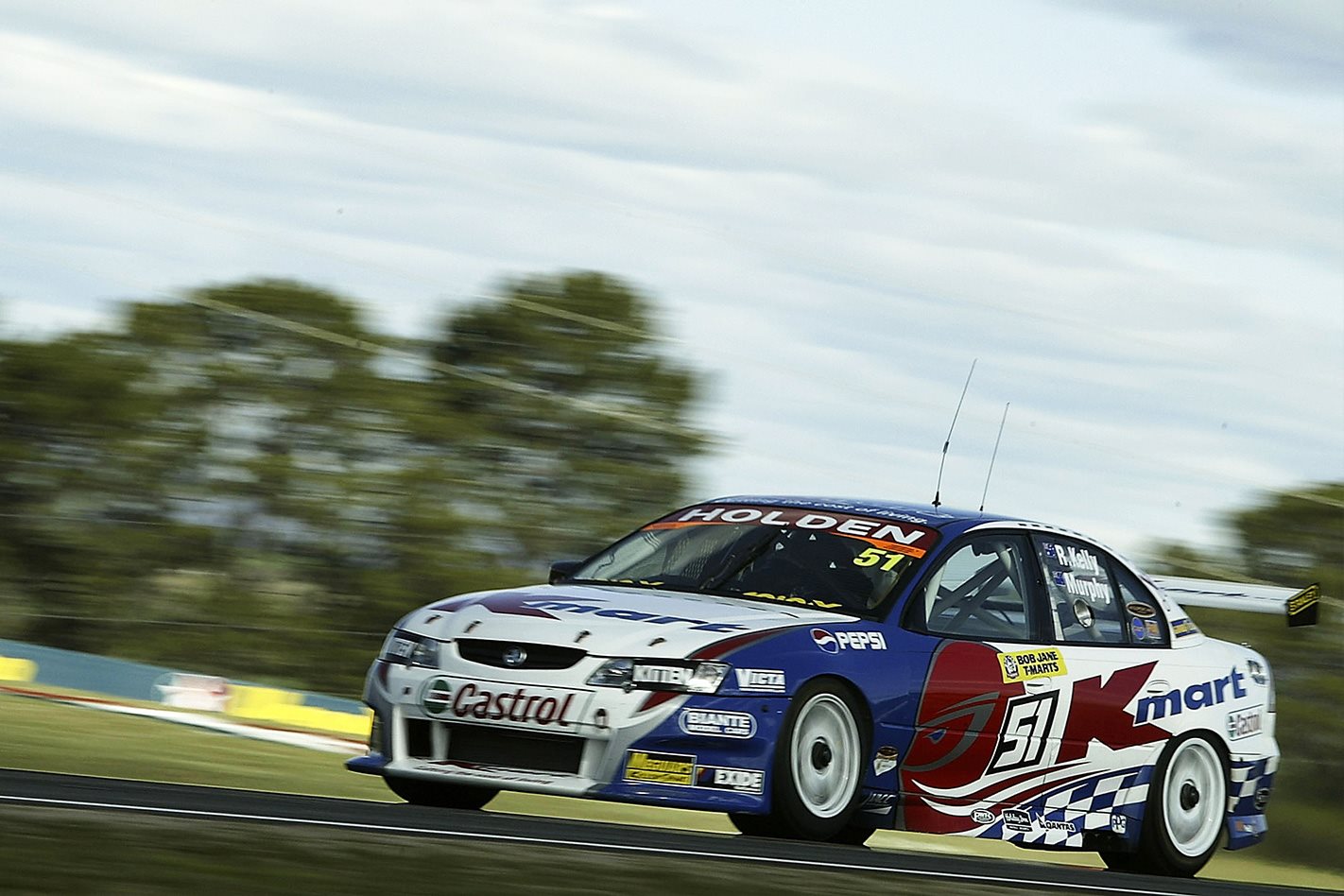
Unless you are a motorsport anorak of the highest order, HRT Chassis #043 likely means nothing to you. However, if I said Greg Murphy’s Lap of the Gods, things might make a little more sense. Chassis #043 is the car Greg Murphy drove to pole position for the 2003 Bathurst 1000 in one of the greatest Top 10 Shootout moments in history. Sitting on my lounge room floor as a 10-year-old, watching my favourite driver put together one of the single best laps in Aussie racing history will be forever seared into my mind. It’s only natural that this car, in 2003-spec (VY Commodore panels and K-Mart livery) would have a place in my dream garage.
3. 2008 Audi C6 RS6 Avant
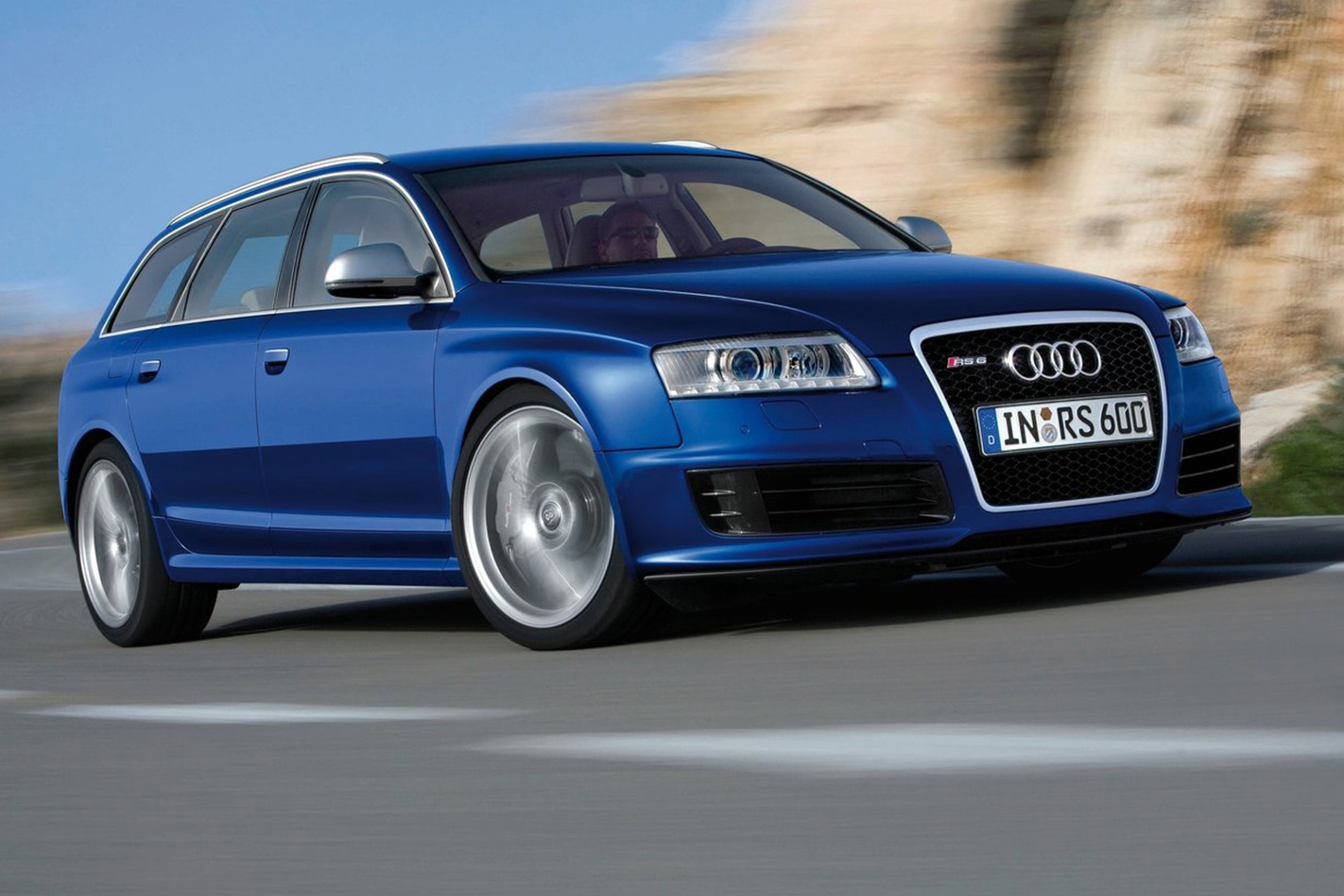
I’ve always thought the C6 RS6 Avant would make a perfect daily driver. A V10 twin-turbo wagon is fast enough to keep the commute entertaining, and practical enough to warrant everyday use. Besides, I’d need something to tow my other two cars to the track.
Felipe Ubilla – Art Director
1. 2018 Nissan R35 GT- R Nismo
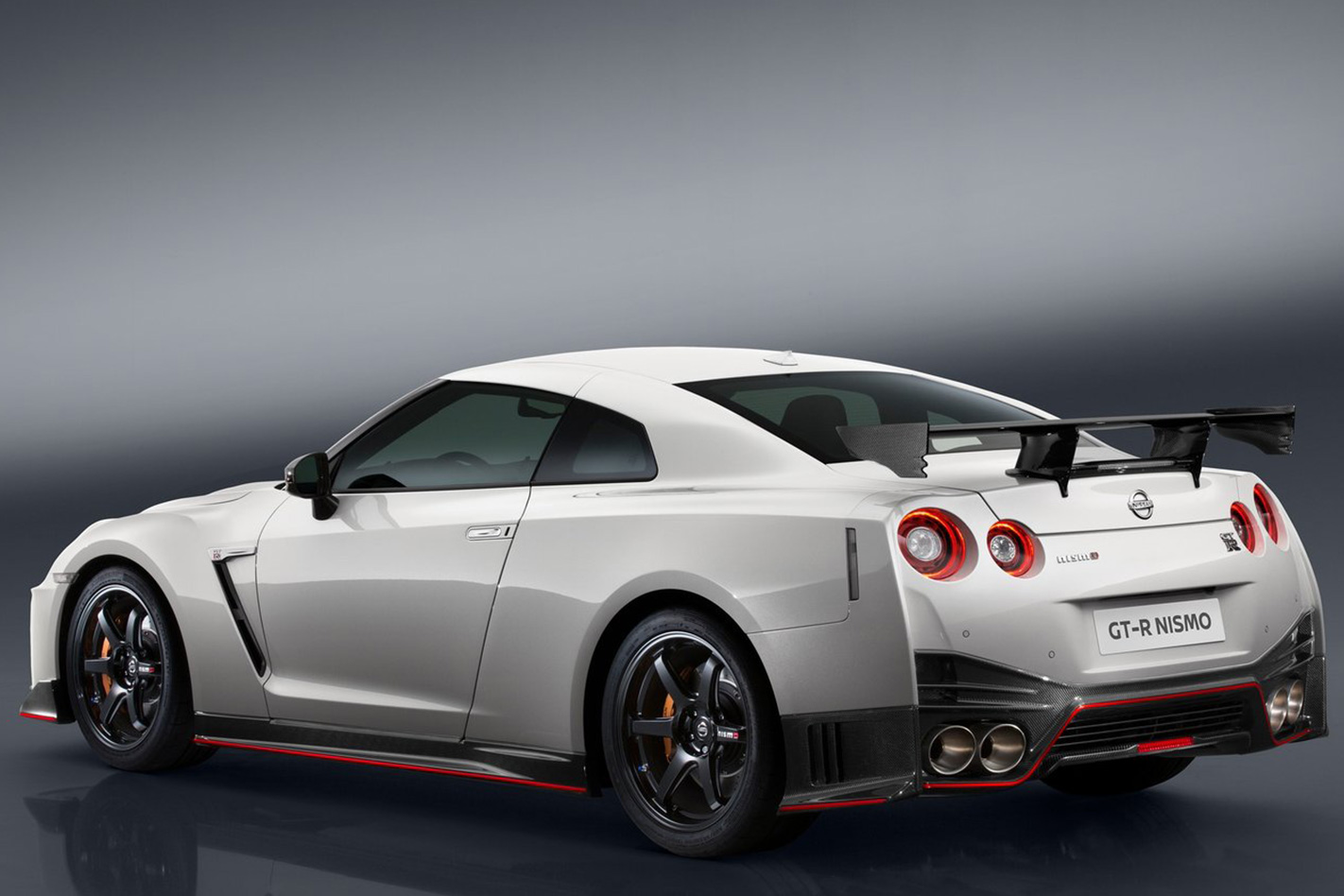
I’ve always wanted an R32 GT-R but after driving the latest and greatest incarnation of Nissan’s monster, I can’t really go back. A Porsche GT3 almost stole this spot but I’ve always been a Nissan fanboy from way back.
2. 2018 BMW M3 Competition

I’m keeping this list with one foot still in reality – the M2 almost made it in but I have kids and need something with an accessible back seat as a daily. Plus, it came with a manual box. Winner.
3. 2018 Range Rover SVA Autobiography

If my imaginary pockets have no ending I may as well go with an opulent family hauler. For those long trips where comfort is king, a supercharged V8 should keep me smiling and the brilliant designed interior would keep wifey happy.
What is your dream three car garage? Let us know in the comments.
Aston Martin has announced two major options available for its incoming Valkyrie hypercar, comprised of a track-focused driving pack by AMR, or a long list of design options dreamed up by Aston’s ‘Q’ department.
As if the hypercar, limited to 150 units only, wasn’t unique enough, Q and AMR are able to create a personalised car which includes track upgrades capable of improving lap times by up to eight per cent.
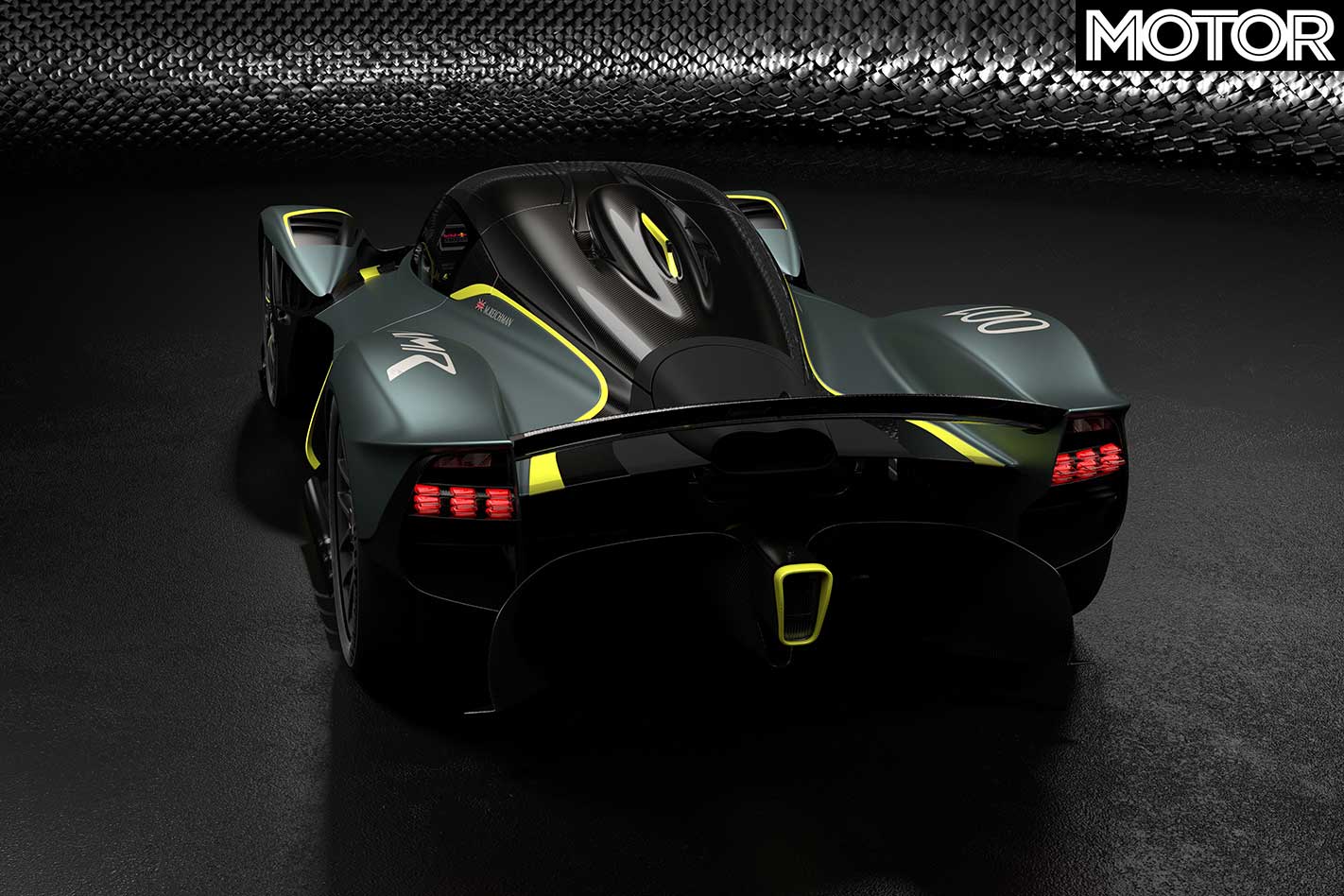
AMR also offers a “suite of personalised pit garage and race suit accessory options.”
In addition, Aston Martin has the capability to give customers a look at their customised hypercar in VR.
“Used in real-time during the specification process at Gaydon, this technology has been employed to great effect, ensuring customers leave the company’s headquarters, safe in the knowledge that every selection made to their Aston Martin Valkyrie fits their exact demands.”
The ‘Q’ department at Aston Martin has also devised four design themes, with colours and design features remaining within the region of what the Valkyrie’s design team envisioned.
However, Aston Martin also offers an “Ultimate Personalisation programme” in which customers can work with the Q team to devise their perfect specification.
Aston Martin’s chief designer Marek Reichman says the bounds of design for the Valkyrie are almost endless.
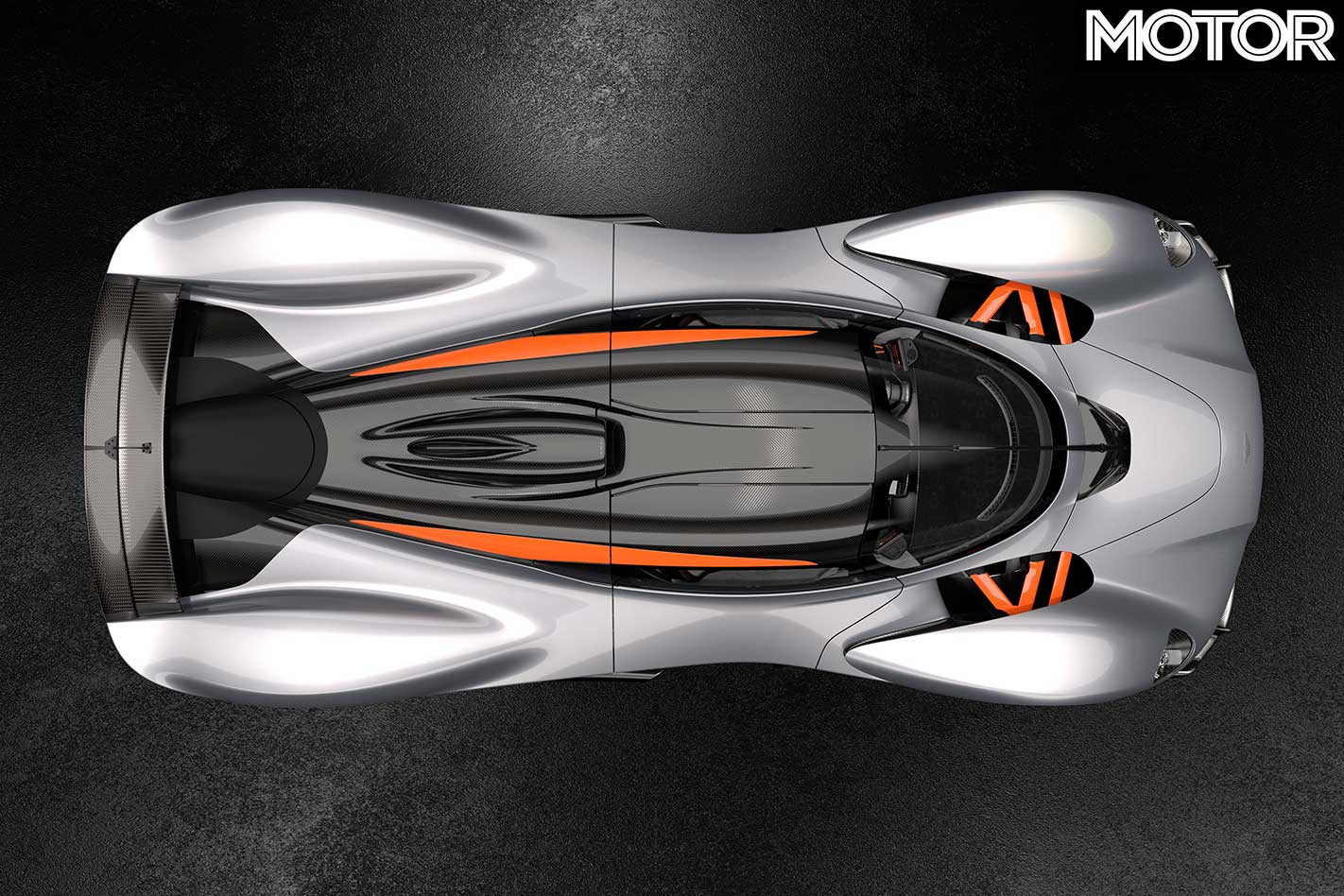
“This is simply the best car in the world if you want something bespoke and we are really pushing the boundaries to match the dreams of our customers,” Reichman says.
“Every single element of this hypercar, including its performance, can be personalised. The materials are very much about science, the art of creativity and the ability to create a unique solution that doesn’t detract from this exceptional car’s performance capability.”
In an unprecedented move, Subaru has stopped production at its largest factory after the discovery of a steering part fault.
Two production lines at its Gunma plant in Japan were idled on 16 January, and the company doesn’t expect to refire them until at least 28 January.
Affected cars include the Forester, Impreza and XV, which are all built on the same platform. The fault, according to Subaru, renders electric steering assistance inoperable and increases the effort needed to steer the car.
Cars not yet delivered to dealers will be rectified before shipping.
At this stage, models affected are isolated to Japanese stock, though the Gunma lines are responsible for 60 per cent of Subaru’s output.
Losing two weeks of production will certainly put a dent in the supply of key right-hand-drive models like the Forester and Impreza; in fact, a Japanese newspaper estimates that the stoppage has decreased the company’s output by up to 10,000 cars.
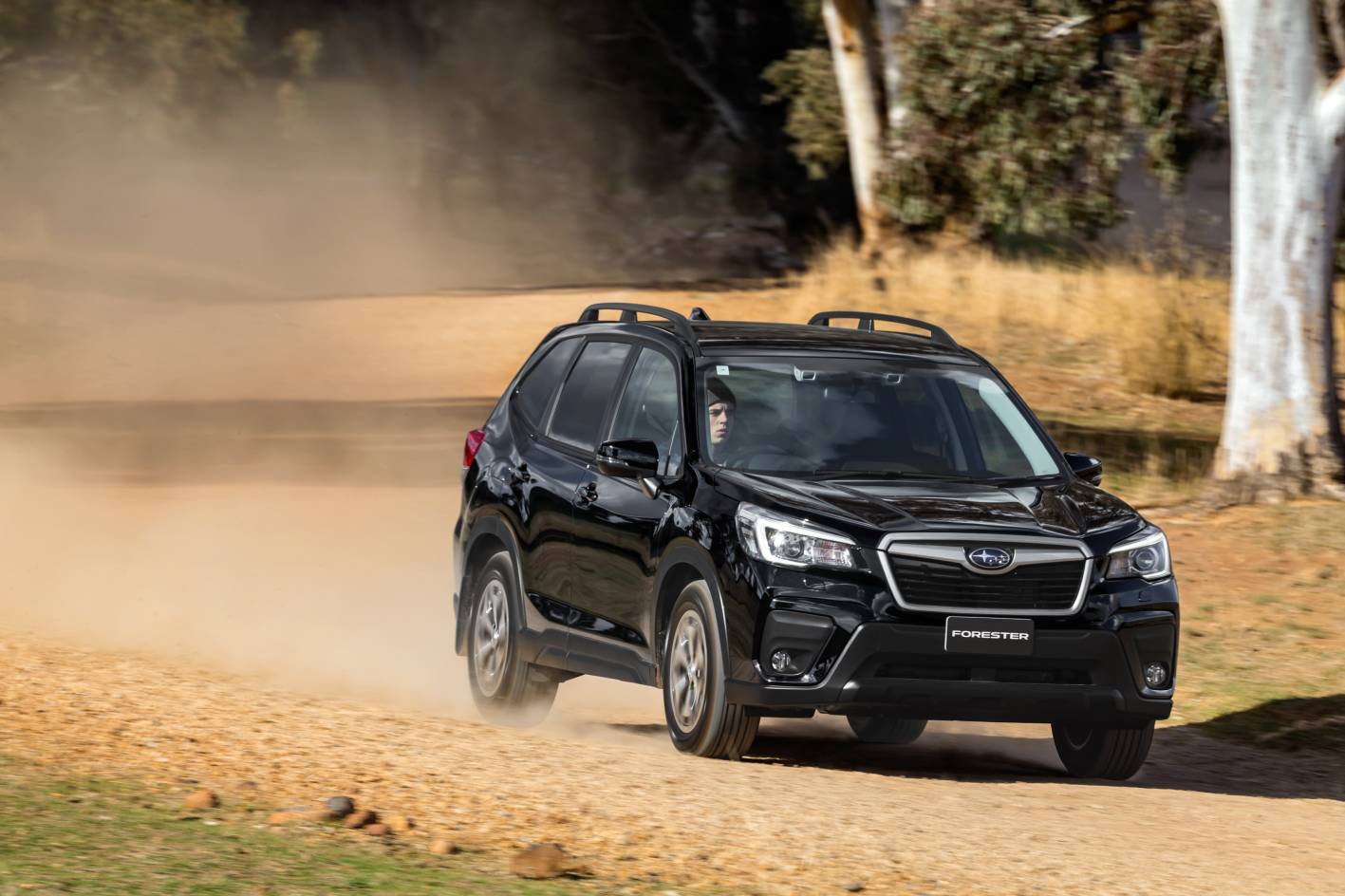
Subaru Forester
The Impreza sedan goes up against the likes of the Toyota Camry, while the compact XV does battle in the small SUV class against the likes of the Mazda CX-3.
The Forester, meanwhile, is pitched against the likes of the Toyota RAV4 and Mazda CX-5.
Subaru Australia spokesperson Dave Rowley told WhichCar that no Australian-delivered cars are known to be affected.
“Subaru Australia has been advised by Subaru Corporation in Japan of a production issue and suspension of manufacturing at the Gunma factory,” he said.
“Subaru Australia can confirm that no vehicles in customer’s hands or in Australian dealer stock are affected.”
He added that the company is working closely with Subaru Corporation, and is awaiting advice regarding production resumption.
Outspoken Aston Martin CEO Andy Palmer has predicted the impending death of companies like Cadillac, Lincoln and Infiniti, suggesting at a US conference that luxury brands within mainstream car makers are far too focused on the need to return a profit to HQ to be able to be truly autonomous
“When I joined Aston, many people told me the company would not survive by not being part of a mega group, that it would be impossible to be profitable without being a division of an OEM (original equipment manufacturer),” Palmer told an Automotive News conference in Detroit. “Without platform and tech provided by a mother ship a company like Aston Martin would never be competitive.
“Frankly, that is bullshit.”
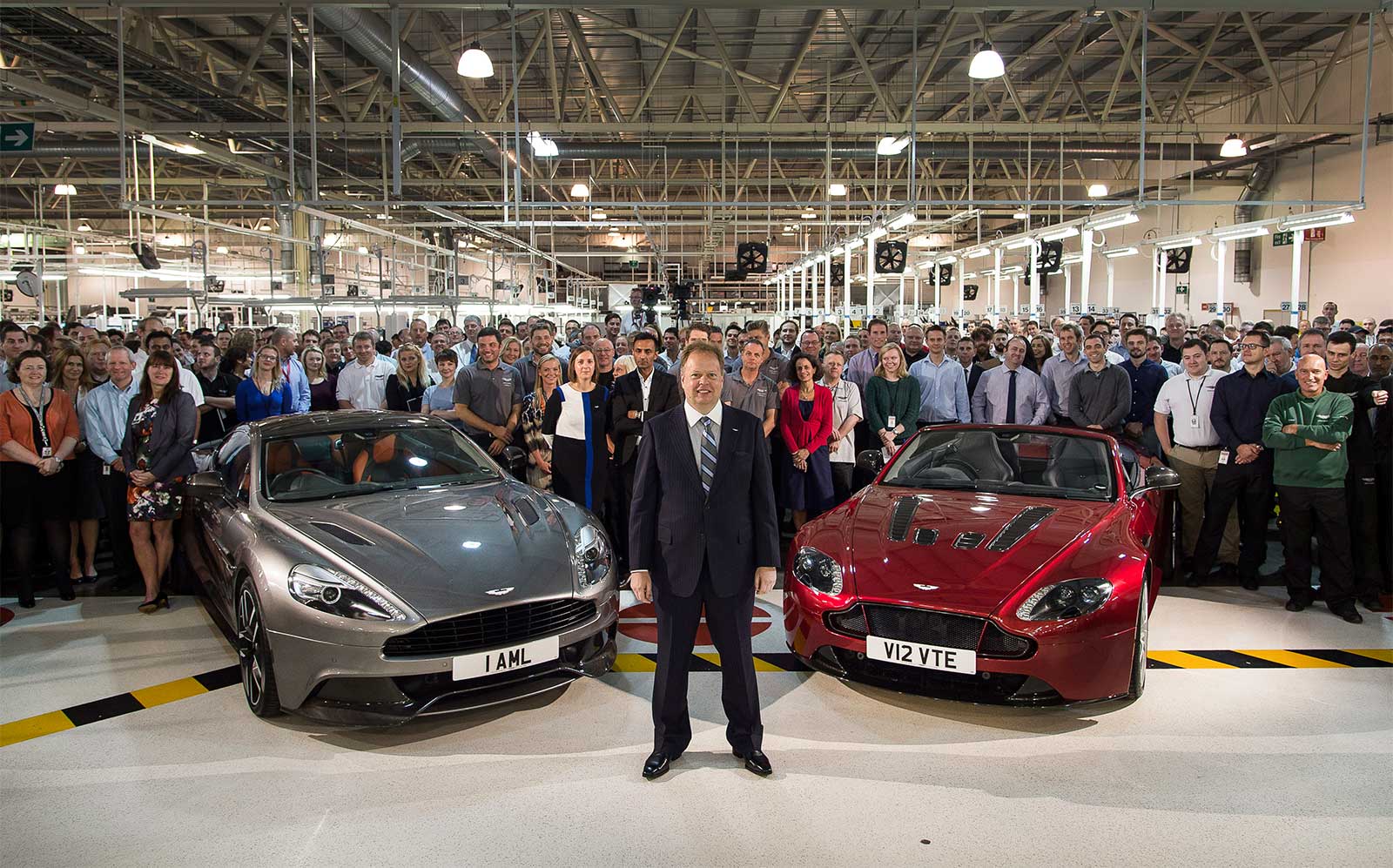
Andy Palmer
Within a large company, Palmer said, each respective luxury brand is forced to prioritise sales volume and profits for the wider company, even when it risks undermining the luxury brand itself. Mercedes-Benz and BMW, he said, don’t have that problem.
“There’s a real disadvantage of being a premium brand inside a mass company,” Palmer said. “Basically, Cadillac inside of GM, Lincoln inside of Ford or Infiniti inside of Nissan — none of them will make it.”
Founded in 1913, Aston Martin was formerly owned by the Premier Automotive Group, a division of Ford that also housed companies like Volvo, Jaguar and Range Rover/Land Rover, before going it alone again in 2010.
Palmer ranks Aston Martin as one of the world’s top six luxury brands, alongside Ferrari, Lamborghini, Bentley, McLaren, and Rolls-Royce.
“As an independent pure luxury automaker, we are determined to avoid a ‘race to the bottom’” he said.
Palmer also confirmed that Aston Martin has contingency plans to deal with the potential fallout of the troubled Brexit campaign, where the UK would no longer enjoy favourable trade status with key European countries.
The company has secured its supply chain, he said, and has put measures in place to bypass the key port of Dover – expected to become a bottleneck if the Brexit deal takes effect in March as planned –and has even looked at flying parts in to ensure production isn’t affected.
Holden Special Vehicles is putting the finishing touches on the 2019 Chevrolet Camaro ahead of an expected launch in Q3 of this year.
The 2019 Chevrolet Camaro features substantial styling changes, including a new fascia, grille, headlamps, LED daytime running lights and bonnet at the front and a new fascia and sculpted LED taillights at the rear.
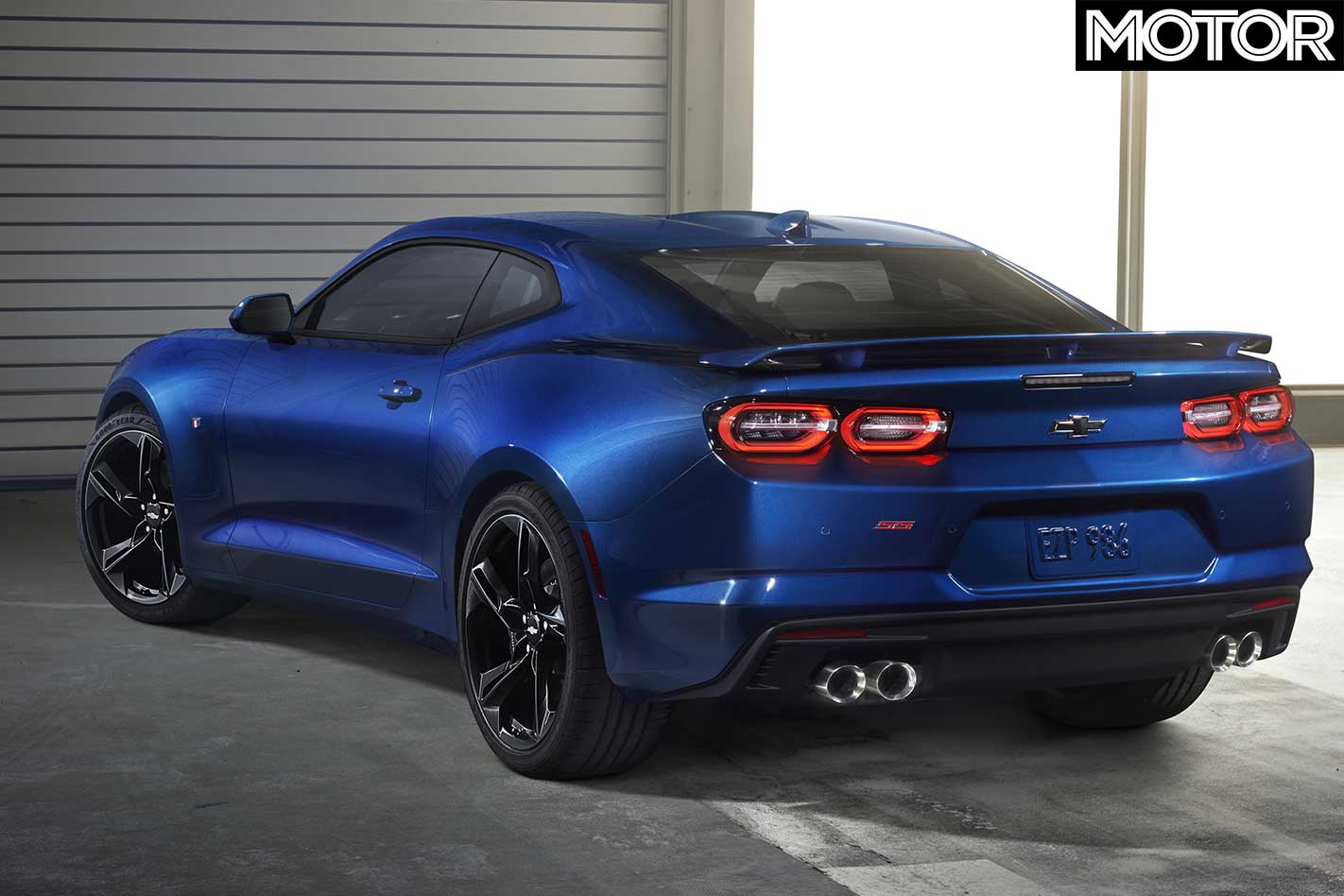
A new 20-inch wheel design debuts as does the latest iteration of Chevrolet’s Infotainment system, operated by an 8.0-inch colour touchscreen, as well as the introduction of Forward Collision Alert . The 6.2-litre LT1 V8 remains at 339kW/617Nm, but is now connected to a 10-speed automatic.
This new gearbox has delayed the MY19’s arrival somewhat due to the need for emissions re-certification, but MOTOR understands the problems have now been solved with help from GM engineers in Detroit.
Significant delays in MY19 approval could have been costly. By the end of 2018 HSV had completed roughly half of its initial allocation of 550 MY18 Camaros and at a completion rate of eight cars per day it’s clear stock levels would not have lasted long.
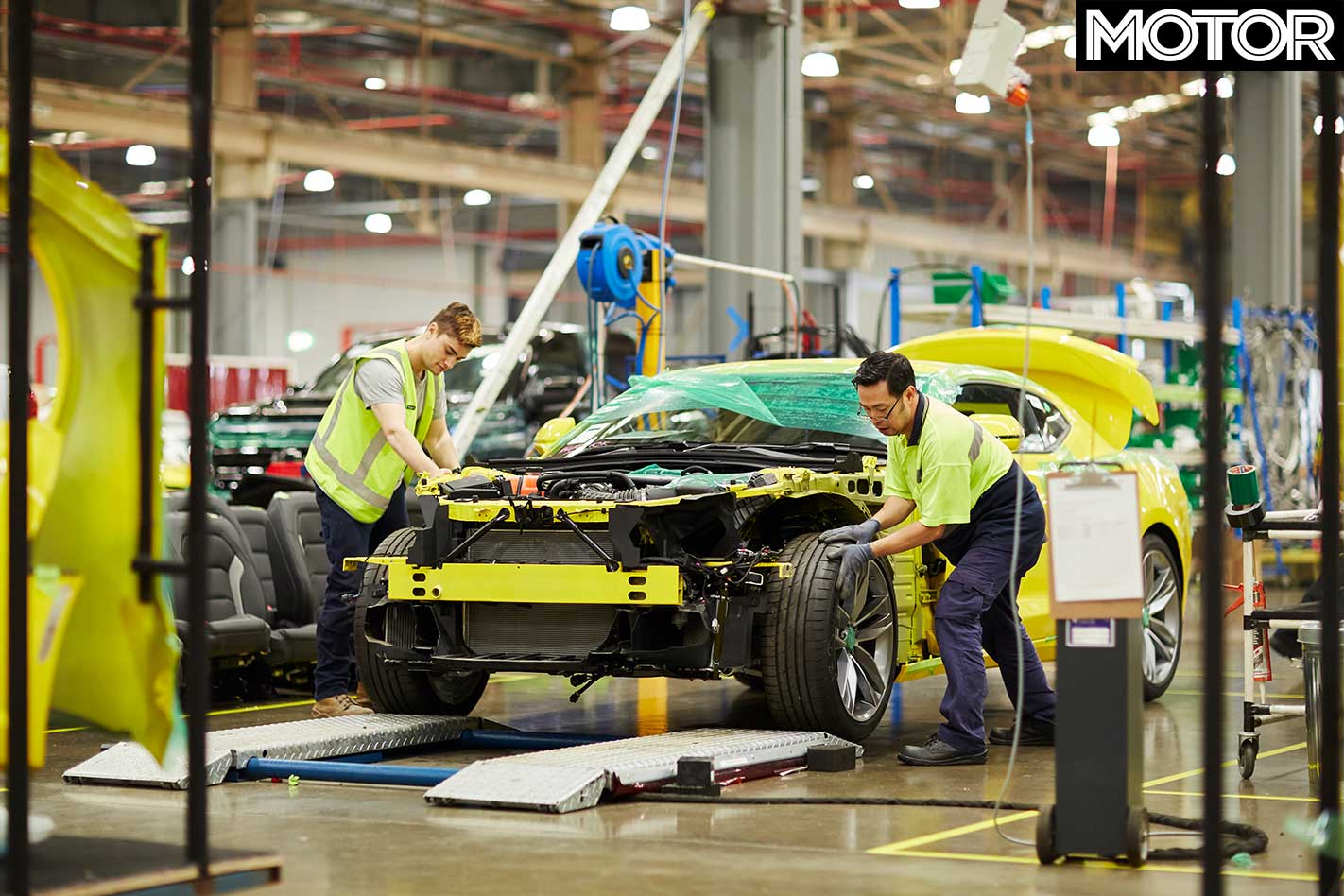
While those close to HSV told MOTOR it was far more important to have the product right than concentrate on the timeline, a large gap in Camaro availability would’ve cost HSV crucial moment in the local muscle car race.
Arguably the most important change in HSV’s 2019 Camaro offering can’t be seen at all. Currently, Aussie Camaros are sourced in Argentinian-spec due to its cars most closely mirroring the spec required to meet ADRs, but from 2019 this will no longer be necessary.
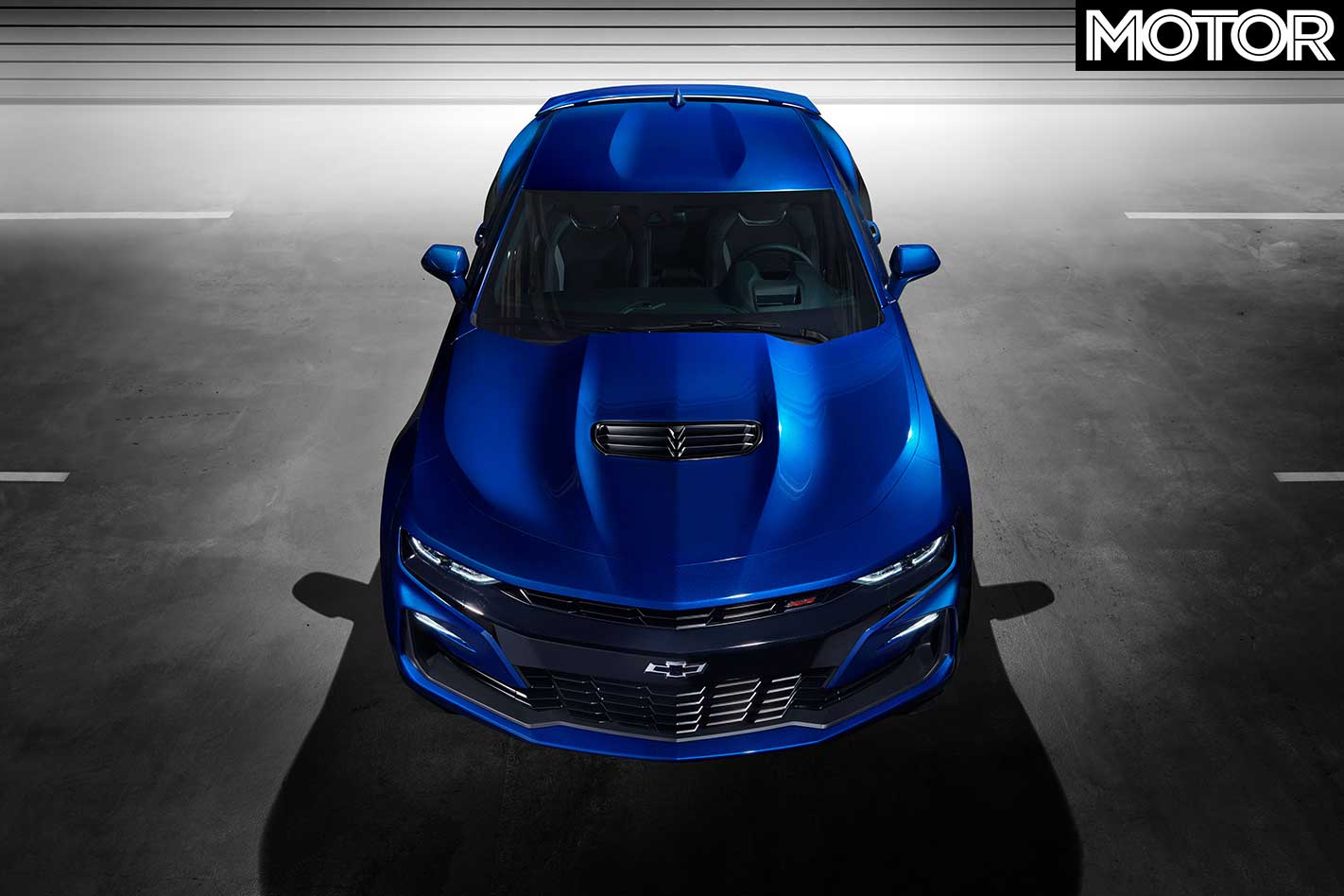
Nothing is yet confirmed, but it does open up the possibility of tapping into the US options list, which includes equipment such as Magnetic Ride Control adaptive dampers , technology HSV has used since its introduction in the E-Series GTS.
While there are plenty of performance options available for the Camaro Stateside, primarily choice bits from the ZL1 and ZL1 1LE, it’s unlikely these will be available, as it’s expected HSV will offer its own locally-developed enhancements in time.
THE TRAPPINGS of Carlos Ghosn’s wealth were jaw-dropping.
His lifestyle included homes in Paris, Rio de Janeiro, Beirut Amsterdam and Tokyo, an official salary package of USD$15m, and a Marie Antoinette-themed wedding celebration in 2016 at the Palace of Versailles. The pompadours, macarons and gilded invitations to the Parisian elite must seem a distant memory now.

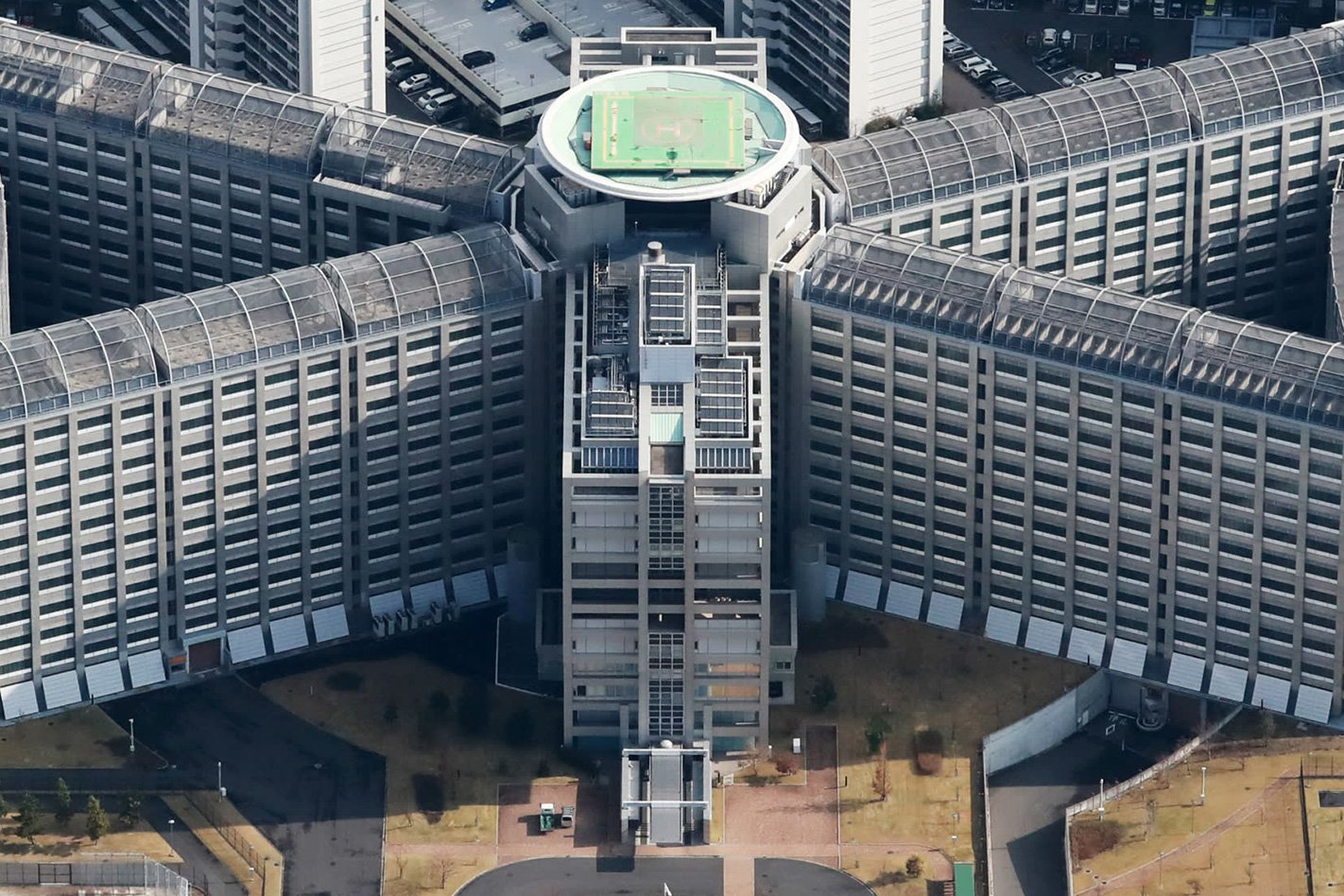
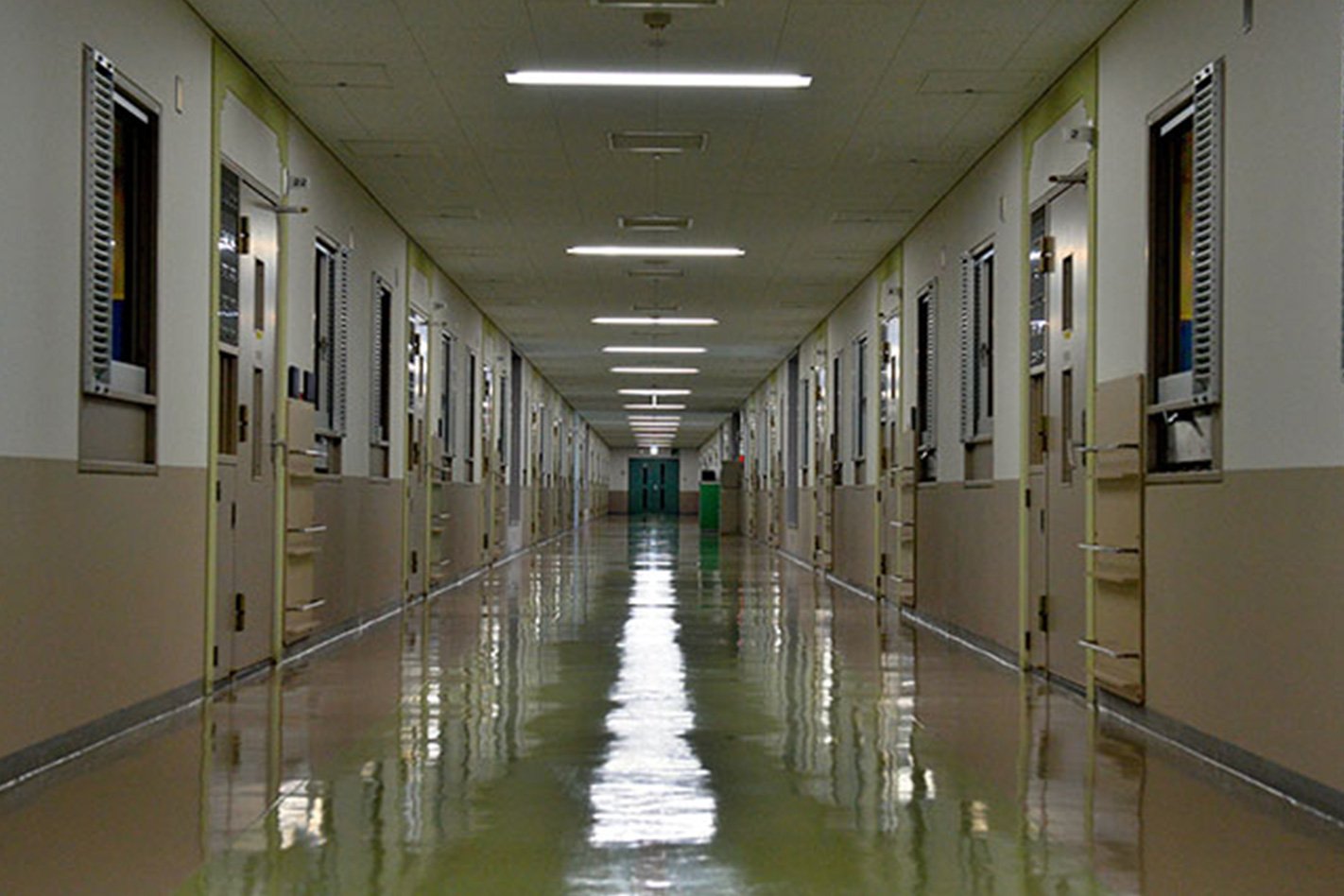
Ghosn’s new home is a twelve-storey austere concrete edifice in Katsushika. The Tokyo Detention House can count on a 99 percent conviction rate amongst indicted detainees and houses one of Japan’s seven execution chambers in its basement.
The daily regimen is brutal. While many expected the 64-year-old executive to be housed in a white-collar facility, that expectation ignores the fact that Ghosn’s formal charge of underreporting his income by about 5 billion yen (USD$44 million) for five years through 2015 carries a far greater social taboo in Japan than it does in many western cultures.
Falsely reporting income “is one of the most serious categories of offenses,” said Shin Kukimoto, deputy chief prosecutor at the Tokyo District Public Prosecutors Office.
“It is a heavier category of crime than insider trading. I am aware that the eyes and the ears of the world are on this case.”
The Japan Financial Instruments and Exchange Act carries some serious clout and Ghosn is belatedly understanding its reach.
His cell contains nothing but a stool, a toilet and a washbasin, and measures about three tatami mats, or five square metres. Prosecutors have the right to question him at any time without access to attorneys. High profile prisoners such as Ghosn are usually housed in special cells where those cells opposite and adjacent are kept empty. There’s a regular routine of being awakened at 7am with lights out at 9pm.
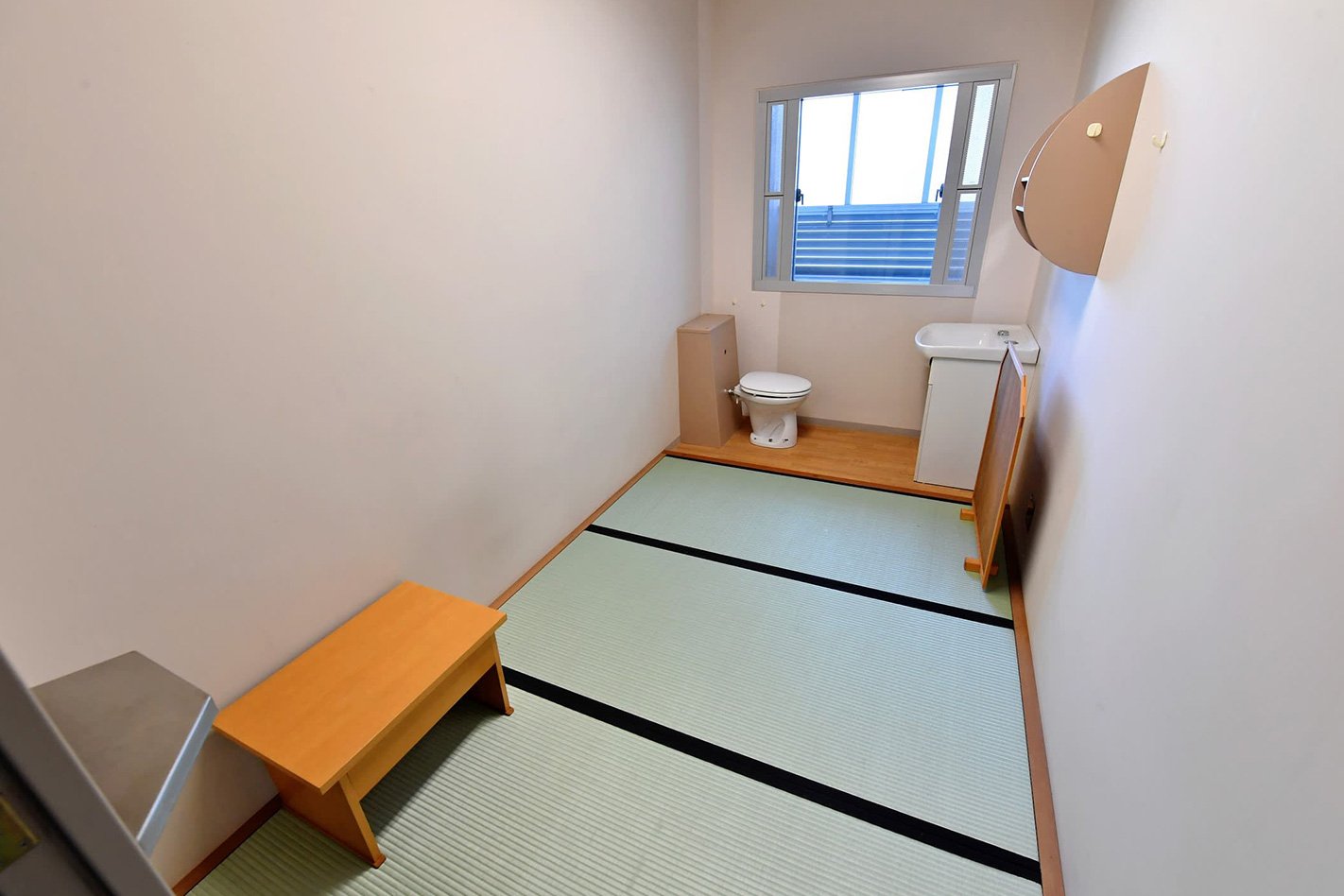
He is constantly monitored to prevent him laying down to sleep, exercising in the cell or even slouching on his stool. Punishments for the latter include being taken to padded isolation cells and put into stress positions with hands bound.
Since being detained, the Brazilian-born Frenchman of Lebanese ancestry has lost around 10kg, perhaps unsurprising given that bread is only served during meals about once or twice a month and the rice provided for all other meals is mixed with around three parts barley.
Temperatures hover around 5℃ in Tokyo at this time of year and Ghosn has complained to family and friends about the cold and has been provided with a jacket to wear. The Panopticon design of the detention facility features a central inspection hub and this is heated, although the Justice Ministry sources admit that the heated air may not always circulate to the cells.
Visitors have also brought him books – of which a maximum of three are allowed at any one time – English-language newspapers and translations of Japanese articles about his case. Lebanon’s ambassador to Japan has visited Ghosn three times and has supplied a mattress instead of the thin tatami mats the executive was sleeping on. Baths are only allowed on Tuesdays and Fridays.
According to Japanese law, Ghosn can be held in custody for up to 23 days without being charged, although that ‘clock’ can be reset if new or materially modified charges are laid against him.
Because of the nature of his alleged crimes, bail is unlikely as there is a risk of evidence being tampered with or destroyed. Ghosn has offered to wear an ankle bracelet and be supervised by security around the clock, but that’s unlikely to be accepted. In effect, he can be held for up to a year under harsh interrogatory conditions.
While incarcerated, Nissan has been working to prevent Ghosn’s family from entering a luxury apartment in Rio de Janeiro worth around USD$3 million and a house in Beirut that the automaker bought for $8.75 million in 2012 and which the car manufacturer then spent another $6m, renovating to Ghosn’s tastes with a wine cellar and sarcophagi displayed in glass cases in the entrance.
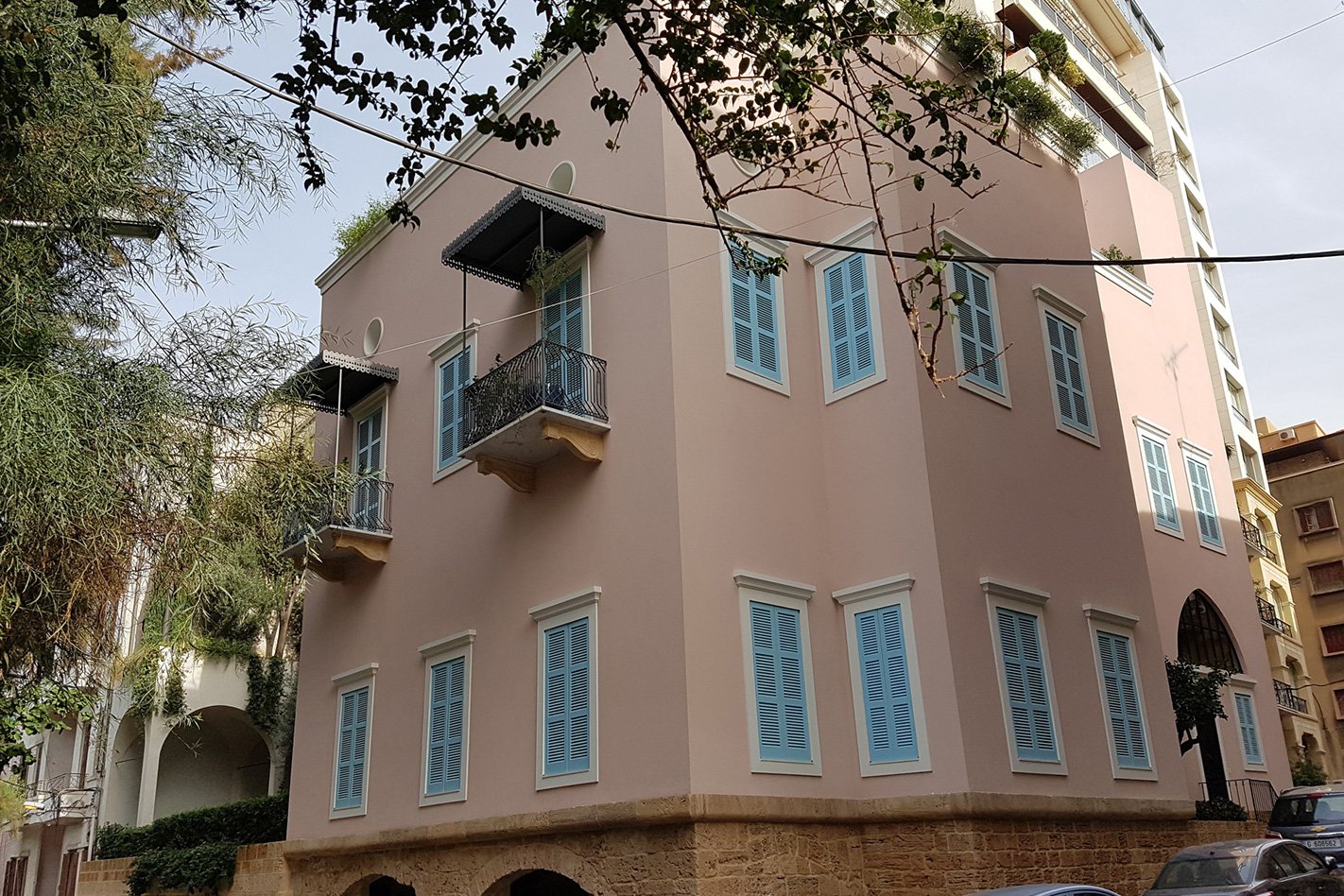
Locks have already been changed at several properties, with Ghosn’s wife, Carole, reportedly denied access to the Beirut residence. A local court in Rio granted Ghosn’s representatives access to his apartment and files were removed from a safe. “Nissan believes that the documents removed from the Rio apartment last night were not personal in nature,” the company said. Carole Ghosn recently penned a nine-page letter to the Tokyo branch of Human Rights Watch describing the Japanese justice system as “draconian.”
“No human being should be detained under conditions so harsh that their only plausible purpose is to coerce a confession,” she wrote.
Other occupants at the Tokyo Detention House have included convicted members of the Aum Shinrikyo cult, responsible for the sarin nerve gas attack on the Tokyo subway in 1995. Shoko Asahara, the mastermind off the attack which killed 13 and injured hundreds of others, was executed in the basement of the facility on July 6th last year. Co-conspirator Kenichi Hirose was executed 20 days later, one of six inmates hung at the Tokyo facility in 2018 alone.
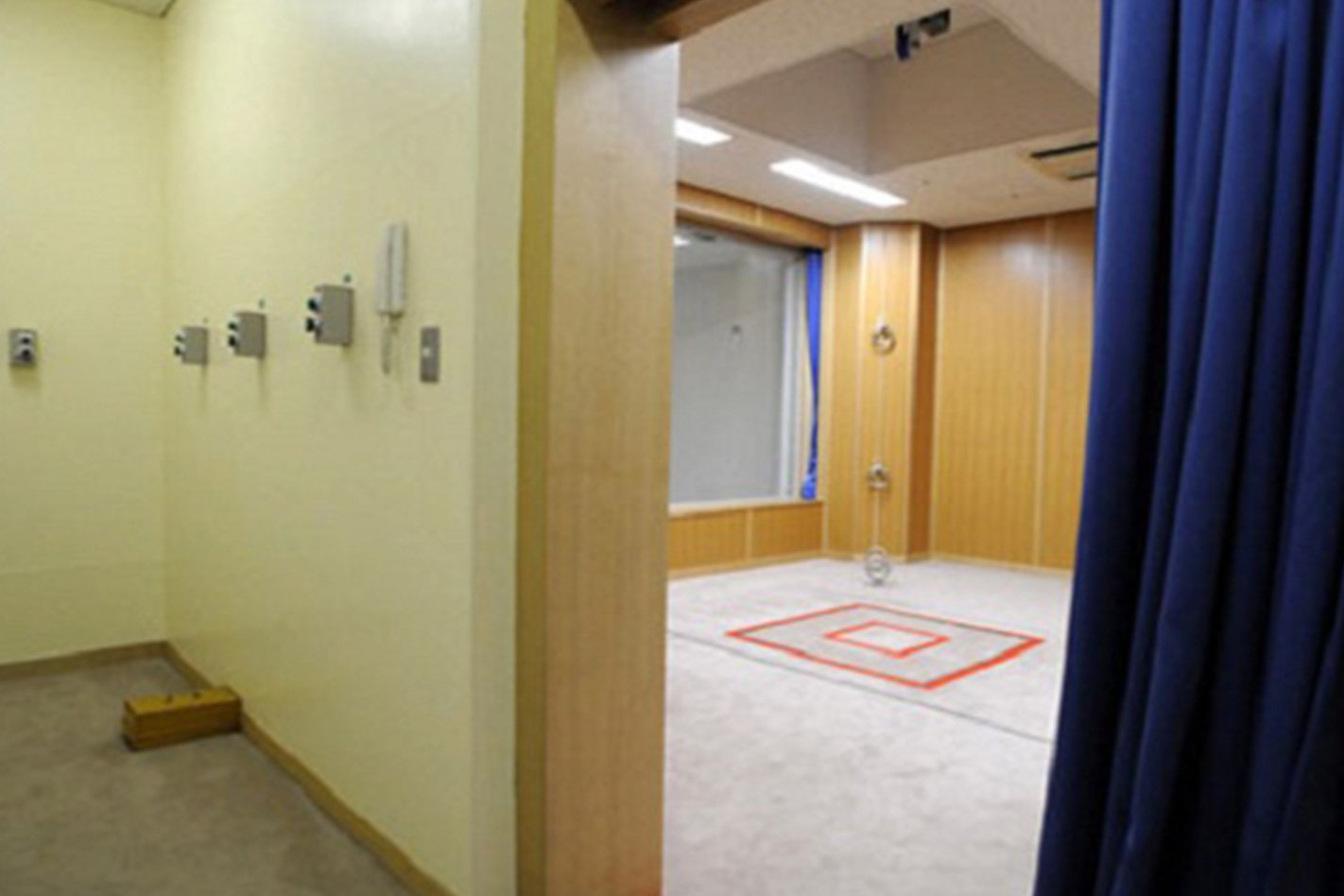
The execution chamber consists of a trapdoor with a long-drop gallows. The convict stands within a red square that denotes the trap. The mechanism is then operated by three switches mounted on the other side of a partition wall which are pressed simultaneously so that no one corrections officer knows if they have released the trapdoor.
The nature of Ghosn’s incarceration has brought the Japanese penal system under a harsh spotlight. Toshio Sakamoto, who worked as a guard at the detention centre for more than three decades acknowledged that what have been described as ‘hostage justice’ conditions would be “very tough” for Ghosn.
“It’s a disaster for the Tokyo Detention Centre. You must be very careful to prevent any mishap, which could be an international issue. I wouldn’t want to be there myself,” he said.
He described the dystopian facility as a “monster” largely because “you never know what will happen there”.
Carlos Ghosn: the rise and fall of “Le Cost Killer”
Mr Sakamoto told AFP of instances where informants would deliberately get themselves incarcerated so that they could profit by selling stories on famous inmates. “It’s just like an American crime drama in there,” he said.
Mark Karpeles, the former CEO of Mt Gox, a cryptocurrency exchange that collapsed in 2015 when hackers drained the company’s digital coffers, knows what Ghosn is going through. He spent more than 11 months in custody, was interrogated for 50 straight days and lost around 30kg in a process he described to CNN as a “nightmare” that he believed could only be ended by pleading guilty.
“I wouldn’t want this on anyone,” Karpeles told CNN. “Not my worst enemy, not even humanity’s worst enemy.”
