
A Nissan 350Z with a pretty impressive CV is up for sale in the UK.
It might not be to everyone’s tastes, but this Zed has been modified to fit in with its fellow stars of The Fast and the Furious: Tokyo Drift.
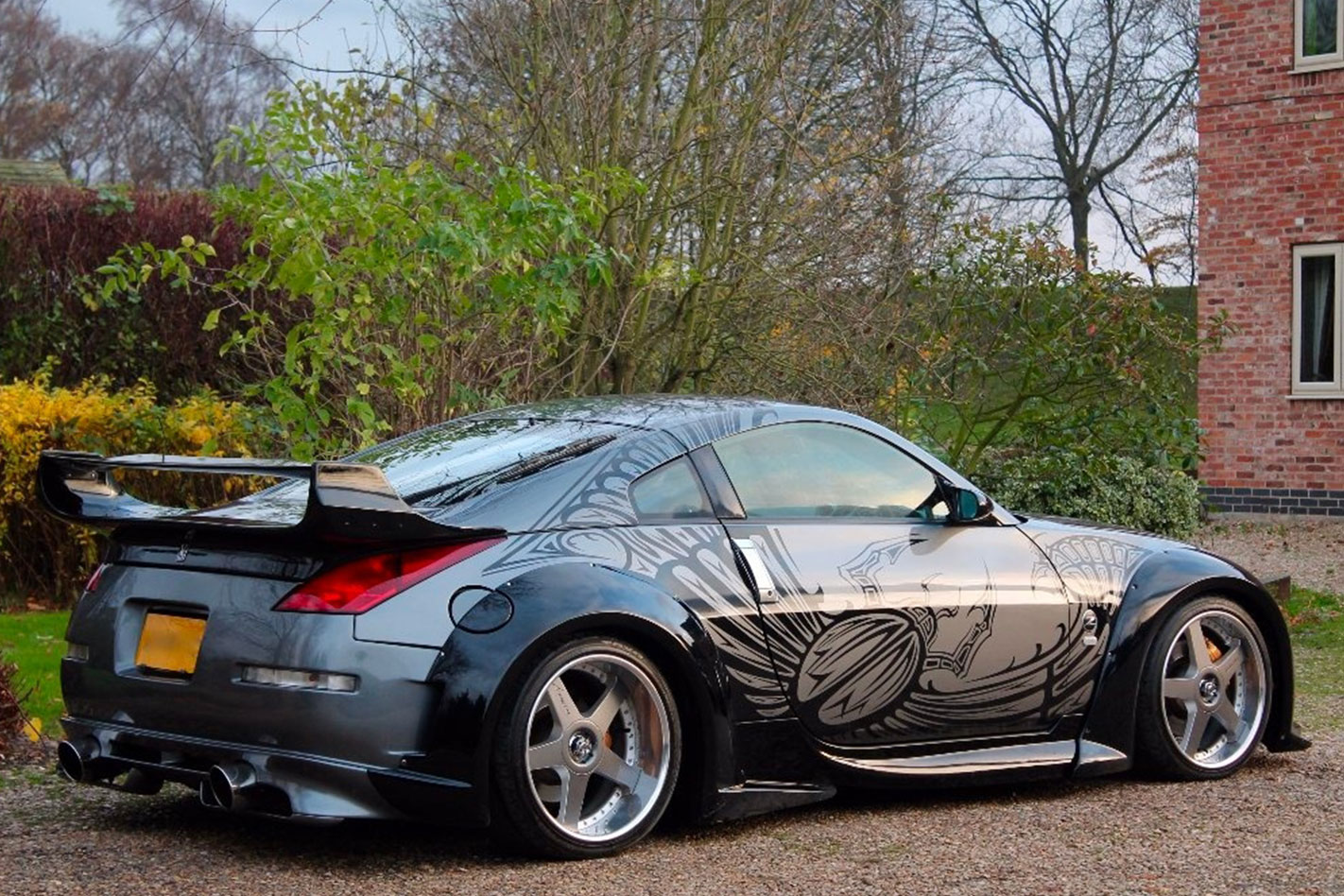
Driven by one of Tokyo Drift’s main antagonists, Takashi the Drift King, the twin-turbo V6 coupe has quite a lot of screentime.
Yes, twin-turbo. Various sources claim the car that was built for the movie was gifted a TTV6 engine from APS in Australia, giving it some bite to match its bark.
That bark was visually supplied by Japanese design and modification outlet Veilside, which gave it a lashing of carbon – including the bonnet, wing, and mirrors –and its body kit.
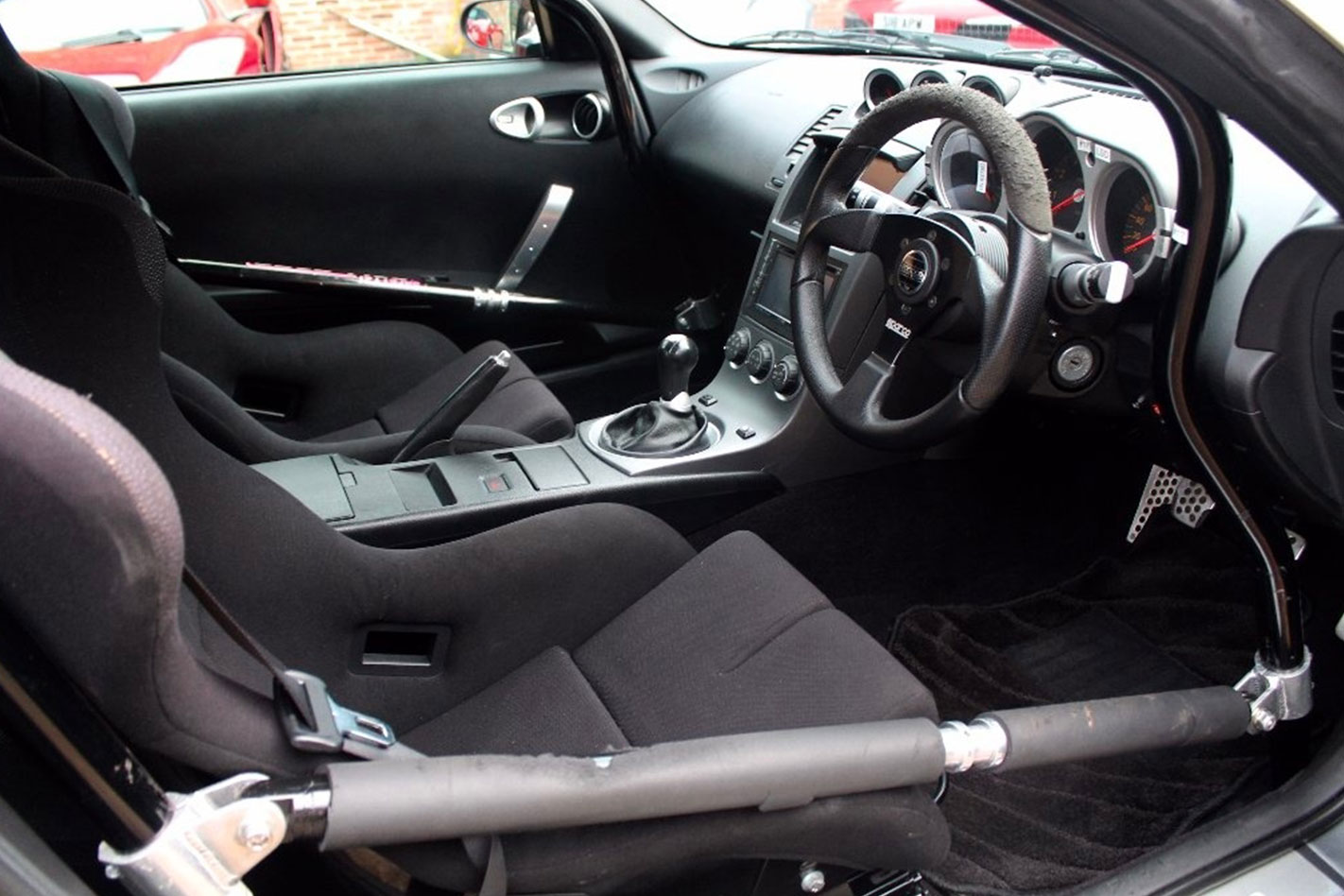
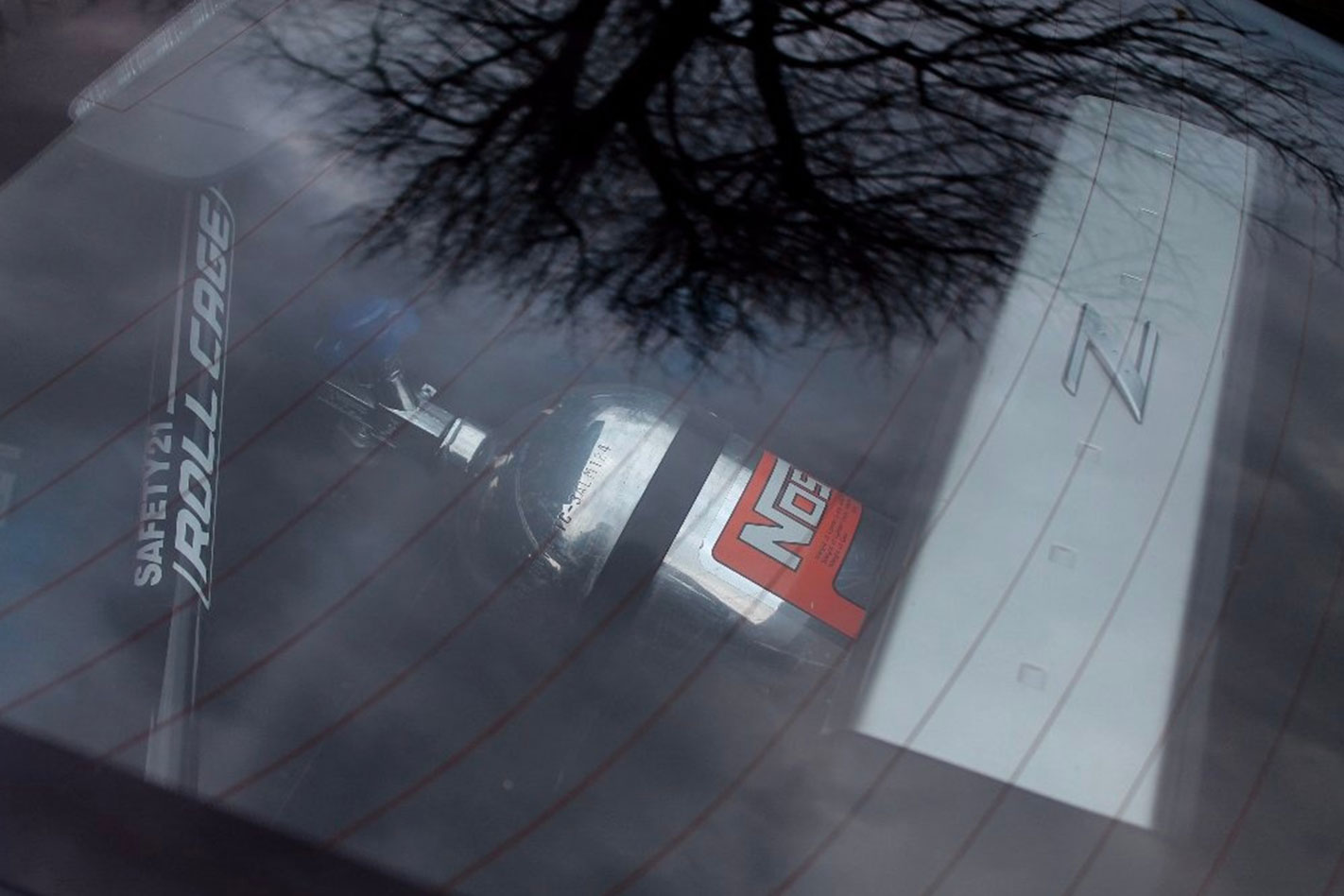
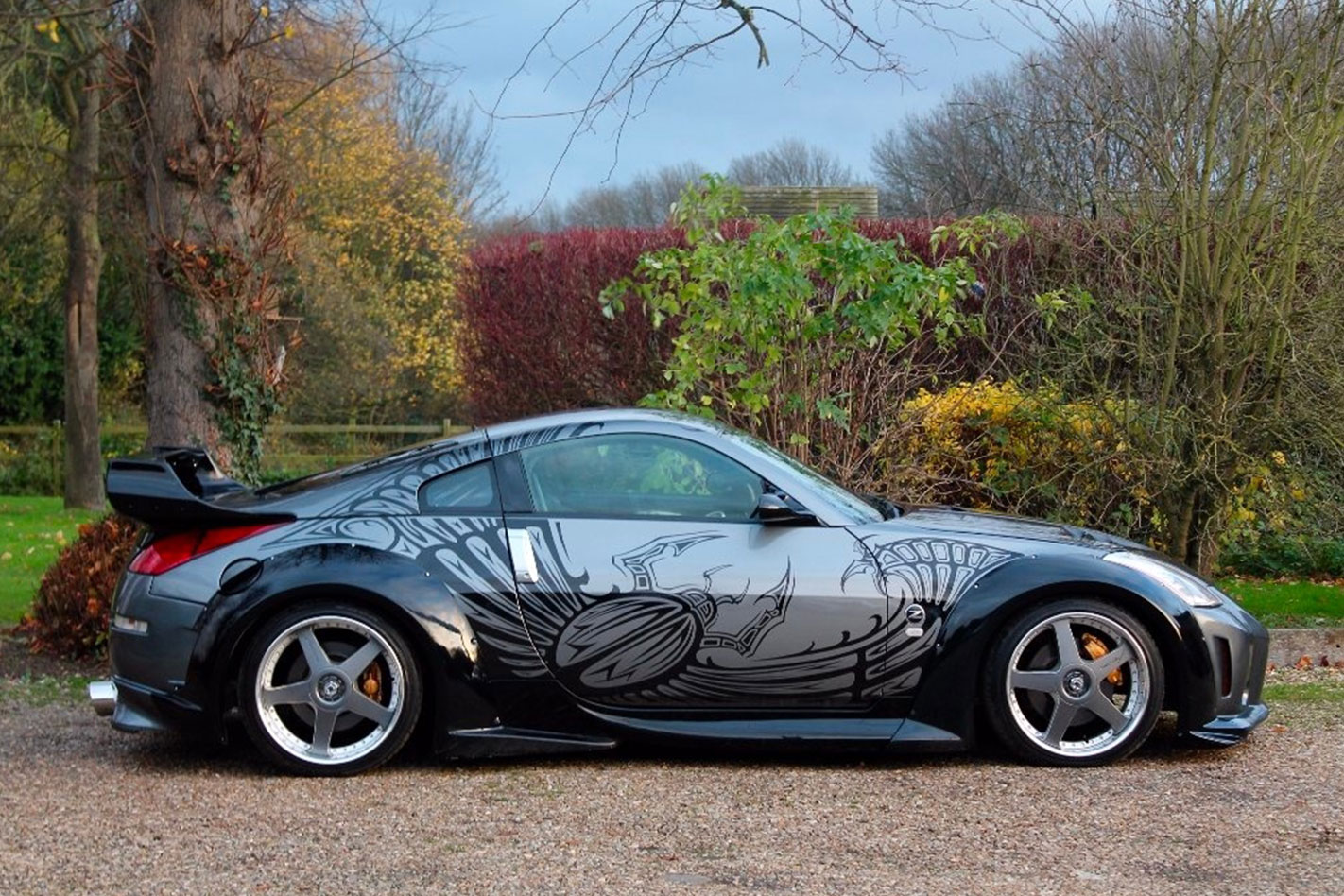
But even with its star pedigree and low kays, its asking price of £99,950 ($174,000) seems a bit rich.
You can have a peek at the car on AutoTrader.
THE KIA Stinger can’t shake the comparisons with the Holden Commodore.
When it arrived it was instantly pitted against the outgoing VF Commodore SS-V Redline – Australia’s V8 rear-drive sedan swansong.
Now, with pricing of the next-gen imported ZB Commodore confirmed, the Stinger will be similarly compared to the next in line – the VXR.

The Commodore VXR and Stinger Si cost the same, right to the final digit – $55,990. So, let’s compare the pair.
Both are powered by a V6 engine; 3.3-litres with two turbos in the Stinger, 3.6-litres and naturally-aspirated under the Commodore’s bonnet.
The VXR is the performance flagship of the new Commodore range with 235kW/381Nm. The Stinger shares the same 272kW/510Nm outputs as its other V6 siblings, blowing the Holden out of the water in terms of performance. We independently tested the Stinger Si at 4.9 seconds to 100km/h, while the Holden will do extremely well to get within a second of that figure.
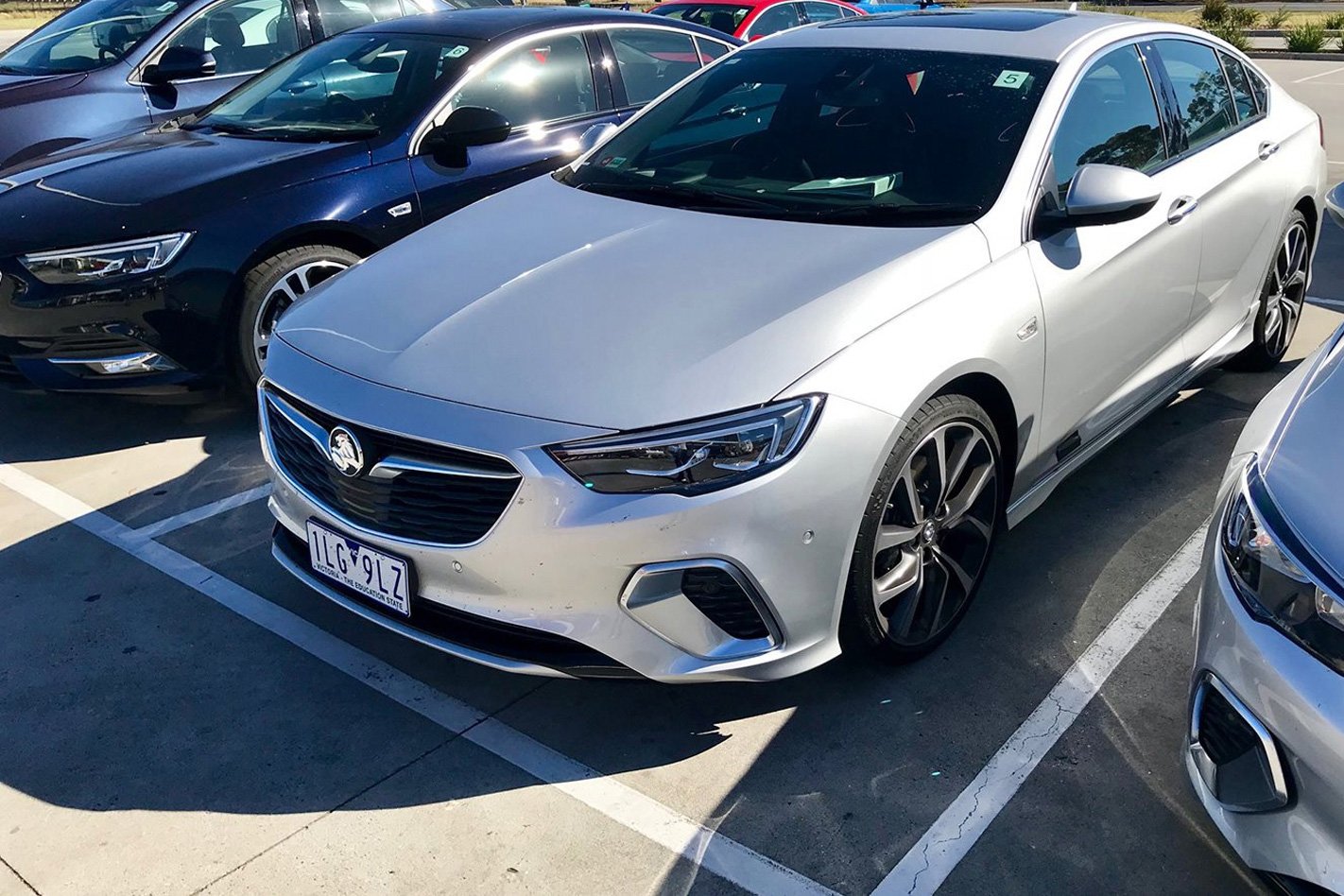
The Kia tips the scales at 1780kg, while the Commodore is estimated to weight more than 200kg less.
While the 330Si wears 19-inch rims, the VXR has 20-inch rollers, with Brembo brakes up front.
Both vehicles have locally-tuned suspension, with the mid-spec Stinger having a steel spring setup, while the VXR has adaptive dampers with three modes.
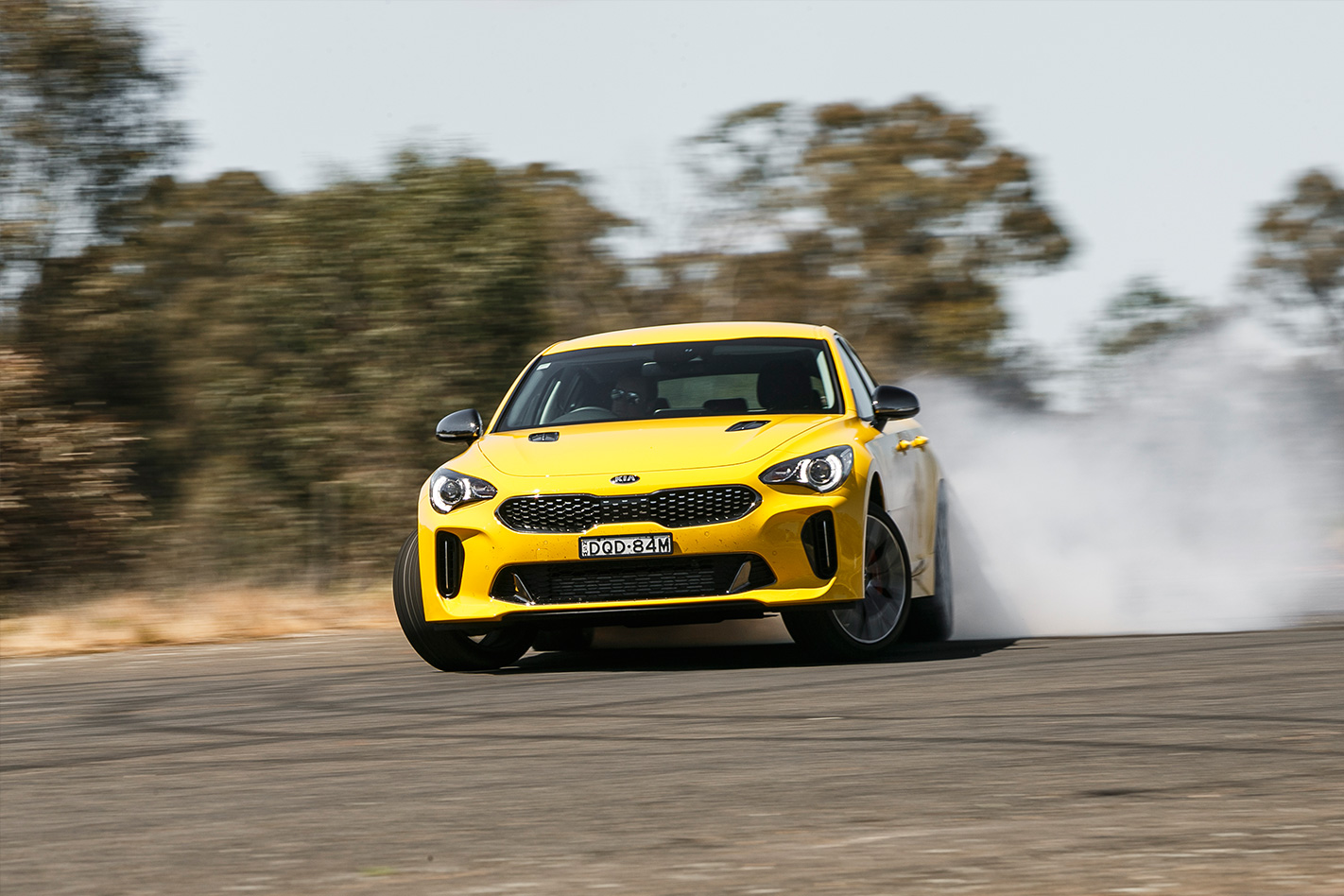
The Stinger is available with a seven year warranty, while it remains to be seen if Holden’s current seven-year deal will be extended to the 2018 Commodore, or if it will be sold with a five year warranty.
Which would you prefer? Hit the comments section to let us know which you’d choose; Korean missile or German light cruiser. We’re sure to line this pair up for a proper comparo in the not too distant future, but until then let’s have at it with a bit of informed speculation.
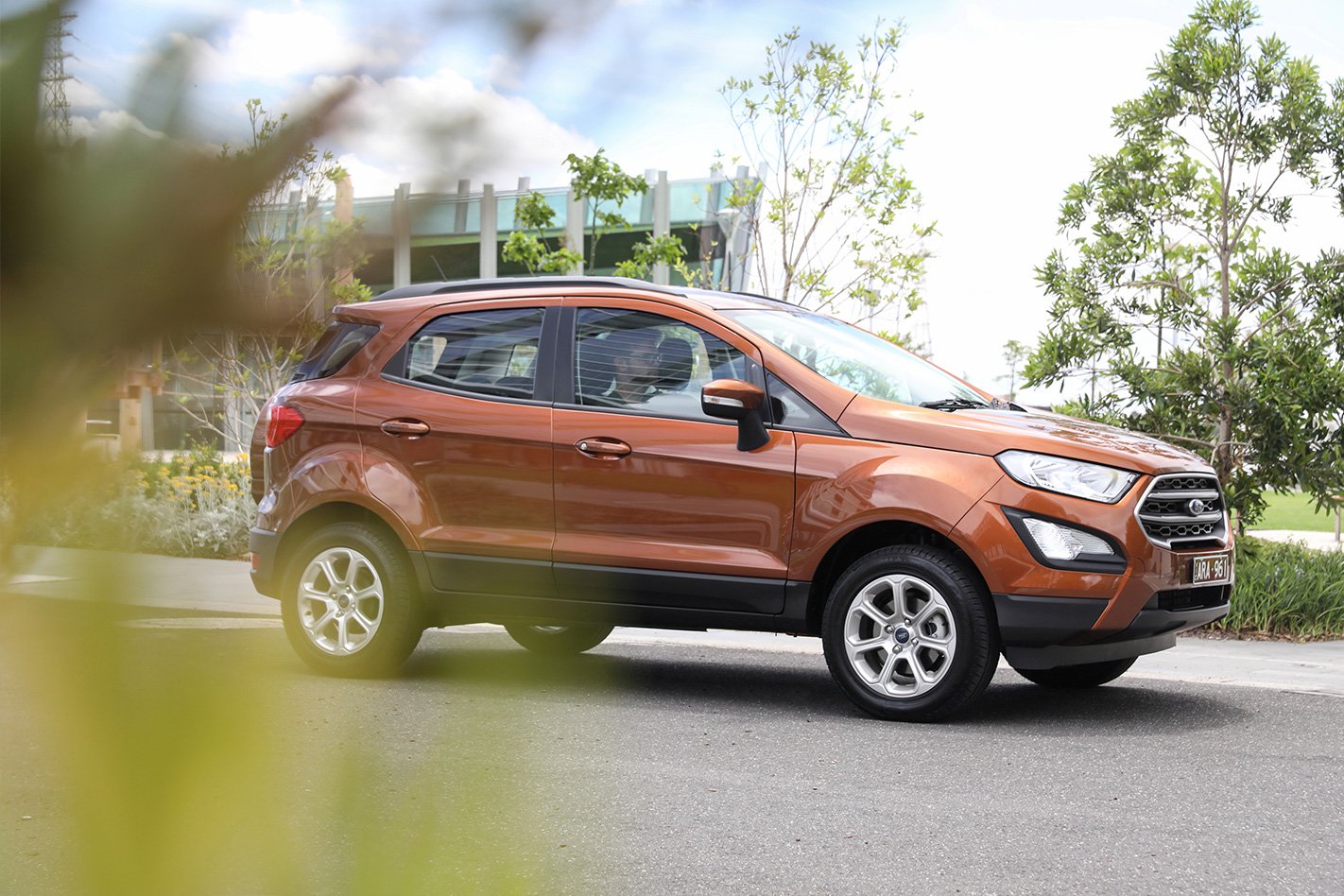
The Ford EcoSport has just undergone its most significant makeover since its launch in Australia in late 2013.
TELL ME ABOUT THIS CAR
This update brings the looks of the Ford EcoSport in line with the other “E”-badged SUVs in the US car maker’s growing Australian showroom – the Escape small SUV, the Everest large SUV, and, when it arrives midway through next year, the Endura midsizer.
Significantly, the update also marks the end of Ford’s troubled Powershift dual-clutch automatic transmission that’s the subject of a class action from disgruntled EcoSport, Fiesta and Focus owners who claim the gearbox did not perform as it should have. Instead, the car maker has reverted to a more traditional torque converter six-speed automatic transmission that, as a downside, makes the fresh-faced Ford EcoSport less fuel-efficient than the one it replaces.
Ford has also used this facelift as an opportunity to drop the six-speed manual transmission option from the line-up; almost no one bought it anyway, the company said.
STRENGTHS
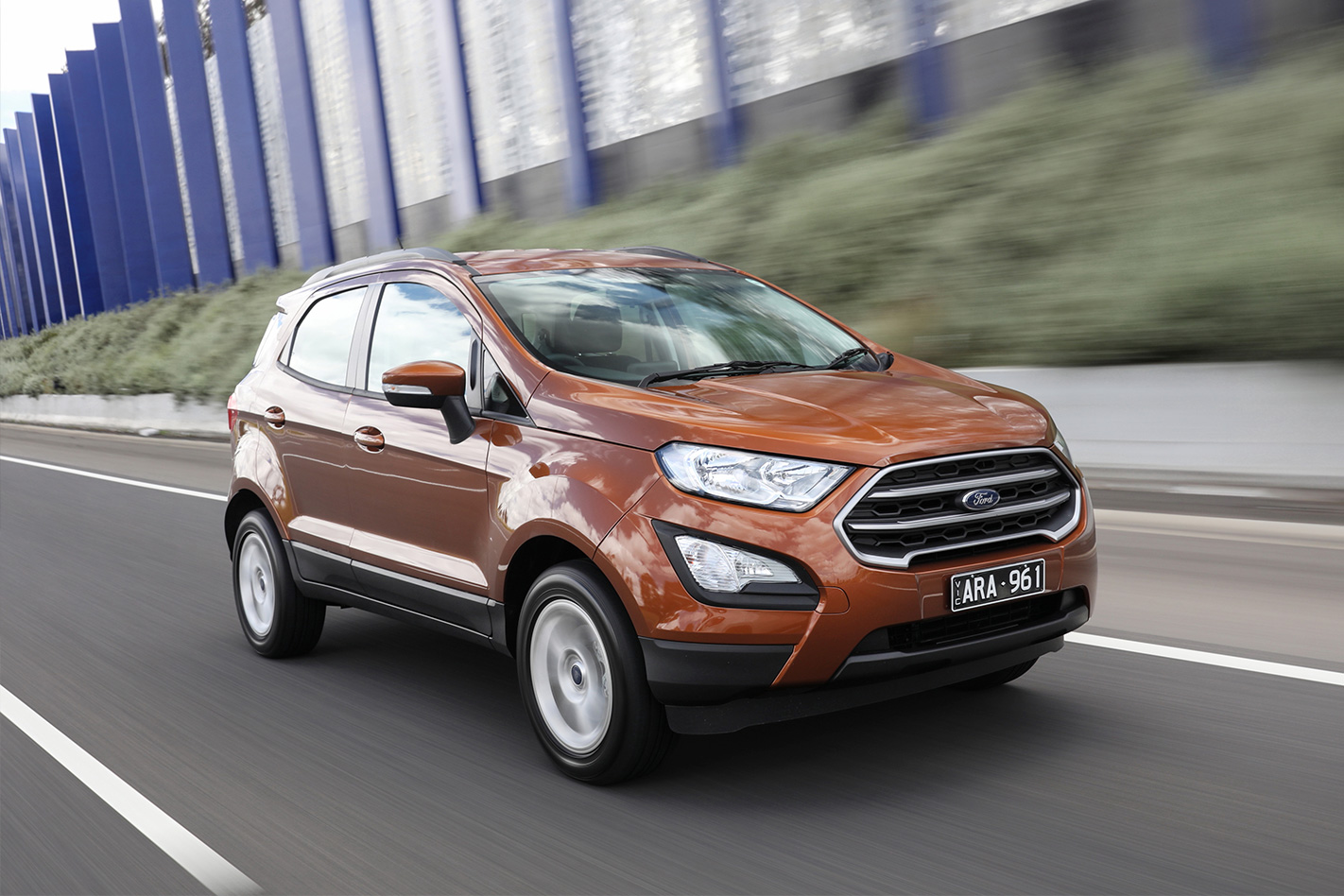
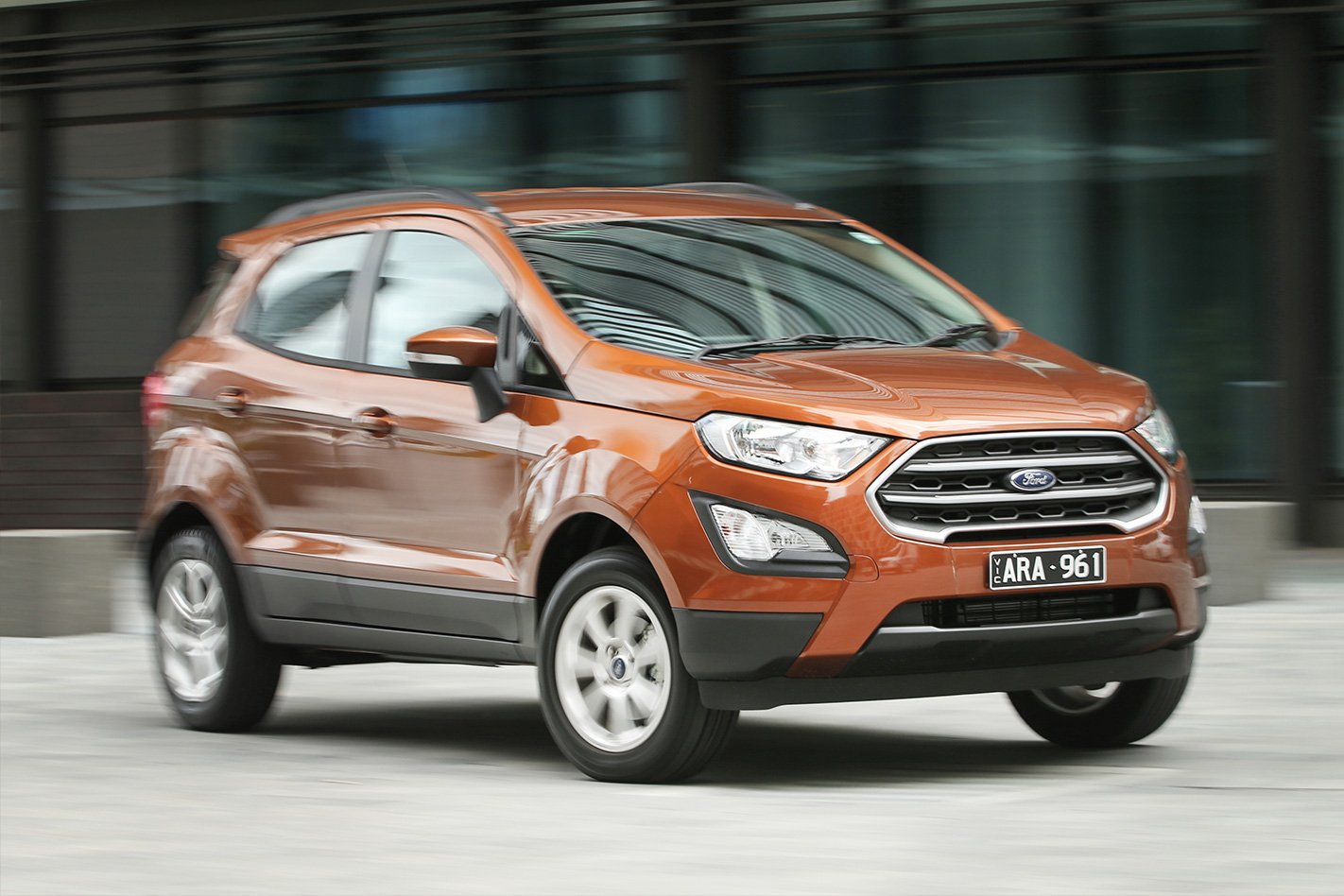
- It looks a whole lot better than the pre-facelift car. The visual improvement made by placing the Ford SUV family face on the EcoSport has given it a huge lift, as have more stylish tail-lights.
- It’s much better to sit in. The interior has had a major makeover with more comfy seats that disguises the EcoSport’s built-down-to-a-price cheapness a little better than before. The highlight, though, is an eight-inch touchscreen rising like a tombstone off the top of the dashboard that includes the latest version of Sync, Ford’s multimedia interface that allows you to use your voice to do things such as set the aircon temperature or tune the radio.
- There’s now a centre armrest in between the front two seats. More noticeable on a long trip, but the flip-up lid also provides some welcome discreet storage space.
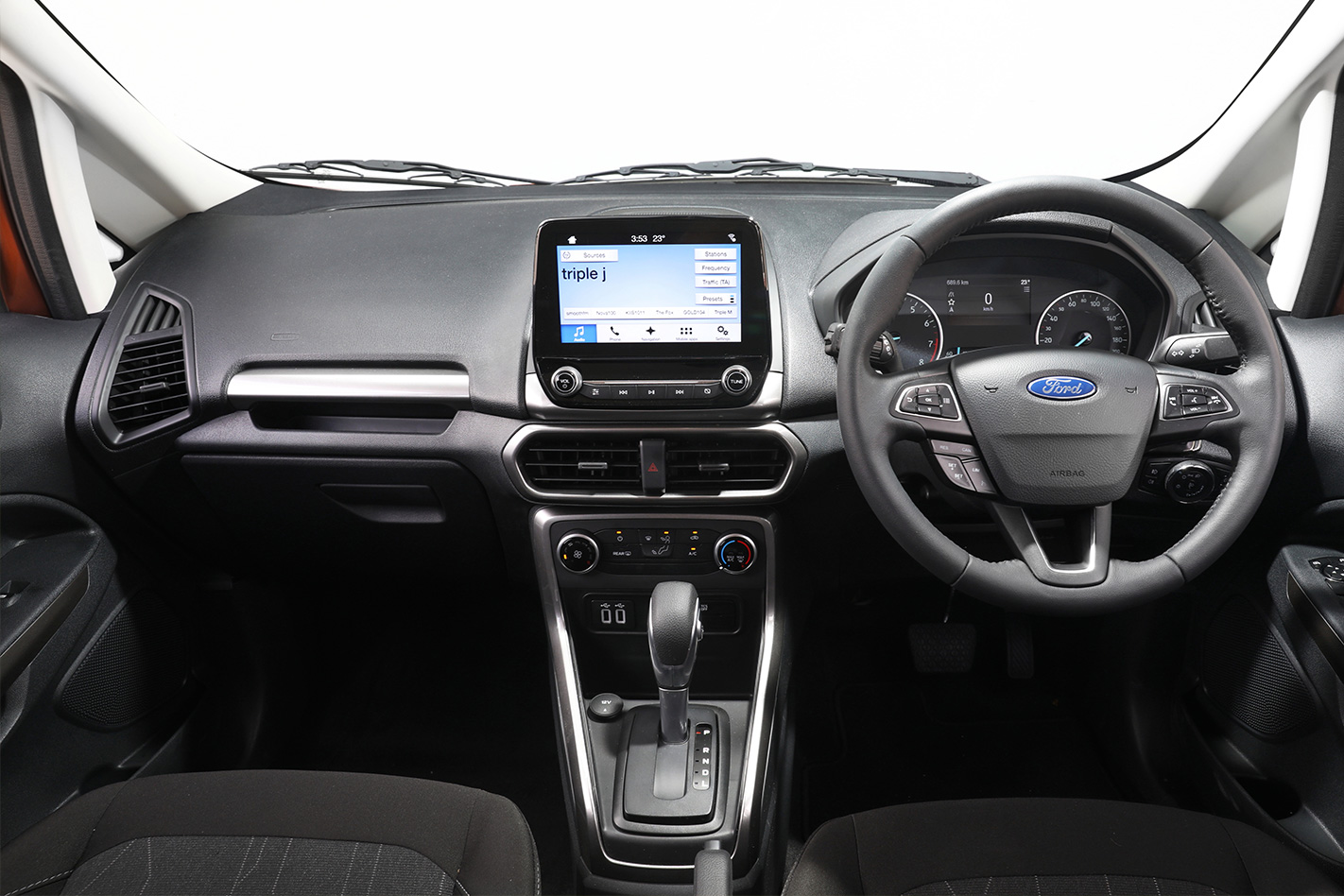
- There are two USB ports on the centre console. Given how mobile, figuratively speaking, one of the target buying groups is for this car – young people investing in their first showroom-shiny ride – it’s an important addition.
- A reversing camera with reversing sensors is now standard across the EcoSport range.
- There’s a 12-volt charging point tucked away beside the rear right passenger seat.
- The turbocharged 1.0-litre three-cylinder engine under the EcoSport’s more sculpted bonnet (notice it now has a power bulge?) is a willing little unit that is way better than the non-turbo 1.5-litre three-cylinder engine used to power the entry-level EcoSport Ambiente. The smaller engine’s peak torque packs a bigger number, and over a much wider rev range, meaning it is better to drive in stop-start city traffic.
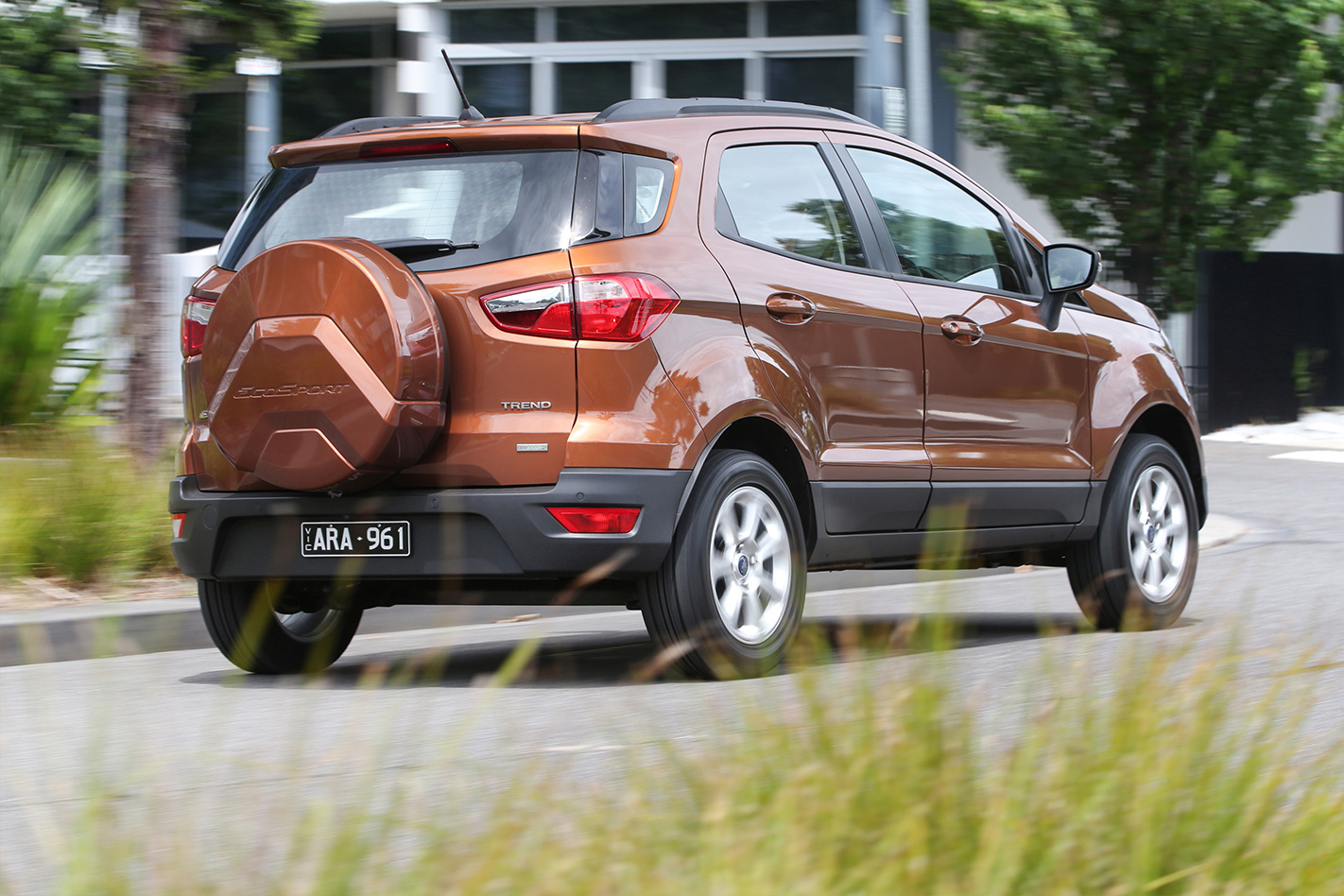
- The Ecosport Trend carries a full-size spare tyre with a matching 16-inch alloy wheel. It hangs off the rear door.
- It’s roomier than it looks inside. There’s plenty of front-seat space for the driver, with good adjustment behind the wheel.
- Even the back seat has decent room for two passengers. Though the short seatbacks and small, skinny headrests make life a bit less comfortable for taller passengers. The middle rear is best occupied by the very low centre armrest that features a pair of cupholders.
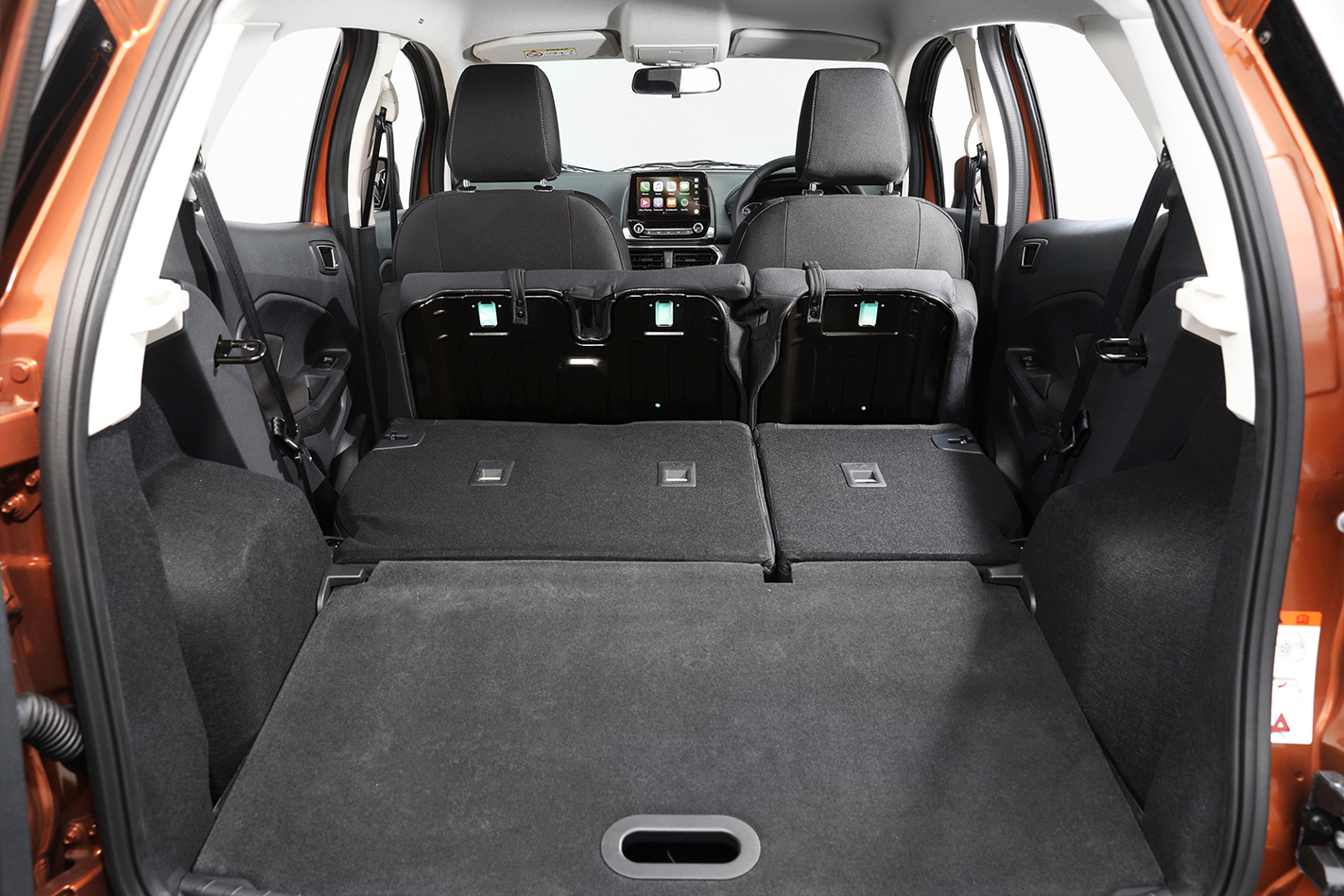
- The 60:40 rear seat folds down to provide up to 1178 litres of cargo space. You flip the seat base forward, and then recline the seatback forward to create a flat space.
WEAKNESSES
- It costs more than before. The cheapest EcoSport Trend pre-facelift was the $22,290 version fitted with a six-speed manual gearbox. Now that the manual has gone, the cheapest Ecosport Trend costs $24,490 with the six-speed automatic transmission, an extra $200 over the auto-equipped version it replaces.
- Safety isn’t class-leading. Other cars in this class have access to autonomous emergency braking, but the EcoSport misses out. Importantly, too, it carries over a five-year-old five-star crash-test rating – in an era where a brand new car without AEB today will get four or three stars.
- The steering is slow. You won’t notice this driving along the road, but get into a car park or a tight laneway that needs a lot of wheel-to-wheel lock on, and you’ll notice the EcoSport takes more hands on the steering wheel than some other cars on the market.
- It has a side-opening tailgate that is optimised for left-hand drive applications. This is strange, as the EcoSport is built in India, a right-hand-drive market. The way it swings also makes it difficult to open if the car behind parks too close and doesn’t leave enough space.
- From midway through next year Ford will replace the EcoSport’s full-size spare wheel with a tyre inflation kit, meaning that if you get a puncture and use it, you’ll have to drive slowly and replace the tyre as soon as possible because the goo that fills the tyre pretty much spells the end for it.
- It’s slightly less fuel-efficient than before. The change from the troubled Powershift dual-clutch auto to the traditional single-clutch torque converter has upped fuel use by 0.2L/100km to 6.7L/100km.
- The front passenger seat sits way too high. You feel you’re sitting above everyone else in the EcoSport.
- The turbo rush of torque will have you chirping a front wheel if you pin the throttle to the firewall. The engine only makes 92kW and 170Nm, but with peak torque arriving not far off idle, it can give you a surprise, especially while cornering.
ANY OTHER CARS I SHOULD CONSIDER?
The biggest threat to the Ford EcoSport Trend is the Mazda CX-3 Maxx, which starts from $22,890. It’s a much more advanced car, with a 2.0-litre engine with an idle-stop function, and automatic emergency braking, and sells in big numbers.
Outselling it, though, is the Mitsubishi ASX, which trades on space (it’s based on the larger, but old Outlander platform) and a sharp $25,000, but like the EcoSport it lacks AEB. Other big sellers in the segment include the Honda HR-V and the recently facelifted Nissan Qashqai.
HOLDEN has revealed it is closing several Adelaide dealerships in response to what it expects to be a big buyer backlash – a direct response to its decision to quit Australian manufacturing.
The car maker earlier this year announced it would not renew dealership agreements at about 70 sites throughout Australia as it reduces its dealer network to a more manageable 200 – about the same as market leader Toyota.
The fears of a customer backlash – the first time such concerns have been publicly aired by Holden – are revealed in court documents relating to the closure of one of Australia’s most successful dealerships, Metro Holden in Adelaide.
GM Holden’s decision in 2015 to not renew a dealership contract with Metro is currently before the Federal Court, with Metro chairman Jack Torcaso claiming in a video posted to Facebook (that has since been removed) that the car maker had effectively told him and his 73 staff to “go to hell”; a claim Holden “strenuously denies”.
However, while last week refusing Metro’s separate application for an injunction that would have stopped the dealership agreement ending on December 31, Federal Court judge Justice White said Holden believed dealerships in Adelaide had a more widespread problem to deal with – a backlash in the wake of the car maker’s decision to quit Australian manufacturing.
Justice White’s judgment states Holden had “deposed to particular considerations relating to South Australia given GMH’s expectation that the sales of Holden vehicles in the Adelaide metropolitan area will decline following the cessation of manufacture of Holden vehicles at its Elizabeth plant”.
He went on to say that in the wake of a market study based on a five-year review of its dealer network, Holden then faced a “choice between which of two [Adelaide city] dealerships, City Holden or Metro Holden, should be renewed”. A decision was then made based on the “relative connections of the owners of Metro Holden and City Holden with the Adelaide community, the extent to which they had secured fleet sales, the nature of their respective succession plans and the ownership of properties”.
Holden’s current round of dealer contracts will expire in 2022.
The court case, in which Metro Holden claims GM Holden breached its franchising code of conduct and engaged in unconscionable conduct, is still being heard.
IN A RADICAL move, Jaguar’s iconic two-door sports car will soon do without an engine.
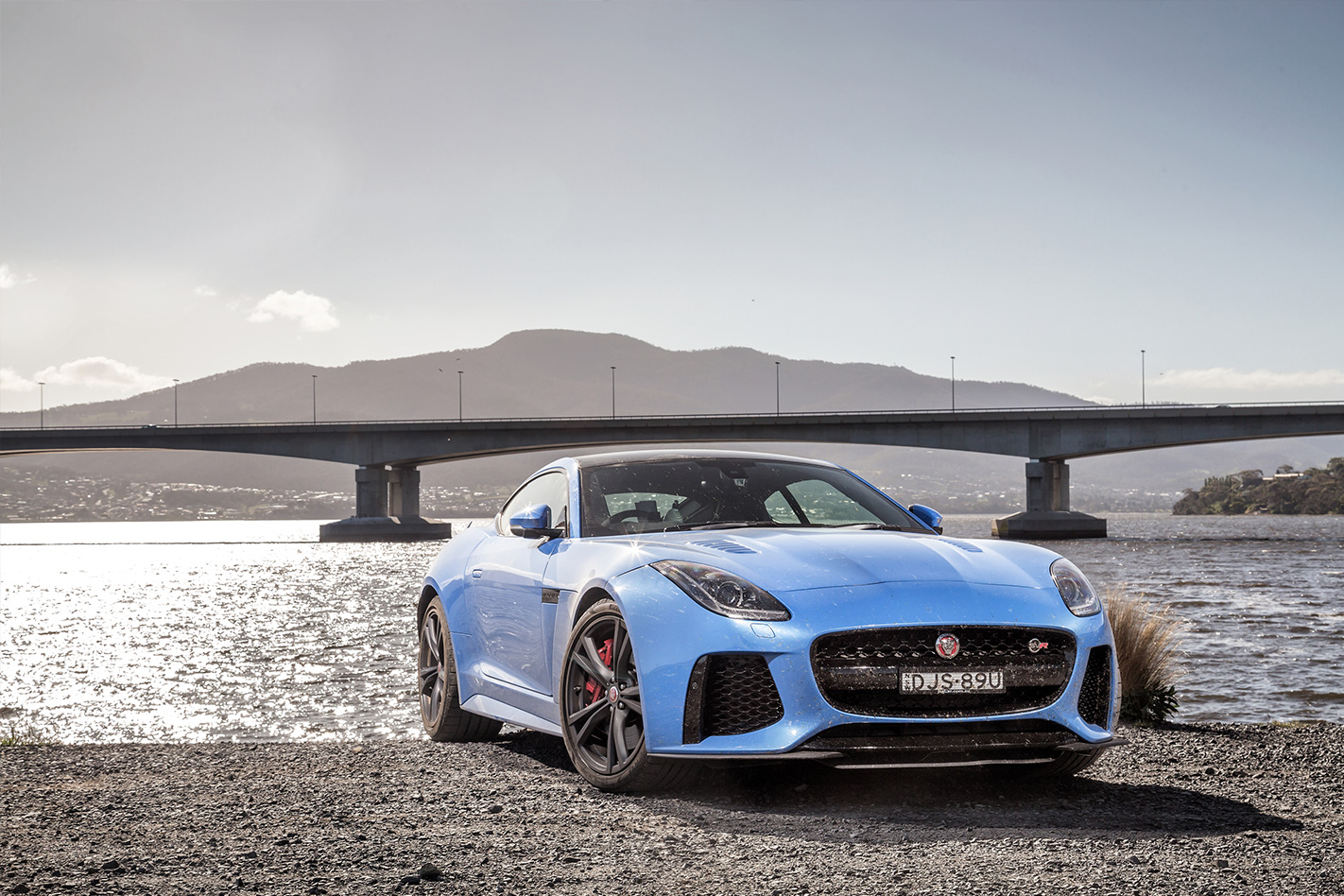
A top-secret project currently underway at the brand’s design and engineering centre in Gaydon will see petrol engines dropped altogether for the radical all-electric Jaguar F-Type replacement due as early as 2021 or 2022.
Despite the lack of internal combustion, the futuristic Jaguar two-door sports car will be the fastest car ever to wear the leaper badge courtesy of electric motors and a bespoke new architecture tailored to take advantage of the design freedoms offered when a traditional drivetrain is not part of the equation.
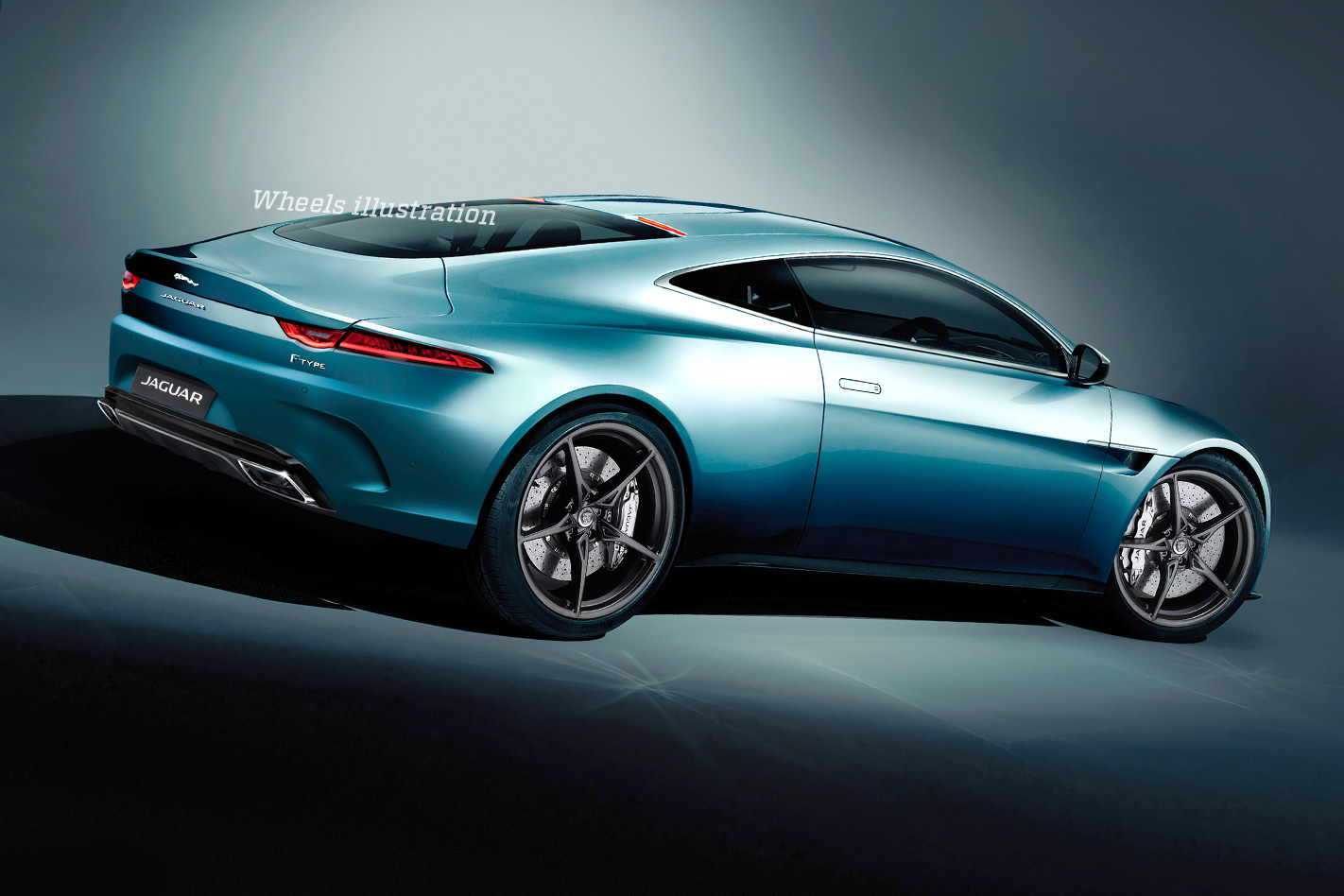
It’s that promise that also prompted the board-level decision to scrap traditional drivetrains altogether for a next-gen sports car, in the process sidestepping the halfway-house trend towards hybrid propulsion.
While JLR chief Ralf Speth has admitted internal combustion engines will be around for a long time yet, it’s understood he saw too many compromises in designing a compact sports car to accommodate bulky internal combustion engines as well as electric motors and batteries.
The move to target the heartland of Jaguar – sports cars – is also a bold step to separate Jaguar from its predominantly German competition by taking a leading position with a flagship EV performance car.
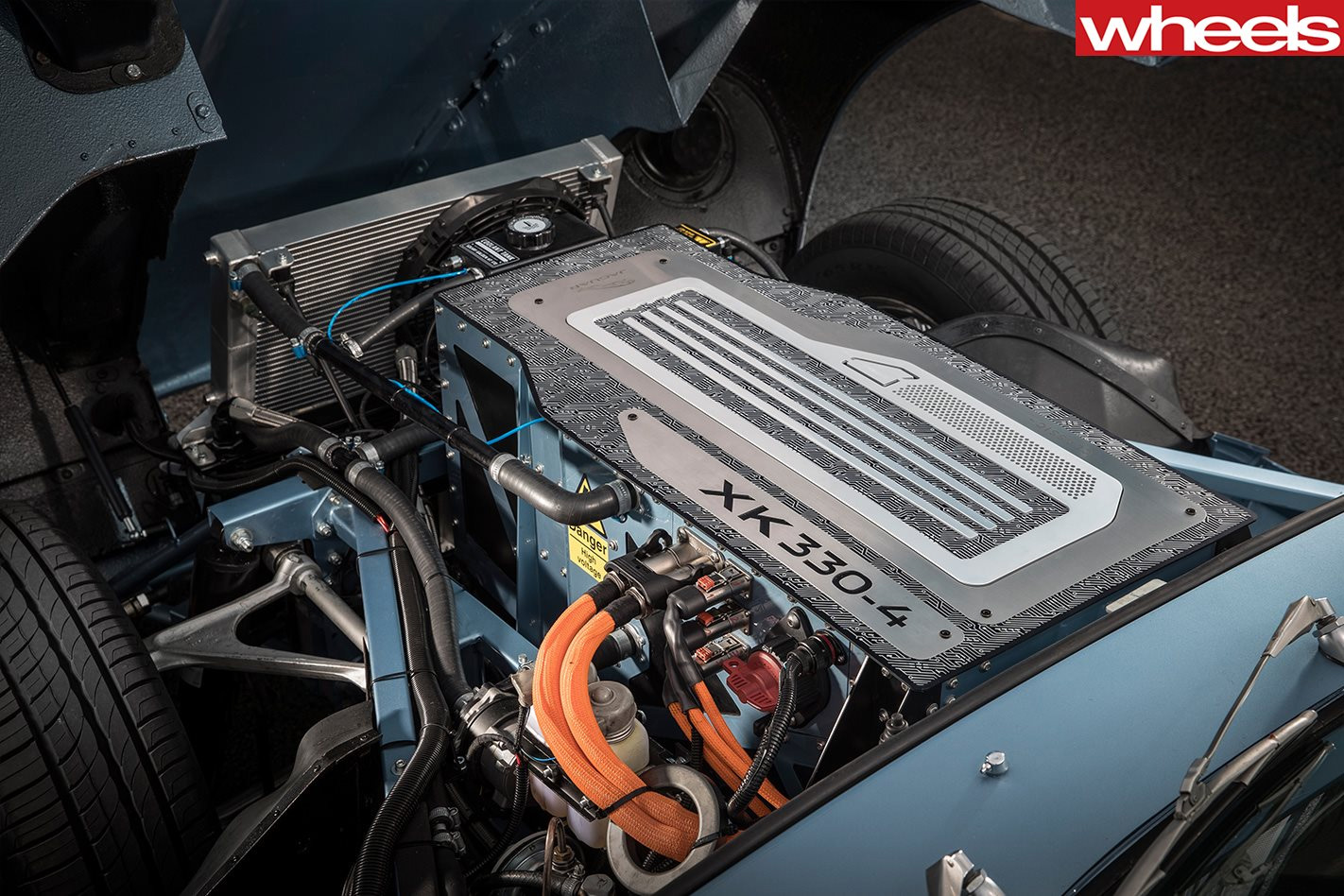
Combined with the early-2017 announcement of the Jaguar i-Pace electric SUV, it was that electric E-Type that prompted a months-long Wheels investigation that unearthed the top-secret project.
Sources closely aligned with the program have confirmed the company is deep in development of the all-electric F-Type replacement, which could get a different name to signify its leap from tradition to cutting-edge EV technology.
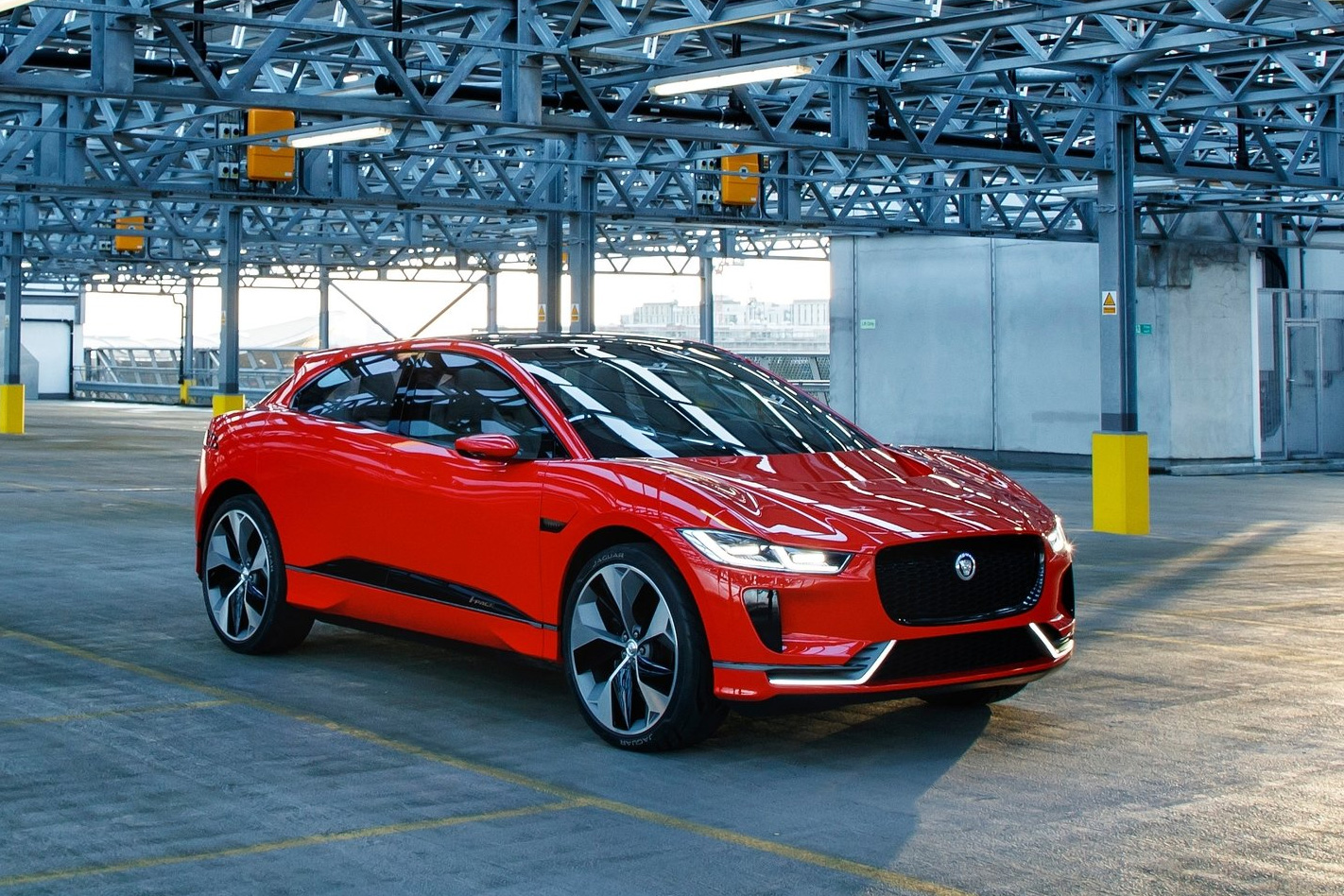
The all-electric sports car is being developed alongside the i-Pace (below), Jaguar’s all-electric SUV due on sale in 2018.
It uses two electric motors and a 90kWh lithium-ion battery pack that can reach 80 percent charge in 90 minutes. As with Teslas, acceleration will be a big part of the i-Pace sales pitch, with the SUV claimed to be able to hit 100km/h in four seconds.
Entry-level cars will stick with a rear-drive setup, while more expensive models will run electric motors at both ends, delivering drive to front and rear wheels.
It’s the AWD version that aims to reset the two-seater performance benchmark for Jaguar, with early internal targets nominating a sub-3.0 second 0-100km/h time.
While engineers are excited by the relatively easy performance promised by electric motors, developing the personality of the car will rely heavily on the design team, led by former Aston Martin and HSV styling chief Ian Callum.
While there will be lessons learned from the i-Pace, the all-new electric sports coupe will sit on a unique architecture tailored to a sports car featuring a low seating position. Those sporty requirements have so far challenged Callum and his team – especially with the inherent focus on light weight – and mean the car will be a vast visual leap from the F-Type, the XK and the E-Type, each of which had a prodigious bonnet to house V8 and/or V12 engines.
However, the battery pack will still be one of the heaviest components of the 2021 F-Type, running into hundreds of kilograms. It will therefore be incorporated low in the body, possibly utilising the centre tunnel that would have previously been used for the transmission. As a result, the long snout will disappear; expect more of a mid-engined flavour, with a stubby bonnet and elongated tail and a car that is closer to a 50/50 weight distribution.
While there are challenges in revolutionising the classic Jaguar sports car shape, starting from a clean-sheet design means Jaguar does not have to compromise the packaging or structure of the 2021 F-Type. The lack of a traditional drivetrain also allows for more interior space and some innovative packaging – check out the interior of the Range Rover Velar to see how far JLR is pushing cabin design – raising the possibility of the return of a 2+2 seating configuration, something that is yet to be decided at Gaydon.
FORD says it believes the upcoming Mercedes-Benz X-Class ute won’t eat into its lucrative high-end dual-cab ute sales.
Ford is currently locked in a tense battle with Toyota over trade ute dominance in a corner of the Australian market that currently accounts for about 17 percent of sales, and is expected to potentially grow as high as 20 percent.
While Toyota’s Hilux leads in sales, when it comes down to the type of trade utes that private buyers lean towards – the high-end dual cab utes – the Ford Ranger is easily outstripping its rival.
Ford Australia marketing director Danni Winter said sales of pick-up trucks had “grown exponentially” this year. “It’s going to be a record year for pick-ups again this year,” she said. “Again, the [Ford] Raptor is expected to grow that segment.”
She said Ford expected the Mercedes-Benz-badged version of the Navara trade ute would “continue to change the dynamics of the segment”, but not invade the Ford Ranger’s hunting ground – recreational rather than tool-of-trade buyers.

“It’s going to be interesting to see what they [Mercedes-Benz] bring to market,” Winter said. “When we look at the powertrain and the other elements that they’re going to bring in, I think they will attract a different sort of customer, so my hope for the segment is that they will grow it, not that they take any share from us.
“I’m not concerned about their offering versus ours; I think we have got a fantastic offering – our sales are going really well in 4×4, and I think we’ll be the number one 4×4 truck this year.
“We’ll have to see when December [new-car sales] numbers come out, but I think we’re going to be hard to beat.”
The Ranger is an important part of Ford Australia’s showroom. The 4×4 versions alone accounted for close to half of the brand’s sales over the last 11 months.
Winter said she believed there was enough room in the market for Mercedes-Benz to bring out a more expensive V6-engined version of the X-Class, and not erode market share from high-end Ford Rangers such as the performance-honed Raptor due next year.
She said even if the X-Class was priced close to high-end Ranger variants, buyers wouldn’t necessarily be swayed by the luxury badge.
“I think when you look at what dealers sell today, they’re probably selling $90,000, $100,000 Rangers when you add on various accessories, and various packs,” Winter said.
“I think we’re going to continue to see customers request different options, different accessories for the car that will continue to drive the price up
“We’ll offer a range of vehicles with appropriate pricing to reflect the specification, but looking at our internal data of hat customers want, they’re heading to an XLT or a Wildtrack and spending upwards of $5000 to $30,000 in fitting those cabs out with various sorts of accessories and cabins, so I think we’re going to continue to see that evolve.”
Mercedes-Benz’s dual cab-only X-Class will launch here next year priced from $45,450, with prices for the 2.3-litre twin-turbo diesel four-cylinder model aiming as high as $61,600. By comparison, the Ford Ranger dual-cab ute range extends from $39,090 to $59,590.
The X-Class will also add a 3.0-litre V6 option later in 2018 – something that will be lacking from the Ranger’s powder keg.
Remember when the Nissan Pathfinder was a proper 4×4, riding on a Navara-based body-on-frame chassis instead of the car-like unitary construction the present-day three-row wagon uses?
Nissan itself hasn’t forgotten either, and to sate demand for rugged large SUVs in China the company has once again given its Navara the wagon treatment. This time around, however, the Pathfinder badge is nowhere to be found – say hello to the unfortunately named Nissan Terra.
The Terra plonks a three-row wagon body atop the NP300 Navara’s ladder frame chassis, resurrecting a format Nissan surrendered when it launched the current-generation Pathfinder. At 4882mm long and with a 2850mm wheelbase, the Terra is significantly shorter than the 5255mm Navara dual-cab (which straddles a 3150mm wheelbase), though its 1850mm width is identical.
In the Chinese market, the Terra will be powered by a 137kW 2.5-litre petrol engine, and take power to either the rear wheels only, or all four via a 4×4 transfer case.
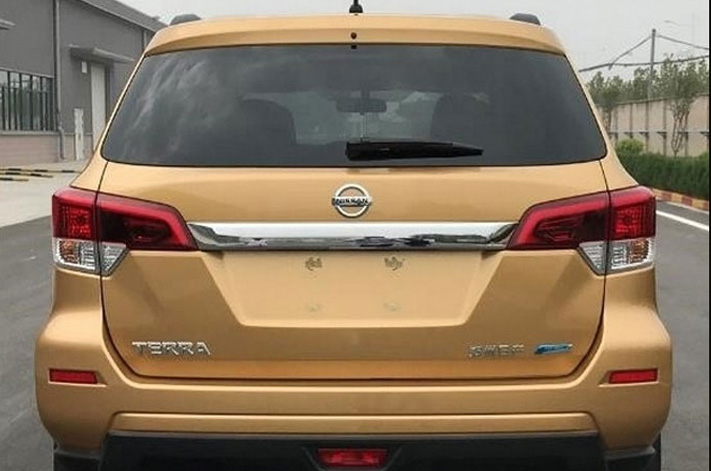
But while the Terra gives Nissan a handy competitor to the Mitsubishi Pajero Sport, Toyota Fortuner, Isuzu MU-X and Ford Everest (all of them based on commercial ute underpinnings), a local arrival is far from certain.
Nissan Australia remains noncommittal, saying that its “current SUV line-up is performing well,” and that it, “continues to evaluate all product options globally for their suitability for Australian customers”.
Would it be welcome here though? Body-on-frame SUVs based on commercial vehicles may suffer from worse refinement and packaging than monocoque SUVs like the current Nissan Pathfinder and Toyota Kluger, but their rugged appeal and go-anywhere capability sees contenders like the Mitsubishi Pajero Sport and Isuzu MU-X convincingly outsell the supposedly more passenger-friendly Pathfinder.
Even the Ford Ranger-based Everest is only 20 registrations behind the Pathfinder in year-to-date sales figures. Would the re-introduction of a Navara-based people-carrier deliver Nissan Australia a more bountiful harvest? That’s no doubt a question the company’s product planners are currently wrestling with.
Automotive history is littered with ideas the car makers told us would be the next big thing. Here are some of those things that, in hindsight, were anything but.
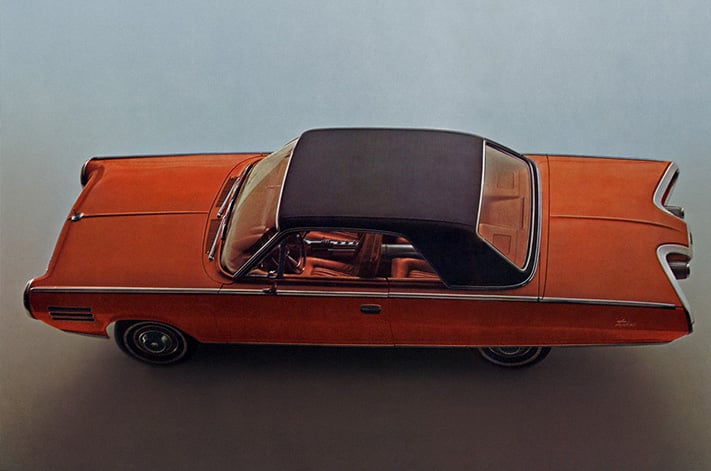
Turbine engines
In theory, the gas turbine engine is the perfect power unit for a small vehicle. It has a massive power-to-weight ratio, it’s simple, compact, reliable and extremely efficient, but a number of inherent design features have prevented large scale adoption.
Chrysler’s 1962 Turbine Car and, later, the Howmet TX offered a glimpse at the potential of turbine power, but painfully slow throttle response and unbearable noise levels relegated the idea to the archives.
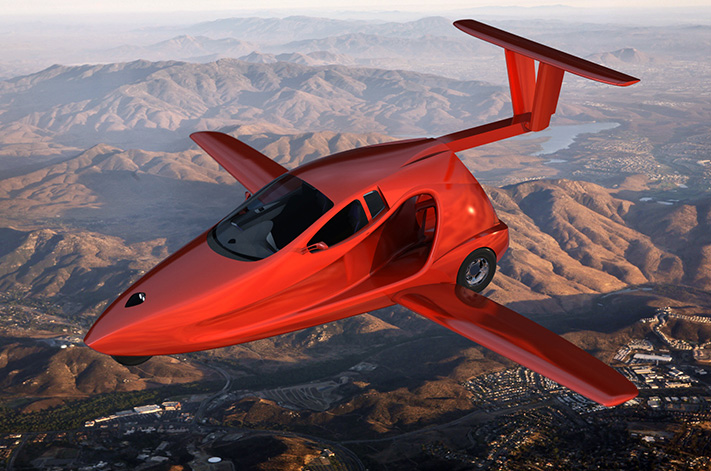
Not a month goes by, it seems, without another start-up making sweeping claims that its personal flying conveyance will take your commute to the sky and revolutionise the car as we know it, but what do you know? Not a single example since the 1950s has even come close to offering a feasible production version.
While some have completed promising test flights, none has yet been able to overcome the mountain of challenges including safety, range and the hugely complex infrastructure that would control a sky full of tiny planes. If you thought our roads were full of questionable drivers, imagine giving them another dimension to deal with.
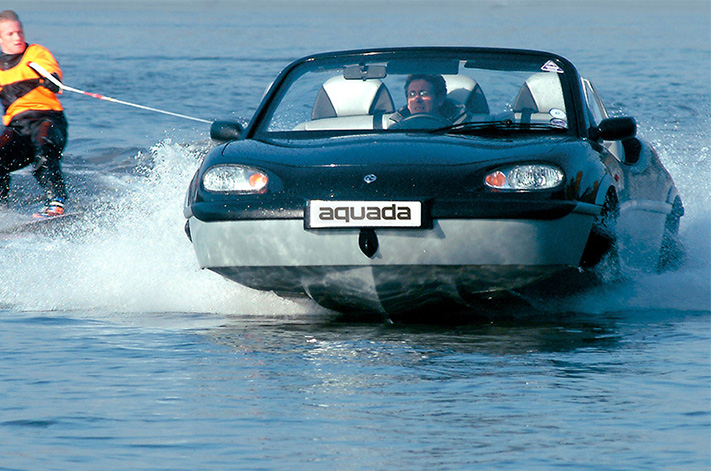
With ever increasing congestion on our roads, the idea of being able to complete part of your commute on water certainly has appeal, but, like the spork, getting one item to do two jobs is often fraught with compromise.
In almost every case, floating cars behave most like a boat when they are on the road and worse on the waves. Wallet-crippling price tags also tend to sink the idea.
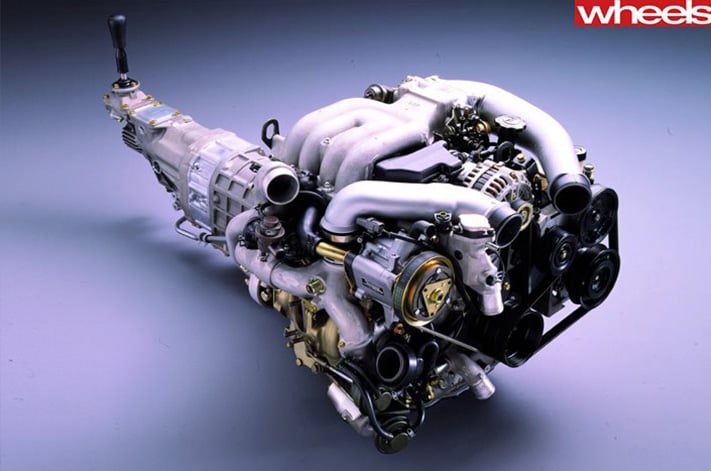
No one would deny the unparalleled advantages of the massively powerful, charismatic and compact Wankel engine, but since its invention in the 1950s no manufacturer has convincingly solved problems of rotor face and apex seal wear, oil consumption, fuel consumption and unacceptable emissions.
Mazda is working on a hybridised rotary powertrain, but is saying little about its success at this stage. Braap.
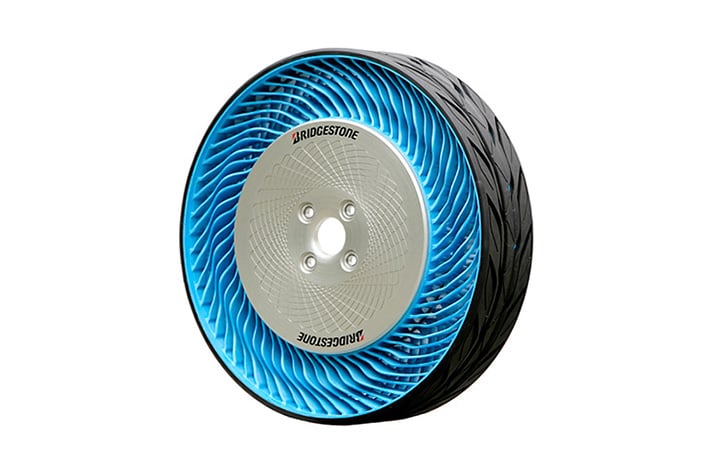
Countless manufacturers have experimented with alternative tyre designs that remove the dependence on compressed air and the risk of punctures. Solid designs, self-healing substances and even run-flat tyres have shown some promise, but nothing has yet equalled the simplicity and ride quality of a durable rubber tyre filled with air.
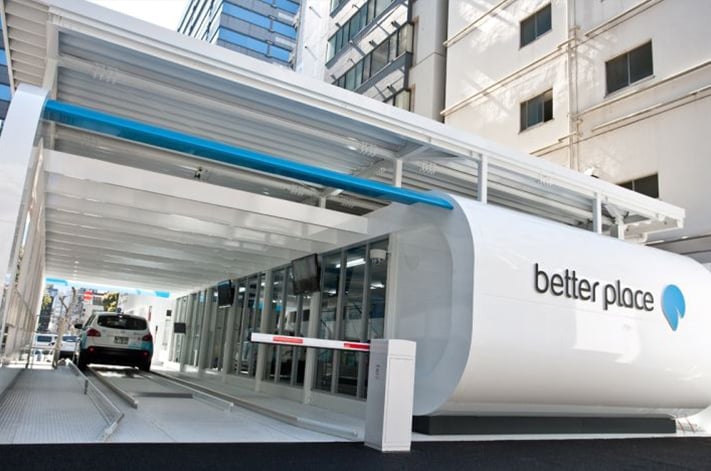
While electric vehicles are slowly gaining traction, range anxiety continues to deter many potential adopters.
Rather than waiting on the roadside while your EV charges, some ambitious companies proposed a battery swapping service that would replace your low batt with a pre-charged unit in the same time it takes to fill a fuel tank. But with ever-improving battery energy density and shrinking top-up times, the idea fell, err, flat.
1. Ferrari 812 Superfast
355km/h-plus
Takes the title as the fastest car available to buy in Oz with an V-max of beyond 355km/h and, with 588kW, a second title as most powerful naturally aspirated production car.

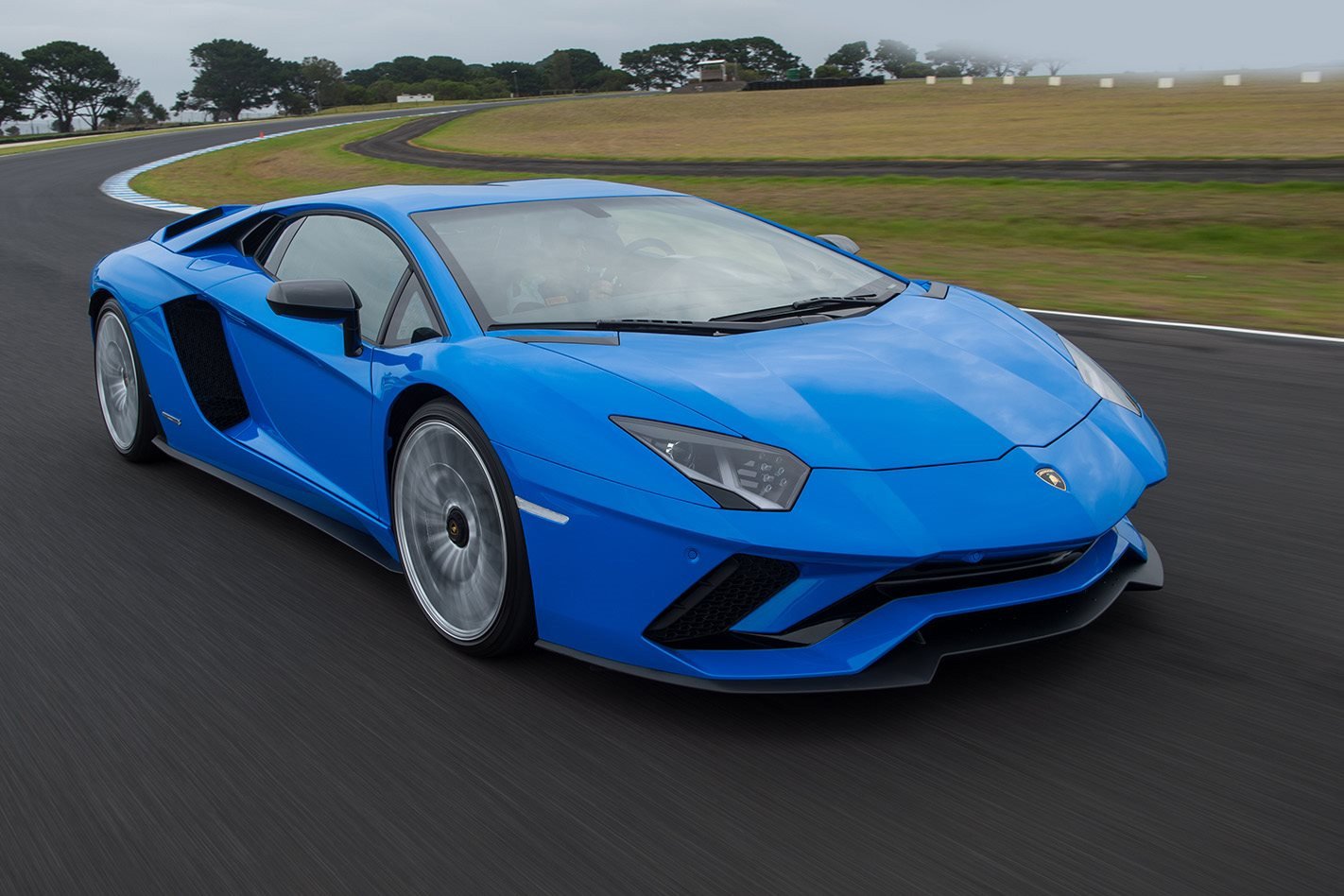
2. Lamborghini Aventador S
354km/h
Has the same 6.5-litre atmo V12 engine configuration as the Ferrari but manages a mere 544kW, fed to all four wheels, and cloaked in a body built for Satan.
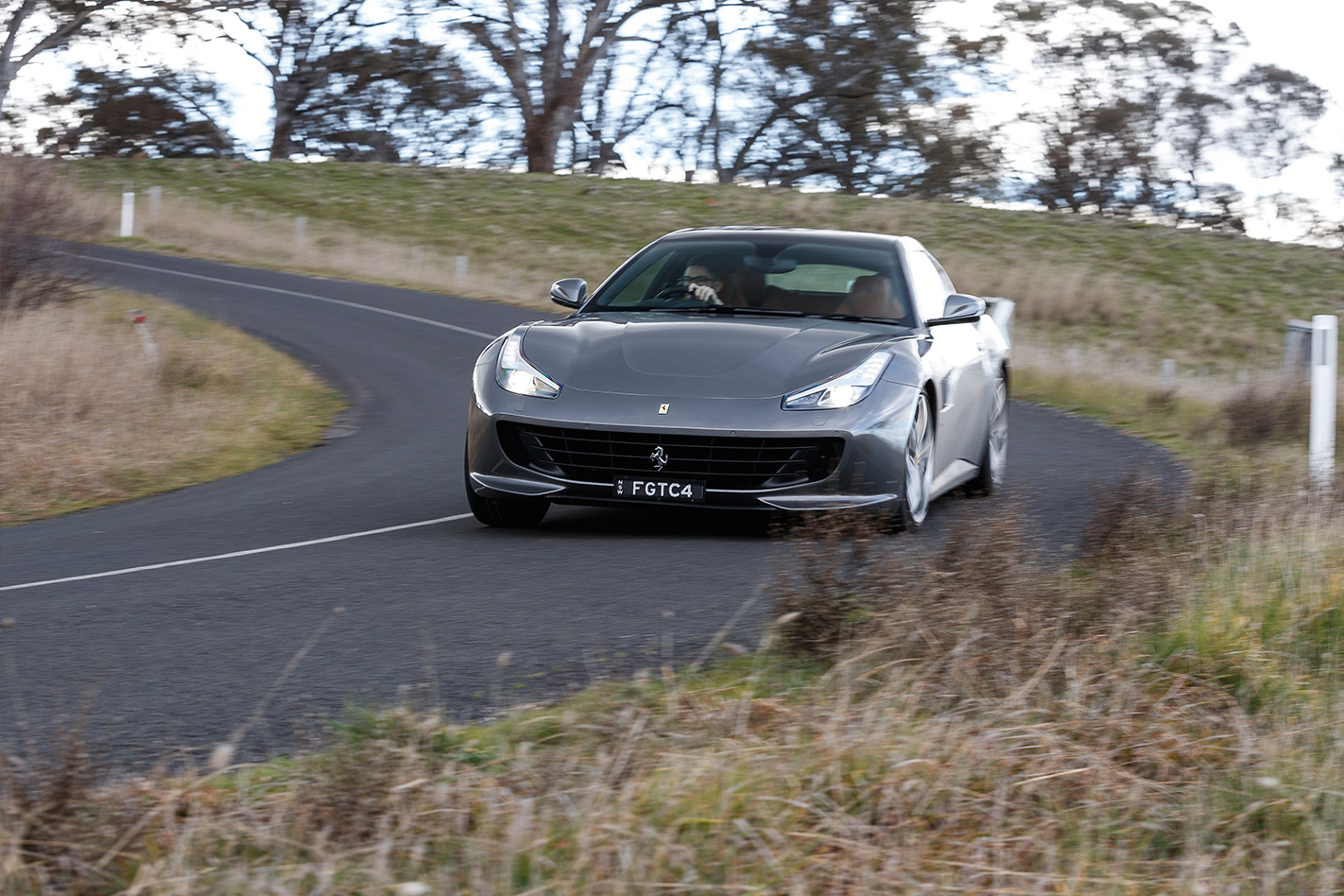
3. Ferrari GTC4Lusso V12
345km/h
Not only is the GTC4Lusso the third- fastest road machine in Australia, it’s also the fastest that can accommodate four people, has AWD, and a decent boot for those trips to the snow.
4. McLaren 720S
341km/h
Takes a new 4.0-litre twin-turbo V8 and pumps 530kW to the back wheels for blistering speed and acceleration. At $489,900, it’s also the most ‘affordable’ of our top five.

5. Bentley Continental Supersports
336km/h
Sends the current generation Bentley coupe out with a bang, wringing 522kW from its unorthodox W12 twin-turbo engine. Also available as a convertible.

REVIEWS for the 2018 Audi RS4 Avant are due to be released in the coming days, so to help prepare you we thought we’d give a quick history lesson on four-ringed fast wagons.
Since the 1990s the German manufacturer has earned a reputation for its stonking performance wagons, known as Avants, for many years only offering its tastiest performance four-doors exclusively in wagon-bodied form. As a result, Audi has offered more sportscar-shaming family-haulers than most.
We’ve cherry-picked three examples which represent the very best from Audi’s fast wagon division.
Engine/transmission: 2.2-litre five-cylinder turbo / six-speed manual
Power: 235kW @ 6500rpm / 410Nm @ 3000rpm
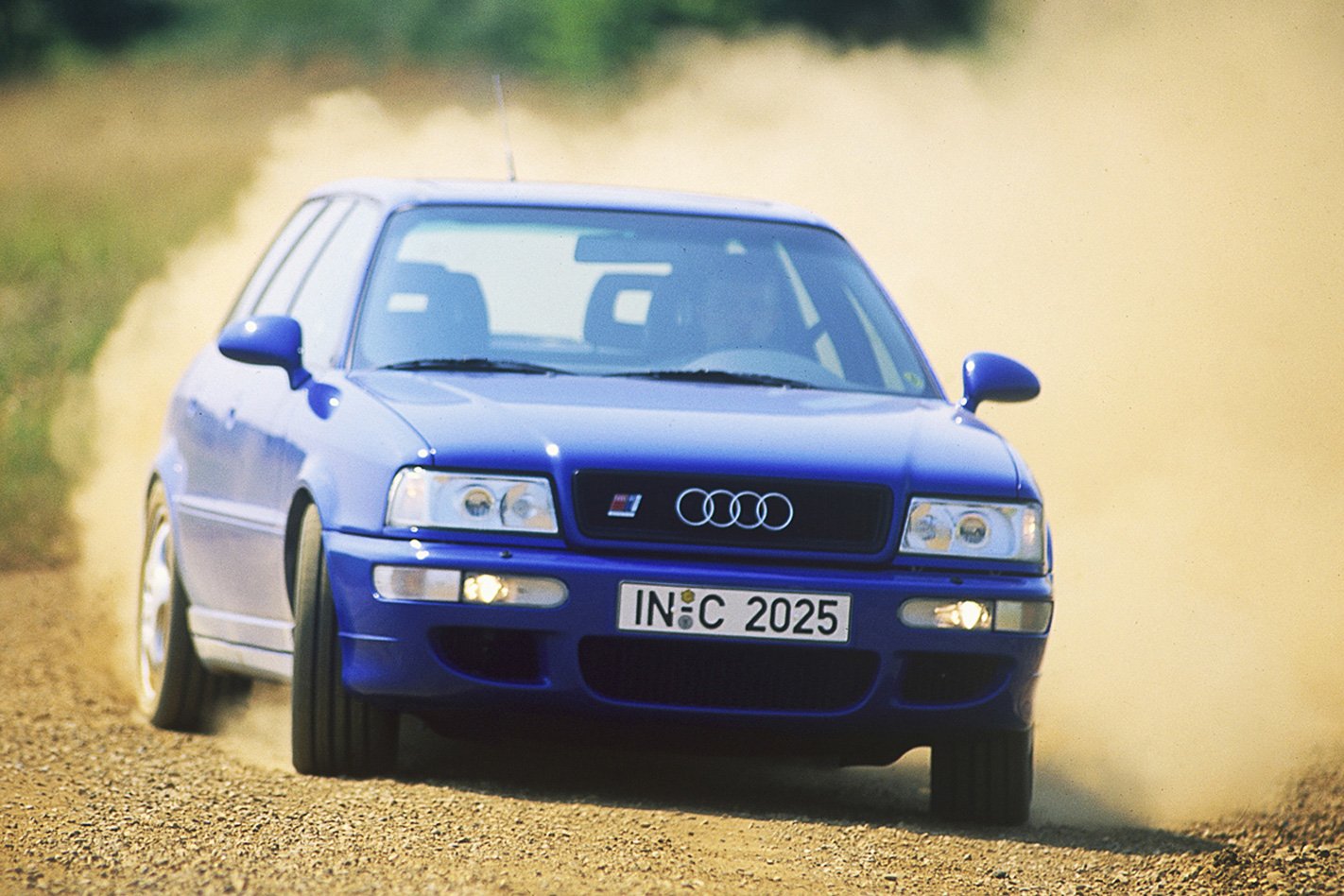
And when tested by Autocar magazine in the UK, the RS2 Avant recorded a staggering 0-48km/h time of 1.5 sec, quicker than a McLaren F1 road car, or Jacques Villeneuve’s Williams Formula 1 car of the time.
While the RS2 Avant was manufactured by Audi, it was actually assembled by Porsche on the same production line that birthed the 959.
Engine/transmission: 4.2-litre naturally-aspirated V8 / seven-speed dual-clutch automatic
Power: 331kW @8250rom / 430Nm @ 4000-6000rpm
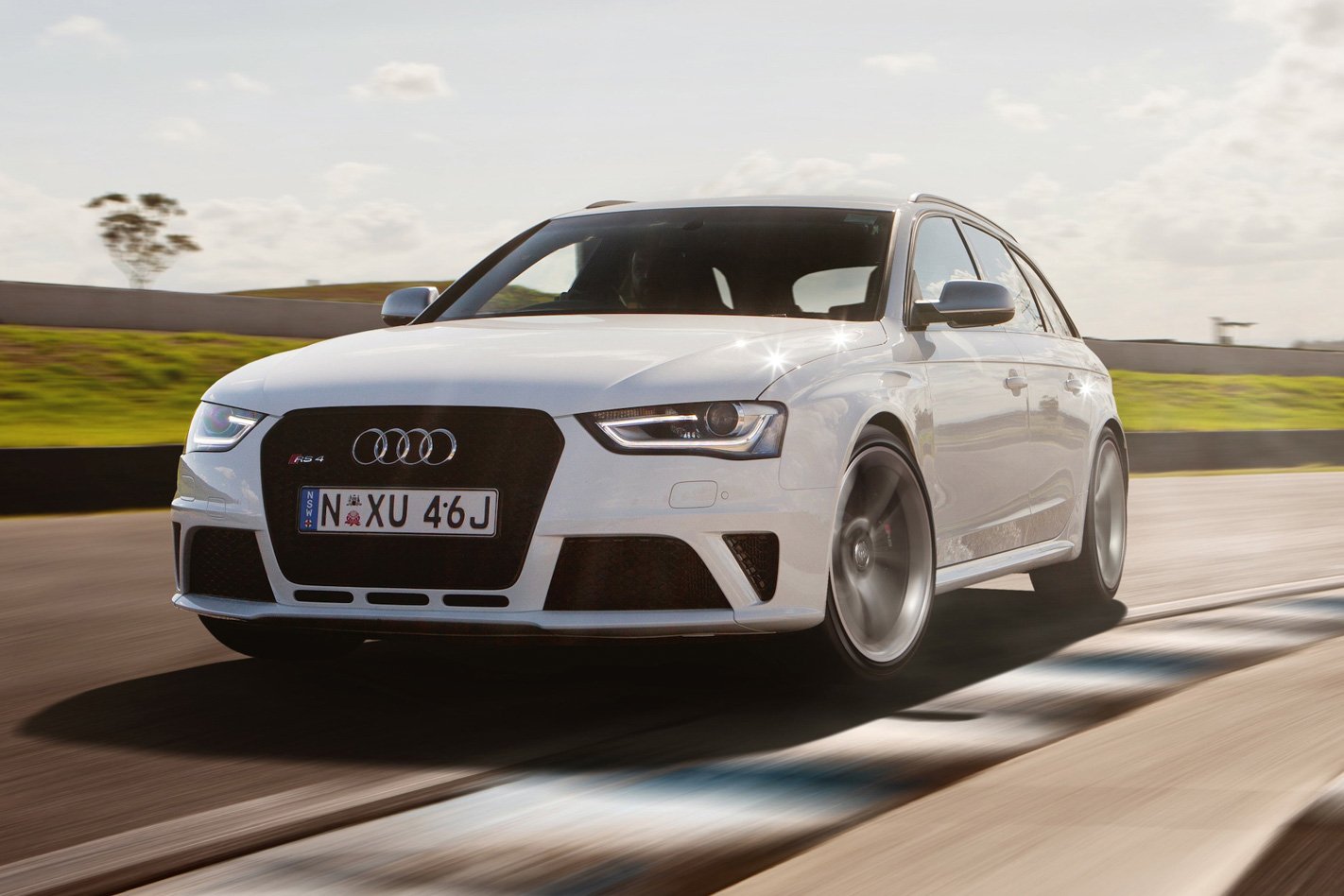
Despite nearly two decades between them, the B8 RS4 is only a tenth of a second quicker to 100km/h than the RS2 Avant.
The B8 could be optioned with carbon-ceramic brakes, because why the hell not. All up, just 7000 examples were built during its production run.
Engine/transmission: 5.0-litre twin-turbo V10 / six-speed tiptronic
Power: 426kW @ 6250-6700rpm / 650Nm @ 1500-6250rpm
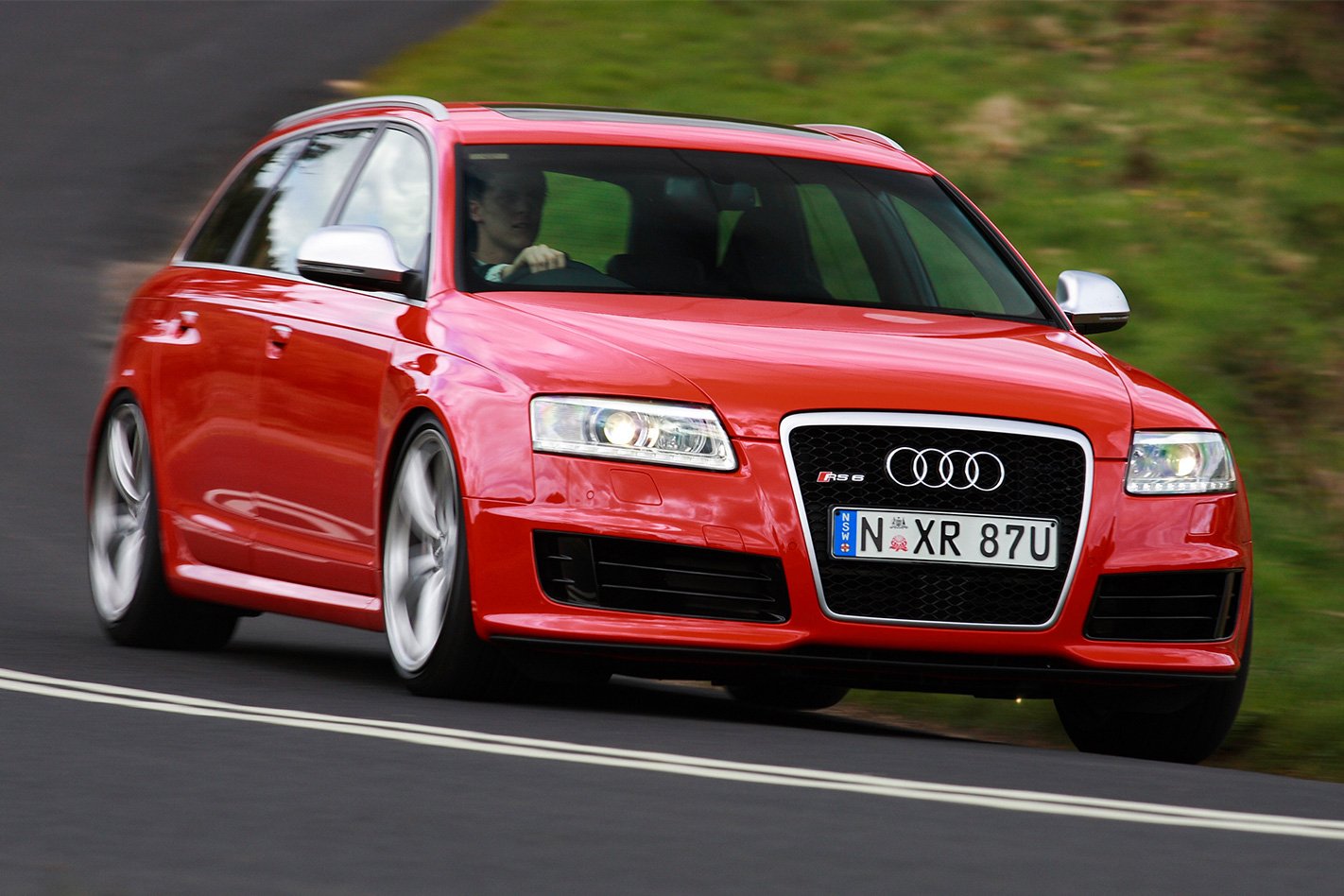
When it was produced, the C6 RS6 was the fastest car Audi produced, and could crack 100km/h from a standstill in 4.6 seconds. The huge power levels propelled the two-tonne beast past 200km.h in 12.7 seconds, before an electronic limiter kicked in at 250km/h. However, this glass ceiling could be lifted to274km/h if you ticked a box and handed some extra cash to Audi.
We bet Fido hasn’t had a ride to the dog park that quick before.
