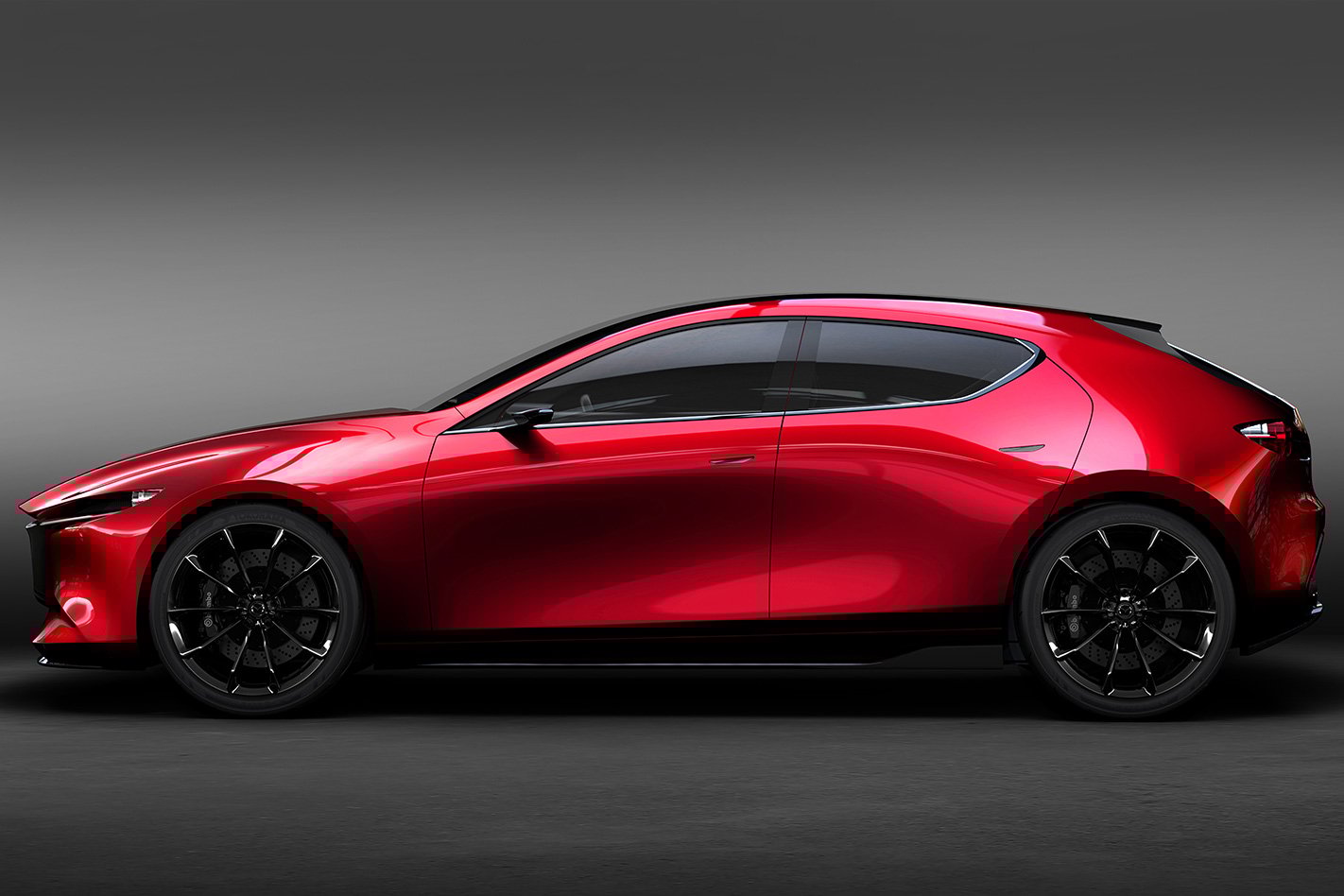
Behold Mazda’s Vision Coupe and Kai concepts, revealed at the Tokyo Motor Show.
The duo previews the next generation of models from Mazda, and the future of the brand’s Kodo design language.
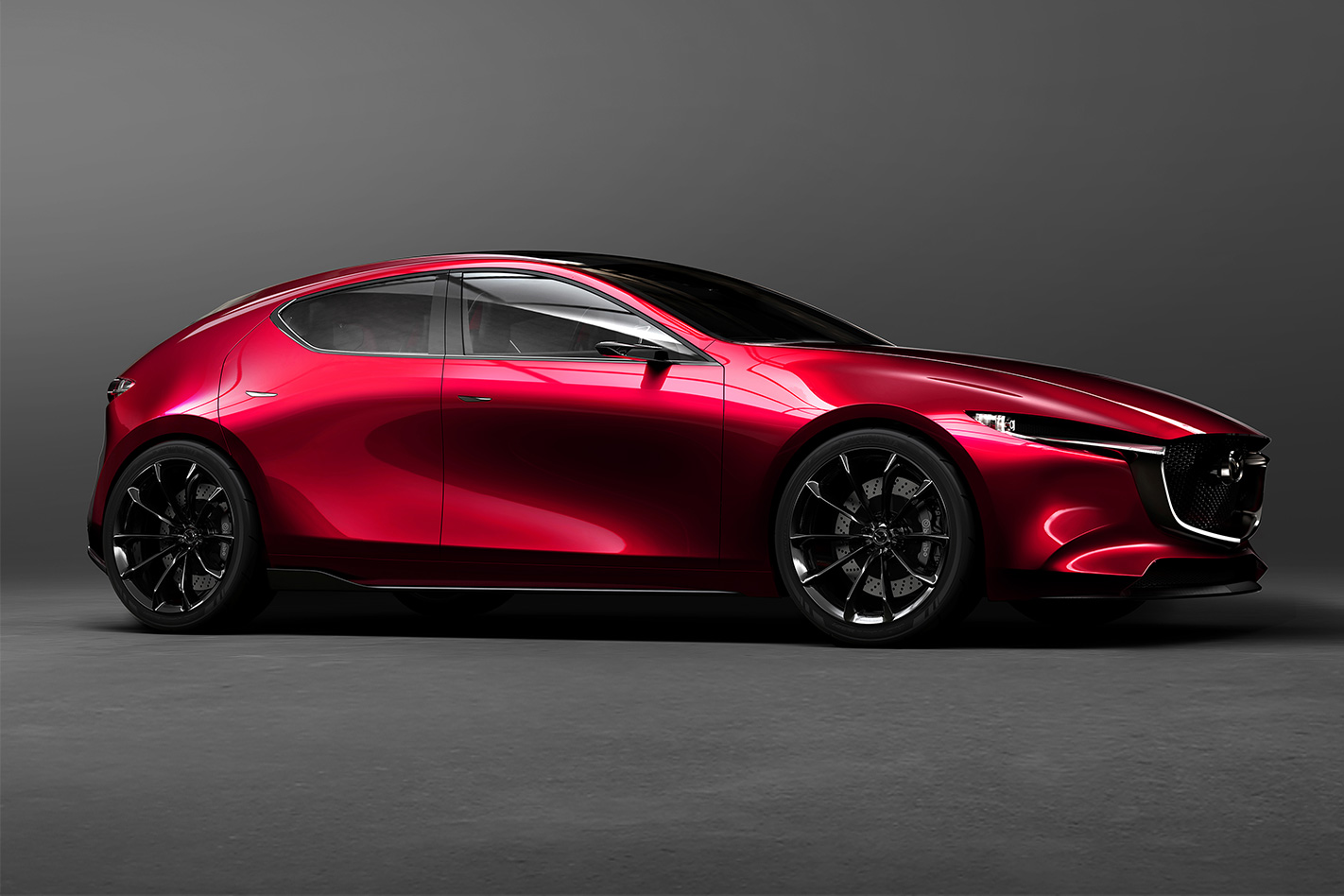
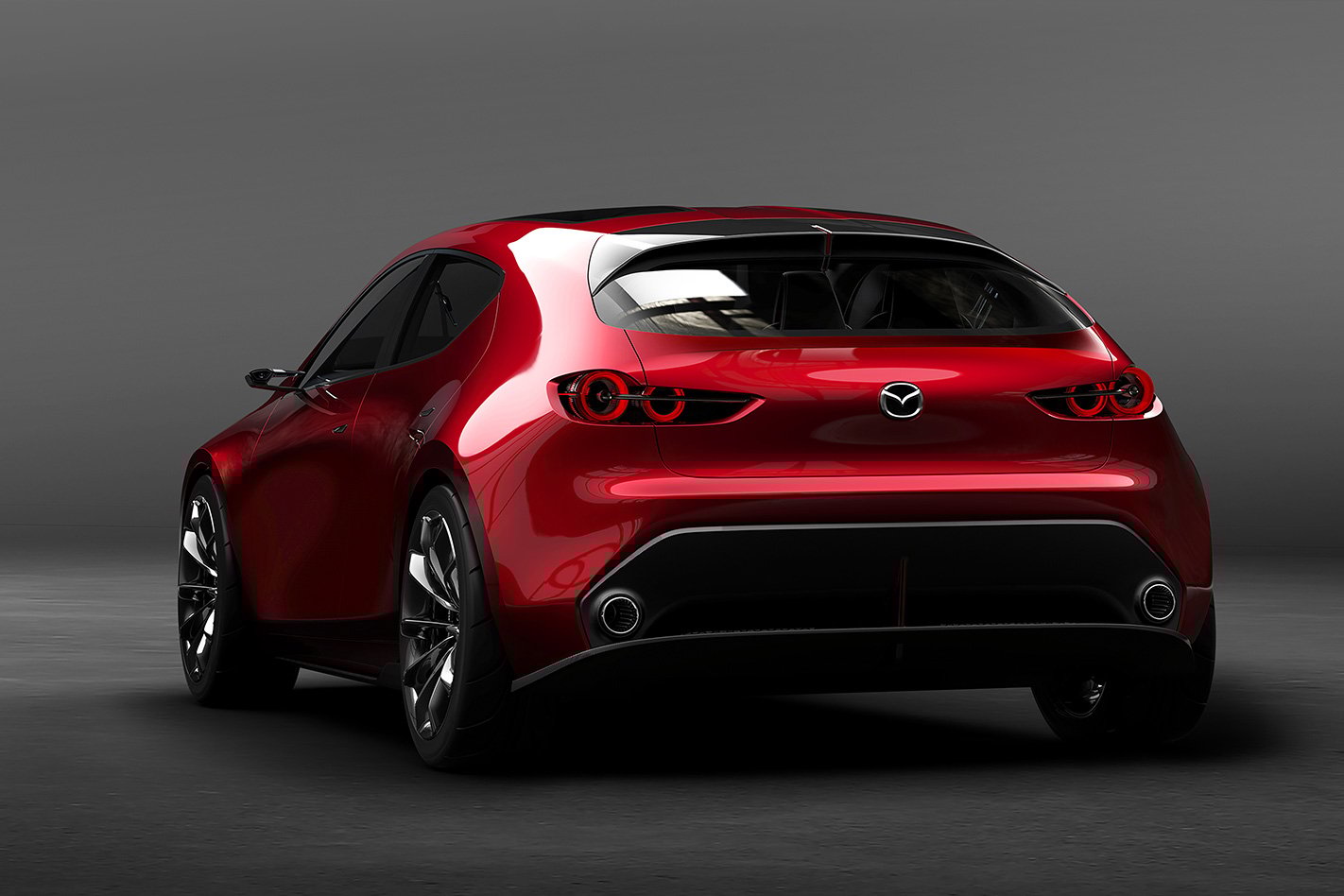
Both have flowing lines and athletic haunches, with the smaller ‘Kai’ hatch providing a glimpse at the next-generation Mazda 3 due in 2019, while the larger Vision Coupe concept previews future styling for the Mazda 6.
The Kai concept is built on the next-gen version of Mazda’s scalable Skyactiv architecture, and powered by the ground breaking Skyactiv-X compression ignition engine revealed earlier this year – both of which are expected to debut in the production version.
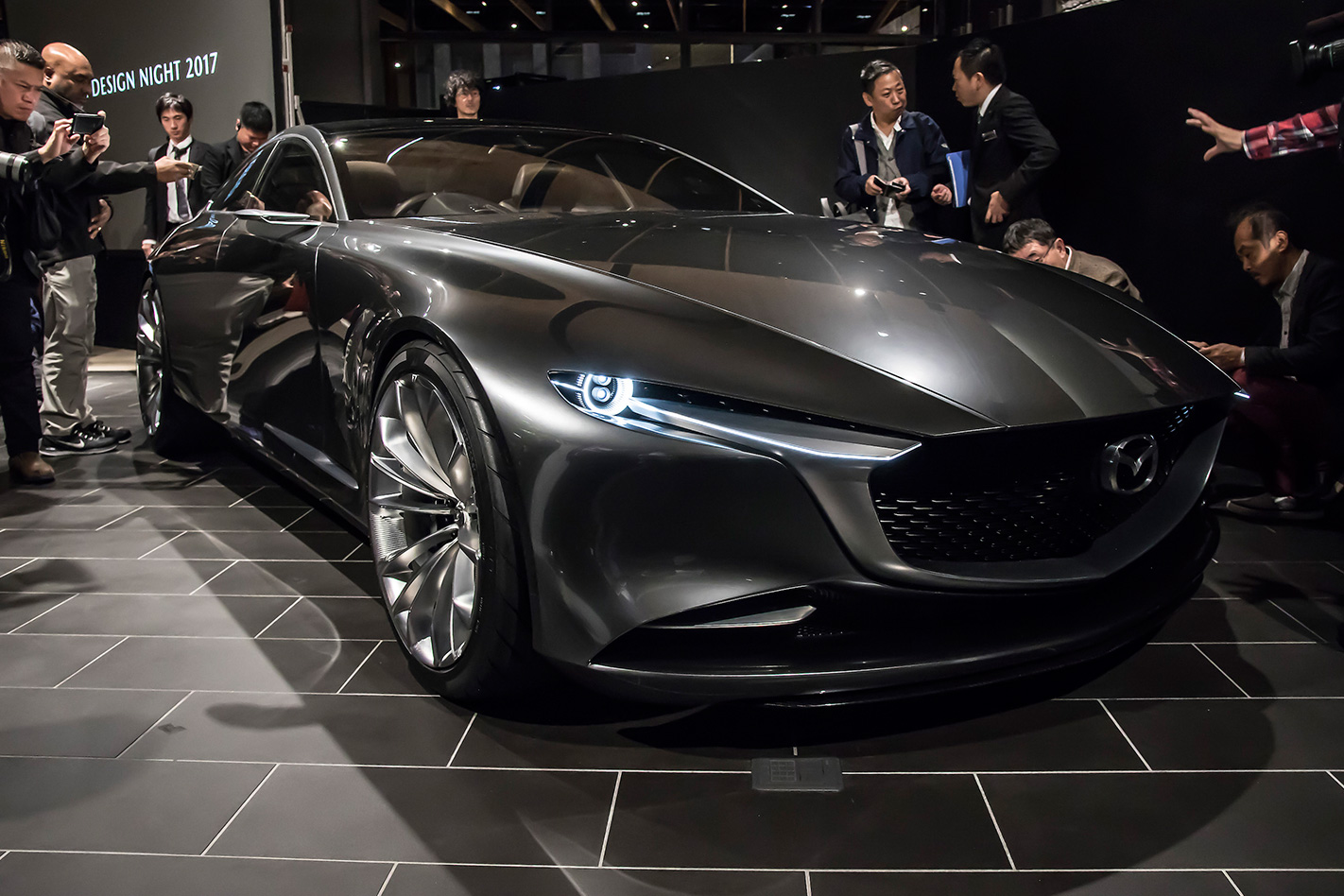
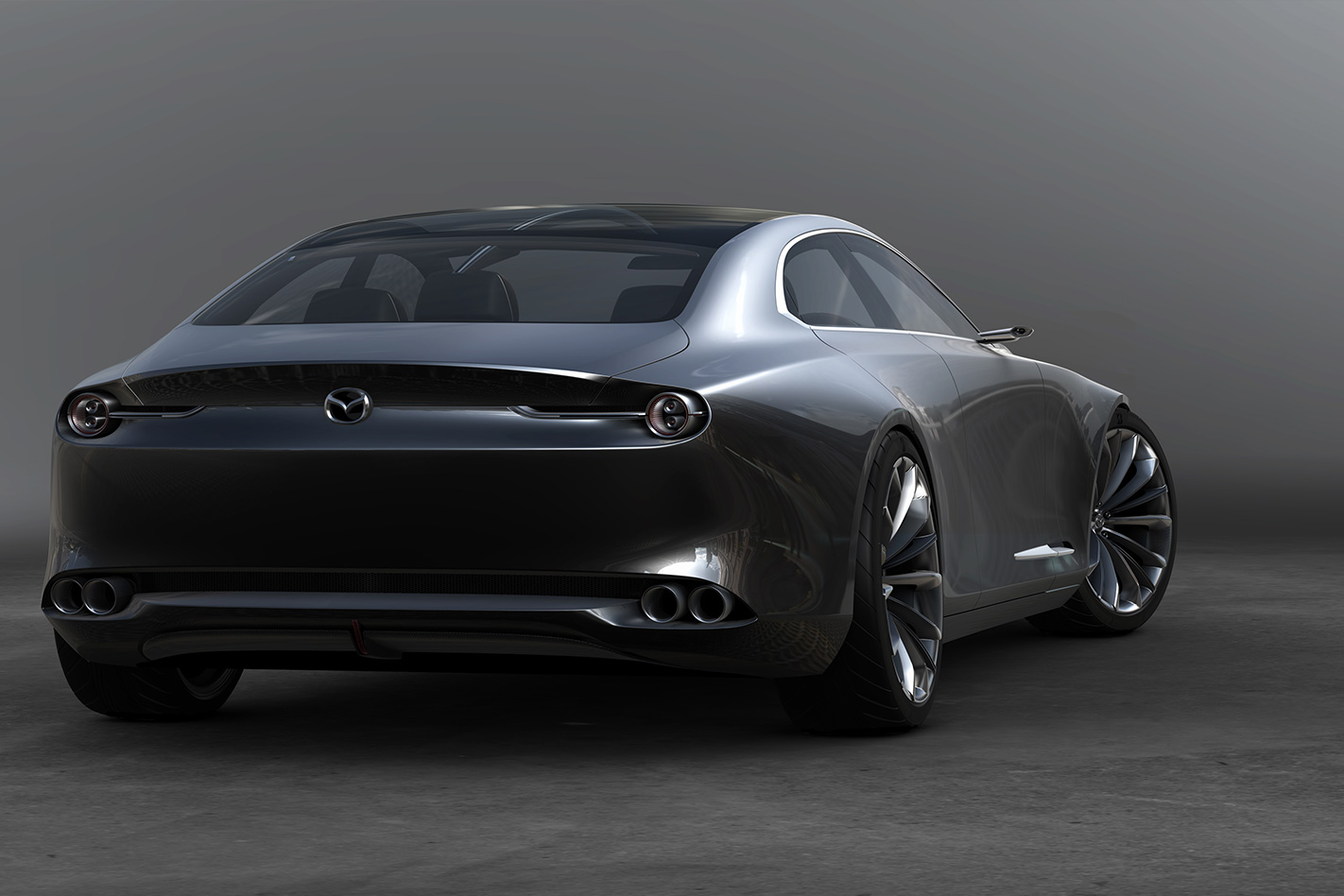
While the Kai almost looks production ready, the Vision Coupe is more a study in Mazda’s future design than a realistic look at a production vehicle.
It has an ultra-long body, with a low glasshouse, pushed rearward for coupe-like styling, despite doors and seating for four.
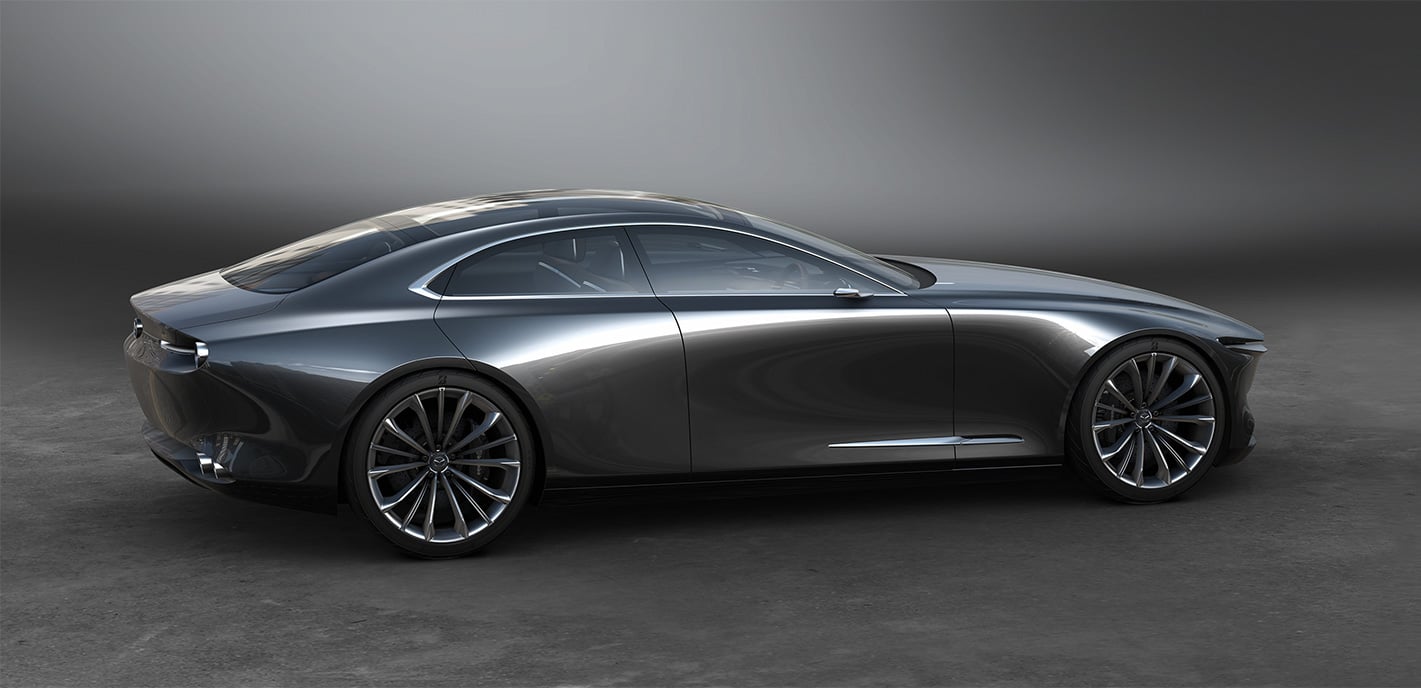
However, some of the visual cues seen in the concept are likely to make it to production in next-gen Mazda 6.
The next iteration of Mazda’s mid-size sedan isn’t due until the end of the decade.
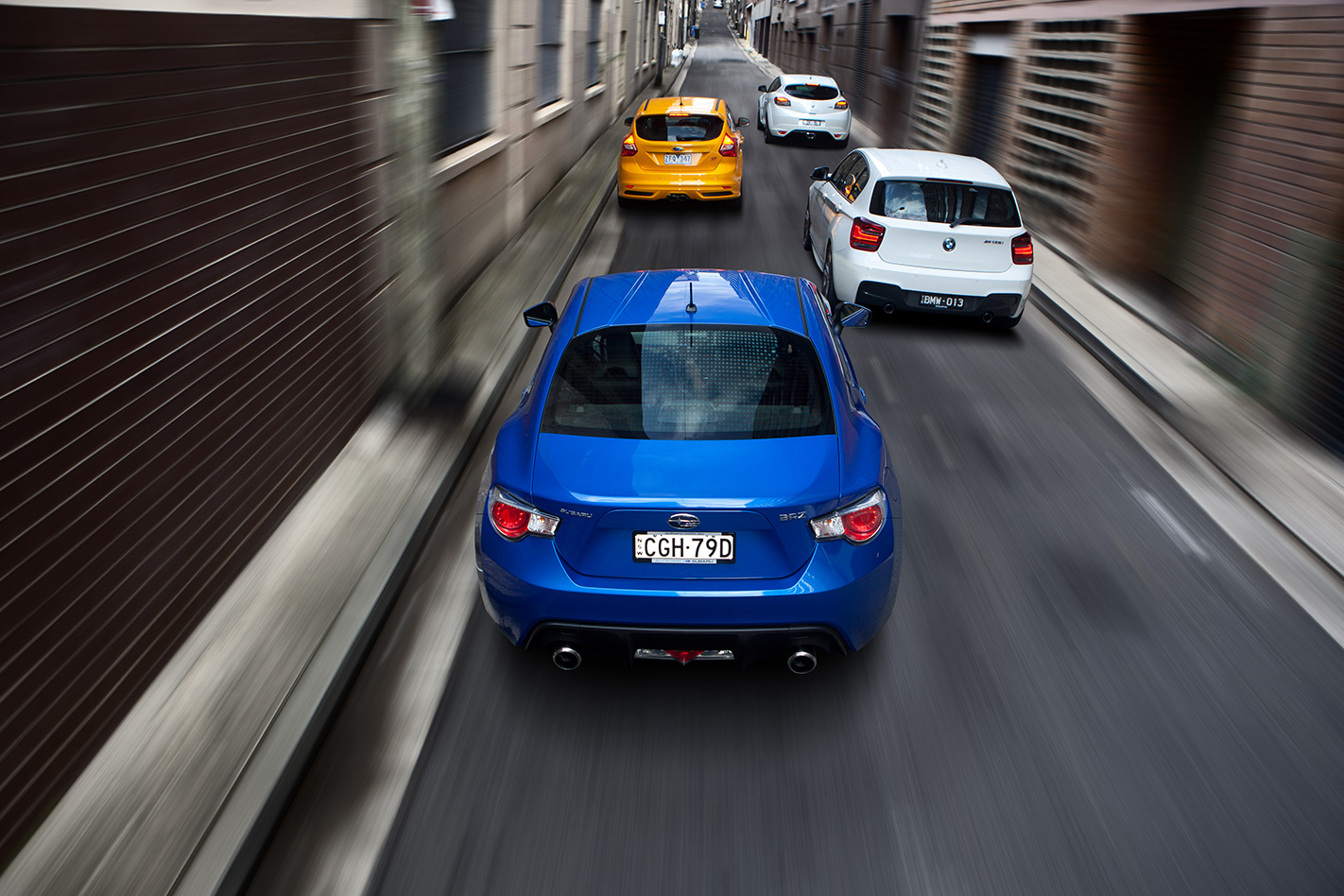
Out in the real world, the number crunching meant nought as the form guide was thrown out the window.
This Performance Car Of The Year article was first published in MOTOR Magazine January 2013.
The BMW is no less impressive on the road, though not quite as exciting as it was on the drag strip as it just doesn’t have the edginess of its rivals.
We don’t think a BMW blown straight six has ever sounded so good either, with a liberal dose of its howling exhaust note filtering through to the cabin. But, while there’s always an underlying degree of rear-drive balance in the 1-Series’ chassis set-up, it likes to hang its tail out more on a trailing throttle into the corner than it does on the way out and the M-fettled suspension, even in its Sport+ setting, is more biased towards comfort than corner carving.
The Variable Sports Steering provides little in the way of intimate feedback and the seats lack bona-fide lateral support compared with a lot of the PCC field. It kinda felt like it was going to be a bit underwhelming when it hit the track… Yet it blew them all away; its 2:15.50 easily the fastest of the tiny tots and up there in the top half of the field.
There’s no hiding the fact that it’s fast and amazingly efficient, and the pick of the small cars to cover long-distances in, but, apart from inducing that straight-six exhaust note, it’s never really felt all that exciting… Especially in white. But if Workplace Health and Safety is your thing then the Focus stands out like a hi-viz vest.
Like the BMW, its five-door body means it’s more practical to live with everyday than either the Megane or BRZ and, while it’s nowhere near as fat (or is that Phat?) as the sold-out Focus RS, there’s enough boy racer in its bodywork to separate it from the garden variety model.
Get out of town, though, and the Focus doesn’t mind a good back road bollocking. The ride/handling balance is closer to the Megane than the BMW, but it never feels hyperactive or too stiff over pock-marked country roads. The electric steering is somewhere in between too, providing enough, though hardly intimate levels of, feedback.
And while it’s not too hard to outsmart the electronic front diff and induce wheelspin on the unloaded wheel – which, in turn, sends a faint tug of torque steer through the wheel – the Focus has masses of grip and its overall balance is fairly neutral.
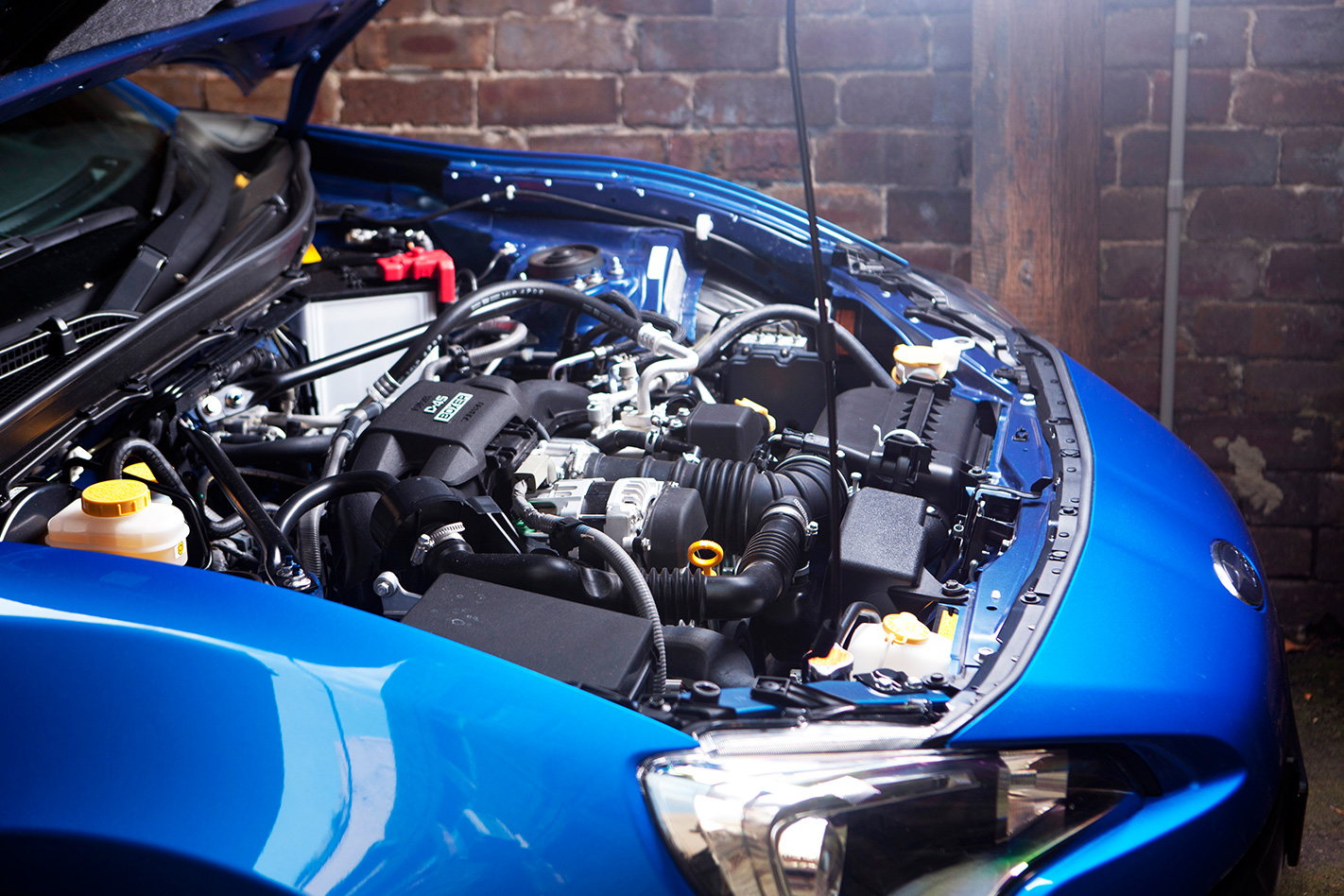
In the end it didn’t set any benchmarks, its lap time of 2:20.70 was the second slowest of the day and it didn’t win over any of the judges either. Which is something you can’t say about the remaining pair.
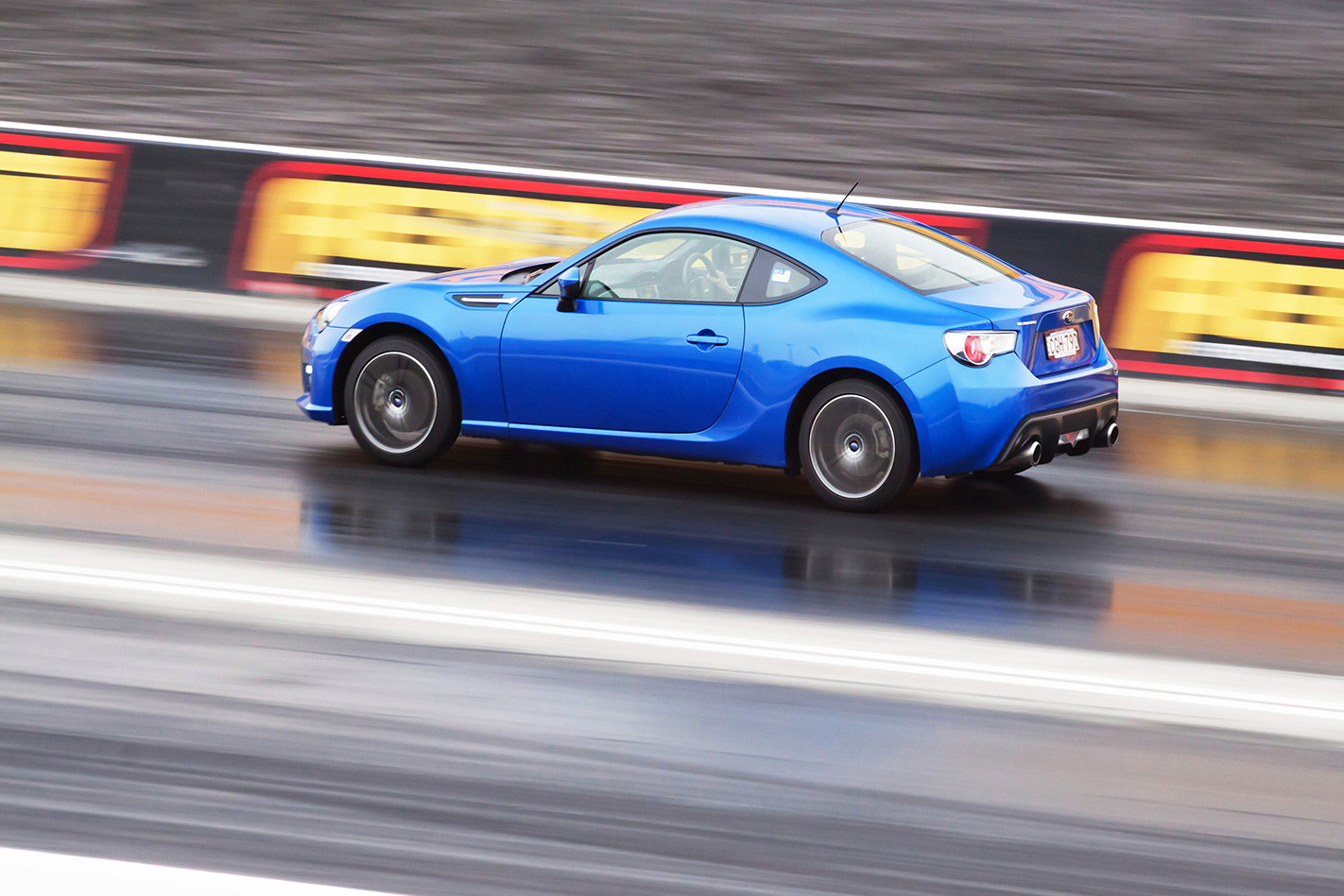
The BRZ doesn’t have the bling or the luxury, and certainly not the convenience of useable rear seats and a boot, like the Focus and BMW, but jeez it makes you feel like you’re driving something fun, even when you’re not hammering it.
Overall rank: 7 JUDGES NOTES Andrew Maclean – 5th: “Who cares if it’s slow, the fun factor is so accessible. And it’s cheap!” Curt Dupriez – 6th: “Still love it. But far too slow here. Time for grip, brakes and turbocharging” James Cleary – 7th: “Huge fun. Balanced and responsive on road and track” Nathan Ponchard – 7th: “Underwhelming around the Creek, but is an exquisite driver’s car”
WARREN LUFF SAYS “Lacks a little bit of power down the straight but it’s a good, fun car. Very oversteery through the tighter sections. Surprisingly the brakes went away quite early, which is disappointing. The pedal was almost all the way to the floor at the end of the first lap, which doesn’t inspire a lot of confidence”
LONG before Volkswagen’s Golf underpinned seemingly everything from a pram to the Bugatti Chiron, Australia had its own modular vehicle platform in 1971.
This was the HQ Holden. Its scale was truly epic. It spawned seven bodystyles, even more variants, and almost half a million units over its lifespan. Better yet, it was entirely Australian. To complete the feat, Holden approached the HQ with the same methods it did the 48-215 by sandwiching a front-subframe with a monocoque bodyshell.
Among the combinations, the Monaro lingers as a standout pick. The Monaro entered its third phase on the HQ platform, and in two-door GTS spec, received a 5.0-litre V8, four-speed Muncie manual, and four-link rear suspension. Options included variable power steering, ventilated disc brakes, and bucket seats.
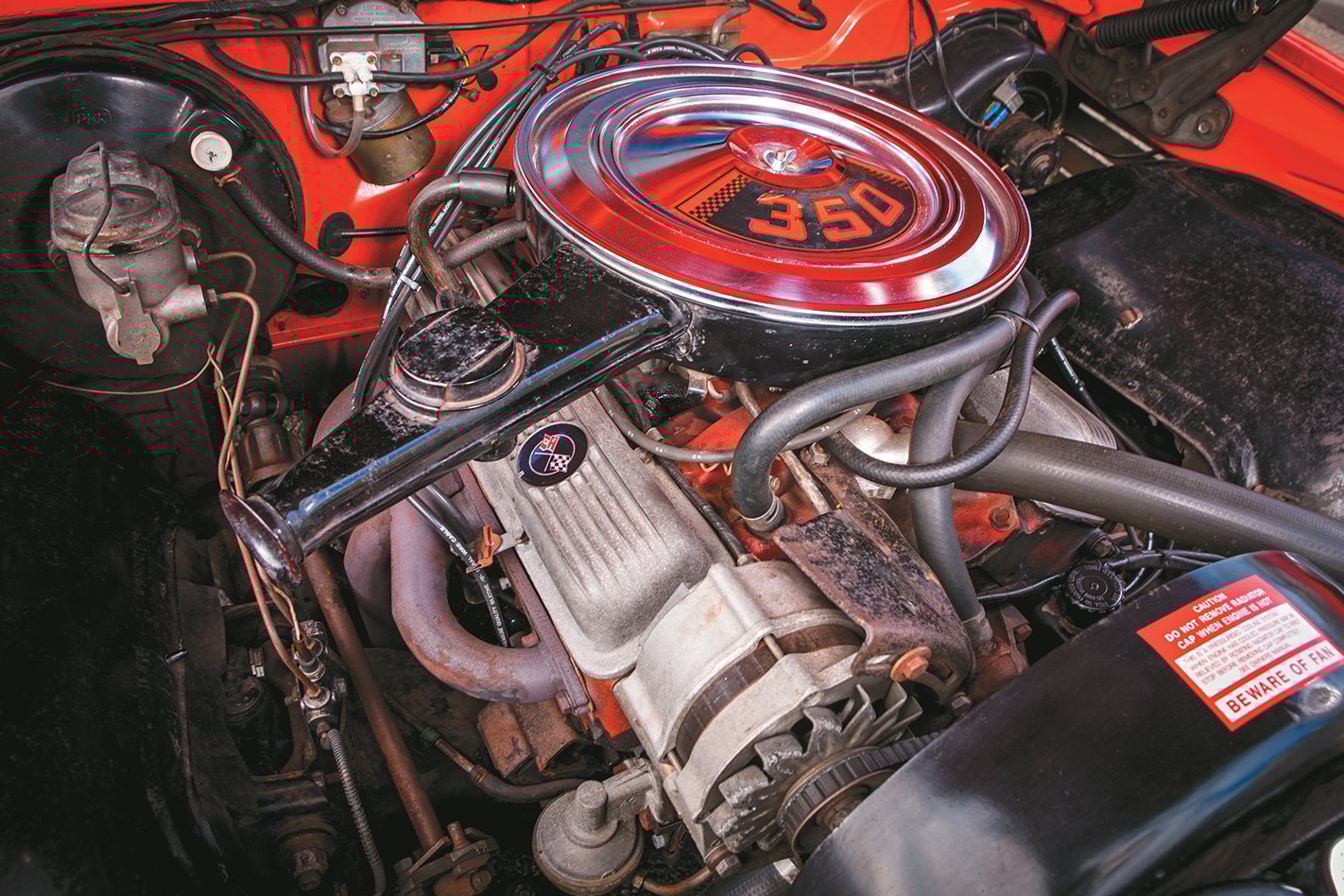
The Chevrolet 350 V8 made its last appearance in the HQ, and took the 308’s meek 176kW and 427Nm to a more appropriate 488Nm and 202kW. That’s less than the HG 350’s outputs, but there’s a reason. Exported from Canada, the engine catered to American emissions controls being introduced in 1973.
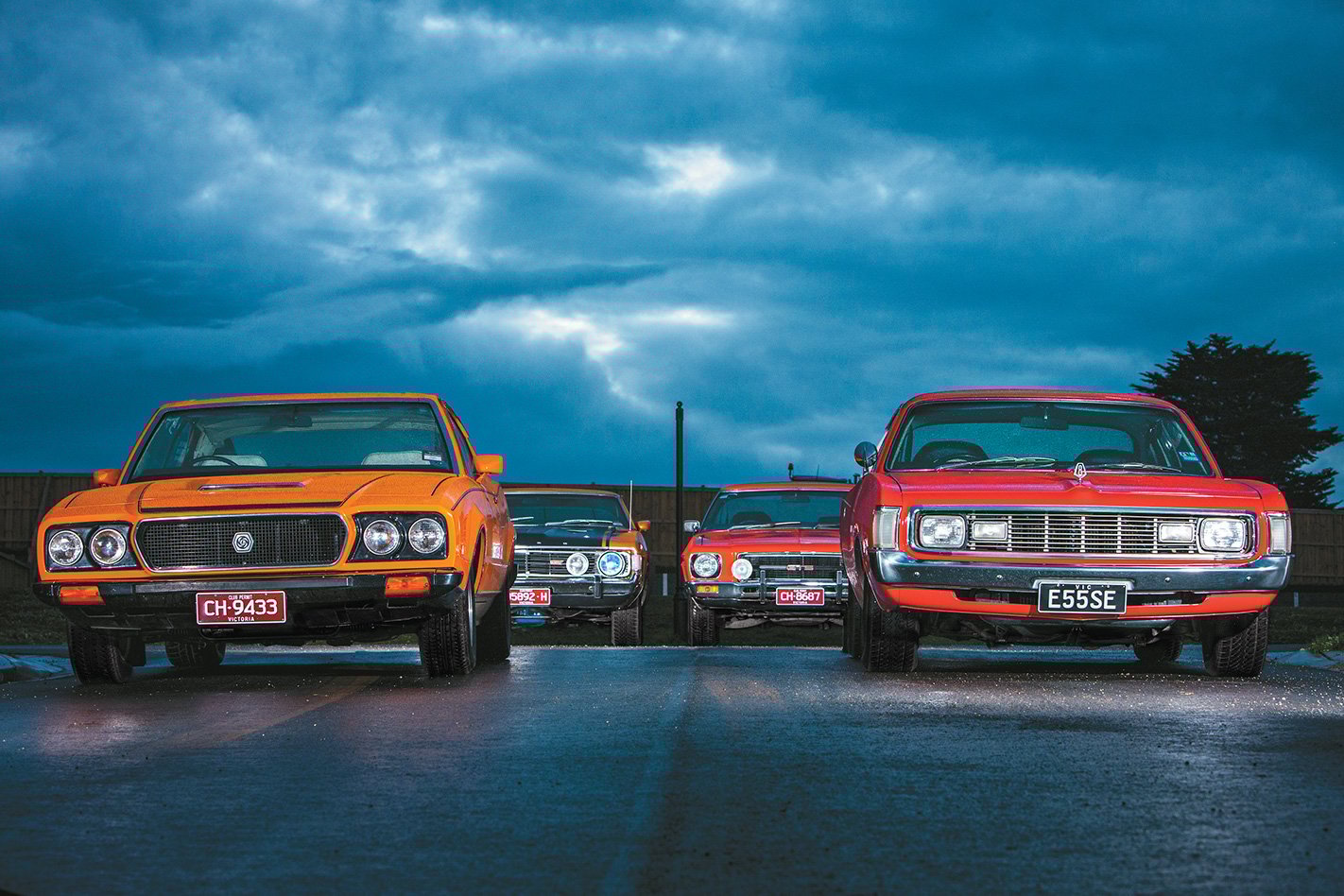
It was a harsh reality of an engineering program that prioritised ride and touring ability over track performance. Making leaps forward in other areas, the HQ Monaro was a better road car. The bodyshell was solidly built, with the four-door GTS being based on the coupe rather than the other way around.
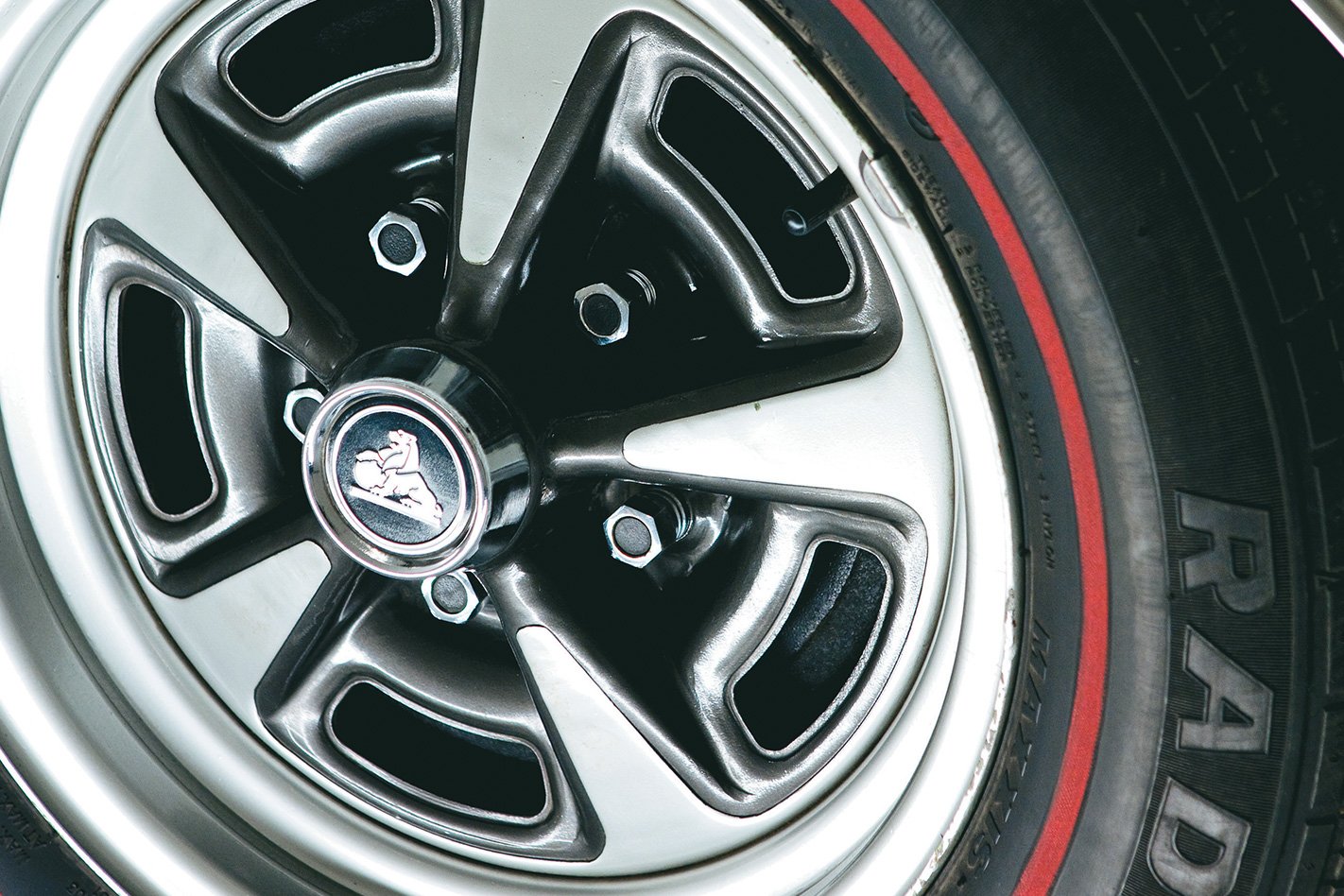
HQ Monaro GTS 350 specs: On sale: 1971-1973 Engine: 5735cc V8, OHV, 16 valve Power: 488Nm @ 4800rpm Torque: 202kW@ 3200rpm 0-97 time: 8.0 seconds (claimed) Weight: 1451kg Price new: $4630
HONDA has revealed its Sports EV Concept at the Tokyo Motor Show, providing a glimpse at the brand’s future design language.
It’ll be a refreshing change for some fans of the brand, who have bemoaned the busy, cluttered look for the Japanese brand from recent years, highlighted by the latest Civic.
The Sports EV is the big brother to the Urban EV Concept which stole the show at the Frankfurt Motor Show last month.
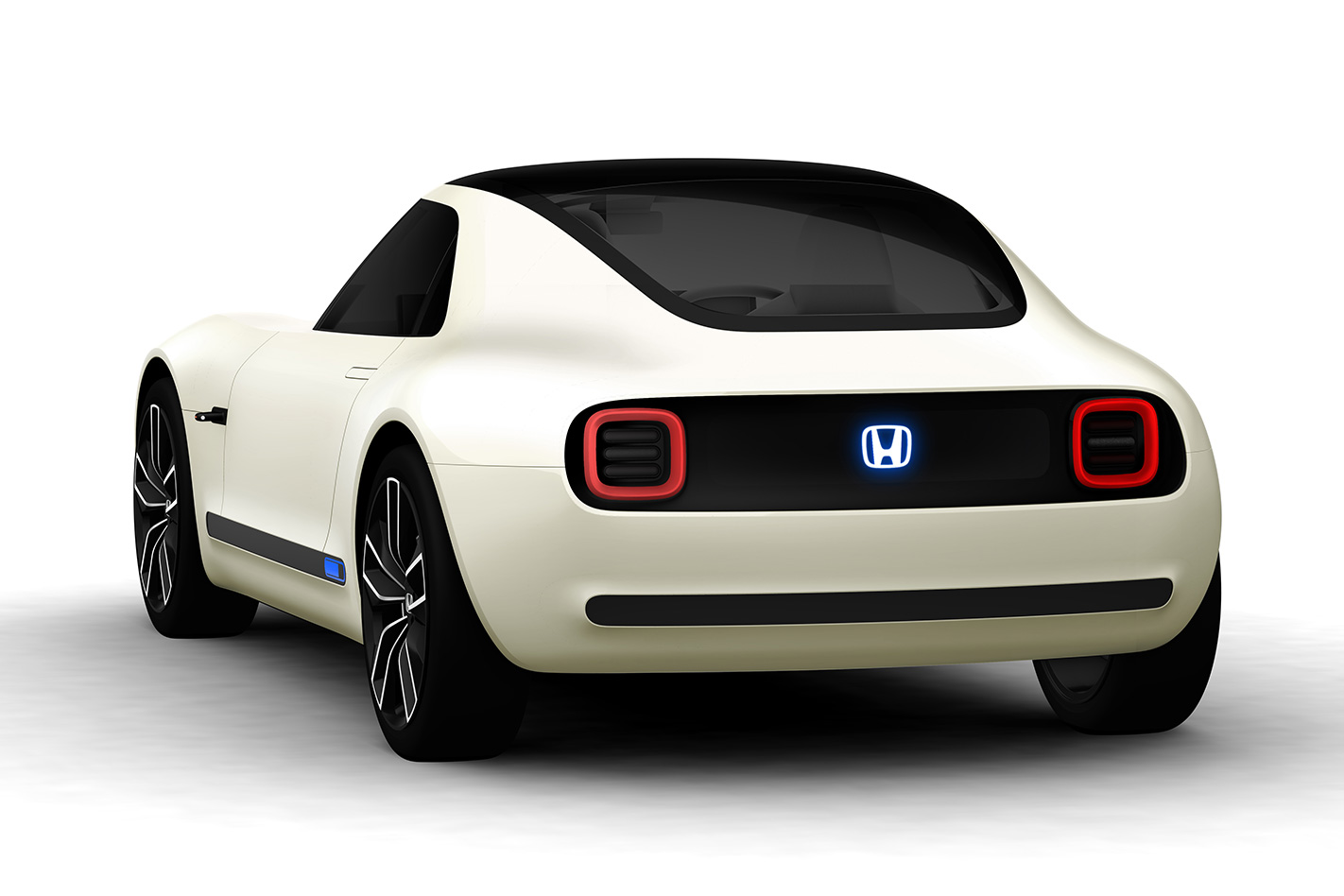
Further details on the Sports EV remain thin, but its retro-modern styling is sure to catch plenty of attention on the show floor.
Where the Urban EV was angled as an inner-city mobility solution, this concept is clearly intended to appeal to a more enthusiast fan base.
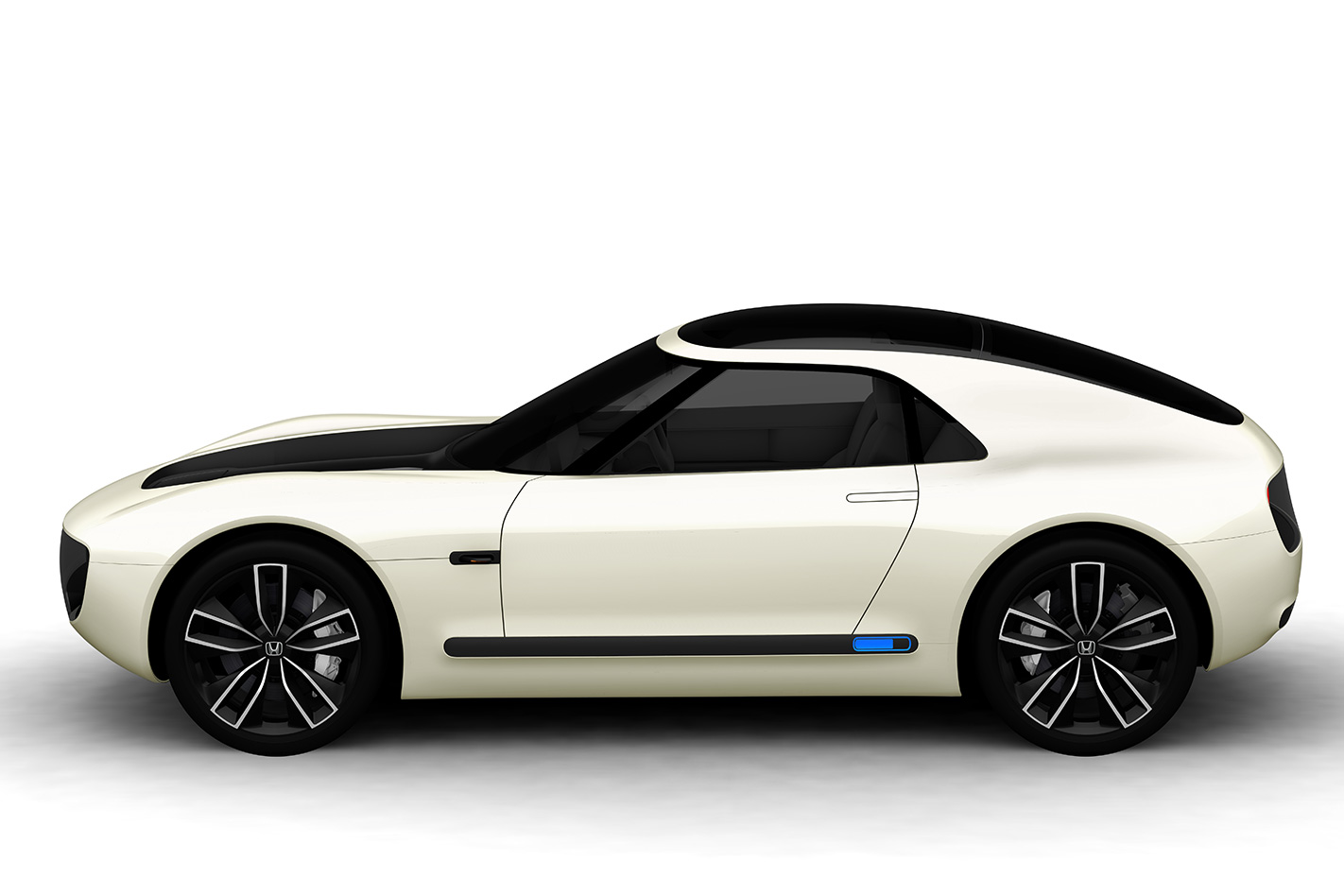
Honda says the Sports EV is “a concept model which combines EV performance and AI (artificial intelligence) inside a compact body” that aims to provide the driver with a sense of enjoyment and unity with the car.
It’s an eerily similar statement to that released by Mitsubishi in regards to the e-Evolution electric SUV concept. We are sensing a theme at this year’s Tokyo Motor Show.
FORGET whatever you have come to associated with Mitsubishi’s iconic gravel-slinging ‘Evolution’ rally monsters, because the Evo moniker is back, but on a very different kind of vehicle.
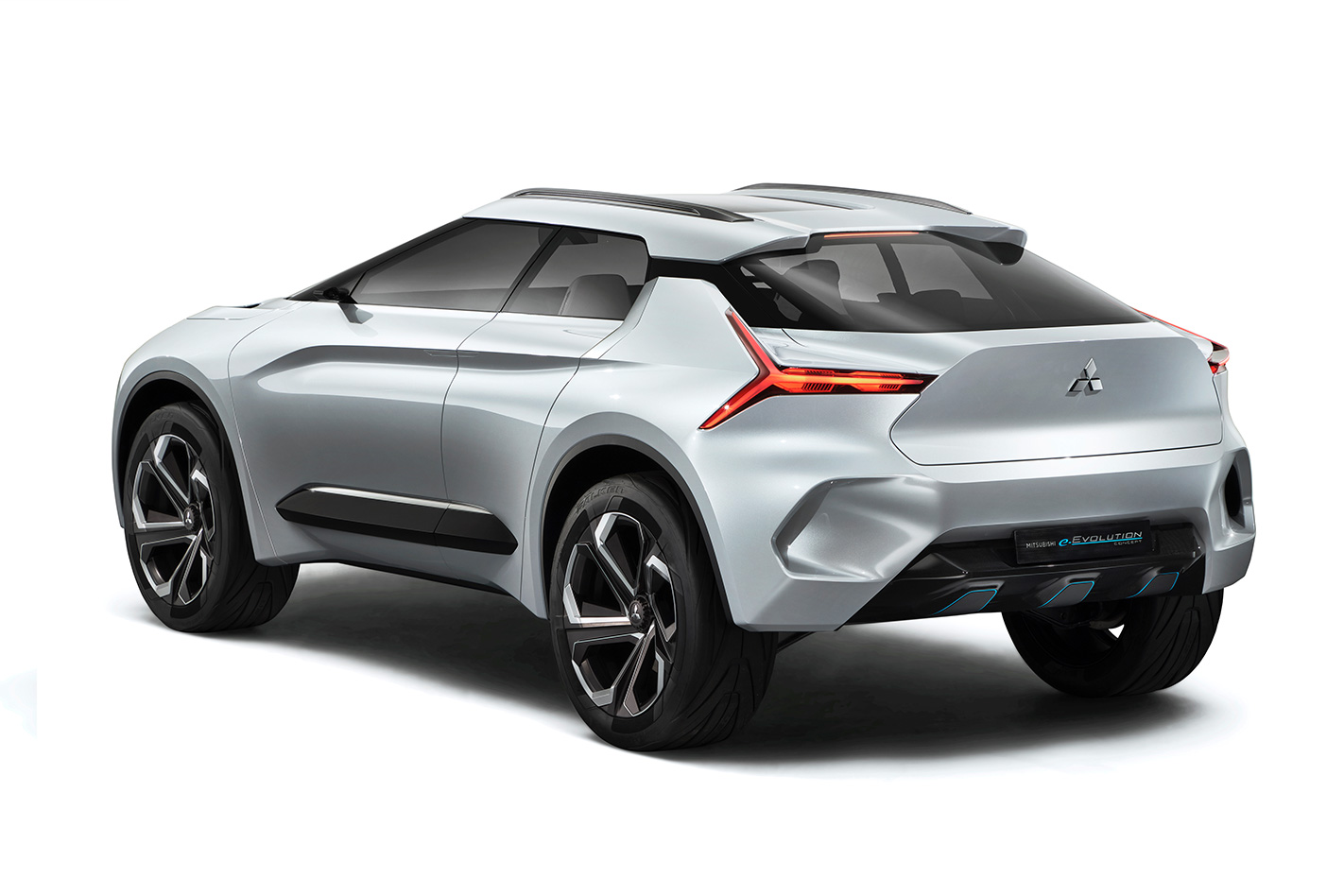
Revealed at the Tokyo Motor Show, Mitsubishi has brought its iconic nomenclature back to life for the e-Evolution concept.
However, it’s an all-electric crossover concept that previews the Japanese brands future design language, and strategic direction that “incorporates the strengths of SUV, EV, and the ability to integrate new systems for a connected mobility customer experience”.
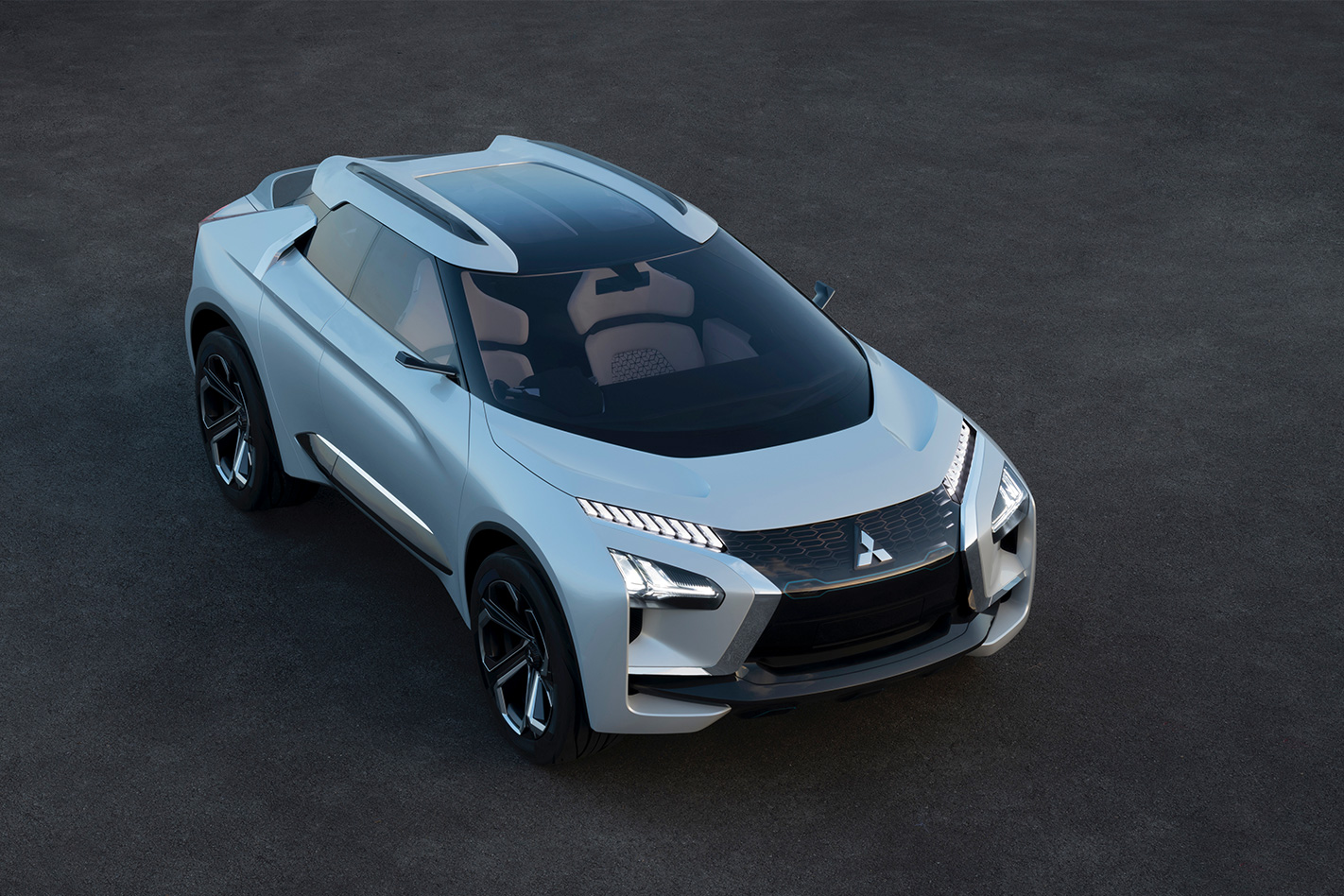
A single motor sends power to the front wheels, while the rear treads have a motor apiece.
Mitsubishi says the brain of the concept is “an Artificial Intelligence system that augments the driver’s capabilities”.
While most manufacturers are happy to stick to self-driving capabilities, Mitsubishi is claiming the concept will coach you on your driving ability as well as the reading the road ahead.
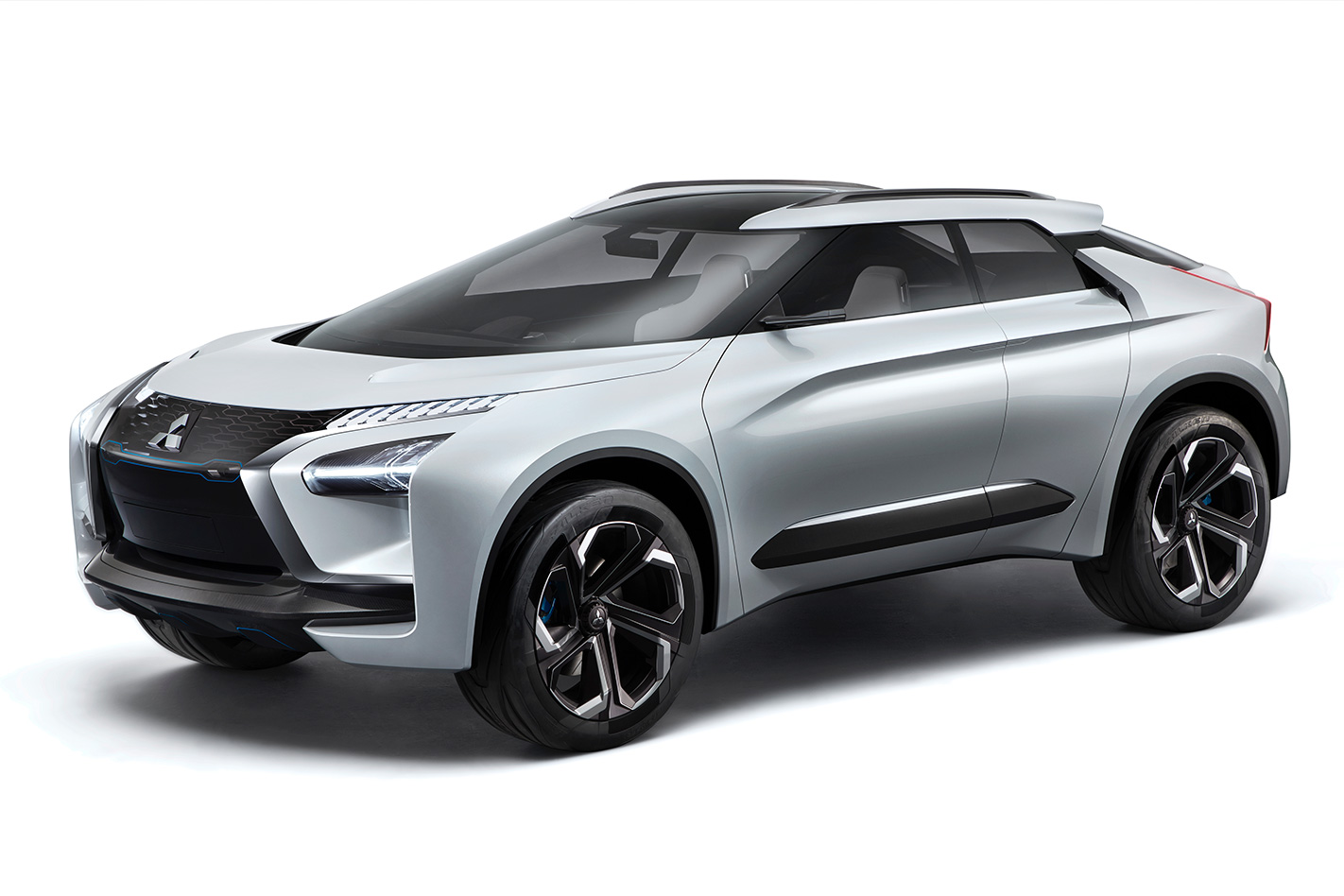
“Seamlessly coordinating driver intent with vehicle performance, the system supports drivers of all abilities. By making it easier and safer to control the vehicle, the motoring experience is brought to a new level.”
“A special coaching function allows the AI system to transfer knowledge to the driver, and to unobtrusively enhance the driving expertise.
“After building a picture of the driver’s skill level, the system constructs a training program that provides advice through voice dialogue and a large dashboard display.
The large central unit is flanked by smaller screens displaying images from frontal and rear cameras. Mitsubishi claims the windows provide a “near unobstructed 360-degree visibility”.
Depending on your standpoint, it’s either a sign of progress or a sad indication of where the global automotive world is headed that a cult-favourite performance icon now has its name plastered onto an autonomous electric crossover concept that will teach you how to drive.
Beam us up, Scotty.
MOTOR is out testing some of the best performance cars available at our Performance Car of the Year event, but we want to know what you think should win.
We’ve got a strong field at PCOTY this year, but we know there are more options out there, so we’ve extended the list to feature 20 cars for you to choose from in the PCOTY Readers’ Choice. From the humble Kia Stinger to the Ferrari 812 Superfast, below are the cars we think are deserving of your vote – in no particular order.
All you need to do is select which car is your favourite, scroll to the bottom of the poll and press enter, but hurry, voting ends November 5th! Oh, and keep an eye out for our 10 PCOTY entrants in MOTOR’s PCOTY edition in early 2018.
MOTOR’S PERFORMANCE CAR OF THE YEAR 2018: READERS’ CHOICE
1. ABARTH 124 SPIDER 2. ALFA ROMEO GIULIA QV 3. ASTON MARTIN DB11 4. AUDI TT RS 5. BMW M4 CS 6. BMW M5 7. FERRARI 812 SUPERFAST 8. HONDA CIVIC TYPE R 9. HSV W1 10. HYUNDAI I30 N 11. JEEP GRAND CHEROKEE TRACKHAWK 12. KIA STINGER GT 13. LAMBORGHINI HURACAN PERFORMANTE 14. LEXUS LC500 15. MCLAREN 720S 16. MERCEDES-AMG E63S 17. NISSAN GT-R NISMO 18. PORSCHE 718 CAYMAN 19. PORSCHE 911 GT2 RS 20. TESLA P100D
NISSAN has pulled the covers off the IMx concept, a high-riding electric SUV it reckons one day will be capable of driving 600km before needing a recharge, and able to stow the steering wheel mid-journey.
Underneath it sits Nissan’s new “B” EV platform, potentially shared with the new Nissan Leaf due on sale here later this year, and the upcoming Renault Zoe. The platform’s battery pack is sandwiched underneath the IMx, allowing Nissan to build what it claims is a “cavernous” cabin and “enhanced driving dynamics”.
It will need pretty sharp dynamics, too. Dual electric motors, mounted at the front and rear of the Nissan GT-R-esque soft-roader, are estimated to produce 320kW and 700Nm of torque from the high-capacity battery that’s been reimagined to increase its energy density using technology yet to be locked in.

“When ProPILOT drive mode is selected, the system stows the steering wheel inside the dashboard and reclines all seats, giving the driver more space and allowing the vehicle’s occupants to relax and enjoy their commute,” Nissan said.
“When manual drive mode is selected, the vehicle returns the steering wheel and seats to their original position, seamlessly transferring control back to the driver.”

“Nissan’s designers sought to redefine the interior space of the IMx to create a sense of openness, while maintaining a feeling of privacy. To achieve this, they endeavoured to design a space that links up the inside and outside of the vehicle,” it said.
Inside, the IMx has a minimalist interior inspired by a traditional Japanese house.

“The ‘katanagare’ diagonal pattern on the seats has been delicately etched with a laser cutter. The head rest – patterned like ‘kumiki’, a Japanese interlocking wood puzzle – is made from silicon-material cushioning and a frame produced by a 3D printer.”
According to Nissan, the part-time driver of the future will be able to control the IMx using eye movements and hand gestures.

We’ve seen this kind of thing before from Nissan, which unfortunately, doesn’t appear to have evolved the 2013 IDx concepts, including a low-slung two-door fastback coupe and a Nismo-badged, retro-styled notchback coupe.
Like the IMx has done for SUV design, these two concepts were to have challenged the conventions of car styling. We’re still waiting for the next step, though.
Subaru has revealed three new cars at the Tokyo Motor Show, one concept, and two limited-run special editions.
Subaru BRZ STI is probably the most anticipated of the three as far as Australia is concerned, because it’s also the most relevant.
The STI-tuned BRZ is the only car of the newly revealed duo of production models that hasn’t been specifically set for Japan-only sales.
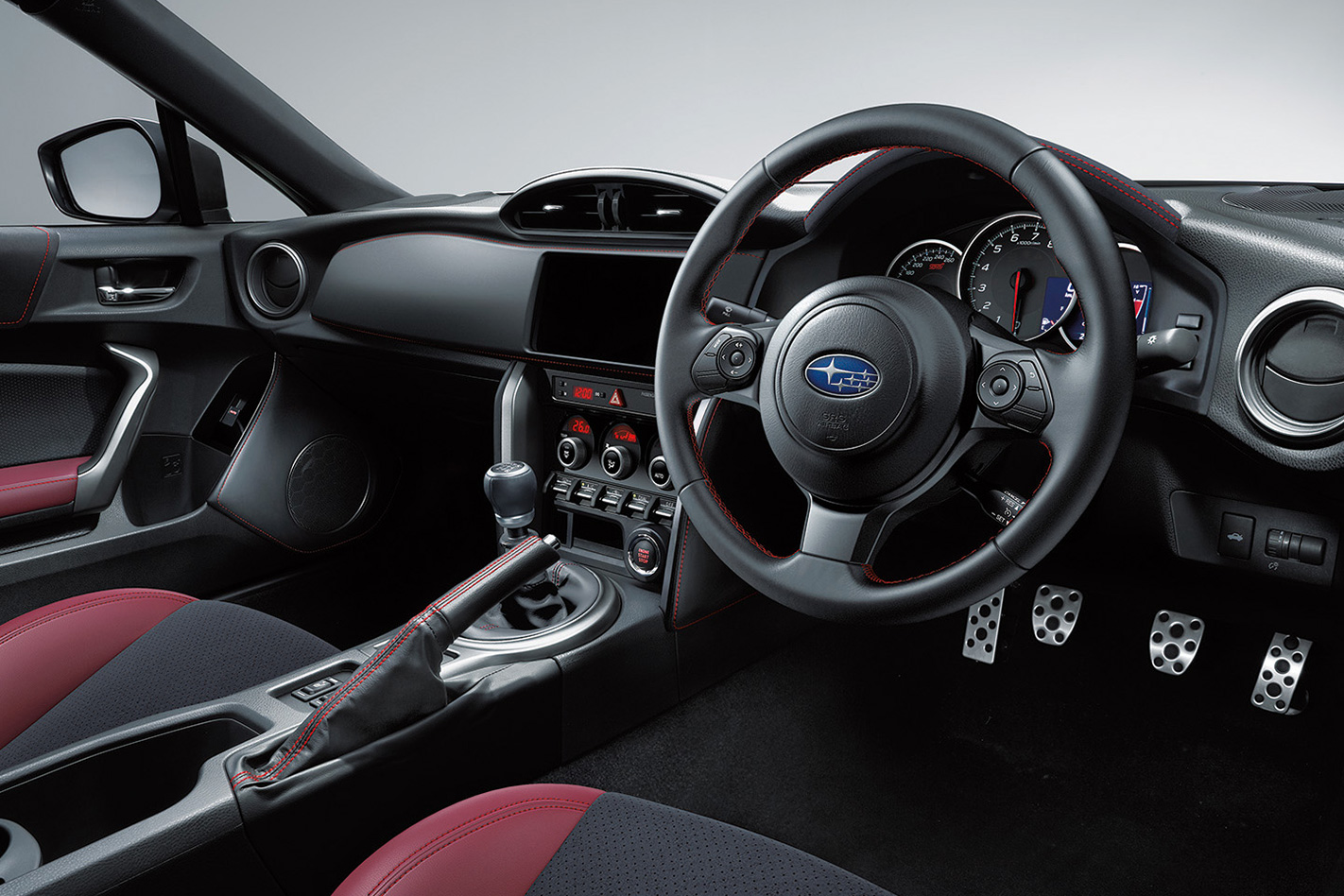
To differentiate itself, the BRZ STI has a redesigned front bumper, STI badging and trim, and a black ‘shark fin’.
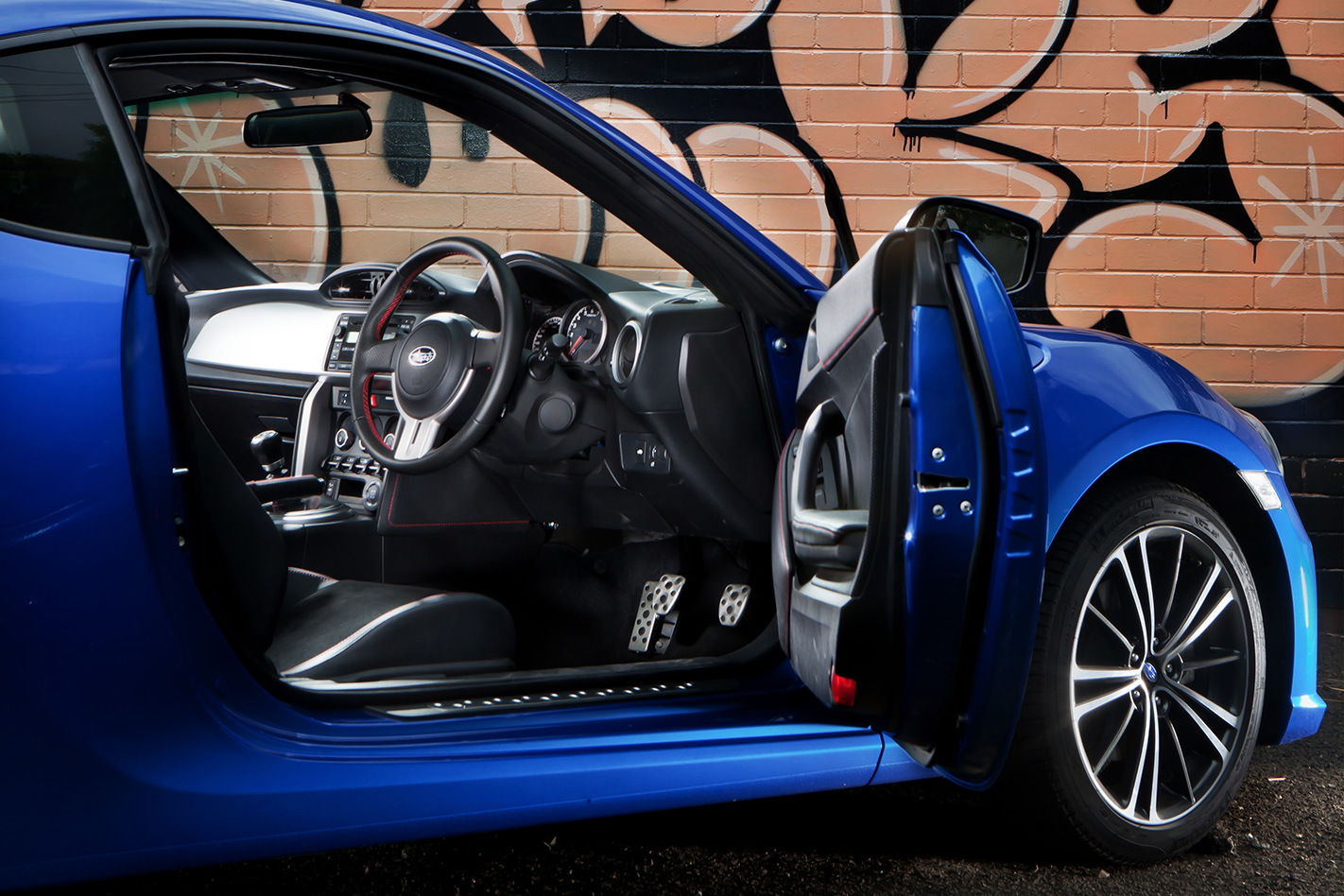
Inside, leather and Alcantara-wrapped seats are coloured read and black, plus a new instrument cluster and leather steering wheel are immediately obvious to the driver.
Power output remains at 152kW and 212Nm.
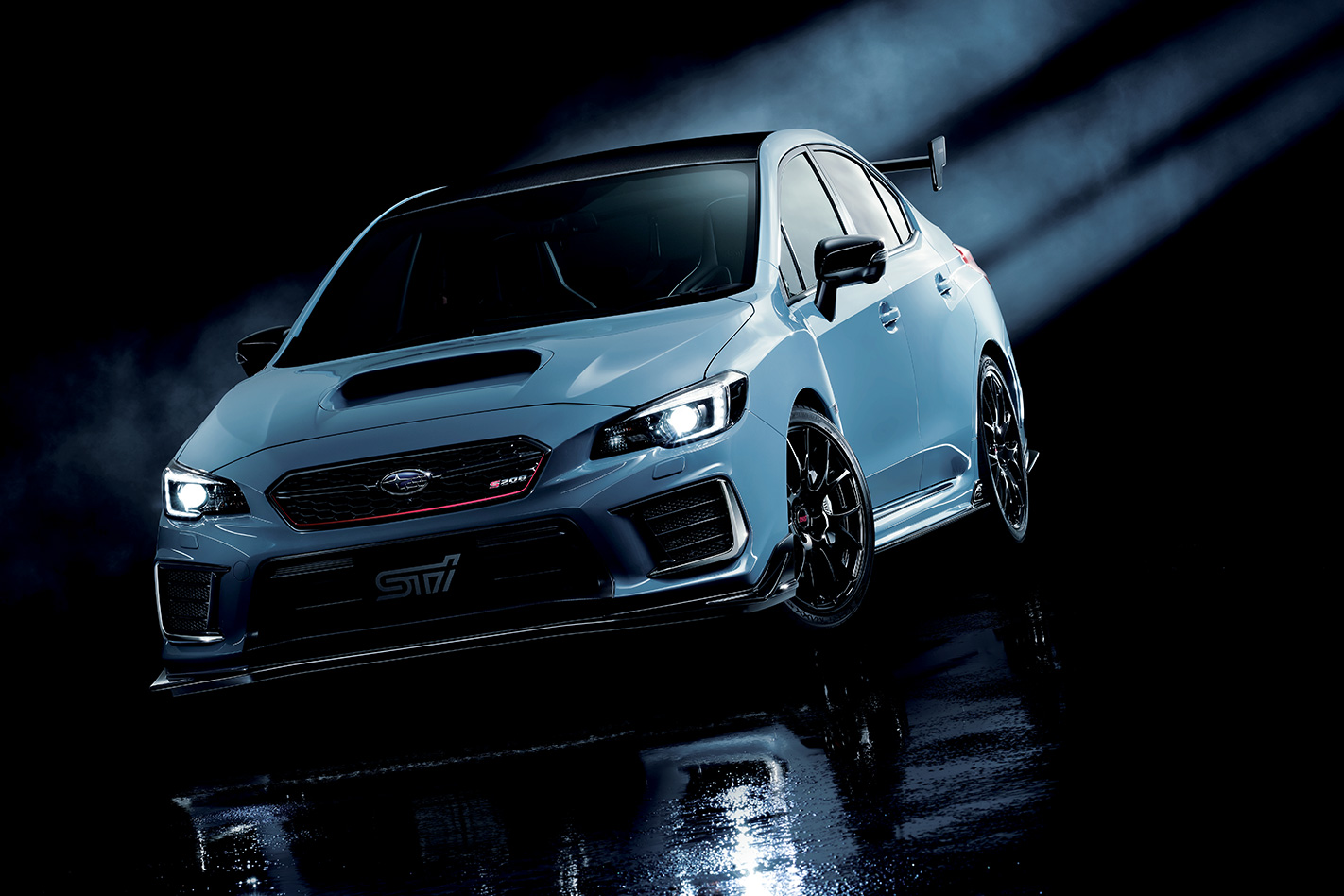
The same system will be used for all 450 units of Subaru’s other newly revealed car, the S208 WRX STI Special Edition.
Subaru says this is the ‘top-spec’ as far as the WRX goes, and it will have a higher engine output of 242kw and 432Nm from its 2.0-litre boxer four.
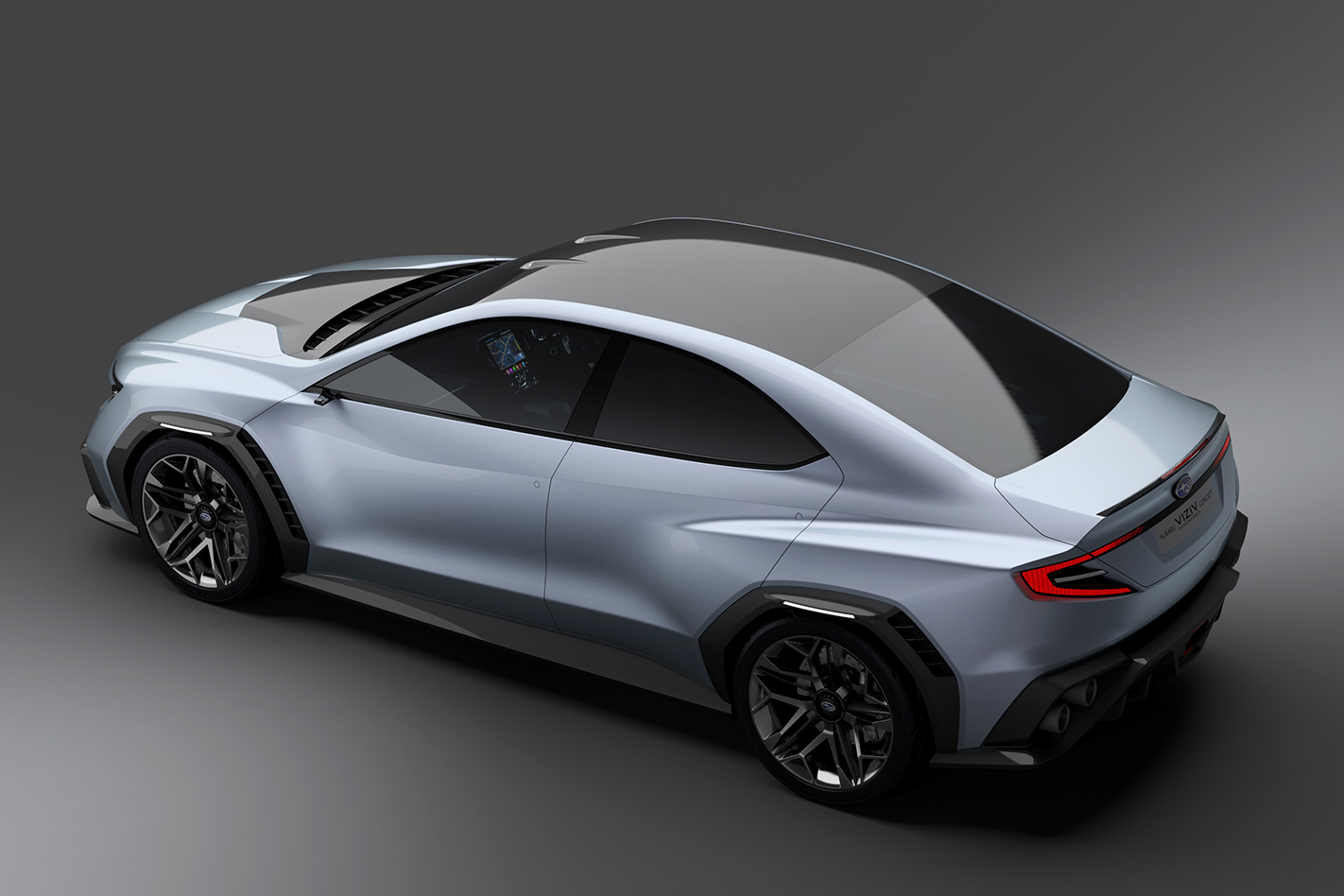
Lastly, the Subaru Viziv performance concept was also revealed, with styling and performance inspiration coming from the Legacy, the Impreza, and the WRX.
Being a concept, we weren’t expecting much detail regarding the Viziv… and we weren’t disappointed. Subaru is keeping ideas for drivetrains and other features to itself, though we do know it to be an AWD concept, in true Subaru style.
MAZDA’S just-unveiled Vision Coupe is a statement of intent by the Japanese brand that it wants to edge its products closer toward the premium end of the market.
Stopping short of saying that Mazda was making a play on the luxury segment with its elegant Vision Coupe, Mazda’s managing executive officer and chief of design, Ikuo Maeda, told Wheels the premium label was one that he hoped would soon apply to Mazda’s passenger cars.
“I have to say yes, but I don’t want to say ‘luxury’. With premium, we’re going to have a lot of choices,” Maeda said.
“Other directions. High quality and nice design – beautiful design – but not luxury. [Luxury] is not the direction we have to pursue.
“Still, we have to produce something more affordable than high-end premium brands.”
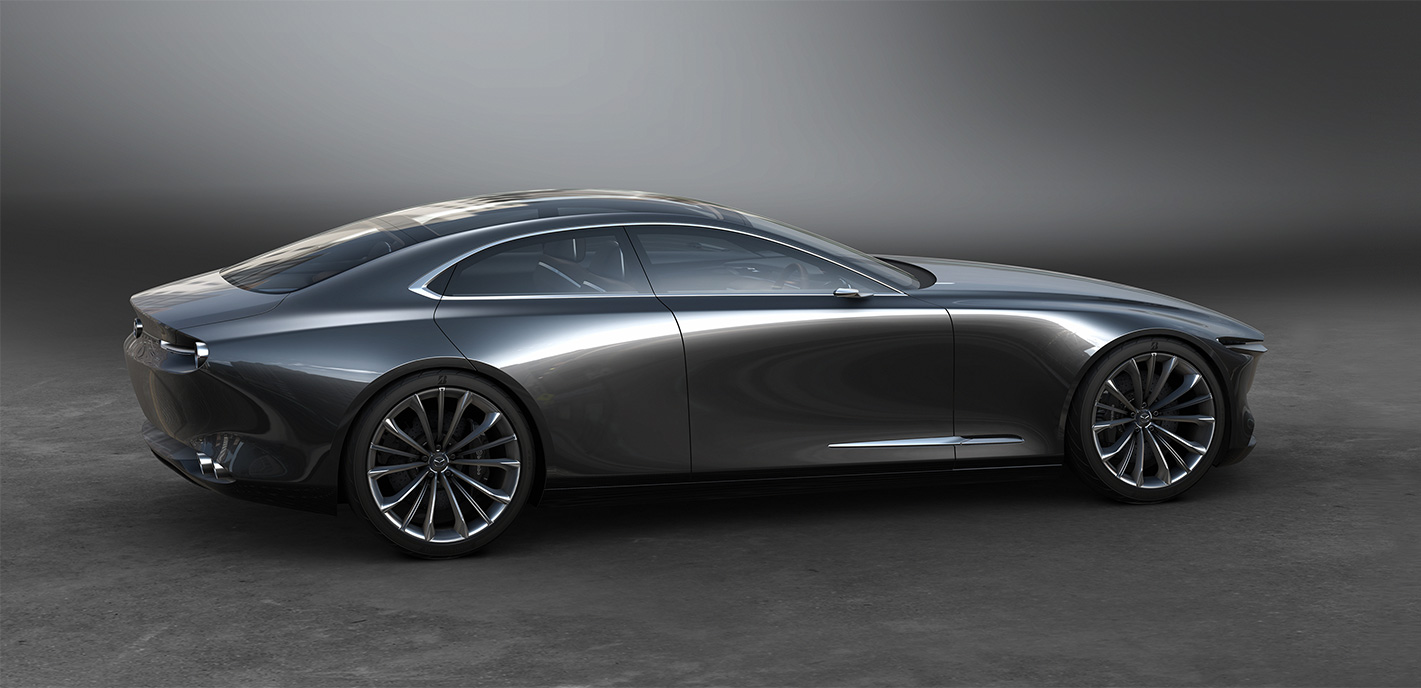
But for now, the Vision Coupe is a clear signal of where those steps are expected to lead. The concept’s form is elegant and sculptural – Mazda had planned on revealing it to the media at the Tokyo National Museum to really ram that point home, before super typhoon Lan interrupted – with an ultra-long body with a low glasshouse pushed almost to the very rear.
Its proportions are Aston-esque, but its shark-nosed grille and round tail lamps are meant to recall Mazda’s classic Luce Rotary Coupe of 1969. The result is a car that looks like it could easily compete with a Mercedes-Benz CLS or Audi A7 – at least in terms of head-turning visual appeal.
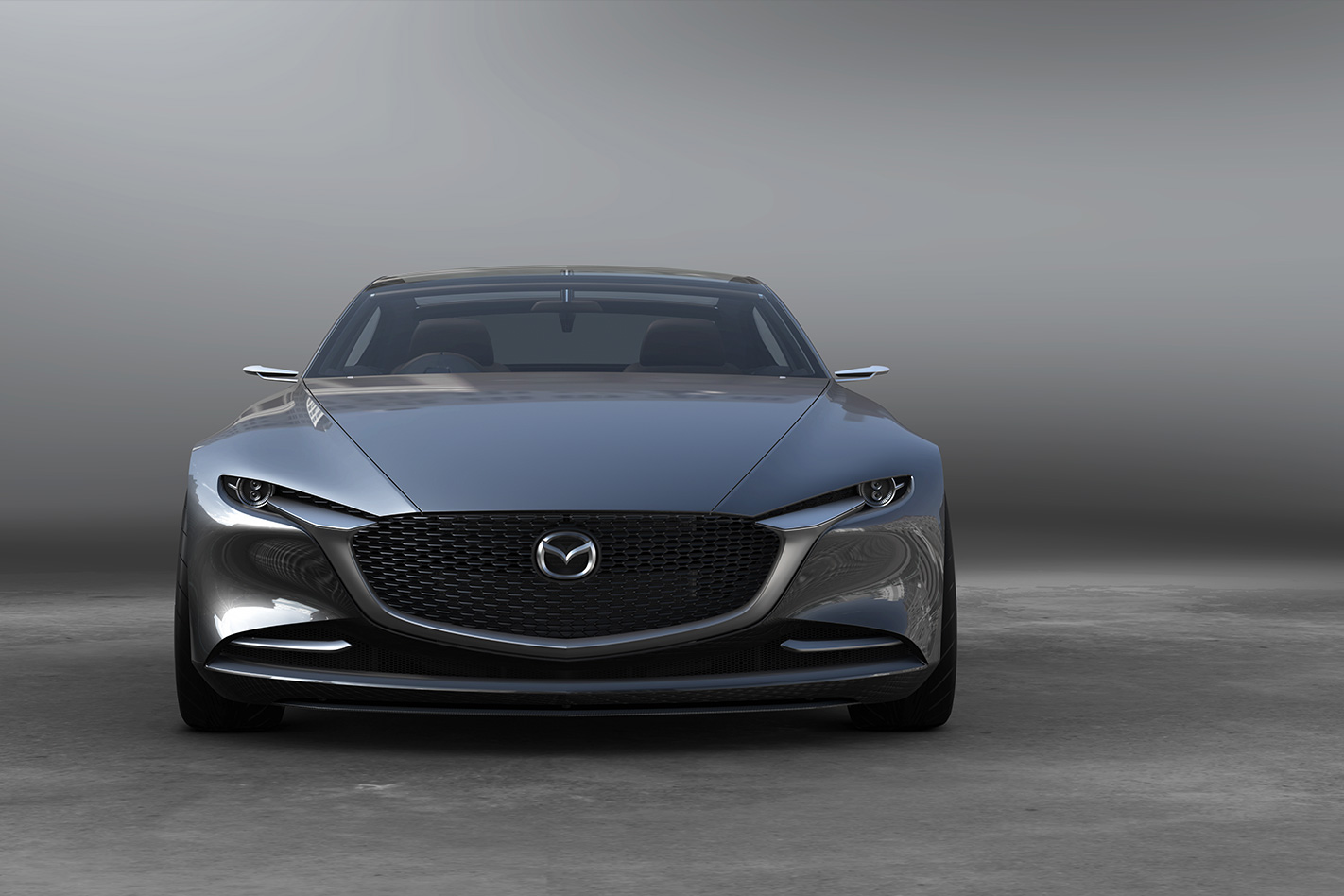
Rather, expect it to form the basis of the next-generation Mazda 6, due around the end of the decade. With a shorter distance between the front doors and front axle, a few extra centimetres of roof height and more realistic wheels, wing mirrors and bumpers, the Vision Coupe suggests the next-generation 6 will be a handsome car.
It also suggests that the next 6 could transform from a conventional sedan into a four-door coupe, a move that would arguably satisfy Maeda’s desire to see the Mazda brand push upmarket. Volkswagen’s Arteon has proved that adventurous design can work wonders for a mainstream car maker’s brand image, while also increasing the amount of money that customers are willing to shell out for a four-door.
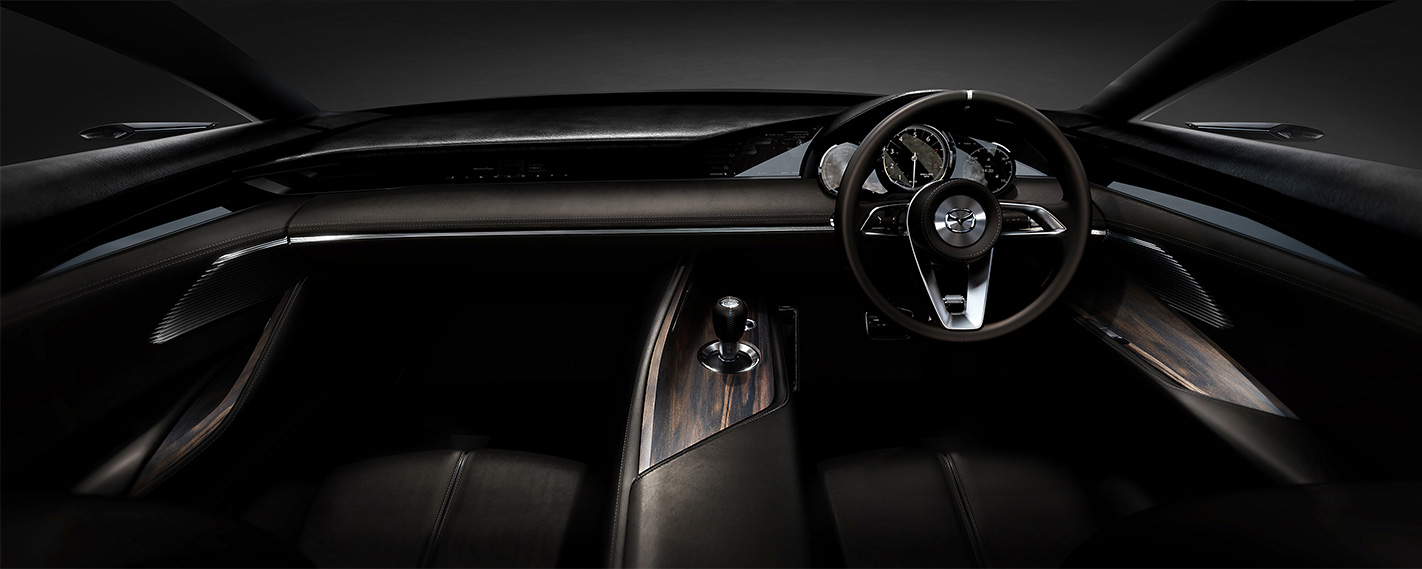
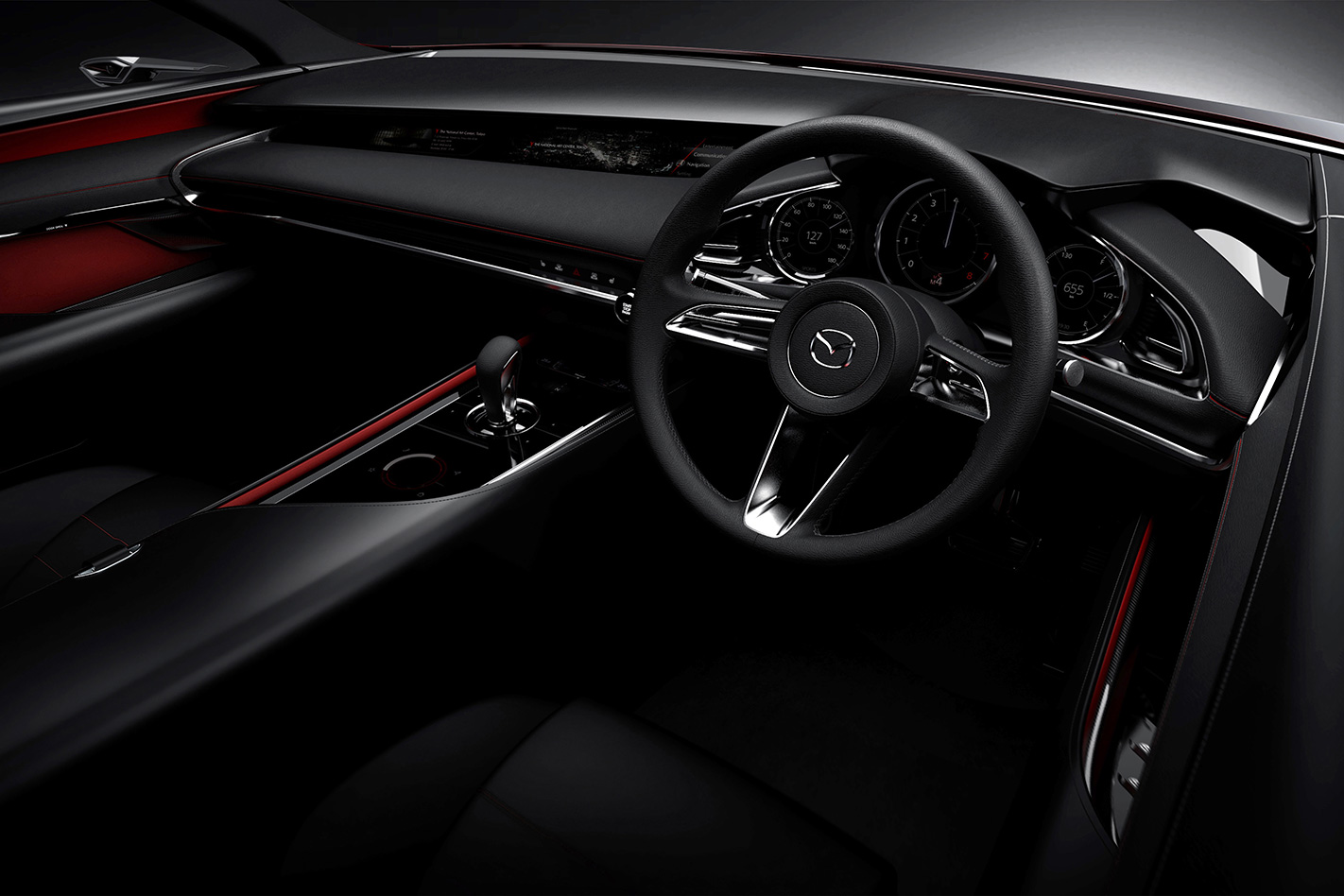
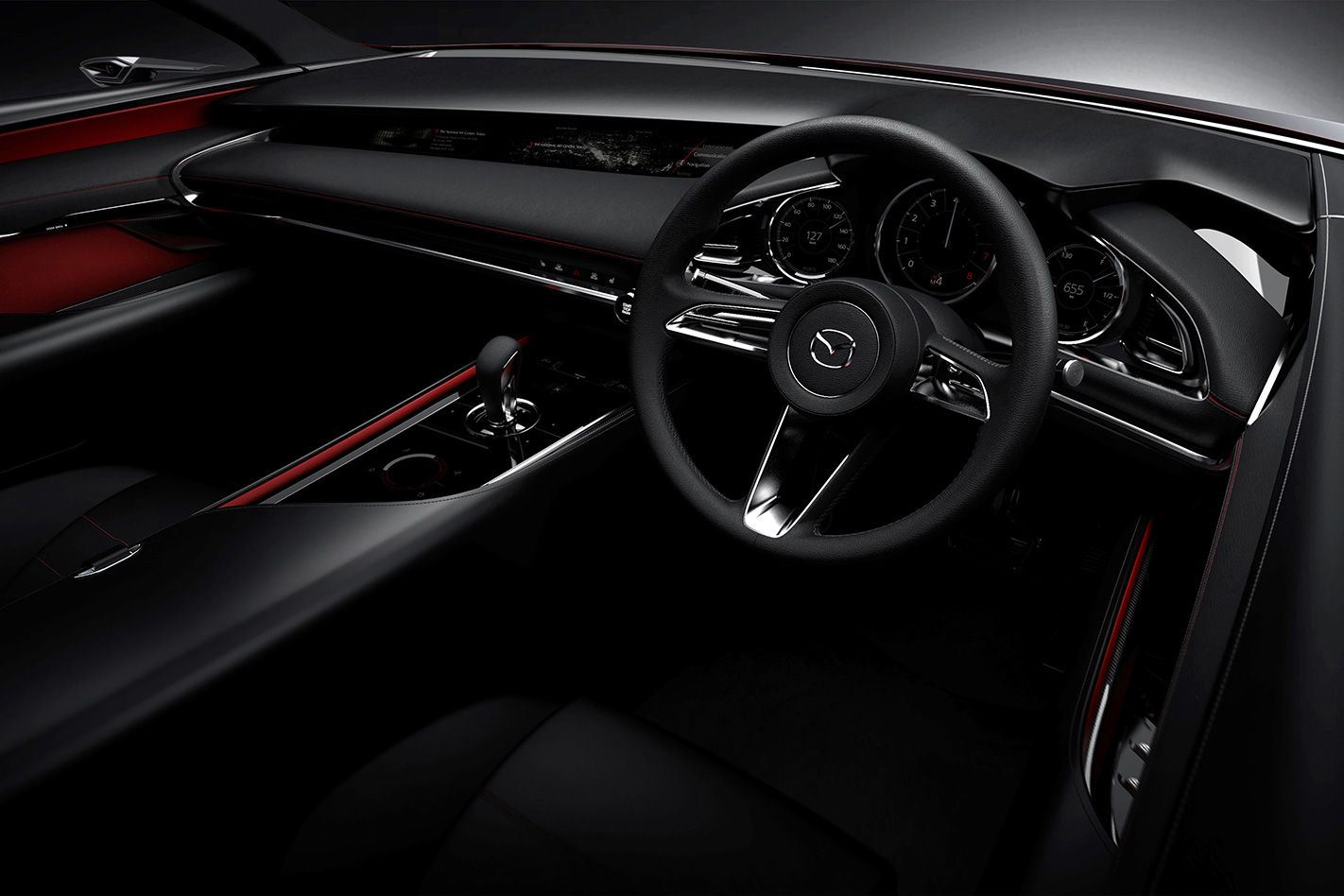
And that’s because it’s based on the interior of the Kai concept which, also makes its debut at Tokyo. The Kai, a near-production concept that previews the next-generation Mazda 3 that will go on sale in 2019, flaunts a modern and minimalist interior that nests the infotainment screen within what would normally be a dashboard trim panel, with a thick chrome bar stretching from door to door.
The Vision Coupe shares that basic layout, but is even more pared back and covered with higher-end materials such as grained wood, machined aluminium trim and stitched leather. Just like the exterior, the Vision Coupe’s cabin is designed to be minimalist in execution, but indisputably high-end in presentation.
MAZDA will take the next-generation 3 in a bold and stylish direction, and the Kai Concept revealed by the company at the Tokyo motor show today is our first good look at what’s coming.
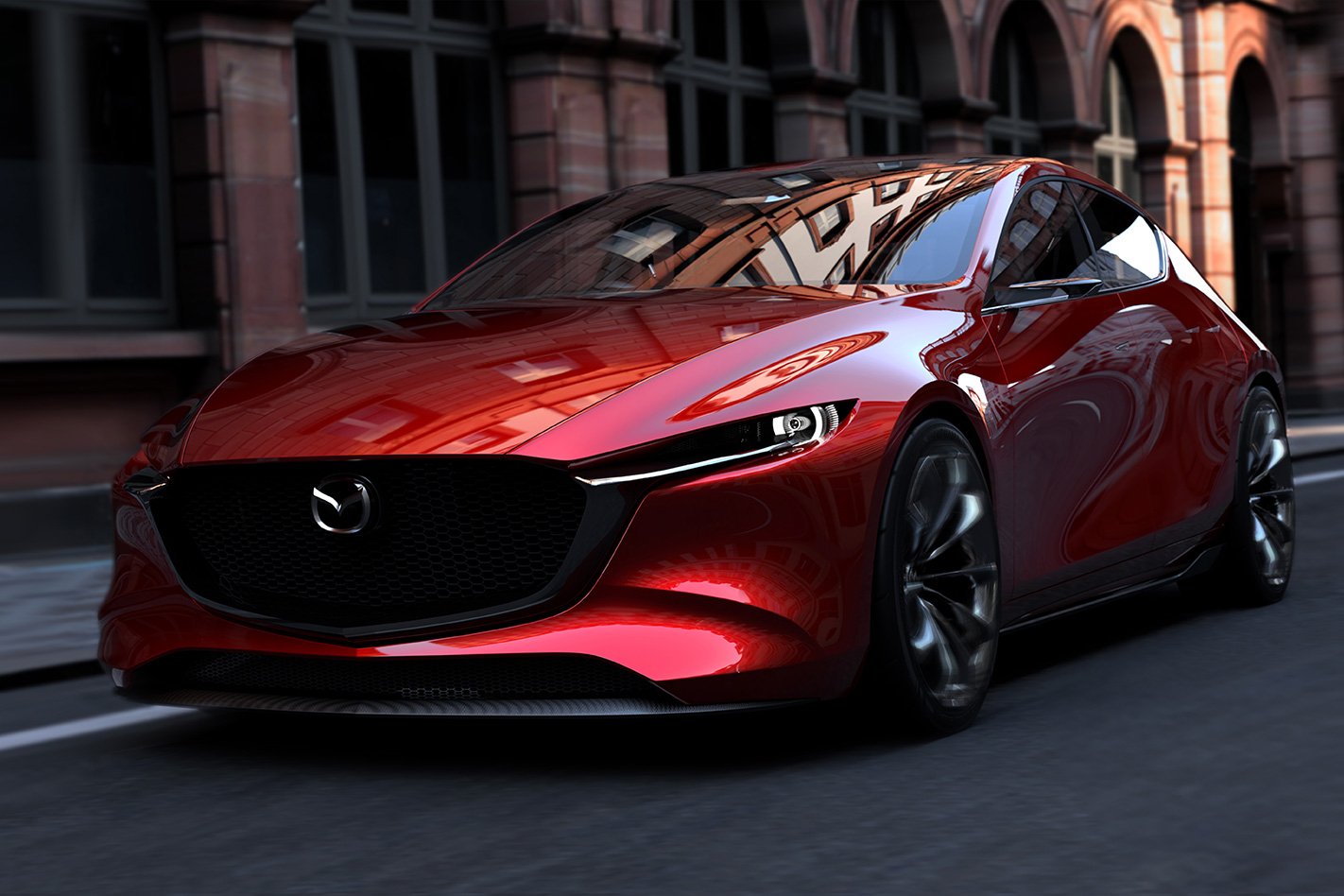
Unveiled in a form that doesn’t look terribly far from production-ready – though still sporting plenty of show car flair – the Kai Concept sets an appealing example for the humble Mazda 3 hatchback to follow.
Its unique U-shaped glass roof is obviously too far-fetched for a production car and that catseye-scraping front lip won’t survive many shopping centre carparks, but it doesn’t look like much will need to change to send the Kai’s basic form down the production line.
Mazda’s signature grille also expands in size, while the chrome bar that runs beneath it now pierces into the headlamps. Past experience with Mazda show cars suggests we can expect that area to be toned down significantly for production.
A deeply dished steering wheel is there for the driver to hang on to, while a trio of gauges sit in front – with a tachometer in the middle as a nod to the car’s sporty attitude.
The Kai is built on the next generation of Mazda’s scalable Skyactiv architecture, and powered by the ground-breaking supercharged compression-ignition Skyactiv-X petrol four-cylinder – both of which will make their showroom debut within the new Mazda 3.
Expect to see that car surface in production-ready form sometime next year, before going on sale in 2019.