PDATED: AUSTRALIA’S consumer watchdog will take Ford to court over claims the carmaker misled buyers over faulty gearboxes fitted to about 72,000 vehicles sold here.
- Watch Ford Australia president Graeme Whickman defend his company against the ACCC claims today
- Read the ACCC’s claims against Ford Australia in our gallery
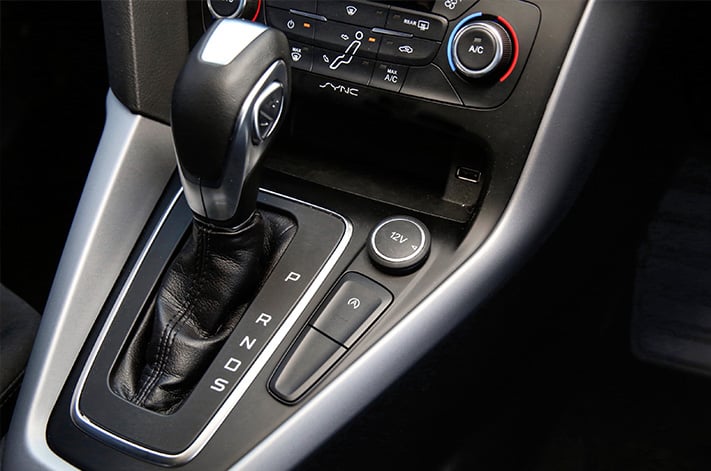
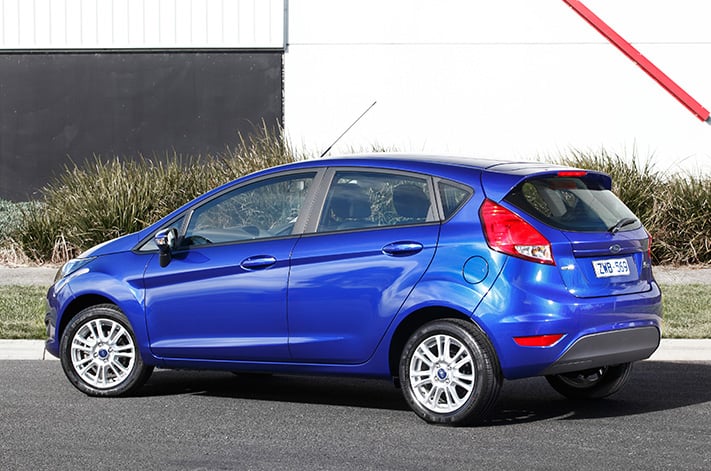
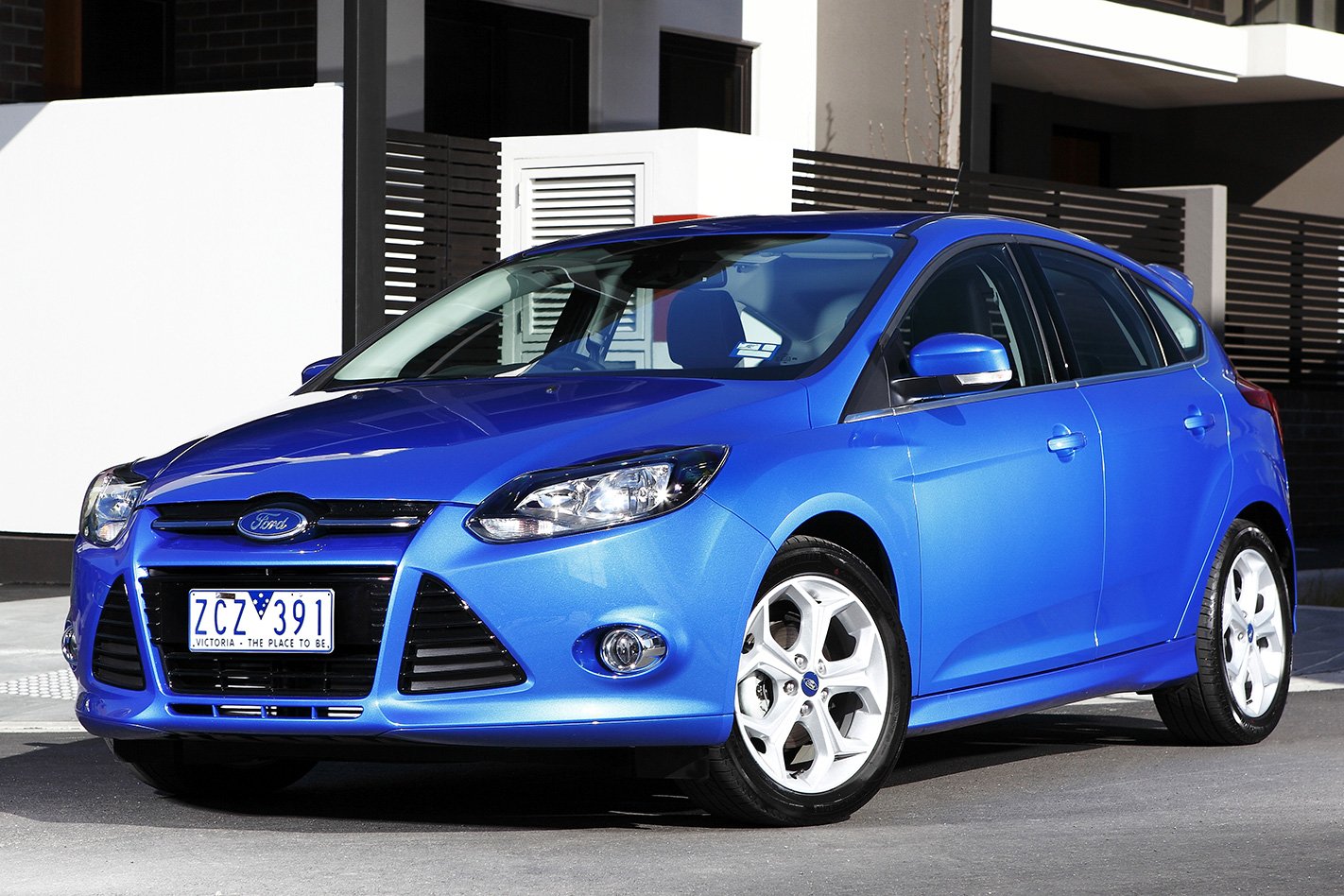
The ACCC said the customer complaints it was investigating related to Ford Fiesta, Focus and EcoSport vehicles supplied in Australia between 2011 and 2016, and which featured the dry-clutch version of Ford’s PowerShift transmission (PST).
“Customers made complaints to Ford and its dealers about their car’s excessive shuddering and jerking when accelerating, loss of gear selection and sudden loss of power and/or excessive noisiness from the PST.
“In most cases, Ford only provided replacement vehicles in accordance with its ‘PowerShift Ownership Loyalty Program’, which required consumers to make a significant payment towards a replacement vehicle.”
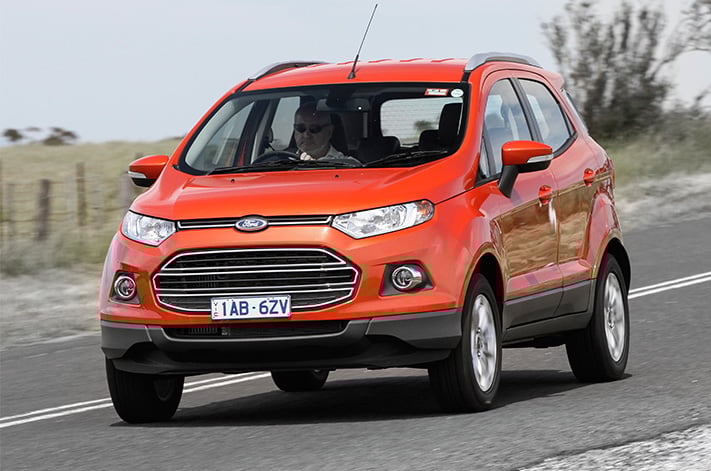
Ford is believed to have already settled with some owners affected by the Powershift grumbles. However, it is understood that many of the payments have fallen short of what the customers paid for the vehicles.
The company said it was aware of the problems customers were facing.
“We acknowledge that issues have arisen in certain vehicles fitted with the PowerShift transmission,” it said in a statement
“As each of these issues has been identified, the Ford team has investigated and worked with customers to implement manufacturing and repair solutions. We have always worked to provide the best possible customer outcomes, in a transparent manner.”
Asked if the ACCC court action had damaged Ford’s reputation, Ford Australia president Graeme Whickman said his company had a “proud legacy” in this market.
“At the same time, we need to be honest,” he said. “We’re not here hiding behind a press statement. We need to front up … to customers and say yes, they’re in a safe vehicle and yes, we have fixes for any of the issues they are facing, and absolutely refute that we’ve acted in an unconscionable manner.”
The ACCC’s claims submitted to the Federal Court include a number of supporting stories from customers unhappy with their Powershift experience. All noticed the onset of transmissions shuddering and jerking when changing, which in most instances Ford said was the gearbox “operating normally or within specification”.
Some also claim they had to pay an average of $7000 to join Ford’s ownership loyalty program before they would be given a replacement vehicle – money they could not afford.
The case will have its first management hearing in the Federal Court on August 11.
Welcome to a special edition of the Performance Car Podcast.
For our latest episode Editor Dylan Campbell and Associate Editor Scott Newman are joined by Justin Capicchiano from Ford Australia, who was the program manager for the Ford Falcon XR Sprints. As such, he led the team responsible for the final fast Falcons and kindly agreed to discuss all things Sprint with us.
As you’d hope, our studio for this episode is a Ford Falcon XR8 Sprint, generously provided by MOTOR reader Norm Ackland, who will appear in our next podcast to discuss all things Falcon from an enthusiasts’ perspective.
Unfortunately, as mentioned at the beginning of the video a memory card malfunction deleted the first six minutes or so from the main GoPro, so we’ve substituted behind-the-scenes footage of the Falcon Sprints in action from the MOTOR archives to keep you entertained.
Our sincere apologies for this, but we hope you stick with it as it’s a great episode with plenty of entertaining insight from someone who doesn’t just talk or write about cars but actually builds them!
Don’t forget if you’re on the go you can listen to these podcasts in audio form on iTunes or Podbean, please subscribe and give us a rating! As ever, any suggestions for topics or cars to cover let us know in the comments below.
WE UNDERSTAND why people shell out for the $461,900 911 Turbo S: With 427kW, gorgeous centrelock wheels hiding standard carbon ceramics, and its conservatively claimed 2.9sec 0-100km/h time, it’s the Big Mutha.
Yet we strongly advise the money is better spent on the $384,600 911 Turbo and the leftover $75K spent completing multiple rounds of the Porsche Sport Driving School, including laps in the Carrera Cup car. And you’d still probably have enough leftover to book Phillip Island, just for yourself.
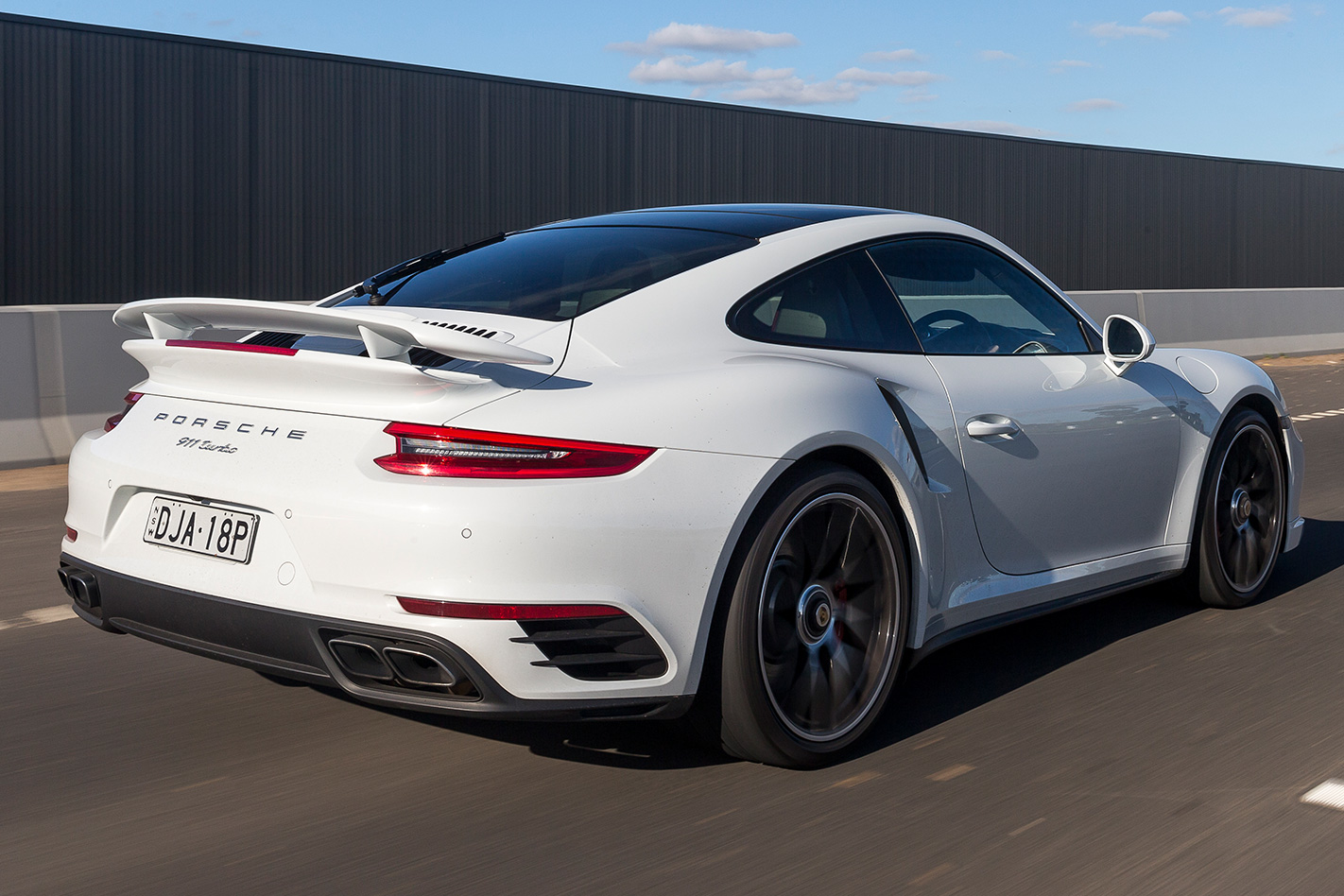
You’d have a hell of a year. And not only would you not miss having a few S badges and some yellow brake calipers but, at the track day when there just so happens to be you in your Turbo and the bloke with the diamond ear-stud in his Turbo S, you know the blue flags will be coming out. And it won’t be you glancing up in the rear vision mirror.
The Turbo, our 2014 Performance Car of the Year, has recently been refreshed with more changes than just the 991.2 styling treatment (headlights, tail-lights, engine cover and myriad other minute changes). Modified inlet ports, new injector nozzles and higher fuel pressure yield an extra 14kW and 50Nm.
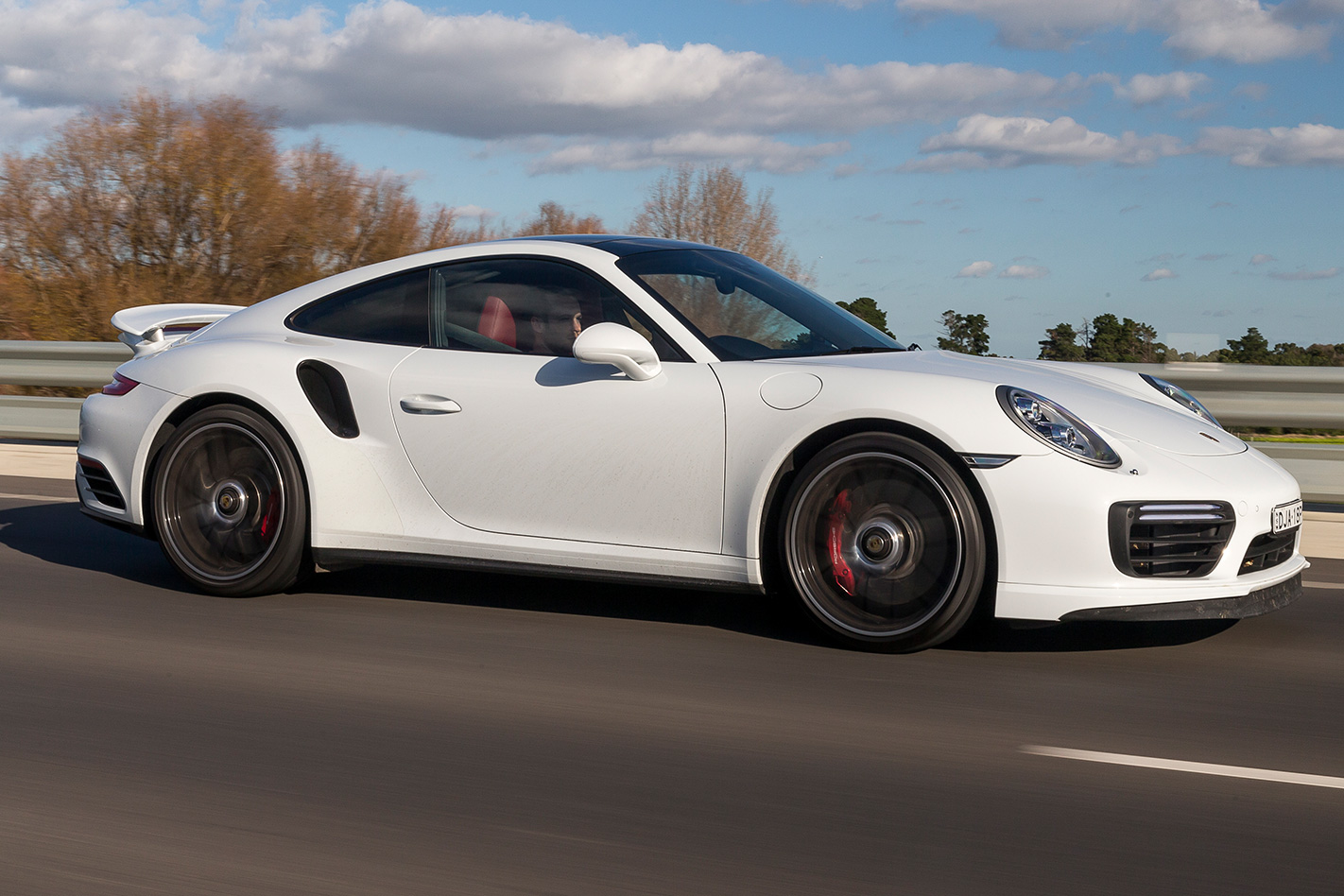
Meanwhile the 991.2 Turbo also gets half-inch wider wheels at both ends; the new, less restrictive PSM Sport; and the adaptive dampers giving a broader spectrum of comfort and performance, says Porsche.
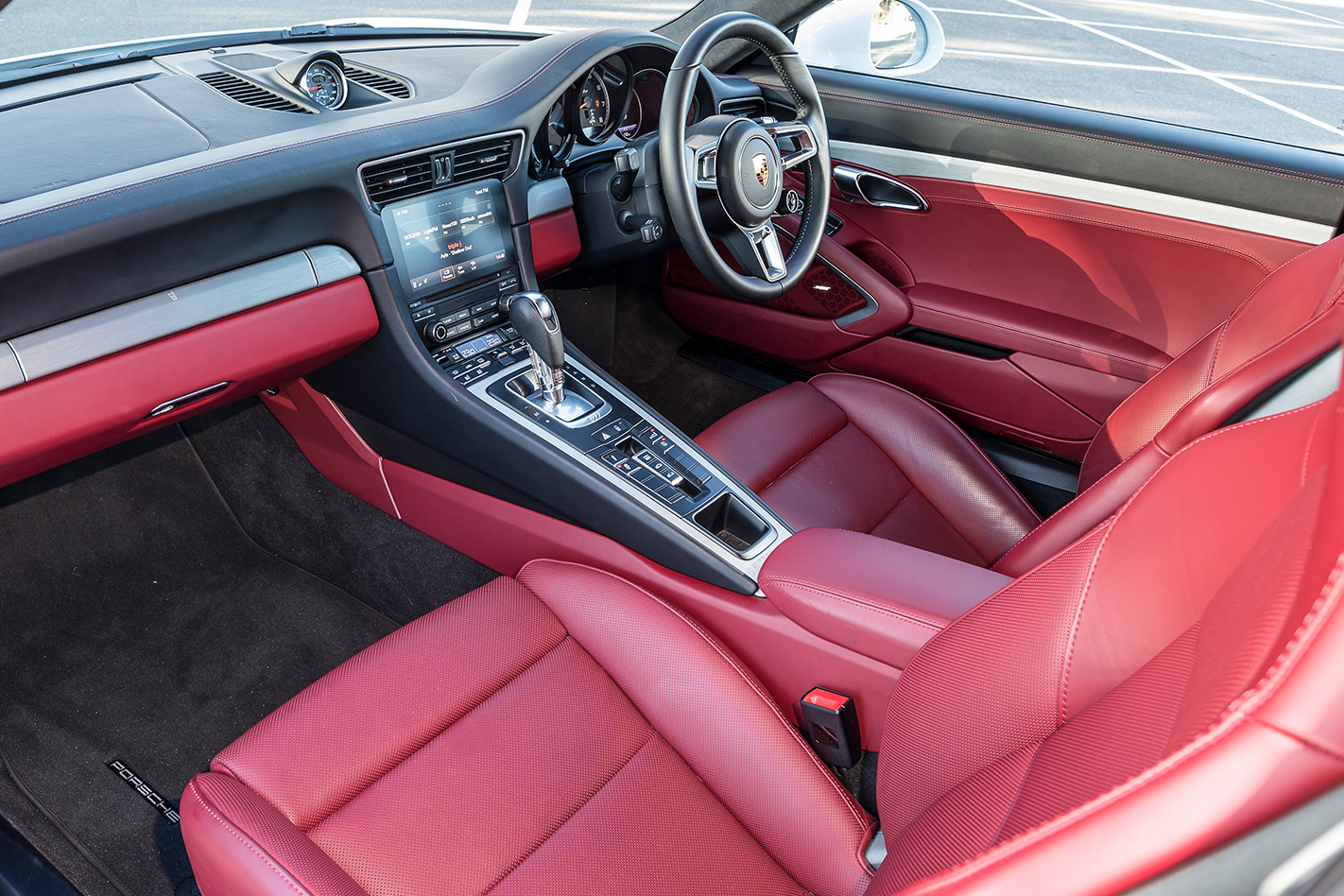
Inside there’s the new 360mm steering wheel with the drive modes on a wheel-mounted rotary selector, the new Sport Response quasi-overtaking button, and excellent new infotainment system. The price has crept up more than $20,000. Have all these changes transformed the 911 Turbo? Err, no.
For its relatively mature styling, this is a Ferrari and Lamborghini slayer up a twisty road, down a drag strip and on a track. And yet for all its breathtaking potency and ability, it’s a superb all-rounder whether it’s the commute to work or the track day.
In many ways while it’s easy to poke fun at people who buy a Turbo S, normal people will find a Turbo more than enough. And not just because you pocket $75K, though there is that.
4.5 stars out of 5
Like: Unbelievable power, brakes, grip, steering, gearbox… Dislike: Interior starting to show its age
Specs: Engine: 3800cc flat-6cyl, DOHC, 24v, twin-turbo Power: 397kW @ 6400rpm Torque: 710Nm @ 2250rpm Weight: 1595kg 0-100km/h: 3.0sec (claimed) Price: $384,600
BMW has revealed specifications and pricing for the M4 CS in Australia, and brace yourself – it’s expensive.
The M4 CS will launch in October wearing a $211,610 sticker, putting it a long way clear of the range-topping M4 Competition ($154,900) and much closer to the strictly limited, and sold out, M4 GTS ($294,715) than anticipated.
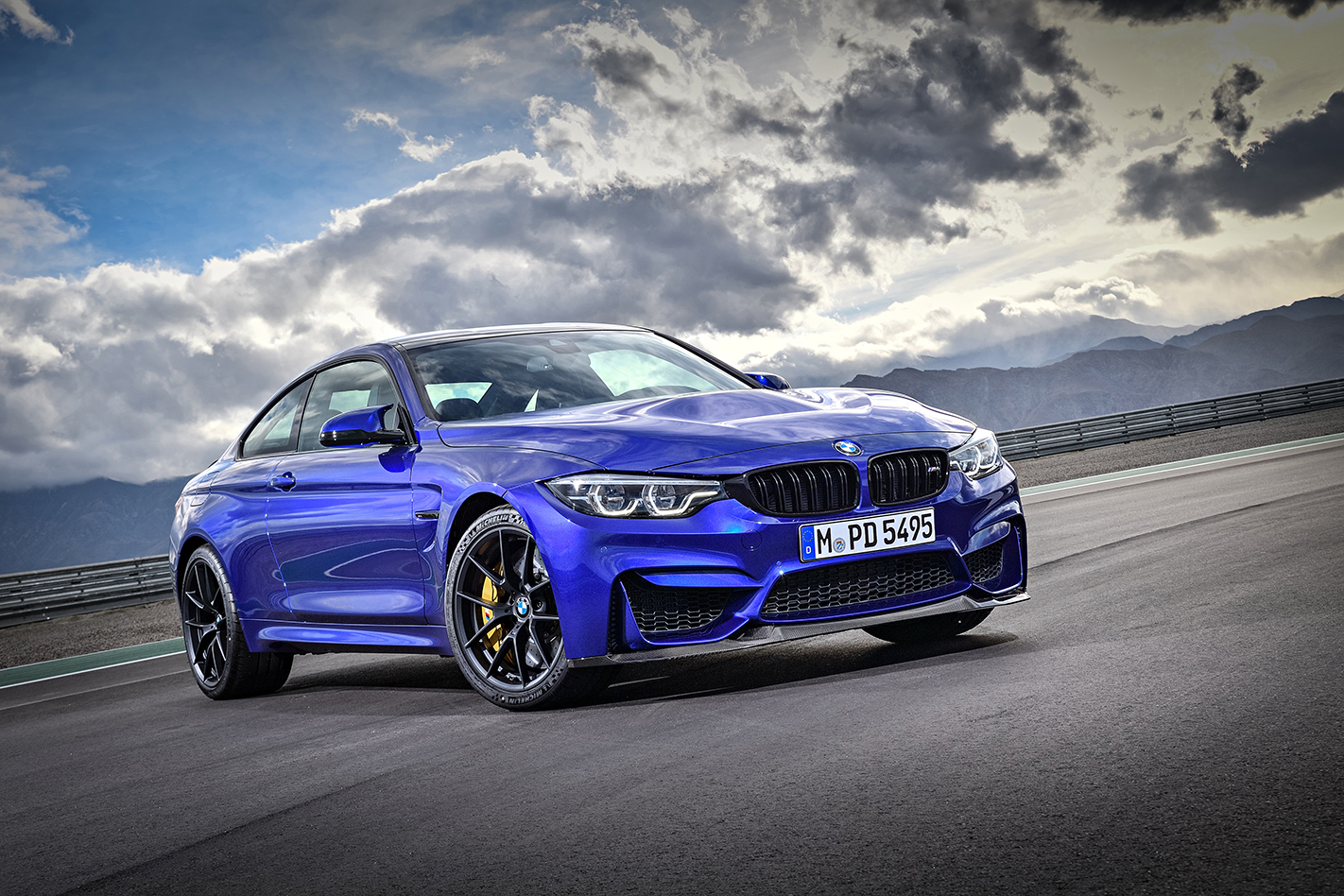
Helping to achieve a quicker 0-100km/h sprint of 3.9sec is a weight saving of 35kg, largely down to the use of lighter components borrowed from the track-honed GTS, including a carbonfibre bonnet. Kerb weight sits at 1580kg.
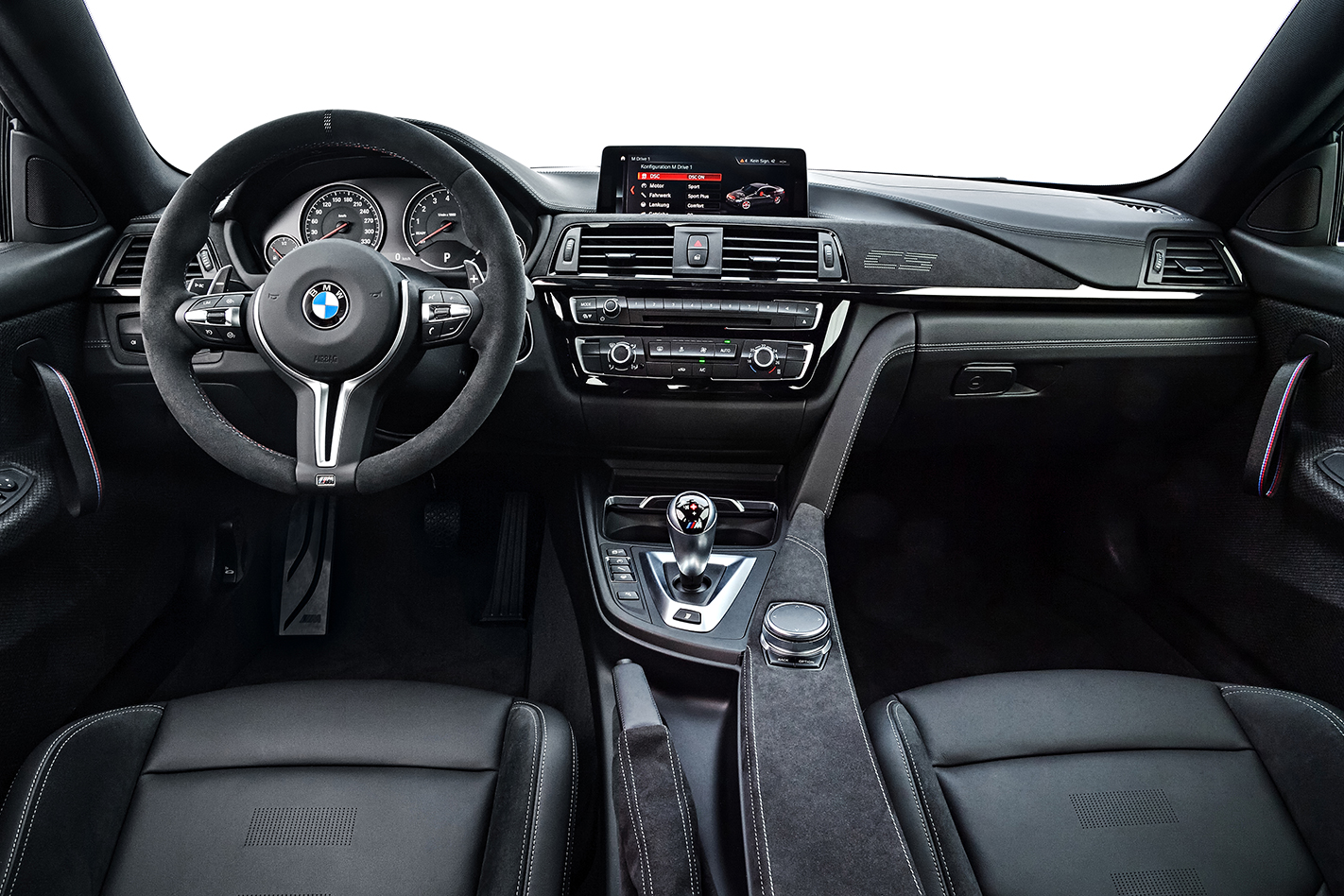
Other changes to the CS on top of M4 Comp specification include Michelin Pilot Sport Cup 2 tyres (Pilot Super Sports are a no-cost option) on staggered 19-inch front and 20-inch rear alloy wheels of a design unique to CS. A CS aero package, exclusive colour options ($4400) and model-specific calibrations for the Active M differential, steering and dynamic damper control round out the main differences. M carbon-ceramic brakes are a $15,000 option that upgrades front and rear stoppers.
BMW will take orders for the M4 CS until the end of this model cycle, meaning there is no strict cap on the number it will build. Worldwide production is expected to end up somewhere between 2000 and 3000 units.
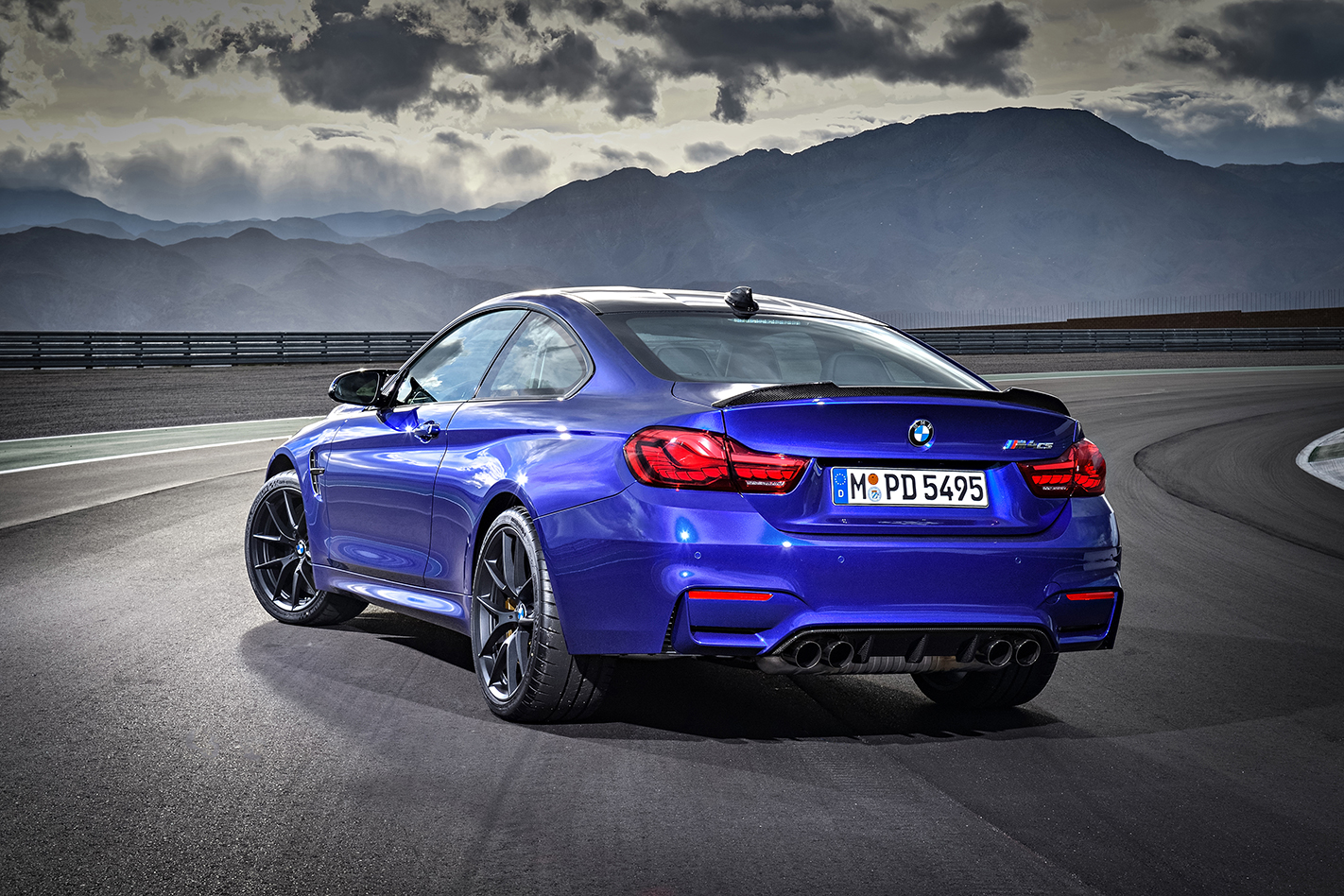
But is the CS worth the price premium? As the effective flagship of an expanded M4 range (now that the GTS is all gone) it does have a role to play in giving M4 buyers a more exclusive alternative to the M4 and M4 Competition.
Where the value proposition becomes a little perplexing is when viewed side-by-side with the new $139,900 BMW M4 Pure, which will launch alongside the M4 CS later this year.
The M4 Pure has the same outputs as the M4 Competition, 331kW and 550Nm, albeit in a package that focuses on sporty essentials and less on creature comforts at a saving of $15,000 to the M4 Comp, and $71,710 less than the M4 CS that it sits just 7kW behind.
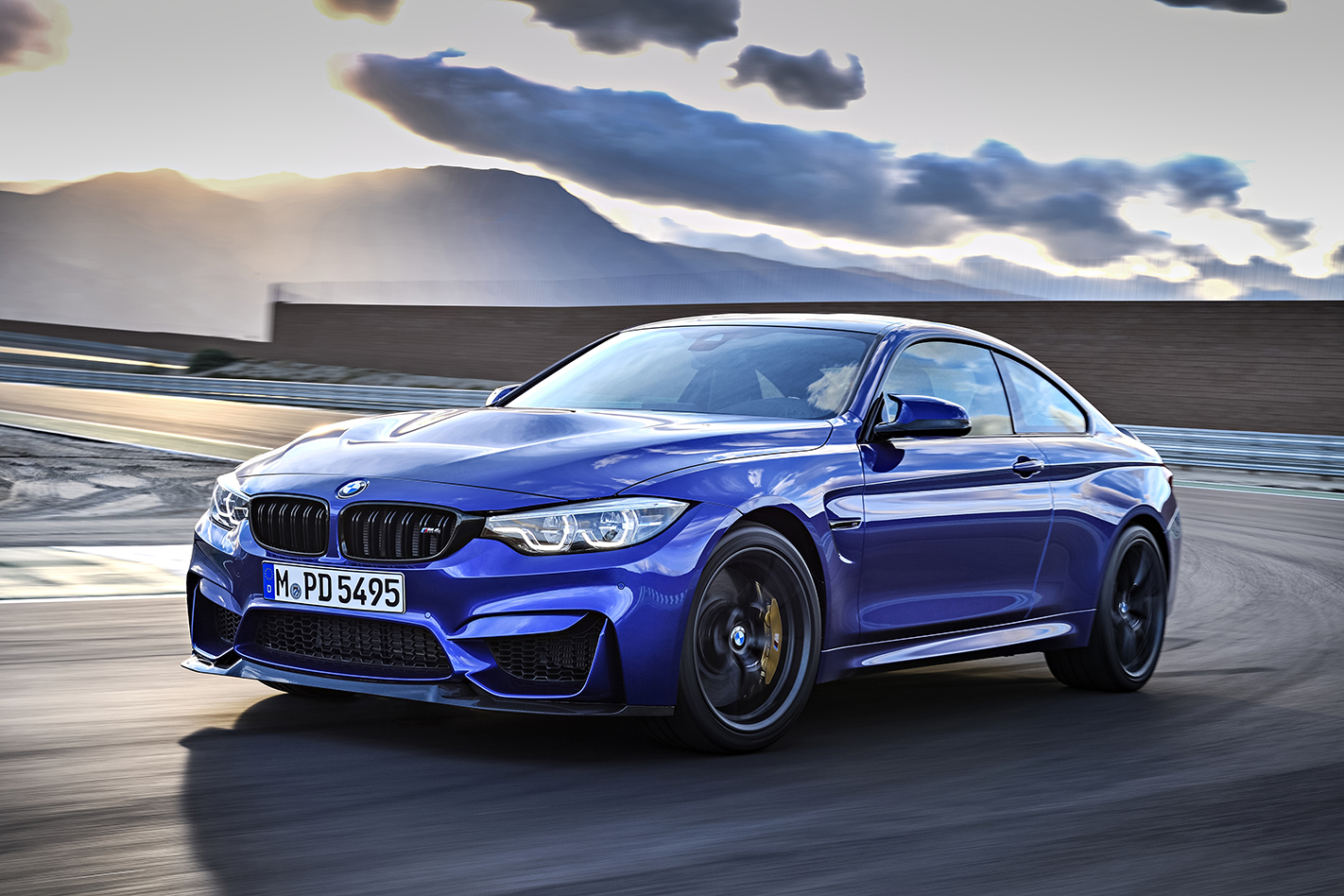
The CS could be seen as a bargain compared with the truly special M4 GTS, though that car had a more extensive list of parts engineered exclusively for it, including water injection, carbon ceramic brakes, adjustable suspension and more. For comparison, the M4 GTS was limited to 700 cars globally and made 368kW, and the same 600Nm as the CS. Of those 700, 25 examples came to Oz.
At $211,610, the CS is out on its own in terms of a competitor set. It is outgunned and undercut by the Mercedes-AMG C63 S Coupe, which has 375kW and 700Nm for $162,115. Audi will soon be challenging in the fast mid-size coupe segment with its new RS5, bringing 331kW and 600Nm for around $158,000.
We’ll be keen to see whether or not the M4 CS is good enough to carve out its own bit of clear air in the Aussie market when it arrives in October.
| M4 Pureu00a0 | $139,900u00a0 | 331kW/550Nmu00a0 |
| M4u00a0 | $149,900u00a0 | 317kW/550Nmu00a0 |
| M4 Competitionu00a0 | $154,900u00a0 | 331kW/550Nmu00a0 |
| M4 CSu00a0 | $211,610u00a0 | 338kW/600Nmu00a0 |
| M4 GTS (sold out)u00a0 | $294,715u00a0 | 368kW/600Nmu00a0 |
THE owner of a Honda CR-V who died in what is believed to be the first Australian death linked to the Takata airbag recall had received five letters from the carmaker urging him to have the airbag replaced.
Honda Australia has revealed it had made multiple attempts to contact the car’s owner, who died after a piece of metal became lodged in his neck after the CR-V’s airbags, the subject of a global recall, fired in a crash in Sydney last week.
Speaking to the media yesterday, Honda Australia director Stephen Collins said five notifications were sent over a 16-month period leading up to the crash, but were unheeded by the owner.
The message from the company is clear: don’t delay if your car is on the list of affected vehicles.
“This is of a scale that we and the industry has never seen before, and our goal is to track down and get every inflator replaced as soon as possible,” Collins said.
The Japanese carmaker has tried to reach out to customers through mail, phone calls, text messages, email and, in a small number of cases, a physical visit by a company representative.
A total of 650,379 airbag inflators installed in Honda vehicles have been subject to the on-going recall, with about 70 percent already replaced. Honda says about 193,000 vehicles have yet to book in for airbag replacements – a process that takes between 30 and 50 minutes and is free of charge.
“We have 105,000 replacement inflators in stock, covering all of the recalled [vehicles], and in the next four to five weeks we have another 34,000 inflators on their way” Collins said.
“So the call we’re putting out is for those customers to come in and get the work done… our message is that regardless of make or model, we need customers to check their VIN numbers and act on recall notices.”
Honda is replacing about 5000 inflators a week, but had previously achieved a peak rate of 10,000 a week. Even at its peak rate, replacing all of the remaining affected cars would take the company about five months.
Honda isn’t the only manufacturer affected. Other makes involved in the recall include Toyota, Mitsubishi, Subaru, Jeep, Nissan, Chrysler, Dodge, BMW and Lexus, with the total tally of brands topping out at 60. To check if your car is affected, head here.
The Takata recall is believed to involve 31 million cars worldwide. At least 11 fatalities linked to faulty Takata airbags have been recorded in the US, along with more than 180 injuries.
The Sydney death is believed to be the first Australian fatality linked to the recall. A Darwin woman was seriously injured by shrapnel in April after the recalled airbag misfired in her Toyota RAV4 after a relatively mild crash.
Honda has confirmed that no new inflators being installed by the company are supplied by Takata, and that all new cars sold by it in Australia are not equipped with Takata airbags.
This month Wheels celebrates Ferrari’s 70th birthday with a special collector’s edition.
Spearheading 29 pages of Maranello Magic is Carey’s first drive of the fastest Ferrari yet, the 812 Superfast, which he declares is “the world’s best front-engined GT car.”
Robbo weighs in and names his 10 favourite Ferraris of all time, and the models the underwhelmed him. Wheels also tracks down the only Australian ever to score a factory Ferrari racing seat for an exclusive interview.
Also inside this edition
- Honda Civic Type R tracked and tested – but can it quell a hot hatch rebellion with new rivals from Volkswagen and Renault?
- Kia Stinger on the limit at the Nurbugring – the verdict is in!
- Kia Picanto, Holden Spark and Suzuki Ignis duke it out for micro-class honours
- Lexus’s toughest critic, Peter Robinson, drives the brand’s new flagship, the Lexus LC 500
- Driven: Subaru XV, Audi RS5, Lamborghini Huracan LP580-2 Spyder, Holden Astra sedan, Nissan X-Trail, Jeep Grand Cherokee Trailhawk, E-Class Coupe, BMW’s battery-packed 5-Series
Only a handful of cars have lapped the Nürburgring in less than seven minutes, and the fastest sedan around the Green Hell held a lap time of 7:32.
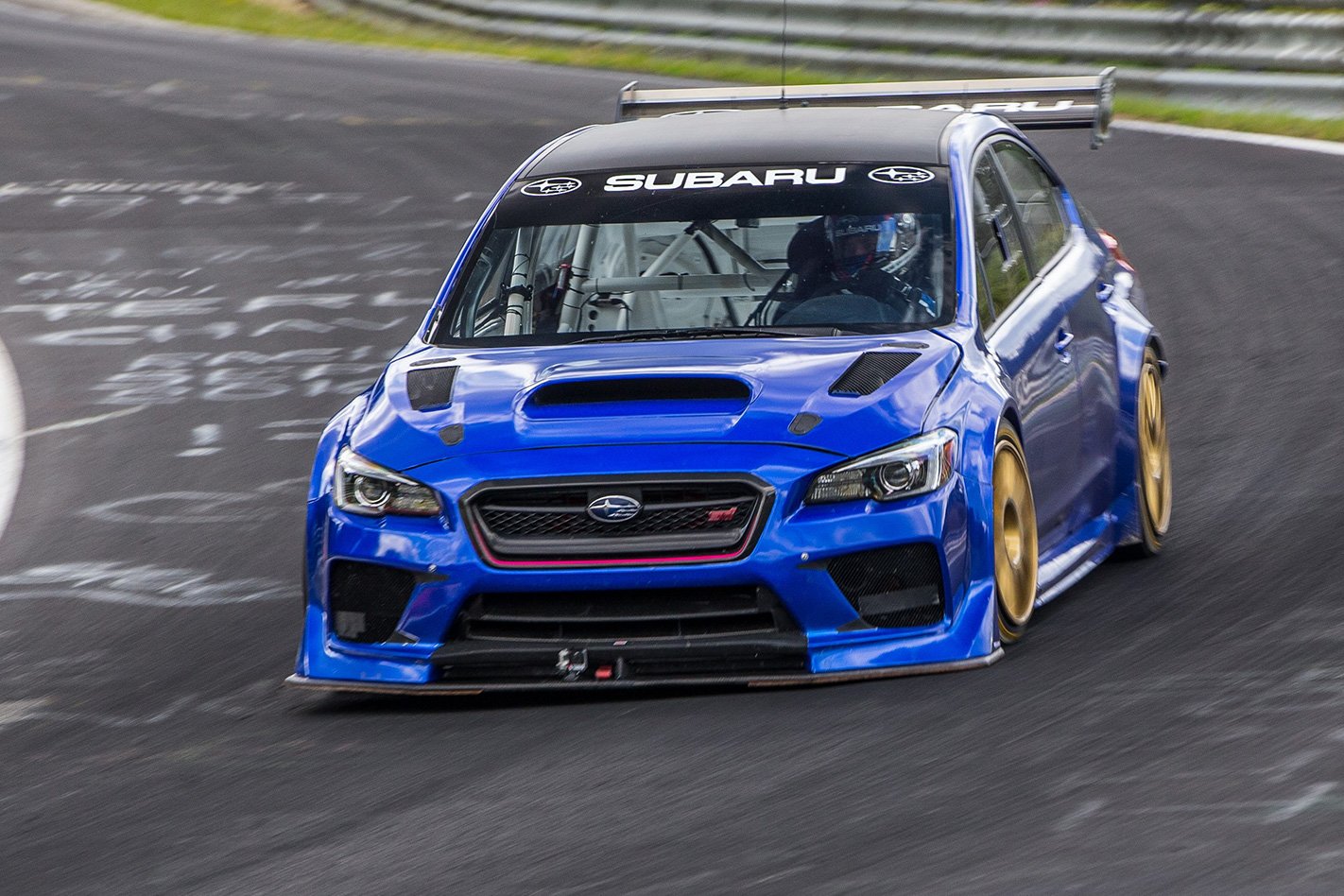
Until the Subaru WRX STI Type RA NBR. The 447kW four-door set a blistering 6:57.5 lap, which is not only the fastest a sedan has run the ‘Ring, but is among the upper-echelon of lap times in general.
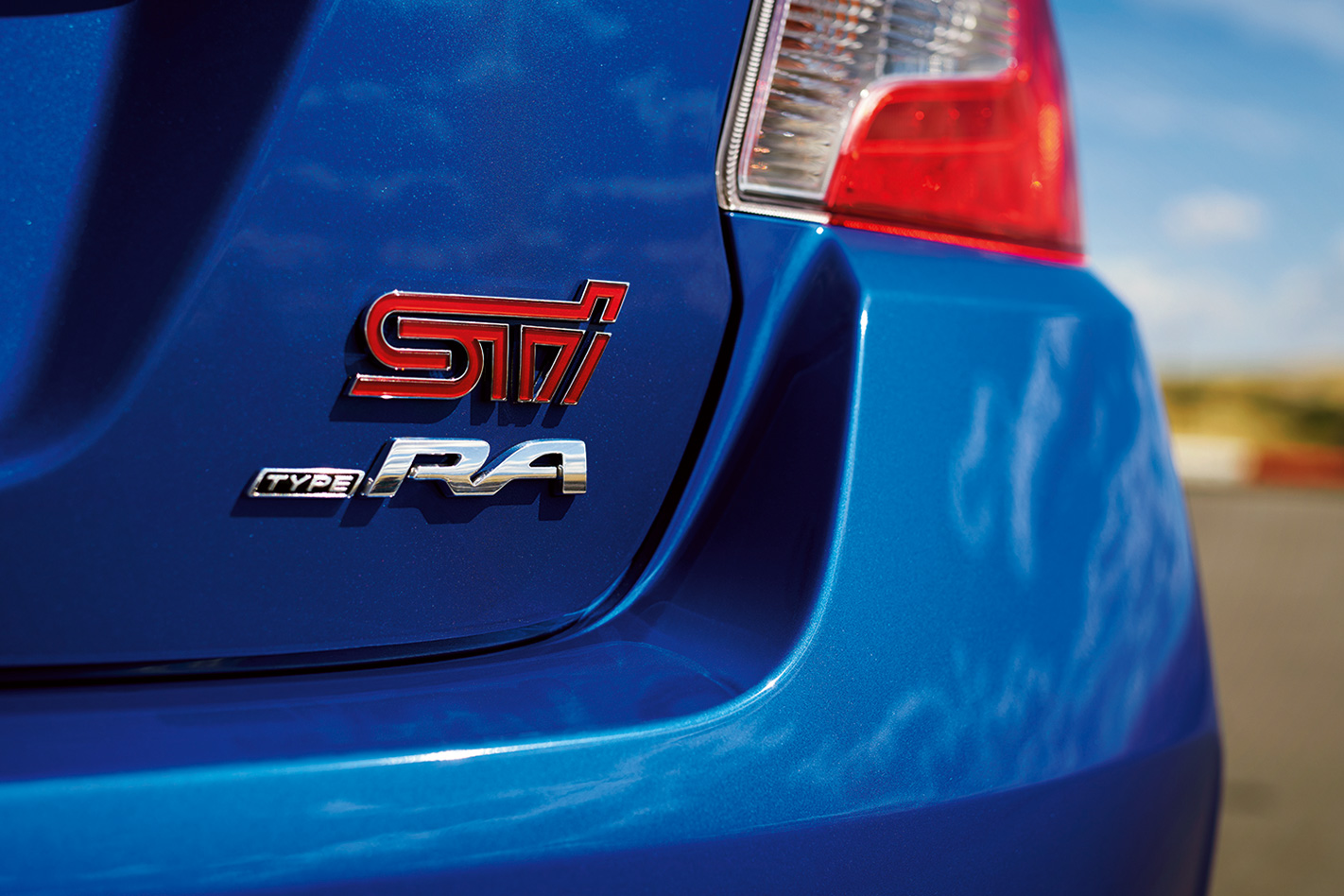
The RA NBR is a custom built race car built by Prodrive with a full roll cage welded into the standard unibody. Subaru says Prodrive calculated the car’s top speed at the Nurburgring would be 288km/h.
“We brought the WRX STI Type RA NBR Special here to set a record and call attention to the WRX STI Type RA that we will launch later this year,” says Subaru product comms manager Dominick Infante.
The WRX STI Type RA promises a great deal, with improved performance and styling and even better handling dynamics than the current car.”
The ‘RA’ stands for ‘Record Attempt’, a moniker which has been used in the past by Subaru, most notably on a Subaru Legacy which broke the FIA World Speed Endurance Record by driving over 99,758km in 18 days with a top speed of 222km/h.
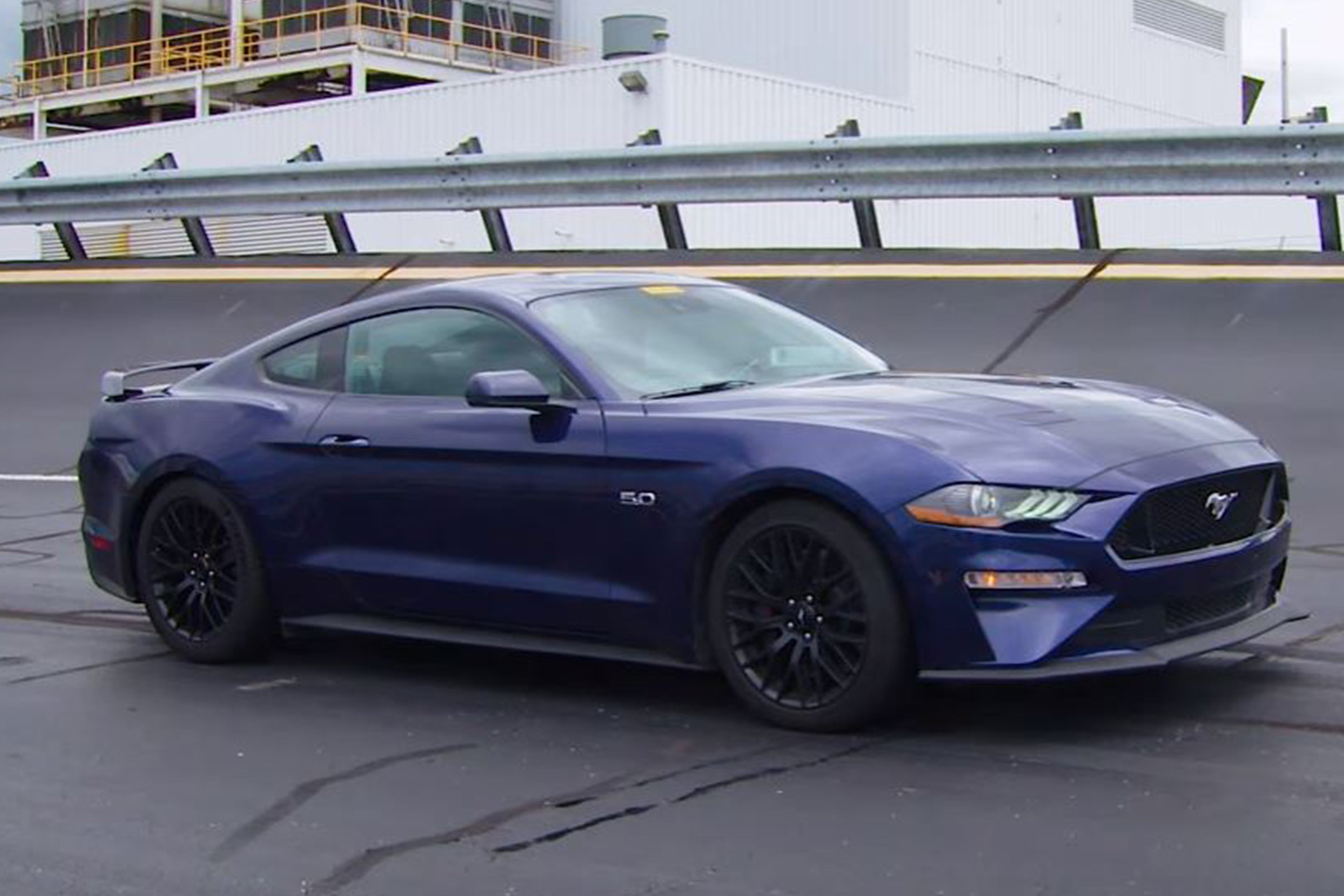
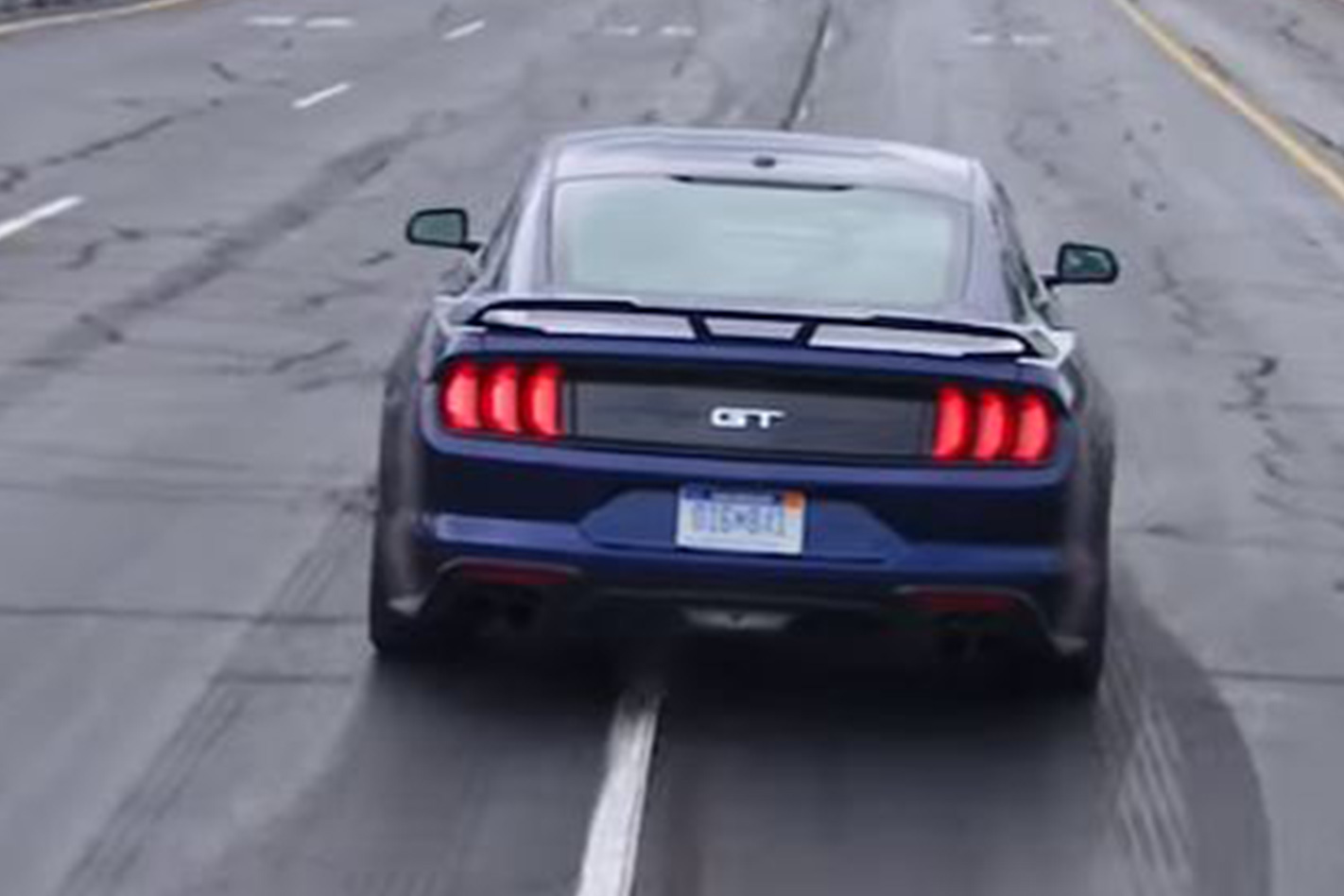
Dearborn’s new Pony is faster to 100 km/h than a Porsche 911 Carrera, with Ford claiming the Mustang GT will be able to make the dash to 60mph (97km/h) in less than four seconds.
This comes thanks to the 2018 Mustang being equipped with Drag Strip mode, which will also be included on Ecoboost models, giving them a still-impressive 0-97 run of under 5 seconds.
US Mustang GT models will be endowed with 343kW and 569Nm, while Ecoboosts will have 231kW/475Nm.
“Typically, when you shift gears, you give up time,” says Widmann.
“In Drag Strip mode, the engine torque doesn’t drop when you’re shifting. You get peak engine torque and horsepower straight through thanks to our new Ford-built 10-speed transmission.
“Gearing matters, and in Drag Strip mode, this car launches better than ever off the line.”
“We will announce Australian specs for the new Mustang in the near future,” Ford Australia product communications manager Damion Smy tells MOTOR.
Previously confirming Australia’s Mustangs won’t have line-lock, Ford Oz hasn’t confirmed whether or not the Australian Stang’s will have Drag Strip mode active.
This is because the new Mustang is yet to be homologated for Australia, and details such as power outputs and features may change between markets.
Australia will find out what the next Mustang has in store for it closer to its arrival mid-next year.
AN ALL-NEW 2018 Suzuki Swift Sport has been revealed ahead of an official unveiling at September’s Frankfurt Motor Show.
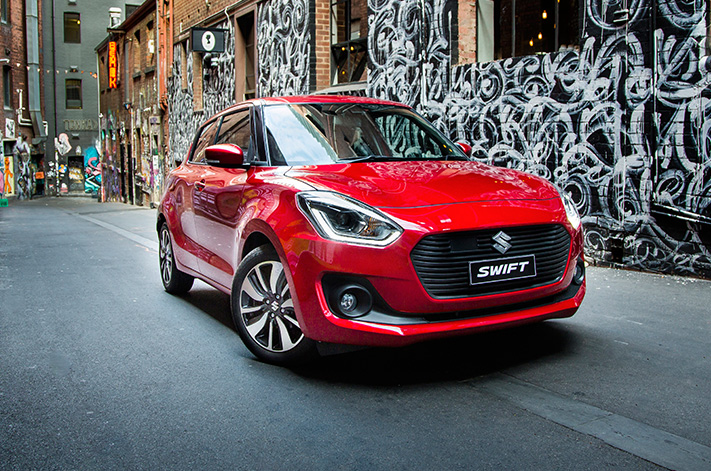
The single image shows key aesthetic differences to the current GLX Turbo range topper (pictured below) including a more aggressive front end with downward tapered grille and revised bumper. Other noticeable tweaks include a gloss black front lip with matching side skirts, and 17-inch wheels.
Power and torque figures for the Sport is more open to speculation, though a sub-1000kg kerb weight means it shouldn’t require the same 140kW-plus outputs of its light hot-hatch competitors such as the Volkswagen Polo GTI and Renault Clio RS.
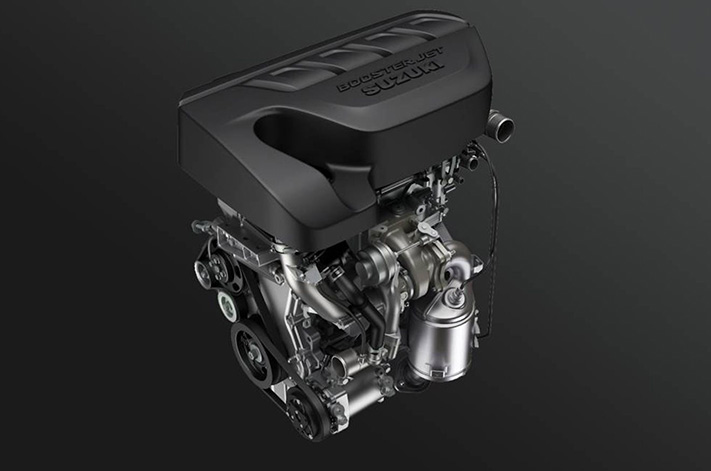
As well as a five-speed manual gearbox, logic would dictate the donk is mated to the same six-speed automatic transmission in the GLX, which would be a vast improvement over the previous-gen Sport’s CVT.
It’s too soon to talk costs, but going by the premium the previous Sport attracted over the GLX, expect retail pricing to start from about $25,000 for the manual version.
IN THE first six months of this year, Australians collectively bought 599,552 new cars.
Forecasts of a cooling economy apparently aren’t enough to decrease our appetite for new vehicles, and if the second half of 2017 is even just a smidge stronger than the first, the market could be on a trajectory to sell more than 1.2 million vehicles for the first time ever.
Growth in sales has admittedly tapered off compared to the first half of 2016, but even so there have been plenty of winners so far in 2017. Here are the standout performers so far:
Medium SUVs
It’s no secret that SUVs are enjoying massive popularity in Australia right now, and demand is growing. However, drilling into the figures reveals that it’s one particular type of SUV that’s providing the bulk of growth – mid-sizers.
Both mainstream and premium medium SUVs experienced sales increases relative to last year, with their combined total for the first half of 2016 tallying 13,763 units higher than 2016 figures. That’s a sizable 16.4 percent gain, and more than enough to offset slight contractions in the small SUV and large SUV segments that saw sales shrink by 5.0 percent and 0.8 percent respectively.
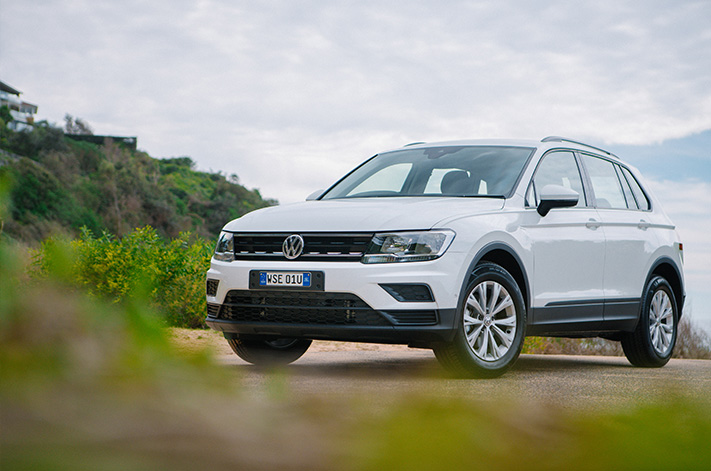
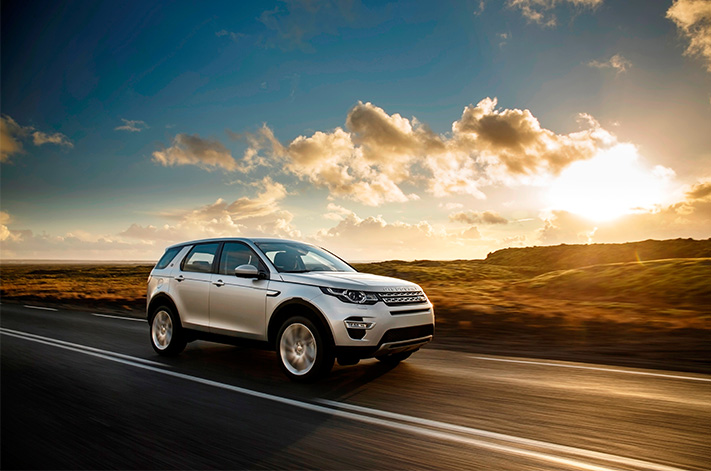
The Kia Sportage, Toyota RAV4, Renault Koleos and Nissan X-Trail also make the list of models that improved their prospects in the first half of 2017.
4WD utes
While sales in the 4×2 ute segment declined over the first half – largely due to the departure of the Falcon ute and waning sales for Holden’s Commodore ute – the 4×4 utility segment is sustaining its boom.
Falcon may be no more, but the Ford Ranger has well and truly taken over and is currently Ford’s top-seller in this country. With 18,563 of them sold in the past six months, that’s a 21.6 percent gain on what that model achieved in 2016.
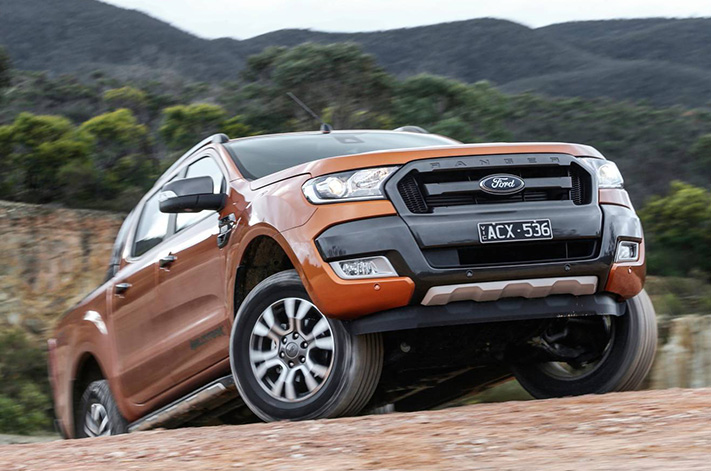
One interesting thing to note was the apparent increase in demand for super-sized grey-import American ‘trucks’, with sales for the RAM Laramie increasing by 16.4 percent in year-to-date figures. Granted, that only amounts to an extra 24 vehicles (for a 2017 first-half total of 170), but that’s still a significant gain for a very niche truck.
Kia
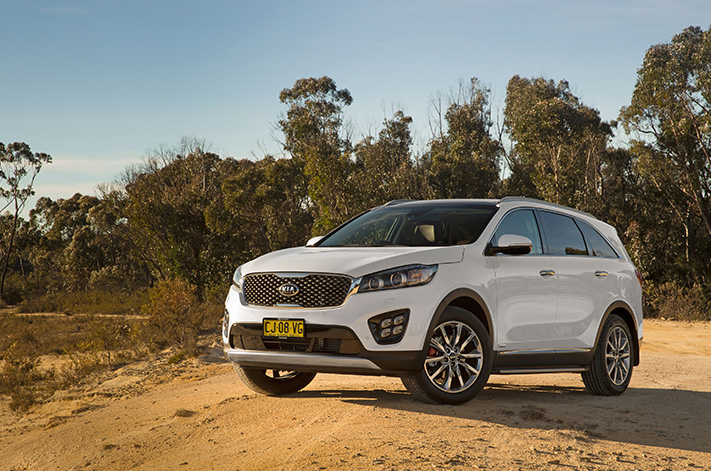
Of the mainstream manufacturers, Korean carmaker Kia made the biggest improvement on prior form. Though it’s still only just inside the top-ten list for year-to-date sales (in ninth position overall), its stellar 35 percent sales growth compared to the first half of 2016 puts it in a good position to pull itself up a rung – or two – up that ladder.
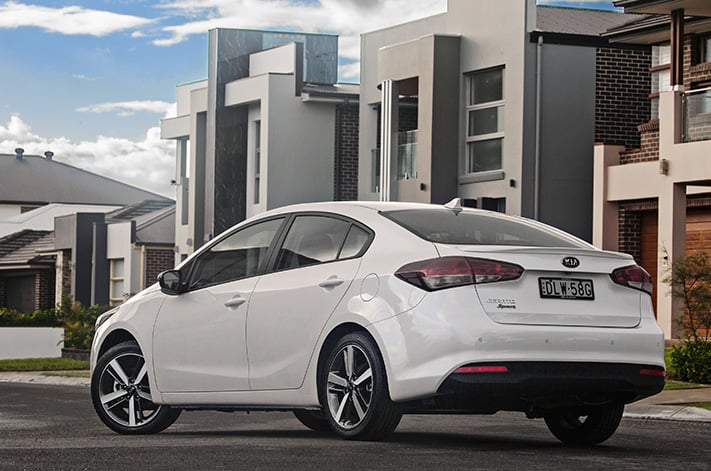
And it’s really only the Kia Optima that’s delivered any real disappointment. Sales of the midsize sedan fell 44.7 percent in the first half of 2017, but with Australians abandoning that segment in droves the Optima’s performance isn’t exactly unexpected.
As the other German luxury marques struggled (Audi is down 12.0 percent year-to-date, BMW is down 18.5 percent), Mercedes-Benz bucked the trend and gained ground in the first six months of 2017.
With 22,318 cars sold so far this year, Benz posted a 7.9 percent gain on its 2016 figures. Looking at the sales tables, it’s no surprise: the C-Class, mainstay of Benz’s lineup, continues to sell well and remains Australia’s second-most popular mid-size car; the E-Class has been handily outselling its rivals since a new-gen model launched last year; the A-Class even managed to grow sales and the C-Class coupe has hit the ground running to claim second spot in the Sports Car category.
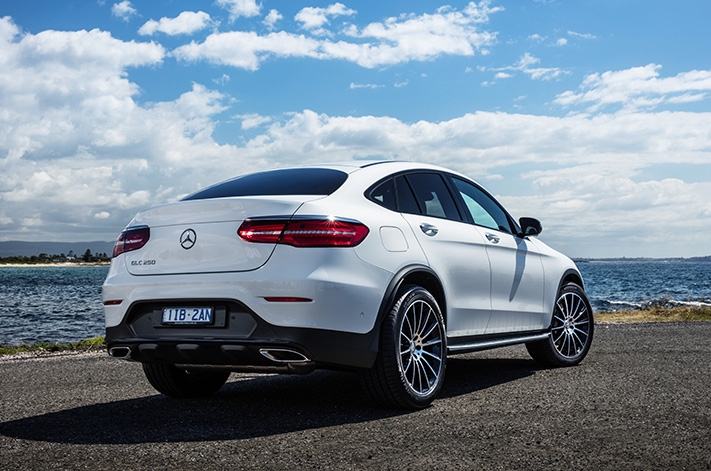
If supply improved, Benz reckons they could sell at least 10 to 15 percent more. Benz also notes that it accumulated significant numbers of cars in the country in anticipation of strong post-launch sales, setting a high bar in the first half of 2016 that would be near-impossible to equal once the supply chain settled down. Right now, however, the GLC wears a 2-3 month waiting list on new orders.
Infiniti
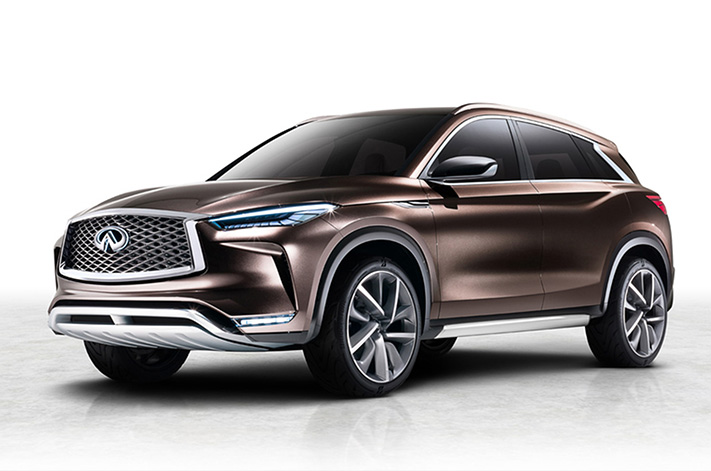
Infiniti’s 422 first-half sales tally may pale in comparison to Benz’s 22,318, but the underdog luxury arm of Nissan still managed to grow its slice of the luxury sales pie. Racking up a respectable 18.2 percent year-to-date growth figure, largely propelled by the arrival of the Mercedes GLA -based Q30 and QX30 compact crossovers, Infiniti nevertheless remains in a tenuous position.
Sales of the 3 Series-fighting Q50 have cooled, a worrying sign given medium sedans are volume-selling products in the segment, and the aging Q70 is in dire need of replacement. What’s more, the sporty QX70 SUV, right now the second most popular model for Infiniti Australia, has reportedly ended production with no replacement announced.
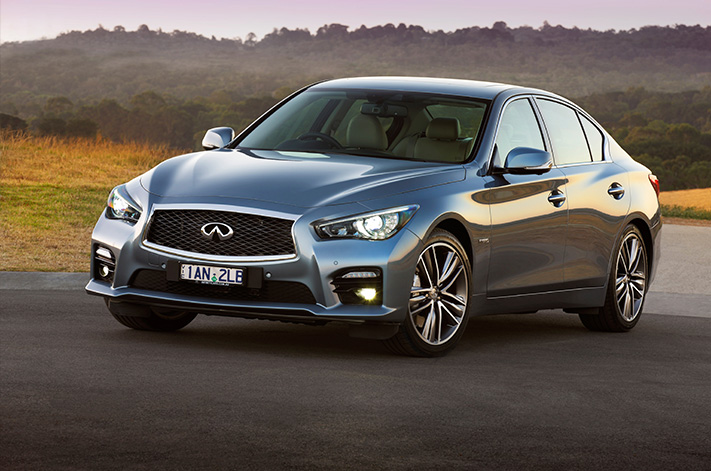
Can Infiniti sustain its growth? If anything, it will need to accelerate significantly if it’s to challenge the likes of Jaguar (1467 YTD sales), let alone Lexus or the German establishment.
After enduring a long run of lacklustre showroom traffic, the fiercely independent Japanese carmaker has managed to record a decent first-half result of 21,831 sales – with the 10th-generation Honda Civic responsible for much of that uptick.
That’s already 11.2 percent up on last year’s figure, but the company is optimistic of a 48k sales tally by year’s end. That means Honda’s sales staff will need to perform even harder in the second half of 2017 if that target is to be achieved. Helping them, however, will be the arrival of a revamped CR-V this month, which sees Honda finally able to offer a seven-seat SUV to Australians once more.
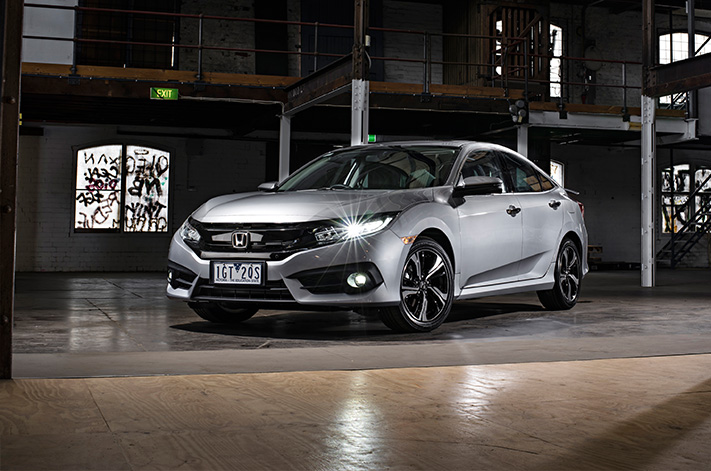
Can Honda sell the 26k-odd extra vehicles it needs to reach its stated target by the end of the year?
Supercars
Ferrari, Aston Martin and McLaren all grew their sales in the first half, with Ferrari even breaching the 100-car barrier to claim pole position among the exotic car field. All of them are coming off low bases, admittedly, but there’s no sneezing at their double-digit – or even triple-digit, in the case of McLaren – percentage gains.
McLaren sold 60 cars in total in the first six months of 2017, compared to 27 cars sold in the opening half of 2016. Not a huge surprise, given McLaren’s stable now has more diversity of product than ever and ranges in price from the $325k 540C to the $511k 650S Spider.