
Holden benchmarked BMW’s delightful E39 5 Series from a decade prior when developing the VE Commodore, and in the steering and suspension of 2006’s ‘billion-dollar baby’ it showed.
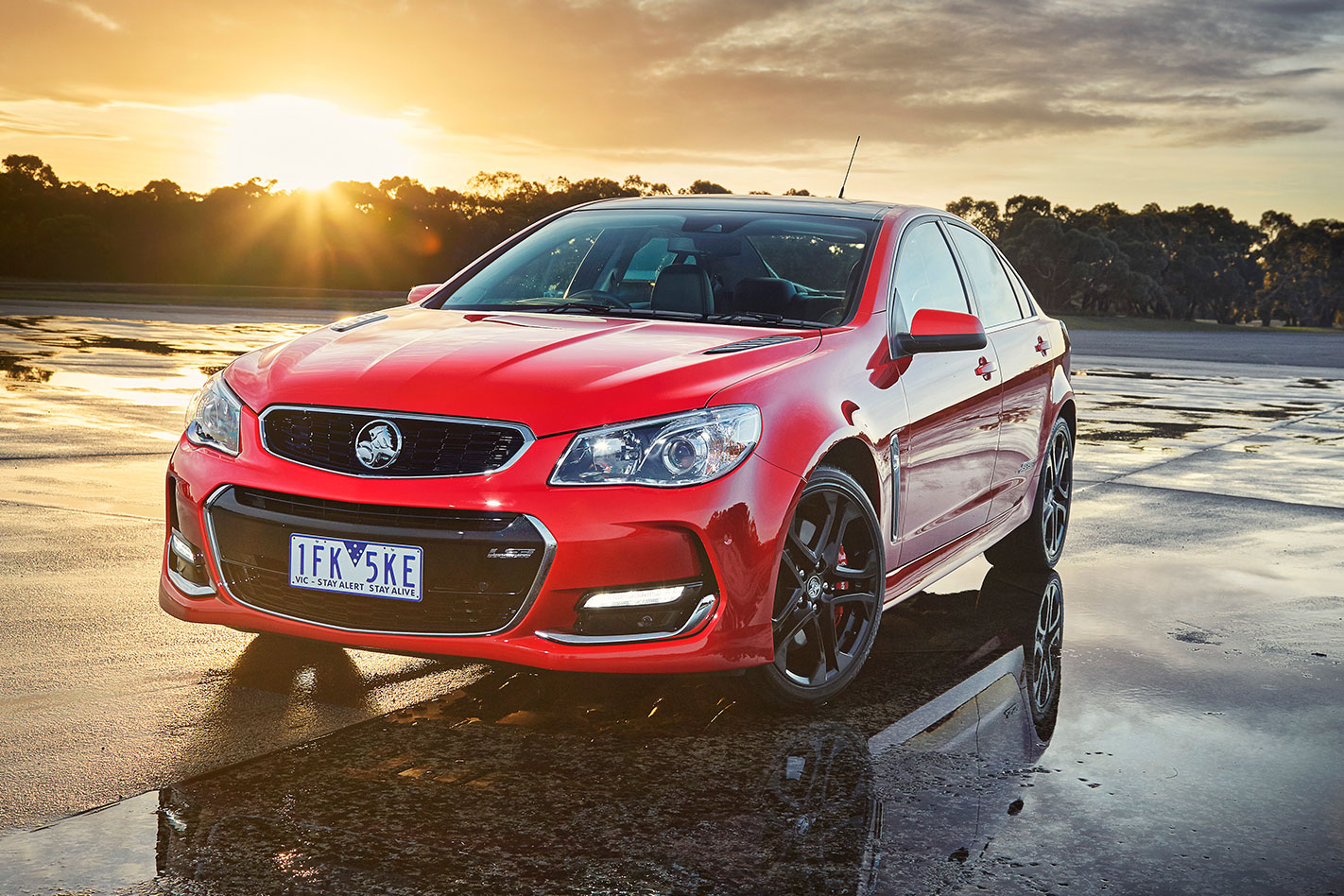
Meanwhile the VF Series II Commodore SS V Redline, as the pinnacle – excluding limited editions – of this final rear-drive sedan, coincidentally lines up with the now-decade-old BMW M3 E90 sedan and E92 coupe.
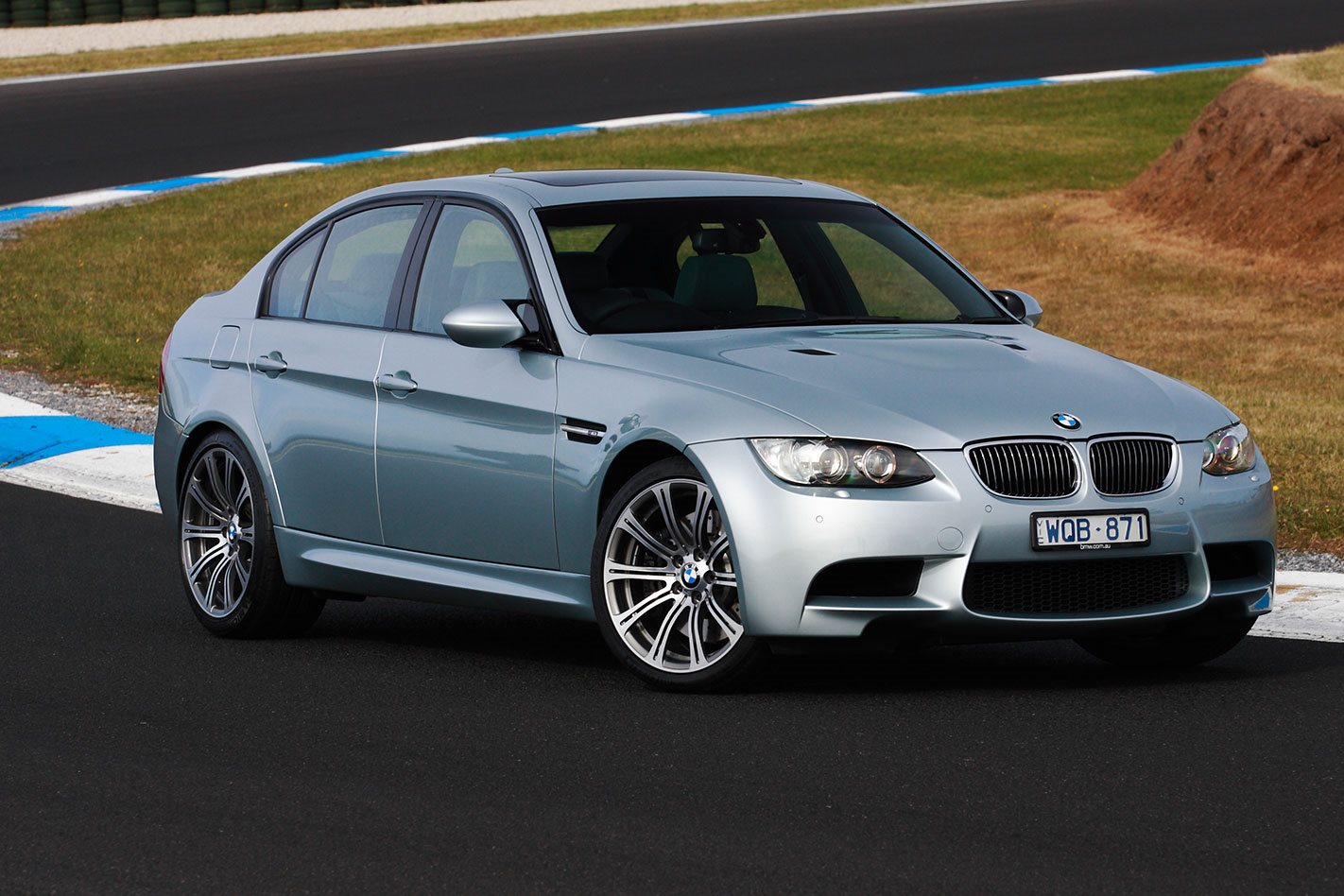
The BMW is now one-third of the price it was new, and on par with the Holden that is an equally cracking driver’s car.
The BMW E90/E92 was the first of the compact M cars to swap six cylinders for eight, and this delectable motor soared past its 8300rpm power peak with a strident, metallic howl.
Only 400Nm seems measly, but at 100Nm-per-litre it makes the pushrod LS3’s 570Nm look inefficient. The 6.2-litre is also slower to rev, with a soft sub-7000rpm cut-out.
The M3 had adaptive dampers matched only by the Commodore Motorsport Edition.
Five ultimate BMW M3s part 5: M4 GTS
The generations that succeed both these two are also completely different in configuration and character – the boosted-six F80 M3 is as controversial for some as the next imported all-paw Commodore is. That will likely carve future-classic status into both the E90/E92 and VF Series II.
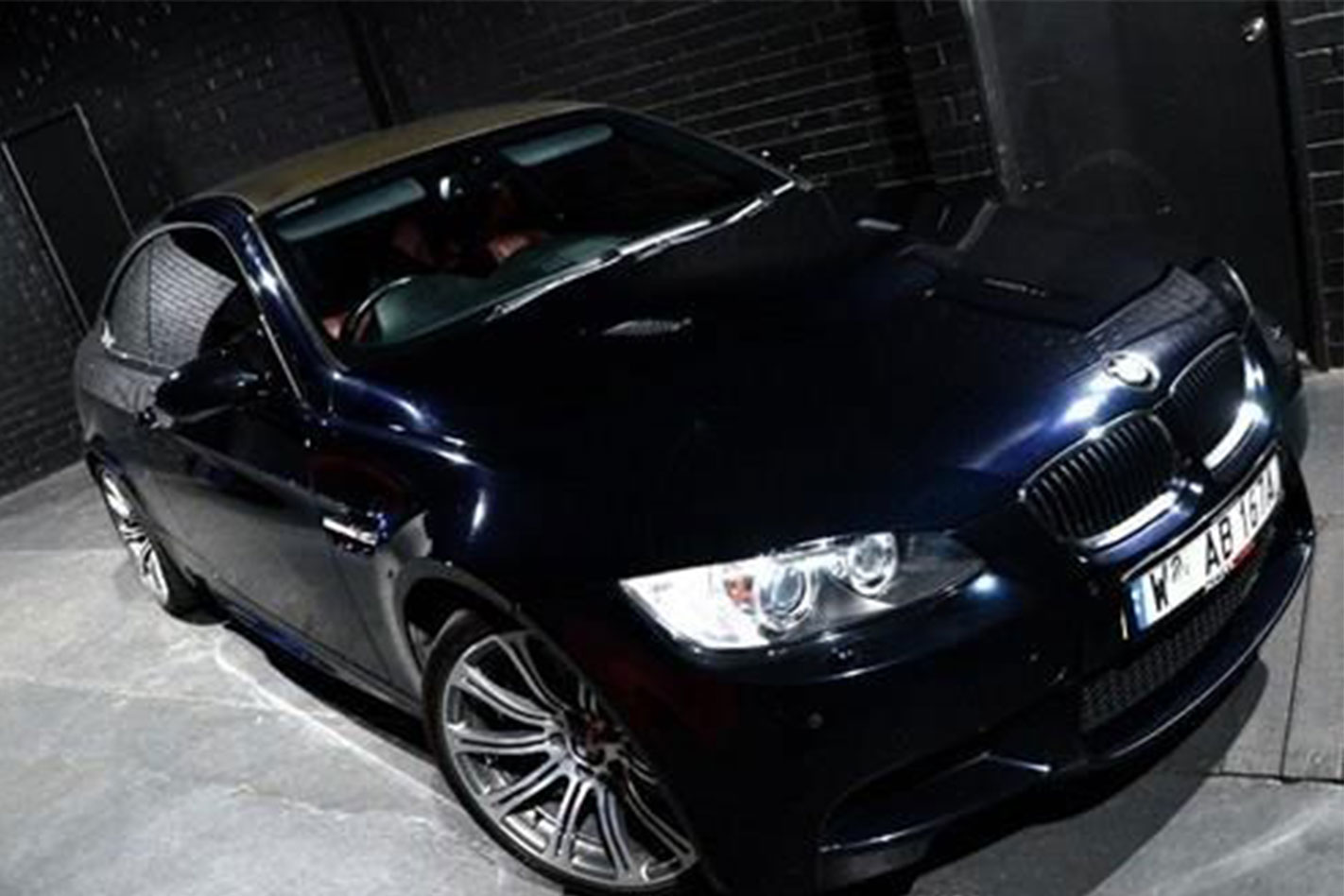
Here’s one from TradeUniqueCars.com.au
THE Goodwood Festival of Speed should be on every self-respecting motoring enthusiast’s bucket list. It is one of the greatest celebrations of all things motoring in the world, with some of the rarest and most exotic vehicles converging on Lord March’s driveway for one hell of a party.
However, sometimes things don’t always go to plan, with the hay bale-lined track claiming its fair share of carbonfibre and sheet metal over the years.
Take this brief collection of shunts from 1994 for example, with both a Jaguar XJ220 and Jacques Villeneuve Formula 1 car coming off worse for wear.
Modern events know no mercy either, with a 2015 montage stretching into four minutes of carnage that you just can’t look away from. If you don’t wince or cringe just a little bit while watching, there might be something wrong with your innards.
While the headline acts at Goodwood are often the fully-fledged race cars, a few lucky plebs occasionally get taken for passenger rides up the driveway. Not even these are immune to carnage, illustrated here when a Mercedes-Benz E63 S AMG loaded with passengers ends up scattering hay bales.
Speaking of racing cars, some of the most famous championship and race winners in history tackle the hillclimb. They don’t hold back either, and occasionally a high-value scalp is claimed by Goodwood’s unforgiving driveway. Take this Lotus 98t F1 car for example.
Or Rod Millen’s Pikes Peak Tacoma, which was left bent and bruised on two successive years.
Moral of the story? Don’t underestimate Goodwood. It may just be a humble driveway, but it can bite hard when it wants!
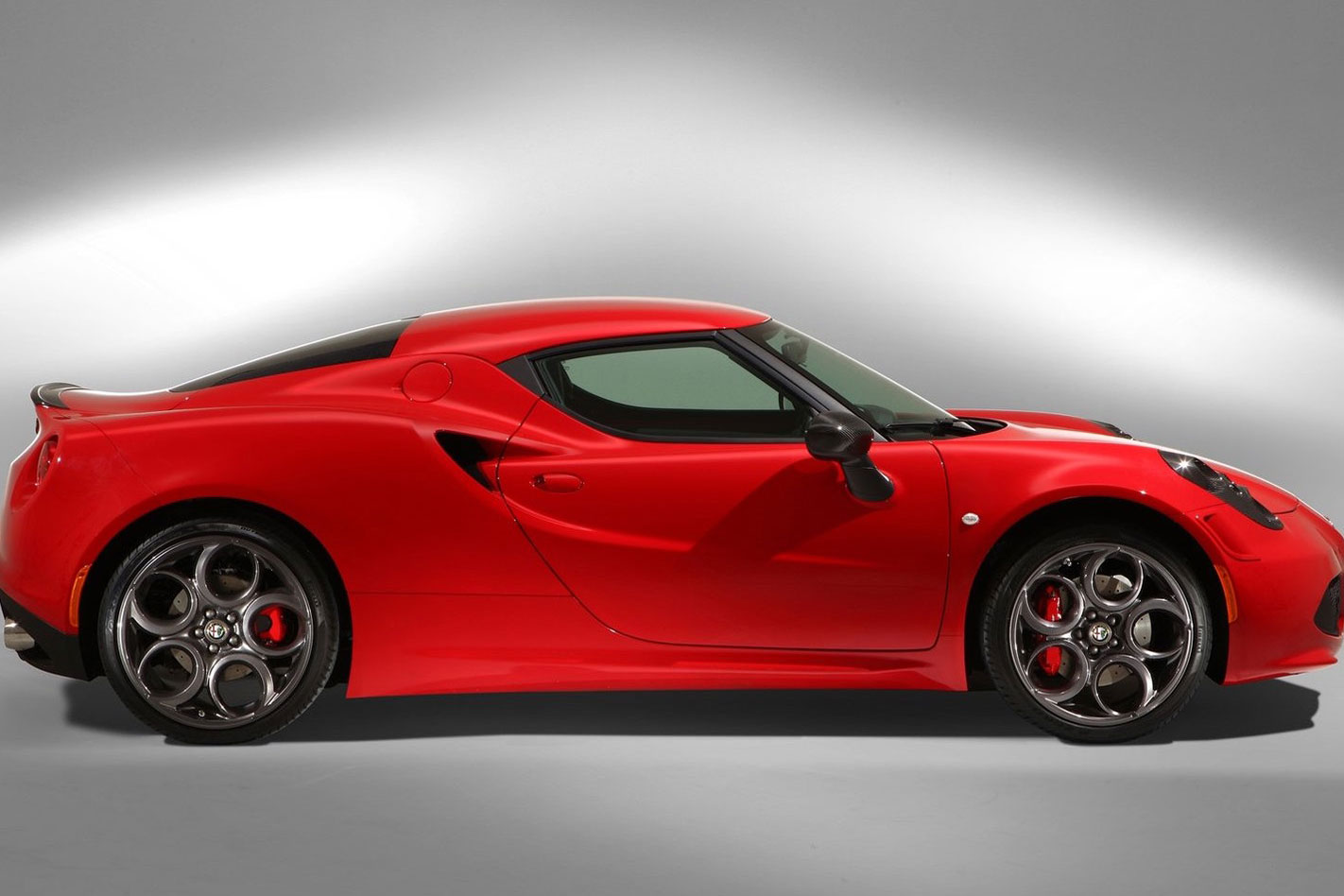
According to April 2017 sales figures, the $80,000-plus sports car segment is growing at a faster rate than every other new passenger car segment except one.
The latest new-car data reveals there has been a 16.5 per cent year-on-year boost in the middle-tier, two-door coupe and convertible class. While the sub-$80,000 sports car segment dropped 4.7 per cent, the $200,000-plus sports car class soared 7.6 per cent.
Opinion: Limited edition cars shouldn’t be unattainable
Only $70,000-plus large cars are outperforming sports cars, up 36.9 per cent because the new BMW 5 Series (up 247 per cent) and Mercedes-Benz E-Class (up 123 per cent) are in a duel that is also crippling rivals. (Audi A6 fell 42 per cent, Jaguar XF plunged 55 per cent, while the Infiniti Q70 trickled to nought.)
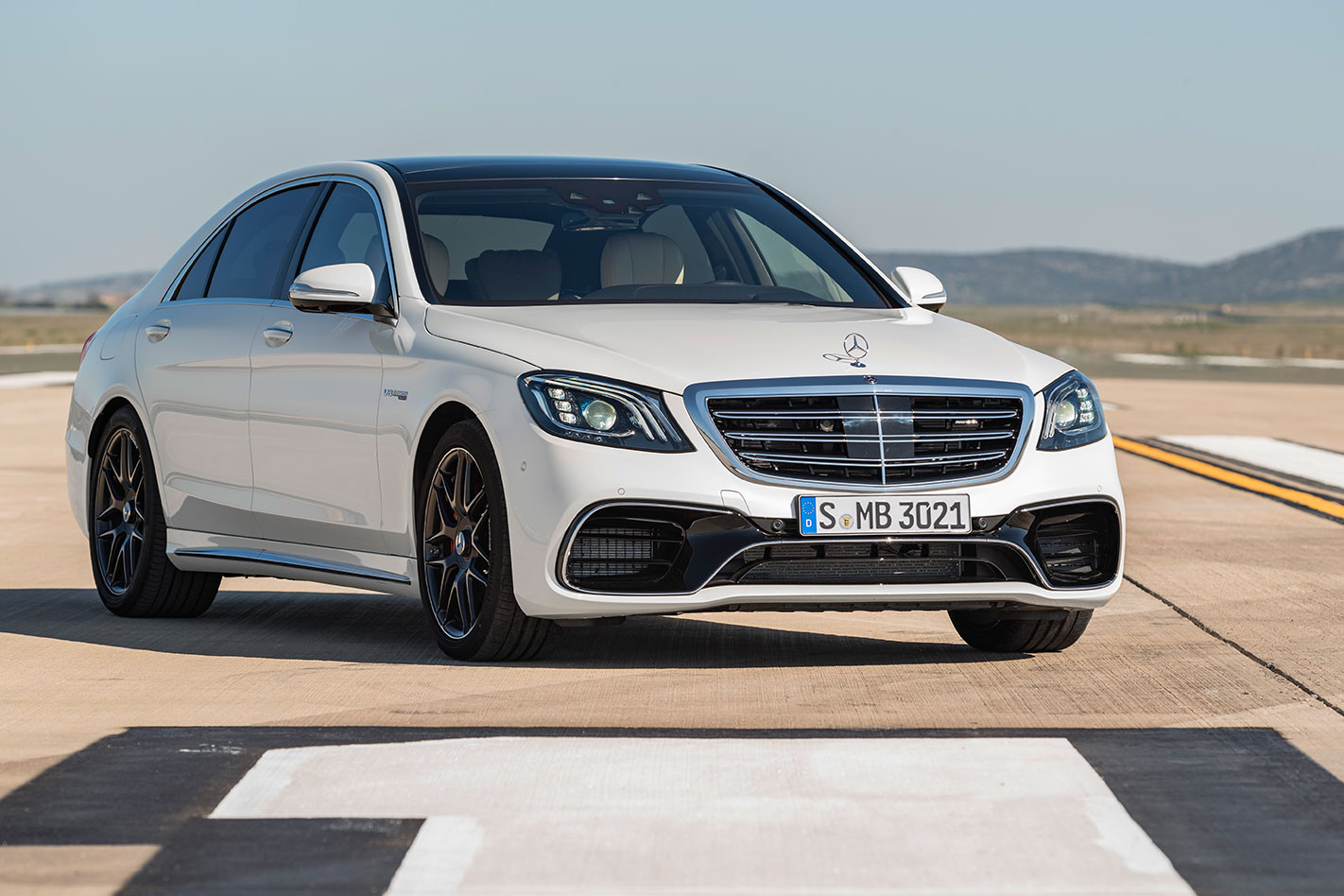
The ultimate hypercar track day
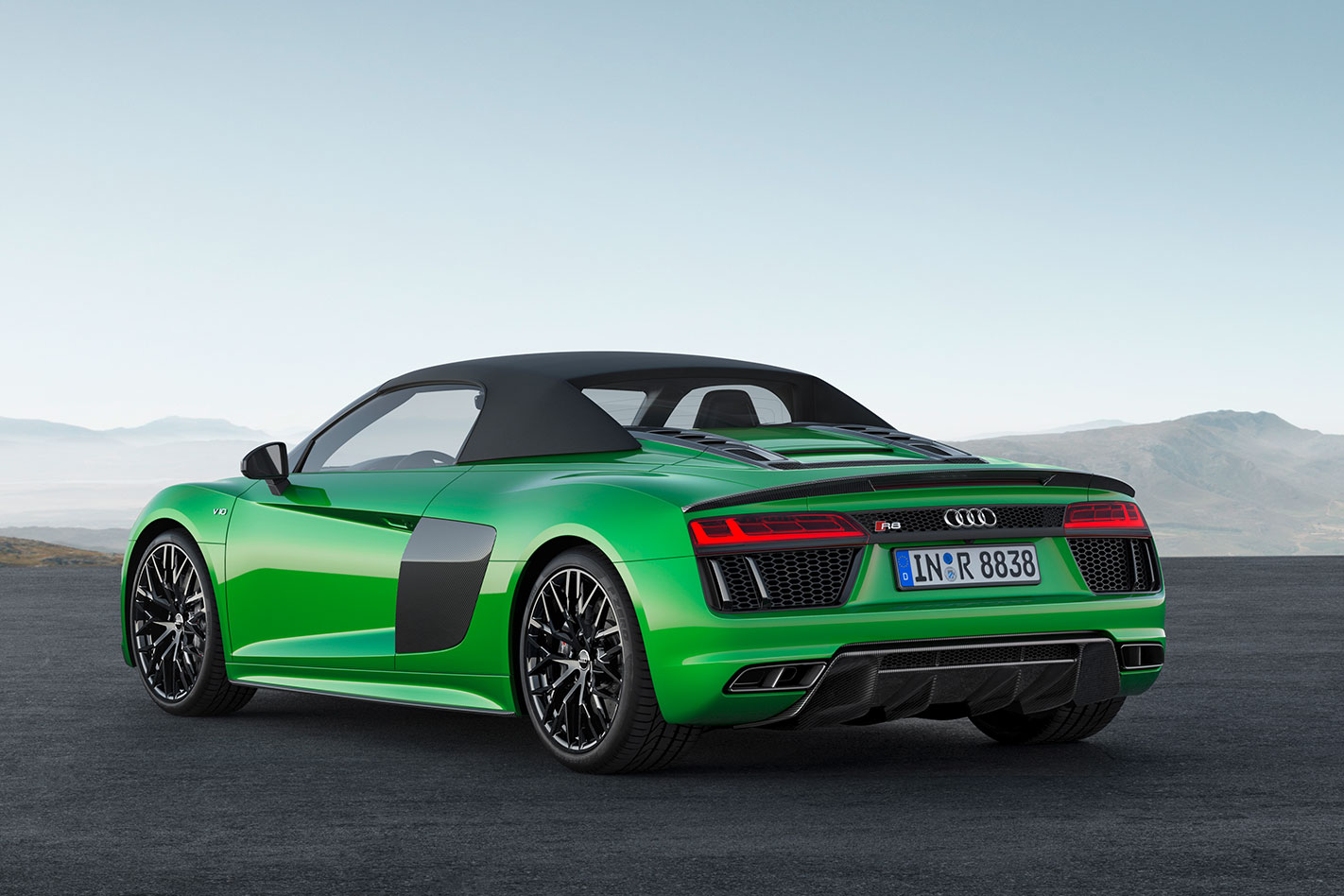
The Audi R8 (with six times last year’s sales), Nissan GT-R (up 162 per cent), Lotus Elise (quadruple the haul on 2016) and McLaren (rising 270 per cent) stole the show, but Aston Martin two-doors are up 30.8 per cent this year, no doubt thanks to the all-new DB11.
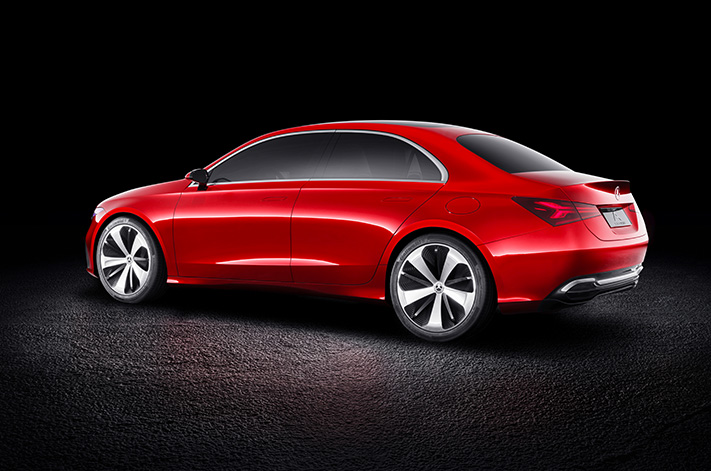
MERCEDES-Benz’s new A-Class heralds a welcome, if radical, return to a clean, minimalist design that is in total contrast to the overwrought, convoluted styling of many of today’s new models.
First published in the June 2017 issue of Wheels Magazine, Australia’s most experienced and most trusted car magazine since 1953.
Revealed at the Shanghai motorshow as the A-Class Concept Sedan, the attractive new design language ignores today’s trend to ever more creases, edges and lines.

The new A-Class – expected to be launched, little changed from the A-Class Concept, in sedan and hatchback forms at next year’s Geneva show in March – introduces a tilt-forward grille to add visual length to the bonnet. Wagener denies this has an adverse impact on the new car’s aerodynamics.
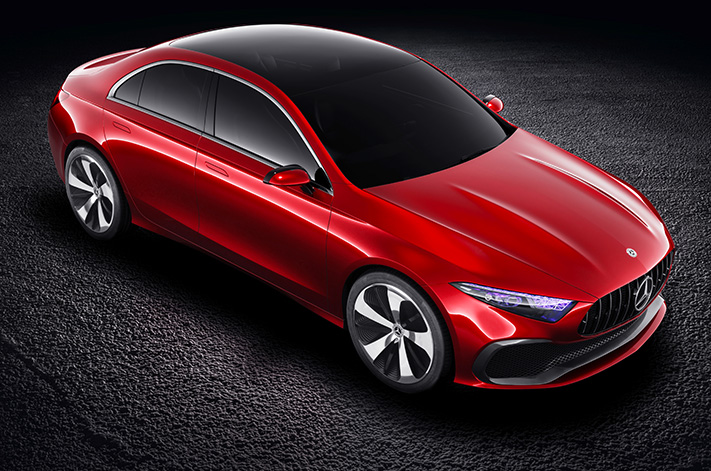
Curiously, the concept car carries a so-called Panamericana grille, thought to be exclusive to AMG models.
“The racing grille with its vertical bars, is dedicated for AMG models,” confirms Wagener. “But the contours of the grille will be seen on the production models.” Meaning the successor to today’s AMG A45 will get the Panamericana grille.
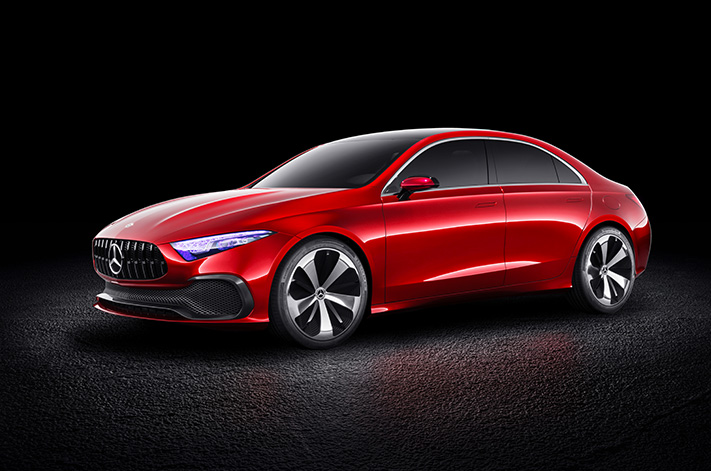
“We’ve done a huge amount of work on the platform to reduce the overhangs,” agrees Wagener. “So much so that the crash length [the body’s crash protection] is now behind the [front] wheels. The design now has the DNA of rear-drive proportions and feels like a compact limousine with great design balance. Even the feeling of the 190 baby Benz. There’s now enough taper in the body that [in a three-quarter front view] the body ends when the back wheels stop.”
Surfaces are far simpler.
Wagener isn’t a fan of many of the current crop of Asian models, though he sees the Koreans as striving for cleaner designs than the Japanese.
“Really, to our European eyes, we don’t get it [Asian design]. They are successful with their different approach, but I’m pretty sure they will follow [our lead].”
The launch of an A-Class sedan doesn’t mean the end of the CLA, the four-door coupe version of the current A-Class. The new A-Class sedan is primarily for China – hence the decision to launch the concept in Shanghai – but there is also a replacement CLA in the program. Australia is expected to see the first of the new-generation A-Class models around mid-2018.

“You can camouflage bad proportions by throwing a lot of stuff on the design,” says Gorden Wagener, bringing to mind several Japanese SUVs.
“Purity is a higher form of design. The pure approach says that you should take lines out until the car is just a signature line. I tell my designers that if you like the design, take a line out. If you still really like it, take another line out. It creates a sexy and appealing vehicle that becomes balanced with a contemporary, modern and luxurious form.”
Wagener, who became Mercedes’ design boss at just 39 in 2008 and was appointed to the board in 2016, says: “Every car is finished up to 2020 and we have platforms that go out to 2035 or so.”

“As creative people we can imagine what the future can be and we can drive it,” he claims.
Wagener was born in Germany, yet says he feels very Anglo-Saxon. A graduate of London’s Royal College of Art, he worked as an exterior designer for Volkswagen, Mazda and General Motors before joining Mercedes-Benz in 1997. He spent time in California as Mercedes’ director of strategic and advanced design, before moving back to Germany in 2008 to take up his current position.
The BMW M3 wasn’t the first M-car, but it was arguably the one that put BMW’s Motorsport division on the map.
As Group A racing regulations required at least 5000 road cars be built, it was the first dedicated M model to be made in significant numbers, and the first to have a real motorsport connection – BMW effectively made the ideal race car then decided how to make it road legal.
More BMW M2s allocated for Australia … again
It instantly became the standard by which other rear-drive coupes were judged and has remained the benchmark for almost three decades.
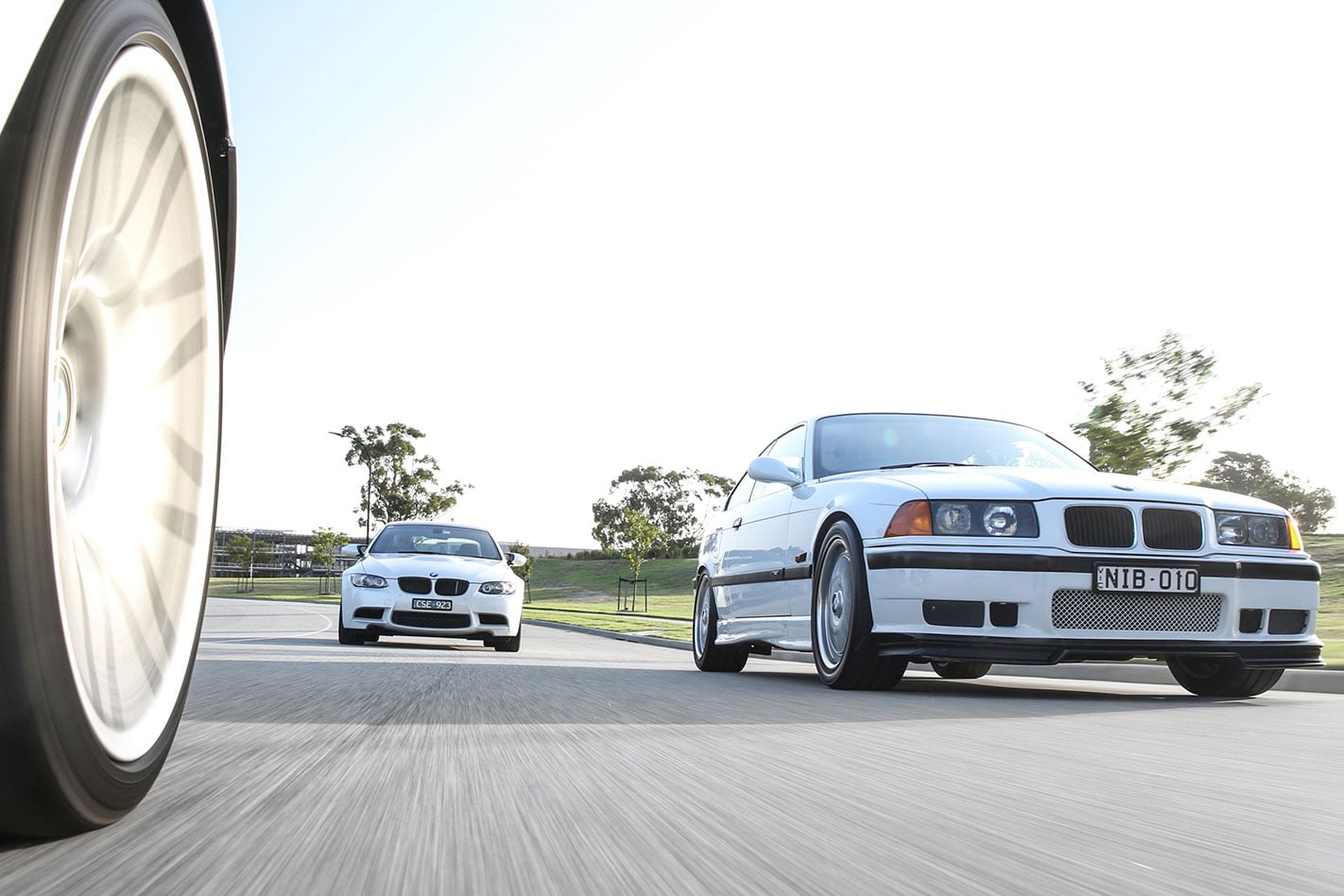
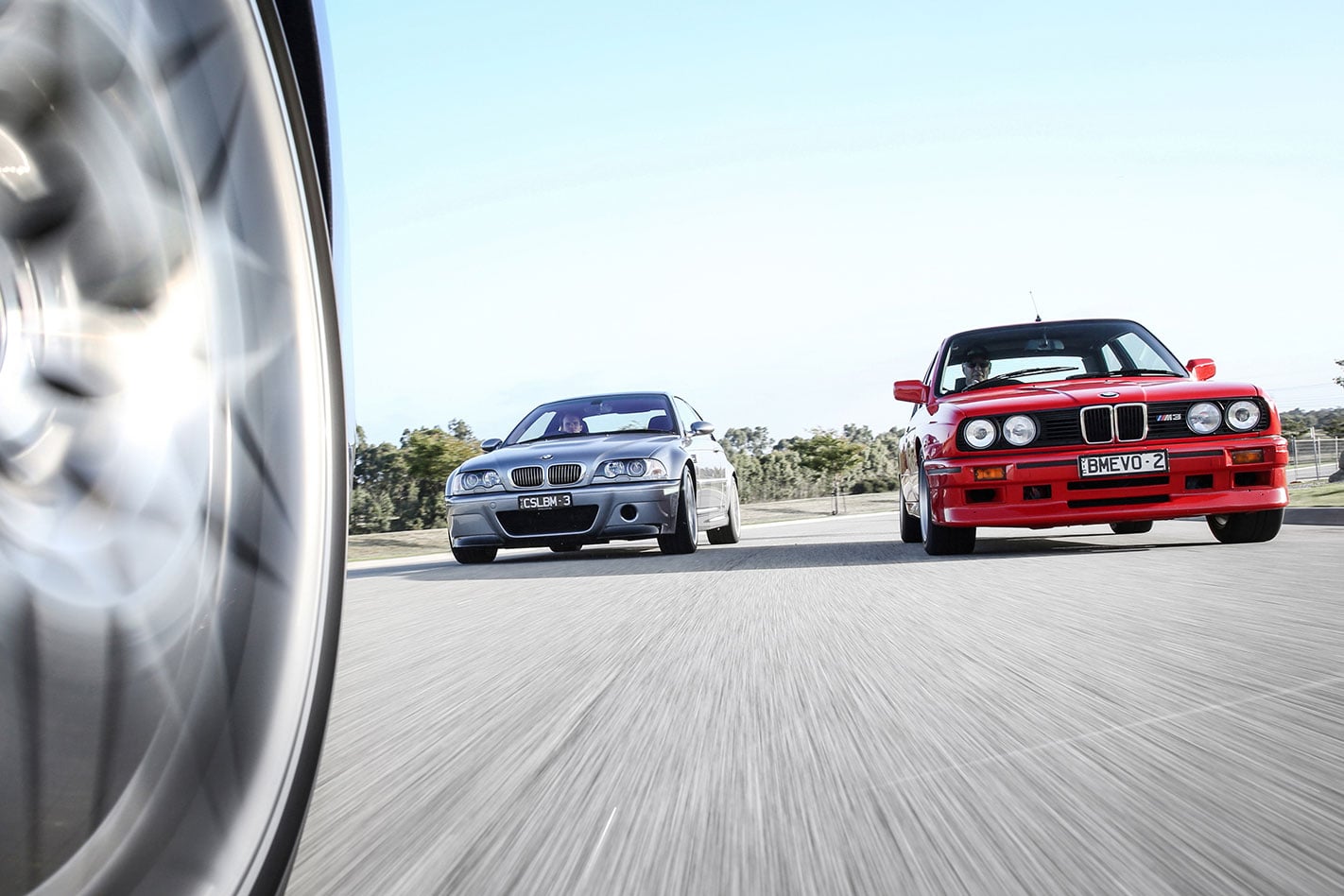
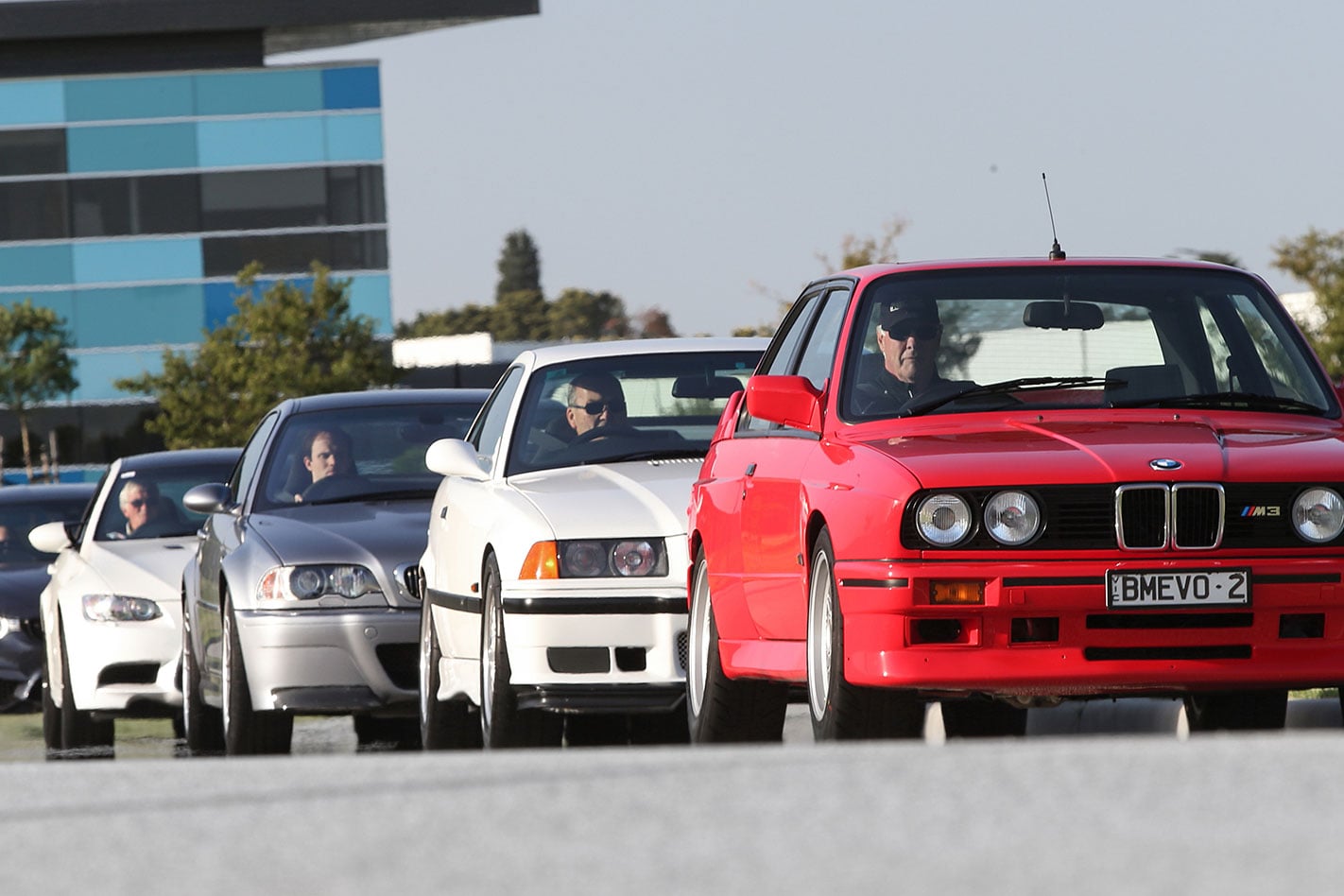
Thanks to the kind assistance of the BMW Car Club of Victoria, we not only managed to do so, but sourced a limited-edition version of each. Comprising our special quintet is Rob Garnsworthy’s E30 Evolution II, Ian Burke’s BMW E36 M3R, Chris Shaw’s E92 Pure Edition and an F80 ’30 Jahre’ – the catalyst for this feature – courtesy of BMW Australia, which also supplied the E46 CSL from its heritage collection.
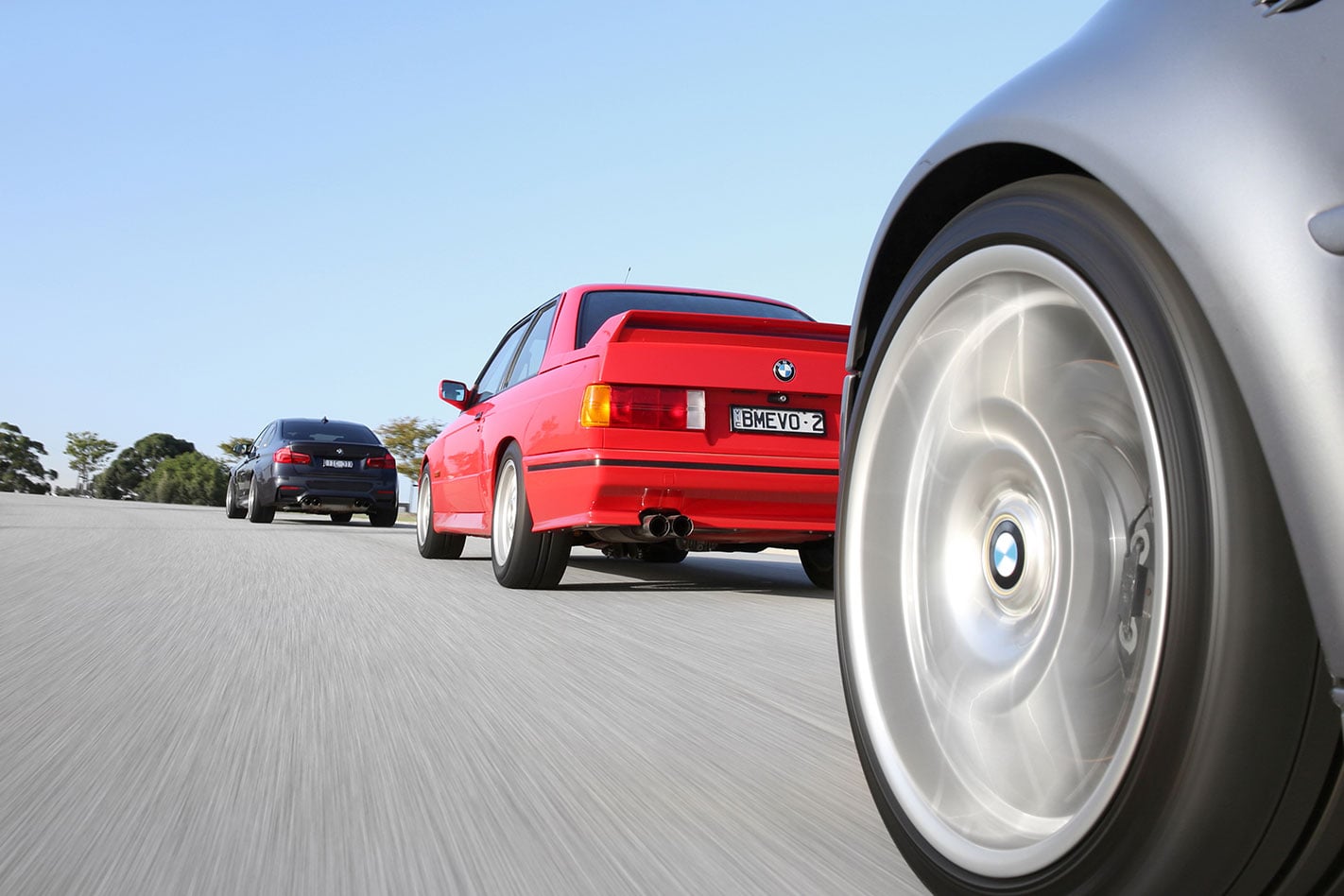
There are naturally aspirated engines of four, six and eight cylinders, as well as a twin-turbo six, while we have two manual gearboxes, an automated manual and two dual-clutches.
So rather than comparing them to each other, we’re more interested in discovering if there’s a common link that binds these mechanically very different machines – an identifiable characteristic that is the essence of M3.
Over the next five days we’ll bring you each generation of M3, so check back tomorrow to start the nostalgia trip!
Nissan’s popular X-Trail mid-size SUV has arrived in showrooms fresh from undergoing a mid-life facelift that has brought subtle exterior changes, additional standard tech including autonomous emergency braking and a 2.0-litre turbo diesel engine that sips fuel at 6.0L/100km.
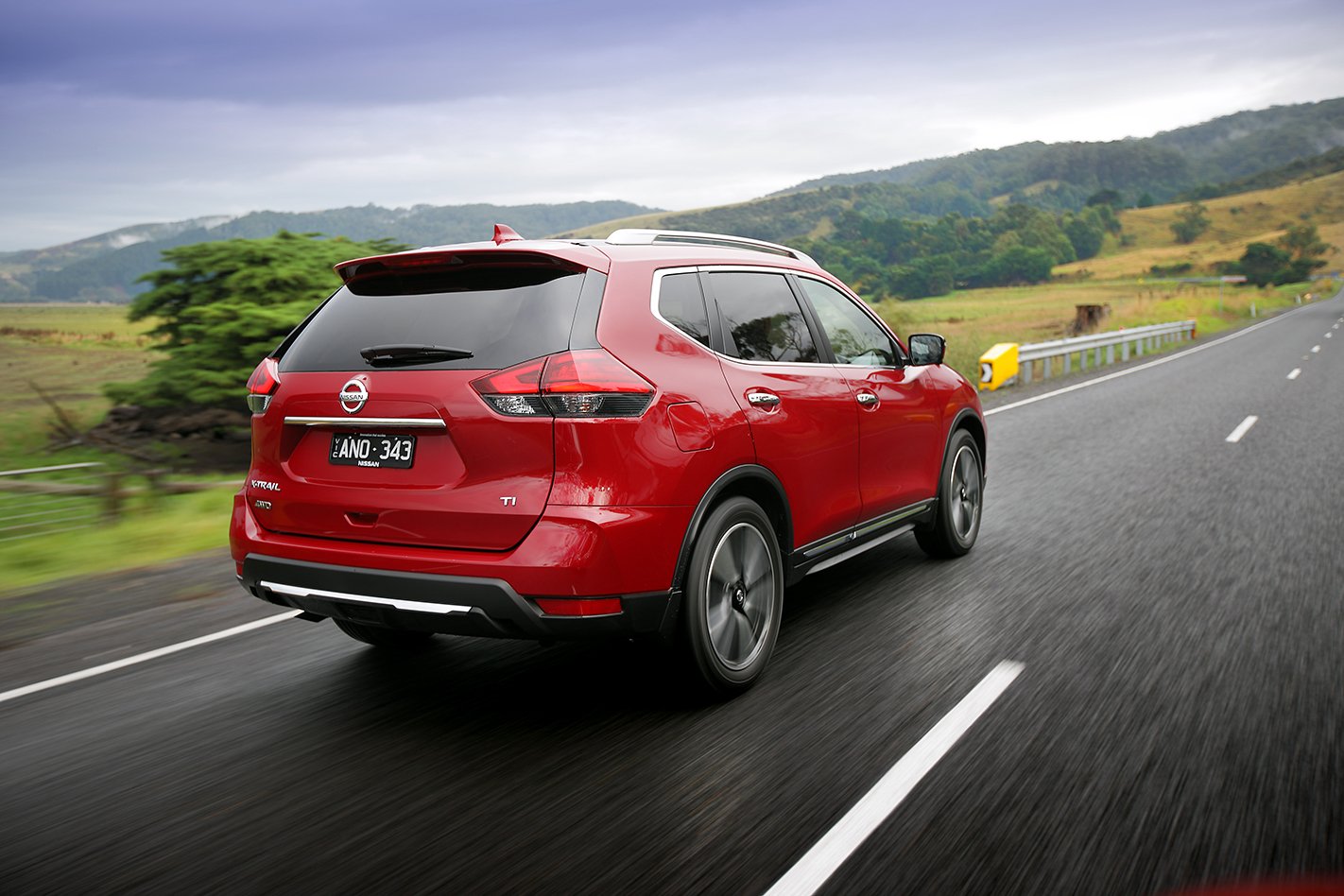
Variants
The X-Trail range carries over the same names as before but now includes two diesel variants. There are five main model grades, from the entry-level ST, to TS, ST-L, Ti and TL.
The X-Trail ST is powered by the 2.5-litre, four-cylinder, petrol engine carried over from the previous model and is available as front-wheel-drive with a six-speed manual or auto CVT, and with five- or seven-seat configuration. There is also a five-seat four-wheel-drive version with a CVT.
Starting at $27,990, the ST comes with LED daytime running lights, auto headlights, 5.0-inch screen, reversing camera, cruise control, push button start, forward collision warning, ‘intelligent emergency braking’, adjustable second row seating and new 17-inch alloy wheels.
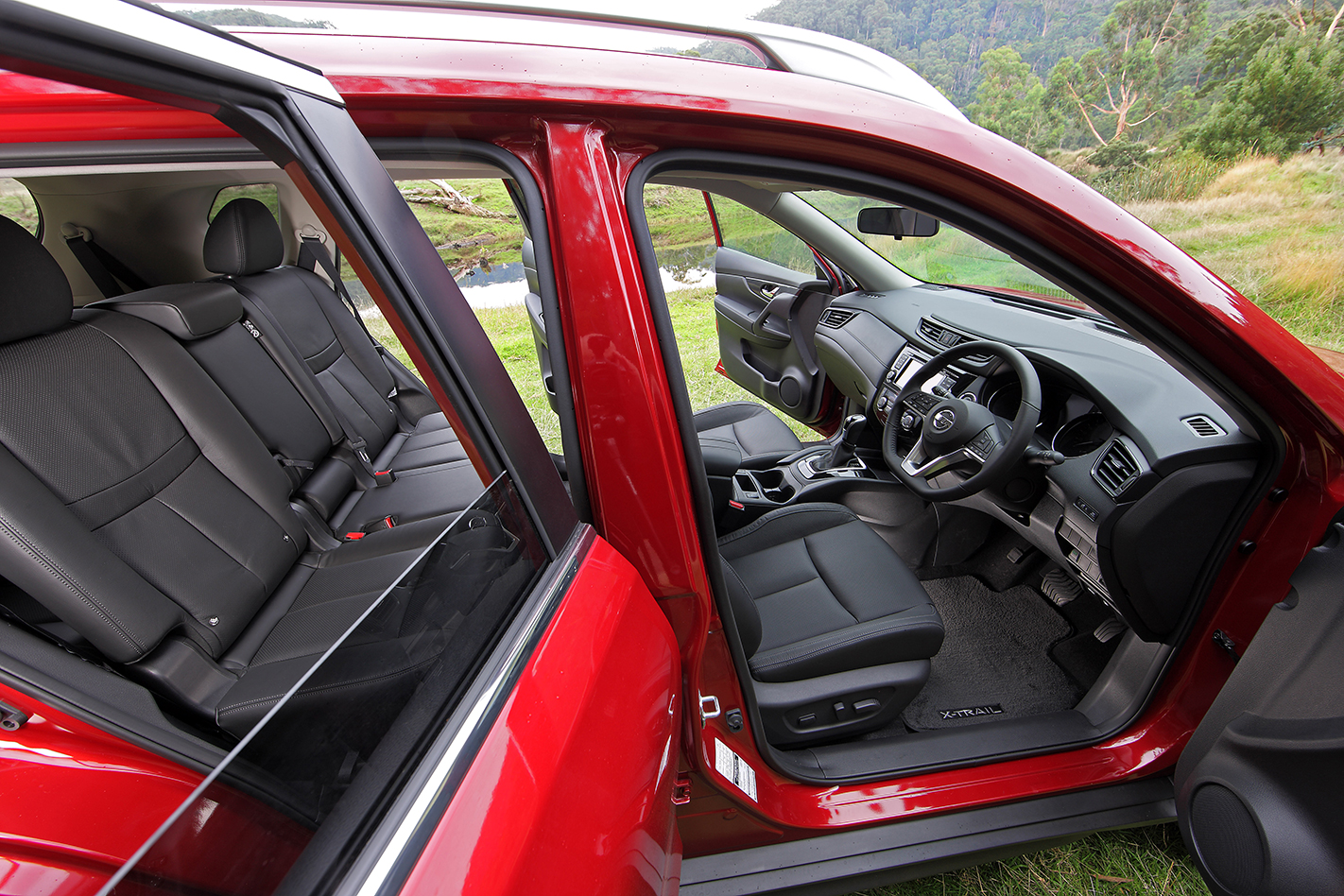
The TS 4WD is equipped similarly to the ST but is powered by a new 2.0-litre, four cylinder turbo diesel engine that can send power to all four wheels via the CVT. The diesel engine attracts a $3000 price premium over the similar ST 4WD.
The ST-L has the same engine, drivetrain and seating options as the ST but there is no manual version. Extras include blind spot warning, rear cross-traffic alert, 7.0-inch touchscreen with around-view monitor, satellite navigation, power adjustable heated front seats, leather accented seat trim, digital radio, dual-zone climate control, fog lights and roof rails.
The Ti and TL 4WD variants are essentially the same as each other in terms of equipment, but feature a petrol or diesel engine respectively. They have a host of standard features above the ST-L grade including 19-inch alloys, corner sway headlamps, auto emergency braking with pedestrian detection, lane departure warning, Bose premium audio system, motion-activated tailgate, heated steering wheel, heated front and rear seats, rain-sensing wipers, auto levelling LED headlights and a panoramic sunroof.
- X-Trail ST manual, petrol, FWD – $27,990
- X-Trail ST, CVT, petrol, FWD – $30.490
- X-Trail ST, CVT, petrol, FWD, 7 seats – $31,990
- X-Trail ST, CVT, petrol, 4WD – $32,490
- X-Trail TS, CVT, diesel, 4WD – $35,490
- X-Trail ST-L, CVT, petrol, FWD – $36,590
- X-Trail ST-L, CVT, petrol, FWD, 7 seats – $38,090
- X-Trail ST-L, CVT, petrol, 4WD – $38,590
- X-Trail Ti, CVT, petrol, 4WD – $44,290
- X-Trail TL, CVT, diesel, 4WD – $47,290
Our pick
If you’re after a family SUV that will perform most of its duties around town, the X-Trail ST-L with seven seats is good buying. Its third row of seating makes it more useful for families, and it has leather trim, satellite navigation, a bigger control screen, and more active safety features.
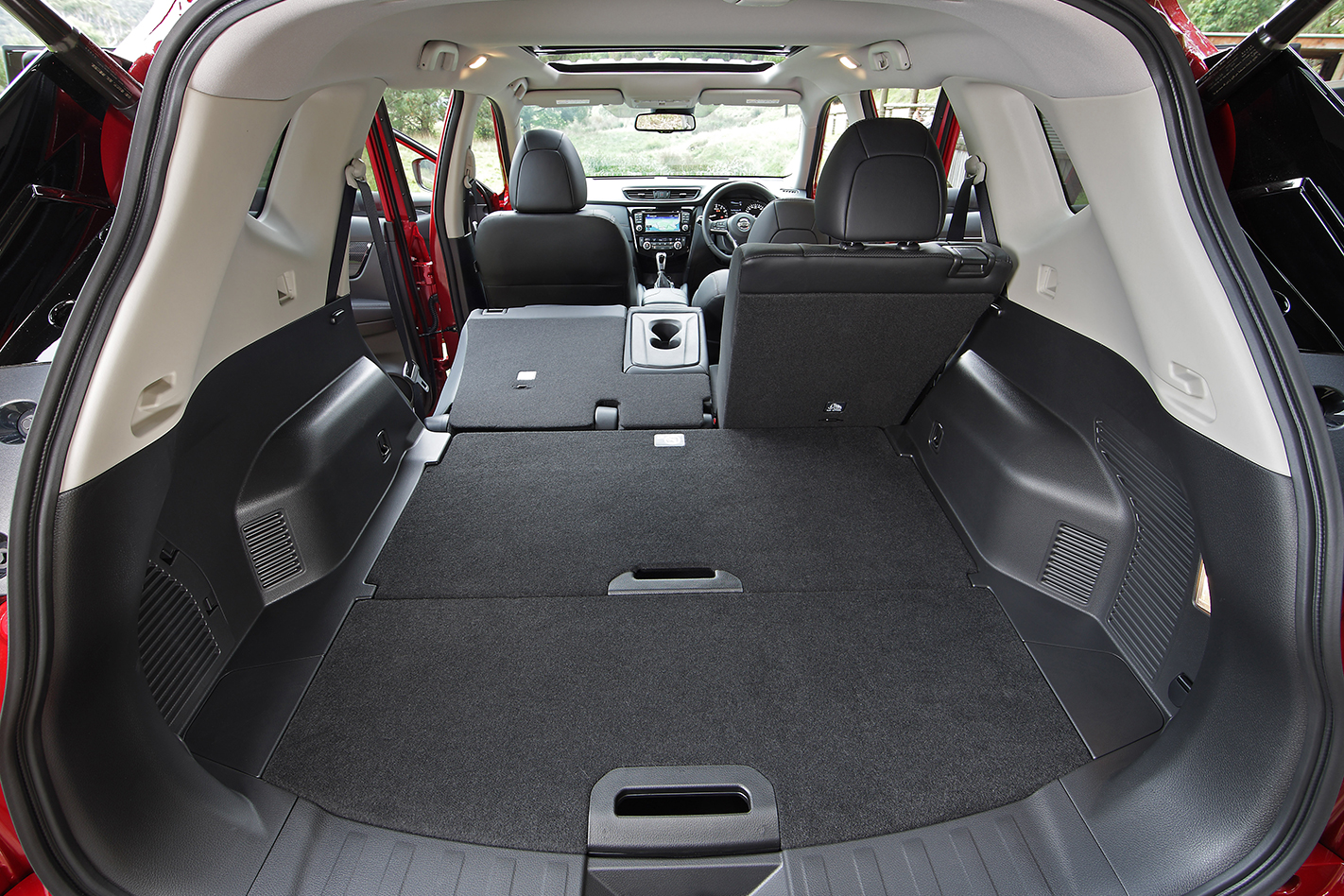
If you’re more of a country mouse it’s hard to go past the TS 4WD model with the diesel engine and plenty of boot space. Unfortunately, the lack of an ST-L diesel equivalent means you’d have to spend considerably more on the TL if you want the extra options.
The Subaru 22B was – and is – a legendary rally car for the road.
It had 206kW (huge at the time in a car that size), and enough torque and traction to get it moving along to 100km/h in 5.7 seconds.
It’s a car worthy of a modern tribute, and that’s what Willall Racing in South Australia has done. Only they’ve turned it up a few (hundred) notches.
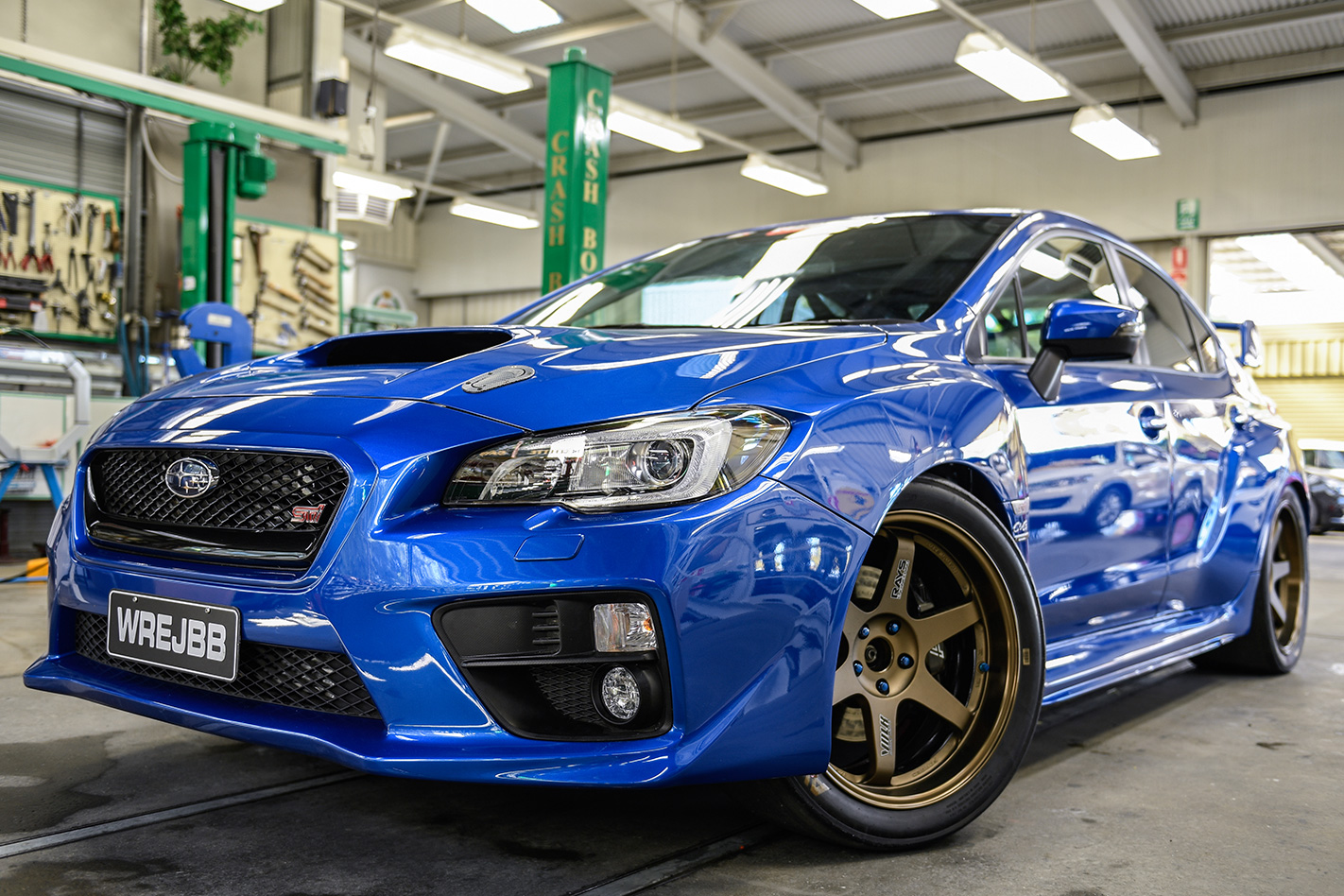
Due for a debut at Subinats at Phillip Island on July 2, it’s the first in a small series of cars being built for export.
Subaru Levorg confirmed for Australia
Martin Donnon from Willall says they’ve considered building them for Aussie clients, but that it’d be an expensive exercise – he estimates you’d be forking out GT-R money.
1999 Subaru 22B STi: Greatest Impreza ever
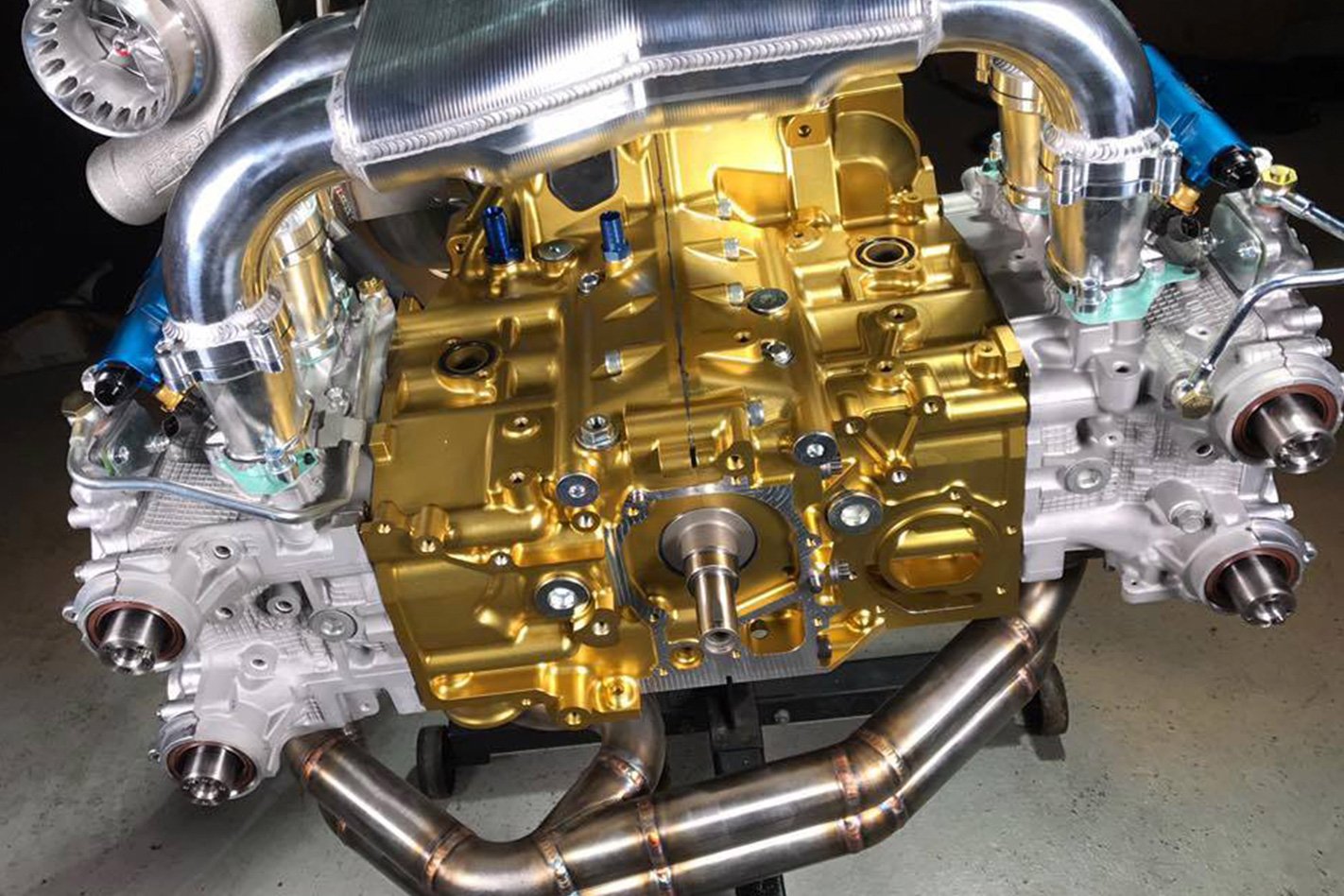
“We have a magic set of cylinder heads and camshafts to make that sort of power, we have a special rotating assembly, which is pistons, crank and rods that take it out of 2.63 litres [and] a specially-made turbocharger system.”
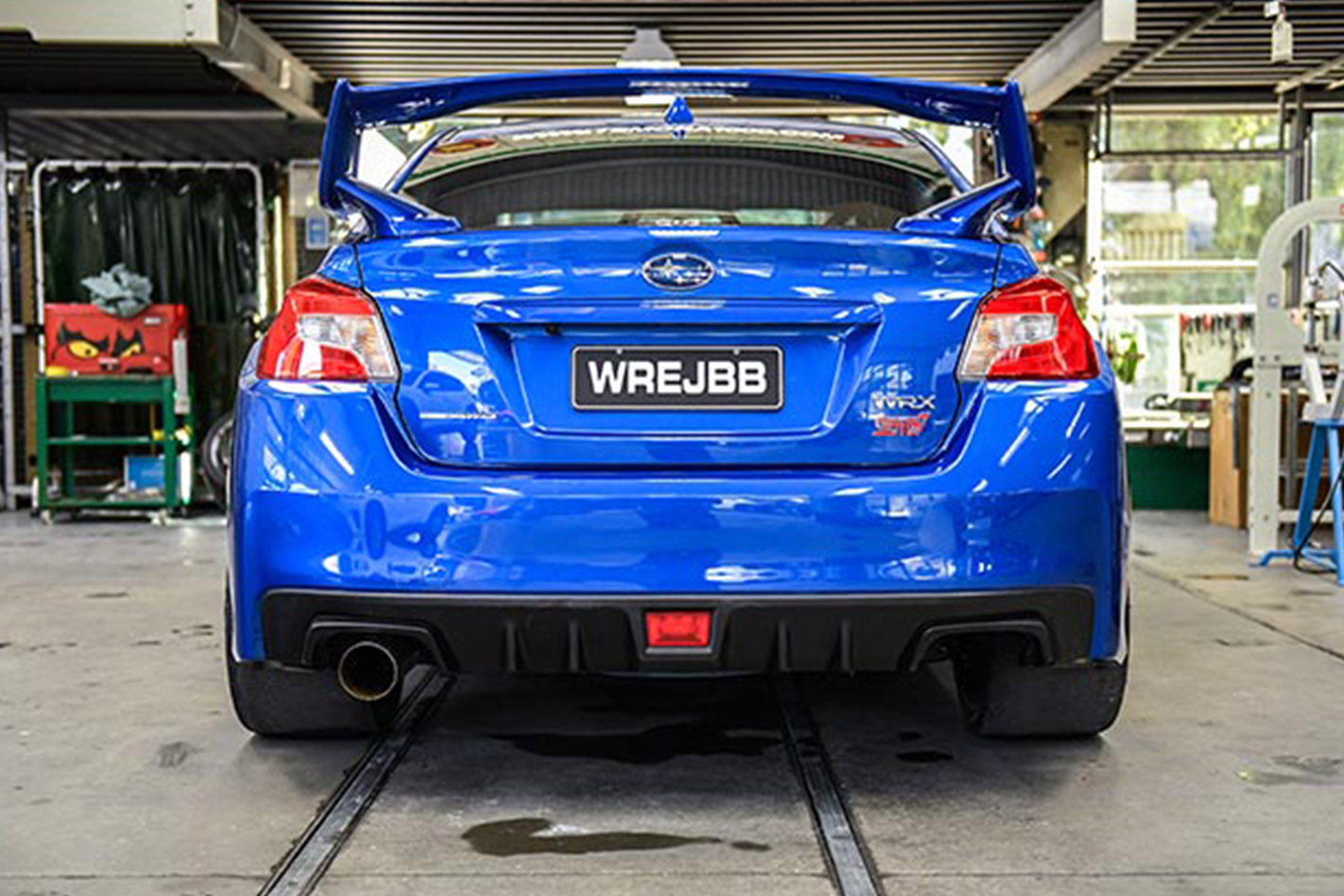
“You can’t get anything wide for these cars other than the front fenders, so we thought we’d metal finish an entire car. It’s WRC blue so we’re going to make it faithful to the whole 22B concept,” Donnon told MOTOR.
Watch this space for MOTOR’s upcoming review of the car, once we’ve had a change to get behind the wheel.
If you’ve ever tried changing a tyre you’d know that cars are heavy, with the average medium SUV weighing around 1500kg and even compact hatchbacks weighing well over a tonne. But there are some cars that go the opposite direction, and of the top five lightest cars on sale in Australia, four have something in common.
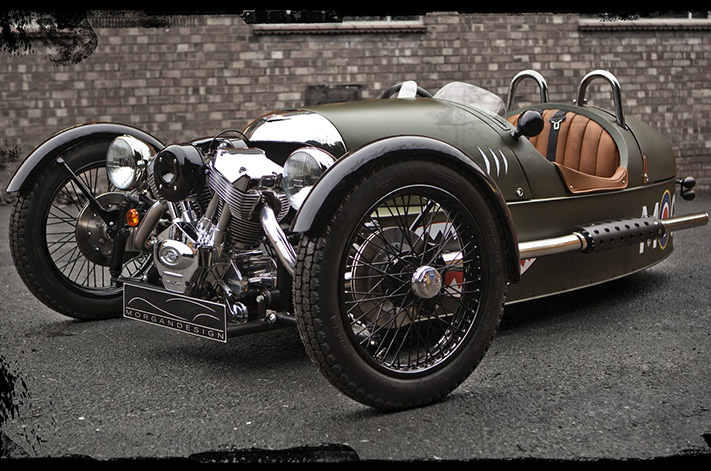
Morgan 3 Wheeler – 550kg
Any car that sports one less wheel than usual, no a back seat, no roof, no doors and no windows is always going to be a bantamweight – as well as downright weird. And did we mention it’s powered by a two-cylinder motorcycle engine? What’s not light about this enthusiast’s jalopy is its $92,300 price tag.
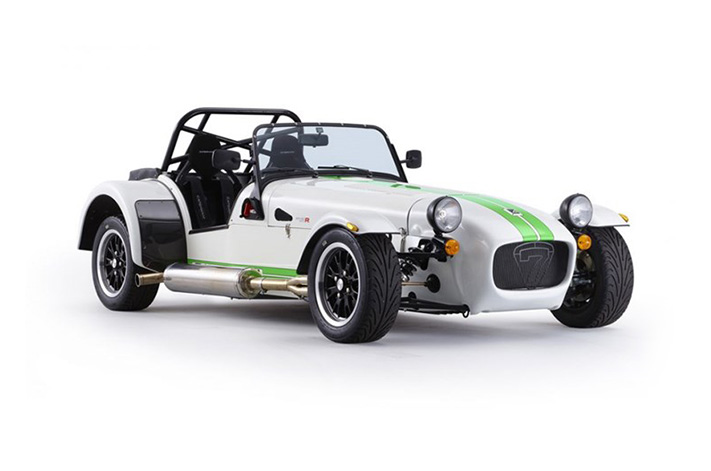
Caterham Seven 275 – 590kg
Based on the Lotus Seven, the quintessential minimalist sports car packs a diminutive 100kW engine which may sound weedy, but shoves it from 0-100km/h in just 5.5 seconds. How much would you have to pay for a track-day star lacking creature comforts like doors? That’s the $64,000 question … and answer.
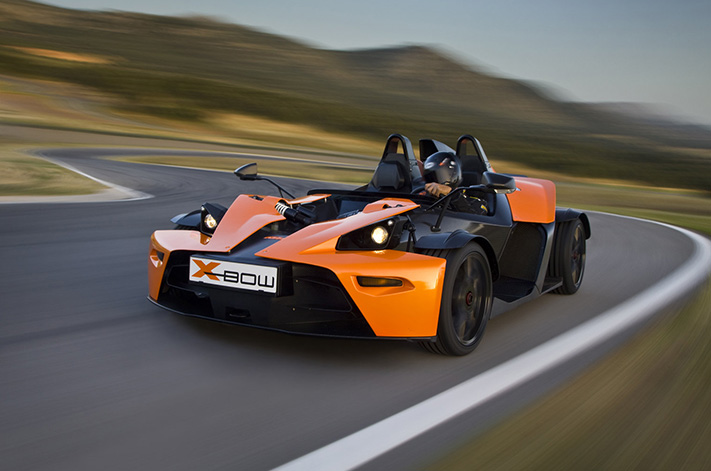
KTM X-bow – 790kg
This racing motorbike in a car’s body actually has a 220kW turbocharged 2.0-litre Audi engine behind its two seats but manages to keep the kilos off by mounting it in a carbon fibre frame. This $169,900 toy is actually a road ready car, but will chew up any racetrack with its power, handling and staggering acceleration.
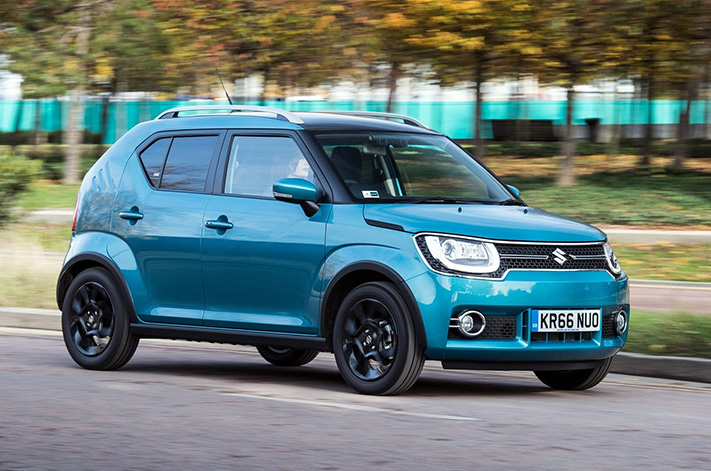
Suzuki Ignis – 820kg
You don’t have to forgo a back seat, doors windows, radio and even air-conditioning to keep weight under a tonne. The Suzuki Ignis may not have the track credibility of its colleagues on this list but it puts them to shame for practicality and the ability to drive around in the rain without getting the dashboard wet. It’s also pretty fun in its own way and with prices starting at $15,900 you can have a fleet of them for the cost of one the others.
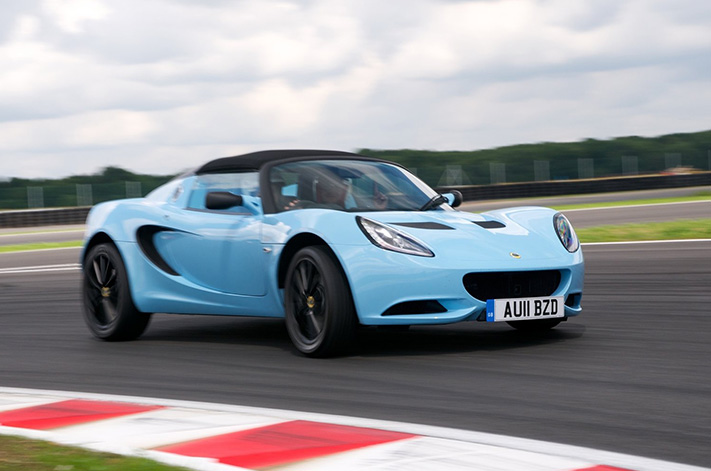
Lotus Elise Club Racer – 852kg
This fast, fun but wildly impractical roadster looks conventional compared to the Morgan and KTM and manages its featherweight status thanks to an aluminium monocoque housing its mid-mounted 100kW engine and two seats. At $74,990 it’s also reasonably priced compared to the other two.
OF the 15 fastest Nurburgring laptimes, just four have been completed with traditional manual gearboxes fitted to the car.
Enter the Chevrolet Camaro ZL1 1LE, and its old-school three-pedal-and-stick setup.
The folks at GM have just released footage of the most hardcore Camaro available monstering the infamous Nordschleife. The end laptime? A brisk 7:16, which places it 14th on the list of “fastest road cars”.
It also means the 6.2-litre supercharged V8 Camaro is quicker around the Green Hell than a 2013 Nissan GT-R, 2010 Porsche 911 GT2 RS, 2015 Ferrari 488 GTB, and 2004 Maserati MC12. Those are some big scalps claimed.
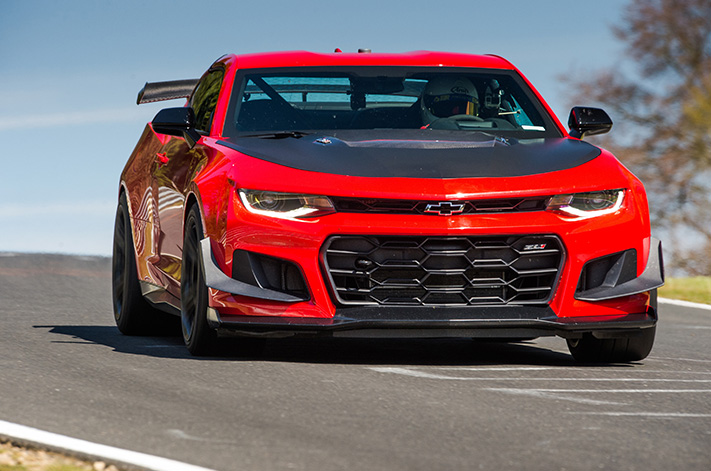
The end result is a 484kW/881Nm track focused muscle car that crushes the stereotype of American performance cars being fixated on straight-line speed and little else.
Watching the video provides a masterclass in how to do the manual mamba, with the Chevy’s test driver heel-toeing and left-foot braking with incredible finesse. Oh, and the supercharged V8 soundtrack is a thing to behold.
For those that are curious, the other manual cars in the top 15 fastest group are the Gumpert Apollo Speed (ninth), Dodge Viper SRT-10 ACR (10th), Donkervoort D8 RS (13th), and Porsche 911 GT2 RS (15th).
But while the Camaro ZR1 1LE enters the list, the McLaren P1 LM has been dropped from the list of world’s fastest road cars. The P1 LM’s laptime of 6:43.2 has been struck, with the ‘street legal’ version of the GTR-spec track only beast being culled due to the fact it began life as a race car before being modified to meet street legal regulations, and was wearing a special rubber compound during its record-setting lap.
HAS Skoda killed off the entry-level car? If it has, the upcoming Skoda Karoq mid-size SUV could be one of the best buys around when it arrives.
The Czech car maker has hinted the Karoq will push the boundaries of comfort and equipment when it launches around April next year – not what you’d expect from a marque that kick-started its life here as a budget alternative to mainstream passenger cars.
It means the five-seater should go down a similar path to the seven-seat Kodiaq that launched here recently featuring a long equipment list, all-wheel drive and a turbocharged four-cylinder engine. The value-for-money equation will still be strong, but will come in a package that rings of premium rather than poor, the car maker says.
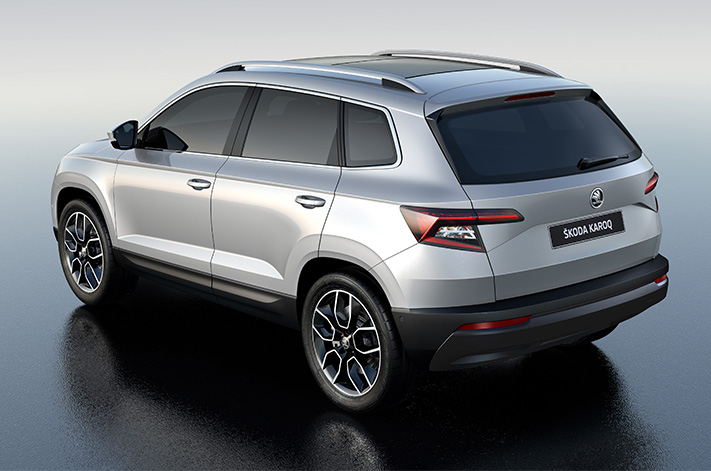
It should be enough to give middle-ground rivals including the Toyota RAV4, the all-new Mazda CX-5, the Hyundai Tucson and the Nissan X-Trail a bit of a shake.
Skoda Australia spokesman Paul Pottinger told WhichCar that buyers here were unique globally, and that was changing the way it offered its products here.
“Look at the buying trend in Skoda; no one buys entry level,” Pottinger said. “So we don’t actually have any entry-level Skodas any more.
“That’s why Kodiaq came out as all-wheel-drive and seven-seat only, because no one was going to buy beneath that.”
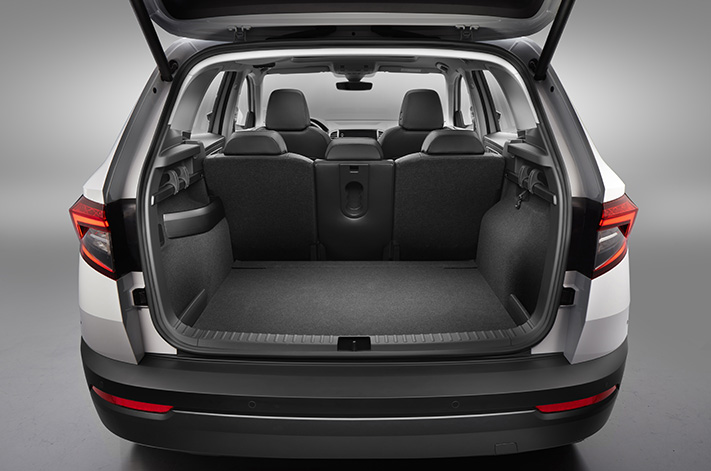
He said nine out of every 10 buyers picking up the brand’s large hatchback and wagon, the Superb, bought the car with all the packages available, while for its smaller Octavia hatch and wagon range, the strongest selling model was the range-topping RS.
“They see it [the Skoda brand] as a prestige alternative, while they don’t see Volkswagen as a prestige alternative,” Pottinger said.
The problem first surfaced with the previous-generation Octavia, with Pottinger saying the brand ended up with “all these entry-level Octavias sitting on grass that no one wanted to buy”.
“We actually had to add some packs and make them standard packs because no one would buy the $21,000, $22,000 version. That’s now through the entire range.”
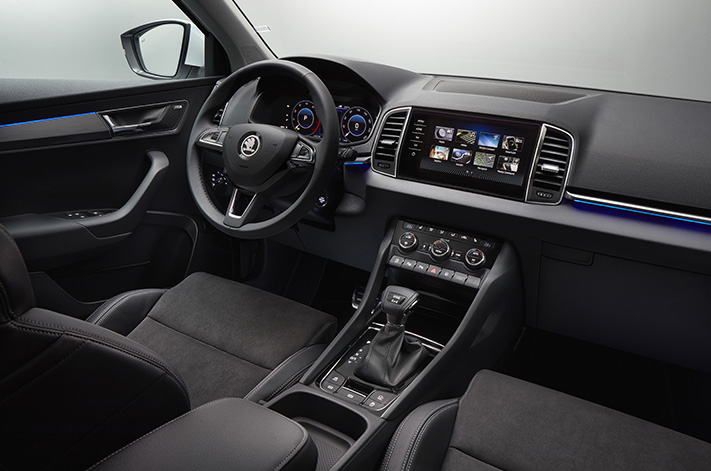
Like many of its competitors, the Karoq – built on the same platform as the similarly sized Volkswagen Tiguan – will arrive in Australia with either front- or all-wheel-drive options available.
The range-topping engine is a turbocharged 140kW 2.0-litre four-cylinder diesel engine driving all four wheels via a seven-speed dual-clutch automatic transmission, while a turbocharged 1.5-litre petrol engine driving the front wheels is also expected to make an appearance here.
The Karoq includes the option of a digital instrument panel, and automatic city braking – a feature rolling out as standard across a number of Skoda models.
