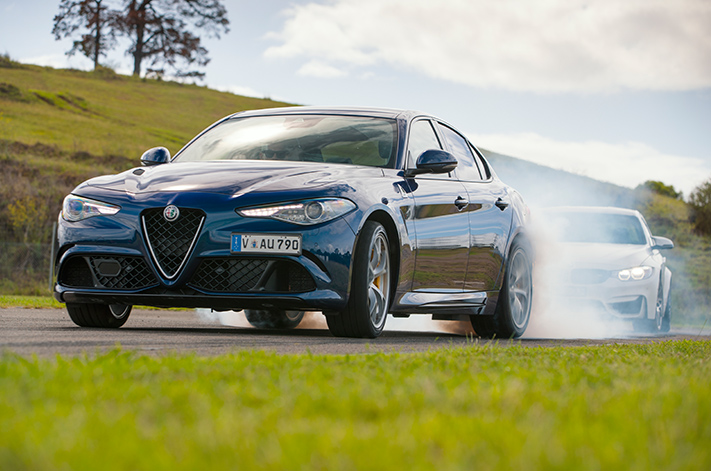
Winter has well and truly arrived in Australia, and while some of us revel the opportunity to rug up in a blanket next to a fire, others are prepared to hide out for the next three months until the sun re-joins us in its full, glorious, heat-spreading loveliness.
At some point though, almost all of us will get the itch to breathe in fresh air not polluted by embers and dusty heaters, and release our bodies from the confines of our homes and offices.
Luckily, we live in a country that offers something for everyone at all times of the year. Here are five road trips you should consider taking for a mid-year getaway to either escape the colder months, or make the most of them.
SAVANNAH WAY – CAIRNS TO BROOME
If you’re suffering from the cold, then cruising Australia’s tropical coastline might be just what the doctor ordered. The Savannah Way connects Cairns in Queensland to the historical town of Broome in Western Australia. You’ll experience the balmy Tropical North Queensland, Northern Territory’s Top End before arriving in Western Australia’s Kimberley, passing through 15 National Parks and five World Heritage areas.
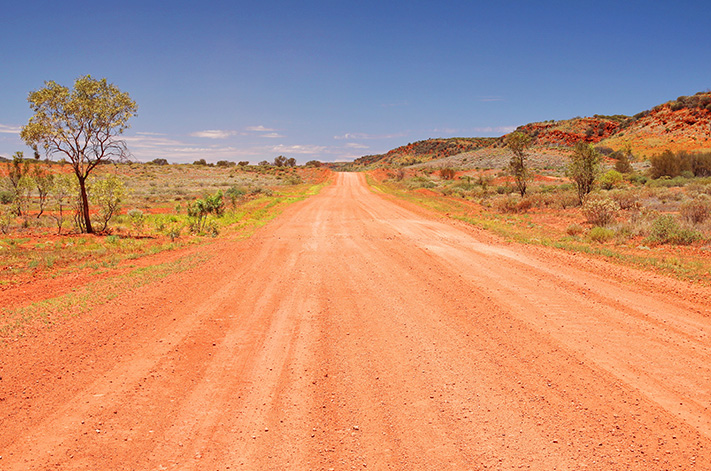
Along the 3700km drive, you’ll be rewarded with views of ancient gorges, endless horizons and Australian wildlife, but to really get the most out of it, we highly recommend taking a four-wheel drive.
Pair with: Toyota LandCruiser 79, Nissan Y61 Patrol Legend Edition
EXPLORER’S WAY – ADELAIDE TO DARWIN
Option two also maximises cloudless skies and sunny days, but instead of coastal horizons and leafy rainforests, this trip along the Stuart Highway will lead you through the Red Centre.
It’s a similar distance as the Savannah Way, with this trip clocking 3,200km on the car, but along the way you’ll be enjoying vast arid lands and red dirt.
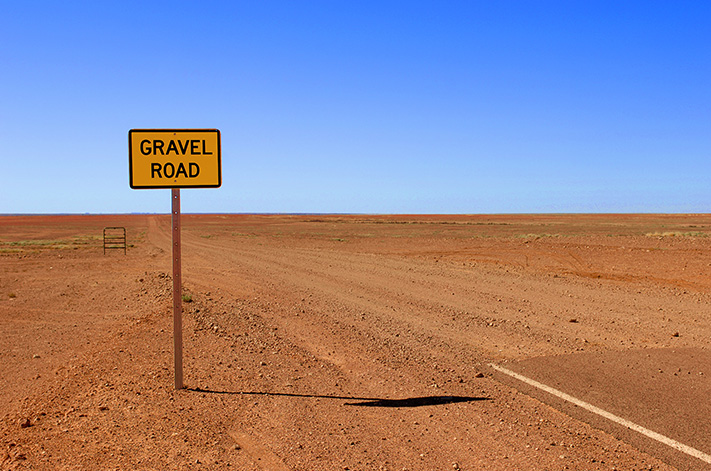
This is a part of Australia very few Australians experience but while endless plains of nothingness may sound dull, we guarantee this is an adventure you’ll never forget. Not to mention you’ll be soaking up sunrays rather than drenching it out in torrential rain.
This trip can be tackled in a two-wheel drive vehicle, but if you want to explore, we suggest you look into tackling the Oodnadatta Track which is the unsealed and more adventurous route.
Pair with: Volkswagen Amarok, Ford Ranger Wildtrak
BLUE MOUNTAINS
Those looking to embrace the cold, and head to even cooler climates may want to take a look at the Blue Mountains in New South Wales. It’s lush, green and only two hours out of Sydney.
Make sure you take it slowly on this trip as you wind your way up the mountain roads, escaping the hustle and bustle of the city, because it can get wet and slippery up here, but this one is really a driver’s delight.
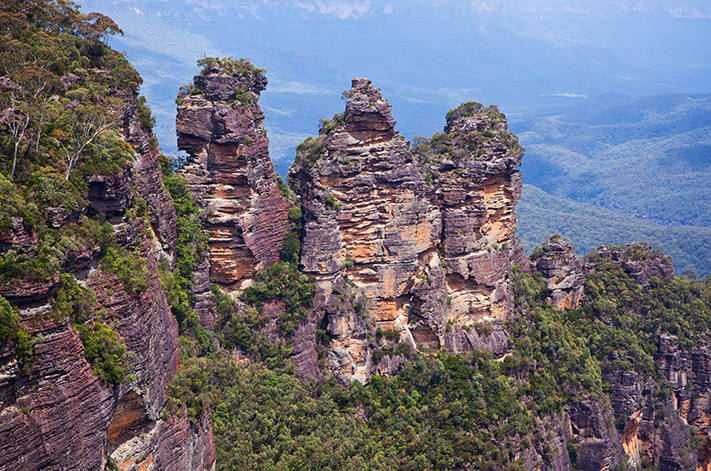
You’ll be passing quaint little towns like Glenbrook or Leura, where you can warm your soul with homemade soups, hearty meals and explore vintage shops.
And those who are looking to get the heart rate up a bit more, there are countless adventures in this spectacular part of our country, from canyons, walks through national parks and even caving expeditions into the Jenolan Caves.
Pair with: Volkswagen Golf GTI, Mercedes-AMG C63 Estate
LAUNCESTON TO HOBART
What better way to make the most of Australia’s winter than heading toward one of the coldest parts of the country – Tasmania.
This little island-state offers more spectacular drives than we can possibly include in this list, but one solid option is the journey between the two main cities will allow you to see some of the more iconic locations.
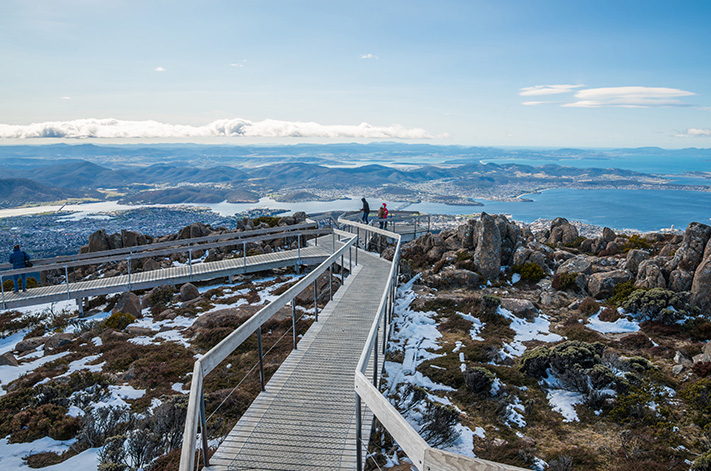
Travelling Tasmania’s east, there are a couple of routes to link these two metropolitan centres, but we suggest taking the coastal route which will take you through the famous Bay of Fires, Binalong Bay, Port Arthur and Freycinet National Park.
Pair with: Holden Commodore SS-V, Chrysler 300 SRT
SNOW FIELDS – ALL OF THEM
While summer may be about lazing around in the sun, the highlight of winter in Australia is our snowfields. Sure, they may not compare to Canada or New Zealand, but our slopes are still high-quality and stunningly beautiful. You can take your pick here: in Victoria, you’ve got Mount Hotham, Lake Mountain, Falls Creek, Mount Buller or Mount Baw Baw, and in New South Wales you have the choice of Perisher, Thredbo, Charlotte Pass, or Selwyn Snowfield.
Really, any of the alpine destinations you choose offer an excellent drive – not only are you rewarded with beautiful views of snow-capped mountains at the end, but mostly your journey there will take you through spectacular, windswept, forest-like roads.
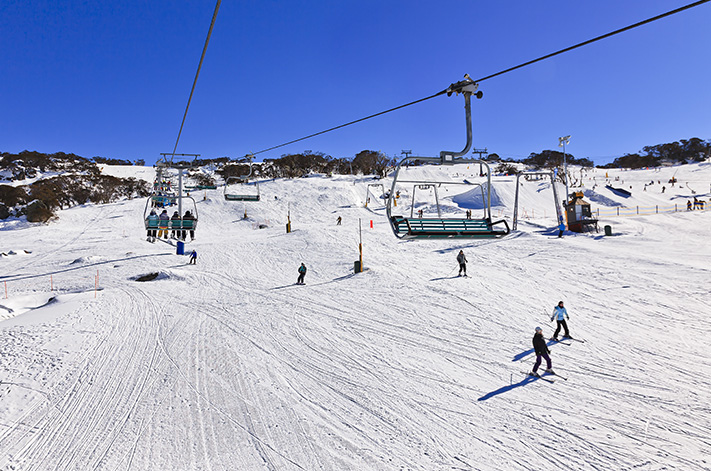
The largest resort is Perisher, and if you travel around 9-12 June, you can combine your trip with the Peak Music Festival.
Obviously make sure you read up on how to drive in the snow safely before you go. We recommend driving a four-wheel drive for added traction if the roads turn icy, and make sure your snow chain hire is organised and you’ve learnt how to put these on your car.
Pair with: Mazda CX-9, Audi RS6
TWO WHEELS
Kia’s life started in 1944 when it was originally founded as Kyungsung Precision Industry – when bicycles rather than cars were the focus. After several years manufacturing components and tubing, the company created Korea’s first complete bicycle – the Samchuly – in 1952. It became renamed Kia Industries the same year. Kia is Sino-Korean for ‘arise out of Asia’. Today, Samchuly Bicycle is Korea’s largest bicycle manufacturer. Kia also built Korea’s first motorcycle, in 1961.
THREE WHEELS
It was another decade before Kia’s first foray into motor vehicles, with the K-360 three-wheeler ute – built predominantly for the Japanese market. It was followed seven years later by the T-600 model, which offered greater storage capacity.
…AND FOUR WHEELS
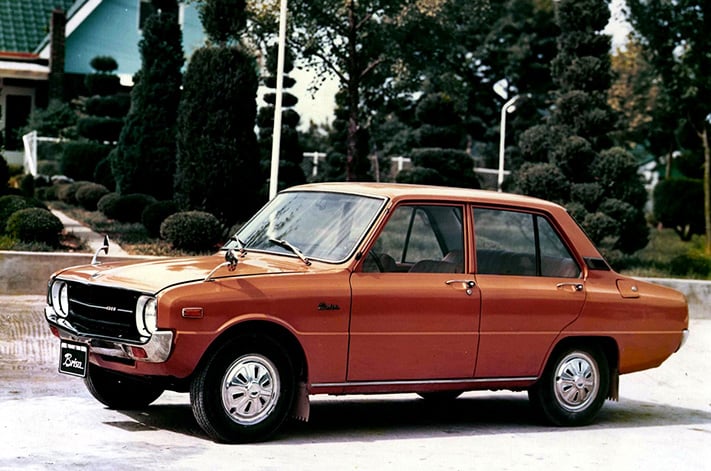
In 1974, Kia pipped Hyundai to building Korea’s first domestic passenger car – with the Brisa sedan. It was not developed locally like Hyundai’s 1975 Pony, however – it was a rebadged, second-generation Mazda 323 with a mildly tweaked front end.
TAKING PRIDE
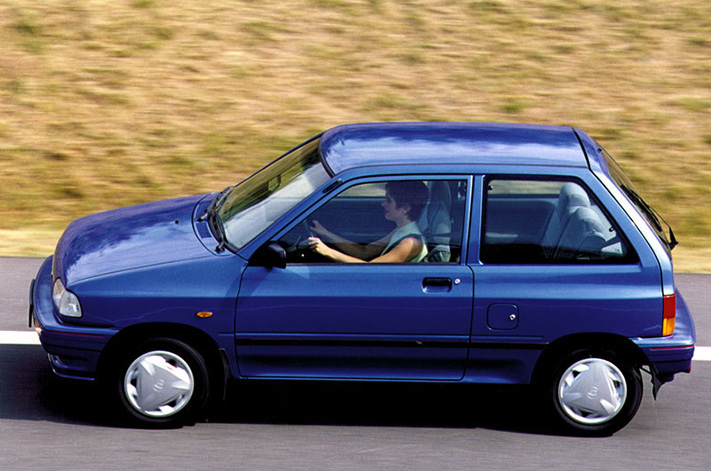
The 1987 Pride city car was another exercise in badge engineering, this time based on the Ford Festiva that Ford had asked Kia to build under licence. In various body styles, it was produced in Korea for 13 years before being replaced by another model related to the Festiva (and Mazda 121) but would become one of Kia’s most popular models: the Rio.
BRAND BUILDING
Before Ford, Peugeot and Fiat capitalised on Kia’s manufacturing set-up. From 1979 for a few years, Kia built the 604 for the former, and the 132 for the latter.
THE KOREAN LOTUS
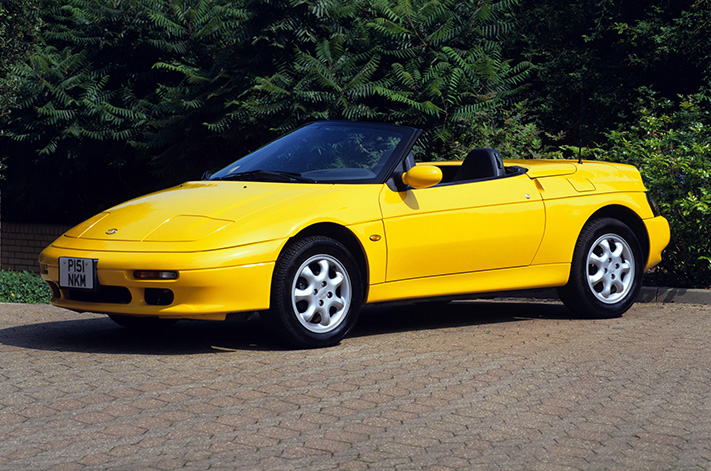
Korea offered a genuine sports car in the late 1990s. A year after Lotus had ceased production of its last-generation Elan in 1995, Kia purchased the design rights to the two-seater convertible. The Kia Elan was easily recognisable from the Lotus that had turned front-wheel drive in 1989 after 27 years as a rear-drive model. The main changes were different tail-lights, some interior revisions, and a switch from the Lotus’s Isuzu-sourced 1.6-litre turbo to a normally aspirated 1.8-litre. Despite being produced in small numbers, it made its mark in both Europe and the US.
HELLO AUSTRALIA
The Kia Mentor signalled the Korean brand’s arrival in Australia in 1997. Another model derived from a Mazda – the 1989 323 – the front-wheel-drive, five-door hatch was priced for low budgets. Cheap plastics, however, didn’t help the quality reputation of Korean cars that had been harmed by the Hyundai Excel a decade earlier.
SAMSUNG WANTED TO BUY KIA
Kia went in bankrupt in 1997 with billions of dollars of debt owing to difficult economic conditions compounded by that year’s Asian currency crisis. Korea’s electronic giant Samsung wanted to buy the company, reportedly with the help of Ford (then Kia’s largest shareholder) – which itself had been considered favourite to pick up Kia. However, it was another expected bidder, Hyundai, which assumed control in late 1998.
IT’S GOOD TO SHARE
One of Hyundai’s first moves was to kill off Kia’s ties to Ford and Mazda, and introduce a new era of platform and component sharing between Korea’s biggest and second-biggest car brands. Initial model twins included the likes of the 2004 Cerato medium car (based off the Hyundai Elantra) and the 2005 Rio (linked with the Hyundai Accent).
BIG-SERVING SPONSORSHIP
Kia has been the main sponsor of tennis’s Australian Open grand slam since 2001. Reportedly costing Kia $10 million a year, the sponsorship is covered by headquarters in South Korea as the event is considered a global marketing tool. At 2017’s Open, Kia supplied 130 vehicles with 250 drivers covering 335,000km during 20,000 trips.
PARTY TIME FOR BIG FAMILIES
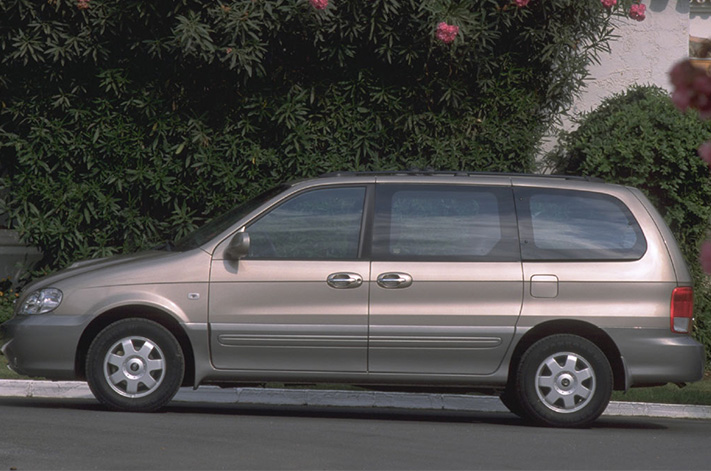
Kia’s Carnival people-mover has been a hit with multi-kid Australian families since 1999 – thanks to its position as a genuine seven-seater available that, when released, was at least $10,000 cheaper than rival models. The fourth-generation model released in 2015 was Australia’s best-selling people-mover in both 2015 and 2016.
TT DESIGNER DRAWN IN
Kia signed Peter Schreyer as its design chief in 2006 to give its products a much-needed injection of style. German-born Schreyer certainly had an impressive CV from his time at the VW Group, having helped pen models such as the 1998 New Beetle and the original Audi TT. He has since established a recognisable family face for Kia models – known as the ‘tiger nose’ or ‘Schreyer grille’. In late 2012, Schreyer was promoted from his position of executive vice president and chief design officer to became the first non-Korean president of Kia. The following year he became responsible for the design of both Hyundai and Kia models.
LOCAL TUNING
Several years ago, Kia initiated local steering and suspension tuning of pre-production models to improve the ride and handling of imported models for Australian roads (and driver tastes). The company’s engineering team is headed by experienced consultant Graham Gambold.
SEVEN-YEAR PITCH
Hyundai was the first brand to introduce a five-year factory warranty in Australia, Citroen upped the ante to six years in 2014, though later the same year Kia established a benchmark seven years’ peace of mind for buyers.
PORSCHE-BEATER
The quality of Korean vehicles has risen dramatically over the past decade, yet Kia’s topping of the American JD Power 2016 Initial Quality Study survey was still a stunning result. After finishing second in 2015 for the Study that surveys tens of thousands of owners to enquire about problems experienced in the first 90 days of ownership, Kia pipped Porsche to the number one spot. (Hyundai was third.)
MASERATI-INSPIRED KIA
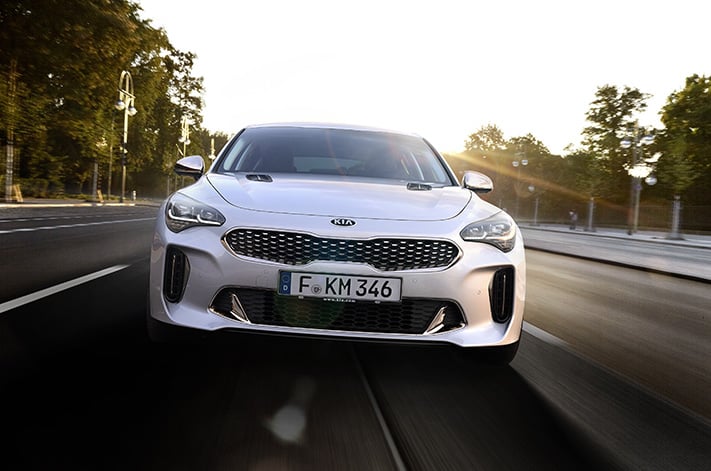
Arguably the most exciting Kia yet reaches Australia in late 2017. The Stinger is a rear-wheel-drive sports sedan powered by a 272kW 3.3-litre turbocharged V6 and claimed to sprint from 0-100km/h in less than five seconds. The range will open with a 190kW 2.0-litre turbo, and is expected to be priced from about $40,000. Peter Schreyer, who has been dreaming of a Kia sports car since joining the brand, says the Stinger is inspired by 1970s GTs such as the Maserati Ghibli.
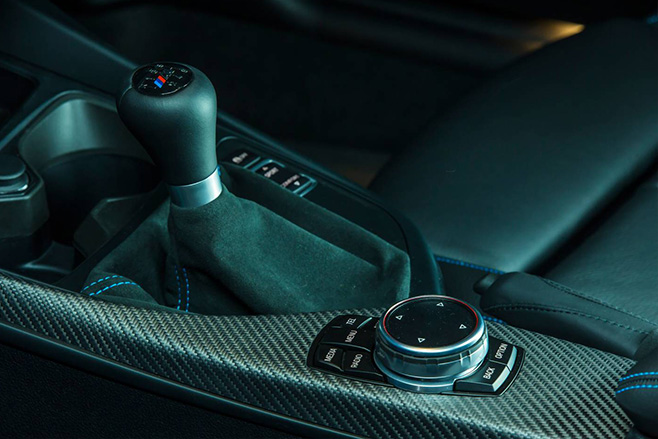
Everyone thought the dual-clutch transmission (DCT) would kill off the manual, but according to a global BMW M Division executive both options will soon be phased out.
The humble torque-converter automatic is making a raging comeback in the field of sports cars and, when BMW M’s vice president of sales and marketing Peter Quintus spoke with Australia’s Drive, he painted a clear but dour future for both the DIY-shifter and DCT.
“I’m not even sure the next generation of M3 and M4 models from BMW will have the option of a manual gearbox,” Quintus stated.
“It’s more a question of how long has the DCT got to go. How long will it last?”
Quintus told Drive that modern automatics have largely closed the technology gap to the DCT, while increasing outputs for M’s performance cars meant manuals struggled to cope with beyond 335kW and 600Nm.
It could be one reason why the just-released BMW M4 CS ramps up the boosted 3.0-litre six-cylinder from 550Nm to 600Nm, but is DCT-only.
The vice president of sales and marketing continued: “The DCT once had two advantages: it was light and its shift speeds were higher. Now, a lot of that shift-time advantage has disappeared as automatics get better and smarter.”
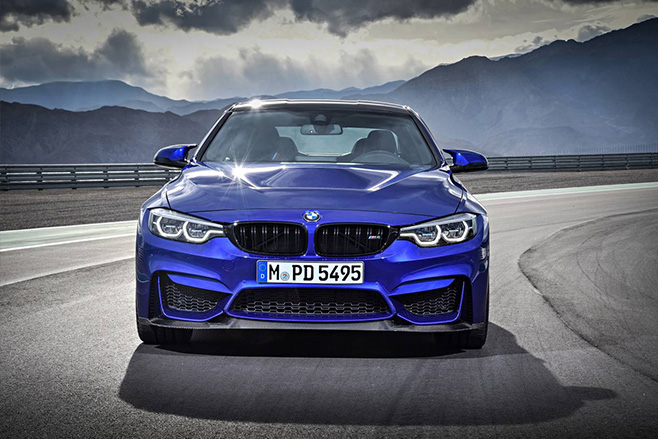
However, a local spokesperson reiterated that the global trend towards two-pedal sports cars was continuing and therefore could naturally extinguish the manual on some models – in which case the local outpost would be in the hands of its Munich decision makers.
Faster performance and shift speed, greater economy, and a more effortless balance between driving in city traffic and country road or racetrack driving were all cited – as usual – as reasons why manual take-up for the BMW M3 and M4 is running at 2.5 per cent locally.
One model, however, was bucking the trend. The BMW M2 Pure manual’s $10,000 price saving over the (also better-equipped) $99,900 M2 DCT has been proving too good to pass up Down Under, with 25 per cent of the in-demand compact sports coupe’s sales a DIY shift.
Naturally, BMW Australia remain keen to offer manuals to purists even if they are in the minority. But the global appetite simply can’t get down to single digit sales, it seems.
TOYOTA has been Australia’s best-selling car brand for the last 14 years, leaving once-dominant local brands including Ford and Holden in its wake. It now accounts for one in every five new cars sold here, including its strong-selling Toyota RAV4 mid-size SUV.
It even started building cars here in the 1960s. Before making the decision several years ago to quit Australian manufacturing, Toyota had even planned to build what was likely to be the next RAV4 here.
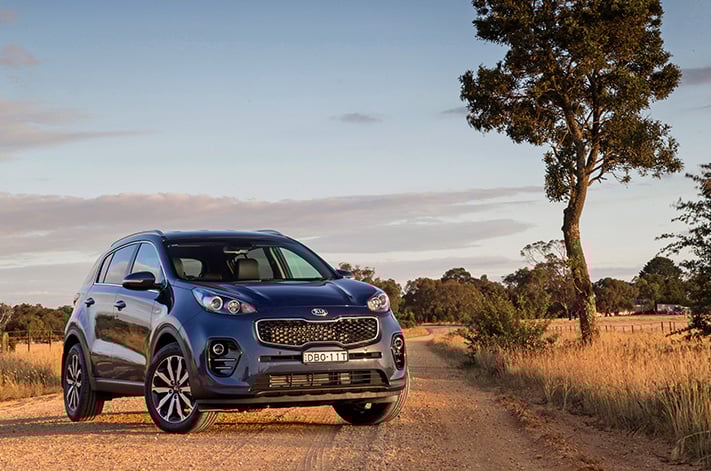
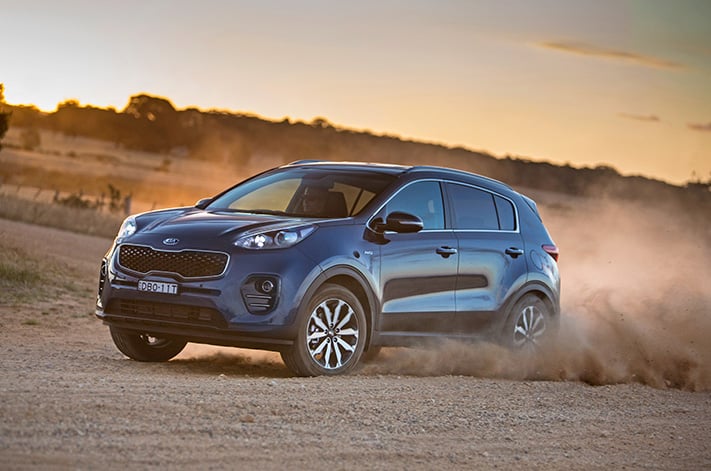
Kia, in contrast, is a relative newcomer with humble Aussie origins dating back to the 1980s as a cheap alternative to established brands. It’s since shaken that image by making a more premium push – although it hasn’t completely forgotten about how to compete on value. It has a mid-size SUV that competes directly with the RAV4 called the Kia Sportage.
Both play in one of the most popular, and hotly contested, segments of the Australian new-car market. The RAV4 is currently outsold by both the Mazda CX-5 and the Nissan X-Trail, but finishes regularly in the monthly lists of the nation’s top 20 best-selling passenger cars.
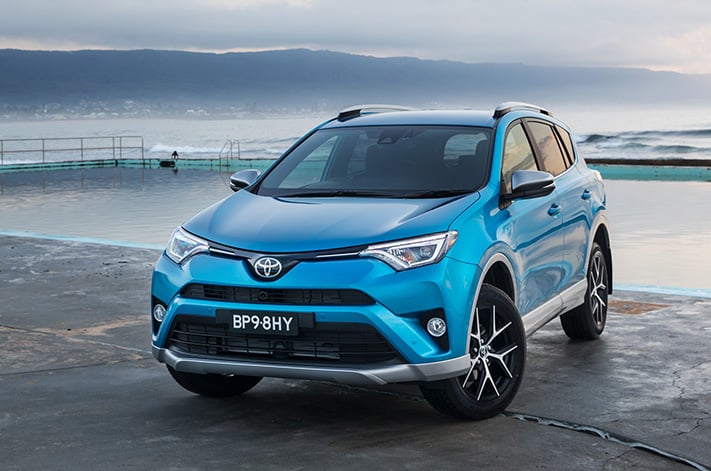
In contrast, the Kia Sportage is a mid-field player, selling in similar volumes to the Subaru Forester and the Mitsubishi Outlander. It made the shortlist for the 2017 Wheels Car of the Year award that was eventually given to the Mazda CX-9, only the second SUV ever behind the Ford Territory to snare the most coveted motoring award in Australia.
Here, we look at better-equipped, mid-range front-wheel-drive versions of both cars priced around $35,000.
PRICE AND EQUIPMENT – Winner: Kia Sportage SLi
The fourth-generation Kia Sportage SLi, introduced to Australia early last year, is priced from $34,690 before on-road costs. In contrast, the fourth-generation Toyota RAV4 GXL, introduced here in 2013 but now including a raft of safety updates rolled out in September last year, sells from $35,390.
They come pretty well equipped for the money, showing competition between the brands is intense. Standard equipment highlights for both cars runs to dual-zone climate control air-conditioning, keyless entry and start, a six-speaker multimedia system that includes a reversing camera, rear parking sensors, a selectable driving mode that flicks between economy and performance tunes, a hill-hold function that stops the car rolling back on inclines, and tinted windows which cut out glare in the back seats.
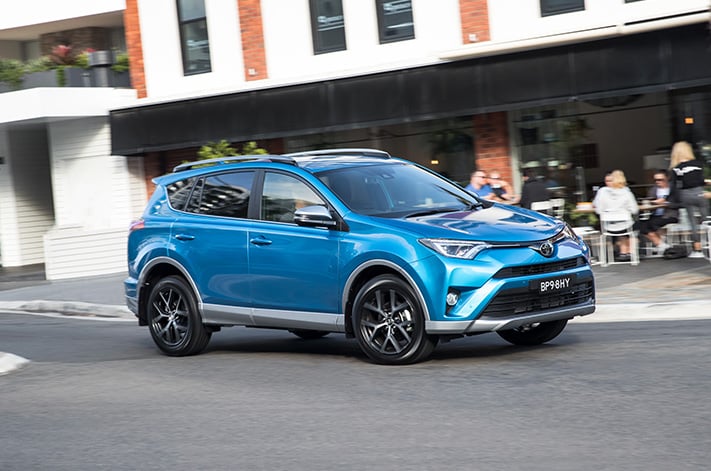
Both cars sit on 18-inch alloy wheels, and feature LED daylight running lamps and tail-lights.
There are differences, though. With the Kia, you can open the boot via the key fob, there are front parking sensors, and leather-look plastic adorns the steering wheel and gearshift selector.
In contrast, the Toyota includes an extra driver’s knee airbag, the headlights are much fancier and brighter LEDs, it gains satellite navigation (but only because it does not have Android Auto/Apple CarPlay smartphone integration, and instead you use a Toyota app) and crisper-quality digital radio, and it uses real leather for the steering wheel.
Things, then, lean slightly towards the cheaper Kia Sportage in terms of family-friendly functionality for slightly less money. But the clincher here is the warranty; Kia offers seven years with unlimited kilometres and a year of roadside assistance, while Toyota makes do with only three years and 100,000 kilometres. That’s likely to be a winner with buyers.
INTERIOR AND VERSATILITY – Winner: Kia Sportage SLi
Okay, we’ve already covered off that in the Kia your hands feel leather-look plastic, while in the Toyota it’s the real deal.
But that’s really the only flaw in the Sportage’s otherwise well-presented and laid-out interior. Crack open the driver’s door and you’re presented with a friendly and inviting cabin with plenty of space, even in the rear seats (accessed via rear doors that are much better shaped than the RAV4’s).
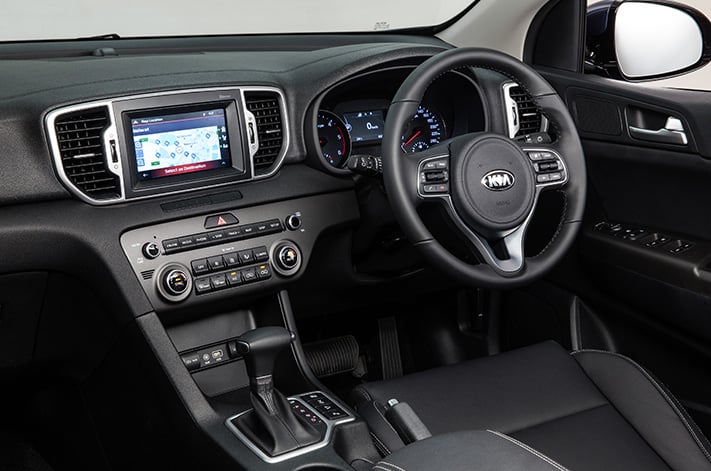
Instrumentation is slick and classy-looking, and there’s even a USB port built into the back of the centre armrest – vital for keeping moody teens in tune with their personal collection of favourite tunes. There’s also that remote boot release button on the key fob that helps with arms-full deposits into the space.
The Toyota RAV4 is also well presented, but not as well laid out. It is also roomy and comfortable, apart from an unwelcome dash insert that protrudes into the front passenger’s knee space. The multimedia unit doesn’t look anywhere near as classy as the Kia’s.
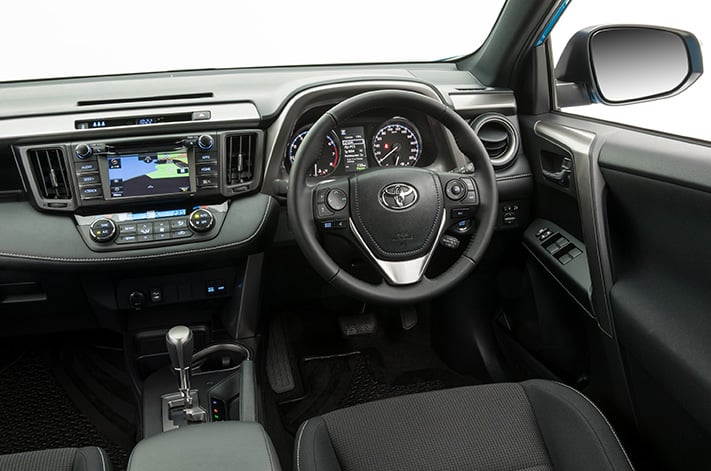
It’s more plasticky, too, in that more surfaces are covered in hard-wearing surfaces that don’t have a classy look or feel to them, making the interior look a little cheap.
Neither of these cars get rear-seat air vents, which some competitors including the Ford Kuga, Honda CR-V and Volkswagen Tiguan have. The RAV4, though, includes a recessed, dash-mounted grille that is meant to direct air into the rear seats; it works, but it’s no replacement for rear vents.
ON THE ROAD – Winner: Toyota RAV4 GXL
Yep, the Toyota RAV4 is the winner here. Toyota is generally known for its lack of feel behind the wheel, but this is one instance where a sweeping generalisation is wrong.
It has good steering feel, which is important for anyone who likes driving. When it comes to cornering, it’s not the sharpest SUV on the road, though, and sharp bumps transfer into the cabin.
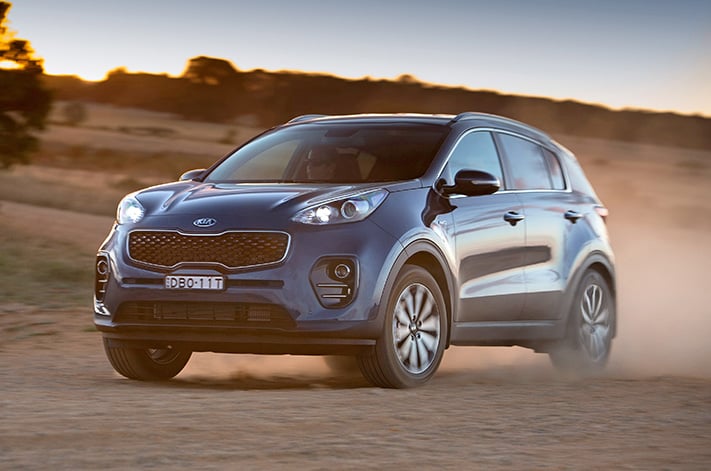
But the RAV4’s 2.0-litre petrol engine and its continually variable transmission do well to shift the mid-size SUV along. The engine revs willingly, and the CVT – one of the better ones on the market – milks more than adequate performance out of it.
In contrast, the Kia Sportage’s 2.0-litre petrol engine is from Hyundai/Kia’s old line-up (Hyundai bailed Kia out of bankruptcy more than two decades ago, and the pair now share drivetrains and engineering resources). It’s a lacklustre performer, lacking some of the top-end sparkle and fuel efficiency of the new-gen “GDI” engine fitted to the Sportage’s more expensive, Hyundai-badged sibling, the Tucson. The more traditional six-speed automatic that sends drive to the front wheels goes a long way to smooth off the engine’s rough edges.
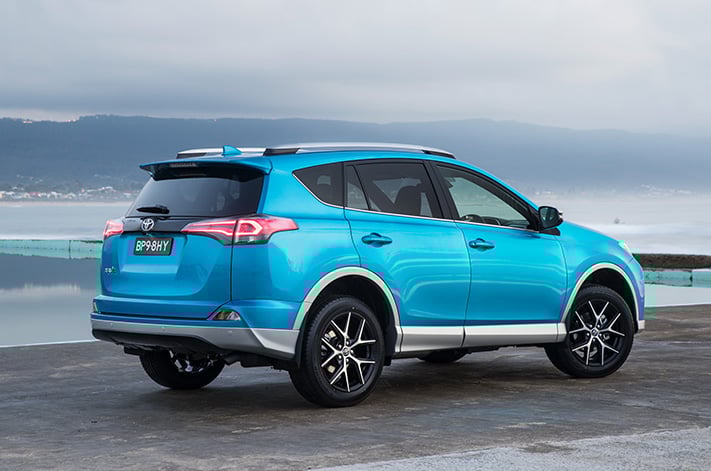
The Sportage drives well enough, absorbing the road surface’s lumps and bumps much better than the RAV4’s suspension system. But it doesn’t steer anywhere near as good as the RAV4.
VERDICT – Winner: Kia Sportage SLi
Kia’s mid-size SUV is more family-friendly than the RAV4, rides better and has a much better interior than its Toyota rival. It’s therefore a much more rounded package that really deserves to sell a bit better than it does.
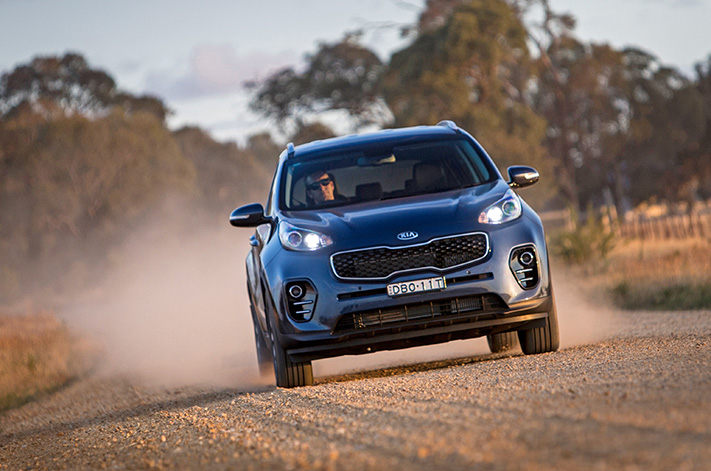
Cruise ships are a luxurious and affordable way to see the world. But, in our eyes, there’s always one thing missing on any ocean-faring adventure. Cars!
It’s no secret that here in the WhichCar office, we’re pretty keen on a road trip. In fact, any opportunity to sit behind a steering wheel is our preference. So you can imagine how thrilled we were when we found a Norwegian Cruise Line that gives passengers access to a racetrack.
The Cruise Line announced their new cruise ship, which will be called the Norwegian Joy, is going to be styled as a luxury resort style vacation, and will feature the first ever seafaring racetrack, amongst other world-class entertainment, fine dining and duty-free shopping.
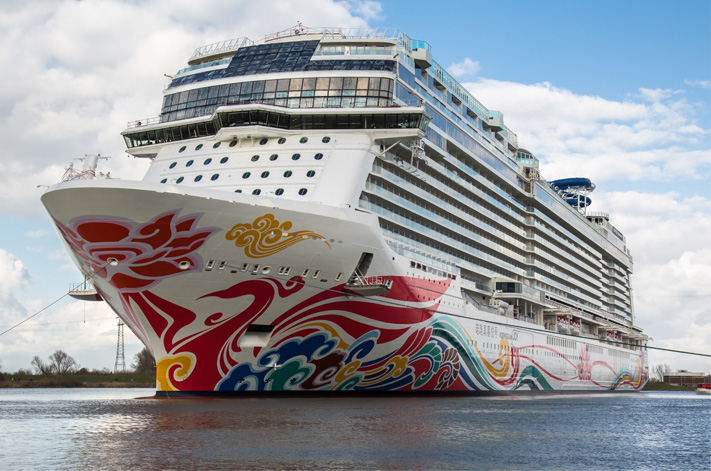
Drivers will negotiate the Ferrari-branded electric-go-kart track over two levels, and can cater for 10 drivers at a time for about six minutes, while the 3850-passenger cruise ship tackles the waves of the great blue. A photographer will be waiting at the end of the track to capture racers at the finish line.
| How often should you service your car?
Passengers accommodated in the ‘upper-class’ decks will have laps of the track included in their cruise package, while other passengers will have to stump extra cash.
You can check out the luxury ship in this video.
In addition to the go-kart track, the level will also be occupied by an open-air laser tag course, and other amenities include a racing simulator in the virtual world Galaxy Pavillion and multi-story waterslides.
The massive vessel also offers the largest shopping venue of the Norwegian’s fleet and 29 restaurant options for guests.
But if we’re honest, none of that sounds anywhere near as exciting as the go-kart track. We wonder what it’ll feel like driving over high-seas?
If you missed out on a GTSR W1, but you’re still itching to offload around $200K on some Aussie muscle, you’re in luck.
Three examples of Australia’s strong connection to motor racing, circa 1970-ish, are to go under the Shannons auction hammer in early May this year.
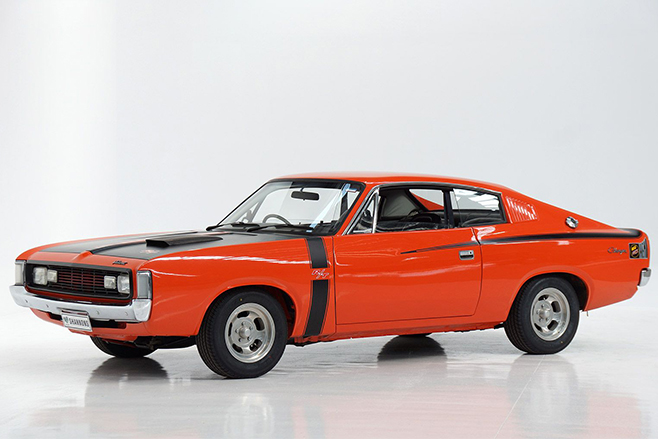
A 1969 Holden HK Monaro GTS 327 ‘Bathurst’, a 1970 Ford XW Falcon GT-HO Phase II, and a 1971 Chrysler VH Charger R/T E38 ‘Bathurst’ are looking for new owners, and will make their new owners very happy (and their wallets lighter) on May 8 at the Shannons Melbourne Autumn Classic Auction.
Given the recent onslaught of classic Australians emptying bank accounts at the fall of a hammer, it wouldn’t be surprising to see any of these three exceed their estimates.
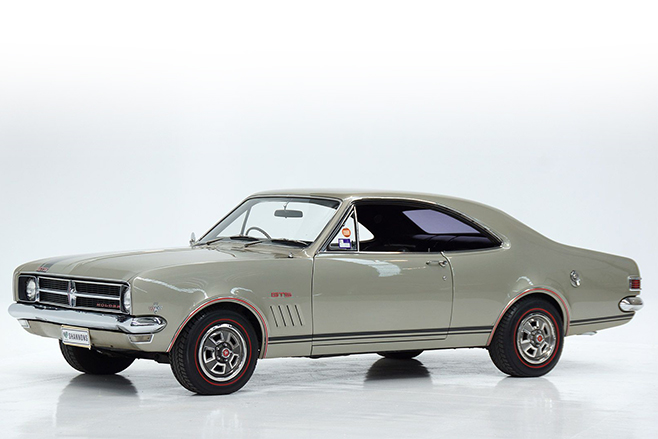
The year before this specific example came to life, Bruce McPhee famously drove one to beat both Holden and Ford’s factory racing teams in the Hardie-Ferodo 500 at Mount Panorama. All three podium finishers were GTS 327s.
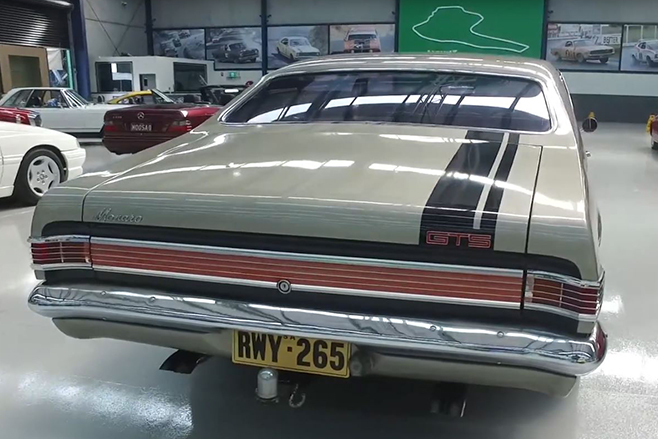
This, along with its Bathurst nameplate and low(ish) 116,000km, should render it quite valuable to punters – Shannons reckons it’ll head out the door for between $180K-220K.
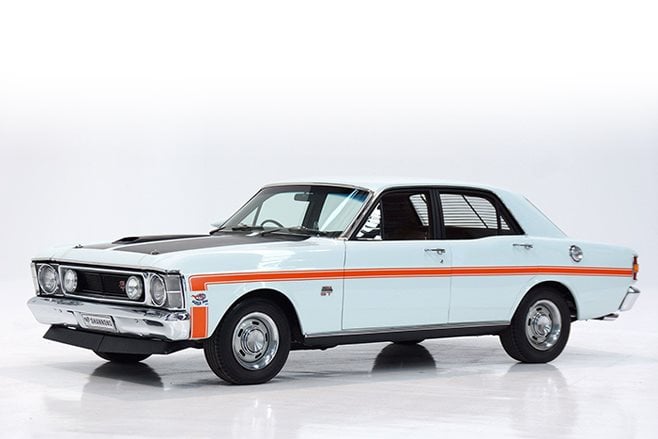
With a little bit of a chequered history, including damage-by-mechanic and a subsequent engine rebuild and update, the GT-HO has still managed to retain a paper trail of its past.
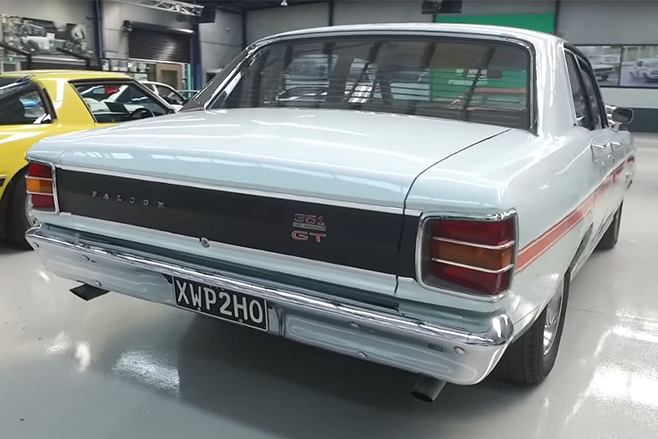
Though it’s running on a “hotter” replacement motor, the original is included in the sale, along with transmission.
Shannons says “the E38 Charger remains in fabulous condition throughout and has travelled approximately 30,000 miles since the rebuild was completed”.
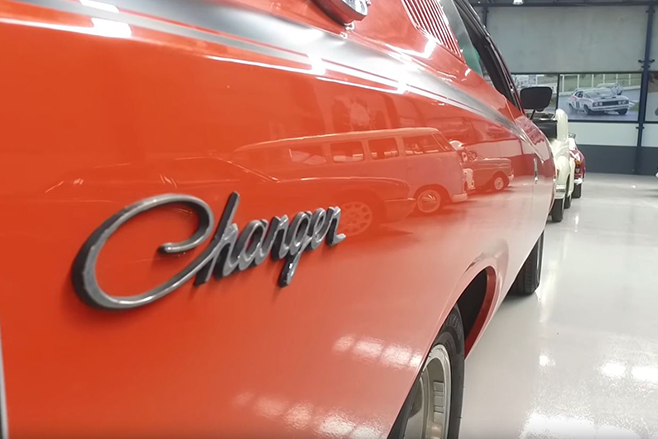
But the car is legendary in its own right, and remains one of the most collectible Mopars Australia ever produced. Thumbs up for this Charger.
It shouldn’t be that difficult: creating a mid-sized SUV that does what all families expect and still presses dynamic buttons along the way.
But somehow the quest to take a slice of the most popular segment of the fastest growing vehicle type in the country has delivered carparks full of mediocrity – for years.
It’s especially pertinent when you look at the fantastic options on offer in the family sedan and wagon market: Volkswagen Passat or Mazda 6 anyone?
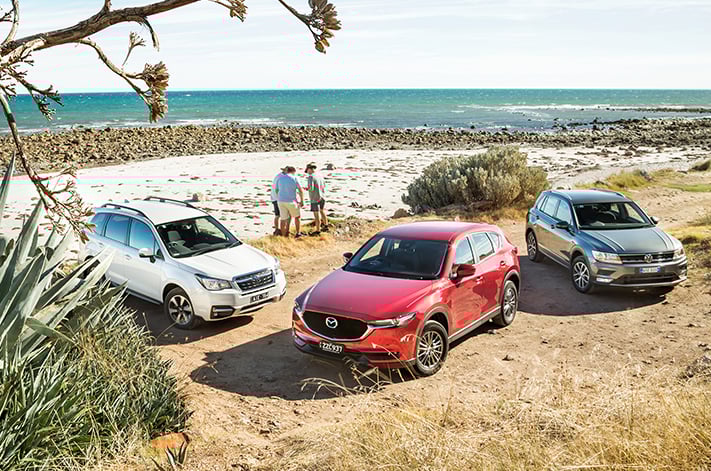
But things are changing. The second generation Volkswagen Tiguan that arrived in 2016 ushered in a more resounding blend of handling, functionality and value.
More recently Mazda’s second generation CX-5 has addressed niggles of the original to create a tempting mid-sized package.
But which is best, which medium SUV stands out?
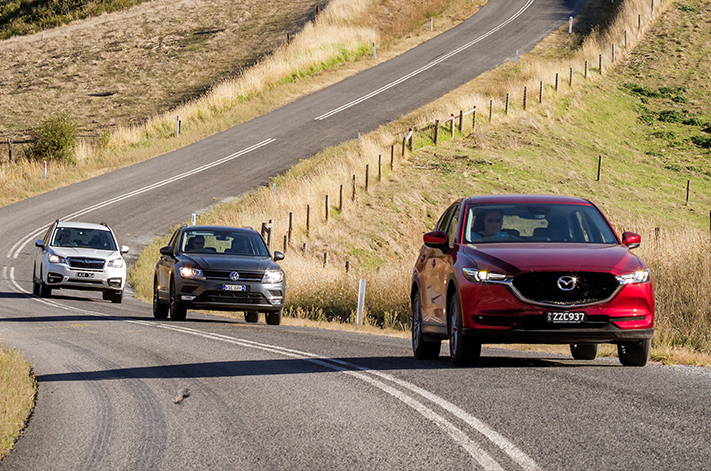
The CX-5 and Tiguan go head-to-head against the trusty Subaru Forester, a long-lived and perennial favourite in a market segment that bounces from strength to strength.
While the temptation is to go for the sales sweet spot of the segment – front-drivers with petrol engines – we’ve got bigger plans to address that end of the market soon. So, for this test we’ve opted for the top shelf; diesel engines powering all four wheels.
MAZDA CX-5 TOURING
Playing it safe is a phrase that springs to mind with Mazda’s new CX-5. Looking like a condensed version of the CX-9, the new model doesn’t stray far from a successful formula, right down to leveraging many of the underpinnings of the previous model, a car that bowed out as the top selling SUV in Australia.
But just a couple of minutes behind the wheel show the CX-5 has leapt further than it may appear in the brochure.
The fact we were discussing the Mazda’s refinement as being on a par – or better than – its rivals is evidence of how much the CX-5 has improved.
The original CX-5 steered and rode well, but it suffered from a common Mazda trait: road noise.
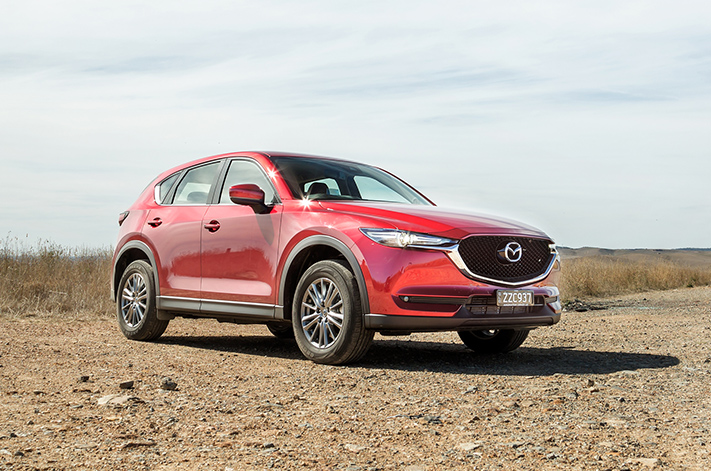
That maturity stretches to its dynamics, which meld impressive ride comfort with control and competency.
Steering isn’t as direct or communicative as the Tiguan’s, which makes mid-corner adjustments less precise, but it’s alert enough to allow the chassis to shine and create one of the more enticing mid-sizers once the pace ramps up.
That it blends dynamic aptitude with a beautifully controlled body is the CX-5’s masterstroke.
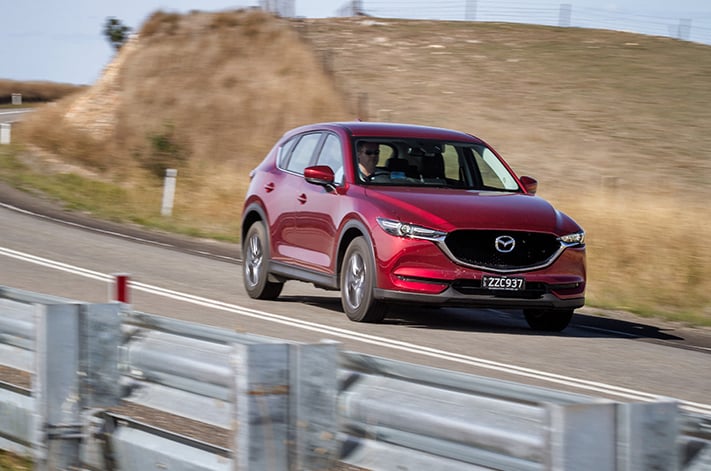
But it’s the engine that is the standout single element of the CX-5. The Mazda puts cubic capacity to good effect, its 2.2 litres 10 percent larger than its rivals. The four-cylinder turbo manages 129kW and, in a twist for a diesel, it doesn’t mind a rev, spinning out to 5000rpm with little complaint.
But it’s the hearty 420Nm that quickly swells beneath your right hoof that makes the Mazda a clear winner among its peers, comfortably outpacing the Tiguan and Forester in our 0-100km/h testing. The 8.7-second time is impressive for a mainstream diesel.
Elsewhere the CX-5 dishes up incremental improvements. Elegant metal finishes complement the blacks and greys inside. The 7.0-inch partial touchscreen (it stops being a touchscreen once you’re moving, instead directing you to the iDrive-style central control knob) protrudes from the dash while a logically laid out centre stack teams dials with buttons for excellent ergonomics.
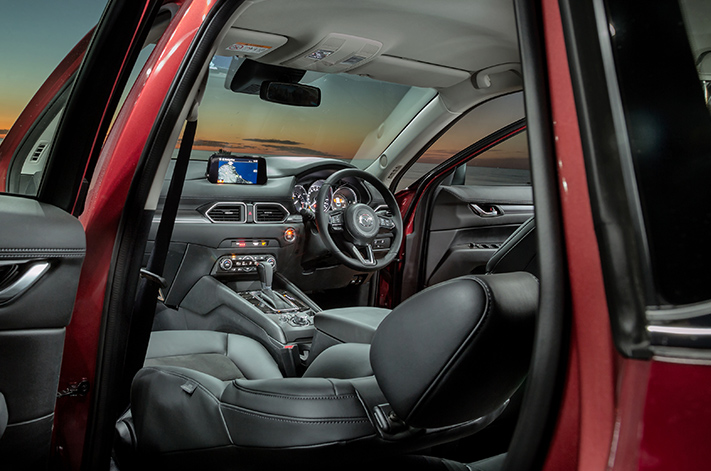
While it’s missing temperature controls in the rear, the addition of air vents and a fan control improve comfort.
Fake leather upholstery is less endearing, although elsewhere the cabin uses quality finishes to good effect.
There’s also parking sensors at either end, DAB digital radio, sat-nav, smart key entry, auto wipers and lights, and a head-up display.
Active safety is class leading, upping the threshold of the auto braking to 80km/h, more than double that of the VW. It also brakes automatically in reverse and monitors blind spots on the run.
Plenty for your money, then.
SPECS
Model: Mazda CX-5 Touring diesel Price as tested: $41,990 NCAP rating: Not tested Engine: 2191cc dohc, 16V turbo diesel Max power: 129kW @ 4500rpm Max torque: 420Nm @ 2000rpm Transmission: 6-speed auto, AWD Kerb weight: 1744kg Fuel economy: 6.0L/100km 0-20km/h: 0.9 0-40km/h: 2.1 0-60km/h: 3.9 0-80km/h: 6.0 0-100km/h: 8.7
Plus: Strong diesel engine; body control and ride; active safety Minus: Diesel misses transmission sport mode; steering could benefit from additional sharpness Verdict: 8.0
VOLKSWAGEN TIGUAN 110TDI COMFORTLINE
Volkswagen doesn’t shy away from the fact its Tiguan carries a price premium. “We’ll never be the cheapest car in the market,” said Volkswagen Australia chief Michael Bartsch last year in discussing the “premium for the people” positioning of cars such as the Tiguan.
But the $42,990 for the all-paw 110TDI also brings plenty of gear for the money. Auto city braking and lane assist with mild steering assist are included, as are parking sensors at either end and three-zone air-conditioning, allowing those in the rear to dial up their own micro-climate.
Beyond the raw lists is restrained style that oozes quality. The seat material is rugged yet welcoming and elegant, the sensible use of classy metal finishes inside lifts the ambience of the dark plastics that dominate.
The genius of the Tiguan comes the more you push and poke things around the cabin.
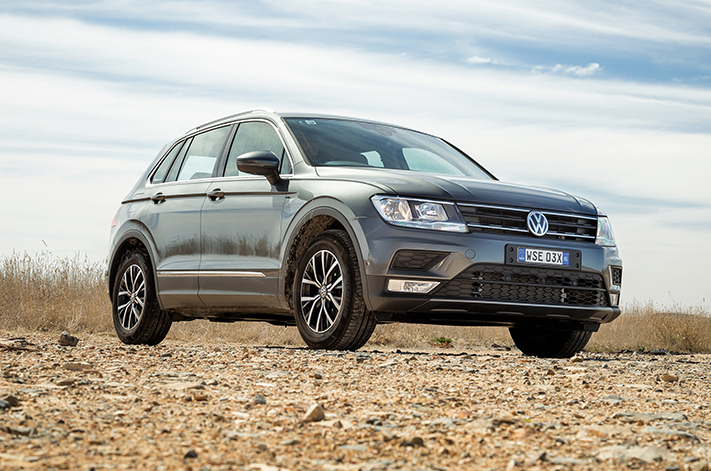
Storage is masterful, from the binnacle atop the dash to sizeable overhead storage bins and even bottle holders either side of the back seats.
Those back seats are perched fractionally higher than those in the CX-5, combining with large windows for excellent forward and side vision, a boon for smaller people.
But options can add up. The fancy digital dashboard of our car pairs with additional cameras and radar cruise control for another $2250, and if you don’t want a white one it’s another $700 (most Mazda colours and all of the Foresters are no cost options).
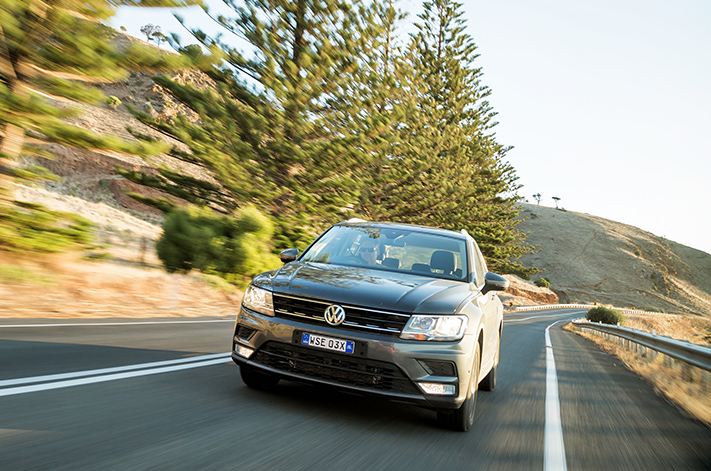
However, the Tiguan’s Michelins hang on better than the Yokohamas on its Japanese rivals.
Teamed with a clear dynamic focus it makes for the most car-like handling we’ve experienced in a mid-sized SUV.
Weighty steering – which loads up further in Sport mode – encourages you to dive deeper into bends, negating the need to wash off speed then build it up again.
It’s not just brisk, it’s also fun; a car you’d happily punt along a backroad once the kids are tucked up in bed.
However, that cornering nous comes at the expense of the ride, which is spoiled by low speed sharpness and left-right jiggling once travelling faster. It’s not bad, but it’s outclassed by the supreme control of the Mazda.
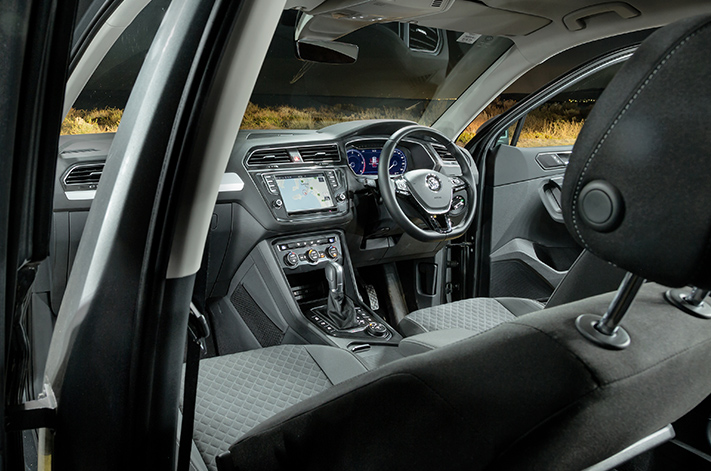
The 2.0-litre four-pot muscles up a stout 340Nm, the least of our trio. Its 110kW also lags the CX-5 by 19kW.
Those lower figures have less to deal with, though; at 1647kg the Tiguan is almost 100kg lighter than the Mazda.
So it’s brawny enough once up and running and the seven-speed transmission slips swiftly between ratios.
But from a standstill the Tiguan can stutter, making it difficult to time a hard launch and leading to the occasionally inconsistent take-off.
Yet there are efficiency benefits and the Tiguan’s claimed 5.9L/100km consumption is a leader in this trio.
SPECS Model: Volkswagen Tiguan 110TDI Price as tested: $42,990 NCAP rating: 5 stars (ANCAP) Engine: 1968cc dohc, 16v turbo diesel Max power: 110kW @ 3500-4000rpm Max torque: 340Nm @ 1750-3000rpm Transmission: 7-speed twin-clutch auto Kerb weight: 1647kg Fuel economy: 5.9L/100km 0-20km/h: 1.4 0-40km/h: 3.0 0-60km/h: 4.9 0-80km/h: 7.4 0-100km/h: 11.0 Plus: Dynamic class; clever interior packaging; frugal diesel Minus: Price premium; occasionally jiggly ride Verdict: 7.5
SUBARU FORESTER 2.0D-L The Forester is in some ways the elder statesman of the mid-sized SUV class. Not only is the nameplate about to blow out 18 candles on the birthday cake, but the current generation has enjoyed more than four years of service.
In a market segment moving as quickly as it is the loveable Subie is on the back wheels from the outset.
But it comes out fighting on value. Our 2.0D-L is a $35,740 proposition when paired with the auto transmission, undercutting its rivals by about $6000.
For that you get the basics, such as a reversing camera and 7.0-inch touchscreen. It’s also the only one to get shift paddles for some additional gearshift control.
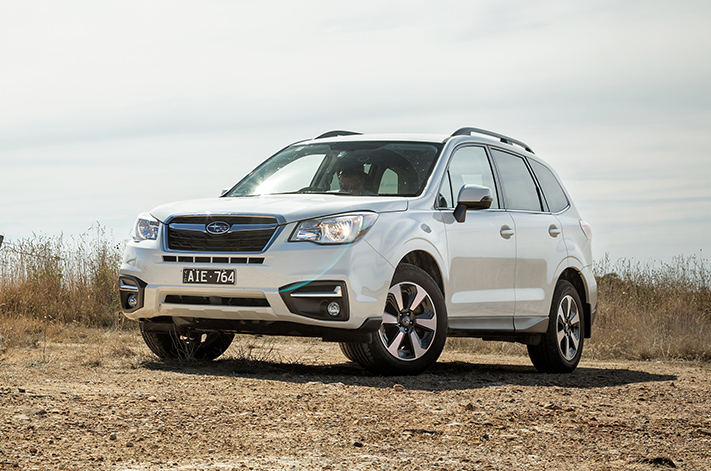
Where the Forester is deficient is with active safety. Subaru’s excellent EyeSight system is missing from the diesel models and there’s no word on when it’s likely to show, so that means no auto braking or blind spot warning.
Venture into the rear and there are shortcuts, such as the lack of rear air vents. The 60/40 rear seat also misses the 40/20/40 folding flexibility of the others.
But there’s space aplenty, especially head room and knee room in the rear.
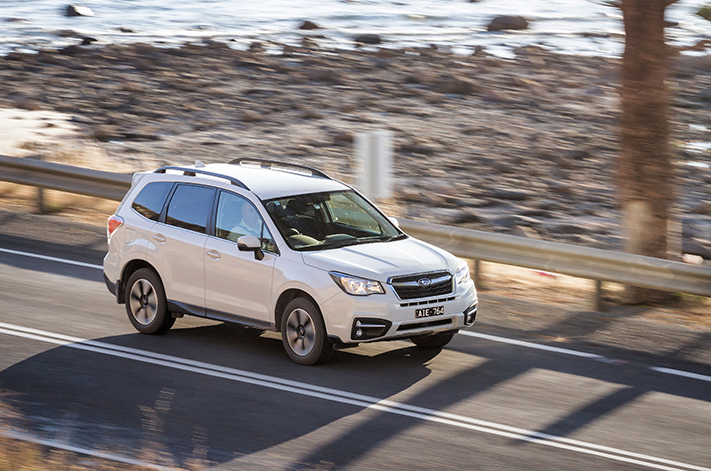
The Forester is not a serious off-roader, but in this company it’s borderline bush-basher.
Its bumpers are further tucked out of the way and its underbody is 220mm off the deck, some 20mm more than its rivals.
It’s also the only one with a full-sized spare, allowing for bigger adventures and the lure of a proper replacement in the event of a puncture.
But the Yokohama Geolandars appear to have been chosen partly for their off-road cred. On-road, the Forester reaches its limits sooner than its rivals, yelping for mercy in the process.
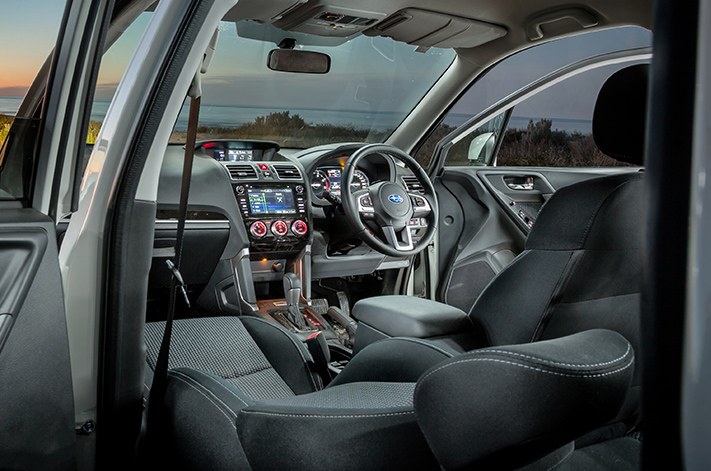
With 108kW the four-pot diesel is the least powerful here – just – although its 350Nm is a healthy counterpoint; the fact that peak arrives as low as 1600rpm adds to its usefulness.
But it’s the CVT auto that saves the day for the Forester. It occasionally feels undernourished, but the ability of the transmission to plonk the engine bang in its sweet spot when accelerating ensures swift responses and a willingness that belies the numbers.
There’s no stop-start with the engine, though, something that hurts its official fuel number. The claimed 6.4L/100km for the auto isn’t bad, but it’s outclassed in this company. Ultimately its age that is wearying what is a popular warrior.
SPECS Model: Subaru Forest 2.0D-L Price as tested: $35,740 (auto) NCAP rating: 5 stars (ANCAP) Engine: 1998cc dohc, 16v turbo diesel Max power: 108kW @ 3600rpm Max torque: 350Nm @ 1600-2400rpm Transmission: CVT auto Kerb weight: 1698kg (2.0D-S is 1729kg) Fuel economy: 6.4L/100km 0-20km/h: 1.1 0-40km/h: 2.5 0-60km/h: 4.4 0-80km/h: 7.1 0-100km/h: 10.7 Plus: Spacious interior; value; it can actually be used as an off-roader Minus: Equipment deficiencies; dated interior; tyre grip and dynamics Verdict: 6.5VERDICT Time is often an enemy of cars and that’s certainly the case with the Forester, which is showing its age against fresh competition.
Willing and well sorted drivetrain aside, the scarcity of active safety aids in the diesel models and dynamics that slot into third place in this company sap valuable points.
The Forester’s spacious cabin and off-road talent aren’t enough to push it beyond its peers.
Its biggest appeal is a price tag that undercuts its rivals, but once lined up side by side the Forester is still outclassed.
Which leaves a hard-fought tussle for the top between the Tiguan and the CX-5.
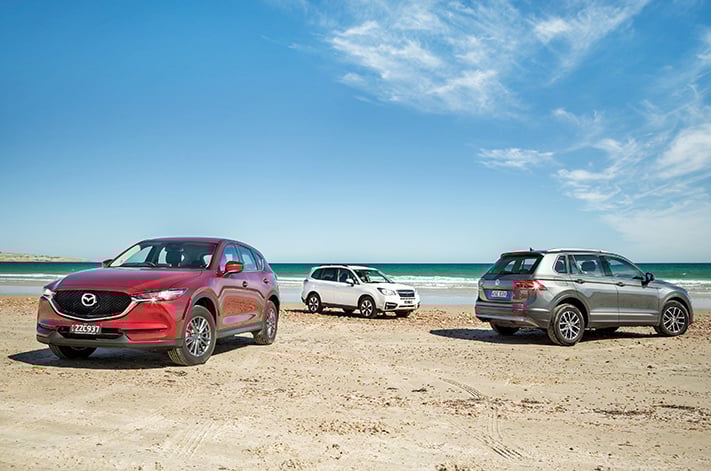
But the Tiguan is the most expensive here; it’s good value but not fantastic.
And bumps ultimately undo some of the Tiguan’s poise.
Or, more to the point, they highlight the efforts gone into blending comfort and control with the CX-5.
Throw in a class leading engine and an elegant interior as well as plenty of toys and it makes the CX-5 a deserved winner. For now.
Mid-sized SUVs have never been as competitive as they are today.
NISMO has already officially landed on our shores in the form of the dragon-slaying GT-R Nismo, and there’s more on the way. A 370Z Nismo is in the planner for Australia too, but word from the company is that the number of roided-up road-going Nissans is set to grow significantly.
Globally, there are eight cars across the full line-up of Nismo road vehicles, covering a spectrum that ranges from the mundane (including the Note compact hatch and Elgrand people mover) right through to the monstrous GT-R Nismo, with everything from slightly warmed-over Sentras (AKA Pulsar) and Jukes in between.
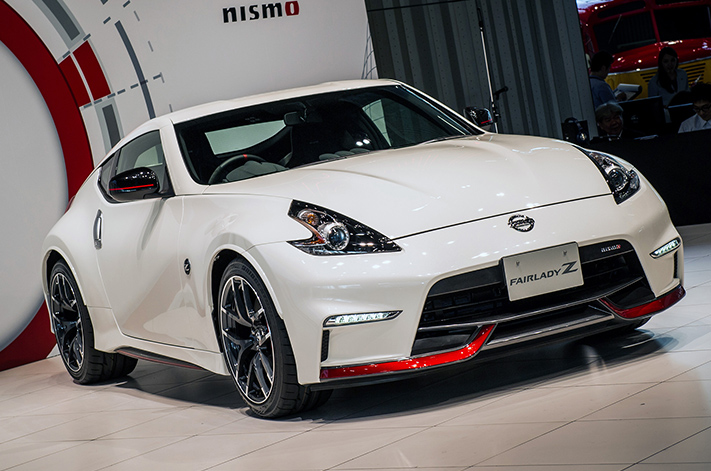
But it won’t stop there. In a press conference held at the company’s Yokohama headquarters, Nismo announced the creation of a new business unit that will focus entirely on the development of more road cars.
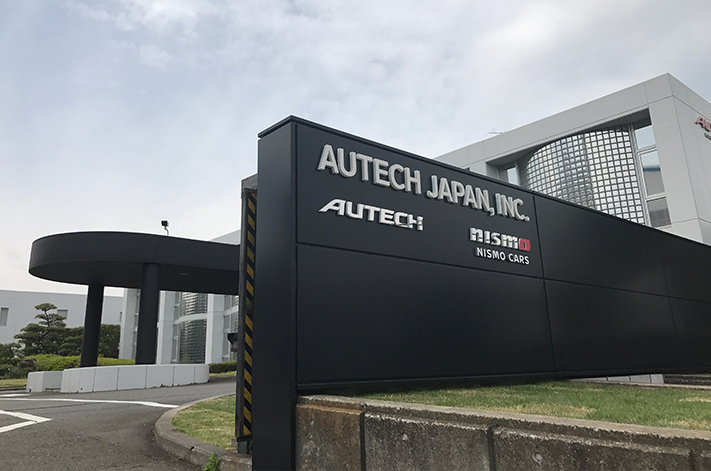
The newly-minted Nismo Cars Business Department will be hitched to Autech, Nissan’s in-house specialty vehicle arm that normally engineers variants for disabled drivers in the Japanese market, and will draw staff from across Nissan group companies, including Nismo’s motorsport talent.
But with the Juke and Patrol already having received the Nismo treatment, it’s not a stretch to imagine something like a Qashqai Nismo. However there’s one segment that Nismo has yet to touch – utilities. Nismo Navara? Don’t laugh – it could be a lucrative niche given the top-selling car in Australia last year was a ute.
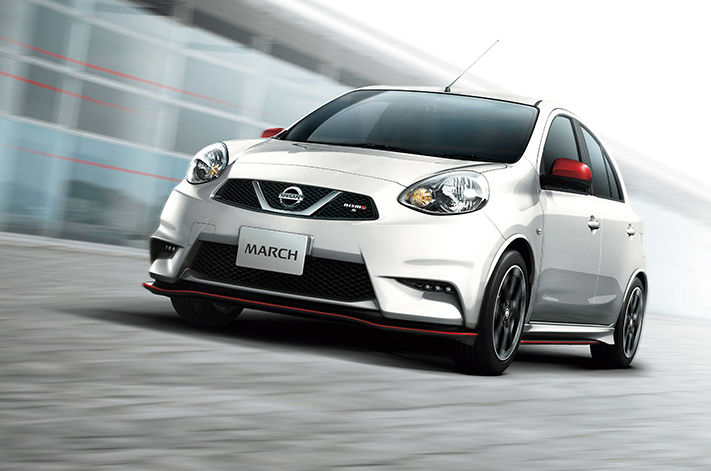
“As a Nissan sub-brand, Nismo further builds upon the core values of Nissan cars,” said Takao Katagiri, Nismo’s president and CEO.
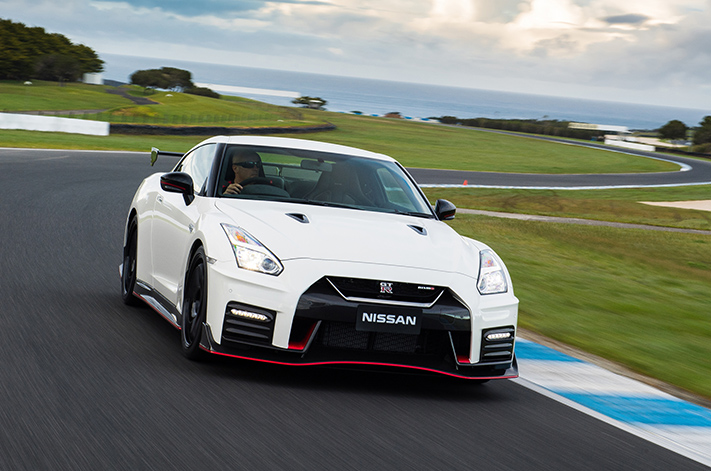
Want to know how brutal a Nismo road car can get? Have a read of our review of the 2017 Nissan GT-R Nismo. Did we mention we drove it on the full Bathurst circuit too? Spoiler alert: it’s epic.
QUESTION – ANDREW (question asked on 27/3/2017):
Which is a better car: Mazda CX-9 AWD Azami or 2017 Nissan Pathfinder TI AWD? We will use the car for three to four road trips per year with three adult-sized teenagers plus occasionally driving their friends and our elderly parents. This is why we need a part-time seven-seater.
BUDGET:
$80,000
ANSWER – BYRON MATHIOUDAKIS:
As we discovered in our Wheels magazine multi-seater megatest in the middle of last year, the Mazda CX-9 brings the best combination of space, practicality, usability, refinement, comfort, performance, handling, ride and design in its class. In fact, it went on to win the 2017 Wheels Car of the Year award, and so we have no hesitation at all recommending one.The Nissan Pathfinder, on the other hand, really only excels in drivetrain smoothness and front-seat space; otherwise its interior feels cheap by comparison, the rear two rows aren’t as comfy as they could be, its suspension rides a little too firmly for our taste, and the steering does not have sufficient weight or feel. In our test, the Pathfinder scored a lowly eighth, ahead of only the Honda Odyssey and final-placed Holden Captiva.
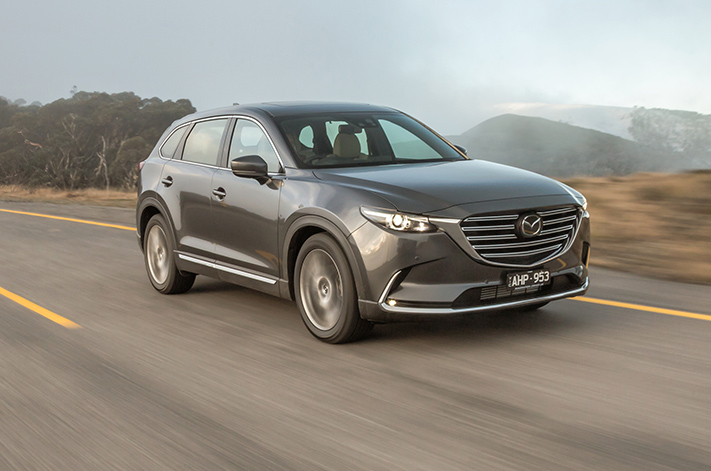
There is clear space between the CX-9 AWD and the next-best seven-seater SUV equivalent, the Kia Sorento 2.2D AWD in Platinum or GT Line guises, though the Kia does have the advantage of being a frugal diesel, and is offered with an unbeaten seven-year warranty against the Mazda’s three, so that’s something to consider if you want to test drive the CX-9 against something else.Another alternative is the Kia Carnival in SLi or Platinum CRDi variants, as it offers unbeatable second and third row room in a surprisingly well-presented cabin. It isn’t really for the keen driver, but the Carnival does a fine job hauling people around. And of course it also comes with the same diesel and longer-warranty advantages of the Sorento.
YOU’RE SUPPOSED to make it look hard? I thought you were supposed to make it look easy,” said extreme skiing world champ Doug Coombs as he watched a fellow competitor huff and puff his way in a series of staccato hops down a competition face.
First published in the April 2017 issue of Wheels magazine, Australia’s most experienced and most trusted car magazine since 1953
Coombs flowed down the steeps like a water droplet, effortlessly finding the path of least resistance, smearing and melding turns into the contours of the mountain.
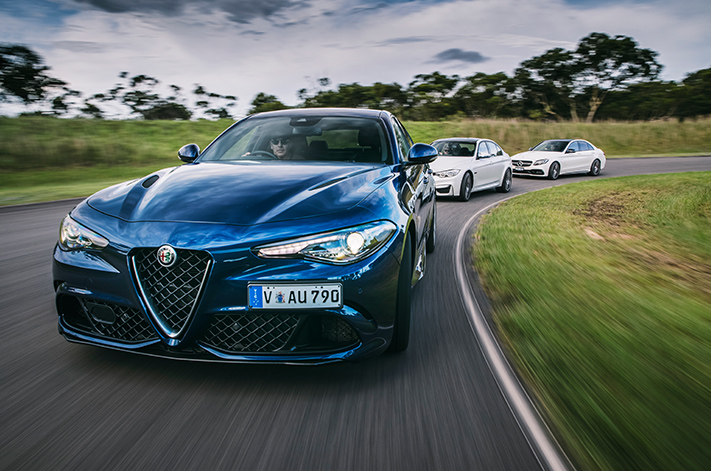
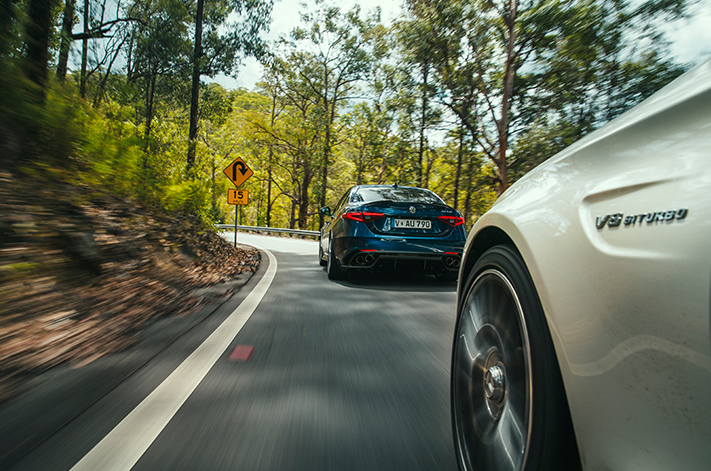
I’m minded of that quote right now as I attempt to hold station with a well-driven Alfa Romeo Giulia Quadrifoglio. The Italian car is all sinew and suppleness, as if gently pressed to the road’s ruts, compressions and decreasing radius corners by a benign celestial hand.
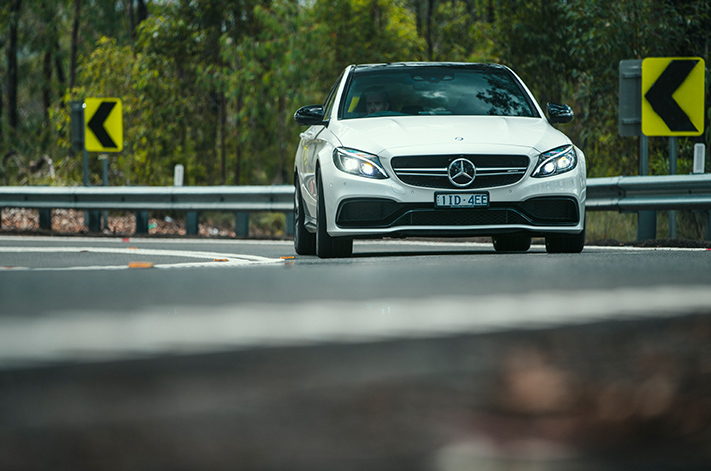
The Mercedes-AMG C63 S I’m driving instead adopts a different philosophy, attempting to bludgeon Australia’s impertinent topography into submission through sheer surfeit of Newton metres; hopping, kicking, shunting and when in doubt, defaulting to a full Wagnerian sonic assault. It doesn’t keep up. It can’t.
Nor can the BMW M3 Competition receding in my mirror. Both are attempting to smash a hammer through butter when what’s needed is a hot knife.
Poaching talent from Ferrari was a good start. Ex-Maranello engineer Philippe Krief headed up the development program, bringing in chief technical officer Roberto Fedeli, whose credits include the LaFerrari and F12 Berlinetta, and Gianluca Pivetti, the engine man instrumental in the prancing horse’s transition to turbocharging. Isolating their respective teams from lazily delving into existing FCA inventories has resulted in a car that’s quite extravagantly new.
The chassis, engine, even the infotainment system is new. The five billion Euros ($7bn) invested into the clean sheet ‘Giorgio’ platform will spawn another eight vehicles, with two specialist sports cars promised, and it’s even configurable for a mid-engine layout.
As tempting as it is to dismiss the Ferrari influences as mere marketing hype, it’s not difficult to discern Maranello’s imprimatur in the way the Giulia goes down the road.
A foundation of fundamental engineering rectitude. Where Alfa used to be relied upon to arrive at a decision tree and go the wrong way, the Giulia speaks time and again of getting the big choices right; that it’s been designed by people who actually get it.
Examples? Switch the DNA drive selector into Race mode and the Alfa bangs through upshifts with an evocative wallop. So too does the C63 S. Pitch both cars into a corner, accelerate through the apex and the Giulia understands that steering angle is being applied and will snick up a cog without the thump, delivering meaningful throttle authority earlier. The C63 S will instead continue to shock the drivetrain on upshift at the corner exit, tipping the car into scrappy oversteer.
It’s no wonder, really, seeing the AMG attempts to pour the most torque through the narrowest rear tyres of the trio and also asks them to cope with the burden of the most weight. Where the Alfa – and, indeed, the M3 – features a lightweight carbonfibre roof to lower the centre of gravity, the AMG plumbs a vast slab of glass into the place a car needs the weight least.
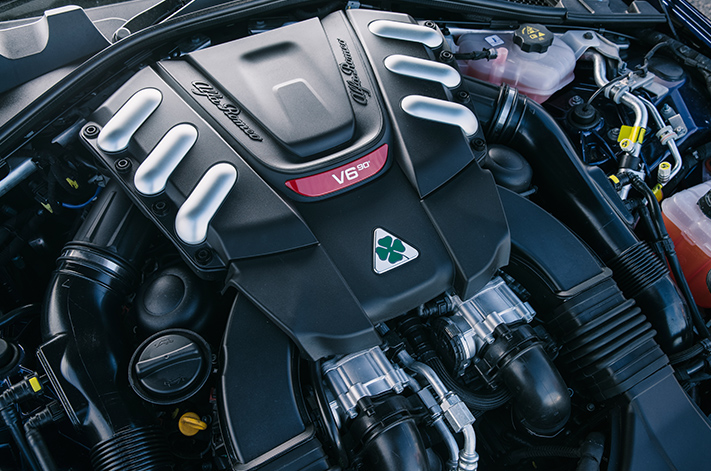
The accumulation of marginal gains such as these combines to genuine effect through a corner. The Giulia’s brakes are mighty, the clever pre-fill and brake temperature mapping part of a system called Integrated Brake System, co-developed with Magneti Marelli. Combine that with front tyres as big as the Merc’s rears and a 50:50 weight distribution helped by that lightweight all-aluminium engine and the Alfa pulls a few metres advantage over the Mercedes long before the apex.
What it can’t quite match is the AMG’s beautiful consistency of control weighting, the millimetric precision of the German car’s initial brake pedal modulation and steering tip-in.
Likewise, Alfa could learn a good deal from the way C63 demonstrates, on-screen, exactly what each drive mode is doing to ESC, steering, suspension, exhaust note and so on.
Likewise the Dynamic, Natural and Advanced Efficiency modes of the DNA system suggest three driving modes when there’s a fourth, Race, which is selected by twisting the dial beyond Dynamic through a somewhat gritty detent.
2017 Alfa Romeo Giulia Quadrifoglio review
After the Giulia’s sweetly malleable dynamics, BMW’s M3, for so long the class benchmark, feels as if the individual braking, suspension and steering teams had blown so much budget developing their wares that when it came to integrating their results into a seamless whole, there was nothing left in the kitty.
There are elements of genuine greatness, such as the mighty front end grip, and the way in which the steering weighting can be altered with the electronically assisted helm accurately synthesising the feel of added feedback. Try that in the Giulia and it feels as if the steering is running in Perkins paste, yet the lack of overall cohesion in the M3’s systems hurts its effectiveness.
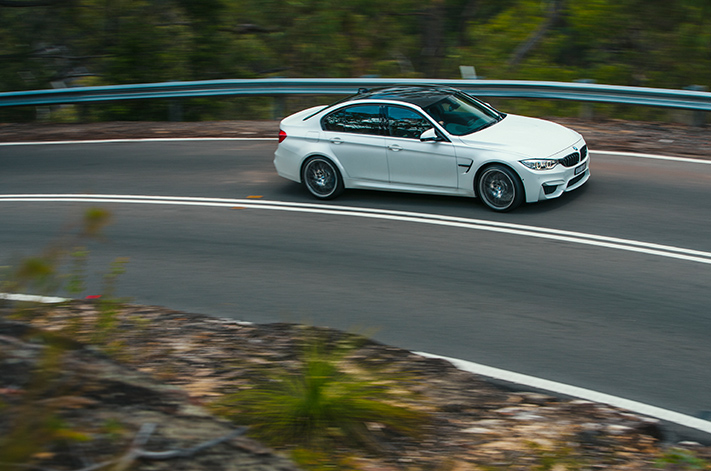
Small surface changes can induce a big flare of spiky oversteer. Time and again through the test route’s trickier bends, the mid-corner speeds of the M3 were lower, the threshold of oversteer arriving sooner. Despite the biggest rubber footprint front and rear and a set of fresh Michelin Pilot Super Sport boots, the BMW couldn’t match the lateral grip the Alfa could manage.
The stiff sidewalls and beefed up springs and dampers of the Competition pack have stripped away much of the M3’s civility and this in turn dents your confidence that the car is on your side when you need it most. As you tease the limit, what ought to feel absolutely exhilarating emerges as type two fun; an exercise in bullet dodging.
The Mercedes is usually at its best when set into its Individual mode with the angriest engine and the most benign suspension, the additional mechanical grip of a few degrees of roll doing its best to help the overburdened rear end. The electronic diff punches above its weight in managing traction, and while it can entertain, the basic 54:46 weight distribution represents an implacable wall of physics that the Affalterbach brains trust can only do so much to ameliorate.
Weight, or lack of it, is the Giulia’s trump card. Tipping the scales at 1585kg compared to 1655kg for the C63, it’s a factory lightweight straight out of the box.
You’ll brake later, generate higher peak g-loadings mid corner and accelerate sooner out. Torque vectoring at the rear integrates imperceptibly with the ESC system in Dynamic mode, where all you’ll feel is a very soft denial of throttle if you go too hard too soon from corner exit.
Switch it into Race and it backs the ESC off a very long way, so be prepared to wind a half hand of lock on very quickly. Again, the rear diff is so effective that the Giulia can soak up an almost demented level of throttle provocation before the rear P Zero Corsas transition from grip to slip.
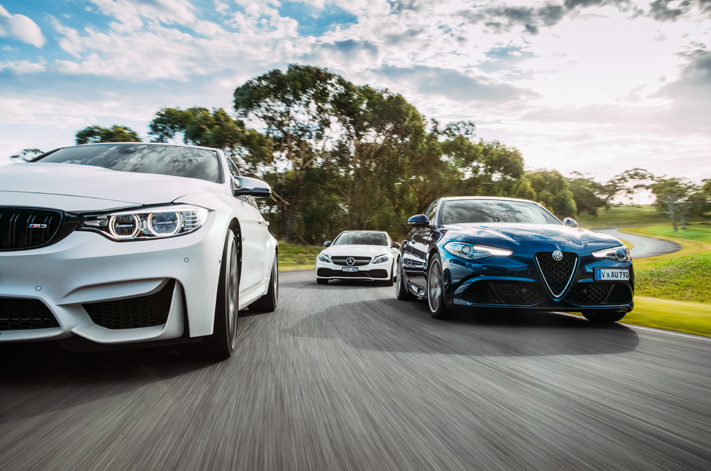
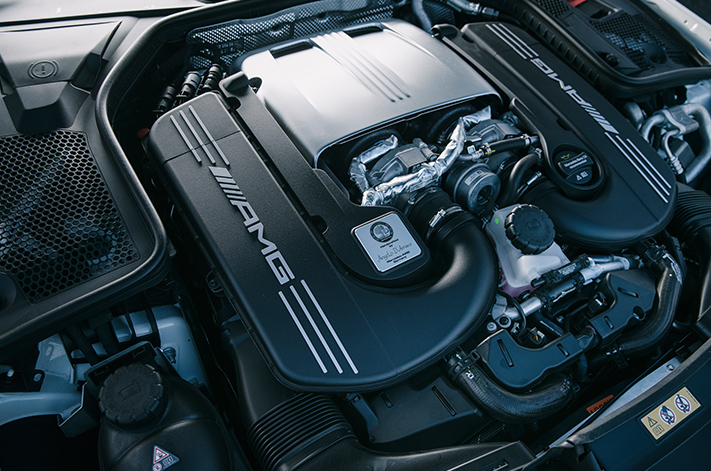
As soon as the road straightens, the Giulia can do little to counter the sheer force of personality of the AMG 4.0-litre V8. It’s the standout powerplant of the trio, proving the old boxing adage that a good big ’un always beats a good little ’un. Making an identical 375kW but ladling on another 100Nm of torque for a peak of 700Nm from 1750rpm, Affalterbach’s big banger is never short of an answer when receivinga request for in-gear acceleration.
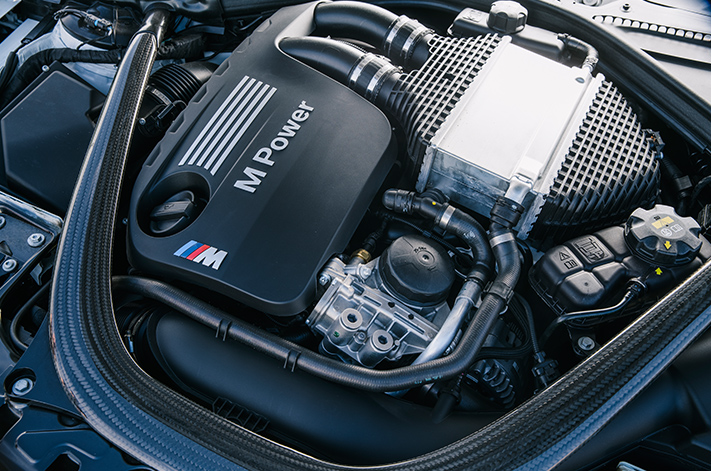
By contrast, even with an extra 14kW in Competition guise, the M3’s 3.0-litre straight six feels comparatively outgunned at ‘just’ 331kW.
The M3 salves some honour at the strip with the joint quickest sprint to triple figures, registering a 4.2 second time with launch control enabled, although the system allows too much wheelspin in first before snicking up to second. Equalling that time was the Mercedes, the launch control system here in effect being a torque control, carefully limiting that avalanche of physics and allowing the C63 S to drive undramatically time and again to 100km/h in 4.2 seconds. The car with the best power-to-weight ratio and the widest rear tyres scores the wooden spoon, the Giulia not featuring launch control and registering a 4.4-second run.
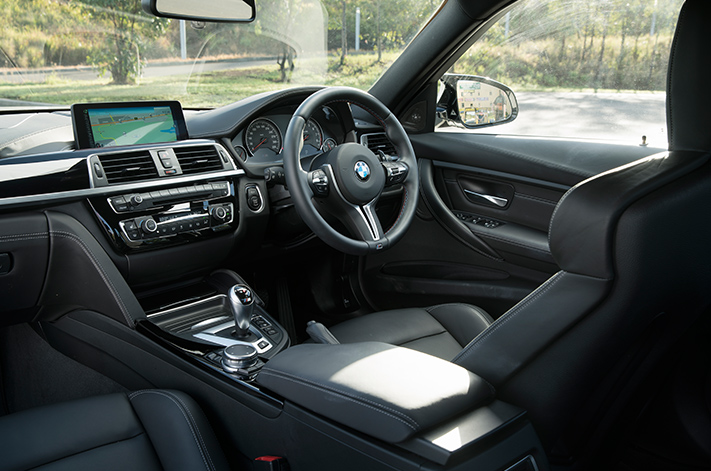
Doing the most with the least capacity might lead you to believe that the Giulia’s personality would be somewhat high maintenance and needy, but the ride quality and painstaking calibration of the ZF eight-speed auto give it a rangy, long-legged feel that adds a welcome string to its bow. It’s more relaxing over a longer drive without the insidious fatigue of having to brace against constant torso shocks and head-toss.
2017 BMW M4 Competition Review
This perplexing degree of bandwidth is where the Giulia makes its rivals feel antiquated. Both the BMW and Mercedes will bump and thump along city streets, about as happy as a recalcitrant teenager being dragged round the stores while his mother goes bra shopping. There’s no such impost in the Alfa. If driven gently, you wouldn’t guess from the passenger seat that it was the sports flagship.
At speed, the Alfa is the quietest, with active cylinder deactivation shutting down a bank under part load. The Mercedes’ engine almost mutes itself at cruising speed, although there’s a bassy combo of tyre and suspension thump. The M3 is comfortably the noisiest, with a higher-pitched, more insistent tyre intrusion that suggests a good deal less in the way of sound insulation. It also attracts the most wind noise.
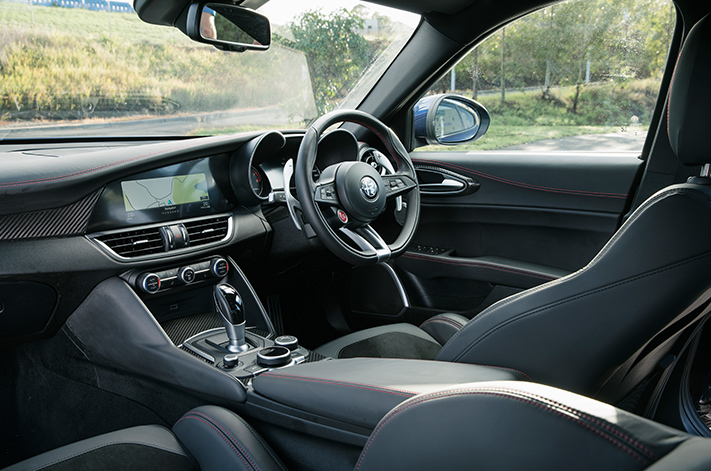
The Giulia’s cabin is a decent stab, with classic Alfa twin-cowled dials and a neat black-panel screen cleanly integrated into the fascia sweep, with standard carbonfibre trimmings. But the plastic gear selector is inexplicably ghastly and drilling down to details reveals flimsy switchgear and some seemingly parts-bin bits.
The driving position is excellent, and the steering wheel, with its starter button sitting in the place of a Ferrari-style manettino a nice touch. The rim’s not too thick, which is a welcome tactile relief after the Germans, the M3 in particular setting you up perfectly if you ever need to throttle Mike Tyson. The Alfa also opts for long, column-mounted paddles, while the Germans stick with smaller, wheel-mounted shifters.
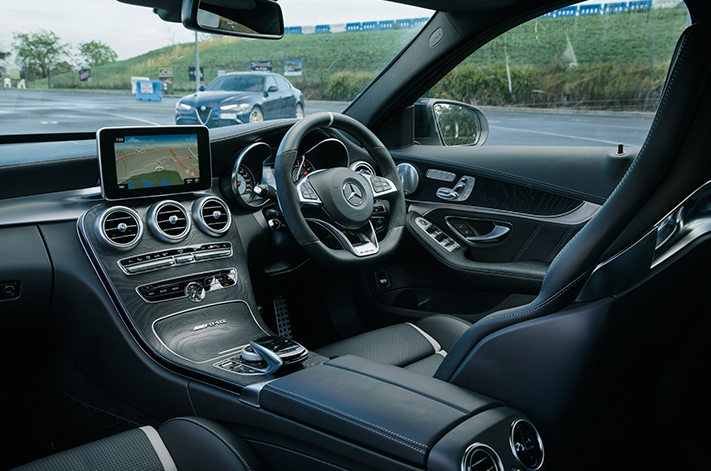
The perceived quality of the Mercedes and BMW cabins are both a notch or two superior and while this will hardly be news, it hints at one of the Giulia’s biggest challenges.
Even overlooking the fact that your prospective $145K purchase could be sitting cheek-by-jowl with a Jeep Compass, both BMW and Mercedes have a virtually unassailable head start in seducing with the silky traction of big budget brand equity. Alfa Romeo is, there at least, stalled in the traps.
Prior to this comparison, the result seemed something of a foregone conclusion. BMW and Mercedes-Benz have so much experience at the pointy end of this sector that the Alfa looked set to be cast as a plucky trier, due an encouraging few words of patronising good cheer before being sent on its way to trickle out of dealers to tragic Alfisti.
But in the final analysis, there’s one car that’s quicker than the others on a challenging road, has a manifestly superior ride, delivers higher highs, a more engaging chassis, markedly the best power-to-weight ratio and which has clearly been designed with a more profound understanding of the needs of drivers. That it also carries the lowest asking price ought to seal the deal.
Naturally, Mercedes and BMW would contend that had they been gifted a five billion Euro windfall – which is more than the entire development programs of the E-Class and 5 Series combined – to design a clean-sheet sports sedan, they’d have done an even better job than the Giulia. The fact is that they didn’t and they haven’t.
This freakish, once-in-a-generation act of financial serendipity, orienting some of the smartest brains in the automotive industry under one flag, has served to punt the Alfa straight onto pole and, equally enticingly, is going to force BMW and Mercedes-AMG to up their respective games.
Step back and adopt a broader take on the overall ownership experience, and it’s possible to make a generally convincing case for the Mercedes-AMG C63 S.
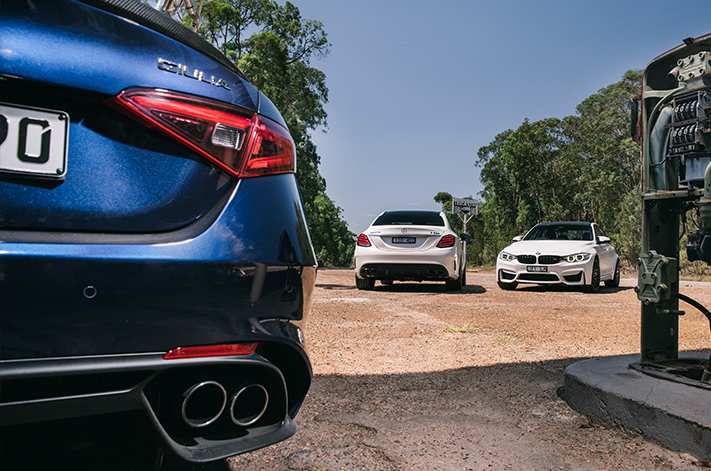
So where does that leave the BMW M3? A little off the pace, if we’re honest. It’s still a fierce thing, thuddingly fast and as the only car here sold with a manual gearbox it merits consideration as the purist’s choice. If you live for that moment when you arrive at a deserted wet hairpin with all the driver aids switched off, this is your car. Yet the M3 feels old here, even in this remedial class Competition guise. It a little overmatched too, ceding 44kW, a stack of torque and what feels like a couple of years of development to both rivals.
In any other company the lack of polish of its major controls wouldn’t attract scrutiny, but the judging criteria suddenly became a lot harsher and it’s going home with bronze. Alfa Romeo has been absent from the top tier of performance sedans for better than four decades, yet the Giulia Quadrifoglio isn’t shy about capitalising on the nascent reserves of goodwill for the industry’s most frustratingly endearing underperformer. The Giulia weaponises its heritage, albeit via a certain degree of cultural appropriation from Maranello. The basket case that emerged a winner seems too pat, too cheesy to be true, but we’re calling it.
And the most surprising thing? The Alfa makes it look easy.