
F1’s worst kept secret has been confirmed, with the Mercedes-AMG team confirming Valtteri Bottas as its second driver for the 2017 season, partnering Lewis Hamilton.
Mercedes’ 2017 plans were thrown into disarray following the shock retirement of 2016 World Champion Nico Rosberg, with all of the top talent on the grid signed up.
While Bottas was under contract with Williams for the coming season, his contract was more malleable than most other drivers given Mercedes supplies Williams with powertrains and AMG F1 boss Toto Wolff is part of Bottas’s management team.

The 27-year-old Finn joined F1 in 2013 with Williams, the team with which he has spent his entire career, scoring nine podiums with a best finish of second at the 2014 British and German grands prix.
Mercedes’ other option was to promote its junior drive Pascal Wehrlein, however it was felt that it was too early in his career to partner three-time world champion Hamilton. Wehrlein has instead been placed with Sauber for 2017.
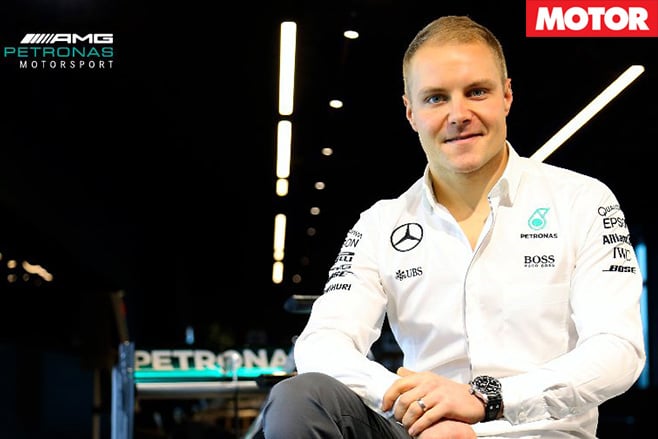
With the huge technical shake-up for 2017, an experienced driver was required, while it’s believed Williams major sponsor, alcoholic drinks maker Martini, required an older driver for promotional purposes.
Mercedes’ former technical director, Paddy Lowe, is also expected to move to Williams, however it’s unclear (but unlikely) that this is tied in to the Bottas move.
The 2017 F1 season kicks off in Melbourne on March 26.
Did you know the aeroplane symbol used on signs to direct road users to the airport is always pointing in the direction you need to be heading? There’s this and more information like it to be gleaned from Australian road signs – you just have to know where to look.
Significant routes which facilitate interstate travel are looked after at a federal level, however most roads and their associated infrastructure (like naming and signage) fall under state government responsibility, so the alpha-numeric naming system we’re familiar with today will vary between Australian states and territories.
Back in the day, national highways were identified by a yellow number set within a green and yellow shield and so-called national routes used a black number set within a black and white shield. Until recently, north-south travelling routes only used odd numbers while routes which travelled east-west were identified by even numbers.
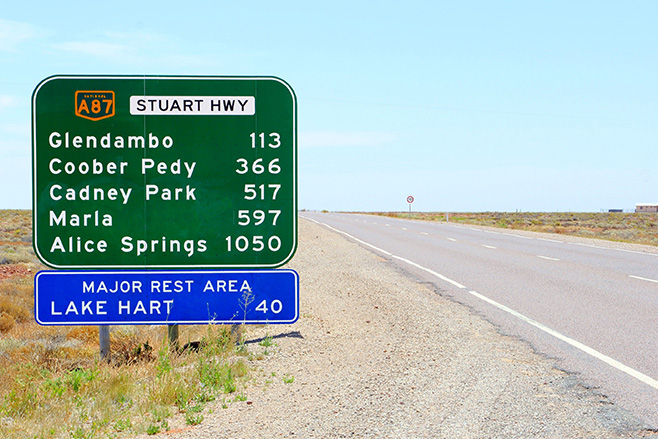
Tasmania was the first Australian state or territory to introduce the alpha-numeric system in the mid-1970s; since 3013 it’s become the nationally-accepted system after it was followed by all jurisdictions, when New South Wales and the Australian Capital Territory adopted it.
While the alpha-numeric system is still in the throes of replacing the previous one, the only number-only road still existing in all of Australia’s five coastal states and the Northern Territory is the 14,500km Highway 1, which circumnavigates the country.
These days, you’ll notice almost every numbered roadway will be prefaced with a letter, regardless of its size. But when you’re looking at signs and working out the best route between where you are and where you want to go, it’s the letters which reveal the size (and therefore the average speed you can travel) of the roadway.

As a rule of thumb, roads will begin with one of the following letters: F, M, A, B or C. F-prefaced roads are generally large freeway-style roadways with a minimum of four lanes, two in each direction. Roads identified with M before the number could point to a motorway and, in States like New South Wales, could suggest it’s a privately owned toll road.
A, B and C roads are smaller roads whose size and significance in terms of the size of the population they’re linking is reflected in the prefacing letter. A-roads might be thought of as arterial roads and are generally single carriageway, B-prefaced roads may be thought of as a back route or a road that was once classed as an A-road but has been superseded by a new route, with all other smaller roads earning a C-preface.
The colours used on signs play a part in revealing more about a road, too. For example, it’s widely accepted in most states and territories that a brown-coloured sign means either a scenic tourist route or guiding towards a specific tourist destination.
So, next time you’re on a road trip, spare a thought for what else those big road signs are telling you.
Audi’s RS division might soon thrust itself into a power war with BMW M division and Mercedes-AMG if a US car website revealing outputs for the next RS4 Avant are correct.
After a gestation period capped (or snapped) by several Nurburgring-testing spy photos, the RS4 Avant is tipped to lob this year (along with its RS5 coupe and Sportback near-twins) with the 2.9-litre twin-turbocharged V6 engine that last year debuted in the Porsche Panamera.
However, the RS4/RS5 will get even higher outputs according to a dealer presentation obtained by the Motor1.com website. Apparently the slideshow shown in Norway was quite extensive, detailing specifications for the RS4 Avant, RS5 coupe and RS5 Sportback, all with 335kW of power and 600Nm of torque.
The Panamera 4S with the same engine makes 324kW/550Nm, while the outputs compare favourably with the BMW M3 Competition (331kW/550Nm) and Mercedes-AMG C63 (375kW/700Nm) and should ensure a sub-4.0-second 0-100km/h.
The slideshow showed that RS5 coupe production would begin first in June 2017, indicating a possible global reveal at the Geneva motor show in March this year. The RS4 Avant will then follow in December, hinting at a Frankfurt motor show debut in September.
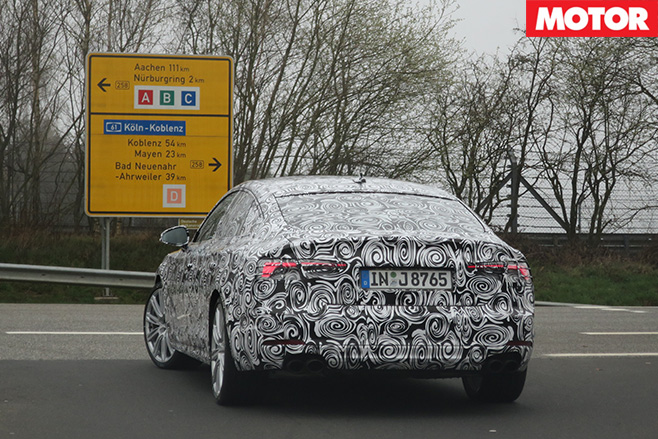
In November 2016 the Audi performance subsidiary changed its operating name from quattro Gmbh to Audi Sport Gmbh, declaring that “over the next 18 months, Audi Sport GmbH will be launching eight new models, which will further consolidate the company’s position in the market.”
“The Audi subsidiary doubled its sales over the past five years [and] the number of specialised Audi Sport dealers [globally] will increase from 370 at present to around 600 by the end of 2017,” it added in a statement.
Beyond the RS4 Avant, RS5 coupe and RS5 Sportback, five other RS models to be seen before the middle of 2018 – according to the brand’s confirmed schedule – could include the RS Q5 (based on the just-launched new-gen Q5) and RS Q7 and a next-generation RS Q3.
When Porsche announced that it was finally following convention and re-positioning the 718 Boxster above its hard-top Cayman cousin it was inevitable the price would creep upwards.
But an as-tested sticker of $176,390 for a Boxster S without metallic paint, a PDK gearbox or carbon-ceramic brakes certainly raises an eyebrow. Yes, it is now easily possible to spec a $200,000 Boxster.
That is an awful lot of money for a car that started at $128,900 in its previous generation, but there are a couple of mitigating factors. First, most of the optional equipment isn’t strictly necessary.
You could very feasibly order a standard $143,100 Boxster S and be very content, though a few moments with Porsche’s online configurator adding worthwhile kit like 20-inch Carrera wheels ($2710), PASM adaptive dampers ($2710), torque vectoring with locking differential ($3190) and sports exhaust ($4300) soon has the price spiralling towards $170K once again.
The second, more important, mitigating factor is it’s worth it. We’ve driven the new Boxster at both the international and local launches but this is the first opportunity we’ve had to cover long distances on our favourite roads and in the process the 718 has cemented itself as a simply sublime sports car.
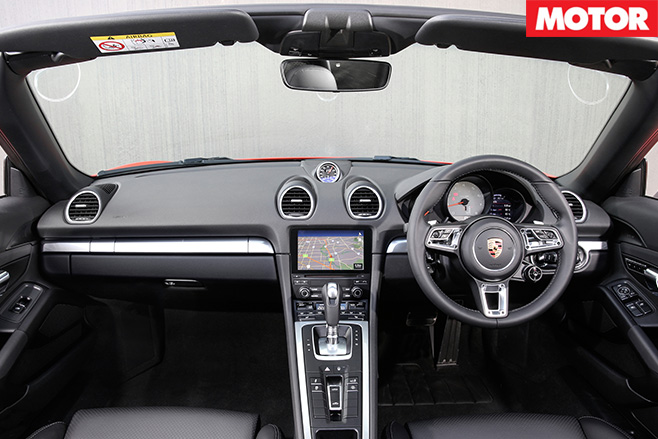
Outputs of 257kW/420Nm might not grab too many headlines, but this is easily a mid-12-second car, which on the road feels incredibly fast. Furthermore, the massive increase in torque changes the way you drive the car; finally the Boxster has the grunt to tax its chassis and thanks to the beautifully calibrated Sports ESP setting you can use the throttle to steer the car in tight corners.
The chassis reacts perfectly to your every input – though the mid-engined layout won’t necessarily suffer fools – and has that uniquely Porsche characteristic of being able to take everything you throw at it. It’s impossible to imagine the Boxster losing its composure or wilting under the strain at road speeds
Gripes are few. The PASM suspension could use a little more compliance in comfort mode, the gearshift doesn’t feel quite as sweet as it once did and there should be a button to turn off the auto rev-match function, but this is almost nit-picking. The 718 Boxster might now be an expensive sports car, but it’s also a brilliant one.
4.0 OUT OF 5 STARS
LIKE: Amazing chassis and handling; new torque DISLIKE: Getting expensive; engine noise compared to the old flat six
2017 Porsche 718 Boxster S specifications Engine: 2497cc flat-4, DOHC, 16v, turbo Power: 257kW @ 6500rpm Torque: 420Nm @ 1900-4500pm Weight: 1355kg 0-100km/h: 4.6sec (claimed) Price: $143,100
ALWAYS the number-one pick of the potentially available drivers, Valtteri Bottas – yet to win a grand prix, although that may now change – has been named by Mercedes-Benz as the replacement for recently retired Formula One world champion Nico Rosberg.
One of Bottas’ first comments as a Mercedes driver was a blunt statement that his target was to win the world championship in his first season with the new team.
“Being in this kind of team, you can’t target anything less,” declared Bottas at the official announcement. “It’s my only dream in Formula One, so I’m ready to do everything I can.”
“It’s very exciting times for me,” said Bottas, who by virtue of the machinery he will race this season becomes a potential championship contender. He is quick enough, and has the emotional imperturbability and stoicism not to fall for new teammate Lewis Hamilton’s mind games.
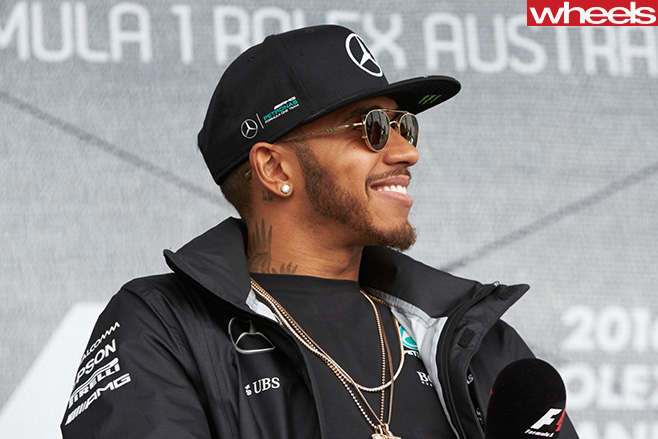
With the likes of Fernando Alonso, Sebastian Vettel, Daniel Ricciardo and Max Verstappen handcuffed tightly to their respective teams, Bottas has long been the favourite to slide into the Silver Arrow seat after the shock retirement of Rosberg a few days after the title-clinching race of 2016.
In a four-year F1 career, Bottas, who score nine podiums in 77 starts with Williams, was also contractually tied to his team for 2017, but Mercedes was able to negotiate him away from Williams with a sweetener or two.
Bottas, 27, has signed a one-year deal with Mercedes, with an opportunity for an extension of needed.
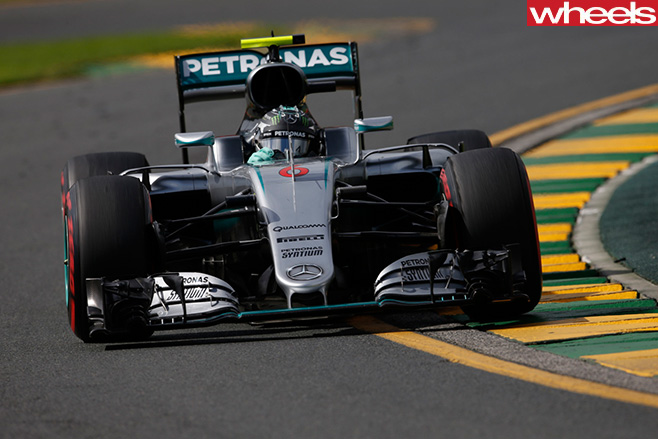
But Bottas’ short one-year contract with the Silver Arrows has quickly raised speculation that Mercedes has in mind a play for Vettel at the end of the coming season, when the occasionally disgruntled four-times champ is out of contract.
In an arrangement with a few initial complications, the Mercedes executive director Toto Wolff’s managerial relationship with Bottas has had to end due to a potential conflict of interest.
Wolff was present at the Silver Arrows headquarters for the announcement, commenting that “Nico’s decision in December was a big surprise, and certainly a challenging situation for the team to handle. But weathering the storm makes you more resilient and we see this as another opportunity for the team to grow.
“Valtteri is a no-nonsense guy, down to earth, straightforward and very focused. Pretty Finnish, to be honest, and a great fit for us.”
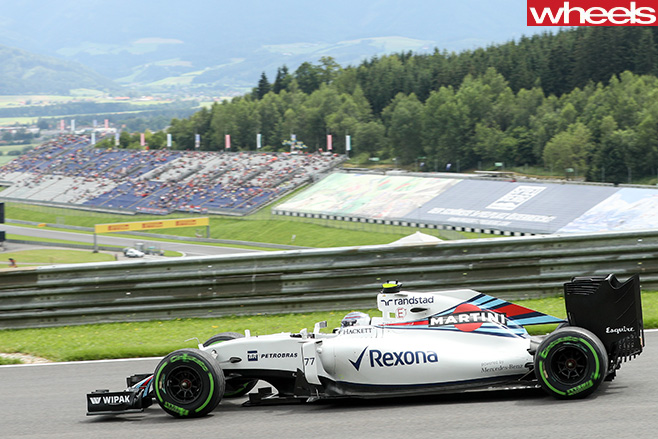
The 35-year-old Massa this was handed a reprieve, having been forced out of Williams and into reluctant retirement.
A Williams statement read: “Williams Martini Racing is pleased to confirm that Felipe Massa has agreed to re-join Williams on a one-year deal, coming out of retirement to replace Valtteri Bottas who the team has released to join Mercedes for the 2017 season.”
One major question remains: will Massa have to return his farewell team gifts?
“Firstly, I am very happy to have an opportunity to return to Williams,” Massa was reported as saying. I always intended to race somewhere in 2017, but Williams is a team close to my heart and I have respect for everything it is trying to achieve.
“Valtteri has a great opportunity, given the turn of events over the winter, and I wish him all the best at Mercedes.
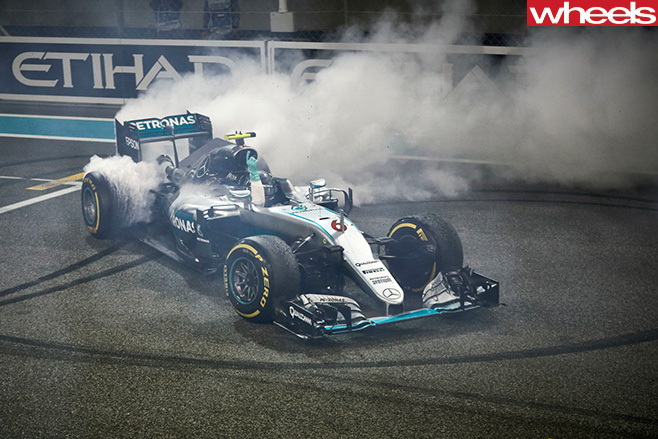
“The support from my fans over the last few weeks has been a huge boost and I’m grateful for that. I also look forward to working with Lance; I’ve known him for many years and seen his talent develop during that time, so I look forward to seeing what we can achieve together.”
In other news which helps tidy up the 2017 grid, the former Manor F1 driver and Mercedes development driver Pascal Wehrlein will drive for Sauber this season, alongside Swede Marcus Ericsson. Wehrlein had been tipped as a possible replacement for Rosberg but was judged too inexperienced by the world champion team.
Wehrlein’s Sauber deal puts Felipe Nasr on the sidelines.
Manor slipped into administration earlier this month, with its participation in March’s season opener, the Australian Grand Prix, in serious doubt.
Here at WhichCar we try and explain cars in the simplest of terms. We’ve given you the skinny on what makes bigger engines better, explained twin-cam engines, detailed turbo tech and taken the mystery out of what power and torque are.
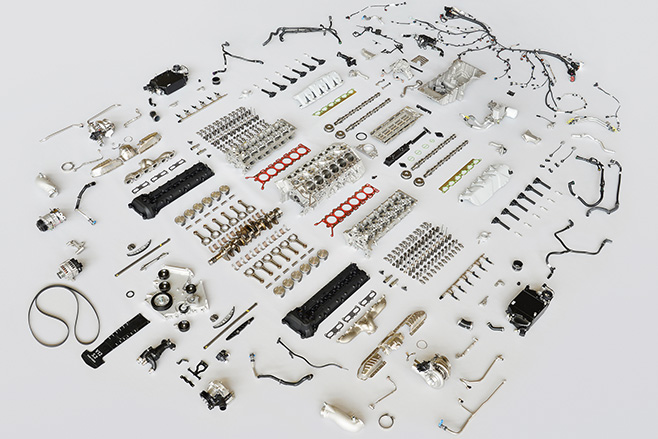
So what happens when you combine all of those principles together? Do it right, and you get something approximating the array of parts you see here. This is an entire engine from an Aston Martin DB11 coupe – a twin-turbocharged 5.2-litre V12 producing 447kW of power and 700Nm of torque – approximately double the oomph generated by a Holden Commodore SV6.
Obviously this engine looks a little more… complete when installed in a Aston Martin DB11, but in this exploded view we can take a good look at all the parts that make Aston’s most technologically-advanced powerplant so special.
ENGINE BLOCK
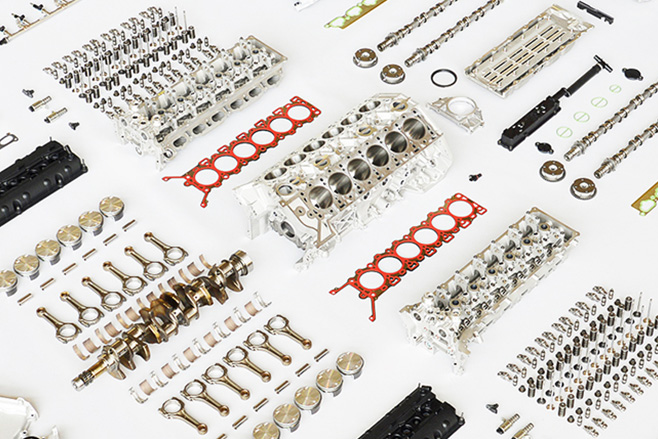
This big hunk of aluminium alloy is the 5.2-litre engine block, the vital core to which all major components are bolted. Visible are the 12 cylinders that house its pistons and conrods (which are visible to the left of frame), arranged in two rows of six at a ‘V’ angle of 60-degrees.
The conrods (short for connecting rods) run between the pistons in the cylinders and the crankshaft at the base of the block (pictured lower left, middle), which spins and moves the conrods and pistons up and down.
In the image here, the two cylinder heads sit on either side of the block. These are bolted to the top of block above each row of cylinders, with the red gasket forming a seal between the heads and the block.
TURBOCHARGER
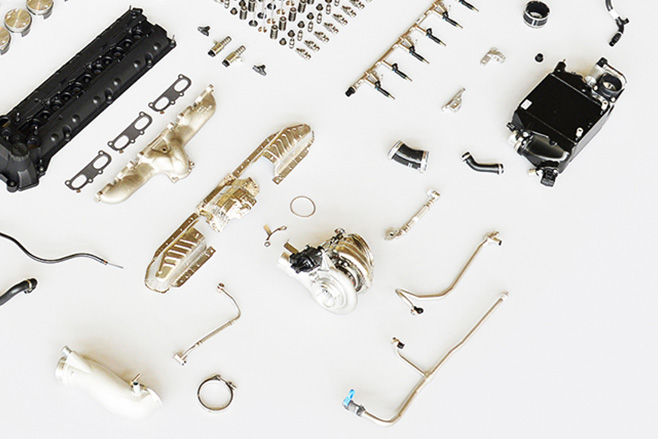
That shiny snail-like contraption in the centre of frame is one of the DB11’s two turbochargers, which supply pressurised air to the engine to help it make more power.
The turbo has two halves. The rear half of the turbo – the turbine housing – bolts to the exhaust manifold (the log-like part in the upper left), and uses spent exhaust gas from inside the engine to spin a small wheel. That wheel (the turbine), is connected by a shaft to another wheel (the compressor) that sits in the front half of the turbo. When it spins, it compresses fresh air and sends it into the engine via an intercooler (the black box in the upper right), which keeps the air temperature down.
The various pipes and hoses around the turbo keep it supplied with oil. The turbine and compressor spin incredibly fast when the engine is working hard and together they generate a lot of heat. A constant feed of oil keeps the turbo cool and spinning freely.
SUMP AND WIRING
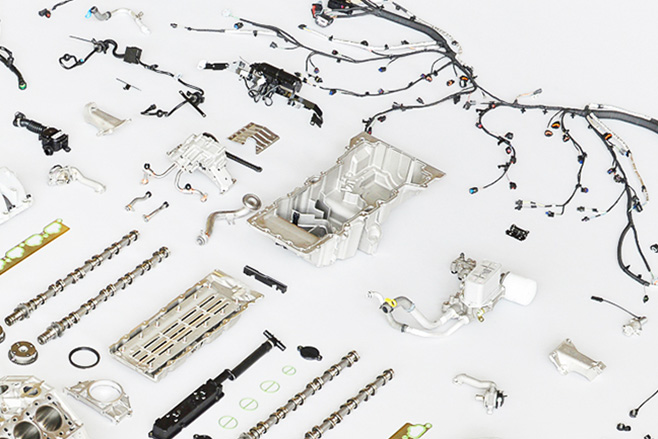
The oil for the engine and turbochargers is held at the bottom of the engine in a cast alloy bowl, called a sump. Oil is delivered to the engine via the oil pump and filter, shown sitting either side of the sump. The black spaghetti above the sump is the electrical wiring loom that plugs into every sensor, injector and solenoid on the engine, linking them with the Engine Control Unit that manages them.
In the lower left you can see the four camshafts that sit at the top of the engine heads. There are two camshafts above each bank of six cylinders, where they open and close the engines 48 valves. Each cylinder has four valves – two that let air and fuel in, and two that let the exhaust gas out, where it goes on to spin the turbocharger, mentioned above.
THE Suzuki Ignis compact SUV has relaunched in Australia at the same price its predecessor sold for in 2005.
Priced from $15,990 in base-model five-speed manual Ignis GL guise, the city-sized hatch is the most affordable SUV on the market today, offering rugged, adventurous looks in a city-friendly package.
With the range topping out at $18,990 for the flagship auto-only Ignis GLX, the entire Ignis line-up easily undercuts chief rivals including the Ford Ecosport, Holden Trax, Mazda CX-3, Honda HR-V and the Nissan Qashqai.
Keen drive-away pricing also applies to the Ignis from launch, with all models available with on-road costs covered for just a $1000 premium over the retail price.
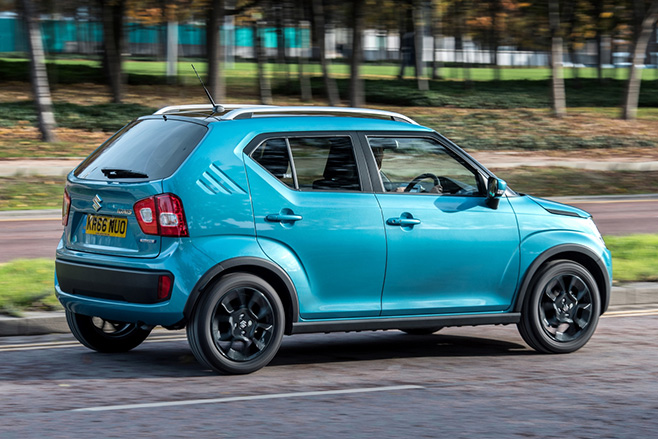
Powering the Suzuki Ignis is a 1.2-litre four-cylinder engine producing 66kW and 120Nm, which is about the same power and torque as an entry-level Toyota Yaris city hatchback. It’s compact at just 3.7 metres long and 1.7 metres wide, and at 1.6 metres tall it sits higher off the ground than a Holden Commodore.
With a turning circle of 9.4 metres, the Ignis also lays claim to being one of the more manoeuvrable SUVs on the market – even if its SUV status is more notional than most.
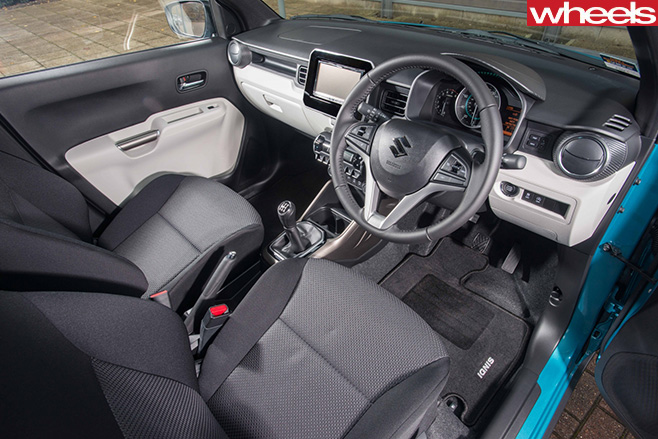
The Ignis GL comes with either a five-speed manual or a CVT automatic, while the GLX range-topper is a strictly CVT-only proposition.The base model Ignis GL rolls on 15-inch steel wheels, with standard equipment including power windows, satellite navigation with a reversing camera, and an audio system with a multimedia screen, Bluetooth phone connection, Apple CarPlay and Android Auto and a USB connection.
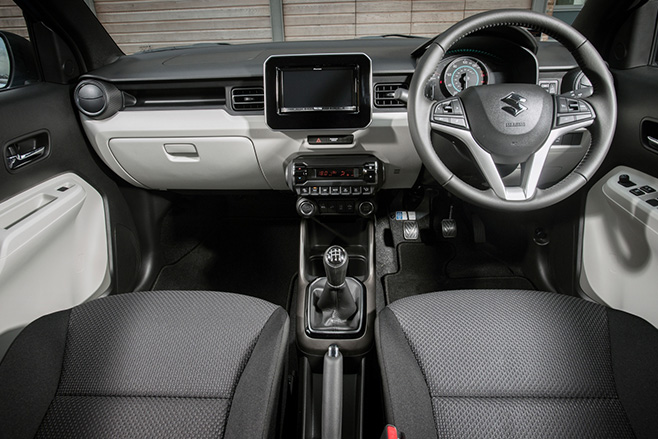
It also gets cruise control, and integrated sat-nav is standard even in the base model – a rarity in the segment.Step up to the $18,990 GLX, and the Ignis adds steering wheel audio controls, 16-inch alloys, dusk-sensing headlamps and daytime running lights, climate control air-conditioning, tinted glass and keyless entry and start.
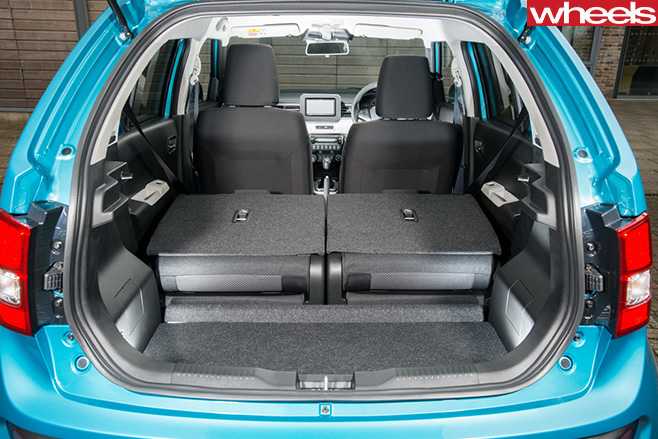
While the five-seat GL has a 60:40 split rear bench, the GLX has a four-seat layout with a 50:50 split rear seat – yet it gains a sliding bench that gifts the Ignis with more rear legroom or cargo space. With the rear seats up, the Ignis GL has 271 litres of cargo room while the GLX has a nominal 264-litre capacity.
Adding CVT increases cost by an extra $1000. Standard safety equipment for both models runs to six airbags, plus ABS, EBD, brake assist, traction control and stability control.
2017 Suzuki Ignis pricing
Suzuki Ignis GL manual: $15,990 ($16,990 drive-away) Suzuki Ignis GL auto: $16,990 ($17,990 drive-away) Suzuki Ignis GLX auto: $18,990 ($19,990 drive-away)
Ordinarily, we’d be discussing the field’s wet lateral G force performance right about here.
But, as with dry G force measurement on the Figure Eight, there were simply too many environmental variables at play to arrive at a genuine number representative of sustained lateral acceleration. So, this year, wet G force was left out.
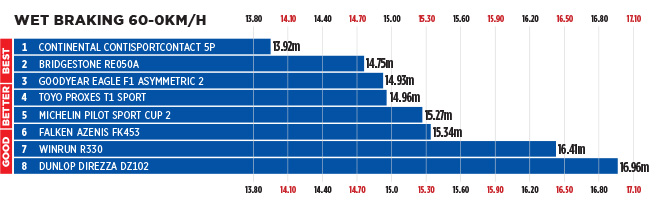
Wet emergency braking, though, has no suitable substitute. As with Dry Braking, each tyre set copped two emergency stops, though in this instance using a 60-0km/h measurement, albeit with brakes fully applied, cold, from 70km/h.
Again, the Continental proved to be the most talented wet-conditions performer, pulling up in 13.92m, close to a full metre shorter than any other competitor. “It’s just got really, really good wet grip,” was Luff’s appraisal of the Conti.
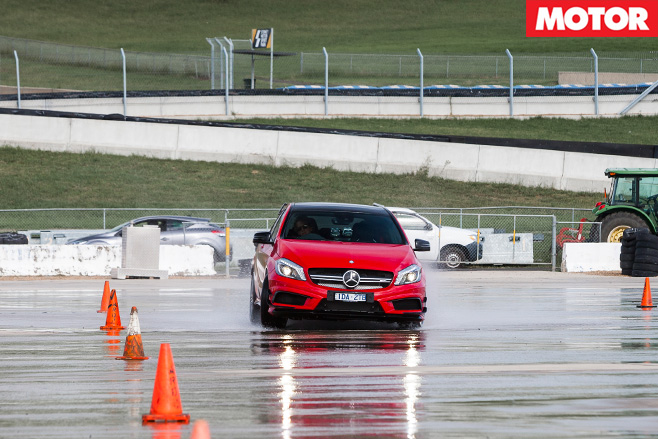
“While the Bridgestone tends to break away quickly laterally, it’s really good in straight line under brakes,” Luff explains. “If anything, the Goodyear struggles a little in the second half of the stop. The Toyo is a more forgiving tyre (in its breakaway) but it just lacks overall wet grip.”
Despite all-round excellence in all disciplines thus far, a middle-order fifth placing for the Michelin, at 15.27m, was a little bit of a surprise. “While it’s certainly one of the faster tyres out there, it simply doesn’t like standing water,” Luffy reckons.
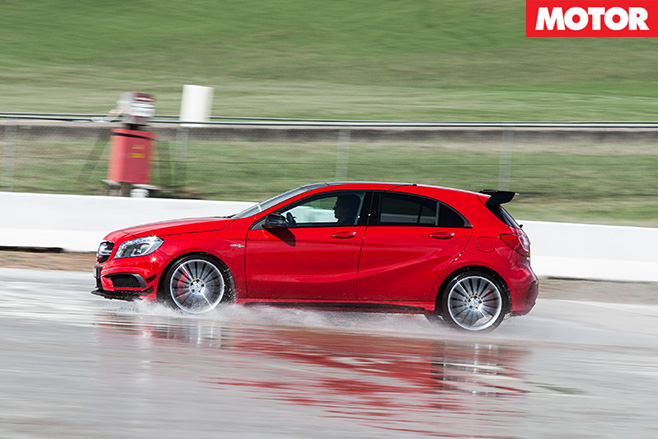
“The construction of the Dunlop feels quite hard,” Luff surmises. “As if it’s been designed for maximum durability rather than focusing on leveraging grip.”
LUFF YOU LONG TIME TEN-YEAR MOTOR-testing veteran Warren Luff was, as always, our go-to-guy for the serious business of producing speed, accuracy and consistency throughout the running of the Tyre Test. Count all the tests up and the bloke did an astonishing total of 144 tests in one day.
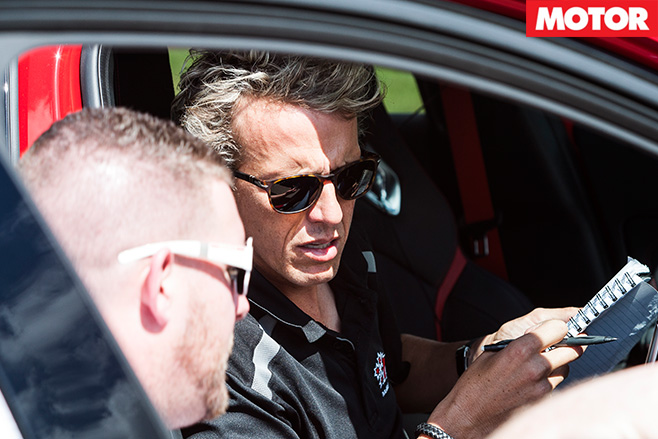
When not playing chief stunt dummy for MOTOR, Warren’s split between racing and stunt driving commitments. Spice up your Facebook feed by ‘Liking’ Warren Luff or, for Twits, following @WazzaLuff.
MORE MOTOR TYRE TEST 2015
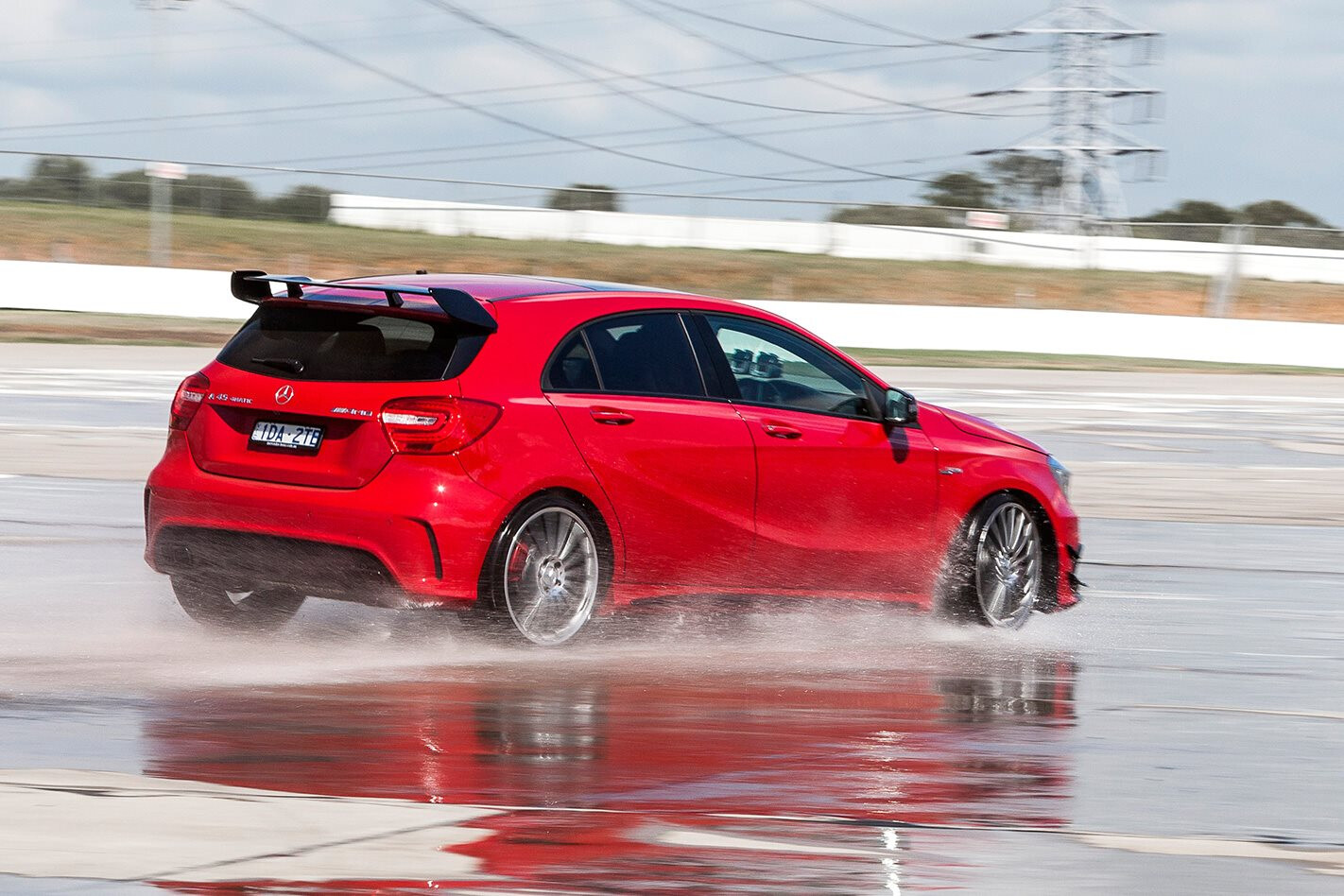 WET MOTORHANA
A tyre’s ability to cope with wet conditions plays a huge part of the Tyre Test and represents a significant portion of the overall scoring.
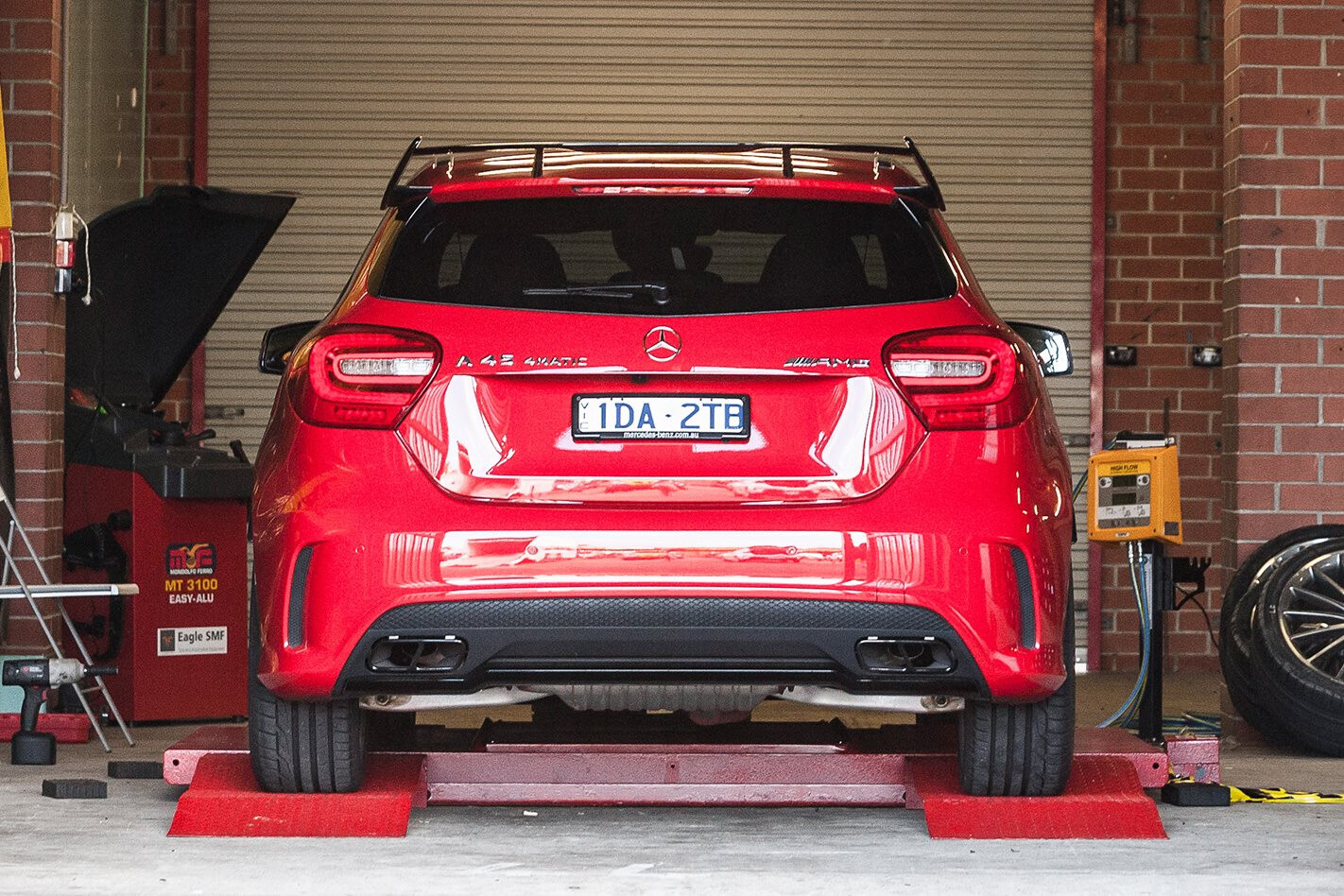 MOTOR TYRE TEST 2015: THE VERDICT
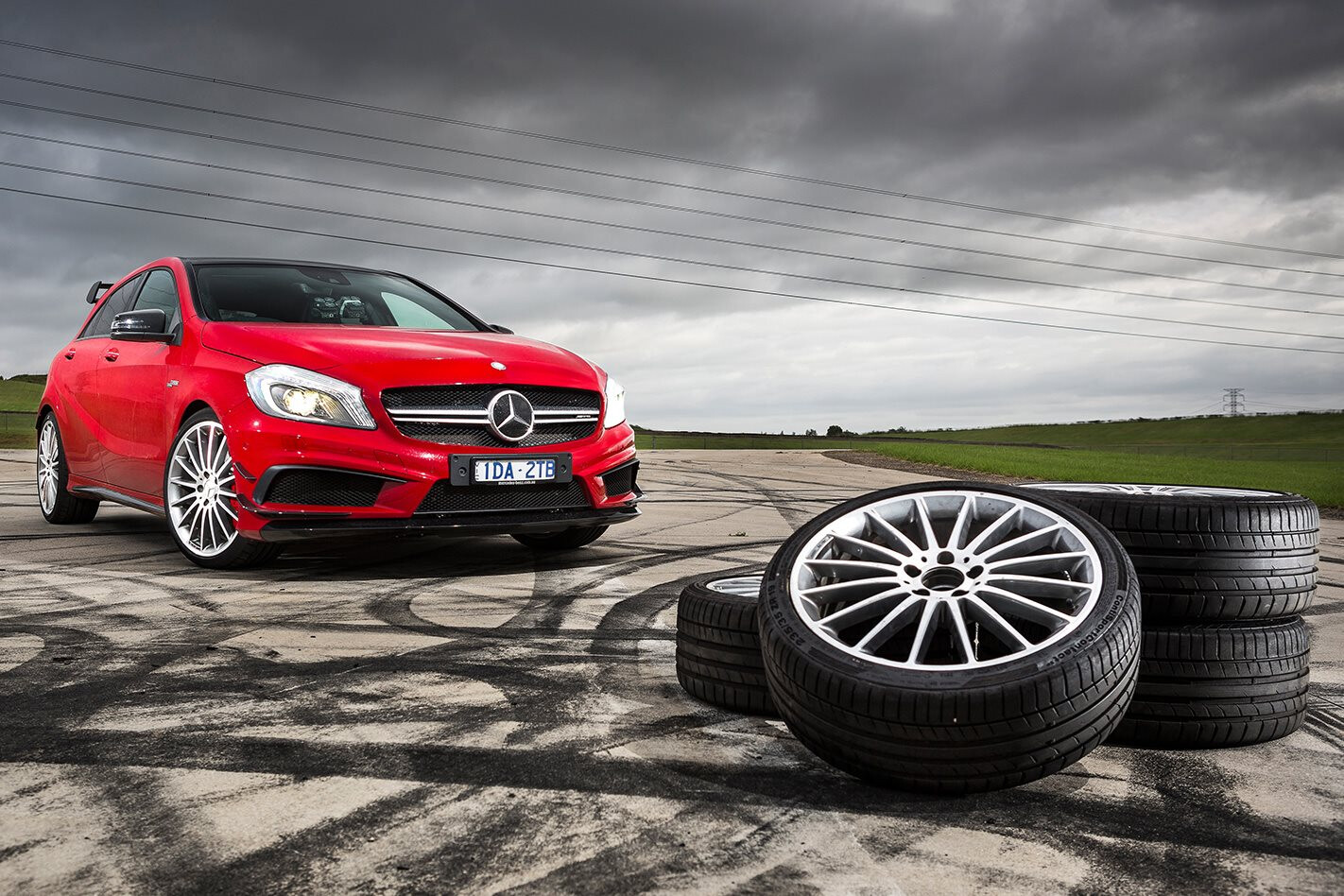
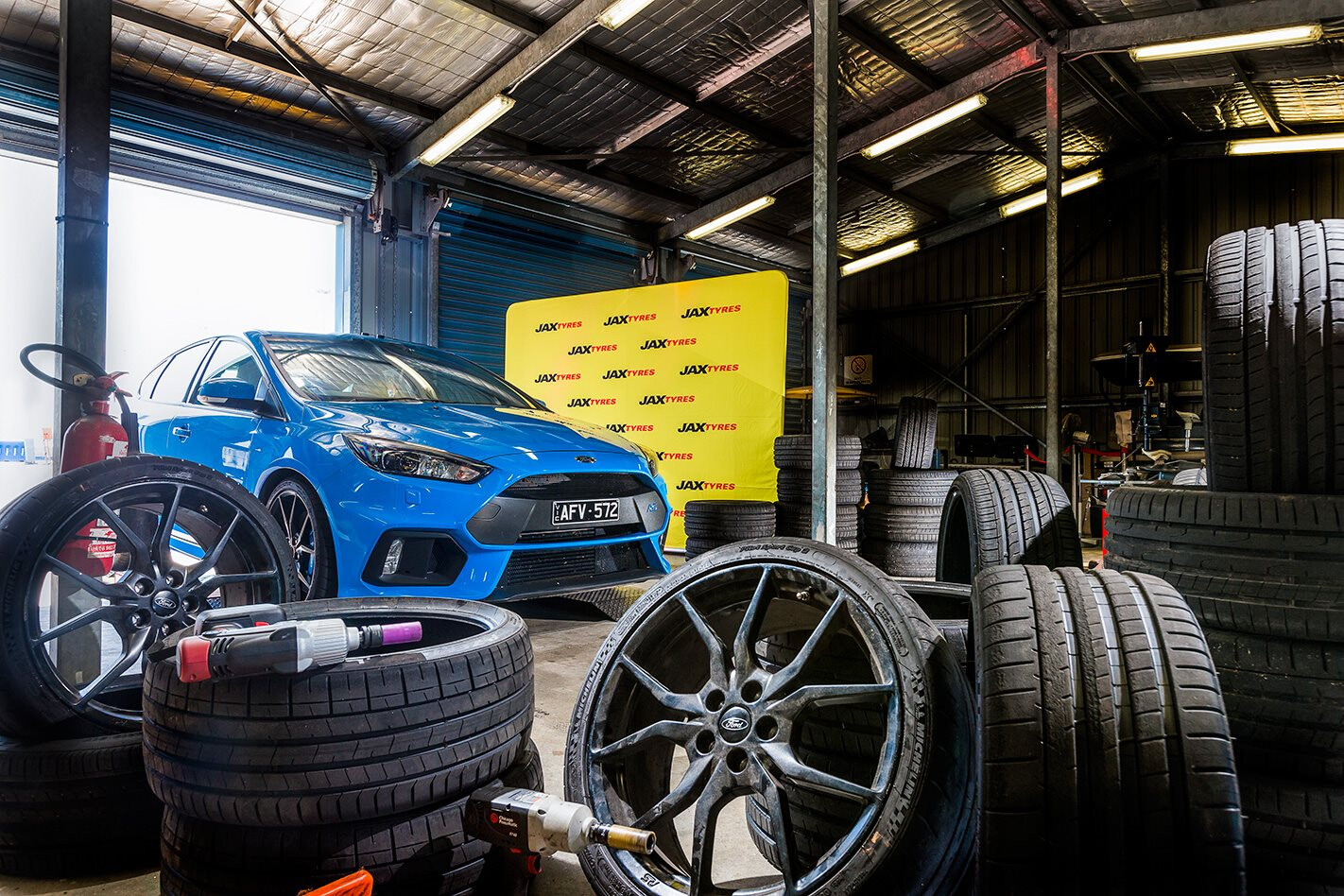
Our ultimate grip test again proves that while they may look the same, the levels at which these rings of sticky stuff perform are vastly different.
 MOTOR TYRE TEST 2015
Our ultimate grip test again proves that while they may look the same, the levels at which these rings of sticky stuff perform are vastly different.
 MOTOR TYRE TESTS
The quest to find the best high performance tyres in Australia.
New year, new metal. The North American International Auto Show in Detroit delivered a handful of dreamy concept cars and a smattering of sparkly, real-world-relevant machinery that Australians will buy in bulk.
We took a lap of the convention centre halls and stuck our beaks into the cars that had people talking, to see what all the fuss was about. Check out the video to see them up close, and read more about them below.
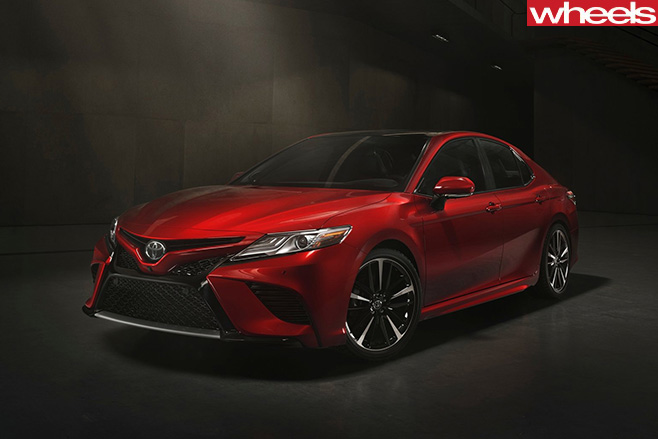
TOYOTA CAMRY
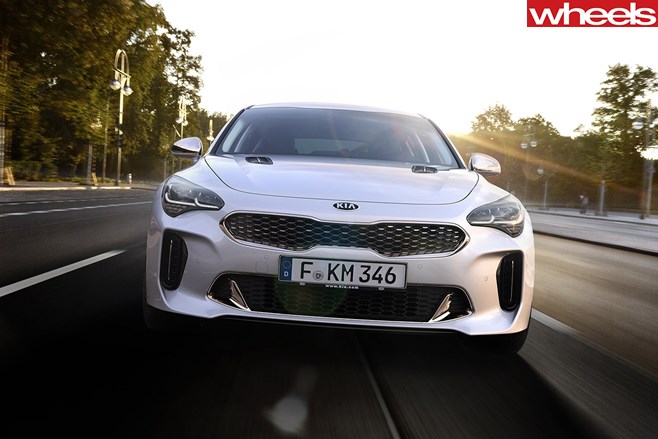
KIA STINGER
AUDI Q8 CONCEPT
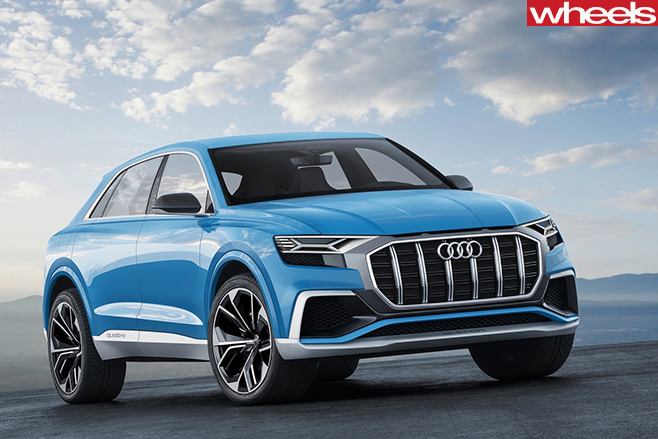
INFINITI QX50 CONCEPT
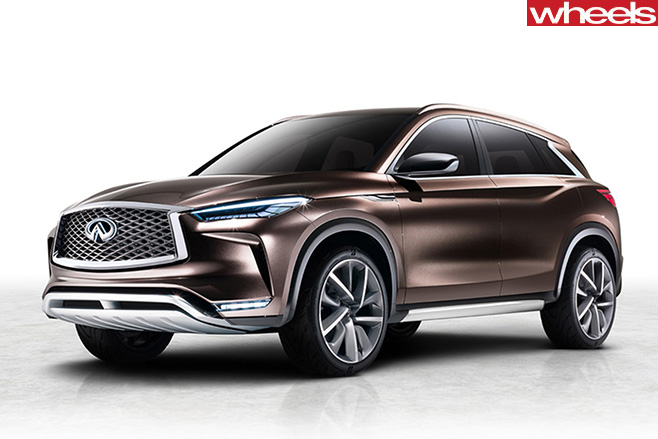
LEXUS LS500
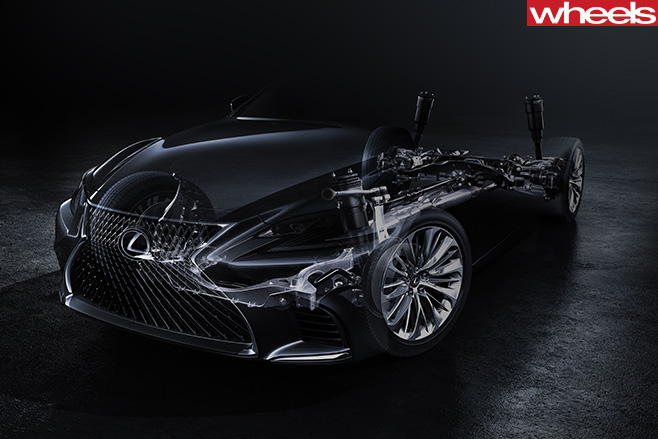
MERCEDES-BENZ E CLASS COUPE
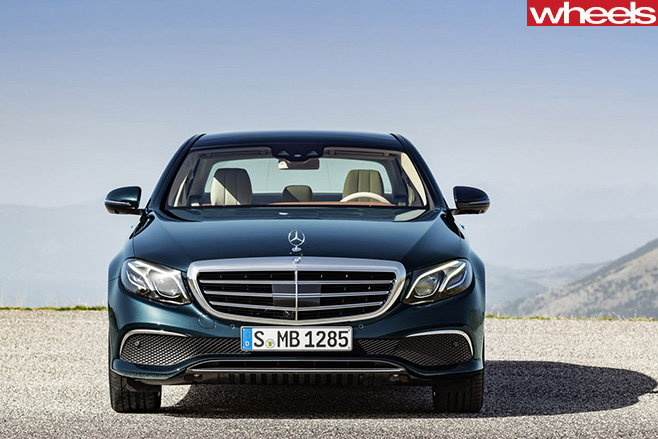
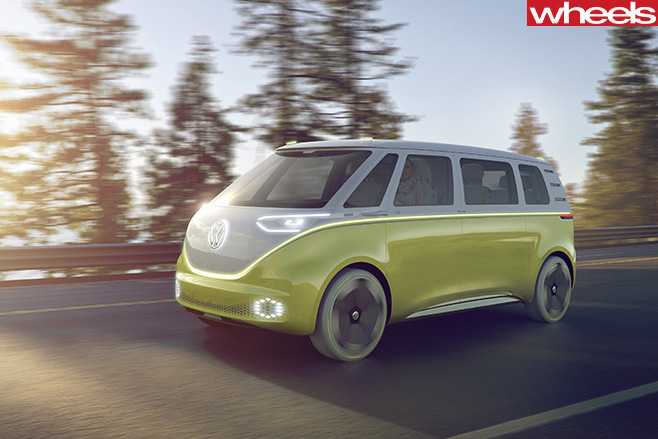
VOLKSWAGEN ID BUZZ CONCEPT
Suzuki’s all-new Ignis hopes to dominate the light SUV segment with high-riding stature in a funky, diminutive frame.
WHAT IS IT? An all-new generation of the Ignis from Suzuki, debuting a new lightweight platform and spearheading the brand’s assault on the light SUV segment. It comes in two spec levels, GL and GLX, with a single 1.2-litre, four-cylinder, ‘Dualjet’ engine available.
WHY WE’RE TESTING IT? The Ignis solidifies Suzuki’s place as a front-runner in the light and small car segments, and fills a gap in their line-up as the entry-level SUV.
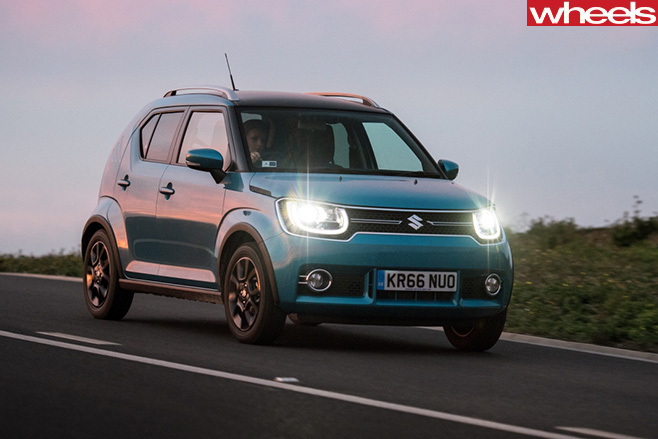
THE WHEELS VERDICT PLUS: Well packaged interior, funky styling, generous standard equipment, competitive pricing MINUS: Sticky steering, CVT transmission lacks refinement, no 1.0-litre turbo three-cylinder engine option.
The Suzuki Ignis has charming first-impressions thanks to funky good looks on the outside and a well packaged interior. However, digging a little deeper exposes some holes in the light SUVs façade where Suzuki hasn’t quite been able to connect the dots.
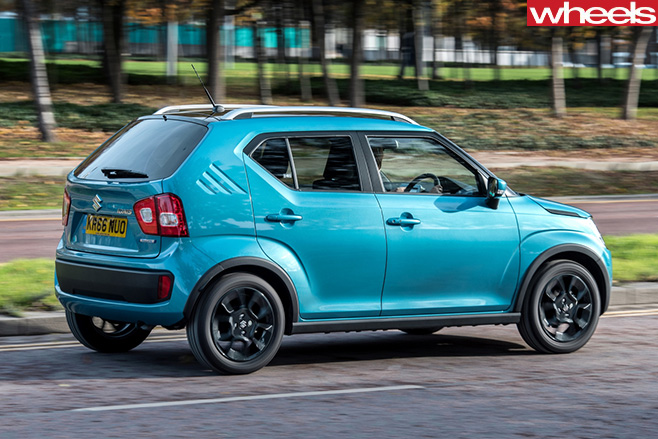
A relatively short drive experience means dynamic impressions are minimal. However, the car does seem to lack refinement in ride and handling. The 16-inch wheels on the GLX firm up the ride, but it certainly wouldn’t be described as harsh. Meanwhile sticky electric steering lets down the handling, and a slow rack (a whopping 3.6 turns lock-to-lock) results in the driver having to twirl the wheel extensively to take advantage of the 9.4-metre turning circle.
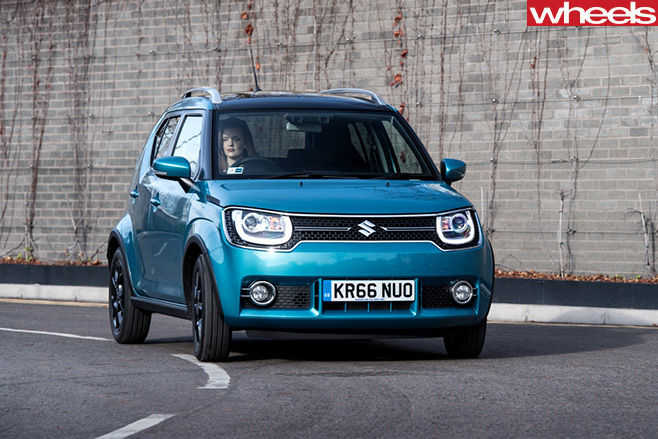
The only engine available for the 2017 Ignis is a 1.2-litre four-cylinder atmo petrol engine. It can be mated with a CVT transmission across both specs, while the five-speed manual is only available in the base-model GL.
The base model car starts at $15,990 RRP, while the CVT transmission costs an extra $1000. The GLX is listed as $18,990 RRP.
The throttle can also drag in traffic, and it can be difficult to modulate to prevent the transmission wailing as it searches for a ratio. This means the Ignis is a tad lazy off the line, and requires planning for execute highway-speed overtaking manoeuvres.
The Ignis has ventilated brake discs at the front, and drum brakes at the rear across all models. While not forceful, the set-up is capable of hauling the Ignis to a halt with decent haste.
This is in part thanks to the all-new platform that debuts internationally in the Ignis. Used domestically in Japan for small A-segment cars previously, the new platform results in the GLX only tipping the scales at a svelte 865-kg.
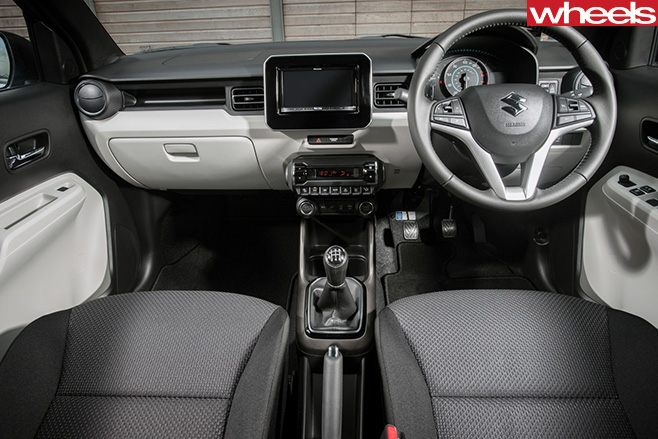
Overall the Ignis is a funky car with an incredibly well-packaged interior, generous standard equipment and competitive price points. However, it fails to excite dynamically, and the lack of a 1.0-litre three-cylinder turbo engine is a missed opportunity.
SPECS Model: Suzuki Ignis GLX Engine: 1242cc four-cylinder, dohc, petrol Max power: 66kW @6,000rpm Max torque: 120Nm @4,400rpm Transmission: CVT Weight: 865kg 0-100km/h: N/A Fuel economy: 4.9L/100km (claimed) Price: $18,990 RRP On sale: Now
