Most people know Lexus is Toyota’s luxury arm, and BMW owns Mini, but did you know Lamborghini is owned by Audi, which in turn is owned by Volkswagen? Or that, before its eventual demise as a carmaker, Holden started out making saddles?
Here is the current status of every major car brand, as well as a snippet of its history and when it was founded.
In most cases, the nationality of the current owner is a matter of semantics. For example, just because Jaguar is currently under Indian ownership, the brand is no less British than it has been in all its years.
You’ll often find the head office, design centres and sometimes even the factories stay in their respective native countries regardless of who now owns a given brand.
Car companies shift ownership more frequently than you might imagine, and part ownership shares even more often than that, so it can be difficult to keep track. This is as the global automotive landscape looks at the time of writing.
1
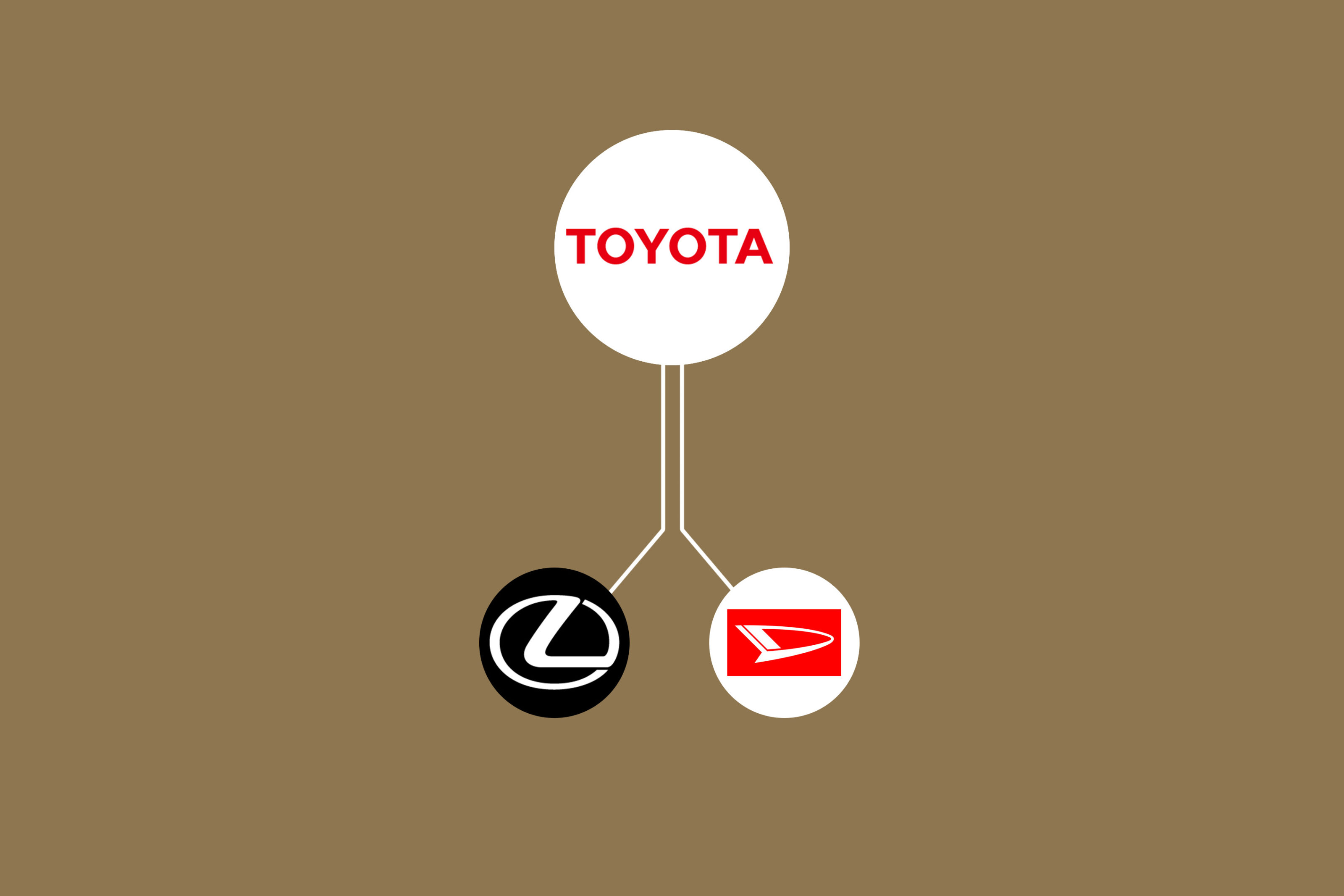
Toyota – Founded 1937
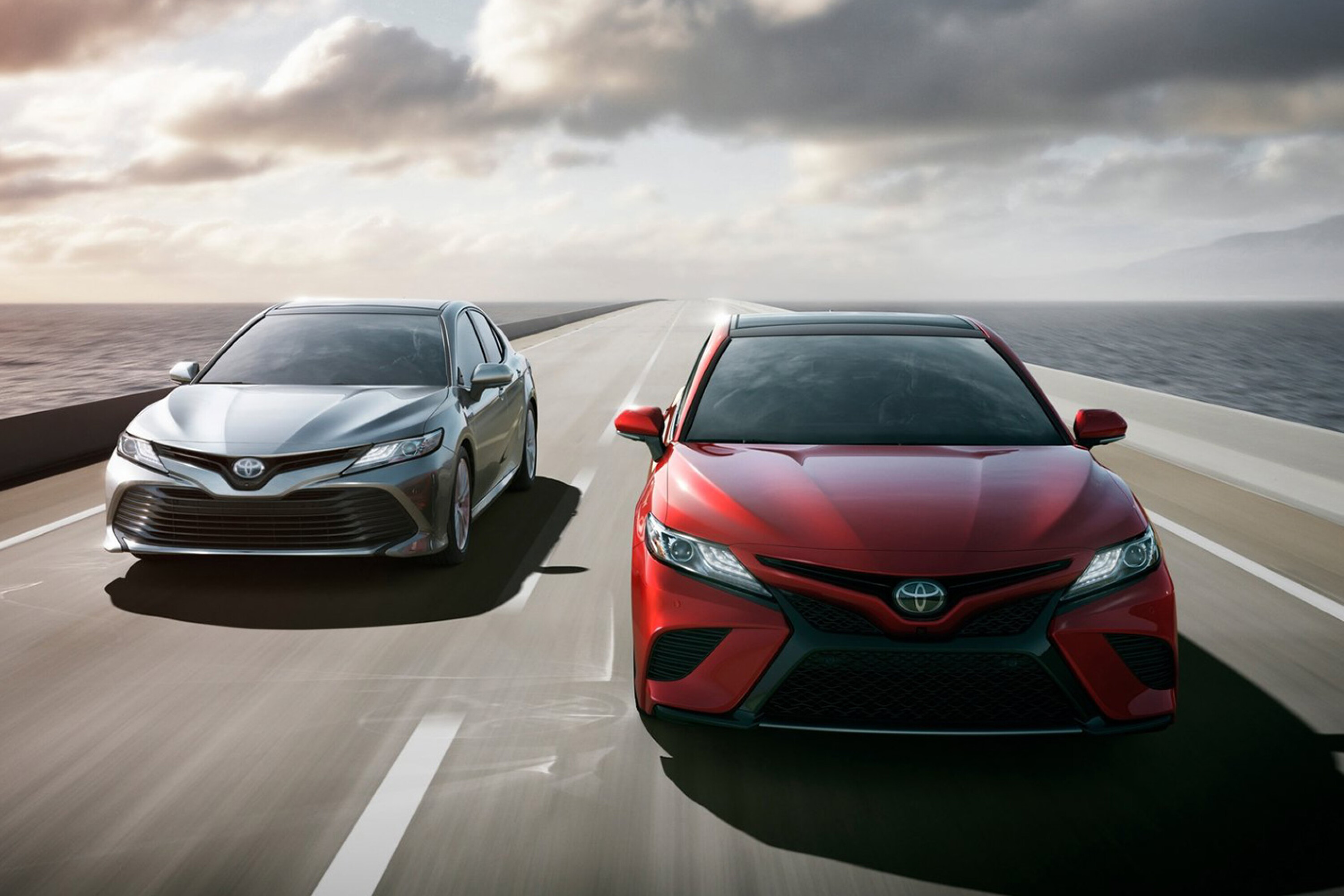
Australia’s favourite car brand by sales, Toyota continues to rank at the top of the big three, a significant way ahead of Mazda in second place – while Ford, Hyundai and Mitsubishi tussle for the remaining spots in the top five.
The company produces about 10 million cars each year and is a world leader in the hybrid market, having surpassed a total of 200,000 hybrid sales in Australia between 2001 and 2021. Toyota also produces heavy commercial vehicles under the Hino brand.
Lexus – Founded 1989
Lexus was established in the late ’80s to serve as Toyota’s luxury vehicle division. In Australia, the brand has thrived, and it now has an 11-model line-up Down Under, including the BMW-tackling IS and RC, a more recent LC halo sportscar and a growing range of SUVs.
Some other brands have tried to repeat the Lexus success story with their own luxury branches, but none has yet equalled the results.
Daihatsu – Founded 1907
Daihatsu is a new name under the Toyota umbrella, becoming wholly-owned as of August 2016. Originally formed back in 1907 under the name Hatsudoki Seizo, the company was renamed Daihatsu in 1951.
The last new model introduced to Australia was the Sirion but Toyota pulled the brand here in 2005.
1
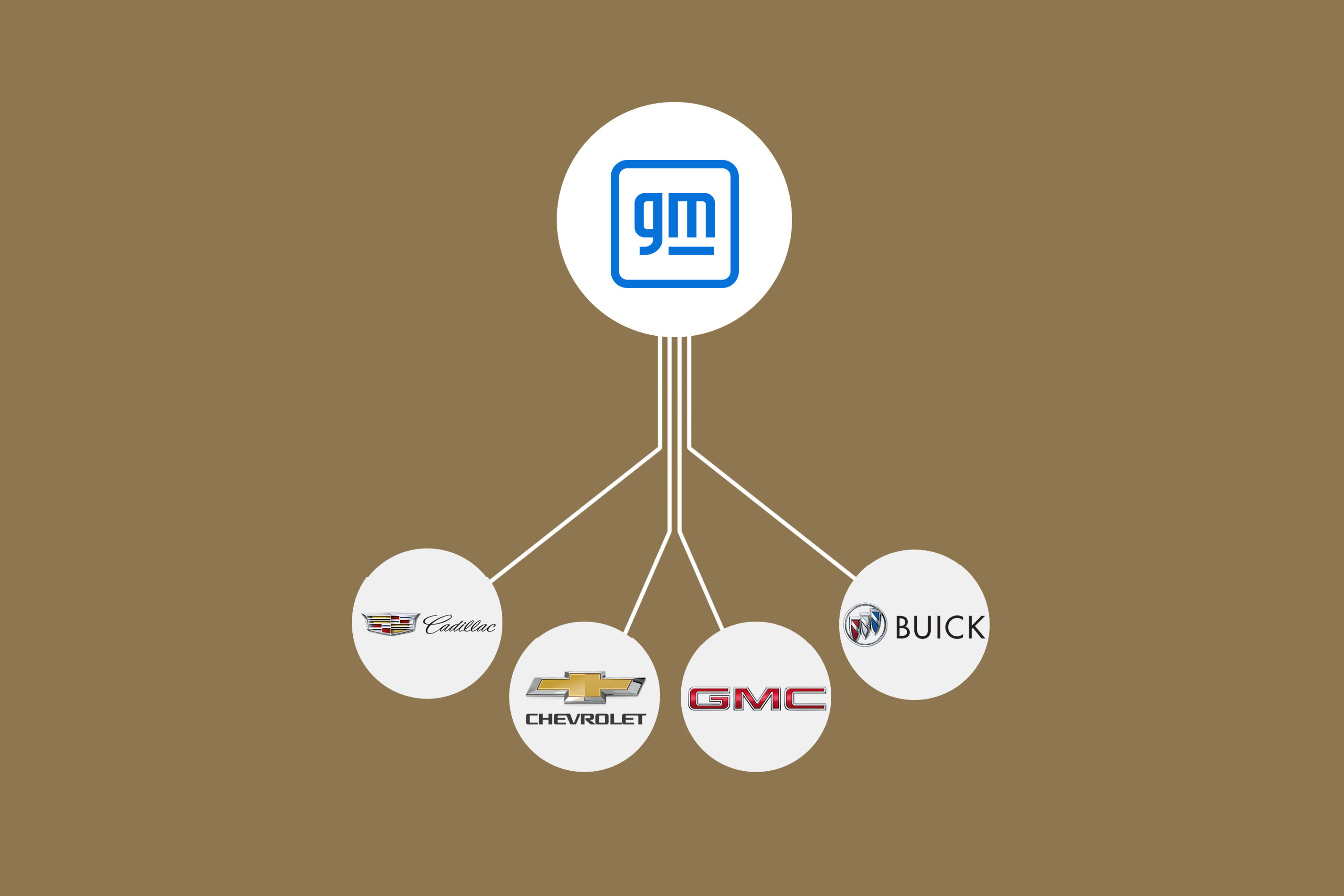
General Motors – Founded 1908
Abbreviated to simply GM, this car giant is the largest in America and builds vehicles under numerous global marques.
Founded more than 110 years ago, the company now produces cars in 15 different countries and is still based in Detroit.
Chevrolet – Founded 1911
Following something of a struggle, Chevrolet became a part of General Motors in 1918, before being designated as GM’s flagship brand in 1919. After a tenuous relationship with Australia, the swiss-cross badge has a presence on the nose of the Camaro and Silverado, which are converted locally in right-hand drive form by General Motors Special Vehicles (GMSV).
Buick – Founded 1899
Buick was absorbed into GM upon its creation in 1908, by the then owner of the company as well as GM’s William C. Durant. Despite recovering after a GFC-inflicted low sales year in 2009, Buick sales hit a ten-year low in 2020, dropping over 20 per cent on the year before.
Cadillac – Founded 1902
Cadillac is often regarded as GM’s luxury marque and was acquired by the company in 1909. Today though, the brand forges a position for itself with an ‘art and science’ design philosophy, across a range of sedans, roadsters, crossovers and SUVs.
1
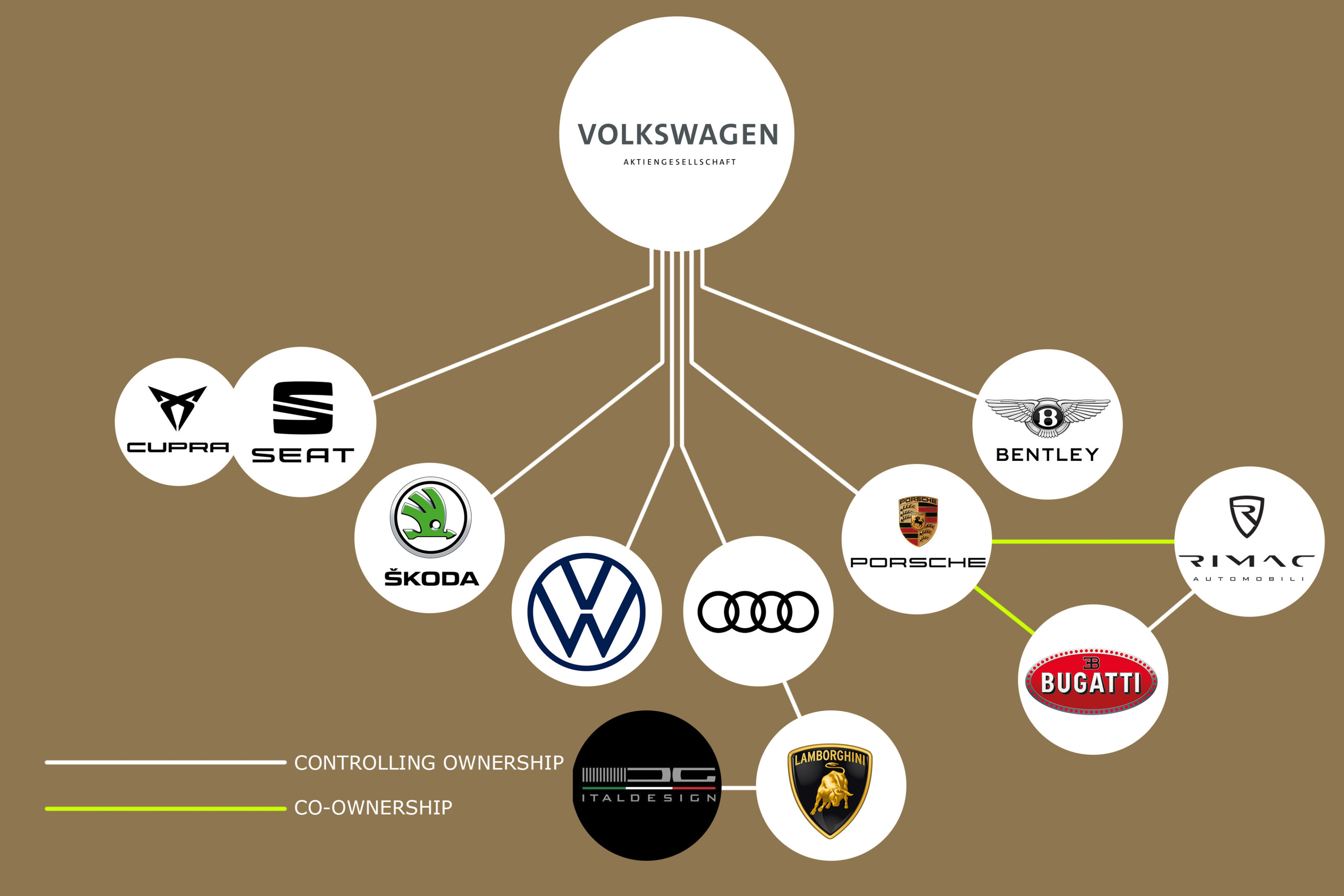
Volkswagen – Founded 1937
VW was founded by the German Labour Front (yes, the Nazis) with the goal of making a car for the German populace. From this came the Beetle.
The Beetle was sold from 1938 until 2003, making it the longest-running and most manufactured car of all time; especially if you regard the ‘New Beetle’ a continuation of its bloodline, which added another 16 years to the lifespan.
Audi – Founded 1910
Audi, previously managed by Daimler Benz, came under the control of VW in the 1960s. With the Audi name kept dormant for a period of 25 years under Daimler, it was revived in 1965. Today, the brand is one of the world’s leading premium manufacturers.
Lamborghini – Founded 1963
Today, Lamborghini is owned in its entirety by Audi, which, as of 2011, provided the stability of its backing. The brand currently produces some of the most desirable cars in the world, including the Huracan, Aventador and more recently, its Urus SUV.
Bentley – Founded 1919
The British company known for its luxury sports tourers was a standalone company for 12 years before being taken over by Rolls-Royce. Then, when Rolls went bankrupt in 1980, Bentley was sold to Vickers PLC. Finally VW revived the brand when it was purchased in 1998.
Bugatti-Rimac – 1909/2009
Bugatti was originally known for its design beauty, founded by the Italian artist and constructor Ettore Bugatti. However, after Ettore died in 1947, the company fell apart and became defunct as a carmaker in the 1960s. It was revived in 1987 for a few years by Italian entrepreneur Romano Artioli, and then eventually acquired by VW in 1998.
Rimac is a Croatian company, named after founder Mate Rimac, which has become well-known for its advanced battery and electric vehicle technology. Though Porsche owns a 24 per cent stake in Rimac, a deal was struck in July 2021 for the VW Group to access more of Rimac’s tech in exchange for a 55 per cent share in Bugatti, making Mate Rimac the CEO of the company at age 33.
Skoda – Founded 1895
Not fully controlled by VW until 2000, Skoda was aimed at being the group’s entry-level brand, providing cheaper cars than that of Volkswagen, yet using engines and technology common to both marques. Clever design ideas have helped the brand to retain its own identity.
Porsche – Founded 1931
After decades operating independently and as one of the world’s most profitable car companies, Porsche was eventually swallowed whole by Volkswagen in 2012. It followed four years of attempts by Volkswagen to acquire the company, during which time it succeeded in buying 49.9 per cent.
The ultimate settlement and merger hid an ugly power struggle in which both companies tried to buy out each other with Volkswagen emerging the victor.
Seat – Founded 1950
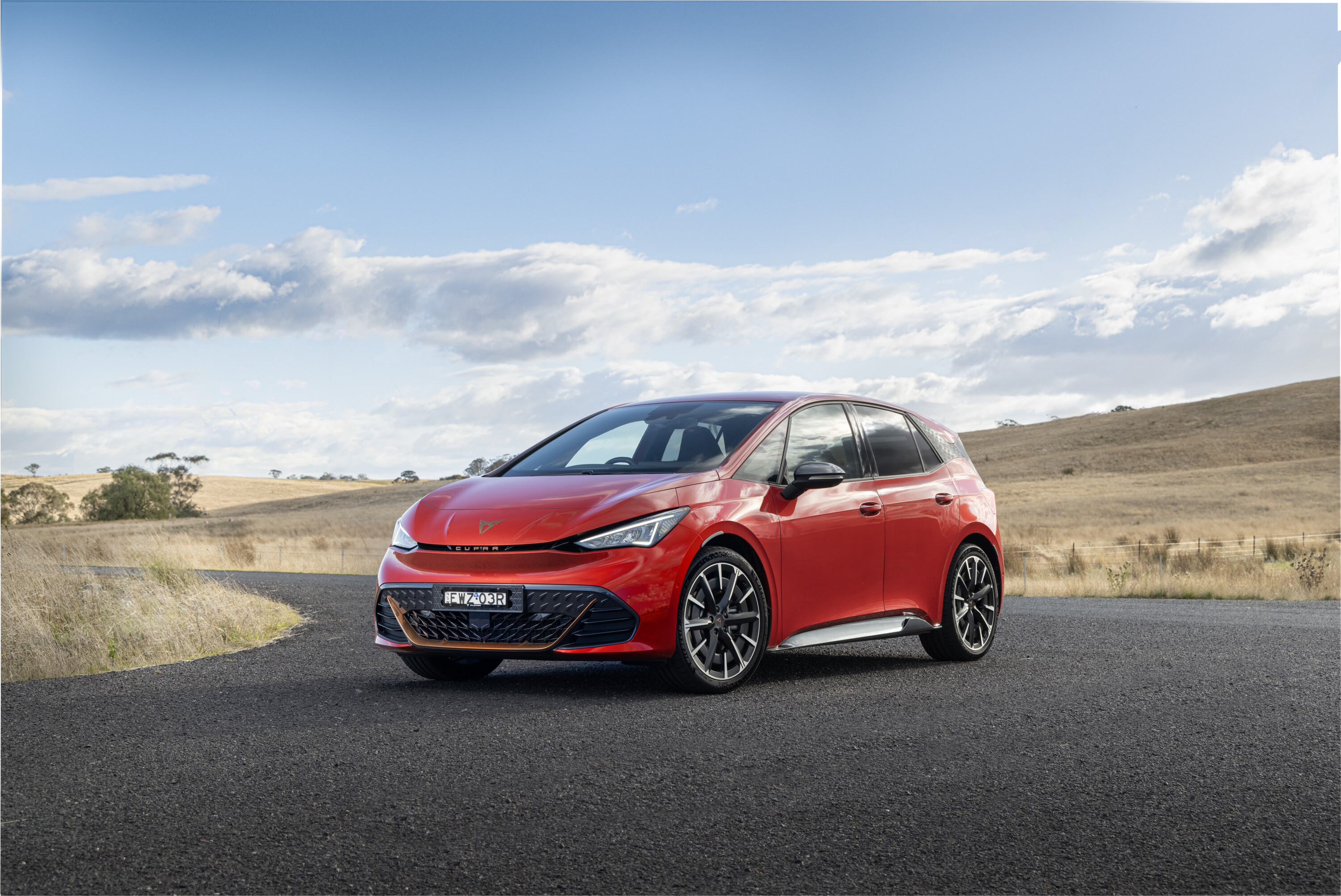
Owned by the Spanish Government from 1950 to 1986, the Volkswagen Group took a 51 per cent share in Seat before acquiring 99.99 per cent of the company in 1990. Only active in Australia between 1997 and 1999, the Spanish company will be returning in 2022 but only with its performance division, Cupra.
Cupra – Founded 1985
Initially formed as Seat Sport, the motorsport division of the Spanish manufacturer underwent a rebrand in 2018 when it was renamed Cupra. As the Volkswagen Group’s dedicated performance company, Cupra will be coming to Australia this year with a range of re-dressed, high-performance VW, Audi and Skoda models.
1
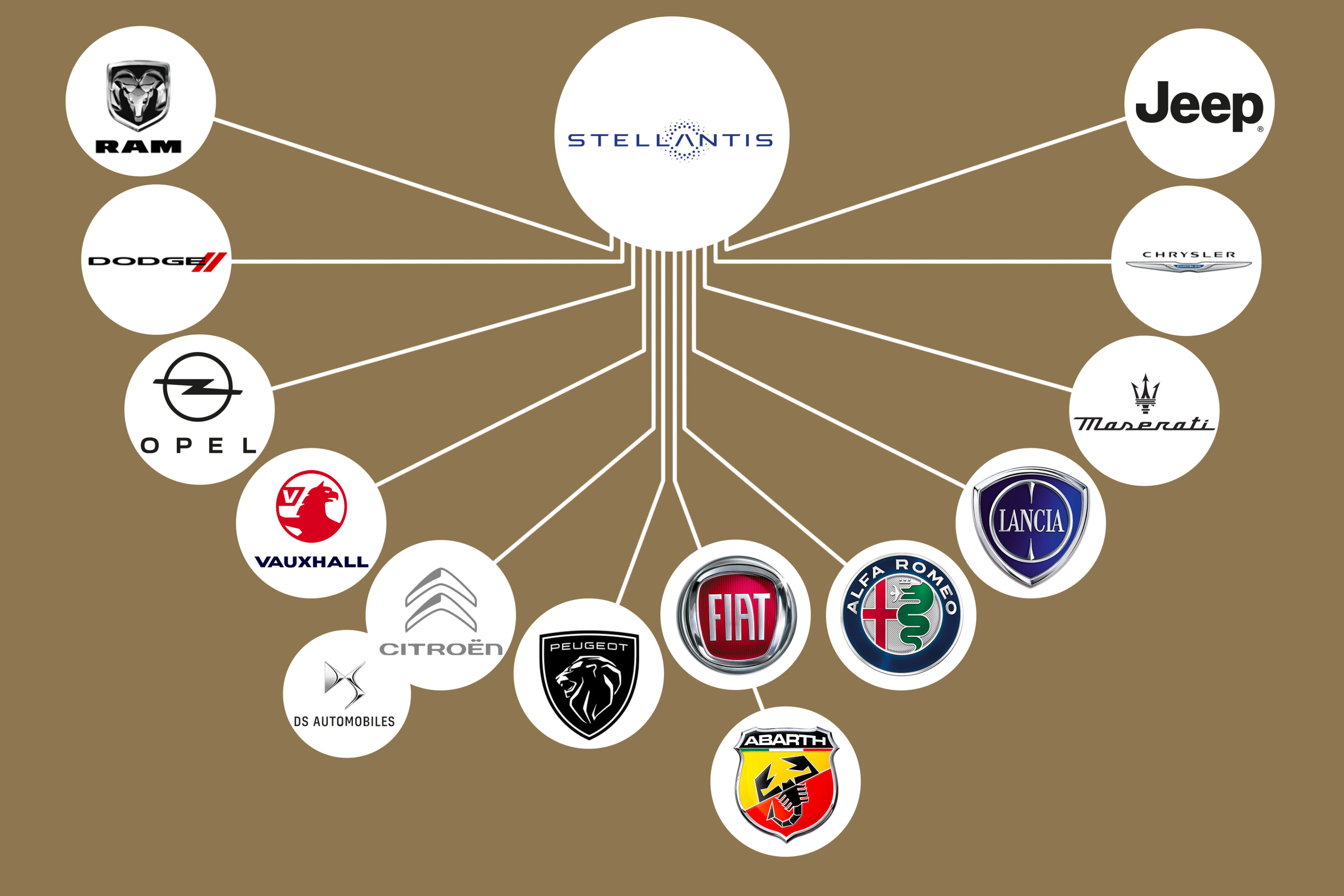
Stellantis – Founded 2021
A super-stable born off the back of two pre-existing conglomerates coming together.
Stellantis was formed in January 2021 as a multinational merger between Fiat Chrysler Automobiles (FCA) and Groupe PSA.
Fiat (FCA) – Founded 1899
Italy’s largest car brand, while not particularly prominent in Australia, is a powerhouse in Europe. Fiat is best known for its small cars including the Panda, Punto and retro-styled 500, the latter of which is available in Australia.
Abarth (FCA) – Founded 1949
Abarth was formerly a standalone road and racing car producer before its founder, Carlo, sold the company to Fiat in 1971. By 1981 the brand ended production until it was revived in 2007.
In Europe, the 124 Spider is sold as a more affordable Fiat-badged version, but in Australia, only the most powerful Abarth 124 is offered. You can also find high-performance versions of the 500 wearing the same scorpion badge.
Chrysler (FCA) – Founded 1925
Chrysler is one of America’s largest car manufacturers. However, it had to be saved, primarily by Fiat, in 2009, following the US automotive industry crisis. Fiat then took full ownership of the American brand in 2014.
Under the Chrysler umbrella, Dodge became a subsidiary of the Fiat group in 2009, having also previously been involved with Daimler. Dodge is responsible for both the RAM and SRT subdivisions, RAM being for its large 4×4 trucks and SRT for performance cars.
Jeep (FCA) – Founded 1941
Jeep is perhaps best known for its small durable 4×4 vehicles built specifically for the US military. Civilian models then became available in 1945.
The company has been owned by several brands, including AMC (with Renault), Chrysler, Daimler, and now Fiat. Among many company icons, the seven-slot grille is perhaps the most famous and is worn by every model.
Alfa Romeo (FCA)– Founded 1910
The Italian brand known for its sports cars and racing exploits was founded more than a century ago. Alfa Romeo became a part of FCA in 2007, currently only producing two cars for sale in Australia, the Giulia and Stelvio.
Lancia (FCA) – Founded 1906
Despite being sold only in Italy in modern times, Lancia is still a well-known brand thanks to its highly successful motorsport endeavours, including famous rally cars like the Stratos, Delta and 037. It came under the Fiat umbrella in 1969.
Peugeot (PSA) – Founded 1810
Originally a coffee mill company, Peugeot switched to bicycles in 1830 before looking to cars in 1882, and eventually becoming a highly successful mainstream vehicle producer. In 2014, the French Government and Dongfeng Motors both purchased 14 per cent stakes in the company.
Citroën (PSA) – Founded 1919
Citroën has made waves in the automotive world at various points during its lifetime, and today is best known for quirky small and mid-sized cars. The brand was taken over by Peugeot in 1976.
Opel (PSA) – Founded 1863
Opel was originally founded in 1863 to produce sewing machines. It then took on bicycles in 1886 and automobiles in 1899. GM would then move to take a majority stake in the German brand in 1929 and increased to full control from 1931.
As of 2017, PSA Group took over the brand along with Vauxhall as part of the deal.
Vauxhall (PSA) – Founded 1857
Vauxhall was founded in 1857 in the UK as a pump and marine engine manufacturer before turning its hand to cars in 1903.
It was later acquired by GM in 1925 and from 1980 was rebadged, and sold largely the same product in the UK as Opel has in Germany and other parts of Europe. It too joined PSA at the same time as Opel in 2017.
1
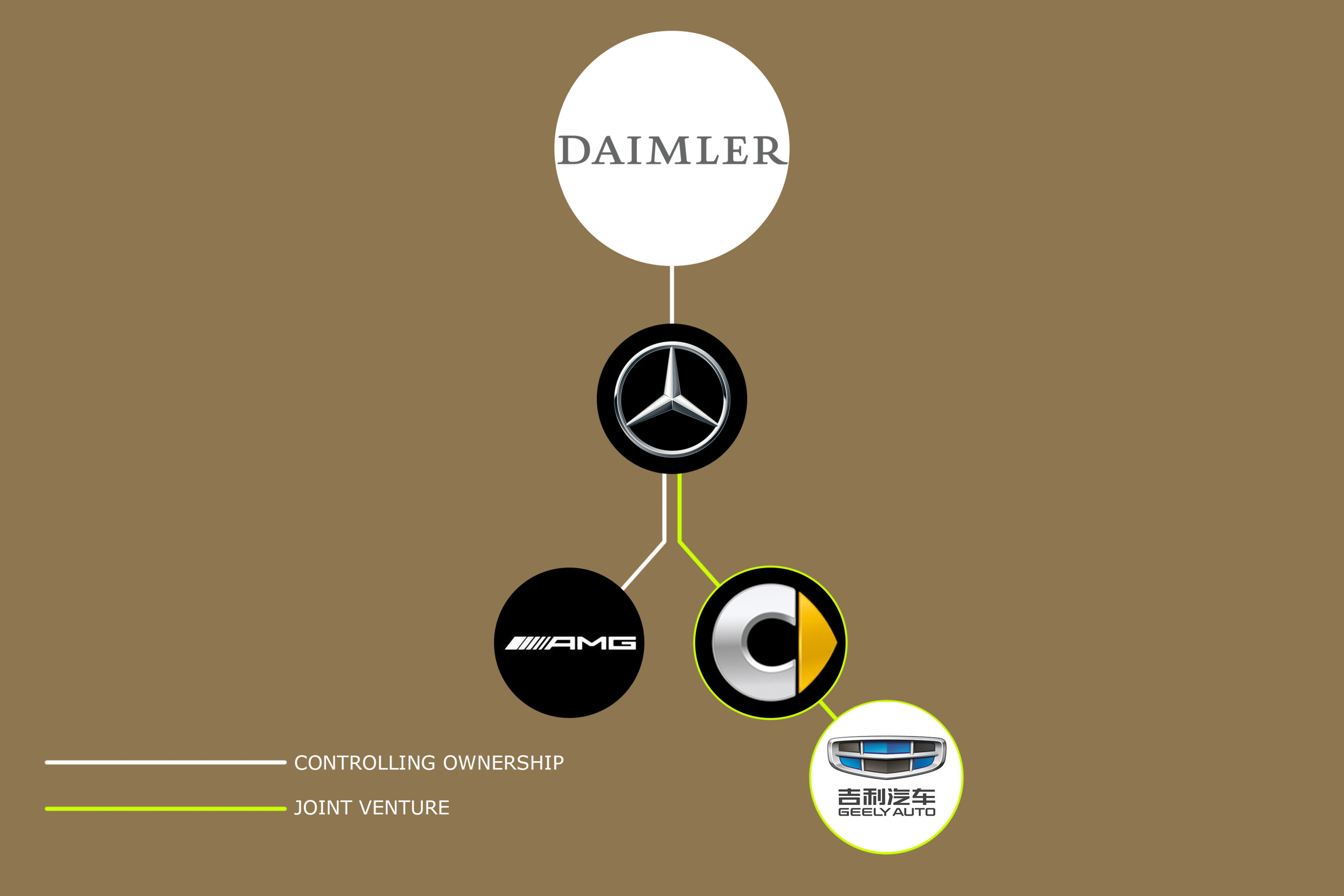
Mercedes-Benz Group (formerly Daimler) – Founded 1926
Daimler is a German automaker that sells its vehicles under the world-renowned Mercedes-Benz brand. The company was formed with the merging of the Daimler and Benz auto companies, before purchasing Chrysler in 1998 and being named Daimler Chrysler AG.
After later selling off the US brand in 2007, it became known simply as Daimler AG.
Mercedes-Benz – Founded 1883
Mercedes-Benz is the world’s oldest car manufacturer. Today the brand is best known for its wide range of luxury cars and its high-performance car division called AMG – as well as its participation in Formula 1, having won the Constructors Championship every year from 2014 to 2020.
Smart – Founded 1994
Smart is a Daimler AG brand that exclusively produces microcars and subcompacts. Originally just an idea by the head of Swiss timepiece manufacturer Swatch, the company and Mercedes came to an agreement the same year to build cars.
The brand was withdrawn from the Australian market in 2015 due to dwindling sales.
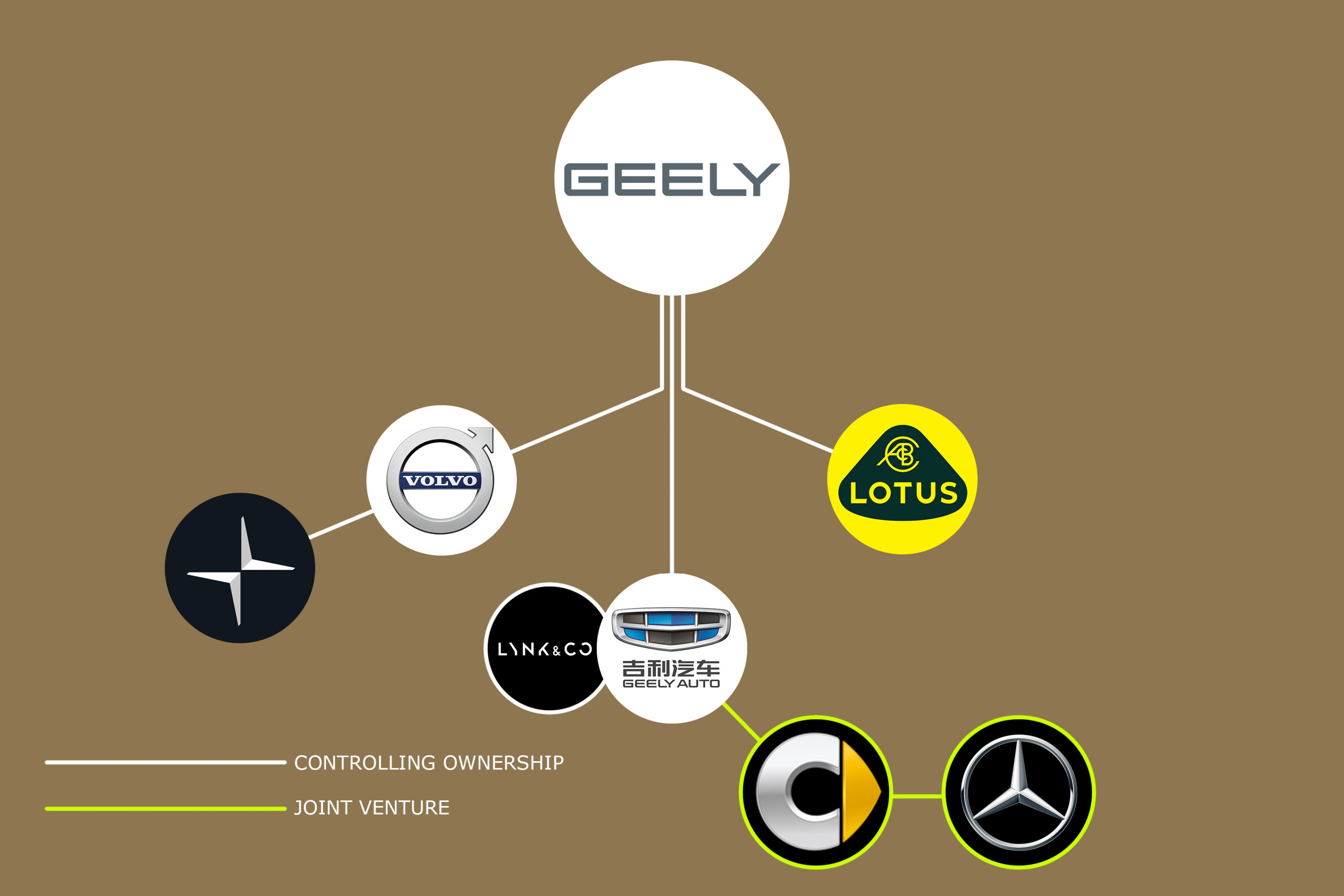
In 2019, Daimler and Geely announced a joint venture to produce Smart cars in China for global distribution.
Maybach – Founded 1909
Maybach was acquired by Daimler in 1960, becoming the company’s ultra-luxury brand and in direct competition with Rolls Royce. However, poor sales meant the marque was put into stasis in 2012.
It was then revived in 2015 as ‘Mercedes-Maybach’ with a range of models more closely related to Mercedes vehicles than in its previous life.
1
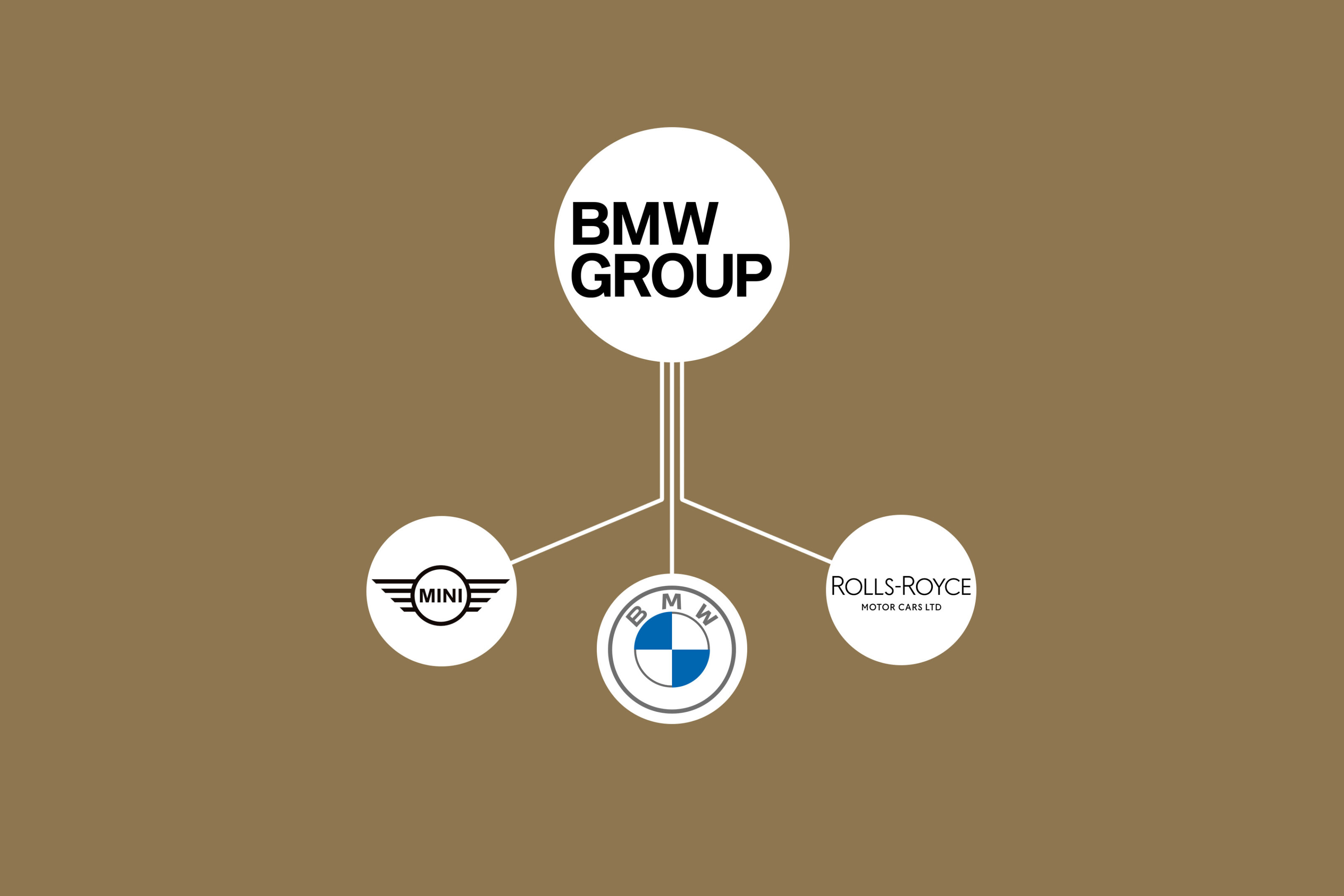
BMW – Founded 1916
Bavarian Motor Works celebrated its centenary in 2016 and has shareholders spanning most continents of the world.
Strategic investors hold shares of around 47 per cent of the luxury brand, while institutional investors from North America, the UK, Ireland, Germany and other parts of Europe hold a combined 40 per cent share.
Mini – Founded 1959
Mini was originally introduced as a model, founded by the British Motor Corporation, before becoming a marque in its own right in 1969. It has since changed hands several times by groups related to BMC until it was acquired by BMW in 1994.
Rolls-Royce – Founded 1906
Rolls-Royce is possibly the most highly regarded luxury car brand in the world. It also produces engines for commercial airliners, albeit as a separately operated company. Rolls-Royce was nationalised in 1971, then privatised in 1987.
It was later purchased by Volkswagen in 1998, before being acquired by BMW in 2003.
1
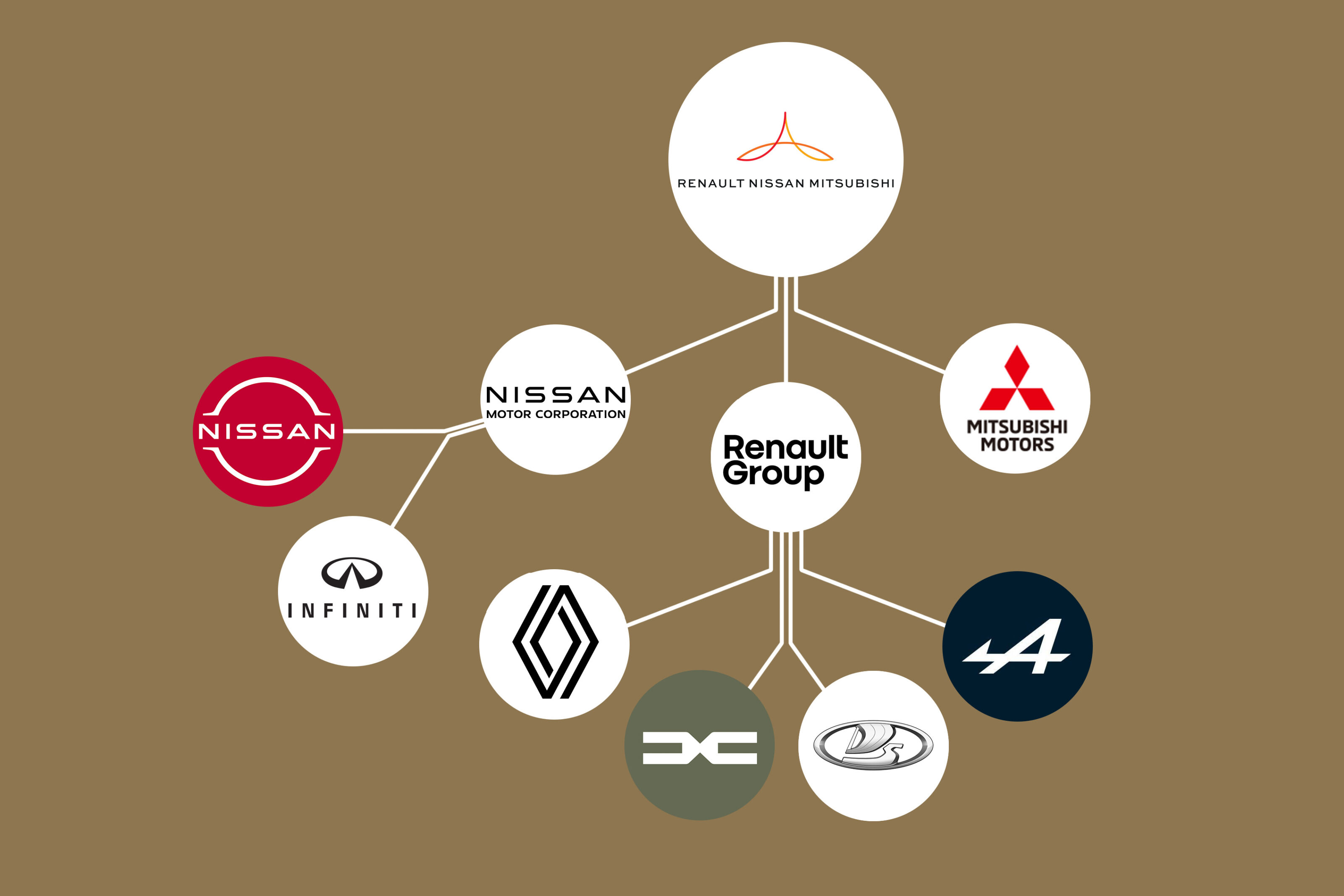
Renault-Nissan-Mitsubishi Alliance – Founded 1999
The seemingly unlikely alliance between Renault, Nissan and Mitsubishi was recently strengthened with a new framework ratified in early 2020.
Renault – Founded 1899
The French brand was set up at the end of the 19th century and has since grown to be one of the world’s most powerful and best-selling brands. The company is part-owned by the French Government (20 per cent), and itself has a 43 per cent controlling stake in Nissan.
Nissan – Founded 1933
The Japanese brand has been controlled by Renault since 1999 through the powerful Renault-Nissan Alliance, which sees Nissan hold a 15 per cent non-voting share in the French brand.
Nissan, in turn, holds Mitsubishi Motors as a subsidiary of its own, and Nismo stands as its in-house tuning brand.
Infiniti – Founded 1989
Infiniti is the luxury division of Nissan, producing various impressive models for Australia. Despite offering direct competition to Lexus for a number of years, the brand has failed to attract as much interest Down Under and announced it would pull out of the Australian market in 2019.
It was its second attempt on Australia’s discerning tastes, highlighting just how difficult and challenging the local landscape is for new brands – even with big brand backing.
Mitsubishi – Founded 1917
Mitsubishi was originally founded as a shipbuilder, with its dedicated motor division not emerging until 1970. The wider Mitsubishi brand still commands a 20 per cent stake in the company, but Nissan took a 34 per cent share in October 2016.
1
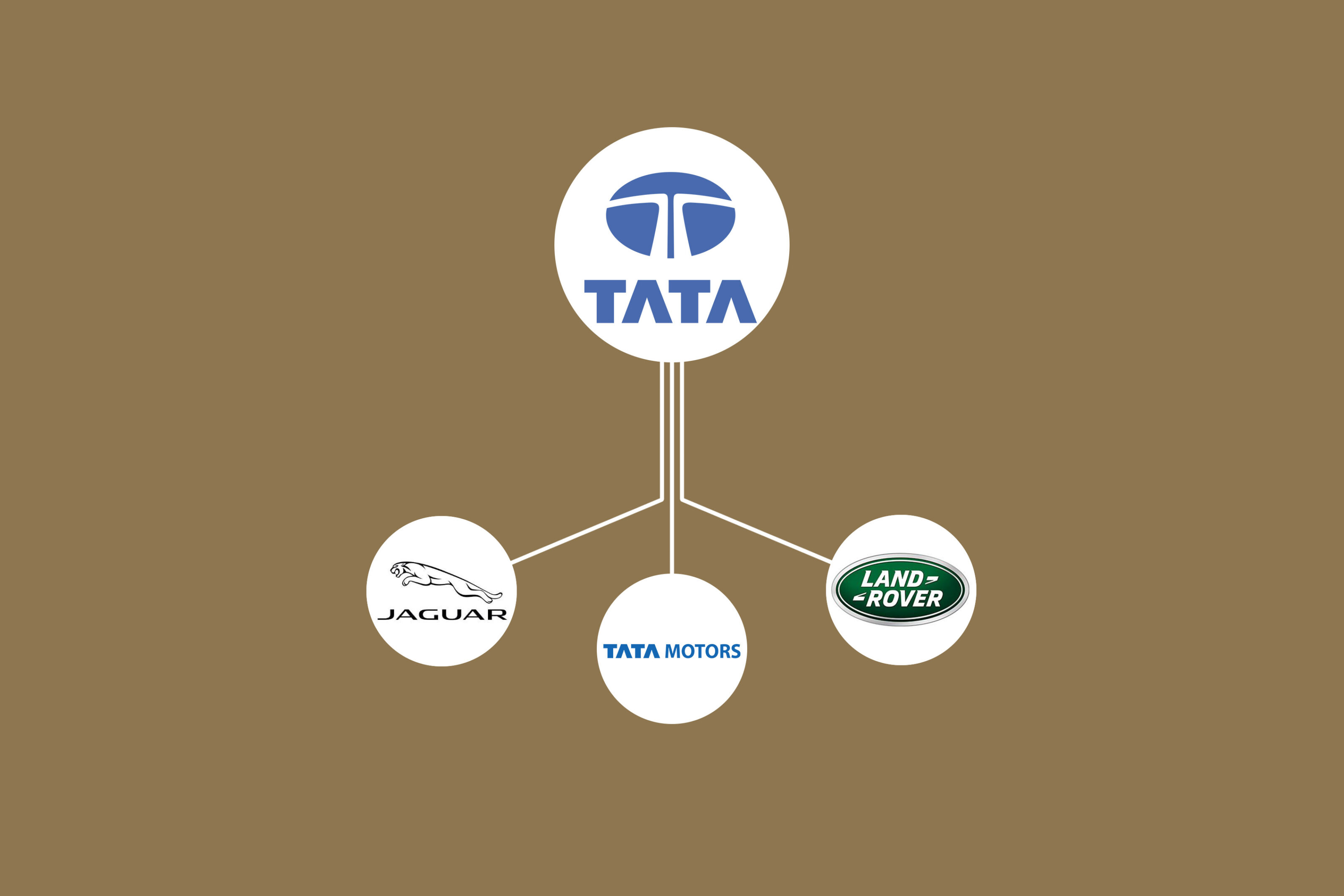
Tata Motors – Founded 1945
Tata is an Indian brand and part of the wider Tata conglomerate.
Between 1954 and 1969, the brand enjoyed a collaboration with Daimler-Benz. Jaguar Land Rover (JLR) was later purchased from Ford in 2008.
Land Rover – Founded 1948
Land Rover was acquired by Tata Motors in 2008, but is still revered as a British icon. Range Rover, in the meantime, has long been established (since 1970) as the brand’s flagship model range.
Jaguar – Founded 1922
Jaguar is a British luxury car brand previously controlled by Ford, from 1989 until 2008. Under Ford’s ownership, the brand never made a profit. In the wake of this failure and the Global Financial Crisis, Ford opted to sell it, along with Land Rover, to its current owner, Tata.
Both brands under the JLR umbrella have enjoyed a resurgence since Tata’s acquisition, with an explosion of new models and variants – as well as significant manufacturing investment including the Ingenium engine plant in the UK.
1
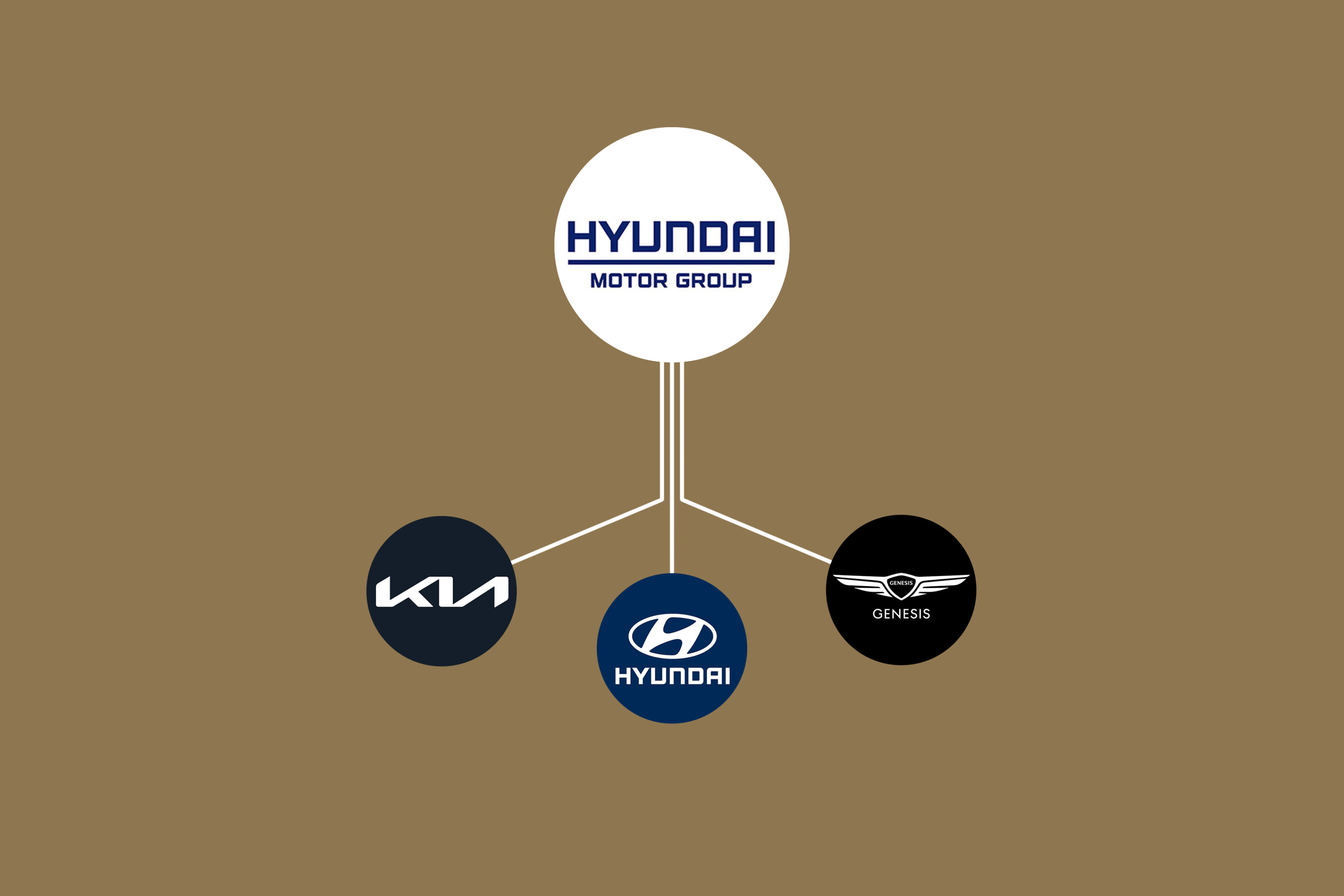
Hyundai – Founded 1967
Along with its 34 per cent owned subsidiary Kia, the Hyundai group is one of the world’s largest car makers.
The company continues to build inexpensive and relatively conservative cars for non-car enthusiasts but has more recently branched out into performance models to broaden its appeal, including its full-fat i30N hot hatch.
Kia – Founded 1944
The Hyundai-owned brand is similar to its parent in that it is based in South Korea and builds affordable and inoffensive cars, regularly going up against its parent company in the Australian sales race.
Kia was crippled in 1997 though, before being bailed out through an ownership exchange with Hyundai. Today, its quality and appeal are unrecognisable compared with some of the first offerings, and vehicles such as the Stinger high-powered sports coupe and electric EV6 continue to shatter preconceptions.
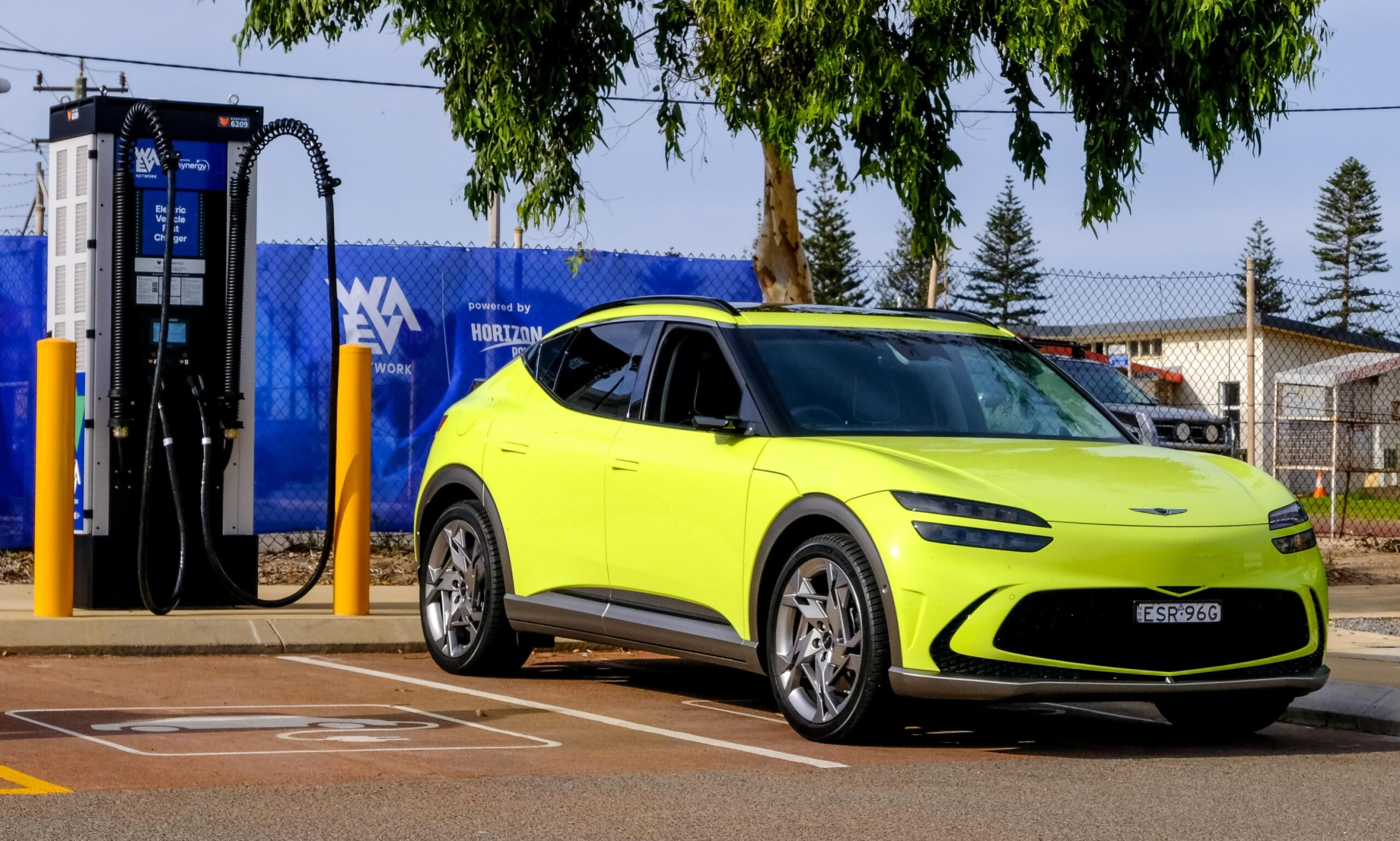
Genesis – Founded 2015
Genesis was originally Hyundai’s top of the range model. However, it has now evolved to become its own standalone marque.
Currently, it has a range of two high-performance sedans (G70, G80) and two SUVs (GV70, GV80).
1
Geely – Founded 1986
Geely is a Chinese car brand that has grown exponentially since it first started producing cars in 2002.
Selling a vast majority of its cars in China, the brand was able to purchase Volvo from Ford in 2010 and is preparing to conquer the western world with cars it hopes will appeal to more demanding requirements.
Volvo – Founded 1915
Originally a Swedish ball-bearing company, Volvo began manufacturing cars in 1927. It wasn’t until 1999 the Volvo group opted to sell its automobile division in order to focus on commercial vehicles.
Ford purchased the brand before going on to sell it to Geely in 2010.
Lotus – Founded 1948
Created by two university graduates, Lotus is a British low-volume sports car maker and, over the course of more than 70 years of history, has exclusively focused on performance cars that are lightweight and minimalist, based around founder Colin Chapman’s motto, “add lightness”.
Polestar – Founded 1996
Established as Volvo’s performance and racing division, Polestar was officially sold to the Swedish company in 2015, with the racing operations being renamed to Lynk & Co which utilises a mix of Geely and Volvo hardware in its vehicles.
Polestar is now a dedicated EV manufacturer, creating the Polestar 1, 2 and 3 which share some hardware with Volvo products. The Polestar 2 went on sale in Australia at the start of this year with the local business structure being announced in mid-2021.
Geely also owns 49.9% of Malaysia’s Proton, no longer sold in Australia.
1
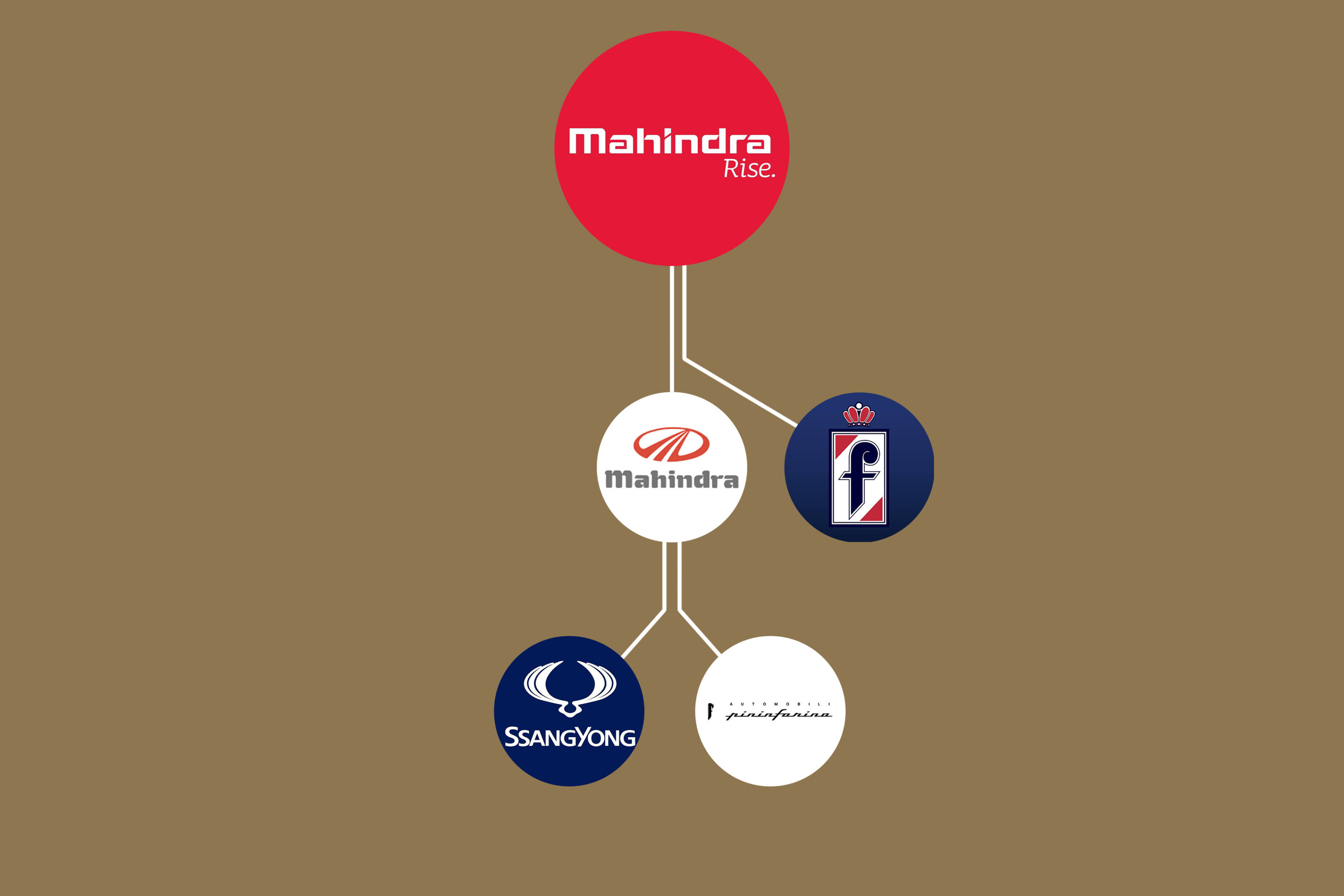
Mahindra – Founded 1945
Originally formed as a steel trading company by two Indian brothers, Mahindra began assembling the Willys Jeep on the subcontinent in 1947 before exporting its vehicles in 1969.
Mainly a manufacturer of agricultural products and vehicles, Mahindra’s first vehicle, the Scorpio, was released to the world in 2002 with its XUV500 SUV becoming the first model to arrive in Australia, landing in 2013.
Pininfarina – Founded 1930
Italian automotive styling house Pininfarina is best known for its long-held association with Ferrari, designing iconic models such as the Testarossa, F40, F50, 550 Maranello and 458 to name a few.
A deal was struck in 2015 for the Mahindra Group to take a 76 per cent stake in Pininfarina, although the company still operates out of its base in Turin, Italy.
Automobili Pininfarina – Founded 2018
This is where things may get a little confusing. While the Mahindra Group has a majority stake in Pininfarina, Automobili Pininfarina is a separate entity and is a subsidiary of Mahindra’s automotive arm, having been founded as a luxury EV manufacturer.
Its one car in production is named the Battista, based on the underpinnings of Rimac’s Nevara hypercar, producing 1400kW and 2300Nm from its four motors, one for each axle.
SsangYong – Founded 1954
Starting out as Ha Dong-hwan Motor Workshop in 1954, a merger with Dongbang Motor Co in 1963 led to SsangYong (then Ha Dong-hwan Motor Co) producing Willys Jeeps for the US Army before being eventually taken over by Ssangyong Business Group in 1986.
SsangYong Motors entered a partnership with Daimler-Benz in 1991 which led to the development of the Musso SUV, a South Korean vehicle underpinned by Mercedes-Benz equipment. Merc’s hardware continued to be used in the badge-engineered MB100 van as well as the Ssangyong Korando.
After a stint under Daewoo and SAIC ownership from 1997 to 2010, Mahindra acquired the brand at a cost of US$463.6 million (AU$628m). Despite filing for bankruptcy in the back end of 2020, SsangYong continues to operate in Australia, selling the Rexton and Korando SUVs as well as the Musso ute.
1
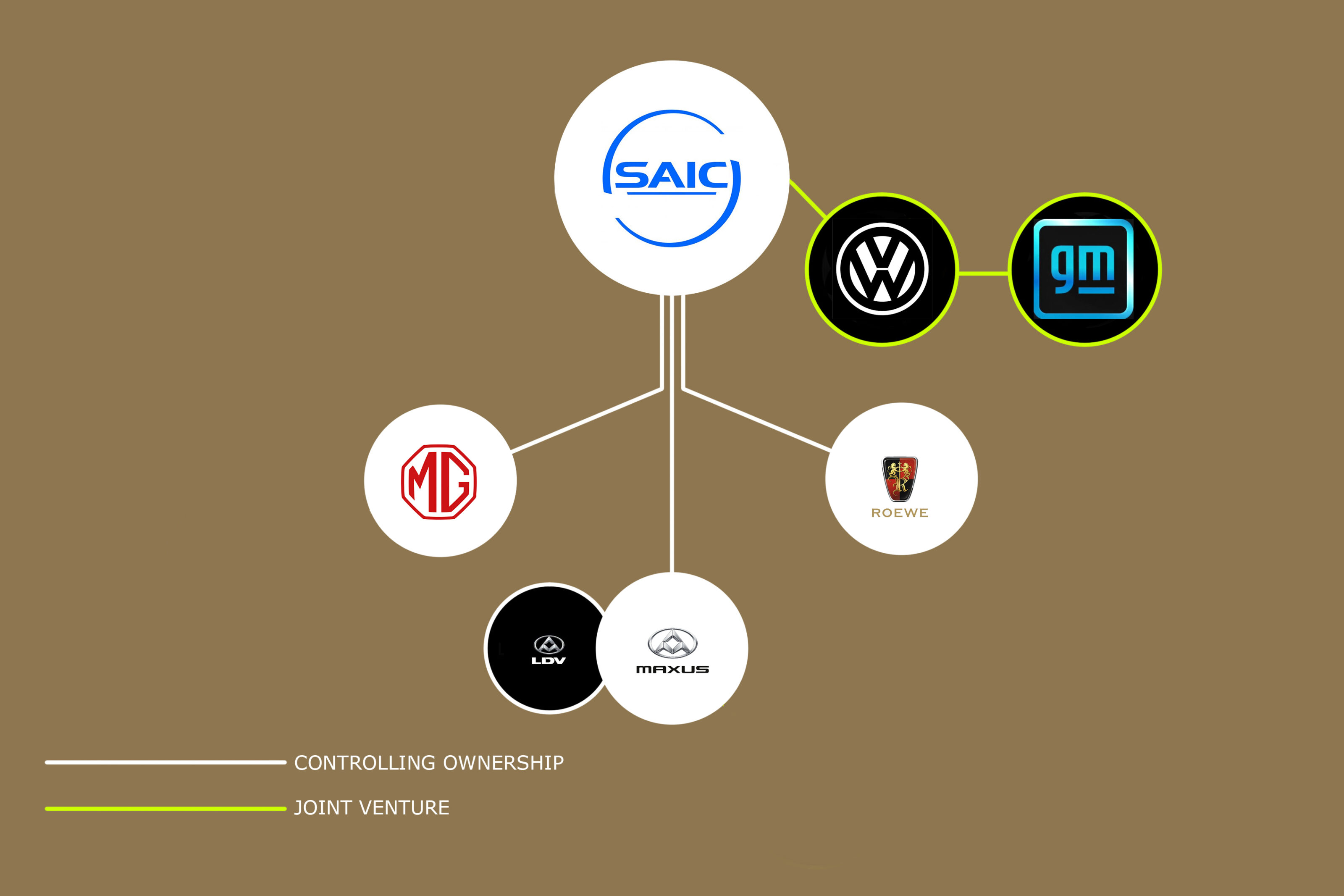
SAIC Motor – Founded 1955
Formerly known as the Shanghai Automotive Industry Corporation, SAIC is one of the big-four state-owned carmakers in China and is the country’s largest by volume, producing more than 5.81 million cars in 2021.
Its initial growth was due to a surge in demand for cars in China during the 1980s, which saw it enter a joint venture agreement with Volkswagen and another with General Motors in 1998. Both partnerships are still in place today with SAIC producing Cadillac, Chevrolet, Buick, Volkswagen Skoda and Audi badged vehicles.
It is also the parent company of MG Motor, Roewe, and Maxus, which trades in Australia as LDV.
MG Motor – Founded 1920
Famous for its two-seat roadsters, MG changed hands several times in eight decades, before the MG Rover Group went into receivership in 2005.
The marque was revived in April 2006 when Chinese carmaker Nanjing Automobile acquired the MG Rover plant and established NAC MG UK Limited.
Nanjing Automobile was acquired by SAIC Motor in 2007 and in early 2009 NAC MG UKLimited was renamed MG Motor. The company continued building MG Rover models with limited success until June 2011 when it launched the first all-new MG-branded model in 16 years, the MG6.
Maxus – Founded 2011
Like MG, Maxus has UK roots, with the brand originating from the LDV Maxus van as a result of SAIC acquiring the intellectual property to the vehicle from the now-defunct LDV in 2010.
Maxus now builds a range of commercial vehicles and people movers including the V80 and V90 vans, G80 MPV, T60 ute and D Series SUV, which are sold in Australia under the LDV brand.
LDV – Founded 1896
LDV is no longer a vehicle manufacturer but, as mentioned above, the brand entered Chinese hands in 2010 when SAIC acquired the intellectual property for the LDV Maxus van. It adopted the Maxus name for its commercial vehicle arm, but uses LDV branding in its traditional markets such as the UK, Ireland, Australia and New Zealand.
LDV originated from Leyland, which sold off its trucks and van divisions in 1987 to form Leyland DAF, a merger between the Rover Group and Dutch manufacturer DAF Trucks. That venture lasted all of six years, with the company going into receivership and split four ways, one being the newly established LDV Group. That too went into administration in 2005 and was acquired by the Russian GAZ Group in 2006 whose grand plans never eventuated.
The receivers swooped again in 2008 and the company and its Birmingham factory finally folded. SAIC’s purchase of the intellectual property rights saw the LDV marque reunited with its old Leyland and Rover stablemate MG.
Roewe – Founded 2006
Roewe is another SAIC entity that stems from MG Rover, with its vehicles initially built using technology acquired from the UK carmaker. But while SAIC was able to secure the rights to the MG name it had less luck with Rover – BMW which held the rights sold them to Ford, which returned them to Jaguar Land Rover.
Roewe is apparently a transliteration of Rover, although SAIC has stated that it is derived from Löwe, the German word for lion, which is pronounced much like Roewe by Chinese speakers. It’s worth noting the similarity between the Roewe and Rover badges.
1
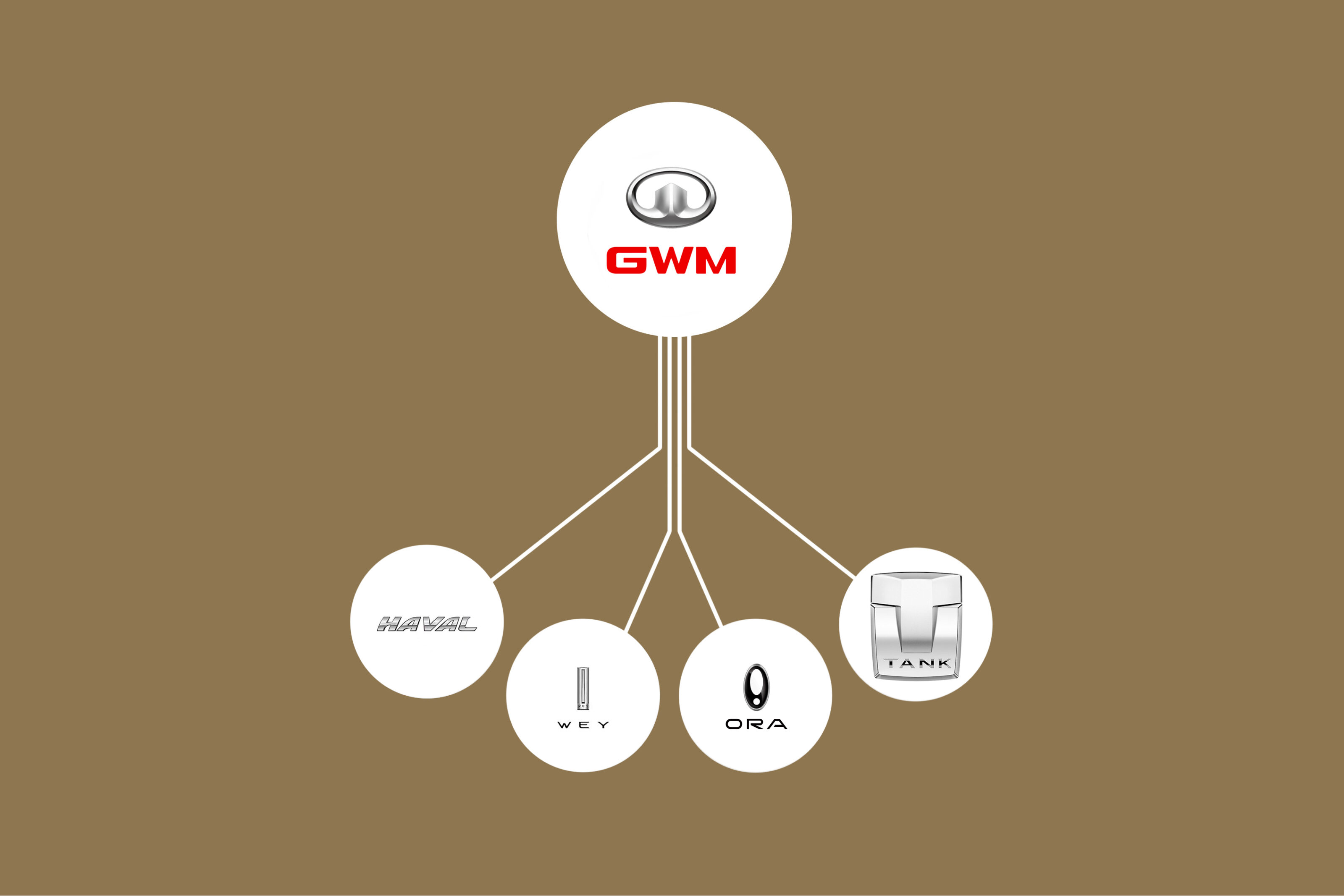
GWM – Founded 1984
Privately-owned Great Wall Motor, know known as GWM, is the eighth biggest automobile manufacturer in China.
GWM sold 1.281 million vehicles in 2021 under its own branding and its Haval, Wey, Tank, Poer, and Ora brands.
In Australia, GWM sells models from each of the brands listed here, with the GWM badge appearing before each.
Haval – Founded 2013
Haval has come leaps and bounds since it was founded less than 10 years ago to become one of China’s biggest manufacturers of SUVs and electrified vehicles. Its 2021 global sales exceeded 770,000.
Wey – Founded 2016
WEY is GWM’s luxury brand that builds premium SUVs based on Haval models. Its moniker stems from GWM’s chairman Wei Jianjun’s name, which is pronounced the same way.
Ora – Founded 2018
Ora, which stands for ‘open, reliable and alternative’ specialises in compact electric vehicles with feline nomenclatures, such as the White Cat city car and the Punk Cat, which is VW Beetle lookalike.
Tank – Founded 2021
The first Tank model, the Tank 300, initially went on sale under the Wey brand in December 2021. Three months later Tank became GWM’s newest brand, specialising in rugged off-road vehicles.
Standalone brands
1
Ford – Founded 1903
Ford at different times has maintained control of various other car brands, but at present only holds a small stake in both Aston Martin and Mazda (eight and 2.1 per cent respectively).
Having operated in Australia from 1925, Ford ended manufacturing locally in 2016, signalling the death of the Falcon and Territory nameplates.
Ford also owns the Lincoln premium brand, which is not sold in Australia.
Honda – Founded 1946
As well as the world’s leading motorcycle producer, Honda is one of the largest car manufacturers.
The brand continues to work independently of other car brands, apart from its Acura luxury indent sold in some markets such as North America.
Suzuki – Founded 1909
Despite holding limited traction in the Aussie car market, Suzuki is a major player on the world stage.
At one point Volkswagen held a 19.9 per cent share of the brand (between 2009 and 2015), but Suzuki later purchased it back. Toyota currently owns a 4.94% stake in Suzuki.
Mazda – Founded 1920
Mazda was owned for a short time by Japanese banks and Ford, but Mazda has continued to, for the most part, guide its own destiny.
At the height of Ford’s ownership in 1996, it held a 33.3 per cent stake. Toyota currently owns a 5.1% stake in Mazda.
Ferrari – Founded 1939
The prancing horse has long been known as one of the world’s most influential brands, despite never selling large volumes.
Best known for its boxer engines, rally success and commitment to all-wheel drive system development, the Subaru brand has earned a loyal following in Australia and is a consistent top ten seller.
Before the more conventional dealership model of today, Subarus were initially sold through agricultural machinery suppliers – one of the reasons the brand is still popular with farming communities to this day.
Toyota currently owns a 20% stake in Subaru.
Tesla – Founded 2003
The purveyor of electric cars, Tesla builds EVs in the US and China. It also builds batteries for home use and is branching into solar roof tiles.
Tesla is led by former PayPal owner Elon Musk, who also founded SpaceX.
BYD Auto – Founded 2003
BYD stands for Build Your Dreams, and the Chinese maker of vehicles and batteries is doing just that.
BYD Auto was founded in 2003 when the parent company BYD acquired the Qinchuan Automobile Company and attracted plenty of attention when the Warren Buffett-led Berkshire Hathaway took a US$232 million stake in the parent company
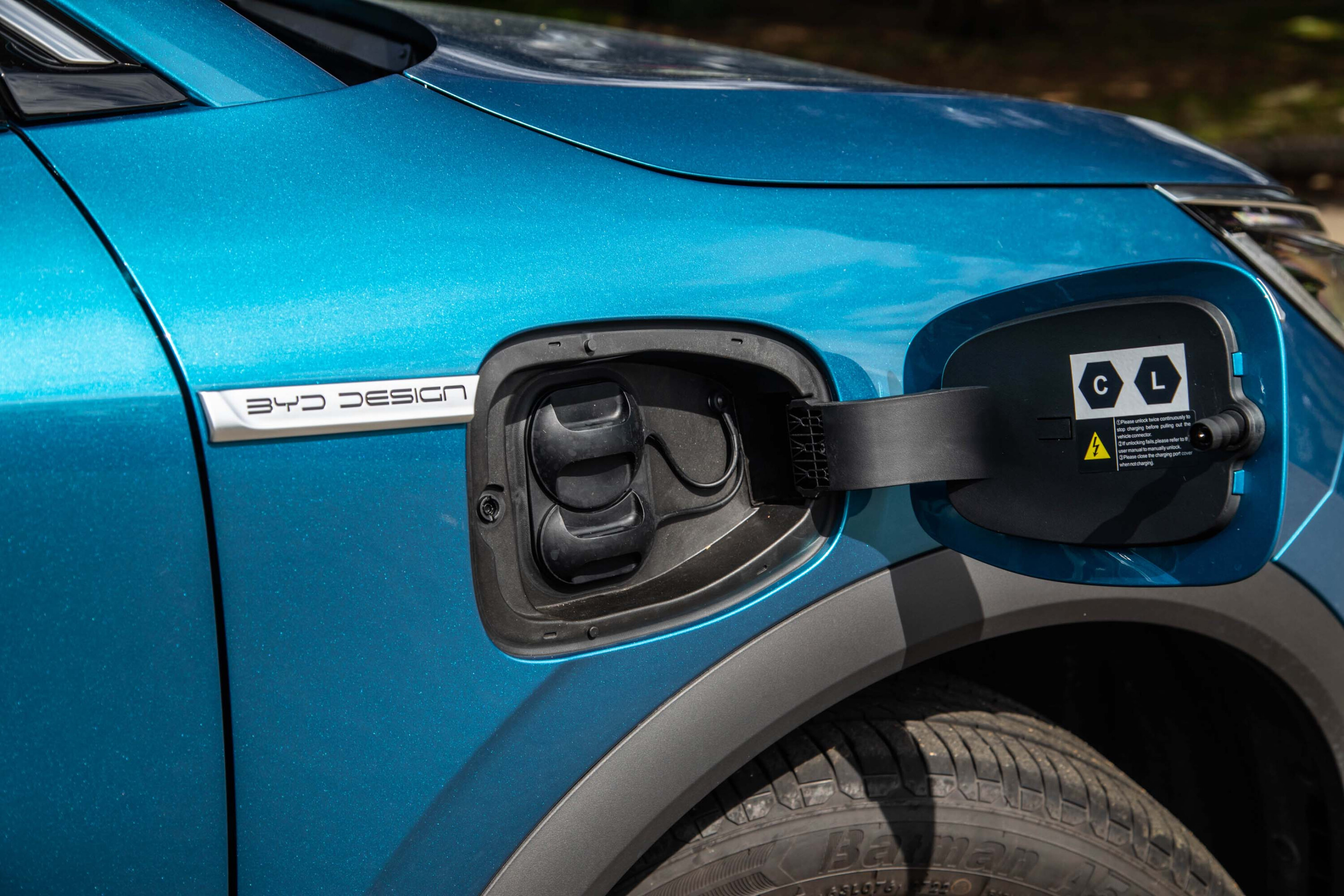
BYD Auto produces a wide range of vehicles including cars, buses and trucks, many of which have plug-in models, making it the fourth-largest BEV company in the world. In 2022 its Atto 3 SUV will go on sale in Australia.
This year was big in Australia, with brand-new metal – all-electric, petrol, diesel or hybrid – finally appearing in the local market.
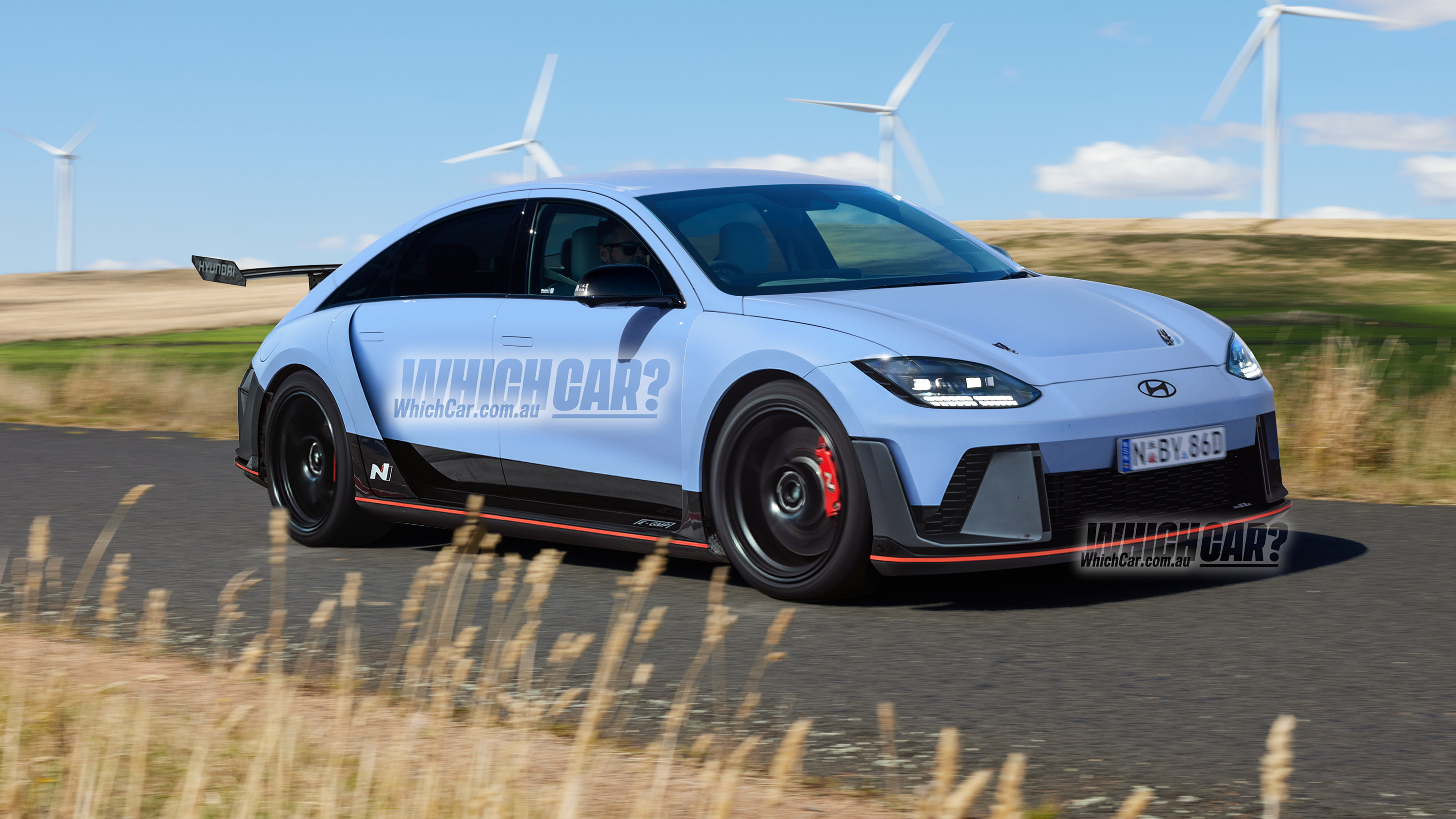
The Hyundai IONIQ 6 N is expected to launch in the coming years as the Korean brand’s new high-performance flagship.
As we await official details from Hyundai, rendering guru Theottle [↗]was tasked with imagining the IONIQ 6 N, taking elements from both 2022’s RN22e concept and the related IONIQ 5 N electric SUV unveiled in mid-2023.
This includes the Hyundai N’s unique ‘Performance Blue’ finish, a beefier front bumper with contrasting black trim, a wider track, additional cooling outlets, larger side skirts, and a large rear spoiler.
1
Expect the IONIQ 6 N to follow the 5 N – and the related Kia EV6 GT – with a dual-motor setup producing around 448kW and 750Nm.
Based on the same E-GMP platform and 800-volt electrical architecture as the IONIQ 5 N, the high-performance sedan is likely to adopt similar revisions, such as a larger battery, a stiffer body in white, bespoke suspension, retuned steering with a strengthened column, and other software enhancements.
This platform and electrical architecture is a key criterion for all future N-branded performance electric cars, according to N brand management and motorsport vice president Till Wartenburg, who said any future N-branded electric Hyundai must feature the E-GMP platform with 800-volt silicon-carbide inverter in order to “keep the three pillars of N, where racetrack capability is one – that is a huge challenge”.
Using a 400V architecture for N cars would be “just a waste of time; they can’t go there [the track]”.
Wartenburg said that creating a high-performance car using the E-GMP platform will make the potential of this architecture much more apparent, whereas attempting to create a track-capable vehicle using the 400-volt architecture as used by several competitors would be “just a waste of time; they can’t go there”.
The IONIQ 5 N can rocket from 0-100km/h in 3.4 seconds, but with a lighter and far more aerodynamic body – the IONIQ 6 has a drag coefficient of 0.21 compared to 0.28 for the IONIQ 5 – the IONIQ 6 N could fall to the low three-second mark.
Like the RN22e concept and the IONIQ 5 N, expect the IONIq 6 N to feature the ‘N e-shift’ and ‘N active sound’ systems.
N e-shift is designed to mimic the shift action of an eight-speed dual-clutch and simulates the ‘jolt’ of up- and downshifts by cutting drive to the electric motors.
N Active Sound, meanwhile, uses speakers to deliver an “emotional” soundtrack that sounds like a combustion car even pops and bangs during downshifts.
In the IONIQ 5 N, three sound ‘themes’ are available: ‘Ignition’ sounds like the 2.0-litre turbo in an i30 N, ‘Evolution’ copies the noise of the RN22e concept, while ‘Supersonic’ sounds like a twin-engine fighter jet.
EV Guide: Australian electric vehicle incentives, state by state
If rising fuel prices have got you thinking your next car purchase might be an EV, this one’s for you.
Find out what incentives are on offer in your part of the country, what the infrastructure is like (or will be in the years to come) and if that state or territory government has plans to bring in a road-user charge for EVs.
South Australia’s $3000 electric vehicle subsidy will end on January 1, 2024, for new purchases. Individuals and businesses who purchased an EV prior to this date and are awaiting delivery will still be eligible for the subsidy.
Tasmania has introduced 375 $2000 electric vehicle grants, while Western Australia has announced ’round two’ of its EV infrastructure investment.
The Labor Government launched its first ever electric vehicle strategy in September 2022, and in November 2022, the Treasury Laws Amendment (Electric Car Discount) Bill passed through the Federal Parliament, which will provide up to $2000 off the purchase price of battery-electric and plug-in hybrid vehicles (PHEV), as well as Fringe Benefits Tax (FBT) exemptions for fleets and novated leases.
The Government will apply the exemption retrospectively to eligible cars first used on or after July 1, 2022.
PHEVs will initially be covered, but the offer will expire on April 1, 2025.
If the threshold is strict with heavy financial penalties for not complying, it will boost EV supply and competition in Australia in line with most developed countries overseas.
The FBT savings amount has grown to $9000 per annum for an employer, or $4700 for an individual with a salary sacrifice agreement for a $50K electric vehicle.
Alongside the removal of the FBT, the five per cent import tariff for EVs priced under the LCT limit has been cut.
Cutting import tariffs drops purchase prices by a further $2500, according to the documents.
Charging network
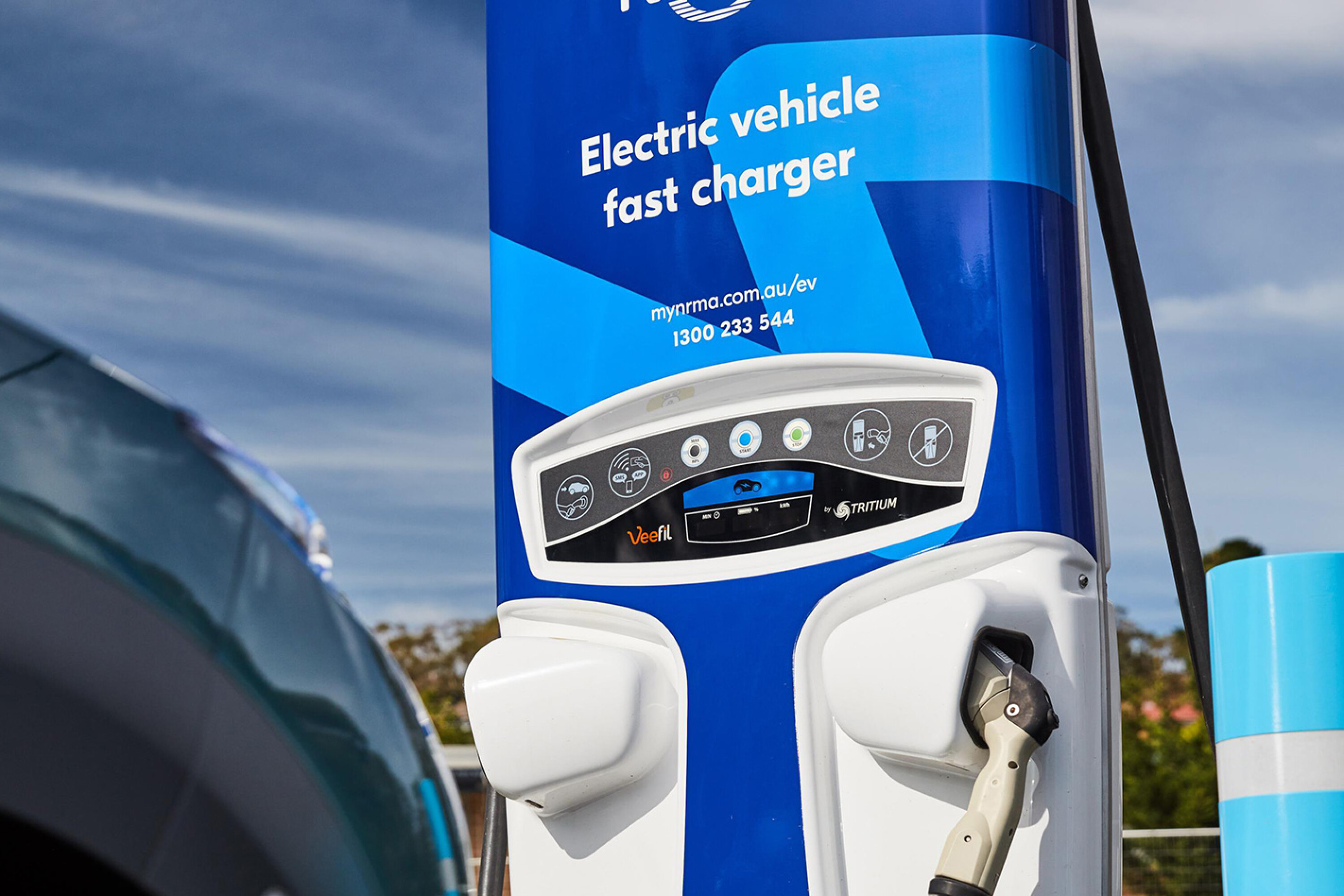
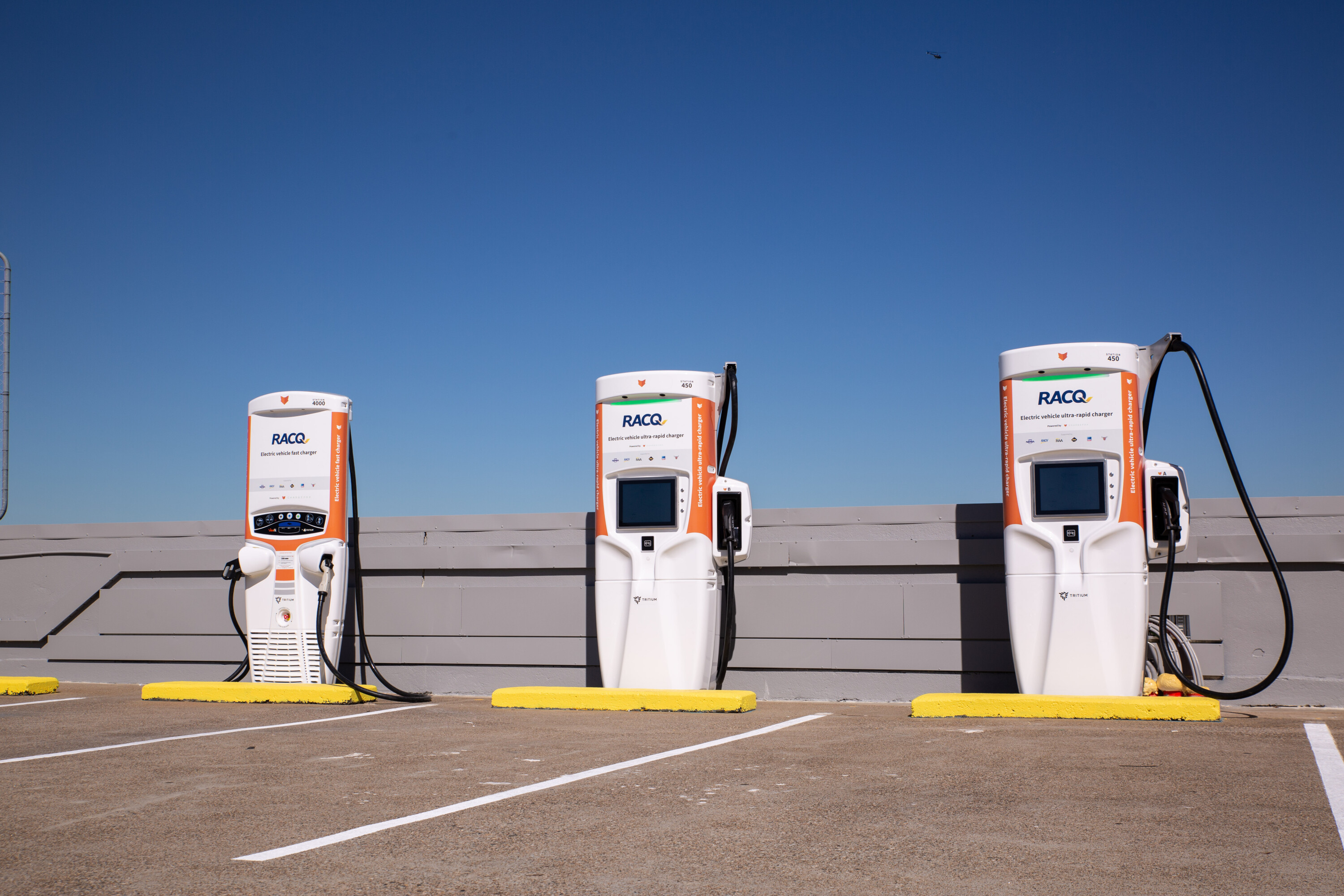
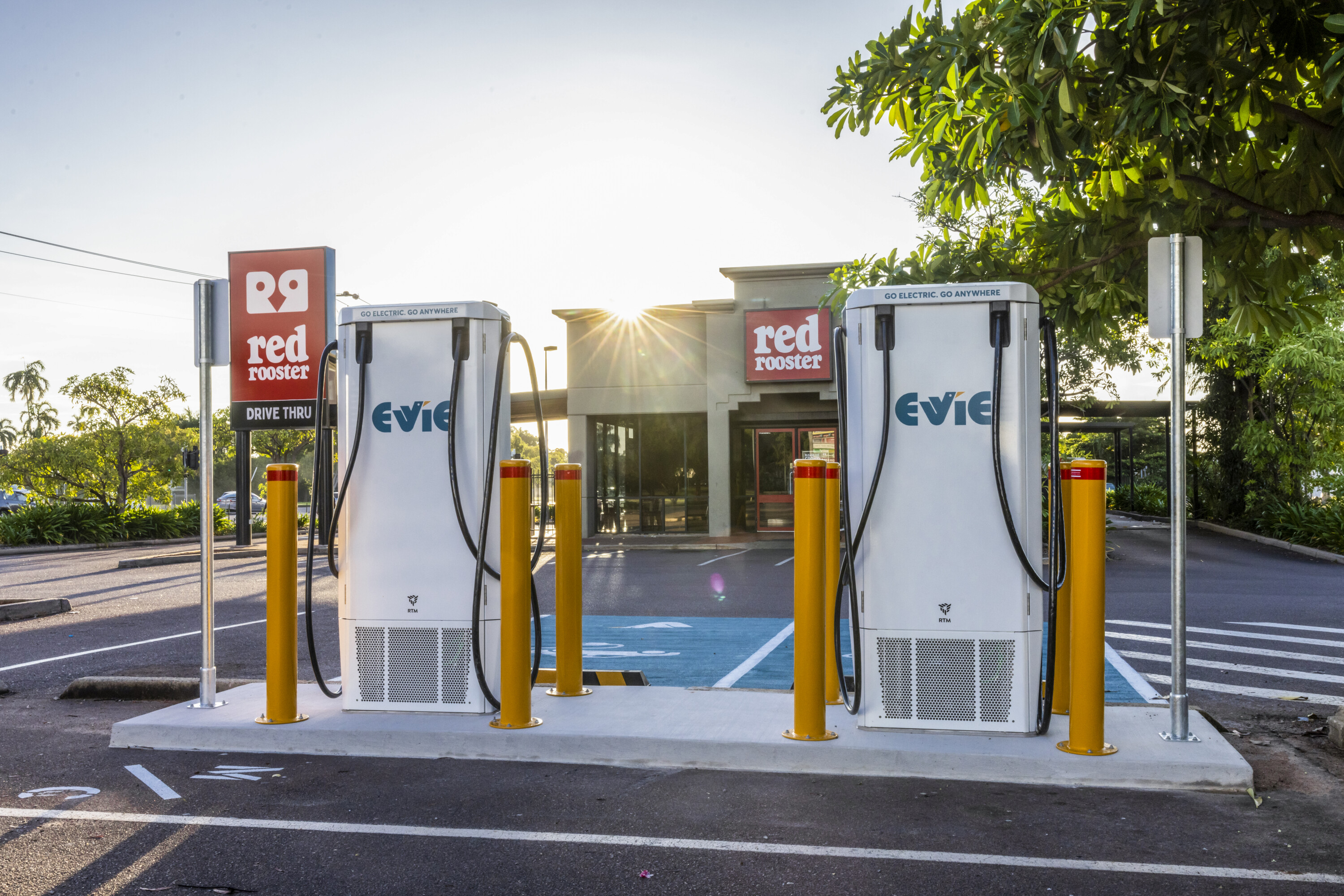
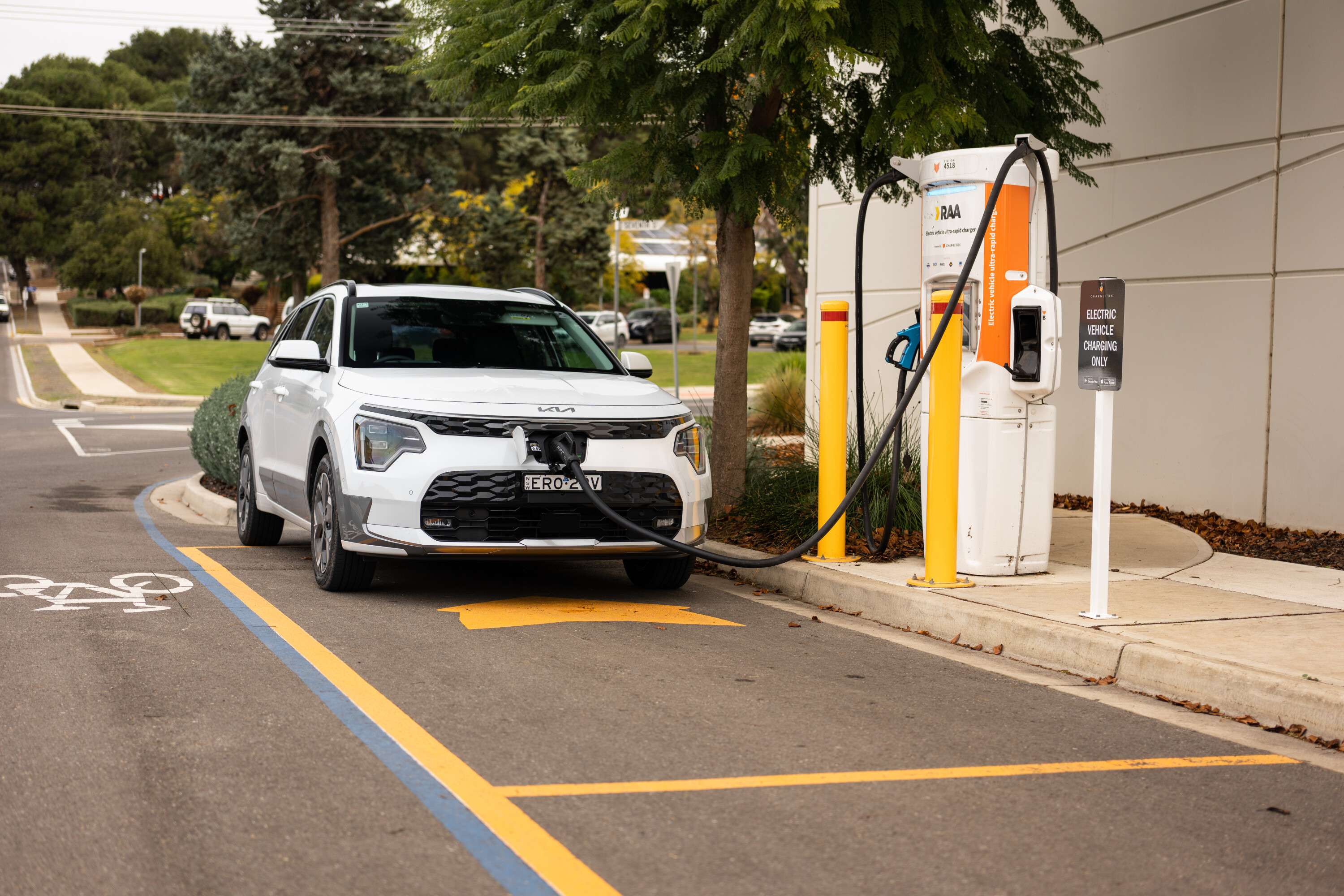
Federal EV infrastructure funding is through the Future Fuels Fund, run by the Australian Renewable Energy Agency (ARENA). It included a first-round investment of $24.5 million to co-fund the rollout of 400 public fast-charging stations with the private sector.
In the 2022/23 Budget, Labor announced a $500 million ‘Driving The Nation Fund’, which includes rolling out 117 EV charging stations and hydrogen refuelling stations for key freight routes.
Net-zero by 2050 and a 43 per cent reduction in CO2 levels by 2030 – now passed into law late 2022.
To help bolster the second hand EV market, as well as cut CO2 outputs, the Government has pledged that 75 per cent of its fleet will be made up of battery EVs by 2025. Small businesses are being encouraged to decarbonise with a $62.6 million funding package, including for electrification of fleets.
EV drivers can also use T2 and T3 transit lanes across NSW
Registration fee discounts.
Tax
EV tax to start from July 1, 2027 (or when EVs make up 30 per cent of all new vehicle sales) – 2.80c/km BEV or 2.24c/km PHEV as at the time of publication
PHEVs will be charged a fixed 80 per cent proportion of the full road user charge to reflect the vehicle’s fuel and electricity driving mix
Victorian EV tax repealed by High Court likely to prevent New South Wales and Western Australia from introducing road-user charges for EV drivers.
Charging network
$171 million investment in infrastructure, including; $131m on ultra-fast chargers
Further $260 million investment in infrastructure for regional EV drivers, renters, apartment owners, and people who cannot access home charging
$20m in grants for destination points and $20m for topping up at public transport hubs
Working to deliver 20 fast chargers along the state’s major highways in partnership with NRMA.
Uptake goal
50 per cent of all new cars sold to be EVs by 2030
For households earning less than $180,000 per year: $6000 rebate for new BEVs sold up to $68,000 RRP (excluding dealer delivery charge and options) from April 21, 2023
For households earning more than $180,000 per year: $3000 rebate for eligible new BEVs sold priced up to $68,000 RRP (excluding dealer delivery charge and options)
For owners who purchased an EV priced below $58,000 RRP and received the previous $3000 rebate between March 16, 2022 to April 20, 2023: Queenslanders can apply for a $3000 rebate adjustment re-assessment if their total household income is less than $180,000 per year (totalling $6000)
Lowest car registration for BEVs – $284 a year
Lower stamp duty rates than ICE cars.
Tax
No plans at this time.
Charging network
Queensland has invested in an ‘Electric Super Highway’, which is currently the longest electric fast-charging highway in the world (in a single state) with more than 60 sites running across the state slated to be online by 2025
Eighteen new charging sites will be added to the Super Highway in phase 3 of the Government’s strategy, spreading into regional Queensland
$10 million to build more charging stations.
Uptake goal
100 per cent of eligible Queensland Government fleet passenger vehicles to be zero-emissions by 2026
50 per cent of new passenger vehicle sales to be zero-emissions by 2030, moving to 100 per cent by 2036.
Two years’ free registration for BEVs and FCEVs as of May 24, 2021 until June 30, 2024
Older EVs eligible for 20 per cent off rego fees
Stamp duty may also be waived on vehicles purchased for the first time
ACT drivers are also able to access up to $15,000 in interest-free loans to help cover the upfront purchase cost of an electric vehicle up to a cap of $77,565.
Tax
None yet – Distance and/or congestion based charging for all vehicle types “may be considered in the medium term”.
Charging network
Fifty more charging stations coming in the next 12 months (as of July 2022).
Uptake goal
Ban on sale of new petrol and diesel-powered cars from 2035.
From July 1, 2022, residential and business grants will be available to owners of EVs to buy and install EV chargers. This includes 100 residential grants of $1000 and 80 business grants of $2500, with a total of $300,000 being committed.
Uptake goal
In February 2019 (the latest data the NT Government could provide) there were 35 EVs registered in the Northern Territory, including 33 light and two heavy vehicles, representing 0.02 per cent of the total Northern Territory vehicle fleet
No date yet set for what percentage of vehicle should be EVs
Government fleet to increase to 200 vehicles by 2030.
375 rebates worth $2000 for new and second-hand electric vehicles that are newly registered in Tasmania
Two years’ free rego on EVs purchased by car rental companies and coach operators.
Tax
No plans at this time, but will monitor based on what’s happening in other states.
Charging network
In 2018-2019 delivered more than $600,000 in grants to support the installation of 14 fast chargers, and 23 destination and workplace chargers across Tasmania
In 2021, the second grants program allocated $773,000 for 20 fast charging stations and 23 destination chargers across regional areas and tourism hotspots.
Uptake goal
100 per cent of Government’s fleet to be electric by 2030.
Three years’ free registration for vehicles first registered from October 28, 2021 up to June 30, 2025
Up to $2000 to install EV smart chargers at home, but limited to 7500 households.
Tax
EV tax initially pushed back from July 1, 2022 to July 1, 2027 or 30 per cent uptake (whichever comes first) – same as NSW – but was repealed by the State’s Parliament in February 2023 due to public backlash
Would have meant a 2c/km charge for plug-in hybrid vehicles, and 2.5c/km for any other electric vehicles
Calculated and billed in arrears as part of the vehicle registration process and based on the distance travelled since the last renewal.
Charging network
Investing $13.4million in its charging network – increasing points to 530 state-wide, most of which will have a 7kW capacity.
EVs exempt from 10 per cent on-demand transport levy
Largest incentive offer in Australia – $3500 rebate for the first 10,000 Western Australians to buy an EV or FCEV from May 10, applying to vehicles under $70,000 before on-road costs, note the offer is on the RRP plus the delivery charge and optional extras.
Tax
EV tax to start from July 1, 2027 – 2.5c/km for BEVs, 2c/km km for PHEVs
Victorian EV tax repealed by High Court likely to prevent New South Wales and Western Australia from introducing road-user charges for EV drivers.
Charging network
235 charging stations of varying capacity ranging from <22kW to 350kW
Plan to create Australia’s longest EV fast charging network adding 49 new locations, expected to be up and running by 2024
$22.6 million will be put towards upgrading, expanding and improving WA’s electric vehicle charging infrastructure
This includes: $10m allocated towards supporting not-for-profit and small to medium-sized businesses with grants of up to half of the cost of installing charging infrastructure, $5m in grants for local government chargers; $4m for the Public Transport Authority to trial the installation of up to 20 charging bays at four train stations; and more than $2.9m for eight new points across four locations on a section of National Highway 1 between Norseman and Eucla
Further $12.5 million ’round two’ investment to expand EV infrastructure, including support for small and medium businesses, local councils, and not-for-profits to purchase and install chargers.
Uptake goal
Twenty-five per cent of Government’s fleet electric by 2025/26
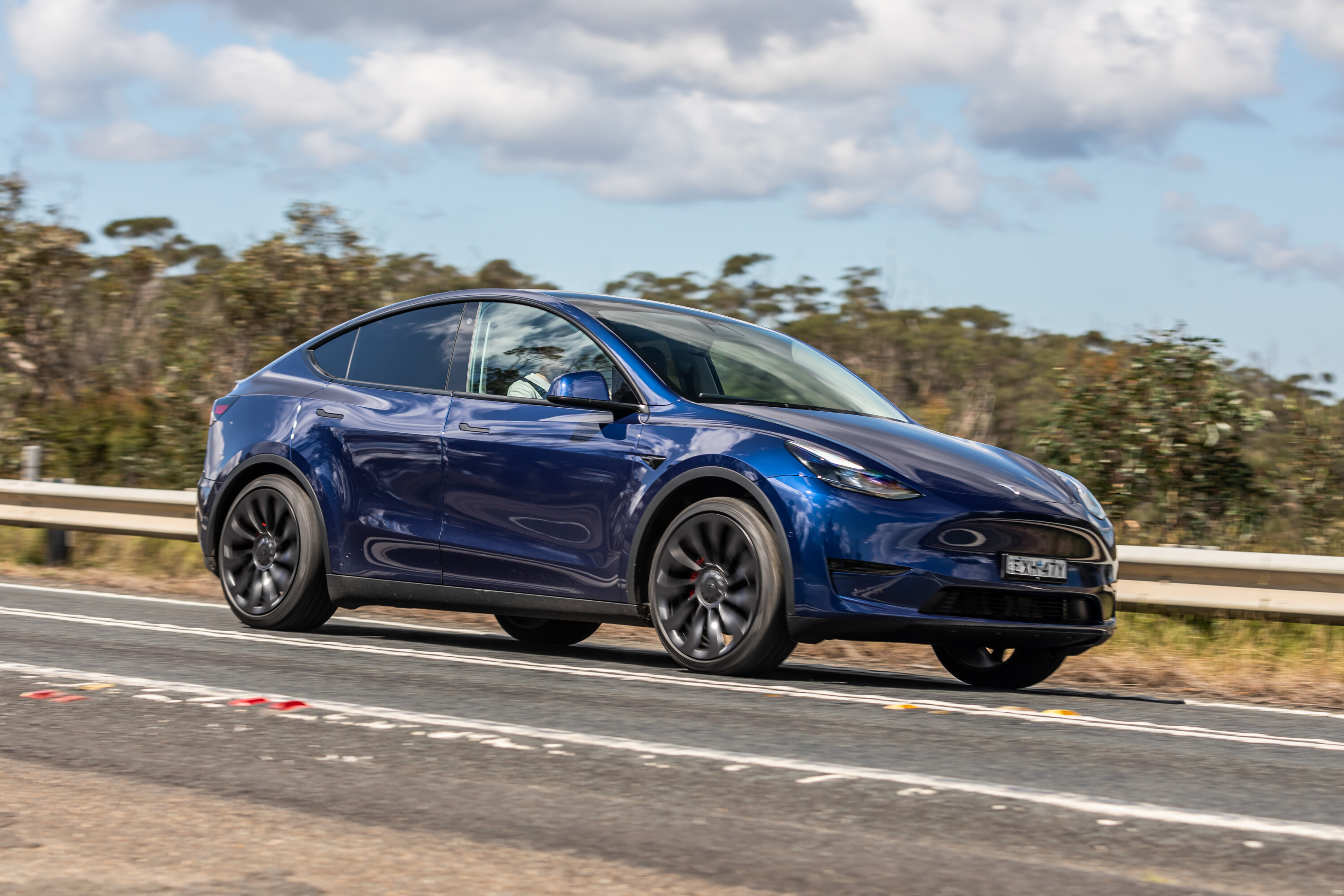
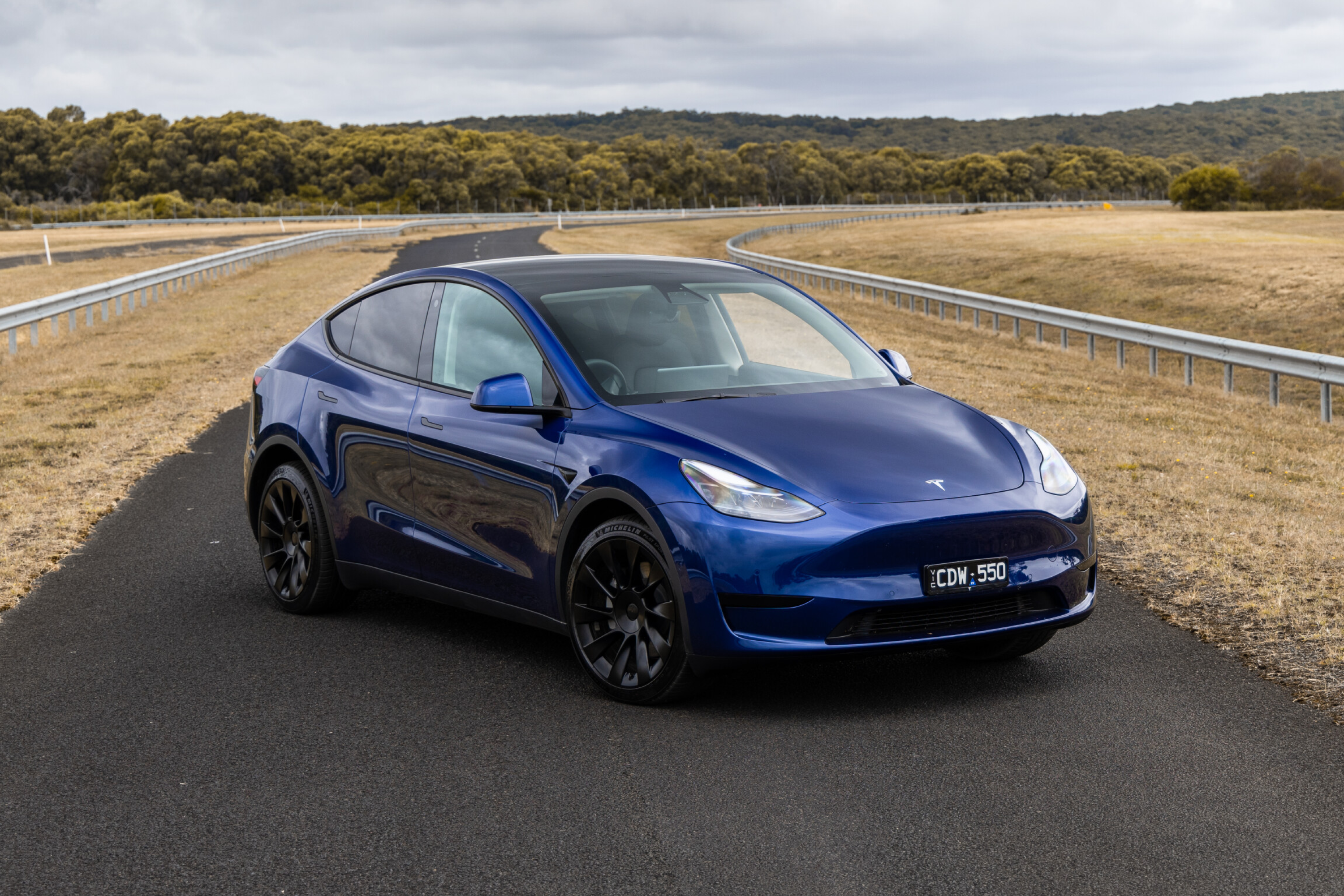
The Tesla Model Y has become a sales-chart sensation both locally and globally, even overtaking its popular sedan sibling, the Model 3.
While the Model Y has many positives, not least remarkable interior space, it’s far from the perfect package.
The suspension is noisy and restless, and rear-vision is limited, to pick two of the criticisms.
If you’re set on buying a Tesla and not focused on a particular body style, then we’d recommend the Model 3 sedan – especially as it has just given a substantial makeover for 2024 that makes it better to drive, increases its range, and upgrades the cabin.
But if you’re fixed on a midsized electric SUV, here’s the WhichCar guide to five good options…
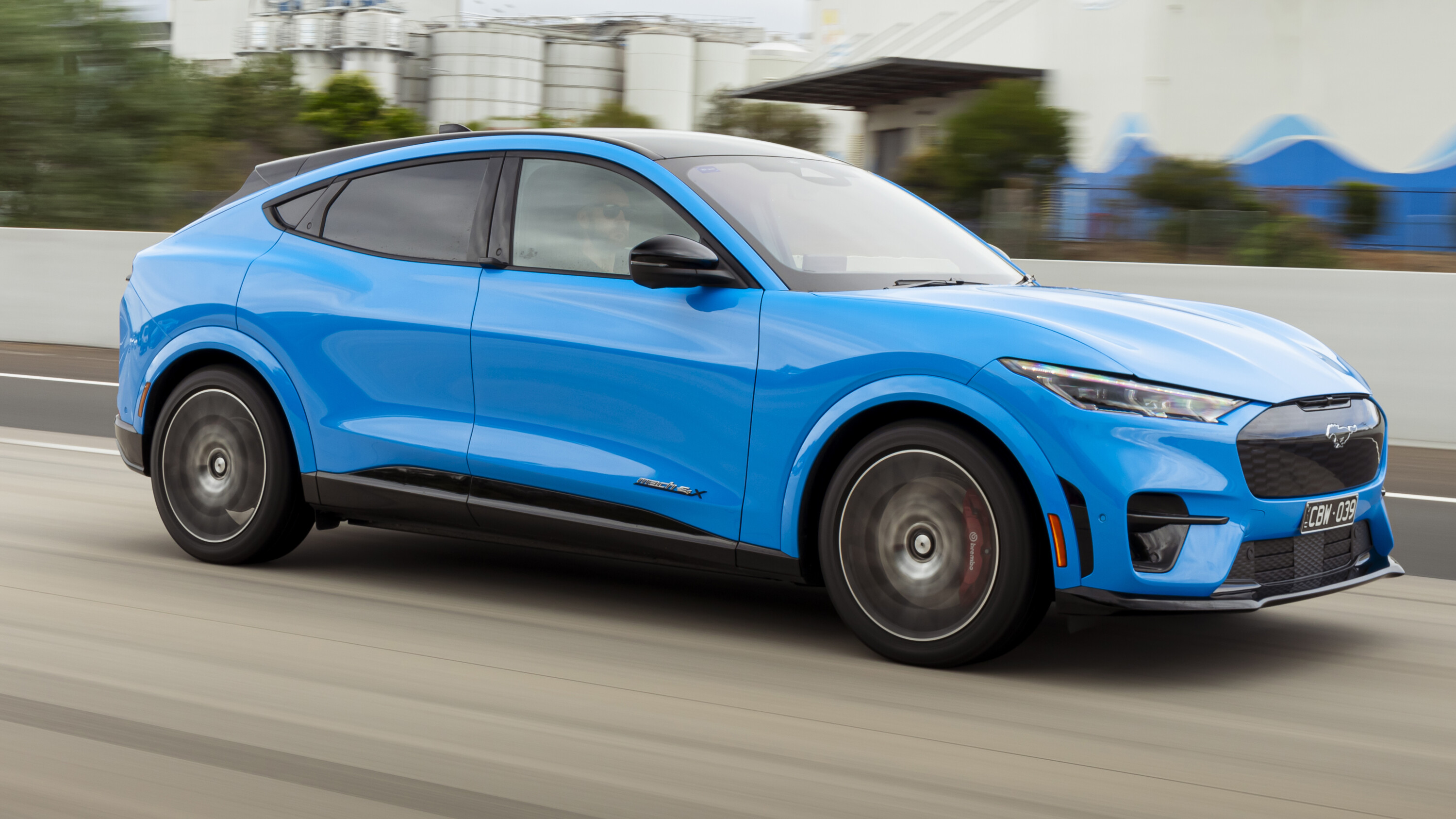
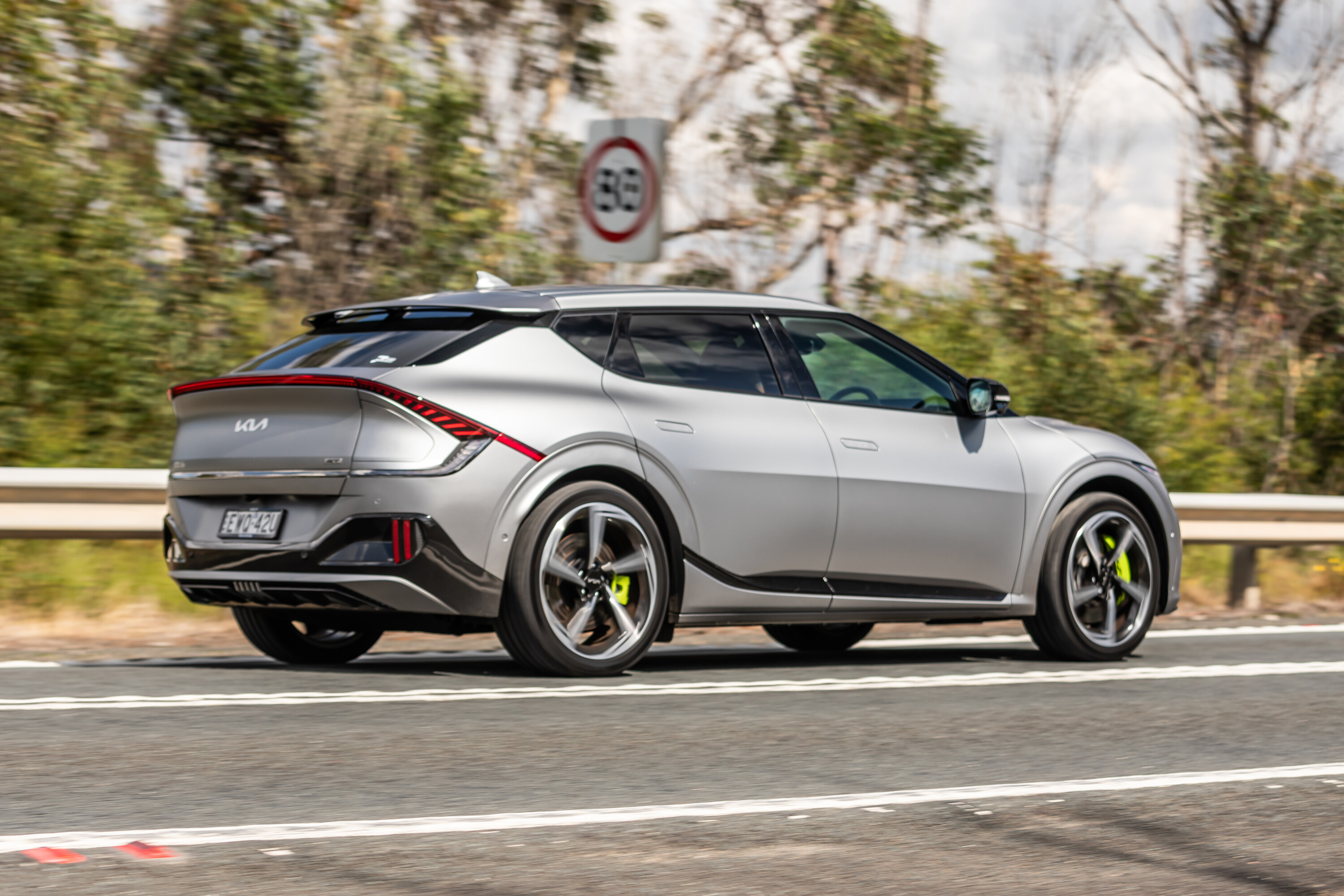
The use of the Mustang name remains a mystery – okay, not really, it’s a marketing ploy – but although the Mach-E is no sports car, it is good to drive.
“Coupled with its satisfying steering, the Mach-E gets high marks for driver enjoyment – there might not be a V8 under the bonnet, but there’s definitely a Mustang spirit in this one,” said tester Tony O’Kane in our first Australian drive.
Criticisms included high pricing, though Ford Australia responded quickly by slashing the cost of the entry model by $7000 to a far more reasonable $72,990 (if still several thousands more than a base Model Y).
1
There are two other models above the base rear-wheel-drive Mustang Mach-E Select. The mid-range Premium is still RWD but a bigger battery gives it the longest driving range of the line-up: 600km.
The flagship GT has the same battery but dual electric motors lend it AWD and the most power (358kW), while features include electronically adjustable damping and Brembo brakes.
A GT will set you back $105K, however (before on-road costs).
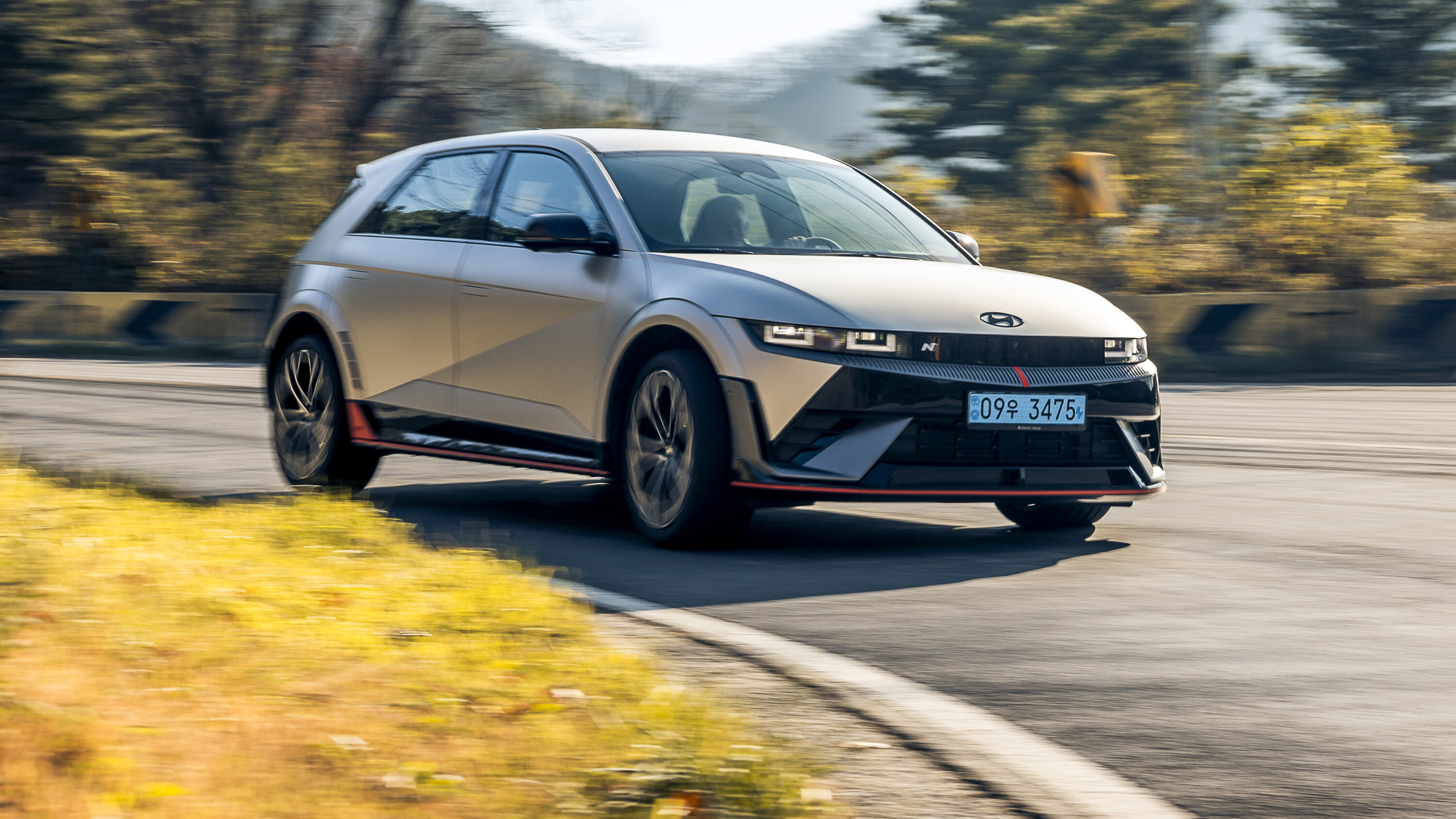
Did any other model in 2021 make such a design statement of intent for its brand than Hyundai’s retro-futuristic crossover?
Fortunately, there was more to the Ioniq 5 than its stand-out styling – and much more advanced than the electric Ioniq four-door that had previously been sold (alongside hybrid versions).
One fundamental difference was a new ‘E-GMP’ 800-volt battery platform that, when released, could only be found elsewhere on the Porsche Taycan, a vastly more expensive vehicle.
1
The interior, helped by a limo-like three-metre wheelbase, is remarkably spacious. This includes an airy front cabin aided by a clever, sliding centre console.
A pricing and range revamp in time for 2024 brought the entry cost down to $65,000 (closely matching the most affordable Model Y), with an upgrade from RWD to AWD starting at $80,500.
In early 2024, the range will be topped by the Ioniq 5 N performance model. We’ve already driven it in Korea and can tell you it’s quite brilliant – and you can read our review.
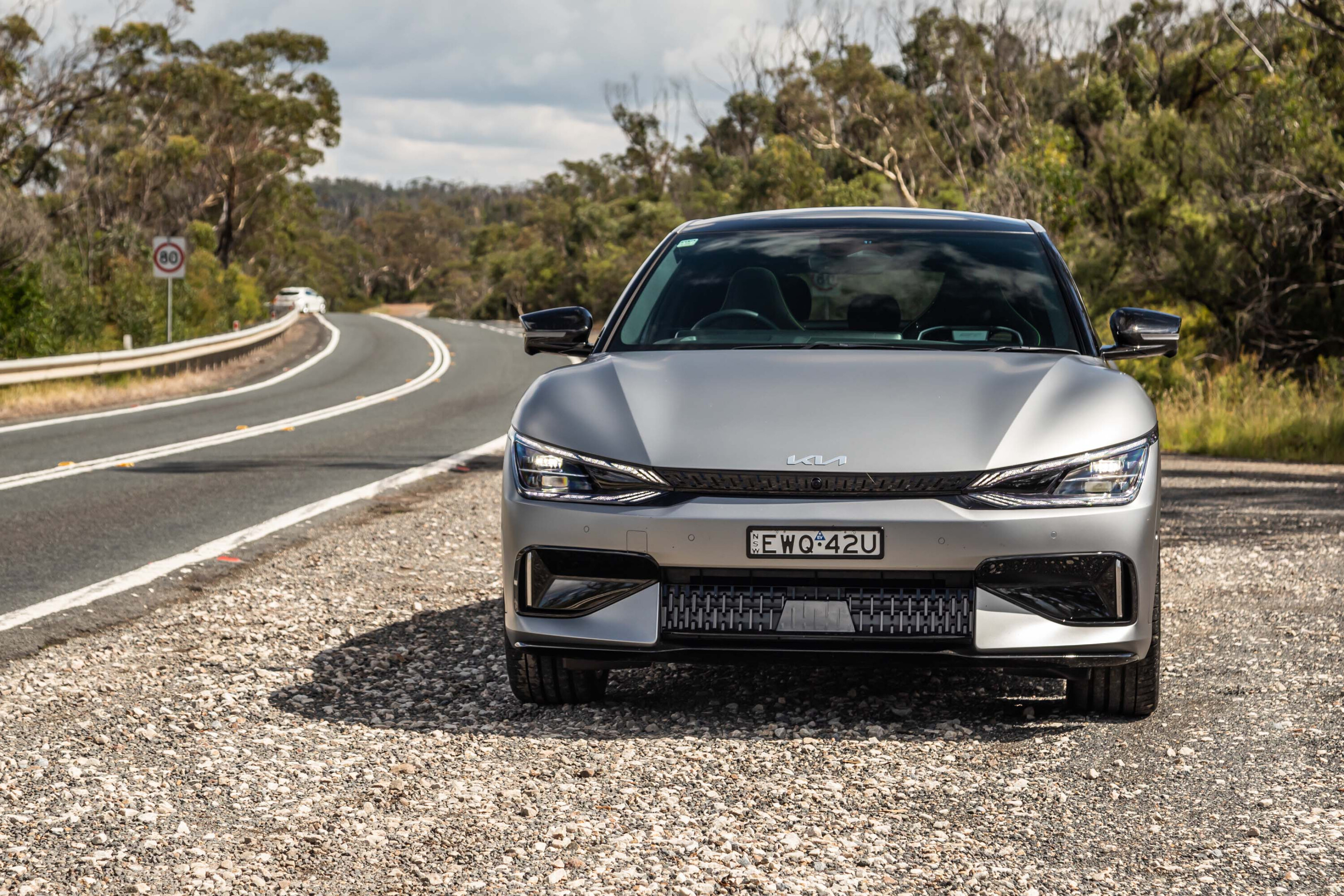
The twin to the Ioniq 5 had enough advantages over its platform sibling in 2022 to win the Wheels Car of the Year – the first Kia to ever achieve the feat.
As with most contenders in its class, the EV6 is offered in both single-motor RWD and dual-motor AWD forms. Pricing starts from $72,590 for the former or from $87,590 for the latter.
Unlike most rivals (but like the Ioniq 5), it features a battery platform with 800-volt charging capability – double the 400V of the typical EV. The big win from this is 350kW rapid charging – capable of boosting the battery from 10-80 percent in just 18 minutes.
1
Good handling backs up the EV6’s sporty design, while it also rides well. While the AWD versions are pricier than ideal, RWD models offer satisfying performance.
GT-Lines are the best equipped for the respective price tags in the range.
The flagship GT became Kia’s first ever $100K car but is quite an impressive package – and comfortably beat the Model Y Performance in our comparison test (see feature below).
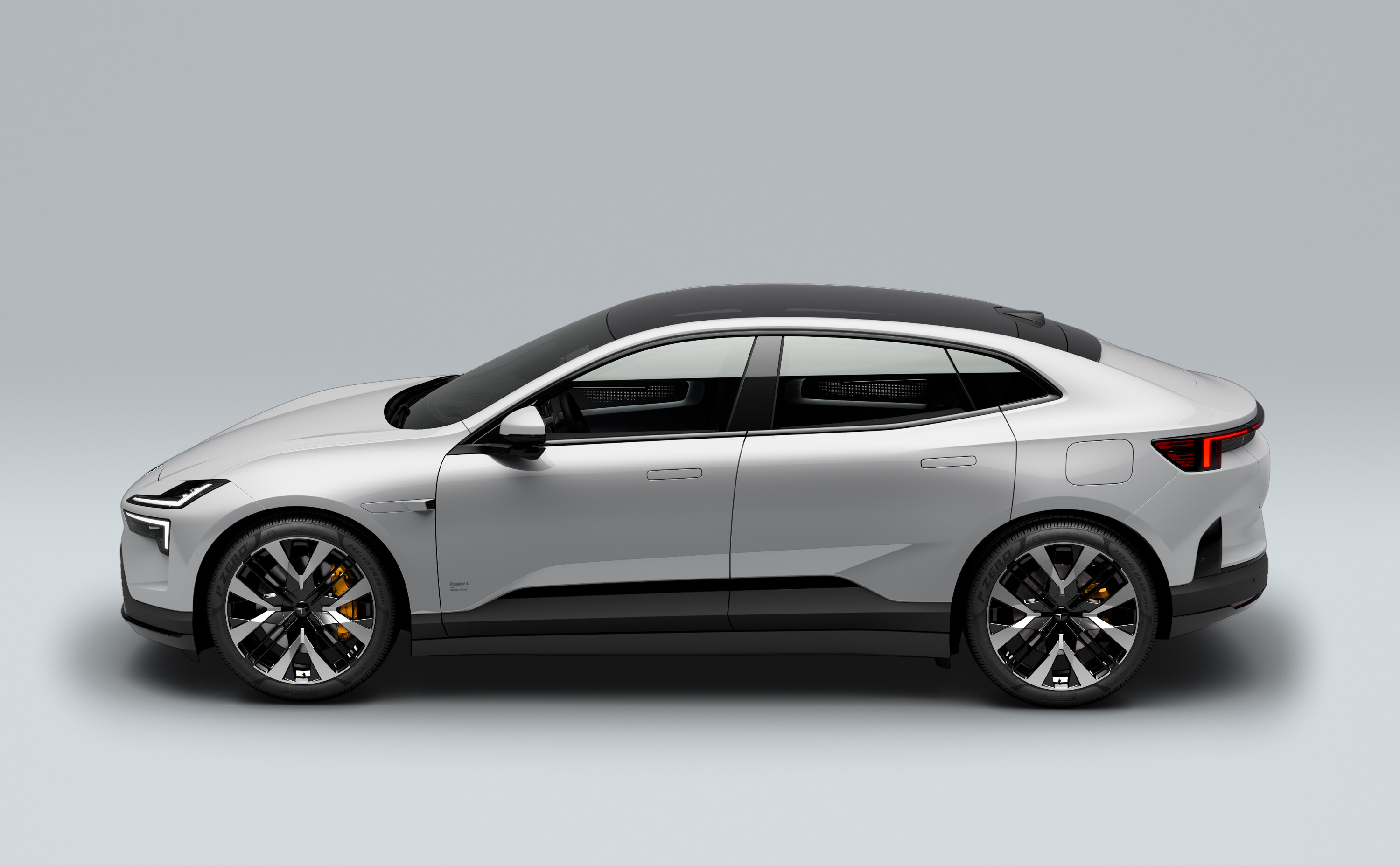
Okay, so the midsized electric SUV from Volvo’s spin-off brand Polestar isn’t here until about August 2024… But we think it’s worth including based on our experience of the highly likeable Polestar 2 sedan.
Looking like a cross between the Polestar 2 and upcoming Polestar 3 large SUV, the Polestar 4 brings a sleek-looking body brimming with visual appeal.
Two ‘Long Range’ models are confirmed for now: a $81,950 RWD single-motor and $92,150 AWD dual-motor.
1
With WLTP range targets of up to 560km and 600km, respectively, both are set to offer longer ranges than the equivalent Model Y (533km Long Range; 514km Performance).
The fastest Polestar 4 has double the power and torque of the entry model – 400kW and 686Nm – and a quoted 0-100km/h of 3.8 seconds that puts it just a tenth behind Tesla’s quickest Model Y.
Polestar is fond of option packs, however, so we’re not expecting the 4 to beat the Model Y for value.
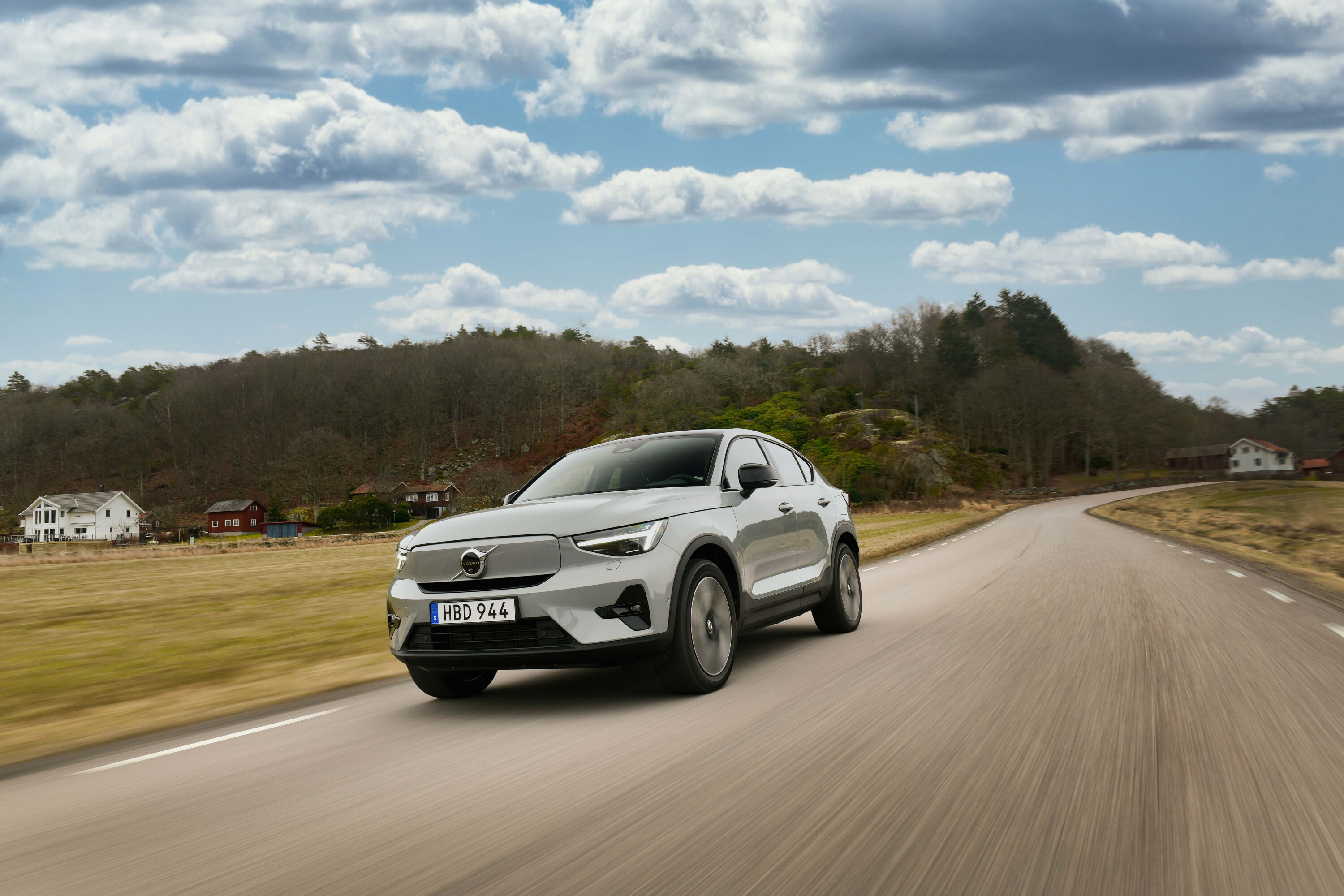
The C40 arrived in 2022 as a coupe-style spin-off of the XC40 compact SUV – though one other big difference is that it was offered with electric power only.
The C40 is similar to the Model Y in price, though it is smaller – and therefore less practical than the Tesla (and even its XC40 donor owing to that sloping roof).
However, we’ve included it here because the C40 is still roomy enough for a family and it’s a delight to drive.
Considering we were already fans of the electric XC40, it was no surprise that the C40 joined our list of favourite EVs to drive.
1
The ride is on the firm side but the damping is superbly judged, while the C40’s steering is as buttery-smooth as its powertrain delivery.
An updated model arrived in late 2023 – unusually switching the entry variant from front-drive to rear-drive (much easier to do with an EV than ICE car, though!) and bringing improved range and faster charging.
The $78,990 single-motor RWD model has a WLTP range of 476km and 0-100km/h claimed acceleration of 7.3 seconds. That’s decent range and good performance, though we’d be tempted to spend an extra $9K for the AWD dual-motor C40 that offers 507km of WLTP range and a speedy 4.7sec sprint time.
More rivals to the Model Y are coming in 2024 alongside the Polestar 4, including the Subaru Solterra and Toyota BZ4x twins, and Volkswagen ID4. You can read all about them and others in our New Medium SUVs 2024 article below.
Toyota and Lexus have confirmed no Australian-market vehicles are affected by a recall for one-million vehicles sold in the United States.
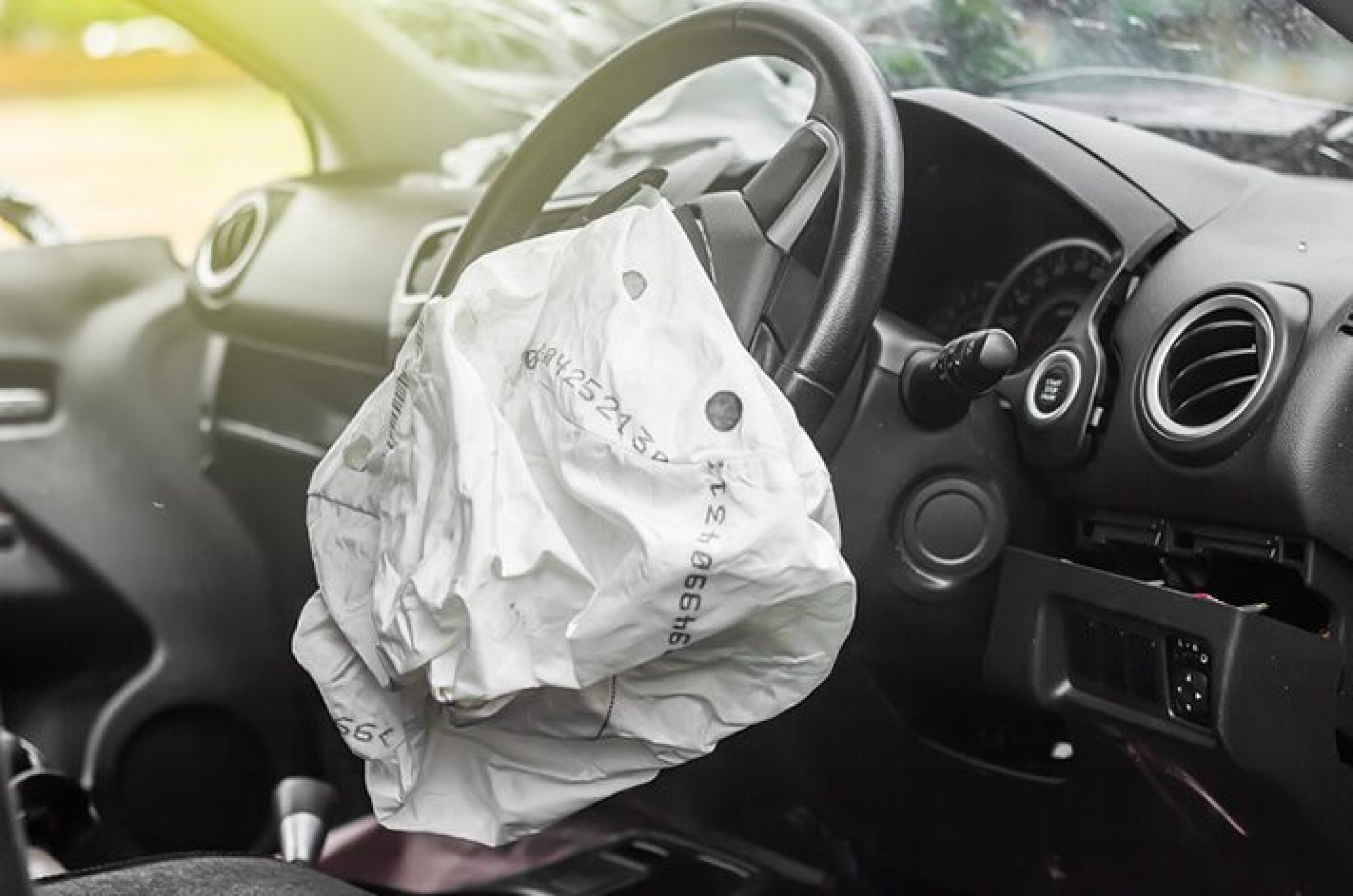
The safety recall, affecting “approximately 1 million” 2020-2022 model-year Toyota and Lexus vehicles, concerns front-passenger seat occupant sensors which could short circuit and cause the airbag to not deploy as intended.
“We are informed that there are no models involved in the Australian market,” confirmed a Toyota Australia spokesperson.
1
Affected vehicles sold in the United States include the Toyota Corolla, Camry, Avalon, RAV4, Highlander (Kluger) and Sienna, along with the Lexus ES and RX.
“The subject vehicles have Occupant Classification System (OCS) sensors in the front passenger seat that could have been improperly manufactured, causing a short circuit,” said Toyota USA.
“This would not allow the airbag system to properly classify the occupant’s weight, and the airbag may not deploy as designed in certain crashes, increasing the risk of injury.”
Carmakers are pushing America’s National Highway Traffic Safety Administration (NHTSA) to resist announcing a recall on potentially faulty airbags, insisting there is not enough evidence for a decision.
Snapshot
Airbag recall could affect 45 million cars in the US alone
Manufacturer has refused voluntary action, carmakers resisting
Australian impact appears minimal, if any at all
The NHTSA is investigating reports that airbag inflators made by the company ARC Automotive have ruptured in a crash, injuring or killing passengers on several occasions.
With the the massive, global Takata airbag recall still haunting them, a number of carmakers are concerned that the NHTSA’s anticipated decision – expected to be made in early 2024 – will lead to more than AU $15 billion in costs without sufficient proof that the airbags are defective.
In comments delivered to the NHTSA, General Motors said the regulator’s initial opinion “falls far short of the agency’s technical and procedural standards, especially in major defects enforcement cases.”
1
In a letter to ARC Automotive and carmakers [↗], the NHTSA said that an eight-year investigation had revealed nine cases of injury from ruptured ARC airbags made before 2018.
Seven of those incidents occurred in the US, between 2009 and 2023, while another was in Canada (a 2009 Hyundai model in 2016) and the last in Turkey (a 2015 Volkswagen Golf in 2017).
In response, ARC wrote back [↗] that NHTSA investigators had failed to identify and “systemic or prevalent defect” in the inflators, relying instead on incidents that resulted from “random ‘one-off’ manufacturing anomalies”.
ARC vice president for product integrity, Steve Gold, said that the company had cooperated with the NHTSA’s investigation and tests over eight years, noting that none of the 918 un-detonated inflators extracted from retired or wrecked cars had ruptured in the tests it ran with the NHTSA.
“Accordingly, the test program demonstrated with 99 per cent reliability and 99 per cent confidence that the inflators in the subject population would deploy without rupturing,” he wrote.
GM clearly accepts that some batches of its ARC-made airbag inflators may be faulty, having already carried out a voluntary recall of “over one million” cars this year at the NHTSA’s request, after a driver in a GM-made vehicle suffered facial injuries from a ruptured airbag in March.
The American carmaker says a mandatory recall could extend to “as much as 15% of the over 300 million registered motor vehicles in the United States”.
How many of those ~45 million cars would be GM models is not clear, but Ford has said it would expect any mandatory recall would affect Ford models built between 2005 and 2017.
By comparison, the Takata recall – the world’s largest recall by a significant margin – has affected “an estimated” 100 million cars globally, according to the Australian Competition and Consumer Commission. [↗] The total cost to carmakers is unclear, but in 2016, Takata said a worst-case scenario would be around AU $35 billion. (Takata filed for bankruptcy in 2017. Its assets were bought by Chinese-owned, US-based company Key Safety Systems.) The Takata airbags caused “at least” 18 deaths and more than 400 serious, life-altering injuries.
The NHTSA initially requested in early 2023 that ARC Automotive perform a voluntary recall of 67 million inflators [BBC ↗] – as part of the same request GM acceded to – but the company refused, leading the regulator to begin the process of formalising a mandatory recall.
ARC airbags are used in models made by GM, Ford, the Stellantis group, Tesla, the Volkswagen group, Hyundai & Kia, BMW, Maserati, Mercedes-Benz, Porsche and Toyota.
As a matter of course, Wheels Media will contact relevant brands for local context on this type of news. However, given the long-running nature of the NHTSA’s investigation, Wheels Media acknowledges the May 2023 reporting of Neil Dowling [↗] for industry journal GoAuto News, diving deep into the Australian models that could be affected. The short version is that all brands are confident no local models are affected.
If there’s one thing Christmas road trips and Tetris have in common, it’s that letting things pile up in the wrong way will lead to a sorry ending.
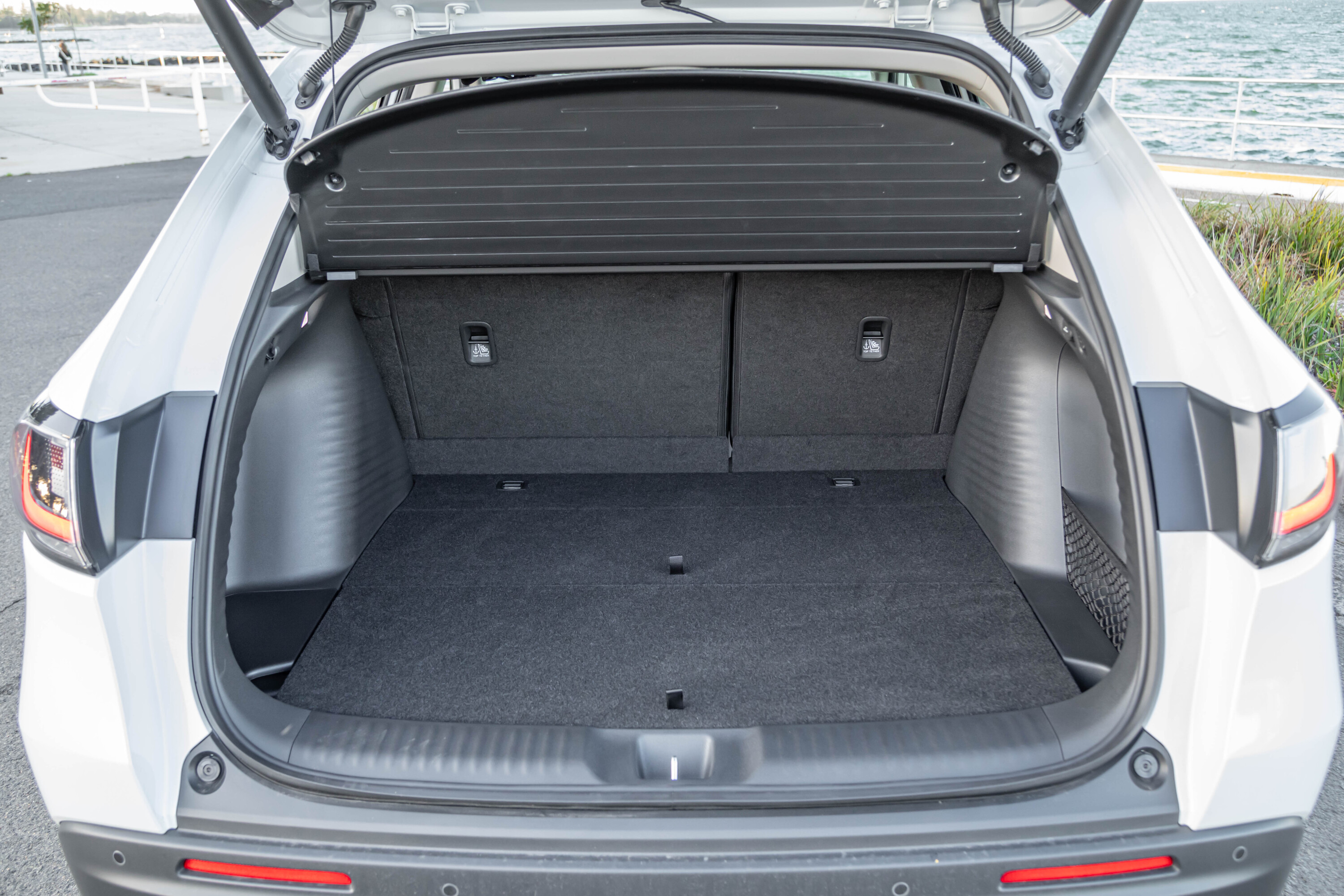
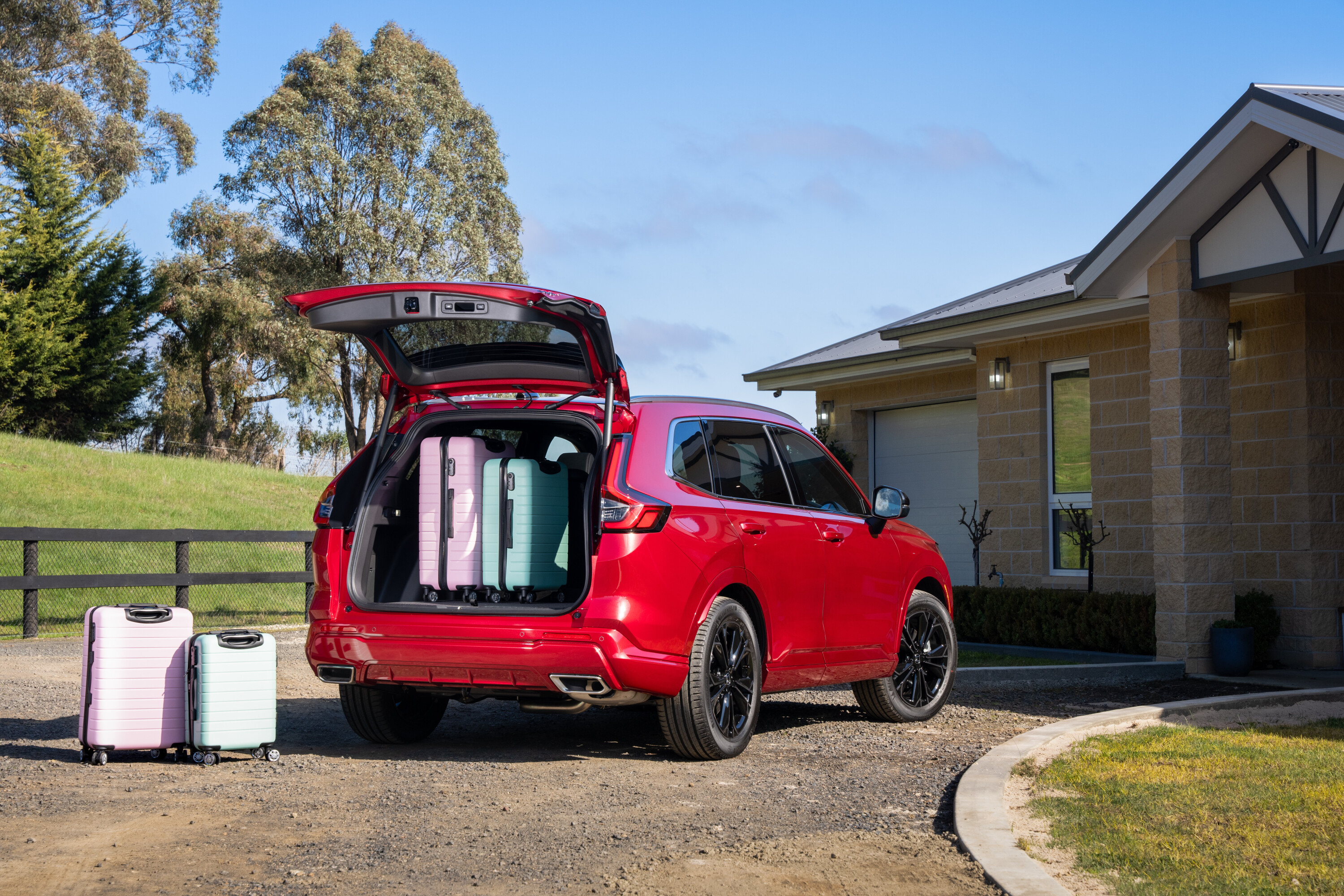
Fitting all the Christmas luggage into the car can be an awkward and tiring affair, even when owners have the versatility of Honda’s Magic Seats to help them out.
Jumping onto a well-worn joke, Honda has consulted a competitive player of the classic puzzler Tetris for advice on making the best use of a car’s space.
‘DanV’ first started playing Tetris on his Nintendo Game Boy in 2003, but has recently joined the competitive circuit in 2020 with the aim to play in the annual Classic Tetris World Championship.
1
“When packing items into a car, you can think of it in the same way: if something doesn’t fit, you can make it work, whether that is rotating a big box, or re-arranging the order you have placed items in,” he says.
Offering the idea of treating the boot and cabin as two separate Tetris boards, DanV details important considerations on which items should be on top, such as snacks that will need to be retrieved easily from the boot during stops on longer journeys.
While a game of Tetris challenges players with differently-shaped pieces at random, there is an inherent advantage with boot packing by knowing the order of the different shapes that are to be packed.
“The ‘O piece’ can be the perfect piece to start out with…” Dan says, referring to the 2×2 square piece that often Tetris throws at players, “… ‘O pieces’ have a reputation as a piece you’d rather not have, as it always seems to come at the wrong time.”
1
An iconic creation of Soviet-era software engineer Alexey Pajitnov, Tetris appeared on many different gaming platforms before becoming the must-have game to accompany Nintendo’s pioneering Gameboy portable gaming system.
While it is possible to beat the puzzler, fitting all the Christmas needs into your car is not quite as arduous, especially with the luxury of having pliable and softer items.
“Smaller items can either go in the backseat, or be squeezed into any gaps boxes may have left behind, to ensure you use up as much space as possible.”
We’d suggest you not get it exactly right, of course. You might see a row of suitcases disappear before you eyes…
1
Clever Christmas marketing or a bit cringe?
Honda has long been known for its clever internals, offering segment-leading cargo space and other innovative ideas – like those Magic Seats and doors that open to 90 degrees to help with access.
Consulting with a Tetris dynamo on matters relating to cargo only seems like a natural partnership, although even the experts can have troubles with oddly-shaped items, such as a Christmas tree.
“The T-piece is one of the trickiest blocks to deal with. If you don’t know what to do with a T-piece, you’ll most likely find yourself in trouble.” DanV says.
Gotta say though, Honda, we’re pretty disappointed there’s no video to go with this…
As if buying a new car weren’t nerve-wracking enough…
According to a new report by the Australian Competition and Consumer Commission, scammers have recently intercepted emails between dealerships and customers – and then forging invoices to have payments directed to their own bank accounts.
Known as “business email compromise scams”, the ACCC says in 2023 – between 1 January and 30 September – approximately 981 cases had been reported, amounting to $13 million of losses.
The scam involves impersonating a legitimate business after intercepting their emails and directing their targets to deposit money into their account, leading the customer to believe the funds are going toward their purchase.
1
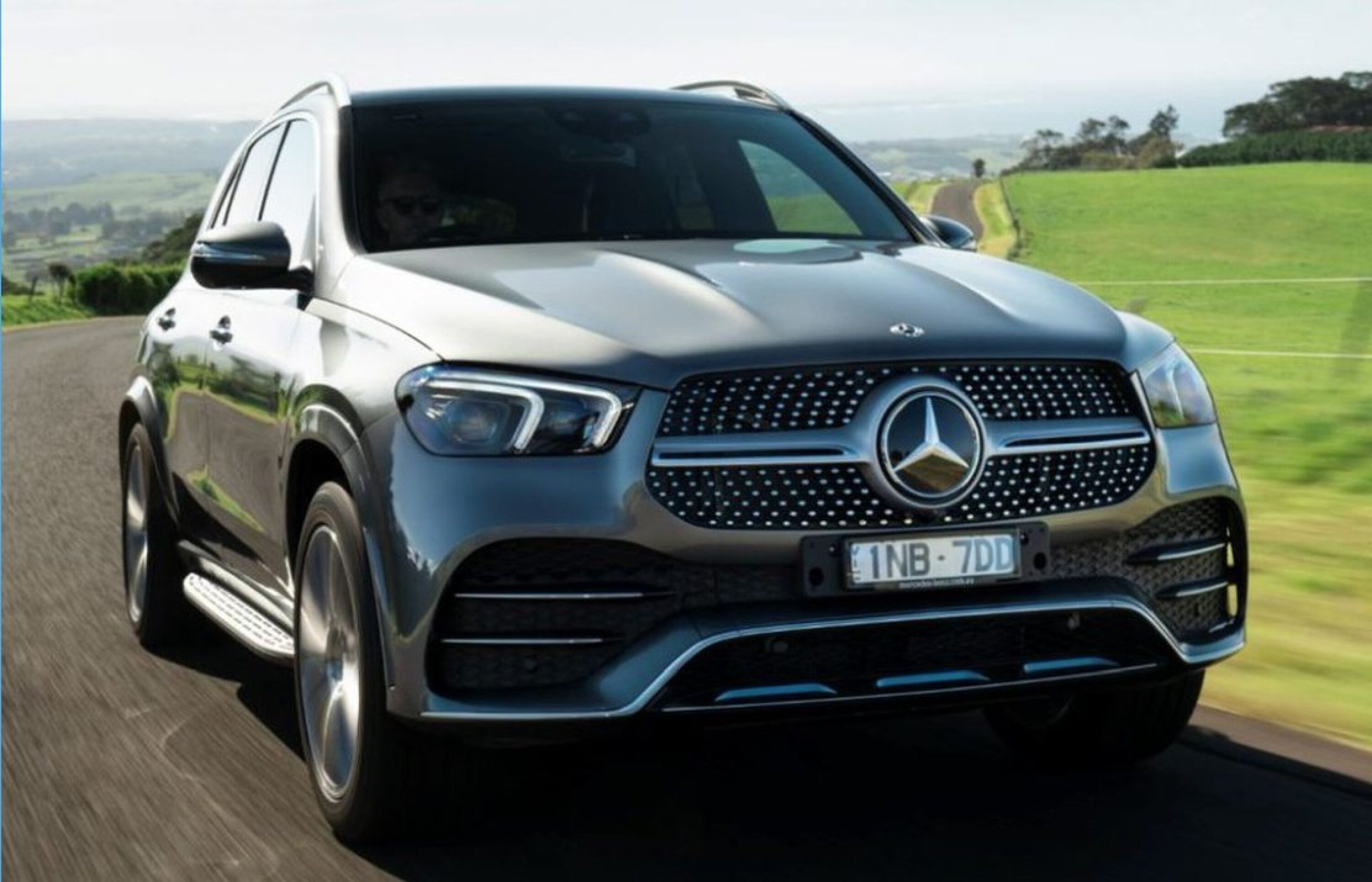
A Victorian couple were scammed out of $139,000 after they made multiple payments on what they believed to be a purchase of a Mercedes-Benz GLE 400d, but the payment details on the invoice had been doctored, leading to the funds instead being directed to the scammer’s account.
This case followed a similar incident in June 2022 where Georgina Smith of Melbourne fell victim to a similar scam, only realising the problem on the day of delivery when the dealership called to tell her that the deposit for her Mercedes-AMG A35 had not been received.
Upon receiving the call, Smith had asserted that the $38,500 deposit had been made – but when she was then sent a copy of the invoice from the dealership via SMS, it was discovered that the bank account details did not match those received on the emailed invoice.
On this occasion the scammers had duplicated the invoice to give all appearances of authenticity – including the company name and the vehicle’s VIN details – amending only the bank information to direct funds to the scammer’s account.
Speaking with GoAutoNews, Brian Hay, Executive Director of Cultural Cyber Security, indicated that these kinds of scams cost Australians upward of $132 million in 2020.
“Do not use the phone number that may be printed on that potentially bogus email. So make sure you get a phone number that’s been sourced independently because, if the invoice is coming from the crook, you could be calling the criminal to validate the banking details. So you have to get independent verification of the bank details,” Hay told GoAutoNews.
In the case of the Mercedes-Benz GLE 400d, the Victorian County Court is reviewing the issue to make a determination on whether the customer or Mercedes-Benz are to incur the losses.
In the meantime, car buyers are encouraged to be diligent when making large payments, and to verify details directly with dealerships through a salesperson with whom they have built trust.