
December: Tiggo 7 Pro gets 5-star ANCAP safety score
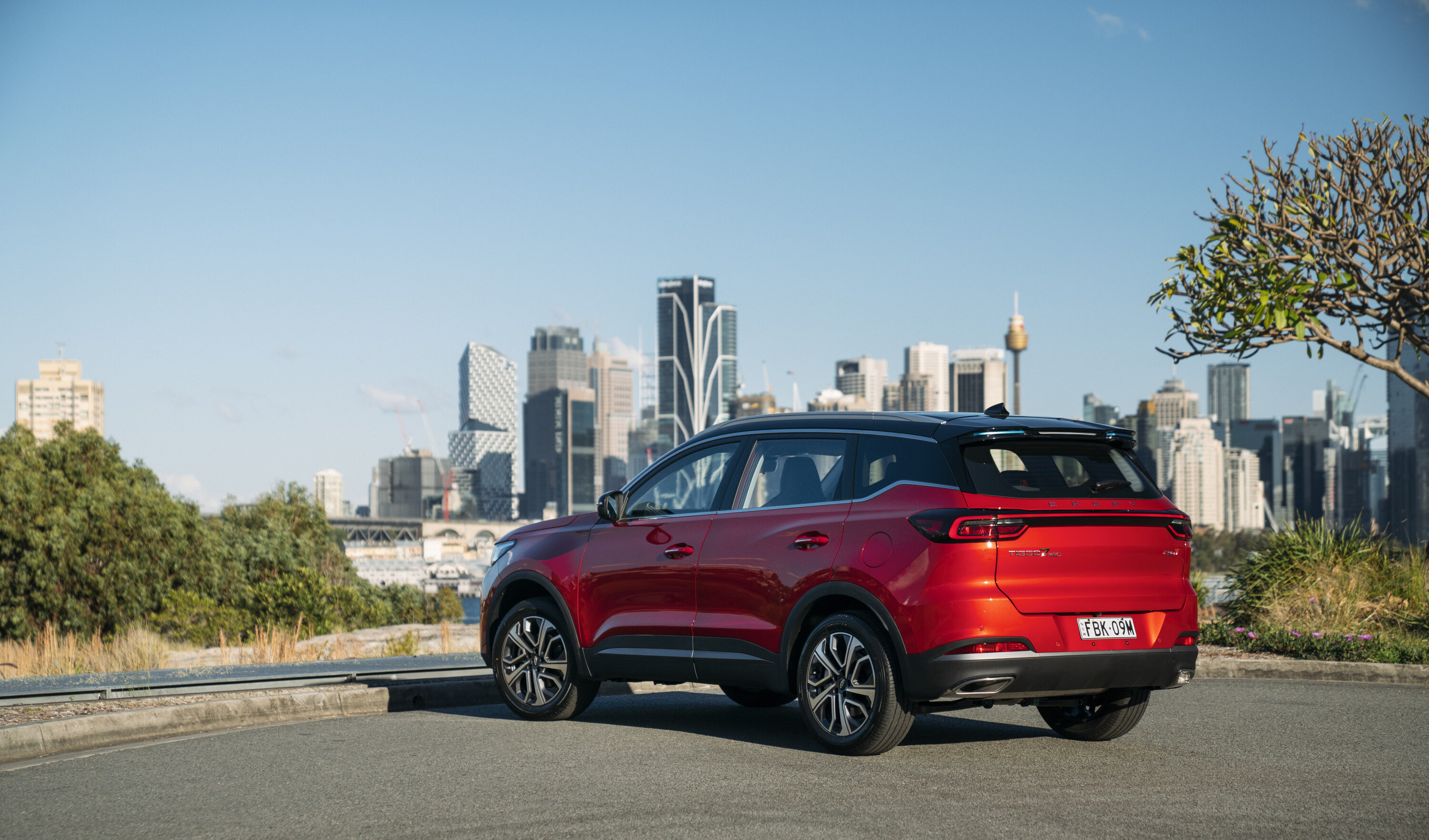
Following the September release of Australian pricing and our first local drive earlier this month, the Chery Tiggo 7 Pro has now been awarded a five-star ANCAP safety rating.
Jump to the safety section below for more details.
1
September: Chery Tiggo 7 Pro pricing announced
A sharp $39,990 drive-away price ushers Chery’s second model into Australian dealers.
Snapshot
- Cheryu2019s second model arrives in Australia
- Medium SUV commanding $40K drive-away
- Three variants and one engine choice make the range
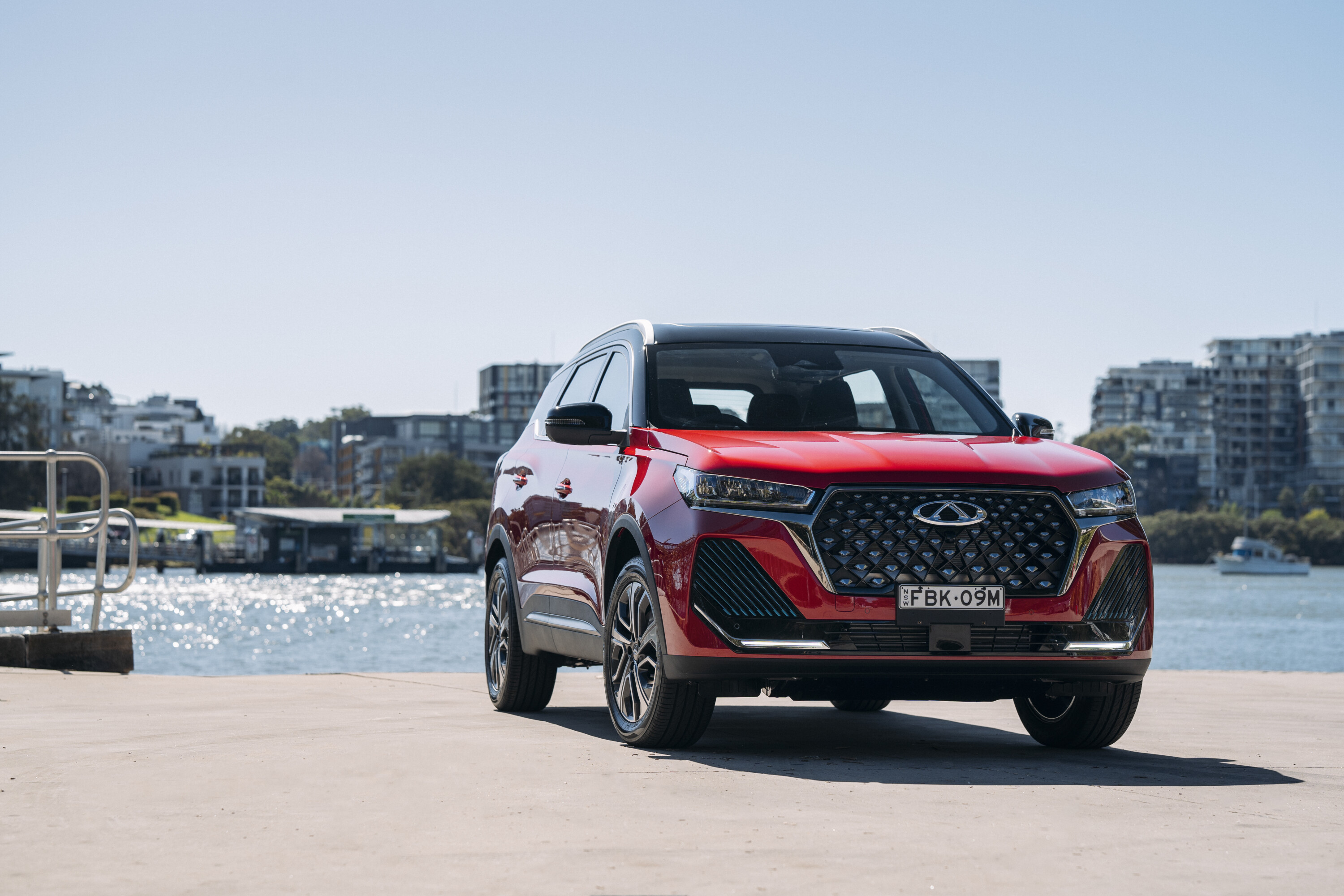
Chery has announced the pricing and features of its Tiggo 7 Pro medium SUV. There are three variants (Urban, Elite, and Ultimate) on offer with national drive-away prices spanning $39,990 to $45,990.
The Tiggo is an older model than the Omoda 5 launched in March this year. Chery’s Tiggo 7 Pro has been on sale in China, South Africa and other markets since 2021, and arrives in Australia ahead of an all-electric Omoda 5 due in 2024.
Power and fuel consumption
Under the Tiggo 7 Pro’s bonnet is a 1.6-litre turbo-petrol four-cylinder engine that is Euro-6 compliant and produces 137kW and 275Nm.
Much like the Omoda 5, local listed outputs for our car are lower than Chinese-market cars (145kW and 290Nm) because “the Australian standard is different to the Chinese standard when it comes to measuring equipment.”
The Tiggo’s four-cylinder engine is paired with a seven-speed dual-clutch automatic that sends power to the front or all four wheels, depending on trim.
In front-drive form, the Euro VI compliant engine returns 7.0L/100km in the ADR combined consumption cycle. The thirstier all-wheel drive (that offsets compromised range with a 6L larger 57L fuel tank) is rated at 7.8L/100km.
The Tiggo 7 Pro requires premium 95 RON or higher unleaded petrol.
1
Space
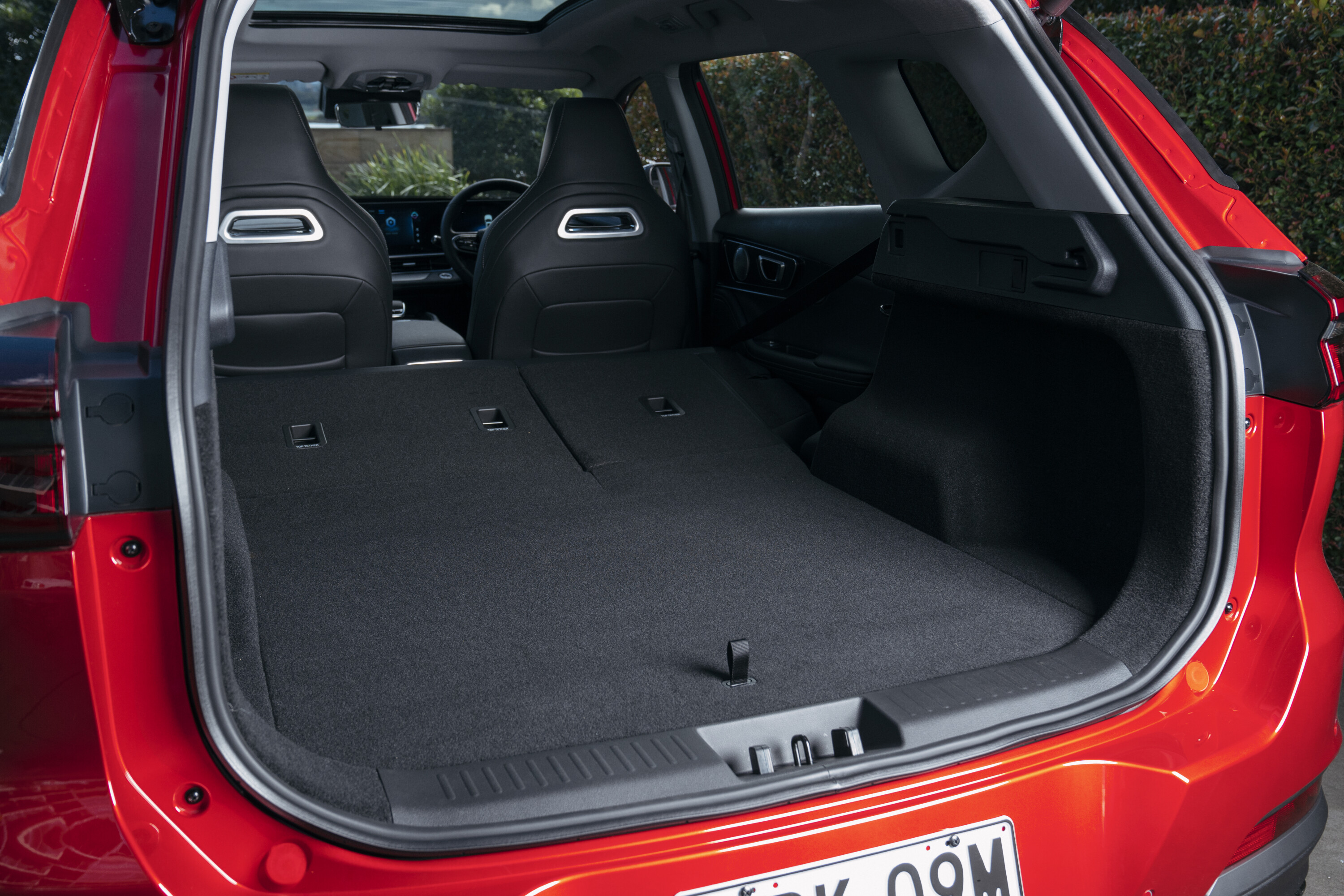
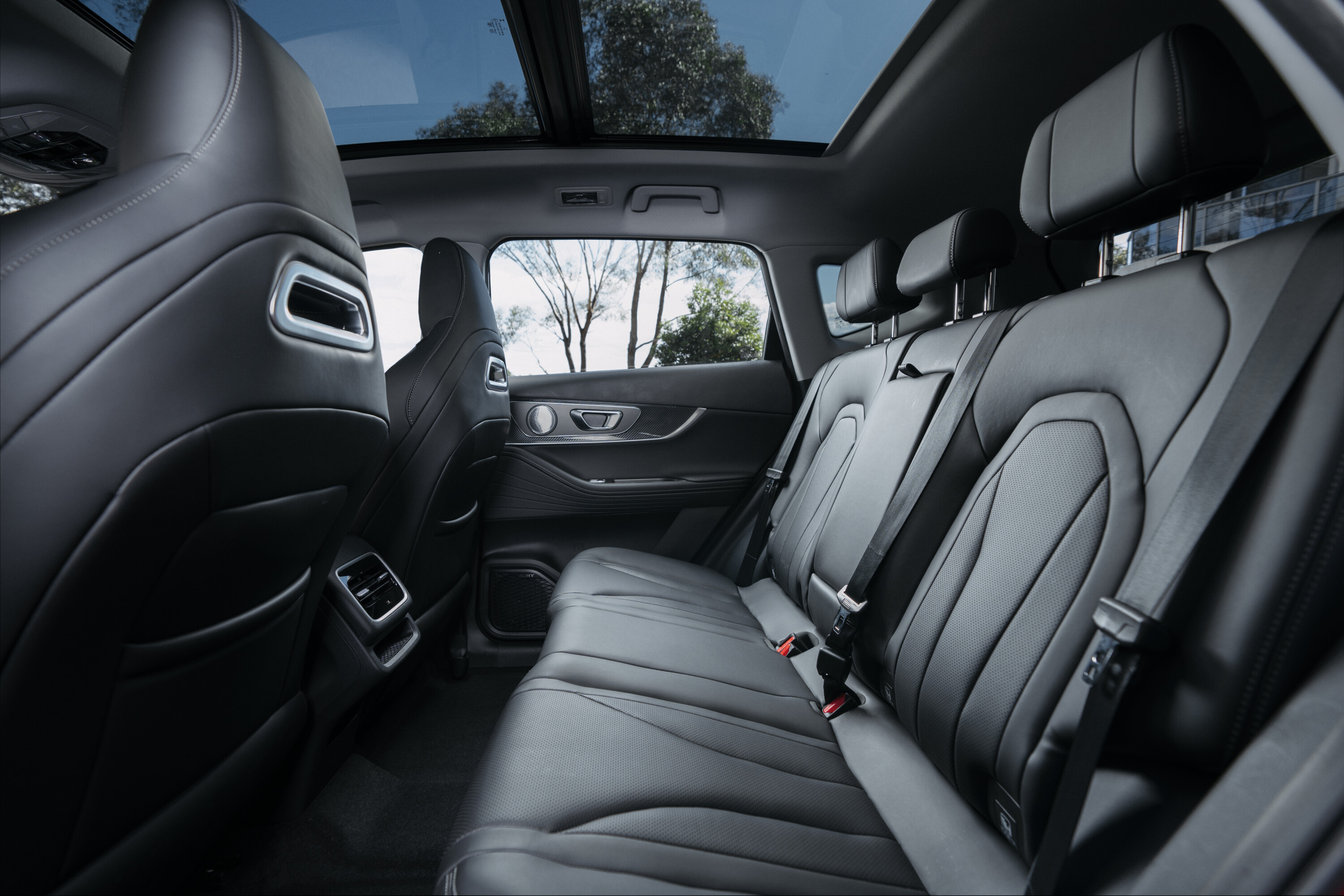
Size-wise, the five-seat Tiggo 7 Pro is close to a Volkswagen Tiguan and sits at the smaller end of the medium SUV spectrum. It measures 4513mm long, 1862mm wide, 1696mm tall and rides on a 2670mm wheelbase while packing a healthy 626L cargo space.
“The Tiggo 7 Pro is an effortlessly impressive vehicle that combines style, space, and safety to deliver a medium SUV that will prove the perfect fit for Australian families,” said Chery Australia managing director Andy Zhang.
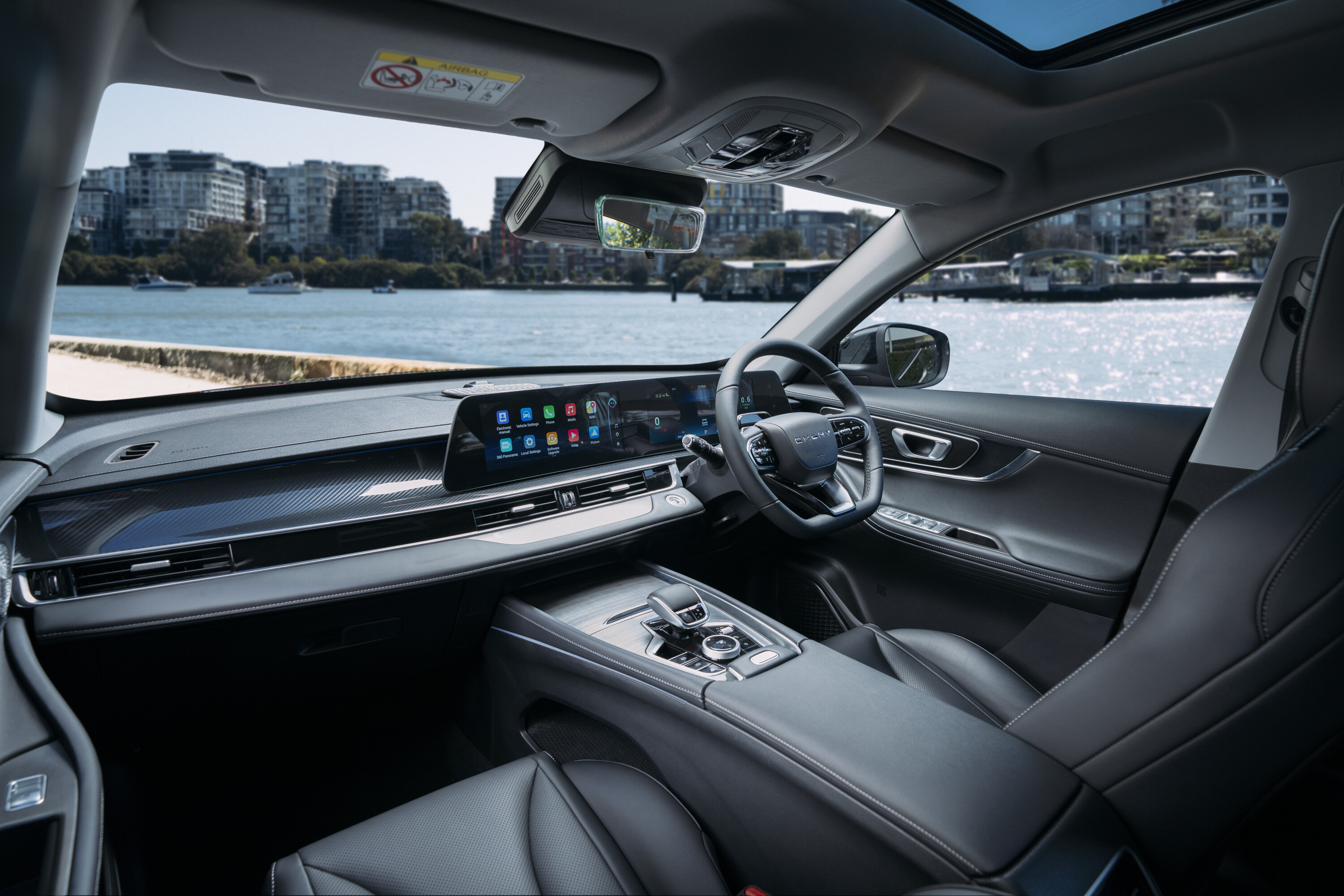
Inside is plenty of technology, as you’d expect from a Chinese newcomer. Chery’s excellent voice assist features, as does a 12.3-inch touchscreen with wireless Apple CarPlay connectivity, and LED headlights.
Chery Tiggo 7 Pro safety
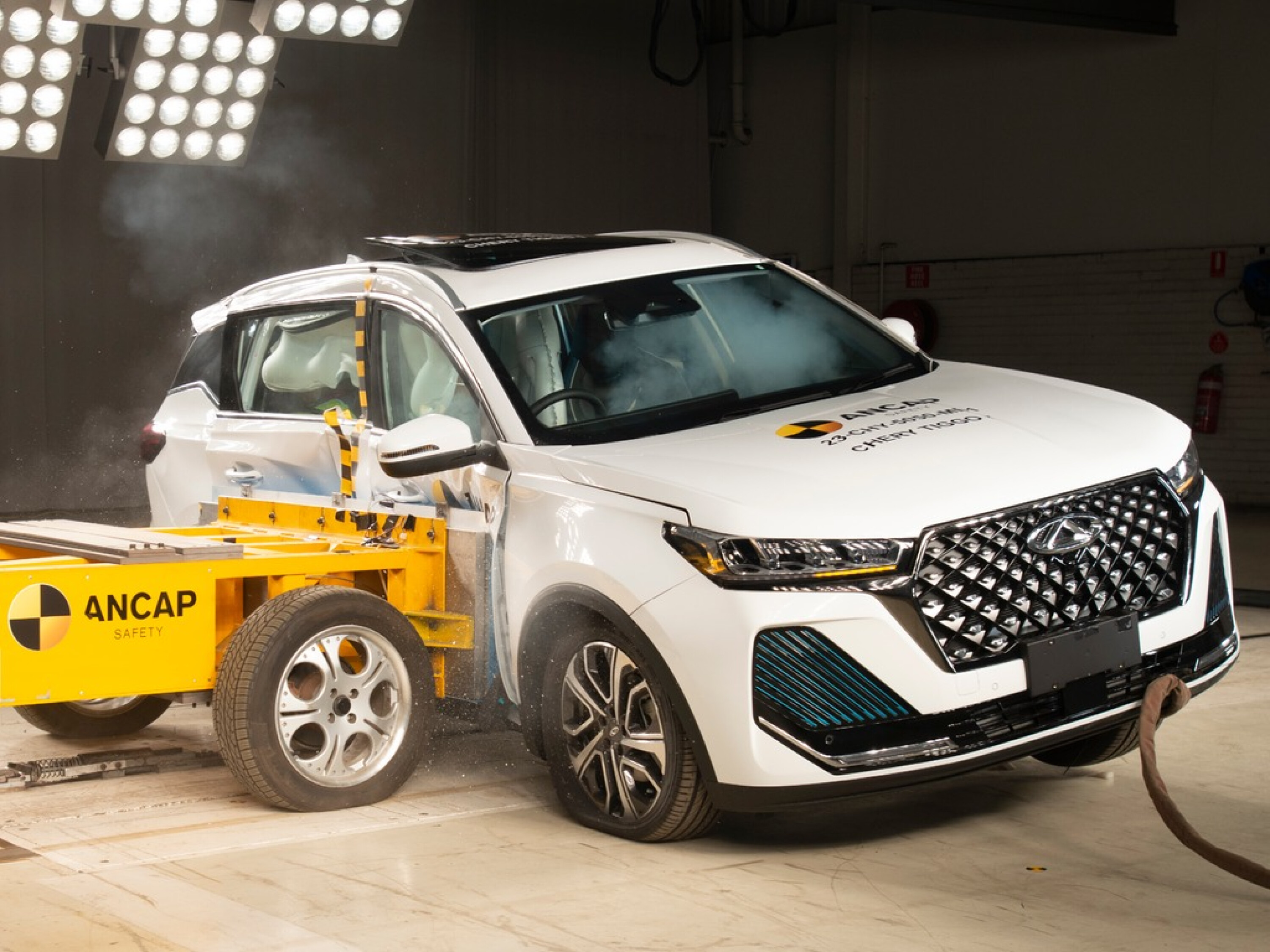
The Tiggo 7 Pro has eight airbags and 18 driver assistance technologies, including AEB, lane-trace assist, driver-attention monitoring, rear cross-traffic alert, and more.
The new Chery SUV was awarded a 5-star ANCAP safety rating in December, achieving the following scores:
- Adult Occupant Protection: 88%
- Child Occupant Protection: 87%
- Vulnerable Road User Protection: 72%
- Safety Assist: 86%
You can read our full drive review for a very comprehensive rundown on the Tiggo 7 Pro’s safety suite, while its full ANCAP assessment report can be read here. [↗]
1
Warranty and running costs
Chery wants to offer peace of mind for customers and is adamant it has the dealer and local support needed to deal with warranty claims and accident repairs rapidly, carrying nearly $12 million worth of spare parts for Tiggo and Omoda models.
The Tiggo 7 Pro is covered by a seven-year/unlimited-kilometre warranty, seven years of capped-price servicing and buyers get seven years of roadside assistance thrown in with the purchase.
Full service pricing for seven years has not been confirmed, but the first five trips to a Chery dealer will cost $280 per visit – just $20 each more than a Toyota RAV4.
1
Chery Tiggo 7 Pro pricing and availability
The Tiggo 7 Pro is available to pre-order now (as of September), with deliveries commencing later this year.
The first 500 buyers will receive three years of complimentary servicing with their Tiggo 7 purchase.
| Chery Tiggo 7 Pro pricing | |
|---|---|
| Variant | National drive-away price |
| Urban | $39,990 |
| Elite | $41,990 |
| Ultimate AWD | $45,990 |
Next to an entry-level non-turbo Hyundai Tucson ($35,150), Mazda CX-5 Maxx ($36,110) Toyota RAV4 GX ($39,760 all before on-road costs), and the Honda ZR-V VTi X ($40,200 drive-away), the Tiggo 7 offers more spec-sheet substance for similar or less money though the proof will be in how it drives.
1
Chery Tiggo 7 Pro variants
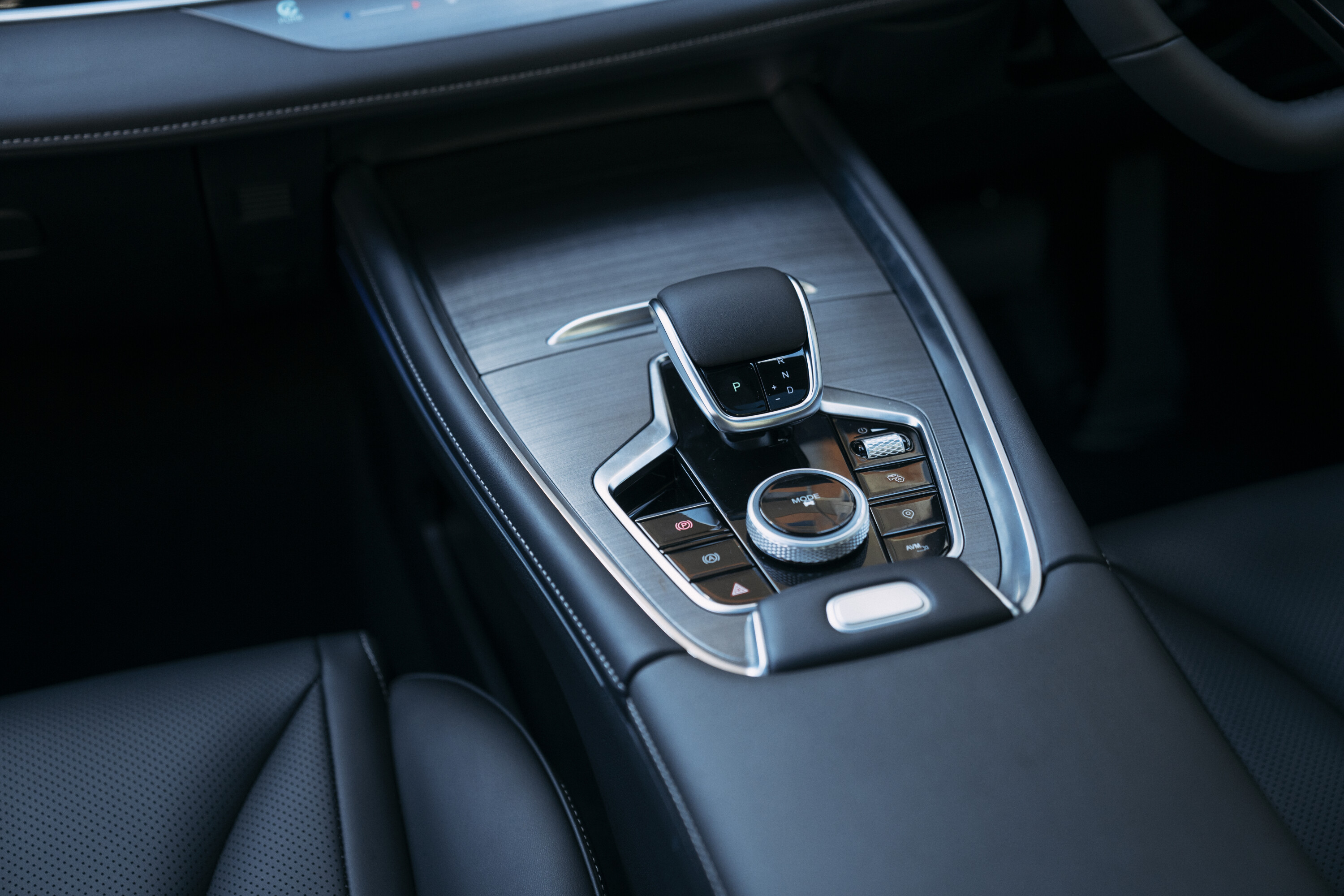
Even the most basic Tiggo 7 Pro Urban has heated seats, a panoramic sunroof and a brand-name sound system at $39,990 drive-away.
| Tiggo 7 Pro Urban features | |
|---|---|
| 18-inch alloy wheels | Panoramic sunroof |
| LED exterior lighting | Wireless phone charger |
| Full-size spare | Multi-colour ambient lighting |
| Eight air bags | Wireless CarPlay and Android Auto |
| 18 advanced driver aid systems | 12.3-inch infotianment touchscreen |
| Driver monitoring system | 12.3-inch digital driver’s display |
| Artificial leather seats | eight-speaker Sony sound system |
| Heated front seats | GPS satellite navigation |
| Dual-zone automatic climate control | Hello Chery’ intelligent voice command |
1
Moving up to the mid-spec Elite mostly adds convenience and style features.
| Tiggo 7 Pro Elite features | |
|---|---|
| 360-degree camera | Optional black roof |
| Auto-folding mirrors | Air quality management system |
| Power tailgate | Negative ion air freshener |
| Light-up sill covers | Cargo blind |
1
The flagship Ultimate scores bigger wheels and an AWD system for enhanced capability.
| Tiggo 7 Ultimate features | |
|---|---|
| 19-inch alloy wheels | Memory mirrors |
| All-wheel drive | Auto-dimming rearview mirror |
| Six drive modes (Eco/Sport/Normal/Snow/Mud/Off-road) | Ventilated front seats |
| Red front brake callipers | Memory driveru2019s seat |
MORE
Everything Chery
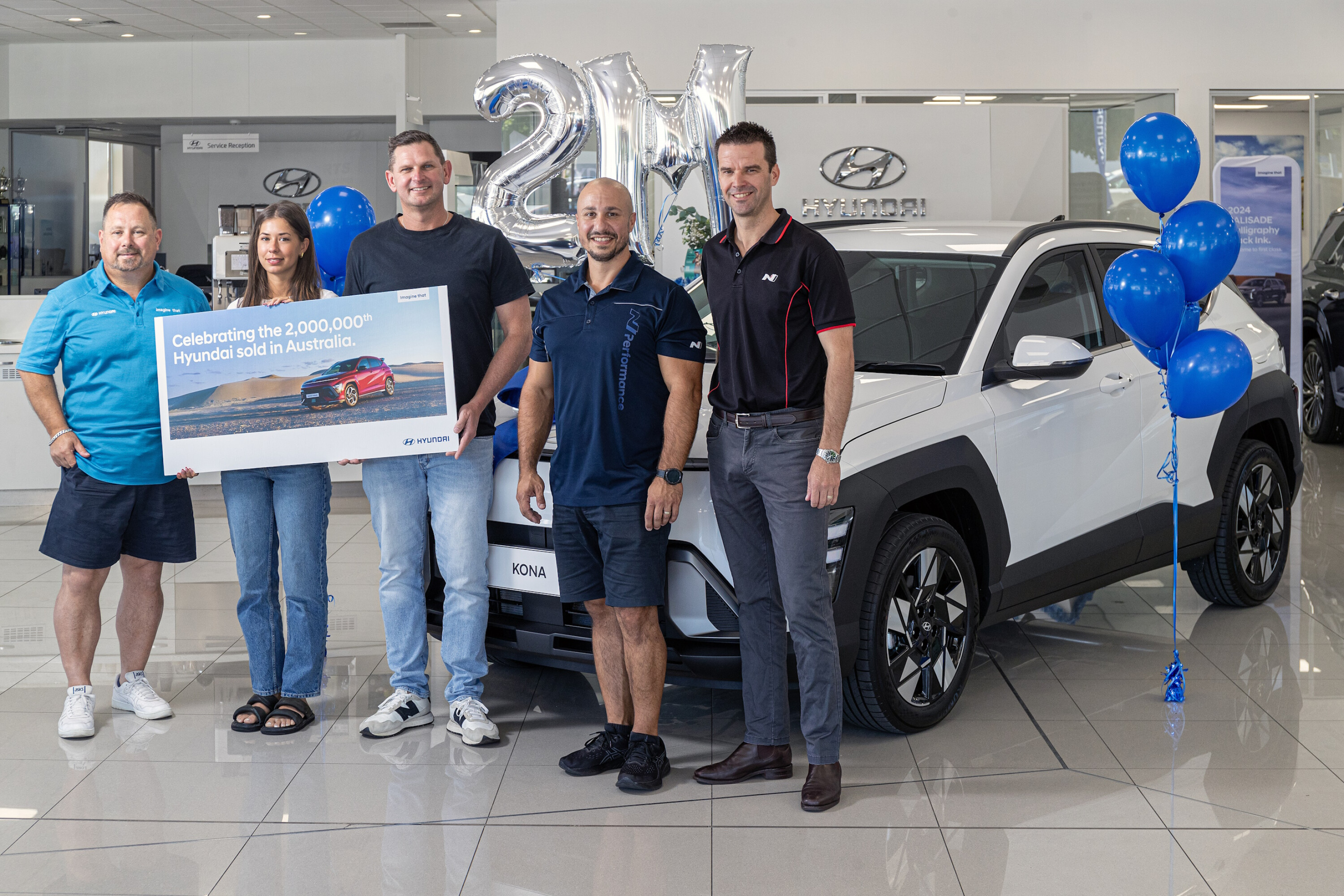
Hyundai has sold its two millionth vehicle in Australia: a white Hyundai Kona in Western Australia, the state where it kicked off its local operations in 1986.
“We’re incredibly grateful for the support of each and every buyer that has contributed to this milestone,” said Hyundai Motor Company Australia Chief Executive Officer, Ted Lee.
“It’s fitting that our two millionth buyer is in the state where it began for our brand 37 years ago and a special thank you is on the way to our new customer so they can share in our celebrations.”
1
Hyundai reached Australia in 1986, operating a single dealership in Perth – John Hughes Hyundai. The carmaker sold its 500,000th unit in 2004, and its one millionth vehicle, an iX35, at the same dealership in 2012.
Now, on the 20th anniversary of the formation of Hyundai Motor Company Australia – a wholly owned subsidiary of Hyundai Motor Company – the two millionth has been sold.
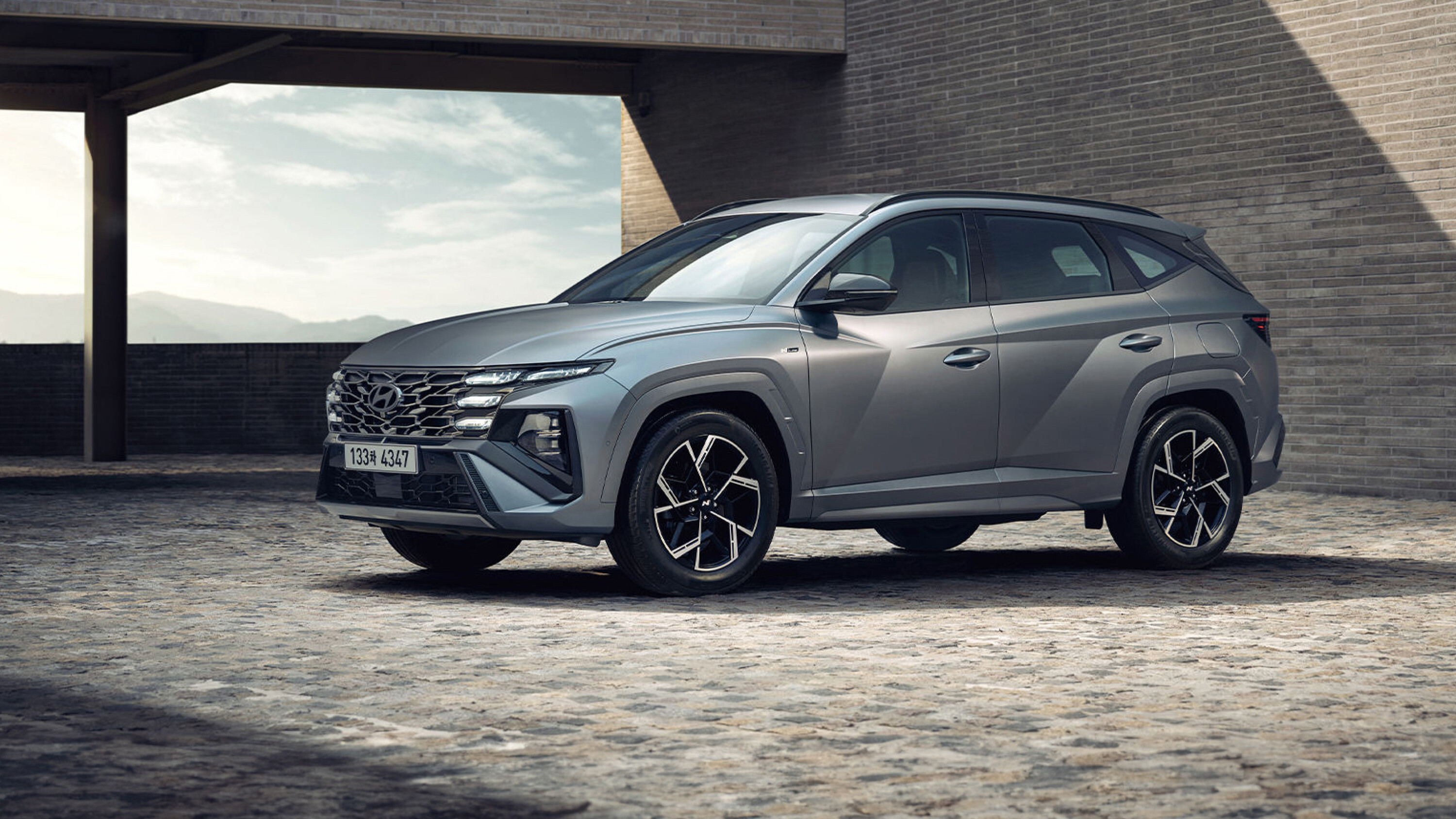
Year-to-date, Hyundai is the fifth-best selling brand in Australia with 6.3 per cent market share, locked in a tight battle with sister brand Kia. The midsized Hyundai Tucson SUV is its best-selling model, ahead of the small i30 hatch and sedan (sold as Elantra in overseas markets).
1
Hyundai has become a style leader in recent years, with its cheap and cheerful approach of the 1990s – popularised by the $13,990 driveway X3 Excel campaign – making way for more premium offerings.
That includes ground-breaking designs of its electric vehicles, such as the Ioniq 5 and Ioniq 6, as well as its conventionally-powered models including the recently updated Kona and even its funky Staria van line-up.
It has also captured the enthusiast market with the introduction of its ‘N’ performance division, originally run by former BMW M Division boss Albert Biermann.
MORE
Everything Hyundai
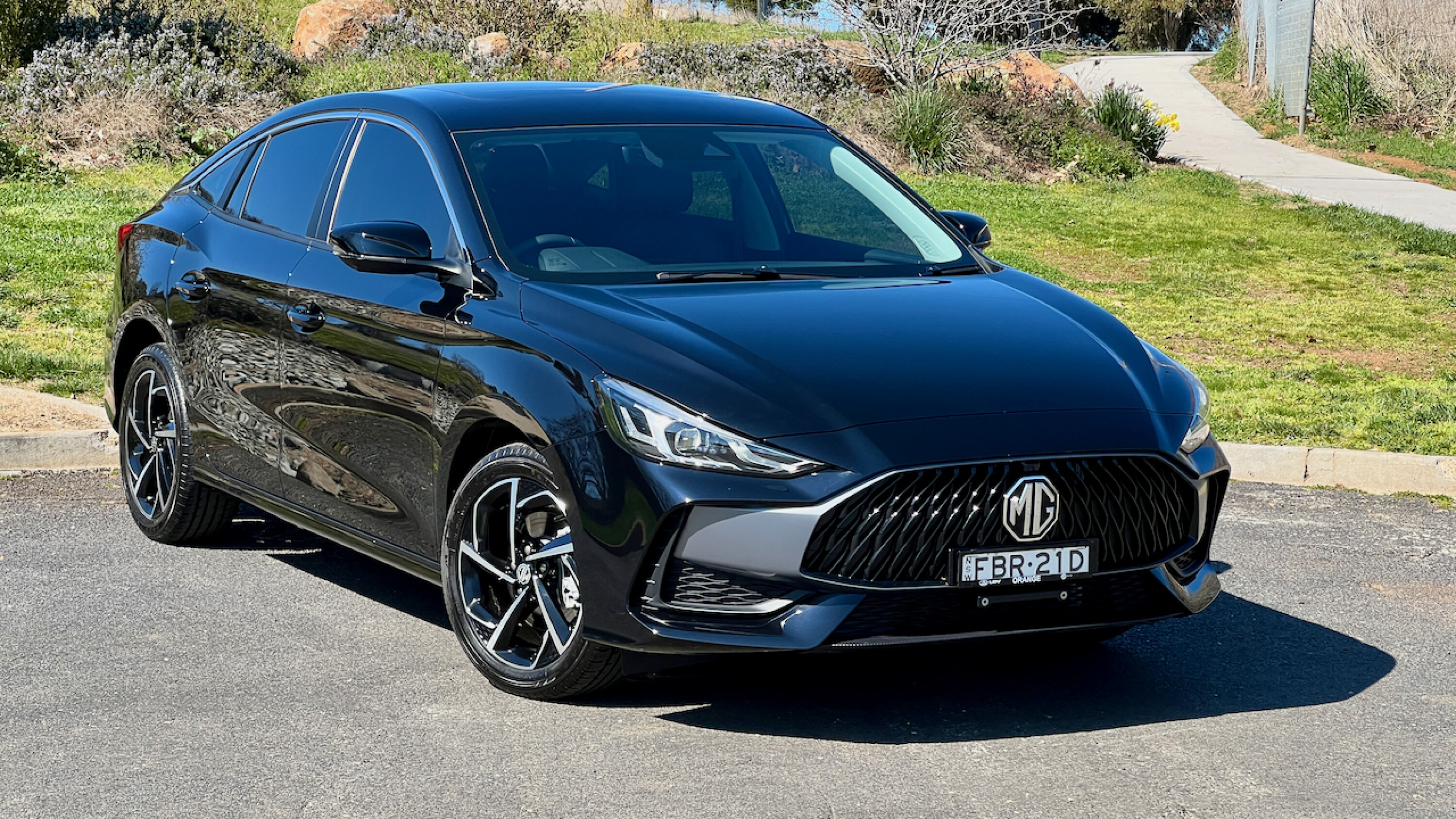
Last week’s news of the worst safety test result in years has sent MG back to the parts room, promising a number of important updates to its MG5 sedan for the 2024 model year.
Snapshot
- MG 5 to gain new software and hardware improvements
- MG insists it remains focused on offering buyers the best combination of safety and affordability
The crash test, carried out locally by ANCAP itself (whereas many current results are taken from Euro NCAP testing), saw the MG 5 sedan and Mahindra Scorpio SUV slammed by the organisation’s boss.
“Both brands have misjudged the safety expectations of today’s consumers,” ANCAP CEO Carla Hoorweg said.
In its report, ANCAP said it could not award even a single star to either car, ““due to a range of limitations – in both physical crash protection and active collision avoidance performance”. You can read the full story, linked below.
Responding quickly to the results, an MG spokesperson told Wheels Media last week that the brand “has worked closely with the Australian Government to ensure that the MG 5 has met the relevant Australian Design Rules (ADRs) for vehicle design when they are first supplied to the Australian market”.
ADR requirements tend to be well behind ANCAP criteria, however, due partly to the snail’s pace of legislation anywhere in the world, but also to the notion that buyers need the option of cheap cars – and the extent of included safety kit should, in part, be theirs to budget for.
For example, lane-keep assist has been an ANCAP requirement for years, but was only proposed as an ADR change in late 2021 with a 2024 target. Reverse cameras and sensors will likewise not become compulsory in new cars until 2025.
1
What will MG add to the MG 5?
The company’s local arm has provided a list of coming improvements, which we’ve shared below, verbatim.
- The addition of seatbelt pretensioners: “The added pre-tensioner seatbelts of the MG5 allow the shoulder portion of the belt to be pulled tightly to help firmly secure the occupant in the seat in the event of a collision”.
- Dynamic Load Tensioners: “The addition of this device in the MG5 helps manage the force exerted on seat belts during a collision, enhancing the effectiveness of the restraint system.”
- Calf protection: “MG is committed to improving safety for all road users, including the protection of pedestrians. Toward this end, MG has developed a calf protection panel which sits under the front bumper to minimise the level of injury to pedestrians in the event of an accident.”
- “MG is investing in additional hardware safety upgrades for the MG5 that include ‘Dynamic Load Tensioners’, ‘Seat Belt Reminders’, ‘Occupant Monitoring’, ‘Calf Protection’, ‘Seat Belt Pretensioner’, ‘Forward Impact Sensor (Preventing or mitigating frontal collisions)’.
Will the 2024 MG 5 be more expensive with these upgrades?
MY24 pricing is not yet confirmed, but it would not be unreasonable for these additions to move the MG 5 beyond its current drive-away $24,990 (MG 5 Vibe) and $28,990 (MG 5 Essence) position.
The changes certainly don’t come cheap for MG itself. The company says its Australia-specific upgrades to the MG 5, all of which will be standard on both the VIbe and Essence trim grades, are a $4 million undertaking.
When will the updated MG 5 arrive?
The company has not yet confirmed when the updated MG 5 will arrive, or how many examples of the current zero-star version are already in Australian stock.
Will MG submit the 2024 MG 5 to ANCAP for a new score?
Speaking with Wheels Media today, an MG spokesperson was unable to confirm any specific plans for a tilt at a better safety score.
“We’re investing a substantial amount to improve the safety features and our local product team are in regular communication with ANCAP about the updates,” the spokesperson said.
MORE
Everything MG
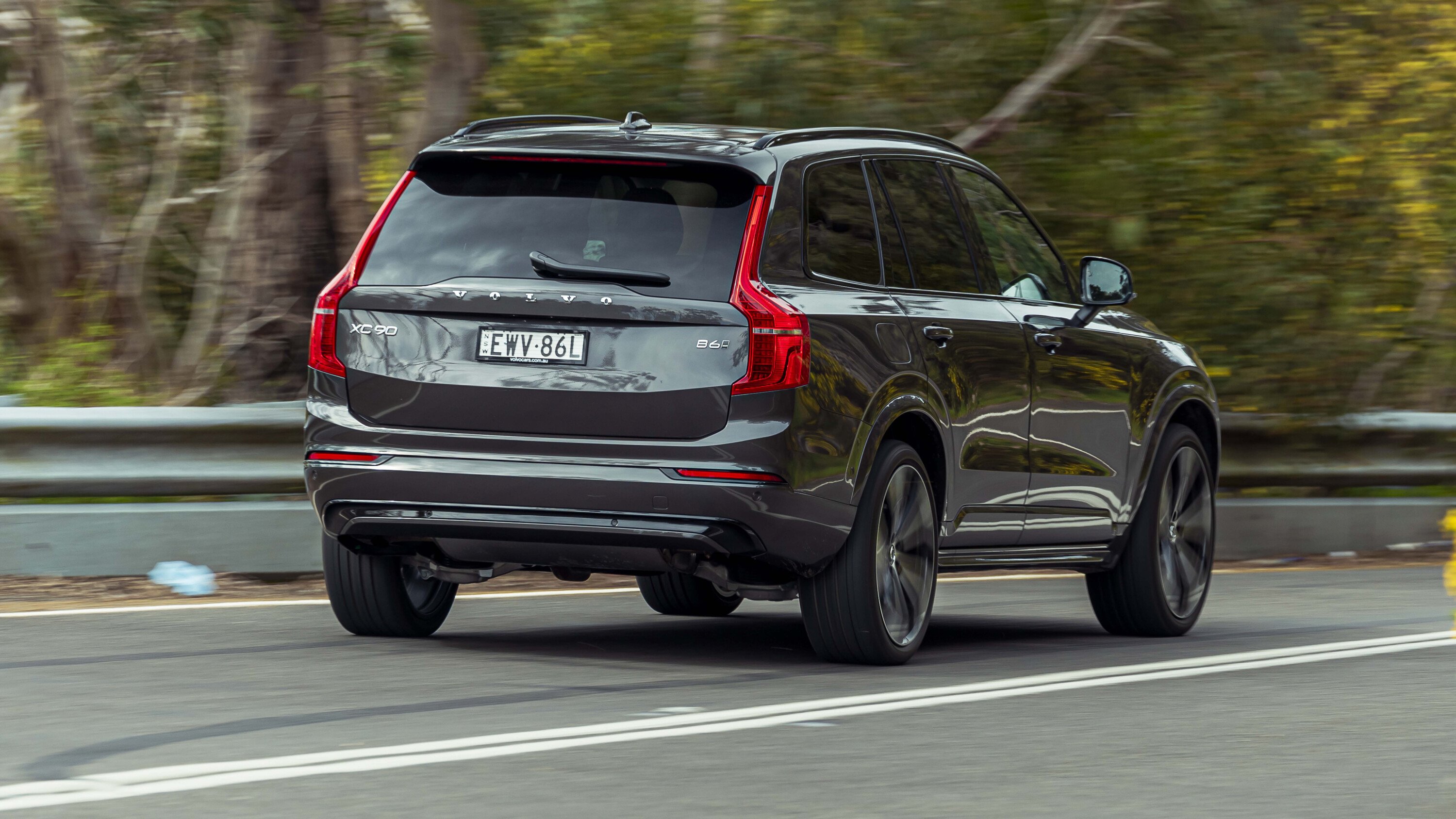
It’s easy to forget that it was the Volvo XC90 that kickstarted the Swedish brand’s modern transformation.
Launched way back in 2014, the second-gen XC90 was the first car to ride on Volvo’s new modular platform and the first to benefit from the cash injection brought by fresh owners Geely.
Svelte, beautifully made and with tidy ride/handling, the XC90 came within a whisper of winning Wheels COTY. And now, almost a full 10 years later, Volvo’s luxury seven-seater has lost none of its appeal. Talk about ageing like a fine wine…
1
JUMP AHEAD
- How much is it and what do you get?
- Cabin comfort and space
- What’s it like to drive?
- VERDICT
- Specifications
How much is it and what do you get?
As you’d expect, Volvo has treated the XC90 to some welcome upgrades since its 2014 launch with the latest raft of improvements arriving last year.
That update brought a rejigging of the model range (the existing trim levels of Momentum, Inscription, R-Design and Recharge were replaced by Plus, Bright, Dark and Ultimate T8 respectively) and the injection of Volvo’s latest Android-based infotainment system, which now includes Apple CarPlay.
For this test, we’re driving the high-spec B6 Dark which uses a fizzy 2.0-litre four-cylinder turbo that produces 220kW/420Nm and is supplemented by a 48-volt system and an electric supercharger.
It retails for $107,990, which plonks the XC90 in a comfortable middle ground for price against its key competitor set: slightly more expensive than a Lexus RX, yet cheaper than a BMW X5 or Mercedes-Benz GLE.
1
Our particular tester is bristling with desirable options like air suspension ($3750) and a truly fantastic Bowers and Wilkins sound system ($4550) that deliver an ‘as tested’ price of $118,690.
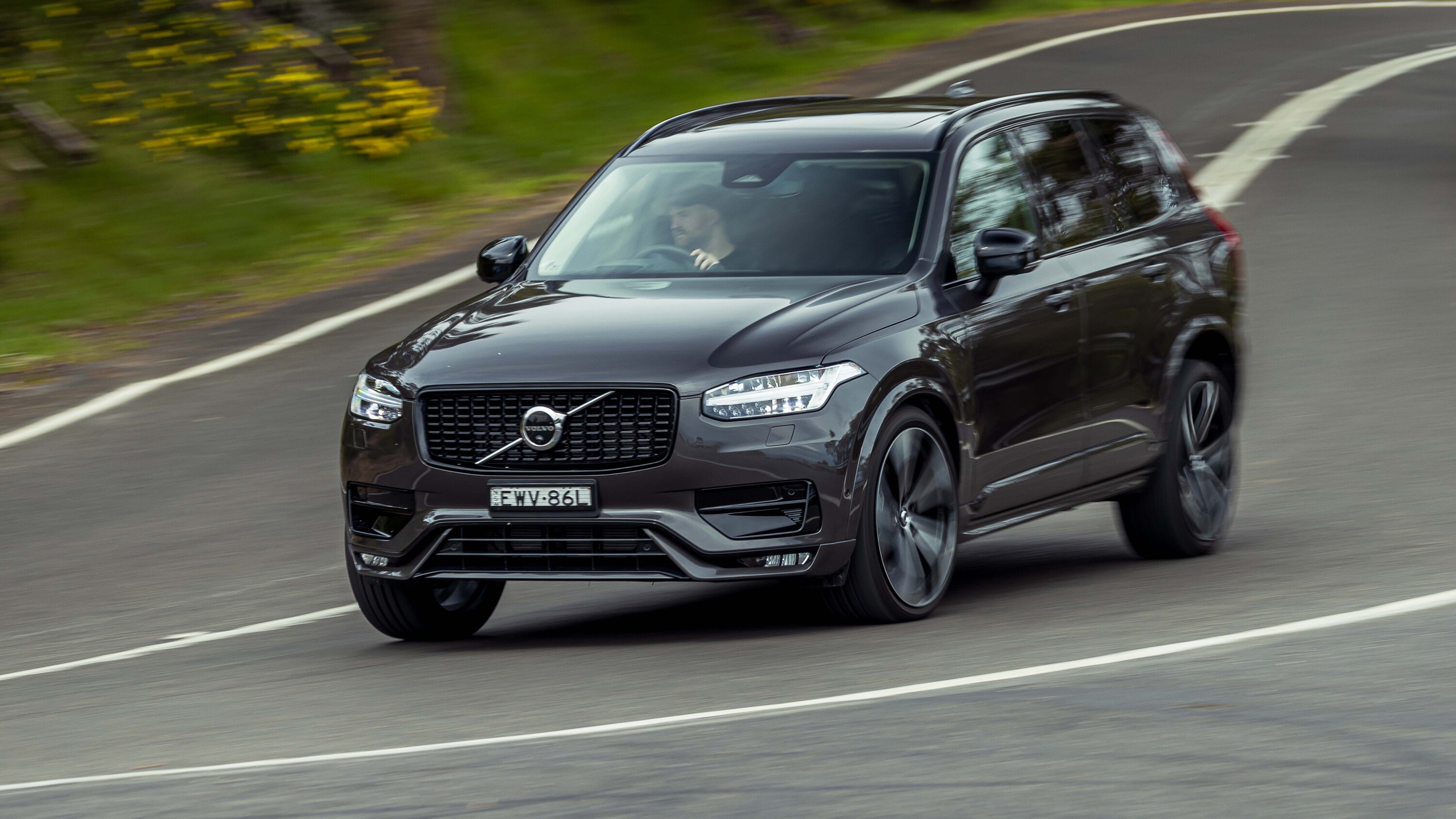
And our XC90 looks every cent of that outlay. We know beauty is in the eye of the beholder but you’d have to be a harsh marker to deny the XC90 is a deeply handsome thing. Chiselled and broad shouldered it looks taut and perfectly proportioned for what is, essentially, a family bus.
The huge 22-inch diamond-cut alloys help, of course, as does the optional air suspension which slowly lowers when the body when parked to give it lightly ‘slammed’ appearance.
1
Cabin comfort and space
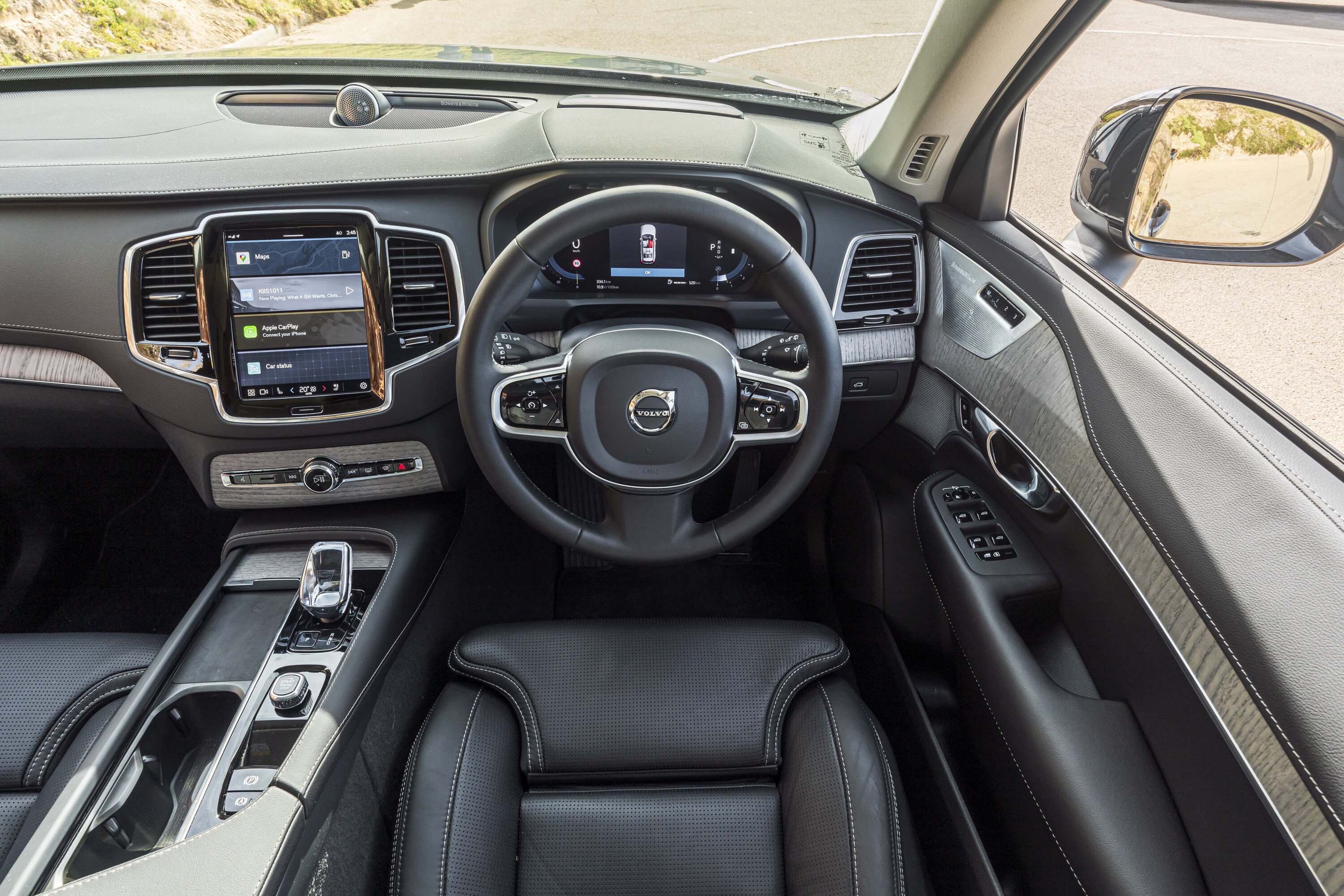
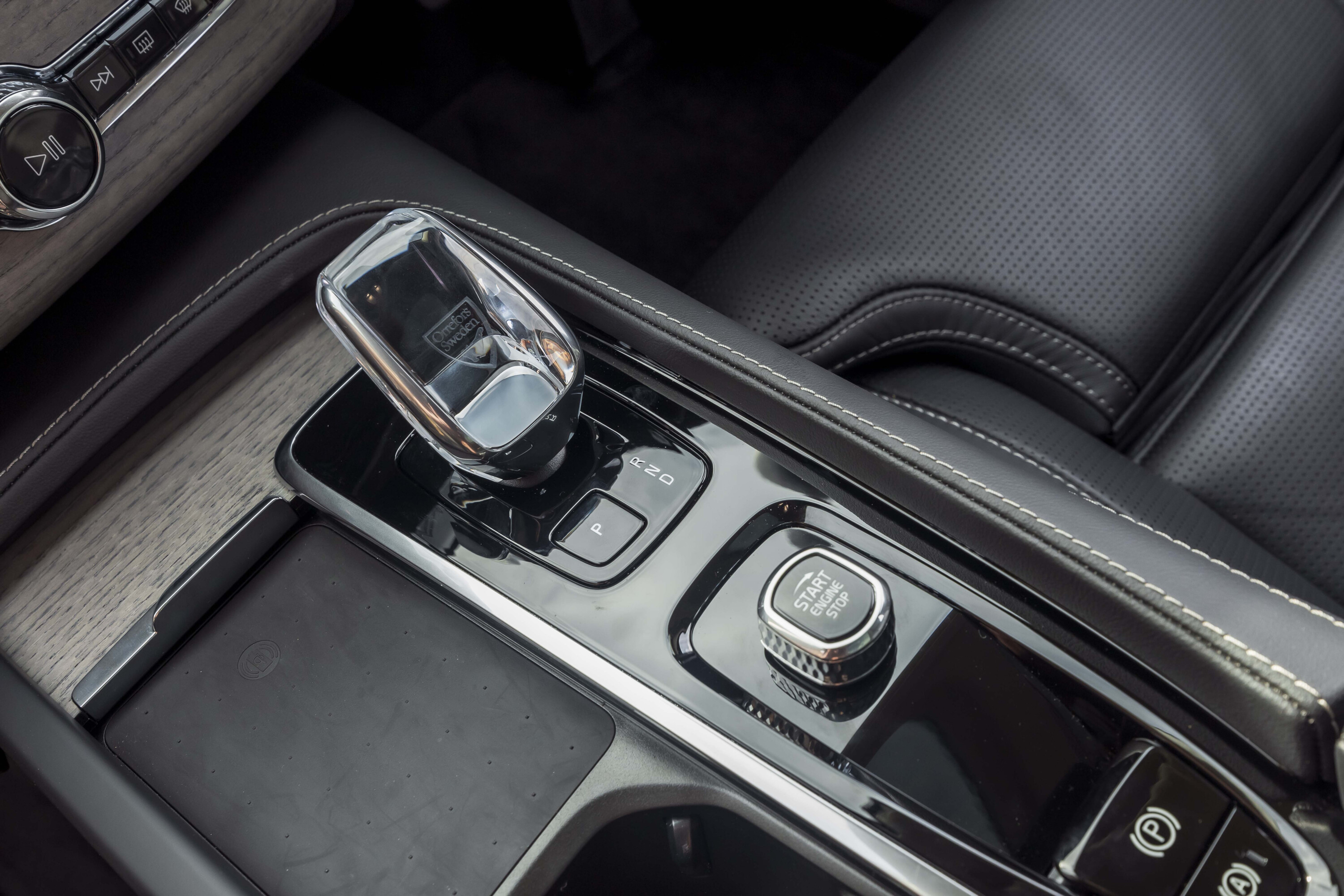
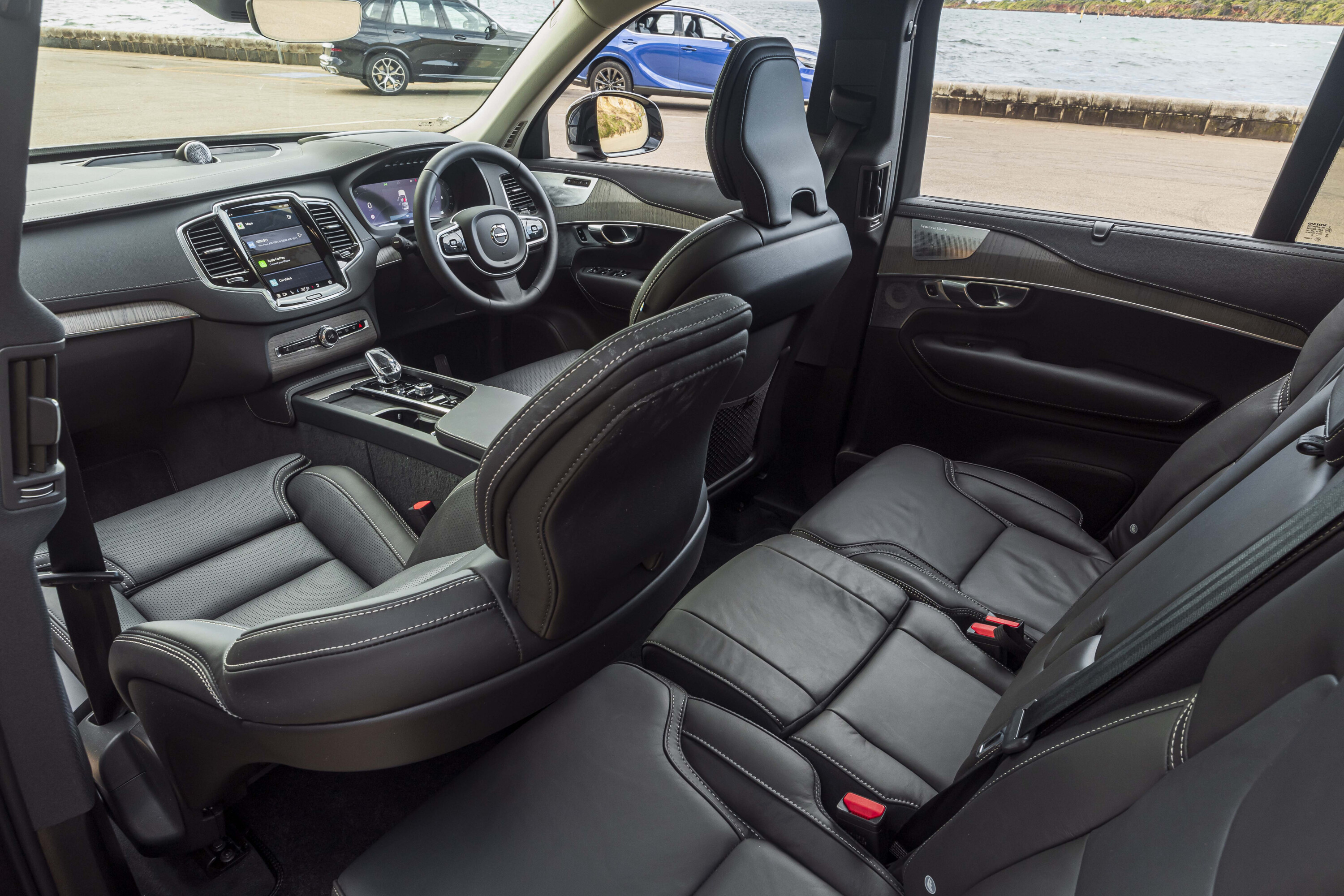
The cabin is arguably even more impressive. The minimal cabin design feels like a high-end Scandi furniture shop and the sense of luxury and build quality are impeccable. The seats, in particular, as superb
And boy is it functional. The XC90’s form factor is longer and narrower than other luxe SUVs like a BMW X5 and Audi Q7 and it makes full use of its extra length with plenty of cabin space and a third row that’s roomy enough for adults.
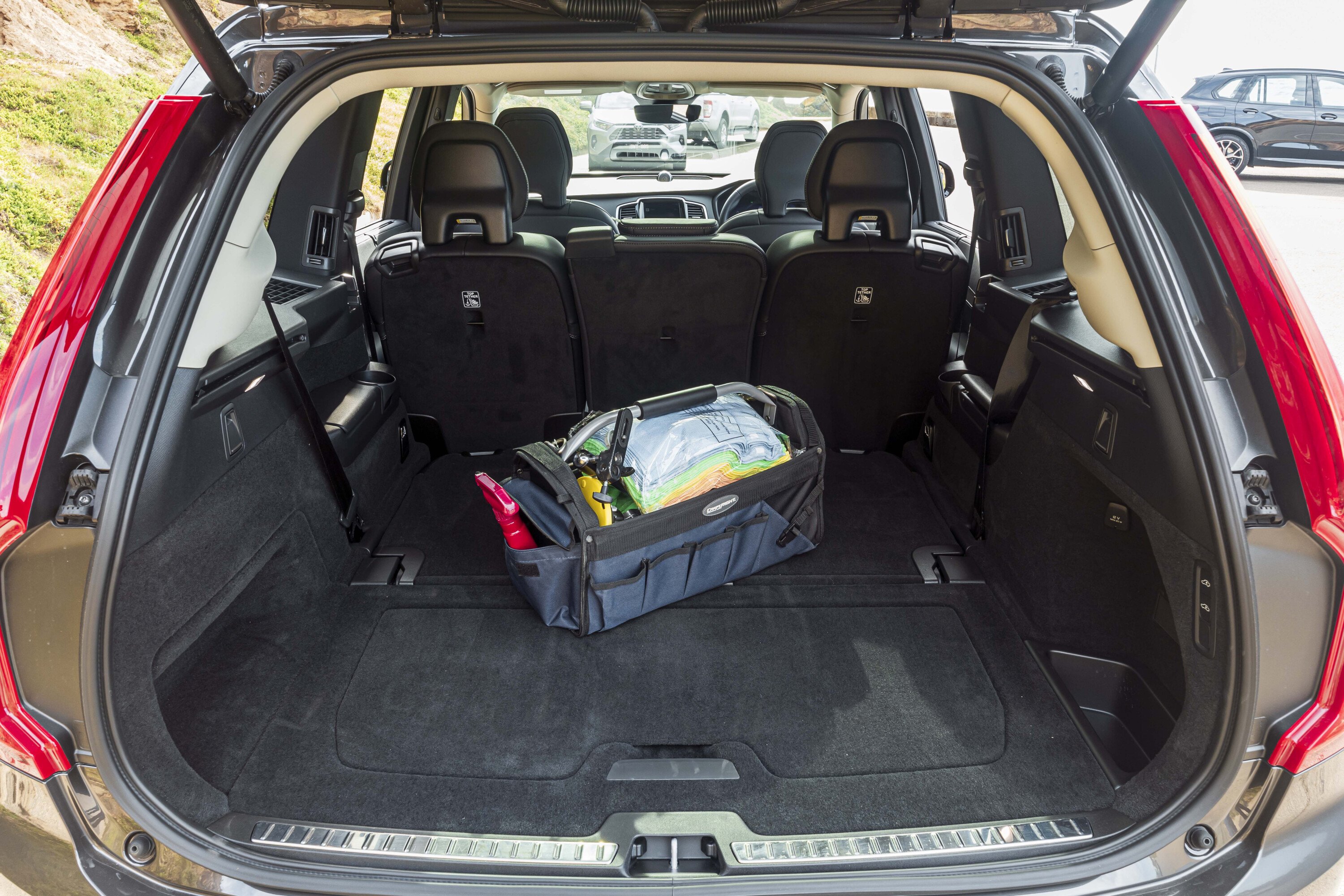
Third row passengers also score face-level air vents, cup holders and their own storage, though notably there are no top-tether anchor points for child seats back there. You do score three tether points in the second row, however, as well as twin Isofix anchor points and Volvo’s useful integrated booster seat in the middle pew.
2
Throw in a sliding second row, four-zone climate control, plenty of USB-C charging points and retractable window blinds and there’s nary a chink in the XC90’s armour when it comes to hauling about seven people in comfort.
The one thing that betrays the Volvo’s age is the size of its portrait-style touchscreen. At 9.0-inches it looks small by modern standards, yet its functionality is excellent. The software is Google based, and now includes Google Maps and Google Assistant, and the layout of the key controls and menus is easy to wrap your head around.
One annoyance is the need to dive into multiple menus to change the AC or seat heaters, yet the screen’s resolution and response is hard to fault. The centre screen pairs with a 12.0-inch digital instrument cluster and head-up display, plus there’s a 360 surround view camera which sends a high-res video feed to ensure you don’t kerb those massive alloys.
1
What’s it like to drive?
The XC90’s light steering aids low-speed manoeuvrability and once you’re on the move, there’s little to disrupt the Volvo’s overarching sense of calm and serenity.
A big part of our tester’s phenomenal comfort and control is down to the optional air suspension, which is a must have inclusion. It’s wafty and cushy around town, with none of the crashiness you expect from the big wheels.
And at higher speeds, the XC90’s suspension is flat and measured with excellent body control. On our dynamic loop, the way the XC90 absorbed and recovered from big bumps was mightily impressive.
Those big alloys are surprisingly grippy, too, and while the overall experience isn’t what you’d call sporty, there’s a surprising amount of talent and poise to the XC90’s dynamics.
1
VERDICT
It can be a tough gig being one of the oldest contenders in a class, yet despite its advancing years, the Volvo XC90 continues to be one of the most convincing luxury SUVs on sale.
Polished, handsome and impeccably built, its true genius lies in its focus on comfort, space and functionality. This is an impressively practical family SUV and also one that nails its fundamentals with an uncommon layer of finesse and flair. And that’s why it’s one of our favourite luxury SUVs.
MORE
Everything Volvo
| 2023 Volvo XC90 Ultimate B6 specifications | |
|---|---|
| Body | 5-door, 7-seat SUV |
| Engine | 1969cc inline 4cyl, 16v, DOHC, turbo = s’charger |
| Power @rpm | 220kW @ 5400rpm |
| Torque @rpm | 420Nm @ 2100-4800rpm |
| Transmission | 8-speed automatic |
| 0-100km/h | 6.7sec (claimed) |
| L/W/H | 4953/1923/1773mm |
| Wheelbase | 2984mm |
| Track width | 1672/1679mm |
| Boot space | 390L |
| Weight | 2090kg |
| Fuel / tank | 95 RON / 71L |
| Fuel use L/100km | 8.2L/100km (combined)/ 18.34L (tested) |
| Suspension | Double A-arms, air springs, adaptive dampers, anti-roll bar (f) |
| Steering | Electric rack-and-pinion |
| Brakes | 345mm discs (f) 320mm discs (r) |
| Wheels | 22-inch alloy |
| Tyres | Pirelli P Zero 275/35 R22 |
| Price | $107,990/$118,690 |
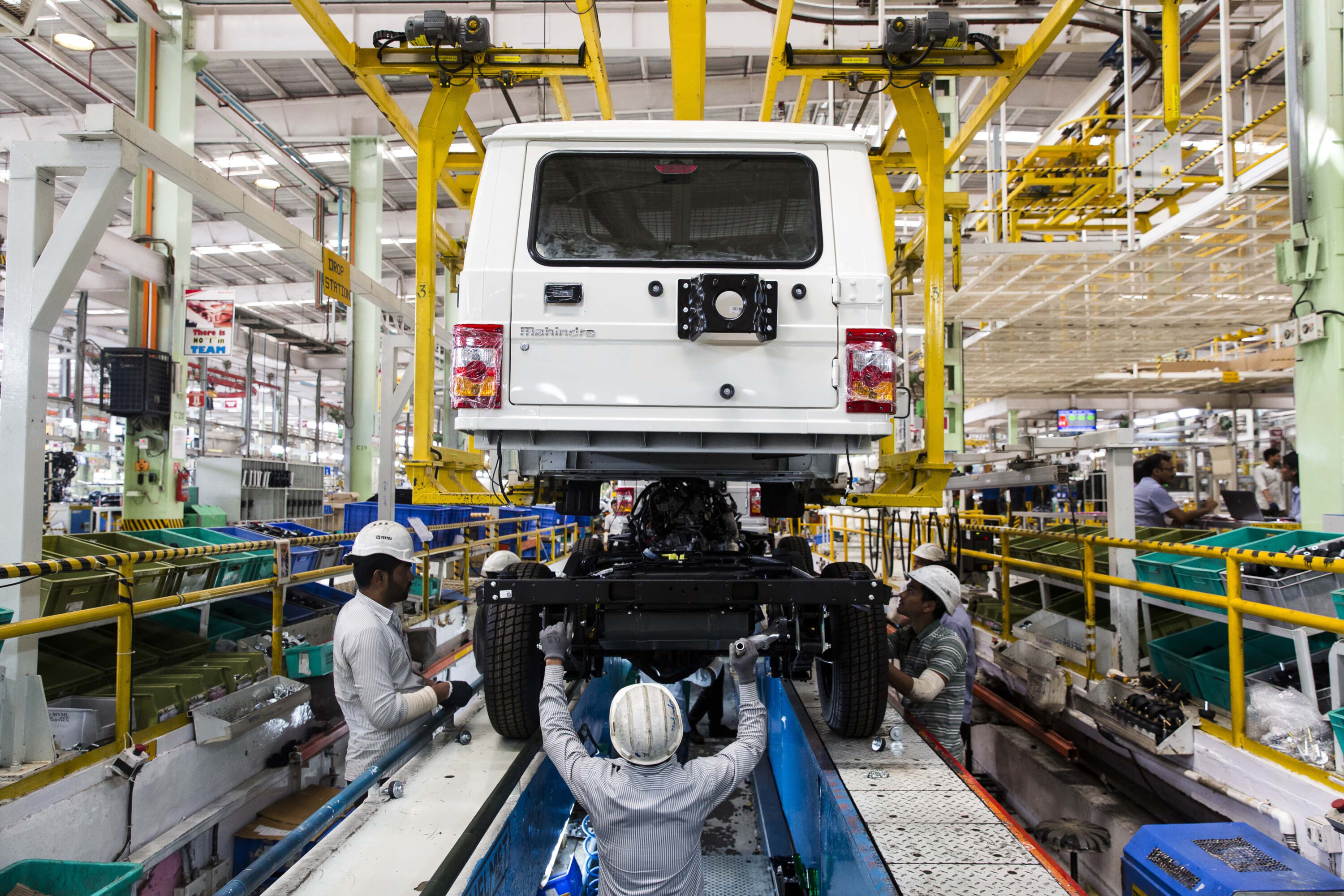
India’s industrial giant Mahindra has progressed from its tractor origins and is now sowing the seeds of global passenger-car ambition. And Australia has been targeted as particularly fertile ground.
The Mumbai-based tractor manufacturer turned car maker has a strategic plan to transition from farmers’ fields to suburban driveways.
And a key part is a forensic analysis of customers as it introduces a new product line – including a contemporary take on the traditional diesel ute alongside forthcoming electric vehicles.
1
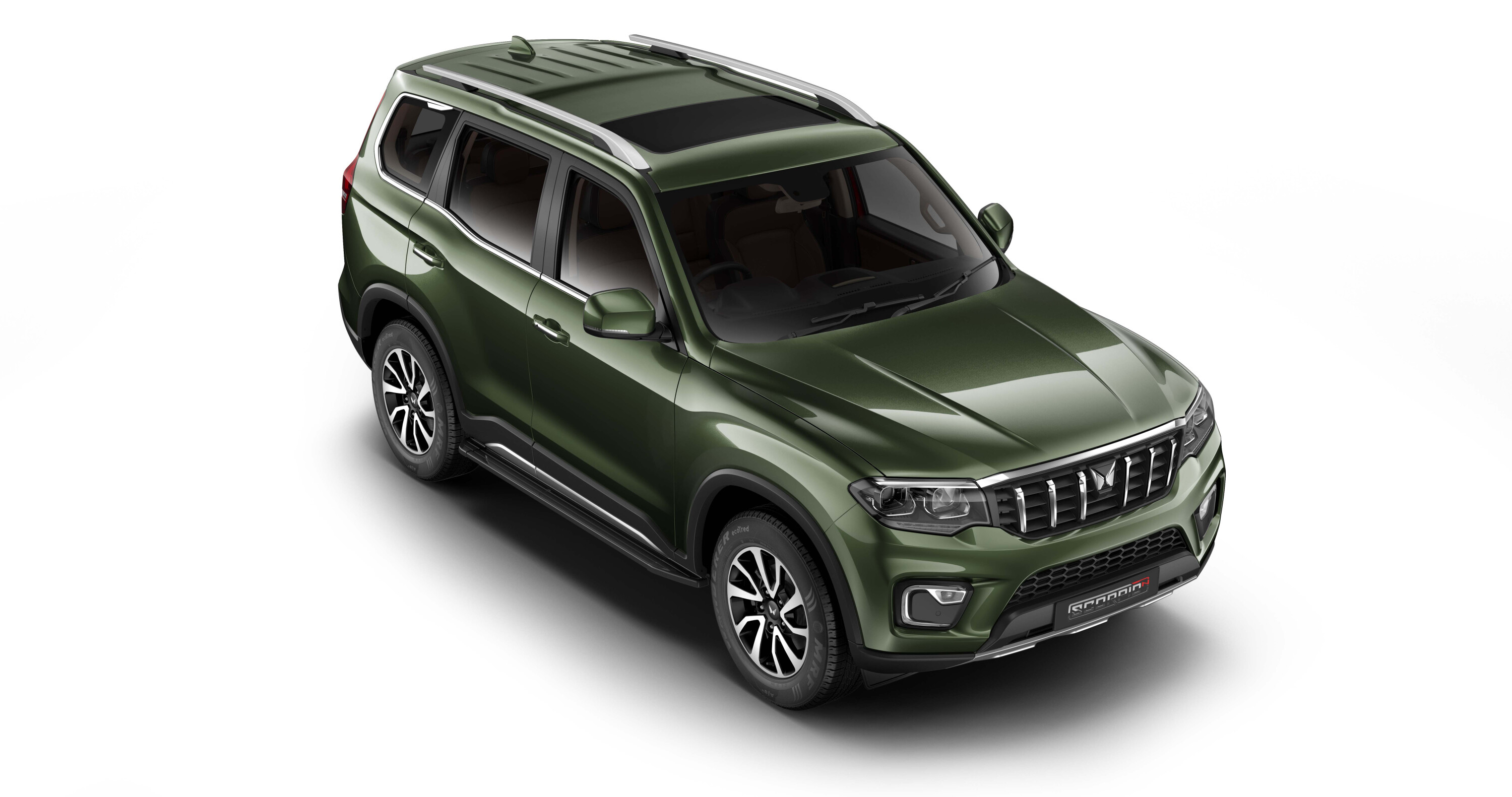
With fresh products – the XUV700 and Scorpio SUVs – recently released, the Australian arm is priming to be at the sharp end of the mothership’s global goals.
The ‘Global Vision’ target – announced in October by Mahindra’s Rajesh Jejurikar, executive director and chief executive (Automotive and Farm Equipment) – is a two-and-a-half-fold increase in the automotive division’s revenue by the 2026 Indian Financial Year. But Mahindra wants its Australian division to perform even better than that.
That’s a tall order given the brand has been here for decades, yet is hardly on the average new car buyer’s hit list.
1
The Mahindra name first appeared in Australian new-vehicle showrooms in 1990 with a small batch of its Peugeot-diesel-powered Pik-Up ute, before a more substantial return in 2007 distributed by Sydney-based Tynan Motor Group.
The Australian arm is now headquartered in Brisbane after Mahindra took full control of the business in 2011, and it’s from this base that it intends to make its biggest strides on the island continent yet.
It has witnessed newer makes become prominent on local new-car shopping lists, including a disruptive, reborn MG – now a consistent top-10 finisher in Australia – in our 50-plus brand sales stoush. Now it wants in.
1
Mahindra’s region head for the Australia Pacific, Joydeep Moitra, explained to Wheels the change in focus for Mahindra’s automotive business that sees Australia front and centre of its global transformation into a mainstream automotive brand.
“The brand has always stood for ruggedness – an authentic, rugged brand – and we’ve focused on SUVs and utes,” says Moitra, speaking from the company’s Brisbane base. “We are not into sedans or any other passenger vehicles.
“We started [locally] in Queensland and from that, we evolved towards the smaller towns … like Toowoomba, Rockhampton, and some parts of Victoria. We were manual transmission [vehicles] only for a long time – we have been extremely niche in Australia, servicing only pick-up and SUV [models] with predominantly manual transmissions.
1
“Now with our new range of products, we are getting into a more lifestyle segment,” says Moitra.
While the Australian new car market is notoriously competitive, it’s an understatement to say Mahindra knows how to succeed.
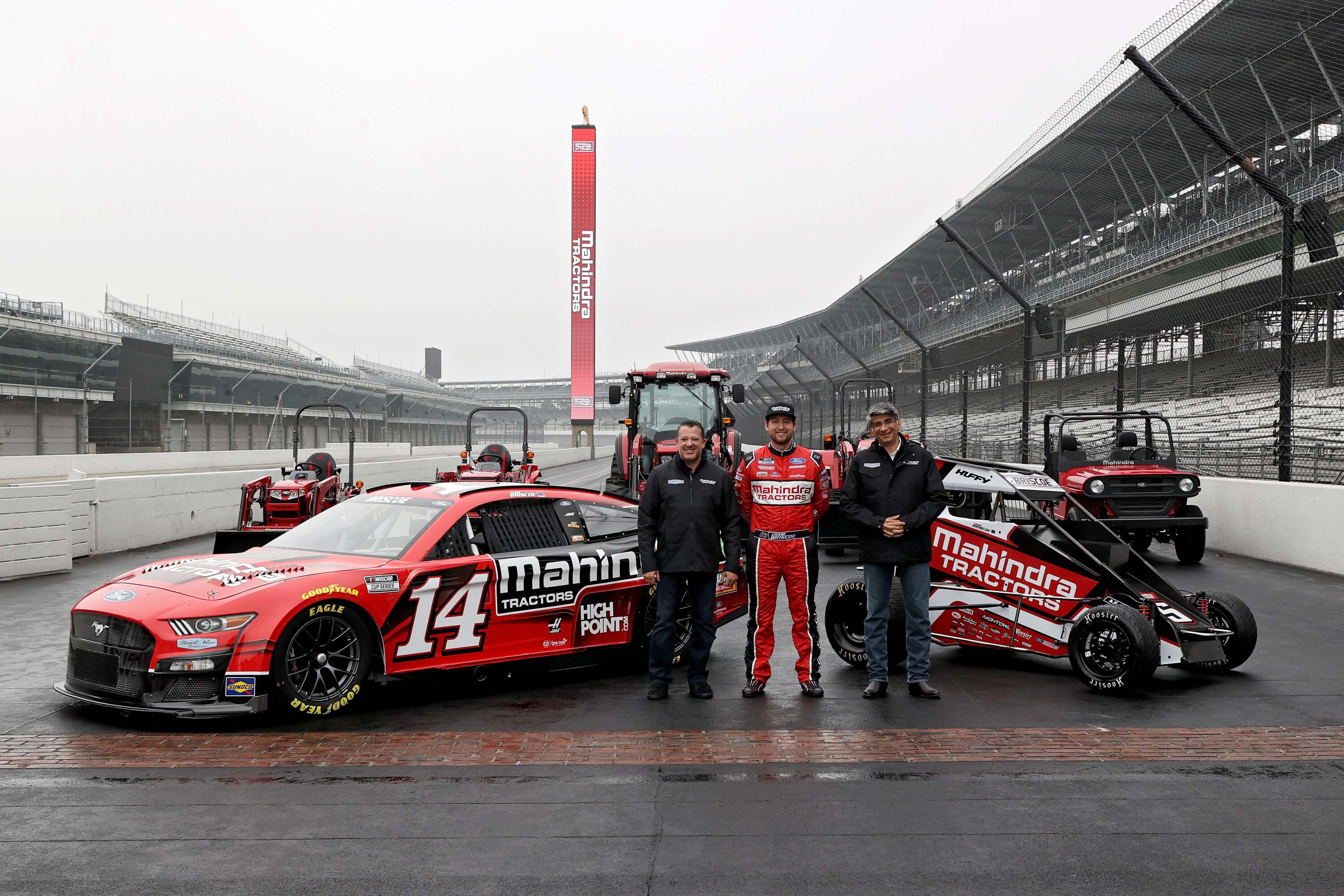
Mahindra & Mahindra (its official name) is an industrial powerhouse – a conglomerate of operations including a flourishing agribusiness as the world’s largest tractor manufacturer, advanced technology set-ups helping its move into electric vehicles, and now an emerging player on the SUV scene.
It bought the Peugeot bicycle business in 2014 and owns legendary design house Pininfarina.
1
It also makes about 700,000 vehicles a year across multiple factories and boasts impressive design and engineering facilities.
“We’ve seen that entire evolution over 50-plus years or more [globally] of the country, do-it-yourself kind of a buyer to, now, more modern metros, the smaller suburbs and so on. So in that sense, [Mahindra’s] entire customer profile has completely evolved. It’s become more mainstream,” says Moitra.
Moitra believes now is the time for the Australian arm to make a play into the big league, with multiple factors combining to fuel its push into the mass market – using a three-pillar product strategy based on design, technology, and affordability to capitalise on them.
1
“Once we started having visibility of the newer [vehicle] platforms with automatics and other advanced requirements [and] tech features, that’s where we said, ‘Now we are in the right frame to open up the urban markets.’”
There will be multiple strings to its product bow – namely diesel utes, SUVs and electric vehicles.
Mahindra’s first monocoque vehicle was the XUV500 introduced in 2011, succeeded by the more accomplished and much more mature XUV700, which remains one of the most affordable SUVs for its size.
1
“With the new products, the Scorpio and the XUV700, I think we have moved on”
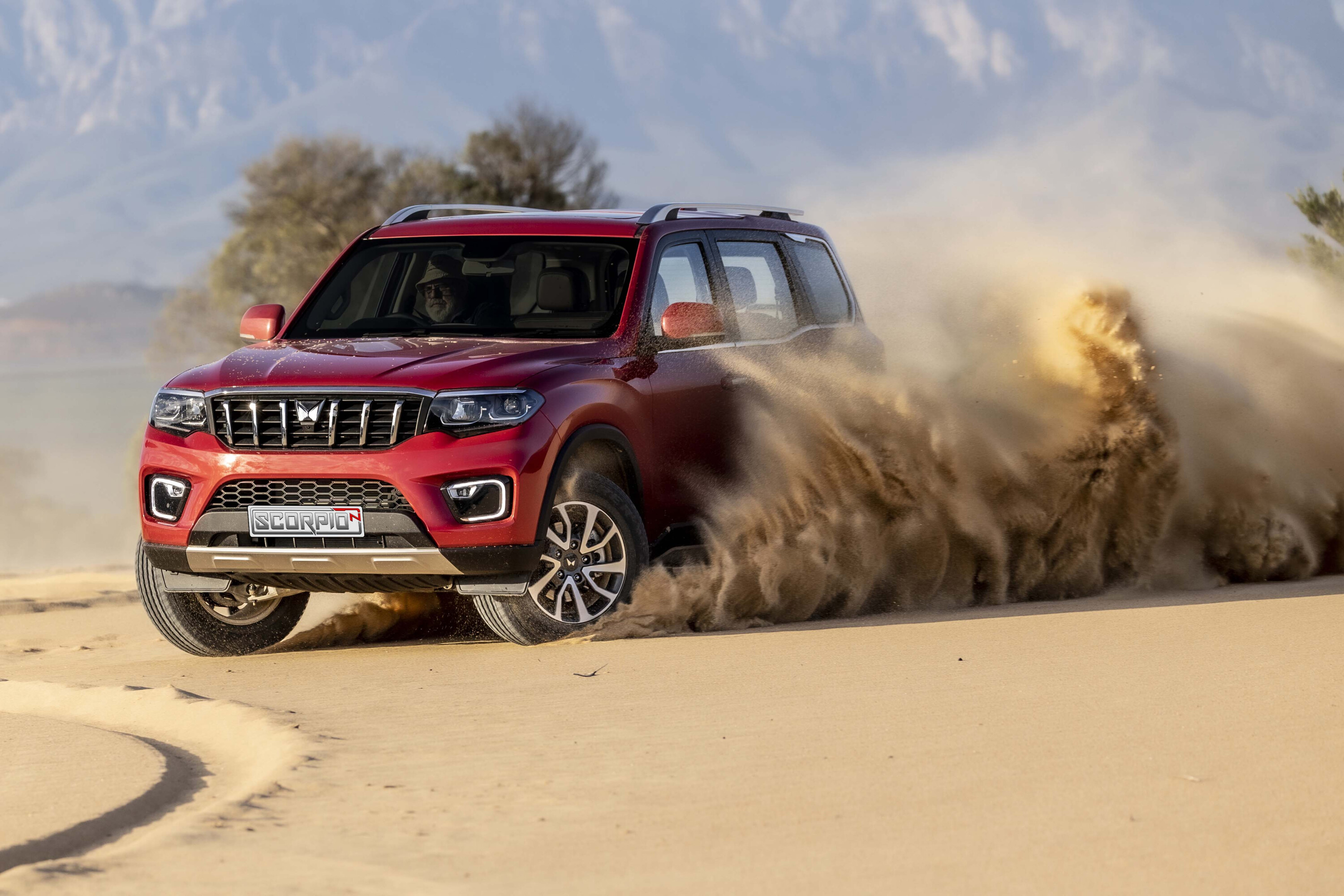
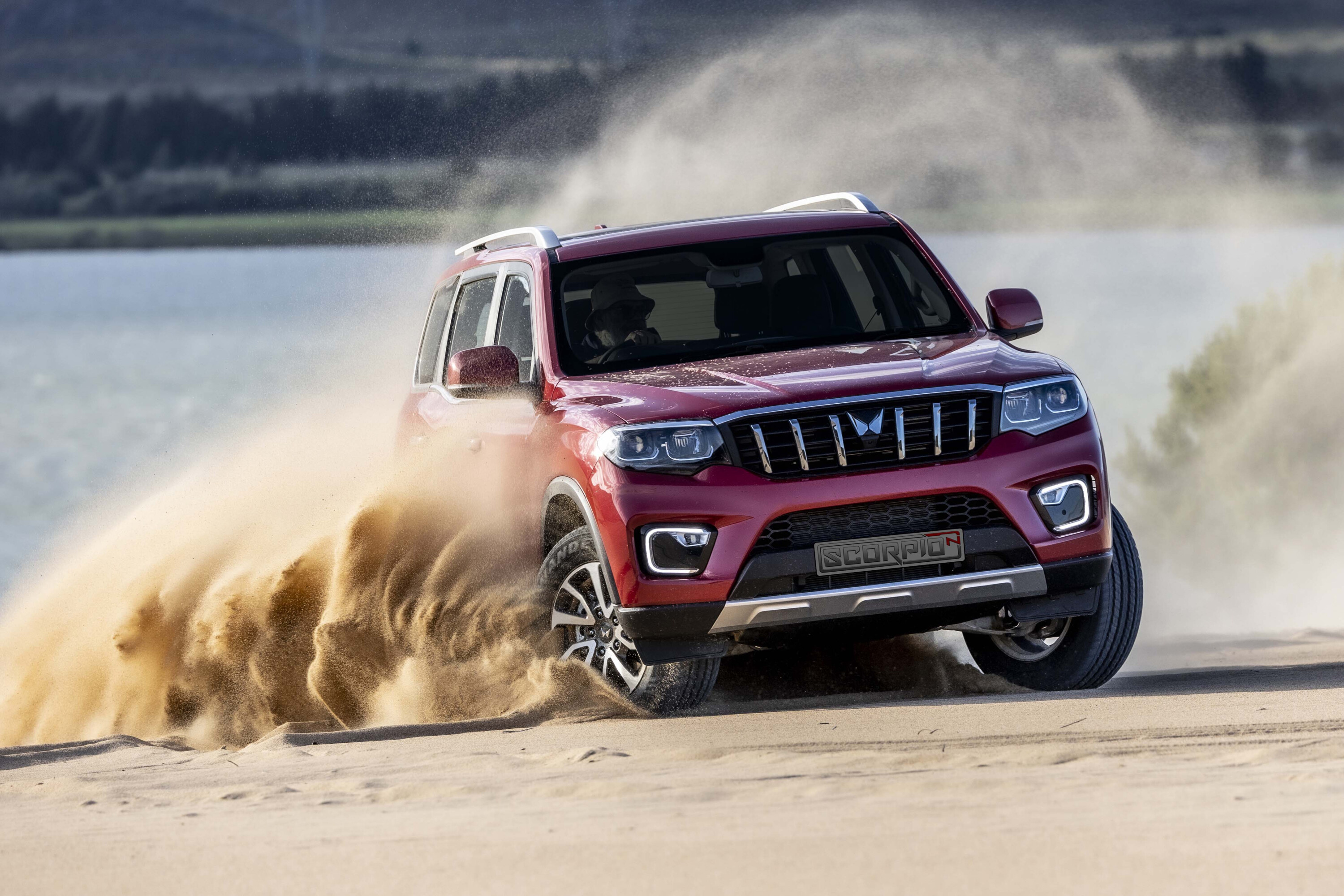
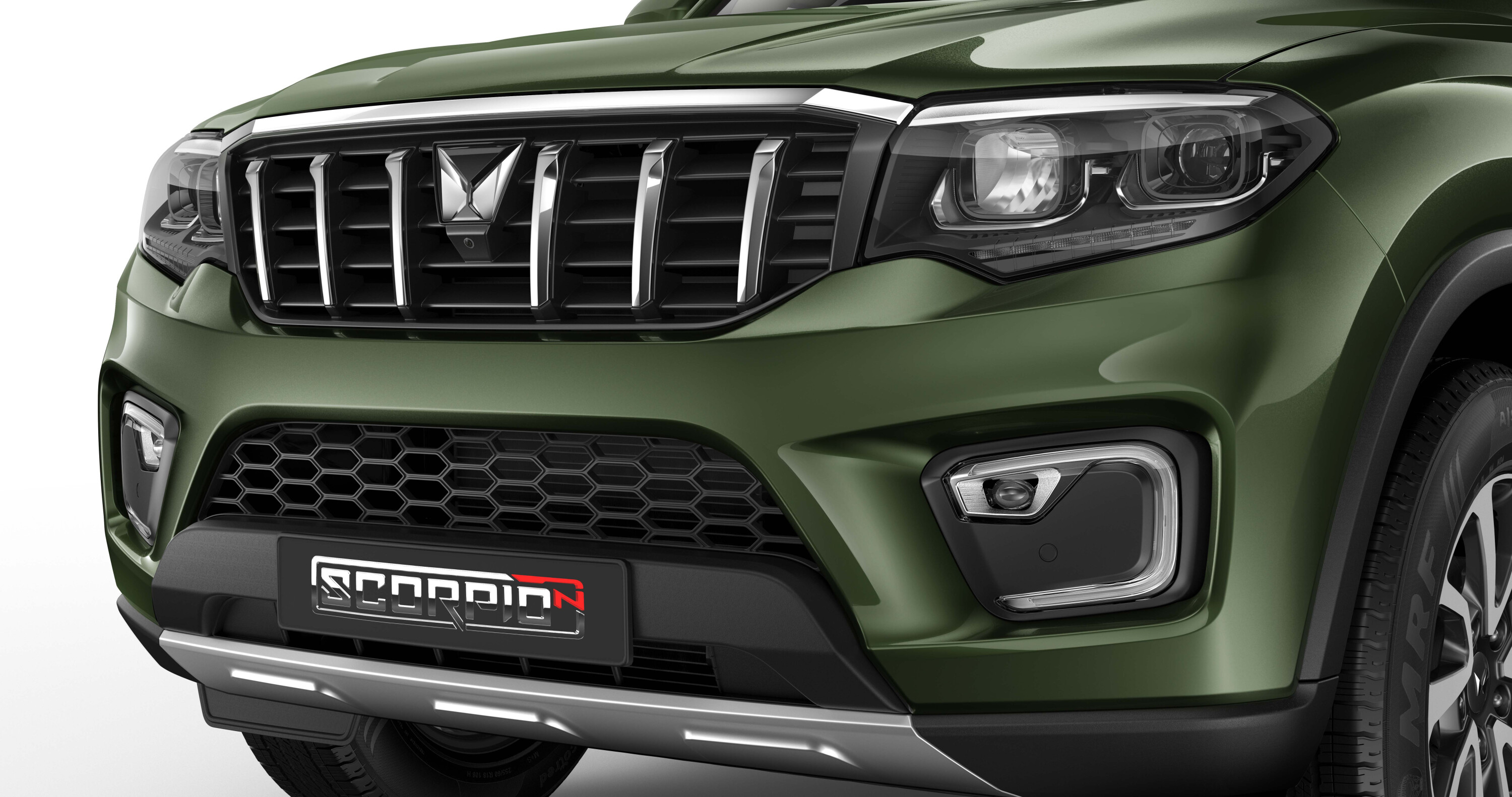
Then there’s the new full-chassis Scorpio SUV – also budget-driven – above the XUV700 in the line-up.
They sit alongside the dated, awkwardly styled S11 Pik-Up, which is an obvious hangover from the ‘old’ Mahindra.
“With the new products, the Scorpio and the XUV700, I think we have now moved on,” Moitra says. “These are the right two products, and we’ve seen good success, which has given us confidence.
“There’s a huge amount of opportunity because these are mainstream product segments for our dealer network. These are high-volume SUV segments in Australia, so clearly the business growth both for Mahindra as well as for the dealer network is now centred around these two products.”
1
The SUV segment has indeed made up more than half – 56 percent – of new-car purchases in Australia year to date, well ahead of the next-largest segment, light commercials, at 22 percent.
“Our XUV700 SUV competes head on with several Japanese and Korean brands. I think we’re competitive in terms of value, so the brand has evolved … the value proposition will always remain fundamental, and it will remain right up front.
“So, while everybody else is trying to move more into higher and premium territory, I think we will be able to offer a very strong differentiation with democratised tech … The idea is to remain that authentic brand of being a tough workhorse but evolving it into lifestyle.”
1
Mahindra also sees opportunity given the number of interest rate rises and the increased cost of living, while Moitra says that the two countries – and respective governments – work well together, evidenced by the Free Trade Agreement between India and Australia that came into effect in December 2022.
“Clearly, we are seeing that the products that we are designing, developing, and of course taking inputs from Australia during design development, testing it in Australia and then launching it into Australia, we are seeing reasonable success,” he adds. “We see that there is a very good opportunity for this brand to scale up operations.”
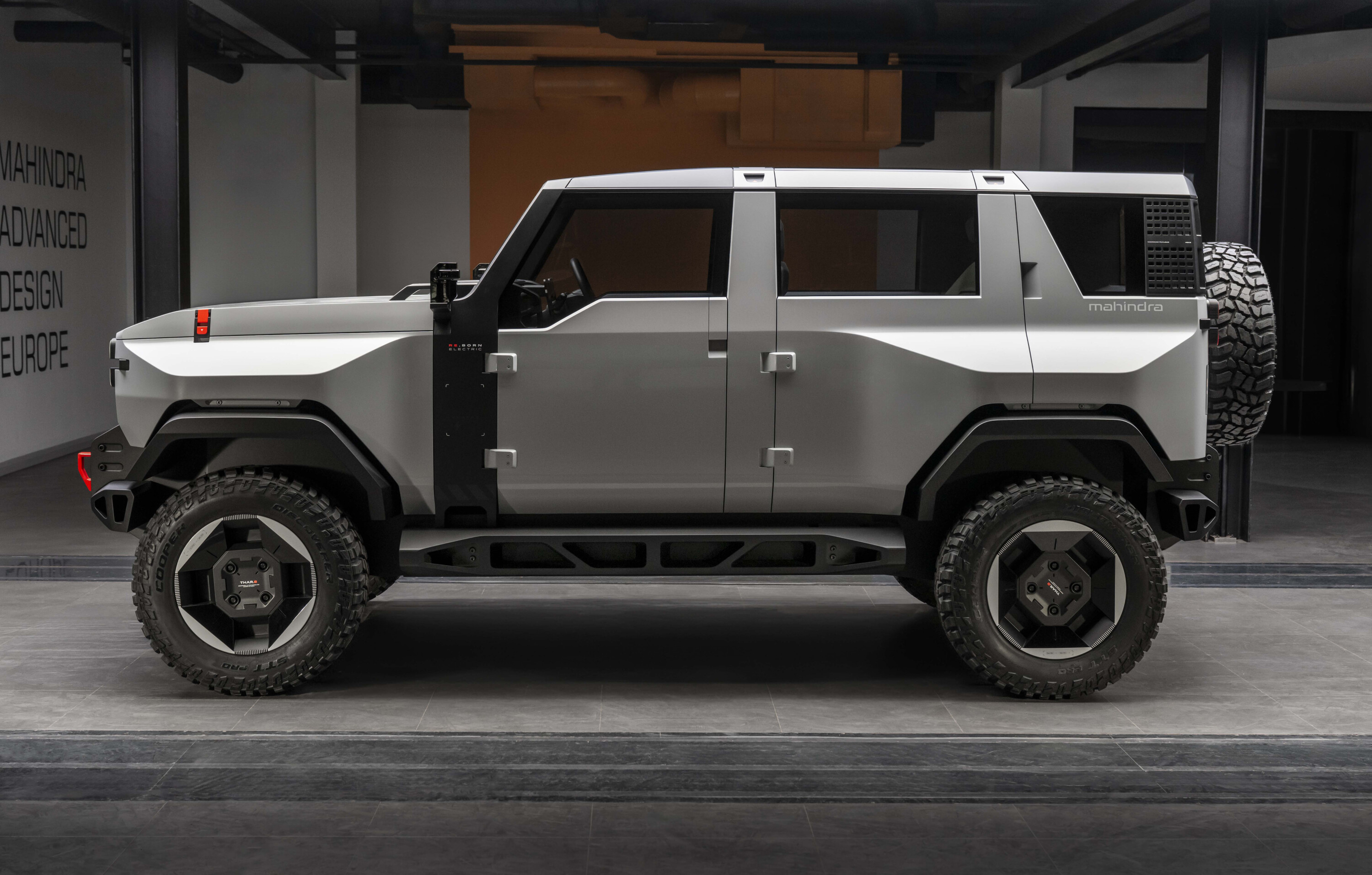
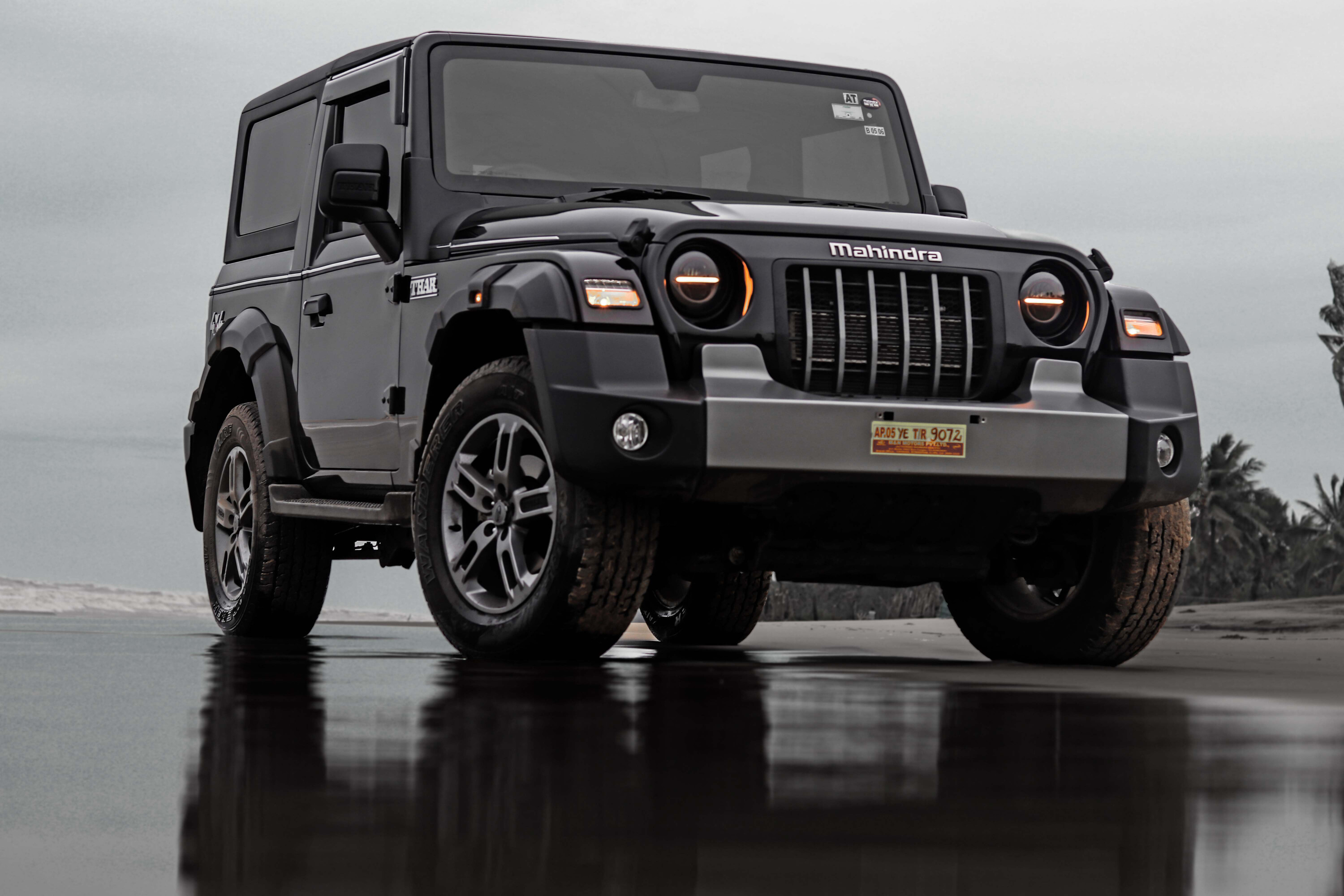
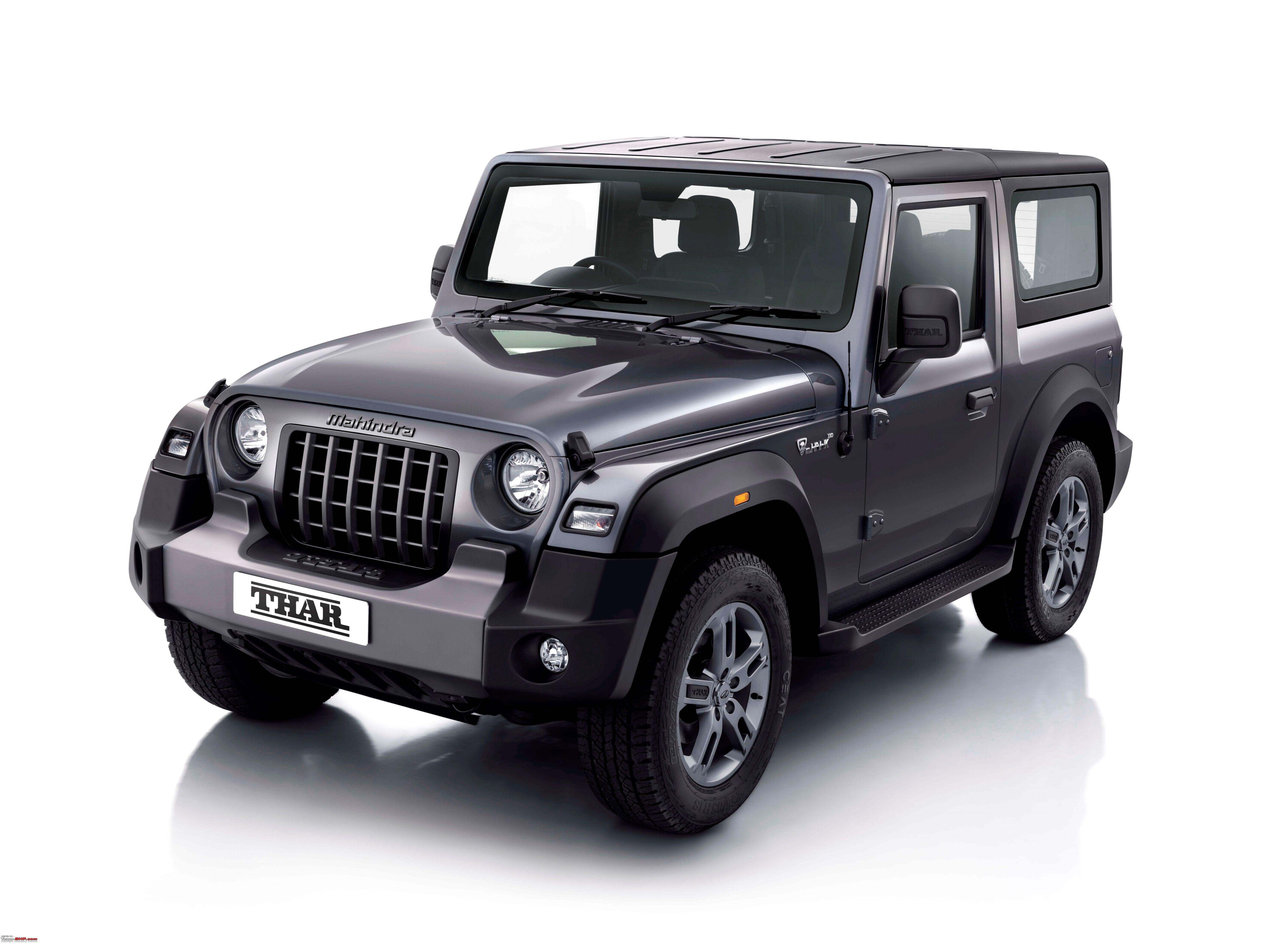
The design alone of both of its newest SUVs illustrates some of the advances the brand is making, far removed from its Jeep-building origins (though the company still hopes to introduce the Thar off-roader to Australia if it can overcome Wrangler-based legal objections from Jeep, just as it did in the US in June).
1
“Design is critical to enhancing the appeal for Mahindra in Australia and globally”
A significant step away from its derivative origins is its global design hub, M.A.D.E – which stands for Mahindra Advanced Design Europe and was opened in August 2022 by Mahindra Group chairman Anand Mahindra and the UK International Minister for Trade, Ranil Jayawardena.
The Banbury, Oxfordshire facility is home to 30 staff, with state-of-the art tools enabling conception to prototype capability, including 3D modelling, a digitisation suite, and Virtual Reality (VR) modelling.
“Design is critical to enhancing the appeal for Mahindra in Australia and globally,” says Moitra. “The idea of setting up a design centre was to use the talent over there and make that the hub for our global product design.”

1
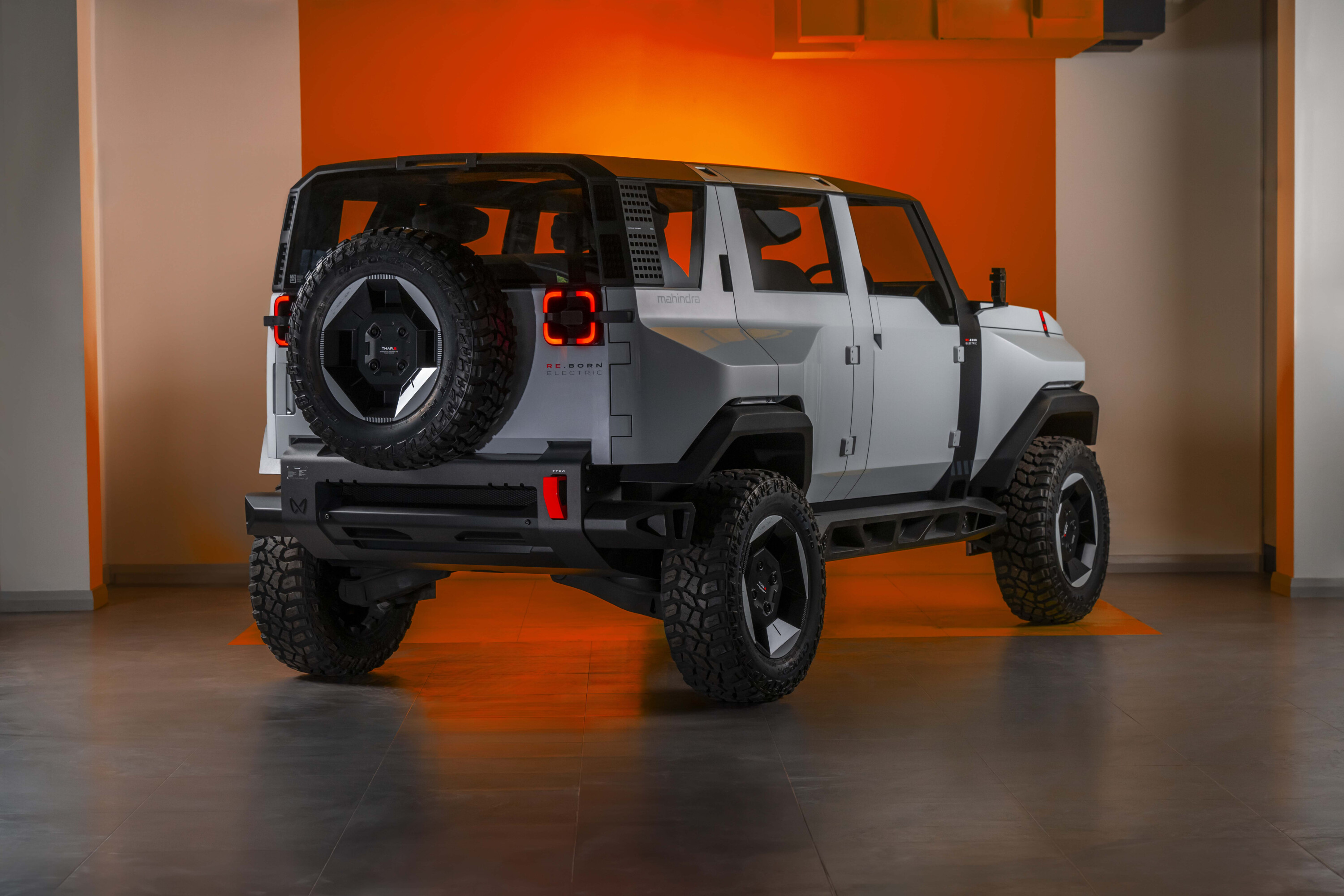
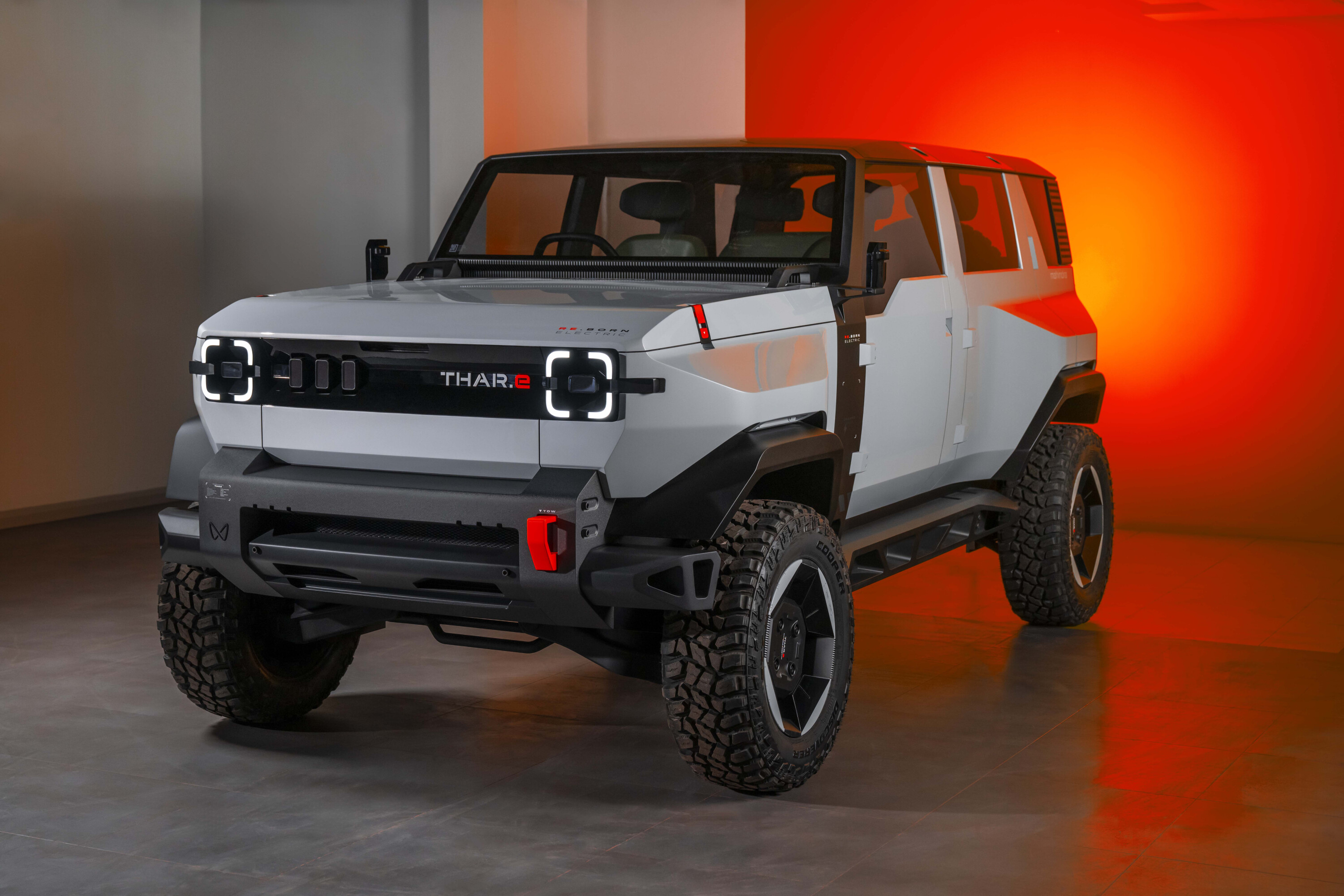
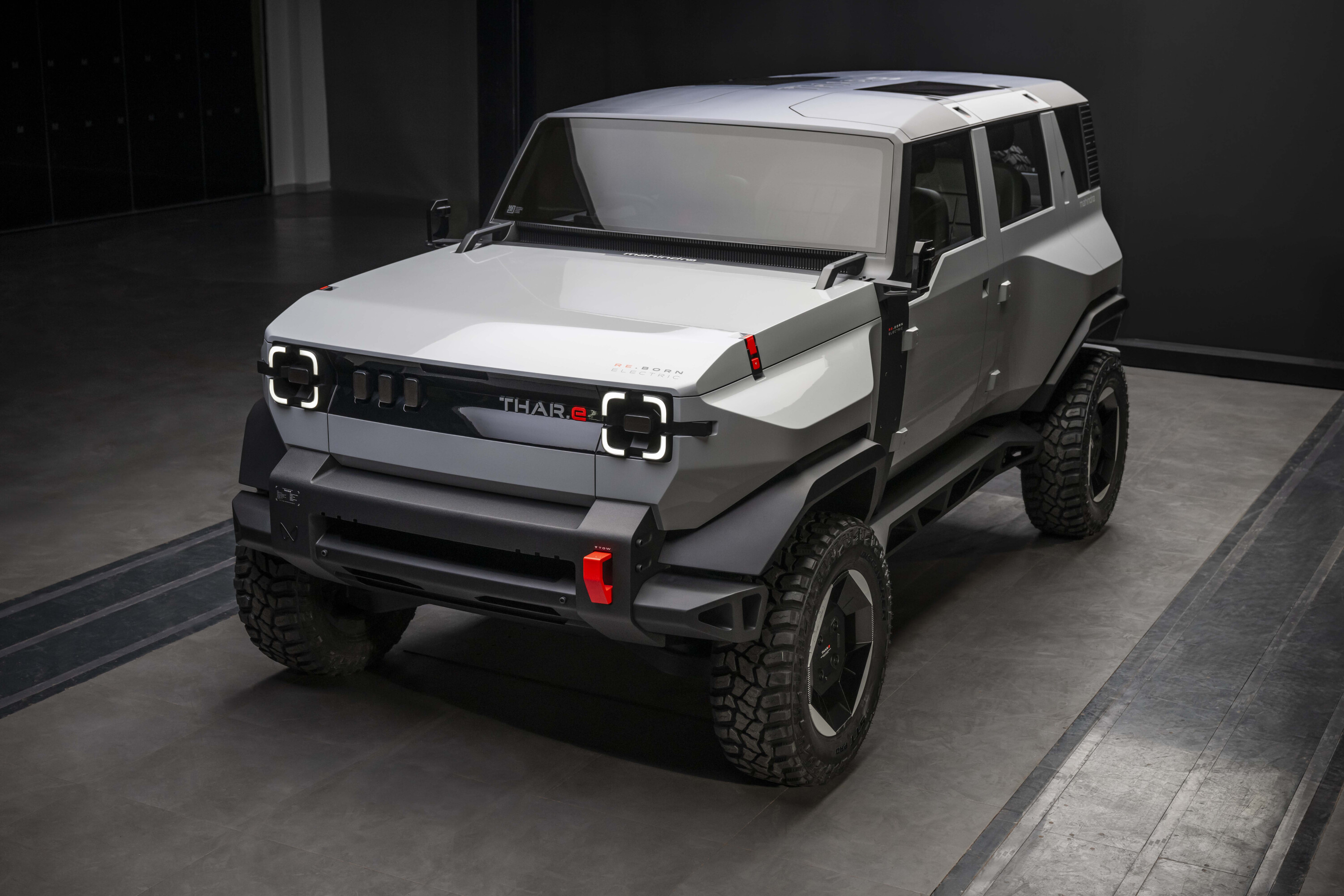
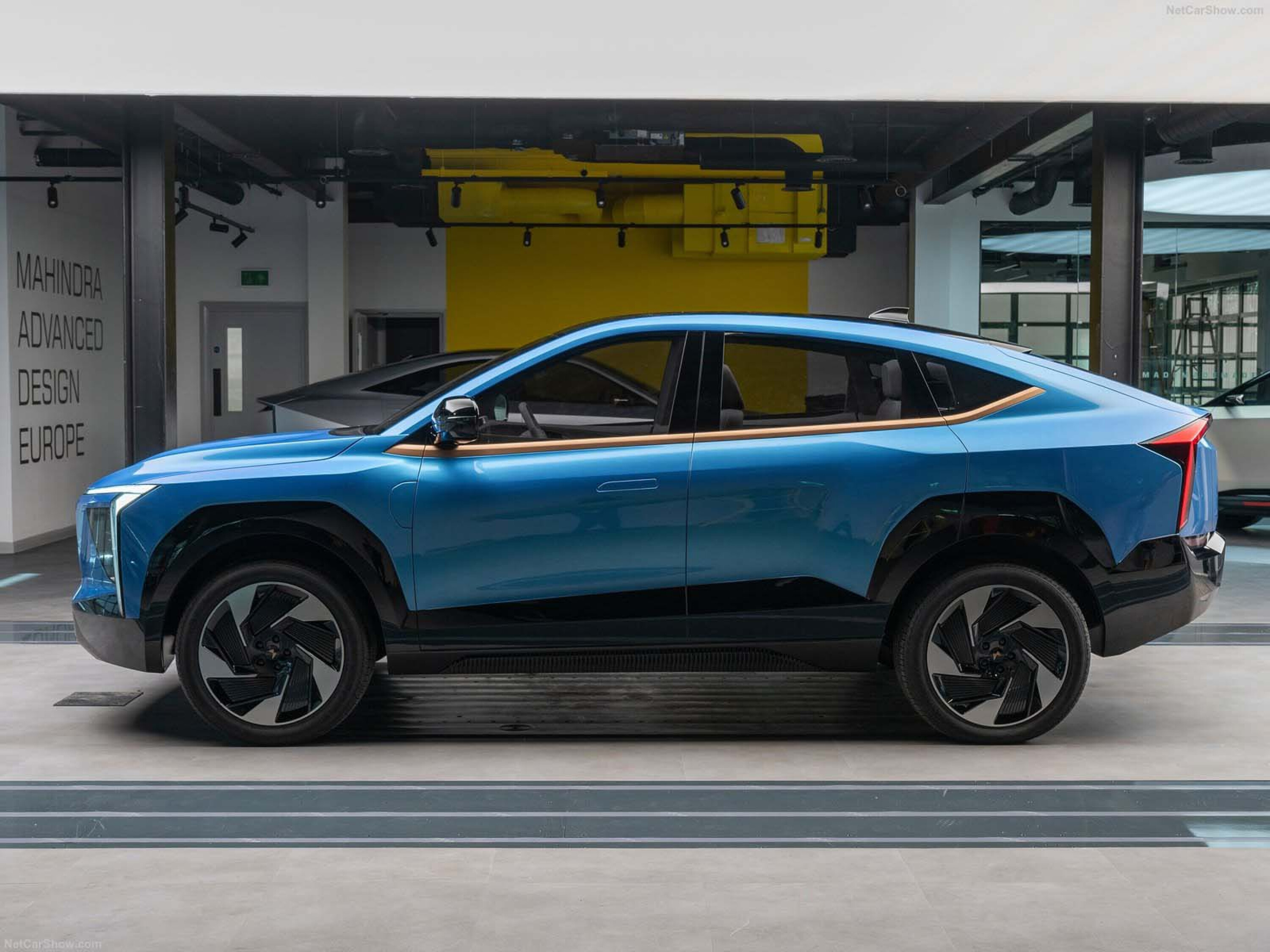
Building on this are Mahindra’s latest concepts – the Vision Thar.e and Global Pik-Up – which clearly show the continuing design evolution, as well as the car maker’s burgeoning engineering nous.
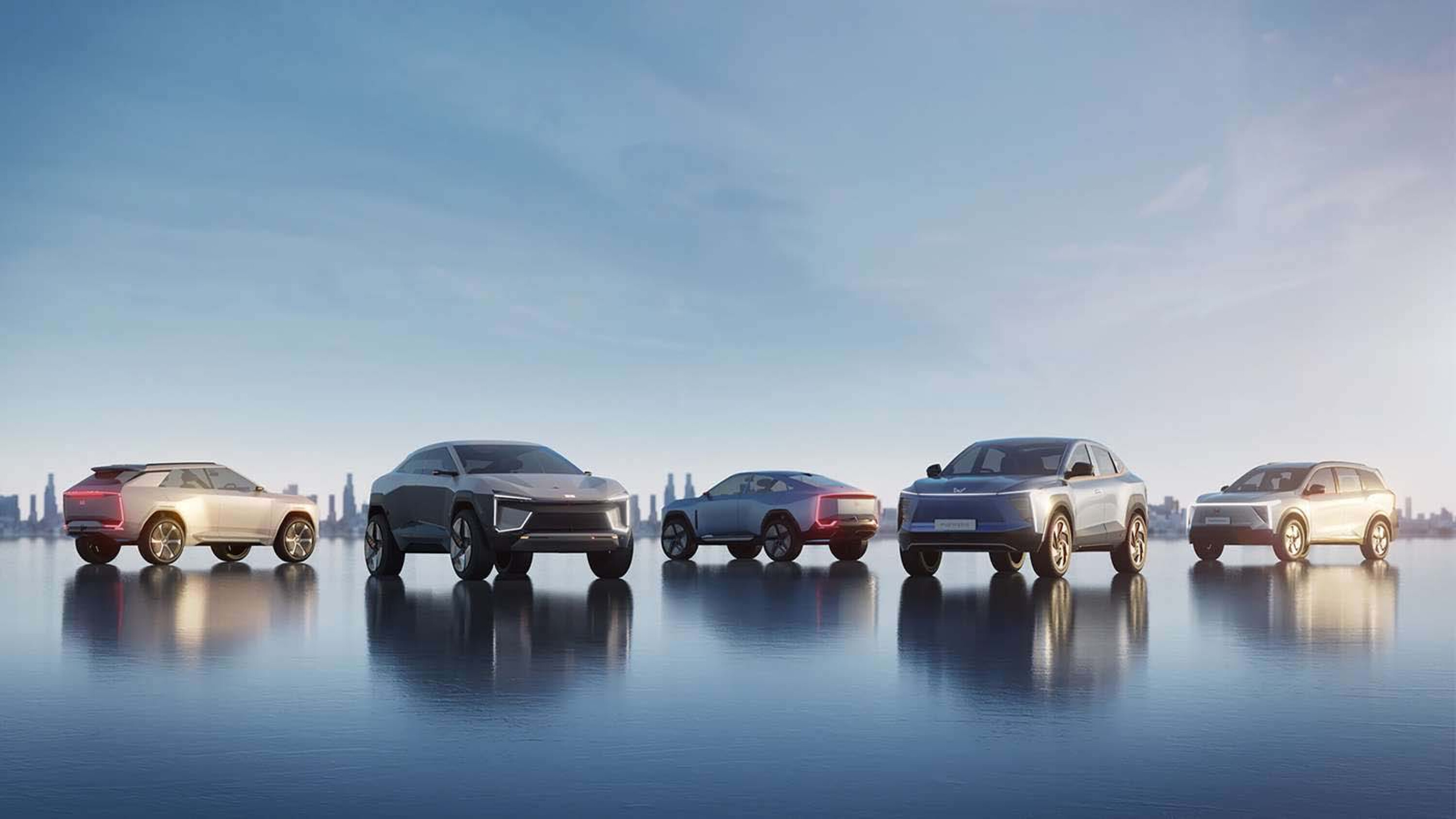
The Thar.e concept spearheads Mahindra’s electric sub-brand, Born Electric, with the company to produce at least five models from its new EV-specific plant in Pune, south-east of Mumbai, with a platform sharing arrangement with Volkswagen.
An electric Mahindra of some type should be in Australian showrooms in the near future.
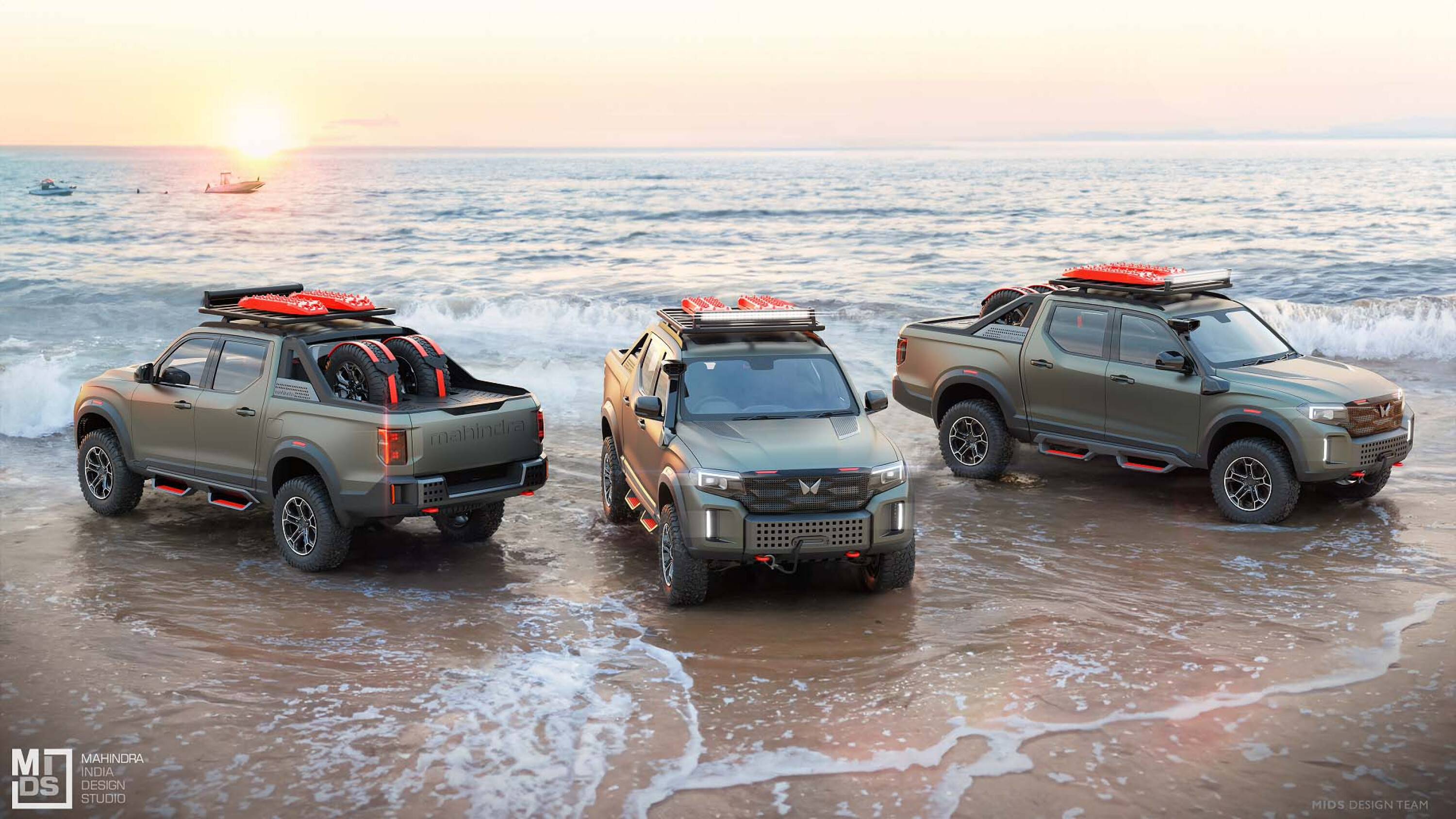
More salivating for Australia is the Global Pik Up concept unveiled in August, which – with its striking exterior executed by the Mahindra India Design Studio (MIDS) – is a like-for-like illustration of the shift in the company’s car making business.
1
“We’ll carry a lot of those [concept] visions into production,” says Moitra.“I’m pretty confident that a lot of those design elements will go into production.”
The dominance of local sales charts by dual-cab utes – with the Toyota Hilux the best-selling vehicle here every year since 2015 – and Mahindra’s history of off-road and utility vehicles is another checkbox making Australia a key market, both in terms of commercial growth and product development.
“A lot of benchmarking is happening based on products coming out of our [brand] being sold in Australia,” says Moitra when asked about the Pik-Up.
1
As expected, he’s coy about which of the best-sellers in Australia Mahindra is using as its yardstick.
“I don’t want to be very specific on this … But, yes, definitely – we operate at multiple levels in terms of the development and the testing done by us, as well as on critical development partners or suppliers, so we do know that a lot of utes are being developed in Australia.”
While it sounds simple, Mahindra’s goals in Australia are ambitious, though admirable.
1
The company, however, says it is given confidence by Australian buyers’ warm reception to new challenger brands in recent years (think MG, LDV and GWM).
“So right now we believe that the opening in the market just to find that new brands are getting a chance in the customer mind space – the fact that they’re willing to give a chance to newer and new products – is something that’s a fantastic opportunity for us. It’s not a closed market from a customer mindset.”
Success won’t be immediate, and – when asked what that could look in five years’ time – Mahindra acknowledges a strong future product line-up is crucial.
1
“When we have the next round of products, that will further enhance [growth],” Moitra says. “So, I’m just splitting up your five-year [question] into two-and-a-half, three years.
“I don’t want to be saying we’ll be in the top 10 or top five [brand in Australia], but as far as we are concerned we would like to see a much higher growth than the global two-and-a-half [revenue target].”
“At a global [level] now we are starting small … Australia will grow at a much faster clip when we have launched the right portfolio.”
1
That’s where an intense focus on customers’ feedback and needs comes in, he adds.
“It’s not only Australia specific, but also in every market – being close to the customer … because of the changing dynamic demographics of a market like Australia, it’s not an option – it’s our biggest challenge.”
1
Proving points
By Matt Raudonikis
Nothing exemplifies the growth of Mahindra & Mahindra since the end of WW2 more than its advanced R&D facilities in multiple cities around India.
Key to the product and development of its products are the Mahindra Research Valley (MRV) near Chennai and the new Mahindra SUV Proving Track (MSPT) some 50 kilometres away.
The MRV is located within the 1500-acre Mahindra World City, which is also home to the Indian operations of other global automotive companies.
MRV houses Mahindra’s product development and testing facilities for everything from electronics, powertrains, chassis development, safety, ergonomics and acoustics. It’s a cutting-edge facility that allows Mahindra to compete with the world’s leading automotive brands.
1
The MSPT was modelled on the IDIADA test facility in Spain, long considered to be the best in Europe and the gold standard for such proving grounds.
The 450-acres-plus MSPT site has been purpose-built to test and develop Mahindra’s range of SUVs and tractors over all kinds of terrain and conditions.
It includes a four-kilometre, four-lane high speed test track with 1100-metre straights connected by turns banked up to 44 degrees on the high-speed lane, designed to test vehicles at speeds up to 200km/h.
1
Around the high-speed track are kilometres of roads representing all kinds of driving conditions and road surfaces, including various grades of asphalt, potholes, manhole covers, corrugations, inclines and wet surfaces.
Some of the road surfaces are designed for ‘accelerated durability testing’. The General Durability track is a 5.5-kilometre circuit that takes in all of these various surfaces and conditions, and it’s constantly being used by various vehicles at different stages of their development.
There are also simulated suburban roads, a 250-metre-diameter skid pan, handling tracks, a sand pit, a tractor track and water baths where the depth can be controlled.
1
The salt water spray track covers the vehicle as if driving on a beach, and then it is parked in a humidity chamber which accelerates any possible corrosion – giving the engineers an idea of where corrosion may occur and take measures to rectify it prior to production.
The facility also includes a 4×4 test track that is not only used for developing and testing their own vehicles, but on weekends is open to guests to experience the off-road capabilities of the Mahindra Thar and Scorpio.
The track starts with a tilting bridge over a water course and includes deep offset holes, steep climbs and descents, rocky tracks, water crossings, articulation tests, rocky slopes, side slopes, pipe and tyre crossings, sand patches, cobblestones, and just about everything else you might find off the beaten track.
Yet Mahindra will need to ace all of that in order to prove its mettle in Australia.
This article originally published in the Wheels 2023 Yearbook, on sale from 18th December.
MORE
Everything Mahindra
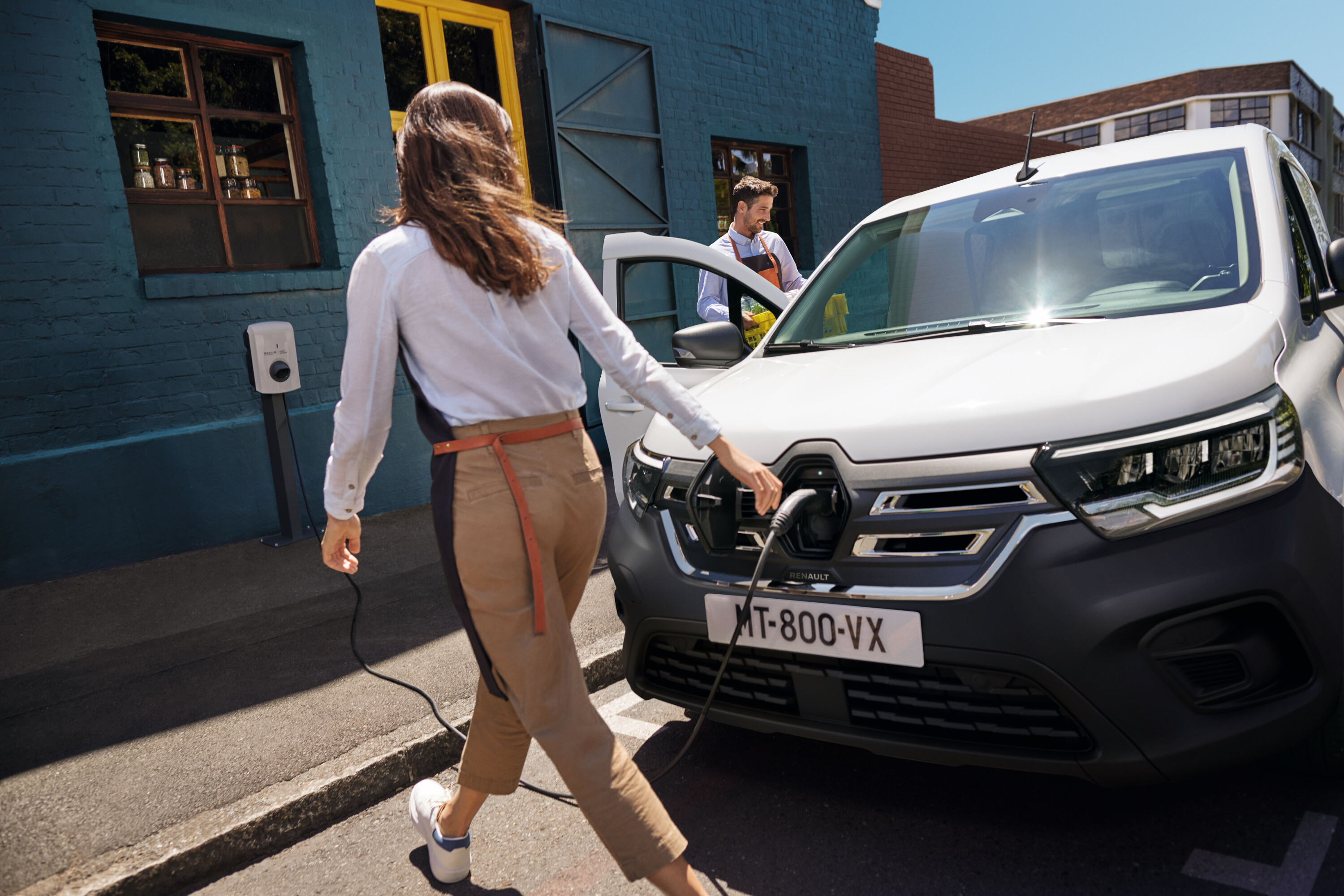
The Renault Kangoo E-Tech has been priced for Australia ahead of its launch in February 2024.
Snapshot
- Kangoo E-Tech starts at $61,990 before on-road costs
- Pure EV with 285km driving range
- 80kW DC fast-charging capability
Replacing the Kangoo Maxi ZE that launched locally in 2017, the new Kangoo E-Tech packs a lot more punch. Power is up from 44kW to 90kW and real-world suburban range increases from around 200km to 250km, says Renault.
Pricing is also up, with the E-Tech’s $61,990 list price an $11,600 premium over the previous model.
Renault will offer the Kangoo E-Tech in both standard (SWB) and long-wheelbase (LWB) models ($63,990) locally.
When it arrives, the Kangoo will have no direct rivals. The Volkswagen ID.Buzz is a larger vehicle and other manufacturers are yet to announce plans for electric small vans in Australia.
1
The new Kangoo’s NCM battery is a 44kWh item (rather than 33kWh) and it has an improved DC charging speed of 80kW, allowing drivers to add 170km WLTP driving range in 27 minutes.
Handily, the maximum AC charge rate is 22kW. That means back-at-base charging from 0-100 per cent can be accomplished in around 3-4 hours with three-phase electricity.
Renault has implemented three regenerative braking modes, from ‘B1’ which is for coasting up to ‘B3’, ideal for heavy traffic and steep grades, according to the marque. Eco mode limits power and adjusts HVAC settings to maximise range.
The Kangoo E-Tech is capable of towing up to 1500kg braked loads, and its cargo bay is either 3.3m3 in the standard wheelbase or 4.2m3 in the long wheelbase.
Payload maxes out at 668kg in the LWB, and the SWB can lug up to 523kg. Rear barn doors are standard and there are sliding side doors on both sides of the van.
Being a commercial vehicle, the Kangoo’s specification list is fairly short, but an 8.0-inch touchscreen and digital review mirror make this more luxurious than your average van.
1
| Renault Kangoo E-Tech specification | |
|---|---|
| 16-inch steel wheels | Climate Control Air-Conditioning |
| Glazed bulkhead | Left and right sliding doors |
| Glazed rear barn doors | Rear parking sensors |
| 8.0-inch touchscreen | Apple CarPlay and Android Auto |
| Digital rearview mirror | Manual adjiust driver and passenger seats |
| Cruise control | Three front seats |
| Halogen headlights | Cloth upholstery |
| E-Tech instrument panel with energy gauge | Synthetic leather-appointed steering wheel |
Packs are available to tailor the Kangoo E-Tech to your needs, be those work or play-related.
| Trade Pack ($1,200 RRP) | |
|---|---|
| Timber floor lining | Yard kit underbody protection |
| Full height wall lining | Cargo area LED lighting |
| Peace of Mind Pack ($1,500 RRP) | |
|---|---|
| Blind Spot Intervention | Navigation |
| Driver attention alert | Overspeed prevention and traffic sign recognition |
| High beam assist | |
| Business Pack ($3,200 RRP) | |
|---|---|
| Tyre pressure monitor | Extra tinted rear barn door glass |
| Hands-free key card | Front fog lamps |
| Body-coloured outer door handles | LED headlights |
| Adaptive cruise control | Leather wrapped steering wheel |
| Centre console w/armrest and storage | Heated steering wheel |
| Wireless smartphone charger | |
The Kangoo E-Tech is available to order now, with customer deliveries beginning in February 2024.
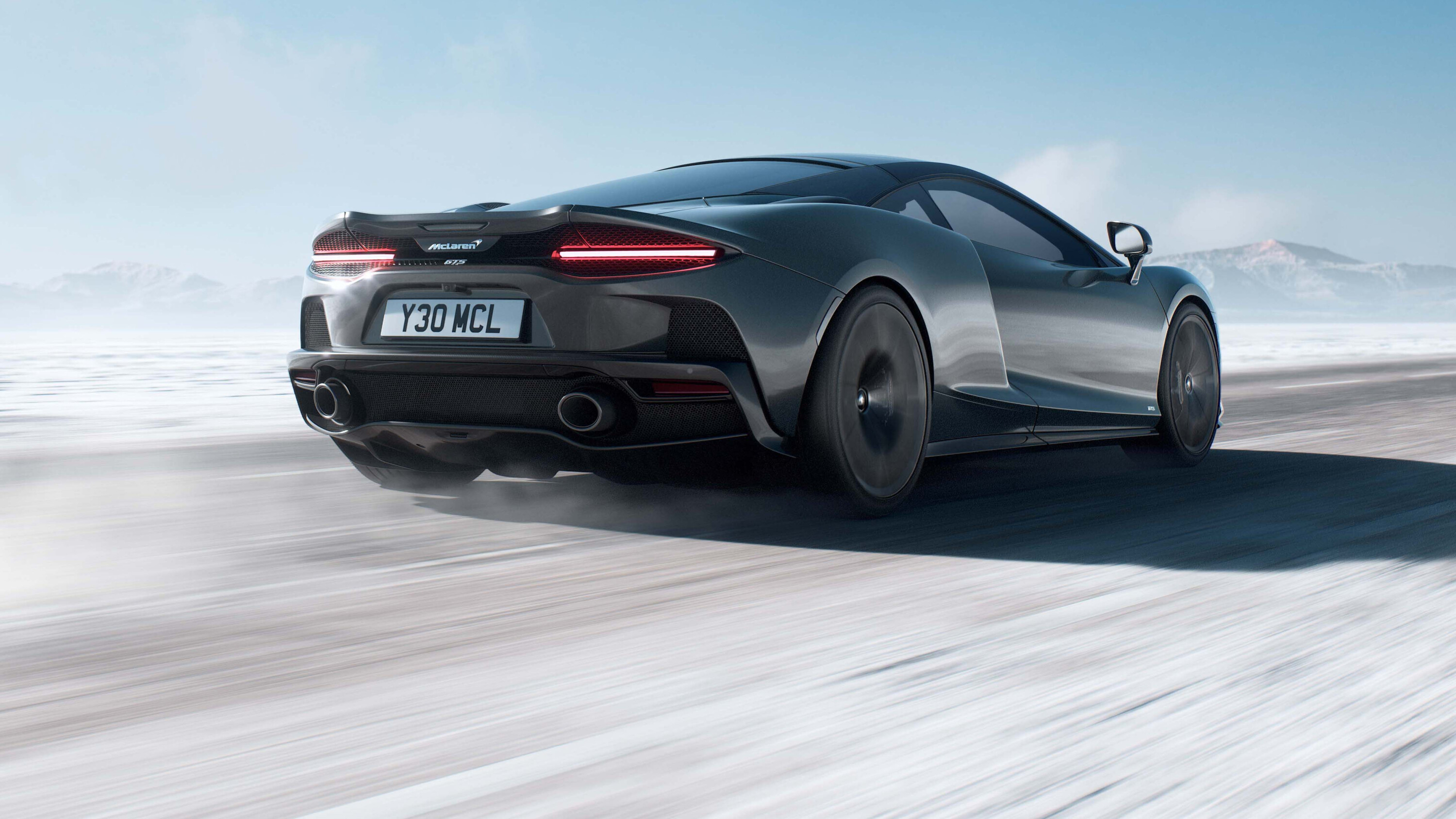
The McLaren GTS has been confirmed with more power and less weight than the GT it replaces, with a price tag of $419,392 when it lands in Australian showrooms in 2024.
A rival to the Porsche 911 Turbo S and Bentley Continental GT, the McLaren GTS takes on the role of grand tourer/daily driver in the McLaren line-up, and hones the already capable GT into a sharper, faster yet comfort-focussed supercar.
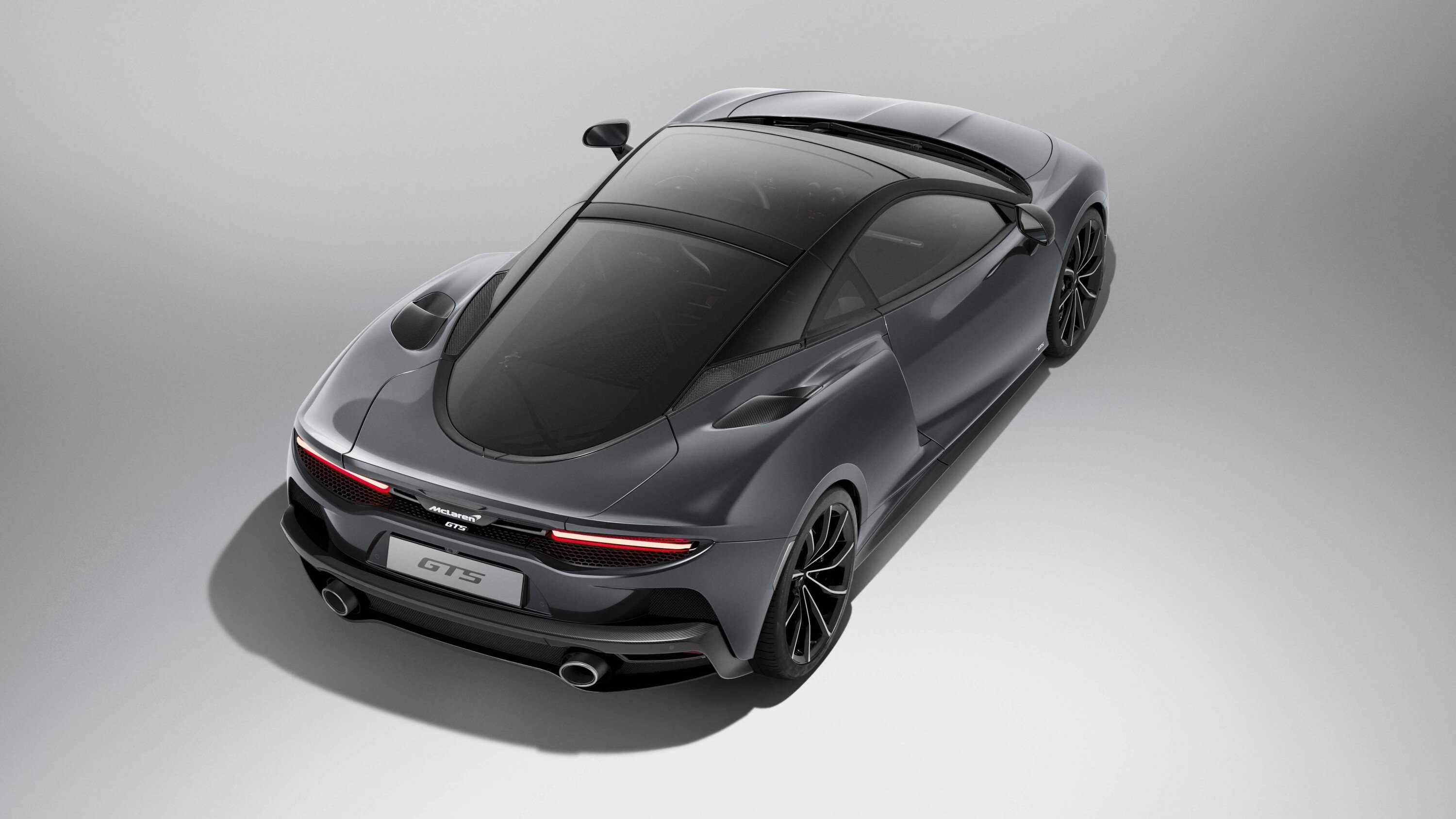
With new colours including an exclusive Lava Grey paint choice, gloss black detailing has been used to give the GTS a unique identity, taking the GT’s front end’s ‘hammerhead’ styling further with a new bumper and more pronounced sculpted air intakes – which can be optioned in a ‘gloss’ carbon fibre – while at the rear there’s a larger diffuser and dual-exhaust set-up.
1
Unique 10-twin-spoke Turbine forged alloy wheels wrapped in Pirelli P Zero rubber measure 20 by 8.0-inches up front and 20 by 10.5-inches wide at the rear, and can be had in Silver, Gloss Black and Gloss Black Diamond Cut.
The GTS sits on the carbon fibre MonoCell II-T chassis but has a 10kg weight reduction compared to the 1520kg GT, with savings made via the recycled carbon fibre roof and increased use of carbon in the upper rear structure, including larger rear air scoops.
The hungrier scoops feed an 11kW more potent mid-mounted M840TE 4.0-litre twin-turbo V8 – now 467kW/630Nm – and seven-speed dual-clutch transmission for power-to-weight of 307kW/tonne – seven more kilowatts per tonne than the GT.
1
McLaren says the combination sends the GTS from 0-100km/h in 3.2 seconds, but more impressively hits the 200km/h mark in 8.9 seconds before a top speed of 326km/h.
Carbon-ceramic brake rotors measuring 390mm with six pistons up front and 380mm with four pistons at the rear see the GTS stop from 200km/h in 127 metres and pull up from 100km/h in 32 metres.
The GTS’s role is to perform its heroics in comfort, so there’s a unique set up for the hydro-electric steering, adaptive dampers – with McLaren’s proactive control for a more compliant ride when desired, including three settings, Comfort, Sport and Track.
1
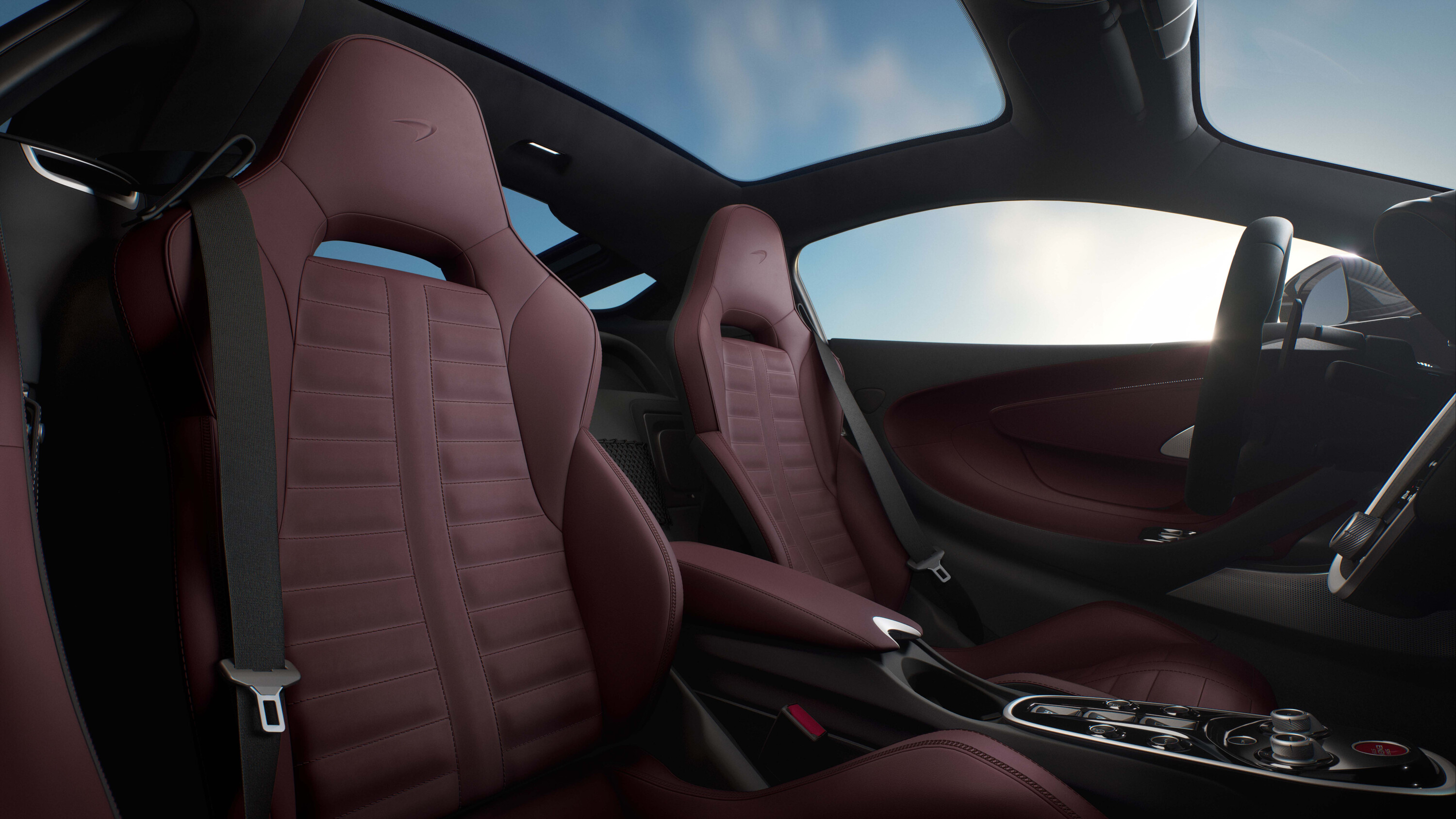
The cabin uses ‘Comfort’ Nappa leather seats and leather-wrap steering wheel, with a ‘TechLux’ interior design theme as well as machine-finished aluminium look used on the paddle shifters and switchgear.
The exterior gloss black detailing extends inside to the 7.0-inch infotainment screen, air vents surrounds and window switches.
McLaren says the GTS is the most practical supercar available in 2024, with 570 litres of luggage space made up of 150 in the nose and 420 litres behind the passenger cell.
The GTS’s $419,392 pricing is a minor increase over the GT’s original $399,995 ask before on-road costs when it launched in 2020.
MORE
Everything Mclaren
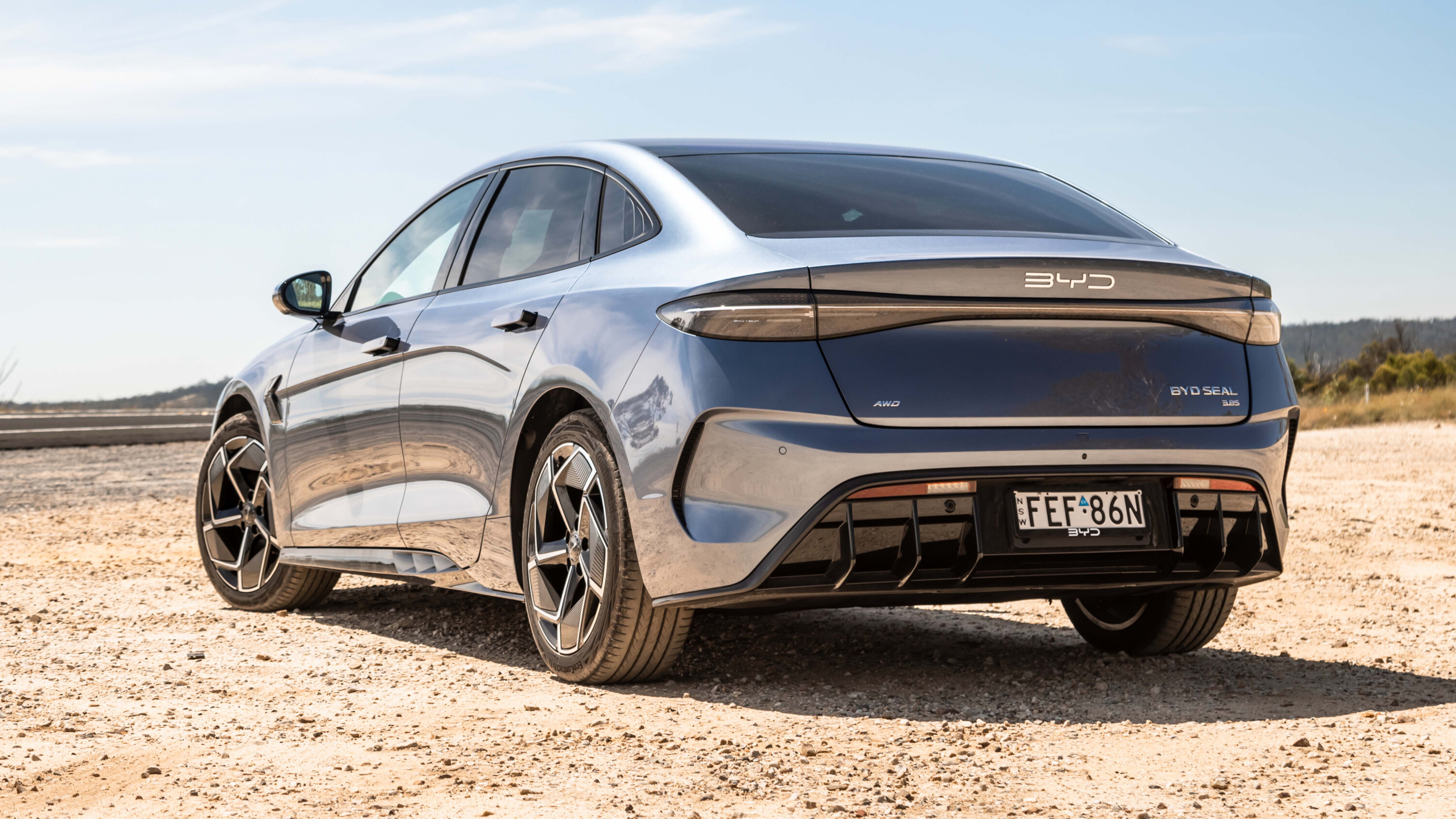
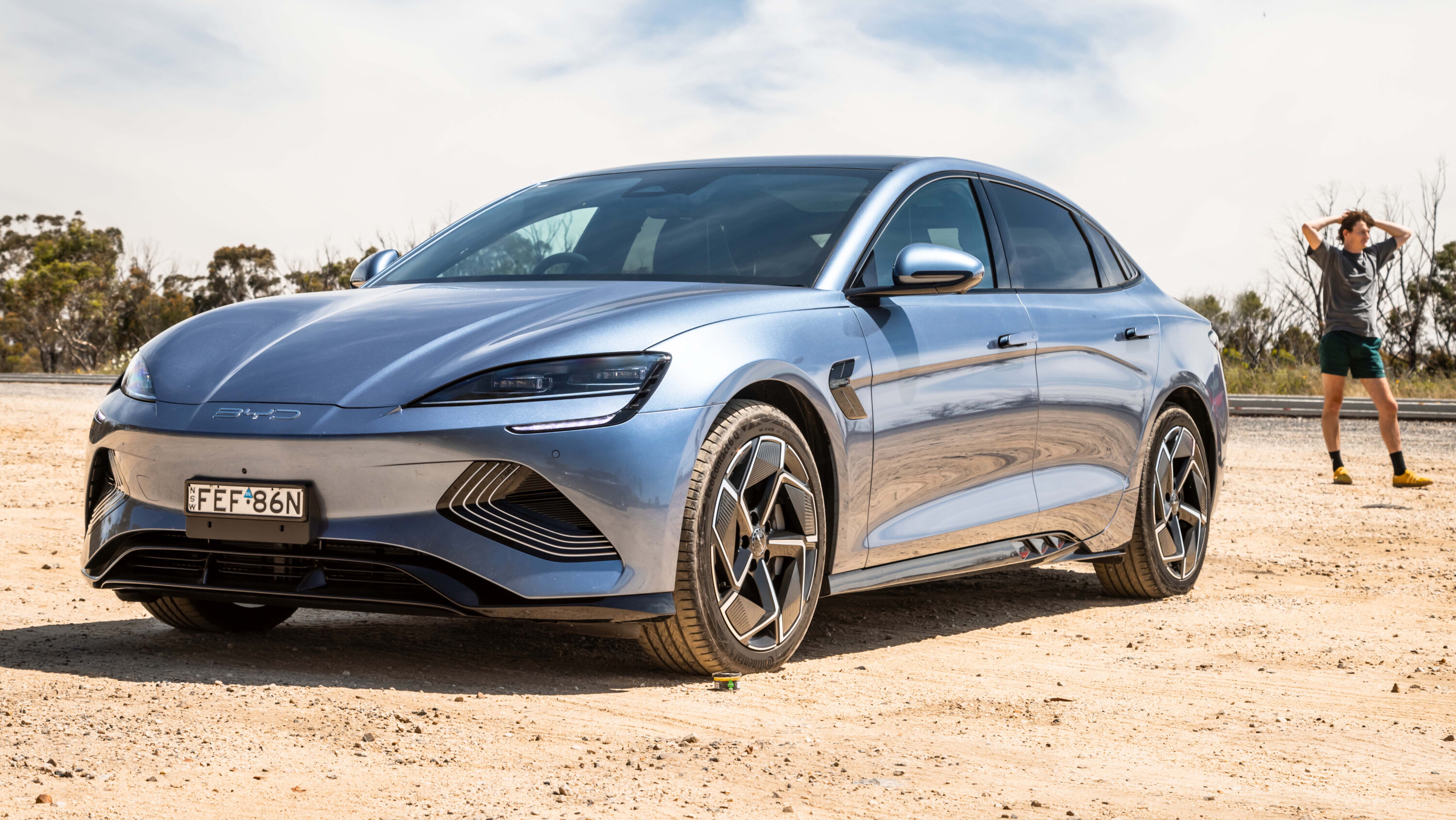
Talk about a headline act. The BYD Seal Performance is a four-door electric sedan that reshapes the bang-for-buck equation in Australia.
Never before has a manufacturer offered so many kilowatts for such little money – 390kW for $68,748. Paired with an eye-watering 0-100km/h time of just 3.8 seconds in flagship form, a lengthy list of equipment and great levels of space, the Seal looks like a stunning deal.
So, is there a catch?
1
JUMP AHEAD
Pricing and features
It’s the “KiloWatts-for-the-Kash King” in the Australian market. You’re paying $176.27 per kW of power here, which makes this a better bang-for-buck option than anything else on the market. It’s even more compelling than the MG4 X Power in that metric ($187.46/kW).
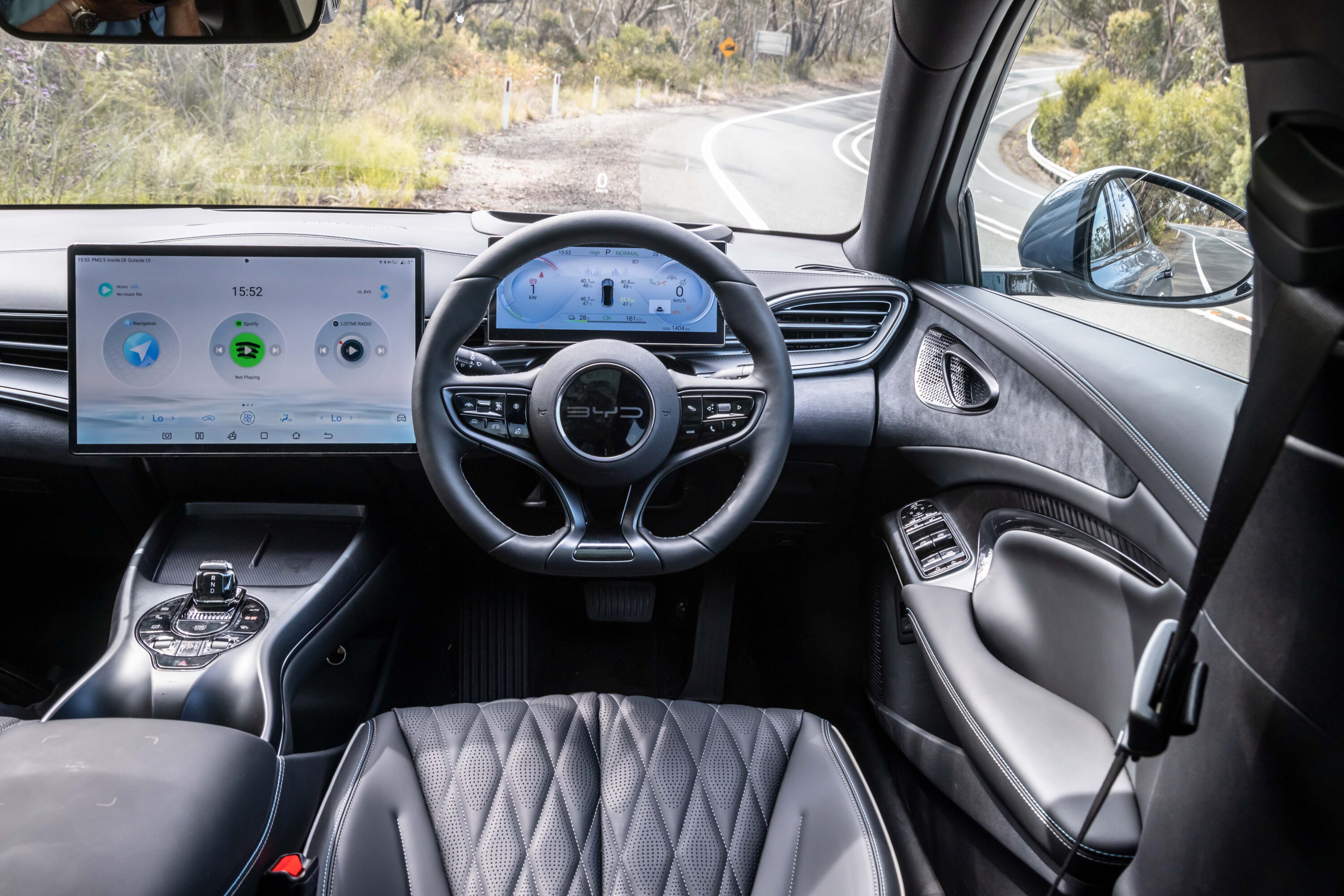
Beyond that you’re also getting an immense equipment list including 19-inch alloy wheels; LED headlights, daytime running lights and tail-lights; a panoramic glass roof; a 15.4-inch rotating touchscreen infotainment system with wireless Android Auto and wired Apple CarPlay, satellite navigation and DAB digital radio; a Dynaudio 12-speaker sound system; twin wireless phone chargers; a 10.25-inch digital instrument cluster; quilted leatherette-upholstered power-adjustable front seats with heating and ventilation; keyless entry and start… And that’s just the start.
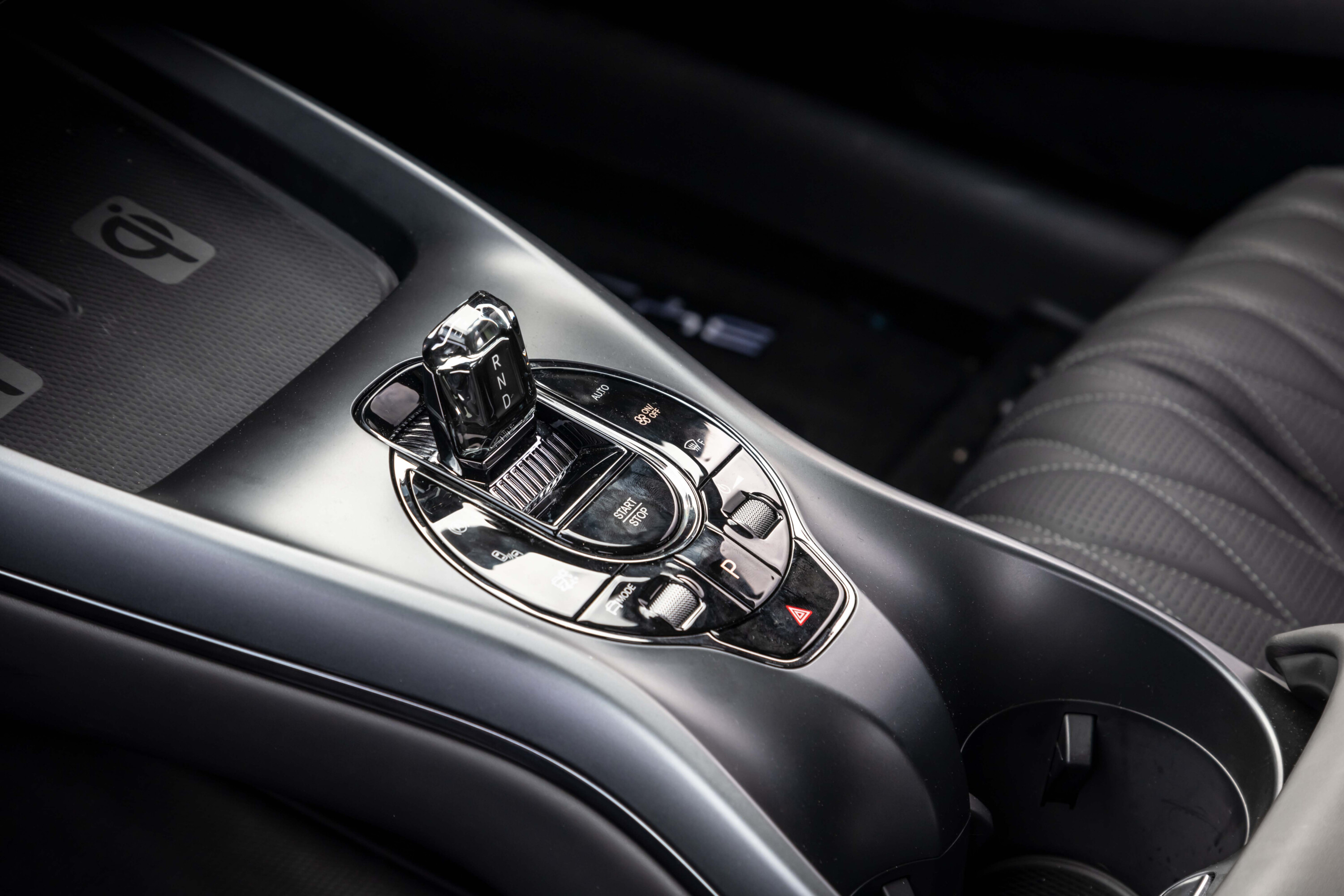
It also has the liveable (conventional) features you might appreciate if you’re cross-shopping it against a Tesla Model 3, including a physical gear selector and blinker/wiper stalks, plus a key fob (like the Tesla, there’s also an NFC card to unlock and start the car, or you can use the BYD app).
1
It is easy to see why you’d think the Seal could be a brilliant choice: huge power, heaps of gear, and it’s got the battery technology, too.
The Performance grade has a 82.5kWh ‘Blade’ LFP battery pack allowing it a WLTP-rated driving range of 520km, and there’s a pair of motors to employ all-wheel drive in this top-spec version.
BYD also includes a home charging cable, the Seal is vehicle-to-load (V2L) capable, and this grade has a few features you don’t get in the more affordable Dynamic ($49,888) and Premium ($58,798 both before on-road costs), such as a heated steering wheel, and frequency-selective dampers.
1
There’s AC charging at a maximum rate of 7kW, and DC charging tops out at 150kW.
Plugged into a typical single-phase wall box, the BYD will take 11 hours and 45 minutes to charge from flat to 100 per cent. When fast-charging at public stations over 150kW, the Seal will take 37 minutes to climb from 10-80 per cent .
For context, a Model 3 Performance offers 11kW AC/270kW DC charging capability, while the Hyundai Ioniq 6 can manage 22kW AC (optional) and 350kW DC, getting it from 10-80 per cent in 18 minutes.
The efficiency rating for the all-wheel-drive Performance is impressive, at 15.9kWh/100km (WLTP). Over this test, we averaged 20.3kWh/100km, with a mix of real-world and enthusiastic driving included. That equates to a real-world 406km driving range from a full charge.
You’ll want to study the warranty paperwork if you’re considering a BYD, as in Australia the business takes the unusual step of varying the length of cover depending on component.
There’s a six-year/150,000km warranty plan for the car and a battery warranty of eight years/160,000km, yet the infotainment system, wheel bearings and other items are only covered for three years/60,000km, while lights, suspension ball joints and tyre pressure monitoring are guaranteed for four years/100,000km.
1
The Seal has an eight-year capped-price servicing plan with intervals of 12 months/20,000km, and it costs an average of $299 per visit over that period.
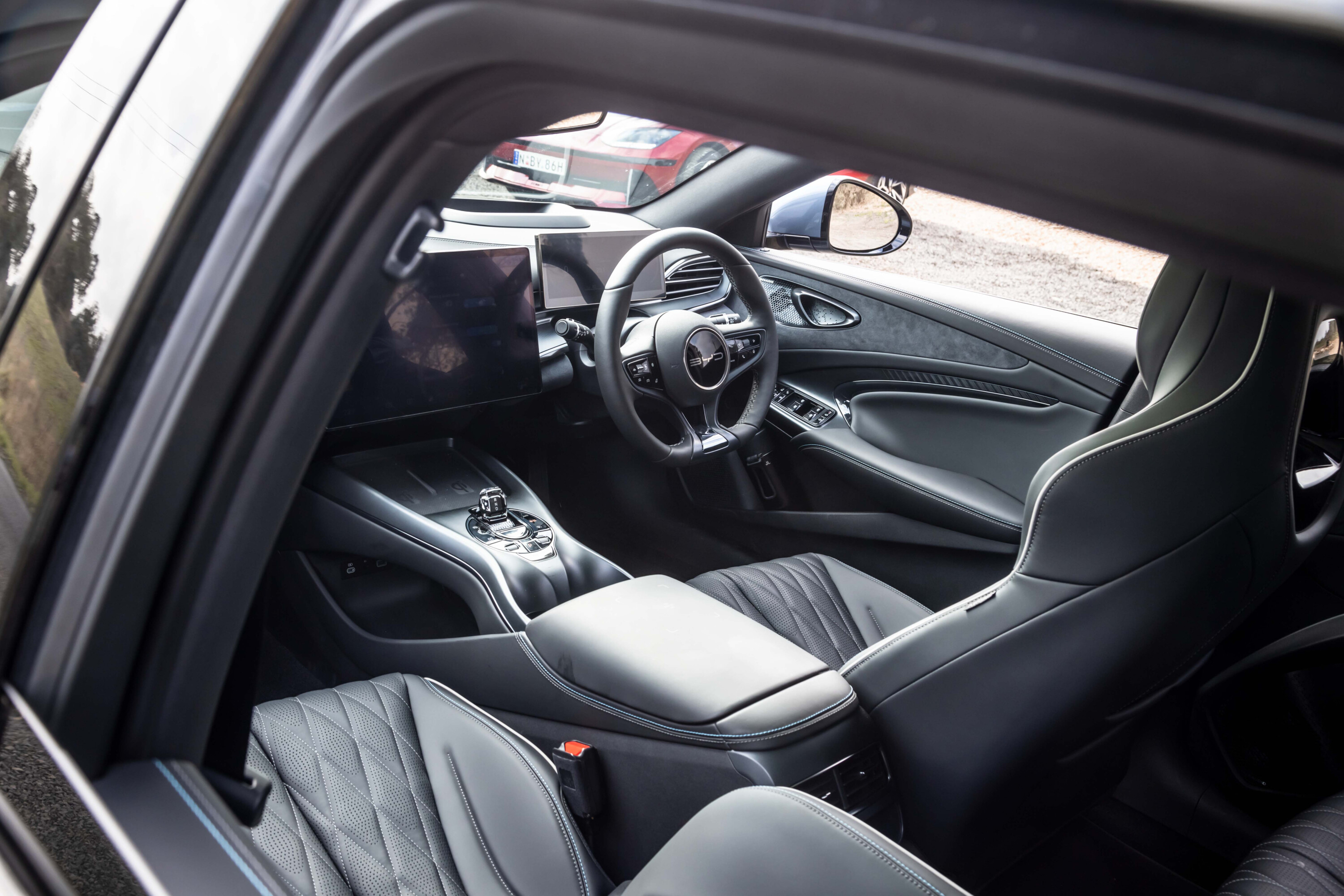
The cabin has some wow-factor, with the 15.4-inch rotating mega-screen and interesting trim finishes (that are nicer than the Atto 3’s), as well as smartphone mirroring tech and seemingly dozens of menus upon menus.
It can be tricky to find your way around the screen at times, but keep in mind you can jump between screens using the steering wheel controls, too.
1
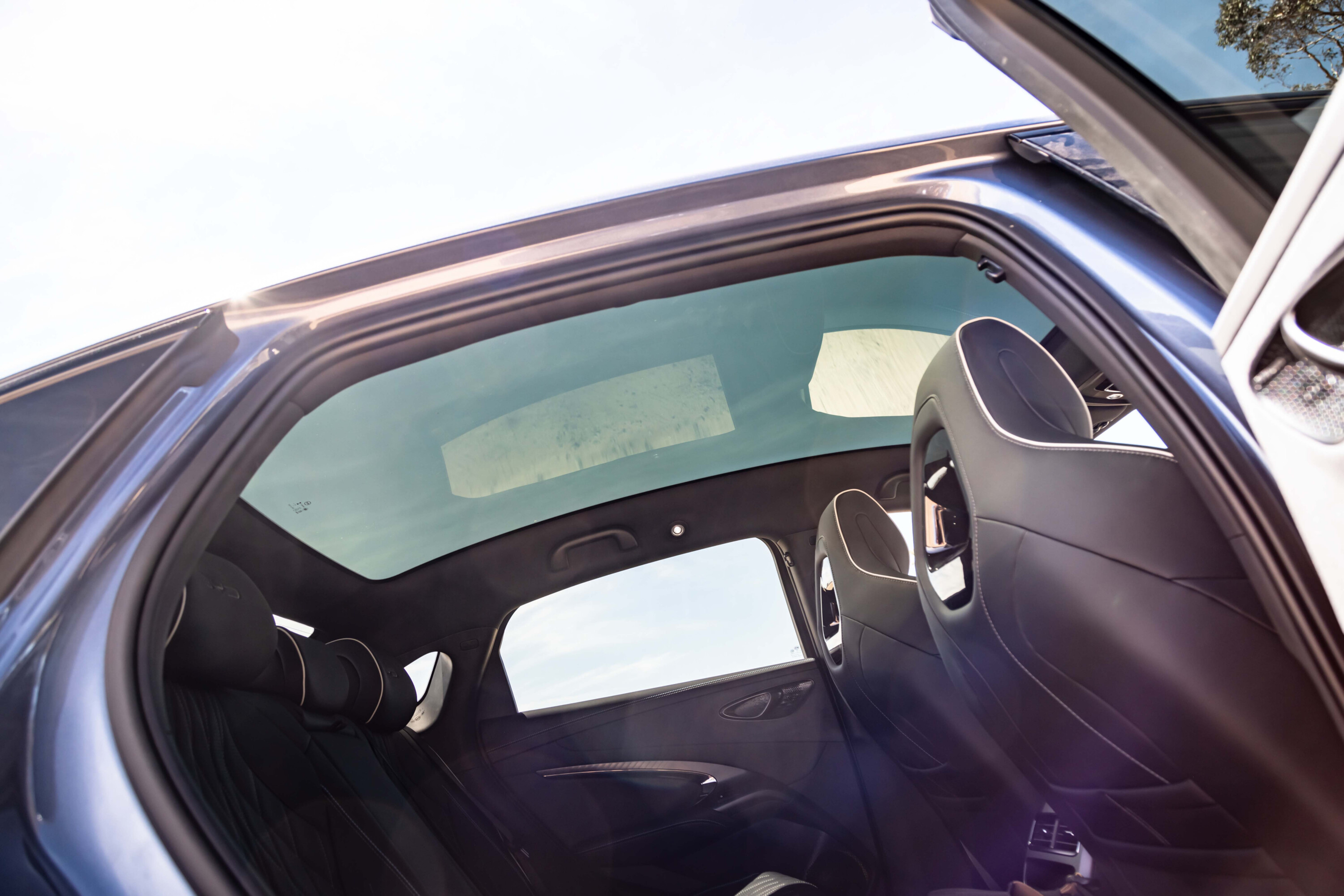
The Seal’s cabin space is decent, with enough room for adults to sit three across if need be and ample legroom. But the glass roof does allow heat in on summer days and there’s little toe room.
Amenities include four door pockets, cup holders front and rear, multi-pocket seatbacks, rear directional air vents, and a pair of USB ports for both rows.
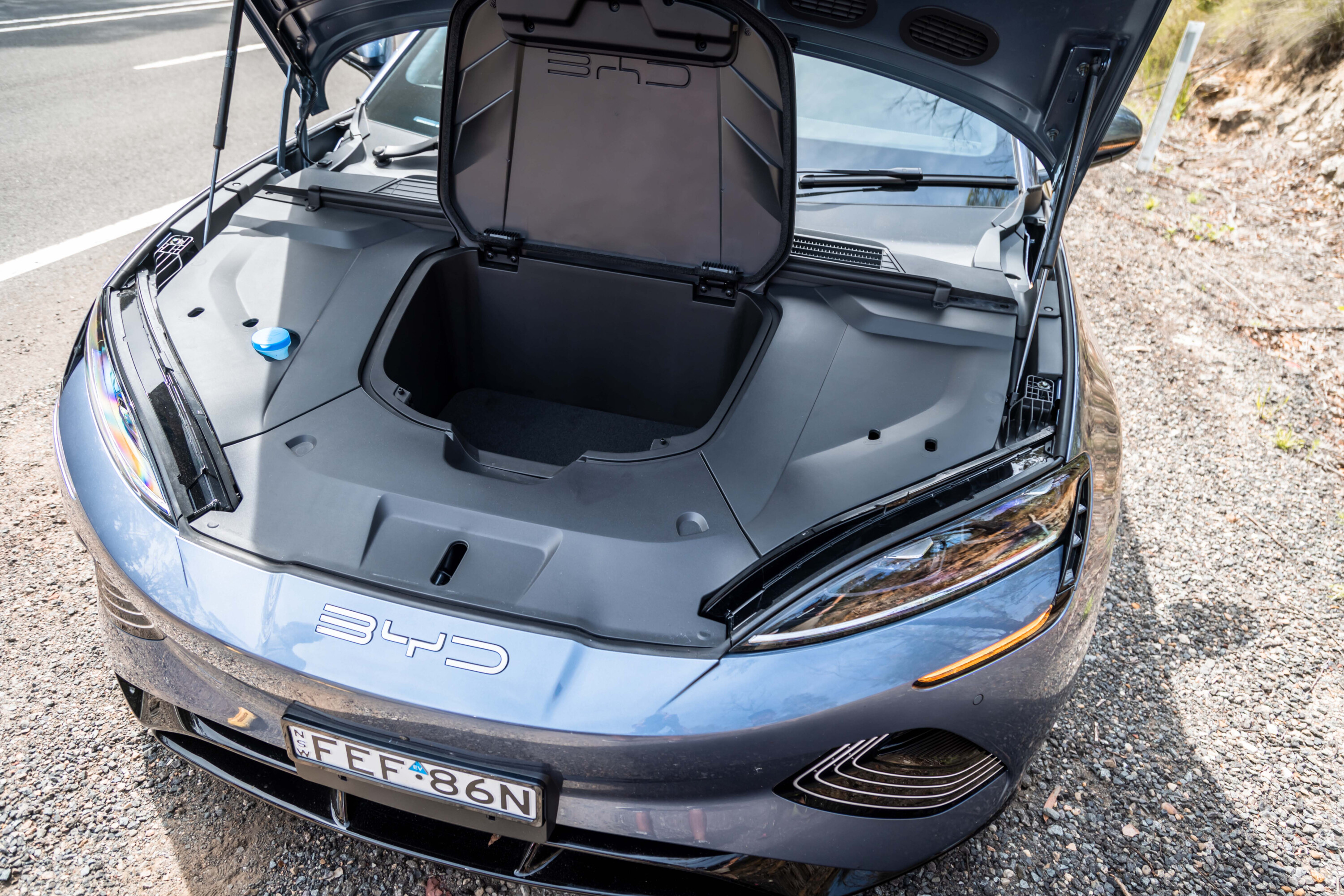
The boot space is stated at 400 litres, but there’s also a couple of hidden storage sections under the boot floor for your cables, and a tyre repair kit (which proved to be effective when we suffered a puncture!). The Seal’s under-bonnet frunk adds an extra 50L of stowage space.
1
Safety
BYD has sealed (ahem) a five-star ANCAP rating against the strictest criteria to date with a 2023 date stamp, so it has all the gear you’d expect. Not all of it is well integrated, though (more of which in the driving section).
Standard is autonomous emergency braking (AEB) with pedestrian, cyclist and junction detection, lane-keeping and emergency lane keep assist, adaptive cruise control, ‘intelligent’ speed sign recognition, driver attention alert, blind-spot monitoring, front- and rear-cross traffic alert with braking, a surround-view camera and parking sensors, and plenty more, including nine airbags.
There are ISOFIX points in the window seats and three top-tethers, too.
1
On the road
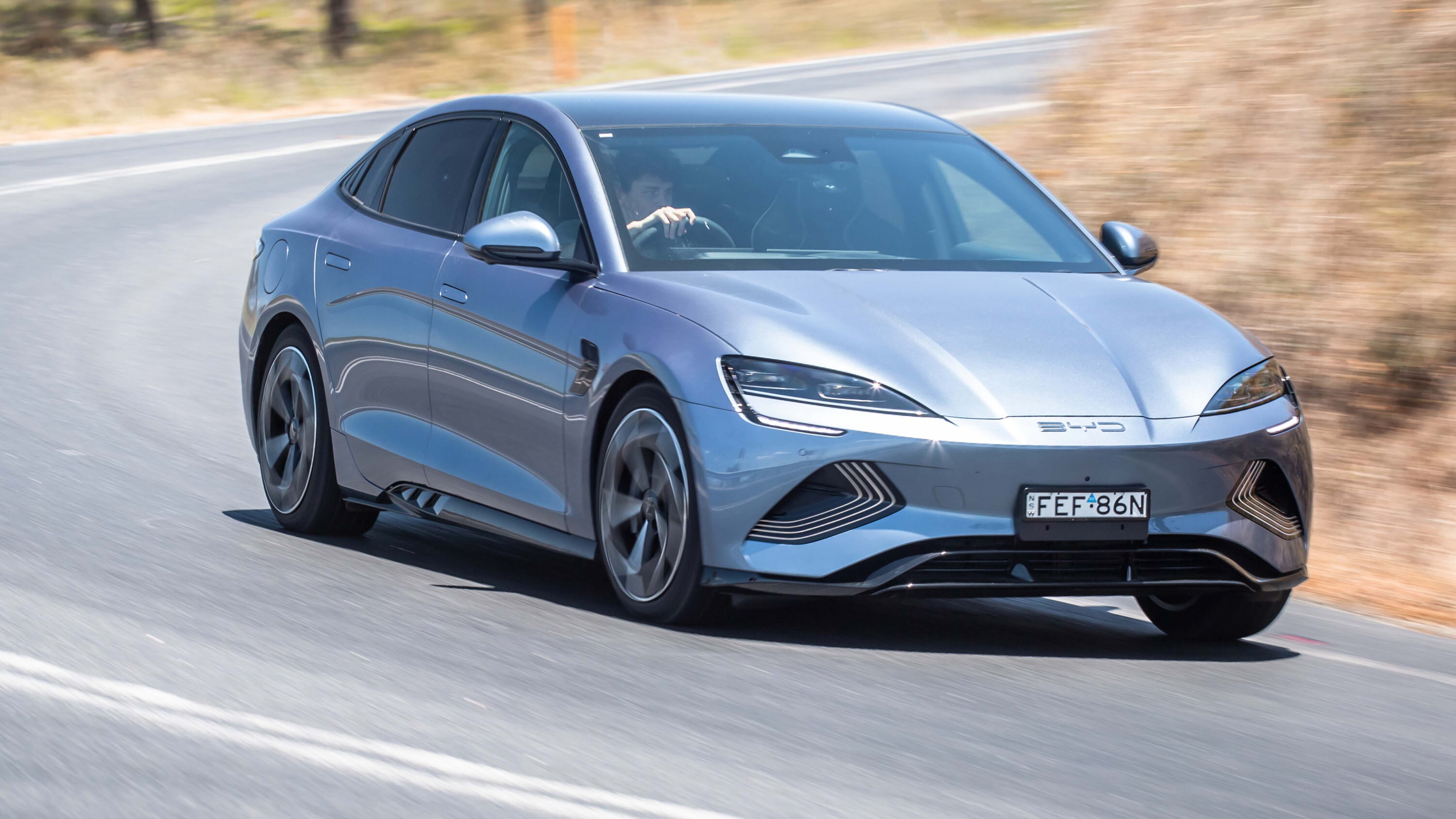
This is a tremendously fast car, with a 0-100km/h time to rival some EVs three to four times its price.
A specific example? Well, the Seal Performance’s 3.8sec claim puts it just a tenth behind a Porsche Taycan GTS that costs more than $250K on the road.
You’ll want to make sure your head is braced against the headrest when you punch the Seal’s throttle, because the acceleration is brain-meltingly quick. The world around you feels like it’s blurring as your mind attempts to keep up with what’s happening.
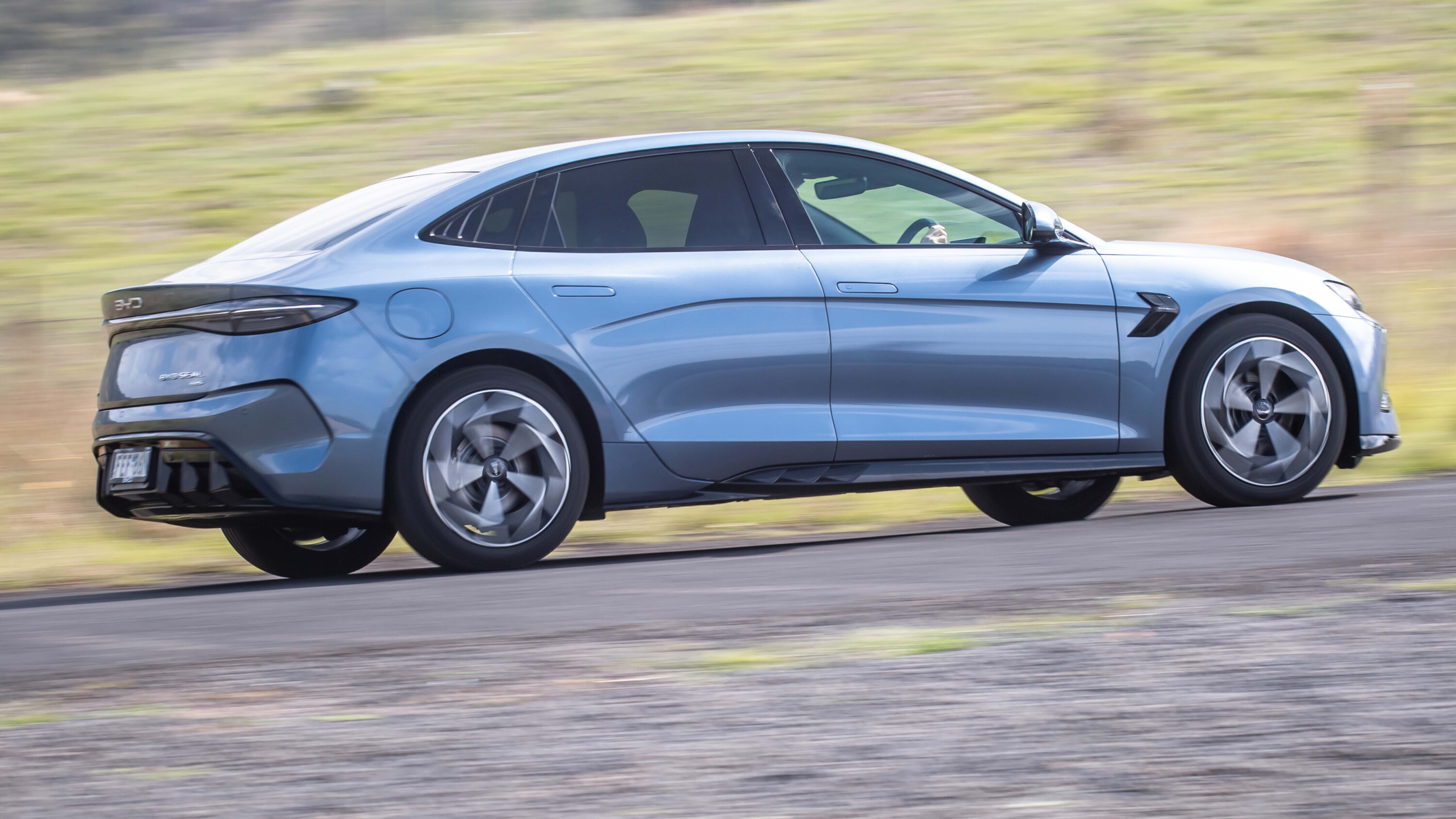
The entertainment factor just about stops there, unfortunately, as the Seal – at least in this top-of-the-range Performance guise – lacks the handling poise and predictability to give the driver much confidence on country roads.
1
And while the Continental EcoContact tyres would be fine on a lower-spec model, they don’t provide as much grip as you’d hope when taking a rapid 2.2-tonne, 4.8-metre sedan through tight and twisty bends.
With limited regen braking on offer, the actual brakes are needed more than they would be in most rival EVs and inconsistent pedal response makes it trickier to modulate braking effort.
The regenerative braking doesn’t have a single-pedal driving mode, and while it is adaptable with Comfort or Sport modes, it still feels somewhat underdone when you’re trying to slow down this much mass from massive speed.
I spent a few days in this car in a mix of different scenarios and, for the most part, the Seal Performance, which wears 19-inch wheels, was fine in urban driving, though the ride isn’t terrifically well judged.
Either jittery or lumpy, depending on the road, the Seal Performance struggles to settle like a Model 3 even on decent-quality bitumen, while it lacks the compliance of a Hyundai Ioniq 6 on bigger, 20-inch wheels.
We’ll need to wait to drive a base or mid-spec Seal to find out whether the Performance’s exclusive ‘frequency-selective’ dampers are part of the issue.

1
Some of Seal’s active safety systems are great, such as the front- and rear-cross traffic alert with braking assistance, which can essentially help you see beyond parked cars if you’re pulling out of a driveway, and the excellent surround-view camera system which makes piloting this car into a parking spot very easy indeed.
But other elements of the safety suite are horrible. The unnervingly jerky emergency lane-keeping system is one of the most violent we’ve experienced, and the speed-sign recognition system’s insistent binging and bonging is unendingly annoying.
You can turn them off every time you restart the car if you wish (about 20 seconds, give or take!).
1
- What is a Powertrain or Drivetrain?
- Power vs torque
- Car suspension explained
- Automatic transmissions (‘gearboxes’) explained
- Chassis control systems explained
- Car vs Ute vs SUV: How the vehicle you buy should guide the way you drive
- What is the WLTP emissions and range test?
The Model 3, as the best-selling electric sedan, is the most obvious competitor – and undoubtedly BYD’s primary target.
But there’s no shortage of other options in the electric sedan segment, including AWD dual-motor variants offering plenty of speed.
The Polestar 2, priced from $67,400 in RWD form, is even available with a Performance Pack to bring greater dynamic focus.
Or there’s Hyundai’s Ioniq 6, which costs from $65,500 in RWD form though from $81K if you want AWD.
1
Should I put it on my shortlist?
The Seal Performance goes like the proverbial off a shovel, comes with a heck of a lot of gear, looks interesting, has a roomy interior, and has a lengthy driving range.
You can tick many of those boxes, however, with the cheaper Dynamic and Premium variants – and, if your heart is set on a Seal, we’d recommend trying those models.
Until we’ve done the same, we’ll reserve overall judgement on the BYD Seal. For now, the Performance falls well short of rivals in all but bang for your buck.
1
MORE
Everything BYD
| 2023 BYD Seal Performance specifications | |
|---|---|
| Powertrain | LFP battery, twin electric motors, single-speed transmission, AWD |
| Max power | 390kW |
| Max torque | 670Nm |
| Drivetrain | all-wheel drive |
| Energy consumption | 16.4kWh/100km (WLTP combined) |
| Price | from $68,748 plus on-roads |
December 19: New MG ZS revealed in our exclusive images
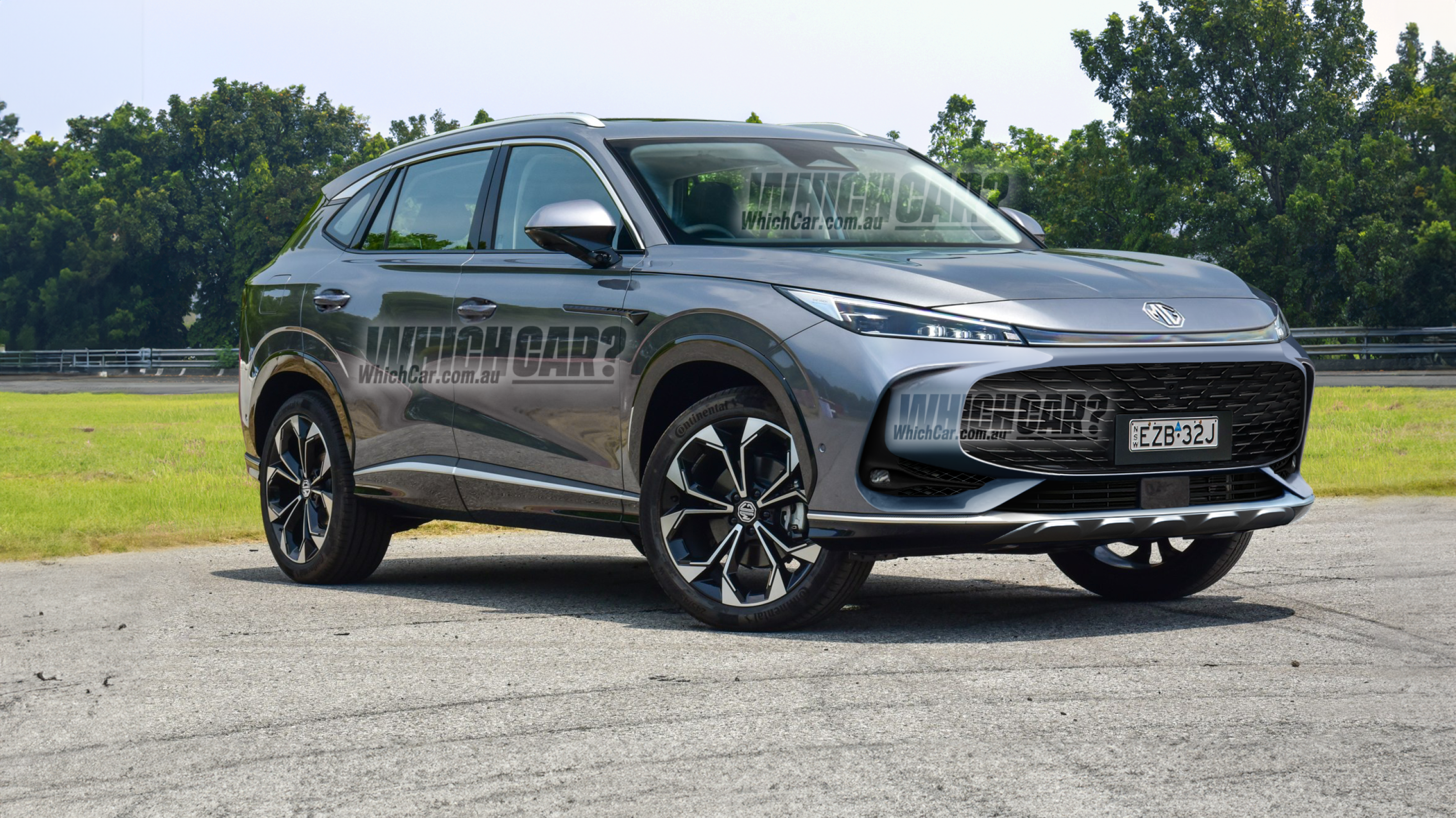
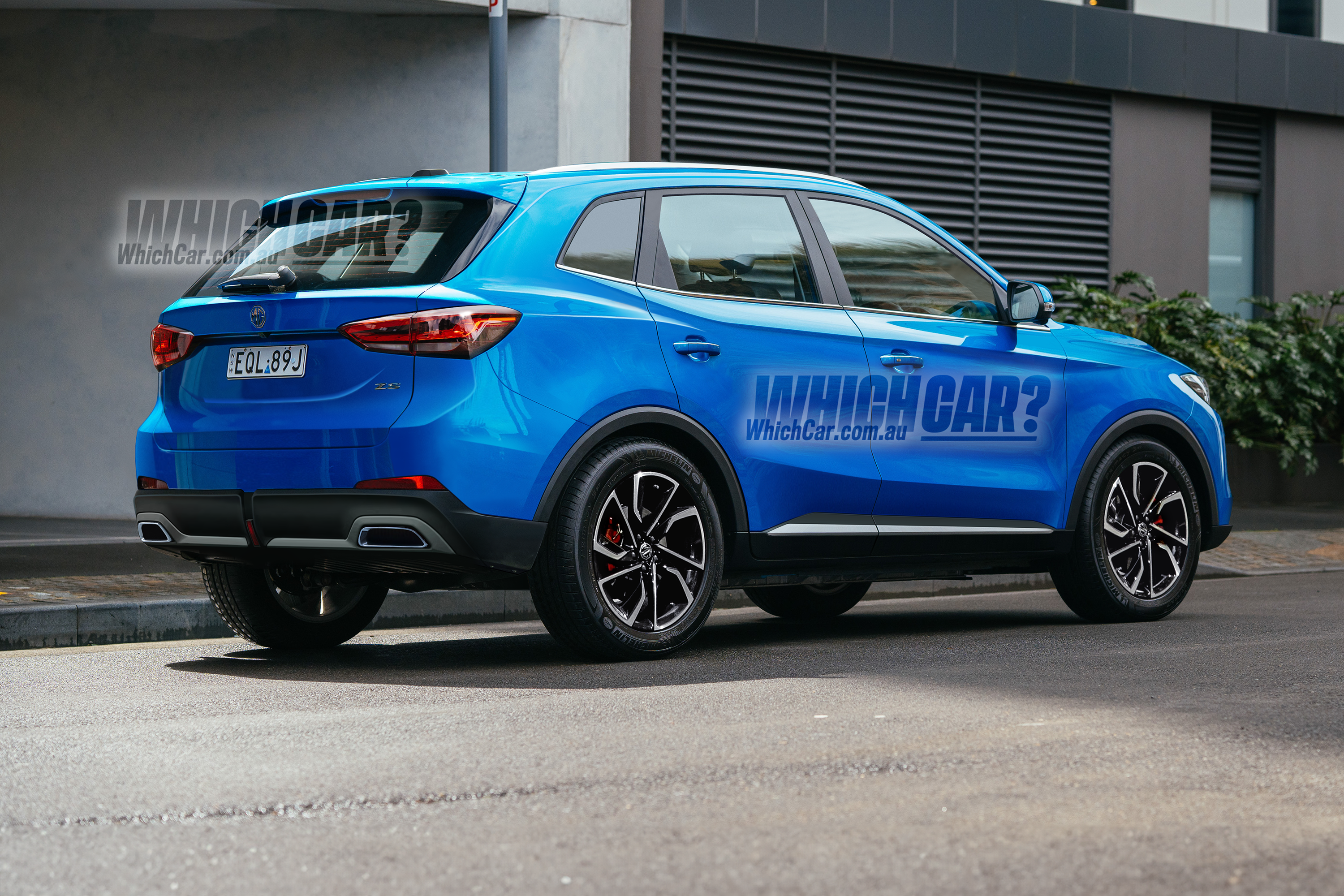
If those design patent renderings below are to be believed, you’re looking at the next-generation 2025 MG HS midsized SUV.
This was an easy one to imagine in production form, too, thanks to it being simply a restyling of the Roewe RX5 already available in China.
As expected, the new MG HS will wear a larger and more matured look than the current model, while dialling down the extravagant grille design and steering clear of the more dynamic styling worn by its new, smaller and all-electric MG 4 cousin.
Tell us what you think of the design, and continue reading below for more details.
1
1
December 15: New HS revealed in patent images as rebadged Roewe, electric variant possible
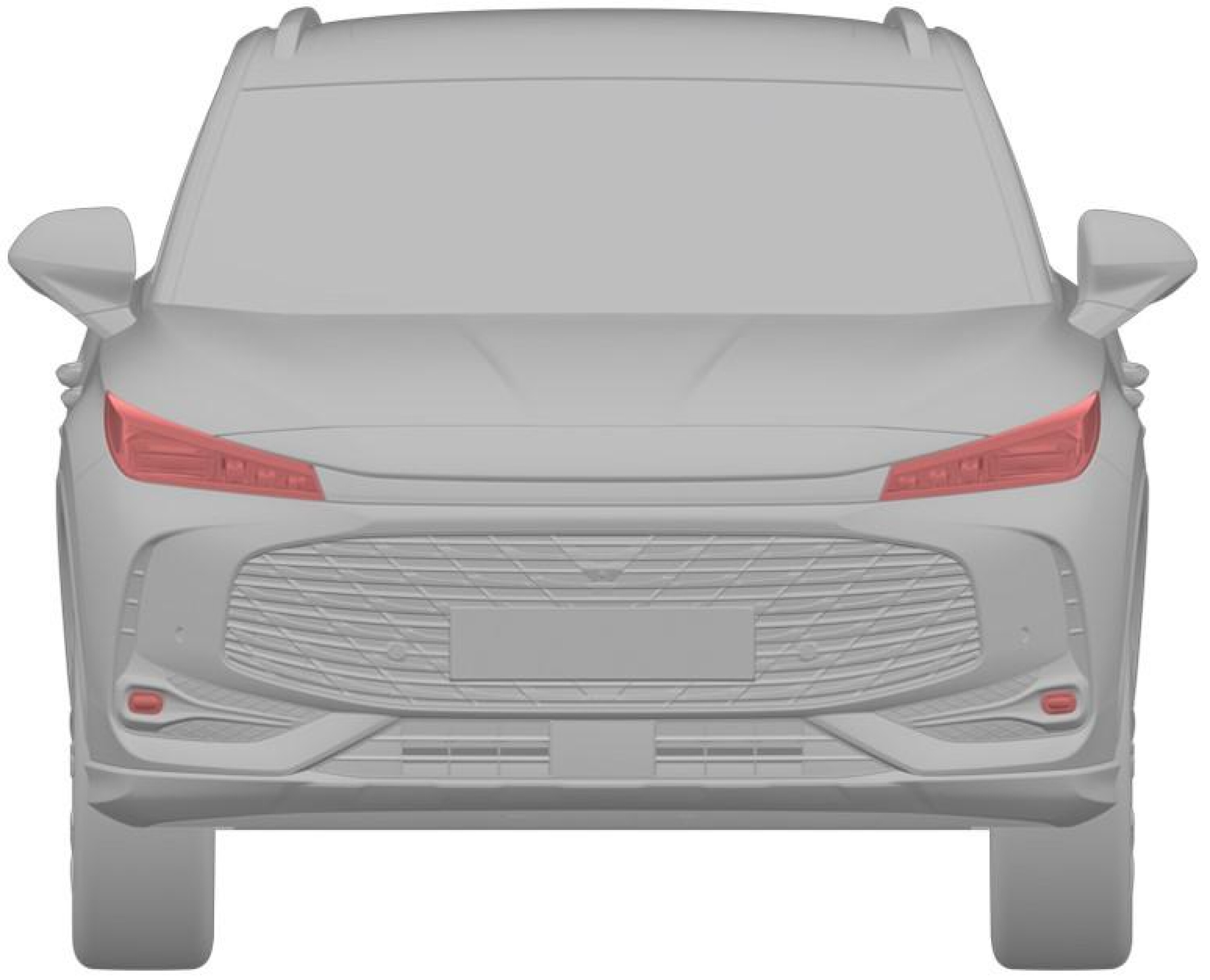
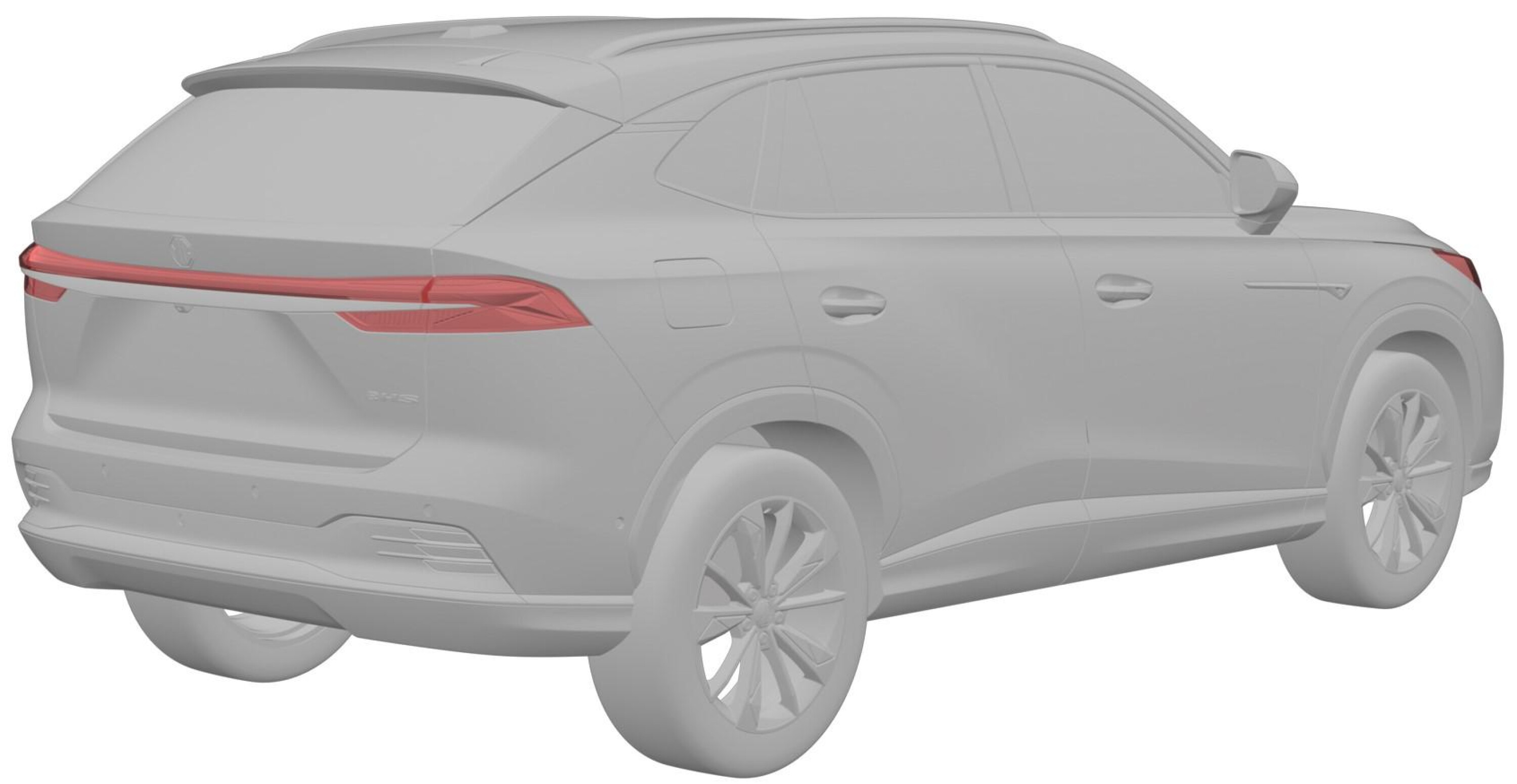
The 2025 MG HS mid-size SUV has appeared in European patent images ahead of its expected debut next year.
It is unclear if the ‘E-HS’ version seen here is all-electric or a plug-in hybrid, though the presence of a large grille opening suggests it could feature an updated version of the Chinese-built HS’s existing plug-in hybrid setup.
‘E-HS’ is the nameplate currently used for the HS plug-in hybrid in Europe, sold in Australia as the MG HS Plus EV.
1
1
MG is working on a successor to the left-hand-drive-only Marvel R electric SUV that will be built in right-hand-drive and sold in the United Kingdom, opening the door for an Australian launch.
However, it is unclear if the MG E-HS will be this successor – with internal-combustion, hybrid and all-electric options like the smaller ZS/VS/ZS EV – or if the brand is working on a separate electric Tesla Model Y rival.
A facelifted version of the MG HS is expected in Australia in early 2024, however, it has been available in China since 2020 where it’s sold as the MG Pilot. The current HS was first unveiled in 2018.
1
“MG Motor can confirm our line-up for next year (2024) to include an all-new MG3 available in both ICE and Hybrid, as well as the all-new HS and Cyberster,” said an MG Australia spokesperson.
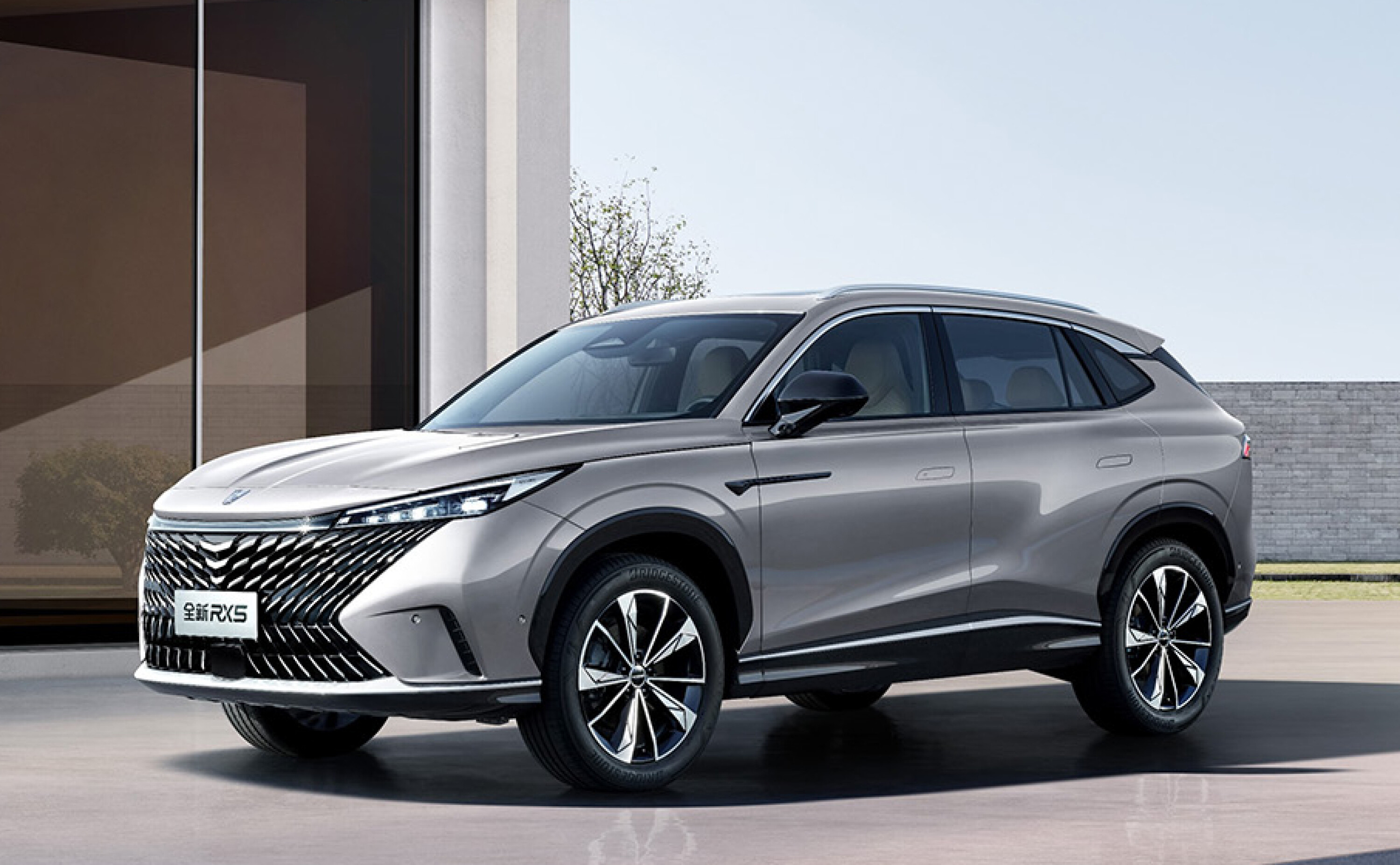
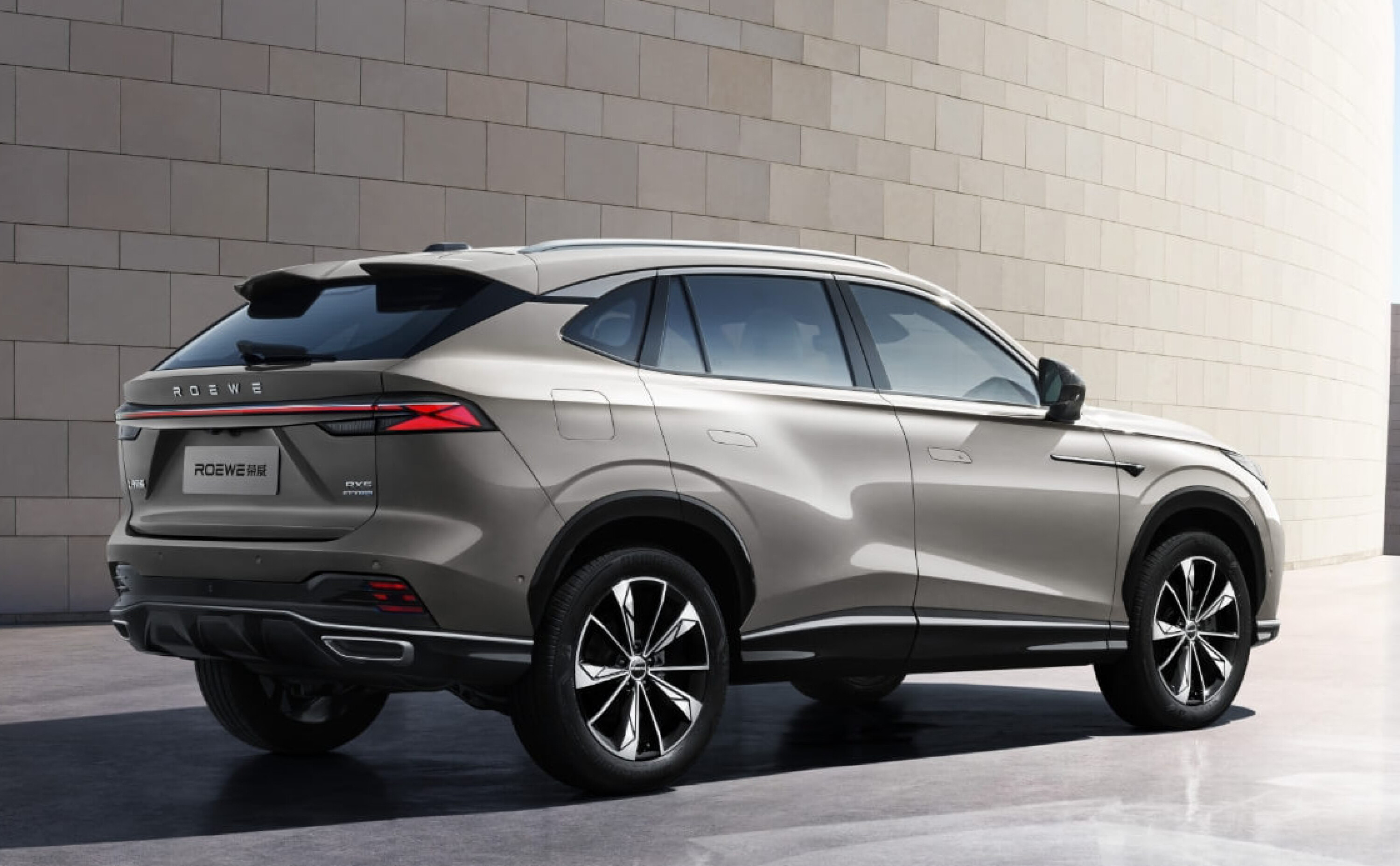
The overall look appears almost identical to the third-generation RX5 from MG’s sister brand Roewe – the successor to the UK’s Rover – albeit with some MG touches like a more conventional grille and traditional door handles instead of pop-out units.
The MG 5 electric wagon – no relation to the zero-star ANCAP MG 5 petrol sedan sold in Australia – and MG Marvel R are existing rebadged Roewe vehicles, while the brand’s IM LS6 electric SUV is expected to come to Australia as an MG around 2026 with a sub-$100,000 price tag.
Inside, expect the new HS to adopt a larger infotainment system and floating digital instrument cluster – potentially on the same panel – a new steering wheel, and a simplified centre console.
1
The Roewe RX5 measures 4655mm long, 1890mm wide and 1664mm tall, with a 2700mm wheelbase – 81mm longer and 14mm wider than the current HS, with an identical height and a 20mm shorter wheelbase.
Like the current HS, the Roewe RX5 is fitted with a 1.5-litre turbo-petrol in petrol, full-hybrid or plug-in hybrid form. The petrol produces 138kW and 300Nm, while the plug-in hybrid version adds a 180kW electric motor. It has a 570Nm total torque output and a 50-kilometre electric-only driving range.
The second-generation 2025 MG HS is expected to debut in 2024, ahead of an Australian launch later next year or in early 2025.
MORE
Everything MG
December 19: New MG ZS revealed in our exclusive images
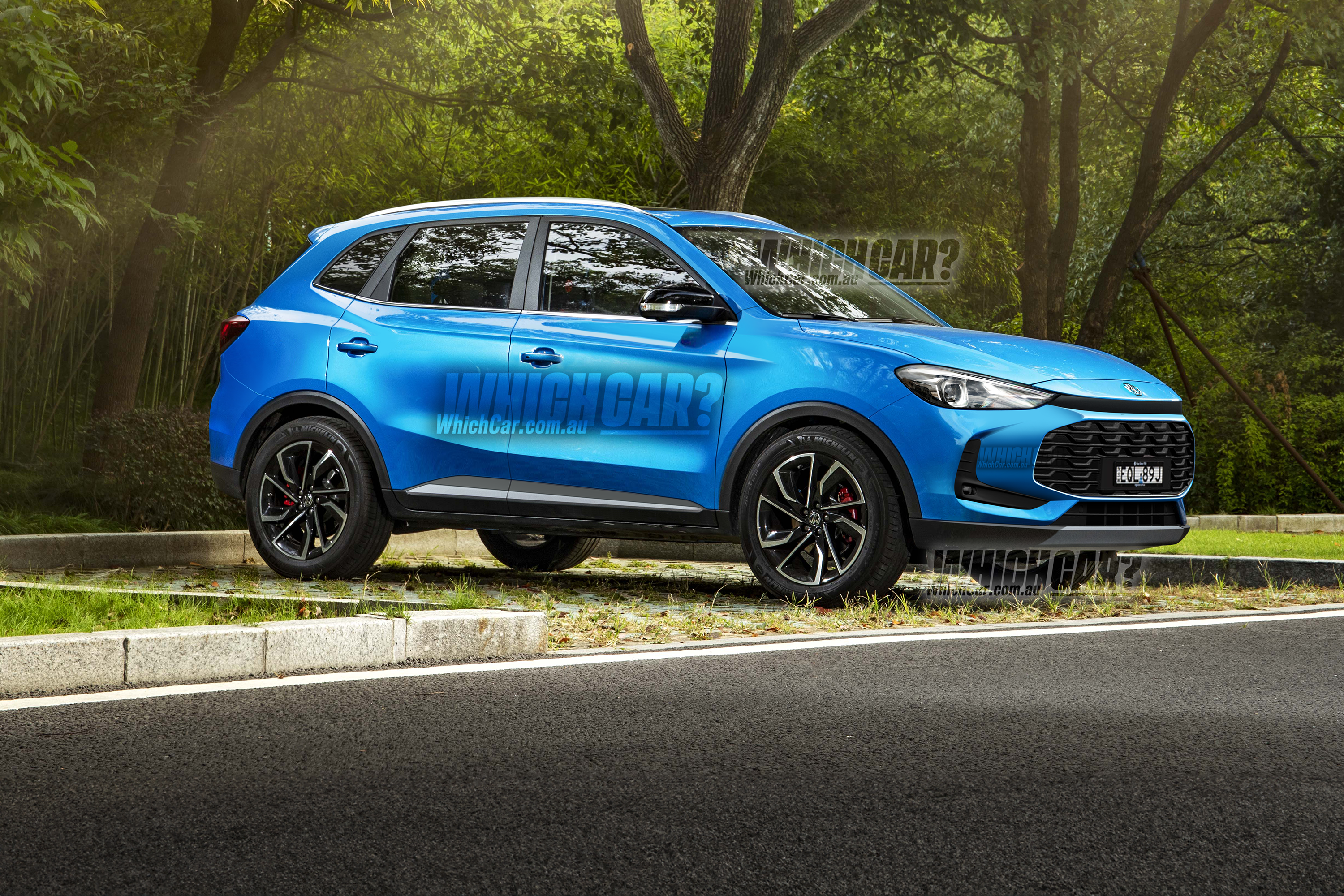
Here it is, the new-generation 2025 MG ZS, brought to life by our mate Theottle – with thanks to the official design patent filings reported below.
As expected, the new MG ZS will wear a larger and more matured look, without straying into the more dynamic styling territory of its more expensive and all-electric MG 4 cousin.
Tell us what you think of the design, and continue reading below for more details.
1
1
December 14: New MG ZS revealed in patent filing
The next-generation 2024 MG ZS has been revealed, thanks to patent office filings out of Europe that reveal the new model’s styling in full detail.
The computer-generated images don’t reveal any ZS badging, but the proportions of the car and the company name on the filing suggest there can be little doubt.
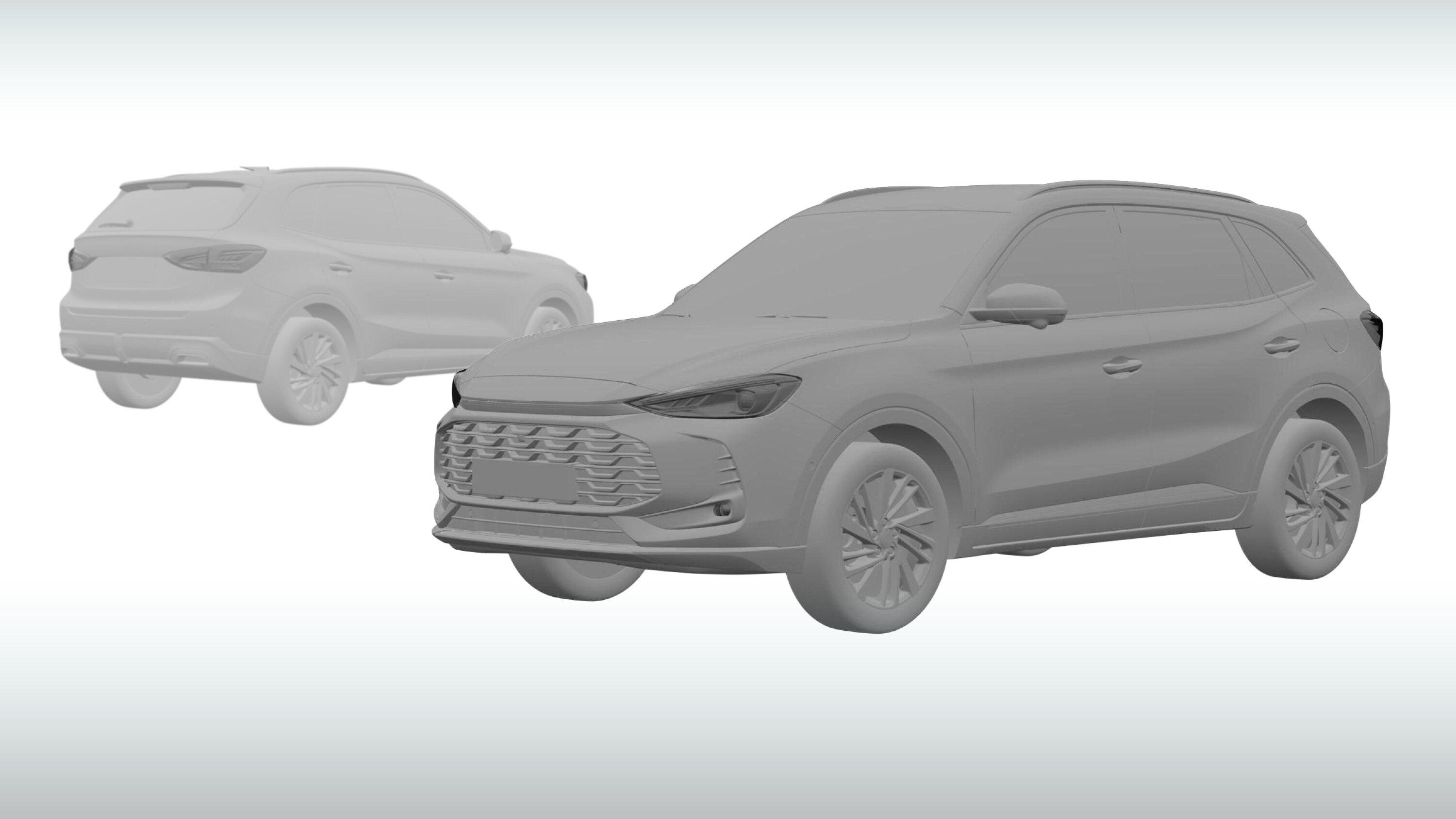
1
If you were expecting the next ZS to take its styling cues from the sharp new MG 4 electric car, think again.
By comparison, this new ZS design is somewhat tame, with lines that could have been borrowed from a Suzuki or Chevrolet of yesteryear.
The model wears an aggressive design up front, with sharp slender headlights and a wide protruding lower grille seemingly inspired by a boxer with his mouthguard beared…
Still, flat patent images are rarely inspiring and it usually takes a full reveal to appreciate the details – or some good speculative renderings from our mate Theottle. Stay tuned for that.
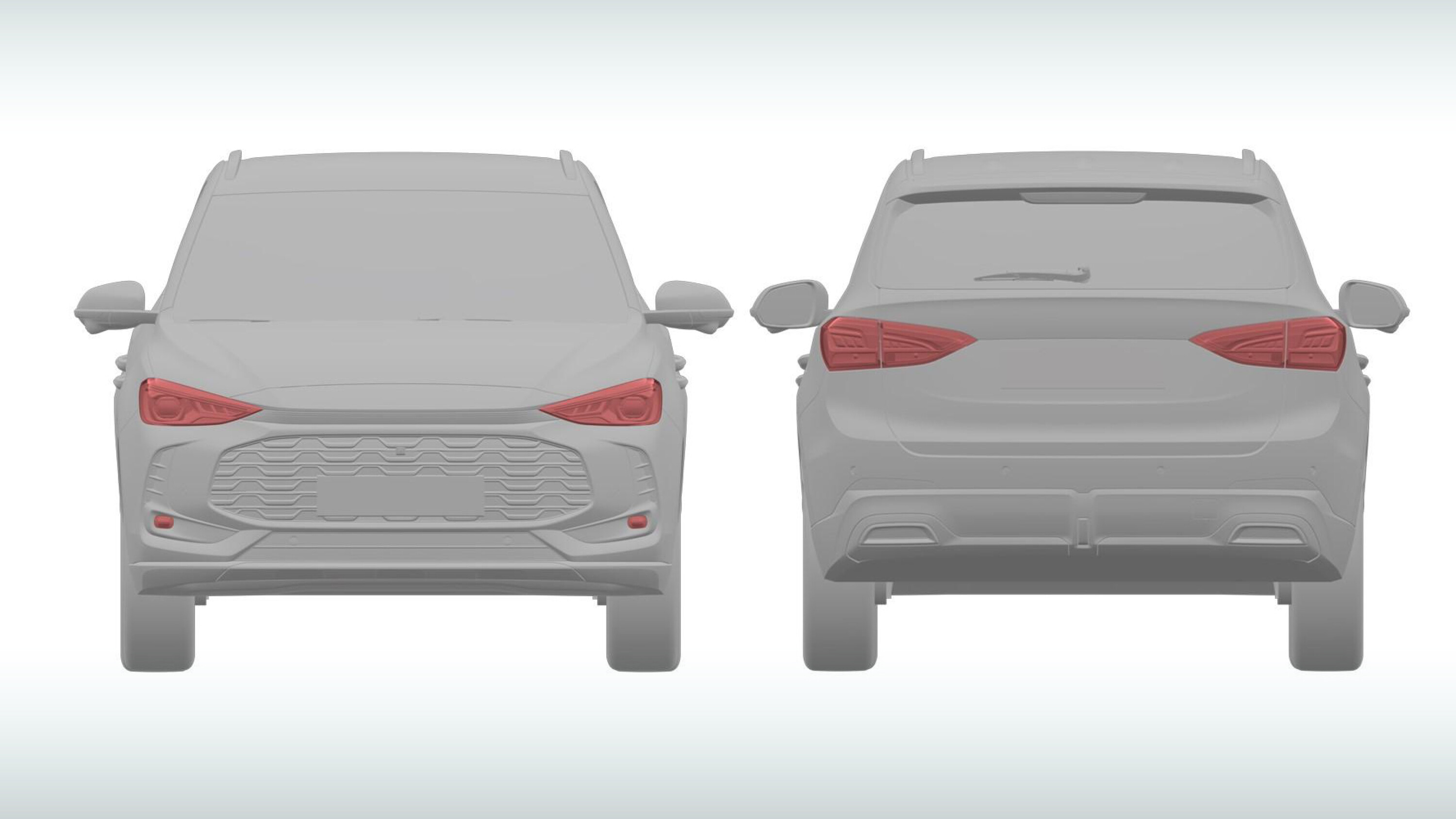
1
In its current form, the ZS is MG’s sales-volume success story in Australia, stealing the mantle of best-selling small SUV from the Mitsubishi ASX.
But, like the MG3 – set to be replaced in 2024 as well – the ZS is getting pretty long in the tooth, having been on the market since 2016.
While the current ZS has more standard safety gear than the budget-focused MG3, it isn’t likely to receive much in the way of future updates to bring it up to code. Clearly that will be left for this new model.
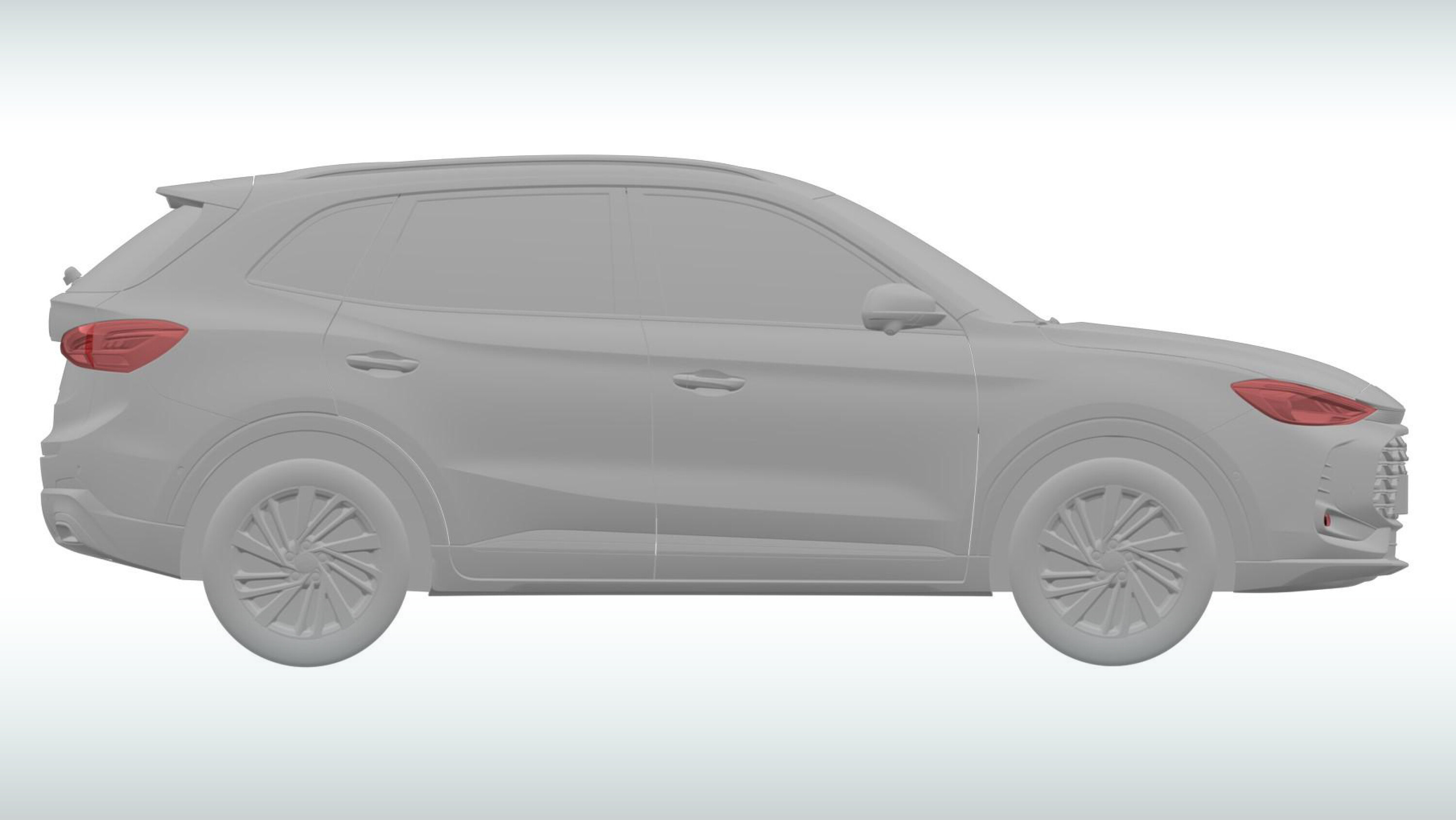
1
We’d expect the next ZS to sit on two platforms, depending on its purpose: cheap-as-chips petrol, and segment-rivalling EV.
A new ZS EV will likely be built on MG’s new Modular Scalable Platform that underpins the MG 4, allowing that variant to benefit from a more electric-forward architecture.
Expect a regular petrol version to remain available, however, possibly built on the existing model’s platform. Cheap small petrol SUVs have been the key to MG’s growth in Australia, among other markets, so the company is unlikely to spoil that value.
Watch for more on the new MG ZS to come in the months ahead.
MORE
Everything MG
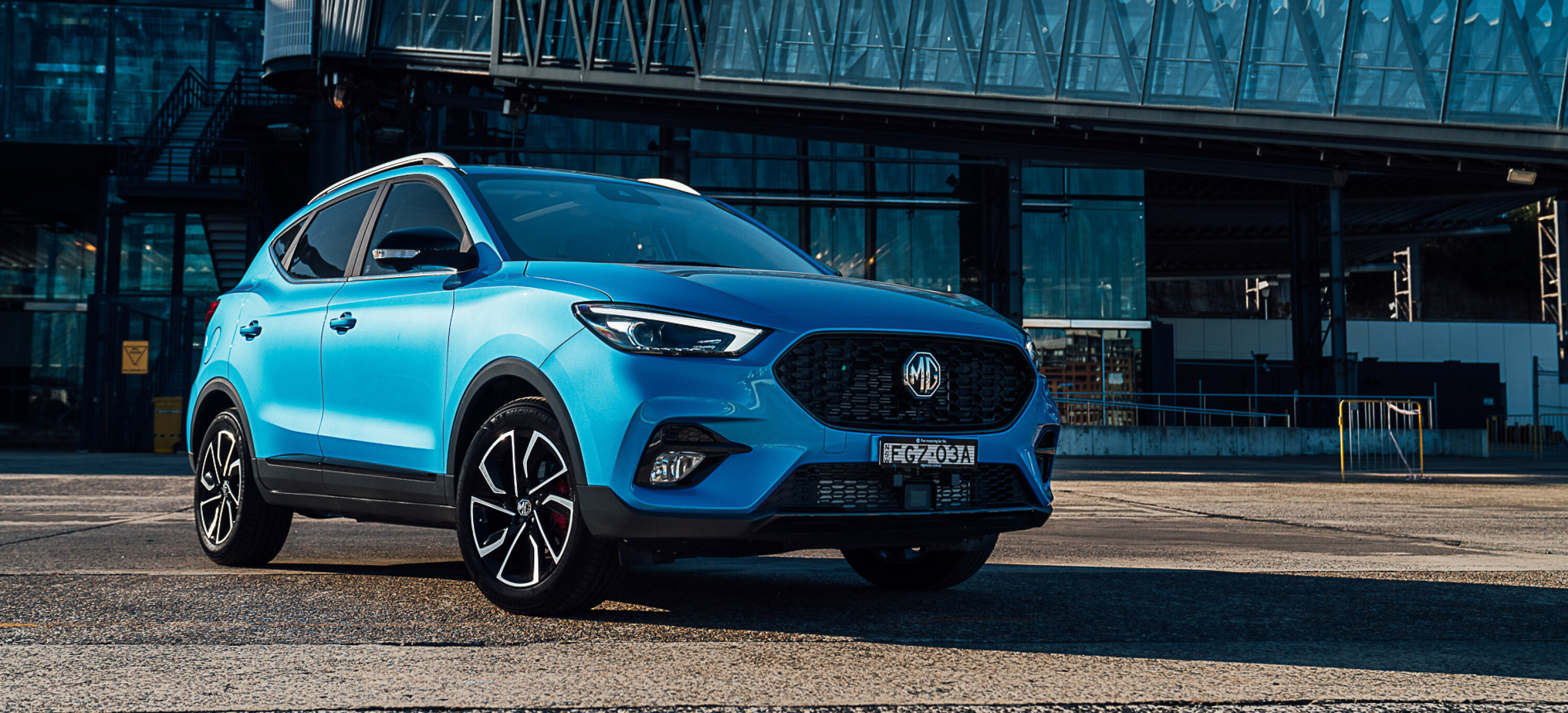
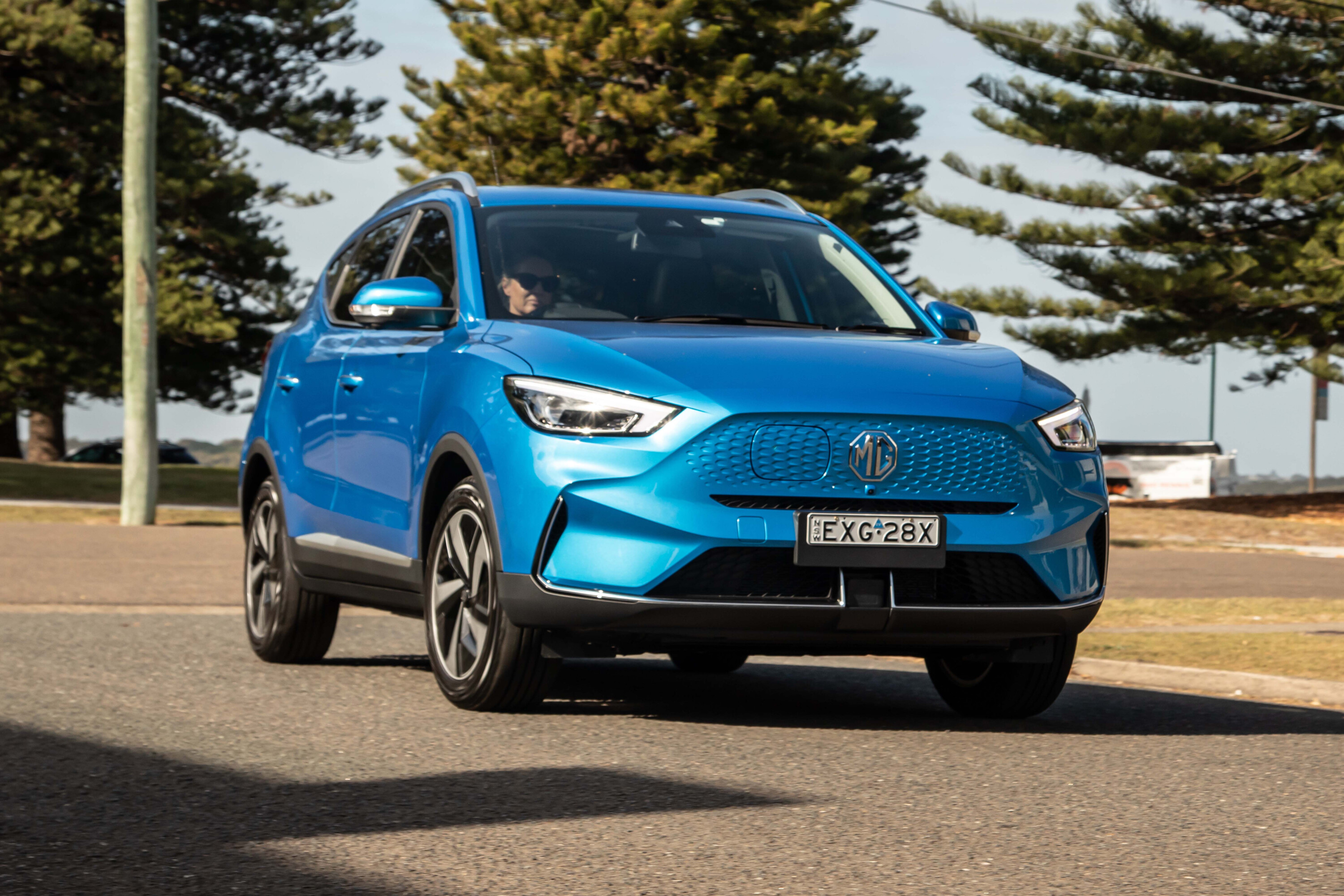
BELOW: The current MG ZS, in regular, turbo and EV forms
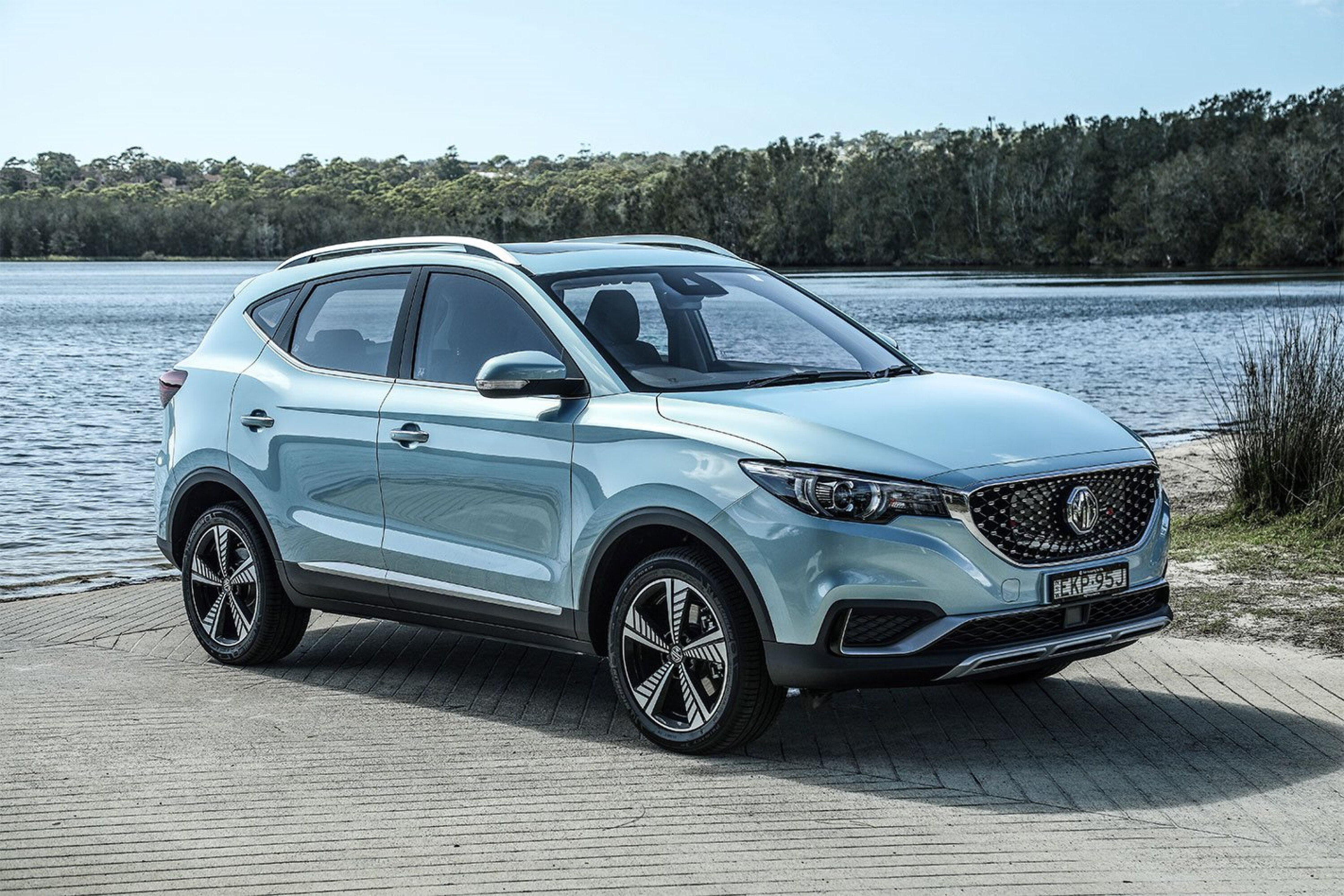
1
1
1
