
‘Win on Sunday, Sell on Monday’ is dead, right?
The prevailing theory by those that wear sharp suits and sit in boardrooms all day is that paying for a car to race and win on track no longer guarantees a benefit when it comes to shifting product. And you know what? They are right… kinda. Getting a manufacturer’s car onto the top step of the podium isn’t the showroom-clearing event it once was. But the theory behind the motto isn’t completely dead, it’s just shifting.
Bob Tasca, a Ford dealer from the US, allegedly coined the line, and it was then promptly beaten to a clichéd pulp by those that can only view history in a rosy hue. Traditionally, anyone that utters ‘win on Sunday, sell on Monday’ is thinking in purely binary terms, with the same attitude to both the winning and selling. That is no longer the case, even for companies that do use motorsport to help spruik their wares.
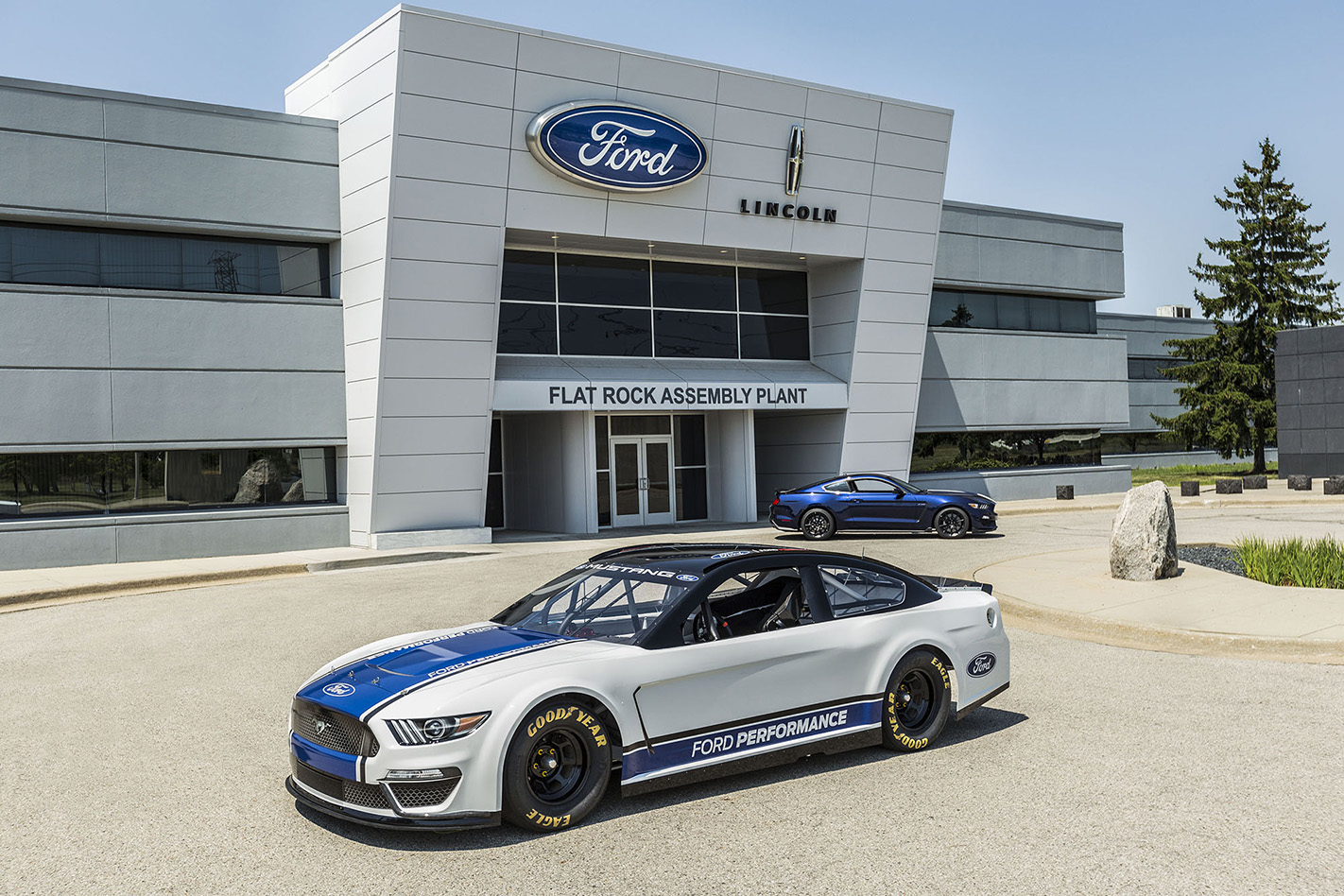
When Nissan was competing in Supercars, a former higher-up at the Japanese manufacturer’s local arm said to me once “we don’t go racing to sell Altimas, we do it to sell Navaras”. It’s an ethos shared by Ford in America. Its efforts in NASCAR aren’t designed to shift Mustangs from showrooms, but F-150s. The Blue Oval’s head of global motorsport Mark Rushbrook told me that “we are able to measure what our involvement does for selling vehicles. As well as the difference between winning, and just being on the track. Winning is important for our customers, and instilling in them a sense of pride about owning a Ford vehicle.”
But even that way of thinking is becoming more difficult to get over the line at your nearest Very Fancy Car Manufacturer HQ. No, nowadays its not a vehicle or product being sold on Monday, but something much bigger, and far more esoteric.
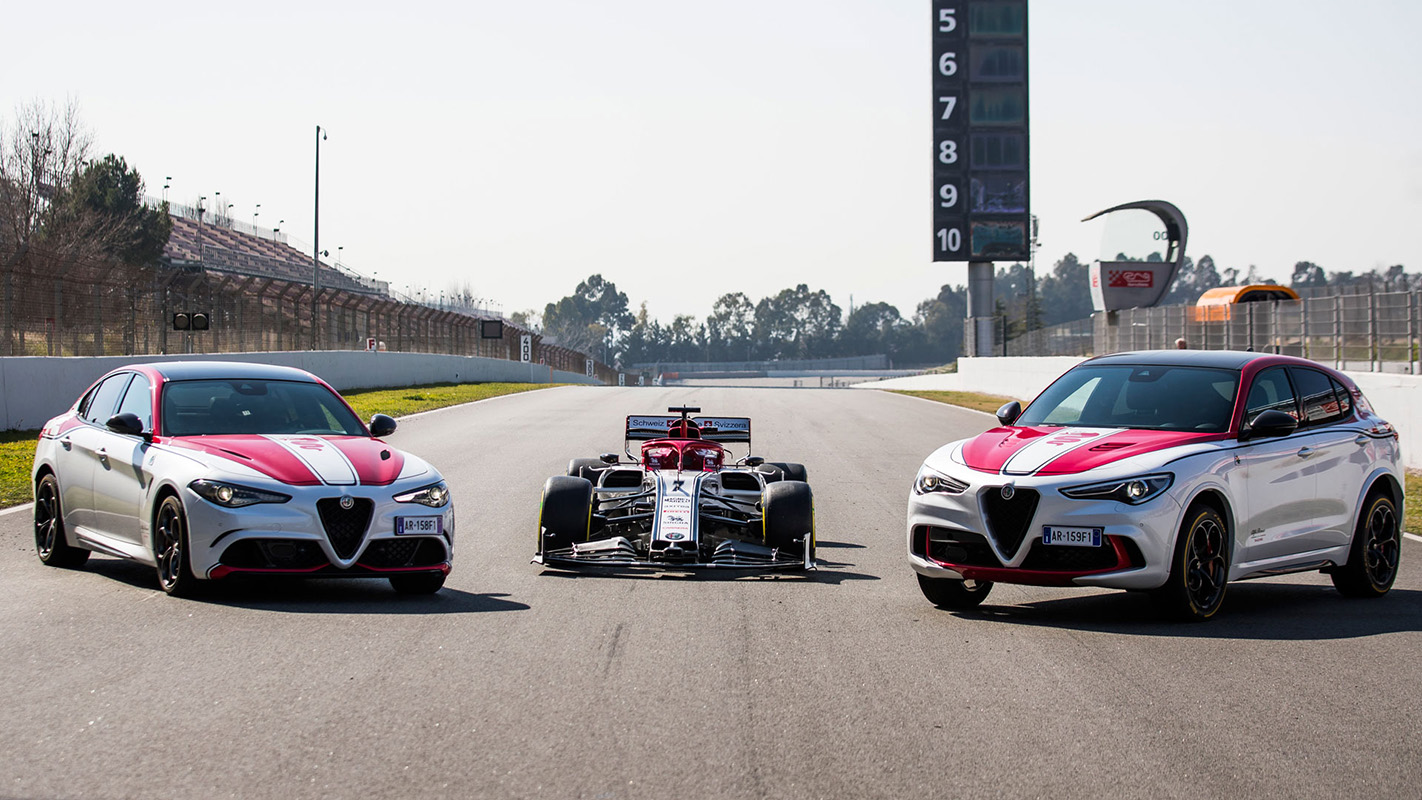
To explain, let’s look at the Mercedes-AMG Formula 1 team – one of the most successful and expensive factory-backed racing programs in modern history. From ’14-’19, the squad demolished the competition, winning all 12 championship titles on offer (both the drivers’ and constructors’ each season), and standing on the top step of the podium for 89 of the 121 grands prix. That’s a win rate of 73 per cent.
To do so parent company Daimler spent a whopping $3.1 billion in funding the Woking-based team. That’s roughly the same as Tonga’s GDP across the same period. Without context that figure seems large, and if you aren’t seeing a direct uptick in new car sales because of a racing program, then what is the point? It all comes down to the slightly vague world of ‘brand value’.
As part of its on-track success, pundits can’t stop talking about Mercedes’ F1 team. In 2018 Mercedes dominated Formula 1’s global television coverage, with almost a quarter of all broadcast time being dedicated to the Silver Arrows squad. You can all but guarantee the tone for much of that was about how the car with the three-pointed star on the nose was utterly dominant in every conceivable way. Suck on that, Enzo. It was estimated you’d need spend roughly $5.8 billion to get an equivalent level of exposure in a single year. Add to that, between ’13 and ’18 the value of the Mercedes-Benz brand grew by $23.3 billion, to a total of US$48.6 billion, most of it largely driven by the manufacturer’s racing success according to Interbrand.
So, what does all this mean?

Well, any car company exec who thinks that fielding a particular model in a racing category will have a direct and proportional kick-back in terms of new car sales is kidding themselves. Similarly, if the boardroom convinces itself that competing in motorsport is a fool’s errand that will simply empty its coffers of its money, they aren’t paying close enough attention.
Modern manufacturer-backed motorsport efforts aren’t designed to shift specific vehicles on Monday. They’re selling a dream; an image. One of success, passion, and skill. It’s an emotional feeling they want viewers to attach to their badge, not a physical product. But the question is, are you buying it?
BMW insists it has struck the right chord with its newest M3/M4 design, but aftermarket tuning company Avante Design doesn’t share the sentiment.
It has developed a new widebody kit with a more conservative front grille, in place of the buck-toothed BMW design.
Admittedly, while the grille is more traditionally BMW, the rest of the widebody kit is decidedly not.
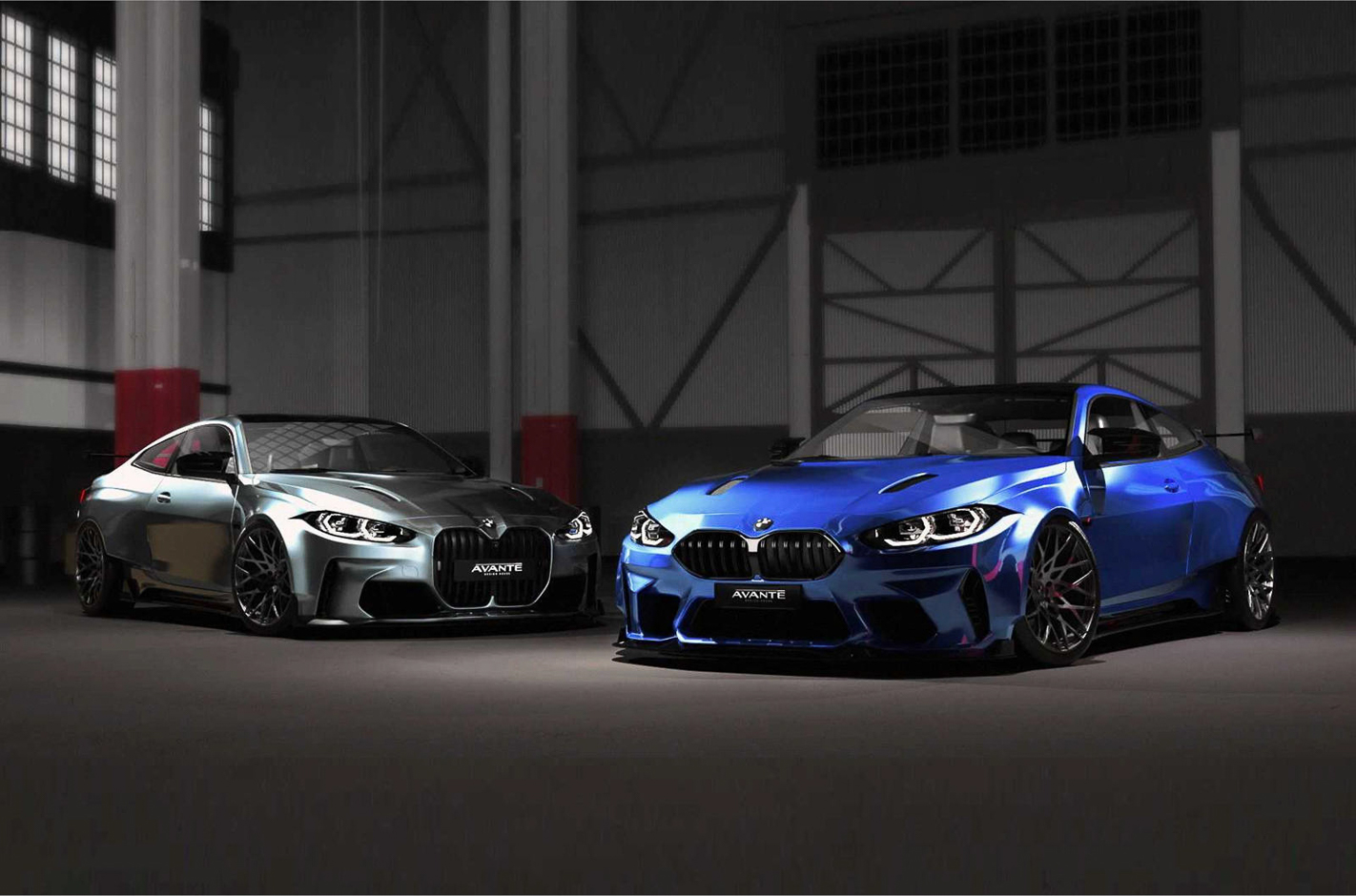
Renderings show there will be two versions, with one retaining the BMW design (any takers?) and the other resembling the design of the current BMW 8 Series.
Other than the new grille, the Avante kit features substantially-wider guards which are said to add seven inches to the width of the standard M4.
Complementing those arches is an aggressive vented bonnet, a low front splitter attached to a new front fascia and a race-inspired rear splitter.
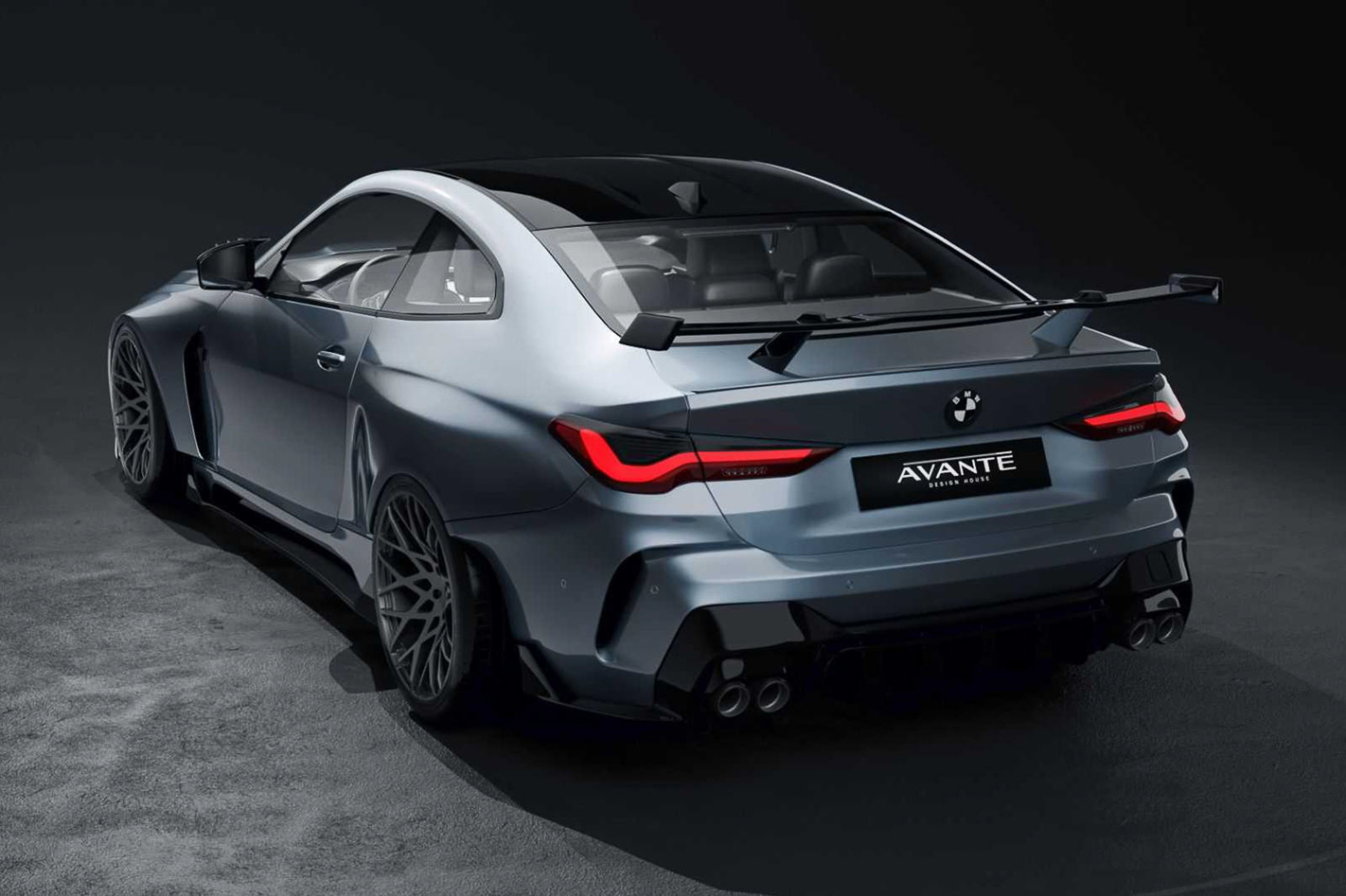
There are also side skirt enhancements and a massive rear wing for good measure.
As you can see, these body kits only exist as renderings at the moment. That said, Avante Design says development is almost complete, ahead of a limited production run of the widebody kits.
BMW has tried to out-do its aftermarket competitors with the latest M4, revealing the M Performance kit shortly after the car’s reveal.
It adds unique aero in the form of a revised front bumper, side skirts and an aggressive rear diffuser which relocates the four exhaust outlets to the centre.
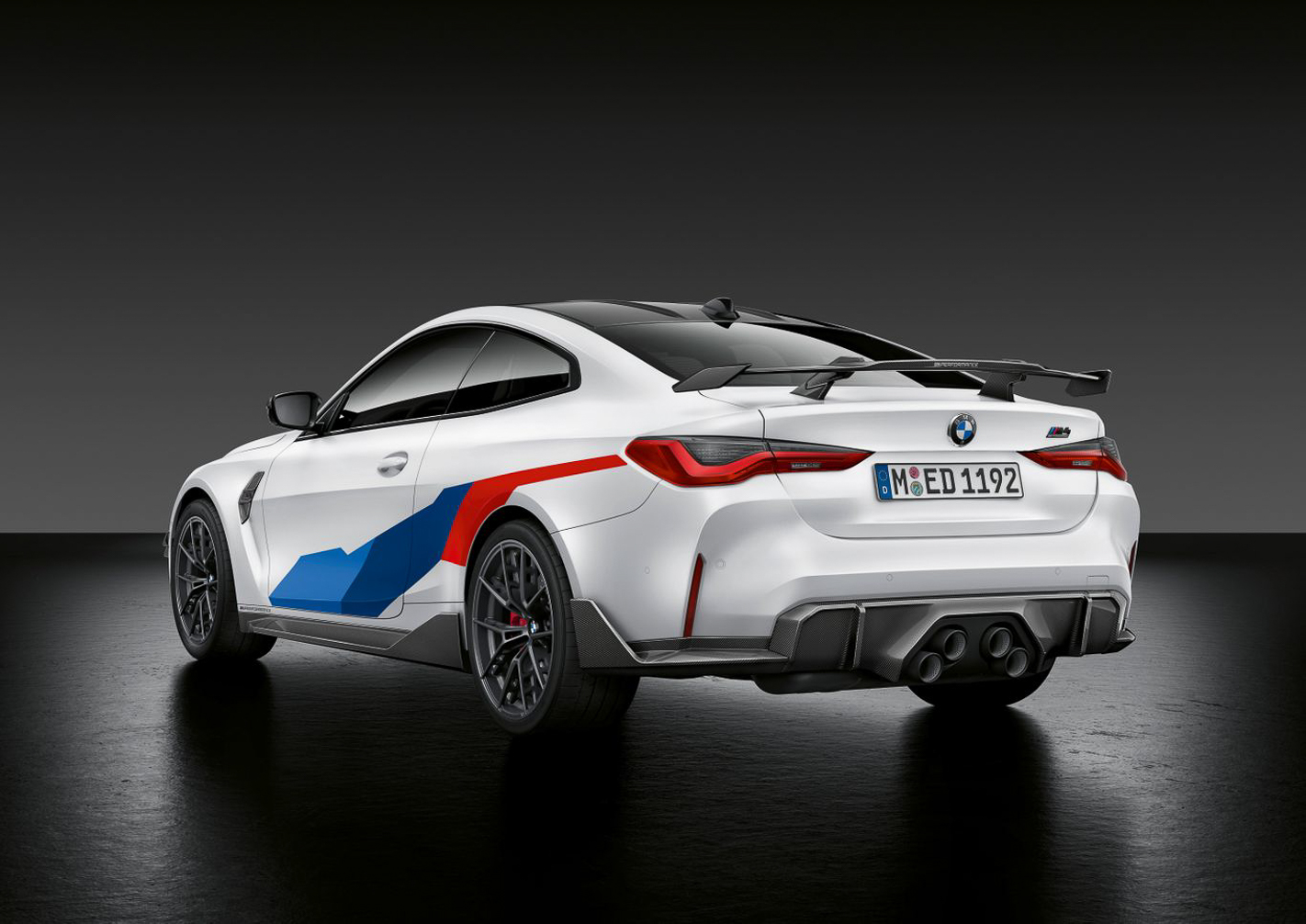
So, do you think BMW’s M Performance kit looks the goods or has Avante Design nailed the redesign?
Or option C, none of the above.
With an Australian legacy that reaches back to 1985 and the D21, Nissan’s Navara deserves recognition for its part in building the popularity of utes to the unprecedented levels you’ll find today. Go even further back though and you follow a long bloodline of pick-ups all the way to the Datsun 2225 that had its genesis in 1947.
Unlike some relative newcomers to the market, it’s fair to say Nissan has well and truly earned its place among a growing range of compelling options. But there’s only so far history and heritage will carry a brand in this fearsomely competitive market, and in the eyes of pragmatic Australian buyers, bang-for-buck is king.
That’s precisely why you won’t find the short-lived X-Class in Mercedes showrooms for much longer. The resoundingly good one-tonner was at the very pointy end of the premium ute market with a hefty price to match, and that’s before you got stuck into the options. Even the excellent V6 diesel flagship couldn’t convince enough local buyers to put their hands in their pockets.
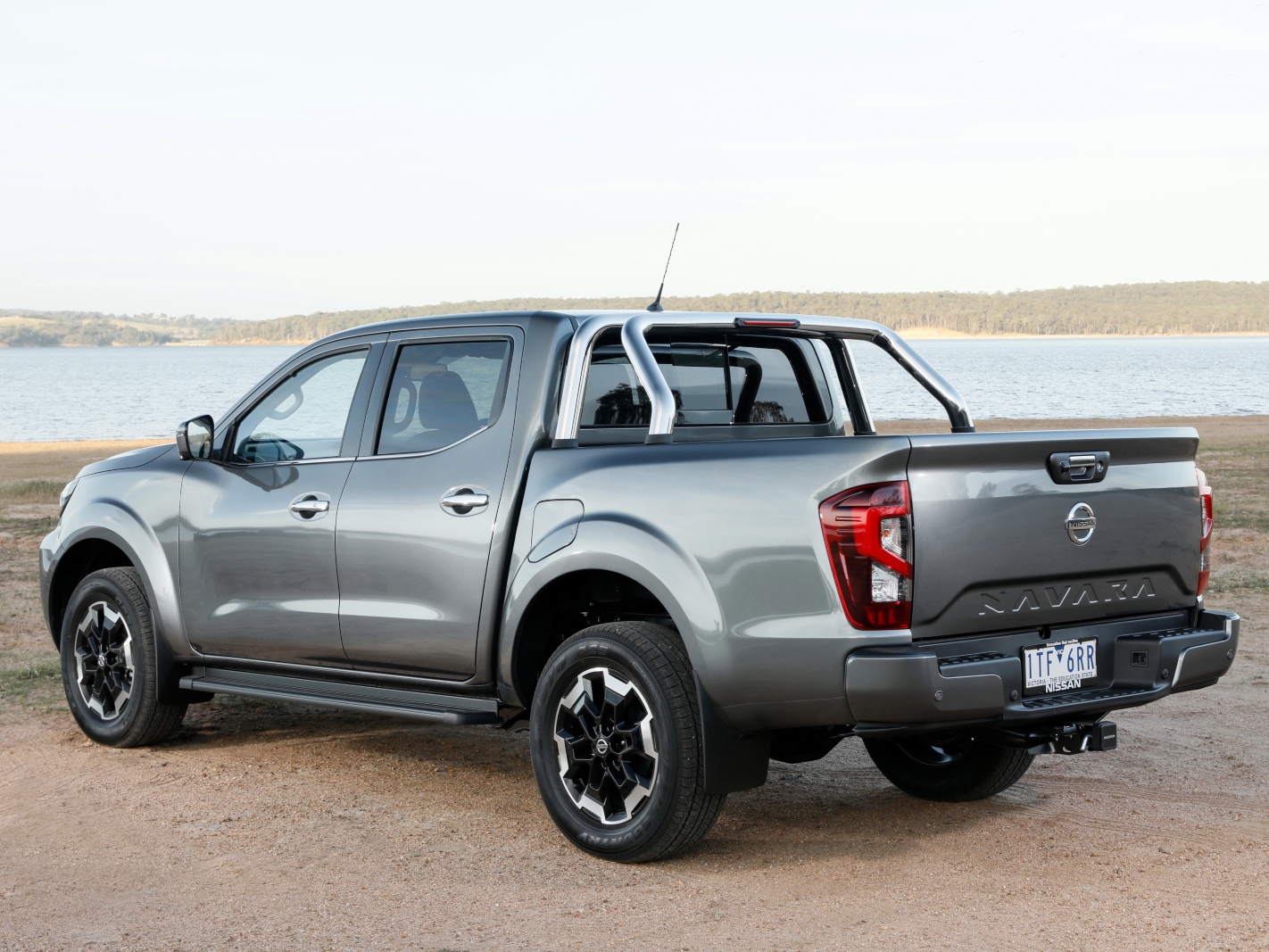
A little of the X-Class lives on in its mechanically related sibling you see here – but now, the Nissan Navara has been treated to an update for 2021. And, as before, Nissan says the mid-range ST-X will be the breadwinner of the line-up.
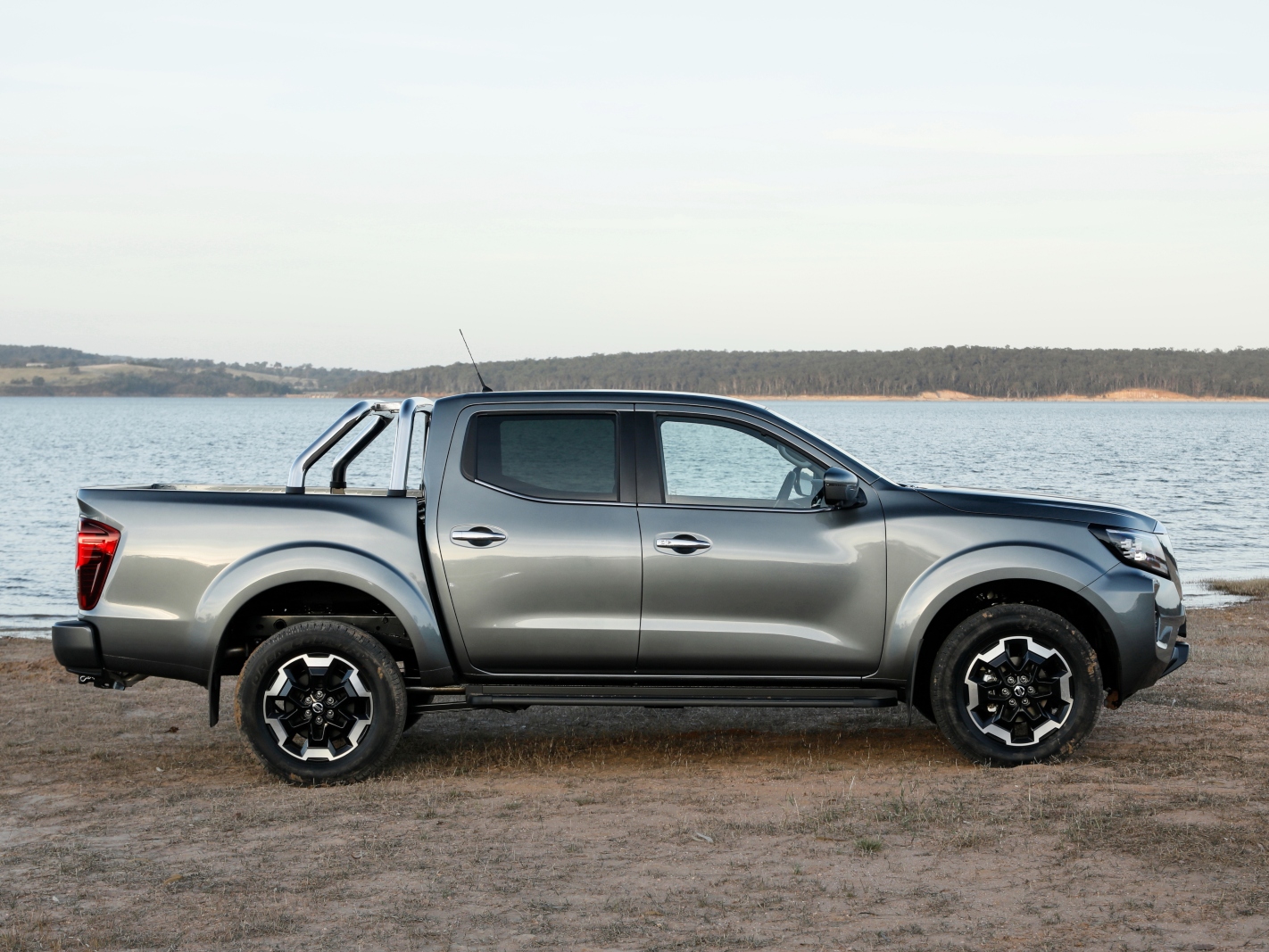
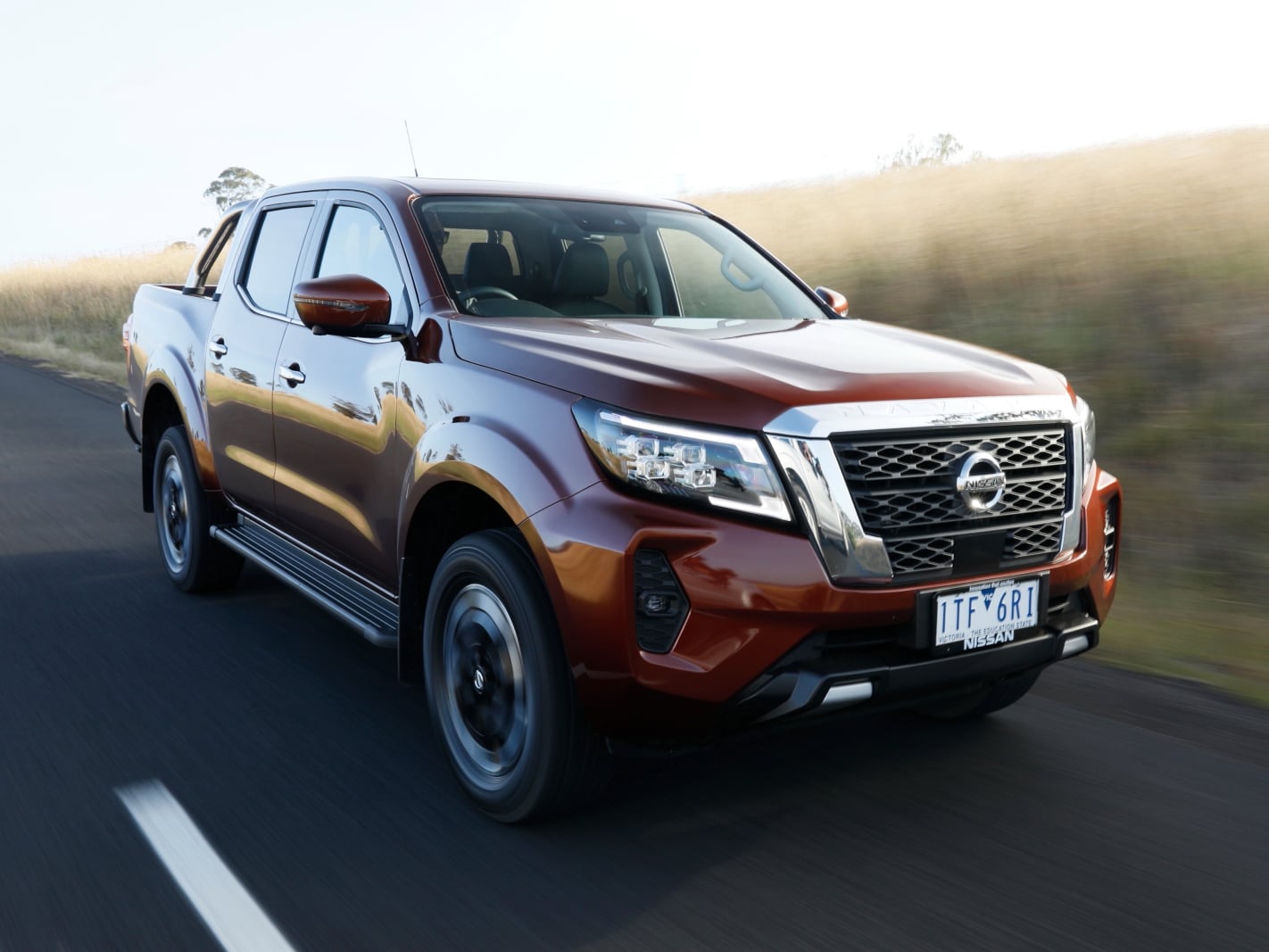
On the outside, a comprehensive facelift has re-sculpted the front and rear ends including LED lighting, a massive grille, new wheel design and, more significantly than plastic mouldings, a new bonnet. It’s a bold new style that strides ahead of the more benign look of its predecessor and into territory that appears inspired by US-market tastes.
New-design wheels measuring 18 inches, or 17-inch for the lower spec variants, a new hero Forged Copper paint colour and Navara-embossed lettering in the tailgate are aesthetic highlights.
Those with a penchant for customising and enhancing their ride will be pleased to learn the range of original Nissan accessories has now been extended to include favourites such as a snorkel, winch-ready roo-bar, wheel-arch flares, underbody protection, towbar and LED light bars – all of which are covered by a five-year guarantee.
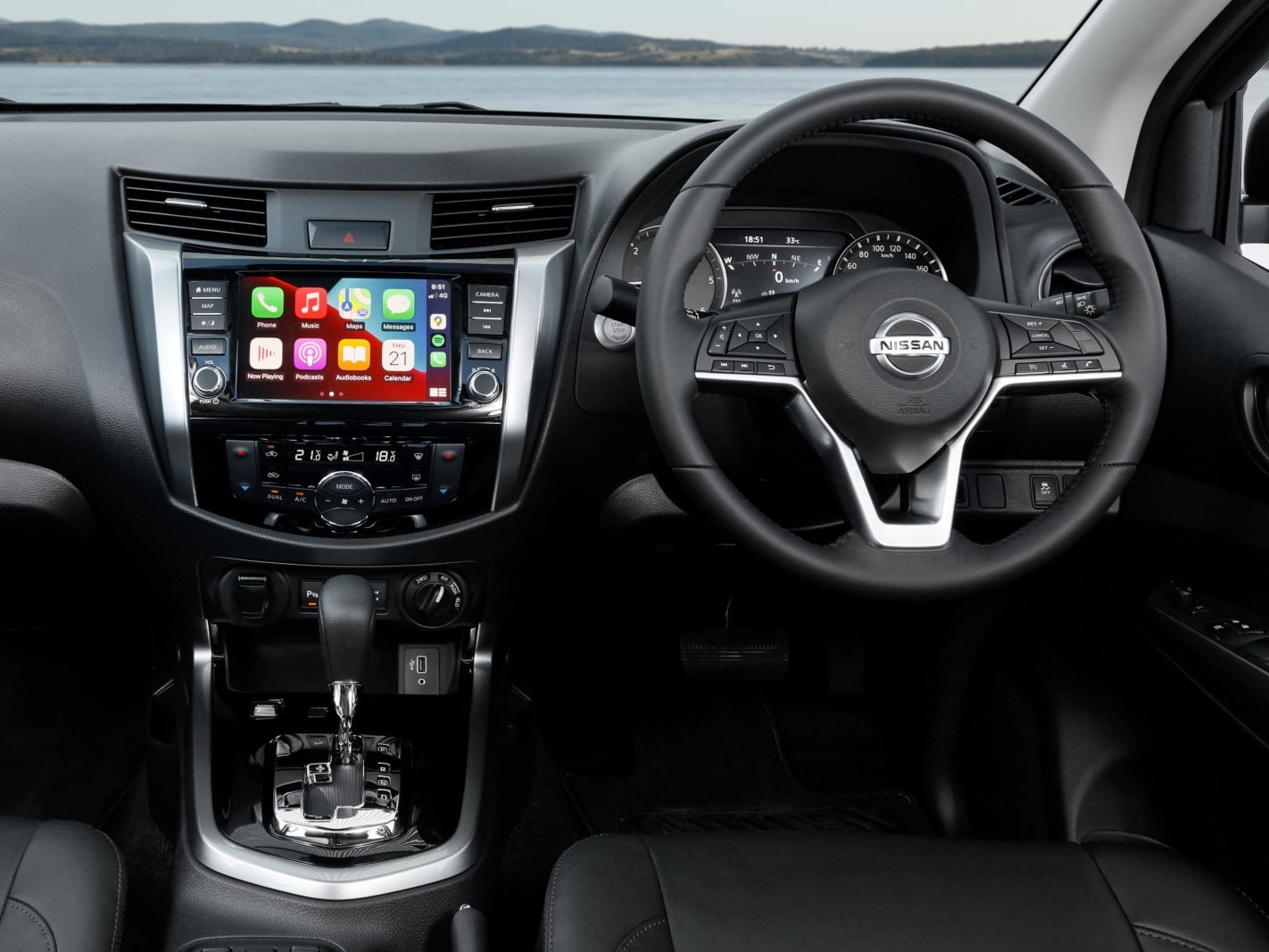
Updates are less striking on the inside, where the cabin is very familiar save for a more car-like steering wheel that feels more sporty and ergonomic, along with part-leather upholstered seats. The latter better suits shorter-bodied occupants who want to sit high and appreciate a more commercial vehicle position.
While some unchanged switches reveal the D23 Navara’s age, the large 8.0-inch central touchscreen, complemented by a generous 7.0-inch digital display between the driver’s dials, helps lift the interior for a more contemporary feel.
An off-road monitor is also now available through the central screen and effectively repurposes the 360-degree cameras to show various points about the vehicle when rock-hopping at up to 10km/h. It’s a useful feature and a clever use of existing hardware.
Practically speaking, the 2021 Navara is still a strong contender, even though it’s mechanically almost unchanged from the previous version.
Aside from a larger-diameter rear brake drum and strengthened rear axle, the Navara’s underpinnings carry over, including the choice of seven-speed automatic transmission or six-speed manual bolted to a 2.3-litre four-cylinder diesel.
Only the entry-level single-cab gets a single-turbo version while, with the update, more Navara variants are now treated to the beefier twin-turbo unit that packs 140kW and 450Nm, including all 4×4, king cab and dual cab versions.
Unloaded, the Navara is lively off the line, but the hard-working diesel only comes into its own when loaded up.
With a 325kg brick dumped in the tray, the Navara doesn’t break a sweat, with excellent acceleration and manners out on rural roads.
The slightly uprated braking system offers a firm, confident pedal with progressive feel, especially when loaded. With the load increased to include a combination of tray mass and a trailer totalling 1.1 tonnes, the transmission and engine combination is stoic, muscular and impressive.
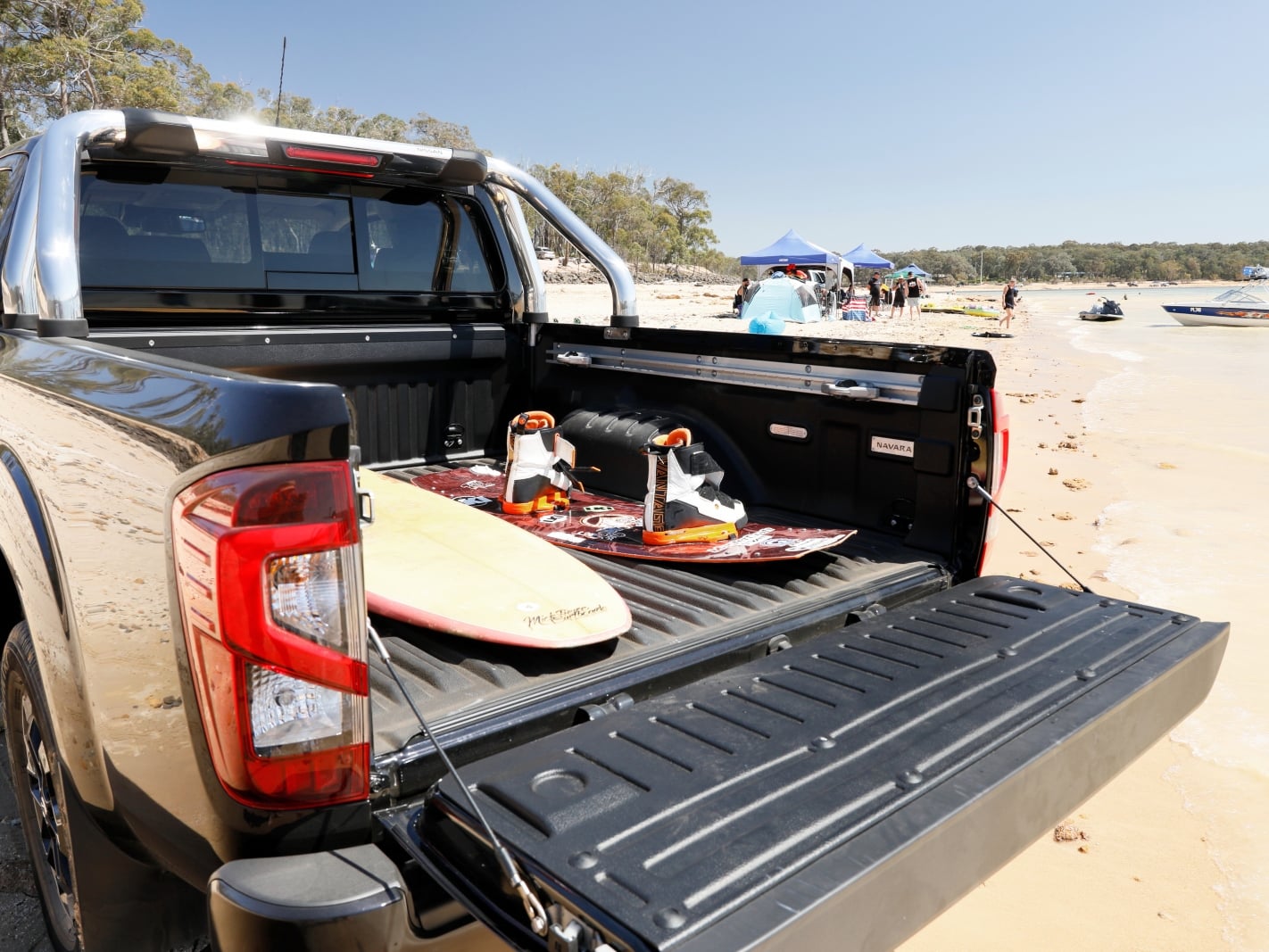
If a majority of the Navara’s freight will be on-board, its tray can accommodate now more stuff with a little extra space found during the update. All versions can accommodate at least one tonne in the back, which is an improvement on the previous ST-X’s 930kg max.
While a new towing mode included with the three-setting D-mode driving presets is particularly good, holding gears for less brake-punishing descents and easier ascents, we question the relevance of a Sport mode for a vehicle of this type.
There’s still an unpretentious amount of agricultural noise and rigidity through the Navara’s chassis, alluding to its tough construction, but a revision of sound insulation has added a a touch more refinement to the cabin – especially on faster roads.
Unfortunately, the rear-axle upgrade has not included another retune to try and crack the unloaded coil-spring ride comfort. While the unusual rear suspension layout does offer a degree more unloaded smoothness than some other more utilitarian, err, utes, it’s still not the best – despite a few attempts by Nissan’s chassis engineers.
Loaded however, the tail is well-behaved and stable, matching the Navara’s obedient and confident front end, which is surprisingly pointy and responsive for a one-tonner. If you’re not the most confident hauler of trailers or intend to drag things close to the braked-trailer limit of 3500kg, the update brings trailer sway control.
A decent amount of safety and driver assistance kit is also standard, including autonomous braking and seven airbags across the range, with the ST and above gaining extra features such as lane departure warning and assistance, and blind-spot monitoring.
ANCAP has awarded the Navara with the full five stars available for its crash safety ratings.
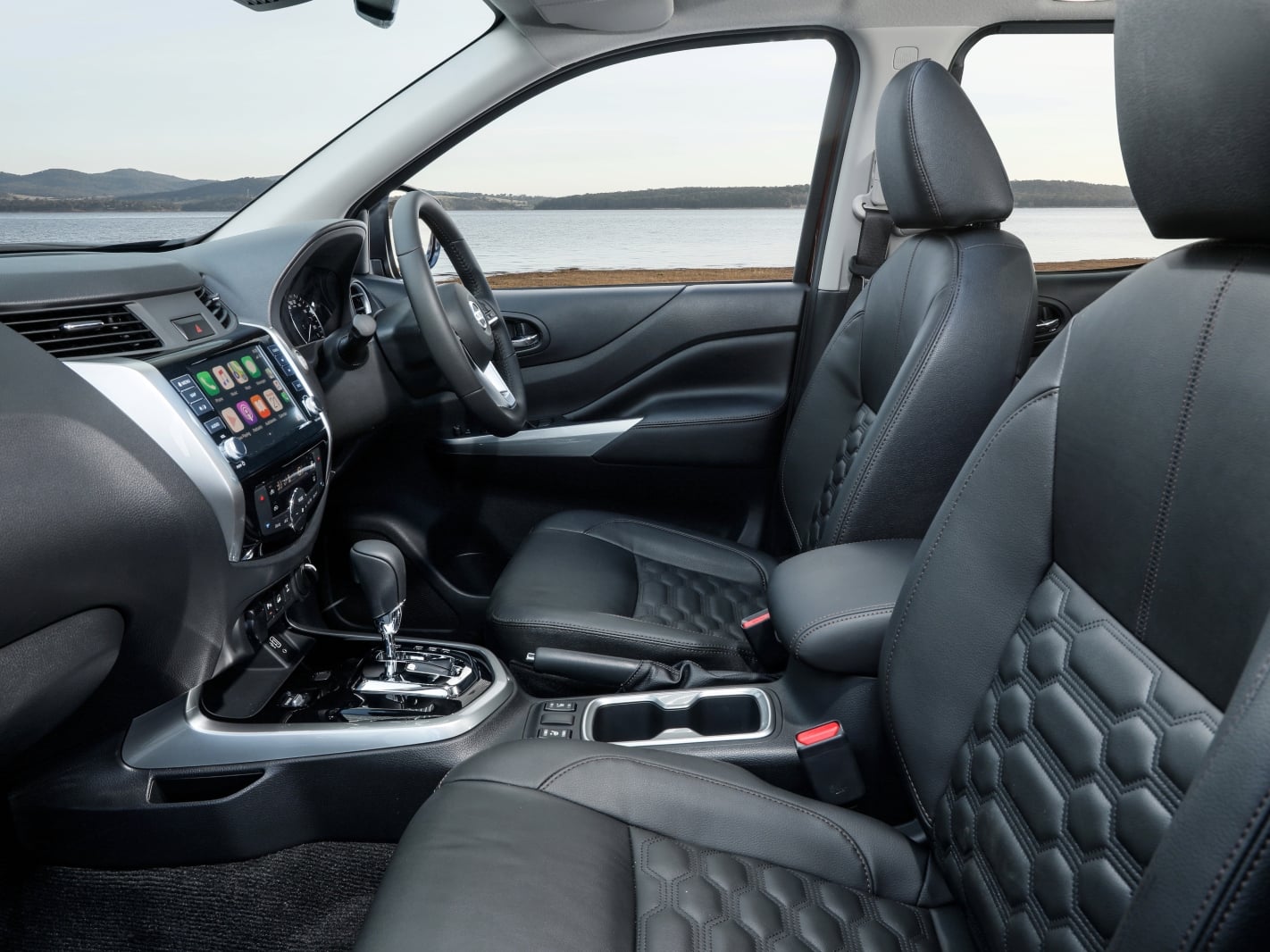
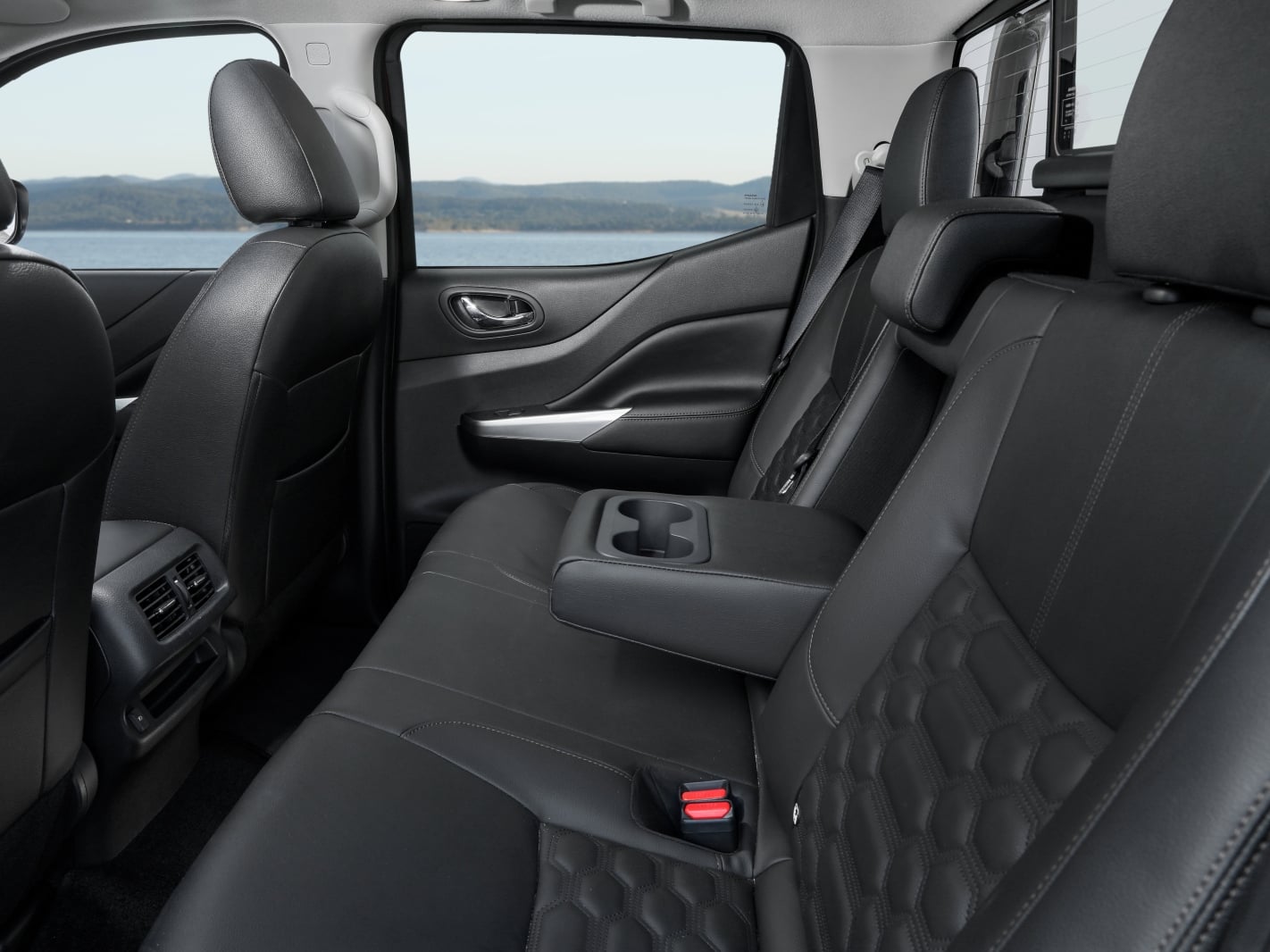
While front seat comfort is reasonable, with a decent number of comfort features including heated seats, the Navara cabin is on the smaller side compared with its rivals – and you can feel it in the second row.
Headspace is good, but an upright seatback and limited legroom for taller passengers would wear thin on longer journeys. Perhaps you can distract them for a while with the unique electric central rear window, for a chat with a kelpie in the tub?
Unfortunately, our first (or should that be second) encounter with the updated D23 Navara didn’t include any time away from the open road and, while a blast out of the city with a loaded tray and trailer in tow represented one likely scenario for the model, a significant chunk of its owners will be wanting to tackle some more challenging terrain.
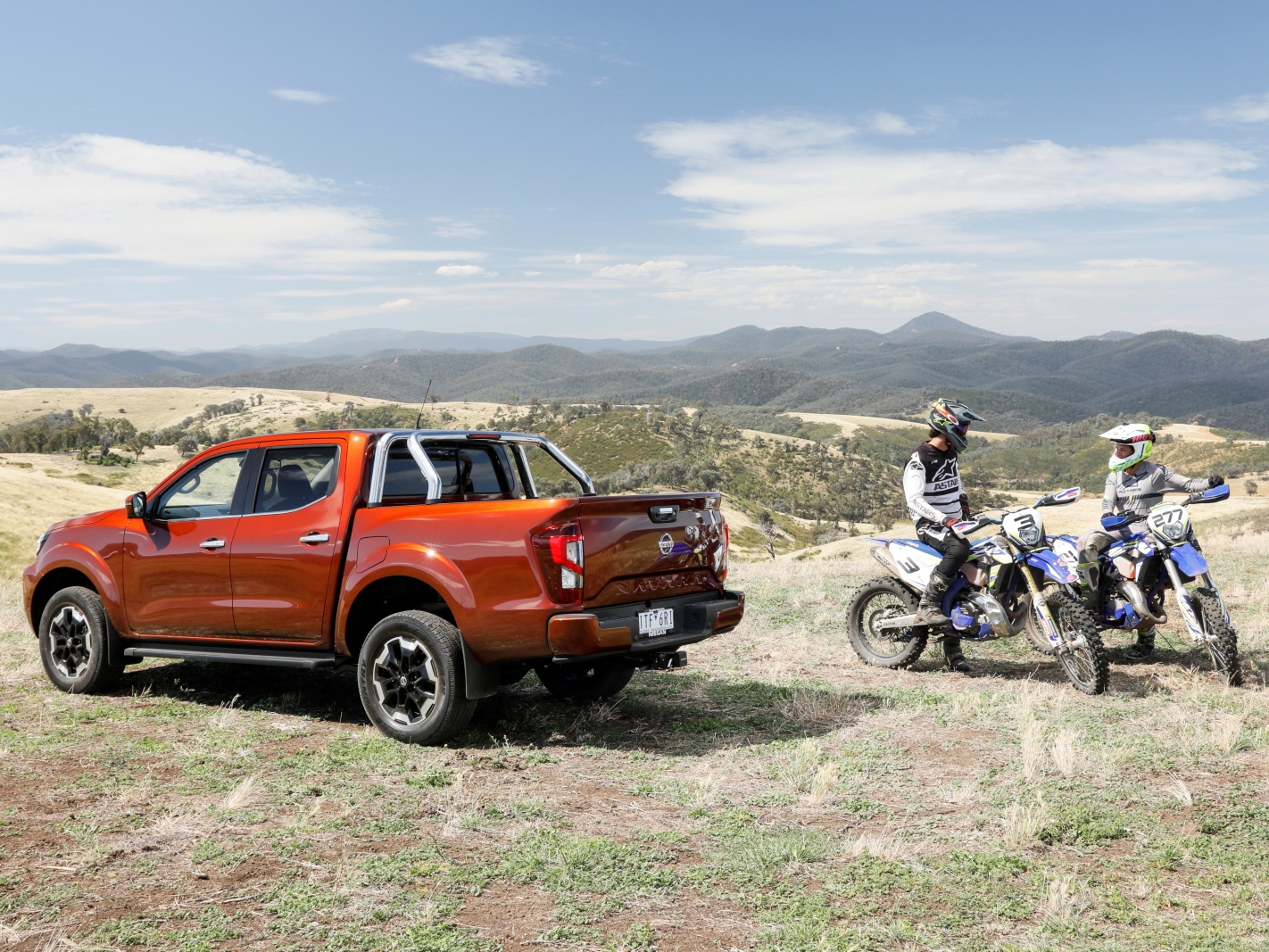
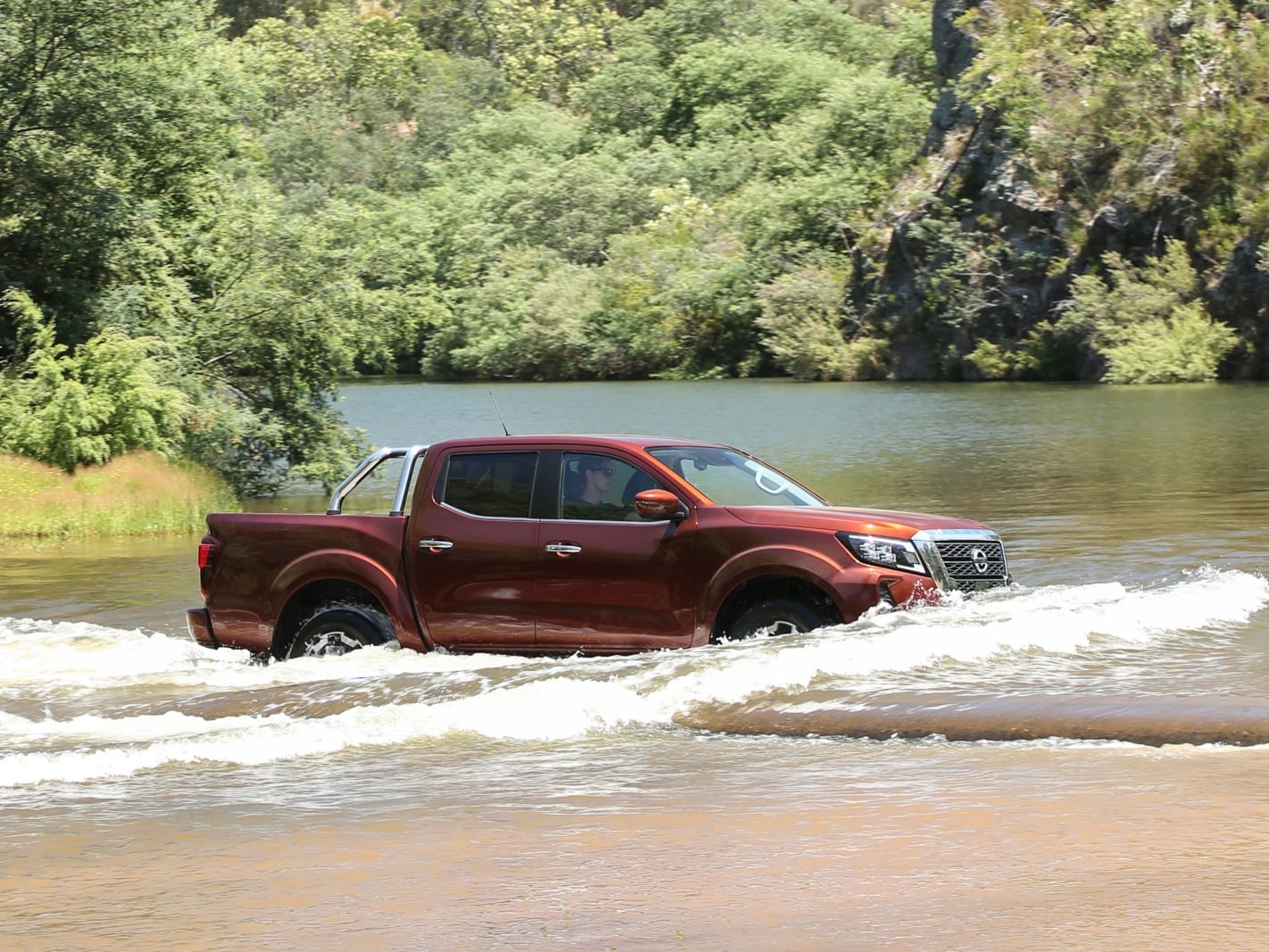
The good news is that there’s nothing about the update that should detrimentally impact its off-road prowess. In previous testing and comparisons, the Navara has not proven itself as class-leading, but it is still a competent and confident all-terrain performer.
Headlining its list of go-anywhere credentials is a rear locking differential which doesn’t disengage front traction control when activated, but off-road ability is limited by relatively short suspension travel and ground clearance when tackling the toughest stuff.
That said, we welcome any excuse to get back behind the wheel of the Navara and take it into the bush, looking for answers and the trail less travelled.
With a growing number of bargain-basement newcomer dual-cabs challenging the established long-standing models, the Navara cannot afford to falter or miss an opportunity to evolve and improve.
Capping off the Navara’s rich assortment of equipment, trail- and worksite-ready mechanicals, and a handsome exterior lift, is attractive range-wide driveaway pricing.
Kicking off from $47,990 for the SL dual-cab or $57,290 for the generously equipped ST-X equivalent, Nissan’s storied ute offers a compelling package and looks set to feature prominently in an Australian landscape for many years to come.
NOW WATCH Nissan’s mighty Navara N-Trek Warrior in the high country
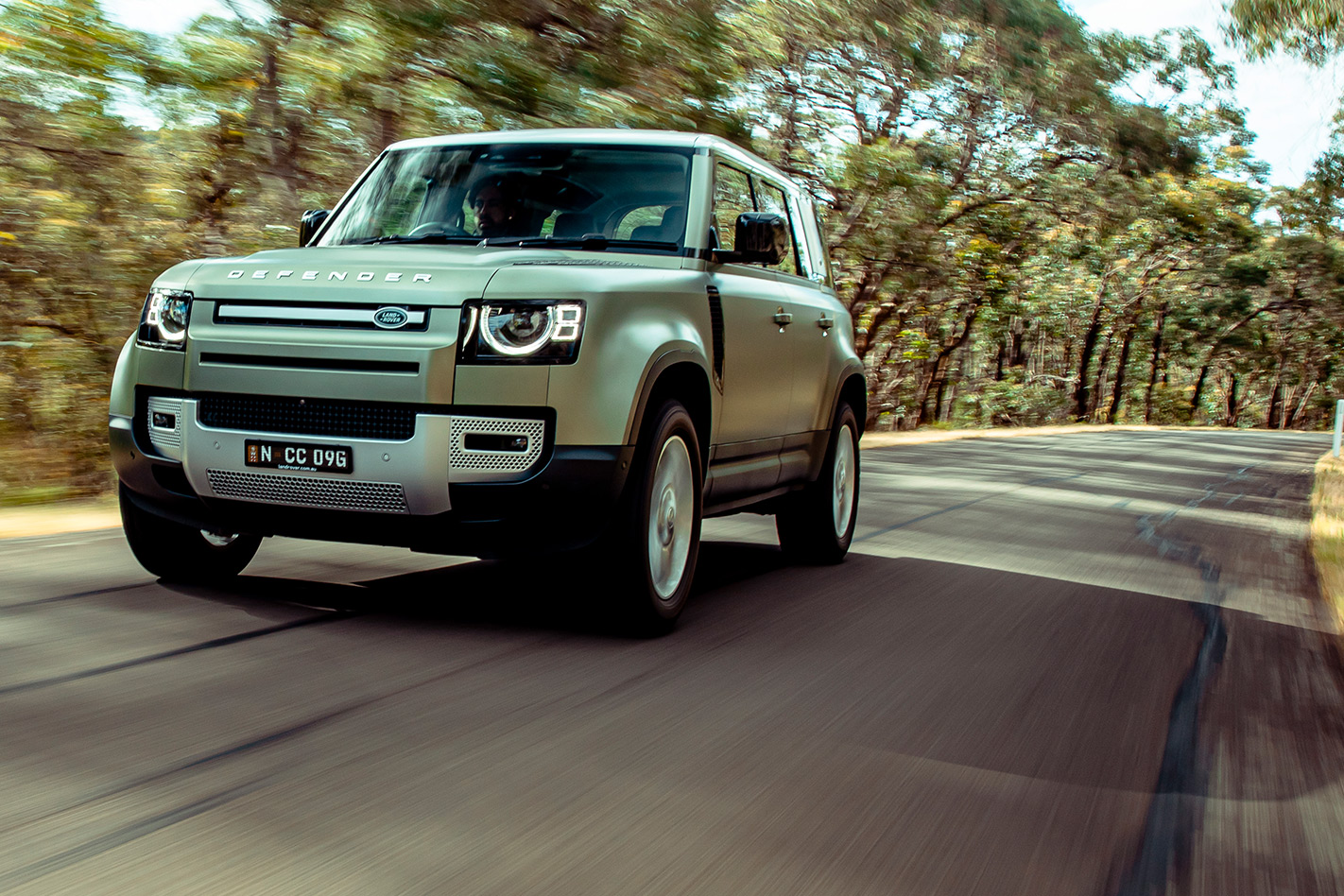
Jaguar Land Rover CEO Thierry Bollore has conceded the company is haemorrhaging more than 100,000 vehicles sales around the world each year due to quality issues.
“The dissatisfaction of our customers was really detrimental to our natural volume,” Bollore told Automotive News.
“The missed opportunities today are massive. It’s more than 100,000 healthy sales that we could perform.”
Both Jaguar and Land Rover were among the five worst-performing brands in the most recent JD Power satisfaction rankings in the United States and didn’t even figure in the top 26 of the 2020 Consumer Reports vehicle reliability survey.
However, Bollore claimed his efforts to improve quality across the Jaguar and Land Rover vehicle ranges were starting to bear fruit.
“We are reducing the complexity of our vehicles massively, he said.
“The result will be fewer things going wrong because the process will not be as complex.”
A sign that his efforts appear to be working can be seen with a reduction in the cost of warranty repairs, which between March and December in 2020 averaged about US$680 (A$870); about half the average cost during the period in 2019.
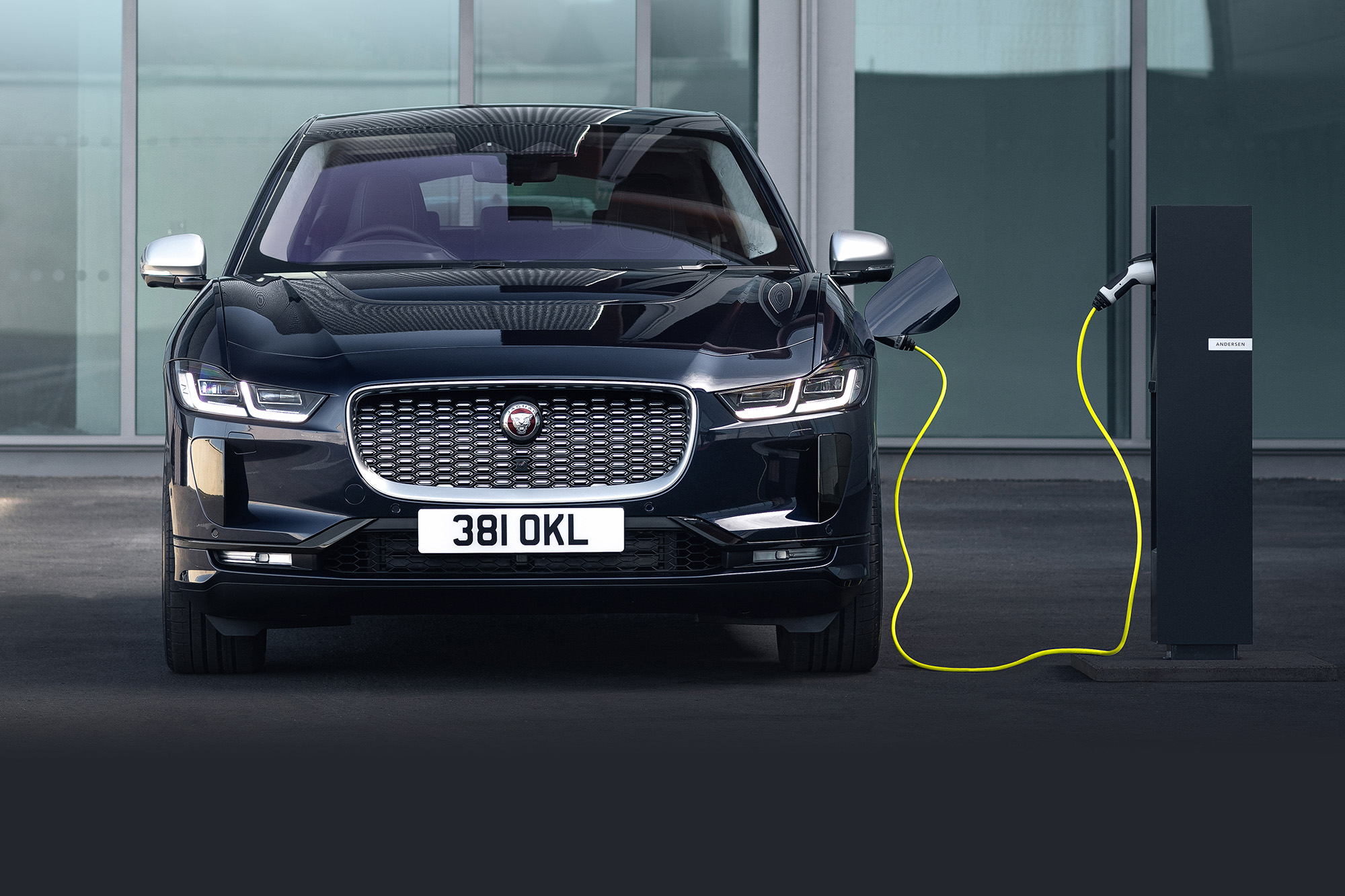
Bollore said it was important to improve perceptions about the quality of JLR vehicles during the next few years as it strives to focus on upmarket EVs from 2025.
That means appealing to future-focused, tech-interested buyers that might otherwise look to pioneering electric-only brands like Tesla and Rivian.
He recently announced the first all-electric Land Rover model will debut in 2024 as part of a combined ICE/EV line-up, while Jaguar will prioritise a dedicated electric platform.
As part of that move, the next-generation XJ large luxury sedan has been scrapped, though Bollore hasn’t ruled out a return for the legendary badge in EV form.
What is the Hyundai i30 Sedan N Line Premium?
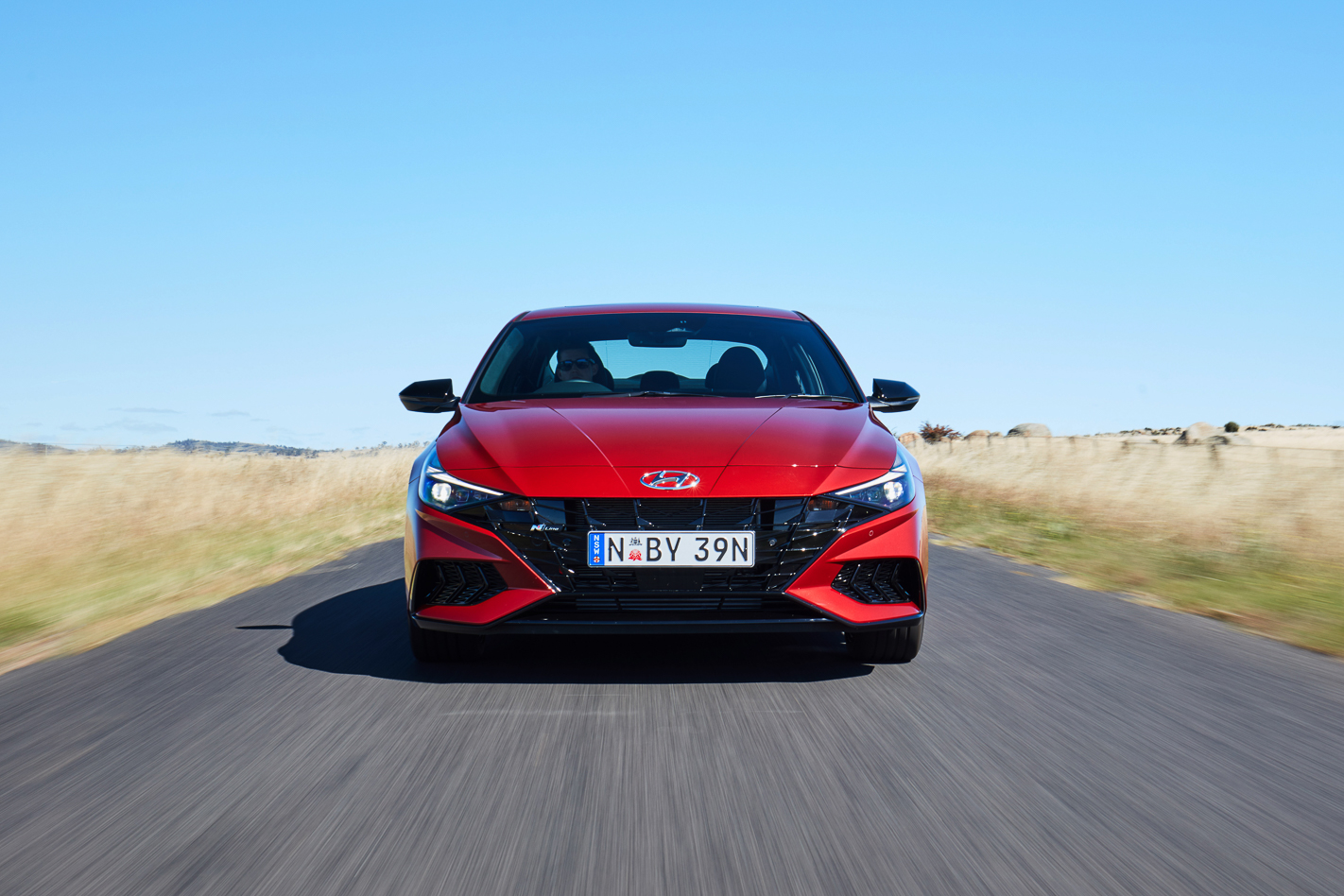
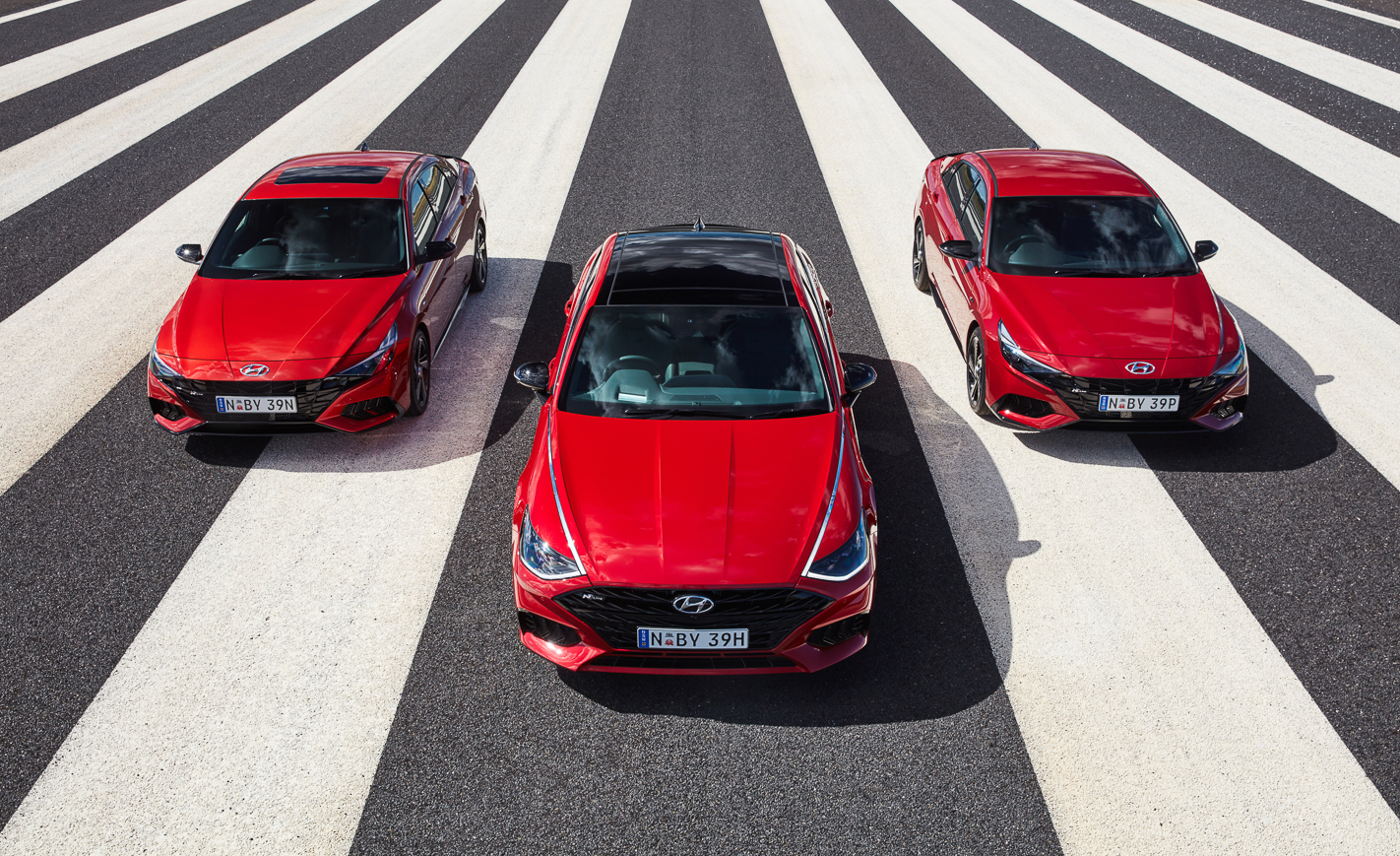
Hyundai is out to make small sedans sexy and the new i30 Sedan N Line Premium is the figurehead charged with pulling your heartstrings the hardest.
With its ‘unfold macramé’ sheetmetal and achingly stylised cabin design, the regular i30 Sedan’s late-2020 arrival has already given its competent if dowdy Elantra predecessor a swift shove the way of obscurity. Foreign markets persist with old nomenclature for what’s a considerably reimagined ‘CN7’ four-door proposition in style and vibe, if still humbly competent and with a somewhat dowdy naturally aspirated, torsion beam-suspended package under its attention-grabbing skin.
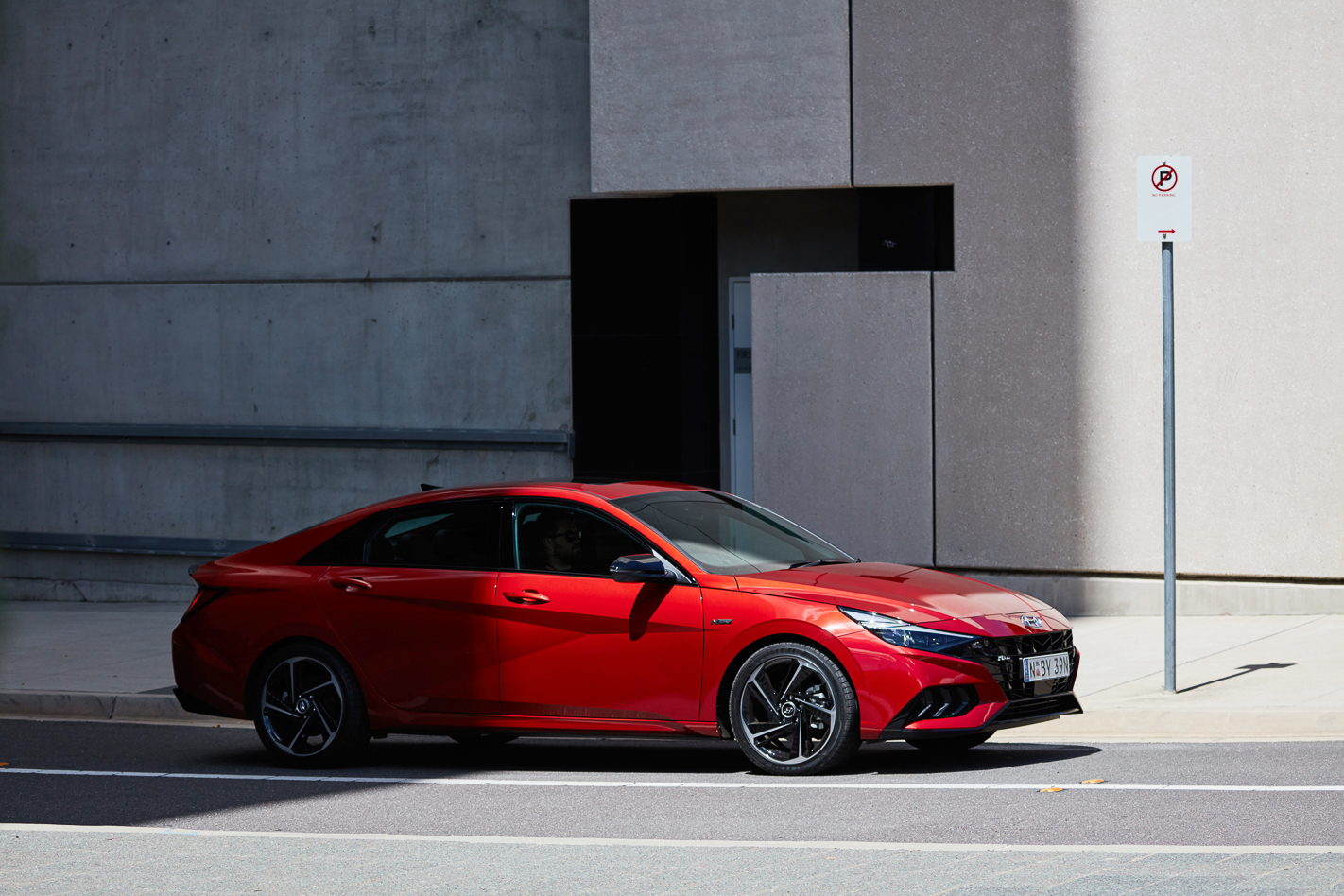
Enter the sport-infused N Line, turbocharged and multilinked, in your choice of manual or dual-clutch base or exclusively self-shifting Premium specifications. The latter carries the torch for optimum performance and luxury for now, until the properly stove-hot N arrives later this year. It’s hit the ground running – if not necessarily sprinting – outselling the regular Active and Elite in its first two months on sale.
Hyundai Australia wanted the i30 Sedan badly enough that the local market’s right-hand-drive CN7 is exclusive to us. That’s before you account for the considerable effort the technically unique N Line versions demand to get right, not just against their bread-and-butter Sedan kin but compared with the i30 Hatchback N Line that bears little resemblance to its logical four-door alternative outside, inside or under their distinctly different facades.
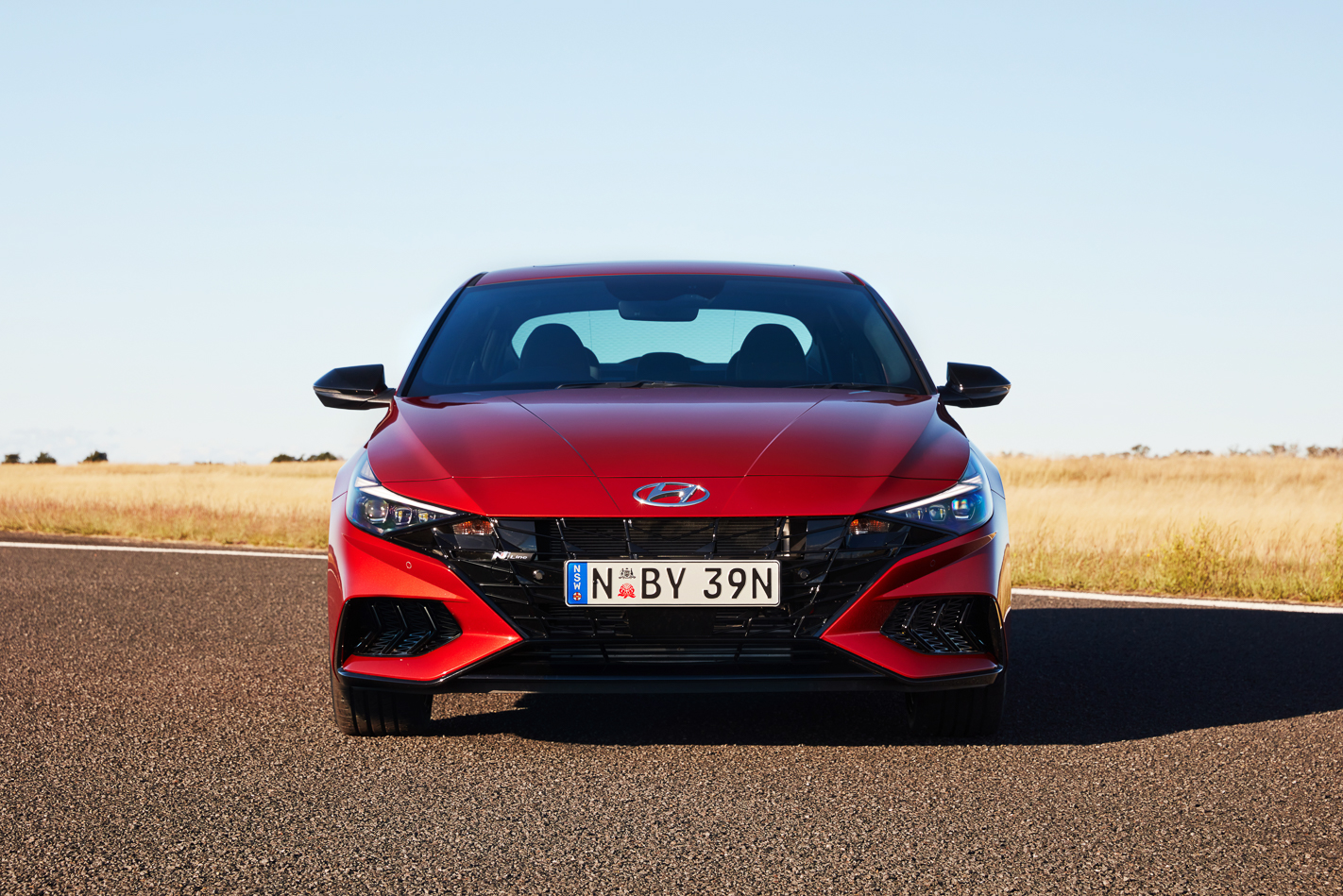
Compared with the Korean-sourced ‘PD4’ hatch offered in Australia, the CN7 has a newer-generation K3 platform and an entirely different SmartStream engine. Wrap that in an inimitable package flaunting a more adventurous New Hyundai vibe, in everything from driver’s screen format to switchgear, and clearly the warmed-over sedan is not merely an N Line Hatch with more length and a square bum. Nor, obviously, is it Elantra – as Aussies have known it – draped in leisurewear.
While it’s warm and fuzzy that Hyundai Australia is keen to maintain richness in range diversity, the Sedan N Line will need some substance behind its somewhat flamboyant pitch to lure even brand devotees away from opting for the popular five-door or the recently launched Kona N Line small SUV.
Price and Value
The N Line Premium is, at $37,290 before on-roads, the flagship of the six-variant i30 Sedan range that kicks off at $24,790 list for the manual Active. A fair spread then, but from bottom to top the i30 four-door varies significantly in powertrain, chassis and equipment.
Too rich? The regular, non-Premium N Line takes a five-grand haircut ($32,290 list) in dual-clutch form, dropping a further two grand for six-speed-manual ($30,290 list), which is the only conventional cog-swapper of the trio.
In Hyundai’s blossoming N Line fold, there are other options at a sideways gaze. The new Kona minted in an N Line Premium formula ups the outlay to $42,400 list if you fancy all-paw traction with its SUV format. Meanwhile, the recently updated i30 Hatch N Line is offered a choice of manual ($34,220 list) and dual-clutch ($36,220 list) transmissions in Premium trim, though key technical spec – engine, platform – isn’t shared with its four-door kin.
As it extends its reach across more Hyundai model lines, the N Line effect is solidifying itself as less a warmed-over sporting gloss and more of an all-round bells-and-whistles format for the high-grade stuff. In the small-segment ranges, opting for N Line steps up from natural aspiration to turbocharging and from torsion beam to fully independent suspension. More spirited, yes, but N Line and flagship N Line Premium increasingly pitches a range’s highest levels of equipment, luxury and, to some extent, comfort.
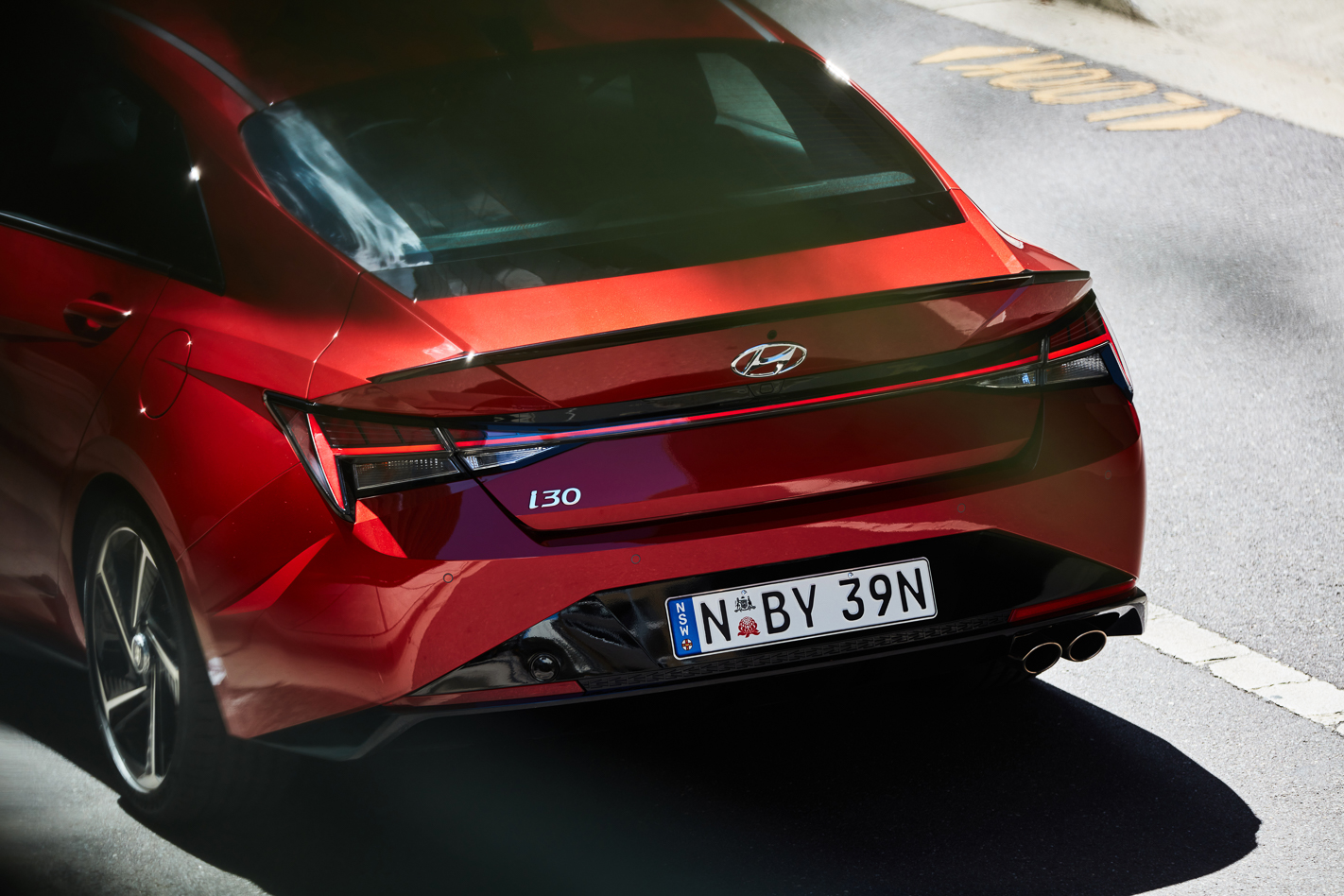
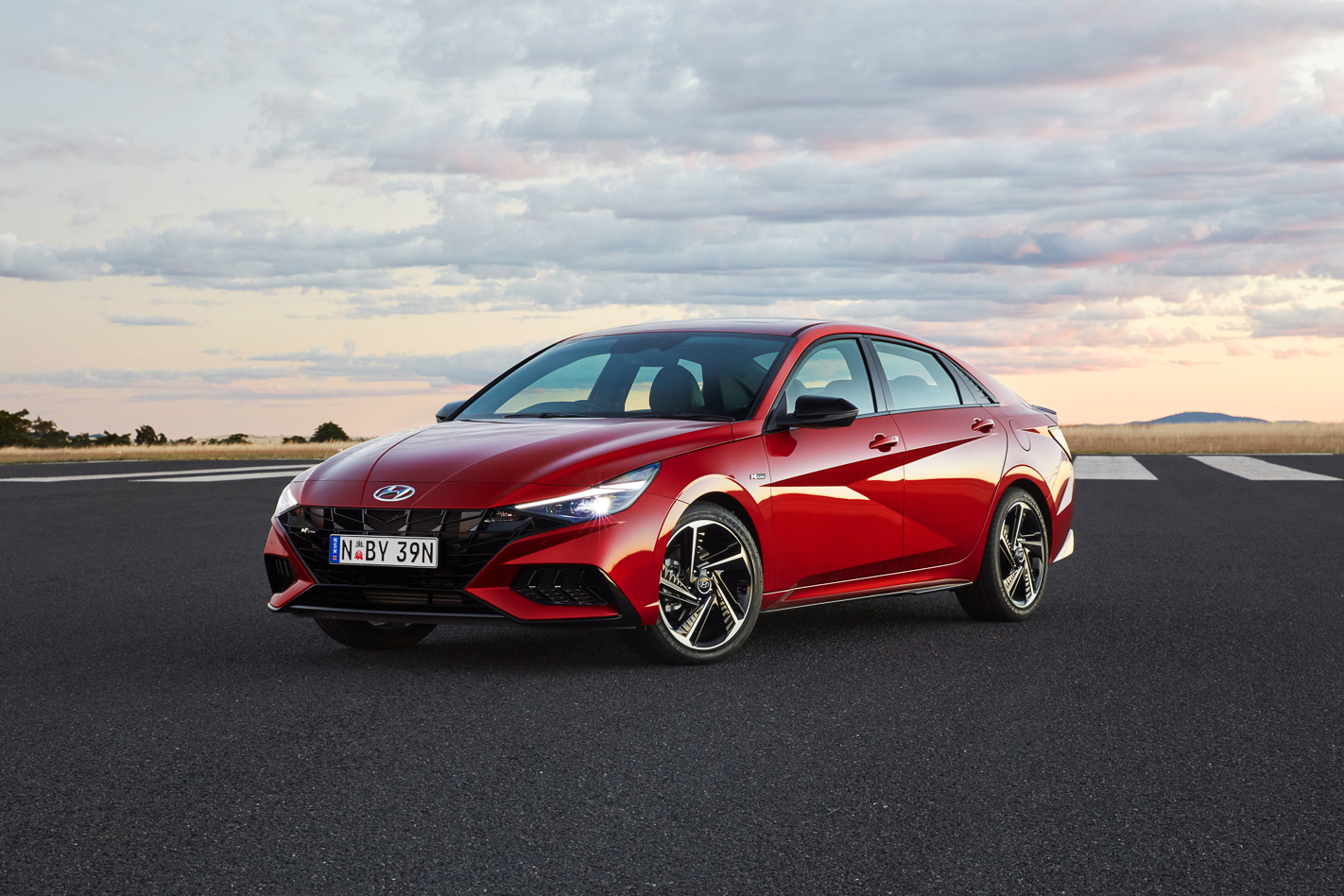
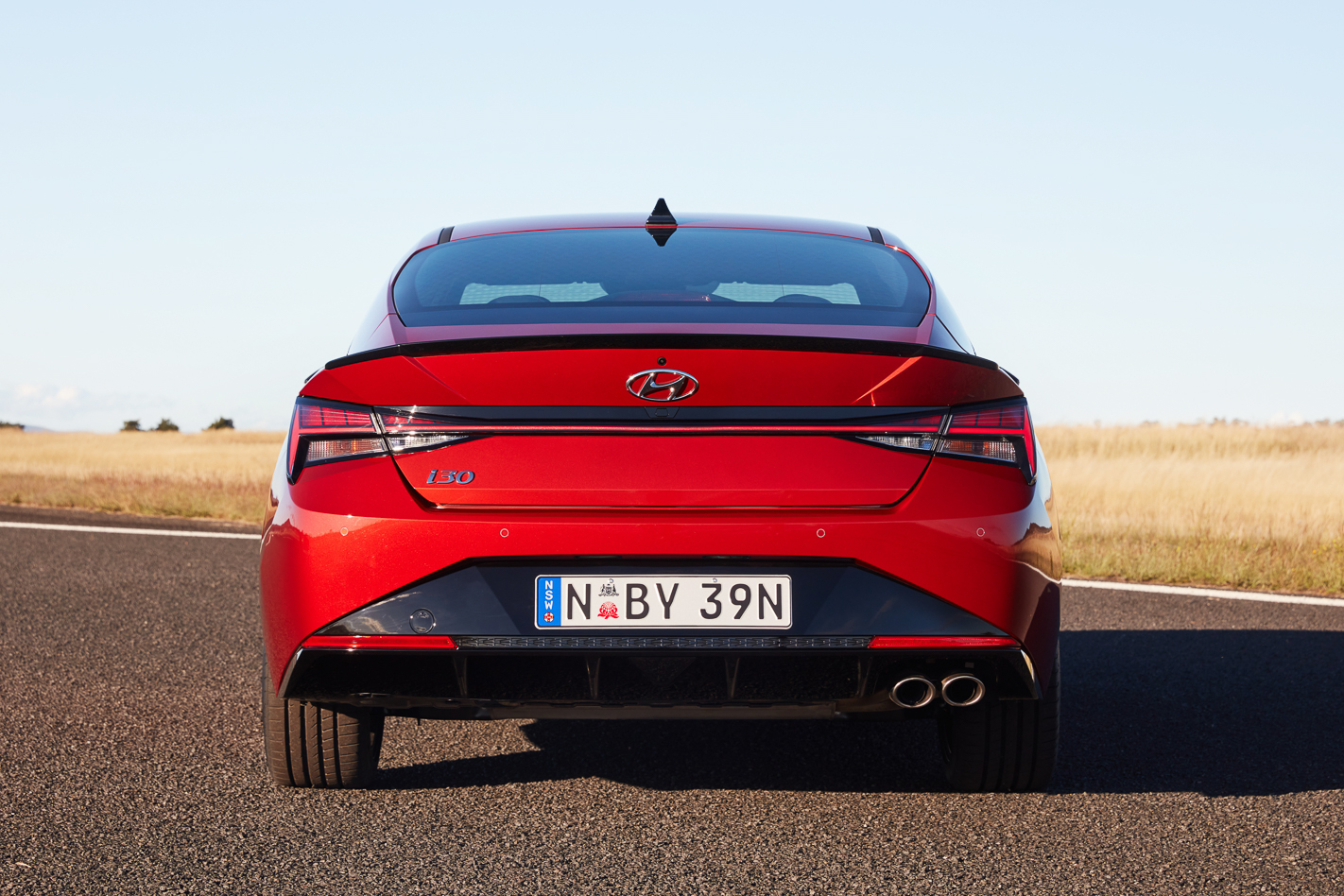
The i30 Sedan applies an N Line formula similar to that found in Hatch and Kona. It fits larger 18-inch wheels, 25mm-larger 305mm front brakes, distinctive exterior front and rear styling, dual exhaust outlets and blackout highlights. Interestingly, though, the four-door fits 245mm Goodyear rubber, whereas it’s Michelin (Hatch) and Continental (Kona) rubber for other small-stature N Lines.
Worth noting is that opting for N Line Premium as tested here doesn’t bestow hotter or sportier equipment. The extra five-grand investment for the flagship is entirely compensated for in creature comforts.
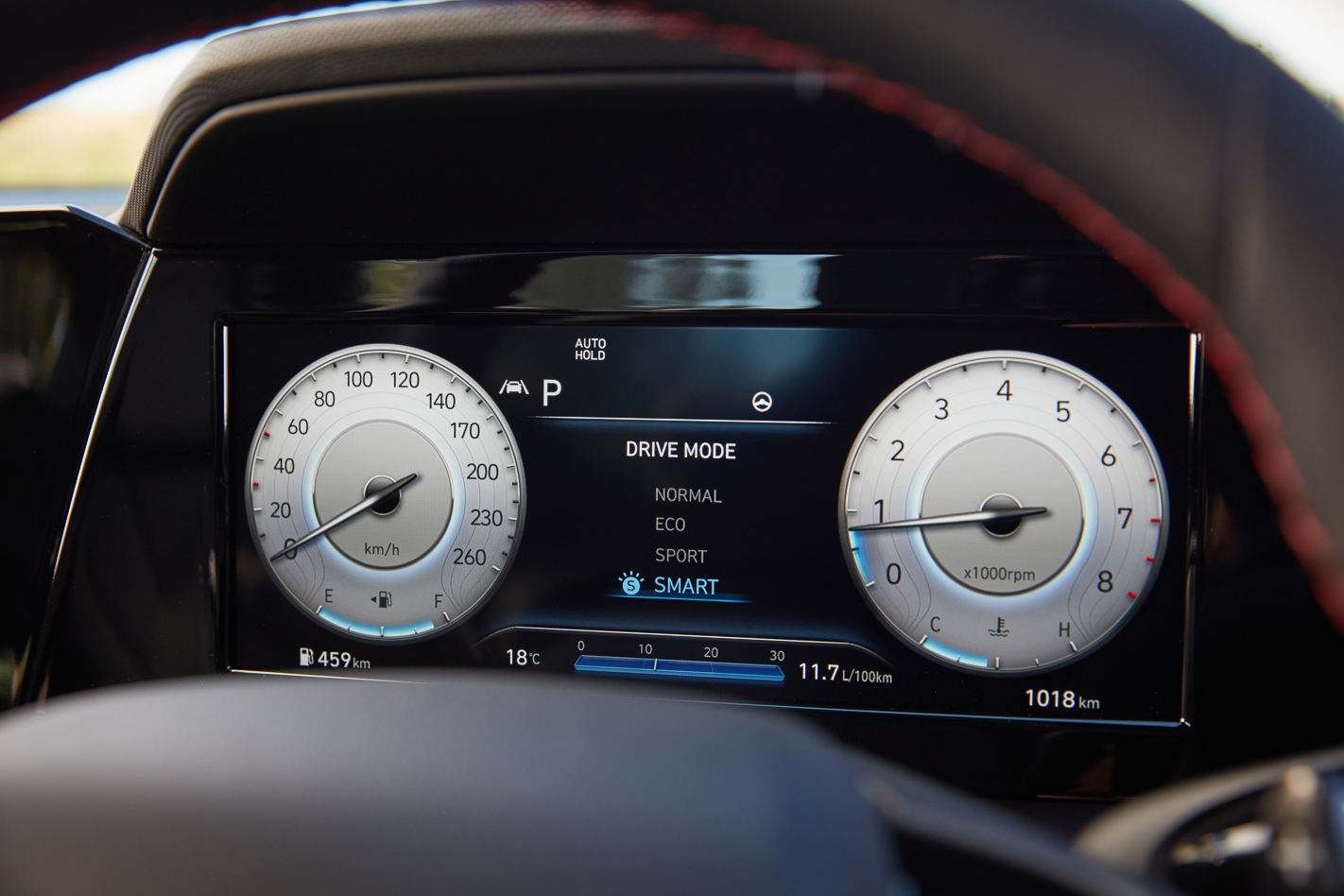
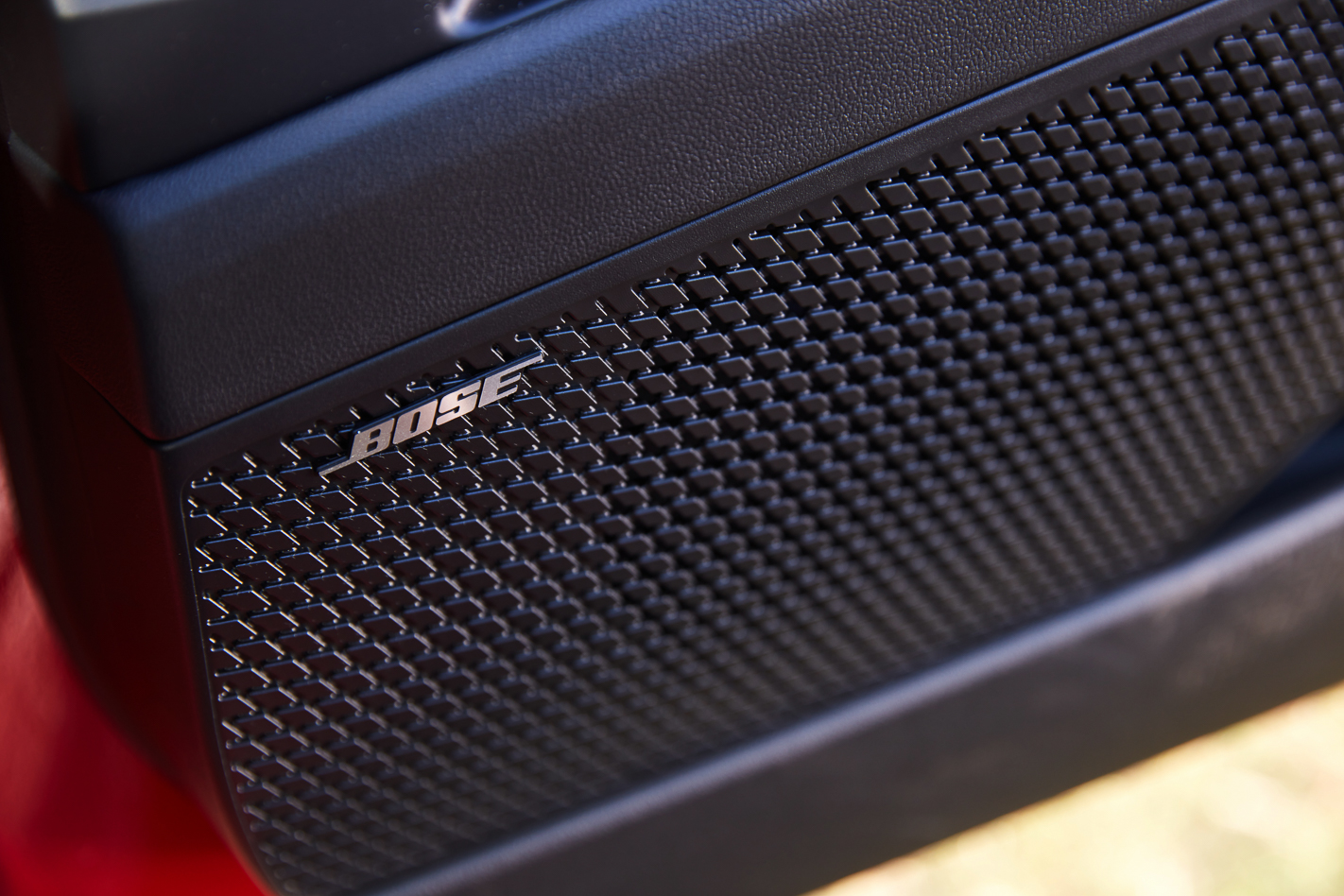
The Premium goodies include the dual 10.25-inch digital instrument and infotainment touchscreen combination, proprietary sat-nav, Bose audio, DAB+ radio, 10-way driver’s seat adjustment, front seat heating and cooling, a tilt and sliding glass roof, front parking sensors and subtleties such as LED ambient lighting and an auto-dimming mirror.
You also get full exterior LED lighting, N Line specific seats with partial leather trim, an N Line wheel and shifter trim, dual-zone climate control, adaptive cruise control, Apple CarPlay and Android Auto connectivity, wireless phone charging and the expected stuff such as reversing camera, rear sensors and rain-sensing wipers all featured on the regular N Line versions.
Frankly, digital window dressing and glass roof apart, it’s tough to argue that the regular N Line doesn’t pitch value a little harder, particularly if you’re in it for primarily for the driving experience.
Living with the Hyundai i30 Sedan N Line Premium
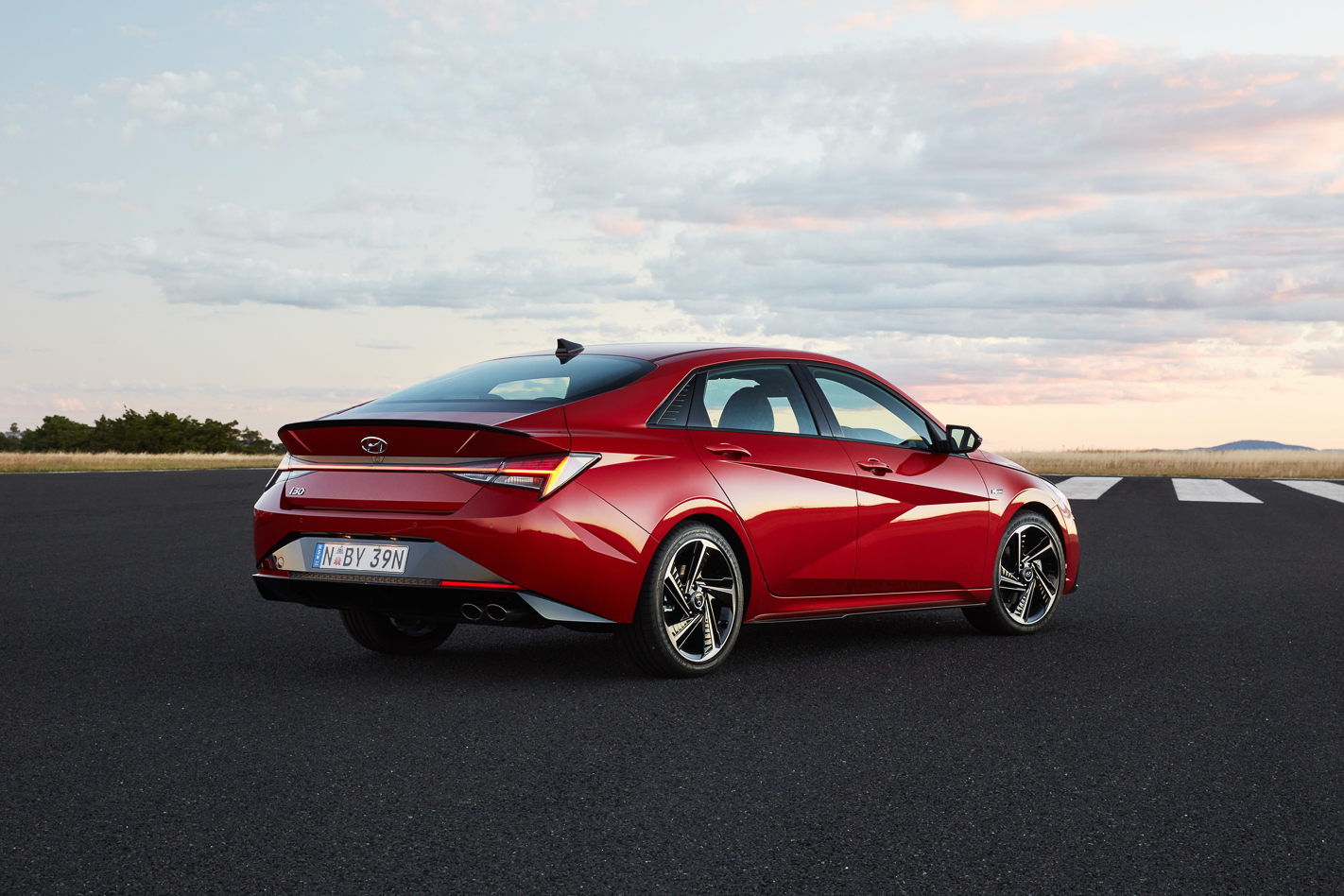
In conspicuously creased metal, glass and plastic, the i30 Sedan N Line is striking, borderline fussy and carves out genuine presence on the road. More interesting than handsome, perhaps, and it’s certainly easier on the eye viewed from some angles than others, but it certainly has more impact than its forebears and is at its most fetching when finished in a bold colour.
There’s also a fair argument that, as the roofline slopes in a fairly clean arc beyond the B pillar to the trailing edge of the fetching concave tail, it’s a four-door coupe.
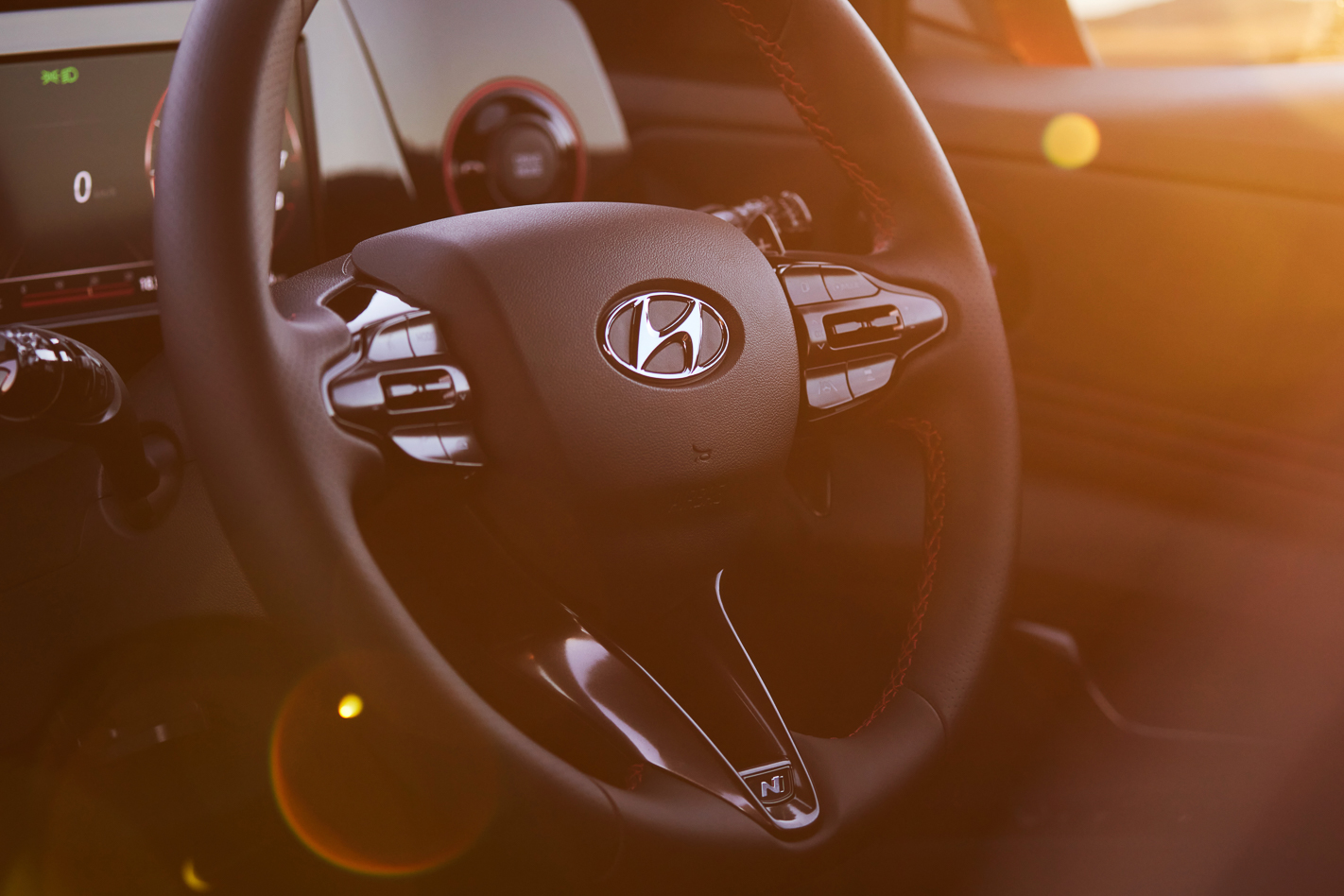
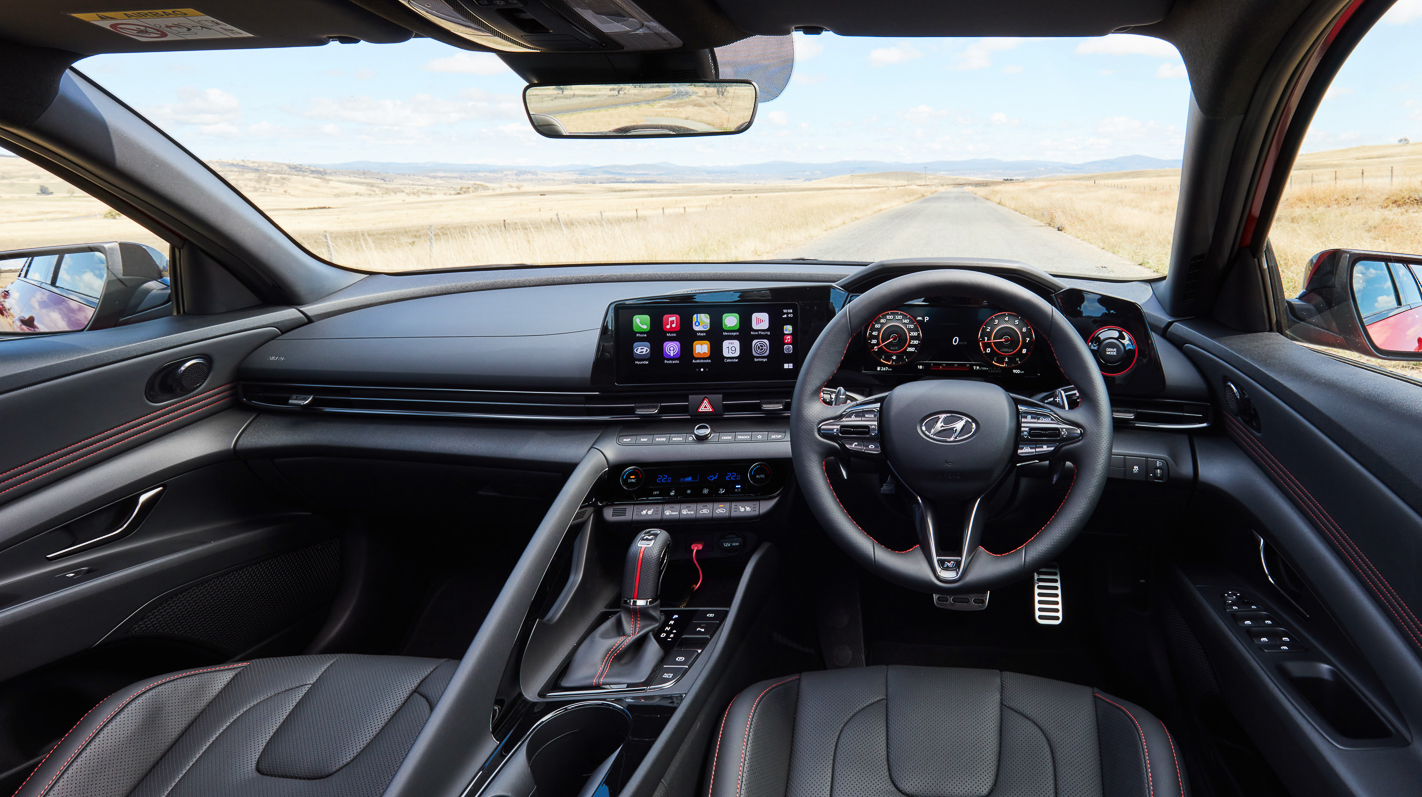
The cabin is bold if somewhat more restrained than the adventurous fit-outs found further down the i30 Sedan range, where the stylised four-spoke wheel and colour combinations look inspired – if somewhat conspicuously lifted – from the book of, ahem, Genesis.
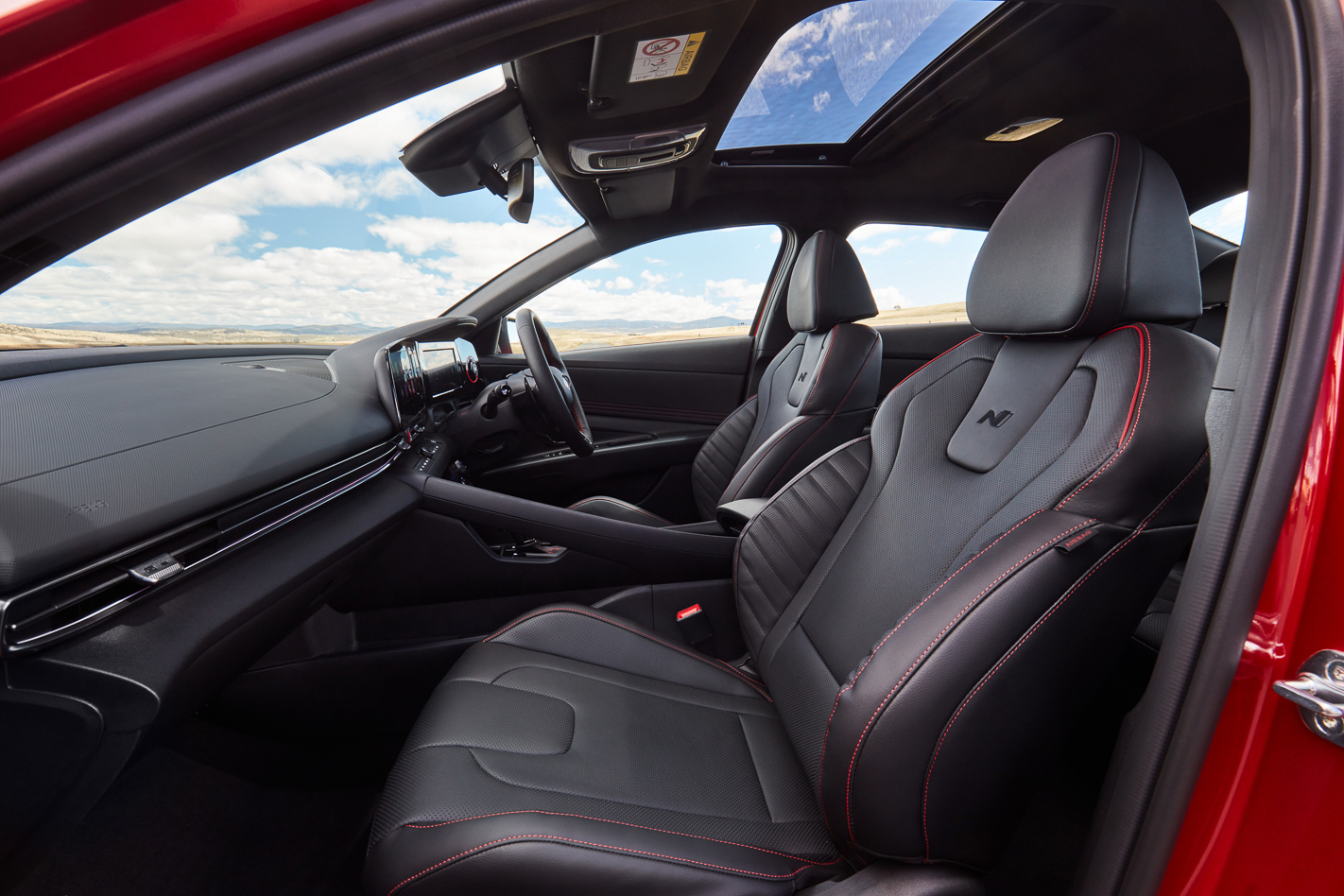
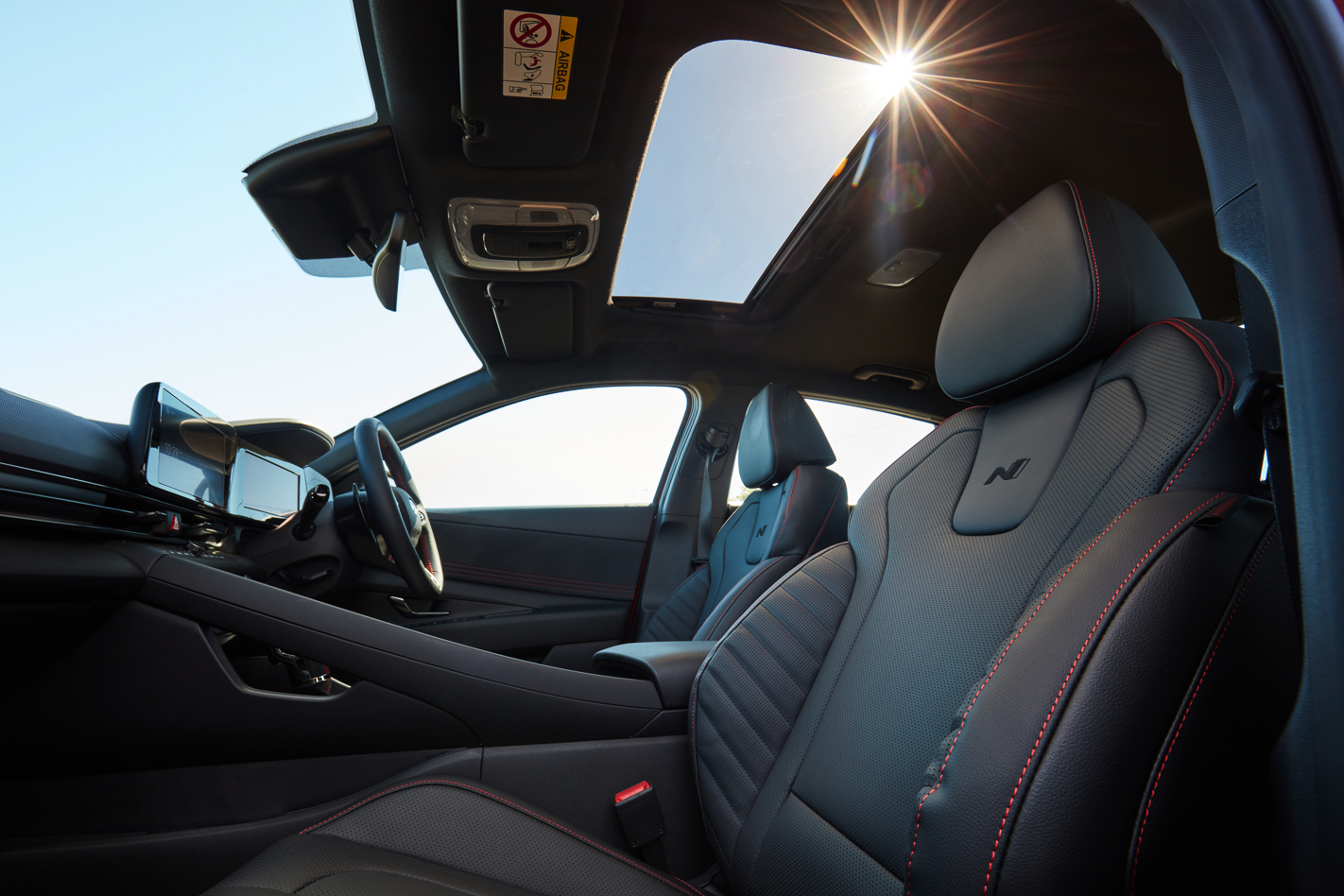
It’s a darker and broodier take, with a neat three-spoke paddle-shifter wheel, thick-bolster seating and predictably sporty red-stitched flourishes, tempering an interior that remains quite radical for a mainstream sedan, lifts liberally from the contemporary premium European design book and somehow gets away with it with confidence. It’s nothing like the convention found in an i30 Hatch, for better or worse.
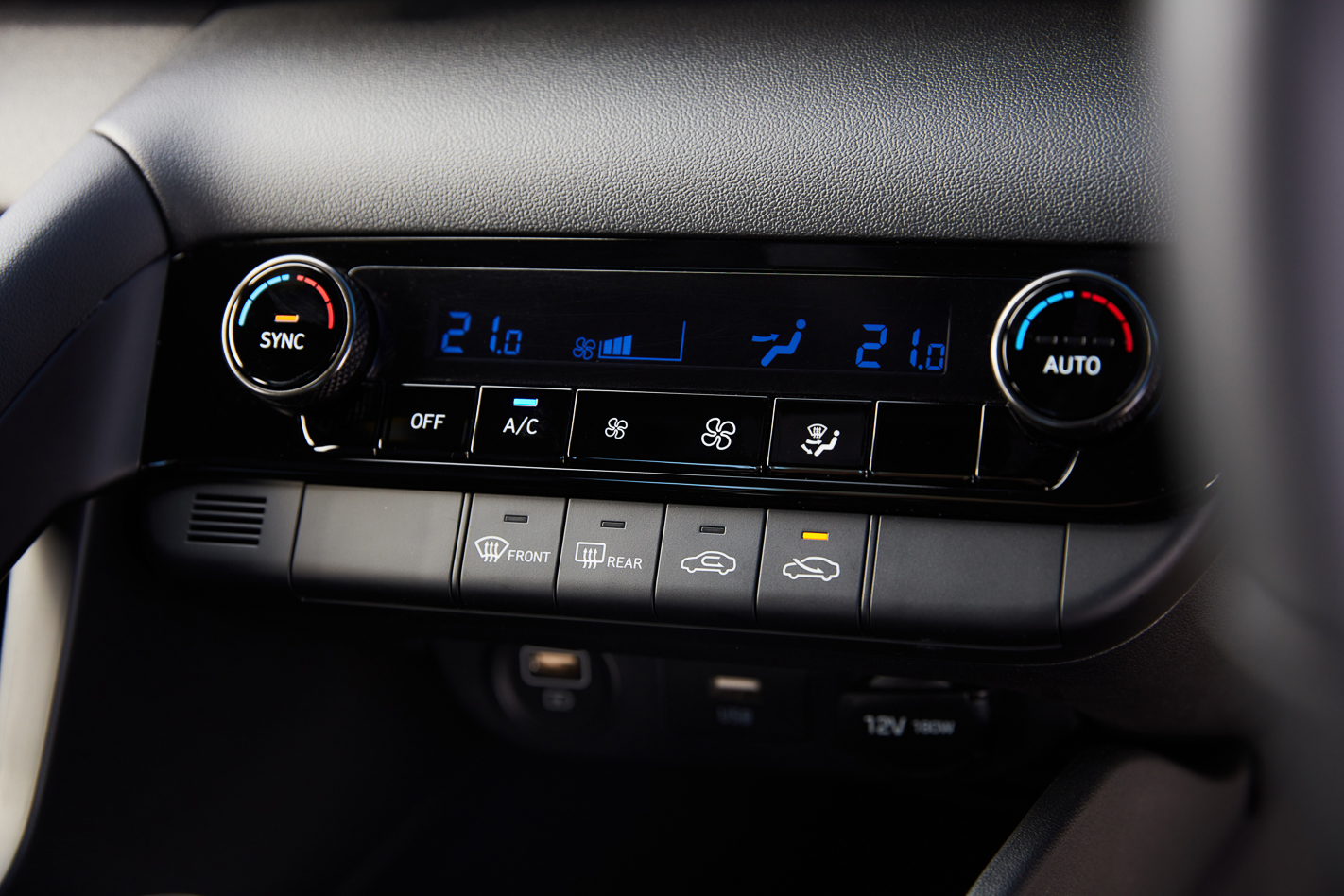
That overt ‘wraparound driver’ theme is the cabin showpiece, accentuated by orienting the dual 10.25-inch displays towards the driver’s seat. It brings a lot of ‘gee-whiz’ factor but the manner in which it almost cocoons the driver pretty much ostracizes the front passenger from practicable access to air-con adjustment, infotainment control and even cup-holder access. It not so selfishly arranged to the point of dysfunction, just a bit impractical.
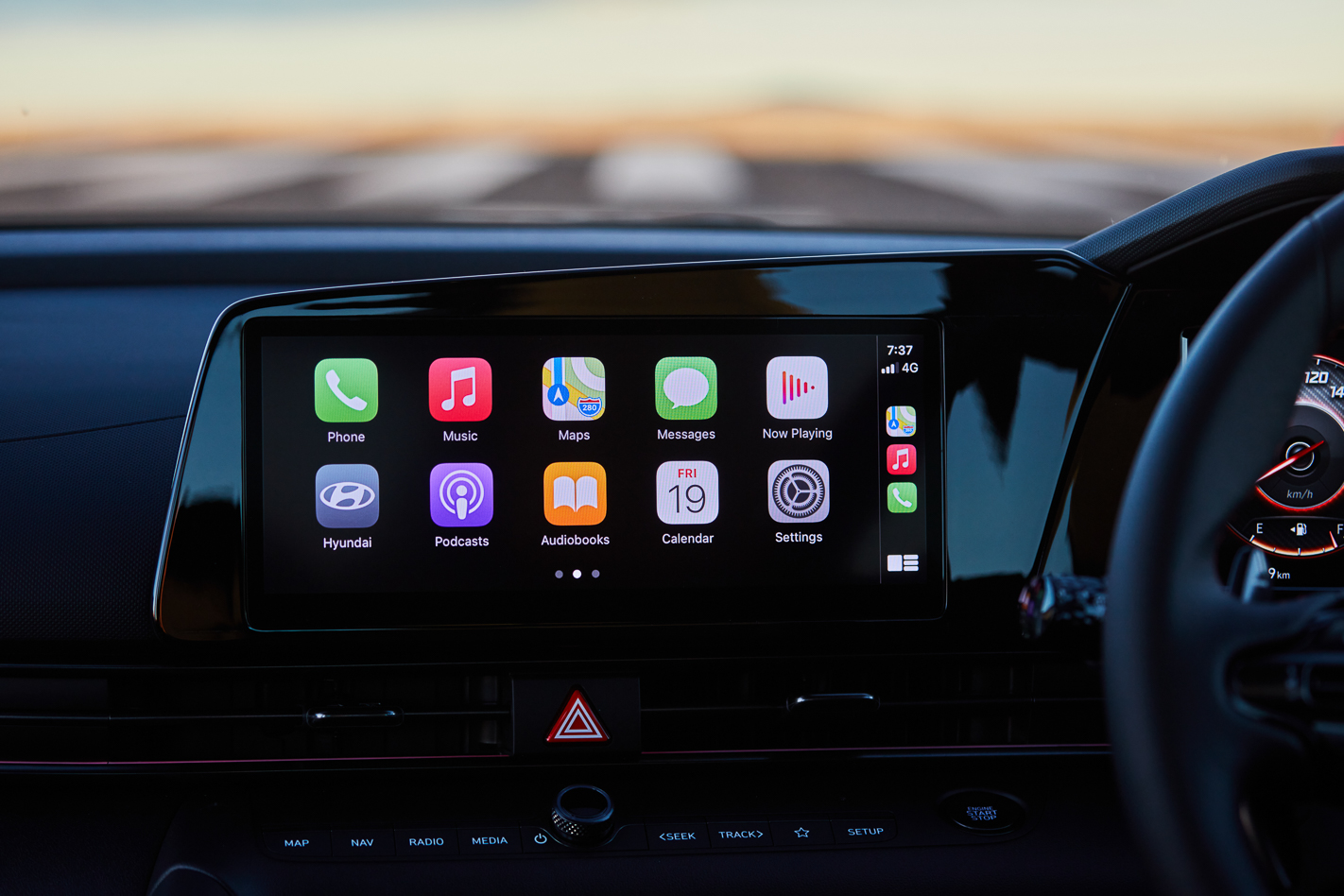
Both of the display screens are richly satisfying, the driver’s instrumentation bringing an array of clearly Euro-inspired skins than alter their appearance in tandem with drive mode switches. The Premium’s larger 10.25-inch infotainment system – regular N Line gets 8.0-inch – is sharp and crisp if lumbered a little by a slightly complex submenu system that’s distracting to use and demands a bit of hunting around for simple operations, such audio tone adjustment. The gimmicky Sounds Of Nature ambience effects are tucked away inside, if you ever have the misfortune to stumble across them…
Execution is mostly good, with lots of texture variation, decent quality to the controls and a nice sense of solidity for a mainstream offering. Letting the team down, though, is the quality of the seat trim fitment, with unsightly waves and creases along the stitched edges. The seating itself is excellent, with supportive cushioning and ample lateral support from the thick side bolsters, the only leather-trimmed surface across the seat face.
The roominess in row two is excellent. Hyundai claims the i30 Sedan offers 58mm more legroom than its forebear and the new platform affords between 20mm- and 25mm-lower seating. The upshot is rear accommodation is as spacious as you might expect in a mid-sized sedan and it’s vastly roomier than the cramped second row of a Kona N Line … if you’re interested in cross-shopping the two stablemates with a view to practicality. Rear air-vents are a decent inclusion, but the absence of rear USB ports and 12-volts outlets in a flagship variant is a glaring oversight.
Further bolstering the i30 Sedan’s family friendliness is the boot space, measuring a generous 474 litres – over 100 litres more than Kona, over 75 litres more than Hatch – thanks to sizeable width and depth.
For genuine usability among the small-stature N Line crop, it certainly seems as though the four-door wins out in practicality stakes.
Engine, transmission and driveline
It’s easy to presume that the 1.6-litre turbocharged four is the same unit as a Hatch N Line, given the common 150kW (at 6000rpm) and 265kW (1500rpm through to 4500rpm) output stats. They’re not the same engines.
The i30 Sedan N Line debuts the new SmartStream G1.6T-GDi, as it’s designated. It’s slightly larger in capacity (1598cc plays 1591cc), has higher compression, different bore and stroke, a different turbocharger arrangement and features continuously variable valve duration (CVVD) technology, rather than the older unit’s dual continuously variable valve timing (CVVT) smarts.
The new engine is also fitted to the Kona N Line, albeit four kilowatts shy for reasons Hyundai Australia execs weren’t privy to at the four-door’s local launch.
It’s claimed that CVVD fattens low-rpm torque and offers superior fuel economy against a unit offering output parity. Result? The Sedan N Line auto’s combined consumption claim of 6.8L/100kms plays the old-engine hatch’s 7.1L/100km despite similar circa-1340kg weighbridge tickets.
Well, at least, that’s seven-speed ‘dry’ dual-clutch auto for auto. Opt for the base manual Sedan N Line’s six-speed cog-swapper and consumption rises to 7.5 litres, which, while respectable, represents a formidable 10 per cent hike in combined consumption over the auto. Either format drives the front wheels exclusively.
Performance? The form guide states that the dual-clutch version will dispatch the 0-100km/h sprint in 7.6 seconds, while the six-speed manual is three-tenths slower. They’re decent and respectable, then, if far from properly red-misted.
Driving the Hyundai i30 Sedan N Line Premium
Hyundai launched its small four-door N Line in tandem with its more-powerful, reimagined, mid-sized sedan debutant, the new Sonata N Line. Not company for the most flattering of first impressions, right?
How brands tune new car suspension for Aussie roads
But I just so happened to slide into the driver’s seat and point the i30 Sedan N Line up a particularly lumpy, twisty and unforgiving piece of regional hot-mix Hyundai Australia uses to develop its ride and handling packages, the very road the company once demonstrated to visiting Korean delegates from head office as to why locally developed tuning is, in its view, so utterly crucial for locally released product.
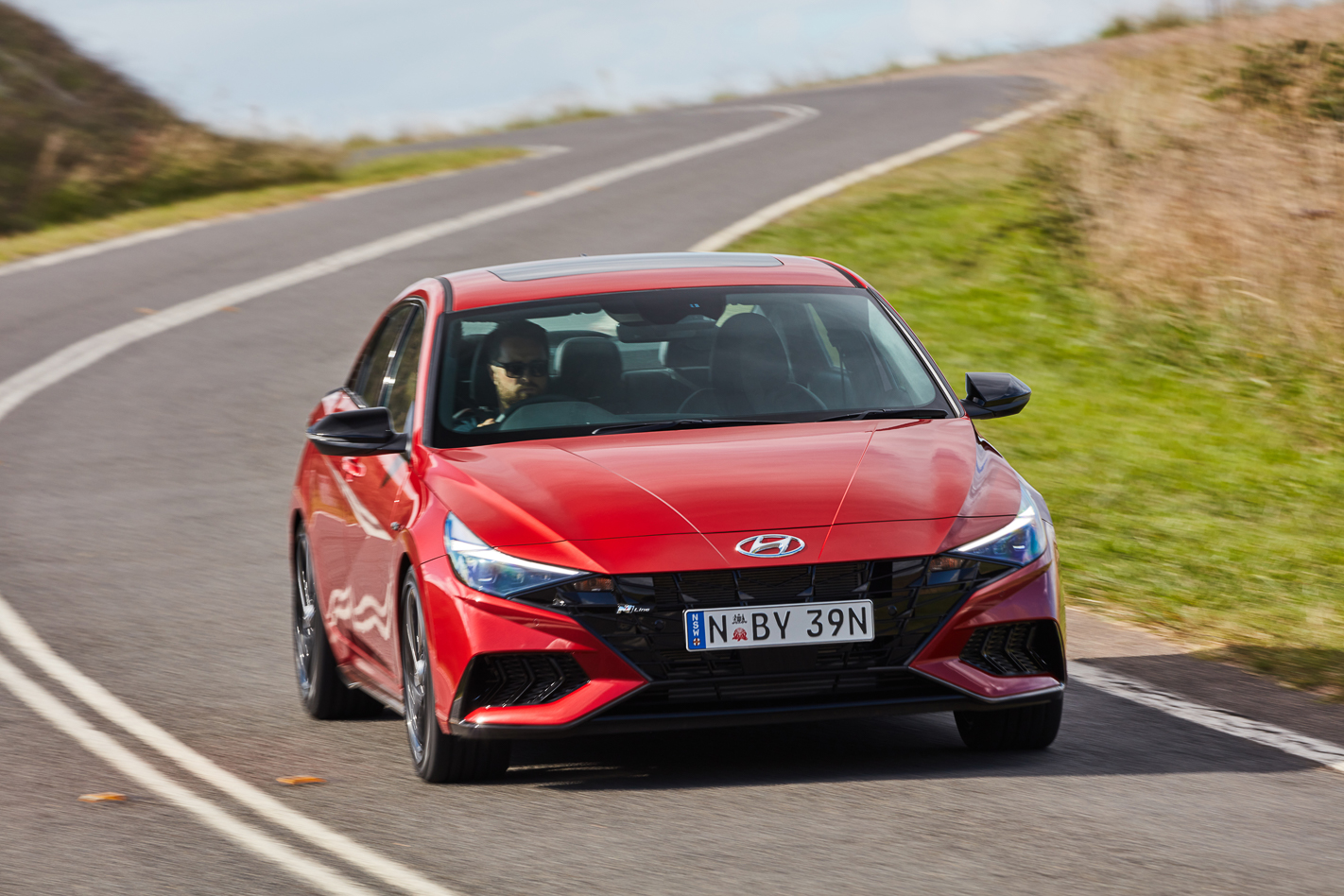
And, jeez, doesn’t it shine. Brighter than I’d bargained for. The suspension tune seems tailor-made for this sort of dynamic workout on this sort of road because, well, it most literally is.
There’s “a big difference,” says Hyundai, in our domestic tune to what is offered in overseas markets.
The spring, damper and stabiliser settings chosen conspire to a middling, if slightly firm, character that really gets its mojo on carrying speed and inertia across uneven surfaces that really test wheel articulation. It’s not ‘N’ spec taut, but it’s not even vaguely flaccid.
The wheel control is such that the chassis remains impressively flat and composed, milking a surprising amount of lateral purchase from the Goodyears, and rewarding with a nice crisp dynamic edge and assertive body control that a tune with this much compliance really shouldn’t.
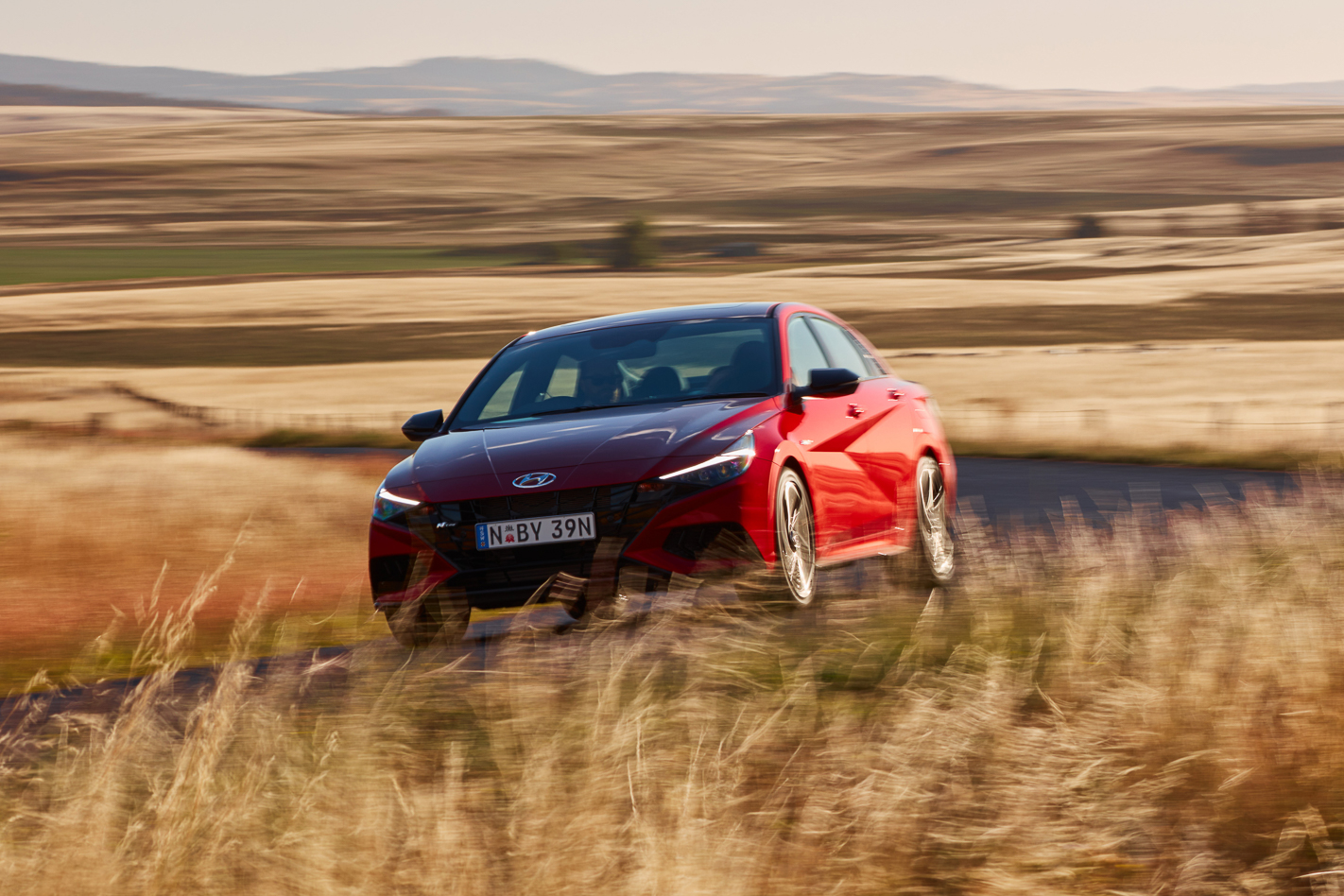
The Hatch N Lines have long offered a deftly struck balance between slightly soft around-town pliancy while returning just enough dynamic muscle-flexing for a decent athletic workout. This new Sedan, though, seems a bit more polished and resolved once you dig in and push on. Part of this might be the newer platform as better quality foundations; part of it might be a difference in the tuning and settings applied. Whatever the case, there’s no downgrade in fun factor or capabilities when opting for the four-door N Line format.
It’s equally impressive carrying speed over flowing stuff, in this case the same roads used for the Kona N Line launch still fresh in my recent memory. Here, the sedan is impressively light on its rubber, tracks its line confidently, and eminently easy to place and adjust. Throughout, the steering remains clear and direct without any notable kickback or foibles bar the sense that, in Sport mode, the wheel gets a little leaden from under-assistance off centre when the front axle is loaded up.
If there’s a trade-off in the sport leanings of the chassis, it’s once you cool the jets and potter around town. The tyres tends to slap a bit across road imperfections, tyre noise across coarse chip surfaces is quite pronounced and ride across square-edge speed bumps can jar. For such a seemingly pliant ride on the move, it transmits its pain of dropping a wheel into a pothole directly through the cabin.
The proper head-scratcher is that the i30 Sedan N Line pretty much eradicates some of the foibles we found with the Kona N Line. There’s no lethargy in initial throttle response, no lazy recalcitrance from the dual-clutch off the mark, and the powertrain happily provides assertive thrust as the needle swings towards its redline.
It feels healthier on the march and it’s more linear and progressive around town and. for a dry-clutch design, the transmission is impressively free of stutters and jolts. If there’s one shortcoming it’s that, in Sport mode and on a decent punt, the gearbox likes to hang on to short gear ratios under a very light throttle a little too enthusiastically.
While certainly proving itself capable of dishing out talent fit for a wry grin or three, it’s awfully polite when it comes to mojo and soundtrack, which is next to nonexistent. If you’re hoping for fizz, pops and crackles, or a sense of purpose at a dull roar, this isn’t really 37-odd grand ideally spent. Rather, the i30 Sedan N Line fits the mould of a polite grand tourer or smart daily driver with dynamic talent tucked in its back pocket better than it does as a sporting device hell-bent on reminding you as much every moment of the driving experience.
How safe is the Hyundai i30 Sedan N Line Premium?
The i30 Sedan is yet to be tested by ANCAP.
That said, our N Line Premium gets a very comprehensive suite of active safety and convenience systems as standard. The autonomous emergency braking system is an all-speed design featuring cyclist and pedestrian avoidance as well as junction turning assist, it fits both lane-keeping assistance together with its related lane following functionality, the blind-spot monitoring integrates collision avoidance protocols and both rear-cross traffic and reverse parking assistance offers both warning and braking.
Regular, non-Premium DCT versions omit the reverse parking assistance, while the base manual version features blind-spot monitoring and rear-cross traffic alert smarts, if without actual avoidance assistance via steering or braking.
All versions, though, do fit exit warning to prevent you swinging a door into traffic or cyclists, as well as rear occupant alert, driver attention monitoring and a complement of six airbags.
How much does it cost to run the Hyundai i30 Sedan N Line Premium?
Hyundai offers a reasonable $299 servicing price cap for the first five 12-month intervals on all i30s, though the 1.6 turbo stock demands 10,000-kilometre frequency rather than longer 15,000km conditions on the naturally aspirated 2.0-litre variants.
It’s covered by Hyundai’s five-year/unlimited-kilometre warranty.
As outlined above, this new SmartStream engine comes with an advertised 6.8L/100km combined claimed in dual-clutch form and a hike to 7.5L/100km as a conventional manual, claims tough to validate given the, erm, sporadic bouts of enthusiasm frequently conducted during the local launch program undoubtedly sullying the pursuits of optimum efficiency…or something.
It’ll happily run on 91RON or buck-busting E10.
Verdict
The i30 Sedan N Line’s drawcards are its uniqueness and individuality, though its strengths are in its sporty driving and relative adult-friendly roominess and practicality against its N Line stablemates. And it’s a bold enough statement of where Hyundai is heading with design and smarts for reasonable money.
But it will remain the alternative rather than the default to a good many buyers wedded to the SUV or hatch formats. No harm, nor foul. Nobody is expecting the latest warmed-over i30 to set the sales world alight or dramatically change perceptions of the small-sedan genre, Hyundai Australia included.
Properly sexy? That’s debatable. But the i30 Sedan N Line certainly bucks conventional opinion that small sedans are all just boring and humdrum.
You do need to splurge on the Premium for the full techy effect, though sailing above the 40-grand mark on the road does unearth some fairly hot little machinery if that’s what you’re in it for. In a good many ways, the five-to-seven-grand saving you’d otherwise bank opting for the regular Sedan N Lines looks fairly compelling.
Rating 8.0/10
What you will like
Ride and handling balance, sense of adventure, spacious cabin
What you won’t
Small-sedan stigma, lack of vibe and soundtrack
Specifications – Hyundai i30 Sedan N Line Premium
Price: From $37,290 (7DCT)
Engine/transmission: 1.6-litre 4cyl turbo petrol/7DCT, FWD
Fuel consumption/CO2/tank size: 6.8L/100km, 157g/km, 47 litres
Safety: not rated
Seats: 5
Warranty/service interval: five years/unlimited, 10,000kms/12 months
Spare wheel (type): space saver
Weight: from 1340kg
The Porsche Cayman GTS 4.0 sits glistening in Guards Red here at MOTOR’s 2020 Performance Car of the Year testing. It’s got all right stuff on paper: a naturally aspirated 4.0-litre flat-six sitting behind the driver, and a sweet three-pedal six-speed manual gearbox underneath.
The long-legged gear ratios, however, proved flawed on the road, leaving the upper reaches of the rev range often beyond the laws of the public domain. Conversely, they should lend themselves well to circuit performance – and that’s exactly why we’re here!
Watch the video above to see Porsche’s howling Cayman GTS 4.0 stake its claim on the MOTOR Shootout!
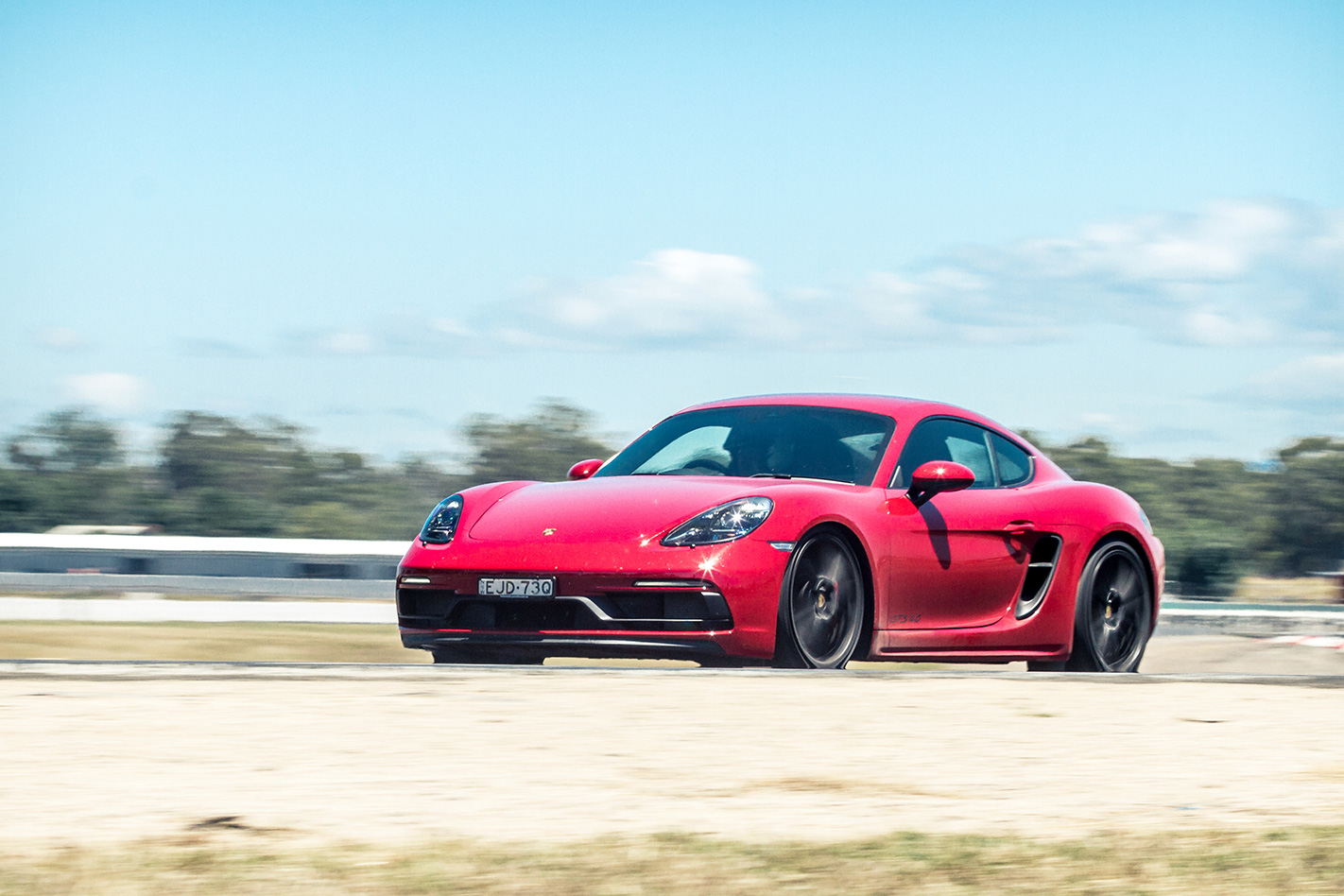
Race ace Karl Reindler is no stranger to peddling Porsches around a circuit, having previously competed in the Australian Carrera Cup championship, and stepped out of the Cayman with high praise.
“I missed out on driving this Cayman GTS 4.0 recently and it was totally worth the wait”
“For me personally, it ticks all the boxes: it’s got the manual gearbox, naturally aspirated motor – it doesn’t have a huge amount of power compared to some of the cars we have here, but what it might lack in power, it makes up for in every other way”.
“It does everything right. So well-balanced through the corners, it’s pretty hard to fault these things!”
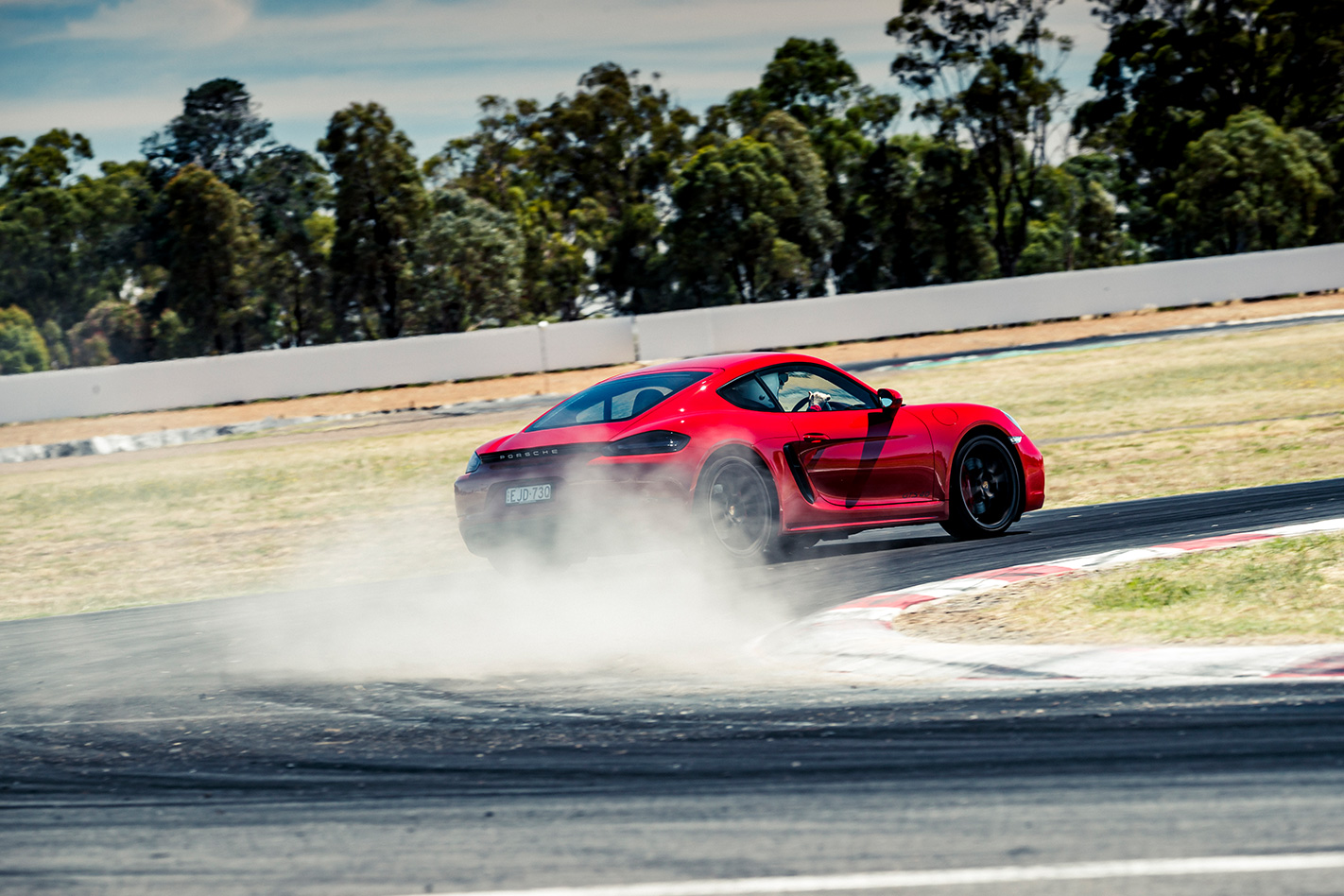
By the time the dust had settled on a hot and dry Winton circuit, a lap time of 1:35.4 was registered. And with that, the Cayman GTS 4.0 vaults into equal fourth place, sharing a time with the deceptively rapid BMW M550i – and just half a second behind the Mercedes-AMG A45 S.
To see how the Cayman GTS 4.0 stacks up against the rest of the pack, check out the 2021 MOTOR Shootout leaderboard, and stay tuned to the MOTOR Youtube channel as we continue to upload a new hot lap video each week!
Should we take a moment to get in a quick plug for buyers of hybrid vehicles? We could, but those who actually have a plug are deeply in the minority.
Considers that in 2020, sales of plug-in hybrid electric vehicles, or PHEVs for short, tallied just 1685 vehicles, compared to well over 60,000 in the same period for parallel ‘plug-less’ hybrids, which use recovered energy or the output of the engine to recharge the battery.
Toyota, which dominates the market of the latter, has done an excellent job of convincing Aussies as to the merits of its ‘self-charging’ hybrids, so most buyers either can’t be bothered with the plug, or aren’t aware of the benefits.
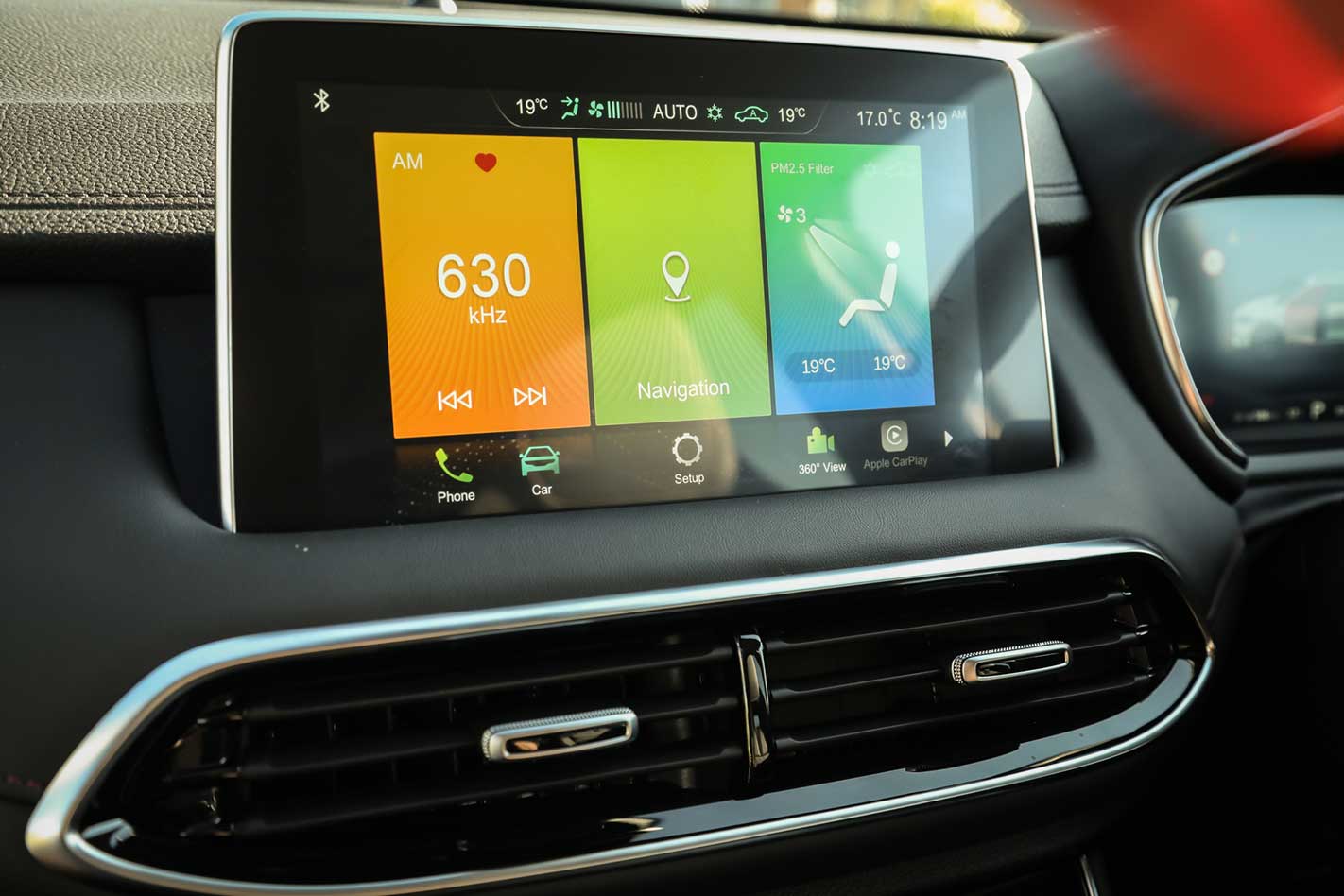
Chinese-owned brand MG aims to change that with the launch of its first PHEV, the mid-size HS plug-in hybrid SUV.
Offered in a single high-level spec for $46,990 drive-away, it teams a 1.5-litre turbo-petrol four making 119kW/250Nm with a 90kW/230Nm motor sandwiched between the six-speed auto transmission, for a combined 189kW and 370Nm.
The motor is fed by a 16.6kWh battery to provide a claimed electric-only range of 52km.
Driving the front wheels only, this powertrain delivers an official ADR consumption figure of 1.7l/100km, although you’ll use closer to 8 or 9L/100km if you regularly drive without recharging the battery.
In the context of its rivals, the HS is similarly sized to the Toyota RAV4, the best-selling hybrid in the country, which can be had in front-drive GX form for just $36,790, but a closer spec match for the MG is the RAV4 Cruiser 2.5 FWD at $43,290.
So at first glance, the MG’s pricing looks a touch ambitious, especially considering the similarly-specced petrol-only HS model is a hefty $6000 cheaper than its flagship sibling.
The flip side to this is that the HS is, by a tiny margin, the cheapest plug-in SUV on sale in Oz. (Mitsubishi offers its Outlander PHEV in the three spec levels, spanning $47,390 to $56,390.)
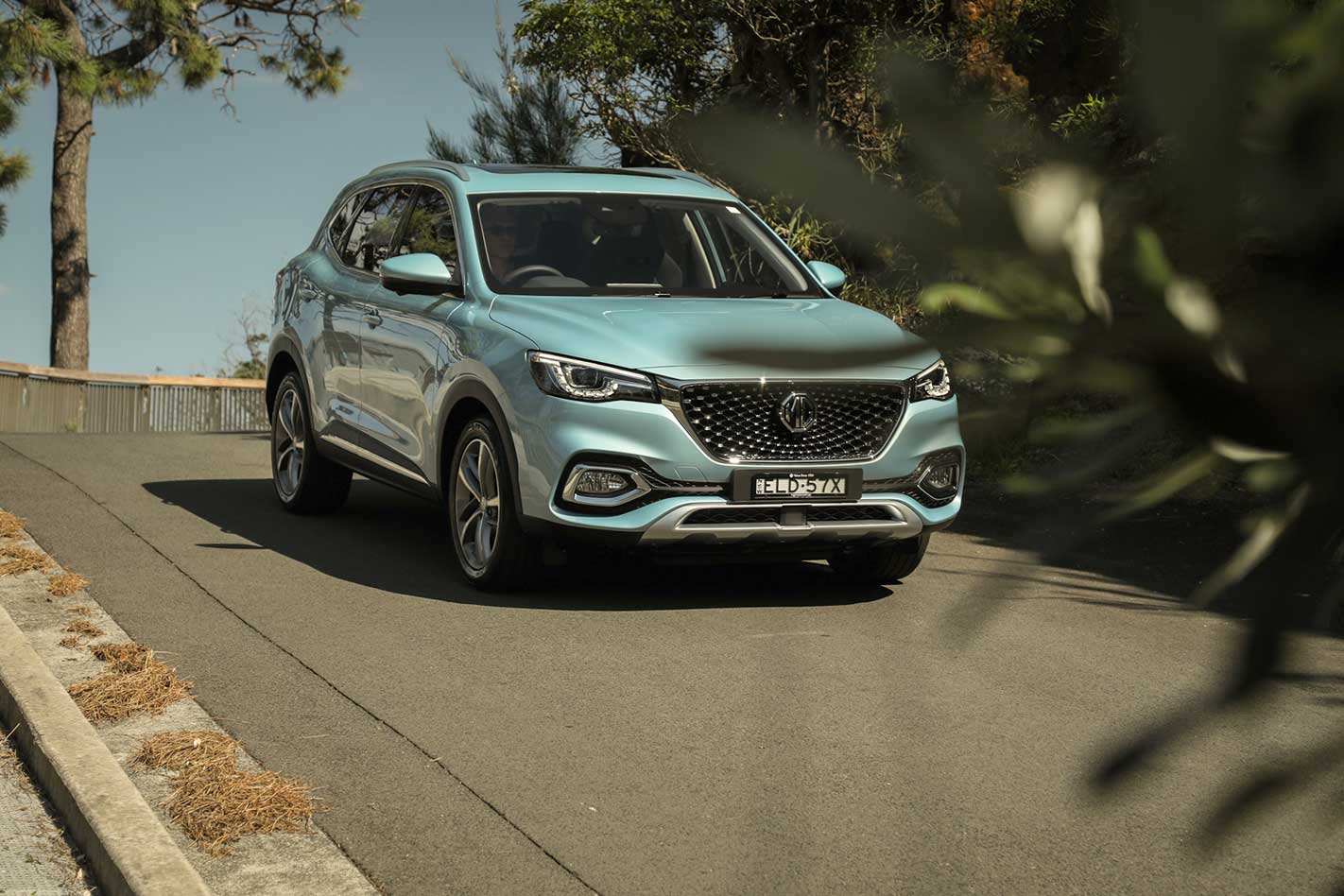
Further, the rival RAV4 will barely leave your driveway under electric power alone, so ask yourself how important it is for you to use your hybrid SUV in EV mode and burn no petrol for daily commuting or running around.
The potential energy savings are not huge unless you have solar; what opting for plug-in power does provide is a zero-Nox clear conscious for your urban running, and the benefit of exclusive access to the more quiet, responsive electric side of the powertrain.
On this latter criteria, the MG performs well. It ‘idles’ in complete silence, is always alert to the throttle around town, and accelerates swiftly, with only a subdued whine and the sound of the 18-inch Michelins disturbing the otherwise tranquil cabin.
But its hybrid system is not especially sophisticated.
There are just two modes: EV, which locks out the petrol engine, or the default hybrid mode, which uses a mix of petrol and battery power depending on a bunch of parameters including throttle position, road speed, and gradient.
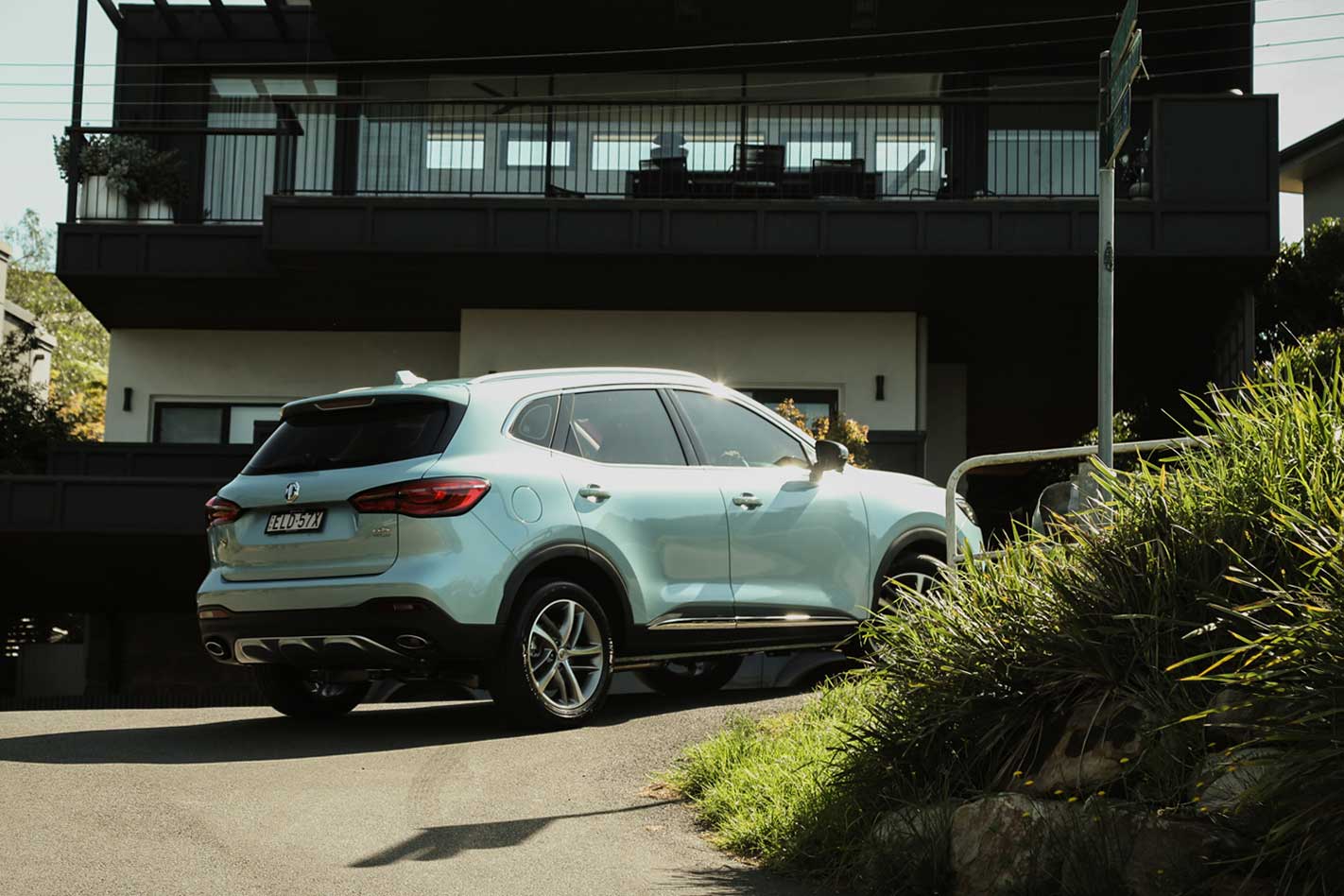
It lacks a ‘recharge’ mode on the move to boost battery power for later EV-only running, instead relying on coasting re-gen to replenish the battery after its plug-in charge is depleted.
During our test, once the battery was depleted, the re-gen didn’t recover enough energy to move the battery’s state of charge from zero, although there clearly was some charge in there, as the car would accelerate from rest to around 30km/h without waking the petrol engine.
The performance and NVH of the petrol engine is actually pretty good, merging seamlessly with the motor and only getting loud at high revs under a wide-open throttle.
But in hybrid mode on the open road, there’s often a weird hesitation when cracking open the throttle to accelerate from say, 70km/h to 110, as if the transmission is caught napping and the electric motor can’t quite deploy its instant hit of torque.
There’s a fair bit of wind noise around the mirrors at motorway speed, too.
Acceleration is a claimed 0-100km/h in 6.9sec, but our hand-timed runs could not get near that, simply because the HS doesn’t launch from standstill with any real vigour.
We reckon it’s more like mid-9s, but does anyone really care when the low-speed rolling acceleration is sufficiently strong?
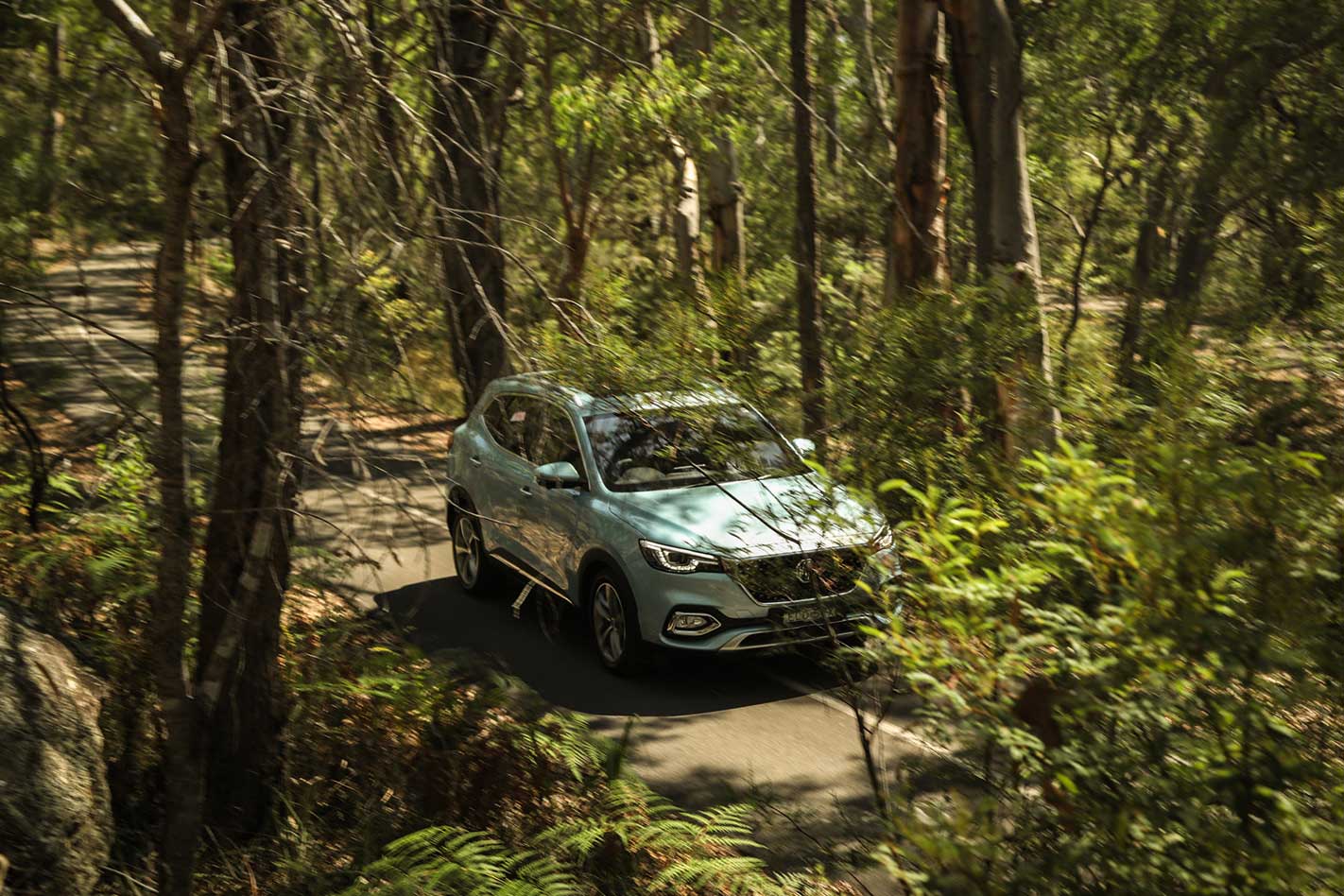
As for our recorded overall consumption, our test drive was 140km, the first 40km on battery power alone; the remainder in hybrid mode.
Total fuel consumption was 6.7L/100km, so not amazing but that did take in some hard driving. Expect to use mid- to high 8s when driving with a depleted battery.
So overall, the hybrid powertrain has merit, but isn’t without a few unpolished edges.
This broadly describes the chassis tune and dynamics, too. It’s acceptable for the undemanding driver; firm around town and a little restless, but not crashy or uncomfortable.
But step up the pace on the open road or just start to lean on it a bit and it’s quickly apparent the compression and rebound rates are a bit of a MAFS marriage rather than harmonious bliss.
B-road lumps and dips reveal a lack of cohesion that puts the HS well short of the supple but controlled Subaru Forester, or Toyota’s RAV4.
The steering is quick enough at 2.7 turns lock to lock, but brings an artificial weighting as lock is wound on, and a slightly springy return rate. Personal preference, but I’d rather an overall lighter, more linear tune.
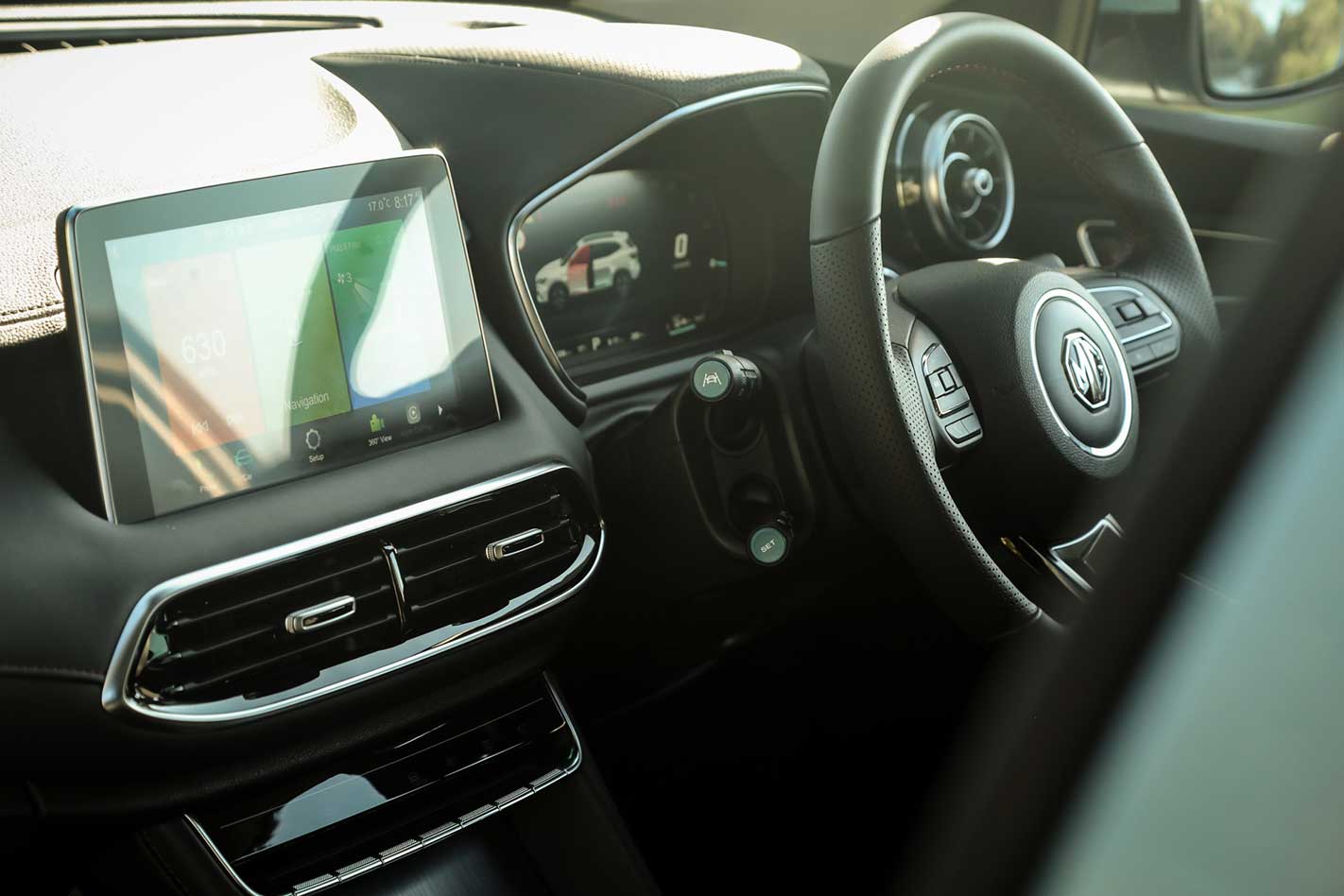
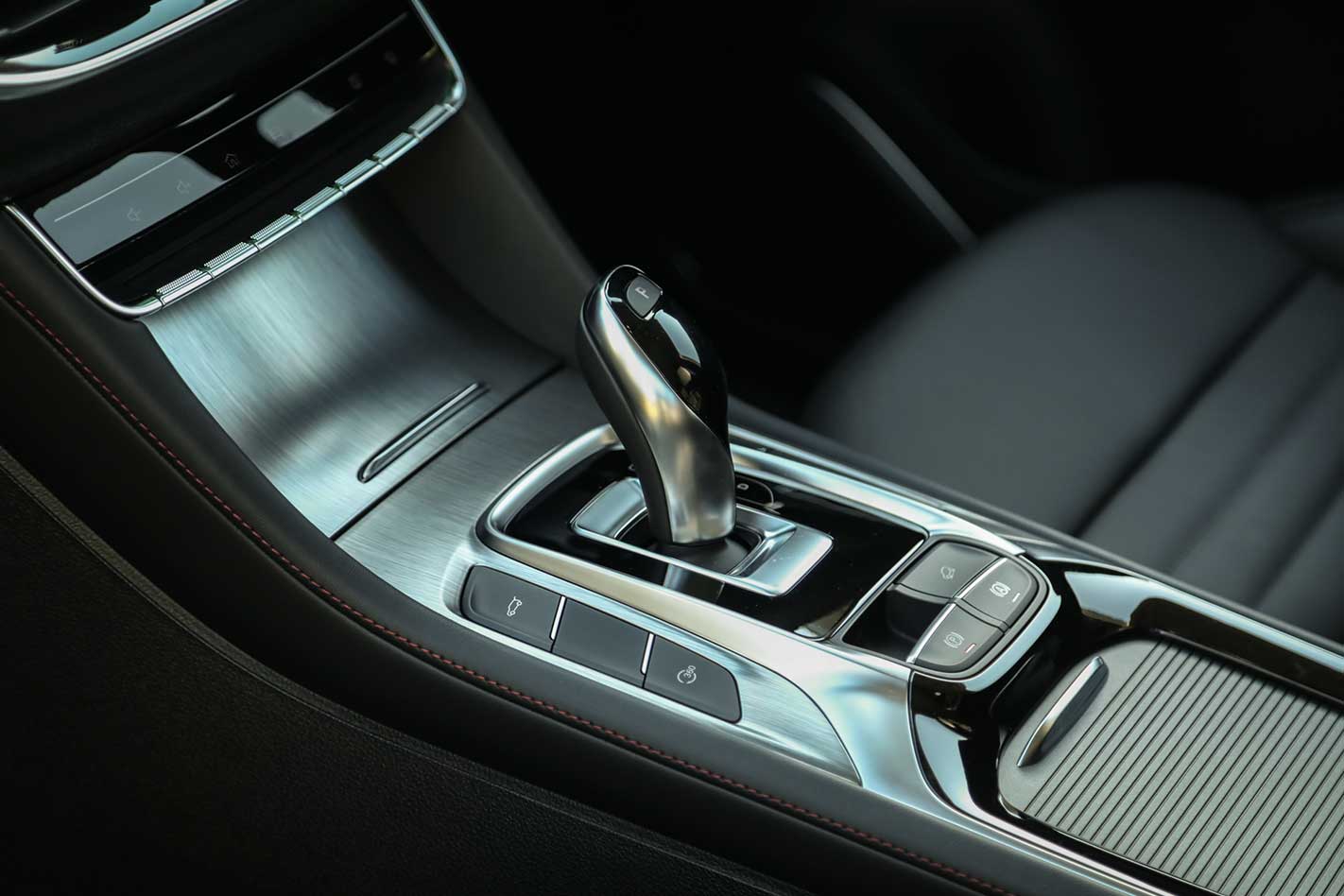
Inside, the best bit is that MG hasn’t attempted to be too clever or avant garde with the cabin layout and minor controls. It’s all very conventional and dummy-proof.
Surfacing and materials are mostly decent; dig a bit deeper and you’ll find plasticky switch gear, but nothing to moan about.
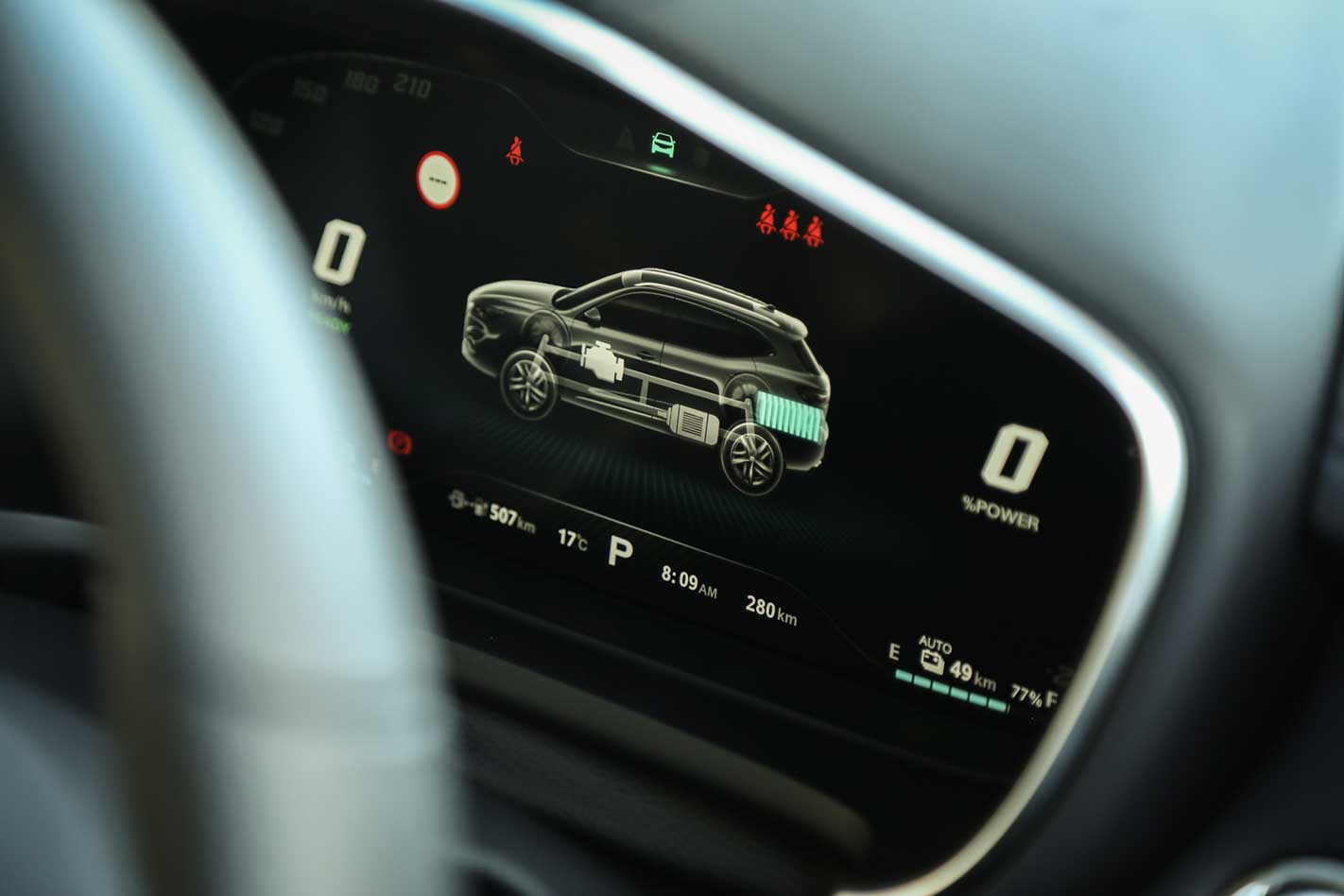
The driver’s 12.3-inch digital instrument display can be configured to provide various info pages showing consumption, motor and engine speeds, or energy flow, while the 10.1-inch touchscreen for media, HVAC and vehicle settings is logical, if a bit laggy.
At least there are hard keys for audio volume and direct access to the HVAC settings on the touch screen. A massive glass roof with retractable blind opens the entire cabin to the sky.
The leather and alcantara-trimmed seats are deeply sculpted, but lack under-thigh support for tall frames. In the back, the low-ish seat base will see adults with knees bent but adequate legroom.
Kids are fine, and they’ll be happy with the two USB ports, and a fold-down cupholder section also housing a lidded cubby large enough hold a phone or a few snack bars.
Luggage capacity is 451 litres, accessed by a powered tailgate, expanding to 1275L with the rear seats folded, an operation that requires you lean in to access the latches, as there are no remote releases.
As for driver assist systems, the HS PHEV includes what MG calls its ‘Pilot Active Safety Technology’ suite, which includes adaptive cruise control with traffic jam assist, a 360-degree camera, forward collision warning, rear cross traffic alert, blind spot monitoring, and lane change assist.
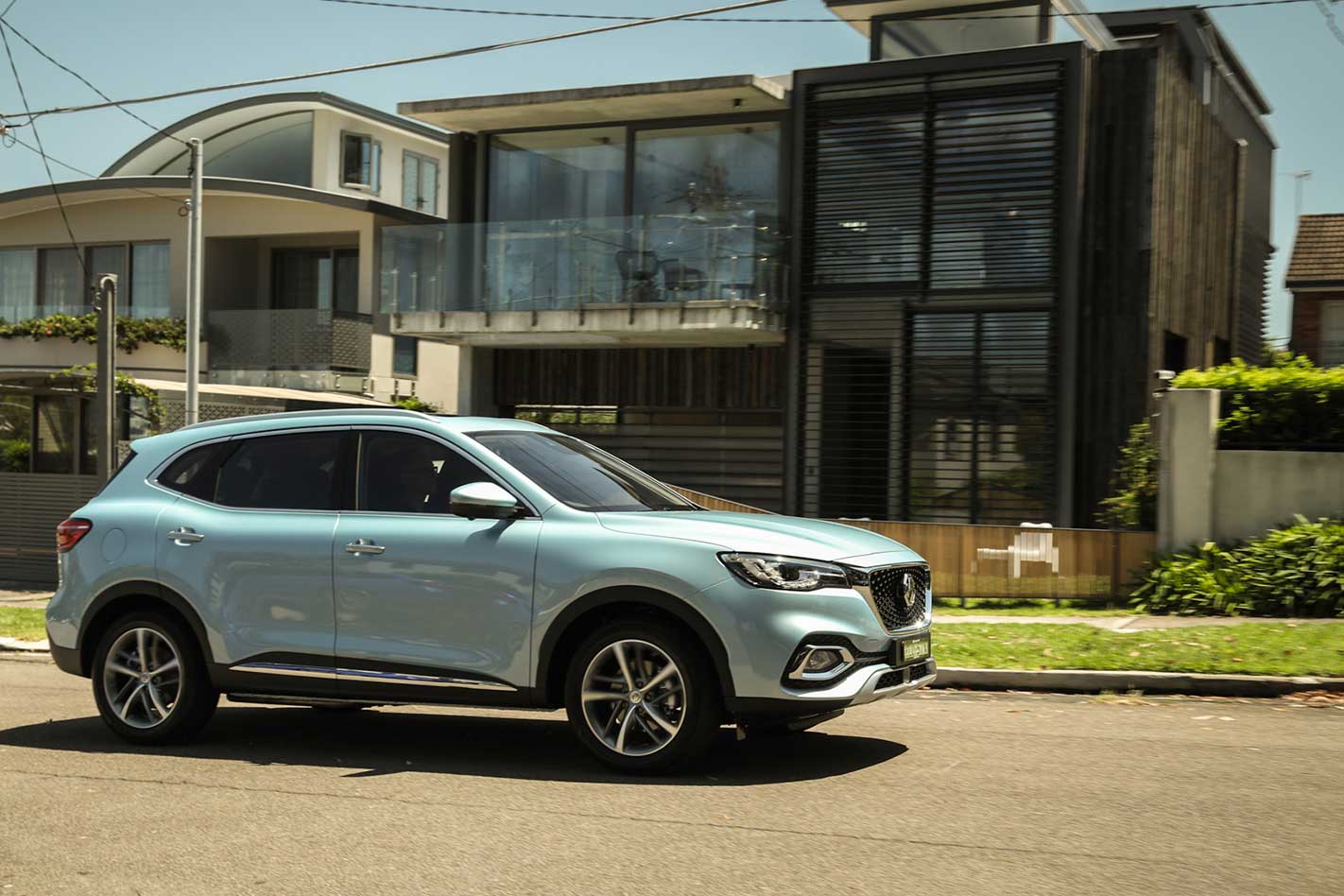
Outside, the car gets LED headlights and daytime-running lights, LED tail-lights with sequential indicators, and 18-inch alloy wheels.
Warranty for the PHEV is down to five years, two less than MG offers for its ICE range.
The battery is guaranteed to retain 70 percent of its original charge capacity for eight years, which sounds okay, but a circa-30 percent drop in battery capacity translates to reduced EV-only range of a mere 35km between charges.
Broader take-out, then, for the HS PHEV, is that this is an honest, uncomplicated hybrid that gets enough of the basics right to give environmentally aware buyers what they want: easy overnight recharging from a domestic outlet, enough range for typical daily duties, and economical longer-haul running with zero range anxiety.
Is it priced keenly enough to tempt the masses away from more mainstream, low-consumption alternatives like the RAV4? That’s the contentious bit.
Specifications
- Engine: 1490cc inline-4cyl, DOHC, 16v, turbo
- Power: 119kW @ 5500rpm
- Torque: 250Nm @ 4300rpm
- Electric motor: single
- Battery: 16.6kWh lithium-ion
- Electric outputs: 90kW/230Nm
- Combined outputs: 189kW/370Nm
- Transmission: 6-speed automatic
- Weight: 1755kg
- 0-100km/h: 6.9sec (claimed)
- Fuel consumption: 1.7L/100km (combined/claimed)
- Price: $46,990 (drive away)
- On sale: Now
UPDATE, March 4: Hyundai has registered the first fleet of hydrogen fuel cell vehicles seen in Australia, revealed through the latest VFACTS data.
Hyundai’s 20-strong cache of Nexo crossover SUVs will hit the road in March as part of the ACT government’s fleet, the first hydrogen-powered vehicles to be used by a government in Australia.
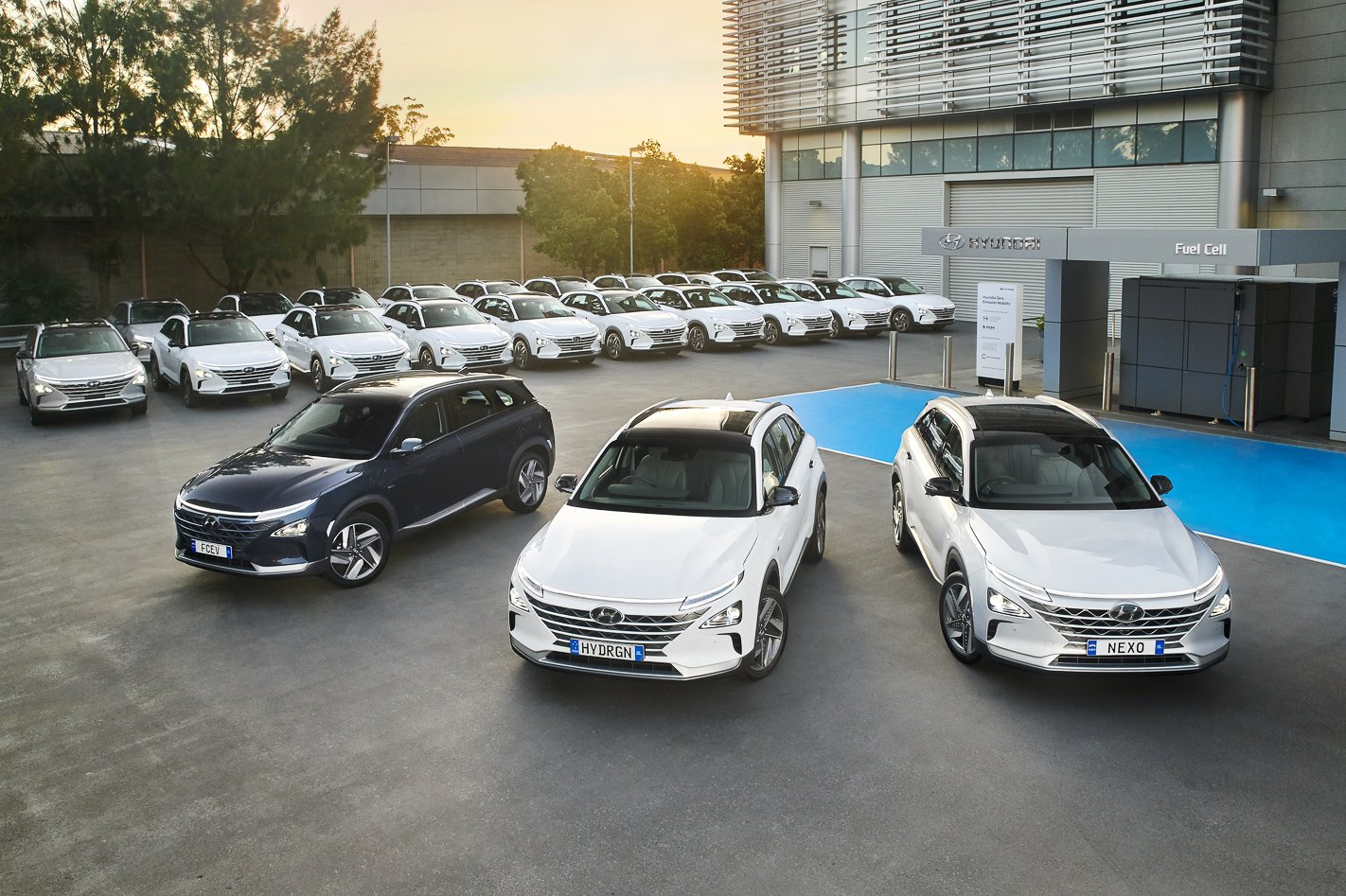
The deployment of the fuel cell vehicles (FCEV) also represents the first time a hydrogen-powered car has been fully certified and ADR-complied, according to Hyundai.
ACT Minister for climate change and sustainability, Shane Rattenbury, said its new Nexo fleet is a positive step towards mitigating climate change.
“Tackling climate change means tackling transport pollution, and zero-emission vehicle technology is a key part of this,” Mr Rattenbury said.

Australia’s first public hydrogen refuelling station is scheduled to open later this month and will be able to service the government’s fleet. Refuelling time is sad to take less than five minutes. Hyundai’s own dealership in Phillip, ACT is another point of contact for FCEV drivers.
The initial 20 Hyundai Nexos will be joined by another 20 imminently, with the second batch destined for the QLD government’s fleet.
Queensland treasurer Cameron Dick said the trial will demonstrate the viability of an FCEV for normal road use, whether it’s for private use or for the government.
THE STORY SO FAR
June 2020: Hyundai Australia has welcomed a 20-strong fleet of Hyundai Nexo fuel-cell electric vehicles (FCEV) that will see use at the hands of ACT government later this year across a number of departments.
It is the first FCEV to be approved by Australian Design Rules (ADR), though a significant barrier to entry remains – the fact that no public refuelling station in Australia exists currently.
The 20 Hyundai Nexos won’t see a lot of road time before the third quarter of the year, when the official launch happens as well as the opening of a dedicated fuel-cell refuelling station in Canberra.

Presently, the only available hydrogen fuel source exists at Hyundai’s headquarters in Sydney. The opening of the first publicly-available hydrogen station will coincide with the use of the 20-strong fleet in Canberra.
Even still, Hyundai is particularly excited to welcome the Nexo mid-size SUV along to its range of electric, plug-in electric and hybrid cars.
“Nexo is the embodiment of our long-term commitment to introducing hydrogen-powered transport in Australia and around the world,” said Hyundai Australia chief executive Jun Heo.

“As part of a line-up that includes hybrid, plug-in hybrid and pure electric models, Nexo underscores our leadership in eco-mobility and our commitment to a sustainable, low-emissions motoring future in this country,” he said.
Australia switches on hydrogen car manufacturing
Hyundai says future hydrogen stations aren’t far behind the launch of the Canberra location, with plans for stations in Melbourne and Brisbane to be completed before the end of the year.
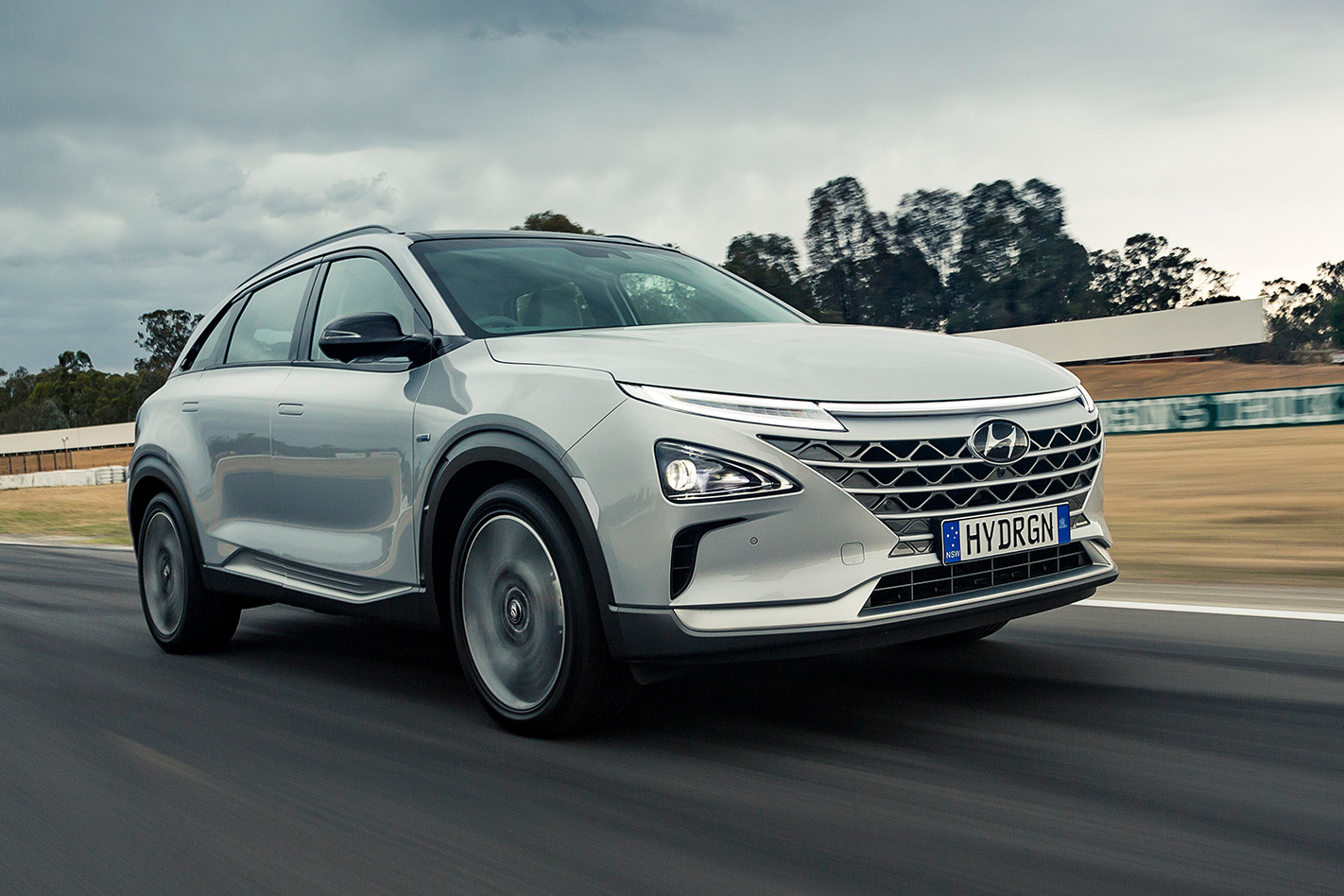
The Nexo offers a range of 666 kilometres and a refuelling time similar to that of an internal combustion engined car. The drive experience is similarly quiet to a normal electric car and the only by-product is water vapour. The Hyundai Nexo has achieved a five star ANCAP safety rating.
Toyota also shares a keen interest in hydrogen power for Australian cars, last year lending a pair of Mirai FCEVs to energy companies which were refuelled at a mobile hydrogen station at Toyota Australia’s Altona plant.
The hydrogen power movement is quietly building in Australia. The government announced a $300 million investment to boost production and exports of the gas, while we’ve also seen start-ups like Port Kembla-based H2X which plans to release its first FCEV by 2022.
For more information on how an FCEV works, visit this simple WhichCar explainer.
Australian new car sales continued to surge in February according to the Federal Chamber of Automotive Industries’ latest VFACTs data.
February marked the country’s fourth straight month of year-on-year sales growth since a COVID-induced slowdown in 2020, with the 83,977 cars sold representing a 5.1 per cent increase on monthly sales in 2020.
It lags behind February’s result in 2019, when 87,102 cars sold, but represents a 5.1 per cent month-on-month increase over January 2021’s result that registered 79,666 sales.
However, other brands such as Subaru and Hyundai that stockpiled supply continue unfazed, holding positions in the top-10 brands.
What were the top-selling brands?
Toyota took out the top spot in February’s sales results like it did the month before in January, selling 18,375 vehicles that accounted for a 21.9 per cent share of the market.
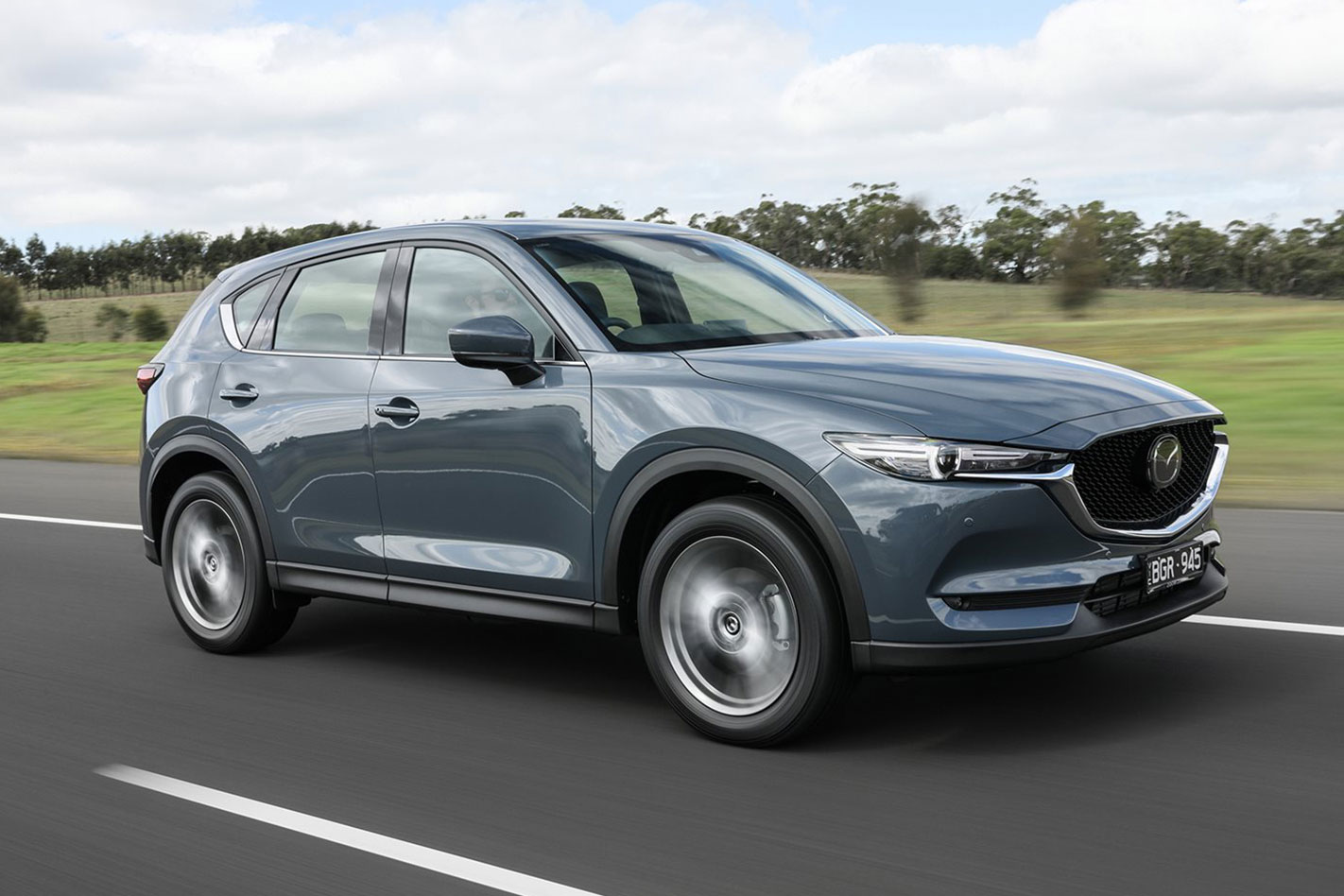
Mazda again finished second, selling 8322 vehicles to claim a 9.9 per cent share.
Hyundai just managed to hold on to third place again this month, selling 6252 to earn a 7.4 per cent share in the market while Mitsubishi’s 6202 sales earned it an equal 7.4 per cent share and saw it leapfrog Kia in fifth.
Kia’s 5871 sales accounted for a 7.0 per cent share in the market, followed by Ford in sixth (4712 sales/5.6 per cent) and Nissan in seventh (3824 sales/4.6 per cent).
Our bottom three welcomed a new top-10 contender, with Chinese-owned brand MG (3017/3.6 per cent) knocking out Mercedes-Benz from the top-10 and landing in eighth.
Volkswagen maintained its place in ninth (3009 sales/3.6 per cent) while Subaru dropped from eighth to 10th with 2639 cars sold, earning a 3.1 per cent share.

It was also MG that claimed the honour of improving its year-on-year sales more than any other brand in the top 10, with February’s 3017 sales equalling a 160 per cent increase on last year’s numbers.
Other big improvements within the top brands include Mazda that upped sales by 20.9 per cent in February compared to last year, and also Subaru, which registered a 20.8 per cent uptick.
What were the best selling cars?
Toyota’s Hilux continues to be the best-selling nameplate in 2021, with the 3718 sold in February up 36.8 per cent on last year’s sales – and that’s not even including the 4×2 model, that registered 1090 sales.
Meanwhile, Toyota’s RAV4 sold 2750 units in February, claiming second place from the Ford Ranger 4×4 that was relegated to third place with 2603 sales, while the 4×2 Ranger accounted for another 297 sales.

Rounding out the top five cars in February were the Toyota Corolla, which generated 2427 sales in fourth, as well as the Hyundai i30 in fifth, selling 2210.
Mazda’s CX-5 took sixth position with 2048 sales, followed by the Mitsubishi ASX with 1489 sales in seventh, the Kia Cerato with 1468 in eighth, and then Toyota Prado with 1407 sales in ninth.
The Mazda CX-3 took 10th place with 1379 sales.
Climbers and sliders
Some light city cars have bucked a declining trend in their segment this February, with the Fiesta ST selling more than seven times the cars it did this month last year with 42 finding homes.

On a larger scale, the MG3’s 1313 sales represent a 111.8 per cent increase on February 2020’s 620, and the Volkswagen Polo’s 485 sales are 49.2 per cent up on last year’s results.
Elsewhere, the new Lexus IS sold 147 units to register a 182.7 per cent increase compared to last February, while the new Kia Carnival’s arrival spikes sales by 57.8 per cent.
It wasn’t all good news for Toyota, however, with the Camry’s 1001 sales in February down 30.3 per cent on last year. BMW 3 Series’ 124 sales also undercut last year’s 278 sales result by 55.4 per cent.
Volvo is planning to consolidate its range of body styles by producing more SUVs and fewer sedans and wagons.
While it’s a shame for the days of the passenger car, it certainly makes business sense for Volvo, with three quarters of its sales coming from its XC range.
Volvo boss Håkan Samuelsson explained to Autocar that Volvo offers too many sedans and wagons compared to what it sells of those body styles.
He pointed specifically to the V60 and V90 Cross Country models as Volvo’s overindulgence in long-roof models.
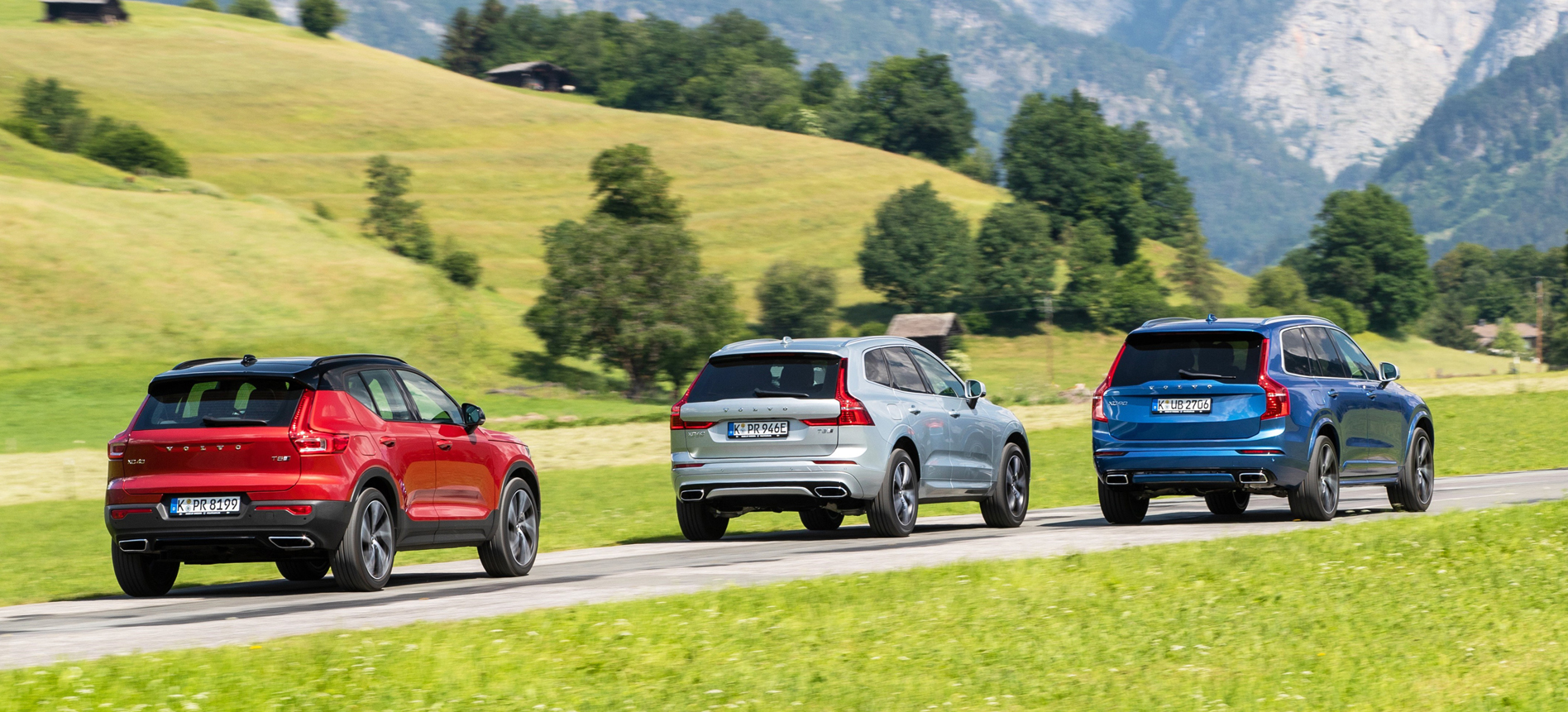
Samuelsson stated that Volvo needs “to move from wagons and sedans; we will have them in future, but probably not as many.”
It will lean on high-riding models for its recently-announced plans to go all-EV by 2030, too.
“We need more SUV types of higher electric vehicles. That’s the way of working right now and what we have in our development pipeline.”
No doubt this references the newly-revealed C40 Recharge (below).
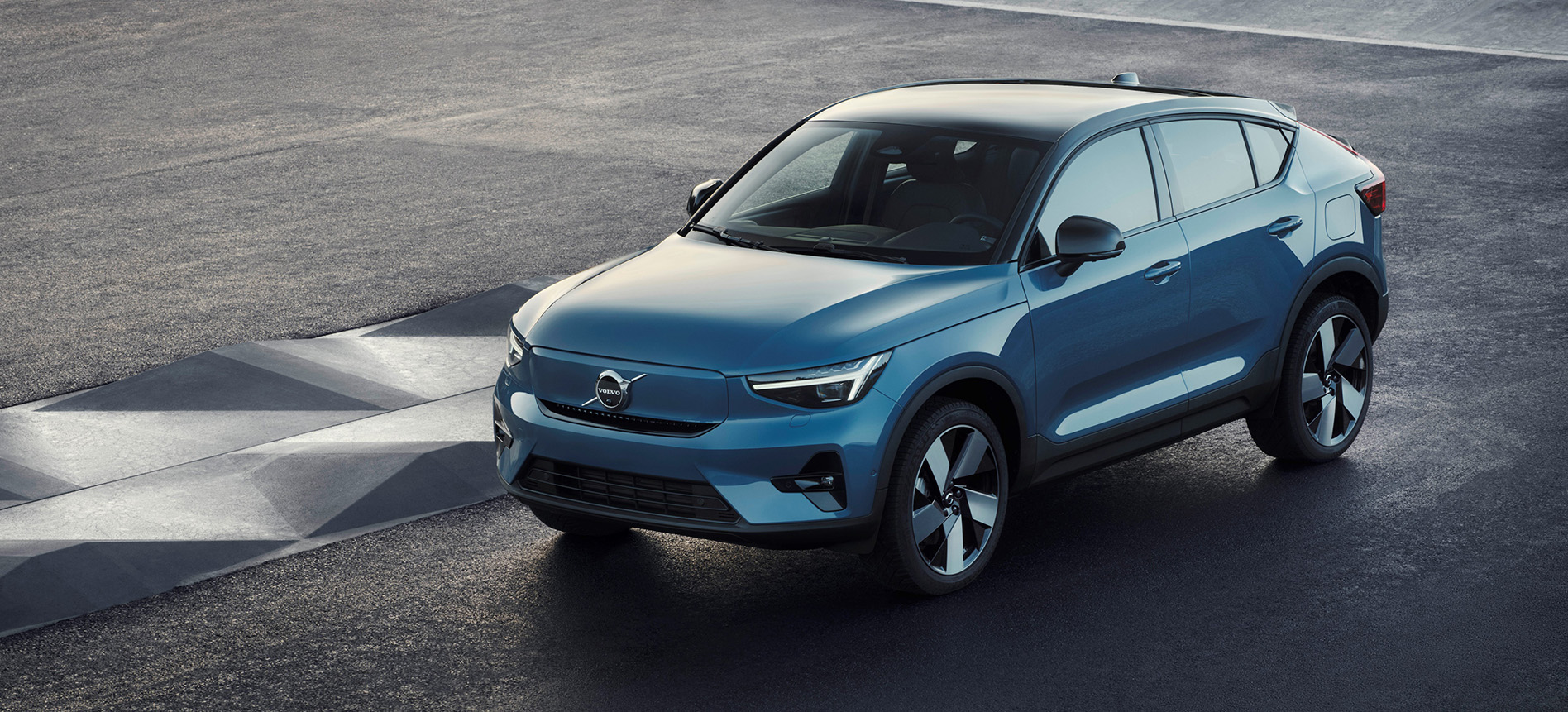
The next-generation XC90 will almost guarantee an electric variant, while Volvo is also confirmed to be “planning a smaller SUV below the 40-series.”
A full-sized Mercedes-Benz GLS rival is also said to be on the cards, though nothing is official as yet.
However, all is not lost for the sedan and wagon. The early focus of Volvo’s electrification plans will favour SUVs, but Samuelsson said it won’t abandon sedans and wagons completely, cryptically suggesting that they will be “developed and streamlined.”
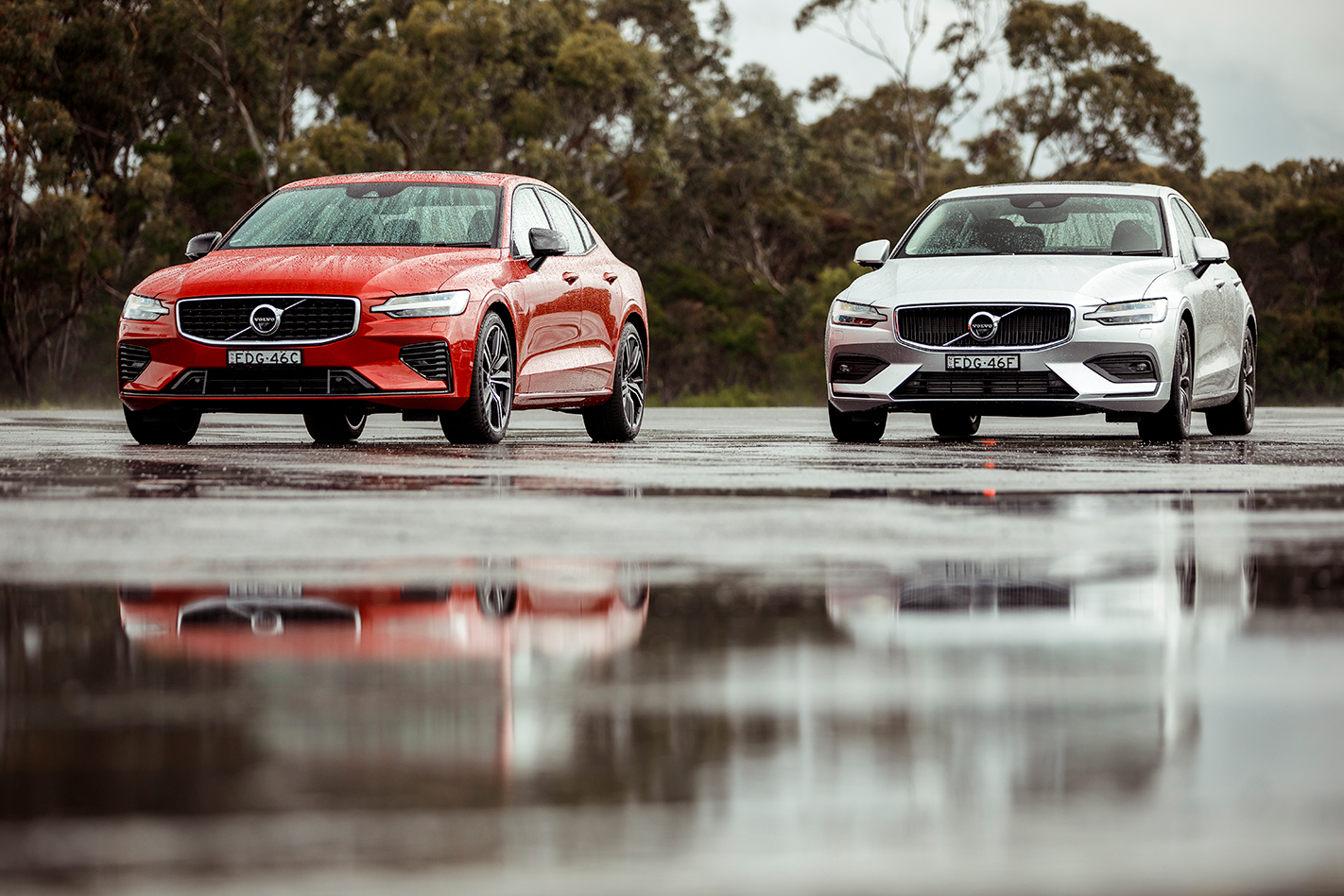
“A practical, lower car could also be really interesting, especially as we go electric and need lower air resistance. Definitely don’t count out the wagon,” Samuelsson said.
Effectively, it sounds as though Volvo S and V model buyers will have less choice in the future.
