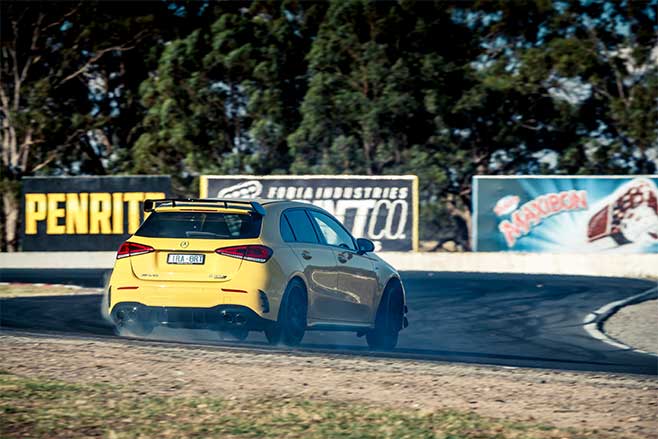
In an effort to combat this AMG a new all-wheel-drive system called 4MATIC+. As well as having the ability to apportion torque between the front and rear, a pair of electronically controlled multi-disc clutches in the rear differential, one connected to each driveshaft, allows the torque delivery to the individual rear wheels to be carefully controlled.
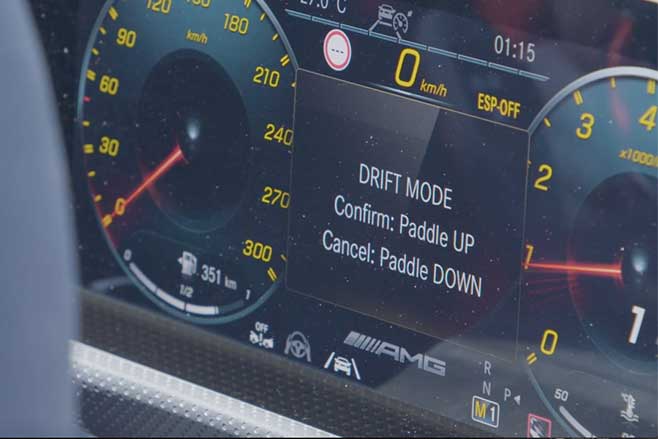
To activate Drift Mode the Drive Mode selector needs to be set to Race, the gearbox to manual and the ESP deactivated completely. Then pull both gearshift paddles back towards you and as long as the car is up to temperature a message appears on the instrument cluster to activate Drift Mode. Pull the upshift paddle to confirm and you’re set.Obviously, this feature should only be used by experienced drivers in a safe, closed environment.
We tested Drift Mode on the wet skidpad at Phillip Island before switching to Winton Raceway. Check out the video above to see how we got on.
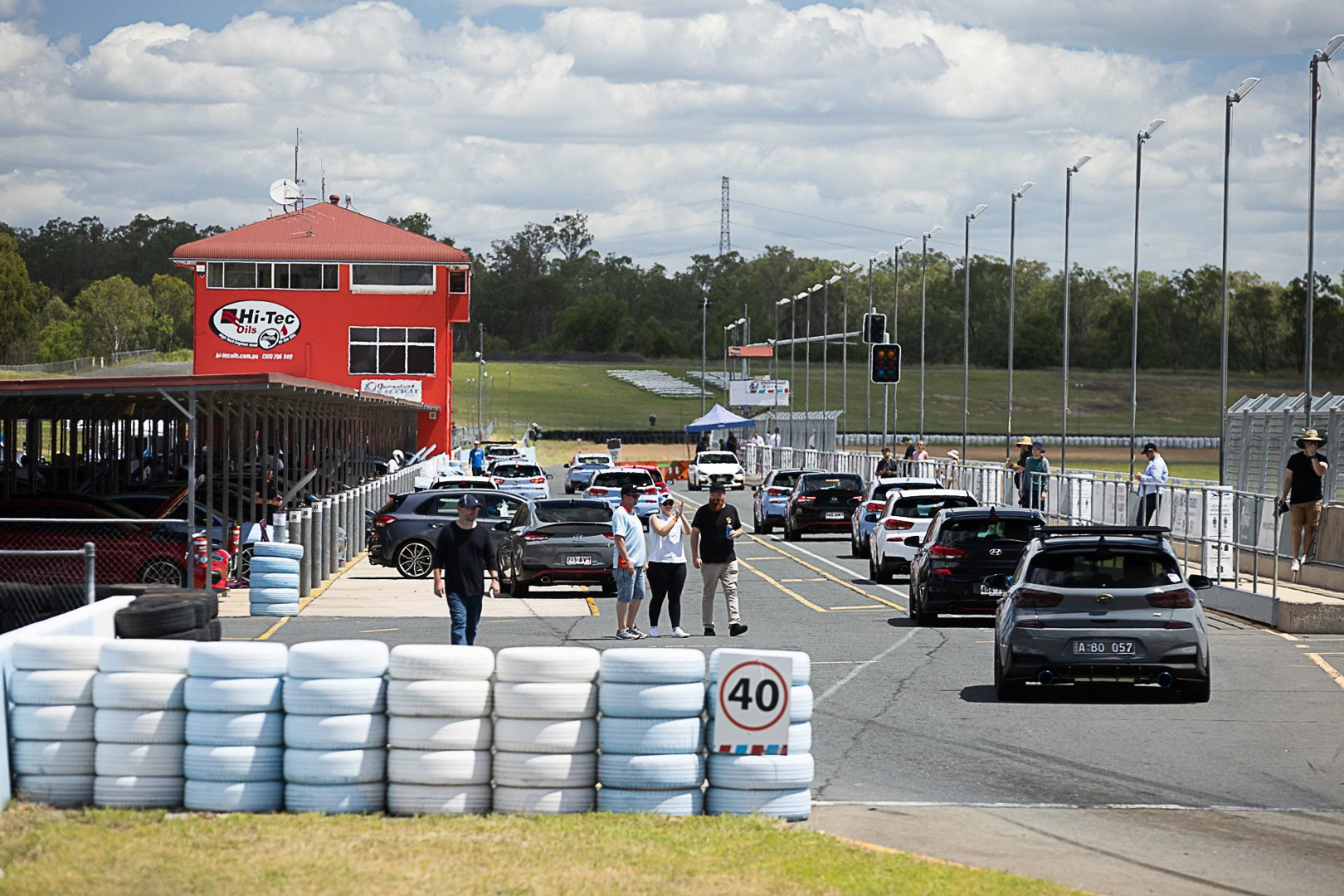
Hyundai successfully completed its second N Festival in Australia, with 250 customers recently taking to Queensland Raceway’s Willowbank circuit for hot laps, pro rides and an up-close look at future models.
With the inaugural 2019 event blitzing Wakefield Park raceway in New South Wales, Hyundai’s N Festival is the only manufacturer-sponsored track day that enables i30 N owners to take full advantage of their unique track warranty – something of a rarity these days but cleverly exploited by Hyundai.
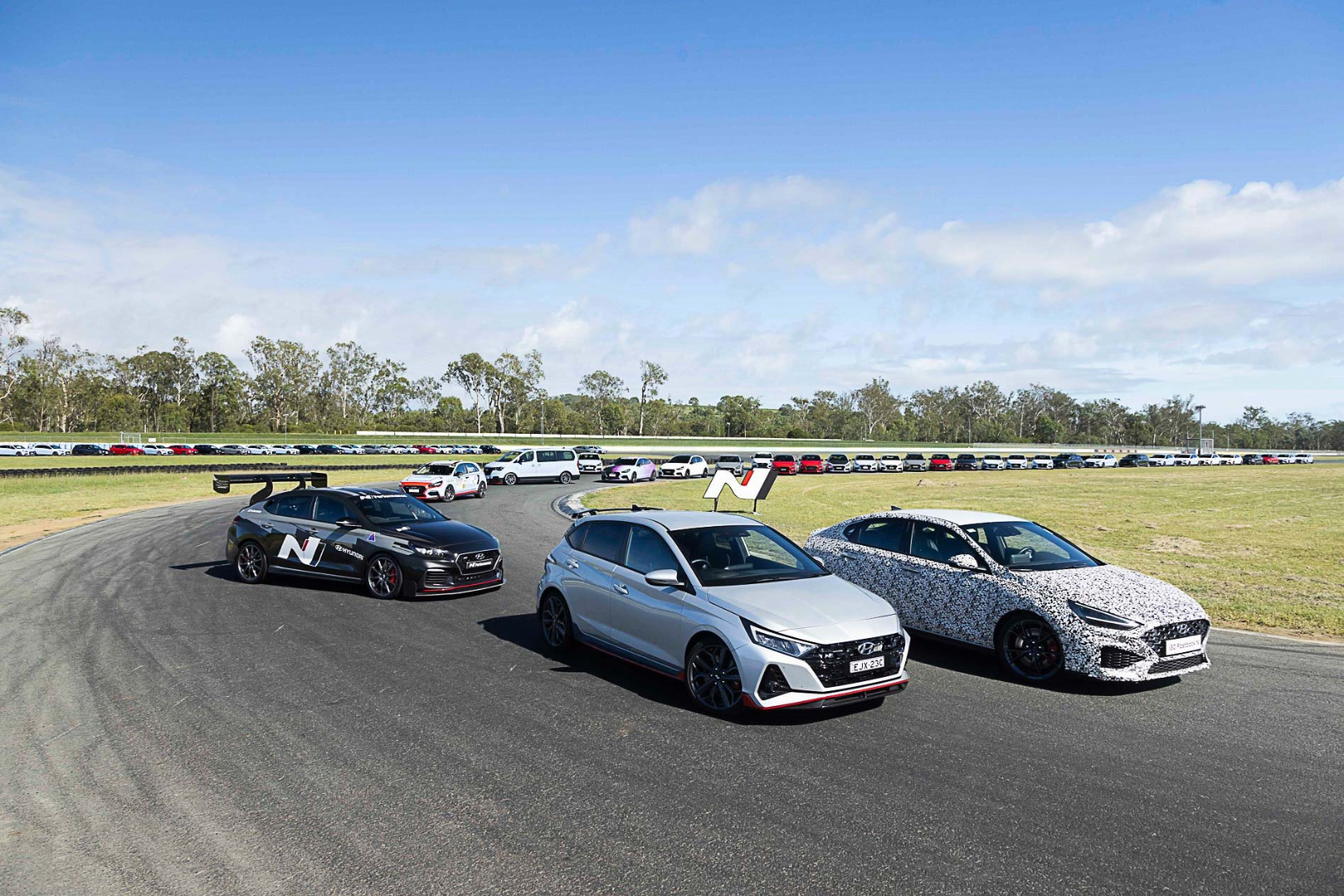
The attending N-thusiasts, as Hyundai calls them, put their N-spec vehicles through their paces in a series of track sessions designed to allow owners the opportunity to discover the performance potential of their i30 hot hatches (and fastbacks) in a safe and controlled environment.

Off the track, Hyundai held tech-talk sessions with N Performance guru Geoff Fear, as well as view several N Performance prototypes in the flesh and – for a lucky few – drive the new i20 N.
In addition, Hyundai also put up some great prizes for grabs for those with the most impressive rides – with Daniel Clark taking home the ‘Best Presented’ trophy, and Eleanor Terry the gong for ‘Best Modified’ i30 N.
No doubt a resounding success, we are already looking forward to the next one with even more N models in Hyundai’s flanks.
Like most SUV categories on sale in Australia, there’s no shortage of choice in the large premium SUV segment.
The Lexus RX trades in this space, and while not representing the traditional German brand of luxury that many flock to for high-riding grandeur, the Lexus RX still trades punches in the sales race amongst the BMW X5, Mercedes-Benz GLE and Audi Q7.
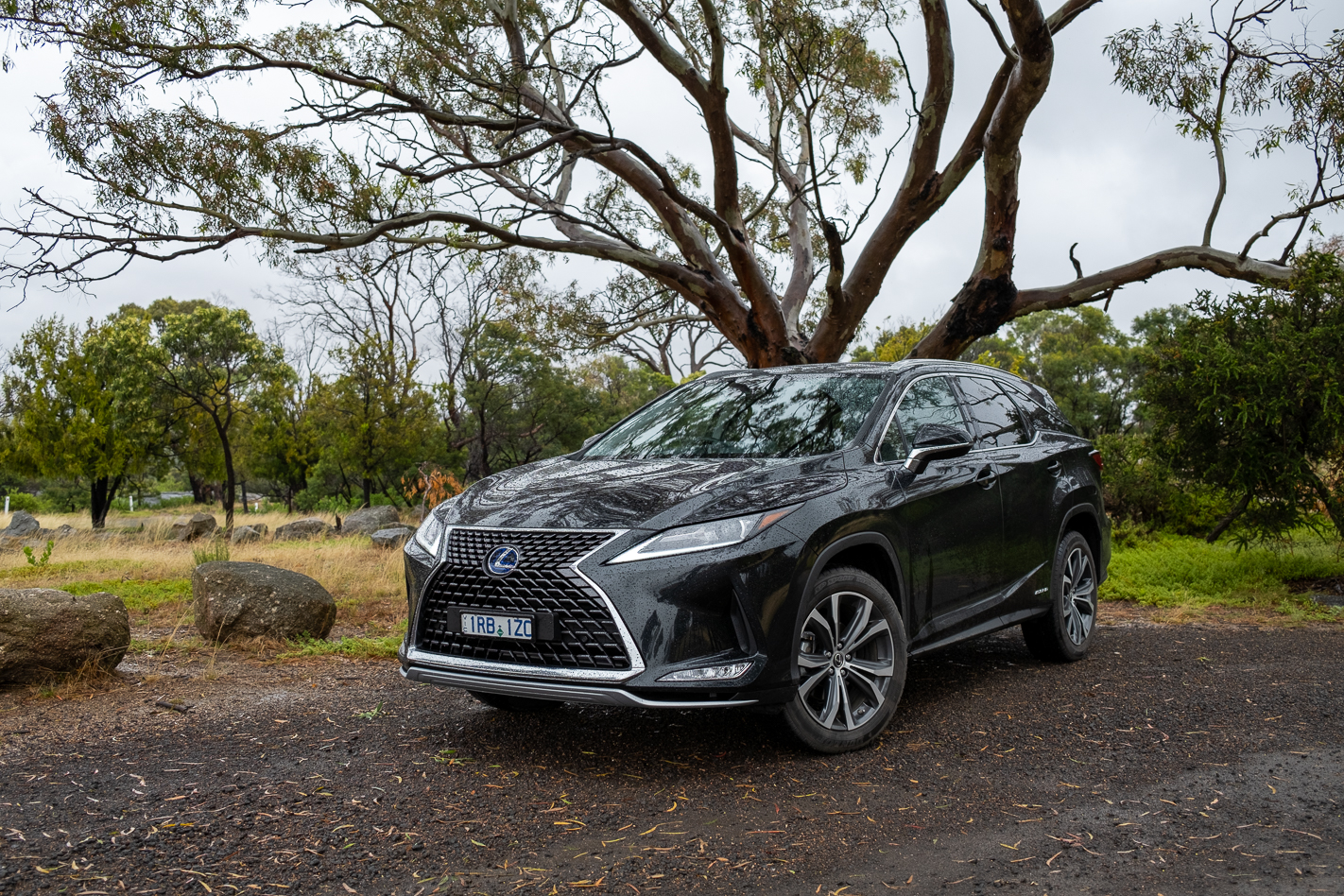
It finished 2020 as the third best-seller in its segment, beaten by the Mercedes GLE and BMW X5.
It’s a respectable result, considering it jumped from sixth best-selling the year before, but what’s the drive behind the come-from-behind strong sales showing?
The allure of reliability and serviceability might have something to do with it or the fact that it’s one of just a few premium large SUVs to offer seven seats.
It also received a light refresh in 2020 which saw technical and mechanical upgrades applied to the five-year-old platform.
With this in mind, I saddled up in a high-spec RX450hL Luxury over the holiday break to find out what this German alternative offers premium SUV buyers.
Price and value
The Lexus RX SUV range is expansive. Not only is there a choice of three engines, but each engine variant can also be had with a choice of three trim levels and the two more expensive powertrains can be had in seven-seat guise.
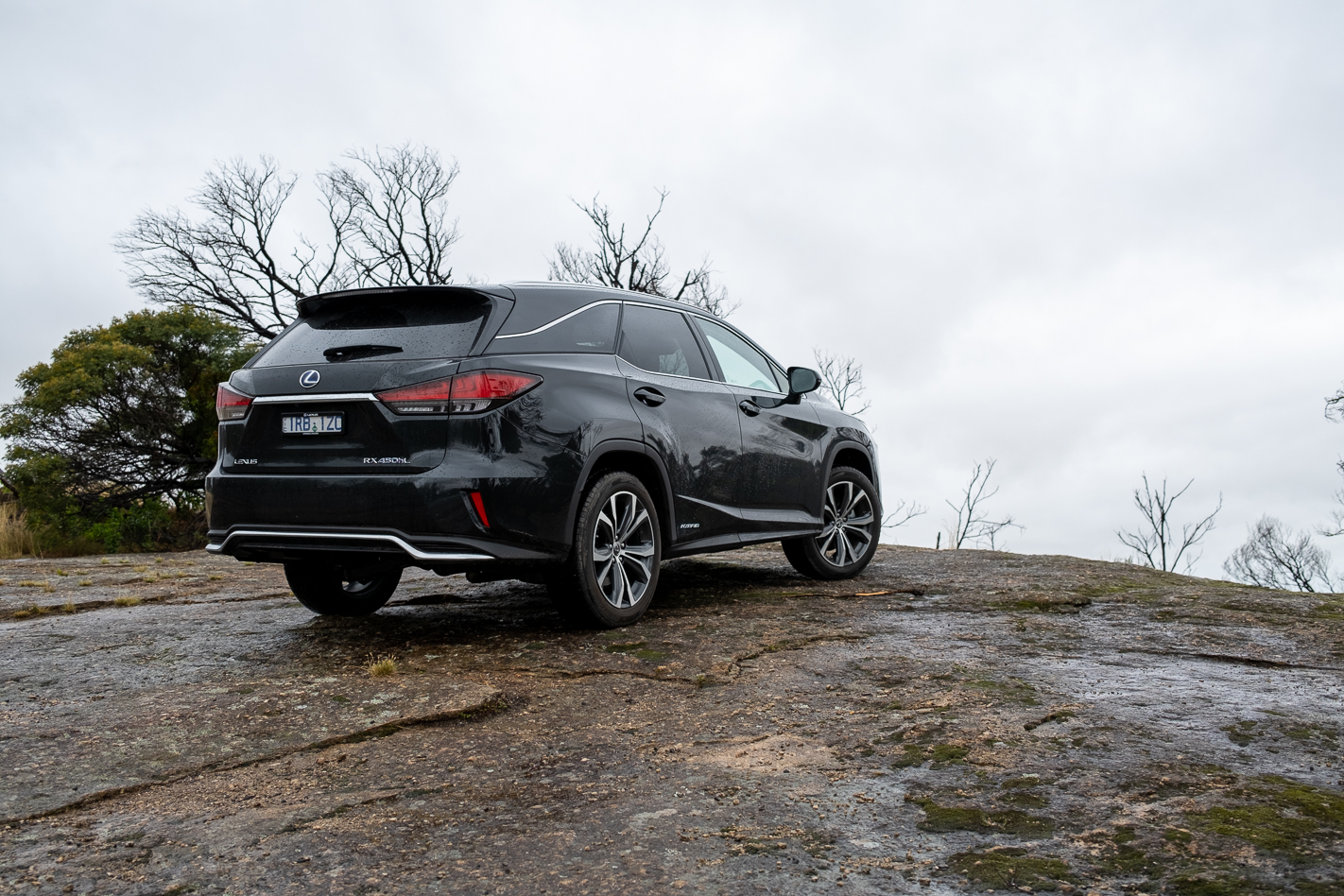
Our tester is an RX450hL Luxury, the seven-seat version of the high-end powertrain. With Luxury trim level (which is standard), this car is $95,888 (before on-road costs).
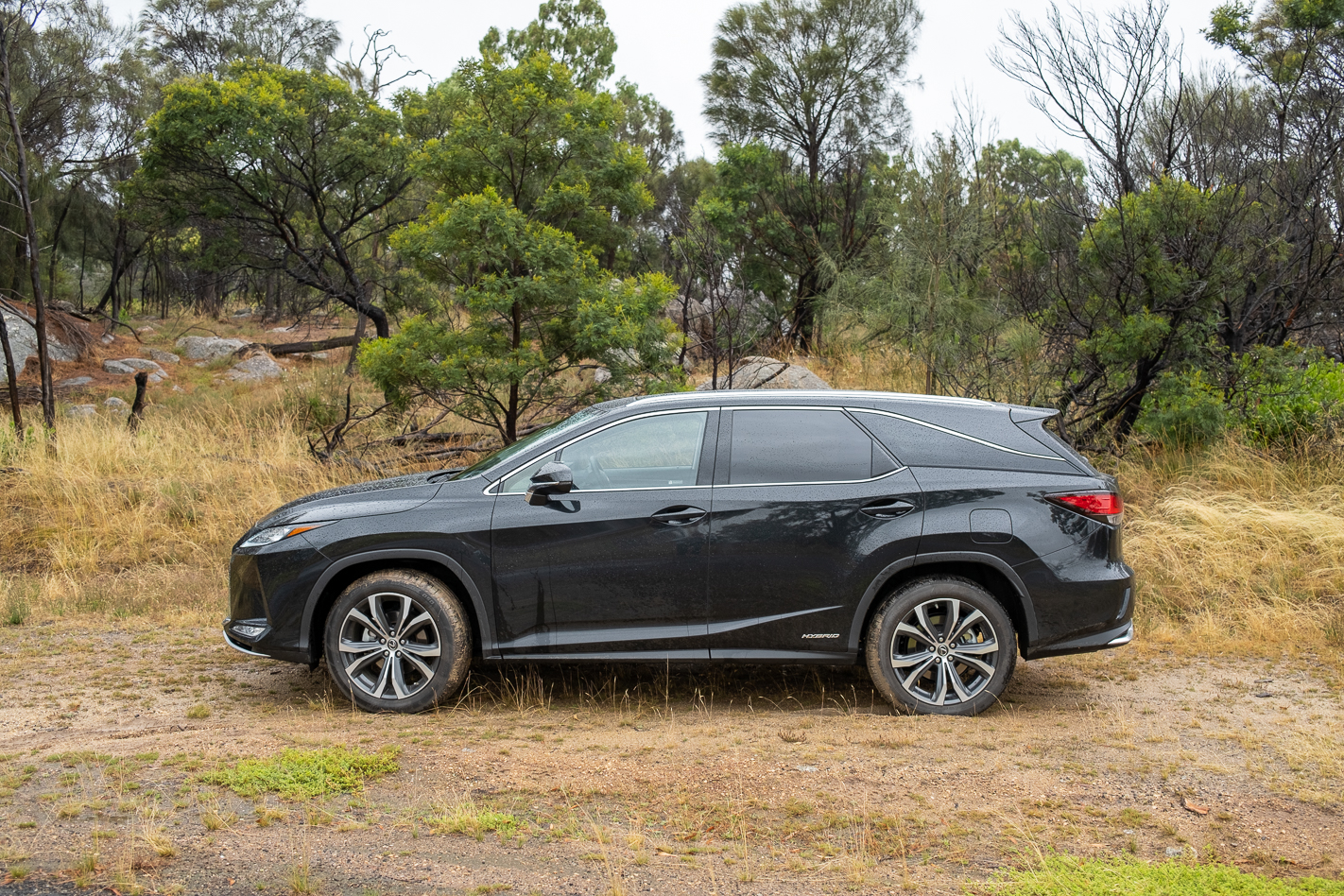
Considering the range begins at just over $70,000 and stretches to over $110,000, the RX450hL is in the upper-middle segment of Lexus’ pricing scheme.
Getting down to the nitty-gritty, our car also had a $3500 enhancement pack (which adds a sunroof and colour head-up display) and $1500 Graphite Black paint which pushed it to a $100,888 (before ORCs) as-tested price.
As a base, the Luxury variant features appointments such as a 12.3-inch touchscreen infotainment system with Apple CarPlay/Android Auto connectivity, 12-speaker sound system, digital radio, wireless phone charging, heated and ventilated power front seats, leather-accented upholstery, powered steering column and a queuing adaptive cruise control system.
It misses out on items like adaptive sports suspension, panoramic parking cameras, 15-speaker Mark Levinson sound system and wood trim inserts which are all reserved for the Sports Luxury trim grade.
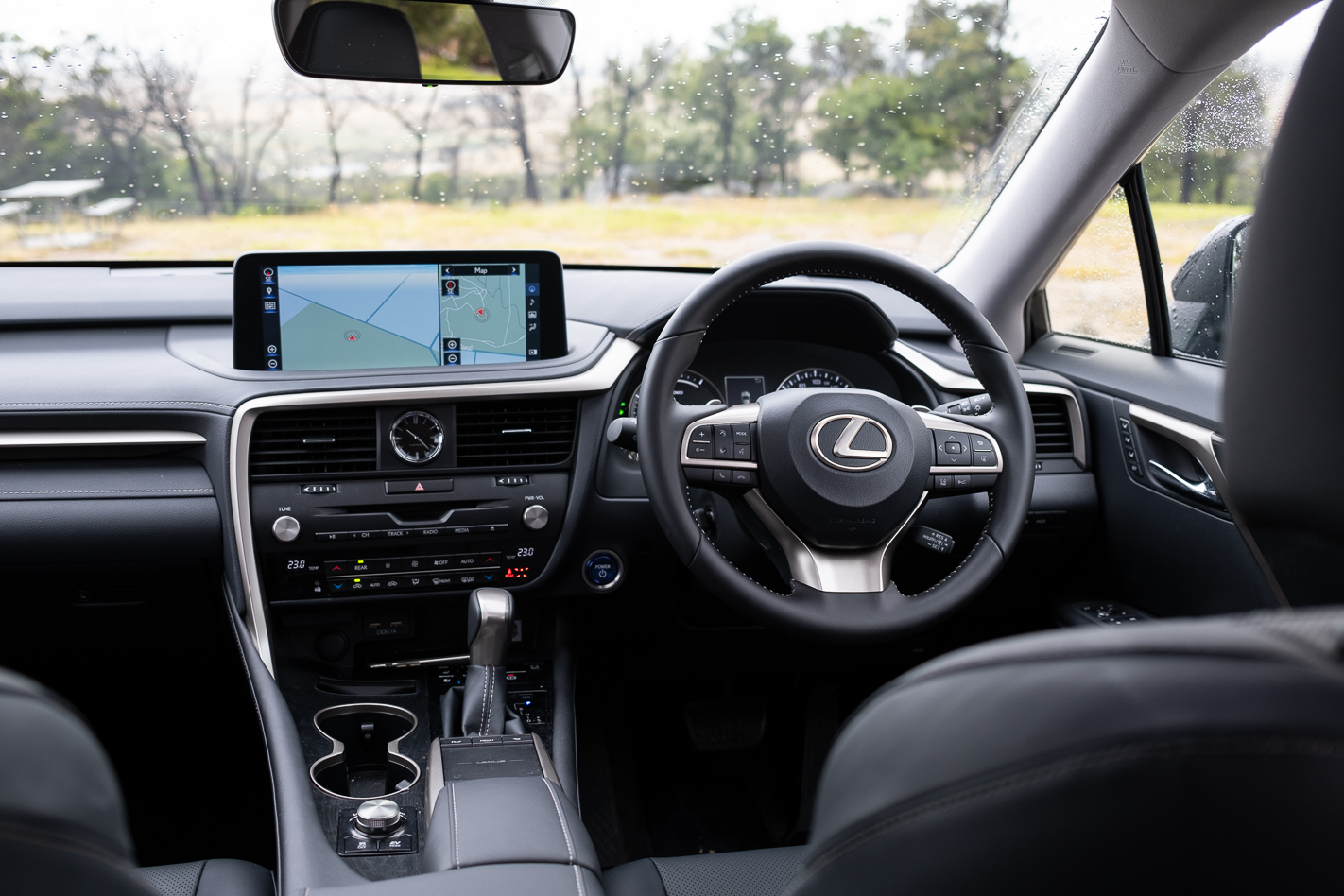
Power is drawn from a 3.5-litre hybrid six-cylinder engine, the most powerful of three petrol engines options for the RX range.
That engine sees it priced well into premium territory, though few others can claim hybrid powertrains for a comparable price.
The Volvo XC90 T8 costs $114,990 (before on-road costs) and BMW’s X5 xDrive45e will set you back $133,900 (before ORCs) for similar tech.
Living with the Lexus RX450hL
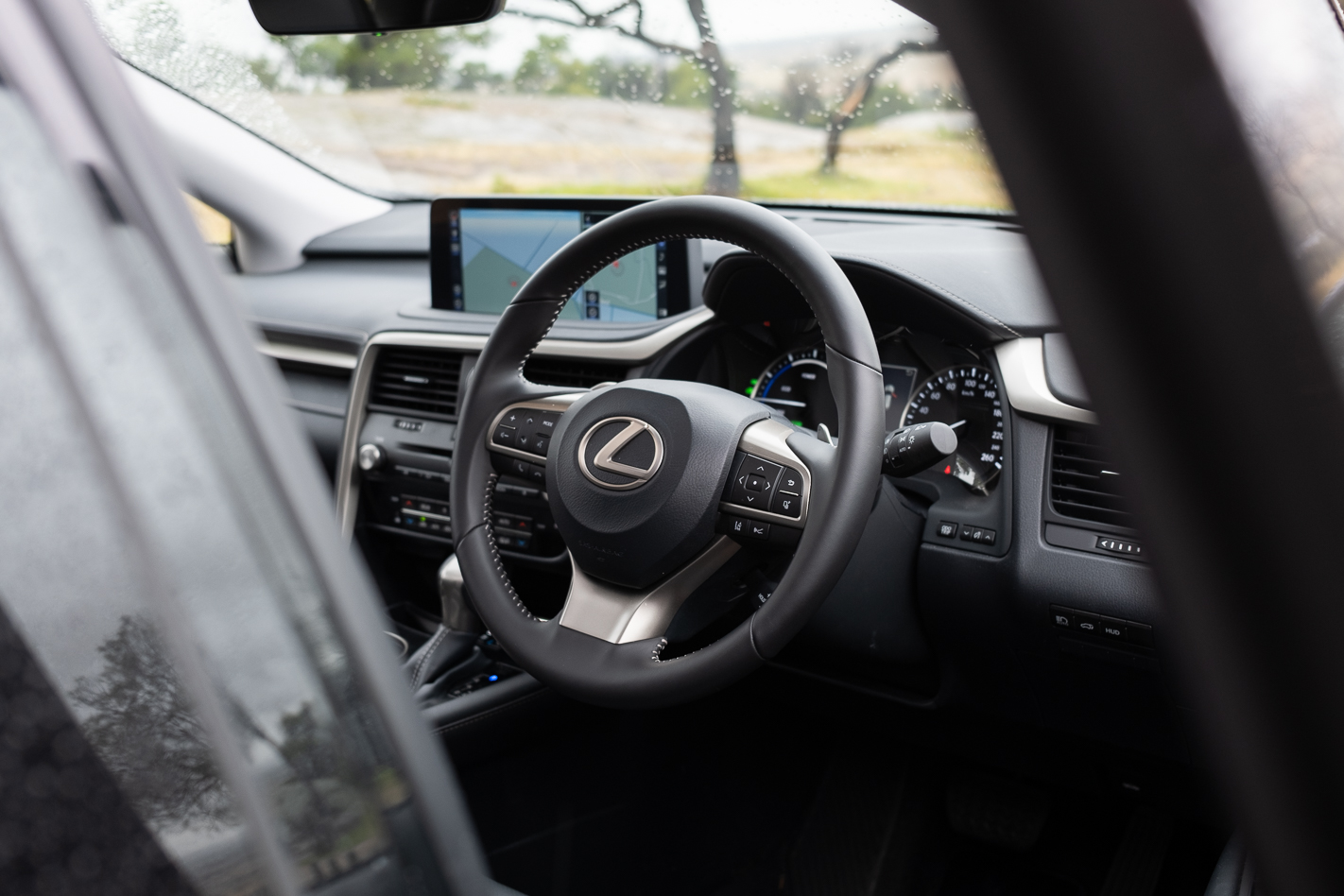
The lasting impression that I am left with after spending time in the RX450hL is one of supreme comfort.
In this tester’s opinion, Lexus does some of the best standard specification seats in the automotive business and the RX450hL was no exception.
The seats are soft and supportive (even on long journeys), the carpet is thick and plush, and electric-adjustment convenience for the seats and steering wheel made re-acclimatising to the big SUV a breeze.
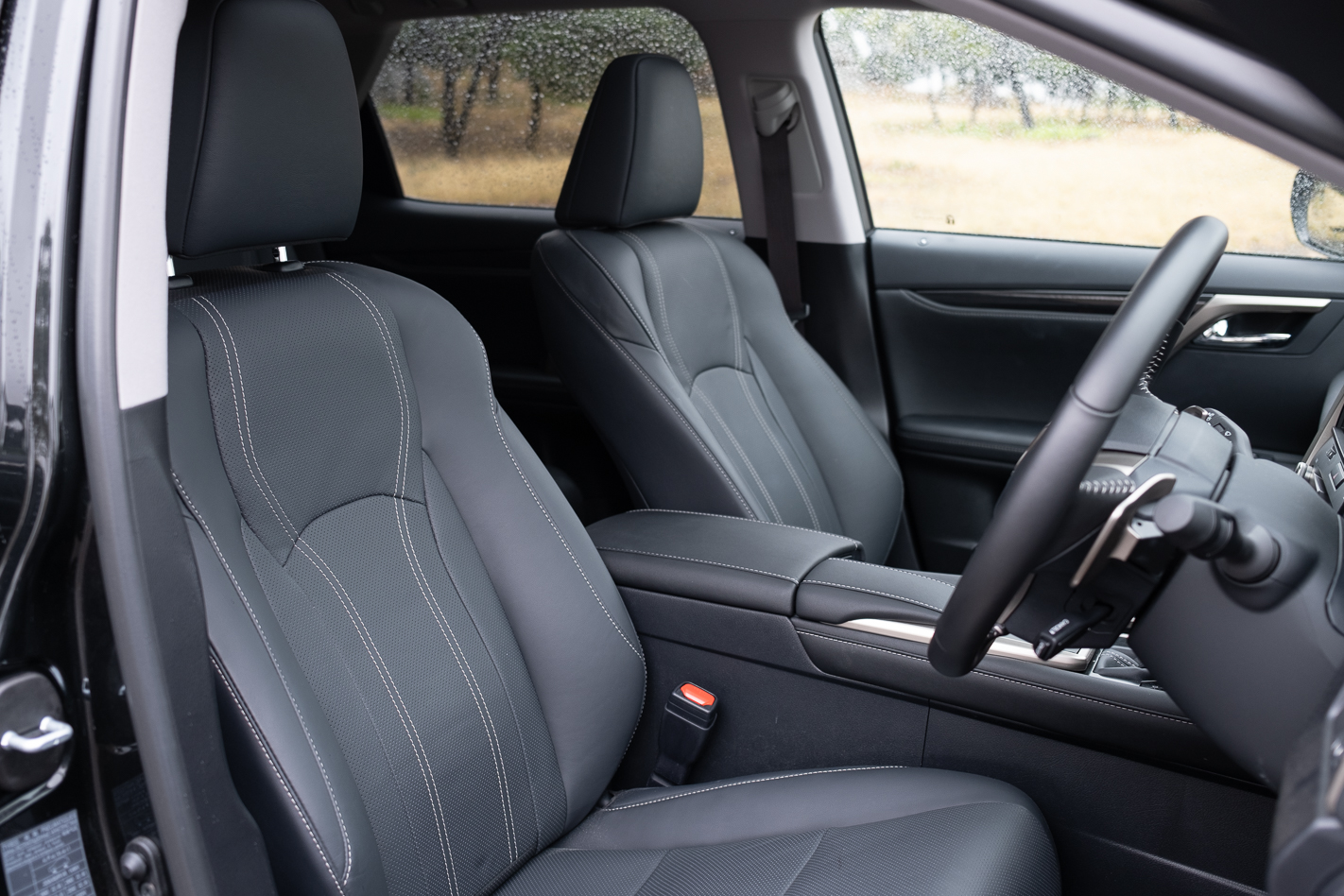
So too, the seats’ ventilation/heating feature are a welcome inclusion for summertime road trips, and the extensive tri-zone climate control system (which third-row seaters can control for themselves) keep the cabin comfortable at the requested temperature.
The cabin stocks a number of storage spots; door bins extend for larger bottles, two cupholders in the centre console are handy for keys and wallets and there’s a wireless charging tray aft of the shifter.
There’s also an upright cushioned slot for your phone next to the shifter.
Featuring items like keyless entry and start, powered tailgate, powered third-row seating deployment, privacy glass, satellite navigation and digital radio, the RX450hL is a well-equipped SUV and makes spending time in the cabin a breeze.
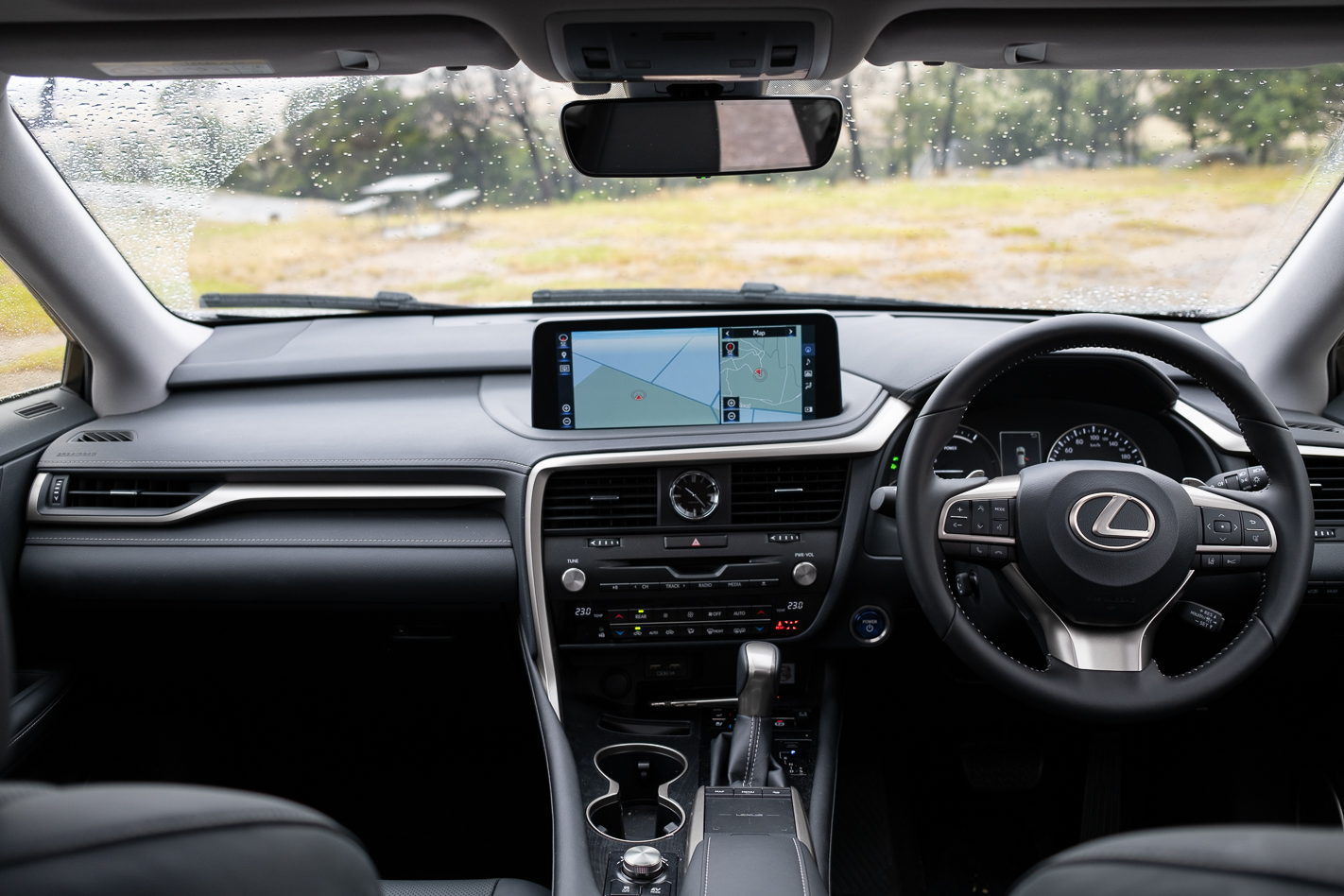
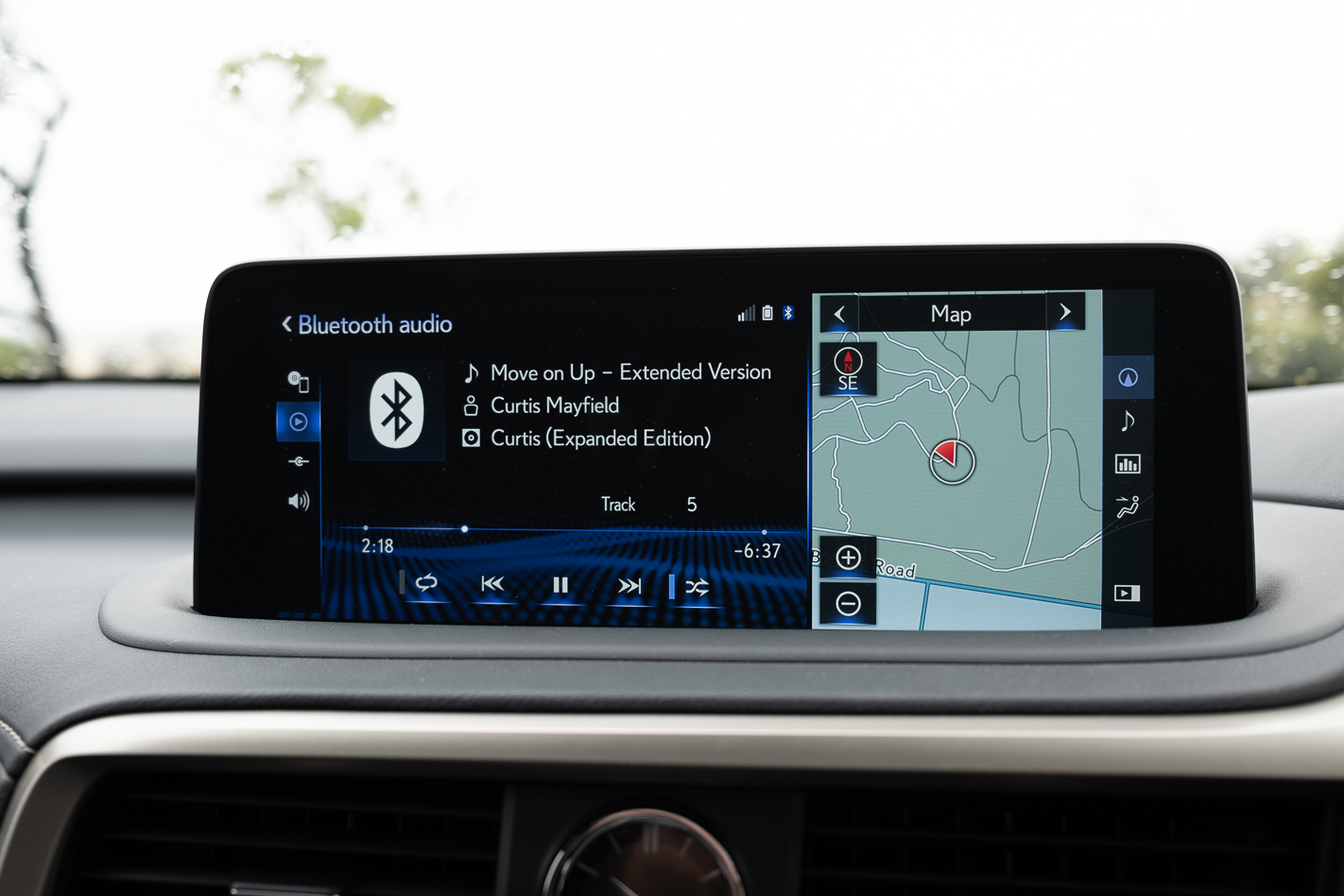
A lot of criticism is thrown Lexus’ way for its persistence with its touchpad-controller which guides the 12.3-inch infotainment screen.
It’s not the most intuitive system to use, especially while trying to change radio stations while on the move, for example, though you do get used to the controls in time.
If it does turn into a bugbear, rest assured that the screen is now touch-sensitive, which comes in handy to control Apple CarPlay and Android Auto.
The 12-speaker sound system paired to the infotainment system was adequate, though I would kick myself for not getting the fantastic Mark Levinson 15-speaker system – which only comes as part of the more expensive Sports Luxury model grade.
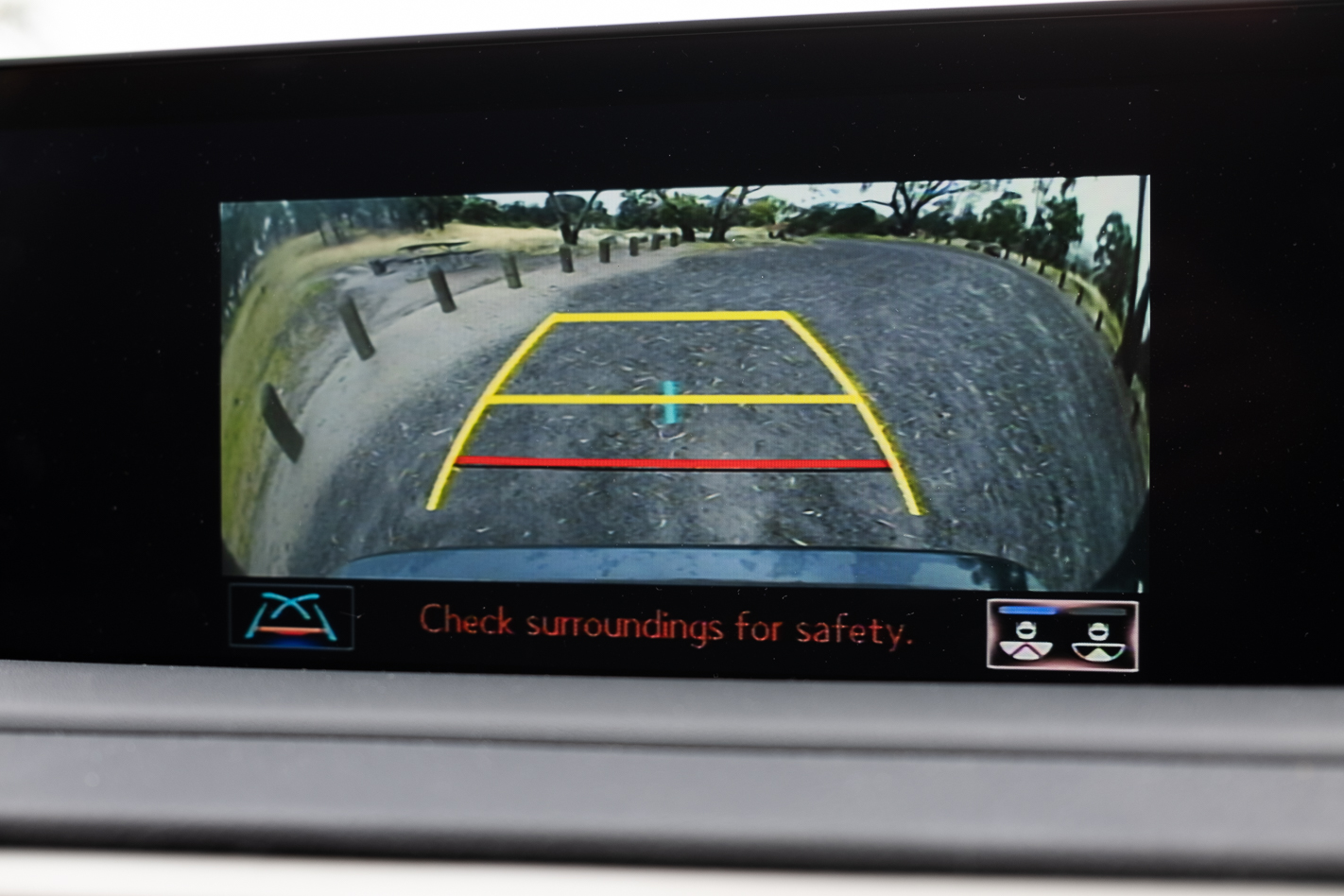
There’s a wide view and narrow view reversing camera to help guide you backwards, but both are low-resolution displays which is a shame to see on a high-end product.
Surround-view 360-degree cameras are available, but only on higher-spec cars.
Space-wise, there’s a great amount of room in the first row with enough adjustment to get a good, high driving position.
On that, vision is great from the driver’s seat, with enough glass around to comfortably see out in order to guide the big car in town.
30 years of Lexus Australia: a brief history of the marque
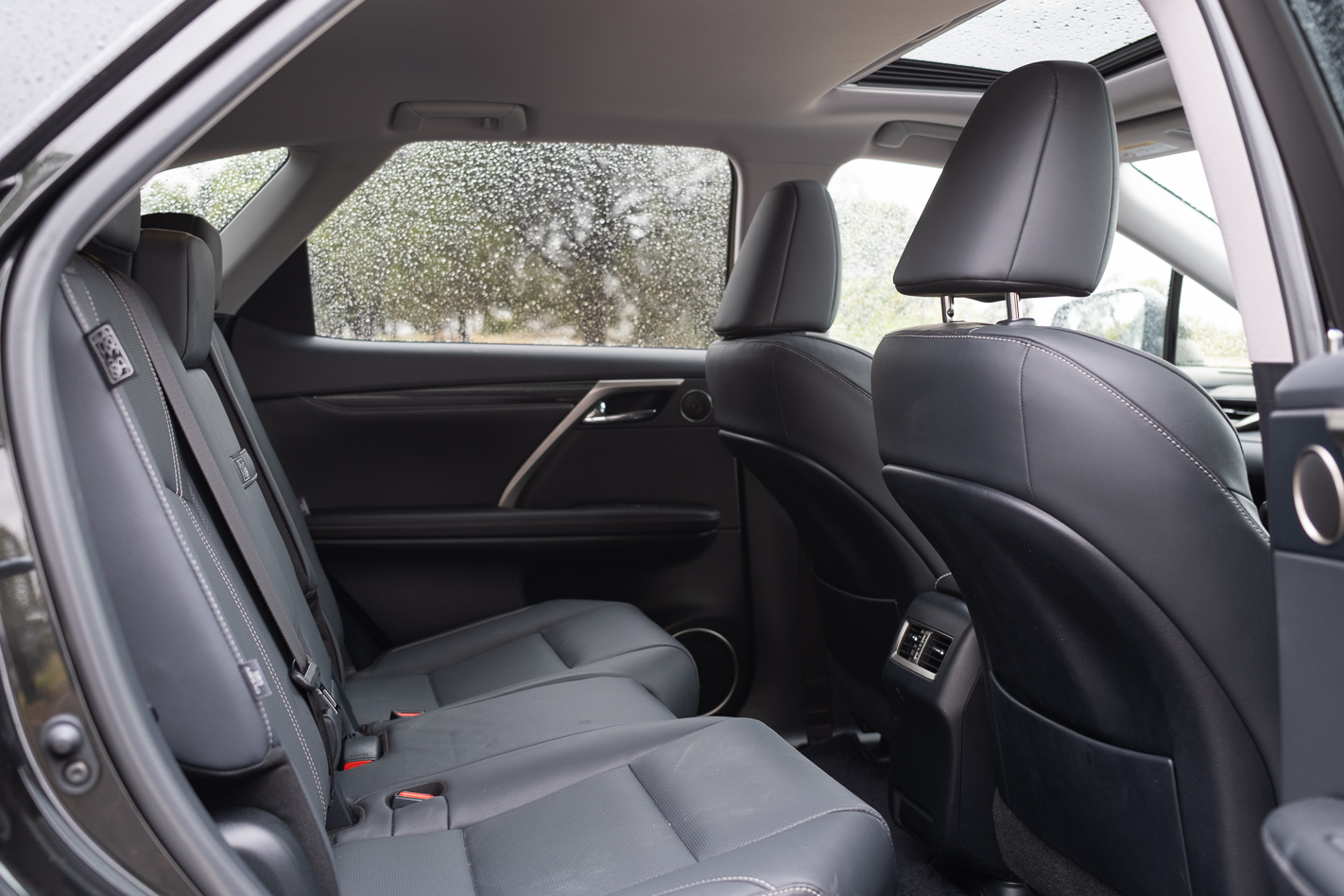
Second-row passengers are also well-catered to. The seats fold in a 60/40 fashion and slide back and forward as such; but there’s also good foot, head and knee room across the second bench.
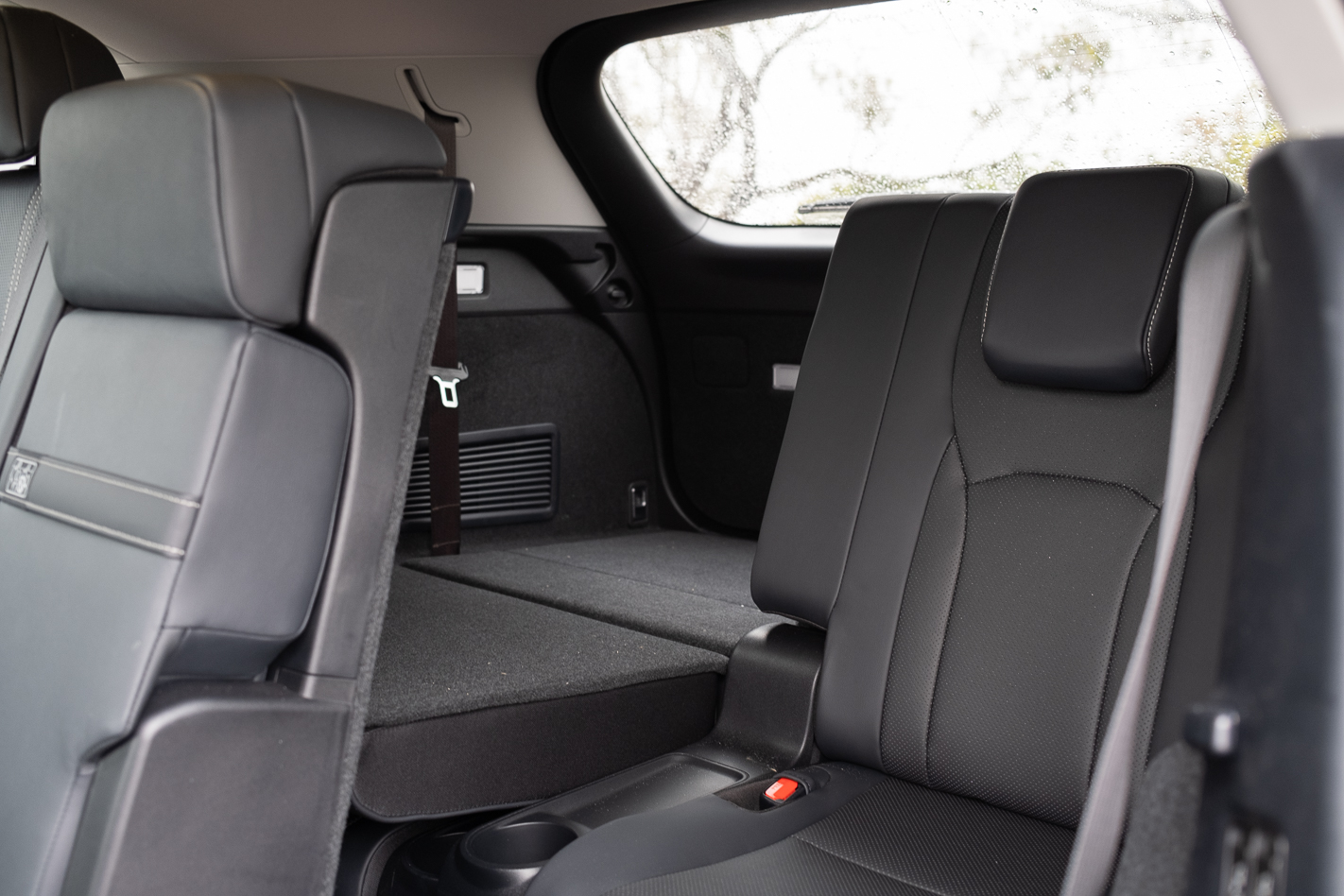
Getting into the third row is a bit tricky for taller adults – the experience is best reserved for kids or your least-liked adults.
It’s better described as a five-plus-two seating arrangement, only reserved for the odd occasion where capacity exceeds five.
The roof is sculpted for decent headroom, but knee space is tight and you’re unlikely to fit without moving the second row forward.
With the third row up, there’s still a good-sized 176 litres of boot space for a couple of backpacks. Put the third row down and that number grows to 432 litres.
This space can be accessed through a power-operated boot which can be opened with a wave of your foot under the bumper, but I could never make it work and ended up looking a fool in front of friends.
On the whole, the cabin is a well-equipped and comfortable place to spend time whether it’s a long trip or short city jaunt.
While there’s little in the way of thrills, such as accented trim or ambient lighting, the materials used throughout are pliant and yet hard-wearing.
Engine, transmission and drivetrain
As the most economical Lexus RX, the 450h features a 3.5-litre V6 hybrid engine with a 650-volt battery system and twin electric motors. Collectively, it outputs a combined 230kW/335Nm.
Power is sent through a continuously variable transmission (CVT) which has six stepped ratios (can be changed via paddle shifters) and traction is handled through a part-time all-wheel-drive system which favours the front axle.
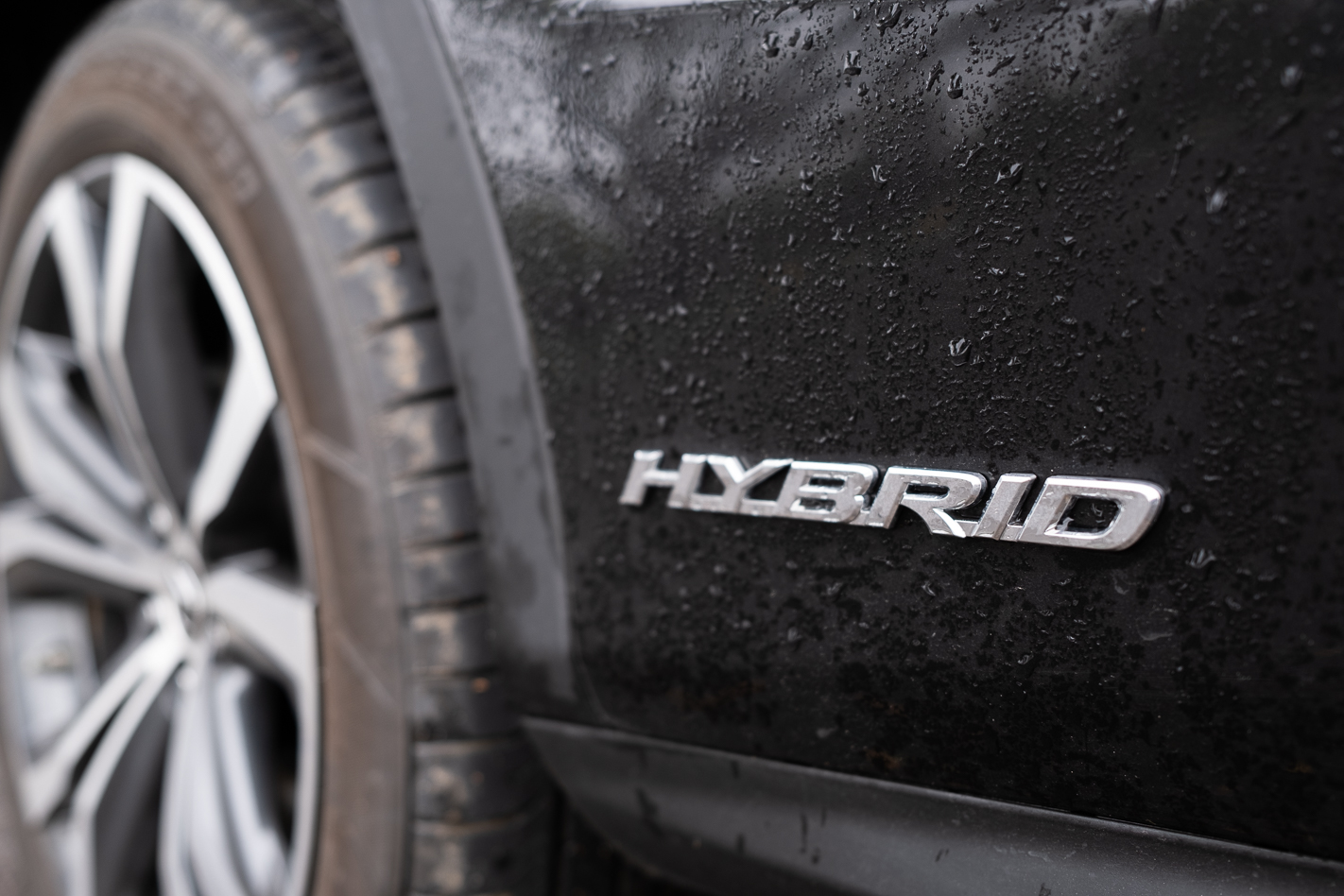
Lexus says the RX450hL will return a combined fuel consumption figure of 6.0L/100km in an ideal scenario, though I never saw less than 8.2L/100km.
This is still a respectable result, but carting around a hefty 2235kg (tare) of weight does take its toll.
Driving the Lexus RX450hL
Despite the most-powerful 230kW/335Nm powertrain, that weight does make itself known when driving the RX450hL.
It’s not a particularly slow car – it can run from zero to 100km/h in 7.7 seconds – but after an initial off-the-line kick thanks immediate electric torque, it does run out of puff when you need to accelerate up to speed.
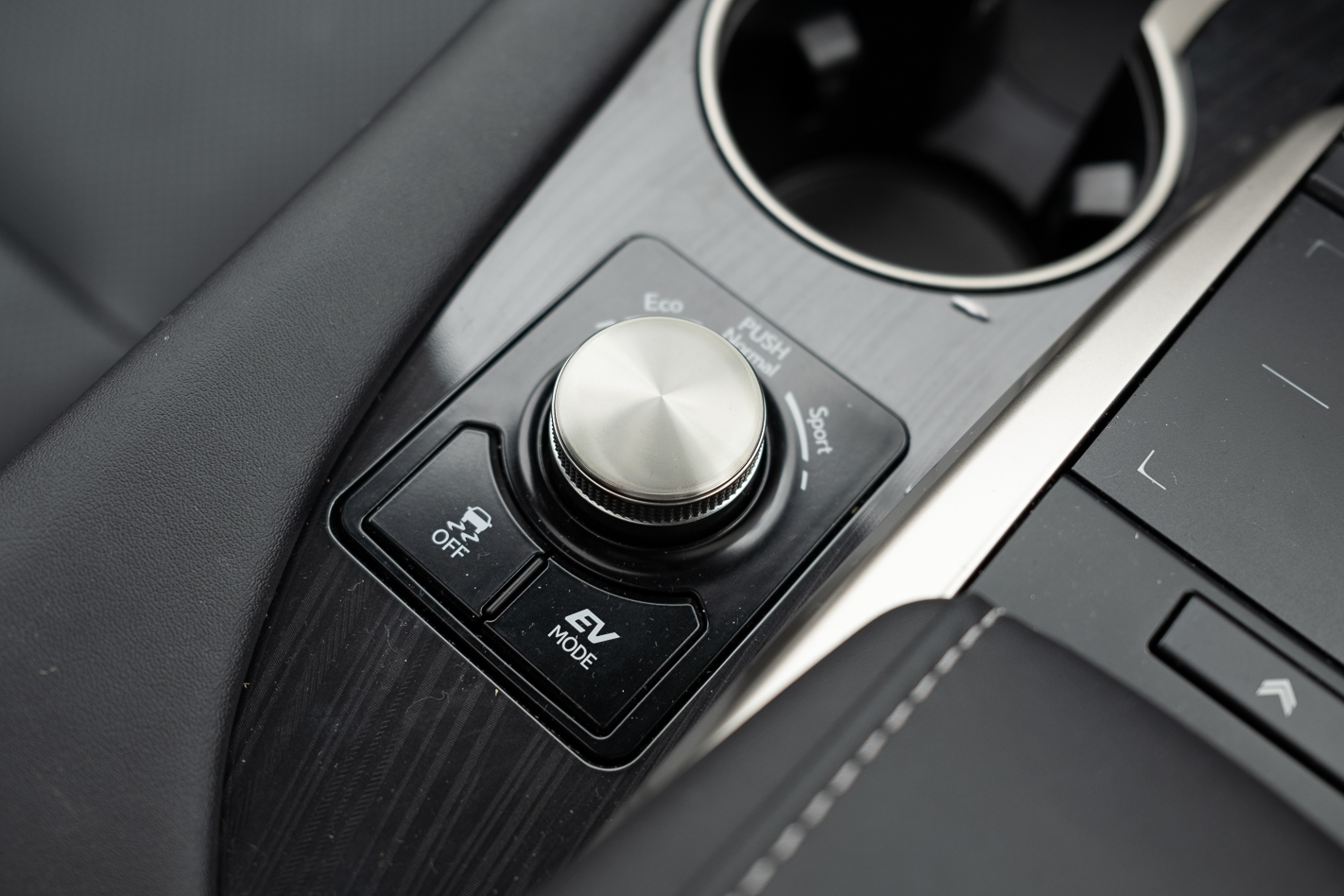
This is most commonly felt when overtaking on a freeway or merging, an annoyance I became accustomed to when driving down the M1 freeway towards the Victorian Surf Coast.
While the naturally-aspirated RX350 isn’t as powerful as the hybrid RX450h, crucially, the 350 feels faster because of its 370Nm torque figure.
Its fuel-saving benefits notwithstanding, the powertrain does feel somewhat underdone for a large seven-seat premium SUV. It stings when a number of competitors use turbocharged technology, too.
That said, its naturally-aspirated/CVT combo does make it exceptionally smooth to drive.
The transition from electric to petrol power is unnoticeable and it pulls you comfortably up to speed, as one would expect from a Lexus.
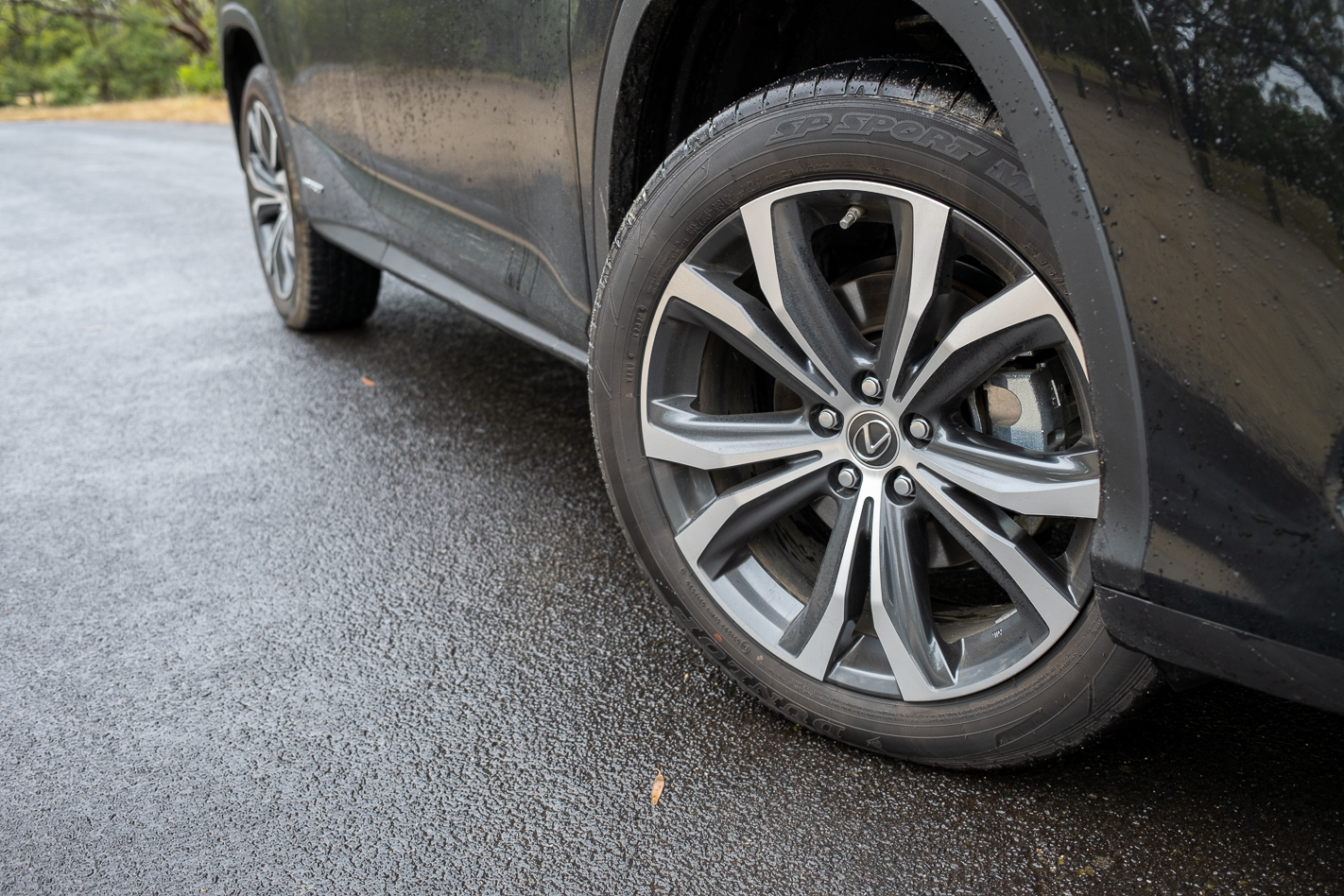
There is the option to drive on full electric power, though only when the car’s energy reserves are full and only up to 40km/h or so before it reverts to petrol power.
Much like its plush carpet and soft seats, the RX450hL’s ride profile is extremely comfortable in all situations.
Around town, it negotiates speed bumps and potholes with ease, and further afield it smooths over pockmarked roads and large bumps without fuss.
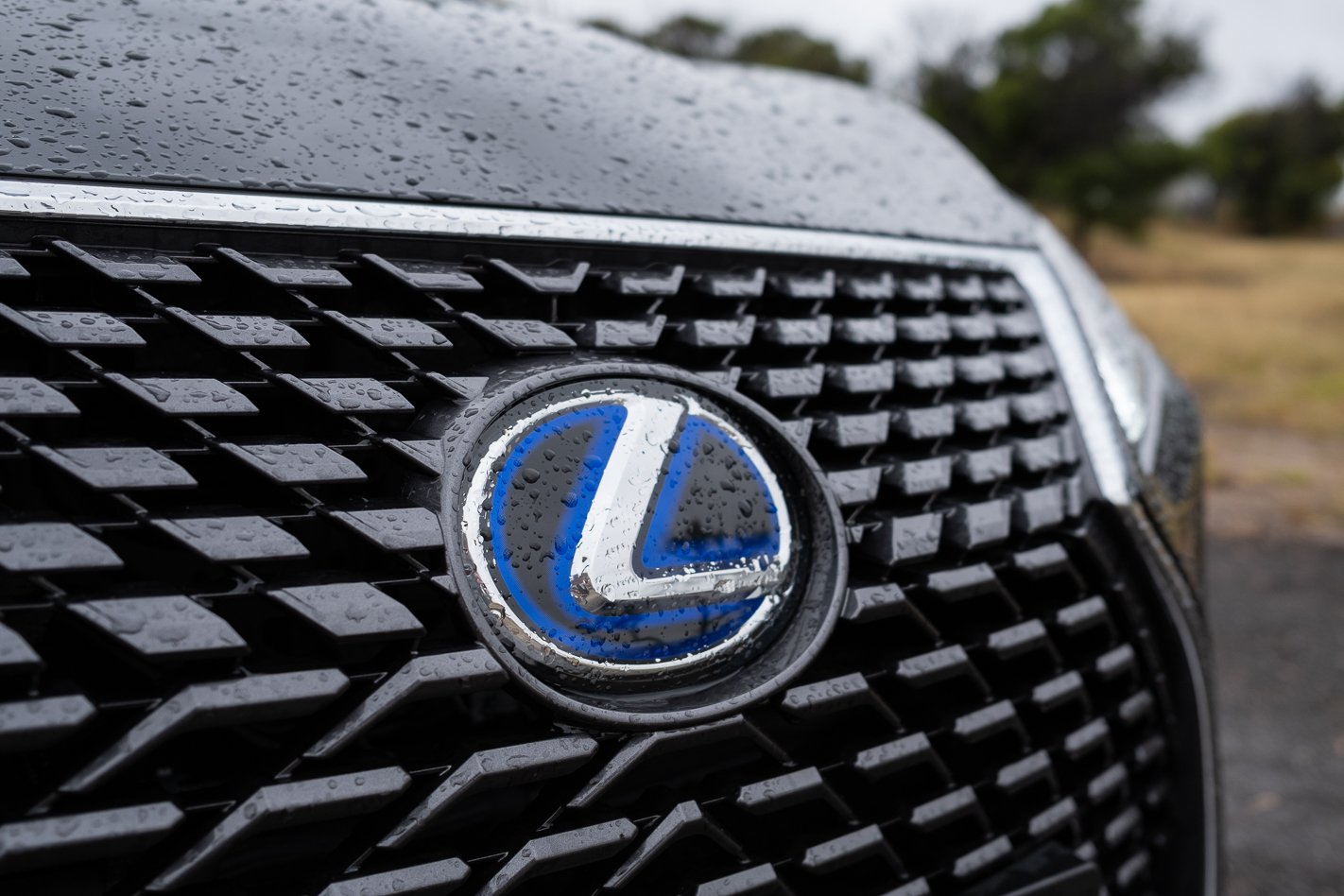
That soft suspension tune does cause it to roll around a bit as you round corners, but not worryingly-so – it is a large seven-seat SUV after all.
Its feather-light steering makes city driving and parking a simple manoeuvre, and manages to retain enough feel to let you know what’s under the tyres when driving rural.
Comfort and convenience is key in the RX450hL, two attributes it delivers in spades.
How safe is the Lexus RX450hL?
Each RX comes standard with the Lexus Safety Suite+ which includes autonomous emergency braking with pedestrian detection, lane trace assist, blind-spot monitor with rear-cross traffic alert, automatic high beams, adaptive cruise control with queuing function, tyre pressure monitoring and ten airbags.
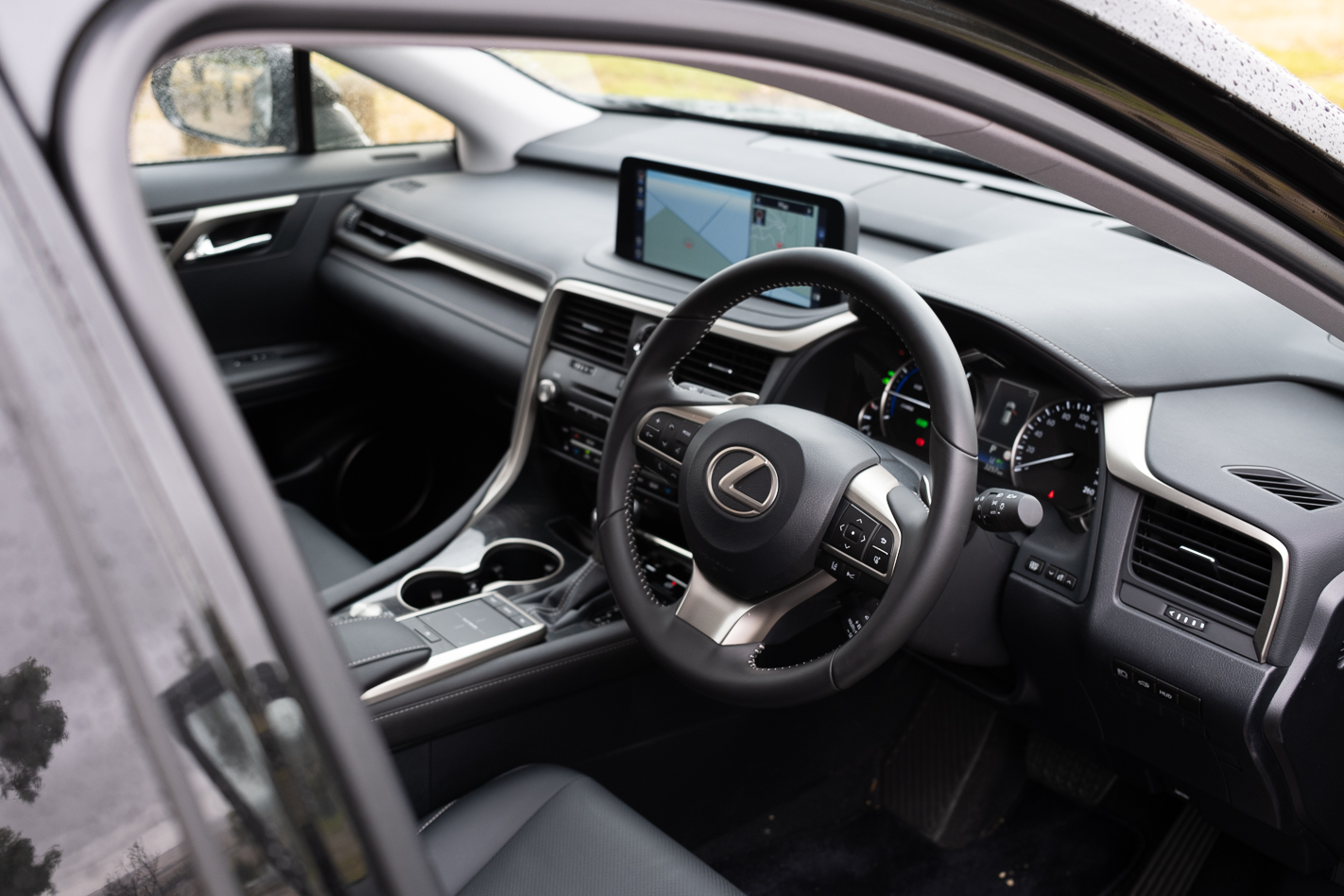
It misses out on a four-camera panoramic view camera and adaptive high beam system which are reserved for the more expensive Sports Luxury spec.
The Lexus RX was last safety tested by ANCAP in 2015 when it scored five stars, though no updated rating has been given for this car; the facelifted seven-seat version.
How much does it cost to run the Lexus RX450hL?
The RX450hL is covered with a four-year/unlimited-kilometre warranty.
Capped-price servicing is on offer. It needs to be serviced every 12 months or 15,000km, with each trip costing $595.
Though it does use less fuel than its sub-spec RX350 sibling, we analysed the cost/benefit outcome last year and discovered it would take a long time before the added cost in purchase price would be amortised through fewer visits to the petrol pump.
Read through our long-term loan report for the full run-down.
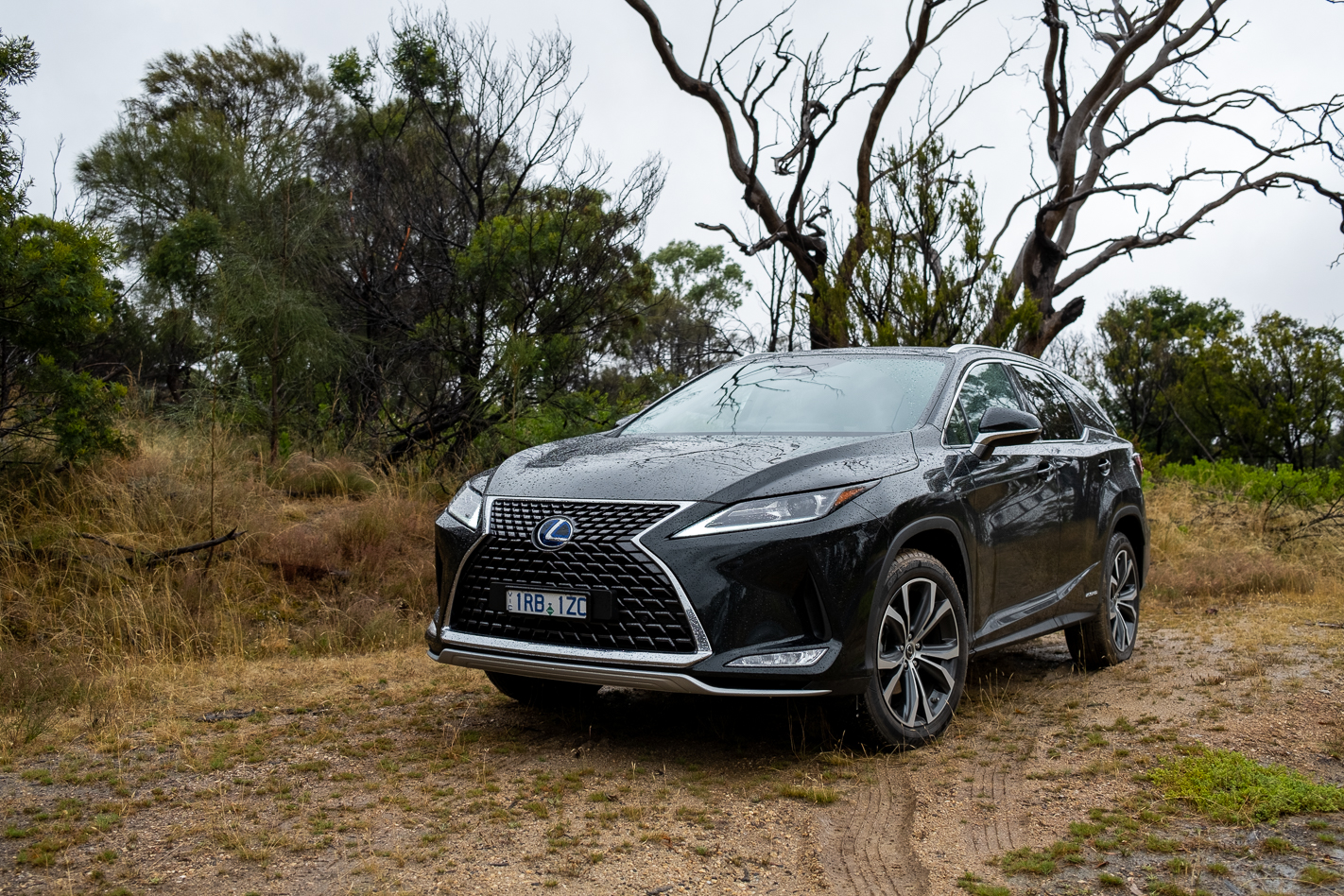
A decent benefit of Lexus ownership is the Encore program which offers a number of benefits like service loan cars, hotel offers, exclusive events and fuel discounts.
Verdict
As a comfortable cruising SUV, the RX450hL delivers in its brief and then some.
It might not have the bells and whistles of its rivals, but what it does offer is a great set of baseline features and space that will make an ownership experience pleasant.
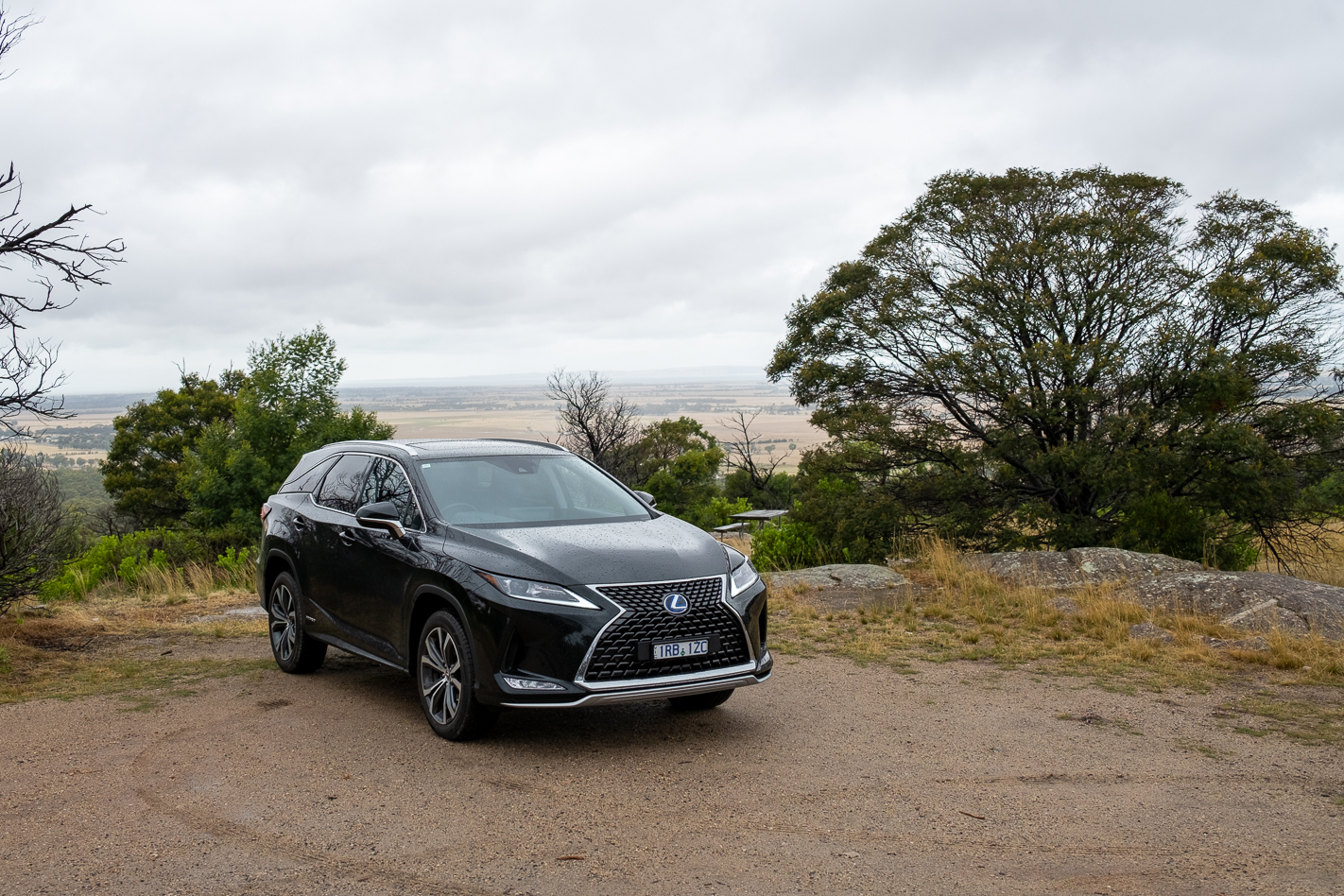
As consumers turn towards hybrid and electric powertrains in the future, the Lexus RX450hL offers a fuel-saving option that’s not really matched by anything within its competitive subset.
After its most recent 2019/20 update that genuine brought tech, safety and dynamic enhancement, it’s little wonder how the RX was able to jump from sixth best-seller to third in the space of a year.
Rating 4/5
Plus Superb ride, spacious/comfortable cabin (for all but third row!), great feature set Minus Lacklustre powertrain, hybrid power sees little real-world benefit, cabin doesn’t feel special
Specs Model Lexus RX450hL Engine 3456cc 6cyl, dohc, hybrid Max power 230kW @ 6000rpm Max torque 335Nm @ 4600rpm Transmission CVT Weight 2235kg 0-100km/h 7.7sec (claimed) Economy 8.2L/100km (tested) Price $95,888 On sale Now
Click through the photo gallery at the top of this story for more images of the Lexus RX450hL.
What is the LDV T60 TrailRider 2?
If you’ve even casually browsed the price lists of modern dual-cab ute contenders lately, you’ll have a grasp of just how much money one needs to get aboard even an entry-level rig from one of the big three or four players.
And it wasn’t all that long ago those big brands like Toyota, Mitsubishi and Ford were the only players on the field.
But now, in the midst of a global shift in the way we’re all living our lives and spending our money, the field is widening, and there is more choice.
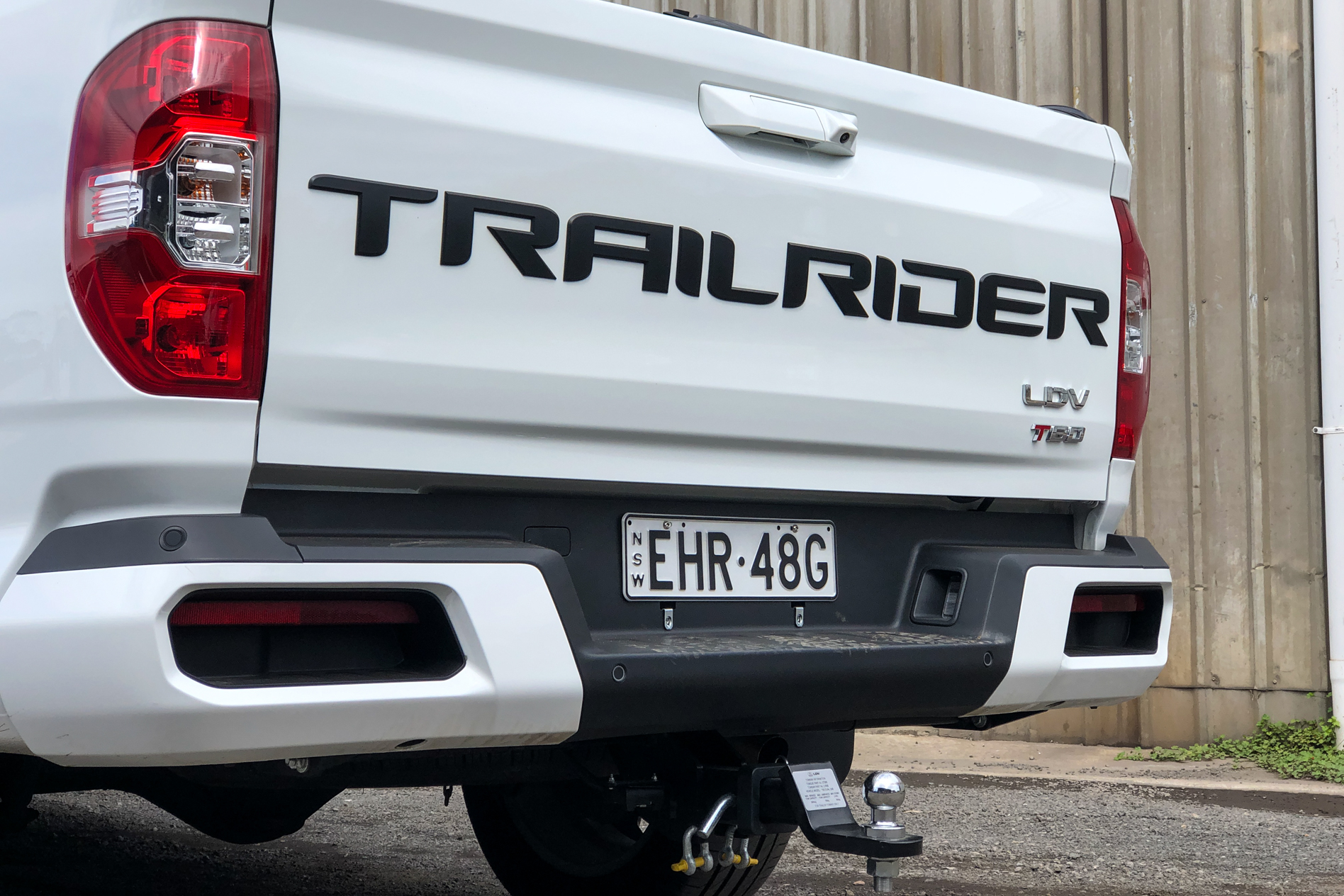
One of those choices comes in the form of LDV’s updated T60 dual-cab.
The once-British moniker now comes down under via one of China’s largest carmakers, SAIC, and it’s safe to say it’s had to do its homework on what Aussie buyers want, need…and will buy.
The Trailrider 2 is the first T60 to feature an updated 2.0-litre turbodiesel engine which, along with decently sharp looks and locally sorted suspension, is enough to have tongues wagging.
Price and features
In my smallish hometown, local council workers knew exactly what the T60 was and how much it cost, while neighbours asked whether it cost as much as a Ford Ranger Raptor.
The answer to the second question is a resounding ‘no’. At $42,095 in auto guise, it’s not far off half the price of Ford’s finest.
Given its robust content list, though, you’re still looking at spending another twenty grand to find its equivalent in the Blue Oval stable.
The cost to build a car is like a piece of string; there are ways and means to make that string shorter but it does show in the final product.
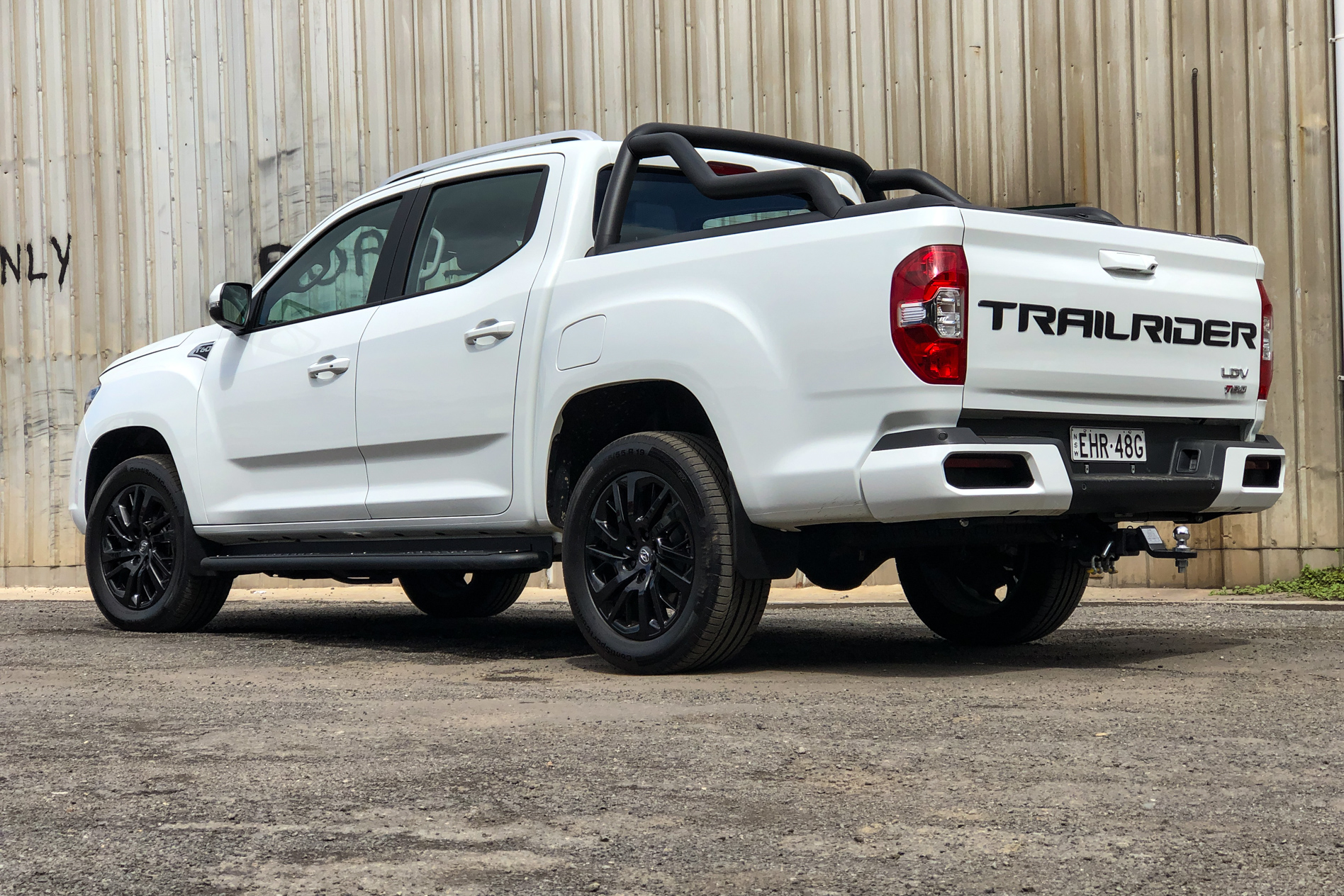
The Trailrider adds items over and above the base T60 like black leather upholstery, a 10-inch multimedia screen, a decently-sized steering wheel with ample controls, blacked-out 19-inch alloys, a nudge bar and a tub equipped with a bolt-on sports bar and spray-on bedliner.
How practical is the LDV T60 Trailrider?
It wouldn’t be quite fair to call the LDV unrefined, but it does have usability and ergonomic moments that do show why it’s not quite up to the same quality and spec of its more fancy rivals in a couple of small areas.
The seat and seating position to the driver, for example; the leather seats are nicely made and cope with large Australian male figures quite well, but the final shape of the seat isn’t quite there.
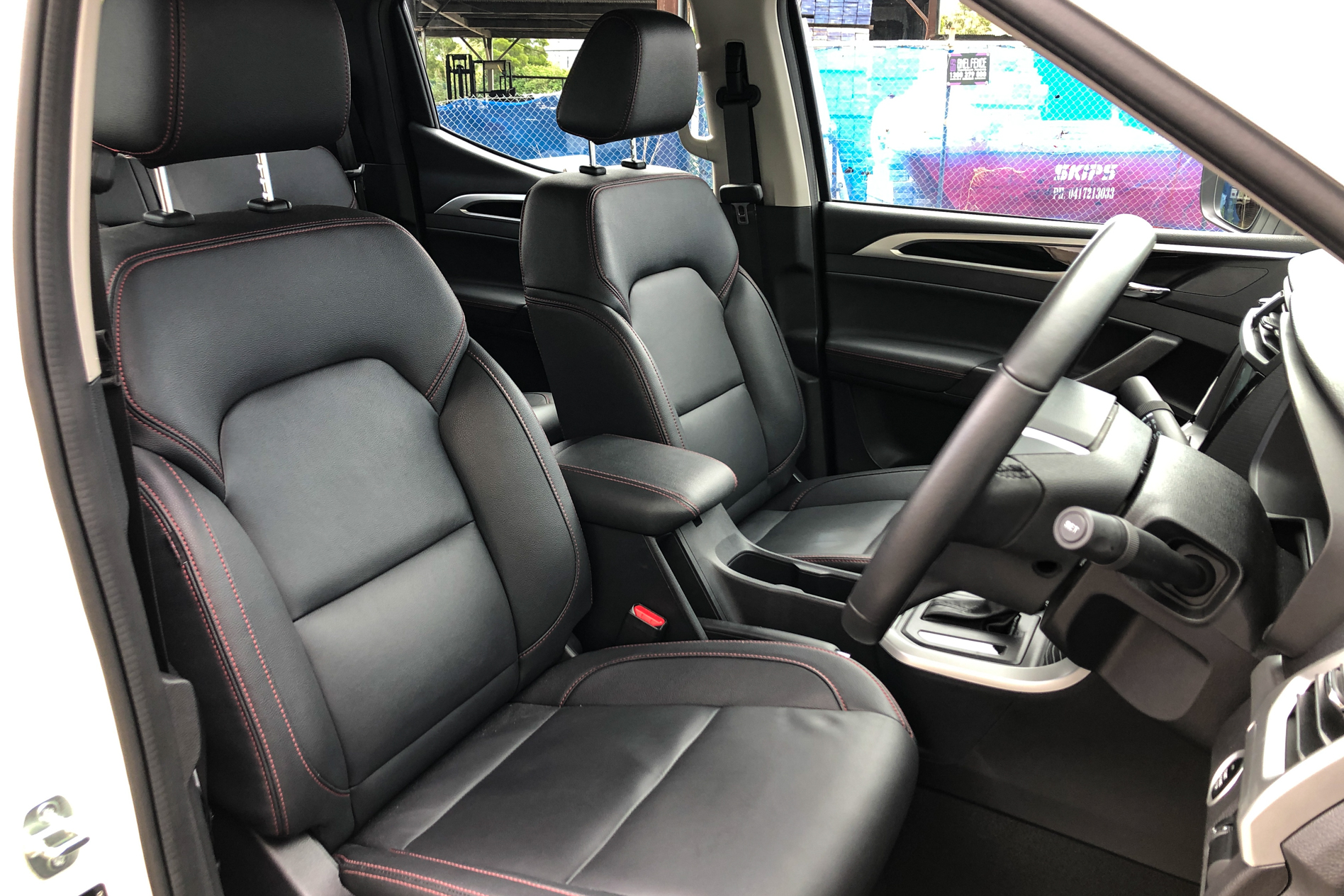
It’s a little bulbous under the thighs, for example, and the lumbar support is a little too thick.
And while the dashboard has vital elements like a digital speedometer, the execution looks more 1990s than 2020.
The feel of the buttons, too, also tells you where some money has been saved, while the poor resolution of the rear-view camera image and the layout of some of those switches is also, let’s say, interesting.
On the plus side, there are many nice points about what is fundamentally a commercial vehicle cabin.
Touchpoints under the elbows are padded, while the steering wheel – while lacking reach adjustment – is small and leather-bound.
The basic architecture up front, too, is quite contemporary, and of course, the large multimedia screen in the centre brings the cabin bang up to date.
The screen, however, kept defaulting to dark mode during my time with the car, which made it quite difficult to see, and there was no demonstrable way to change any settings to prevent that from happening.
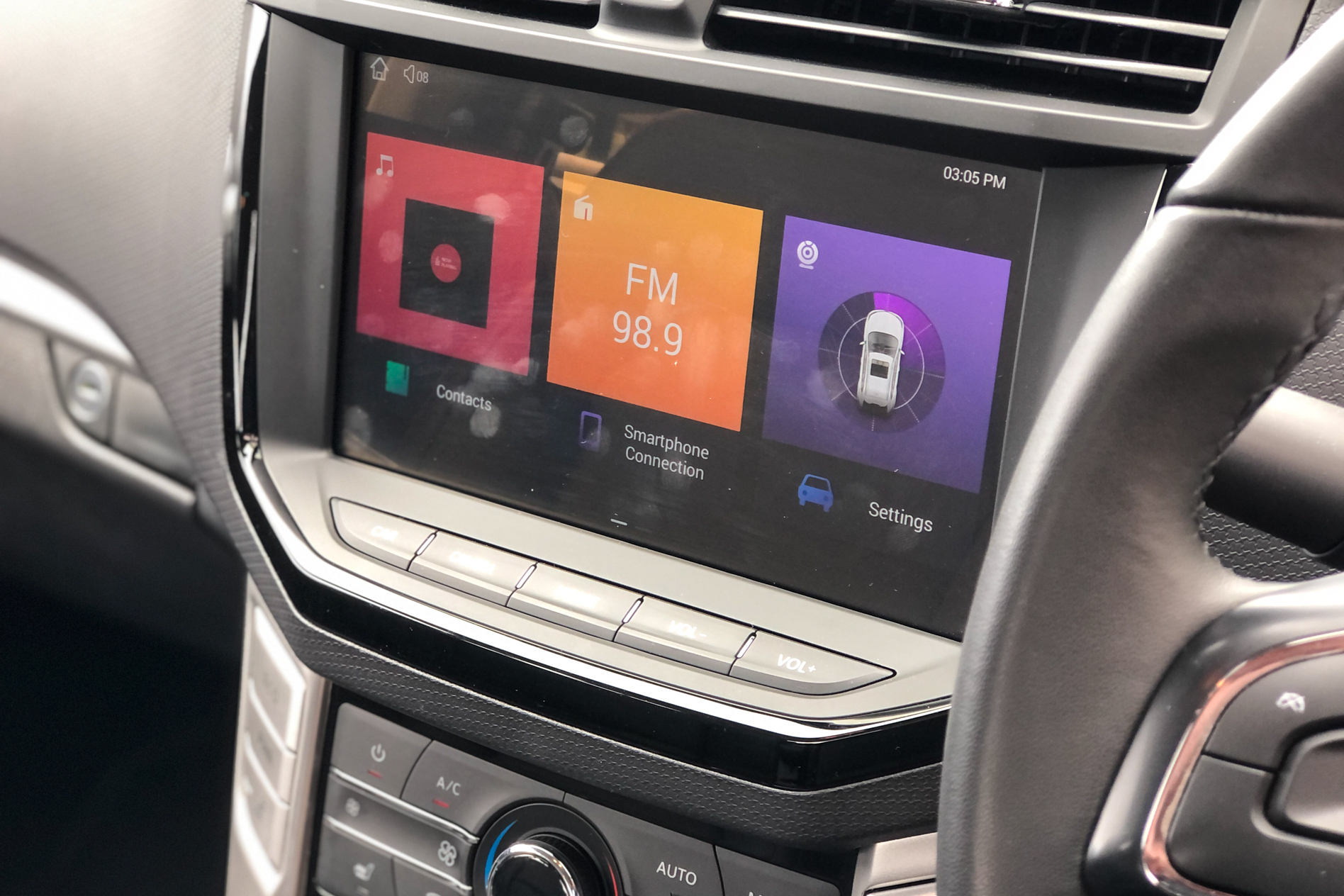
It would also mute itself permanently after taking or making phone calls via Apple CarPlay, and there are also very few of the car’s settings that can be changed within the multimedia system.
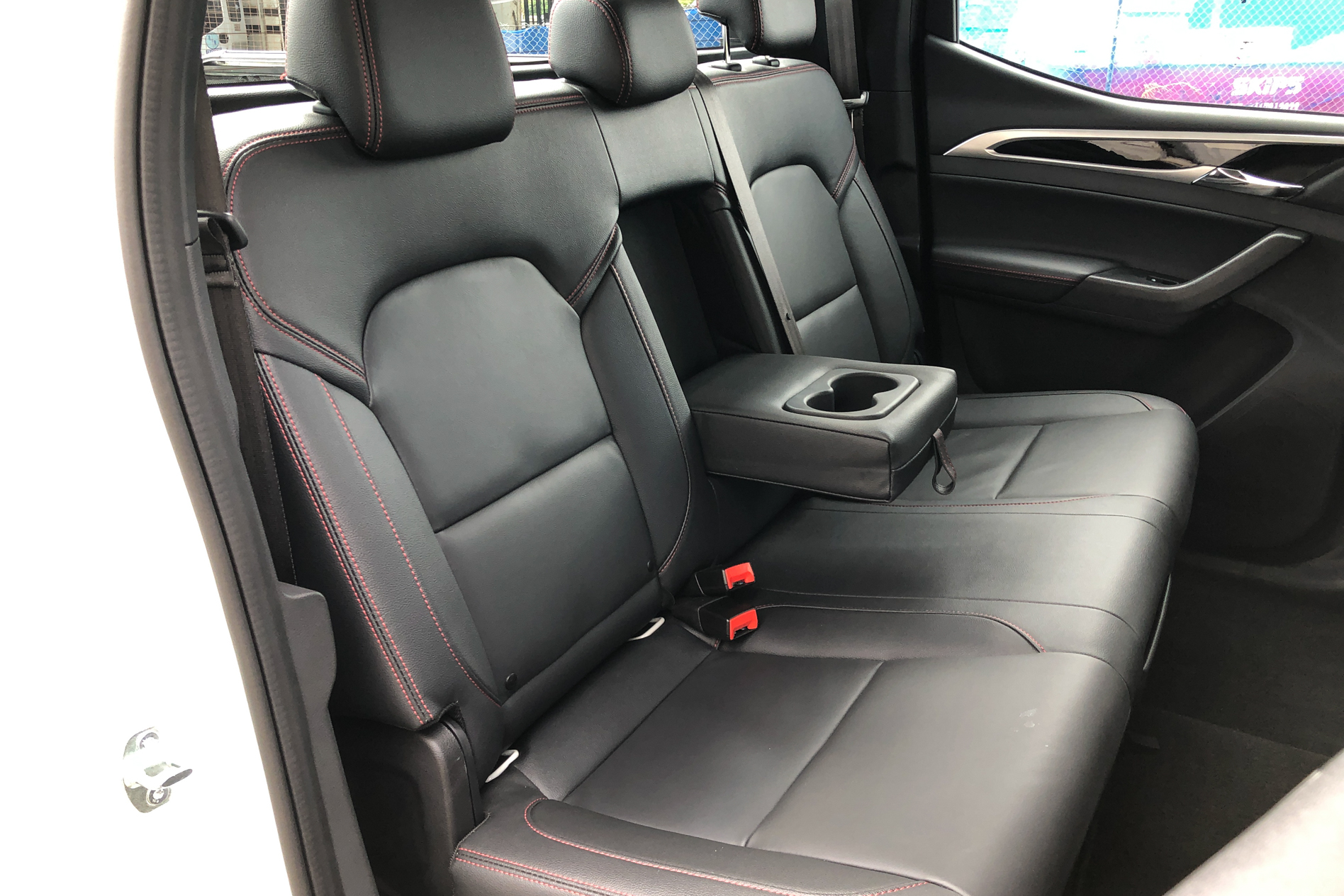
In terms of cabin space, though, it’s a big tick for the T60. Rear seat room, in particular, is excellent, with plenty of headroom for even the tallest of passengers, loads of knee room and plenty of shoulder room.
There are two ISOFIX baby seat mounts on the outside seats, and a pull-down armrest with two cupholders.
There is also a 12-volt charging point for rear-seat passengers as well as vents.
The seatbacks themselves are not too vertical, either, which makes for a comfortable ride in the rear of the T60.
Front seat passengers are well catered for as well, though the criticism about perceived quality can be levelled at the electric seat adjuster, which does feel a bit flimsy.
We tested the standard tray version of the T60, which suffers the same downfalls as the rest of its competitive set.
It comes in at 1485mm long, 1510mm wide and 1131mm between the arches. Its payload is rated at 865kg for the auto and 895kg for the manual, while the T60’s towing is rated at 3000kg (braked).
Sure, that number dips below the 3100kg figure of the Mitsubishi Triton and 3500kg figures of other brands, but it’s a worthy compromise, all things considered.
In all honesty, a dual cab ute tray is just not that practical. It can’t, for example, accept a full-sized mountain bike in the tray, while the T60 Trailrider’s tub is compromised by the addition of a lockable roller shutter.
While this is a great item when it comes to securing your personal goods, it takes up a fair bit of space at the front end of the tray.
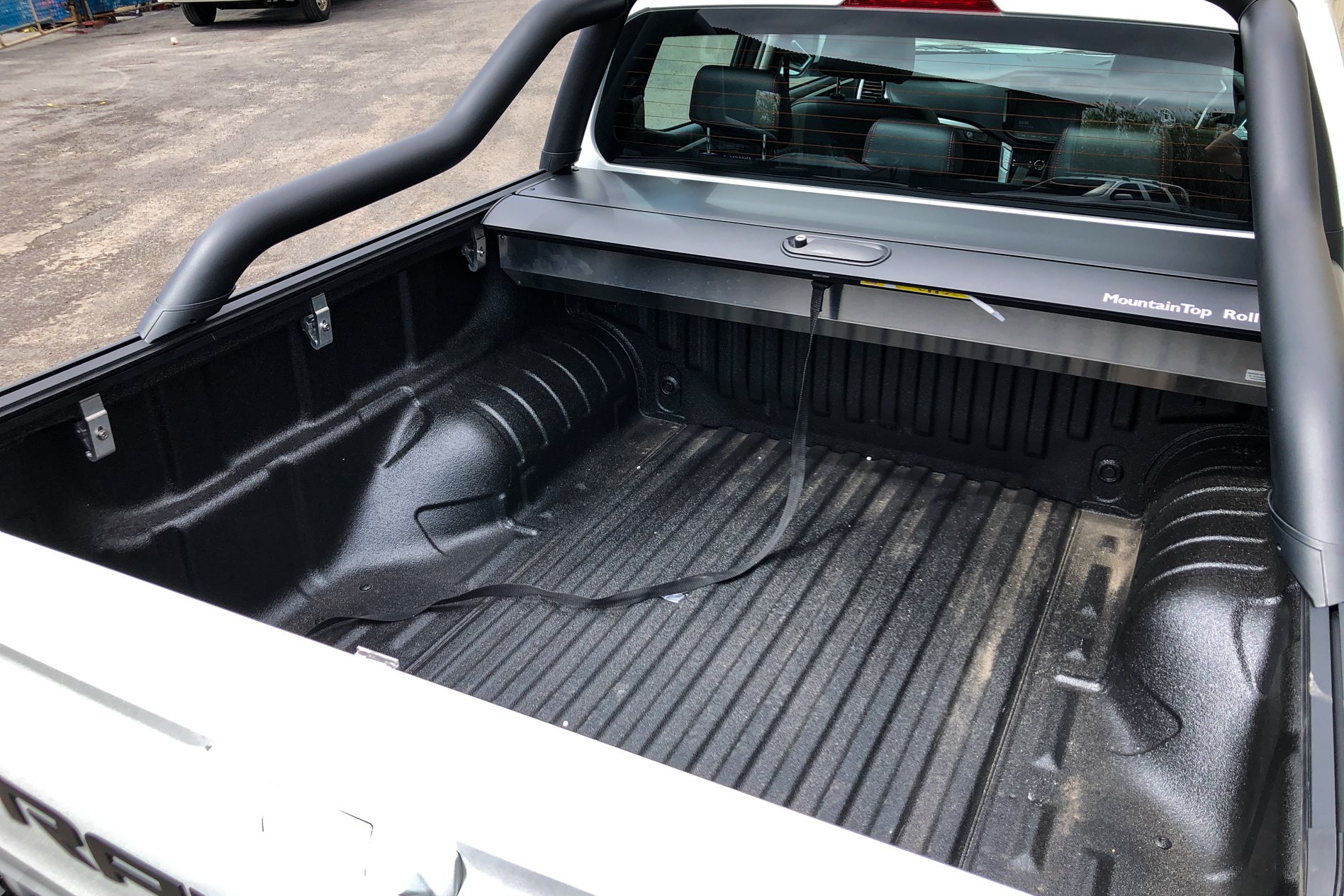
The factory-applied spray on bedliner does help add a few vital millimetres of width and length over a plastic tub, though.
Driving the LDV T60 Trailrider
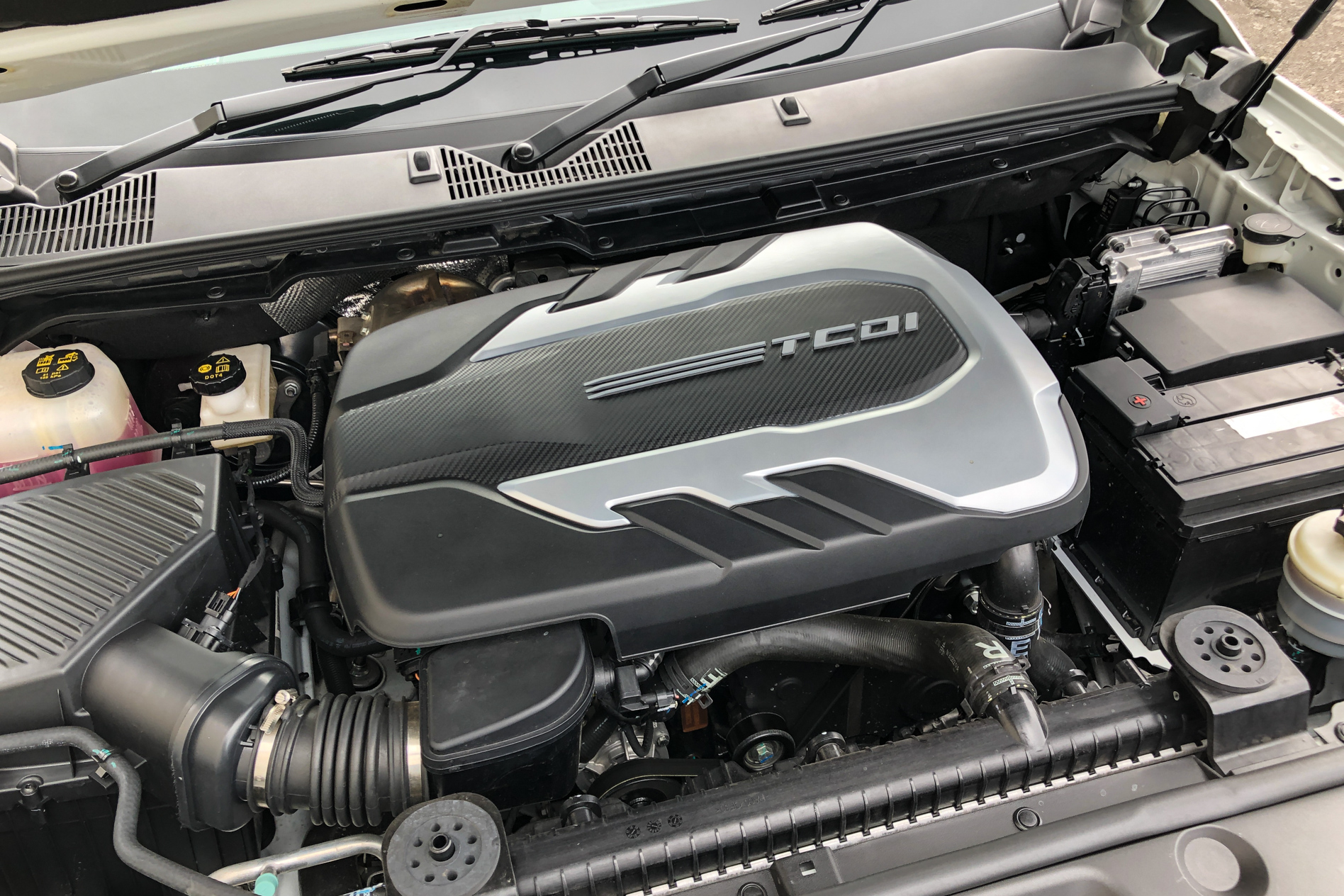
The first thing you notice when you climb aboard and start up the T60 with a push-start button is the racket from the revised 2.0-litre diesel engine.
It sounds very much like a product from the 1990s rather than something of the more modern age, with a high-pitched tappet sound that can be quite intrusive.
Once you get over that, however, the turbocharged engine is tractable and responsive, if a little bit laggy thanks to a combination of turbo size and throttle calibration.
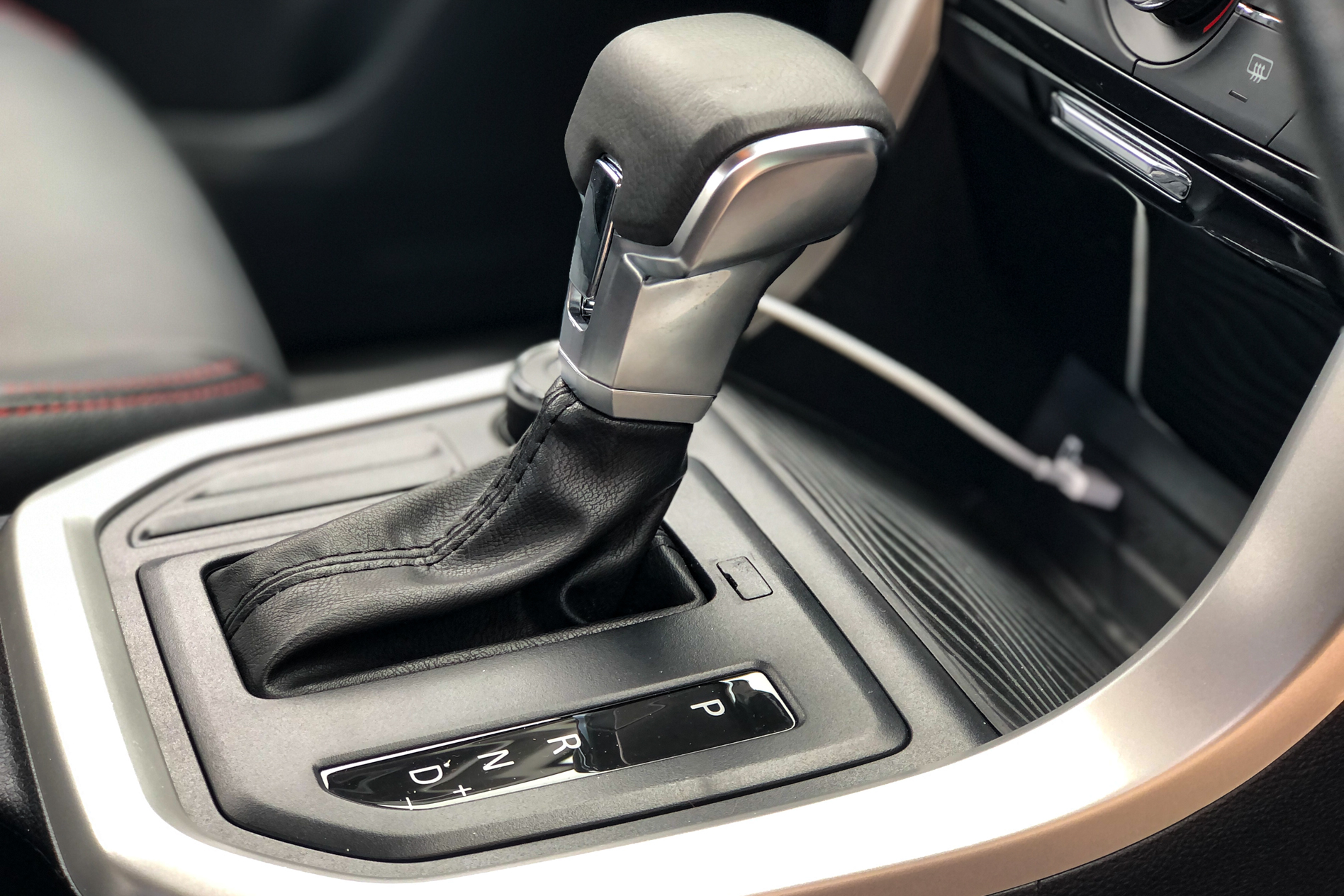
The six-speed auto gearbox is well matched to the 120kW/375Nm engine, but like most commercial vehicles, it can feel a little bit shunty when slowing or from taking off at low speeds.
Its ride and handling, though, is very good, verging on excellent. Its unladen ride quality around town in particular, is a real highlight.
It lacks any of that taut and bouncy feeling that can plague some of its competitors, and while the steering may not be the last word in accuracy, it is decently responsive and still light underhand.
The brake pedal can feel quite soft belying the fact that it works efficiently, and in general the T60 drives remarkably well for a dual-cab 4×4 ute.
It can get a little noisy thanks to that engine and a little bit of tyre roar coming back into the cabin, but fundamentally it’s no worse than any of its competitors.
No off-roading for us this time around, but there’s a brace of dirt tech ready to go. Both low- and high-range 4×4 are present, along with a locking rear diff that automatically engages under 30km/h if required.
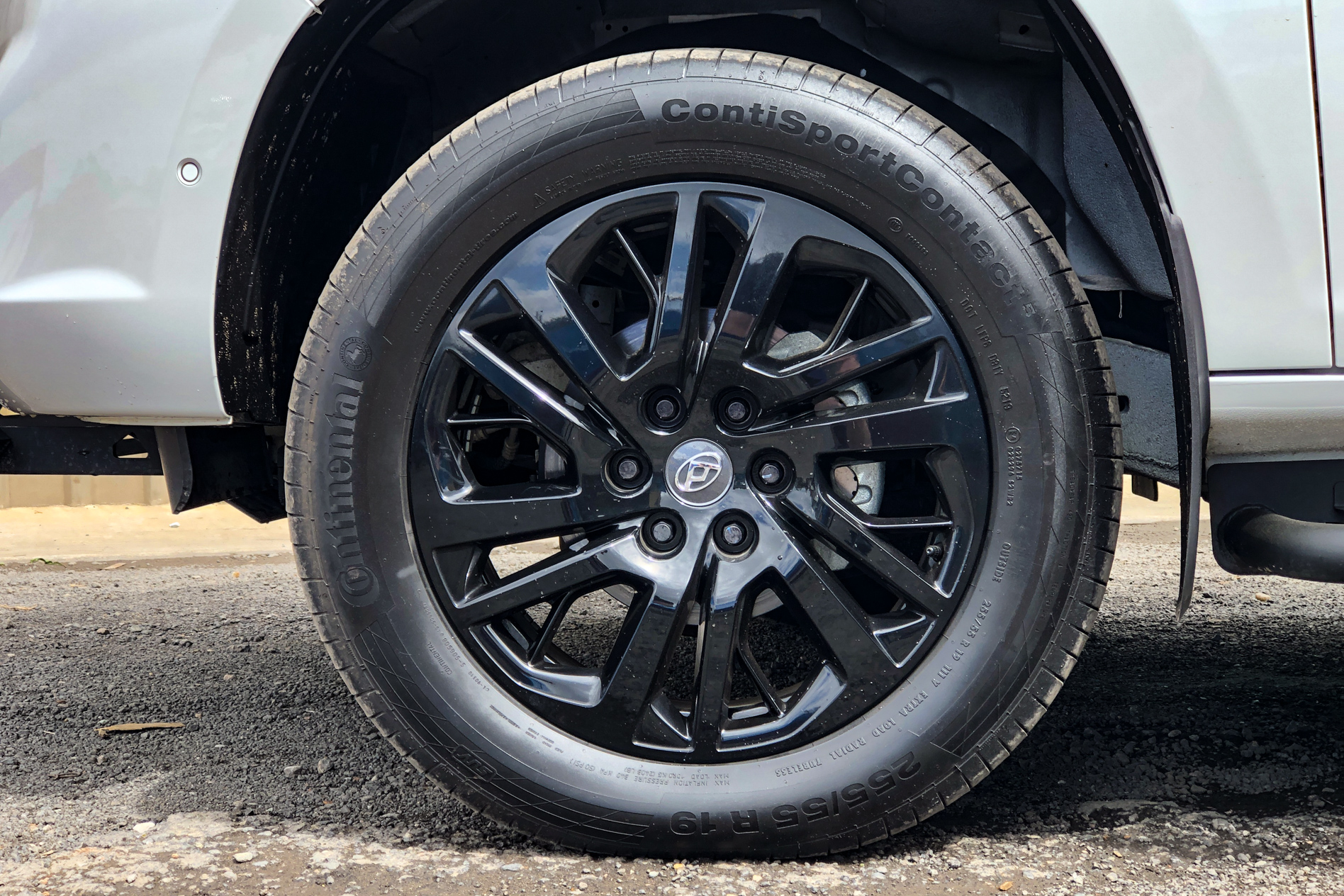
An approach angle of 27 degrees is fair, as is a departure angle of 24.2 degrees, but the 19-inch wheel/tyre package will limit your adventuring to a degree.
Safety
A blind-spot monitor combines with systems like hill climb assist, a 360-degree camera and adaptive LED headlights.
The five-star ANCAP-rated T60 also sports six airbags including full-length curtain bags.
How much does it cost to own an LDV T60?
LDV offers a five-year/130,000km warranty, which includes roadside services for the same period.
It falls behind some emerging competitors like GWM in this regard, while a lack of fixed-price servicing puts it at a bit of a disadvantage to its more mainstream rivals.
Service intervals are suggested at every 12 months or 15,000km.
Over 350km, we posted a combined fuel economy figure of 9.9L/100km, against a claim of 8.5L/100km.
This is a bit higher than utes like the HiLux (7.0L/100km), but a 75-litre tank still ensures a decent enough touring range of more than 800km.
Verdict
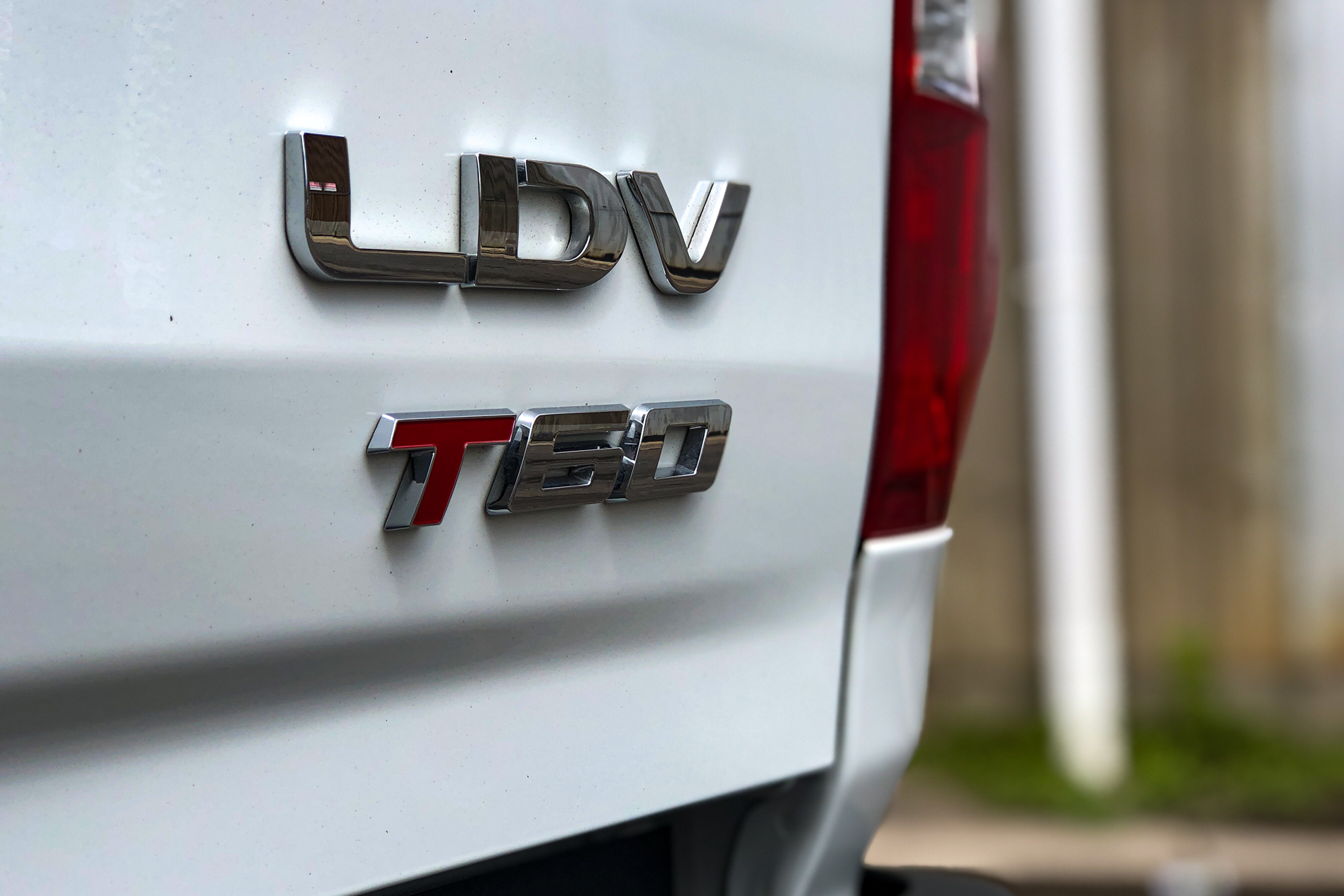
I’m actually like to do an experiment with the LDV where we tape up the badge and ask people to identify what kind of ute it really is.
I met a range of people in my time in the T60 that couldn’t give two hoots about its brand, but were looking at it hard for its value equation.
Would you take it to a mine site and put it through the same abuse that a Toyota HiLux was originally engineered for? Possibly not.
But considering this car is every bit $20,000 cheaper than an equivalent HiLux, then you start to see where the attraction lies.
Rating 3.5/5
Plus Great value, sharp looks
Minus Still a noisy engine, few little foibles like sketchy multimedia screens
Specifications – LDV T60 Trailrider
Price: From $42,095 (6AT)
Engine/Transmission: 2.0-litre 4cyl turbo diesel, 6AT, 4×4 w/ low range
Fuel consumption/CO2/Tank size: 8.5/100km, 223g/km, 75L
Safety: 5 stars
Seats: 5
Warranty / Service Interval: five years/130,000km, 15,000km/12 months
Spare Wheel (type): full size
Weight: 2035kg
Thousands of Toyota Hilux and LandCruiser utes will be locally converted for emissions-free use predominantly on mining sites, after Australian firm GB Auto finalised a multi-year deal with US electric tech firm Vivopower.
The deal comes after NASDAQ-listed Vivopower purchased a major share in Dutch engineering firm Tembo 4×4, which already build emissions-free Toyota vehicles for mining.
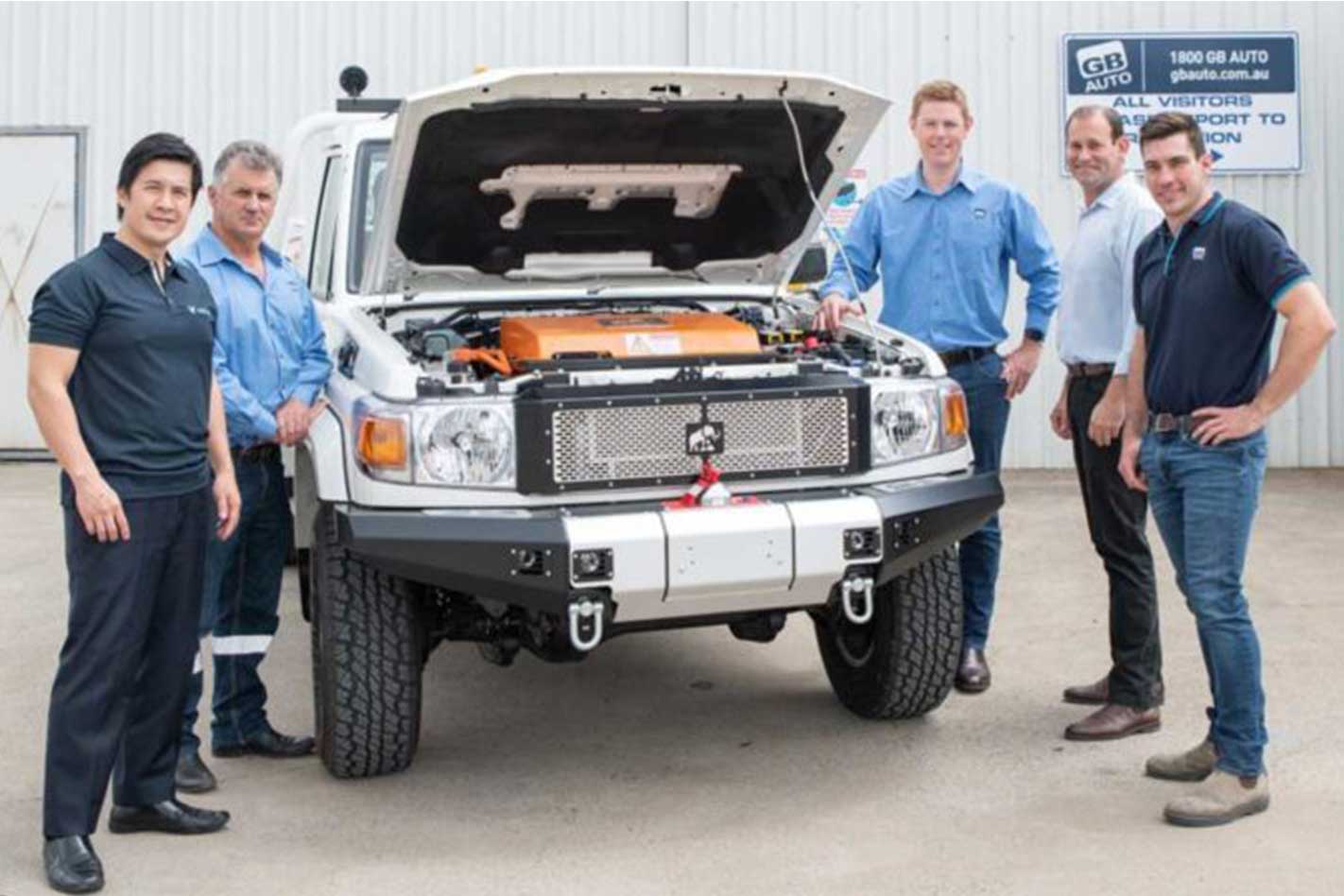
More local conversion sites will follow based on customer locations.
GB Auto’s deal is the culmination of a three-year program which saw the company develop Tembo electric conversion kits for right-hand drive applications while offering guidance on how local LandCruiser and Hilux ute architecture differs in our local market.
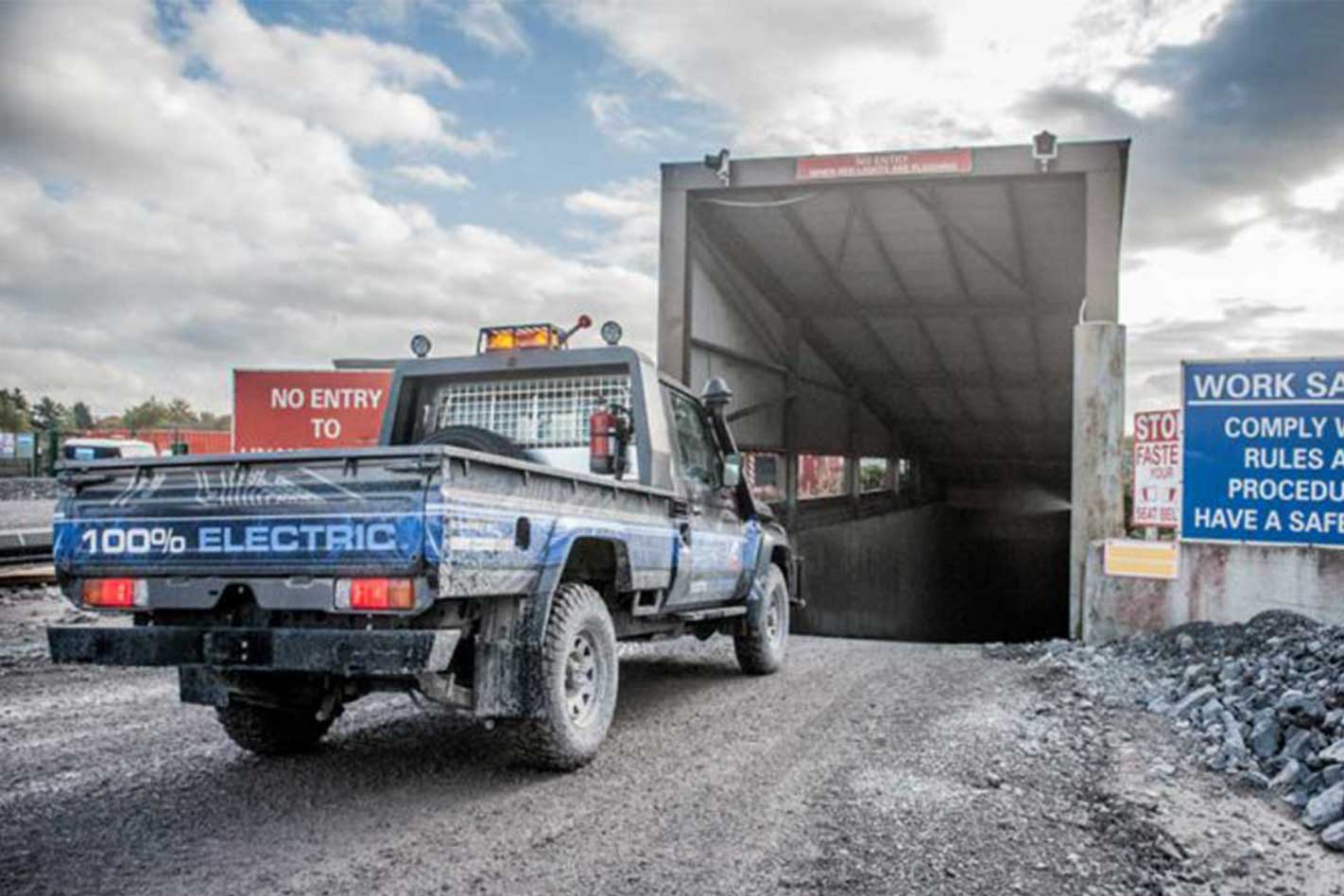
Tembo assembled its first Australian-issue Toyota e-LV prototypes in the Netherlands – where it also sells electric Toyota utes to other countries – but GB Auto will fit vehicles with the conversion kit including wiring harnesses they designed.
The company says the 2000 kits are poised to generate A$327m in revenue from complete-vehicle sales.
The kits are specially designed for the rigours of mining, where they reduce vehicle emissions and maintenance demands.
The kits will provide around 200km range with the standard-fit 72kWh battery, with on-site charging networks ensuring a fast turnaround. Higher-range options may follow.
At the same time, Vivopower will assist in financing, building and maintaining the electric vehicle infrastructure on mining sites in Australia by leasing vehicles and batteries, retrofitting depots with charging microgrids and offering EV battery “second-life applications”.
Fittingly, while Vivopower provides crucial oversight in these areas, GB Auto already offers a deeply entrenched network in Australia, with multiple locations in place across regional NSW.
While GB Auto cannot share who its customers are just yet, WhichCar understands they are key players in the mining industry.
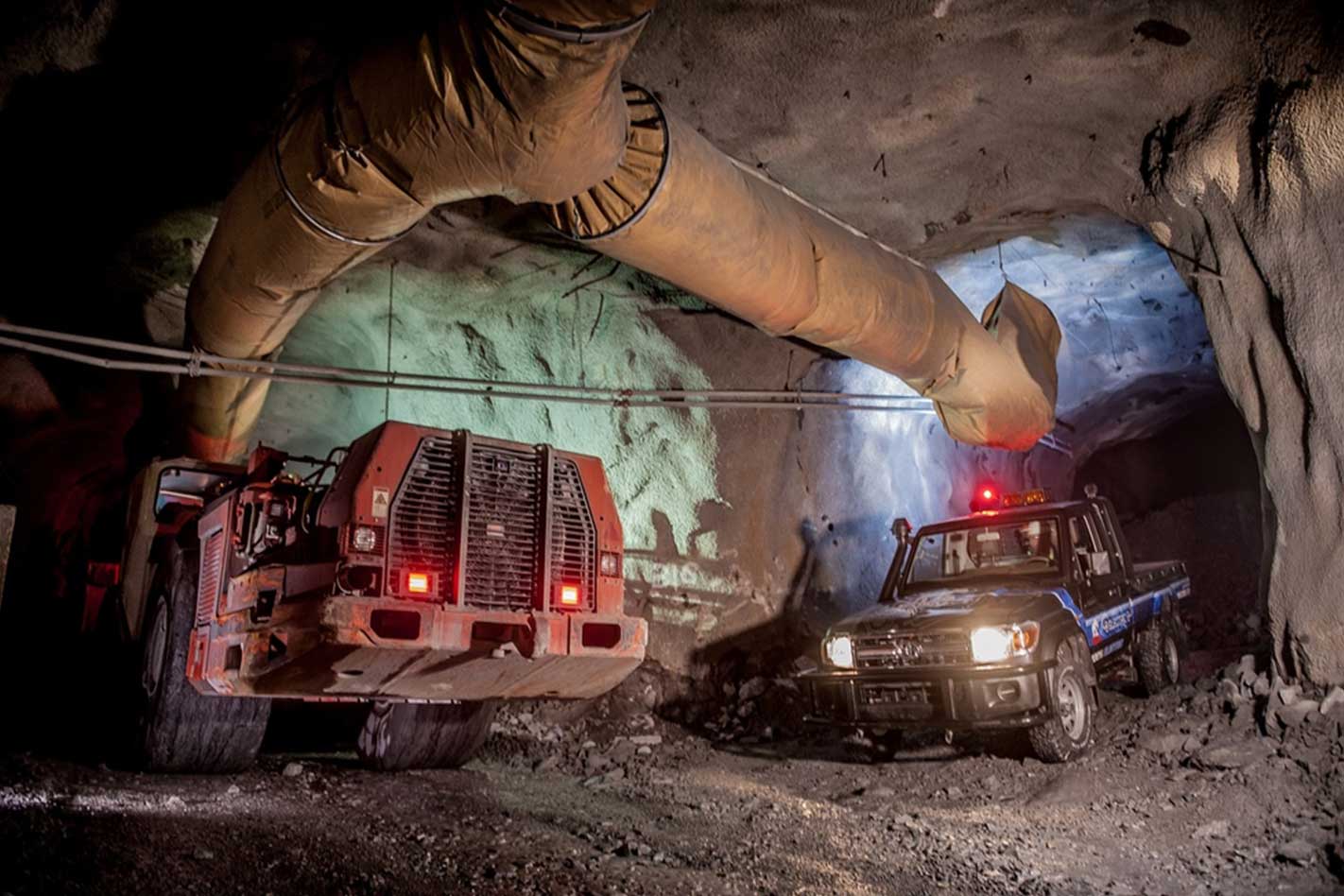
Electric mining vehicles have also been trialled by companies such as BHP, who are targeting a 30 per cent reduction in operational emissions, with converted LandCruisers built by different suppliers already on the ground in South Australian and Queensland mines.
What is the Lexus IS350 F Sport?
There is no shortage of competitors in the sporty C-segment saloon class.
While the German big three have long dominated the landscape, is the distinctly Japanese Lexus IS350 F Sport worthy of your consideration?
When the updated IS was announced for Australia late last year, Lexus’ local outpost stressed a renewed sporting focus for the IS while the longer Lexus ES is pitched as the more luxurious option in the product portfolio.
The IS350 F Sport occupies the halo position of the range, boasting the familiar naturally-aspirated 3.5-litre quad-cam V6 with dual variable valve-timing, yielding a respectable 233kW and 378Nm.
An eight-speed automatic gearbox handles cog-swapping duties, sending power solely to the rear wheels.
Price and value
Retailing at $75,000, the IS350 F Sport bats against cars like the $77,900 BMW 330i and the Mercedes-Benz C300.
You can also throw in the excellent Genesis G70 3.3T, which also offers six-cylinder grunt and rear-wheel-drive thrills.
The compulsory F Sport Package brings a unique body kit, 18-inch wheels, adaptive dampers and five differing drive modes spanning from the frugal eco setting, to Sports S+.
There are also the usual Lexus luxuries such as driver-seat memory settings, heated and cooled front seats and an LFA-style TFT driver display.
There’s a new 10.3-inch infotainment screen capable of Android Auto/Apple CarPlay smartphone mirroring, and, thankfully, it’s touch-sensitive allowing you to eschew the finicky trackpad interface.
Gone, too, is the archaic foot-operated parking brake. Welcome to the 21st century.
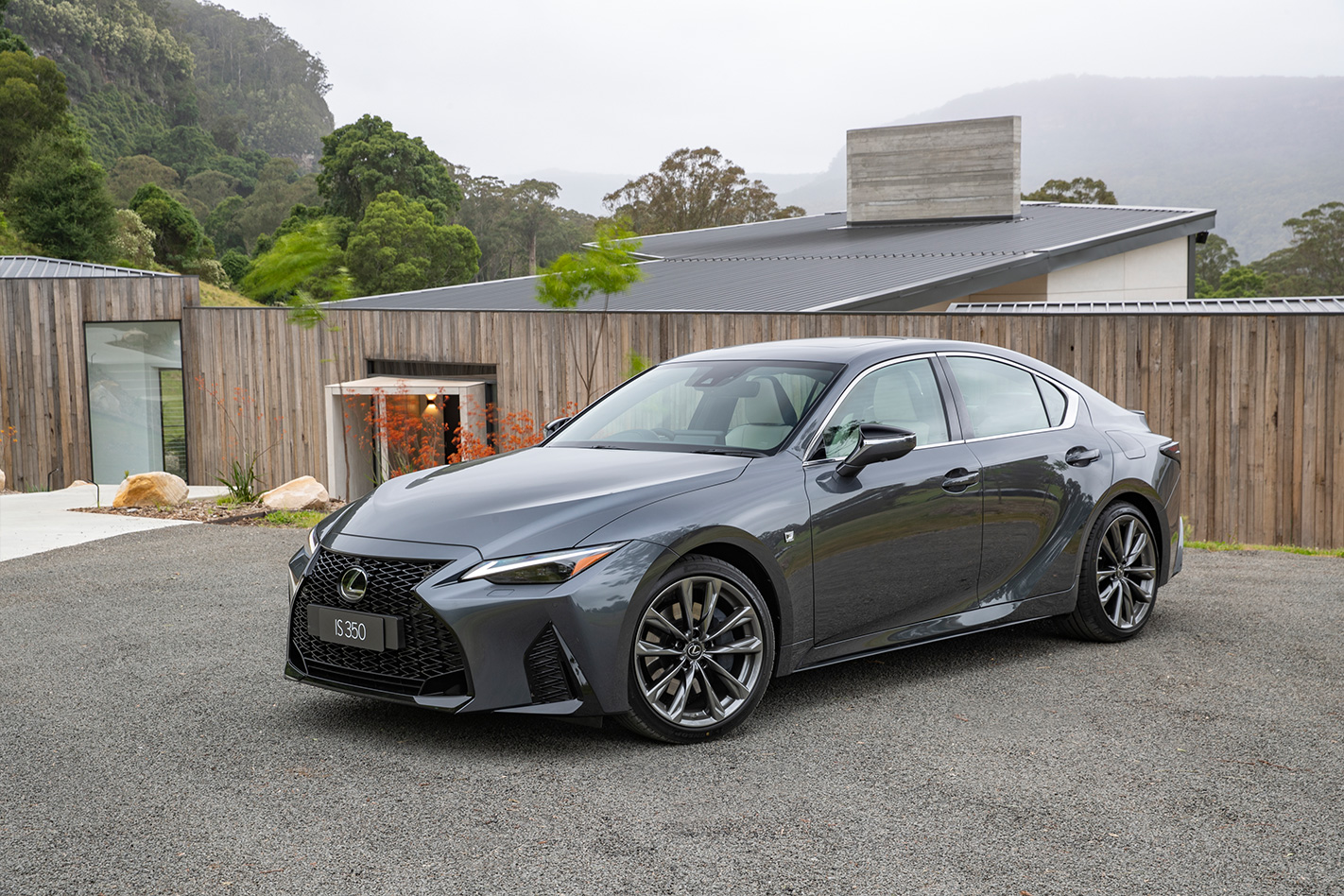
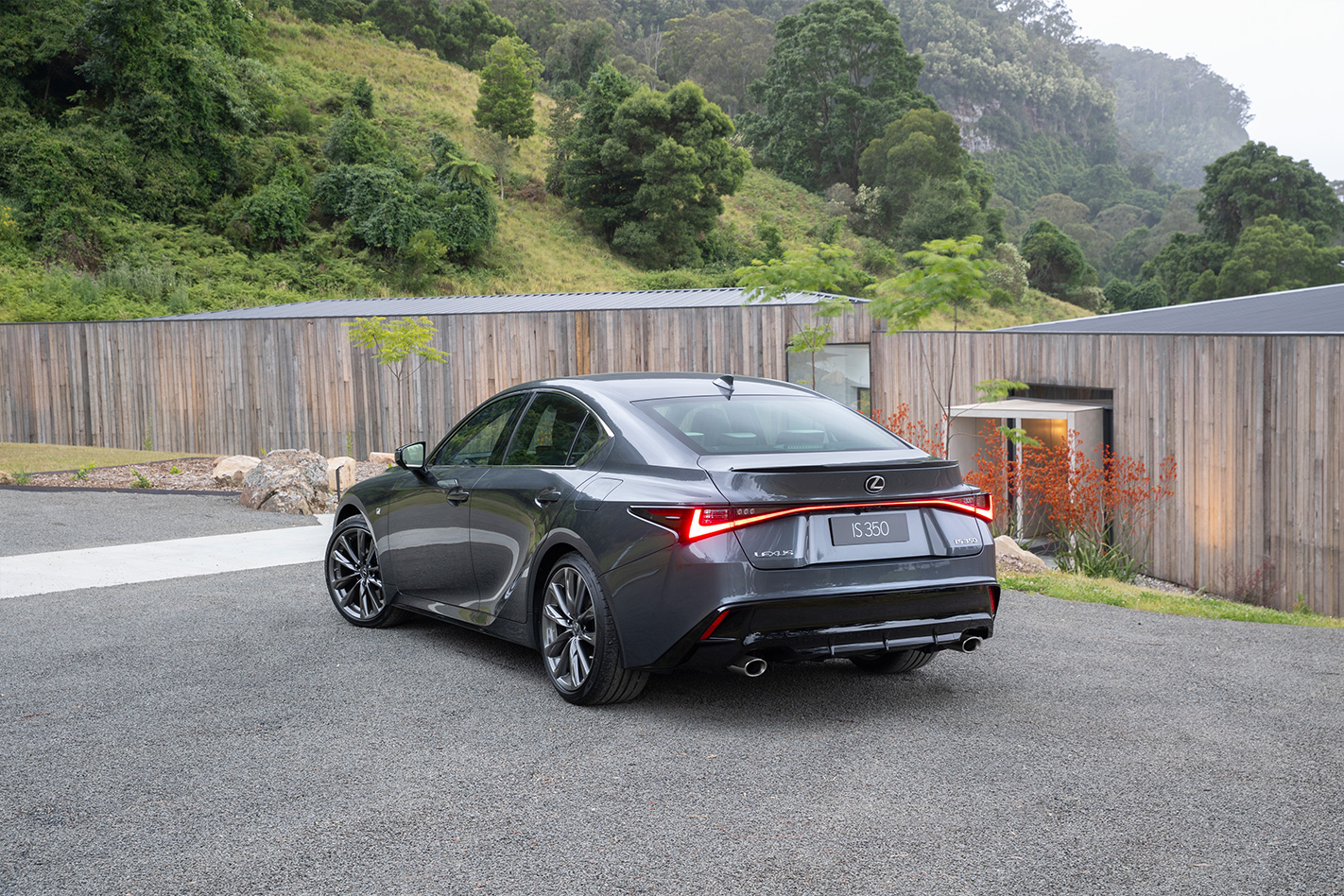
A dramatic exterior refresh is headlined by slimmer LED headlights, while the pronounced swage line intersects with a sweeping crease which characterises the visually pumped rear haunches.
These, in turn, are end-stopped by an attractive full-width tail lamp assembly.
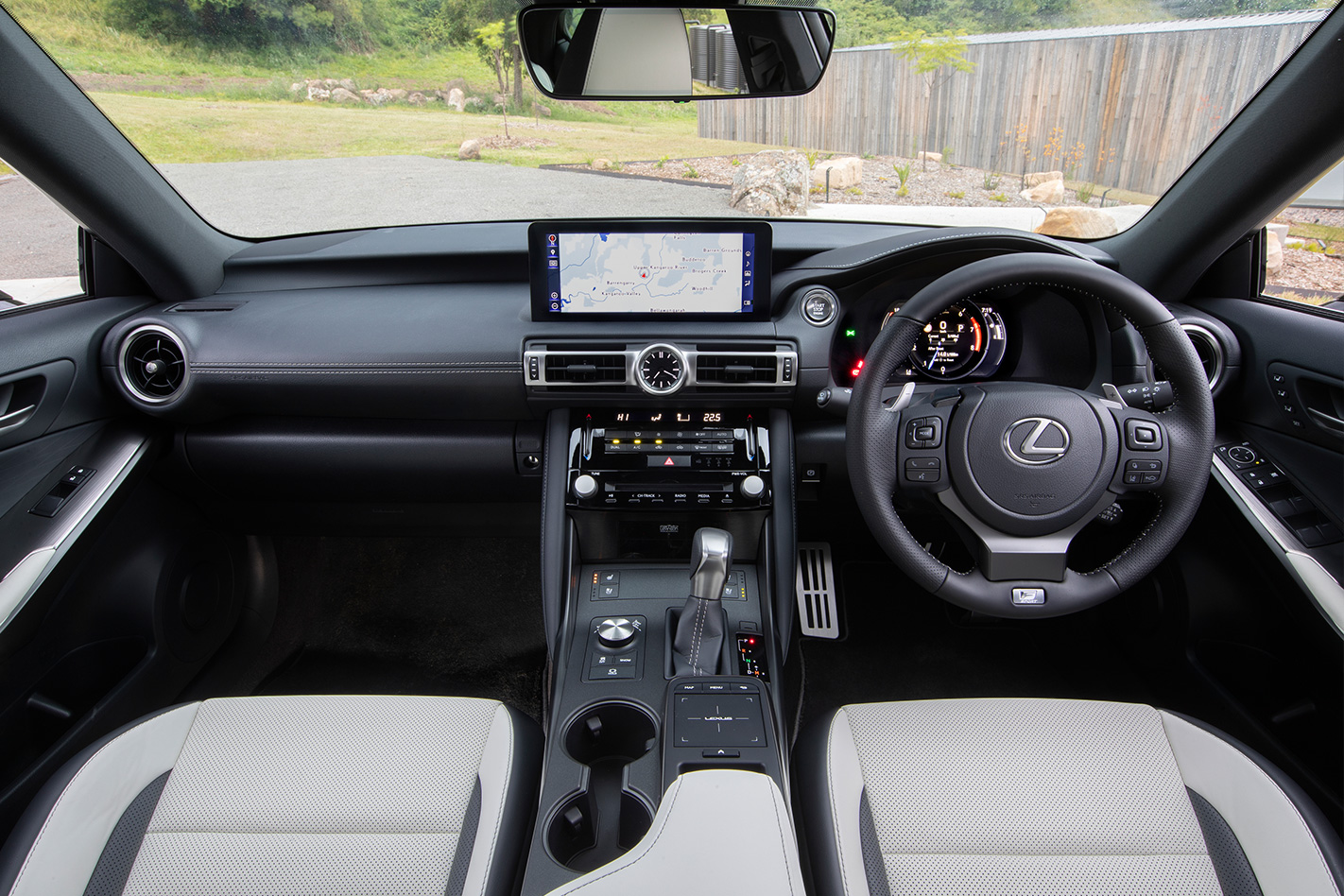
Less dramatic is the interior facelift which, apart from the updated tech, seems largely unchanged and betrays the exterior’s modern makeover.
How does the Lexus IS350 F Sport drive?
Hitting the high-mounted starter button and setting off leads to an initial disorientation as you readjust to the Lexus’ relaxed mien.
In normal mode, the throttle mapping is remarkably unresponsive and requires far more input to spur the four-door onwards than expected.
Initial impressions are that the on-centre steering is doughy and vague, although not as weightless as that of modern Audis. The ride is fantastic although this yields significant body roll under lateral load in this setting.
It is so softly sprung that the low front valance occasionally makes contact with tarmac under compression, even on the most gradual and usually innocuous of speedbumps.
Where competitors would require a simple half-turn of lock for certain on-road manoeuvres, the Lexus requires more.
There was a split-second of alarm when coasting into a side street with some momentum, where my arms were very nearly crossed-up and the reflection of the stylish sedan’s signature spindle grille momentarily loomed large in the reflection of a parked car.
Twisting the rotary dial into Sport S mode sees the throttle mapping sharpen to what others would call ‘Normal’, while the dampers also firm up nicely and should help keep that front lip off the ground.
One could argue that this should be the true default setting for something with ‘sport’ in its badge, although comfort mode offers a sublime duality of character for those who must endure a boring commute.
Even with the sharpened throttle response of Sport S mode, the naturally-aspirated mill lacks the lowdown response of its turbocharged contemporaries but pulls strong throughout the midrange and gains pace rapidly when already on the move.
The turbocharged four-cylinder of the IS300h may be equally responsive down low, however the $2k premium for the IS350 F Sport is well worth the extra kit and top end power.
The gearbox can be hard to understand as it attempts to predict your next gear selection via an internal G-meter.
When you’re driving spiritedly, it’s liable to skip down a gear which can lead it to settle at the peak of the gear below where you want it to be, if you happen to click the downshift paddle twice.
Power delivery is linear although unrushed with peak torque arriving at 4800rpm without the assistance of forced induction.
In a dynamic setting, this powerplant and chassis rewards momentum when driving on a fast flowing road, keeping the revs healthy and plugged into the power band.
The Lexus won’t be nearly as flattering to the talents of the driver in the way that others in this segment will, but will cover ground quickly if you work with it, not against it.
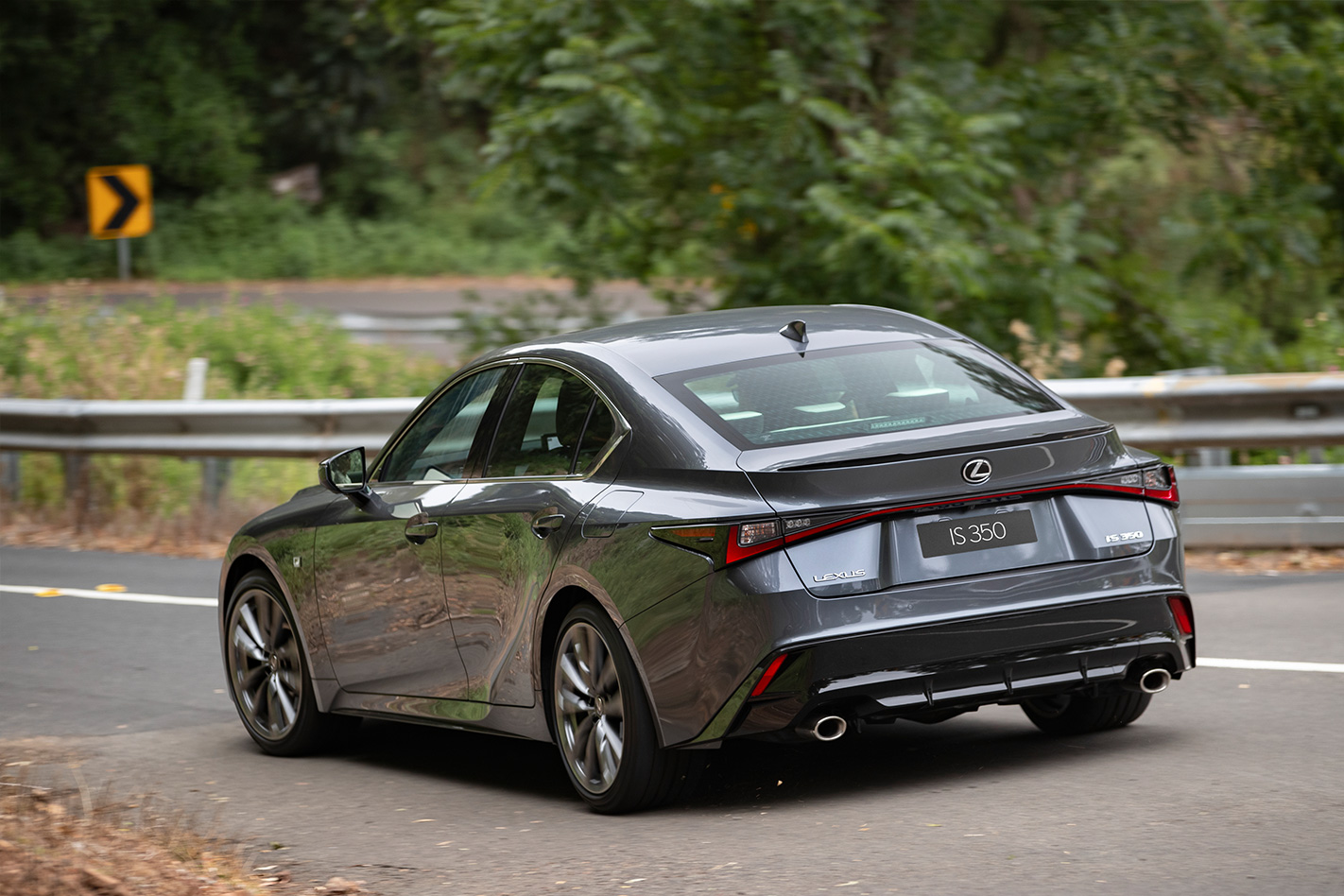
While it may not be the sharpest steer, tune into the particular cadence of the Lexus IS350 F Sport and you’ll find it does have something to offer the keen driver.
Sport S+ mode, which most noticeably stiffens up the dampers again, sees the previously floating ride of Normal mode tease out the hidden athleticism of the well-balanced chassis.
The steering, which initially feels vague, improves once off-centre while the front and rear ends feel well-connected and are easily rotated by managing steering input and throttle – so long as you temper your corner entry.
The chassis and engine do feel dated compared to other, newer, competitors (this generation IS originally debuted on the market in 2013), and the tyres don’t enhance the dynamics.
The Dunlop SP Sport Maxx tyres are the same model fitted to the understeery base GR Yaris, and are worked far harder in this application with an extra 355kg on top of them.
The threshold where grip turns to understeer is low if you don’t guide the nose in to corners with braking.
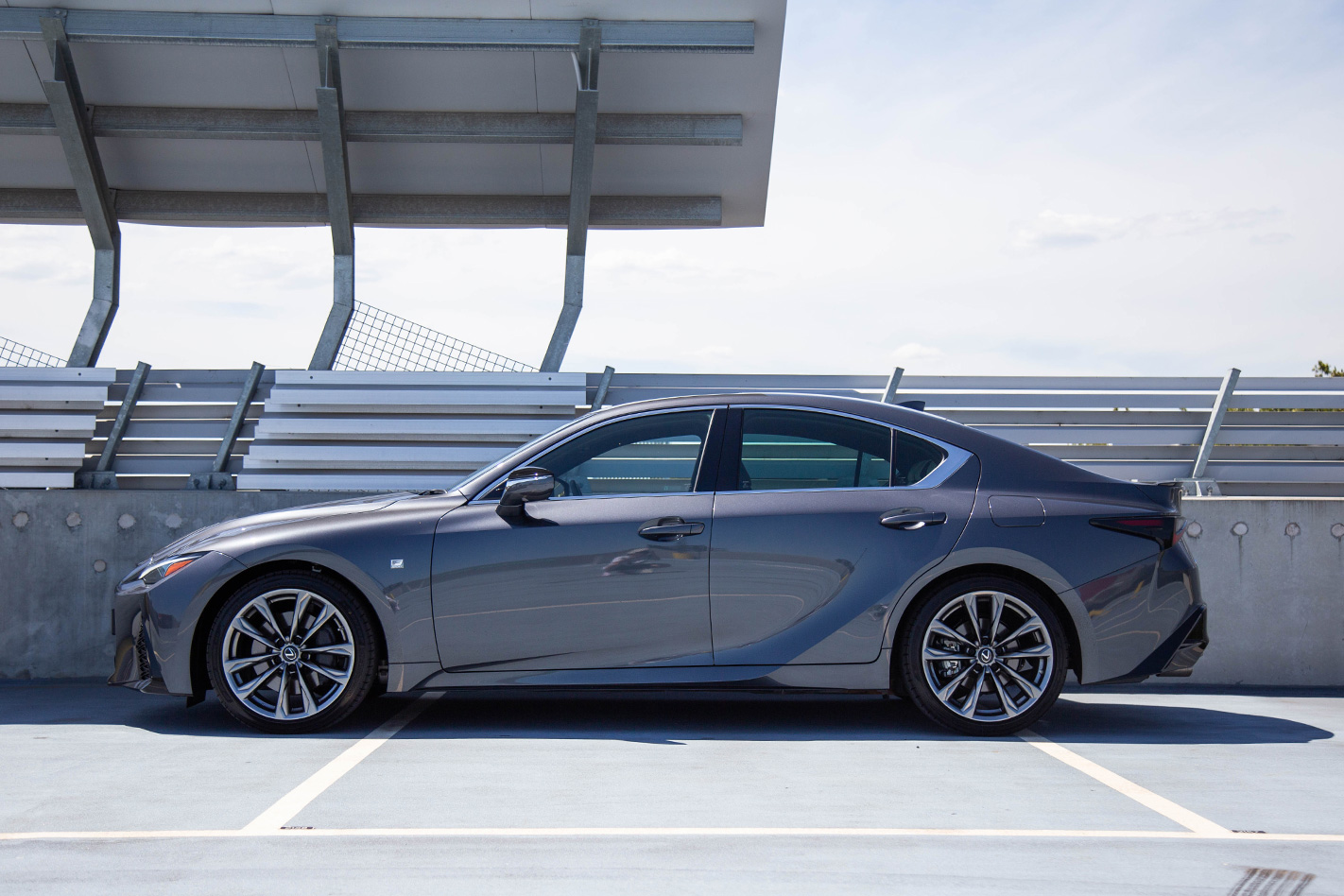
Even in the depths of suburbia, the Dunlops are very vocal and are prone to audibly screeching if you lean on them, even in low-speed situations such as roundabouts.
Verdict
Despite its age, there are many redeeming qualities to the IS, and there’s a distinctly old school charm to this rear-driven naturally-aspirated sedan.
It may be outgunned by Mercedes-Benz’s C300 and BMW’s sublime 330i, but it offers a unique and genuinely characterful alternative to the usual offenders. And we can’t fault it for that.
Rating: 3.5/5
Like Updated styling; duality of comfort and entertaining dynamics Dislike Slow steering; lazy throttle mapping; dated engine & interior
Lexus IS350 F-Sport Engine: 3456cc V6, quad-cam, 24v Power: 233kW @ 6400rpm Torque: 378Nm @ 4800rpm 0-100km/h: 5.9sec (claimed) Weight: 1685kg Price: $75,000
A new Australian record for a vehicle auction has been claimed over the weekend after an HSV GTS-R W1 Maloo sold for $1.05 million.
The one-of-four factory-built HSV GTS-R W1 Maloo is now the most expensive Australian-made road car, narrowing beating-out the previous record-holder, a Ford Falcon GT-HO, by $20,000.
However, in a twist of fate, the most expensive road-registerable car may eventually end up being given away for a pittance.
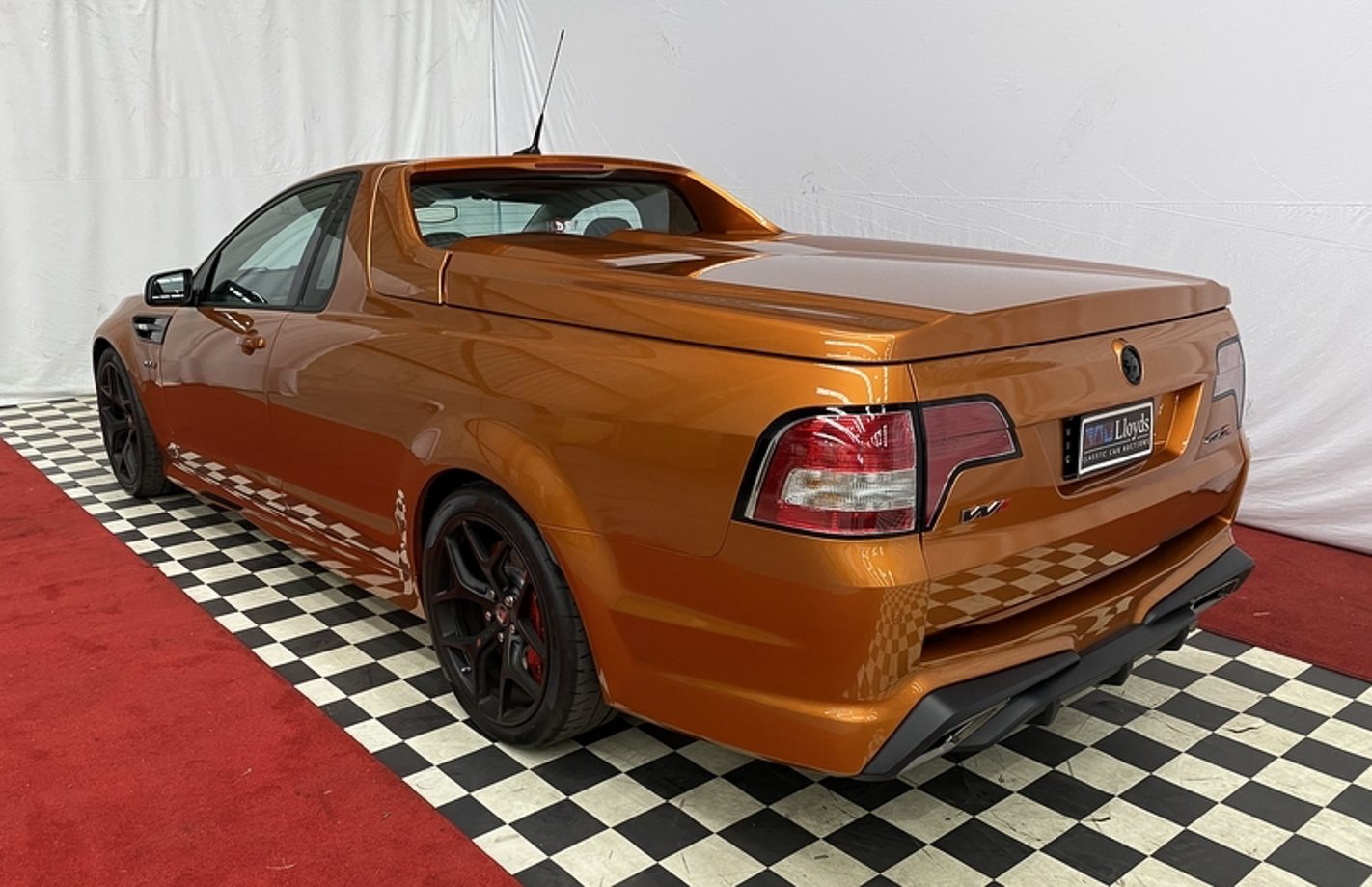
The purchaser of the W1 Maloo runs a raffle company that’s well-known for giving away unique cars in exchange for $30 raffle tickets, and the company has suggested on social media that this car will feature in an upcoming raffle.
Raffle company LMCT+ posted a photo of the Light My Fire W1 Maloo on social media with caption; “Introducing officially the $1.1 million giveaway. Coming soon.”
https://www.instagram.com/p/CKqJpA7Htid/?utm_source=ig_embed&utm_campaign=loading
Interest in the auction itself grew exponentially in the weeks leading up to the auction date, where the W1 Maloo’s auction price ballooned to $1.035 million before settling down.
Just $15,000 was added to the final auction price at the auction on Saturday.
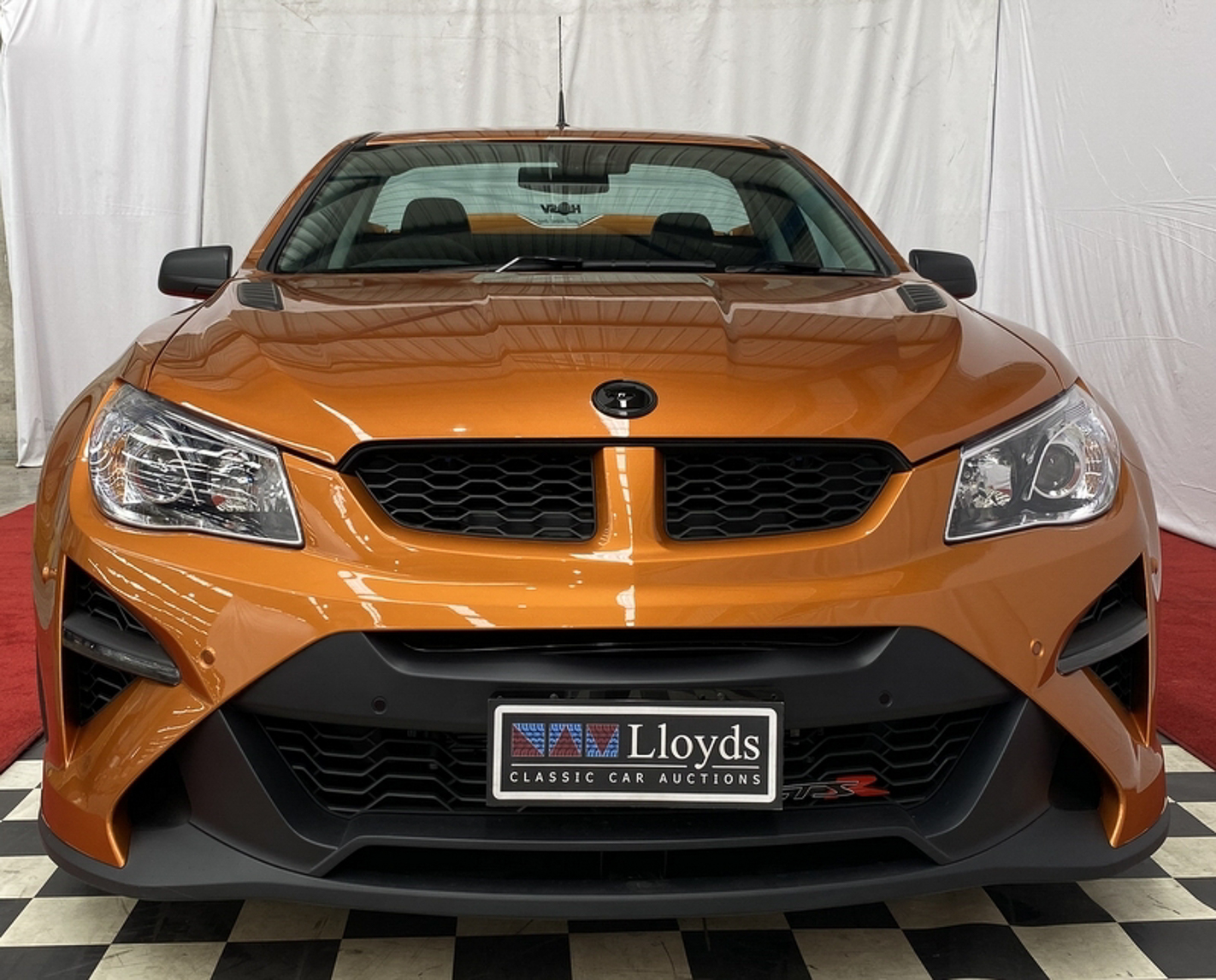
“There were three bidders that bid over $1,000,000 on the Maloo Ute with 2 of them being Holden enthusiasts,” said Lee Hames, CEO Lloyds Auctions.
“However, the winning bidder is a group specialising in raffling off unique cars, so I don’t think it will be the last time we see this car.”
Previously, the most valuable Aussie road car was a 1971 Ford Falcon GT-HO Phase III once owned by legendary Aussie cricketer Jeff Thomson which went for $1.03m in 2018.
This W1 Maloo is not the most expensive Australian car sold at auction outright, though. That title is still held by the ex-Peter Brock two-time Bathurst-winning HDT VH Commodore which fetched $2.1 million at a Lloyds auction in 2018.
The Maloo W1 auction attracted widespread interest for being an ultra-limited special edition derived from a GTSR W1 sedan, HSV’s LS9-powered swansong released in 2017 and priced at $169,000 before on roads.
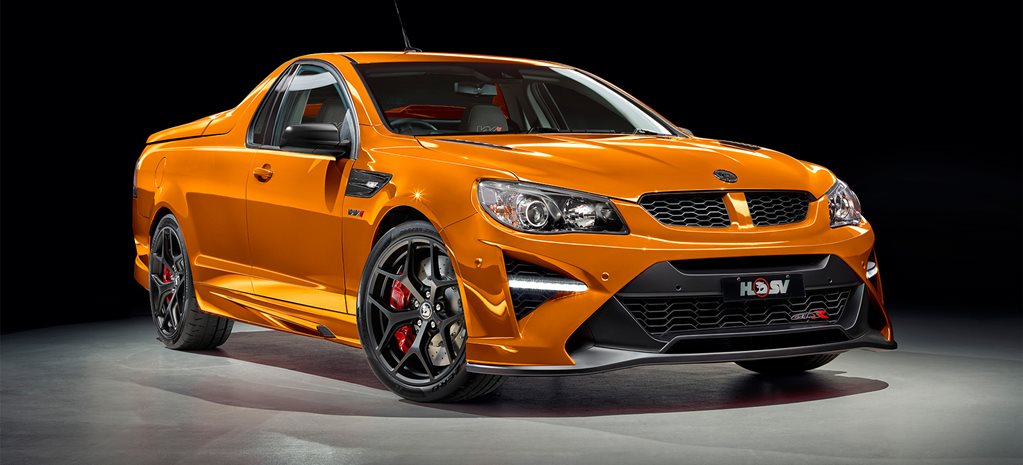
Just four utes were secretly built for select HSV employees and long-time customers – the car was never offered, let alone displayed, to the public.
The W1 Maloo features many of the same modifications as the W1 sedan, including a Chevrolet Corvette ZR1-derived supercharged V8, Pirelli P Zero semi-slick tyres, and W1-spec trim including quilted seats and badging.
“Supercars are too fast these days,” a friend of mine recently moaned. But just how quick are the very fastest ones?
How many years would you have to spool back for a current supercar – let’s say the McLaren 620R we featured recently – to be quicker than a Formula One car? Twenty, thirty?
How much money would you need to spend in order to be able to buy a road car that could do a number on Ayrton Senna’s 1988-era McLaren MP4/4 or Nigel Mansell’s 1986 Williams FW11? Or how about Niki Lauda’s 1976 Ferrari 312T?
McLaren has stated a slick-shod 620R laps in the same time as the 570S GT4 car upon which it’s based, so that means a 2m11s lap of Circuit Paul Ricard.
For some measure of perspective, Lewis Hamilton’s Mercedes-Benz W10 F1 car will lap that track in 1m32s, some 30 per cent quicker. So that’s the baseline, to find a time when F1 cars were, on a track like Paul Ricard, 30 per cent slower than today.
And that’s the tricky bit.
There isn’t a circuit on the F1 calendar that’s in the same layout now compared to 40 years ago, even if you just stick to the classics.
Silverstone is almost unrecognisable, Spa has been tinkered with, as has Monaco. Monza’s gone through three variations since Lauda was racing there in 1975.
Nürburgring has been the same since 2002, so let’s have a look at that. A 620R would lap that in 2m6s, whereas Rubens Barrichello managed a 1m32s back in 2002.
Hmmm. Still 27 per cent quicker.
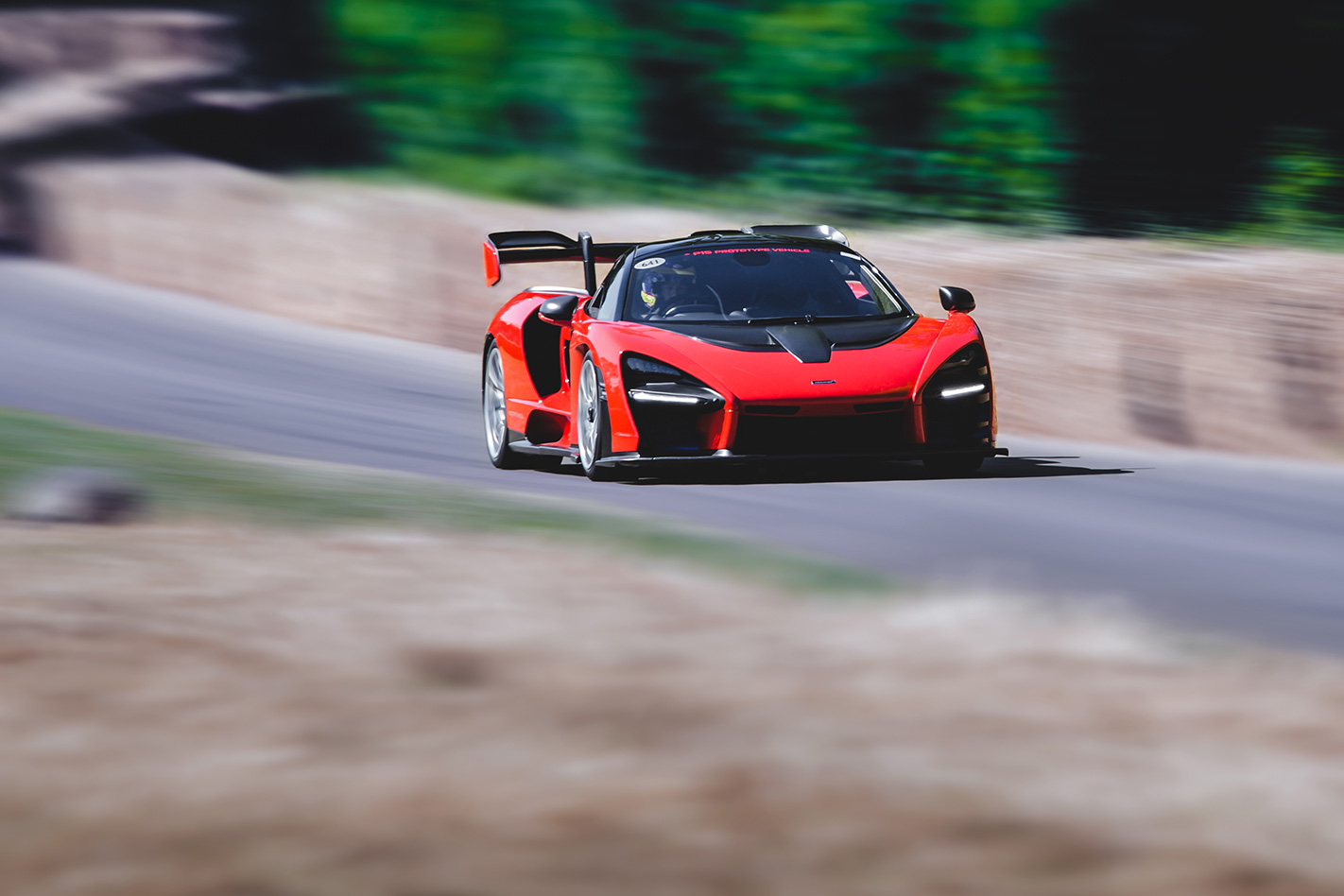
It’s becoming clear that while we know that modern F1 cars are crazily quick, even old ones are mind-scramblingly rapid.
How about Suzuka? Not a lot has changed there since 1987. Slowing 130R down and speeding the Casio Chicane up virtually cancelled each other out, yet Alain Prost’s 1m43s lap back in 1987 obliterates modern tackle like the 2m17s lap by a Koenigsegg One:1.
The gold standard for circuits that never change is Goodwood, but here’s the thing. Nobody knows what the ultimate lap record is.
It’s rumoured that Nelson Piquet broke a minute in his 1983 Brabham BT52. There’s some conjecture about this, because apparently he didn’t bother with Lavant, the only real corner on the track, and just kept his foot in at over 240km/h on the grass.
We do know that the ‘official’ lap record was set some 54 years ago when Jim Clark and Jackie Stewart both lapped in 1m20.4s during the final F1 race before the circuit shut its doors for 30 years.
A new 911 GT3 is still around five seconds off that time, so you’d need something very serious to get near it.
This issue isn’t short of contenders, and the McLaren 765LT might be in with a chance.
So, until somebody proves otherwise, road cars are still yawningly slow, from this stringent perspective at least.
The cream of the current crop might approach an F1 car, but know that it’d be one half a century old, running on grooved crossplies.
Supercars too quick? That’s Luddite talk. The throttle pedal’s not a switch, you have the option of playing on a circuit and you certainly can’t face down progress.
British design house Niels van Roij Design has unveiled its ‘Breadvan Hommage’, a modern-day interpretation of the 1962 Ferrari 250 GT SWB Breadvan.
Like most projects made by the London-based design house, this one of a kind vehicle has been built for a specific client.
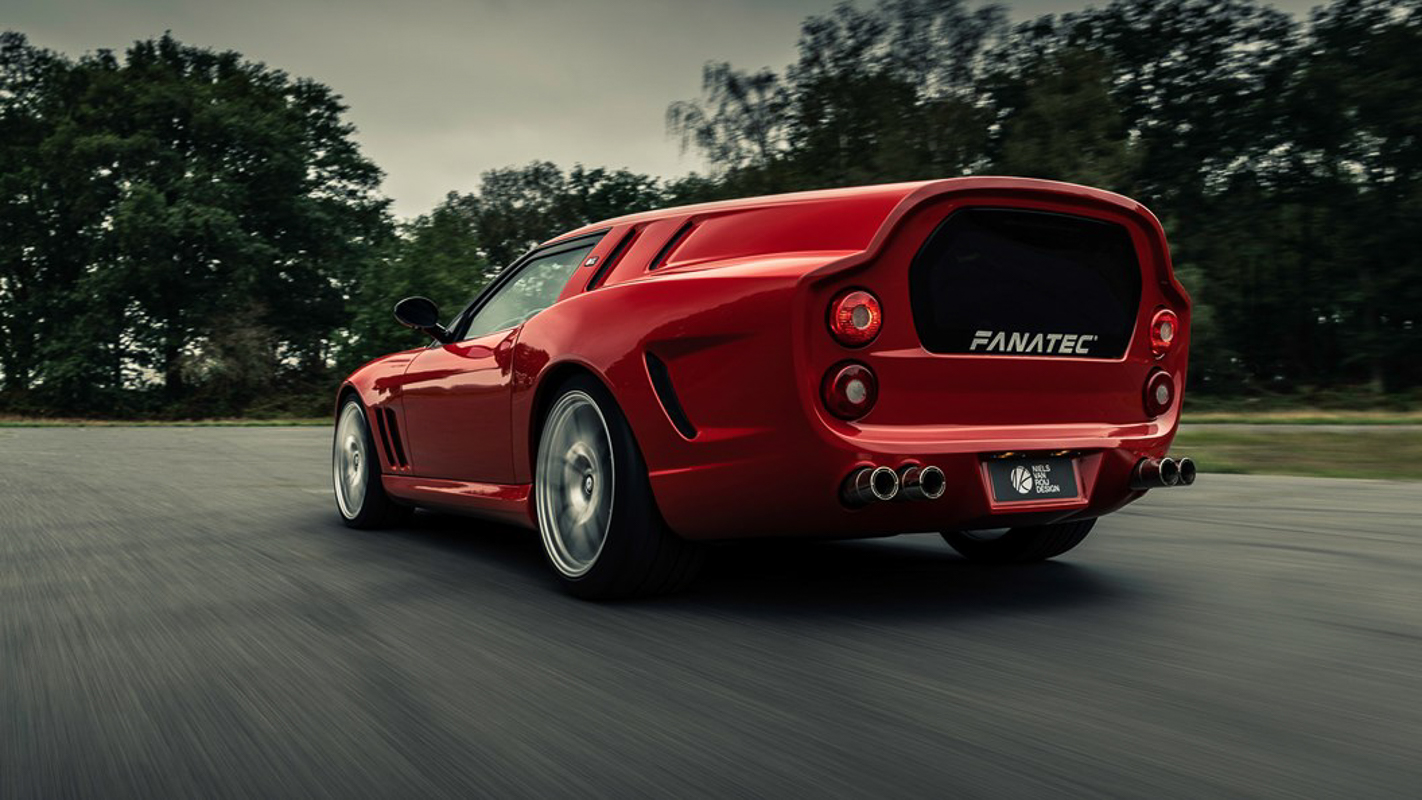
Using a Ferrari 550 Maranello as its base, the Breadvan Hommage carries over the standard 5.5-litre V12 and six-speed manual gearbox.
The only mechanical change made to the Breadvan Hommage is the addition of adjustable Koni shock absorbers – the same brand that made the shocks for the original 1962 racer.
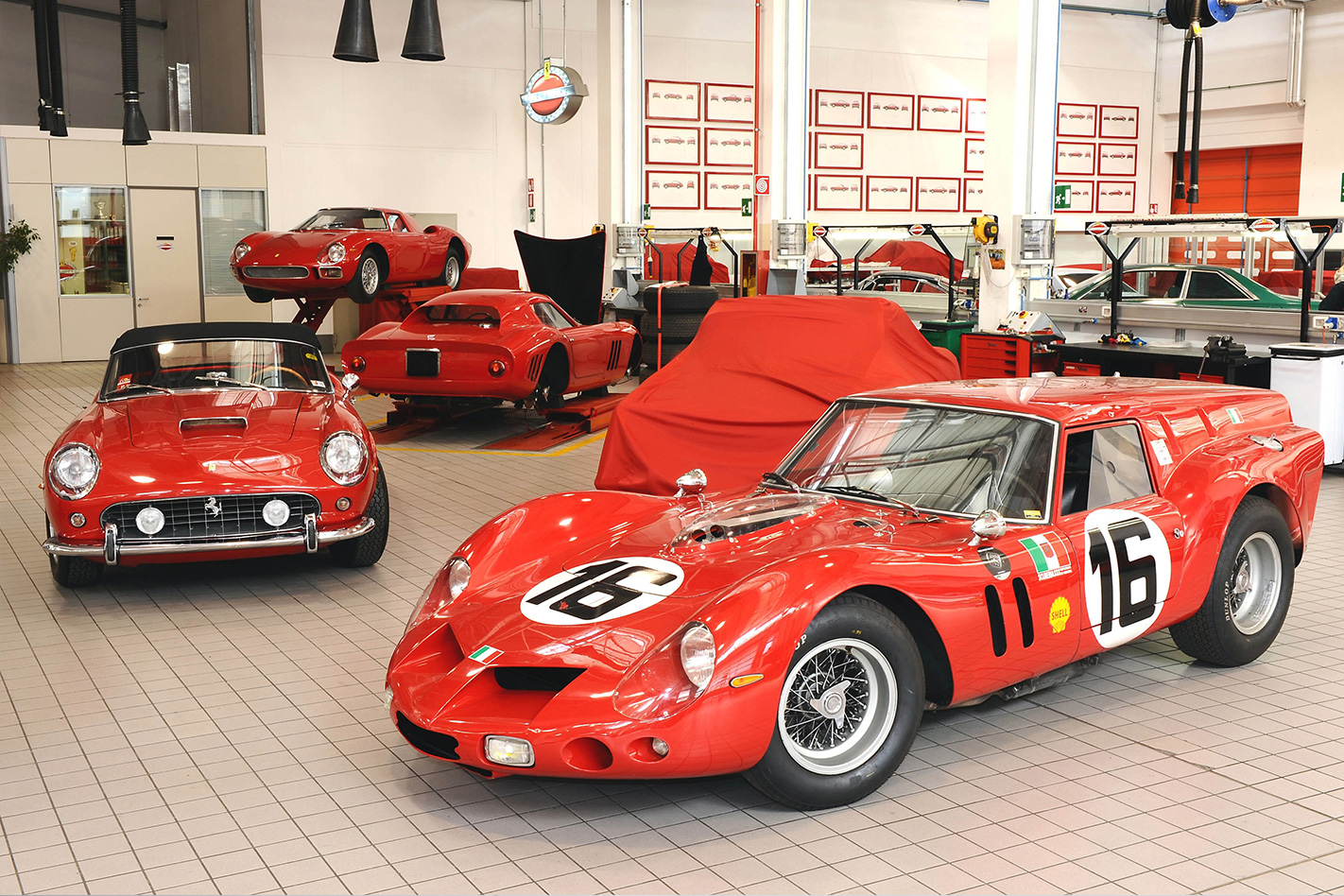
Visually the Breadvan is almost entirely bespoke, only the 550’s windscreen is carried over. The body is restructured in hand-beaten aluminium and now features a Kammback just like the 250 original. A Kammback is an aerodynamic design to help reduce drag.
The coachbuilt exterior also features more subtle references to the original racer, namely the translucent dome and deep intakes on the bonnet and circular rear lights.
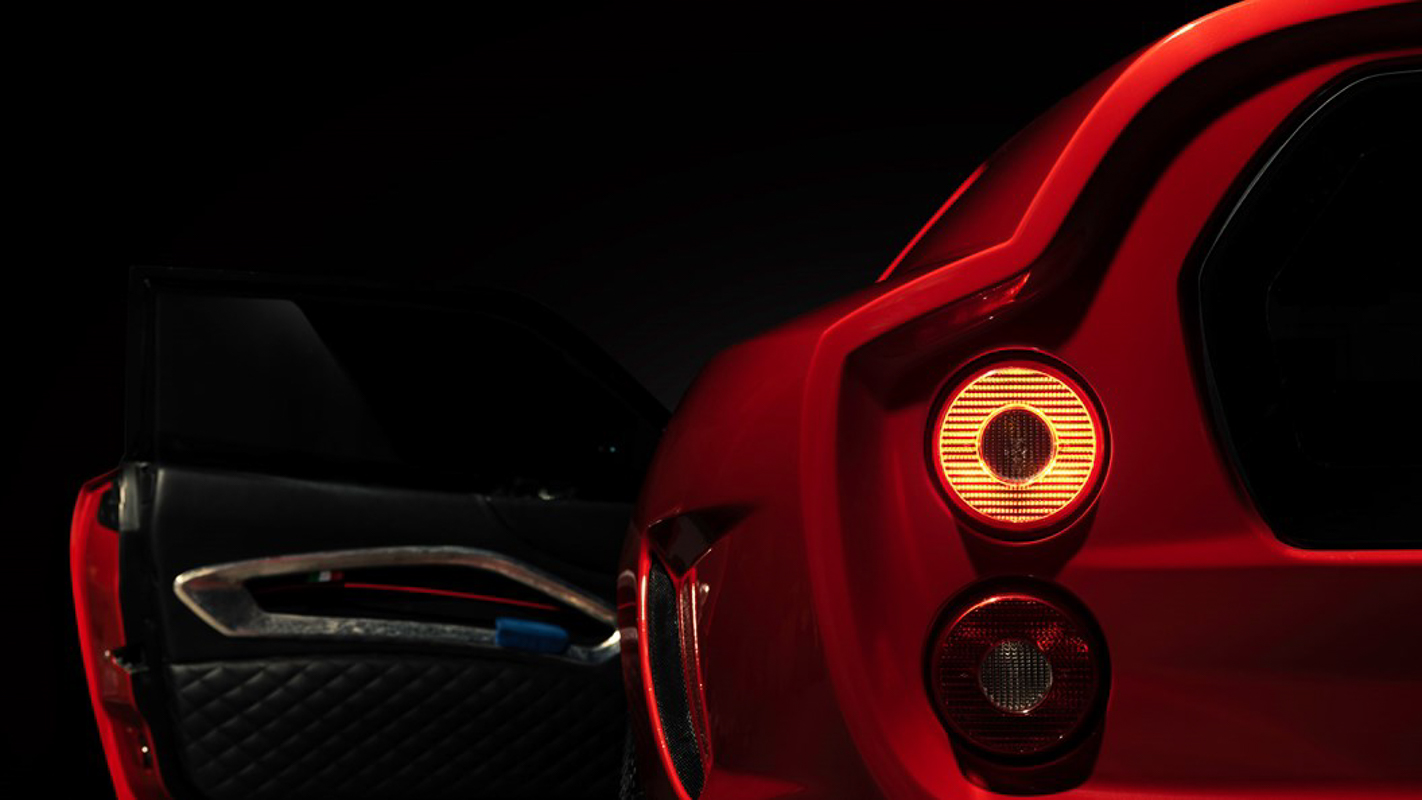
The handmade interior has also been totally reimagined. The gated shifter has been raised and, like the rest of the bespoke switchgear, is made from milled aluminium.
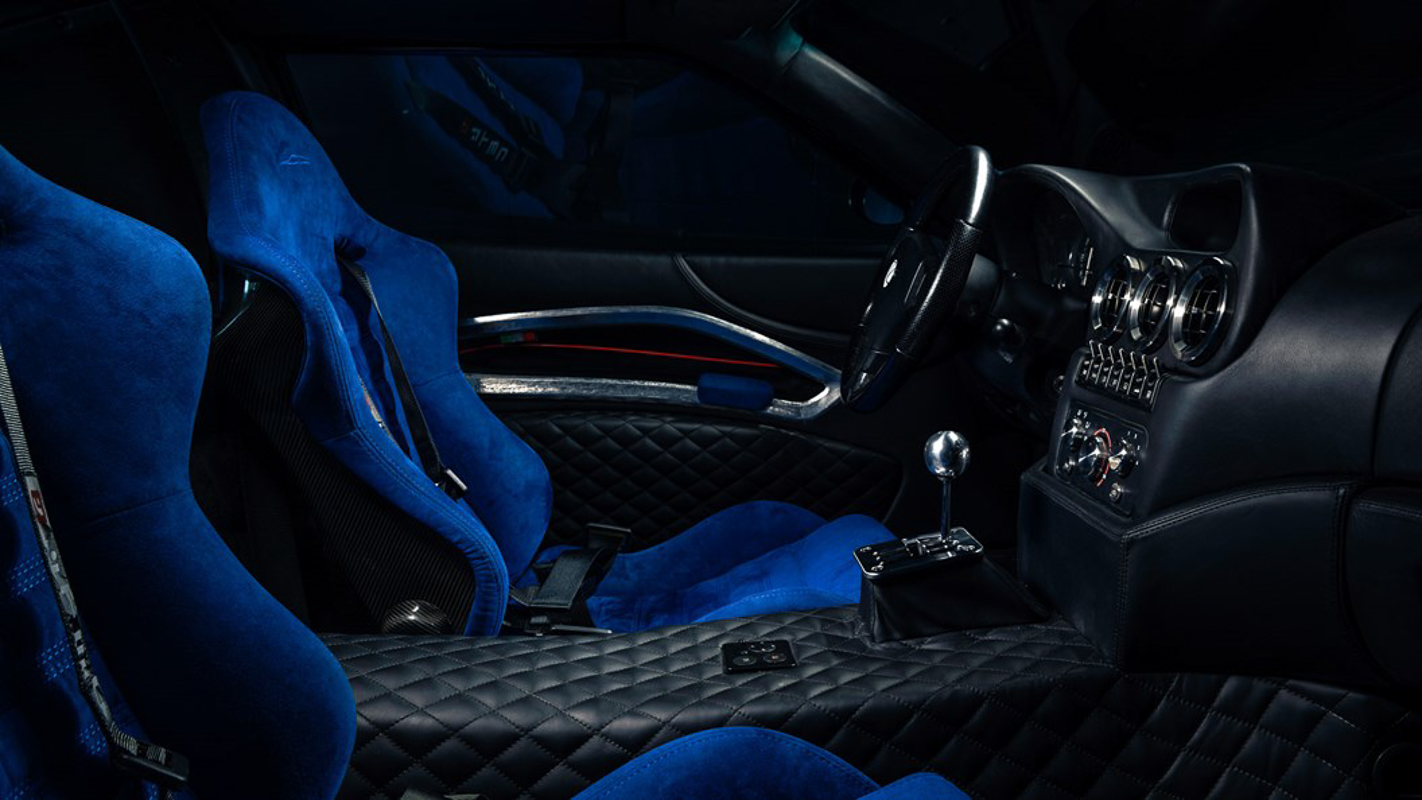
Elsewhere, hand-beaten aluminium accents on the door cards link to the construction of the body. Blue Alcantara seats and black leather quilted panels are also included.
Previous projects from Niels van Roij Design include a Tesla Model S Shooting brake and a two-door Range Rover named Adventum.
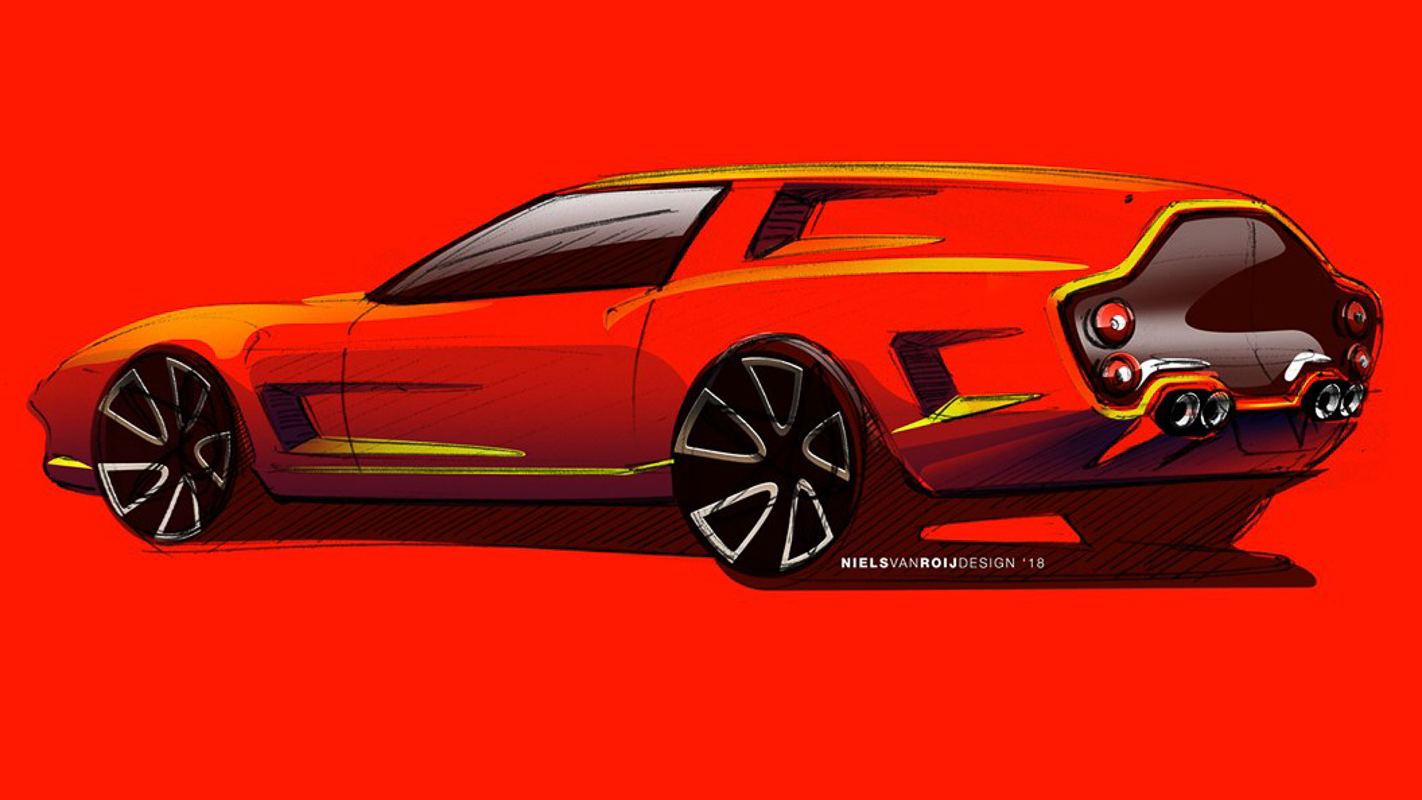
No price has been revealed for the Breadvan Hommage but it’d undoubtedly make your eyes water.
This story was originally published at carmagazine.co.uk
For many of us, supercars are responsible for our love of cars.Our older readers no doubt had a poster on the bedroom or garage wall; for younger folk the poster was replaced by a desktop or smartphone wallpaper, not to mention the model cars all ages tend to collect.
The point is, supercars are important: for those lucky enough to afford them they offer the ultimate driving experience, but even for those of us who can’t they introduce new technology, push engineering boundaries and inspire the next generation.
Nevertheless, selecting the top 100 supercars of all time is no easy task, believe me. First of all, you have to define what a supercar is. Are front-engined cars allowed? Is there a certain performance threshold? What about production numbers?
In the end, it was more about ‘feel’ – you just know a supercar when you see one.
That settled, we had to find 100 supercars, which is harder than you might think. We sent out our nets and trawled the very deepest depths of the automotive ocean in an attempt to discover every possible car.
We started yesterday by counting down the top 100-51 greatest, you can find the link to that at the top.
For the purposes of this list the supercar era starts with the Miura in 1966 (with one exception) and continues until the present day. Cars that are still in development were omitted as there isn’t sufficient information available to accurately rank them.
Disagree with our rankings? Let us know why at the usual address.
50: Shelby Cobra (1965)
6980cc V8, 317kW/651Nm
It might not have a sexy wedge profile, but if turning heads and raising the hairs on the driver’s neck make a supercar, then Shelby’s Cobra 427 definitely qualifies. Semi-competition models offered 362kW in a 1068kg body. Scary.

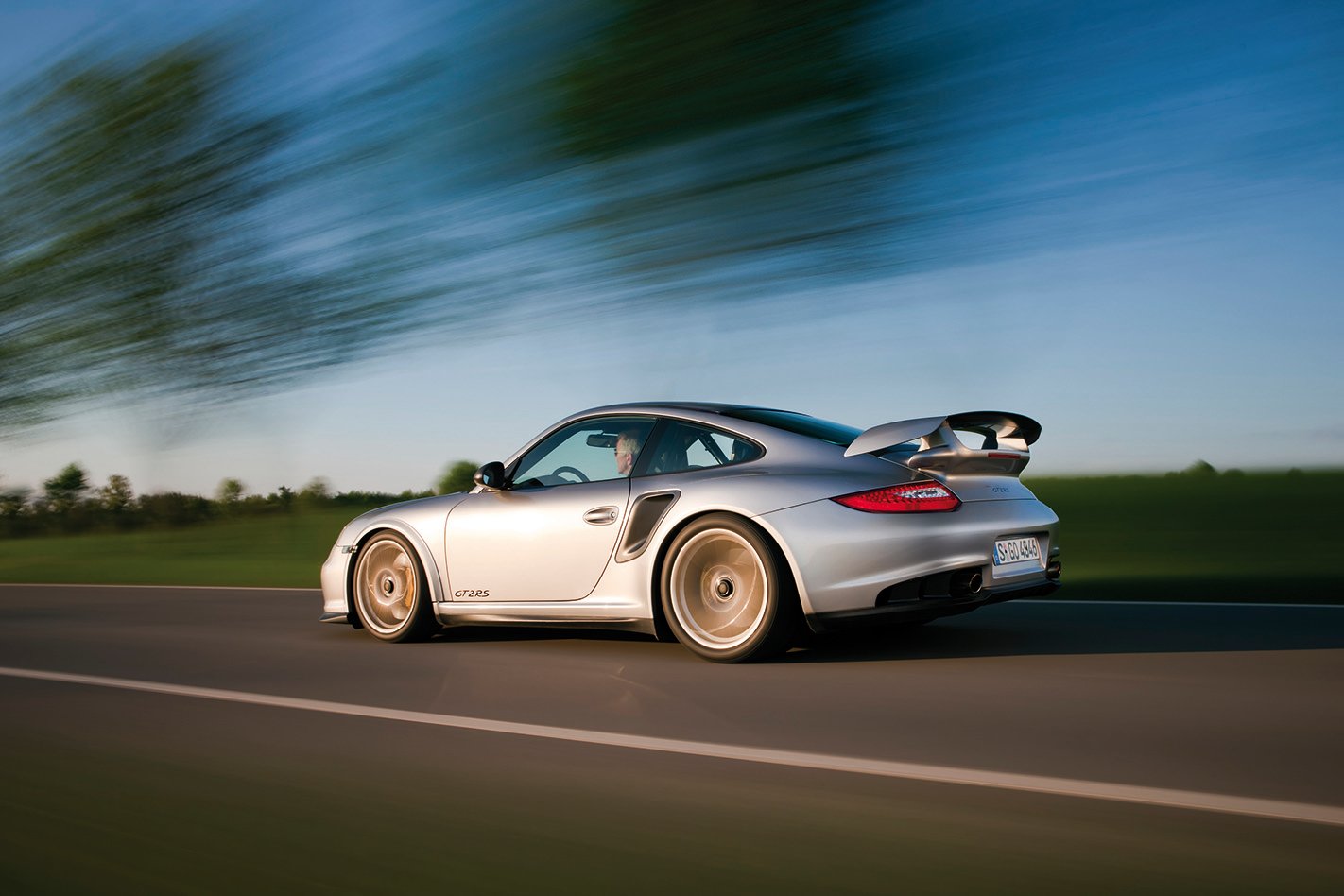
49: Porsche 911 GT2 RS (2010)
3600cc flat-6TT, 456kW
The latest GT2 RS qualifies for its outrageous speed, but its 997 predecessor is far rarer (just 500 built), 100kg lighter and comes with the added involvement of a six-speed manual. The last of Porsche’s widowmakers.
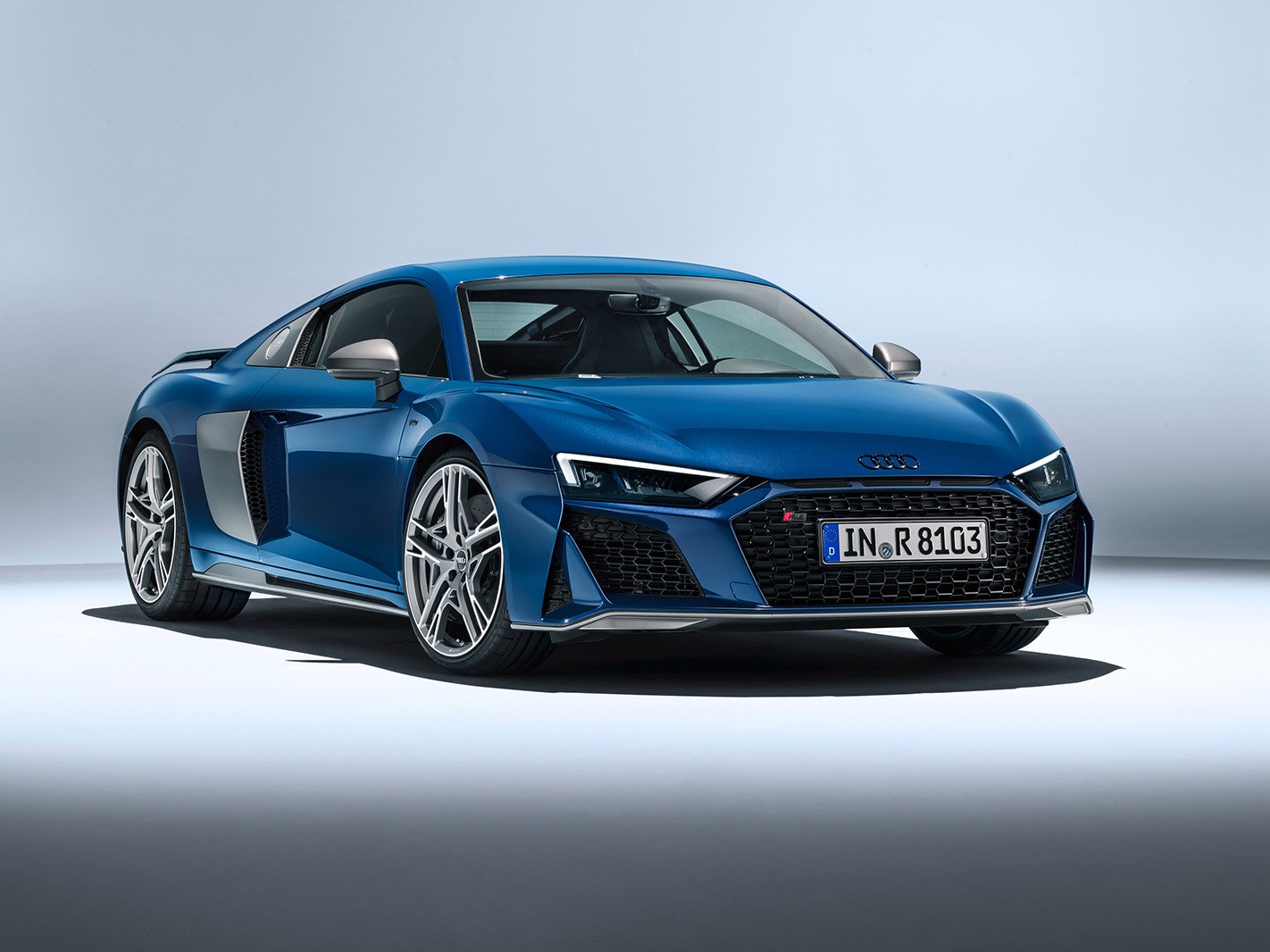
48: Audi R8 V10 (2020)
5204cc V10, 456kW/580Nm
Audi entered the supercar arena in fine style. Numerous versions have appeared on the PCOTY podium over the years with two outright victories in 2009 and 2013. RWD or quattro, Spyder or coupe, all are brilliant to drive, look at and listen to!
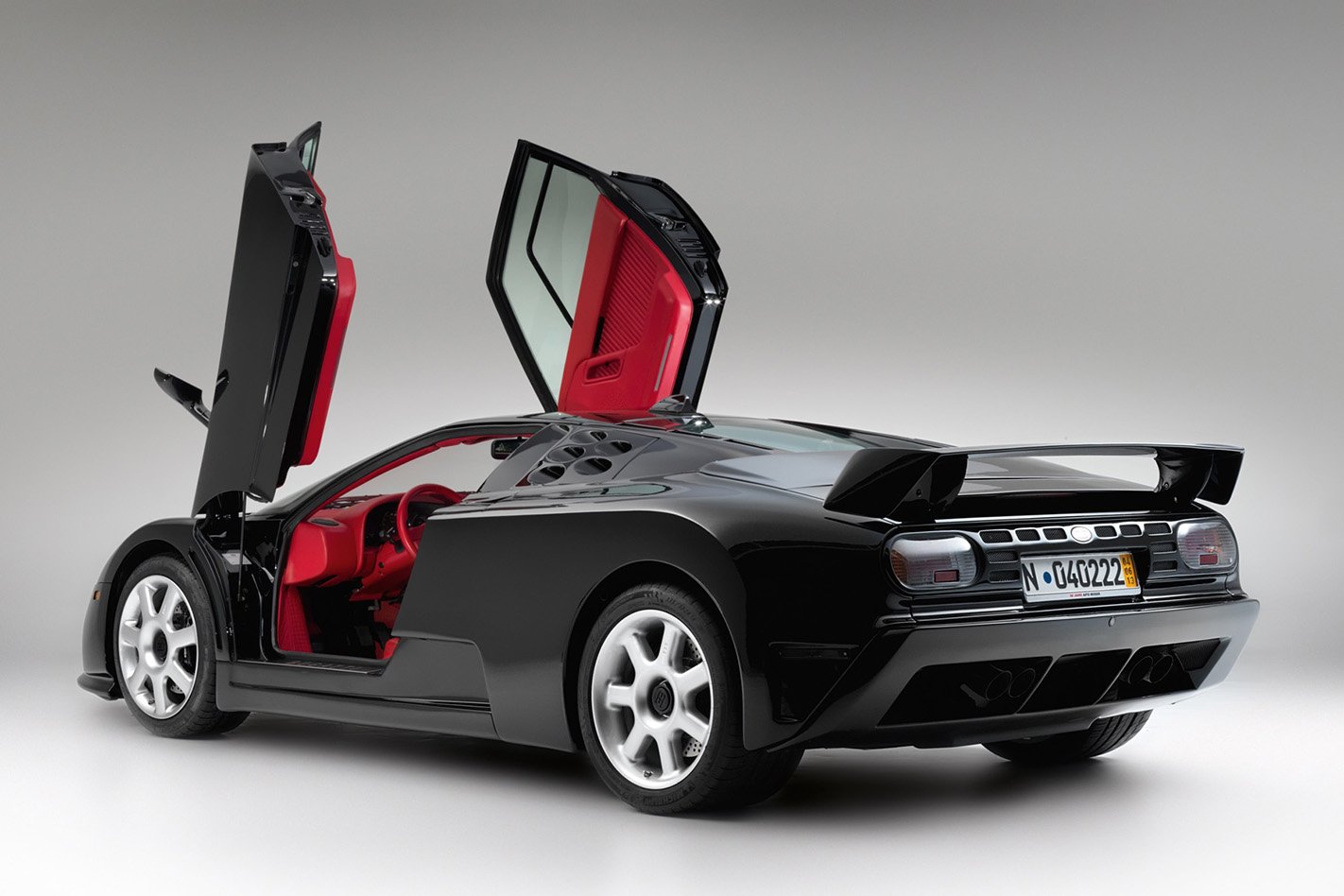
47: Dauer EB110 (2001)
3500cc V12TTTT, 481kW
Following Bugatti’s bankruptcy, Dauer bought the remaining EB110 parts inventory and created five of its own examples. Power grew to 481kW (with a 526kW option) and a full carbon body shed 230kg for vastly improved performance.
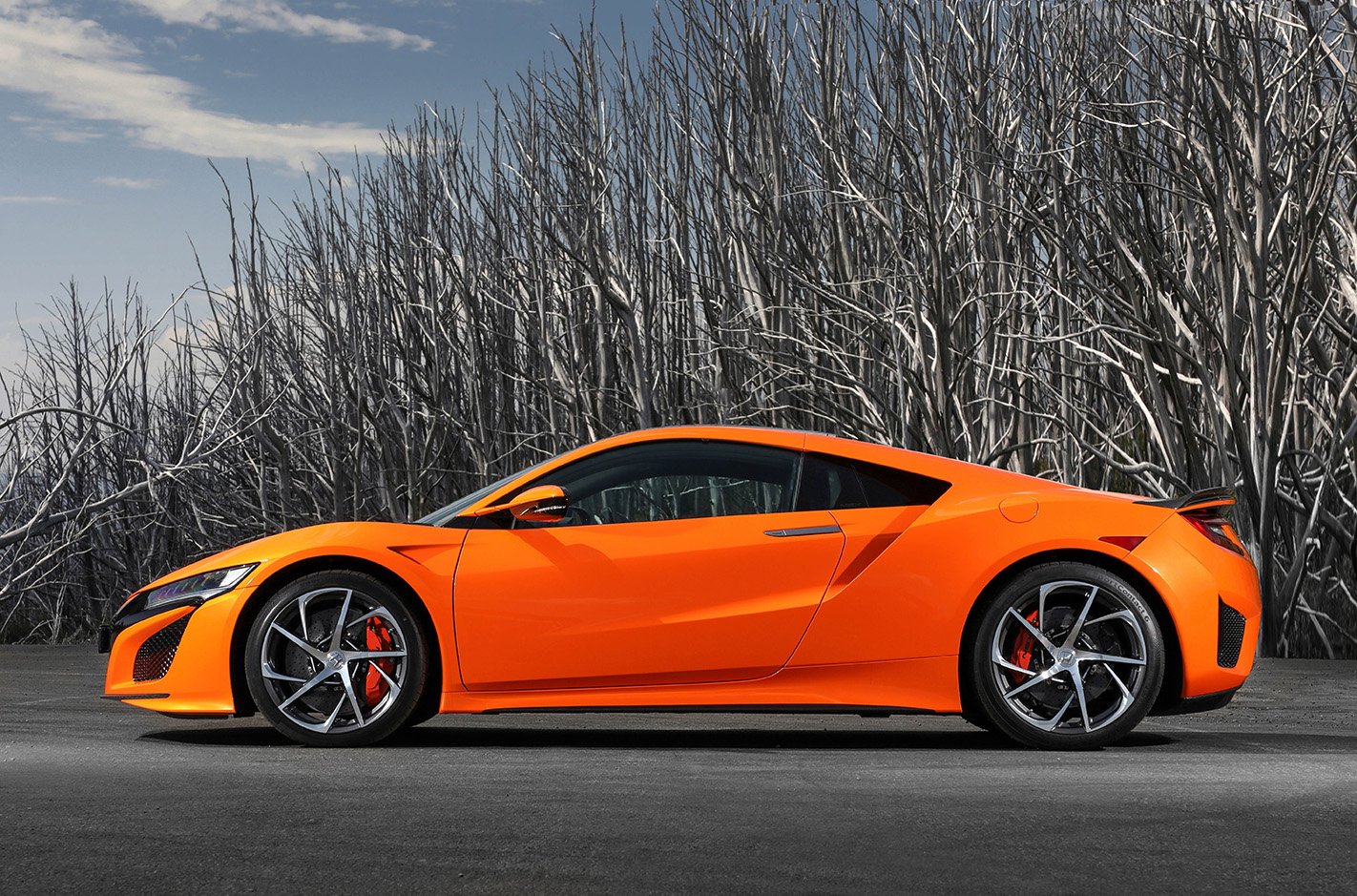
46: Honda NSX (2016)
3493cc V6TTH, 427kW/646Nm
The first NSX was more sports car than supercar, but its long-awaited successor is the real deal. Immensely complex and underappreciated, it takes time to realise just how good the NSX is. Deserves to sell better, but at least it’s exclusive!
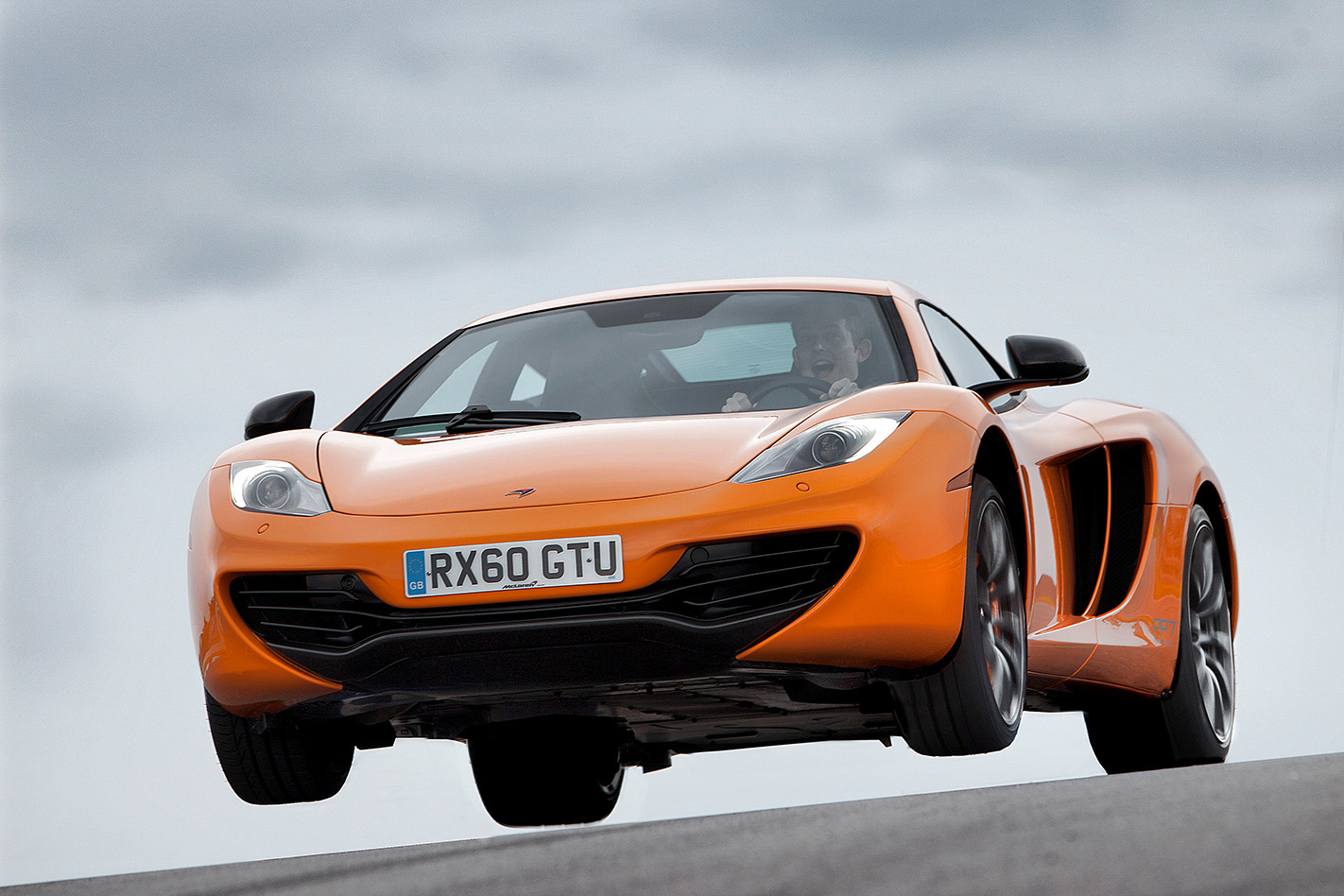
45: McLaren 12C (2011)
3799cc V8TT, 441kW/600Nm
We have a lot to thank the 12C for. It not only launched McLaren Automotive, it forced the entire supercar industry to up its game. Despite Ron Dennis’s promises, it wasn’t definitively the best supercar, but its speed and comfort set new standards. Spectacular for a first effort, especially with retrofit upgrades!
44: Lamborghini Aventador (2011)
6498cc V12, 515kW/690Nm
Just look at it! Filippo Perini nailed the design of the Aventador. Even today, almost a decade after its debut, the glimpse of one is enough to stop traffic. If only the driving experience matched the looks. At 250km/h-plus the big Lambo feels at home, but on the road the Aventador is cumbersome and uncomfortable, though the 2017 ‘S’ update vastly improved the ride and handling.

43: Porsche 911 GT1 (1997)
3164cc flat-6TT, 400kW
Stretching the definition of a 911 to breaking point, 25 road GT1s were built to homologate the race car: two with 993 headlights, 20 with a 996 front and one 1998-spec machine that was pure race car, though all were brutal on the street!

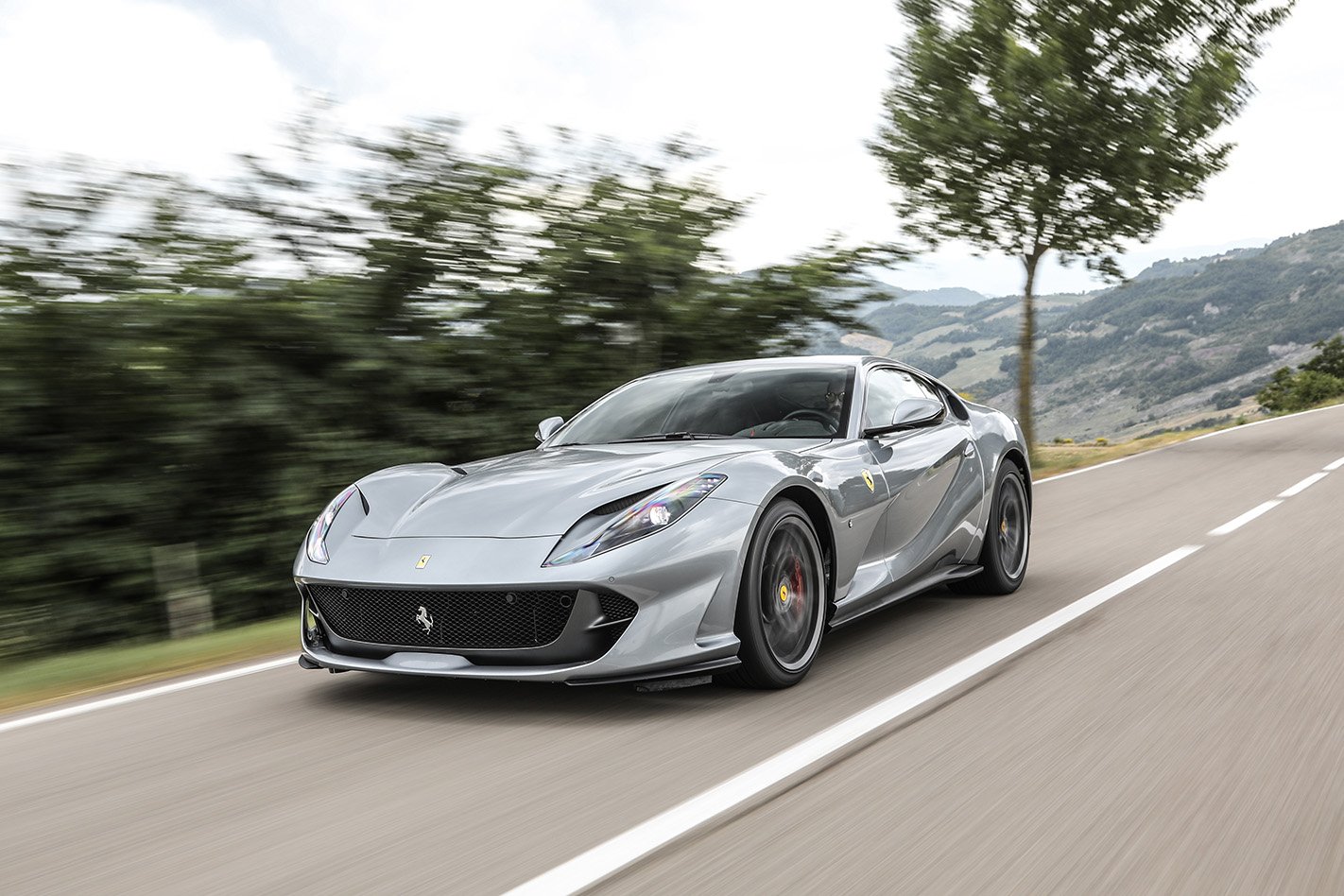
42: Ferrari 812 Superfast (2017)
6496cc V12, 588kW/718Nm
It might have its engine in front of the driver rather than behind, but Ferrari’s V12 flagship is every inch the supercar. Its V12 is arguably the angriest production engine ever and its chassis is built for speed rather than comfort, though still retains everyday manners.
41: Lamborghini Huracan (2014)
5204cc V10, 449kW
Incredible noise, arresting looks, fabulously fast and great to drive fast or slow, the Lamborghini Huracan is everything a modern supercar should be and it only gets better when it’s rear-wheel drive! No wonder it’s so popular.

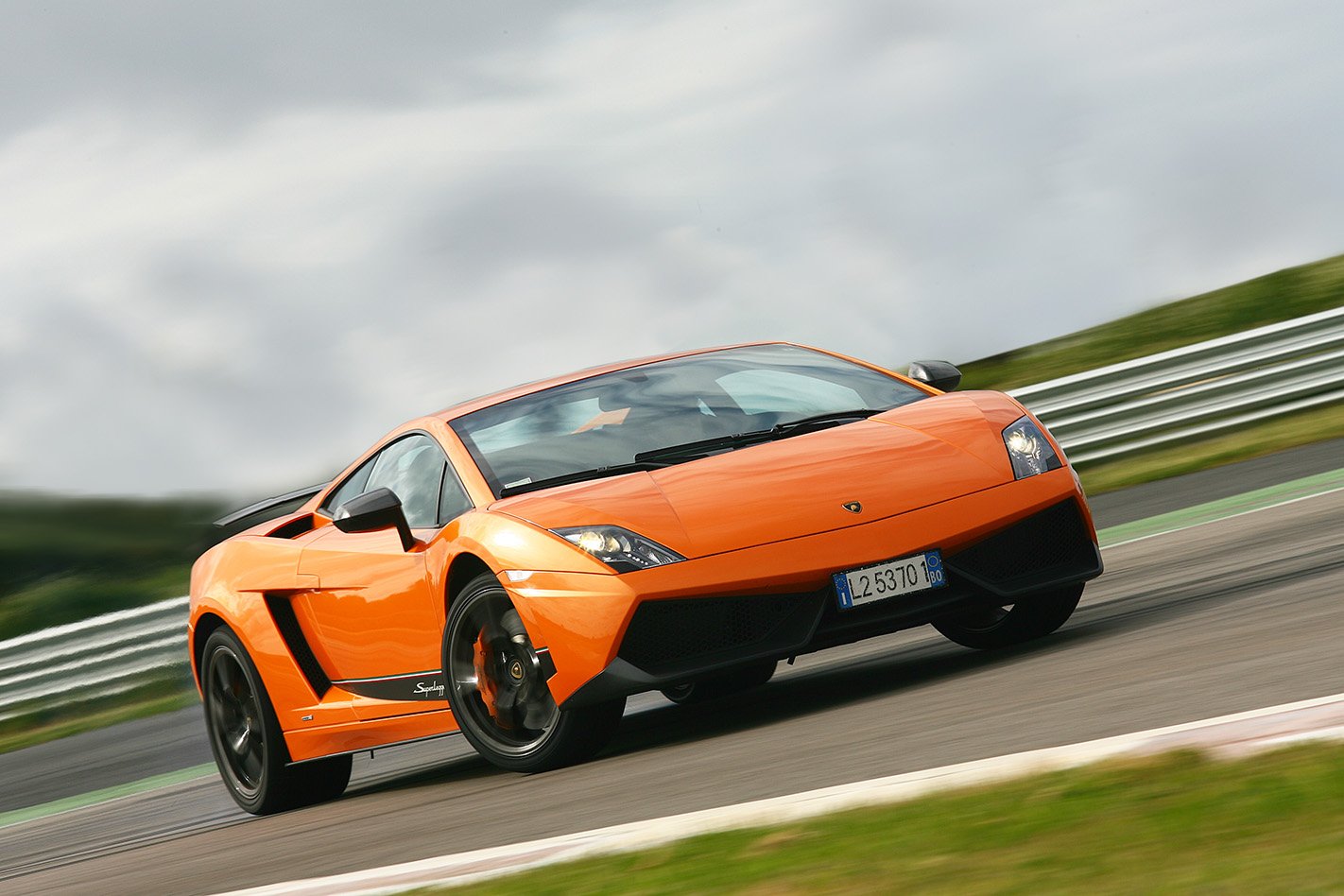
40: Lamborghini Gallardo (2003)
4993cc V10, 368kW/510Nm
The Gallardo wasn’t just a brilliant car, winning our 2004 PCOTY title, it secured Lamborghini’s future. It became the brand’s best-selling model by miles, with 14,022 built, though the Huracan has since beaten that in just five years!
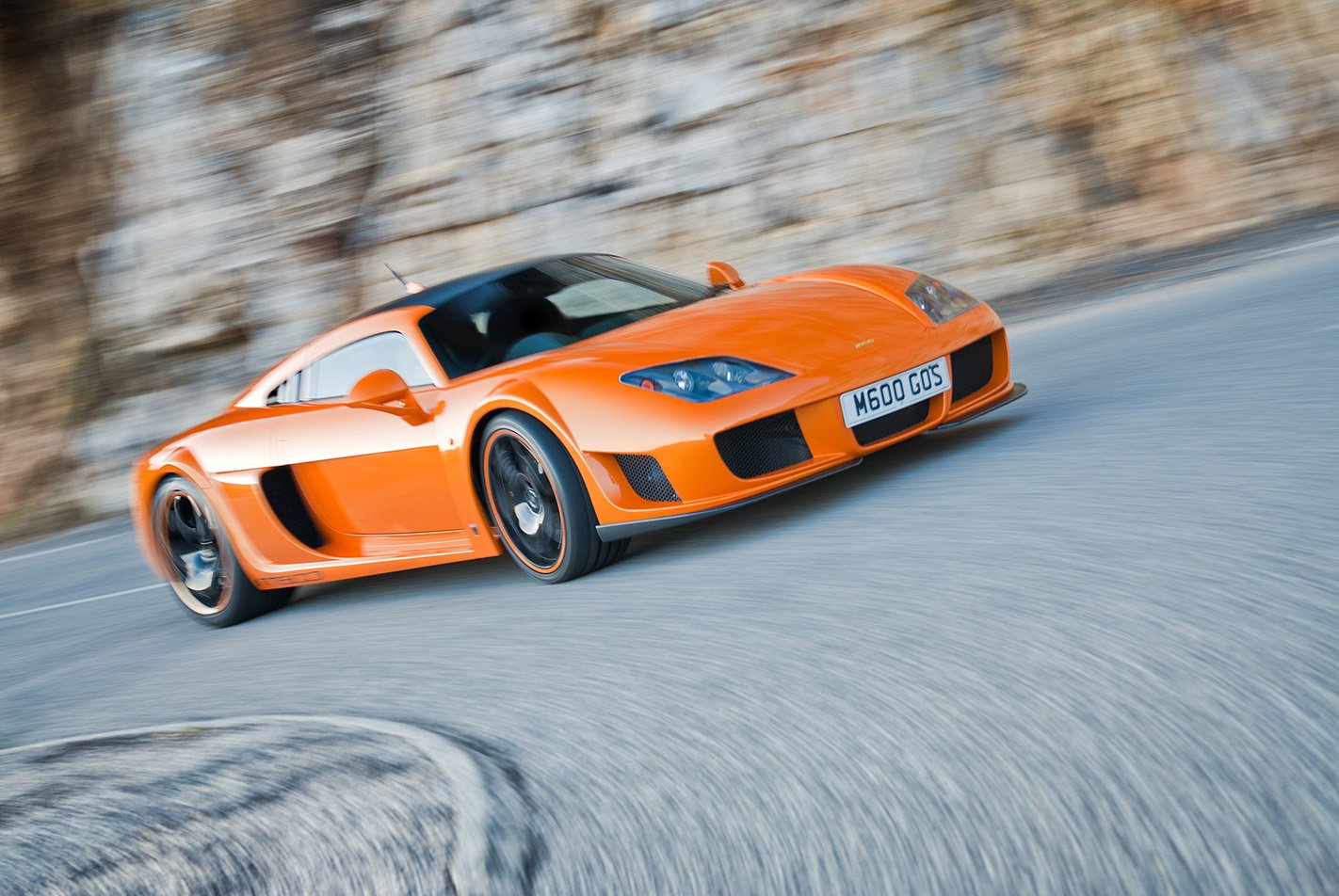
39: Noble M600 (2010)
4414cc V8TT, 485kW/819Nm
Massively powerful twin-turbo V8, lightweight, rear-drive chassis with no driver aids, challenging but beautifully rewarding handling, if any car could claim to be the spiritual successor to the Ferrari F40 it’s the Noble M600.
38: McLaren 650S (2014)
3799cc V8TT, 478kW/678Nm
The 12C may have launched McLaren Automotive but the 650S legitimised it. There was even more speed but, crucially, much greater driver involvement, with the limited-edition 675LT being the heroic icing on this supercar cake.

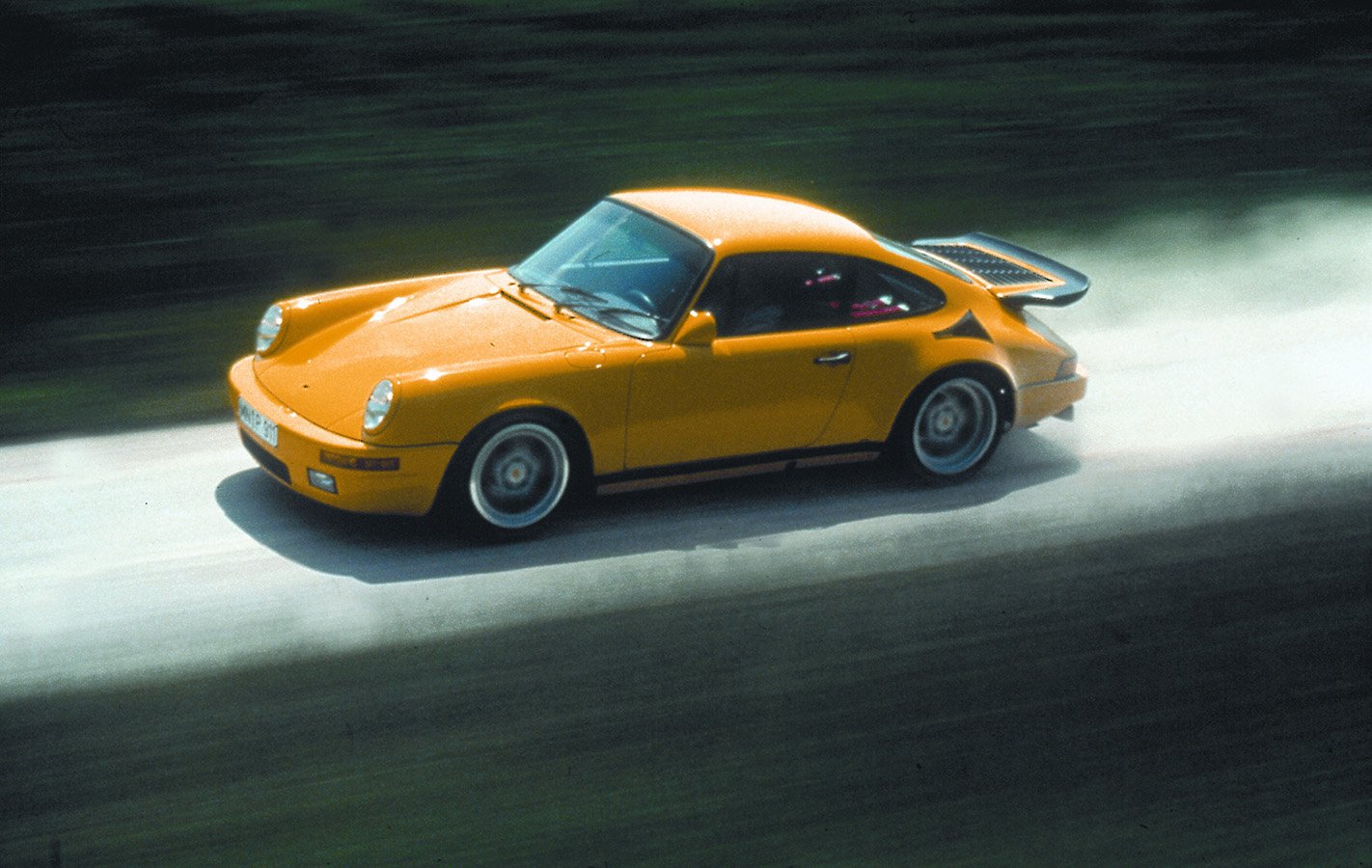
37: RUF CTR ‘Yellowbird’ (1987)
3367cc flat-6TT, 345kW
Not so much a supercar as an icon, the original RUF CTR, dubbed ‘Yellowbird’, not only flogged supercars of the time with its 340km/h speed but starred in one of the first viral videos thanks to Stefan Roser’s heroics around the Nordschleife.
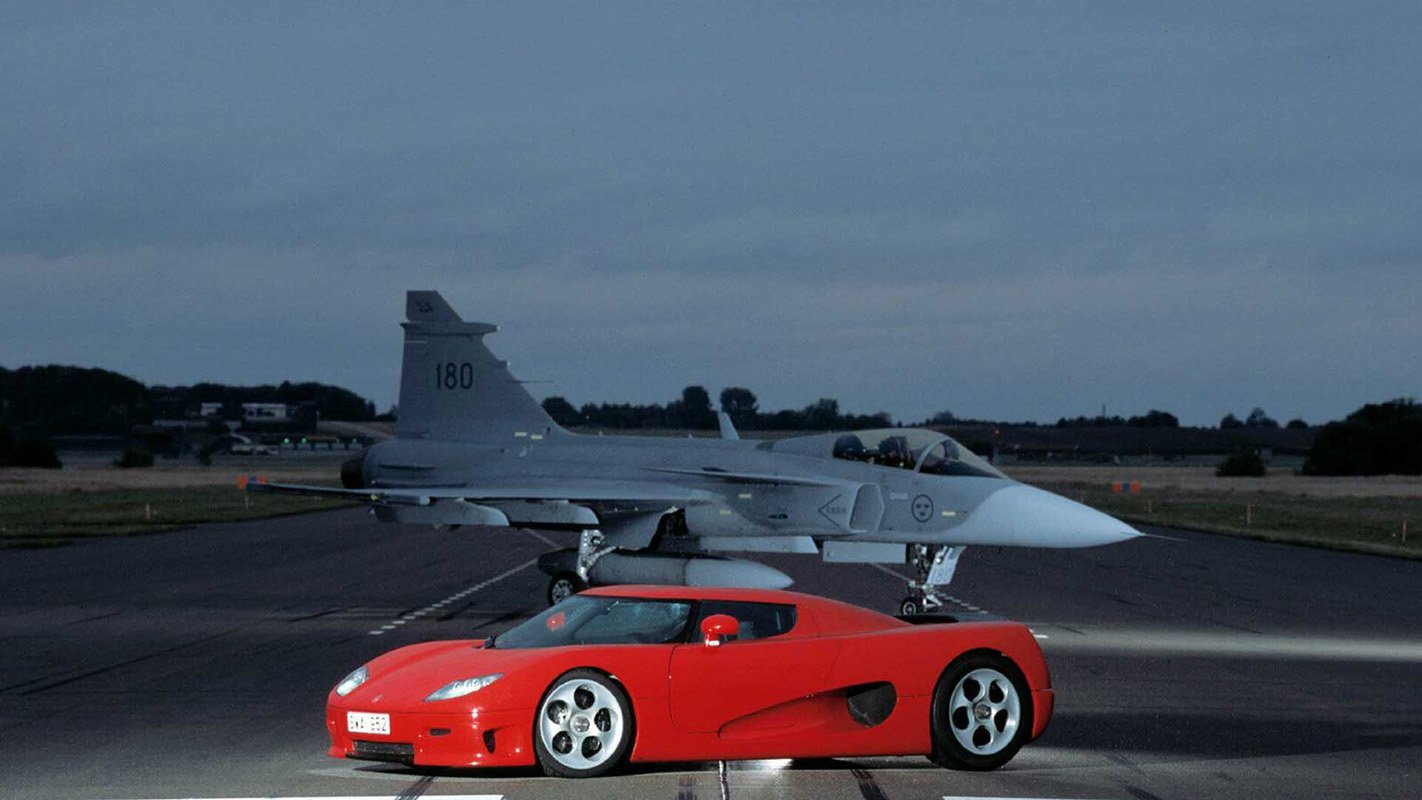
36: Koenigsegg CC8S (2002)
4700cc V8S, 488kW/750Nm
Koenigsegg’s first effort made a hell of a splash. Just six CC8S were built, two in RHD, but it put the Swedish supercar maker on the map by offering insane speed from the wild supercharged V8 as well as the only doors that can upstage a Lamborghini’s!
35: Lamborghini Diablo (1990)
5707cc V12, 367kW/580Nm
Developed under Chrysler, it took three more owners for the Diablo to fulfil its potential under Audi as the VT 6.0. While user-friendliness improved over the years, all Diablos have that monstrous V12 of ever-increasing power and poster car looks.

34: Mercedes SLR McLaren (2004)
5439cc V8S, 460kW
The product of squabbling parents, the SLR McLaren had a troubled birth. Phenomenally fast but with iffy handling, weird brakes and a stratospheric pricetag, McLaren has since quietly offered numerous upgrades for its offspring.

33: Ford GT (2017)
3496cc V6TT, 482kW/746Nm
Raw and jaw-droppingly good looking, the 21st century GT successfully took Ford back to Le Mans with GTE victory in 2016. Trouble is, as a supercar its twin-turbo V6 sounds ordinary and for all its race pedigree, it’s not as fast as, say, the next car on this list.

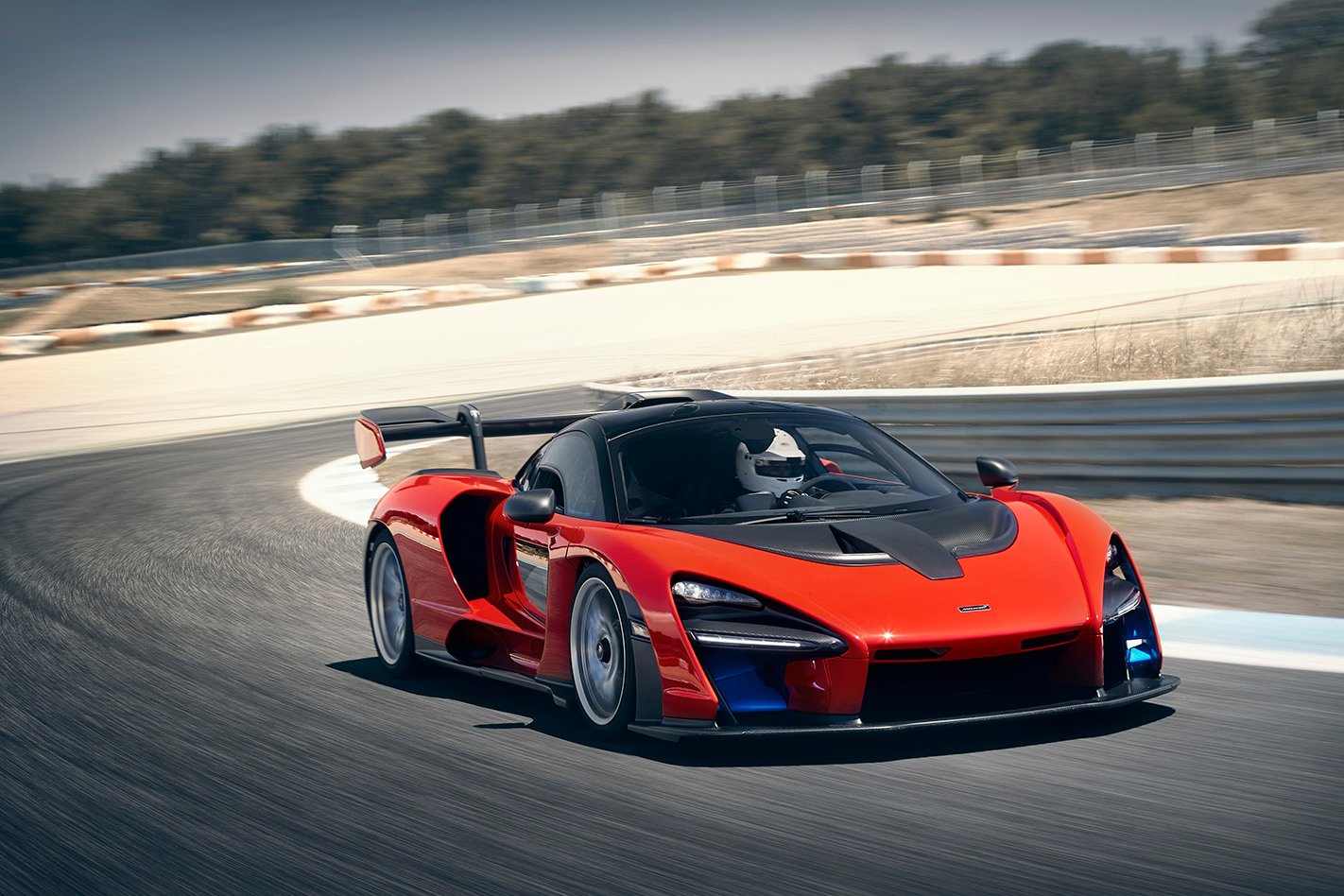
32: McLaren Senna (2019)
3994cc V8TT, 588kW/800Nm
Unlike many supercars that put style ahead of substance, the Senna is firmly in the function over form camp. It’s no svelte beauty, but virtually nothing with number plates can match it on track, with 800kg of downforce at 250km/h and the best road car brakes ever.
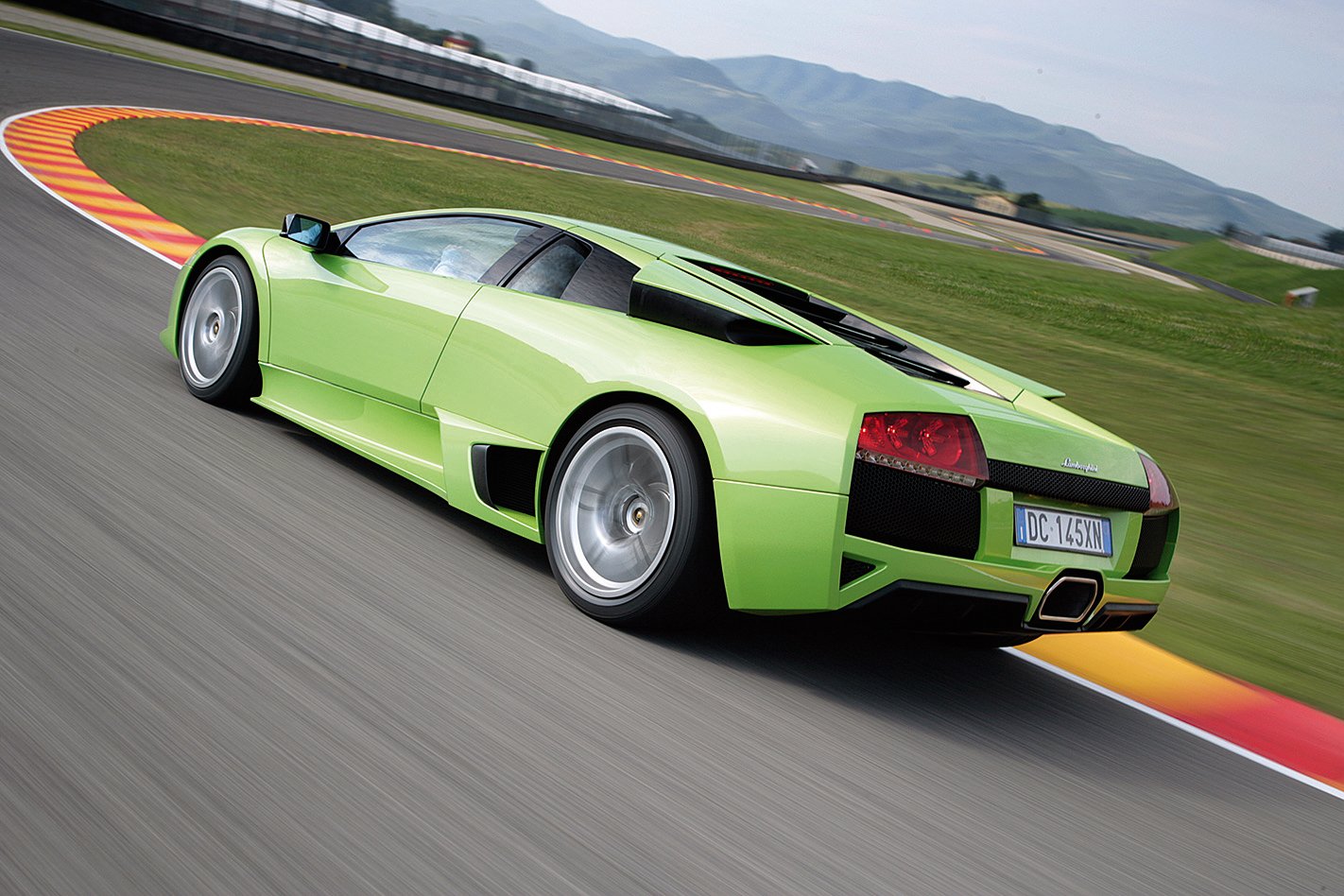
31: Lamborghini Murcielago (2001)
6192cc V12, 427kW/650Nm
Fears Audi’s stewardship would dull Lamborghini’s madness were swiftly dispelled by the Murcielago. The big bull is a bridge between the old and the new, offering outrageous performance without electronic control. Final SV model one of Lambo’s greatest.
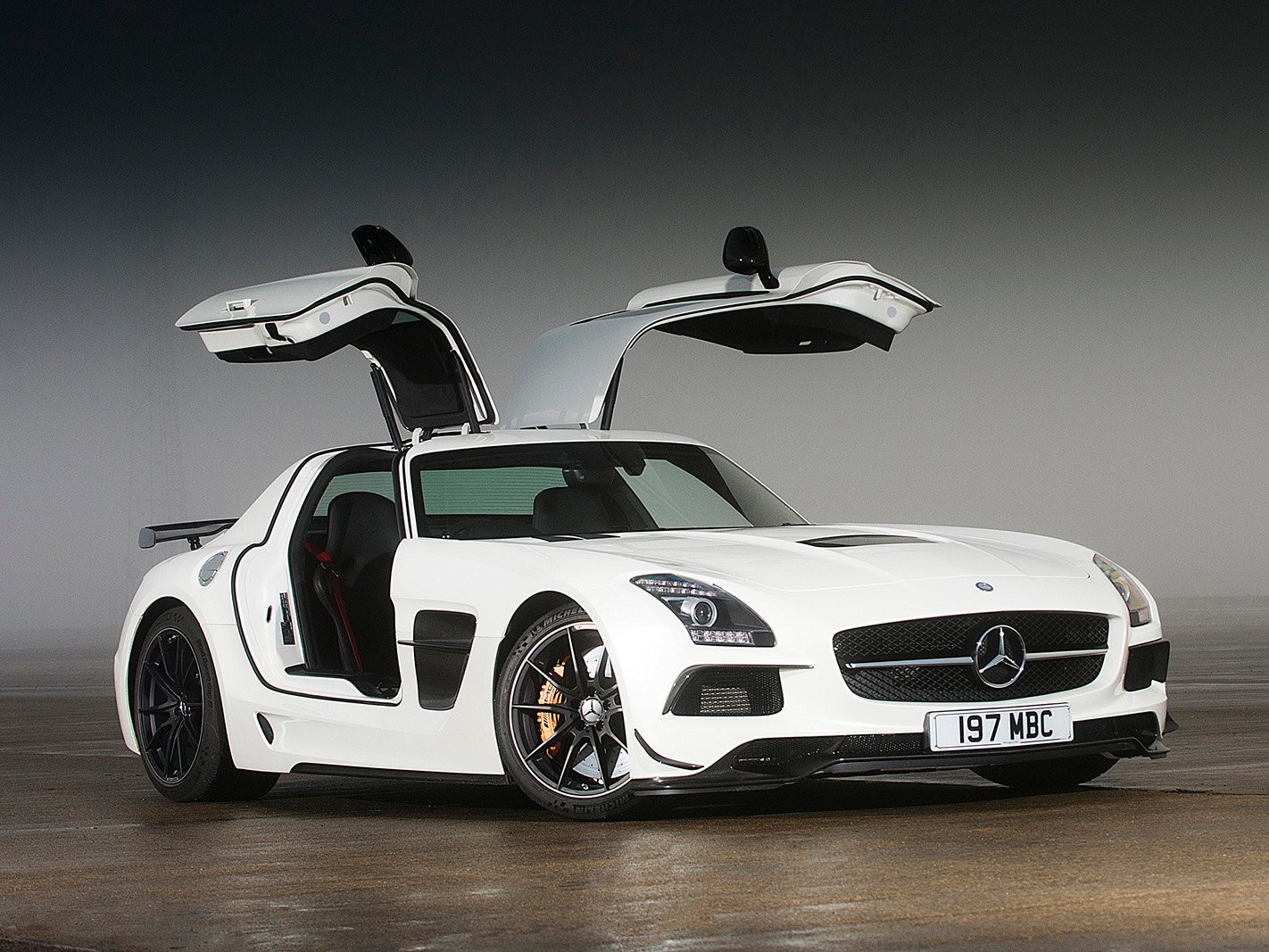
30: Mercedes-AMG SLS Black Series
6208cc V8, 464kW/635Nm
AMG went all out with the SLS Black Series with a 70kg diet, 8000rpm redline, carbon brakes and Cup 2 tyres, just to name a few modifications. Add in those show-stopping Gullwing doors and the fact only 350 were produced worldwide and you have yourself a front-engined supercar.
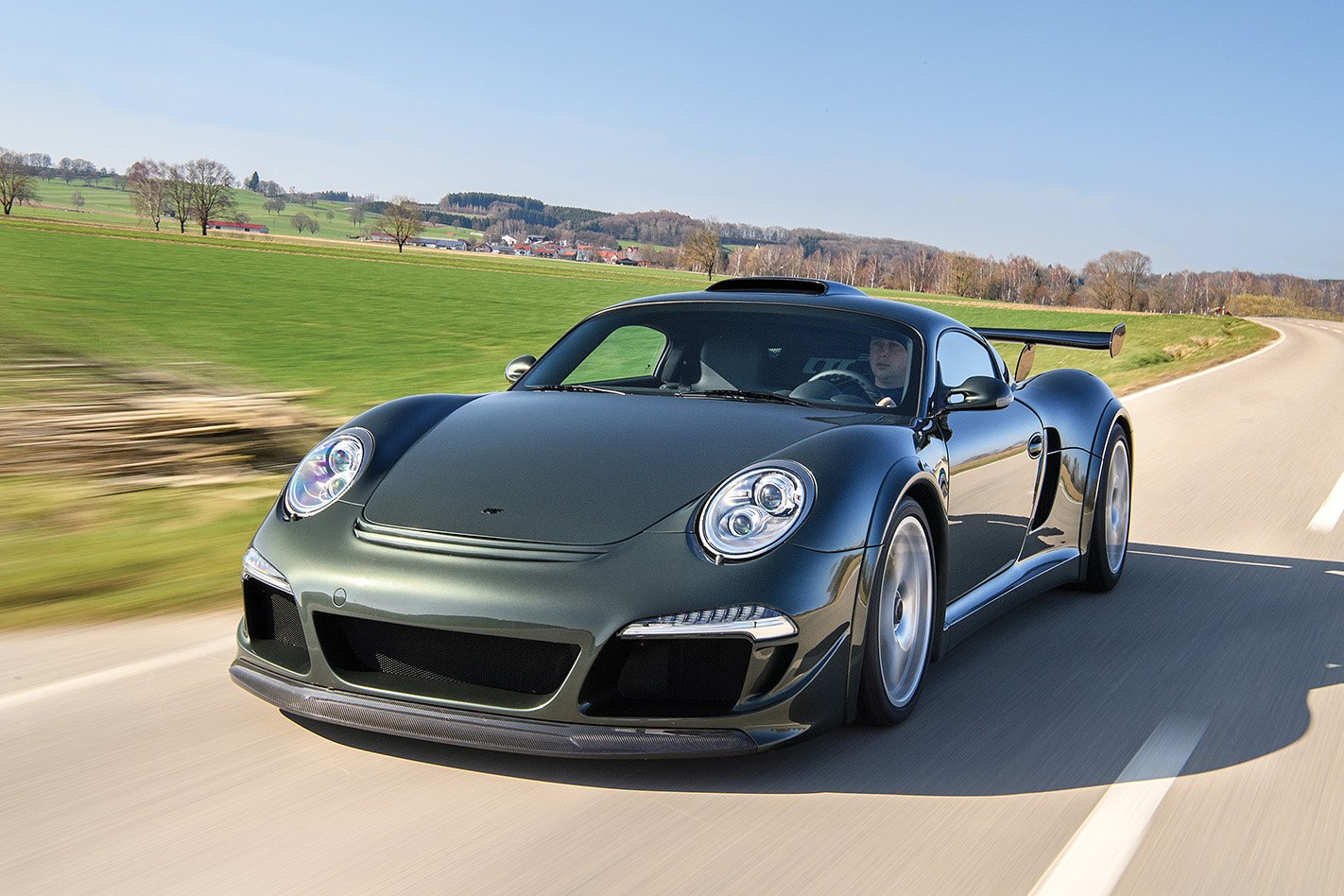
29: RUF CTR3 (2012)
3746cc flat-6TT, 571kW
RUF’s first clean-sheet attempt at a supercar wedged the front of a Cayman into a Multimatic-designed rear structure housing a mega-powerful flat-six. Sounds simple, but road tests suggest the driving experience is about as good as it gets.
28: Aston Martin One-77 (2009)
7312cc V12, 559kW/750Nm
The most exotic front-engined car ever built, with a full carbon fibre chassis, bespoke Cosworth V12, beautiful looks, incredible craftmanship and a build run of just 77 cars. Sadly, the budget didn’t stretch to a new gearbox, the only option Aston’s lurch-tastic automated manual.

27: Mercedes-Benz CLK GTR (1997)
6898cc V12, 450kW/775Nm
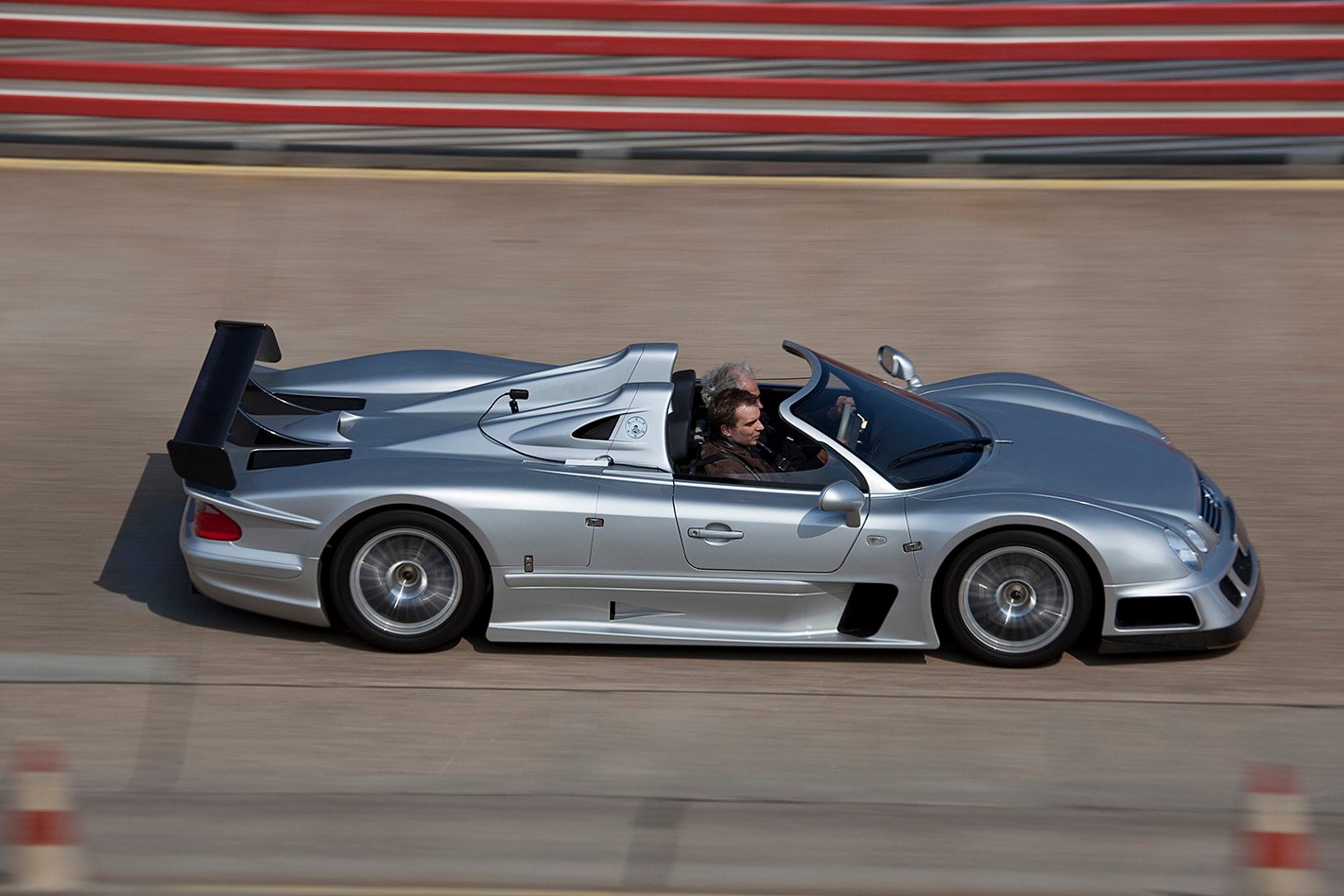
No, this isn’t the car that flipped over at Le Mans, that’s the CLR. The CLK GTR is a homologation special, a torque-laden brute that was the most expensive production car ever. In total 20 coupes and six roadsters were produced, five in ‘SS’ spec.
26: Koenigsegg Regera (2016)
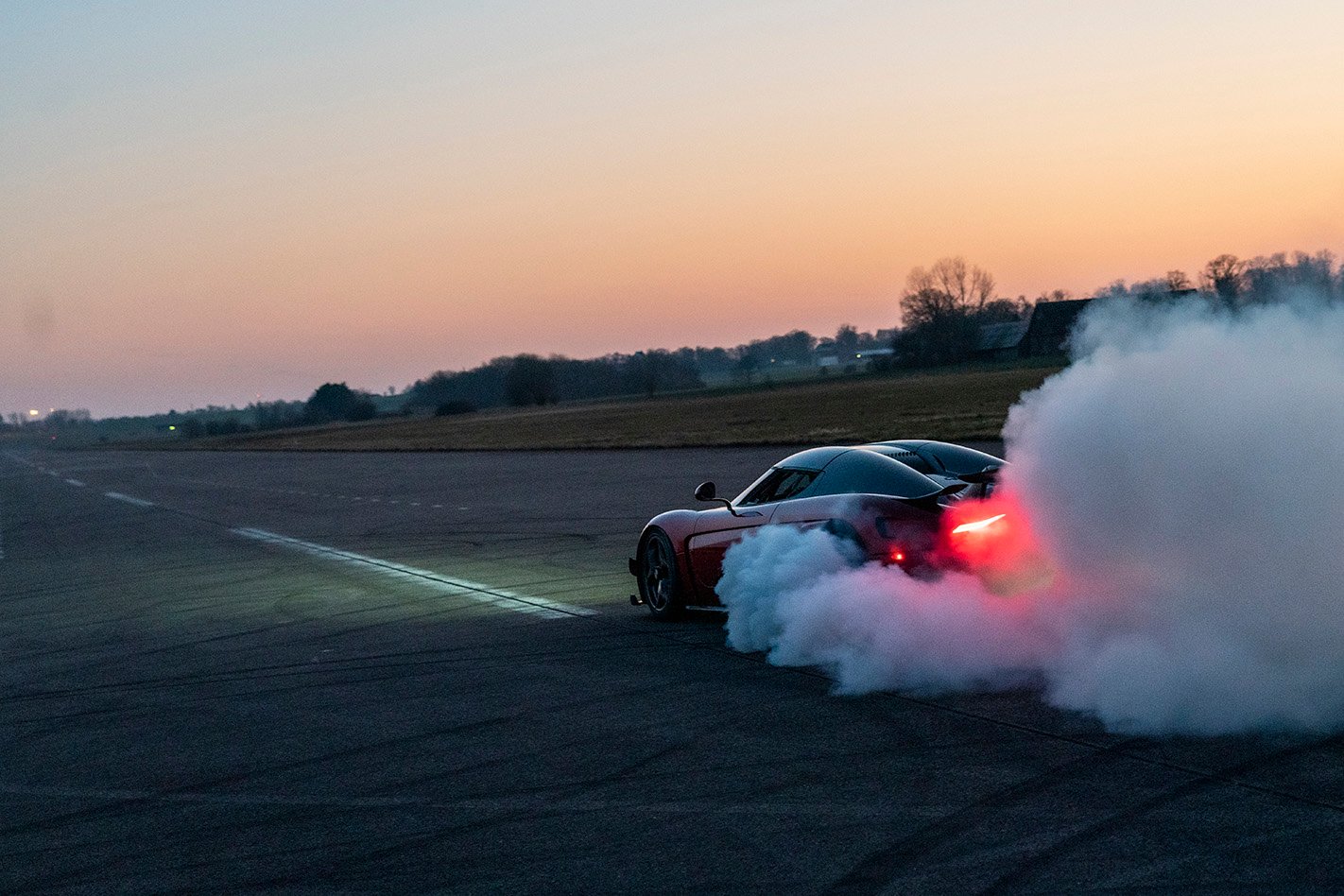
5066cc V8TTH, 1103kW
A true mould-breaker, the innovative engineering in the Regera could fill this magazine, but perhaps all you need to know is that it’s almost 10sec quicker to 400km/h than a Bugatti Chiron. Berserk.
25: McLaren 720S (2017)
3994cc V8TT, 530kW
Can a car be too fast? You’ll probably ask yourself this question after a stint in a 720S. This is a car that has recorded a 10.4sec quarter mile, yet its true genius is in its delicate ride, its brilliant handling and its superb vision. We wish it sounded better, but it’s a truly staggering machine.

24: Jaguar XJ220 (1992)
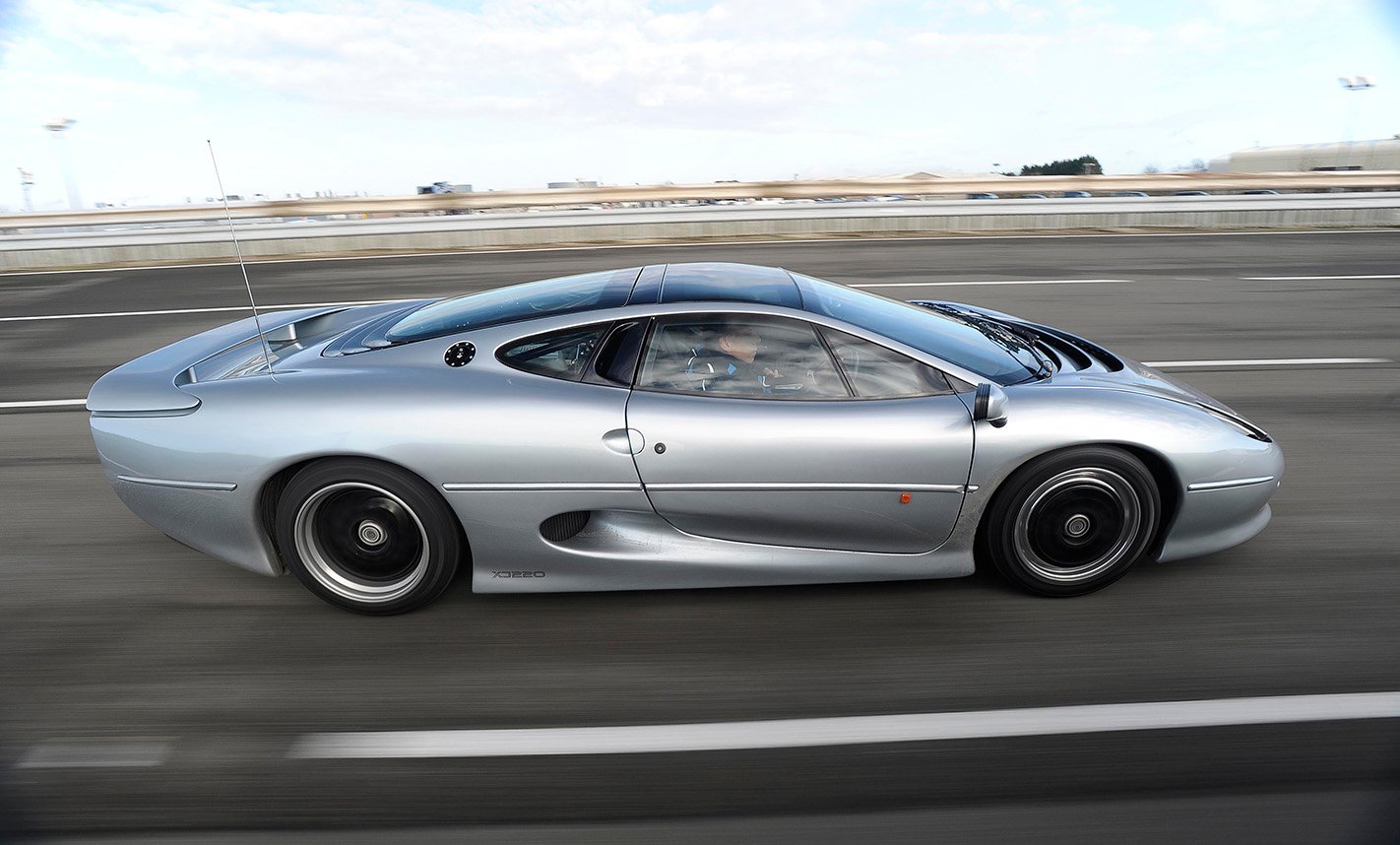
3498cc V6TT, 404kW/644Nm
Has there ever been a more misunderstood car than the XJ220? The original V12 show car would never have worked; the resulting V6 version was a better car and capable of an incredible 340km/h. Customers didn’t care and stayed away.
23: Ferrari 458 Speciale (2013)
4497cc V8, 445kW/540Nm
If the 458 Speciale seems a little, well, normal to sit so high, rest assured that the whole is greater than the sum of the parts. And the parts are pretty good, including a 9000rpm V8, but the magic of the Speciale lies not just in its ferociousness but its friendliness. One of the best drivers’ cars ever.

22: McLaren Speedtail (2020)
3994cc V8TTH, 772kW/1150Nm
The Speedtail is different. It cares not for lap times or cornering loads, it has more in common with the TGV in its focus on traversing long distances at massive speed in comfort. It can also carry two (small) passengers, so it’s perfect for the school run.

21: Maserati MC12 (2004)
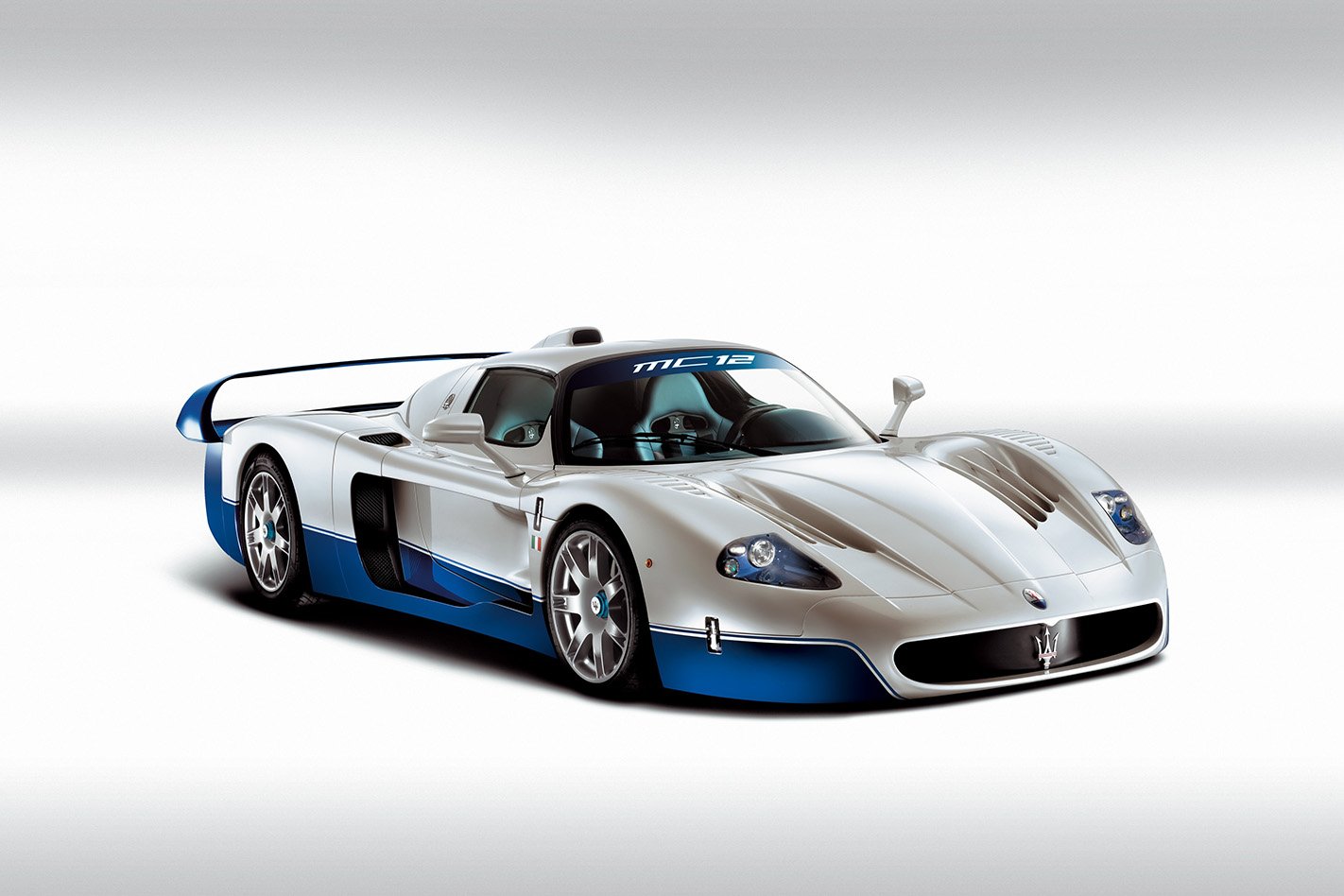
5998cc V12, 463kW/652Nm
An Enzo in an Adidas tracksuit, the MC12 is rarer (50 road cars; 12 track-only ‘Corse’ variants) and more powerful (+7kW) than the Ferrari on which it’s based. It was created to allow Maserati to re-enter GT racing, a category it utterly dominated.
20: Pagani Huayra (2011)
5980cc V12TT, 537kW/1000Nm
Unpronounceable and unaffordable, Pagani’s second offering is as close as cars will ever come to being works of art. Exquisitely crafted with a price tag to match (AUD$5m-plus), the Huayra is an intoxicating mix of track-focused function and gallery-worthy form.

19: Jaguar XJR-15 (1990)
5993cc V12, 336kW/569Nm
The world’s first carbon fibre road car, the XJR-15 was envisioned as a road-going version of the XJR-9 Le Mans racer. Sixteen cars were used for the world’s most expensive one-make race series, which supported three 1991 F1 races.

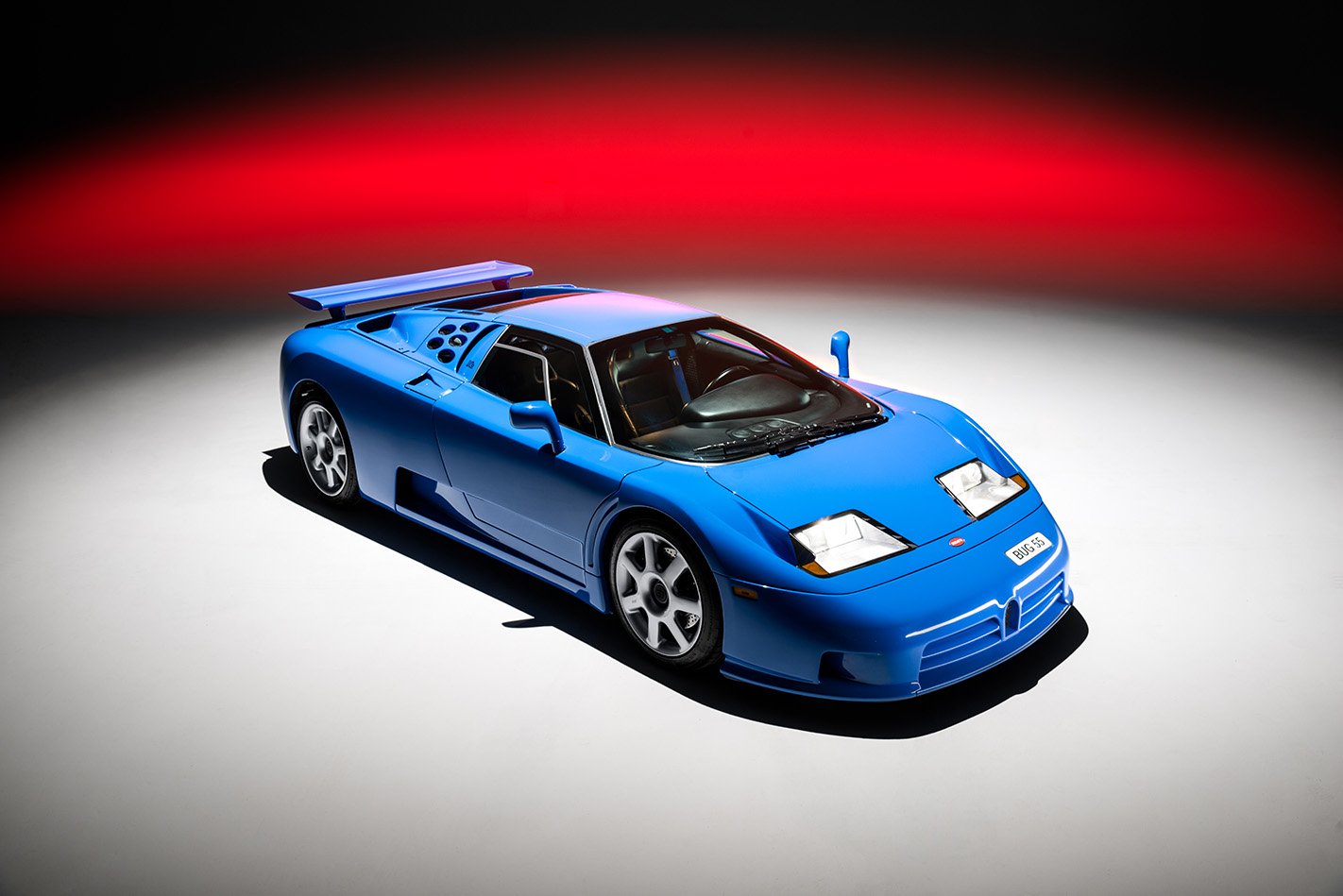
18: Bugatti EB110 (1991)
3500cc V8, 412kW/611Nm
The EB110 had everything it needed. It was advanced in concept and construction, outrageously fast and well developed with a historic badge. Everything except customers. Just 139 were produced before Bugatti itself folded in bankruptcy.
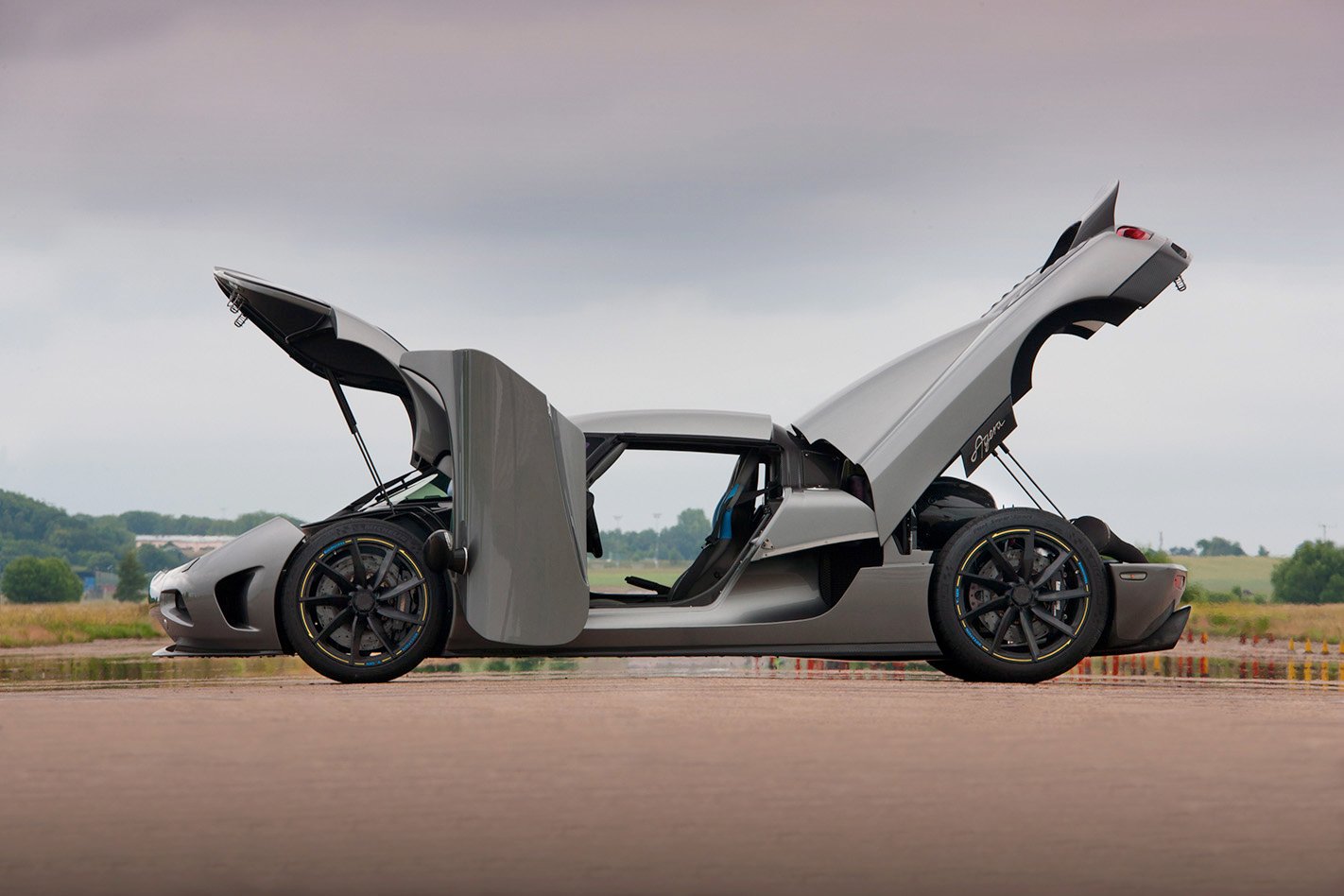
17: Koenigsegg Agera (2011)
5033cc V8TT, 706kW/1100Nm
Koenigsegg took to turbocharging like a duck to water. The Agera opened the bidding with 706kW/1100Nm, which quickly grew to 1000kW/1371Nm in the case of the One1. Thus equipped, an Agera RS rocketed to 458km/h to become the world’s fastest car.
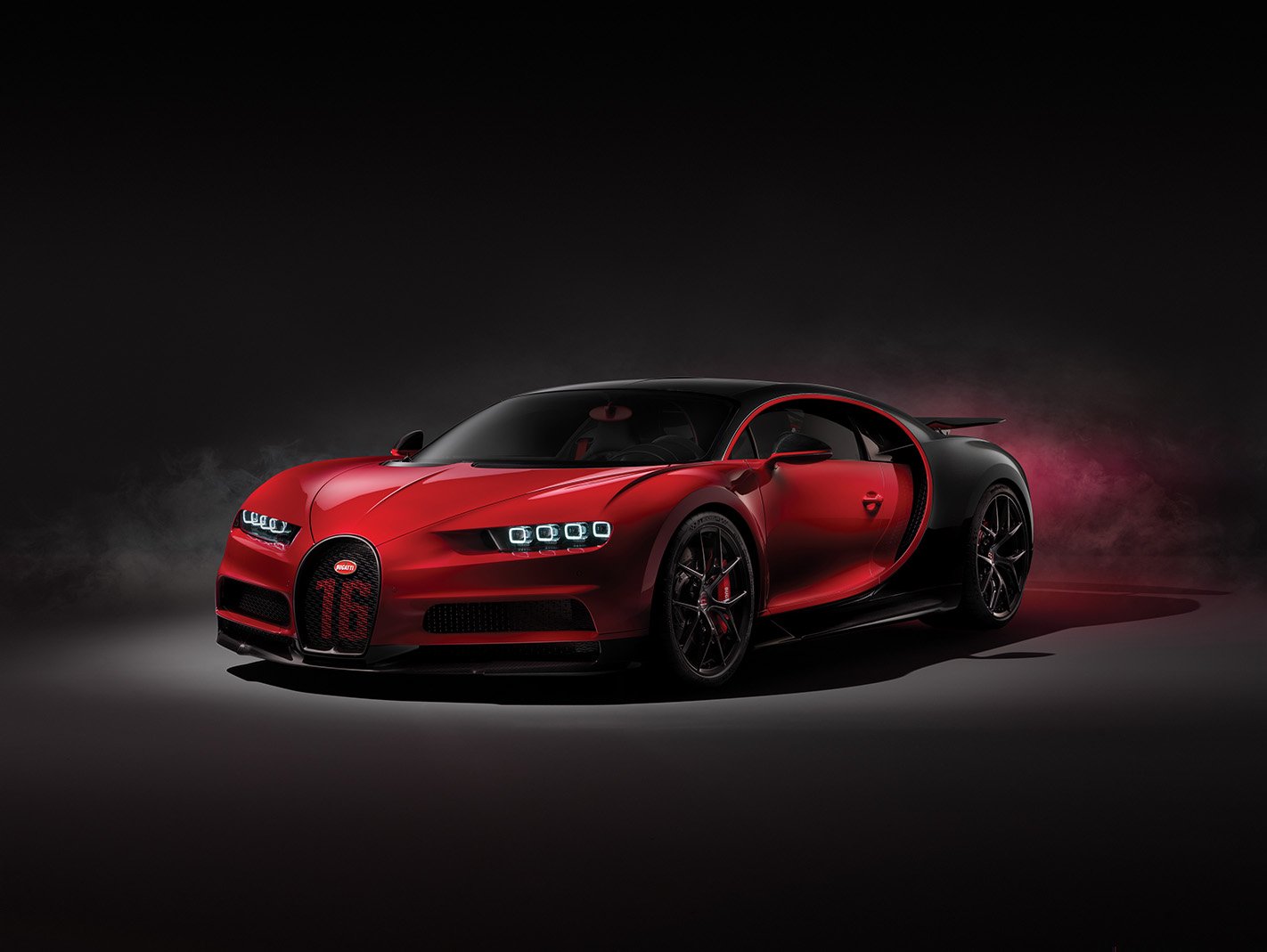
16: Bugatti Chiron (2016)
7993cc W16TTTT, 1103kW
The Veyron was always going to be a tough act to follow. Not only did Bugatti play to its traditional strengths of power, speed and luxury but added a welcome dash of driver involvement, something many felt were missing from the original hypercar.
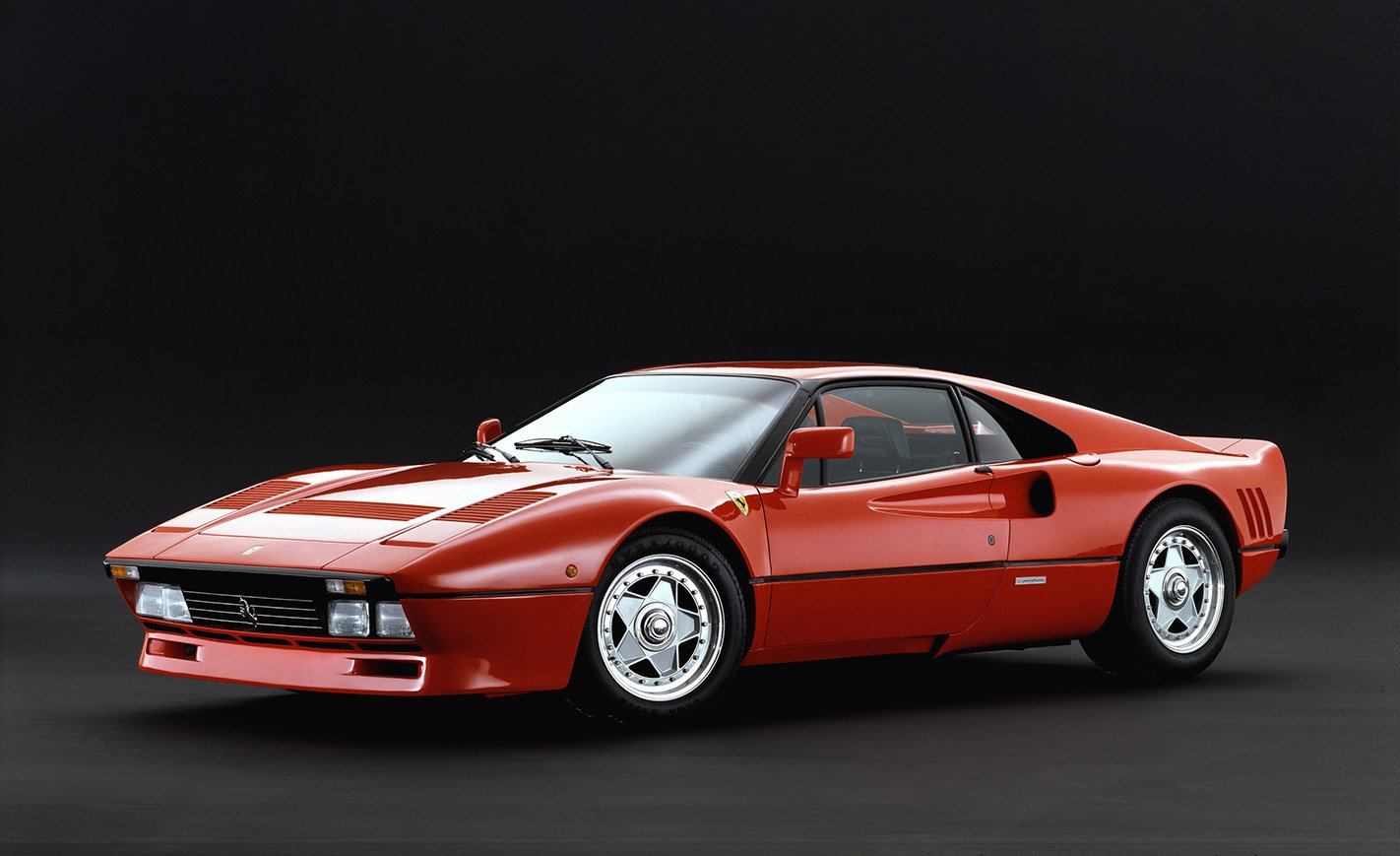
15: Ferrari 288 GTO (1984)
2855cc V8TT, 294kW/496Nm
You could make the case that the 288 GTO is Ferrari’s greatest supercar. It’s the rarest – 272 examples – most beautiful and most civilised of Ferrari’s special models and also provided the basis for the F40. Good value for many years, the ship has now long sailed.
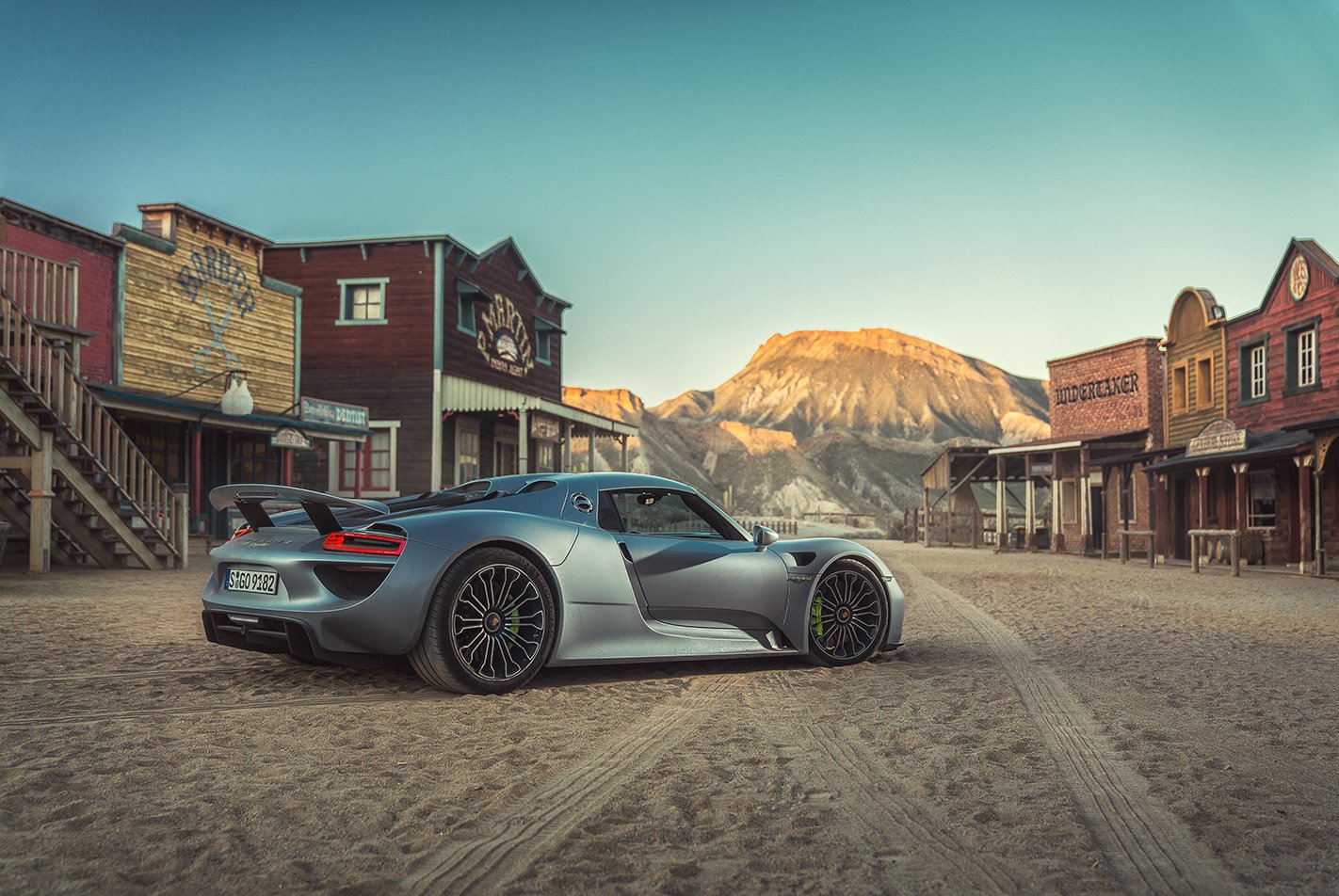
14: Porsche 918 Spyder (2013)
4593cc V8H, 652kW/1280Nm
Porsche pushed the hybrid boat out furthest of all the ‘Holy Trinity’ and reaped the rewards, AWD traction giving a sub-3.0sec 0-100km/h time (and 10.2sec quarter mile!), electric motors providing unrivalled response and remarkable fuel economy.
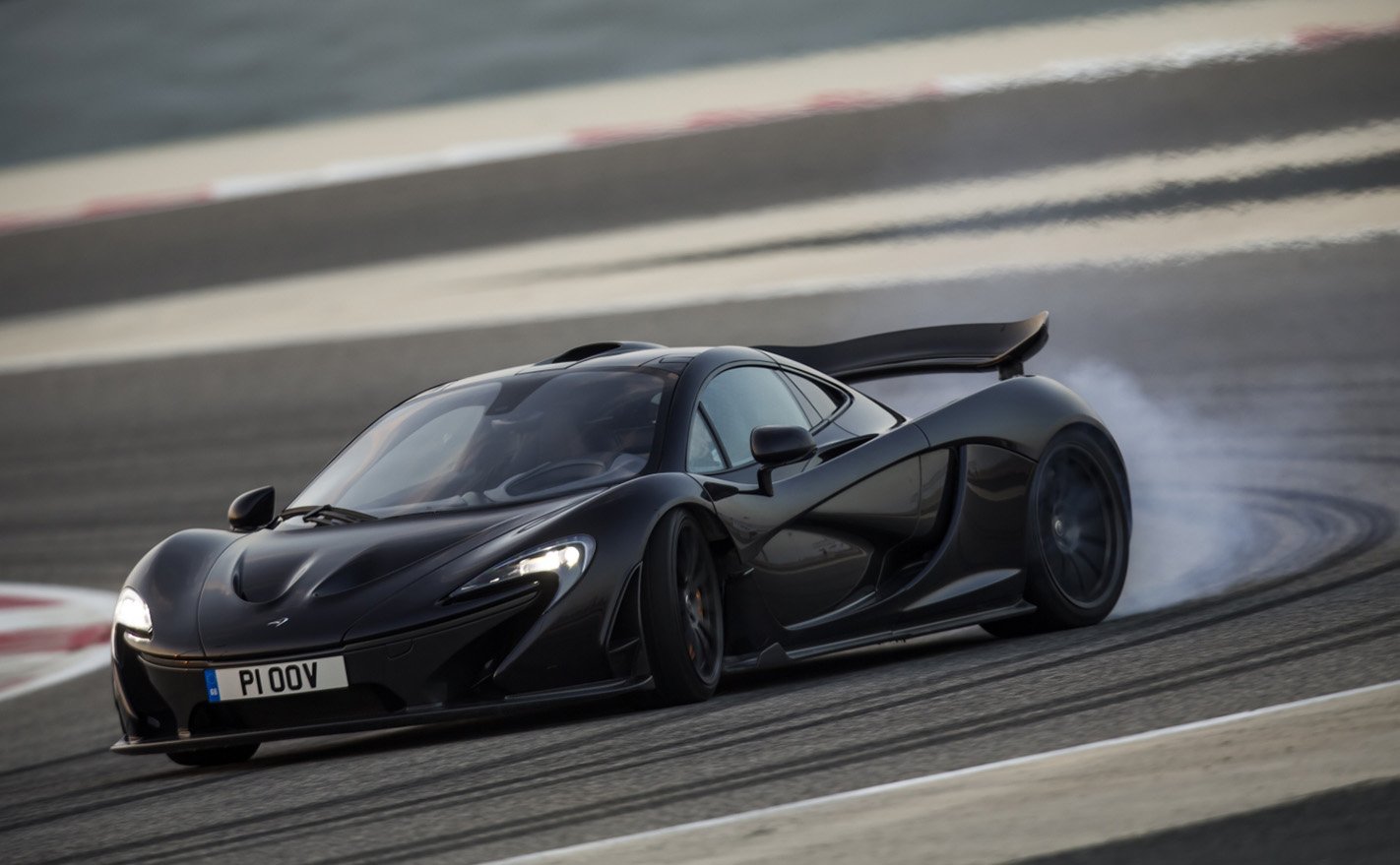
13: McLaren P1 (2013)
3799cc V8TTH, 674kW/980Nm
Was McLaren stung by criticism its regular models were too straight-laced? Possibly, as the P1 is utterly unhinged. Even massive Corsa rear tyres can’t contain the combination of turbo and electric torque, making McLaren’s first Ultimate Series a wild ride.
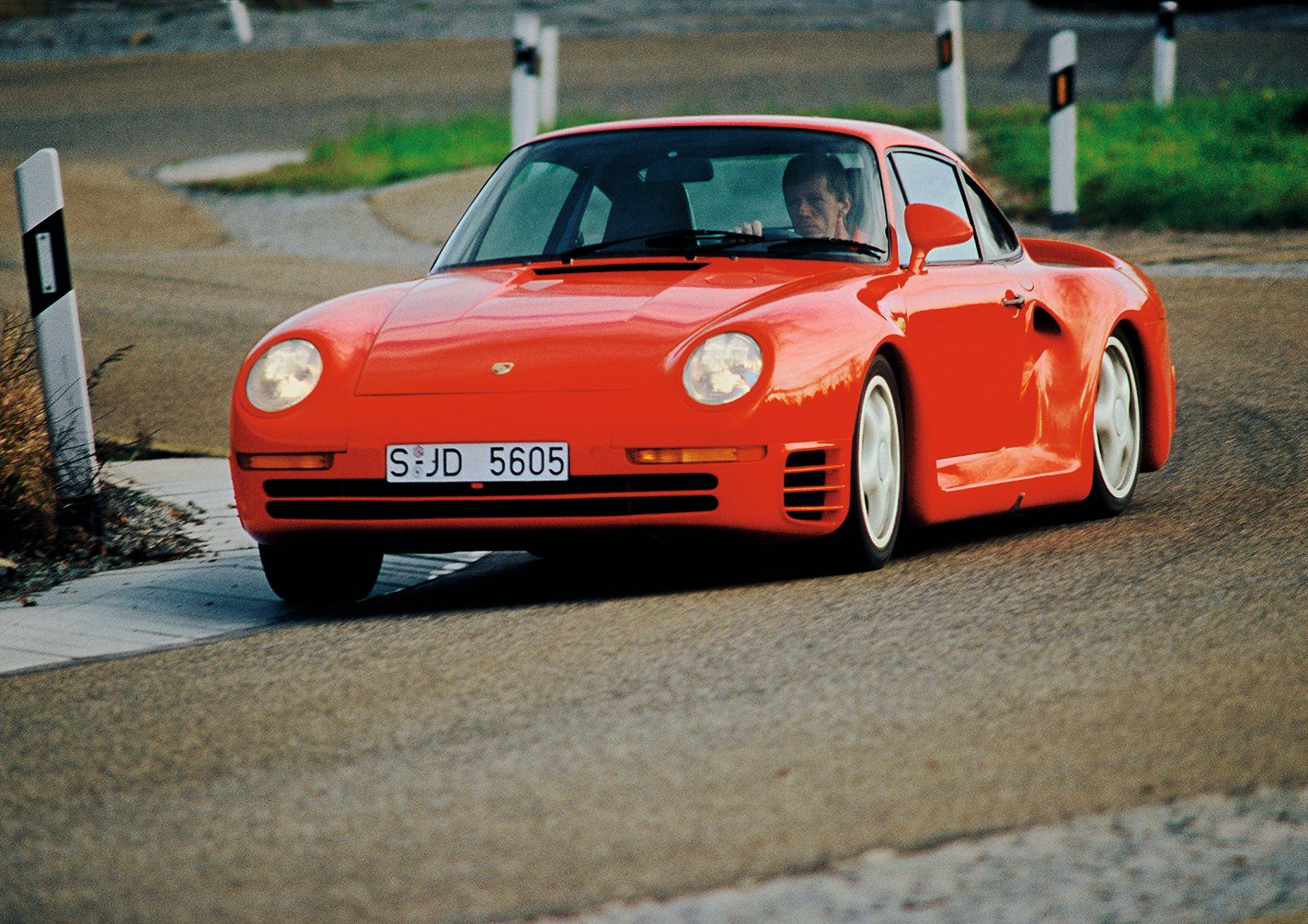
12: Porsche 959 (1986)
2849cc flat-6TT, 331kW/500Nm
The 959 would be considered high tech if it was released today; in 1986 it was science fiction. Sequential turbochargers, adaptive all-wheel drive, electronic suspension, magnesium wheels, not to mention 0-100km/h in 3.8sec and a 319km/h top speed.
11: Lamborghini Countach (1974)
3929cc V12, 276kW
Most Countachs aren’t great to drive. Does it matter with looks like this? Everyone has a favourite: some prefer the clean lines of the LP400, while others love the iconic LP5000 and a select few the wild ’80s excess of the 25th Anniversary. Over the years the V12 grew from 3.9 to 5.2 litres and from 276kW to 335kW. Cannonball, baby!

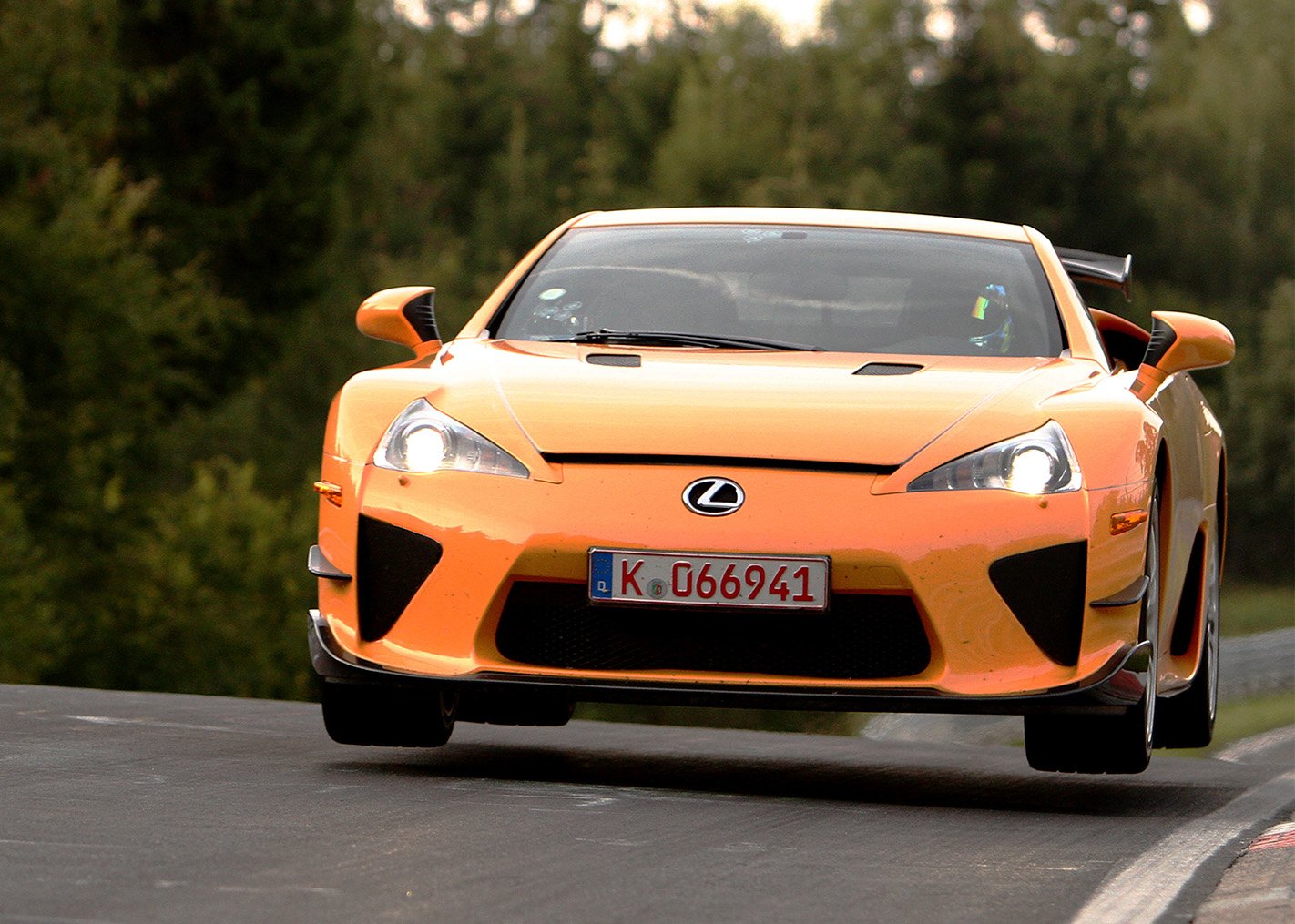
10: Lexus LFA (2011)
4805cc V10, 412kW/480Nm
If you’re going to take 10 years developing something, you better hope you get it right. Lexus got it right. From the wonderful steering to the best brake feel of any road car to the jewel of a V10, only the single-clutch transmission ages this Japanese masterpiece in any way.
9: Pagani Zonda (2002)
7291cc V12, 408kW/750Nm
It’s hard to believe, but when the Zonda first appeared in 1999, the work of the unknown Pagani, it had a mere 289kW from its Mercedes 6.0-litre V12. Two decades on and Pagani is still building Zondas, usually upgrading older models to the latest 559kW ‘760’ spec.

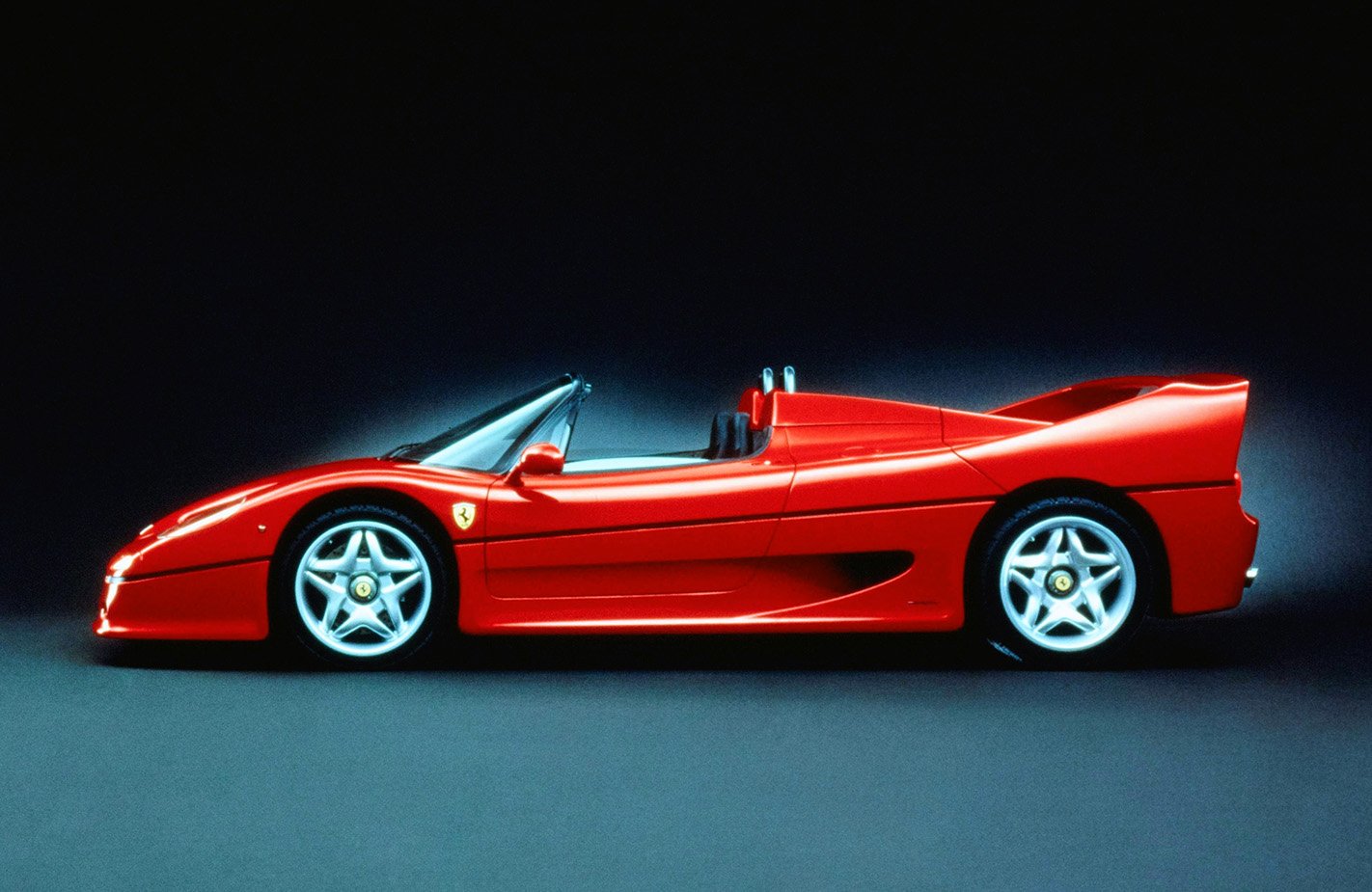
8: Ferrari F50 (1995)
4699cc V12, 382kW/471Nm
Dismissed at launch by many, the F50’s stature in the supercar community has grown exponentially in the last decade, buyers waking up to its rarity (349 built), its screaming F1-derived V12 and its intimately connected, sweetly balanced chassis.
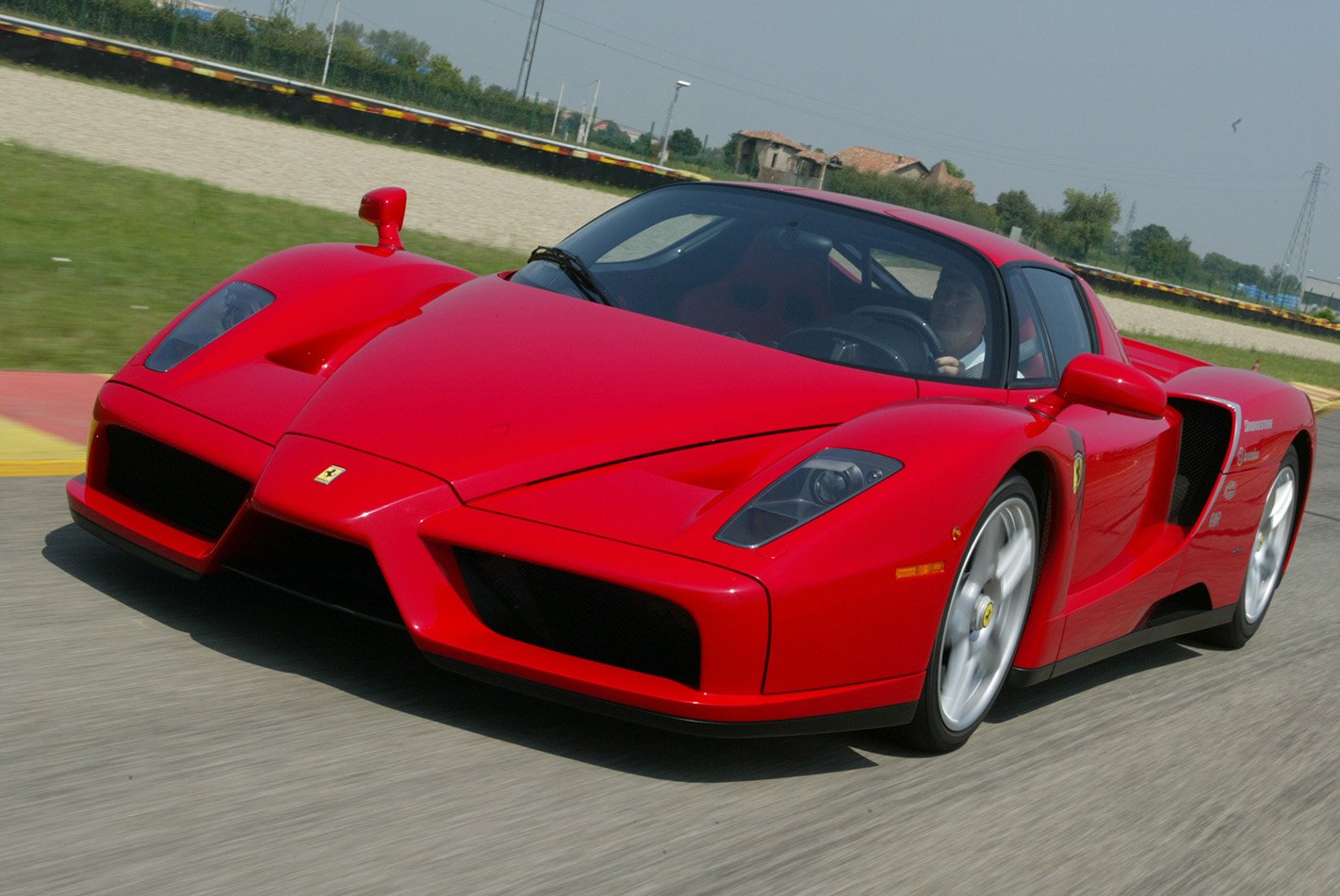
7: Ferrari Enzo (2003)
5998cc V12, 485kW/657Nm
Fittingly, for a car named after the company’s founder, the Enzo was king of the hill in the early-’00s, at least among its contemporaries. In a 2005 supercar mega-test held at Nardo the Enzo stormed to a 352km/h top speed, head and shoulders above anything else, while also being the most accelerative. It wasn’t, however, the quickest around the handling circuit. That honour goes to the next car on the list.
6: Porsche Carrera GT (2003)
5733cc V10, 450kW/590Nm
The trouble with technology is it quickly becomes old news. The Enzo’s F1 shift was cutting edge in 2002 but now feels dated, whereas the Carrera GT’s slick beech-topped manual shift will forever feel current. Infamous at launch for being easy to stall and tricky to handle, modern rubber has caught up with the talents of Porsche’s carbon-tubbed artwork, allowing full use of that singing V10.

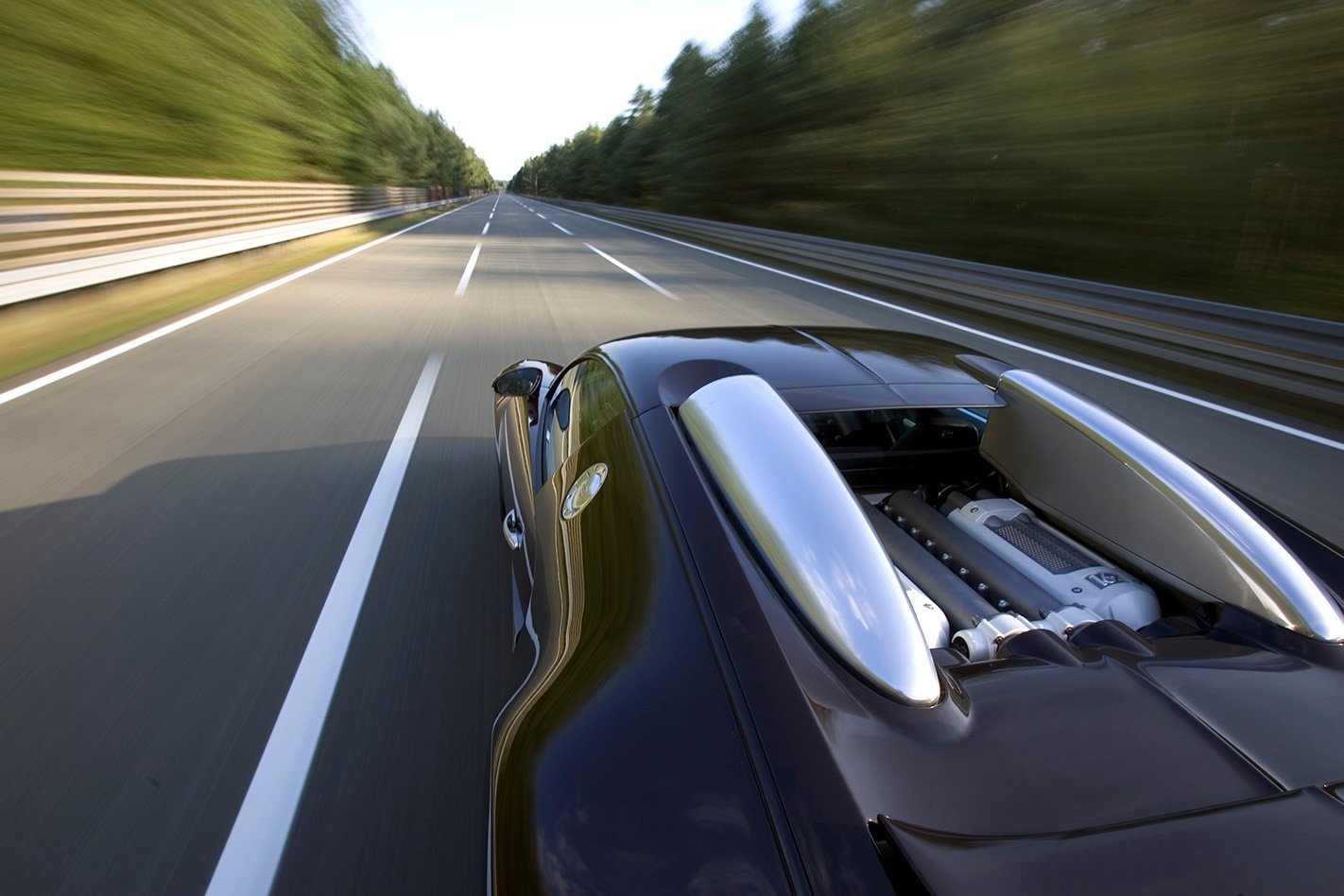
5: Bugatti Veyron (2005)
7993cc W16TTTT, 736kW
Ferdinand Piech’s pet project redefined what a car could do, what a car could be. The Veyron sent top speed, power outputs and price tags into the stratosphere yet demanded nothing of its driver except very deep pockets. To some, the fact the Veyron was no more taxing than an Audi TT was a negative, but there’s no doubt it attracted a whole new style of clientele and changed the supercar game forever.
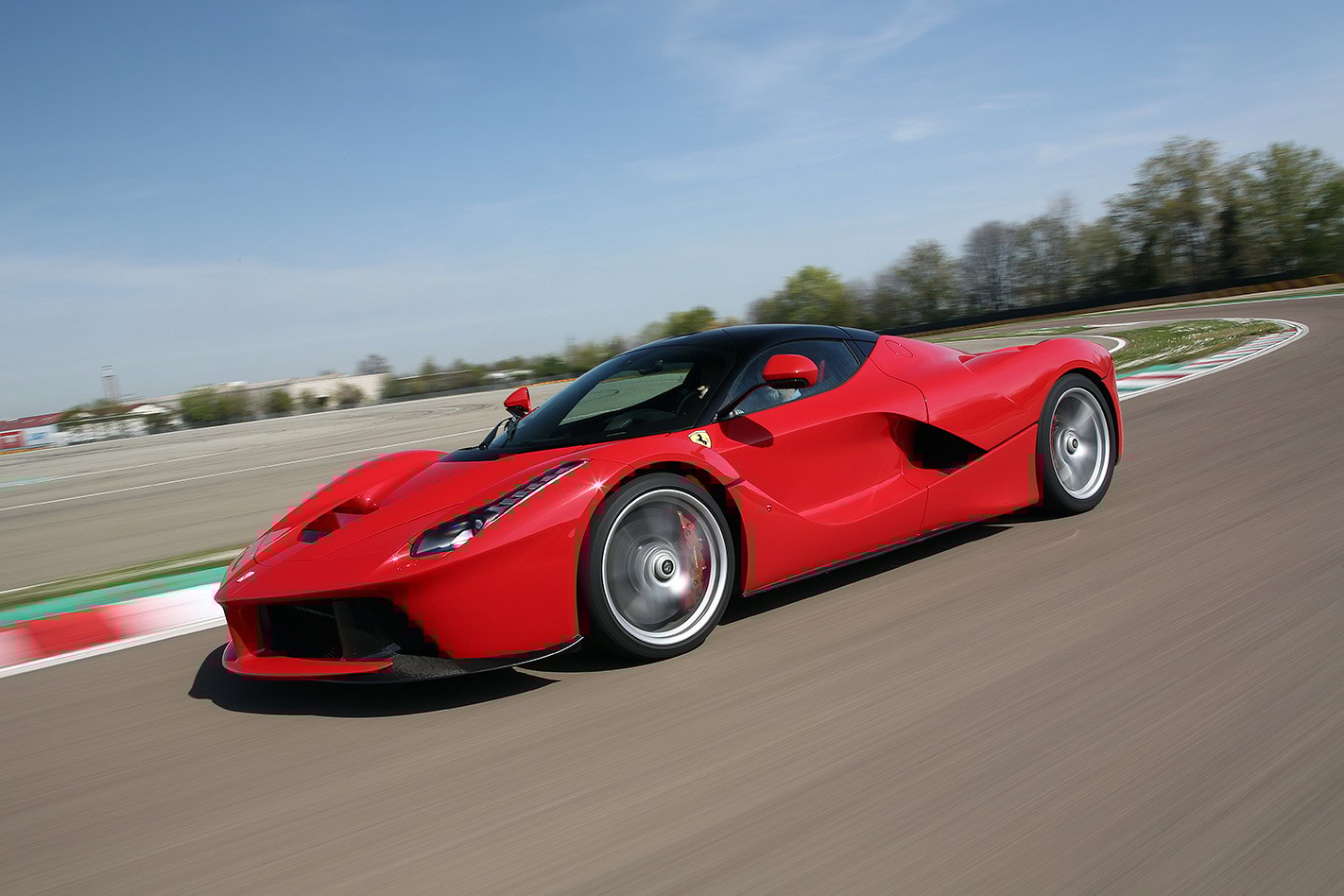
4: Ferrari LaFerrari (2013)
6262cc V12H, 708kW
It’s a silly name, yet it’s not – this is ‘The Ferrari’, everything the Prancing Horse had learned about making incredible performance cars since 1947 distilled into one car. It embraced the latest hybrid technology but used it purely to increase performance and driveability. Simply put, the LaFerrari is the definitive modern supercar.
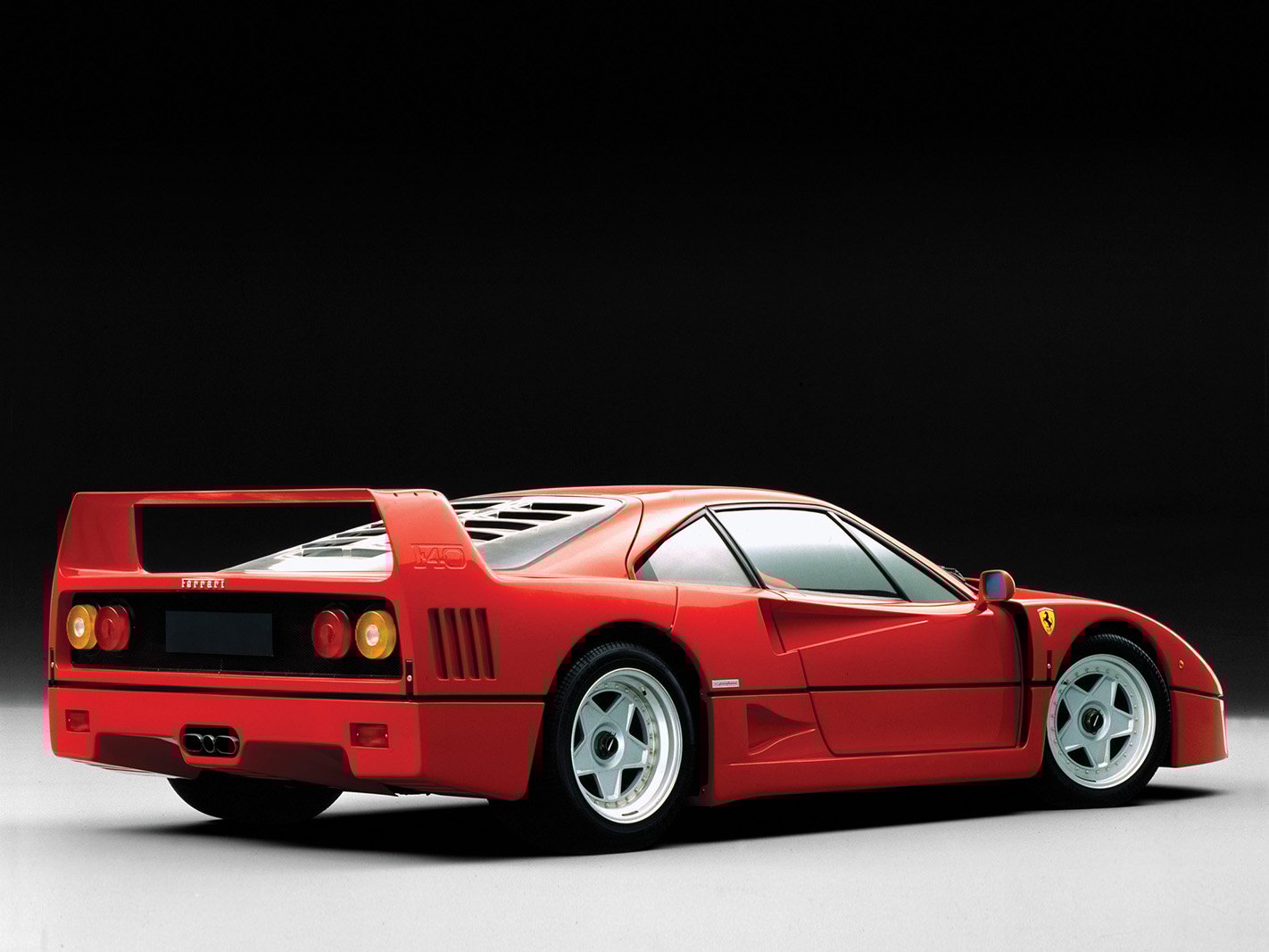
3: Ferrari F40 (1987)
2936cc V8TT, 352kW
As Dennis Denuto said: “It’s the vibe of the thing.” The F40 isn’t that rare (1315 were built), wasn’t very well built, objectively had massive turbo lag and terrible brakes and yet, look at it, it’s a snarling, flame-spitting thrill ride that eschewed technology for adrenaline. If the end goal of a supercar is to make you go “phwoar!” then few are better.
2: Lamborghini Miura (1966)
3929cc V12, 257kW/335Nm
Genesis. The Miura was the first machine worthy of the term ‘supercar’ and set both the template – blinding speed from a mid-mounted V12 with looks and a noise to die for – and the benchmark. Its performance has long been surpassed, its styling arguably not. More than that, it perfectly captured the mid-’60s zeitgeist, a time when anything was possible: space travel, supersonic flight, supercars. For proof of its star status, look no further than its owners list: Frank Sinatra, Twiggy, Rod Stewart, Eddie Van Halen, Jay Kay and Miles Davis.

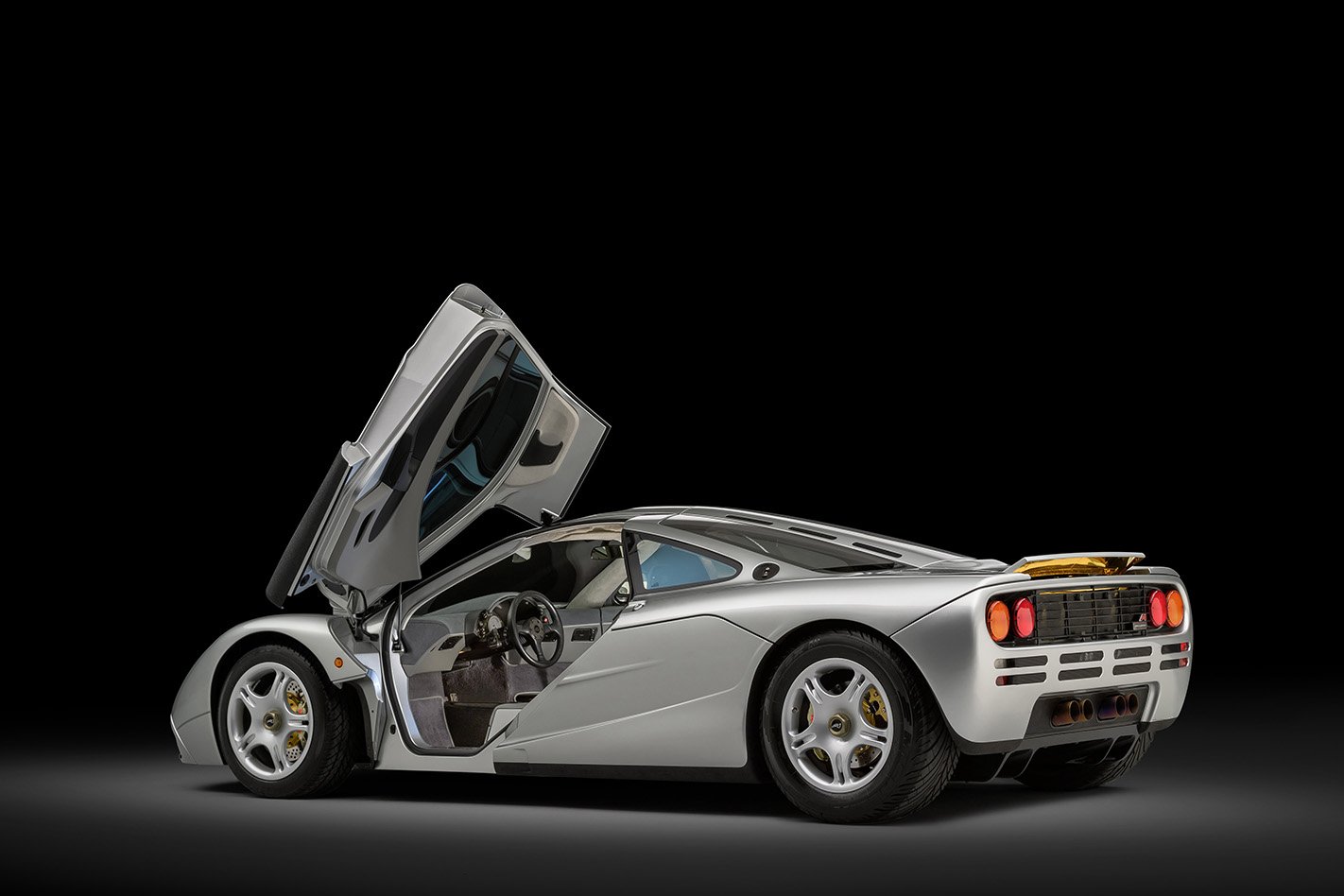
1: McLaren F1 (1992)
6064cc V12, 461kW/650Nm
How do you beat the car that invented the game? By rewriting the rulebook. The F1 took the Miura’s oft-copied template and elevated it to a level that created a paradigm shift for supercars. Gordon Murray’s singular vision for the ultimate driving machine didn’t so much beat the establishment as ignore it completely. This was a road car capable of 386km/h with room for three people and luggage. The only thing the F1 couldn’t beat was a financial meltdown. Just 64 road cars were sold and 106 made in total, but this rarity only adds to its allure and value today.