
Car crashes are one of those weird phenomenons that you can’t help but be intrigued by, especially when they involve expensive exotic cars.
We wouldn’t go so far as to call schadenfreude, but when a crash involves dad’s one-off $5.5 million Pagani Huayra Roadster being written-off by a 17-year-old Youtuber, that’s about as intriguing as it gets.
Unfortunately, that was a reality this week after several social media posts identified teenager Gage Gillean as the one to crash his family’s newly-delivered hypercar in Dallas, Texas.
Thankfully, it seems as though no one was seriously hurt, but it was definitely a heavy crash.
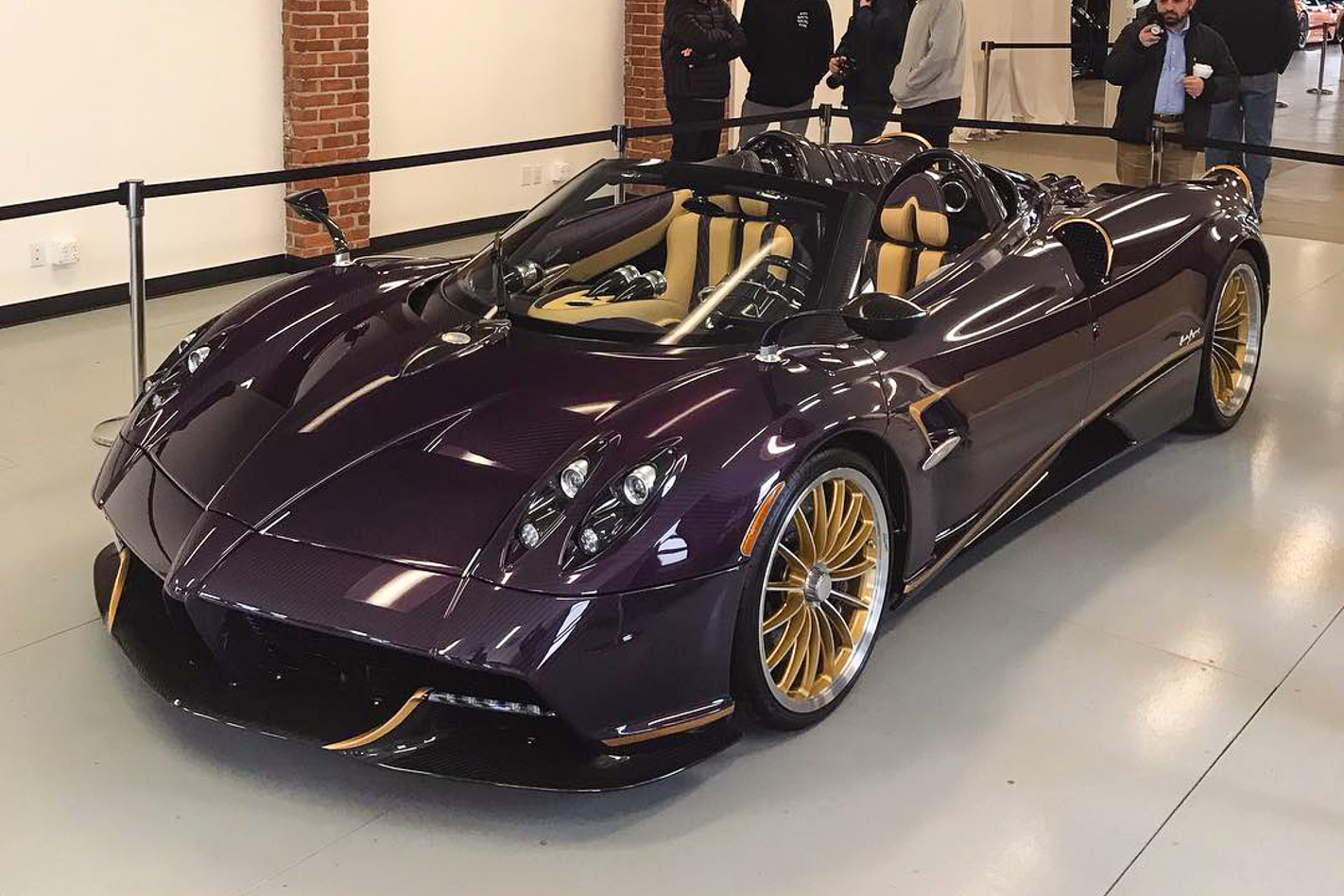
It saw the entire front end of the purple-tinted carbon-fibre bodywork ripped off, the door thrown from its hinges and its wheels strewn across the road.
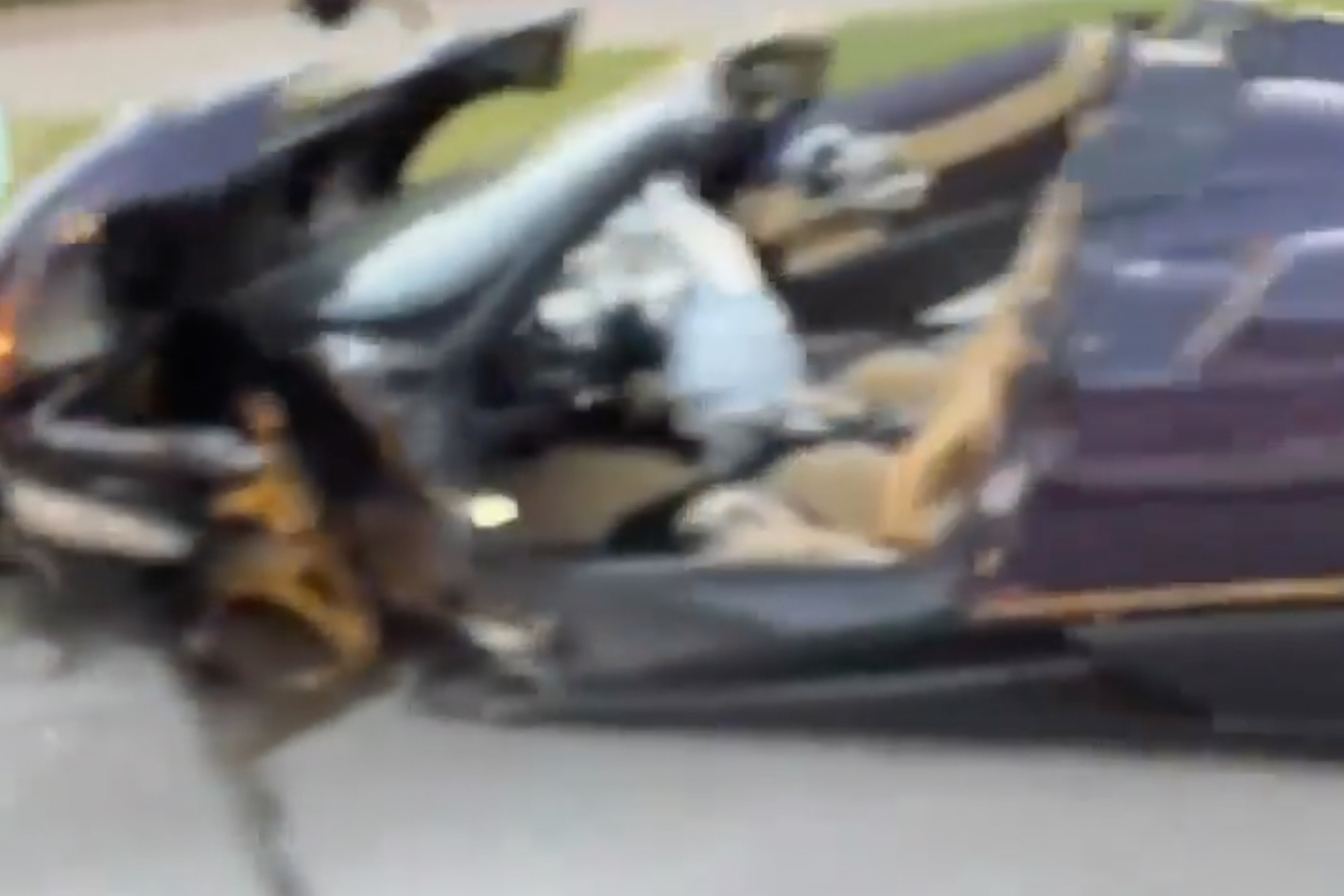
Another Youtuber, known as zacxak, was apparently in the car at the time, and confirmed on his Instagram that both occupants escaped without serious injury.
It’s uncertain at this point how the crash actually happened, with some reports indicating that the driver lost control before hitting a tree. The lack of a second crashed vehicle in the footage points towards this being a single-vehicle accident.
Gage Gillean is the son of billionaire private equity magnate Tim Gillean, who now owns the wrecked Huayra Roadster as well as a slew of other super and hypercars including a Bugatti Chiron, McLaren Senna, Ferrari LaFerrari and a Rolls-Royce Dawn.
Gage Gillean has his own GGExotics Youtube channel that has become well-known for its high-end car content, often featuring Gage himself driving his dad’s cars.
In fact, Gage even posted a video after the crash detailing what happened, though it has since been removed from his channel.

The Pagani Huayra Roadster is a two-seat twin-turbo V12 hypercar, and is one of the few high-end hypercars that’s road-legal in Australia.
Considering Pagani only builds between 30-40 examples each year, and each one a bespoke one-off creation, dad might be waiting a while to replace his prized possession.
Hyundai has recalled almost 800 Kona Electric small SUVs in Australia due to a potentially deadly fire risk.
According to the ACCC’s Product Safety Australia recall notice, the Kona’s 65kW lithium-ion battery may have internal damage, or the battery management system (BMS) control software may cause an electrical short circuit after charging.
The issue, which affects 77,000 cars worldwide, is believed to be the cause of at least nine Kona Electric fires reported around the world, though at this stage no such issues have been reported in Australia.
One such fire in Montreal Canada led to a serious explosion that gutted the vehicle (below) and caused extensive damage to the garage and adjoining house, including burning a massive hole in the roof.
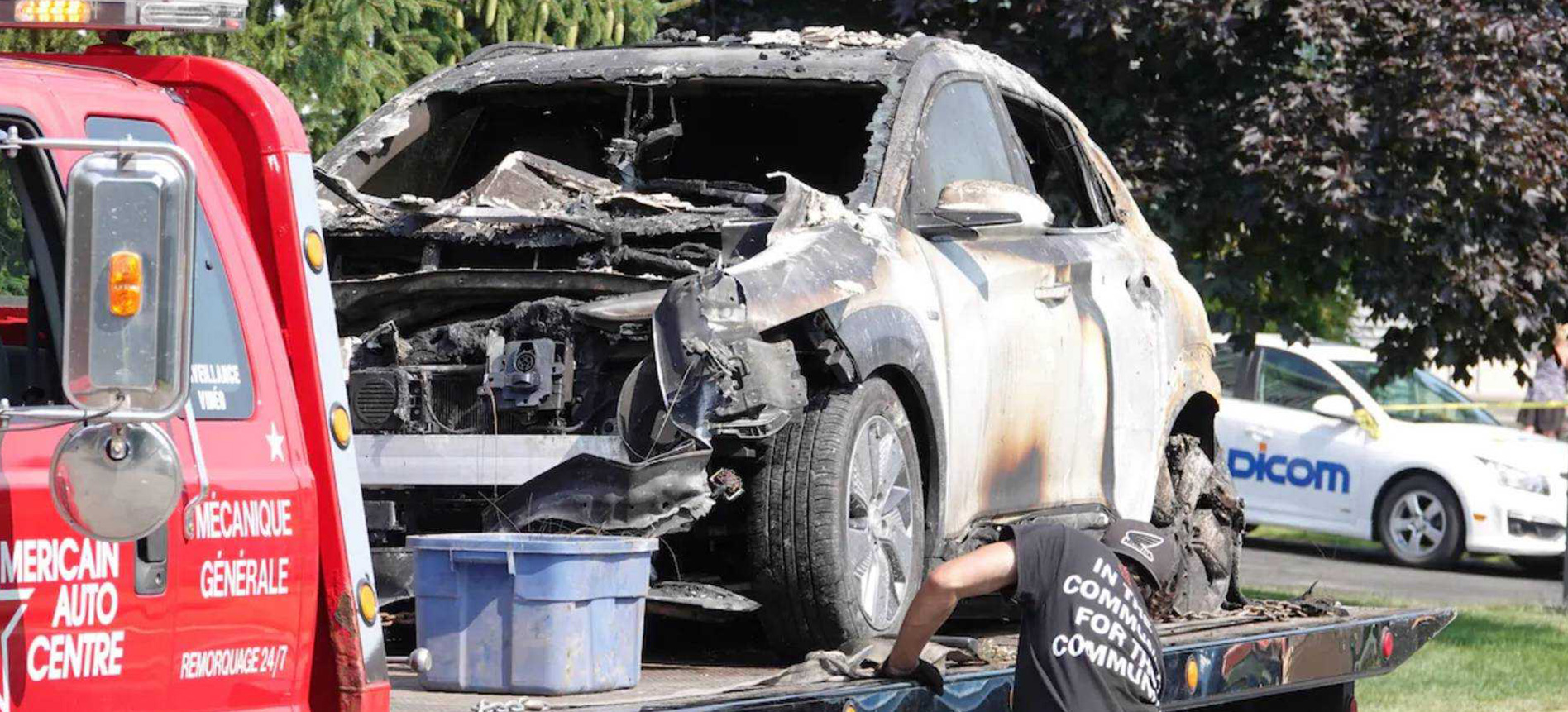
The recall says that affected vehicles, built between 2018 and 2020, need to be parked in an open space and away from flammable materials and structures; that is, not in a garage.
Owners are also advised to only charge their vehicles up to 90 per cent of its battery capacity.
A Hyundai Australia spokesman said the company had already actioned the recall at the start of November, after seeking guidance from the company’s Korean headquarters in October. This confirmed vehicles sent to Australia were part of the affected production run.
According to the Korean media reports, the affected vehicles have batteries made by LG Chem, which has led Hyundai to source more batteries from rival firm SK Innovation.
What to do if you own a Kona Electric
The recall affects all Hyundai Kona Electric Elite and Highlander vehicles imported since it first arrived in Australia; the ACCC has published a list of vehicle identification numbers (VIN) of all affected cars.
Hyundai Australia is contacting owners of the affected cars directly to facilitate a fix, or customers can access the recall notice by clicking here.
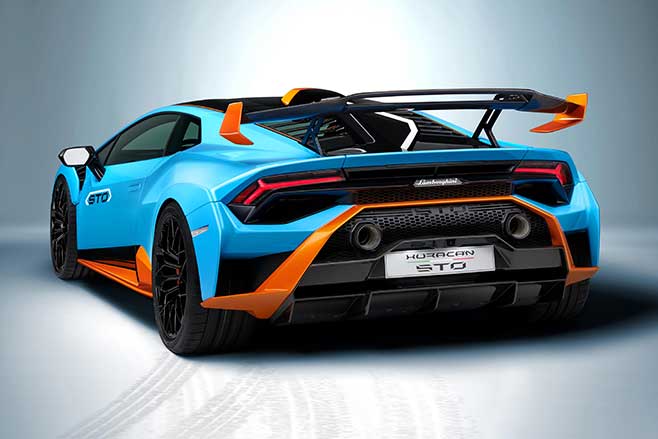
The Lamborghini Huracan Super Trofeo Omologata – or STO for short – is the brand’s most driver-focused supercar ever.
Judging the book by its heavily bewinged cover, you might think this is the upgraded ‘EVO’ successor to the 2017 Huracan Performante, but no. To find the Huracan STO’s true predecessor you need to wind back to 1998 and the formidable Diablo GT.
For the last two decades or more Lamborghini‘s sportiest, most hardcore offerings have been resolutely all-wheel drive, the Huracan STO, like the Diablo GT, drives only the rear wheels.
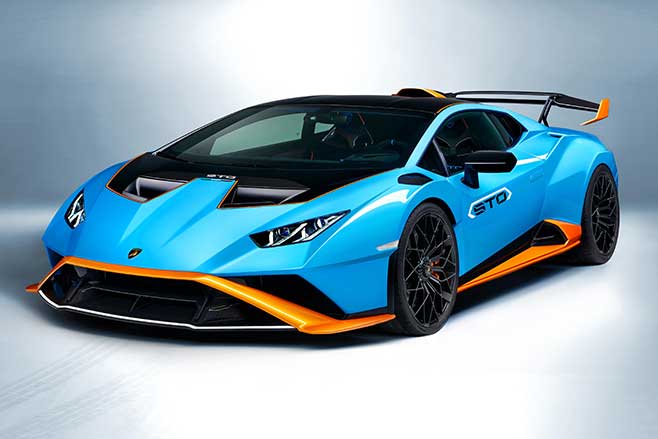
Lamborghini claims the first 100km/h takes just 3.0sec and the next 100km/h another 6.0sec on the way to a 310km/h top speed.
What’s slightly unusual is that Lamborghini claims not only acceleration numbers but deceleration numbers, a clear sign of the Huracan STO’s intent.
It takes 30m to stop from 100km/h and 110m to stop from 200km/h thanks to giant carbon-ceramic brakes – 390mm discs and six-piston calipers at the front and 360mm discs and four-piston calipers at the rear – with materials expertise from Formula 1 improving stress resistance by a claimed 60 per cent compared to regular carbon-ceramic brakes.
According to Lamborghini’s now-former CEO, Stefano Domenicali: “The Huracan STO is the purest incarnation of Lamborghini Squadra Corse heritage, directly transferring technologies from the Huracan Super Trofeo EVO and drawing on the Huracan GT3 EVO’s unique accomplishment of winning three consecutive times in the Daytona 24 hours.”
There are increased tracks, bespoke Bridgestone Potenza tyres measuring 245/30 front and 305/30 rear with a choice of street and track compounds and the suspension uses the latest MagneRide adaptive damping, stiffer bushings and new anti-roll bars.
Magnesium rims, a thinner windscreen and carbon exterior panels reduce weight to 1339kg (dry), 43kg less than the previous Performante, though the removal of the front drive system undoubtedly helps that figure.
The LDVI vehicle dynamics system incorporates torque vectoring and three new drive modes: STO (road), Trofeo (track) and Pioggia (rain).
Aerodynamics is where the STO takes the biggest strides forward, however. Engineers have merged the bonnet, front guards and bumper to create a Miura-esque clamshell to save weight, while there’s also a new front splitter, air ducts to improve radiator cooling and increase downforce and louvres over the wheels to extract turbulent air.
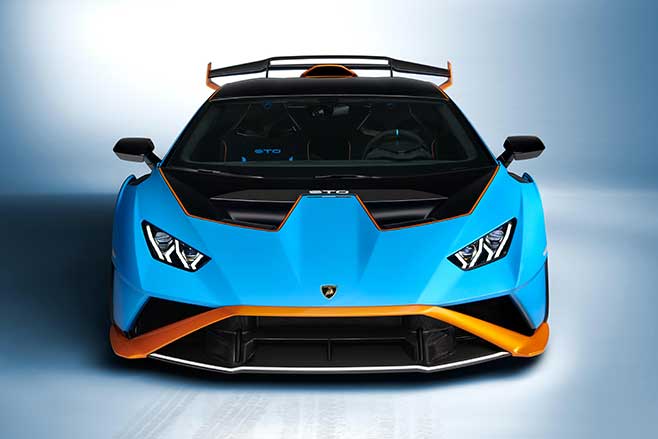
Lamborghini has dispensed with the clever ALA system from the Huracan Performante and Aventador SVJ but claims the STO’s new setup increases overall downforce by 53 per cent.
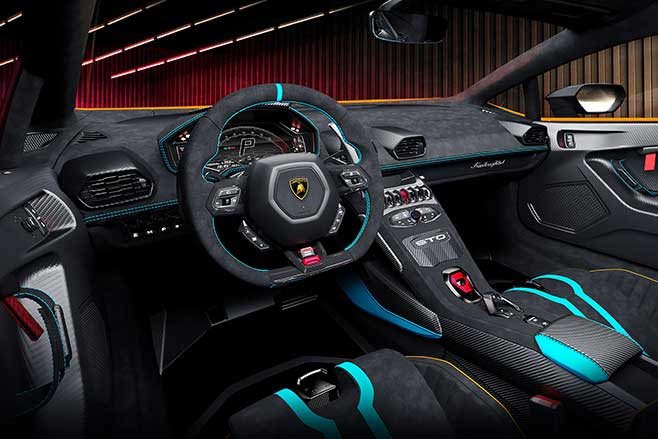
Lamborghini’s Ad Personam personalisation program will also allow owners to let their imaginations run wild when speccing the exterior and interior of their Huracan STO.
Speaking of which, Australian pricing and availability have not been announced at the time of writing, but overseas prices suggest around $500,000 is likely, and that’s before on-roads and options. We’ll bring you more details as they come to hand.
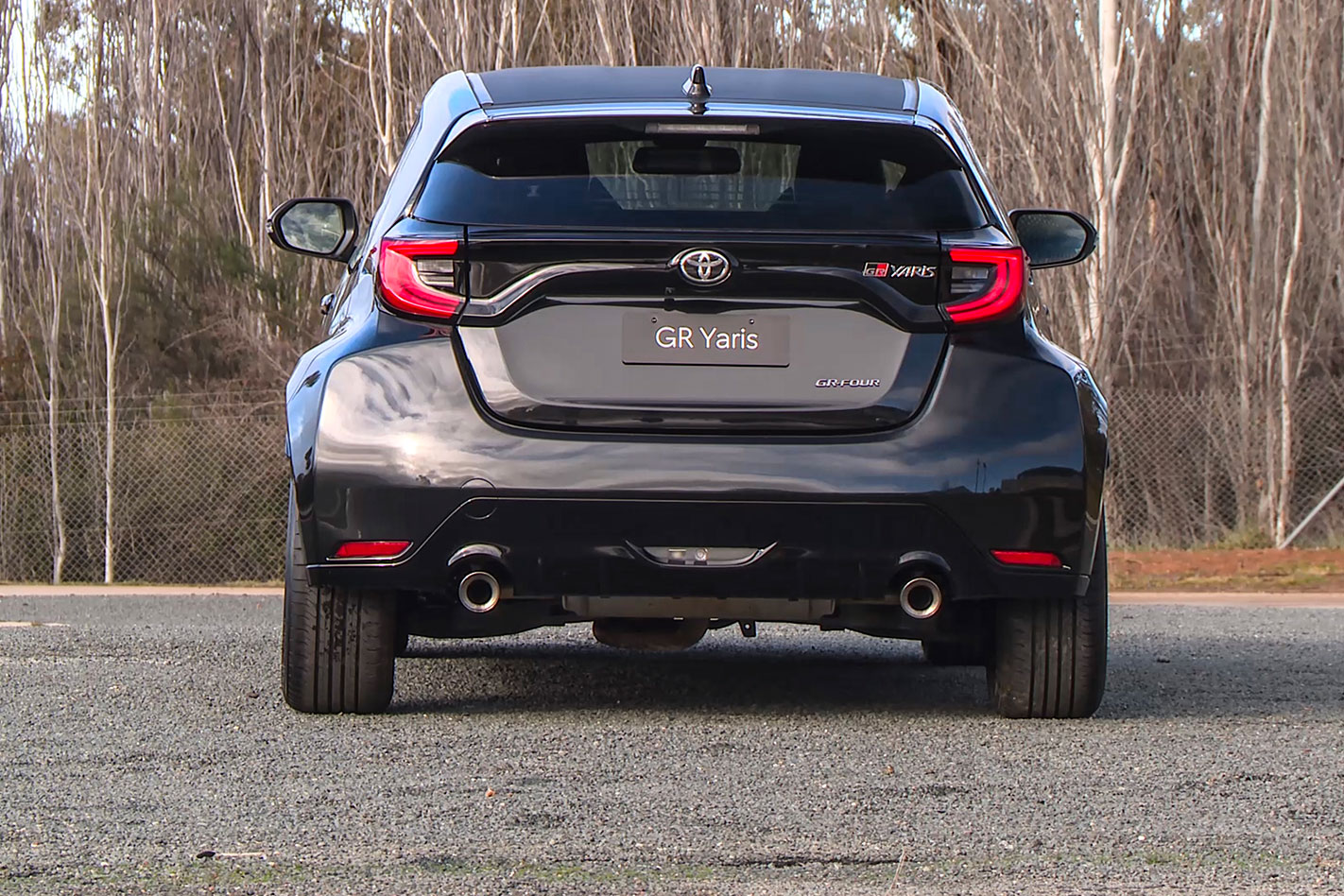
Local Yaris GR demand has hit new heights after Toyota confirmed all 1100 orders allocated to Australia are now taken.
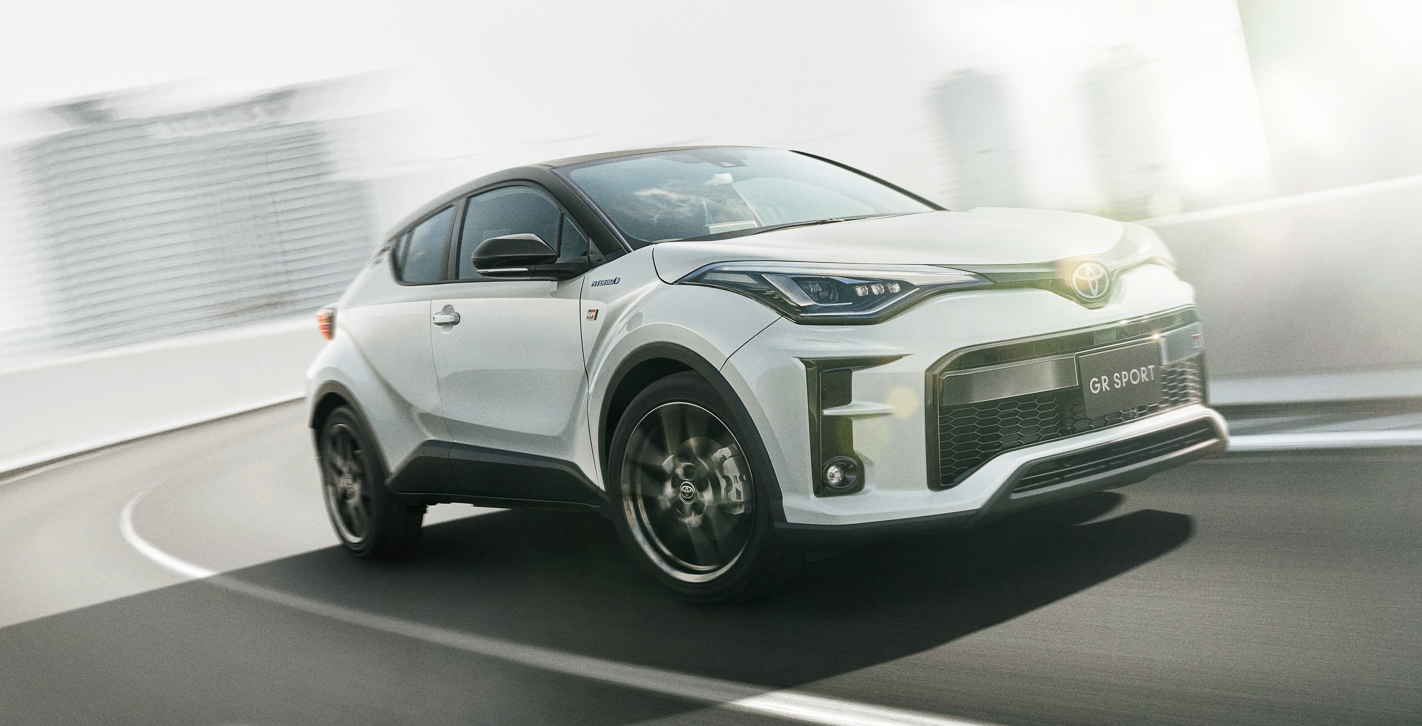
The blitz followed Toyota’s decision to heavily discount the GR Yaris to spruik interest in the newly launched GR brand that will soon also welcome a C-HR spin-off.
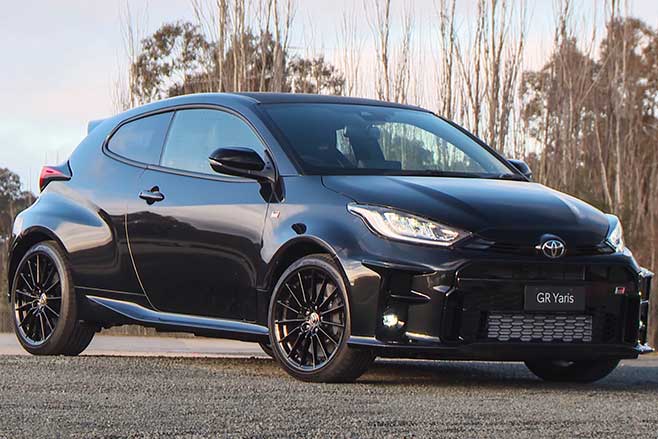
As a result, the $49,950 price tag for the all-wheel-drive turbocharged Yaris was initially reduced to $39,950 for 1000 cars, and then $44,950 for the next 100 cars.
It proved a winning strategy, with driveaway pricing also helping the first 1000 cars find keen buyers within one week. At about halfway through that order process Toyota revealed two-thirds of customers opted for white with the remainder split evenly between red and black.
Toyota’s says it’s considering more standard GR Yaris examples for Australia.
They could potentially arrive in the second half of 2021 following the launch of the more expensive and lower-stock Rallye variant that introduces the vaunted Performance Pack – which we’ve detailed below.
WhichCar understands dealers can sell their demos as used cars, thereby letting them set the price. The press cars, still awaiting the official GR Yaris launch in the coming weeks, are also due to filter back through Toyota before potentially seeing auction.
Toyota confirmed the technical specifications for Toyota’s pocket rocket, its 1.6-litre three-cylinder turbocharged engine producing 200kW and 370Nm in a 1280kg body, resulting in a 0-100km/h claim of just 5.2 seconds.
Initially, the pack was off the table for our cars, with Hanley telling MOTOR “we believe that the [standard] GR Yaris is a very capable car that will meet the requirements of the target audience in the Australian market.”
Following feedback from press and customers, Hanley confirmed that a Performance Pack-equipped GR Yaris variant called the Rallye – a nod to the Celica GT-Four Rallye that was offered in Australia – will be available in the first half of 2021.
Initial availability is limited to 250 cars with a higher price tag than the base car. However, there is the ability to increase this number depending on customer demand, Hanley saying the initial offering is “testing the market” for a $55,000-plus three-door small hatch.
The Performance Pack adds Torsen limited-slip differentials front and rear, providing the ability to split drive torque left and right as well as fore and aft, as well as, 18-inch forged BBS wheels, Michelin Pilot Sport 4 S tyres and tweaked dampers.
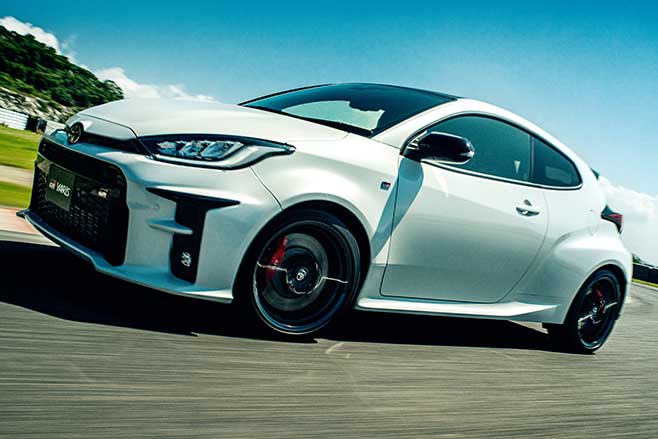
These mechanical goodies enhance the standard package which includes the bespoke all-wheel-drive system, carbon roof, big brakes – 356mm front discs with four-pot calipers matched to 297mm discs and two-piston calipers at the rear.
Hanley stressed Toyota Australia’s commitment to establishing Gazoo Racing brand in Australia, spearheaded by the GR Supra and Yaris, pointing to Toyota’s 20-year commitment to hybrids in the local market.
As part of this, the new GR Yaris will join the Australian Rally Championship as part of the Neal Bates Motorsport team, but the exact date of its debut it still to be determined.
Customers can order the GR Yaris with a $1000 deposit and the first 50 myToyota members who order online will also receive 20c/litre off Caltex fuel for the first 12 months following their delivery.
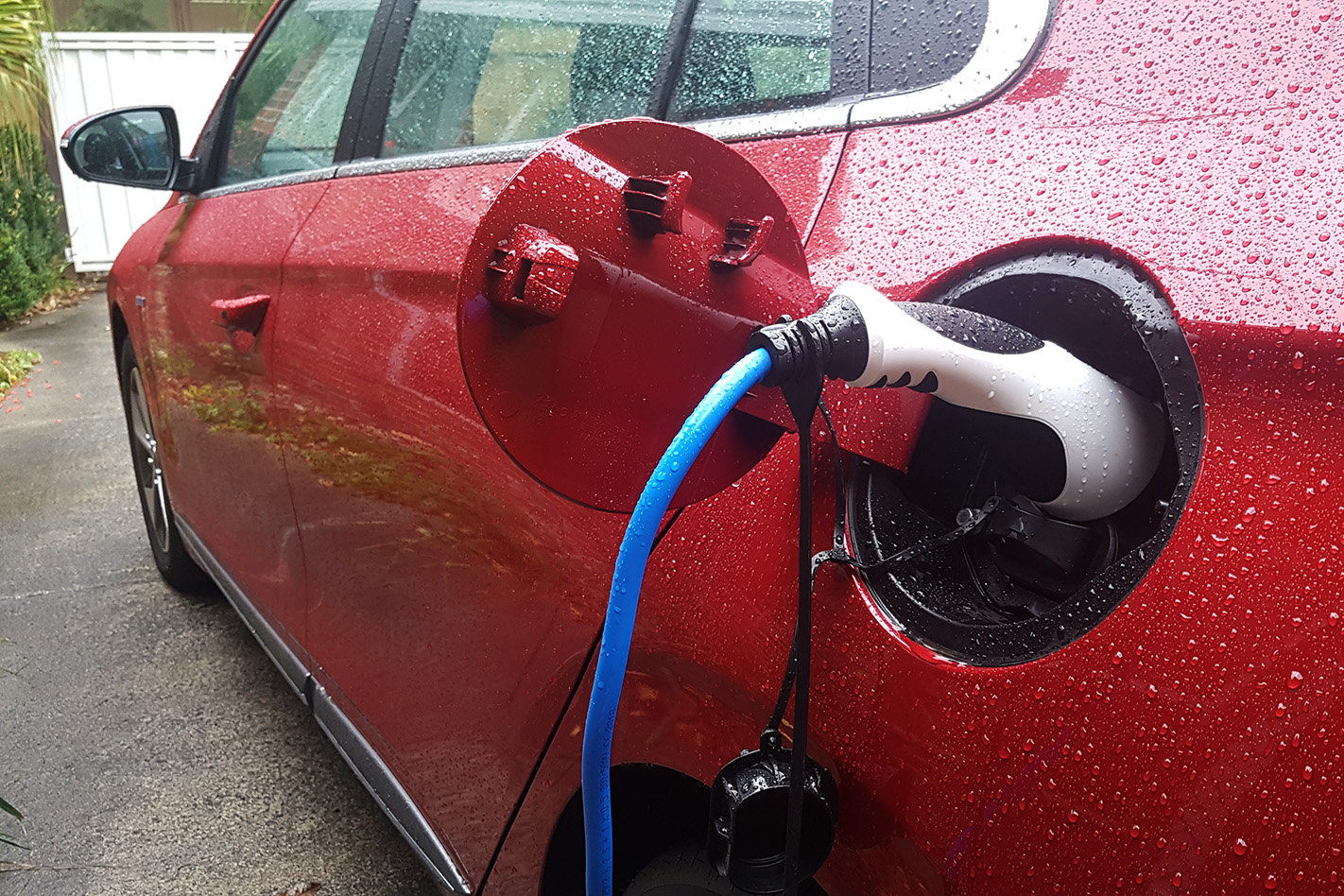
Energy provider AGL will provide a free fast charger to 250 battery-electric vehicle (BEV) owners as part of a trial to assess how the electricity grid will be able to cope with an increase in EV ownership.
The $8.25 million trial, run by the company’s AGL Next innovation hub, will help to determine how to avoid congestion on the grid during times of peak demand by switching EV charging to other times.
Running from early-2021 to mid-2023, it will be undertaken in conjunction with the Federal Government’s Australian Renewable Energy Agency (ARENA), which is contributing $2.9 million.
It involves distribution networks United Energy, Jemena, Ausnet Services, Ausgrid, Energy Queensland, Endeavour Energy and SA Power Networks, and project partners JET Charge, Chargefox and FlexCharging.
How EV owners can participate
AGL is seeking 300 BEV owners with off-street parking to take part in the trial – plug-in hybrid vehicles such as the Mitsubishi Outlander PHEV and Mercedes-Benz GLC 300e will not be accepted.
Of the 300 participants, 200 will receive a smart fast charger which will be installed at their homes where they will be remotely monitored and controlled to help move charging to off-peak times when cheap renewable energy is available or to respond
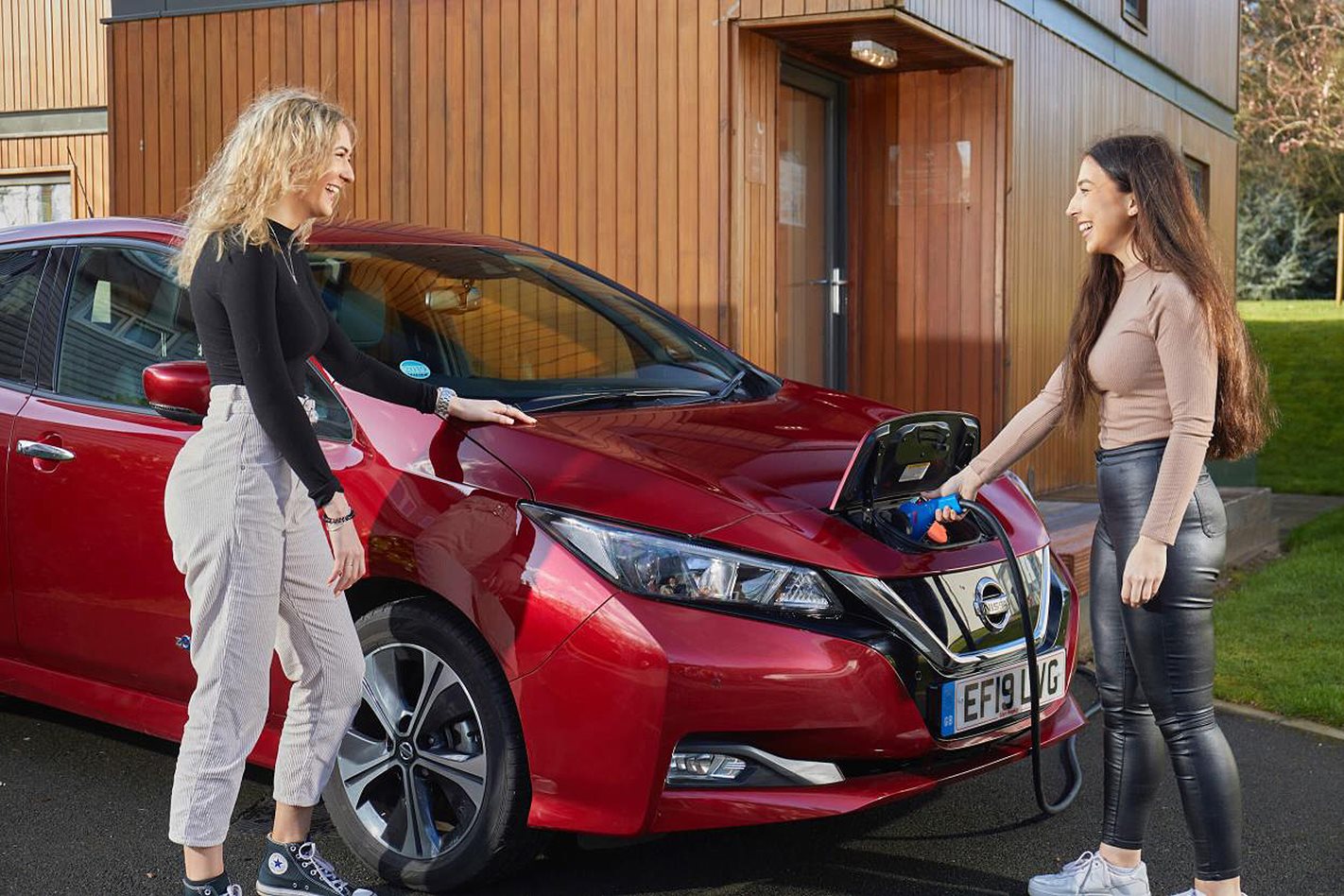
AGL will also install 50 bi-direction chargers to participating Nissan Leaf owners, which will be used for Vehicle to Grid (V2G) trail which will assess the ability and commercial benefits of EVs to become a source of energy storage and provide energy back to the grid when required.
The remaining 50 participants will be Tesla owners who already have their own Tesla charging equipment installed. AGL will schedule charging through the car itself, thanks to the vehicle’s API.
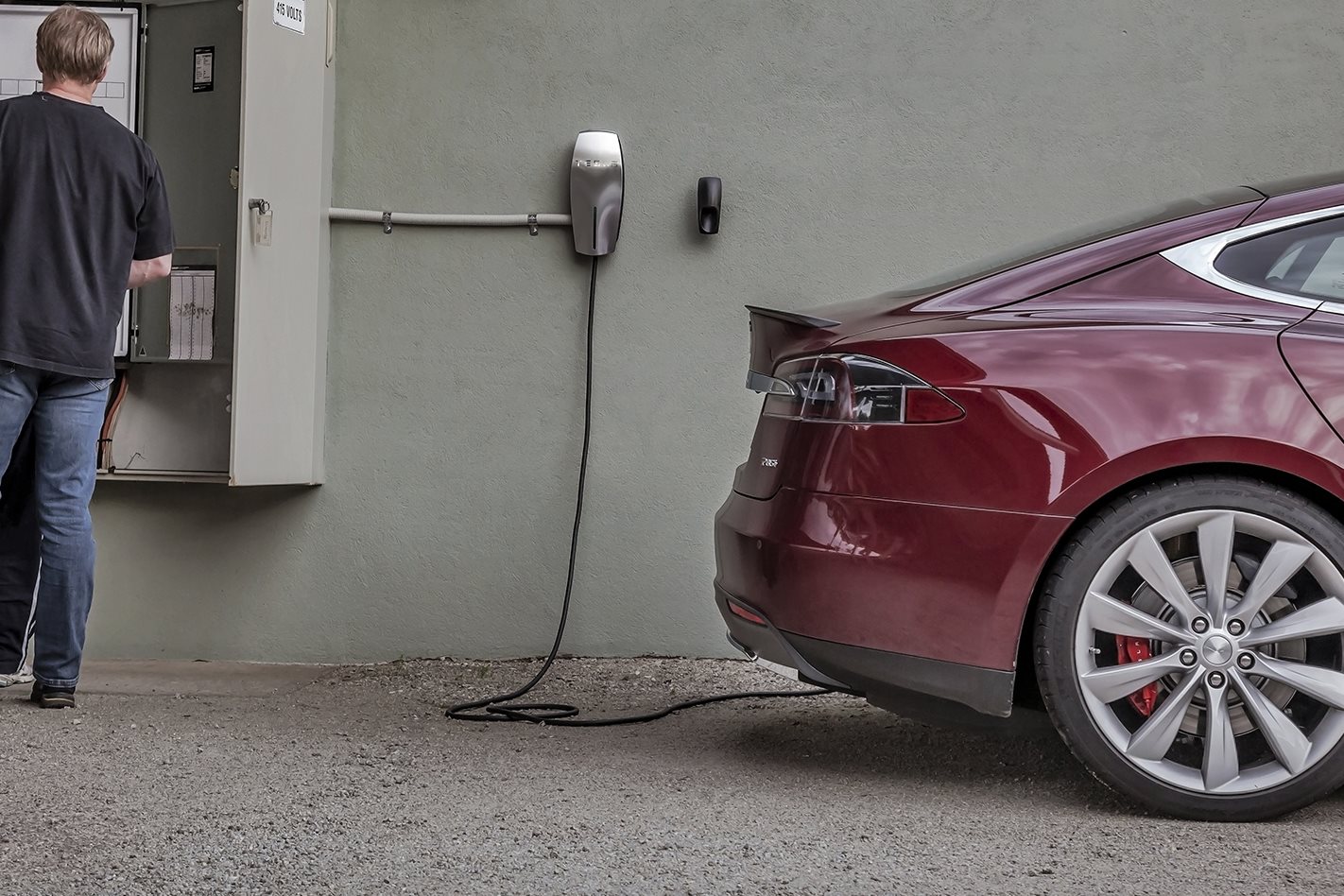
Other incentives include electricity bill credits, AGL carbon neutral offsets and charging control through an app that would allow them to set their charging preferences and be notified of charging ‘events’.
Participants will need to sign up to AGL’s Electric Vehicle Plan and will be selected across a geographic spread taking in South Australia, Victoria, New South Wales and Queensland.
EV owners interested in taking part in the trial can register their interest at the AGL Smart Charging Trial webpage.
EVs and grid management
The project will be the first time V2G EVs will be deployed in a residential context in Australia. It will also be the first time smart charging has been deployed in Australia via software, potentially removing the need for additional smart charging hardware in the future.
The trial will also examine the way forward for commercial models and investment in EV charging will help to inform electricity retailers, customers and power providers of the potential for EV charge management.
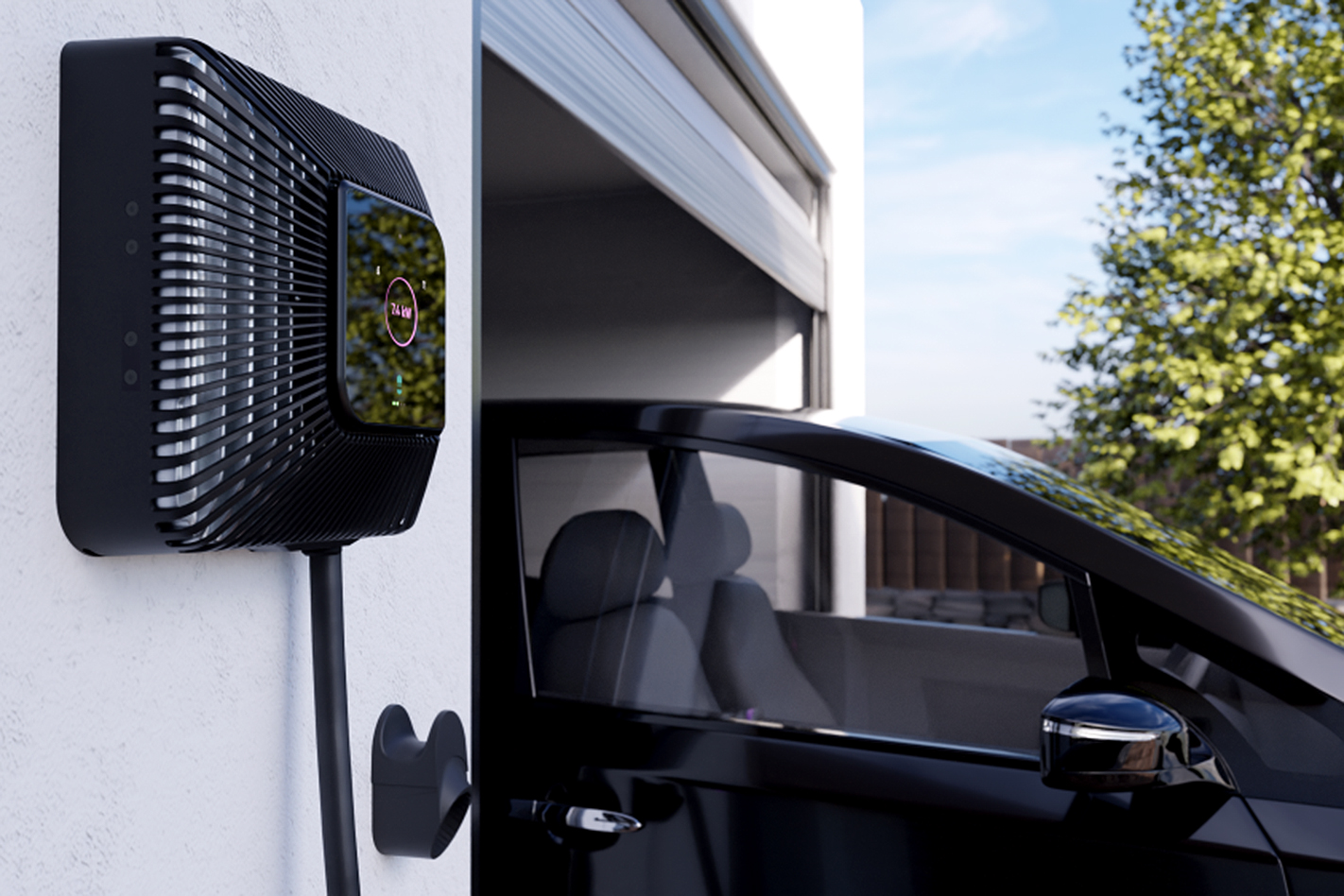
AGL General Manager Decentralised Energy Resources Dominique Van Den Berg said AGL was excited to partner with ARENA to understand when and how customers charged their EVs, which will become a larger part of the energy market as their take-up increased.
“AGL’s Virtual Power Plant, which consists of household batteries providing energy when the grid needs it, such as on hot summer days, is being expanded with this trial to include EVs, which are essentially batteries on wheels,” Van Den Berg said.
ARENA CEO Darren Miller said as well as allowing EVs to benefit the wider electricity system, the trial would support the integration of EVs into the system as uptake increased.
“As more Australians switch to EVs, it will be important to manage and orchestrate EV charging to avoid potentially costly impacts on peak demand, associated network charges and grid security issues.
“We hope trials like this will provide valuable insights into how EVs can provide value for money for consumers, but also help to transition our electricity network going forward.”
ARENA has also provided $838,000 dollars to a Smart Charger trial with Origin Energy, which will study charging habits and behaviour data, and examine the public’s willingness to accept third-party control of charging infrastructure.
Lexus has brought a range of updates to the new 2021 RC sports line-up which goes on sale today, highlighted by changes to the powertrain, safety, equipment and suspension.
Two engine options remain in the range, with the RC 300 retaining its turbocharged 2.0-litre four-cylinder with 180kW/350Nm and the RC 350 keeping its 3.5-litre naturally-aspirated V6 with 232kW/380Nm.
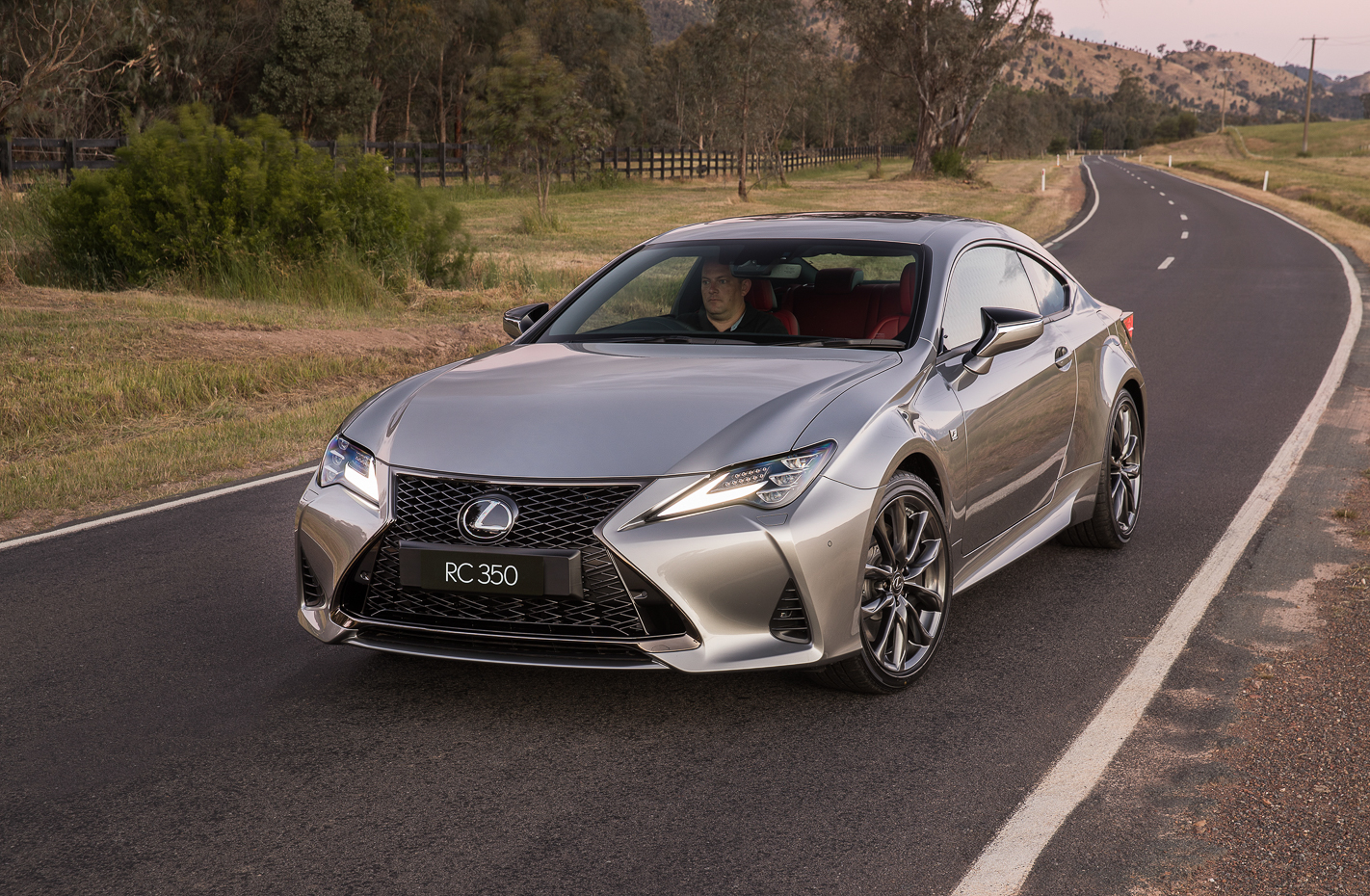
Both powerplants receive an eight-speed automatic transmission, which has been updated with new adaptive control software which can better predict shift points.
In Normal mode, the transmission will favour a high gear for ultimate fuel saving, while in Sports modes it will better react to sharp braking by downshifting simultaneously.
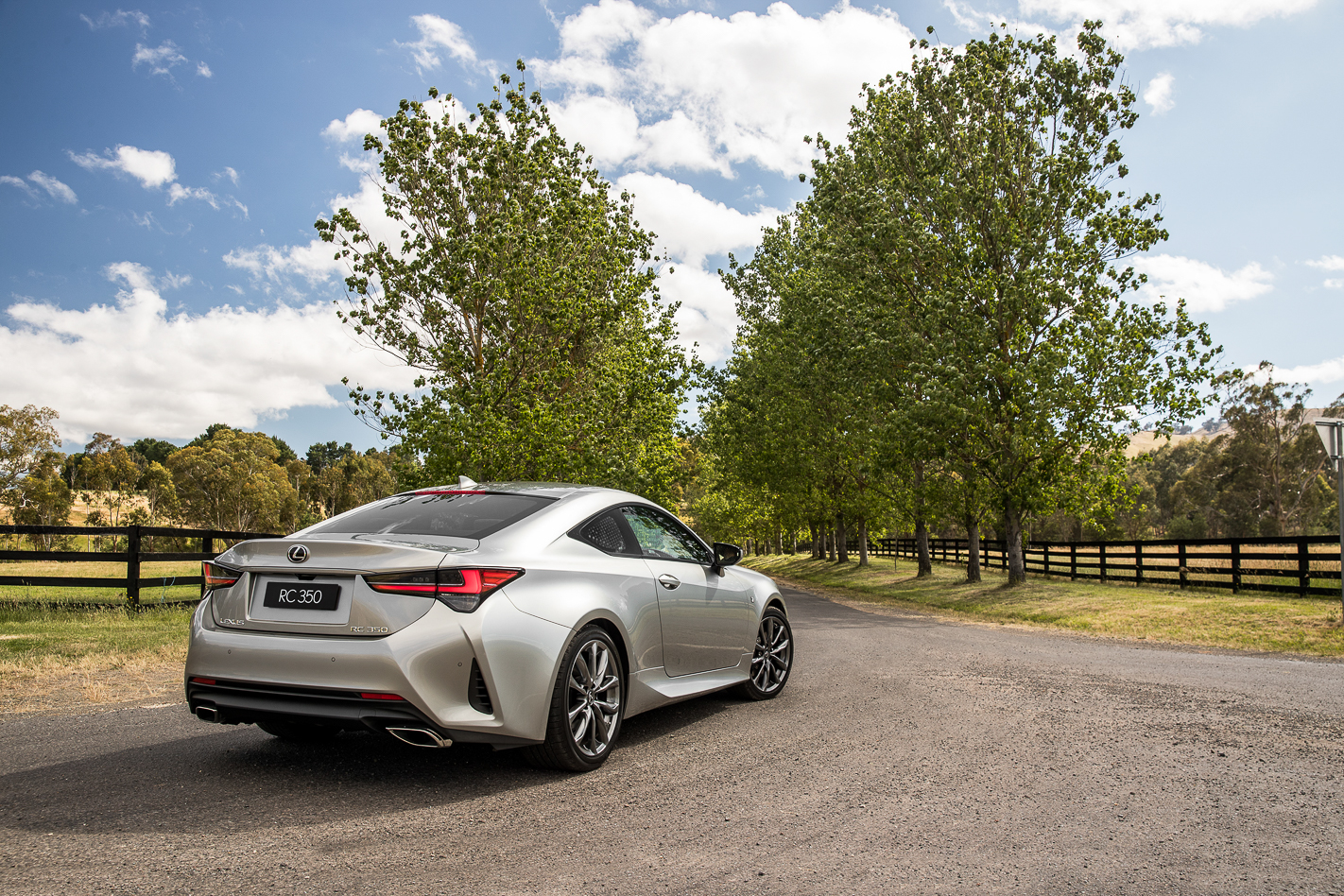
Further changes to the driving experience involve an update to the rear suspension, which is now lighter but remains rigid thanks to an increased diameter anti-roll bar and aluminium upper control arms.
Gone is the foot-operated parking brake, too, finally replaced by an electric switch.
A new all-speed radar active cruise control is fitted as standard on all cars in the range and is able to adapt to all speed changes, including coming to a complete halt and starting off again on its own.
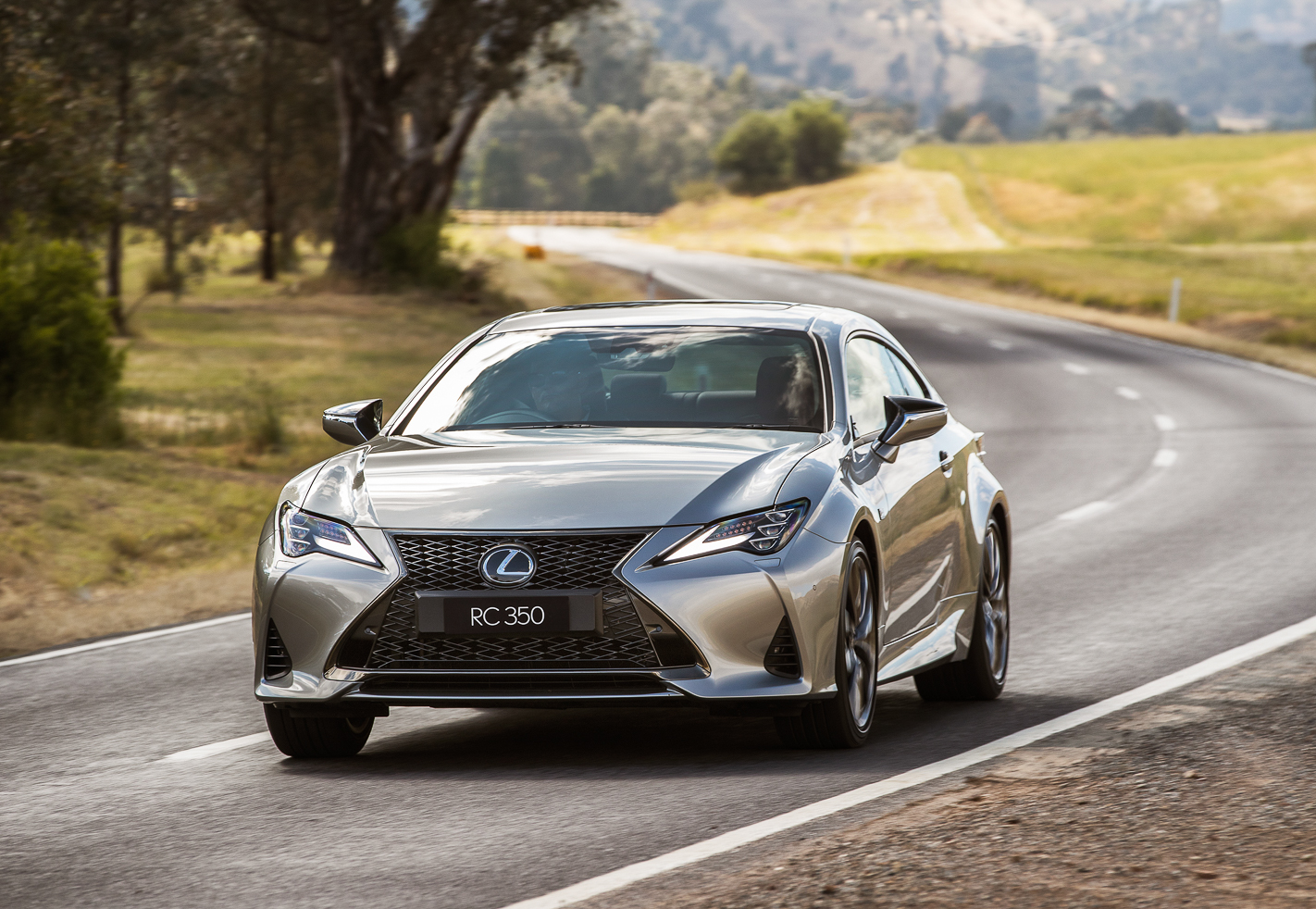
Standard fare on all cars includes heated and ventilated power front seats, dual-zone climate control, a 10.3-inch infotainment screen with Apple CarPlay and Android Auto and a 10-speaker Pioneer audio system.
A number of enhancement packs are available, which add items like an upgraded Mark Levinson sound system, sunroof, larger 19-inch alloy wheels and F Sport upgrades (if that pack is selected).
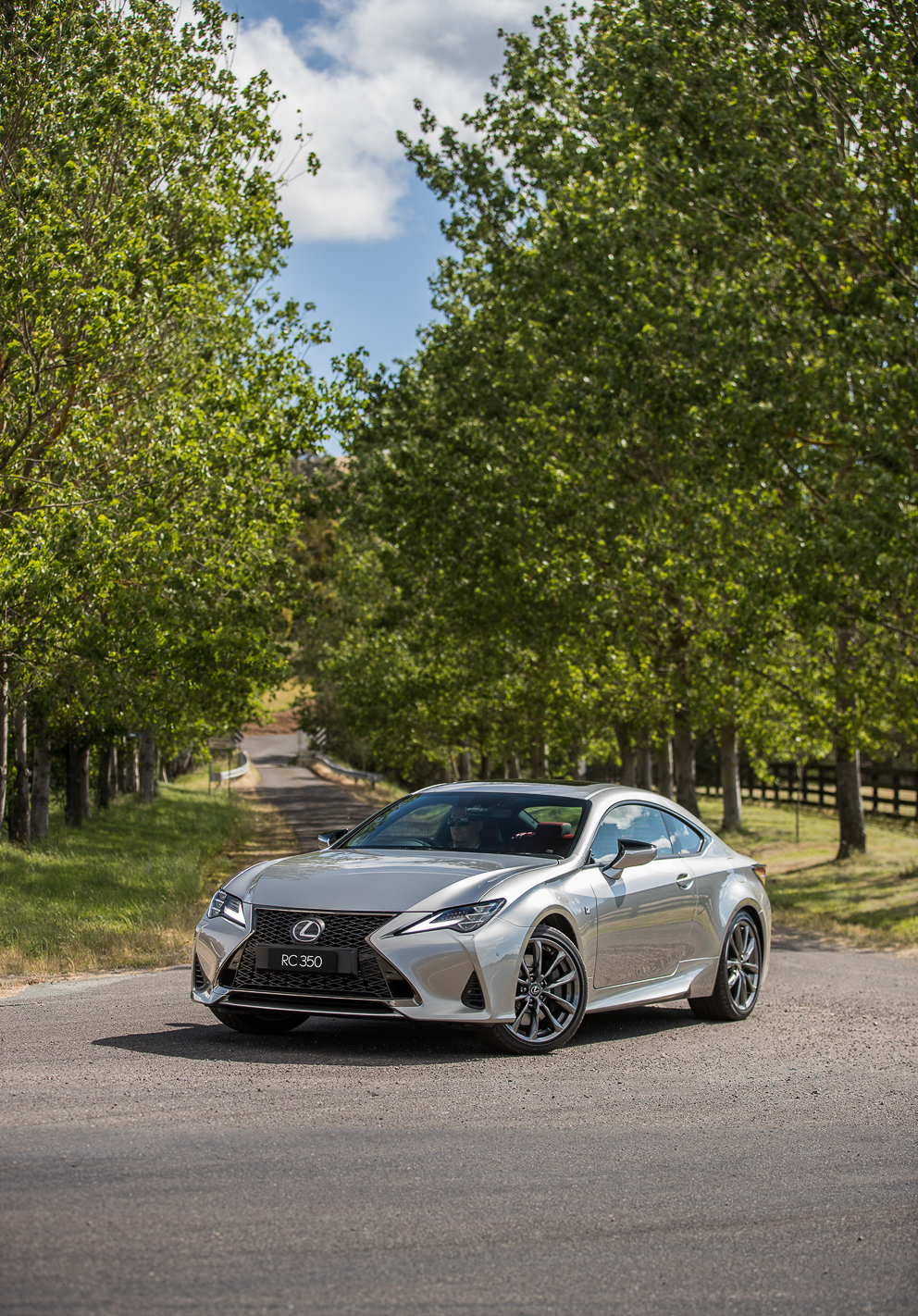
The Lexus Safety System+ comes as standard on all cars and includes autonomous emergency braking with pedestrian detection, radar active cruise control, automatic high beam, lane departure warning with steering assist, blind-spot monitor, lane change alert and rear cross-traffic alert.
Lexus Australia chief executive Scott Thompson said these upgrades “further the Lexus reputation for making regular and thoughtful improvements to our entire range.”
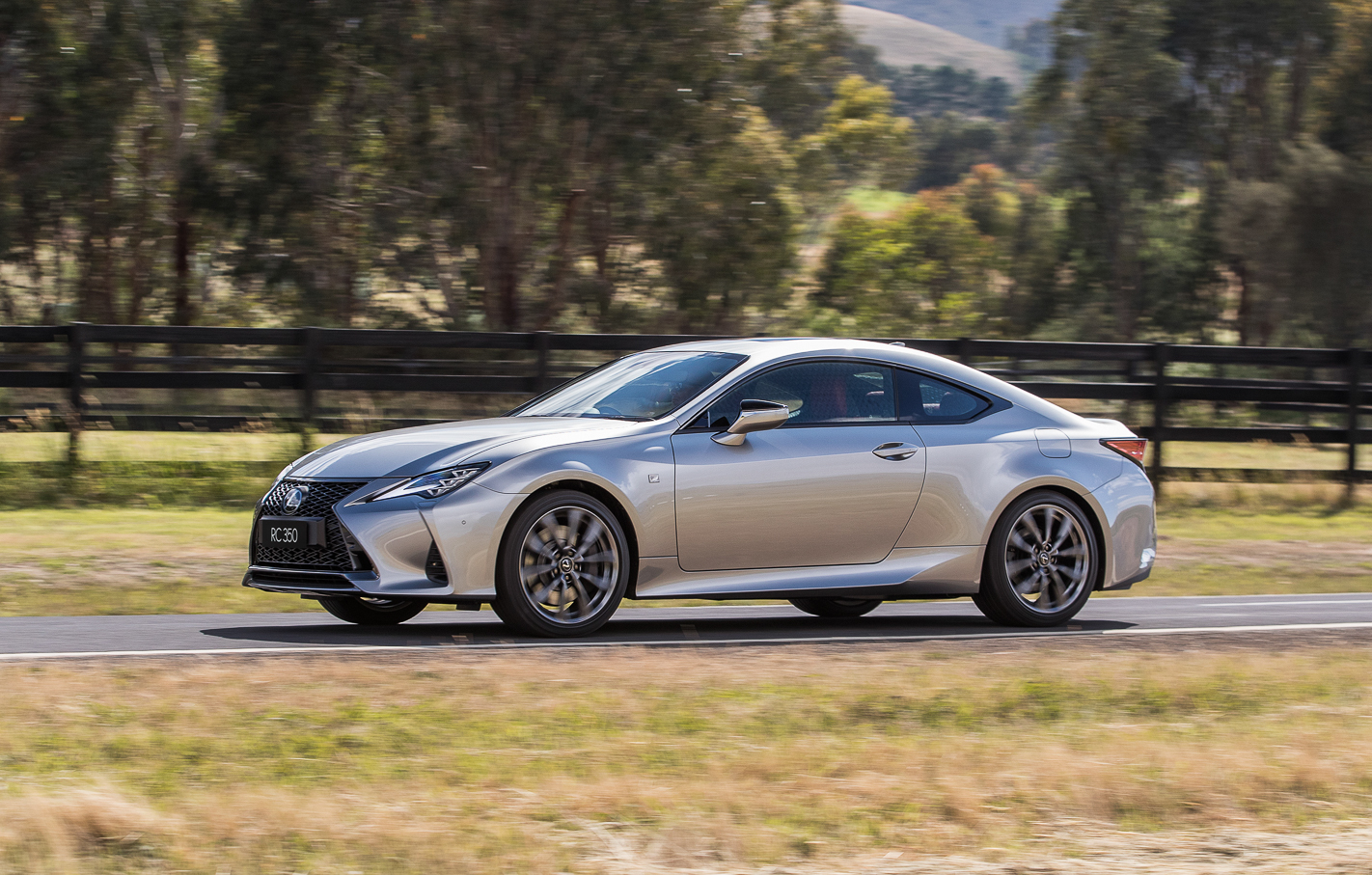
“The advanced technology and engineering in the Lexus RC ensure that every journey prioritises driver connection, dynamic performance and safety.”
The upgrades come at a minimal extra outlay of $100 added on each variant.
2021 Lexus RC pricing
- RC300 Luxury – $67,990
- RC300 F Sport – $75,736
- RC350 Luxury – $70,736
- RC350 F Sport – $78,736
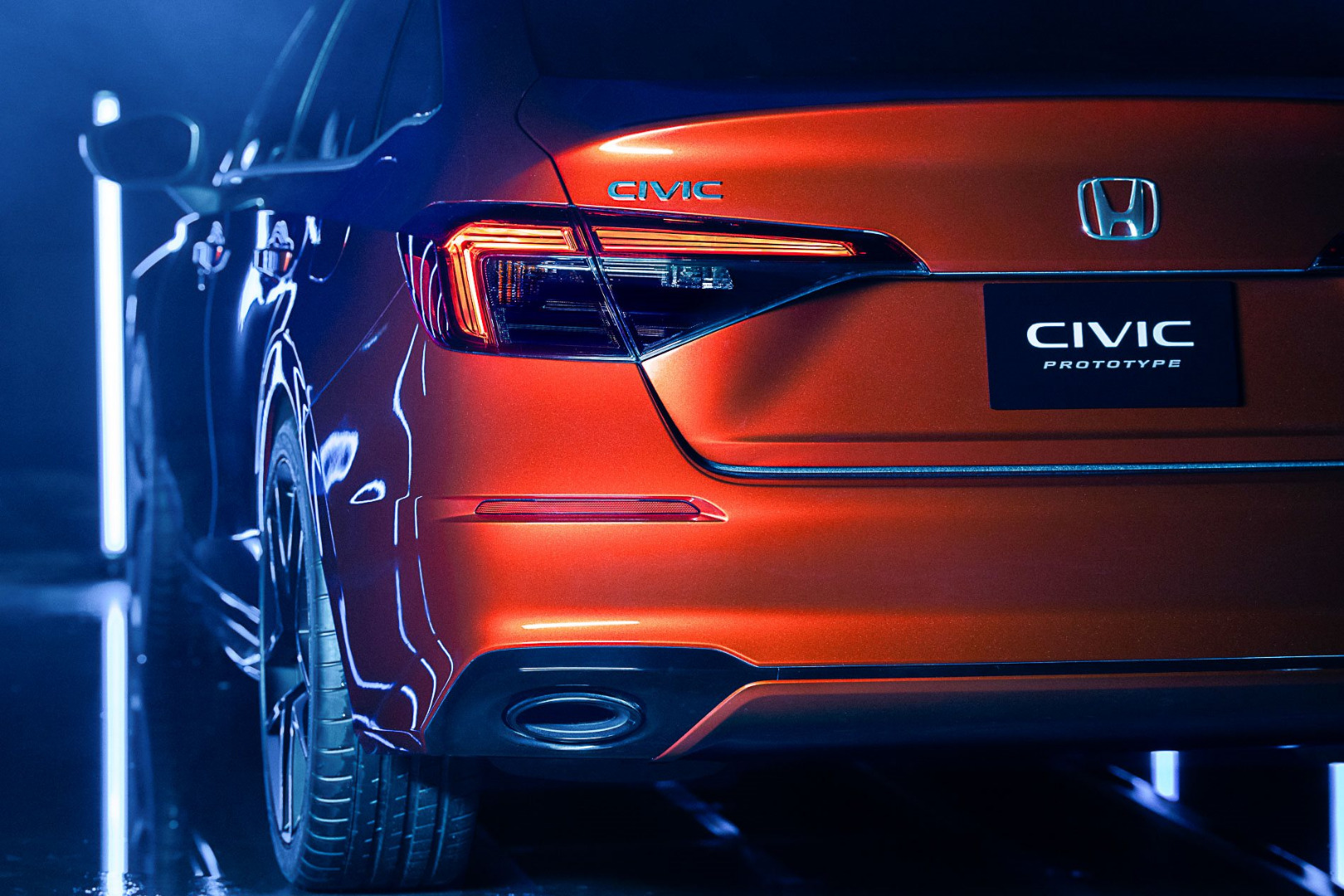
Honda has revealed its next Civic in full form, revealing shots of a prototype that speaks closely to the production car – save for a few unique styling elements.
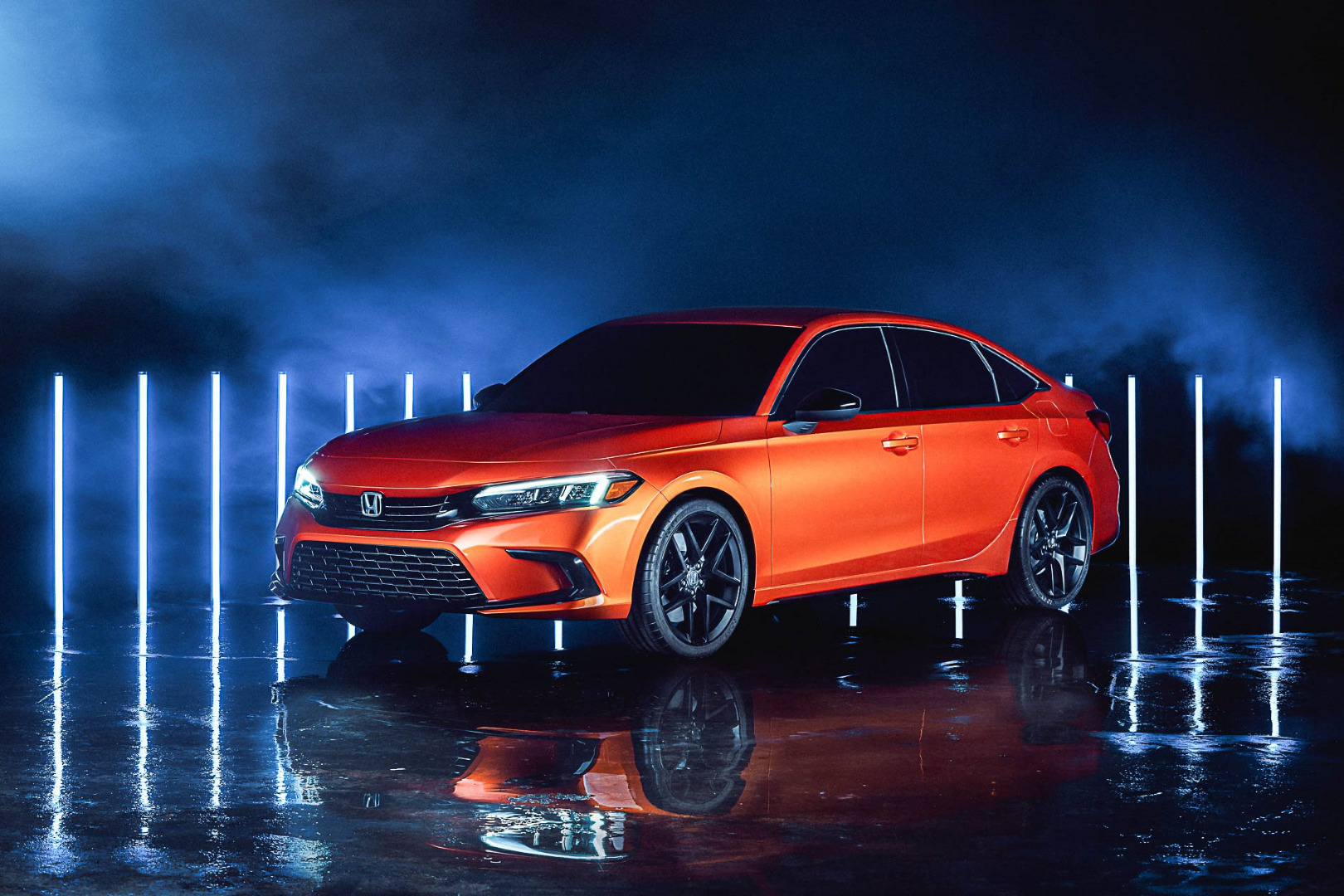
Although it’s sad to say it’s not for our shores given the brand will launch a hatch-only 11th-generation Civic range in Australia.
“For Australia, the Civic nameplate will continue as a core model in Honda’s line-up with the next generation,” a spokesperson has told Whichcar.
“However, the sedan bodystyle will be run-out locally when the current model reaches the end of its lifecycle towards the middle of 2021.
“The 11th generation Civic will be offered in the hatchback bodystyle preferred by the majority of small car buyers in Australia, including the performance Type R variant.”
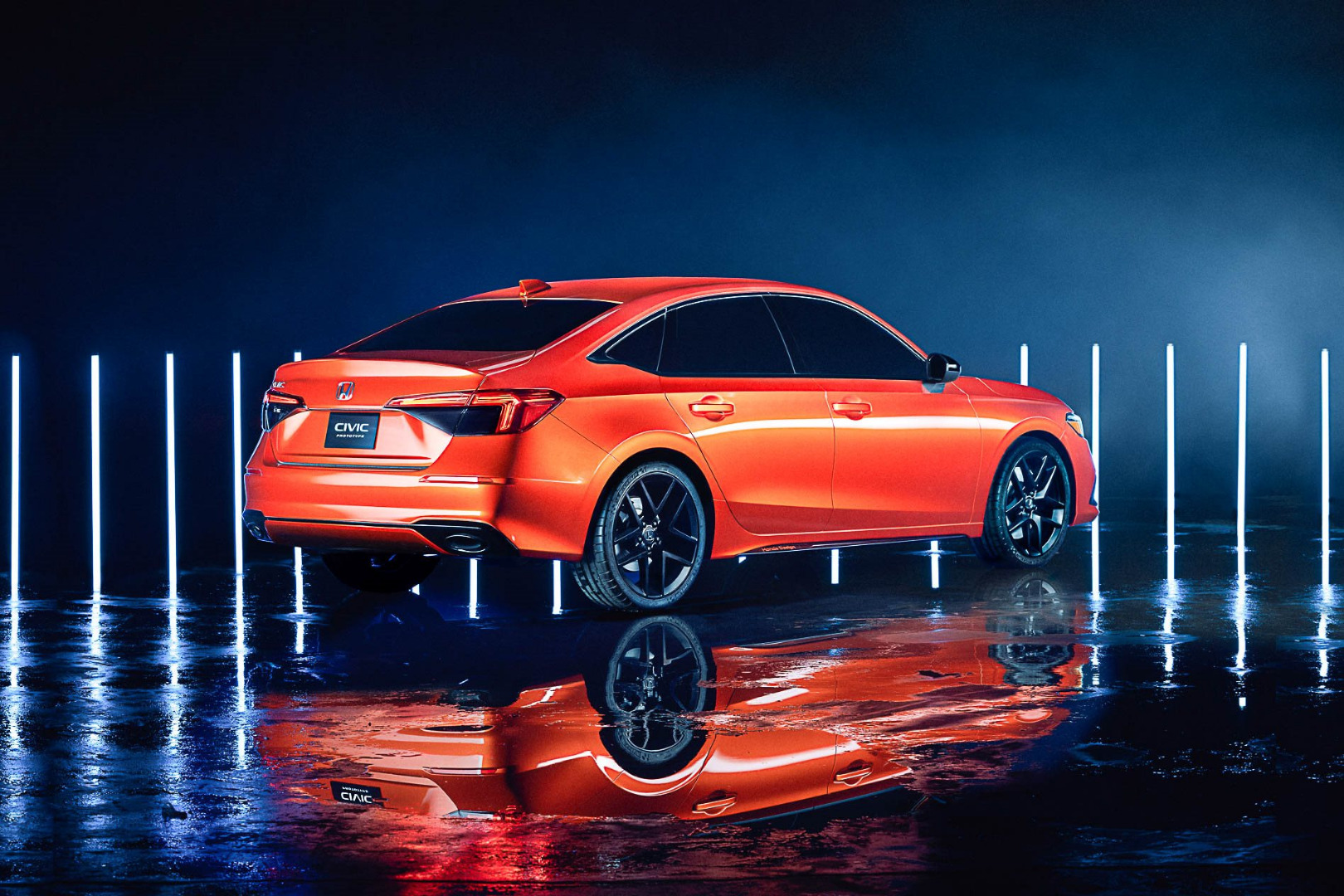
Honda’s yet to unwrap its new hatch, but we’re sure it’ll share the revised styling that has given the Civic – the car that started the hatchback revolution in Australia in the late 1970s – a maturity and a presence that it hasn’t enjoyed for some time.
Specs are, of course, thin on the ground, but it sports a cleaner, calmer front-end that still echoes the 10th-generation car.
The bright Solar Flare Pearl paintwork pairs well with a wide stance, low beltline and aggressively crafted skirts to promise handsome looks for the production version.
Complementing its new sleek lines is a big focus on outward visibility, with Honda moving back the A-pillars and dropping side mirrors from the windows to the doors.
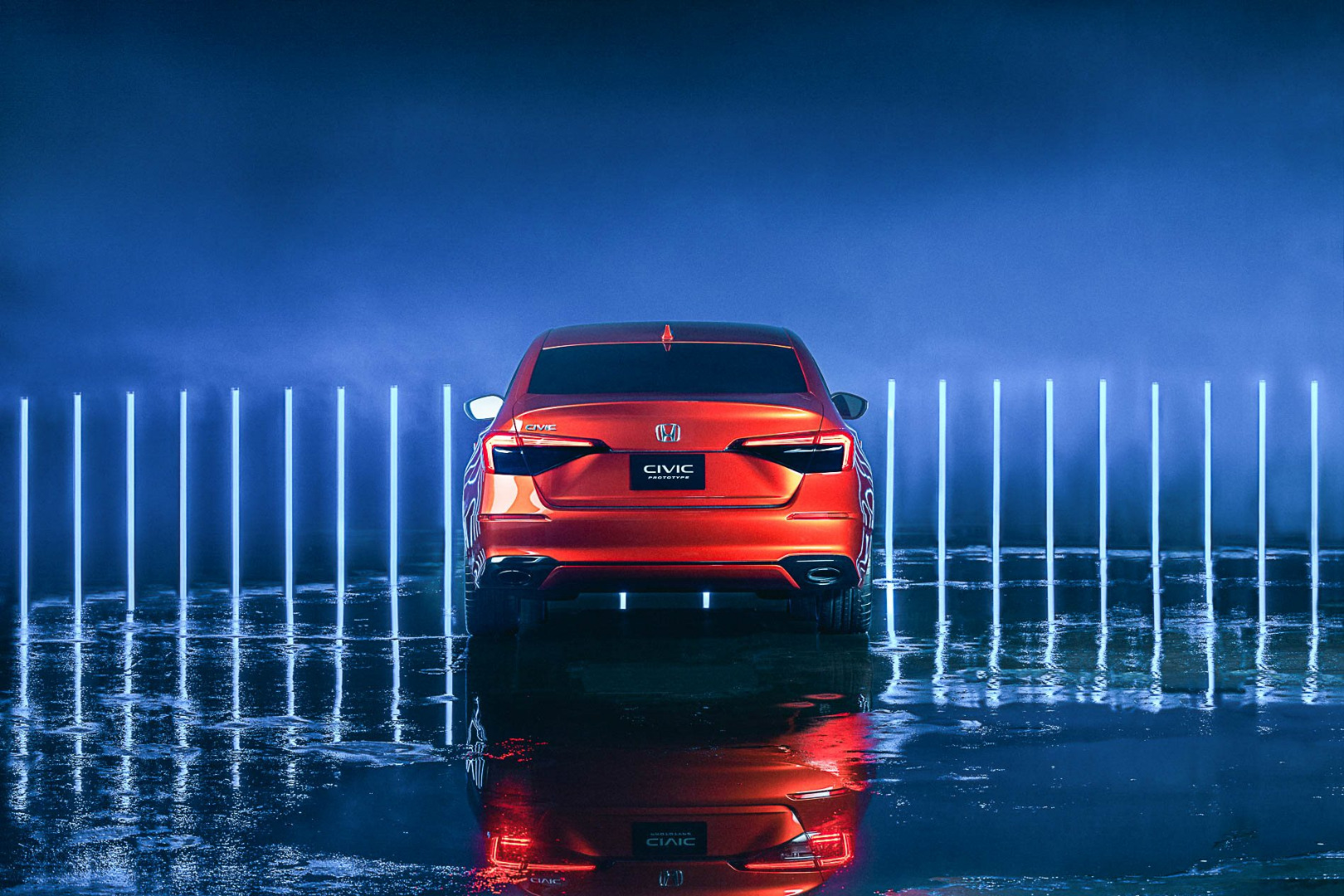
A wider rear wheel track hints at a suspension overhaul, while new taillights sit under a boot lid that’s been massaged with a lip into its trailing edge.
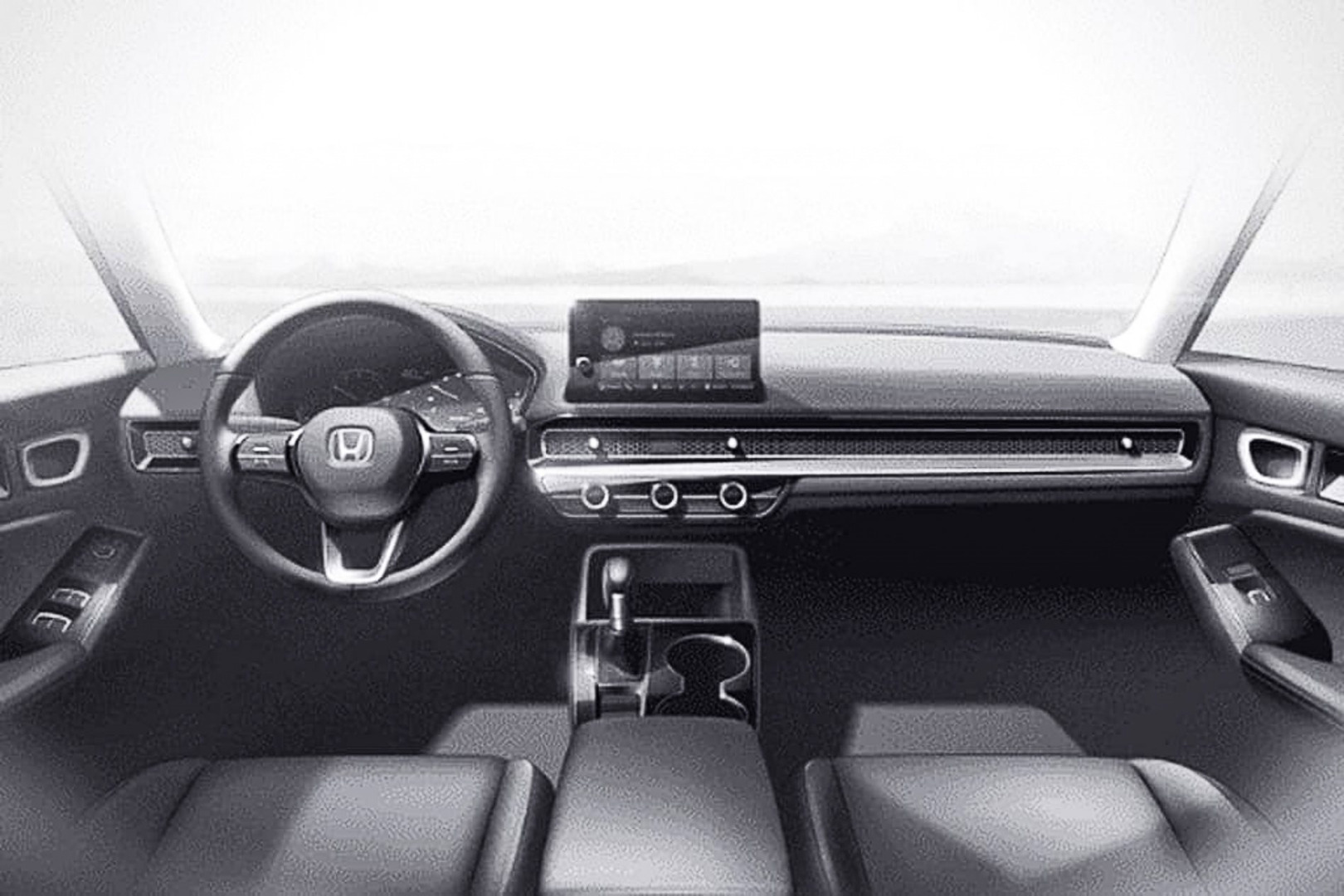
Inside, long vertical vents and the now de-rigour multimedia screen freshen up the Civic’s interior.
We can also assume (hope?) that the company’s diabolical multimedia system has been banished, replaced instead by a new 9.0-inch full-HD touchscreen with Apple CarPlay and Android Auto.
Official information says the Civic is designed around the current model’s low centre-of-gravity principle, prioritising a low hip point for passenger seats and an extended greenhouse that increases over-shoulder visibility.
At its core is a new version of Honda’s Advanced Compatibility Engineering body structure it says improves collision protection and boosts rigidity.
It promises better refinement, ride quality and handling.
Powertrains are still under wraps, but it’s reasonable to expect that a 1.5-litre turbocharged four-cylinder engine will power the front wheels via a CVT transmission.
All of this will help Honda build on the Civic’s commanding sales lead in America and hopefully restore it to glory in the small passenger car category when it debuts next year.
Toyota’s next-generation Mirai sedan has been confirmed for Australia, with the hydrogen-powered sedan due here before March next year.
There’s a catch, though. Toyota will only import 20 cars for government and business fleets, kicking off its fuel-cell electric vehicle offensive with a small and calculated delivery.
It’s unclear when, or for how much, the brand intends to sell the Mirai to the public since the press release withholds any market information on the second-generation sedan which is due to be revealed in production trim later this month in Japan.
The fleets set to receive the cars are not revealed, either.
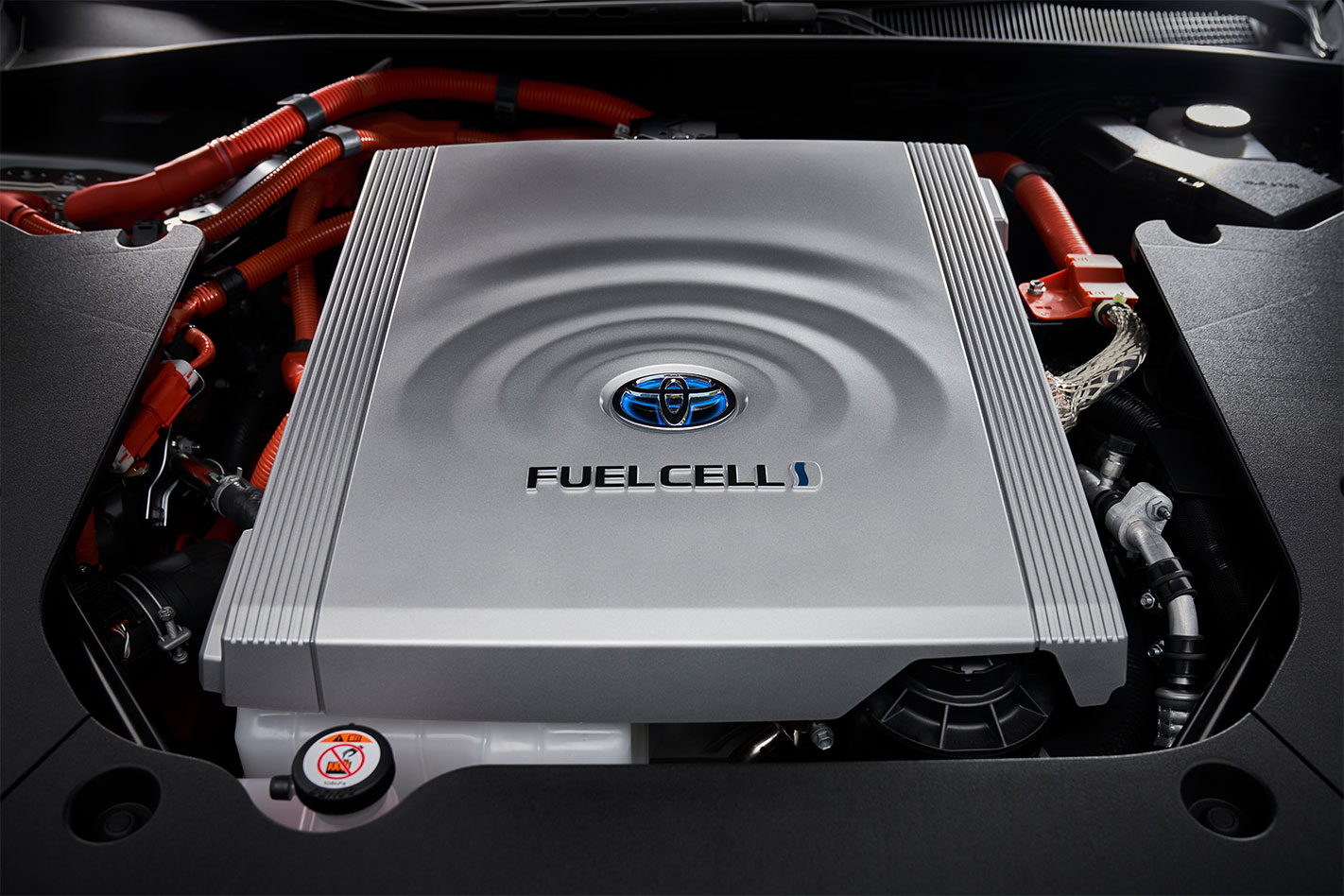
Toyota partnered with the Australian government to establish the site under its Australian Renewable Energy Agency push.
The station forms part of a Zero Emissions Centre of Excellence where hydrogen is just one technology demonstrated alongside solar and battery storage.
The site is now moving on to stage two after completing stage one earlier this year, which the government says requires the site to “demonstrate that green hydrogen can fuel vehicles and supply electricity through the use of a fuel cell”.
It follows the government’s most recently announced subsidy from the Clean Energy Finance Corporation that has pledged $300m to advance clean energy in Australia.
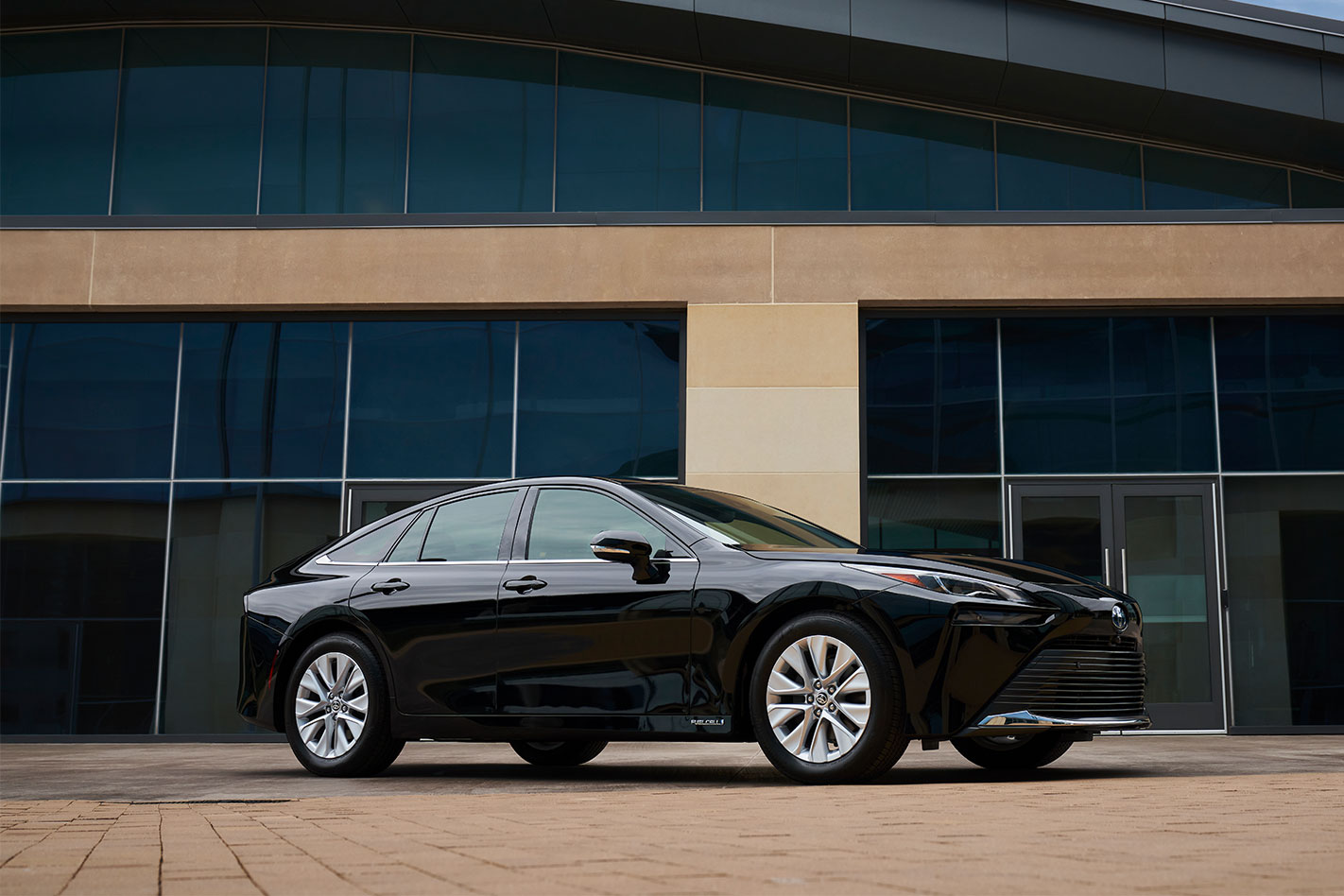
As well as switching to a rear-drive platform, advancements in the new Mirai’s fuel cell system liberate an extra 30 per cent range, promising around 650km on a single tank.
This improvement comes from the car’s new layout creating space for a fourth hydrogen storage tank.
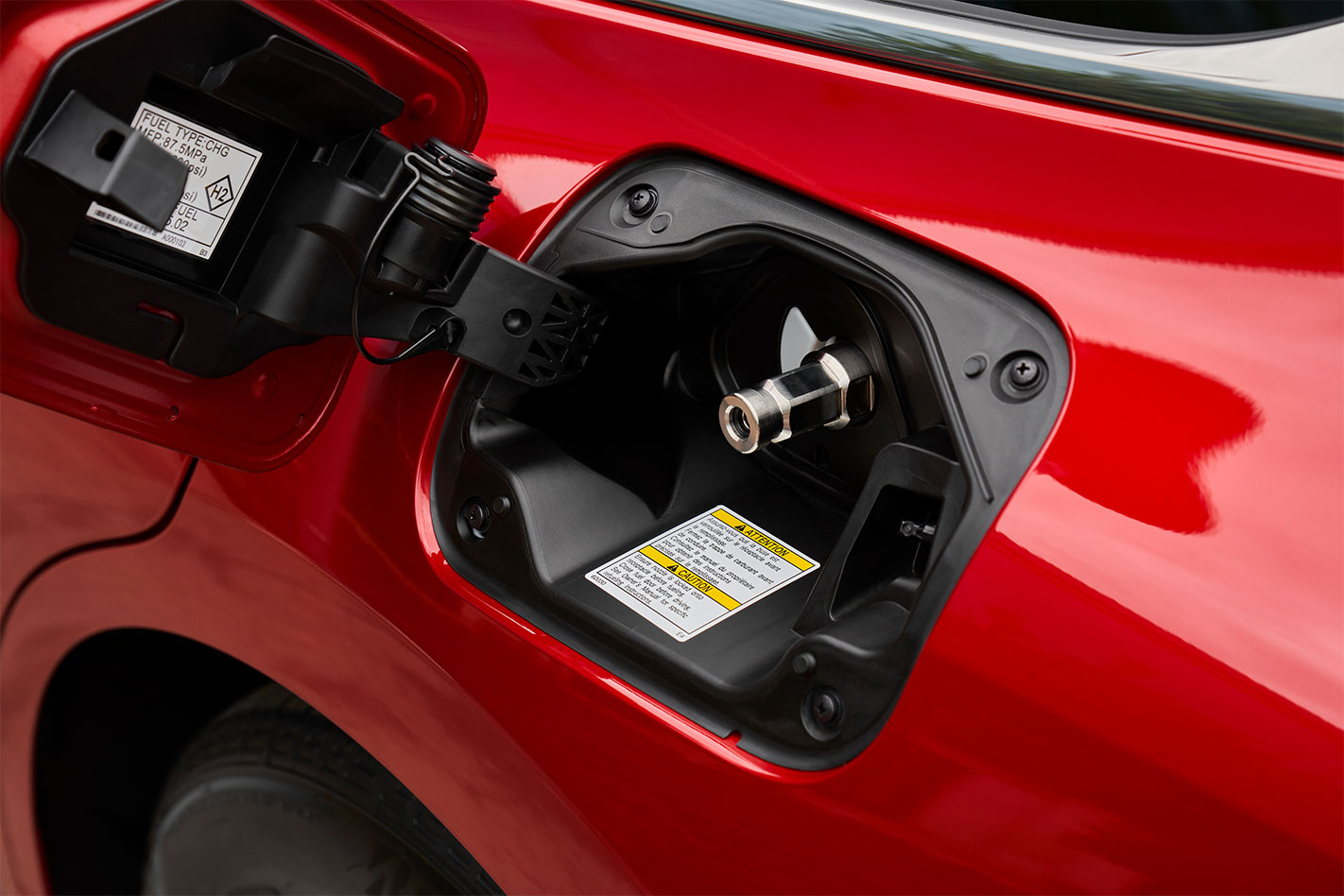
It harnesses the low-emissions advantages of EV technology while skipping the need for lengthy re-charges, given the hydrogen can be replenished quickly like regular fuel.
However, transporting and storing hydrogen is difficult and potentially dangerous, and only a handful of filling stations exist within Australia.
Mercedes-AMG is on a record-stealing tear at the moment, announcing that its new ultra-focused road-going AMG GT Black Series has lapped the 20.6 kilometre-long Nurburgring Nordschleife in 6min:43:616sec.
It follows less than a week after the AMG GT63 S snatched-up the ‘executive’ category record from German-rival Porsche.
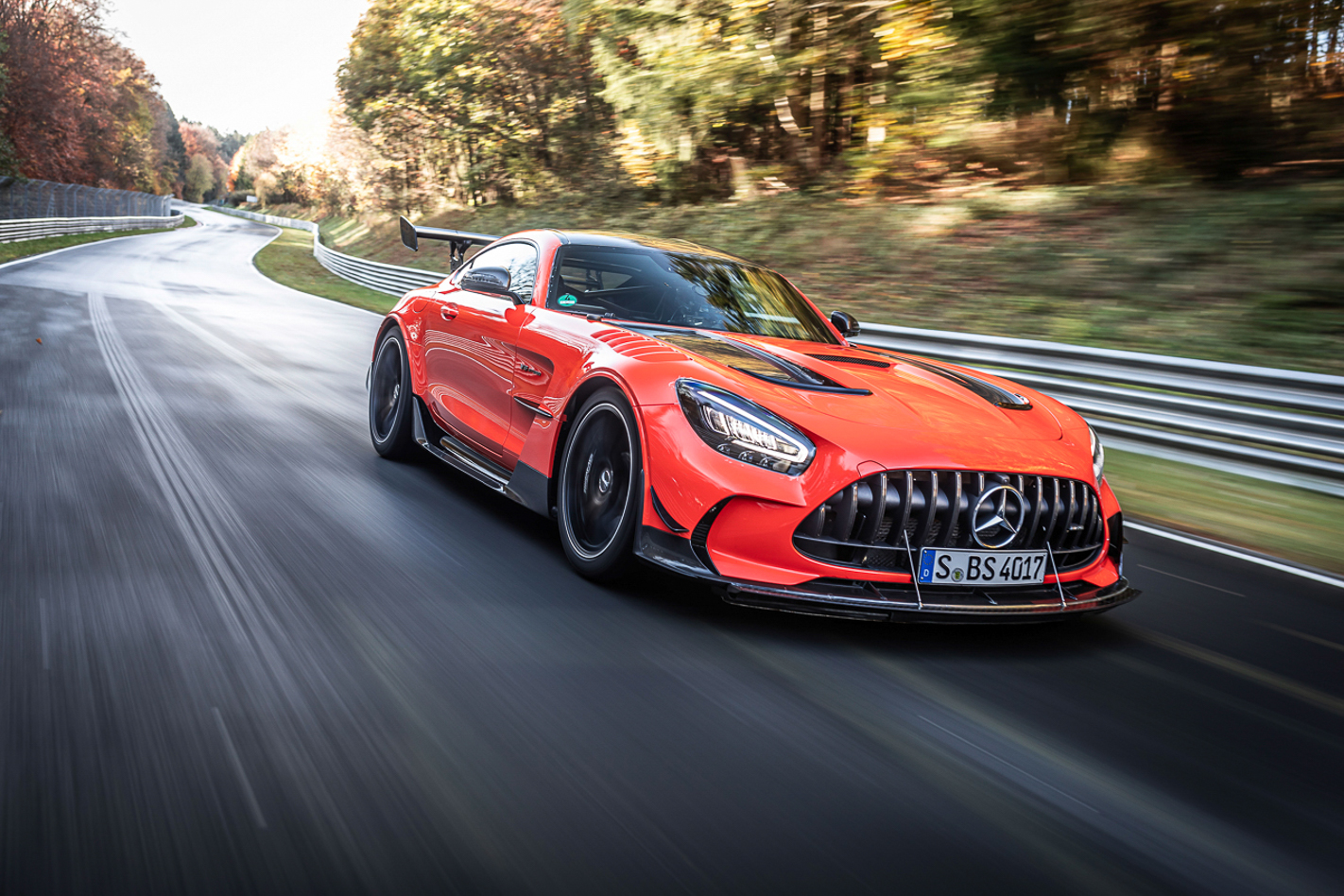
This new officially-certified record set by the AMG GT Black Series is for the fastest series production car to lap the Green Hell, and ends Lamborghini’s reign with the 6min:44.97sec Aventador SVJ, which stood for more than two years.
The lap was set by German GT3 racer Maro Engel, who is well known to Australian race fans due to his participation in multiple Bathurst 12 Hour events and a stint in V8 Supercars in 2013.
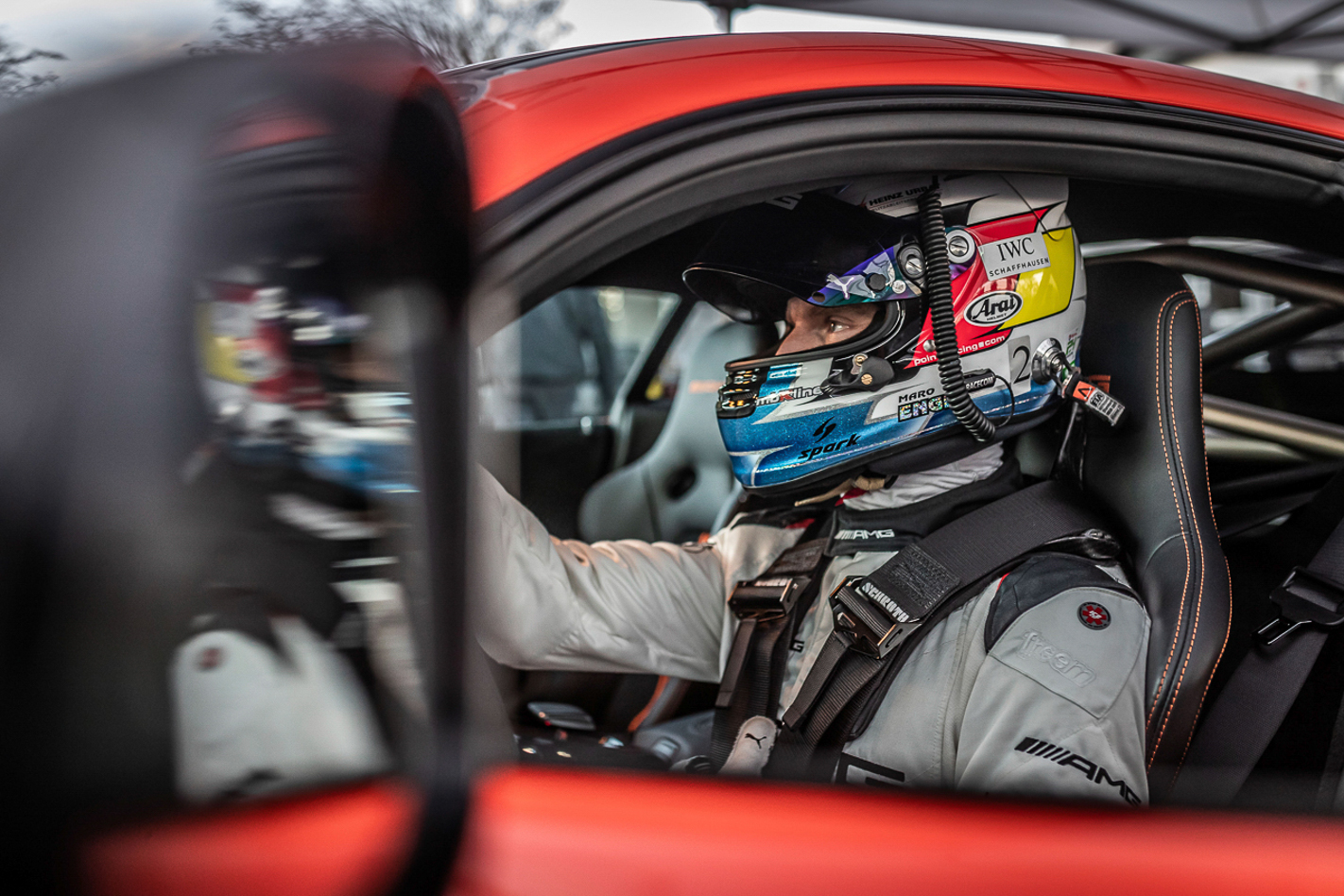
No changes were made to the car that you could feasibly buy at your local Mercedes-Benz dealership for $796,900 (plus on-road costs), with Engel opting to tweak the adjustable aerodynamics, lowering the car with the adjustable coilover suspension and selecting the hardest anti-roll bar settings.
The Black Series stocks a 4.0-litre flat-plane bi-turbo V8 with 537kW/800Nm which sends power through a seven-speed dual-clutch transmission to the rear wheels.
Rubber-wise, Michelin Pilot Sport Cup 2 R MO tyres with a soft compound were used, which are standard equipment for the GT Black Series.
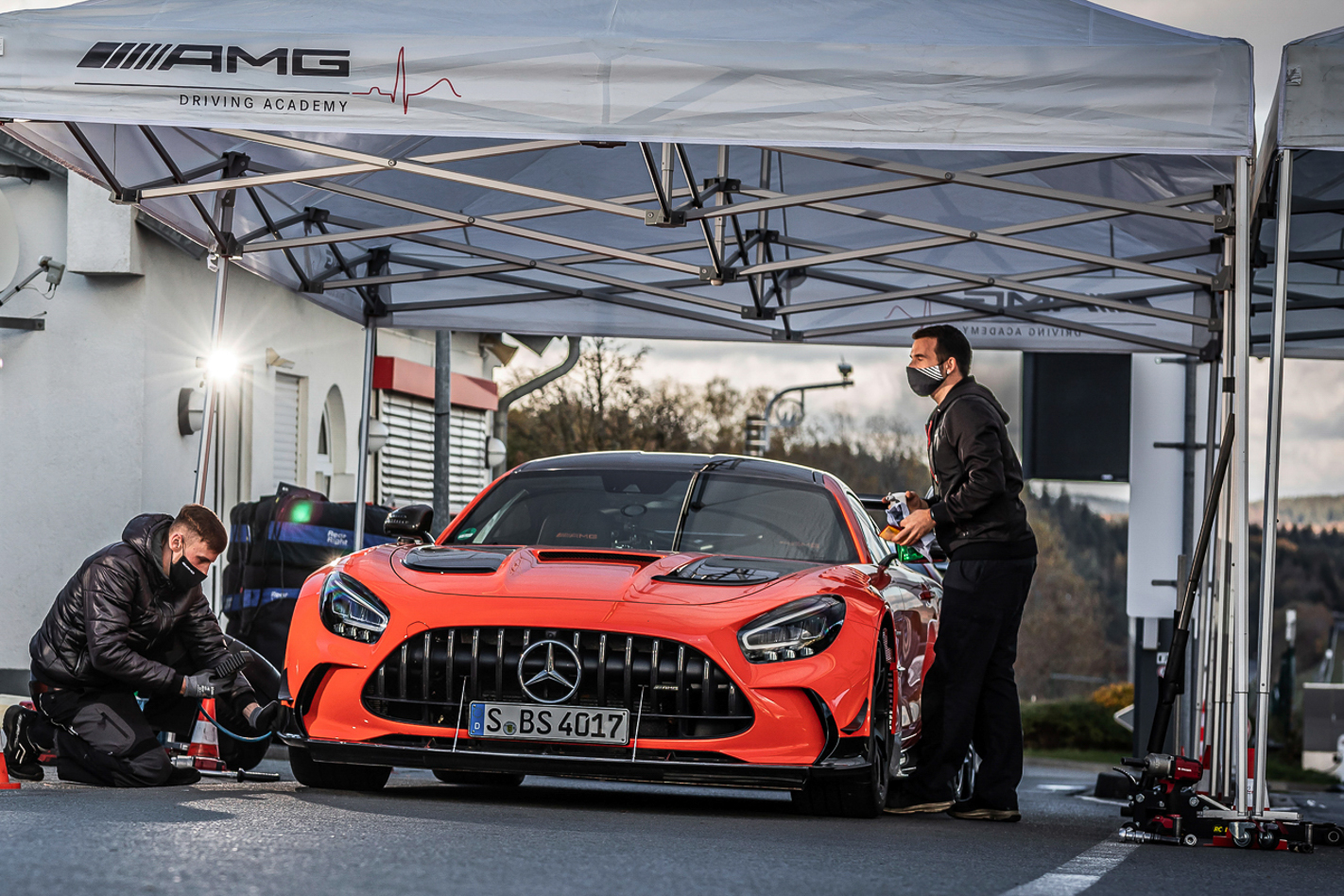
Safety was even taken care of by the standard equipment which includes four-point racing harnesses, carbon ceramic brakes and a roll-over protection system.
“That was a really impressive ride,” said Maro Engel after completing the record lap.
“With speeds of up to almost 270 km/h in the Kesselchen section of the track or well over 300 km/h on the long Döttinger Höhe straight, the AMG GT Black Series is significantly faster than my GT3 race car.
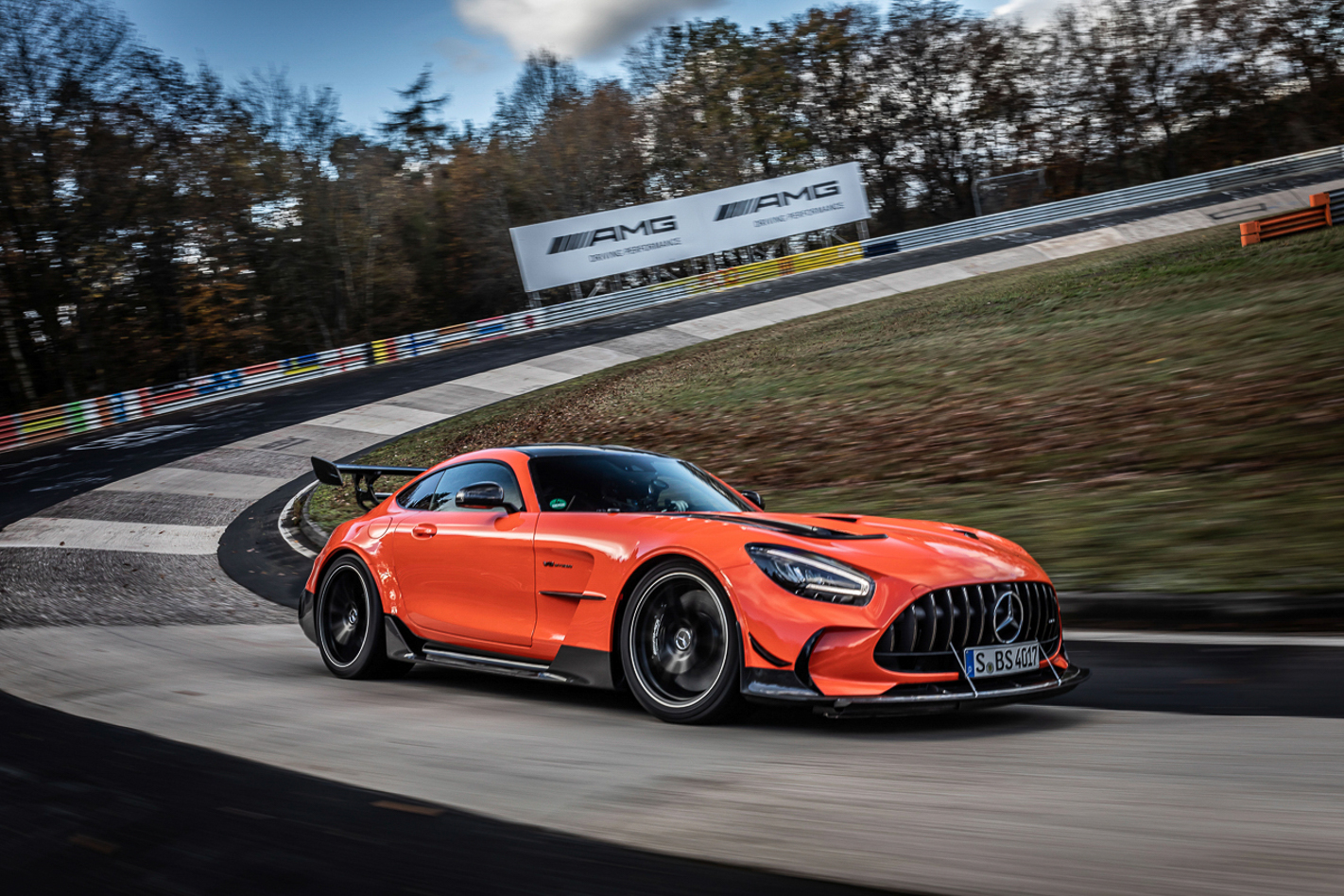
“Like my GT3 race car, the AMG GT Black Series offers a lot of adjustment possibilities, all of which enabled me to create a setup that was tailor-made for me.”
It’s no small task to set the next benchmark at the famous Nordschleife circuit, with manufacturers often spending weeks and even months at a time to get the perfect lap.
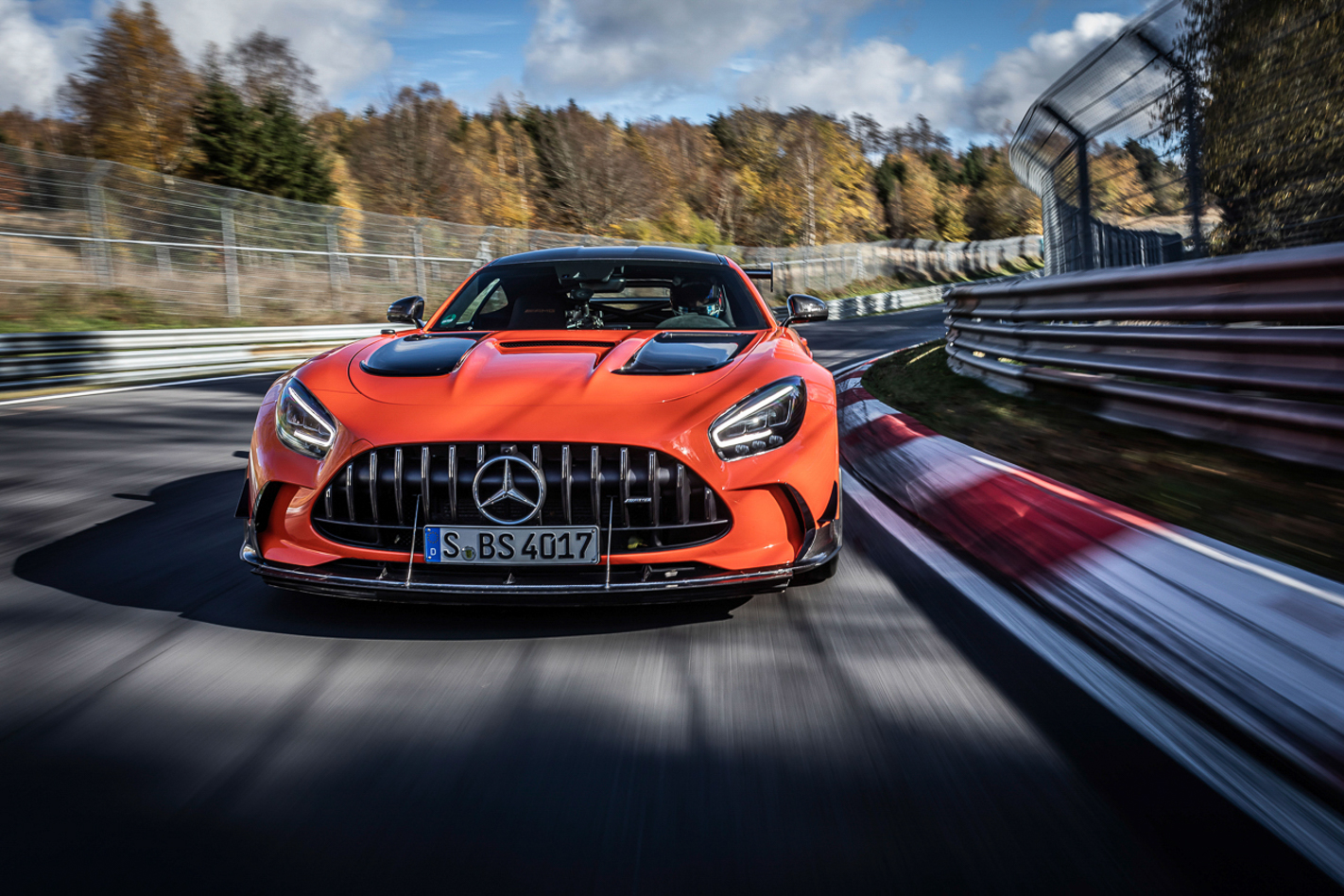
With a sizeable gap between Nurburgring records, let’s see how long this latest feat will last.
NOW WATCH Robert Kubica tears the ‘Ring apart on a Tourist day
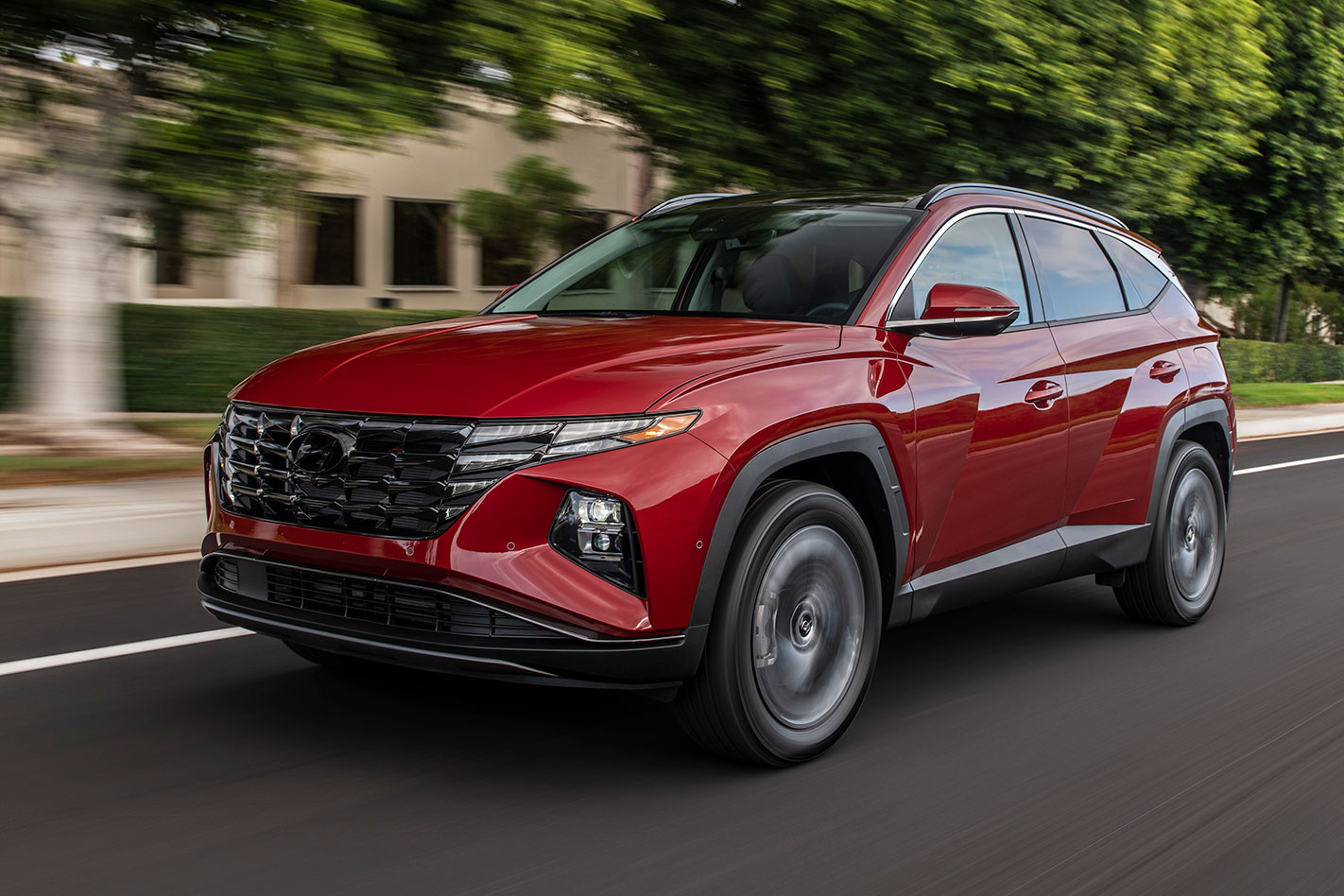
Hyundai’s incoming Tucson will launch in 2021 without any hybrids on the books, with the brand revealing that Australian emissions regulations are to blame.
Hyundai recently revealed hybrid versions for the American Tucson, which is based on the long-wheelbase chassis Australia will adopt.
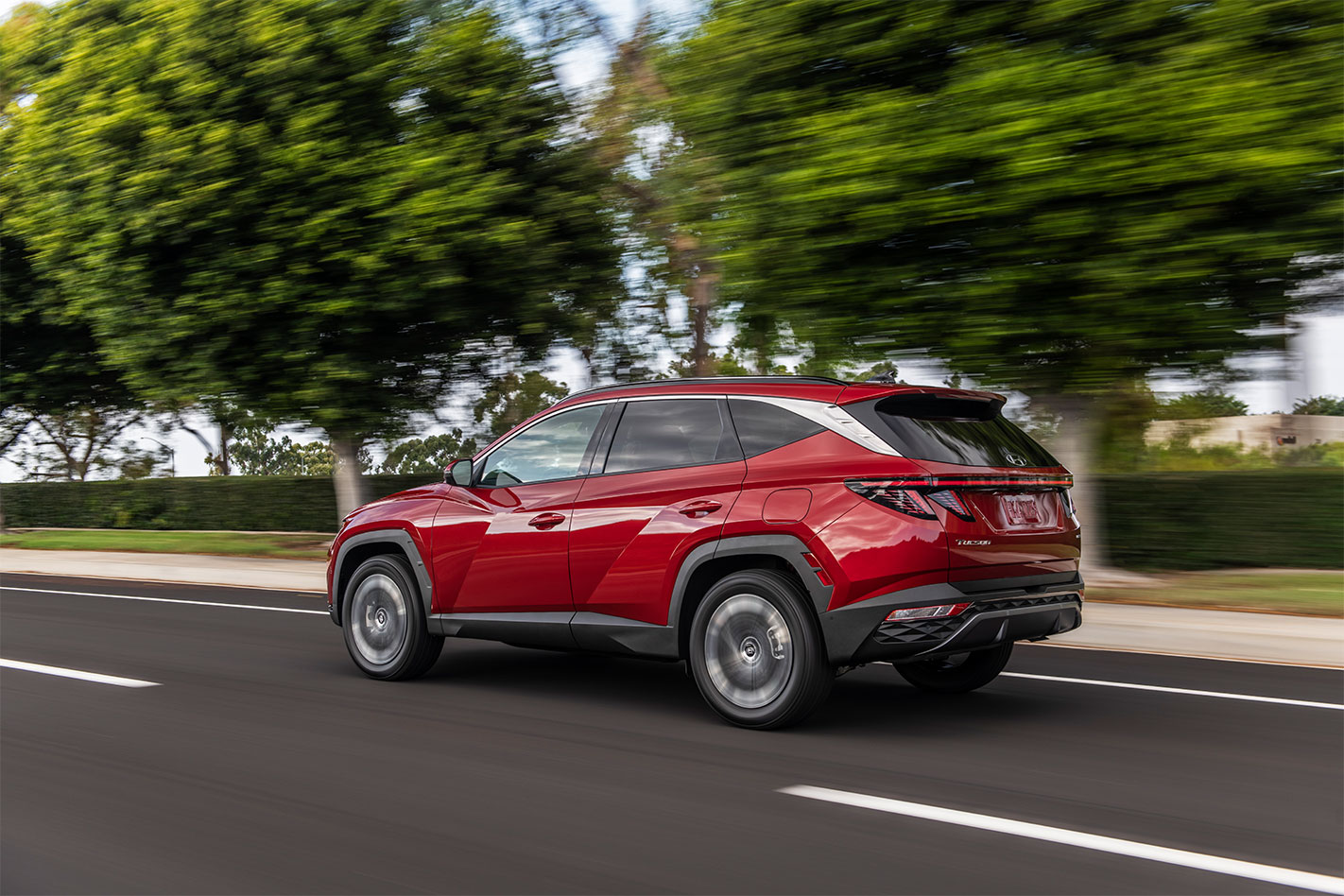
“With no Australian government-regulated corporate/fleet emissions targets in place,” the spokesperson said.
“[Australia is] not considered a priority market for electrified powertrains.
“This does not rule us out for any products, but it puts us lower down the list than we might otherwise be.”
This news means the anticipated second-generation Tucson will miss a chance to directly challenge the Toyota RAV4 in the mid-size SUV market.
Hybrid sales continue to drive a large chunk of the RAV4’s success in Australia, accounting for 50 to 60 per cent of its sales over the last six months.
If we deduct hybrid sales, the RAV4 would relinquish its sales lead in the mid-size category to the Mazda CX-5 and only narrowly beat the current Tucson in third.
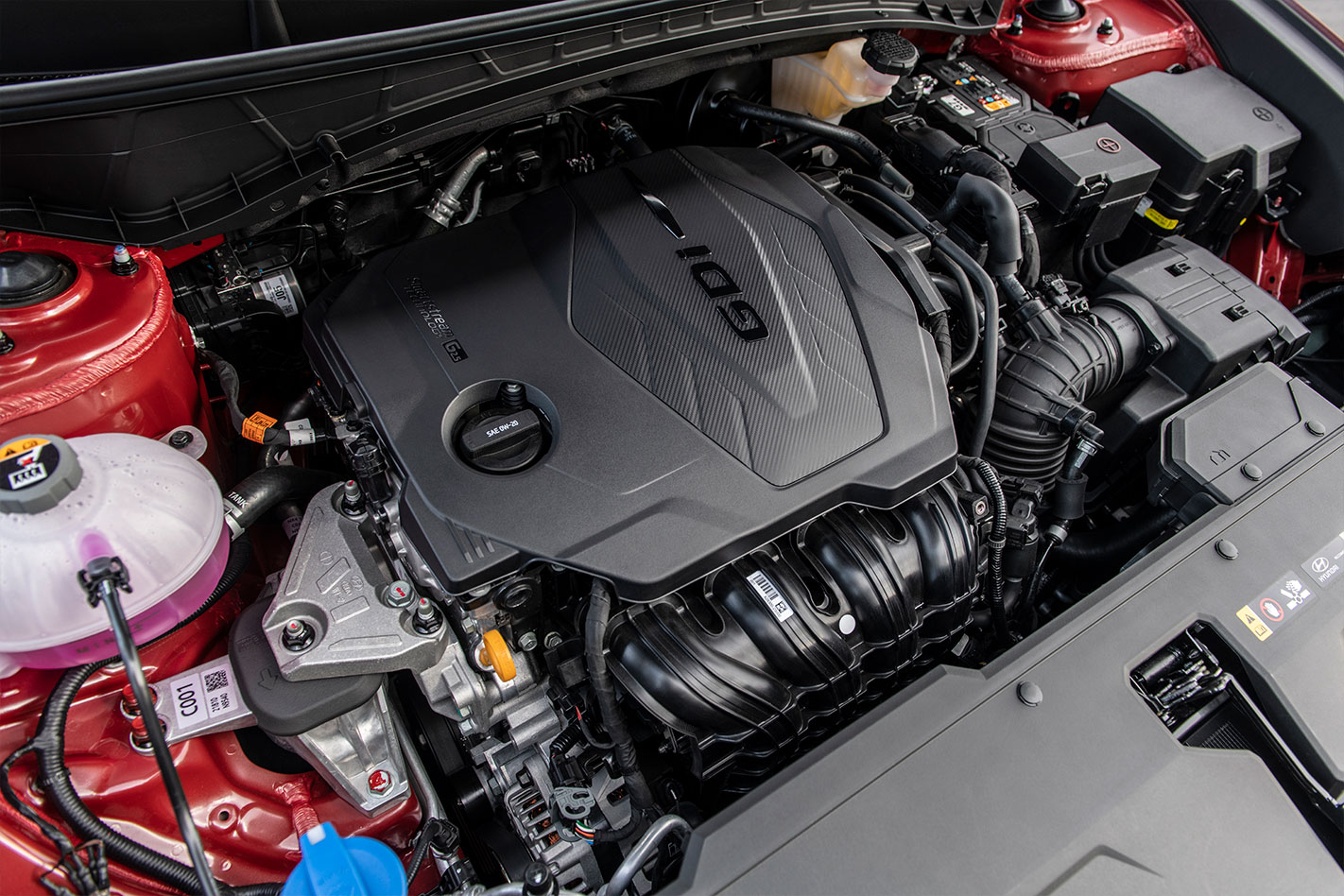
If greenlit, the HEV Tucson would offer a 1.6-litre turbocharged petrol engine rated at 171kW and 350Nm.
Hyundai America claims the HEV increases efficiency by 30 per cent and delivers 800km of range.
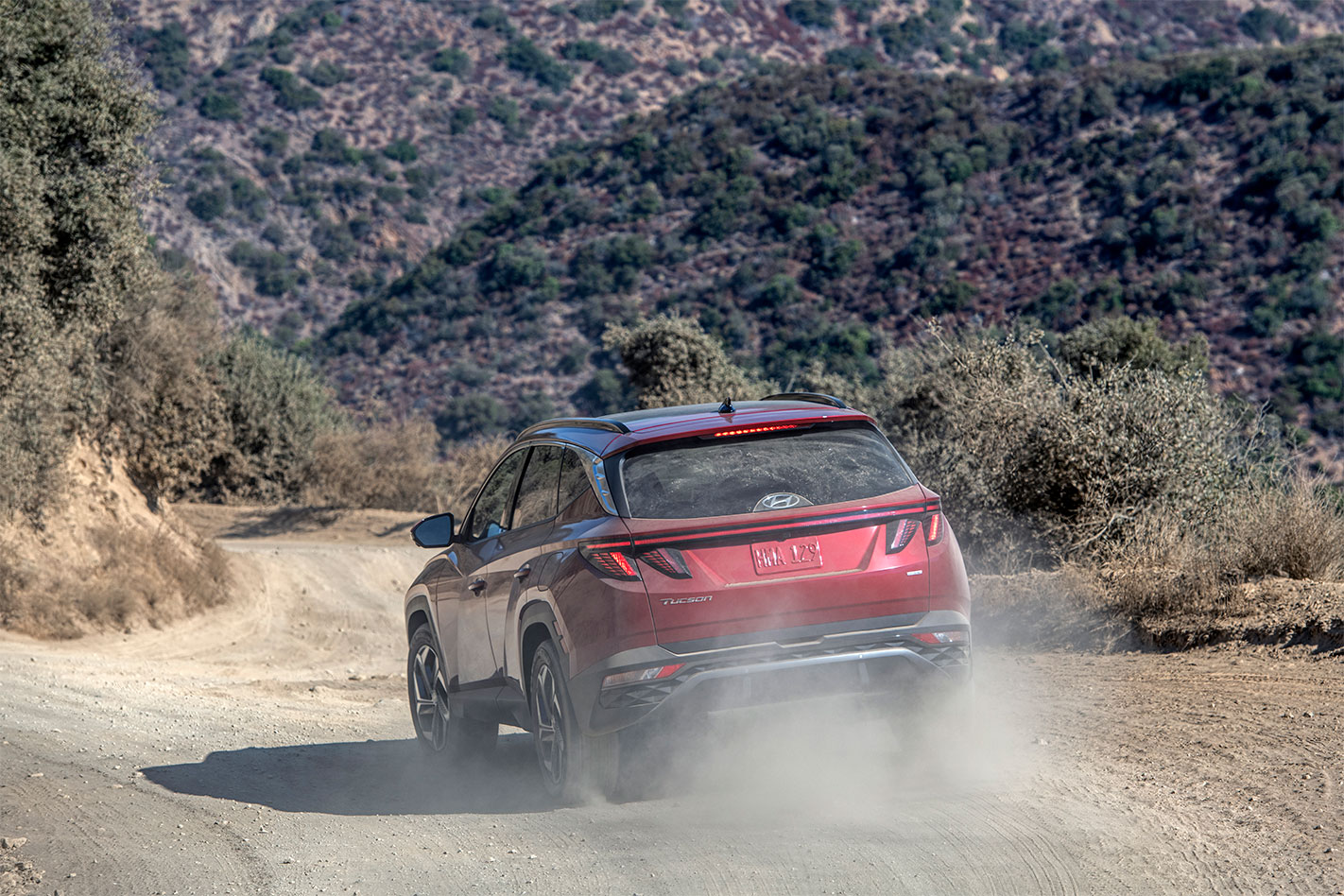
It offers a claimed 45km of emissions-free driving range and can be charged in less than two hours with the on-board Level 2 charger.
It’s also revealed that the Tucson HEV and PHEV will feature specially tuned all-wheel drive systems, complete with a snow mode, to broaden the car’s appeal.
