
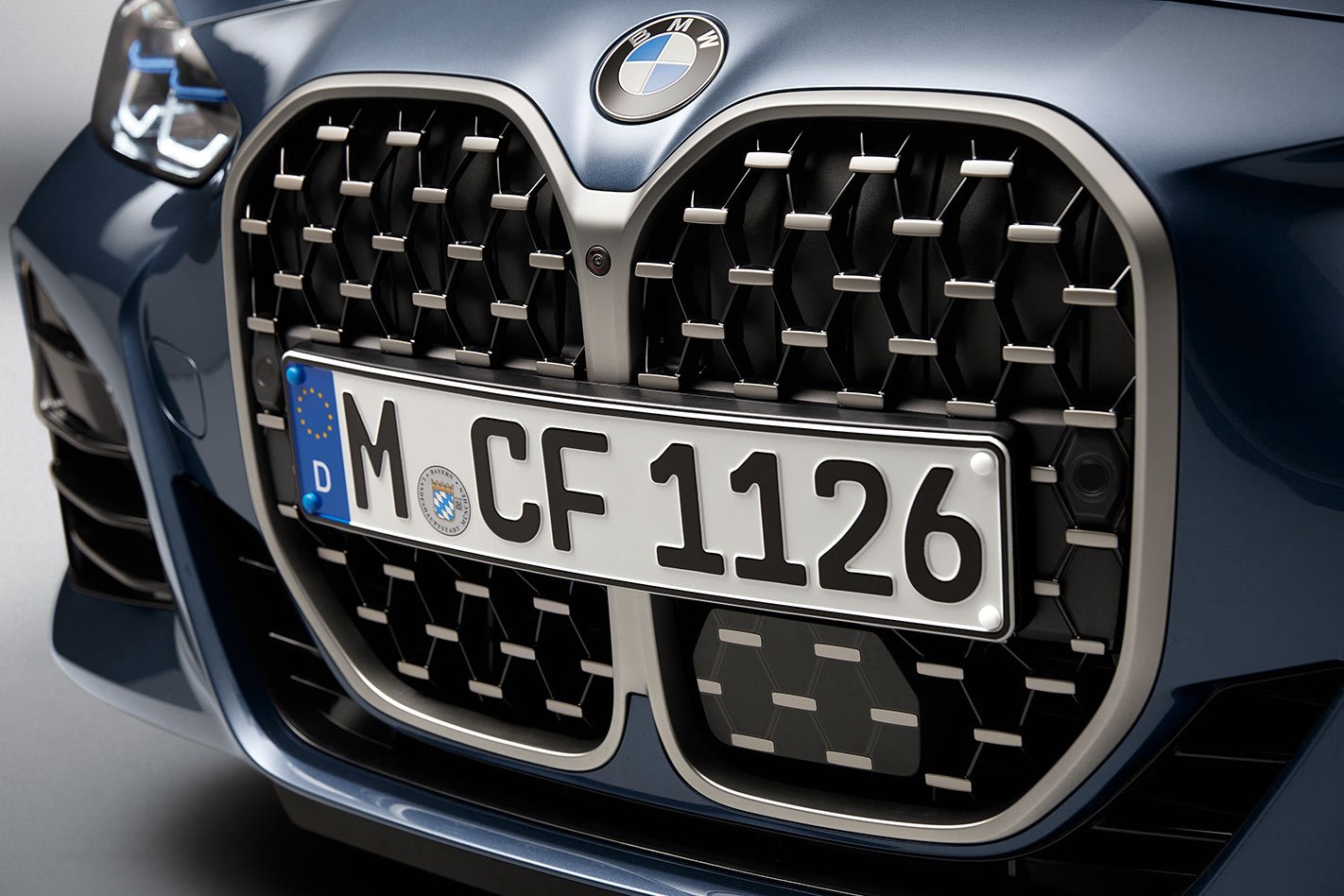
Yes, it is real. No, we can’t stop staring either. Welcome, dear readers, to our first official look at the polarising G22 4 Series which, quite obviously, has a gargantuan grille. But let’s put a pin in that for now because there’s more important things at play here than how this car looks.
BMW is pitching this second-gen 4er as its mid-sizer for drivers and has given it new engine tech, a stiffer chassis, and subtle dimension changes. Think of it as the 3 Series’ hunkered down, sportier sibling and you’re most of the way there. Plus, imagine an even squatter stance, larger wheels and angrier body work and you’re looking at the next M4.
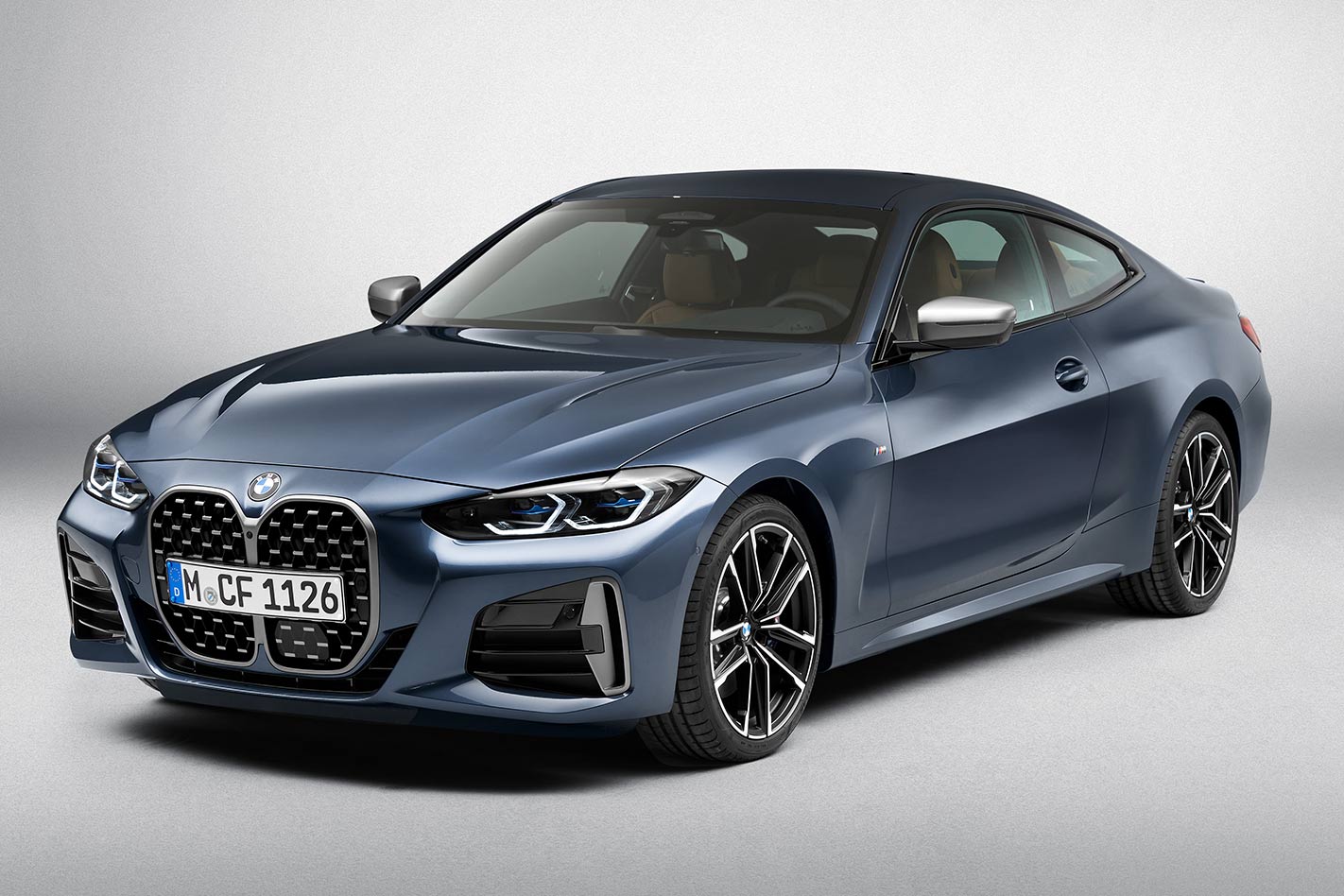
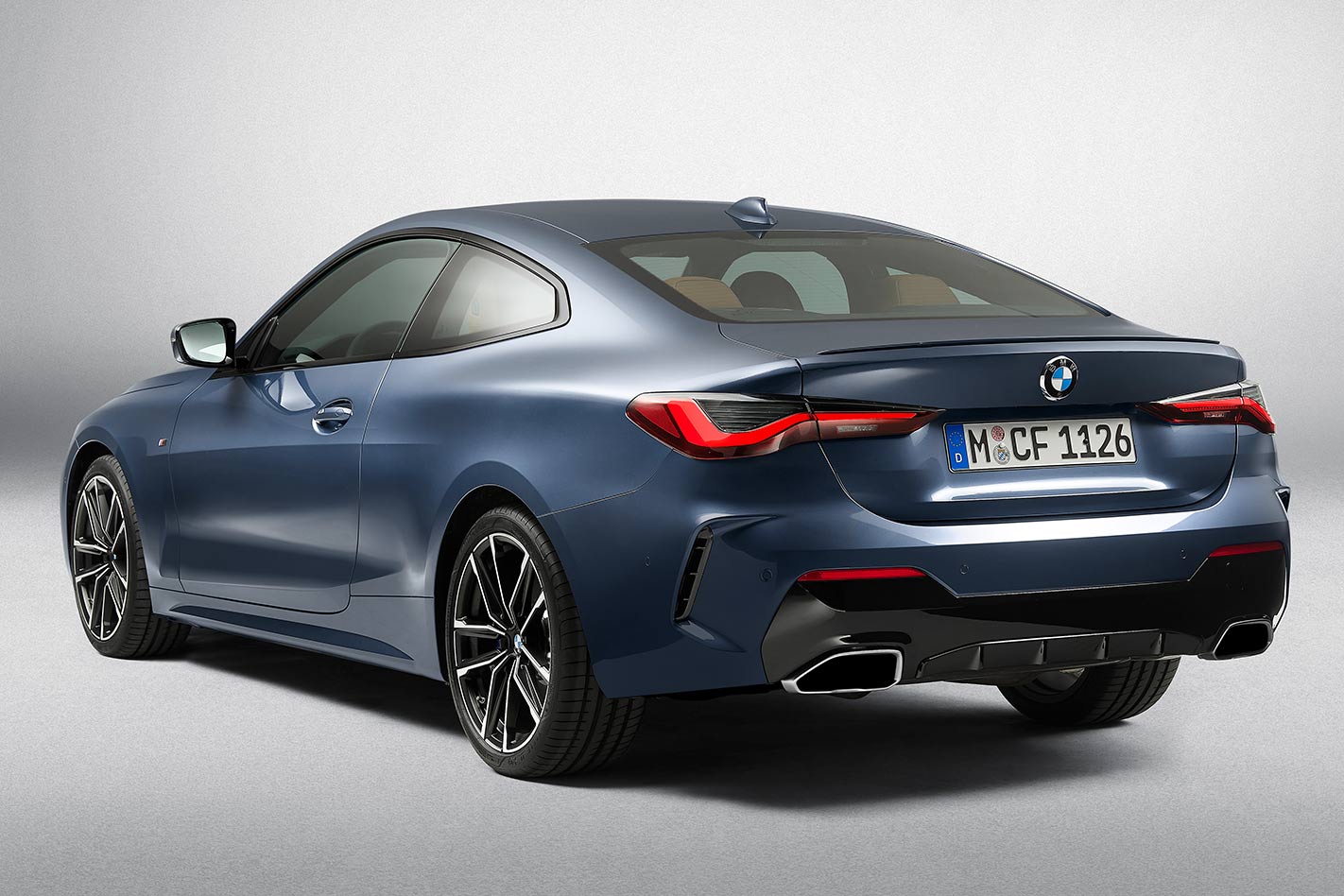
The 4 Series is 23mm wider than its sedan sibling, with a 57mm reduction in height lowering the centre of gravity by 21mm. The track front and rear has grown by at least 23mm, giving the G22 a larger footprint on the road.
BMW has created 4 series specific chassis bracing for the G22 to improve body rigidity, while a 48-volt mild hybrid system has been introduced for certain variants. Engines mimic the 3 Series, with turbocharged four- and six-cylinder units, while Australian variants will include the 420i, 430i, and M440i xDrive.
The entry-level 420i is powered by a 2.0-litre turbocharged four-cylinder, in a 135kW/300Nm state of tune. BMW claims this model will crack 100km/h from a standstill in 7.5 seconds, with a claimed fuel economy of 5.3-5.8L/100km.
In the middle of the range, the 430i is also fitted with a 2.0-litre turbo four-cylinder engine, but makes 190kW and 400Nm, for a claimed 0-100km/h time of 5.8 seconds, and combined efficiency of 5.7-6.1L/100km.
The quickest non-M 4 Series will be the M440i xDrive, which gains a mild-hybrid system, and sends 275kW/500Nm to all four-wheels thanks to its turbocharged 3.0-litre six-cylinder engine. Want rear-drive action and you’ll need to opt for a lower-spec turbocharged four-cylinder model. A 48-volt starter motor is fitted to the turbocharged six-cylinder which can act like a small electrical drive unit, assisting the combustion engine, with an extra 8kW of grunt. BMW claims this model will crack 100km/h from a standstill in just 4.5 seconds.
All 4 Series variants use an eight-speed automatic transmission – no manuals here. At least not until we get the much-anticipated M4, due to be shown (most likely after a million teaser images) to the world late this year.
M-Sport variants are equipped with a new ‘sprint’ function for the transmission. Think of it like a ‘push to pass’ button like that seen in some Porsche models, offering the sportiest possible calibration and lowest-possible gear ratio for a short burst of speed, activated by holding down the left steering-mounted paddle. The gear ratio spread for the eight-speed has been widened in the name of efficiency.
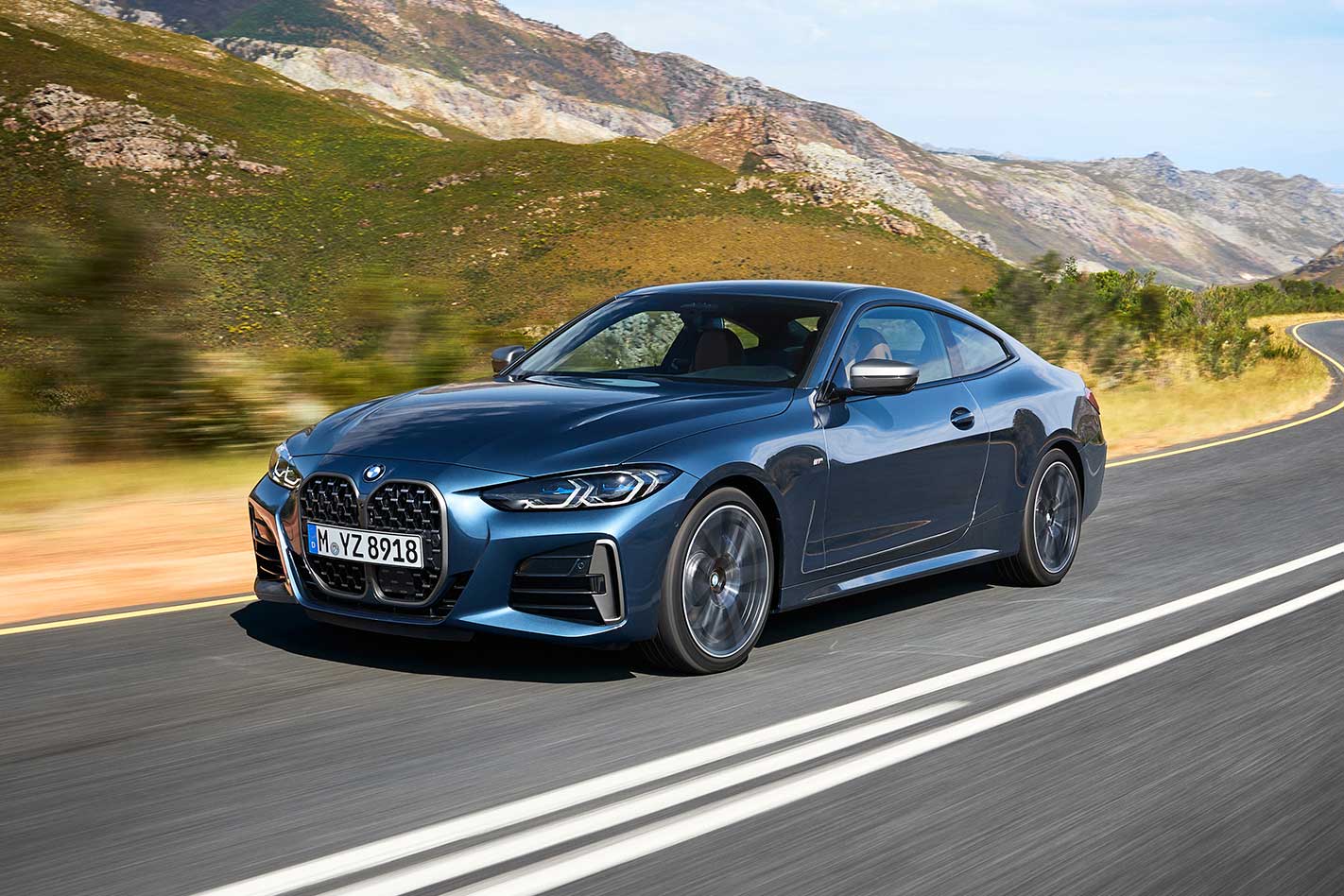
BMW’s engineers have focused on making the 4 Series a more enthralling steer – which delights us at Wheels, as the 3 Series is one of the most dynamically pleasing sedans on the market.
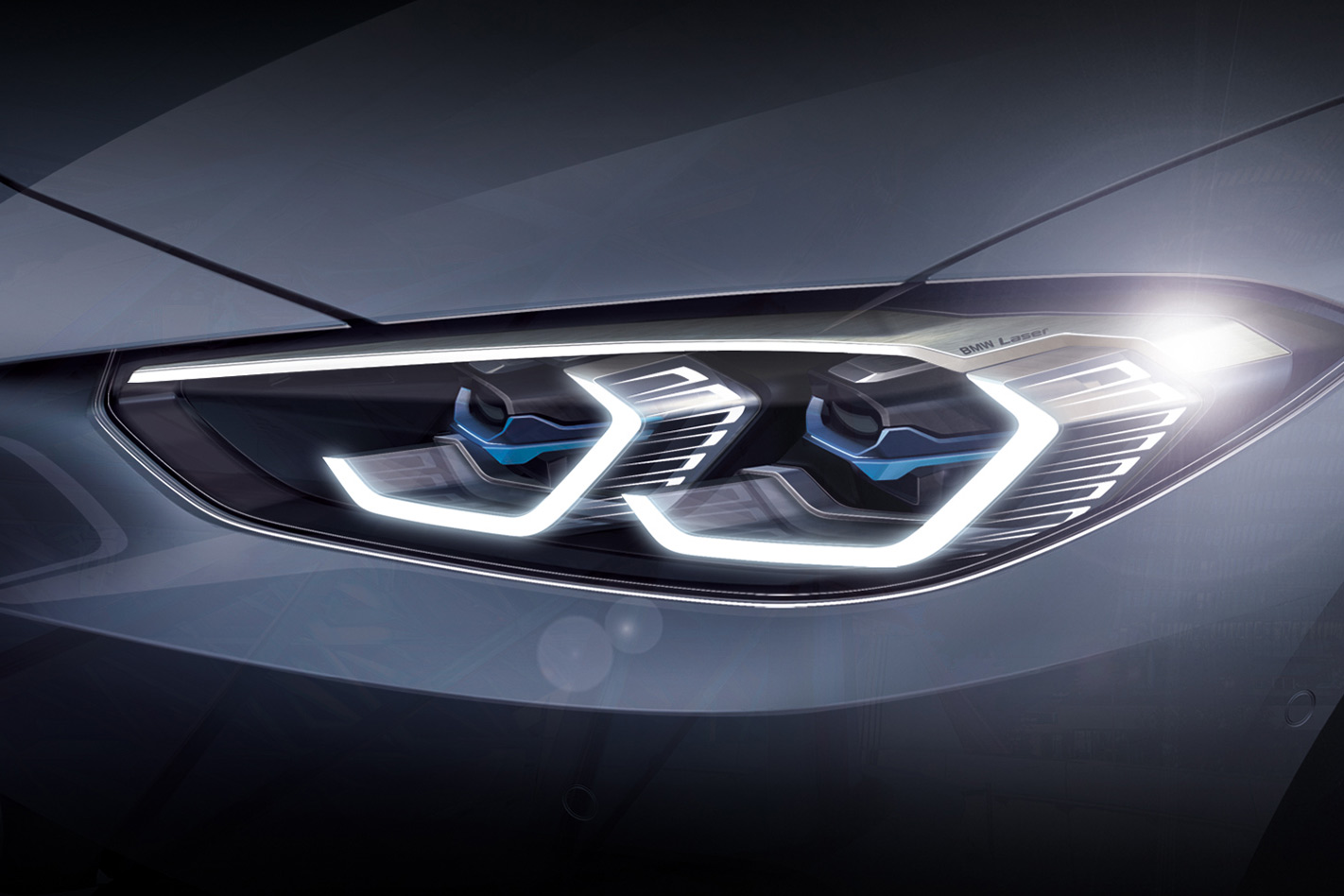
For the two-door coupe version the negative camber on the front wheels has been increased, for a keener turn-in. BMW claims it has achieved a perfect 50:50 weight distribution with the G22, while it has also developed 4 Series specific dampers.
The lift-related dampers (which debuted on the 3 Series and give you more damping force the further the spring travels) have been tweaked to improve dynamic ability, and are complimented by firmer springs and anti-roll bars compared to the G20. All up, the ride height has dropped by 10mm for the coupe.
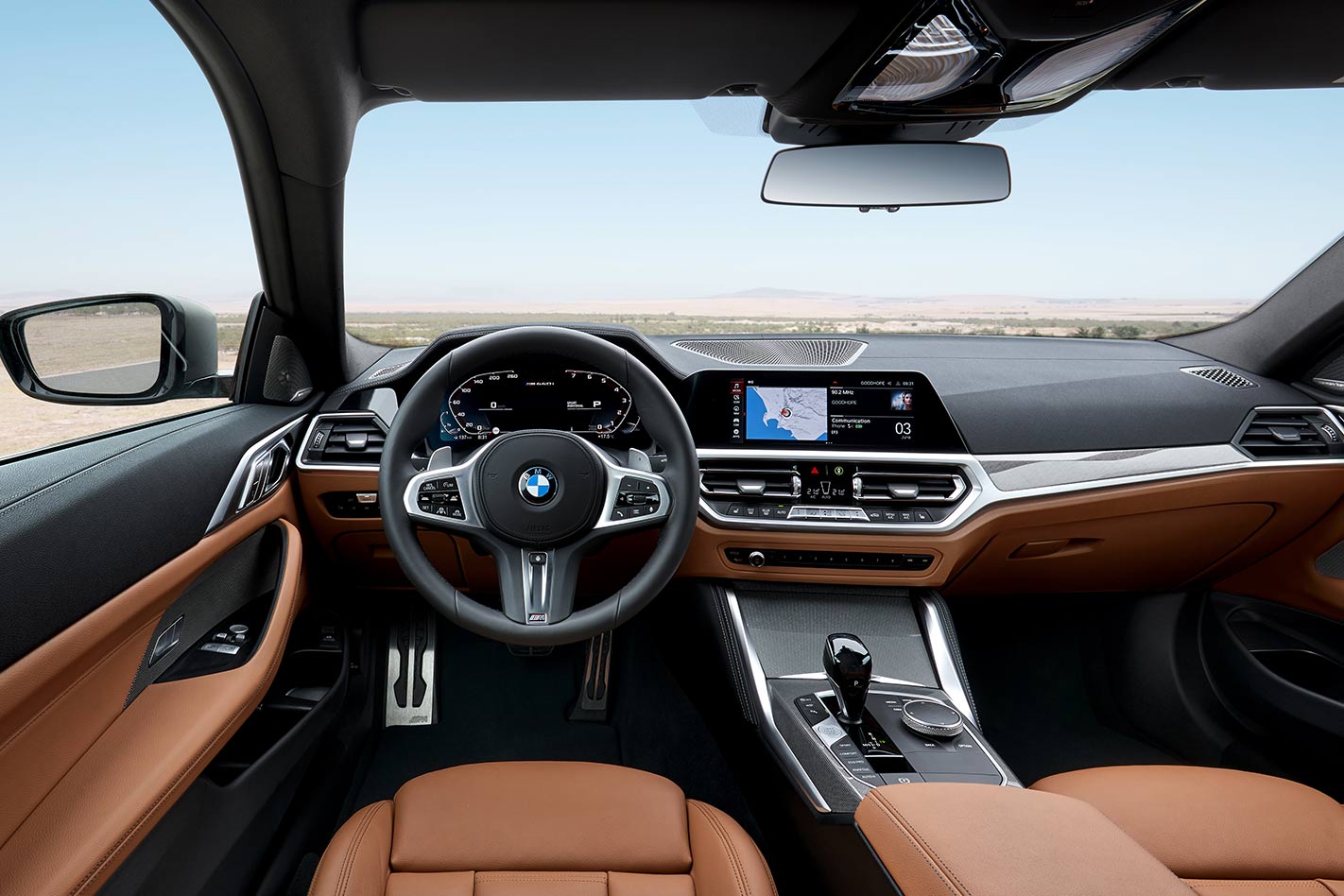
Built at BMW’s Dingolfing plant alongside the 8 Series, 7 Series, and 5 Series the new G22 4 Series is expected in Australia by October.
Despite the best efforts of the engineers, the biggest roadblock to the new 4 Series’ enduring popularity will be the designers and their choice of (purely aesthetic) grille. So, can you abide?
An all-new rival to the Toyota Hilux and Ford Ranger could be coming to Australia soon, thanks to American brand Ram, and local distributer Ateco.
Ram’s parent company FCA filed for a Dakota trademark in the US last month. This reignited rumours that a Ram dual-cab, wearing the Dakota badge, was in the pipeline.
The Dakota badge has a long history with Dodge, being fitted to mid-size products from the company for over three decades. Production of the Dodge Dakota ran from 1987 to 2011.
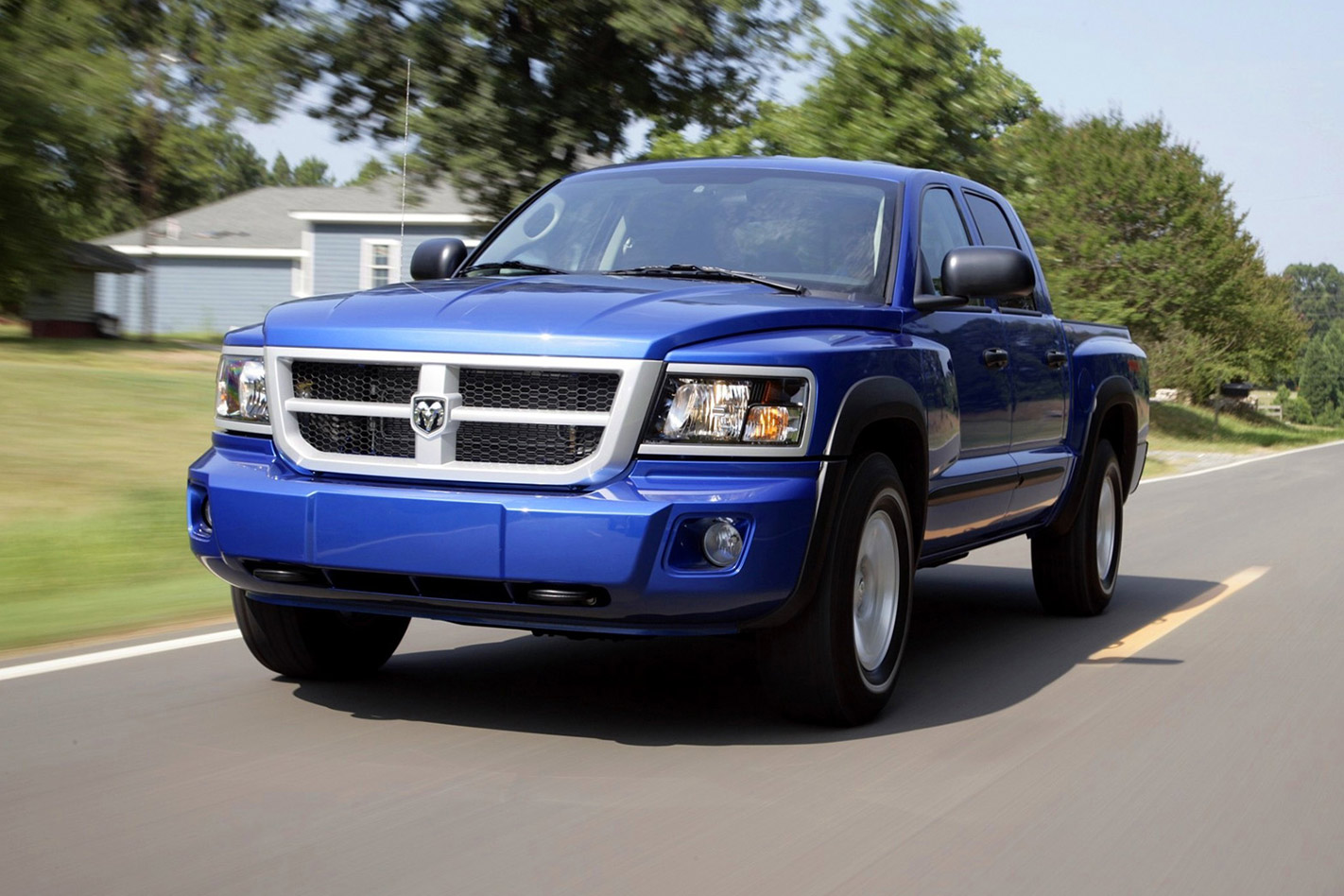
It’s no secret that Ram wants a smaller entry-level model in its range, and has said it will build what the Americans refer to as a mid-size pick-up (a dual-cab to us), by 2022.
FCA boss Mike Manley has also been adamant about the need of a dual-cab sized model in its line-up.
While there is a similarly sized rival already within the FCA family in the new Jeep Gladiator, Manley has said the Gladiator and Dakota will have very different missions. One is an off-road focused adventure ute, while the Ram is a proposition with more widespread appeal.
“Being able to find a cost-effective platform in a region where we can build it with low cost and it still being applicable in the market is what they’re struggling with at the moment,” Manley told Automotive News in 2019.
“I want that problem solved, frankly, because it’s a clear hole in our portfolio.”
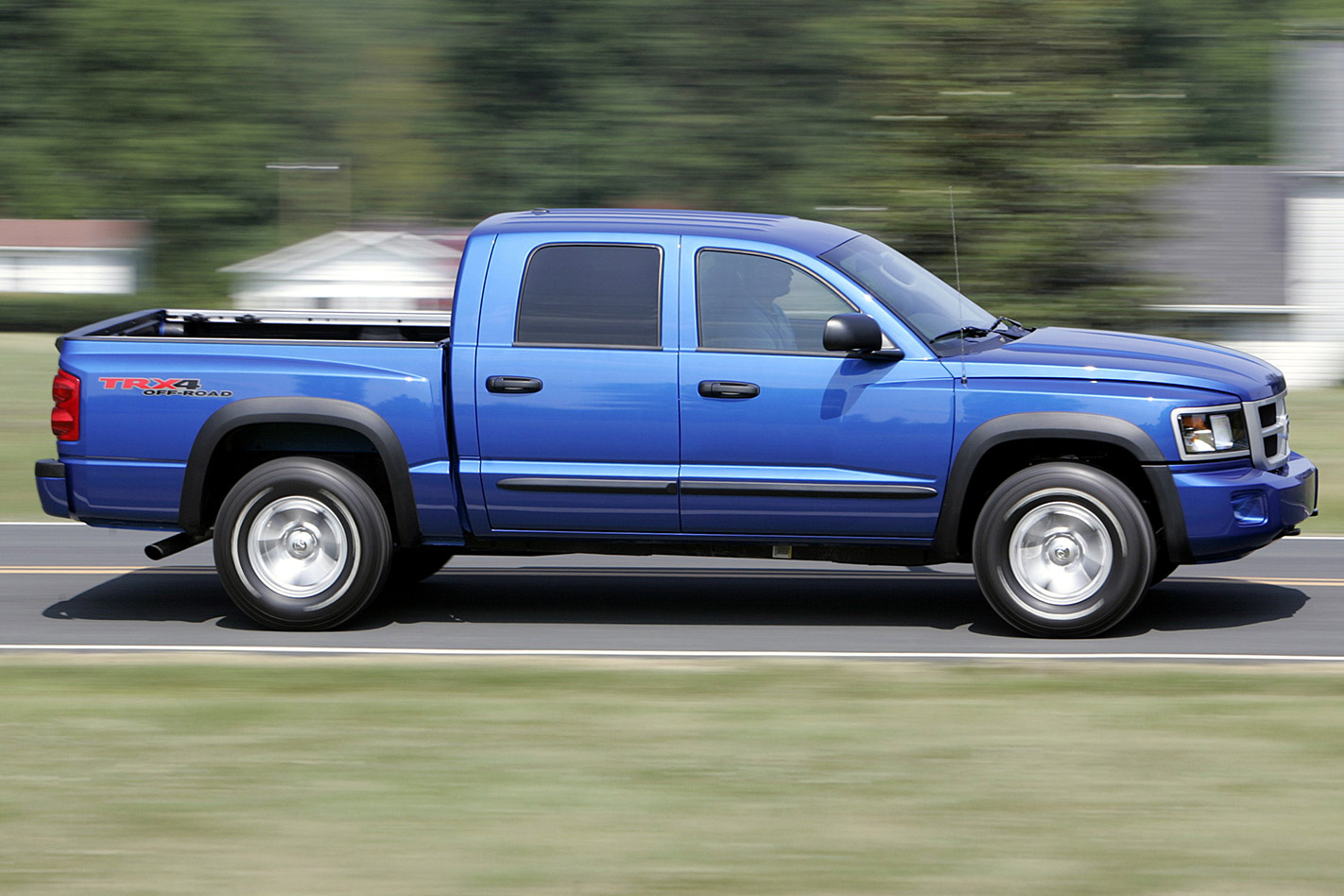
While they will serve different purposes, it’s likely the Dakota and Gladiator will share some key components, and could even be built alongside each other at FCA’s plant in Toledo, Ohio.
Another possibility is that the Dakota is built on a smaller, modified version of the chassis which sits underneath the Ram 1500, and be built in Saltillo, Mexico. This would reduce production costs for a vehicle that is targeting a budget-conscious consumer.
With the Middle East also a key market for this size of vehicle, it’s possible the Dakota could be built from the factory in right-hand drive, ruling out the need for an expensive conversion process on Australian soil, and keeping sticker prices in line with rivals.
As for engines, a 5.7-litre naturally-aspirated petrol V8 like that found in the Ram 1500 is almost certainly off the table for the Dakota. FCA has a new generation 3.0-litre turbo-diesel V6 which can be found in certain 1500 variants in the US, and would be perfectly suited to this class of vehicle.
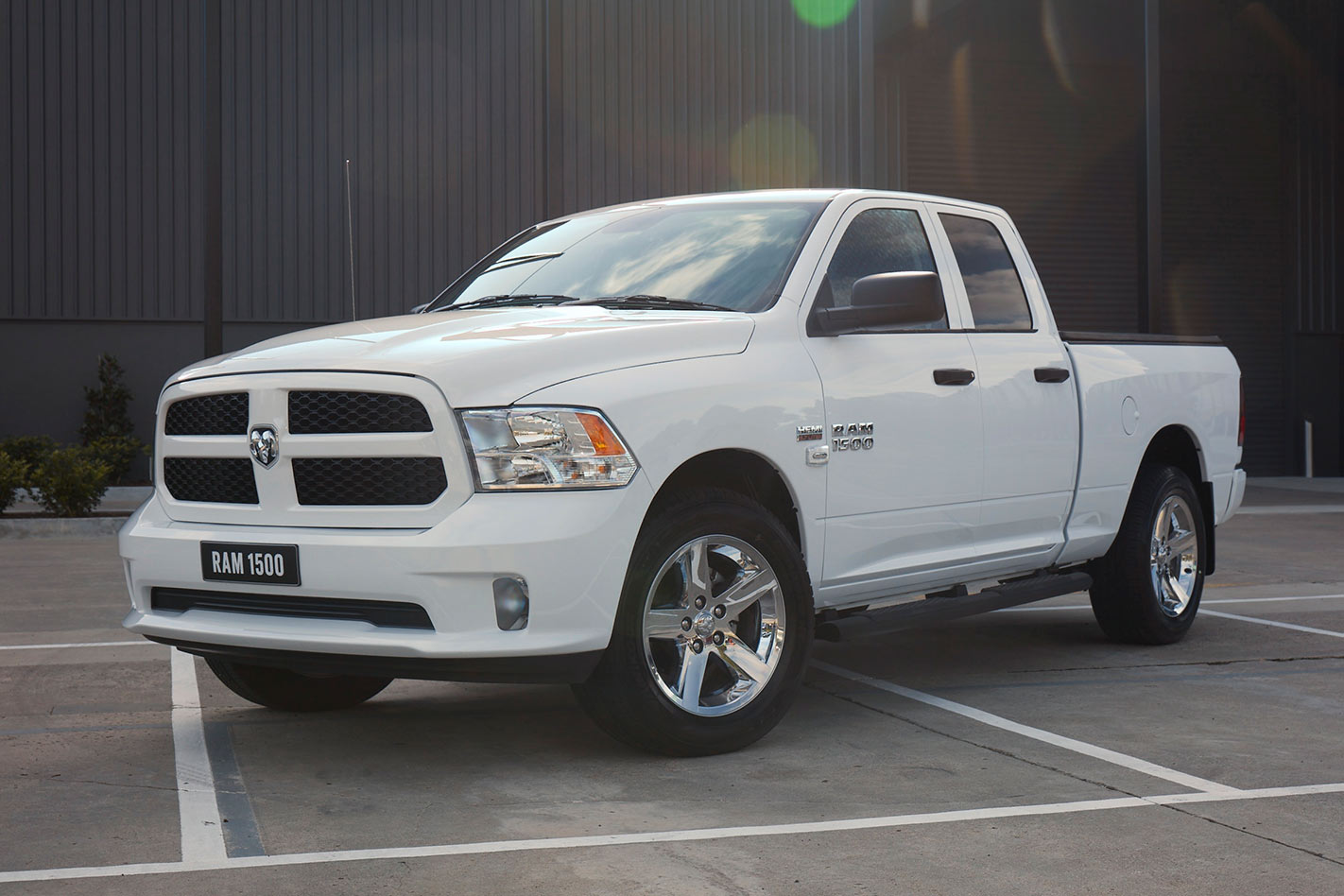
When fitted to the Ram 1500, the engine produces 190kW and 650Nm, and is rated to tow as much as 5697kg.
In Australia, the Jeep Gladiator is only offered with a 3.6-litre naturally-aspirated V6, making 209kW and 347Nm. It is currently the only petrol-powered dual-cab on the market.
Americans would likely to be treated to Ford Ranger Raptor-fighting model – likely badged Rebel – that would be a tantalising prospect Down Under.
In terms of towing ability and payload capacity, the Jeep Gladiator would be a good (but not final) indicator of performance, which is rated at 2721kg braked and 620kg respectively.
In Australia the Ram 1500 is generously equipped, even on entry-level models, and we’d hope the Dakota gets similar treatment.
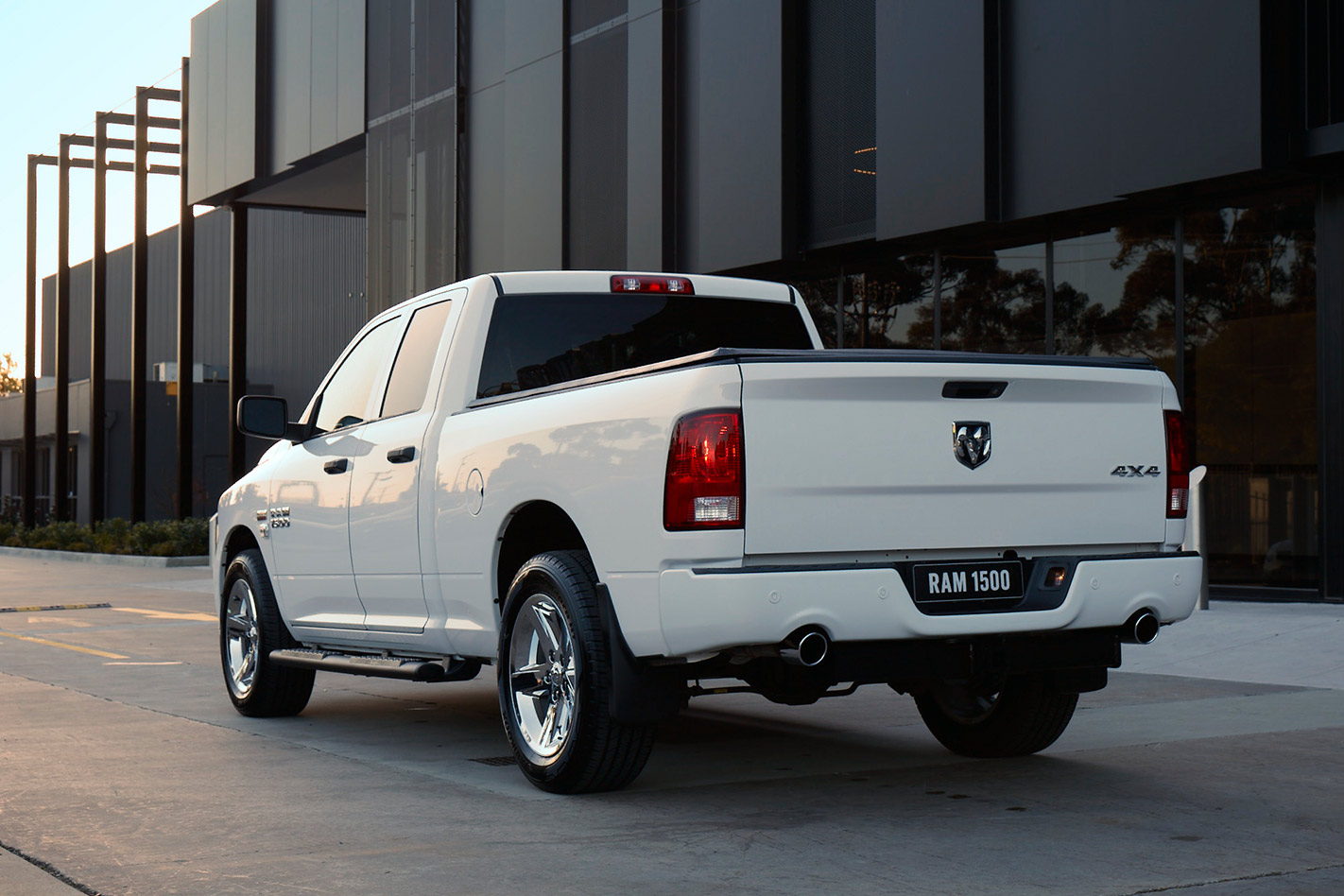
While there is no confirmation of when or if a future Ram dual-cab would arrive in Australia, the local distributor Ateco remains in close contact with Ram in the US.
A local spokesperson wouldn’t comment on future product, but admitted that a dual-cab sized model would be a natural fit for Australia.
If the Dakota goes into production, expect the model to be on the wish list for Australia, offering an affordable entry point to the brand alongside the larger and more expensive 1500 pick-ups
Footage of a bizarre crash on a Taiwanese highway has captured a Tesla Model 3 driver inexplicably crash head-on into an overturned truck.
The clip was first seen by Twitter users who were quick to ponder what actually went down – whether the driver was paying attention, whether Tesla’s Autopilot system was running or if something happened to the driver.

Turns out the Tesla driver allegedly just expected his Model 3 to take care of the situation for him.
According to CNA.com.tw, the driver of the overturned truck was forced to swerve to avoid a slowed car in front and ended up losing control which flipped the truck onto its side right in the fastest lane of the highway.
Shortly thereafter, along comes the Tesla Model 3 unfazed by the truck driver standing perilously close to danger and seemingly ignorant of the massive overturned truck blocking the lane.
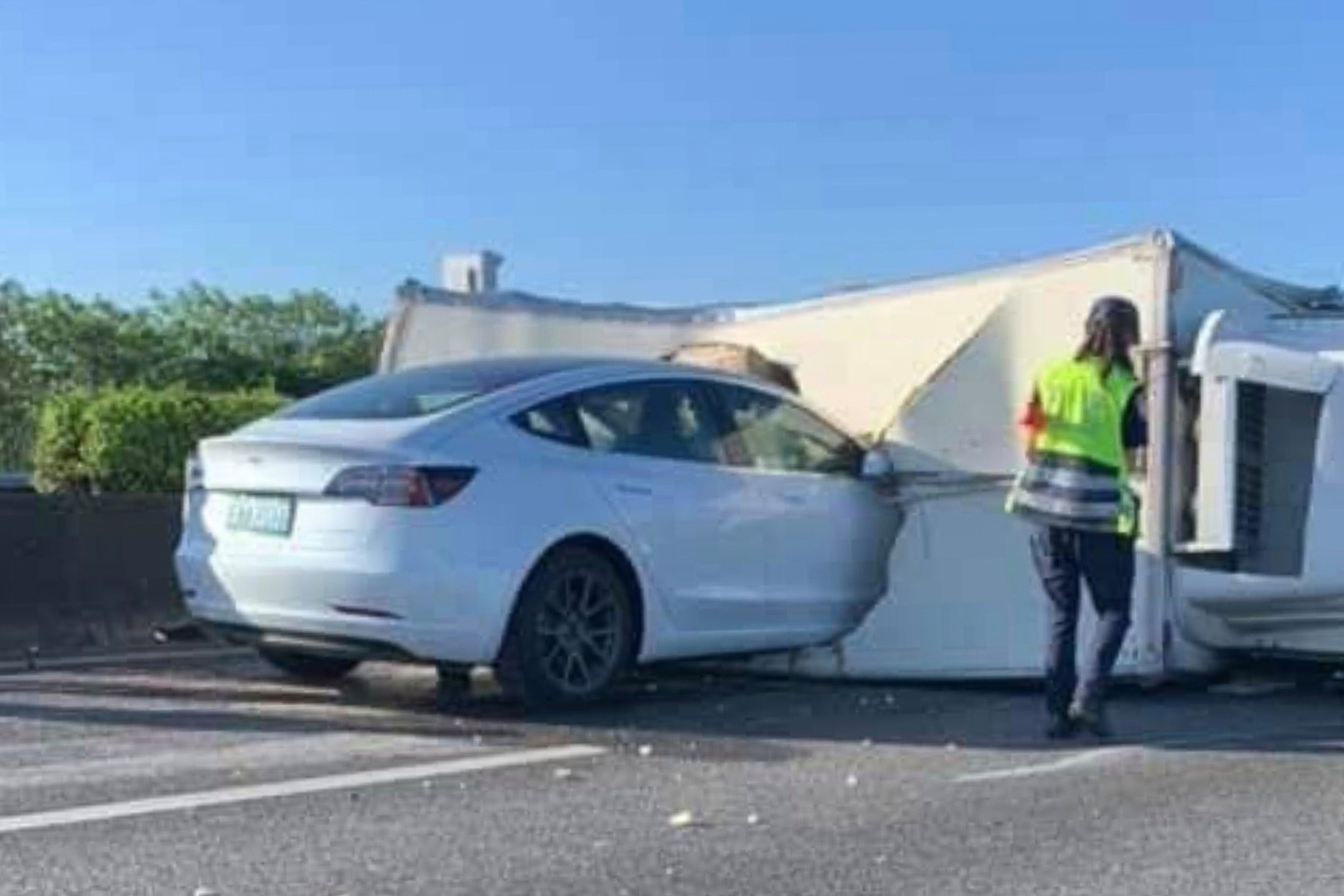
The driver of the Tesla was, amazingly, unharmed, which is surprising given the intensity of the crash that saw the truck shunted a number of metres forward, and the Tesla itself embedded into the load area of the truck.
A loosely-translated CNA report says that he had Tesla’s Autopilot on and locked to 110km/h, though the system is not directly referenced in the story.
“He thought that the car itself would detect the obstacle and automatically brake, but he was surprised that the car did not slow down,” the article says.
It’s not the first time that motorists have over-relied on a Tesla’s ability to drive itself, with a US man dying as a result of a crash partly attiributed to Tesla’s Autopilot.
The two incidents are actually eerily similar, with the US accident also involving a large truck with a white side – the same view that confronted our Taiwanese friend in his Model 3.
At the end of the day, genuine level-four or five autonomous cars do not exist yet – and may never – and full attention should be paid when operating a Tesla, just as you would in any other car.
Porsche has only just launched its new 911 Targa 4S but it’s upping the prestige in the hard-top convertible’s range with this fresh Heritage Design Edition.
The special-run variant has come from Porsche’s Exclusive Manufaktur arm, relying on the outfit’s expertise to weave brand design cues from the 50s and 60s into the modern car’s exterior and interior.
This starts with “spear-shaped” graphics along the front guards that honour early Porsche racers and continues with Fuchs-inspired wheels that hide black calipers. There are also race numbers on both doors while the exterior badging is finished in gold.
Porsche 992 911 Targa revealed
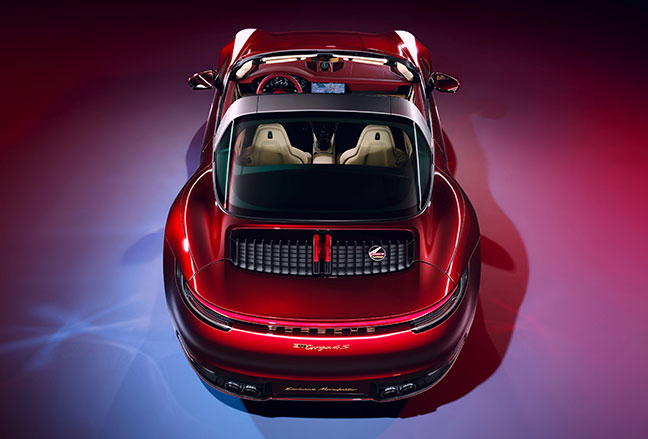
Look closer and you’ll notice a 1963-spec Porsche crest on the front bonnet and a special ‘Porsche Heritage’ emblem on the rear engine grille, this was something given to original 356 owners once they eclipsed 100,000km.
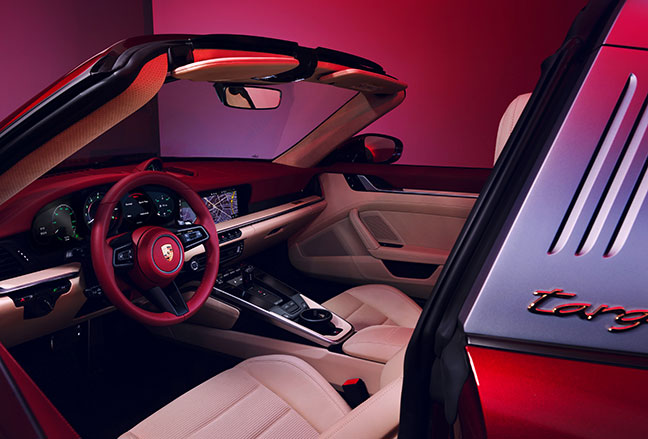
Corduroy trimmed seats and green-lit instruments are further nods to the 356. But it’s a high-class affair inside with two-tone leather trim and microfiber headlining on the roof, when it’s erected. Numbered build plaques also reveal what edition yours will be out of the 992 planned.
Porsche says it created the Heritage Design Edition to continue the 911 Speedster’s legacy for retro-inspired specials, promising that it’s one of four limited editions that will also honour its 70s and 80s eras.
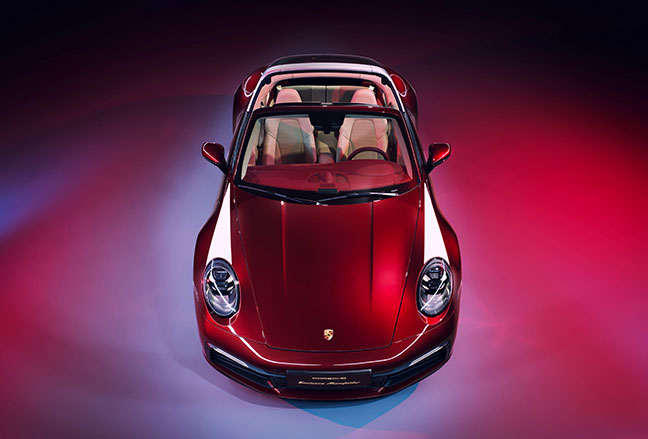
Mechanically the car’s unchanged from the regular 2020 911 Targa 4S that packs 331kW, an eight-speed dual clutch PDK transmission with all-wheel drive and is claimed to hit 100km/h from rest in 3.6 seconds with a Sport Chrono package.
If you are lucky enough to be able to cough up the AU$395,300 required, or $81K more than the new standard Targa 4S, to buy one then there’s an exclusive Cherry Metallic paint, as seen in these pictures, or four other colours to choose from.
You also match the interior’s Atacama beige, interestingly named after the Chilean desert, with either a black or cherry red top-layer.
Orders for the Heritage Design Edition are open now and deliveries are expected fourth quarter this year.
Honda has reimagined Mount Panorama in bricks, scaling down the iconic Bathurst racetrack into an interactive “dreamscape” about the size of a large dining room table.
The one-off project titled “Mount Hondarama” was built to celebrate Honda’s sponsorship of television series Lego Masters’ second season and subtly nod to Jenson Button’s record setting lap in a Honda Civic Type R around the 6.213km circuit last year.
With a team of eight people the show’s lead judge Ryan ‘The Brickman’ McNaught finished this 150,000 brick monster in 650 hours. All up it weighs 210kg and spans 3.3m in length.
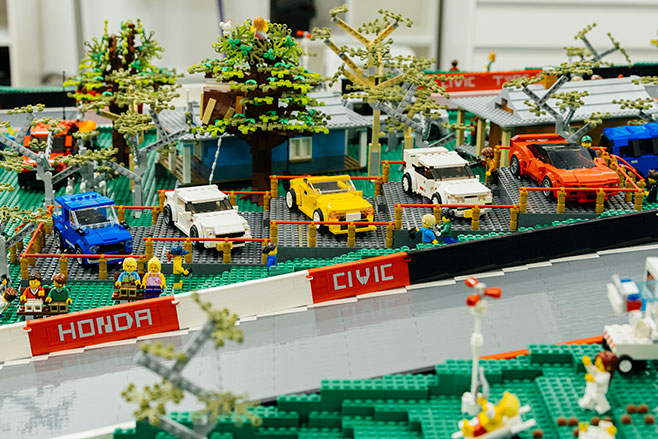
Remote controlled Lego Honda Civic Type Rs that race around the ‘circuit’ are the main feature but even at its huge size only about five corners are squeezed on to the layout.
There’s still a kink at the end of either straight, presumably paying homage to The Cutting and The Chase, while the “Mount Panorama” block lettering on the mountain is the most faithful recreation on its 5.94-square metres.
Meanwhile brick versions of the NSX, Integra, original Civic and Prelude are displayed along the inside of The Mountain Straight and over 350 figurines around the circuit do their best to immortalise the fan culture that’s defined the race track.
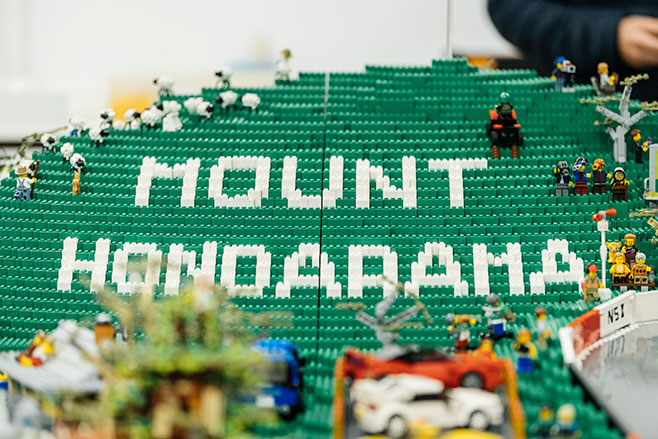
Honda’s plan was to display Hondarama at different locations around the country like it did with the full-size Lego Honda Civic Type R – itself a 320,000 brick beauty – last year. But while that’s not obviously able to happen right now you can get a good look at the set in the series of videos Honda’s released on YouTube.
You can see them here.
The car manufacturer collective of Australia has launched a new advertising campaign intent on getting the remaining 195,000 Takata airbag-fitted cars rectified, or risk the lives of occupants as well as the registration of faulty cars.
The new campaign from the Federal Chamber of Automotive Industries (FCAI) features an updated creative theme that’s intended to drive home the message to the remaining cohort of drivers still driving around with potentially fatal airbags fitted to their cars.
More than 10.34 million cars have been checked on the www.ismyairbagsafe.com.au website, of which, 2.64 million cars have had the faulty airbags removed. But there is still work to be done.
The new advertising has already hit social media across Australia, which will be expanded to both television and digital throughout June.
FCAI chief executive Tony Weber is alarmed that some owners have still not had their faulty airbags replaced.
“The owners of these vehicles need to understand the risks they are taking by ignoring repeated manufacturer requests to have faulty airbags replaced,” Mr Weber said.
“Firstly, owners and their passengers risk death or serious injury every time they travel in a vehicle with a faulty Takata airbag. Secondly, state and territory governments are now refusing to register many unrectified vehicles.”
The Takata recall is the biggest recall in the history of the automotive industry, with all manufacturers collectively coming together, spending their own money on the expensive campaign.
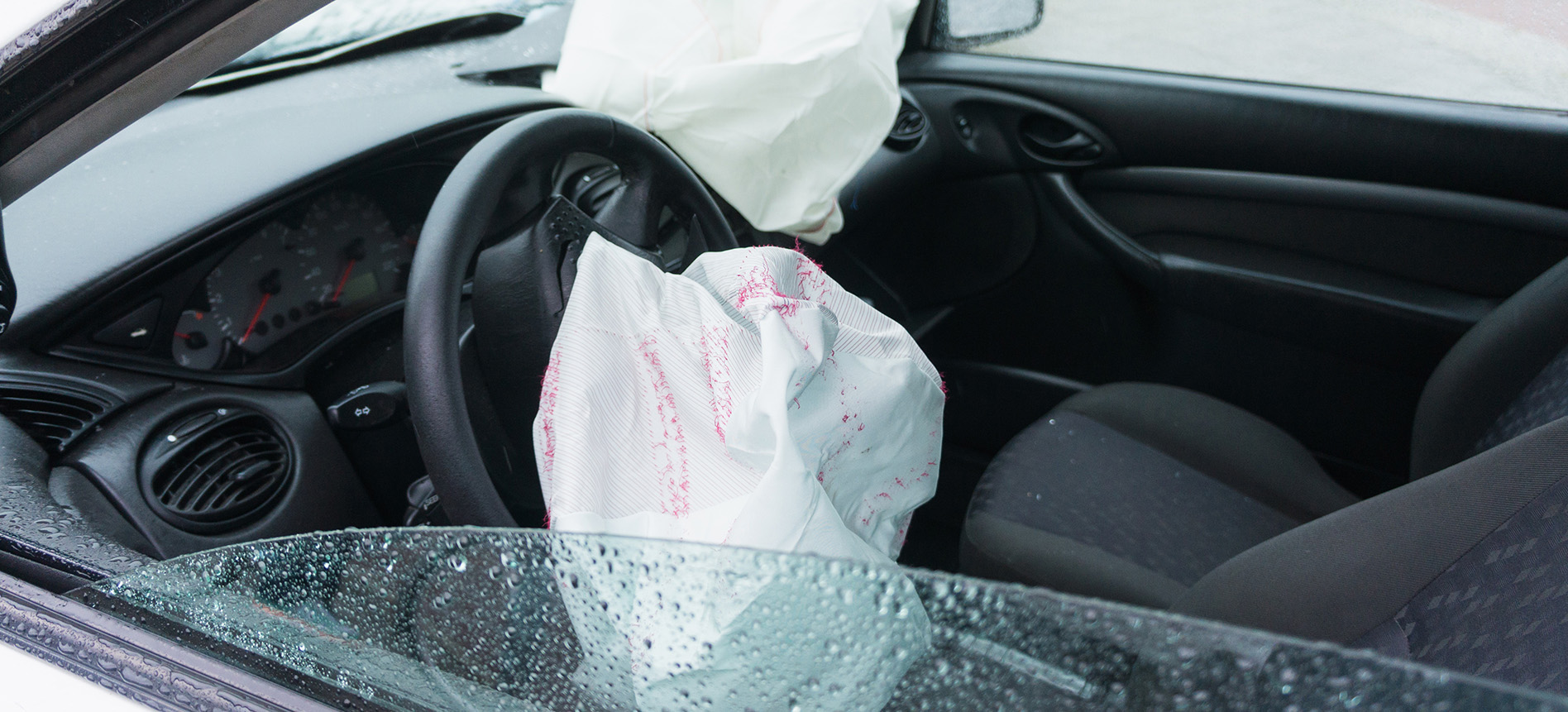
As a refresher, faulty Takata airbags have a chance of degrading over time, to the point where metal shards could be fired into the cabin at lethal speeds in the event of a crash.
Almost all states and territories have declared that owners still holding out on the recall will be unable to re-register the defective cars.
Vehicle owners should go to www.ismyairbagsafe.com.au and input their registration details to check, or text TAKATA to 0487 AIRBAG (247 224).
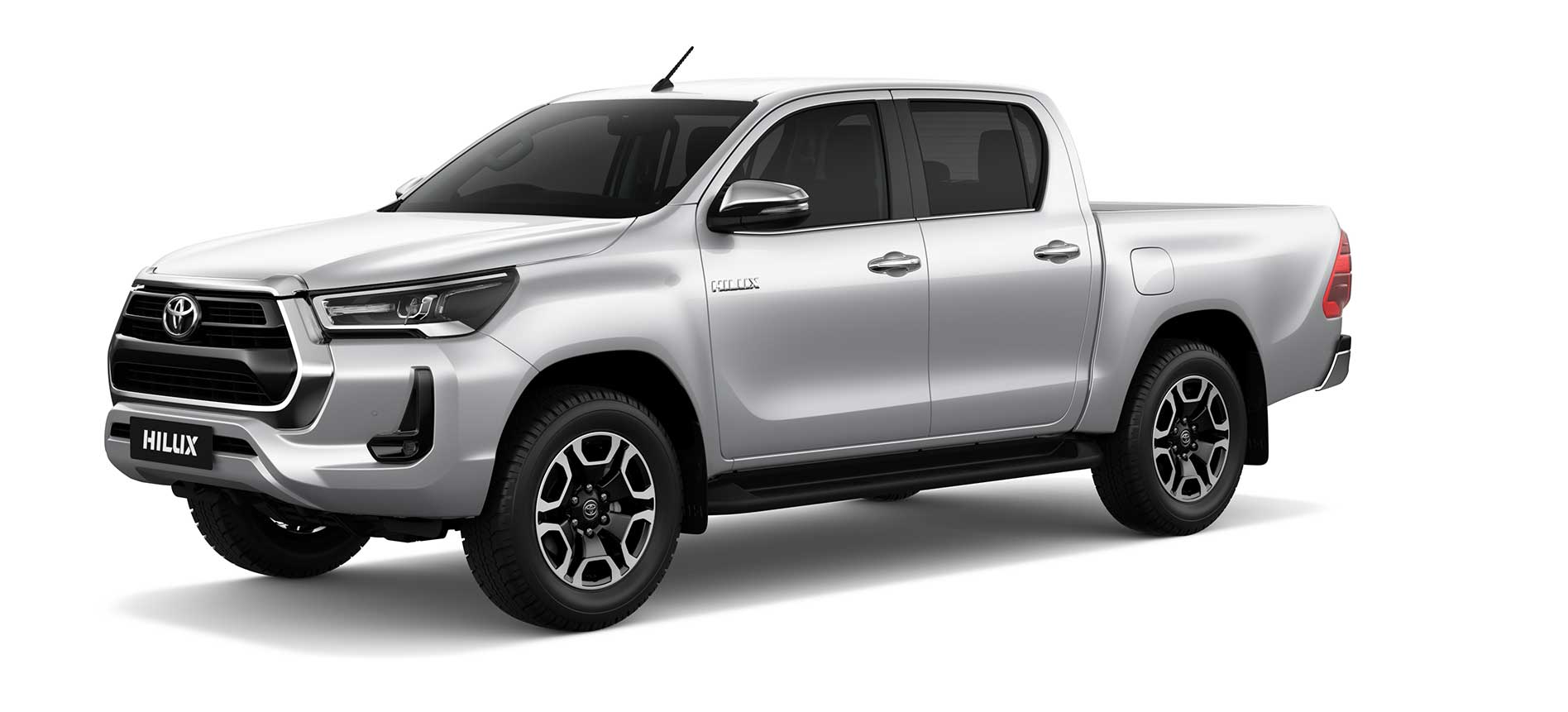
Toyota has thrown the keys to its updated Toyota HiLux to Spanish superstar racer Fernando Alonso for a quick skid ahead of a worldwide launch of the ute’s midlife facelift.
Alonso, whose regular Dakar Rally HiLux has a bit more going on, stars in a promo clip for the updated eighth-generation HiLux, which will go on sale in Australia in August.
Blessed with more power (20kW) and more torque (20Nm) for top-spec utes like the SR5, the 2021 Toyota HiLux – which was launched in 2015 – will offer a raft of incremental improvements to a ute that was, in part, developed to target Australian mining and rural markets.
Those niceties include – at long last – Apple CarPlay and Android Auto compatibility, revised front fascia and rear-end treatment with LED headlights and taillights for high end versions, and an interior makeover.
It already features active safety systems that were fitted to the HiLux in 2019, including day/night pedestrian detection, cyclist (daytime only) protection, lane departure alert with steering assist, high-speed active cruise control and road-sign assist.
Toyota says that the ute will also feature “new suspension geometry” in its press release, but we’d suggest it would be a cold day in Hades before you see coil springs in a Toyota HiLux.
The update will also likely include a permanent fix for the troublesome diesel particulate filter issues that have plagued the HiLux, which saw Toyota add an extra fuel injector to the filter and an in-cabin regeneration button in an attempt to solve an issue which has landed the world’s biggest car company in a legal stoush here in Australia.
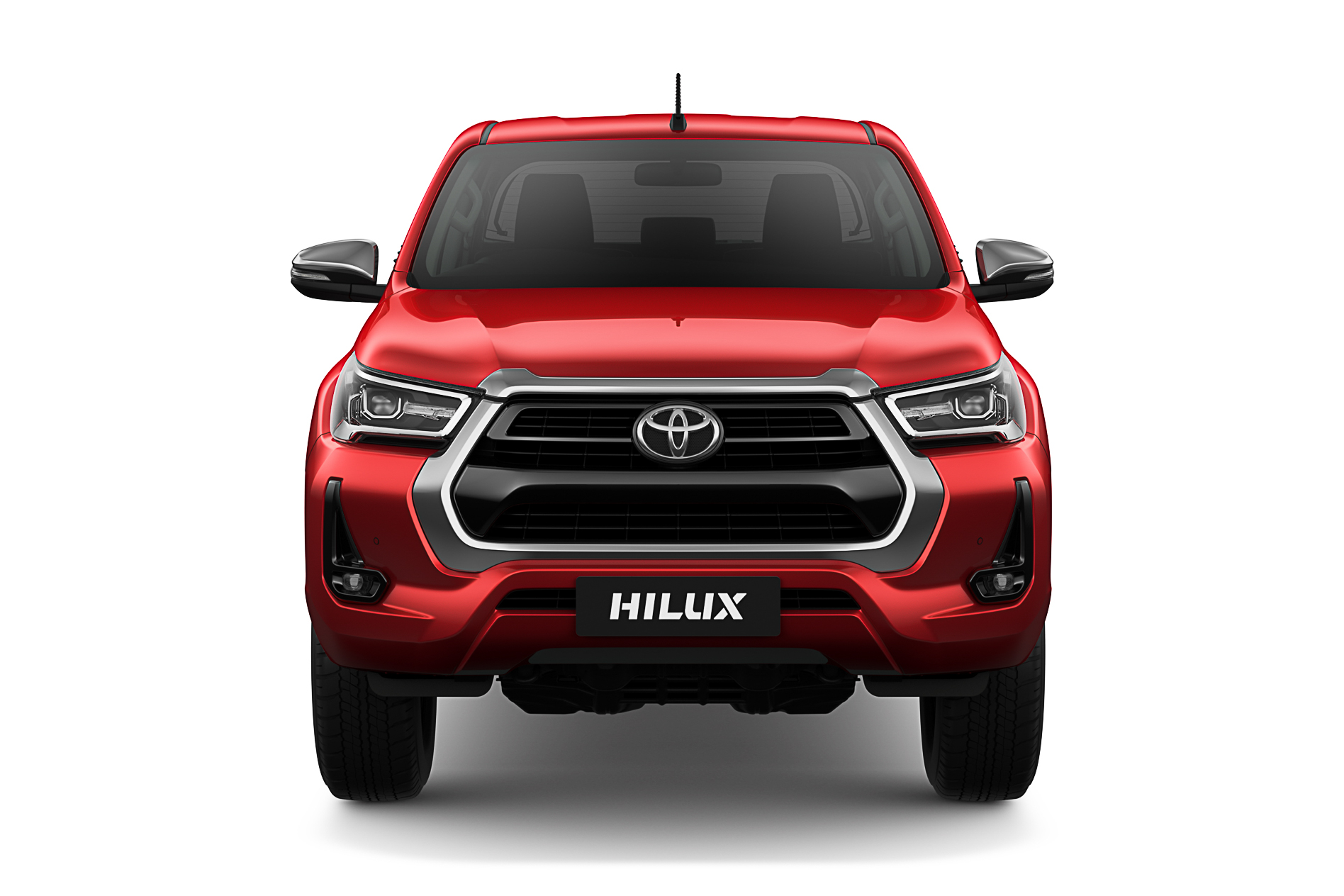
The new HiLux (above) has battled the Ford Ranger for superiority in the dual-cab ute sales race over the last two years, with the two sides coming within a handful of sales of each other month to month.
The Ranger is also due for an overhaul in 2021, but it will be far more comprehensive than that for the relatively simple HiLux model line.
A new V6 diesel is expected to be fitted to the Ranger as the 3.2-litre five-cylinder is retired, while the 157kW/500Nm 2.0-litre twin-turbo four-diesel engine currently offered in the WildTrak as an option and the Raptor as standard will become the main offering.
The potential power-up for the single-turbo 2.8-litre Toyota engine will only push its outputs to 150kW and 470Nm, and that will likely be offered only on the most expensive variants.
The Ranger will also have the upper hand in the transmission department, too, with a ten-speed auto to be specced as standard across the line. The HiLux is likely to keep its six-speed automatic.
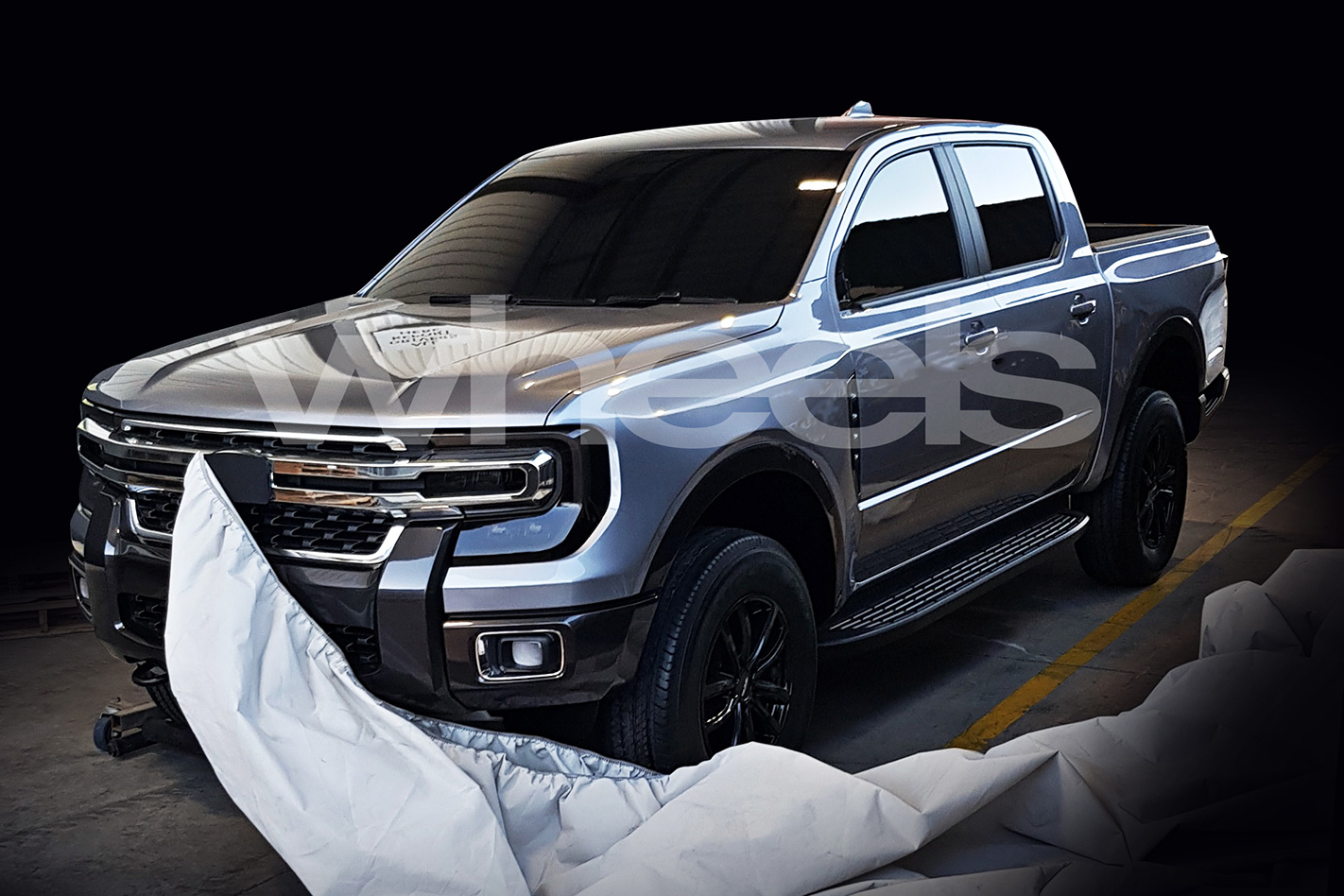
A clay model of the 2021 Ford Ranger
Like the HiLux, the Ranger will wear a newly restyled body on top of a revised version of the T6’s Australian-designed chassis.
The end of financial year is a period of busy activity for car manufacturers as they launch campaigns advertising enticing deals on some or all their models – and for those unaware – the EOFY sales have already begun.
Dealers have seen fit to discount early and discount often throughout a tumultuous start to 2020, irregardless of upcoming EOFY. New car sales have slumped in 2020 amid coronavirus lockdowns so manufacturers and dealerships alike will be eager to win over your business this time of year.
It’s a time of the year when both dealership and customer are on the same page in terms of doing a deal. Buyers are keen to snap up a bargain and dealers are keenly discounting existing stock that must be sold off for tax purposes.
Offers can range between discounted driveaway pricing, extra free features, or free ownership costs – such as extended warranties, servicing and registration.
Some of these incentives can make a huge difference to the sale price for both private and business buyers. Keep in mind that business buyers also have the ability to take advantage of the $150,000 instant asset tax writeoff, introduced as part of the government’s coronavirus stimulus package.
How much does LCT add to the price of a car?
Industry sales figures indeed reveal June as historically the best-performing month, though the end of the calendar year is another potential bargain hot-spot.
In November and December, dealers are keen to clear remaining stock of current-model-year vehicles, as last-year build plates become less attractive in a new year.
However, while manufacturers and their dealers all have targets they want to hit before the financial or calendar year concludes, a more urgent need for a vehicle doesn’t necessarily mean you need to miss out on a good deal.
Dealers also have monthly and quarterly targets, so visiting showrooms in, say, the last week of March, June, September and December could potentially deliver you a double-whammy.
Many car makers – and dealers – also list offers continuously on their websites, so be sure to research online or reference our continuously-updated discounted cars page.
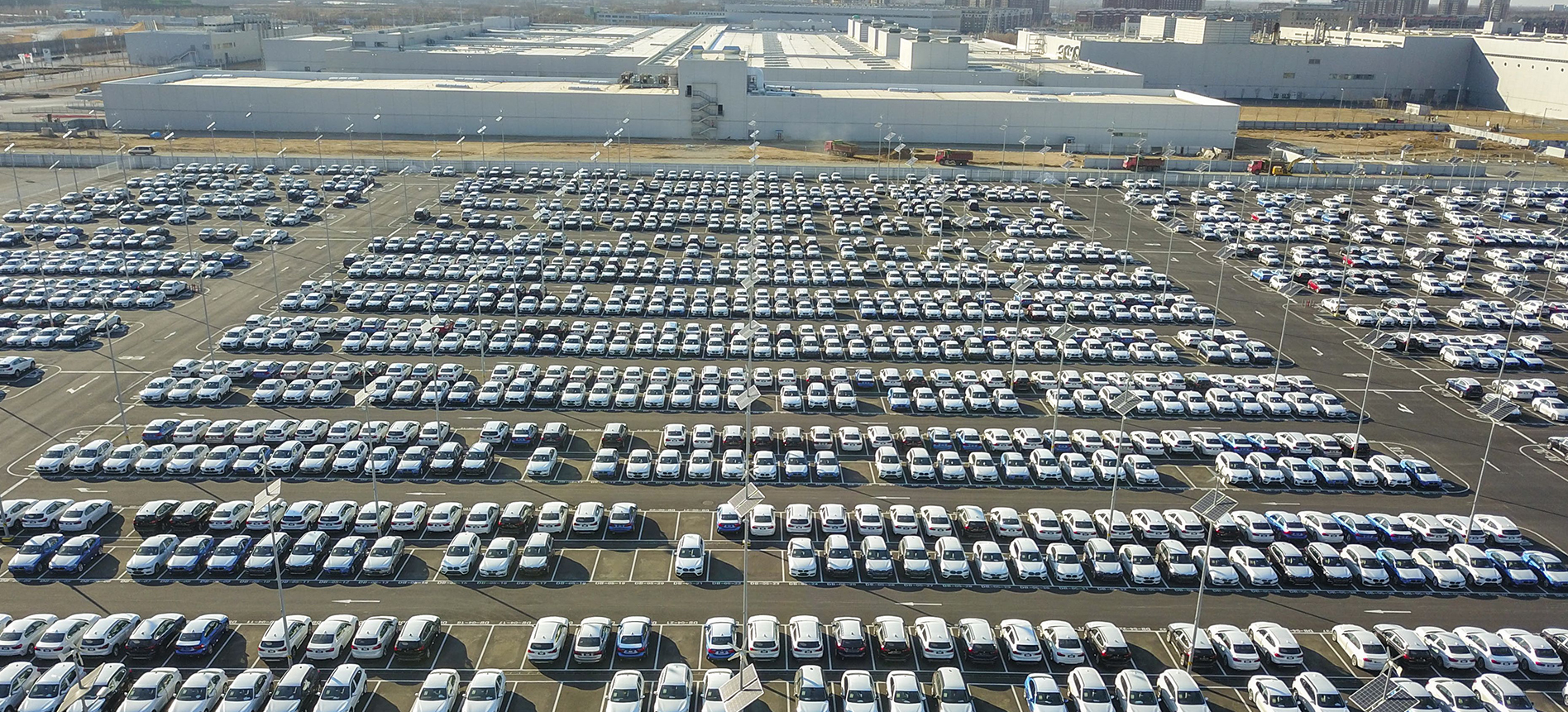
And if you have a preferred brand, it’s worth noting some carmakers stage special annual sales events – and not necessarily based around end of financial/calendar year.
While Lexus’s L’Exhibition campaign, for example, has featured in the month of November, Mazda’s M Day typically features during September.
Regardless of when special offers are being offered, it’s still worth trying to negotiate an even better deal. Industry insiders say margins are still typically built into offers, which means there is potential wriggle room for a lower price – or at least an extra accessory/option or two.
The world’s highest-mileage Lamborghini Huracan is for sale, having travelled a staggering 302,556km.
Having been built in 2015, that means this high-powered piece of Italian exotica has travelled on average 60,000km each year since it rolled from the production line in Sant’Agata.
Listed for sale on eBay, the high-mileage Lambo had an asking price of US$130,000 (A$193,207 at current conversion rates).
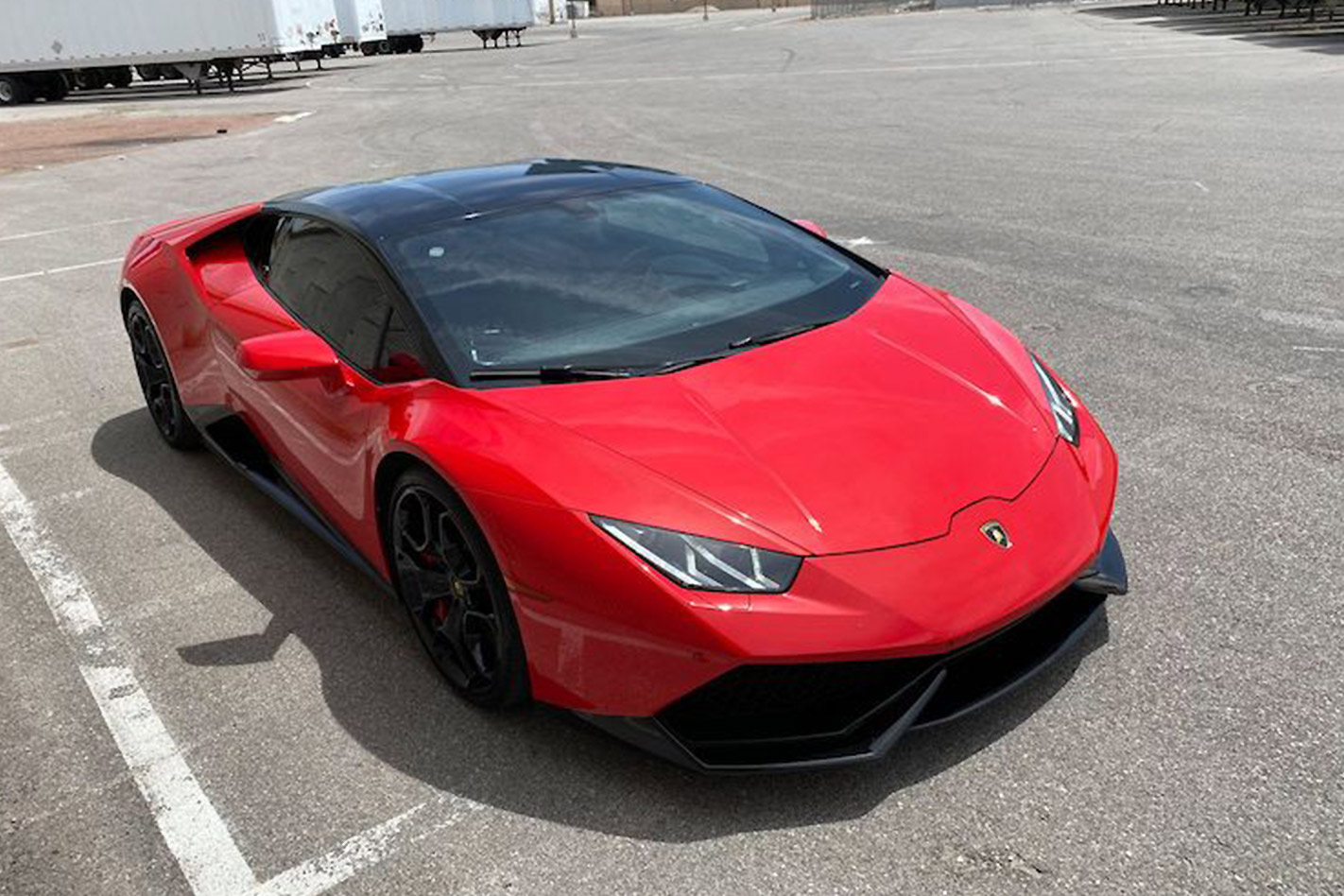
While this might seem like a bargain, a Huracan with just 41,881km on the clock is for sale on Bring a Trailer for US$157,900 (A$234,673). Seems good business to us to pay another $28K for a car with less than a seventh of the mileage.
In Australia, a brand-new Huracan LP610-4 will set you back $428,000 before on-roads and options.
So, how did this red supercar get such a high figure on the odometer? Well, it was a rental for Las Vegas-based company Royalty Exotic Cars.
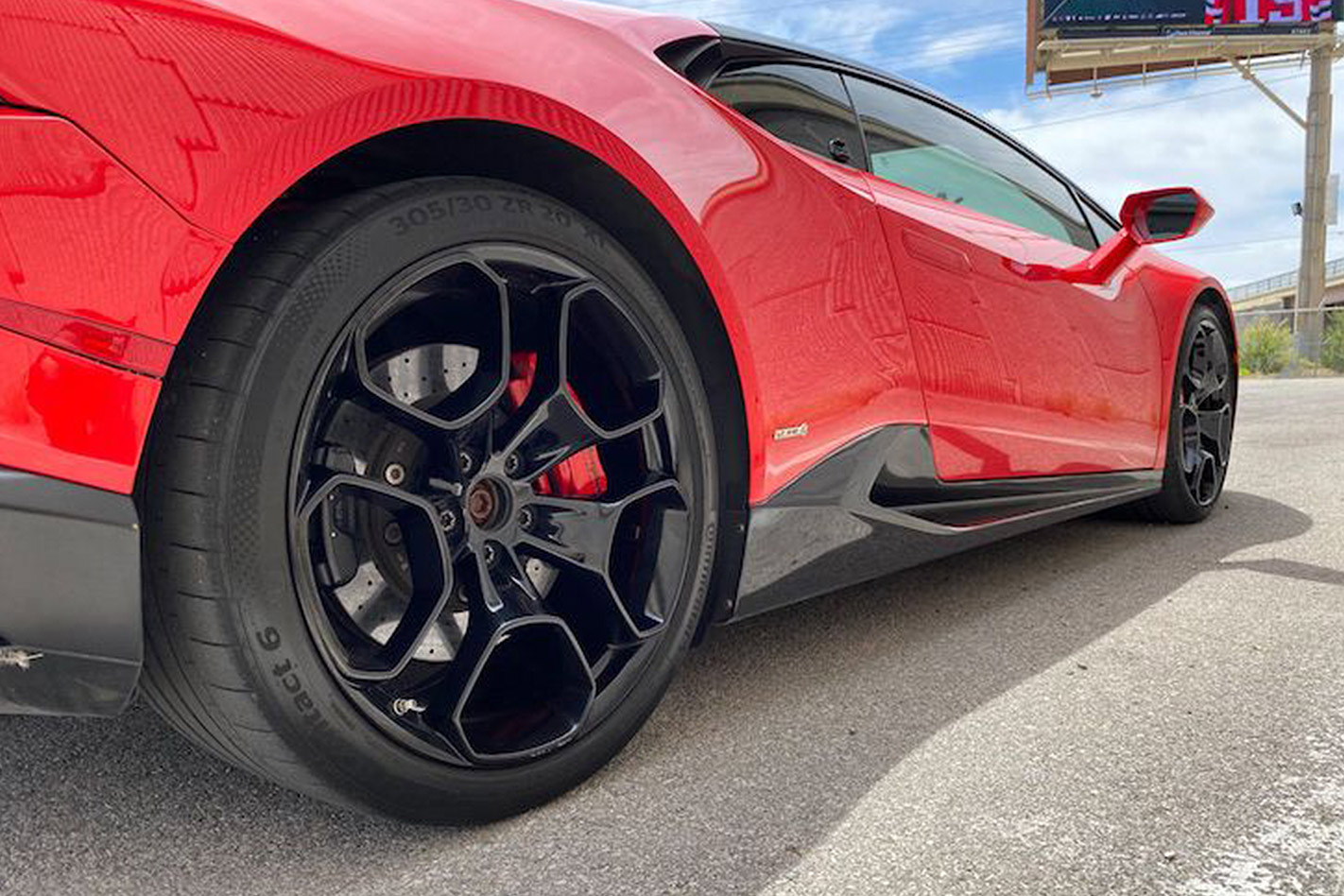
Roughly 1900 people have slid over the sills, for rental periods that spanned from four- to 24-hours.
You might be wondering, what kind of work is needed to maintain a V10-powered supercar for 300,000kms of rental abuse?
Owner Housten Crosta told Car & Driver the gearbox was replaced 12,874km ago, the suspension was upgraded, and there was some cosmetic work done after a minor car-park bump.
According to Costa, the rental company changed the Lamborghini’s oil every 8000km. Still, it’s sliughtly scary to think that a good deal of those kilometres have been driven by people who may not have ever driven a supercar before. So it’s likely experienced a lot of being gunned from cold, traffic light grands prix on the Strip, attempted v-maxing out on quiet desert roads, that sort of thing.
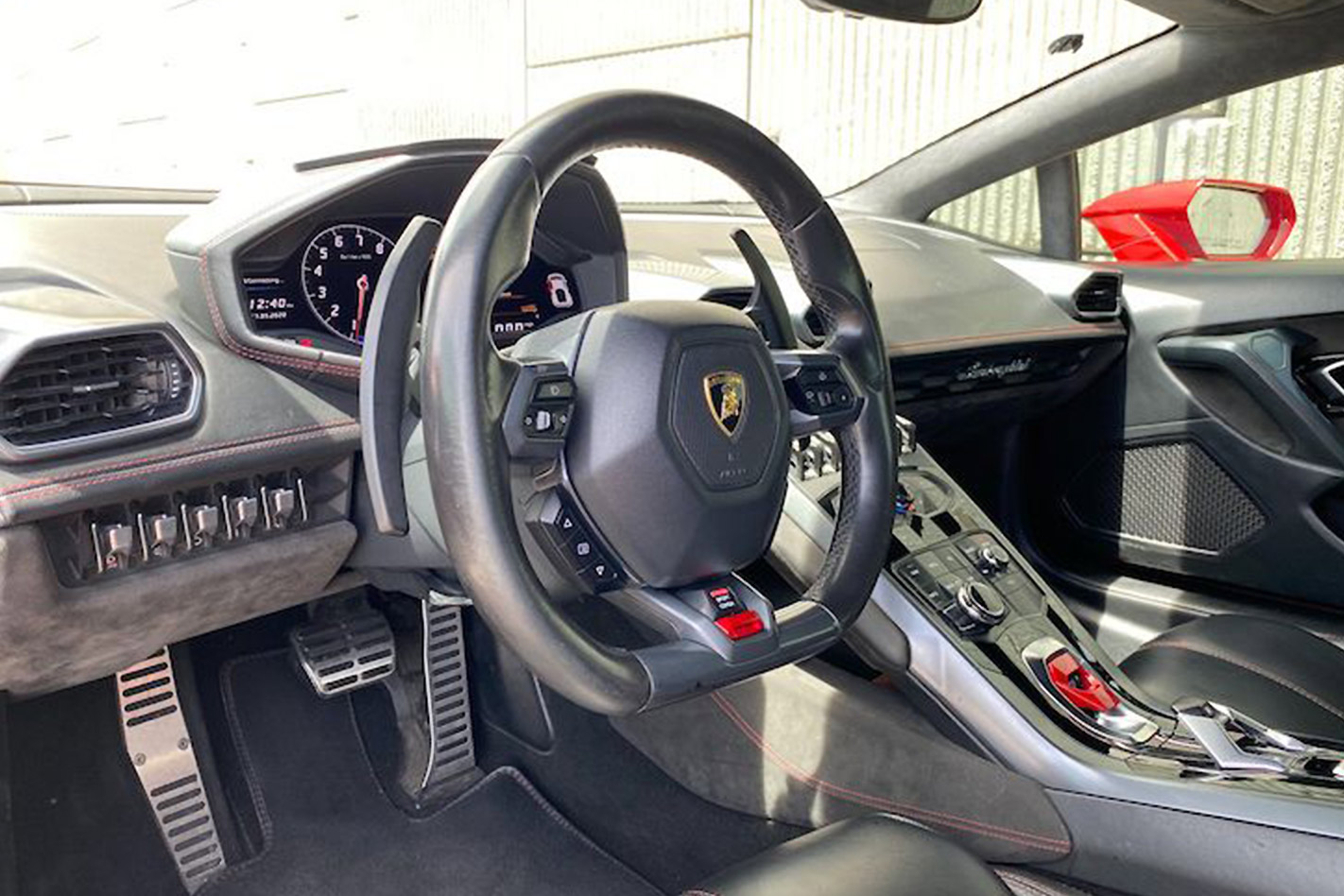
Still, the Huracan has enjoyed a better fate than other cars in Royal Exotic Car’s ownership. A Lamborghini Aventador and McLaren 650S burned to the ground, while a Ferrari 458 had its gearbox replaced, wait for it, seven times.
Somehow, the Huracan isn’t the highest-mileage Lamborghini we’ve seen.
In the UK there is a Murcielago that had 415,000km on the clock… in 2017! It’s likely that figure is much higher nowadays.
Owner Simon George was aiming to see at least 483,000km (300,000 miles) appear before he stopped daily driving the V12-powered supercar.
Mach 1 is back. And no, this ‘Mach’ Mustang isn’t electric.
Instead, the new Ford Mustang Mach 1 will take the mantle as the peak spec for 5.0-litre ‘Stangs short of being slapped with a Shelby or Boss badge.
Though Ford has revealed little in the way of specific details, including whether the car will come to Australia, there are some allusions in a press statement to aspects like upgraded aerodynamics and suspension for handling performance.
Dave Pericak, the man in charge of Ford Icons (which includes models like Mustang and GT), says the modern Mach 1 must remain true to its roots.
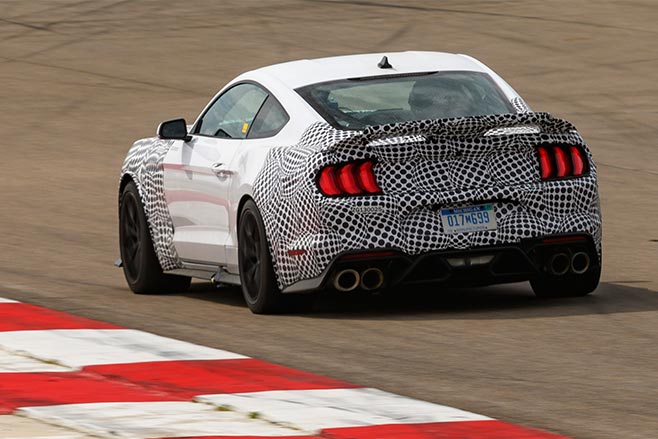
“Mach 1 has a special place in Mustang history, and it’s time for this special edition to claim the top spot in our 5.0-litre V8 performance lineup and reward our most hardcore Mustang enthusiasts who demand that next level of power, precision and collectability.
“Like the original, the all-new Mustang Mach 1 will be true to its heritage, delivering great looks and as the most track-capable 5.0-litre Mustang ever.”
Given the success of the Mustang Bullitt, which sold out extremely quickly here in Australia, it’s a good bet that the Mach 1 will make it to Australia too.
Like the Bullitt, the Mach 1 has fans here in Australia which would see its popularity based not only on its performance, but also on its heritage.
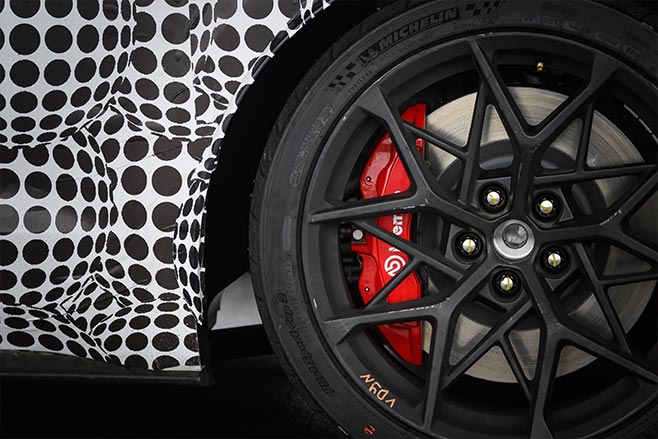
“Mach 1 has always been that bridge between base Mustangs and the Shelby models,” says Ted Ryan Ford Archives heritage brand manager.
“From a style and handling perspective, the original Mach 1 managed to stand out as unique, even in the Mustang lineup – and as the name implies, it could really move.”
MOTOR will bring more information to you as it is uncovered and confirmed.
