
Car makers are continually developing new technologies to minimise fuel consumption and, in addition to clever turbocharging, direct injection and advanced valve timing, cylinder deactivation is another economy boosting trick.
Why should your car continue firing on all cylinders if maximum performance is not required? The result is wasted displacement, as fuel is pumped into a cylinder to extract power that isn’t necessarily needed.
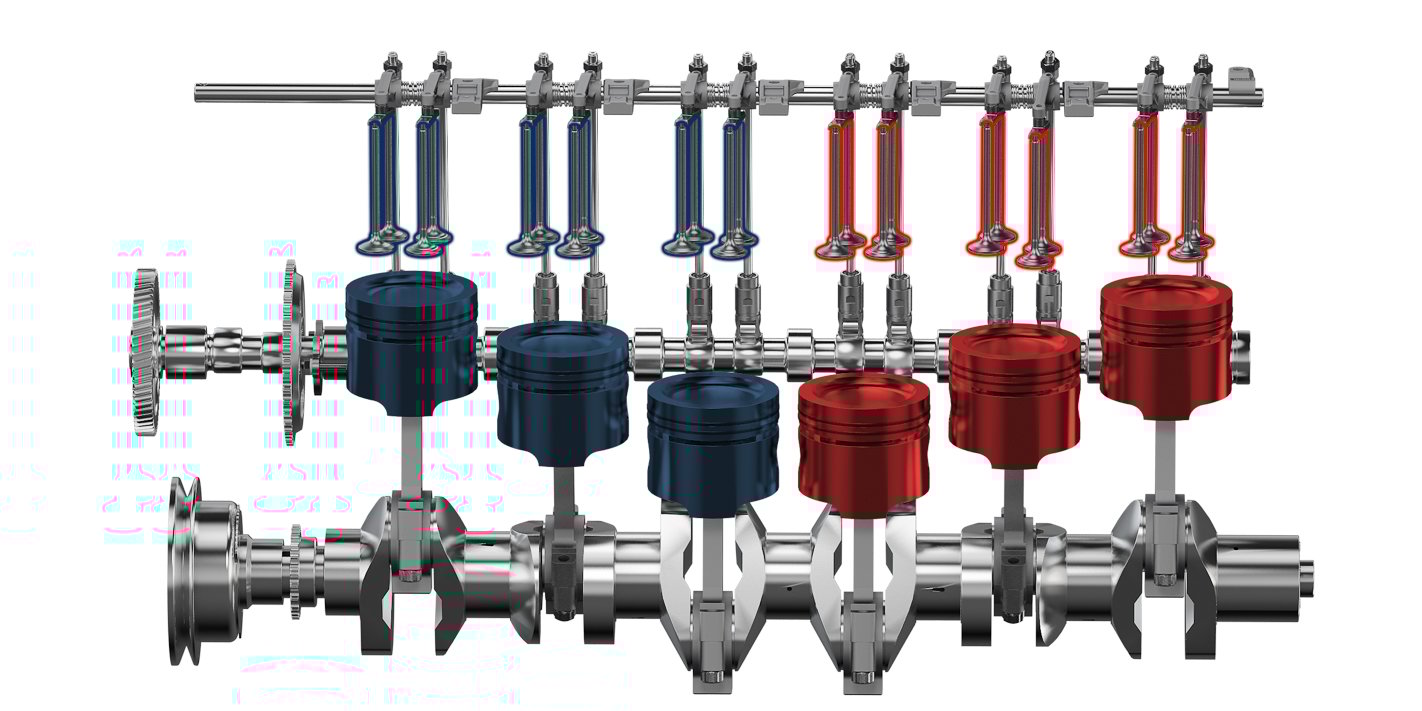
Cylinder deactivation – also called variable displacement or cylinder on demand – has been around for quite some time but is becoming increasingly popular as manufacturers try to cut emissions as well as fuel use.
One of the best and simplest ways to make each drop of fuel go further is to make sure its not used at all! That’s the principle behind cylinder deactivation which temporarily switches off some cylinders of larger engines when under light load, and is controlled on the fly by the car’s engine control electronics.
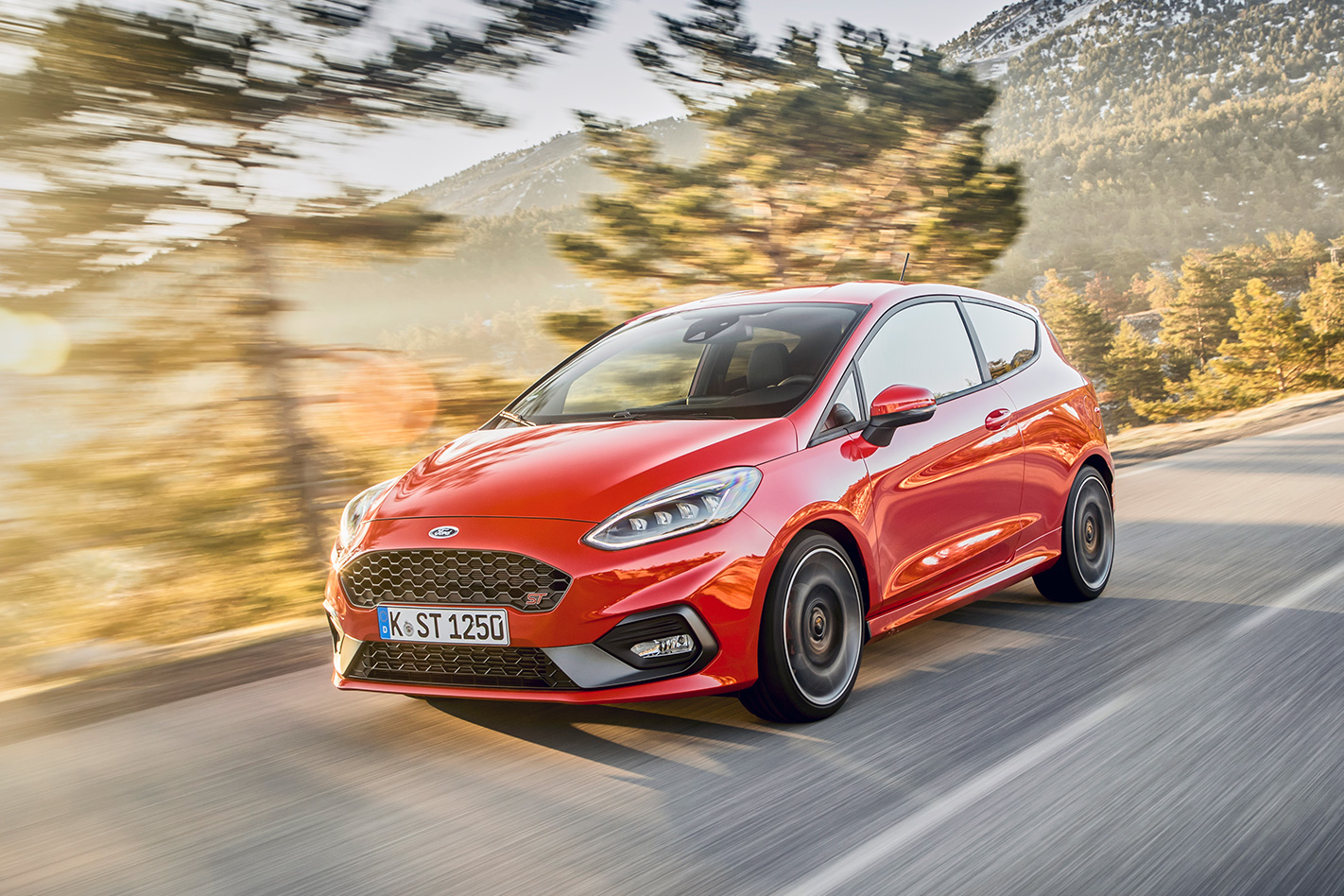
The technology is mostly used in cars with 6-cylinder and 8-cylinder engines such as the Mercedes-AMG E63 S and Jeep Grand Cherokee SRT, but it’s also in use in Ford’s new Fiesta ST which goes from three cylinders to two on light throttle cruising as well as some of Audi’s small four-cylinder units.
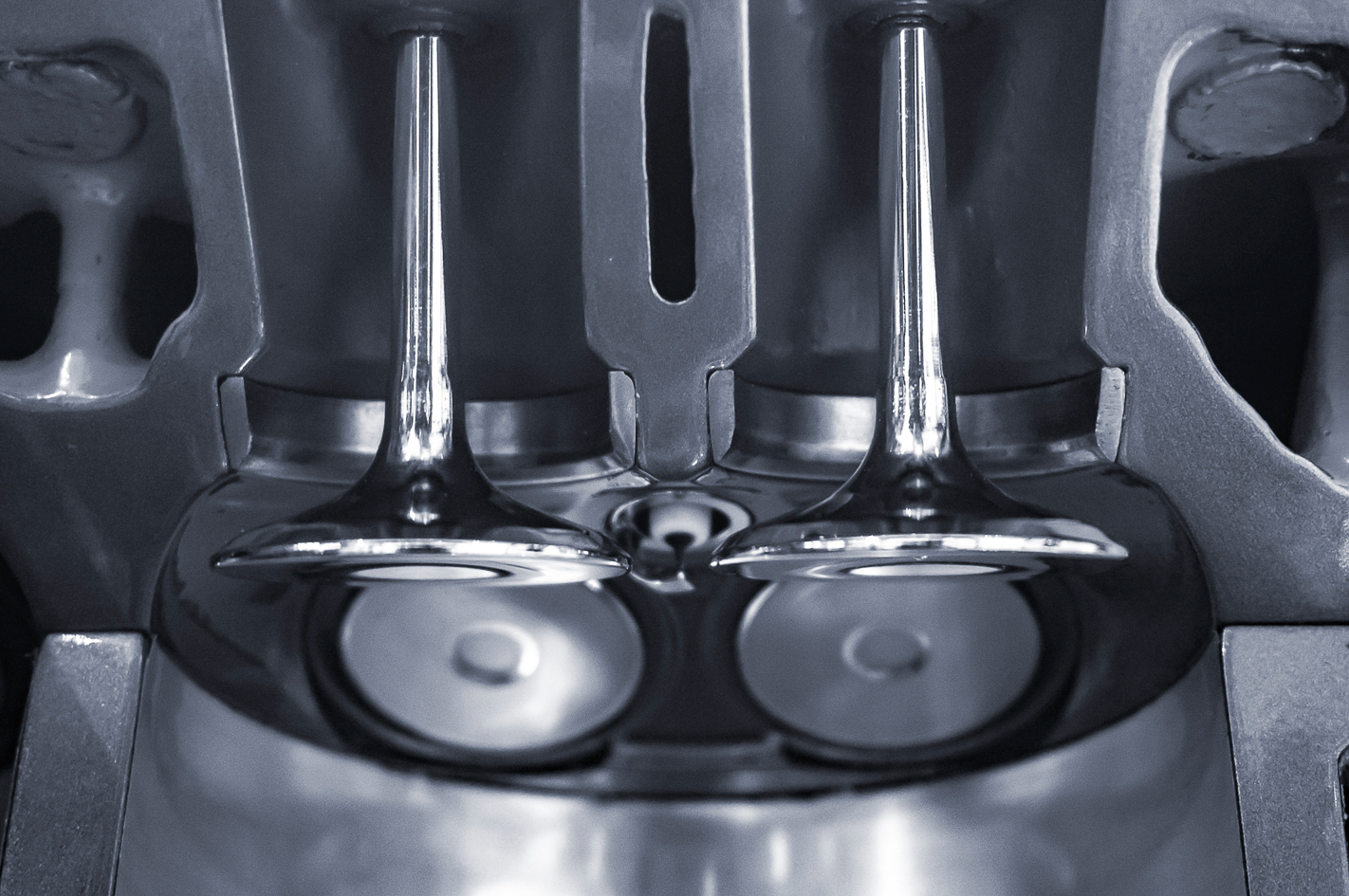
Car makers employ different methods of initiating cylinder deactivation but essentially it involves freezing the valves that normally allow the flow of fuel and air into selected cylinders so the combustion process is only taking place in a smaller number of cylinders. It’s now effectively a much smaller engine.
This process is all cleverly controlled by the car’s computer systems which detects when you might need an extra burst of power, reactivating all cylinders for full power. The process is almost imperceptible and only way you’ll know it’s happening is typically through a light on the instrument cluster.
It’s a smart process that not so much increases fuel efficiency, rather it decreases fuel inefficiency.
Your driving style dictates how much of an effect it will have on your fuel economy. Drivers with a lead foot might not see much of an advantage but for those who potter about for extended drives, you may very well see a substantial reduction in fuel use.
Cylinder deactivation is just one of a number of ways car makers are reducing the impact on the environment and your back pocket.
We’re buying more SUVs than ever. Yes, even in these times, as the overall sales market contracts, VFACTs sales figures reveal Aussies are zeroing in more regularly on the SUV.
This got us thinking, though, what about the fast ones? Are we a little more judicious when it comes to the shape and size our fast cars come in? Well, we asked the people who actually would know like BMW M, Porsche, Alfa Romeo, Jaguar and Mercedes-AMG.
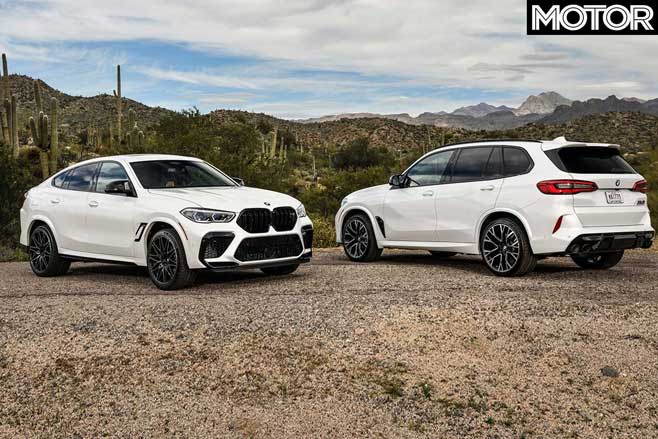
As a heads up, we kept the focus to their medium-sized SUV hotties, since there are some in the large segment (like the incoming X5 and X6) that haven’t touched down yet.
Some marques turned down our interest, with Jaguar and Alfa Romeo declining to reveal figures, or even estimated percentages, on how many F-Pace SVR or Stelvio Qs are sold. Meanwhile, we hadn’t heard back from Audi – which isn’t a matter since the SQ5 or Q3 doesn’t have an RS version here … yet.
Porsche recently told us it was not in a position to reveal exact figures either on Macan GTS and Turbo variants, but could say these two usually represent “just over a quarter” of Macan sales. Since 163 Macans sold in March, that would mean about 40 would be fitted in either trim.
Based on what Mercedes were able to tell us at the same time, AMG comes close to their Stuttgart neighbours, with usually about a fifth of GLC and GLC coupes sold wearing an AMG badge, birthing either a twin-turbo V6 powered 43 or the monstrous V8-packing 63.
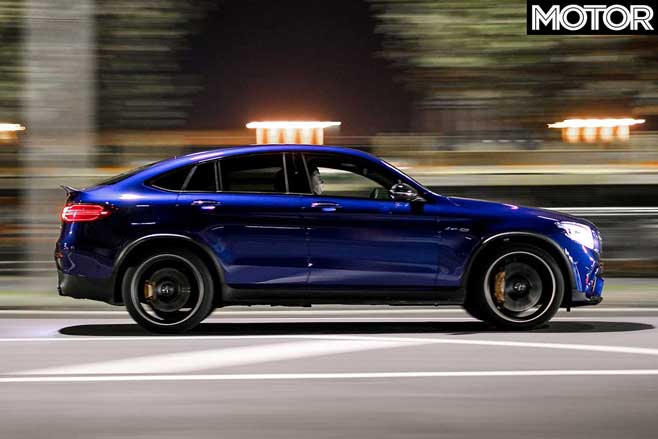
BMW’s M brand was the only one willing to reveal exact sales data. And although these figures cannot be truly compared with the other brands’ approximations for the sake of accuracy, they offered interesting analysis.
For example, withing the X3 range, the cheaper M40i outsold the range-topping X3 M by almost two to one. But when compared to overall sales, the two variants made up only 12 per cent of X3 sales, significantly behind either Porsche or Mercedes-AMG’s percentages.
But this changes when you add the X4’s performance into the mix. The X4 M40i and X4 M accounted for 29 per cent of sales in this range, outperforming the X3 by some margin and also raising the X3 and X4’s M-car sales ratio to 21 per cent overall, putting it right in the mix with its rivals.
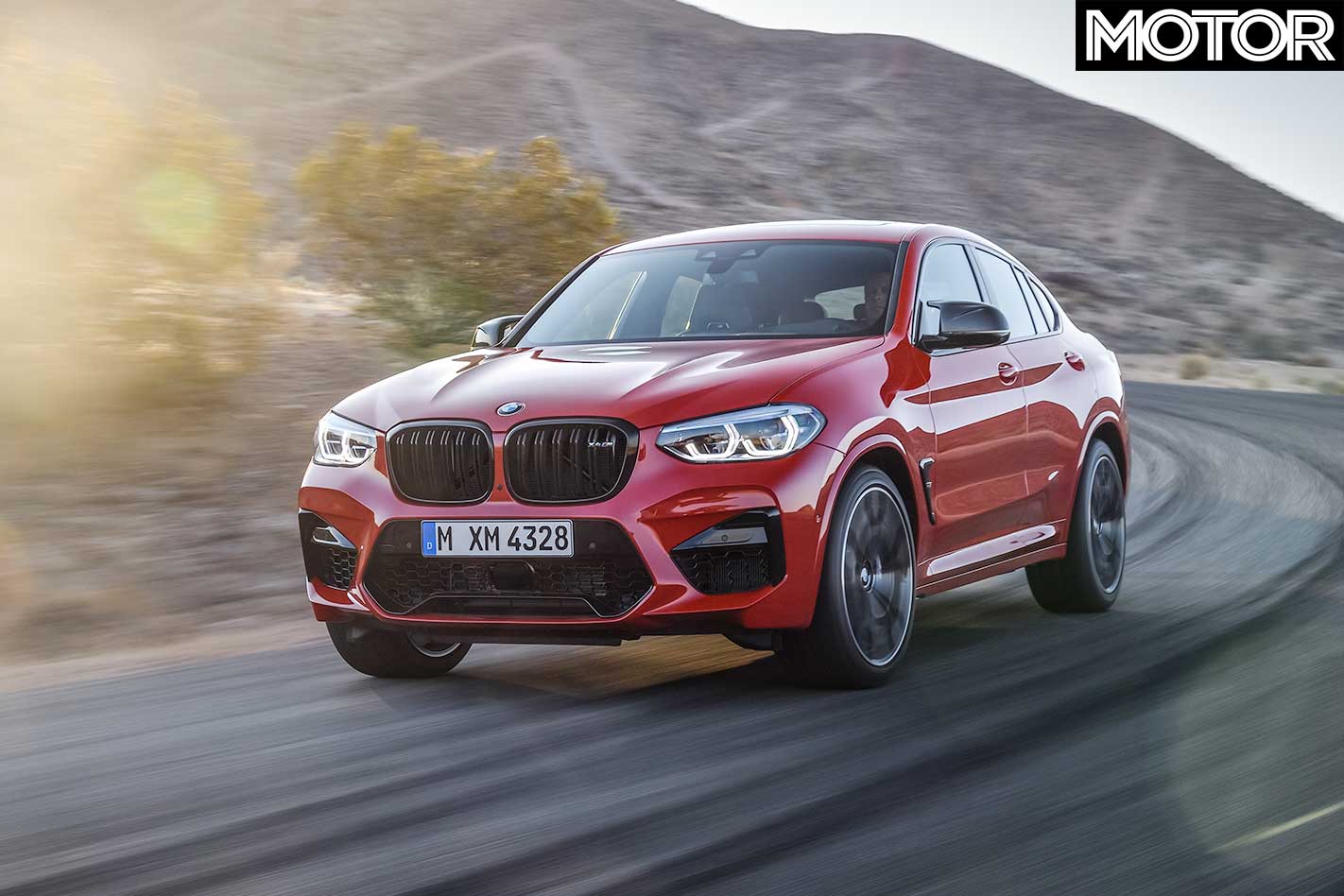
You could say performance mid-size SUVs are selling well in any of these cases, since a 20 per cent share of overall sales for any performance model can be considered a success. However, a comparison with a true base line might have to wait until Alfa Romeo, Audi and Jaguar inform us further.
Otherwise, for an overall snapshot of the market, it’s clear COVID-19’s impact has knocked the wind total new car sales. Only 81,690 cars were sold in March, compared to 99,442 this time last year and 106,988 in 2018.
Still, SUVs continue to consolidate their position in the sales splits, accounting for 48 per cent of sales in March, that’s up from 46 per cent in March 2019, 43 per cent in 2018 and 39 per cent in 2017.
Sports car sales, meanwhile, are significantly down in number, with the segment notching up only 845 sales in March, compared to 1471 this same time last year and 2063 in two years ago. With that, the Sports car category held a 1.1 per cent share of the market this month, compared to 1.5 last year and 1.8 per cent in 2018.
What stands out?
The Mitsubishi Pajero Sport is a rugged wagon that is very good off road but comfortable – and easy to drive – on the road. There are five-seat and seven-seat versions, both offering excellent fuel economy from a modern diesel engine and an eight-speed automatic gearbox. All have autonomous emergency braking and integrate smartphones well. Mitsubishi developed the Pajero Sport from its Triton ute.
What might bug me?
Getting comfortable in the driver’s seat, if you’re tall. The seat is closer to the floor than in most similar 4WDs, and even then you may find yourself looking through the top of the windscreen. And if you want to relax and let your left leg swing outwards, your knee soon strikes the very wide centre console.On seven-seat versions, complaints from big kids in the third row that their heads hit the roof. And they may have a point.
What body styles are there?
A five-door wagon is the only body style, with either five seats (Pajero Sport GLX and GLS) or seven seats (Pajero Sport GLS and Exceed).In any Pajero Sport, you can select either rear-wheel drive or full-time four-wheel drive – which means you can use 4WD all the time, on any surface.Every Pajero sport also allows you to select high-range gearing, for road use, or low-range, which allows you to drive comfortably at very low speeds off road.The Pajero Sport is classed as a large SUV, lower priced.
What features does every Pajero Sport have?
Proximity key entry and start – which allows you to unlock the doors as long as you have the key nearby (perhaps in your pocket or bag). To start the engine, you push a button.AN 8.0-inch touchscreen, configured for Apple CarPlay and Android Auto. (If you plug in a compatible smartphone, the touchscreen can show a simplified version of the phone’s home screen. You can access apps and get directions, make calls or send messages from the touchscreen.)Bluetooth phone connectivity, controlled from the steering wheel or touchscreen. A sound system with AM/FM and digital radio (DAB+), and iPod and USB inputs, also with controls on the steering wheel.Cruise control and adjustable speed limiter, operated from buttons on the leather-bound steering wheel. Tilt and reach steering wheel adjustment, which helps the driver get comfortable.A rearview camera, which helps you see behind the car when reversing, and rear parking sensors, which tell you how close you are to obstacles.Climate Control, which maintains a set cabin temperature, with rear air vents and cooling settings.Autonomous emergency braking (Mitsubishi calls it Forward Collision Mitigation). This alerts you if you are in danger of hitting an obstacle (typically a sharply slowing car), and pre-charges the brakes so that they respond faster to your pressing the brake pedal. It will brake automatically if a crash is imminent and you haven’t responded. There is also a blind-spot monitor, which warns you of vehicles alongside out of view.Trailer-sway control, which helps you stabilise the car if a towed trailer is swaying from side to side.Electronic stability control, which can help bring a skidding car back under command. All new cars must have this feature.Seven airbags: two directly in front of the driver and front-seat passenger; one alongside each front occupant to protect the upper body, and curtain airbags down each side of the car to protect the heads of those sitting next to a window – including those in the third-row where fitted. There is also an airbag to protect the driver’s knees and legs.A multi-mode drive system from which you can select 2WD or 4WD for road use, or high or low-speed 4WD for off-road use. There are also settings for different off-road conditions, such as gravel, sand, mud/snow or rocks.Electronic traction control, which helps you go further in slippery conditions. Hill-start control, which stops the car running backwards when starting off on steep inclines, and hill-descent control, which automatically limits the car’s speed on steep declines.Wheels (of 18-inch diameter) made from polished and part-painted aluminium alloy, which look nicer than steel wheels, and a full-size spare wheel rather than a narrow space-saver.LED headlights and taillights, which are brighter than normal lights and use less power, and LED daytime running lamps, which help make the car more visible on overcast days. Side steps, which help you get in and out of the car.All Pajero Sport models have a five-year/100,000km warranty.
Which engine uses least fuel, and why wouldn’t I choose it?
A four-cylinder turbo diesel is the only engine in a Pajero Sport. It’s a modern, responsive and efficient 2.4-litre design that debuted in the Mitsubishi Triton ute in 2015. It uses just 8.0 litres/100km in the official test (city and country combined), and generally averages under 10 litres/100km in the real world.An eight-speed automatic is the only gearbox available.
What key features do I get if I spend more?
Step past the least costly Pajero Sport, the five-seat GLX, and spend more for a Pajero Sport GLS and you get the option to add two more seats in a third row. All seven seats are trimmed in leather, and the driver and front-passenger seats are both power adjustable.The GLS also has adaptive cruise control, which adjusts the speed to match that of a slower vehicle in frontThe GLS also has dual-zone climate control (so that the driver and front passenger can set their own cabin temperatures), wipers that operate automatically when it rains, and headlights that switch on automatically when it gets dark and an auto-dimming rear-view mirror.There are six rather than four speakers, for better sound, and power-operated tailgate a cargo blind to hide your luggage from prying eyes.There’s also a rear differential lock, which helps you go further in difficult off-road conditions. Spend more again on a Pajero Sport Exceed and you seven seats as standard with the addition a DVD screen for second-row passengers, with remote control and two sets of headphones, and two more speakers.The instrument display is fully digital which makes it brighter and easier to read, and it will tell you the current speed limit.The 8.0-inch infotainment screen displays satellite navigation, and music quality is improved via an eight-speaker premium sound system.The Exceed also has a smartphone app that lets you remotely operate the tailgate, find your car in a busy car park, check your fuel, and view your vehicle status such as if the doors are locked or when the next service is due.It also adds some additional active safety features including a blind-spot monitor, which warns you of vehicles alongside out of view, and rear-cross traffic alert that warns you if any vehicles are approaching from the either side when you’re reversing.There are cameras at the front, rear, and on each side, that can show you an aggregated bird’s-eye view of the car, or show what any individual camera can see. You can scroll between the cameras via a steering-wheel button.
Does any upgrade have a down side?
The better-equipped Pajero Sports are marginally heavier. This reduces the maximum weight you can carry legally.All colours apart from white attract an extra charge.
How comfortable is the Pajero Sport?
The Pajero Sport has a modern and nicely detailed interior, with lots of metal finishes to offset the dark colours elsewhere. The dashboard and centre console are arranged to provide the driver somewhat of a wrap-around cockpit feel (which may leave some tall drivers feeling a little cramped). Otherwise, the seat is comfortable and the driver has the benefit of tilt and reach steering-wheel adjustment, a feature not generally found on similar ute-based vehicles.On the road, the Pajero Sport feels smaller and more agile than its size suggests, and rides far more smoothly, quietly and comfortably than the ute from which it is derived. That’s thanks to thoroughly revised suspension, including soft-riding coils rather than load-carrying leaf springs at the rear.The diesel engine is also relatively quiet and nicely responsive, while the eight-speed automatic gearbox provides near undetectable changes.
What about safety in a Mitsubishi Pajero Sport?
Every Pajero Sport have seven airbags, reversing camera and electronic stability control among other features. On the seven-seat GLS and Exceed versions, the side-curtain airbags extend past the third seat row, so that even those riding in the rearmost seats receive some cushioning from side impacts.All versions now have autonomous emergency braking that was previously exclusive the more expensive Exceed. Called Forward Collision Mitigation, that sounds a warning when it detects a potential collision with another vehicle or pedestrian. If the driver doesn’t take action it automatically applies the brakes to prevent or minimise impact.The Exceed also has Ultrasonic Misacceleration Mitigation, which is a low-speed auto-braking for when you’re parking, or otherwise manoeuvring at close quarters. If you mistakenly press the accelerator when approaching an obstacle in front or behind, it will brake the car. The most expensive Pajero Sport also has blind-spot monitoring, and rear-cross traffic alert that senses if a car is approaching from either side when you’re reversing.(To see a list of the safety features on any model, open the model from the Cars Covered By This Review dropdown near the top of this page, and look under the features tab. Safety-related features are listed in red.)The Australasian New Car Assessment Program (ANCAP) has awarded the Pajero Sport five stars, its maximum safety score.
I like driving – will I enjoy this car?
The Pajero Sport is a ute-based 4WD wagon that’s excellent off road. That means it’s not very sporty on sealed roads, even if it does better there than some other 4WDs that have been developed from utes.The Pajero Sport’s suspension tune is also on the soft side, which is good for comfort but allows the body to lean outwards easily in corners if you drive the vehicle hard.On the positive side, the selectable full-time 4WD gives the Pajero Sport the edge on slippery roads over vehicles that have part-time 4WD – which can be engaged only on unsealed surfaces.The engine is responsive from low speeds, thanks in part to the fast-shifting close-ratio eight-speed automatic, but lacks strong overtaking power at open-road speeds. Similar vehicles with bigger engines would make better tow vehicles.The Pajero Sport is also equipped and built to tackle serious off-road duties. It will take you further off-road than any passenger-car based SUV.
How is life in the rear seats?
The Pajero Sport can carry two adults and a child across the rear seat in reasonable comfort. However, it would be a tighter squeeze here for three adults than in similar cars such as the Ford Everest and Toyota Fortuner.The third-row seats, where fitted, offer less leg and head room than those in most similar vehicles and are suitable only for children. Small adults or even big kids are likely to find they don’t have enough room between their heads and the roof to feel comfortable.All Pajero Sports deliver air-conditioning to rear passengers in all seat rows via dedicated vents and you can control the air speed. The second row also has two USB ports and a 12v socket to charge phones and devices.The tall stance of the Pajero Sport means that its seats are at a good height for lifting small children in and out. The second-row seat has two ISOFIX child-seat mounts and three conventional restraint anchor points.
How is it for carrying stuff?
The five-seat Pajero Sport GLX and GLS have more luggage space than the seven-seat GLS and Exceed, and more also than similar vehicles that seat seven.With five seats in play, it has a 673-litre boot space that’s 1275mm long x 1370mm wide with 1000mm between the wheel arches. The second row seat, which splits 60:40, tumbles forward once the backrest is lowered, to provide a reasonably flat load space of up to 1624 litres.The third-row seats in the GLS and Exceed fold into the floor but still eat into the cargo space resulting in just 502 litres and 1575 litres with the third and second-row seats folded down. With all three rows in use there’s just 131 litres of space to out things.Having the spare wheel mounted under the car rather than in the luggage area means that in the event of a flat tyre, you don’t have to unpack to get the spare out.The Pajero Sport is rated tow up to 3100kg, which is as much as most similar vehicles can tow.
Where does Mitsubishi make the Pajero Sport?
The Pajero Sport is made in Thailand.
What might I miss that similar cars have?
Perhaps third-row seats that can accommodate bigger passengers with some comfort. The Ford Everest, Isuzu MU-X and Toyota Fortuner offer these, for example.Another seven-seat 4×4 you might consider is the Holden Trailblazer.If hard-core off-road ability is not important to you, other seven-seat SUVs you might consider include the Holden Acadia, Toyota Kluger, Mazda CX-9, Kia Sorento, Hyundai Santa Fe and Nissan Pathfinder.
I like this car, but I can’t choose which version. Can you help?
Now all Pajero Sports have active safety, the GLS with seven seats hits the sweet spot in terms of price and features.
Are there plans to update the Pajero Sport soon?
The Pajero Sport was all-new for 2016, and was introduced as a five-seat car. A third row of seats was added to GLS and Exceed versions from July 2016.In April 2018 Mitsubishi added a more affordable five-seat version of the mid-spec GLS and rolled out auto braking across the range.It received a facelift for the 2020 model year, which included the updated ‘Dynamic Shield’ front-end design that debuted on the Mitsubishi Triton ute. Interior tweaks included a re-designed centre console and bigger 8.0-inch touchscreen. The garish tear-drop tail-light design was also toned down.Expect another update in 2022.
What stands out?
The Mitsubishi Eclipse Cross bridges the gap between the ASX and Outlander. It has a stylish, roomy cabin and decent standard equipment list that includes automatic emergency braking. All versions feature Mitsubishi’s latest infotainment package, and a 1.5-litre turbocharged petrol engine, coupled with a CVT automatic gearbox, with a choice of front- and all-wheel drive.
What might bug me?
Wishing the reversing camera could stay on all the time because of the limited rear vision caused by spoiler running across the tailgate window.The bruises on your forehead from bumping into the low rear door frame when strapping your kids into the Eclipse Cross.Driving at 80km/h on the space saver spare until you can fix your full-sized flat tyre.
What body styles are there?
Five-door SUV-type wagon only.There are front- and all-wheel-drive versions of the Eclipse Cross, which is classified as a small SUV, lower priced.
What features do all Eclipse Cross versions have?
- Cruise control, a reversing camera, leather-wrapped gearshift, and steering wheel with buttons for operating the cruise control, the sound system and your phone.
- A six-speaker sound system with AM/FM and digital (DAB+) radio receivers, USB input, Bluetooth connectivity for phone calls and audio streaming (with voice control), and at least four speakers controlled via a 7.0-inch touchscreen.
- Support for Apple CarPlay and Android Auto (via Mitsubishi’s Smartphone Link Display). Plug in a compatible smartphone and you can use some apps from the car’s central touchscreen – among them, navigation apps.
- Autonomous emergency braking.
- Height adjustment for the driver’s seat.
- Power folding door mirrors.
- Eighteen-inch wheels made from an aluminium alloy (which look good without plastic trim). A space-saver spare wheel.
- Daytime running lamps, illuminated by very long-lived LEDs and dusk-sensing headlights with automatic high-beam. Roof rails, which make it easier to fit rooftop luggage systems.
- Hill-start assist, which controls the brakes automatically to help you take off from rest on uphill slopes.
- Seven airbags. Anti-lock brakes, and electronic stability control – which can help control a skidding car. (For the placement of airbags, and more on Mitsubishi Eclipse Cross safety features, please open the Safety section below.)
- The Eclipse Cross is covered by a five-year, 100,000km warranty.
Which engine uses least fuel?
All Mitsubishi Eclipse Cross versions are powered by a 1.5-litre turbocharged (direct injection) petrol engine, which produces 100kW of power and 250Nm of torque.There is a choice of front- or all-wheel-drive traction. In front-wheel-drive it uses 7.3 litres/100km in official tests (city and country combined), which rises to 7.7 litres/100km with all-wheel-drive.The engine comes with a continuously variable transmission (CVT) automatic, which brings better performance and fuel economy than most conventional autos.(Power outputs and all other Mitsubishi Eclipse Cross specifications are available from the Cars Covered menu, under the main image on this page.)
What key features do I get if I spend more?
- The Eclipse Cross comes in three specification grades, ES, LS and Exceed, with the two pricier versions available with front-wheel-drive (FWD) and all-wheel drive (AWD) versions. The ES FWD is the least expensive Eclipse Cross.
- The ES FWD has all the features available in all Eclipse Cross versions, with standard cruise control and seats trimmed with cloth upholstery.
- Spending more on the LS FWD brings keyless entry, push button start, electric park brake that creates space for centre cupholders, front and rear parking sensors, rear-window wiper and washer, lane departure warning, dusk-sensing headlights, rain-sensing windscreen wipers, and a more streamlined panoramic 7.0-inch touchscreen.
- Stepping up to the Exceed FWD from the LS brings part leather trim, heated front seats and driver’s seat power adjustment.
- Adaptive cruise control, which automatically keeps a safe distance from the car travelling in front.
- LED headlights with auto levelling function, and dual-zone climate control, which lets the driver and front passenger set their own preferred temperatures.
- An electrochromatic rear-view mirror, which automatically dims to cut glare caused by headlights of cars behind you.
- The autonomous emergency braking also has ‘Ultrasonic Misacceleration Mitigation System’, which stops the Eclipse Cross hitting anything within four metres in front should you accidentally press the accelerator; for example a bollard or another car in front of a car parking space.
- Other additional active safety features include rear cross traffic alert, blind spot warning, and lane change assist, which sounds an audible warning when you indicate if there is a car on the side or directly behind your intended path.
- The LS and Exceed AWD versions drive all-four wheels for additional traction, and features ‘Super All Wheel Control’ which helps improve stability in corners during acceleration, deceleration and steady driving.
Does any upgrade have a down side?
Apart from the additional cost, not really. The most expensive Eclipse Cross, the Exceed AWD, uses a little more fuel than the front-wheel-drive versions; 7.7 litres/100km compared to 7.3/100km.White is the only standard colour; all other colours cost extra.
How comfortable is the Eclipse Cross?
Up front, the seats are supportive, storage is well considered, and the instruments clean and attractive. We’re unconvinced about the trackpad to control the multimedia and the lack of a volume knob, but the touchscreen compensates, and layout is otherwise mostly logical and intuitive.The chassis tune favours urban ride comfort, which is welcome, but the downside is significant roll into roundabouts. This less pronounced in the all-wheel-drive version, which features ‘Super All Wheel Control’ that helps improve stability in corners.Wind and tyre noise are well insulated for a small SUV.The spoiler across the rear window does nothing for rear vision, especially when you have backseat passengers.
What about safety?
Every Eclipse Cross has automatic emergency braking, lane departure warning, anti-lock brakes, stability control, a reversing camera, front and rear parking sensors, and LED daytime running lights (which make it easier for other drivers to see you) and seven airbags. In addition, all Eclipse Cross versions have dusk sensing automatic headlights and rain-sensing windscreen wipers.The LS and Exceed also have lane departure warning which alerts you if you stray over the line (a sign of driver fatigue).There are two airbags in front of the driver and front passenger; one outside each front seat to protect you at chest level from side impacts; a curtain airbag stretching down each side of the car at head level to protect front and rear passengers from side impacts; and finally an airbag to protect the driver’s knees.The Eclipse Cross Exceed adds rear cross traffic alert (which warns of any traffic or pedestrians approaching or behind you when reversing), blind spot warning, and lane change assist, which sounds an audible warning if you’re about to cut off another vehicle when you indicate to change lanes.The Australasian New Car Assessment Program (ANCAP) rated the Eclipse Cross safety at its maximum five stars, in December 2017.
I like driving – will I enjoy the Eclipse Cross?
The Eclipse Cross’s 1.5-litre four-cylinder, turbocharged petrol engine delivers respectable performance without being exciting. It accelerates well and the CVT auto does a job of maximising the propulsion available. Paddle shifters on the steering wheel allow you to take manual control of ‘gearing’.The chassis and suspension are tuned for urban roads. Eclipse Cross is predictable through bends, but leans significantly when cornering quickly, which sets up more dramatic movement from the body if you are faced immediately with a turn to the opposite side.Steering is a little limp, with a little movement in the steering wheel. On dirt roads it rattles and feels a little detached from the front wheels.Overall, though, the Eclipse Cross inspires confidence on country roads and freeways, and has a comfortable, elevated driving position.
How is life in the rear seats?
Small SUVs are not designed to transport lots of children, but the Eclipse Cross will fit three teens in the back seats in relative comfort. The coupe-esque profile and sloping roofline doesn’t unduly compromise rear headroom. The low door line, however, can make strapping kids into car seats a little difficult, and the upward slanting window line hampers smaller children’s side vision.The rear bench slides fore and aft by 200mm and offers useful backrest rake adjustment, and dedicated vents feed cooling or heating to the rear passengers.
How is Eclipse Cross for carrying stuff?
The 341-litre boot is relatively shallow, but can extend to 448-litres by sliding the rear seats forward 200mm. It has a wide opening that sits high off the ground and taller loads are limited by the raked forward tailgate. A 60:40 split-fold rear seatback adds to loading flexibility.Pockets in the front doors will cater for a large bottle and other odds and ends. But the centre console’s main open storage is in the twin cupholders. There is a covered binnacle under the central arm rest.The Eclipse Cross has a 1600kg braked towing capacity, which is good for a small SUV.
Where is the Eclipse Cross made?
All models of the Mitsubishi Eclipse Cross are produced in Japan.
Are there any rivals I should consider?
Funnily enough one of the Eclipse Cross’s biggest rivals is the Mitsubishi ASX. The Eclipse Cross is newer, slightly bigger and has plenty more standard features than the ASX, and it will be interesting to see how it fares against its older sibling, whose entry-level price is around $5000 less.Other rivals include the Mazda CX-3, Toyota C-HR, Hyundai Kona, Ford EcoSport, Suzuki Vitara, Suzuki-S Cross, Honda HR-V, Nissan Qashqai, and Kia Seltos.Mitsubishi is also positioning the Eclipse Cross against smaller medium-SUVs such as the Mazda CX-5 and Kia Sportage.
I like this car, but I can’t choose which version. Can you help?
There’s no compelling reason to go beyond the mid-spec Eclipse Cross, the LS. As well as a choice of front- or all-wheel-drive, it has a few extras over the ES for not much extra cost, and all the important standard features found in the Exceed, plus the same powertrain and performance.
Are there plans to update this model soon?
The Eclipse Cross arrived as a completely new model in December 2017.Mitsubishi introduced an Eclipse Cross ES in September 2018, as the new entry-level version, with about $1400 trimmed from the price by removing some features from the LS including keyless entry, push button start, electric park brake, front and rear parking sensors, and lane departure warning.The LS AWD was added to the range in September 2019 for the 2020 model year.Expect another slight update in the latter part of 2020.
By now you’ve probably seen plenty of work by German tuner Novitec, but the McLaren Senna has until now evaded the hands of its engineers, who seem to be keen to turn every car into a wide-bodied road-going psycho machine.
Novitec’s McLaren Senna is a little different.
The already wicked hypercar, named for a legendary F1 driver, had 588kW and looked completely mad before Novitec got hold of it, but now with 663kW and 888Nm, the Senna is demonic.
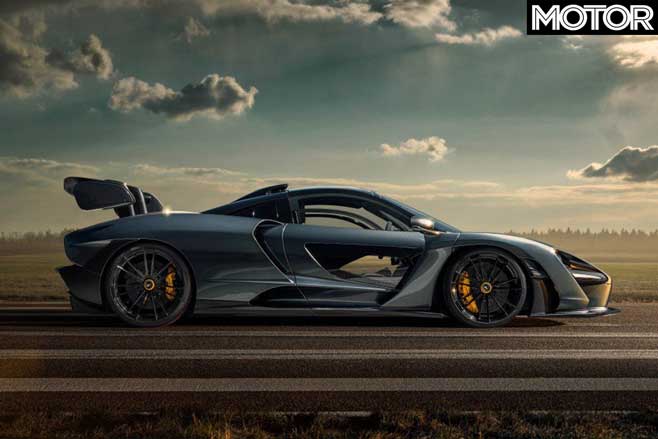
But unlike most cars Novitec tickles, the styling changes might not be immediately obvious if you’ve not seen a Senna in a while – it’s already a rather busy car and that suits the style Novitec normally adopts.
Okay, we were being a little cheeky – it’s just the wheels.
Novitec has pretty much stuck to the mechanicals, supplying a new exhaust system and a ‘stage 3’ (as opposed to its lower level options) tuning system to allow the Senna to hit 100km/h in just 2.7 seconds and before going on to 200km/h in 6.5 seconds. Top speed is 335km/h.
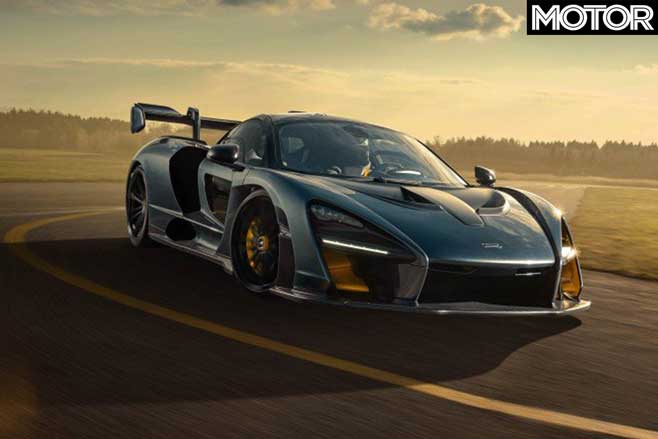
“Novitec, renowned refinement specialist for the world’s most exclusive sports cars, now presents a tuning range for the McLaren Senna lightweight-design sports car that is designed for extreme sportiness,” the tuner says.
“In its maximum tuning specification, the two-seater thus made even more dynamic has a power-to-weight ratio of 554kW per metric ton of dry weight.”
If it takes your fancy, you can ask Novitec to customise the interior of your Senna so you’ve got a little bit of personality in your cabin as you sling past 200km/h faster than most cars can hit 100km/h. On a racetrack, of course.
Toyota Australia is expecting month-long wait times for RAV4 hybrids to continue as demand for the SUV continues unabated.
Customers are, on average, waiting nearly half a year to take delivery of their RAV4s, with demand continuing to outstrip supply.
Toyota says it is working on improving the extended wait times – which can blow out to almost a year in some rare circumstances – as RAV4 sales tip past 10 million globally since the vehicle’s inception in 1994.
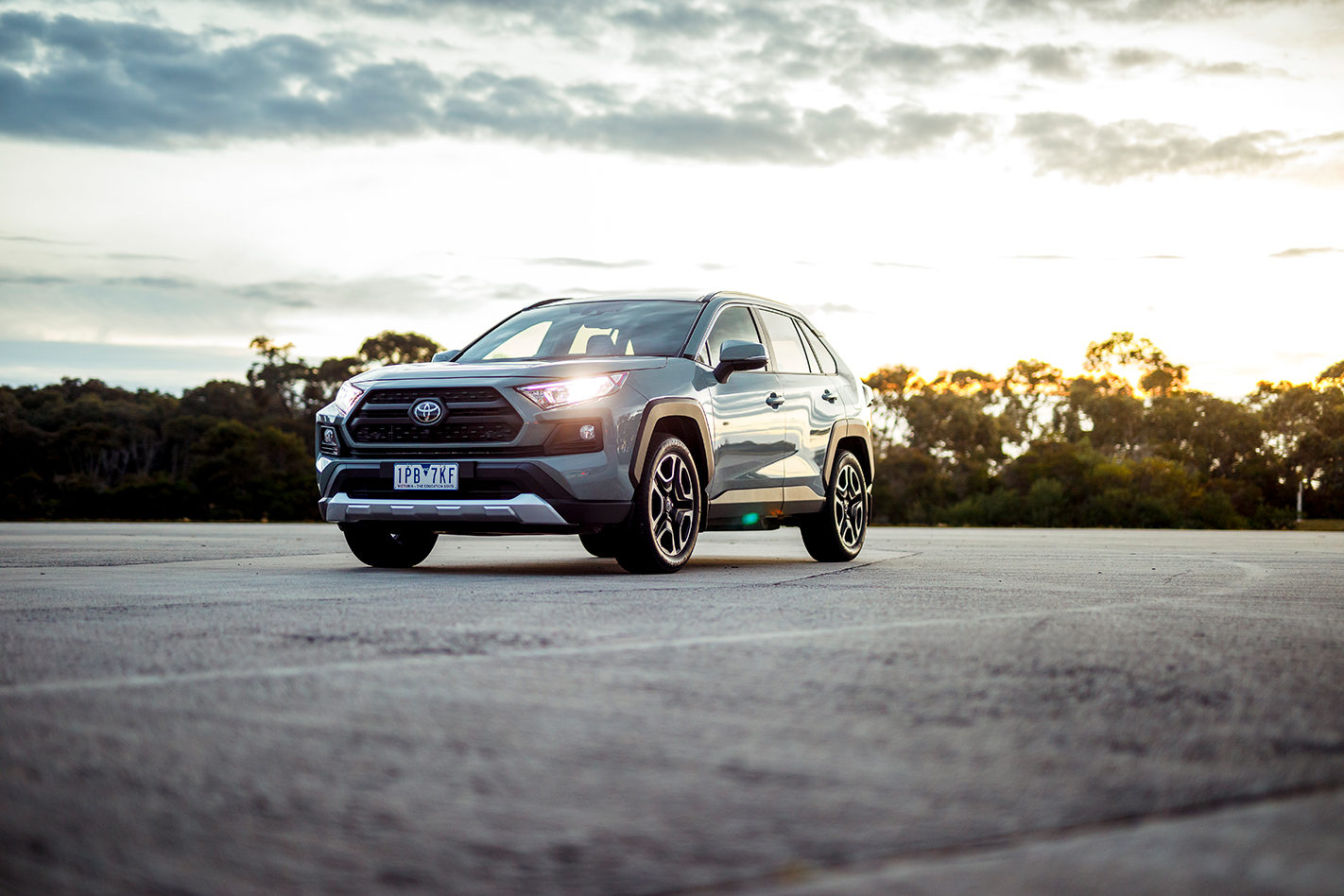
“The average wait time is still hovering around the four to five month range,” a Toyota Australia spokesperson told Wheels. “But 90 percent of our orders since launch have been delivered within six months.
“We do know there are a 10 percent grouping of people who are waiting more than six months, and we are looking into the system to see how we can tweak it and make it more effective for those people who have been waiting for longer than that time.
“As of last month, the longest wait that we had for any one individual was 10 or 11 months.”
Because of the global COVID-19 pandemic, it is expected new car sales will take a significant hit in the coming months. Toyota is bracing for this eventual downturn, but is unsure how demand for RAV4 will be affected, if at all.
“It’s too early to call how much of an impact [COVID-19] is going to make to RAV4 average wait times,” the spokesperson said.
“We will have a better understanding of it towards the end of this month, just because we did have such a long wait for so many vehicles.”
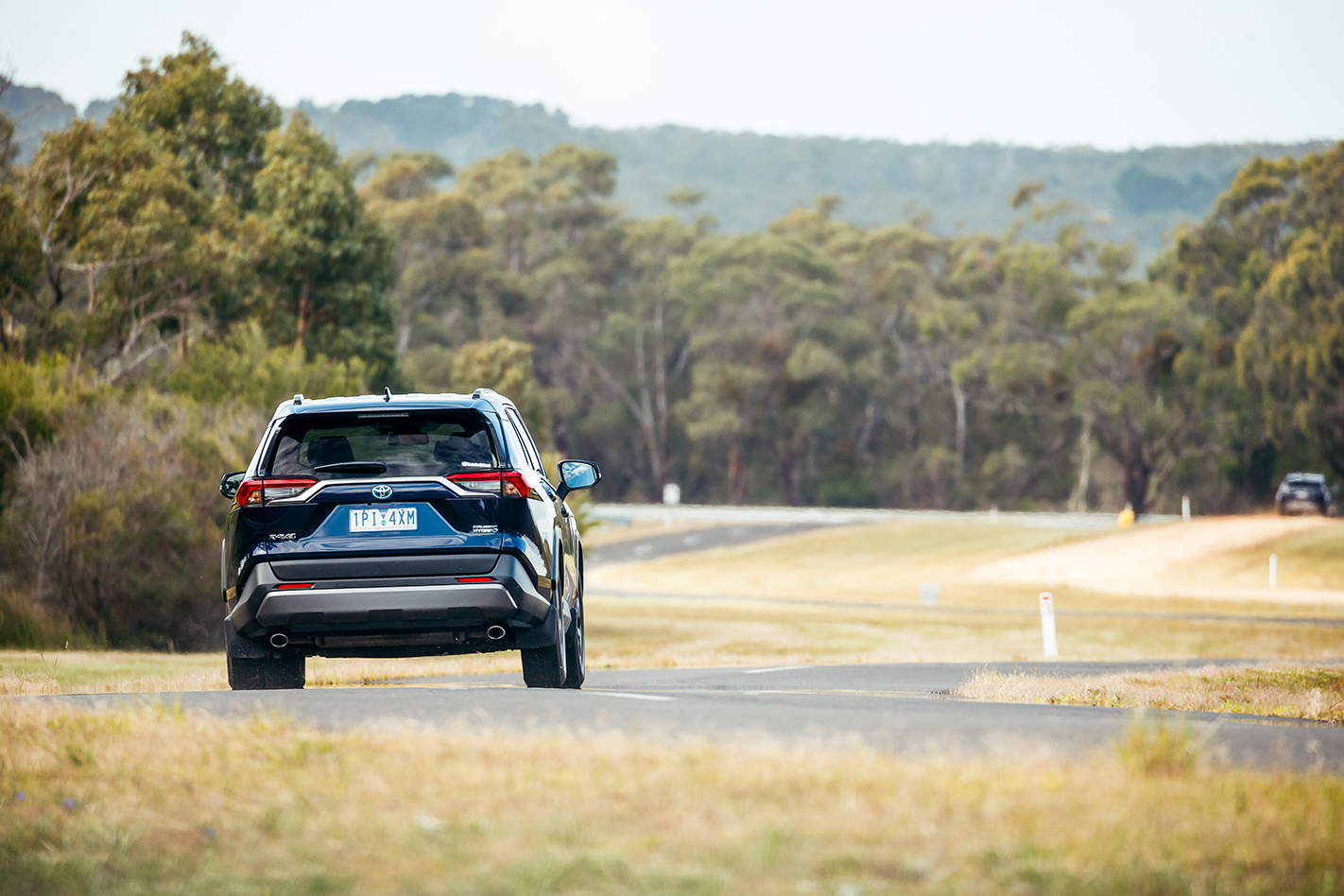
Overall, Toyota is steeling itself for the loss of at least a quarter of its monthly sales as the growing impacts of Australia’s lockdown continue to be felt. This is despite actually increasing its sales in March, amid an industry-wide downturn.
How the judges rated the Toyota RAV4 at COTY
“We had a very strong result in March, but a lot of that was us fulfilling orders of vehicles that were on wait times, like RAV4, Corolla, and Camry hybrids. They all had an order bank sitting behind them,” the spokesperson said.
“We are not sure what this month [April] will look like, but we are estimating that there will probably be at least a 25 percent impact to sales.”
If you’re like us, a common pastime in quieter moments is to peruse the classifieds, usually with a hypothetical budget, and see what’s out there in used car land.
While deep down the rabbit hole a thought occurred: what are the highest mileage performance cars currently for sale in Australia?
As ever, there must be some rules. Generally, the cars below are fewer than 15 years old; anything older and having a lot of kilometres isn’t particularly remarkable, though there are a couple of exceptions.
Likewise, in general these are higher end cars, but there are a couple of more regular inclusions if the kilometres seem somewhat exceptional for the type or age of car.
As well as a deep dive into the pool of well-used performance cars, this article is also somewhat of a celebration. Every single one of these cars has been bought by someone who clearly loves driving and isn’t afraid to do so at every opportunity – to hell with maintenance costs and resale!
So, without further ado, in alphabetical order.
2015 Alfa Romeo 4C

Covering almost 100,000km in five years isn’t particularly noteworthy in a Kia Cerato or Subaru Impreza but doing so in a tiny carbon-fibre sports car bereft of creature comforts takes real commitment. The price of $65,000 is perhaps a little optimistic, as it has four times the mileage of any other 4C for sale.
2005 Aston Martin DB9

As a luxury grand tourer, Aston’s intent was for buyers to drive the DB9 long distances in comfort. This example, offered for $70,000, has clearly been enjoyed with that in mind, covering 173,000km in its lifetime, or almost 12,000km a year.
2007 Audi RS4 Sedan

Not only is the B7 RS4 a former Performance Car of the Year, therefore a brilliant machine, it seems it’s quite hardy as well given the number of relatively high mileage examples available. Top of these is this sedan with 199,000km for which you’ll need $30,500.
2017 Audi R8 V10 plus
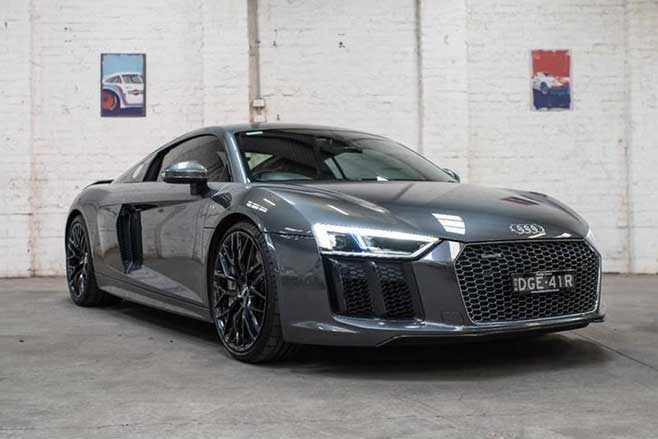
If ever there was proof that today’s supercars are daily useable it’s this R8 V10 plus. Whoever bought it clearly loved driving it as it’s covered an incredible 83,300km – that’s almost 30,000km a year! The mileage has cut its value in half ($199,000) but that’s money well spent in our book.
2014 Audi R8 LMX
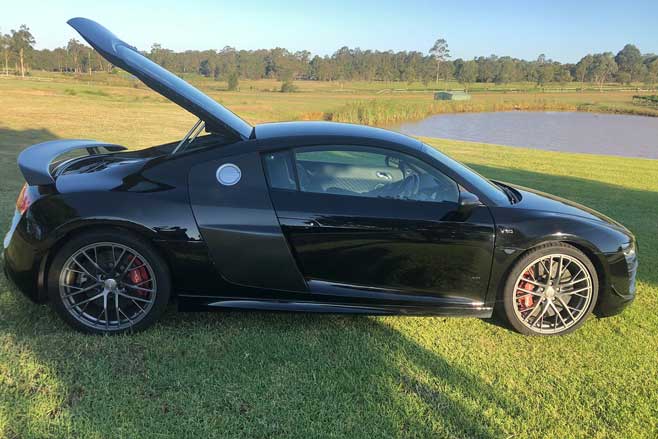
One last Audi and a very special one. Only three examples came to Australia of just 99 worldwide, so you’d expect them all to live sheltered lives in hermitically sealed garages. Not this one, which has clocked up 49,000km in its six years on the road. Yours for $210,000.
2008 Bentley Continental GT Speed

It’s difficult to think of too many nicer places to spend a long drive than in a Bentley Continental GT. If it’s a Speed with 449kW/750Nm of twin-turbo W12 up front, even better. The owner of this example clearly agrees, as it’s clocked up 169,054km. A lot of car for $148,888.
2005 BMW M5
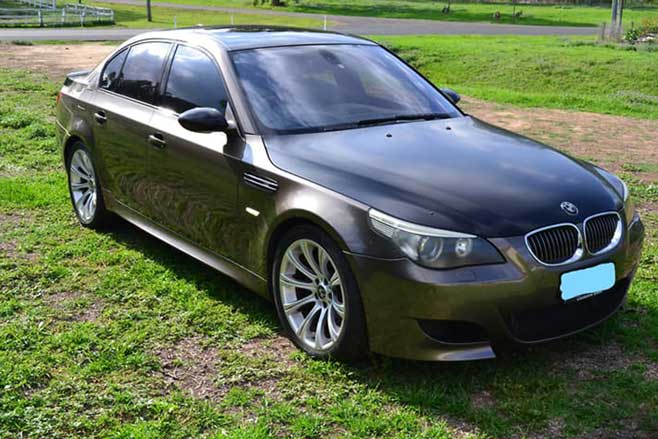
E60 M5s are bargains right now. Of course, they come with the risk of crippling maintenance costs due to the technology involved, but how can you argue with a 373kW, 320km/h, V10-engined sedan for $27,500? Only downside is 208,000km on the odometer.
2007 BMW M3

If all the tech in the M5 is a bit scary, the E92 M3 is a little less scary, especially as this one comes with a traditional manual. Like the RS4, there are plenty of big-km cars out there, but this one ranks first with 201,000km and a price tag of $30,000.
2013 BMW X6 M
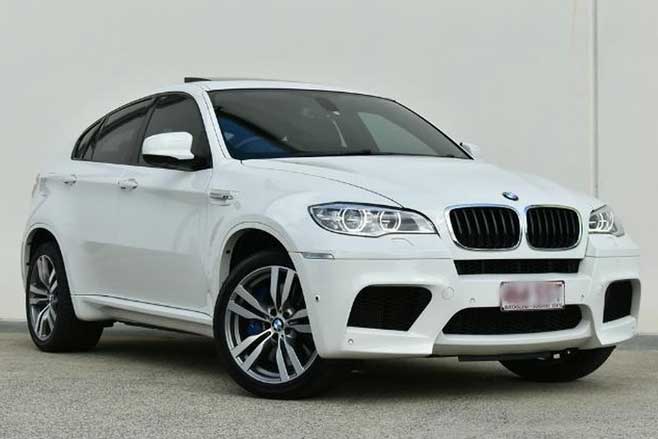
Let’s face it, the exterior of the X6 M is pretty challenging. The easiest way to avoid looking at it is to get behind the wheel, which is possibly how this twin-turbo V8 monster SUV racked up 155,554km in around seven years, more than 20,000km a year. Available for $42,908.
2009 Ferrari 599 Fiorano

According to Ferrari USA, it’s V12 models are driven around 8000km a year, which makes this 599 Fiorano below average. However, with 73,062km on the clock it’s enjoyed plenty of use, though if you want a V12 GT from Maranello for less, a 612 Scaglietti of similar mileage can be found for half this 599’s $238,990 ask.
2012 Ferrari 458 Italia
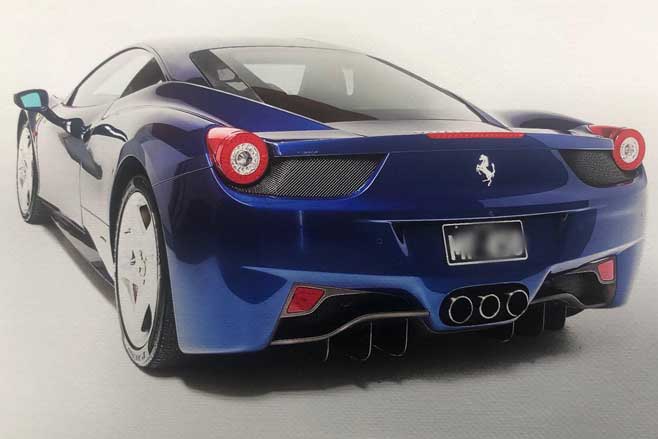
The 458 Italia will go down in history as one of the all-time great supercars, so you can’t blame this owner for wanting to drive it as much as possible. Not only is it in a great spec, but all the cobwebs have well and truly been blown out over 53,000km. Listed at $309,000.
2004 FPV Typhoon

Even the most ardent FPV fan would struggle to describe the GS as ‘exotic’, but we had to throw a couple of Aussies on this list. The Typhoon changed the Aussie muscle car game, kicking sand in the face of the V8s at the time and this example has covered 311,000km and asks for $19,999.
2010 HSV Clubsport GXP
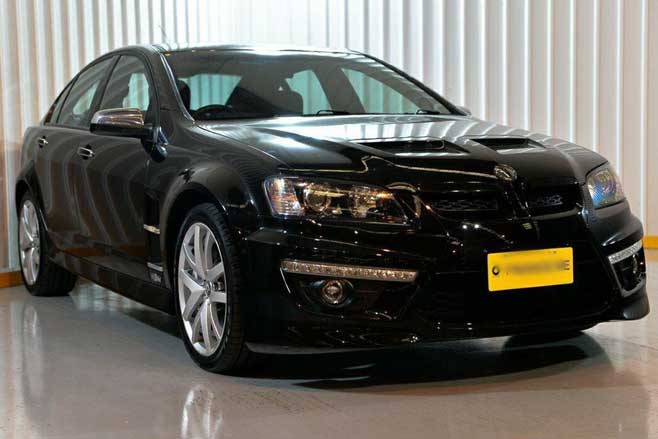
The Clubsport GXP was HSV’s attempt at an entry-level model and it ticked that box quite nicely, particularly for one punter who clocked up more than 30,000km a year in this manual example. It’s currently showing 311,738km and is listed at $17,989.
2008 Lamborghini Gallardo Superleggera

Another car with unusually high mileage is this Gallardo Superleggera. Again, 72,272km isn’t particularly high in the grand scheme of things, but for a stripped-out track-focused supercar it’s an unusual amount of use. It’s $228,000 for our 2007 PCOTY runner-up.
2003 Lamborghini Murcielago

Here’s one exception to our 15-year rule but surely a well-used three-pedal Murcielago is worth bending the rules for? If you’ve deep pockets, this V12 supercar can reach intergalactic mileagesbut 91,000km is still a little over 5000km a year, pretty decent for a car of this type. It also still looks a million bucks, which makes $275,000 seem good value!
2010 Lotus Elise
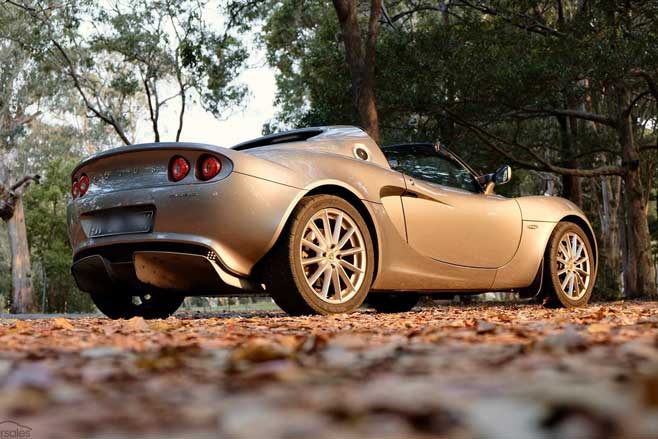
Once you’re actually in, an Elise is remarkably comfortable and easy to drive, so combine this with the reliability of its Toyota-sourced powertrain and low consumables costs due to its lack of weight and suddenly the thought of clocking up 111,230km in 10 years isn’t so strange. You can take the reins for $43,990.
2005 Maserati Quattroporte

With one of the best-sounding engines you’ll ever hear, is it any wonder the owner of this Maserati Quattroporte couldn’t stop driving it? Almost 200,000km (189,345km) is fine going and thanks to the depreciation that comes standard in this class of vehicle it can now be had for $32,980.
2005 Mercedes-Benz C55 AMG

The C55 is a bit of a forgotten car, a gruntier, more luxurious contemporary of the BMW E46 M3, but it certainly had no problem munching miles if the 250,000km on this example is anything to go by. Best of all, it can be had for the price of a basic hatch at $22,000.
2006 Mercedes-Benz E63 AMG

AMG’s 6.2-litre M156 is a worthy inductee into the engine hall of fame and you can sample it in 375kW E63 guise for just $34,900 if you don’t mind an odometer reading of 215,052km.
2009 Mitsubishi Lancer Evolution X MR

Lancer Evos are known for being mechanically tough but the fact we only received the VI TME and later X officially means big-km cars are few and far between. This X MR is the mileage leader with 201,000km and can be yours for $33,000.
2010 Nissan GT-R

It seems the R35 GT-R is a relatively hardy machine, with plenty of examples around the 100,000km mark, this 2010 Premium showing 137,000km is even tuned to 450awkW! A supercar basher for $79,000.
2006 Porsche Cayenne Turbo S
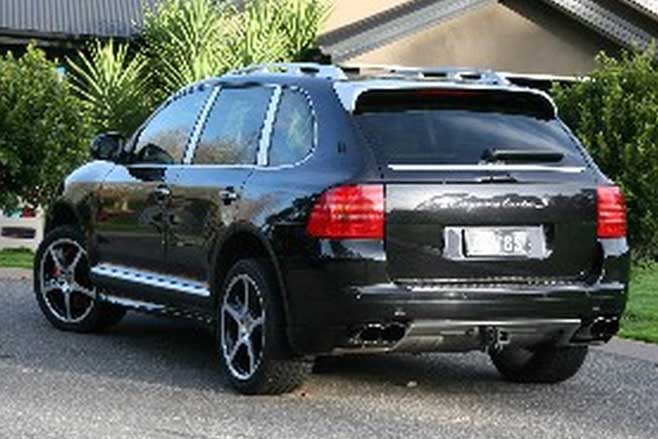
Wow. The Cayenne Turbo S is the top branch of Porsche’s SUV tree and this owner took advantage of that 4.5-litre twin-turbo V8 and monster carbon-ceramic brakes, accumulating 298,000km! Presumably anything that’s going to go wrong has gone wrong in that time (perhaps a dangerous assumption) so this could be good buying at $49,990.
1989 Porsche 911 Carrera 4

Another example of rule breaking, but just to prove that driving your car needn’t be a bad thing, look at this 964 Carrera 4. Its condition means it still commands $105,000, despite a whopping 305,765km on the clock.
2013 Renault Megane RS265 Cup

For something a little more affordable, check out this Megane RS265 Cup, one of the greatest front-drive cars ever created, for just $11,995. Sure, it’s showing almost 200,000km (189,000km) but at the price surely a bit of maintenance can be budgeted for.
2014 Renault Clio RS200
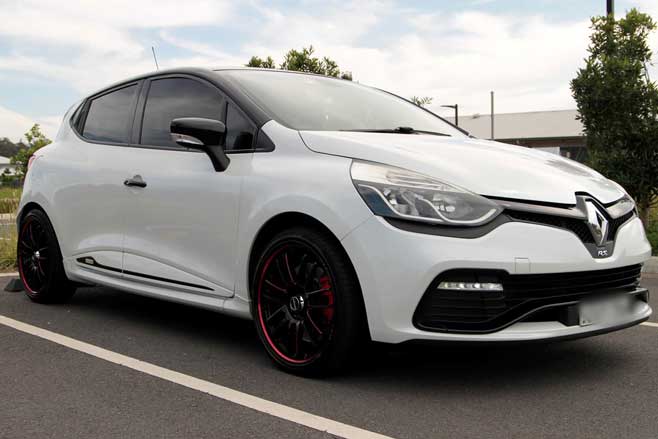
Renault’s main aim with the most recent Clio RS was to make it more useable and it seems to have worked, this limited edition Monaco GP example clocking up 176,500km in just six years – almost 30,000km/year! Available for $14,500.
1998 Subaru Impreza WRX hatch

Another example of rule-breaking but this WRX hatch is not only very cheap ($3950) but it’s driven the equivalent of around the earth and then to the moon and then some.
2016 Tesla Model S P90D
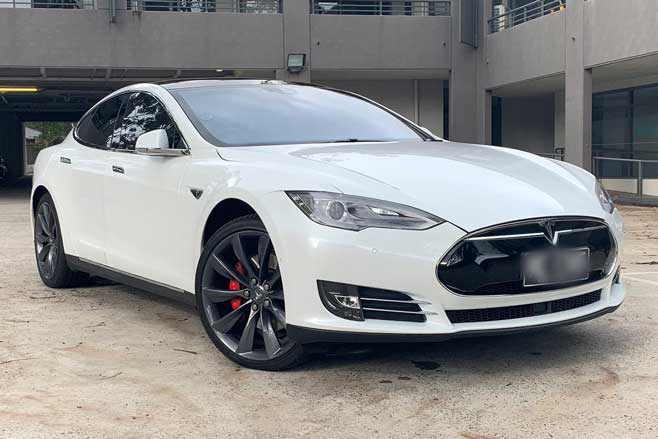
Last but certainly not least, this Tesla Model S proves range anxiety is a myth, the owner racking up almost 40,000 emissions free kilometres a year, a total of 159,900km since 2016. Teslas also seem to be retaining value quite well, this example listed at $98,900 despite the heavy use.
If the prospect of a powerhouse rear-drive, V8 sedan with a stick and three pedals has your interested piqued, then HSV could well deliver exactly that. Just not in the short term.
Cadillac’s CT5-V Blackwing has some engineering that’ll certainly have a familiar ring with traditional Holden customers.
A 6.2-litre supercharged V8 lump and a six-speed manual transmission is a mouth-watering combo. When that’s marshalling some 484kW, it’s time to get stoked. You may know this engine from the Camaro ZL1.
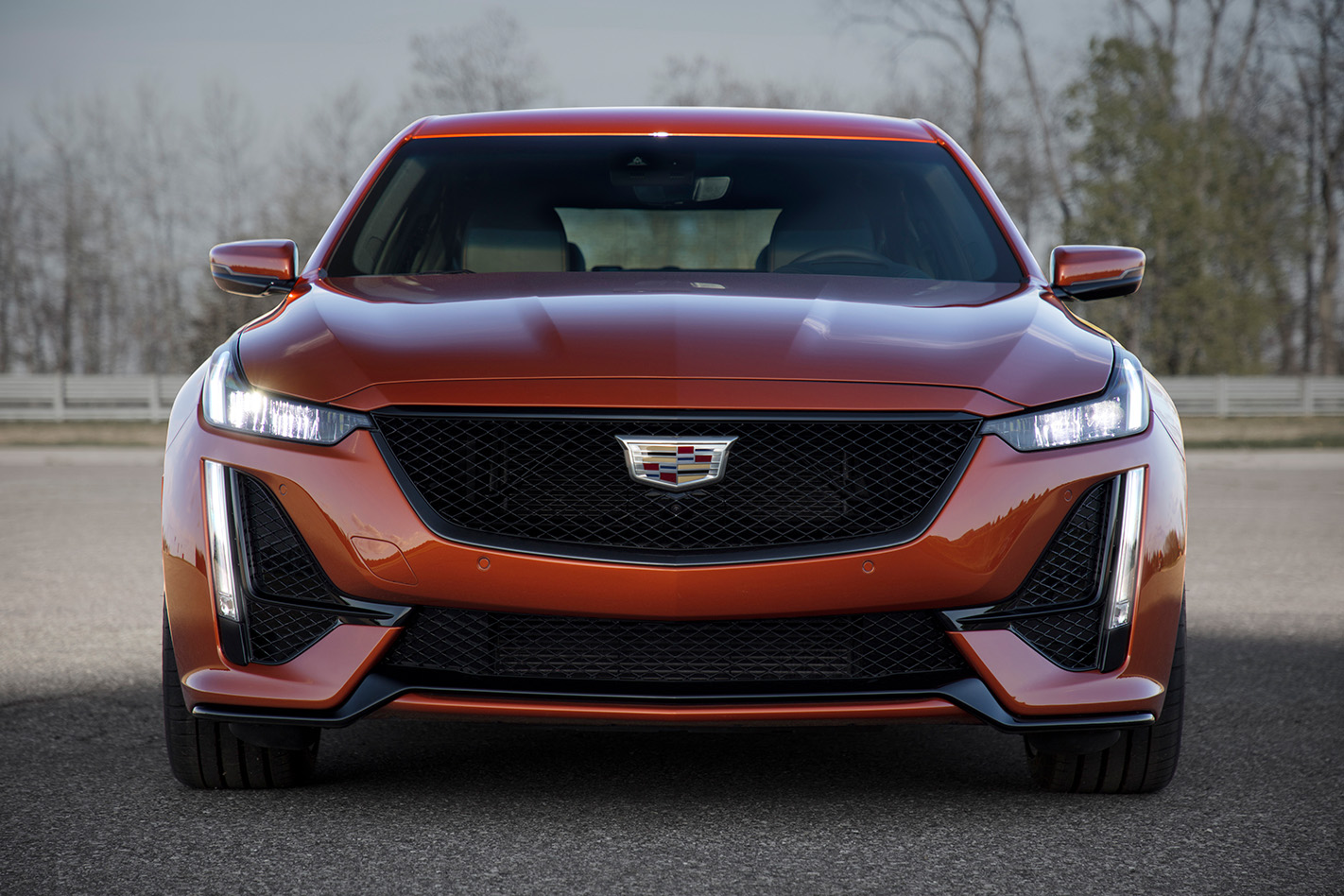
“They look exciting,” admitted HSV’s Chris Polites of the Blackwing models, clearly having to bite his tongue. “That’s all I can really say about them at this point in time.”
“They’re not in our immediate term plans,” he explained. “We just launched the [Chevrolet Silverado] 1500 today so that’ll keep us busy for the short term.”
The Blackwing version of the CT5-V is set to rival the Mercedes-AMG C63 and the BMW M3 and will be offered in the US with a choice of six-speed manual or 10-speed automatic transmissions.
Rather confusingly, there was a 410kW 4.2-litre twin-turbo V8 Blackwing engine developed by Cadillac for this car, but that’s purportedly not going into the flagship performance model.
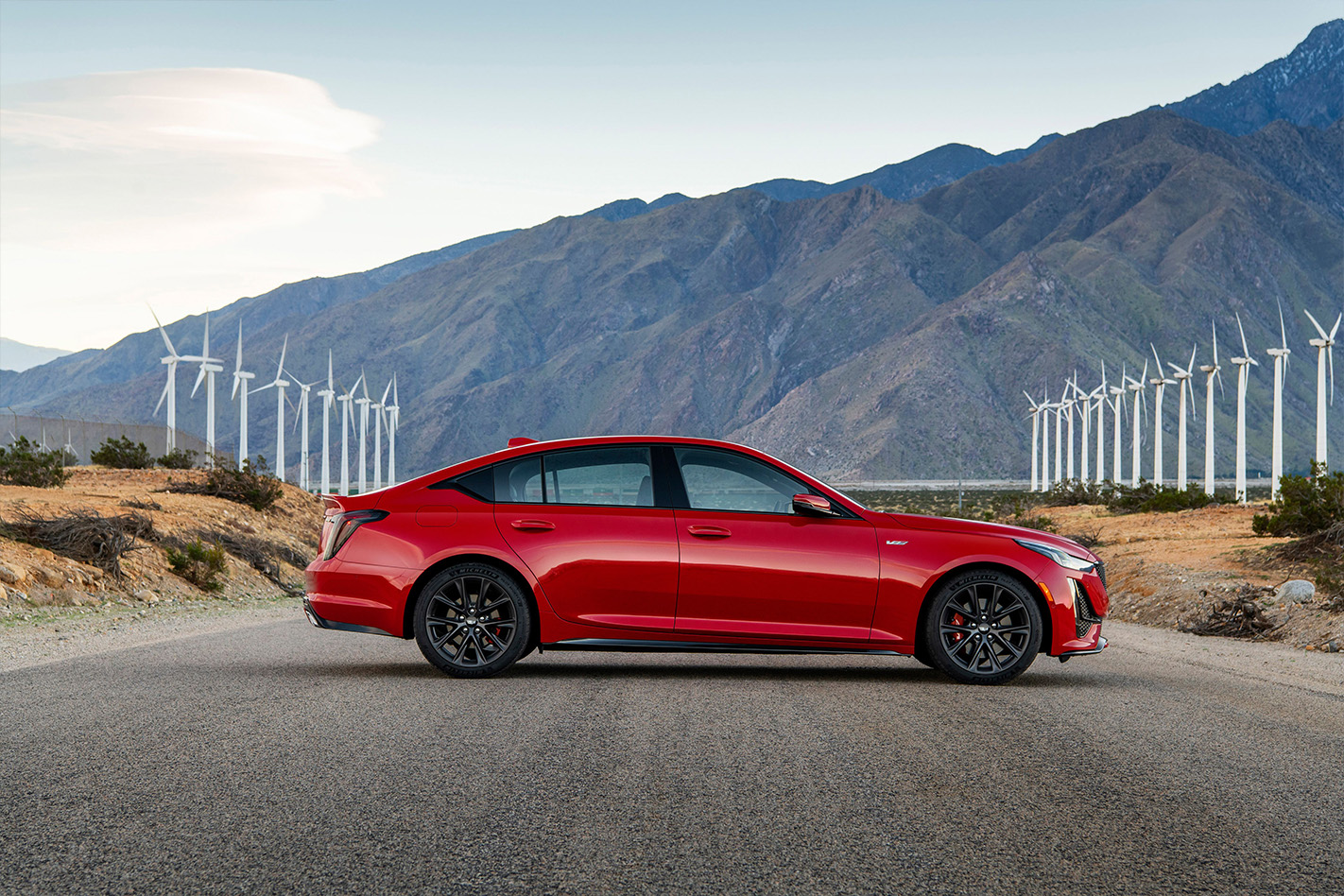
The non-Blackwing version of the CT5-V sports a 268kW 3.6-litre V6, so it’s more of an S4/C43 kind of deal. Offering both flavours would broaden the range without a huge additional investment in right-hand drive conversion development.
There are also the more affordable CT4-V models to consider. In the US, this is offered as a rear- or all-wheel drive platform, powered by a 2.7-litre turbo four, producing 242kW. An Audi S3 or BMW M240i rival, the longitudinally-mounted engine is, coincidentally, related to the four-pot found in Silverado pick-ups and drives through the ubiquitous 10-speed auto.
The forthcoming Blackwing version of this car targets RS3 and M2 levels of performance and is also mooted to get a six-speed manual ‘box. It’s rumoured that this car will carry over the old ATS-V’s twin-turbo 3.6-litre V6, and a minimum of 300kW is to be expected. Power is also said to go exclusively to the rear treads.
Post VFII Commodore, these two cars would appear to make a good fit for HSV. The company has earned its spurs with the mothership back in Detroit due to the quality of its re-engineering work with right-hand drive Camaro.
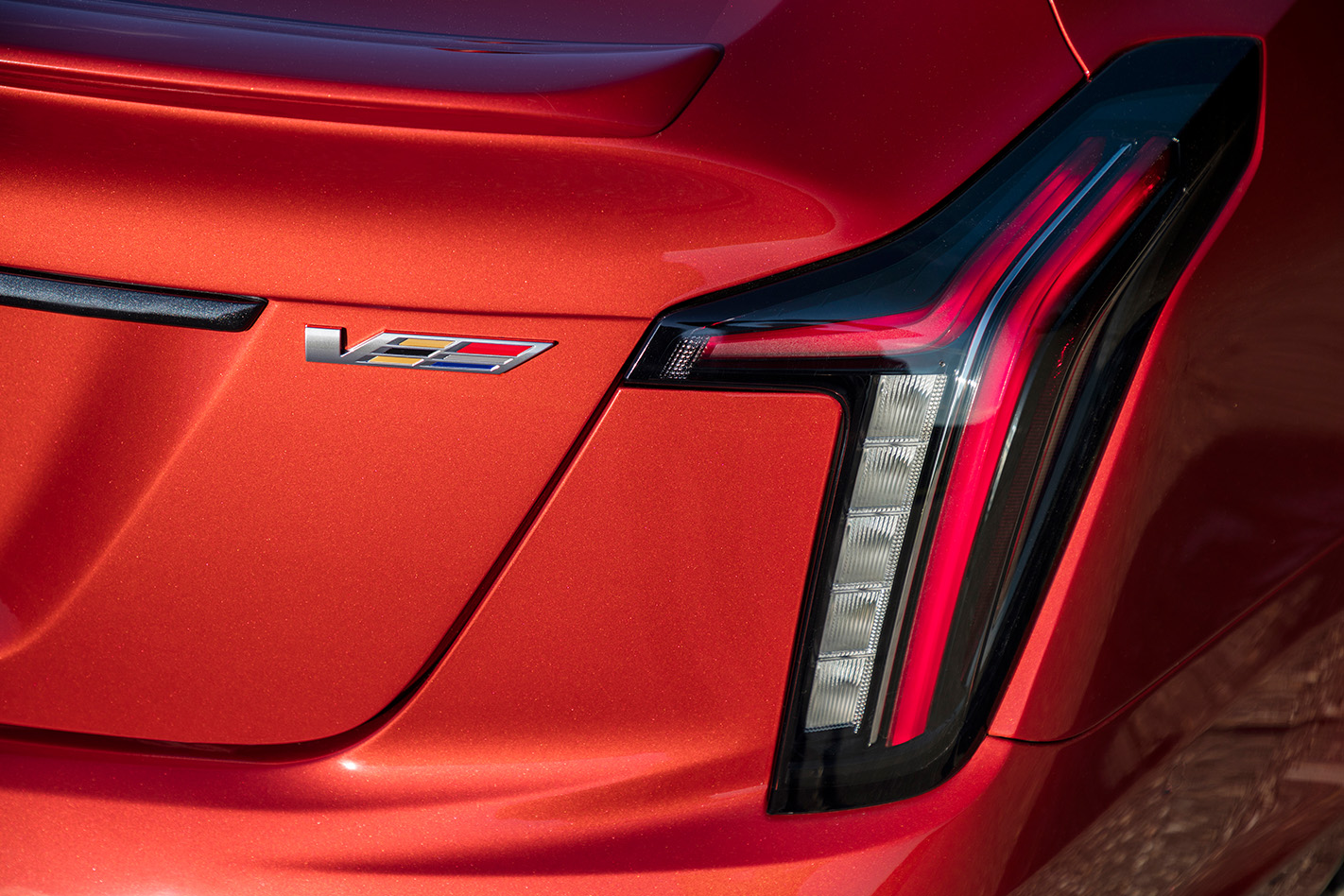
As HSV morphs into GM Specialty Vehicles, it’s hard to think of two cars that better exemplify that title.
We might well have to wait, but delayed gratification only makes what’s to come that much sweeter.
Lexus’ halo coupe, the gorgeous LC coupe, will be updated for 2020 (or the 2021 model year as many markets will call it) with sharper handling, better ride quality, and a slightly lower unsprung weight.
This means the V8-powered Lexus LC500 (the predominant LC variant purchased in Australia) will cop a suspension update, which Lexus says both create “smoother, softer performance,” and “sharpen the coupe’s performance.”
The primary suspension changes outlines include aluminium lower control arms, which are joined by lighter wheels, and lighter, stronger coil springs. The total reduction of unsprung weight is roughly 10kg.
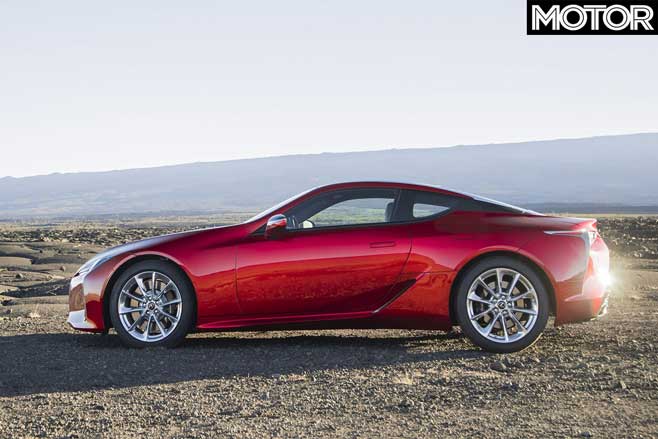
“Once the weight-savings had been made, the focus was on updating the suspension for a smoother, softer stroke to give the driver a stronger feel of the road,” Lexus’ European press statement says.
“The electronic front shock absorber controls were adjusted to give a longer stroke, and bound stopper rigidity was optimised to help create a smoother suspension stroke overall.
“Rear anti-roll bar rigidity was increased to improve front turn-in performance and provide more linear steering input, again helping make the driver feel more connected to the road.”
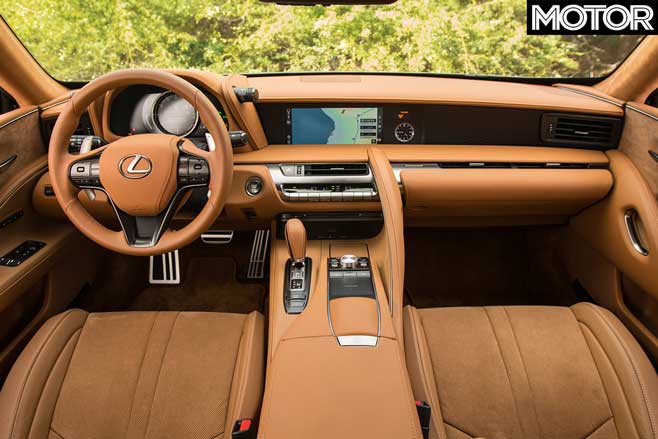
The drivetrain of the LC500 will remain unchanged, with the 5.0-litre atmo V8 still making a respectable 351kW and 540Nm, though the hybrid V6 LC500h will have its 10-speed auto transmission updated with new shift timing to improve both everyday driving and acceleration out of corners.
MOTOR has contacted Lexus Australia to confirm local details of the LC update and, while the brand’s local arm is unable to reveal information at this point, a spokesperson reconfirmed the expected arrival of the LC Convertible in the second half of 2020.
- New Toyota Harrier debuts in Japan
- Virtually identical to RAV4 under the skin
- Will it come to Australia?
Details on the Toyota Harrier dropped this week, and the more we look at it, the more that we’re convinced that it could have a lot of potential fans outside of its home market of Japan.
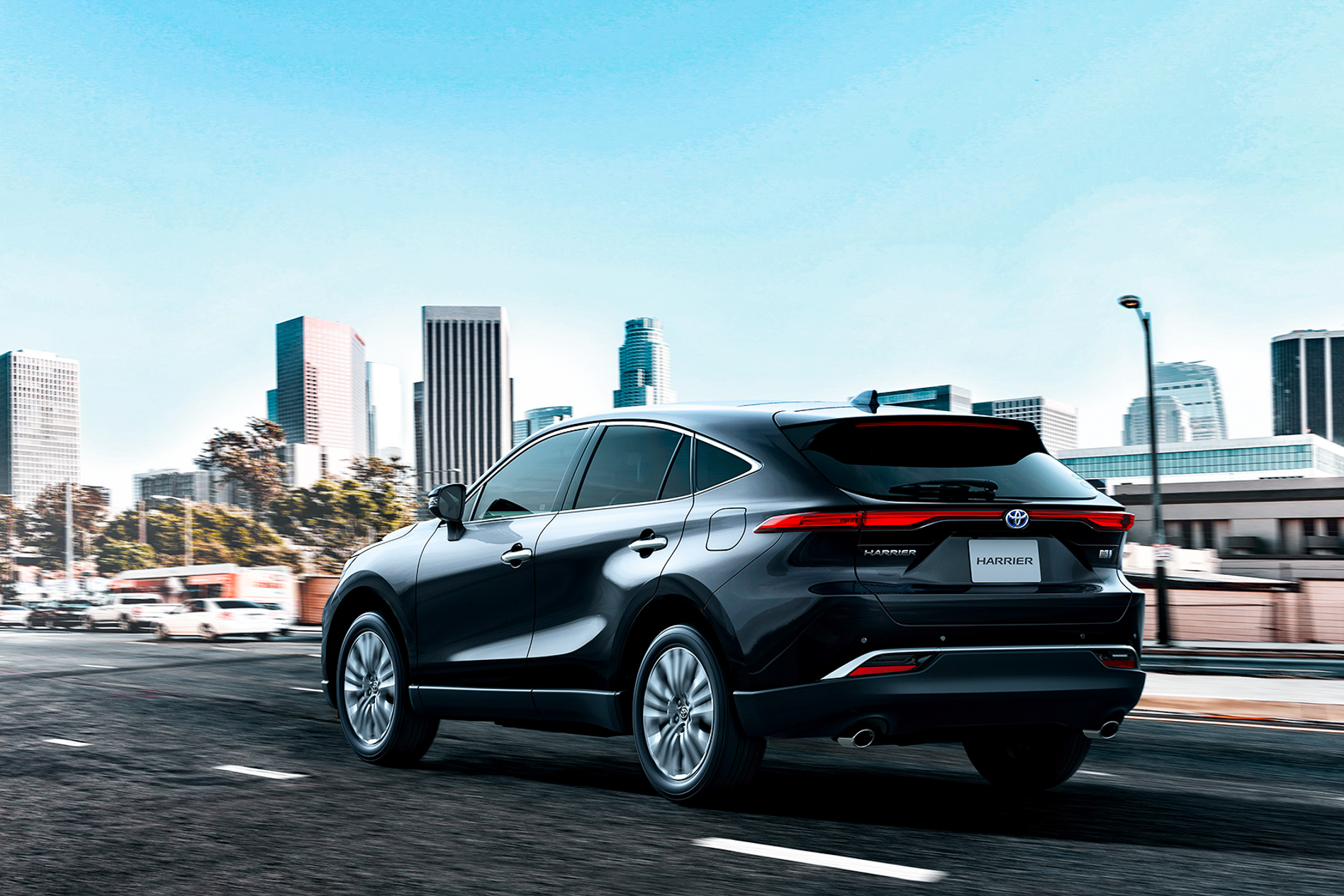
The Harrier is the latest Toyota product to move over to the car giant’s all-encompassing global platform, the TNGA-K, which has imbued the Toyota line-up with a new sparkle when it comes to driving dynamics. It’s the same platform that sits under cars like the Camry, too.
At 4740mm long, it’s 140mm longer than a RAV4 and 210mm shorter than a Kluger, but measures the same width-wise as a RAV. Thanks to that new, swoopy roofline, though, it sits 25mm lower than the more boxy RAV4.
In terms of powertrains, the Harrier is almost a carbon copy of the RAV4, offering either a 131kW hybridised 2.5-litre four-cylinder petrol engine backed by a CVT transmission or a conventional 126kW 2.0-litre four-cylinder petrol engine using the same kind of gearbox.
The hybrid version can be had in electrically-assisted all-wheel-drive or conventional front-wheel-drive, while the 2.0-litre motor appears to have lost its turbocharger from the previous iteration of the Harrier. Interestingly, the hybrid Harrier offers a 100v/1500w outlet that uses the car’s battery as a power supply.
Styling-wise, the Harrier stands in obvious contrast to its boxier RAV4 sibling, with a curvier, more sensual design language that looks more Lexus than the big T. This is no coincidence – the Harrier is a snapshot of the next-generation Lexus NX SUV, at least when it comes to technology.
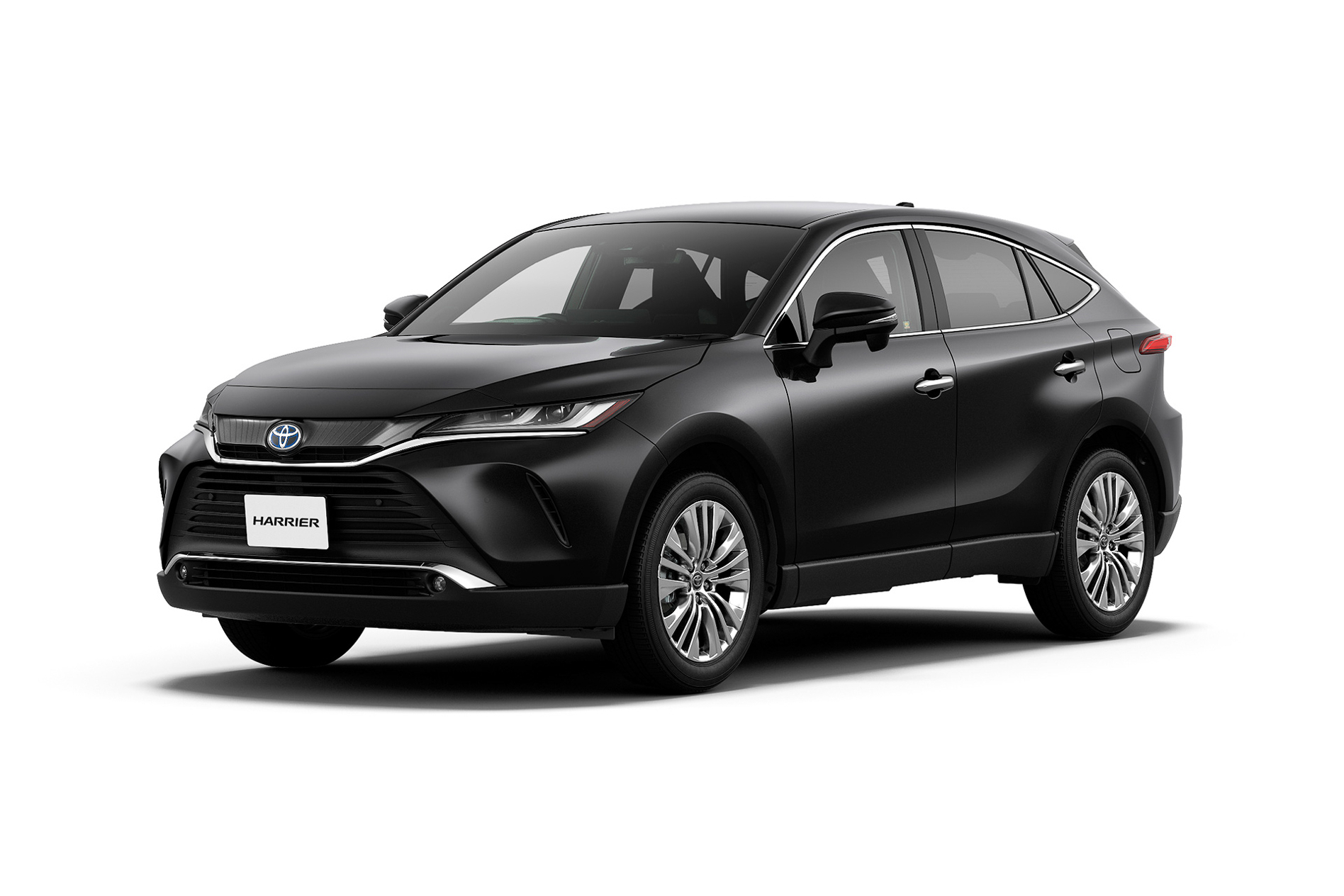
Speaking of new technology, the Harrier debuts a number of updated active safety measures for Toyota, including a pre-collision safety system that detects pedestrians day and night, as well as cyclists during the day. There is an Intelligent Clearance Sonar system that detects stationary objects, which will stop the Harrier before you biff a parking pole.
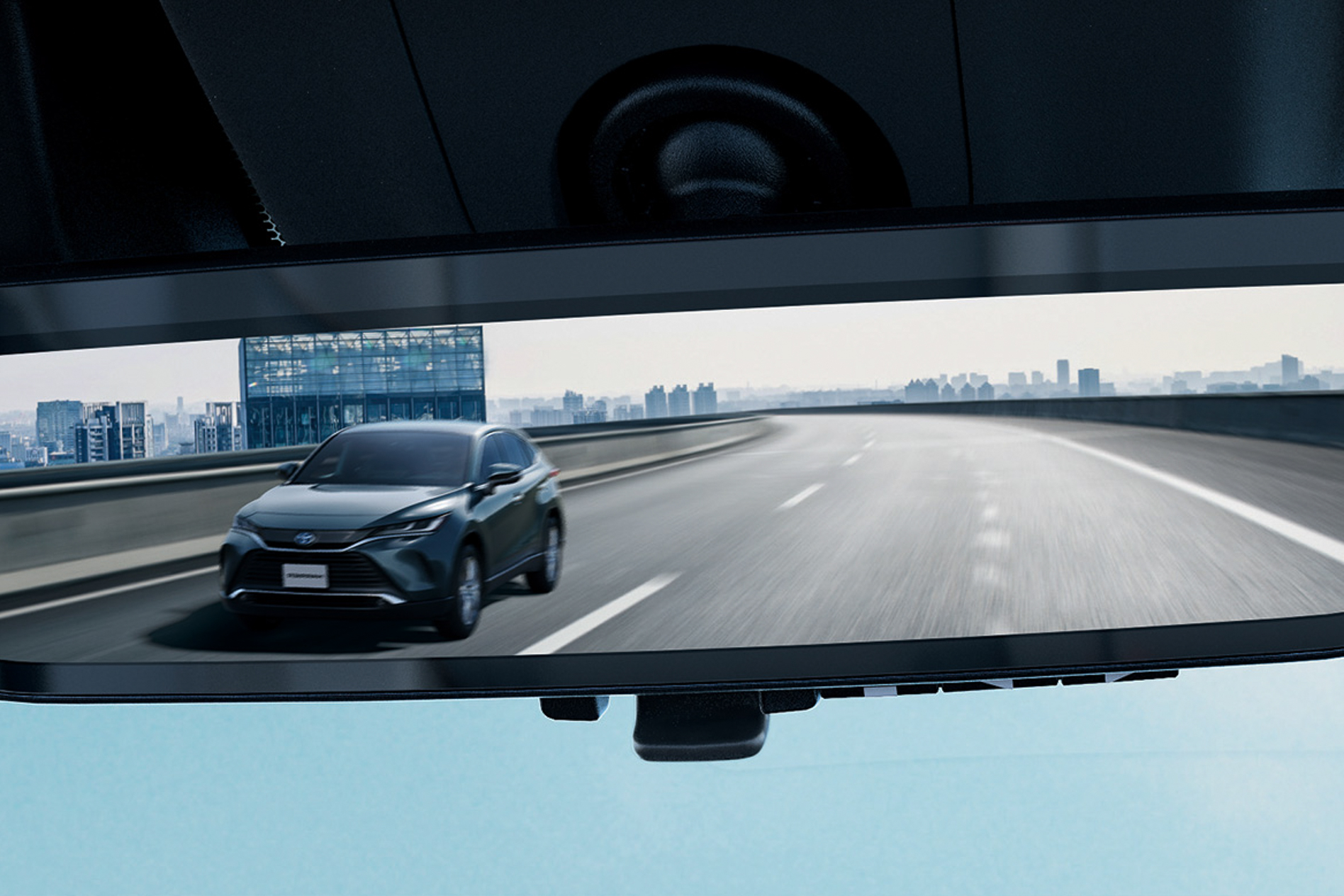
A new Digital Inner Mirror system is a factory-fitted dashcam set-up, too, which will enable the Harrier to record images both in front of and behind the car.
Other new and updated systems include torque-vectoring at the front wheels, a revised MacPherson strut front/multilink rear end and new dampers.
A 12.3in central touchscreen takes pride of place in an interior that’s more elegantly curved than the hard-edged RAV4, and it offers satellite navigation, smartphone mirroring and digital radio.
There is a lot of leather and faux wood grain going on in the Harrier, which also features the first-ever panoramic glass roof offered by the company. The roof is equipped with both photo-chromatic shading and electric sun visors.
Is the Toyota Harrier coming to Australia? We reached out to Toyota for an official answer, and it’s unexpected.
“The Harrier is not a vehicle that has traditionally been available in Australia and is currently not in our plans for introduction here,” a Toyota spokesperson told us.
The company is currently selling every RAV4 it can get its hands on, and even though the Harrier would present little in the way of logistical barriers, the costs of bringing it to market here need to be weighed against potential sales volumes.
If the Harrier pushes through the $60,000 barrier – and given the RAV4 Edge tops out at around $48,000 before on-road costs – it starts to intrude on stablemate Lexus’s territory, as well.
