
A 1964 Peel P50 microcar – best known globally for its unforgettable appearance on an episode of Top Gear – has sold at auction for $85,000 by Donington Auctions, after it was found undisturbed in a Gold Coast garage.
The tiny three-wheeler, hailed by the Guinness World Records as the smallest production car in history, has fascinated enthusiasts for decades and this latest result reflects both its rarity and cultural significance.
Originally produced on the Isle of Man in the early 1960s, the Peel P50 was designed for one adult occupant and a shopping bag, powered by a modest 49cc single-cylinder engine. It had no reverse gear – owners were instead expected to lift and manoeuvre the car using a handle attached to the rear. Its compact design, weighing just 59 kilograms, made it as much a conversation piece as a mode of transport.
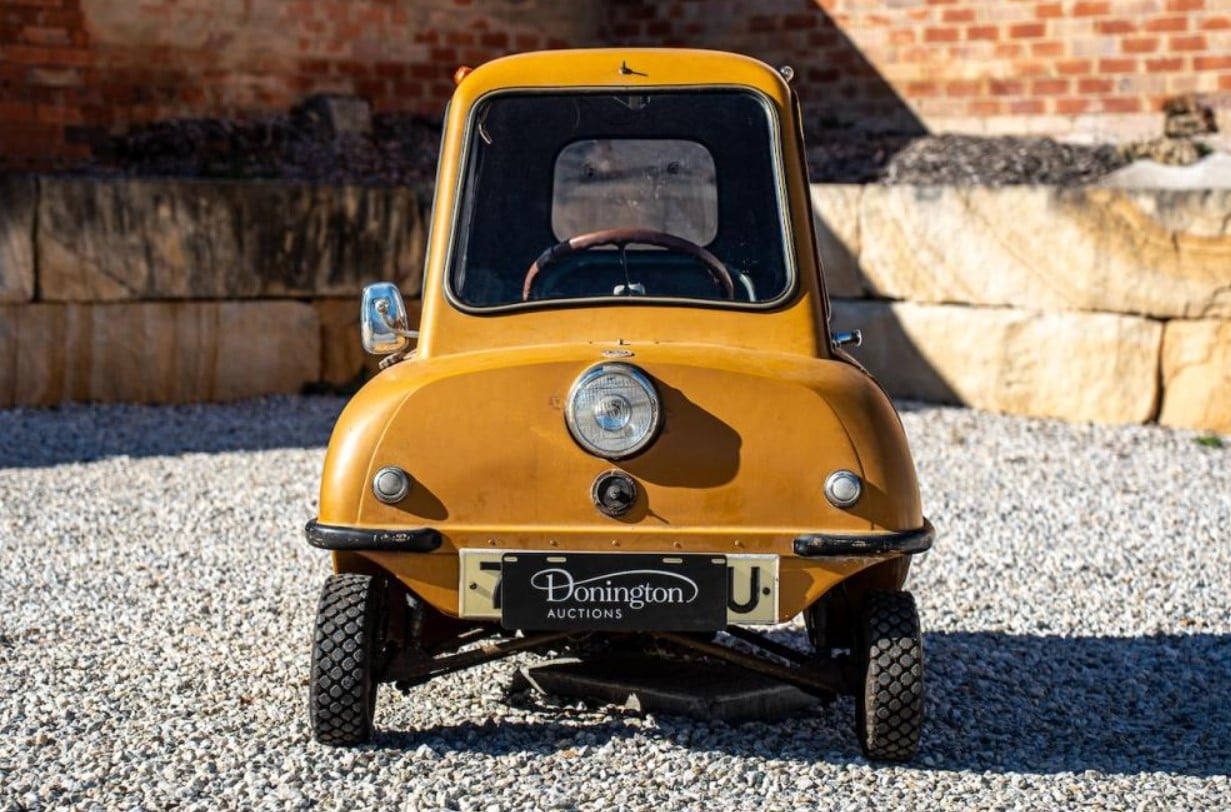
This particular example, chassis D533, is an extraordinary barn find with single-family ownership for 49 years. It was purchased by a microcar enthusiast in the UK in 1976 for just £750 (A$1545), before being shipped to Queensland in 1988, where it remained hidden away in storage for nearly four decades.
Despite being repainted brown from its original Dragon Red, the Peel retains its originality and comes complete with its original buff logbook, confirming its early registration in Manchester in 1964.
Fewer than 50 Peel P50s were ever produced, and only around 27 are believed to survive, making this one of the world’s rarest microcars. Its fame skyrocketed after Jeremy Clarkson famously drove one through the BBC offices on Top Gear, squeezing into lifts and navigating tight corridors – an appearance that cemented its place in popular culture.
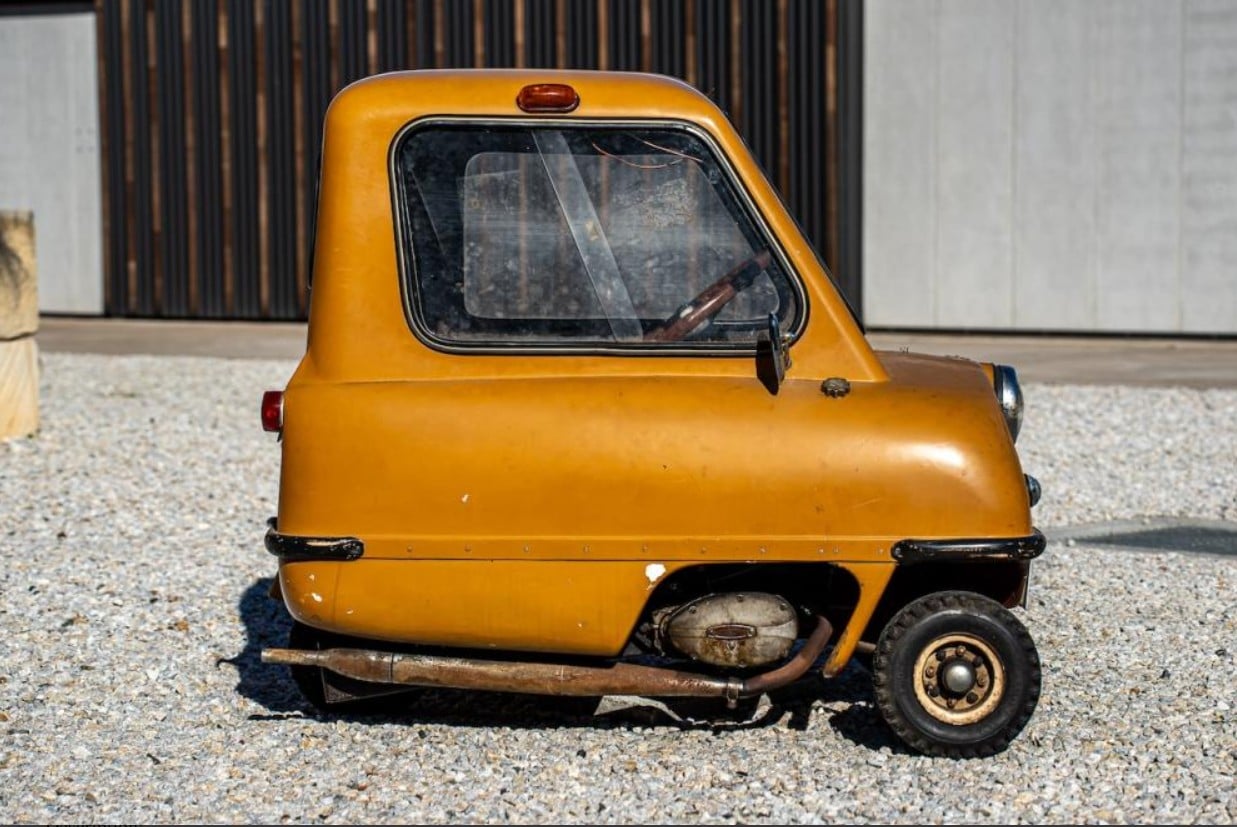
The model offered at auction is currently non-operational but appears complete, offering an exciting restoration opportunity for the successful buyer.
Included in the sale was a trove of historical documents, including customs papers, MOT records and correspondence with the Peel Register and National Motor Museum.
With values for authentic Peel P50s climbing steadily – one example sold in the US in 2016 for more than US$170,000 – this $85,000 result underscores the enduring appeal of one of motoring’s smallest giants. For collectors seeking the ultimate conversation starter, the Peel P50 remains in a class of its own.
Toyota has officially revealed the Land Cruiser FJ, a new model designed to reintroduce the spirit of simplicity, durability and adventure that helped make the Land Cruiser a global icon more than 70 years ago. However, while the model is destined for international markets,
Toyota has confirmed the FJ is not currently planned for Australian sale. In a move that may hint at future possibilities, the FJ name has been registered locally, suggesting Toyota is keeping its options open.
The Land Cruiser FJ becomes the fourth pillar in the Land Cruiser family, joining the flagship 300 Series, rugged 70 Series and lifestyle-focused 250 Series unveiled earlier this year. Inspired by the original BJ of 1951 – the first motor vehicle to reach the sixth station of Mount Fuji – the FJ carries forward the Land Cruiser legacy of trust and toughness, with an emphasis on approachability and enjoyment.

Toyota says the FJ has been developed around the theme of “Freedom & Joy”, designed to offer the capability of a true Land Cruiser in a smaller, more flexible package. Developed using global customer feedback, it promises the durability, reliability and go-anywhere performance expected from the nameplate, but in a form designed to be accessible to new generations of drivers and outdoor enthusiasts.
The new model features distinctive retro-inspired styling with a boxy silhouette, chamfered edges and a rectangular motif that blends traditional Land Cruiser DNA with modern functionality. Front and rear bumpers are modular and removable to enhance repairability and allow owners to personalise their vehicle. Round headlights, MOLLE panels for attaching outdoor gear, and a wide range of optional accessories further emphasise its adventure credentials.

Inside, the FJ adopts a horizontal dashboard layout designed for maximum visibility and intuitive off-road operation. Toyota Safety Sense technology is included to support safe driving in all terrain conditions.
Despite its compact footprint, the FJ’s shortened wheelbase provides excellent off-road manoeuvrability and a tight 5.5-metre turning circle. Its platform has been refined from Toyota’s IMV architecture, enabling class-leading approach angles and wheel articulation on par with the legendary 70 Series.

Set to launch in selected markets from 2026, the Land Cruiser FJ is part of Toyota’s renewed global push to make the Land Cruiser family more diverse and lifestyle-oriented.
Although Australian availability has not been confirmed, Toyota’s local trademark registration for the FJ indicates that the model could be considered for the Australian market in future, should demand and production availability align.
For now, off-road enthusiasts will be watching closely—because the spirit of the FJ may yet find its way Down Under.

Since October 8, Western Australia has activated full enforcement of its new artificial intelligence road safety camera program, issuing fines after an extensive eight-month warning period revealed widespread non-compliance on the state’s roads.
During the trial phase, AI-enabled cameras monitoring key locations across Perth and regional areas detected more than 380,000 road safety breaches, with 65,000 warning notices issued to motorists for violations such as phone use, speeding and failing to wear a seatbelt correctly.
Authorities say the warning period successfully prompted behavioural change, with a 40 per cent drop in offences recorded between February and September. However, drivers will now face penalties of up to $1000 and four demerit points for using a mobile phone illegally, speeding, or not complying with seatbelt laws.
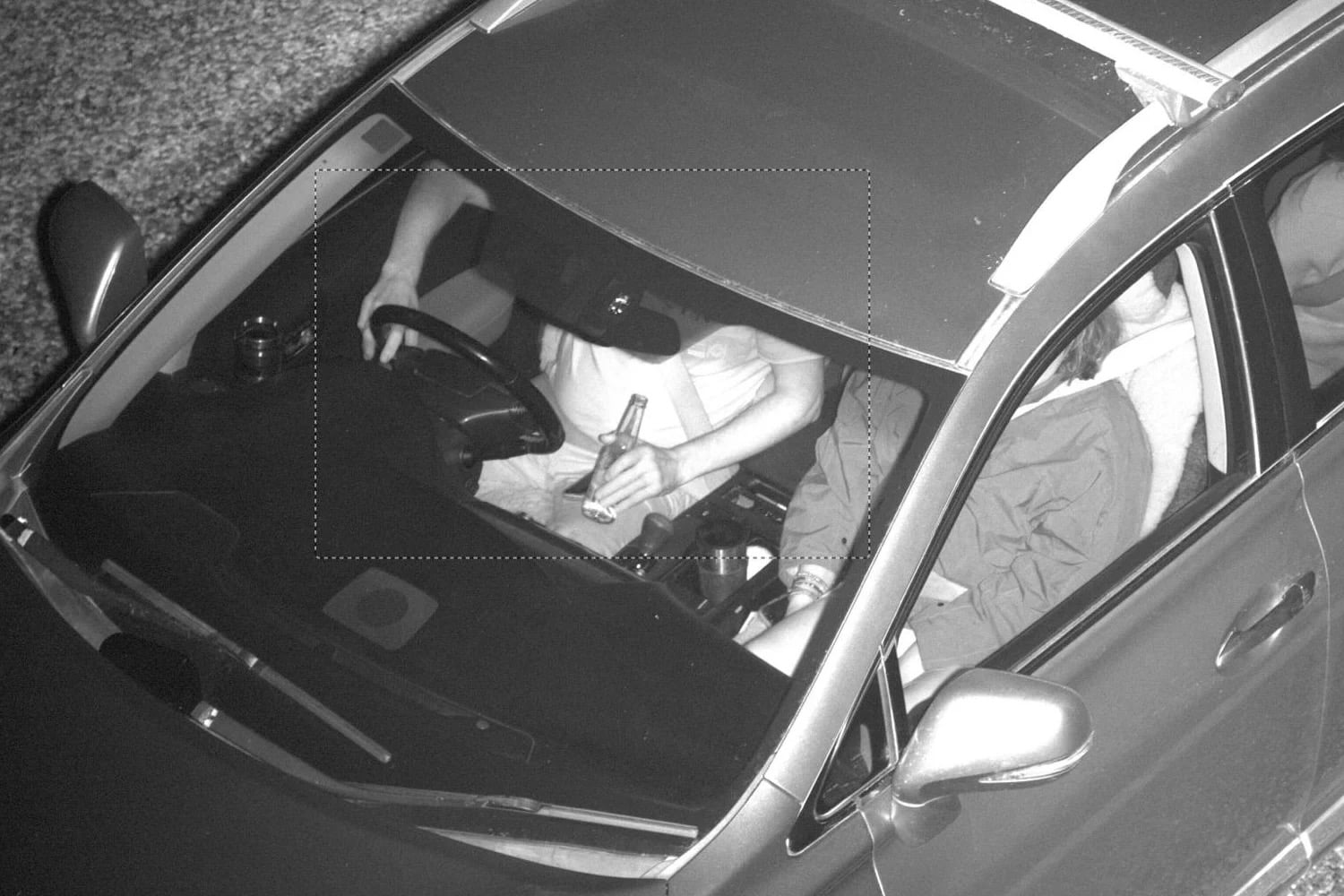
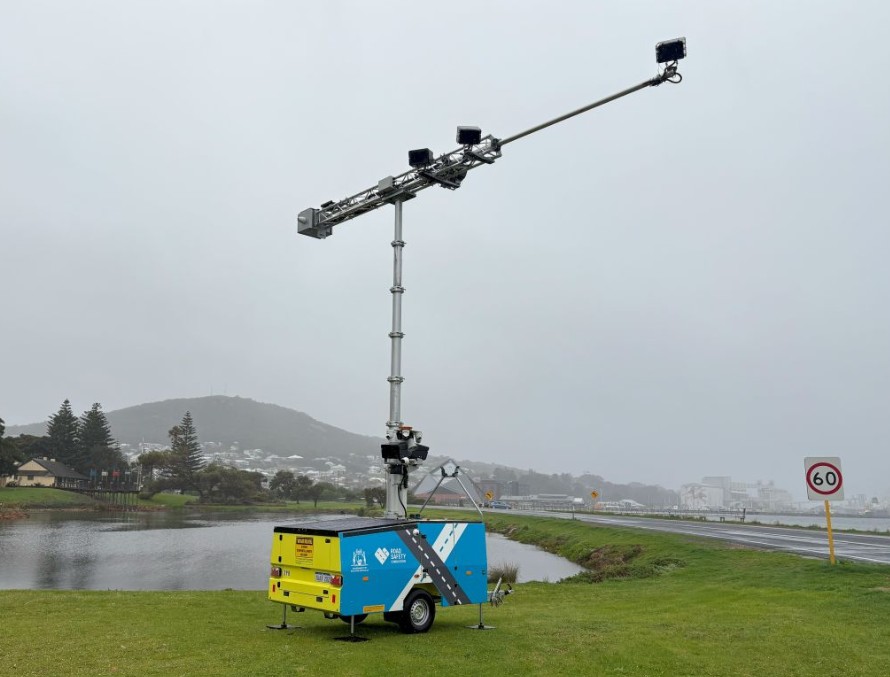
The system uses advanced AI cameras mounted on fixed and mobile trailers capable of detecting multiple offences simultaneously. These cameras can identify drivers using mobile phones, handling objects, failing to wear their seatbelt properly, or travelling at excessive speeds. They are also able to detect unregistered vehicles, monitor heavy vehicle speed limits and assess whether trailers or caravans are being towed legally.
During the trial, 114,800 drivers were detected wearing a seatbelt incorrectly, 158,000 were caught using a mobile phone, and 100,000 were found speeding. Authorities also reported dangerous behaviour such as children travelling unrestrained in front seats and drivers seen using drugs or drinking behind the wheel.
One motorist was reportedly captured committing more than 80 separate offences within just a few months.
The rollout comes amid mounting concern over road safety in WA. The state has recorded its highest road fatality figures in nearly a decade, with 148 deaths so far this year, a 6 per cent increase on 2024.
Police Commissioner Col Blanch said the new enforcement measures are intended to change habits, not just raise revenue.
“If you’re caught in the first week, you really need to question your ability to drive safely,” he said. “Wearing a seatbelt or putting down your phone is a conscious decision.”
Road Safety Minister Reece Whitby said penalties were now necessary to protect lives.
“Every time you drive, you make choices that can end in tragedy. These cameras are about saving lives, not catching people out,” he said. “Slow down, buckle up and put the phone away.”
AI-based road camera technology is already in use across several Australian states, generating substantial reductions in risky driving behaviours. WA authorities say they expect similar improvements as full enforcement is now underway.
Chery has revealed what it calls the world’s first ‘7-Seat Transformable Multi-SUV’, an innovative vehicle designed to adapt to the many roles modern families play – traveller, worker, adventurer or commuter.
Unveiled in China at the 2025 Chery User Summit, the vehicle reimagines what an SUV can be, introducing a new ‘mobile home’ philosophy built, Chery says, on user feedback gathered from around the globe.
At the heart of the concept is Chery’s ‘6=1’ configuration principle, which allows a single vehicle to transform into six unique layouts by reconfiguring internal seating and removing the rear hatch. This flexibility, according to Chery, enables the vehicle to meet 99 per cent of mobility needs for large families, tradespeople and outdoor enthusiasts.
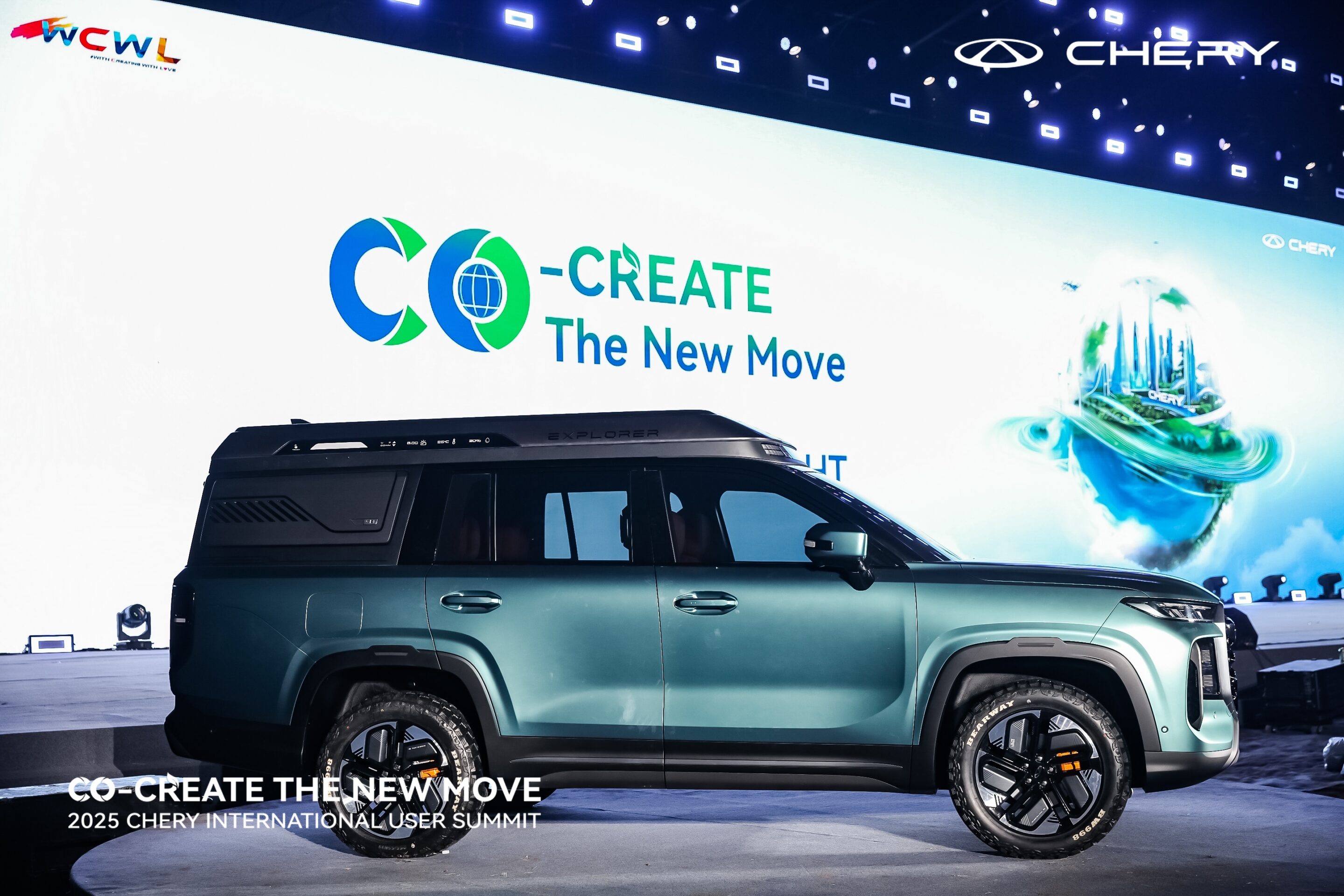
In ‘Large 7-Seat SUV Mode’, the vehicle stretches over 4.9 metres in length with an exceptional interior height of 1,284mm. The cabin is tall enough for a young child to stand upright and designed to allow elderly passengers to enter effortlessly – delivering on Chery’s vision of comfort-focused mobility for multiple generations in one family.
For work or active lifestyles, the SUV can switch into ‘Double-Cab Pickup Mode’ using a quick-release mechanism. This opens a 600-litre cargo bed equipped with tie-downs and adjustable dividers to carry surfboards, tools, flowers, tents or equipment. It removes the age-old compromise between carrying people or payload.
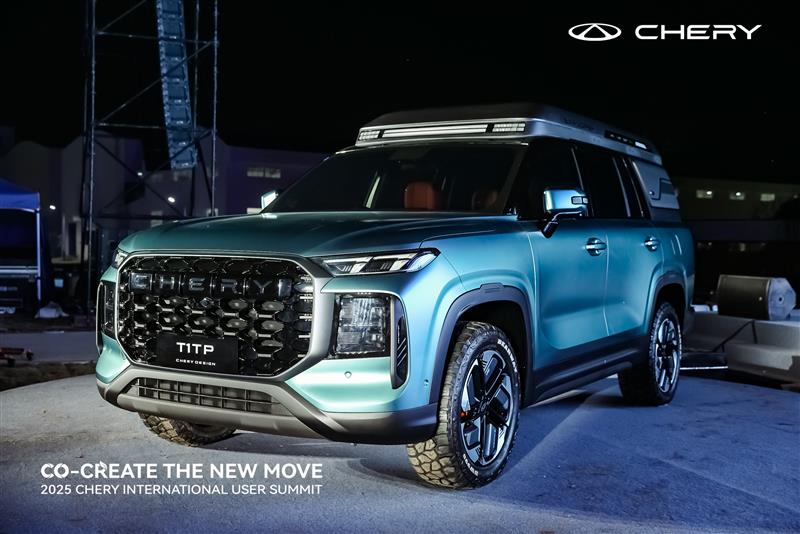
Outdoor explorers are catered for with ‘Camper Mode’, which supports an ecosystem of accessories including roof tents, awnings, entertainment screens and external power outlets. Chery says this mode is engineered to inspire road trips, off-grid living and flexible travel experiences.
This ambitious development is the culmination of over 300 days of global field research conducted by a dedicated team of 20 experts. Chery says the project represents a new era of user co-creation, where customers play an active role in shaping how vehicles are designed and used.
The production version is expected to launch internationally in the third quarter of 2026, though Australian timing remains unconfirmed.
The Mazda CX-80 is the most important model in the brand’s premium push, expected to be the biggest seller thanks to the family-friendly flexibility of three rows of seats in an extended mid-size package.
The scope of Mazda’s ambition is best expressed by the range-topping Azami SP, which trades practicality for luxury with its middle-row captain’s chairs and two-tone interior. Can it tempt those who bought a CX-8 into digging a little deeper into their pockets?
Price and equipment
Pricing for the Mazda CX-80 covers a broad spectrum. You can score a petrol CX-80 Pure for $56,990 at the time of writing thanks to a current driveaway offer, while at the other end a plug-in hybrid Azami with the SP package is nudging six figures once on-road costs are applied.
The flagship Azami grade starts at $74,400 (+ORCs) for the petrol G40e, a figure that compares quite favourably to the $69,560 (+ORCs) Mazda asked for the CX-8 Asaki before it was discontinued in 2023.
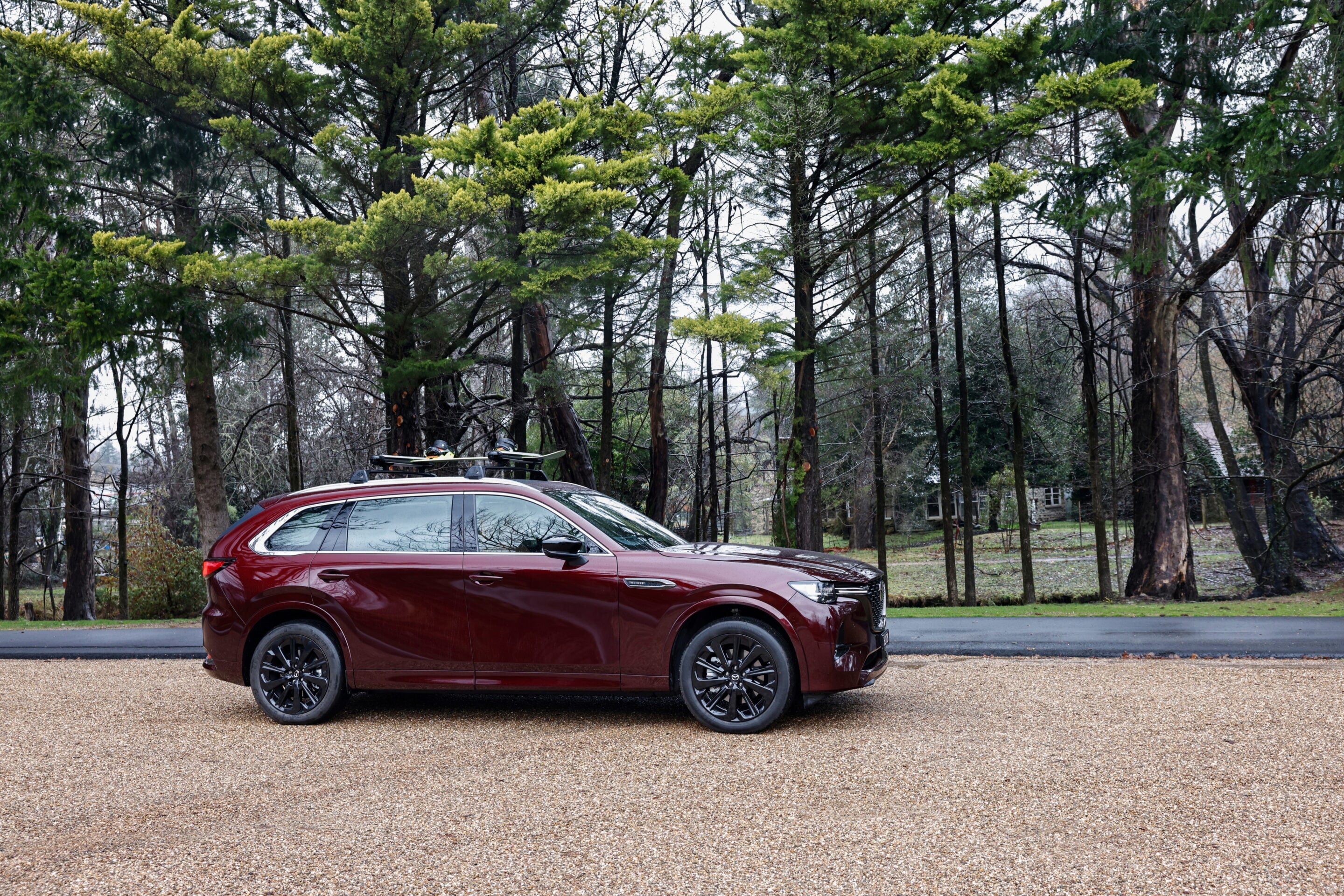
If you want to mirror our test car, however, you need to add $2000 for the diesel engine, another $995 for the Artisan Red paint (though blue, beige and black are available at no cost) and $5000 for the SP package for a total of $82,395 (+ORCs).
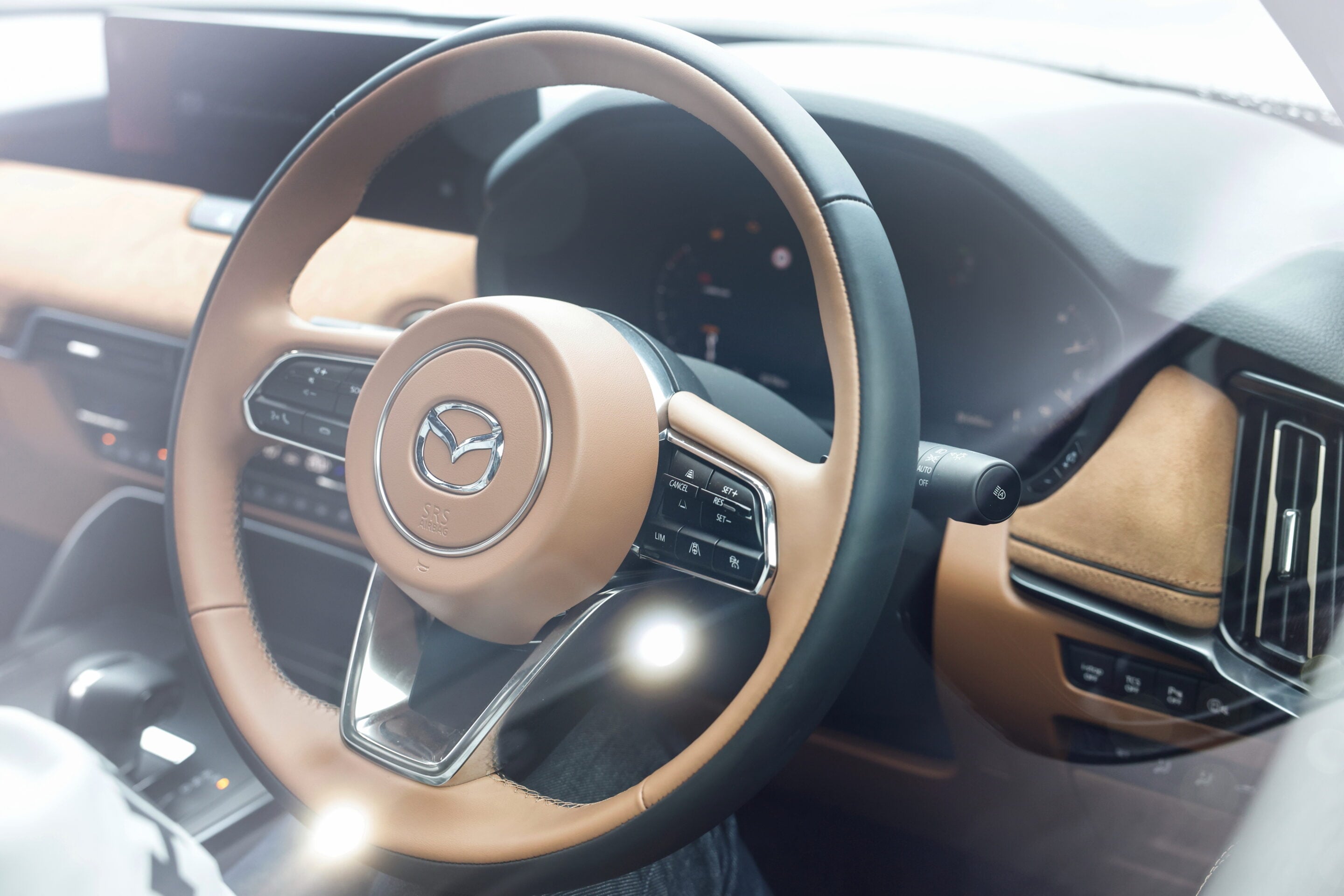
That SP package replaces the three-across middle row with a pair of heated and ventilated separate seats with their own centre console, along with quilted tan Nappa leather seat upholstery, a suede dash, two -tone steering wheel, black 20-inch wheels and blacked-out exterior highlights. Full details of the CX-80 Azami’s feature list can be found below.
Pricing
| Mazda CX-80 | Pricing* |
|---|---|
| G40e Pure | $55,200 ($56,990 driveaway) |
| G40e Touring | $62,200 |
| D50e Touring | $64,200 |
| P50e Touring | $75,250 ($72,990 driveaway) |
| G40e GT | $69,200 ($72,990 driveaway) |
| D50e GT | $71,200 |
| P50e GT | $82,250 ($79,990 driveaway( |
| G40e Azami | $74,400 |
| D50e Azami | $76,400 |
| P50e Azami | $87,450 ($85,990 driveaway) |
*plus on-road costs
Mazda CX-80 Azami standard features
- 20-inch wheels
- Adaptive LED headlights
- Body coloured wheelarches, lower cladding and exterior mirrors
- Courtesy lamps
- Panoramic sunroof
- Hands-free power tailgate
- Keyless entry and start
- Nappa leather seat upholstery
- Power adjustable, heated and ventilated front seats
- Heated outboard rear seats
- Heated steering wheel
- Dual-zone climate control
- Head-up display
- 150W AC outlet
- 12.3-inch TFT LCD instrument display
- 12.3-inch infotainment display
- Wireless Apple CarPlay and Android Auto
- AM/FM/DAB+ radio
- Satellite navigation
- 12-speaker Bose stereo
- Wireless phone charger
- Mazda Connected Services
- Rear window sunshades
Safety
The Mazda CX-80 carries a five-star ANCAP rating from 2023 with impressive scores of 92 per cent for adult occupant protection, 87 per cent for child occupant protection, 84 per cent for vulnerable road user protection and 83 per cent for safety assist.
Mazda CX-80 safety features
- Eight airbags, including third-row curtain
- Autonomous emergency braking (AEB) with pedestrian and cyclist detection
- Reverse AEB
- Front and rear cross-traffic alert
- Blind-spot monitoring with safe exit warning
- Adaptive cruise control with steering assist
- Driver monitoring
- Emergency lane keeping
- Lane-keep assist
- Front and rear parking sensors
- 360-degree camera with see-through bonnet function
Interior, practicality and boot space
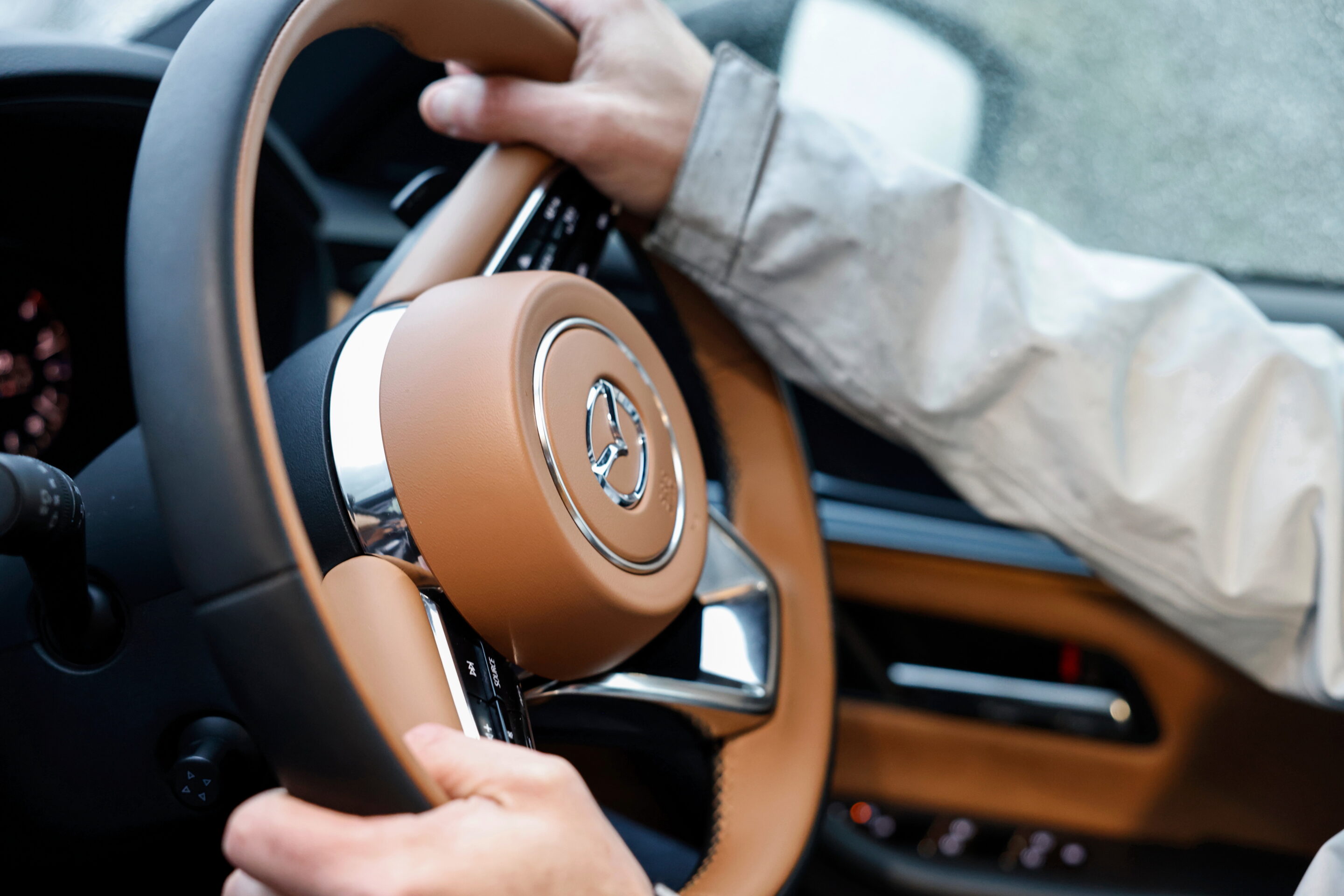
Step inside the Mazda CX-80 Azami SP and the price premium over the previous CX-8 is understandable. It’s a very swish cabin, especially in six-seat guise, with the quilted tan leather, heating and cooling for the front two rows of seats and lashings of suede across the dash and door cards.
In SP guise those in the middle row will be just as comfortable as those in the front, arguably more so, but even in standard seven-seat form there is plenty of space with a split bench that can also slide forward and aft.
Access to the third row isn’t too difficult and there is even enough room for adults back there as long as they aren’t too claustrophobic, especially if those in the middle row don’t mind sacrificing a little legroom.
With all three rows in place there is a quoted 258 litres of storage space, which on the plus side is only measured to the top of the seat backs so it’s enough for quite a few shopping bags, though on the downside the figure includes the underfloor storage space and speaking of which, there is only an inflation kit, not even a space-saver spare.
Drop that third row and there’s 566 litres of space (once again to the top of the seat back and including underfloor storage) but it’s a sizeable area that even a family trip away may struggle to fill.
With both rear rows down and measured to the ceiling, there is 1971 litres of storage which is pretty gargantuan, but note in SP guise the rear centre console sticks up and prevents the floor being flat, limiting practicality.
Performance and fuel economy
Mazda’s new inline six-cylinder turbodiesel is a good way to satisfy both the heart and the head. With a healthy 187kW/550Nm it has impressive performance with a relatively cultured growl under hard acceleration, yet its combined fuel consumption claim is just 5.2L/100km.
Real-world use isn’t far off, either, the figure oscillating between 5.5-5.7L/100km over a week of varied driving. What’s interesting is that this is around 20 per cent better than the larger but identically engined CX-70 driven the week prior.
Despite revisions, however, the eight-speed automatic transmission, which uses a multi-plate clutch arrangement in place of a typical torque converter, still suffers from indecision in selecting gears and poor refinement when it figures it out.
Kudos to Mazda for its engineering ambition in creating its own bespoke gearbox, but an off-the-shelf unit from ZF or similar would make for a smoother, more premium experience.
Mazda also touts the CX-80 range as all-hybrid, but it’s important to note the turbocharged petrol and diesel models are 48-volt mild hybrids.
On the road
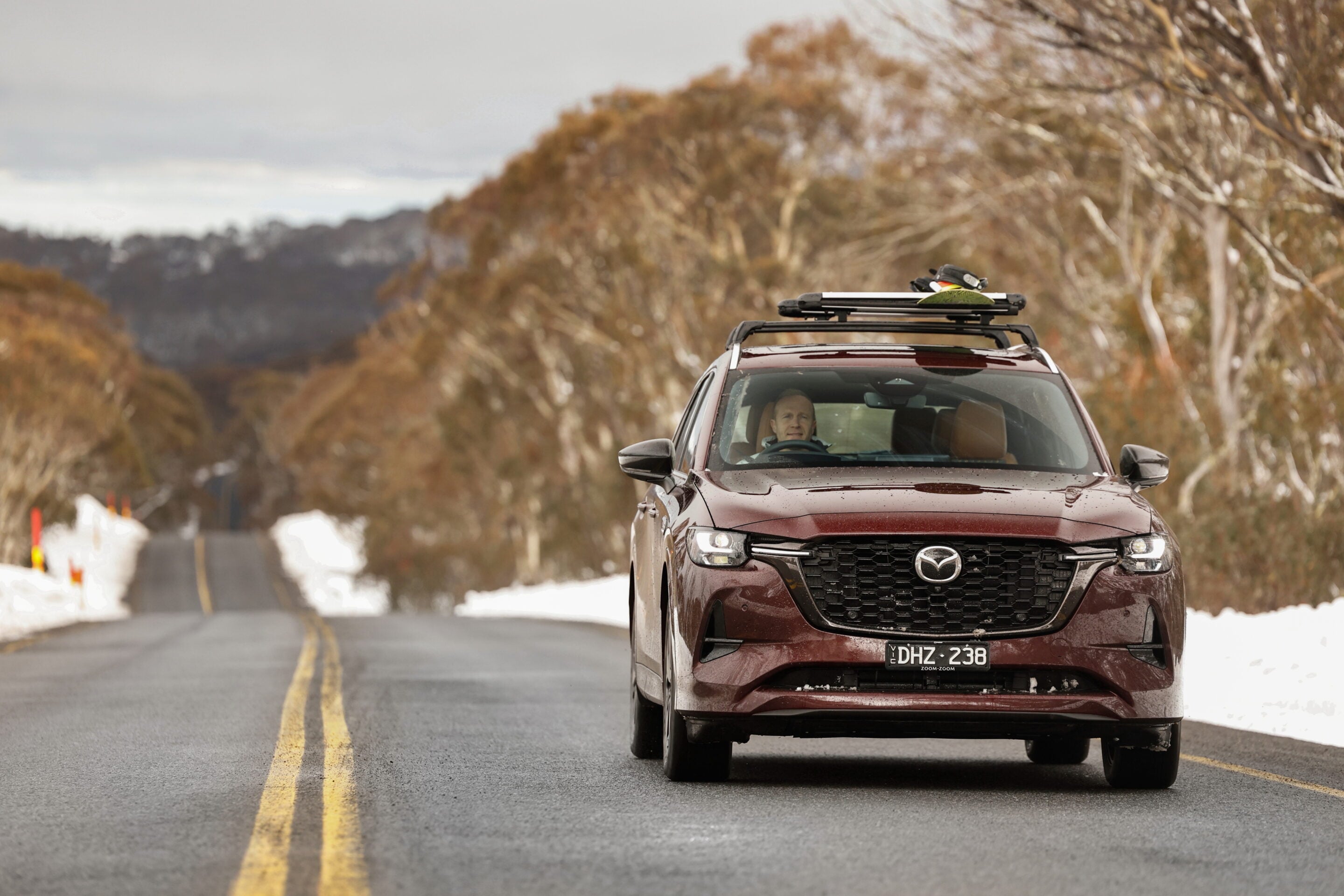
There’s a bit to unpack when discussing the Mazda CX-80’s on-road behaviour. Like most Mazdas, it’s clearly been developed by people who enjoy driving, evidenced by the meaty steering, impressive balance and accuracy for an SUV, and the rear-biased all-wheel drive system. Whether intentional or not, there’s a clear BMW influence in the way it drives.
Unfortunately, the good is overshadowed by the flaws now associated with this platform. Typically, wheelbase and tyre profile all aid ride quality, so how a car with a 3120mm wheelbase and 50-profile tyres can be this fidgety and unsettled is quite a mystery.
Like the smaller CX-60, the CX-80 has undergone extensive suspension revisions, including the removal of the rear anti-roll bar, upgraded subframe bushings, softer rear springs with greater travel and firmer shocks, and its behaviour over larger bumps is compliant and well controlled, but it also constantly feeds road imperfections back to the occupants in a way that pokes holes in Mazda’s premium aspirations.
However, there is a caveat here. Without wishing to excuse the car’s flaws, I do wonder how many of the target market will know and/or care? Those who value a car’s dynamics – Wheels readers, in other words – will take issue, but your typical family SUV buyer will probably be too enamoured with the premium presentation of the interior and exterior to focus on such foibles.
Service and warranty
Warranty coverage for the Mazda CX-80 Azami is five years or unlimited kilometres and the same applies to roadside assistance. Service intervals are shorter than usual at 12 months or 10,000km and it is expensive, costing a hefty $3367 over the first five years or 50,000km.
To provide some context, the Hyundai Santa Fe has identical intervals but costs $2425 over the same period, the Kia Sorento has 12 month/15,000km intervals and costs $2637 while the Toyota Kluger has the longer intervals and costs just $1400 over the first five visits.
Verdict: should I buy a Mazda CX-80 D50e Azami?
There’s a lot to like about the Mazda CX-80 Azami. If you discount the SP package, which looks quite nice with the tan leather but is of questionable value to family buyers, the price hasn’t actually risen that much compared to the old CX-8 but you get a six-cylinder engine, much better dynamics, a premium interior and the latest tech.
Unfortunately, the ride quality and transmission refinement are still not up to par, but it’s probably worth a test drive to see if you find them too objectionable.
The CX-80’s biggest rival may come from within. From the CX-80 Azami D50e’s base price of $76,400 (+ORCs), another $3400 scores the larger CX-90 GT, which loses a little bit of equipment but counters with more space and a better (though still firm) ride.
Otherwise, if you’re prepared to sacrifice a bit of glitz, a CX-80 GT D50e scores you a frugal, practical, well-equipped and (generally) polished family SUV that still rewards the keen driver.
Specifications
| Model | Mazda CX-80 D50e Azami |
|---|---|
| Price | $76,400 plus on-road costs |
| Drivetrain | 3283cc inline-six turbodiesel mild-hybrid |
| Engine power | 187kW @ 3750rpm |
| Engine torque | 550Nm @ 1500-2400rpm |
| Transmission | 8-speed multi-clutch automatic |
| Fuel economy | 5.2L/100km (ADR combined claim) |
| CO2 emissions | 137g/km |
| Fuel type/tank size | Diesel/74 litres |
| Dimensions (L/W/H/W-B) | 4990/1890/1710/3120mm |
| Boot size | 258/566 litres (third row up/down) |
| Kerb weight | 2130kg |
| Warranty | Five years/unlimited kilometres |
| Five-year service cost | $3367 |
| On-sale | Now |
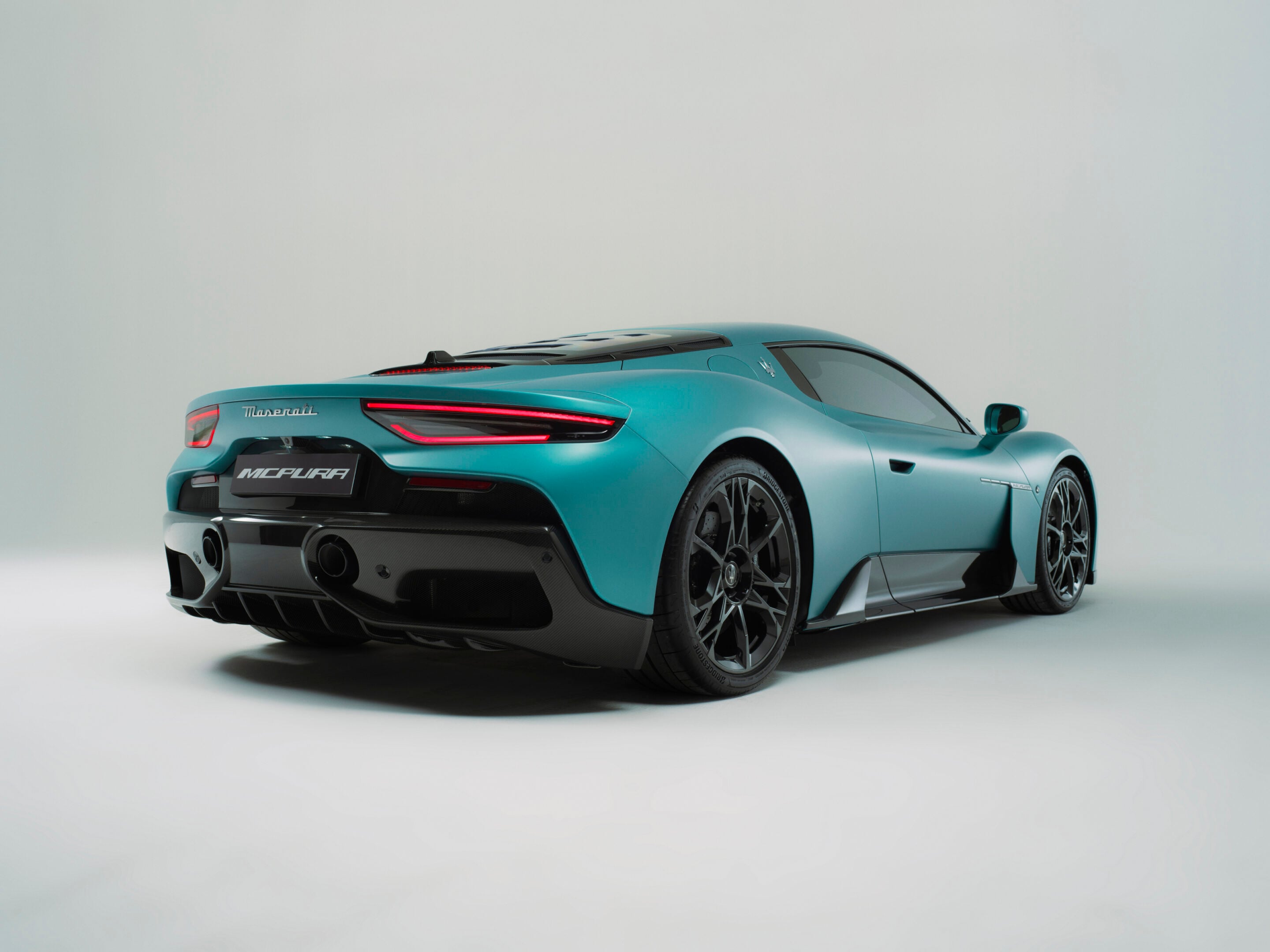
Maserati has confirmed pricing, specifications and local arrival timings for its eagerly awaited 2026 MCPura supercar, which will arrive in Australian showrooms early next year – just six months after its global unveiling.
The new MCPura, successor to the acclaimed MC20, will launch with two body styles: a closed-roof coupe and an open-top convertible known as the Cielo. Both models will be produced in limited numbers, with strong early interest expected from collectors and new buyers alike.
In Australia, the coupe will be priced from $450,000 plus on-road costs, while the Cielo will start from $520,000 plus on-roads. Maserati Australia and New Zealand General Manager Grant Barling said the initial allocation would be strictly limited.
“We know Maserati enthusiasts have been waiting for the MCPura since it was unveiled at the Goodwood Festival of Speed in July,” Mr Barling said. “We are delighted to secure a limited number of vehicles for our first production orders, and interest has already been strong from both loyal Maserati customers and those new to the brand.”
The MCPura is manufactured in Modena, Italy – the historic home of Maserati – at the Viale Ciro Menotti factory. This facility also produces the GT2 Stradale and will soon build the GranTurismo and GranCabrio, reinforcing Modena’s status as the home of Maserati’s supercar engineering and craftsmanship.
Central to the MCPura’s performance is a lightweight carbon-fibre monocoque chassis – the same high-strength, low-weight material used in Formula One. Beneath the rear engine cover lies Maserati’s in-house developed Nettuno 3.0-litre twin-turbo V6 engine, producing a formidable 463kW and 720Nm.
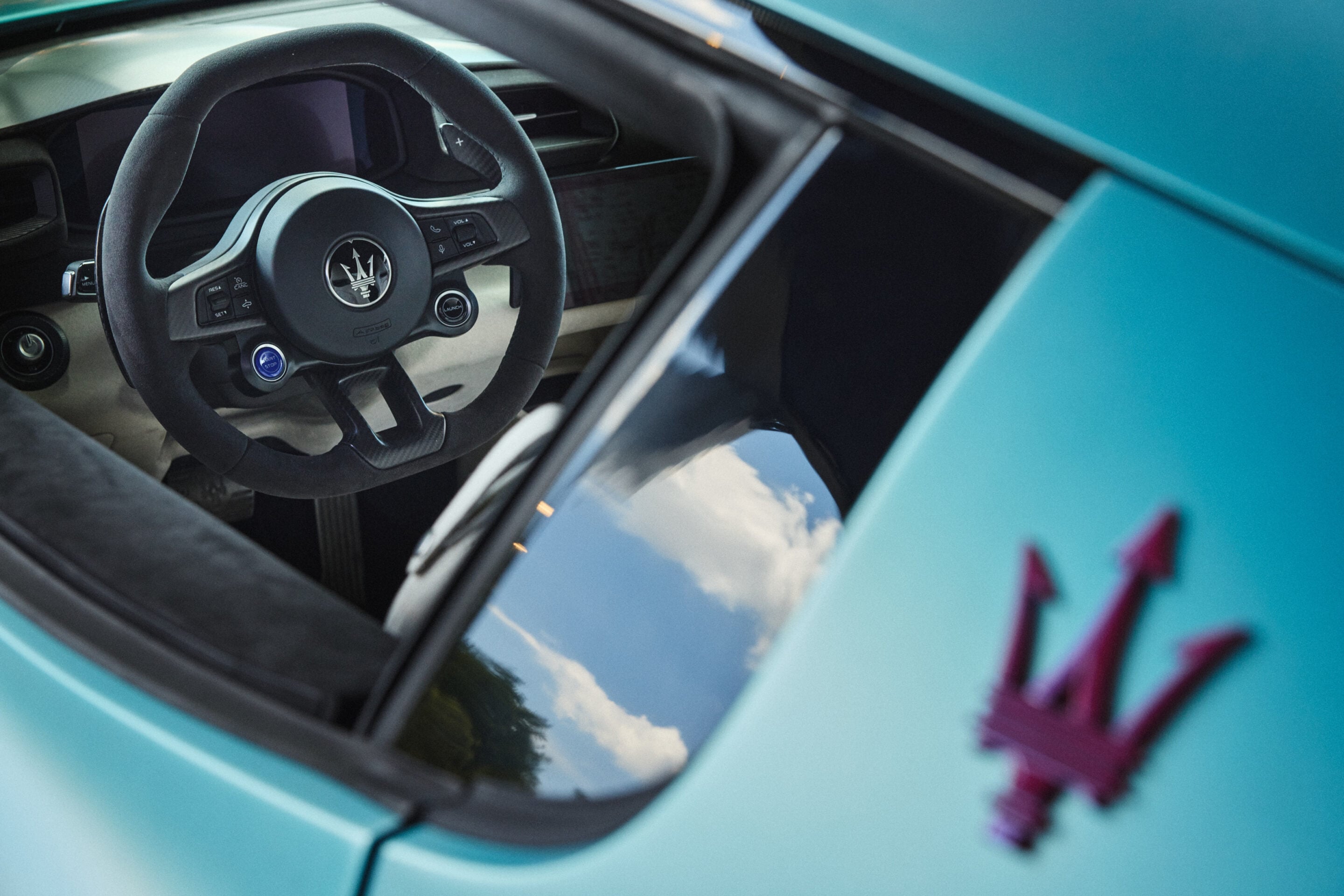
This powertrain – the first Maserati-developed engine since 2000 – incorporates patented F1-derived pre-chamber combustion technology with twin spark plugs, contributing to a blistering 0–100km/h time of just 2.9 seconds.
Maserati claims equally impressive stopping performance, with the MCPura capable of braking from 100km/h to a standstill in just 33 metres, thanks to race-tuned suspension and high-performance braking systems.
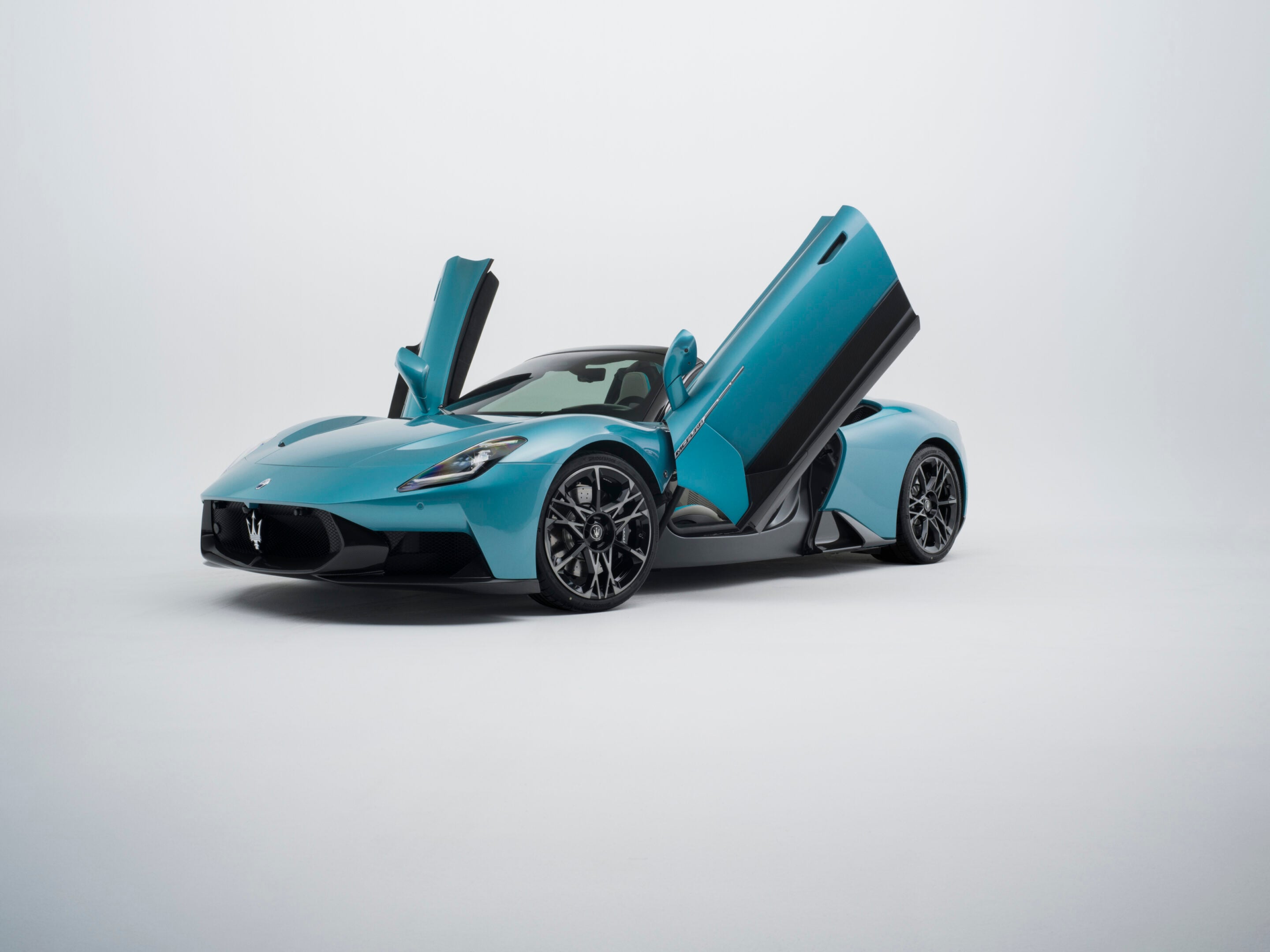
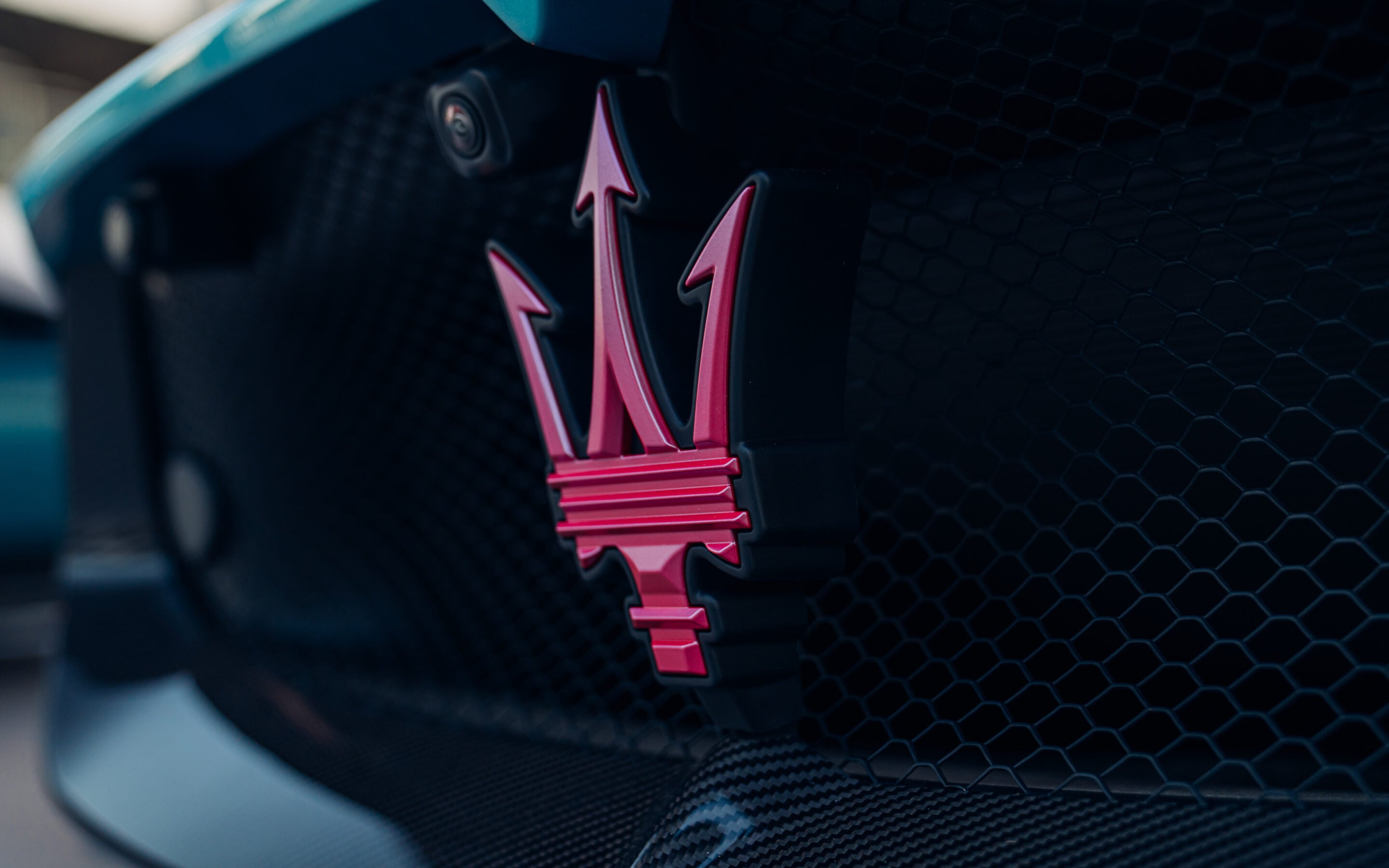
Signature butterfly doors feature across both variants, enhancing the car’s dramatic presence while revealing exposed carbon-fibre sections of the chassis – a visual reminder of its racing DNA. The exterior colour range now includes more than 30 finishes, with select areas of bodywork intentionally left uncovered to highlight the carbon-fibre construction.
The MCPura Cielo adds an extra layer of exclusivity with its innovative PDLC (polymer-dispersed liquid crystal) glass roof – the first in its class able to switch from opaque to transparent in a single second. This allows occupants to enjoy open-air ambience even when the roof is closed.
Maserati’s Chief Operating Officer Santo Ficili said the car symbolises the brand’s future while celebrating its Modena heritage.
“Modena is not just our headquarters; it forms part of our identity,” he said at the model’s unveiling. “From there, we proudly tell the story of Italian excellence and luxury.”
With Australian deliveries locked in for early 2025 and allocations strictly limited, Maserati says the MCPura is poised to become one of the most exclusive and sought-after supercars in the country.
When it comes to medium SUVs, practicality is king – and nothing speaks to real-world usability more than boot space. Australian buyers, whether loading prams, golf clubs or camping gear, are demanding more storage without sacrificing performance, technology or safety credentials.
Using data from our recently awarded Best Medium SUVs 2025, we’ve ranked the top 10 medium SUVs by their boot capacity with all seats in place – while also spotlighting what else each model brings to the table.
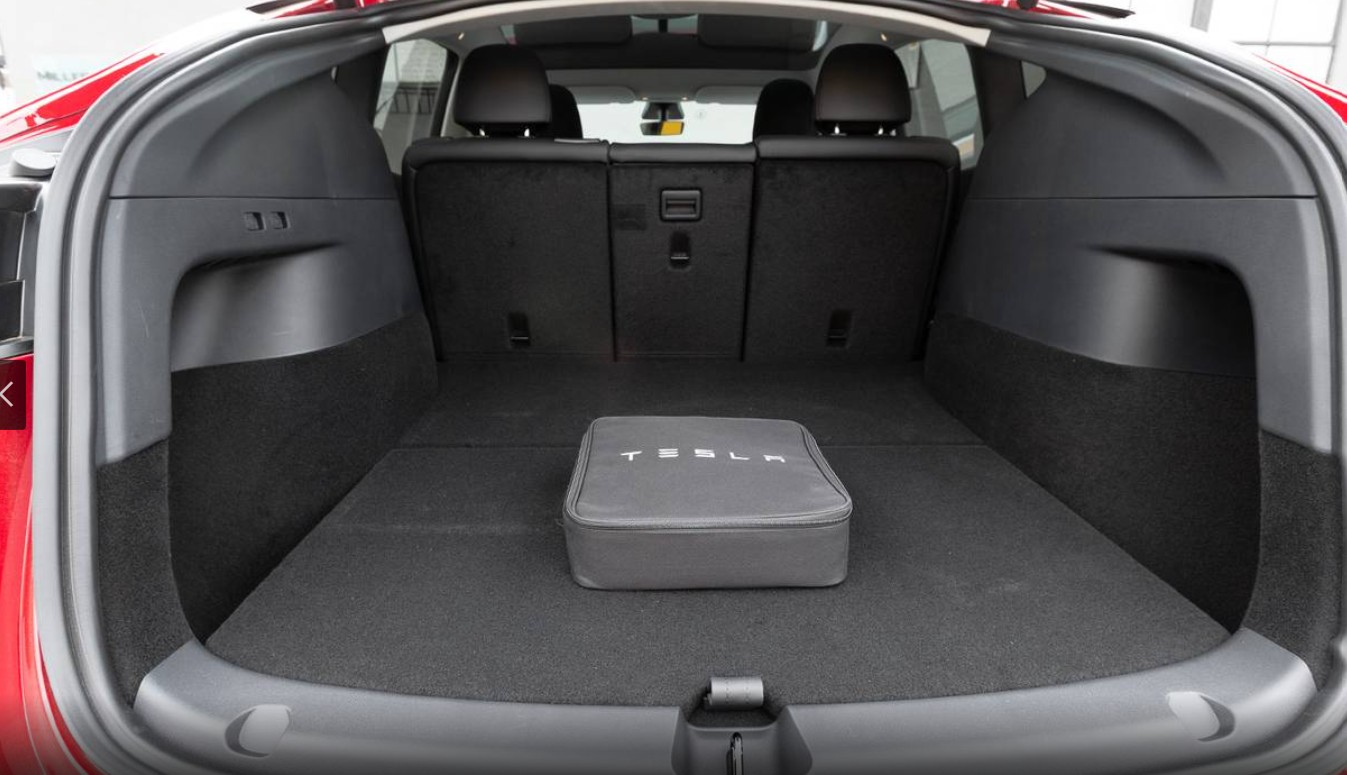
And it’s the Tesla Model Y (below) that tops the charts by a substantial margin. With a massive 938 litres of storage – plus its electric drivetrain, cutting-edge infotainment and over-the-air updates – its popularity is understandable, despite Elon. Plus its seats-folded capacity stretches to 2022 litres, proving it’s built for both lifestyle and efficiency.
In second place, the Volkswagen Tiguan offers 615 litres of boot space, paired with European refinement, turbocharged powertrains and advanced driver-assist systems. The Mercedes-Benz GLC also ranks highly, combining upmarket luxury with spacious practicality, appealing to buyers who want premium features without stepping into a full-size SUV.
Chinese newcomers like the GWM Haval H6 (below) are punching above their weight by offering space and lots of standard features and tech at hard-to-ignore price points.
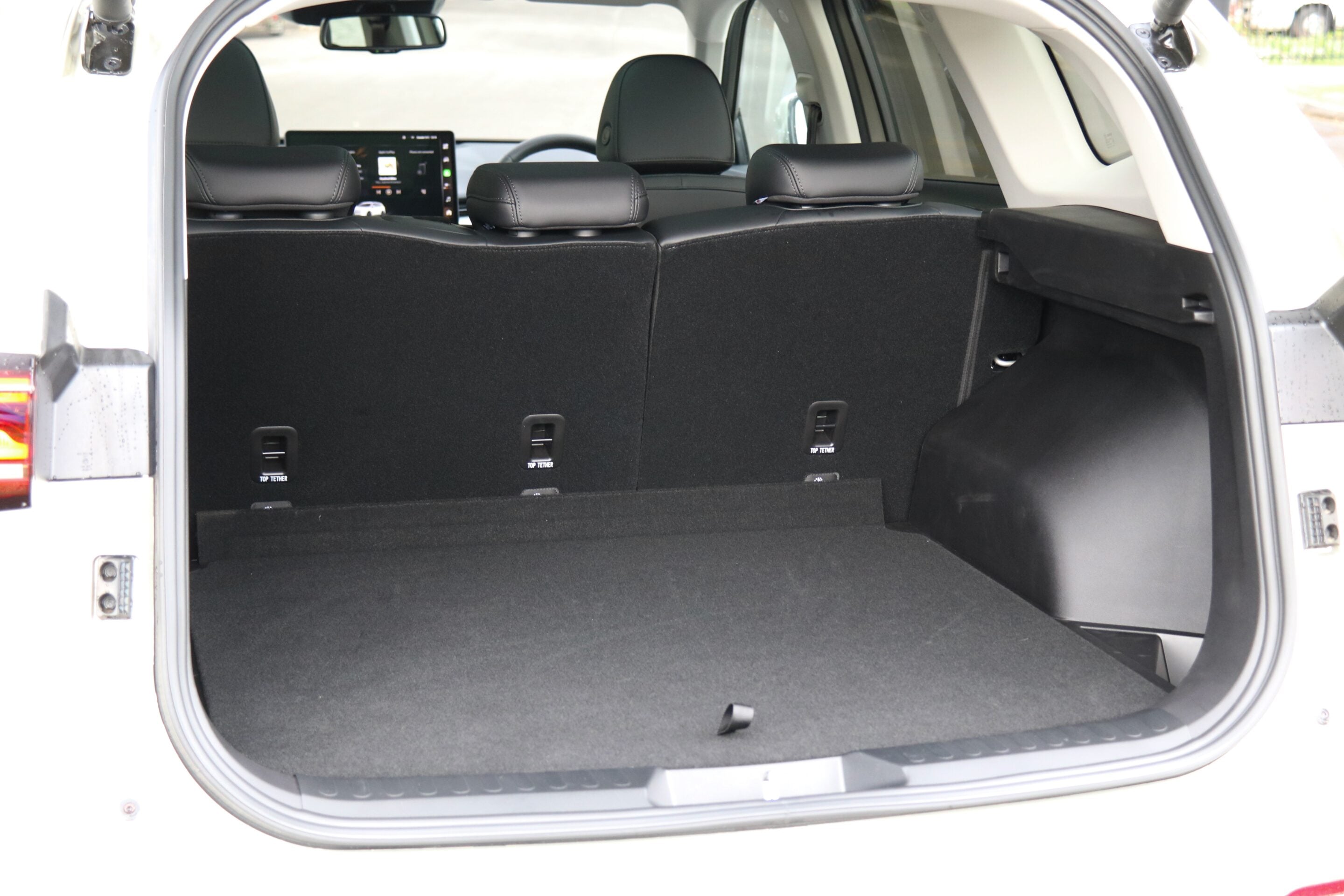
For families, the Honda CR-V and Skoda Karoq deliver excellent cargo versatility alongside reputation for reliability and safety. The Hyundai Tucson (below, overall winner of the Wheels Best Medium SUV 2025), with hybrid availability and a 1903-litre folded capacity, positions itself as one of the segment’s best value propositions while the Kia Sportage – offering similar space – adds bold design and one of the longest warranties in the industry, making it a standout for buyers seeking peace of mind.
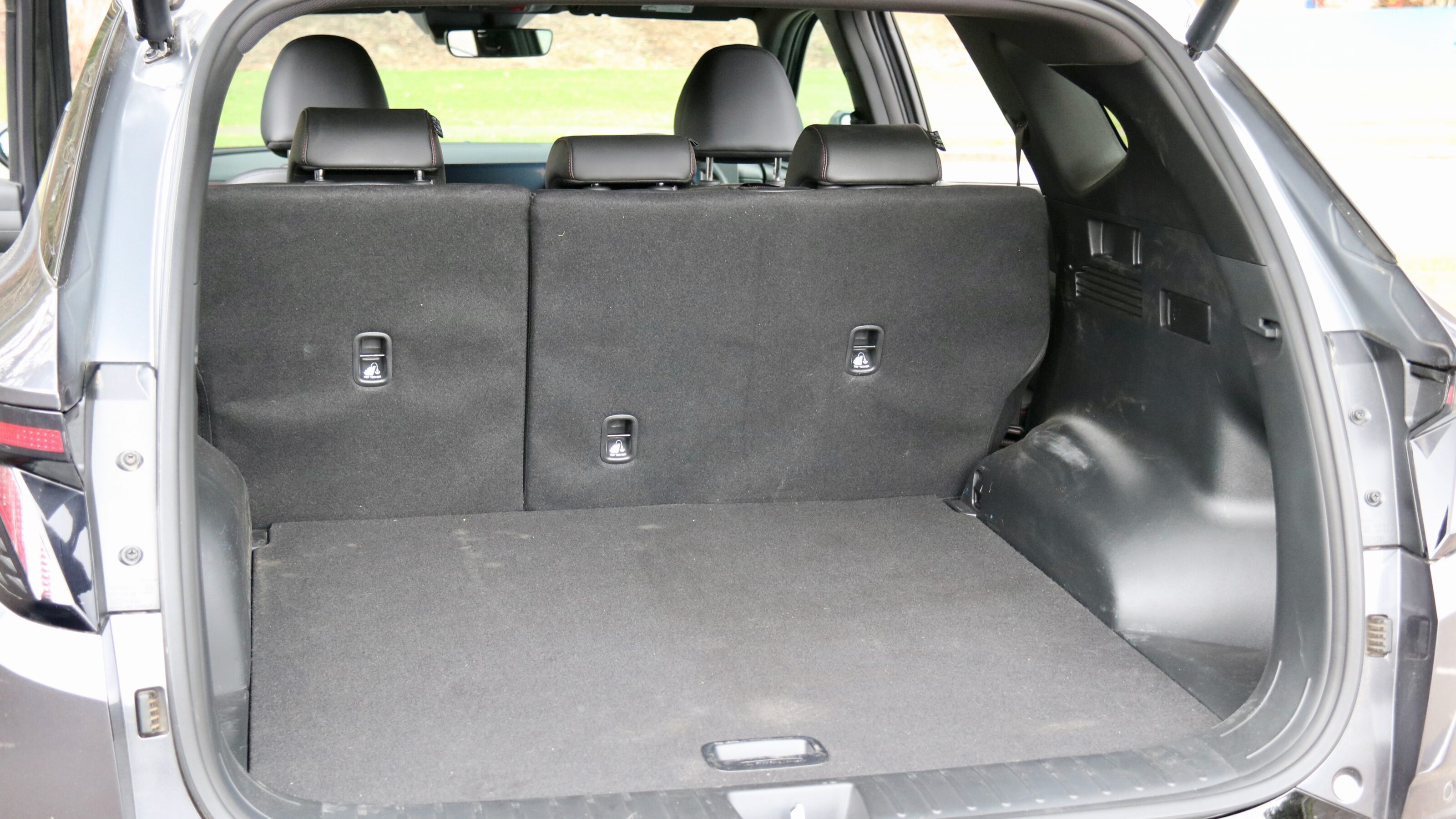
The ever-popular Toyota RAV4 comes in next, ahead of the updated model arriving in Australia next year. Performance lovers will gravitate to the BMW X3, which combines a strong 570-litre boot with sporty dynamics and a premium cabin.
With boot sizes now a major deciding factor in SUV purchasing, these rankings highlight how manufacturers are balancing everyday practicality with advanced drivetrains, luxury appointments and cutting-edge safety technology.
Top 10 Medium SUVs by Boot Space (Seats Up)
| Model | Seats Up | Seats Folded |
|---|---|---|
| Tesla Model Y | 938 L | 2,022 L |
| Volkswagen Tiguan | 615 L | 1,655 L |
| Mercedes-Benz GLC | 620 L | – |
| GWM Haval H6 | 600 L | 1,405 L |
| Honda CR-V | 589 L | 1,671 L |
| Skoda Karoq | 588 L | 1,810 L |
| Kia Sportage | 586 L | 1,872 L |
| Hyundai Tucson | 582 L | 1,903 L |
| Toyota RAV4 | 580 L | 1,690 L |
| BMW X3 | 570 L | 1,700 L |
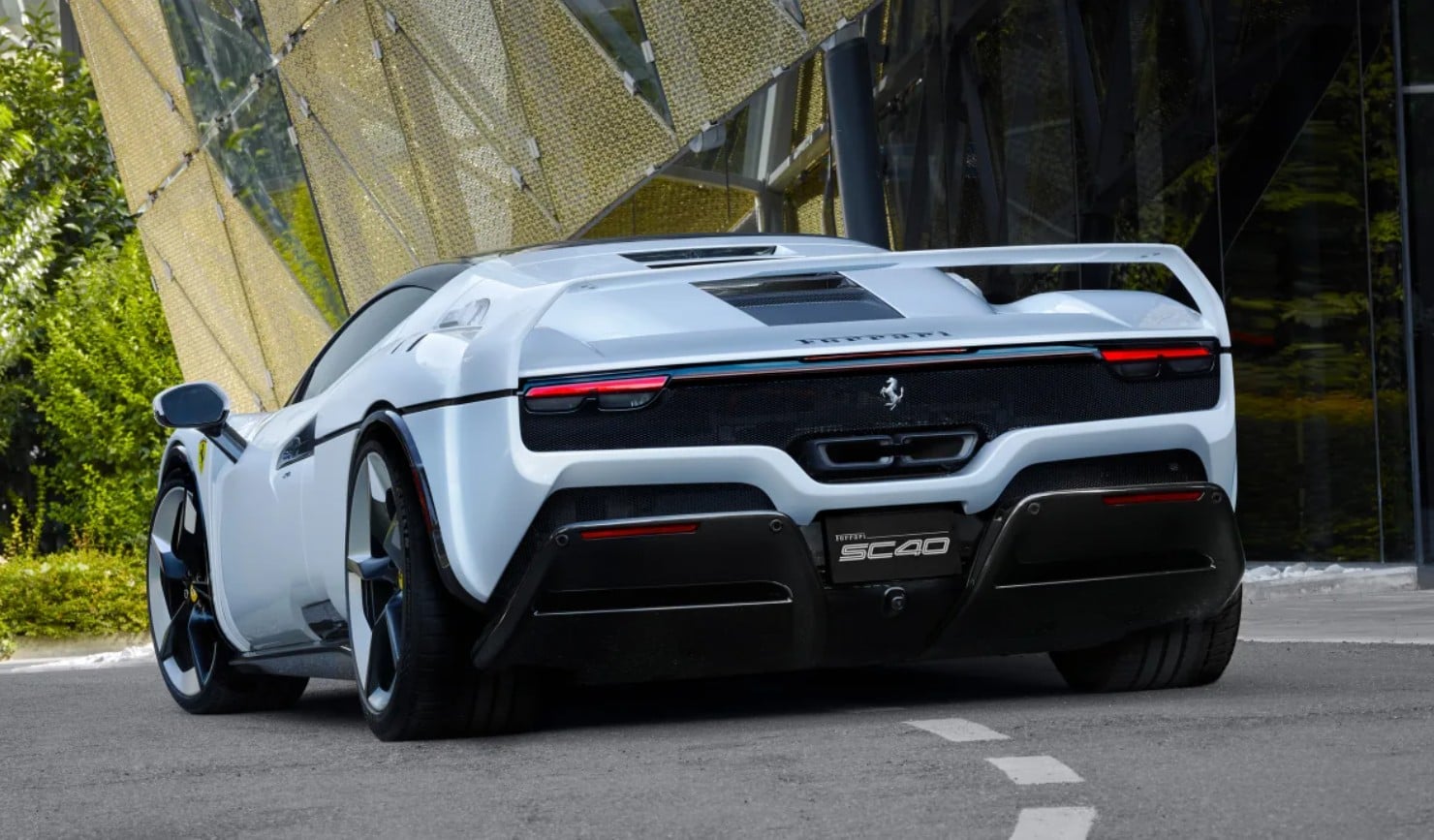
Ferrari has revealed its latest bespoke creation, the SC40 – a one-off commission crafted for a private client and inspired by one of the most legendary models in the brand’s history, the Ferrari F40.
Based on the 296 GTB, the SC40 blends modern hybrid performance with retro styling cues, bringing a new level of exclusivity to Ferrari’s Special Projects portfolio. While Ferrari has not disclosed pricing, such one-off models are traditionally valued well above A$5 million, reflecting their rarity and custom craftsmanship.
The owner of the SC40 requested a design that echoed the spirit of the iconic F40 from the late 1980s. The result is a striking exterior that reinterprets classic elements through a contemporary lens. The car features sharp, angular surfaces and a dramatic fixed rear wing that pays homage to the F40’s unmistakable aerodynamic profile.
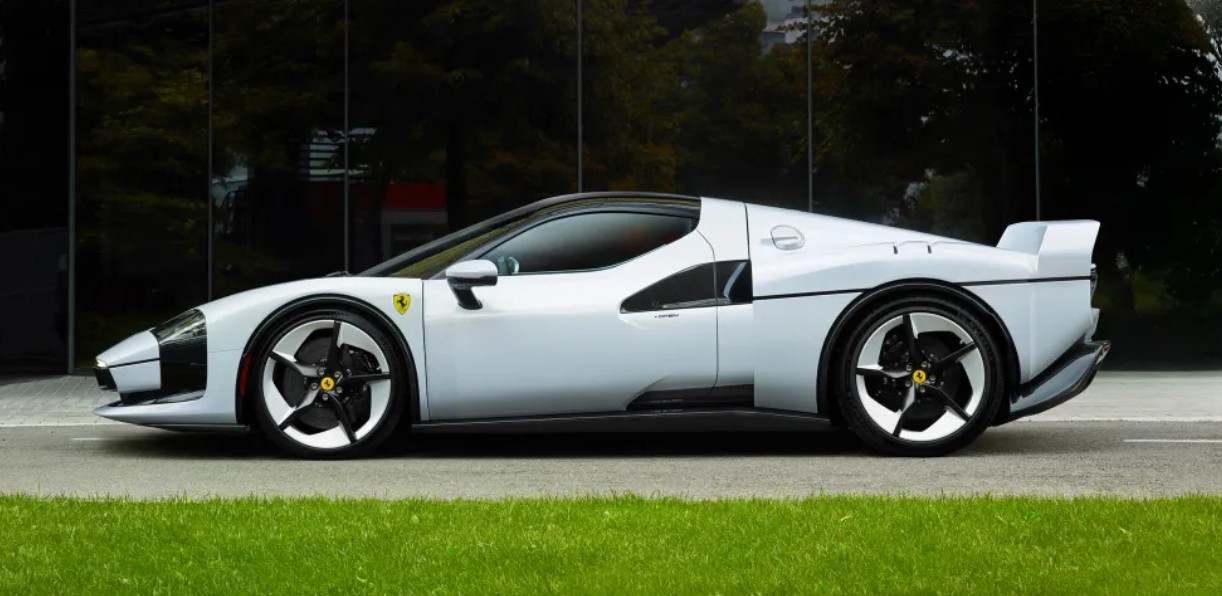
At the front, the SC40 stands out with its distinctive headlight design. The headlights sit beneath a darkened cover and extend down into the bumper, framing a wide grille that gives the car a purposeful and aggressive stance. Along the sides, the doors narrow toward the sills, making way for large side air intakes that feed cooling air to the V6 hybrid power unit.
Ferrari has also incorporated the split-line body detail seen on the F40 and F50, a subtle nod to its motorsport heritage.
The rear of the SC40 is equally dramatic. A fully open tail section improves heat extraction from the engine bay, while a large diffuser maximises aerodynamic efficiency at high speeds. Slim LED lighting elements complete the minimalist yet futuristic appearance.
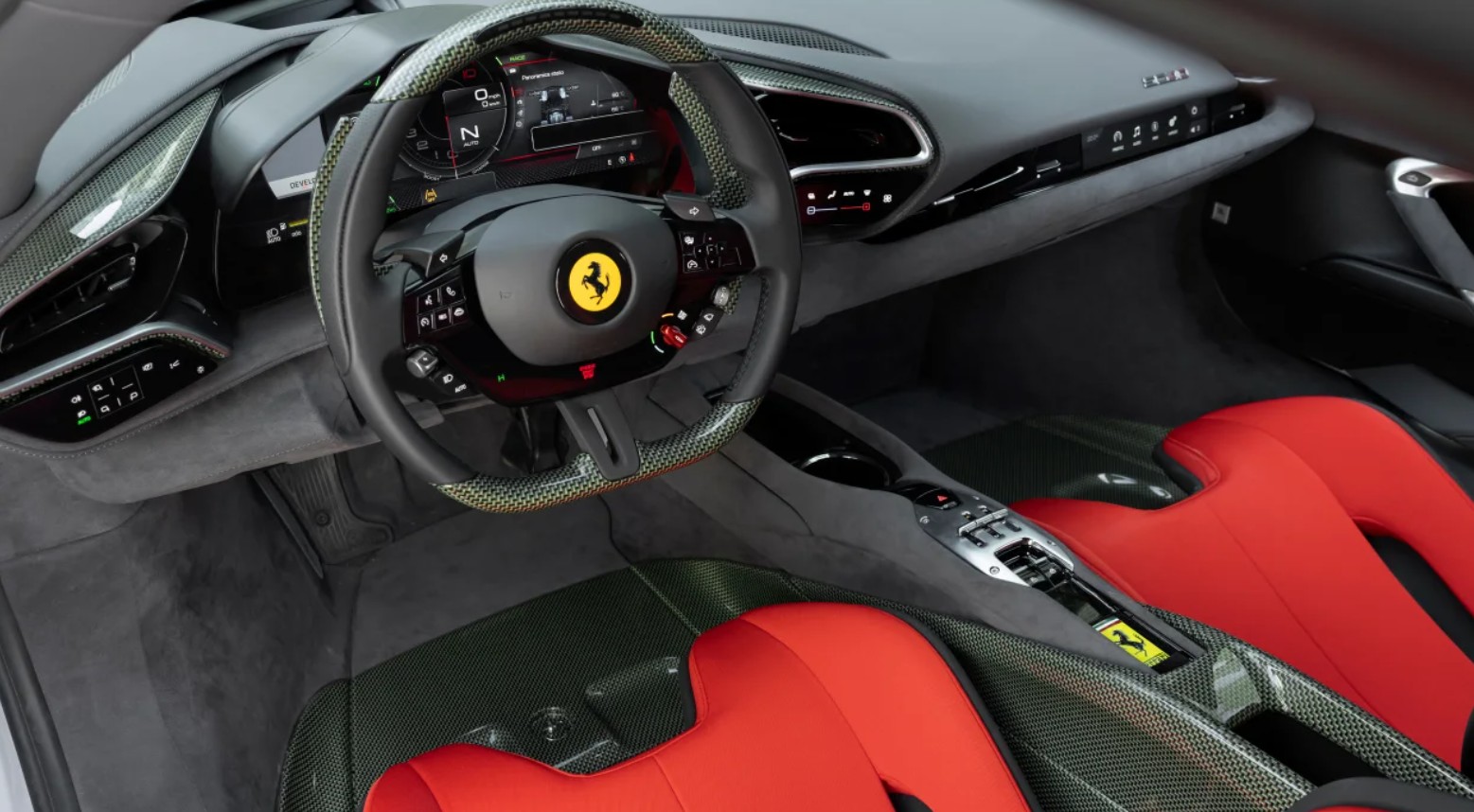
Inside, the SC40 retains the digital cockpit layout of the 296 GTB, but its finishes draw directly from the original F40. This includes extensive use of exposed carbon fibre with a greenish tint – an aesthetic reference to the carbon-kevlar composites used by Ferrari during the 1980s.
The carbon theme stretches across the floor, cabin walls and beneath the rear clamshell, adding both visual drama and lightweight performance engineering.
Beneath the rear clamshell lies the same high-performance hybrid system as the 296 GTB: a 3.0-litre twin-turbo V6 paired with an electric motor and eight-speed dual-clutch transmission. The combined output is 610kW (818hp) and 740Nm, launching the SC40 from 0–100km/h in just 2.9 seconds, with a top speed exceeding 325km/h.
While mechanically similar to the production model, the SC40 stands apart as a rolling piece of automotive art – a celebration of Ferrari’s past, present and future, created for a single customer and destined to become an instant collectible.
McLaren has confirmed its new W1 hypercar will be available in Australia from later in 2026, opening the next chapter of the brand’s storied “1” lineage with a road-legal machine that eclipses every McLaren before it for speed, downforce and driver focus.
Revealed by W1 product manager Heather Fitch, the limited-run flagship (just 399 cars, all customer-allocated) is pitched as the spiritual successor to the F1 and P1. “Every element of the W1 has been designed to deliver an experience that is as emotional as it is technical, pushing the boundaries of what is possible for a modern supercar,” Fitch said. McLaren Special Operations (MSO) representatives George Farquhar, Max Watt and Daniel Youd underscored the near-limitless personalisation on offer, from paint and materials to race-inspired detailing.
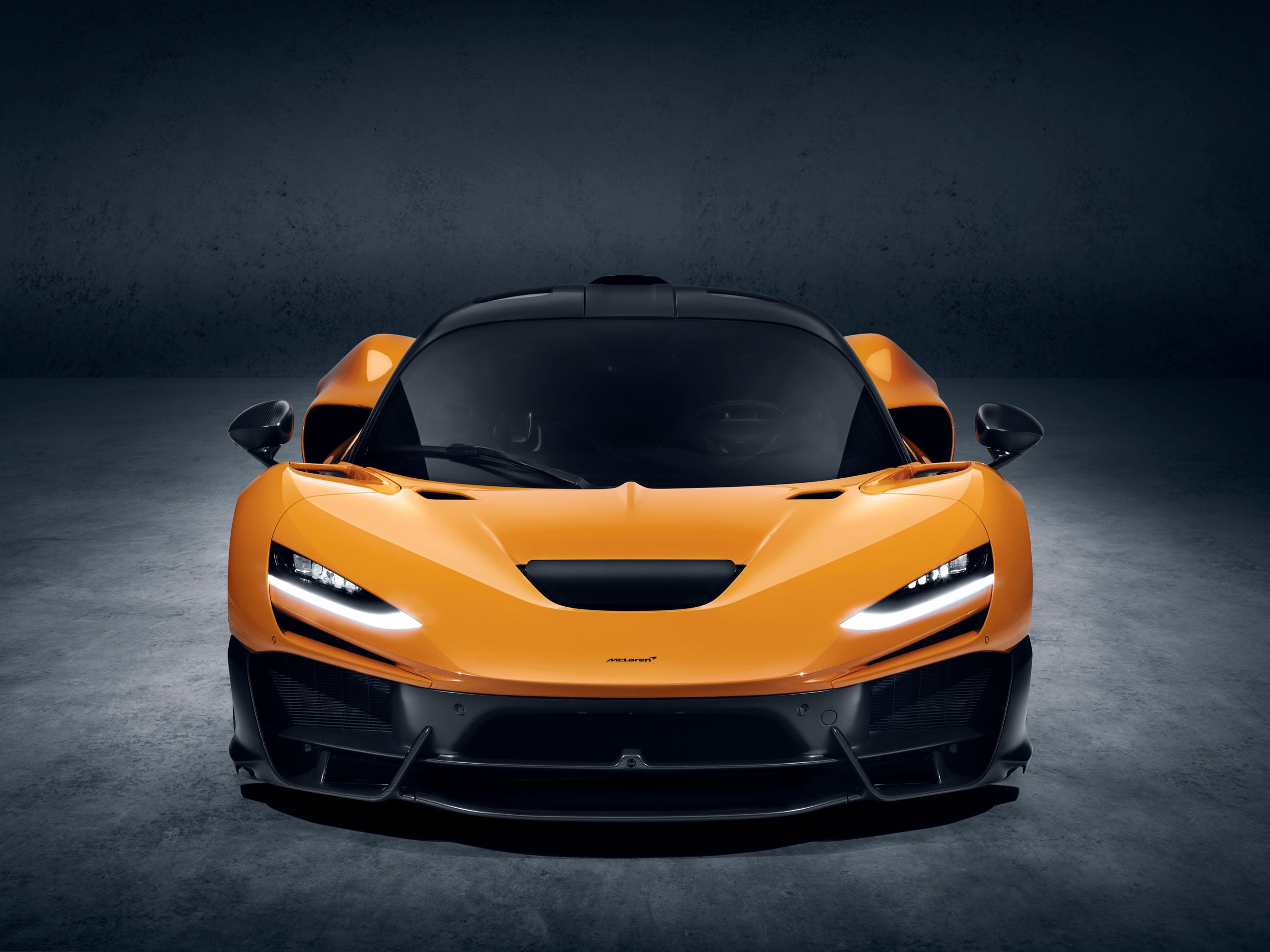
At the heart of the W1 is a new V8 high-performance hybrid (HPH) powertrain delivering a combined 938kW and 1340Nm – figures that make it the most powerful McLaren road car to date. The all-new, 4.0-litre twin-turbo flat-plane-crank V8 contributes 683kW on its own, revving to a heady 9200rpm, while a compact, motorsport-derived E-module adds a further 255kW and instant torque fill. Drive goes exclusively to the rear wheels through an all-new eight-speed dual-clutch with an electronic differential and “E-reverse,” preserving purity of steering feel and engagement.
Performance is staggering: 0–200km/h in 5.8 seconds, 0–300km/h in under 12.7 seconds and an electronically limited 350km/h top speed. Thanks to obsessive lightweighting – the W1 tips the scales at just 1399kg – the car achieves a best-in-class power-to-weight of 670kW per tonne, underpinning claims it’s the fastest-accelerating and fastest-lapping road-legal McLaren ever. McLaren says it’s quicker than a Speedtail to 300km/h and three seconds a lap faster than a Senna on the company’s reference circuit.
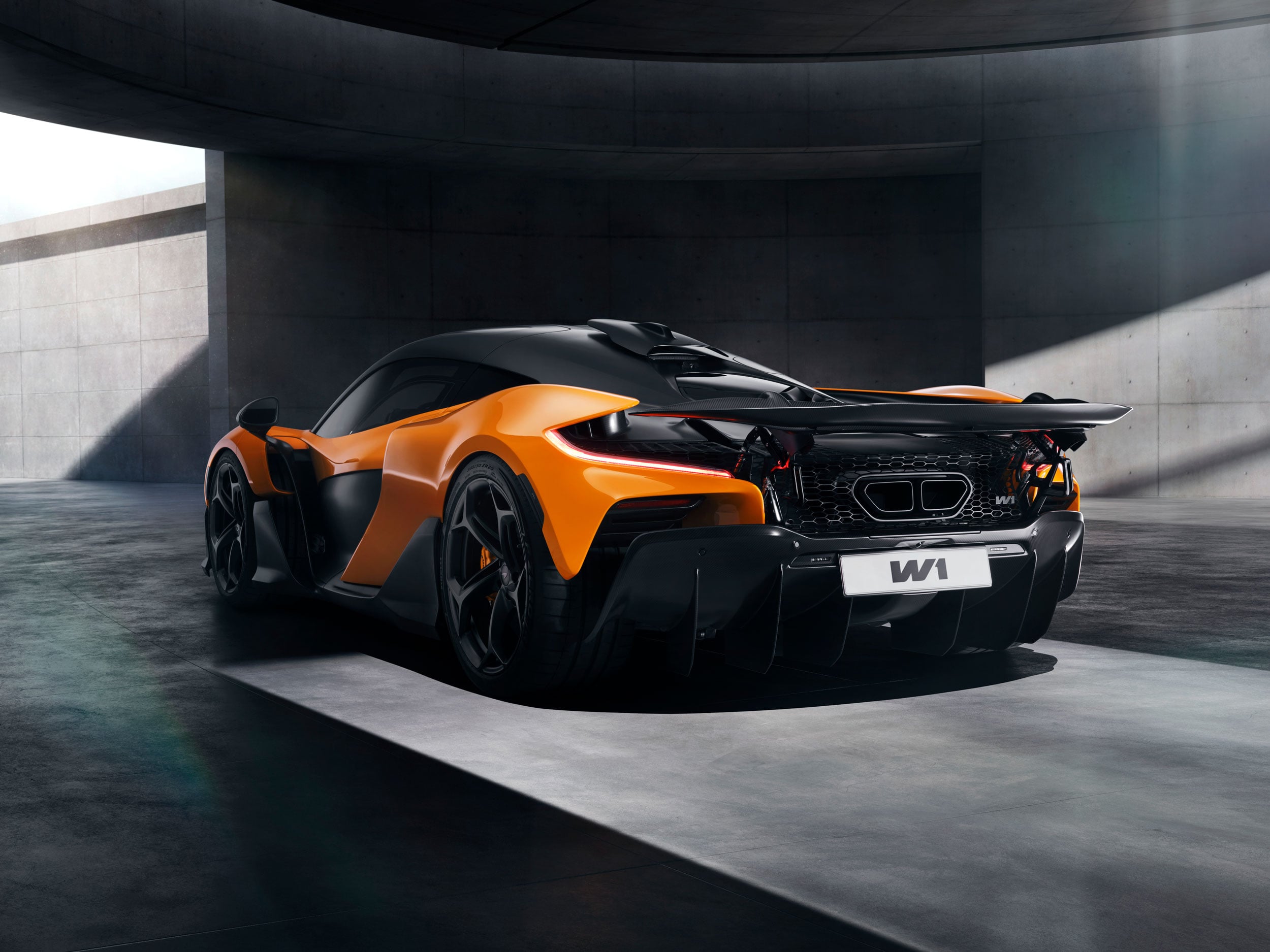
Aero is where the W1 breaks most new ground. A Formula 1-style underbody generates full ground effect, complemented by the most advanced active surfaces yet fitted to a McLaren. In Race mode, the suspension hunkers down by 37mm at the front and 17mm at the rear, unlocking as much as 1000kg of downforce. The showpiece is a patent-pending “Active Long Tail” rear wing that can extend 300mm rearwards to act as an extension of the diffuser, while a full-width active front wing balances the car under braking and cornering. Together, the system trims drag for straight-line pace, then piles on downforce for cornering and braking stability.
The chassis is equally exotic. A new McLaren “Aerocell” carbon-fibre monocoque – built using motorsport pre-preg methods – integrates aerodynamic surfaces and even the seats to save mass and reduce the wheelbase. For the first time on a McLaren road car, Anhedral doors replace the brand’s traditional dihedral design, improving cooling airflow and easing entry to the raised-footwell cockpit. Suspension draws heavily from F1 practice, with inboard front dampers, torsion bars and an active heave element linked to the latest Race Active Chassis Control III. Carbon-ceramic brakes (390mm) with extreme cooling ducts deliver colossal stopping power: 200–0km/h in 100 metres and 100–0km/h in 29 metres.
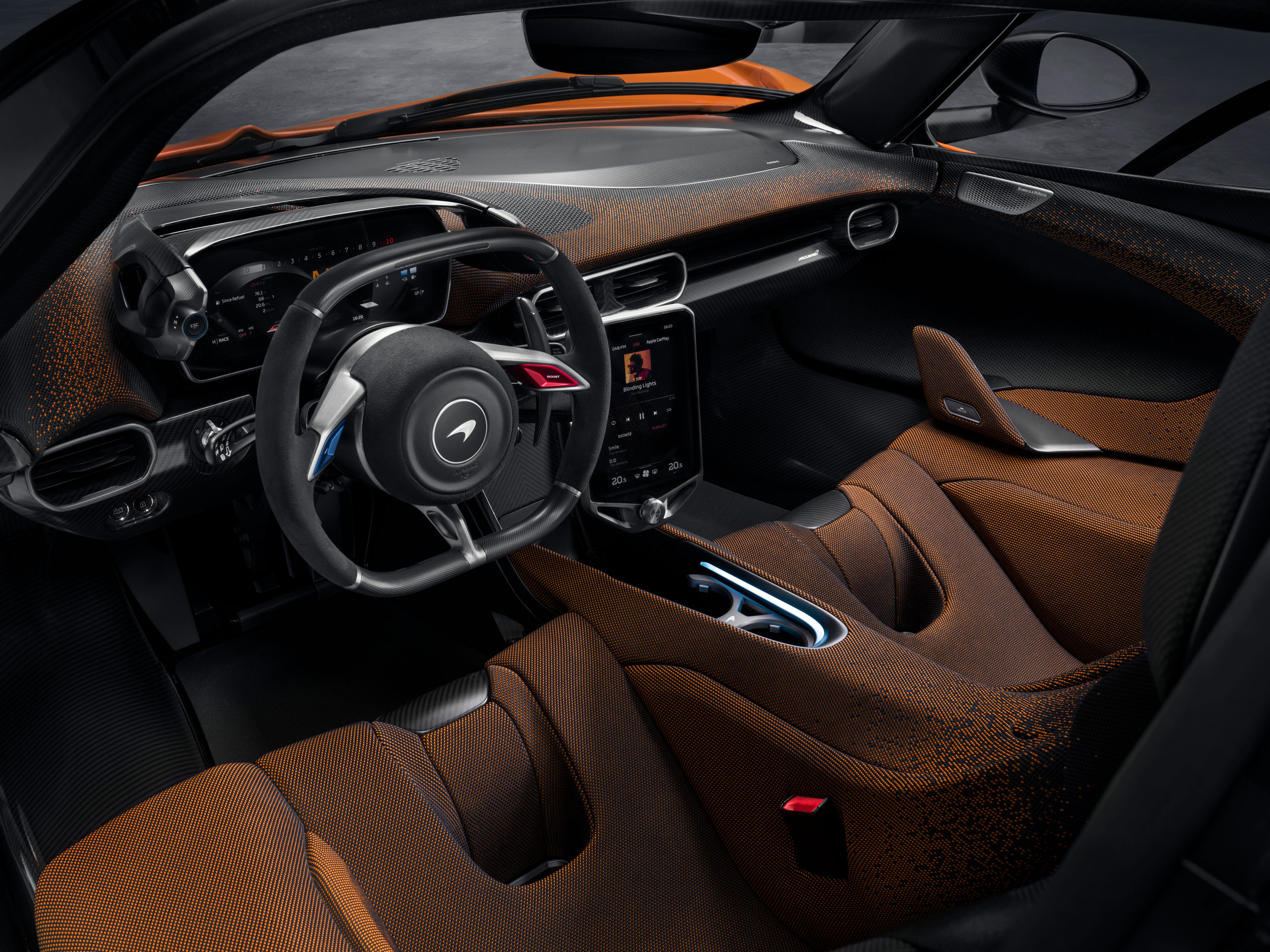
Inside, the W1 is minimalist and driver-centric. Fixed, lightweight seats are bonded into the monocoque for a pure connection, while the pedals and steering column move to tailor the driving position. Two thumb-reach steering-wheel buttons control an instant-deployment “Boost” for the E-module and on-demand aero (DRS-like) functions. An 8-inch MIS II touchscreen with Apple CarPlay handles infotainment; storage solutions behind the seats yield up to 117 litres – enough for two weekend bags or a pair of helmets.
Powertrain modes span Electric (near-silent EV running) and Comfort (the E-module provides torque infill) through to Sport (full hybrid punch) and Race. Within Race are Sprint (maximum deployment for hot laps) and Grand Prix (energy management for sustained sessions). Cooling is engineered for track durability, with 10 heat exchangers across three water-glycol circuits and dedicated hybrid thermal management.
UK list pricing is cited at about £2.0 million including taxes; at today’s rates that’s roughly A$4.13 million.
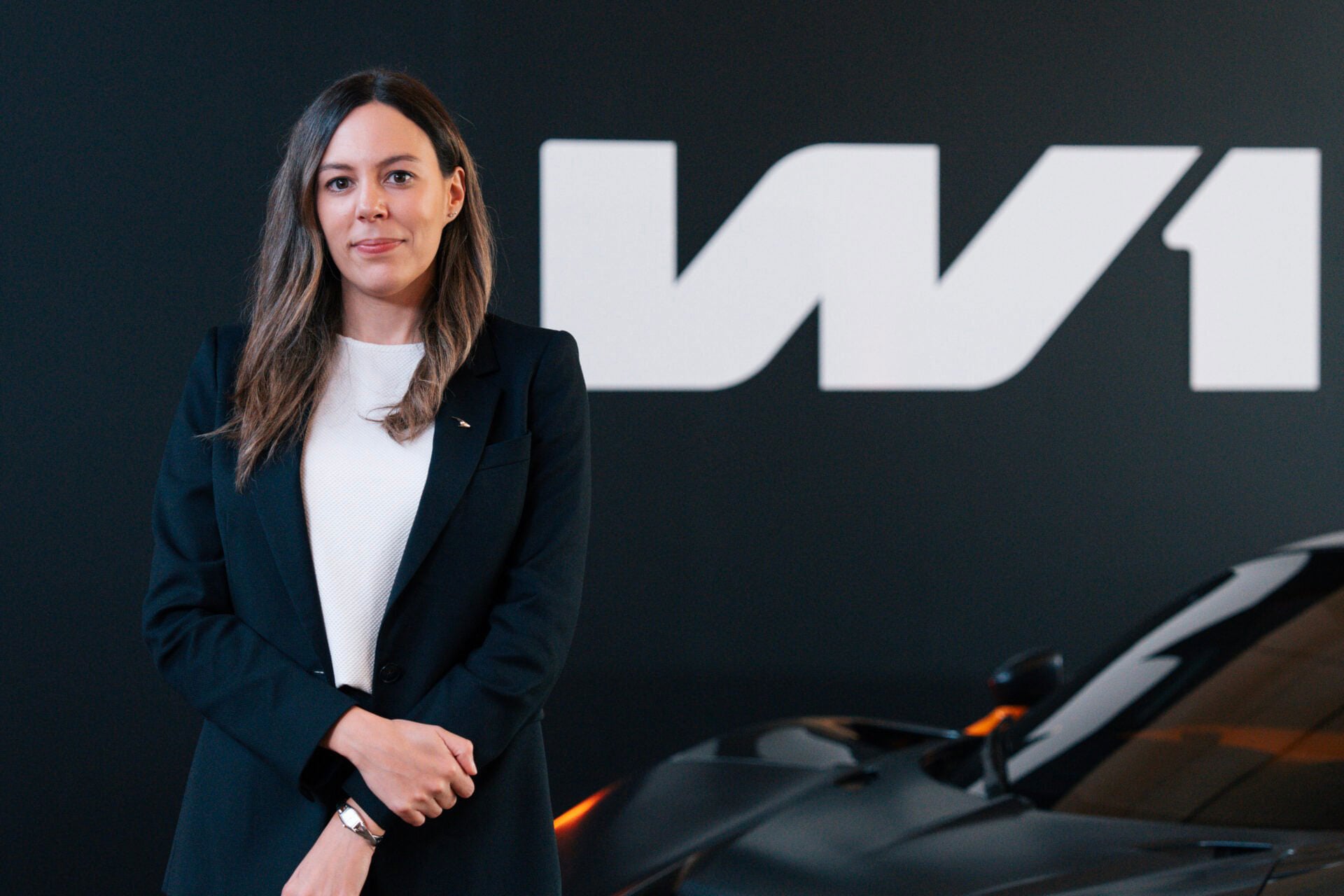
For those seeking deeper customisation, MSO offers virtually unlimited options, including a new lightweight, tailored “InnoKnit” interior material and intricate carbon finishes. However you spec it, the numbers – and the technology behind them – leave little doubt: when Australian deliveries commence in 2026, the W1 will arrive as a benchmark for outright performance and for the visceral, rear-drive engagement that defines McLaren at its most uncompromising.
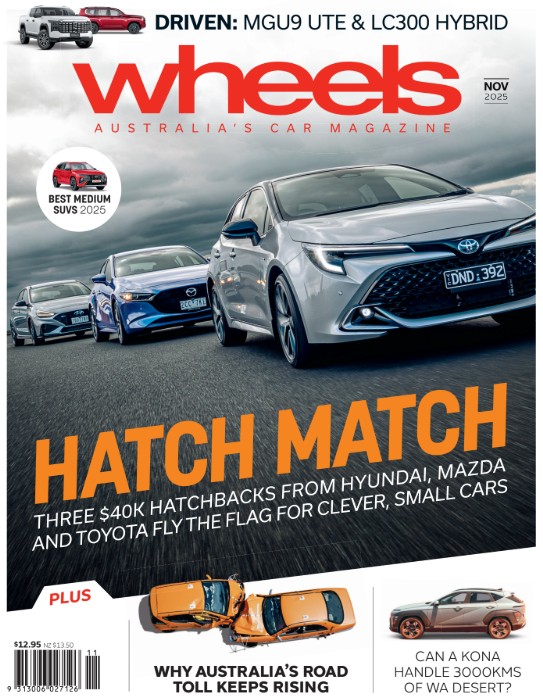
In the November 2025 issue of Wheels, we put small cars back in the spotlight with a bold declaration: the humble hatchback is far from dead.
Our cover story pits three of the smartest $40K contenders head-to-head – the Mazda3, Hyundai i30, and Toyota Corolla – to uncover which delivers the best blend of design, performance and everyday usability. In an era dominated by SUVs, these hatches fight back with clever engineering, thoughtful packaging and genuine driving enjoyment. Which one takes the crown? Our in-depth comparison reveals surprising results and reminds buyers why small cars still matter.
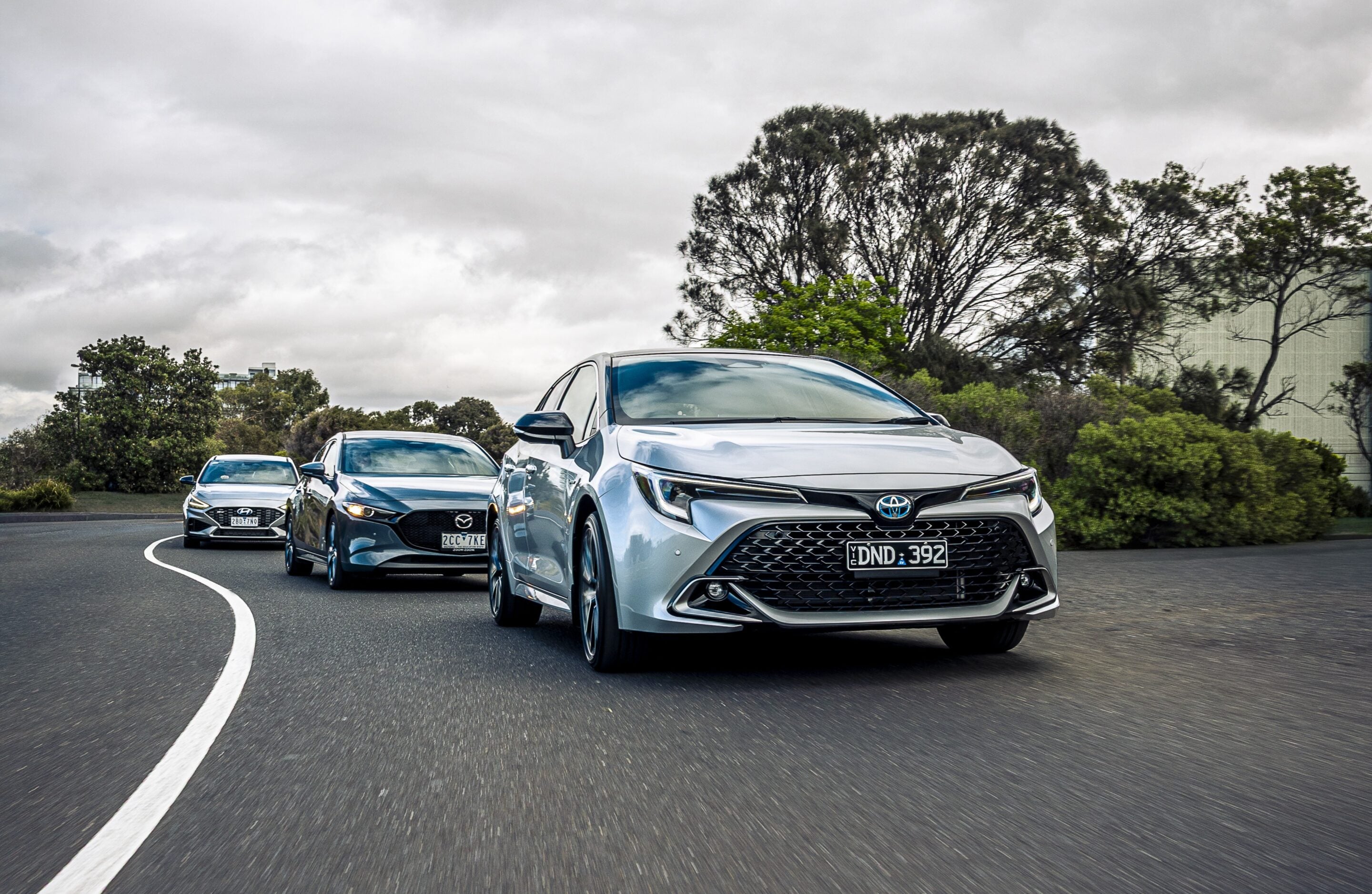
This issue also goes beyond the metal to explore the people driving change in the automotive world. In this issue’s Wheels Interview, we sit down with Dr Stuart Newstead, one of Australia’s foremost authorities on road safety. With the national road toll tragically climbing, Newstead delivers a confronting assessment of what’s going wrong – and what must change – to save lives on our roads. It’s essential reading for every driver.
Meet Max Missoni is the man shaping the future of BMW in the Neue Klasse era. Formerly of Polestar, Missoni brings Scandinavian minimalism to Bavaria with a mission to steer one of the world’s most influential carmakers into a new era. In an exclusive profile, we explore his philosophy, inspirations and the radical direction BMW is preparing to take.
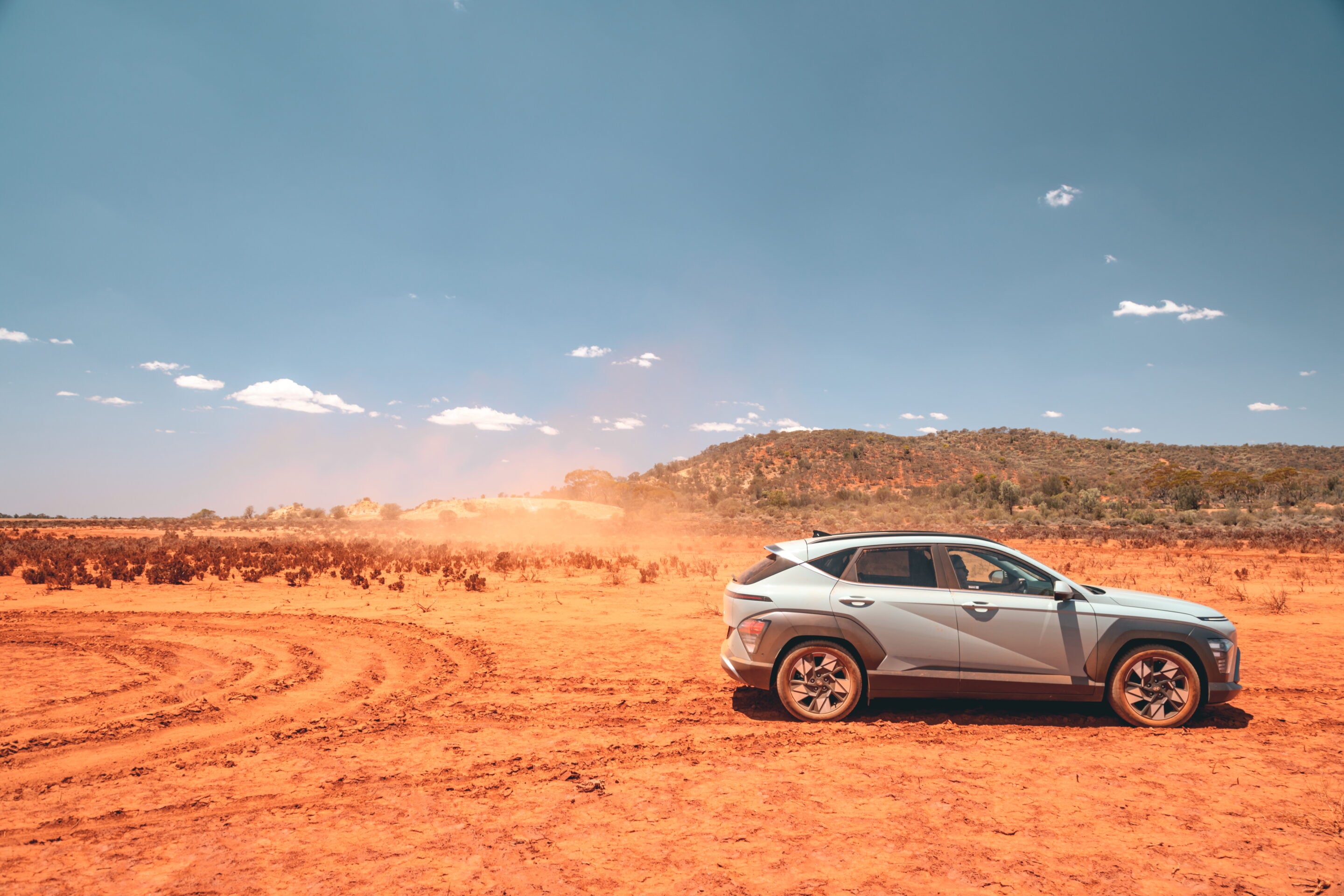
For roadtrip lovers, we journey from Perth to the Pilbara in Hyundai’s new Kona (below). This 300-kilometre road trip across remote Western Australia pushes both car and driver to the limit, with scorching temperatures, red dirt and rugged isolation. Fortunately, seat coolers come to the rescue.
Our Modern Classic feature dives into the Lancia Delta HF Integrale – the most successful rally car in history that never officially reached Australian shores. Andy Enright uncovers the legend, the engineering, and the mystique that still captivates enthusiasts.
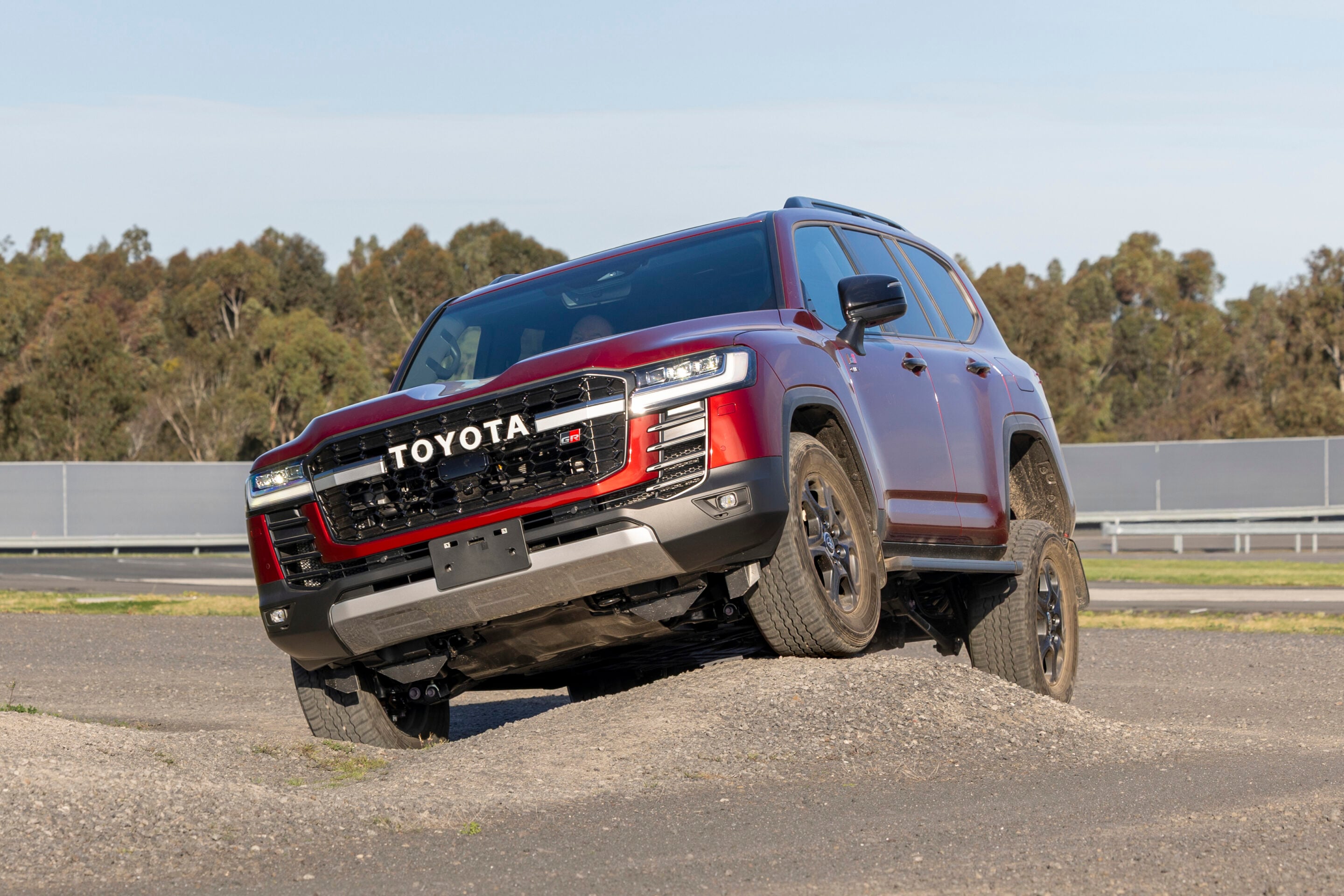
Plus, our First Drives section brings you behind the wheel of the long-awaited Nissan Ariya, diesel-powered Mercedes-Benz G 450 d, the new MGU9 ute and Toyota’s LandCruiser 300 Hybrid (below), showcasing a range of new vehicles hitting Australian roads.
We also recap the winners of the Best Medium SUVs 2025, recently published on Wheels by WhichCar.
The November 2025 issue of Wheels is on sale from Monday, October 20.
