
What stands out?
The distinctively styled Toyota C-HR is big inside for a small SUV, and you can get it in several bright colours. This new baby SUV – the first from Toyota – is good to drive and comfortable to ride in, and it does not use much fuel. Two-zone air-conditioning, auto cruise-control and auto braking are standard and there is a choice of turbocharged petrol or hybrid powertrains.
What might bug me?
Complaints from children that they can’t see out. That swoopy design means the sills under the rear windows rise sharply.More complaints from small children that they can’t get in. The rear door handles are placed up high as well. Very short people will not be able to use them.How hard it is to see where you’re going when parking. That same rising rear sill creates a substantial blind spot over the driver’s left shoulder. (A reversing camera is standard, however, as are parking sensors front and rear, and a rear cross-traffic alert.)That the glovebox refuses to open. It’s hidden deep under the dash, and to unlatch it you push a button (rather than pulling on something). Gloveboxes in three cars driven for this review unlatched only after multiple, and sometimes forceful, presses.Paying more for petrol. Toyota recommends you fill the turbo C-HR with premium unleaded petrol, which costs more than regular unleaded or E10 (a blend of petrol and ethanol).Not bothering to use sport mode, which you have to select by cycling through the multifunction display on the dashboard instead of simply pushing a button.Driving at no more than 80km/h on your space-saver spare tyre, until you can fix your full-sized flat.
What body styles are there?
Five-door wagon only.The C-HR drives either its front wheels or all four wheels, depending on the model.All-wheel drive C-HRs send power to the front-wheels all the time, but engage the rear wheels automatically only when a front tyre starts to slip (or when turning).Toyota says C-HR stands for Coupe High Rider. The C-HR is classed as a small SUV, lower priced.
What features do all Toyota C-HRs have?
A reversing camera, and front and rear parking sensors (which tell you how close you are to near objects).An MP3-compatible six-speaker sound system with an AM/FM radio receiver and CD player, controllable from a 8.0-inch colour touchscreen. Bluetooth connectivity for audio streaming, and in-built satellite navigation.Android Auto/Apple CarPlay which lets you operate your smartphone and some apps via the touch screen.Dual-zone climate control, which lets you and your front passenger set different temperatures for the ventilation system.Heated exterior mirrors (to help with demisting) that power-fold automatically after you’ve parked (to keep them out of harm’s way).Windscreen wipers that operate automatically when it rains. Headlamps that switch to low beam automatically, to avoid dazzling oncoming drivers at night.Hill-start assist, which controls the brakes to help you start from rest on uphill slopes.Active cruise control: as well as sustaining the speed you set, it will match automatically the speed of a slower car in front until you can overtake.Alloy wheels, which are lighter and more stylish than steel wheels, and a speed-limited space-saver spare wheel.A button-operated park brake, which takes up less space than a lever handbrake.Seven airbags. Electronic stability control, which can help you control a skidding car (all new cars must have this feature).A suite of crash-avoidance aids that includes auto emergency braking, lane-keeping assistance, blind-spot monitoring, and rear cross-traffic alert. (For the placement of airbags, and for more on C-HR safety systems, please open the Safety section below.)The C-HR is covered by a five-year, unlimited warranty. Toyota also offers five years of capped price servicing for the C-HR.
Which engine uses least fuel, and why wouldn’t I choose it?
The 1.8-litre petrol hybrid is the most efficient powertrain in the C-HR range, and with an official combined fuel of 4.3 litres/100km.Taken from the Corolla Hybrid, it features a 1.8-litre four-cylinder petrol engine, which is tied to an electric motor with power delivered to the front wheels via a continuously variable transmission (CVT).The performance feels slightly punchier than other engine available in a C-HR, a 1.2-litre turbo, which consumes 6.4litres/100km or 6.5L/100km for the 2WD and AWD versions respectively.The 1.2-litre turbo versions also come with a CVT auto, which is not restricted to fixed ratios but can adjust steplessly to the driver’s demands, so that the engine spends more time in its sweet spot. You can also select a manual mode, in which the CVT mimics a seven-speed conventional auto gearbox.Unlike the hybrid, which can consume regular unleaded petrol, the 1.2-litre turbo requires premium unleaded, which will cost you more at the pump.One reason you may not want to choose the more efficient hybrid version is because it is only available in the more expensive Koba specification grade and is the most expensive C-HR. Another is that that you prefer to have AWD traction: the hybrid only drives the front wheels. And you can’t tow anything with a Hybrid C-HR.
What key features do I get if I spend more?
The least costly C-HR is called simply the C-HR and comes standard with front-wheel drive, 17-inch wheels, and the features on all C-HRs.You can spend more for auto transmission, and more again for an auto C-HR with all-wheel drive (which adds all-weather security, and helps on gravel or muddy roads).Spend more again and you can have a C-HR Koba, which comes standard with the CVT auto and 2WD, with AWD or 2WD hybrid costing extra again.The Koba brings you part-leather trim on the seats, heating for the front seats, and powered adjustment to lumbar (lower back) support for the driver. You can unlock a Koba and drive away without removing its smart key from your pocket or bag. Windows are tinted against sun penetration.The Koba’s ventilation system has a feature called nanoe (pronounced nano-e). Toyota says it adds moisture to incoming air in a sophisticated way that helps the cabin feel – and smell – fresh, and reduces dehydration of your skin and hair.On the outside, the Koba gets 18-inch wheels, wrapped in lower-profile tyres that are slightly wider than those on the C-HR – offering more grip on dry roads.Toyota also offers a range of accessories for the C-HR, many aimed at letting you tailor the exterior look.
Does any upgrade have a down side?
The 1.2-litre turbo C-HR has a braked towing capacity of 600kg, but you can’t tow anything with the more expensive hybrid.Only one colour (Hornet Yellow) is standard – the other eight cost extra. You can get most with a contrasting white or black roof.
How comfortable is the C-HR?
The C-HR has fantastic front seats, which set the scene for a car that is easy to live with on long or short journeys. The steering wheel adjusts for reach and height, and the cabin feels roomier up front than you might expect from a small SUV.Some interesting plastics and finishes – such as the faux leather on the dash of the Koba, and the detailed triangular patterns on the insides of the doors – spice up the cabin and are a welcome change from the plain plastics common in cars near the C-HR’s price.Controls are laid out logically, although the central touchscreen uses small virtual buttons for the controlling the infotainment system and it is easy to press the wrong one when on the move.There’s some notable roaring from the tyres over rough surfaces. Otherwise, the cabin is a quiet place to be. You ride comfortably on a compliant suspension.The C-HR feels responsive and perky around town. It feels good out of town too, but acceleration from the little turbocharged engine might seem a bit leisurely when you are climbing steep hills or seeking to overtake other vehicles at highway speeds.
What about safety in a Toyota C-HR?
Every C-HR has the mandatory electronic stability control, a reversing camera and rear parking sensors, auto-on and auto-dipping headlights, seven airbags, and a clutch of crash avoidance aids that includes autonomous emergency braking.It is a comprehensive safety package, and you get the whole package no matter which version you choose.There are two airbags directly in front of the driver and front passenger; one in front of the driver at knee level; one outside each front seat to protect from side impacts at chest level; and a curtain airbag stretching down each side to protect the heads of front and rear occupants.The C-HR’s crash avoidance aids use radar and camera sensors, and comprise a forward collision warning, auto braking, lane-departure alert, blind-spot monitoring, and rear cross-traffic alert.The forward collision warning monitors the road ahead at city and highway speeds (up to the CH-R’s top speed). If it thinks you are on a crash course with something in front (typically a slower car), it will sound a warning and display a visual alert on the instrument panel.The auto braking operates at speeds under 80km/h. If you don’t respond to the collision warning, it will apply the brakes automatically.The lane-departure alert monitors road markings, and prods you with a buzzer and dashboard light if it detects you are drifting out of your lane on the highway (perhaps because you’re distracted). It can also apply a gentle steering correction that you will feel through the wheel. If it notices you are steering unsteadily, perhaps because you are about to fall asleep, it will sound a buzzer and suggest you take a break.The blind-spot monitoring alerts you to vehicles near your rear corners that might not show up in your mirrors. They show a light in the relevant mirror, and if you indicate to change lanes in that direction the light flashes.The rear cross-traffic alert works when you are reversing, alerting you to vehicles heading your way from the side.Both of these rearward monitors are very useful on the C-HR, given the big blind spot over the driver’s left shoulder as a result of the upward sweeping rear bodywork. Nevertheless, the blind spot is there: to a greater degree than on cars with better rear vision, you must rely on the sensors.The Australasian New Car Assessment Program (ANCAP) rated all C-HRs at five stars for safety, its maximum, in March 2017.
I like driving – will I enjoy this car?
Yes. The C-HR is a terrific car to drive.It rides on Toyota’s latest vehicle architecture, called TNGA (Toyota New Generation Architecture), which focuses on driving enjoyment as much as fuel efficiency.As well as being agile around town – steering is light but accurate and the body is light and compact – the C-HR also behaves well on a country road.There’s great grip through corners, and the suspension props the body up nicely while responding quickly and efficiently to big imperfections. (A double-wishbone design at the rear helps here.)While the C-HR responds well to a prod from your right shoe, the turbocharged 1.2-litre does not produce as much go when you hold your foot down as, for example, the bigger turbo-petrol in a Suzuki Vitara or the much bigger non-turbo petrol available in a Mazda CX-3.The hybrid’s performance feels slightly punchier.
How is life in the rear seats?
The C-HR is on the big side for a small SUV, and where you notice that most is the in the back.Adults will have enough knee room – legs will graze seatbacks if there are tall people in front – and plenty of headroom.But there are compromises. There are no rear pockets, for example, either in the doors or on the backs of the front seats, so storage is left to the circular drink holders in each door. There are also no overhead grab handles. Plus there’s a sizeable lip on the floor, which requires some fancy ankle-work when getting big feet in and out.Superb Toyota air-conditioning flushes cool air rearward quickly from the vents in the front – there is none at the rear.The biggest back seat issue will be keeping kids happy: the sharply rising window line interferes with their side vision, and is intrusive enough to annoy some adults.
How is it for carrying stuff?
The glovebox is slim, so it accepts only slim objects.And while there are cupholders scattered throughout the cabin, other small-item storage is light-on.The boot is wide and has a flat floor, with small foam storage binnacles in each corner.But the boot floor is very high: large suitcases will have to lie flat. At least there is only a very small lip to the back of the car, which makes it easy to slide heavy stuff in and out.Rear seats fold 60-40.The 1.2-litre turbo C-HR is rated to tow up to 600kg. The Hybrid version has no towing capacity.
Where does Toyota make the C-HR?
All C-HRs sold in Australia are made in Japan.
What might I miss that similar cars have?
More wagon-like practicality as you get with more boxy-shaped small SUVs such as the Kia Seltos, Suzuki Vitara, Nissan Qashqai, Honda HR-V, Holden Trax, Jeep Renegade Mistubishi ASX, Skoda Karoq, and Renault Kadjar.More off-road capability, as available with the Subaru XV.That said the C-HR’s is unashamedly a high-riding hatchback which can be directly compared with the Mazda CX-3, Renault Kaptur, Citroen C3 Aircross, Hyundai Kona and Venue, Suzuki S Cross and Peugeot 2008.
I like this car, but I can’t choose which version. Can you help?
It is hard to go past the entry-level front-drive C-HR automatic. It has auto braking and plenty of equipment, refined interior trim and feels like a more expensive car to drive.
Are there plans to update the C-HR soon?
The C-HR went on sale in Australia early in 2017 as an all-new model.In December 2019 it received a slight exterior facelift, which also saw the introduction of the hybrid version. The infotainment system was improved with the 6.1-inch touchscreen growing to 8.0-inches and Android Auto/Apple CarPlay added. Meanwhile, the manual version was deleted from the range, resulting in a jump in the entry-level price.No further updates are expected until 2021.
It’s a clash of the heavyweight Germans for the large luxury SUV honours as Volkswagen takes on the BMW X5 with its new Touareg.
The BMW X5 has become one of the iconic premium SUVs since its inception in the midst of the millennium-bug scare that was 1999. And the G05-generation X5 only adds to the storied history.
We have two X5 to represent the range, with the torque-laden 30d and sweet-sounding 40i representing the models most likely to be bought by you.
Both are flush with options, meaning the base prices of $117,900 (30d) and $120,900 (40i) don’t truly represent what we have here.
The former steps up to $136,000 as tested thanks to options like the M Sport pack ($4000), 22-inch alloys ($3900), BMW laser lights ($2400) and Harmon Kardon sound ($1300). The latter $128,100 when you add in options such as M Sport pack ($4000) and the fruity M Sport exhaust ($1000).
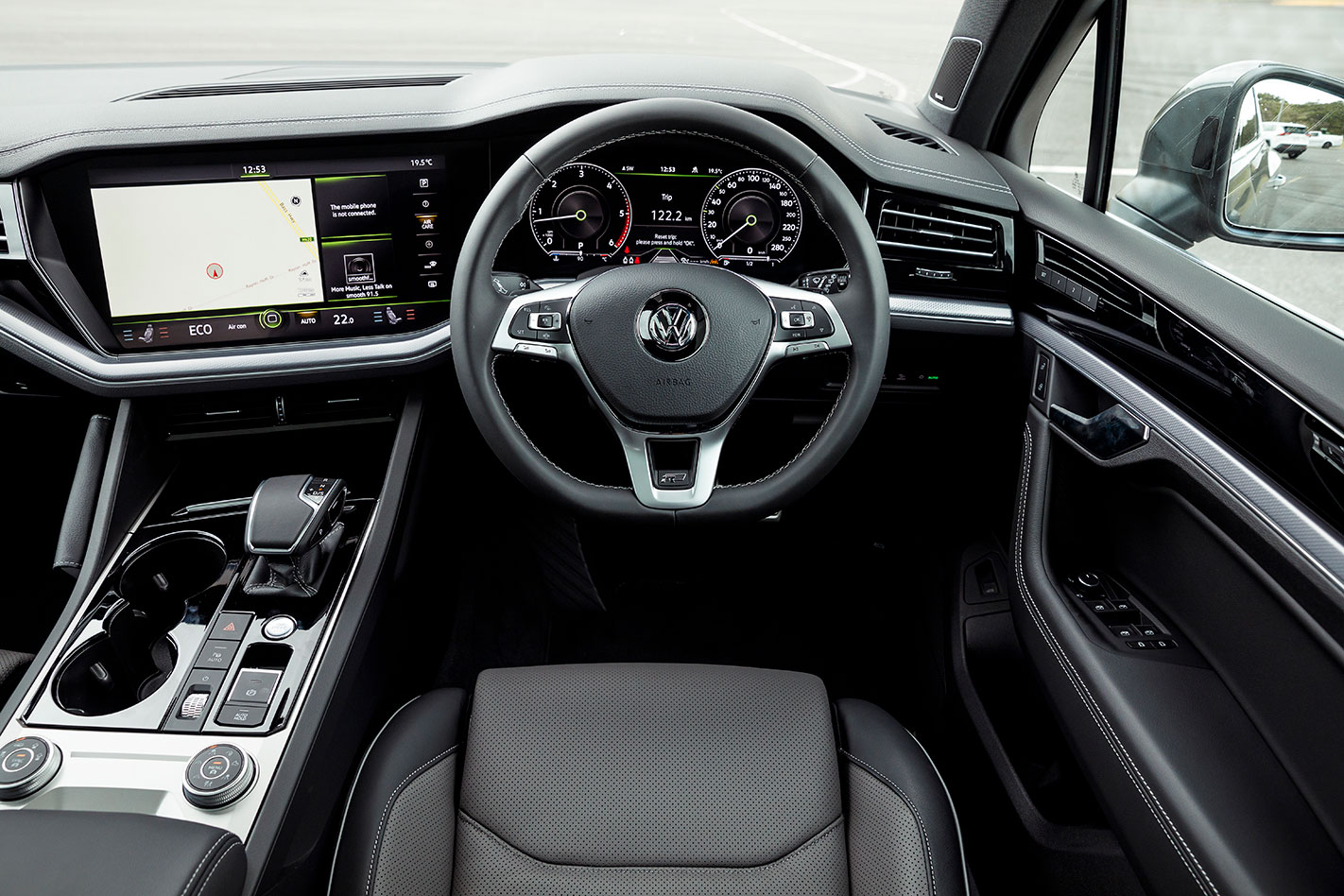
In terms of mechanical clout, the 30d oiler stumps up and impressive 195kW/620Nm, yet the 2110kg seven-seat SUV (third row optional) drinks just 6.8L/100km. The 40i petrol is a little thirstier at the bowser, claiming a combined consumption of 8.9L/100km, but it can also storm from zero to 100km/h in 5.5 seconds thanks to its 250kW/450Nm twin-scroll turbo straight six.
However, the Touareg is flush with strong pedigree, too. Based on the same MLBevo platform that underpins the likes of the Bentley Bentayga, Lamborghini Urus, Porsche Cayenne and Audi Q7, it’s safe to say the VeeDub is mixing with highbrow company.
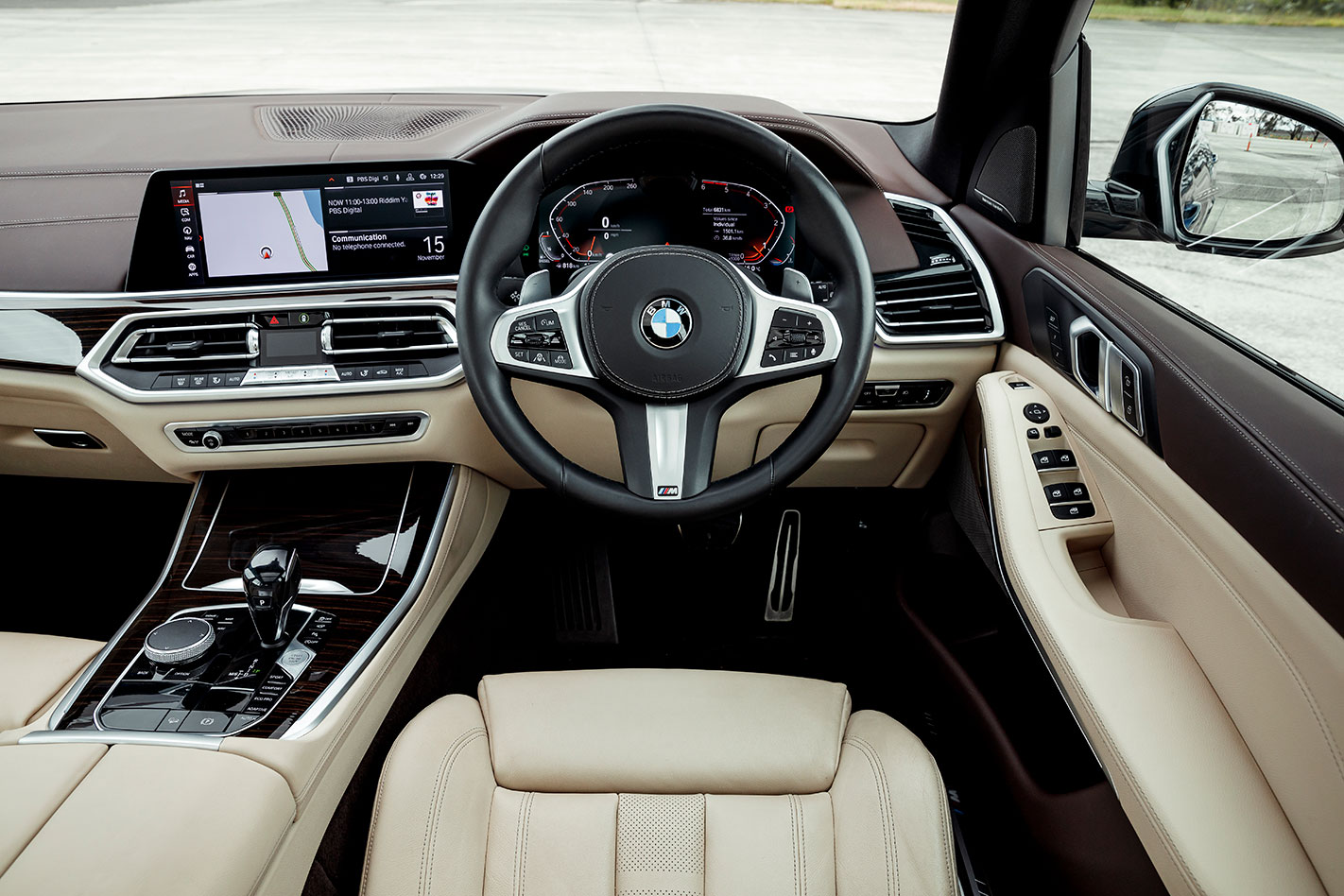
The version we have is also priced like a luxe SUV. While a 190TDI comes in at $85,490, our highly specified contender comes to COTY packing a whopping $29,000-worth of options. Ouch.
Some of the goodies include the gargantuan 15-inch infotainment screen (included in the $8000 Innovision pack), Sound and Comfort package ($8000), and R-Line package ($8000 and includes the 20-inch wheels).
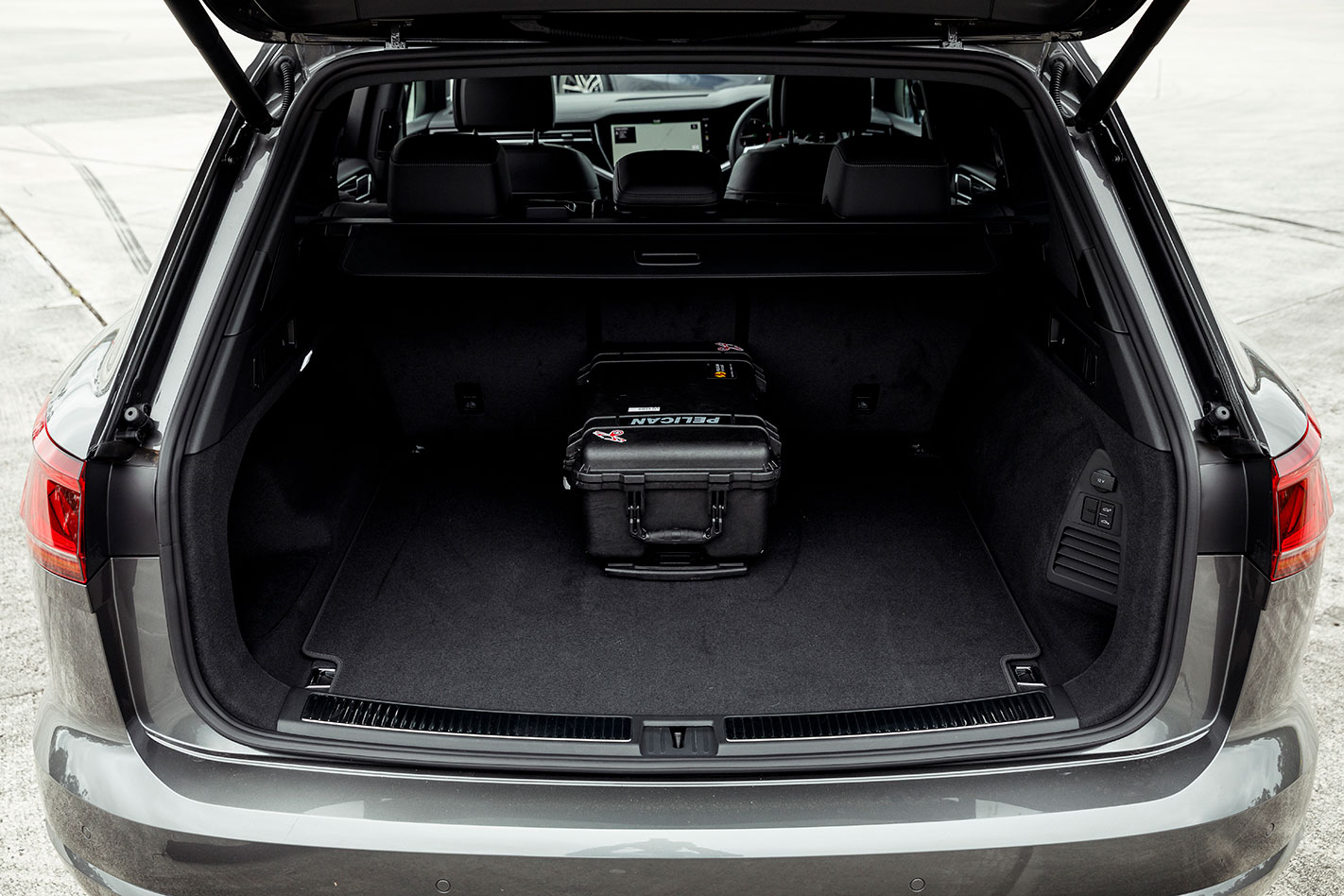
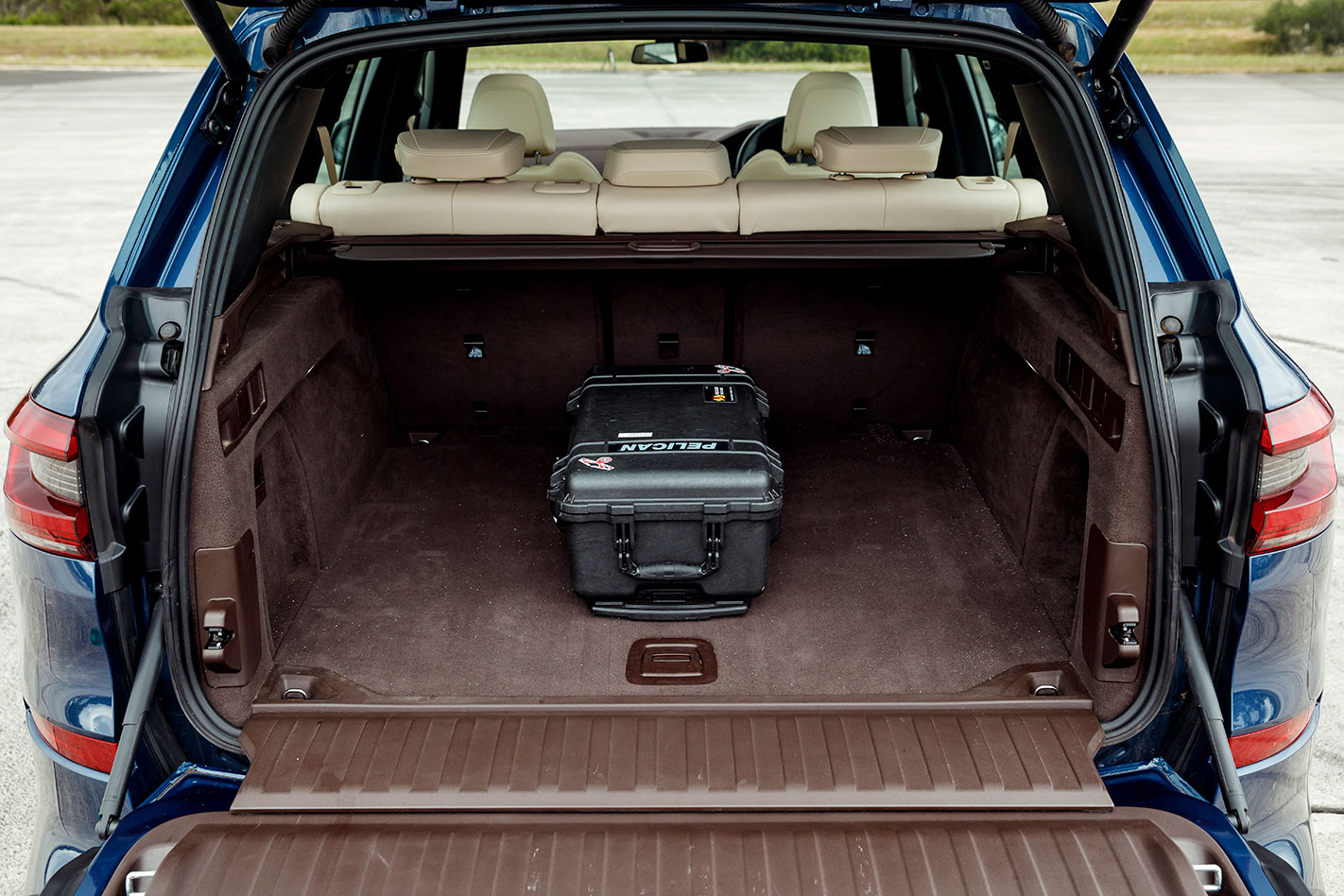
Still, with a 190kW/600Nm 3.0-litre V6 turbo under the bonnet, which sips 7.4L/100km of diesel despite weighing 2070kg, the Touareg will fight hard for the primo SUV category win.
More to the point, can either offering swan in and take out the whole show? Both the VW and BMW have the wares to give it a good shake. Tune in to Wheels on January 30 to find out.
Chicken was a luxury in 1900. It was meat for special occasions only. Working-class people ate quail more often than chicken; small, bony, fiddly quail. But because chicken was luxurious, it became profitable to breed chickens and by 1930 chicken farmers were raising 50 gazillion chickens a year.
With increased supply, prices dropped, and now we’ve gone from a twice-a-year delicacy to buying a 44-gallon bucket of chicken bits for five bucks. Chicken isn’t luxurious any more, it’s blue-collar food. And rich people don’t want blue-collar, they want exclusivity. They want scarcity.
So the rich started eating the poor people’s quail, which the poor people weren’t eating anymore because they were all eating the rich people’s chicken. The scarce option became the common option, and the common option became the scarce option.
The same thing happened with vinyl records and CDs. And with digital and analogue watches. It’s going to happen with SUVs.
I read recently about the impending death of the station wagon. “Station Wagon, I have come for thee,” the automotive Grim Reaper has allegedly intoned, reaching out with one bony finger to condemn all big-booty family cars to the parts yard of history. But is he really coming?
Last year, station wagons accounted for just three per cent of all new cars sold worldwide. Two-thirds of those sales were in Europe, and most of those were in just a fistful of countries: Sweden, Finland, Czech Republic, Slovakia and Poland; all the big vodka nations. I wonder if anyone has ever studied the link between vodka consumption and station wagons. Maybe they’re just easier to sleep in the back of when you accidentally get plastered on the way home from the bottle shop. Skol!
In the US, station wagons make up barely one per cent of new cars sold. VW America is converting its last Golf Wagon and Golf Alltrack factories in Mexico to produce SUVs and crossovers instead; the Germans have decided that in America the station wagon is effectively extinct.
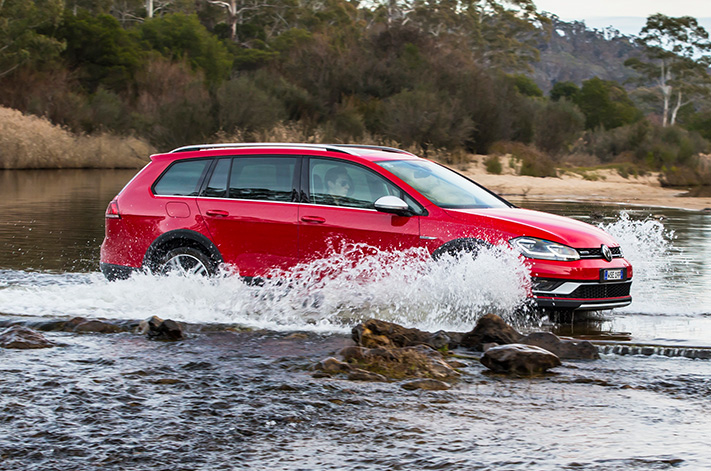
And as the US goes, so goes Australia – for family hauling, it’s all SUVs, crossovers and monster-sized pick-ups from here on. Right? Well, maybe for the chicken-eating classes. But the wagons that remain are not for the chicken-eaters. They’re for the quail-eaters.
Wagons are not hauling kelpies and footy gear anymore. They’re hauling Italian truffle hounds and polo mallets. Or whatever rich people do for fun now. Probably hunting Centrelink clients in their pinot cellar using solid-gold shotguns and night vision.
So for wagon devotees grieving the coming wagonpocalypse, you can thank the Kardashians for saving the segment. Once the Real Housewives of Whatever start driving something, you can bet the real millionaire wives start looking for something else to be seen in, tout de suite dahling. The old-money bourgeoisie don’t want to be mistaken for the nouveau riche in their identical Rangie. It’s straight into the Alpina Touring instead. They just won’t call it a station wagon anymore. They’ll call it a “shooting brake” or an “estate car”.
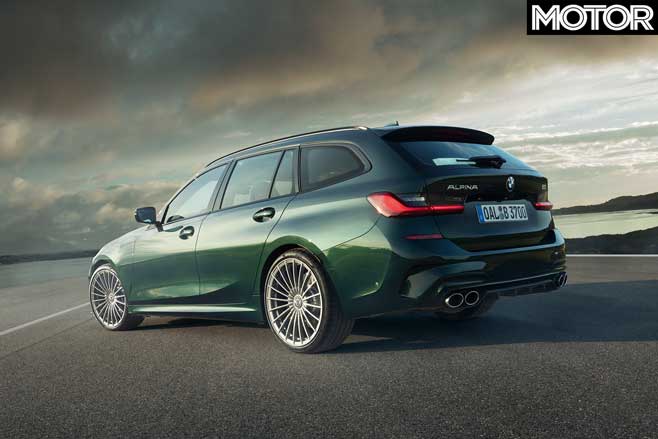
And instead of car makers switching to SUVs, you’ll see SUV makers switching to station wagons. You scoff now, but when Range Rover releases an estate car concept you’ll choke on a quail bone in recognition. You may be choking on a quail bone already. Goddamn fiddly quail.
Then the whole cycle will begin again. Socially aspiring chicken-eaters will covet Psalm West’s Avant. Motoring journos years from now will be mourning the impending death of the SUV, as every factory outside the Post-Nuclear Mutant Zone is retooled to make station wagons.
If you want to look rich in 2040, you’ll be driving a station wagon. On your way to pick at some brunchtime quail. And listen to a vinyl record. And play with your Tamagotchi. That’s gonna make a resurgence too. Invest your super accordingly.
It is not every day you will come across a Porsche 930 911 Turbo, rarer still is the “Flachbau” or “Flat Nose” variant.
And then there’s the RUF BTR.
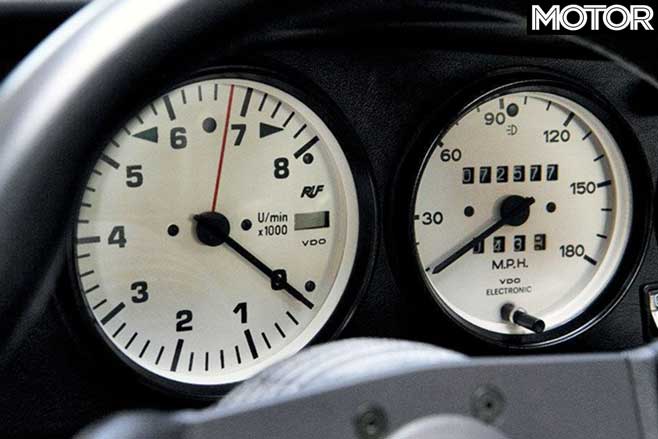
Our colleagues at TradeUniqueCars recently spotted a black example of one of these rare birds listed for sale on the site, and it has certainly ruffled some feathers here in the MOTOR office.
While the history of the RUF name has become synonymous with the CTR “Yellowbird” thanks to Gran Turismo and a viral YouTube video, the BTR was its formidable predecessor.
First introduced in 1983, the BTR (Group B, Turbo, RUF) was based on the 930 Turbo, which had its 3.3-litre flat-six engine bored-out, upping its displacement to 3.4-litres. From there, RUF swapped out the stock pistons for Mahle items, and fitted in 935-type camshafts.
The RUF conversion also involves replacing the stock turbocharger with a larger KKK K27 unit fed by a whacking big intercooler, along with a new intake manifold and exhaust system.
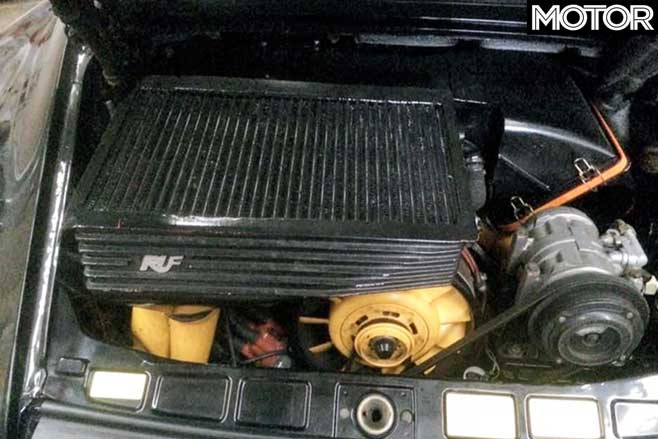
These changes are said to have boosted the RUF BTR’s power to 279kW, up from the 930 911 Turbo’s 224kW. Complementing this increase in power, the RUF conversion with the help of Getrag, adds another cog to the 930’s standard 4-speed manual, turning it into a proper five-speeder.
Rounding off the BTR conversion is a full complement of brake and suspension upgrades, along with wide 17-inch five-spoke single-piece forged wheels and 935-style wing mirrors.
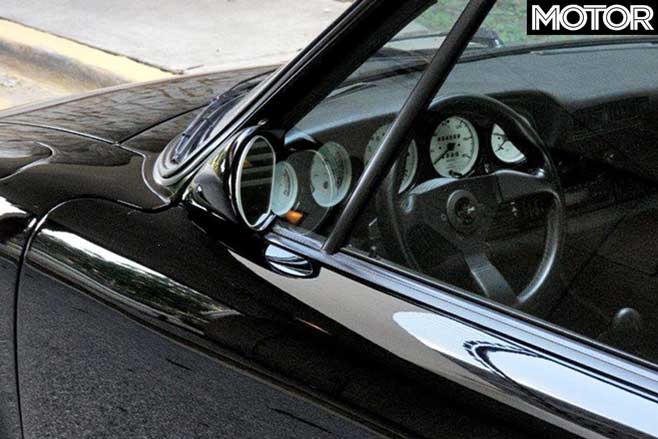
According to the seller, this particular left-hook 1985 BTR has clocked around 72,000 miles, and will come with its Certificate of Authenticity, original tools, and the original owner’s manual that includes the rare Porsche “Slantnose” addendum and pouch.
The only thing the seller hasn’t revealed just yet is its price.
It’s long been a selling point of motorsport globally that the technology you find in street cars is first tested and proven on the world’s racing circuits. Well, the reality is that cutting-edge technology in road cars has leapfrogged the racing world, with just a single fully electric global championship at a time when every manufacturer worth their salt is diving head-first into an EV future.
Electrification is happening almost across the board, and categories like the British Touring Car Championship, IndyCar, IMSA, and World Rallycross Championship have some sort of hybrid or fully electric rules in the pipeline in order to catch up – even the good ol’ boys at NASCAR HQ have committed to an electrified future.
At the same time, traditionalist fans are baying for the return of the halcyon days of racing where the sizes of the personalities in the cockpit were only dwarfed by the engines that propelled their mighty machines.
So, let’s take a closer look at some of the biggest championships both locally and globally to see what’s in store.
Supercars
The next three years are perhaps the most important in modern Supercars history, with a new rulebook to be written, new television contract to be sold, and potentially new owners for the category to be found.
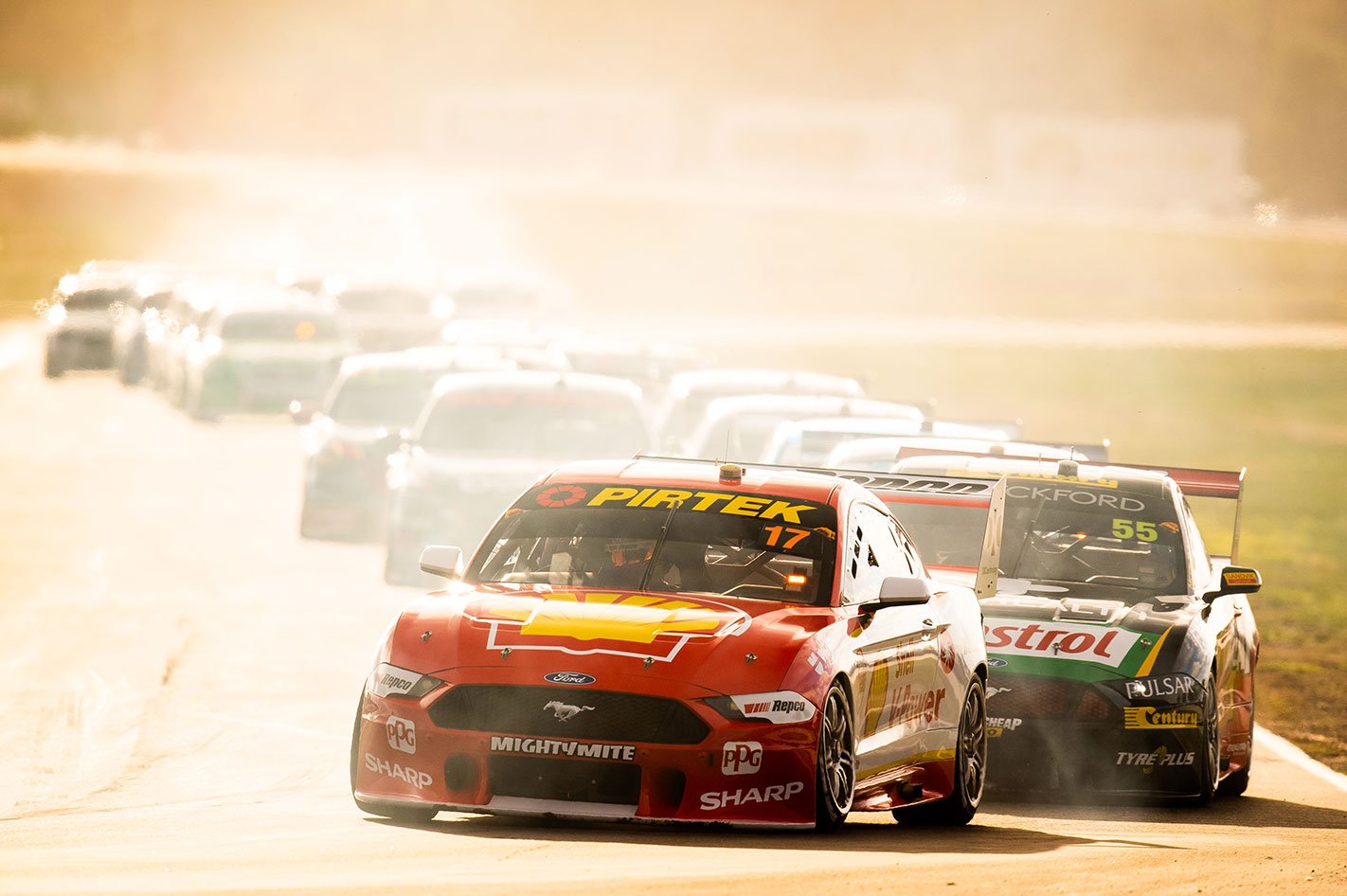
First, and most importantly, is the rulebook, which is under serious scrutiny ahead of the planned introduction of ‘Gen3’ regulations in 2022. Currently Ford is the only manufacturer locked into the category until then, with Holden only committing to race the Commodore until the end of 2021.
New rules are likely to include revisions to the control chassis, importantly reshaping the crash structure to allow a more natural silhouette for two-door coupes. Engine regs are being tweaked in order to reduce costs significantly and power nominally, while aero is set to be culled across the board as a new testing process is ratified. Other tweaks include control dampers, more tyres, and a new electronics system.
Oh, and Supercars is continuing to investigate implementing hybrid technology. However, following the unmitigated failure of new rules designed to see the reintroduction of turbo engines from 2017, we aren’t holding our breath.
Then there is the issue of who owns the whole rodeo. Sydney-based private equity company Archer bought the controlling stake in Supercars for a rumoured $130 million in 2012, with the business valued in excess of $300 million.
In 2017 Archer wanted at least $80 million for its stake in Supercars, but the best bid put forward was only around the $50 million mark.
A sale has now been put on ice until a new broadcast deal is inked for 2021 – the current Foxtel/Network 10 contract was worth $240 million over six years.
There are some rough seas ahead for Supercars. Can it steer true to clear waters?
Formula 1
Unlike almost every other category on this list, Formula 1 has its future rulebook locked and loaded. The 2021 rulebook for F1 was ratified by the World Motorsport Council just weeks before we went to print, meaning bar minor tweaks, these regulations are set in stone, and as inevitable as another Ferrari quit threat. So, what’s in store for the biggest racing series on the face of the planet?
Well, it’s not as drastic as those in charge would probably have hoped. The original proposal for 2021 has been watered down significantly by the supremely powerful Strategy Group which is made up of teams and manufacturers.
Engine regulations have remained untouched, much to the chagrin of anyone with ears, while aero and sporting rules have been tweaked with the aim, the category says, of “promoting closer racing and more balanced competition, as well as bringing economic and sporting sustainability to Formula 1”.
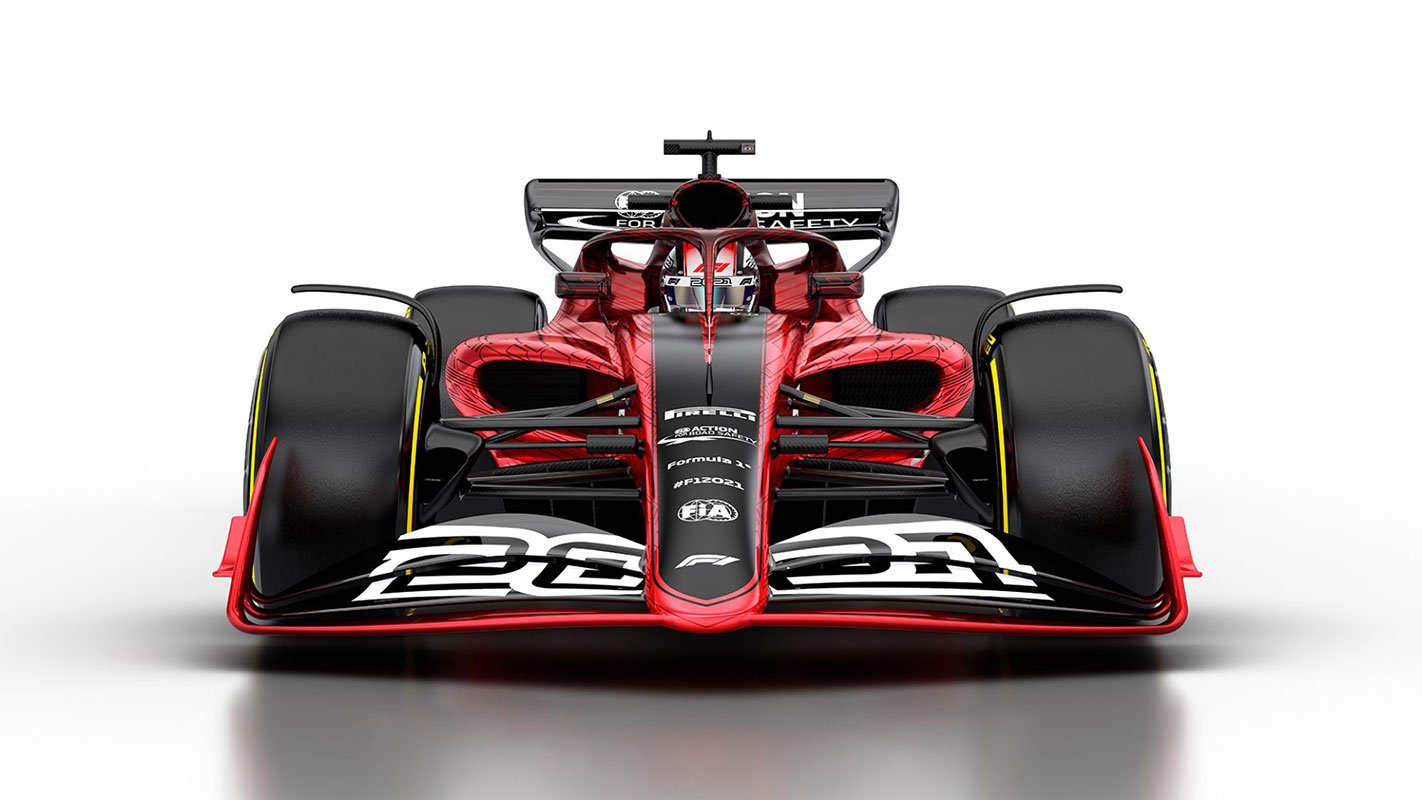
The cars are intended to be more visually alluring, while also helping to improve racing by cleaning up the ‘dirty air’ that plagues modern F1. This will be done by reshaping the front and rear wings, while simplifying suspension and revising the floor design to incorporate ground effect. In addition to this, 18-inch wheels will be introduced.
Away from the actual cars, the most important introduction is a cost cap, intended to curb the rampant spending of top teams. Each squad’s budget will be capped at US$175 million ($A250 million), quite the drop from the US$500m Mercedes is currently spending (and that excludes their engine costs). Independent regulators have been charged with keeping scheming teams honest. Good luck, bean counters.
World Endurance Championship
The era of the homologation special is about to return, and we have the World Endurance Championship (WEC) to thank. The FIA, along with ACO (who promote the 24 Hour of Le Mans) are introducing new rules for the 2021/22 season. The new ‘hypercar’ regulations for the top-flight sports car category at Le Mans will mandate production car twins to the prototypes attacking the Mulsanne Straight each June.
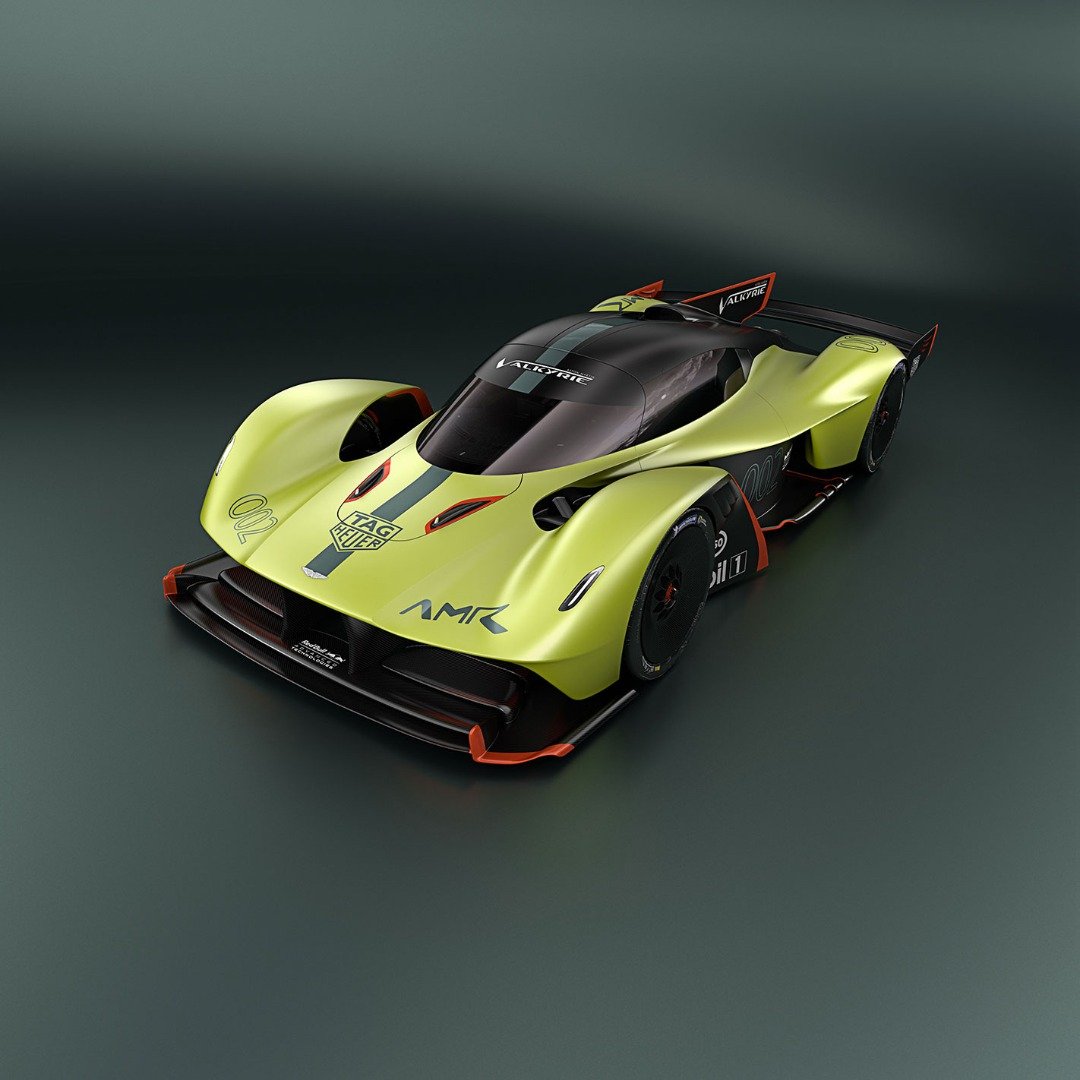
While the final regulations have yet to be locked down, WEC has revealed a series of in-depth details. These include a requirement for manufacturers to put 25 engines into a production car by the end of the first season, and 100 production cars by the end of season two. Pure racing engines can be used, as long as they are not built or funded by an OEM, and fit the rest of the regulations. This means the 11,000rpm naturally aspirated V12 that is slotting into Aston Martin’s Valkyrie will be terrorising La Sarthe for 24 hours in the near future.
Speeds will be lower compared to current LMP1 regulations, on safety grounds, but with more manufacturers and lower costs, it should allow the most difficult race in motorsport to return to its glory days of the late ’90s and early 2000s. Aston Martin and Toyota have shown significant interest in the new category, with the likes of Porsche, McLaren and Lamborghini rumoured to be in discussions with rule makers behind the scenes.
World Rally Championship
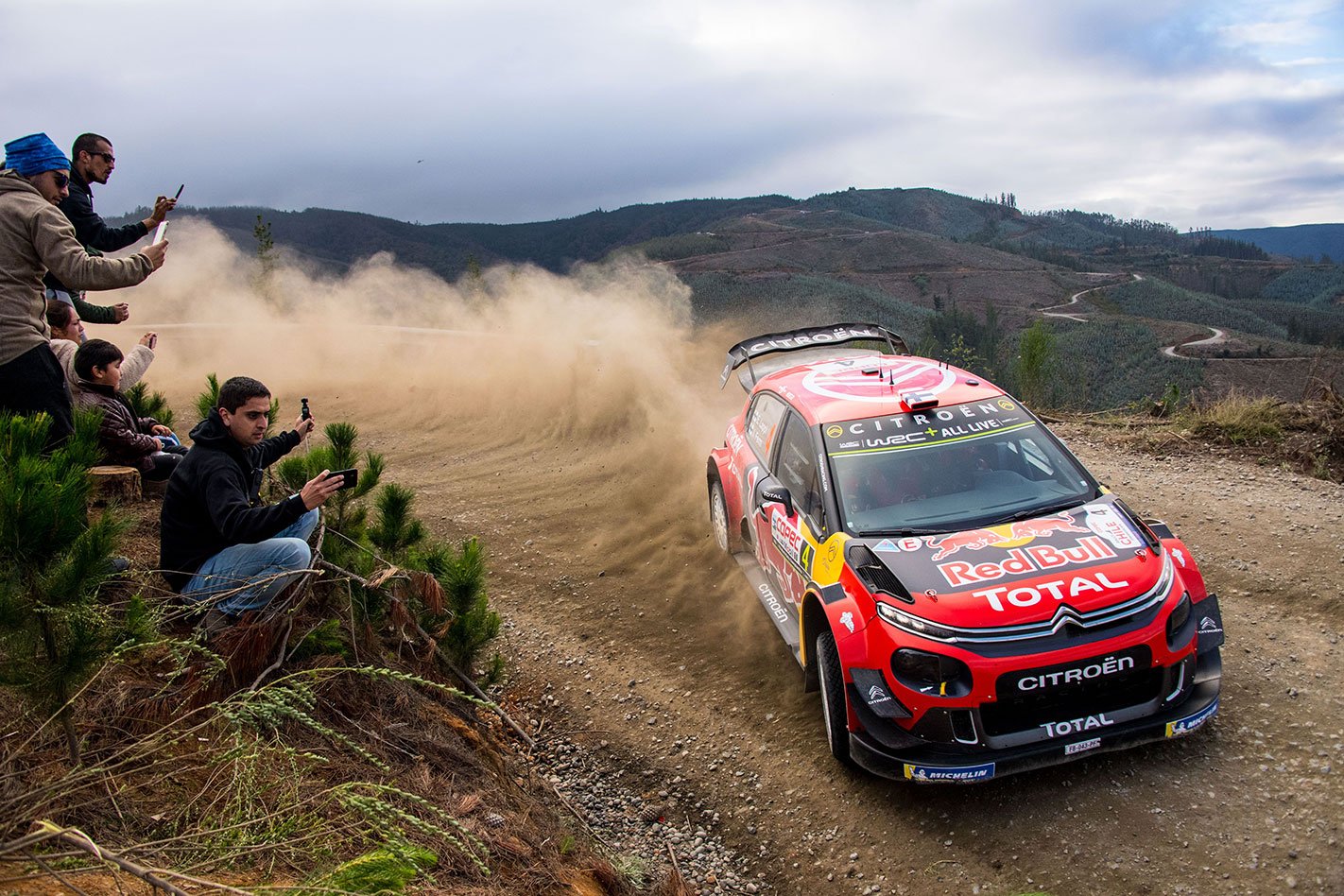
What FIA supremo Jean Todt wants, Jean Todt gets. The ex-Ferrari F1 boss, who has been leading the global motorsport governing body for the past decade, helped muscle Formula 1 towards its current hybrid engine regulations – unpopular with teams and fans alike – while also putting his full support behind Formula E. His next targets for an electric future are the world’s rally stages, and the WRC.
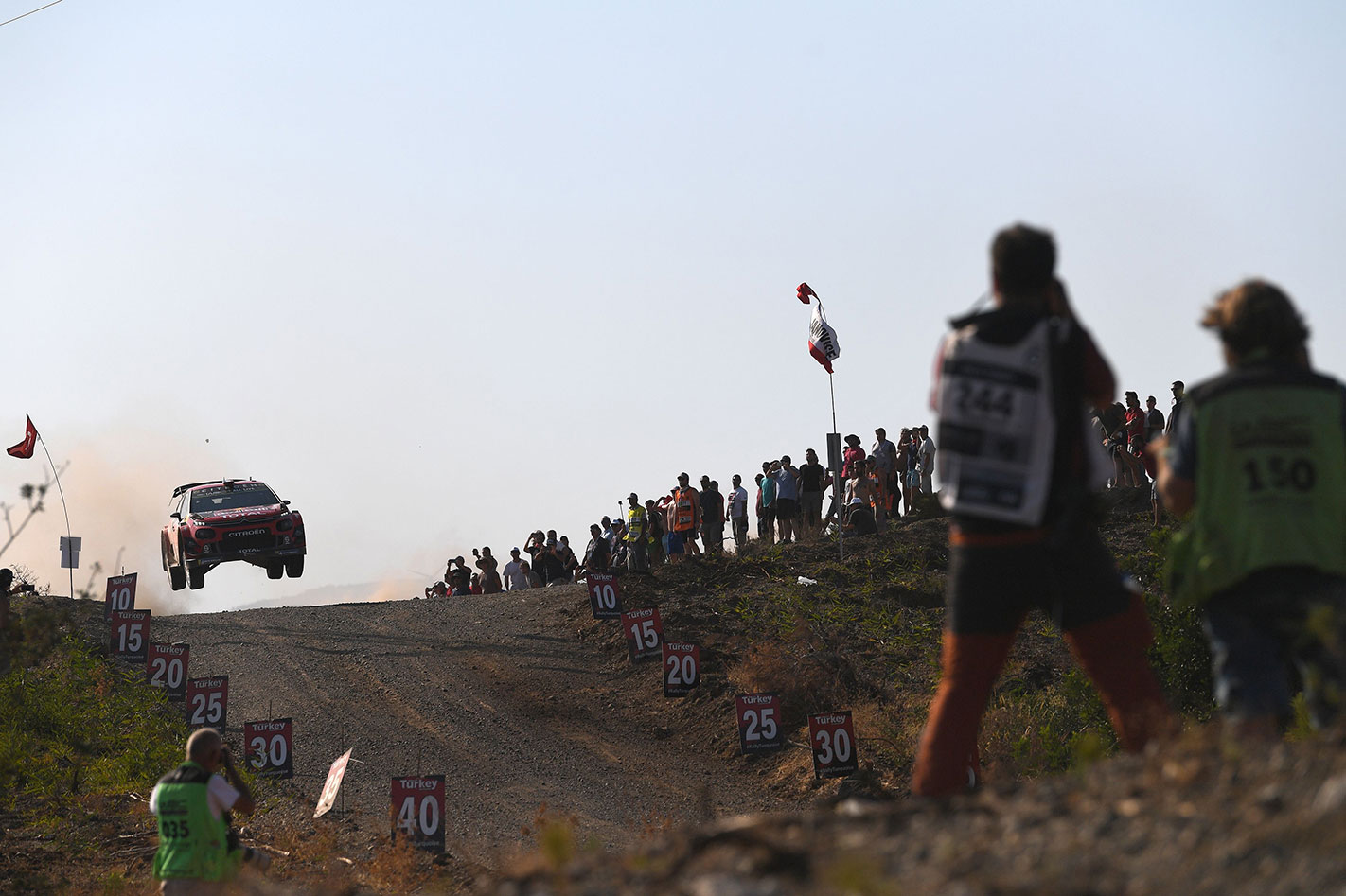
A new rule set is due to be introduced in 2022 through to 2025, which will introduce hybrid technology to the fastest cars on dirt. Technical regulations are a long way from being finalised, but initial talks have mooted a ‘supplementary hybrid system’ with control components and software. The proposed hybrid units would allow WRC cars, which will retain the 2017 aero and engine package, to run as full EVs on transit stages, while providing a power boost on competitive special stages. Following 2025, the plan is to open up the rules to allow manufacturers to use their own electric systems.
Prior to writing, Citroen threatened to pull out of the WRC at the end of 2020 if there was no electric technology in future rules (they subsequently dramatically pulled out prior to the start of this year’s championship). However, support from other manufactures for the move to hybrids has been lacking. A former rally co-driver himself, Todt lambasted manufacturers for stalling talks about the new regulations, and looks set to strongarm organisers into adopting an electrified future. The forests of Finland are about to get a little quieter.
S5000
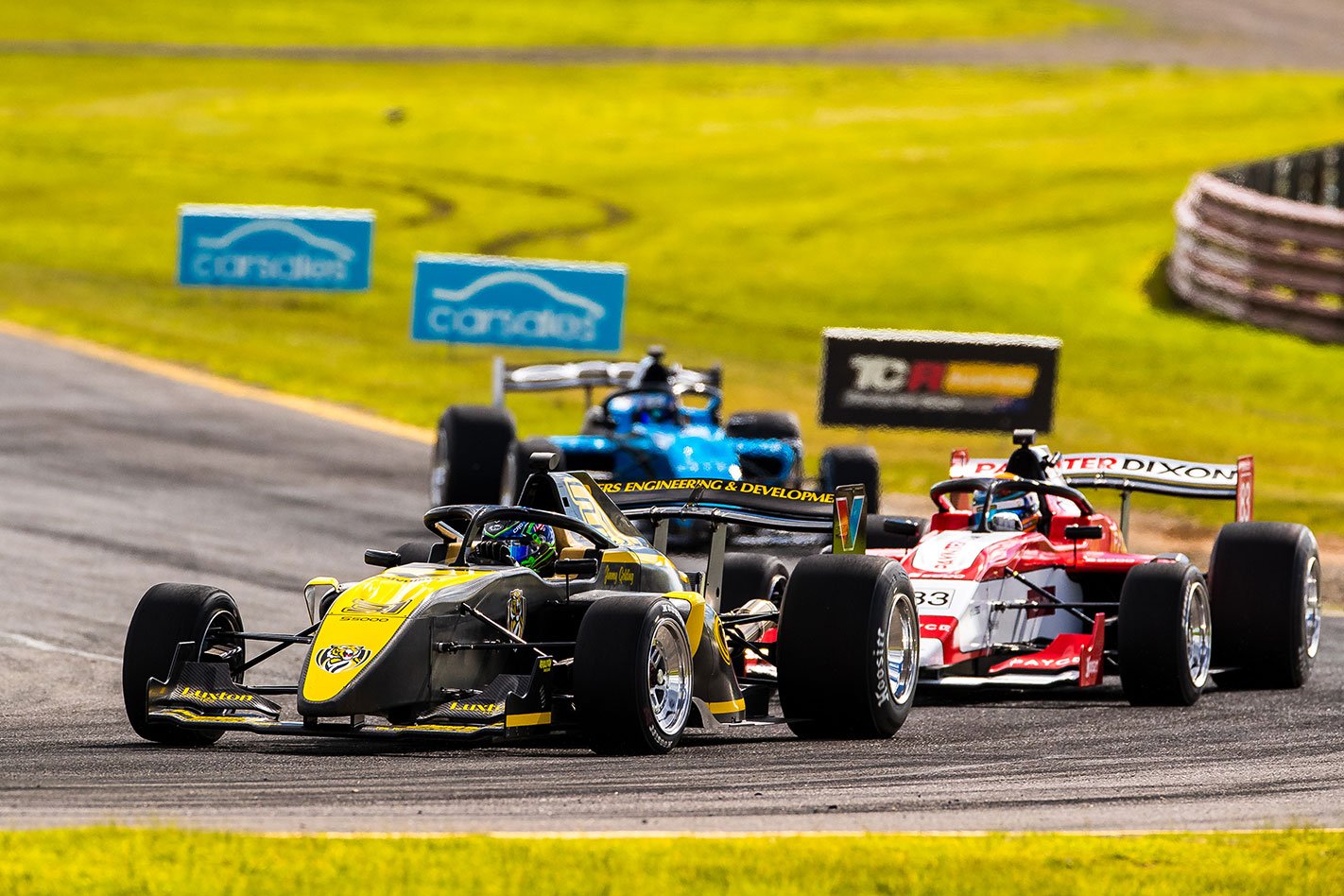
Australia’s newest and fastest category made its debut in the last half of 2019, ahead of its first ‘proper’ season in 2020. Early signs are positive, and the V8-powered beasts will bring wings ‘n’ slicks back to Mount Panorama in 2020, but it remains to be seen if early grid numbers can be sustained. Australia’s open-wheel history shows that category bosses will have an uphill battle on their hands.
SuperUtes
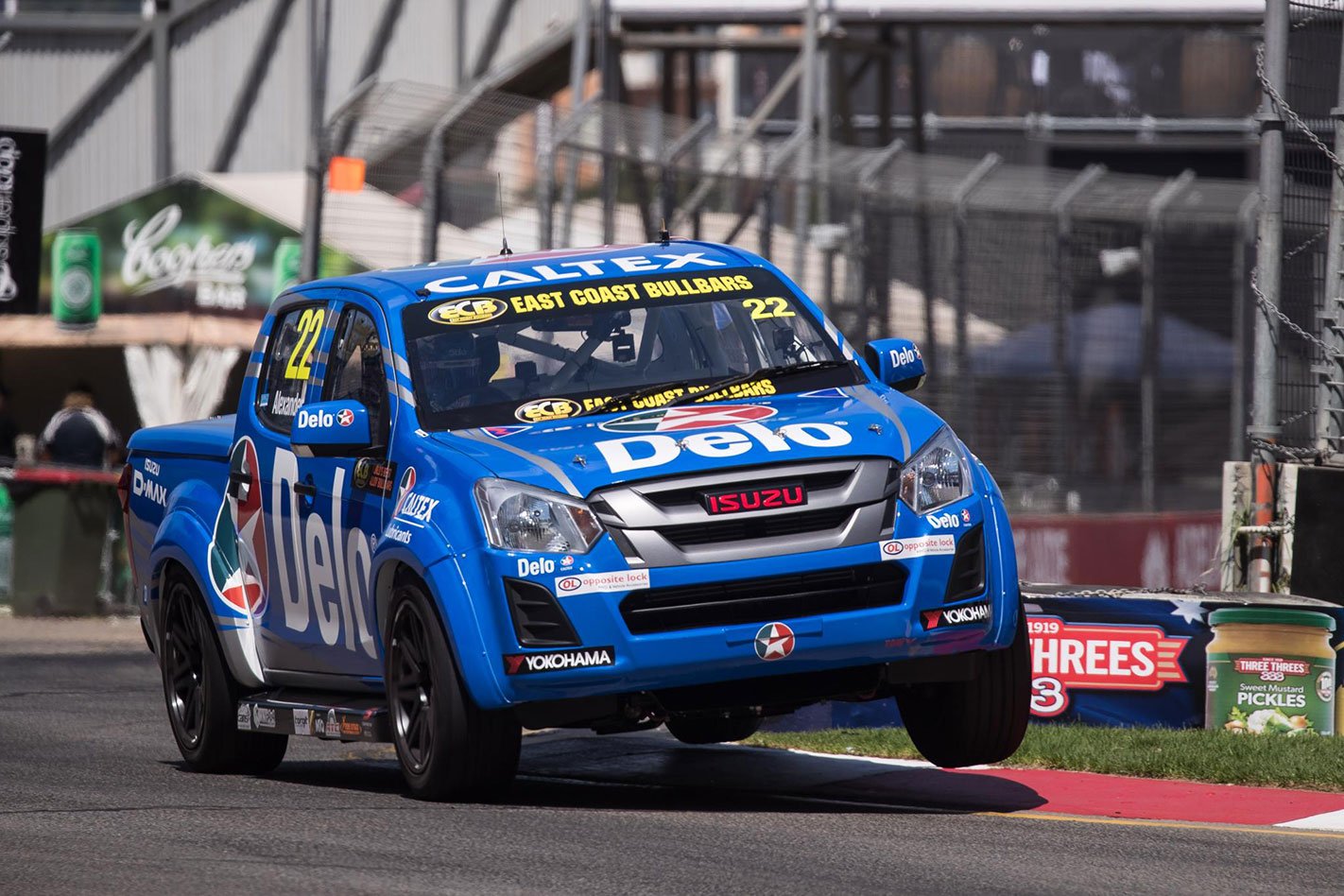
Introduced in 2018 to replace the Falcon and Commodore-based V8 Utes category, SuperUtes has floundered somewhat, with fluctuating grid sizes, uninspiring and expensive diesel engines, and poor racing. Supercars has sold the category to a conglomerate of teams, which have vowed to slap naturally aspirated V8 crate motors into the engine bay. Yeehaw! That sounds more like it.
Formula E
The golden child of global motorsport, Formula E seems incapable of putting a foot wrong. Going from strength to strength, its sixth season will have started as this magazine goes on sale. Mercedes-Benz and Porsche will join the grid, bringing the total manufacturer tally to eight, along with the envy of every other global category. A race in Australia has been mooted from some time, but will require government support to get over the line. Here’s looking at you, South Australia.
No marque has even completed a three-peat at Wheels Car of the Year. Winning our COTY award once is hard enough, but claiming three on the trot, that’s unprecedented.
In an effort to score the historic triple crown Volvo has supplied a trio of cars for us to assess. We have the two bookends of the S60 range, which starts with the entry-level S60 T5 Momentum kicking off at $54,990 fitted with a turbocharged 2.0-litre four-cylinder producing 187kW and 350Nm.
Flip the scale and we have the $85,990 S60 T8 R-Design, and it’s packed with a supercharged, turbocharged and hybridised 2.0-litre four-cylinder to crank out an impressive 311kW and 670Nm.
The pragmatic V60 is also along for the ride, too – and it’s from the Wheels long-term garage. The $62,990 V60 T5 Inscription offers 187kW and 350Nm, so we have a broad spread of spec levels and body styles.
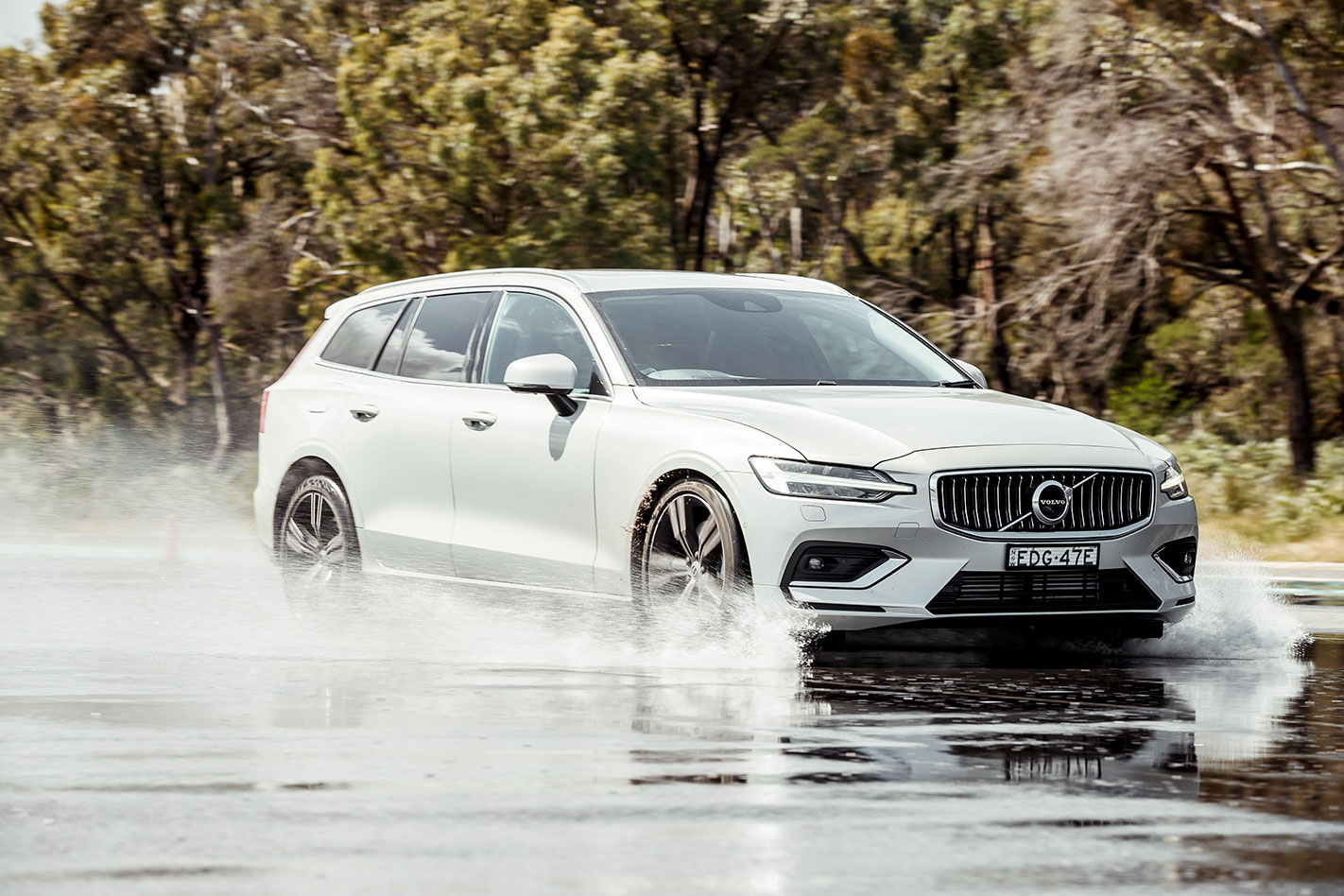
We’ve already sampled the entry-level S60 when it came up against a strong foe in the revolutionised Peugeot 508 and it performed strongly in terms of pace and packaging.
The V60 wagon is proving to be a popular chariot in the Wheels garage, too, mixing practicality and performance in with the Scandinavian brand’s usual sense of style.
The S60 T8 is a mix of grunt and grace, with the hybrid drivetrain providing prodigious punch and the ability to drive short distances purely on the electric motor thanks to the lithium-ion battery pack.
With a strong electric contingent and a host of high-quality fresh metal, Volvo has its work cut out for it the Swedes wish to reign supreme for a third-straight year. But you never know, lightning could strike three times.
Do you think the S60/V60 is worthy of delivering Volvo another COTY gong?
It seems there was no chance of an easy start to 2020 for Team WhichCar, as besides keeping things ticking along at WhichCar.com.au we’ve also been feverishly planning for Australia’s biggest set of motoring awards – the Australian Motoring Awards on January 30.
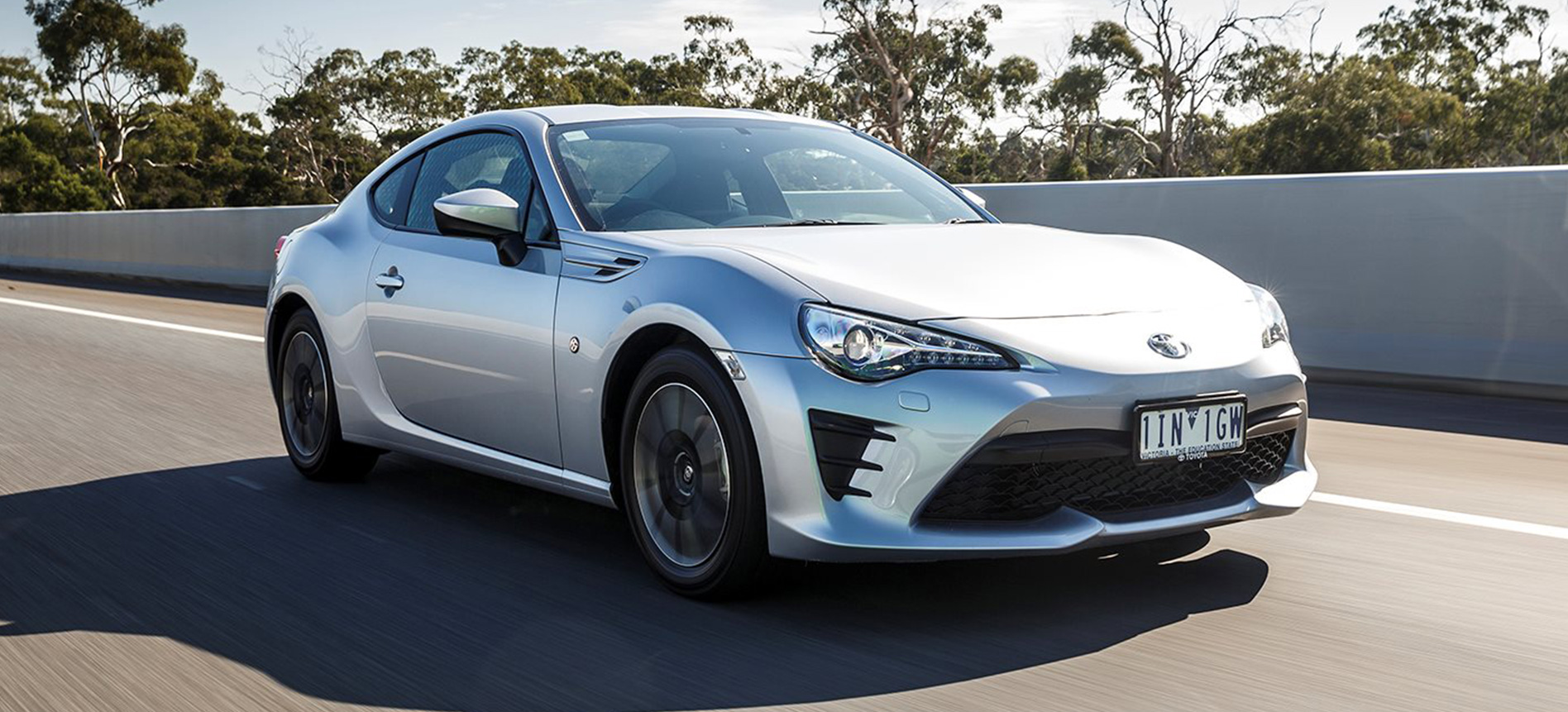
The news tap hasn’t stopped running though, with word breaking that Toyota and Subaru are hurriedly preparing the next-generation 86/BRZ getting us thinking about the storied life that the current car has enjoyed.We were also on the ground when Genesis revealed its first ever SUV that’ll arrive Down Under mid-way through the year.
In terms of other reveals, we caught wind of a left-field EV manufacturer that hopes to take the fight to the likes of Tesla, Porsche revealed it’s going back to six cylinders with the Cayman/Boxster duo and we couldn’t help but speculate a price for Toyota’s upcoming hot-hatch hero.
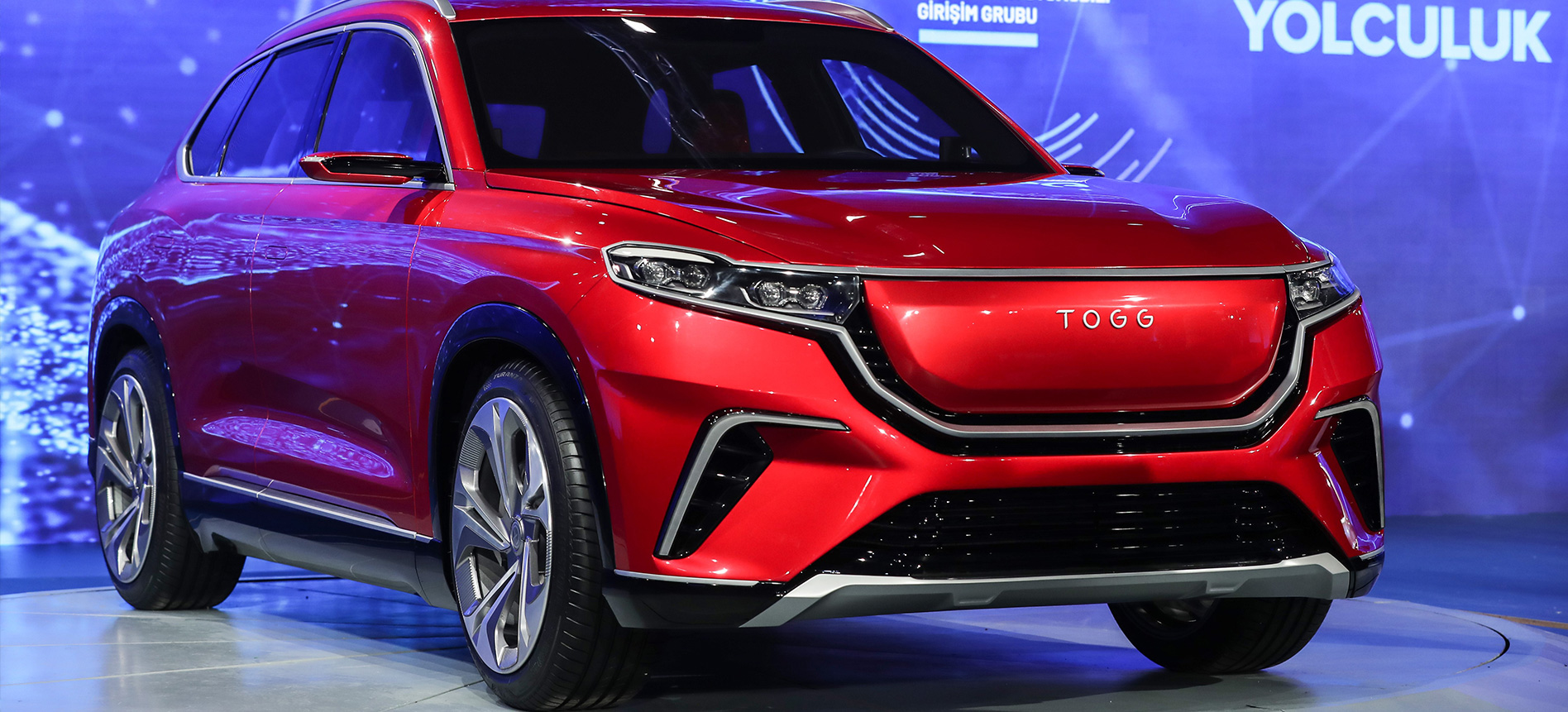
The dawn of 2020 has had many of us excited about the possibility of seeing new cars on Australian roads, whether they be run-of-the-mill or more performance-focused examples, but that doesn’t discount the performance powerhouses we already have that Australia currently lusts after.
Interestingly we learned that GM is keen so see a revival of the Hummer brand in the form of an all-electric pick-up, and Ford is also readying a throwback of its own in the form of the new Bronco.
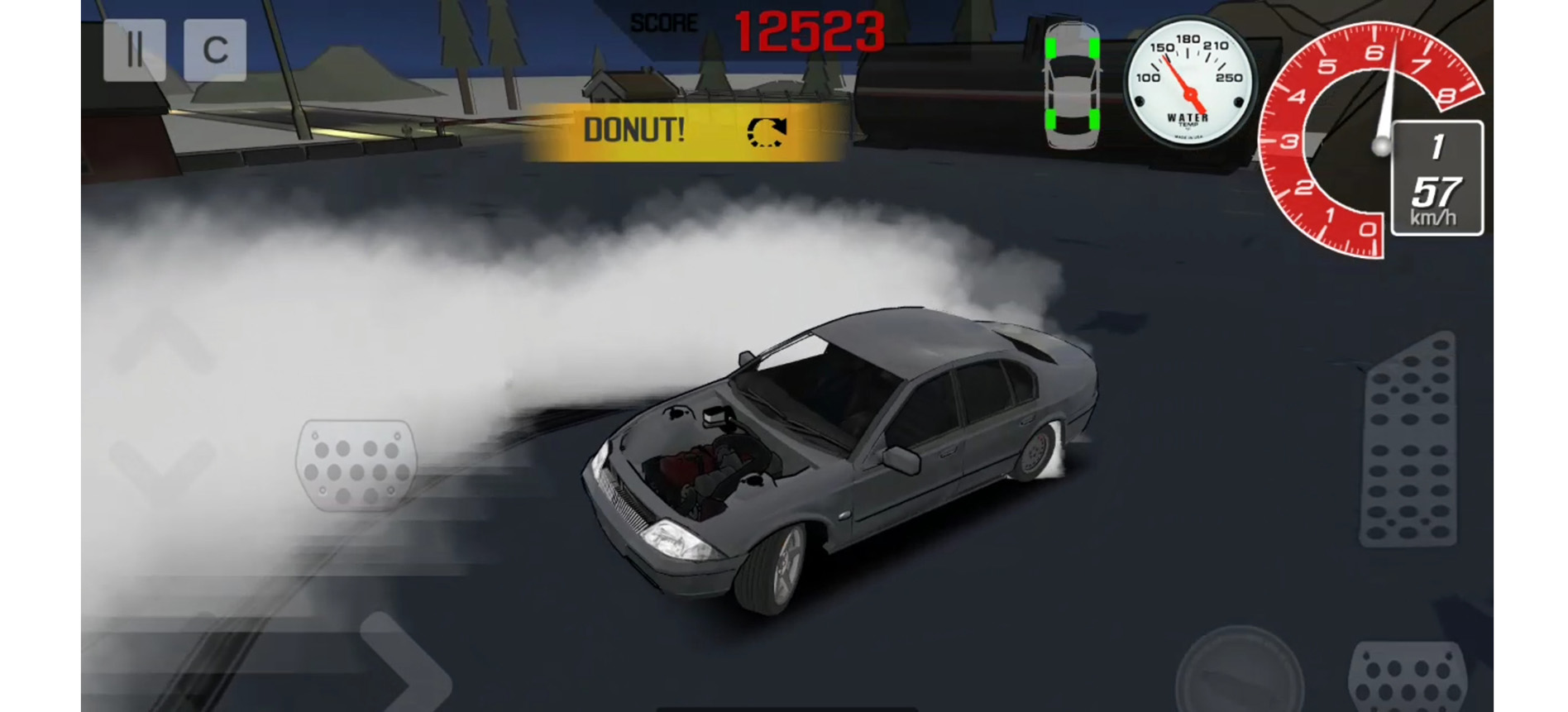
In terms of events we’re still wrapping up our coverage from Summernats but equally looking forward to the increasingly popular Bathurst 12 Hour. Speaking of Summernats however, we couldn’t help but give this Burnout Masters mobile phone game a red-hot go – it’s quite addictive if you’ve got some spare time over the weekend!
Have you ever wanted to know how your speeding fine is dished out? We did some digging to reveal just how speeding fine revenue is spent, which should make for an illuminating read – especially for you New South Welshmen.
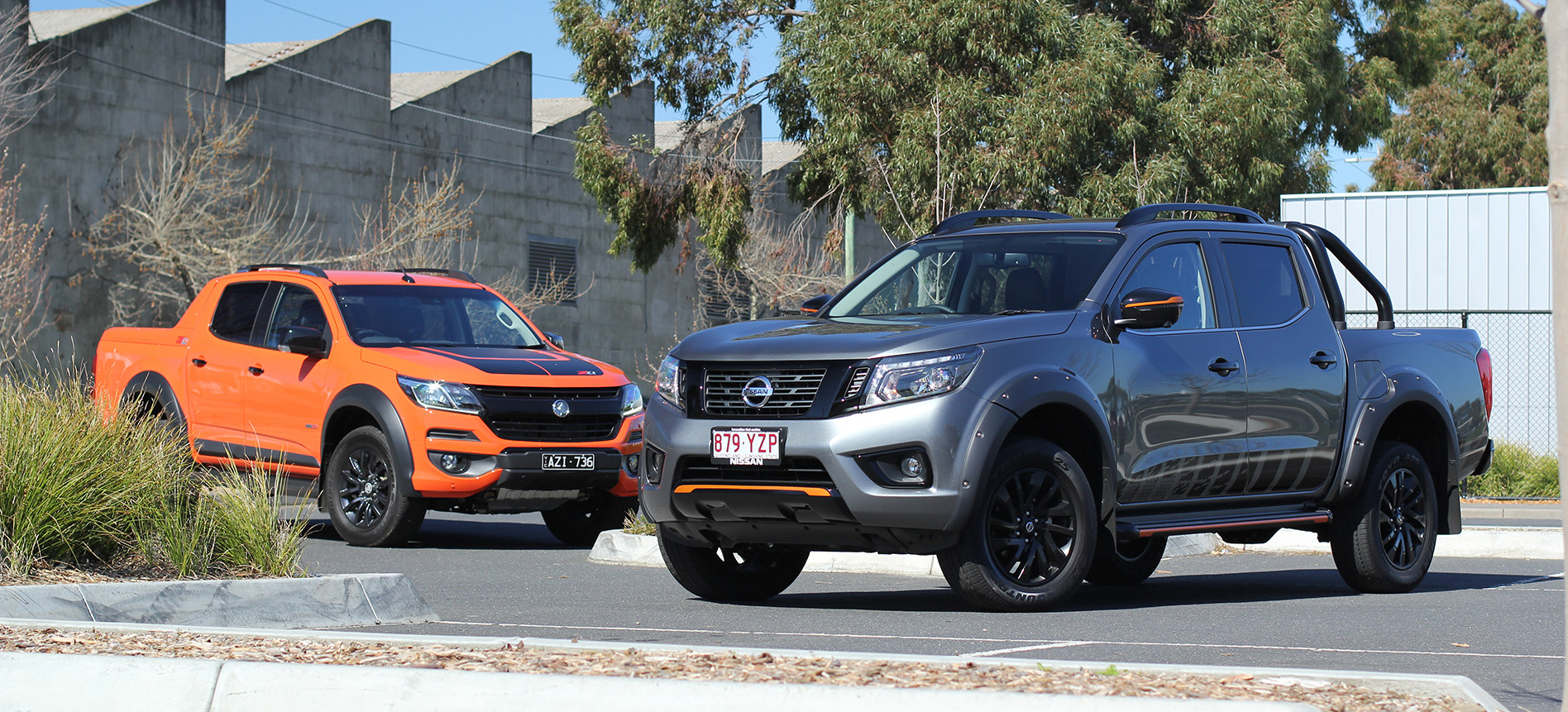
This week we’ve been behind the wheel of the Mercedes-Benz CLA200, compared dual-cab utes in the form of the Nissan Navara and Holden Colorado, spent some time off-road in the new Jeep Gladiator, pitted petrol against electric with Jaguar and experienced both two and four wheels thanks to BMW at Phillip Island.
In the world of new product, it was revealed that the four-pot Toyota Supra won’t make to Australian shores, but VW’s new T-Roc and T-Cross SUV pair definitely will. This week Honda updated its Civic hatch range and Mazda reshuffled its CX-9 offering.
In the spirit of the Australian Motoring Awards that are fast approaching, we leave you this week with some of the iconic COTY moments of years past. There are some doozies in there!
That’s all from us for now, enjoy the weekend and we’ll catch you on the other side!
This is brave of us, one of those articles you re-read many years down the track and have a little chuckle to yourself. Hello to the readers from 2030 and beyond! But it’s something we felt we must do. As serial speculators here at MOTOR HQ, our trends and predictions for the 2020’s decade is looking mighty interesting for the new-car industry.
Tightening emissions regulations – to the point of corporate strangulation – will form the core of the challenge, forcing a total rethink of model ranges and propulsion systems, manufacturers moving as quickly as possible to battery electric vehicles, abridged where possible with hybridisation. It’s going to cost them a lot.
Petrol engines will become impressively efficient and lose cubic centimetres and cylinders along the way, while autonomy will further develop but won’t leave the lab, we reckon. More punters will choose not to own a car at all, turning instead to ride-sharing as the manufacturers also reposition themselves as ‘mobility suppliers’.
And as for performance cars? They’ll get faster, naturally; still predominantly turbocharged, but smaller engines, more hybrids, more EVs. Expansion of model ranges at the top end of town, reflecting somewhat the times. But everywhere else, more chassis electronics helping you get the best from the car, more safely, and handling like you’ve never encountered before.
If anything, the golden age of chassis wizardry is upon us, as we’re about to explain. That, and a whole lot more…
01 – There won’t be full autonomy – not even close
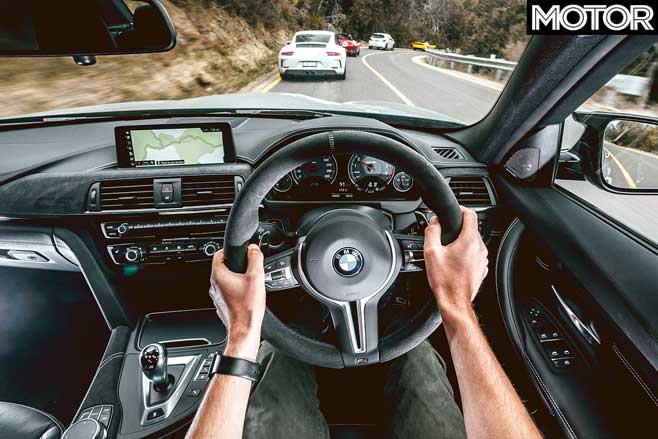
Futurists will have you believe we’ll all be getting around in flying autonomous electric pods by the end of the decade, but the actual experts – at the cutting edge of autonomous vehicle technology – are warning that the coveted ‘Level 5’ full autonomy might take a lot longer than first thought.
Numerous companies, from automakers to tech giants, are investing heavily in what has become a race to be first, but it’s proving extremely difficult to get the tech to a working, let alone safe level. What is more likely is that most, if not every new car will be fitted with some sort of semi-autonomous feature by the end of the decade, and that the steering wheel will be with us for a while yet.
02 – The petrol engine will still rule the roost
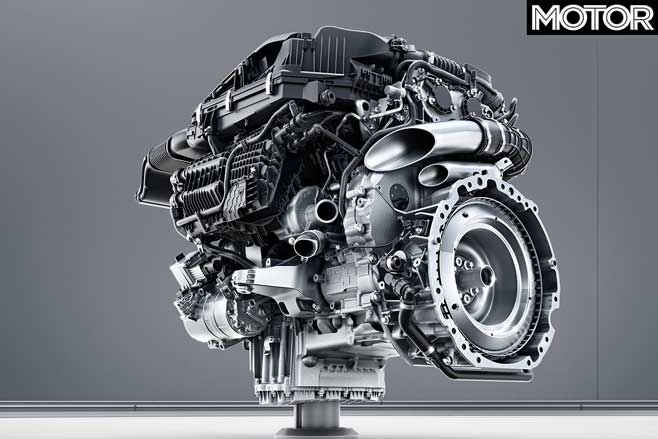
Much like full autonomy, it’s speculated the petrol-powered car will have met its maker by the end of the 2020s, but that’s the realm of fantasy. True, EVs will make up a growing percentage of the new-car market and charging infrastructure will rapidly evolve, but the cheaper internal combustion engine will remain the propulsion method of choice – just smaller, and smaller, and smaller.
We’ll see the most efficient petrol engines ever made, with by the decade’s end almost universal mating to some sort of hybrid system for every new car sold, even the cheap ones.
03 – Atmo engines will still be kicking
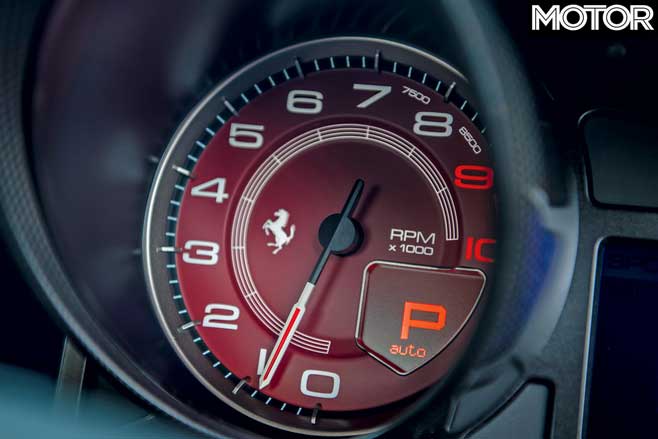
This one is admittedly a little optimistic, but there’s plenty of hope brands like Lamborghini will be able to preserve their big, atmo V12 engines for another generation courtesy of hybridisation. However, that’s reportedly a sore point internally between Lamborghini’s management and its Volkswagen Audi Group overlords.
If such a thing was to happen, Lamborghini would have to sell a lot of electric Uruses – and Ferrari, for its V12, a lot of Purosangue SUVs. It’s possible the atmo will live on in more unexpected places, such as in a lightly hybridised MX-5. Mazda has admitted it is looking at such things for the next-generation car.
04 – The road toll will (sadly) remain stable
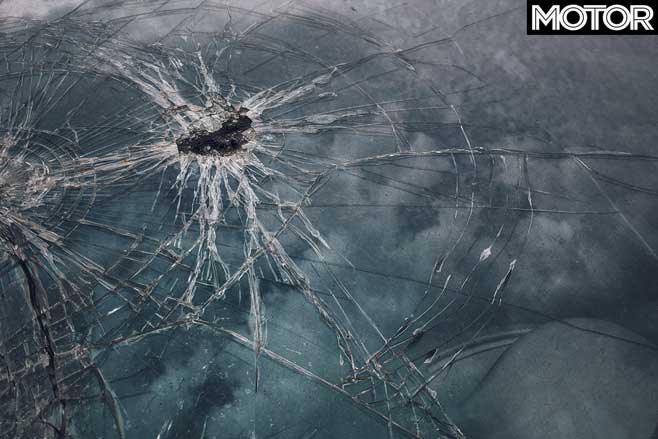
This is not a prediction we enjoy making, but at this rate the road toll is unlikely to decrease with a growing population. Existing strategies clearly aren’t working, despite safer cars, with little appetite from authorities to try something different.
05 – Downsizing 2.0
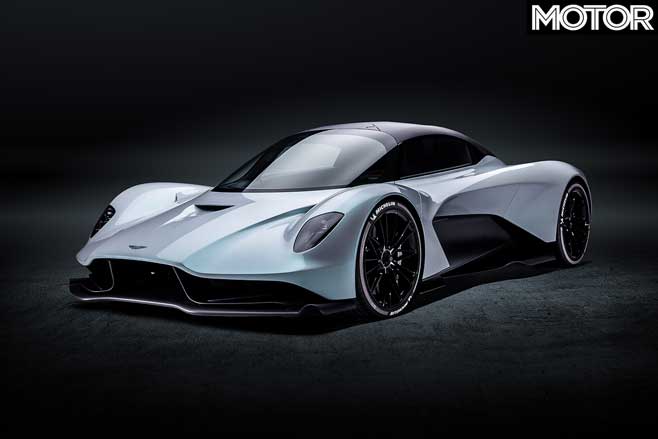
As forced induction and hybrid systems send specific outputs soaring, the ICE will play a smaller role. Case in point: the LaFerrari needed a 6262cc V12 to produce 708kW, but the SF90 Stradale pumps out 736kW from only 3990cc.
Three-pot hot hatches (Fiesta ST, GR Yaris), four-cylinder super sedans (next C63 AMG) and V6 supercars (Aston Martin Valhalla, AMG One) all point to a future with fewer cylinders.
06 – Torque converters will make a comeback
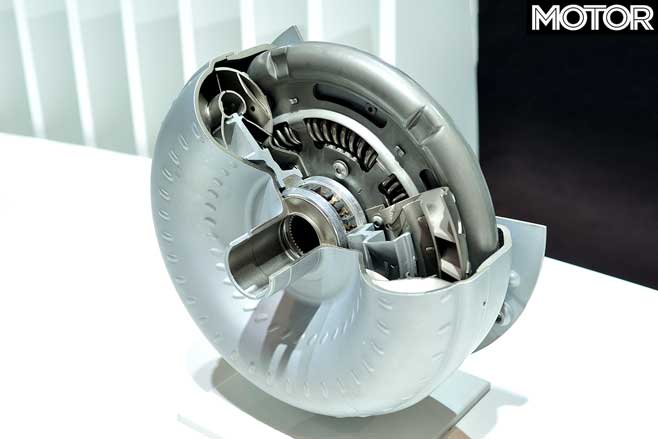
They’re already making a comeback of sorts but it looks certain to accelerate. Yes, what is old is new again, as engineers seem able to combine the smoother operation of the fluid coupling with shift speeds and economy equivalent to, or near, the average twin-clutch transmission.
And, most importantly for the lower end of the market, much greater reliability. BMW, for example, is doing it with its M cars, the M5 making the switch back to the oil doughnut and the next M3 and M4 expected to do the same. Although it might be a stretch to expect Porsche to replace the Doppelkupplung.
07 – You’ll still be able to buy a manual transmission in a new car
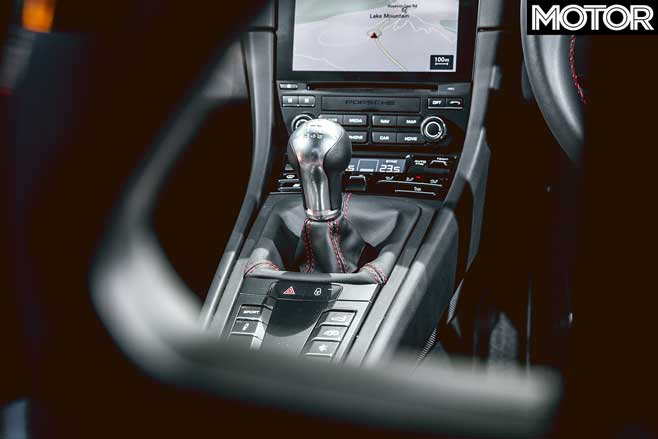
There’s hope it will be in a Porsche 911 or a Toyota 86 if such a car still exists by 2029, but no doubt the manual will become an endangered species in showrooms. It’s possible the last new manual available will be some Europe-only light commercial vehicle. You laugh, but 90 per cent of Renault Trafics sold internationally are manuals. Seriously.
08 – Turbocharged performance cars will get very, very good
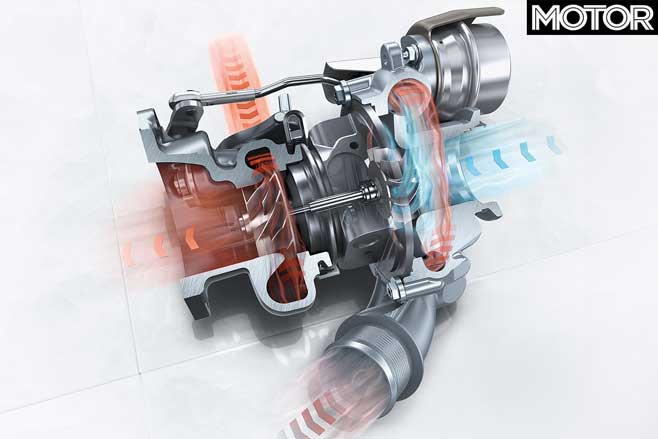
Within the European performance brands, engineers were forced to retire the big, naturally aspirated engines they knew so well for so long, replacing them with smaller, turbocharged units more powerful but nowhere as responsive, exciting or sounding anywhere near as good.
Now, though, with outputs approaching levels necessitating all-wheel drive – for cars even like the next M3 and M4 – the power wars should cool as engineers focus on efficiency, response, emotion and sound. Also helped somewhat by the less turbo-friendly WLTP emissions and economy test. Which should mean an era of turbocharged performance engines just as memorable as the best of the atmo ones.
09 – GPS speed limiters will be a thing (Boo!)
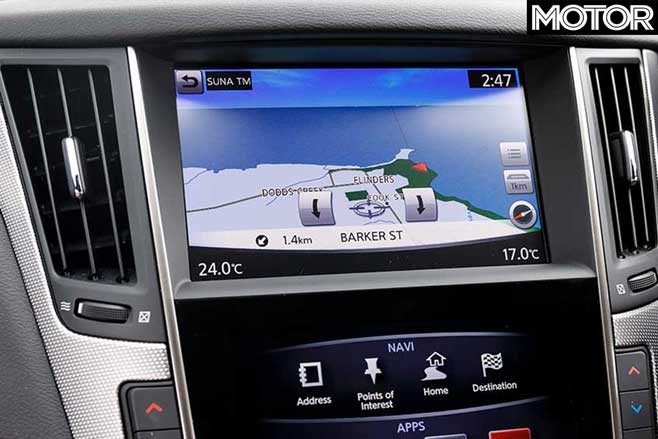
The European Union has drafted legislation stipulating all new cars from 2022 must be fitted with technology that makes the driver adhere to the speed limit, as known through GPS. Australia has said it will follow suit. Your car would not let you exceed the speed limit even if you wanted to. Dystopia cometh.
10 – Toyota’s sport revolution
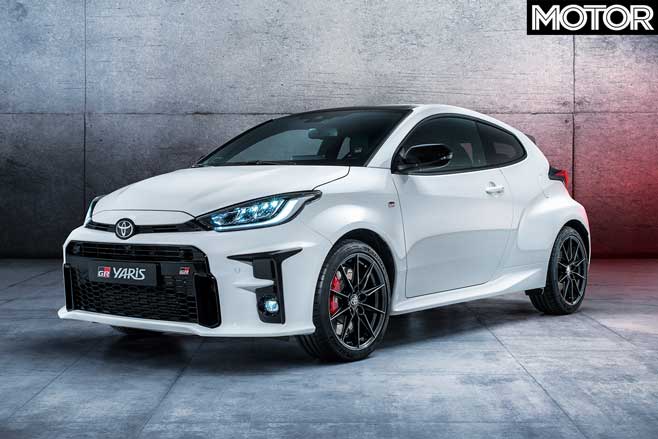
Akio Toyoda has the authority and approval of the board to bring back performance cars through the GR name. Toyota’s GR Yaris is certainly walking the talk, a car that must have cost a bomb to develop. Bold of them to do so, and it might be just the start!
11 – The muscle car will evolve
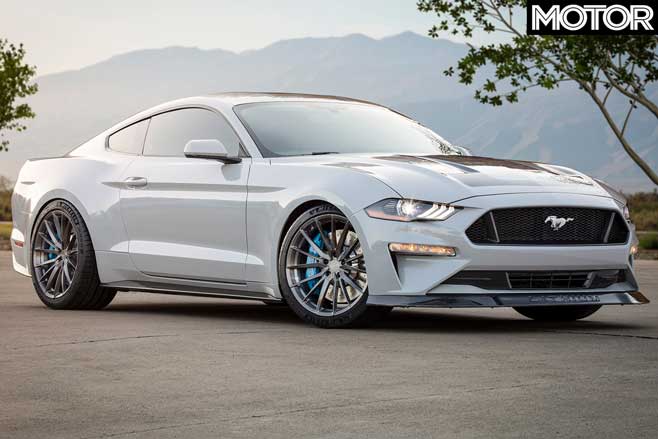
Brace yourself, folks, the muscle car as we know it isn’t long for this world. The Mustang is now an electric crossover as much as it is a V8-powered coupe, and the latter won’t escape electrons for long if Ford’s recent Lithium concept is anything to go by.
Fiat-Chrysler boss Mike Manley has said the next Charger/Challenger “isn’t going to be a V8, supercharged, 700-horsepower engine”. And GM has shuffled its Camaro chief engineer across to the company’s electric division.
Coincidence? V8s will continue for a while (there’s too much demand), but don’t get too precious about what a nameplate represents.
12 – Every new high-end performance model will be hybrid or electric
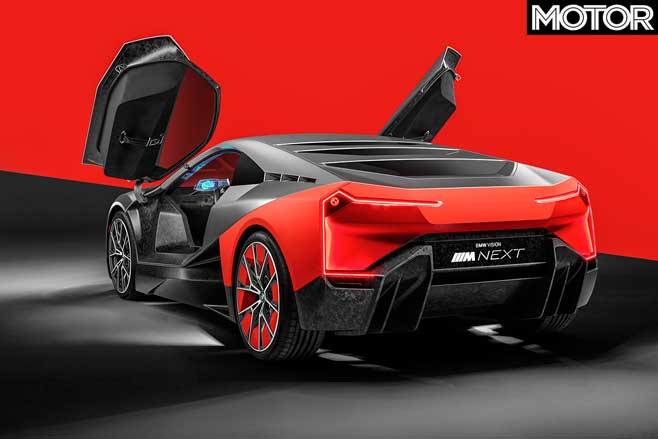
Batteries are expensive and so are high-end performance cars, making it easier to fit the former to the latter. And by the end of the decade, as emissions regulations tighten, every one of them will be either electric or hybrid, a lot of the time with tiny engines.
They will still make enormous power, and with next-level acceleration and handling, as BMW previewed with last year’s Vision M concept, revealed last year. It uses a turbocharged inline-4 of unspecified capacity mated to electric motors for more than 440kW and a 0-100km/h time well below 3.0sec, with also unheard-of levels of efficiency for a car of its performance.
13 – Virtual racers will be as famous as the real drivers
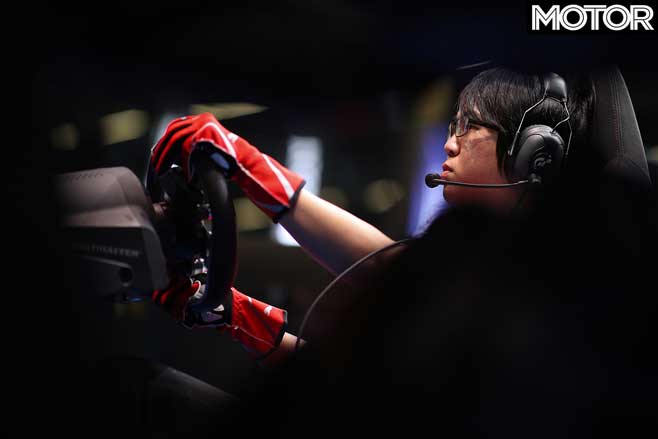
Video games are no longer something to keep your kids occupied, they’re big business. Gaming industry revenue is already US$150bn, or roughly four times global box office takings. Fortnite World Champion Kyle Giersdorf, 16, pocketed US$3m for his win.
F1 and Supercars already have official E-Sports leagues supported by the major teams, and yet the surface has barely been scratched. Don’t be surprised if the 2030 F1 E-Sports champion is as famous as the one actually on track.
14 – Handling & Dynamics will reach a new level
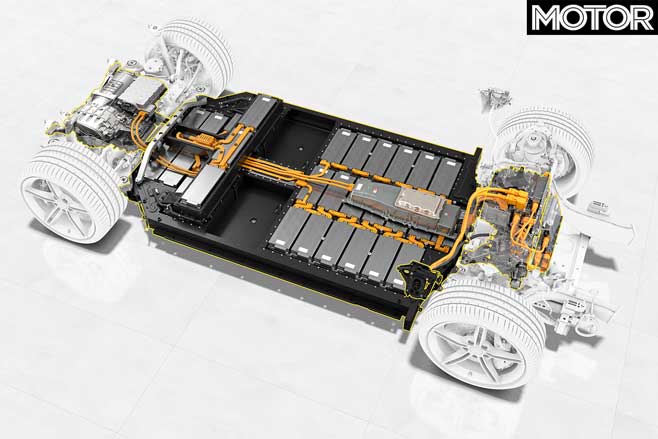
Electric propulsion opens a window into a new world of handling precision. Battery power will inevitably increase weight, but the lower centre of gravity and ultra-fine control over how that power is delivered means cars will stick to the ground like never before.
But the potential is there for added fun factor too, as clever algorithms, not large chunks of metal, dictate where the power goes. Rear-wheel drive on demand, constantly variable all-wheel drive and everything in between will merely be a button push away.
15 – The trackday golden age
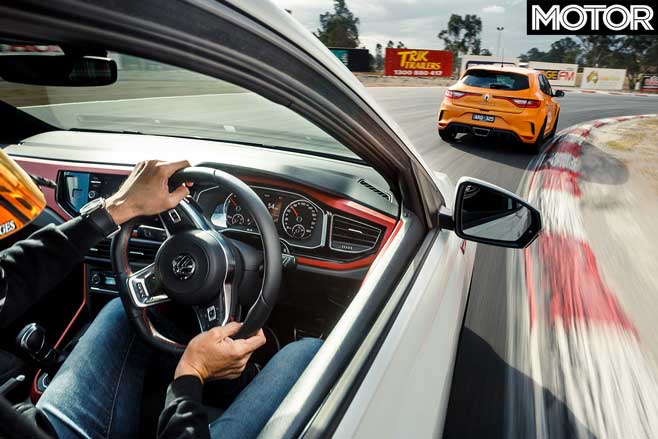
With performance cars becoming even more capable – and more durable with track abuse – combined with increasingly draconian road laws and enforcement, we will all be left with little choice but to spend more time at race tracks. No bad thing at all. And more will be built.
16 – Aussie fast car values will go beserk
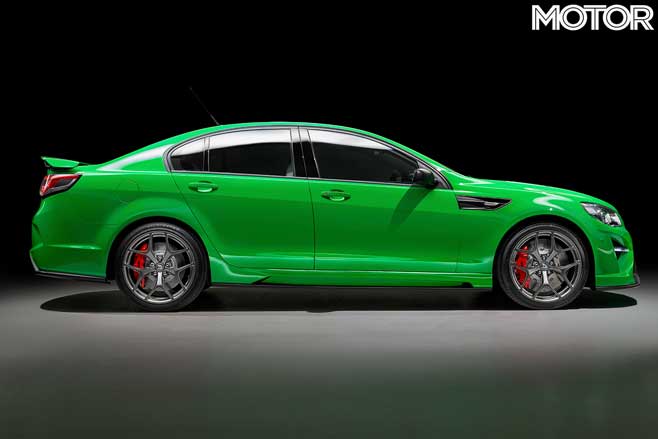
Want some good investment advice?
Fill an aircraft hangar with the cleanest, lowest-kilometre Aussie performance cars you can find. EB XR8s, VN SSs, EB GTs, EL GTs, T3 TE50s, VT SS 5.0s, BA FPV GTs, HSV Coupes and even Avalanches, Clubsports, VF II Redlines – the lot. Over the next 10-15 years we reckon you’ll do better than the stock market!
17 – The R35 will still be on sale…
…just kidding. Hopefully Godzilla will make an appearance in R36 guise by the end of the decade, but don’t bet on it because Nissan has bigger fish to fry (like the company sort of crumbling). An all-electric, manic-fast GT-R built around a carbonfibre-aluminium spaceframe chassis might just be the hero it needs.
18 – We will witness the fastest road cars ever made
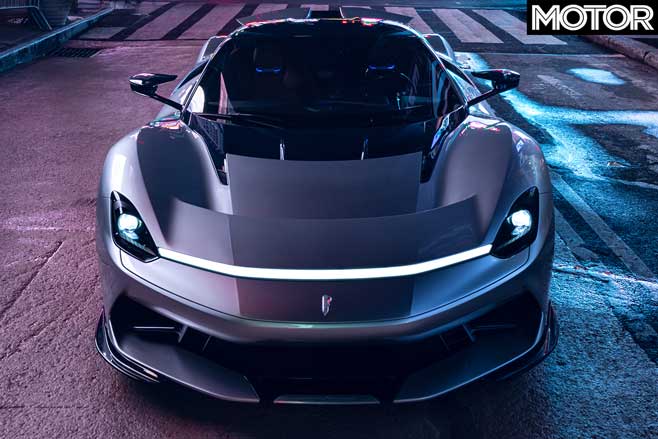
You thought McLaren P1, LaFerrari and Porsche 918 were fast? Cute.
Cars like the Mercedes-AMG One and Aston Martin Valkyrie – road cars heavily inspired by Formula One racers – will make them look a bit heavy and slow. And sell-out sales of both, despite eye-watering price tags, will no doubt embolden Ferrari and tempt the Volkswagen Audi Group to do the same.
There’s lots else to come as well, like the McLaren Speedtail, Toyota GR Super Sport, Lotus Evija, Koenigsegg Jesko, Hennessey Venom F5, Pininfarina Battista, Rimac C-Two… and that’s just the next three years, really. Where will it end? Surely in a ditch a lot of the time, given that the owners of these cars are just rich gents, not racing drivers.
19 – No brand will be sacred
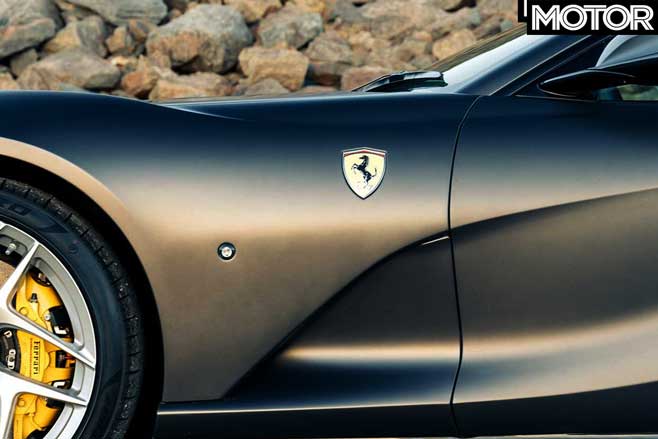
BMW replacing rear-drive with bum draggers, Ferrari doing an SUV when it said it wouldn’t… Over the next decade, and with huge bills to pay in order to convert their ranges to EV or at least hybrid, car brands will stop at no product, however against the grain, to bolster the bottom line. A Porsche dual-cab ute? You read it here first…
20 – Hot hatches doing 0-100km/h in under 3 seconds
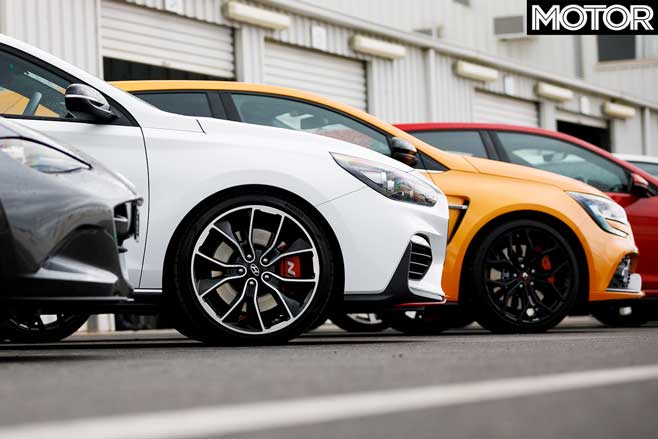
We suspect some serious craziness in this space lies ahead. Will we witness a 400kW hot hatch by the end of the decade? 450kW? No-one really ever thought you’d be able to buy a 470kW Lamborghini SUV. Hey, 300kW was once stratospheric. Thanks also to launch control, high-end hot hatches are going to get fast.
In June of 2015 at the Goodwood Festival of Speed, Bonhams auction house sold a 1998 Mercedes-Benz CLK GTR Roadster for AUD$2,853,638.
It is one of six roadsters, the only painted in black, and it’s just popped up in Australia.
Dutton Garage, one of Melbourne’s prestige classic and high-end car dealerships, has acquired the car for its collection. Yep, that means it’s not for sale.
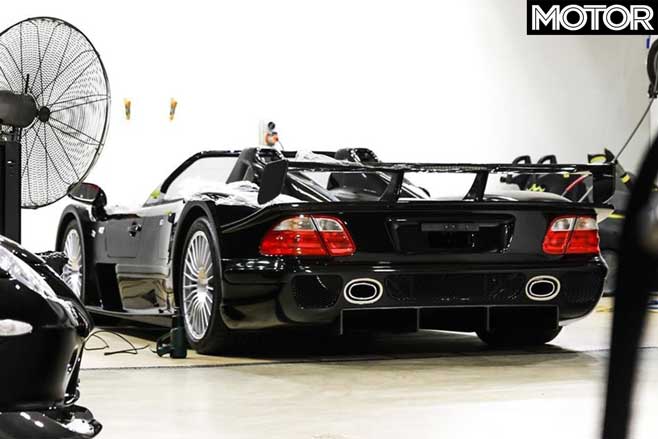
Since this car was part of Mercedes’ own collection until 2014, it’s probably one of the most well-cared for CLK GTRs in the world. It was kept because it was the first Roadster built.
New, the CLK GTR would have cost $USD1.5 million in 1995, which in more recent years has become close to USD$2.47 million due to inflation. For us, that’s AUD$3,580,000.
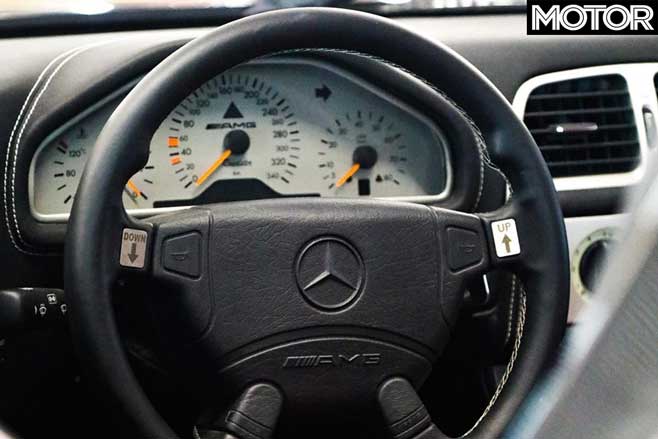
When it went under the hammer in 2015, there were only eight kilometres on the odometer, but the factory still replaced its fluids, belts, seals, gaskets, and everything else of the sort in a full service before the sale.
The best road-legal Le Mans racers
The car is said to have travelled a few more kilometres since, but not many at all.
Its 6.9-litre V12 is still yet to reach its prime, and we reckon that’s a shame. Hopefully it gets a run every now and then at the hands of the Dutton crew.
The Wheels Verdict: It’s been a long time coming, but the wait was worth it. As a large luxury sedan, the A6 55TFSI is exemplary. And in comparison to its six-cylinder German rivals, the A6 is a ‘bargain’. Effortless, luxurious and potent is what a premium sedan should be – and the 55TFSI ticks all of those boxes and more.
WHAT IS IT?
The Audi A6 55TFSI is the current flagship of the A6 range. It’s bigger than an A4, but smaller than an A8. It’s priced from $116,000 which makes it far cheaper than comparative rivals.
WHY WE’RE TESTING IT
After more than a year of waiting (we first drove the A6 in Europe in 2018), one of Audi’s prominent Q cars is here. We’ve driven the four-cylinder turbo 45TFSI down under and came away impressed, so now it’s time to get behind the wheel of the range-topping V6 turbo petrol.
2020 AUDI A6 55TFSI REVIEW
The air is thick with acrid smoke, yet the sun still manages to cut through to the scorched earth. It’s oppressively hot, with the futuristic Audi virtual cockpit revealing the temperature has escalated to 44 degrees. Traversing a section of the Hume Highway with myriad Christmas travellers in country Victoria, I’m hundreds of kilometres away from any fire’s epicentre, but the threat still feels all too real.
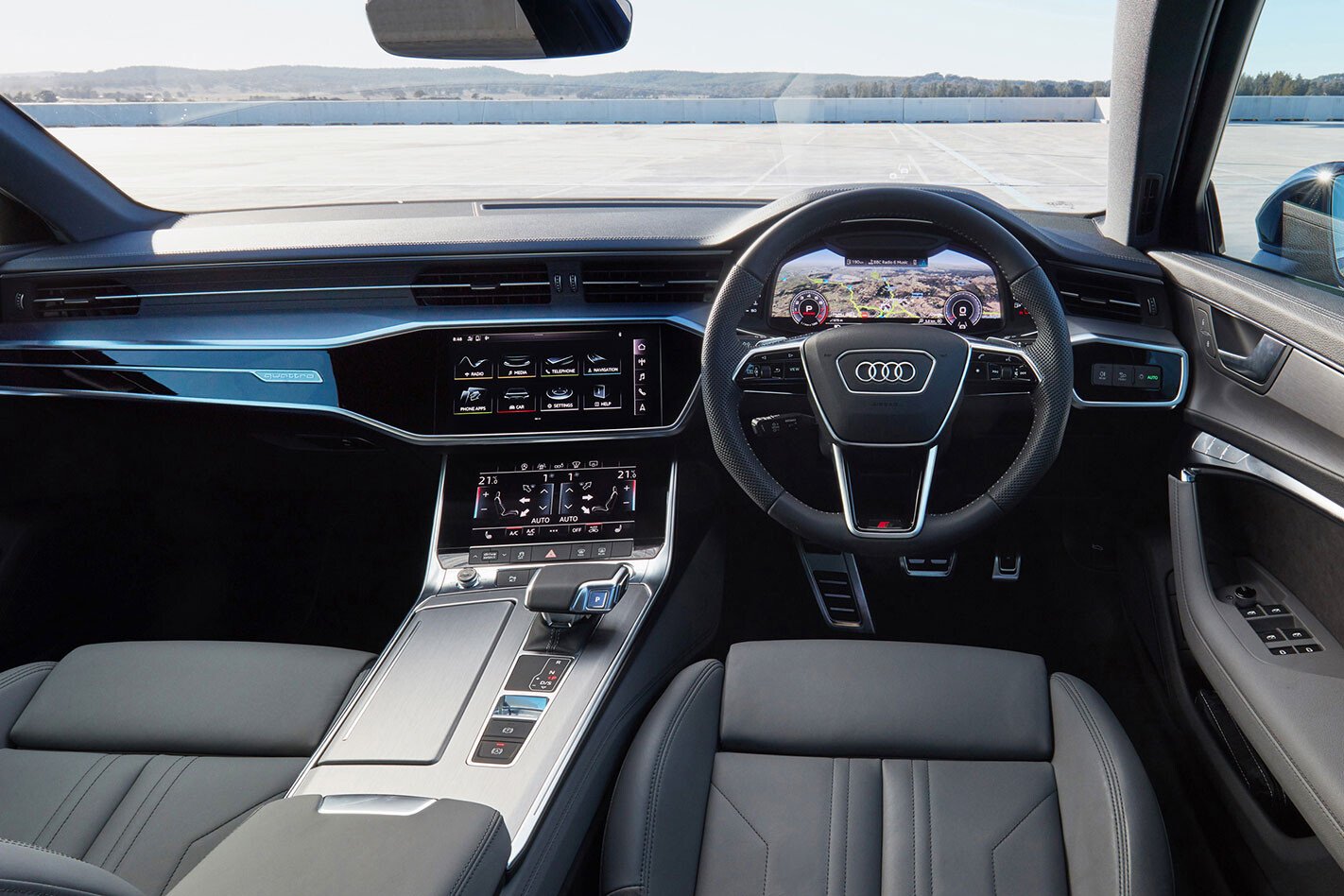
Without the visual cues rolling through the windscreen like a newsreel I’d be none the wiser to the horror conditions outside from within the A6 55 TFSI’s opulence. With the four-zone climate control automatically keeping the interior cool, the Bang & Olufsen sounds system providing an orchestral delight and the air suspension wafting over the baking-hot tarmac, it’s easy to feel guilty. The A6’s cabin has become a veritable cocoon away from the immediate environmental disaster.
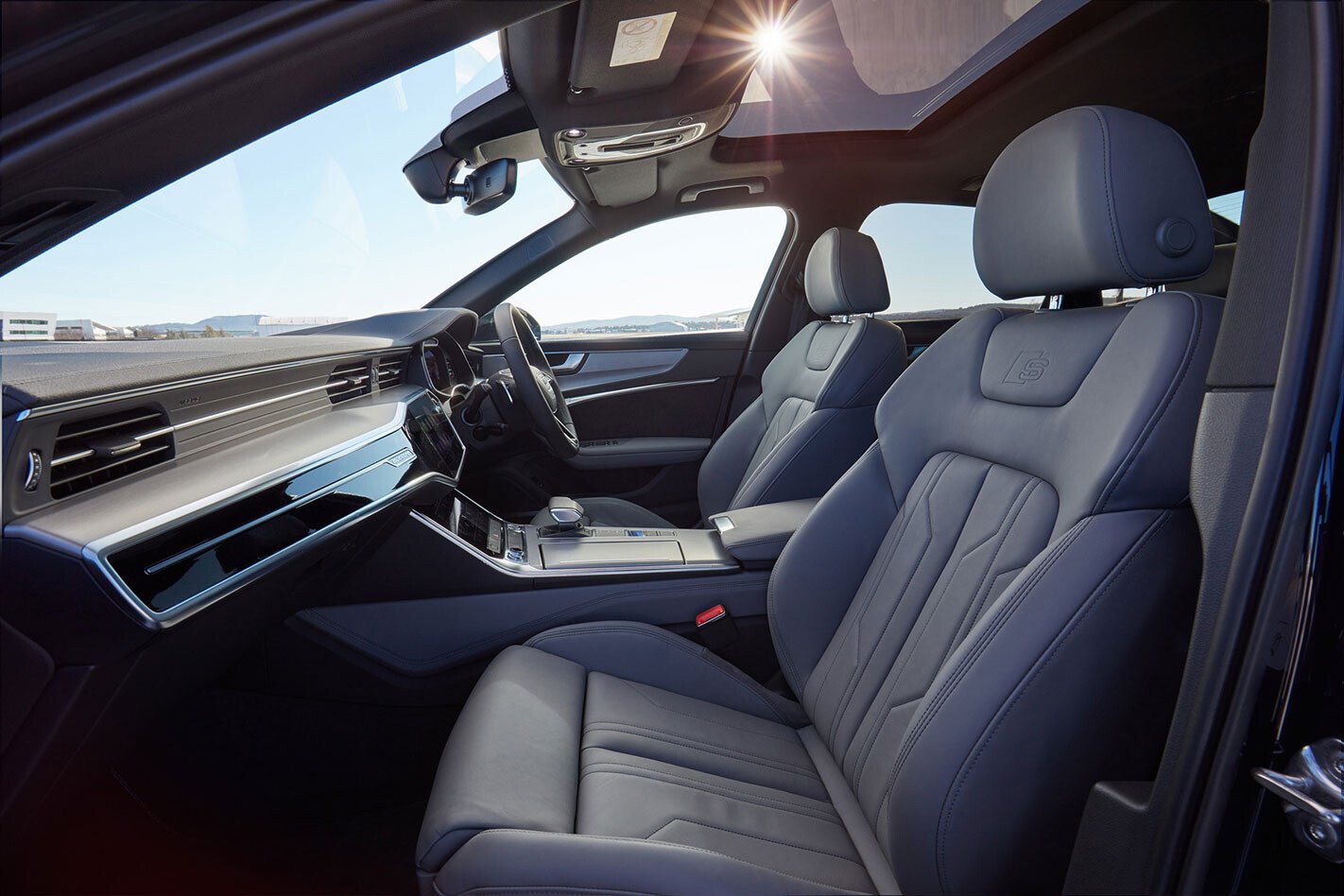
Sinking into the plush Rotor Grey leather driver’s pew at 110km/h, with a low-slung seating position, it’s not hard to appreciate the design language Audi is deploying throughout its range. The proportions seem to fit the large sedan well and the sleek, minimalist sense of style is modern chic.
With time on my side for familiarity, the almost solely touchscreen-based infotainment and HVAC setup begins to make more sense, too. The former is displayed on a 10.1-inch display and features Audi’s latest Connect Plus systems (flush with Google Earth sat-nav) as well as Apple CarPlay and Android Audio – both making long-distance travel easier. The optional four-zone climate control ($2500 and includes rear-seat heating) keeps the cabin cool, juxtaposing the fury outside the tinted glass. The panoramic glass sunroof remains closed.
The high level of sound deadening and minimal NVH creates a serene ambience. Setting the radar-guided cruise control (blind-sport and lane-departure warning are also present) and relaxing is all too easy. The car, too, seems to be cruising, with the 3.0-litre V6 turbo gliding along using as little as 6.6L/100km thanks to the assistance of the 48v mild-hybrid system aiding consumption. There’s ample room front-to-rear (head and legroom) and the boot is positively commodious at 530 litres.
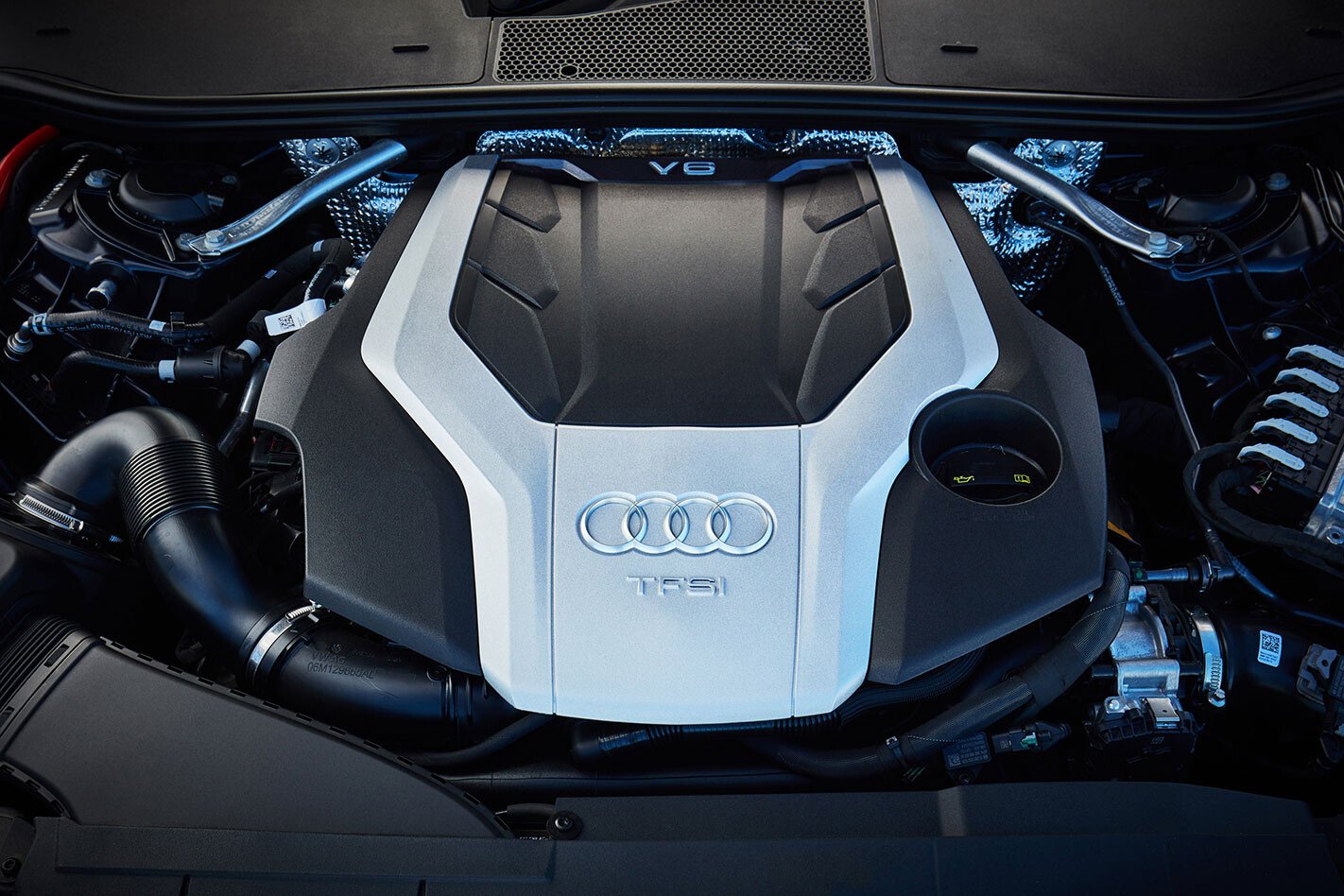
For a car weighing 1760kg it’s no slouch, either. With 250kW and 500Nm on tap, overtaking on single-lane carriageways is calm and effective. With the immense grip gained from the all-wheel-drive system and Pirelli P Zero rubber, the 55TFSI rockets off the line and will reach 100km/h in a claimed 5.1 seconds. On the run, the seven-speed dual-clutch transmission is also quick-shifting and intuitive, slipping into the right ratio for just about every occasion.
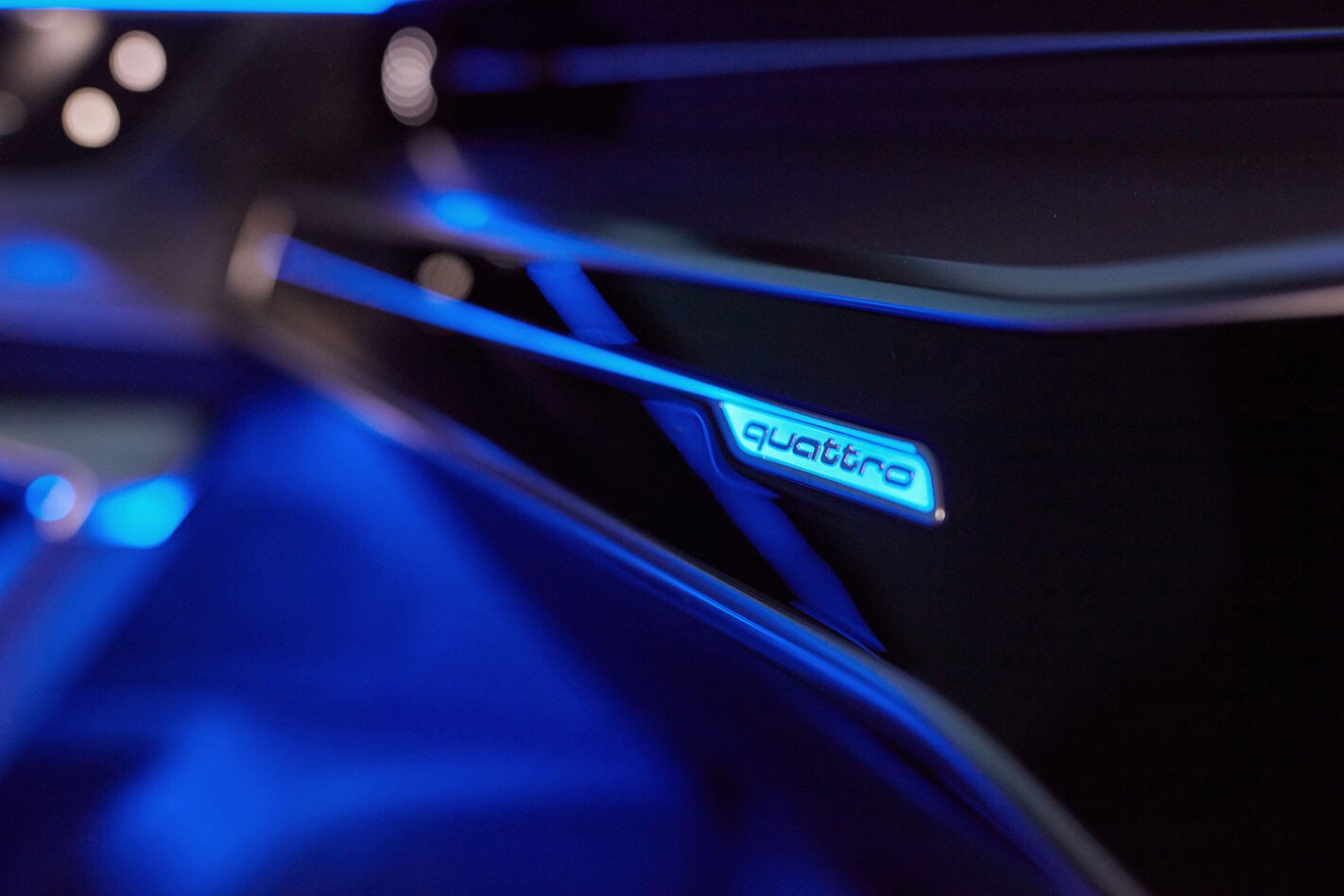
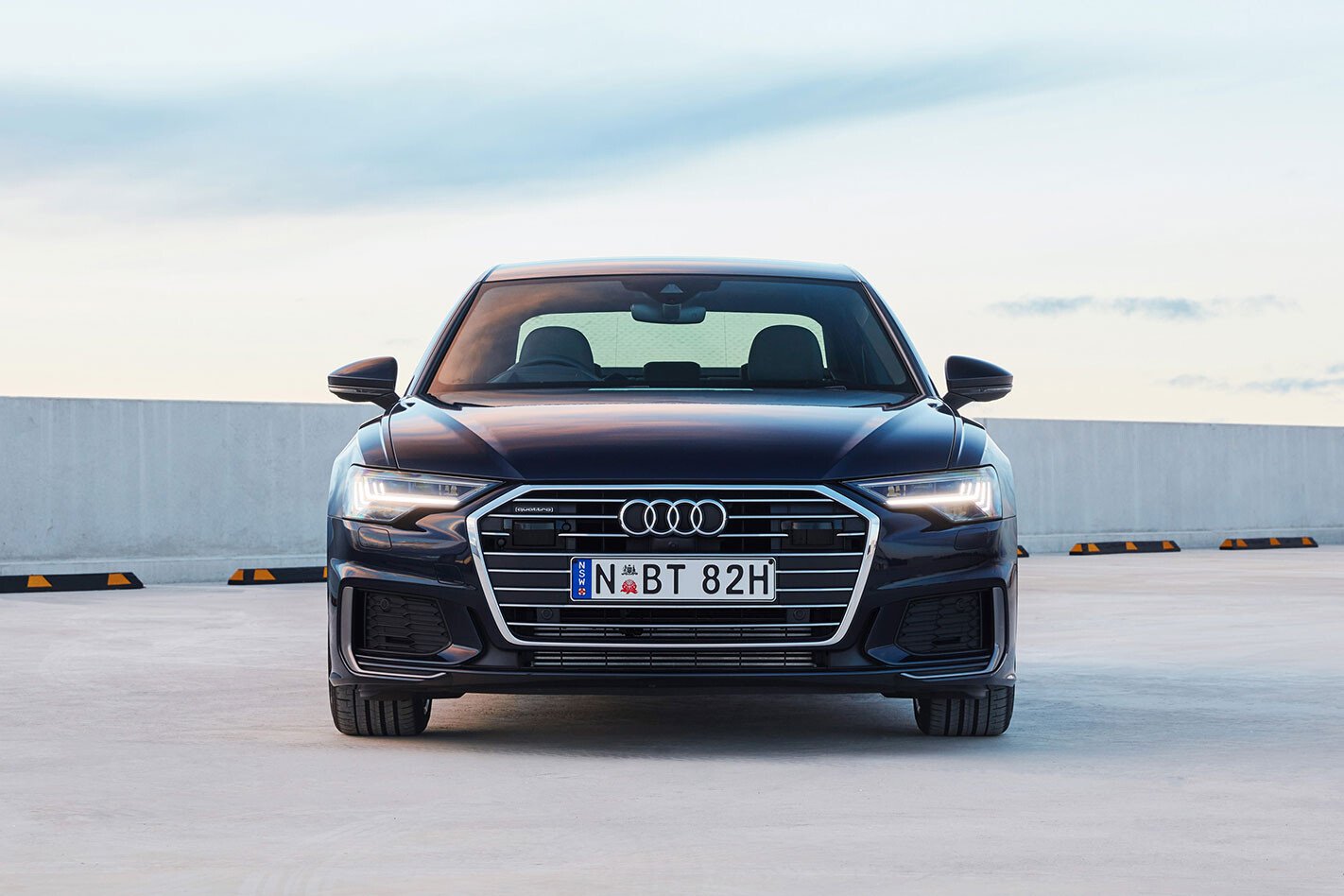
Dusk descends by the time I reach my destination just over the border into NSW. The sunburnt country finally gains a slight reprieve as the sun falls, triggering the excellent Matrix LED headlights into life. The way in which certain diodes, and resulting light beams, can be blanked out as to not dazzle on-coming traffic is pure genius. The vision they afford at night is unbelievable, and they are potentially life-saving with the amount of activity from the dehydrated wildlife. The A6 55TFSI is also brimming with active and passive safety tech like AEB, so should something go wrong, you’re in a safe space.
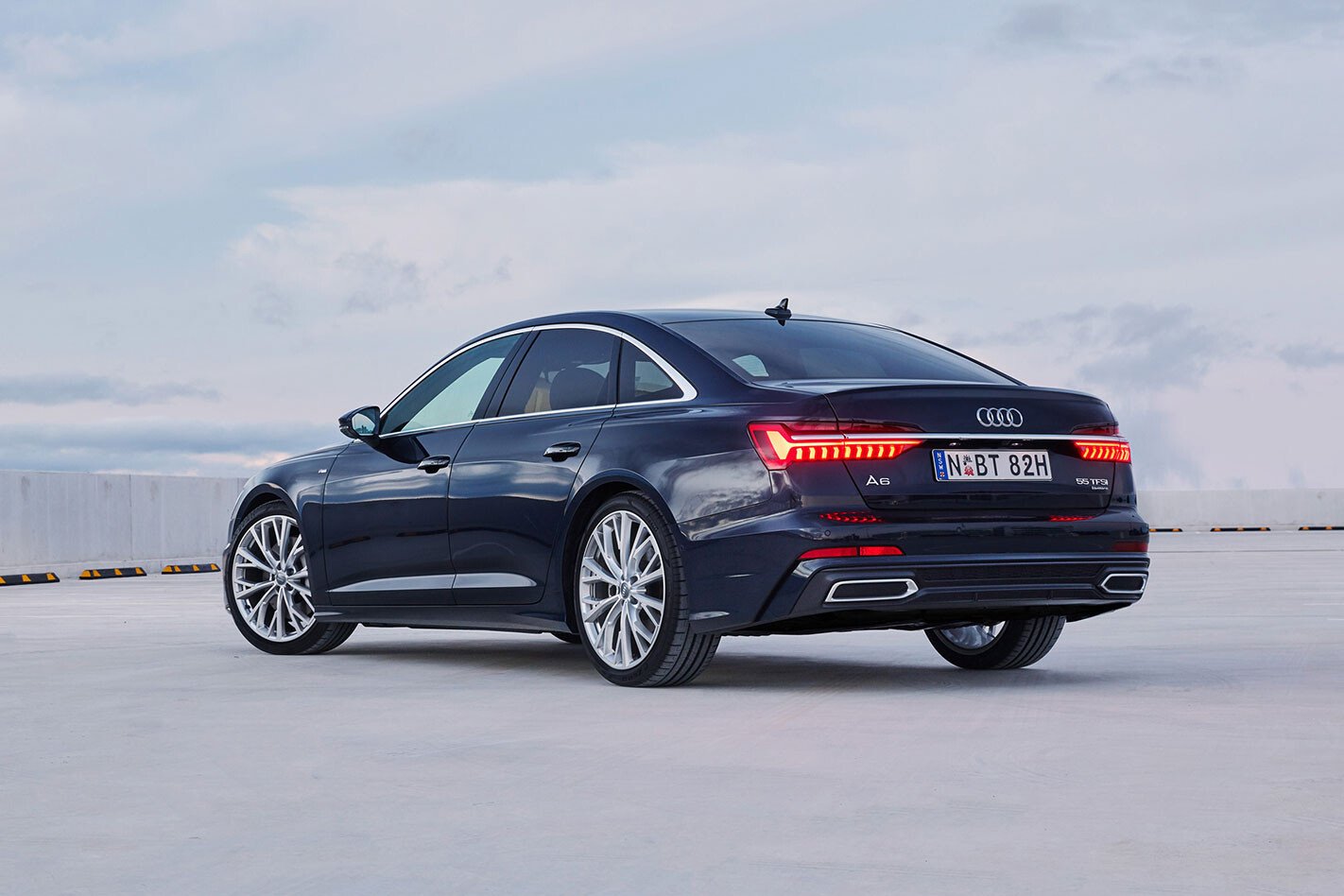
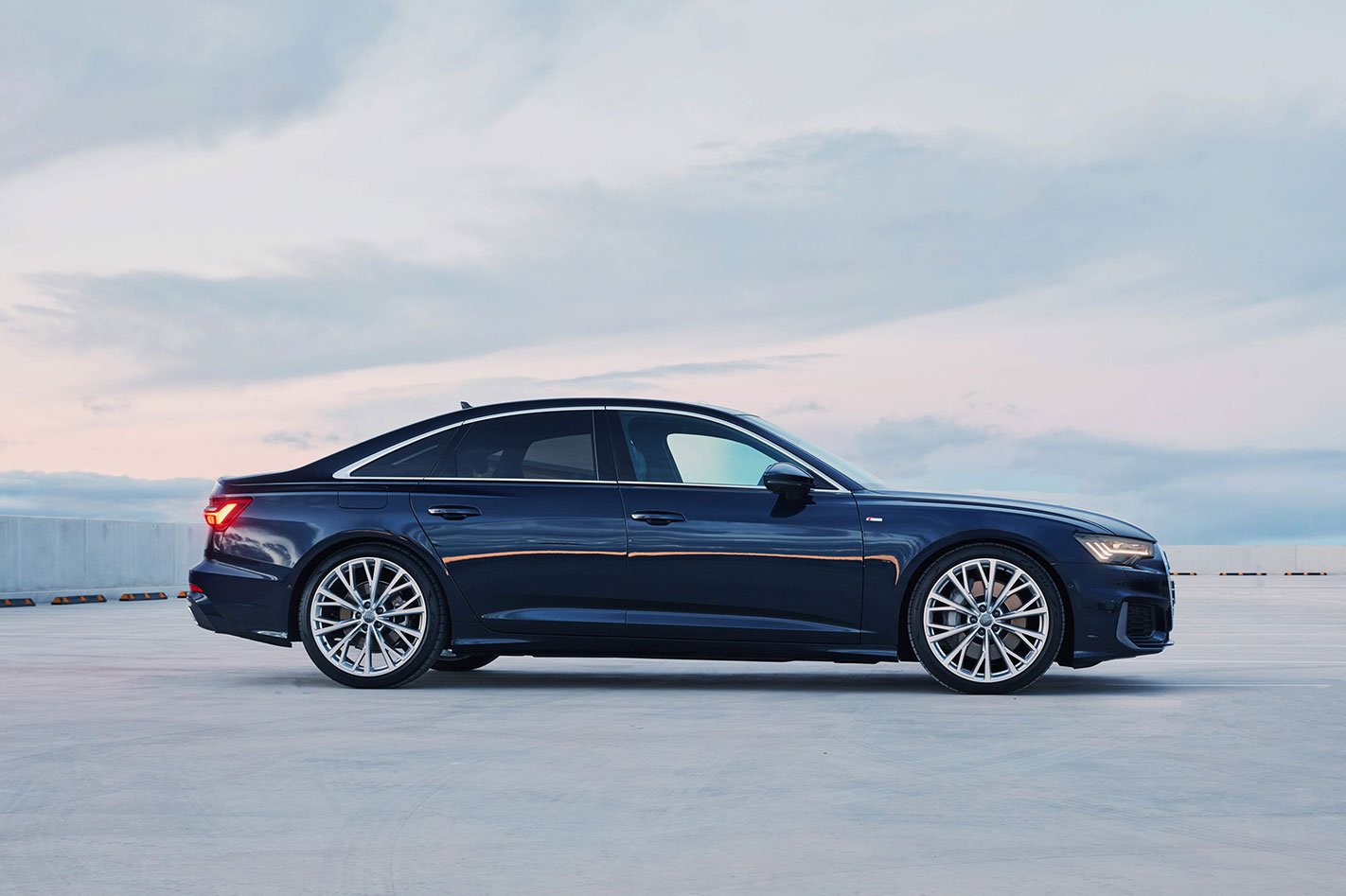
Road presence isn’t lacking with the A6 – especially with the oversized alloy wheels. And this is made even more apparent in a country town. The LED lights, both front and back, put on a show every time you lock and unlock the car, while the overall large four-door-sedan silhouette is handsome.
The journey back to heavy population includes a detour off the main highway. Twisty roads beckon. Despite the chassis’ unitary steel and aluminium construction, the A6 is still a big and relatively heavy car. And without the optional rear-wheel steering, the 55TFSI lacks mid-corner turn when the apexes become tight.
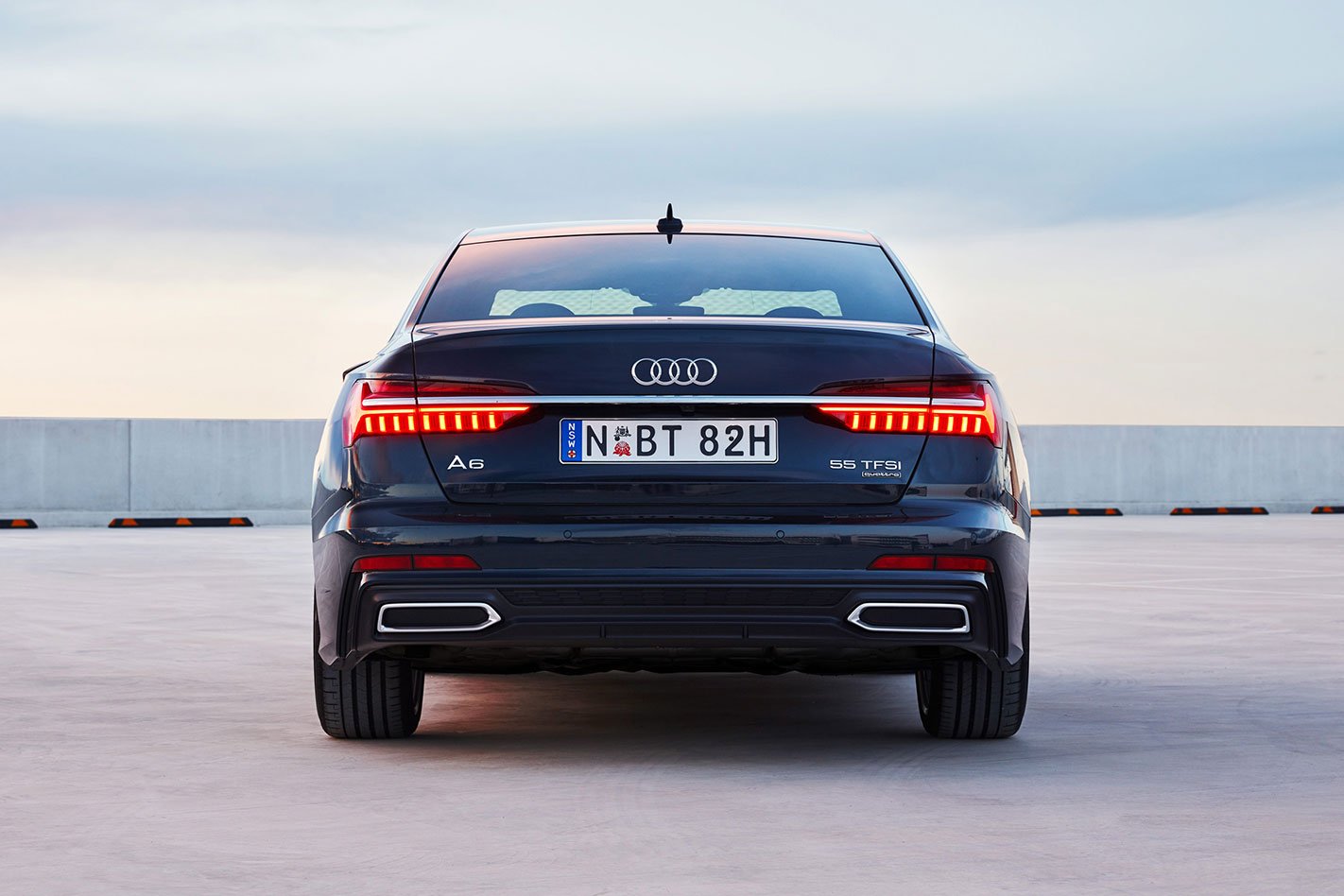
However, in all other situations the A6 feels planted with abundant surefooted traction. On more flowing roads, the four-ringed four-door can cover ground at an alarming rate with a surprising level of dexterity. The superb, wafting air suspension ($2000 option) returns impeccable ride quality at speed in Comfort mode, while Dynamic (the suspension lowers) won’t rattle your fillings out.
Returning to the hustle and bustle of Melbourne’s often congested thoroughfares, a final test faces the seemingly infallible A6 – city streets. The Victorian capital throws up tram lines and myriad potholes. The 21-inch 10-Y spoke alloys and supermodel thin rubber struggle to quell the aftershock of big hits, even with the cosseting air suspension. It isn’t an absolute blight on the A6’s copybook, you’re just aware that you’ve returned to the well-used tarmac of a busy CBD.
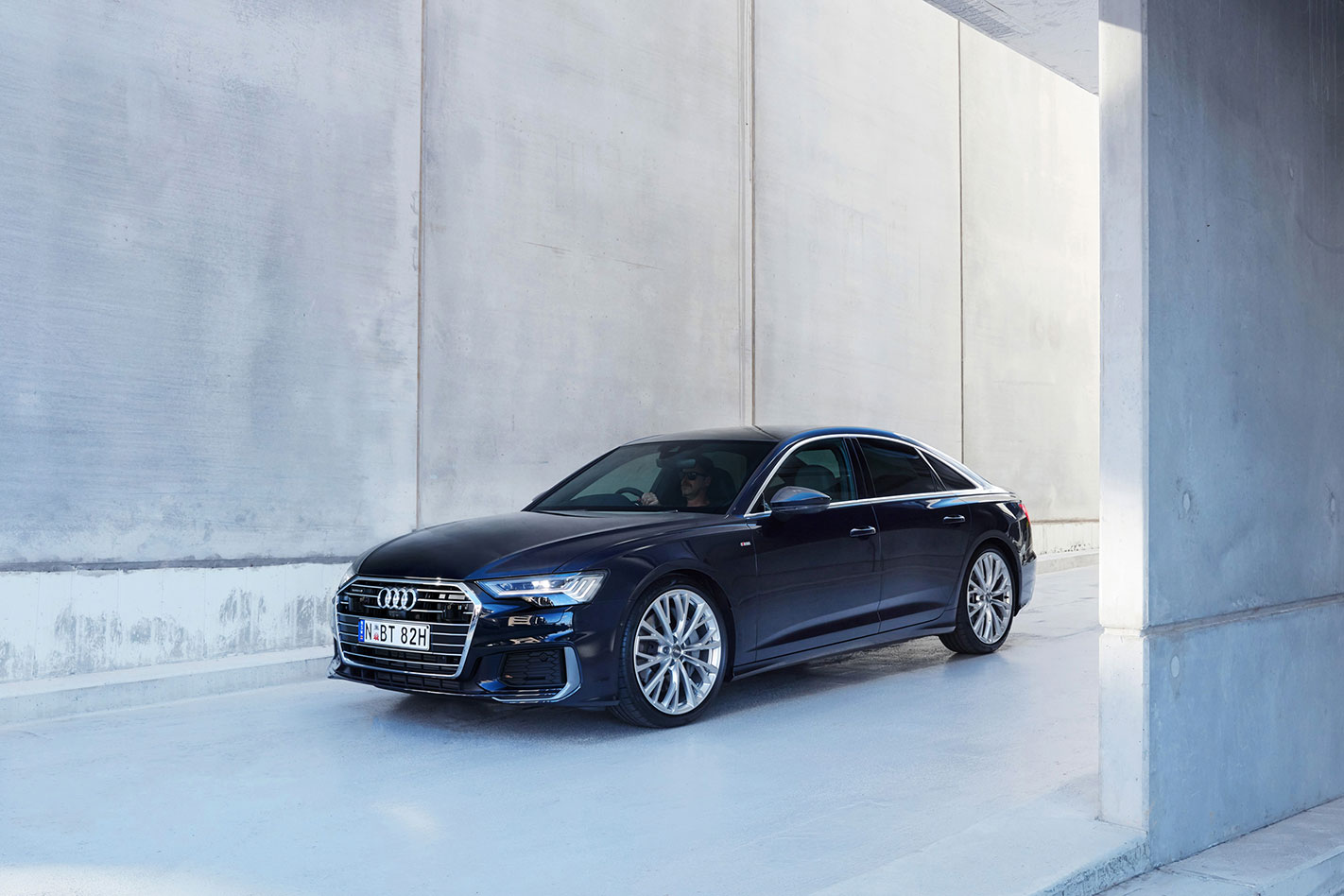
Reversing into my garage is a reminder of just how big the A6 is. The trip computer shows some 30 hours of driving time in eight days, yet it hasn’t been remotely taxing despite Australia’s harsh climate throwing everything at it bar a blizzard. This is the A6 55TFSI’s sweet spot. Audi has created a haven away from the elements, one packed with leading-edge tech, pleasing luxury and rewarding performance, for a price its rivals can’t match.
AUDI A6 55TFSI PRICE AND SPECS
- Model: Audi A6 55TFSI
- Engine: 2995cc V6, dohc, 24v, turbo
- Power: 250kW @ 5000-6400rpm
- Torque: 500Nm @ 1370-4500rpm
- Transmission: 7-speed dual-clutch
- Weight: 1760kg
- 0-100km/h: 5.1 seconds
- Economy: 7.2L/100km
- Price: $116,000
- On sale: Now
