
The much-anticipated new BMW Z4 has finally been revealed after a long wait, with its reveal at Pebble Beach also serving as the announcement of its first variant.
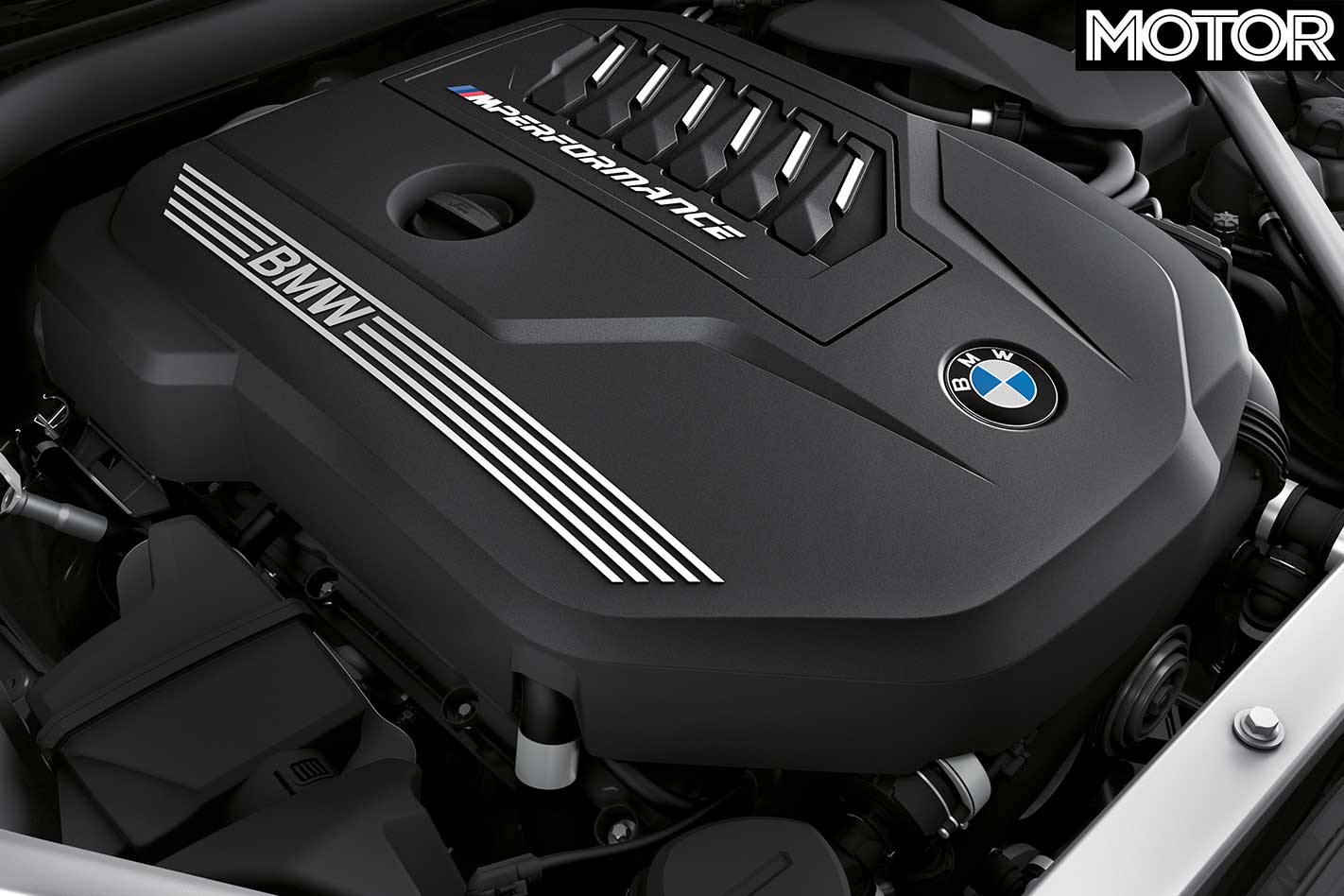
The version being shown to audiences at time of writing is the 250kW BMW Z4 M40i First Edition, which utilises BMW’s turbo straight six-cylinder engine.
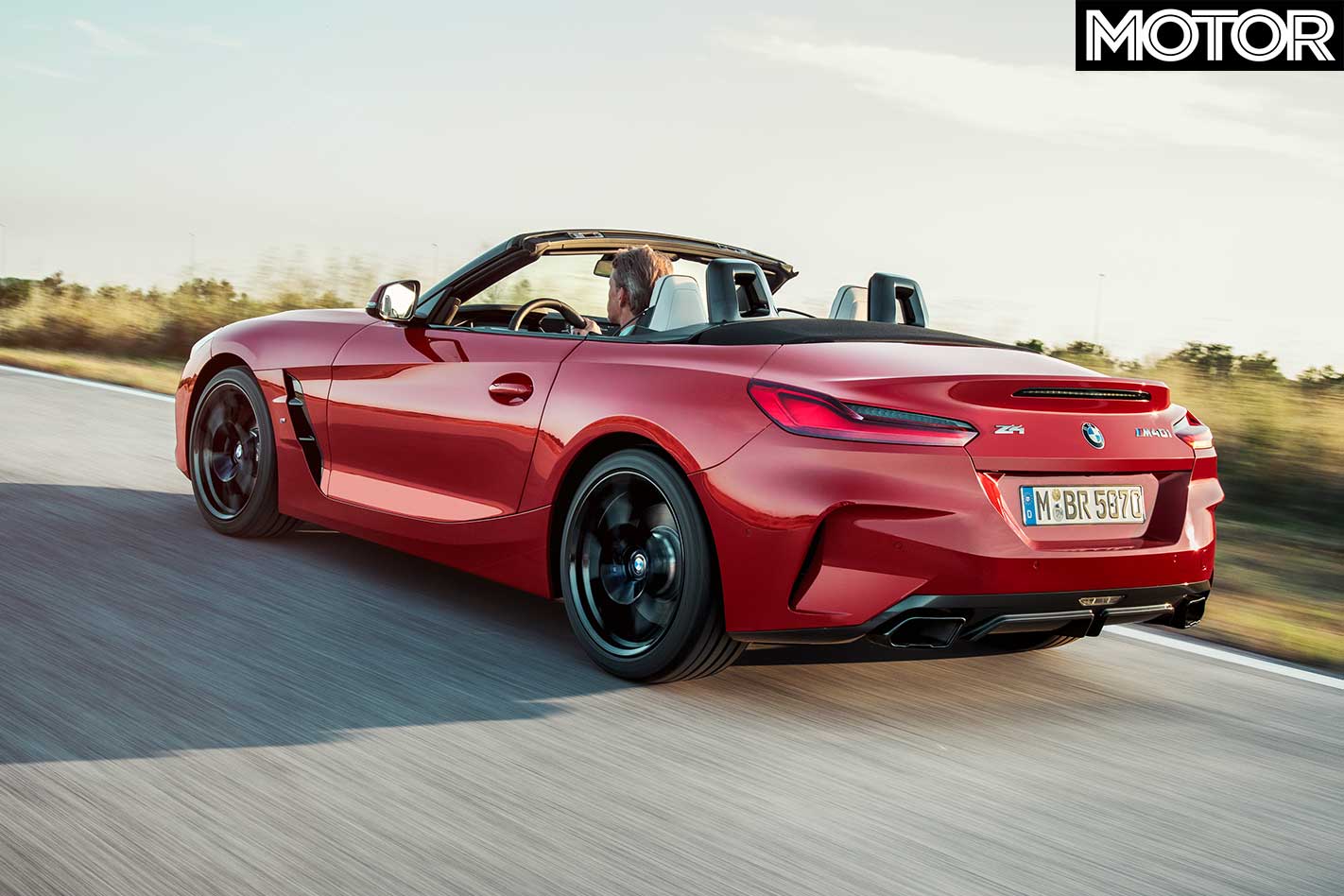
The new Z4 is claimed to have a “perfectly balanced” 50:50 weight distribution, though BMW supplies no weight figure for the roadster. Its Toyota Supra cousin, which is still yet to be completely revealed to the public ‘undisguised’, is expected to weigh just under 1500kg.
BMW claims the Z4 M40i will hit 100km/h from a standstill in just 4.6 seconds, which puts it on par with the likes of the similarly powerful M140i and M240i, both using the same 3.0-litre donk with 500Nm, a figure we wouldn’t be surprised to see attributed to the Z4 M40i.
Electronically controlled dampers, M Sport brakes, and an electronic M Sport limited-slip differential add to the Z4 M40i’s sporting credentials, though images confirm that an 8-speed auto is likely to be the only transmission option.
After leaks revealed the BMW Z4 would look rather different to its concept sketched through patent renderings and some sneaky photos shared on Instagram, the actual design of the Z4 as seen at Pebble Beach shouldn’t be a surprise to anyone who’s been watching the story develop.
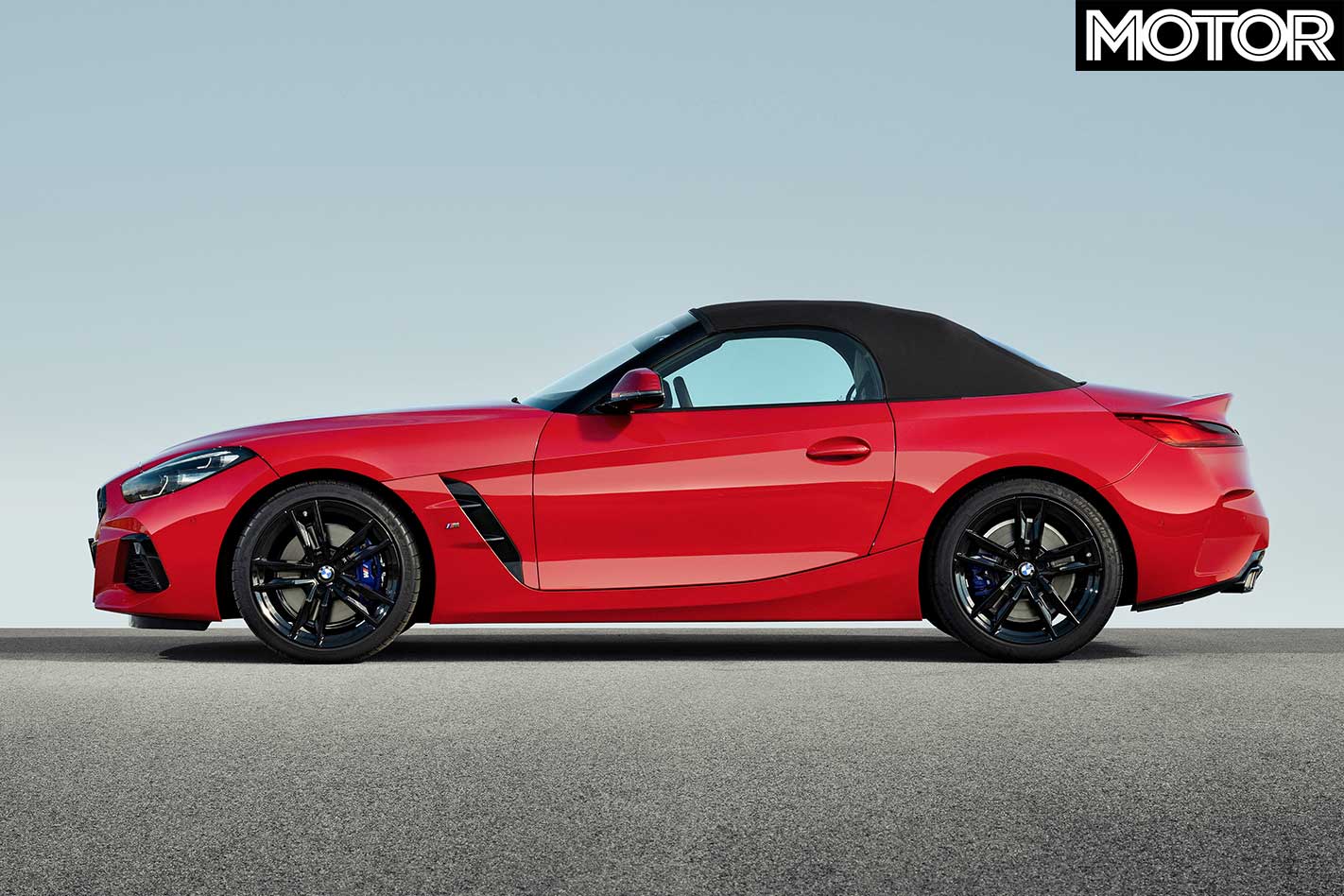
Its similarities to the ‘standard’ BMW design has riled a few vocal complaints from apparent BMW customers, who were hoping for a more daring look as the concept suggested.
Stay tuned as we await local pricing, specification, and expected arrival for BMW’s new two-seat roadster.
WHAT IS IT
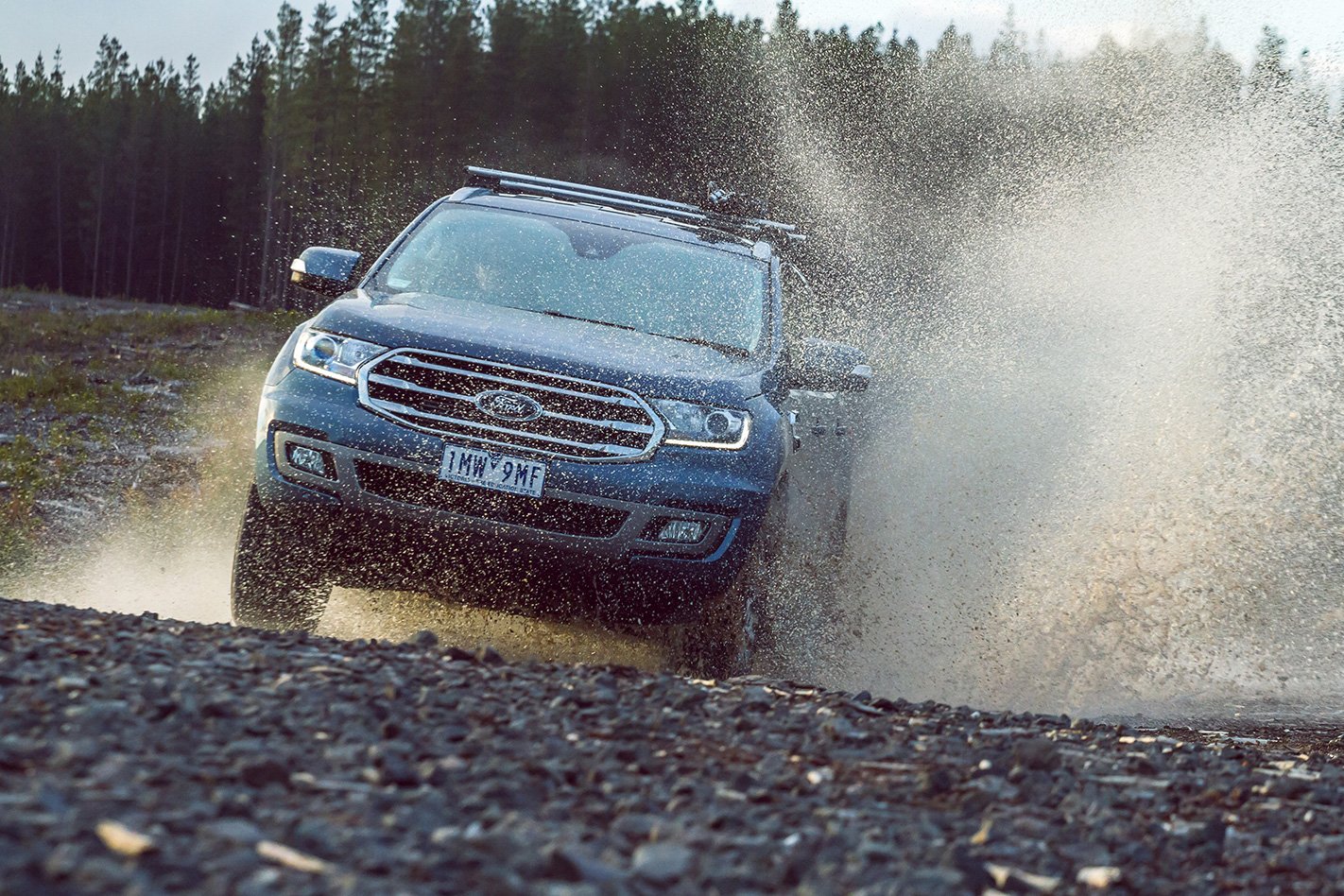
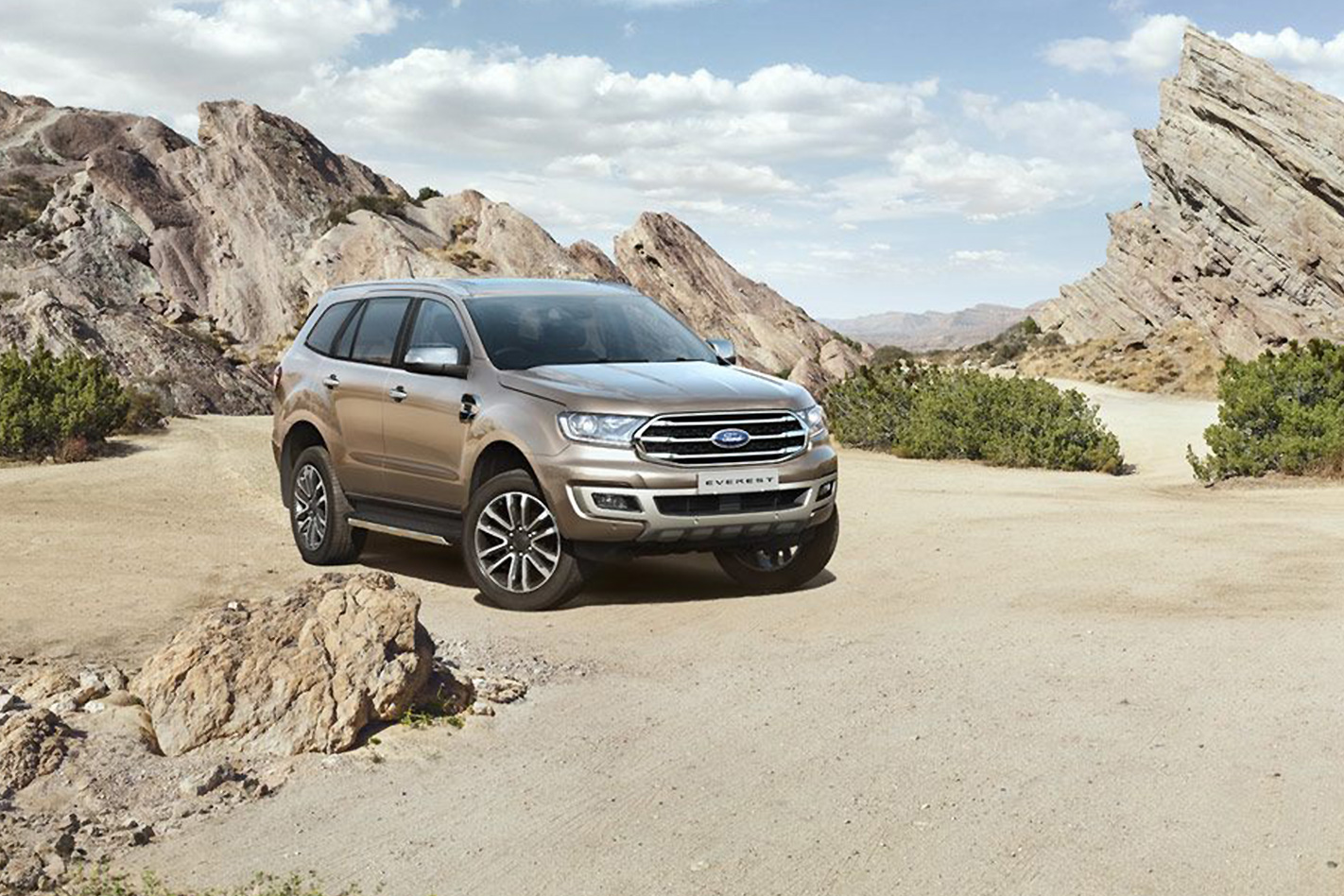
Ford Australia’s largest SUV has become an even more integral part of the portfolio since the demise of the much-loved Territory. Based on Ranger ute underpinnings, the Ford Everest has established a reputation as big and tough, if a little unsophisticated. Ford’s aiming to change that last point.
WHY WE’RE TESTING IT
With an all-new 2.0-litre twin-turbo diesel engine that will sit above the existing 3.2-litre 5-cylinder unit in the range, the Everest now has more strings to its bow. A subtle but wide-reaching refresh also lends it more substance to go toe-to-toe with some big-selling rivals.
MAIN RIVALS
Jeep Grand Cherokee, Land Rover Discovery, Toyota Prado
THE WHEELS VERDICT
The Everest has matured. Mid-life facelifts are usually pretty cynical exercises in garnering a few column inches for a fading model, but in the case of the big Ford, it’s a really worthwhile shot in the arm that elevates the Everest to new heights, especially in 2.0 twin-turbo guise.
It still struggles to disguise its utilitarian underpinnings, but if you’re looking for a big SUV that can offer decent off-road ability yet doesn’t feel like a flaccid blancmange when faced with some challenging bitumen, the Everest is well worth your consideration.
PLUS: Space; rugged feel; equipment; value; new diesel engine is a step forward MINUS: Jittery ride; lack of AEB in Ambiente
THE WHEELS REVIEW
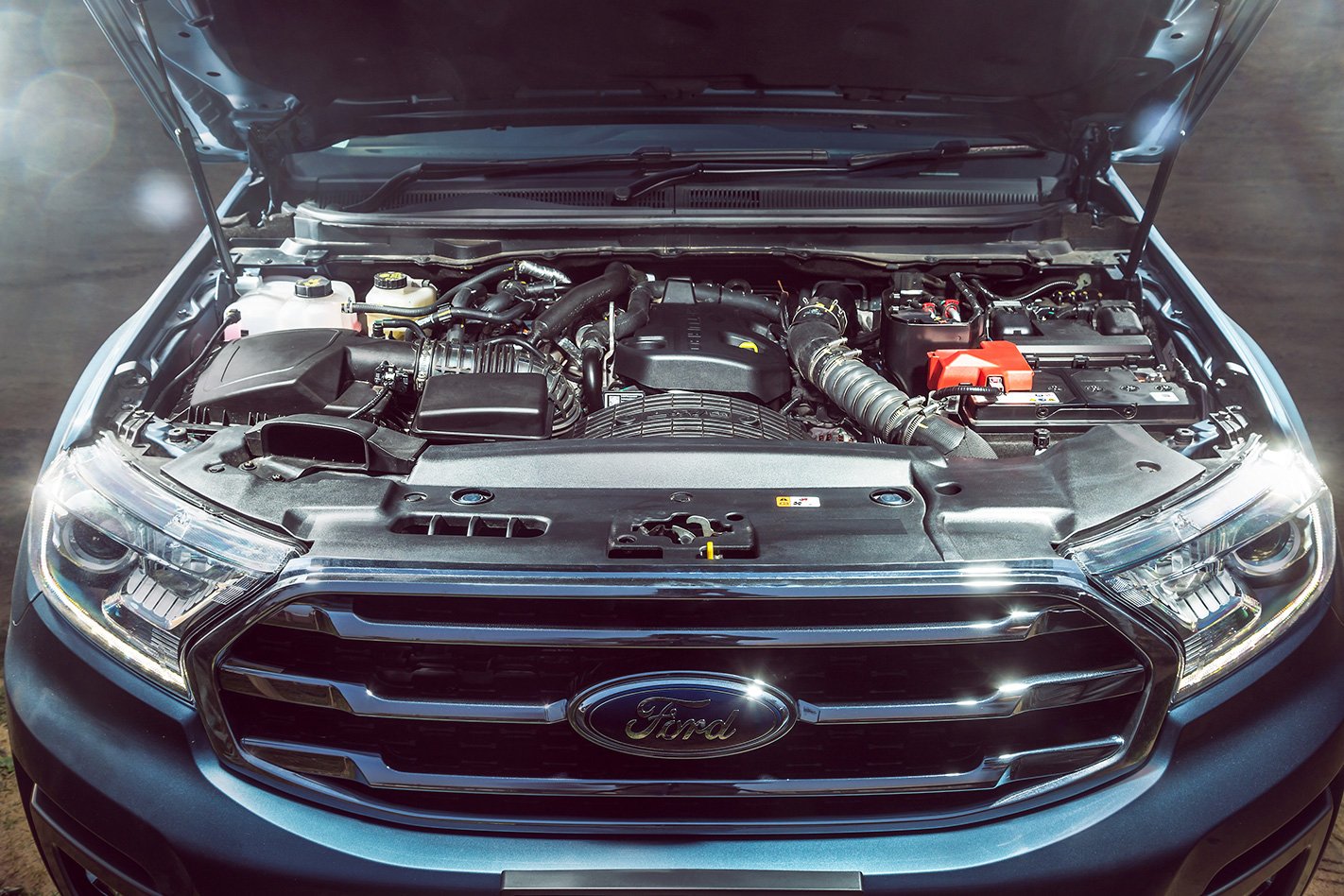
CONTEXT is everything. Put a 157kW engine in a hefty Ranger Raptor and emblazon it with all the Ford Performance fairy dust and it can feel a little under-baked. Plumb same engine into the pointy end of a Ford Everest and suddenly you have a powerplant that’s quicker, lighter, more economical, more refined, can tow more and is more fun to pedal than the 3.2-litre five-pot that we’ve grown used to in Everests.
Yes, the engine is only 1996 cc in swept capacity, which seems faintly comical given that the Everest is about the size of a modest tectonic plate, but it has 500Nm at its elbow from just 1750rpm, which endows the big truck with reasonable get up and go. Ford doesn’t quote 0-100km/h performance numbers for its new metal, but the seat of the pants g-meter reckoned on something in the region of 11 or 12 seconds. The 2.0-litre twin-turbo unit is a little vocal on cold start up but soon settles into a more mellow timbre, providing a real contrast to the 3.2-litre, which always sounds about as sultry as one of Marge Simpson’s sisters.
An allied bonus of paying the piffling $1190 impost for the 2.0 over the 3.2-litre engine is the inclusion of Ford’s ten-speed automatic transmission, rather than the six-speed unit that continues in 3.2-litre models. Look at the numbers and the 2.0-litre seems to hold all the aces. It’s more powerful by 14kW, generates 30Nm more torque, returns 7.1L/100km as an all-wheel-drive model rather than 8.5L/100km for the five-pot, and tows 3100kg rather than 3000kg. Having said that, there were some of my colleagues who preferred the more long-legged rangy feel of the old powerplant over the more terrier-like delivery of the 2.0-litre.
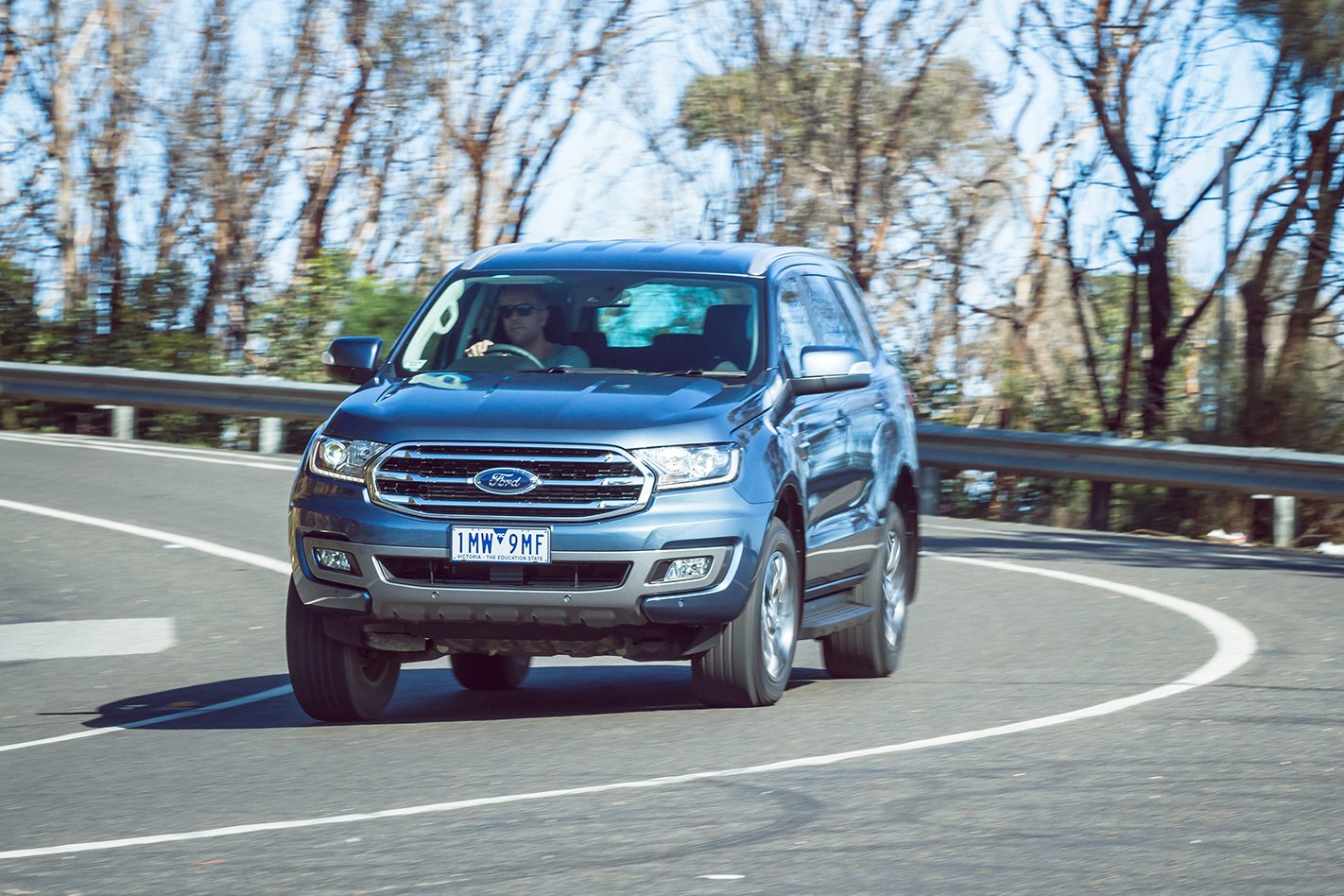
As well as fitting a new engine, the Everest also gets a mild tweak to its suspension, the mountings for the front anti-roll bar being moved aft. This has created greater roll stiffness and, as a result, Ford’s chassis engineers have been able to ease back on spring stiffness a little, which improves ride quality. And it needed to.
The old Everest was notably pattery at the front on bad bitumen and while the latest vehicle is better in that regard, it still lacks the imperious ride of something like a Toyota Prado. On the flipside of that equation, is the fact that a Prado would have sailed into the undergrowth fairly quickly after trying to follow an Everest up a set of switchbacks. The Ford boasts sharper steering and superior body control to the Toyota – and, indeed, the Land Rover Discovery – which allows us to excuse its unsettled ride somewhat.
There’s also an argument that younger kids suffer less motion sickness if they’re in a slightly firmer-suspended car, which could well be key for the sort of families that the comprises a big percentage of the Everest customer base. There remains a lot of dead travel at the top of the brake pedal action, though.
The 2.0-litre models feel notably sharper on turn-in, the engine weighing around 70kg less than the five-cylinder unit. Thanks to an acoustic windscreen, noise cancelling in-cab technology, additional soundproofing up front, and the ability of the 10-speed transmission to repeatedly plug you into the early reaches of the 1750-2500rpm torque plateau, the twin-turbo engine settles to a muted thrum at typical highway speeds. Big seats, huge mirrors, good sightlines out of the cabin and a decent active cruise control system make the Everest an exceptional kilometre demolisher.
The gearshifters of the two engines are slightly different too, the six-speed box getting a traditional lever that you can shunt across into a manual mode that you then prod forward to change down. Go for the new engine and there’s no such manual mode. Instead, there’s a subtle rocker switch on the driver’s side of the lever. This looks for all the world like a manual shifting function, but is in fact Ford’s Progressive Range Select system, which allows you to limit access to some gears, for example, locking out higher gears if you’re towing, or ensuring a start in second gear in slippery conditions.
The facelift work has given the big Ford a mildly different face, with revised lights, grille and under-bumper assembly, while at the rear, the stylists have used a few tricks to try to broaden the visual effect. Look really closely and you’ll spot indentations in the door handles that signify that this model has keyless entry. The Everest was always a handsome, if slightly generic, seven-seat shape and these updates do little to change that fact. Only the 20-inch alloys fitted to the range-topping Titanium give the car a bit of visual clout.
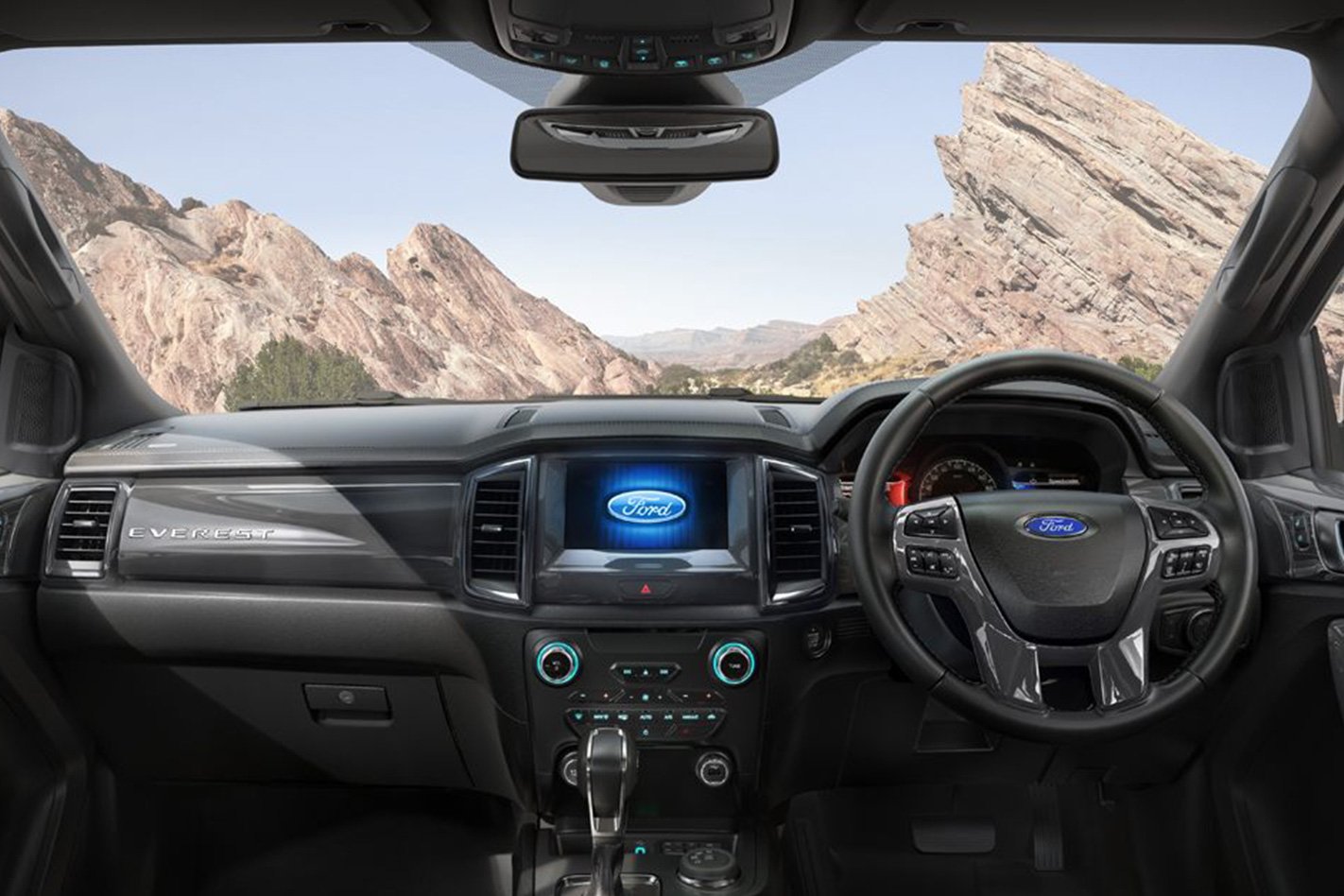
Indoors, there’s been a concerted effort to improve the perception of quality. Touch points have been improved and the mid-range Trend model, which Ford thinks will account for better than 50 percent of all Everest sales, now gets the leather trim that was previously the preserve of the flagship Titanium. It’s faintly unforgivable that Ford has brought this new model to market without the offer of AEB on the entry-level Ambiente trim, but engineers assure us that this will arrive in a 2019 update, along with lane-keep assist and traffic sign recognition: tech that’s standard right now on Trend and Titanium trims.
All models get push-button start and the excellent SYNC3 infotainment system with built in sat nav and mapping updates as well as Apple CarPlay and Android Auto. The voice recognition function on this is actually functional, which makes a change from most voice recognition setups, allowing you to easily control the nav and stereo without having to jab at the touchscreen. There are a few ergonomic foibles about the fascia though, chief of which is that many of the functions for 4×4 driving are set at the very base of a very dark dash.
Should you need low range or diff locks in a hurry, it’s like looking into a coal hole, especially if you’re sporting a set of sunnies. Engaging low range is a protracted faff of stopping, switching into neutral, waiting and then testing to see if everything took. The second row seat belts are also an annoyance, repeatedly clacking against their inertia reels on any sort of bumpy road which is uncomfortable for the passenger and distracting for the driver.
Otherwise the cabin is functional, if not particularly premium-feeling in design execution. The sweet spot in the range is most certainly the Trend trim, in all-wheel drive, which retails at $61,190. If you can do without all-wheel drive, you can save $5K and get one with drive going to the rear.
The Everest is so well equipped that there really aren’t too many options that are must-haves, with a Ford tow bar being a must-have at $1000. New to the Trend model is gear like HID headlamps, auto headlamp levelling, LED day-time running lights and a kick-activated power tailgate. From there, it’s a big step up to the Titanium trim level at $73,990, nudging as it does into Luxury Car Tax territory.
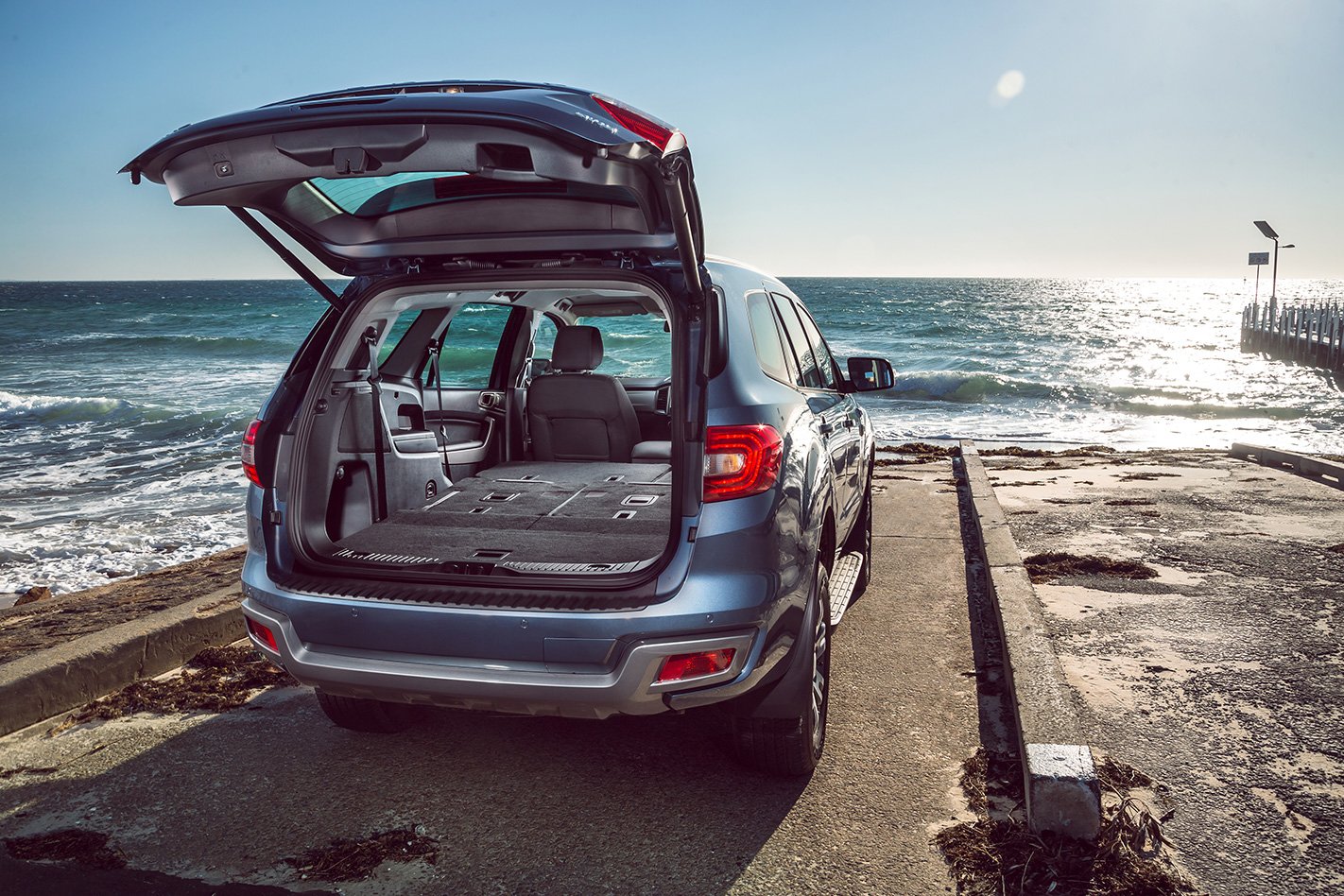
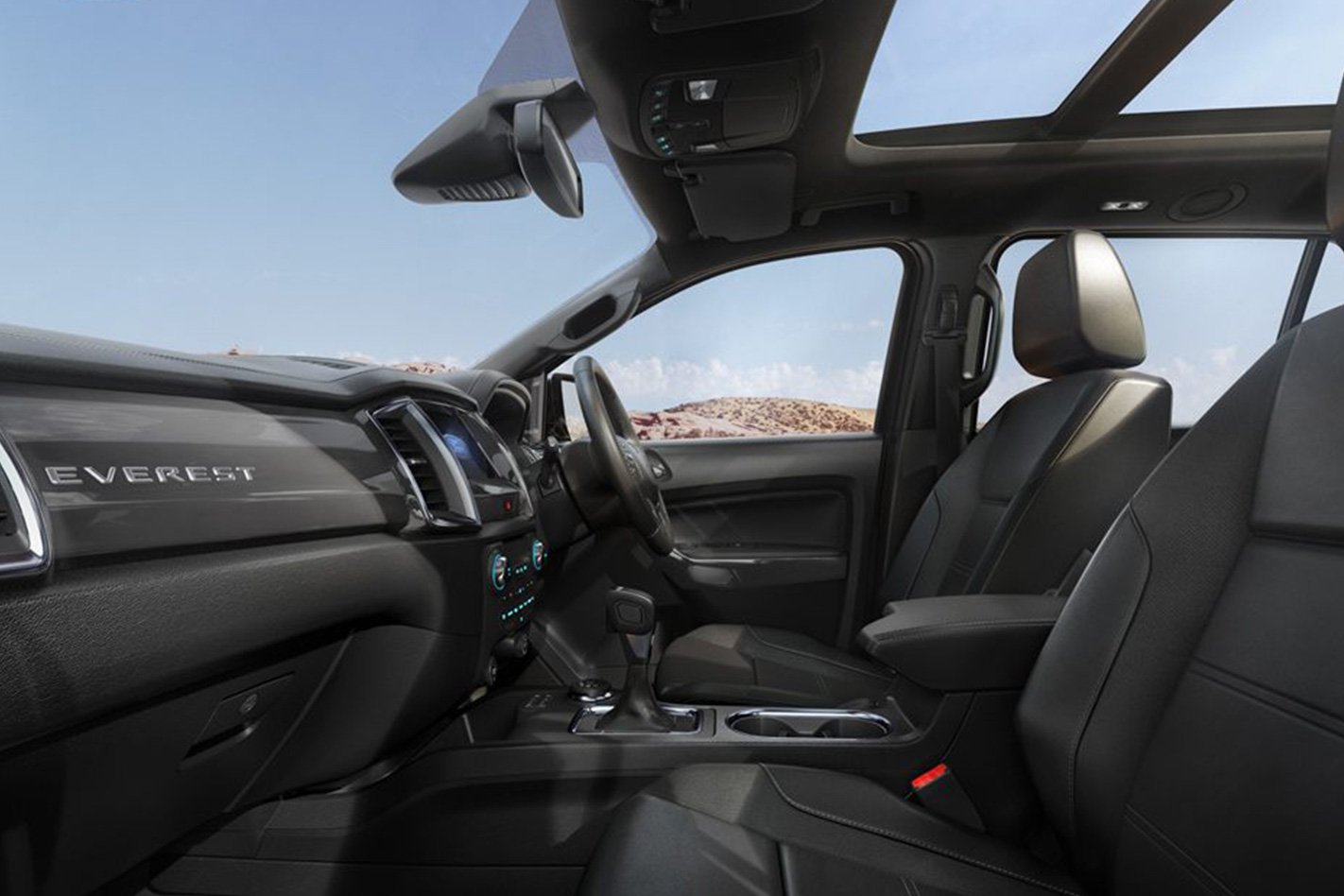
The Titanium gets a tow bar as standard along with those 20-inch alloys, a dual pane sunroof, a powerfold third row bench, tyre pressure monitoring and an 8-way electric passenger seat. Should you want to use the Titanium to indulge in a bit of light off-roading, Ford can swap out the 20in wheels for 18in alloys with more suitable rubber for no extra cost.
The Everest range is a little confusing, given that you have four mix and match parameters. Trim (Ambiente, Trend and Titanium), engine (3.2L, 2.0Bi-Turbo), drive (rear-wheel drive, all wheel, drive) and seating (five seats or seven). Basically, as you ascend the range, you get more of the desirable stuff, the Trend trim level being the switchover point where it’s possible to get both engines, both seating configurations and seating/driveline layouts. The opening price for an Ambiente with five seats, rear-drive and the 3.2-litre powerplant is $41,190, while you’ll need to stump another $5K for that car with all-wheel drive.
Ford has clearly listened to customer feedback with this Everest and it’s a genuinely well considered round of updates. If you’re a buyer who wants a spacious and versatile SUV that spends most of its life on road but which can turn it’s hand to some fairly serious off-road duties (it has a proper low range box and some useful off-road driving modes), the Everest has few rivals.
Unfortunately, the few it does have happen to be very good. Bring price into it and the Everest makes a strong case. For little more than $62K, you get a markedly less powerful Prado and no Discovery at all, and neither of these cars can match the Ford’s five-year unlimited kilometre warranty.
Jeep also offers a five-year deal and its Grand Cherokee Laredo CRD is cheaper and more powerful than the Everest, but the Ford’s seven-seat capacity will lift it beyond the Jeep’s reach for many. Covering off this trio hasn’t been easy, but Ford appears to have delivered some convincing arguments that ought to continue the trend line of the Everest’s rising sales figures. That’s quite some achievement.
2019 FORD EVEREST SPECS
Model: Ford Everest Trend 2.0 Bi-Turbo 4×4 Engine: 1996cc inline 4cyl, 16v, dohc, twin-turbo diesel Max Power: 157kW @ 3750rpm Max Torque: 500Nm @ 1750 to 2500rpm Transmission: 10-speed automatic Weight: 2413kg 0-100km/h: 11.5 sec (est) Fuel economy: 7.1L/100km (combined) Price: $61,100 On sale: Now
MORE: Ford Everest Range Review MORE: Ford Everest Specs, Range & Price
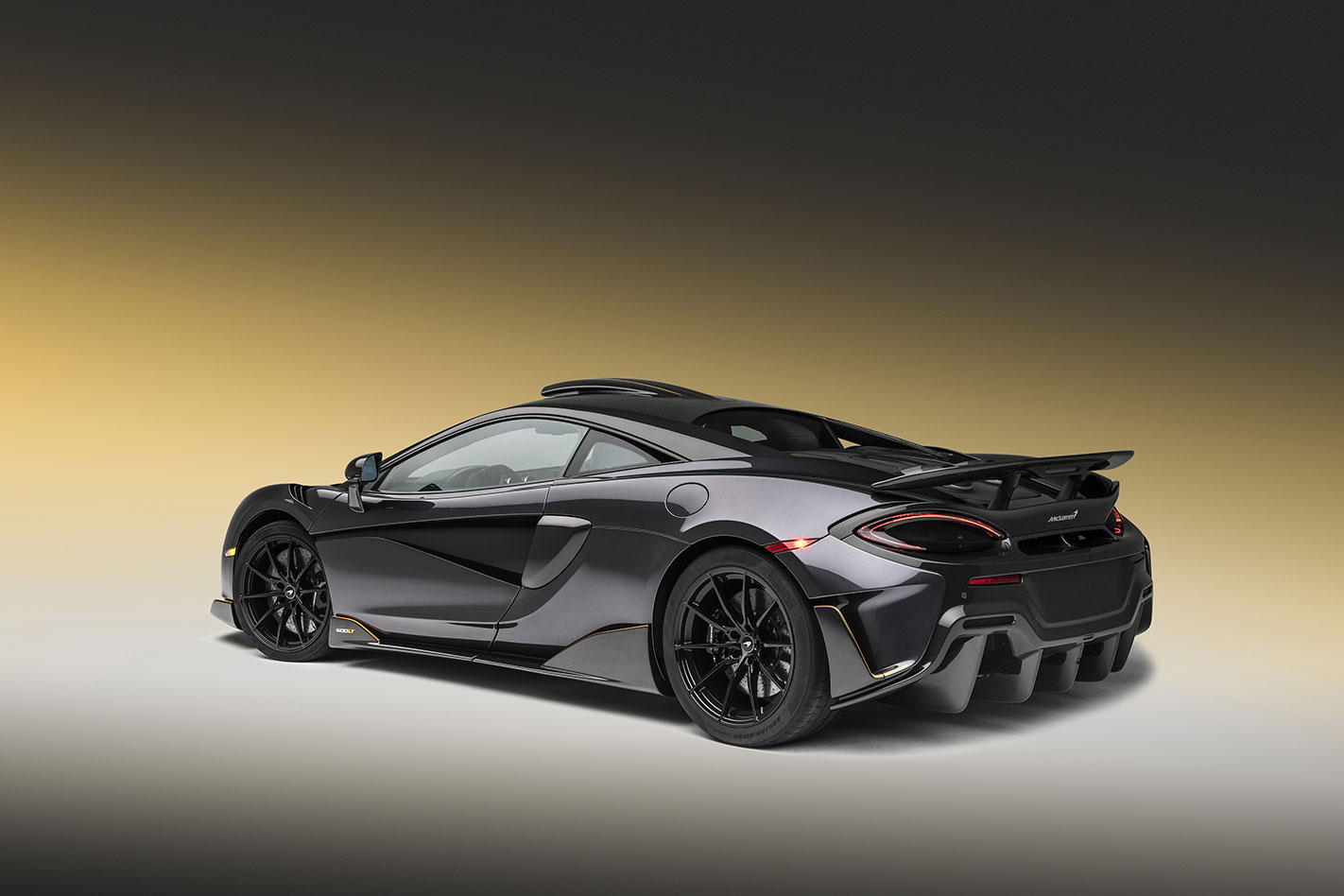
McLAREN’S has used Pebble Beach’s Concours d’Elegance as the excuse to whip the hanky off a very special version of its box-fresh 600LT. The sinister Stealth Grey 600LT designed to showcase the extreme customisation possibilities of the McLaren Special Operations, drawing from their ‘Defined’ and ‘Bespoke’ lines.
MSO clearly got the memo that fibre is good for you – carbonfibre, in this case, which features … everywhere on the 600LT.
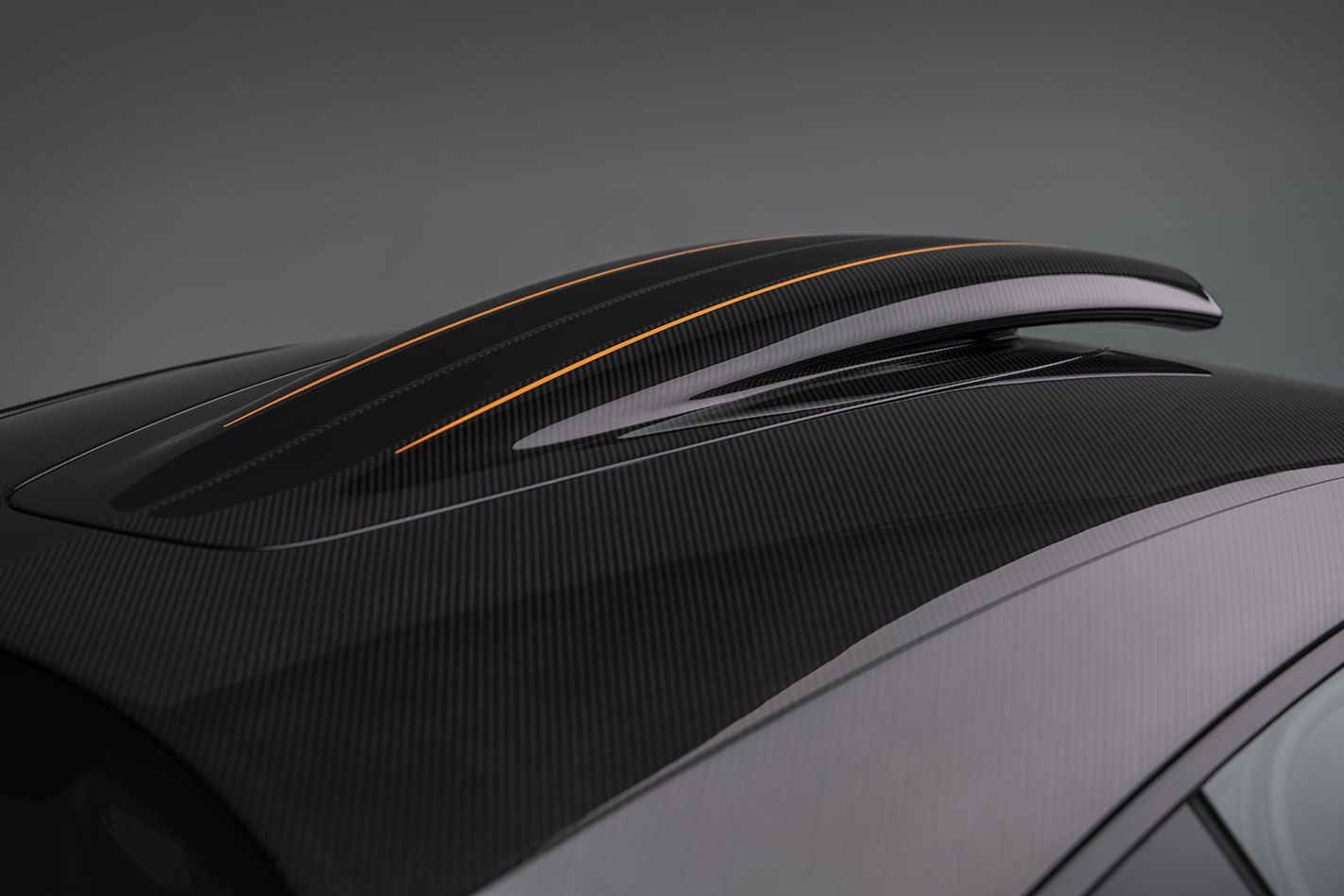
A functional carbonfibre roof scoop inspired by the McLaren F1 longtail houses an integrated track telemetry camera. Factor in carbon door mirrors, exterior door inserts, front splitter, rear diffuser and rear deck and service cover and it’s a good thing carbon tax doesn’t apply to the 600LT.
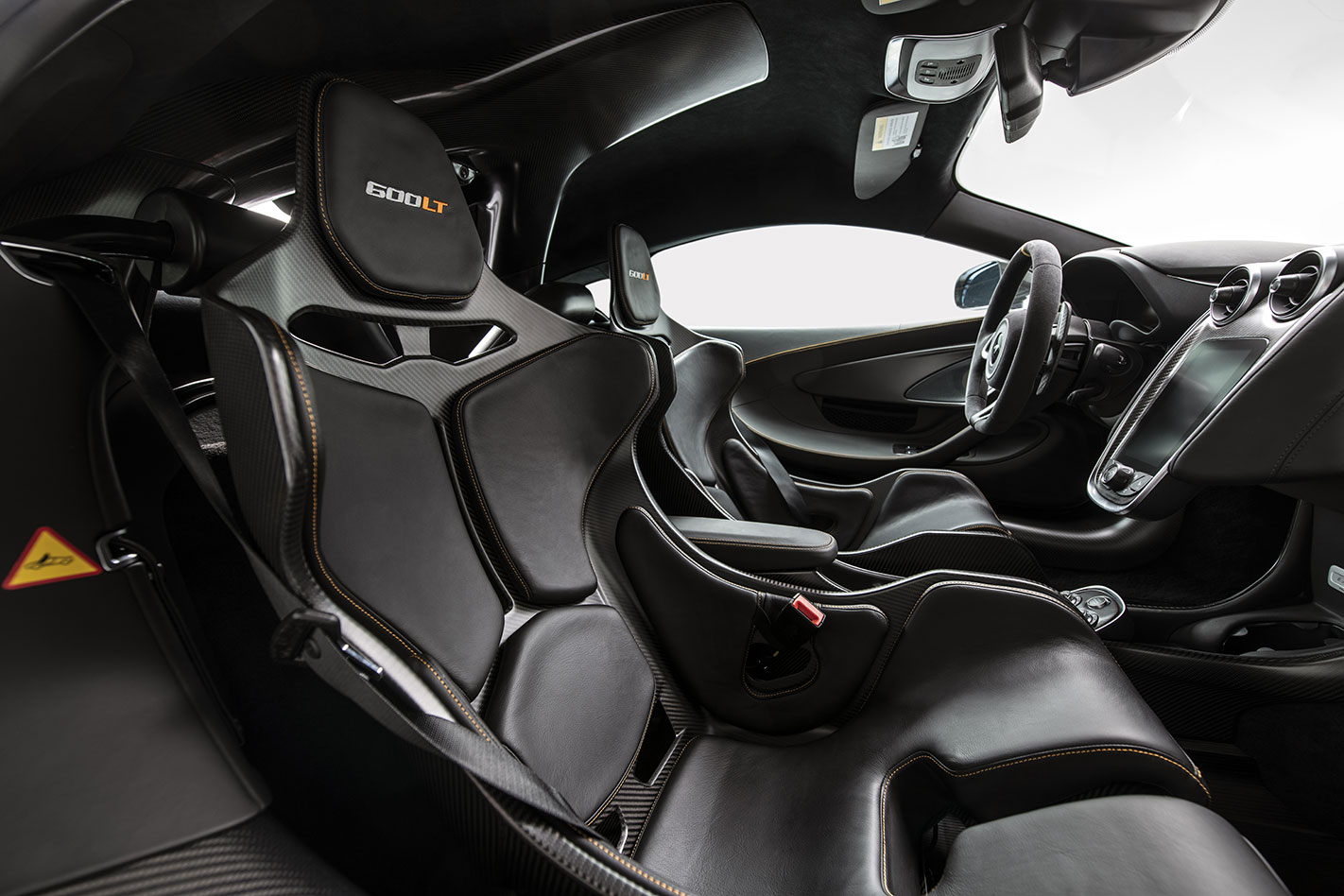
Inside, a super-lightweight carbon seat nicked from the Senna matches its orange stitching with the 600LT’s exterior McLaren Orange highlights.
There are also carbon tunnel and door insert panels and the stark race-meets-road contrast of a harness bar and six-point harness from the MSO Clubsport Pro Pack and a 12-speaker Bowers & Wilkins audio upgrade.
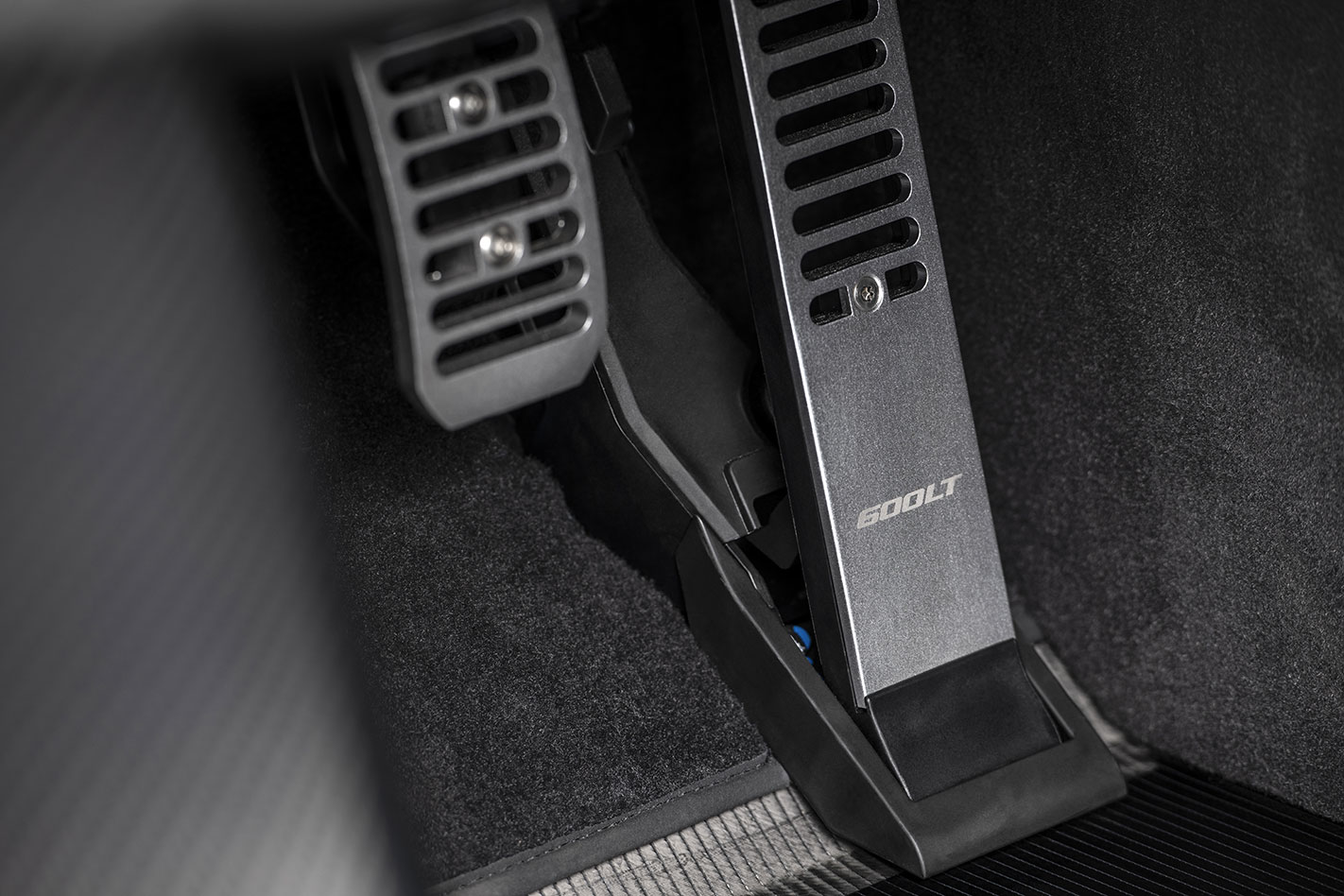
Also in the cabin are nice little touches, such as the 600LT discreetly etched into the accelerator pedal.
In a rare non-carbon moment, the 600LT features ultra-lightweight 10-spoke forged alloy wheels in a gloss black finish.
Want to see how far you can personalise a 600LT, up close and personal? Get yourself to the Pebble Beach Concours d’Elegance in Monterey, California on Sunday August 26. If you can’t, click through our gallery. It’s something very special.
THE fraternity of 700hp muscle cars has a new club member on the way in the Ford Shelby GT500, if leaked documents published online are accurate.
A tech sheet pertaining to the hot, unreleased Mustang suggests that its 5.2-litre supercharged V8 will produce a mega 537kW, or 720hp in its native tongue, at 7500rpm. It’s no coincidence that this is more than the Dodge Hellcat twins. Torque is similarly impressive at a monstrous 881Nm, delivered at 4500rpm.
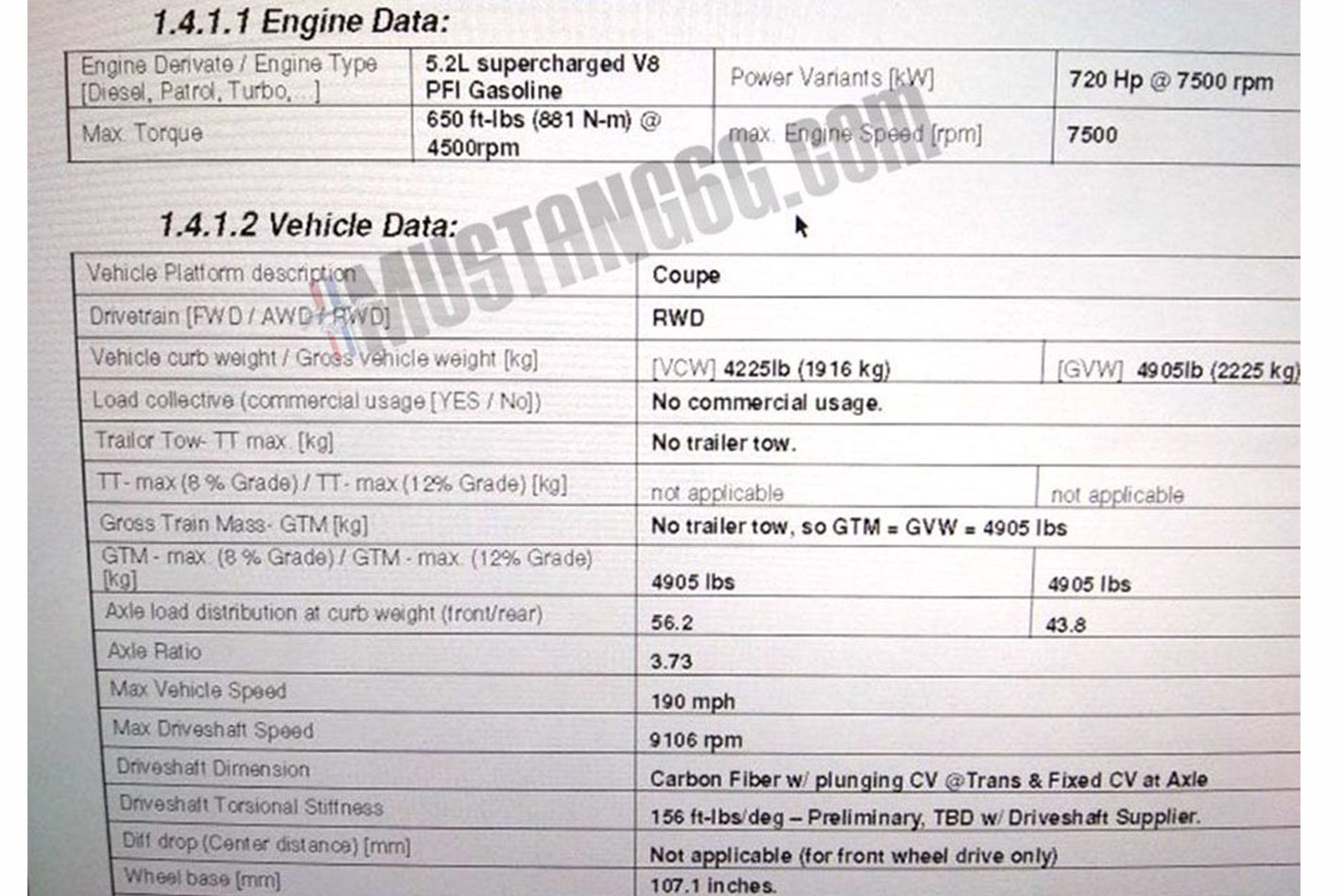
However, these numbers aren’t yet official. The tech sheet posted to American enthusiast forum mustang6g.com looks fairly legitimate, but includes some strange errors, such as the misspelling of ‘Petrol’ as ‘Patrol’ in the very first box.
The listed kerb weight is also on the high side at 1916kg, which is more than 200kg portlier than a regular GT Fastback with a manual ‘box, and that seems like too much even with the GT500’s additional aero and safety equipment.
But the rest of it looks pretty much on the money for where we expect Ford’s hyper Mustang to sit. Ford itself has previously stated that the GT500 will produce more than 700hp, making it “the most powerful street-legal Ford ever,” in the countries that are lucky enough to get, anyway.
Only one teaser pic and an animated video of the car have been released officially to date, though it has been spied in testing on numerous occasions. The production version is expected to go on sale for the 2020 model year, but there is currently no word from Ford on bringing it to Australian showrooms alongside normal Mustangs.
Ford has had its GT500 nameplate on hiatus for a few years after deciding not to develop one for the current generation of the Mustang earlier in its lifecycle. The last one launched back in 2013, and made 494kW (662hp).
It’ll be interesting to see how Dodge responds to this news, and whether or not this sparks a power war with its cross-town rival. From where we’re sitting, there’s every chance it will.
The small hatch class continues to be a major battleground in the new car sales landscape, and two of the biggest combatants are the Hyundai i30 and Toyota Corolla. We take a look at the on-paper proposition of the mid-range i30 Elite and Corolla SX variants, but distinguishing a clear winner of the two proves to be a difficult exercise.
VALUE
Hyundai’s recently-refreshed i30 Elite petrol comes with an auto as standard and retails at $27,790 before on-road costs. It sits roughly in the middle of the i30 range as a comparatively feature-rich offering, but without the additional glitter of the range-topping Premium grade or the sheer performance of the i30 N hot hatch flagship. It sits comfortably in the middle ground.
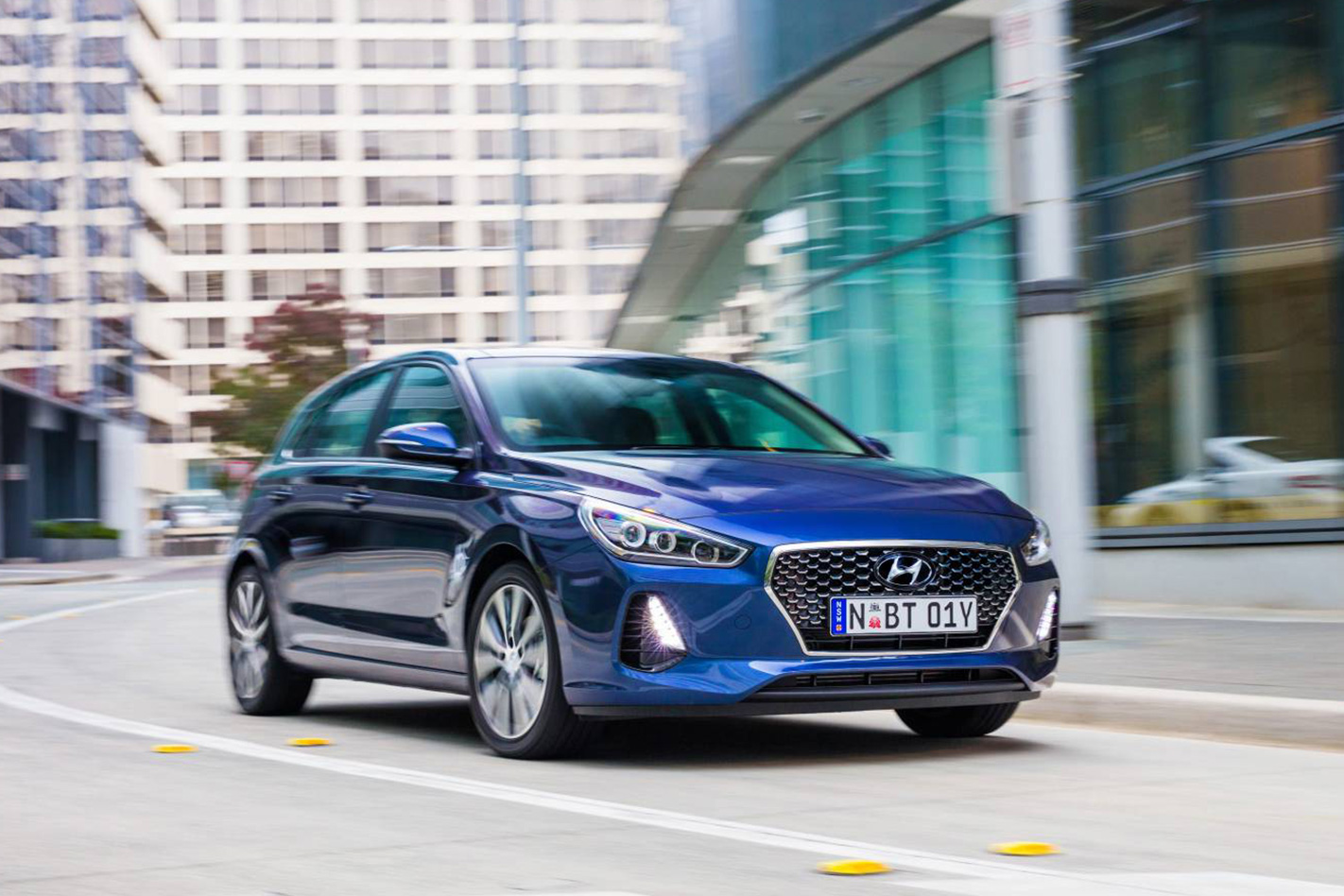
It’s fresh-faced competitor from Japan adopts a similar posture. The SX grade is smack in the middle of the Corolla’s three-variant lineup, and is available in hybrid or pure petrol form, with an automatic also standard-issue. In the petrol-powered guise we’re looking at here, it retails at a very reasonable $26,870, which gives it a $900 advantage over the Hyundai.
Or does it? The i30 comes with a five-year, unlimited kilometre factory warranty while the Corolla is covered only for the first three years or 100,000km of ownership. The difference in after-sales care could make the difference between one being considered good value or not.
SIZE
There’s not a whole lot separating the i30 and Corolla in terms of physical dimensions. The Hyundai measures in at 4340mm long, 1795mm wide and 1455mm tall, and it sits across a 2650mm long wheelbase. Compared with its Japanese competitor it’s a few centimetres shorter overall, fractionally wider and a couple of centimetres taller. Its wheelbase is also a centimetre longer.
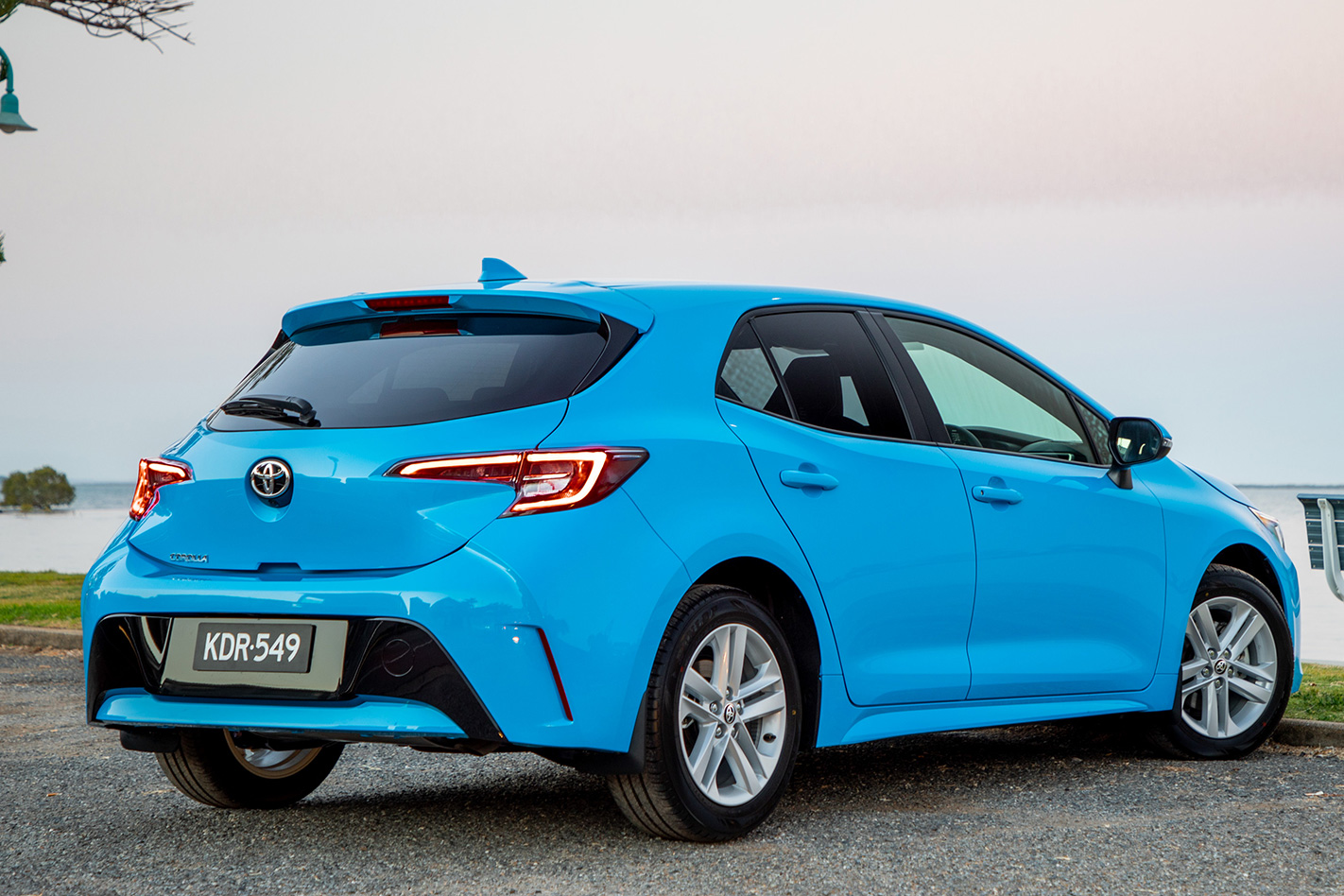
But while the external differences are marginal, it’s a different story on the inside. Here, the Corolla is shown up by the i30 in rear seat legroom and boot capacity. The latter figures are especially disparate, with the i30 offering up a generous 395 litres of luggage space compared to the Corolla’s puny 217 litres. Why is the Corolla so far behind? Because of its full-size spare tyre, which pushes up the boot floor and leaves only a shallow space for you to put your cargo.
STANDARD FEATURES
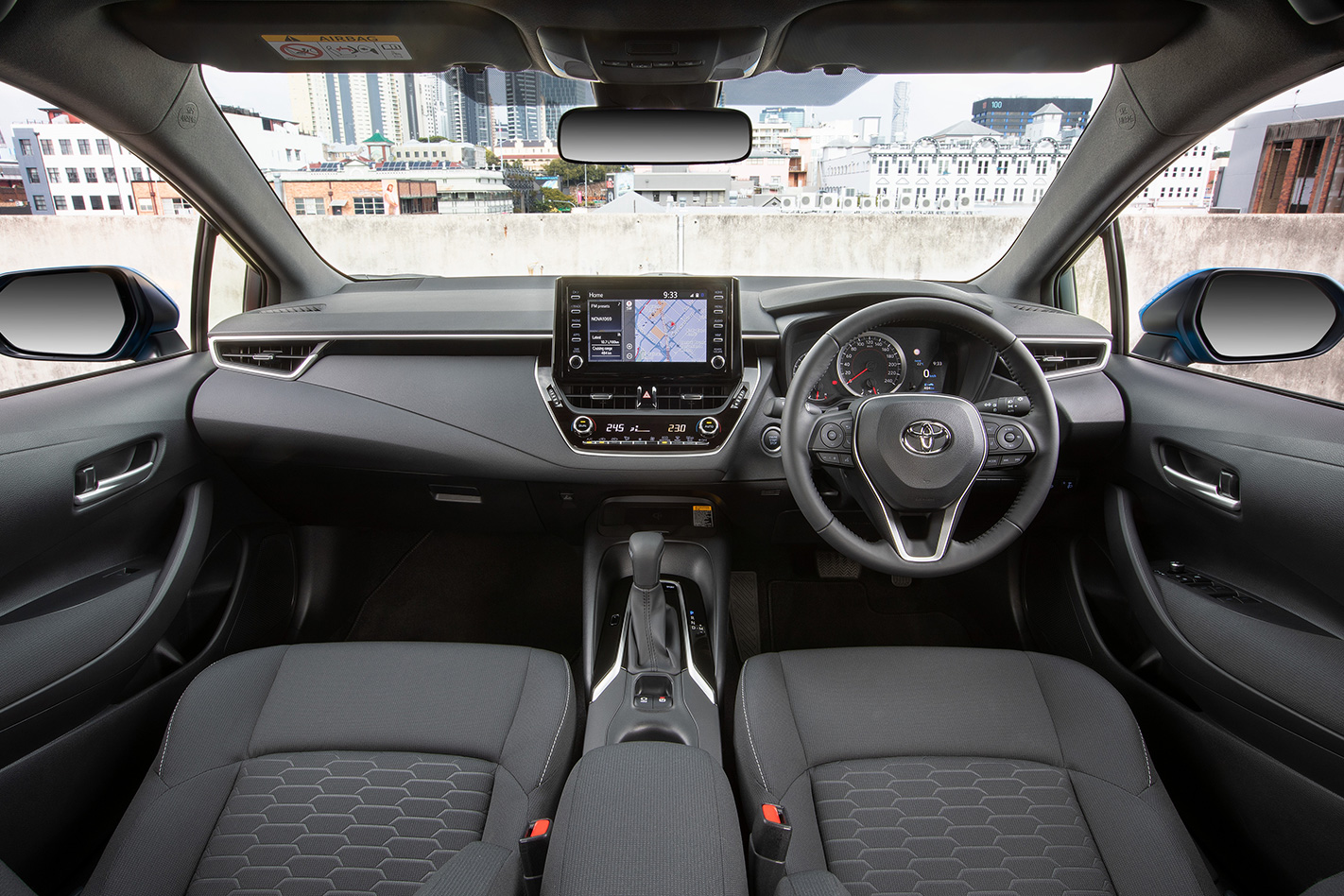
The feature set of both the Corolla SX and i30 Elite are surprisingly close. Common between the two are things like digital radio, an eight-inch colour touchscreen, keyless entry and engine start, wireless phone charging, dual-zone climate control, built-in satellite navigation and an electric park brake.
So all of the basics are well covered – and then some – but the i30 goes a little further by making rear cabin air vents standard – something you don’t get in the Corolla unless you spend big on the top-grade ZR variant. The i30 also boasts smartphone mirroring via Android Auto and Apple CarPlay, bringing some internet-enabled functionality to its infotainment system. That feature simply isn’t available on any Corolla right now.
SAFETY
Both i30 and Corolla offer plenty of electronic safety aids, with blind spot monitoring, a reversing camera, lane departure control, lane keep assist and a forward collision warning being standard. That’s on top of the usual active safety gear including traction control, stability control, ABS, brake assist and seven airbags.
The i30 and Corolla both also come fitted with autonomous emergency braking as standard, but the Corolla’s system is capable of detecting both cyclists and pedestrians as well as cars. The i30, meanwhile, is only able to detect cars and pedestrians. Then again, the i30 Elite features rear parking sensors as standard, something which the Corolla doesn’t offer.
COMFORT
Front seat comfort is difficult to fault in either car. The i30 benefits from standard-issue leather upholstery which adds a premium touch, but by the same token the Corolla’s classy cloth interior certainly doesn’t feel downmarket.
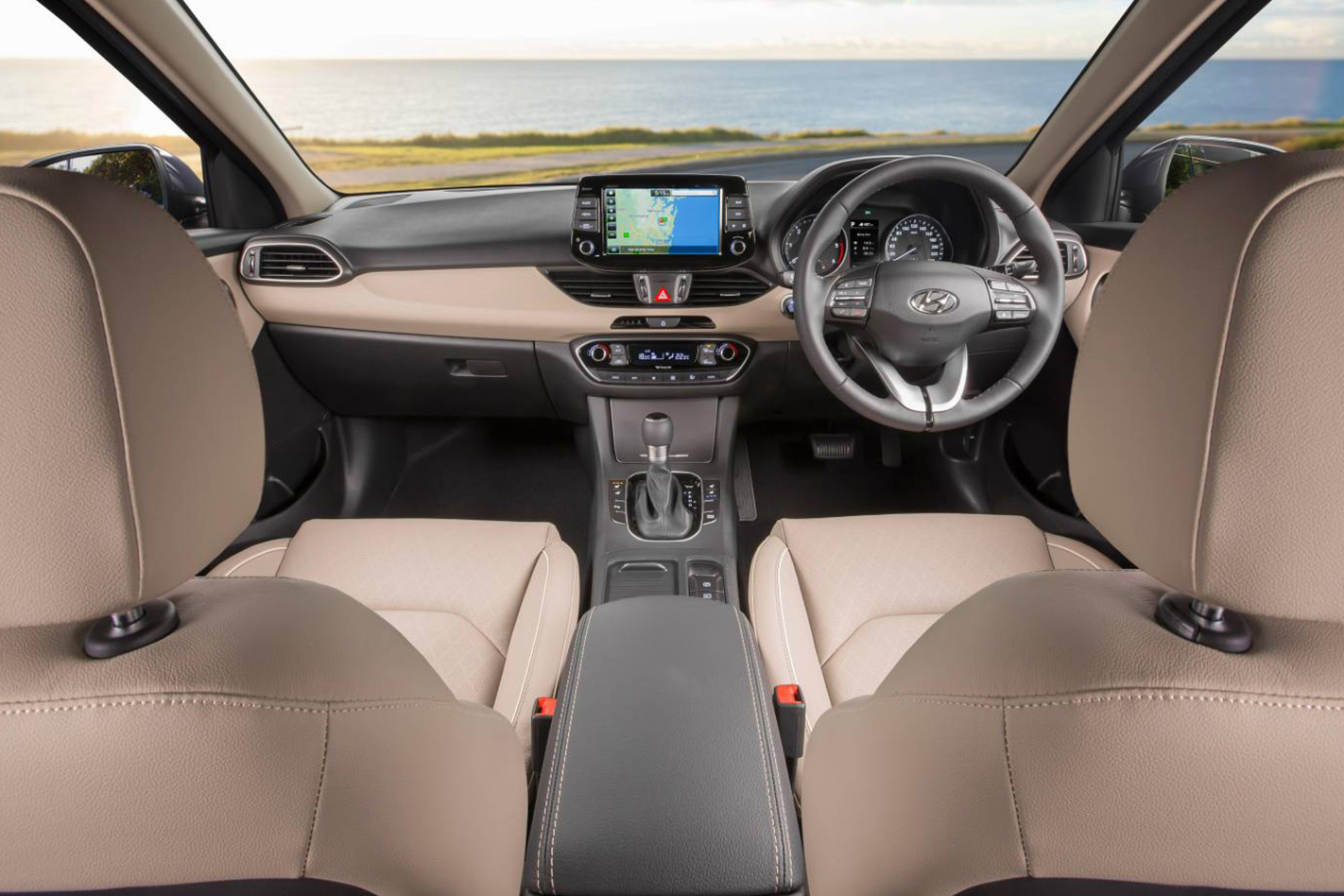
Ergonomically, both cars follow a similar format. A high-mounted ‘tombstone’ infotainment display sits at the centre of the dash, with air vents and ventilation controls immediately below it. A small storage tray at the front of the centre console houses a wireless charging pad in both, but the Corolla has a less cluttered console thanks to its electric park brake.
The real differences become apparent behind the front seats, and it’s here where the i30 steals a lead thanks to more generous legroom and headroom. It also boasts air vents on the back of the centre console to help keep backseaters cool or warm, something that’s only available on the high-grade Corolla ZR, not the mid-spec SX.
PERFORMANCE
The Corolla has a power advantage over the Hyundai, though it’s a marginal one. With 125kW and 200Nm coming from its 2.0-litre naturally-aspirated petrol inline four, the Corolla is 5kW ahead and just 3Nm behind its Korean rival in power and torque. The i30 weighs 22kg more than the Toyota as well, which gives the Corolla only a slight lead in the performance stakes.
The two cars differ more meaningfully in the drivetrain department, with the Hyundai taking power to its front wheels via a six-speed conventional automatic gearbox and the Corolla instead employing a continuously-variable transmission (CVT). The Corolla’s CVT auto differs from previous CVTs by offering a mechanical launch gear and torque converter, which removes the sluggish, rubber-band feel that traditionally impacts that type of transmission.
FUEL ECONOMY
Hyundai claims the i30 Elite petrol consumes 7.4L of fuel per 100km on the combined cycle, which makes it considerably thirstier than the Corolla, which manages to travel the same distance on just 6.0 litres of 91-octane.
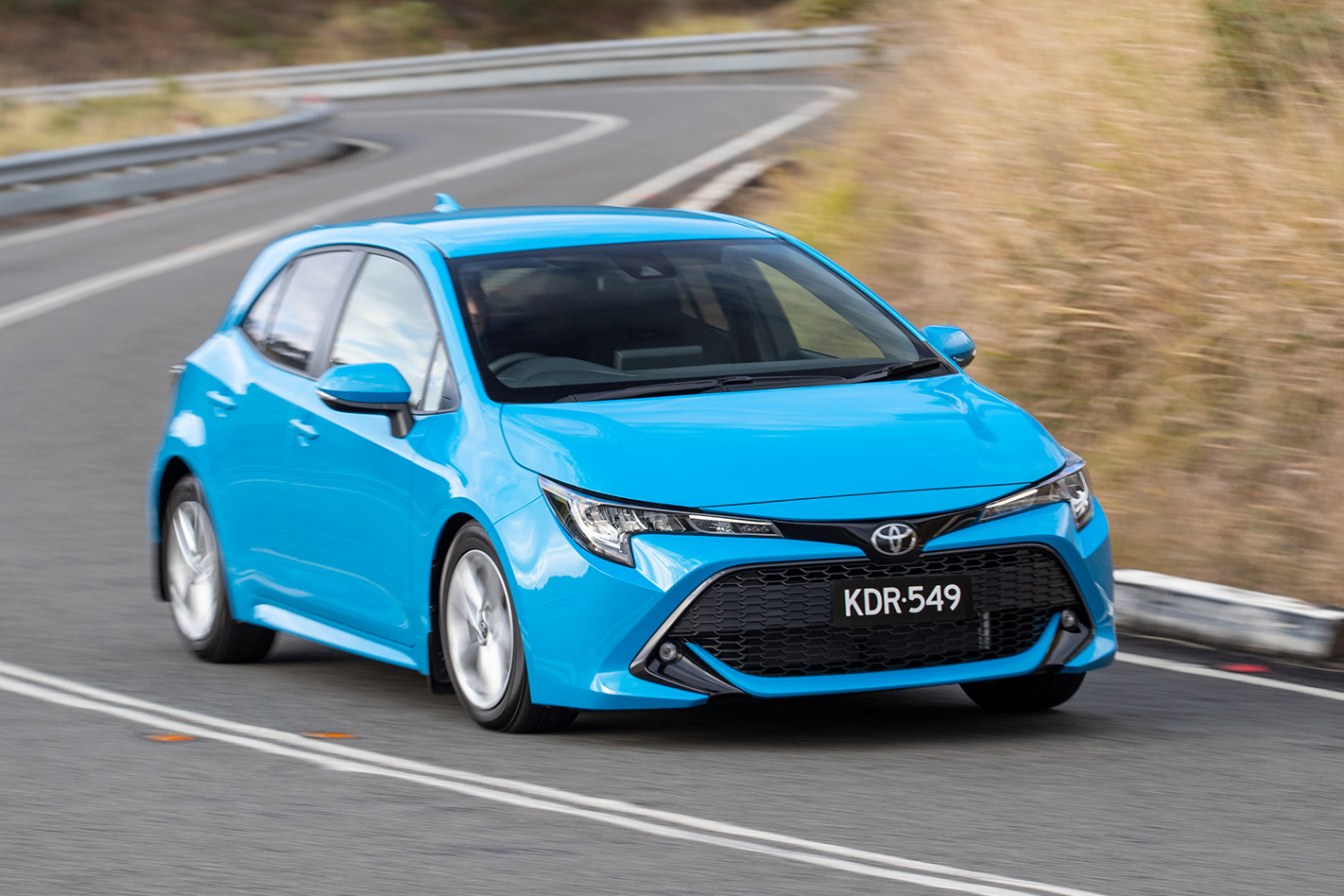
Credit that to the Corolla’s engine, which is – according to Toyota – the world’s most thermally-efficient production car powerplant. Thanks to direct injection, variable cam timing on both inlet and exhaust and a range of low-friction features, the Corolla’s naturally-aspirated 2.0 litre is able to extract 40 percent of the energy contained in the petrol it burns – a commendable figure.
VERDICT
These two cars are incredibly closely stacked in terms of their price, features and mechanicals. The real separation only becomes apparent when you home in on details like after-sales care, rear seat comfort, cargo space and fuel efficiency.
It may sound like a cop-out, but there’s no clear winner in this pairing and the victor will only become apparent once you apply your own specific criteria to these cars. Need a big boot or frequently carry more than one passenger? The i30 takes the lead. Is fuel efficiency more important? Perhaps look in the Toyota’s direction then. Both are capable, well-equipped and affordable options in their class, so you’re not losing with either of them.
Here’s your first look at the September issue of MOTOR, full of news, reviews, and features joined by striking design and stunning photography.
You can buy it digitally at Zinio, and find mags at retailers around Australia. Or you can subscribe and save yourself some cash.
Or, if you want to give us feedback and see behind the scenes, you can follow us on Facebook, Twitter, and Instagram.
2019 Ford Mustang Bullitt in San Francisco
We test Ford’s newest take on its movie car heritage with the 345kW Bullitt special edition.
Honda NSX takes on Tassie
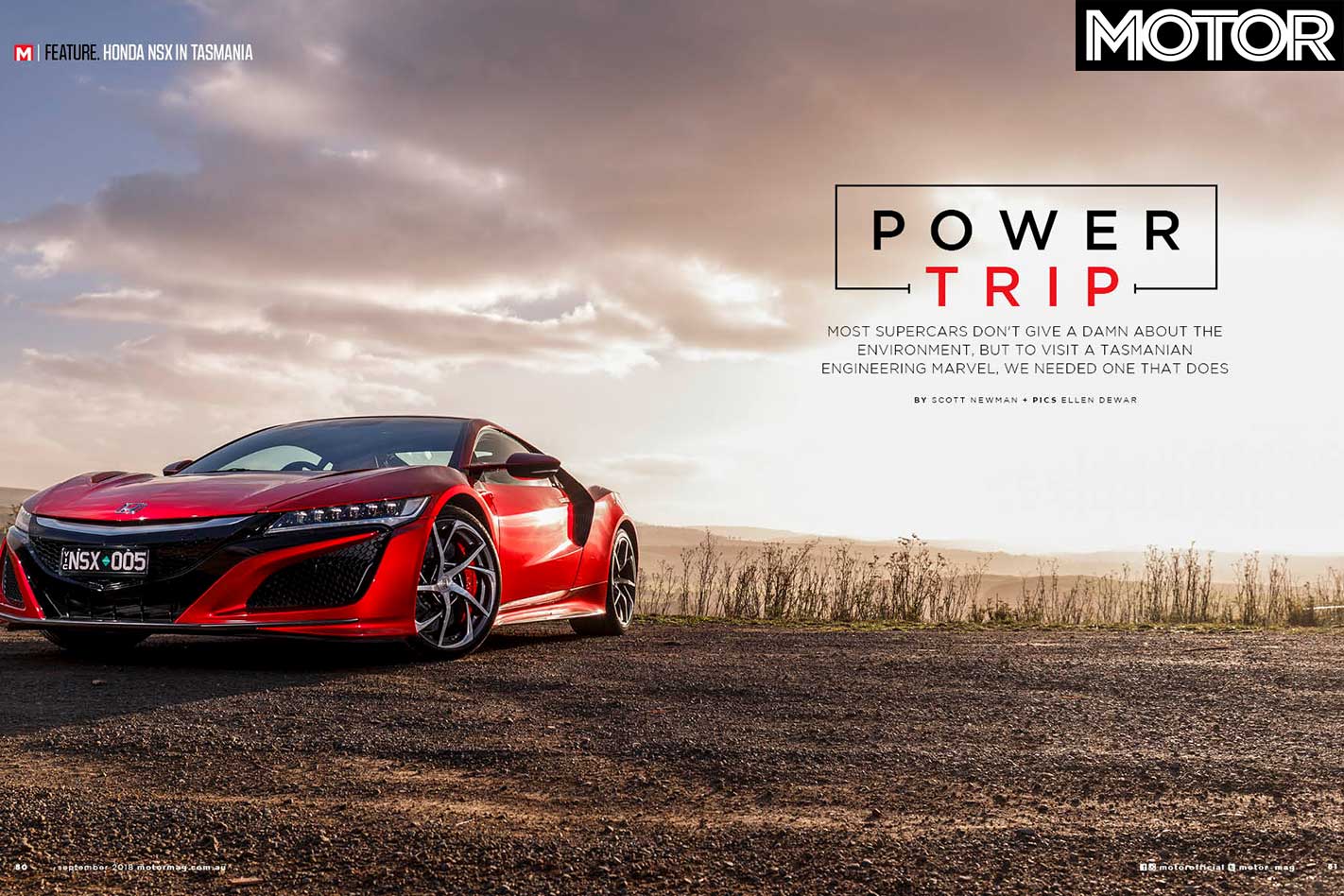
We have a damn good time blasting across Tasmania in Honda’s hybrid hero, from Hobart to The Gordon Dam.
2019 Aston Martin DBS Superleggera sampled in Europe
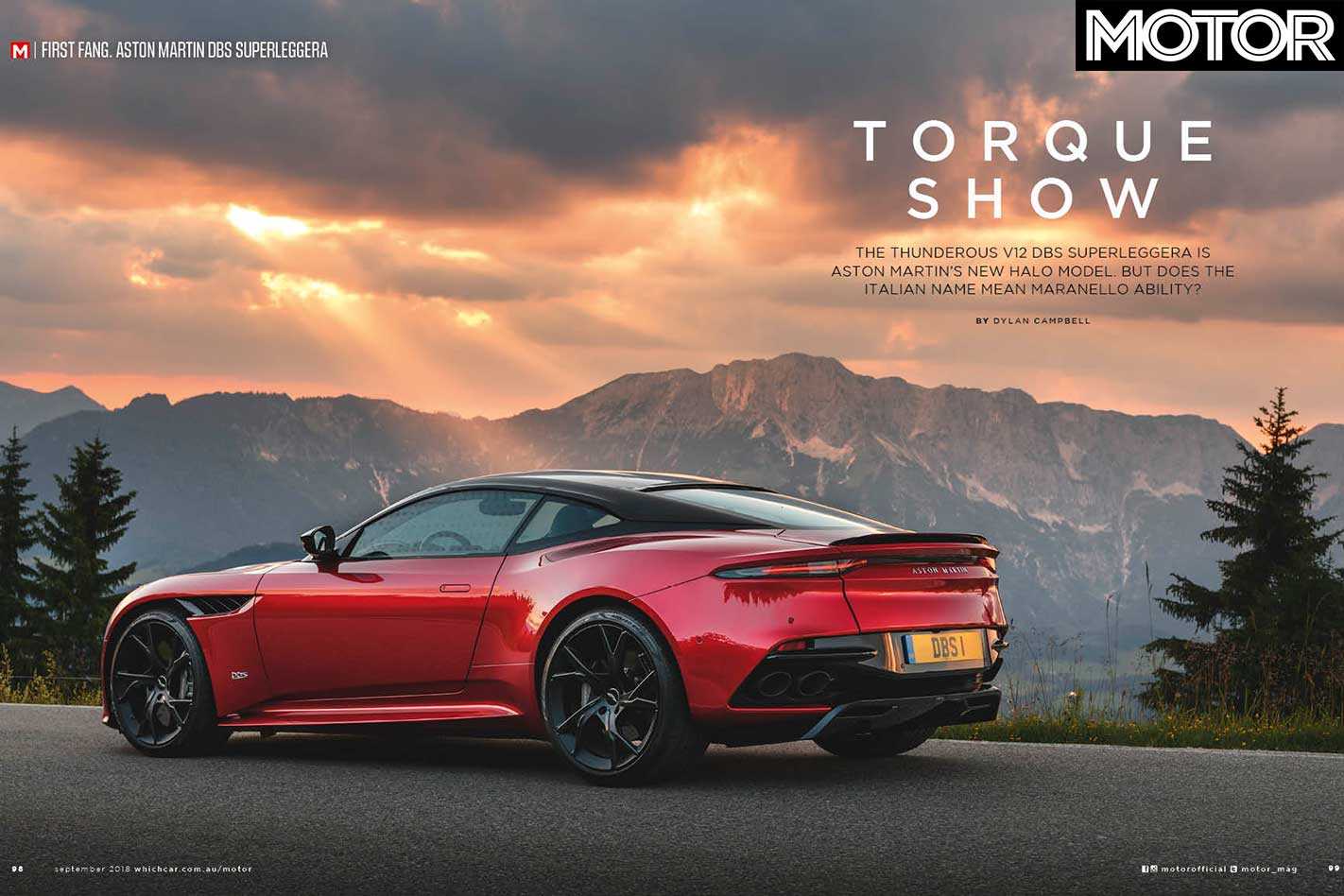
Aston’s newest hero is meant to be a ‘Super GT’ but will it fit in with the likes of the Ferrari 812 Superfast?
BMW’s M2 and M5 Competitions both thrashed
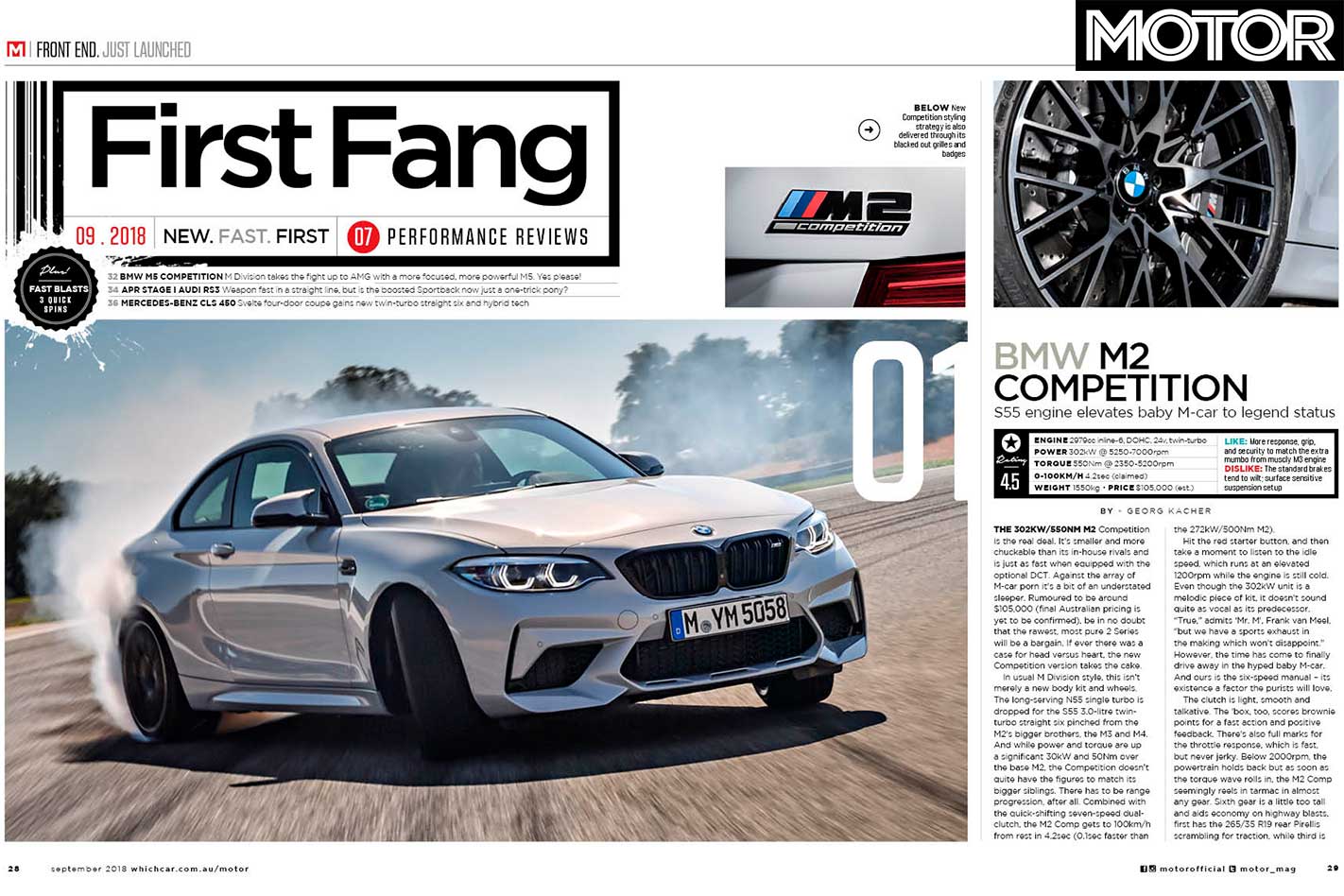
Top-spec models for two of BMW’s best are inbound to Australia, but we get an early steer in each!
2019 Mercedes-AMG C63 S gets even better
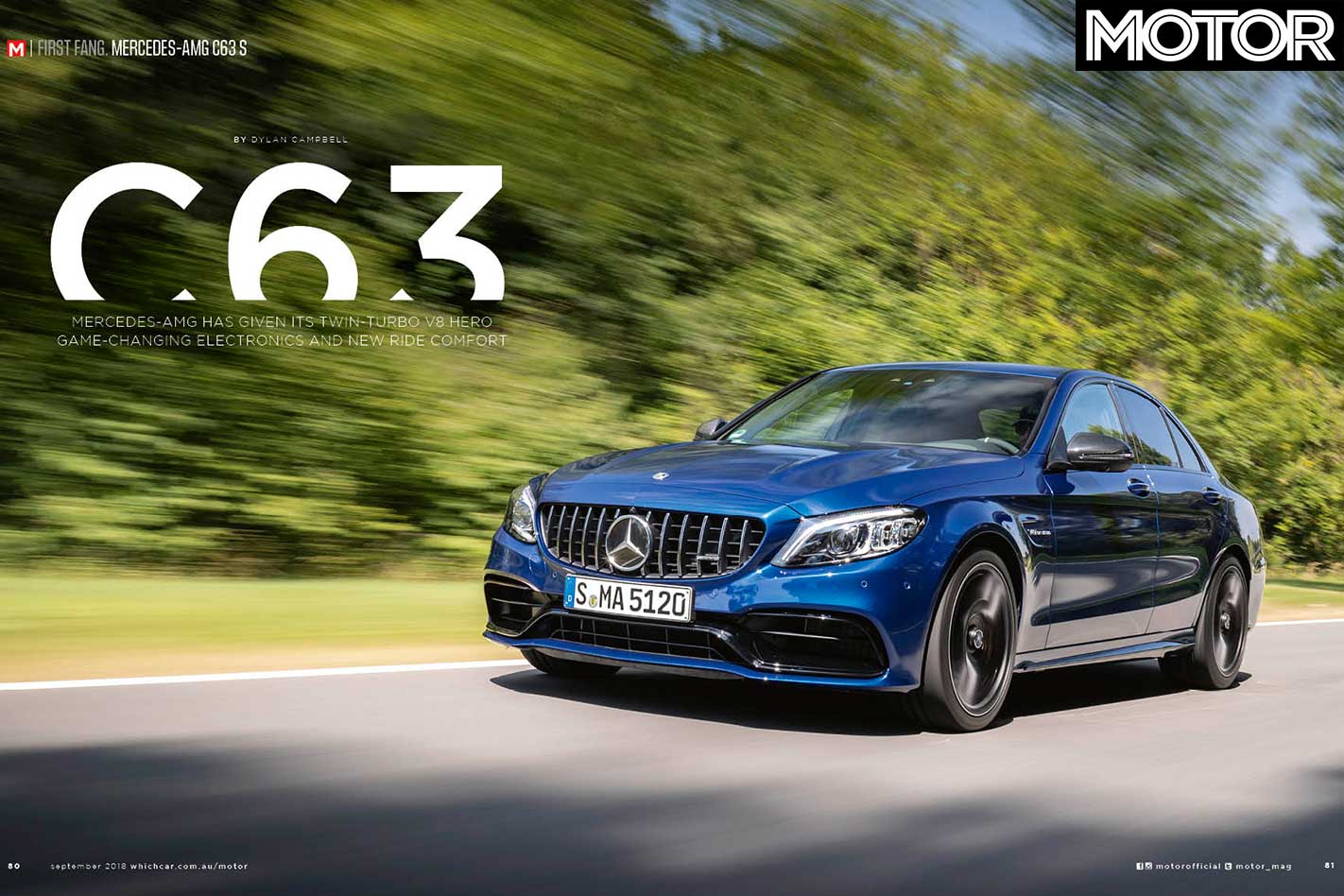
One of MOTOR’s favourite cars has changed, getting a new style, more tech, and maybe even becoming a better car to live with.
AMG GT C vs Aston Martin Vantage vs Porsche Carrera 4 GTS
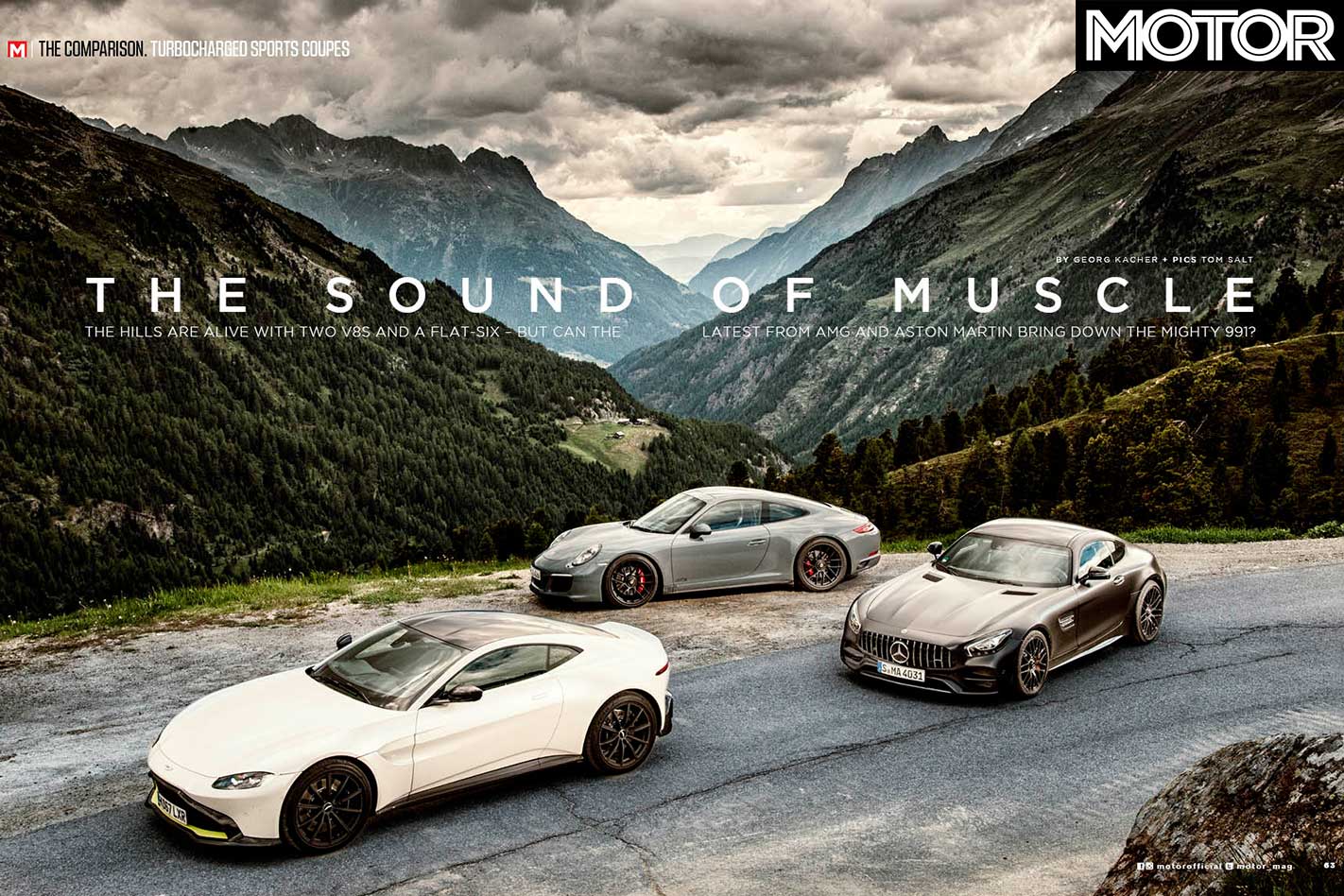
If the Vantage looks to steal the muscled-up sports car crown, it needs to take down two very important stalwarts first.
Interview: Supercars CEO Sean Seamer
The man behind Supercars’ new direction is NZ-born Seamer. Does he have what it takes to keep Australia’s premier category on the up-and-up?
How to buy a Toyota MR2
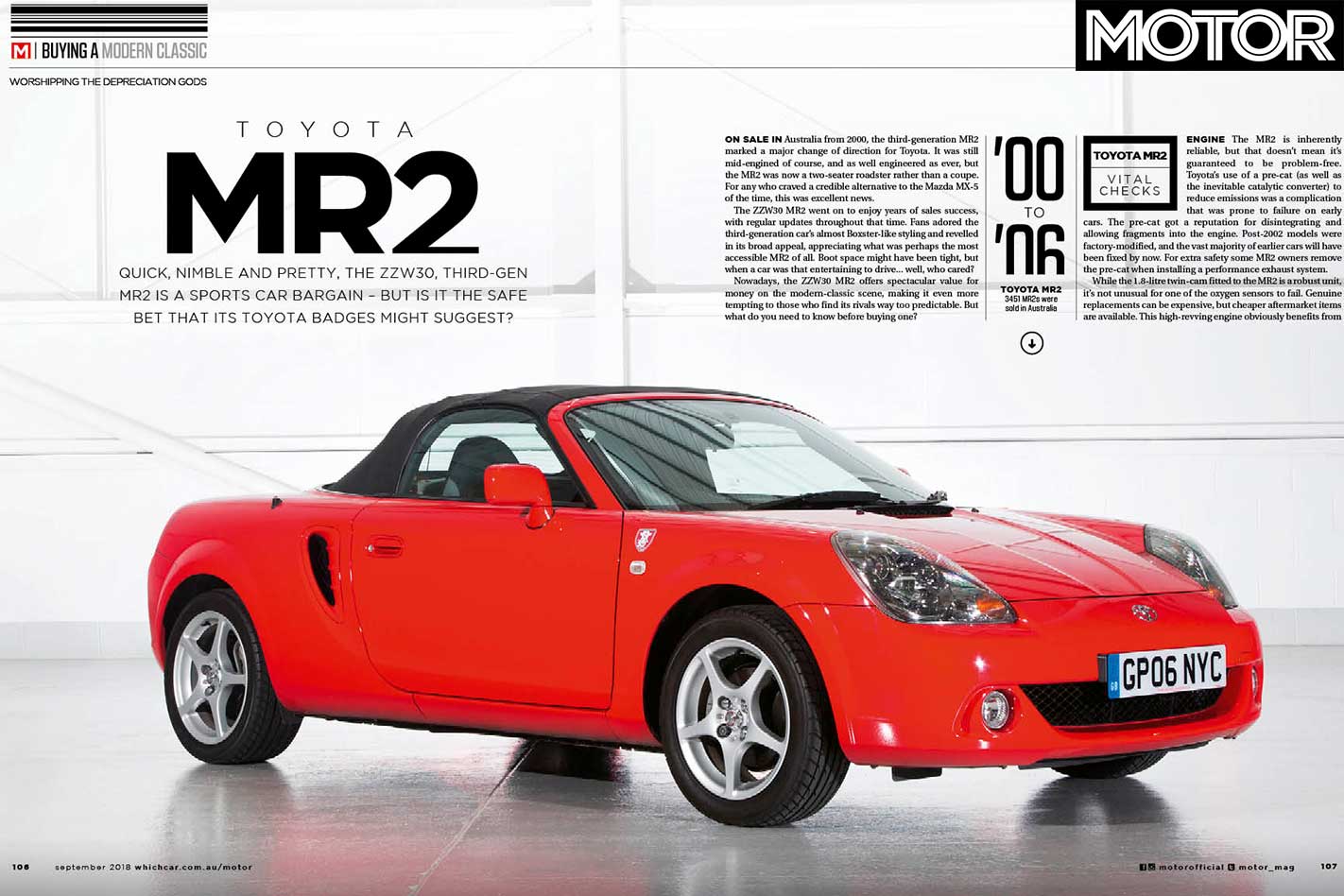
The classic ‘supercar-styled’ sports car from Toyota was the mid-engined competition to the MX-5, and we tell you what to look for in a good one.
Inside the new Renault Mégane RS
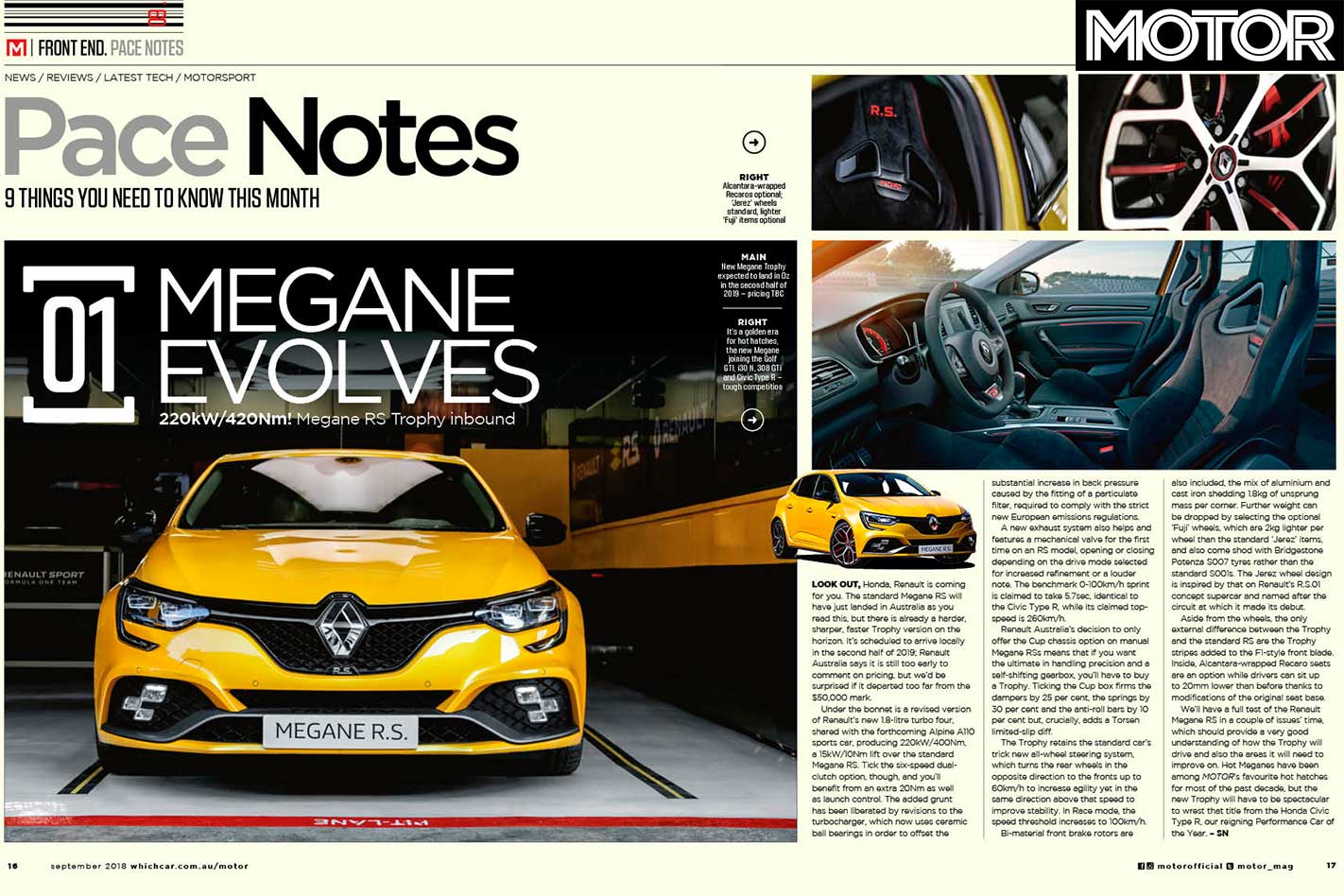
This might be the car to knock the Honda Civic Type R off its perch. We take a dive into the details before its Aussie arrival.
MOTOR’s Garage: Honda Civic Type R and Hyundai i30 N
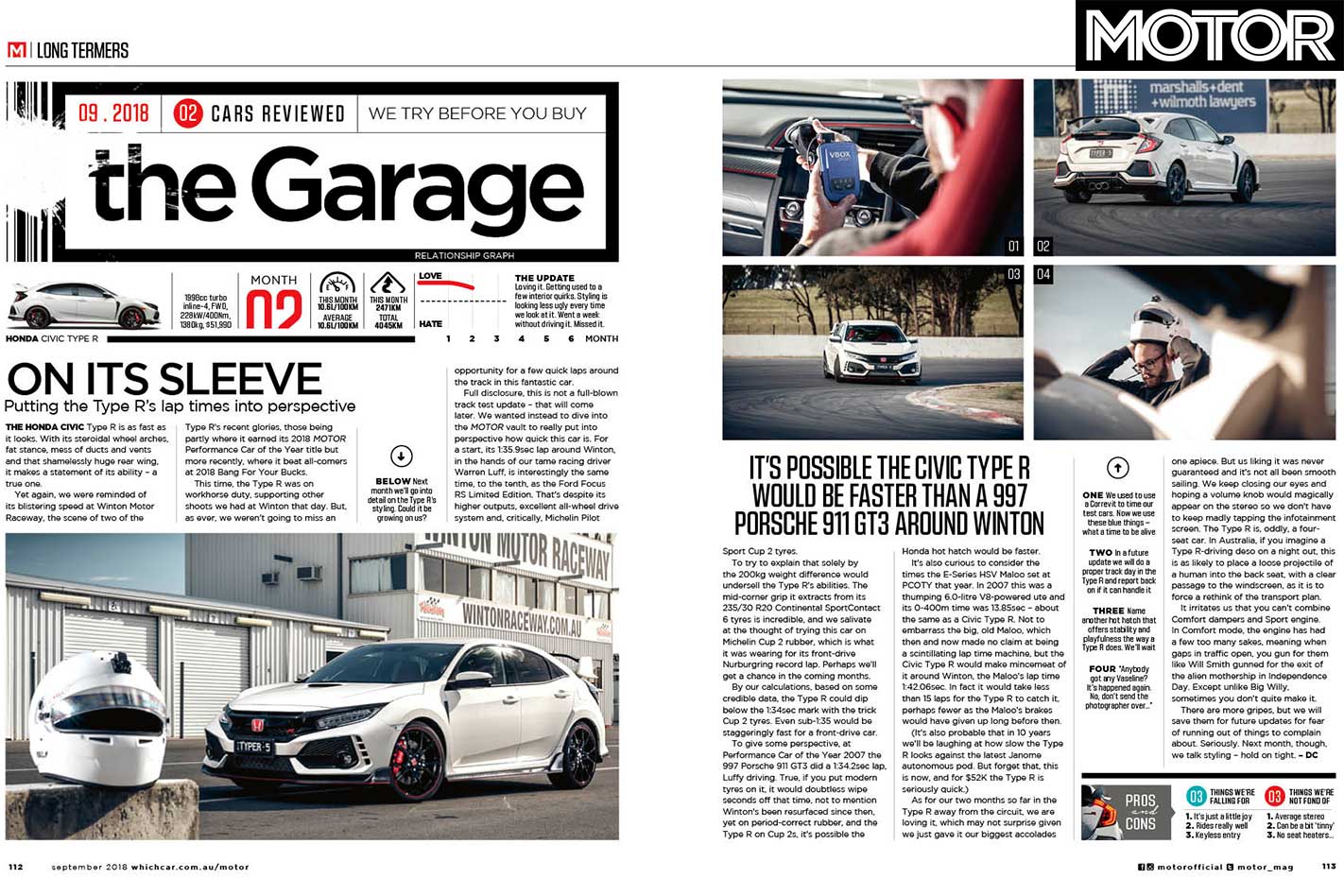
Our long-term residents are making themselves comfortable in the MOTOR garage, with track time and tech talk across the board.
And more!
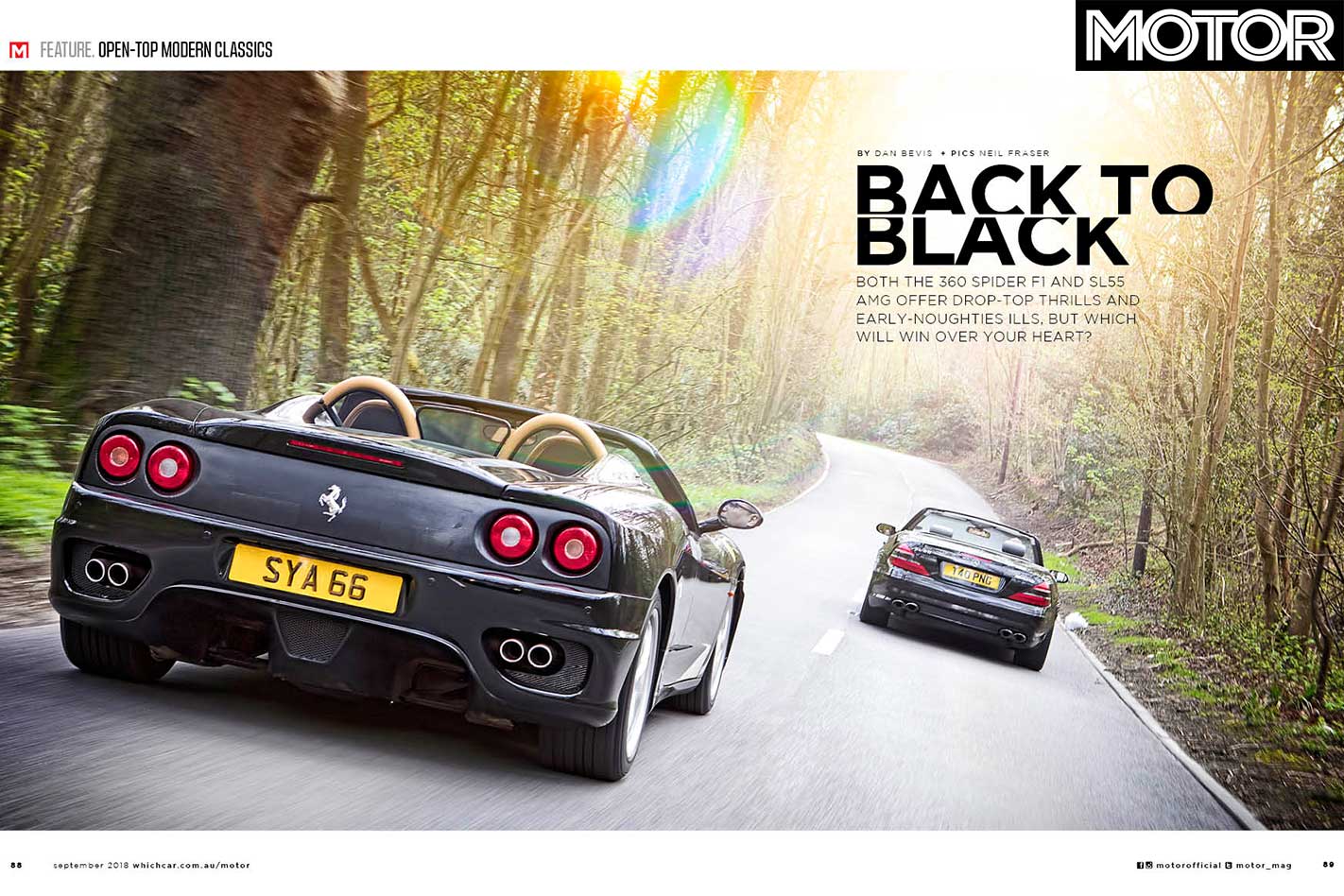
There’s still plenty more to enjoy in the new issue, from columns, regular features, news and reviews, and of course the ever-present Hot Source.
We have all been there before. We, the car enthusiast, wants something fast and dynamic. Your partner, a lesser lover (of cars that is) wants something sensible and modern. So, best take this as a guide how not to spend $15,000 on a new Toyota Yaris.
Everyone knows the hot hatchback is a go-to for a blend of performance and practicality, but the broad spectrum of three-to-five-year-old models currently available for between $10,000 and $20,000 is incredible … and incredibly different. What were bunched up around the same price bracket when brand new have – as expected – depreciated in different ways.
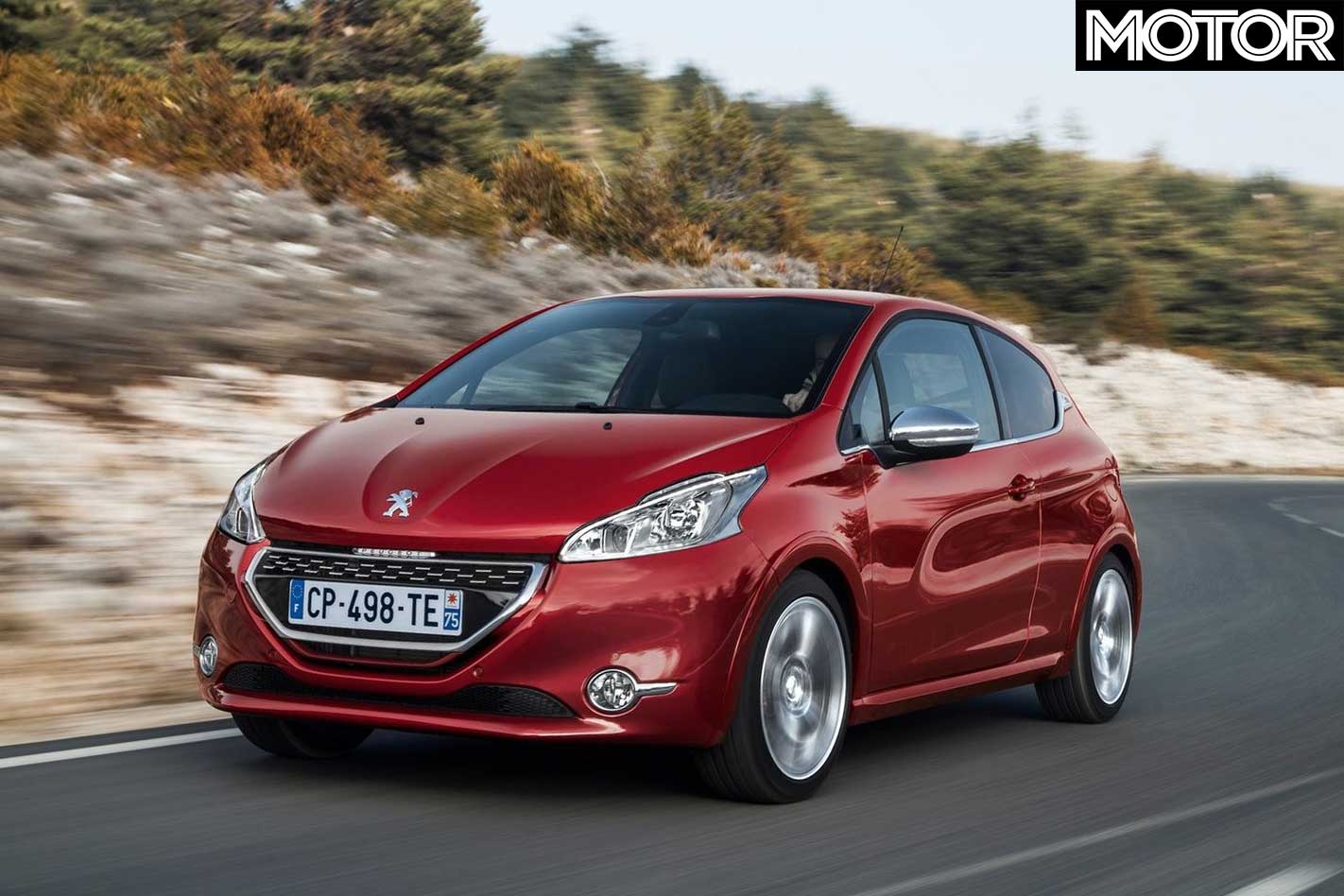
A 2013 with 147,000km was spotted for $8250, or with 70,000km for $13,888. The 6.8-second 0-100km/h Frenchie is still a ball of fun, owing to its 147kW/275Nm 1.6-litre turbo-four and six-speed manual (especially at a time when the Clio sadly went auto only).
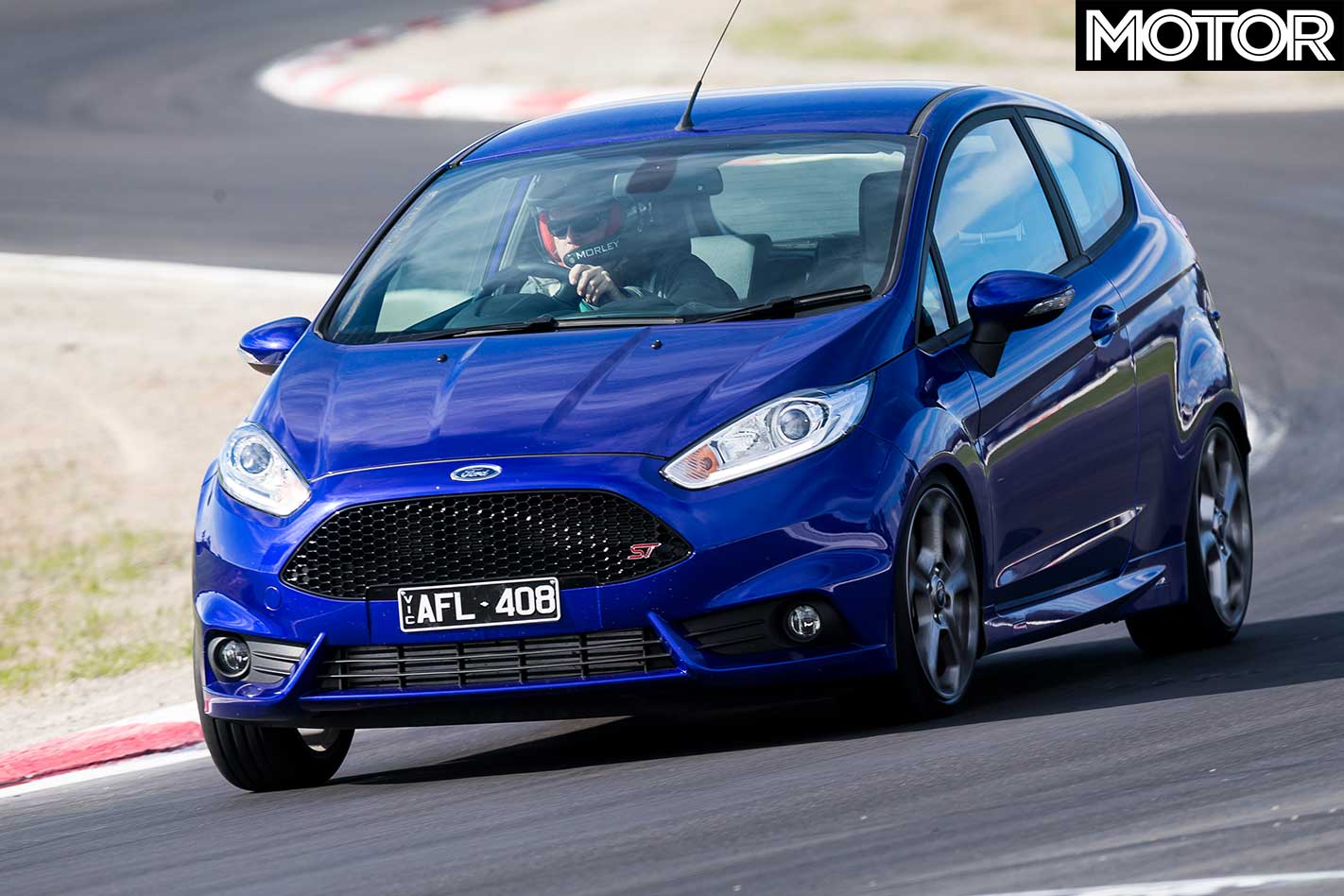
Speaking of the Renault Sport, you need $14K-plus to get one from the same year, and with over 100,000km showing. Likewise, the Ford Fiesta ST, which is dipping just below that mark but still well above the 20 per cent-cheaper 208 GTi.
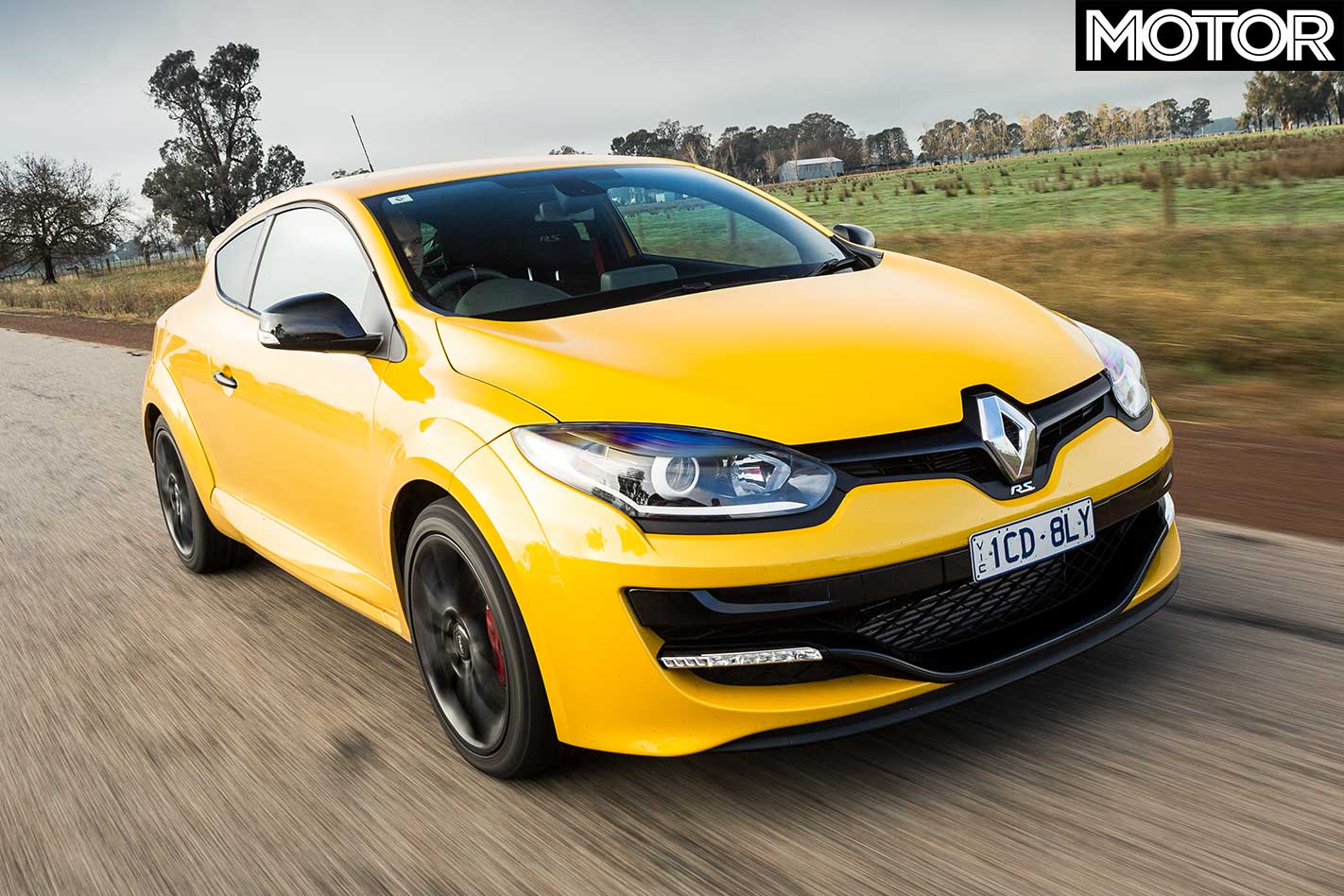
In the next-size-up small hot hatch class, the Golf GTI remains the resale winner for its first owners, with nothing five years old for less than $20K. But Renault Sport steps back in here with the 2013 Megane RS265 Trophy, 79,000km showing, all from $16,500 for one example, and not much more for others. That really is Toyota Yaris Ascent automatic coin for a 195kW/360Nm 2.0-litre turbo with an LSD, Brembos, Recaros, plus utterly superb steering.
With a bit less power (190kW) but more torque (380Nm), the Mazda3 MPS also sneaks in for around the same price in 2013, its final year of production. But it is slower (6.1- versus 6.0sec 0-100km/h) and isn’t as good overall, despite the promise of reliability. And its Japanese foe that has since been famously revived, the Civic Type-R, was toast by 2013.
However, we’ve left the newest, and possibly most partner-approved, until last.
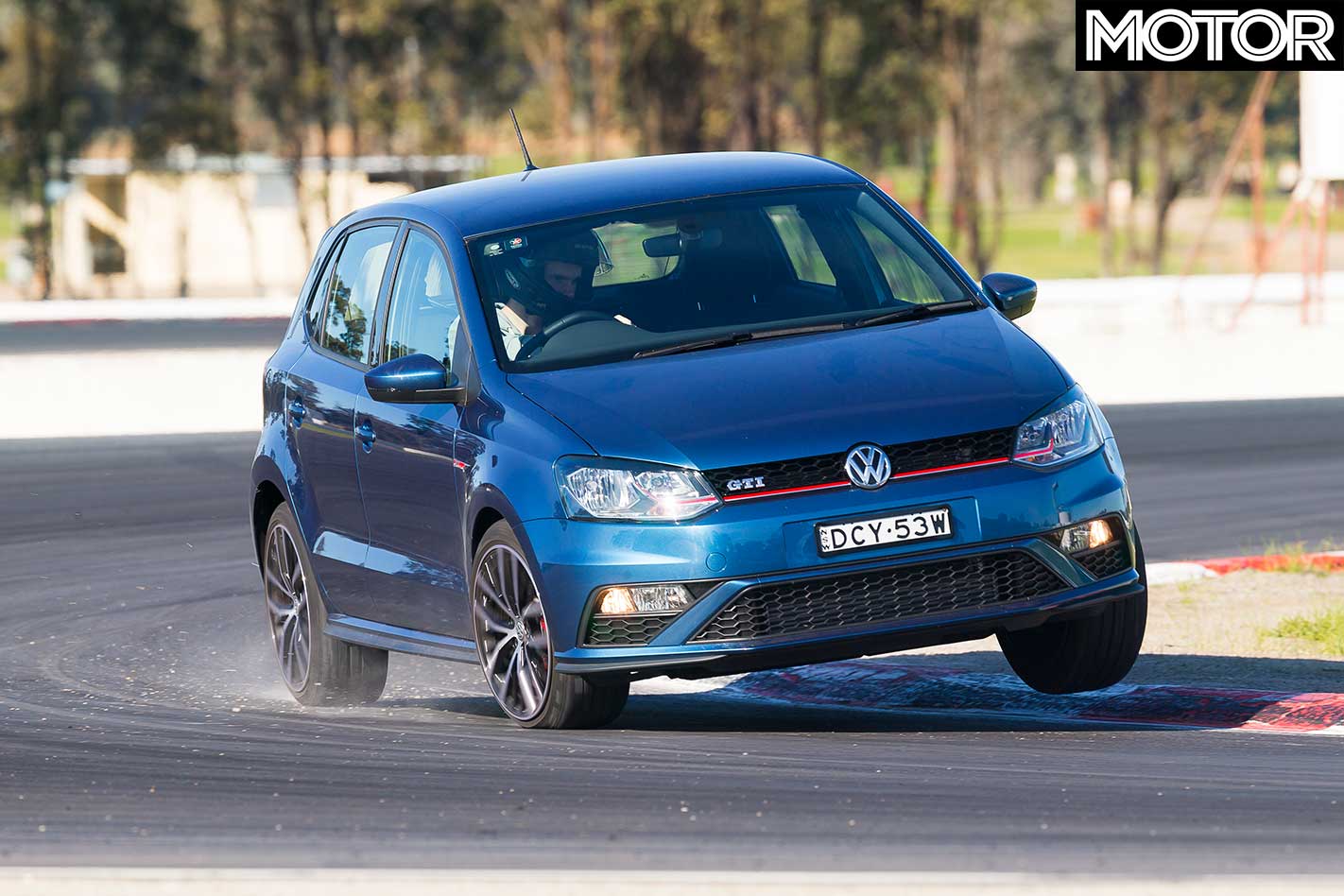
Where the 208 GTi, Fiesta ST and Megane RS265 are three-door-only complete with fairly dated infotainment systems, the new-for-2015 Volkswagen Polo GTI with five doors, 1.8-litre turbo and six-speed manual has dropped to as low as $16,990 with 72,000km showing.
MOTOR has clocked a 6.55sec 0-100km/h, making it about the quickest of its light car-sized hot hatch type, and the 147kW/320Nm engine is a belter when tied with a sweet manual. Ultimately you want an MY16 with adaptive suspension, which improved the little Volkswagen significantly, but even those from the following year are falling below $20K.

Five doors, Apple CarPlay on a bright touchscreen, even potentially still with some warranty left – it should make anybody and everybody happy, in more ways than just one.
JAGUAR will cover its fully-electric I-Pace SUV with a five year warranty when it arrives in Australia in November this year, beating the deal it offers on all other models by two years.
The company has also confirmed the zero-emissions leaper will arrive with an eight-year, 160,000km warranty for its massive lithium ion battery. And if you needed any more convincing, its five-year warranty will be matched by a five-year service plan and roadside assistance.
Pricing starts from $119,000 for the base variant S, with the mid-range SE costing $130,200 and the range topping out at $140,800 for the flagship HSE. Act quickly enough however, and you could grab an example of the First Edition which will be available for 12 months after launch for $159,700.
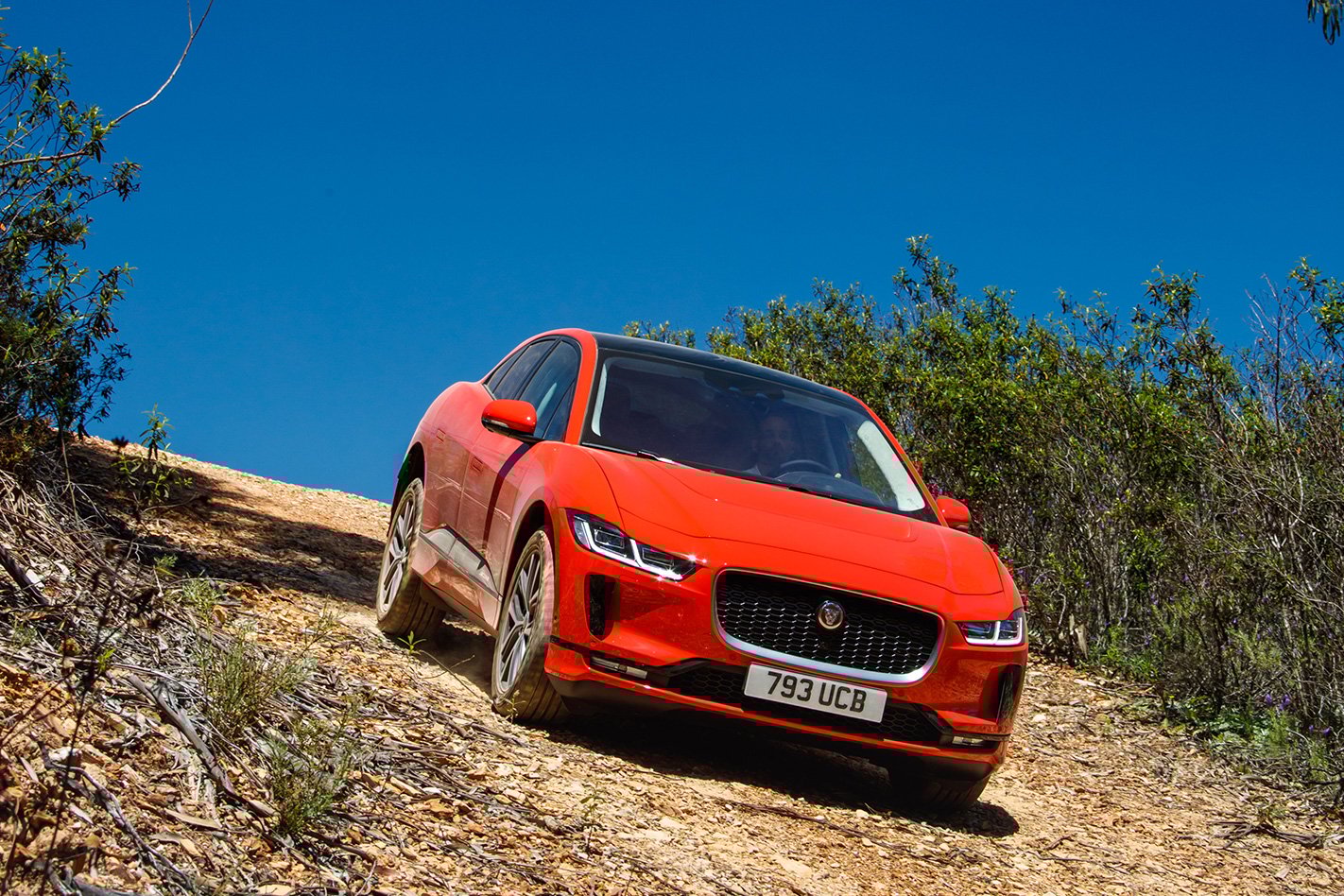
A five year warranty is almost unheard of in the luxury segment with virtually all brand rivals including Audi, BMW and Mercedes offering three years on their cars.
While the German ‘big three’ have electrics and PHEVs in their ranks, a more logical comparison is made with Tesla, which offers the all-electric Model X crossover.
Like the Jaguar, Tesla’s battery also has an eight-year warranty. However unlike the Jag, it is unlimited in kilometres and extends to the drivetrain as well. All other electricals and mechanicals are covered by an eight-year 160,000km deal backed by Tesla.
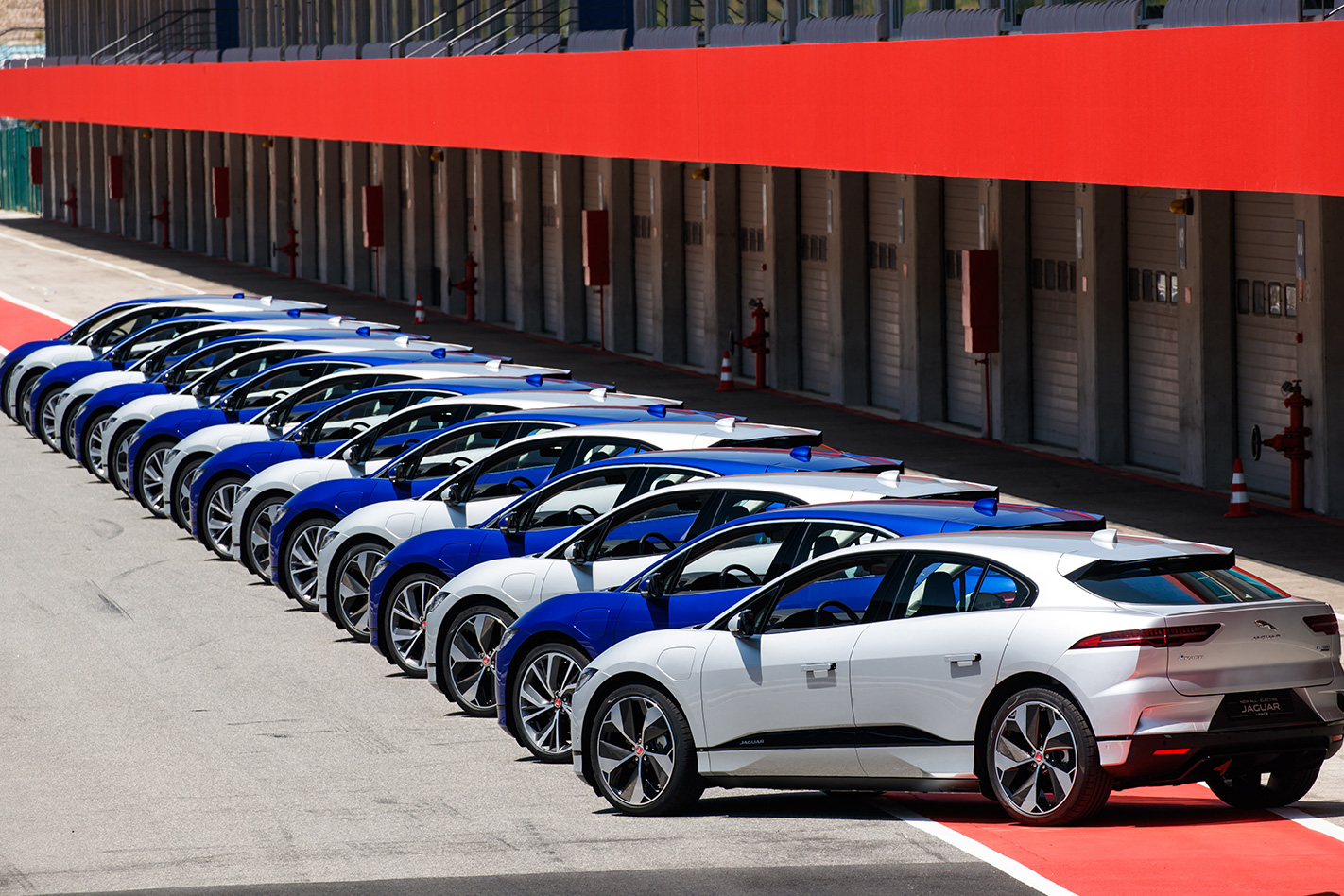
Jaguar says the extension of the warranty is “to encourage the adoption of EVs and build greater market appeal for these vehicles.” Subsequently, there are no plans to roll the longer plan out to combustion-powered models in its ranks.
Relatively speaking, an EV’s simpler powertrain has fewer moving components and serviceable items, while regenerative braking reduces the wear and tear on conventional brake parts. It’s likely the I-Pace’s sophisticated but physically less complex construction has, contributed to the economic feasibility of an extended warranty.
The news comes as a different warranty battle plays out in more mainstream brands, where increasing numbers of manufacturers are shifting from three-year to five-year deals as standard factory warranties. The once-commonplace three-year deal is now becoming the minority.
MG says will add fully electric vehicles to its growing combustion-powered Australian line-up when the nation adopts EV-hungry momentum of the rest of the world.
Australia has been slow to adopt zero-emissions vehicles to date, but the Chinese-owned car maker is considering the local possibilities for MG EVs, with local interesting gradually gaining traction with every new battery-powered offering.
Speaking at the launch of the overhauled MG3, which is powered by a 1.5-litre petrol, MG Motor Australia senior manager Danny Lenartic told WhicCar a commitment from the Australian government would trigger the flow of MG EVs.
“If there’s a thirst for it, then absolutely,” he said.
“What we need to see is increased infrastructure and support from the government as other countries have done and then the proliferation of new energy vehicles for all OEMs [original equipment manufacturers] will become a common sense business approach.”
The company is still fighting hard to build a following for its combustion-powered line-up Down Under, but an EV future for MG on red dirt might not seem as ambitious as it first appears.
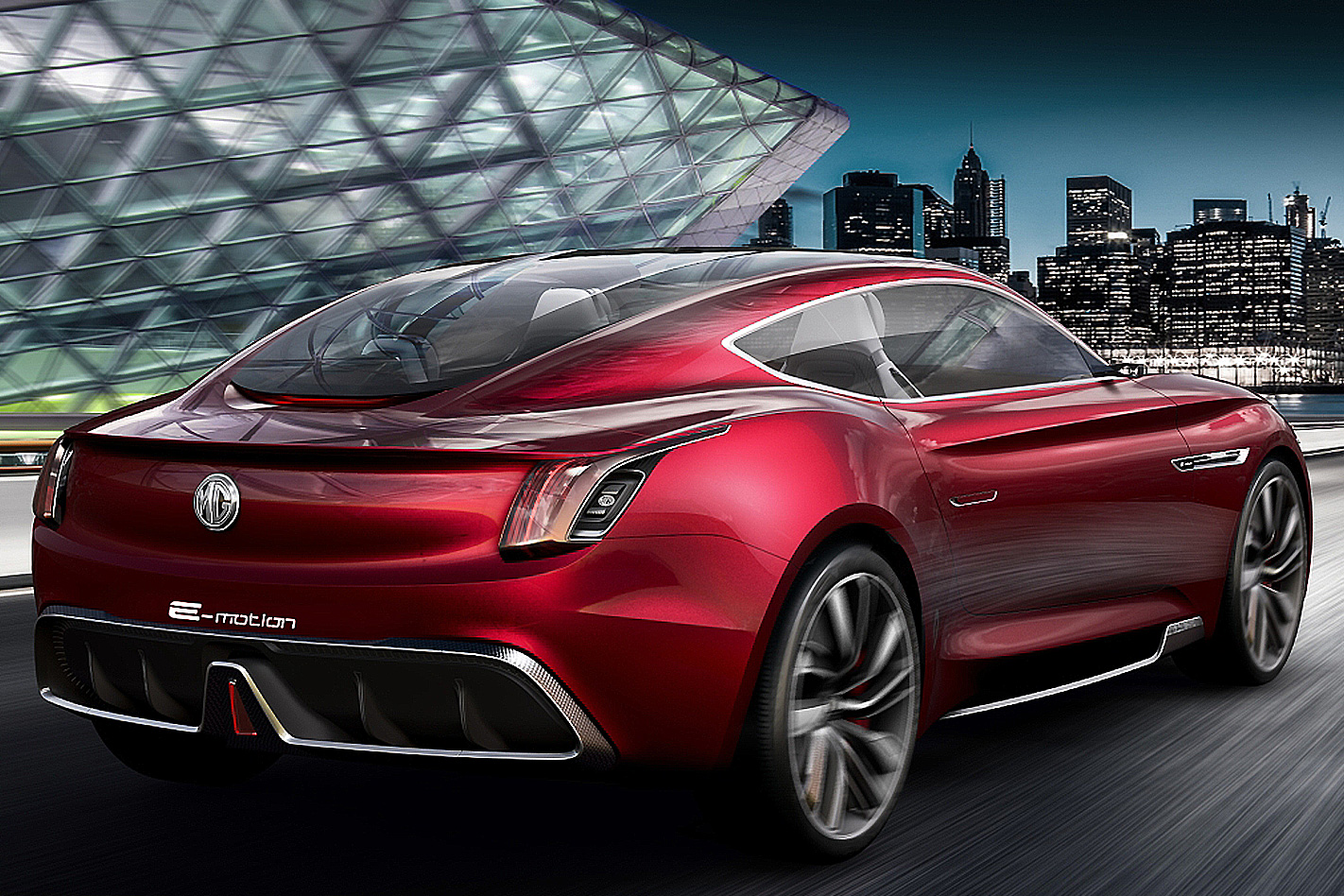
While some other more widely known brands are still relatively new to battery powered vehicles, MG’s parent company, SAIC Motor, is a global leader in the technology and ‘new energy’ cars, with more than a decade of development under its belt.
“SAIC is at the forefront of that technology and I think we have a huge competitive advantage moving forward,” said Lenartic. “New-energy vehicle technology and platforms are not new to us. We believe that we’re ahead of the game.”
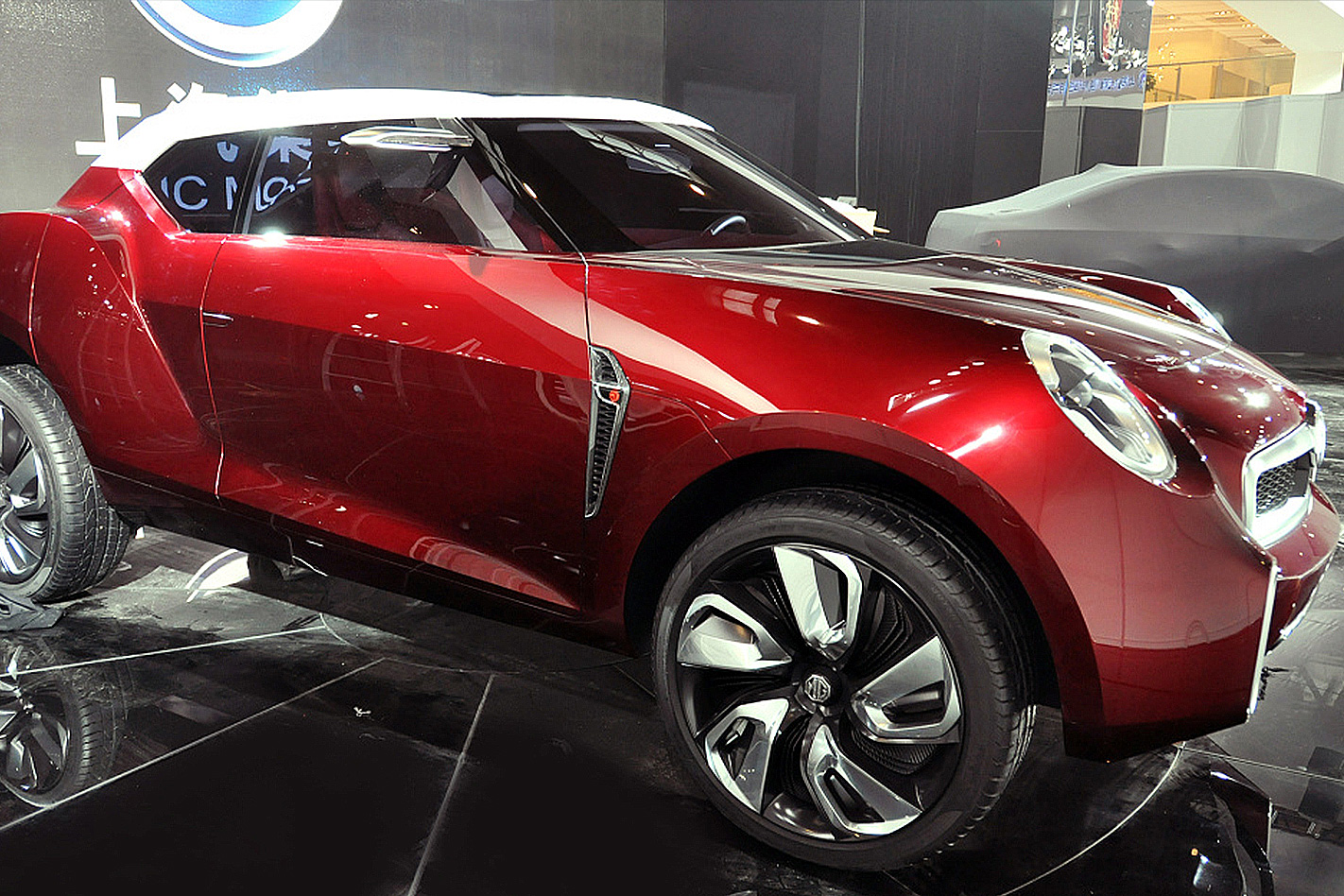
The company already produces an electric version of the MG6 and ZS for the Chinese market, and their introduction locally would take little more than right-hand drive production, said MG Motor Australia product planning manager Pavel Meck.
“If and when we do choose to introduce these vehicles, we would of course have to test them for Australian conditions here first. Depending on if we believe the product is robust enough to meet the demands of the Australian market, we will introduce them,” he said.
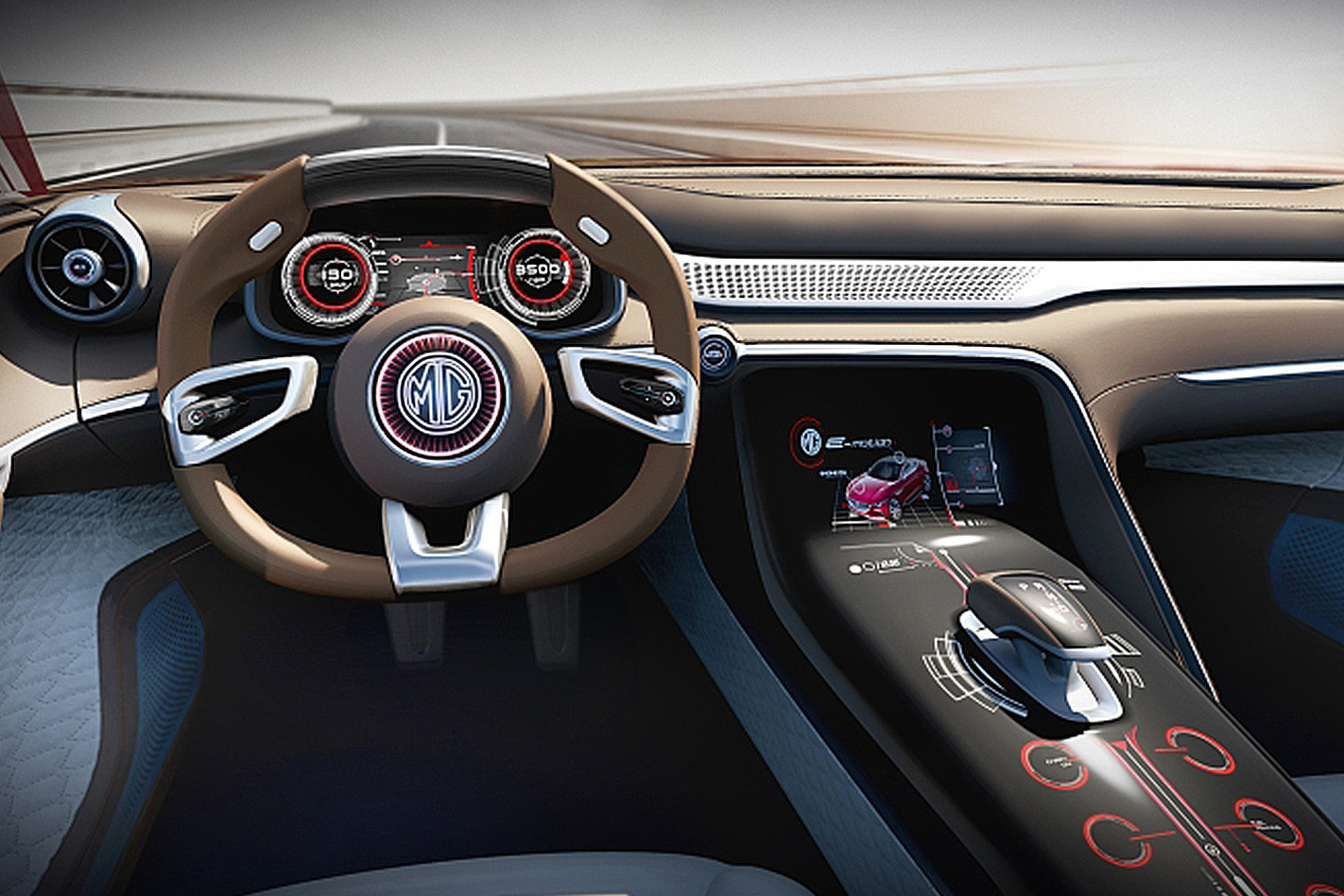
MG is in the process of realigning public perception of the brand as a purveyor of SUVs and passengers vehicles, but Meck explained that the company had the stability to earn a reputation locally for EVs.
“Given its history with EVs, I think that’s definitely something we can help educate the public about. We’re not new to this space. The brand definitely is strong enough to introduce these vehicles”.
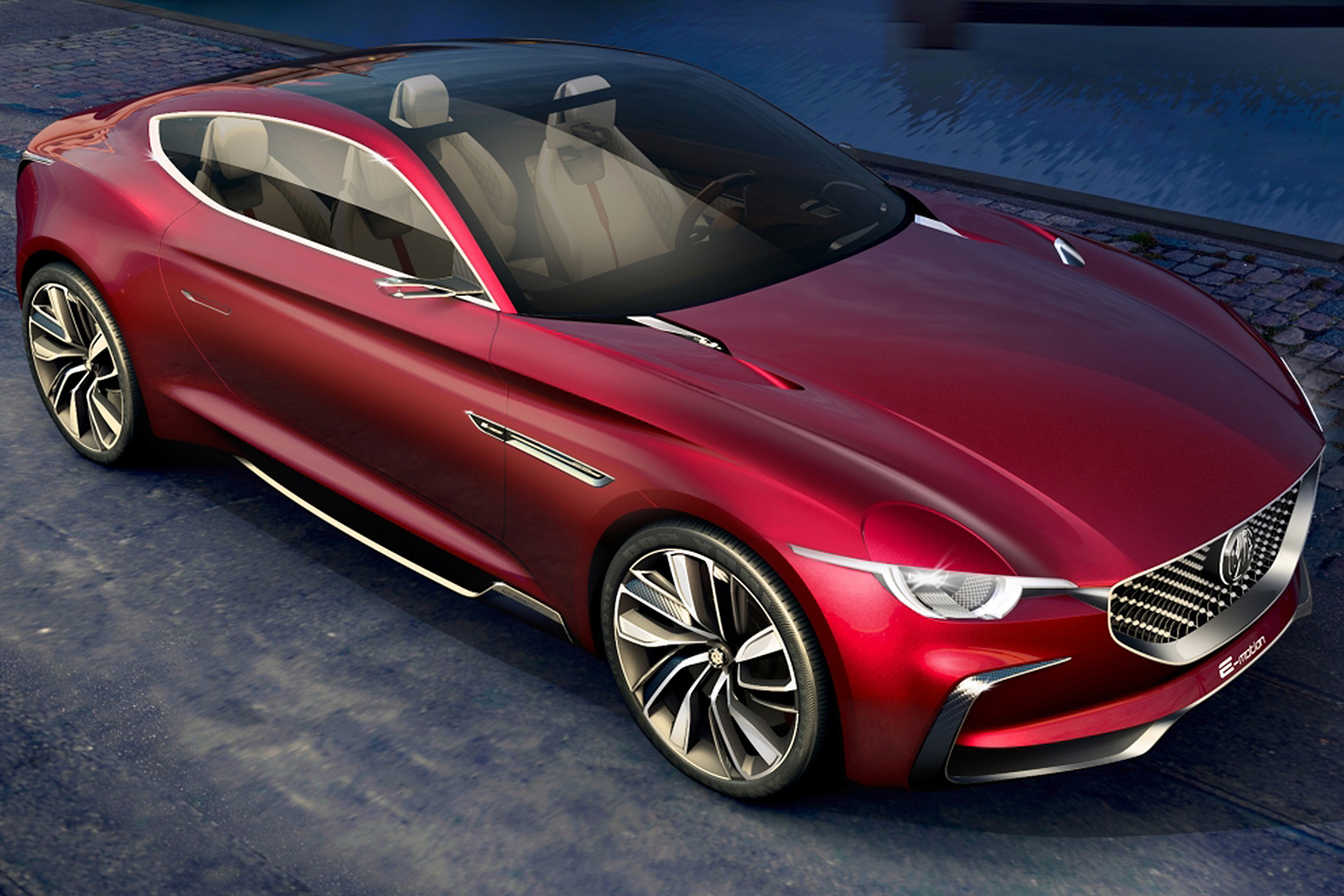
Ultimately, a production version of the company’s e-Motion pure EV coupe that broke cover in Beijing earlier this year is expected, and would likely join an electric MG fleet in Australia, reconnecting a sportscar bloodline to the company’s storied past and heritage.
1. Everything has changed
But at the same time, it’s stayed the same. Forester now sits on the Subaru Global Platform that first appeared under the current Impreza and XV, and the rest of the car has been overhauled to suit. It’s a big step forward, but Subaru hasn’t thrown the baby out with the bathwater.
Much of what has made the Subaru Forester appealing in the past to a legion of buyers has carried over. It may be all-new, but there’s a likeable familiarity about the fresh Forester.
2. It’s grown
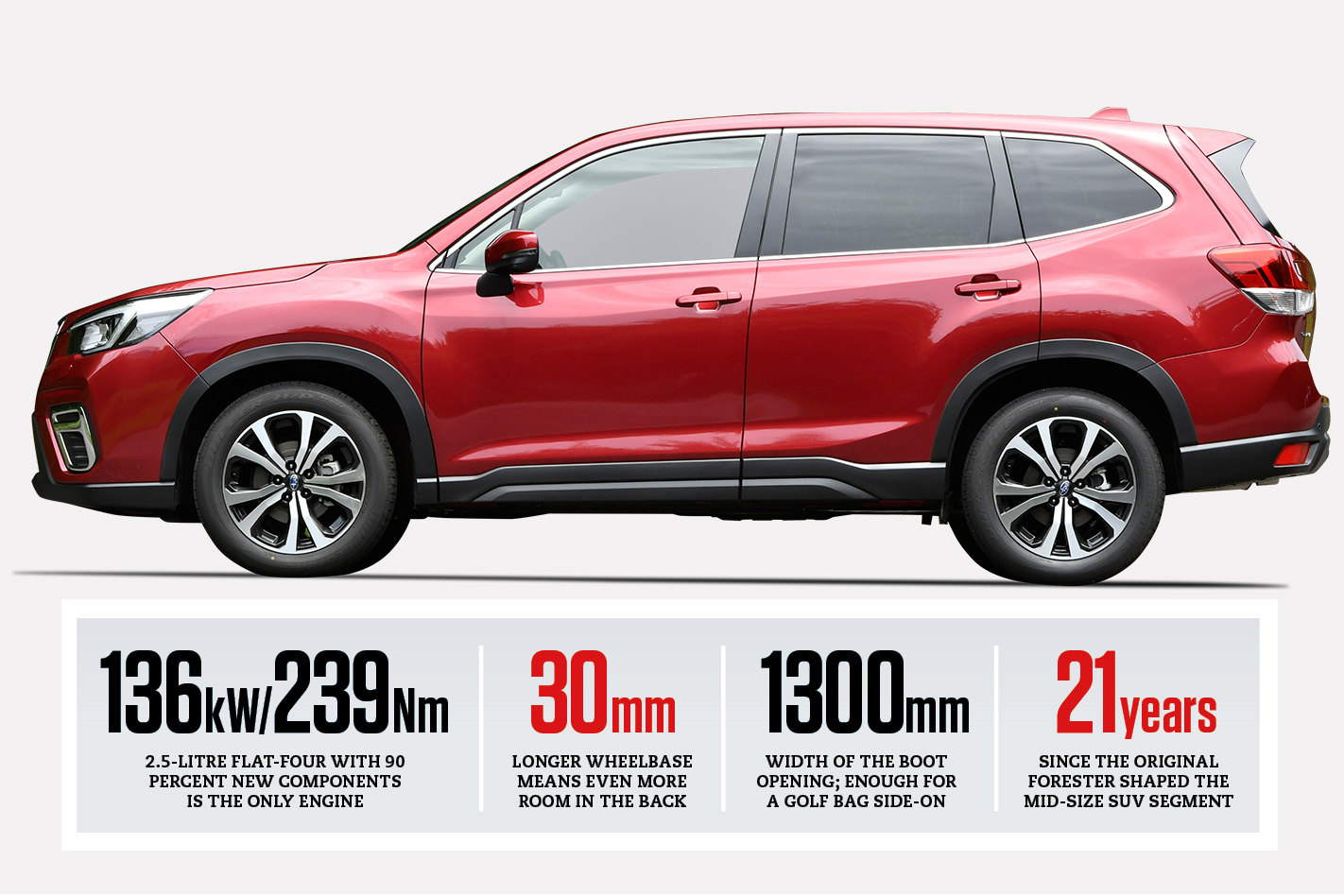
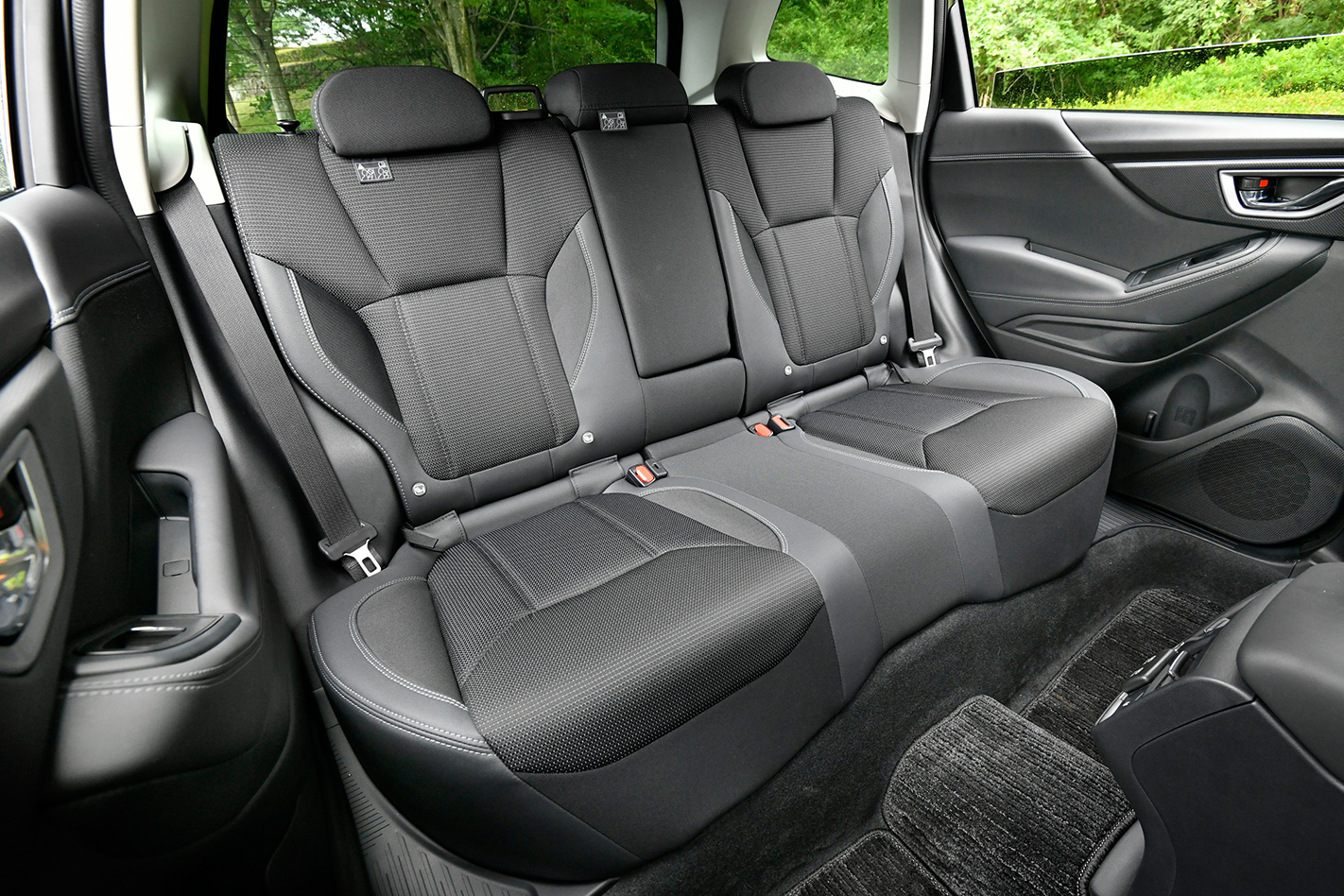
The Forester’s body is now 20mm wider and 15mm longer, and 30mm has been added to the wheelbase. This brings 20mm more room between front occupants’ shoulders, and 33mm more rear legroom – a lot considering the old car was among the roomiest in its class.
Some body panels are aluminium to mitigate weight gain; kerb weights rise by between 15 and 25kg. Safety, refinement and handling benefit from 40 percent greater torsional rigidity.
3. Say sayonara to the snail
Subaru has had a rethink and rationalised its line-up by cutting the old turbo-diesel and the XT’s turbo-petrol engine.
Just one drivetrain will be available for the local launch; a new 2.5-litre naturally aspirated flat-four producing 136kW and 239Nm. That’s 10kW/4Nm more than the outgoing atmo unit, and fuel efficiency should improve on that engine’s 8.1L/100km claim thanks to direct injection and a Subaru-first thermo control valve that helps reach operating temperature more quickly.
The boxer still needs revs to reach its peak numbers. Full power arrives at 5800rpm and maximum torque sits at 4400rpm, and driving at those upper reaches brings out a lot of unwanted chain whine from the CVT despite claimed improvements in that department. Subaru has widened the range of the transmission and given it seven ratio steps that can be selected with paddle shifters.
It’s an adequate drivetrain for pottering about at low speeds, but some will long for the torque of the outgoing turbo engines. A mild hybrid variant with a smaller 2.0-litre engine and 48v technology is expected to join the range in 2019.
4. Not scared to get dirty
A variable ratio steering rack offers more immediate response as lock is twirled on. Beyond a quarter of a turn the weighting is heavy, and though variable racks aren’t always desirable, our quick test suggested the new model hasn’t lost the old car’s fluid handling.
A new mud and snow setting for Forester’s X-Mode system ups already respectable off-road ability, which benefits from a hill-descent control system. With 220mm of ground clearance it rivals most dual-cab utes.
5. Stay glassy
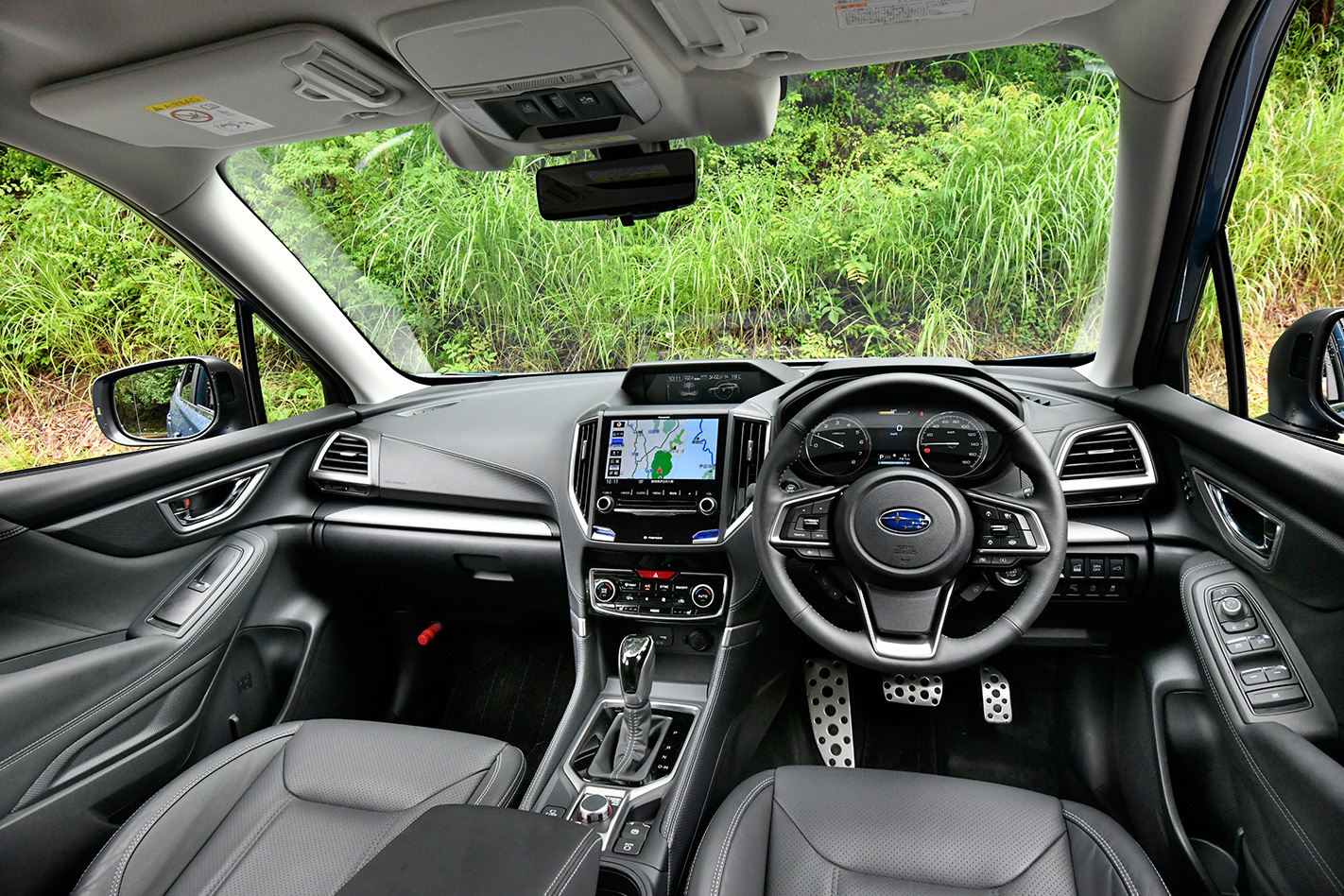
Forester’s trademark high roofline and low beltline are retained, meaning tall windows with narrow pillars for an airy cabin feel and excellent outward visibility. Inside is where the biggest changes are. The use of hard plastics has been minimised and touchpoints are notably plusher.
Major controls are logically laid out, though the wheel is still busy with 17 buttons on its spokes. Textured new materials elevate the look while preserving a hard-wearing feel.
6. It’s watching you
Subaru’s Driver Monitoring System uses a small camera, hidden in the dashboard, linked to a program that can recognise the faces of up to five drivers and automatically adjust seat and mirror positions, climate control settings and preferred display configurations based on stored preferences.
And it works impressively quickly when a new driver gets into the car. It can also check for signs of drowsiness or distraction and alert the driver.
7. Boosted boot
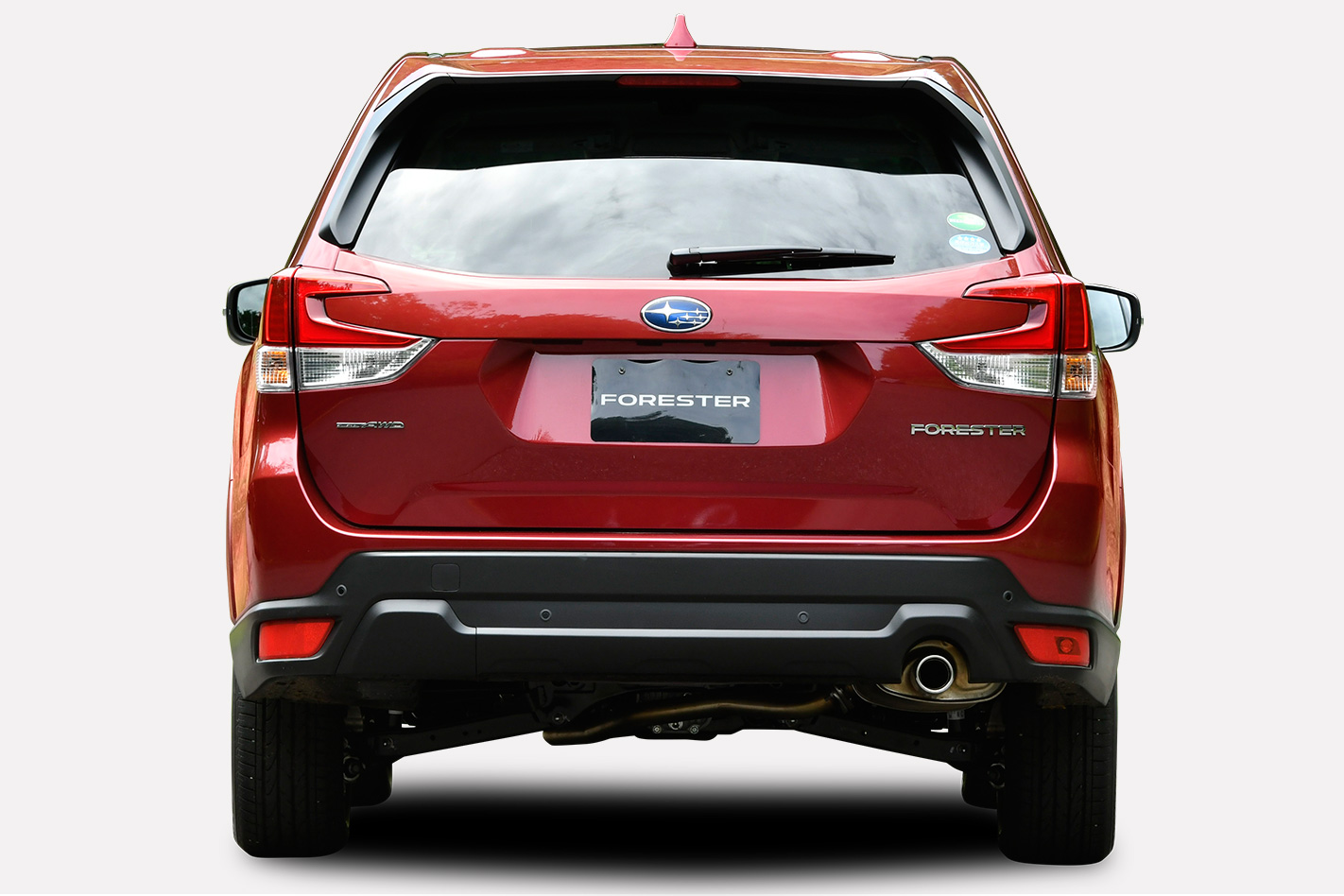
The boot aperture has been widened to a generous 1300mm, and the electric tailgate has been sped up to address any frustration the slug-like operation may have caused previously. There are bag hooks, a 12V socket and rear seatback releases in the wider and longer cargo area that still houses a full-size spare and now holds 520L, which is more than most rivals.
MORE: Subaru Forester Range Review MORE: Subaru Forester Specs, Range & Price
