
MAZDA Australia appears to be paving the way for a more powerful version of the Wheels Car of the Year-winning MX-5 to arrive before the end of the year.
Documents seen by Wheels suggest the folding soft-top roadster version of the two-seater sports car, and the closely related targa-roofed RF, will make 135kW at 7000rpm when fitted with the highly tuned version of the 2.0-litre four cylinder engine, a significant performance bump over the stock 118kW unit fitted under the bonnet of the current car. Torque is believed to gain a more modest 5Nm bump to 205Nm.
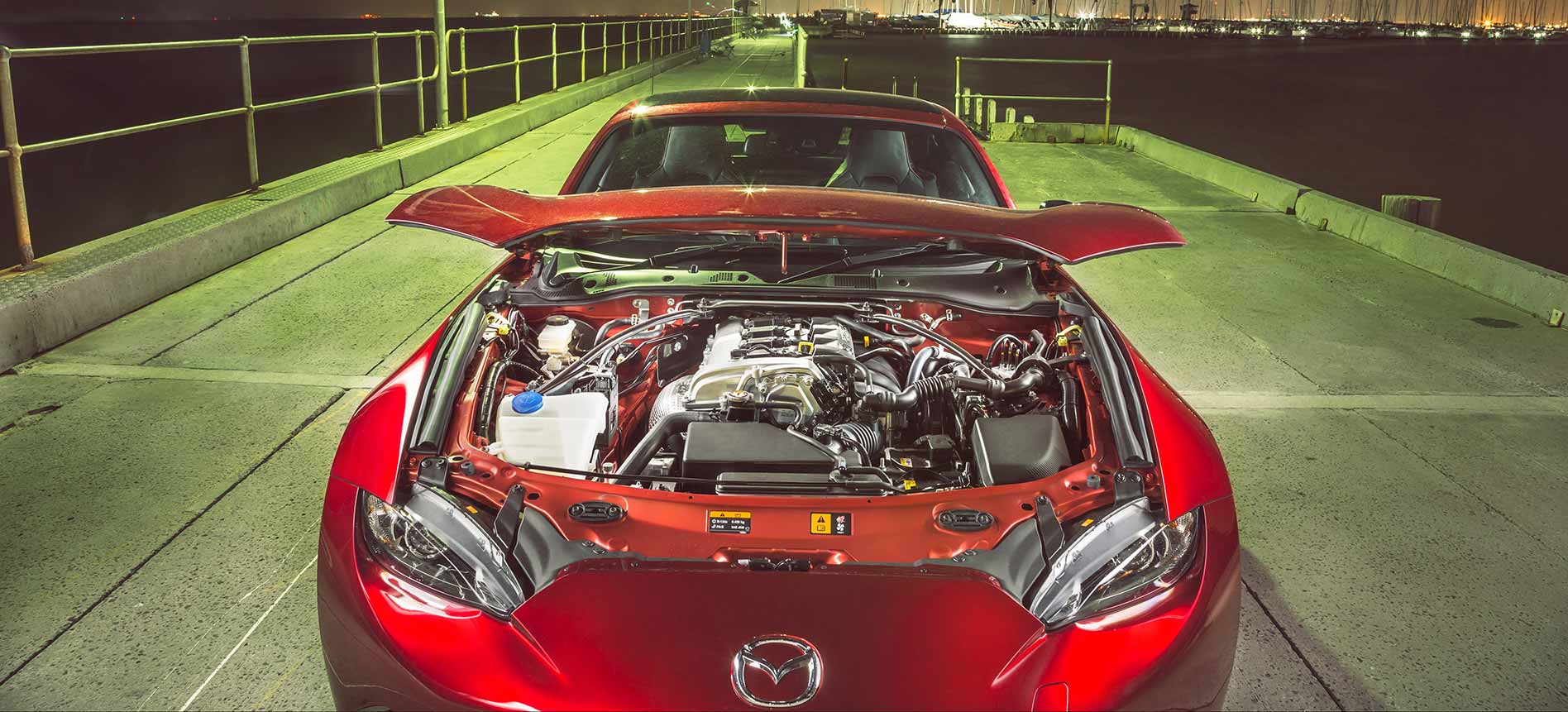
The heavily modified 2.0-litre engine – changes to it include lighter pistons and conrods, a larger throttle body and exhaust valves, bigger bore exhaust and dual-mass flywheel – adds about 6kg to the rag-topped, six-speed manual MX-5, lifting its kerb weight to 1010kg, while for the targa-topped version, the kerb mass tops out at 1060kg, a 5kg weight loss over the current six-speed manual version.
Some of the new performance comes from a higher-set rev limiter, which rises by 700rpm to 7500rpm.
Japanese reports have suggested the more hi-po MX-5 will also gain suspension tweaks, including softer rear bushes to improve steering feel. The steering wheel also adds reach adjust for the first time, making it easier for taller owners to get comfortable in the driver’s seat. The exhaust is also said to be tweaked to provide more noise.
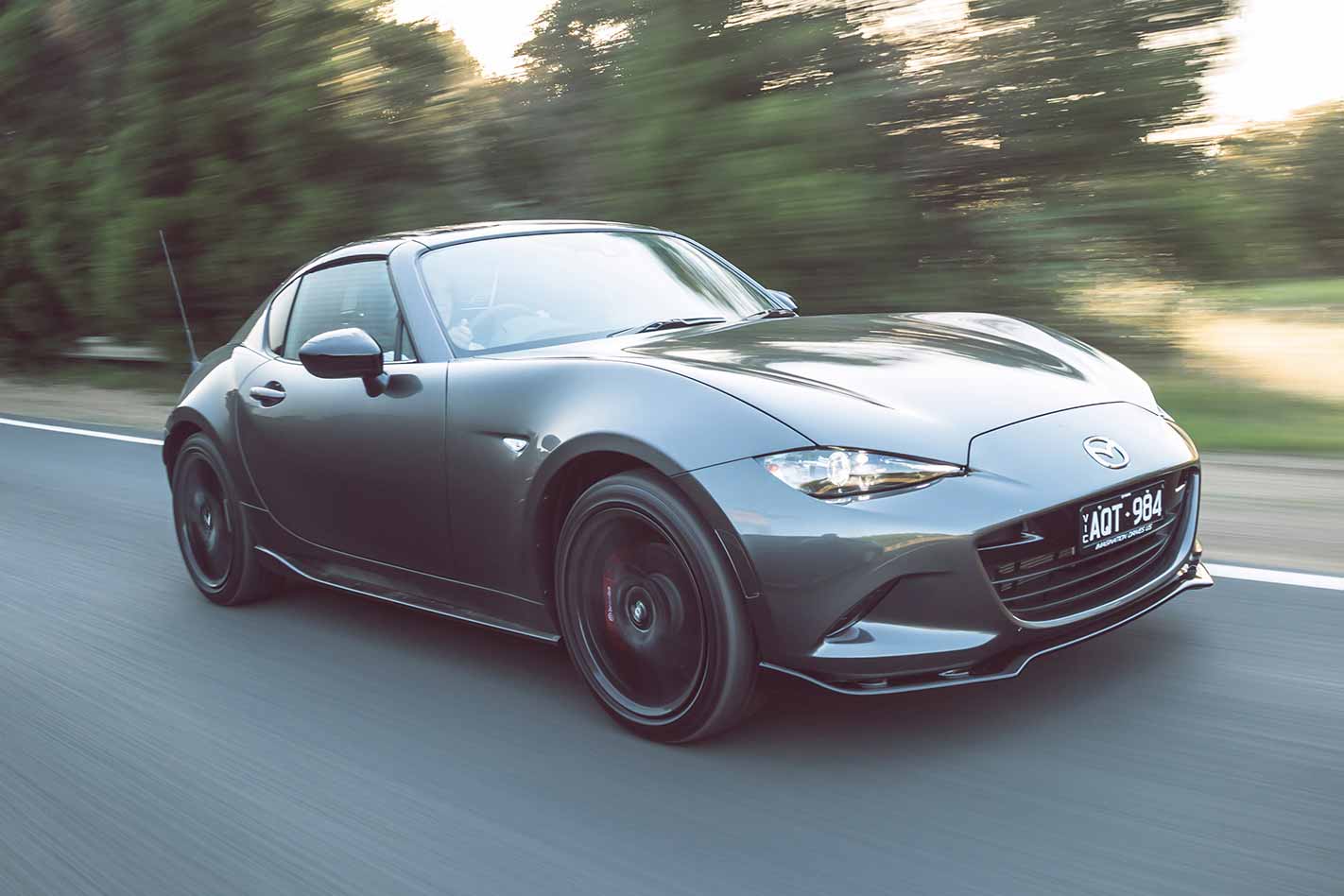
But a big change is believed to be what will be the introduction of automatic emergency braking – a feature missing from the current crop of 1.5-litre and 2.0-litre MX-5s – that will also stop for pedestrians who inadvertently step out in front of the car.
Reports from Japan hint that some of the performance-improving technology rolled out for the 2.0-litre engine can also be adapted for the 1.5-litre version, including tweaks to the intake port, pistons, fuel pump, injectors, and the fuel injection system.
A NEW motorsport category is set to launch locally, with TCR Australia locked in for a 2019 start.
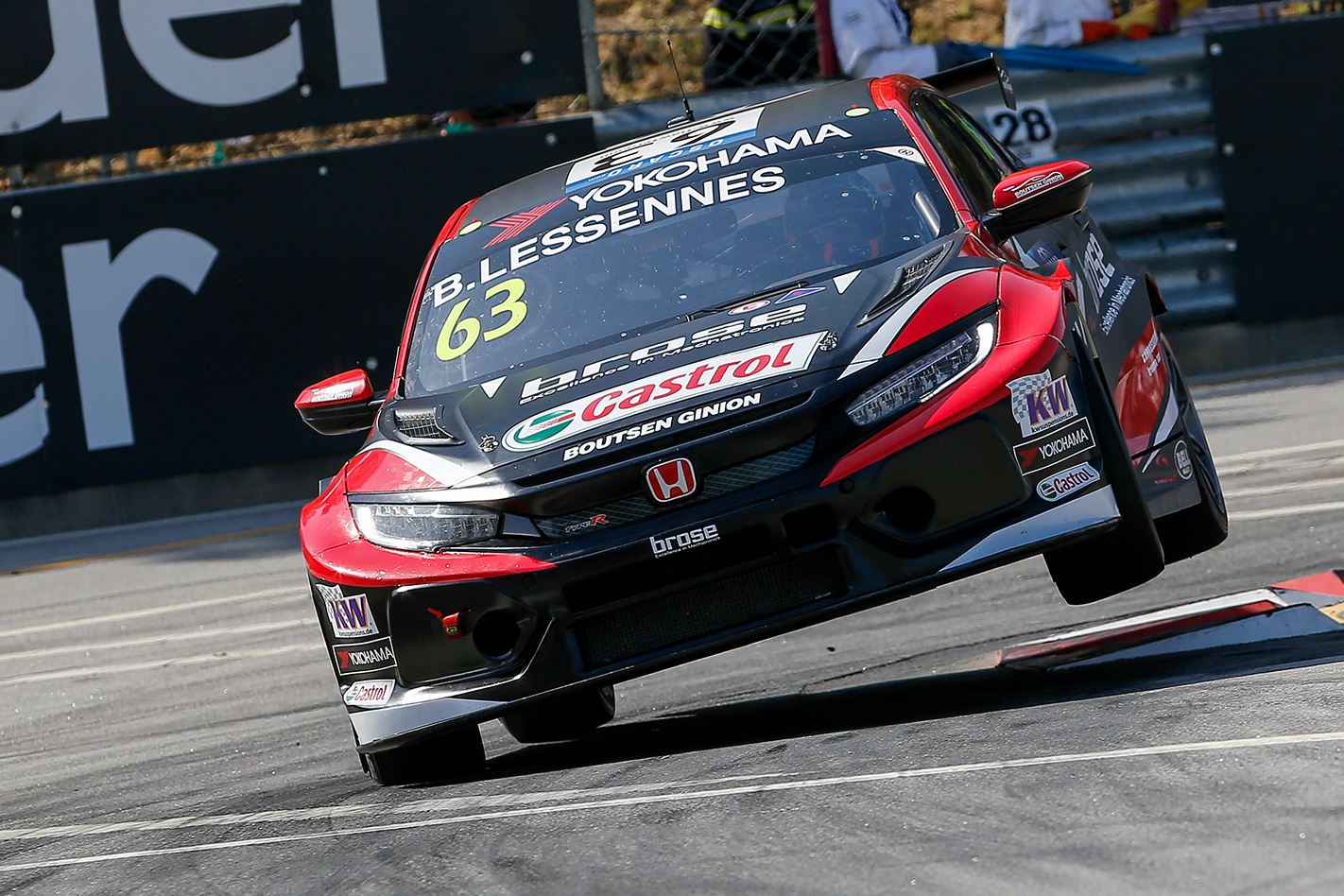
The final details of a contract between governing body the Confederation of Australian Motorsport (CAMS) and category managers are being finalised before full details of the Australian TCR series (which, unsurprisingly, stands for Touring Car Racing) are announced.
TCR is booming globally, with the category – which features front-drive, production-based touring cars powered by 2.0-litre turbo engines – already running in the US, Europe and Asia.
Confirmation of a category manager is the final piece of the puzzle for a TCR series locally. CAMS inked a five-year deal in January with WSC Ltd – the parent company of TCR globally – for an Australian series, followed by opening expressions of interests for a promotor and category manager.
The newly-formed Australian Racing Group (ARG) answered the call, and is currently finalising negotiations with the local motorsport governing body. Wheels understands ARG is likely to sign a multi-year deal as the category manager of TCR in Australia.
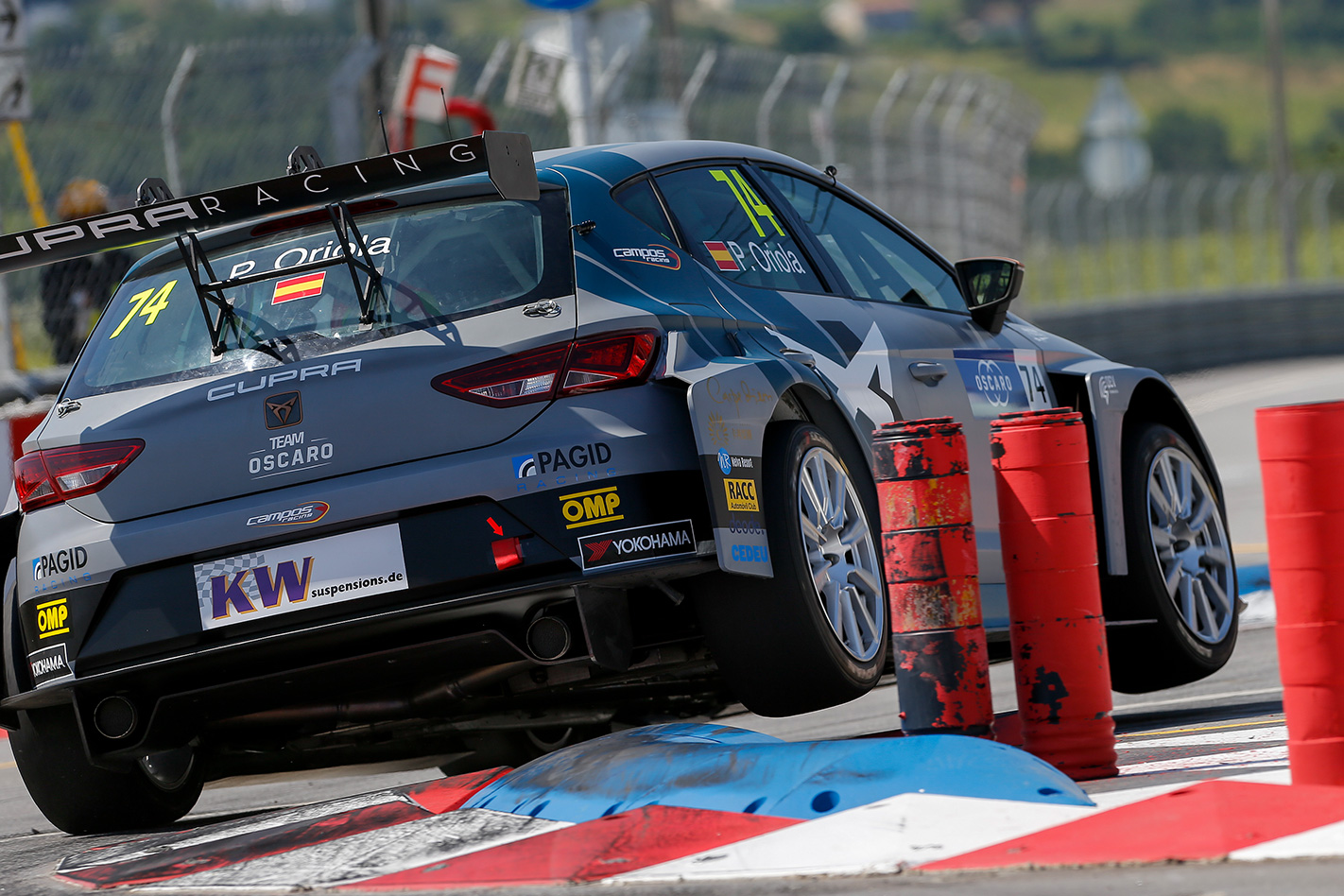
With ARG and CAMS completing final contract negotiations, TCR Australia is now clear for a 2019 take-off.
A spokesperson confirmed to Wheels that ARG is currently in talks with both Supercars Australia and the Shannons Nationals (which is owned and run by CAMS) about TCR appearing on their event bills as a support category.
Wheels understands it is unlikely the category will be ready to launch at the opening round of the 2019 Supercars championship, but will hold its debut round sometime during the 2019 motorsport season.
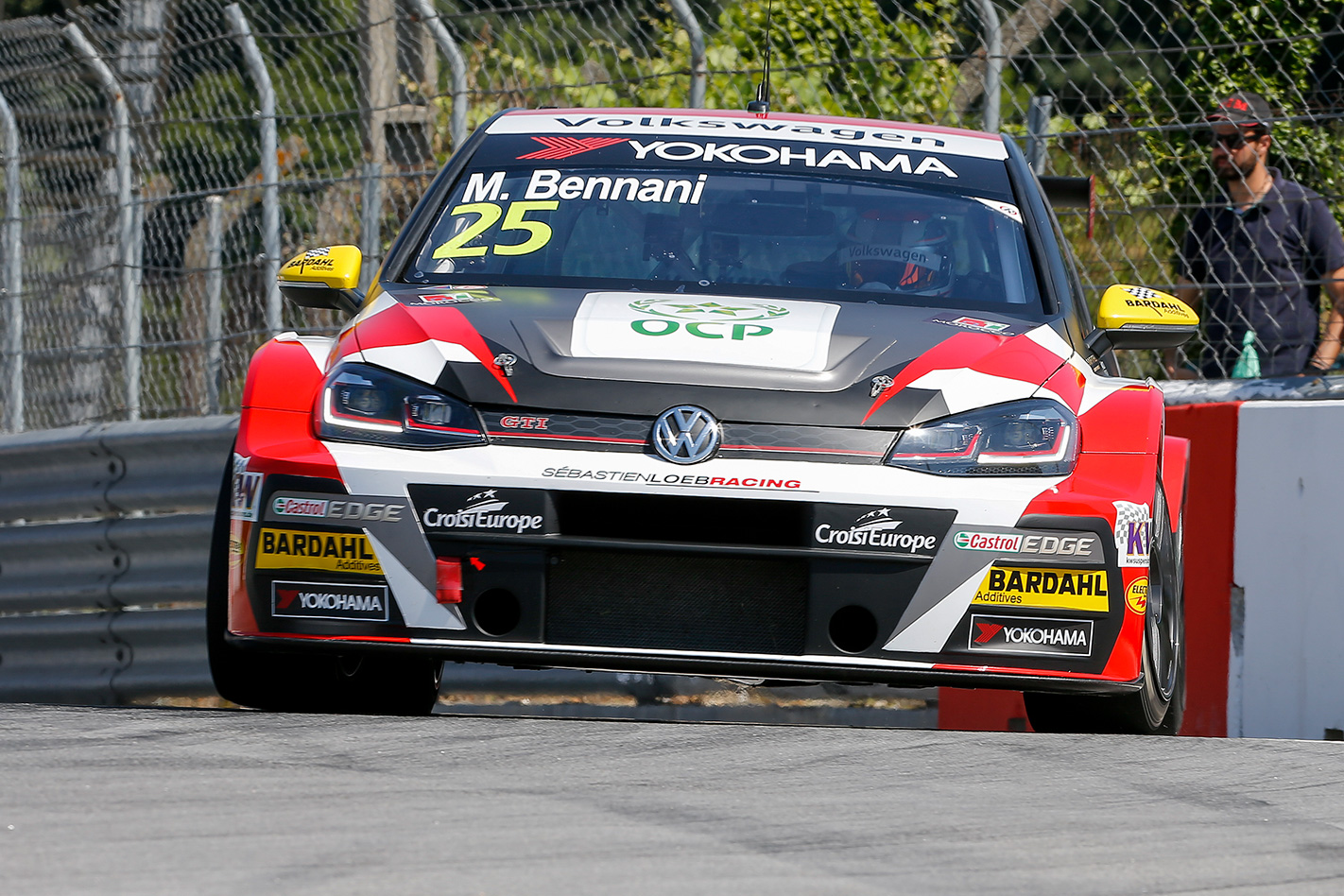
TCR regulations dictate body and suspension layouts of the racing cars must mimic their road-going siblings, with many manufacturers also using a production gearbox.
The 2.0-litre turbocharged four-cylinder engines of TCR cars are limited to 257kW and 420Nm.
Older motorsport fans in Australia might be having flashbacks to the touring car wars of the 1990s at this point – a time when V8 Supercars and SuperTourers vied for the attention of crowds, with Supercars ultimately coming out victorious. However ARG has no interest in challenging Supercars as the premier motorsport category in the country, instead electing to position itself as a new, cheaper, alternative feeder category for the V8-powered series.
ARG is an Australian owned and run operation, which is overseen by former Managing Director for Volvo Cars Australia and the Supercars Championship, Matt Braid. The company also has commercial and management rights to developing the Super 5000 championship, which is still undergoing development of technical regulations ahead of a 2019 or 2020 debut.
“While we are aligned on the key aspects of an agreement and it continues to progress well, the process is not complete until it has been formally approved by both CAMS and ARG,” Matt Braid said in a release.
“TCR has proven itself to be an extremely popular, exciting and successful category in many countries around the world. Even in these early stages, we have fielded a lot of interest from potential competitors, manufacturers and event promoters interested in being part of a TCR series in Australia.
“We’re aiming to come to a final agreement with CAMS and TCR Series in the very near future.”
CAMS CEO Eugen Arroca said the governing body would be working towards finalising the deal which would cement TCR’s future Down Under.
“We are excited for TCR to be coming to Australia – it’s a category which has proven to be very popular overseas and will be a great asset for Australian motor sport,” he said.
“We are now in final discussions with the Australian Racing Group and will continue to work with Matt and the ARG team to finalise the agreement, which will be subject to final approval from the CAMS Board.”
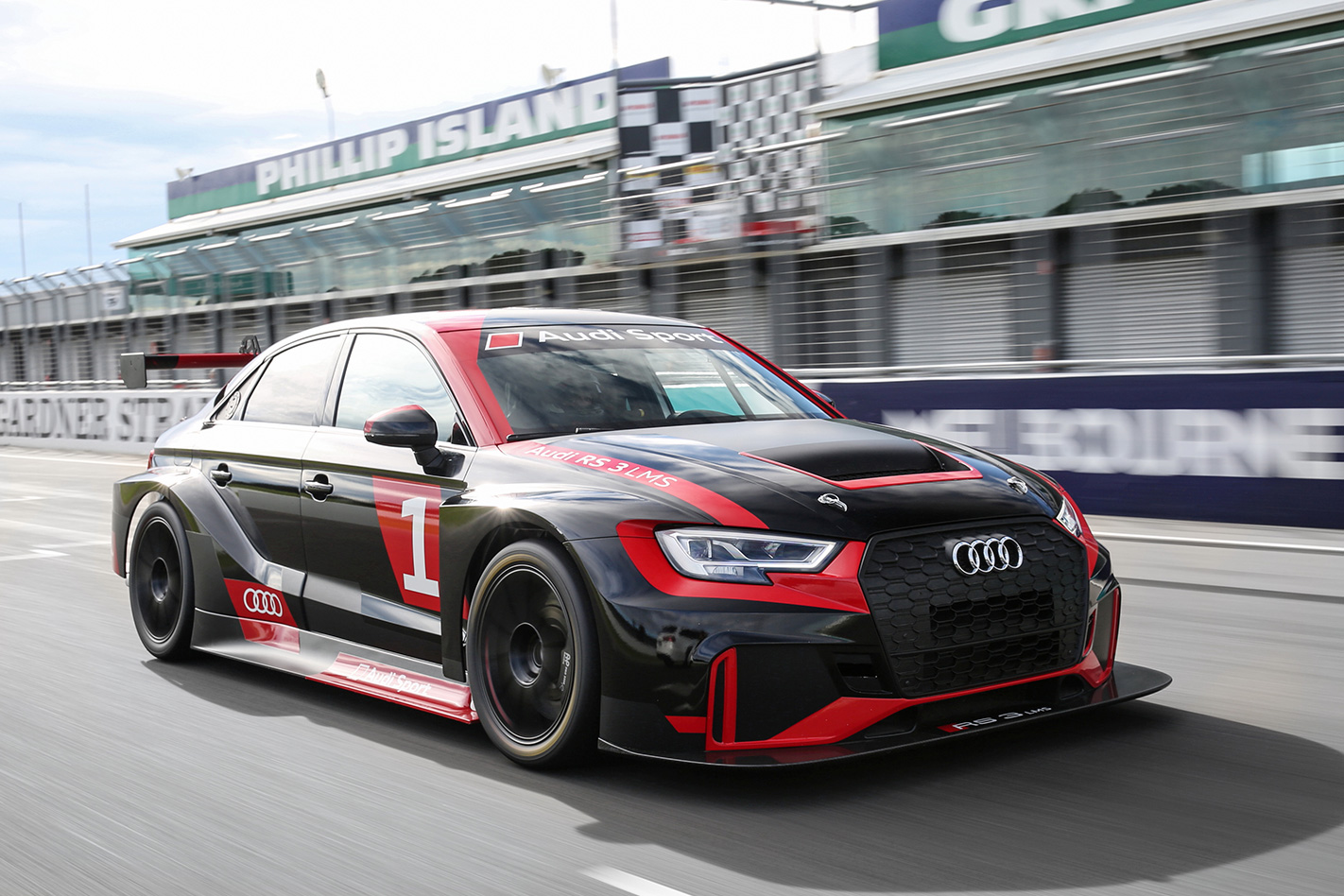
There is currently a single TCR car in Australia. Audi Germany brought an RS3 LMS to the country for the launch of its road-going sibling in June last year. Audi Sport’s local affiliate, the Melbourne Performance Centre, currently holds the RS3 LMS in Victoria, with the car available to purchase for circa $240,0000.
TCR was formed in 2015 by former World Touring Car Championship boss Marcello Lotti. Globally there are over 600 TCR cars, racing in regional and global championships. The World Touring Car Championship was transformed into the World Touring Car Cup for 2018, and runs to TCR regulations.
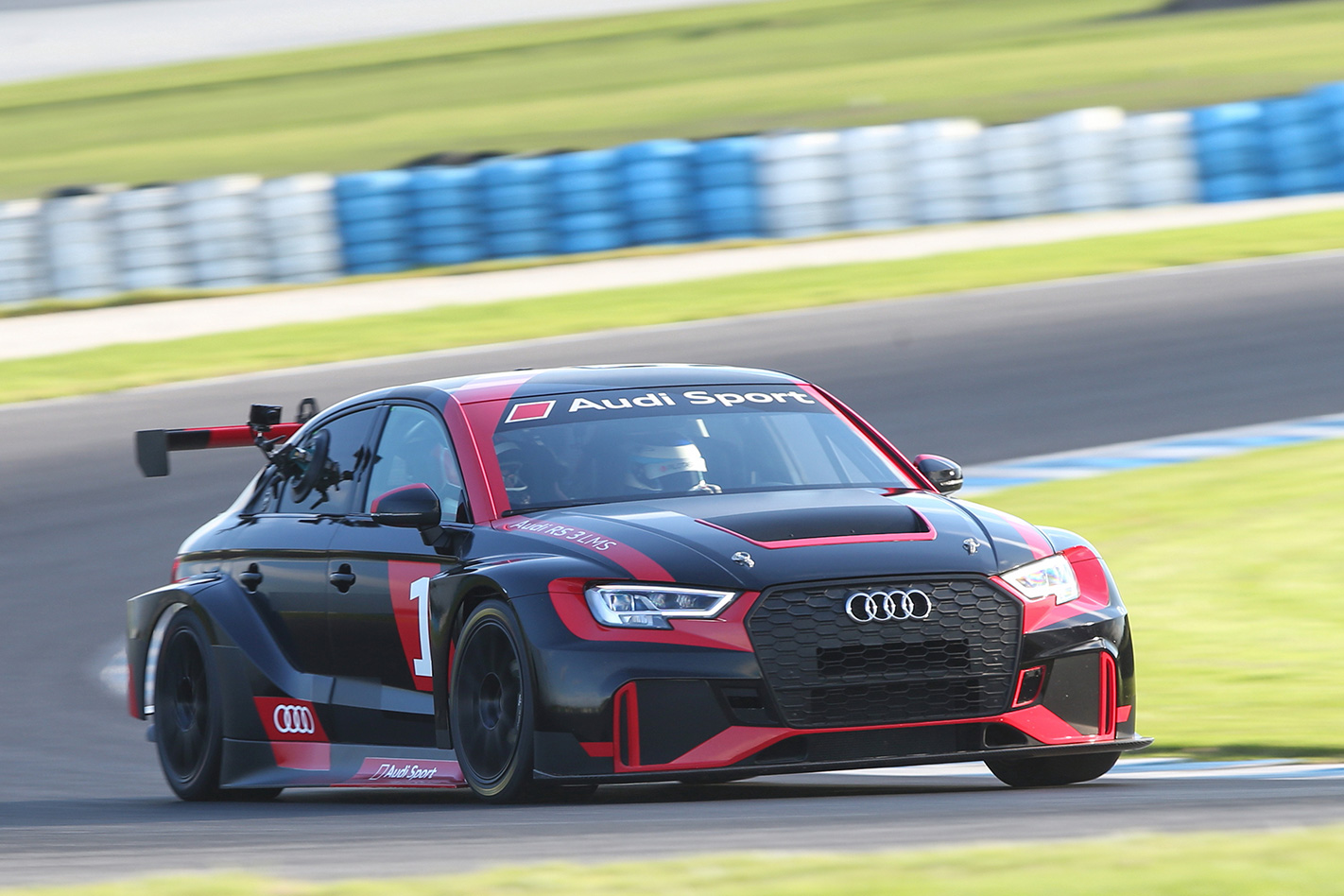
Multiple manufacturers are represented in TCR championship’s around the world, including Alfa Romeo, Audi, Ford, Honda, Hyundai, Kia, Peugeot, Renault, Subaru and Volkswagen.
An Audi Australia spokesman told Wheels: “The prospect of an Australian TCR series is exciting, and would be an excellent opportunity for Audi Sport customer racing to showcase the RS 3 LMS here.”
Wheels believes any involvement in TCR Australia from the German manufacturer would follow in a similar vein to its GT3 effort locally. With an Audi Sport customer racing effort being run through Melbourne Performance Centre, and not a factory funded ‘Audi Australia’ team.
Despite announcing the TCR-inspired Golf GTI TCR special edition would go on sale in Australia, Volkswagen Australia told Wheels it had no interest in the local series.
Congratulations to major prize winner Maurice A. from NSW who has won up to $2,000 worth of Maxxis Tyres!
Maxxis Tyres and MOTOR are celebrating affordable driving thrills by giving away $2000 worth of high performance rubber to one lucky punter.
As ’tis the season for our annual Bang For Your Bucks bash, where we name the year’s best new fast car under $100K, Maxxis is championing good quality rubber by giving some of it away.
Whether you choose the tenacious VS01 Victra Sport or it’s your off-roader in need, necessitating some chunky MT772 RAZRs, it’s your call what tyres you get, if you win.
And how to do that? Simply tell us, in 25 words or less, if it was the last car you ever got to drive, and you had 10 laps on a track, which of our Bang For Your Bucks 2018 contenders would you take, and why?
By way of refresher, here are the contenders:
- Audi RS3
- Ford Focus RS Limited Edition
- Honda Civic Type R
- Hyundai i30 N
- Infiniti Q50 Red Sport
- Kia Stinger 330S
- Nissan 370Z Nismo
- Peugeot 308 GTi 270
- Skoda Octavia RS Wagon
- Subaru BRZ tS
- Subaru WRX STi
- Suzuki Swift Sport
- Toyota 86 Performance Pack
- VW Golf GTI Original
- VW Golf R Grid
What stands out?
The Holden Spark is a tiny five-door hatchback that is easy to park and fun to steer around town. Unusually for a car of its size, it also feels composed and engaging on the open road. And it connects brilliantly with many smartphones, displaying their apps on its touchscreen through Apple CarPlay and Android Auto. The Spark arrived in April 2016 as an all-new model and was deleted from the Holden Range in April 2018.
What might bug me?
How much you’re spending on petrol. The Spark is a very small car, and its real-world fuel use is bettered by some cars a size or two bigger.
What body styles are there?
Just the one, a pertly styled five-door hatch. The rear door handles are semi-concealed, to create the visual illusion that the Spark is a sportier looking (but less practical) three-door.The Spark drives its front wheels, and is classed as a micro car.
What features does every Holden Spark have?
A 7.0-inch touchscreen for controlling interior functions, with Aux and USB inputs, and Bluetooth connectivity. A six-speaker sound system.Holden MyLink with Apple CarPlay and Android Auto, which allows you to display a compatible smartphone’s screen on the touchscreen and to use its apps (such as music and maps) from there.Cruise control. Controls on the steering wheel for the sound system and your phone.Daytime running lamps, which help other drivers see you.Power-operated side windows for the driver and front passenger.A space-saver spare wheel (it mounts a narrower tyre than the normal wheels, and has a recommended top speed of 80km/h when fitted).Hill-start assist, which controls the brakes automatically to make it easier for you to start from rest on uphills.Traction control, which prevents the front wheels from spinning when you accelerate on a slippery surface (and therefore helps you control the car).Electronic stability control, which helps you avoid or control a skid. Every new car must have this feature.Six airbags: two directly ahead of the driver and front passenger; one outside each front occupant to protect their upper bodies from side-impacts; and curtain airbags to protect the heads of occupants front and rear from side impacts.Every Holden Spark arrived with a three-year, 100,000km warranty.
Which engine uses least fuel, and why wouldn’t I choose it?
Only one engine is offered in a Holden Spark, a 1.4-litre four cylinder petrol. In auto gearbox form, it consumes 5.5 litres/100km on the official test (city and highway combined).In the real world, you can expect to use a fair bit more than that. An auto Spark LS averaged 8.5 litres/100km in comparison testing for the July 2016 issue of Wheels magazine, ranking as the thirstiest of three micro cars reviewed. (The middle ranked car for fuel use, a Kia Picanto auto, averaged 7.5 litres/100km.)The Spark’s engine is a new design and is made entirely from aluminium, to minimise weight.You can have a five-speed manual gearbox, or pay more for the automatic. The auto is a CVT (Continuously Variable Transmission). Rather than switching between fixed gear ratios, the CVT adjusts steplessly to the driver’s demands – which usually saves fuel and helps the car feel more responsive. Artificial steps mimic pleasantly the feel of a conventional auto when you accelerate hard.
What key features do I get if I spend more?
The least costly Spark, the LS, comes standard with cloth covered seats, the manual gearbox, and 14-inch steel wheels.Spend more for a Spark LT and you get seats covered in Sportec (a fake leather), and the auto gearbox as standard. You also get 15-inch wheels made from an aluminium alloy, which look nicer than steel wheels. These carry wider tyres, bringing a small gain in roadholding.The LT also brings you rear parking sensors, and a reversing camera. A sensor key allows you to unlock and start the car with the key kept safe in your bag or a pocket. The steering wheel is wrapped in leather, and power operation is added for the rear side-windows also.A Driver Assistance Pack is available for the Spark LS as an extra-cost option. It brings you rear parking sensors and a reversing camera – standard on the Spark LT.
Does any upgrade have a down side?
Not really. The bigger question is whether the extra equipment fitted to the Spark LT justifies its considerably higher price.Note that you can’t order the Spark LT with a manual gearbox.Standard colours in a Spark are red, white and lime green. All other colours incurred an extra charge of about $550.
How comfortable is the Spark?
Comfort is one of the Spark’s strong suits. It may be small but it doesn’t feel cramped. Adults in the front don’t feel like they are ever going to bump shoulders, and the design of the car’s glass area creates a sense of spaciousness.In a city environment it’s terrific. Visibility is mostly excellent, blighted only by the exterior mirror mounts at the base of the windscreen pillars. Controls are light and responsive, and the Spark responds eagerly to the accelerator when moving away from traffic lights. Its small size makes parking a snap.But it’s the way the Spark rides over rural Aussie roads which really impresses. Most cars this small struggle with sharp dips and undulations on the open road. The Spark has had extensive development in Australia to overcome this, and it shows. The wallowing common among city cars, where you bounce rapidly and uncomfortably on the suspension in response to an uneven road surface, does not appear. Nor does the Spark bump or jar excessively over ruts or sharp-edged potholes.Road noise levels are low for a car of this type, and wind noise is well suppressed. It all makes the Spark a pleasant car to cruise in away from its normal urban habitat.
What about safety in a Holden Spark?
The Spark has a good standard safety package, with stability control and a full suite of airbags. The standard traction control helps keep you in charge when it’s slippery, by preventing the front wheels from spinning (say, when you seek to accelerate away from traffic lights).Rather than fitting a reversing camera as standard on both models, Holden allowed buyers to pay extra for one if you want it on the less costly Spark LS. It also came with the Driver Assistance Pack, which also brings you rear parking sensors (which indicate audibly how close you are to an obstacle). The Spark LT has these items as standard.Autonomous emergency braking – which will brake automatically if you fail to notice that a car ahead has slowed suddenly – is not available on any Holden Spark.The Spark is a very small and light car, and there’s no denying physics when it comes to small object meeting large object.Nevertheless, the Australasian New Car Assessment Program (ANCAP) rated the Spark’s safety at five stars – its maximum score – in April 2016.
I like driving – will I enjoy this car?
Absolutely. The Spark drives with a level of verve and engagement that was nowhere to be found in its predecessor, the Barina Spark. This new car has light yet very direct steering that points it into corners eagerly, and inspires confidence when you hustle it along.The engine is a willing little worker, and there’s a general cheerfulness and spunk to the Spark’s on-road character that makes it extremely endearing.If there’s a recalcitrant side to the Spark’s personality, it might exhibit in the somewhat lazy response of the CVT auto to an increase in load – encounter a hill at open road speeds and it will take its time changing down.
How is life in the rear seats?
Surprisingly comfortable, even for adults. There’s ample legroom, enough space under the front seats to accommodate your feet, and a surprising amount of headroom.Only the slightly short rear bench, and corresponding lack of full under-thigh support, mars the back-seat experience.It’s designed for three back there, and has the belts to prove it, but that may prove a stretch for full-sized humans. Three sub-teens, though, no problem.Don’t be misled by Holden’s decision to conceal the rear door handles. Unlike several cars of this size, the Spark has dedicated doors for rear passengers – so that they can get in and out without your vacating and folding the front seats.
How is it for carrying stuff?
Noticeably inferior to cars slightly bigger, especially those with clever seating arrangements such as the Honda Jazz.The Spark does have 60/40 folding rear backrests, but they don’t fold flat, so any bulky items will have to be capable of being carried at a 30-degree angle.But for soft bags for a weekend away for two, or a decent haul of weekly groceries, it’s perfectly adequate
Where does Holden make the Spark?
Spark is a global car for General Motors (Holden’s parent company) but it was designed in the company’s studios in Korea. Cars sold in Australia were also built in Korea.
What might I miss that similar cars have?
Auto emergency braking, which is standard on the Kia Picanto, for example.Perhaps the more precise stopping you might get from disc rear brakes, which are fitted to the Picanto. (The Spark uses drum brakes at the rear.)Among other alternatives are the Suzuki Ignis micro-SUV, the Mitsubishi Mirage, and the Fiat 500.You could also look at slightly bigger cars such the Spark’s bigger sibling, the Holden Barina, or the Mazda2 and Toyora Yaris. The Honda Jazz would accept a lot more cargo.
Are there plans to upgrade the Spark soon?
The Spark went on sale in April 2016 as all-new car. For the 2017 model year Holden made cruise-control standard on all versions (it had been optional on the LS).Holden unexpectedly dropped the Spark from its range in April 2018 due to low demand. Any uncleared stock or previously-used, low-kilometre Sparks represent an excellent opportunity to secure a bargain.
I like this car, but I can’t choose which version. Can you help?
We reckoned the LS auto with the Driver Assistance Pack provided the best value when new. But, as pre-owned buys, you should get a good deal on both an LS or LT. Many used Sparks will still be under warranty until at least 2020, so choose a car with low kilometres and a complete service history.
Porsche Cayenne E-Hybrid – Due July
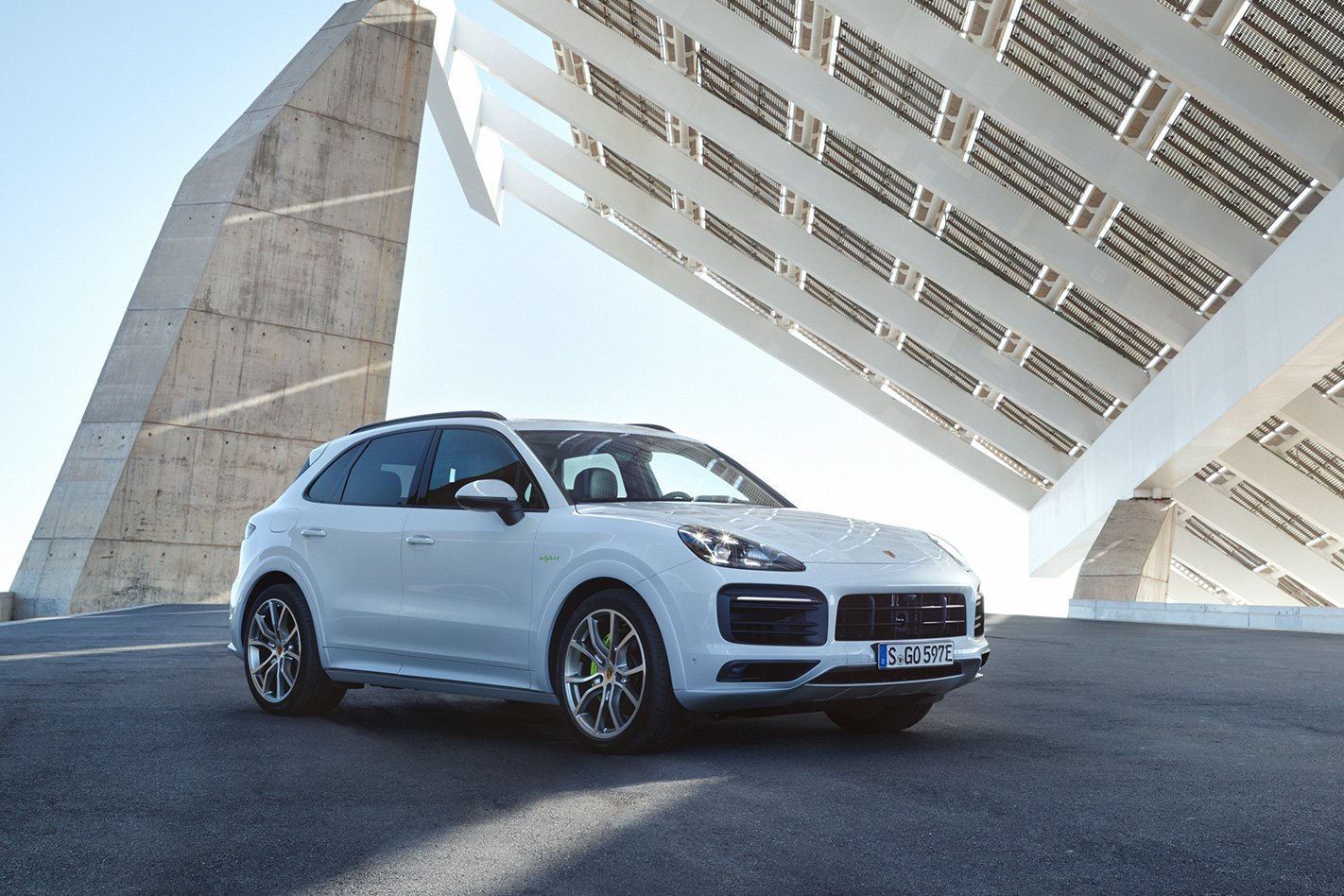
Porsche’s burgeoning performance-hybrid strategy will expand with the new-gen Cayenne luxury SUV in plug-in E-Hybrid form, with 30 percent more battery capacity and 43 percent more EV performance than its hybrid predecessor.
Able to drive 44km (and reach 135km/h) on electricity alone, the E-Hybrid combines a 250kW 3.0-litre turbo-petrol V6 with a 100kW electric motor for a 340kW total system power output. Porsche claims it’ll do 0-100km/h in 5.0sec and nudge 253km/h, while its average consumption on the Euro drive cycle is 3.2-3.4L/100km (depending on tyres).
Mazda CX-8 Diesel – Due July
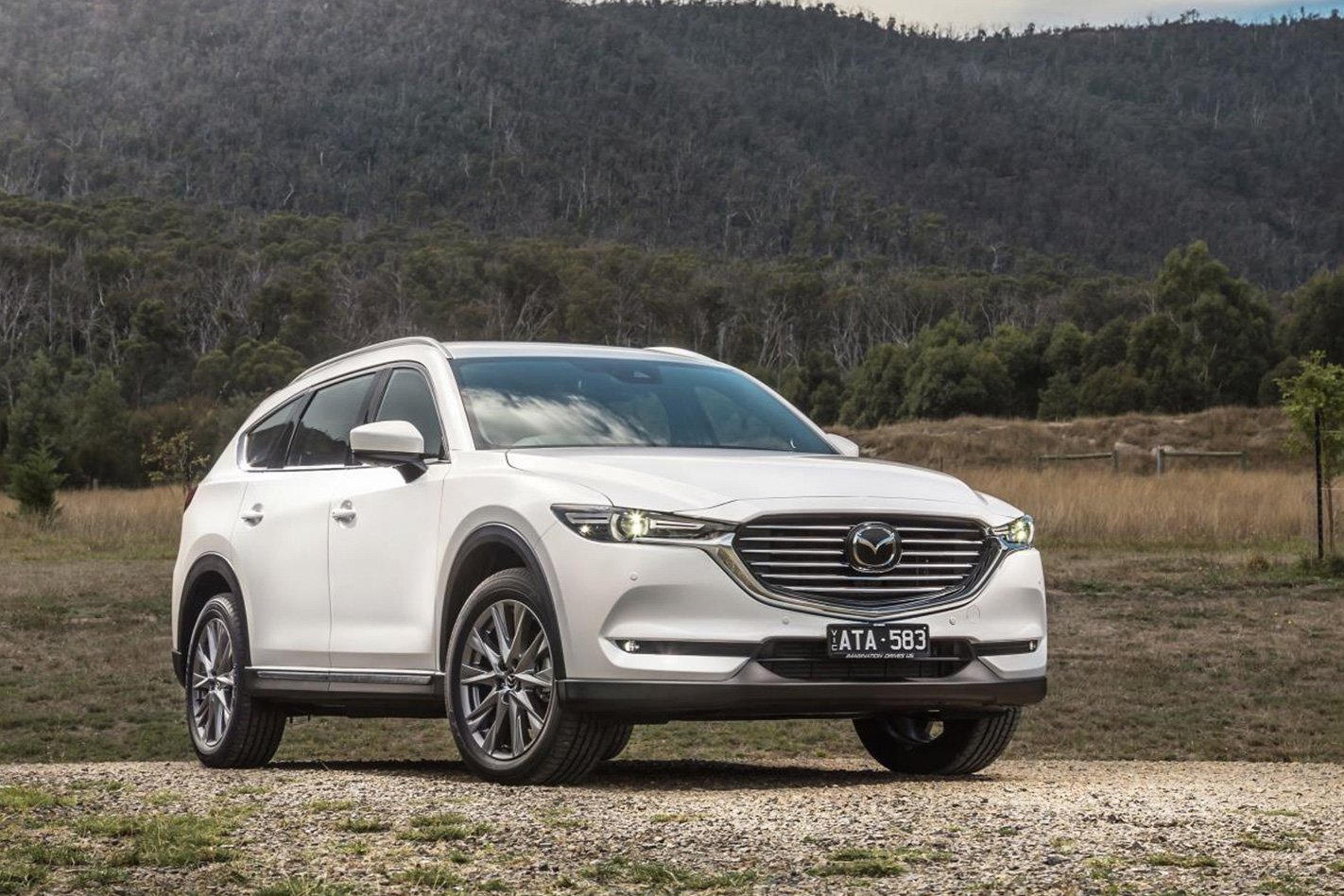
Mazda’s seven-seat CX-8 will slot just below the seven-seat CX-9 in size but slightly above it for price. Filling the hole that the petrol-only CX-9 can’t, the diesel-only CX-8 blends a slightly sportier exterior with Mazda’s new 2.2-litre twin-turbo diesel four, tied to a six-speed automatic ’box.
It will arrive with just two trim levels, Sport and Asaki AWD, with the Sport offering both front- and all-wheel-drive versions. Given the huge success of Mazda’s CX-5, the only thing likely to hold back the CX-8 here is supply.
Toyota Corolla hatch – Due August
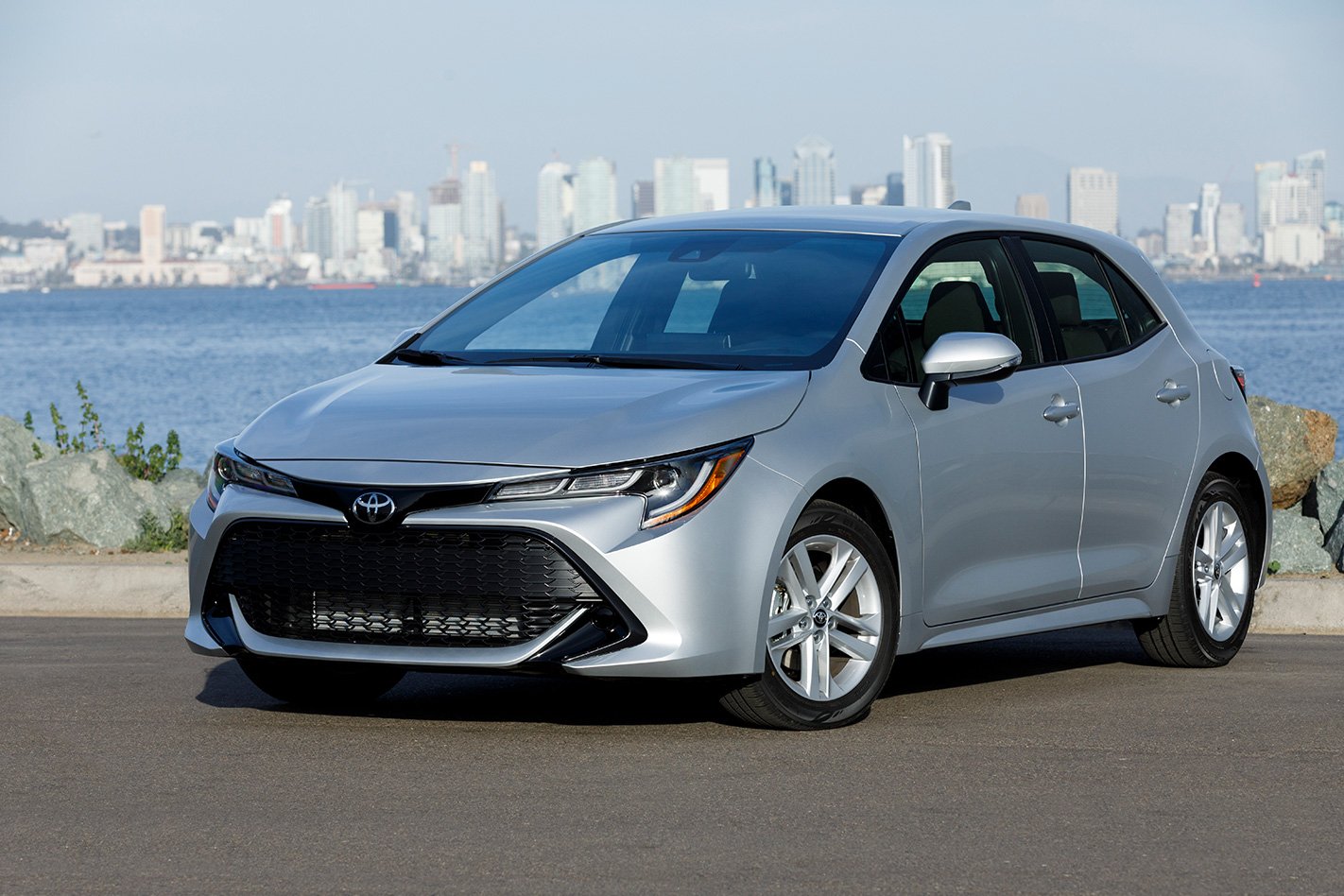
Australia’s biggest selling passenger car will gain even more market cachet with more sophisticated styling, a capable new chassis and a highly efficient new 2.0-litre engine. Built on the Toyota New Generation Architecture that’s shared with the Prius, Camry and the C-HR compact SUV, the Corolla sits 25mm lower than the car it replaces and is 30mm wider and 40mm longer, which will mean more leg and shoulder room.
The all-new Corolla will come with autonomous emergency braking as standard and illuminate the road with slimline LED headlamps, and LED tail-lights. An electronic parking brake replaces the traditional manual one, and all versions will gain two front USB ports.
Mercedes-Benz A-Class – Due August
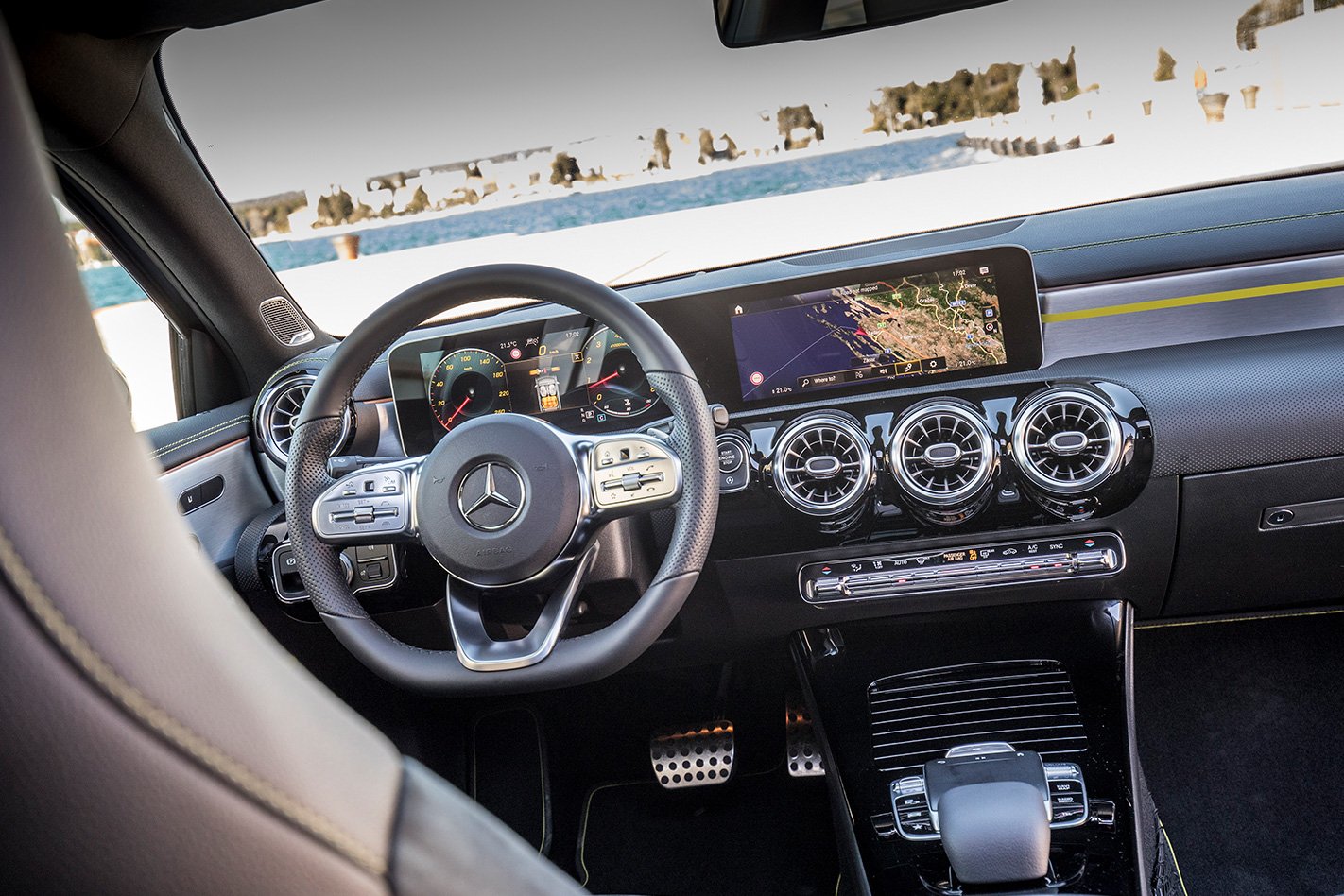
The fourth-generation A-Class brings technology to the luxury hatch segment in a big way, with S-Class level active safety and CLS-inspired interior dominated by dual 10.5-inch touchscreens stretching to the centre of the dash.
It will arrive Down Under with three different engines available at launch, including a carryover 165kW 2.0-litre turbo four-cylinder petrol, an all-new 120kW 1.4-litre four-cylinder turbo petrol developed with Renault, and an 86kW 1.5-litre four-cylinder turbo-diesel. Each will be coupled with a seven-speed dual-clutch automatic transmission and sold in varying states of tune depending on the badge.
Genesis G70 Coupe – Due September
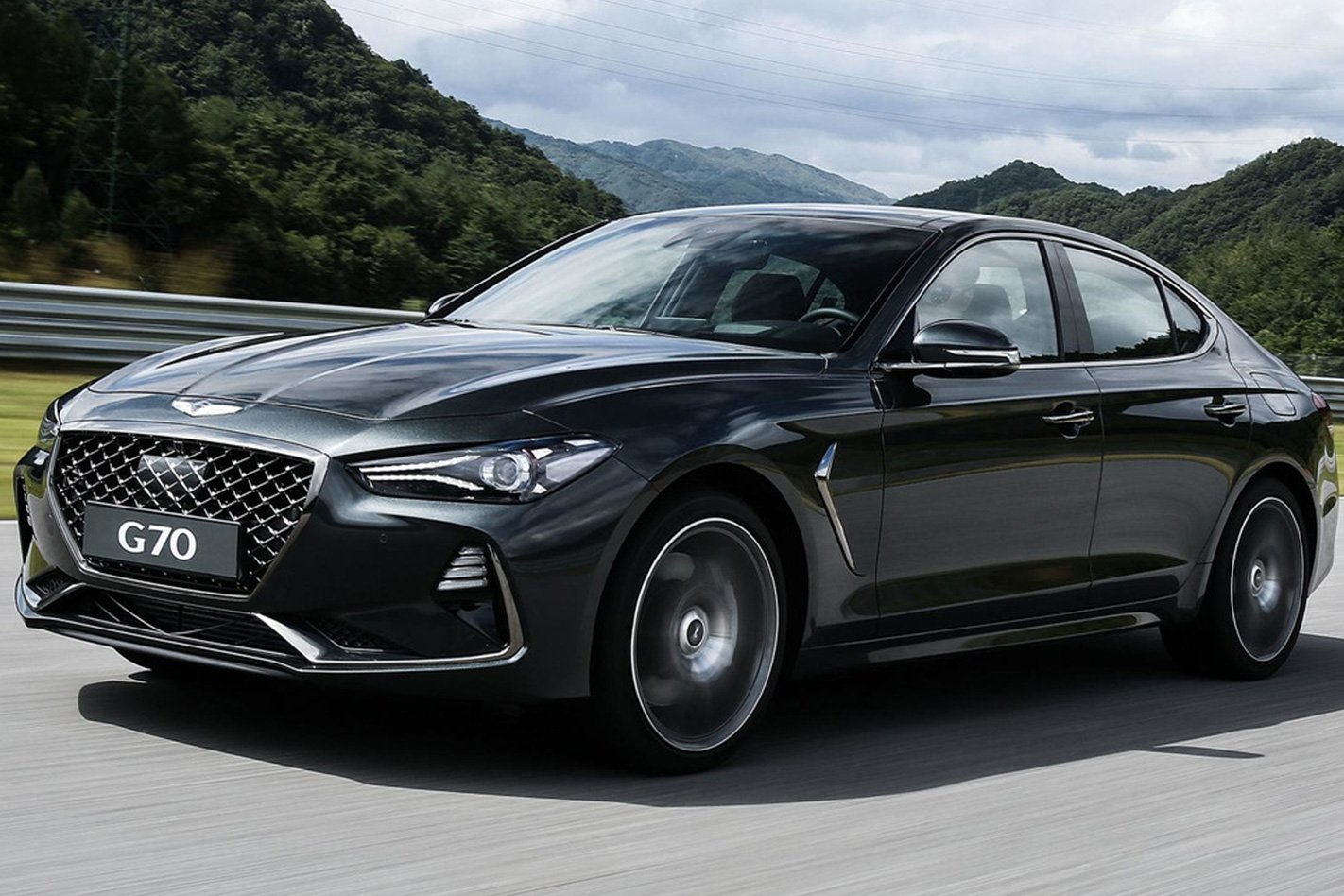
The G70 will be the first Genesis model offered in Australia as a standalone luxury brand, rather than as a Hyundai badged model. The G70 is smaller than the current Hyundai Genesis and will offer an alternative to smaller European luxury sedans such as the BMW 3 Series, Mercedes-Benz C-Class, and Audi A3 with semi-autonomous driver assist functions and advanced connectivity.
The G70’s performance credentials are highlighted by the range-topping 3.3T Sport that’s powered by the 3.3-litre twin-turbo V6 producing 272kW/510Nm and capable of reaching 100km/h from a standing start in 4.7 seconds and a top speed of 270km/h.
Cars due for release, July-September 2018
- Audi A7 Sportback
- Audi A8
- Aston Martin Vantage
- Aston Martin DB11 Volante
- Bentley Bentayga V8
- Bentley Continental GT
- BMW i8 Roadster
- BMW i8 update
- Chevrolet Camaro
- Genesis G70
- Genesis G80
- Hyundai Ioniq
- Jeep Grand Cherokee update
- Kia Sportage update
- Land Rover Range Rover P400e plug-in hybrid
- Mazda CX-8
- Mercedes-AMG C63 S update
- Mercedes-AMG GLC63 wagon and coupe
- Mercedes-Benz A-Class
- Skoda Karoq
- Toyota Corolla hatch
- Volkswagen Mk6 Polo GTI
- Volkswagen Tiguan Allspace
RENAULT has issued its first teaser of what it says will be an all-new entrant in the small SUV category – and potentially a replacement for the now five-year-old Captur crossover.
Slated for a reveal at the upcoming Moscow motor show, Renault says the Russian market will be the first to receive the company’s new soft-roader. However, that means this vehicle likely won’t be marketed under the Captur name in that country – our Russian cousins already have a Captur of their own (called the Kaptur, naturally), and it’s built on the larger Dacia Duster platform and occupies a different segment altogether. Having only launched in 2016, the Russian Kaptur is too young to be replaced.
Rather, Renault’s new crossover may be marketed under a different name in Russia, and may boast a sleeker, fast-backed bodystyle to set it apart as a sportier alternative. Unfortunately this front-on teaser doesn’t show anything of the car’s silhouette, but that’s clearly a deliberate strategy to maintain some mystique ahead of its unveiling.
It certainly looks sporty though, and channels much of the Megane’s styling in its grille, bumper contouring and headlamps. Its pronounced C-shaped daytime running light graphic is also a clear visual link to the Megane and Koleos – and far more aggressive than the comparatively dull front-end of the Captur.
It’s still too early to say whether Renault’s as-yet unnamed crossover ‘coupe’ could head our way, but Renault’s brief press release does identify it as a global model. Are Australians ready for a style-driven small SUV in the mainstream segment? One look at the Toyota C-HR’s sales figures suggests we well and truly are: Toyota’s slope-backed SUV has sold more than 3600 cars so far this year, compared to the Captur’s meagre 171 sales.
A coupe-like crossover could be just what Renault Australia needs to claim a more meaningful slice of the SUV sales pie, because right now the thoroughly unloved Captur just isn’t cutting it.
The Porsche Mission E, or 2019 Porsche Taycan as we now know it, is coming sooner than its futuristic design would suggest.
The 445kW+ (or 600bhp) all-electric supercar will be on sale as early as mid-next year in some parts of the globe though there are no confirmed expectations for its Aussie arrival.
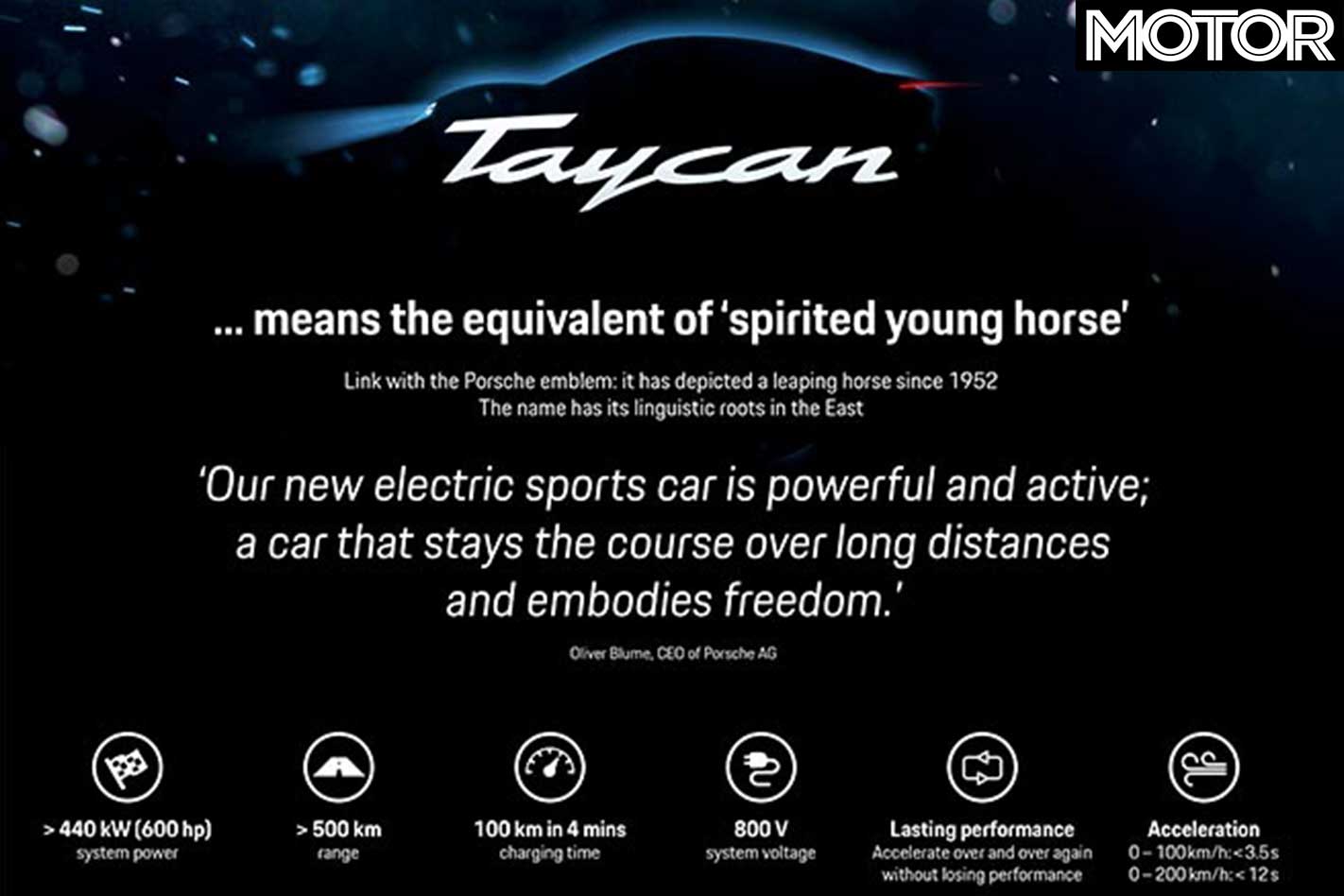
According to a source from the Weissach think tank, Porsche is preparing three different Taycan versions badged Carrera, Carrera S, and Turbo.
The rear motor will deliver 240kW and 340Nm in the Carrera, while a performance unit good for 320kW and 550Nm will be found in the oddly-named Turbo.
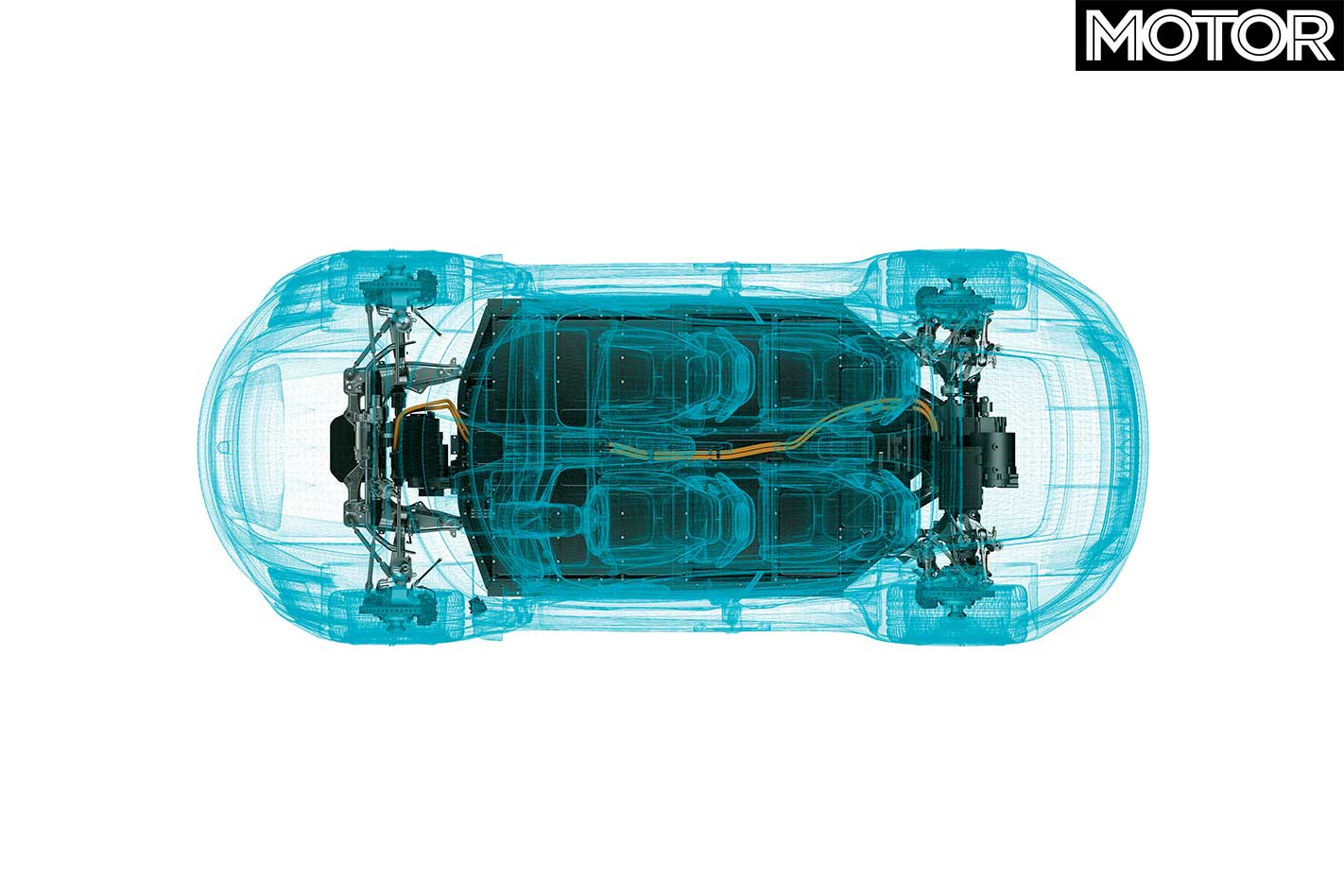
The Turbo features a 90kWh battery and a combined power output of more than 445kW.
The motor which drives the front wheels via a single-speed transmission delivers 160kW at 16,000rpm and a maximum torque of 300Nm, but under ‘full boost’ 440Nm is available.
According to intelligence gathered over time, only the Carrera version is rear-wheel drive.
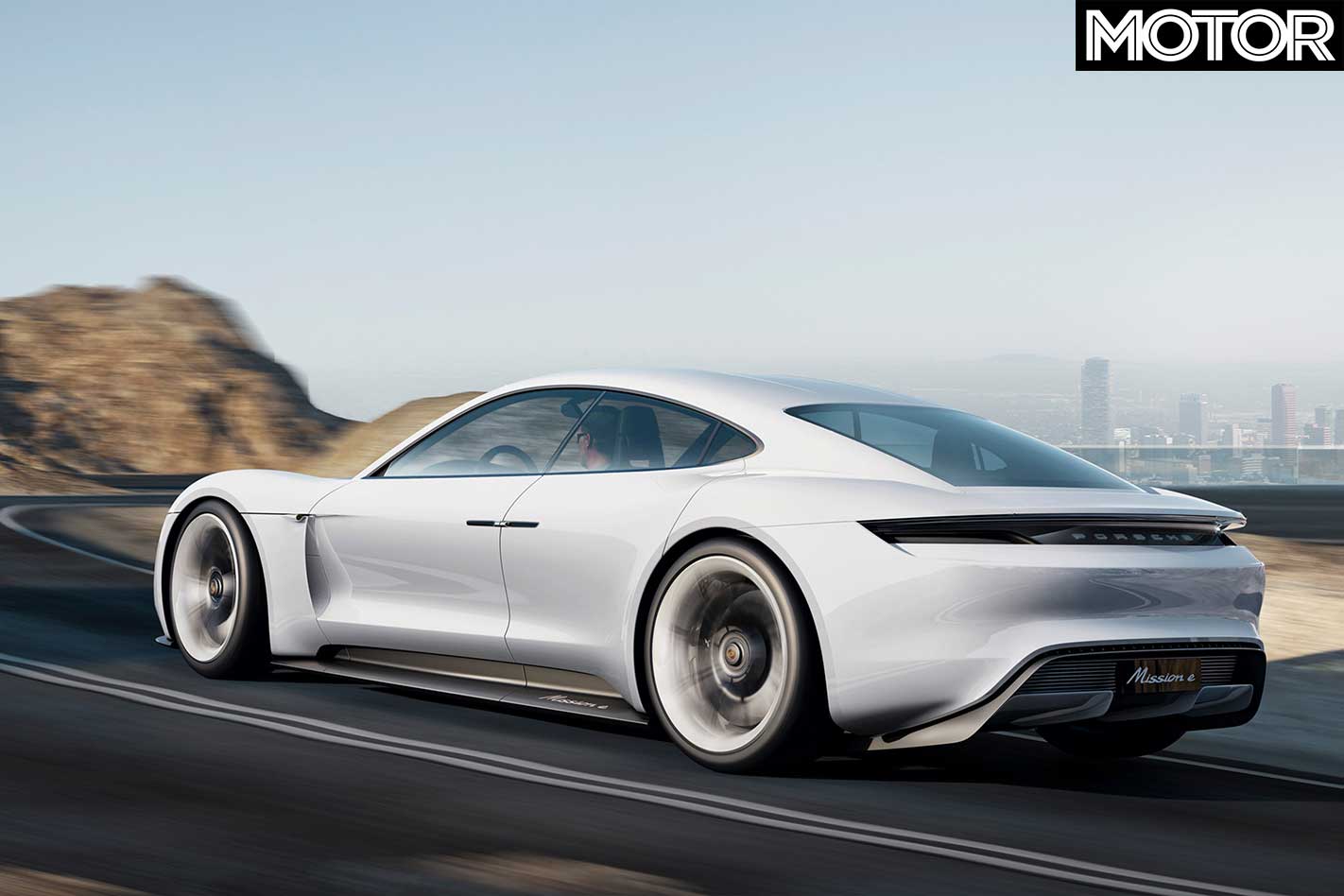
Despite a substantial kerb weight of 2150kg, the Taycan can allegedly accelerate in under 3.5sec from 0-100km/h, and to 200km/h in under 12sec.
The still-unofficial top speed is in the area of 265mph. A simulation lap of the Nordschleife suggests a time of under eight minutes.
Interestingly, Porsche is installing a new assembly hall in its Zuffenhausen plant which can put together 20,000 Taycans a year.
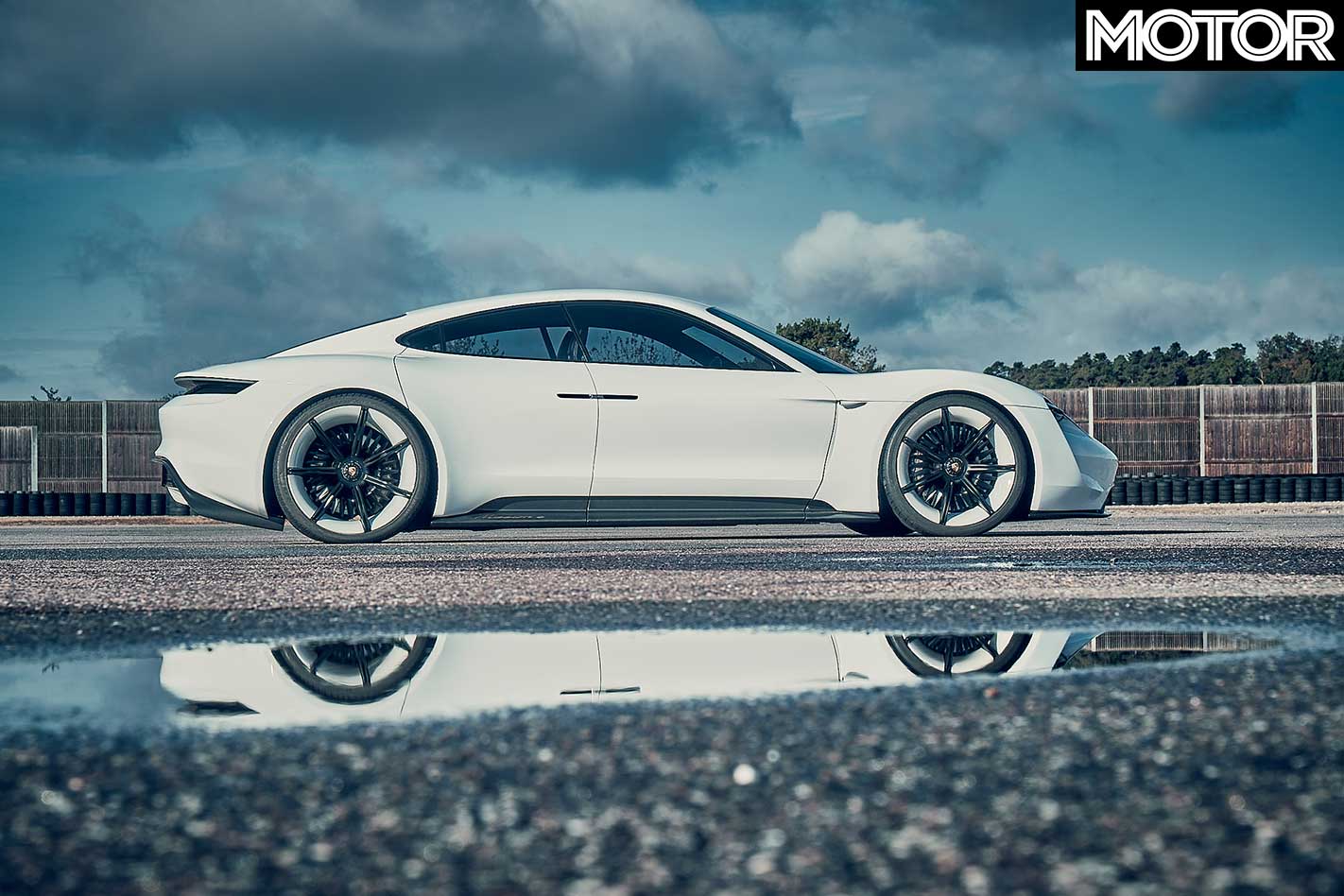
Step two involves Karmann in Osnabrück which will be converted to add another 20,000 units. Step three sees the new BEV range share the assembly line with the next-generation 911.
Porsche says the Taycan will have a maximum range of 500km, and will charge enough to cover 100km in just 4 minutes. Peak current is 300A, the state of tension ranges from 400-920V.
Stay tuned as we learn more about the Porsche Taycan closer to its release date.
Looking to save dosh on your next new car? WhichCar saves you some legwork to bring you the 10 best bargain buys of 2018.
1. Mitsubishi Mirage ES Manual – $12,250
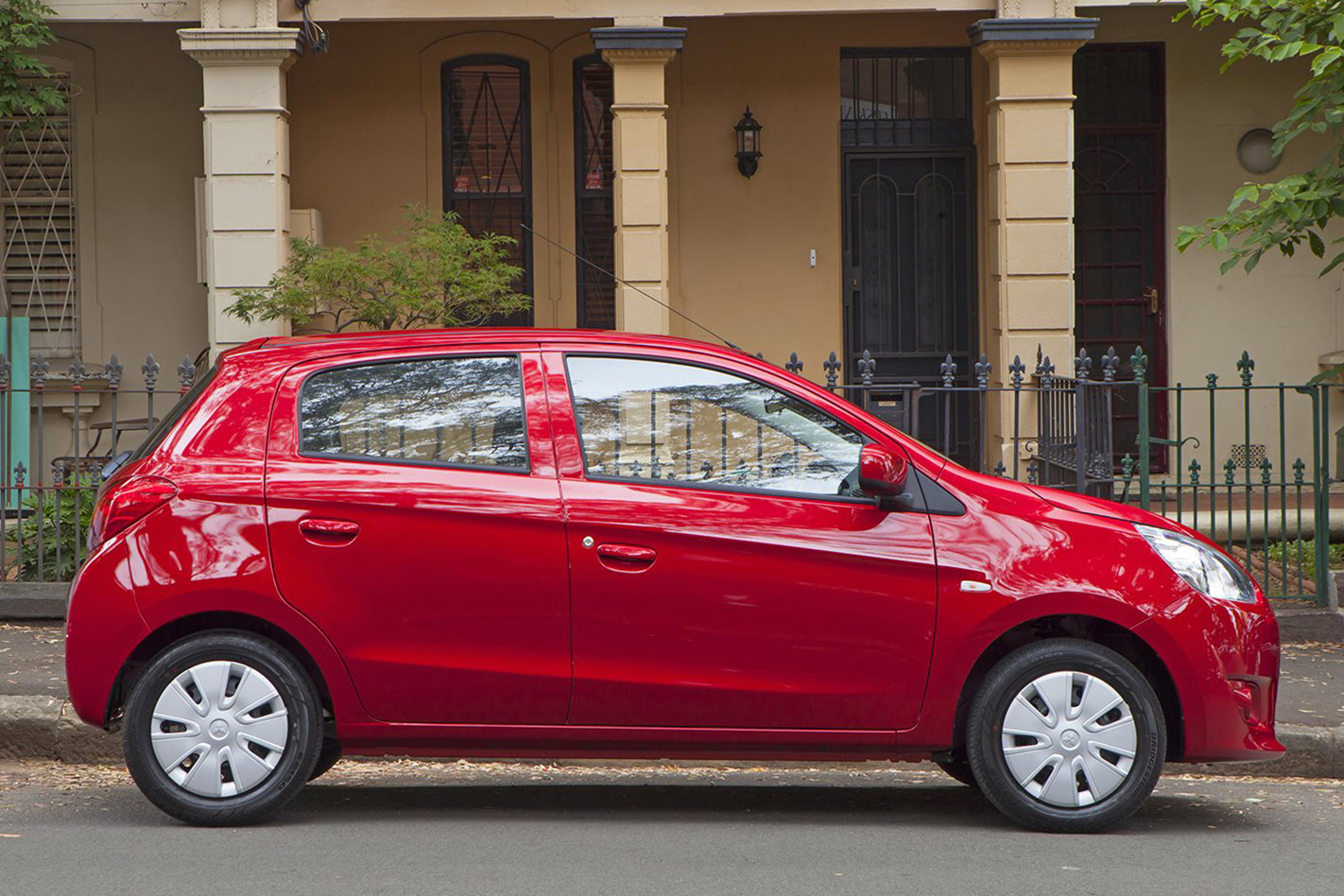
A starting list price of $12,250 has helped sustain the Mirage in the Micro-car market that’s getting as small as the cars themselves. As well as the thrifty price tag, the Mirage delivers a frugal fuel economy figure of 4.6L/100km through its 1.2-litre four-cylinder engine. It’s equipped with six airbags, stability control, ABS, hill start assist, Bluetooth, air conditioning and more. If manual cars aren’t your thing you can pick up a Mirage ES with CVT auto from $14,250.
2. MG MG3 Core manual – $13,990
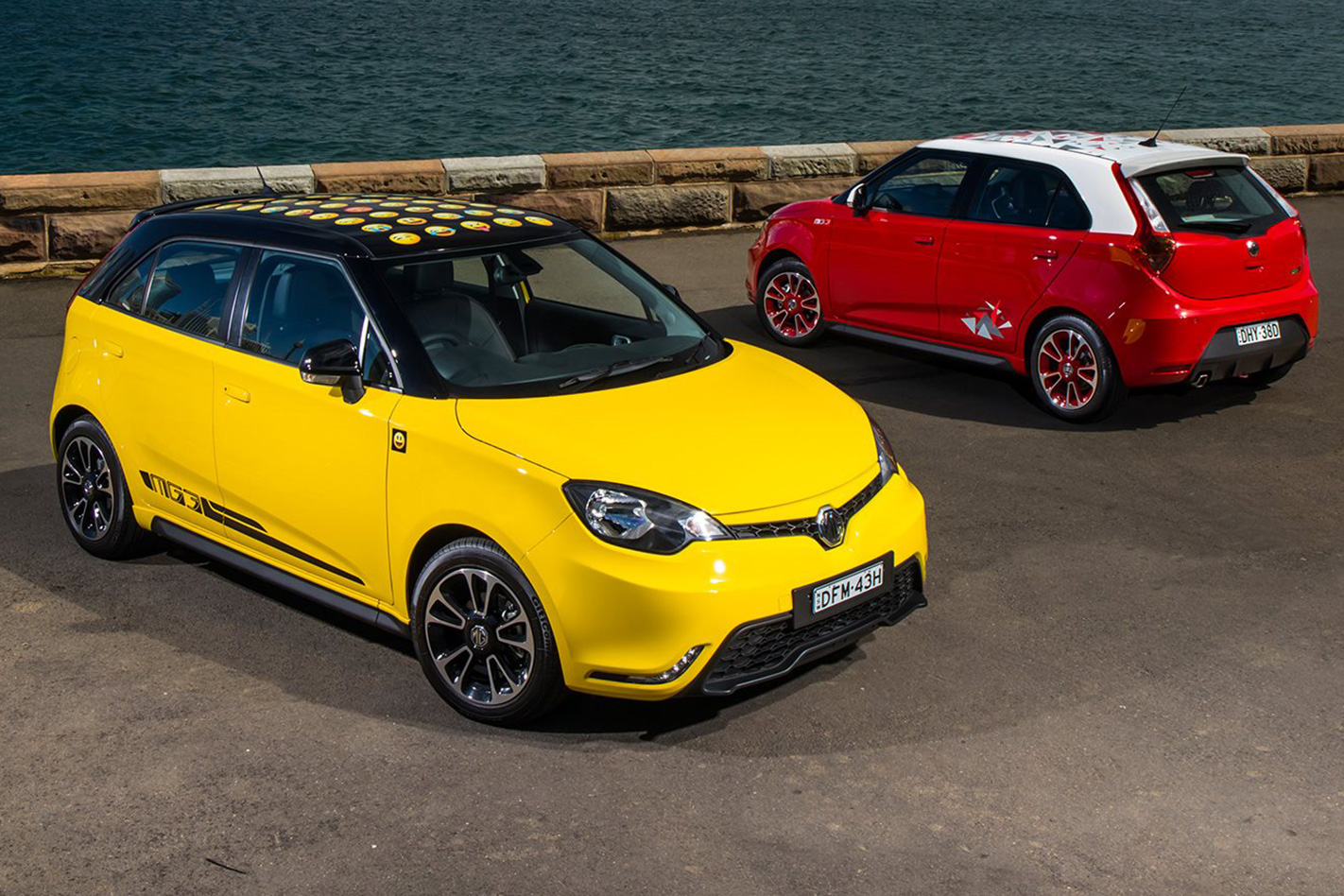
The iconic British brand lives with two Chinese-made city cars both priced under $16,000. The MG3 Core is the entry model of the three-tier line-up with a 78kW 1.5-litre four-cylinder petrol engine mated to a five-speed manual transmission. The mid-level Soul MG3 costs $14,990 with the addition of remote central locking, Bluetooth and steering wheel audio controls. All MGs come with a six-year, unlimited-km warranty.
3. Kia Picanto S manual – $14,190
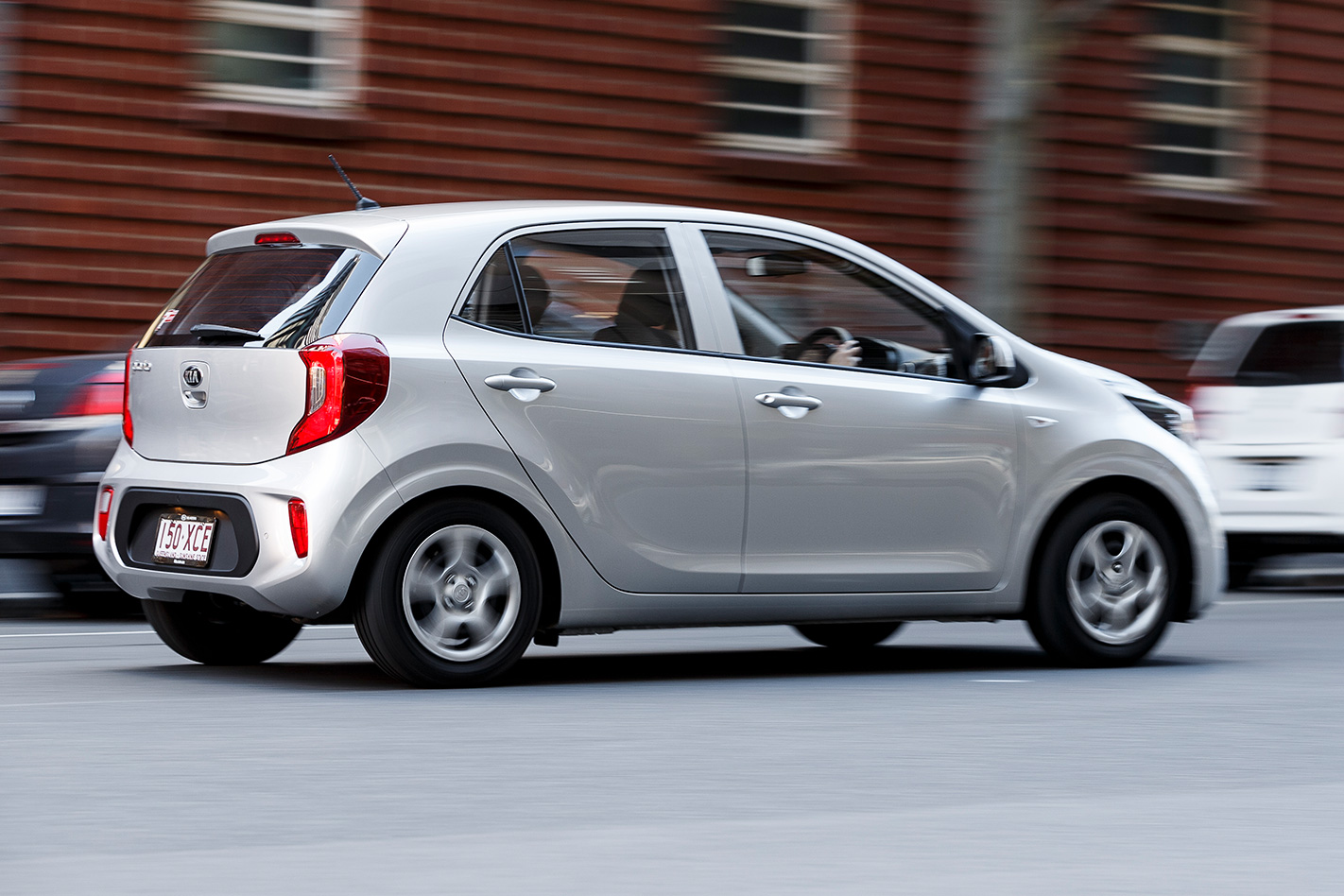
The Picanto dominates the micro car market with its eye-catching looks, comfortable ride and great steering. It comes standard with cruise control, reversing camera and a big touchscreen that mirrors your smartphone functions via Apple CarPlay or Android Auto.
It’s powered by a zippy 62kW 1.2-litre engine, which is mated with a likeable five-speed manual gearbox. If you prefer not to use a clutch pedal, you can upgrade to a four-speed automatic transmission for $15,690 drive-away. The Picanto is covered by Kia’s seven-year, unlimited-km warranty.
4. Holden Barina manual – $14,990
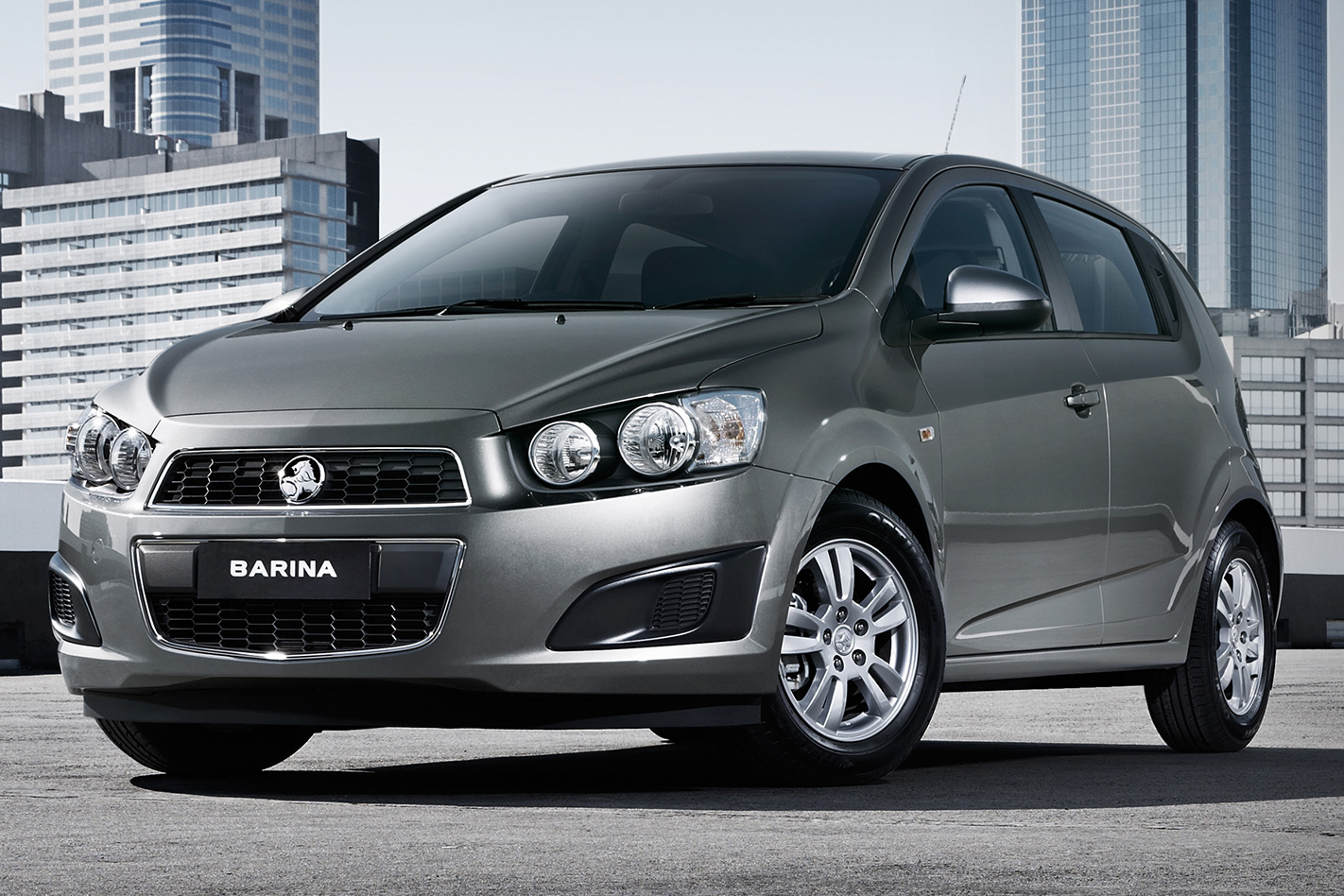
The Barina is now Holden’s cheapest model now that the Spark, which was the second-cheapest car on the market, has been removed from sale. The Barina’s sub-$15,000 starting price brings some decent kit including reversing camera, a 7.0-inch MyLink infotainment system with Apple CarPlay and Android Auto, LED daytime-running lights, six airbags, automatic headlights, rear parking sensors, fog lights, cruise control and 16-inch alloy wheels.
The five-speed manual version is powered by an 85kW 1.6-litre four cylinder petrol engine that drinks 6.8L/100km. The Barina is also available with a six-speed auto for $17,190
5. Honda Jazz VTi manual – $14,990
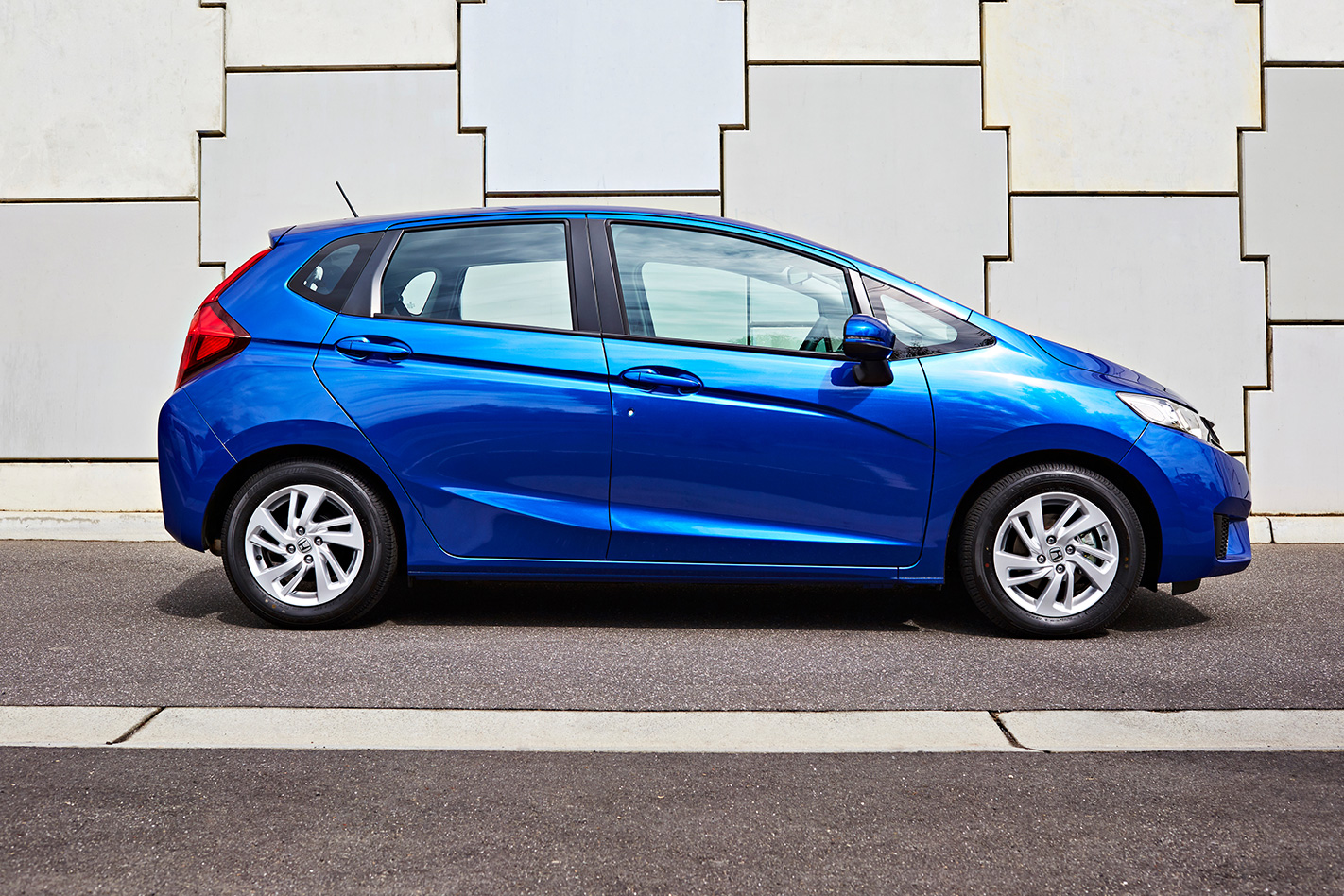
The Jazz is a step up in exterior and interior size over many other cars in its price bracket. It’s also one of the most powerful, with a 1.5-litre four-cylinder engine that burns 6.3L/100km.
On the inside you’ll find a touch-screen display with a rear-view camera as standard, as well as clever double-folding rear seats and a low boot floor that allows for a heap of extra luggage-carrying versatility. The CVT auto version costs an extra $2000, though the manual is more fun to drive.
6. Mazda 2 Neo manual – $14,990
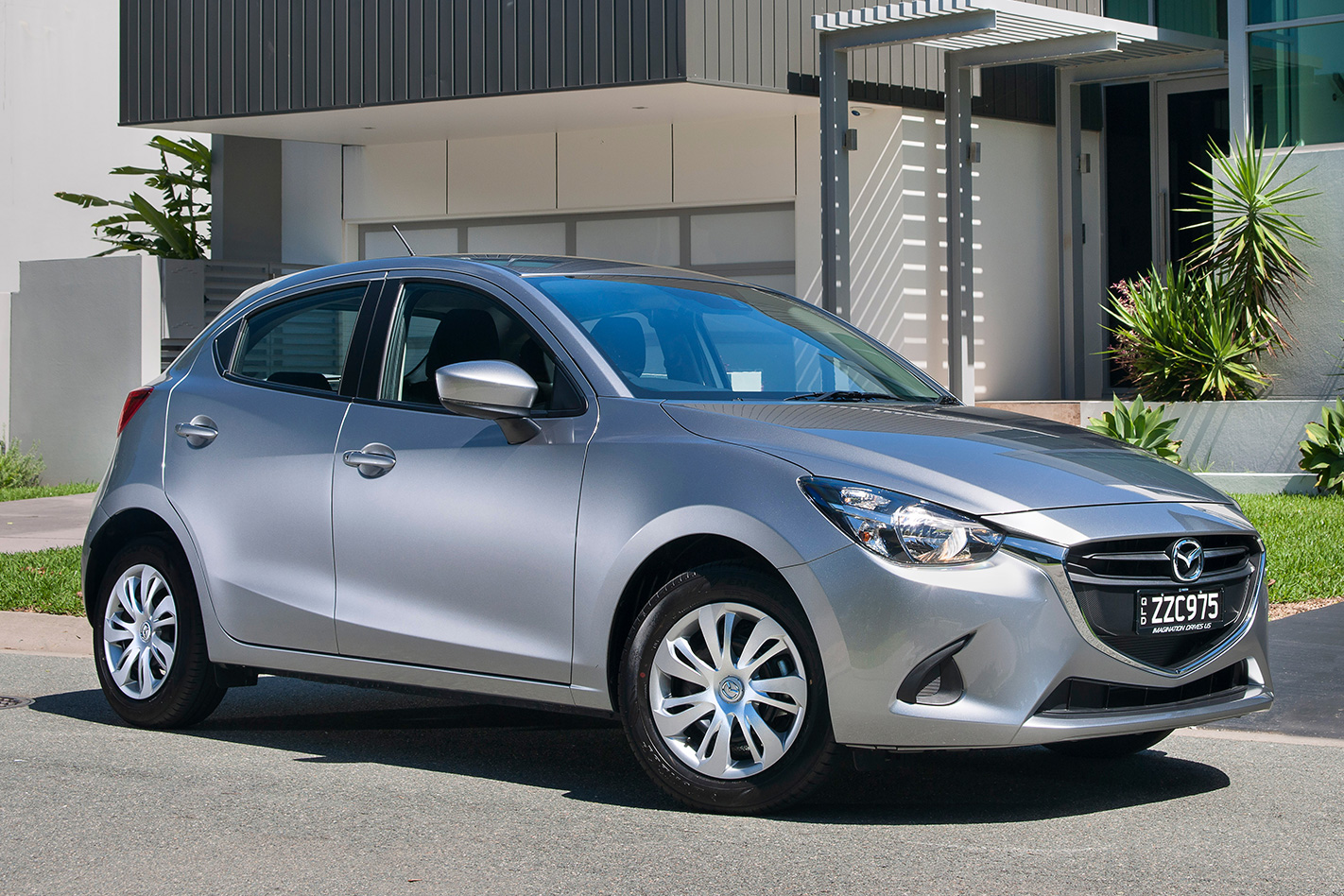
The six-speed manual version of the Mazda 2 hatch and sedan is a great driver’s car. With a precise shift action being joined by a responsive engine and engaging steering, Mazda’s smallest car is one of the most enjoyable city runabouts on the market. It’s also one of the safest, with autonomous emergency braking standard across the range.
The Mazda 2 has a stylish exterior design and is easy on fuel, with its 1.5-litre four-cylinder engine consuming just 4.9L/100km on the combined cycle. Want an auto? Factor in an extra $2000 on top of the manual’s retail sticker. Spending $17,690 on a Mazda 2 Maxx manual brings you an infotainment screen and reversing camera.
7. Toyota Yaris Ascent manual – $15,290
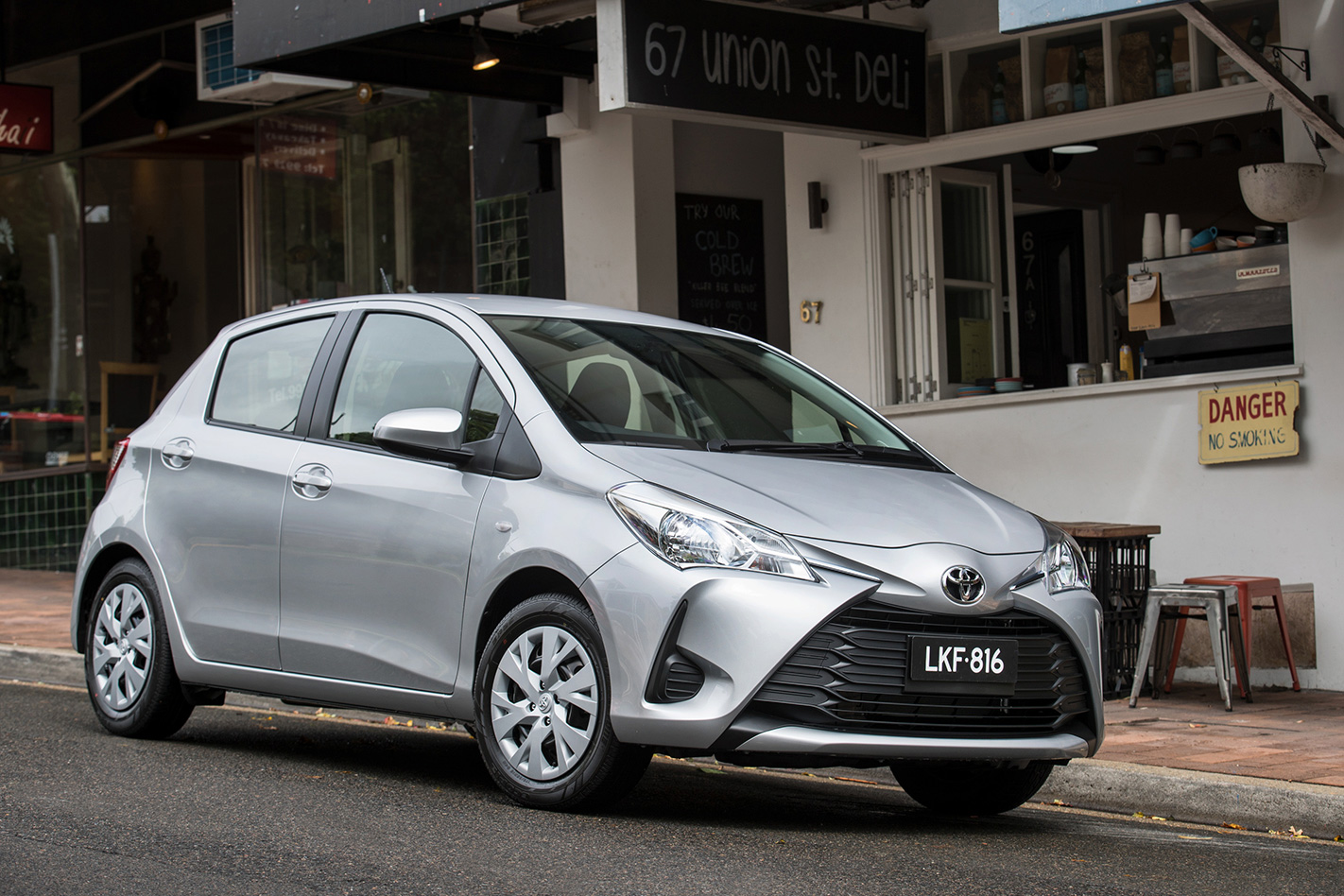
The diminutive Toyota Yaris hatch is easy to drive and park in an urban environment. It holds its value well, and has an enviable reputation for reliability. Standard equipment includes a 6.1-inch touchscreen with reversing camera, Bluetooth connectivity, cruise control, steering wheel reach adjustment and seven airbags.
The Yaris Ascent is powered by an economical 1.3-litre four-cylinder petrol engine that drinks 5.7L/100km with the five-speed manual gearbox. The four-speed automatic costs an additional $1200 and ups fuel consumption to 6.3L/100km.
8. Hyundai Accent Sport manual – $15,490
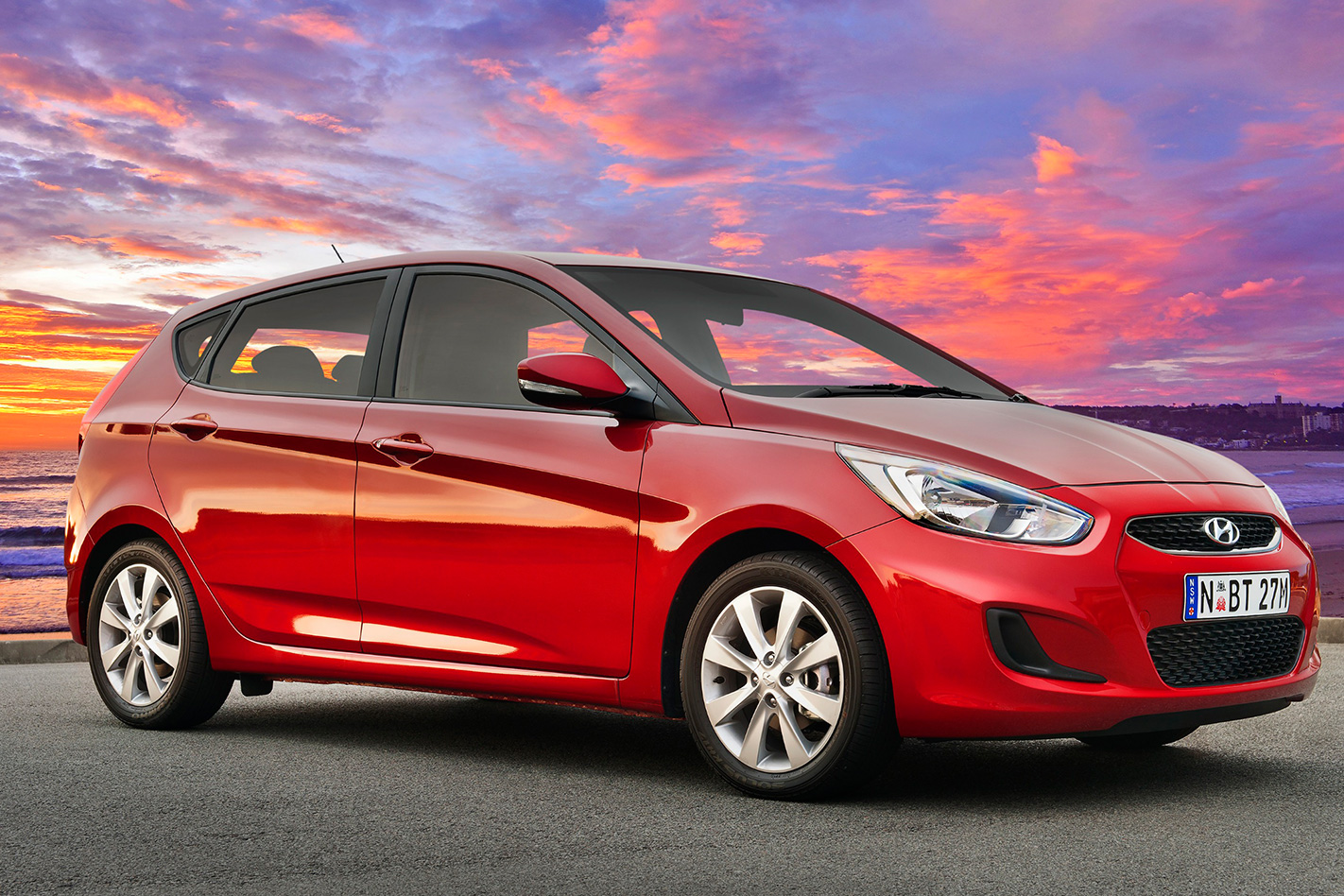
The baby Hyundai hatch and sedan top the light-car segment despite only being available as a single Sport variant. It has a 1.6-litre engine that consumes a claimed 6.3L/100km and produces plenty of power for urban cruising.
Luggage space is generous for a car of its size. The $15,490 price tag is for six-speed manual hatch and sedan variants, with the CVT auto costing $17,490.
9. Proton Preve GX manual – $15,490
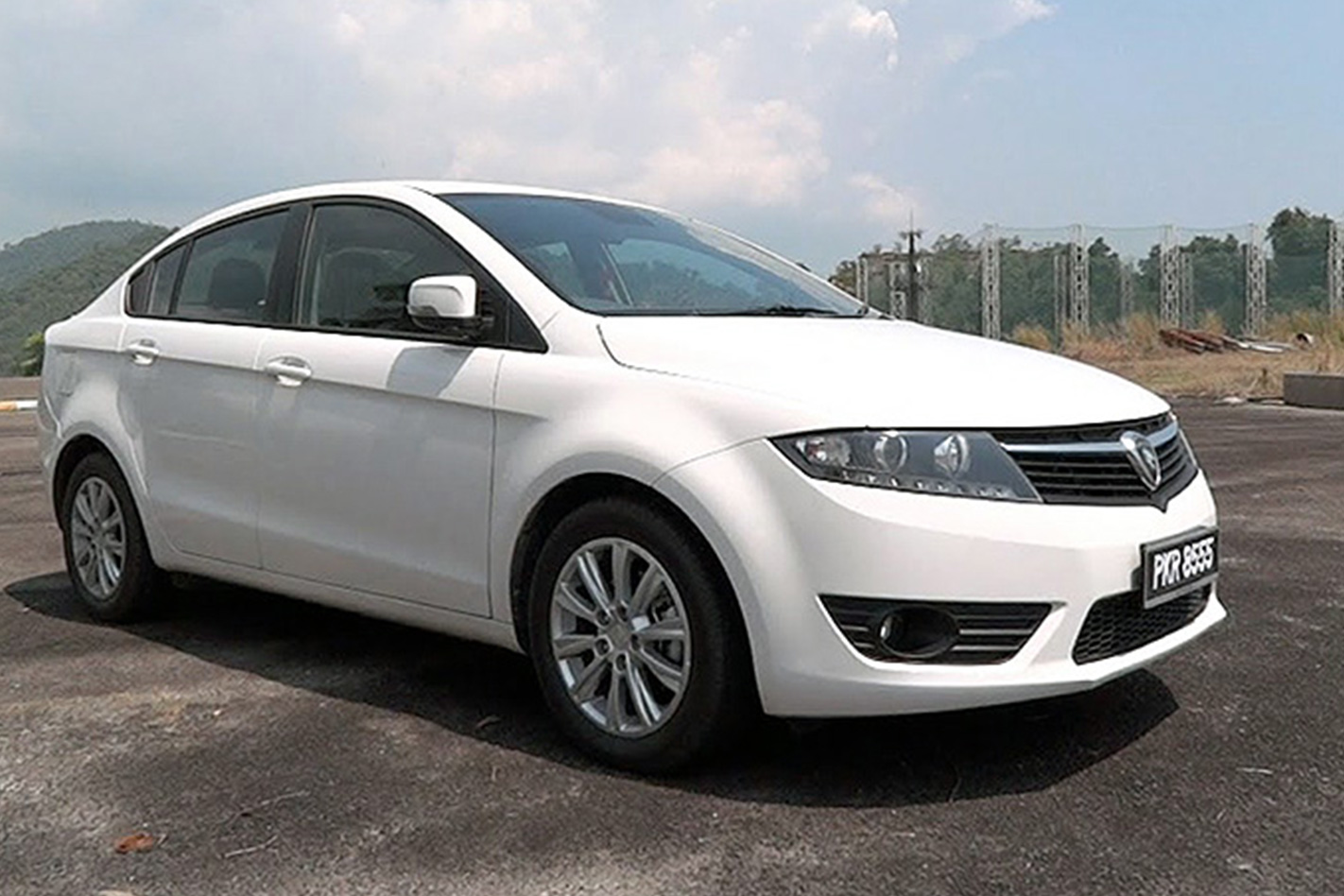
Proton’s small sedan is one of the bigger cars on this list, providing a budget alternative to the Hyundai Elantra, Kia Cerato and Toyota Corolla sedan. It is powered by an 80kW 1.6-litre engine, which is significantly less powerful than similarly-sized competitors.
The above price includes a five-speed manual gearbox, with the CVT auto costing a $2500 premium. Built in Malaysia, the Proton boasts a five-year/150,000km warranty which gives it an edge in long-term cost of ownership.
10. Ford Fiesta Ambiente – $15,825
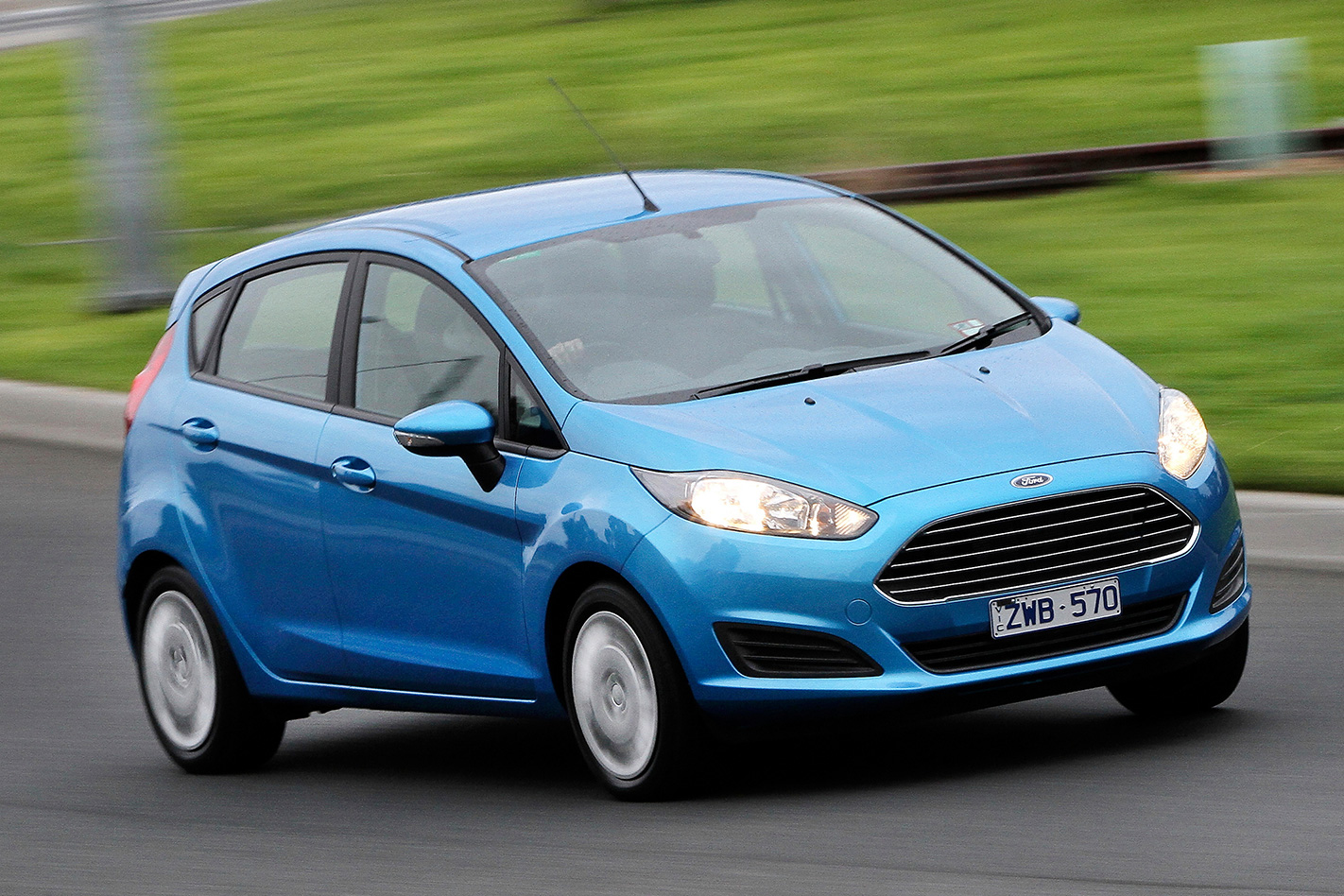
The Fiesta is a fun car to drive, thanks to its tight wheelbase and sharp steering. It handles highways with ease, and its ride comfort rivals bigger cars. The Ambiente is powered by an 82kW 1.5-litre engine and comes standard with a five-speed manual gearbox. Upgrading to the six-speed dual clutch automatic transmission will add $2000 to the price.
An all-new Fiesta model has been introduced overseas, but we’ll only be getting the sporty, and almost doubly expensive, ST version. The current model is still being produced in Thailand, but we don’t expect it to be on sale for much longer here, which makes it ripe for run-out sales.
At the launch of the first Australian Koenigsegg showroom, the Swedish brand took the opportunity to tease a sketched silhouette of its next model.
Confirmed as the replacement model for the Koenigsegg Agera RS – currently the fastest production car in the world – the sketch implies the car will also take design cues from its Regera relative.
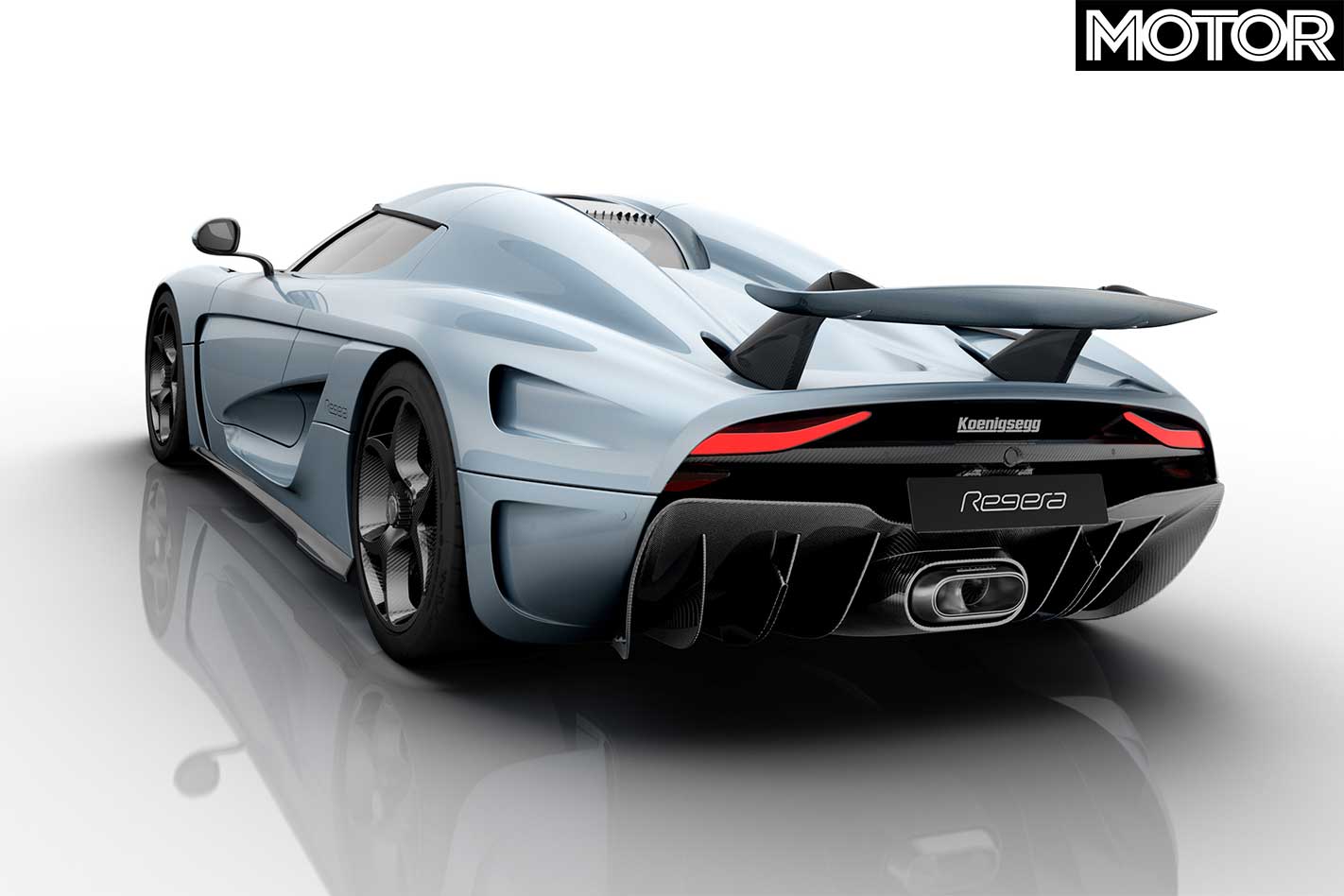
It’s also, as the image shows, sporting a rather tall wing when compared to the low, wide version seen on the current Agera RS.
Its diffuser also looks like it’s to be as exaggerated, if not more so, than that of the outgoing Agera RS. Whether it will reach as far up as it does on the Regera isn’t certain.
In another snippet of good news, Koenigsegg has confirmed when the Agera RS replacement will officially break cover – it’s set to be shown at the 2019 Geneva Motor Show.
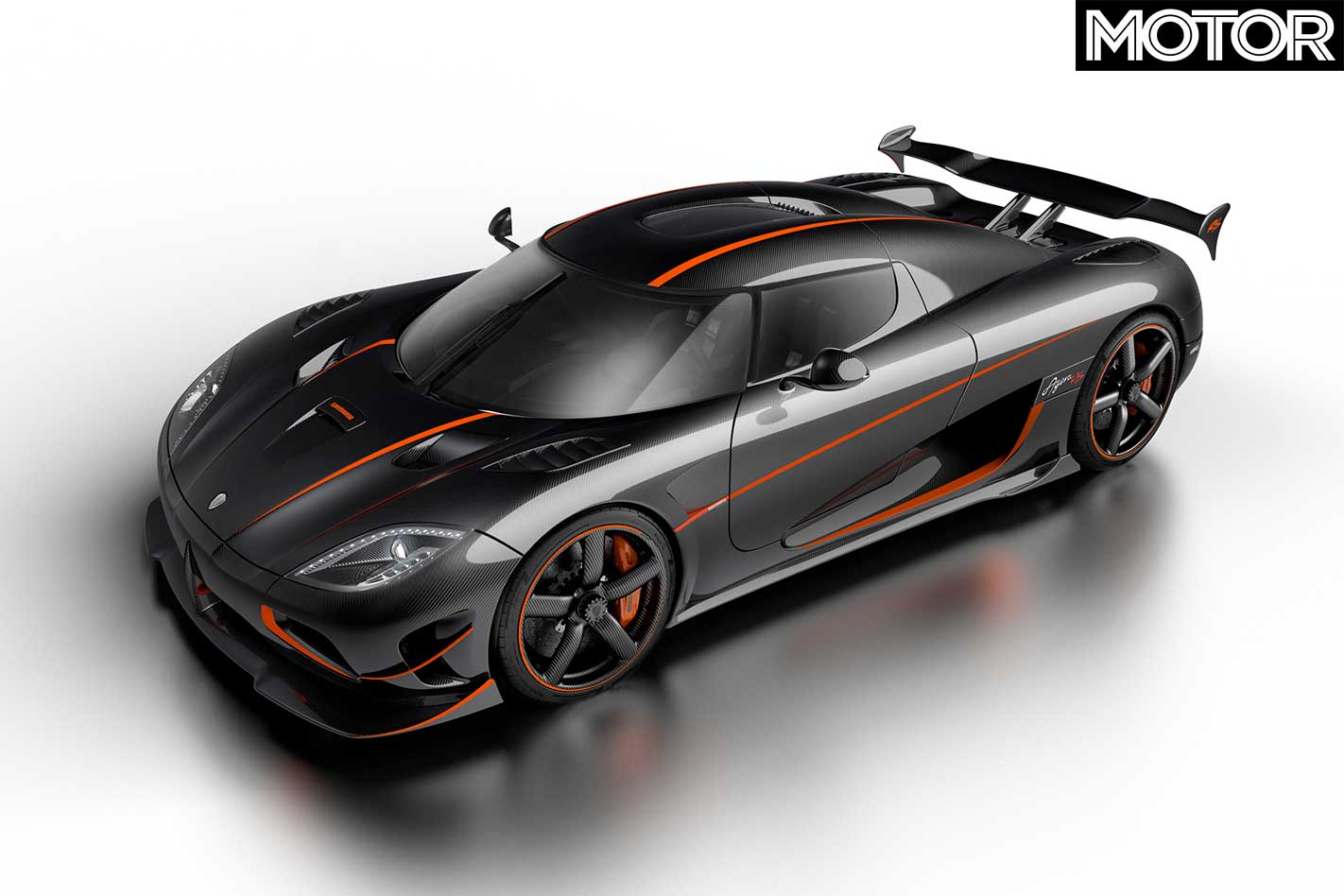
At the preview in Melbourne, guests were told that although the Agera RS has already sold out (which means none will be sold through the Lorbek showroom), the replacement will be headed down under for those wealthy enough.
“As all Regeras were sold prior to Koenigsegg’s arrival in Australia, this eagerly anticipated new vehicle – due for its world debut at the Geneva Motor Show in March 2019 – is the only new model available to Australian buyers at present,” Koenigsegg said.
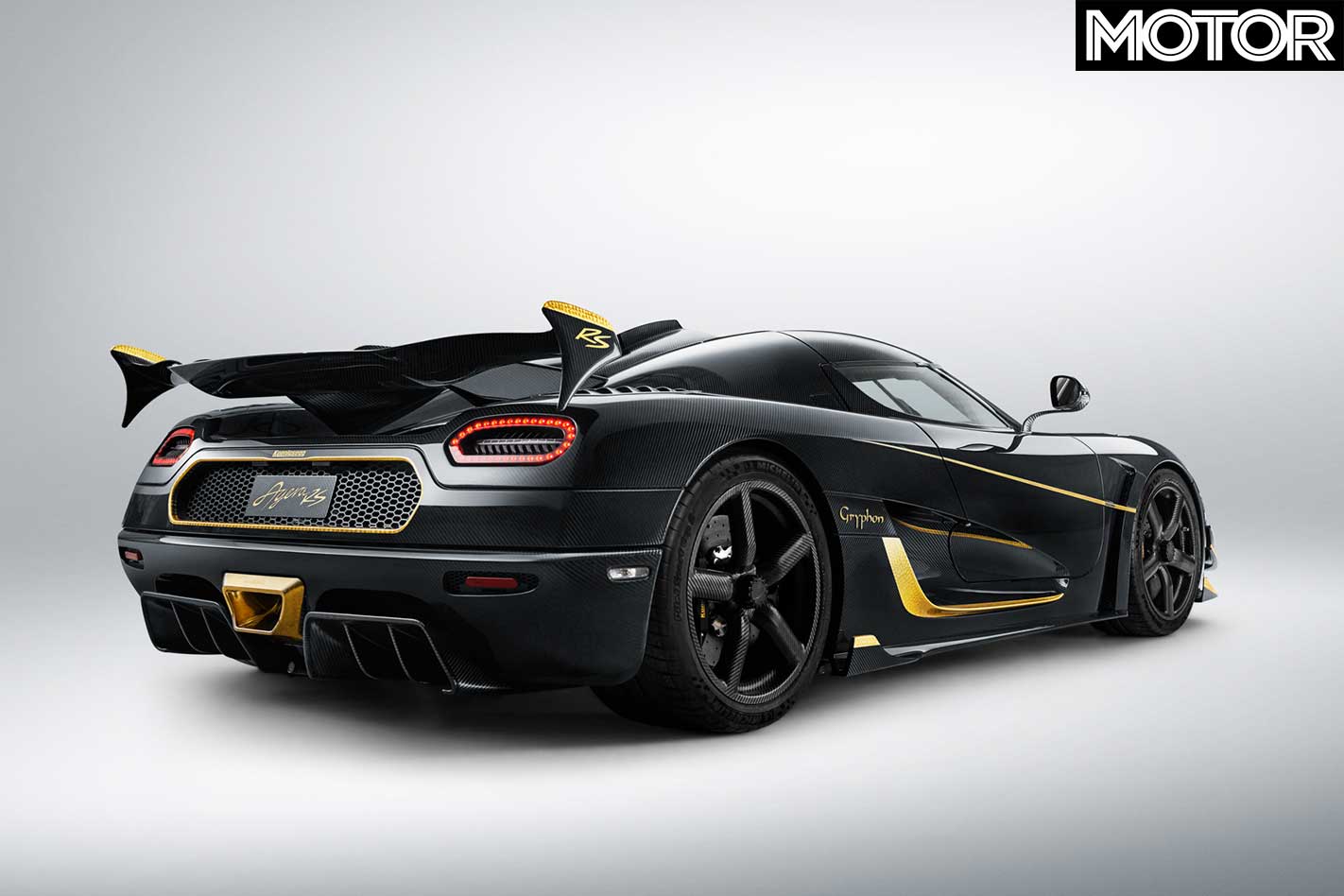
“Keen customers also had access to the same virtual-reality presentation of the vehicle that was made available to VIPs at the 2018 Geneva Motor Show.”
Speaking to MOTOR before the showroom’s opening, director of Prodigy Automotive – a partner of Lorbek and Koenigsegg in the showroom’s operation – Nicholas Batzialas said 2-3 ‘Eggs are expected to sell per year, depending on factory availability.
The Lamborghini Huracán LP 610-4 is fast. But it’s not record-breakingly fast when it comes to something like a half-mile speed run.
But if you ask US-based tuner Underground Racing nicely, and give them a big chunk of cash, they’ll attach two turbos to your Huracan and turn it into an AWD ballistic missile.
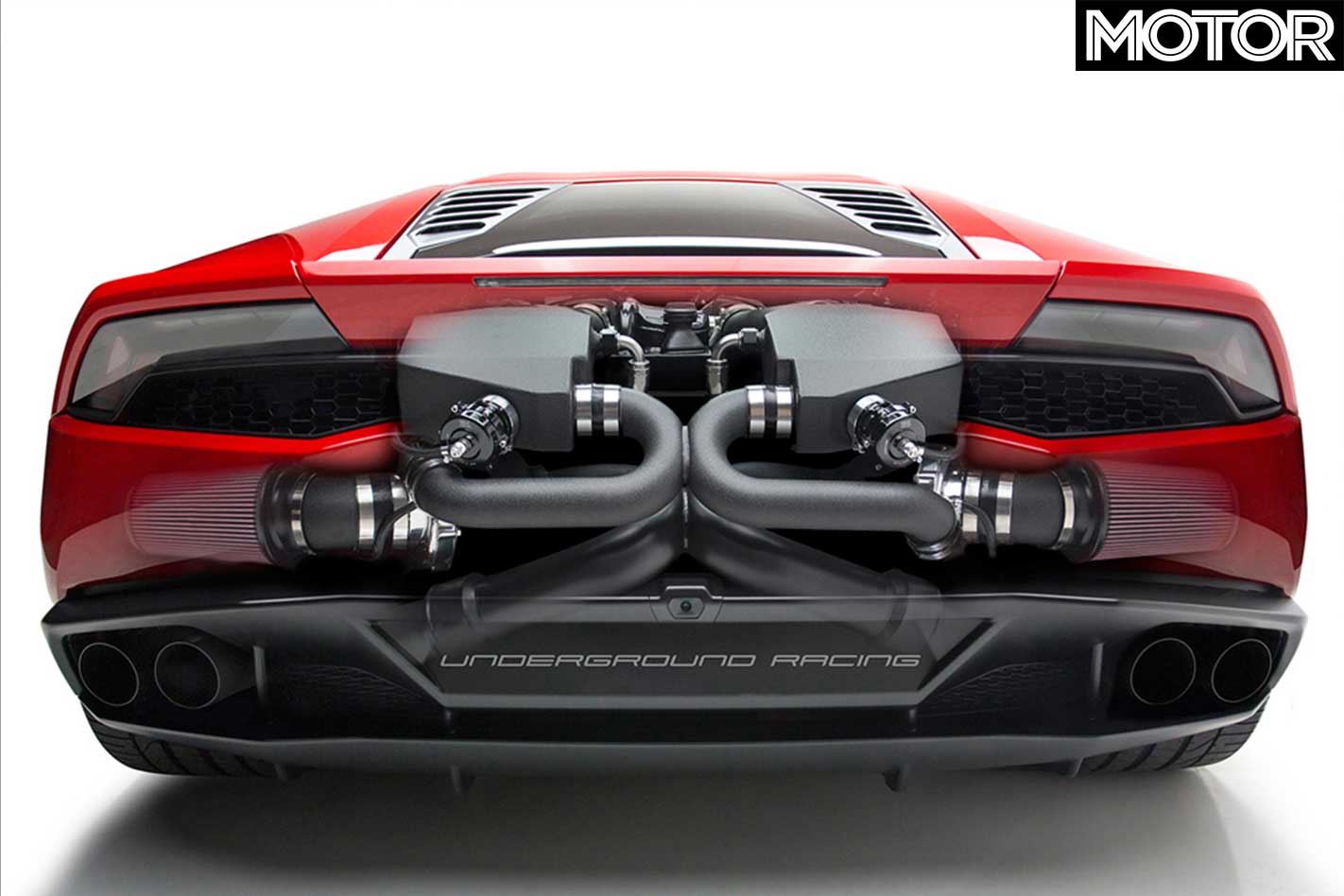
Its previously-atmo V10 engine becomes a forced-induction powerhouse, which Underground Racing (or UGR) says can be set up to produce from 597kW at the wheels up to 1640kW on race fuel.
A base kit costs USD$49,000 (AUD$66,500), but a top-spec record-shattering set up has no list price. It would be well-north of USD$100,000 judging by the rest of the price list.
So what do you do with a 1600kW+ Raging Bull? You try to break some records, of course.
In September last year, the team hit 233mph (375km/h) on the standing half mile, resetting a previous record held by the same car.
That record was later broken by a heavily modified Nissan R35 GT-R, but Underground racing went back for more just a week ago.
Chasing a formidable 257mph (413.5km/h), the team and the Huracán manage to get close in a first run, then match the speed exactly later on.
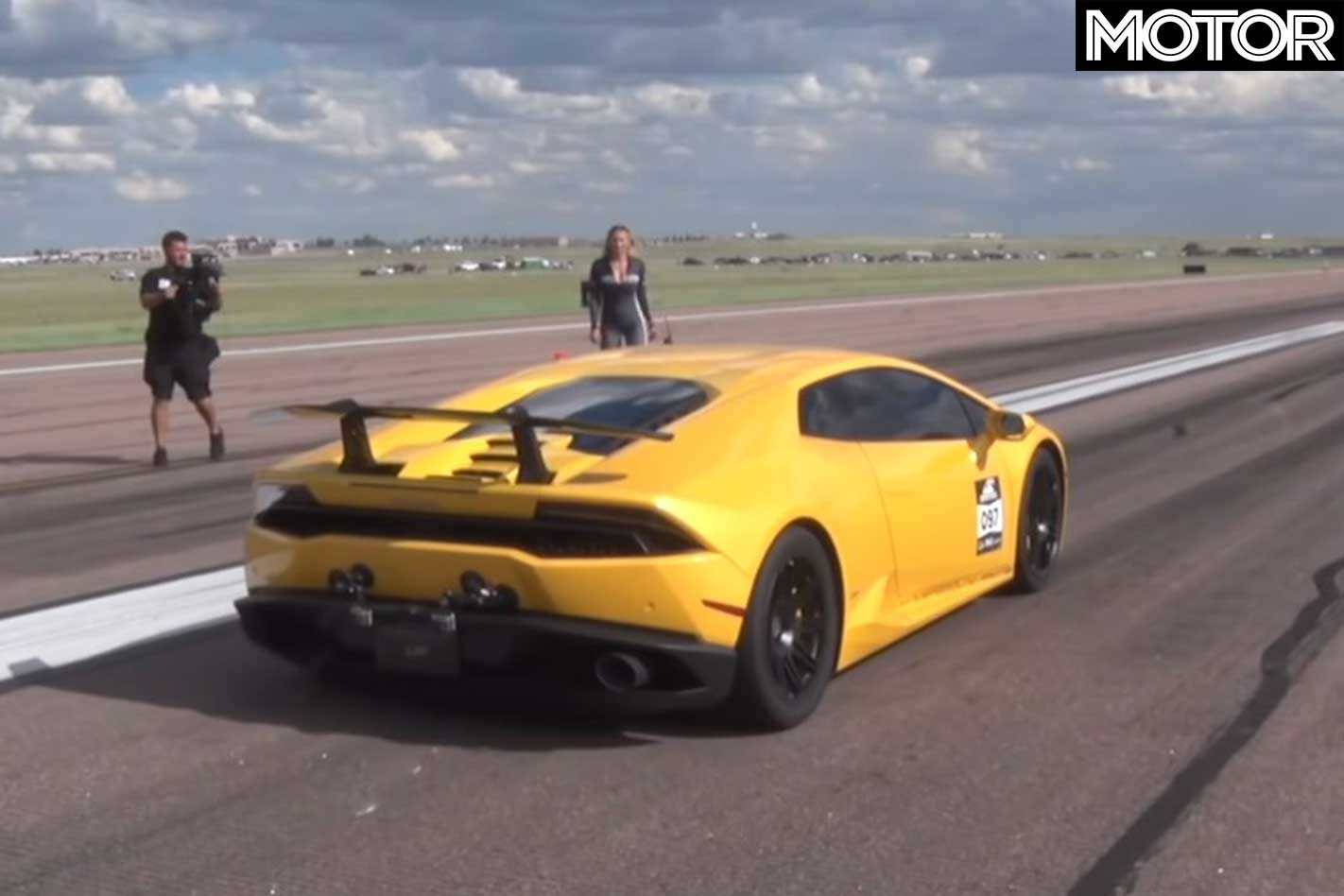
After that, the UGR Huracán becomes the new world record holder for the fastest car to cover a standing quarter mile, with a top speed of just over 259mph – 416.7km/h to us.
The run starts at 6:30, in case you don’t want to sit through a video padded out by a lot of talking.
