
With an investment of ten per cent in Croatian electric supercar company Rimac, Porsche plans to up its game in the electrification business.
The German brand says it’s ‘seeking a development partnership with the young company’ conciding with its ongoing shift towards electric performance, as well as the renaming of the Mission E as the Porsche Taycan.
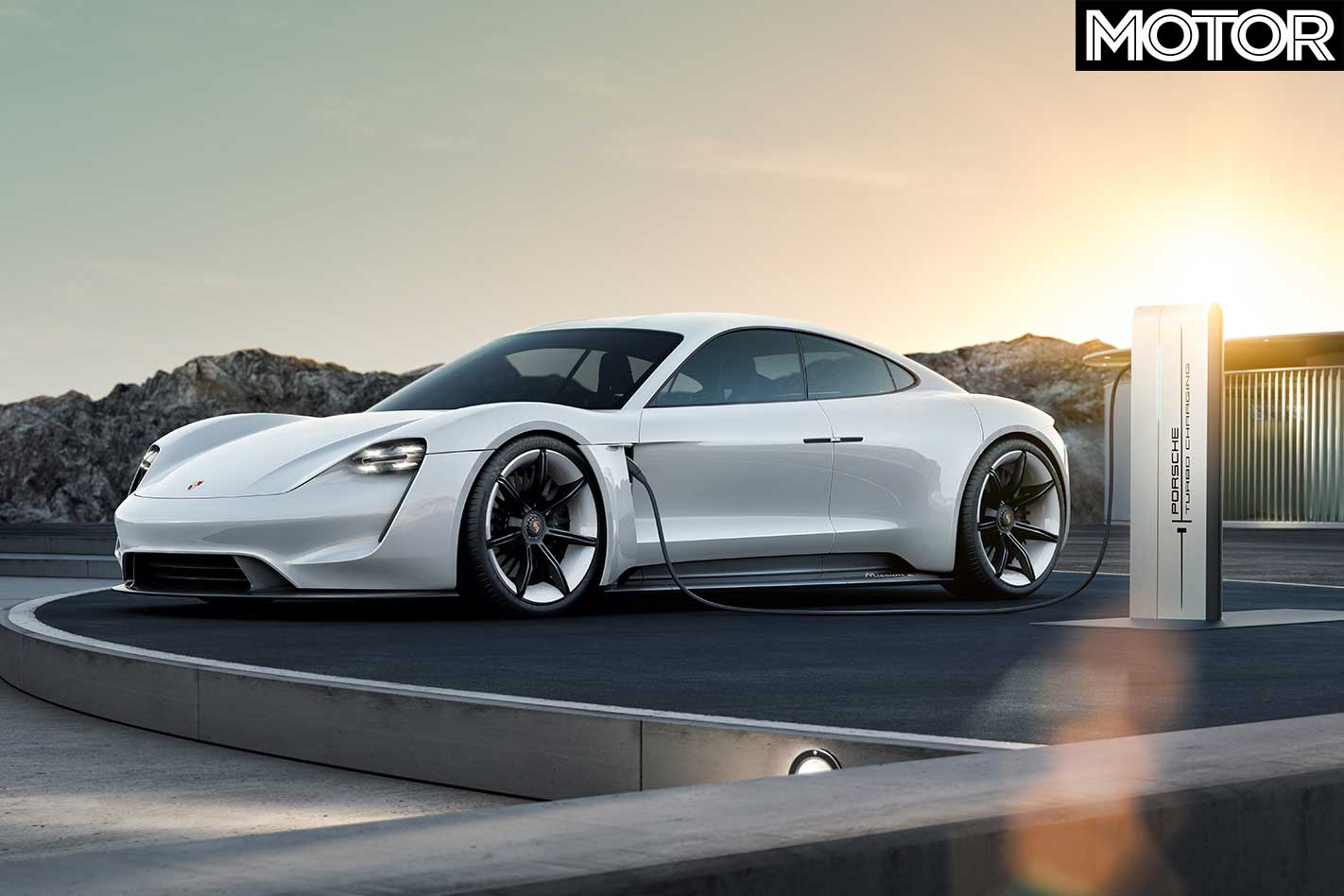
The move means Porsche AG is now a minority shareholder in the Croatian company, and as such means it could access electric drivetrain tech to further its own progress with electric performance.
In turn, Rimac’s world-leading electric hypercar tech now has the interest of the VW Group giant, with the potential for support coming from Germany.
Rimac’s drivetrain tech has been getting around in the form of the kinetic energy recovery system (KERS) on Aston Martin’s Valkyrie hypercar, as well as in an electric Jaguar E-Type and other projects for Koenigsegg and Renault.
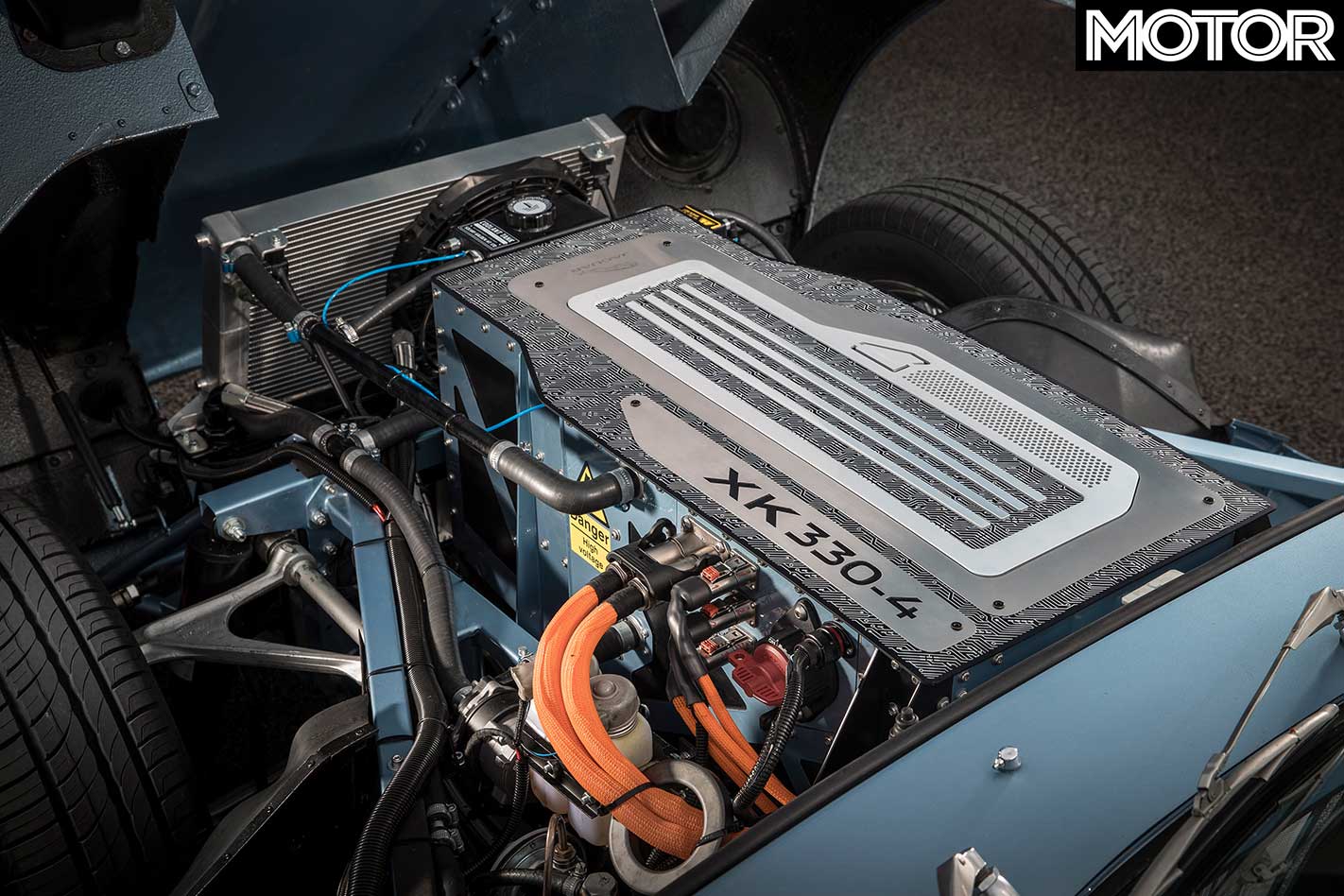
Whether this will continue or remain a regular occurrence with Porsche in the picture is yet to be seen, though ten per cent isn’t a controlling stake.
Porsche deputy chair of the executive board Lutz Meschke says the decision was made by Porsche after considering the promising nature of the Rimac Conept One and C_Two.
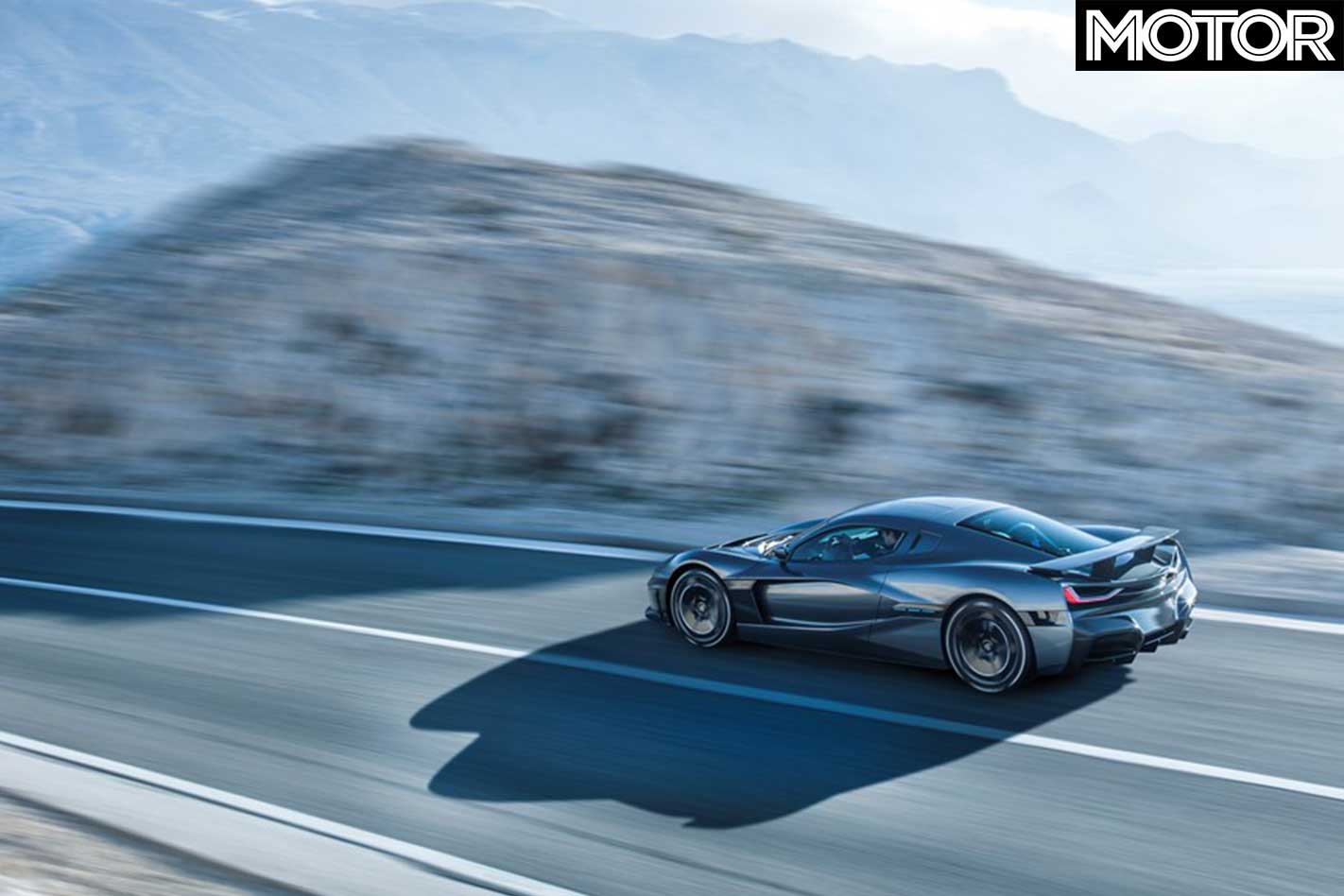
“By developing the purely electric two-seaters super sports cars, like the Concept One or C_Two, as well as core vehicle systems, Rimac has impressively demonstrated its credentials in the field of electromobility,” says Meschke.
“We feel that Rimac’s ideas and approaches are extremely promising, which is why we hope to enter into close collaboration with the company in the form of a development partnership.”
Mate Rimac, the Croatian company’s founder and CEO, says Porsche’s investment provides a huge opportunity for the relatively small brand.
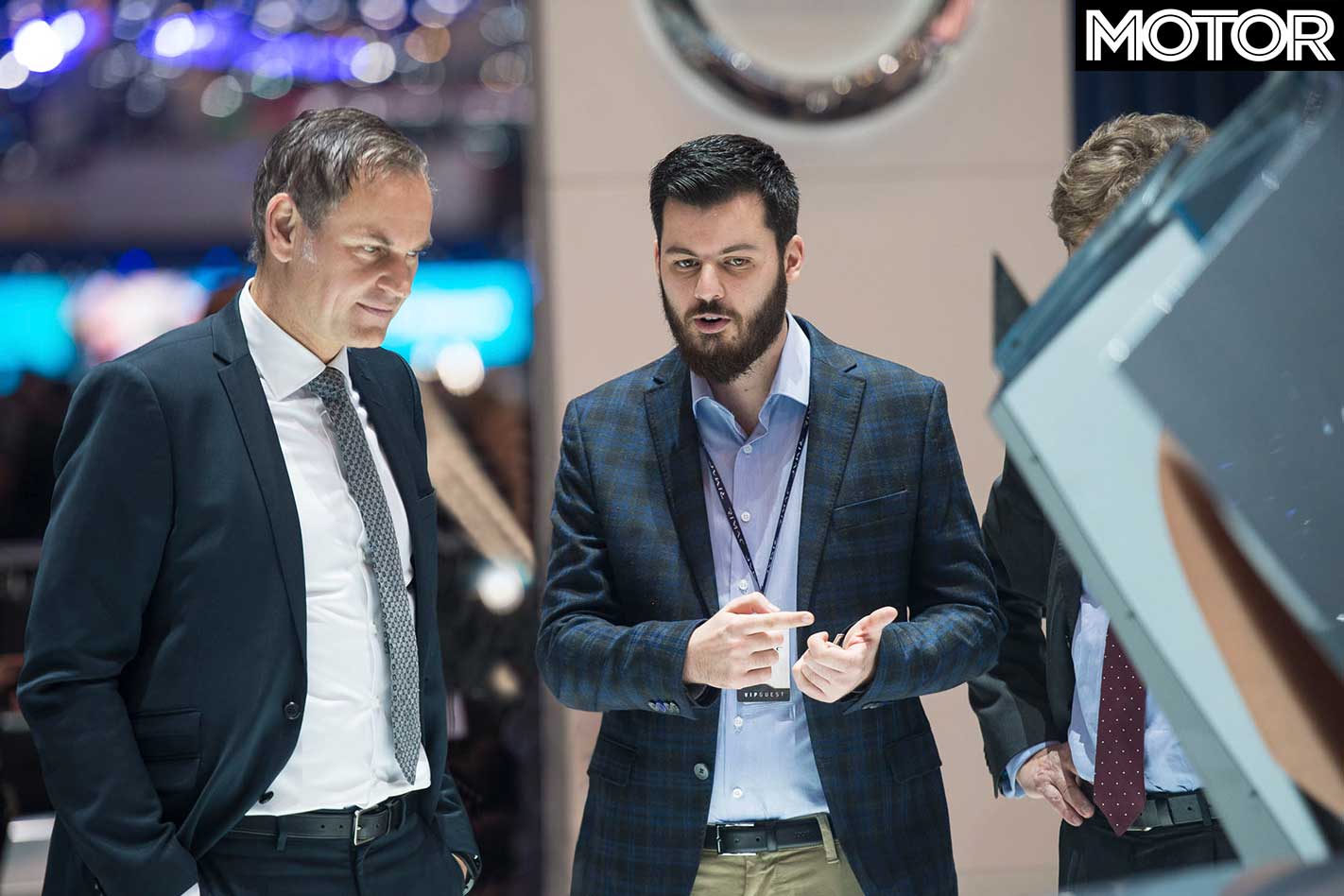
“This partnership now is an important step for Rimac on our way to become a component and system supplier of choice for the industry in electrification, connectivity and the exciting field of advanced driver assistance systems.”
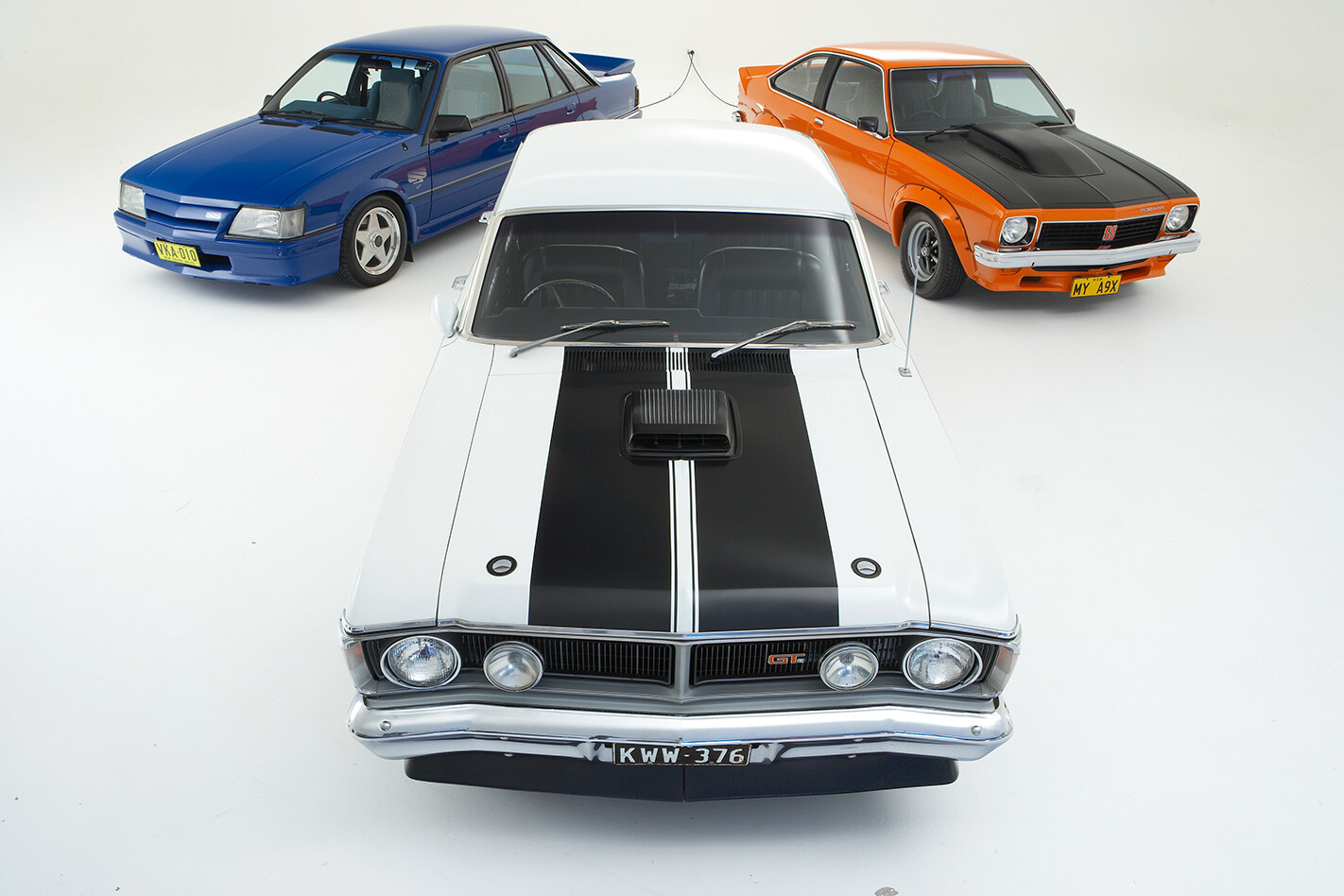
If you were the speculating type, you might see the recent million-dollar-plus sale of a Falcon GT-HO at auction as a sign that classic Australian automobiles are ramping up in value in a big way.
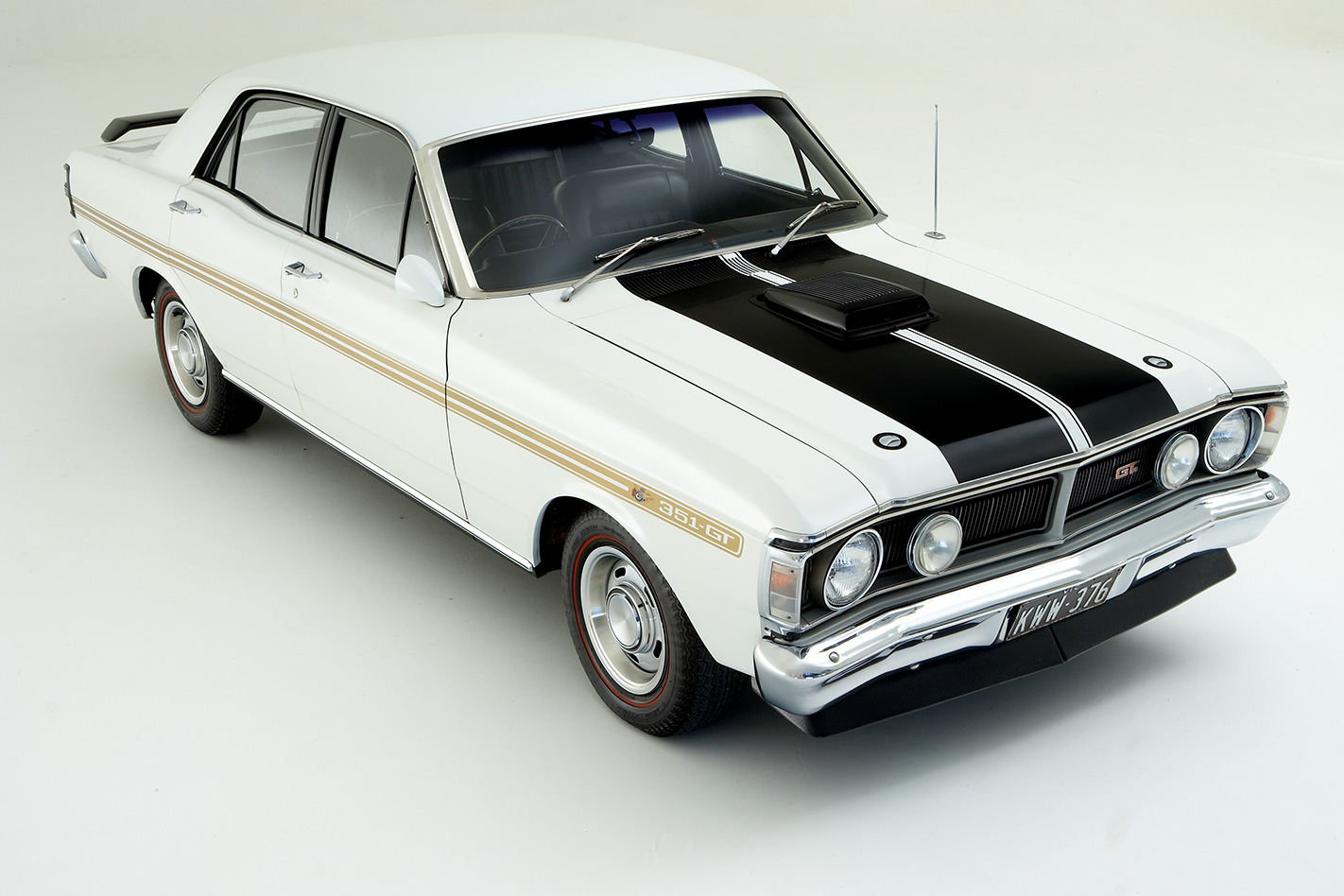
However before you go hunting through barns to help expedite your retirement, it’s worth remembering that just a decade ago the prices for Aussie classics boomed bigtime – before hitting the brakes only a few years later.
Aussie Gold was first published in the June 2007 edition of Wheels magazine
THE GOLDEN age of Australian muscle cars began on 18 April 1967, when Ford Australia unexpectedly announced to its dealers a high-performance version of the XR Falcon.
The ‘Mustang-bred’ XR GT was in direct defiance of Ford Motor Company’s order to stay out of motorsport, and ended the delicate dance of diplomacy over what mattered most among Australia’s Big Three: an annual, 500-mile race in a country town called Bathurst.
The XR GT unleashed a fraught five years of home-grown hero cars: Holden’s 327 and 350 Monaros taking the fight to ever-more powerful Falcon GTs, with Chrysler’s swift, six-cylinder Hemi-engined Valiant Pacers and Chargers always lurking nearby. And road owners never had it so good, thank again to the Hardie-Ferodo 500’s homologation requirement that a minimum of 200 examples be built.
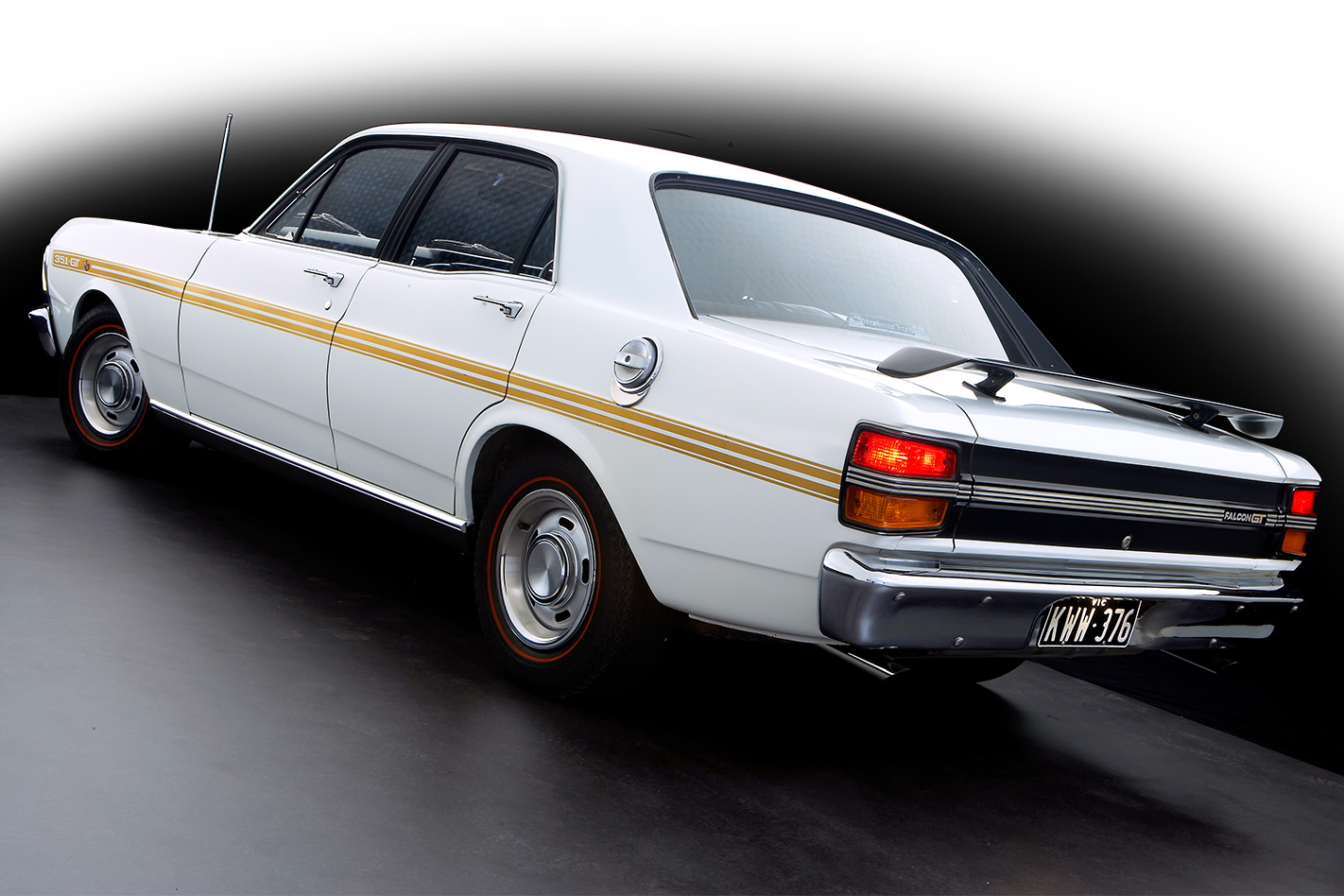
It was also an era that ended suddenly, controversially, with a transport minister’s self-promoting media campaign that went into history as the ‘supercar scare’. But perhaps the real golden age of Aussie muscle cars began almost exactly 40 years later, on 25 March 2007 in an auction room in Melbourne. A 1971 Ford Falcon GT-HO Phase Ill, one of 300 built and some 90 remaining, was knocked down for $605,000 – or more correctly, $683,650, including the auctioneer’s fees.
For months, there had been rumours of private-sale offers of more than half a million dollars for top XY GT-HOs. But here, at last, was the evidence that Australian muscle cars had attained international collector-car price levels, outstripping even America’s muscle-car icons. Many Chargers, Falcons, Monaros and Toranas, already fetching six-figure sums, had probably doubled in value overnight.
“It was a landmark auction, in a way,” says Robert Glover, the youthful and very satisfied head of collector cars at auction house Bonhams and Goodman. “In front of everyone, this is what it sold for [so] that is now the benchmark. No-one is going to give away a real GT-HO for less than $400,000.”
The price was even more remarkable because this car, in collector terms, was the opposite. The red, May 1971-built example had reportedly been bought by the previous owner eight years earlier, for $100,000. He had restored it beautifully, but the car lacked books to verify its 25,000-mile odo, or explain much of its ownership history.
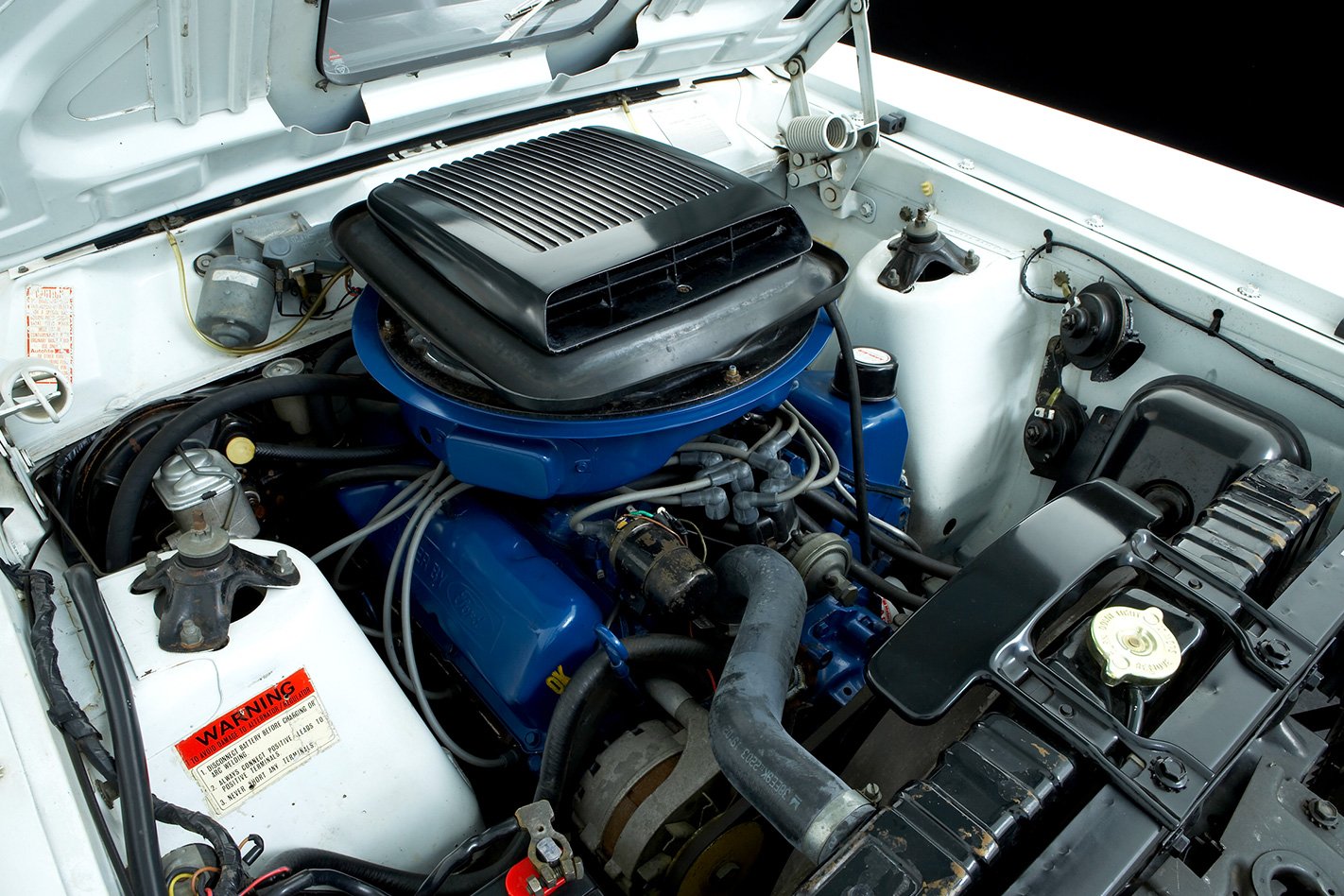
What it did have was Allan Moffat’s autograph on its glovebox lid. This, along with factory-spec peculiarities like the 36-gallon fuel tank and the omission of Super Roo decals, led to (hastily retracted) claims of it having been Moffat’s personal or company car.
“I know nothing about the car whatsoever,” Moffat says, explaining that he never had a GT-HO road car. Indeed, the HO was too valuable (and in demand by dealers) to be handed out as a company car. Moffat chuckles: “In 1969, when the [Phase I] HO was launched, they were $4500. And the regular Falcon was $2500. And I said to the director of marketing at the time, ‘Man, who’s going to pay $4500 for a Falcon?’ And he said, ‘You’ll be surprised, Allan …’
“Unfortunately, I wasn’t surprised enough to go out and purchase one. Or a dozen.”
Moffat might otherwise now be sitting on as many millions, according to auctioneer Glover. “I think, now, that if someone phoned me up and had a GT-HO with, say, 4000 miles on the clock, and all its books, I probably wouldn’t be willing to reserve it at a million bucks – but I wouldn’t discount it being able to make that. Because people will pay a huge amount more to get the best.”
Darryl Mattingley is satisfied that he has. The 56-year-old owner of a house-removal business in Emerald, Queensland, has an eclectic collection of about 20 Australian road cars, which includes several original, low-mileage early Falcons. But in the past 12 months he’s also added the very first and last of the V Series Monaros, which collectively cost somewhere between $300-$400,000. But his Holy Grail, he says, is the car he bought on 25 March.
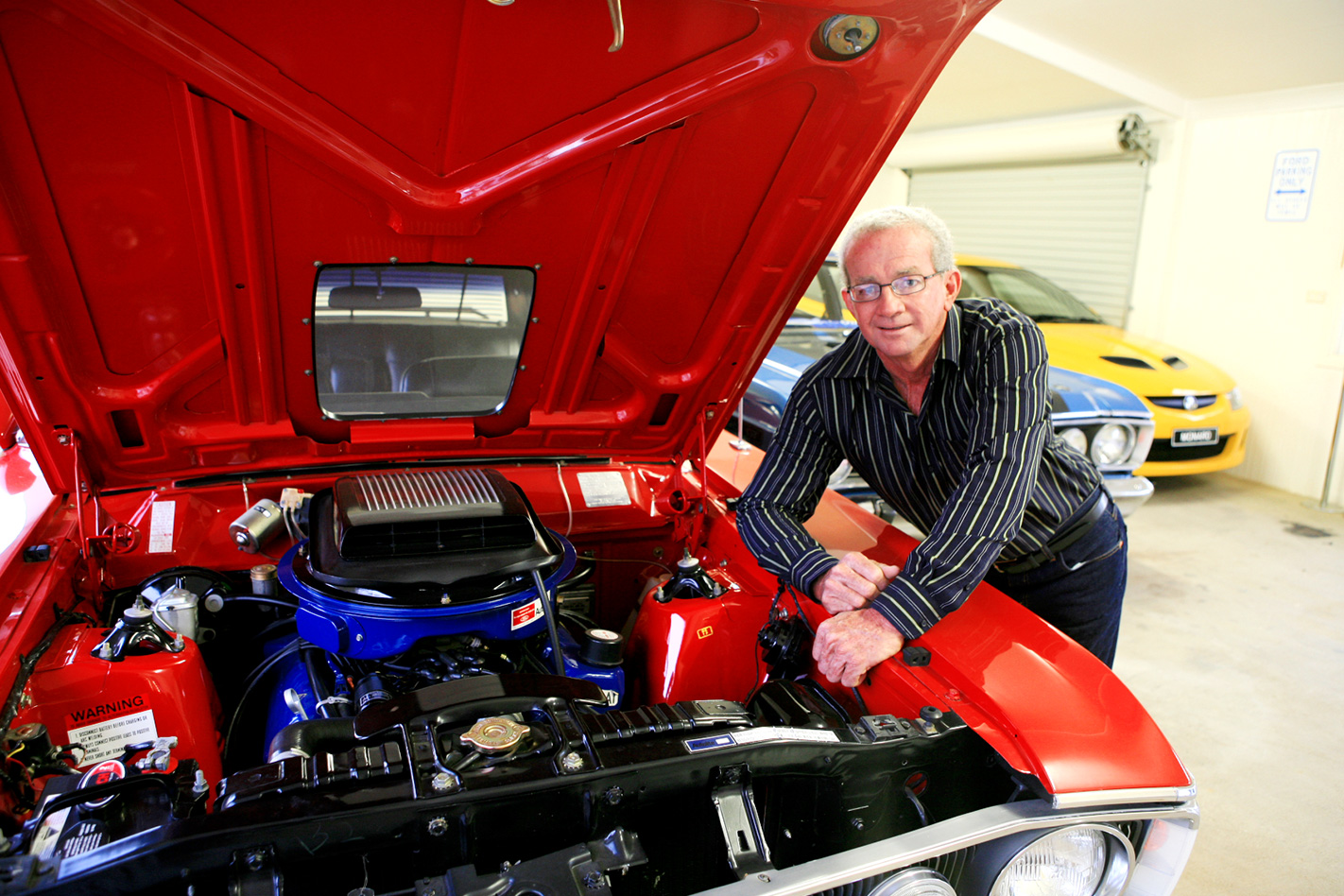
“I just like collecting,” Mattingley says. “I don’t know how to explain it, because I’ve got a $700,000 Phase Ill GT-HO and I’ve got two Monaros that are brand new. And I’ve got a Mini Moke and a Mini Minor.”
In the wake of his Phase Ill purchase, Mattingley was painted by some media as the idle, irresponsible rich. “It couldn ‘t be further from the truth,” he says. “Mate, I work very hard for every penny I get, and people have got the idea that I had $700,000 sitting in the bank waiting to buy it. I didn’t.
“A soon as I bought it, I raced down to the bank manager and said,’Now, listen, I need some money in a hurry.’ But I’m lucky to have that, to have some real estate backing to be able to do it.”
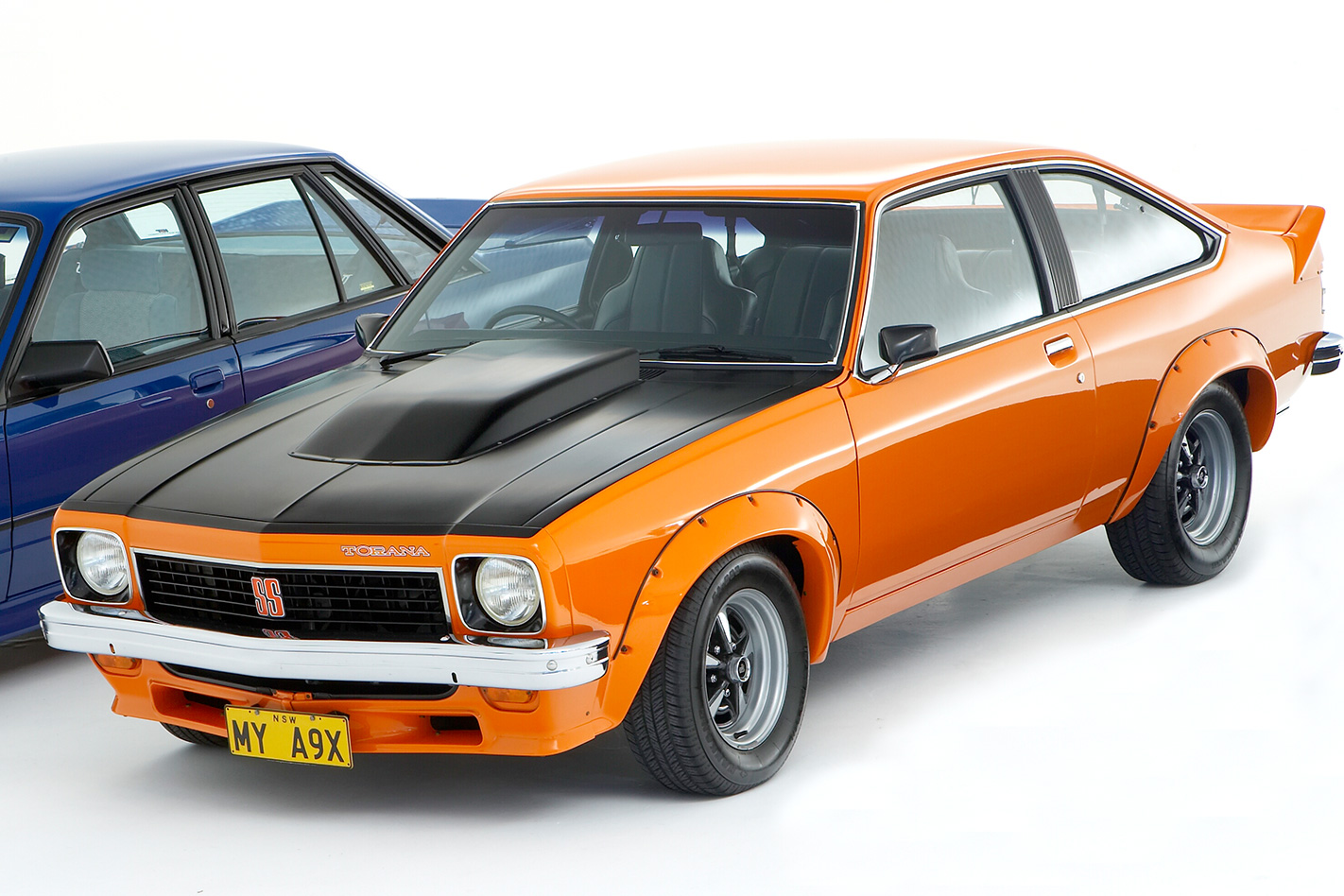
So who is buying the great muscle cars of Australia? According to Christophe Boribon, national auctions manager for rival house Shannons, these are a different mob from those that drove the prices of Jaguar, Alfa Romeo, MG and other attainable exotics briefly through the roof in the late 1980s.
“What we’re seeing today is a totally different breed of people, blue-collar guys,” Boribon says. “Generally, the people who’ve bought these cars from us in the past two years have been from the age of 45 up to about 60. They’re not lawyers, doctors, solicitors – they’ re people who’ve done very well in business, but have come from a very humble background.
“They’re pulling the ir money into the cars they grew up with,” Boribon continues. “They’re the cars they went out to Sandown and Bathurst to watch race. They can relate to those cars.”
The effect of supply and demand is illustrated by combining a precarious quantity of cars and the largest, richest and most self-indulgent generation in global history: the post-war ‘baby boomers’.
This generation, generally classified as those born between 1946 and 1964, are a phenomenon of historical timing. They grew up in a world largely free of major wars, of almost unrelenting economic growth – they were far enough up the tree to weather both recessions – while antibiotics, immunisation and surgical breakthroughs have coddled them since childhood to a predicted life expectancy of 85 years.
“I guess the worst hardship was having to selI the BMW in the crash of ’87,” says David Chalke, social analyst and director of market research service AustraliaSCAN. That’s right: remember the yuppies of the late-1980s? Baby boomers, when they were younger.
“There’s a bout five million of us we represent about a quarter of the population of Australia, but we control about half the wealth,” Chalke says.
“The boomers are largely still working- even the first of the boomers are only now 62. Their asset base is huge, and growing exponentially, because the nest is emptied, the mortgage has been cleared, they’re stashing away investment money like crazy and have got a large discretionary income at the same time.
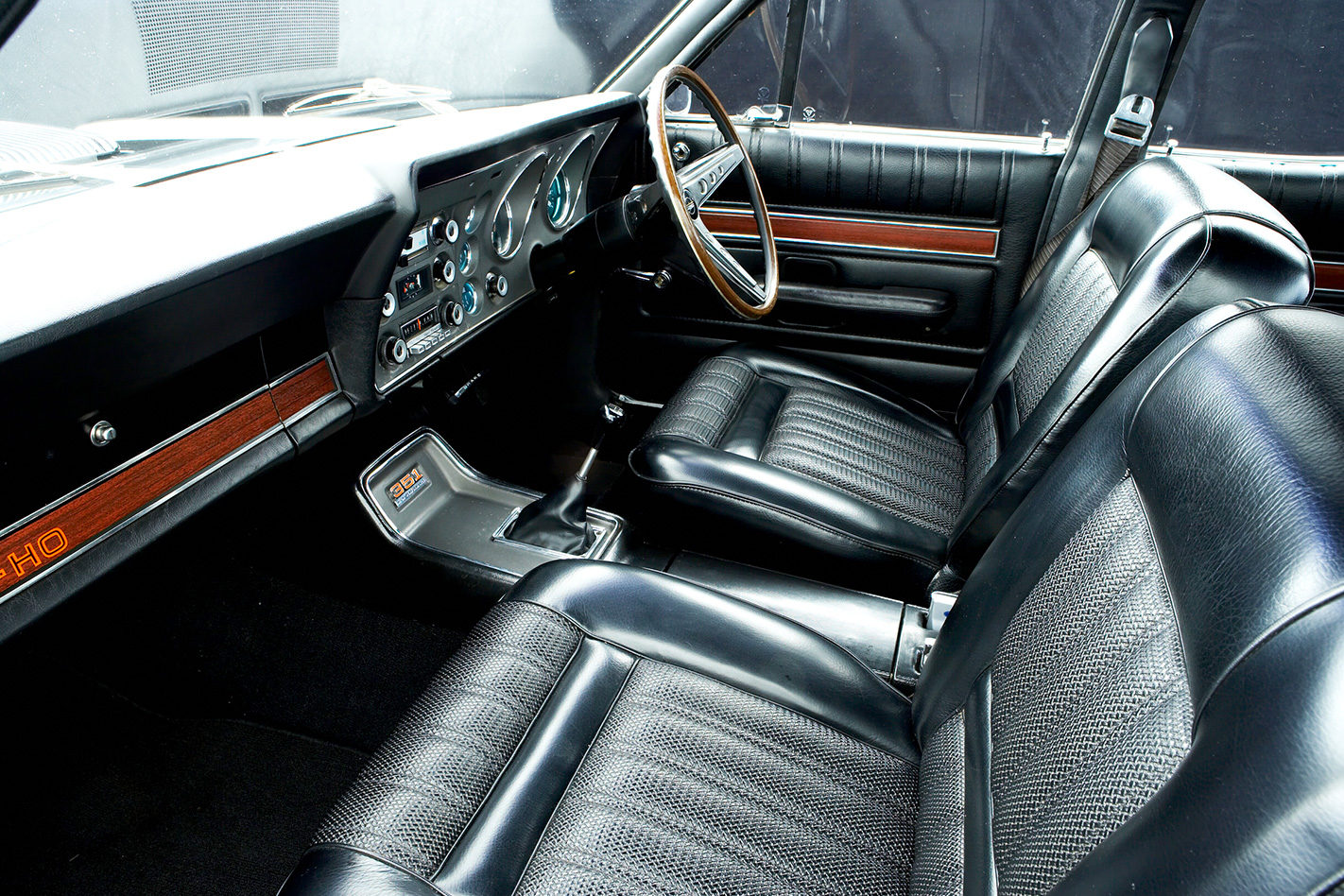
“Classically, when you go through that phase, you go through a complete rejuvenation of life. So they’re rejuvenating themselves – gym memberships, botox, all that sort of thing- and rejuvenating the home.
They’re the biggest-spending group on top-end kitchen renovations, the $50-$60K jobs …
“They now have the time to engage, or in many instances re-engage, in the passions of their youth. They have the money, the technology, the ability to do the things that really fired them up as kids. And so, in the instance you mentioned, he was a Ford GT-HO fan, always wanted one – ‘I’ve got the dough, it’ll be an investment, I can sell it in 10 years and a t least get my money back … ‘ It’s so common.”
Auctioneer Roben Glover agrees. ” It’s a lifecycle with cars. You’re probably going to see something similar with Ferrari F40s in 10 or 15 years’ time, because those are the cars that people of my age had as posters on the wall [as kids]. When these guys are in their 50s, a lot of them have a lot of money, so you get this situation where there’s this huge demand from people who have got a lot of money.”
Yeah, but in 30 years’ time, the baby boomers will be dead. What then for a $700,000 investment that means little to a younger generation of Australians?
“Classics will forever be classics,” David Chalke responds. “You’re right in that they won’t have the emotional connection back to your youth – it will have lost some of its allure – but they’ll be rarer then, and there will still be collectors.”
Darryl Mattingley and his wife Shelly bought the Phase III with their eyes wide open. ” l just think, and hope, it will be worth a million dollars, this thing,’ Darryl says. “And my wife has worked it out : with the interest repayments, it’s got to go up X-amount of dollars each year or we’ re going backwards. While it’s a passion, it’s also an investment.”
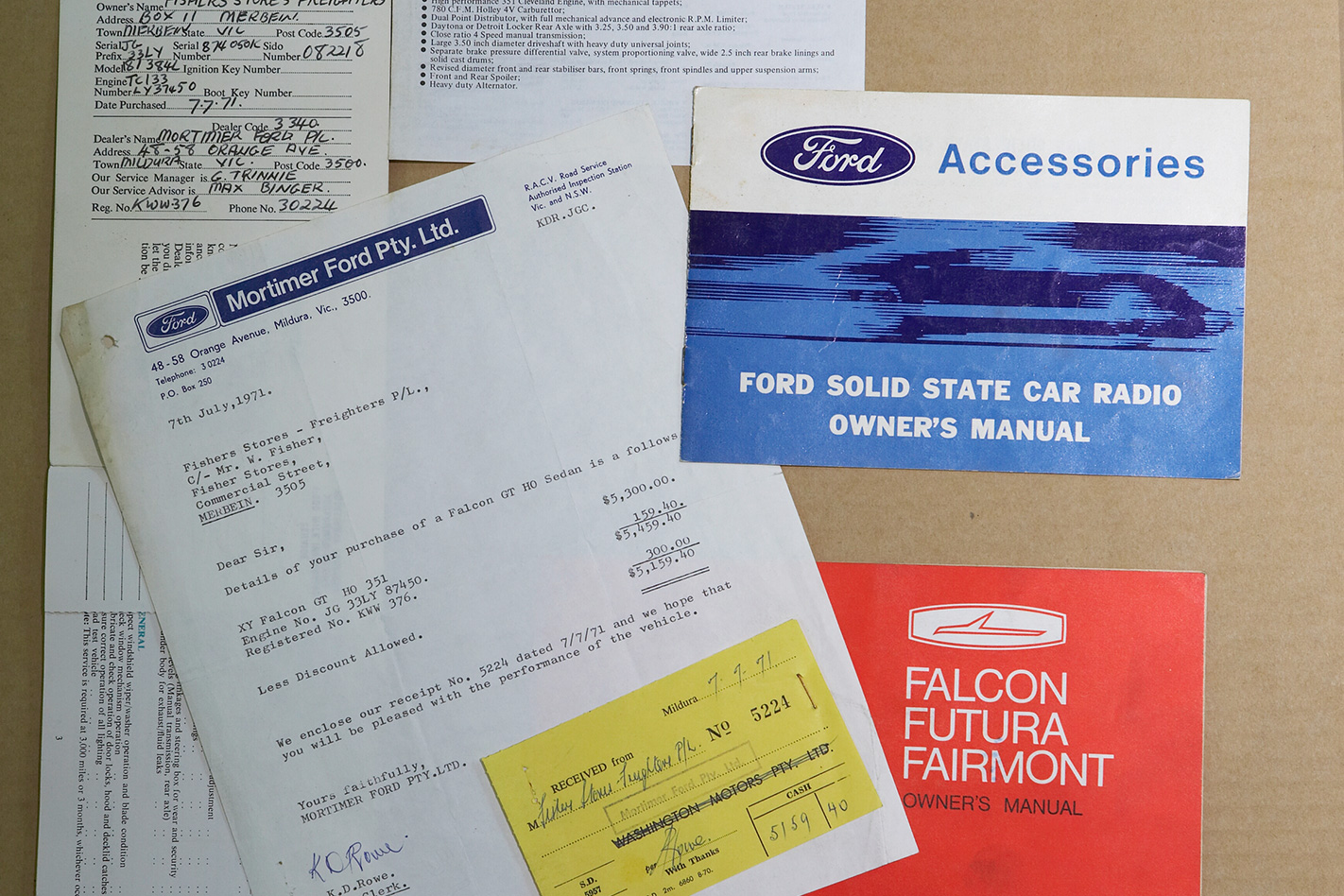
Books or not, he knows what he’s got. ” I’ve got the SIDO number, l’ve got the Ford printout which tells me exactly what that car had,” he says. ‘And that car is exactly as it drove off the showroom floor. It tells me it had seatbelts, a 36-gallon tank, eight-track player which it’s still got, left-hand mirror, which it’s still got. .. lt was delivered to Ford Motor Company itself, and it was ordered minus stripes.” Just as interesting, perhaps, were the whereabouts of a young D Mattingley at the time.
“I did my apprenticeship as a Ford mechanic at the garage here in Emerald, working on those cars,” he says, without hesitation. “There were two HOs sold in the Ford dealership here. And yes, I know where both of them are! I wanted to buy one of them because I worked on it, but he wouldn’t sell it to me. But since I bought this red one, now he wants to sell it to me.”
The apprentice’s tale has a parallel in David Bowden, the former touring car race wrench, turned financial high-flyer who, in the past two decades, has acquired many of Australia’s most significant racing tin-tops. While Mattingley acknowledges that their passions differ- ” he collects race cars, special cars, in their racing condition”- Bowden figures road cars will always be slower than racing cars.
“Most of the car collectors with the HOs are reasonably smart because they’re paying that sort of money,” Bowden says. “That bloke that paid $600K, he’s pretty smart, he’s an accountant. I’ve never met him but he wouldn’t be a dill- but one thing they’ve still yet to learn is provenance.”
In the mid-1980s, Bowden says, after a tax wrinkle cleared out all but the (then-dismantled) 1970 Pete Geoghegan Super Falcon from his collection, he “decided to stick to cars with race history. I knew that somewhere along the line, they were going to be a good investment … And yet, we had top competition cars selling for the same price as regular road cars.
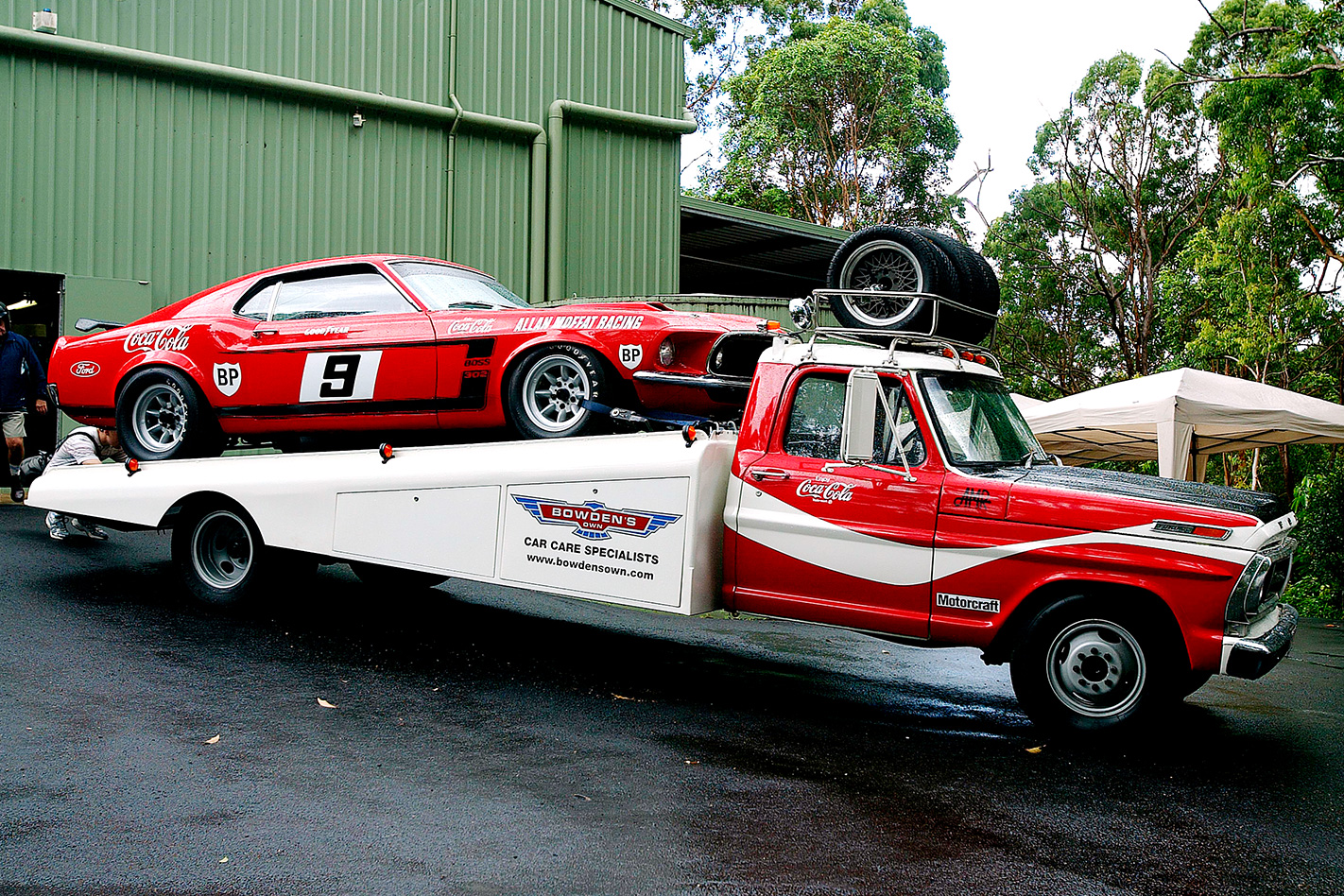
“You see a [Jaguar] D-Type that’s won Le Mans, compared to a normal D-Type, and it’s [the Le Mans car] worth three times as much. With Bathurst and that, we’re going to see the day when these cars are probably triple what they’re worth now. The road ones won’t go anywhere near that far.”
Bowden’s collection includes, among its 80-plus cars, both of Peter Brock’s 1978 and 1979 Bathurst-winning Torana A9Xs and his 1972 XU-1. On GT-HOs alone, Bowden has ex-Moffat Phases I, ll and III, and one of only three surviving Phase IVs.
Of his collecting, Bowden simply says: “It was two things: I had the dough to do it and it was fun. If you fell over a lot of money at some time, you’d probably do the same thing. But the other thing I realised, I just knew we had to get these good car back here. To not have the Mustang in Australia was just criminal.”
Ah, the car that launched a thousand night emissions among adolescent baby-boomers: Moffat’s 1969 Coca-Cola Mustang Trans Am. It is one of only seven Trans Ams built in ’69 (from 19 ever built), unquestionably the most original, and boasts a record of 101 race wins from 1970-’73, uniquely in Moffat’s hands. “It was the only one-owner Trans Am in the world,” says Bowden, who shipped it back from the US in 1995.
Had this internationally significant racing car, backed with sheafs of impeccable paperwork personally handed over by its champion owner-driver, cost less than $683,650 in relative terms? “Oh, yeah- in any terms,” Bowden chirps. “We weren’t talking anywhere near that amount.”
Perhaps unsurprisingly, Bowden feels that road-going Aussie muscle cars are already “well-extended”. Even the auctioneers acknowledge that, while the days of barn-finds and unwitting widows are very likely over, today’s stratospheric prices may not last forever.
Mattingley told Wheels: “Don’t promote me as a dill, please.” Hard to see that he is when, every day, people plonk down not-so-distant sums with unquestioning acceptance that their new car will dump 20 percent when it hits the footpath, and close to 50 percent in five years’ time. Mattingley’s GT-HO, at least, is running much shorter odds.
There are at least two other people in Australia willing to pay $600K for the right GT-HO; the auction had been a three-horse race. That’s great while there are rich people in Australia, but unlike a classic Bugatti or Bentley, these cars’ appeal are geographically limited.
Shannons’ Christophe Boribon: “You’re right, it is a small market. Where it’s going to end up, we just don’t know. Has it only got a couple of years in it, five years, 10 years? I really don’t know.
“l think it would be interesting to know what would happen tomorrow if we go into a recession. I do think a lot of these muscle cars will come back slightly in value. Five years ago, a Phase III Falcon GT-HO was worth $50-$80,000 – today the same car is worth half a million dollars. If a recession comes into play, I would say the cars will come back to $250-$300,000.”
Bonhams and Goodman’s Hobert Glover is more upbeat about the situation. “You’d never sell that Falcon in England, but in the United States there is potential, in the sense that they like cars of a similar ilk. To think if you did get one of the big American collectors who suddenly thinks it’s a good investment, all the other Americans will be, ‘Ooh, what’s he onto?’
“Besides,” Glover continues, “I don’t think it has got as ridiculous as it was in the late-1980s. When you look at what a house is worth, and the fact that E-Type Jags were selling for [GBP] 100,000, I don’t think it’s as mad now. People have been waiting for the crash – I know people in England who sold their houses five years ago – but it’s just continued going up and up.
“I can’t see any reason why it’s all going to go tits-up at the moment.”
VOLVO has officially dumped the diesel engine. The new US-built Volvo S60 sedan, unveiled overnight, features a range of turbocharged petrol and twincharged plug-in petrol-electric hybrid drivetrains that signal “the company’s industry-leading commitment to electrification and a long-term future beyond the traditional combustion engine”.
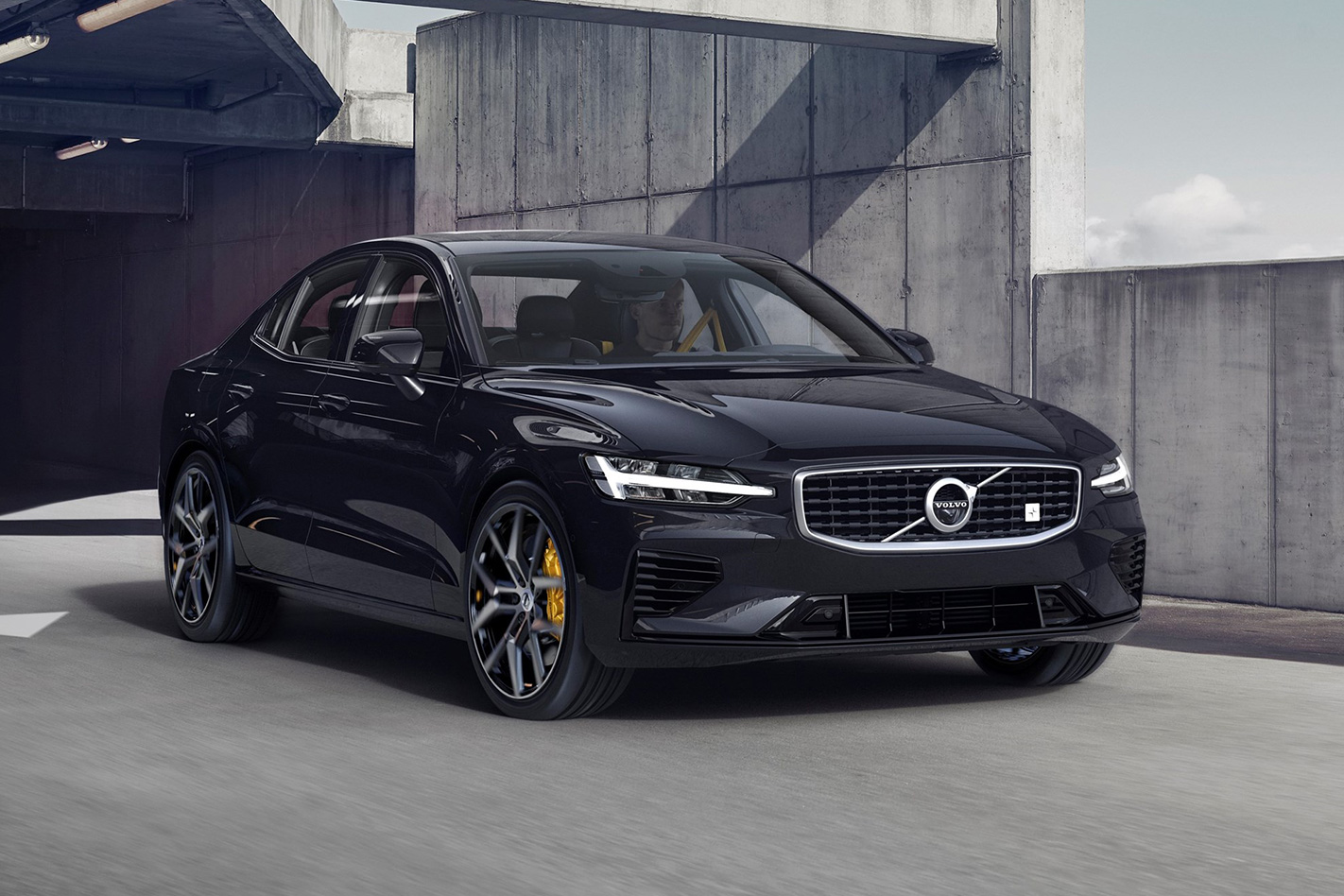
The hybrid engines will come in two states of tune, an all-wheel-drive T6 “Twin Engine” producing 254kW, and a T8 version producing almost 300kW. The cars will also feature the T5 and T6 turbo 2.0-litre engines, Volvo said. As our sister publication MOTOR reported, a Audi RS4/BMW M3-fighting version of the S60 sedan will also become the first model to wear the “Polestar Engineered” badge denoting it has enhanced performance added via the hands of Volvo’s now standalone electric car division.
The new S60, which will go up against the Audi A4, the soon-to-be-updated BMW 3 Series, the Infiniti Q50, the Lexus IS and the refreshed Mercedes-Benz C-Class is built off the same Scalable Product Architecture that underpins the recently revealed V60 wagon, the S90 and V90 large cars, and the 2017 Wheels Car of the Year award-winning second-generation XC60 SUV.
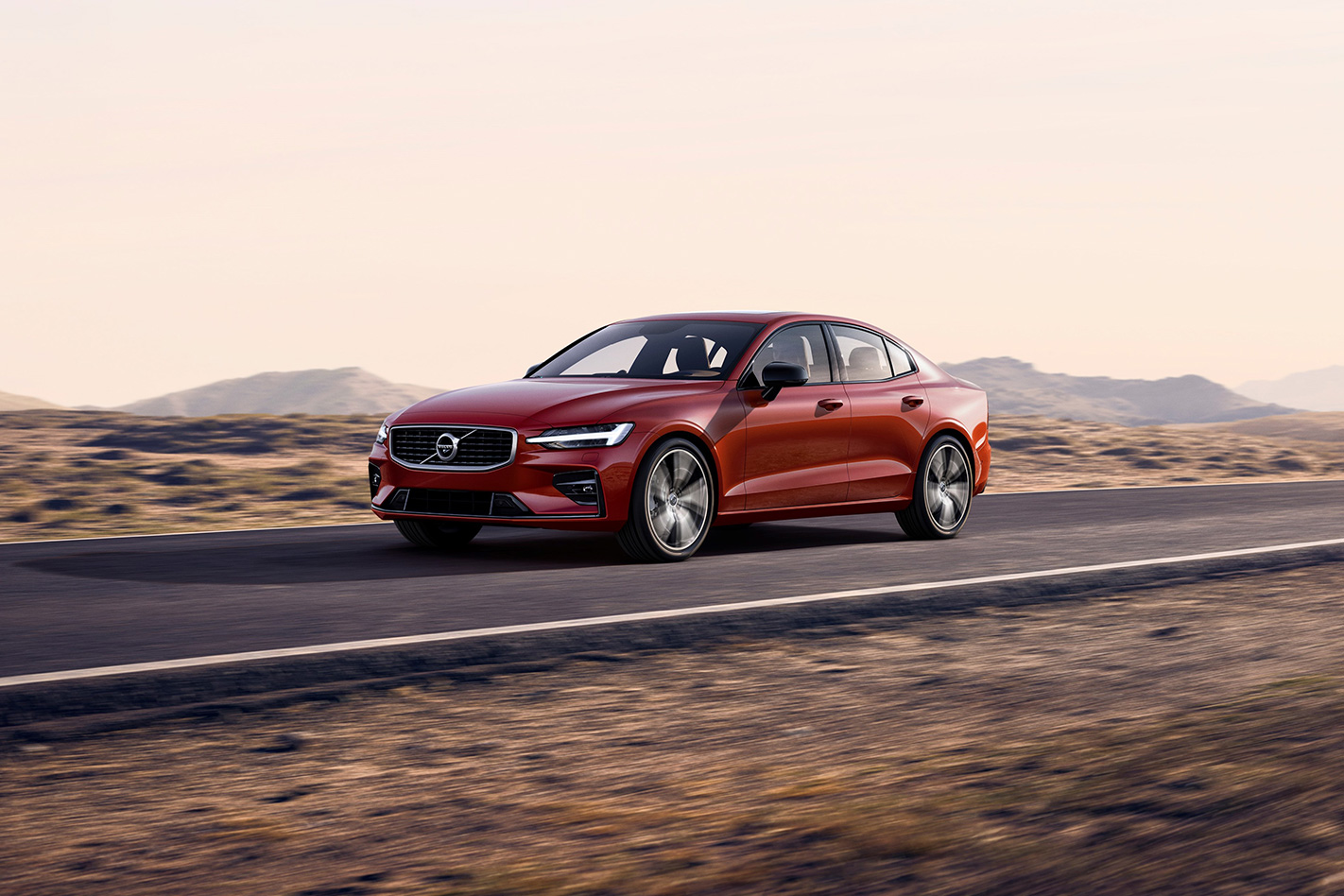
Not surprisingly, the S60 apes the recently revealed V60 around the front, including the Thor’s hammer headlights, and back to the A-pillars. Beyond that, the S60 keeps the same rising window line, but framed in a fastback-styled, swept design that looks, well, a little Jaguar XE in the way the C-pillar extends into the boot.
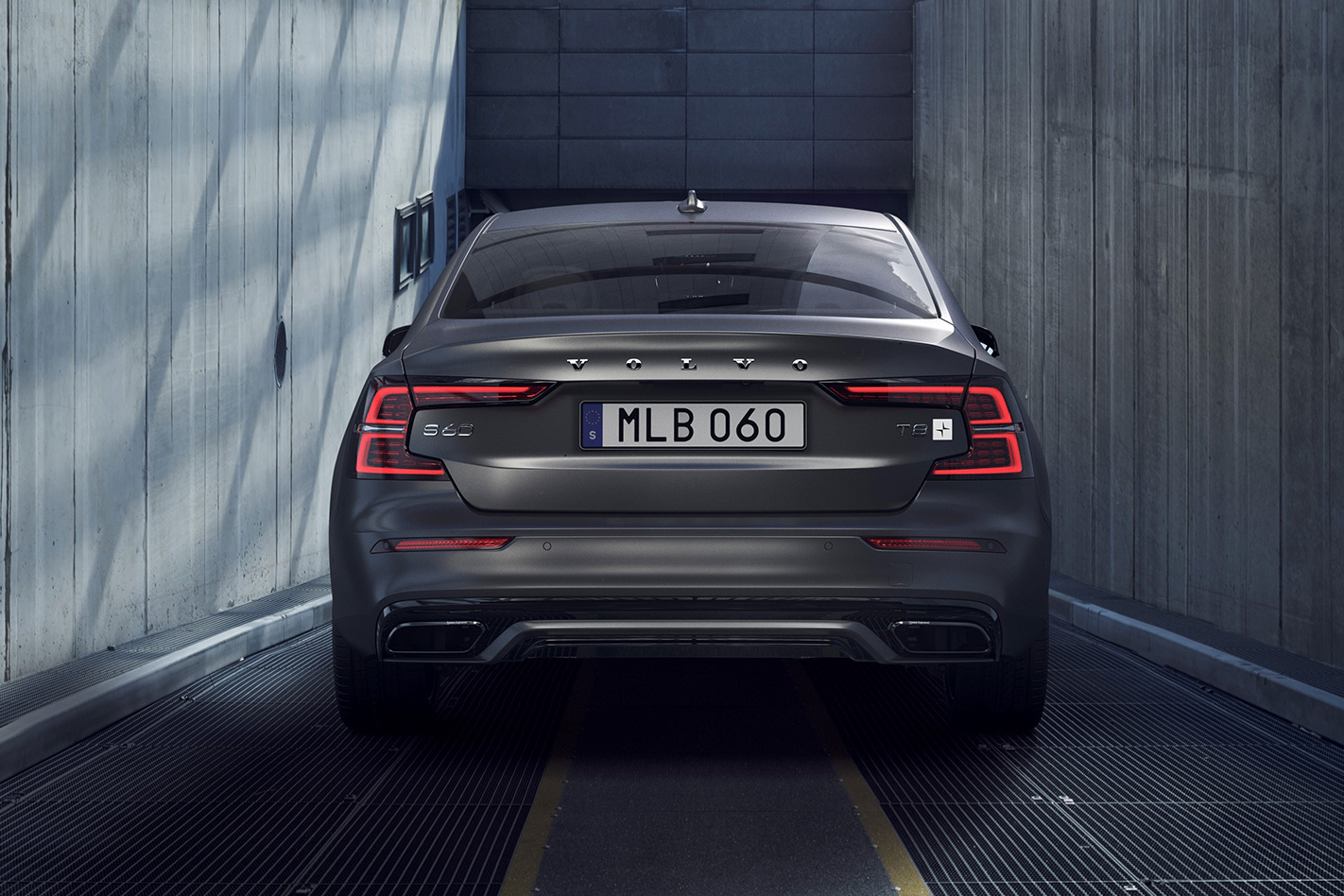
Speaking of the boot, the S60 appears to have one that, although a bit shallow-looking, is at least deep. Part of the LED-strip tail-light assembly is built into the bootlid, which wears the stretched “V O L V O” branding.
The centre of the dash looks very Volvo XC40 in the way it features a vertical touchscreen framed in deep, narrow air vents.
Volvo is talking this generation of the S60 up as “the most exciting Volvo cars we’ve ever made”. The claim comes with the added weight of the Chinese-Swedish-American car maker claiming an active chassis and dynamic drive modes “deliver excellent control and an engaged performance that makes this a driver’s car”.
The plug-in hybrid T6 and T8-badged S60’s Drive-E system uses a water-cooled 65kW/240Nm electric motor on the rear axle, while the supercharged and turbocharged 2.0-litre engine drives the front wheels via an eight-speed automatic transmission.
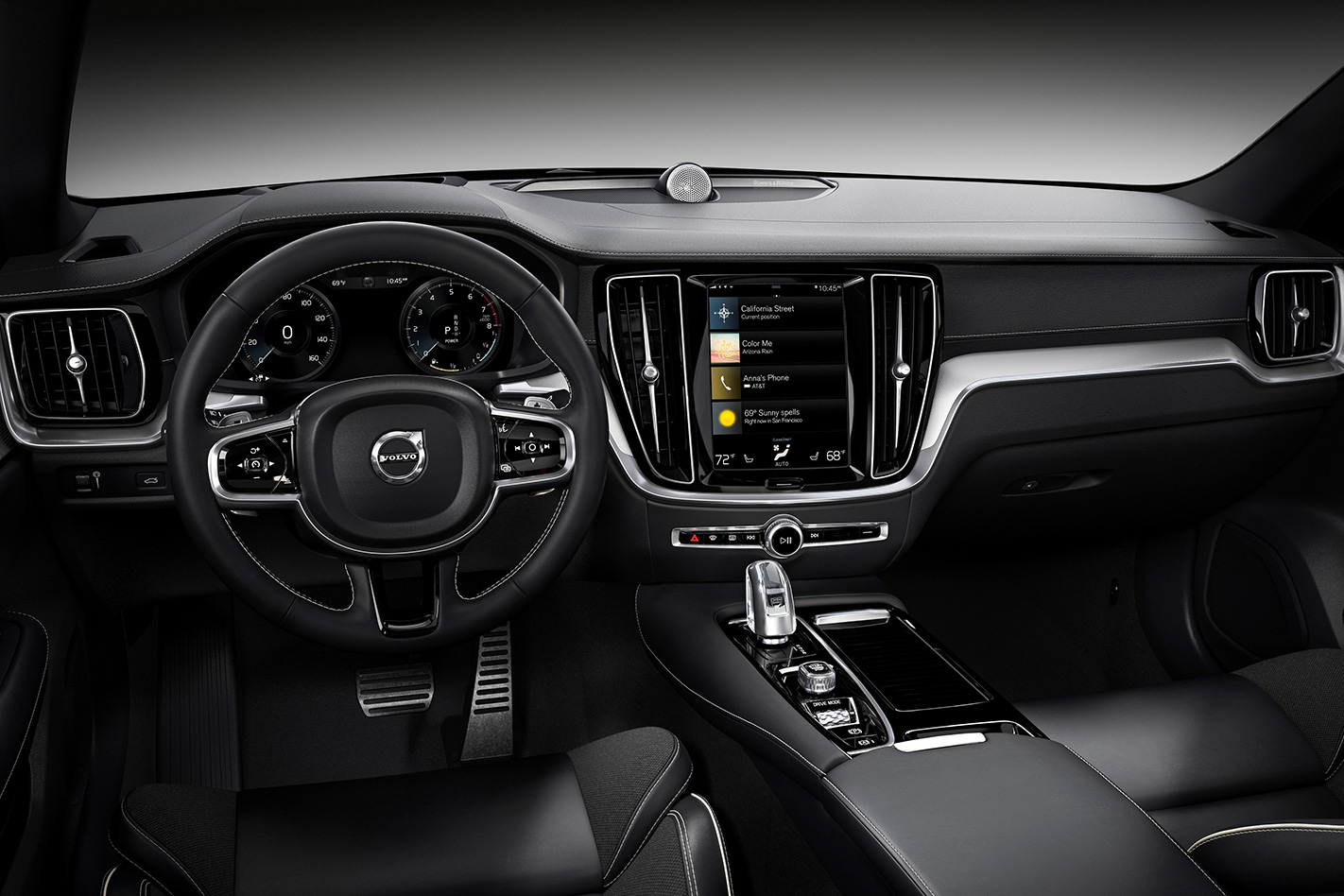
Both the electrically activated supercharger and turbo force air into the engine below 3500rpm, while above that, just the turbo applies boost.
Volvo Cars Australia has been asked when the S60 is likely to arrive here, and which variants are due first.
The DB11’s life so far has been short, but busy. It made its debut in 2016, offered in V12 guise only, but the cheaper, slightly less powerful V8 model arrived soon after and the drop-top Volante fleshed out the range earlier this year.
Now, after just two short years on sale, the DB11 V12 has been retired. Worry not. Aston Martin is replacing it with the DB11 AMR, the fastest, most driver-focused DB11 yet.
It uses the familiar 5.2-litre twin- turbo V12, now good for 470kW. That’s a 23kW gain over the departed DB11 V12 and 95kW more than the eight-cylinder model possesses.
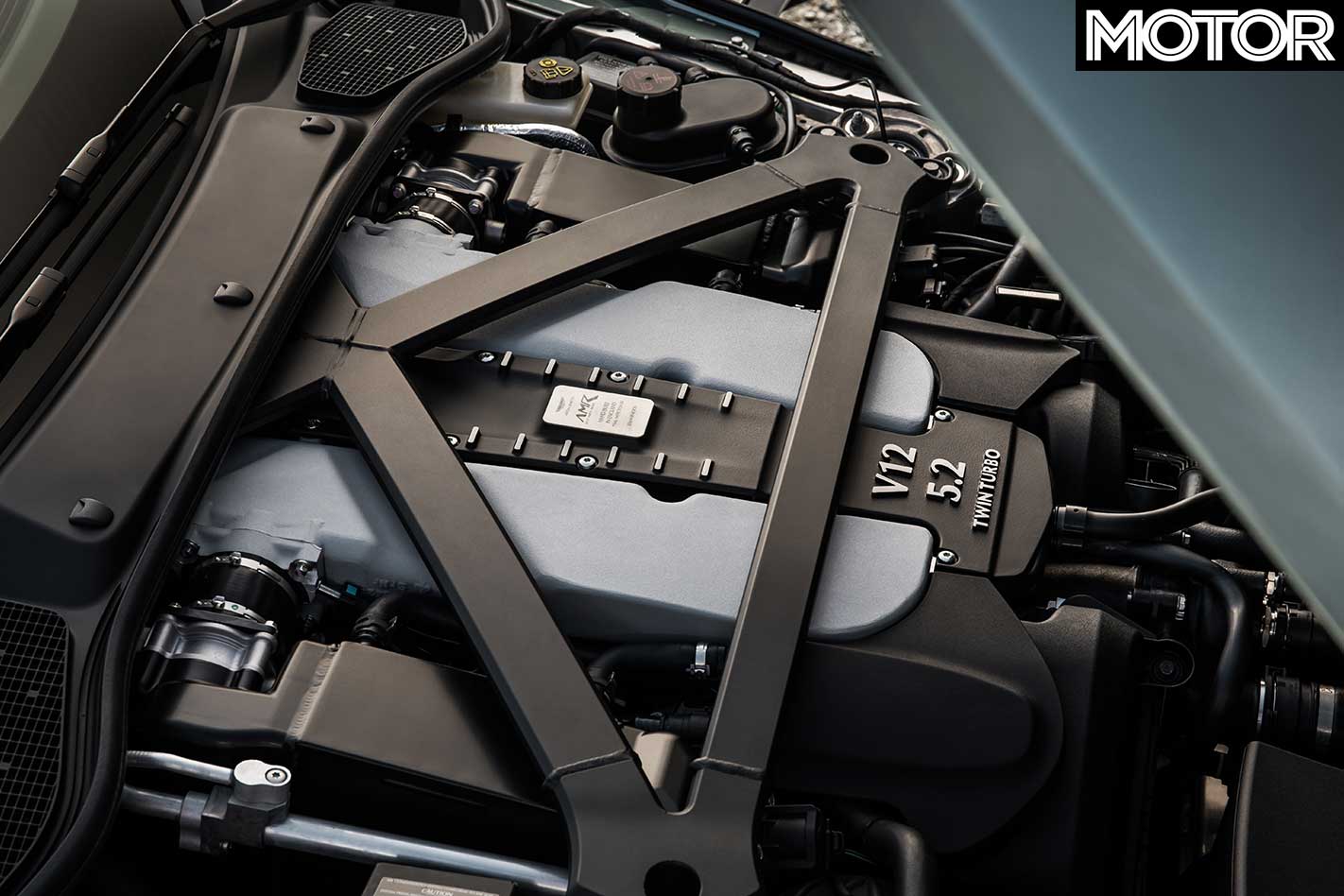
An early limited-run batch of 100 DB11 AMRs will be sold worldwide in Signature Edition trim, which adds a searing lime-coloured body stripe and equally bright accents inside.
The series DB11 AMR is offered in a range of rather more sober colour schemes and it costs $428,000.
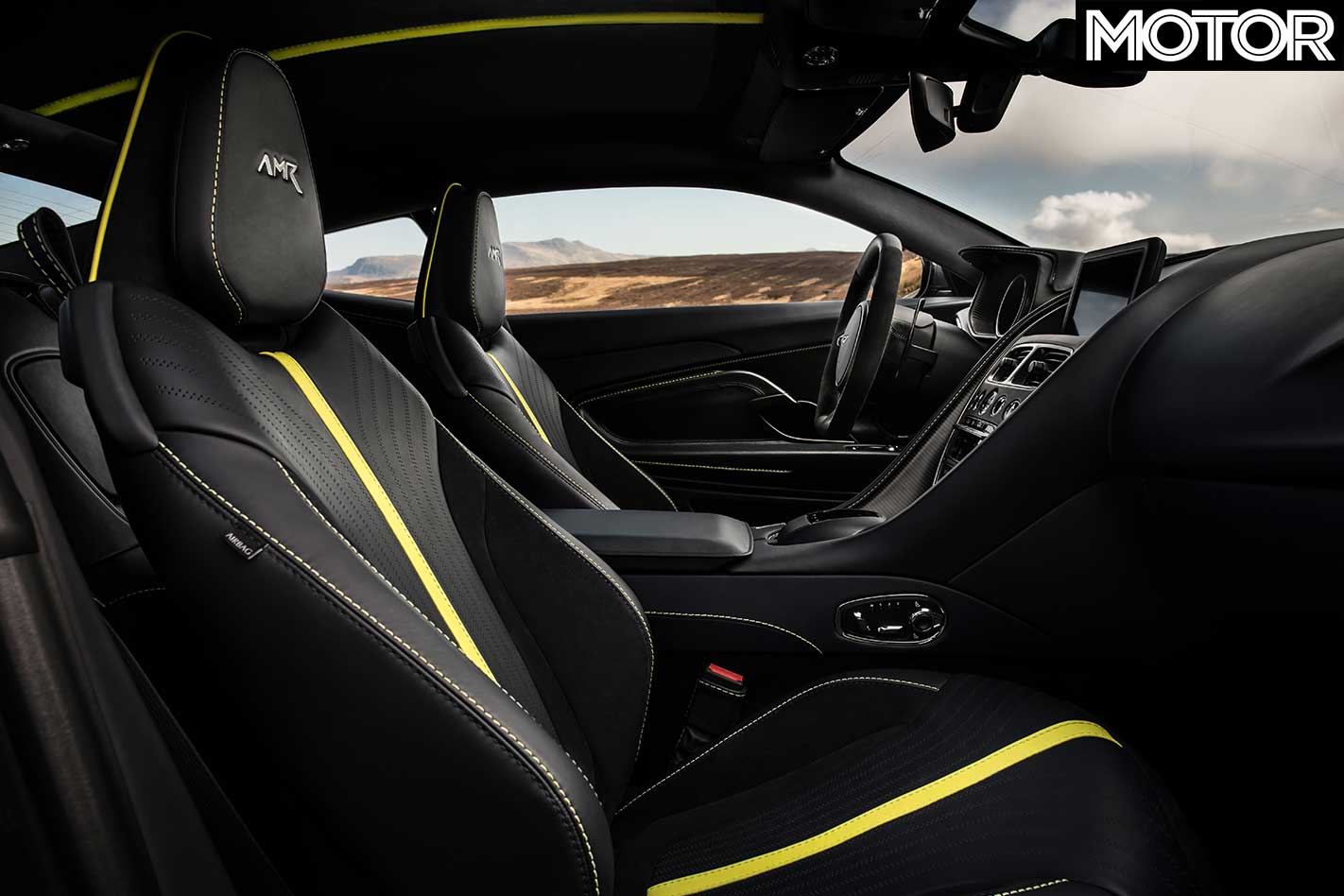
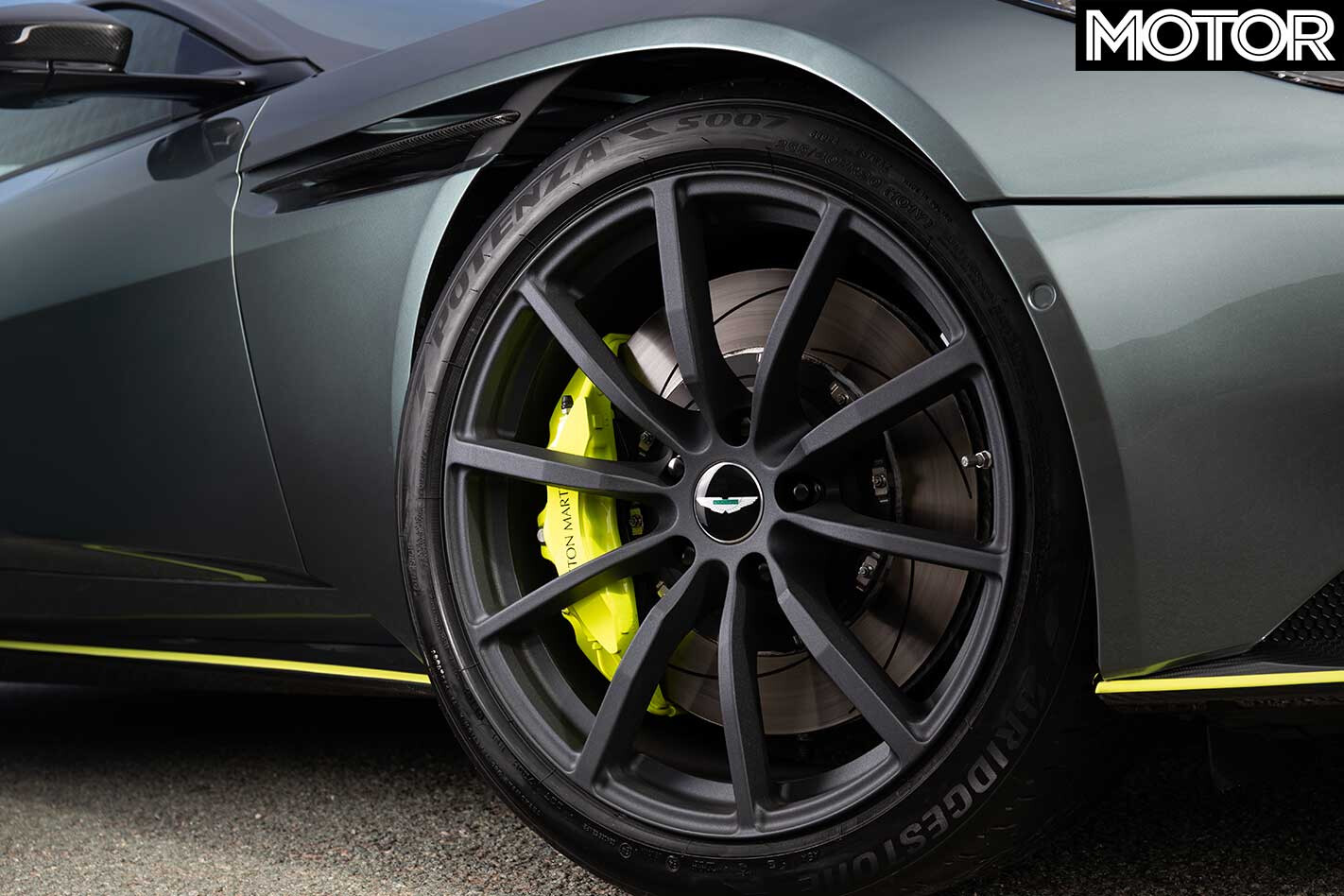
Garish brake calipers or not, the DB11 AMR is a huge improvement over the outgoing model. For one thing, the slightly patchy interior quality that afflicted many of those first-batch DB11s has been put right.
Even more significantly, though, the car now drives the way it always should have. Gone is the harsh, hollow quality to the damping; the new version is beautifully suspended. Its ride may be tight and firmly controlled, but even on very bumpy roads there is enough composure in the damping that it never gets uncomfortable.
Body control has been improved, too. With the rear axle now better located, thanks to those stiffer bushes, and with less ill-tempered squirming from the rear end over bumps in the road surface, traction is significantly better. Dig into the throttle pedal in second gear and you won’t hear so much as a chirrup from the rear tyres.
All told, the DB11 AMR is sharper and more responsive than the old model without being any less cosseting on a longer drive. What about the engine? You probably won’t notice the extra 23kW, but you’ll be very well aware of how rampantly accelerative the car is.
The V12 has power and torque everywhere. It’s the noise that gets you, though. Turbochargers normally muffle an engine’s soundtrack like a sock stuffed into a tenor’s mouth, but somehow Aston Martin has teased a rich and musical soundtrack from the DB11 AMR’s exhausts.
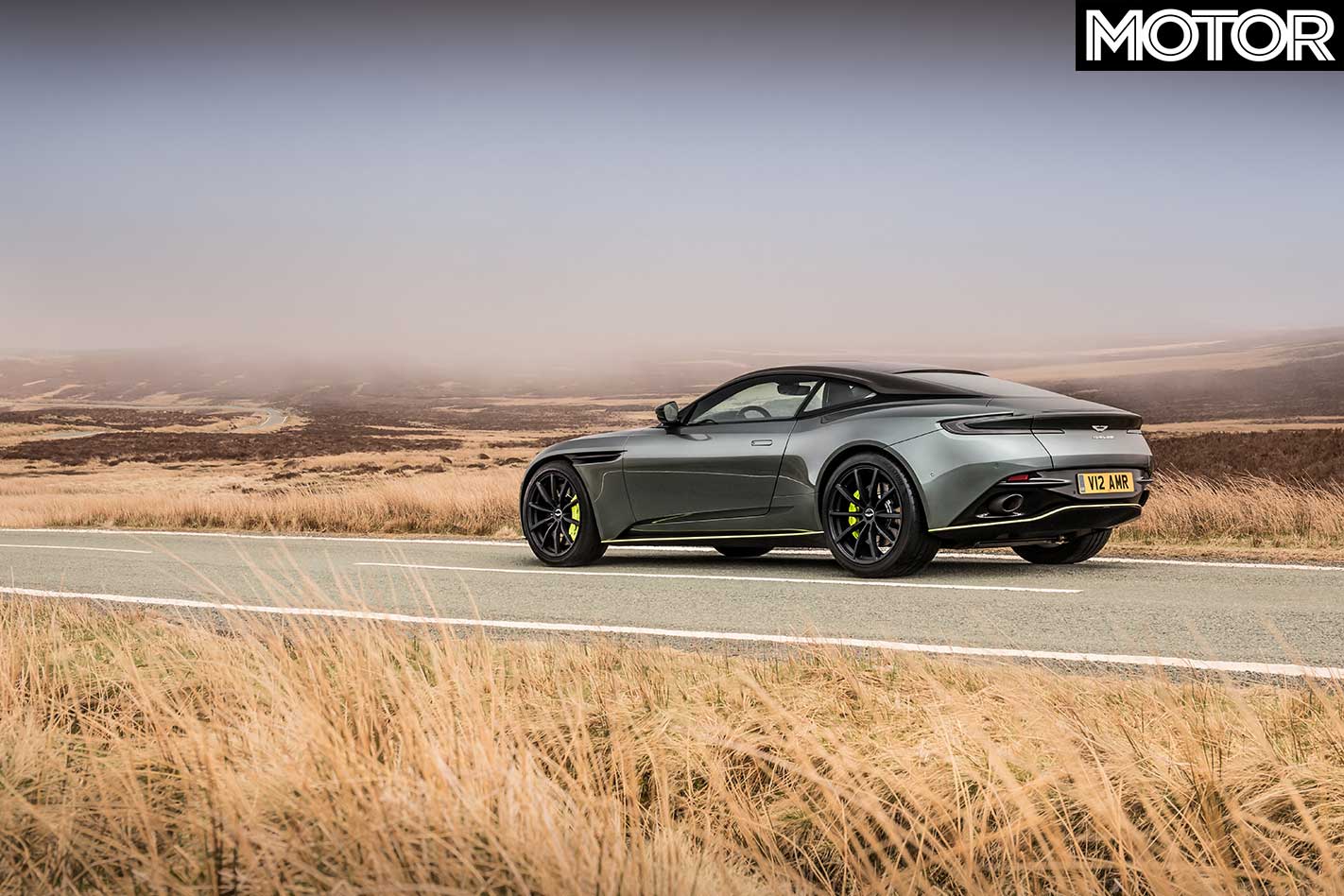
Yet the car certainly isn’t perfect. There is an unholy alliance of precise-but-remote steering, forward visibility that is compromised by a high scuttle and a long bonnet, and the simply vast footprint that means the DB11 AMR is not the sort of car you can jump into and drive quickly right away. You have to build up to it, allowing your confidence to grow.
There is also the not-so-small matter of the AMR’s weight. It’s around 100kg heavier than the DB11 V8. You’ll feel it when you really chuck the car into a tight corner and it struggles to hold a line that the lighter model would happily stick to.
Ever since the DB11 V8, the V12 model has been outpointed and outshone. Now, however, there is nothing between the two models but $60K and 95kW.
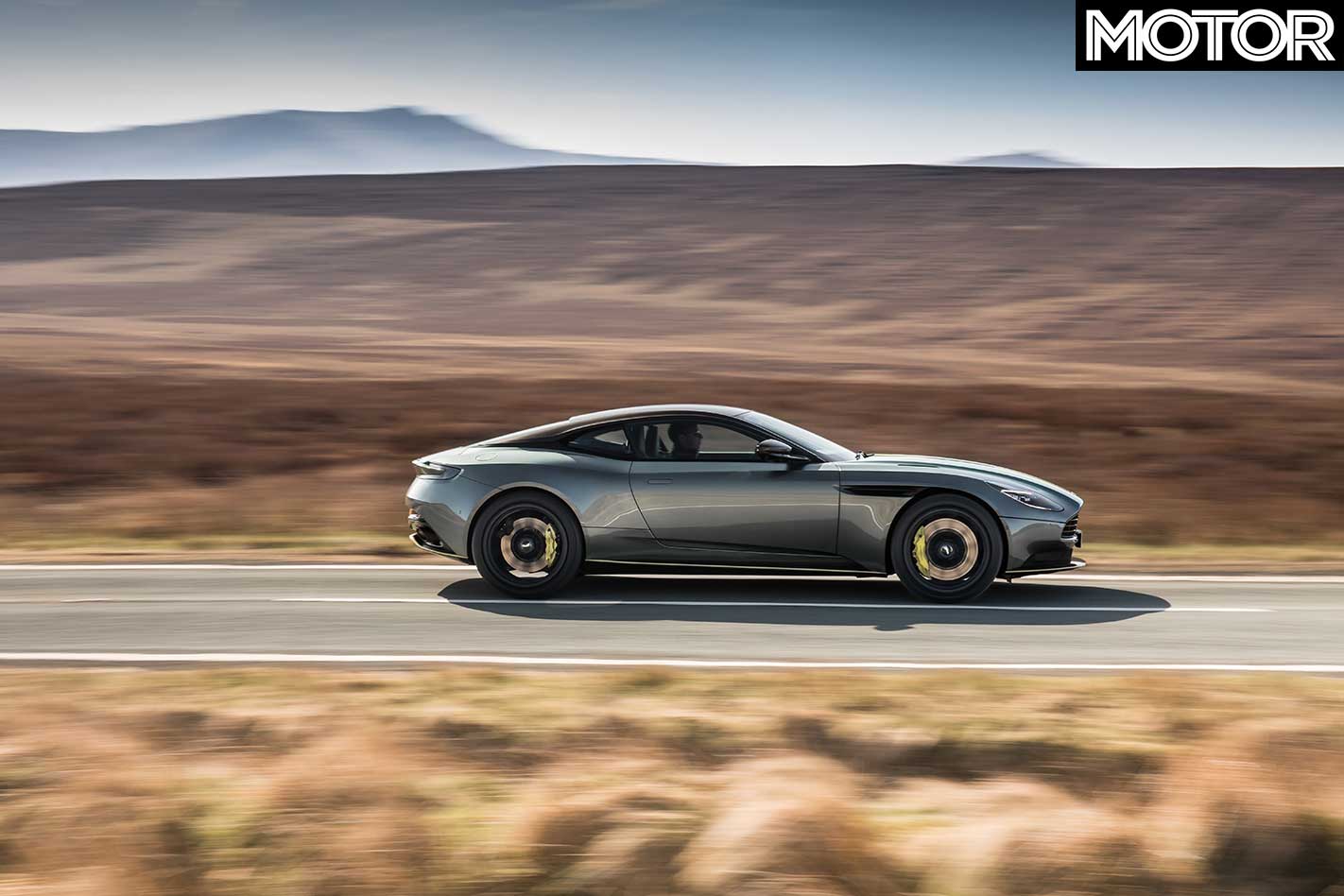
2018 ASTON MARTIN DB11 AMR SPECS: Engine: 5204cc V12, DOHC, 48v, twin-turbo Power: 470kW @ 6500rpm Torque: 700Nm @ 1500-5000rpm 0-100km/h: 3.7sec (claimed) Weight: 1870kg Price: $428,000
Rating: 4 out of 5 stars Like: V12 gains grunt to match its status, better sound from the exhaust, sharper dynamics Dislike: Remote steering, compromised forward vision, proportions, it’s heavy, not cheap
This week, a Japanese police force was gifted a Nissan R35 GT-R as a patrol car, which reminded us of the other awesome cars used by the Japanese police.
Even though they’re mostly destined for public relations, rather than actually utilising their potential, these cars inspire a lot more respect from rev-heads than the likes of the standard patrol cars.
Nissan R34 Skyline GT-R
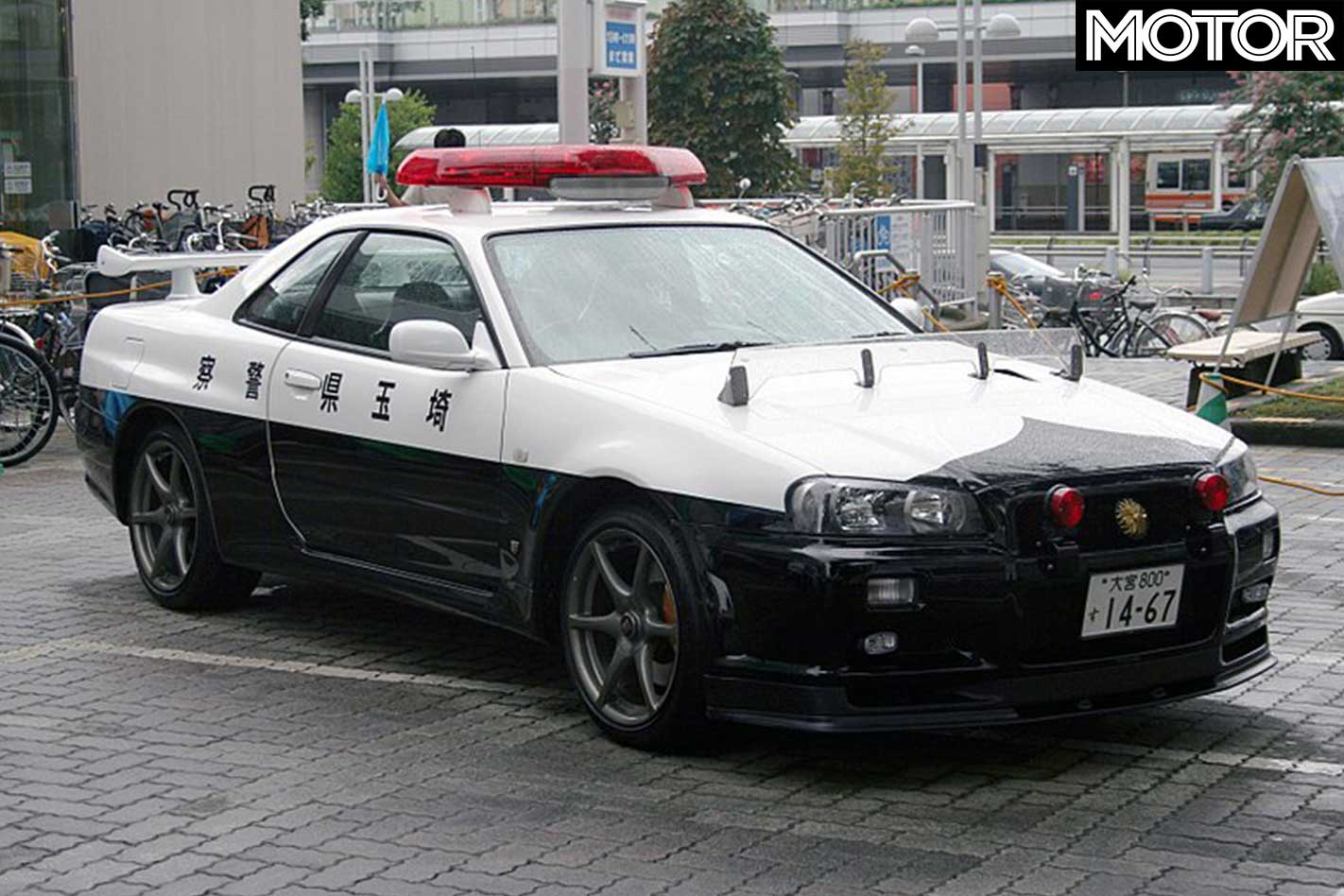
Starting as close to Japan’s newest performance cop car as we can, the R34 GT-R is peak Skyline, where its evolution culminated in the ultimate Godzilla.
The idea of having one of these RB26DETT-powered monsters chasing you along the highway is enough to make you keep your act clean.
Nissan R33 Skyline GT-R ‘Autech Version’
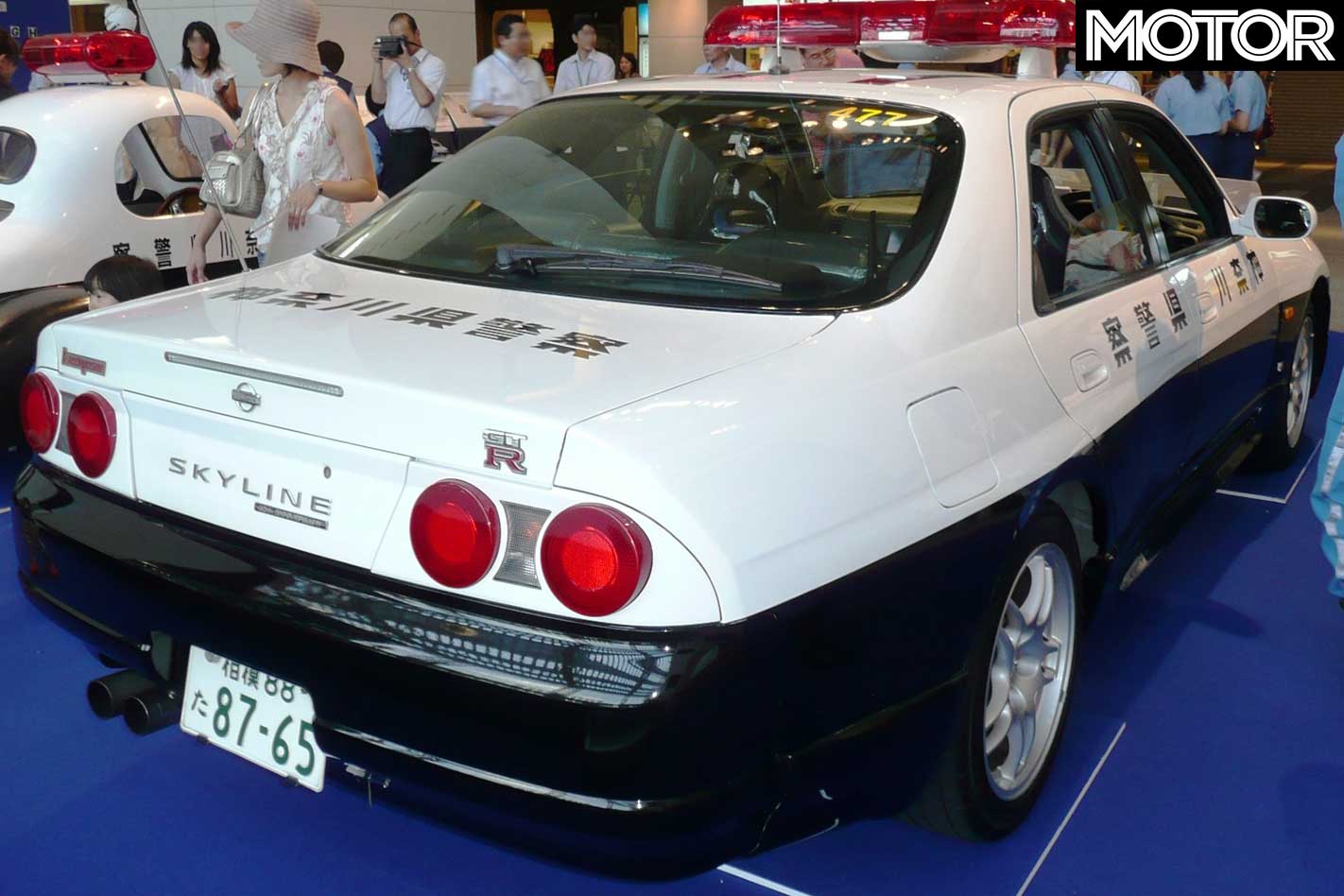
A rare form of the R33, the Autech Version has four doors and was limited in build numbers by Autech in the same way HSV or FPV would build limited numbers of GTS or GT cars.
Nissan 350Z Nismo
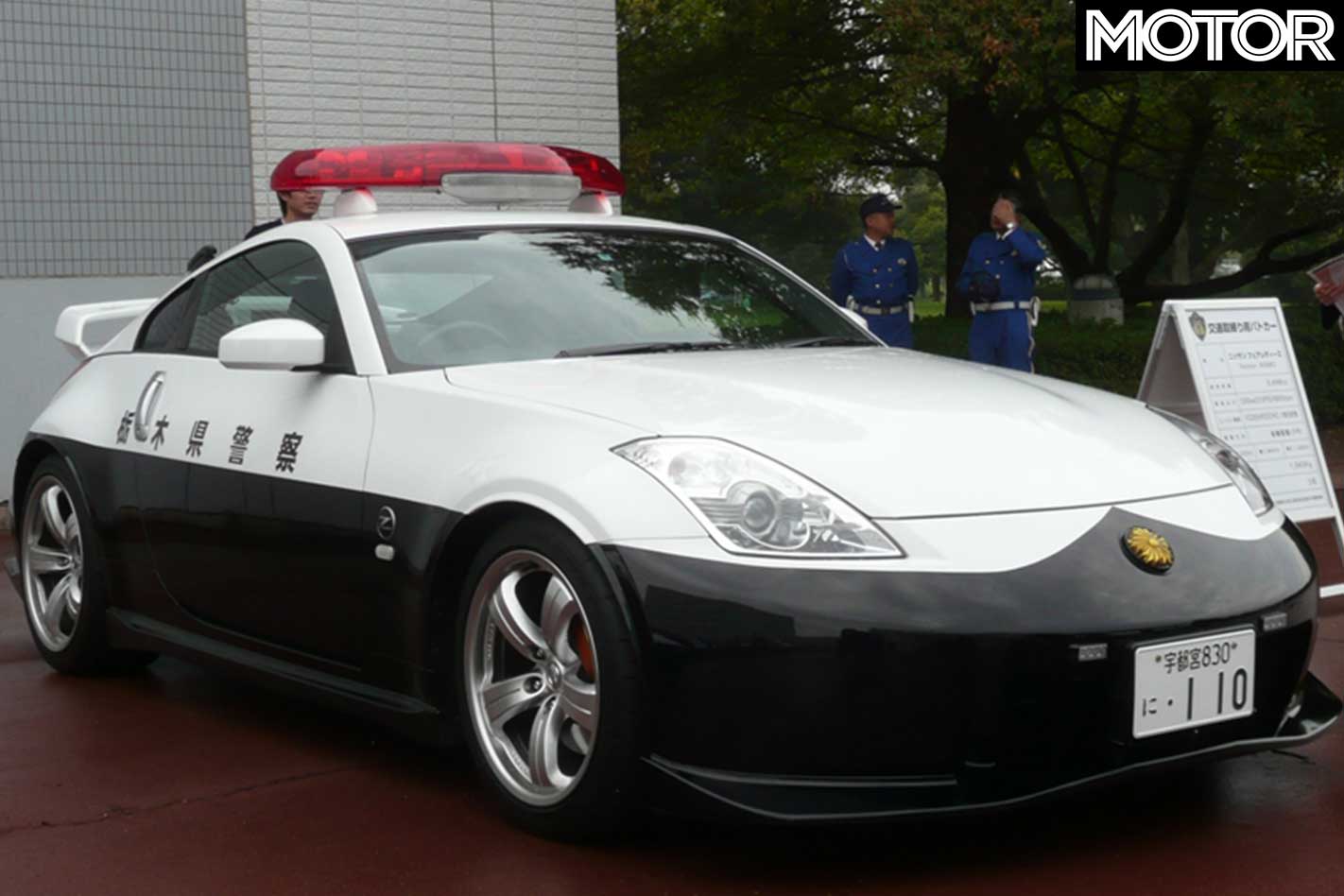
Atmo V6, rear-drive, and fun enough that officers would want to go on patrol? Tick.
Space in the back to put anyone who gets arrested? Err…
Mistubishi 3000GT
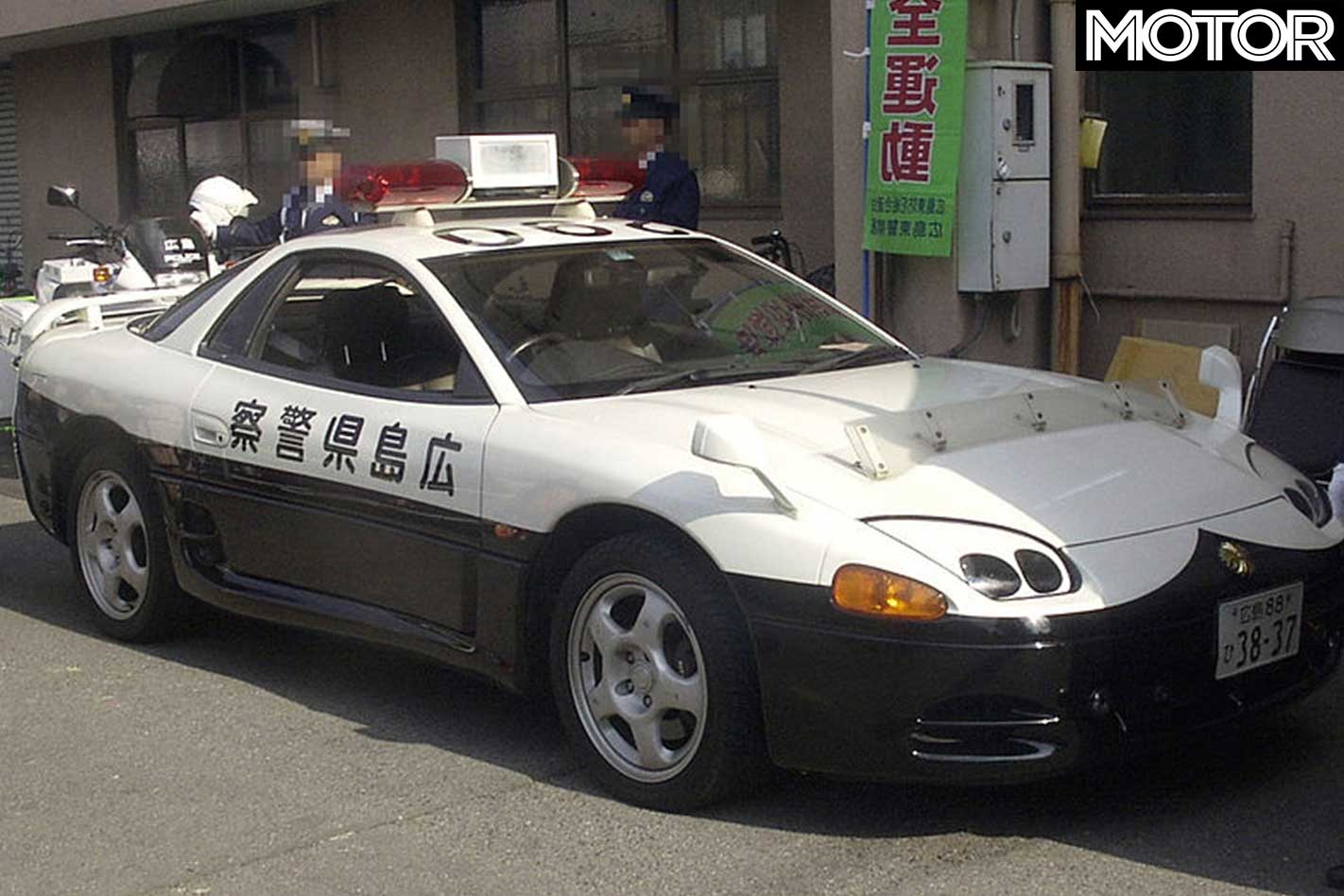
The high-tech ‘Mitsi’ was aiming to contend with Japan’s other supercars at the time, though didn’t quite make it.
Still, it seems the police in Japan liked it enough to hold onto one as a patrol car, and its twin-turbo V6 would have made it quite useful if not for its hefty 1700kg+ kerb weight.
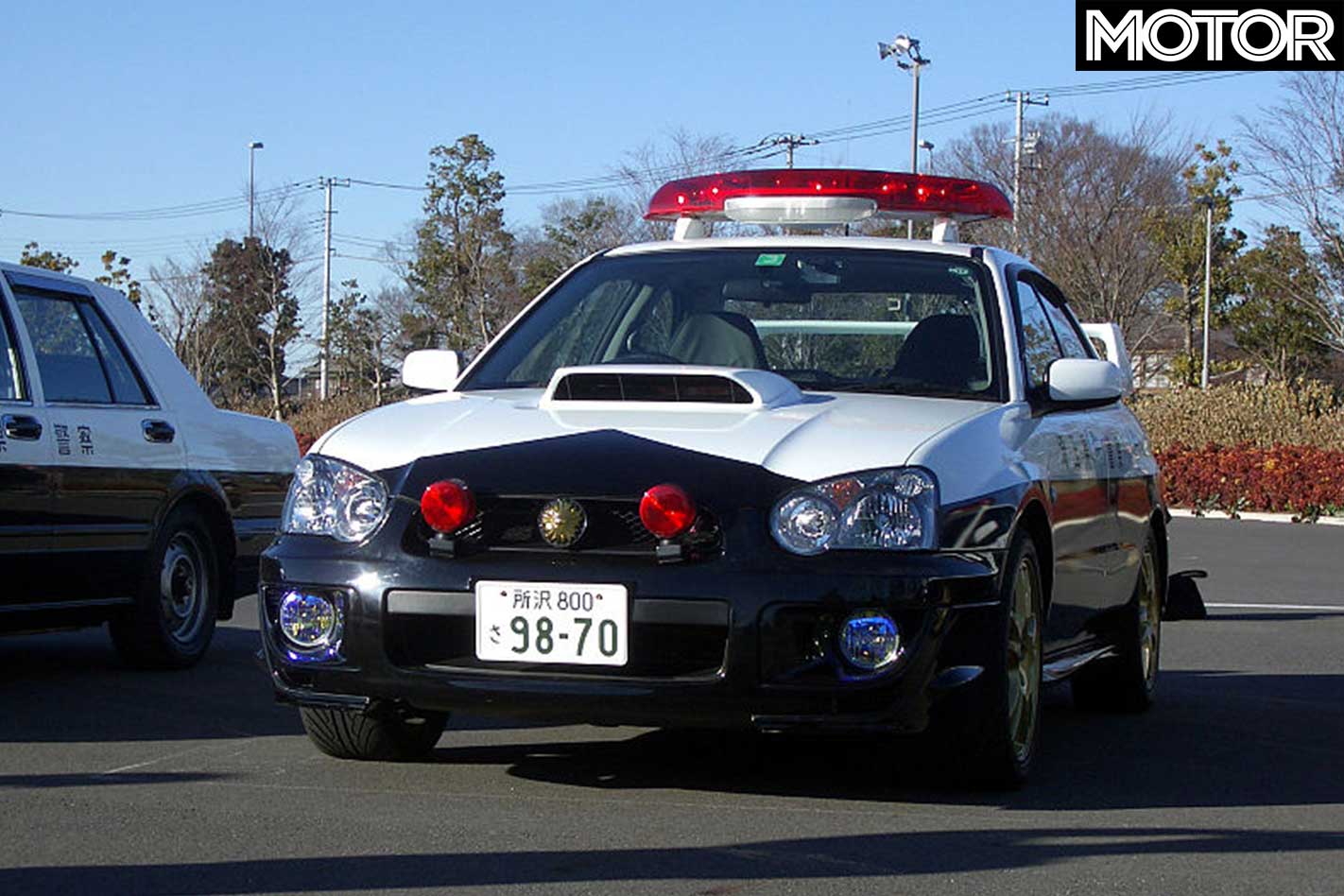
Simon Pegg’s character drove a WRX at the end of Hot Fuzz to signify that he had loosened-up and become a more humanised police officer.
If that’s the result of cops driving an Impreza, we dread to think how laid back the police driving its rally-bred hi-po counterpart would be.
Mazda RX-7 (FD)

The most iconic Mazda rotary is also the one chosen by one Japanese police force as a public relations car.
Now all they need is a Toyota AE86 and they could recreate an equally iconic InitialD scene. Not that we think police should do that…
Honda NSX
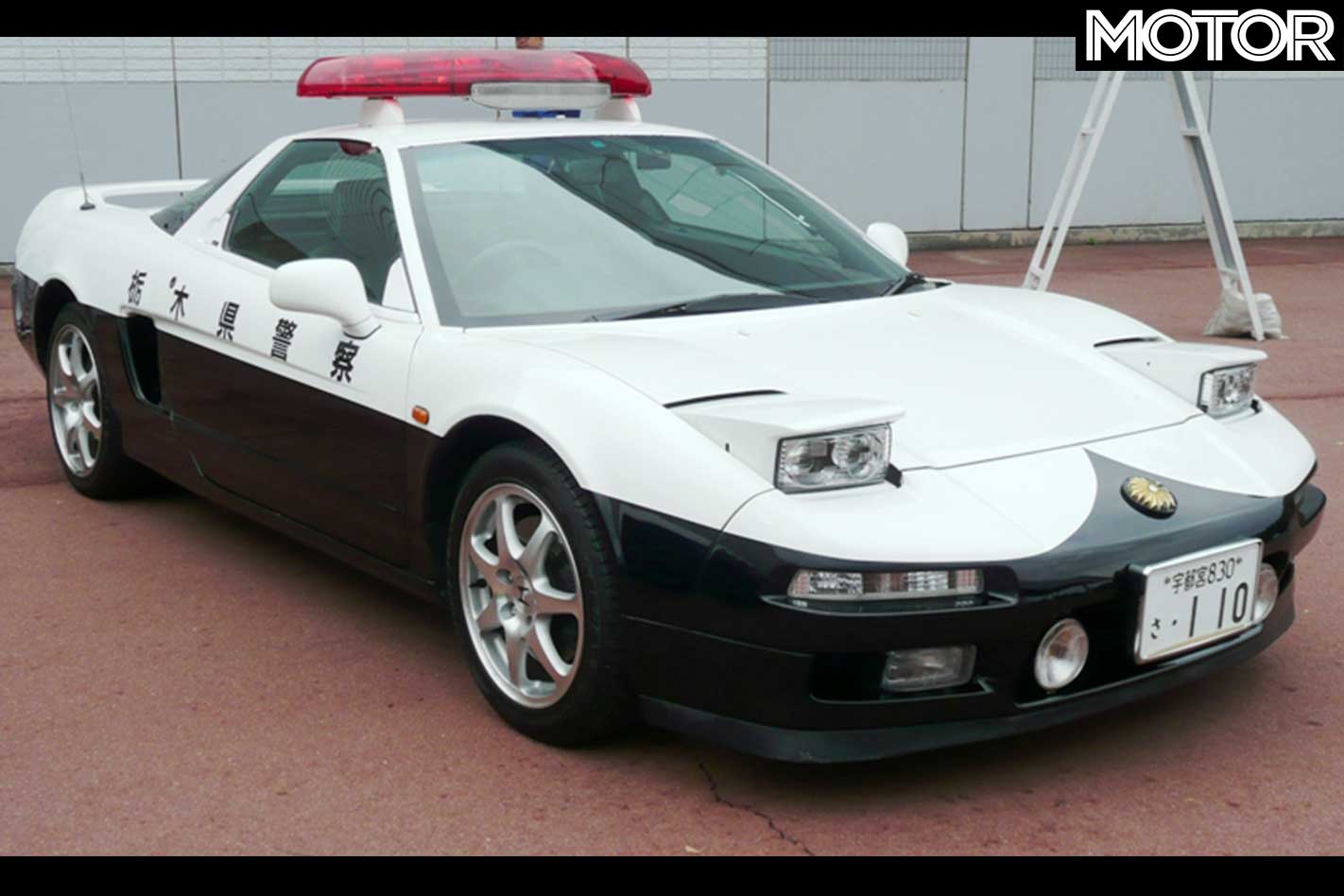
Arguably Japan’s most iconic supercar (in the traditional sense, anyway), an NSX cop car is the equivalent of British police driving a McLaren F1 or German police driving a Porsche 911 GT2 RS of the era.
We envy them greatly.
Let us know in the comments below which ‘black-and-white’ is your favourite!
NEWS overnight confirming the Red Bull Formula 1 team has signed on to have Honda powerplants in its cars for 2019 sent the motorsport world’s commentators and columnists into overdrive.
Immediately the obvious questions was whether the team had made the right decision, with Honda having earned an unenviable reputation for unreliability in previous seasons.
Time will tell if Daniel Ricciardo’s current team has made the right choose, but for now, let’s look back at other F1 switches and swaps that have backfired spectacularly.
McLaren screws the pooch for nostalgia
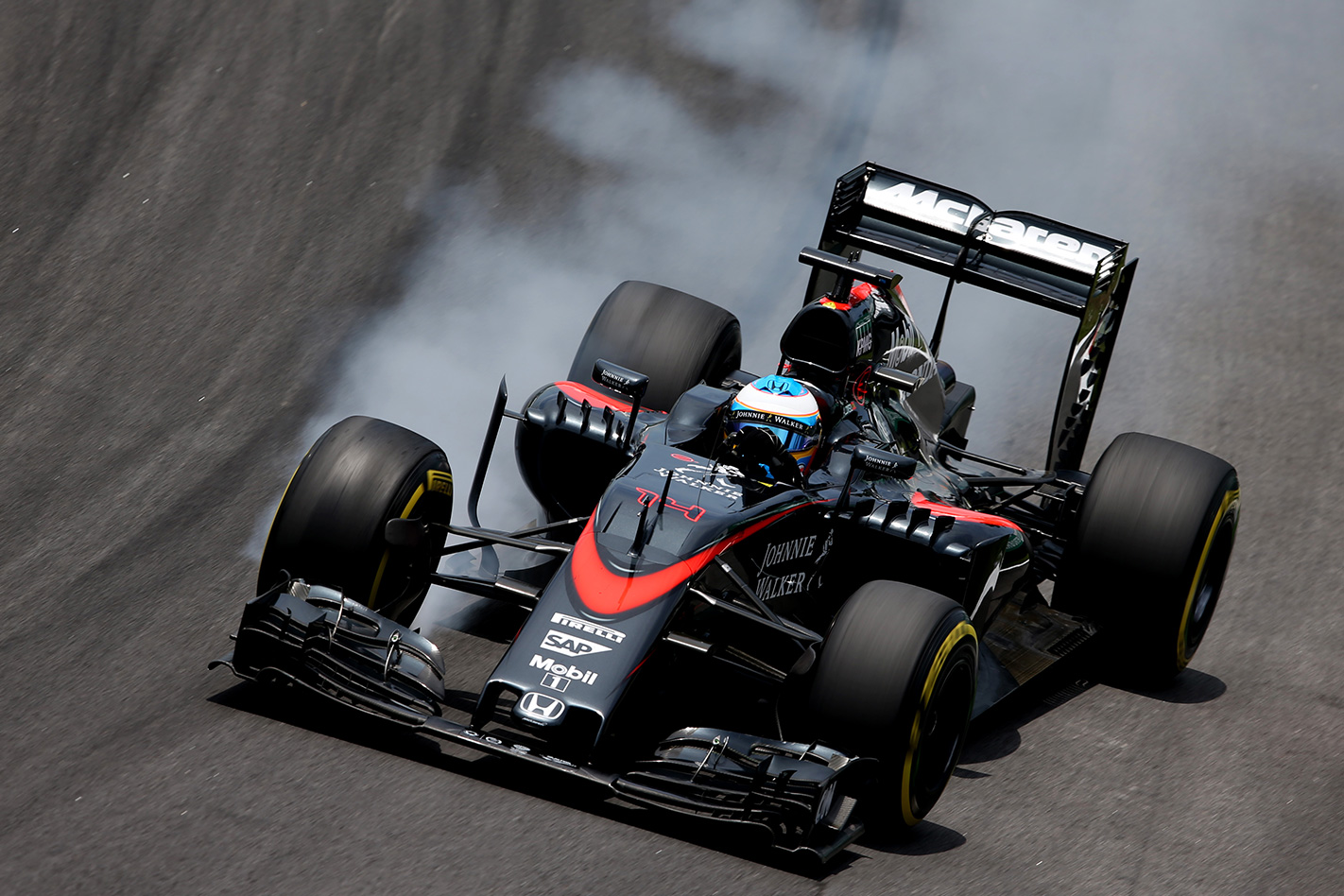
Red Bull’s decision to switch from Renault to Honda power for 2019 brought immediate flashbacks for F1 fans of McLaren’s dreadful decision to use the Japanese giant as its engine supplier in 2015.
The pairing was much hyped as fans got high on the drug of nostalgia from the duo’s last ultra-successful partnership during halcyon days of the early ‘90s.
But there weren’t enough rose-tinted glasses that could cover-up the unmitigated disaster of what ensued.
McLaren wasn’t exactly crushing all before it a year earlier in 2014 when it had Mercedes-Benz power units (undisputably the best engine available at the time), with just a pair of podiums from the opening round a highlight of the season.
But members of the Woking squad likely would have sold their mothers for even a semblance of that performance, as in 2015 McLaren team finished in the points just six times. For reference, drivers Jenson Button and Fernando Alonso retired from a total of 12 grands prix.
It wasn’t any better in 2016 or ’17 either, with almost comically inept performances forcing McLaren to sign Renault as an engine supplier for 2018. Here’s hoping Red Bull has better luck.
Jacques Villeneuve goes from front-runner to also-ran
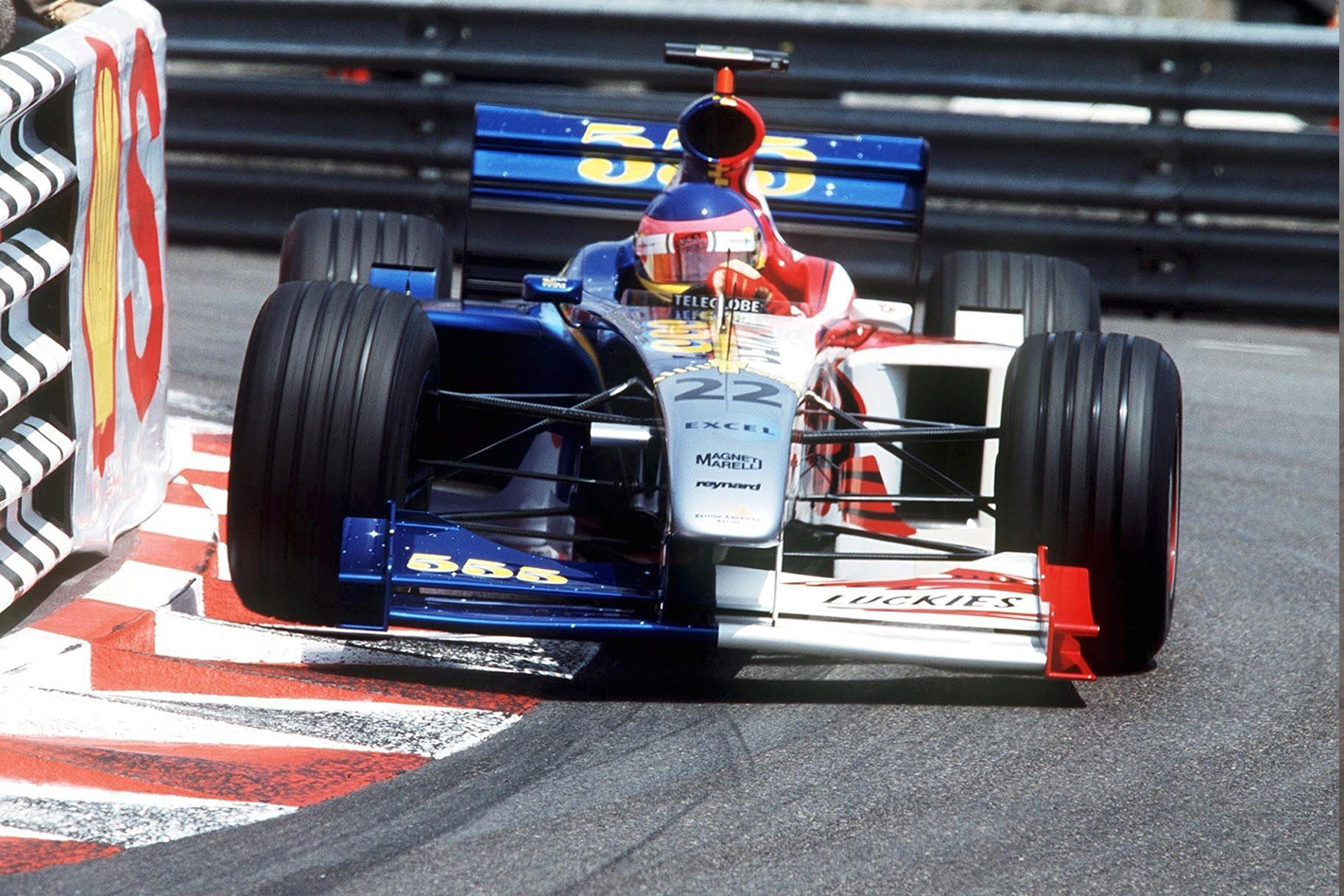
Villeneuve won the world drivers’ championship in just his second year as an F1 driver in 1997 with a Renault-powered Williams. However the team’s performance withered in 1998 with rebranded engines now supplied by Mecachrome, and Villeneuve endured a winless title defence.
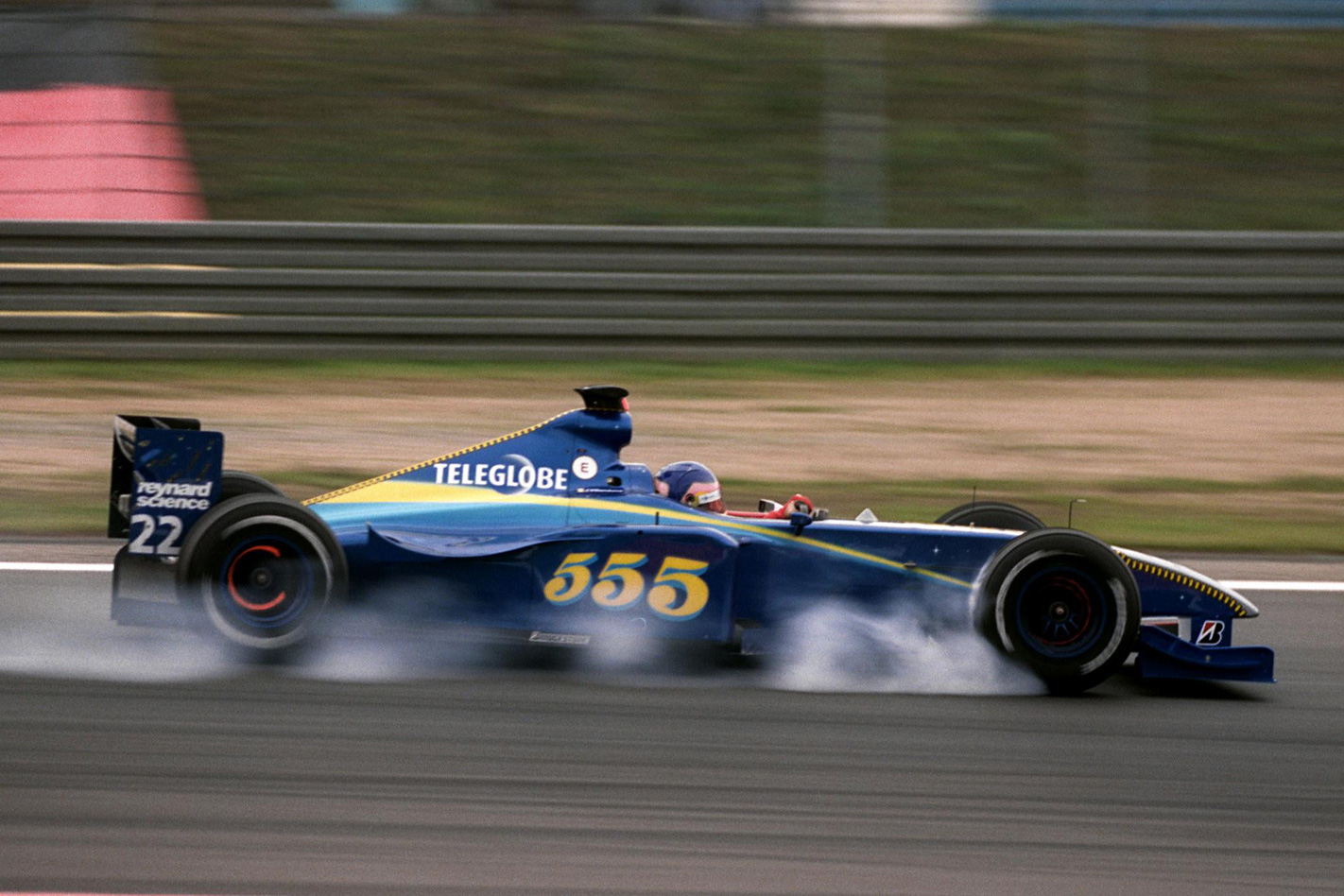
The Canadian bit the bullet, switching to the all-new and highly-anticipated British American Racing team for 1999. It turned out that bravado-filled predictions of a victory on debut were hot air, and just two years after winning the F1 championship, Villeneuve didn’t score a single point, and finished just four races all year. By contrast, Villeneuve’s teammate the previous year at Williams, Heinz-Harald Frentzen, instead signed with Jordan, won the 1999 Italian and French grands prix and finished the season in third place.
Champ dumped
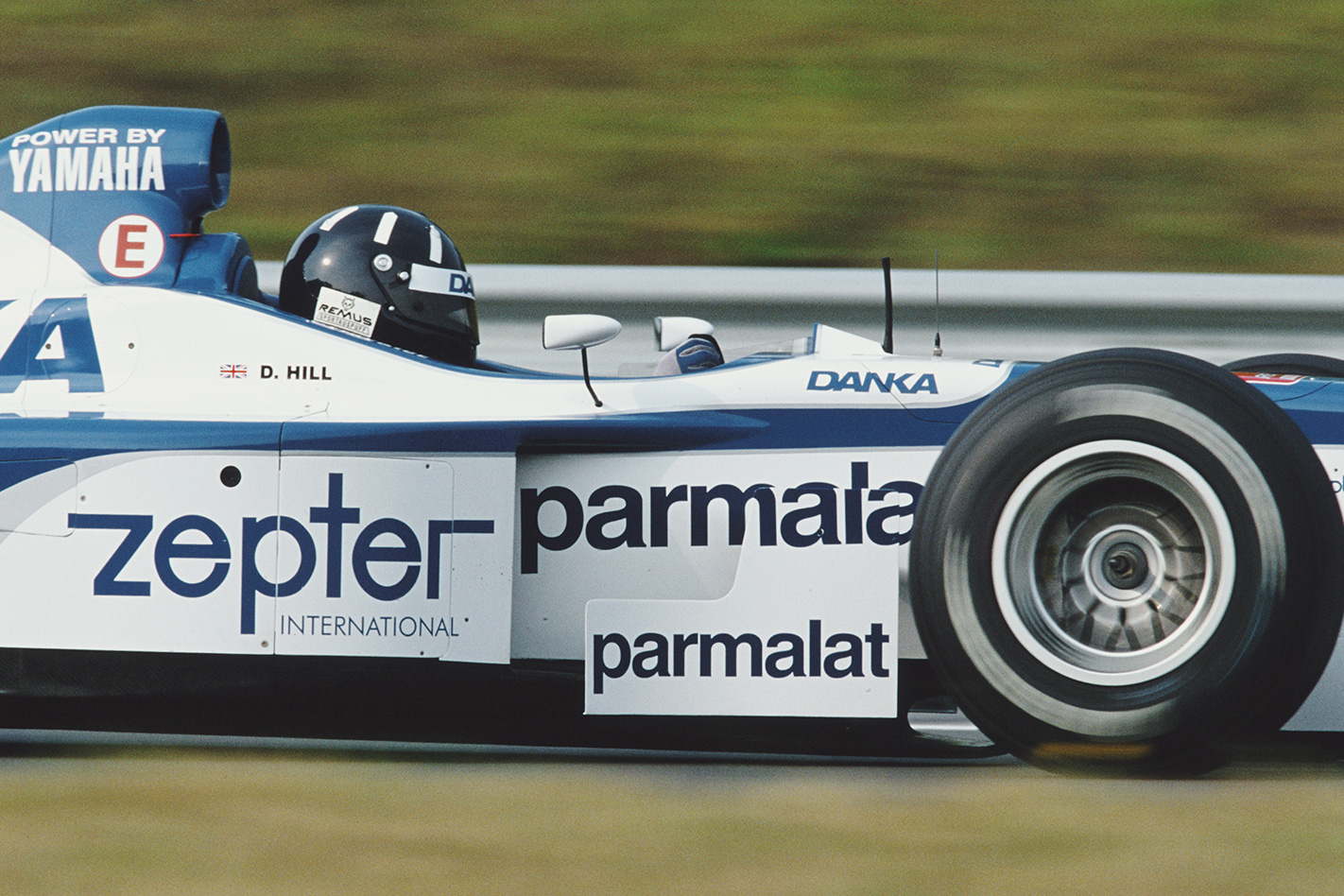
Damon Hill found himself inheriting the leadership position at the Williams team in the most tragic of circumstances after his teammate Ayrton Senna’s death at San Marino in 1994, before being unceremoniously ousted just two seasons later.
On the eve of winning the championship, Hill, at the time the second-most successful driver in William’s history, learned he was being dropped from the squad.
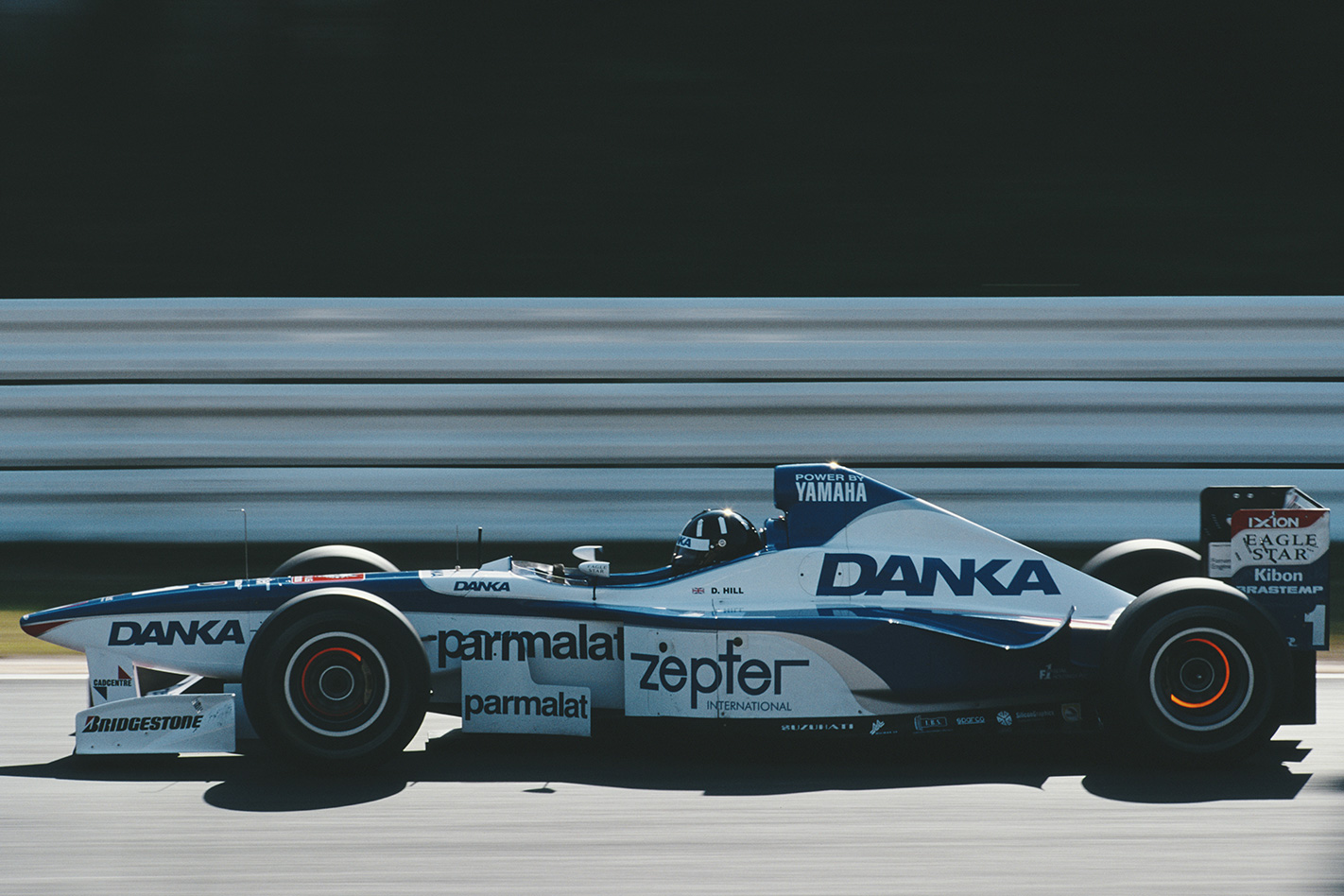
In 1997, despite his status as reigning champion, Hill signed for the Arrows team, which had spent 20 years in F1 without a single win to its name, and had only scored a single point in ’96. A sixth- and second-place finish were the only times Hill troubled the points in ’97. To add insult to injury, he watched previous teammate Jacques Villeneuve claim the world championship. Hill would retire from F1 before the turn of the century.
Hill was the fourth driver in nine years to win a World Drivers’ Championship for Williams and not race for the team the following season. Still, Piquet, Mansell and Prost are a heck of a trio to emulate.
DID you like the look of the M850i revealed by BMW at Le Mans over the weekend, but your tastes skew more toward the practical side of the spectrum? Worry not, for a four-door alternative is around the corner.
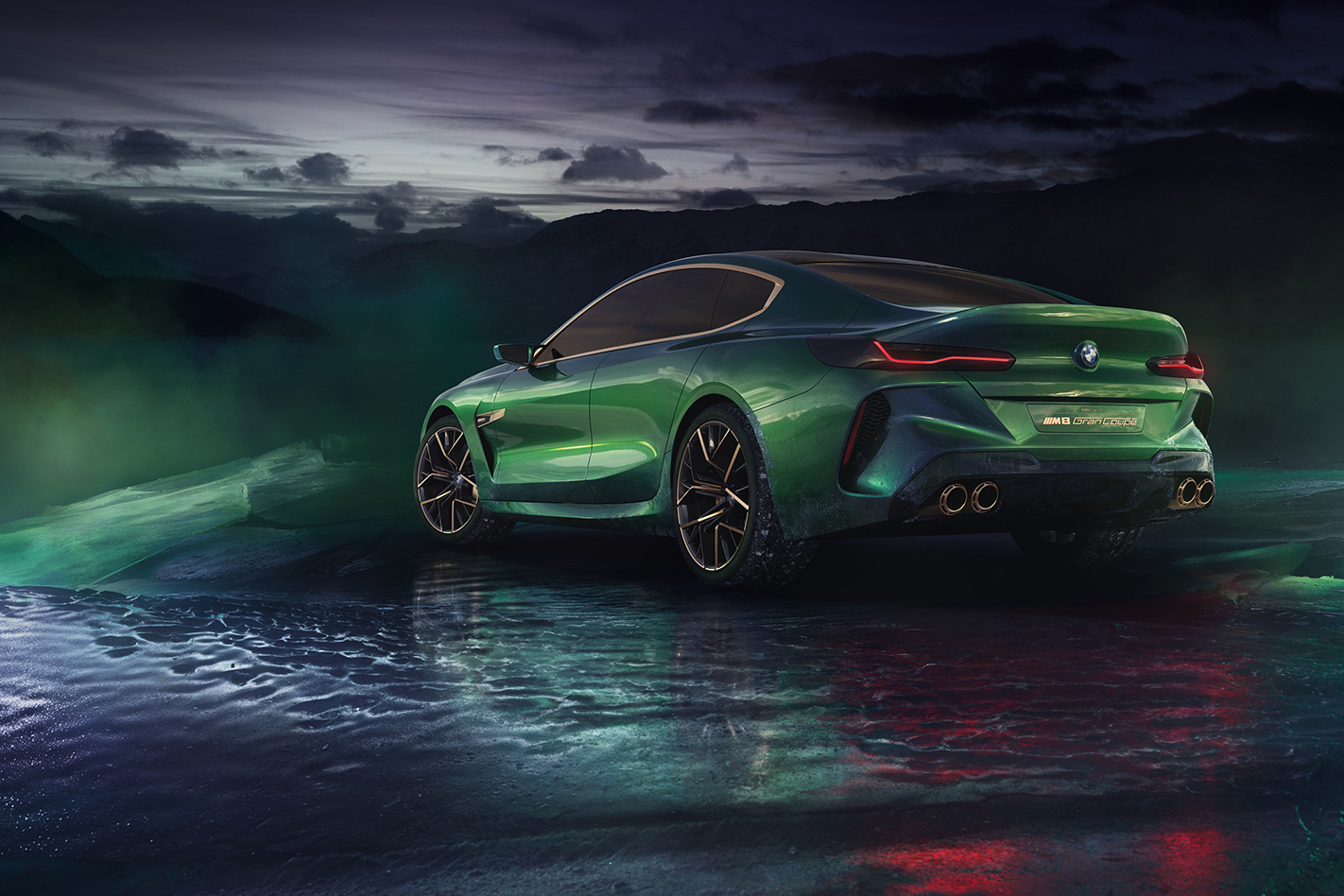
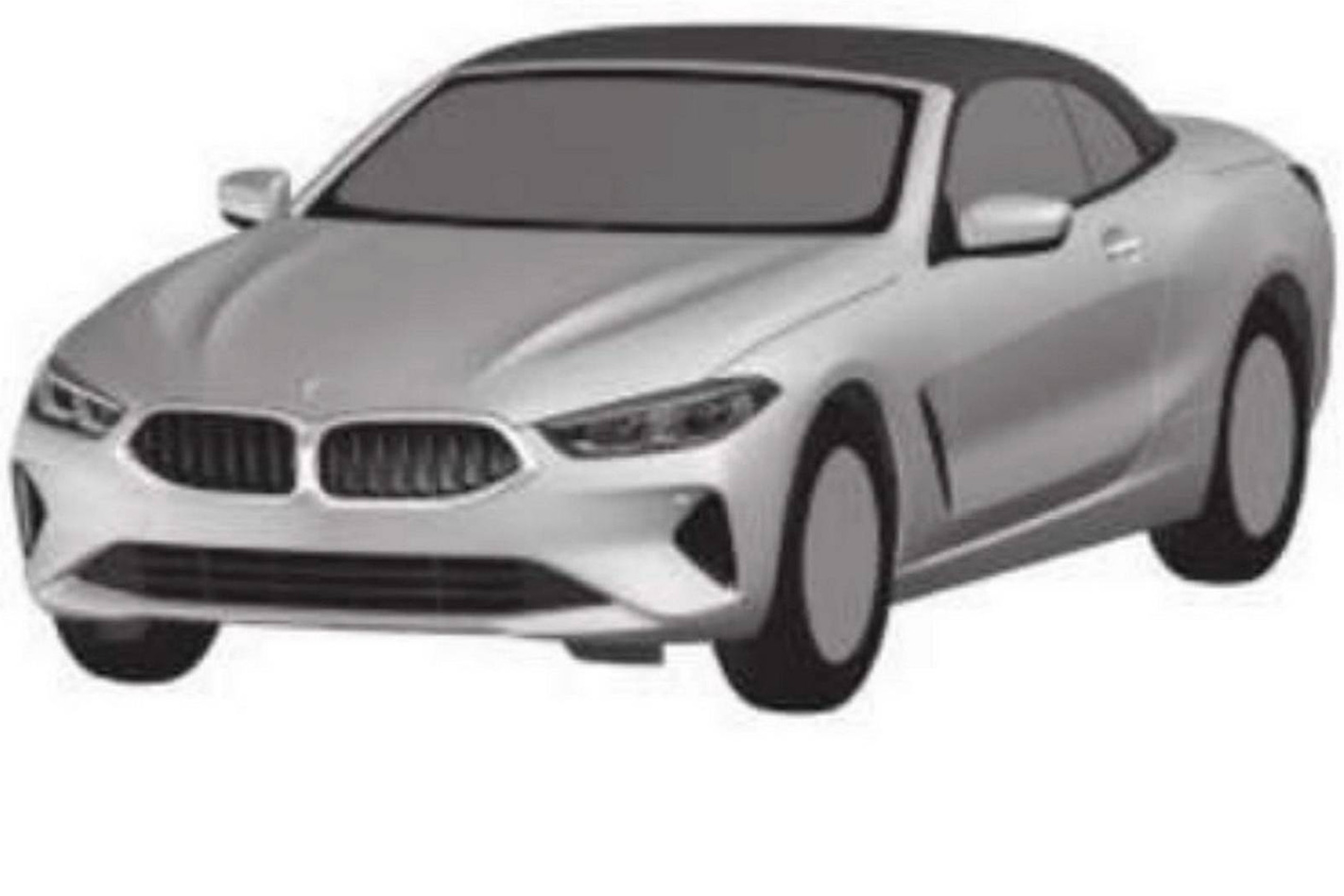
Revealed via an application lodged with the Brazilian trademark office, the production version of the upcoming 8 Series Gran Coupe looks decidedly sober in the application’s no-nonsense three-quarter view. Those featureless placeholder wheels don’t help its cause either, but the 8 Series Gran Coupe’s longer wheelbase, elongated cabin and fatter haunches echo the elegant form of the M8 Gran Coupe concept from this year’s Geneva Motor Show.
Sheet metal ahead of the A-pillar appears identical to the 8 Series Coupe, with the same bonnet contouring, identical headlamp and grille and side ‘gills’ between the front wheel wells and the front doors. The key changes are, naturally, aft of the wing mirrors.
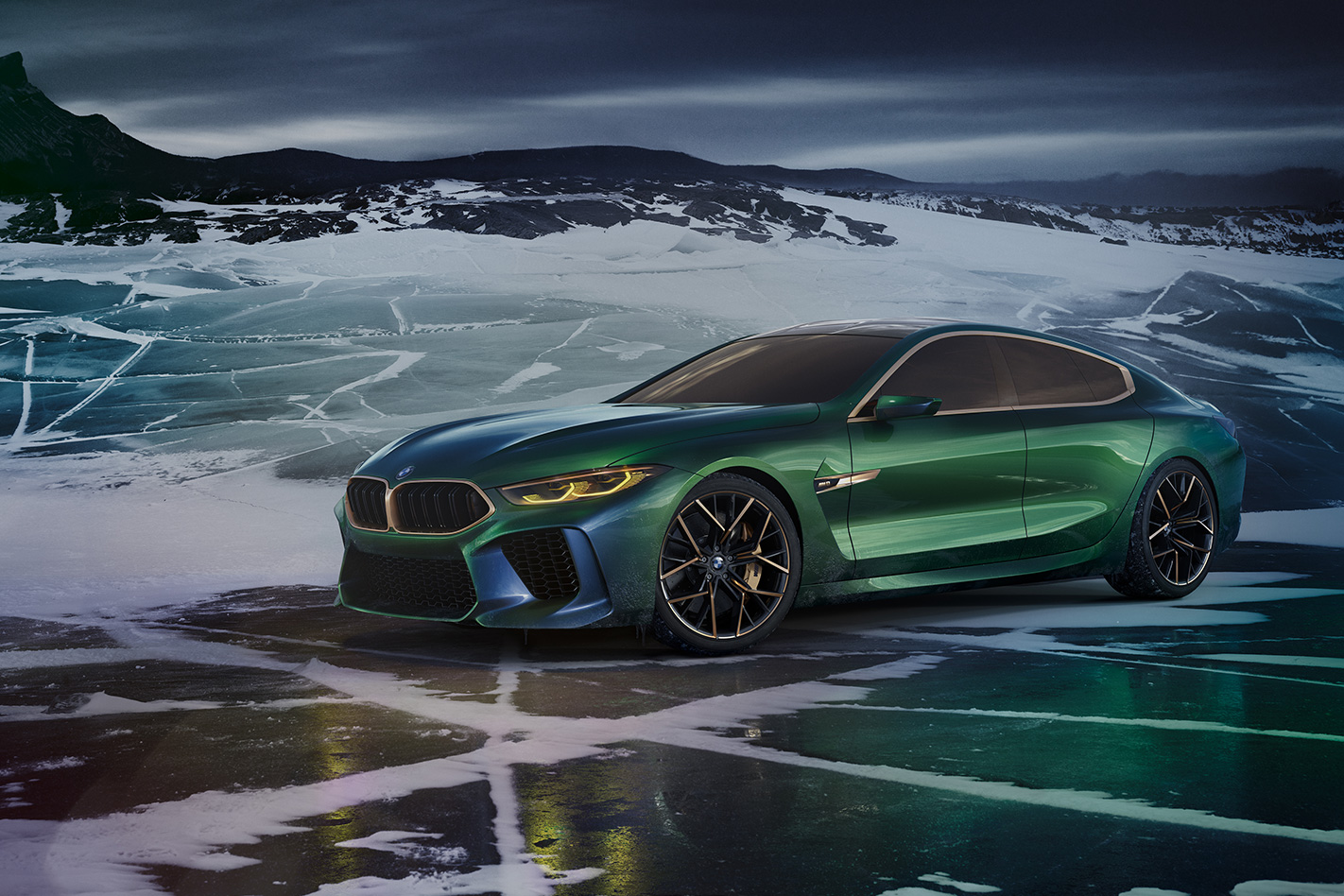
The car in the patent image is not the top-tier M8 or even an M850i Gran Coupe – those shrunken bumper inlets indicate it’s likely a more pedestrian 840i grade, or lower. Even so, if BMW repeats the same strategy it employed with the soon-to-be-superseded 6 Series then M8 versions of both the 8 Series Gran Coupe and Convertible will eventually join the M8 Coupe that’s just around the corner.
Speaking of drop-tops, the 8 Series Gran Coupe’s trademark filing was also accompanied by that of its roofless 8 Series Convertible sibling. As with the 6 Series Convertible it replaces, the 8 Series ‘vert will make use of a fabric soft top rather than a folding hard top, like that used by the 4 Series Convertible.
Both will likely share the full range of powerplants that will eventually be offered by the 8 Series Coupe. So far the only confirmed engines are a 4.4-litre twin turbo V8 petrol with 390kW/750Nm in the M850i, along with a 3.0-litre twin-turbo diesel six with 235kW and 680Nm. Expect a turbo petrol inline six to join them, along with a higher-output 4.4 litre V8 (with potentially as much as 460kW) when the M8 eventually lobs in.
The man behind the popular BridgeToGantry website and YouTube channel, Dale Lomas, has become quite the Nürburgring expert because of his work.
As well as running the BtG channel, he also works as a driver for Jaguar’s RingTaxi program, offering rides around the Green Hell to paying customers who want to experience an SVR V8 from the passenger seat.
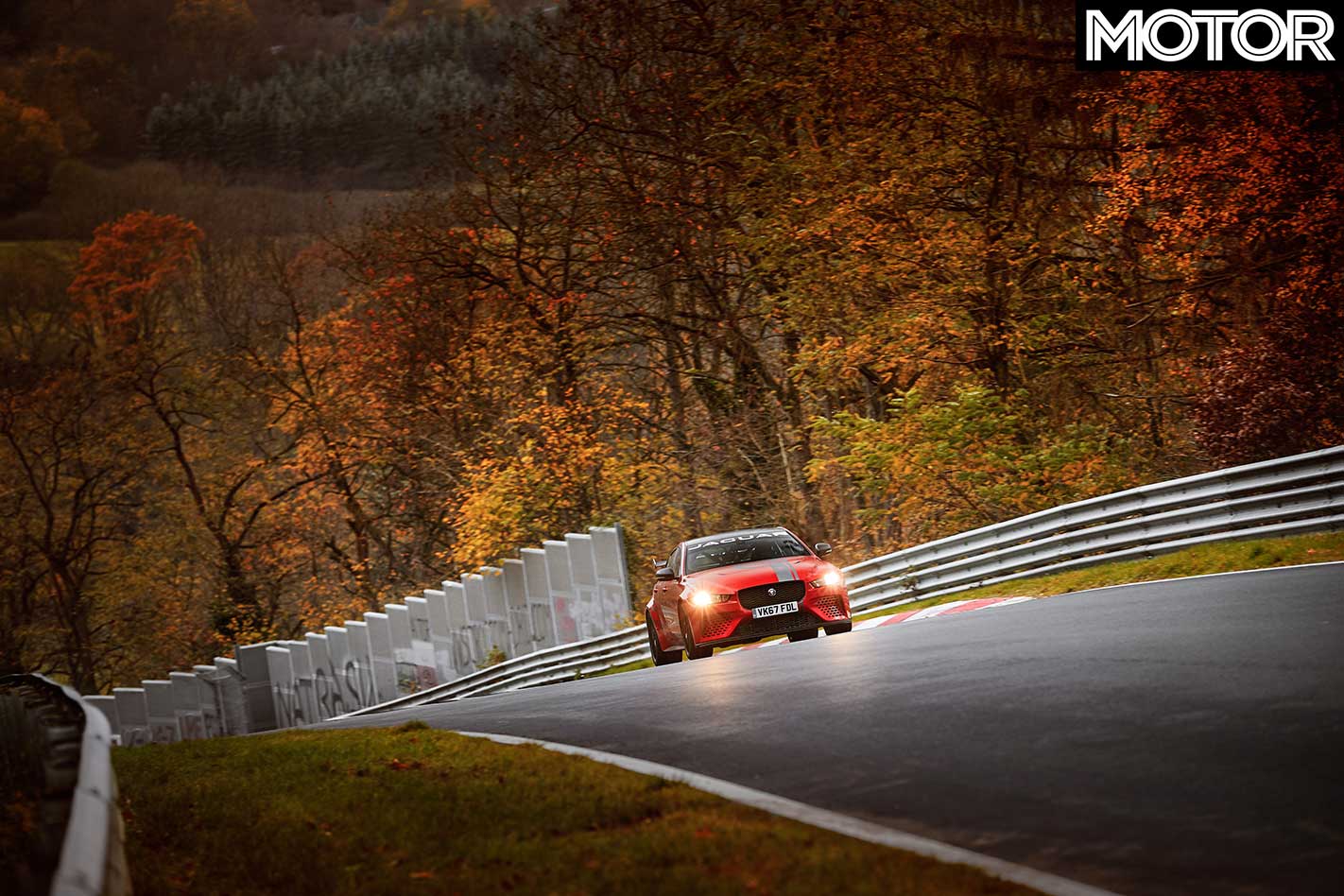
But recently, Lomas was given access to a rather special car – the 441kW 5.0-litre supercharged V8-powered Jaguar XE SV Project 8 – for a drive around the ‘Ring. Accompanying him was another driver for the program, Célia Martin.
We’ve written about the BtG exploits of Lomas in the past, as his knowledge and experience regarding the Nürburgring is quite interesting to us on the other side of the planet, but in this video we get a glimpse of what the project 8 is like to drive.
As Lomas is so familiar with the track, he’s able to focus on what is different about the car without needing to worry about what’s coming up in front of him.
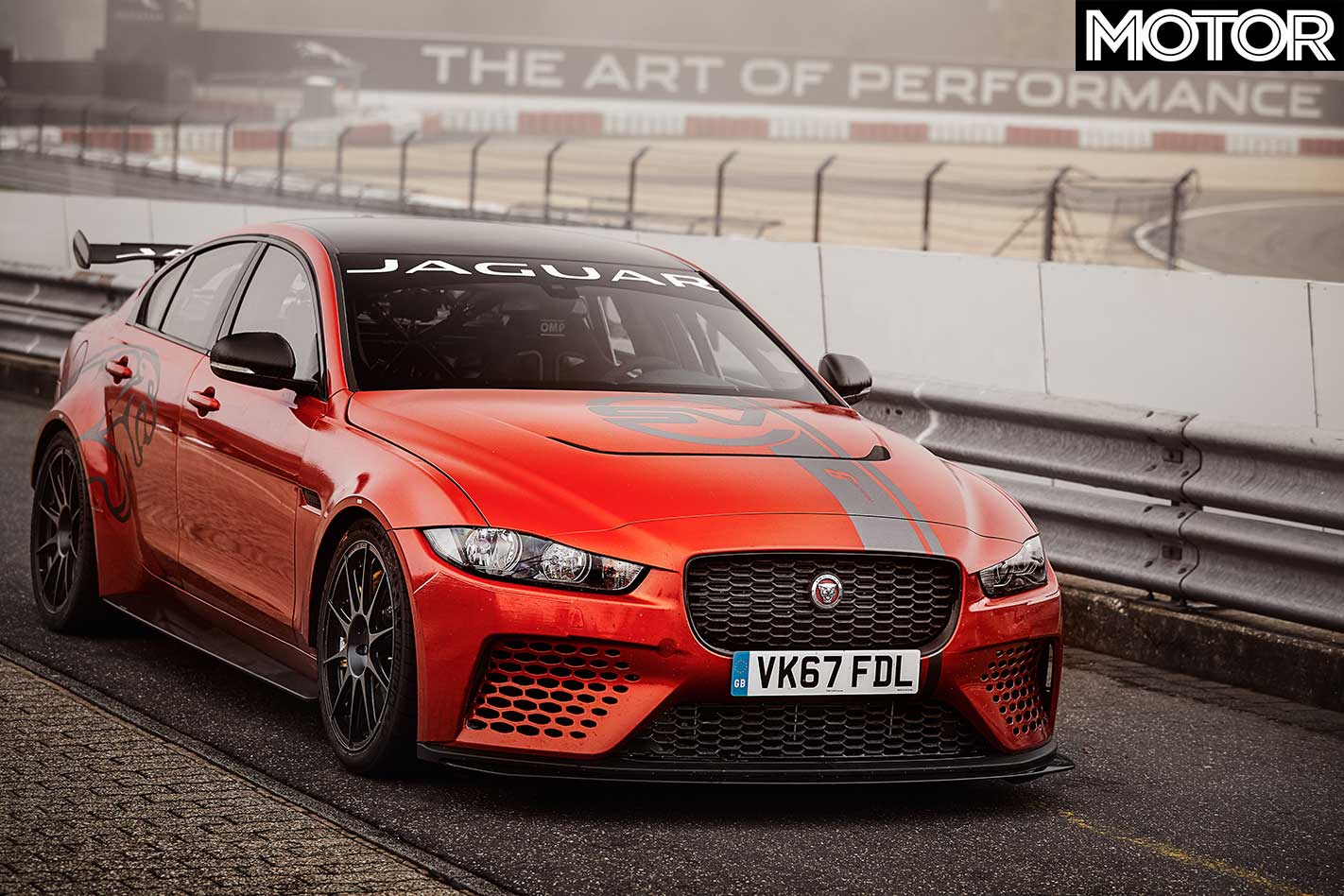
He provides some interesting commentary which adds more value than you’d get from a normal onboard video.
It’s not the first time we’ve seen footage of the wild Project 8 hitting the Nürburgring, as Jaguar released footage of its record run back in November 2017.
The BridgeToGantry site also has a page on which you can request a ride around the Nürburgring with Lomas in either a Jaguar F-Type SVR, or a Jaguar XJR 575.
Rides in the Project 8 are, unfortunately, not available on request.
WHAT IS IT?
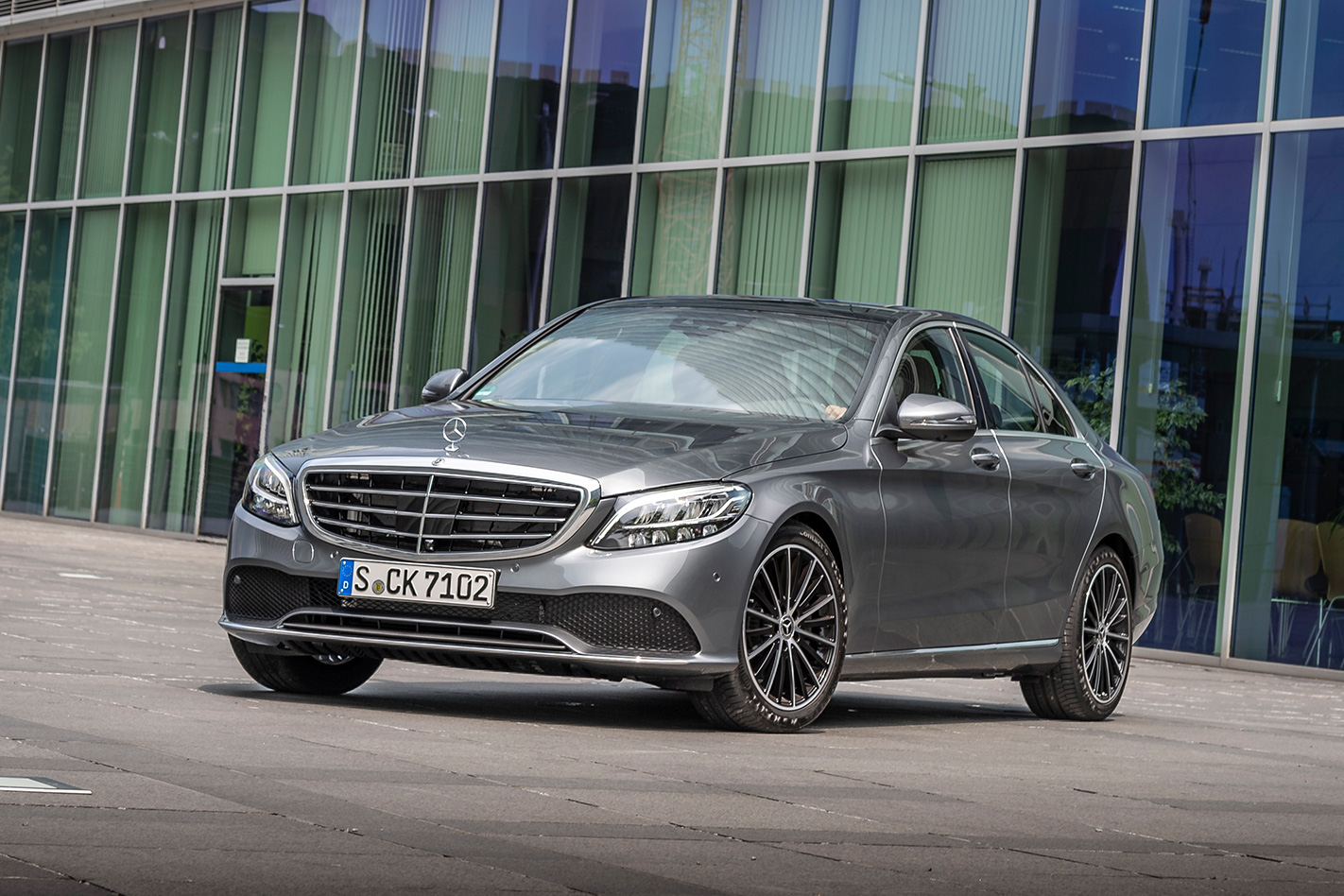
This is the freshly updated version of the fifth-gen Mercedes-Benz C-Class sedan that will begin arriving in Australia from August. The C200 will be the most affordable model in the line-up, though that doesn’t mean it’s the least appealing. This time around it debuts a brand-new engine with 48V mild hybrid technology.
WHY WE’RE TESTING IT
Aussies buy more C200s than any other C-Class variant, and this update takes it a big step forward. Before it lands we wanted to discover whether these updates are a big deal for Benz or whether they’ll deliver substantive benefits for buyers.
MAIN RIVALS
Audi A4 2.0 TFSI, BMW 320i, Jaguar XE 20t, Lexus IS300
THE WHEELS VERDICT
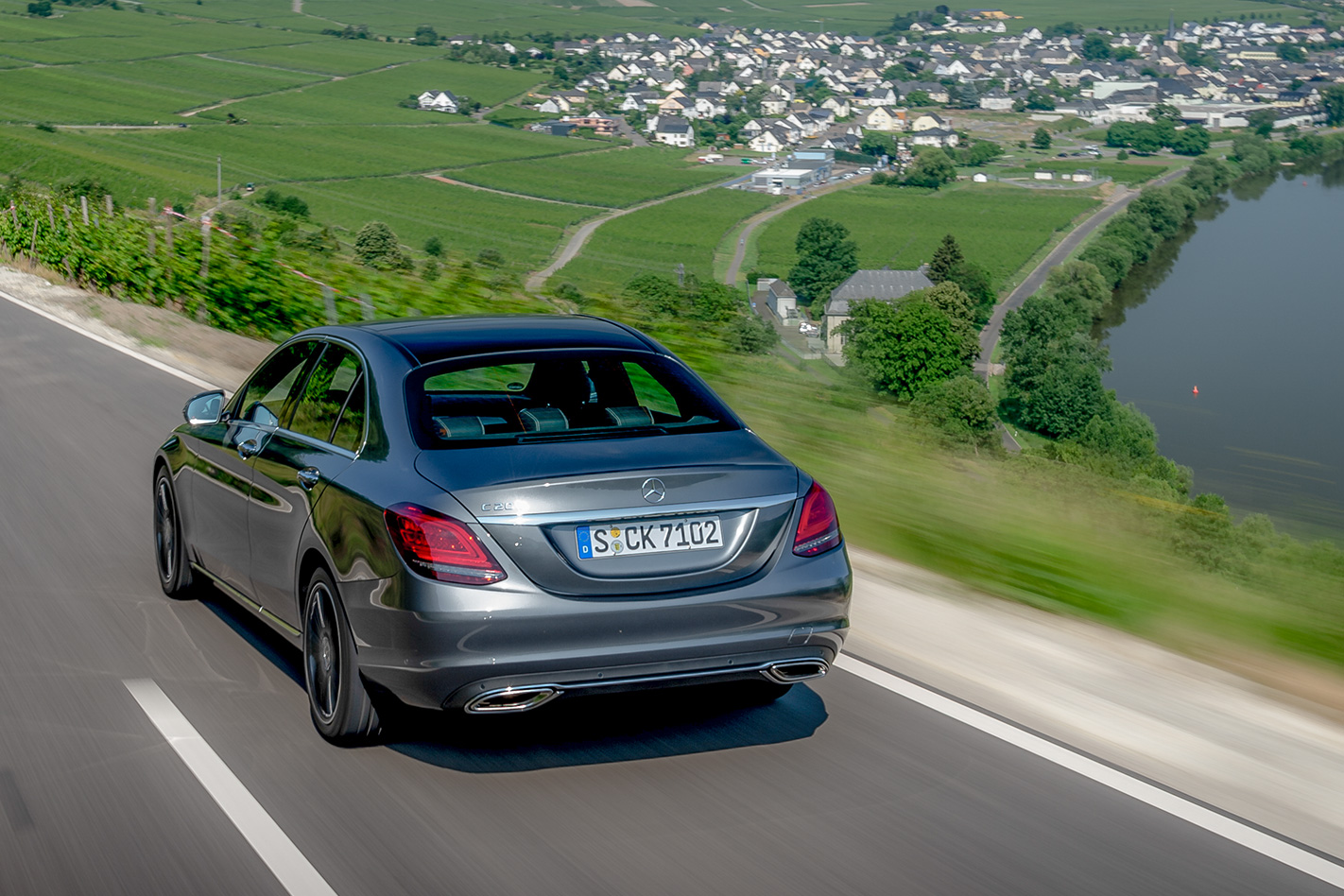
Benz’s extensive midlife overhaul of the C200 is a successful one overall. The new 1.5-litre engine delivers a lot more than mere environmental greenwash without significantly compromising driver appeal. Its technology and functionality upgrades keep it within touch of key rivals, even if it doesn’t look as fresh from the outside as it does inside.
PLUS: Downsized engine and upsized tech impresses; adaptive suspension; successful Eco mode MINUS: Slight performance trade-off; your friends won’t know it’s the new one
THE WHEELS REVIEW
IT MIGHT not look all that different at a glance, but the midlife update of the Mercedes-Benz C-Class is a facelift of which Joan Rivers would be proud. More than 6500 components have been changed – approximately half the car – which makes it the most comprehensive update of the C-Class in the model’s history.
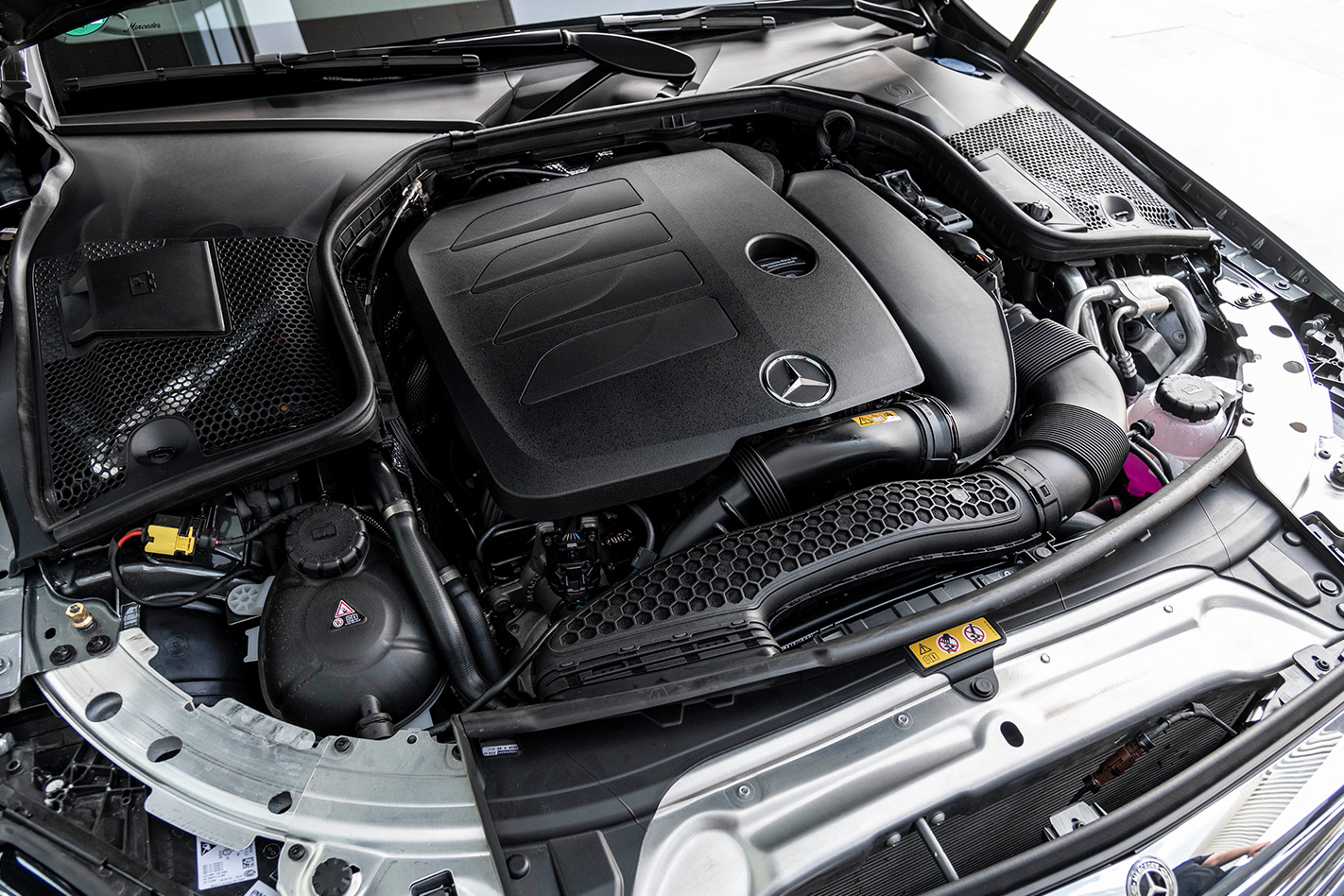
And it’s the entry-level variant that’s now the most interesting. The C200 debuts a completely new engine for Mercedes-Benz; a 1.5-litre four-cylinder petrol with a twin-scroll turbo and 48V mild hybrid electrification called EQ Boost. The internal combustion unit is a downsized version of the 2.0-litre four found in the yet-to-arrive CLS350 and the refreshed C300.
By itself the 1.5-litre produces 135kW to match the old 2.0, though its maximum torque output is 20Nm shy of the larger unit at 280Nm. However, those figures don’t include the assistance of its Bosch-supplied 48V mild hybrid system, which augments performance at the lower reaches of the engine’s rev range to make it more tractable by adding up to 10kW and 160Nm on demand.
Central to the 48V system is a belt-driven starter generator (BSG) that recuperates up to 80 percent of the car’s braking energy and stores it in a small battery. That energy through the BSG can quickly restart the engine from its auto stop/start state, and enables a gliding mode that shuts the engine down while coasting. Clever mapping also uses the BSG to speed up and smooth out gearshifts by maintaining steady torque delivery while the nine-speed auto is changing ratios.
And it’s all quite good, really. About the biggest compliment you could give it is that it’s largely unobtrusive. The combustion engine’s relatively narrow bands of peak power and torque aren’t a significant issue on the road, thanks to the sharpness of that nine-speed ‘box. There’s no obvious sign of its small displacement when behind the wheel, or of the incredibly complex 48V system at work, especially in Eco mode. The greenest setting is actually of some use here, and not ruined by an overly doughy throttle calibration. The drivetrain combination feels mostly harmonious and effective. It’s even fairly friendly to the ears.
The 48V system, along with dozens of other incremental improvements such as an on-demand water pump and low-friction trumpet-shaped cylinder bores, means the C200 now sips 6.0L/100km. That’s a mild 0.5L improvement over the old one, but it hasn’t managed to sidestep all downsides. Its 0-100km/h performance takes a hit, rising by almost half a second to 7.7sec.
A boon for the C200 is the first-time availability of Benz’s Dynamic Body Control suspension. The ride in comfort mode is impressively well-mannered on the standard 18-inch alloy wheels, and there’s added appeal for drivers in its two firmer Sport and Sport+ settings. Likely to be around $1500 extra in Oz, initial impressions suggest optioning the variable damper package is sound thinking.
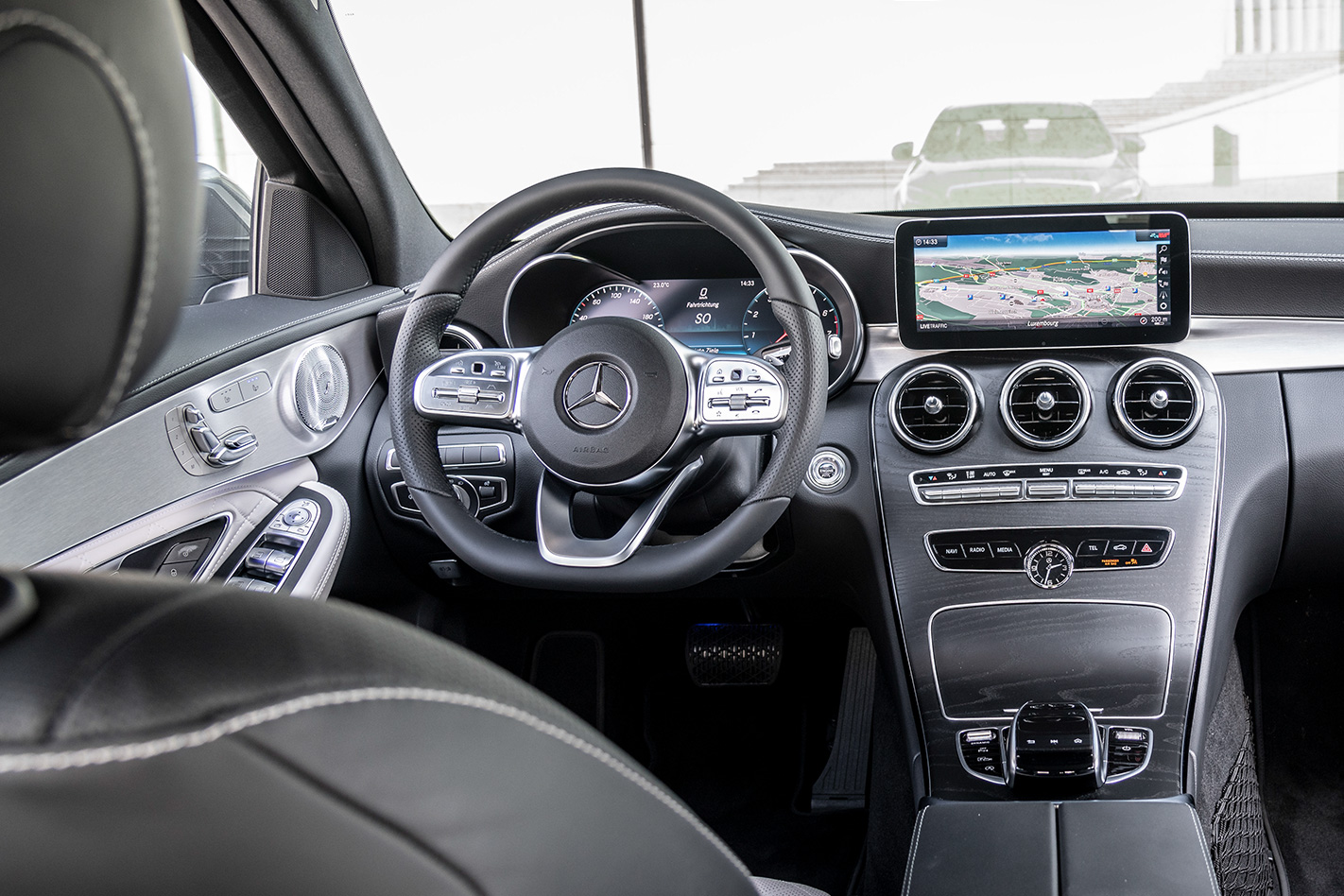
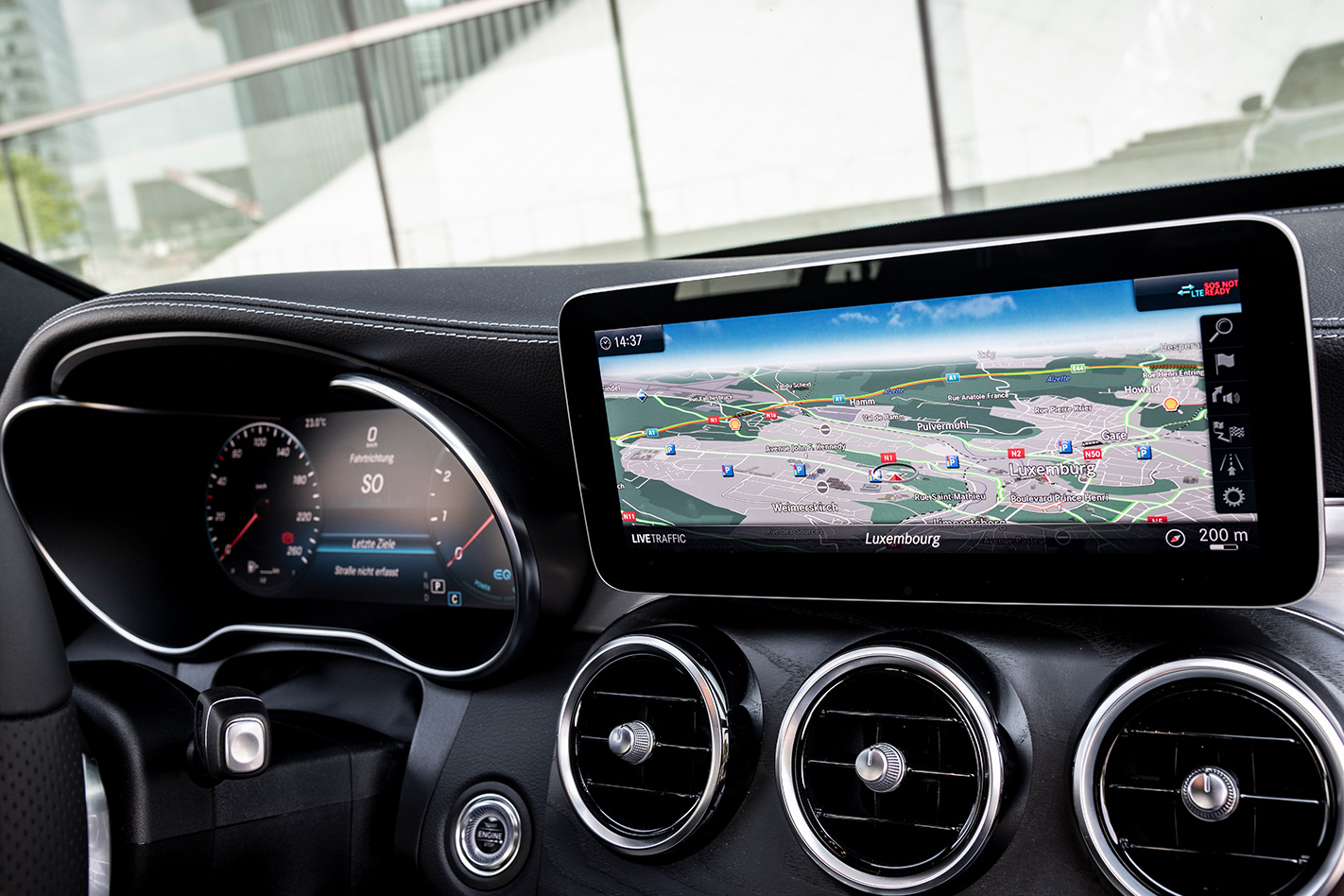
Major changes carry on inside. A new multifunction steering wheel sits to the fore of a fully digital 12.3-inch dashboard that will be standard across the updated local range. There’s also a bigger, sharper central screen displaying an improved user interface, plus deeper control of the car using voice recognition software and customisable ambient lighting. Two new upholstery colours and a pair of new timber finishes have also been added.
In safety terms, an injection of S-Class functionality has brought in the most polished driver assistance systems available on the market, including active steering and lane change assists for highway use and route-based speed adjustment with better camera and radar hardware, though the most advanced features will cost extra for C200 buyers. Local pricing and spec will be confirmed closer to its August arrival.
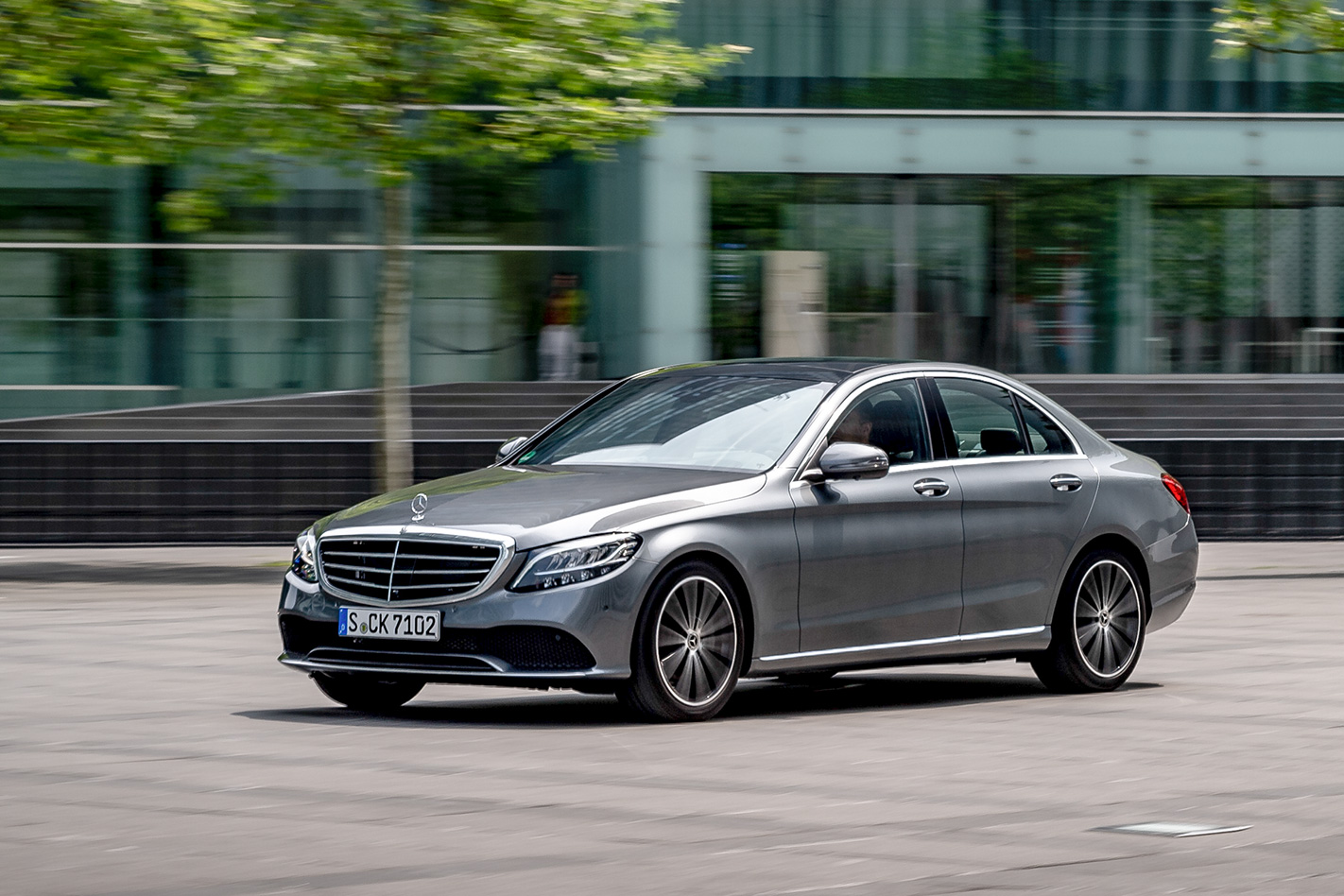
It’s from the outside that this fine-tuned model is harder to pick. Redesigned LED headlights and taillights are the clearest giveaways. The compound eye headlight design (shown in pictures here) is standard for the C200, with Multibeam LED units available as an option. The front bumper has taken on a slightly sportier look and there are two new colours available for the sedan – a silver and a green. Benz itself admits the styling changes are only a subtle evolution, though there are now more ways to individualise the C-Class than before.
Buyers stepping onto the lowest rung of a premium model range haven’t often found themselves picking up the latest drivetrain technology, but the C200 is changing that, and setting a challenge for the BMW 3 Series and Audi A4 to meet.
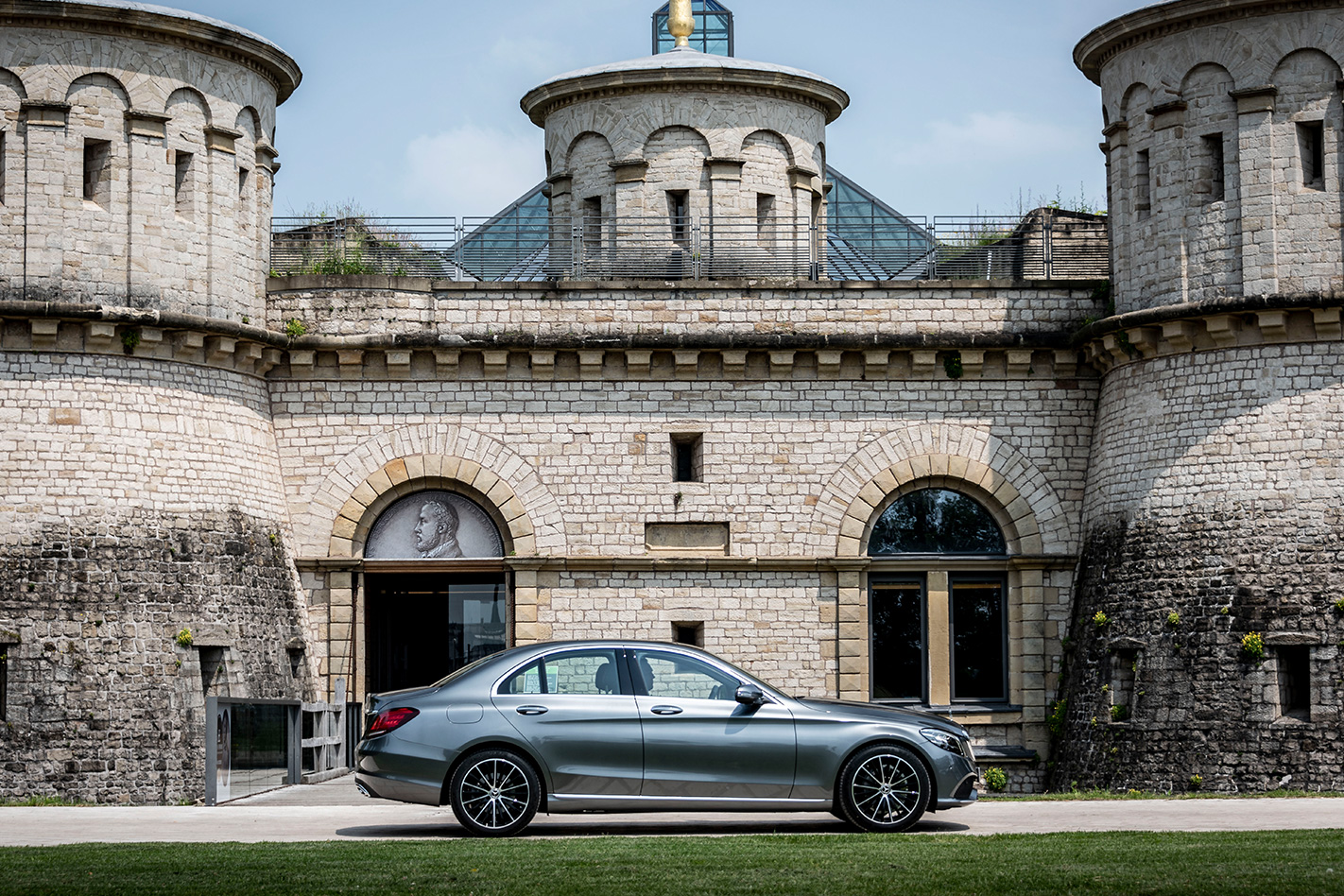
Though much has been revised under its skin, this C200 update isn’t a wholesale transformation of the popular executive car. It has certainly made it more appealing to the eco-minded, but the addition of 48V tech seems to be as much about positioning this car for future models to slot in around it as it is about tangible benefits to the user. Lucky for us there are some of those to be had anyway.
Model: Mercedes-Benz C200 Engine: 1497cc, 4cyl, dohc, 16v, turbocharged Max power: 135kW @ 5800-6100rpm Max torque: 280Nm @ 3000- 4000rpm Transmission: 9-speed automatic Weight: 1430kg 0-100km/h: 7.7 sec (claimed) Fuel economy: 6.0L/100km (EU) Price: $63,000 (est.) On sale: August 2018
A FEDERAL government inquiry into the Ford PowerShift failures said there was no need to investigate the complaints, documents seen by Wheels reveal.
The documents, obtained under Freedom of Information legislation, show that in late 2017 the Vehicle Safety Standards division of the then Department of Infrastructure and Regional Development did not believe there was any need for Ford to issue a voluntary recall to fix the problem.
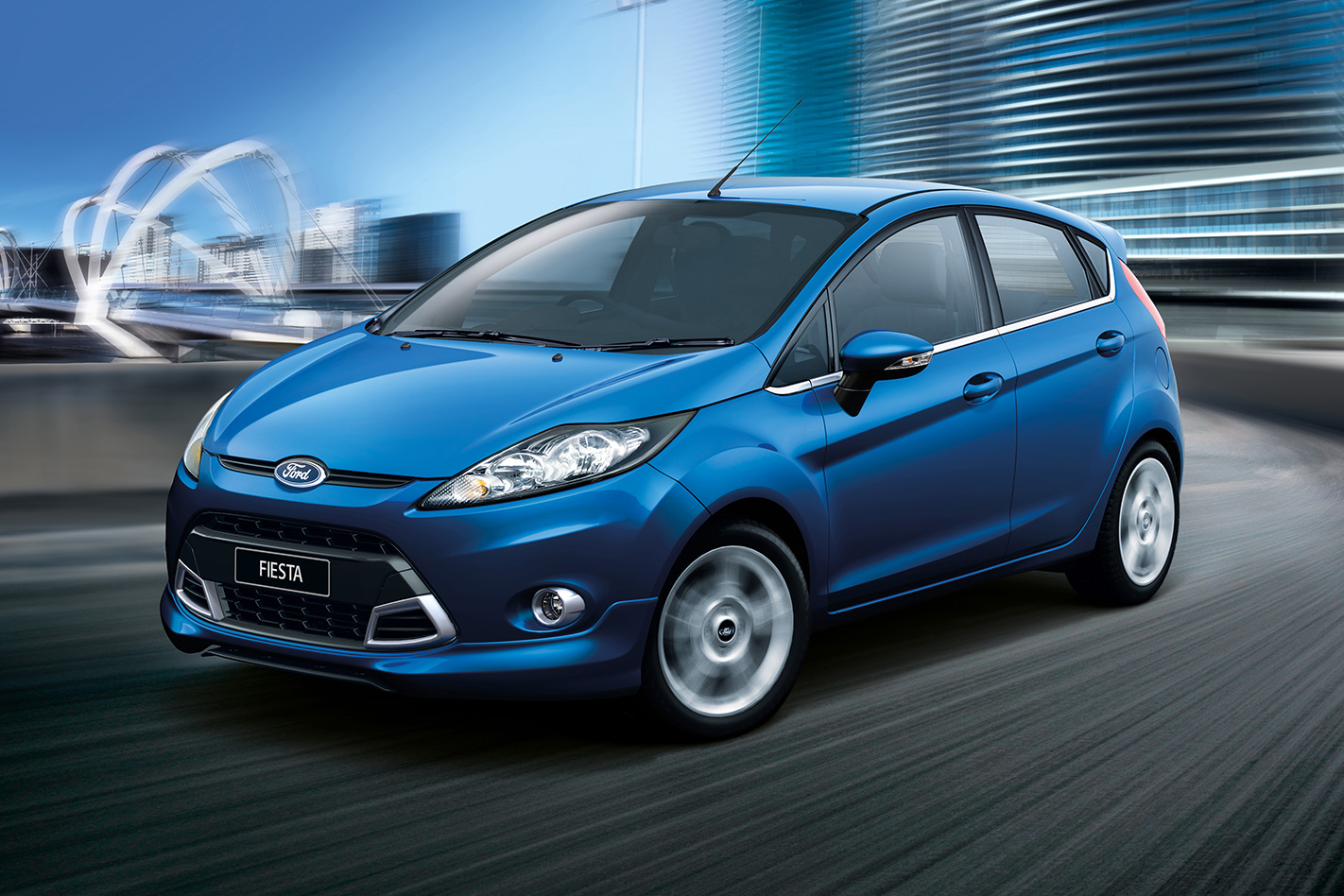
TOMORROW: Ford Australia’s growing PowerShift complaints list
According to the department, it found there was “no evidence of a systemic safety issue or ADR non-compliance” that would have prompted a recall of 73,140 Ford Fiesta, Focus and EcoSport cars sold in Australia and fitted with the troublesome gearbox.
“Ford has identified [redacted] issues [with the PowerShift transmission], and is implementing fixes, but does not believe the matter warrants a voluntary recall,” it says.
“The complaints were investigated extensively and it was decided the company had made considerable changes to the components and had successfully lowered the repeat issues experienced by complainants initially.
“Investigators were unable to confirm a safety issue that will or may cause injury.”
One Ford PowerShift owner Wheels spoke with said Ford had replaced the transmission in her vehicle five times.
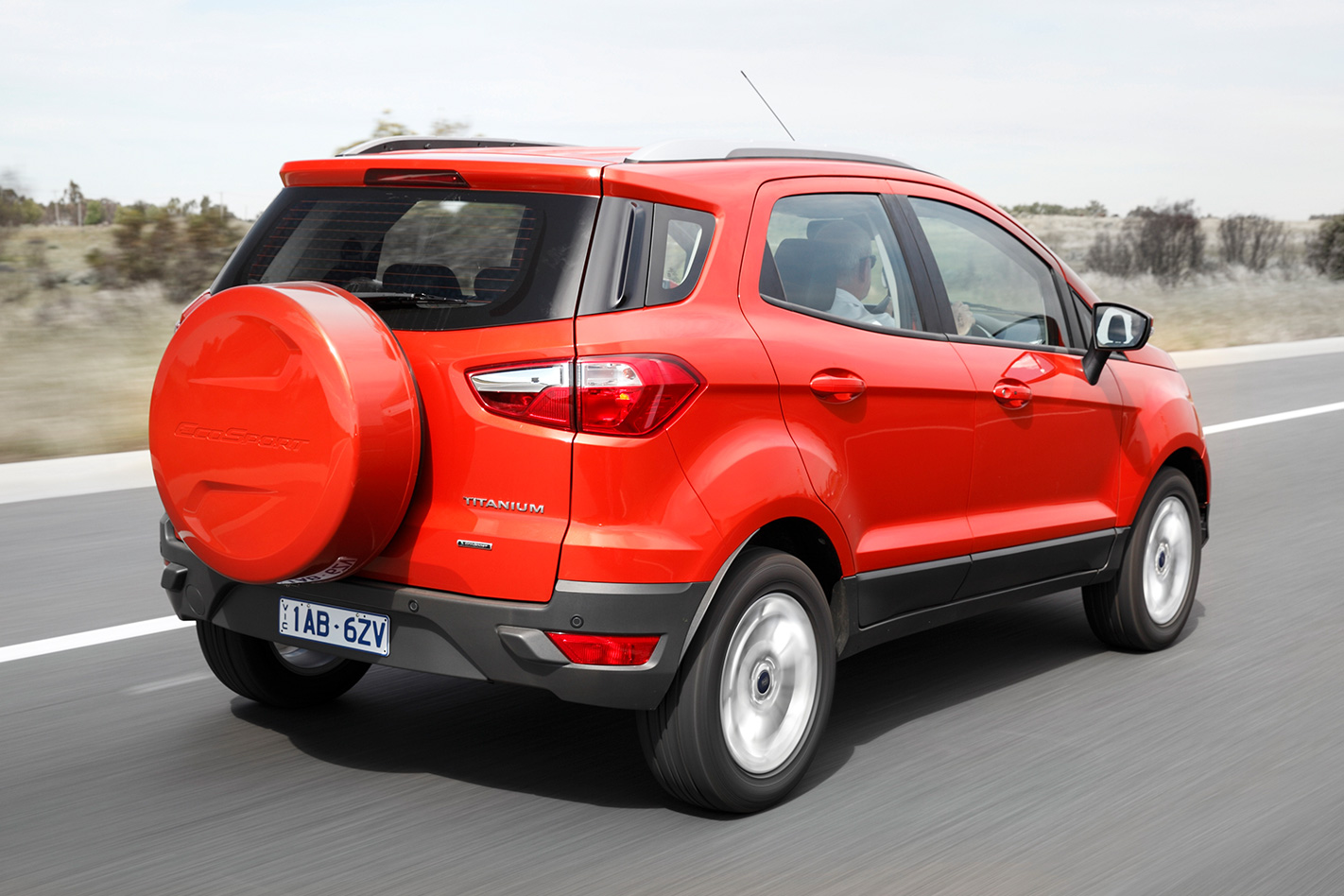
The documents reveal owners of Ford-badged vehicles fitted with the dry-sumped six-speed dual clutch gearbox had a range of concerns about its performance. These include a “potential temporary loss of transmission”, shuddering at low speed, missing gears or engaging the wrong gear, and the car either hesitating or refusing to move.
The department noted that many of those complaining about the gearbox claimed the cars were unsafe “as faults are inconsistent”. It also said customers who complained had taken their vehicle back to Ford for numerous fixes, and that the faults had “reoccurred on numerous occasions”.
Ford is currently facing class actions in Australia and globally on behalf of owners who believe they were sold a faulty product, and are seeking compensation from the car maker. Ford Fiesta, Focus and EcoSport customers in other countries, including Vietnam and Thailand, have launched similar court action after the Federal Court in April handed Ford Australia a $10 million fine after concerns raised by the Australian Consumer and Competition Commission over the way that the car maker handled the PowerShift-related complaints.
“We acknowledge that issues have arisen in certain vehicles fitted with the PowerShift transmission,” Ford said in a statement to Wheels. “As each of these issues has been identified, the Ford team has investigated and worked with customers to implement manufacturing and repair solutions by recalling vehicles and extending warranties.“We’ve continued to improve our response times to customers and have been repairing vehicles, compensating customers, and depending on the circumstances, providing full refunds and providing replacement vehicles.
“We know this process has identified the challenges our customers faced and the lack of appropriate processes we have between May 2015 and February 2016 to effectively handle these. Our focus now is making right with these customers.”
Wheels contacted Bannister Law to ask for an update on its class action on behalf of affected owners. It had not responded by the time this story was published.
