
CAST your mind not so very far back to 2011. Fukushima went off the grid, Osama bin Laden had a very bad day and the final space shuttle mission touched down at Kennedy Space Centre. Meanwhile in bucolic Surrey, McLaren had yet to launch its MP4-12C road car.
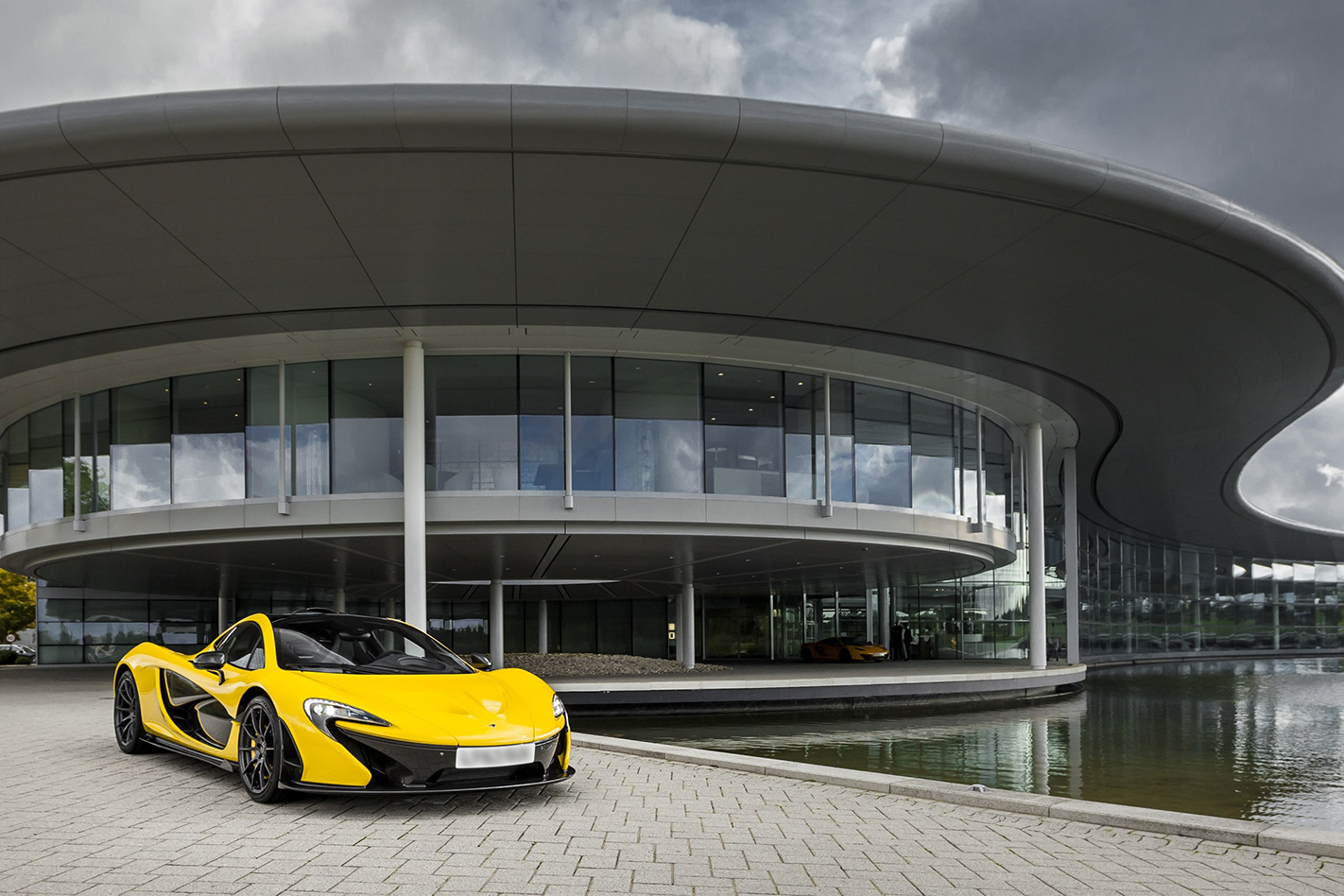
The last road car it had built, the glorious F1, finished its 106-car production run some thirteen years earlier so, in effect, manufacturing was starting from standstill. McLaren had brand equity, a healthy R&D budget and premises in which to build cars.
The 3.8-litre engine was built by Ricardo in West Sussex and the dual-clutch transmission made by Graziano Oerlikon, and the whole lot was mated together with its carbon-fibre superstructure in the $100m McLaren Production Centre. Ron Dennis pronounced the MP4-12C ‘better in every parameter that we can measure’ than its key rivals and targeted 1000 sales per year.
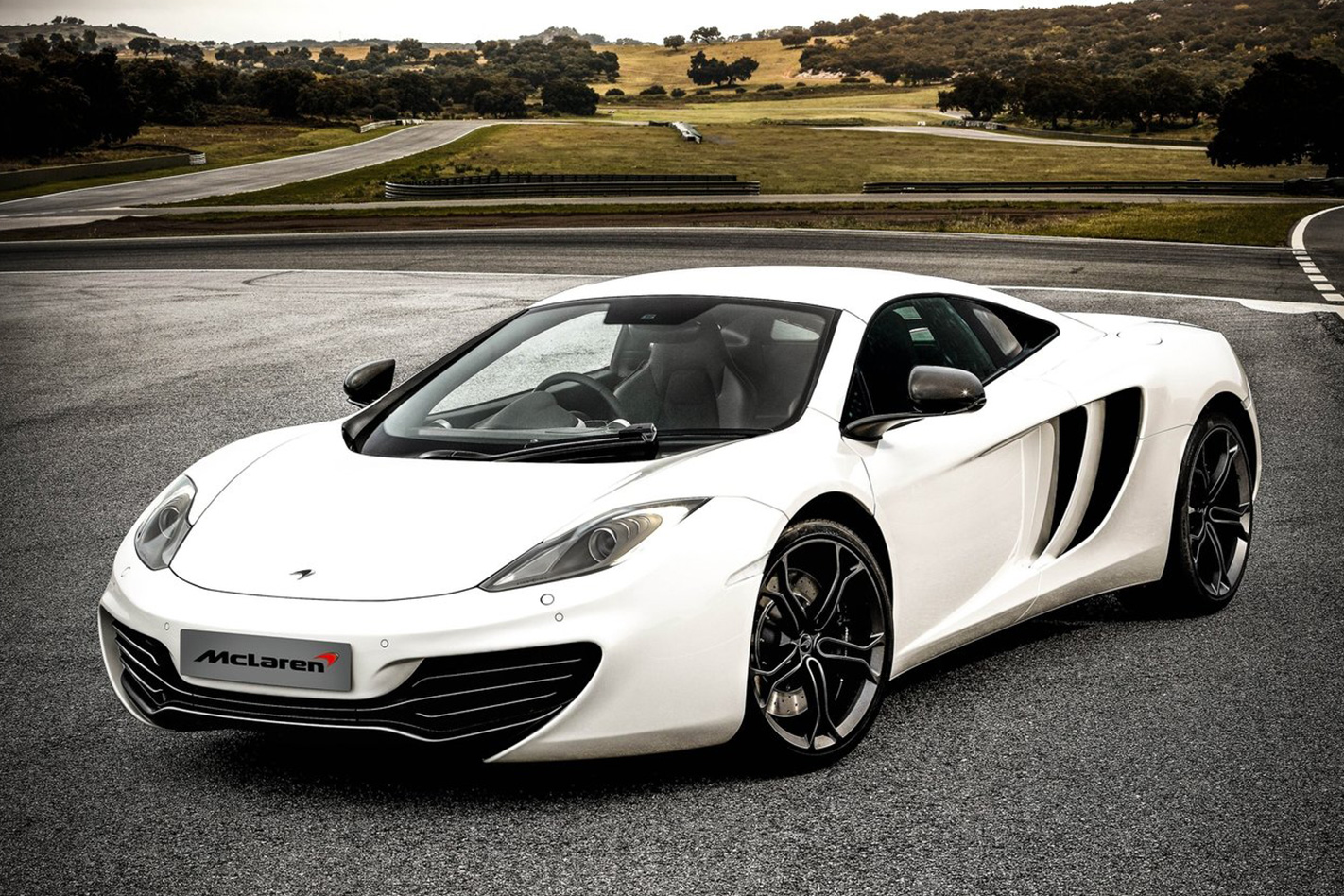
McLaren found itself swamped with orders, instantly having enough deposits for three years’ worth of production. Anyone who then placed an order never actually received an MP4, because that car went out of production in 2014, replaced by the restyled and improved 650S.
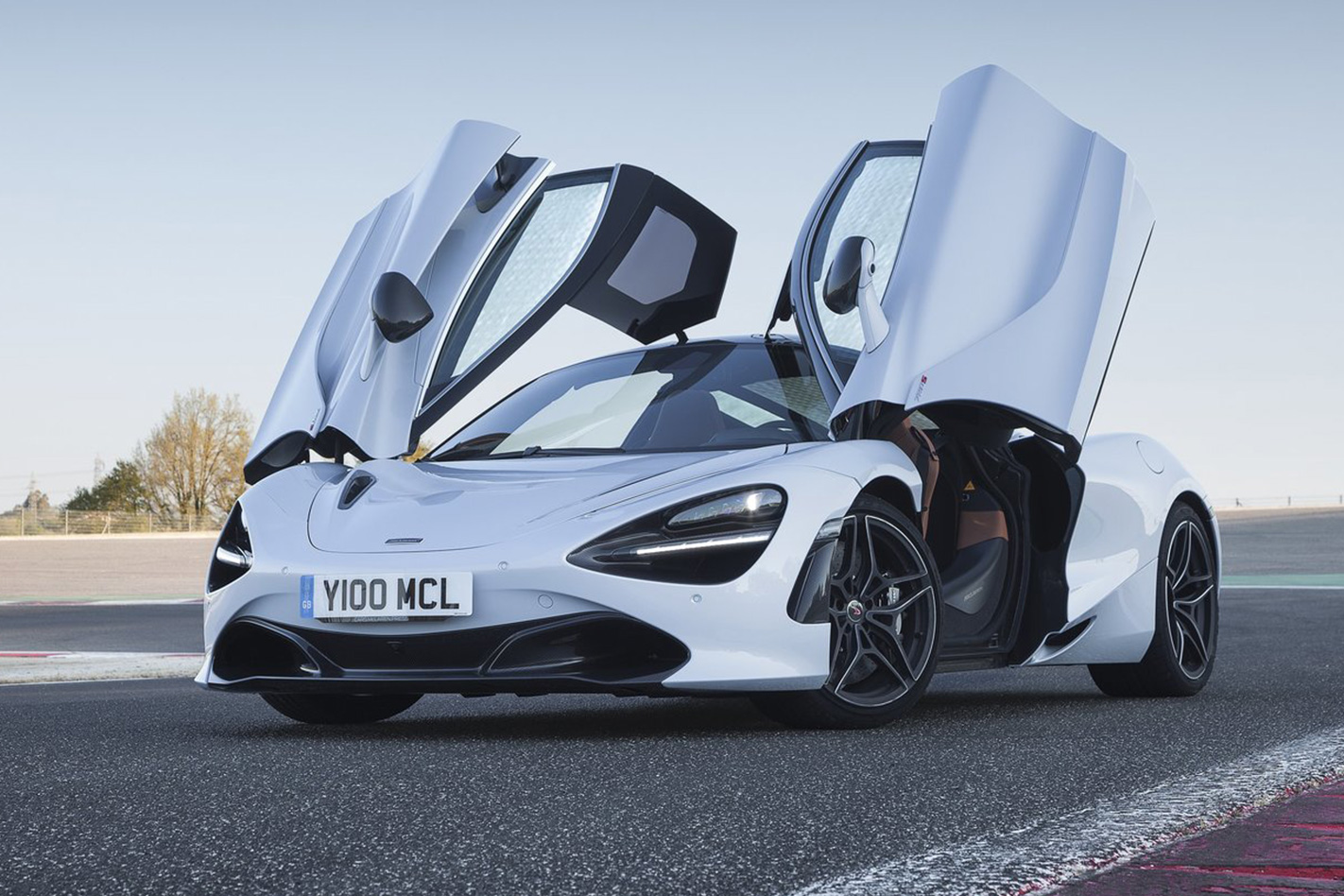
Now that we have the three lines of Sports, Super and Ultimate Series, with a burgeoning product range, a bigger dealer network, a doubling of shifts at the MPC and slicker production practices, production last year was 3340 units, nearly enough to overtake Lamborghini, which built a record 3815 cars.
Sadly, it looks as if that’s about as close as it comes to toppling old Ferruccios’s figures. With Lamborghini opening a new production facility to build its super-SUV, the Urus, which will double production overnight and get closer to Ferrari’s output of just over 8000 cars per annum. Still, it’s quite the achievement for McLaren and it’s one that’s been mirrored here in Australia.
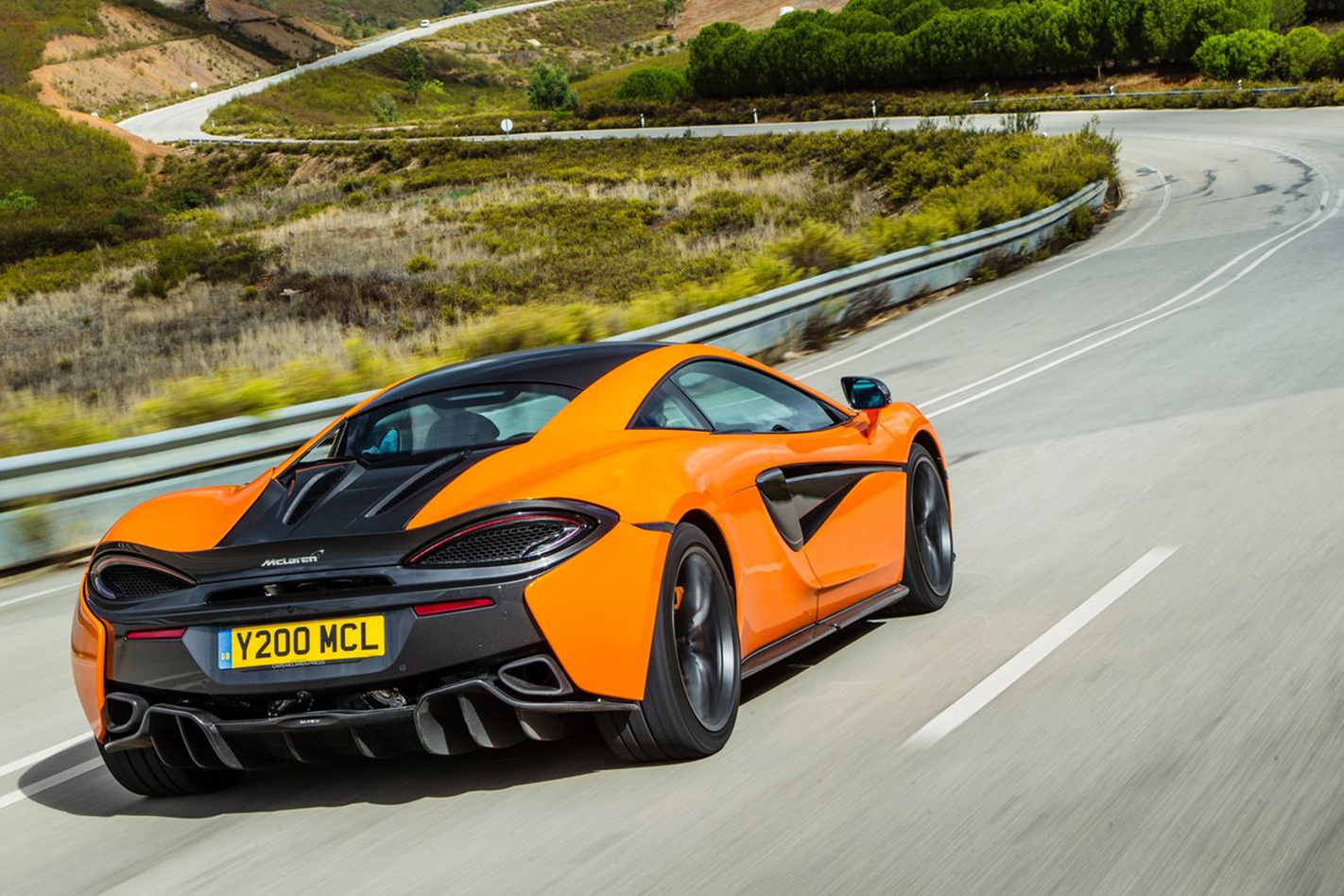
McLaren shifted 23 cars here in 2013, stepping up slightly to 26 in 2013 and 2014 respectively. Then the 650S gave it a shot in the arm, with 36 McLarens finding Aussie owners in 2015 and a healthy 93 in 2016. The launch of the Sport Series saw that figure leap to 116 sales in 2017. In other words, sales here have more than quadrupled in the last three years, with the 570S Spider being the most popular car.
A recently-built Curacao Blue 570S Spider marked McLaren’s 15,000th production car, something the company was keen to celebrate. “Reaching 15,000 cars built is a significant milestone for McLaren Automotive and comes under 18 months after we hit 10,000 vehicles, showing how demand and production have increased,” said McLaren Automotive CEO Mike Flewitt.
“The Sports Series has been pivotal to driving this growth, with the 570S Spider now the most popular of the range. The fact we are now able to produce 20 cars a day is of course a great testament to the hard work and dedication of every one of our workforce, who should feel justifiably proud and part of this great team effort.”
Still, McLaren has a way to go to level with its race track rival Porsche. Last year, Porsche shifted almost a quarter of a million cars. One thing Woking’s not short on? Ambition.
We’re always told to listen to our parents because they know best. More often than not, this is true. And yet, I’m sitting in traffic with normal temps in a 542kW Mustang after driving spiritedly through some twisty roads thinking how a piece of childhood advice couldn’t be more wrong.
“You’ll never make your car better than how it came from the factory” was my father’s catch-cry for years as he stood by and watched my brother lower and louden one steed to the next. Oh, and don’t even get me started on his view of power upgrades.
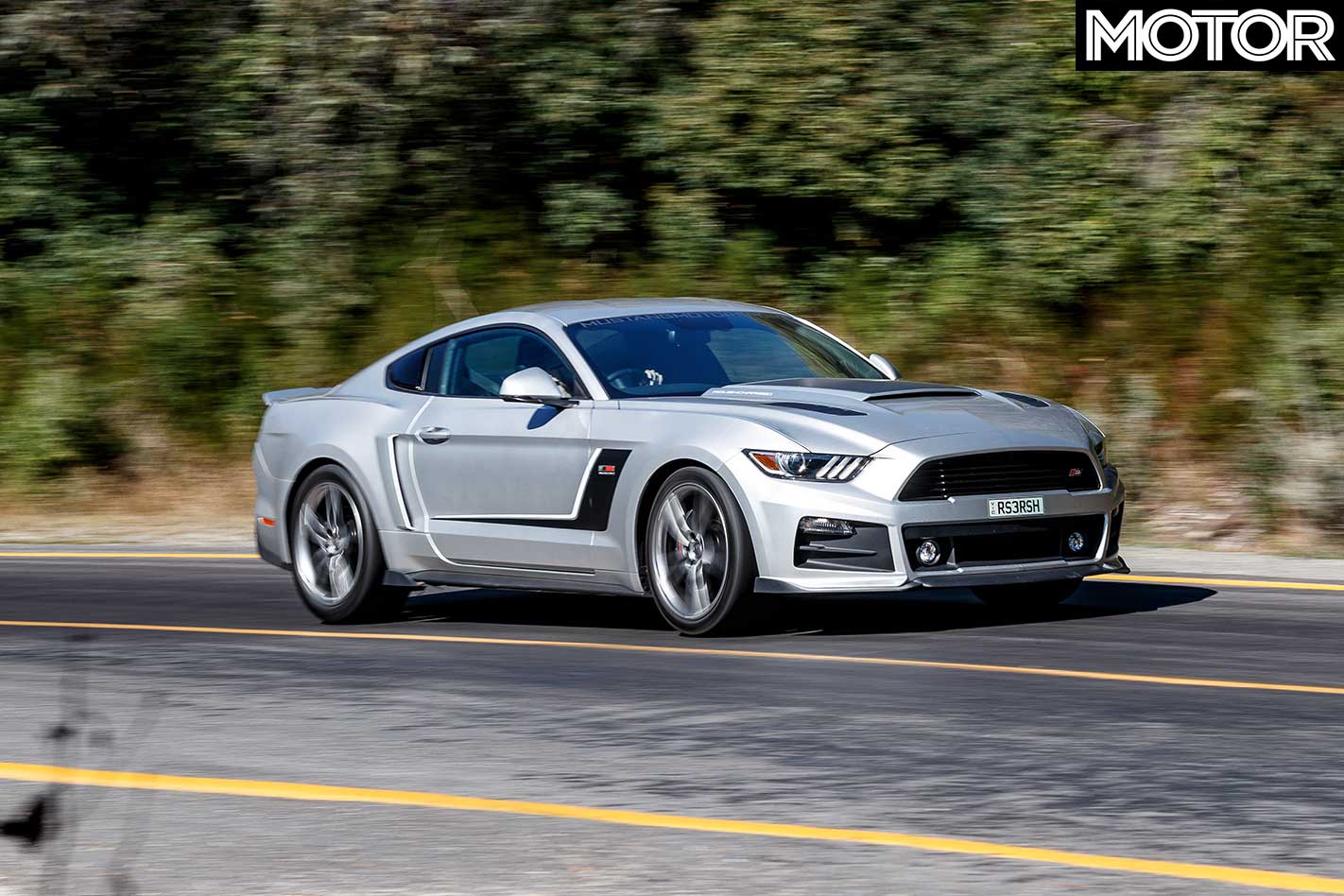
Simply, the Roush RS3 (via Mustang Motorsport) is doing everything in its power to make me question my old man’s logic. This fully ADR compliant and complied, warranty-toting (three-year/60,000km) aftermarket Mustang feels anything but a tuned, and therefore tarnished, pony.
Despite its spleen-splitting straight-line pace, it is as docile as any other commuter stuck in peak-hour Melbourne traffic. The sticker price of $112,874 (including the purchase of a manual Mustang GT) even seems reasonable given the total package.
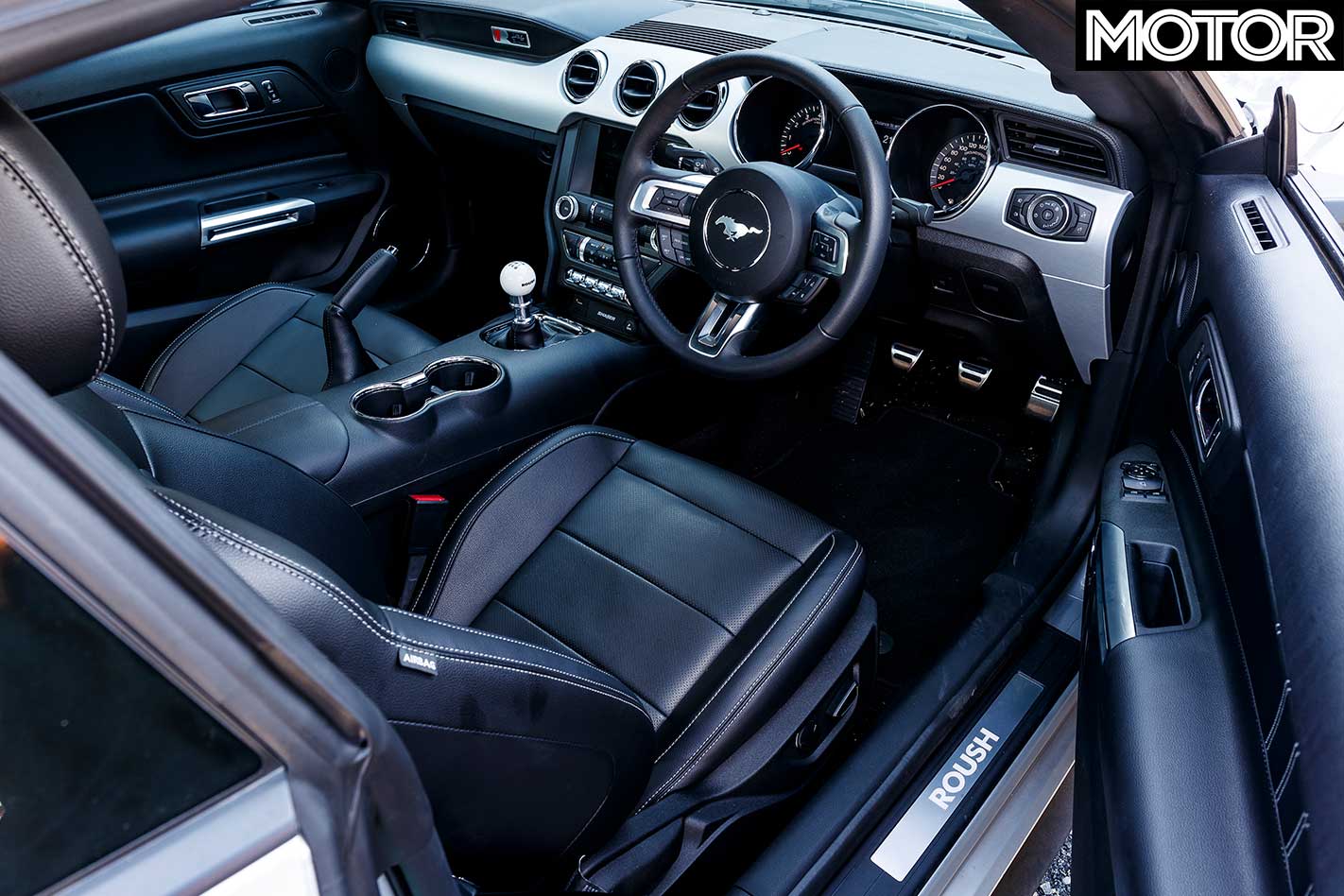
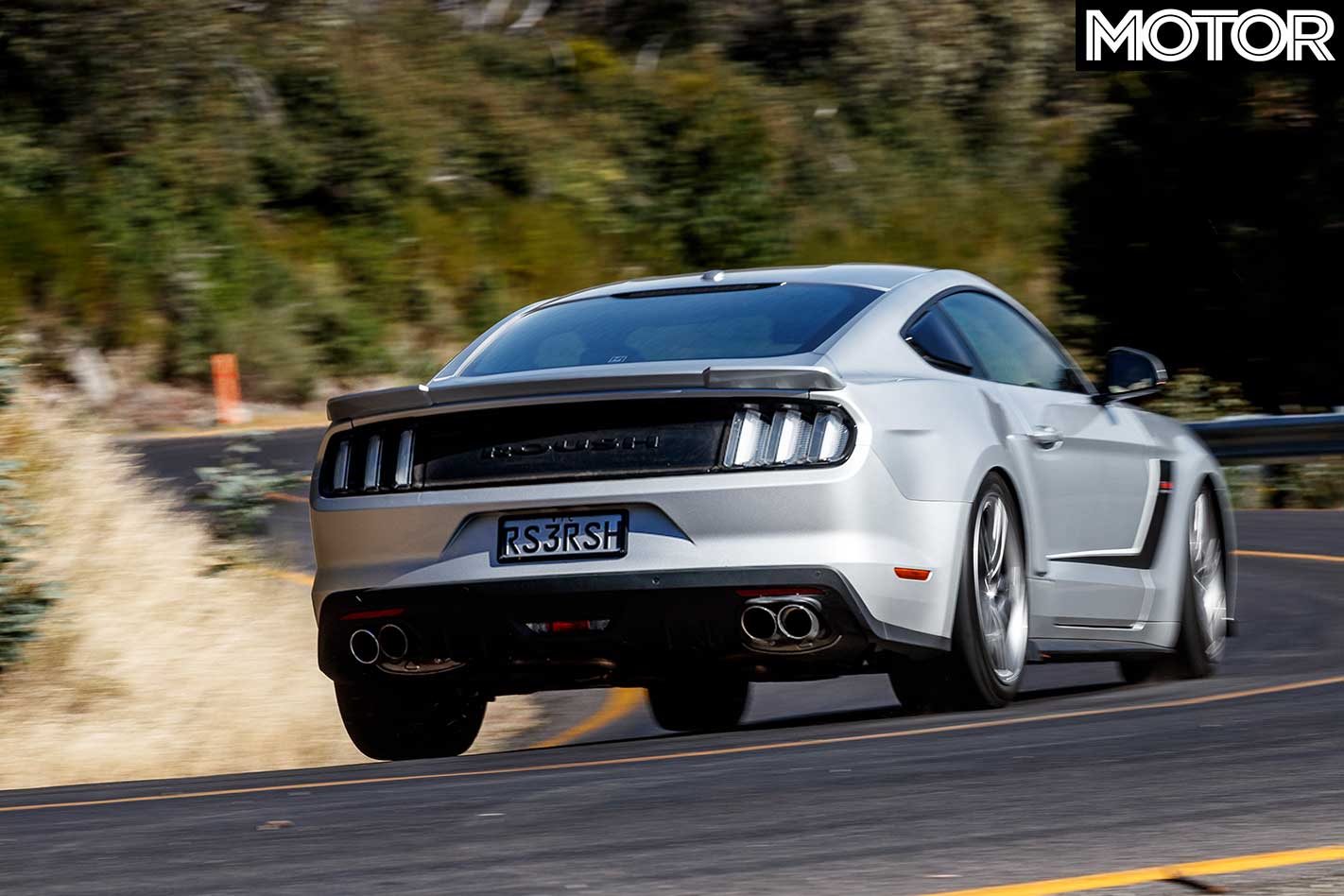
Although it’s no shrinking violet, with the familiar, retro-esque silhouette being accompanied by an assortment of Roush kit – namely the bonnet scoops and 20-inch Quicksilver aluminium wheels. Matched with a deep burble from the quad exhaust tips, it’s hard to miss, but in a good way. The interior is standard ’Stang, with only a few Roush clues as to what lies beneath.
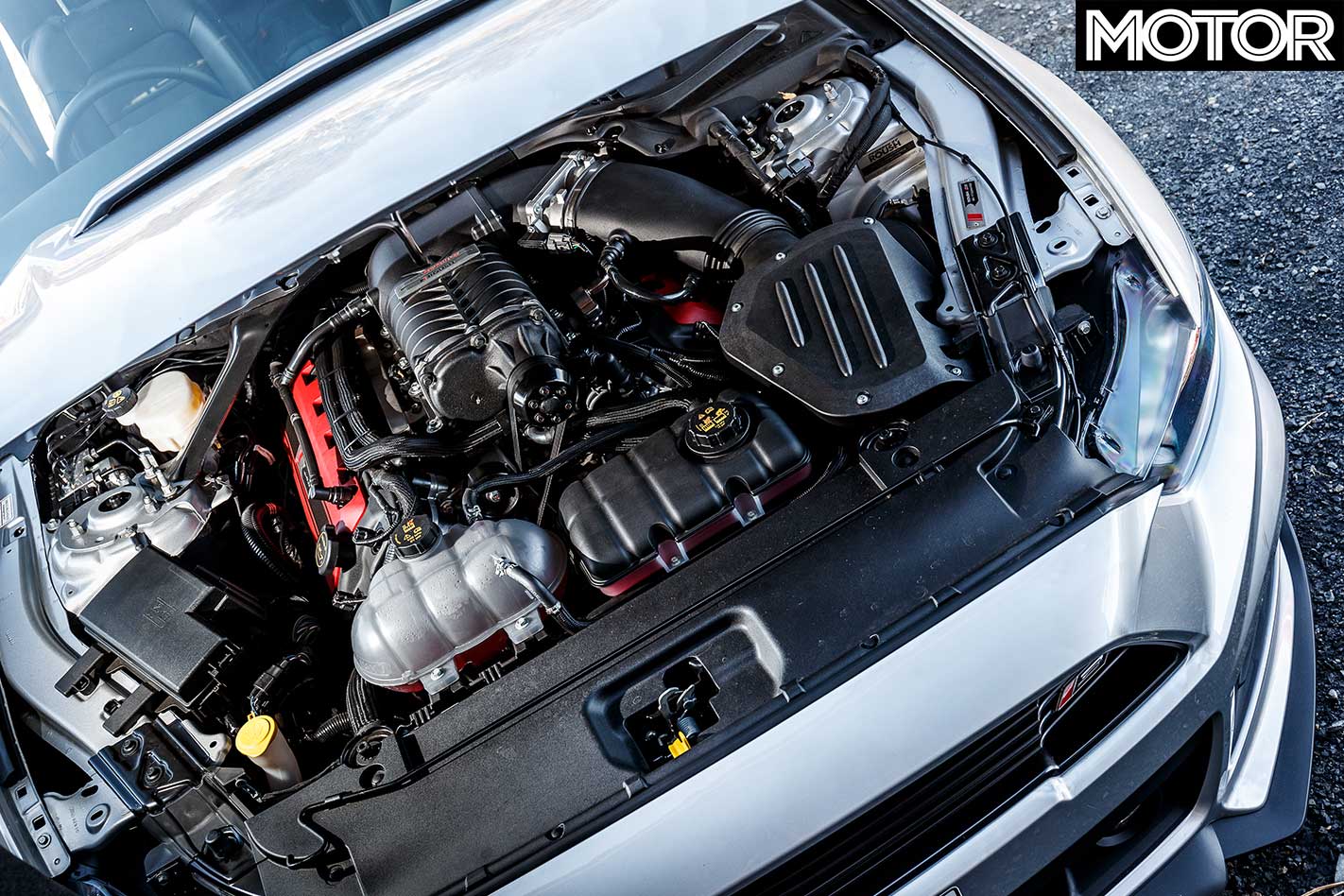
The RS3 is Roush’s stage three kit (hence RS3) which, for $41,499 on top of the $57,490 Mustang GT manual, gets you 500kW and 739Nm of supercharged goodness and extreme-duty half shafts. Yet for an extra $3500, the Phase 2 upgrade kit fitted here turns the wick up on the TVS R2300 supercharger to 542kW and 827Nm.
The way in which that grunt gets to the Michelin Pilot Sport Cup 2-shod rear hoops is what’s most impressive. So linear is the power and torque delivery that the supercharger is almost imperceptible. Yet, it can go from ‘My Little Pony’ to raging stallion in one flex of your right ankle. And the passive exhaust sounds authentically unhinged.
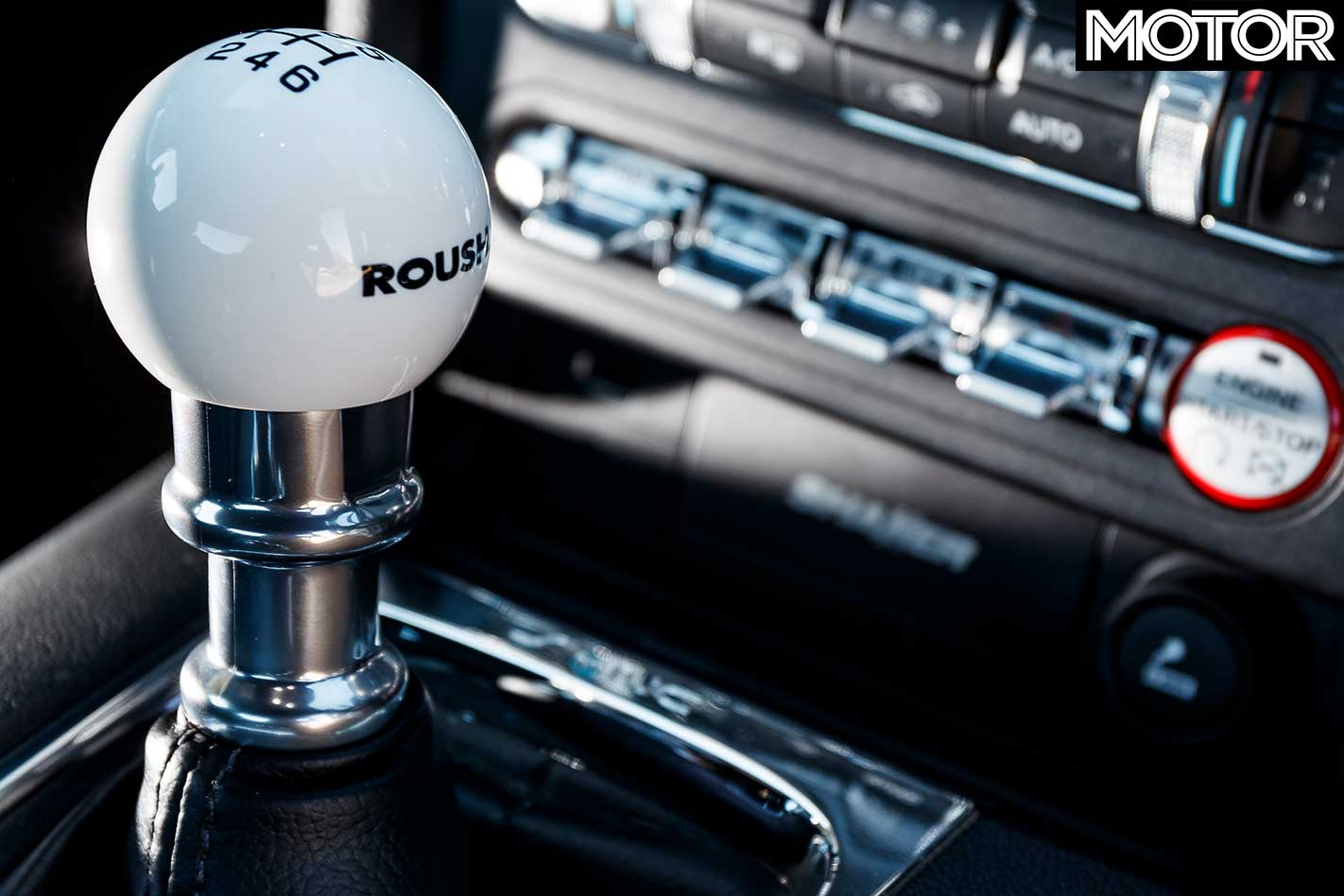
So ferocious is the power that you need a long stretch of road to ever experience full throttle. You also need precise inputs with the six-speed manual – oh no, it won’t be rushed.
Helping harness that power are the aforementioned 285-section Cup 2s at the rear (265 front). When up to temp, the way they dig into the road is as savage as the rate of acceleration.
However, you need a fairly smooth surface or the RS3 will scamper across the tarmac when hard on the gas. On the flip side, the Brembo brakes do a solid job of arresting the licence-scaring speed, while the middle pedal remains overly sensitive (like the standard GT) in the initial stages of travel.
While it’s not totally a point-and-shoot affair with mid-corner throttle applications helping engage the rear, you still have to be wary of the fact you have 542kW/827Nm.
The only downside to the added roadholding is the fact it has only exacerbated the standard GT’s lack of connection through the wheel. Yes, the sharp Mustang front-end remains, but getting to the apex is something that you sight, rather than something you feel.
However, it’s not only the focused rubber offering up all the purchase here as there’s tangible mechanical grip. Fitted with the optional three-way adjustable performance coilovers (adjustable for height and damper), there’s enough compression and control to feel what the car is doing underneath you. For a supposedly circuit-biased kit, the RS3 has a resounding amount of compliance and a duality of character that suits both road and track.
A chink in the Roush’s armour is the standard leather seats and the serious lack of side bolstering. Although you can option Alcantara inserts.
Okay, there were a few odd sounds on test that wouldn’t be found in a standard GT, however, as a package that can serve as a weekend cruiser and a track-day bruiser, the RS3 ticks a lot of boxes.
At $112,874 (including optional equipment) for this variant, the price of entry doesn’t seem unsavoury given the absolute experience it returns. Its party piece is the fact it’s bloody quick, surprisingly capable and, well, ‘normal’. Sorry dad, but the Roush RS3 proves you wrong on this one.
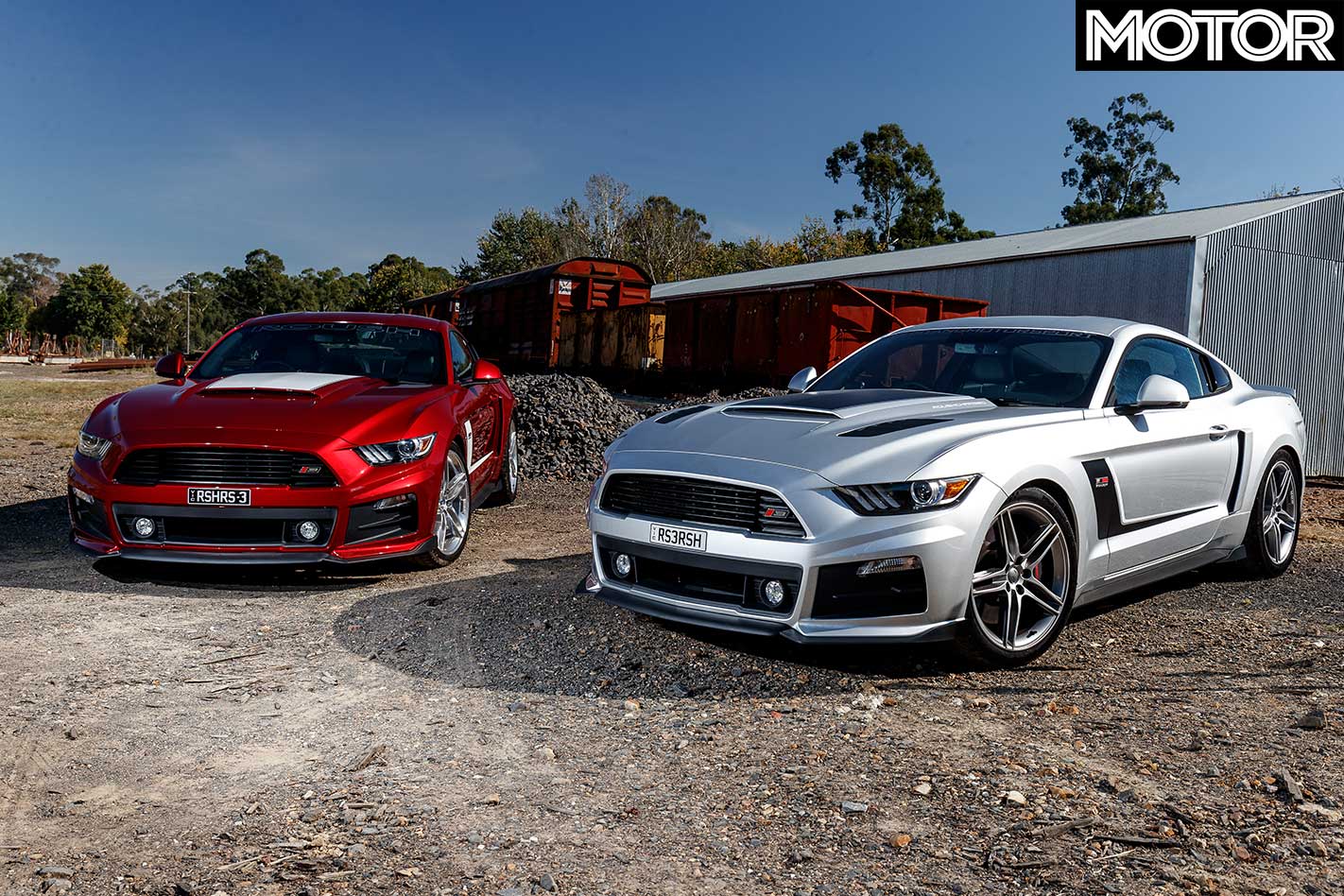
2018 ROUSH RS3 MUSTANG SPECS: Engine: 4951cc V8, DOHC, 32v, s/c Power: 542kW @ 6850rpm Torque: 827Nm @ 5000rpm 0-100km/h: 4.3sec (estimated) Weight: 1739kg (est) Price: $112,874
Rating: 4.0 out of 5 stars Like: Epic amount of straight-line power; addictive soundtrack; high grip levels; easy to live with Dislike: Steering remains numb; you can never really use all the power; slippery seats
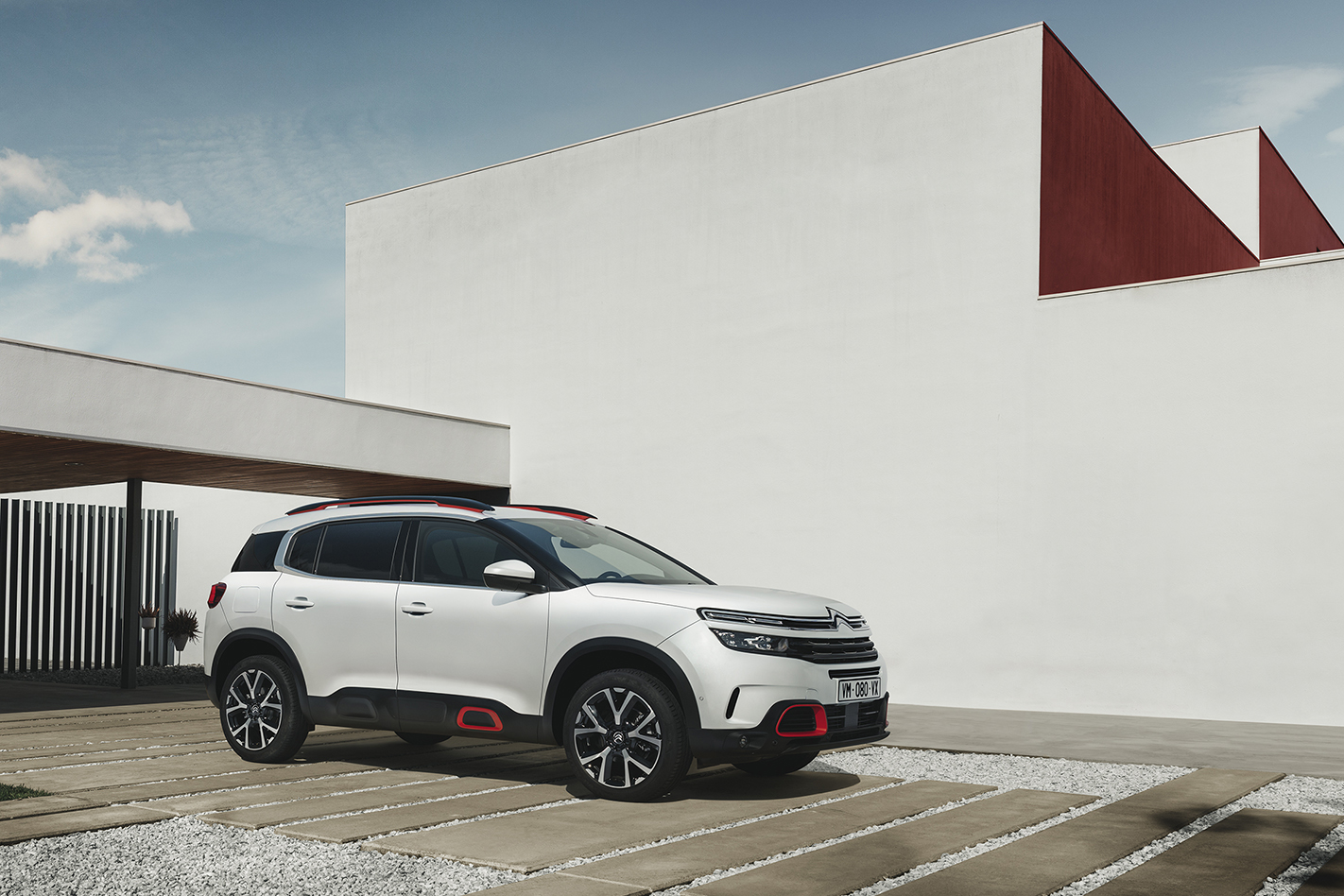
Citroen has morphed its C5 sedan/wagon into a ‘new-generation’ mid-sized SUV that’s under consideration for the Australian market.
The C5 Aircross, according to the French carmaker, will be the ‘most comfortable and modular SUV in its segment’ by drawing on its predecessor’s plush hydro-pneumatic suspension with tech that it calls “Progressive Hydraulic Cushions”. Ride comfort will be further enhanced by ‘Advanced Comfort’ seats that filter out road disturbances.
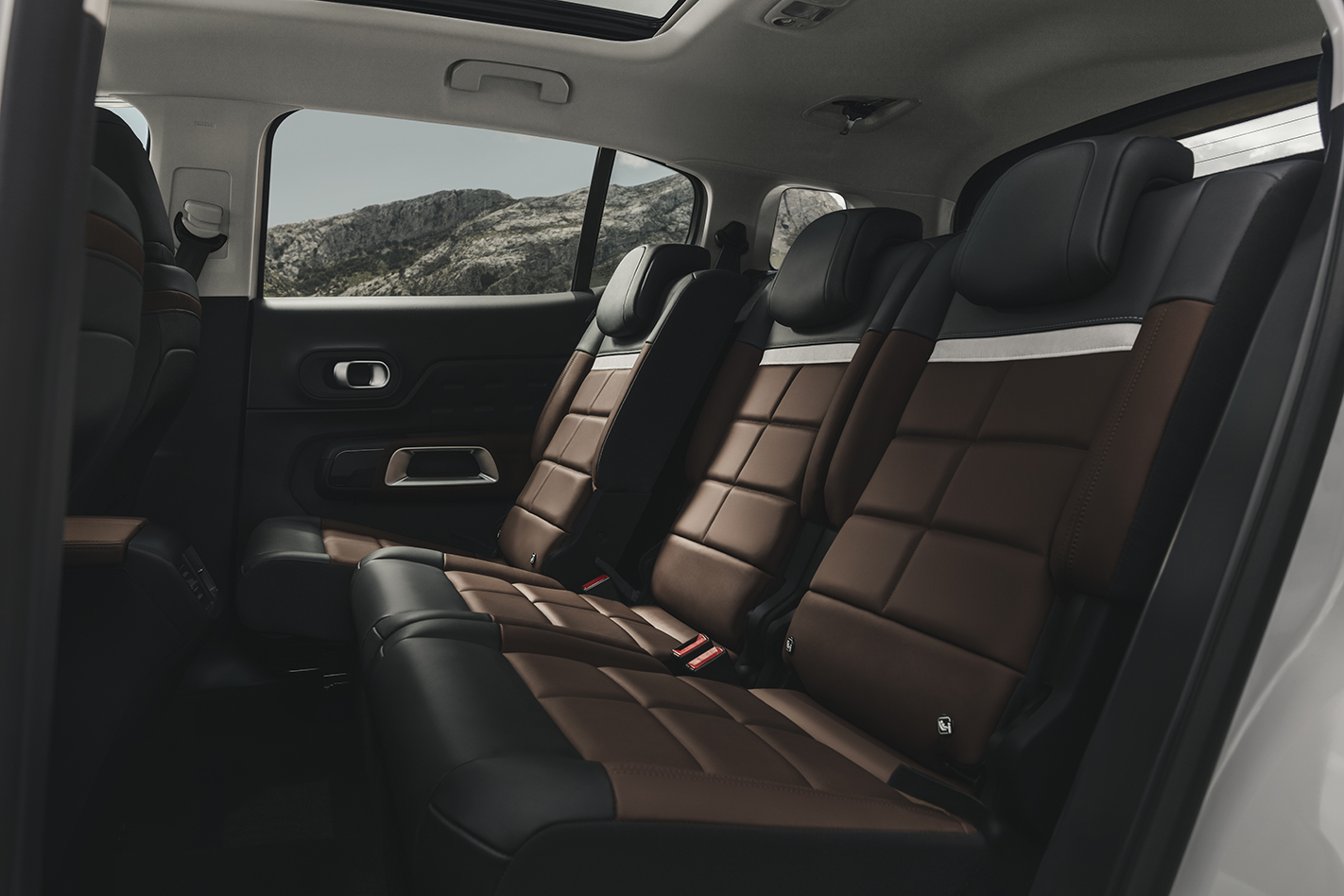
The 4.5-metre-long C5 Aircross will make the most of its spacious interior by offering a wide centre console and flexible rear seating that can allow all three positions to independently slide, fold and recline. Boot space ranges from 580 to 720 litres, seats-up.
Technology includes advanced driver assist electronics with 20 functions in total, including high-speed automatic emergency braking, “Grip Control” and hill descent assist to boost its off-road capability. Traditional analogue gauges make way for a 12.3-inch digital display, while infotainment functions are controlled via an 8.0-inch touchscreen.
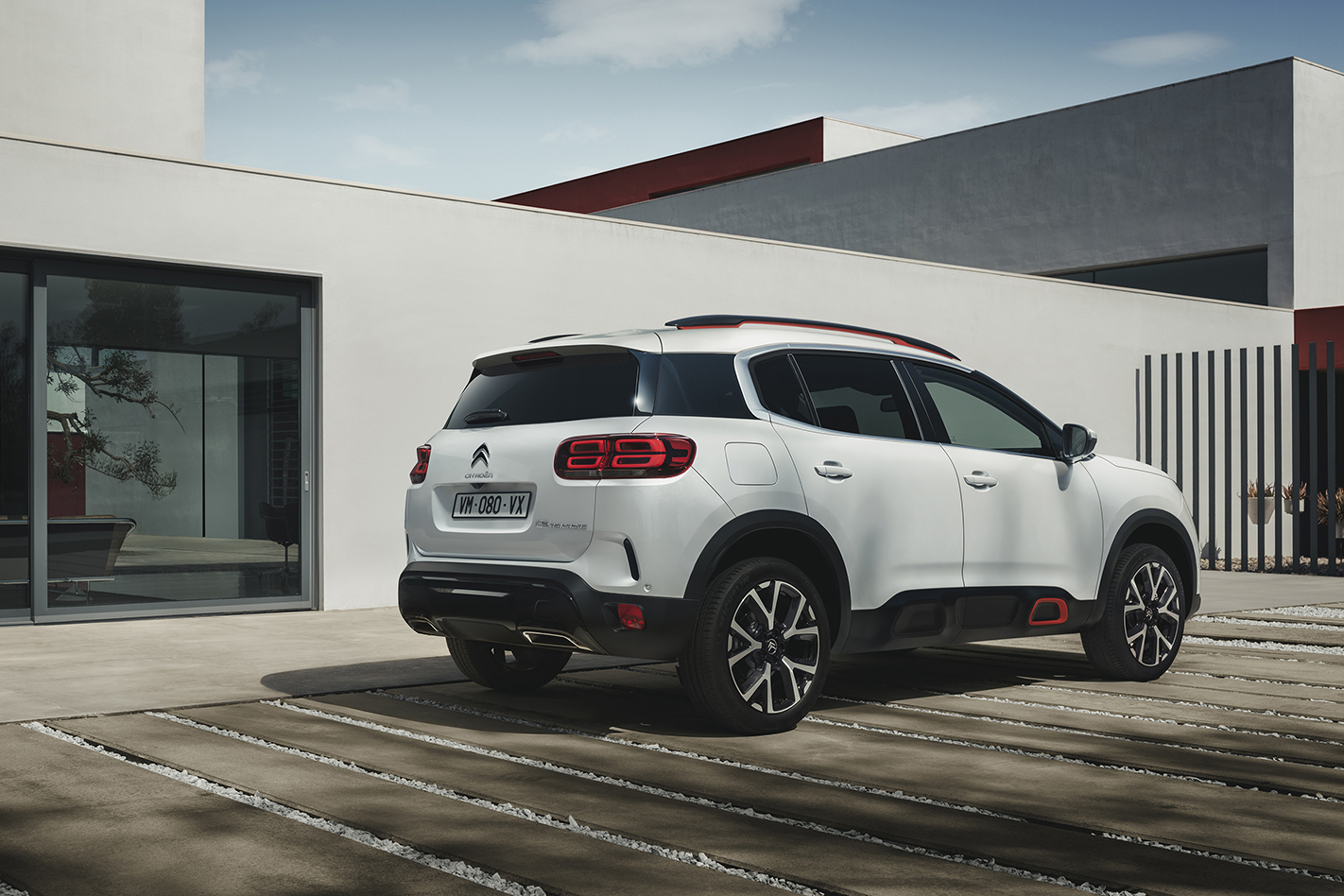
Outside, the C5 Aircross looks like a more stately version of the smaller C3 Aircross, with a bold stance and flowing shapes highlighted by graphic touches such as the floating roof above the D-pillar, Airbumps along the bottom of the doors and Citroen’s distinctive grille treatment that see it almost live up to the concept artwork revealed early last year.
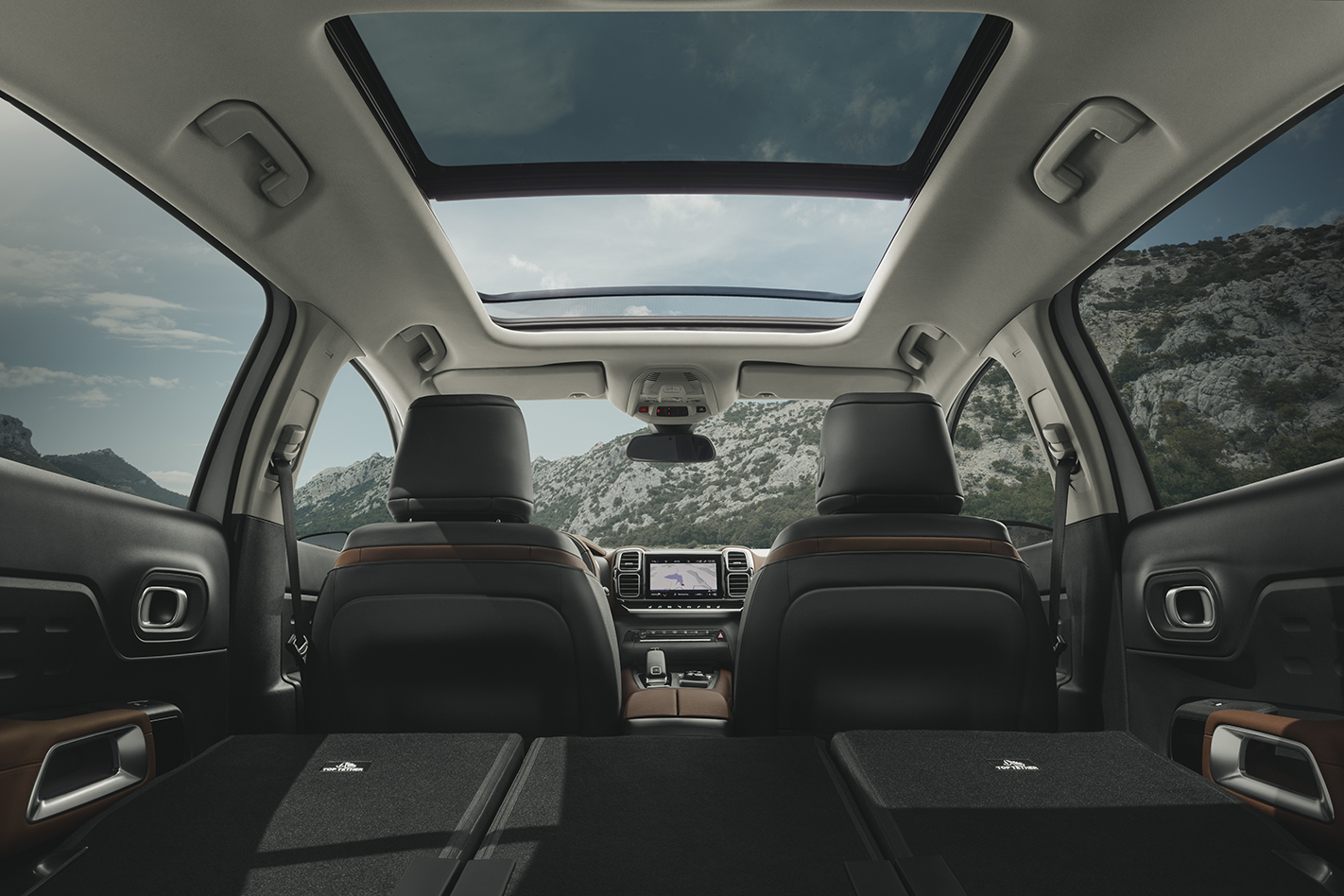
The C5 Aircross will be powered by a choice of efficient but punchy turbocharged petrol and diesel engines, ranging from about 100kW to 130kW, coupled to a new eight-speed automatic gearbox. It’s expected to launch in Europe in the latter part of this year, with a plug-in hybrid version expected in late 2019.
It will be produced in France at the PSA Rennes-La Janais plant.
Less than 12 hours prior to the start of the 2018 Formula One Monaco Grand Prix, a Shannons auction saw memorabilia used by two multiple winners of the race cross the block.
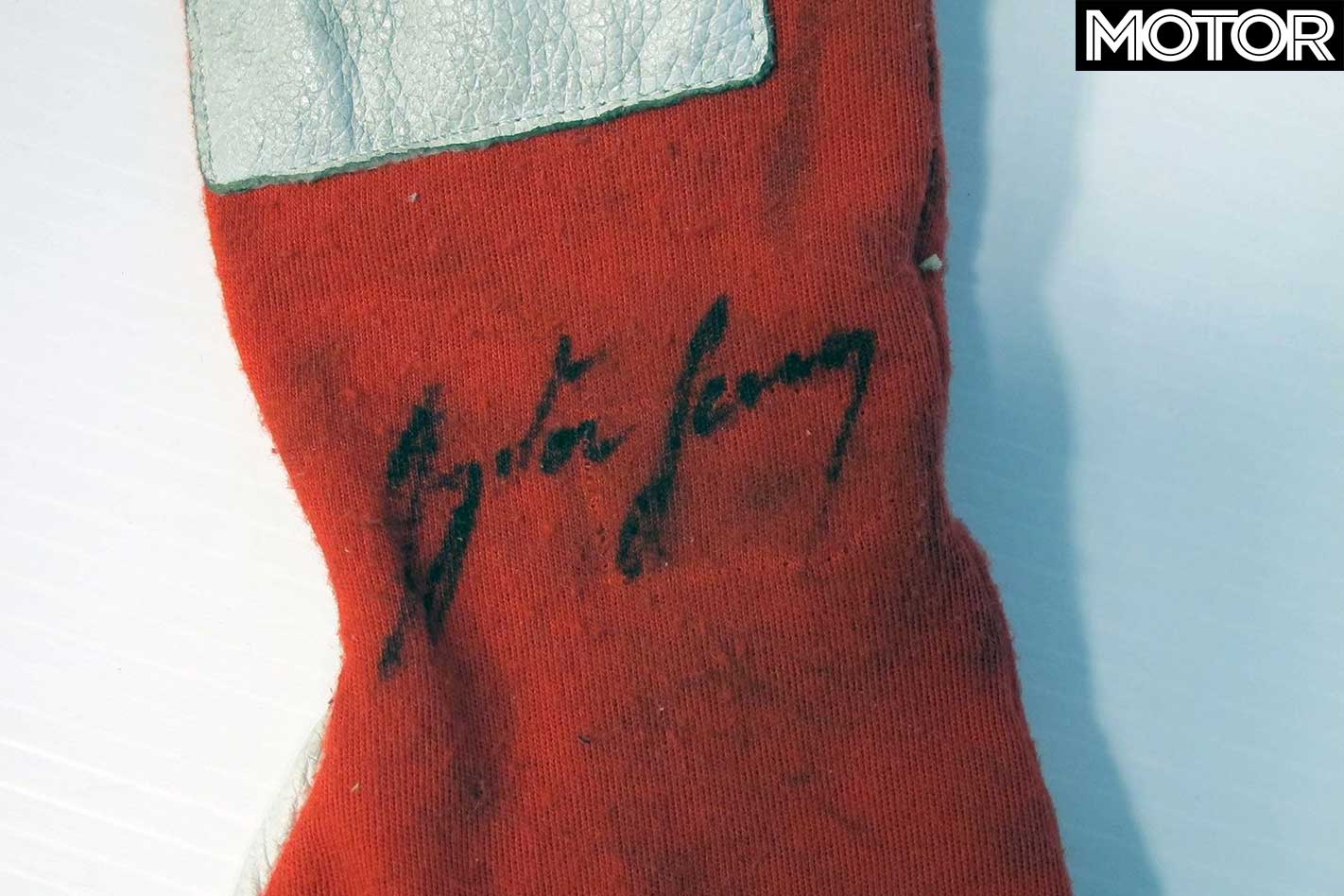
The first and more expensive of the pair is a pair of gloves used by the legendary Ayrton Senna during the 1986 Formula One World Championship.
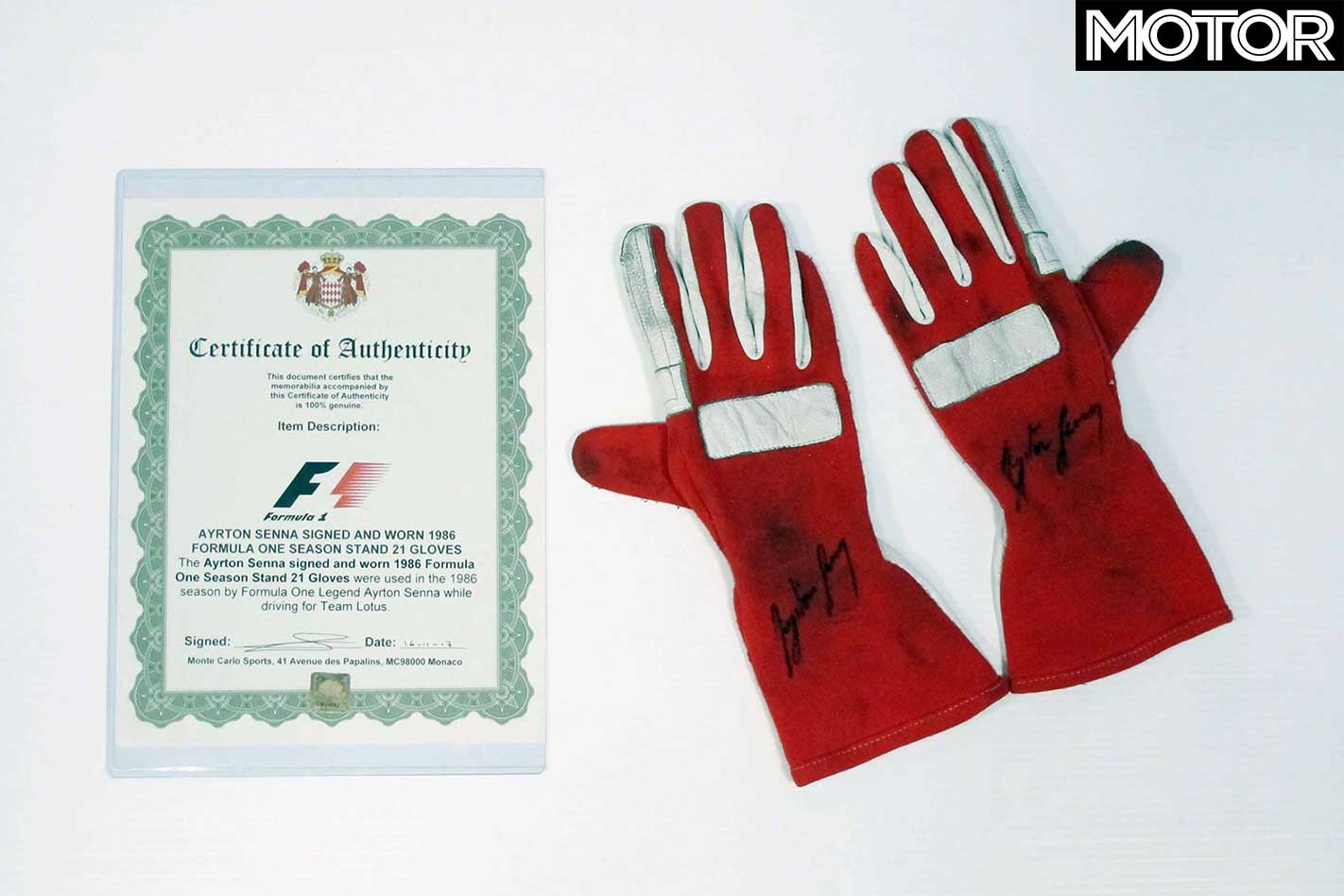
The red and white Stand 21 gloves were potentially used during the Monaco GP in ’86, as the certificate of authenticity accompanying them doesn’t specify whether they were used for the full season.
The worn nature of the gloves suggests they were used for most of it, as does the eventual sale price of $15,500, almost $10K more than the guiding range ($4K-$6K) estimated they’d sell for.
Though three-time F1 championship winner Senna is often considered one of – if not the – greatest F1 drivers of all time, he wasn’t as prolific as the driver who used the other item which auctioned.
Selling for $8,000 was the six-point safety belt worn by Michael Schumacher in the 2006 F1 season.
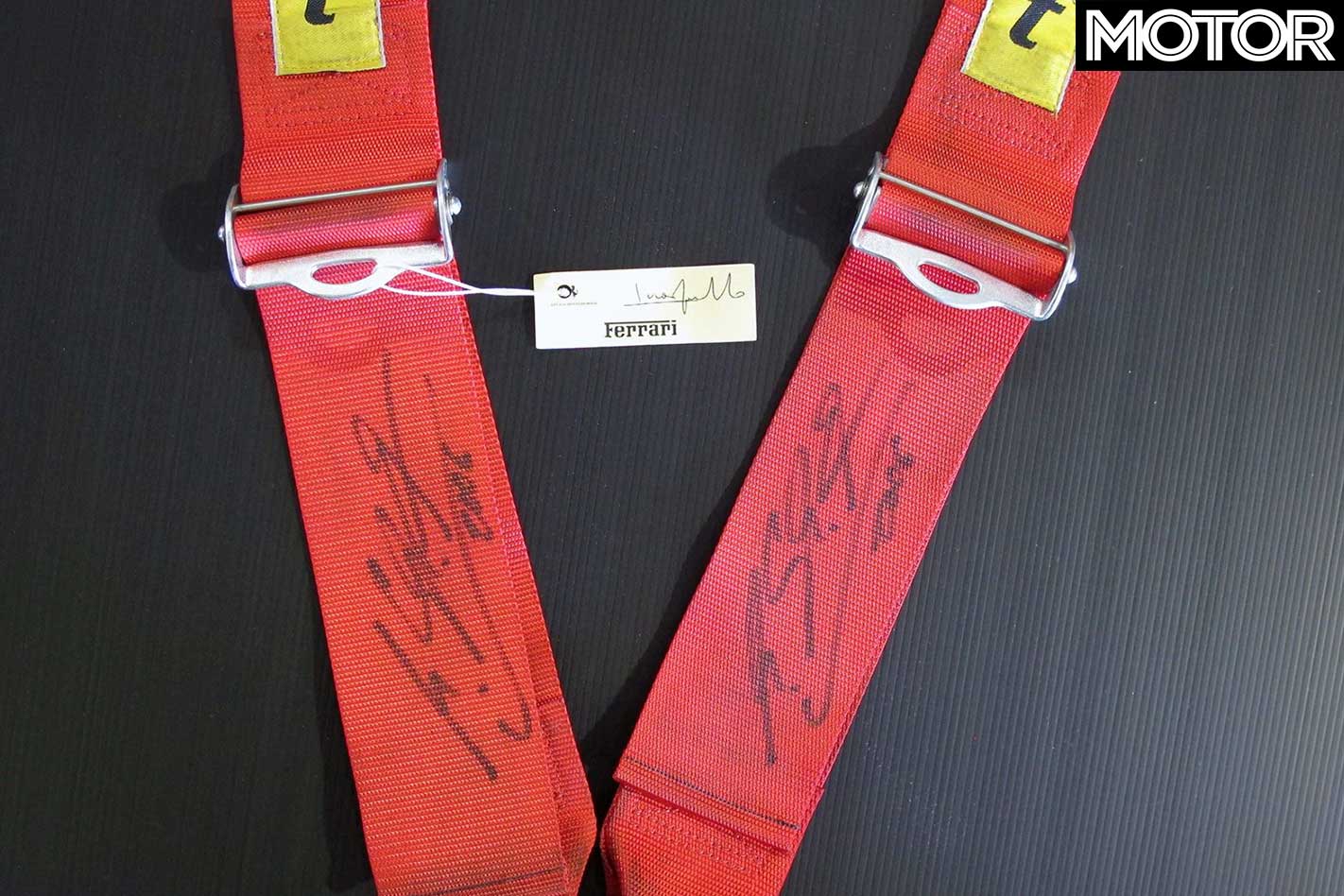
With a certificate signed by Stefano Domenicalli in 2010 – Ferarri team principal at the time – the belt was used during Schumacher’s last year driving with ‘the red team’.
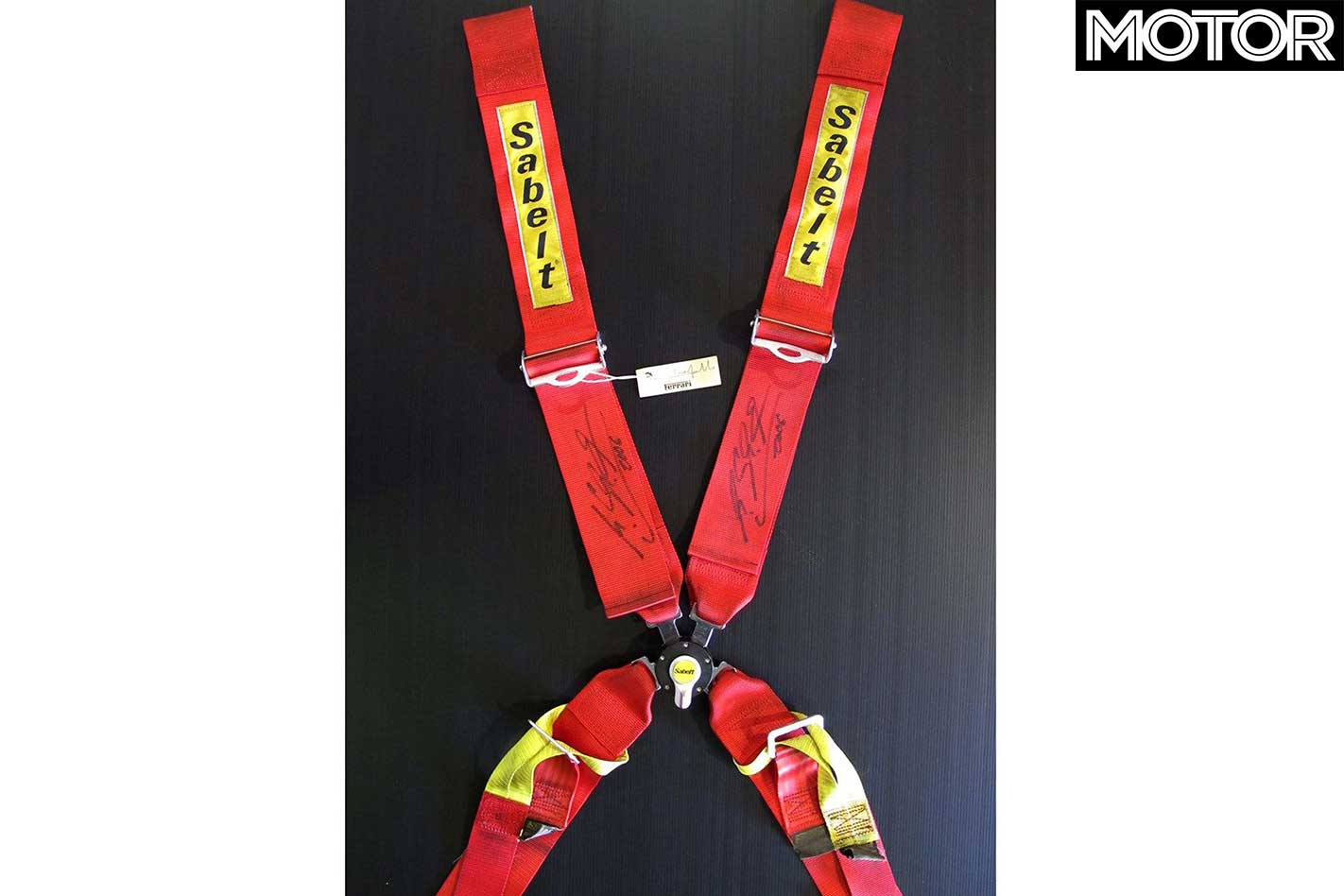
It, like Senna’s gloves, has been signed twice, with the 7-time winner (still a record) of the World Drivers’ Championship’s signature on the two upper belts, visible at the front.
The reverse of the buckle also has ‘M.S 06’ inscribed.
Though Schumacher had won seven championships over the course of his career to 2006, it was Fernando Alonso who took out the title that year, beating the German in 2nd by 13 points.
Before it had been revealed, the Brabham BT62 remained a total mystery to anyone not involved in its development.
Despite being built in Adelaide and tested on Aussie tracks including Phillip Island, it had been so well-guarded that locals were stunned to discover this car had been built right under their noses.
But now, a few weeks after its reveal, we’ve been drip fed small amounts of official information from Brabham.
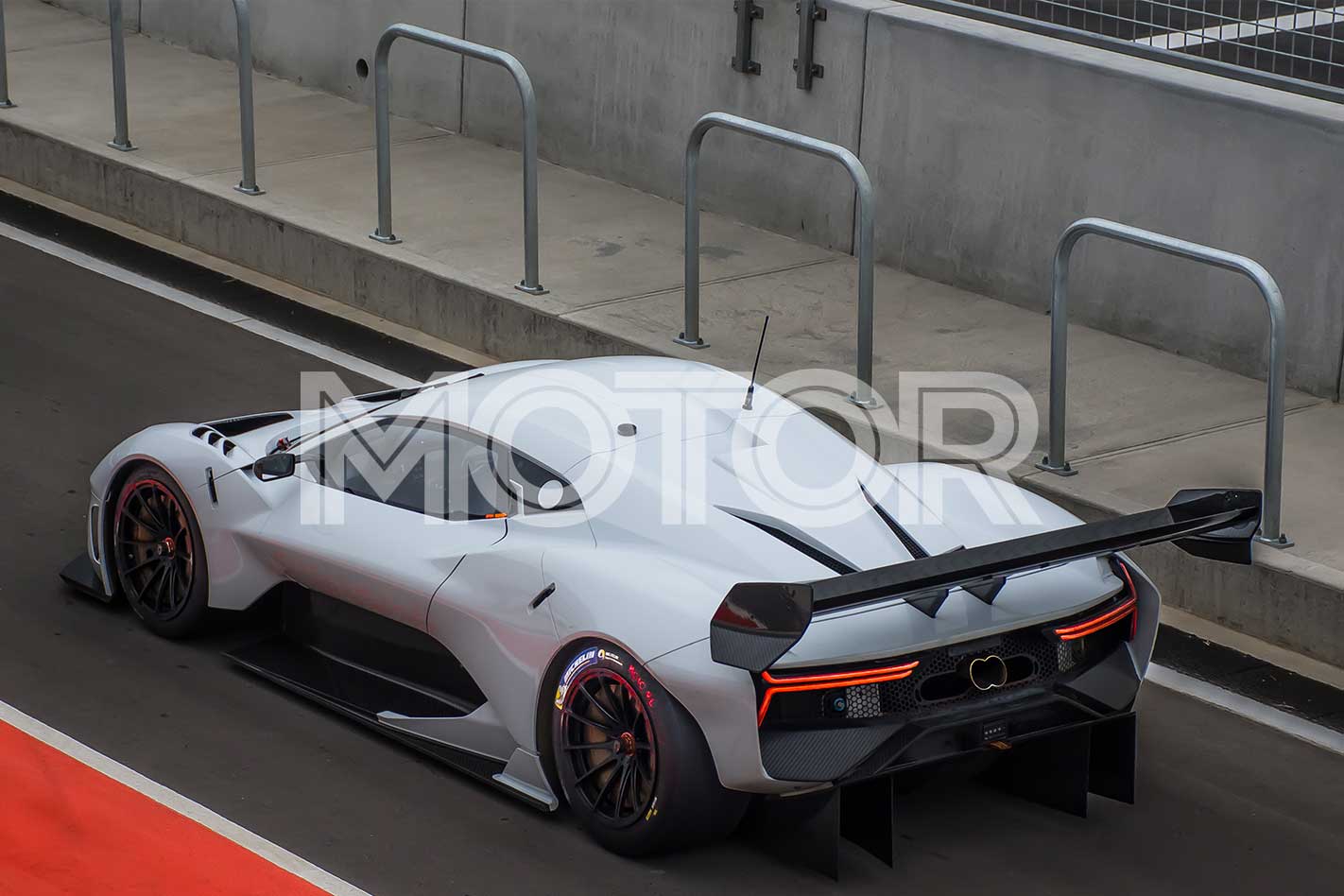
It’s the first time we’ve seen one in white, and it gives a much clearer view of its aerodynamic features than the green and gold launch car does.
Managing director of the Brabham brand (and son of Sir Jack) David Brabham was present for the test day, though the company itself is remaining hush on what it’s testing for, or attempting to achieve.
There’s also no confirmed lap time for the BT62 at The Bend’s circuit, though we know the company says it has “eclipsed the official outright lap record at Phillip Island.”
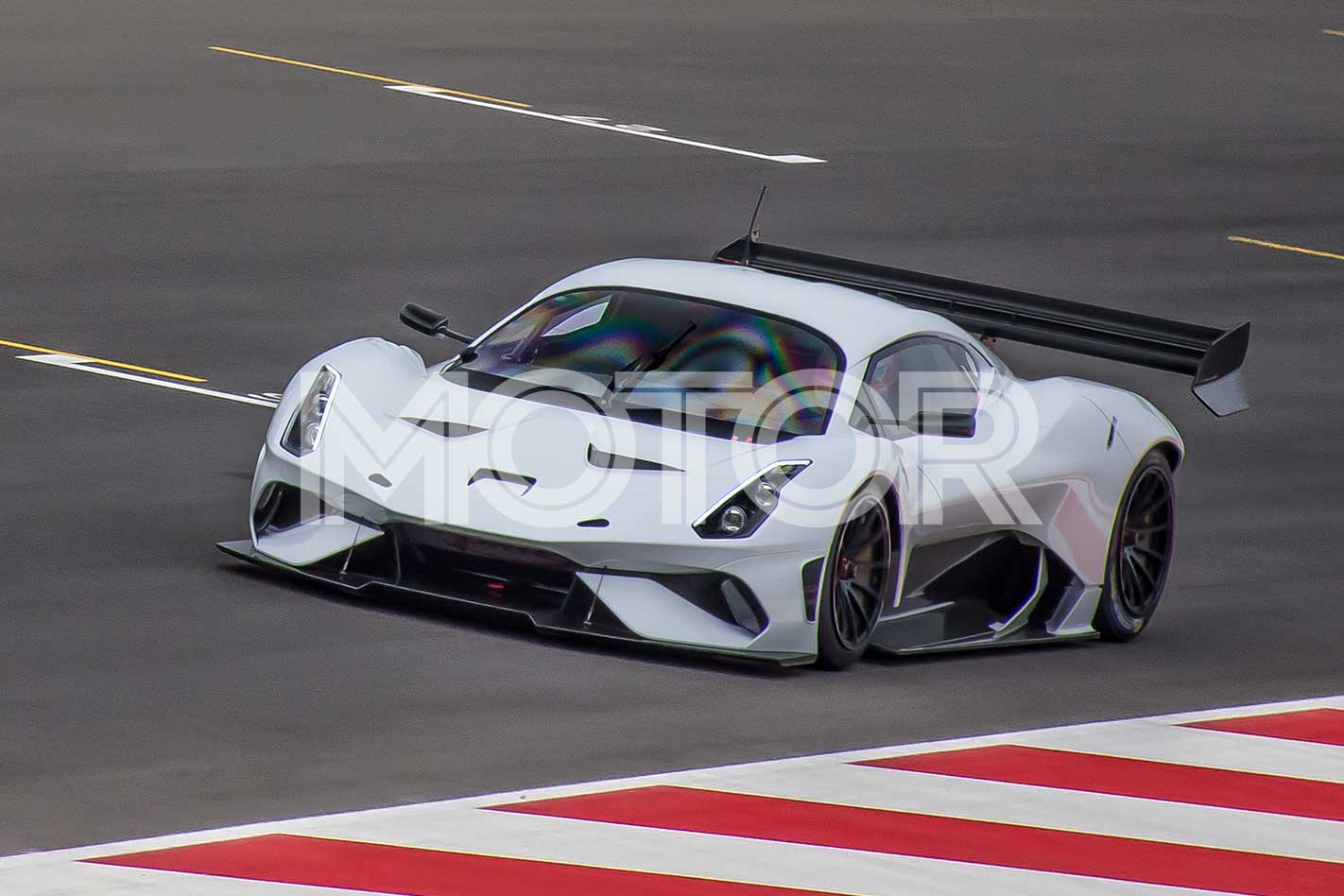
The naturally-aspirated V8-powered track-only car produces 522kW and 667Nm, and weighs only 972kg dry. This equates to 537kW per tonne, and is complemented by more than 1200kg of downforce.
A highlight of its engine is its sound, which is clearly audible in the short video provided by the photographer who captured these images of the car testing.
We expect more official information from Brabham to be revealed in the coming weeks. Stay tuned.
Video by Apex Media via Adelaide Car Spotters.
Australian Fiat Chrysler owners should soon learn if their car has been scooped up in a massive recall of almost 5 million vehicles in North America to fix runaway cruise control systems.
A Fiat Chrysler Australia spokesman told Wheels the company was working on a list of affected vehicles here, believed to be automatic transmission versions of the Jeep Wrangler, Cherokee and Grand Cherokee, the Chrysler 300 and the Dodge Journey.
The recall could also potentially scoop up the Fiat Freemont, a diesel-engined version of the petrol-only Dodge Journey sold here.
In response to the North American recall of at least 4.8 million vehicles, that also include the Dodge Ram light truck, the carmaker is recommending that drivers don’t use the cruise control system because of software glitch sparked by “an unlikely sequence of events” that appears to be linked to going up and down hills.
“In response to driving conditions such as varying road grades, cruise-control systems automatically initiate acceleration, as needed, to help vehicles maintain driver-selected speeds,” FCA of North America said in a statement.
“In certain vehicles, if such an acceleration were to occur simultaneously with a short circuit in a specific electrical network, a driver could be unable to cancel cruise control. However, if this sequence of events were to occur, cruise control acceleration can be overpowered by the vehicle’s brakes.”
Owners could also shift the car into neutral while moving, with cruise control cancelled as soon as the car was parked and the gearshift lever moved into its Park position, the carmaker said.
Most of the cars subject to the recall were built between 2014 and 2018. FCA is rolling out a software update to US and Canadian customers to fix the problem.
FCA said it was unaware of any related injuries or accidents in the US linked to the recalled vehicles.
Australia has already experienced at least one case of a faulty cruise control after a driver of a 2002 Ford Explorer experienced a terrifying run through traffic down Melbourne’s EastLink toll road in 2010.
Police and Ford Australia were never able to verify the driver’s claim that the system was stuck on 100km/h, and would only slow to 80km/h with the brakes on.
The legendary Dodge Viper is making a comeback according to report from the US.
American-based outlet Car and Driver has confirmed there will be a new Dodge Viper by 2021, with a reveal expected much sooner.
Though we’re remaining sceptical, the report has caused quite a stir with its certainty, and the addition of the information that this Viper will likely pack a V8 bite, rather than its classic giant V10.
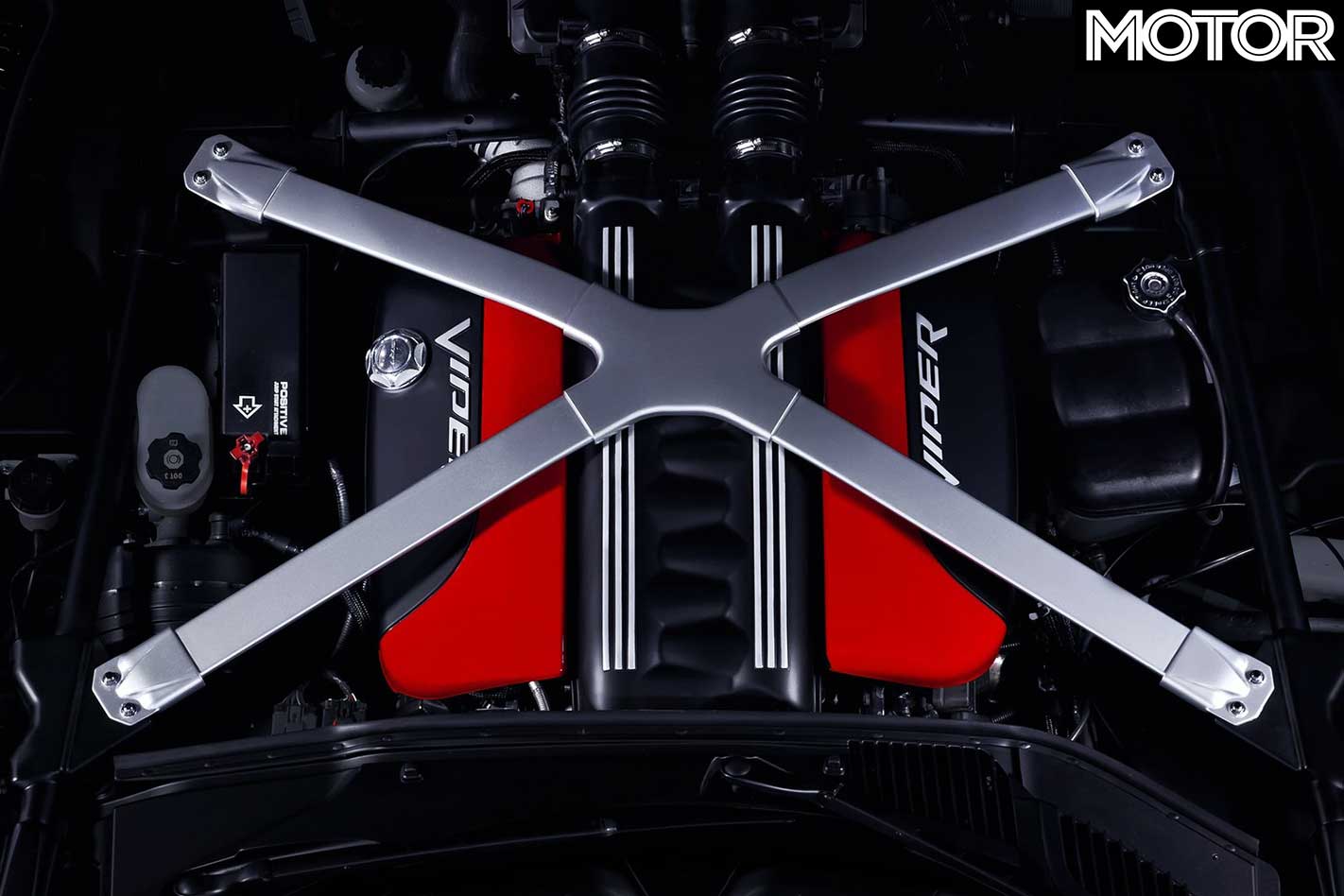
Car and Driver also points out that the next Detroit Motor Show, in January 2019, will line up with the 30th anniversary of the Viper concept’s initial reveal, and that would make a fitting time to unveil the next gen Dodge halo-car.
The last few years of the Viper’s existence were riddled with uncertainty as the car became difficult to sell enough to justify its production.
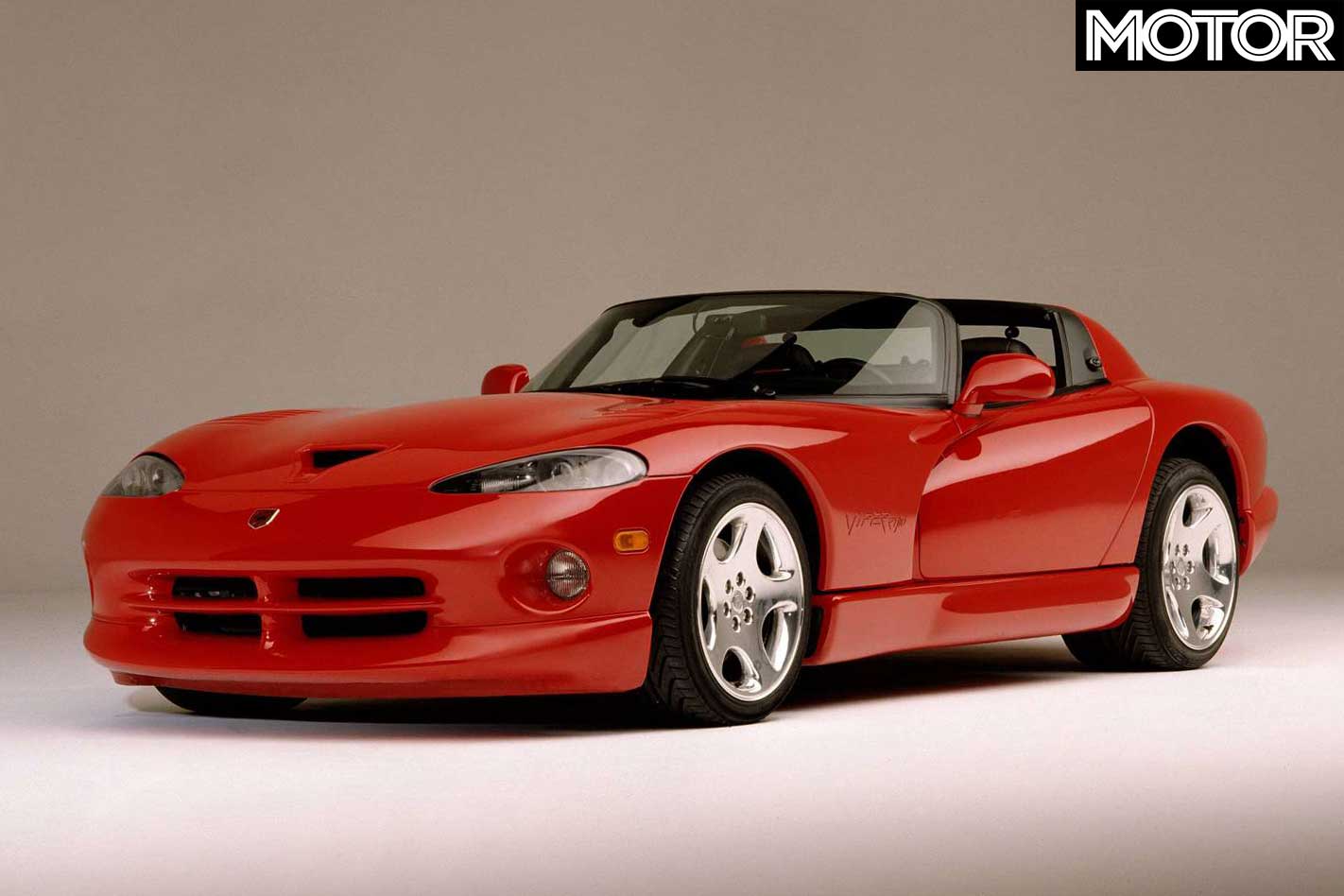
In 2016 it was confirmed that the Dodge was to be put to rest, and that several final editions were to be built.
With over 30,000 Vipers built between 1992 and its final unit in 2017, with the last run of production and sales being dominated by the hardcore ACR version, which was destined for track greatness.
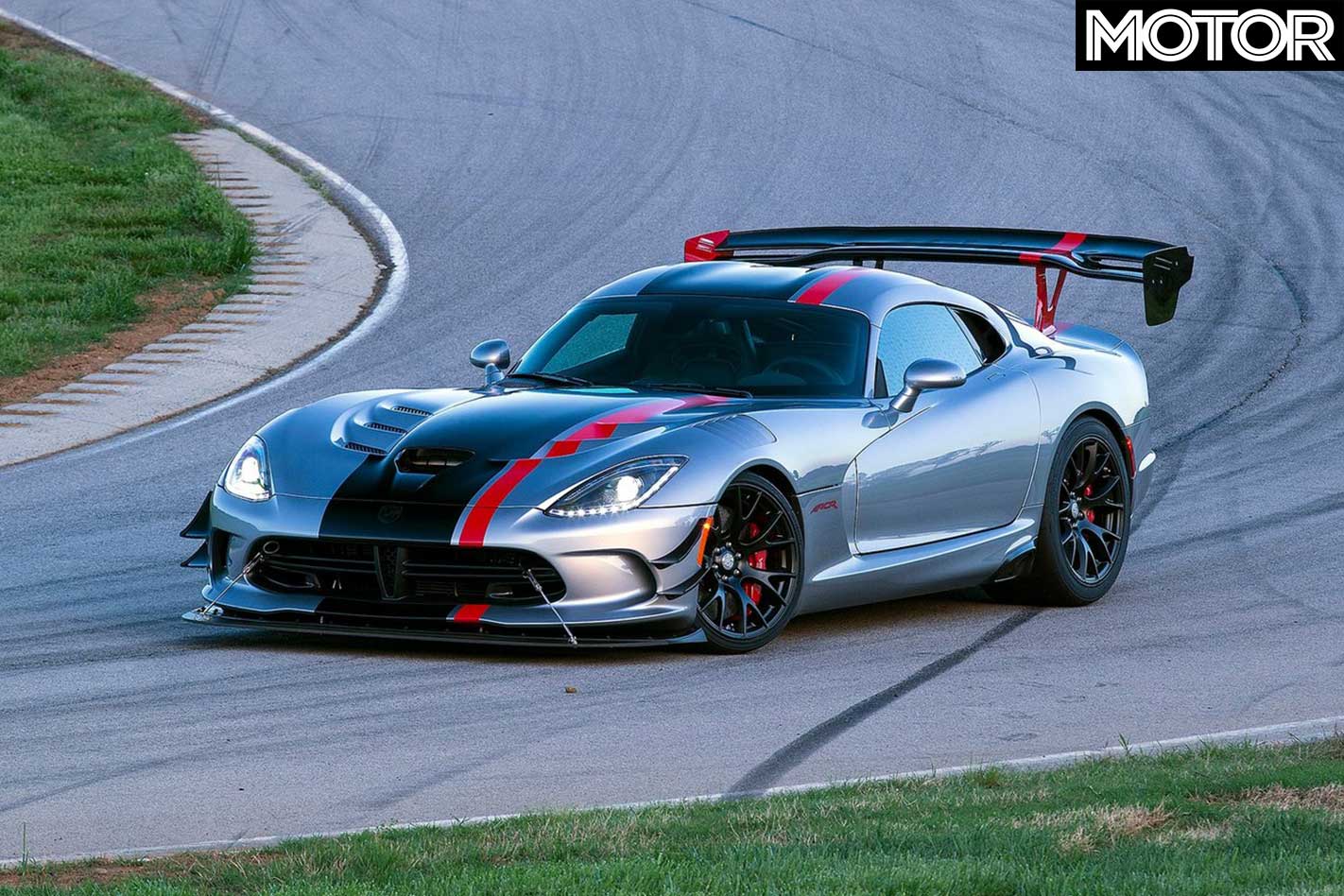
After setting a 7:12.13 lap time at the Nürburgring, and subsequently shaving over 10 seconds off that to run a 7:01.03, the Viper ACR is one of the most capable road-legal track cars ever produced by Dodge.
If it turns out a new one is on the way, it has a lot to live up to.
BRABHAM has released vision of the Aussie-made BT62 lapping Phillip Island Circuit that confirms two things: first, it’s seriously, seriously quick; and second, its mid-mounted V8 sounds epic at full noise.
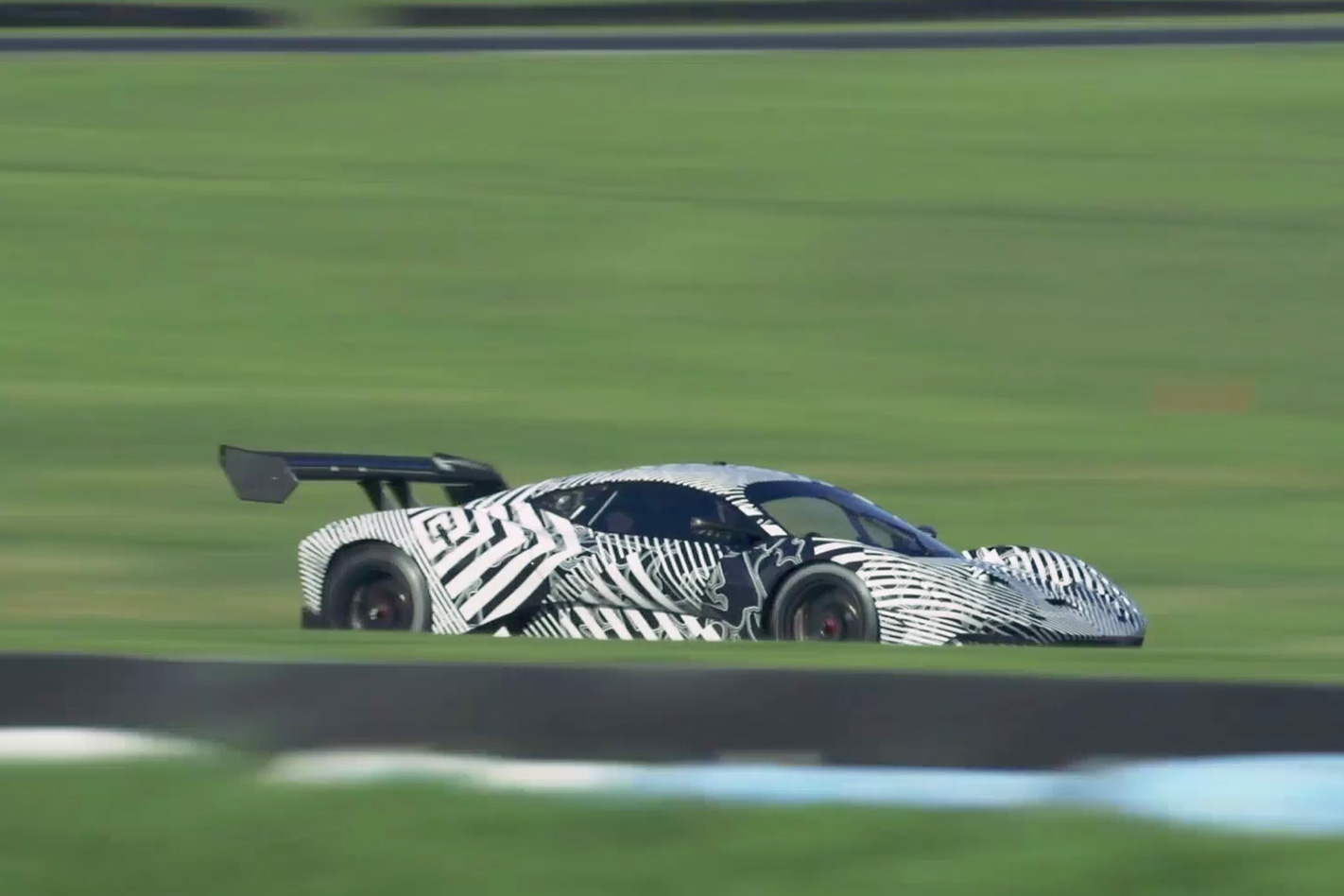
The BT62 is so quick around the 4.5km island track that it has unofficially smashed the outright lap record set by an open-wheeler – a 1.24.2215 set in 2000 by Simon Wills behind the wheel of a Formula Holden-spec, 3.8-litre V6-powered Reynard 94D.
The Brabham – powered by a 522kW/667Nm 5.4-litre free-breathing V8 wrapped in a package that weighs just 972kg dry and capable of producing 1200kg of downforce – is believed to have pared that back to a 1.22.
The video shows highlights of testing at the MotoGP circuit, with Brabham Automotive managing director David Brabham behind the wheel.
The UK-based company, which will build the BT62 in Adelaide, confirmed it had crushed the record, but had not yet attempted to add it to the history books.
“To give you an idea of just how fast it is, we eclipsed the official outright lap record at Phillip Island during testing – a record formerly held by an open-wheeled car,” Brabham Automotive technology and engineering director Paul Birch said.
“We didn’t go out to set a time, and it wasn’t officially recorded, but it demonstrates the car’s potential.”
However, questions remain over who was at the wheel of the track-only special for the record lap, with Brabham saying a “team of test drivers” was involved in its extensive pre-launch testing program.
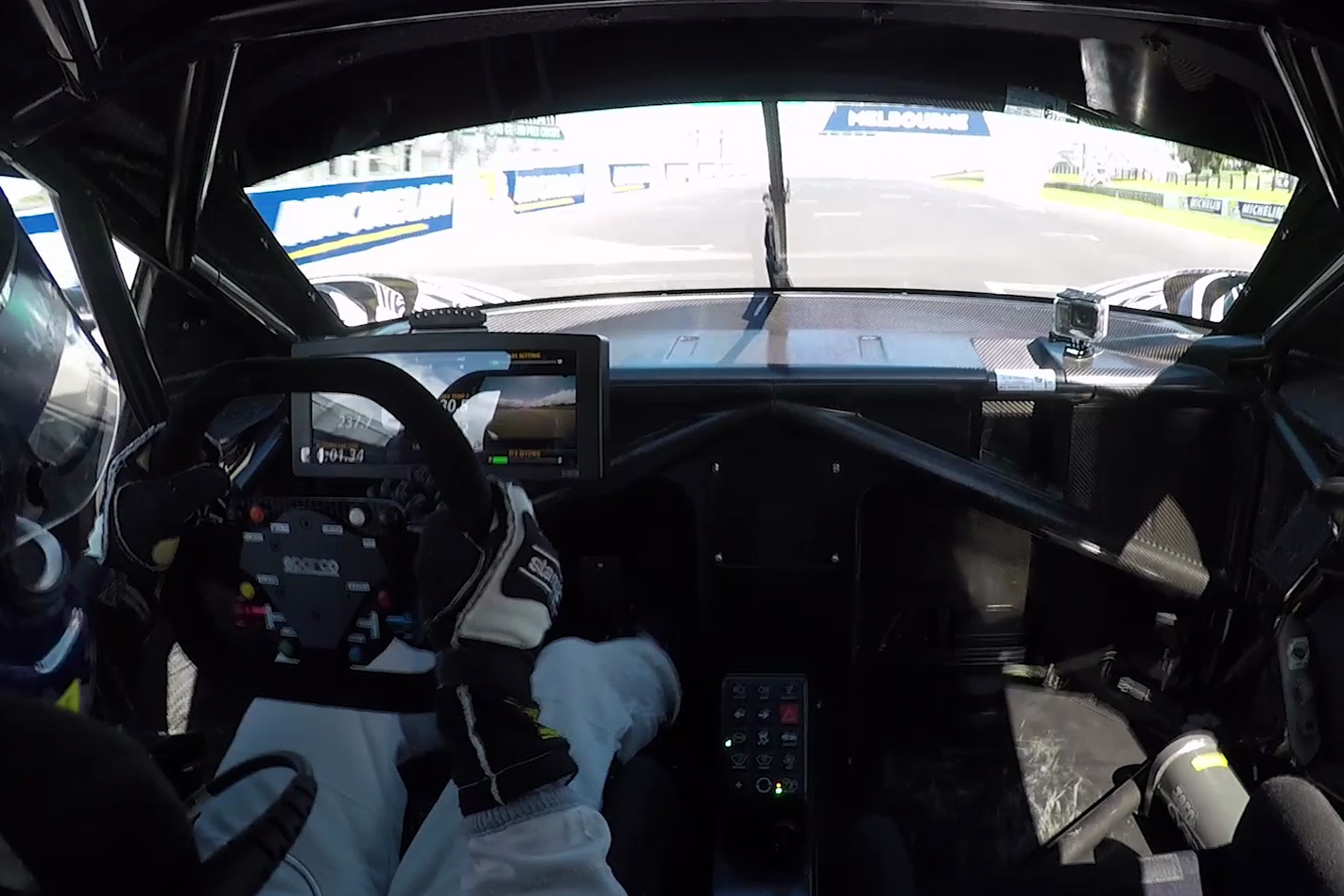
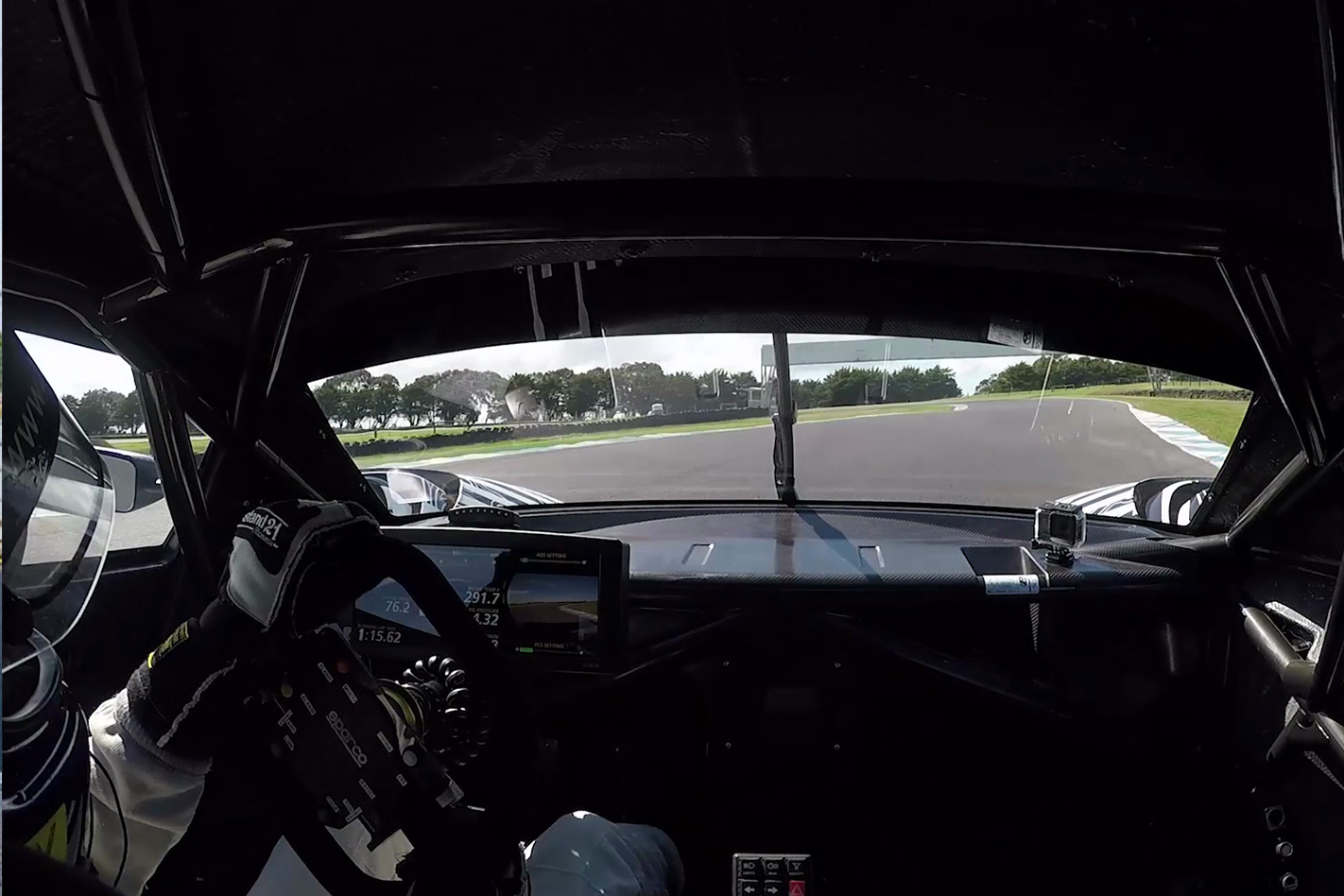
The video shows the heavily camouflaged and bug-spattered BT62 sitting in the pits before opening with a scene showing the left-hand-drive development car at full noise down Gardner Straight, the gear-shift indicator lighting up as the mid-mounted V8 revs out to 8000rpm in third gear. Later vision shows the speedo hitting 237.7km/h as it rounds out of turn 12 and heads for the start-finish line, hinting at a 300km/h-plus Vmax.
A bit further on, approaching Honda, the speedo hits 185.1km/h, before cutting away ahead of the braking zone. Through the tight, technical turn 10, the speedo flashes up 73.4km/h, while at the entry to turn 12 it nudges 127.8km/h, a distinctive Formula 5000-like snarl resonating from the exhaust.
Few details are known about the powerplant hidden beneath the cowl behind the cockpit, though it is believed the 5387cc block will be sourced from Ford.
Brabham has revealed it sourced the engine from an as yet unnamed manufacturer before “we heavily customised it to suit the attributes and the DNA of a Brabham vehicle”.
It said because the engine was so significantly different to the block on which it was based, it could stamp the engine as its own.
WHAT IS IT?
The DB11 is the first of Aston Martin’s ‘seven cars in seven years’ product offensive and this V8 is the first fruit of its tie-in with AMG. As such it’s an absolutely pivotal car for the British manufacturer and a key bellwether on the company’s future prospects.
WHY WE’RE TESTING IT
We’d already driven the V12 version of the DB11 and this 375kW V8 version is lighter and not appreciably slower. With some of our favourite roads beckoning, we were keen to discover if a sportier DB11 was a better one.
MAIN RIVALS
Bentley Continental GT, BMW M6, Ferrari Portofino, Maserati GranTursimo MC Stradale, Mercedes-AMG GT S, Porsche 911 Carrera S
THE WHEELS VERDICT
As talented as the DB11 V8 is, we’d still probably spring for the 12-cylinder car. The V8 amps up the sportiness but never feels as focused as the class best, losing a few degrees of cross-continental refinement in the process.
PLUS: Bulletproof engine; steering veracity; jaw-dropping styling; build quality MINUS: Still quite a chunk; vocal even when cruising; some ergonomic glitches; V12 not much more expensive
THE WHEELS REVIEW
CARDS on table time. I’ve often struggled with the notion of Aston Martins. All too often, they’ve fallen somewhere between being convincing GT cars and effective sports coupes, relying instead on styling and sound effects to acts as flypaper for the chronically attention-starved. The DB11 is different though. This is a car with some substance to it, and this V8 version offers an intriguing twist: it’s the first modern Aston Martin to be fitted with an engine from AMG, in this case a 3982cc twin-turbo unit, much as you’d find beneath the bonnet of a Mercedes-AMG GT S.
It’s also hard to fault Aston’s pragmatism. There are three very difficult things when it comes to building a car. Developing a world-class engine is one and integrating an electronics package is another. For both of those, AMG has stepped in. The third is finessing vehicle dynamics and for that Aston has Matt Becker onside. The former Lotus man now has “chief vehicle attribute engineer, Aston Martin” on his business card and the DB11 V8 was the first fresh design he really cut his teeth on at Gaydon.
He was a little too late to get involved in the earlier V12 car, but many of the improvements he integrated into the V8 have carried over into the updated DB11 V12 AMR. The eight-pot version was made to feel deliberately sportier than the GT-biased V12, and there’s an immediacy about this car, a front-to-back honesty in the way it rides and handles that feels wieldy and cohesive.
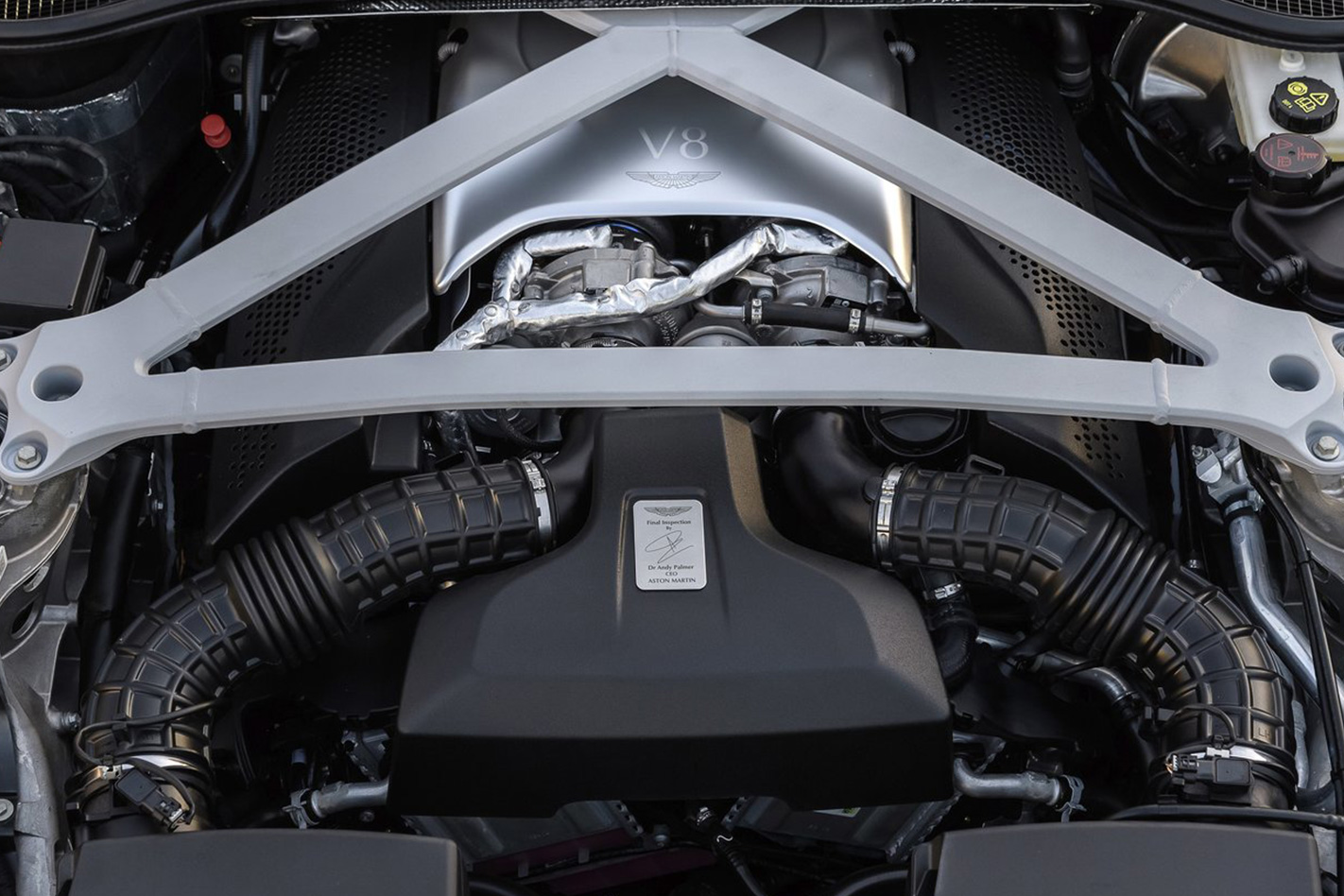
As you’d expect, there are significant dynamic benefits in a lighter engine, and the V8 is 115kg lighter than the V12, helped by less of a cooling impost. The weight distribution has shifted rearwards by a couple of points, now 49 percent front to 51 percent rear, and there’s been a significant process of ‘Astonising’ Affalterbach’s twin-turbo lump. The air intake system was redesigned, there’s now a wet sump, and the engine management system has Becker’s imprimatur all over it, particularly in the measured and subtle way the stability control system’s track mode now moderates torque off and then back on.
The exhaust timbre is very different to an AMG system, too. The rear muffler and the pipe lengths have changed to steer the car away from that basso profundo AMG sound to something with more emphasis on mid and upper frequencies. Yes, it’ll still cackle a volley of crackles on the overrun in Sport+ mode, but it’s a little more distant than the PTSD-inducing fusillade of an AMG GT set to maximum angry. At max chat, there’s that same dirty blown V8 sound to it, never really soaring to an operatic wail, but switch it into Sport+ and the idle is addictive; a proper gritty 5Hz muscle car burble.
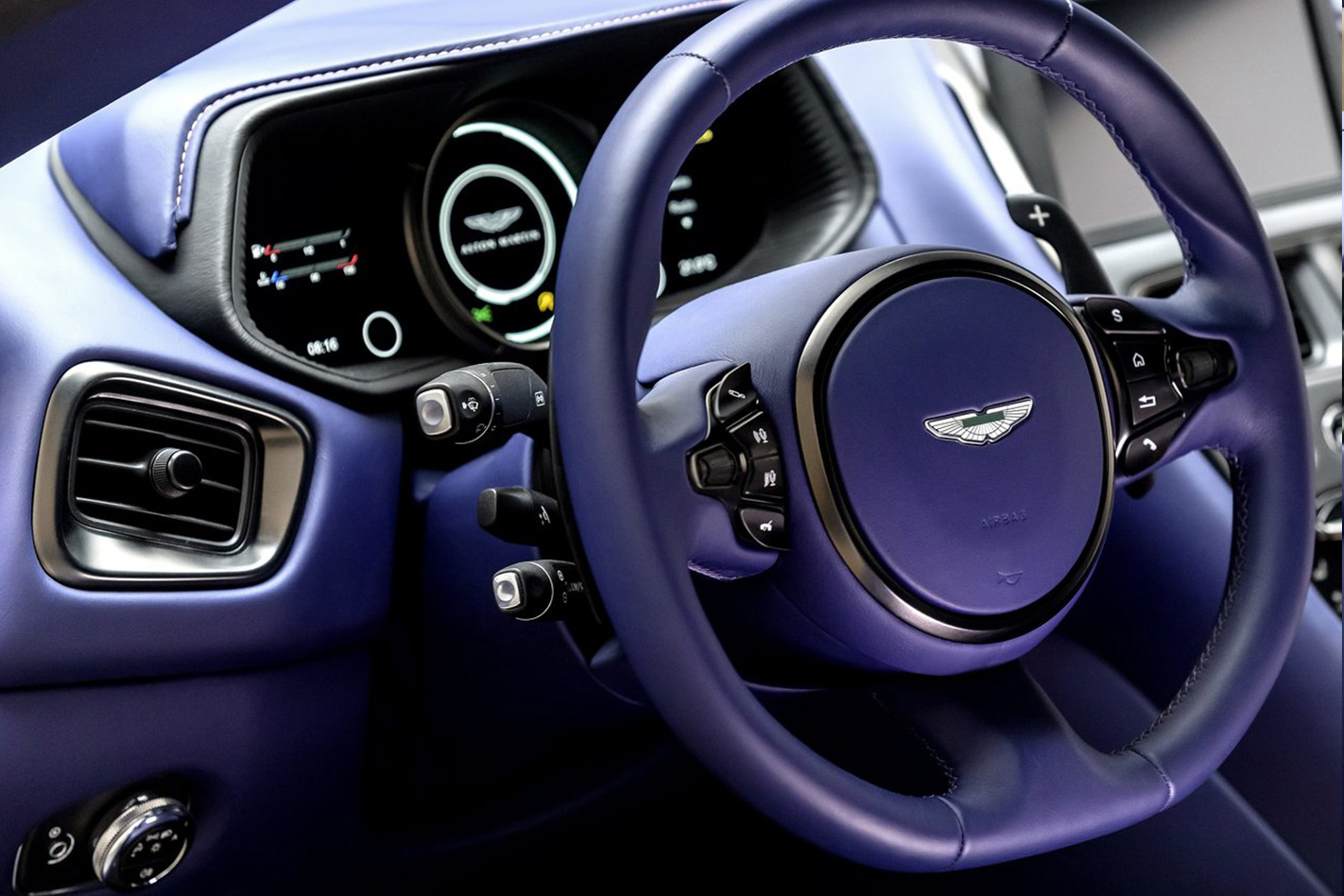
The DB11 V8 retains the thumb tabs on the steering wheel, the left one cycling through GT, Sport and Sport+ modes for the suspension and the right one doing the same for throttle mapping and gearchange, but mode differentiation has been broadened this time round. There’s still an annoying lag between pressing the tabs and the indicator cycling into the next mode, which can then result in you missing the desired mode and having to cycle through them a little more patiently, but you won’t mistake one for another.
Even in Sport+ and approaching your favourite wet roundabout, you retain a measure of stability control as you search in vain for a stability control button to prod. Instead you’ll need to start trawling through menu options and it’s not a quick process. Click the right hand controller, scroll down through six options, select three subsequent options and then you’re able to toggle the stability between On, Off and Track.
Other ergonomic interactions have improved. The lovely fixed metal shift paddles were too long in their stroke in the original DB11 V12 (describing an 8.5 degree arc) but now engage the next gear far quicker. Once you engage the shifters, they’ll stay in manual mode too, unless revs drop critically low for the selected gear, you hold the right hand shifter, or you press the ‘D’’ button on the dash.
There’s also been a lot of work on the car’s rear end. The vertical springing is as stiff as the V12 but the rear subframe bushes are five percent stiffer and the anti-roll bars are half a millimetre beefier. Becker frequently relates an anecdote about dynamics, namely that if you think it’s the front it’s the rear and if you think it’s the rear, it’s the rear. The tail end of this car has had a good share of the overtime budget, helping it to avoid that feeling of diagonal roll onto the outside rear of the softer, non-AMR V12.
The engine mounts have been stiffened to avoid the two-stage feel of front and then rear settling into a corner and the steering has been tweaked to impart less friction while offering higher effort, something that befits the sportier focus of the V8. The net result of all of this is a far more consistent force on the rear tyre contact patch.
A wet morning on pockmarked roads in coastal Victoria isn’t the greatest laboratory for assessing the subtleties of Becker’s work. The DB11 feels recalcitrant here, skipping its rear and lapsing into a spookily light neutrality midcorner without quite worrying the ESC system. I’m, not keyed into this thing on these roads. It feels as if it need a bit more space to spread its wings. We’d been assured that despite having no option of a front lifter kit, the clearance under the jutting front spoiler was more than sufficient, but there’s been a couple of interfaces with the road surface that aren’t rubbery. That’s served to temper the pace.
Again, I’m left questioning what this car really is. I can totally see the point of a syrupy, super-luxe V12 version of this car, but the V8 is louder and a bit too aggressive to carry off the GT role with any great elan, yet on these well-worn Wheels road test routes it still feels slightly out of its comfort zone. It feels as if it wouldn’t see which way a base 911 Carrera had gone, yet is priced between GT3 and Turbo versions of Porsche’s benchmark sports coupe.
Spend a little more time with the DB11 and you begin to key into its personality. Finally locate the ESC Track mode and there’s a decent level of adjustability to the chassis, and a flingable feel that’s helped by the roads drying to a consistent grip level. The steering is excellent, the handling predictable and while the car never shrinks around you (it’s 4739mm long and 1940mm wide– so bigger in both dimensions than a mid-sized SUV like a Merc GLC), it’s an easy thing to position.
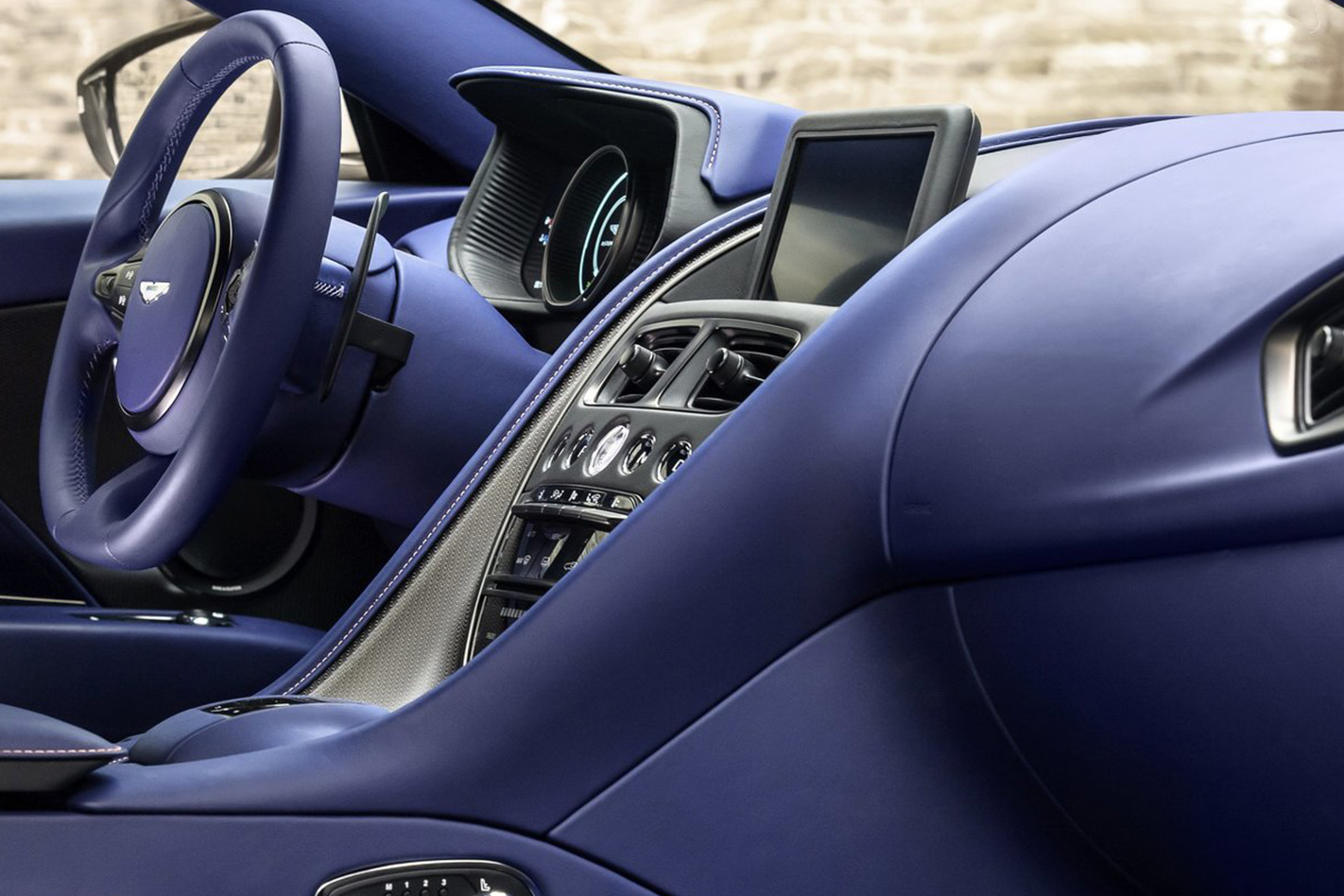
The Bridgestone Potenza S007 tyres deliver better wear rates than an equivalent Pilot Super Sport or Pirelli P Zero, which is just as well if you’re chucking a 1760kg vehicle about on a regular basis. They’re a little squealier and more harmonic in their carcass than the Michelin in particular and that designation? Aston insists it’s a coincidence rather than by any Bond-related design.
I realise what I’d been doing wrong earlier. The confidence engendered in the steering and suspension had lulled me into entering corners quicker than I’d realised for the conditions, finding the limits of the car far more quickly than I’d expected. I still stand behind the assertion about a 911 Carrera though. A 2.5-litre Boxster S come to think of it.
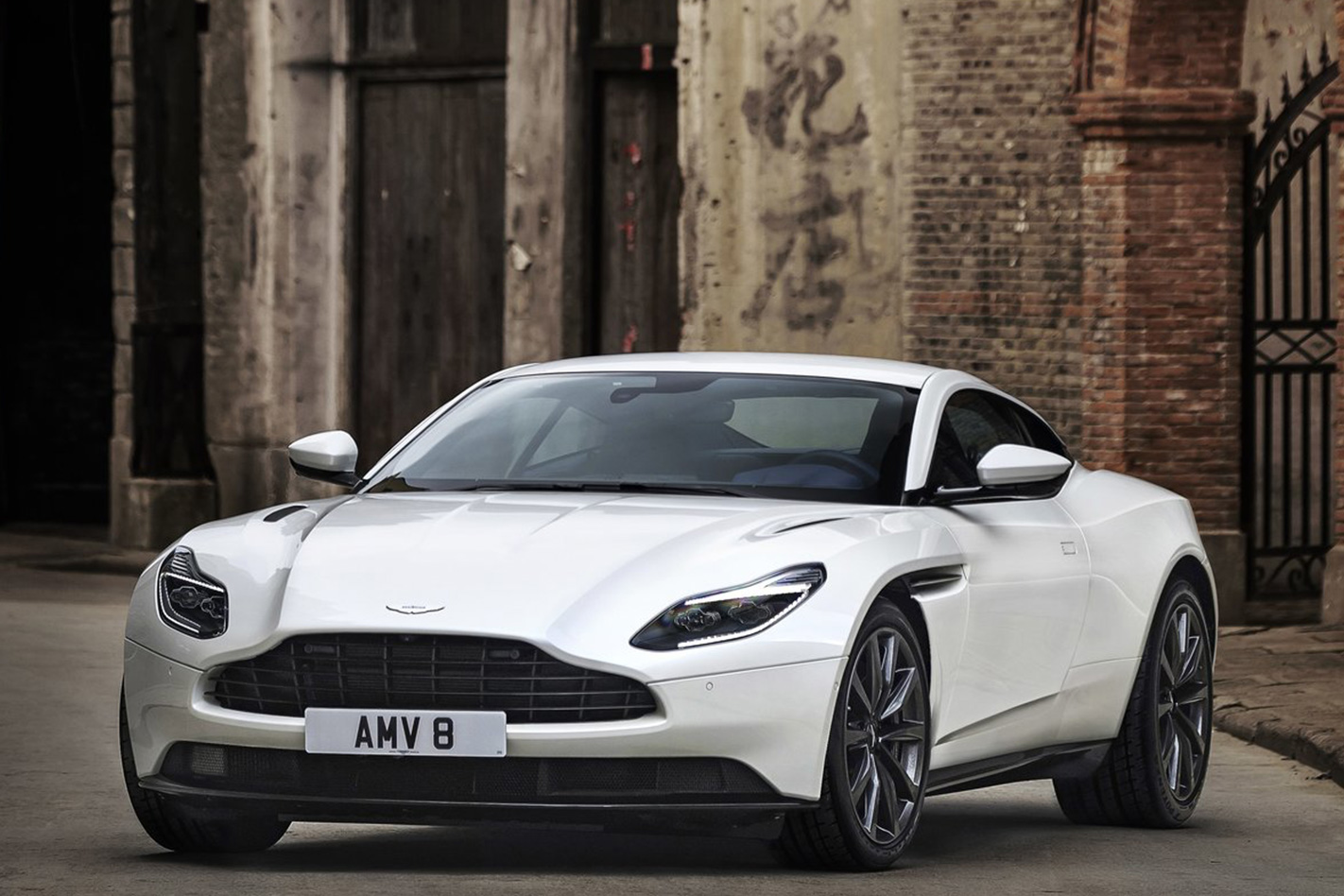
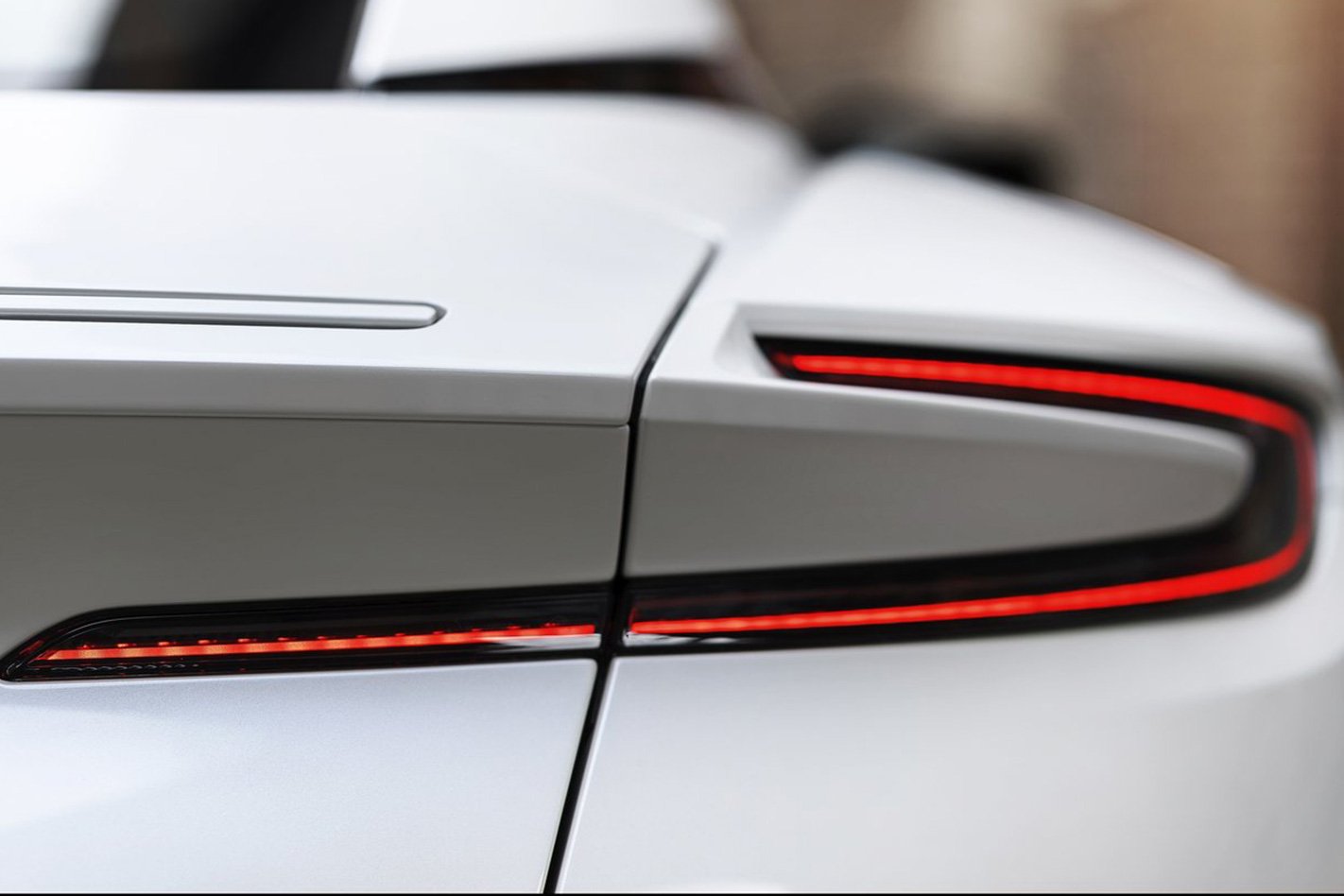
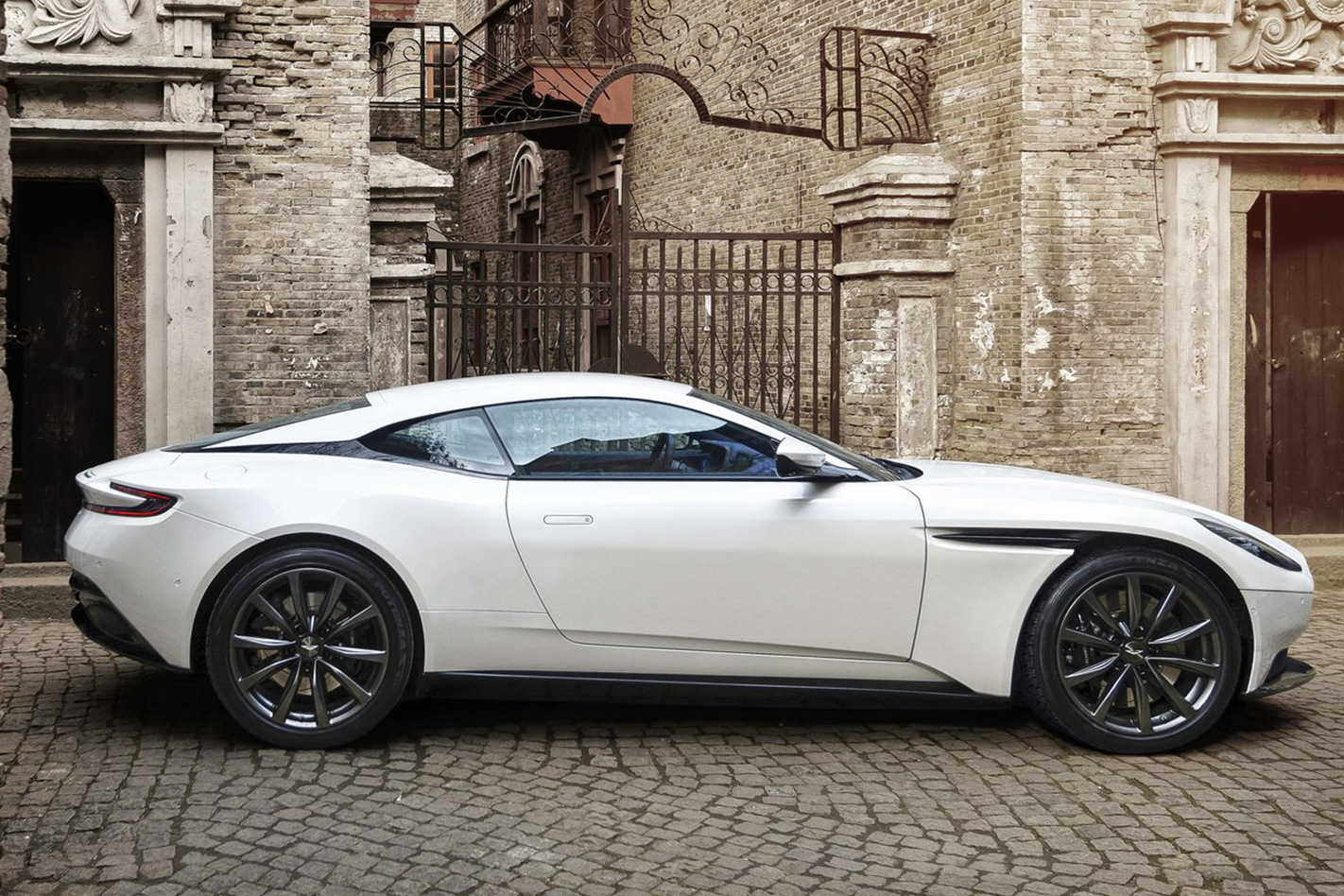
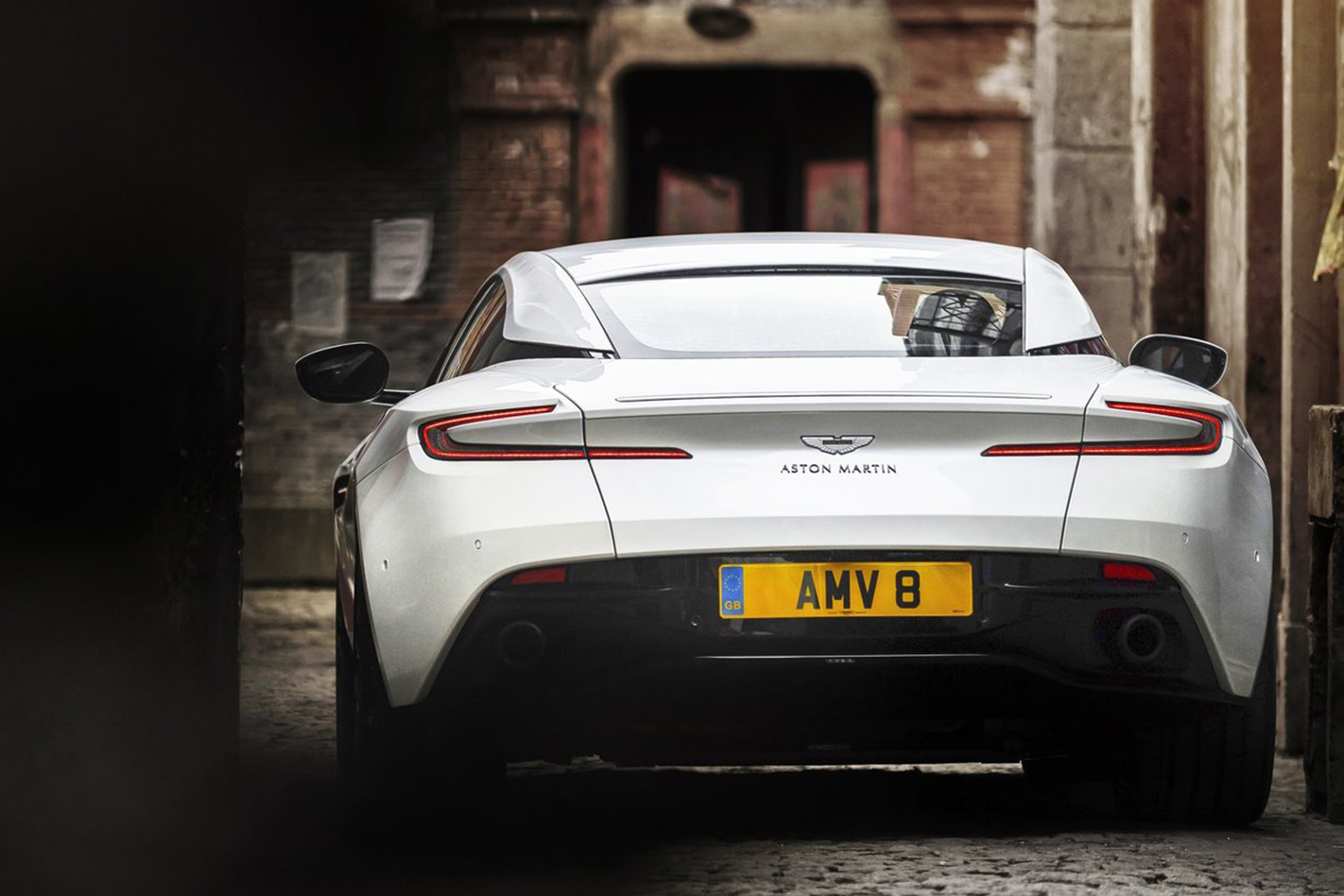
It’s a stunning looking thing though, and as much as I want to feel immune to its aesthetic, it’s impossible not to catch yourself gazing at the sweeps, planes, curves and punchy detailing of Marek Reichmann’s design. I’d still prefer the leading edge of the gash in the car’s front guards were body coloured and is it just me or is there a bit too much fresh air under the rear arches?
The interior of this car is finished in a shocking purple with orange contrast stitching which does it no favours, but otherwise the cabin is an artful melange of Mercedes and Aston Martin design. There are a few old-school Aston ergonomic glitches. The fly-off handbrake has gone, replaced by a seemingly shame-faced button that’s been hidden where you’d normally find the bonnet catch. The bonnet release itself has had an aversion to the handbrake and migrated round towards the front door hinges, while the doors themselves open so far up and out that anyone not blessed with the wingspan of Wladimir Klitschko will struggle to pull the doors closed.
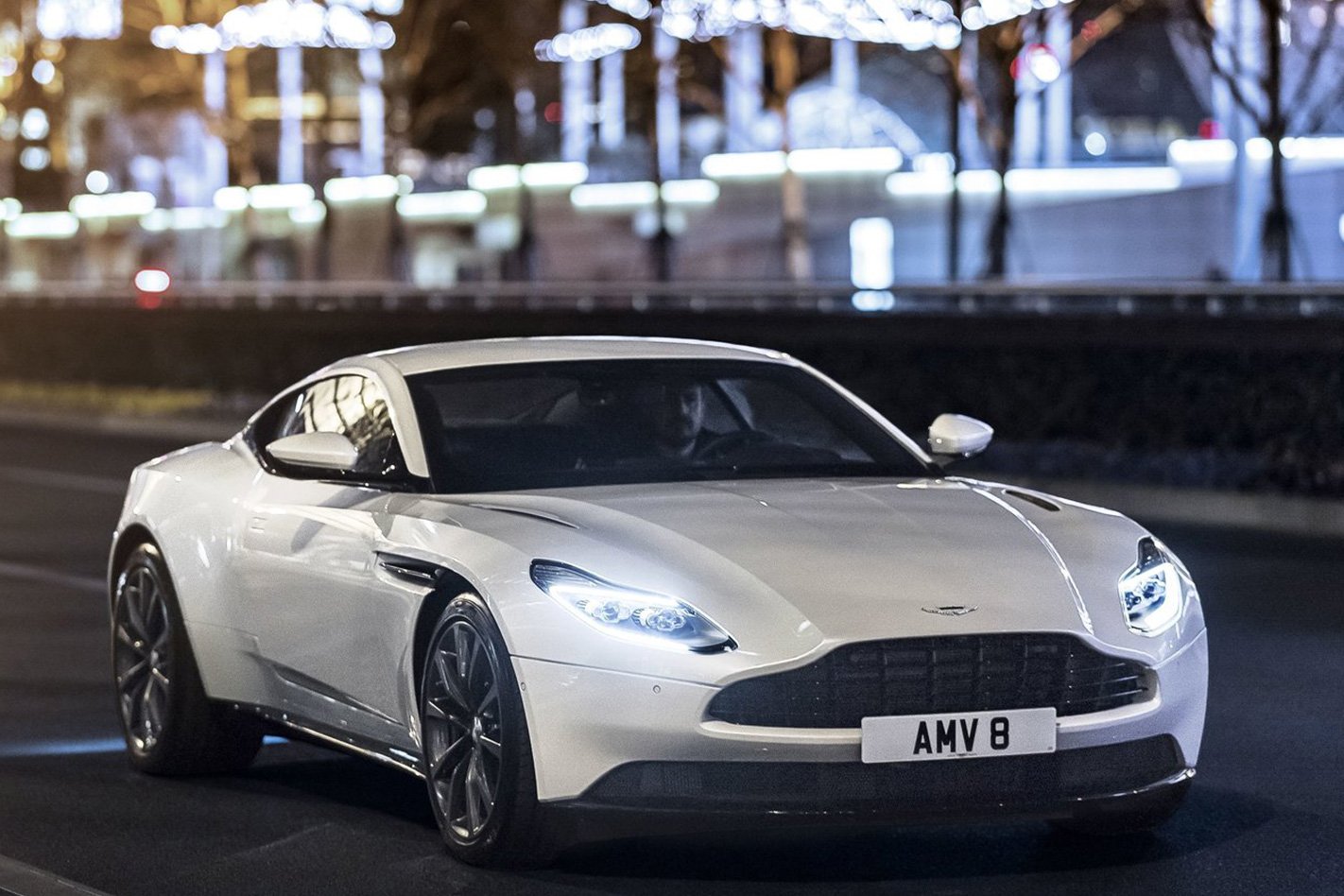
For $368,000 you can buy more talented driver’s coupes but it’d be hard to find a more beautiful car. Or indeed, a car that made you feel more special. In a certain regard, this saddens me. I wanted the Aston Martin DB11 V8 to really establish itself on the strength of its dynamics and it doesn’t quite do that. If shopping for an Aston Martin, there seem to be convincing arguments to go smaller if you want something sporty – the new Vantage – or spend more for the DB11 V12 AMR if you prefer something with effortless long distance chops. The DB11 V8 seems a little marooned in between.
If you are sold on its looks – and who wouldn’t be – most will be able to spring another $27K for the V12. That’s an ask of about seven percent for a proper Aston Martin engine, signed by a guy in Gaydon and all the feel-good factor of flagship status. You would, wouldn’t you? Thought so.
SPECS
Model: Aston Martin DB11 V8 Engine: 3982cc V8 (90°), dohc, 32v, twin-turbo Max power: 375kW @ 6000rpm Max torque: 675Nm @ 2000-5000rpm Transmission: 8-speed automatic L/W/H/WB: 4739/1940/2060/2805mm Weight: 1760kg 0-100km/h: 4.0sec (claimed) Fuel economy: 20.0L/100km Price: $368,000 On sale: Now
IT’S billed as the greatest spectacle in racing, and today the Indianapolis 500 was won by a bloke from a small town in Queensland.
Toowoomba-native Will Power crossed the finished line of the 200-lap, 500-mile classic in first place to claim both his maiden Indy 500 victory, and the first victory at the event by an Australian.
Driving for powerhouse team Penske Racing – owned by the eponymous Roger Penske – Power was a front-runner for most of the race, having started on the outside of the front row.
With four laps remaining, the Australian took the lead of the race, and became instantly aware of what was about to happen.
“Man,” he said across the radio, “I think I’m going to win this!”
The Indy 500 has eluded Power before, who became the IndyCar series champion in 2014. At the time, team owner Roger Penske told media that all the Australian needed to do to be considered one of the category’s greatest drivers was win at The Brickyard – as Indianapolis Motor Speedway is also known.
Power’s raw emotions were visible after the victory, broadcasting a shout of, “Show me respect motherf***er!” over his radio upon winning.
“I’ve had so many wins, so many poles. Everyone talks about the 500 and I just couldn’t imagine winning a race in front of a crowd like this, this many people. It’s just amazing,” Power said after the race.
Power now has 34 career IndyCar victories, equalling Al Unser Jr on the all-time wins list.
The 102nd running of the Indianapolis 500 was one of the hottest on record, with track temperatures soaring towards 60 degrees Celsius.
Crashes marred much of the running, with Australian James Davison the first of 33 runners to retire after his car slowed and was hit by defending winner Takuma Sato.
The other notable DNFs included three-time Indy 500 winner Helio Castroneves, and Danica Patrick, who was set to retire from racing at the end of the event.
