
What stands out?
Built on the same underpinnings as the Jeep Renegade, but with styling inspired by legendary Fiat 500, the Fiat 500X small-SUV is powered by an energetic yet frugal turbocharged engine, a chic space-efficient cabin and the latest in infotainment.
What might bug me?
Paying more for your Fiat 500X than you would have for its rivals and realising the style doesn’t really translate into additional substance.Driving at 80km/h on your space-saver spare tyre until you can fix your full-sized flat.
What body styles are there?
A five-door SUV is the only body style. As of 2018 all 500Xs available in Australian drive only their front wheels. The Fiat 500X is classified as a small SUV, lower priced.
What features do all 500Xs have?
A 7.0-inch touchscreen, leather wrapped steering-wheel and voice control for the audio system, and Apple CarPlay/Android Auto and bluetooth-connected mobile phone functions. AM/FM and digital radio, inputs via AUX and USB, and at least six speakers.A rear-view camera, and parking sensors.LED daytime running lightsAir-conditioning, and glovebox cooler to help keep your lunch freshHeight and reach adjustment for the steering wheel, from which you can also operate the cruise control.Aluminium alloy wheels, which look more attractive than steel wheels with plastic covers.A parking brake that is operated by an electric switch rather than a mechanical lever.Electronic traction control, which helps prevent wheelspin on slippery roads.A space-saver spare wheel and tyreSeven airbags, and electronic stability control. (For the placement of airbags, and more on the 500X’s safety systems, please open the Safety section below.)The Fiat 500X has a three-year, 150,000km warranty.
Which engine uses least fuel, and why wouldn’t I choose it?
The turbocharged 1.4-litre four-cylinder is the only engine option. With the dual-clutch automatic transmission it uses 5.7 litres/100km on the official government test cycle (city and country combined). This jumps to 6.0 litres/100km with the six-speed manual gearbox.Be aware that if you’re driving it hard, you’ll blow out Fiat’s recorded fuel figures. On one test of the 500X auto, we recorded a V8-like 12.4L/100km.The six-speed dual-clutch auto operates much like a manual gearbox with robotic control. It saves fuel and shift very swiftly and smoothly on the highway, but generally doesn’t feel quite as fluid and elastic as a conventional auto in stop-start driving conditions.
What key features do I get if I spend more?
Prices start with the Pop manual, which has cloth-covered seats, 16-inch alloy wheels, and a six-speaker sound system. Choosing the automatic transmission adds around $2000 to the price.Walk past the Pop to the more costly Pop Star, and you gain active safety technology such as ‘Forward Collision Warning Plus’ automatic emergency braking system.Other driver assist functions include blind spot monitoring, rear-cross traffic alert, lane departure warning and adaptive cruise control.Dusk-sensing Xenon projector headlights, fog lights and rain-sensing windscreen wipers.In-built satellite navigation.Keyless entry and start.Bigger 17-inch alloy wheels with lower profile tyres.For an additional cost, the entertainment system can be boosted with a BeatsAudio sound system, developed in collaboration with Beats by Dr Dre, which includes a 560W, eight-channel digital amplifier.
Does any upgrade have a down side?
The 17-inch tyres under the Pop Star don’t ride as smoothly on bumpy roads as the 16-inch tyres on the Pop, and are more expensive to replace.Only white and black paint come at no additional cost.
How comfortable is the Fiat 500X?
Fiat may be known for its small cars, but the 500X feels like an SUV. You sit high enough to make you feel like you’re driving a proper SUV, with good visibility and an elevated feeling that buyers want from this kind of vehicle, without compromising that car-like style. There’s also plenty of seat and steering-wheel adjustment, so that short and tall drivers can get comfortable.Dynamics are another positive due to sharp steering and honest handling, but the trade-off is a firm ride that lacks the suppleness you expect in a high-riding SUV, particularly on the Pop Star’s bigger 17-inch wheels.
What about safety in Fiat 500X?
The Fiat 500X comes standard with seven airbags: two directly in front of the driver and front passenger; one alongside each front occupant to protect the upper body; curtain airbags down each side of the car to protect the heads of those sitting next to a window; and an airbag to protect the driver’s knees and legs.Each version has a reversing camera, rear parking sensors, and electronic stability control. The latter can help you bring a skidding car back under control, and is mandatory on all new cars.The more expensive Pop Star has auto-on headlamps – which help make sure you are visible to other drivers.The Pop Star is the only Fiat 500X with autonomous emergency braking, which Fiat calls ‘Forward Collision Warning Plus. This reads the road ahead with radar and video sensors. If the system concludes you are closing too fast on a vehicle or other large obstacle ahead, it will supply a warning. If you ignore the warning it will apply the brakes automatically.The Pop Star also has Lane Departure Warning Plus. This system is designed to prevent your drifting distractedly – or sleepily – out of your lane on the highway. If it senses that you are about to leave your lane without indicating, it will apply a gentle steering correction that alerts you while helping to bring the car back.Also available on the Pop Star are two rear-facing sensory driver aids: Blind-spot monitoring and Rear cross-path detection (or rear-cross traffic alert). The former alerts you to vehicles travelling near your rear corners, which might not show in your mirrors. The latter helps when you are reversing, perhaps from a shopping centre car park: it alerts you to cars approaching your path from either side.The Australasian New Car Assessment Program (ANCAP) has rated the 500X at five stars for safety, its maximum, in July 2016.
I like driving – will I enjoy this car?
The Fiat 500X steers and handles nicely for a small SUV. The chassis is tuned to suit city conditions so it feels a little stiff on bumpier roads, but this improves with more people or load on board.The 1.4-litre turbo engine provides more than enough zing, but is let down a little by the dual-clutch automatic gearbox is a bit hesitant at lower speeds. This is pretty typical with this kind of transmission.
How is life in the rear seats?
The 500X’s cabin works well in as much as a tall adult can sit in the rear seat behind a tall driver and not be cramped. The rear seat cushion is quite long, again making it comfortable for tall adults. However, sitting three mid-sized adults across the rear isn’t possible.
How is the Fiat 500X for carrying stuff?
The Fiat 500X has a modest 346-litre boot, though the back seat folds 60/40 and reasonably flat, to lengthen the luggage space if need be.The spare wheel is stored in the cargo area, which means removing any luggage if you get a flat tyre.If you wish to tow a small boat or camper trailer, the towing capacity is a handy 1200kg, if the trailer has its own brakes. Unbraked load is 600kg.
Where is the Fiat 500X made?
All Australian-delivered Fiat 500X’s are built in Italy.
What might I miss that similar cars have?
An all-wheel drive option as with the closely related Jeep Renegade and the Mazda CX-3, Toyota C-HR, Hyundai Kona, Mitsubishi ASX and Suzuki Vitara for example. AWD was previously available with the Fiat 500X range but was dropped for the 2018 model year.Even better fuel-efficiency and a longer touring range from a diesel engine (available in the CX-3 and Vitara, for example).On the less costly Fiat 500X, autonomous emergency braking. This is standard on the CX-3 and C-HR, for example.Other cars you might consider include the Ford Eco-Sport, Honda HR-V, Nissan Qashqai, and Holden Trax.
I like this car, but I can’t choose which version. Can you help?
The Pop Star’s additional features such as active safety, satellite navigation and standard dual-clutch automatic transmission make the additional cost worth it, despite no differences in terms of performance and trim levels.
Are there plans to update the Fiat 500X soon?
The Fiat 500X was all-new when it arrived in Australia late in 2015. There were initially four spec levels including two with all-wheel-drive, though the range was gradually whittled down.The range was simplified for the 2018 model year, with just the front-wheel-drive Pop and Pop Star remaining, temporarily joined by a special Launch Edition. The infotainment system was also updated for 2018, with a larger 7.0-inch touchscreen and Apple Carplay/Android Auto added as standard.Don’t expect a generational change before 2020.
AN ICONIC automotive name formalised its return last week with Brabham Automotive’s reveal of BT62, a track-only supercar that will be built in Australia powered by a naturally aspirated V8, and benefitting from development at local race circuits. But, just how fast is it going to be?
At the time of the car’s launch, Brabham refrained from revealing the juicy performance figures such as its 0-100km/h acceleration time and top speed – likely in an effort to continue its slow roll out of information.
However, Wheels understands the people behind the BT62 have set the engineering and development teams some ambitious – possibly record breaking – targets at certain Australian circuits.
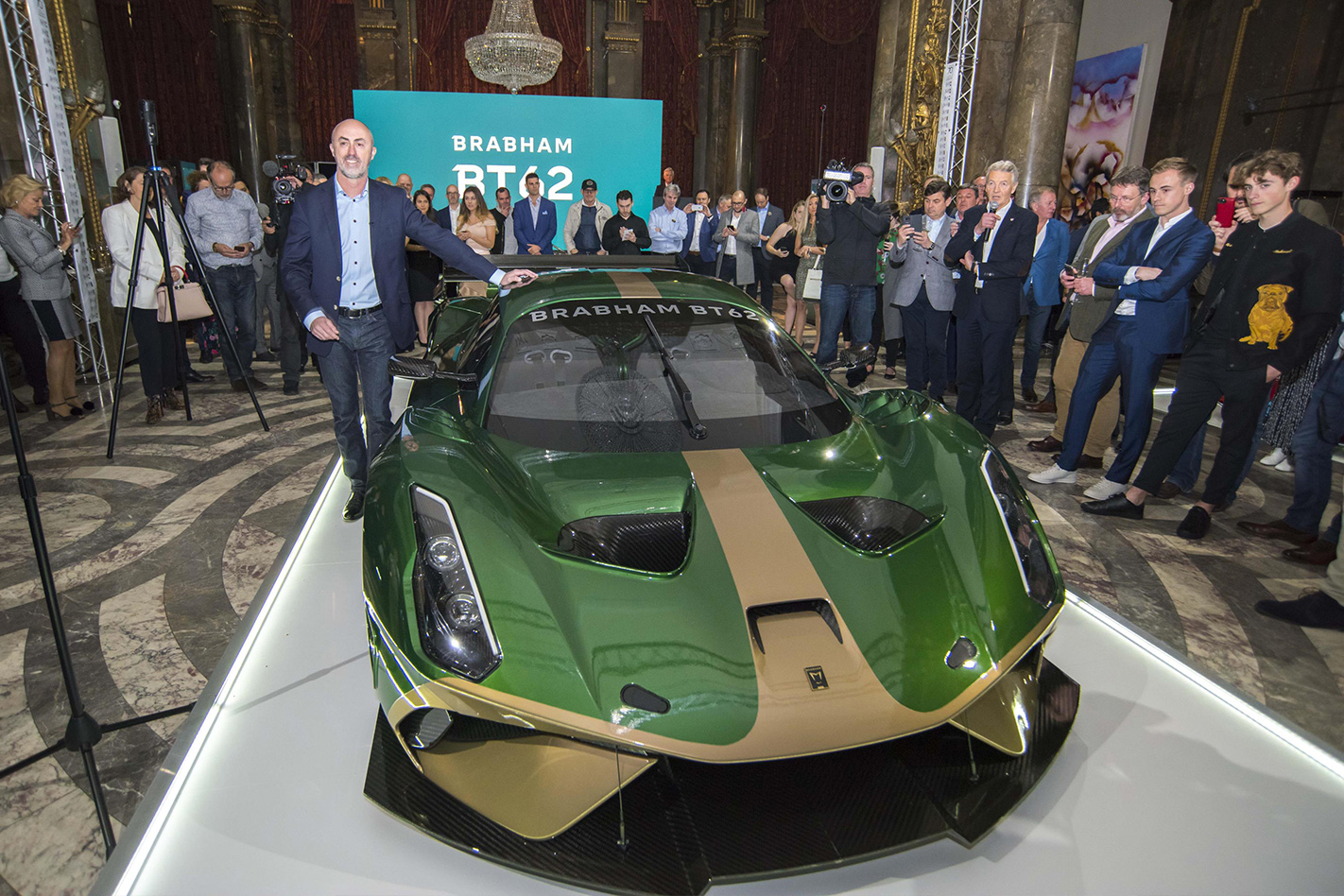
Figures known so far about the BT62 are impressive in their own right – a staunch 522kW and 667Nm from a 5.4-litre free-breathing V8, wrapped up in a package that weighs just 972kg dry and is capable of producing 1200kg of downforce.
It’s a recipe that Wheels believes has the BT62 targeting lap times in the region of 1:22.0 at Phillip Island, and 1:03.0 at Queensland Raceway – both outright lap records.
It remains unclear whether or not these unofficial lap targets for the Brabham BT62 have already been achieved during testing, or whether the record attempts are in the works.
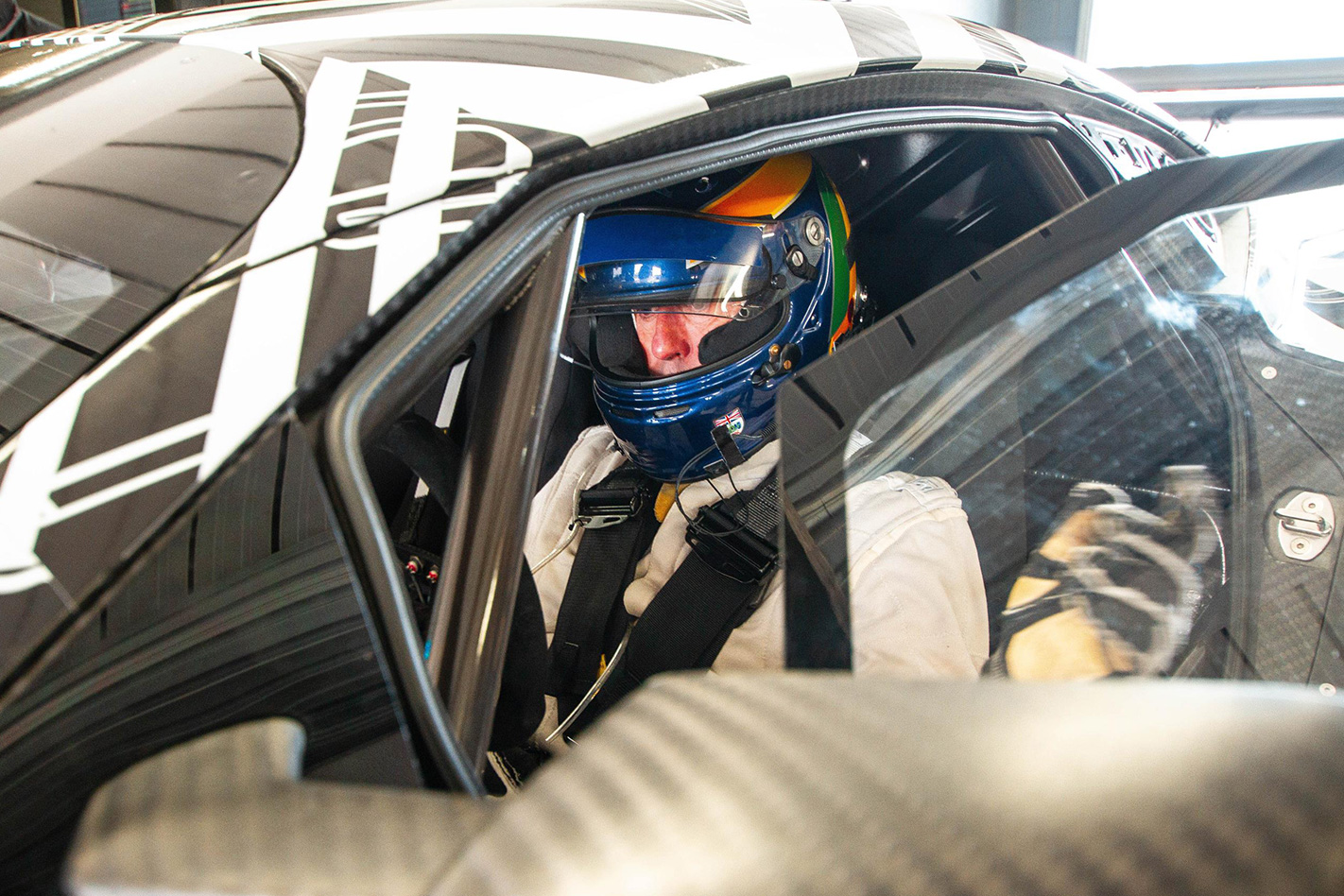
Official photographs of a BT62 prototype in testing show that it has visited Phillip Island in Victoria at the hands of Brabham Automotive’s managing director David Brabham.
So, let’s put those lap targets into context. First, let’s take look at the 1:22.0 at Phillip Island.
If the BT62 is able to tour the 4.4-kilometre Grand Prix circuit in that time, it would eclipse the official lap record by two seconds.
Simon Wills currently holds the fastest official lap time at Phillip Island with a 1.24.2215 set in a 3.5-litre V6-powered Formula Holden in 2000.
Unofficially, the quickest time recorded at Phillip Island is in the region of 1:18.0, which was reportedly achieved by factory Nissan drivers Julian Bailey and Mark Blundell in a Group C Nissan R90C.
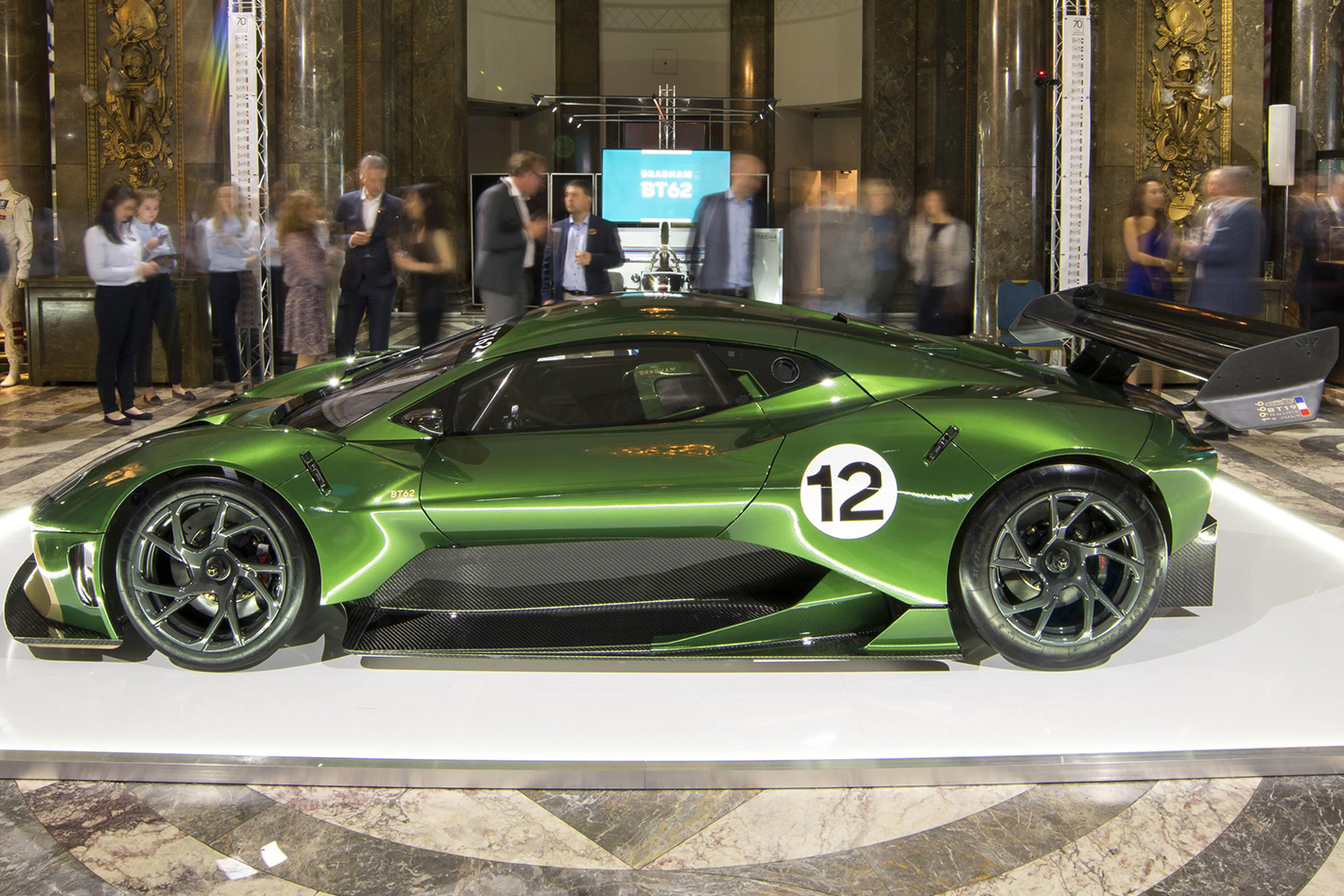
While not conforming to any regulations, the BT62 is closest in design to a GT3 car, with the Australian GT lap record at Phillip Island currently held by Jack Le Brocq at 1:27.1505 set in a Mercedes-Benz SLS AMG GT3 in 2013.
Currently, the fastest tin-top to lap Phillip Island is the Tilton Interiors Time Attack Mitsubishi Evo, which ran a 1:25.5367 at the hands of Garth Walden (on road-legal tyres!) earlier this year.
The Phillip Island Grand Prix circuit underwent a multi-million dollar resurfacing at the end of 2012, which resulted in many categories resetting their respective lap records the next year.
In terms of track styles, Queensland Raceway and Phillip Island couldn’t differ more – the former characterised by its simple 3.1-kilometre layout of four straights connected by what are essentially 90-degree corners, contrasting against the latter’s predominately flowing high-speed design.
Again, Brabham’s 1:03.0 benchmark would reset the official lap record at Queensland Raceway, which is by coincidence also held by Simon Wills at 1:04.0661 set in a Formula Holden in 1999.
GT3 cars are not as frequent visitors to Queensland Raceway, with the Australian GT lap record a 1:09.4609 set by Tony Quinn in an Aston Martin Vantage GT3 in 2013.
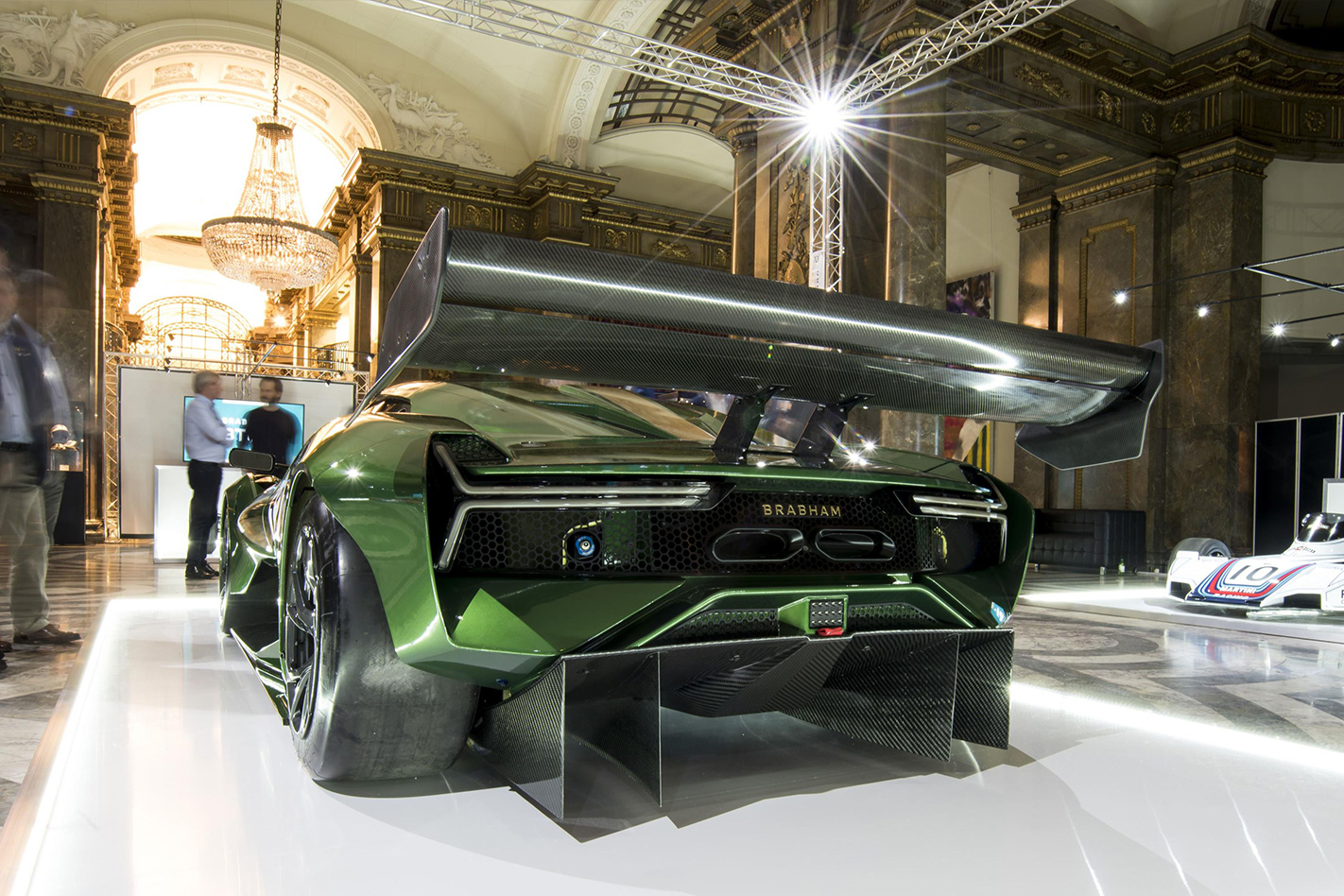
Queensland Raceway, affectionately referred to as ‘The Paperclip’, is known as a power track, where the Brabham BT62’s impressive downforce would be less of an advantage.
Christian Reynolds, who is a director of Brabham Automotive and oversees the BT62’s manufacture at Brabham’s Adelaide factory, told Wheels the car has been tested by a number of different drivers at multiple local tracks.
“We’ve been to several locations here in Australia to test the vehicle,” he explained. “We’ve had several drivers drive the vehicle to ensure the characteristics across different circuits and different driving styles has been optimised, and we’ve engineered and worked through how ultimately we can setup the vehicle.”
When questioned by Wheels on the lap times achieved, Reynolds’ was coy.
“I’d like not to comment on that,” he responded. “Let’s just say the vehicle is performing extremely well for where it was in its development cycle.
“The development is continuing; once launched we have some more development activity we’d like to do in Northern Europe, which will happen as well. That has a different sort of purpose. Right now the initial development was all about the vehicle setup.”
Interestingly, a Brabham driver already holds a lap record at Phillip Island, with David’s brother Geoff holding the Super Tourer lap record of 1:37.1706 in a BMW 320i.
Fastest Phillip Island lap times
1:18.0 – Unnofficial time allegedly recorded by a Nissan R90C driven by Julian Bailey and Mark Blundell lapped in 1:18.0 in 1990, and a Mugen V8-powered Dome F3000 driven by Neil Crompton
1:24.2216 – Official lap record set by Simon Wills in a Formula Holden in 2000
1:25.5367 – Fastest tin-top lap set by Garth Walden in the Tilton Time Attack Mitsubishi Evo in 2018
1:25.9294 – James Winslow in a Radical SR8 in 2013
1:27.1505 – Jack Le Brocq in a Mercedes-Benz SLS AMG GT3 in 2013
1:31.2142 – Scott McLaughlin in Ford FG X Falcon Supercar in 2017
1:37.1706 – Geoff Brabham in a BMW 320i Supertourer in 1997
Fastest Queensland Raceway lap times
1:04.0661 – Official lap record set by Simon Wills in a Formula Holden in 1999
1:09.4609 – Tony Quinn in an Aston Martin Vantage GT3 in 2013
1:09:7225 – James Courtney in a Holden VF Commodore Supercar in 2017
Since Karl Benz’s Patentwagen chuffed out of the shed that birthed it, there has always been one constant in the world of automobiles: every component, no matter how minor, has been designed by an engineer.
General Motors wants to change that.
But not because the company wants to put engineers out of work. Rather, it’s just that when it comes to designing parts that serve a purely functional purpose – in other words, parts that don’t need to look good – a computer actually does a better job of designing something that’s strong, lightweight and uses the minimum amount of raw material to fabricate.
It’s called generative design, and it uses artificial intelligence to create shapes that are as strong and light as possible. General Motors has paired up with engineering software giant Autodesk, and the first fruit of its AI-powered generative design experiment is the most elaborate, intricate seatbelt bracket you’ve ever seen.
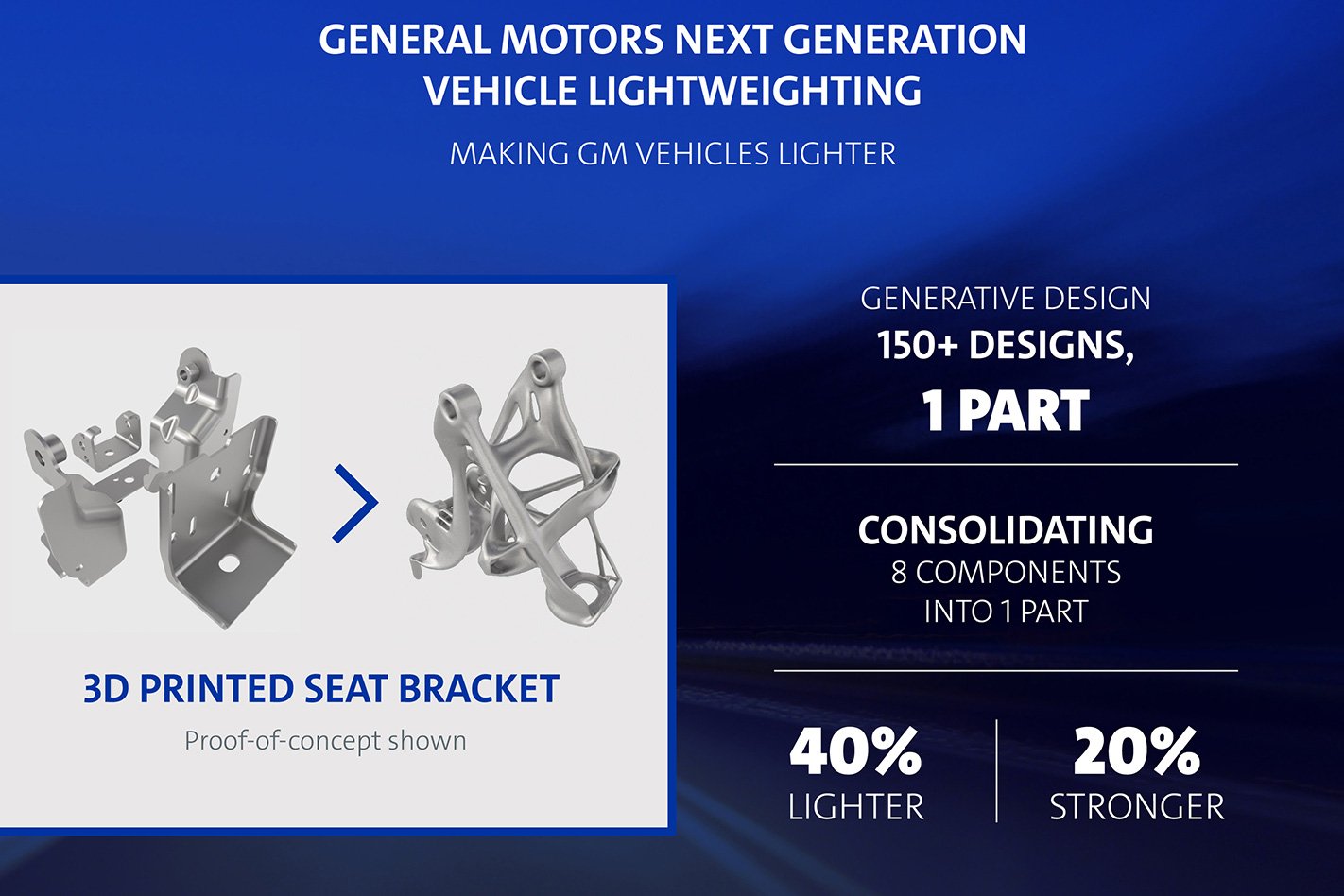
Its thin, web-like structure looks more organic than mechanical, but is otherwise functionally identical to the human-designed stamped steel part that it’s intended to replace. The hard points are the same and it fits in the same space as the original part. The major difference is that it’s both 40 percent lighter and 20 percent stronger than the stamped steel bracket, and made of one solid piece of metal rather than eight steel pressings spot-welded together.
And besides having a human operator specify things like what size bolt holes were required, the positioning of mounting points, the type of material and where material shouldn’t be placed, the actual design process is entirely automated. Autodesk’s software spits out a multitude of potential designs, (in the seat bracket’s case, over 150-plus were generated) of which GM engineers select one.
The only issue is that due to the physical complexity of the resulting part, the only suitable manufacturing method is 3D printing – which at this stage is still too costly for mass production.
But it’s early days for GM’s foray into AI design. The company has embarked on a mission to cleave weight from its cars, and in the US market it has launched 14 all-new models over the past two years that boasted average weight reductions of around 160kg. With GM’s aggressive weight-saving agenda, an AI-designed production car – or at least AI-designed production car components – isn’t such a sci-fi concept anymore.
A plug-in version of the 2018 Range Rover Sport headlines a string of changes being introduced to the performance off-roader range as part of running updates that claim to make it more kind to the environment than a Toyota Prius.
First deliveries of the P400e, as the model will be known, arrive late this year, and priced from $146,600. The more fuel-efficient variant will be based on the Range Rover Sport HSE model grade when it is introduced here.
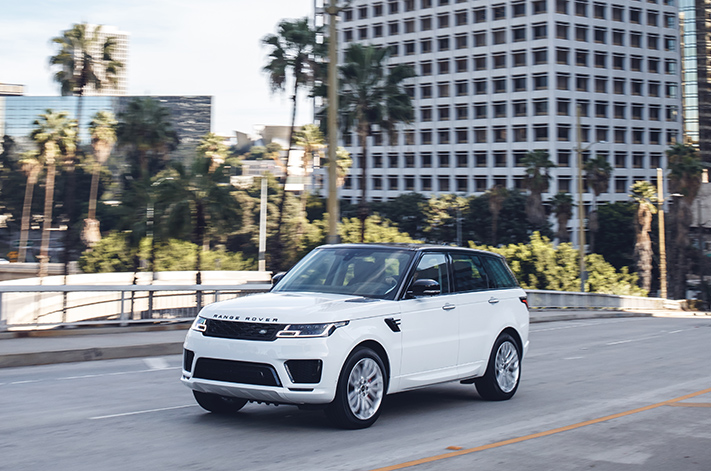
The plug-in Sport, badged a “Si4 PHEV”, uses a 221kW turbocharged four-cylinder petrol engine paired up with an 85kW electric motor and an eight-speed automatic transmission to deliver a combined 297kW of performance, and 640Nm of torque – even more twist than the sub-SVR supercharged 5.0-litre V8-engined variants.
Meanwhile, combined fuel use and emissions are rated at just 2.8L/100km and 64g/km on the combined cycle – that’s compared with 3.4L/100km and 80g/km for Toyota’s environmental poster car, the Prius.
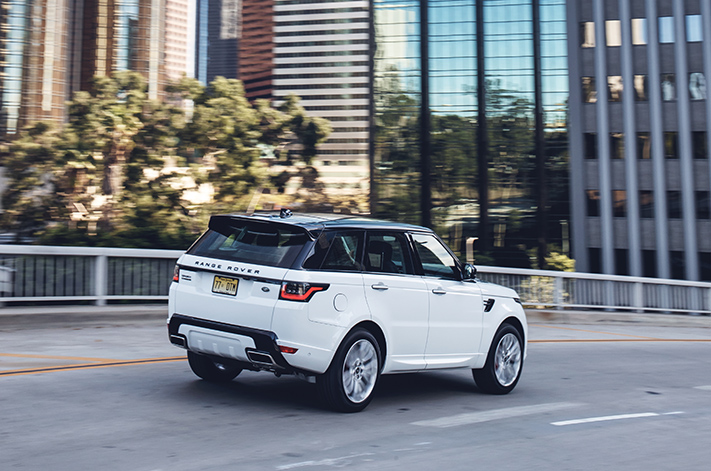
As with other plug-in hybrids, the electricity-friendly version of the Range Rover Sport does come with compromise; the batteries are housed in the area where a full-size spare wheel would normally sit on other models. A seven-seat version is still available if you need more than the standard five pews.
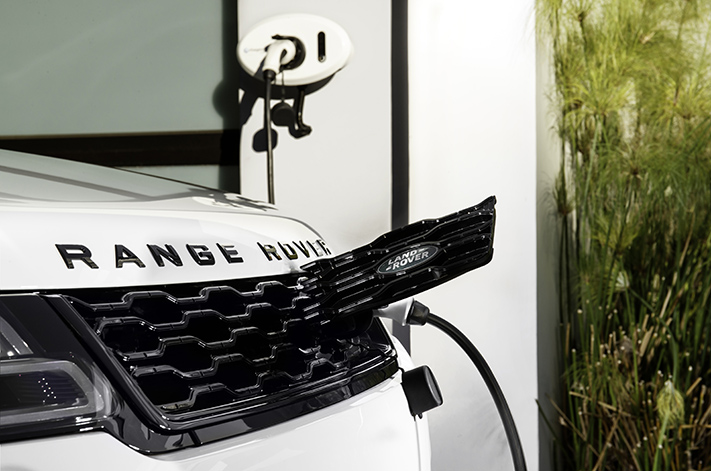
However, you do get a home charging cable that plugs into a port on the grille, the extra grunt of the PHEV’s electrical system means the car can remotely fire up the air-con before you even walk out the door of home or the office, and there’s a fixed almost full-length sunroof stretching overhead with a blind that you can open or close at the sweep of a hand.
Staying inside, there’s a more elegant, minimalist cabin dominated by a pair of 10-inch touchscreens. There’s up to 14 recharging points, including a domestic power plug that can charge up a laptop.
Pricing for the 2018 Range Rover Sport shows the range will become slightly cheaper to get into with the introduction of a 177kW 2.0-litre diesel-engined SD4 version priced from $95,100, $2000 cheaper than the former entry-level 221kW 2.0-litre petrol Si4.
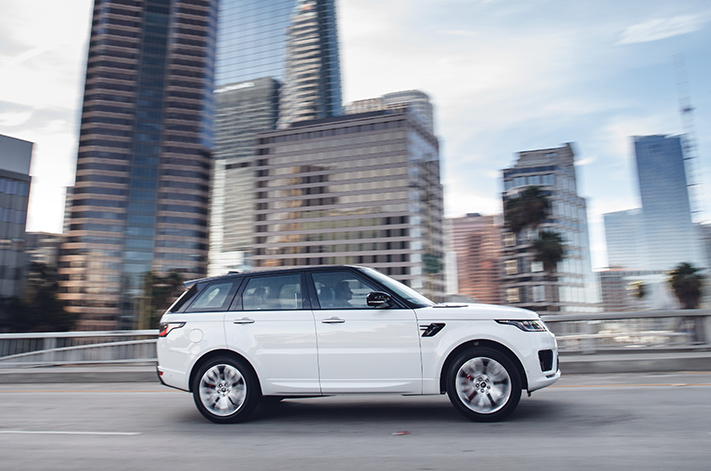
At its top end, the range also introduces the 423kW Range Rover Sport SVR, a more road-focused, supercharged V8 performance version priced from $238,200.
Holden’s Equinox range has been bulked up with the arrival of a diesel-engined option, priced from $35,990 in base LS+ grade.
Joining the existing 1.5-litre turbo petrol and 2.0-litre turbo petrol powertrains, the diesel equinox is available in all grades except the entry-spec Equinox LS. All diesel variants generate a stout 100kW and 320Nm, delivered through the front wheels for LS+ and LT variants. The extra grip of all-wheel drive only becomes standard if you step up into the high-spec LTZ and LTZ-V models.
Opting for the diesel comes at a $3000 premium over comparably-specced petrol models, though the value equation is sharpest in the LS+ grade given the diesel replaces that model’s 127kW/275Nm 1.5 litre petrol, rather than the much gruntier 188kW/353Nm 2.0 litre petrol of the LT, LTZ and LTZ-V. All diesel variants come equipped with a six-speed automatic as standard.
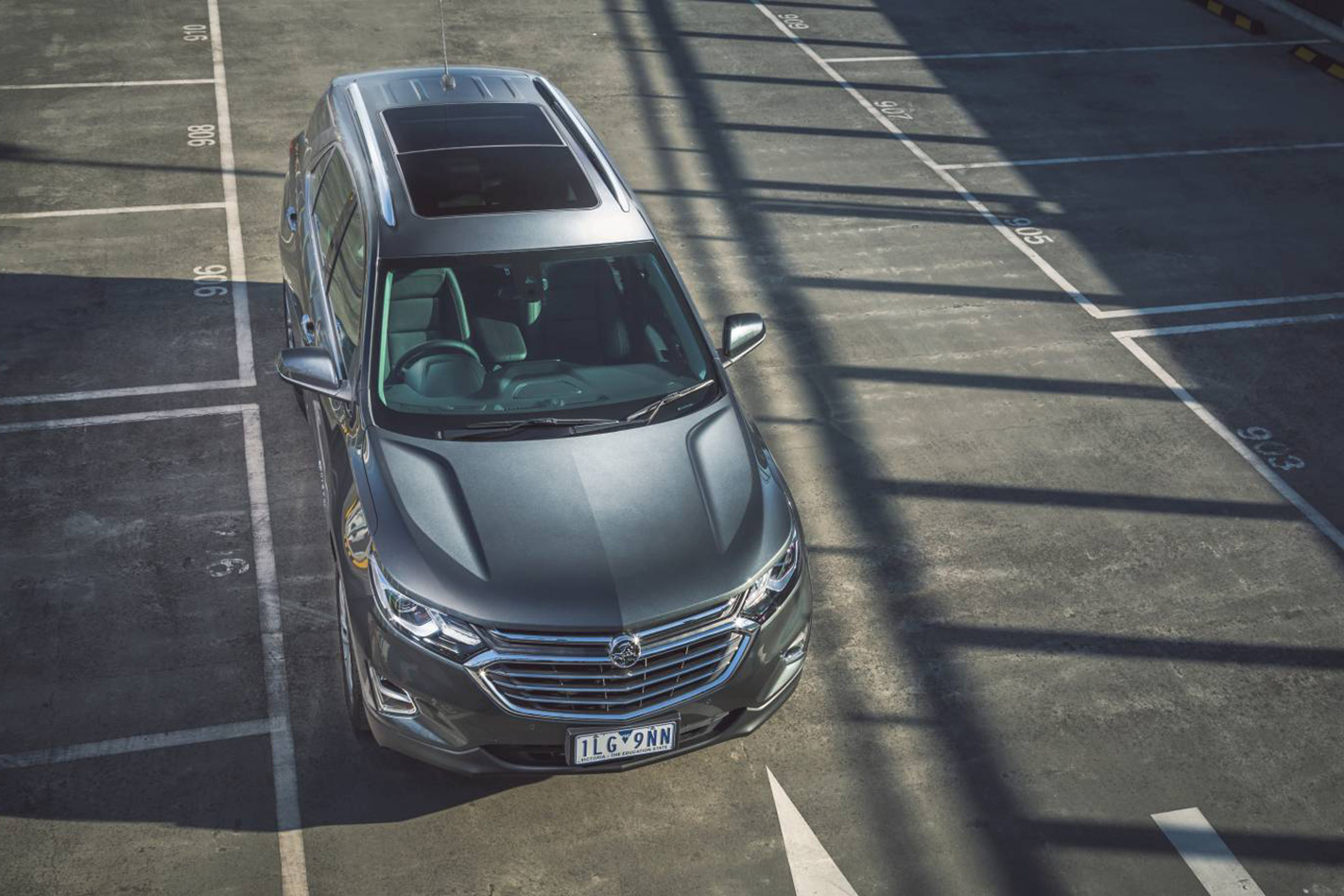
While it’s not the most powerful or most torque-laden powertrain in the line-up, the Equinox diesel range does have one crucial advantage – fuel consumption. Front-drive variants consume a claimed 5.6L/100km on the combined test cycle, which delivers a solid advantage over the 6.9L/100km factory claim of the 1.5-litre petrol Equinox. The 2.0-litre petrol, meanwhile, is even further adrift of the diesel’s figure with a combined average of 8.2L/100km in front-wheel drive form.
Equipment levels mirror those of the petrol-powered range, with the base LS+ featuring blind spot monitoring, AEB, 17-inch alloys, rain-sensing wipers and a seven-inch colour touchscreen display with Android Auto and Apple Carplay smartphone mirroring.
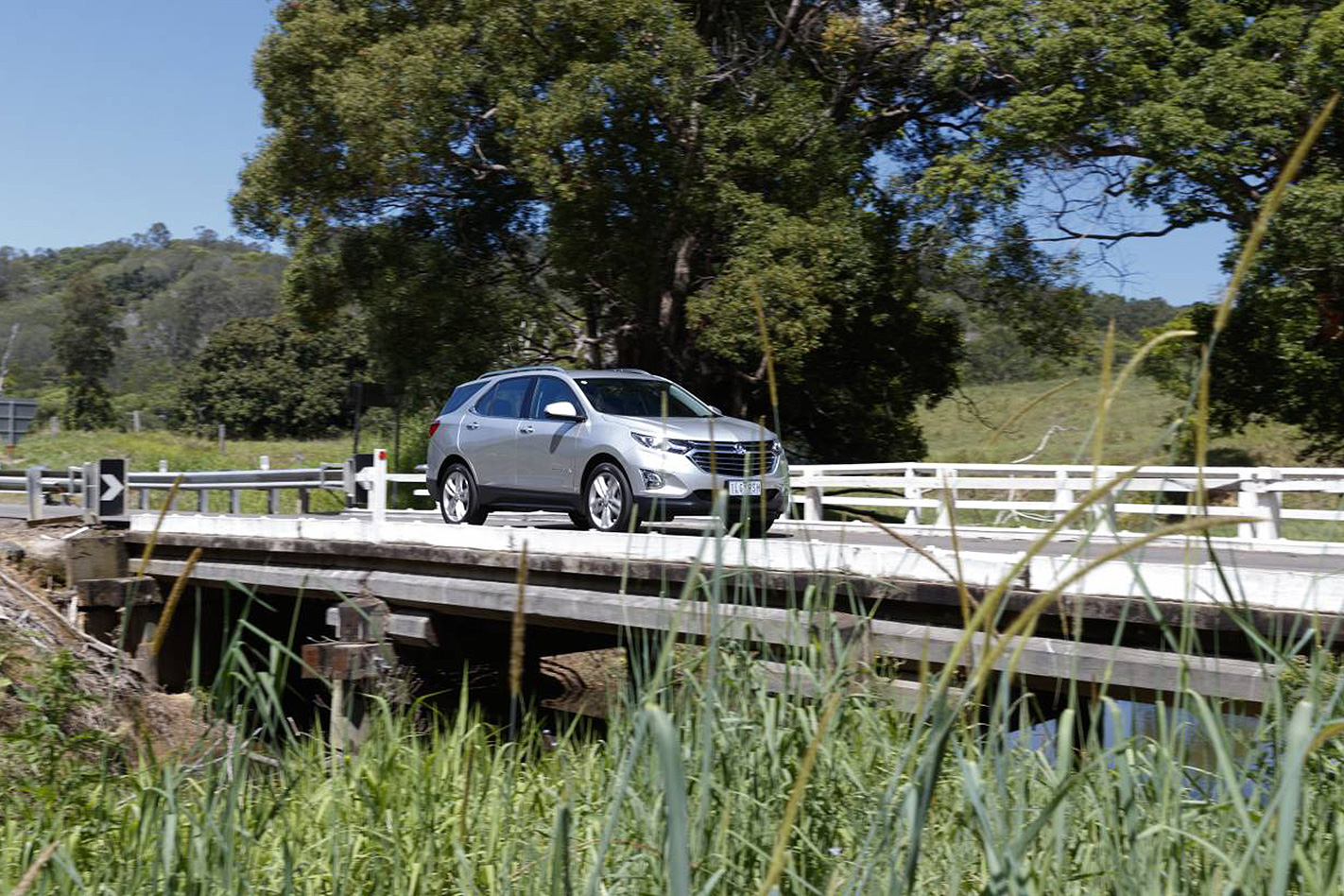
The LT and above grades bring an eight-inch touchscreen and integrated sat-nav, as well as heated seats, while the LTZ flaunts a hands-free tailgate, Bose audio and front/rear heated seats. The range-topping LTZ-V cops a panoramic glass sunroof and adds ventilated/heated front seats.
2018 HOLDEN EQUINOX DIESEL PRICING
Holden Equinox LS+ | $35,990 |
Holden Equinox LT | $39,990 |
Holden Equinox LTZ | $47,290 |
Holden Equinox LTZ-V | $49,290 |
Well, we know what Aston Martin’s got in store for the next addition to its AMR line.
The racing-inspired AMR badge is – likely – next to be seen on the Aston Martin DB11, hinted at by the mysterious webpage currently visible at the Aston press site.
The page, which is titled ‘DB11 AMR’ simply shows a standard page for the Aston site, though its only contents are the name of the upcoming model and a password box, which we don’t know how to bypass.
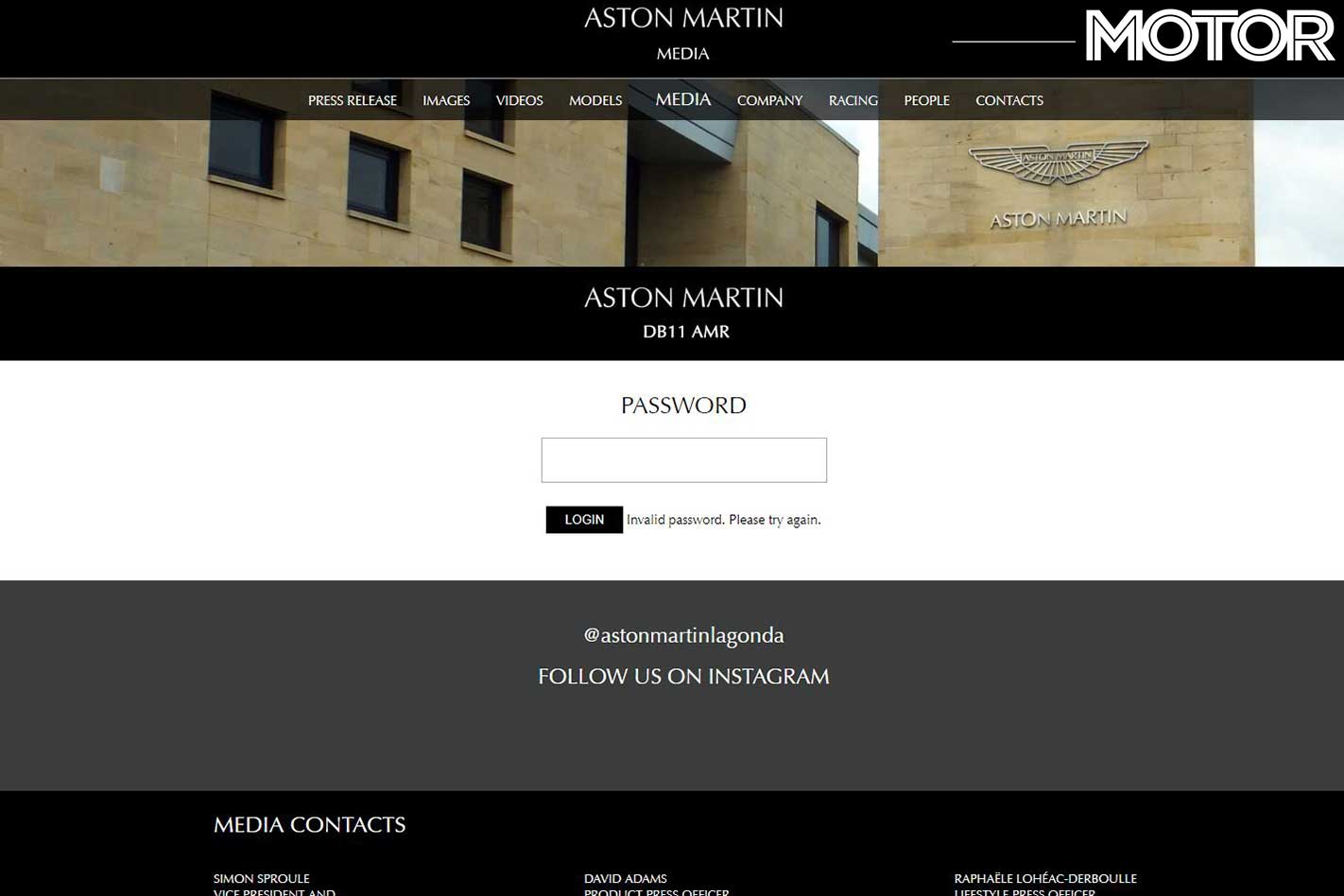
This means all we can do in terms of hard information about the DB11 AMR is speculation, based on previous changes made to AMR models.
It could be given more power than the DB11 – it’s possible the AMR will be available with both V8 and V12 engines, and the case with the Vantage AMR was that the V12 copped an extra 20kW+.
We can also guarantee there’ll be an option of those now easily recognisable green accents.
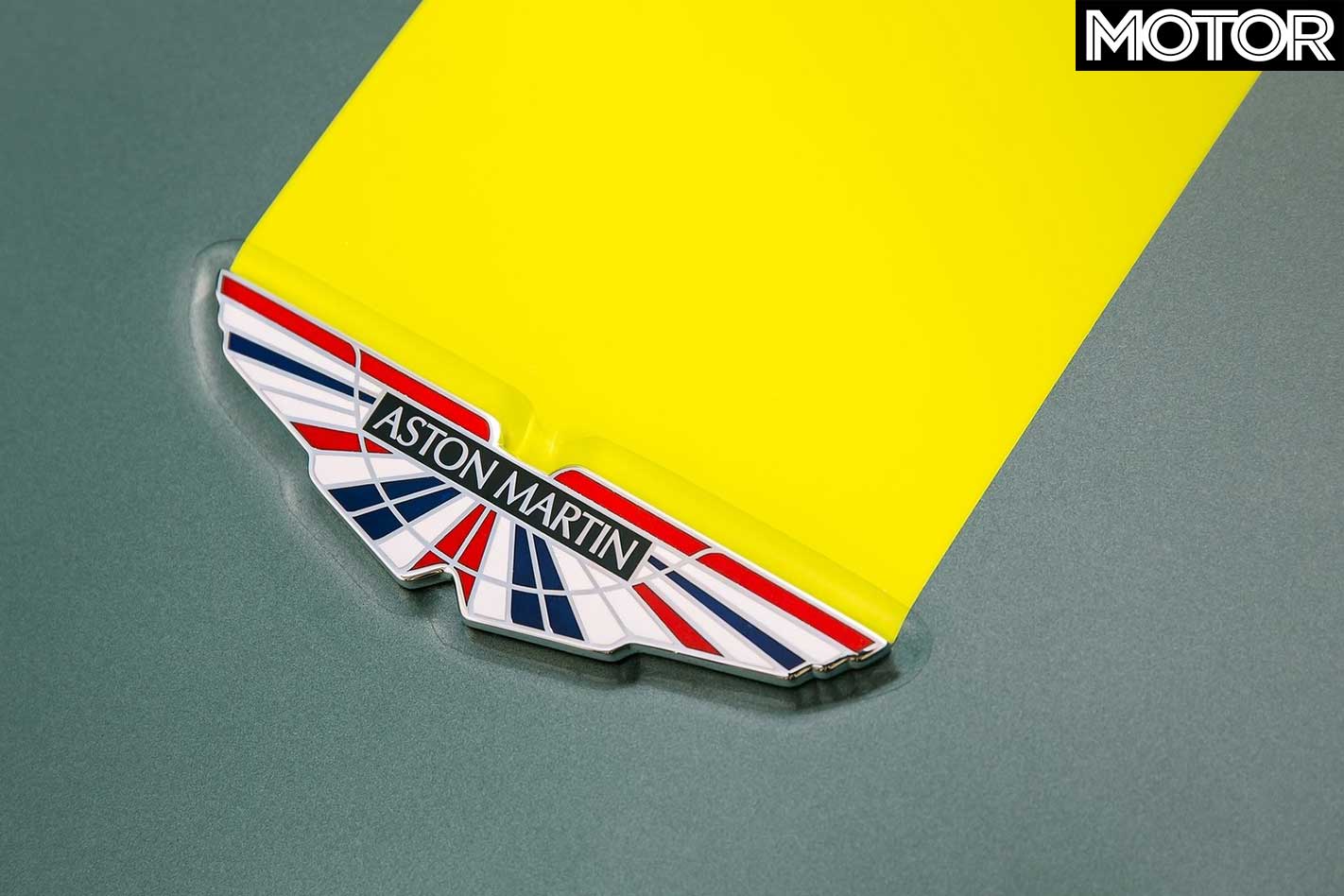
As it stands, we can’t be sure. We know it’s coming, and that’s about it.
We’ve spoken to Aston Martin bosses recently, about the company’s near future, and no mention of the Aston Martin DB11 AMR was made.
But since the webpage looks like it’s not going away, despite Aston Martin certainly being aware it’s publicly visible, it seems we won’t have to wait long to find out more about the DB11 AMR.
THE federal authority charged with advising the government on how we should plan cities of the future has warned an increasing number of electric cars on our roads will soon start to become a drain on the public purse.
Infrastructure Australia chief executive Phillip Davies warned that the way we currently fund our roads was a prime example of how ill-prepared we were to switch to EVs in terms of policy and planning.
“The increase in electrical vehicle uptake and the impact this has on our future ability to fund and maintain our road networks is a useful example,” Davies told the Infrastructure Partnerships Australia energy reform seminar in Sydney last week.
“Currently funding to build and maintain our road infrastructure is sourced from a mix of fuel excise and vehicle registration charges,” he added.
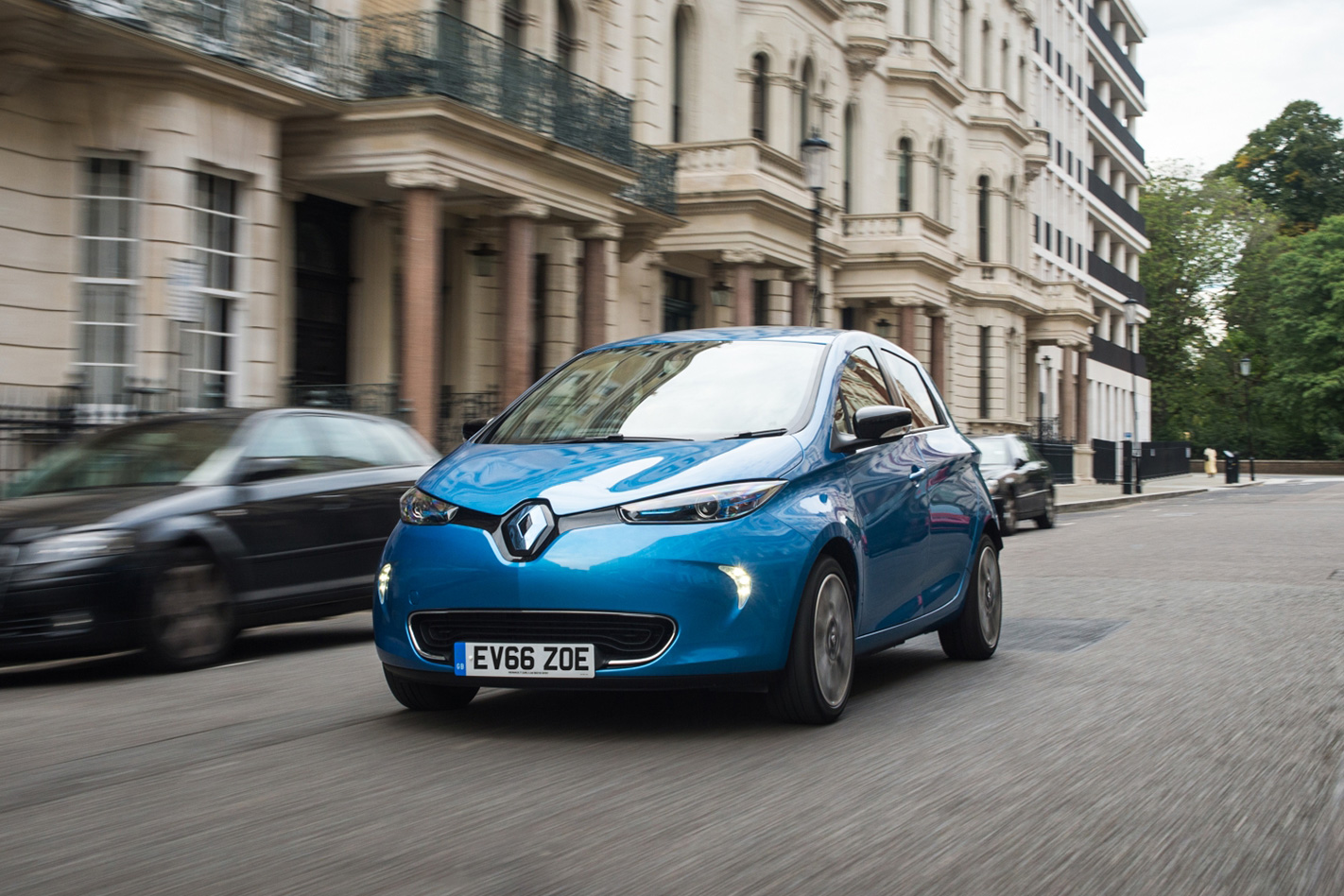
“Fuel excise will not apply to the use of electric vehicles, therefore, in coming years the increased uptake of electric vehicles will see a substantial reduction in revenue.
“Without doubt, electric vehicles can bring big benefits for society, especially when energy is from renewable sources.”
Davies said there was a strong public policy case for governments to support those who chose to invest in EVs.
“Governments can and should play an active role in making the most of the rollout of an electric vehicle fleet,” he said.
The Federal Government has drawn criticism from numerous car brands for failing to support EVs with similar incentives to those offered overseas. These include new-car buyer grants that help bring down the cost of jumping behind the wheel of a traditionally more expensive battery-powered vehicle.
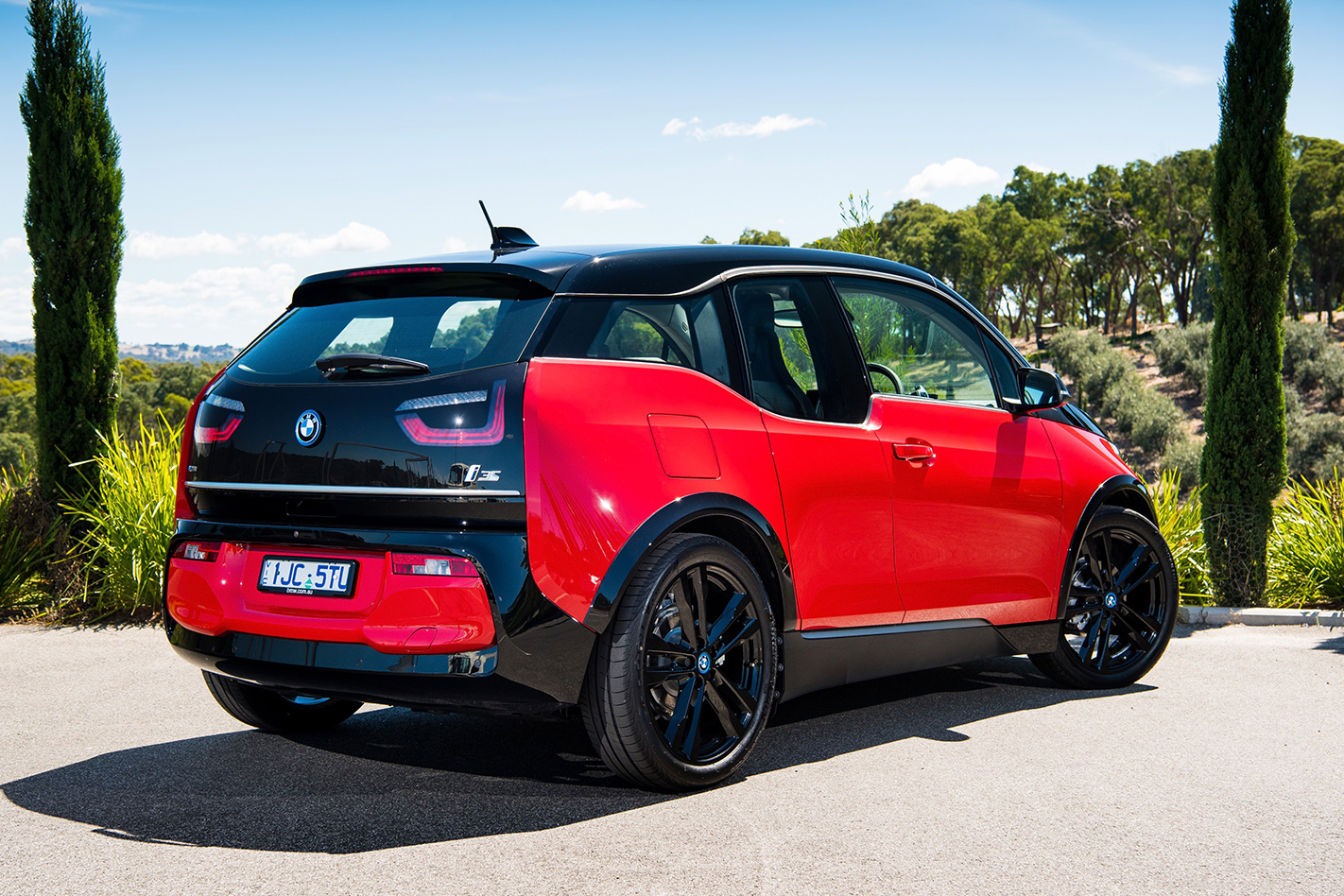
Only five battery-powered vehicles – The Tesla Model S sedan and Model X hatch, the BMW i3, and the fleet-only Renault Zoe hatch and Kangoo delivery van – are currently on sale in Australia, with a new-generation Nissan Leaf expected to be added to the mix later this year.
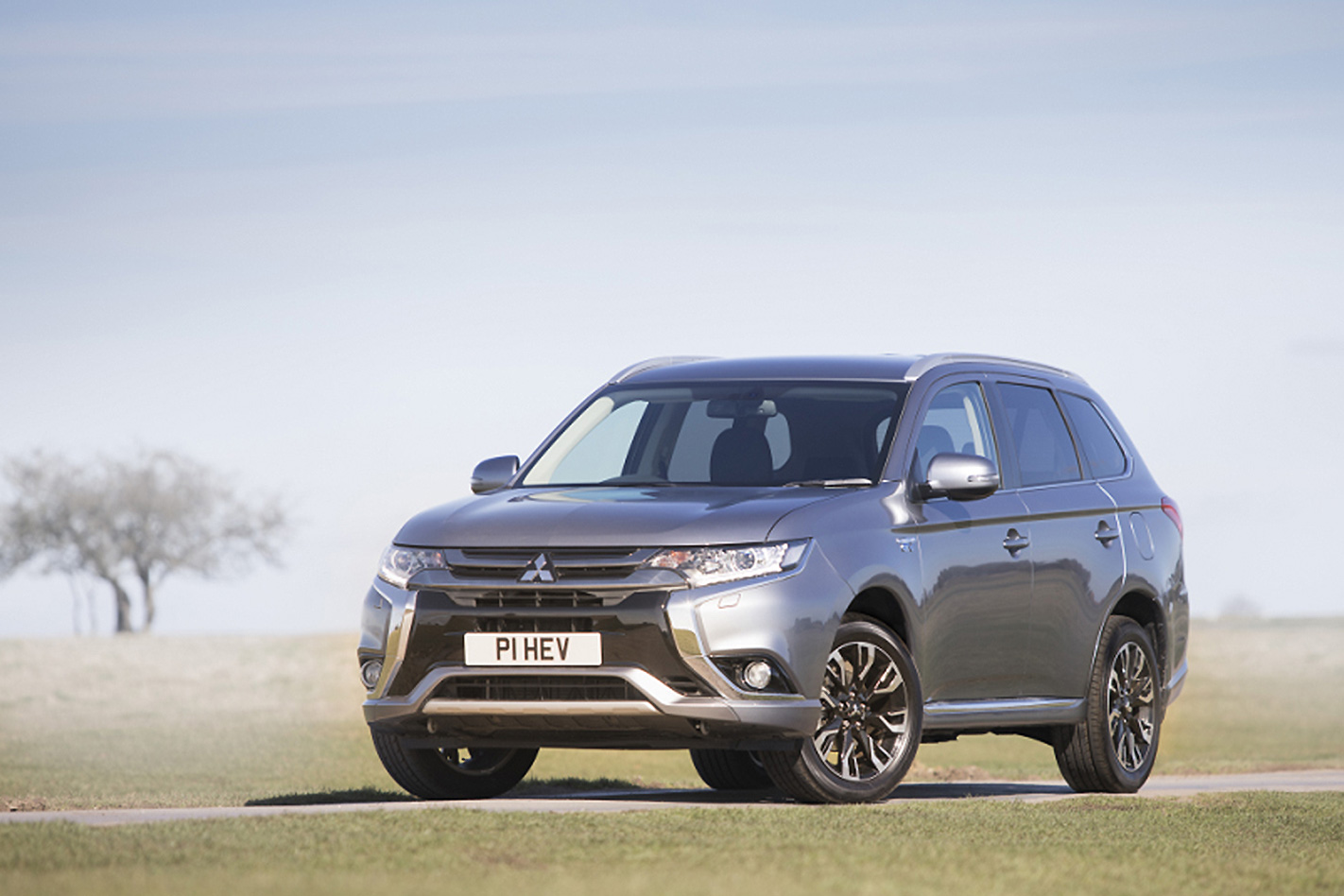
However, a wider uptake of plug-in hybrids – diesel- or petrol-electric vehicles that use a conventional engine but can also run exclusively on battery power alone when needed – will also have a big effect on revenue, especially if the daily commute taps the battery alone.
A number of manufacturers ranging from Mitsubishi to Porsche offer plug-in hybrid options to buyers that can travel up to 60km before needing to fire up the conventional engine.
Fuel excise is also expected to decline as cars become more fuel-efficient – although the dramatic buyer switch to bigger, heavier and less fuel-efficient SUVs at the cost of passenger cars could have a similar effect as it has in the US, increasing fuel use and emissions, and therefore boosting fuel excise revenue.
However, funds raised from road users are pooled in general revenue, and not necessarily fed back into the transport network.
Davies said the potential benefits of EVs should not come at the expense of the efficiency of transport networks, and the loss in productivity this would bring.
“With the right policies, these outcomes don’t have to work at cross purposes,” he said.
“That is why governments need a joined-up approach to electric vehicle policy, alongside a transition to a user-pays road network. This should be a primary consideration of the independent study into road market reform, which the Federal Government has committed to undertake – along with ensuring equity in regional and rural areas.
“This was a key recommendation from the Australian Infrastructure Plan and it is important that it gets underway soon. Otherwise we run the risk of a serious road funding shortfall, meaning our future cities will be characterised by congestion and constraint.”
The Australian Infrastructure Plan is a document released by Infrastructure Australia in early 2016. That plan suggests Australia’s greatest opportunity for funding reform is its approach to roads.
“The current system of funding is unfair because those who use the network less subsidise those who use it the most; unsustainable because fuel excise will decline as vehicles become more fuel efficient; and inefficient because the absence of effective price signals results in delays and congestion,” it says.
Volkswagen is preparing to mark the next VW Wörthersee meet with the reveal of a 213kW Golf GTI.
Based on the VW competitor in the race series of the same name, the GTI will wear a ‘TCR’ badge signifying its connection to the Golf which has twice won the series overall.
While the car will be unveiled and shown off at the Wörthersee meet, it’s not due for launch until late 2018.
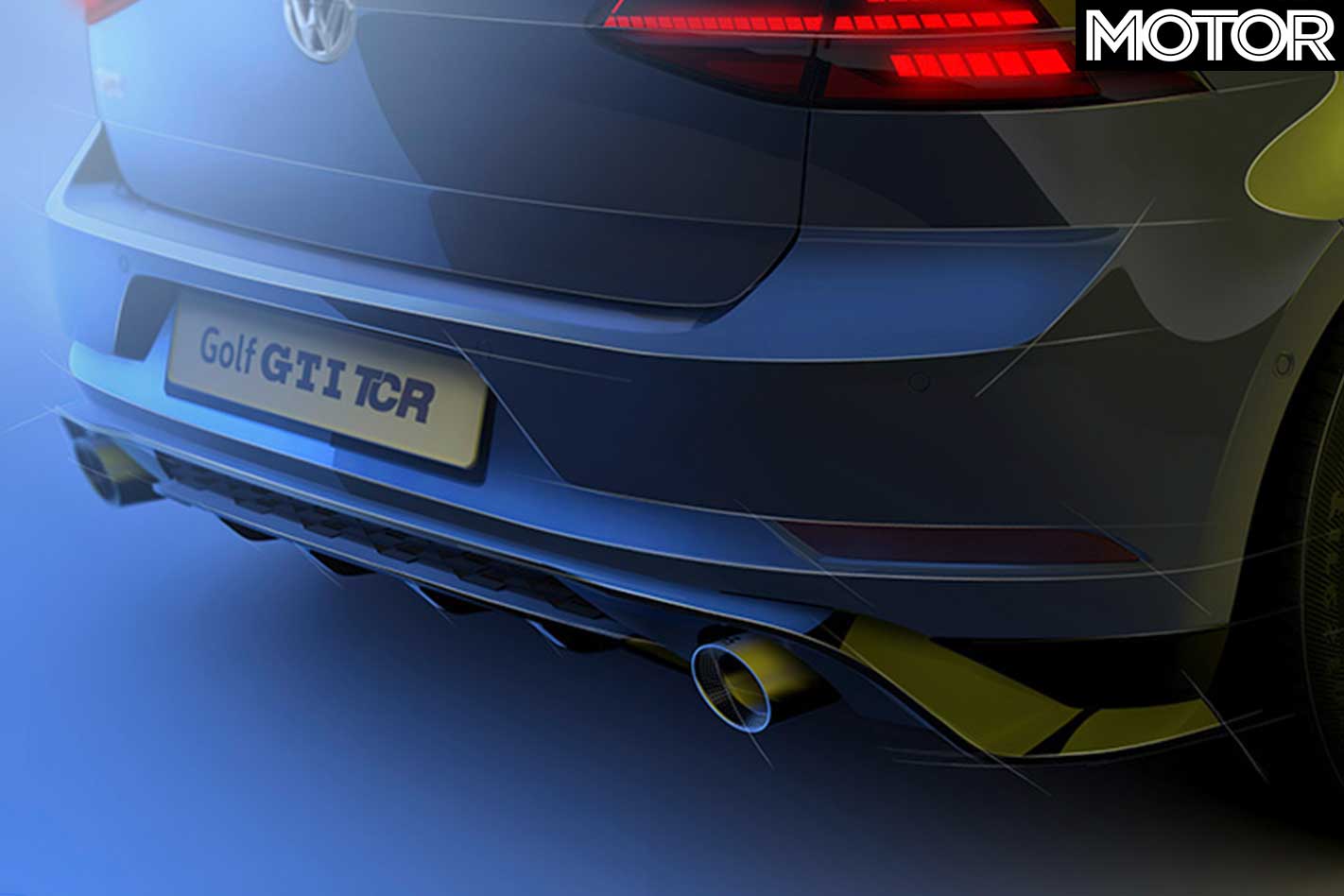
With its 213kW and 370Nm, Volkswagen says it’s set to be the fastest Golf GTI available upon its release. It’s claimed to be capable of a 250km/h top speed, though this can be increased to 264km/h with its Vmax limited removed.
Torque directed to its front wheels will be controlled by a locking front differential, and as such – much like the GTI Performance Edition – it’ll only be available with Volkswagen’s 7-speed DSG.
The car on which it’s based, however, is much more hardcore. With 275kW/420Nm and a sprint to 100km/h in just 5.2 seconds, it has allowed Stefano Comini and Jean-Karl Vernay to both take out driver’s titles in the TCR International Series.
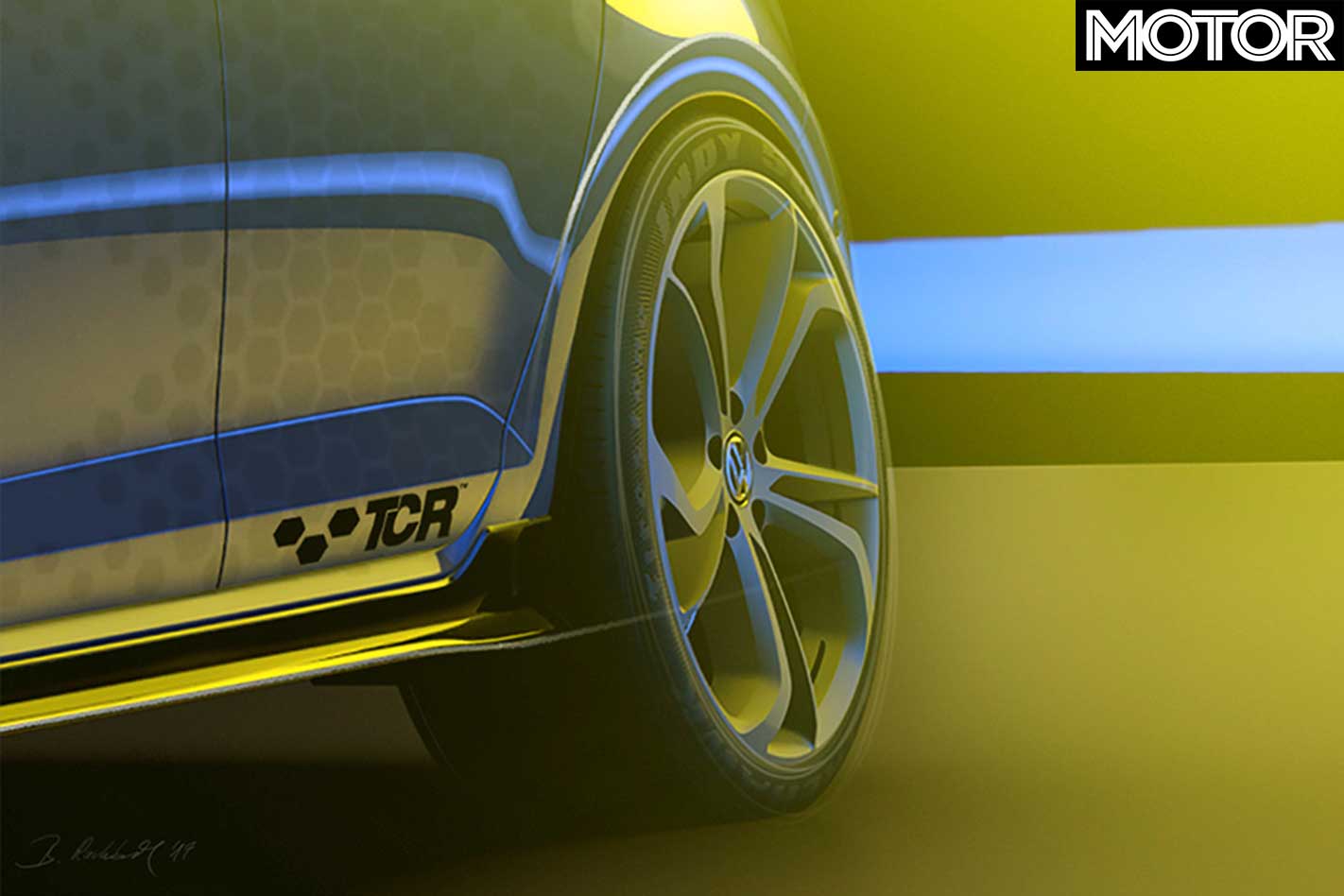
Over 100 of the race versions have been sold to privateer racers so far, with Vw adding more than 15 different racing series include a Golf GTI TCR in the mix.
MOTOR has contacted VW Australia and awaits confirmation regarding local information (expected availability, if at all) of the Volkswagen Golf GTI TCR.
THE Federal Government will spend $24.5 billion on infrastructure over the next decade, including almost $1 billion to build a bypass around Coffs Harbour.
The rail and roads spending is part of a package of measures leaked ahead of tomorrow night’s Federal Budget, the second handed down by the Turnbull Government since the Coalition snatched back power in 2013.
Treasurer Scott Morrison told News Ltd the spending allocated for the Coffs Harbour bypass on the Pacific Highway in northern NSW was an important key in driving down the road toll.
“Most importantly, (it will) mean safer travel both for people who live locally up around Coffs, but also for those making the trip up the coast or down the coast,” he said. “The only downside to the Coffs Harbour bypass is you won’t be able to drive past the Big Banana anymore.”
The news of the spending comes as motorist lobby group, the Australian Automotive Association, called for more action on tackling the road toll, which it said had risen 2.9 percent over the 12 months to March.
It said all Australian states remained above the targets set by the National Road Safety Strategy that plans for a reduction in the road toll by 2020.
“This is yet another report that confirms Australia’s road safety strategy is failing badly and that our national policies and programs need to be reviewed,” AAA chief executive Michael Bradley said. “Clearly, a set-and-forget policy approach can no longer be supported”.
The AAA, which acts as a national voice for motoring interest groups such as the RACQ, NRMA, RACV and the RAA, has called on the government to re-establish the National Office of Road Safety, a federal authority that was abolished in 1999.
Late last year the Federal Government announced an inquiry into the National Road Safety Strategy. The inquiry, which has been granted an extension, was due to hand down its findings in April and was expected to show the strategy had already missed its targets by about 30 percent.
Road trauma is estimated to cost taxpayers around $27 billion a year, data from the Department of Infrastructure and Regional Development shows. Around 44,000 people are hospitalised each year in the wake of on-road crashes.
The Australian Road Deaths Database shows there were 118 deaths in March, the most up-to-date statistic available show. Over the 12 months leading up to the end of March, the toll stood at 1270. The official toll for the first three months of this year stands at 303, 17 percent higher than for the same period last year.
HAPPY birthday, Granny. I’ve bought you a ditch-seeking missile…
Buying a 70th birthday present for a much-loved female relative usually involves something rather sedate. A cat bed, a new set of knitting needles, bowling club membership, maybe one of those European narrowboat cruises with side visits to the ball-bearing factories of the Rhine/Ruhr flattened by the Allies during the war.
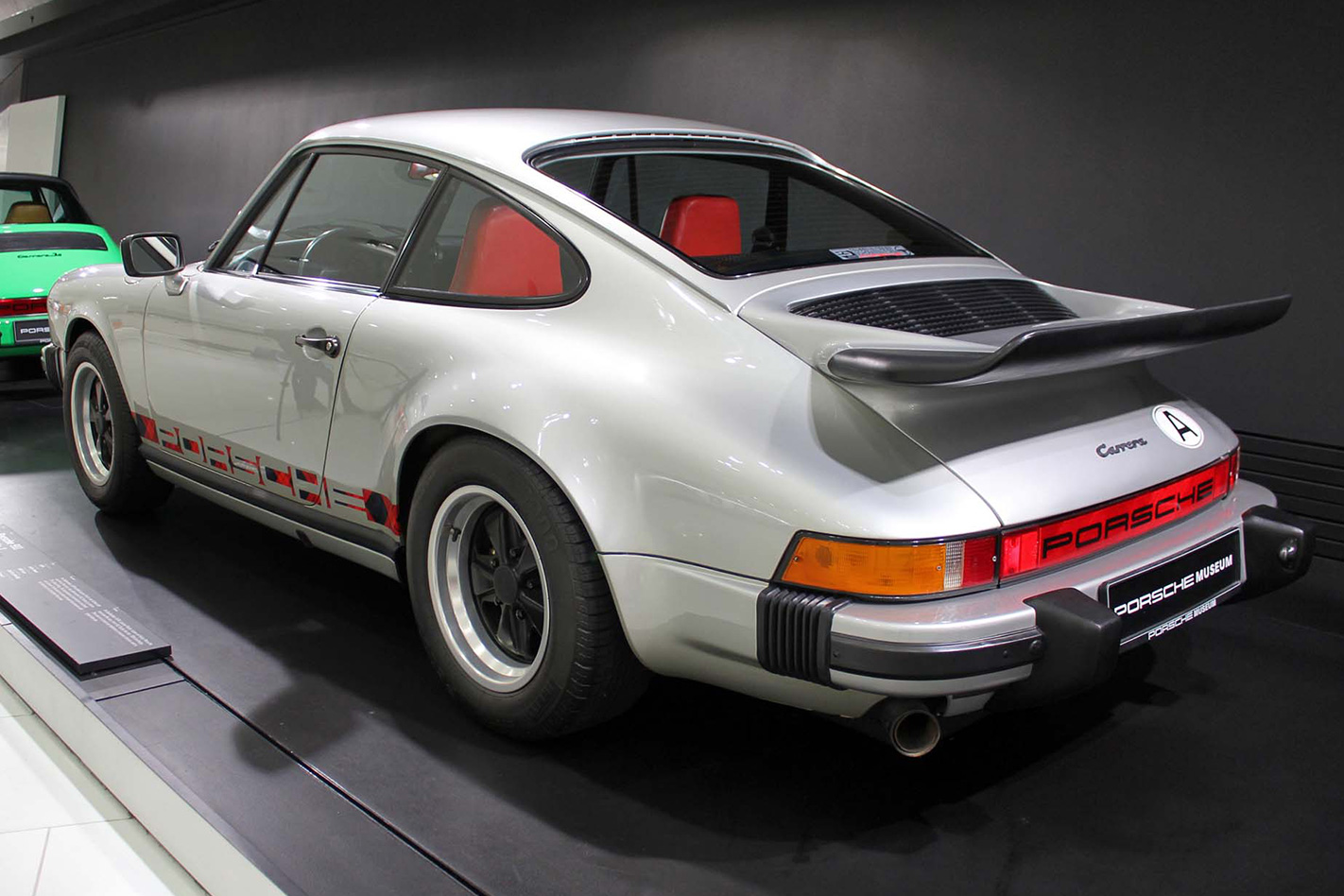
Louise Piech was a bit different. To celebrate her septuagenarian status, her birthday present was the very first Porsche 911 Turbo. Think about that for a moment. The 911 Turbo was right up there with the Lancia Stratos, the Monteverdi Hai 450 GTS and the Skoda Estelle as one of the scariest handling cars of the 1970s; nothing, nothing, nothing, boost, hedge. A pet taipan seems a more sensible option.
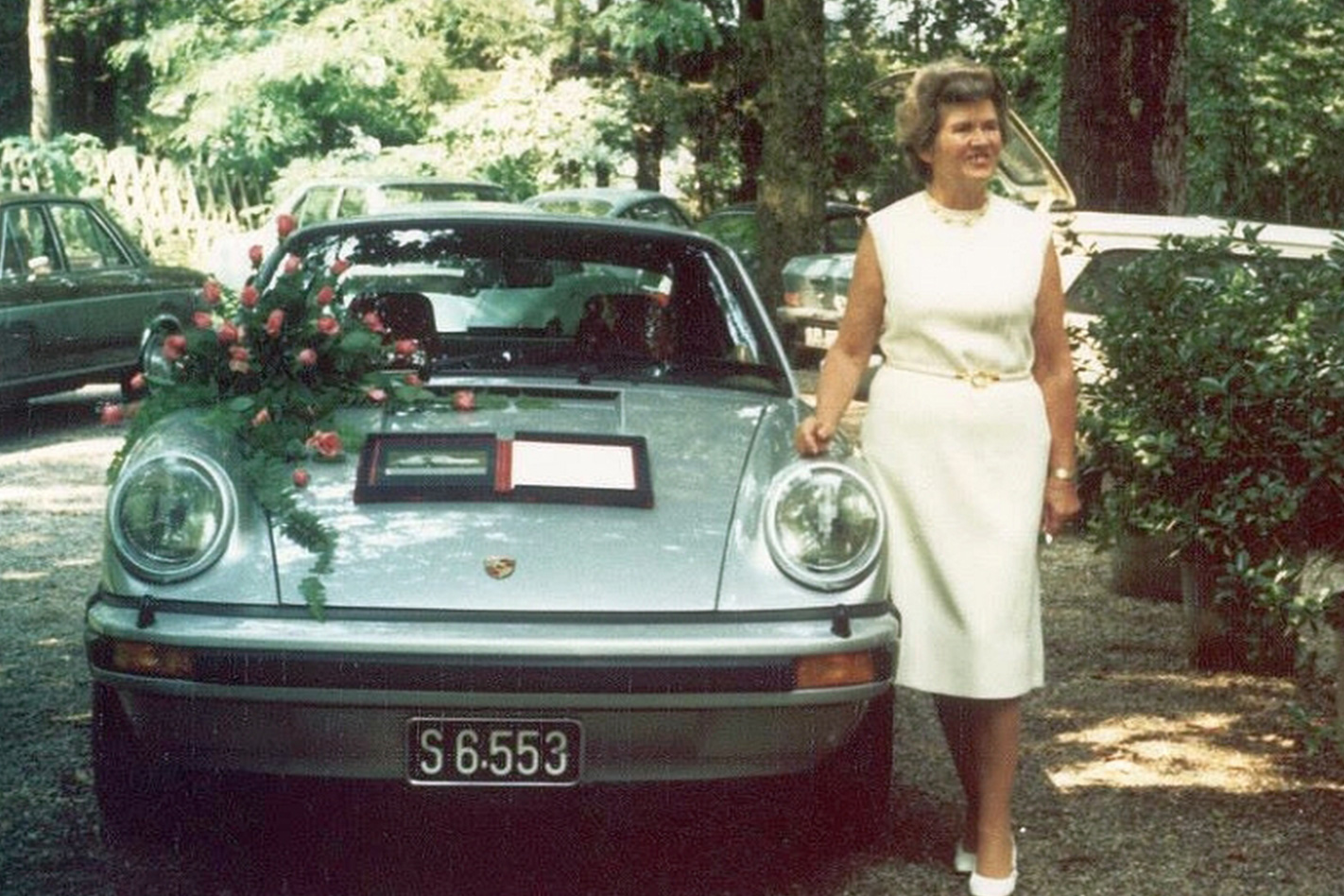
The thing is, Mrs Piech wasn’t any normal granny. The fact that her maiden name is written on the side of the car in plaid graphics is testament to that. The daughter of company founder Ferdinand Porsche and sister of Ferry Porsche, Mrs Piech used the car on a fairly regular basis and requested a series of modifications to it before it was built.
In order to keep a low profile, she asked the factory to remove the “Turbo” script from the back of the car and replace it with a more benign Carrera badge. She also wanted the car without any tints on its screen and front windows because she enjoyed painting Alpine vistas from inside the car and didn’t want any colour casts. She also specified the full red plaid interior, which takes a bit of getting used to. There’s also a tiny plaque on the glove box lid that’s engraved with Piech’s initials and “Turbo Porsche N° 1, Stuttgart – Zuffenhausen, 29. Aug. 1974”.
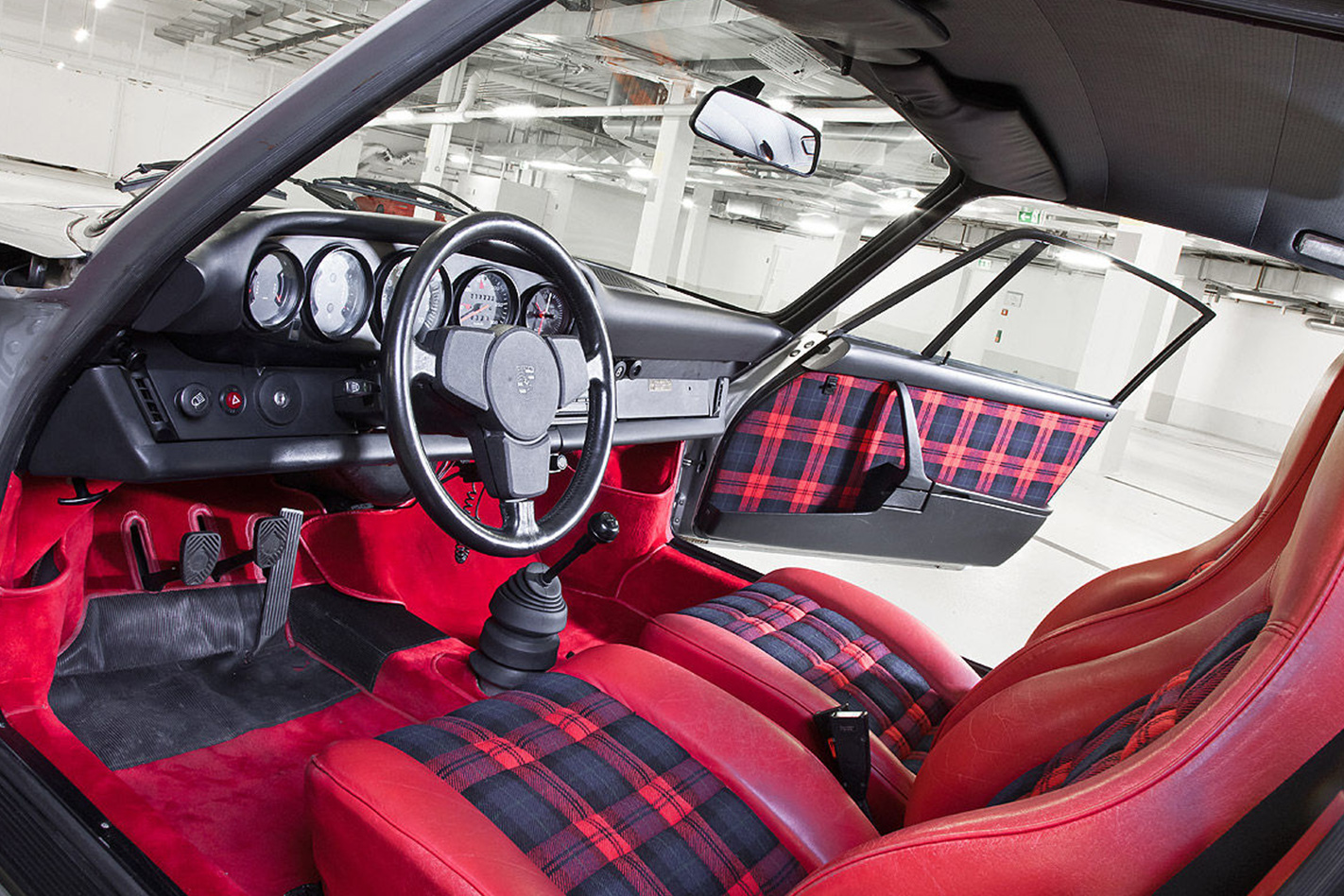
Unlike the production cars, the body of this Turbo doesn’t feature the broad, pumped up rear arches, and instead is based on the narrow-body Carrera. It has covered a little over 30,000 kilometres and while the output of 191kW is eclipsed by a Hyundai i30 N these days, back in 1974 this was serious business. What was once one of the very fastest production cars made do with a four-speed manual transmission. With long gaps between gears, the 911 Turbo would reach a top speed in excess of 250km/h.
So hats off to the coolest granny of 1974. And if you’ve got the means, then perhaps a 991 GT2 RS would make a pretty good gift for the matriarch of your clan looking to stave off the manifold indignities of old age. Painting platforms come no finer.
 Turbo Titans
Everything you’ve ever wanted to know about the humble turbocharger and its miraculous power-boosting abilities.
