
Severn Valley Motorsport in the UK has turned a Nissan Qashqai and the running gear from a Nissan GT-R into a blisteringly fast SUV.
Okay, so it’s not quite an actual Qashqai, in fact it’s not even all SUV. But it is all Nissan.
SVM took the Qashqai’s body off its chassis, and dropped it onto the chassis and running gear of a Nissan R35 GT-R… and then gave it more than 1490kW.
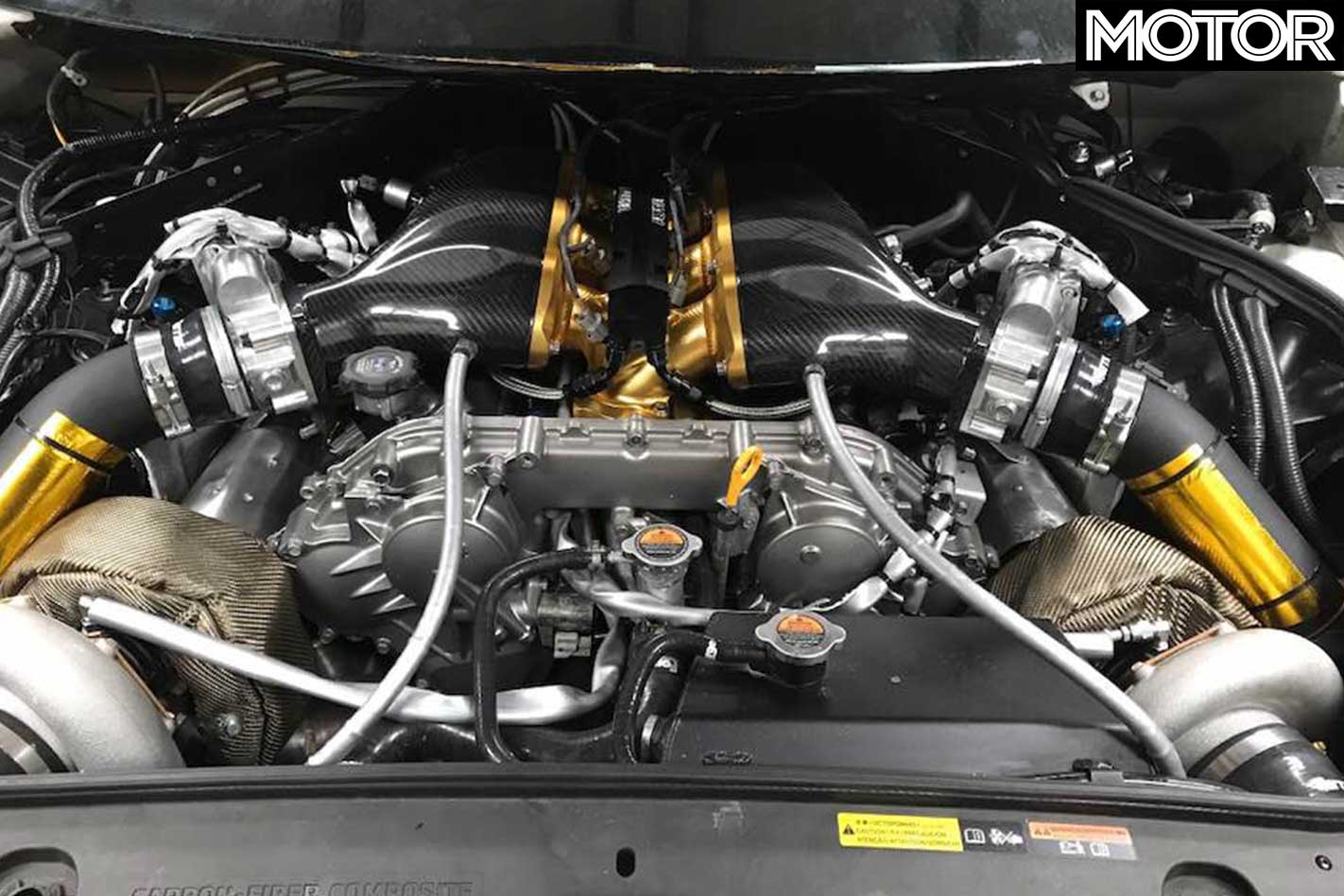
The 3.8-litre twin-turbo V6 (or VR38DETT, as Nissan calls it).
So, how fast is a 2000bhp Nissan Qashqai?
If you do what Severn Valley Motorsport did, it’ll hit 382km/h.
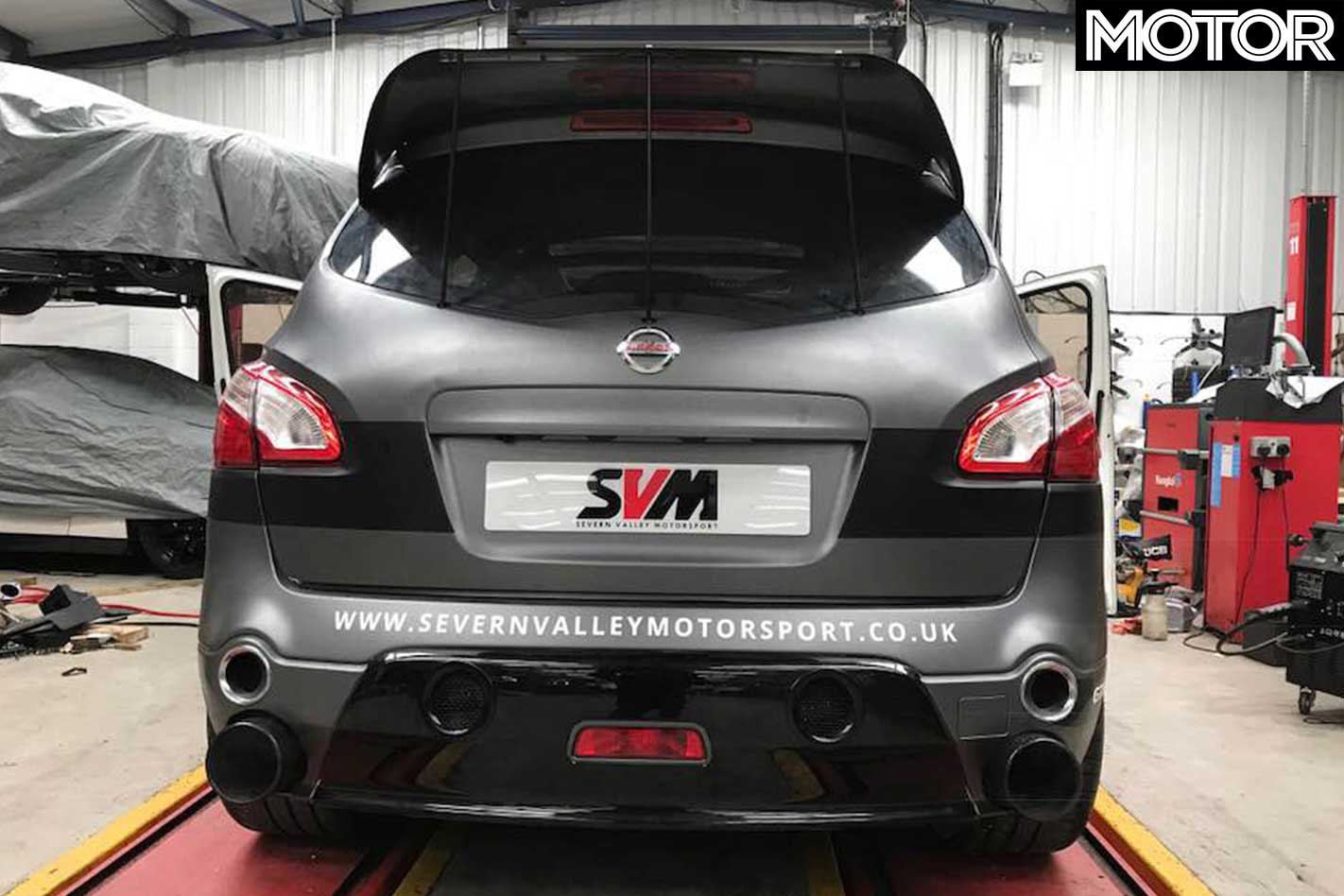
Impressively, the Qashqai-R, as SVM calls it, also beat plenty of others at the speed run event they took it to.
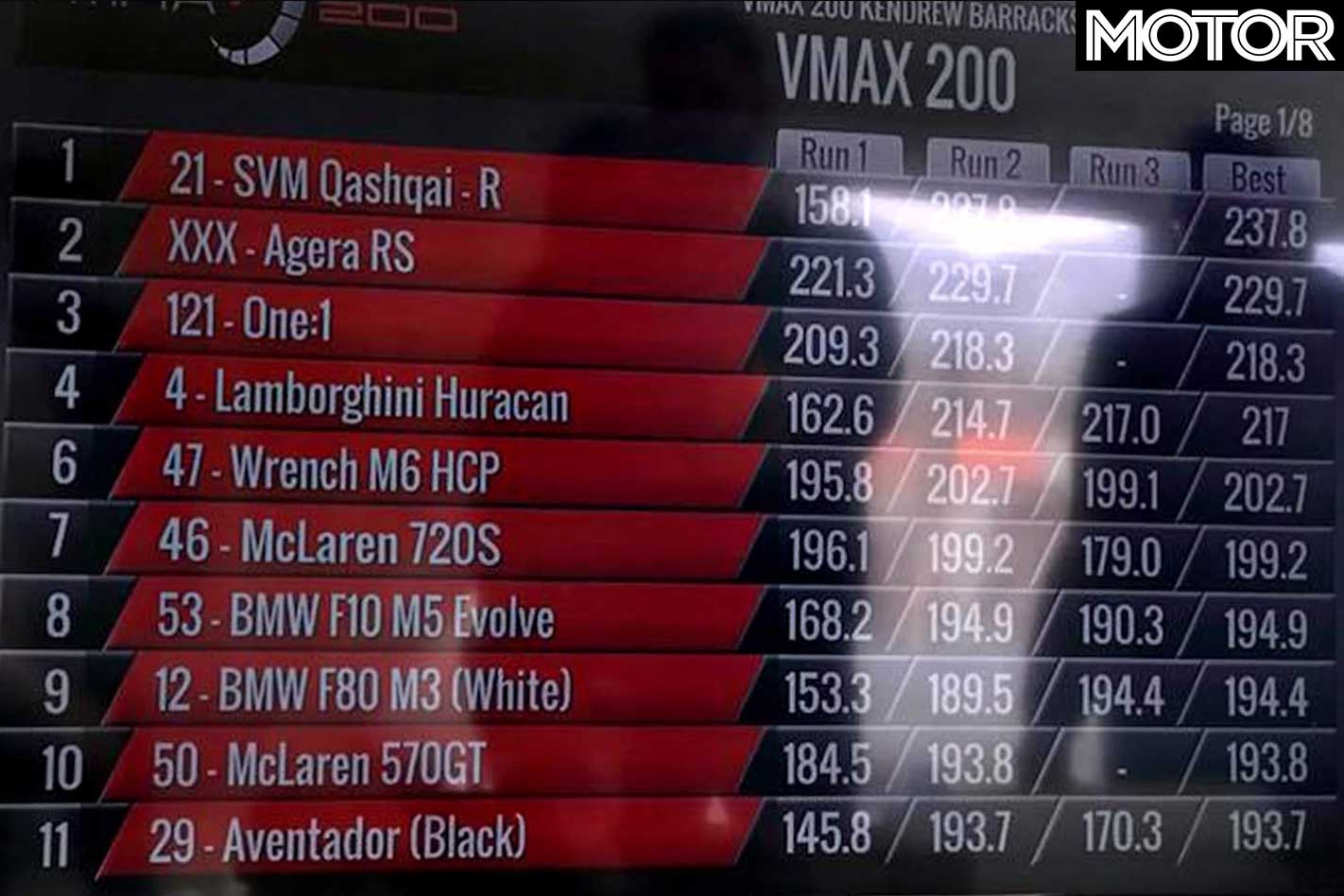
The timing board shows the likes of a Koenigsegg Agera RS, a Koenigsegg One:1, a Lamborghini Huracán, and a BMW M6 built by Wrench Studios, all underneath the Qashqai-R. Though we did see that the Agera later topped the Qashqai’s time by about 7km/h.
Plenty of classic Aussie and American muscle is up for grabs at the next Shannons auction in Melbourne.
The lot expected to pick up the biggest price is also the one which makes the biggest impression, a 1970 Plymouth Superbird.
Based on the Road Runner (hence it’s fitted with a ‘meep-meep’ horn and Road Runner cartoon decals), the Superbird is arguably the pinnacle of ostentatious muscle.
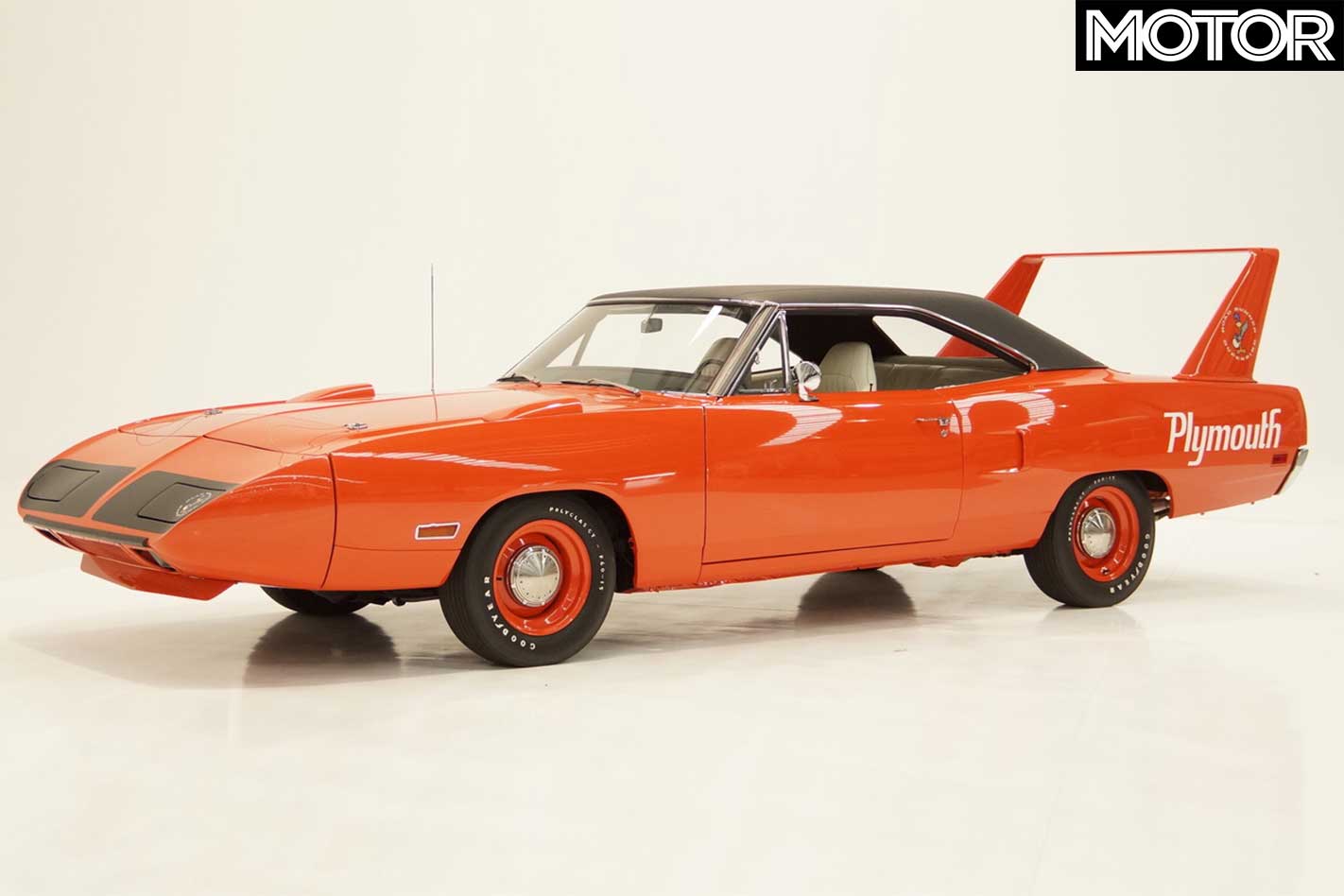
One of only 135 fitted with the 426 (7.0-litre) Hemi engine, Shannons believes this car is rare enough to expect a $520,000 to $580,000 sale price.
Next-most expensive is a car in less-than perfect condition. It’s not often a car in ‘project’ condition asks for six-figures, but welcome to classic car hunting in 2018.
A 1971 HQ Monaro GTS 350, looking rather used and abused, is expected to sell for up to $130K.
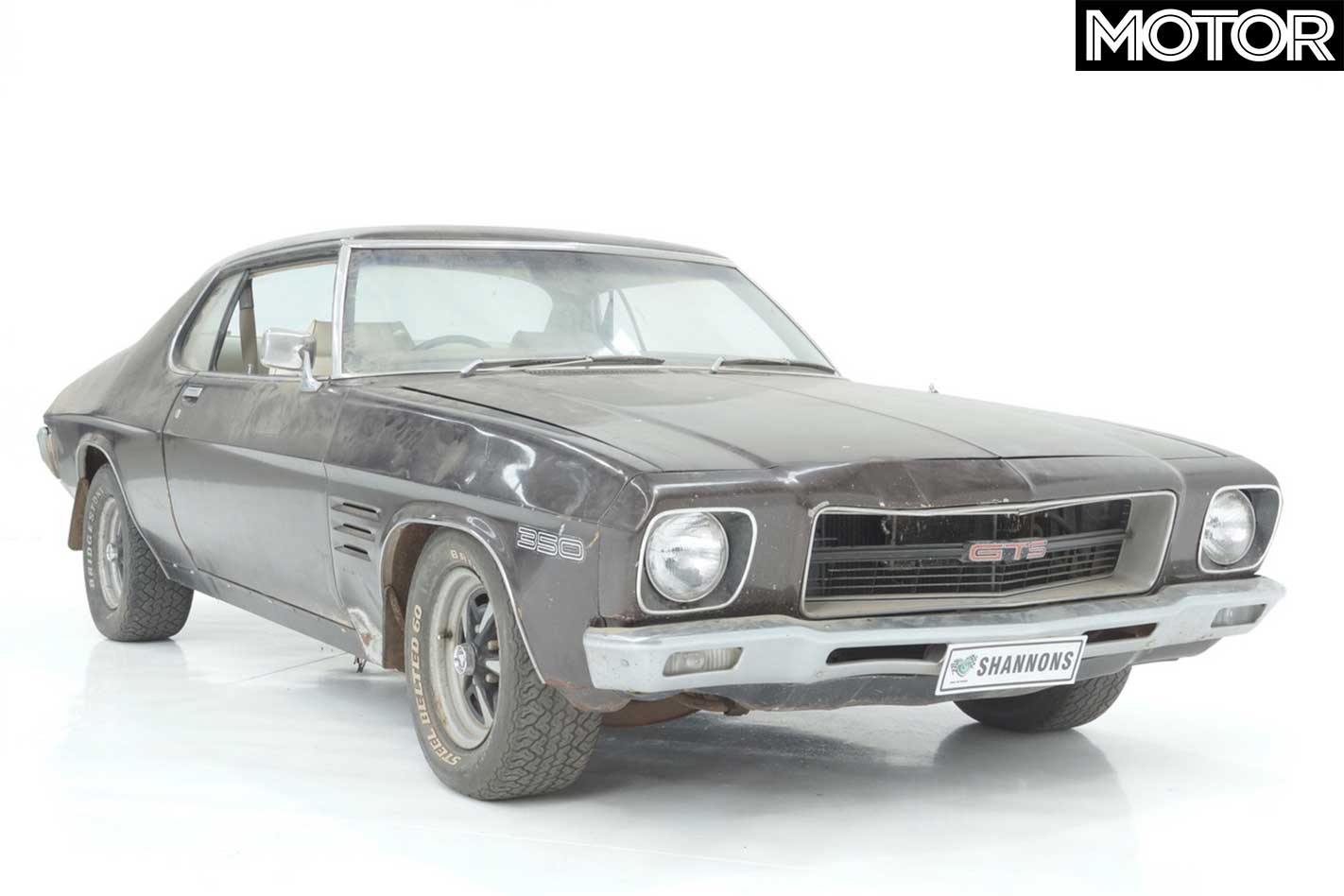
Shannons makes sure to note that it’s selling unregistered.
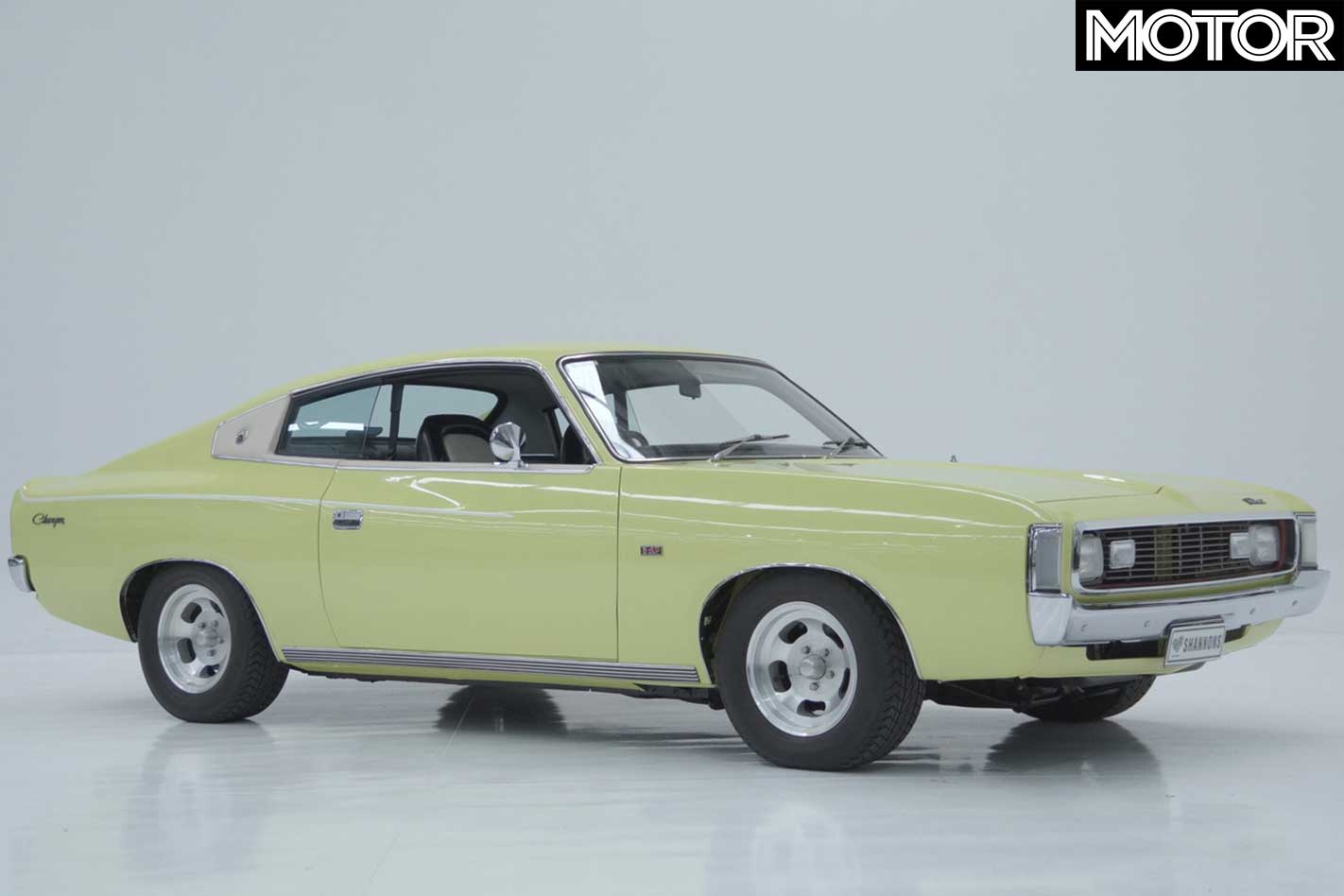
Next, a ’72 VH Valiant Charger, a minter 770SE with 5.6-litre E55 340 V8 is set to pick up around the $100K mark, though Shannons says it could stretch to more like $115K. It’s spotless, with only 13,692 miles showing.
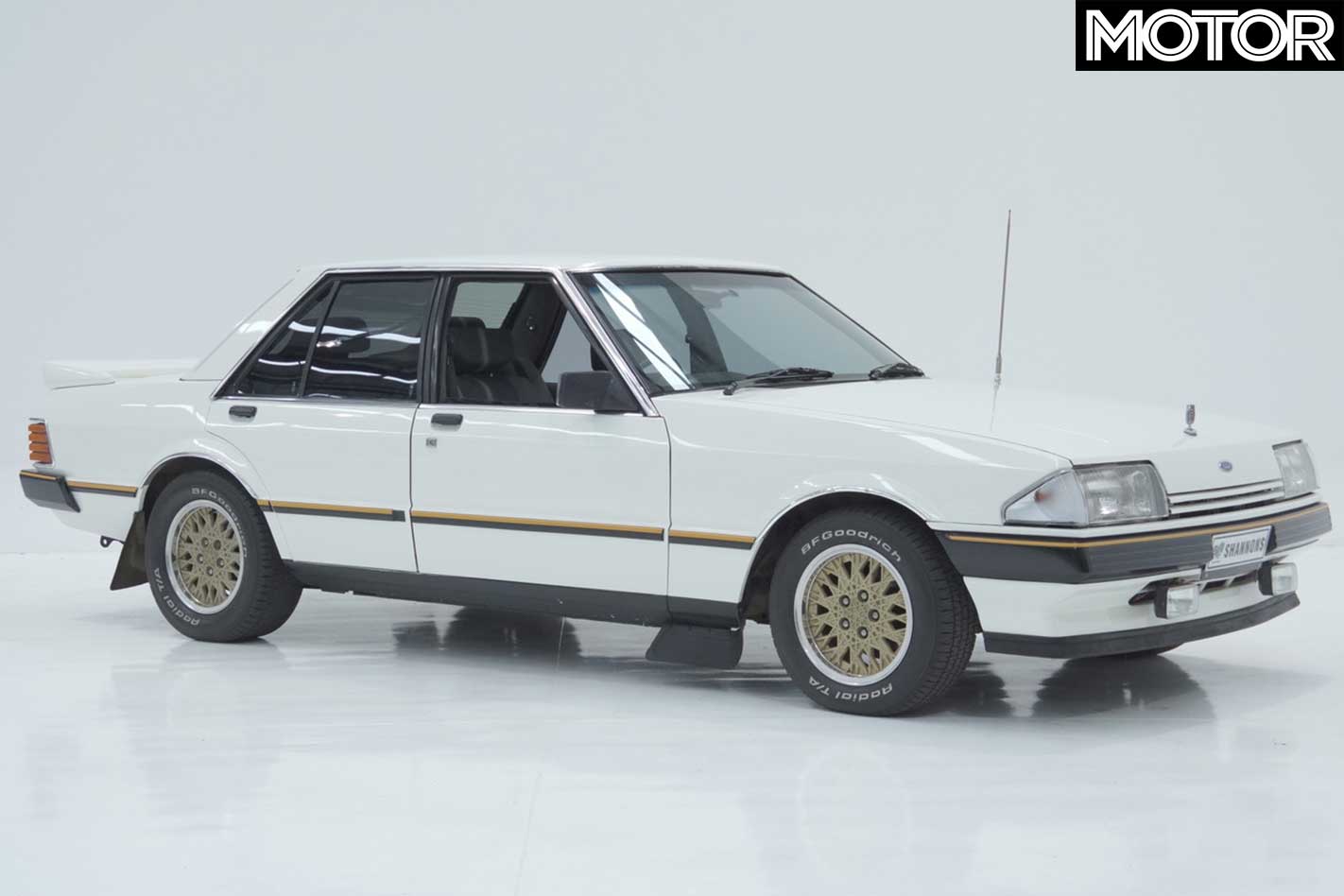
Blue Oval fans looking for something younger will find solace in an XE Fairmont Ghia with ESP and a tidy white-gold theme.
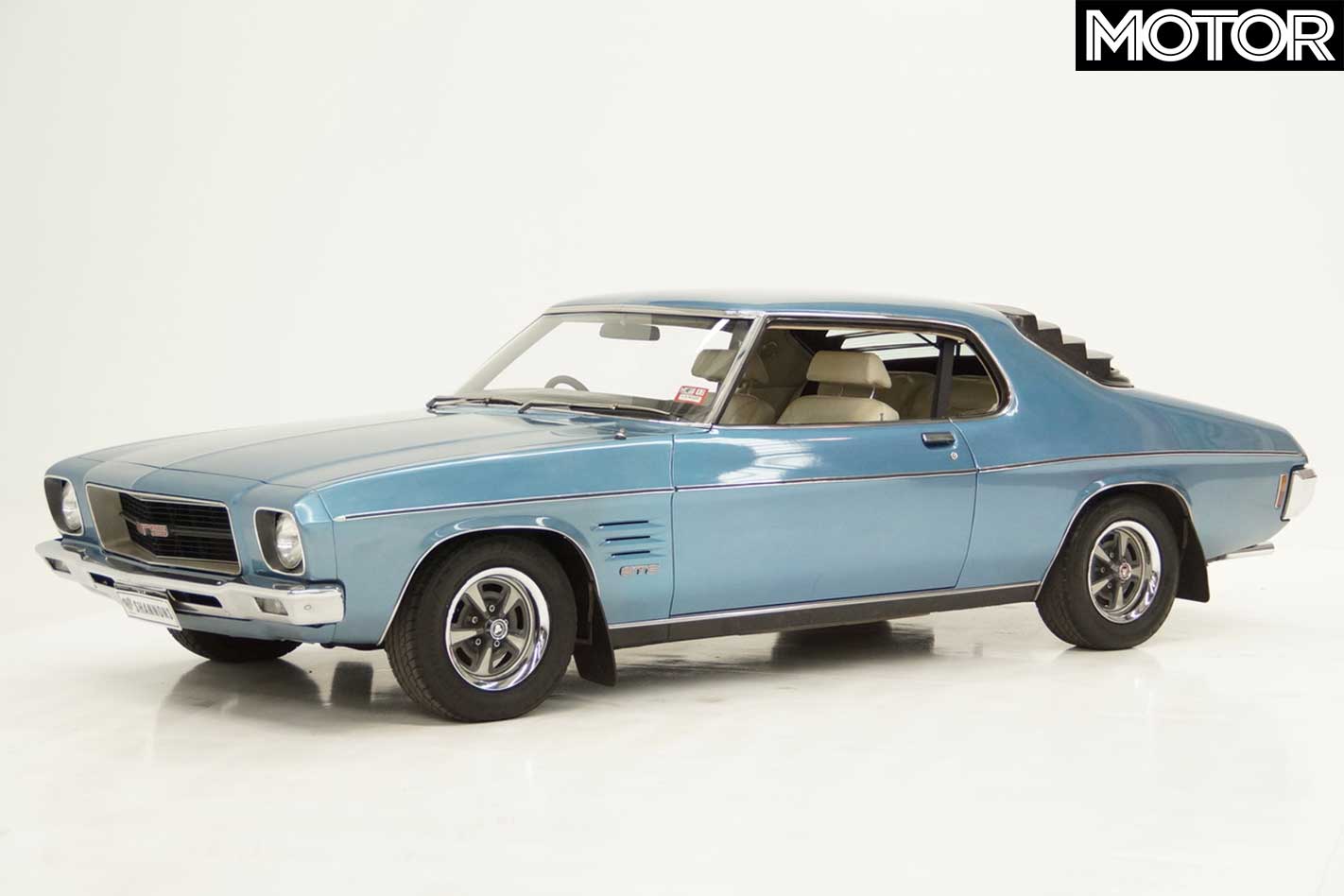
For fans of the lion, a much more presentable HQ Monaro GTS (though a 308) is expected to fetch $70K, and require a lot less work before it drives.
An LX Torana SS is also headed to the block, though it’s been given the ‘A9X treatment’ and it’s interior is shot. $30K-$40K, Shannons reckons.
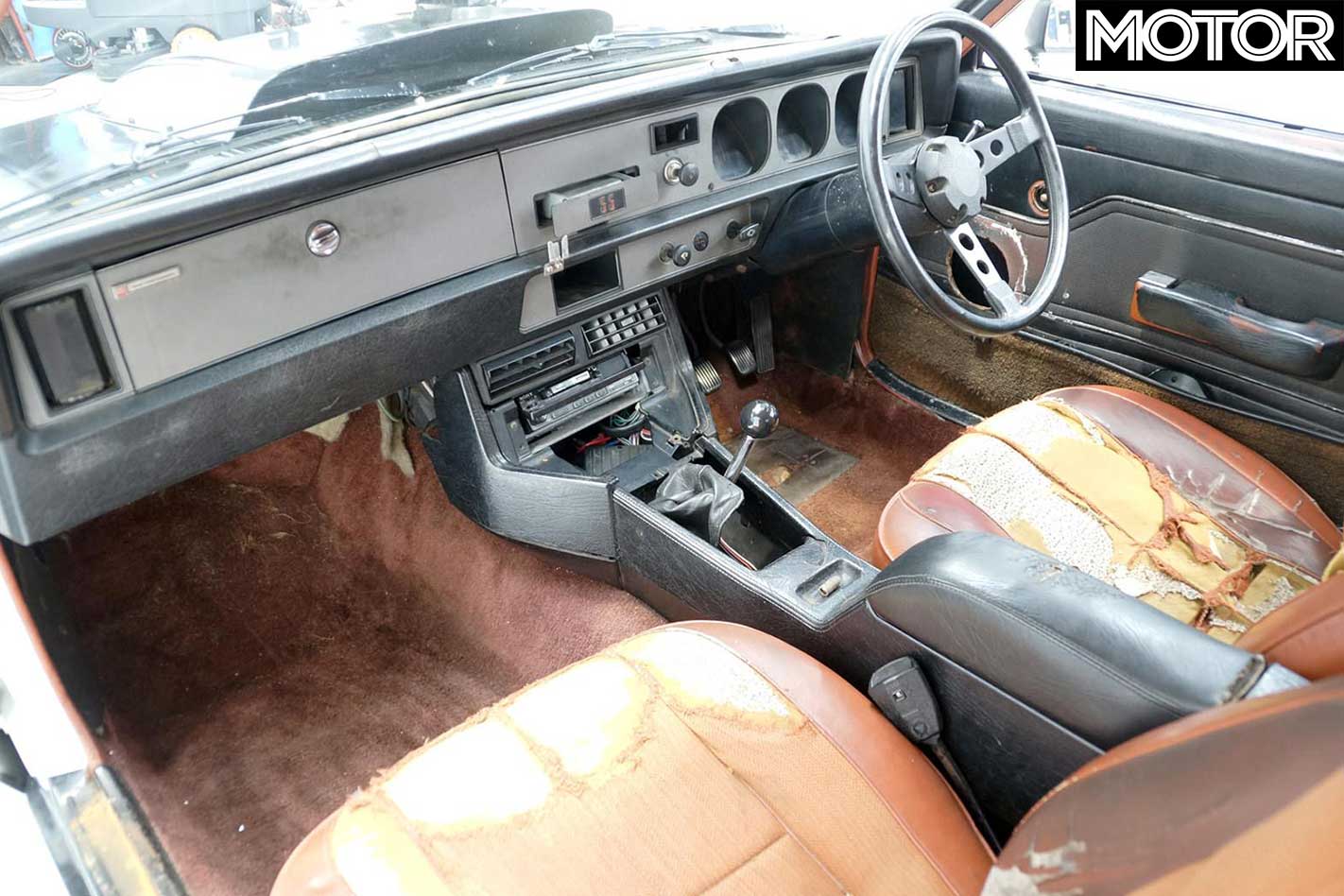
Viewing is open all weekend at Shannons’ Heatherton premises, and the auction starts at 7pm on Monday April 30.
Volvo has revealed a plug-in ‘T5 Twin Engine’ version of its XC40 compact SUV overnight, featuring just three cylinders but with a battery-electric punch.
The XC40 T5 Twin Engine will be powered by a combination of a 1.5-litre three-cylinder petrol engine, and a battery that sends power to an electric motor.
No power figures have yet been officially revealed, however it has been speculated the combined output could be in the realm of 184kW and 400Nm, or about the same as a Ford Focus ST performance hatchback.
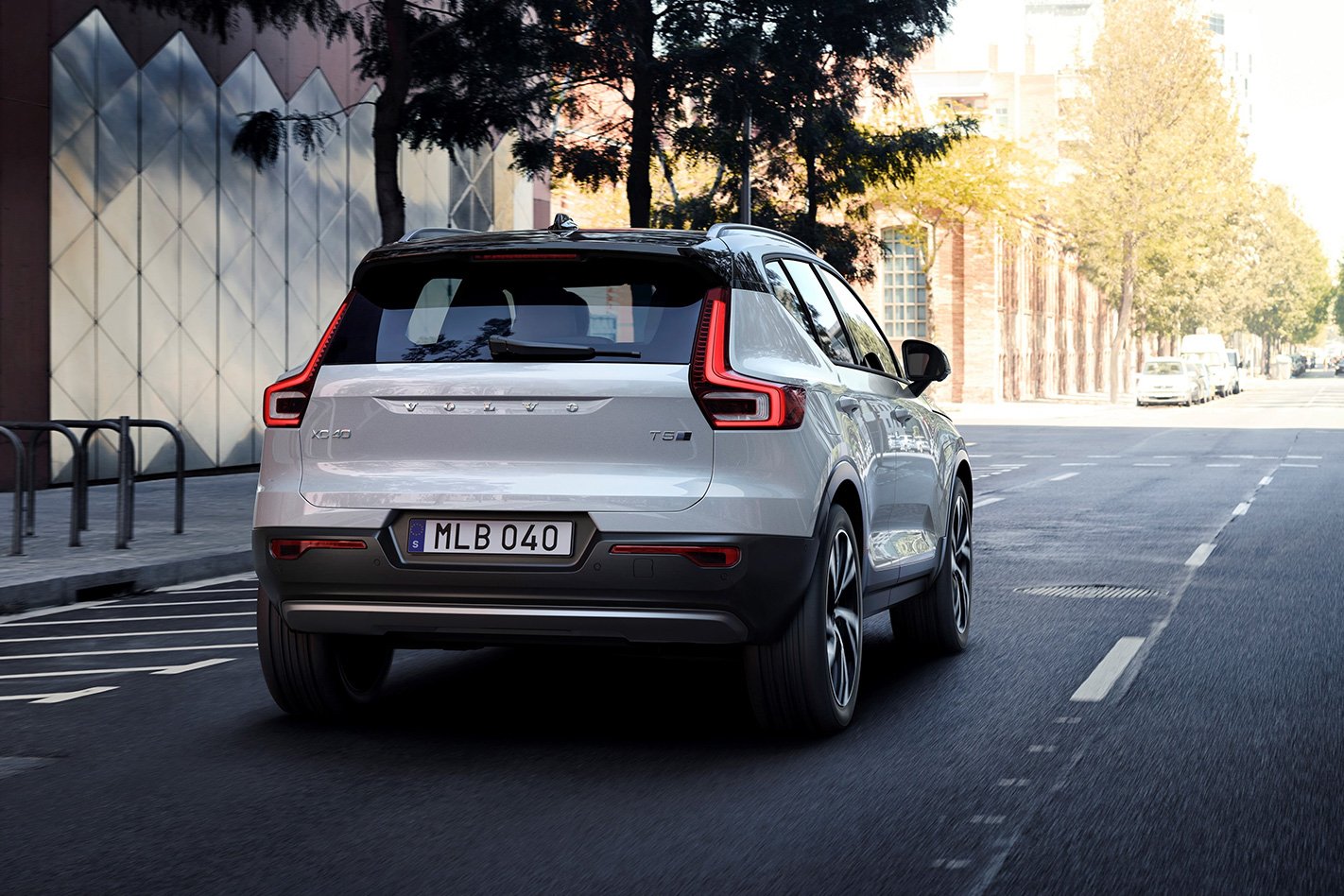
The T5 Twin Engine will also be capable of pure-electric driving; Volvo has not confirmed what the all-electric battery range will be.
Three different drive modes will be available for the XC40 T5 Twin Engine; Hybrid, Power, and Pure.
Hybrid will likely combine both combustion and battery power in the most fuel-efficient manner, while Power will use both systems for the maximum output. Pure will be reserved for electric-only thrust.
Individual and off-road modes will also be included, the former allowing the driver to customise how the powertrain works.
The T5 Twin-Engine hybrid powertrain was co-developed with Volvo’s Chinese parent company, Geely, and will be used in the China-only Bo Rui GE, an SUV unveiled at this week’s Beijing Motor Show.
Volvo Australia will offer two variants at launch, the petrol-powered T5 with 185kW and 350Nm, and the diesel D4 with 140kW and 400Nm.
Both are powered by 2.0-litre four-cylinder turbo engines, with no hybrid technology.
Isuzu has updated its range of MU-X large SUVs with interior tweaks to improve comfort, while retaining its competitive pricing, and leaving its capable formula unchanged.
The MU-X is one of just two model offerings from the Japanese manufacturer, and is available in both 4×2 and 4×4 variants, with three different trim levels.
At $42,900, the LS-M 4×2 is the cheapest offering, with the range spanning all the way to the $56,200 LS-T 4×4.
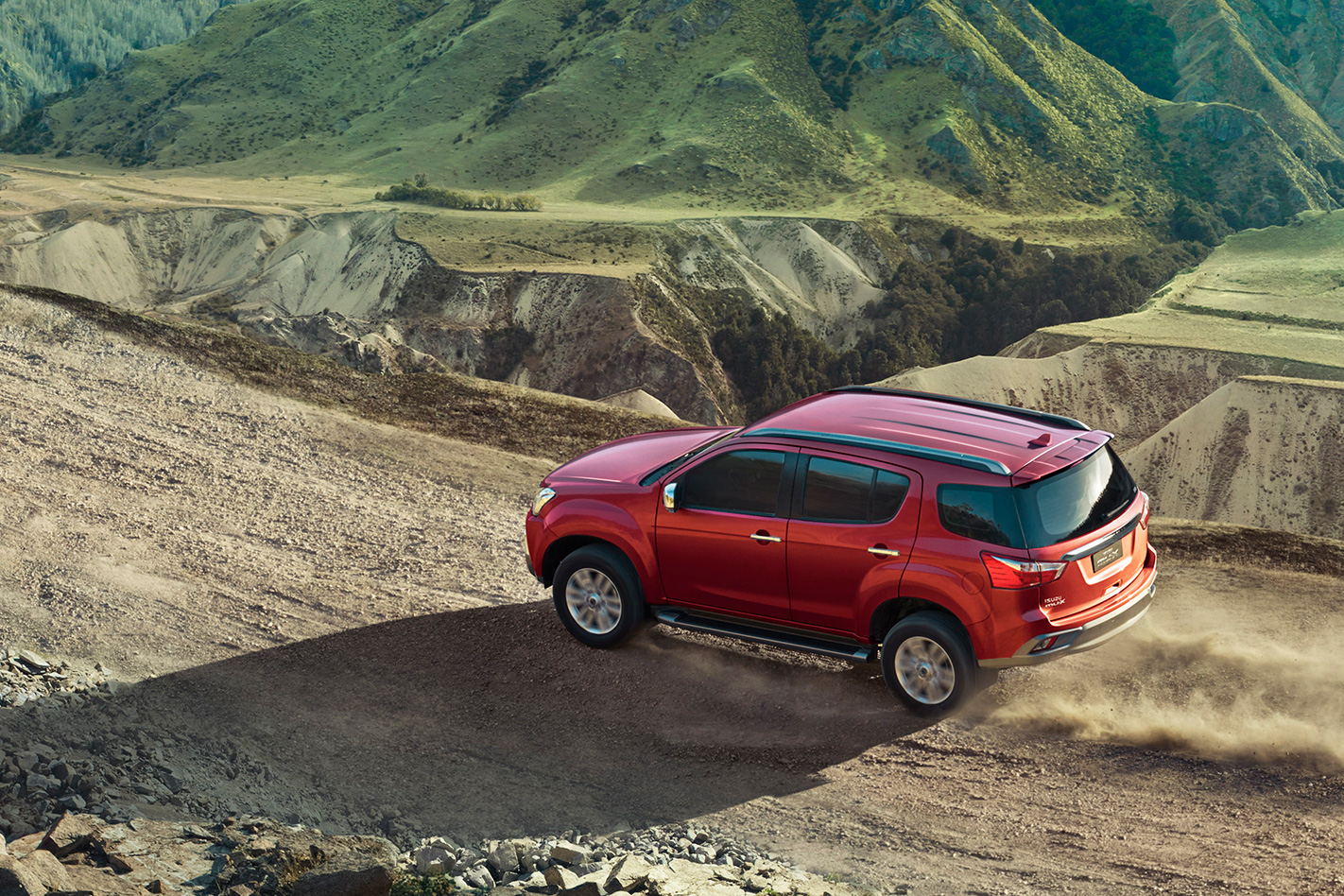
Each model is fitted with a turbocharged 3.0-litre four-cylinder diesel engine making 130kW at 3600rpm, and 430Nm at 2000rpm.
This is mated to a six-speed automatic gearbox for all variants, with a six-speed manual transmission only available on the LS-U 4×4, for $50,400.
Each 4×4 model is fitted with a control system called Terrain Command that can shift between two- and four-wheel drive on the fly, at up to 100km/h. Low-range gears are also available for off-roading.
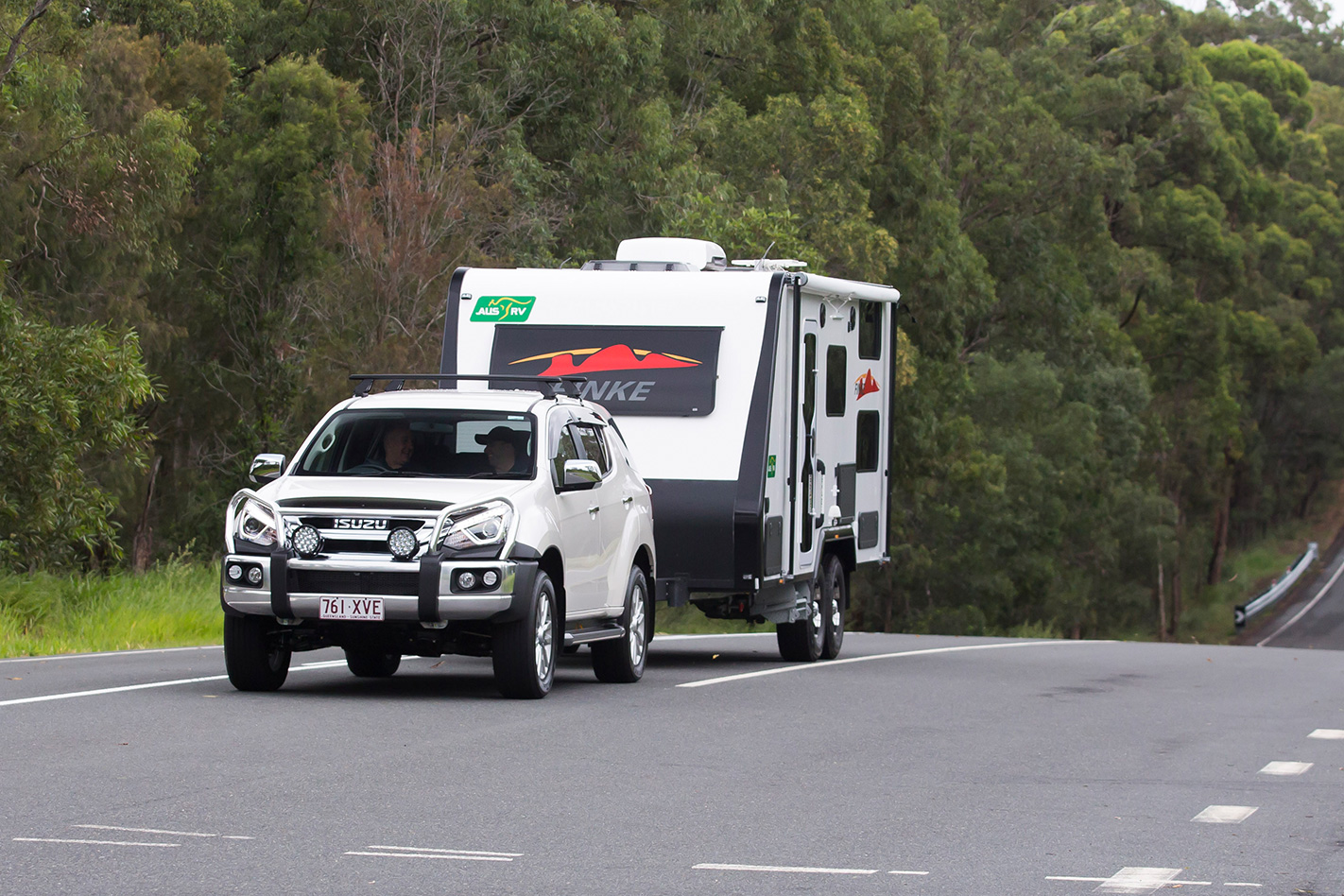
Isuzu offers a five-year, 130,000km warranty as standard, accompanied by five years of roadside assistance, and capped price servicing.
The D-Max’s big claim to fame is its class-leading 3000kg braked towing capacity, while each MU-X is fitted with three rows of seating capable of hauling seven occupants around in comfort.
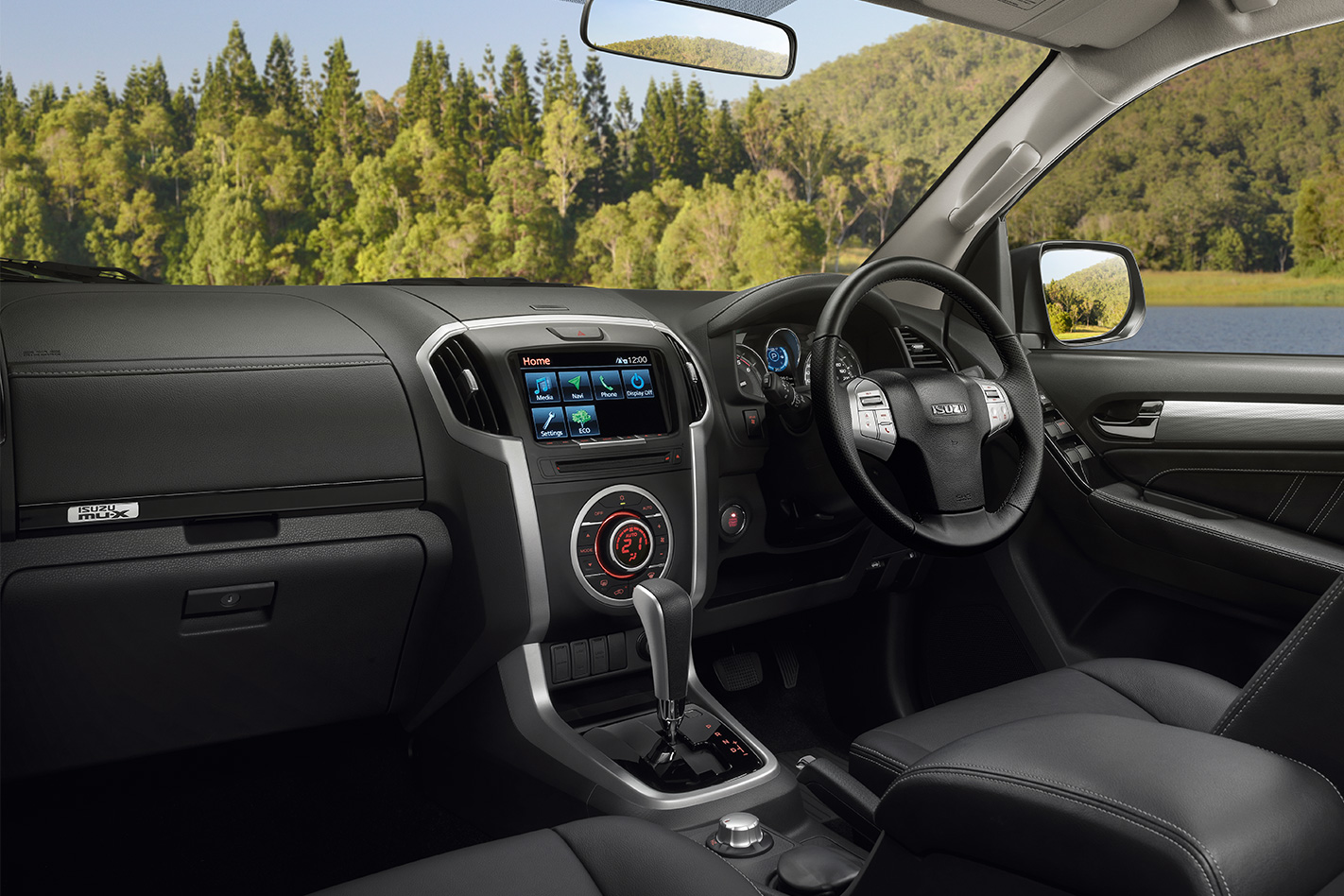
The update doesn’t add any new safety tech such as automatic emergency braking, but the D-Max is fitted with ABS, ESC, traction control, emergency brake assist, trailer sway control, hill start assist, hill descent control, a reversing camera, and six airbags as standard.
Interior tweaks are reserved for the LS-T, which gains leather-trim seats and an electrically adjustable driver’s seat. The LS-T also gains a DVD player for entertaining second- and third-row occupants on longer drives.
The LS-U automatic is available for $45,200 in 4×2 spec, or $52,500 for the automatic 4×4.
Those not needing to tackle off-road trials can pick up the 4×2 LS-T for $48,900, while the LS-M is the cheapest 4×4 of the range at $50,200.
FORMER Holden engineer Travis Hester will head up General Motors’ Canadian carmaking and sales operations in a sign the manufacturing giant may one day have an even bigger role in store for him.
Last week’s announcement that Hester would leave his role as GM’s vice-president of global product programs, where he was in charge of more than 100 projects in various stages of development, is a promotion for the former development head of the Omega-based Cadillac CT6.
“Hester brings extensive global leadership and global product development experience to his new role at GM Canada,” GM said in a statement. “Since 2016, he has led the team responsible for balancing all aspects of vehicle development, including quality, cost, appearance, purchasing, customer acceptance and performance targets.”
The praise comes in light of criticism from some GM insiders that the CT6 project was late and over-budget; Hester claims his team weren’t in a rush to finish it.

Canada is also a major GM manufacturing hub for North America and other global markets. The Zeta-based Chevrolet Camaro that was designed and developed in Australia was built at Oshawa, Ontario from 2010-15. However, in what draws deep parallels with the slow decline in Australian manufacturing that eventually led to GM’s exit late last year, Hester will have to deal with the Canadian carmaking industry’s struggles with pressure from the cheaper Mexican labour that is swaying multi million-dollar budgets at the boardroom level.
Hester moved to the US for the first time in November 2005 as an advanced program engineering manager working on the global rear-wheel-drive advanced vehicle development for both the Zeta-based Holden VE Commodore and Chevrolet Camaro platforms.
His last three years in Australia included working closely with then-Holden boss Denny Mooney, where he assisted across Holden’s global business operations including sales and marketing, manufacturing, IT, purchasing, engineering, design and finance.
Hester is one of a number of rising Australian stars at GM. They include former sales chief Phil Brook, now vice-president of marketing for Buick and GMC, former Holden product planner now Chevrolet Cruze global product manager Jess Bala, and former Holden design chief Mike Simcoe who now sits at a desk as GM’s vice-president of global design.
FORD Australia has copped a $10 million fine from the consumer watchdog over its handling of customer complaints relating to the PowerShift gearbox.
As well, Ford Australia will independently review complaints for customers who requested, but did not receive, a refund or no cost replacement vehicle between May 1, 2015 and November 1, 2016, when the carmaker charged customers to join what it called an Owner Loyalty Program despite potentially being entitled to either a refund or no-cost replacement vehicle.
“As we said from the outset of this action – we took too long to identify the issues and we acknowledge that PowerShift customers did not have complaints handled appropriately between May 2015 and February 2016,” Ford Australia chief executive Graeme Whickman said.
“We were overwhelmed with the volume of complaints and, while it was not intended, over a 10-month period our processes were inadequate and information provided was either inaccurate or incomplete. We let our customers down and for that we are sorry.”
Ford will also pay $500,000 toward the ACCC’s legal costs.
A former PowerShift owner who had fought for fair compensation told Wheels he welcomed today’s announcement, and said he would be fighting to get “every cent back”. “I’m very disappointed we didn’t have that much support from even the industry body, but now they will pay,” he said.
While the fine that the ACCC slugged Ford with is significant, it pales in comparison with the one levied against Japanese shipping company Nippon Yusen Kabushiki Kaisha, which paid $25 million after it was convicted of criminal cartel conduct. Its business? Shipping cars made by companies including Honda, Mazda, Nissan, Suzuki and Toyota to Australia.
“Ford’s $10 million penalty is one of the largest handed down under the Australian Consumer Law and reflects the seriousness of Ford’s conduct,” ACCC chairman Rod Sims said. “Ford knew that its vehicles had three separate quality issues, but dealt with affected customers in a way which the Court has declared to be unconscionable.
“Despite knowing that shuddering was a symptom of the quality issues with the vehicles, Ford frequently told customers that shuddering was the result of the customer’s driving style. Ford knew that the symptoms of the quality issues with the vehicles were experienced intermittently, but required customers to demonstrate them on demand in the presence of a dealer in order for repairs to be undertaken,” he said. “In most cases, Ford refused to provide a refund or no-cost replacement vehicle to consumers, even after vehicles had undergone multiple repairs that had not resolved consumers’ complaints.“
Ford said the ACCC investigation into the way it had handled the PowerShift issues – owners were reporting everything from severe shuddering to a loss of power from their gearboxes – had identified the challenges its customers faced and the lack of appropriate processes to effectively handle these.
“Of particular concern was the Owner Loyalty Program, which resulted in customers paying an additional cost to buy new vehicles although they may have been eligible for a refund or no cost replacement vehicle. We now realise this program was flawed as it didn’t ensure an adequate assessment of customers’ rights under consumer law. It was discontinued in November 2016.
“We are committed to making right with these customers,” Whickman said.
Under the settlement with the consumer watchdog, Ford Australia will:
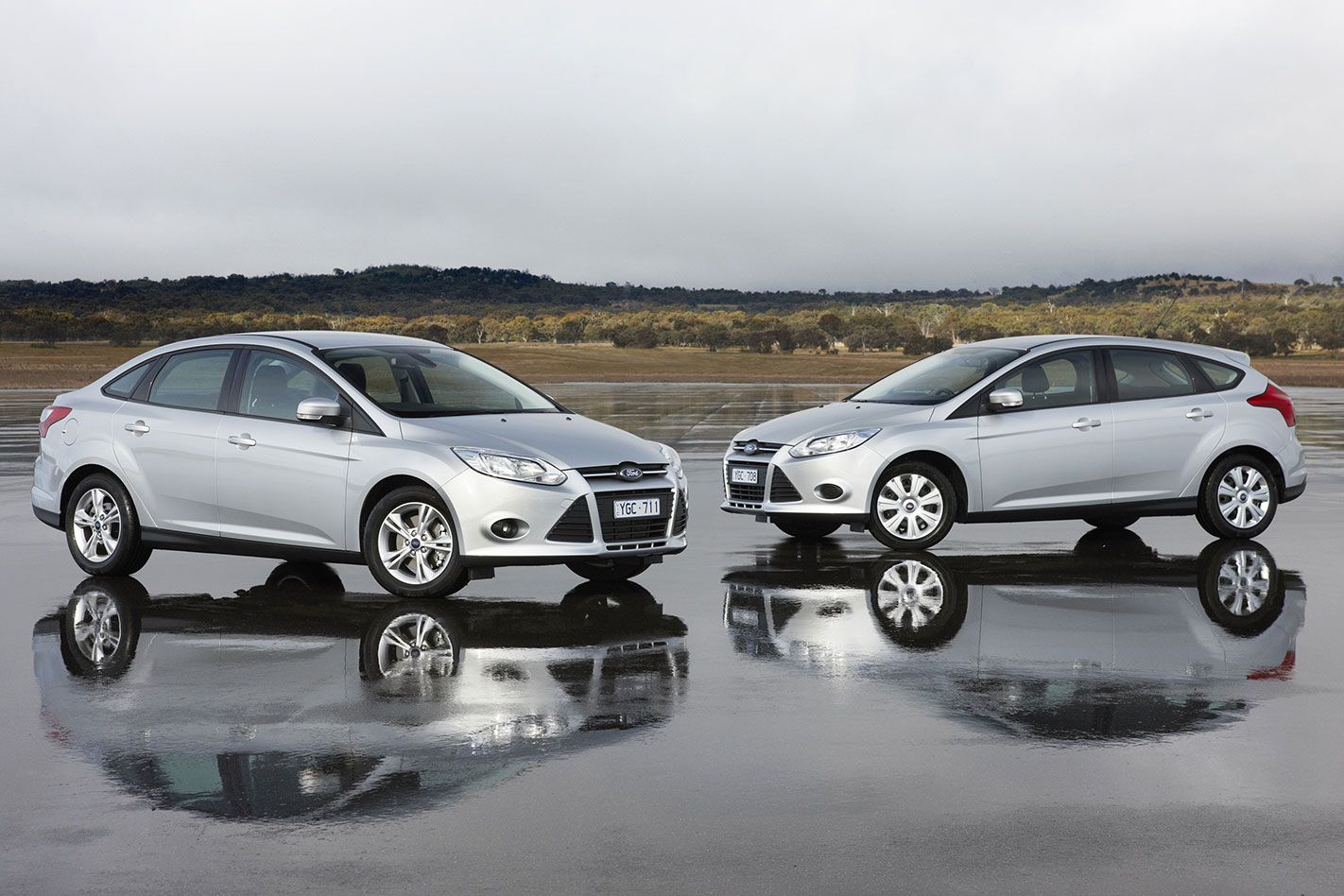
It said owners of Ford Focus, Fiesta or EcoSport vehicles with a PowerShift transmission who requested, but did not receive a refund or no cost replacement vehicle between 1 May 2015 and 1 November 2016, could have their case independently reviewed.
“Ford will provide compensation to affected customers in line with the independent reviewer’s decision,” it said.
Ford said about 10,500 customer cases were opened between May 1, 2015 and November 1, 2016 and may be eligible to participate in the independent complaints review program.
This includes about 1600 customers who traded in their PowerShift-equipped car and then dipped into their own pocket for a changeover vehicle, and about 180 owners who were offered Ford staff prices for a new car.
The review process will start in early July and run for 12 months. Ford Australia said customers could call 13FORD or visit ford.com.au/powershift to register their email address to receive updates on the independent review process.
The ACCC announced in July last year it would take Ford Australia to the Federal Court alleging that the carmaker had engaged in “unconscionable and misleading or deceptive conduct, and made false or misleading representations in its response to customer complaints”.
The resolution of the court action comes a week before a May 4 deadline set by the Federal Court.
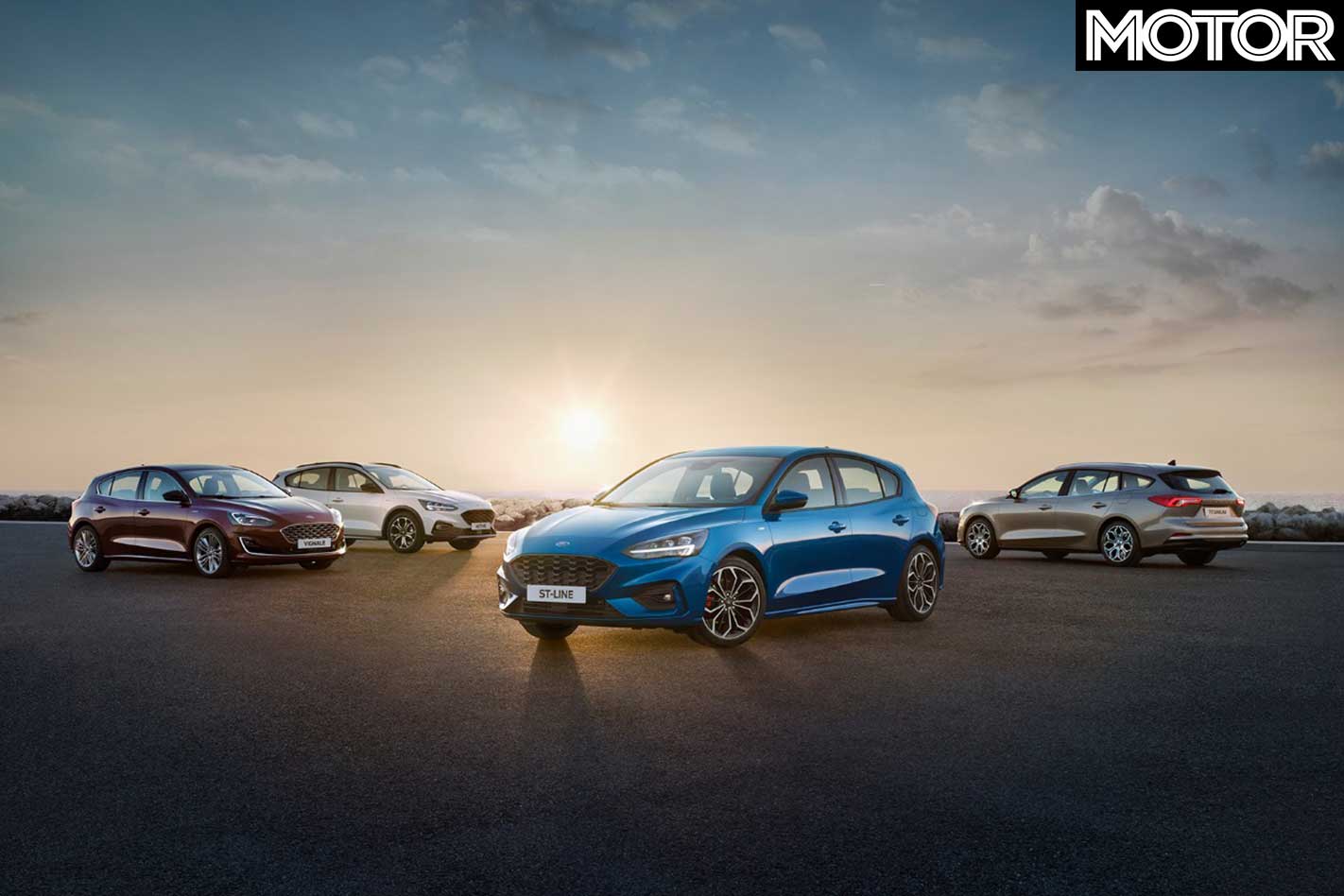
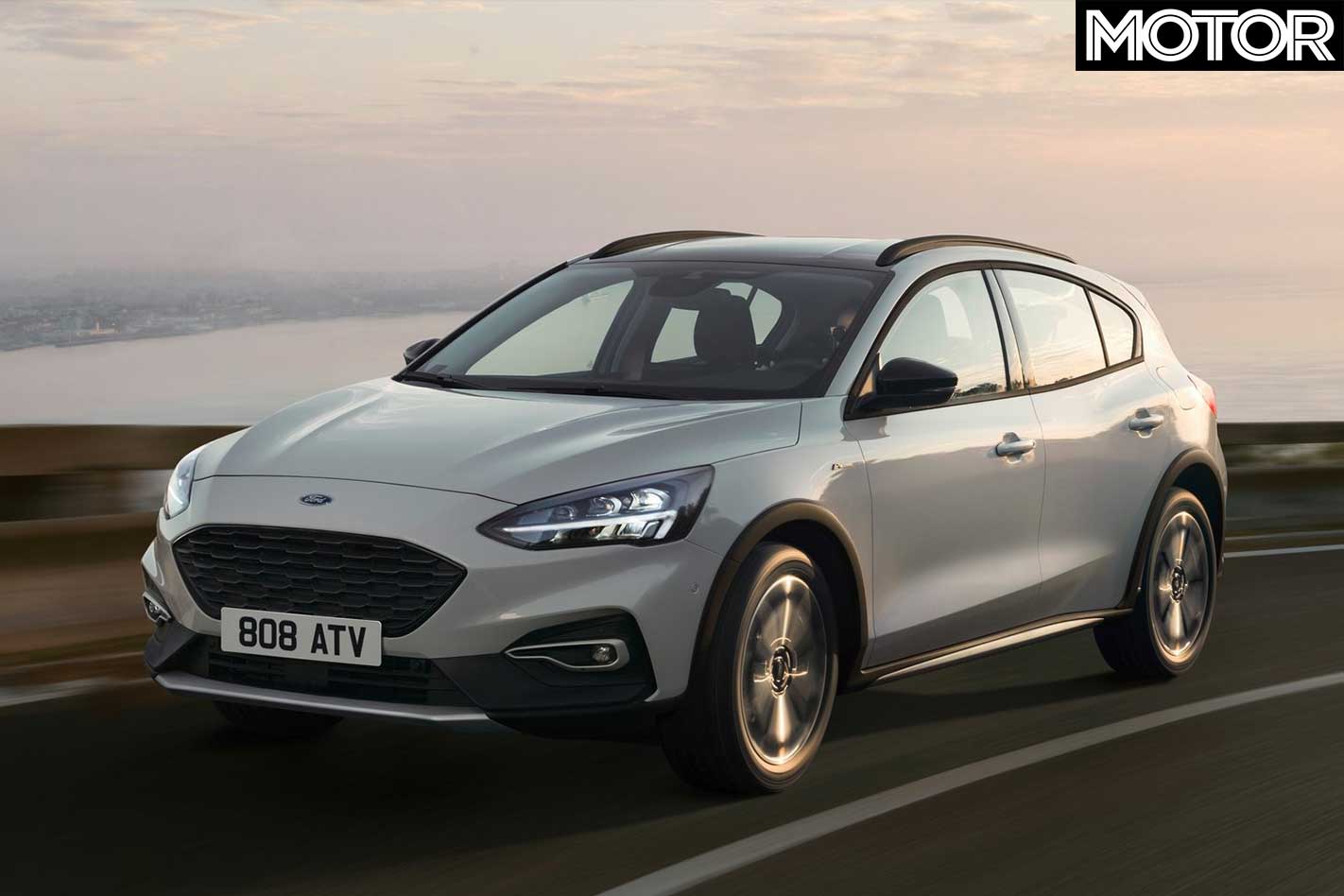
Ford has announced that, in the US, it plans to cull its existing base of passenger cars down to just two vehicles – the Mustang, and the Focus Active.
In its latest financial update, Ford Motor Company president and CEO Jim Hackett said Ford will be focused on “building a winning portfolio and focusing on products and markets where Ford can win.”
Hackett said the market shift to utility vehicles and commercial vehicles means it’s not in Ford’s best interests to sink more money into passenger cars.
“If appropriate returns are not on the horizon, we will shift that capital to where we can play and win.”
An extension of the statement from Hackett appears on a release sent out after the conference.
“By 2020, almost 90 per cent of the Ford portfolio in North America will be trucks, utilities and commercial vehicles,” the statement says.
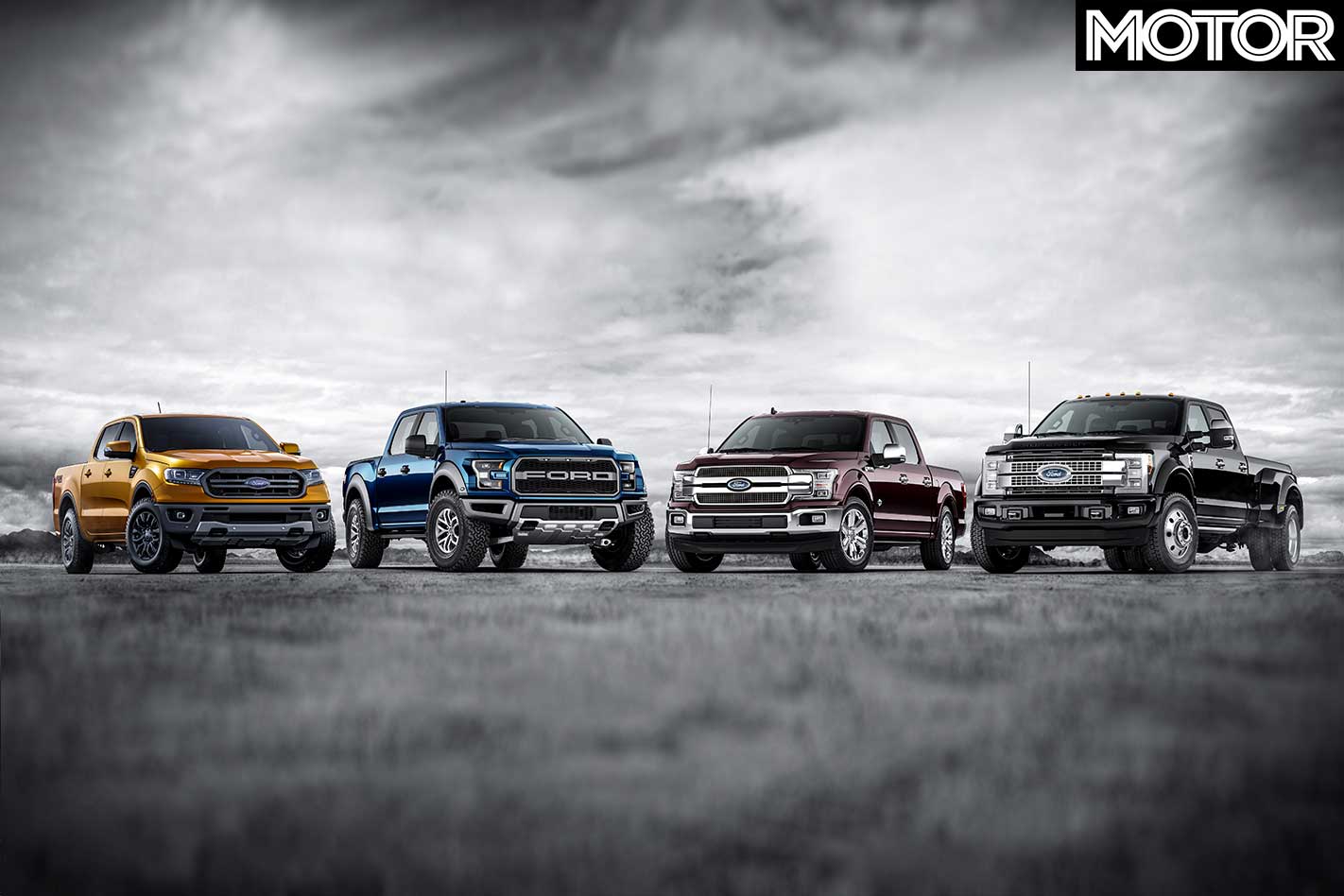
“Over the next few years, the Ford car portfolio in North America will transition to two vehicles – the best-selling Mustang and the all-new Focus Active crossover coming out next year.”
“[Ford is] making a full commitment to new propulsion choices, including adding hybrid-electric powertrains to high-volume, profitable vehicles like the F-150, Mustang, Explorer, Escape and Bronco.
“The company’s battery electric vehicle rollout starts in 2020 with a performance utility, and it will bring 16 battery-electric vehicles to market by 2022.”
WORLD-CLASS drifters are on another level when it comes to car control, but pro drifter Vaughn Gittin Jr taken it to the next level by sliding a hulking Ford F-150 Raptor around one of the world’s most feared tracks.
The factory Ford driver and former Formula D champion was slated to slide his 671kW professional drift Mustang around the Nordschliefe – but some typically damp German weather got in the way. Instead of facing a wet Green Hell in his overpowered pony car, Gittin opted for a high-riding Ford F-150 Raptor because “drifting [a pro drift car] in the rain is boring”. Fair ’nuff.
Powering the Raptor-badged F-150 is a twin-turbo 3.5-litre V6 engine, and Gittin does an impressive job of sliding the hulking pick-up around the Nurburgring.
Gittin even drops the inside front tyre into the steeply banked section of the bend While sliding around the top of the challenging Karussell corner, all while still holding the Raptor in a full-lock slide.
The pro drifter has earned a reputation for his wild driving style, with his Mustang RTR often picking one – or both – of its front tyres off the ground during official Formula D competition.
In 2016, the three-time World Drifting champion took his slidey pony to the Catalunya F1 circuit, ripping a skid for 975 metres from turn one all the way through the long constant-radius turn four.
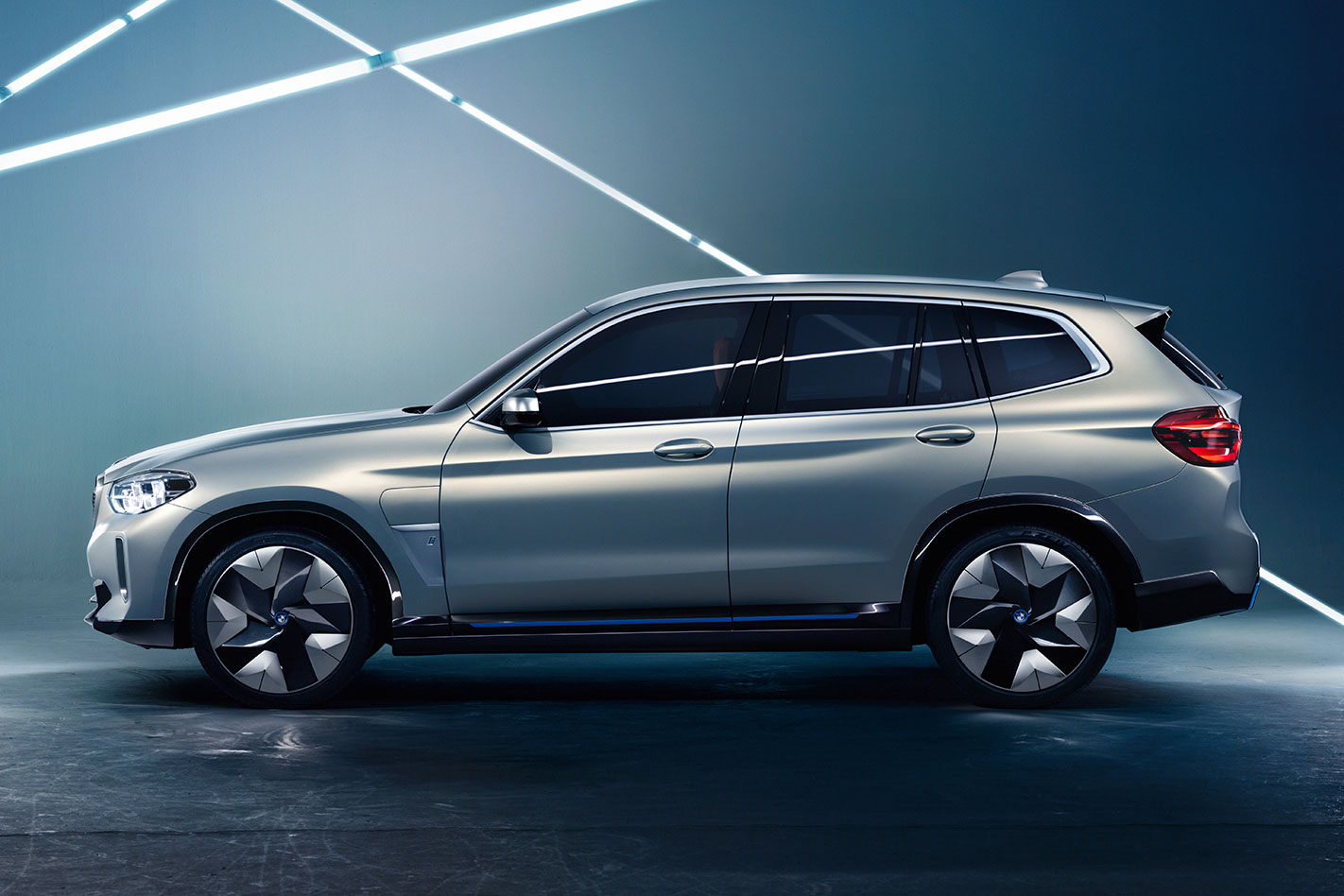
THE BMW iX3 Concept provides a glimpse of how the German luxury carmaker plans to turn the technology developed for the i3 hatchback into the more buyer-friendly SUV body.
Unveiled yesterday in Beijing, the battery-powered, 200kW/400km-range iX3 was introduced as the “first model from the BMW brand to be driven purely by electric power”, even though it wears the “i” badge of the carmaker’s electric car sub-brand and taps some of the technology developed inside its EV skunk works.
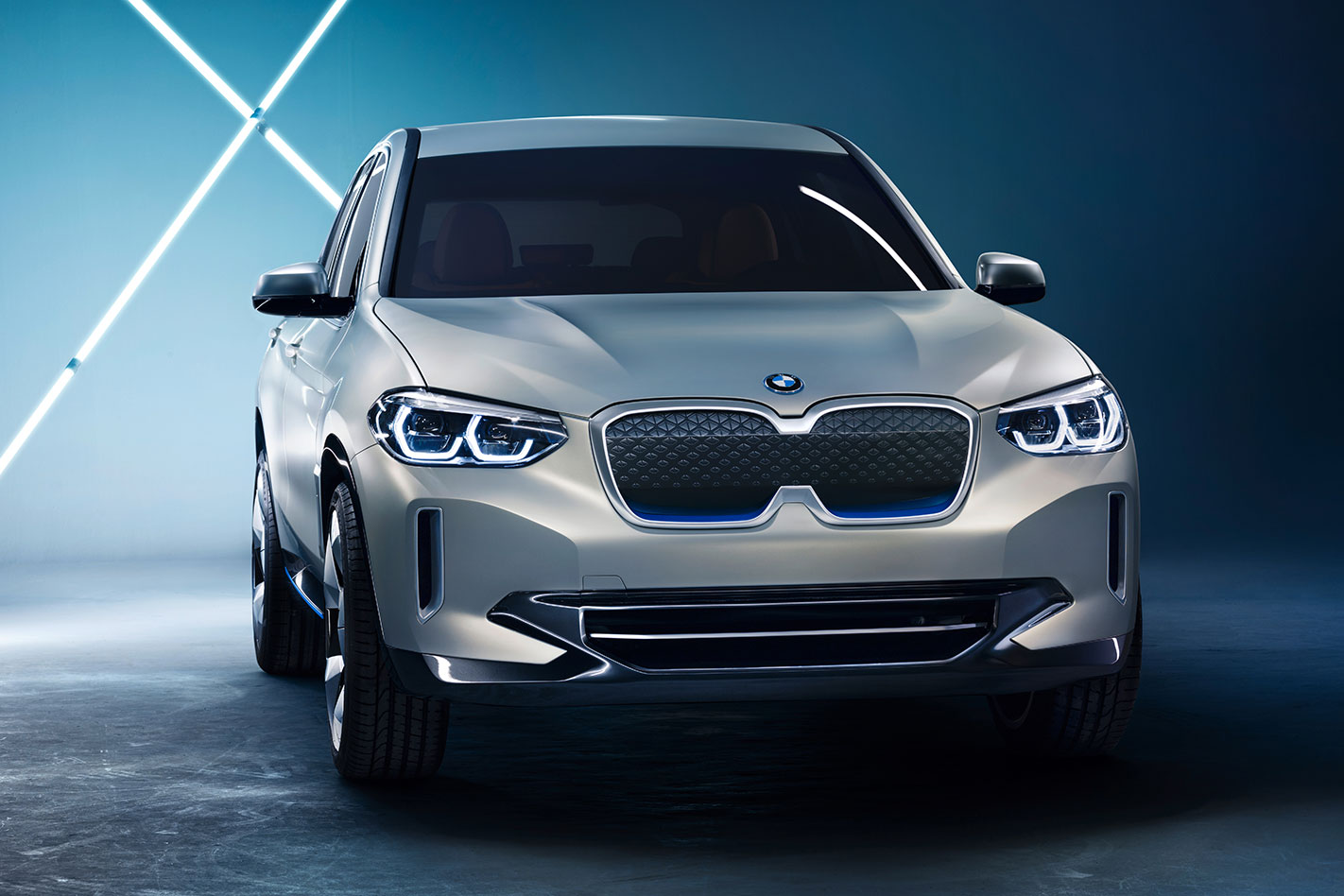
Yep, chuck in a set of batteries, and the traditional Sports Utility Vehicle morphs into the Sports Activity Vehicle, hinting that BMW’s long-held drivers’ car ethos is front of mind with its electric vehicle development. BMW says the iX3 is an important part of the development of its “future model kit”.
“The transfer of the drive system technology originally developed for BMW i cars into vehicles from the BMW Group’s core brands is entering a new dimension here,” BMW said..
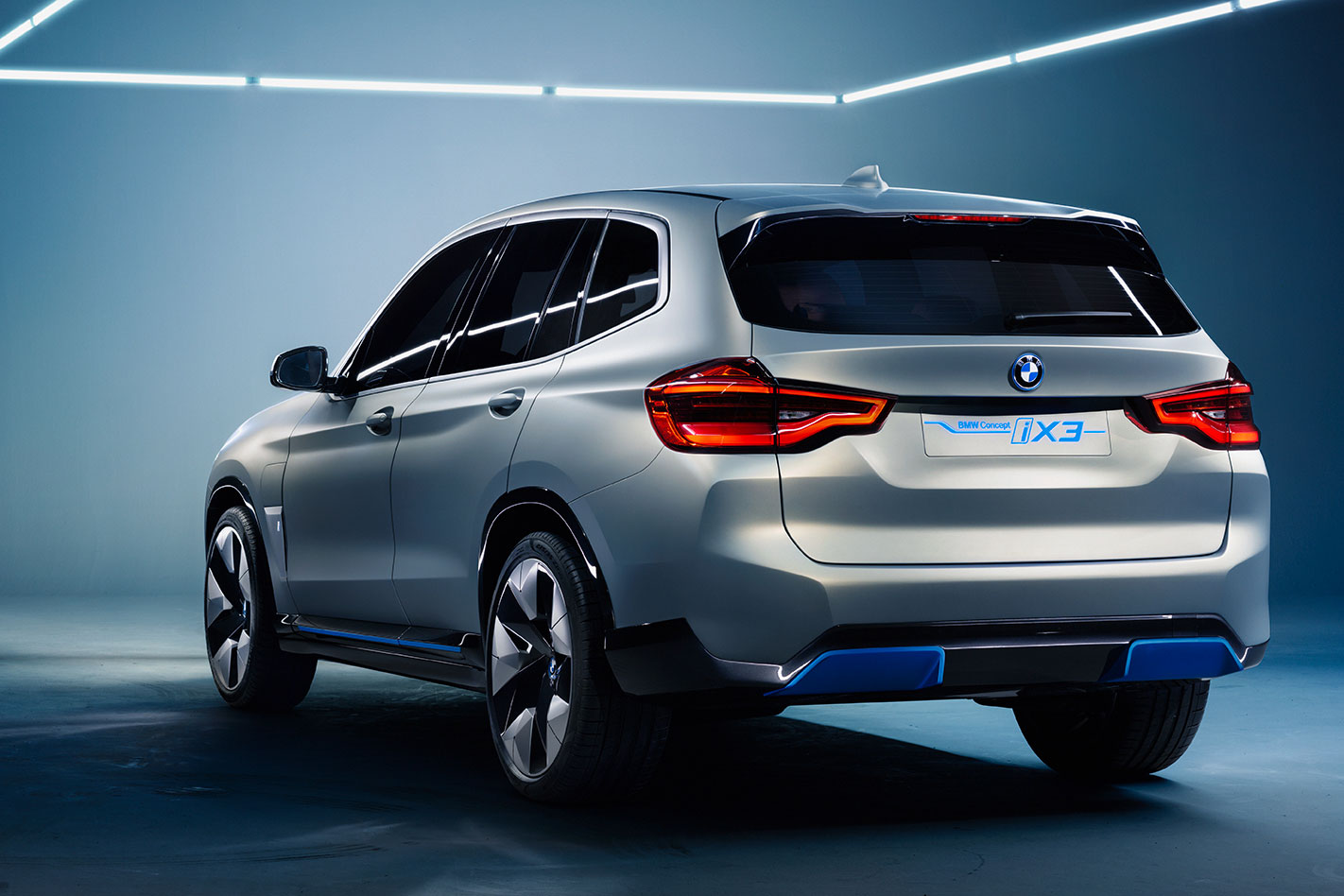
“In the BMW Concept iX3, the next, highly integrated development stage of this technology delivers all-electric mobility. The future series-production version of the electrically powered SAV will therefore also benefit from the technological basis underpinning the powertrain of the BMW iNext, due to be presented in 2021.”
This iNext will likely use the architecture teased in the iX3. “The future will see the company’s flexible, further developed vehicle architectures accommodating all types of front-wheel, rear-wheel and all-wheel drive,” BMW said. “This will pave the way for models from all the company’s brands to be equipped with different drive system variants. And that means a pure combustion engine, plug-in hybrid drive system or battery-electric solution can be integrated into any model, as desired.”
What is new is that the components needed for electrification will come mainly via BMW’s partnership with Chinese car brand Brilliance, although BMW’s US manufacturing hub will also get a look-in on the technology.
BMW said the Concept iX3 represented “another milestone on the road to locally emission-free driving under the BMW Group’s electrification strategy”. “And so a Sports Activity Vehicle once again blazes a trail for a new and groundbreaking form of BMW’s fabled driving pleasure,” it said. Okay…
As a car ages, manufacturers have two options: let it slowly fade into uncompetitive obscurity or continue to tweak and update it in an effort to keep things fresh.
Abarth has chosen the latter route for its 500-based hottie, now called the 595 Competizione in its spiciest form. It first landed locally as the Abarth 500 EsseEsse in 2012, but the donor car dates back to 2007 (!).
Originally launched with 118kW/230Nm at a price of $34,990, the 595 Competizione now starts at $31,990, yet offers 132kW/250Nm from its 1.4-litre turbo four, attached to a five-speed manual. A robotised manual will cost you an extra $2000 and should be avoided, while losing the roof adds $4000.

To be blunt, if you’re after a serious hot hatch at this price point buy a Renault Clio RS or a VW Polo GTI, but as an over-the-top runabout the Abarth has its charms.
The ride isn’t as brutal as it once was and the powertrain is brimming with character. The ergonomics are all wrong and you feel like you’re driving a phone box, but it’s a lot of fun.
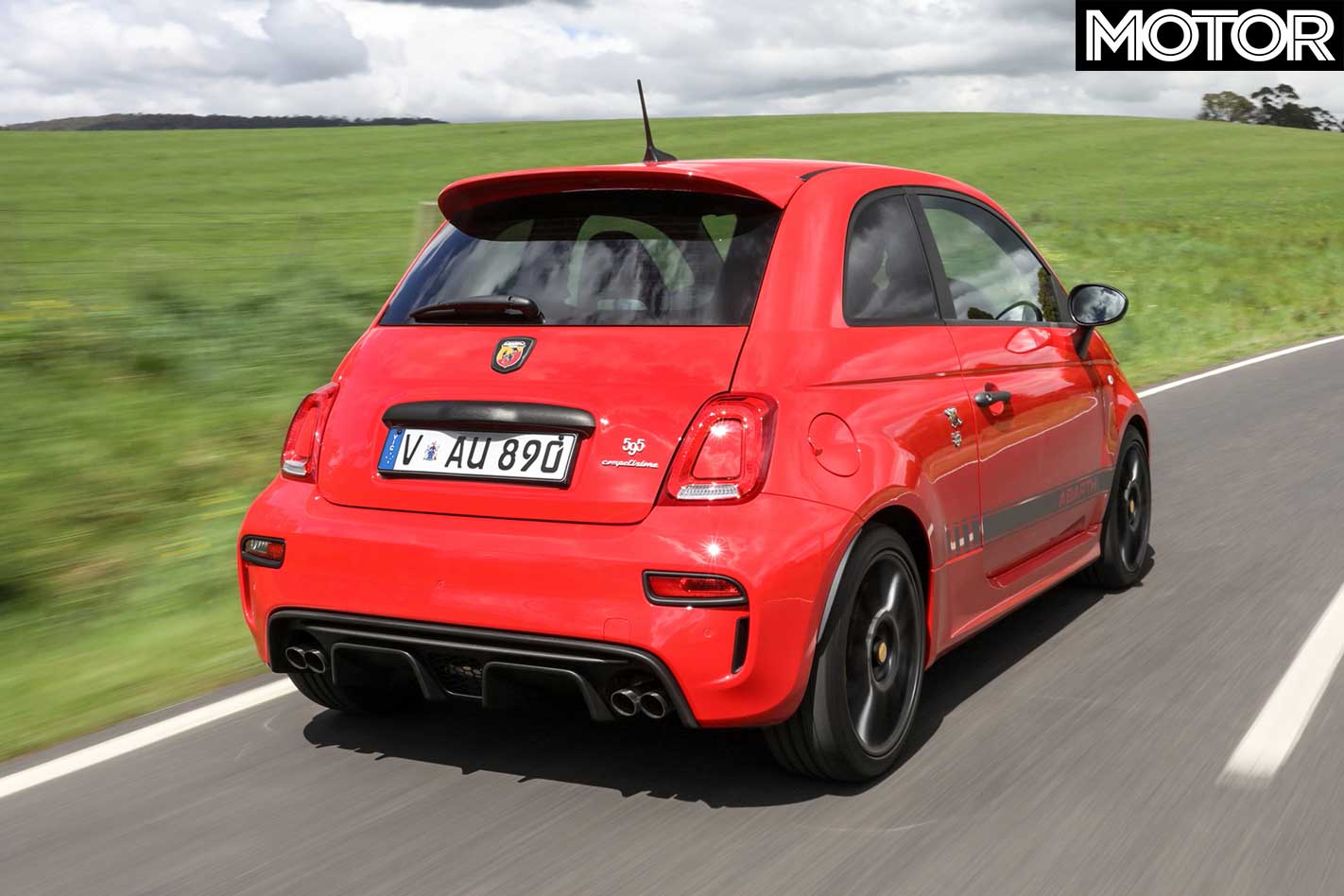
Engine: 1368cc inline-4, dohc, 16v turbo Power: 132kW @ 5500rpm Torque: 250Nm @ 3000rpm Weight: 1070kg Price: $31,990
